1/11
How to decorate a period hallway - 10 expert tips to create a stunning entryway
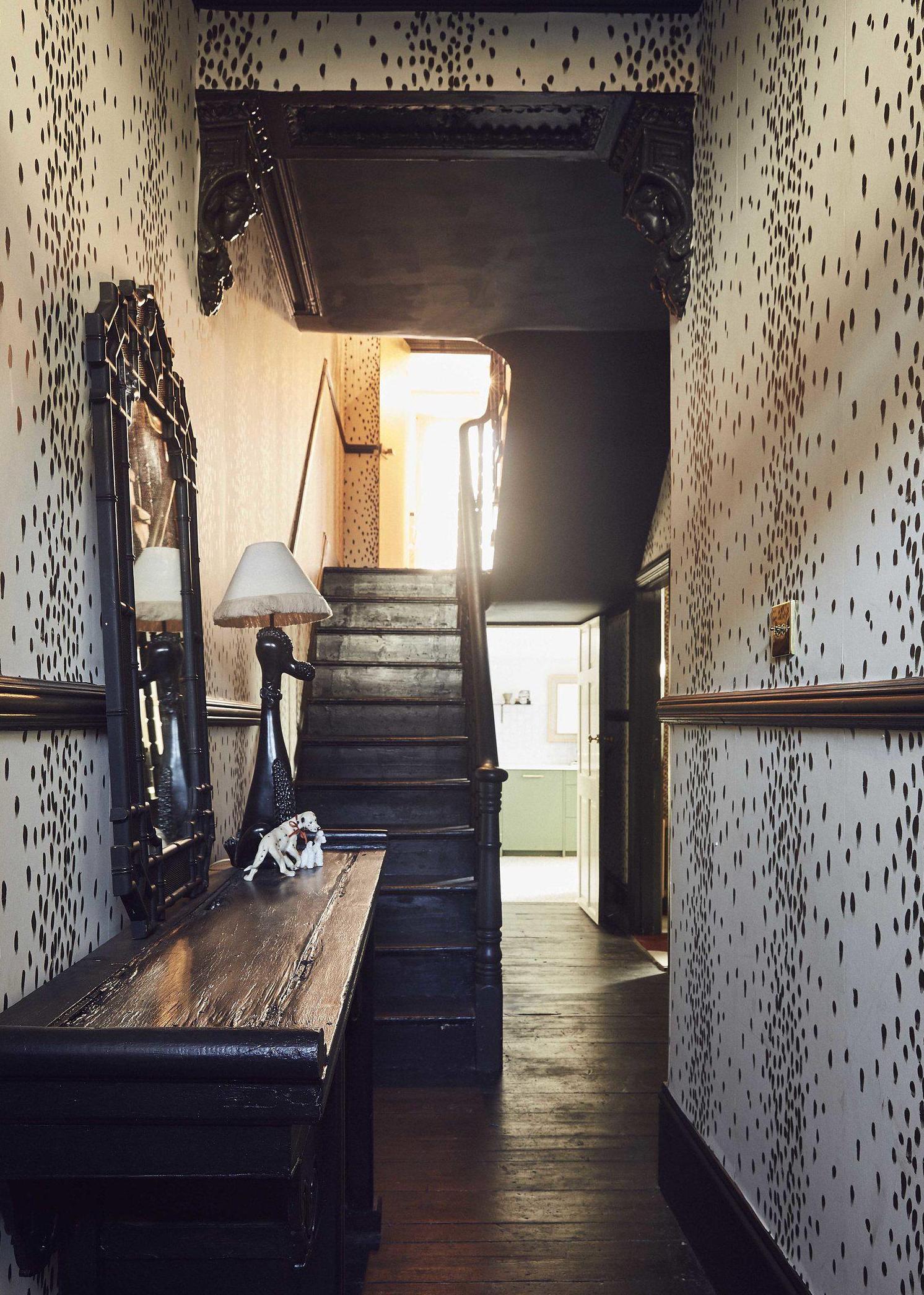
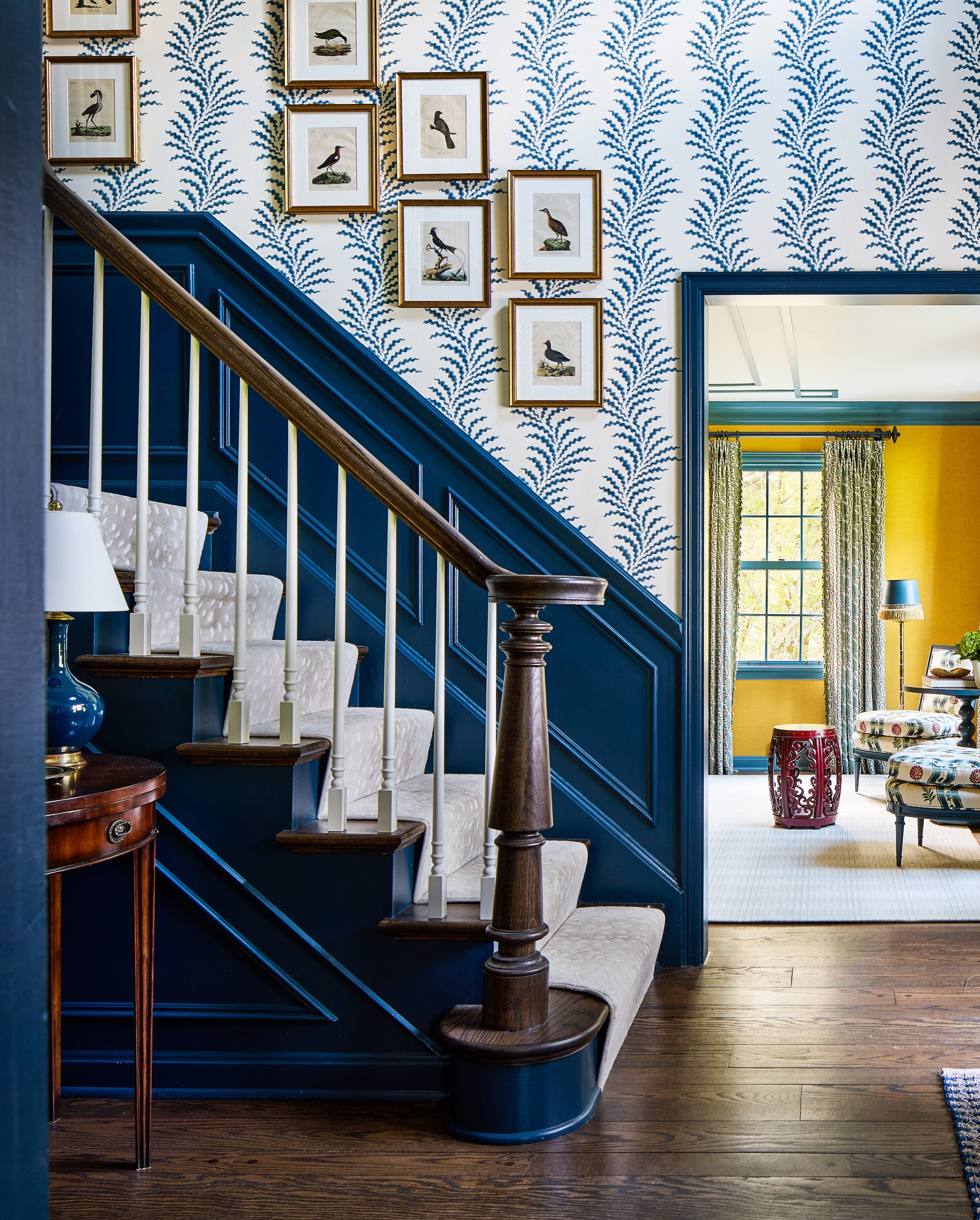
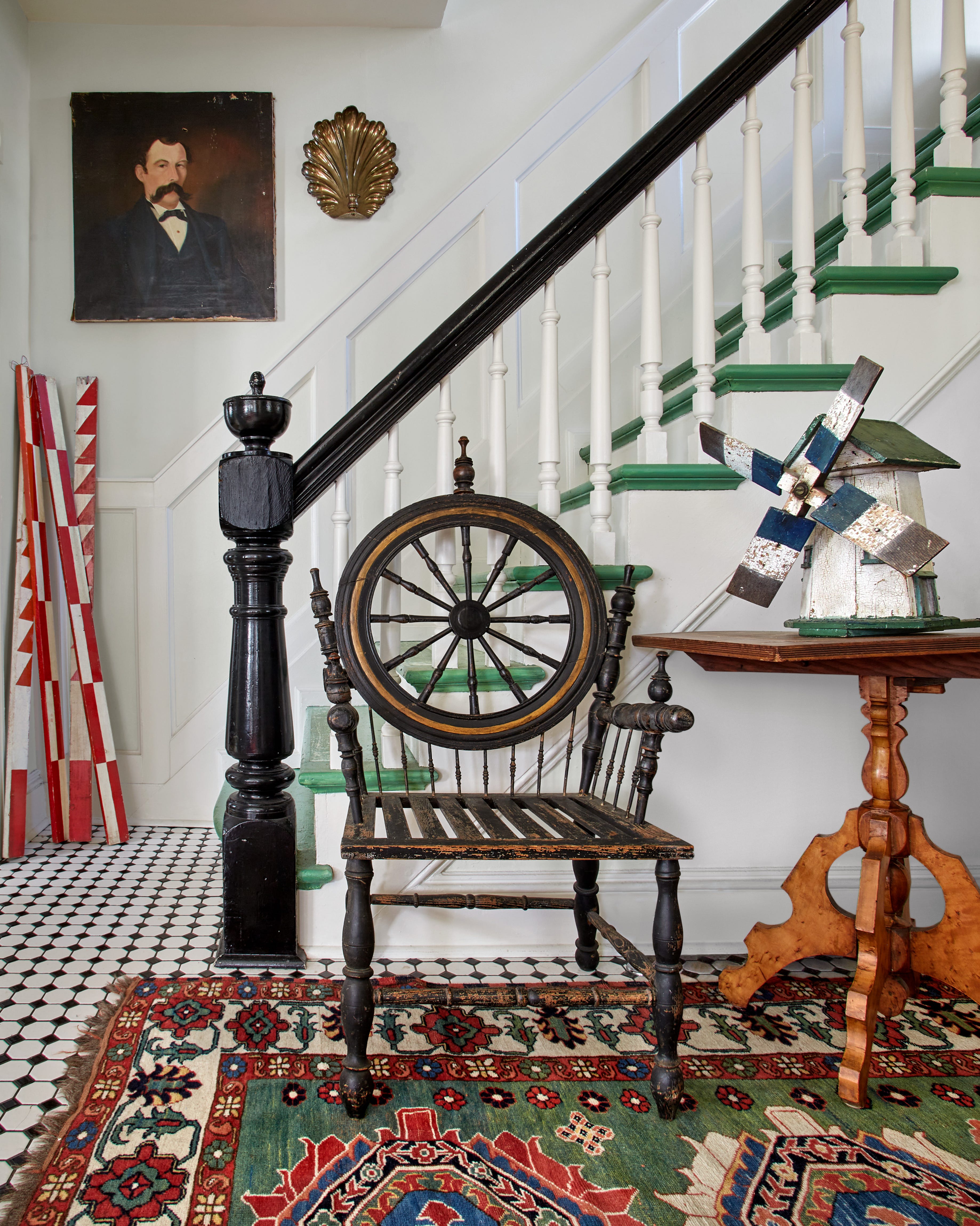
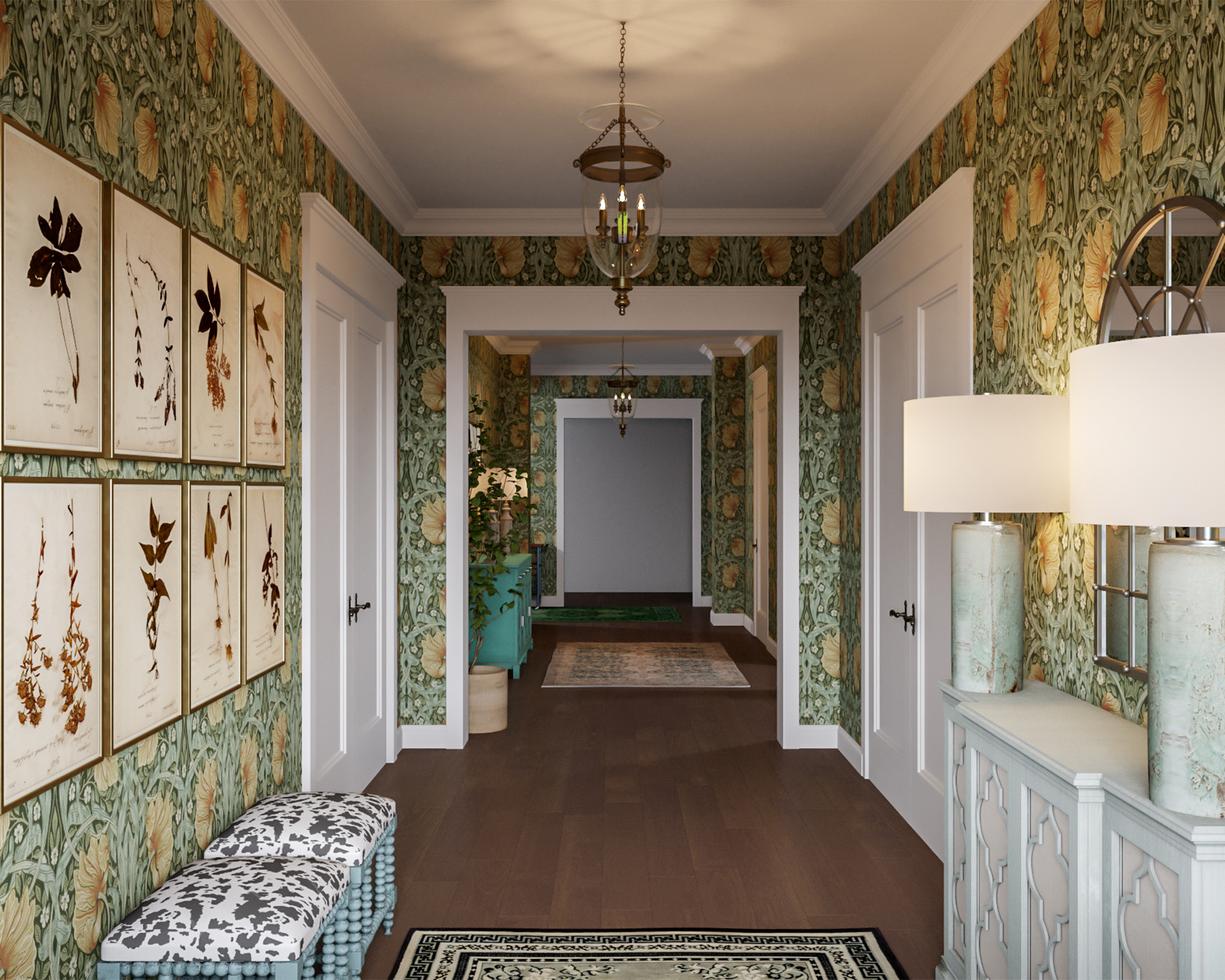
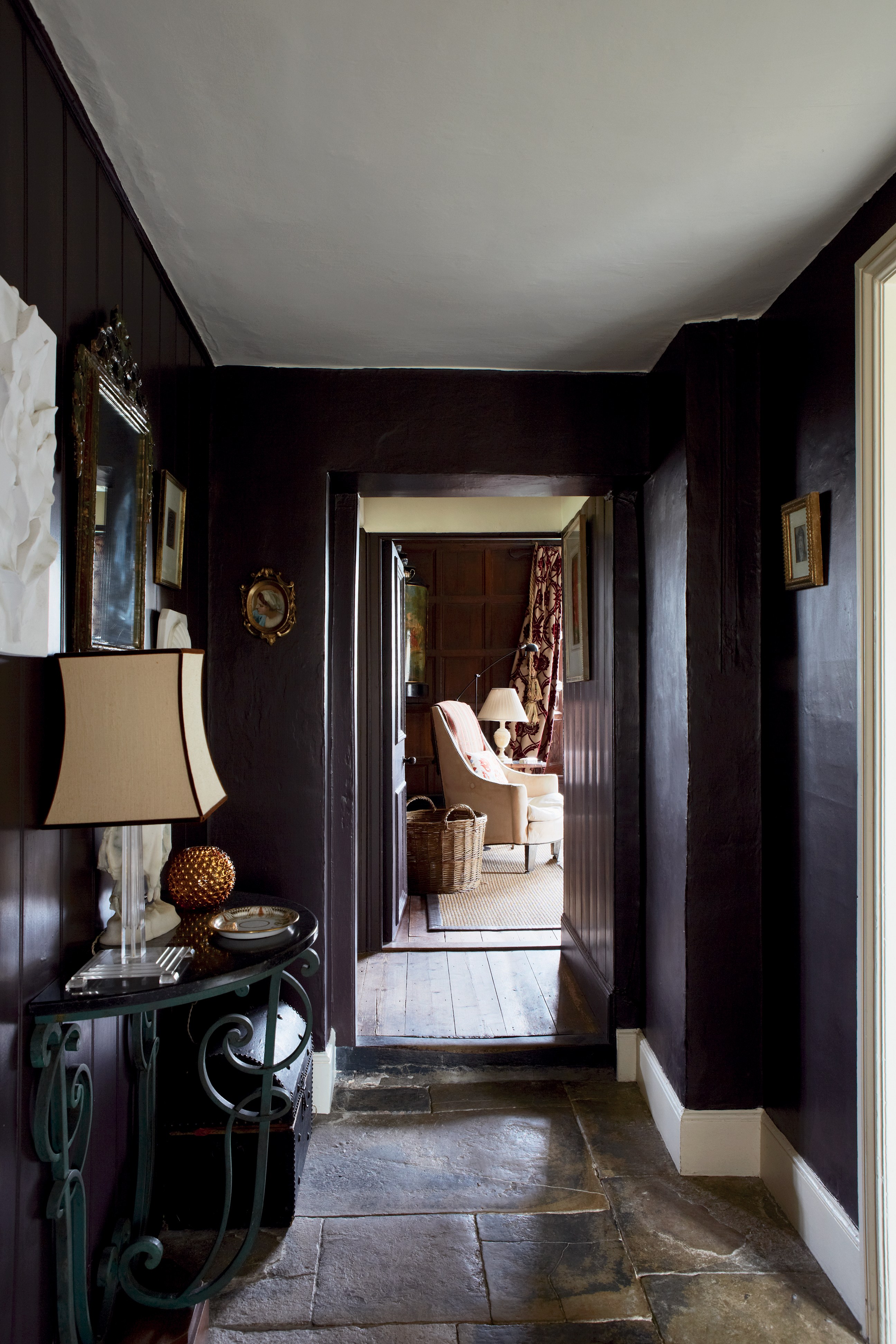
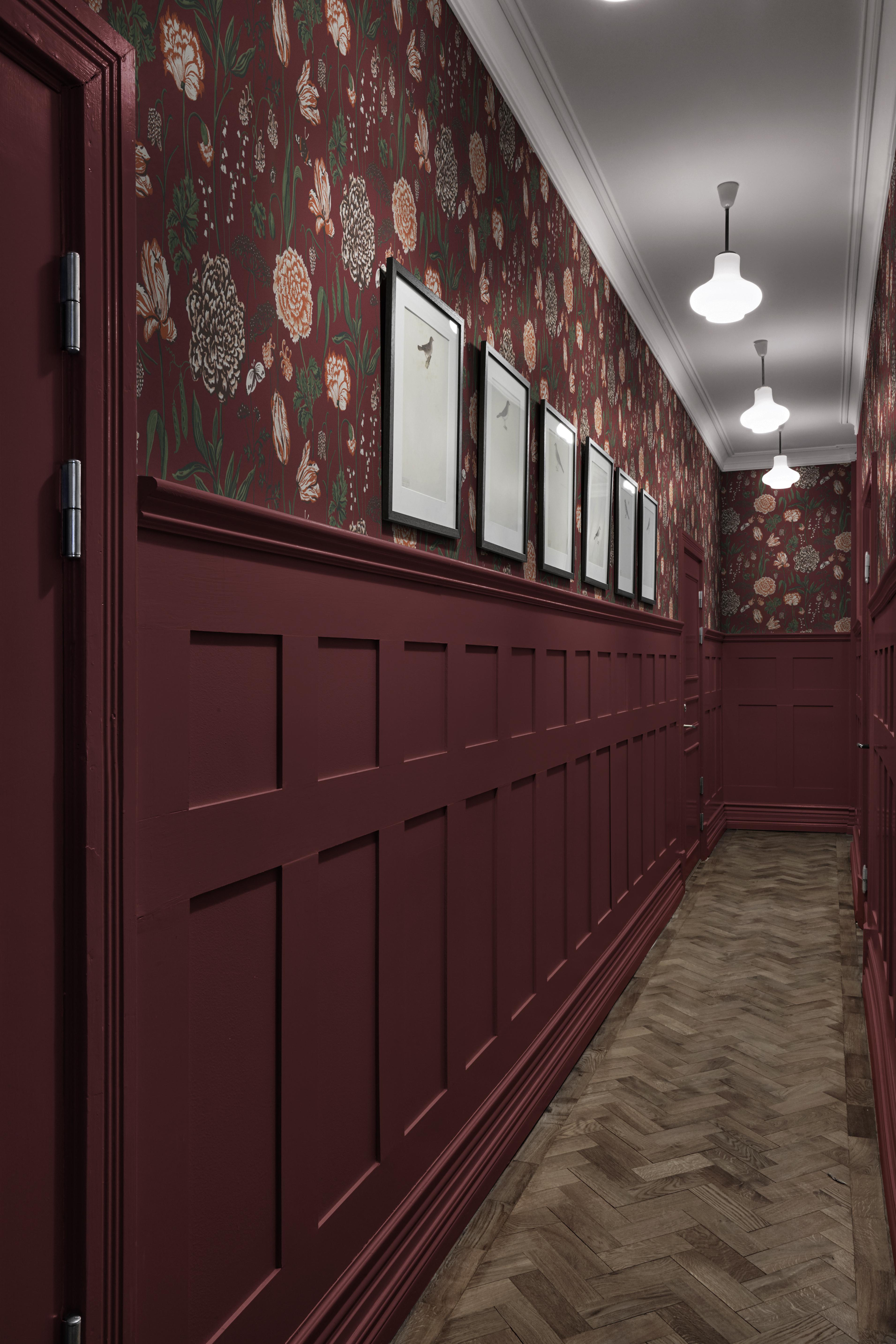
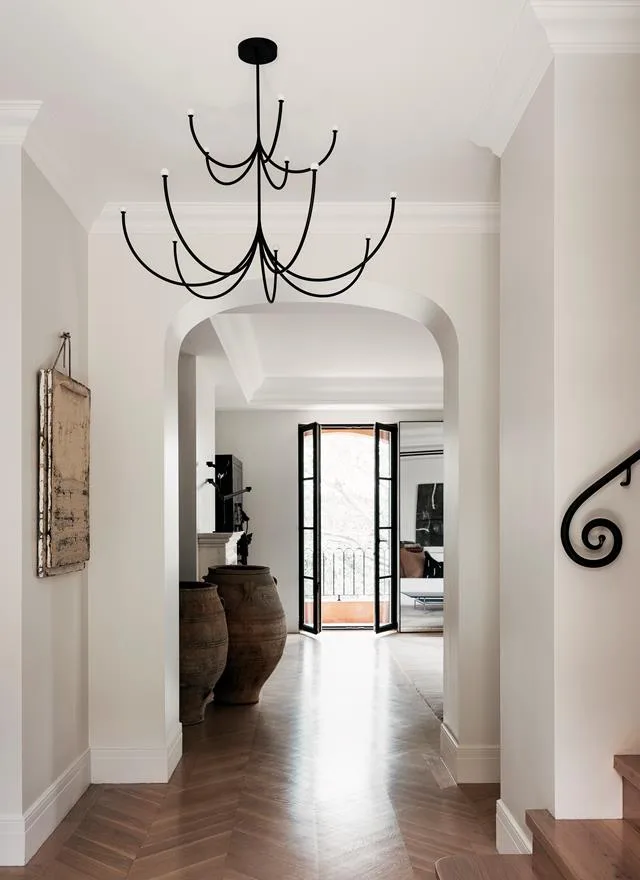
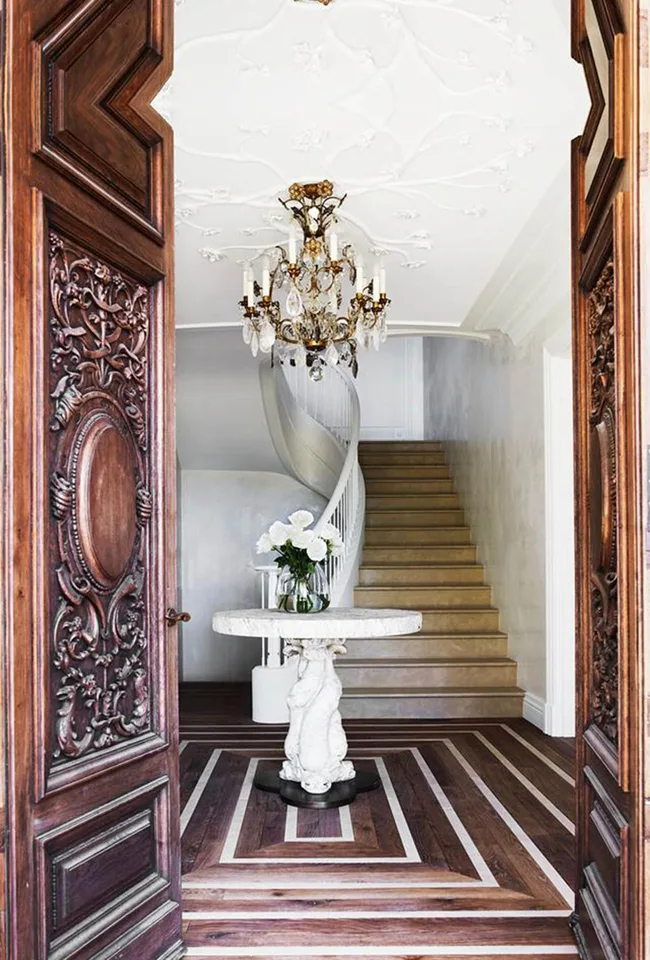
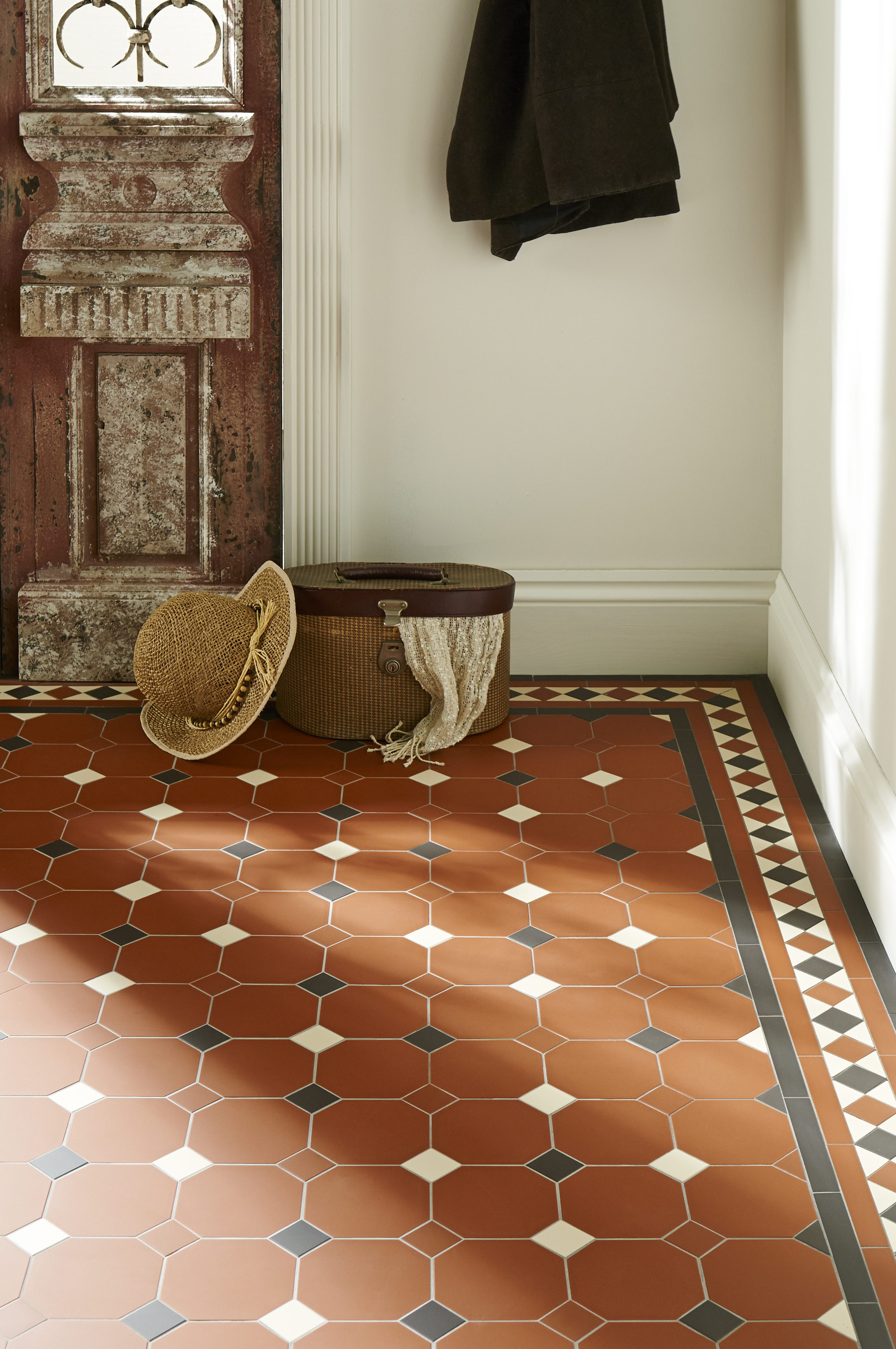
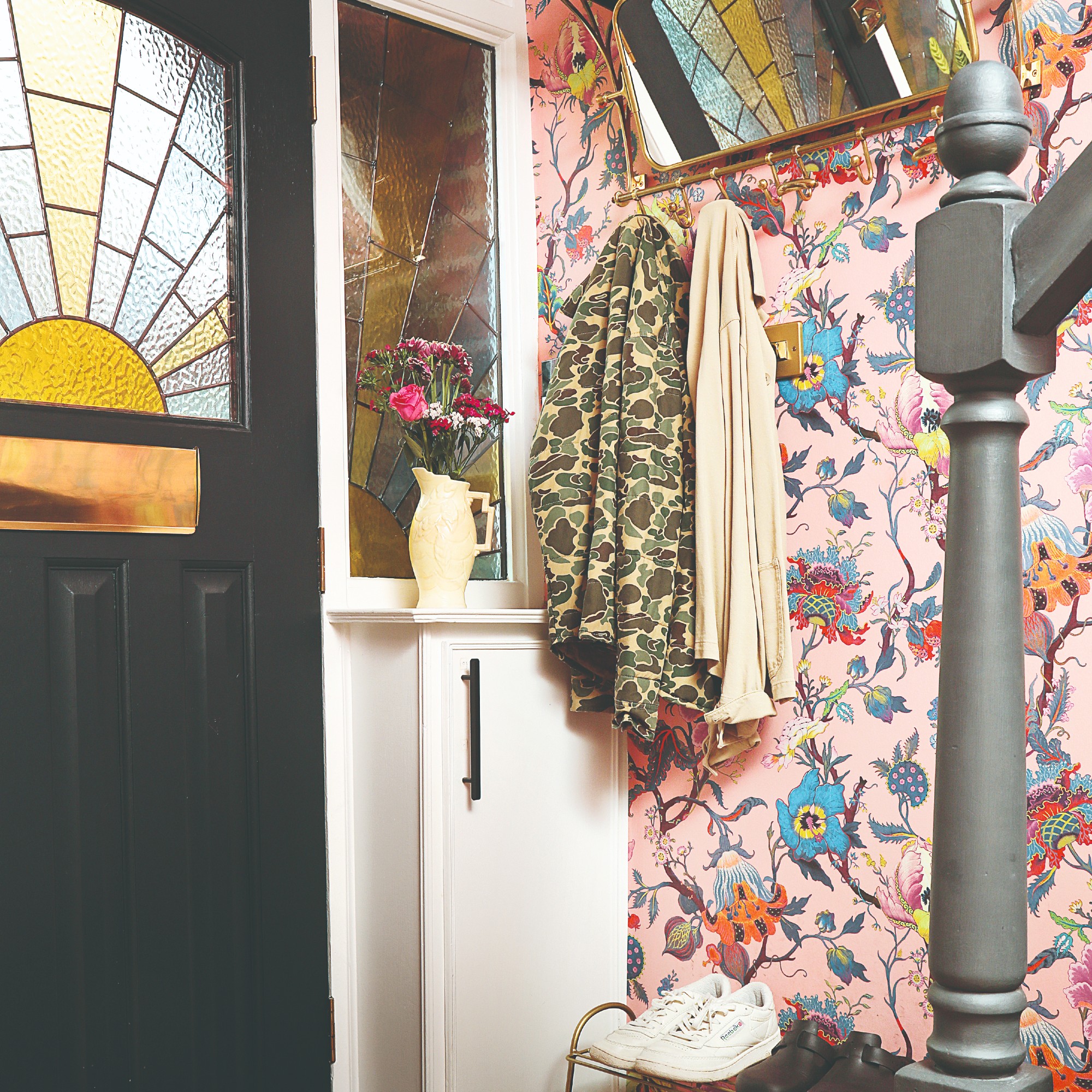
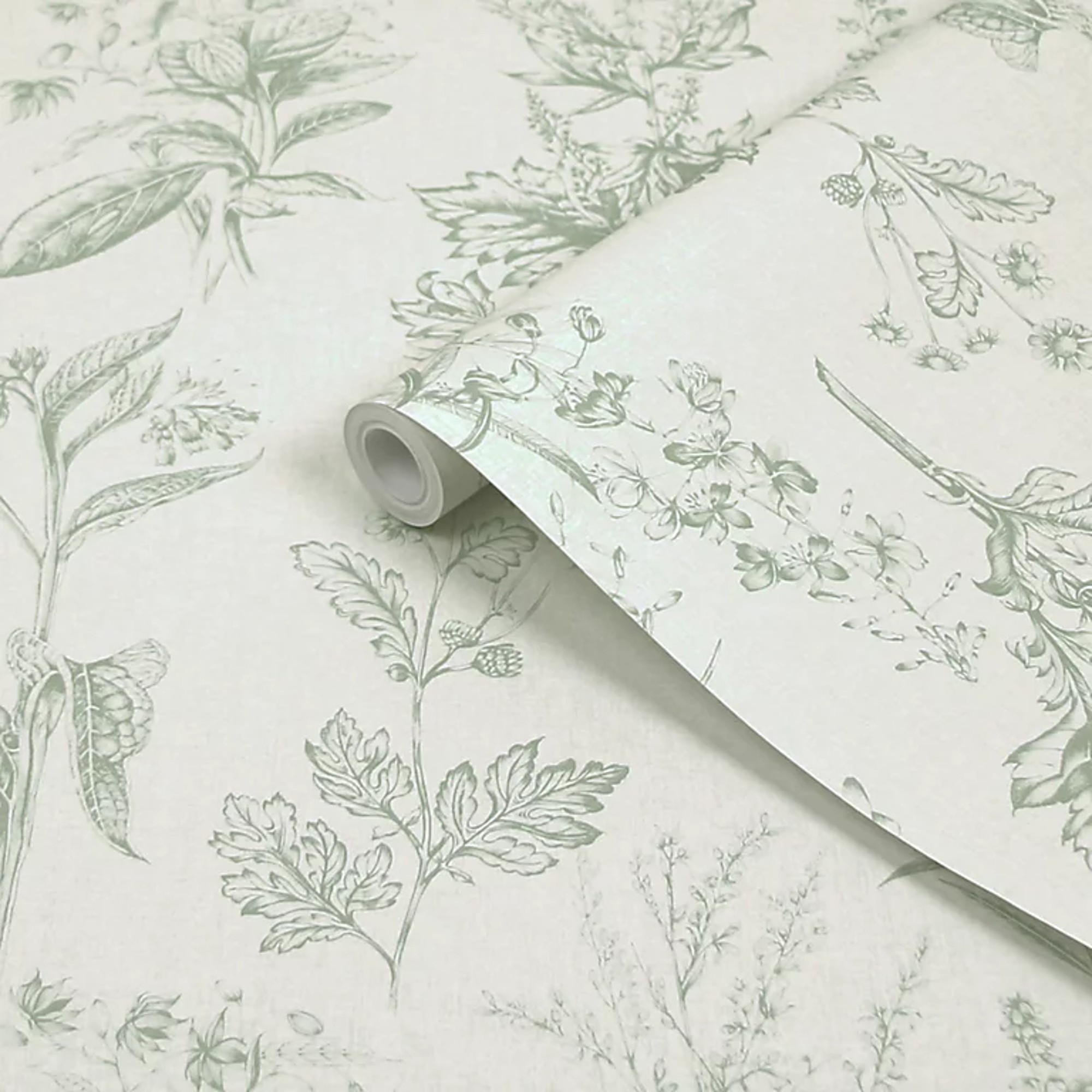
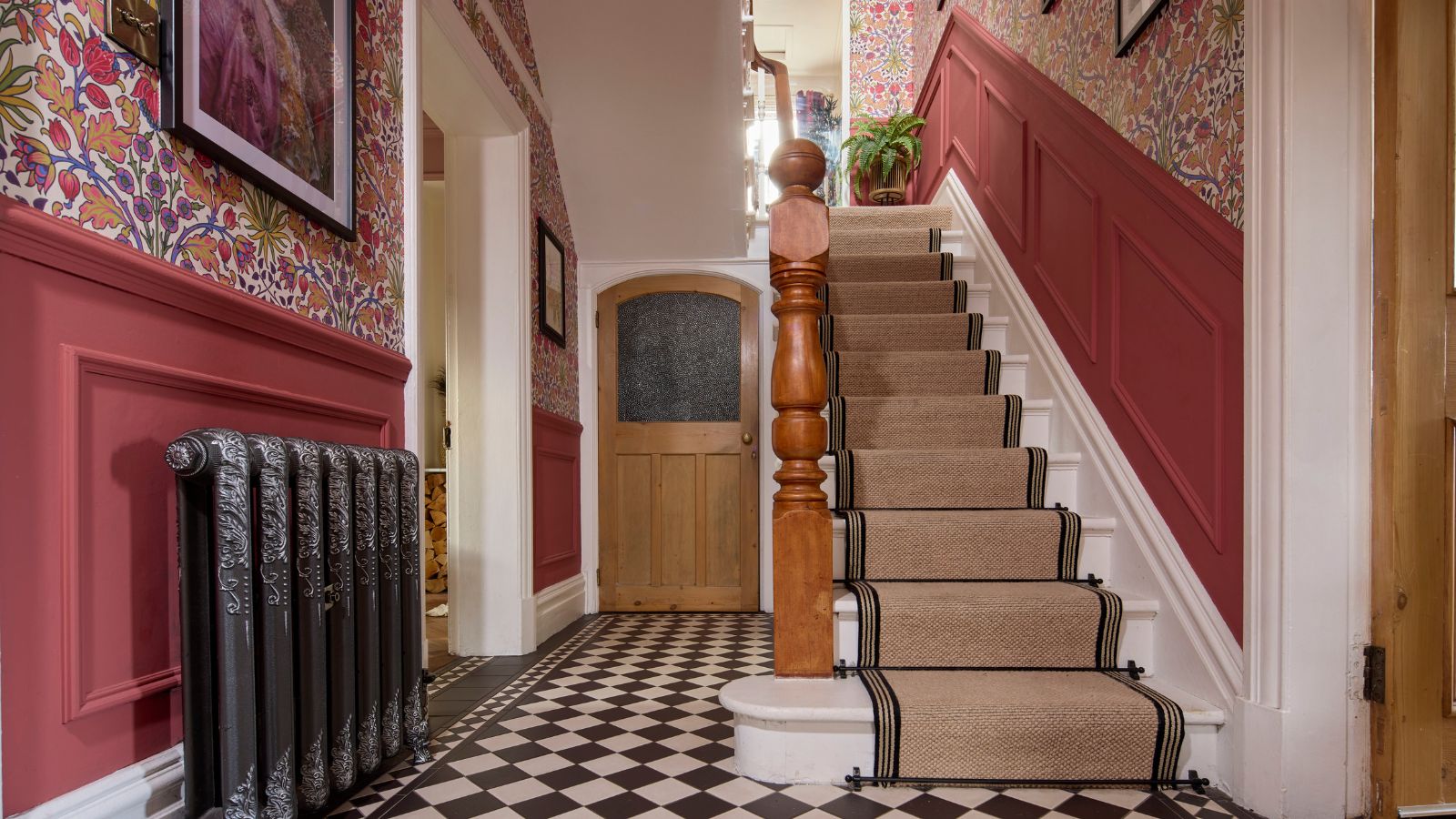
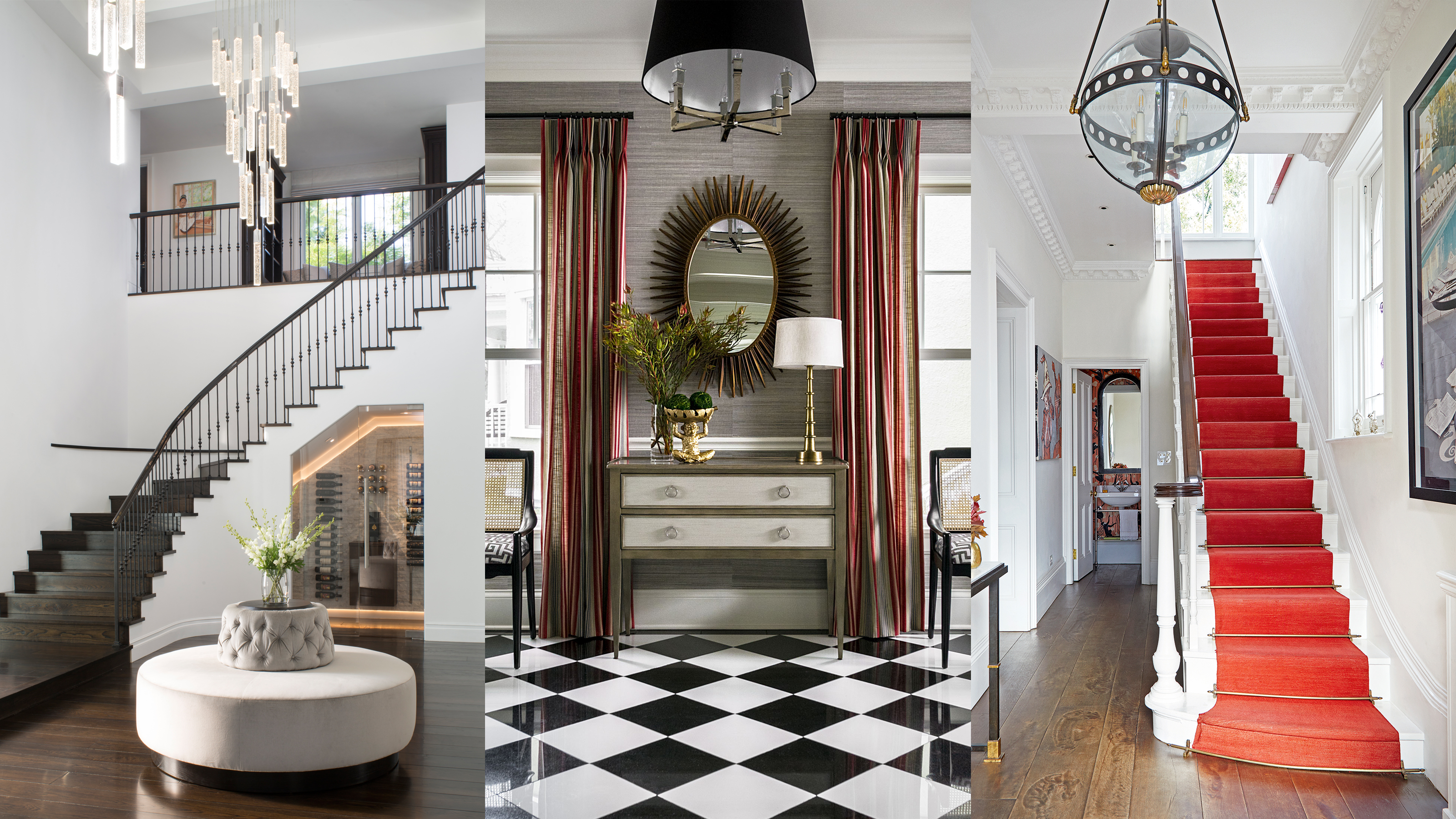
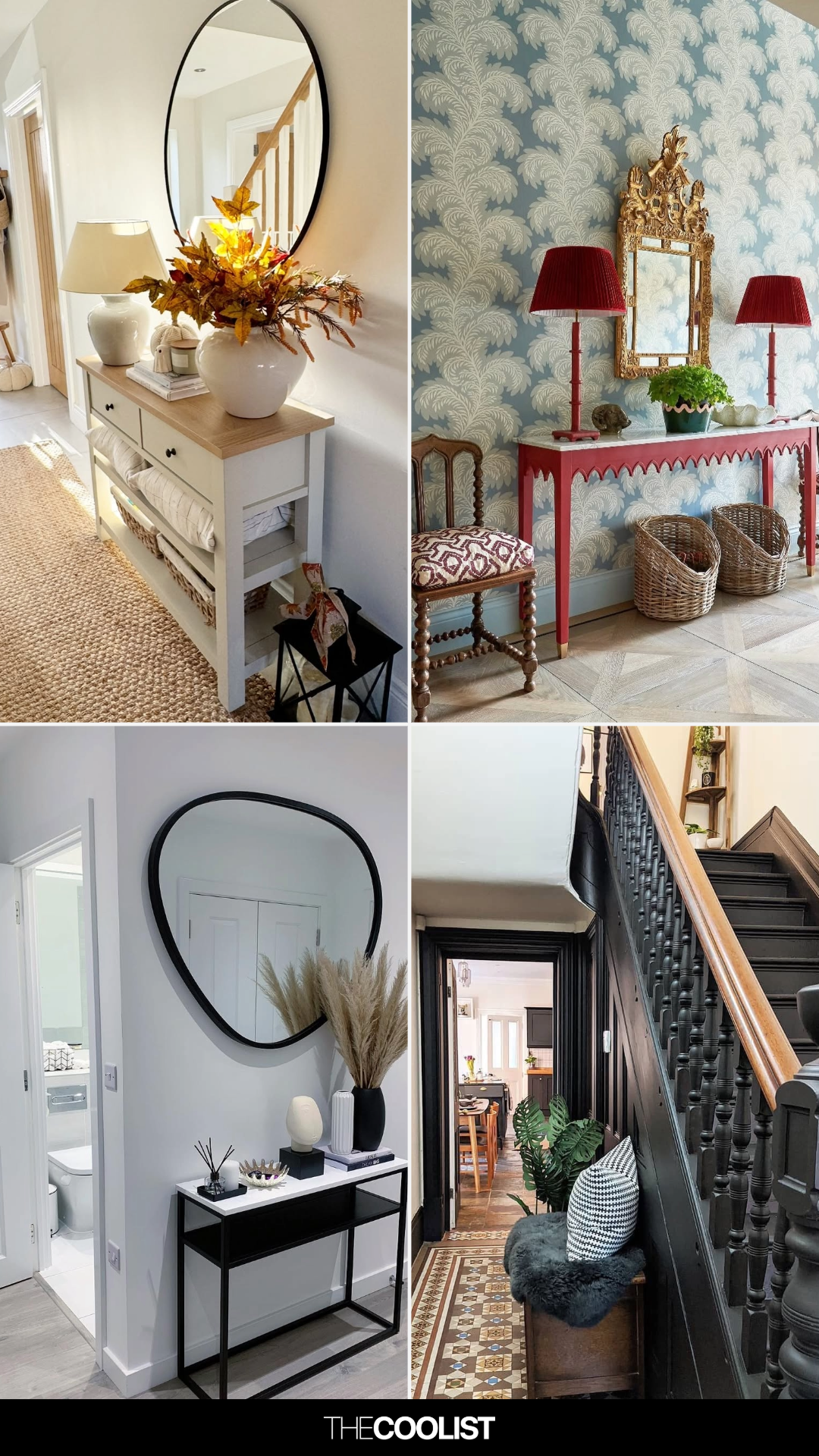
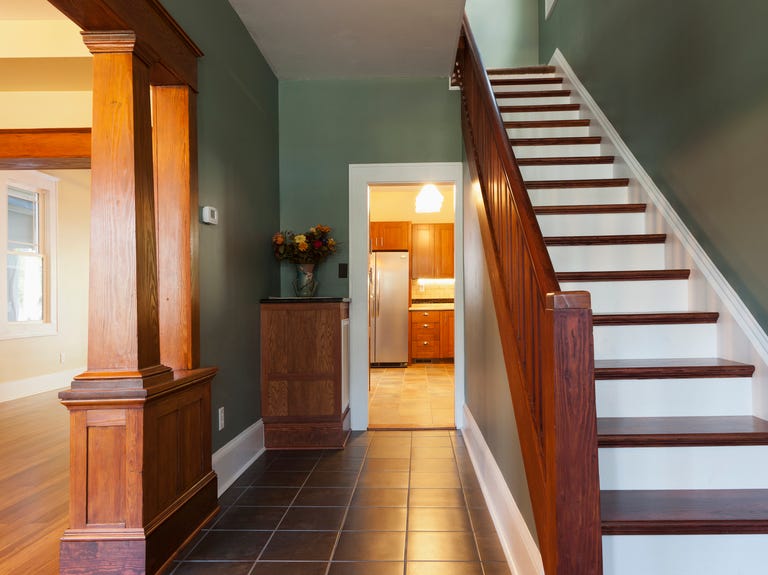
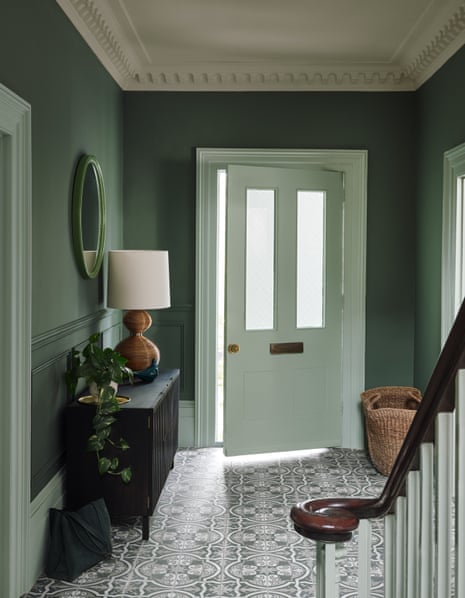
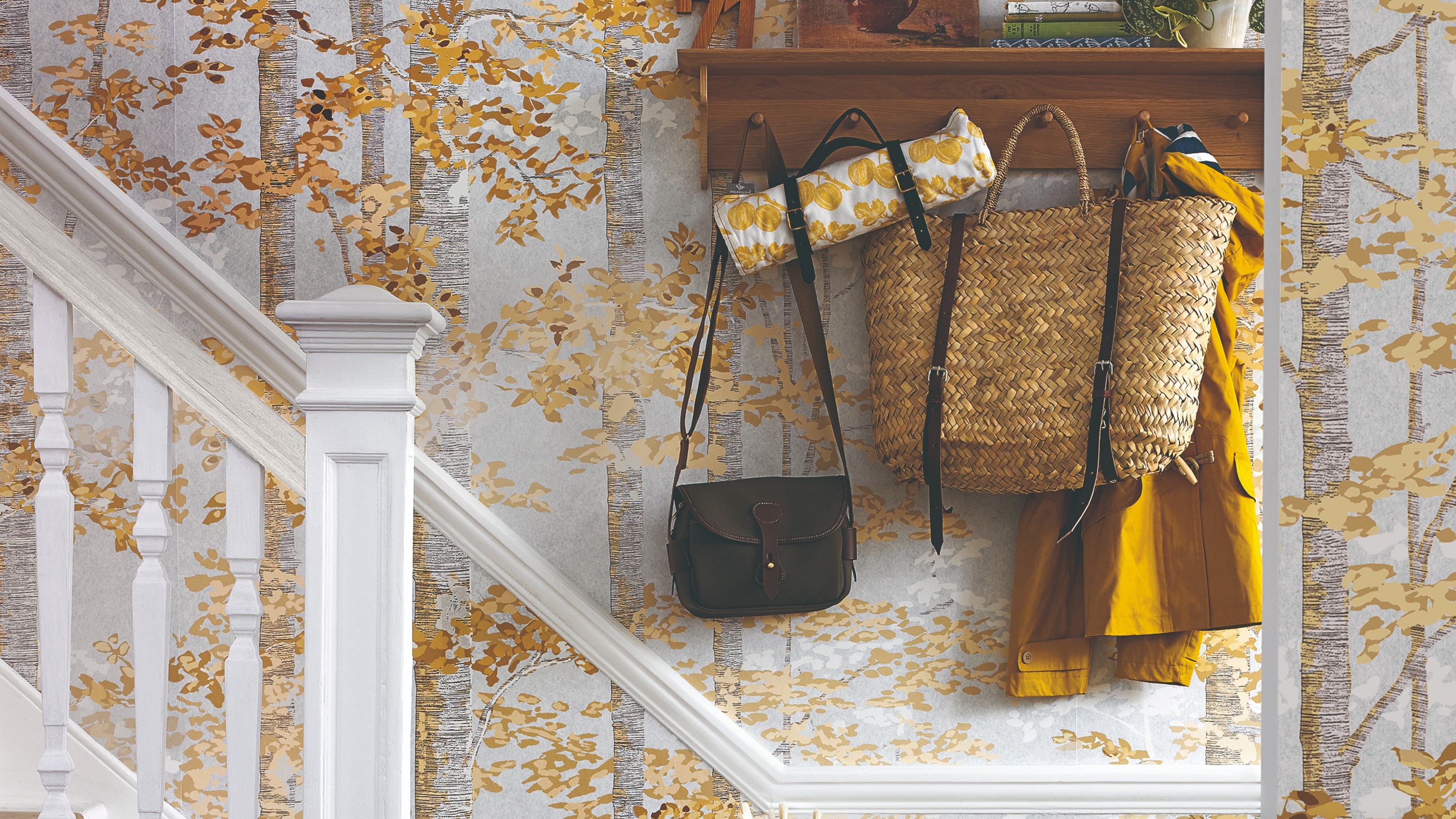
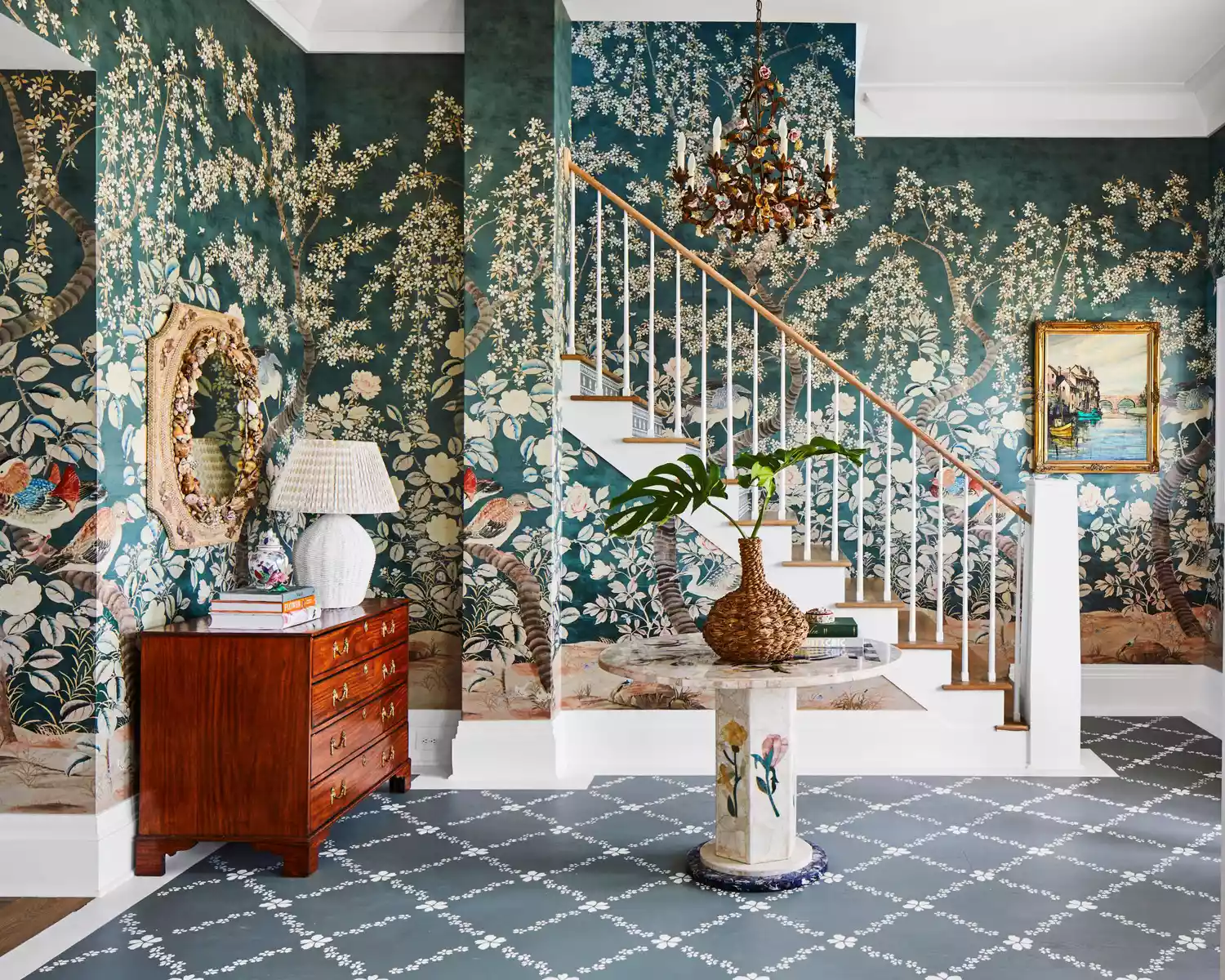
A period hallway, though often small, serves as a crucial entryway that sets the tone for the entire home, impacting first impressions. Decorating such a space involves careful consideration of its heritage and style, focusing on brightening and expanding its visual appeal. Durability is key for hallway flooring, with tiles, stone, and engineered wood being practical choices. Decorative tiles, particularly a black and white checkerboard design, can bridge traditional and contemporary aesthetics, offering a vibrant contrast or a striking pattern. Bold wallpaper can instantly add character and inform color schemes, especially in narrow, poorly lit spaces. Small repeating patterns can create the illusion of a larger wall, while horizontal stripes can make walls appear taller. Pairing wallpaper with paneling helps to break up the pattern and prevent the space from feeling too busy.
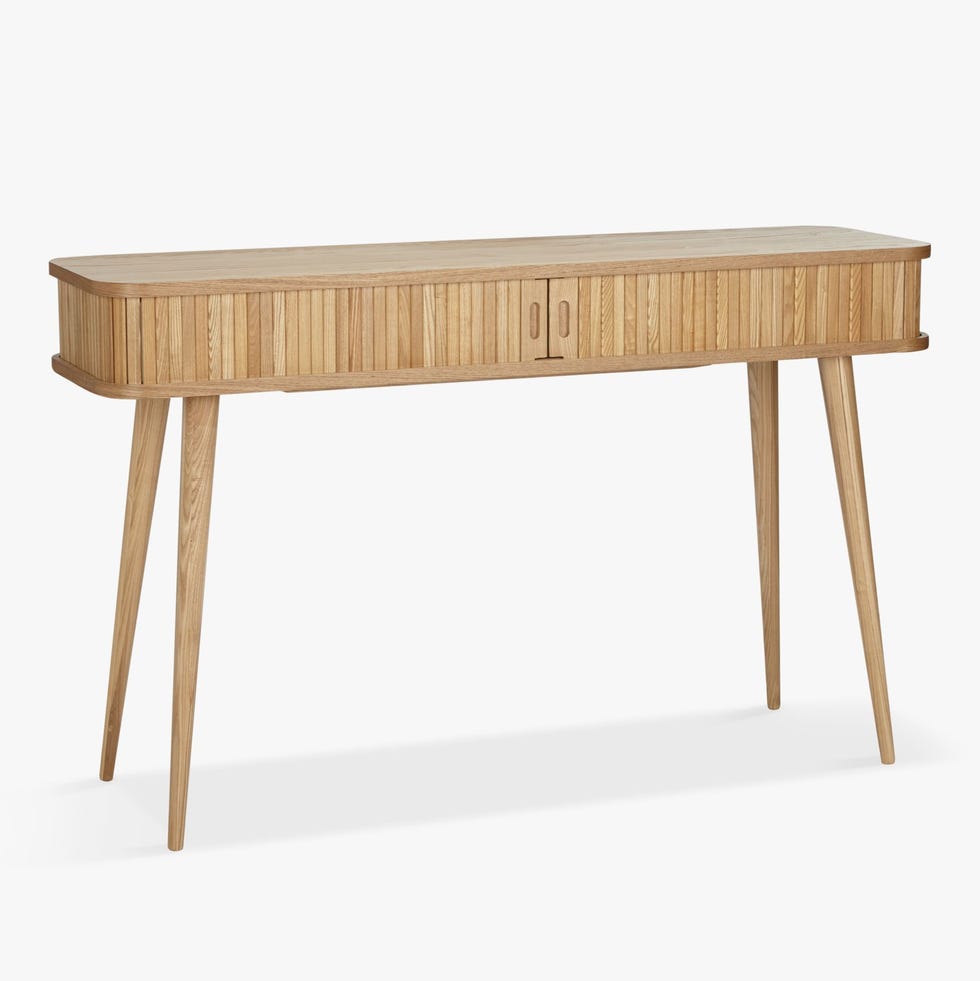
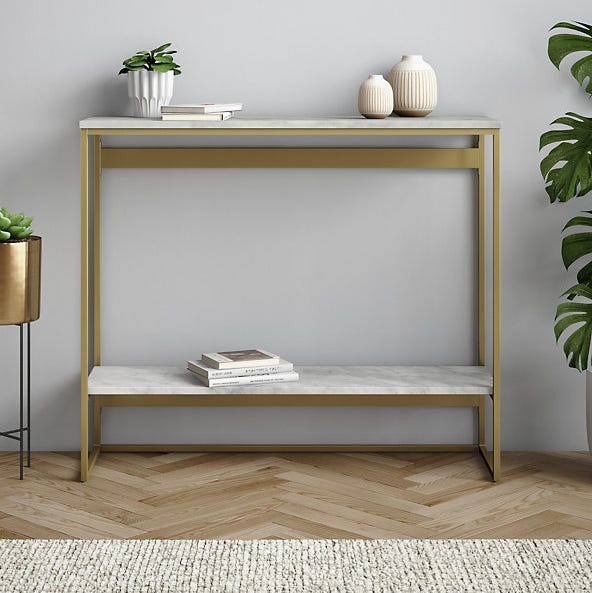
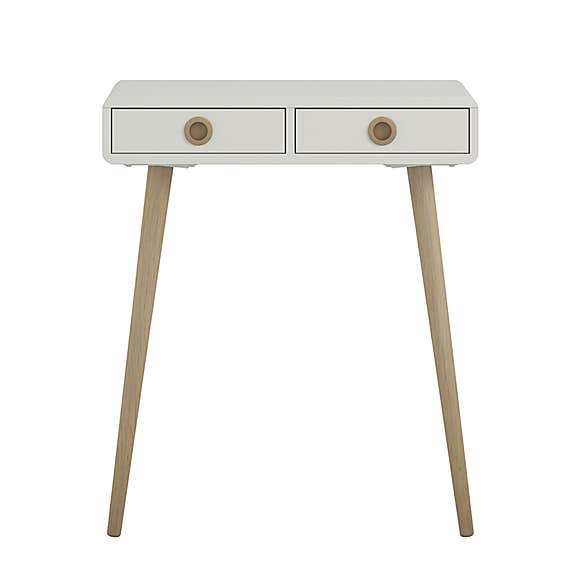
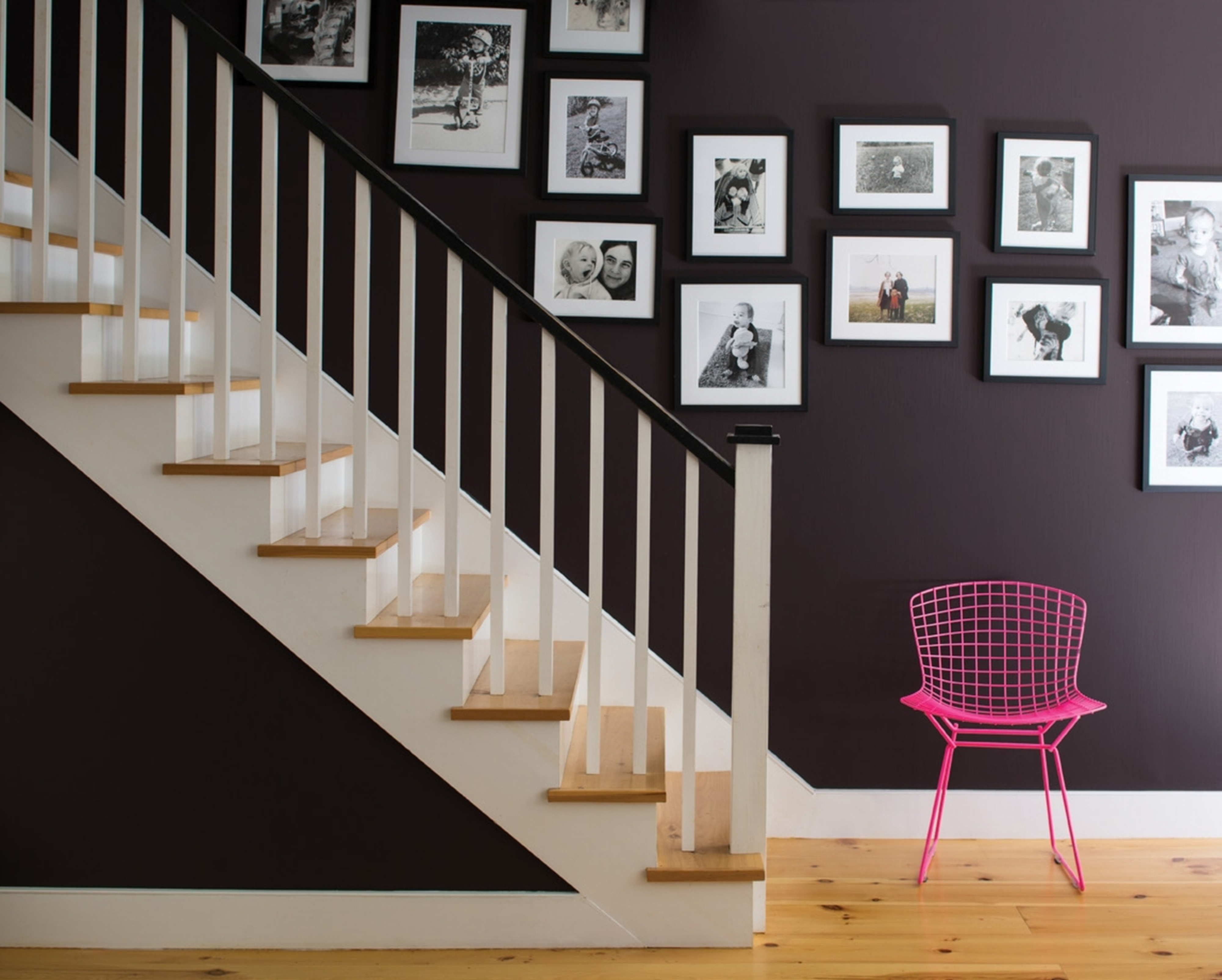
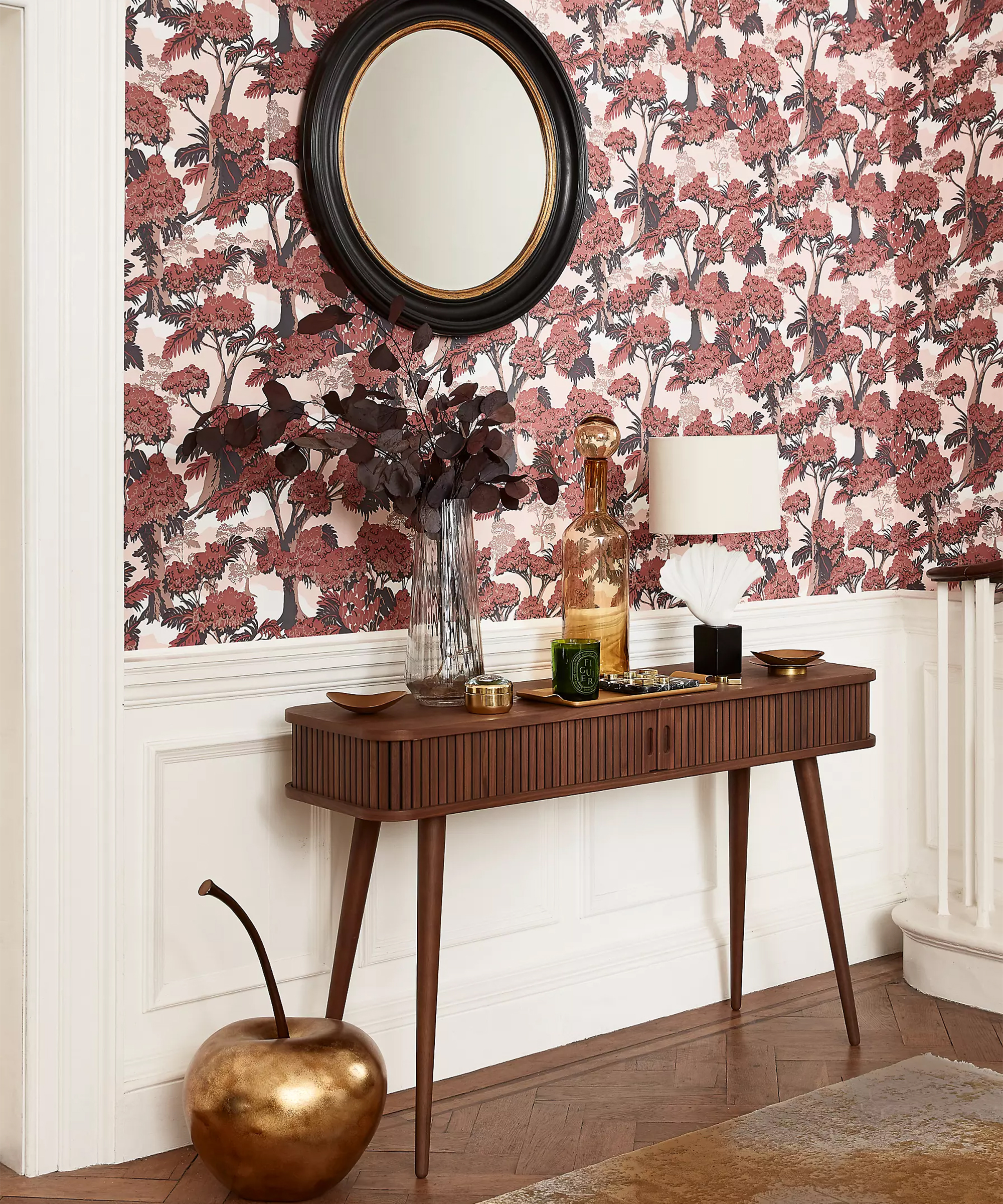
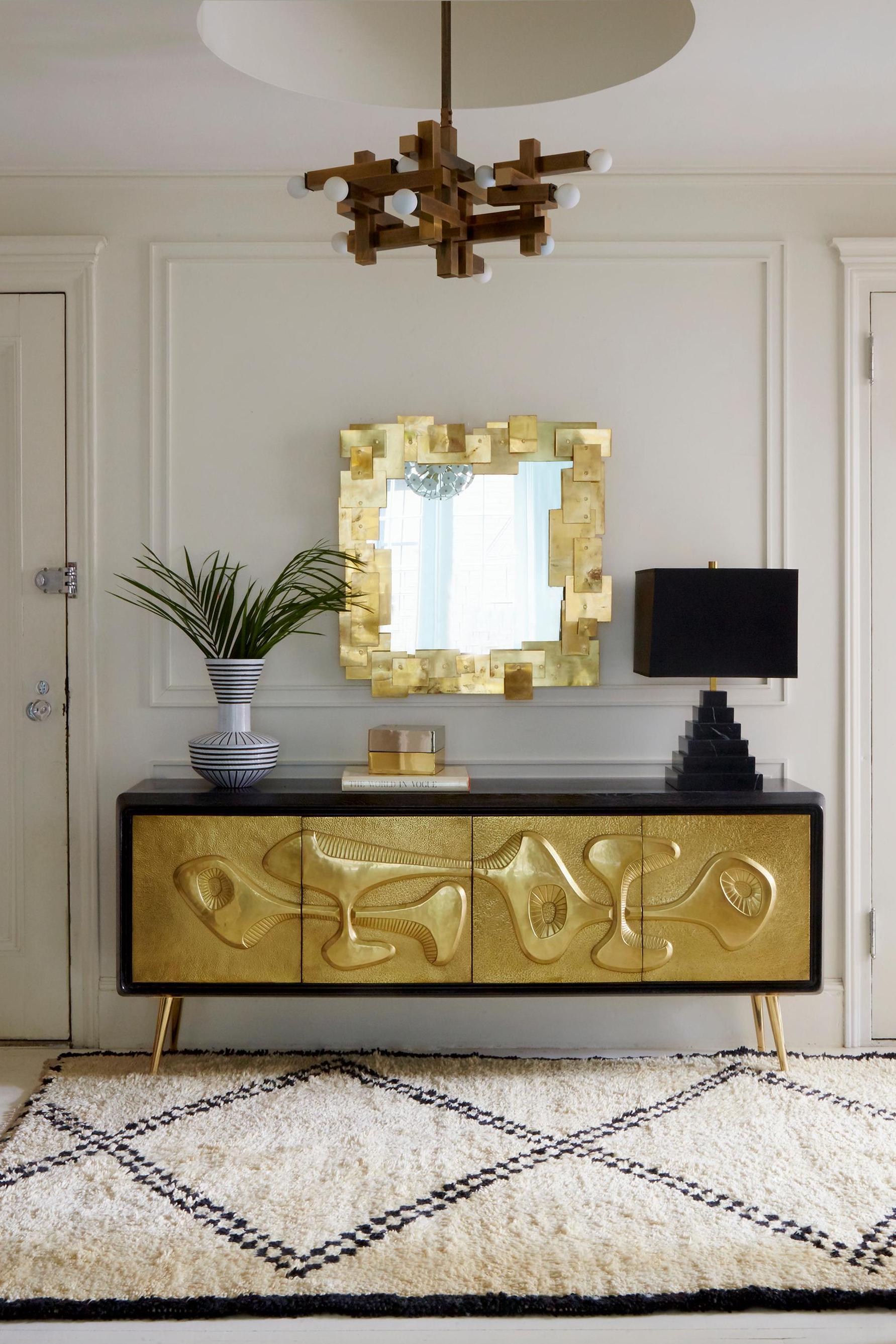
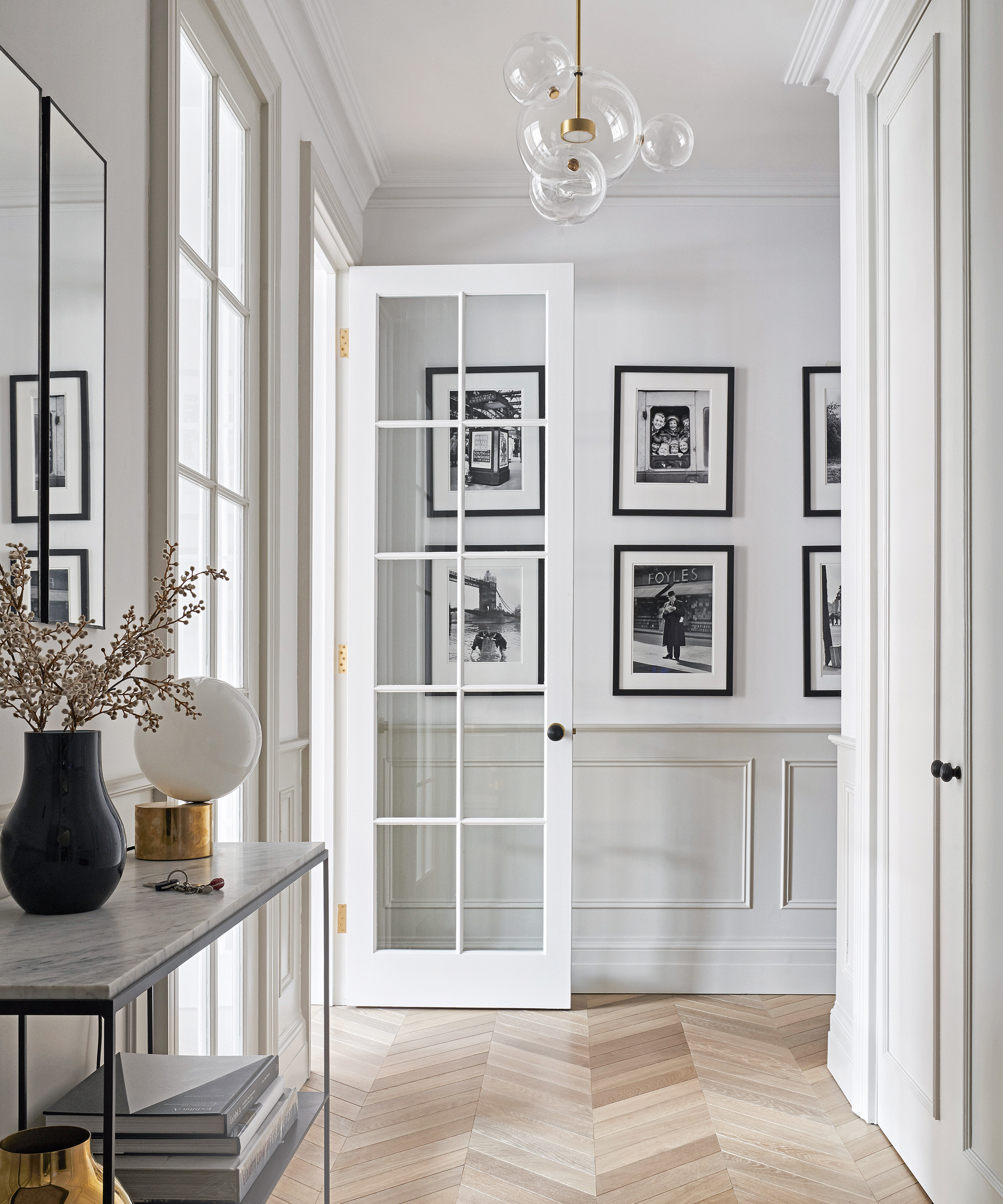
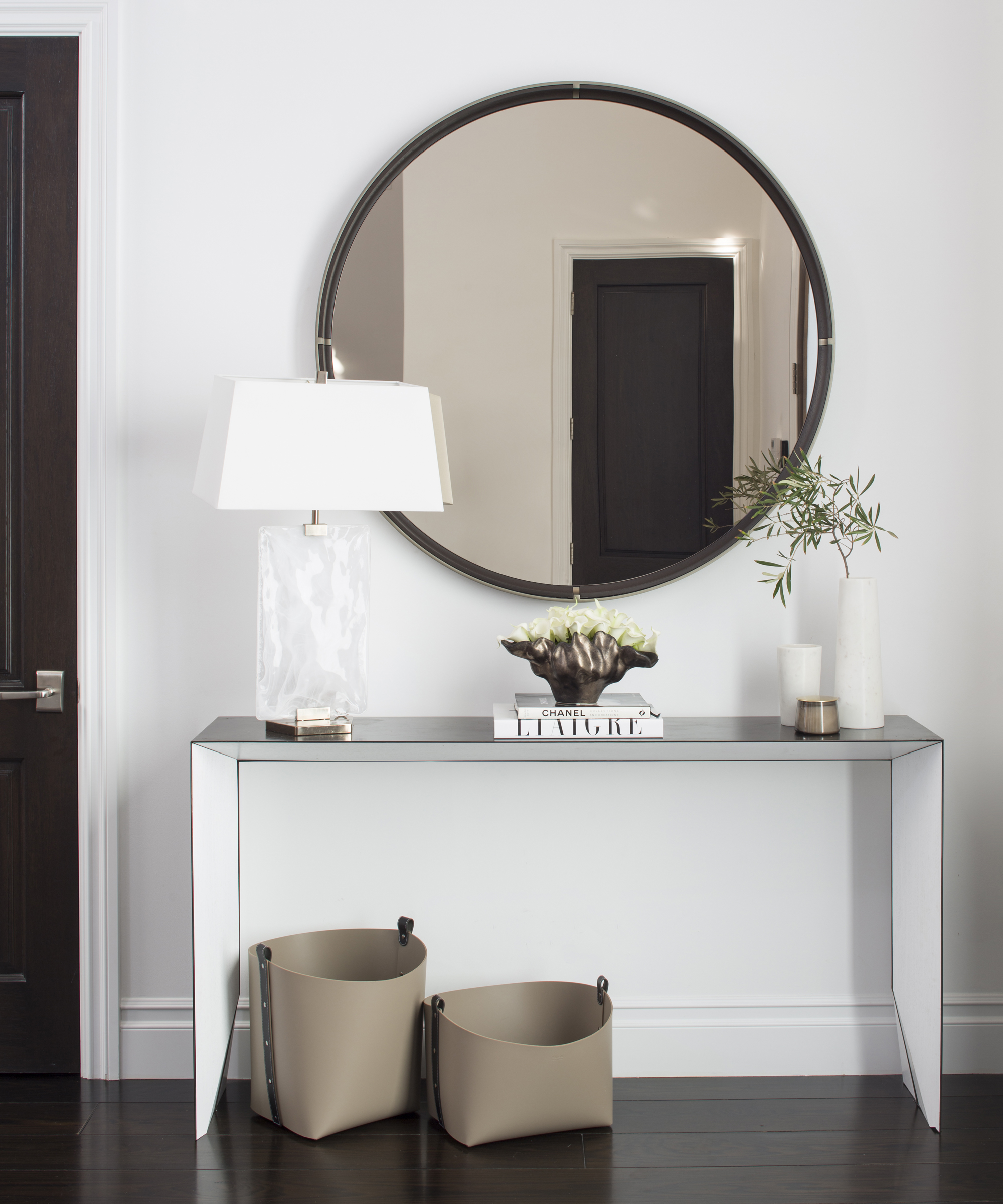
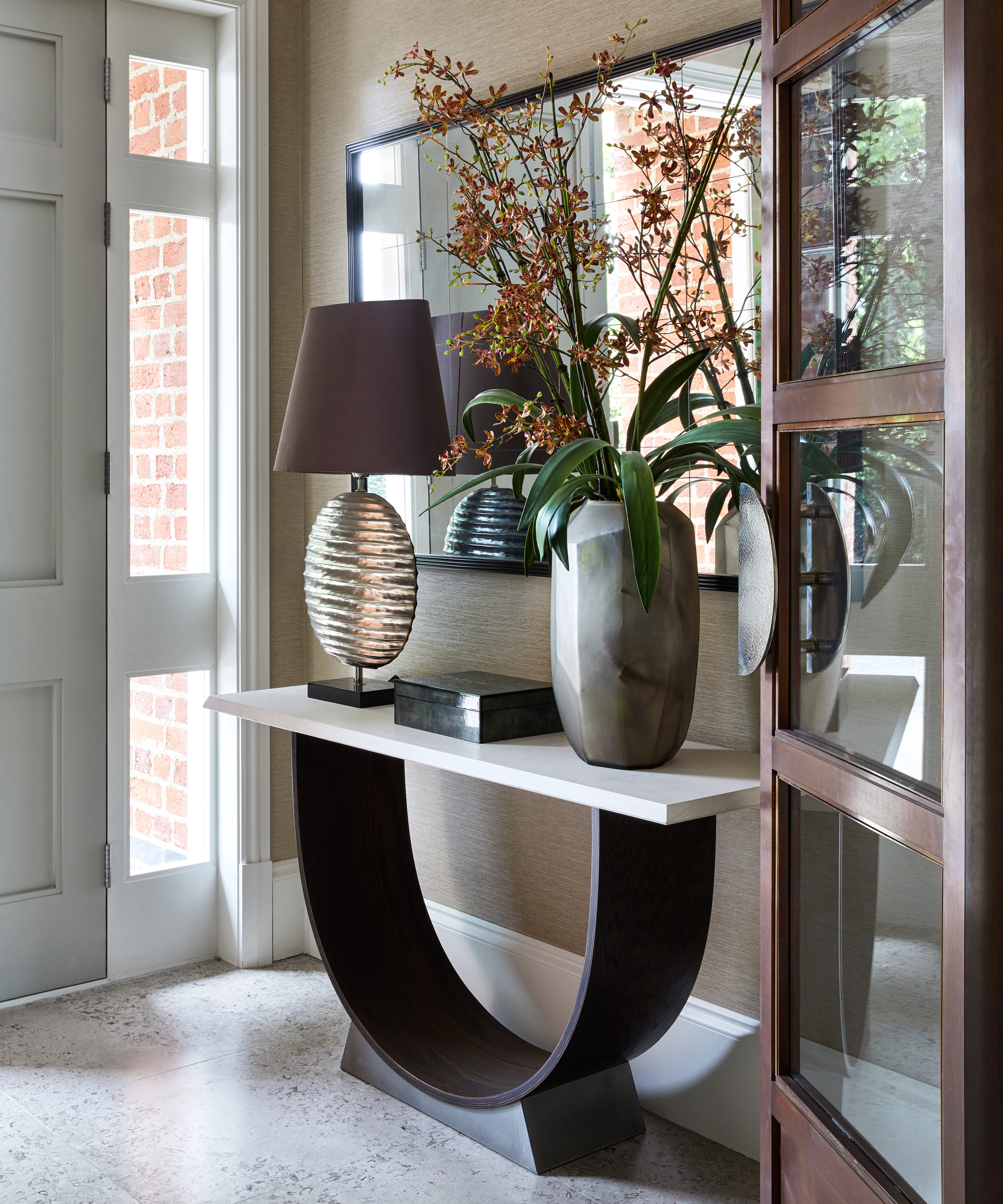
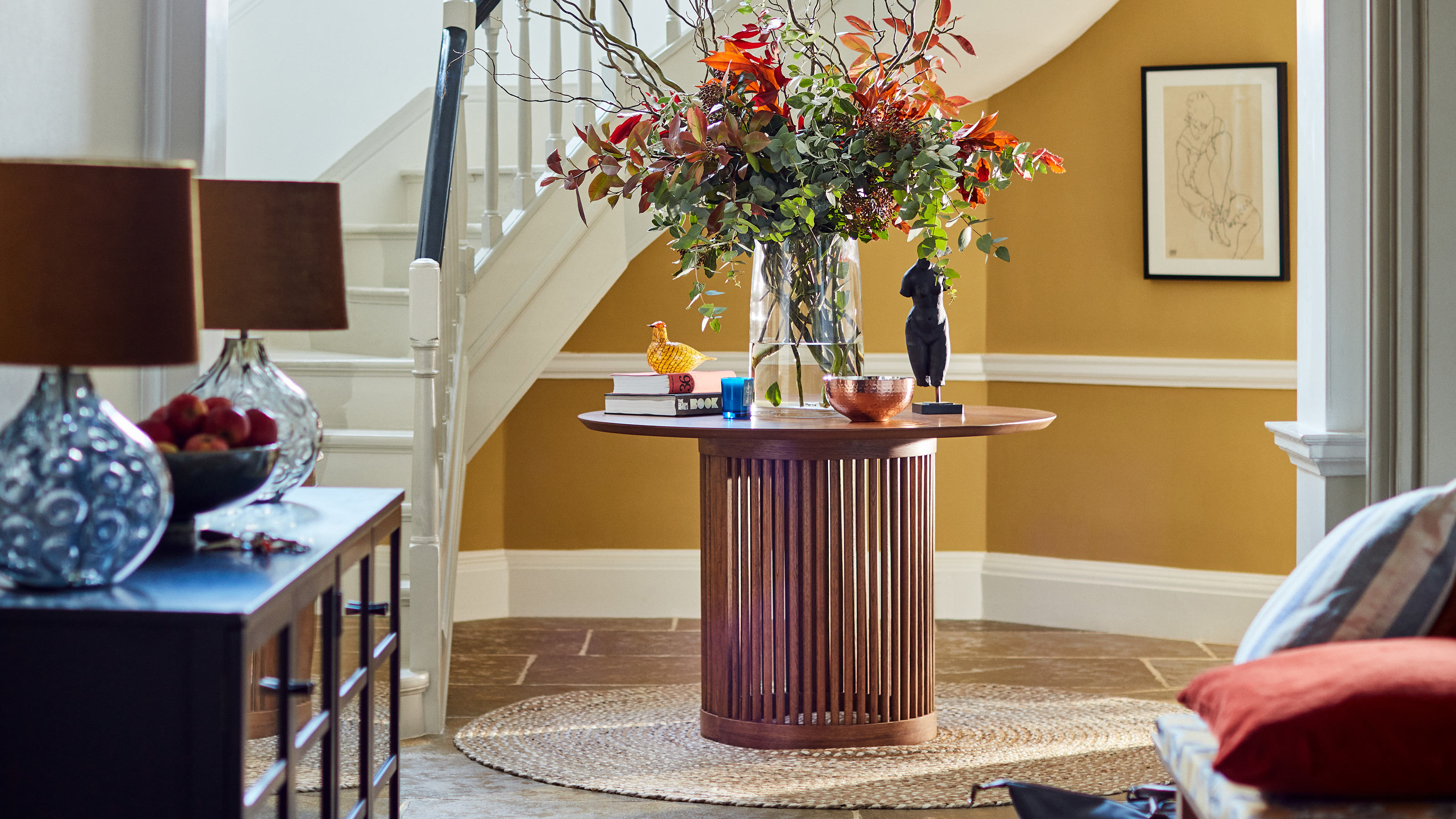
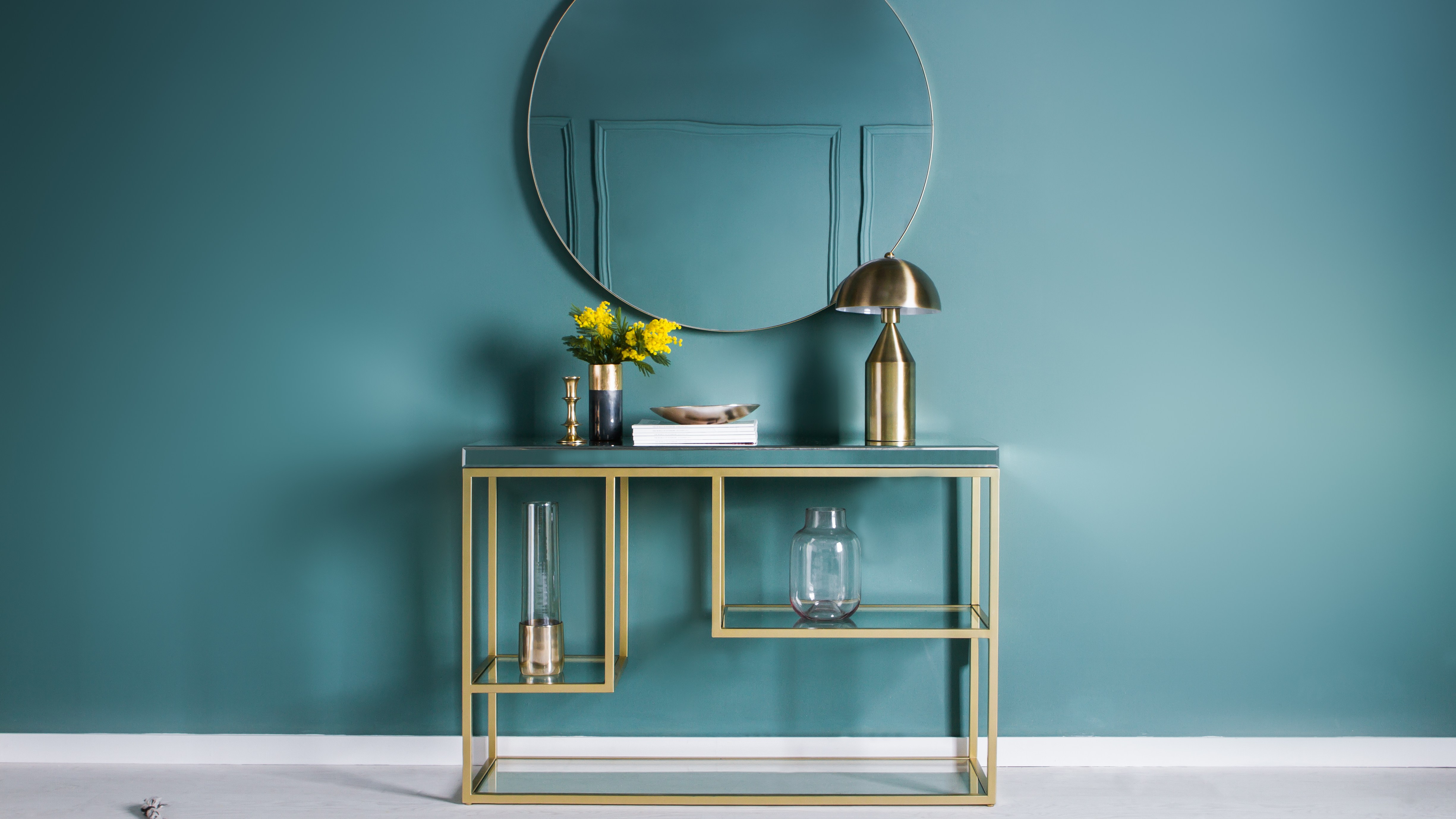
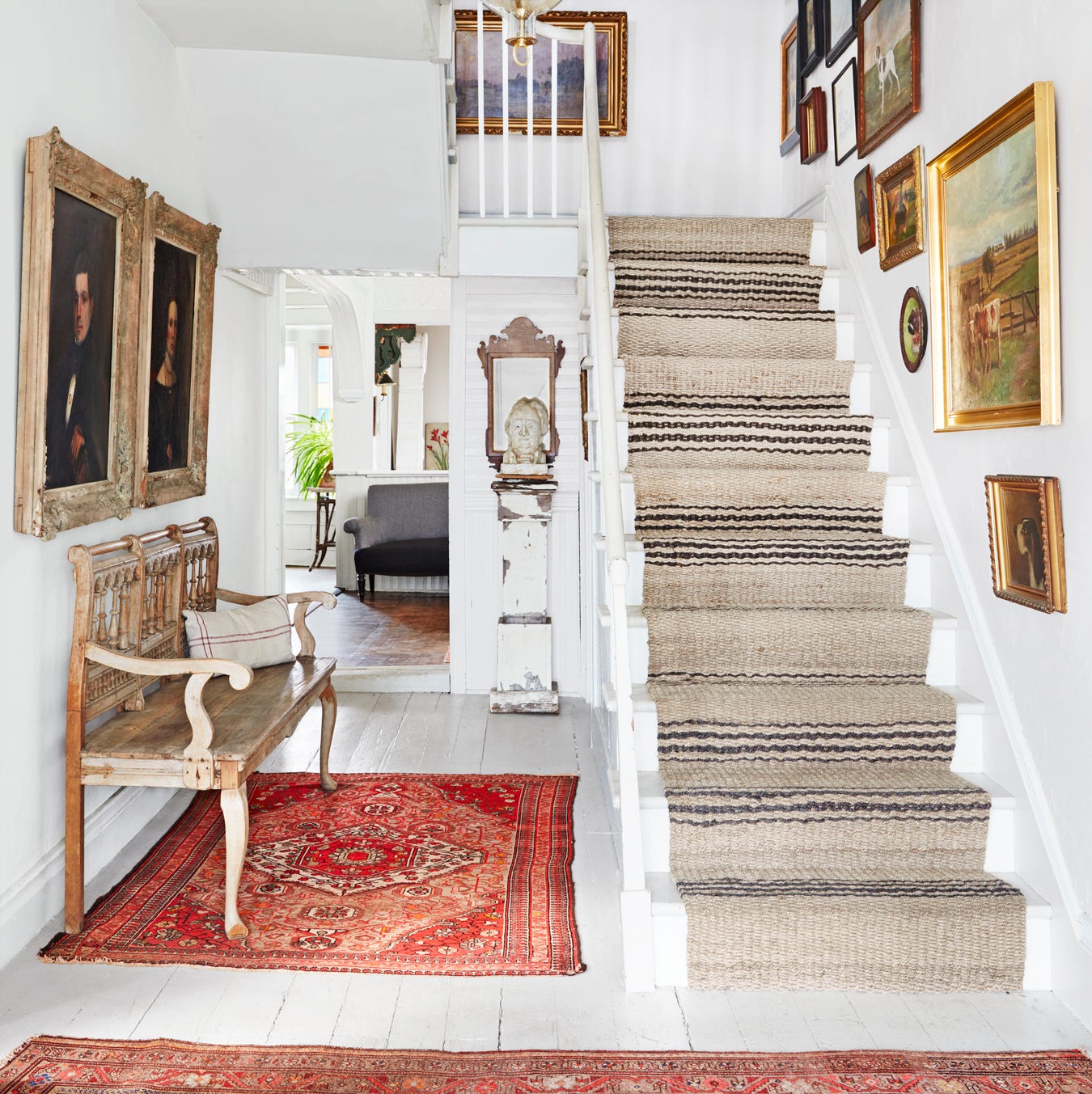
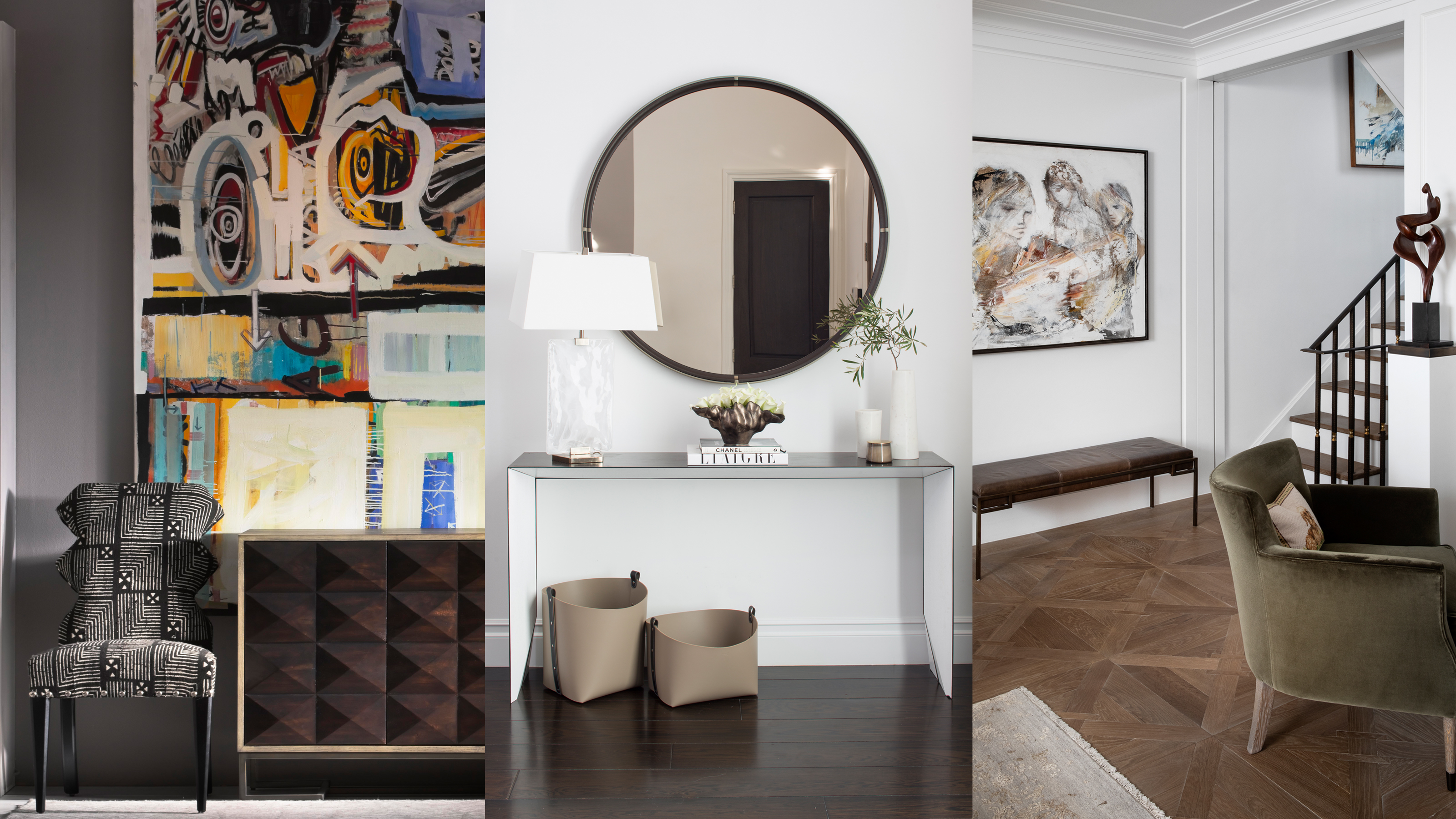
Artwork, especially gallery walls, can make a significant statement in narrow hallways where large pieces might not be fully appreciated. Grouping smaller, individual treasures creates a cohesive and visually pleasing display. Juxtaposing contemporary art and vintage textiles with antique and mid-century furniture adds a lived-in feel anchored by timeless details. Console tables are essential for both practical storage and decorative opportunities. A statement lamp can introduce color and create a welcoming ambiance, while complementary accessories like vases with faux flowers can add personality. Opting for console tables with drawers or pairing open designs with baskets maximizes storage.
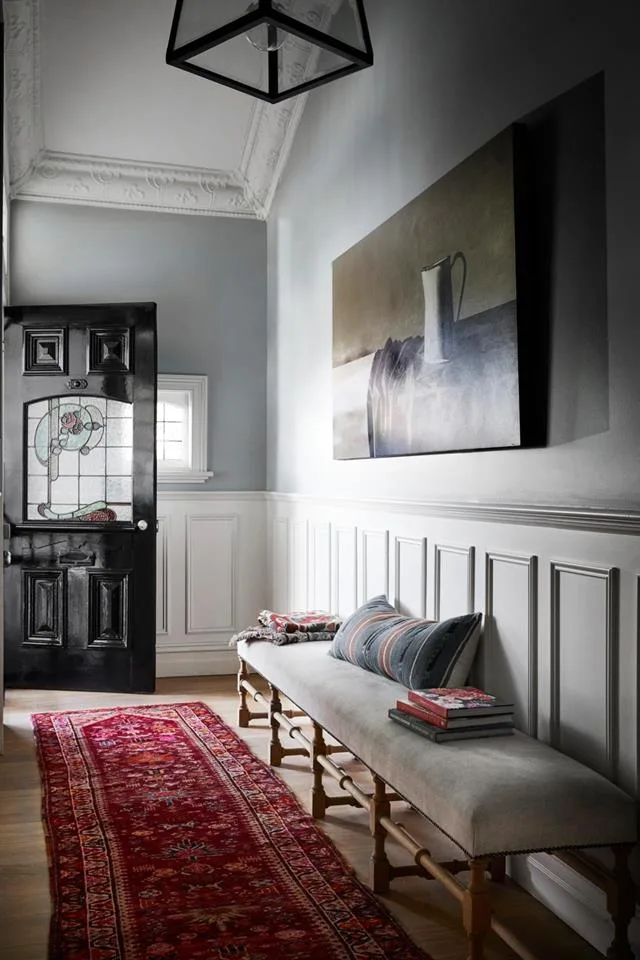
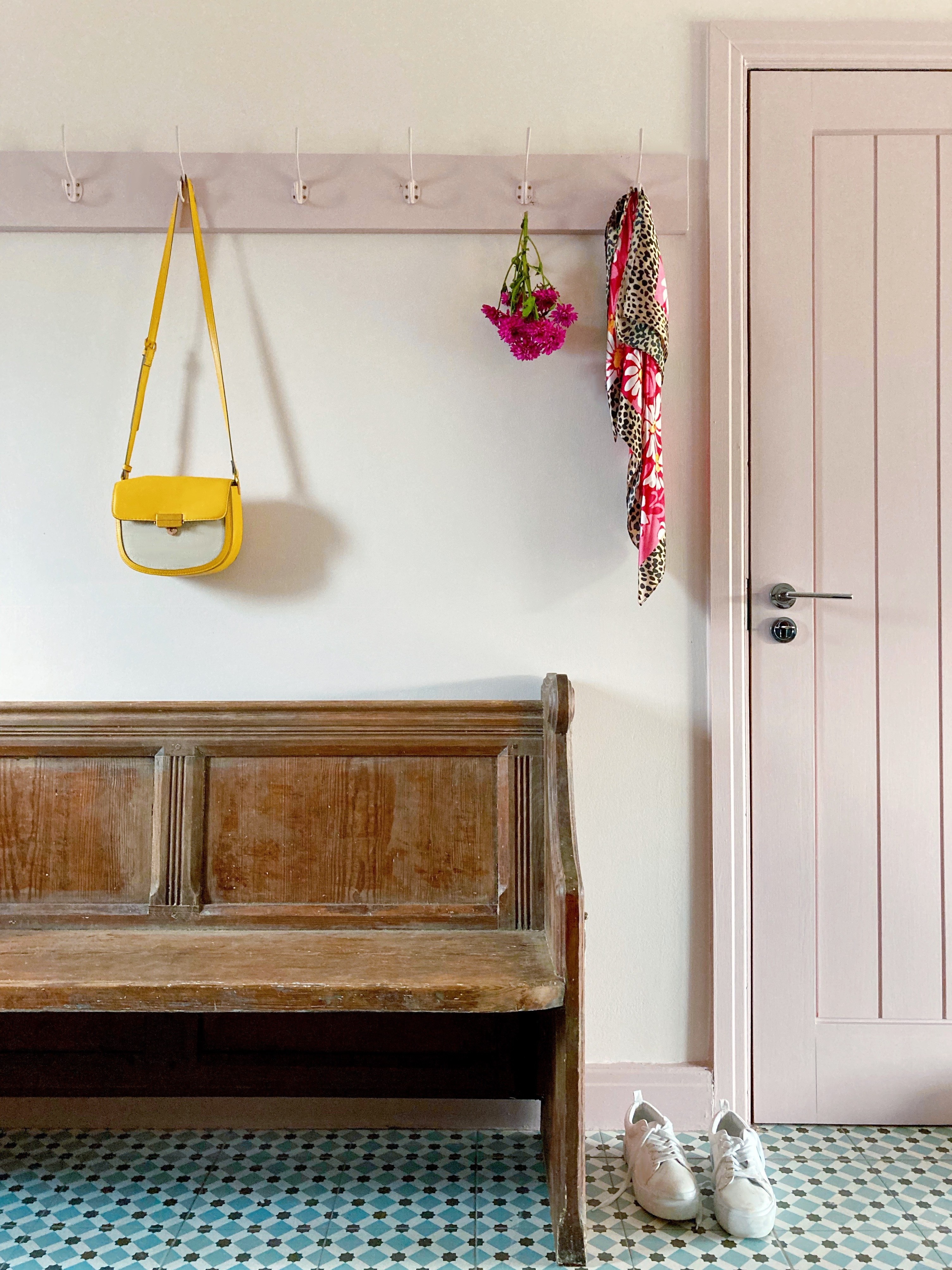
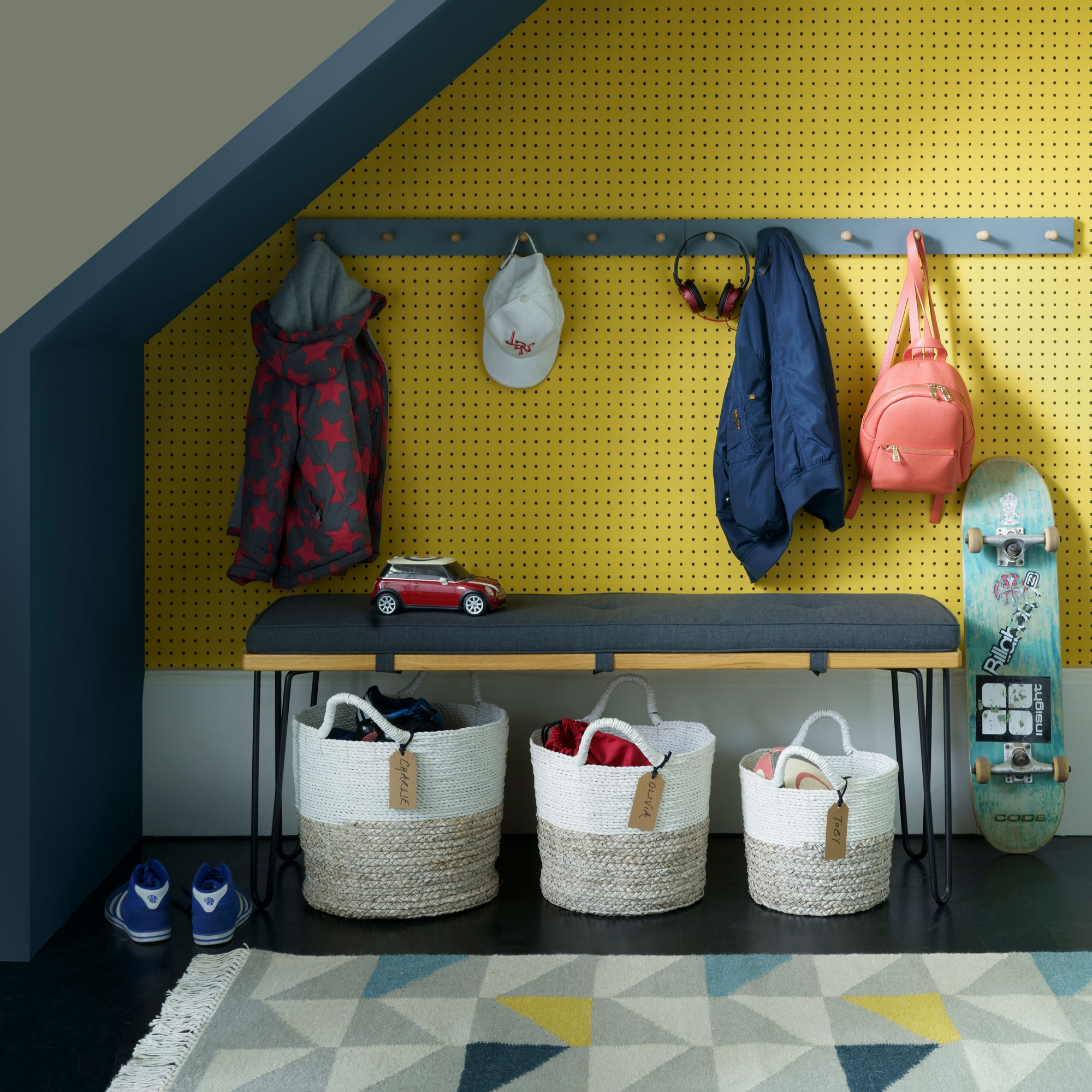
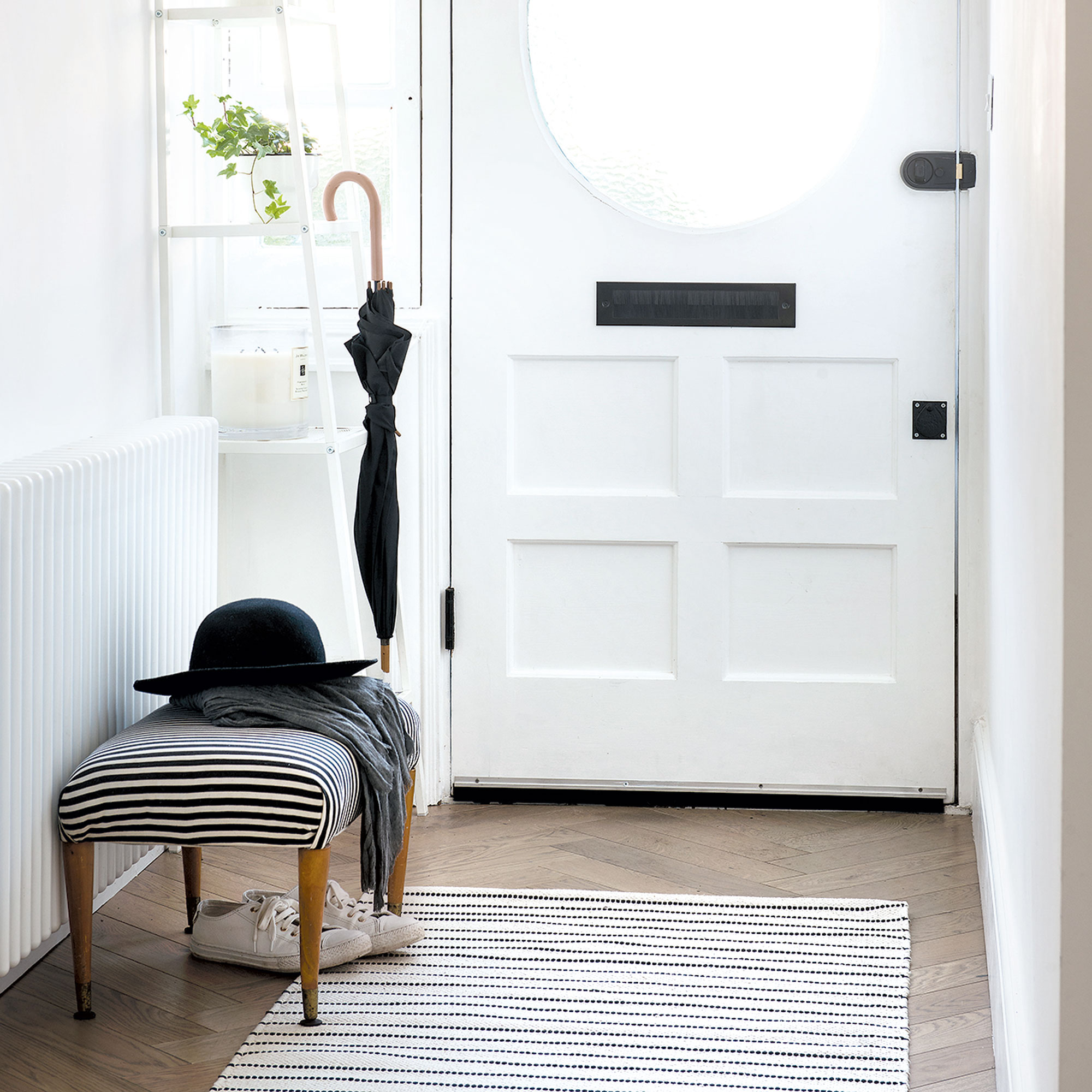
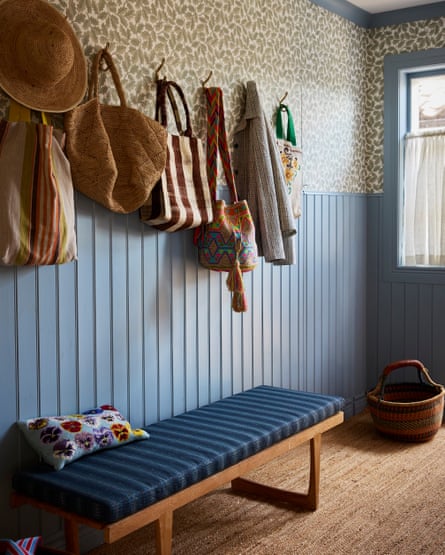
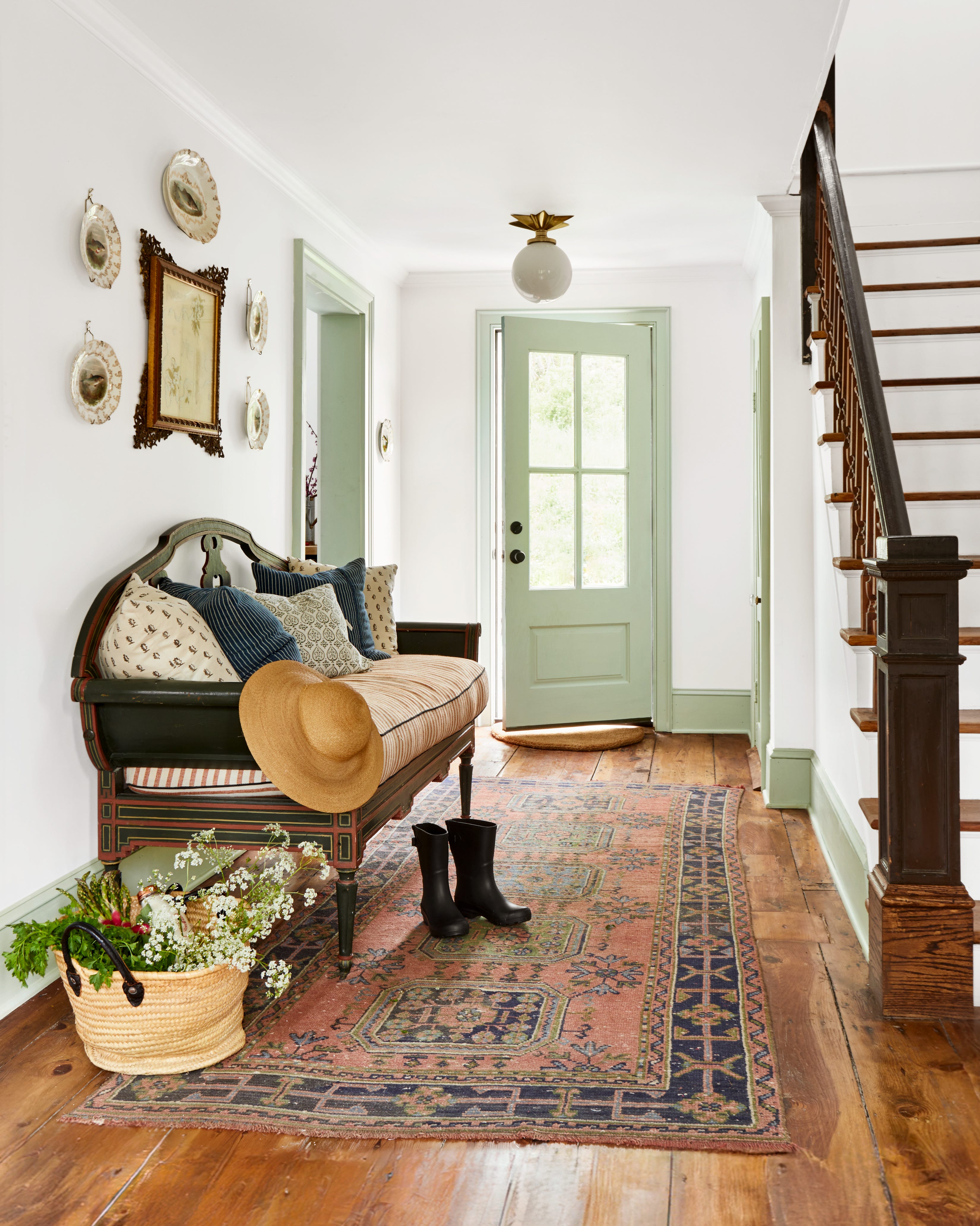
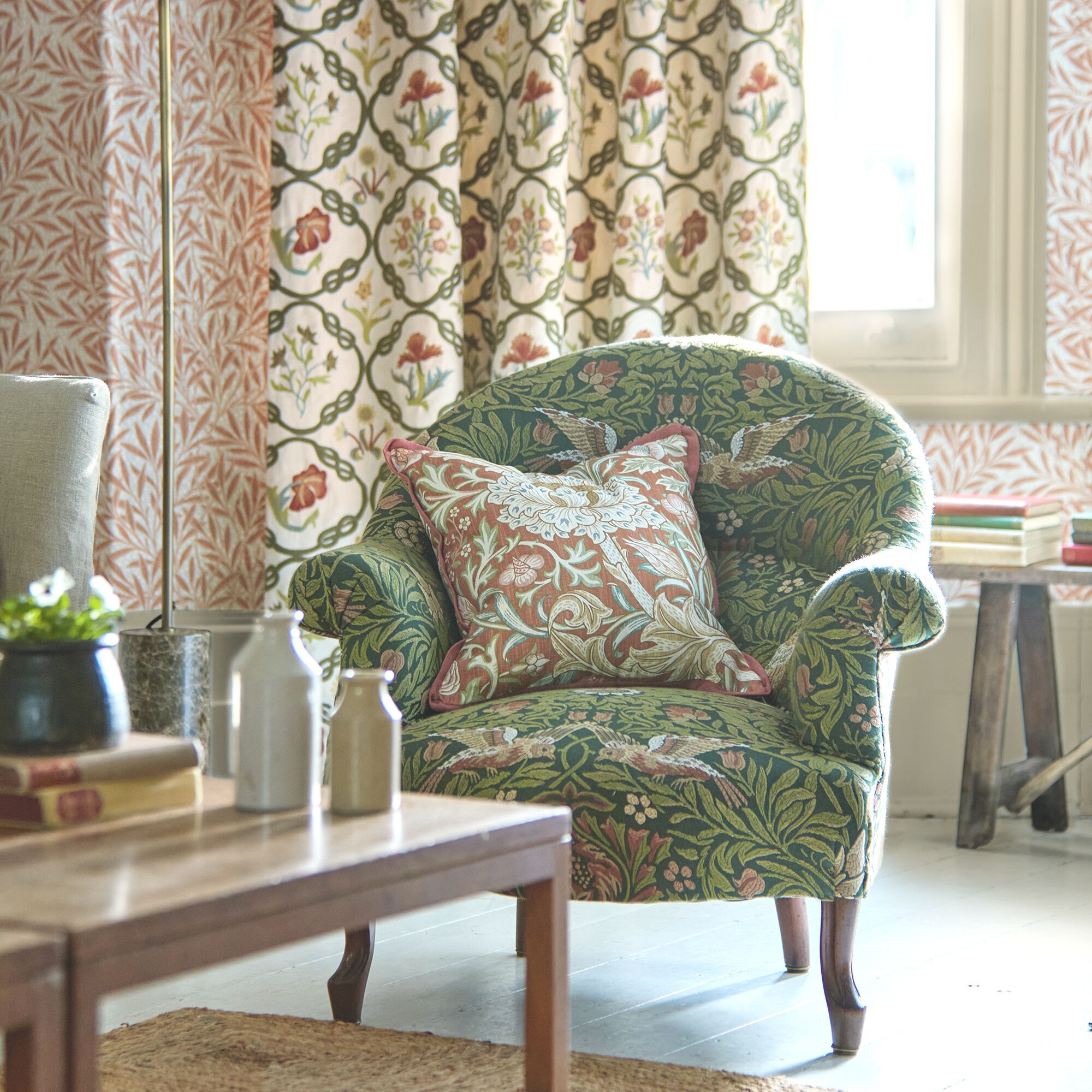
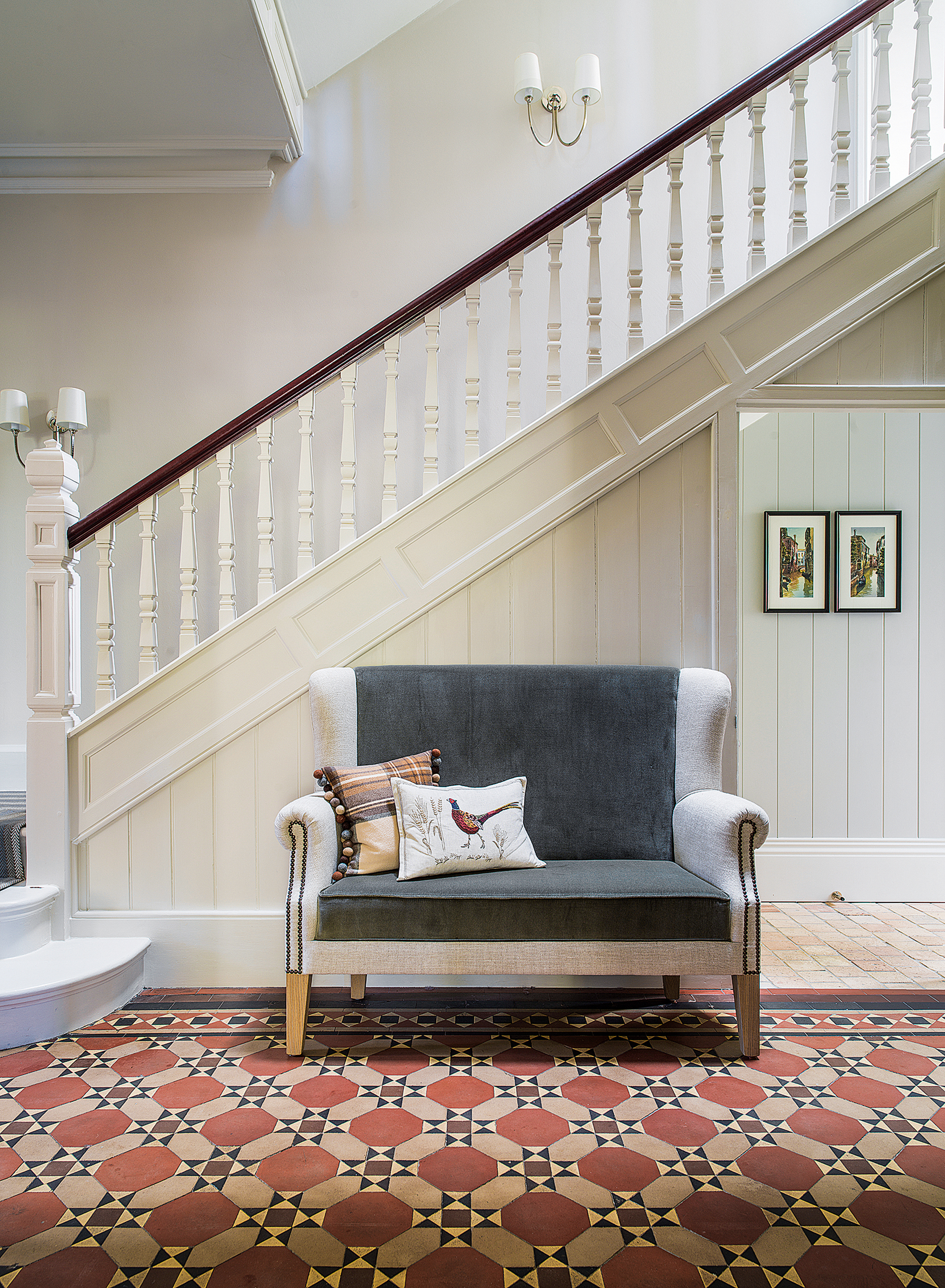
Door curtains are an effective solution for period homes to combat draughts and improve insulation, particularly with stone floors and draughty doors. Lined with thermal materials, they also add a textural element, with light colors maintaining brightness. Providing seating, such as a monk's bench, is practical for putting on or taking off shoes, with the added benefit of concealed storage. Incorporating vintage furniture, like old cinema chairs or fragile garden furniture, can provide architectural interest and practical solutions for narrow spaces. Panelling offers a blend of contemporary color and period charm, creating a fresh look. Satin paint on panelling provides durability, and blues can make a hallway feel larger by drawing the eye outwards, though excessively pale blues should be avoided.
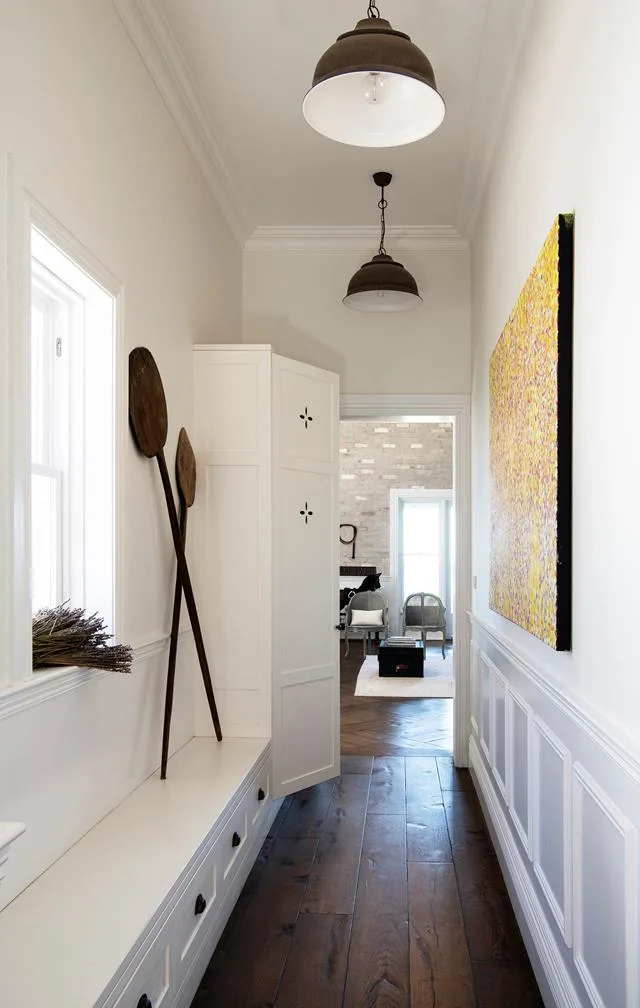
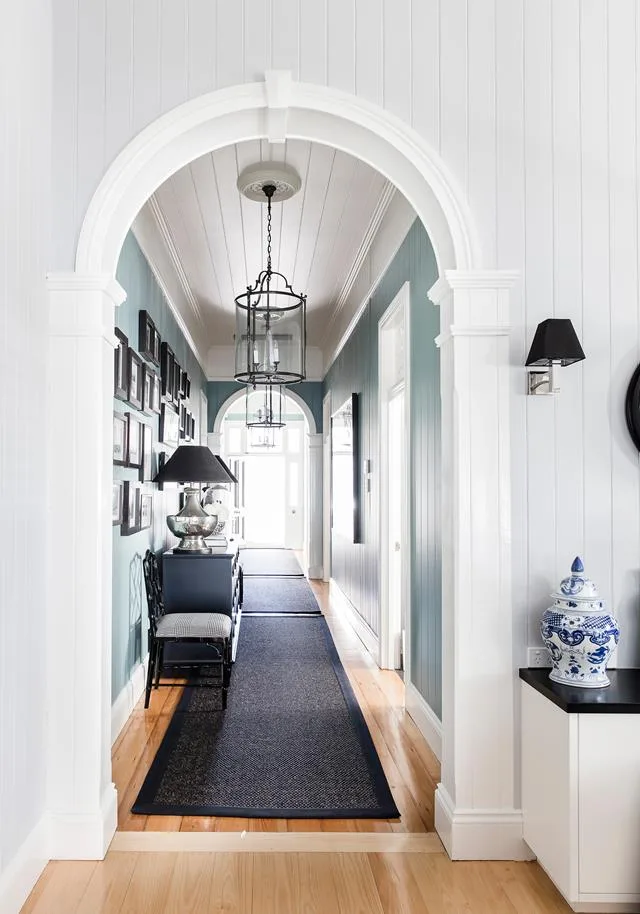
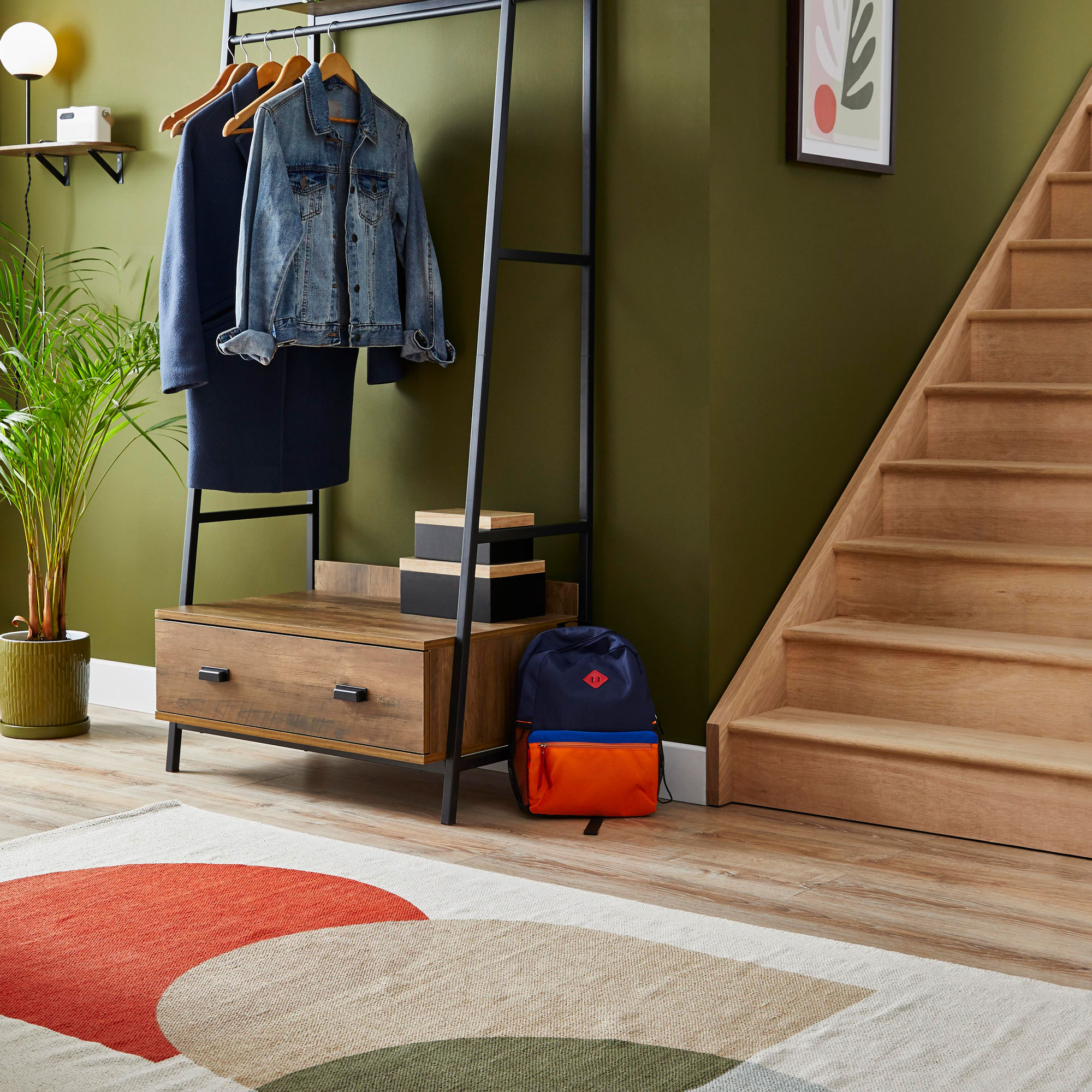
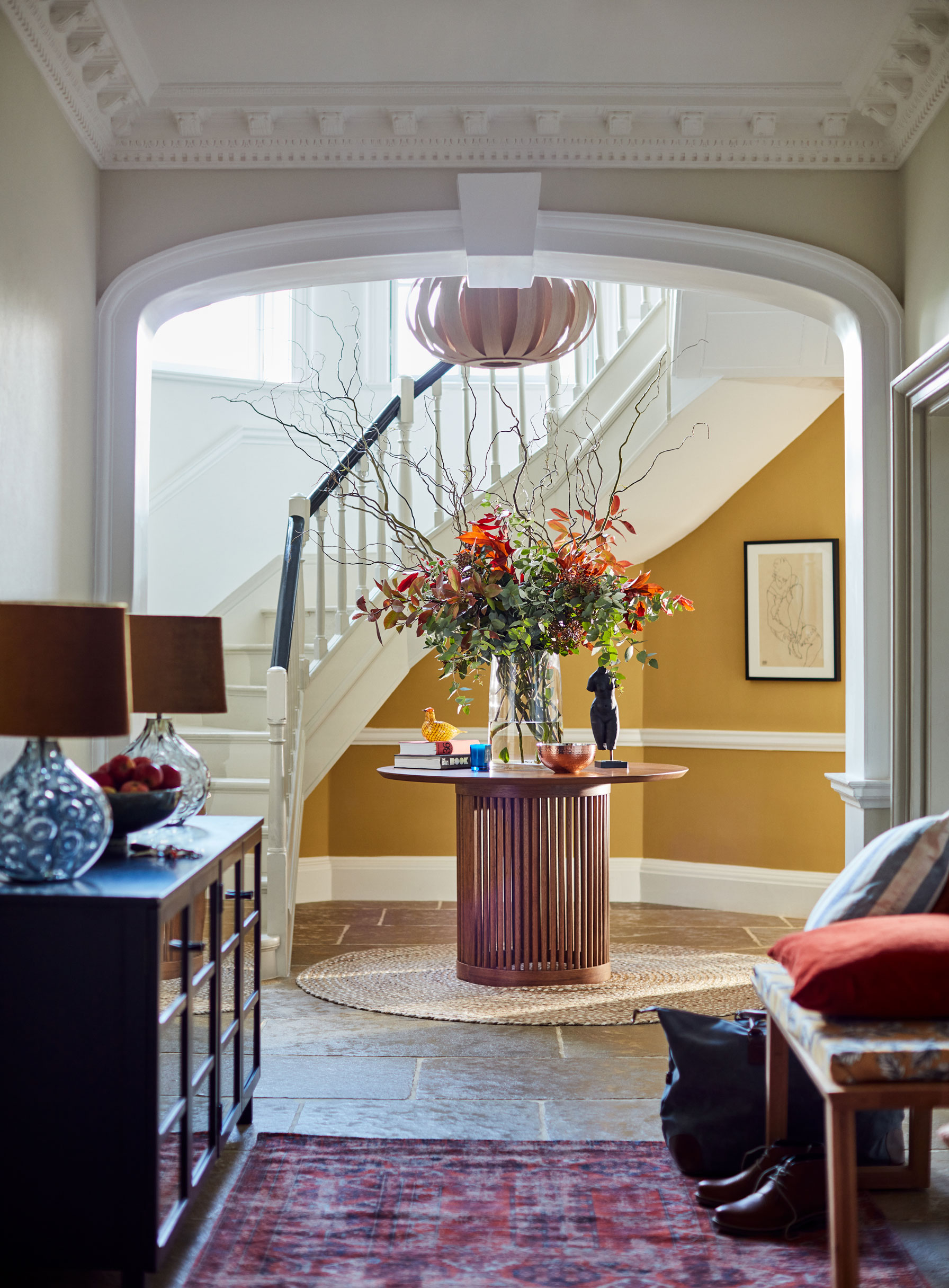
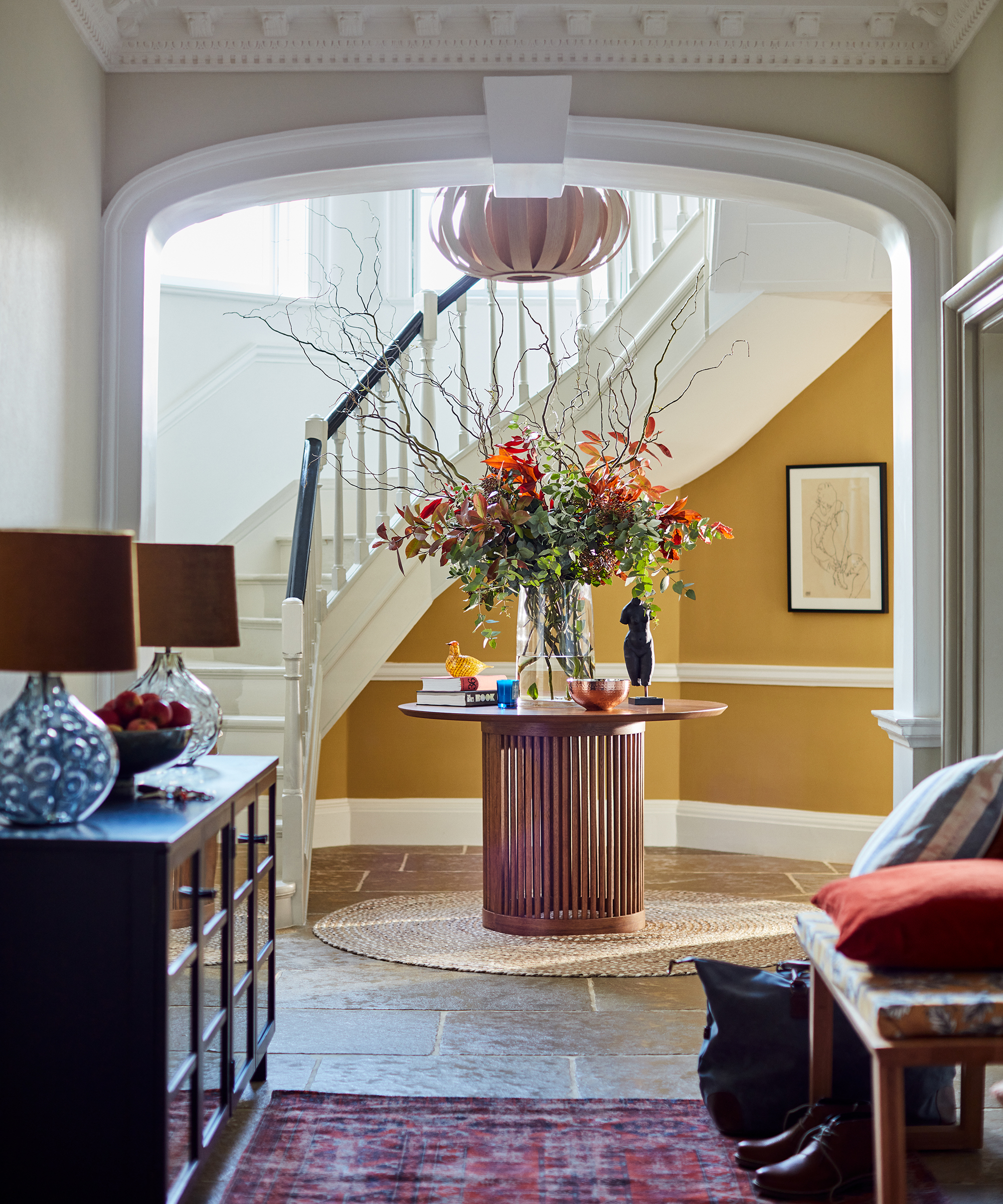
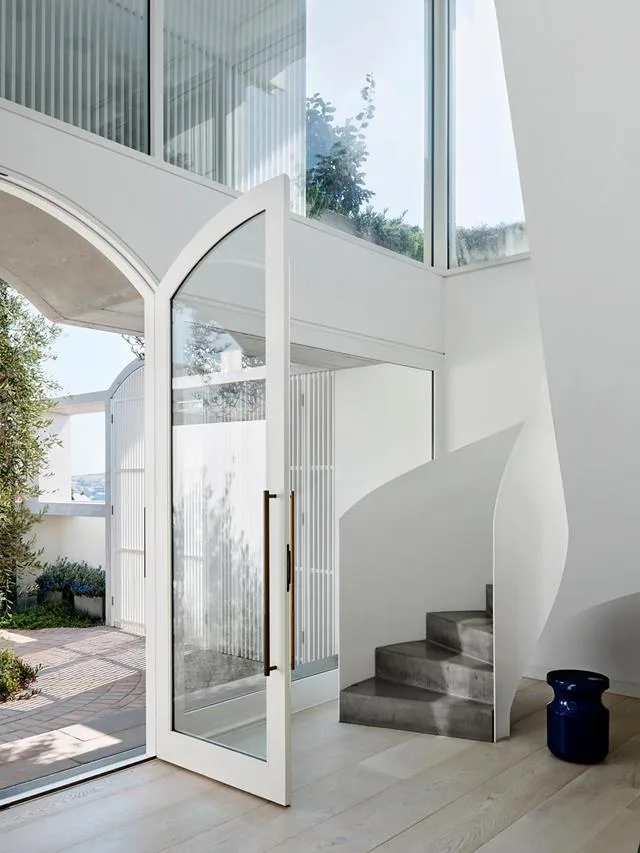
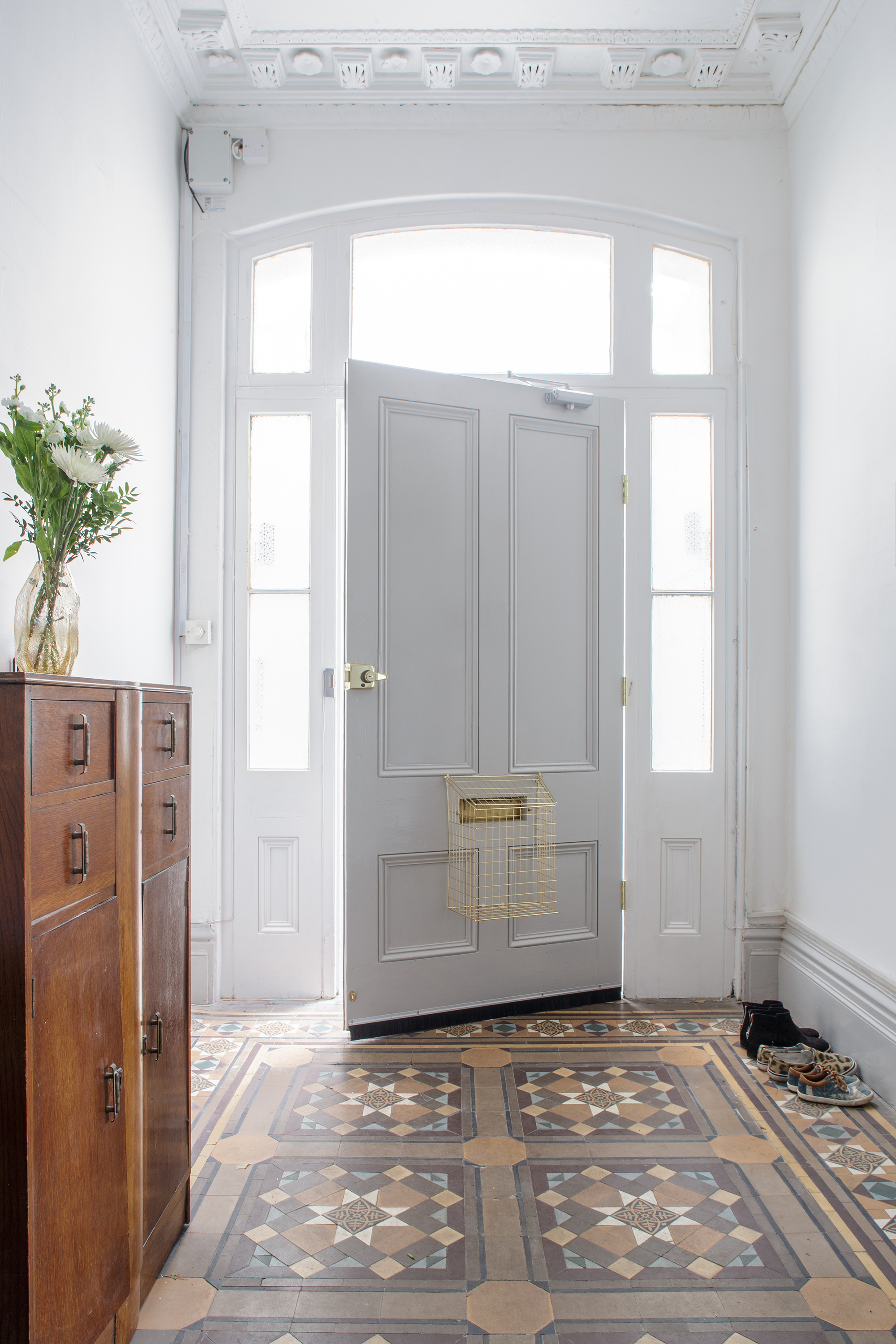
Maximizing natural light is crucial for dark period hallways. Features like glazed front doors or fanlights, especially in narrow hallways, significantly increase light. Hallway mirrors can then bounce this light further into the space. Semi or fully-glazed internal doors or windows connecting to adjacent rooms can flood the hallway with natural light. White color schemes enhance the effect of increased natural light. Finally, addressing the stairs with a decorative and practical runner, such as a wool flatweave, adds textural depth and safety, integrating the staircase into the overall interior design. For Victorian hallways, moody blues, deep reds, forest greens, and mustard colors are recommended to create a dramatic yet homely entrance, complementing existing wood panelling. Modern schemes can also opt for pastels or monochrome palettes to brighten the space while respecting traditional features. To dress up a 'boring' hallway, the introduction of color through patterned wallpaper or rich hues, often combined with panelling, can transform the space with elegance and vitality.
#PeriodHallway #HallwayDecor #InteriorDesign #HomeStyling #FlooringIdeas #WallpaperTrends #GalleryWall #ConsoleTable #VintageFurniture #NaturalLight #PeriodHallway #HallwayDecor #InteriorDesign #HomeStyling #FlooringIdeas #WallpaperTrends #GalleryWall #ConsoleTable #VintageFurniture #NaturalLight
0 تعليق إجمالاً
 لا توجد تعليقات بعد
قد تعجبك أيضًا
14 stylish hallway designs we’d love to come home to

Hallway lighting ideas – 10 tips for illuminating your home's entrance

Traditional hallway ideas – 30 designs that are fashionable, yet familiar

28 Hallway Decorating Ideas That Fix the “Long, Boring Hallway” Problem Almost Instantly

Hallway decor ideas to make your space look amazing

15 Modern Hall Decoration Ideas For Home In 2023
30 Entrance Hall Ideas No One Shares Because These Are Rare Even in Renovated Homes
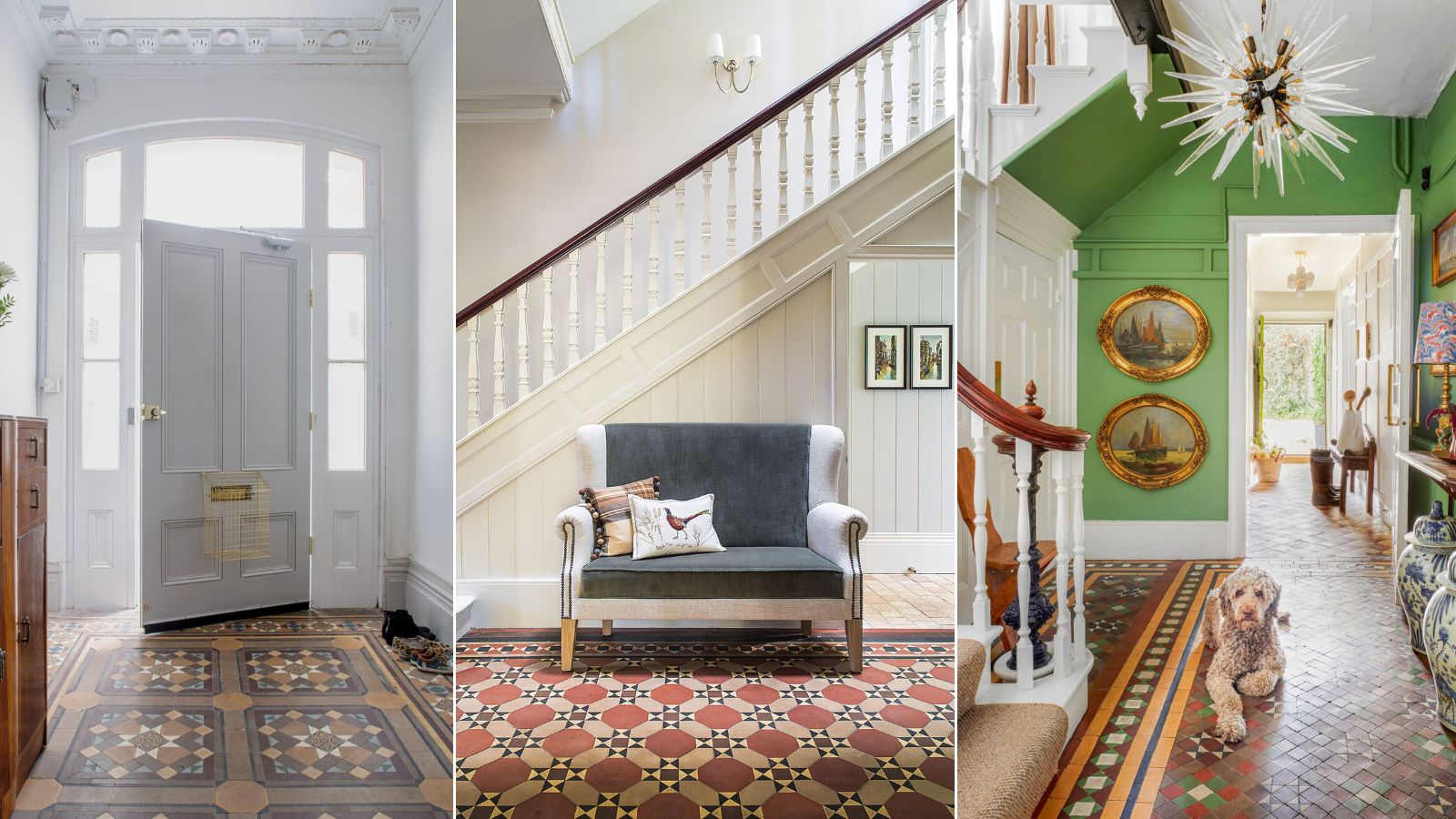
Victorian hallway tiles – 16 ideas and tips for period decor
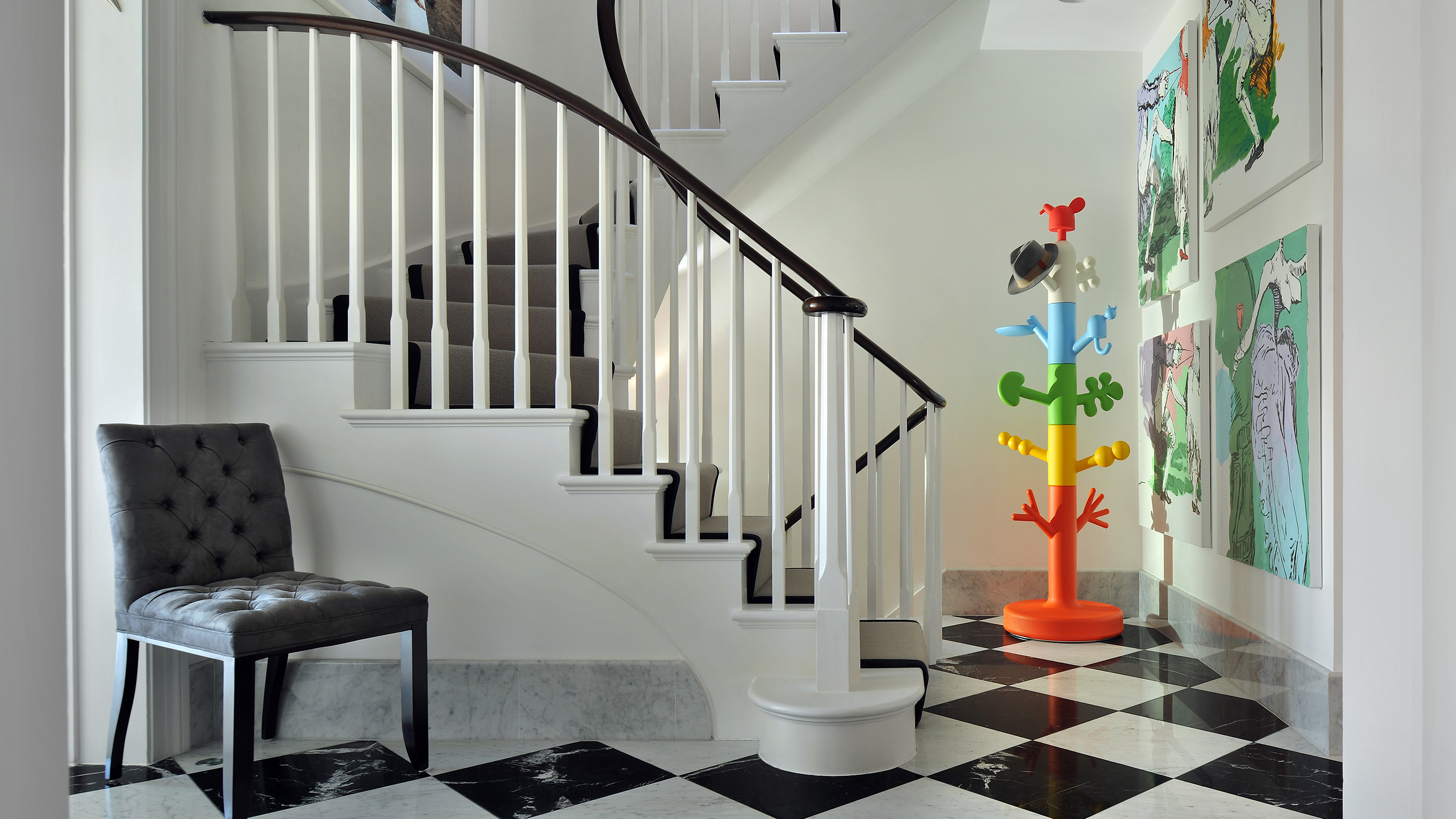
How to give your hallway a stylish makeover
Making an entrance: the experts share design ideas for your hallway

How a hall can be star of the show
Hallway wallpaper ideas – 24 ways to inject character into your entryway with pattern, colour and texture
14 Hallway Decor Ideas To Add Style To Every Part Of Your Home
Step Up Your Staircase With These Decorating Ideas
Modern hallway ideas – 10 tips for creating a contemporary hall
18 staircase ideas – stunning looks for your hall or entryway

Hallway runner ideas - 10 ways to make a great entrance
Period living room ideas and expert tips to help you decorate to perfection
15 elegant entryway ideas for a stylish first impression
Entryway and Mudroom Decorating and Design Ideas