1/4
Heath Ceramics Collaborates with Artist Stan Bitters to Craft a Unique Tile Collection
Heath Ceramics, known for its clean-lined pottery, has collaborated with ceramicist Stan Bitters to produce a new tile collection that merges Bitters’s expressive, raw aesthetic with Heath’s functional approach to ceramics. This partnership introduces a departure from Heath’s typical unadorned designs, incorporating a more visceral interaction with clay that characterizes Bitters's work. The collaboration began after Heath hosted Bitters’s solo exhibition, "Modern Primitive," in 2014, leading to a year-long development process for the tile collection, which was released in October 2017.
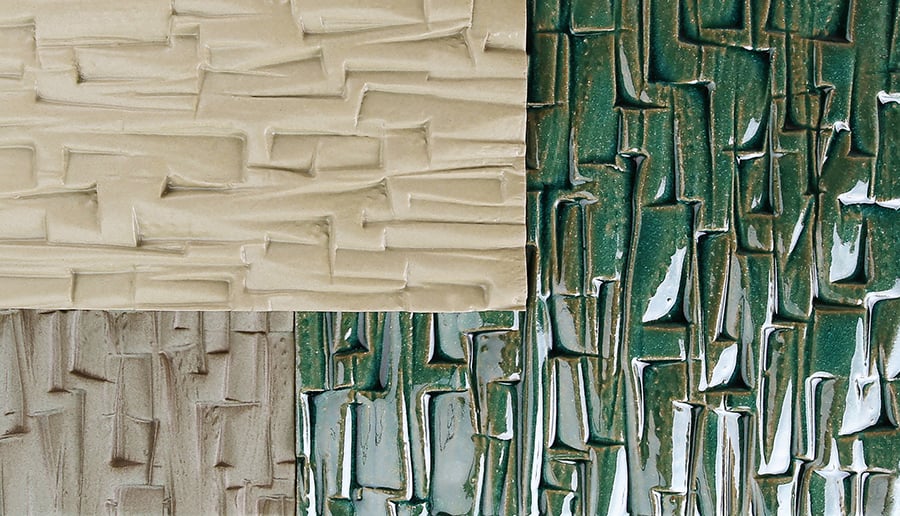
Bitters is known for his monumental and dramatic sculpted works, often featuring raw textures and revealing the maker's hand through grooves and edges. His method involves physically striking clay with tools like mallets, ball-peen hammers, and wooden planks to create distinct impressions. To recreate this physicality, Heath’s ceramicists in Sausalito, California, adopted similar techniques, using mallets and two-by-fours to shape the clay slabs. Ada Ko, Heath’s head of product and environment design, noted the significant difference in Bitters’s interpretation of clay compared to Heath’s traditional methods.
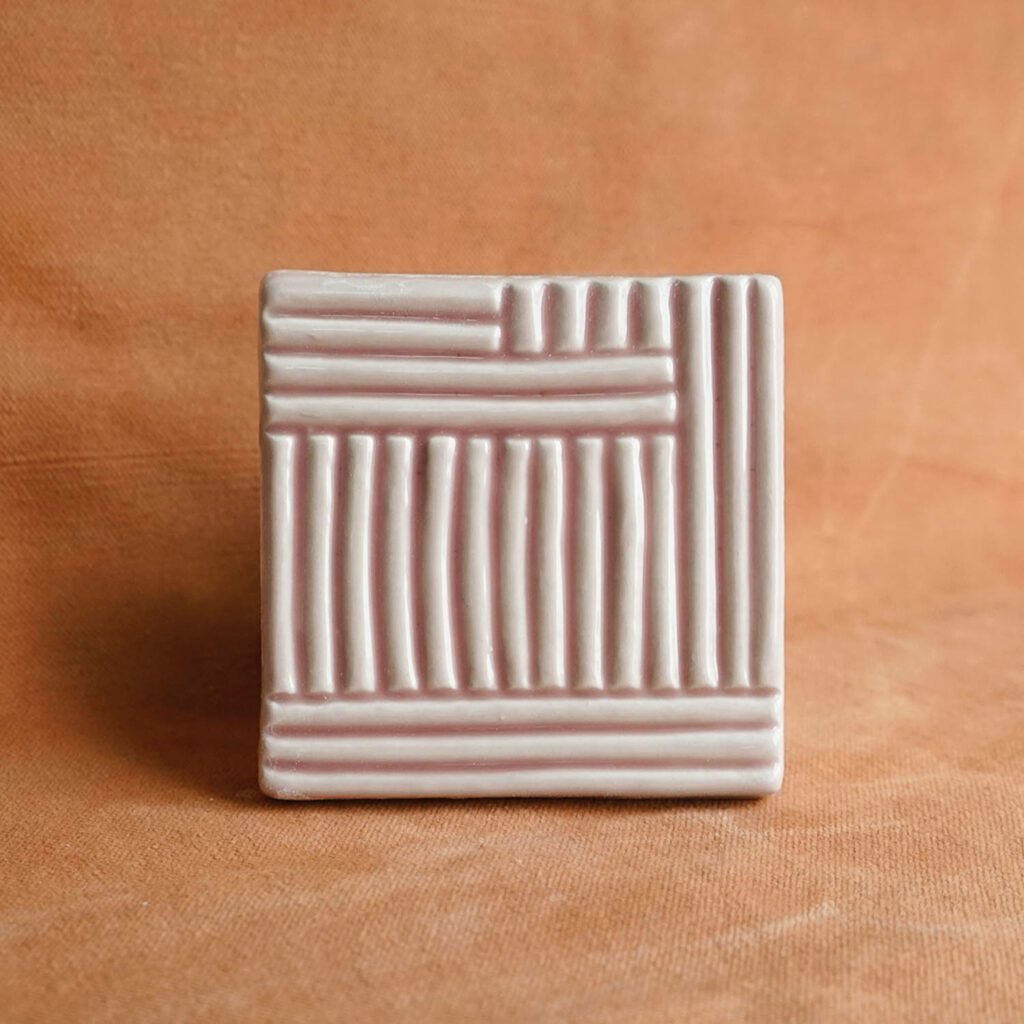
The development of the Stan Bitters tile collection involved extensive experimentation, with over 50 prototypes created through hammering and pressing wood into clay. The selection process focused on achieving the desired depth, linearity, and randomness in the patterns. A key innovation for Heath was producing a tile that was significantly more robust, textured, and raw than their standard offerings. The collection is available in two distinct clay bodies: a manganese or brown clay, and a mixed composition made from recycled clay. The recycled option aligns with Heath’s zero-waste initiative, where broken ceramic shells and glaze waste are ground into a fine powder, resulting in a material whose color can vary from white to beige to taupe depending on the batch’s glaze waste proportion.
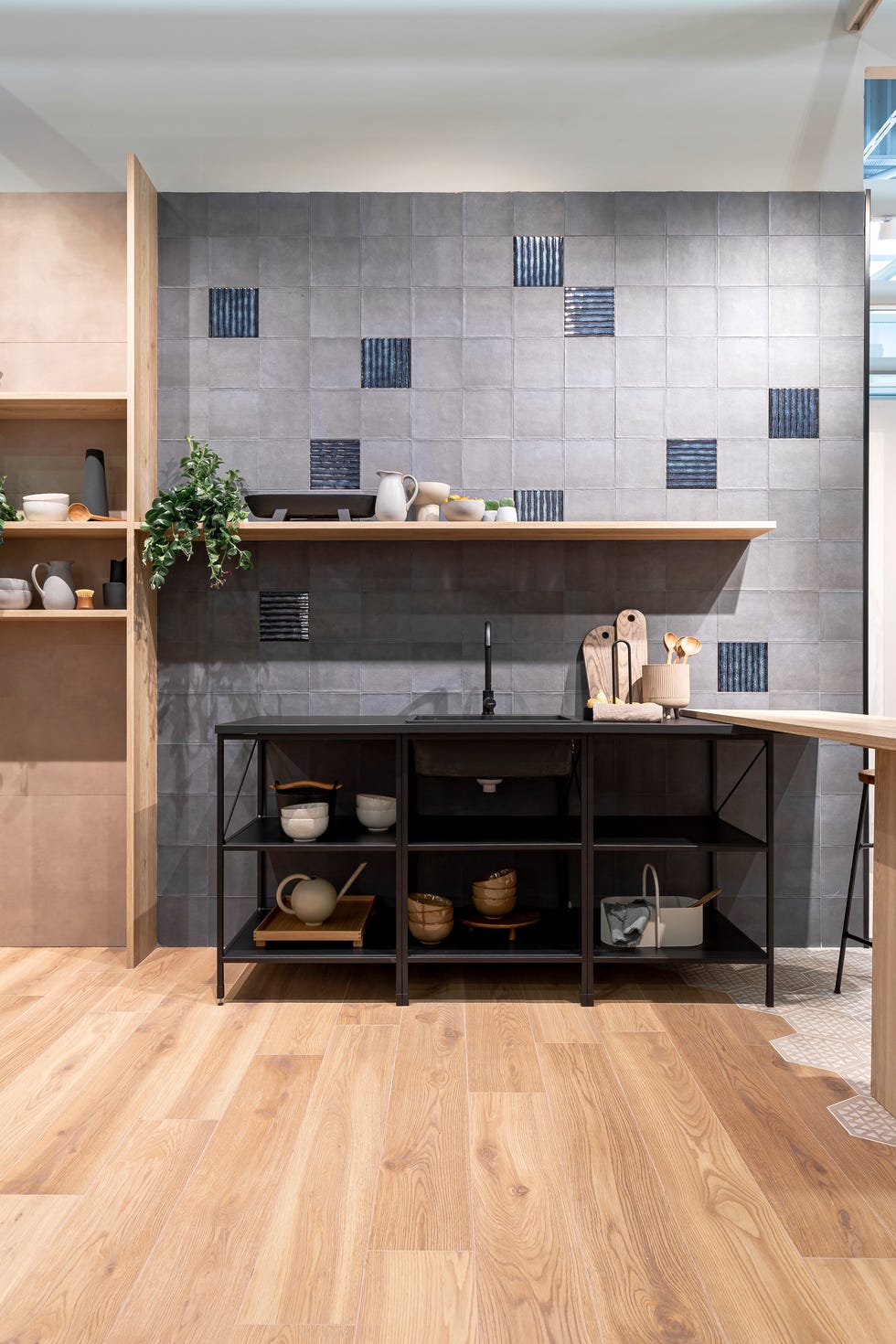
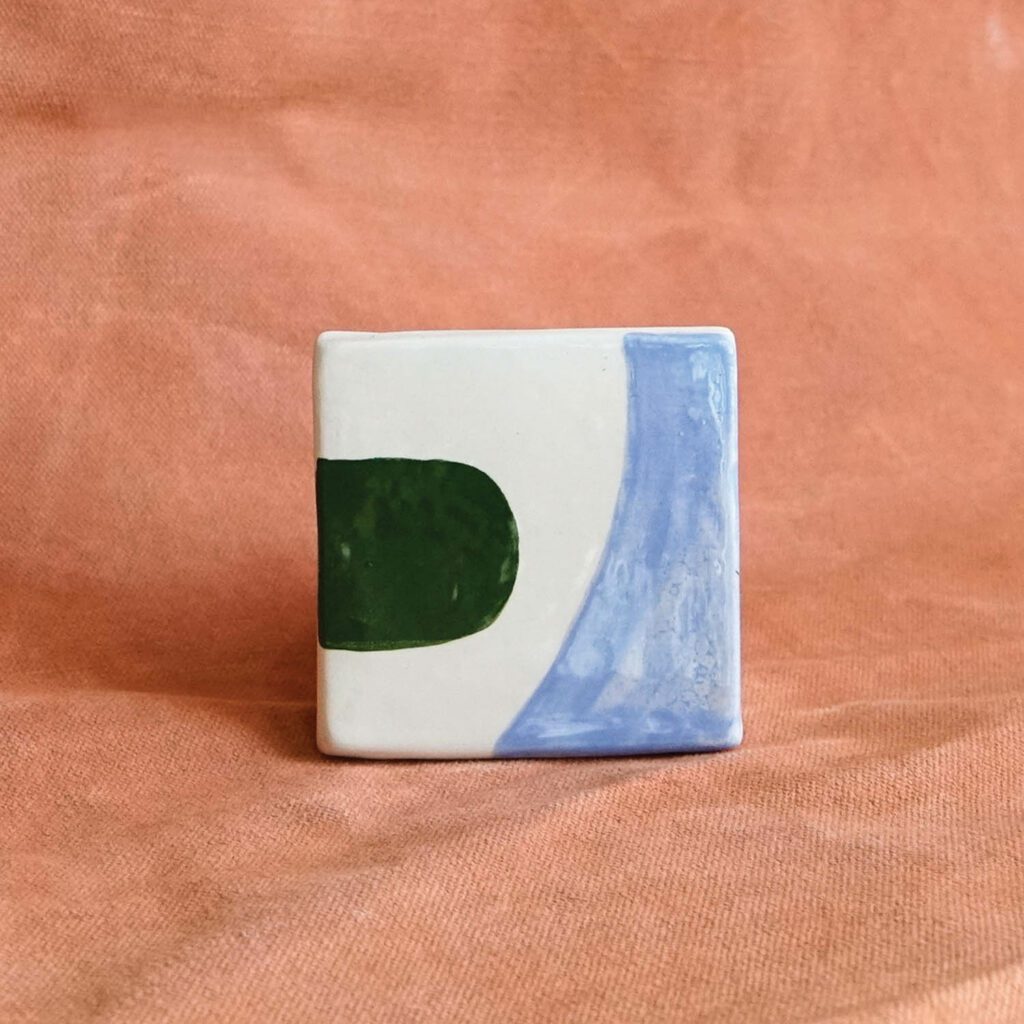
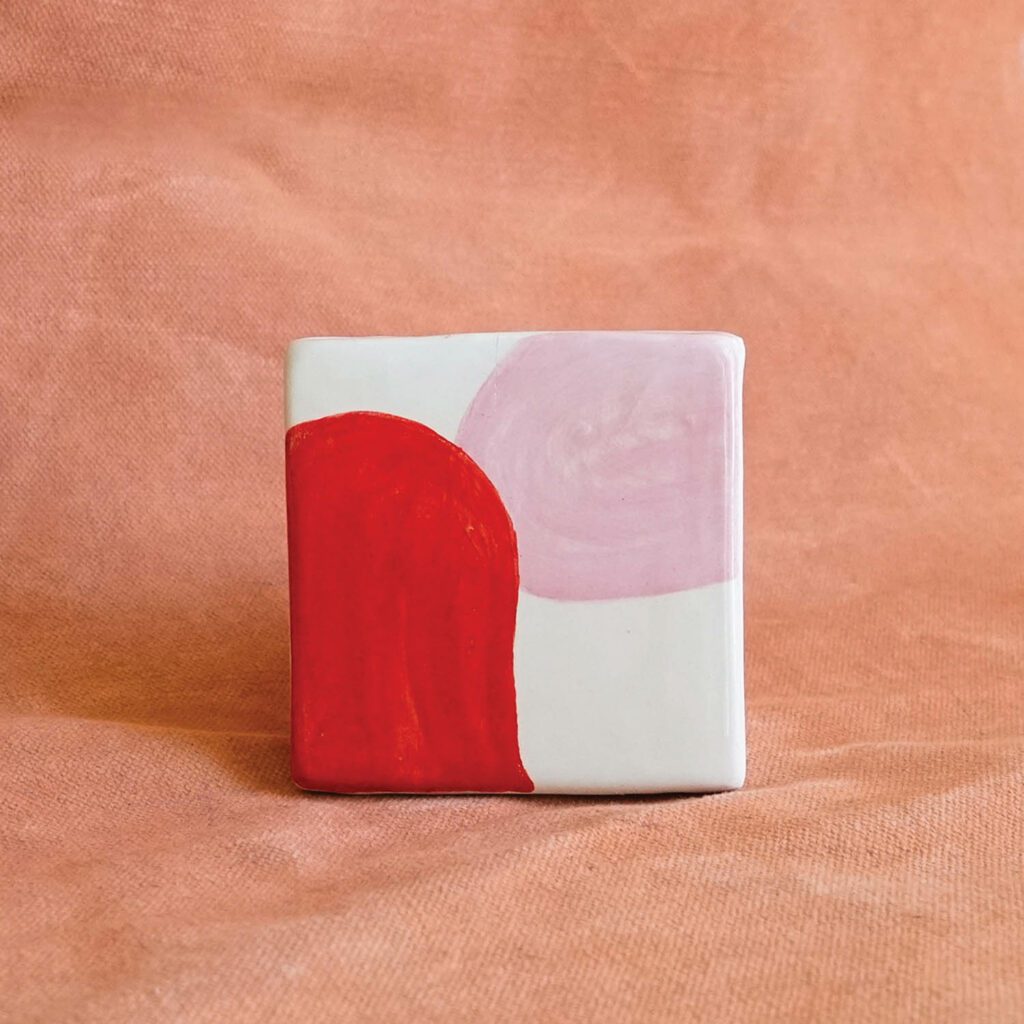
The manufacturing process involves pugging and ram pressing the clay, followed by molding to create the intricate patterns. Due to the thicker nature of the Stan Bitters tiles compared to Heath’s standard field tiles, extra drying time is required before firing to prevent issues observed in early production runs. Post-firing, the tiles undergo rigorous acid, scratch, and stain testing both internally and through third-party vendors. The collection features three sizes—two square and one rectangular—and is offered in eight glaze colors. These glazes are designed to interact with the tile’s textured surface, with some pooling in crevices (like the forest green) and others appearing warm or cool depending on the underlying clay body, ultimately forming a varied patchwork of textures and tones when installed.
Bitters expressed satisfaction with the collaboration, highlighting the potential for these tiles in various architectural applications such as fireplaces and kitchen walls, areas where his commissioned work might not be suitable. He noted the interesting contrast between the precision and modular design inherent in industrial ceramics and his more improvisational approach. This collaboration successfully blends artisanal, expressive craftsmanship with refined, functional ceramic production, creating a unique product line that reflects both artists' philosophies.
#HeathCeramics #StanBitters #TileCollection #CeramicArt #ProductDesign #SustainableMaterials #ArchitecturalApplications #ModernCaliforniaClayware #InteriorDesign #HeathCeramics #StanBitters #TileCollection #CeramicArt #ProductDesign #SustainableMaterials #ArchitecturalApplications #ModernCaliforniaClayware #InteriorDesign
0 تعليق إجمالاً
 لا توجد تعليقات بعد
قد تعجبك أيضًا
Heath Ceramics Launches Mural, A Multidimensional Pattern
Entler Studio Expands Their Ceramic Repertoire With Planters + Tables

Ceramiche Refin launches Blended porcelain tiles that combine natural stones and sands
Best Tile Manufacturers and Tile Brands

Ceramiche Refin launches Wide tile collection with line-drawn patterns
clé Launches Artist-Designed, Cement Tiles

Pottery Barn Just Launched The Cutest Collaboration With Our Favorite Design Duo

Parkside launches Matrix ceramic wall tile collection
A Life-Giving Tree in Blue Sprawls Across a Mosaic Tile Facade by Michael Chandler

ceramiche refin's craft collection highlights skill of cement artisans
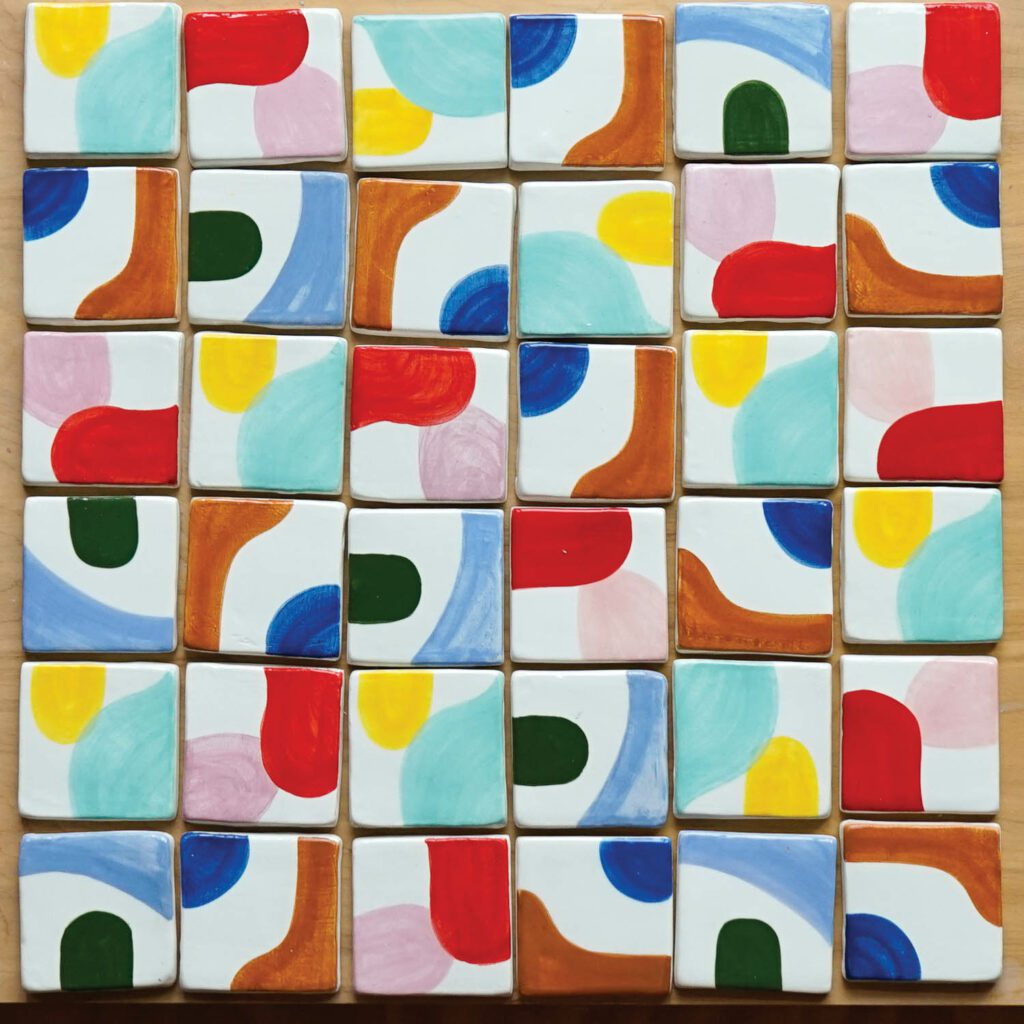
Makers from Guadalajara and New York Collaborate on Satin-Glazed Ceramics

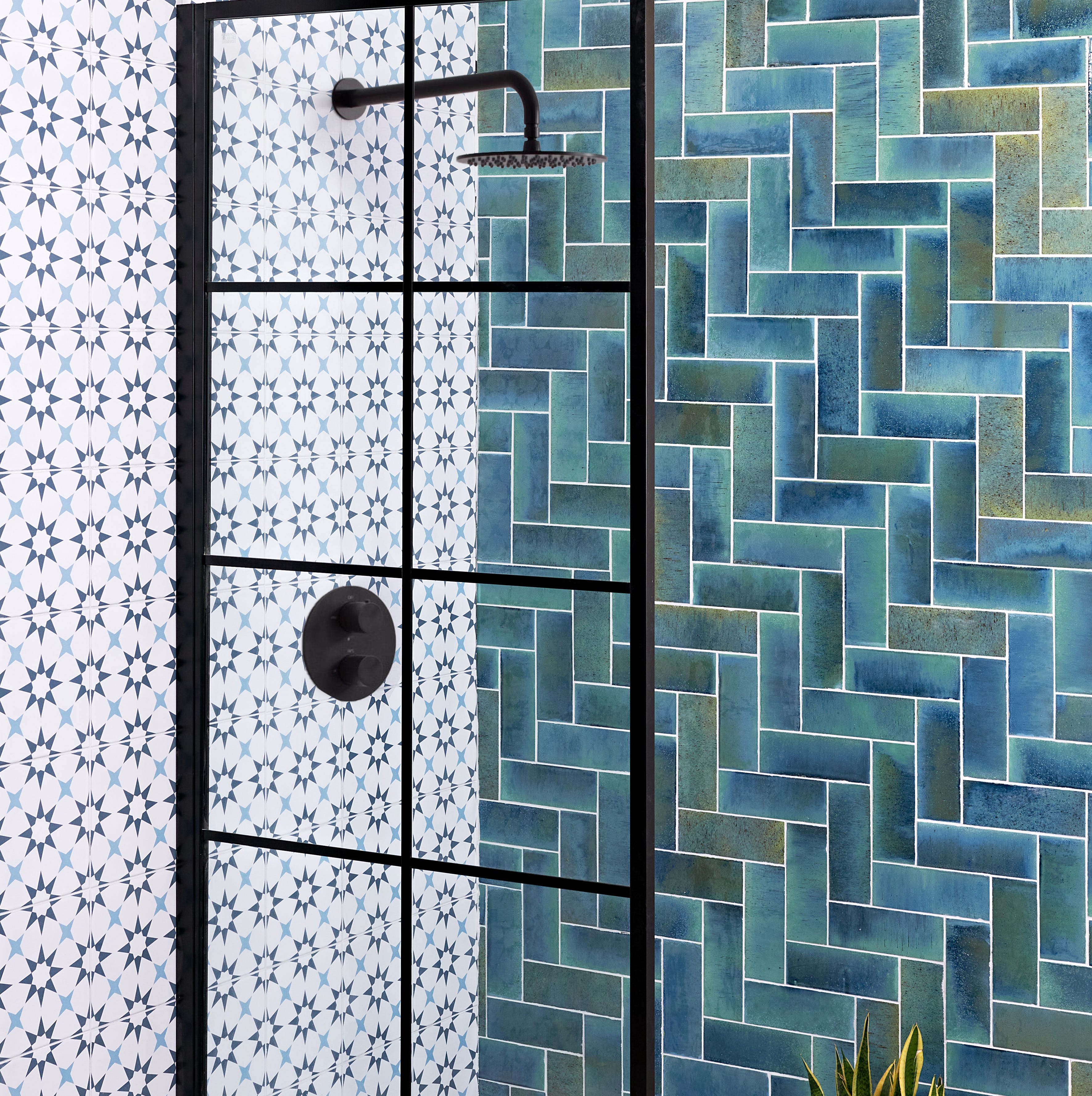
Ca' Pietra's new pottery-inspired tile collection is so dreamy

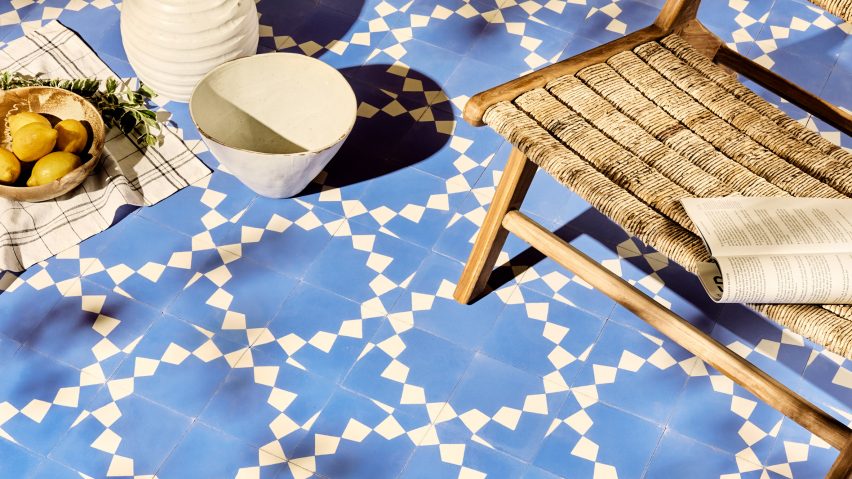
Artisanal tile collection by Bert & May
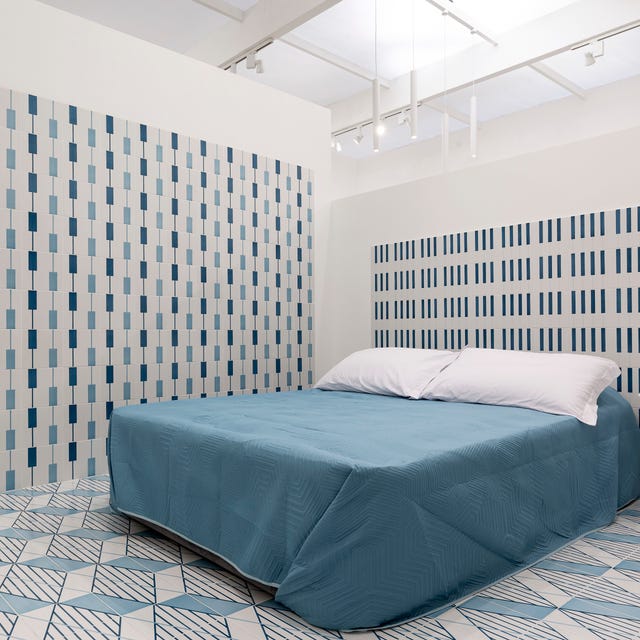
The New Horizons of Decorated Ceramic Tiles
Ceramic Tile Provides A Durable Artistic Canvas For Architectural And Interior Designers

Concrete Collaborative Unveils Playfully Patterned Tiles From Alex Proba
Ceramiche Refin launches Craft tiles influenced by hand-applied cement surfaces

This New Collection Puts a Graphic Spin on Tile
How Sarsen Stone's National Trust range offers tiles for every style
The Best British Tile Brands