1/5
Glass Menagerie: Your Guide to Selecting The Best Windows For Your Midwestern Abode
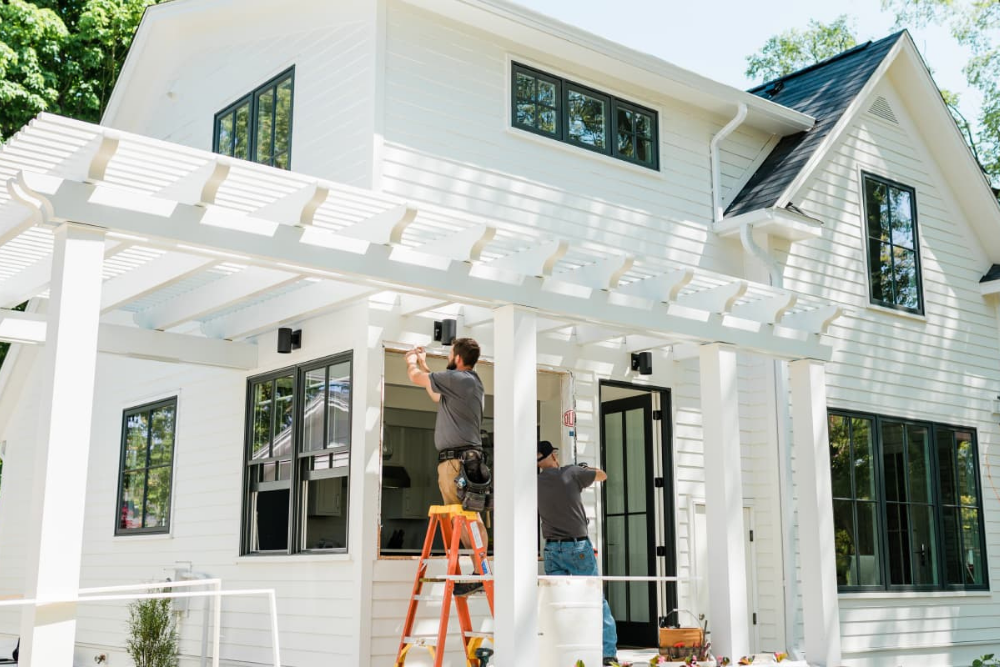
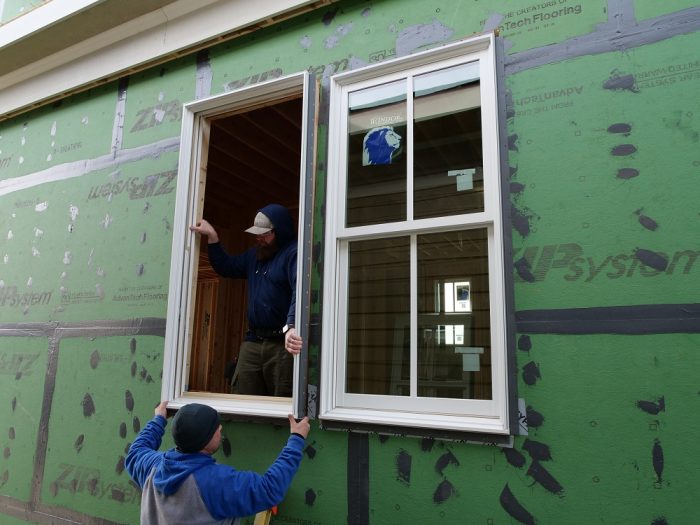
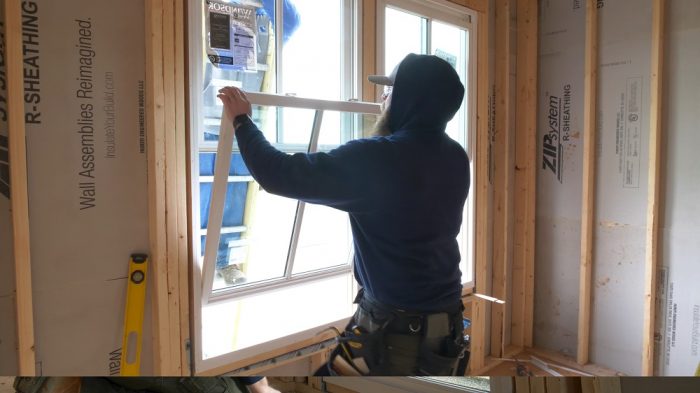
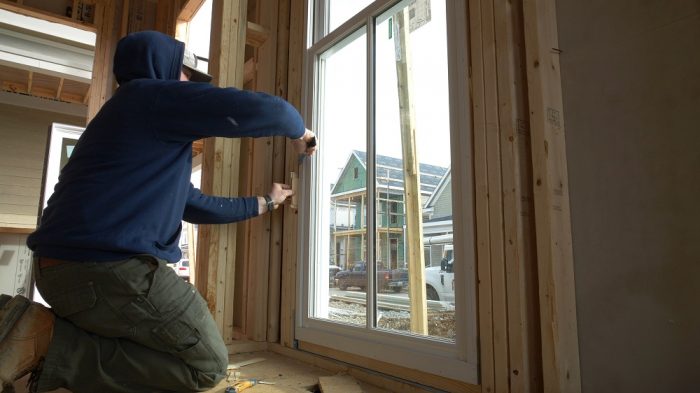
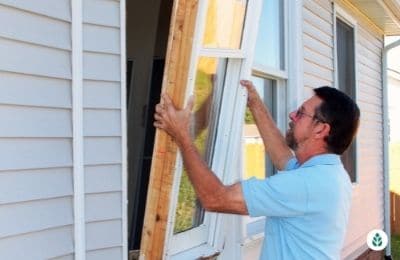
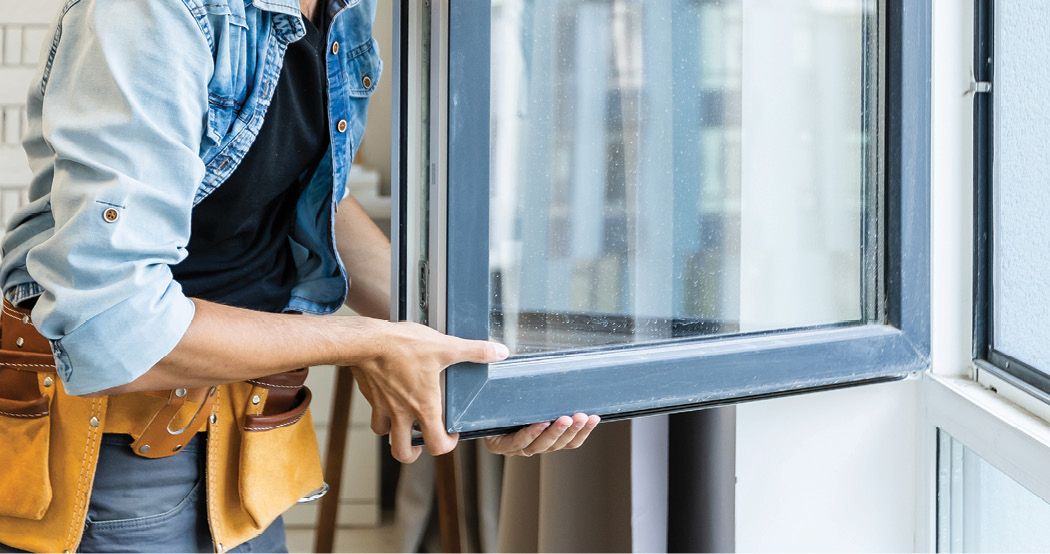
The selection of windows for a home in the Midwest involves a comprehensive consideration of various factors, including aesthetics, materials, and performance, primarily due to the region's extreme weather conditions. Homeowners embarking on a new build, a remodeling project, or a window replacement initiative must approach this decision strategically. Industry experts, such as Lance Premeau, general manager at Kolbe Gallery Twin Cities, and Clive Rugara, senior business director for Andersen Windows & Doors, emphasize that the initial step involves identifying whether the project is a new construction or a renovation. This distinction helps tailor the selection process, as existing homes often require windows that match current architectural styles and address specific issues like water damage or outdated aesthetics, while new builds offer greater freedom for imaginative design and architectural integration.
A significant concern for homeowners, especially with rising energy costs, is the energy efficiency of windows. The National Fenestration Rating Council (NFRC) highlights that a substantial portion of household energy expenditure is allocated to heating and cooling, making energy-efficient windows a critical investment. A home energy assessment can pinpoint areas of inefficiency, with windows frequently identified as a major factor. Upgrading to energy-efficient windows can reduce heating, cooling, and lighting expenses, improve indoor comfort by minimizing drafts, regulating heat gain, and attenuating noise.
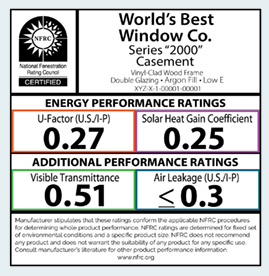
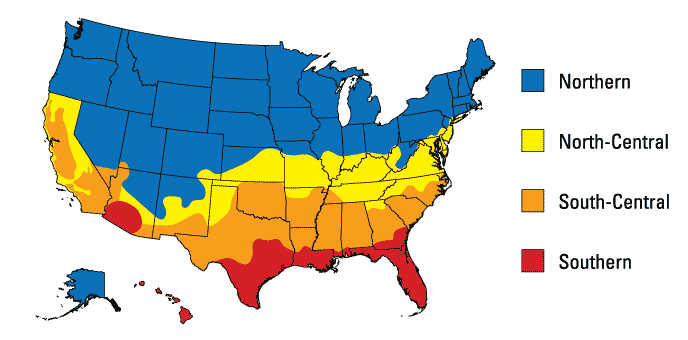
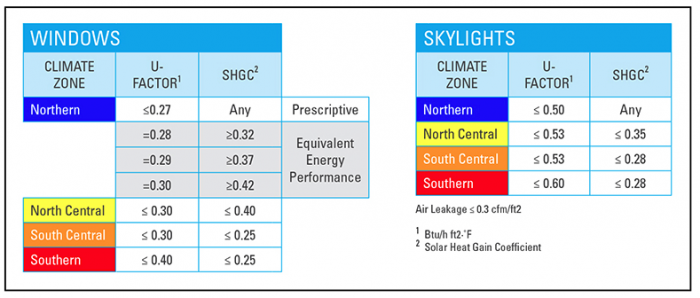
Understanding technical specifications is essential for informed window selection. Key terms include ENERGY STAR ratings, which denote products meeting stringent energy-saving requirements. The U-value, or thermal transmittance, indicates how effectively a window prevents heat transfer; a lower U-value (0.30 or less for cold climates) signifies better insulation. The Solar Heat-Gain Coefficient (SHGC) measures the amount of solar radiation passing through a window, with the NFRC recommending an SHGC of 0.35 or more for northern climates to balance heat gain. Visible Transmittance (VT) quantifies the amount of visible sunlight allowed through the glass, influencing daylighting and glare control. The light-to-solar gain ratio assesses the efficiency of glass in transmitting light while blocking heat. Low-E (low-emissive) coatings, a microscopically thin layer of metal oxide, reflect heat, significantly reducing heat loss. Other technologies, such as heat-absorbing glass and reflective films, further enhance thermal performance. The number of panes also affects efficiency, with single-pane glass being the least efficient, and double or triple-paned windows, especially when combined with Low-E coatings and inert gases like argon, offering superior insulation.
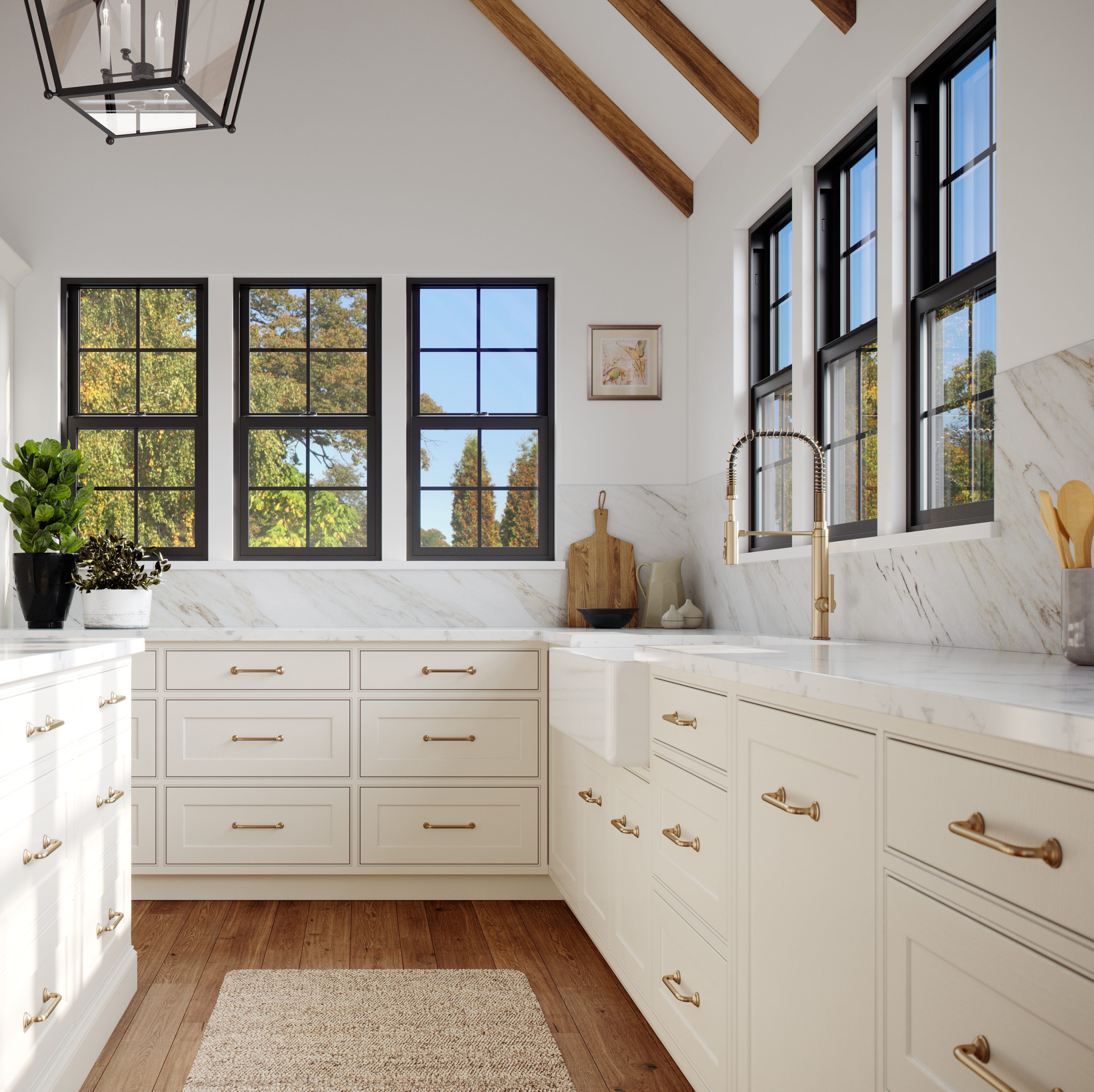
Beyond technical performance, material selection for sashes and frames plays a crucial role. Aluminum, while inexpensive, is less energy-efficient and prone to conductive heat loss. Fiberglass offers higher energy efficiency, durability, and resistance to warping, corrosion, and dents. Vinyl is a popular, durable, and energy-efficient option, though it can be challenging to repaint and may degrade in extreme temperatures. Wood is valued for its aesthetics, durability, and high R-values, often clad in aluminum or vinyl for reduced maintenance. Steel-framed windows, though costly, provide superior strength, durability, and security, fitting well with contemporary and industrial designs. The appropriate material choice can also vary based on the window's location within the home, with moisture-resistant options like fiberglass or composite materials being ideal for bathrooms.
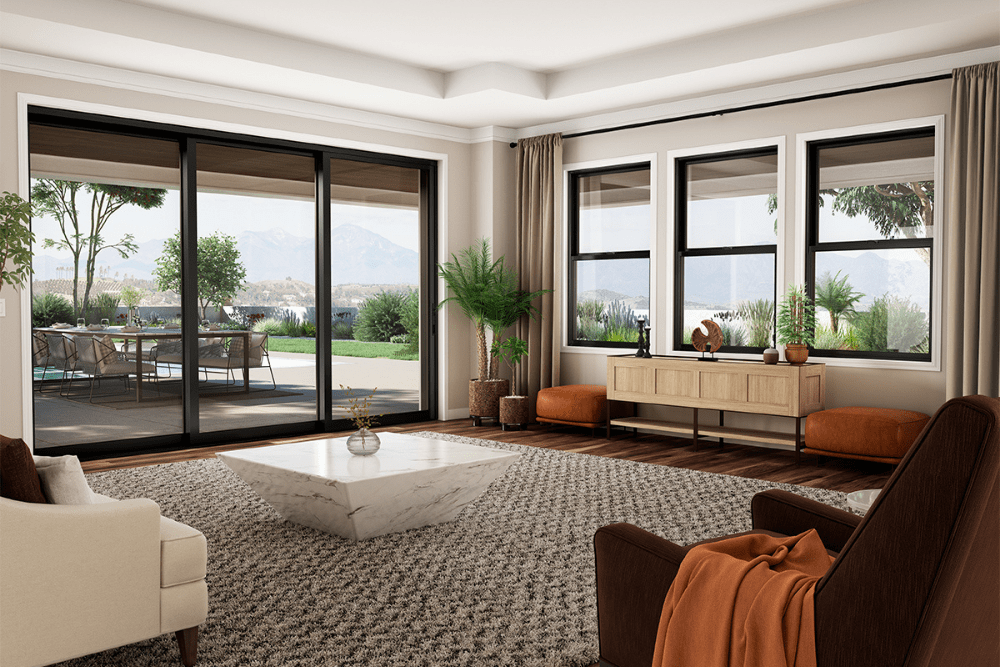
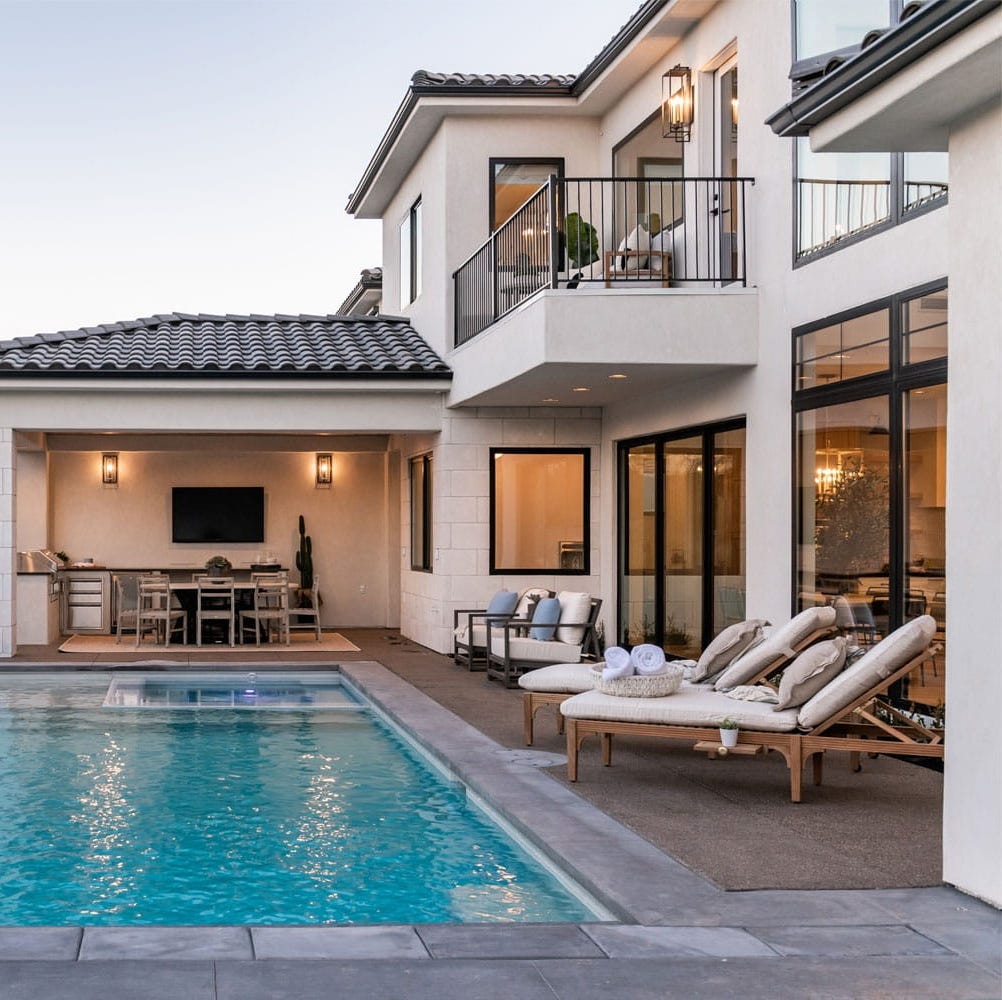
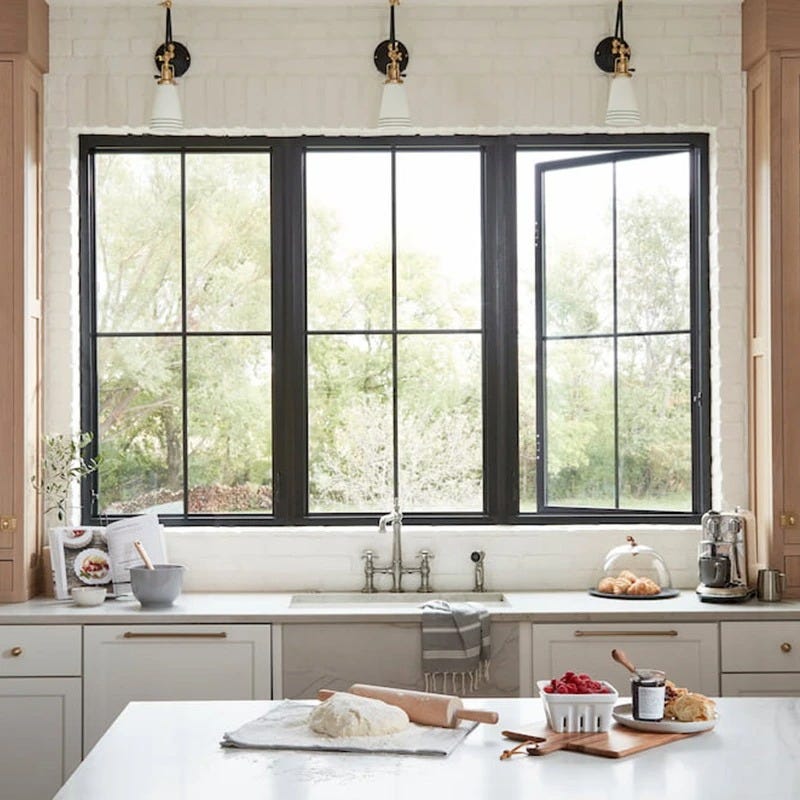
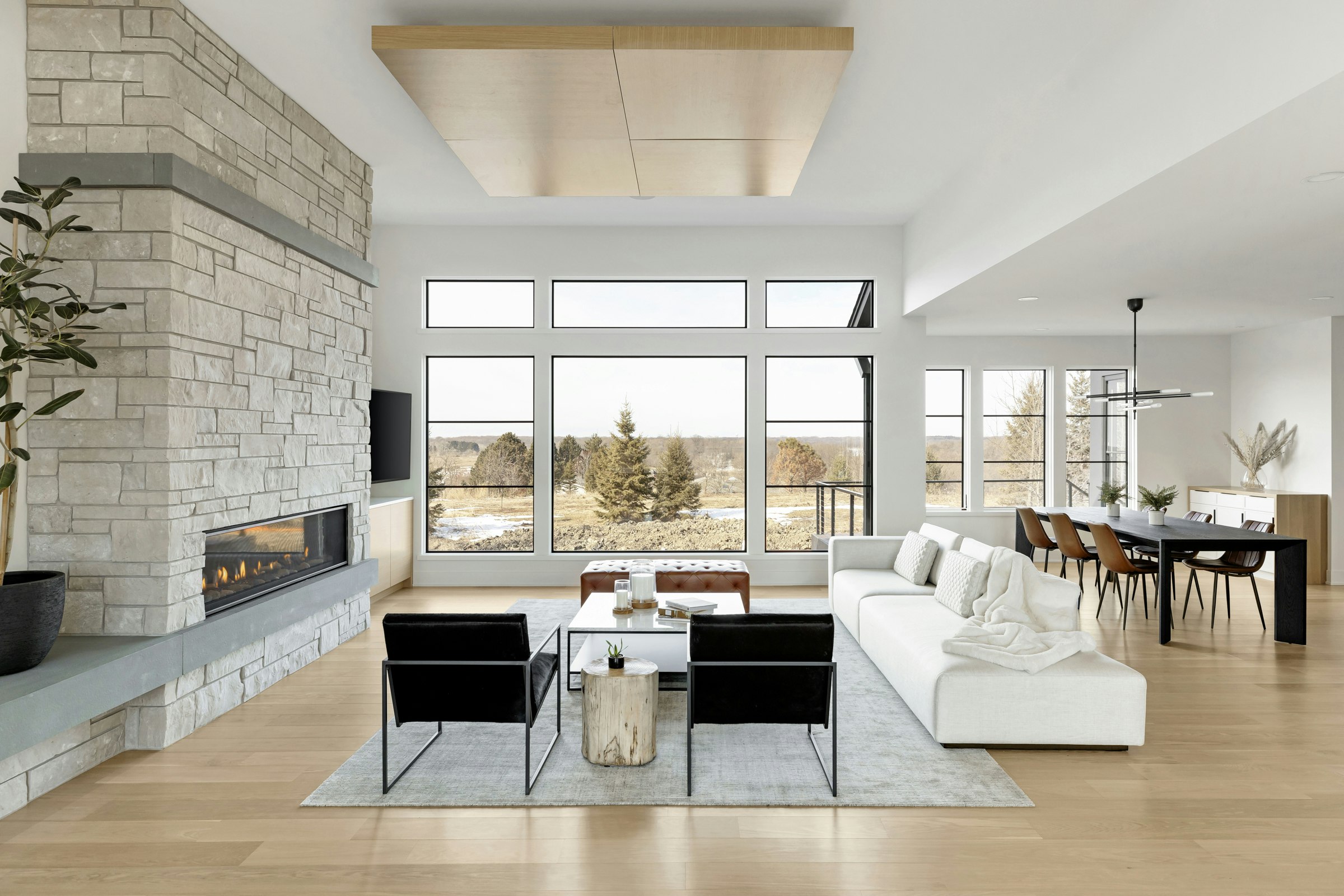
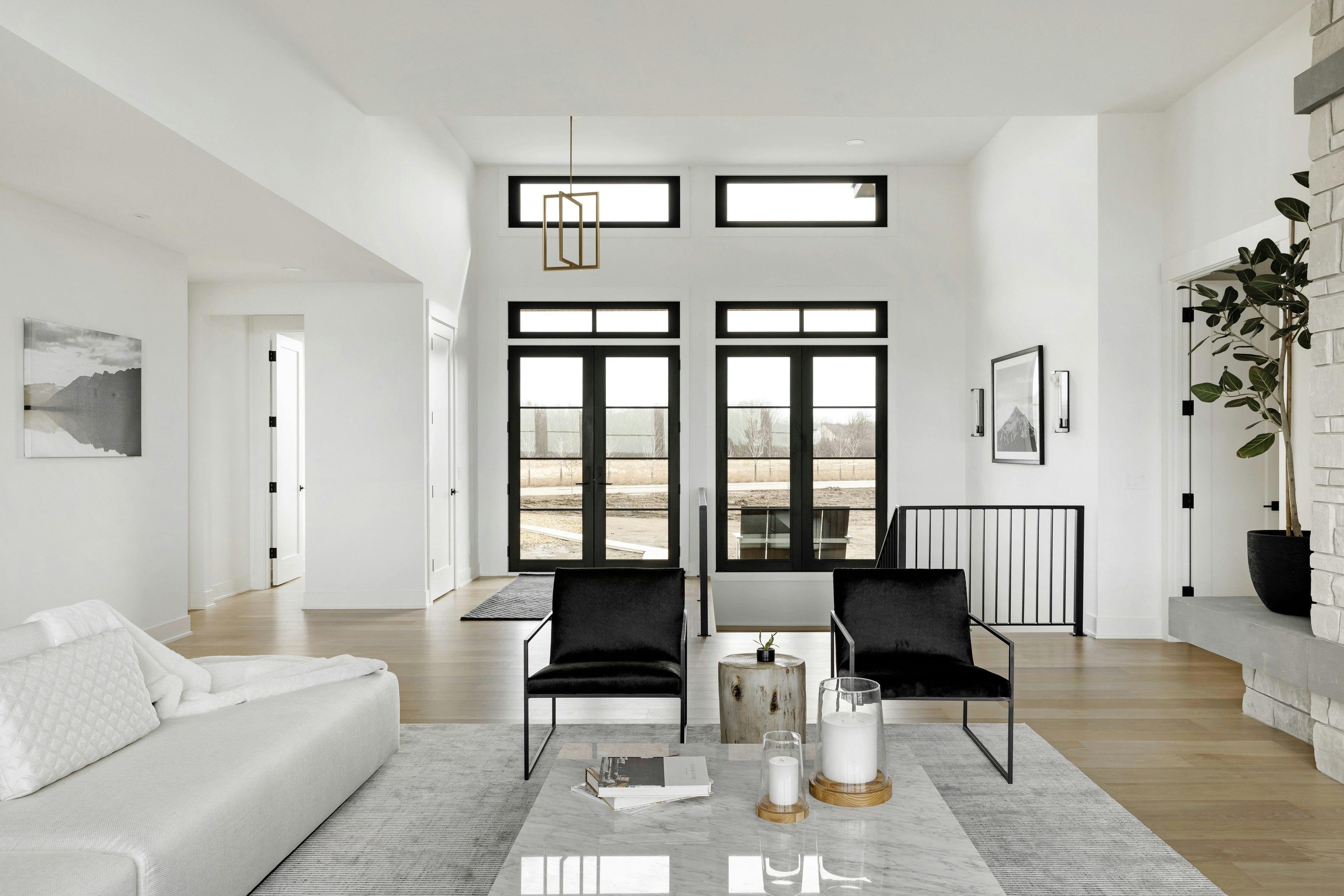
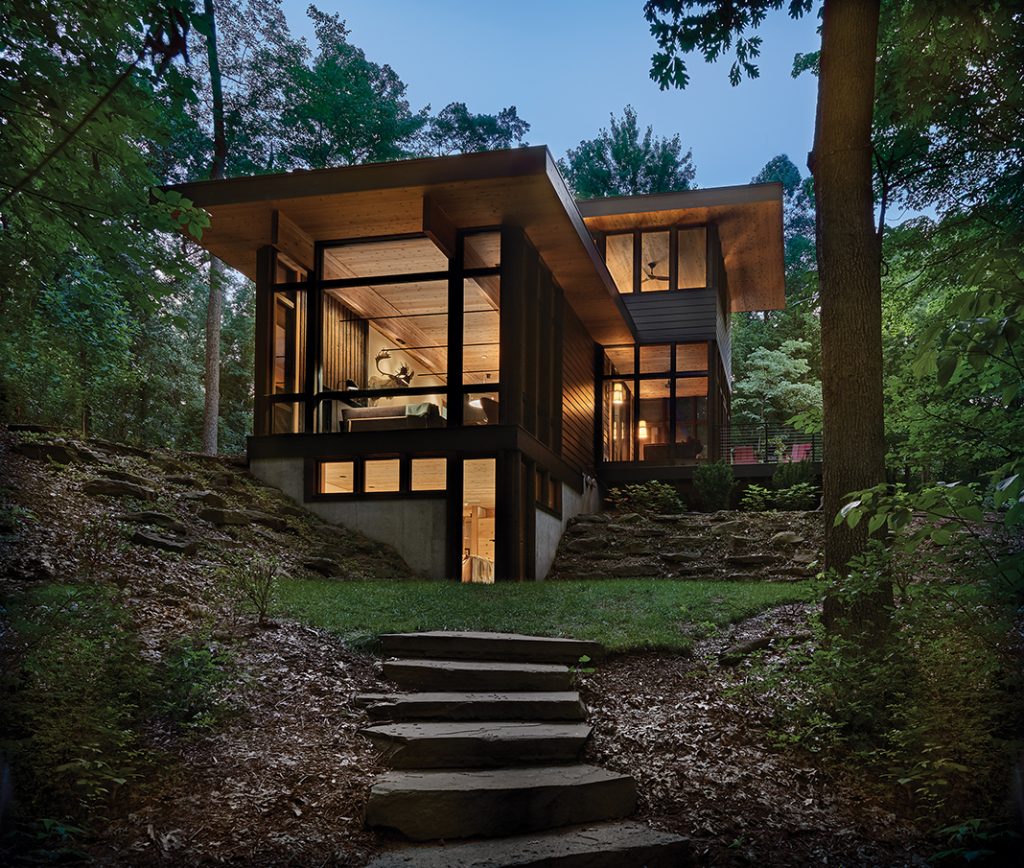
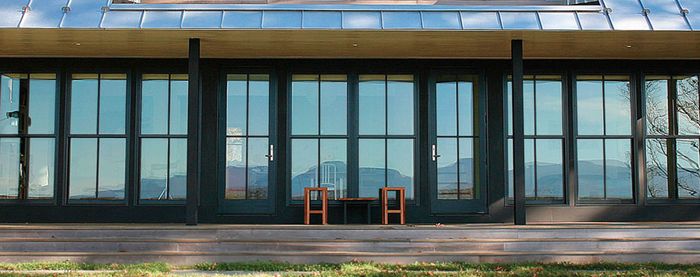
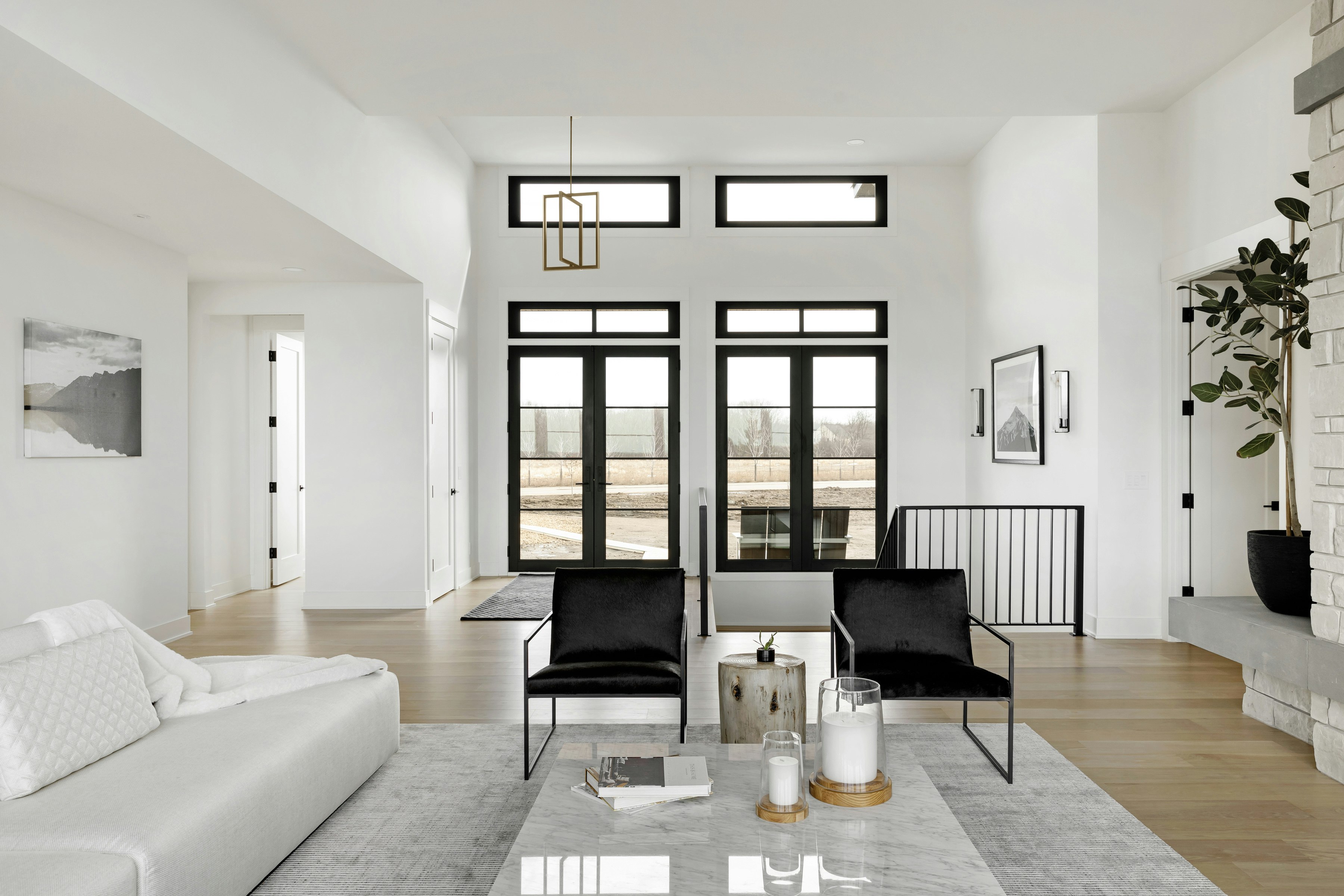
Contemporary trends indicate a strong desire for large expanses of glass to achieve unobstructed views and foster an indoor-outdoor living experience. This design choice, while aesthetically appealing, presents practical considerations, such as the operational frequency of large doors and windows, their budget implications, and their performance in preventing water intrusion. Window specialists play a vital role in guiding homeowners through these considerations, ensuring that desired aesthetics are balanced with practical functionality and energy performance. The growing emphasis on home as a secure and comfortable sanctuary, especially in light of global events, has further elevated the importance of window selection in creating inviting and efficient living spaces. Manufacturers continue to innovate, offering diverse portfolios to meet evolving homeowner demands for both beauty and performance.
#WindowSelection #HomeDesign #EnergyEfficiency #MidwesternHomes #BuildingMaterials #ArchitecturalDesign #KolbeGalleryTwinCities #AndersenWindows #WindowSelection #HomeDesign #EnergyEfficiency #MidwesternHomes #BuildingMaterials #ArchitecturalDesign #KolbeGalleryTwinCities #AndersenWindows
0 تعليق إجمالاً
 لا توجد تعليقات بعد
قد تعجبك أيضًا
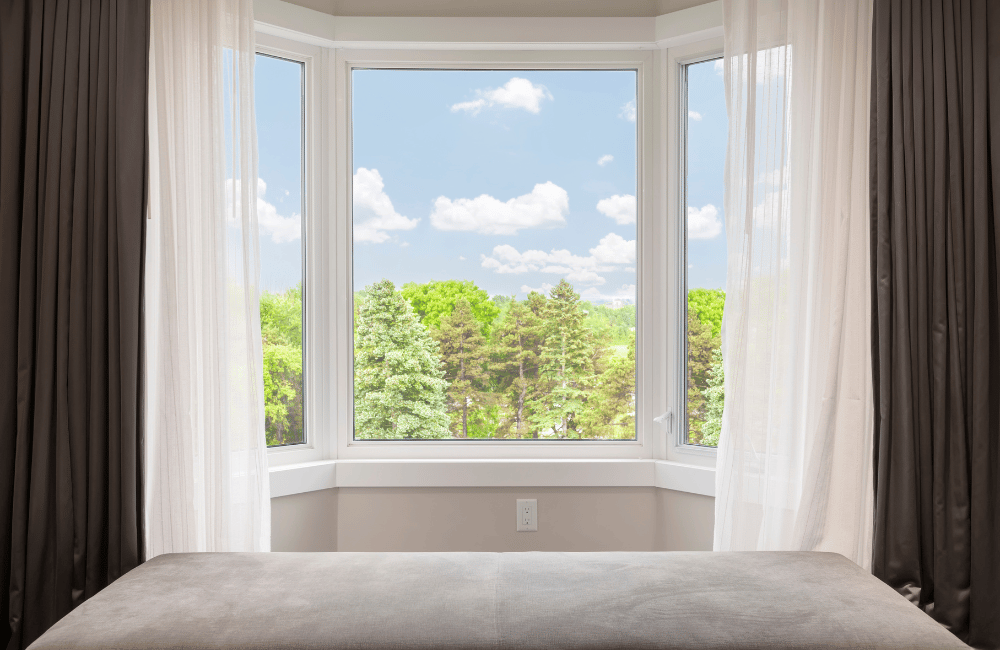
5 Best Window Brands for Your Home (2025)

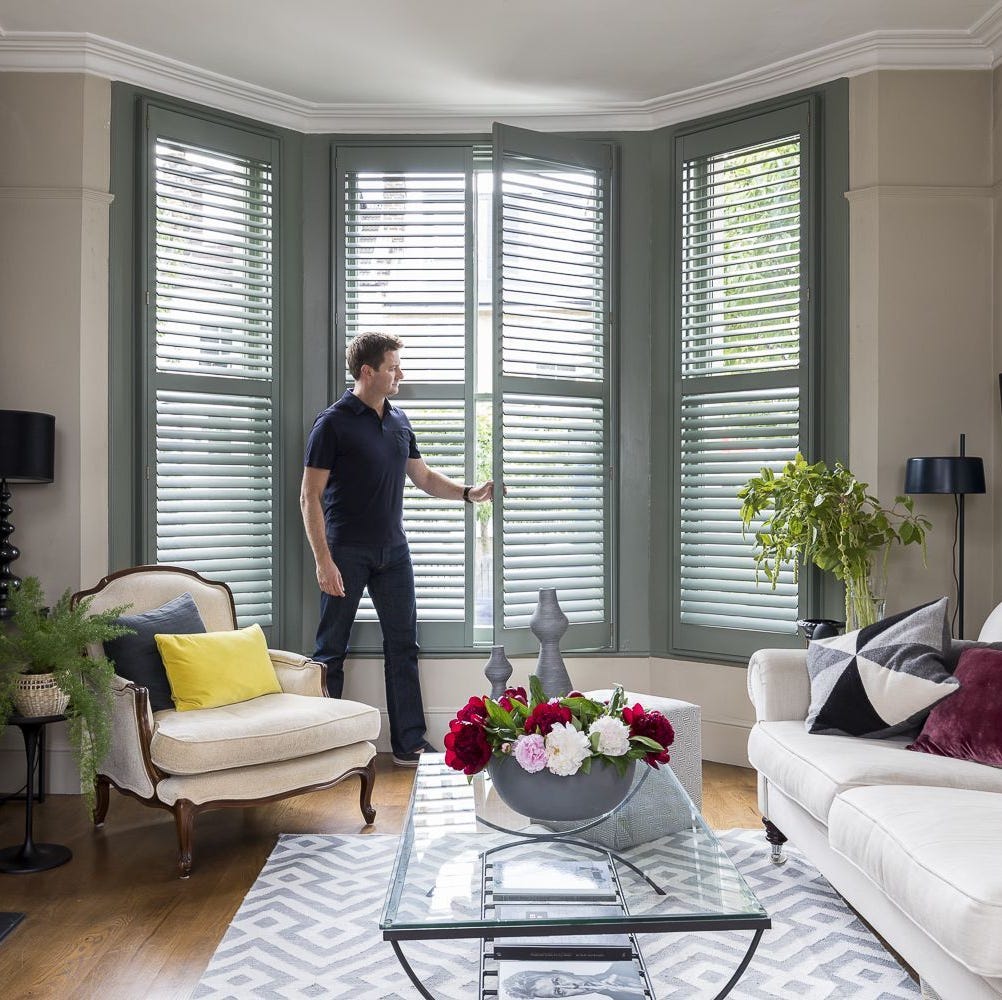
George Clarke's top tips on choosing the perfect window treatments for your space

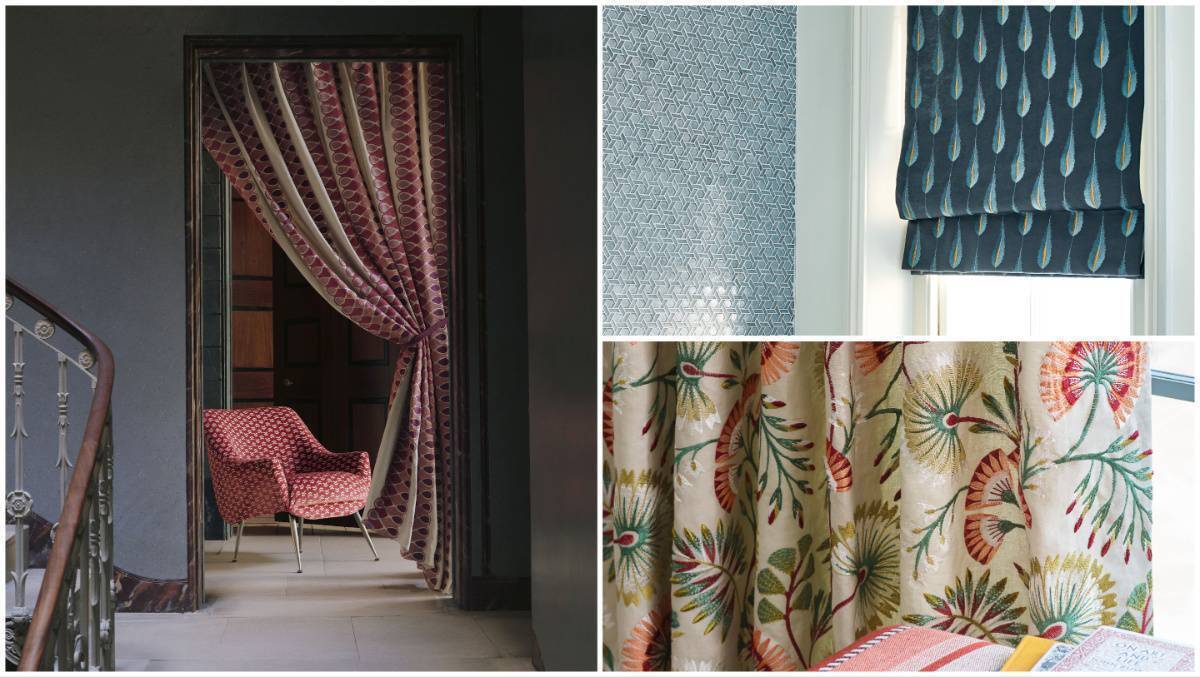
Curtain call: How to choose window treatments
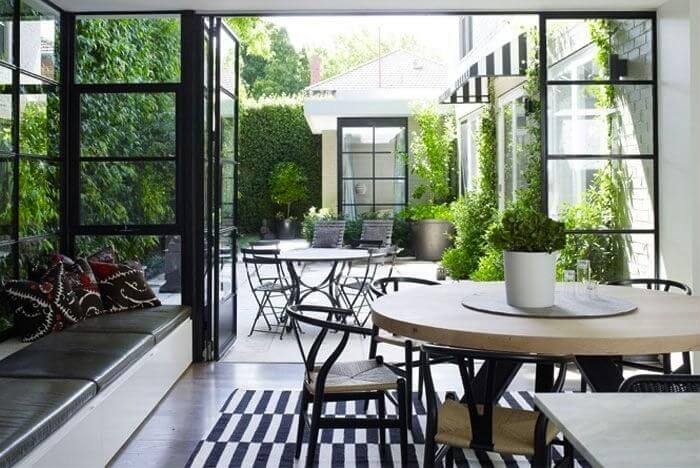
Beautiful Homes with Floor-to-Ceiling Glass and Steel Windows

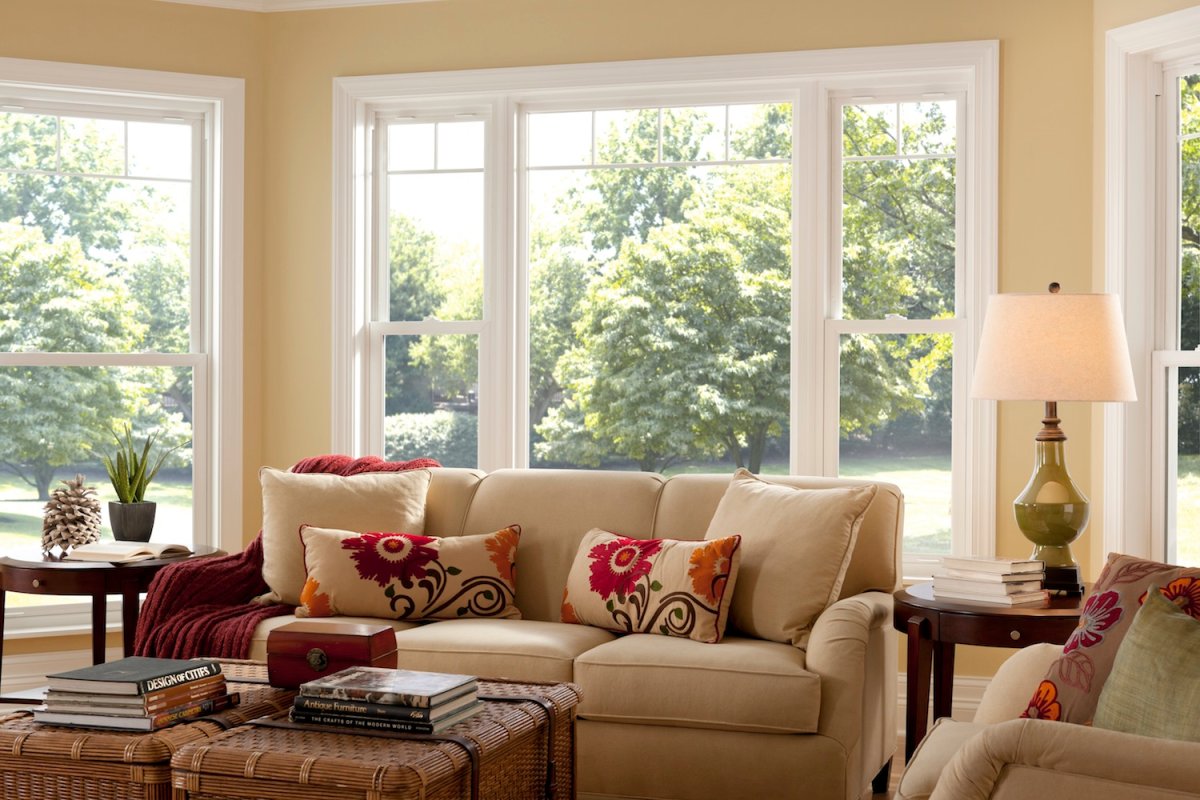
The Best Window Brands for the Home

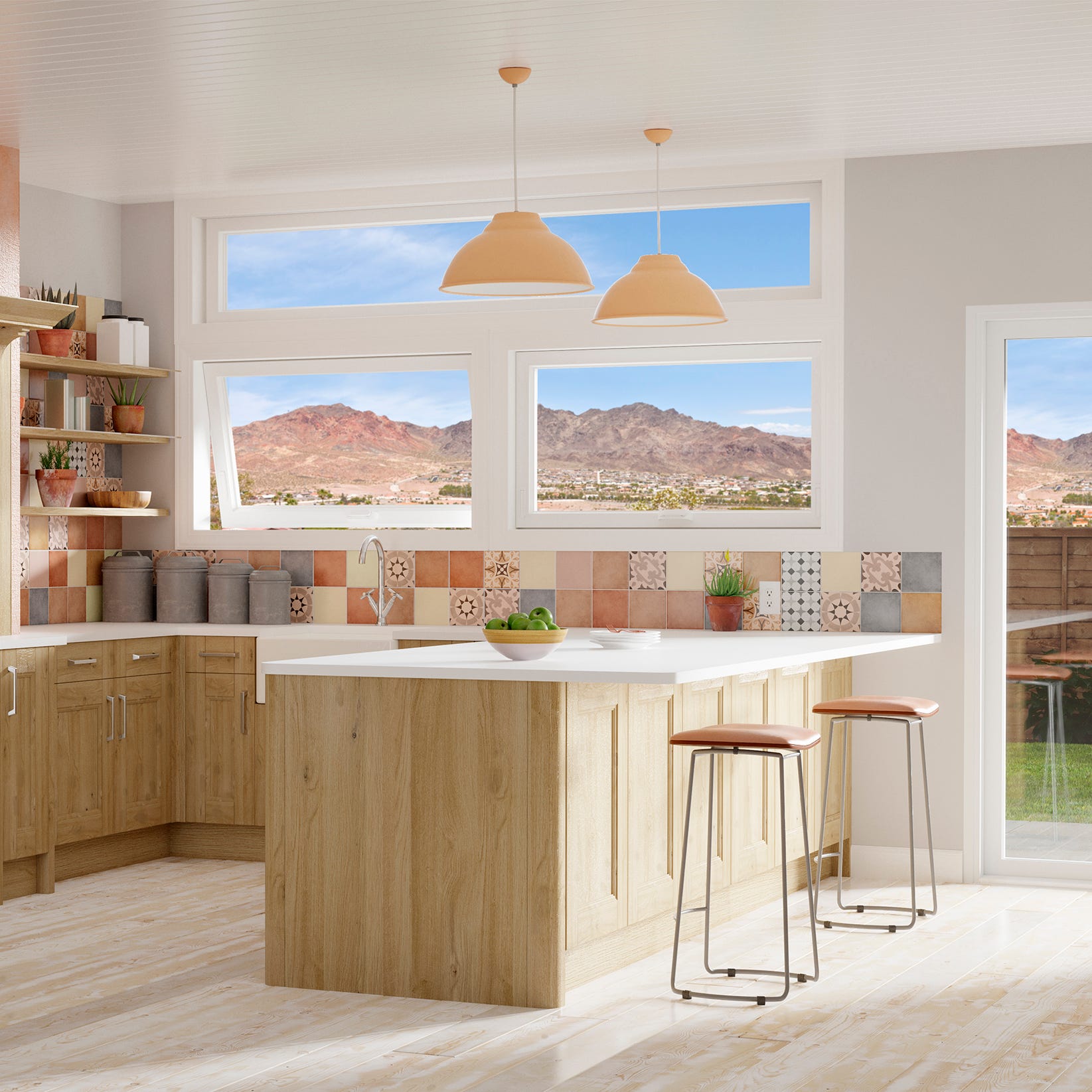
8 Best Window Brands, According to Home Renovation Experts

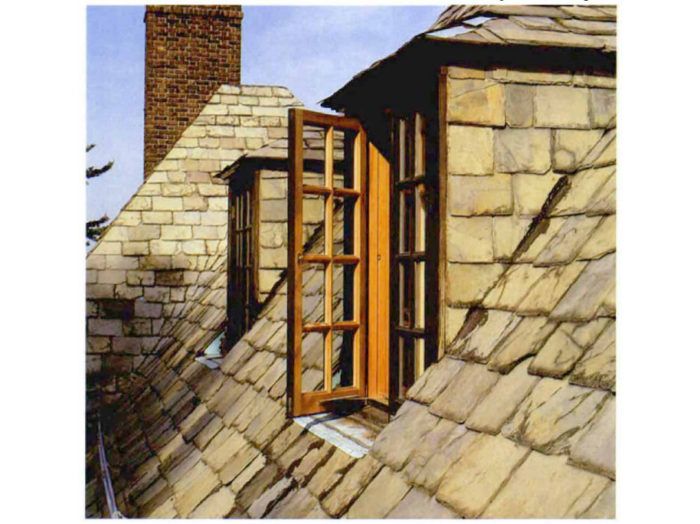
Cranking Out Casements

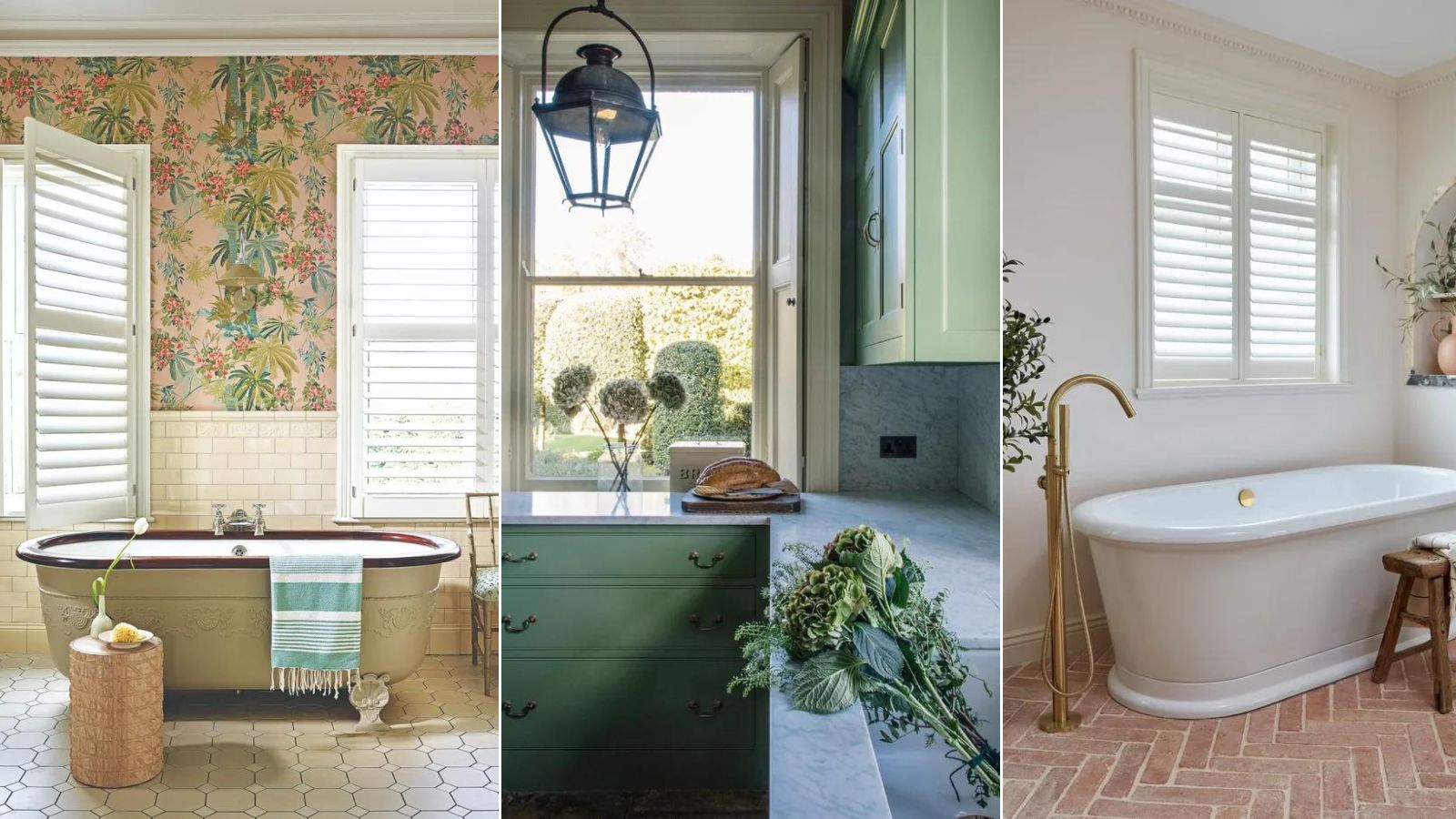
Are window shutters out of style? Interior designers weigh in

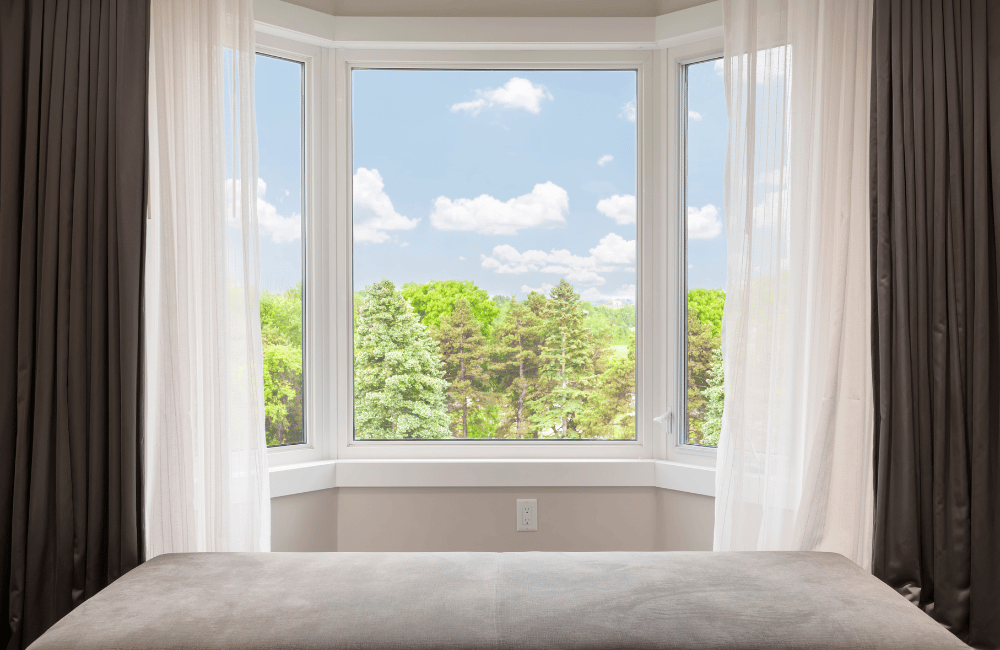
5 Best Window Brands for Your Home (2026)

6 Ways to Choose the Right Window Designs for Your Home

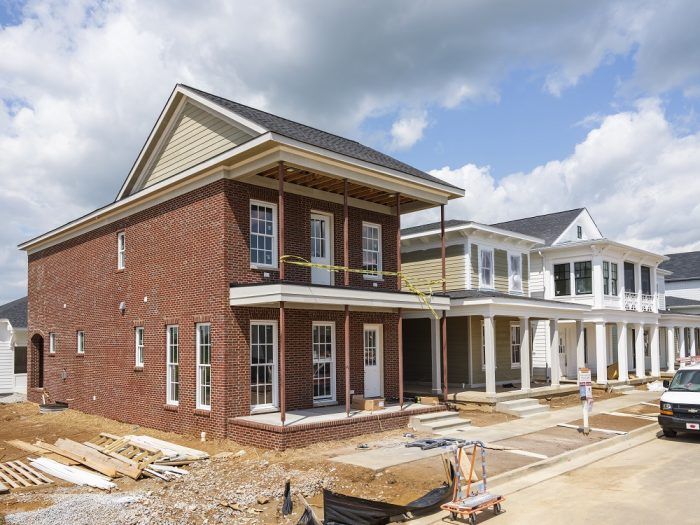
Using Windsor Windows and Doors to Big Effect

A Beginner’s Guide to High-Performance Windows

How to Pick Windows: 5 Factors to Consider
Sash windows – what to do when choosing, restoring or replacing your frames and glass

George Clarke talks windows (plus get a sneak peek inside his townhouse!)
Home Window Installation, Parts and Repair

Single vs Double Hung Windows: Cost, Safety, Energy Efficiency

Compare the 5 Best Window Replacement Companies of 2026
Minnesota’s Native Prairie Landscape Sets the Stage for This Modern Home Near Minneapolis

Progress Never Stops for Window Manufacturers