1/3
William Morris: new exhibition highlights Islamic art influences
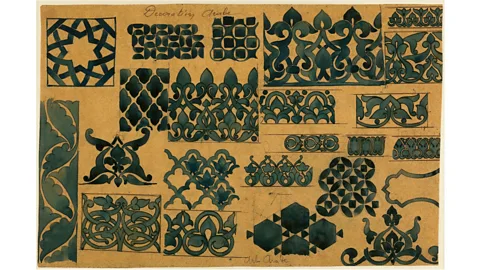
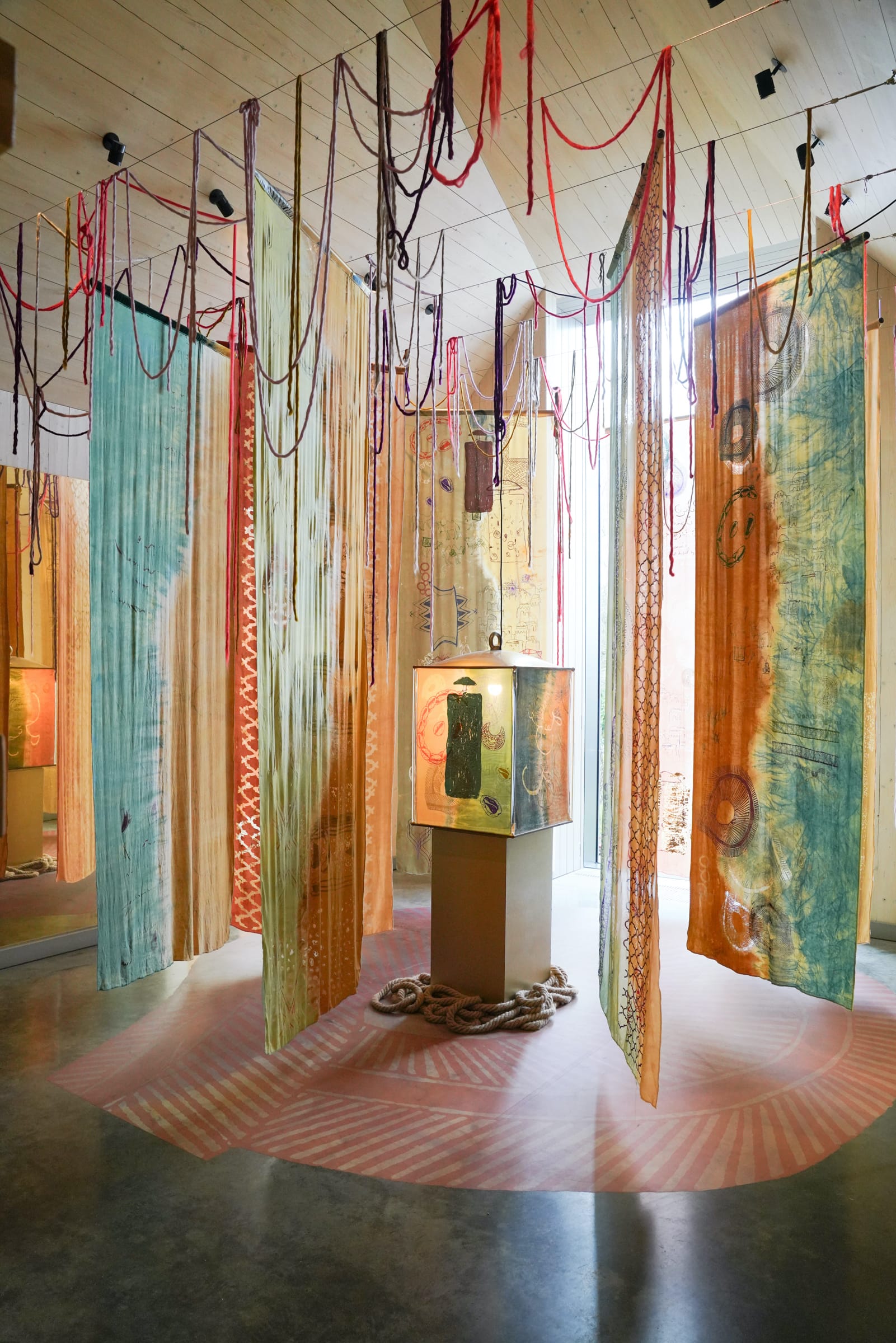
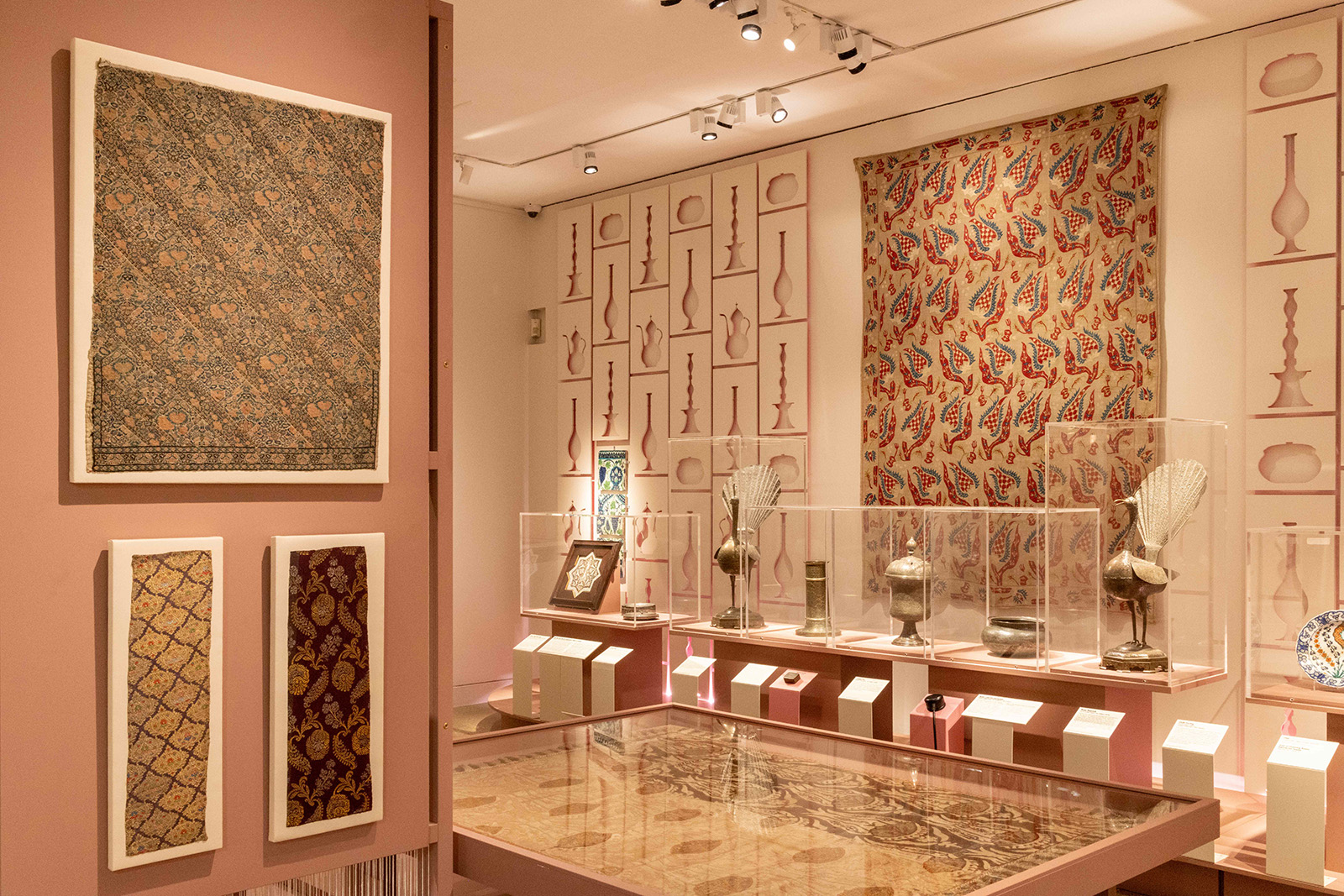
A new exhibition at the William Morris Gallery in east London, titled “William Morris & Art from the Islamic World,” explores for the first time the significant influence of Islamic art on the celebrated designer and key figure of the Arts and Crafts movement, William Morris. Running from November 9, 2024, to March 9, 2025, the exhibition brings together a remarkable collection of Islamic artefacts personally amassed by Morris, which have historically been dispersed across various institutions. This comprehensive display aims to highlight an aspect of Morris's artistic inspiration that has largely been overlooked by scholars.
Morris himself acknowledged the profound impact of Persian design, stating in an 1879 lecture that "To us pattern designers, Persia has become holy land, for there in the process of time our art was perfected, and thence above all places it spread to cover for a while the world, east and west.” Despite this, co-curator Rowan Bain notes that previous studies of Morris have predominantly focused on 19th-century art history, lacking the specific expertise or interest in Islamic art required to fully understand this connection. The exhibition and its accompanying book, "Tulips and Peacocks," seek to rectify this by presenting a detailed examination of how Persian and Ottoman art, particularly in rug weaving and decorative tiling, shaped Morris's aesthetic and the wider Arts and Crafts movement.
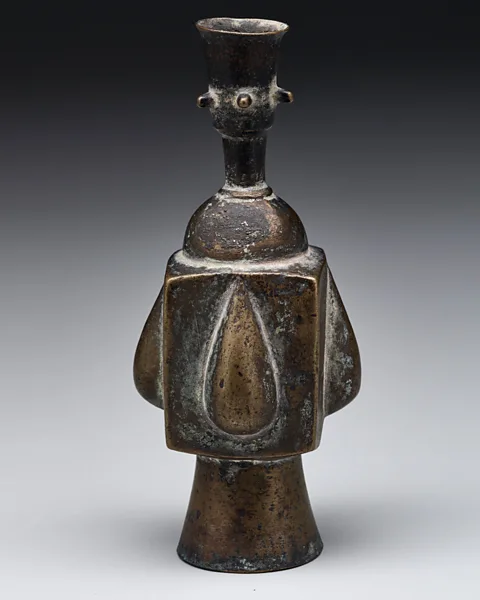
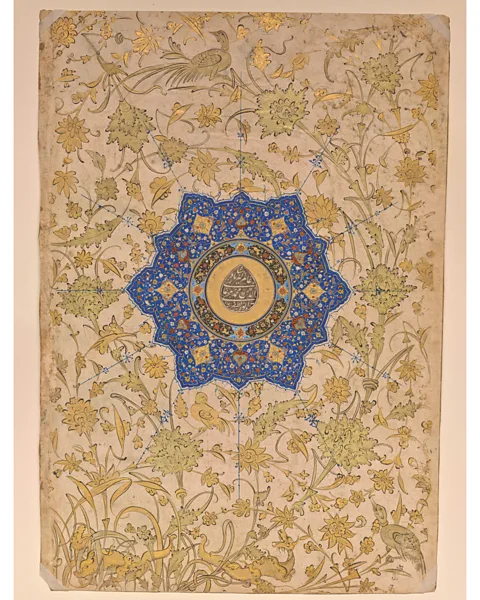
The exhibition features a range of exquisite items from Morris's private collection, including a 17th-century illuminated manuscript of the Iranian epic poem Shahnameh, 16th-century Ottoman tile panels from Iznik and Damascus, and two rare 13th-century star tiles from the Emamzadeh Yahya shrine in Iran. These pieces underscore Morris's deep appreciation for Islamic artistic traditions. Co-curator Qaisra M Khan explains that Morris acquired these items through European art and antique dealers in cities like Paris and London, taking advantage of a significant influx of artworks from Iran and the Ottoman Empire in the 19th century due to relaxed export controls and a growing academic interest in the region. This period also saw many historical and religious sites, such as Emamzadeh Yahya, significantly depleted of their treasures, with precious lustre tilework making its way into European private collections, including Morris’s.
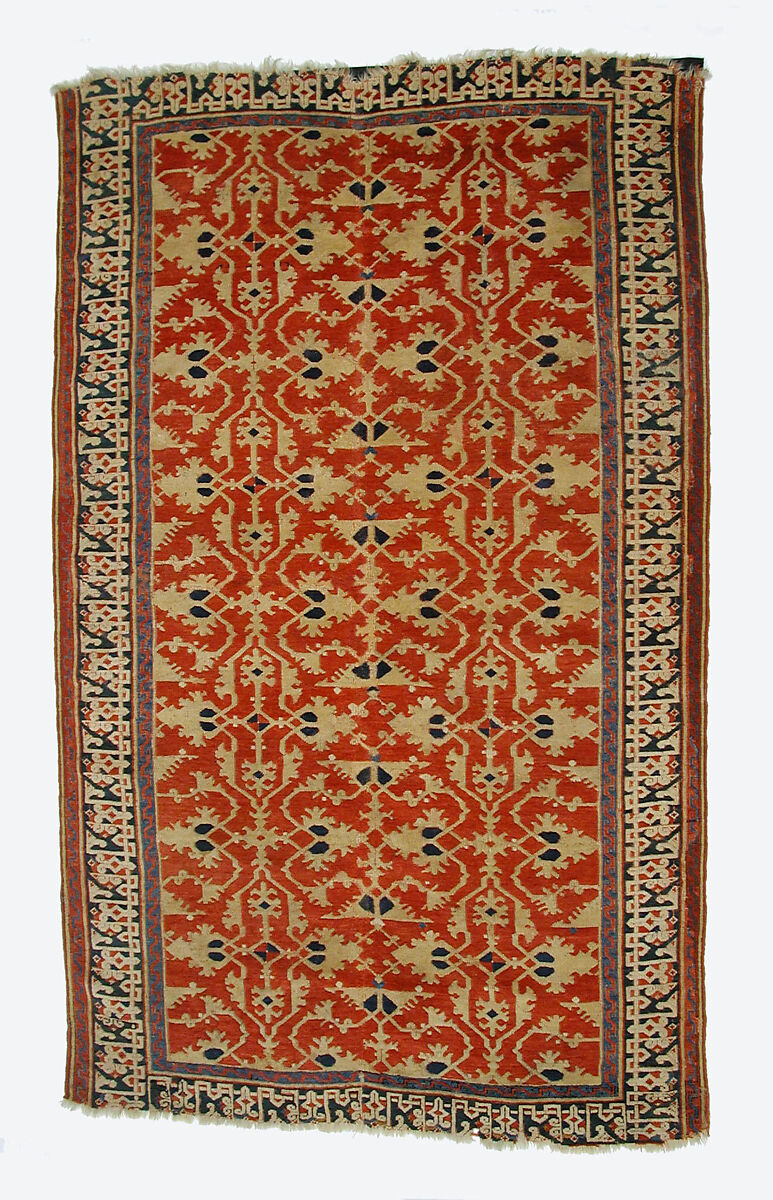
Morris integrated many of these artefacts into his own home, Kelmscott House in Hammersmith. For instance, his dining room featured a monumental 17th-century Iranian carpet, measuring over 15 square metres, which is now on permanent display at the V&A Museum. Another highlight of the exhibition is Morris’s hand-illuminated copy of Robert FitzGerald’s English translation of "The Rubáiyát" by the 11th-century Iranian poet Omar Khayyám, a project he completed with the Pre-Raphaelite artists Edward Burne-Jones and Charles Fairfax Murray.
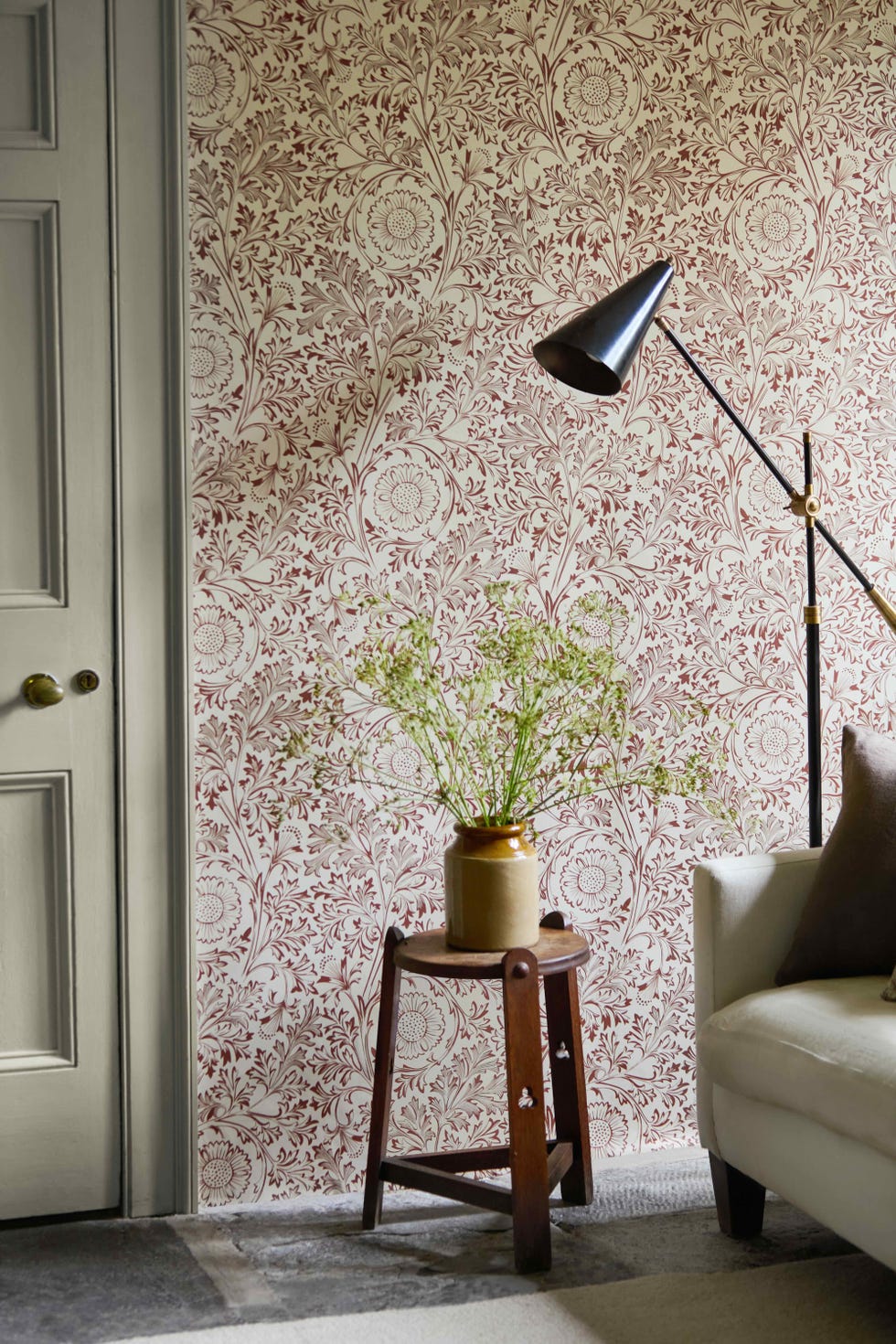
The influence of Turkish design is also evident in Morris's work, as highlighted by Bain. His famous Medway indigo design, featuring a wild tulip motif, is seen as directly inspired by Ottoman aesthetics. Furthermore, while it was previously believed that his woven silks, such as the Granada pattern produced at Morris & Co’s Merton Abbey factory, were primarily influenced by Italian velvets, the exhibition reveals that Morris also owned Ottoman velvets, suggesting another significant source of inspiration. A poignant exhibit is a 17th-century velvet hanging from Bursa, Turkey, which served as Morris’s funeral pall in 1896, now on public display for the first time.
The exhibition challenges the conventional perception of Morris solely as a quintessentially British designer rooted in local flora and fauna. Instead, it aims to expand the understanding of his extensive knowledge of global textile and design practices, positioning him as an artist deeply informed by a diverse array of international influences, particularly from the Islamic world.
#WilliamMorris #IslamicArt #ArtsAndCraftsMovement #Exhibition #WilliamMorrisGallery #TextileDesign #PersianArt #OttomanArt #VictorianDesign #WilliamMorris #IslamicArt #ArtsAndCraftsMovement #Exhibition #WilliamMorrisGallery #TextileDesign #PersianArt #OttomanArt #VictorianDesign
共0条评论
 暂无评论
暂无评论你可能还喜欢
The ancient Islamic roots of modernity

Inside the Private Suites of New York City’s Iconic Frick Collection

Calling All William Morris Fans: 26 "New" Designs Have Just Been Introduced

karim+elias give desert sand new form with luminous wall lamps and sculptural vases
Rarares Is The Ultimate Art Gallery For Interior Design Addicts

Dallas Art Fair 2025: A Global Showcase of Color, Texture, and Talent

Mira Kapoor and Asian Paints explore design storytelling with royale play textures
Designers showcase creative lighting solutions at recent exhibit

Textile as Portable Garden
Designer Basma Medhat.. Pioneer of Egyptian Fluid Art

Fabric: Style Library

An exclusive look at COS’ reflective installation by Phillip K Smith III at Salone del Mobile

Local Event: Fine Art & Mid-Century Modern Design | Online Auctions Dec. 10 & 11
Islamic Carpets in European Paintings
Inside the Ford Foundation with Sheila Hicks

Inés Esnal’s Prism Installation Brings Vivid Colors and Optical Illusions to NYC Lobby

The Forgotten History of Bourne and Allen’s Mid-Century Textiles


I’m at the hot tub. I’m at the art installation. I’m at the combination hot tub-art installation

Hanging Around at the Philadelphia Museum of Art
Meet The Lebanese-British Designer Famed For Her Eclectic Mix Of Pop Arts