1/2
The Hidden Microwave Trend That Makes Kitchens Look Sleek And Feel High-End
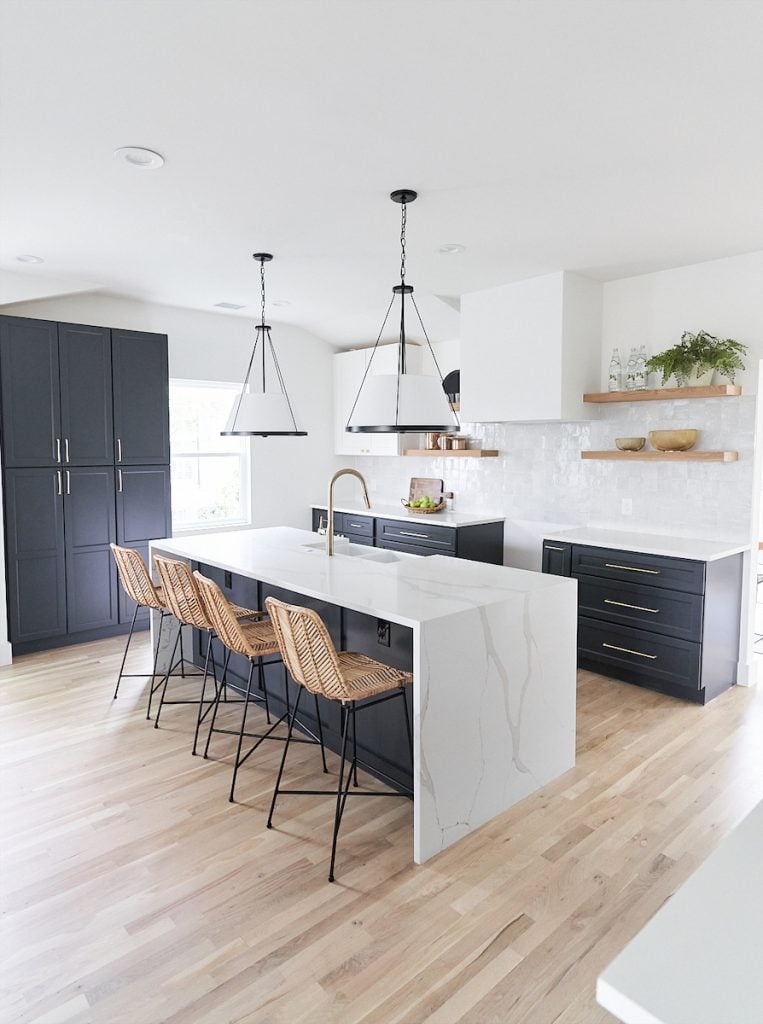
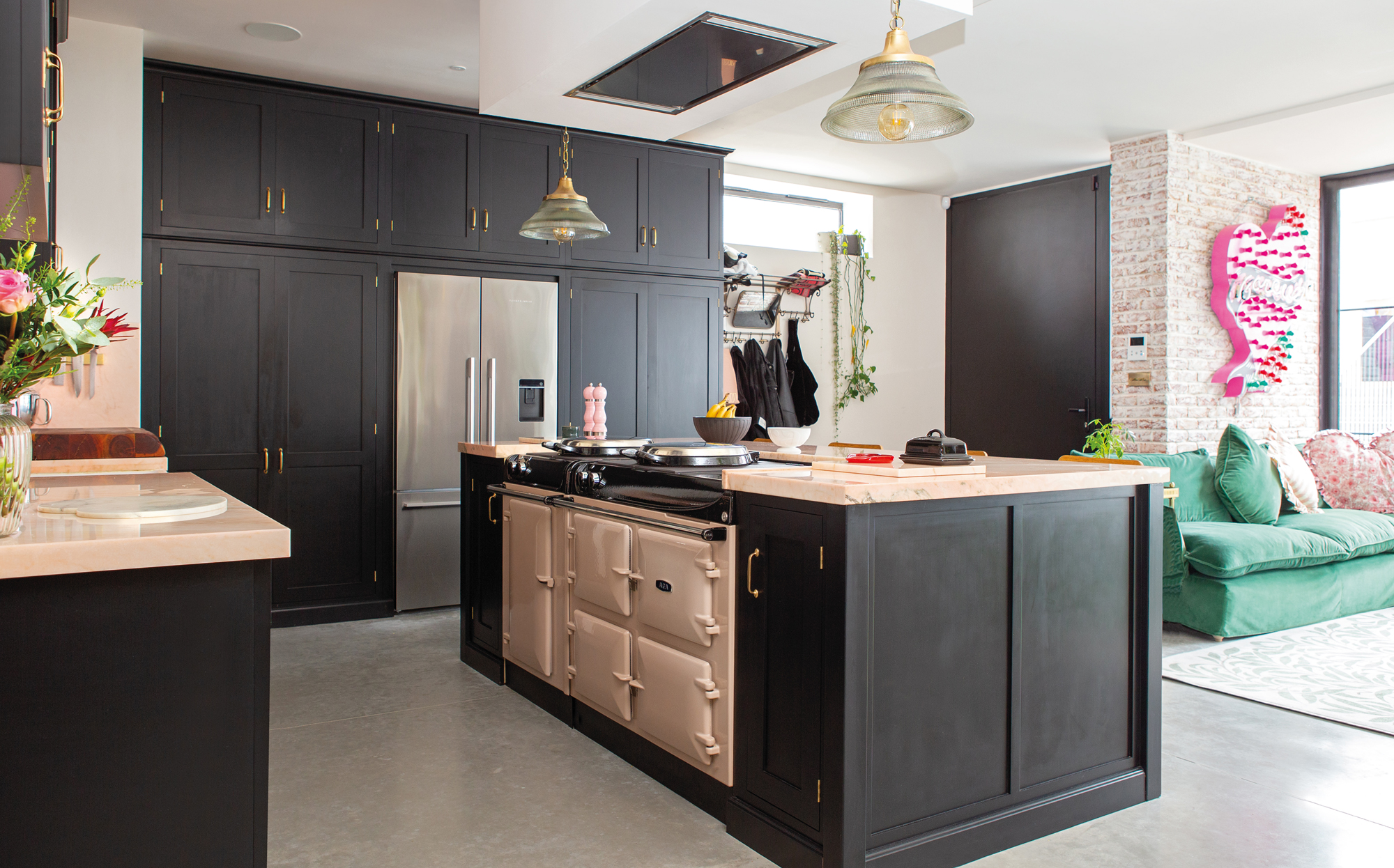
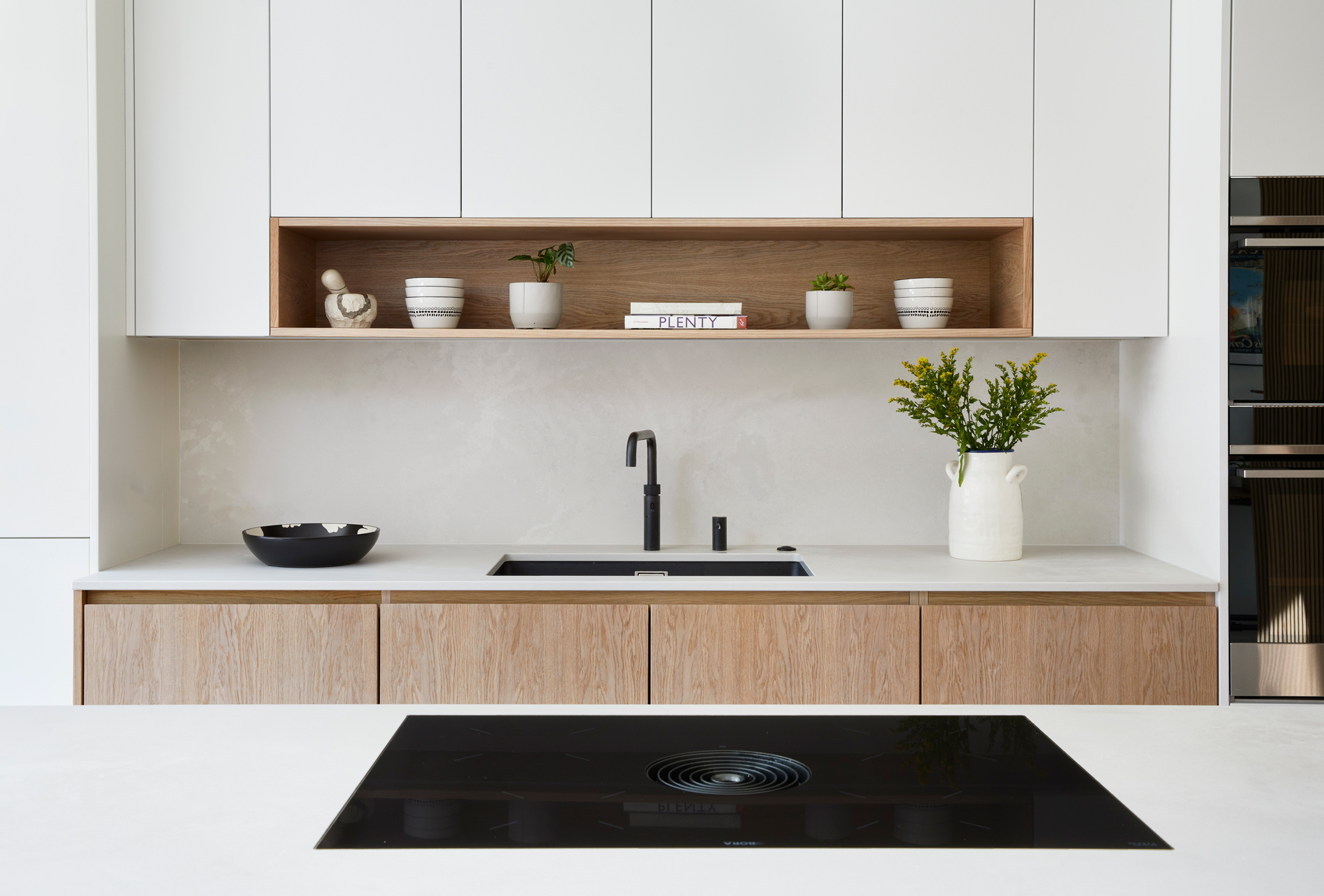
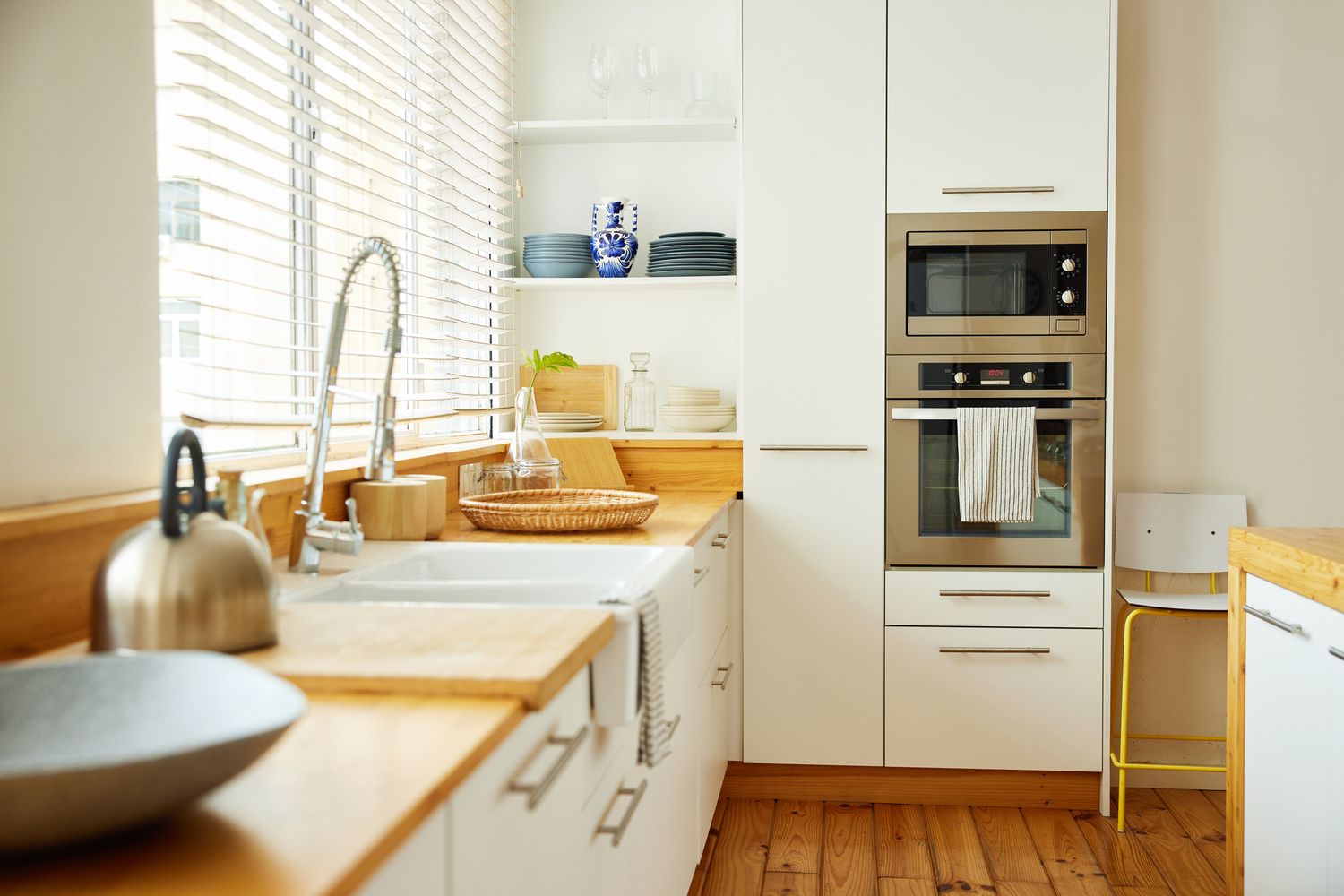
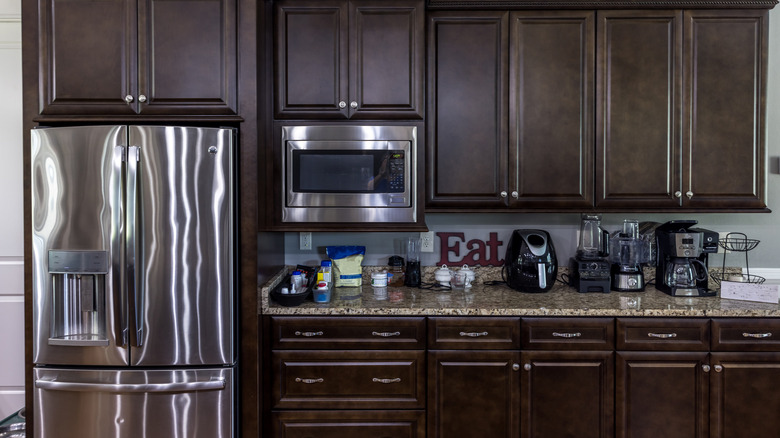
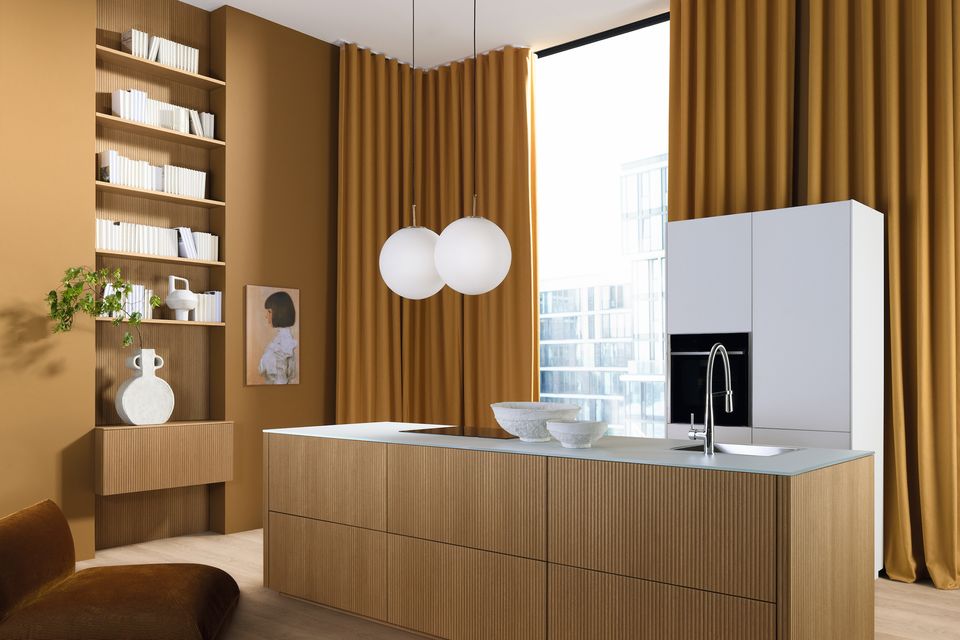
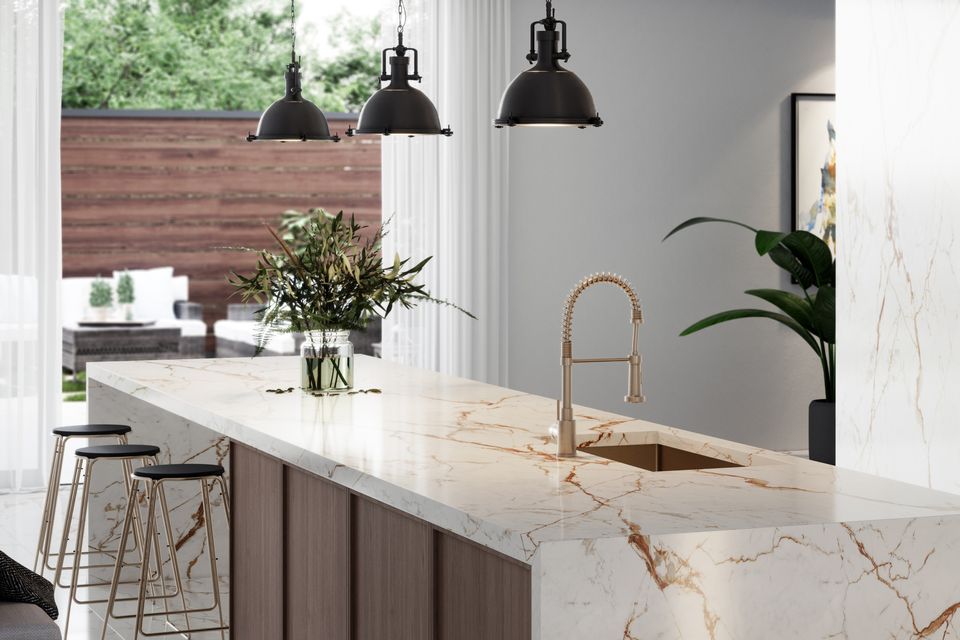
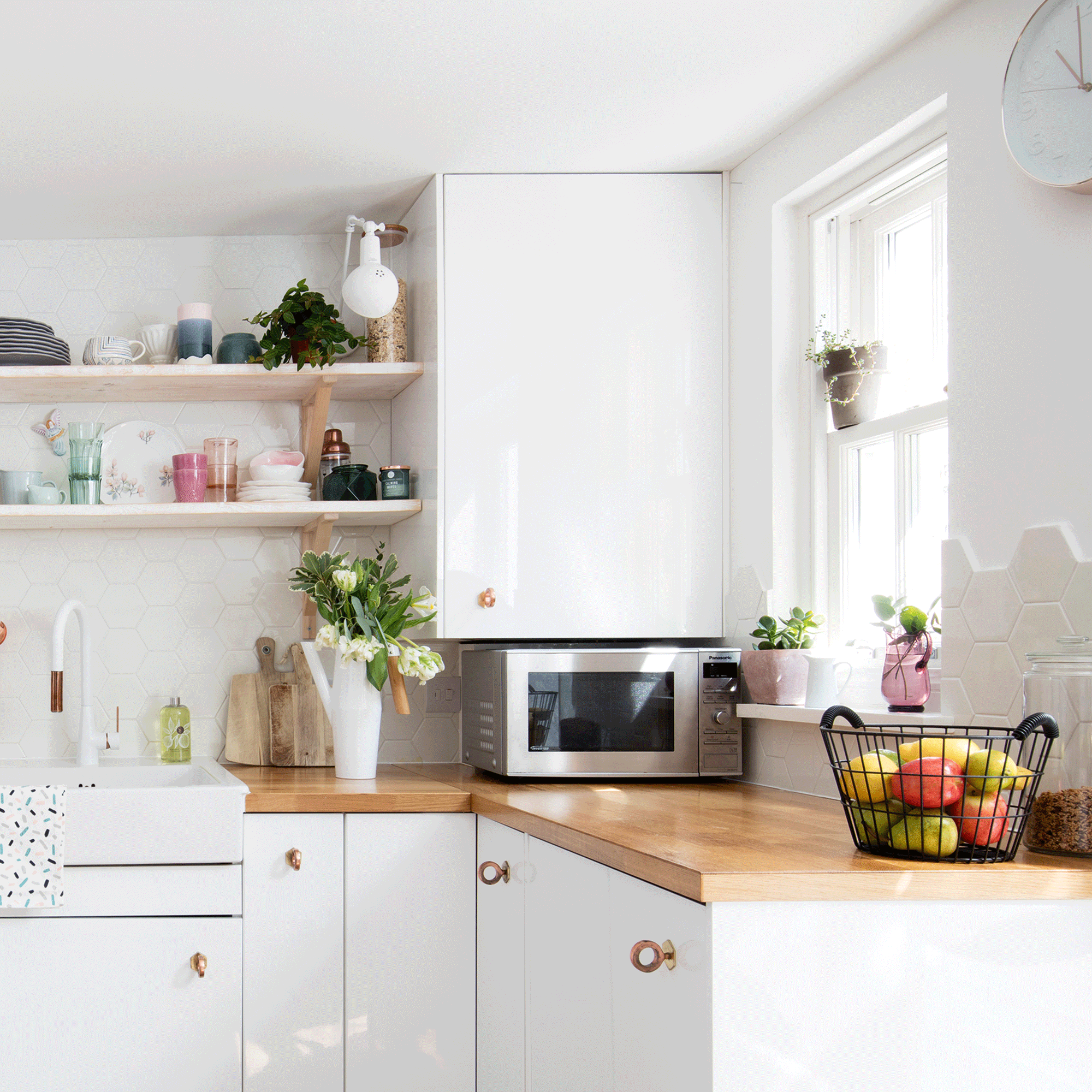
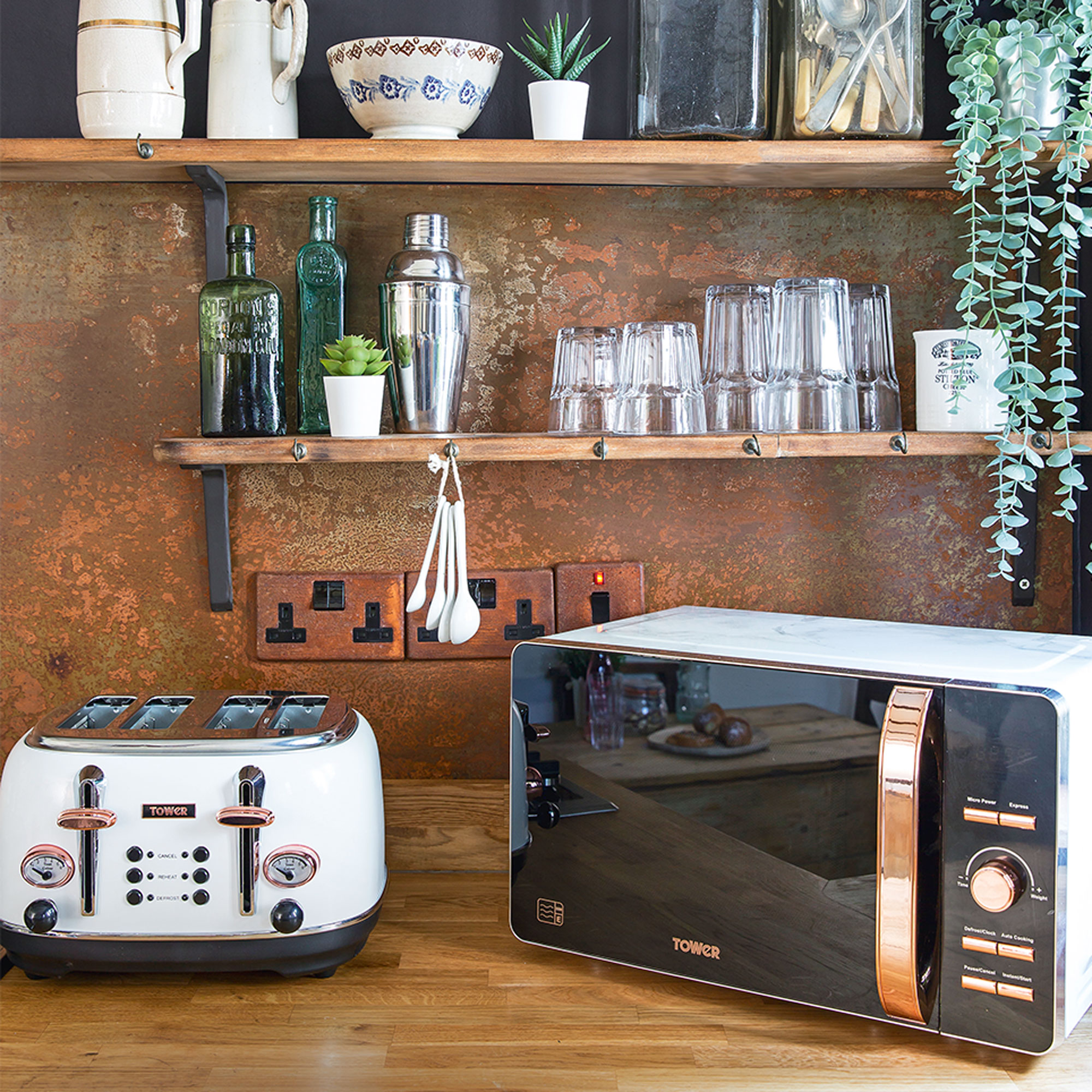
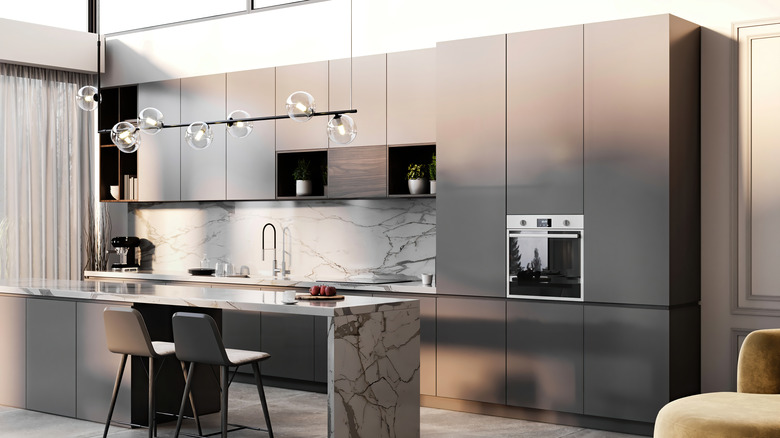
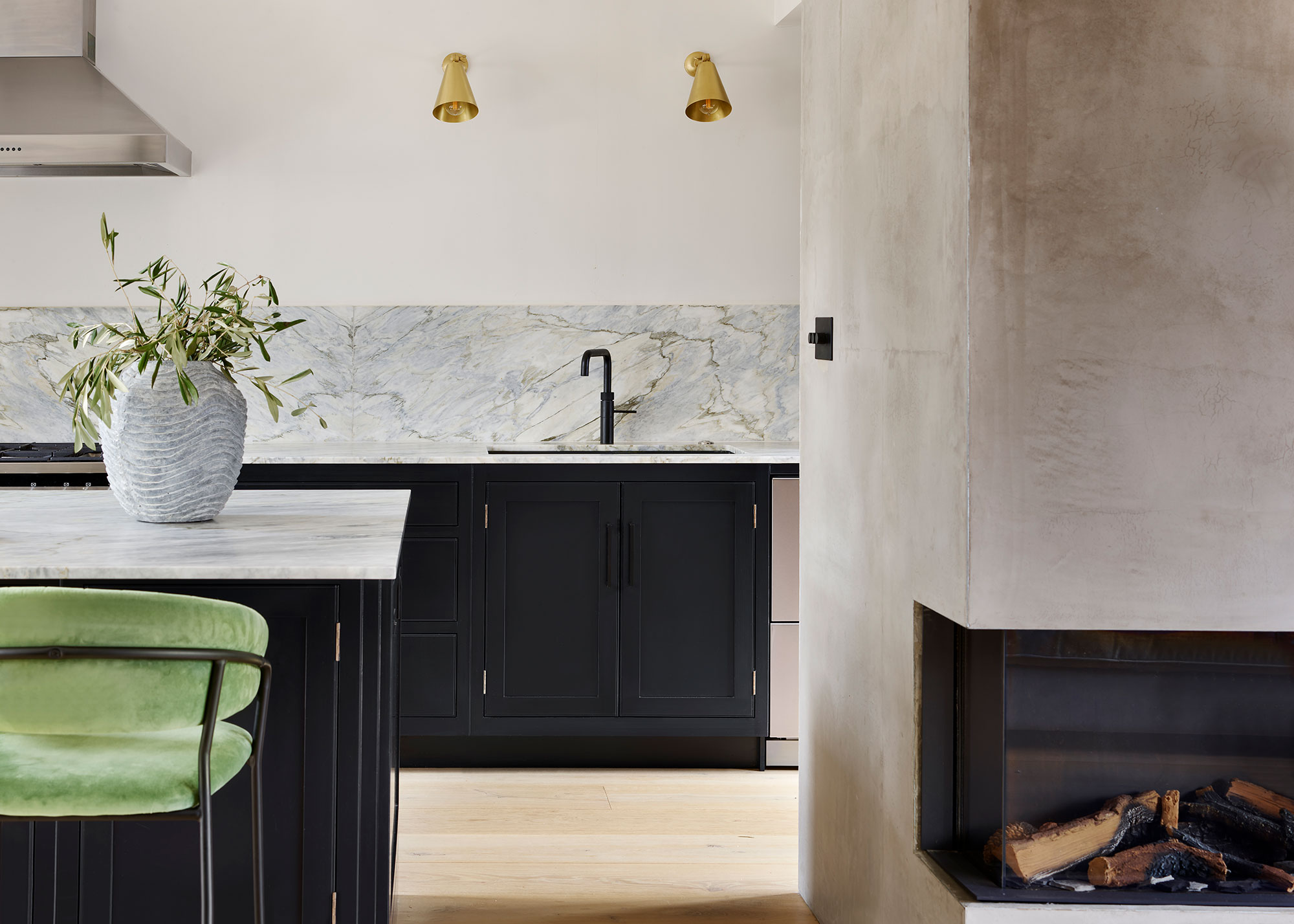
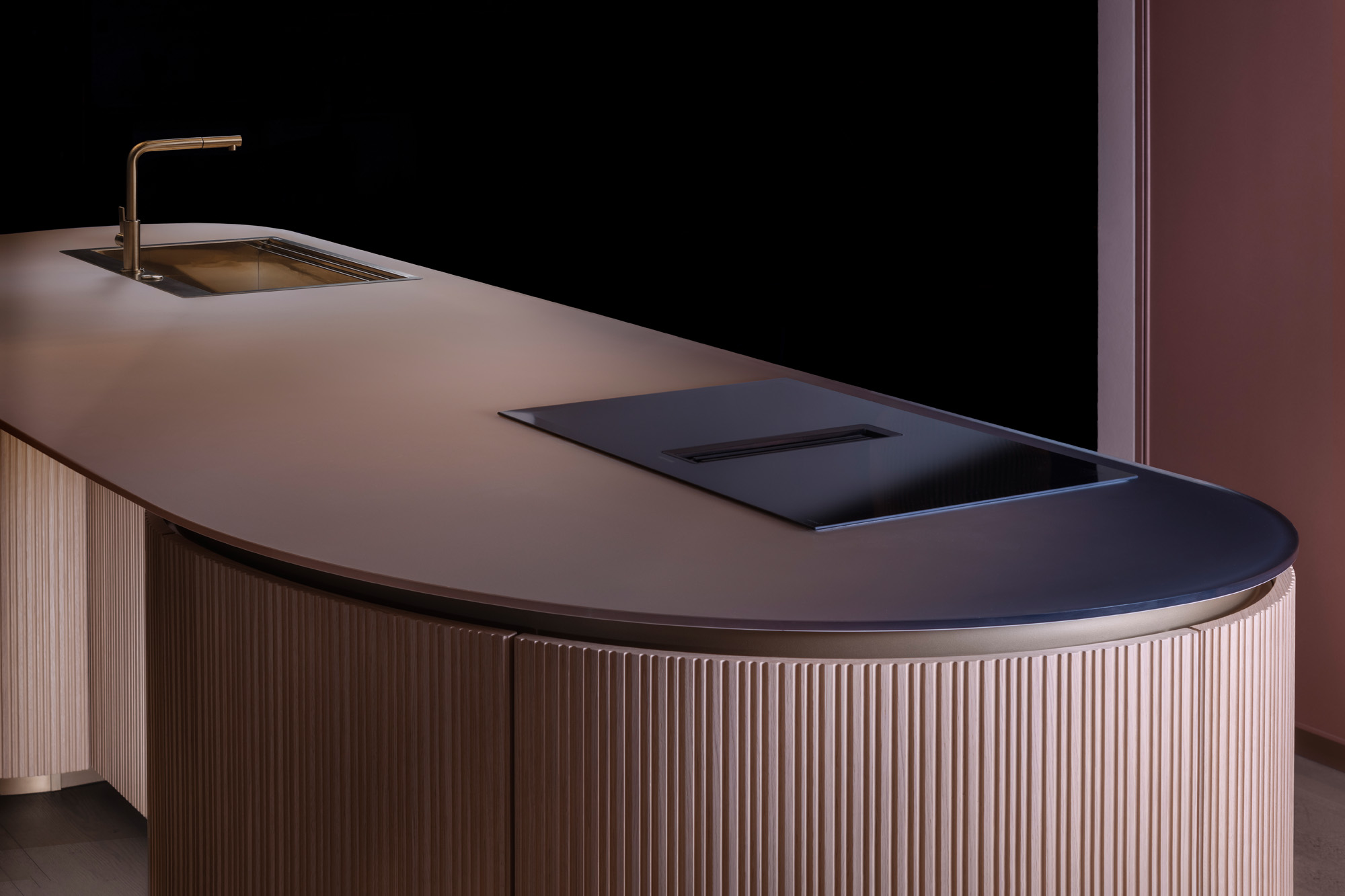
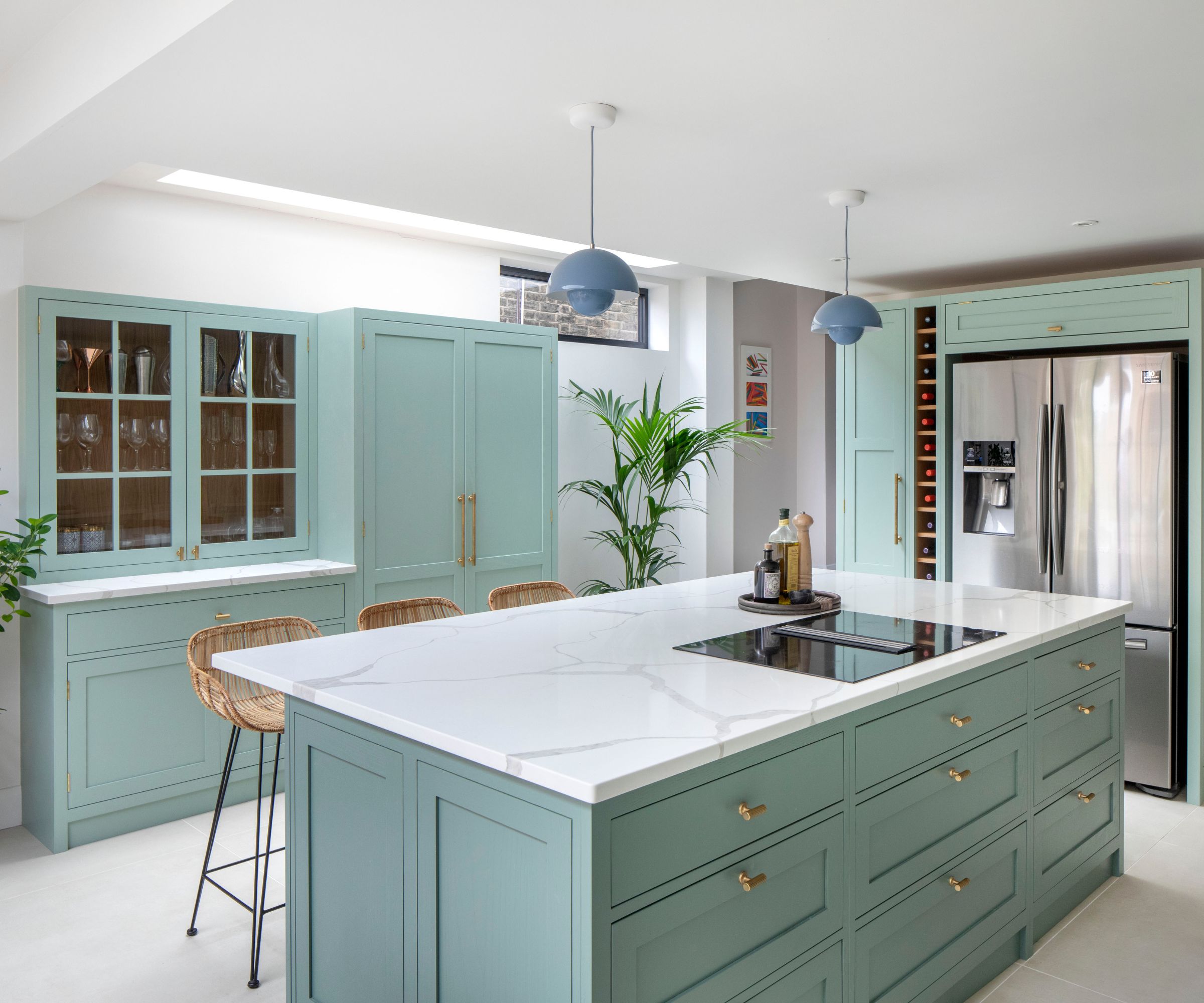
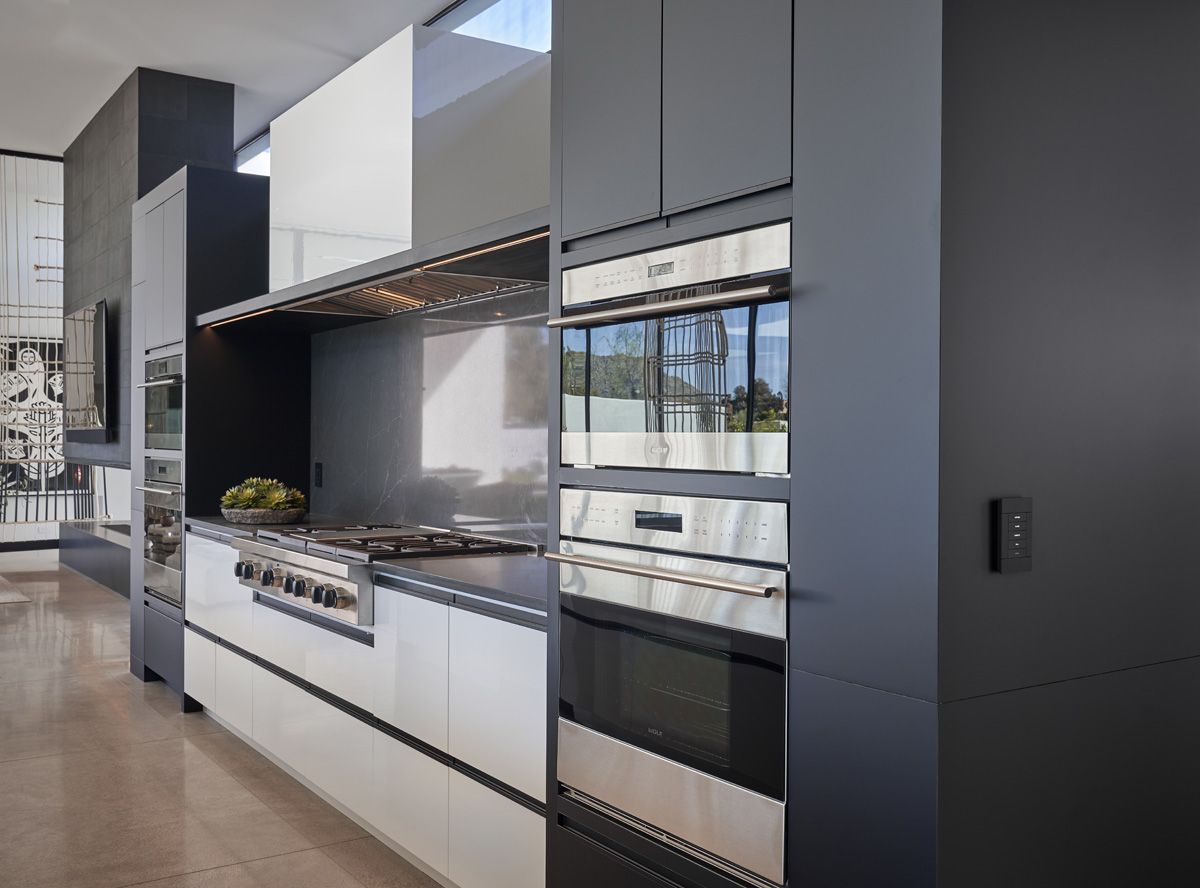
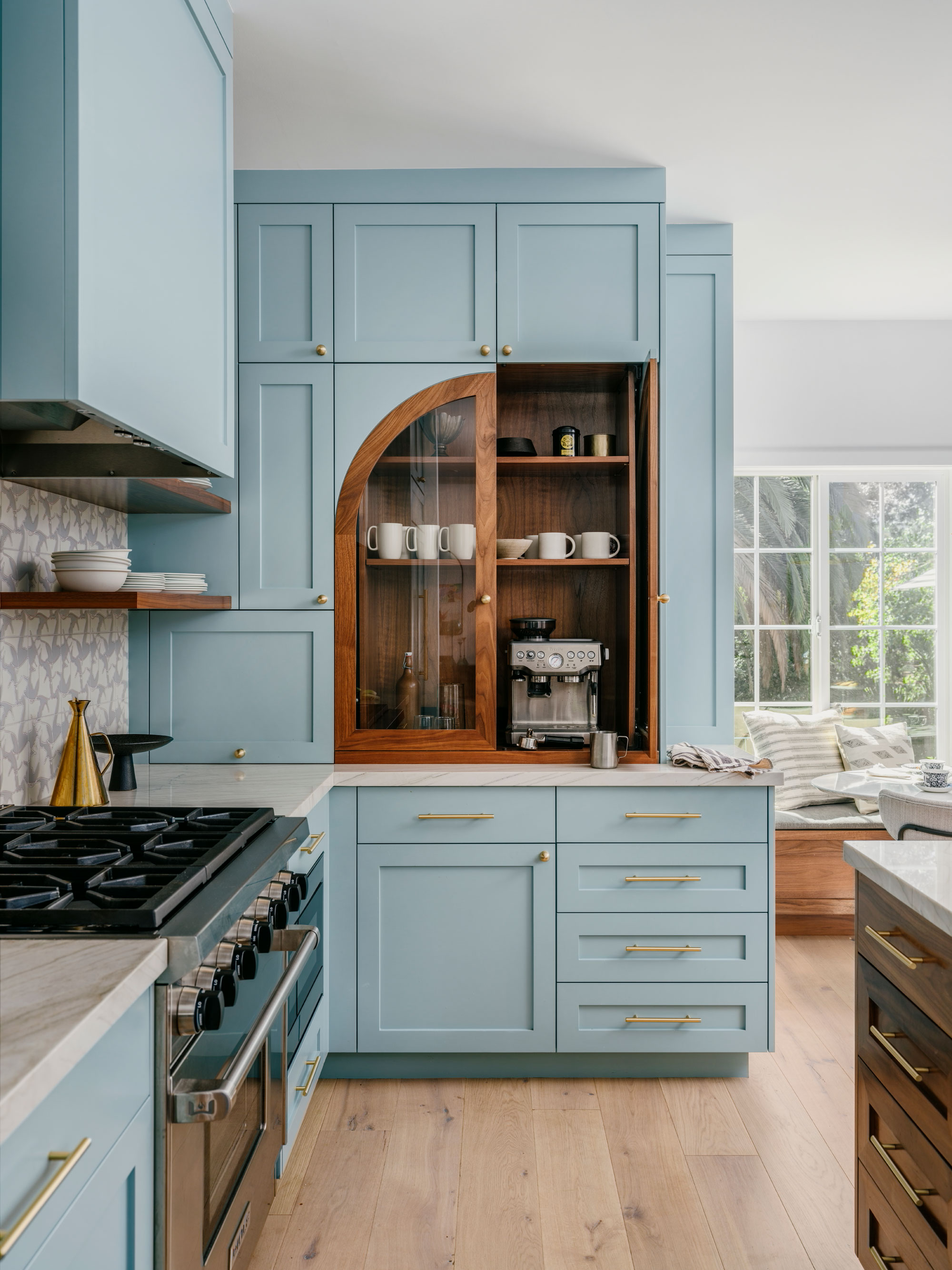
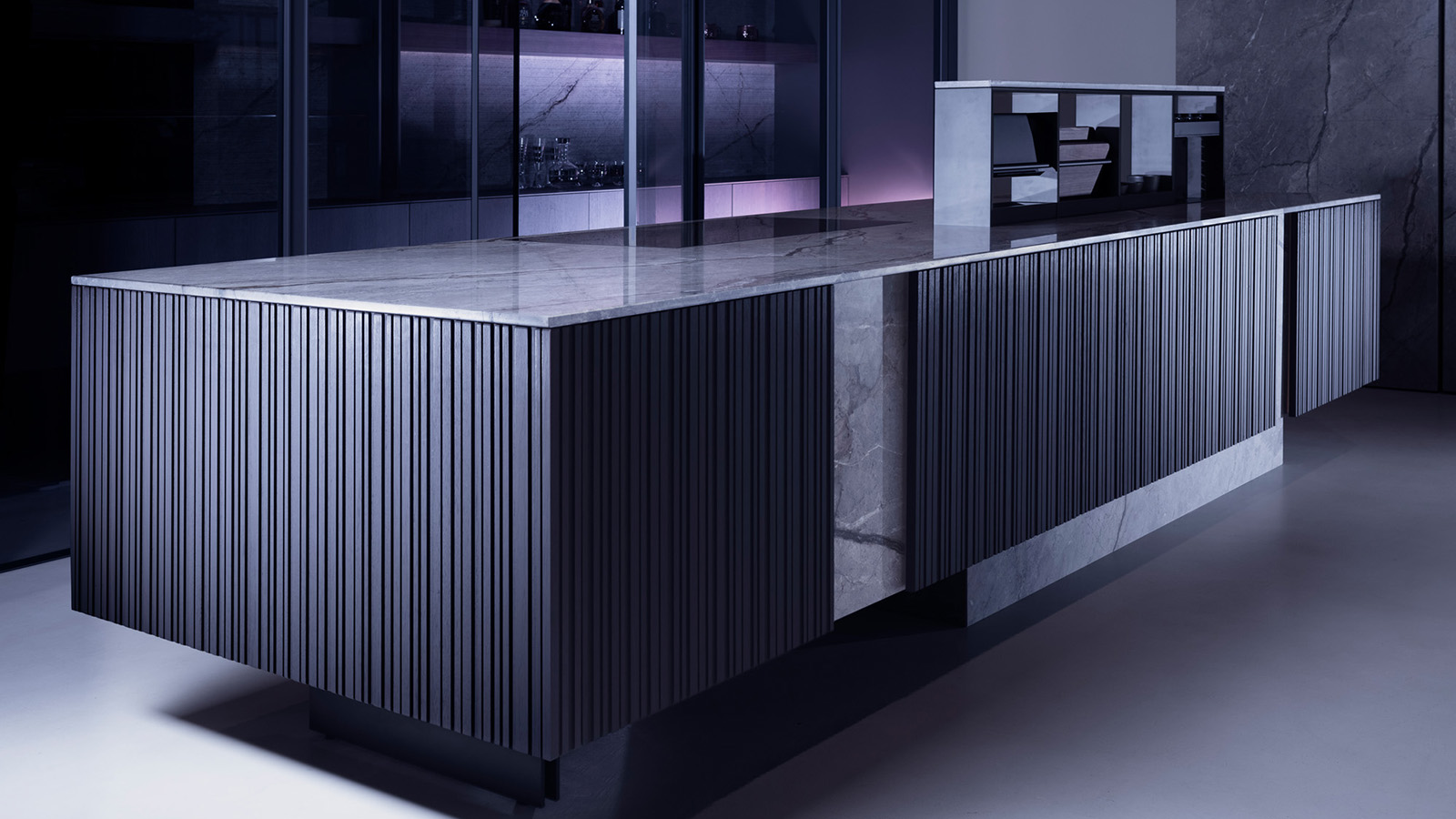
The trend of integrating microwaves into kitchen islands has gained significant traction, moving away from the once-standard practice of proudly displaying these appliances on countertops. Initially, in the 1970s, microwaves were a novel kitchen addition, often showcased despite their bulky appearance and the counter space they occupied. However, this front-and-center placement is now considered outdated, as the appliance can detract from a modern kitchen's aesthetic. The contemporary approach emphasizes sleekness and a high-end feel, achieved by concealing the microwave within the kitchen island.
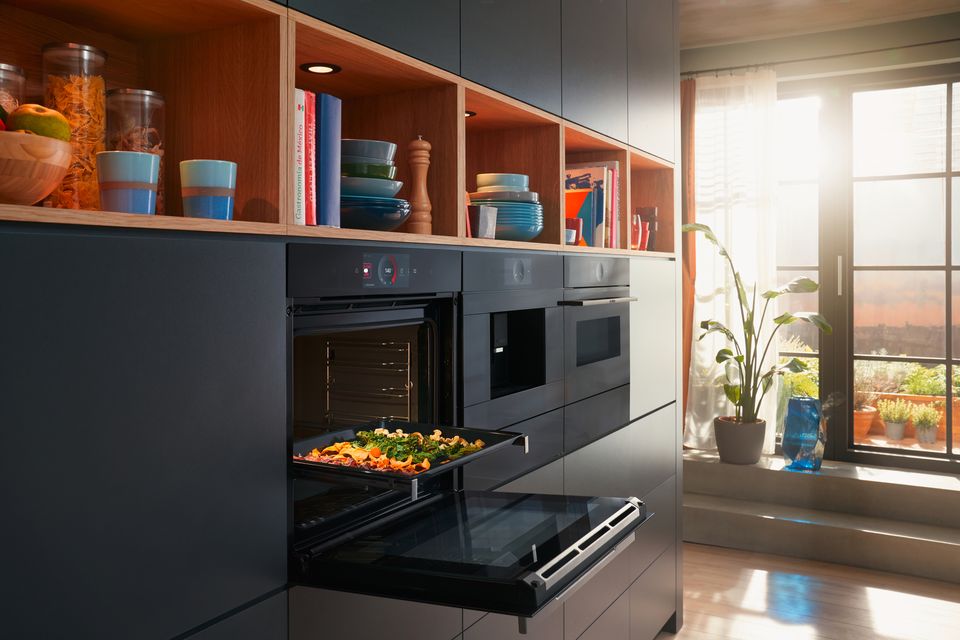
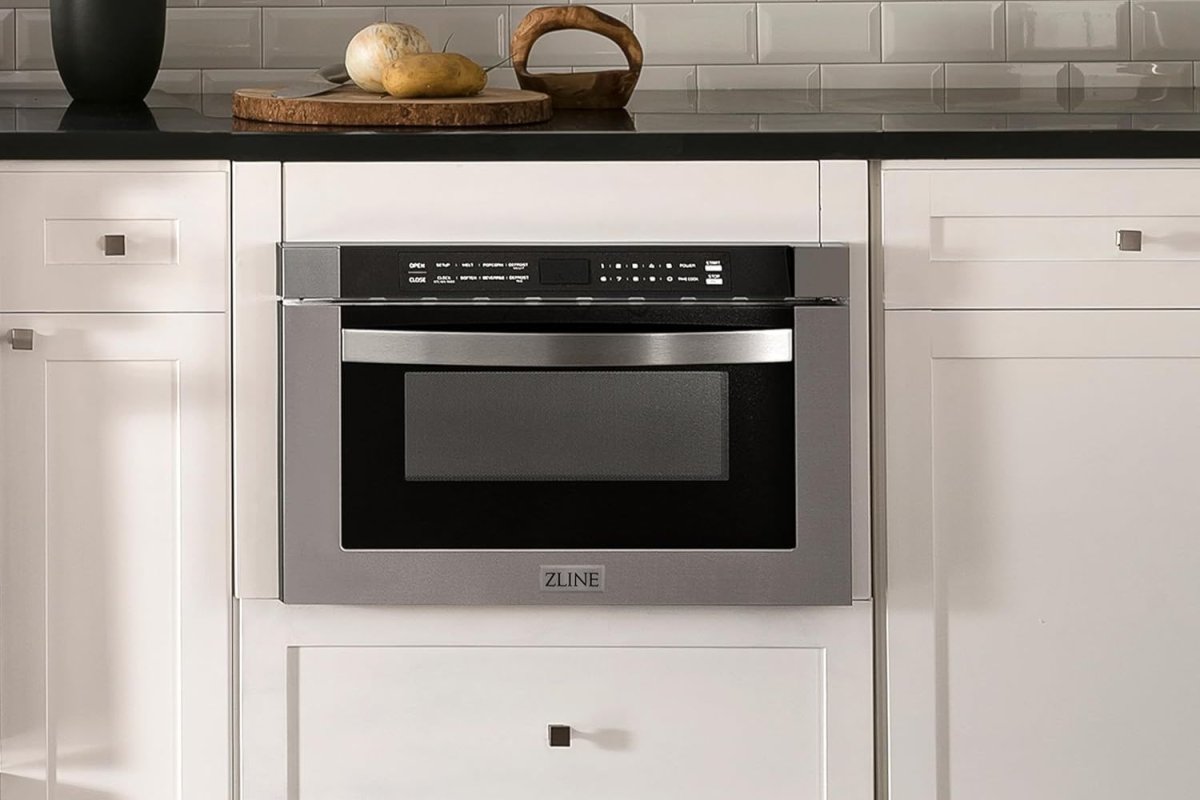
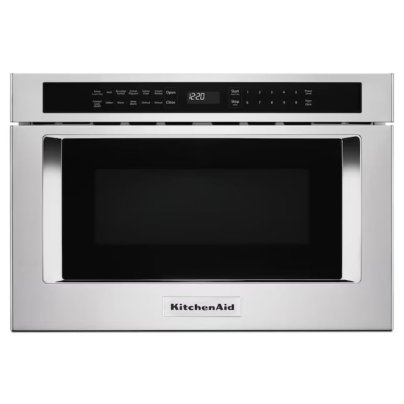
This hidden placement offers several benefits, including maximizing counter space and maintaining the microwave's accessibility. The built-in look contributes to an elevated and less cluttered kitchen environment, which aligns with modern design principles. Some users also find this setup more convenient and safer, as it eliminates the need to lift hot dishes overhead, a common concern with over-the-range microwaves. The implementation of in-island microwaves typically involves two methods: installing a microwave drawer or integrating a standard countertop microwave into the island cabinetry.
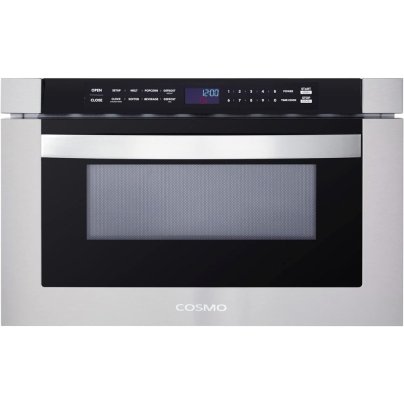
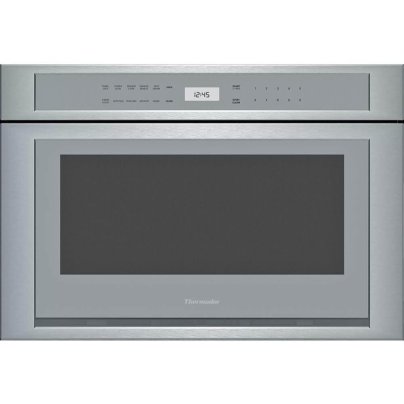
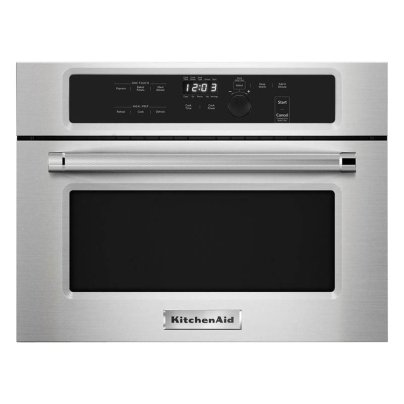
Microwave drawers are praised for their ease of installation, as they often come fully assembled with built-in ventilation. This option streamlines the setup process, requiring only a power outlet. However, microwave drawers come with certain drawbacks. They typically lack a rotating plate, which can lead to uneven heating of food. Cleaning can also be more challenging due to the drawer mechanism obstructing access to the top and back of the appliance. To mitigate uneven heating, some users manually turn their food or use covers to prevent messes. Another significant disadvantage of drawer microwaves is their cost, frequently exceeding $1,000, making them a considerable investment.
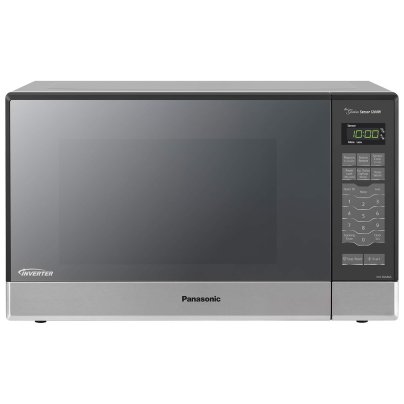
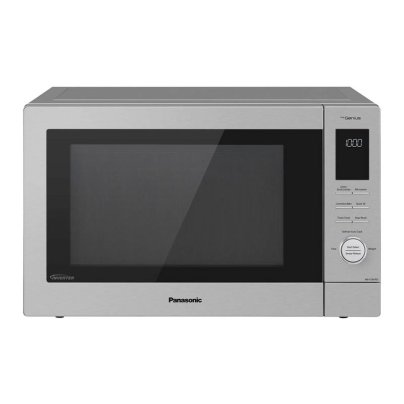
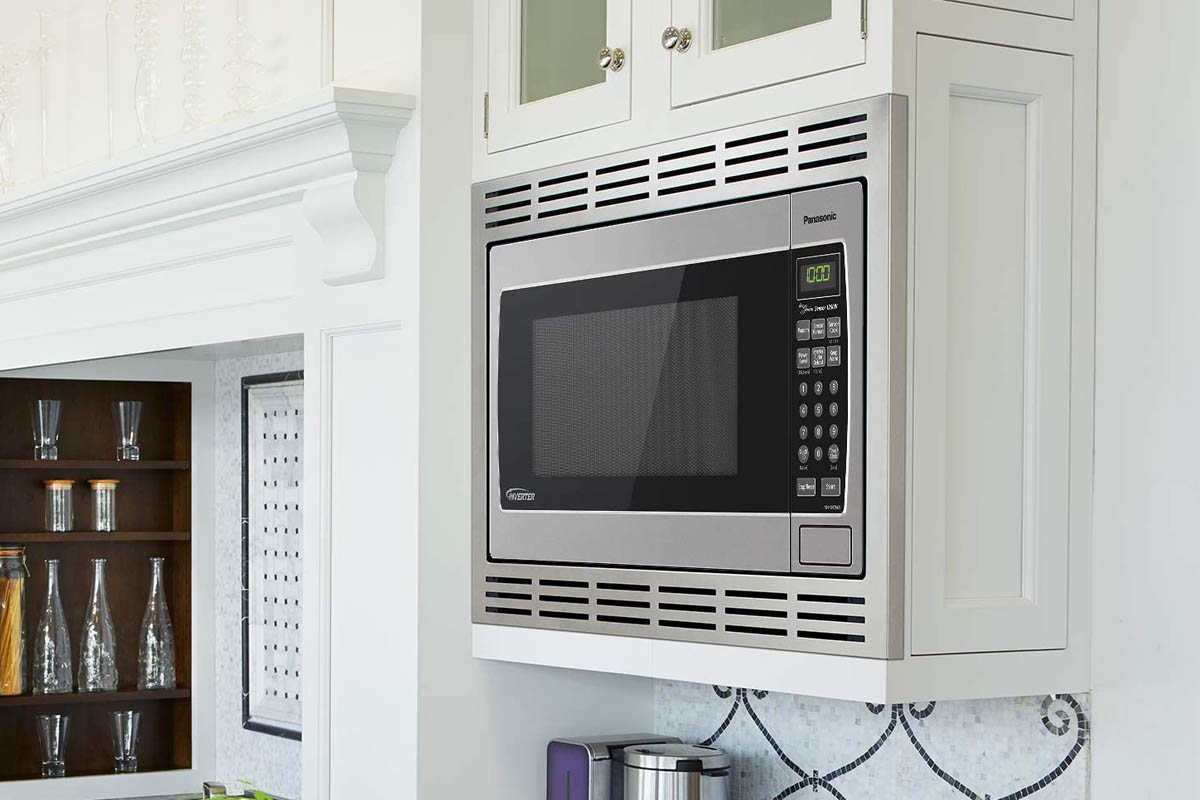
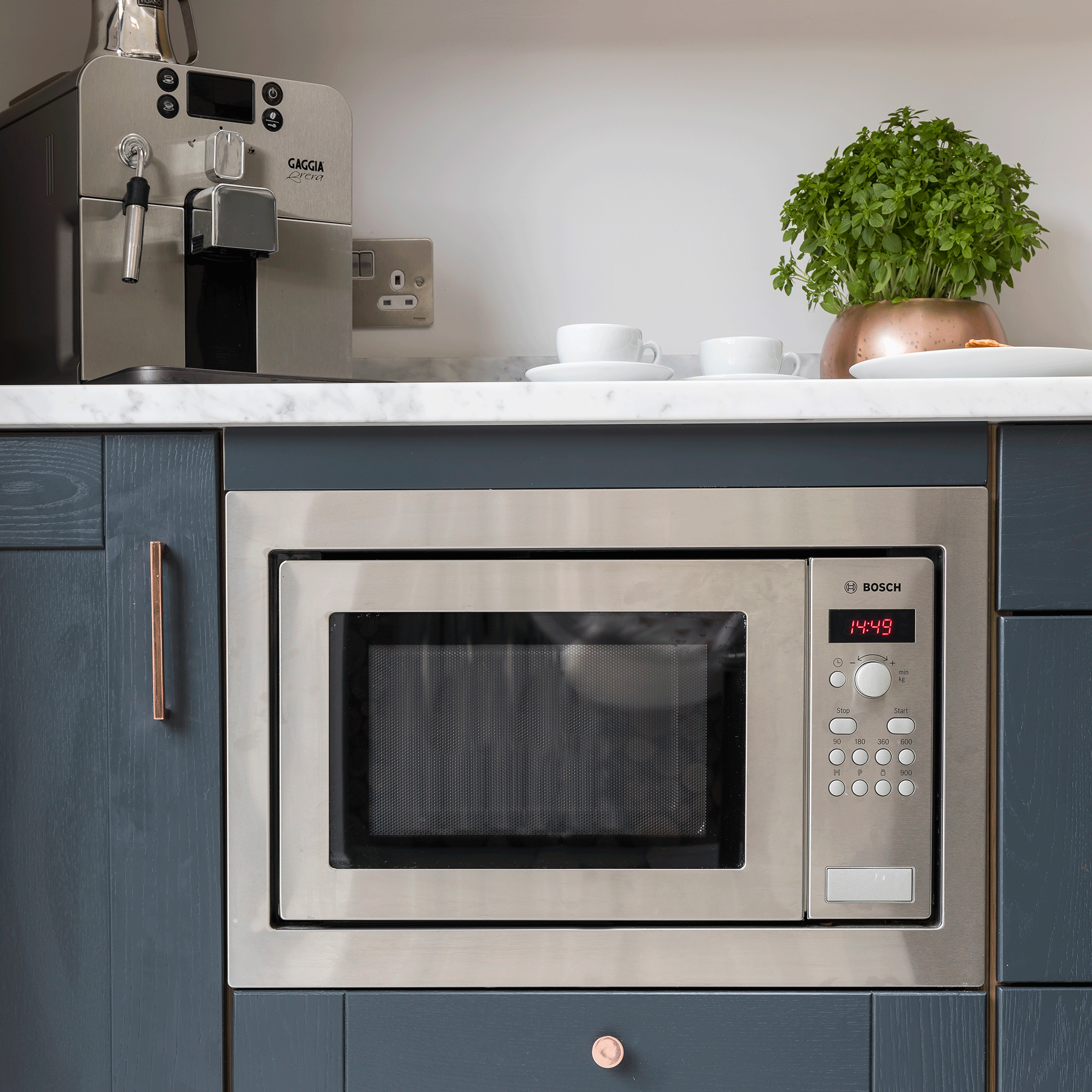
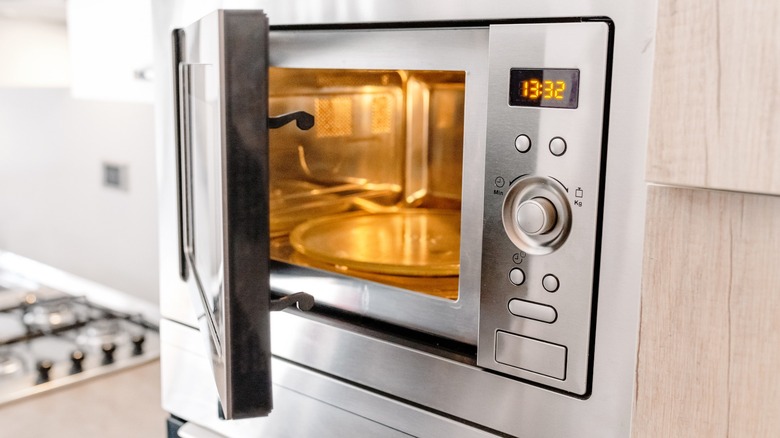
For those on a tighter budget, installing a regular countertop microwave into an island cabinet offers a more economical alternative while still achieving a similar hidden aesthetic. A Toshiba Countertop Microwave Oven, for instance, might cost around $150, significantly less than a drawer model. When opting for a countertop microwave in a cabinet, proper ventilation is crucial, and manufacturers' manuals usually provide detailed safety guidelines. Additionally, a trim kit, a frame that gives the microwave a built-in appearance, may be necessary. Trim kits can range in price from under $100 to over $300, depending on the brand and style, but even with this additional cost, the overall expense often remains lower than that of a dedicated microwave drawer. This budget-friendly option allows homeowners to embrace the sleek, high-end kitchen trend without the substantial financial outlay of a microwave drawer.
#KitchenDesign #MicrowavePlacement #KitchenIsland #HomeImprovement #ApplianceTrends #InteriorDesign #BudgetFriendlyKitchen #ModernKitchen #KitchenDesign #MicrowavePlacement #KitchenIsland #HomeImprovement #ApplianceTrends #InteriorDesign #BudgetFriendlyKitchen #ModernKitchen
共0条评论
 暂无评论
暂无评论你可能还喜欢
Does a kitchen really need a microwave? Why I got rid of this eyesore from my minimalist space and never looked back

13 Tasteful Ways To Hide Your Microwave In Your Kitchen

8 Appliance Trends That Will Turn the Kitchen Into Your Favorite Room in the House

Save Counter Space with These Over-the-Range Microwaves
This Modern Design Trend Adds Wow Factor to Any Kitchen

Top kitchen trends of 2024: Where to invest and what to avoid
The Sleek Cabinet Trend That Has Been Quietly Sneaking Into Modern Kitchens

5 dated kitchen hardware trends that could be bringing down the look of your kitchen

Don't Settle for Eyesore Appliances — These 12 Brands Actually Add Design Quality to Your Kitchen
8 Home Appliance Trends You'll See Everywhere in 2025, According to Pros
10 key kitchen hardware trends for 2023: handles, hinges and pulls that update without a full renovation
Design Essentials for the Luxury Kitchen

Designers Have Spoken: This Kitchen Feature Is Always an Eyesore—But There's an Easy Fix

The Best Microwave Drawers That Heat Food and Blend in With Cabinets

10 Things You Always See in a Luxury Kitchen

10 Lessons in Good Kitchen Design I Learned For 2025
This Space-Solution Provides Extra Cooking Space to Any Kitchen
The 5 worst places to put a microwave in a kitchen, according to experts

Kitchen Trends 2025: these design ideas merge sleek design and utilitarian attitude

Kitchen trends