1/7
Progress on solar-powered fabrics
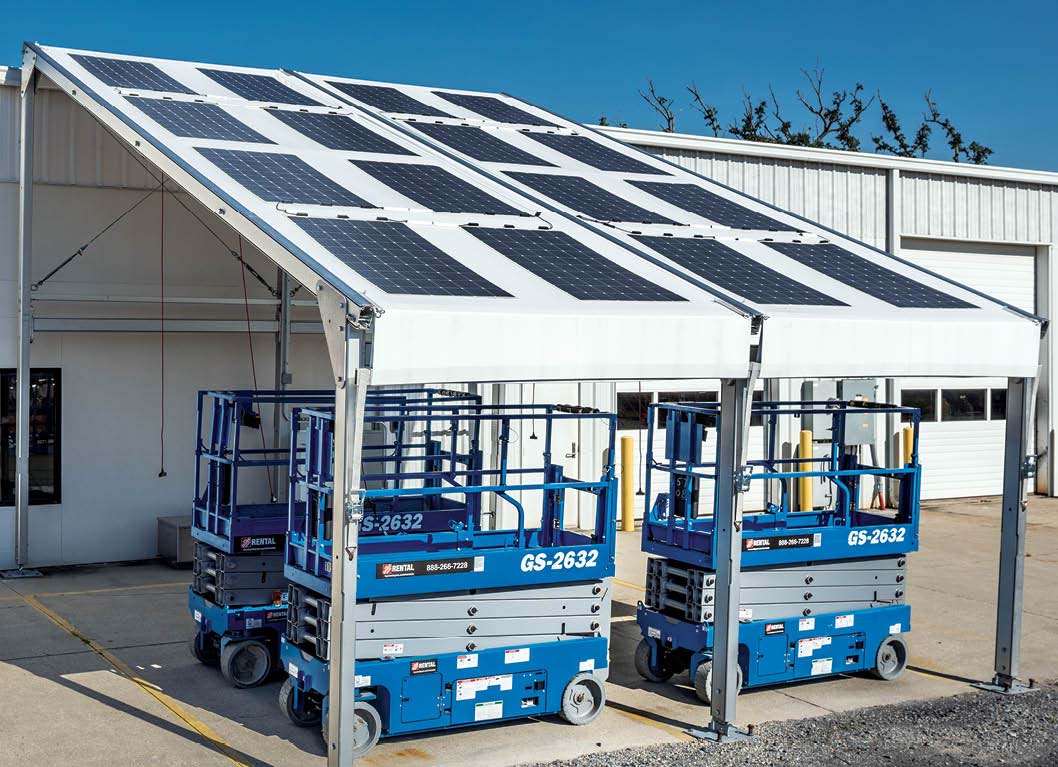
The article explores the ongoing advancements in solar-powered fabrics, highlighting the global effort to create textiles that efficiently convert solar energy into power while remaining flexible, strong, cost-effective, and suitable for mass production. Despite existing effective solar fabrics, the widespread consumer adoption of versions possessing all these ideal attributes is still pending. One significant development involves perovskite, a self-assembling photovoltaic crystal with up to 25% efficiency, which scientists believe could be integrated into marine, tent, awning canvases, and conventional buildings within the next decade.
Recent progress at the Massachusetts Institute of Technology (MIT) includes the development of ultralight fabric solar cells, thinner than a human hair yet durable and flexible. These cells, one-hundredth the weight of traditional solar panels, generate 18 times more power per kilogram and are produced using semiconducting inks via processes adaptable to large-scale manufacturing. While cautiously optimistic, Dr. Jack Martin from Appalachian State University notes that similar discoveries have often fallen short of true commercial viability over the past two decades. He emphasizes the need for flexible, durable, long-lasting, and high-performance photovoltaic materials integrated directly into fabrics.
The article surveys various companies contributing to this field. German firm Heliatek offers HeliaSol, an organic photovoltaic solar film for rooftops and facades, which is ultralight, ultrathin, flexible, and environmentally friendly. This product aims to unlock solar potential in urban environments where conventional panels are unsuitable due to weight or surface restrictions, with plans to optimize for non-building surfaces in the future. Pvilion, based in Brooklyn, N.Y., has made strides in integrating photovoltaic fabric technology into various applications, including canopies, military tents, and clothing, earning awards for its portable solar canopy and expeditionary tent. They laminate silicon solar cells onto fabric or integrate them directly.
Anchor Industries Inc. collaborated with Pvilion to introduce a lightweight, flexible, and energy-efficient solar-powered tent. French companies are also innovating: ASCA®, in partnership with Tentech BV, integrated organic photovoltaic film modules into Suntex, a durable, water-resistant textile for building facades and glazing, offering both energy efficiency and aesthetic benefits. French startup Solar Cloth has developed thin, ultra-flexible, and lightweight CIGS-cell solar panels with nearly 18% efficiency. These panels, which are unbreakable and resistant to microcracks, can be affixed to various objects like vehicles, buildings, and tents, with a factory expansion underway for wide-scale production.
Other notable developments include Materic's PiezoYarn™, an electrospun nanofiber that generates electricity when stretched, with potential for health monitoring and power generation. Hologenix LLC's CELLIANT® technology embeds natural minerals into fabrics to transform body heat into infrared energy, promoting circulation and recovery. Nextiles creates fabrics with flexible circuitry for biometric data measurement, while Eeonyx Corp. develops fabrics for warmth via resistive heating. Burlan Manufacturing integrates electric conductivity into woven fabrics.
The article also addresses the challenges in achieving widespread commercial viability, including optimizing efficiency, ensuring flexibility, managing space constraints for smaller items, improving aesthetics (especially regarding battery size), reducing costs, and developing flexible, rechargeable, and affordable battery storage solutions.
#SolarFabrics #PhotovoltaicTextiles #RenewableEnergy #SmartTextiles #MaterialInnovation #PerovskiteTechnology #SustainableDesign #FlexibleSolarCells #EnergyEfficiency #SolarFabrics #PhotovoltaicTextiles #RenewableEnergy #SmartTextiles #MaterialInnovation #PerovskiteTechnology #SustainableDesign #FlexibleSolarCells #EnergyEfficiency
共0条评论
 暂无评论
暂无评论你可能还喜欢
Best Solar Shingles for 2025

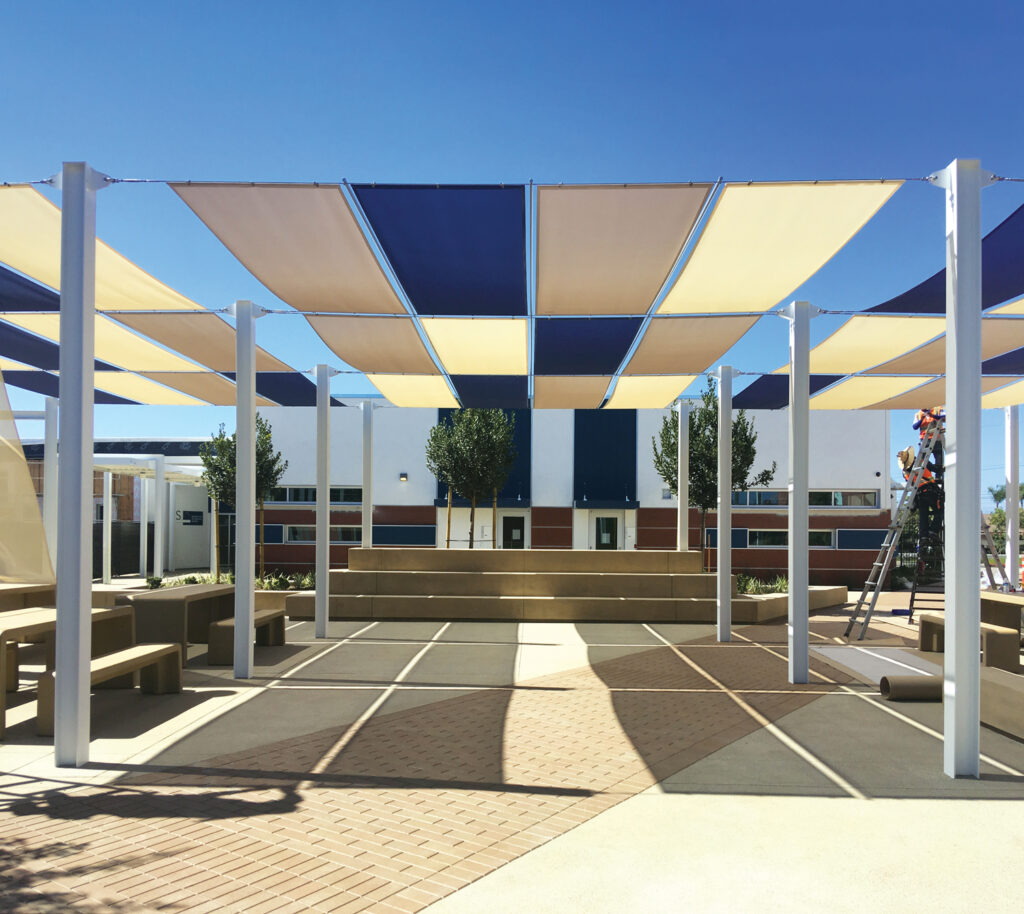
Outdoor shade and screens ride the storms out
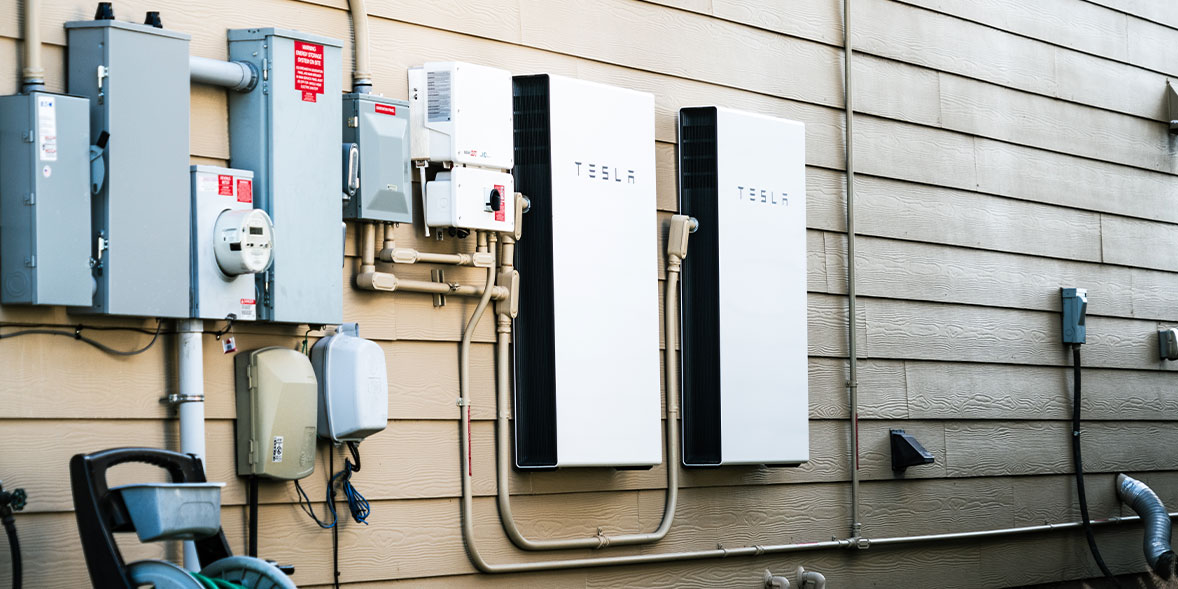
Solar Panel Battery Storage: Can You Save Money Storing Energy?
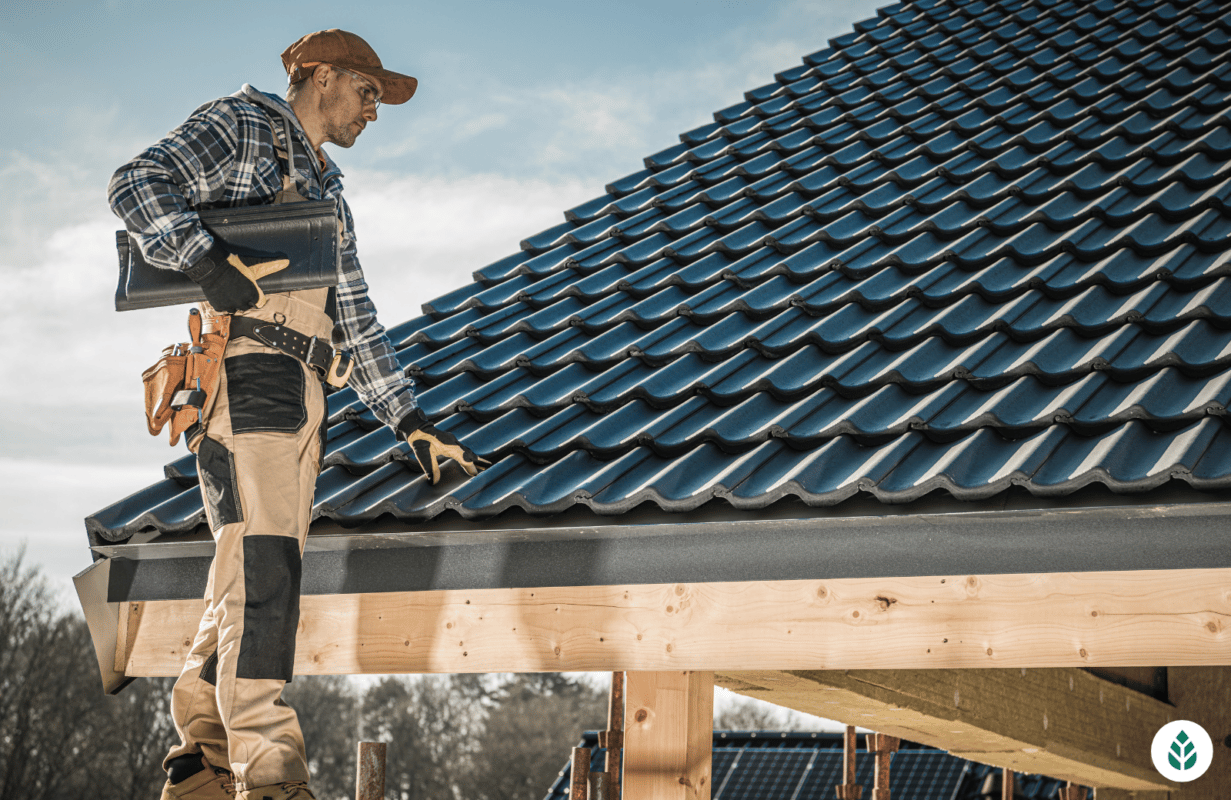
Solar Roof Shingles Cost and Homeowners Guide 2025

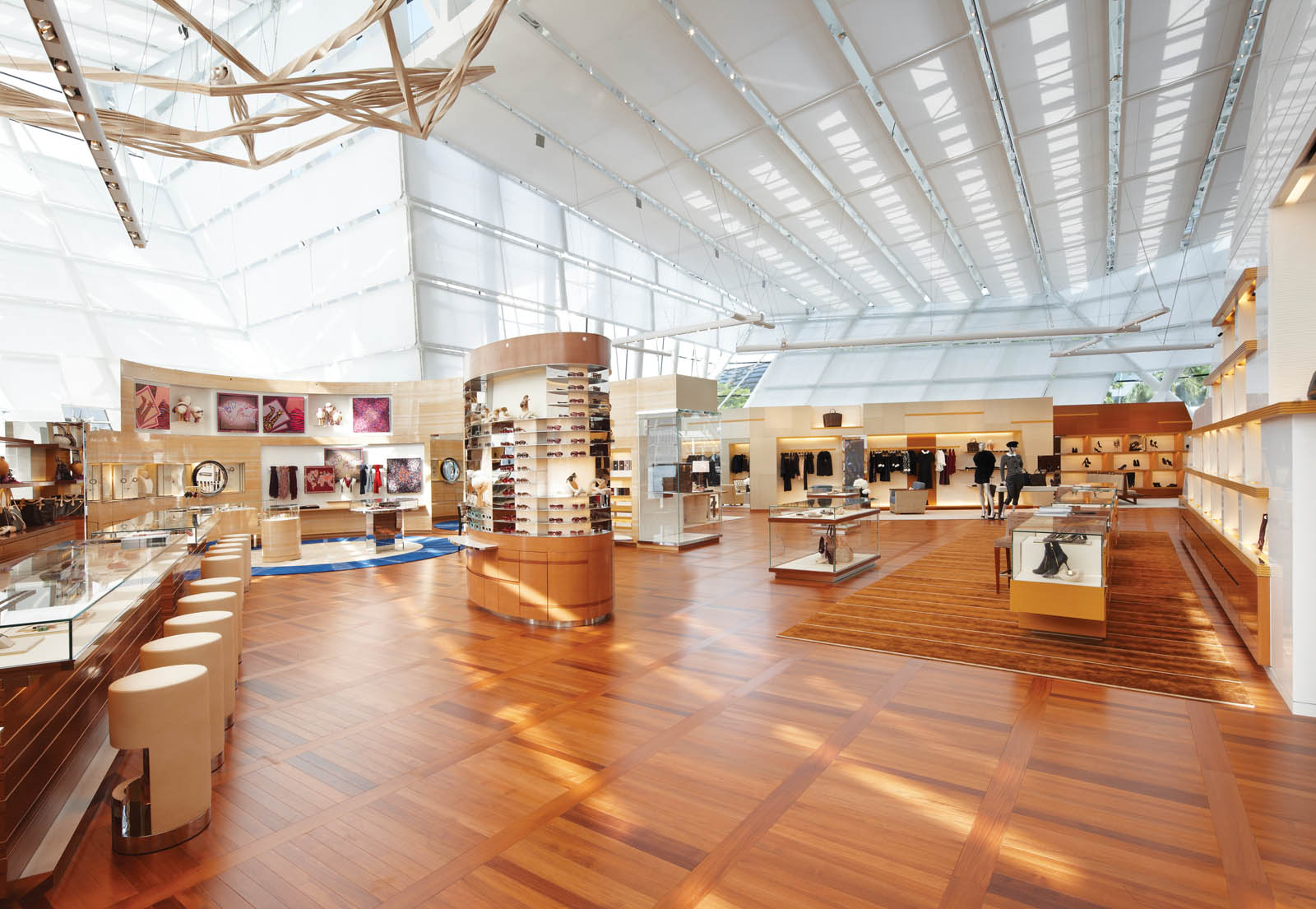
Building facades and vertical shade

What are the best fabrics for outdoor furniture? Designers share their top picks – stylish and functional in equal measure


David Heiman | Sales Director | Agora

PFAS regulations prompt innovation

Sunbrella erases the line between indoor and outdoor fabrics


Solar Windows? New Tech Could Change How You Power Your Home
4 Best Solar Flood Lights & Outdoor Motion Lights (2022)
Solar Is the Contemporary Hearth of Today
Advanced shade control in the Be Open building

No Outlet, No Problem—We Narrowed Down the Best Solar String Lights

Jack Lenor Larsen Teams Up with Sunbrella to Create Textile Collection That Doubles as Art


Fabric awnings vs. metal
Inside and out
From China, Solar-Powered Pergolas


SilverScreen Roller Blind Fabrics
7 Great Weekend Solar Power Projects