1/6
Polished concrete floors – experts explain what you need to know about this modern flooring type
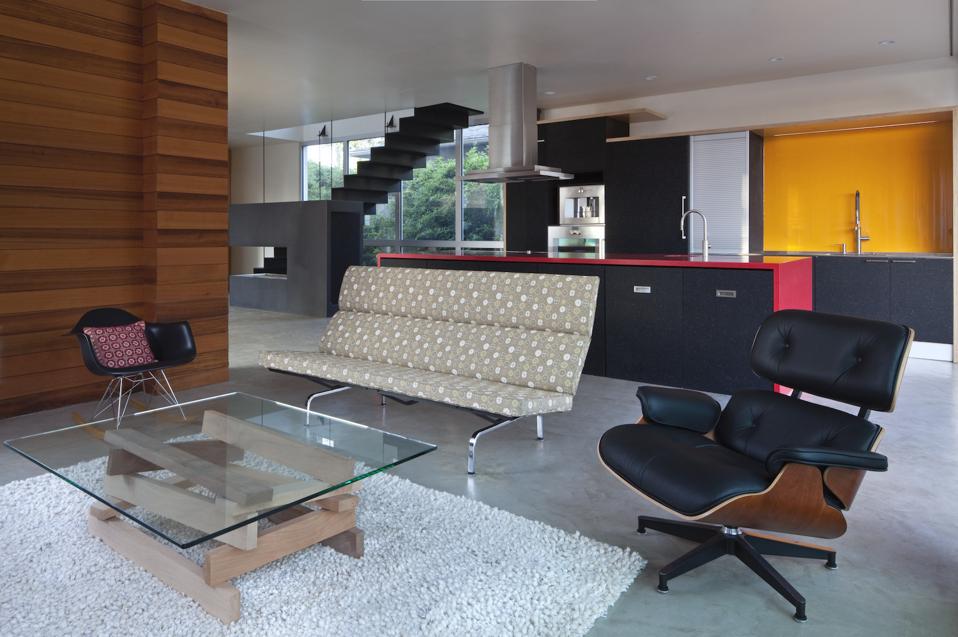
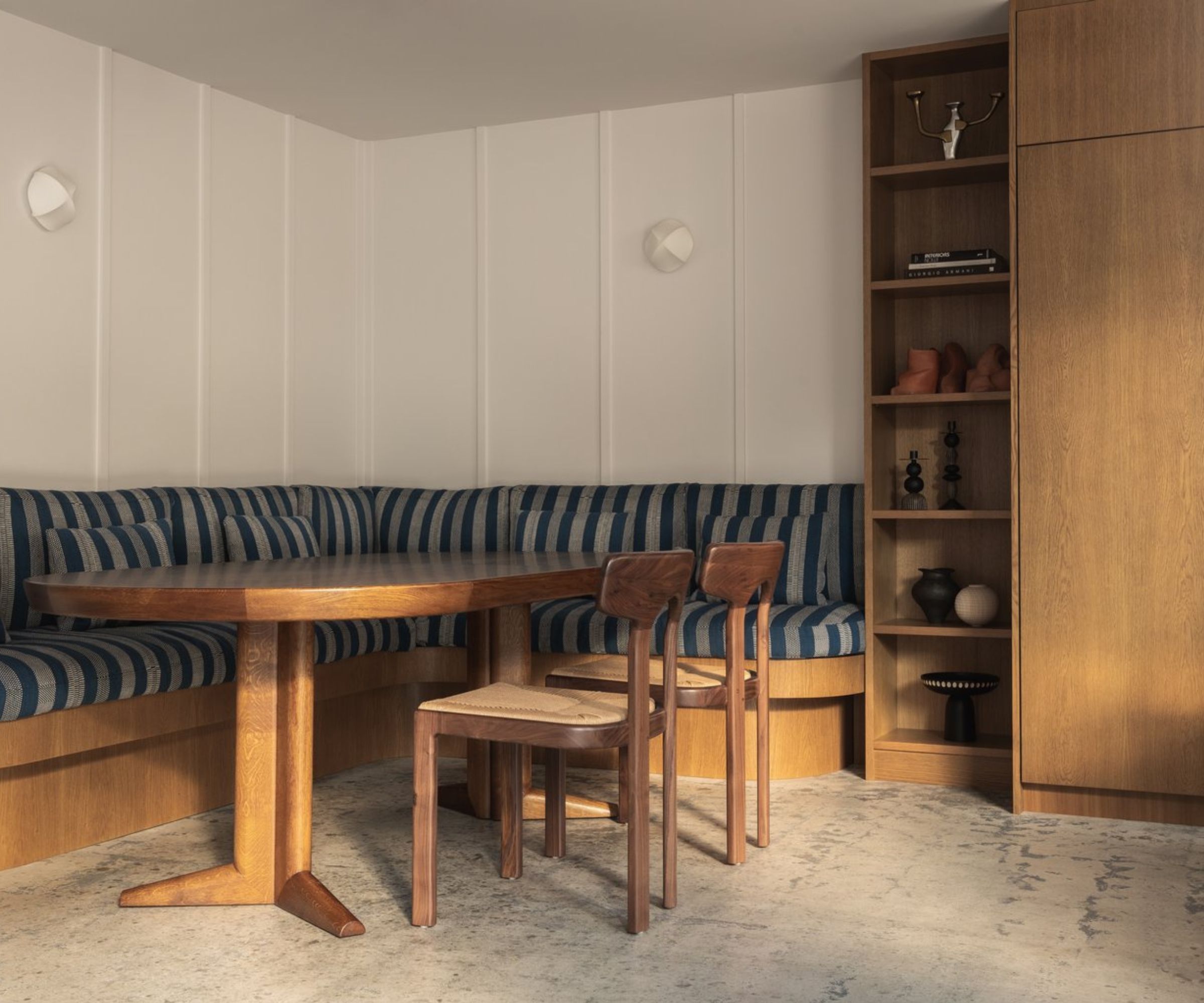
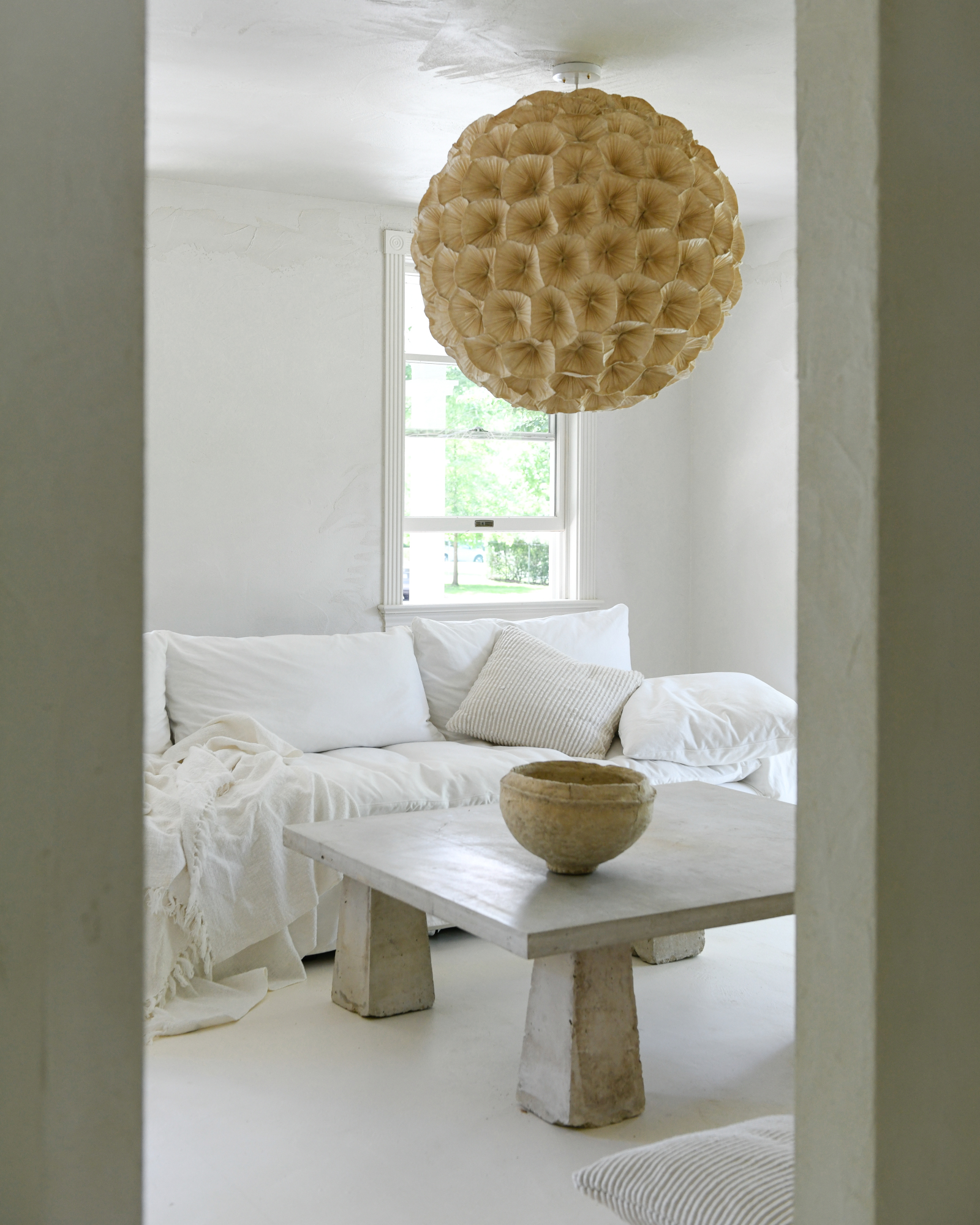
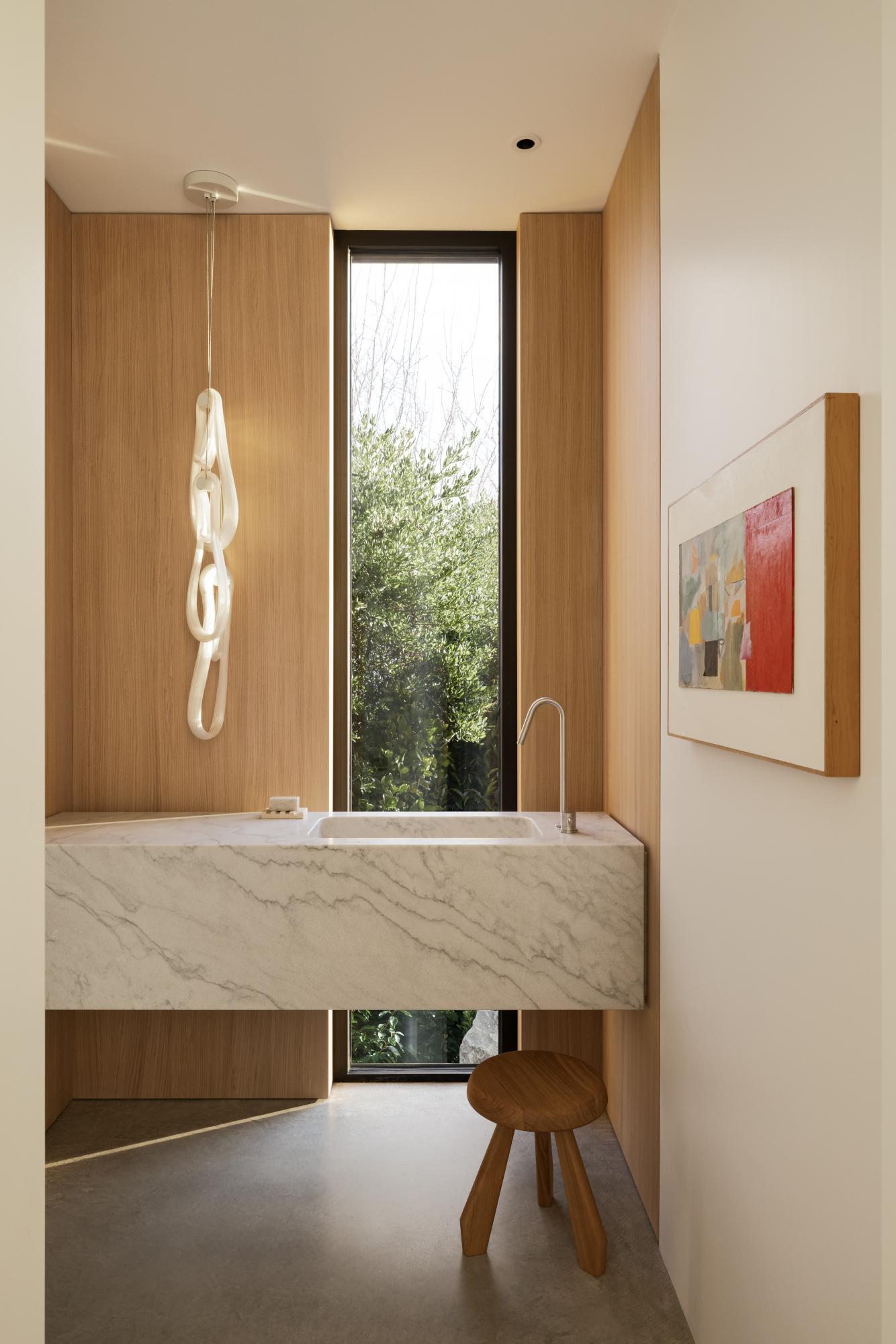
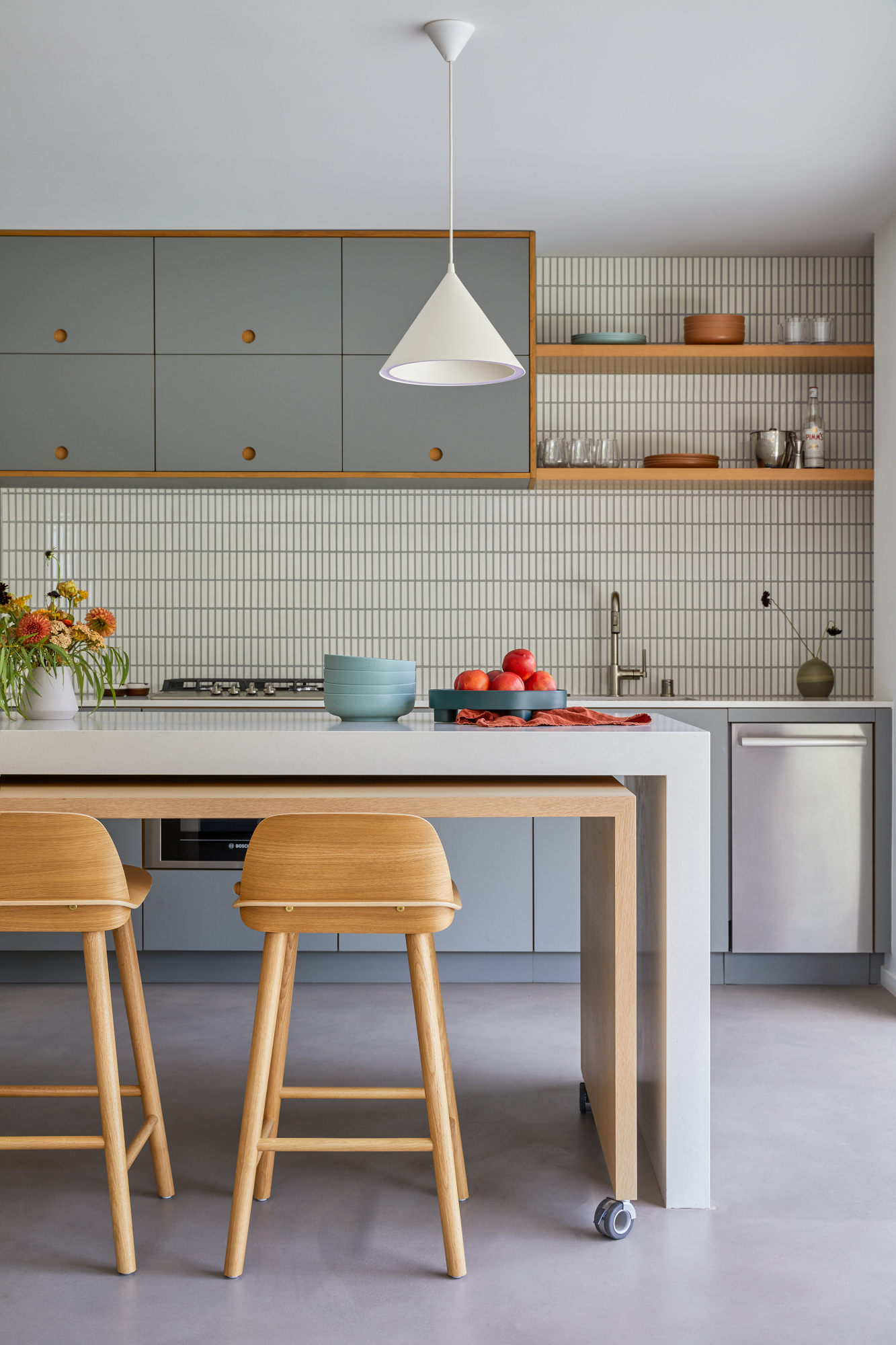
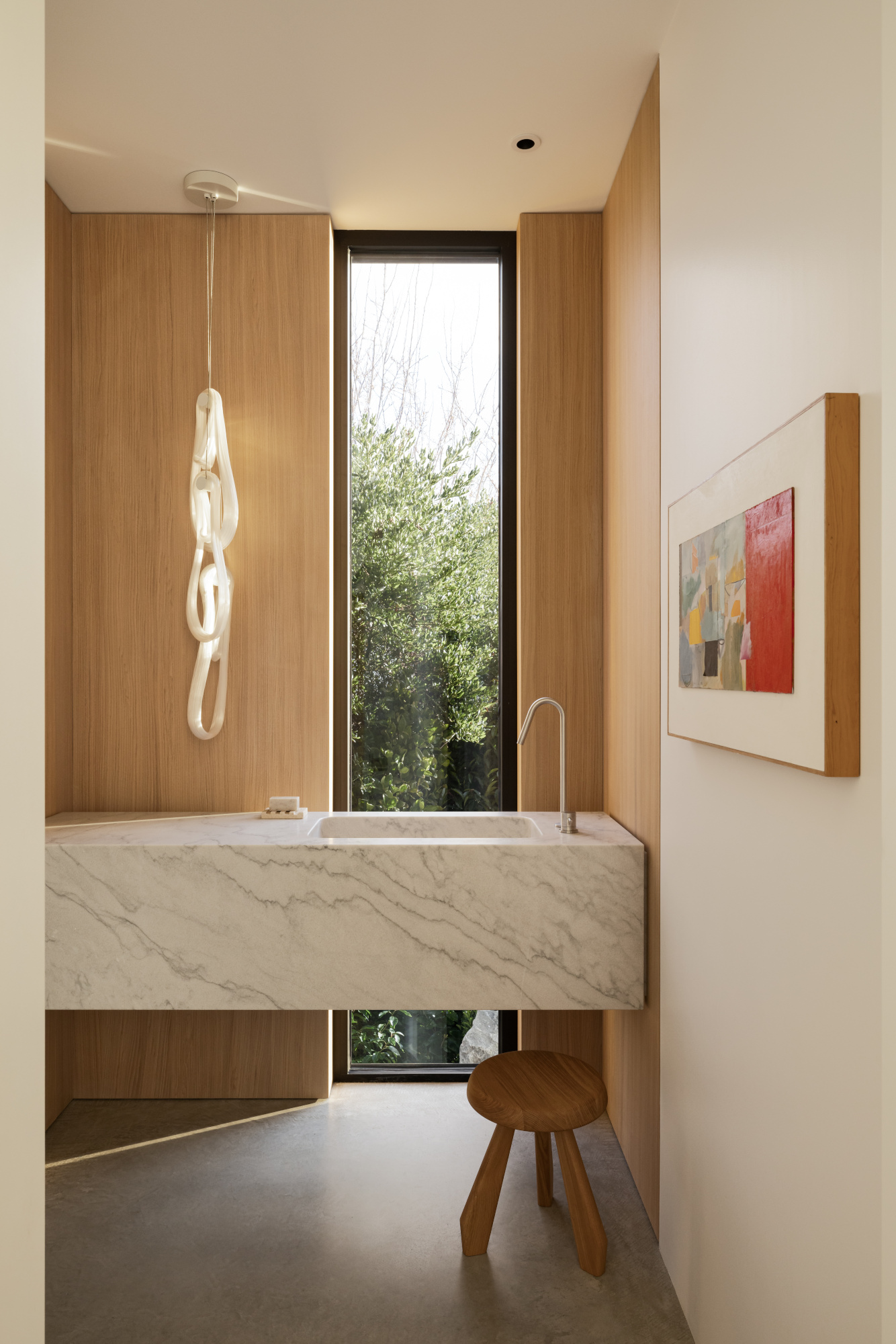
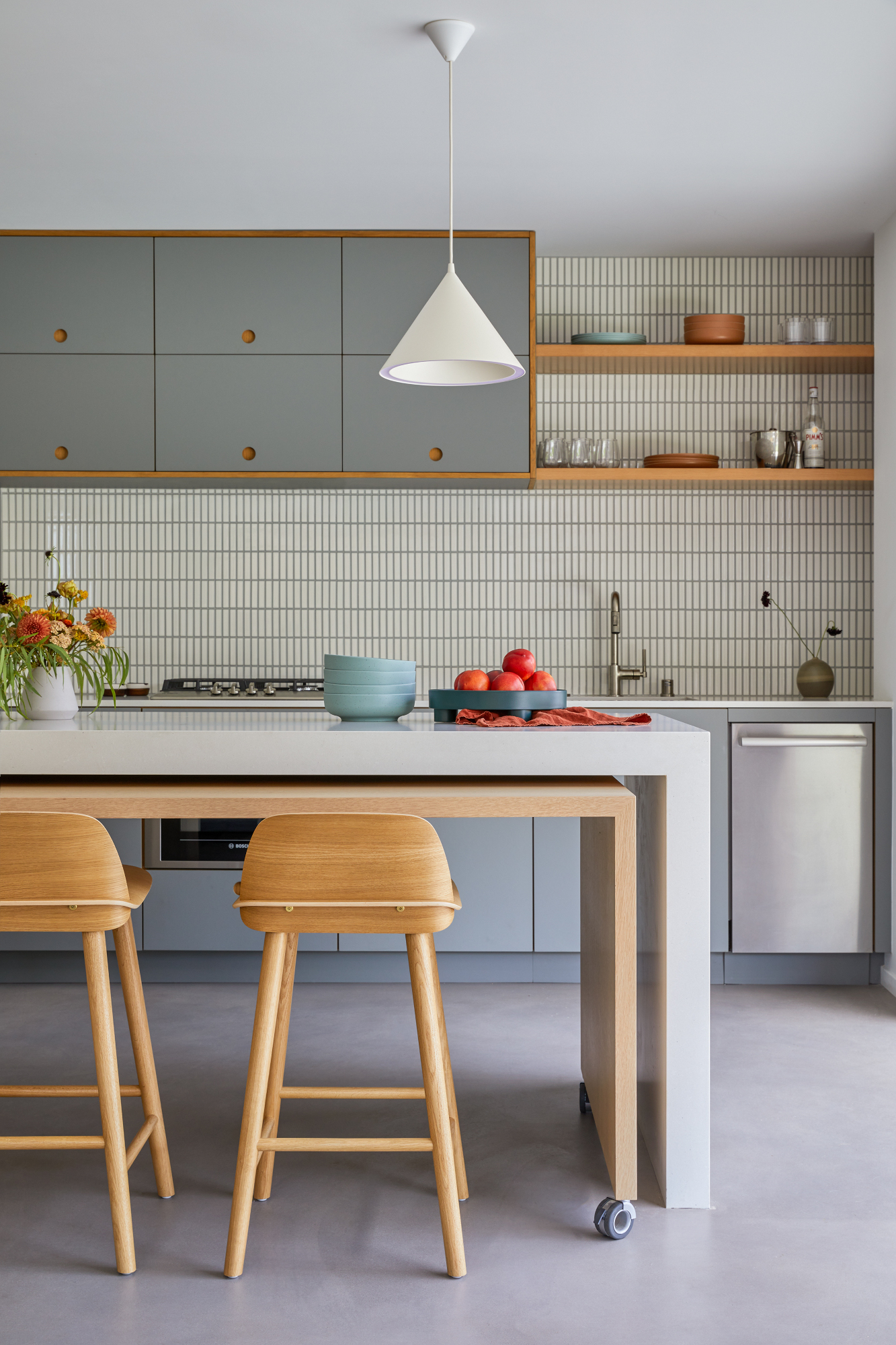
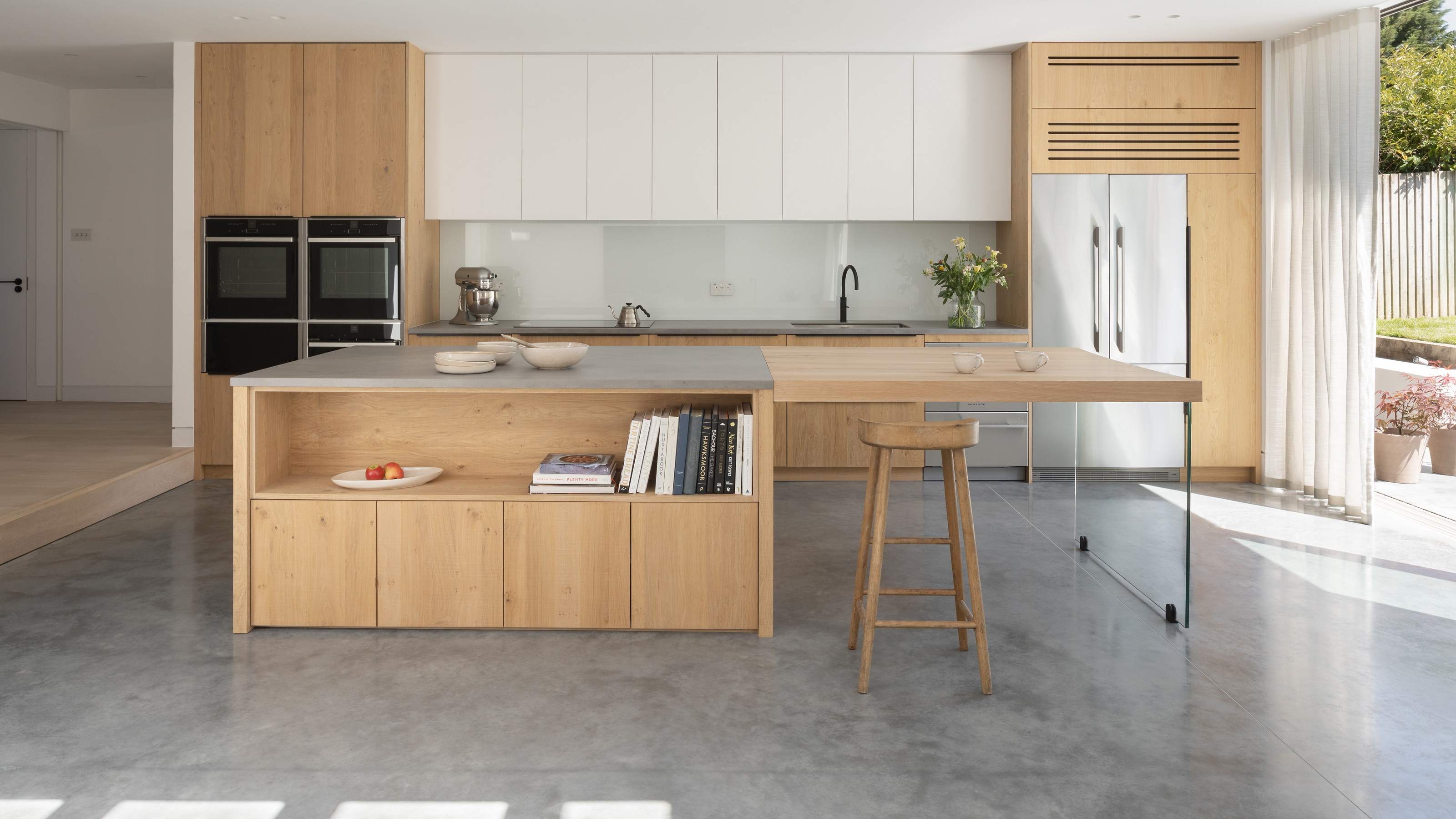
Polished concrete floors are gaining traction in modern home design due to their durability, thermal properties, and unique aesthetic. These floors are typically installed during new construction, extensions, or major renovations, offering a seamless and luxurious feel despite their industrial origins. The process involves grinding concrete down with progressively finer abrasives to achieve a smooth finish. While the term "polished" might suggest a high sheen, the distinction often lies in the sealant application: polished concrete features a sealant that penetrates the floor, making it inherently more durable than sealed concrete, where the sealant forms a layer on top.
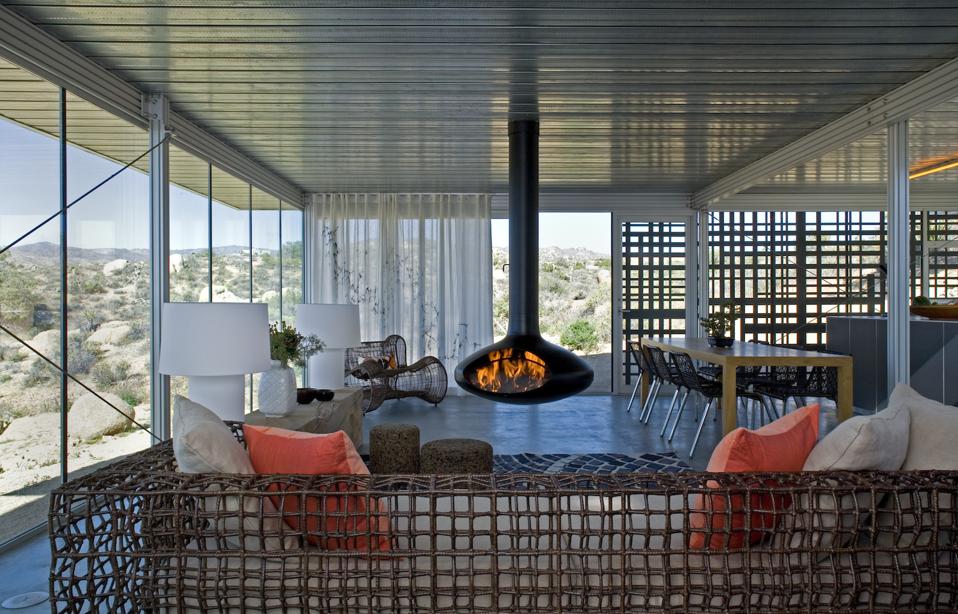
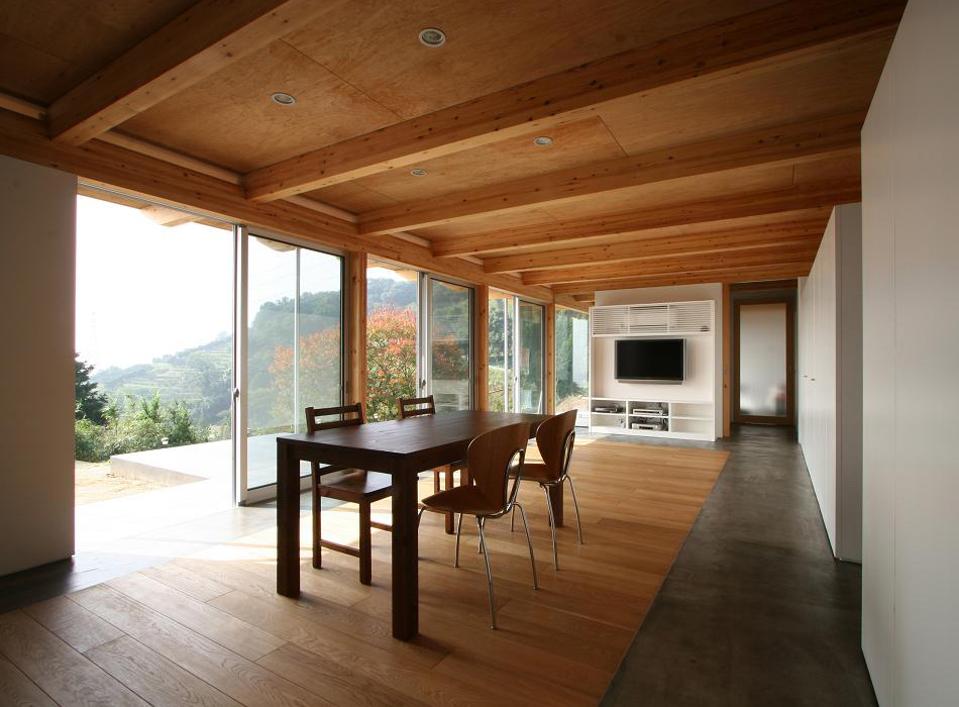
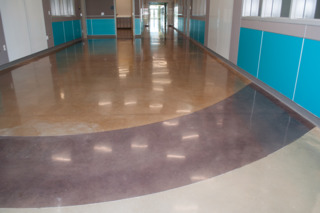
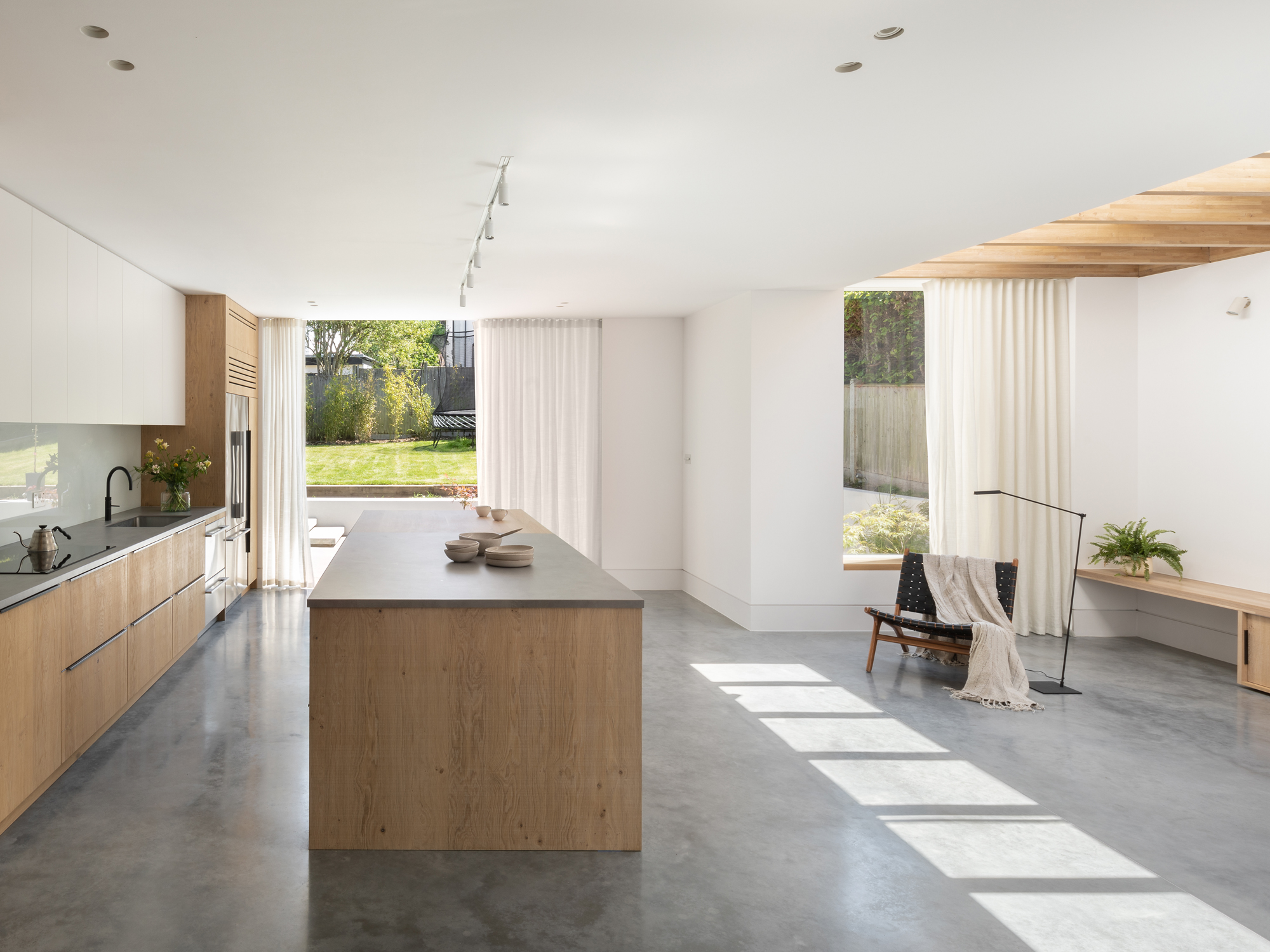
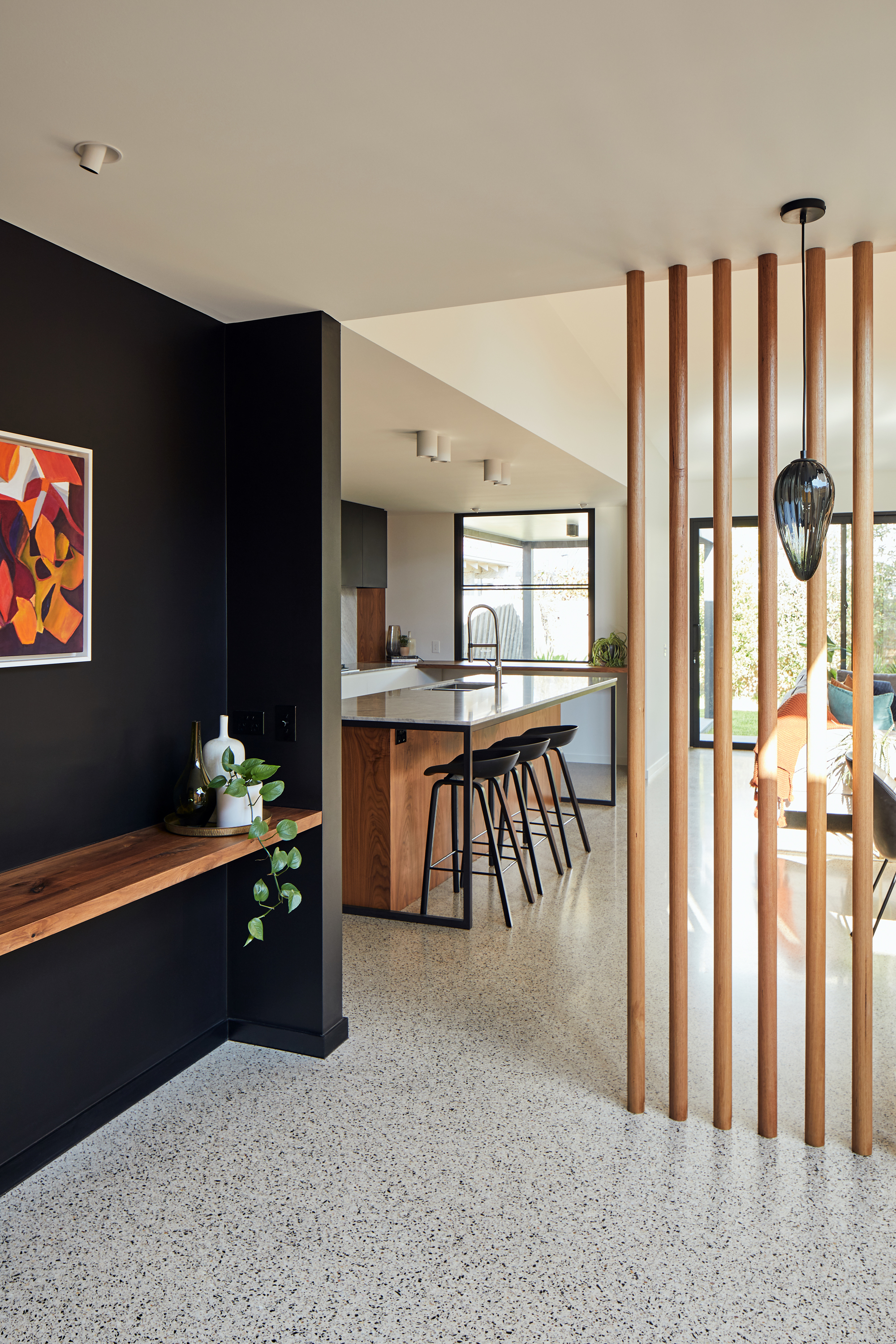
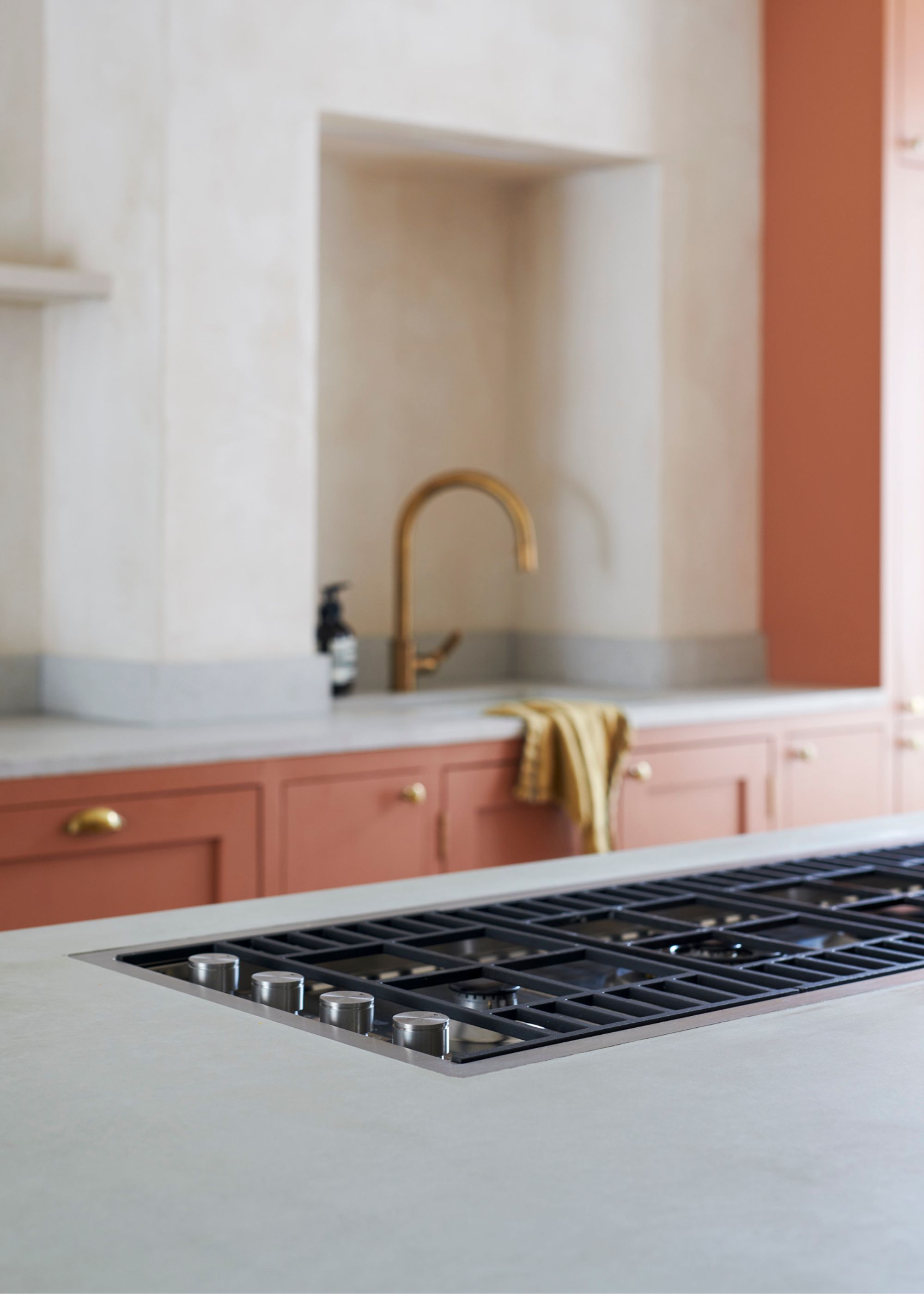
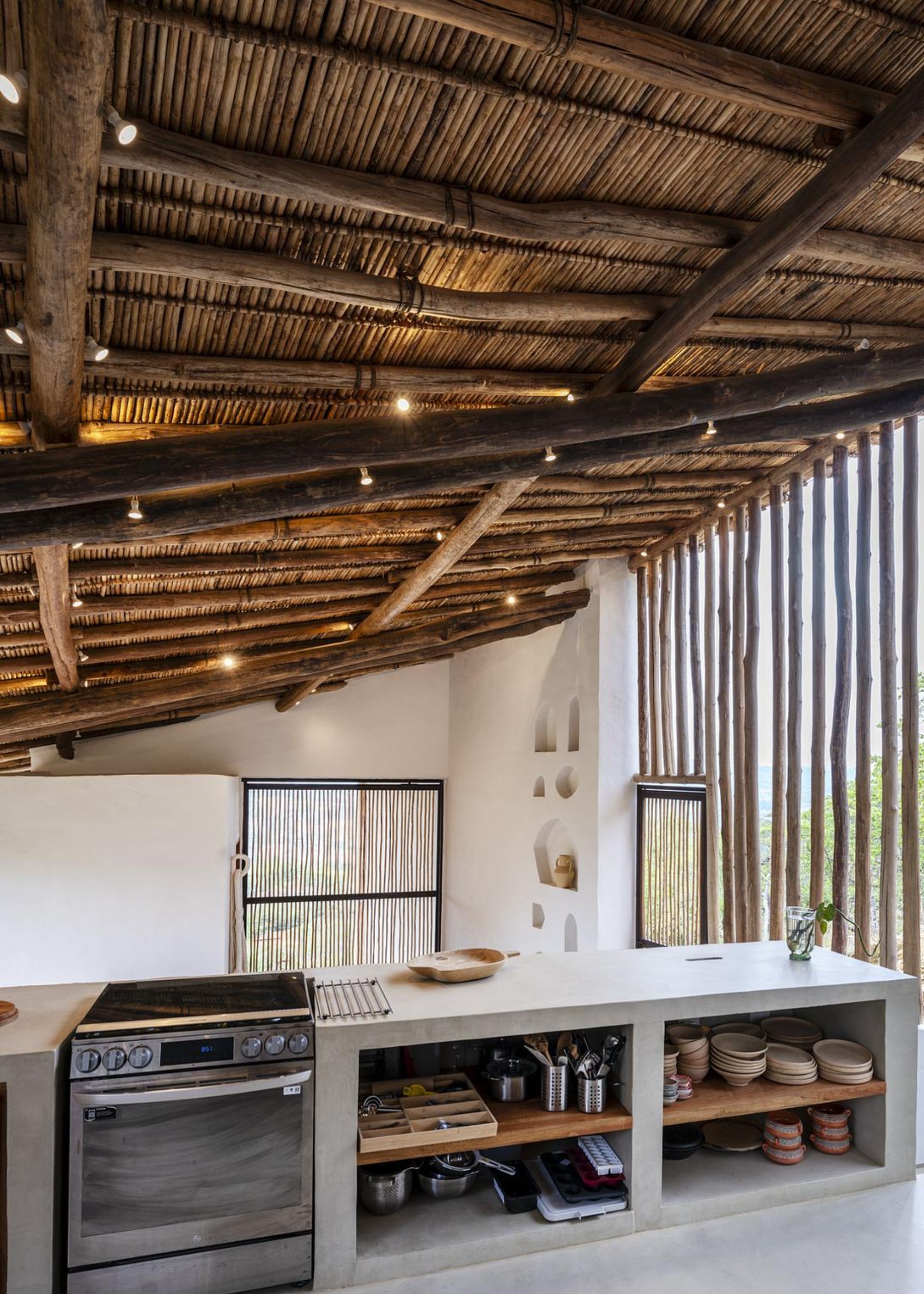
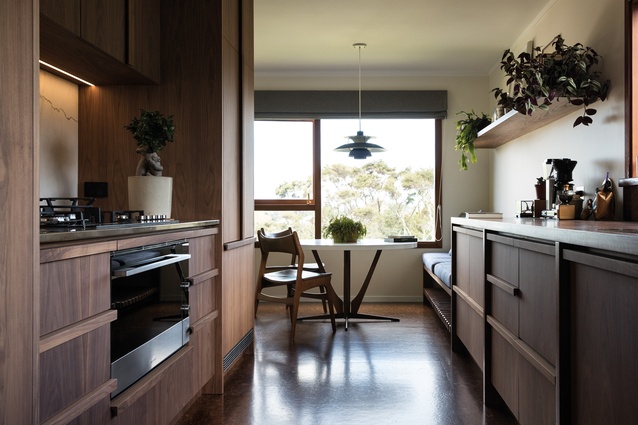
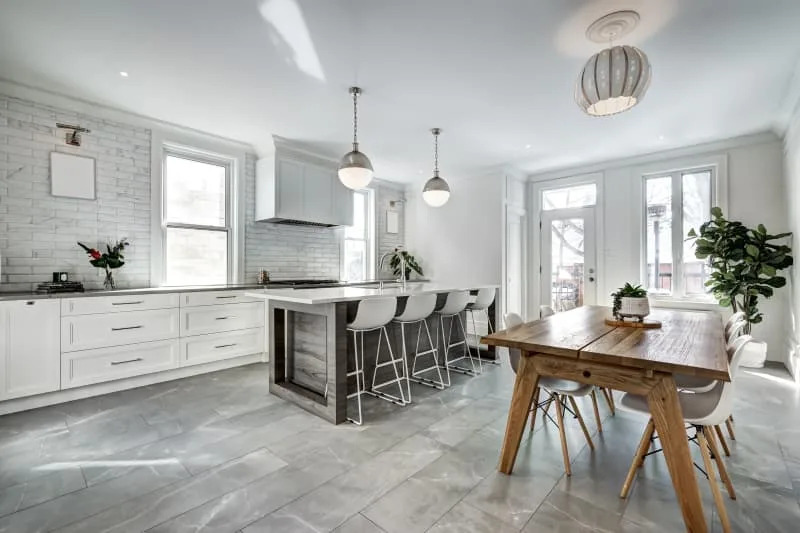
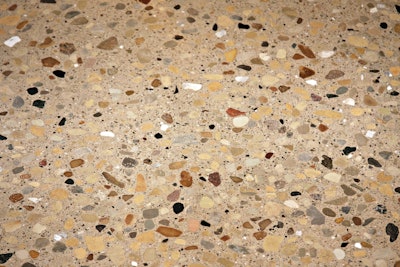
One of the primary appeals of polished concrete is its visual versatility. Designers are moving beyond traditional industrial grey, opting for lighter, creamier tones and incorporating various aggregates to create different textures and visual effects, similar to terrazzo flooring. This material’s continuous nature makes it ideal for open-plan designs, as it draws the eye across spaces without interruption and lacks joint lines, simplifying cleaning. Beyond aesthetics, polished concrete boasts excellent thermal mass properties, making it an efficient partner for underfloor heating systems. It retains and reradiates heat effectively, contributing to the home's overall thermal performance and even absorbing solar gains from glazing. However, a crucial consideration for underfloor heating is to avoid rapid temperature changes to prevent cracking, a point usually addressed by installers.
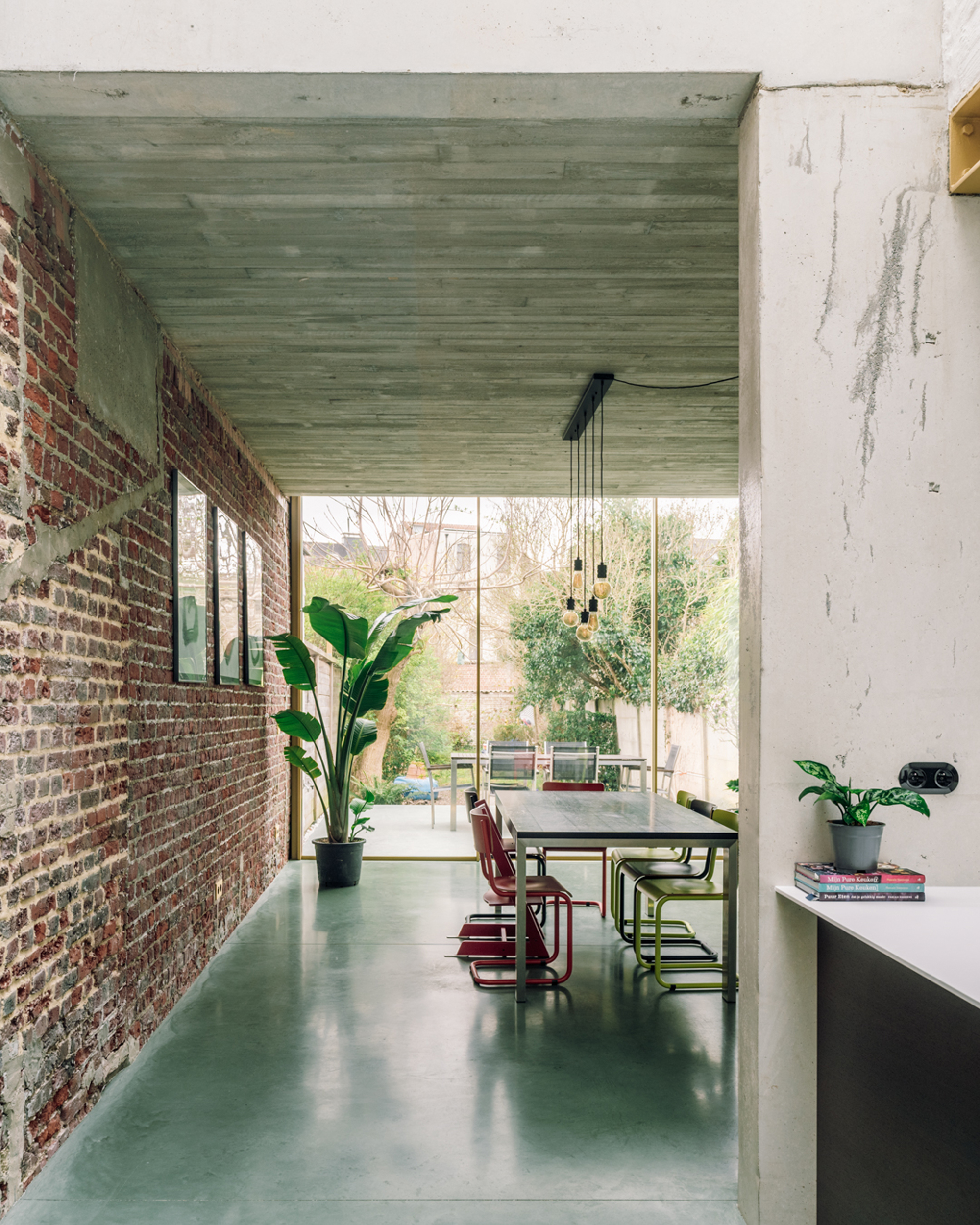
Despite its advantages, polished concrete has certain characteristics that require homeowners to adjust their expectations. Imperfections, color variations, and the development of a patina over time are inherent to the material, reflecting its use and adding to its unique character, aligning with the Japanese Wabi-sabi aesthetic of finding beauty in imperfection. This means embracing scratches and stains as part of the floor's evolution. As a porous surface, it is susceptible to staining if spills are not immediately cleaned, particularly acidic liquids like vinegar, which can corrode the surface and require professional repair. Maintenance involves using compatible cleaning fluids with a similar pH level, often containing trace particles of sealant to help maintain protection.
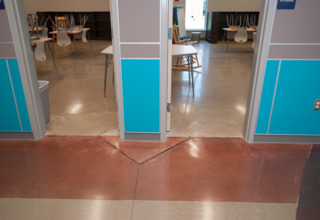
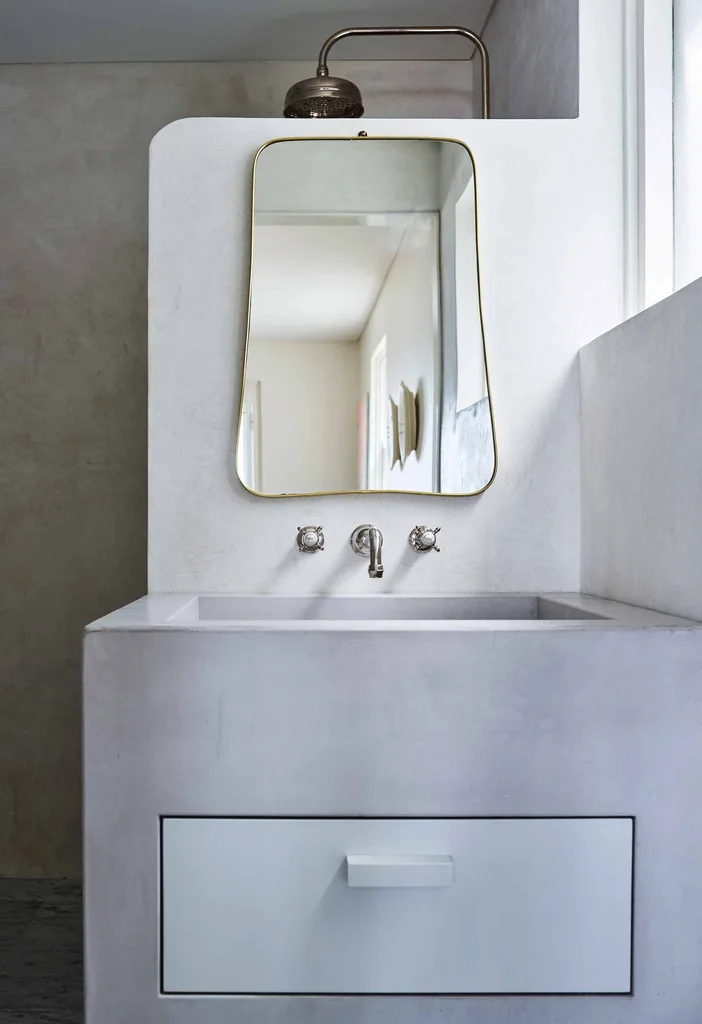
When creating a new polished concrete floor, the aesthetic possibilities are extensive, with options for color introduced into the mix or applied as a stain. The level of polish can range from matte to a high gloss, influencing both appearance and durability. A highly polished finish offers greater surface refinement, making it more hard-wearing for commercial settings, though even an entry-level polish is robust enough for residential use. While concrete's environmental impact is often debated due to cement production, its composition of predominantly natural materials and its ability to reduce the need for additional flooring materials can make it a more eco-conscious choice in the long run. Alternatives like poured resin (epoxy) floors offer similar aesthetics with greater versatility and less maintenance but lack the authentic, lived-in character preferred by some for a modern rustic look. Microcement is another option, applied in thin layers for a similar appearance, particularly suited for smaller spaces like bathrooms.
#PolishedConcrete #FlooringOptions #HomeRenovation #InteriorDesign #SustainableMaterials #UnderfloorHeating #ModernFlooring #HomeDecor #ArchitecturalDesign #PolishedConcrete #FlooringOptions #HomeRenovation #InteriorDesign #SustainableMaterials #UnderfloorHeating #ModernFlooring #HomeDecor #ArchitecturalDesign
共0条评论
 暂无评论
暂无评论你可能还喜欢
Concrete Floors: The Hot And Cold Of Them

What's replacing wooden flooring? These are the 5 chic alternatives designers are switching to

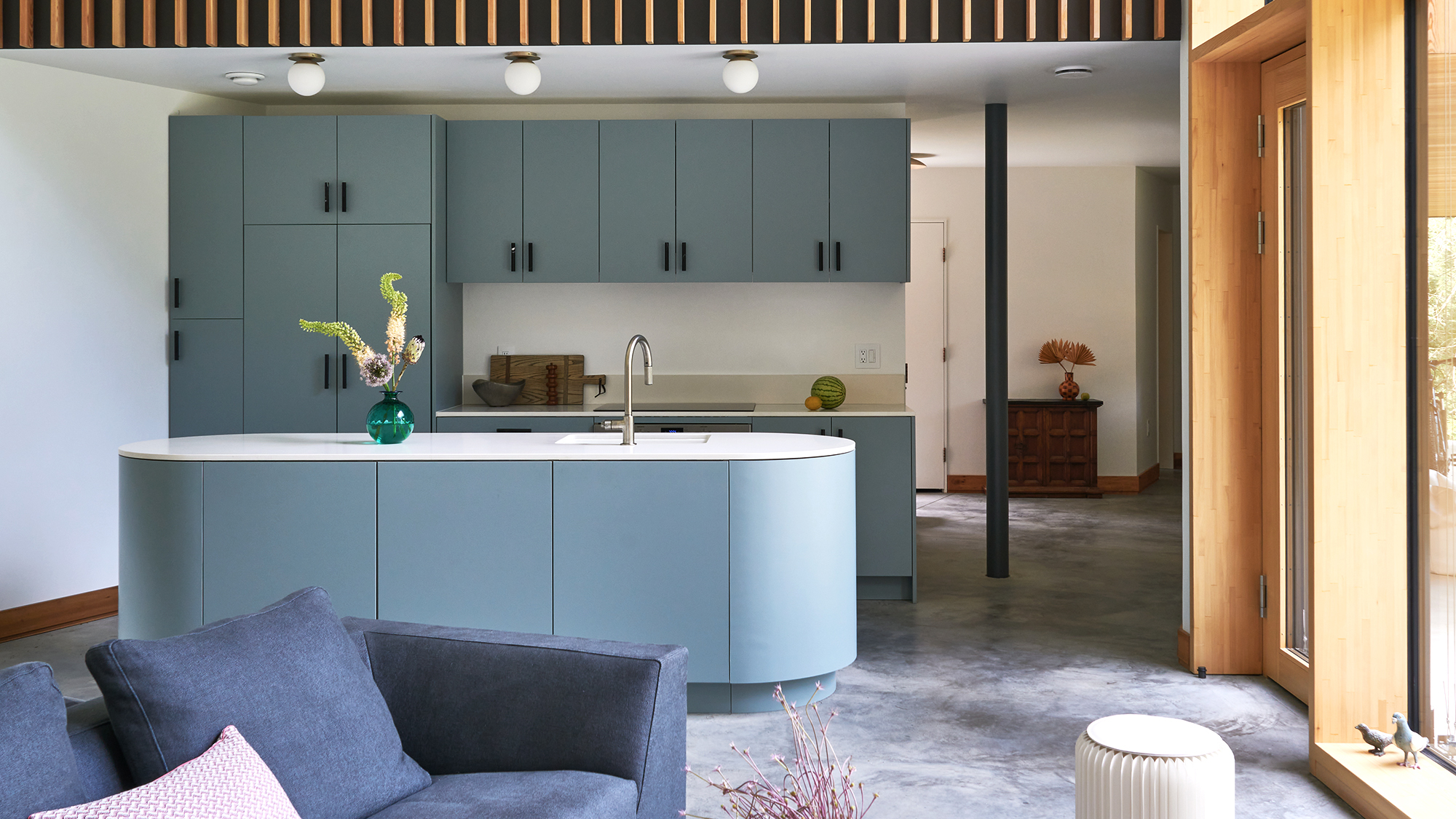
Which wall colors work best with concrete floors? Pairings to complement and elevate this industrial finish
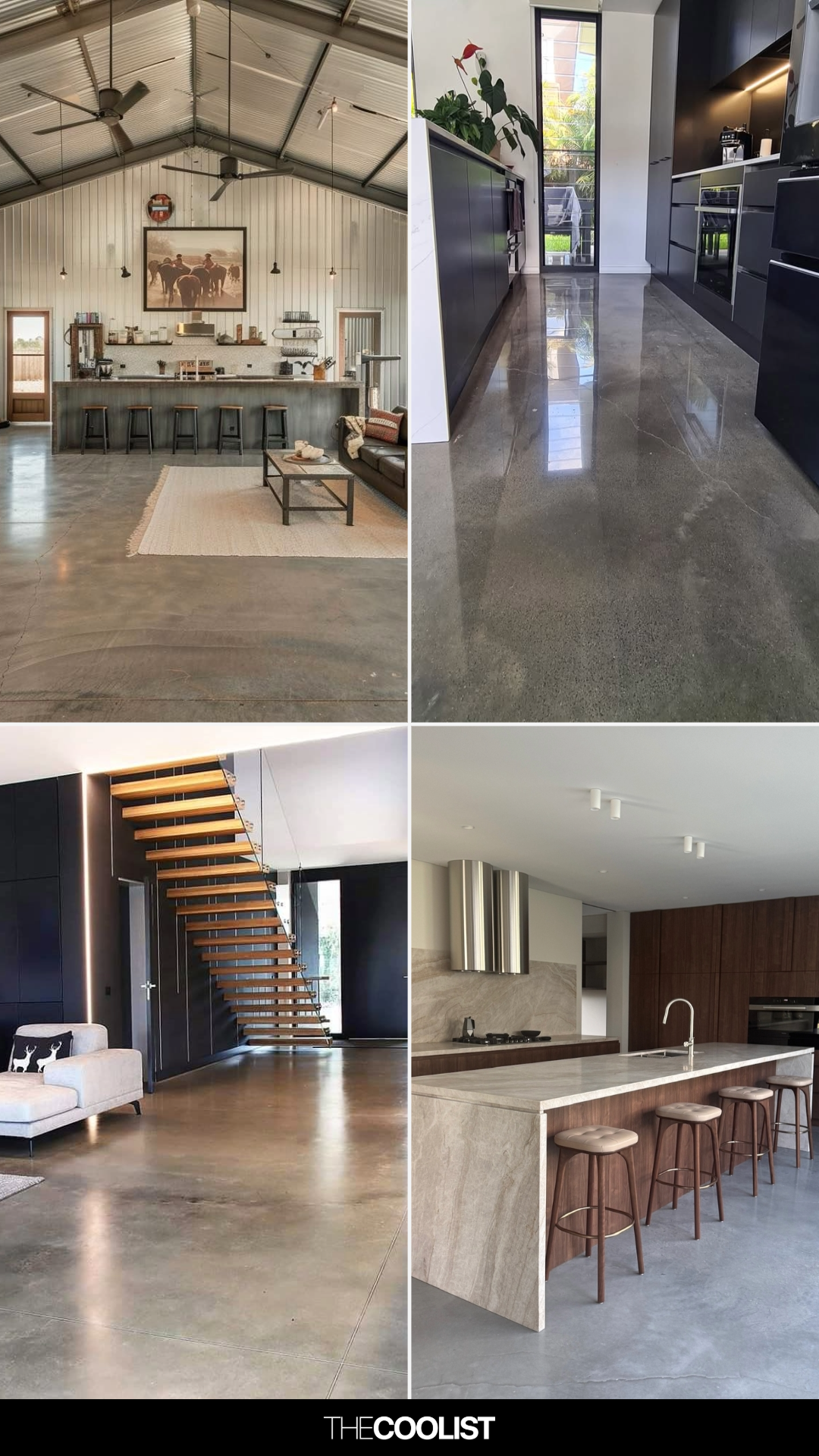
25 Concrete Floor Ideas for Home No One Shares Because Once You Live With Them, Other Floors Feel Fake

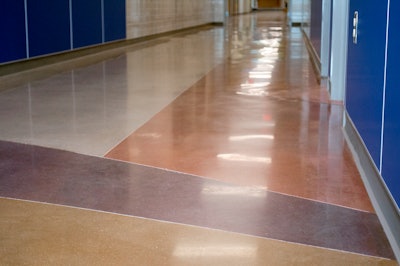
How to Apply Multi-Color Dyes to Polished Concrete

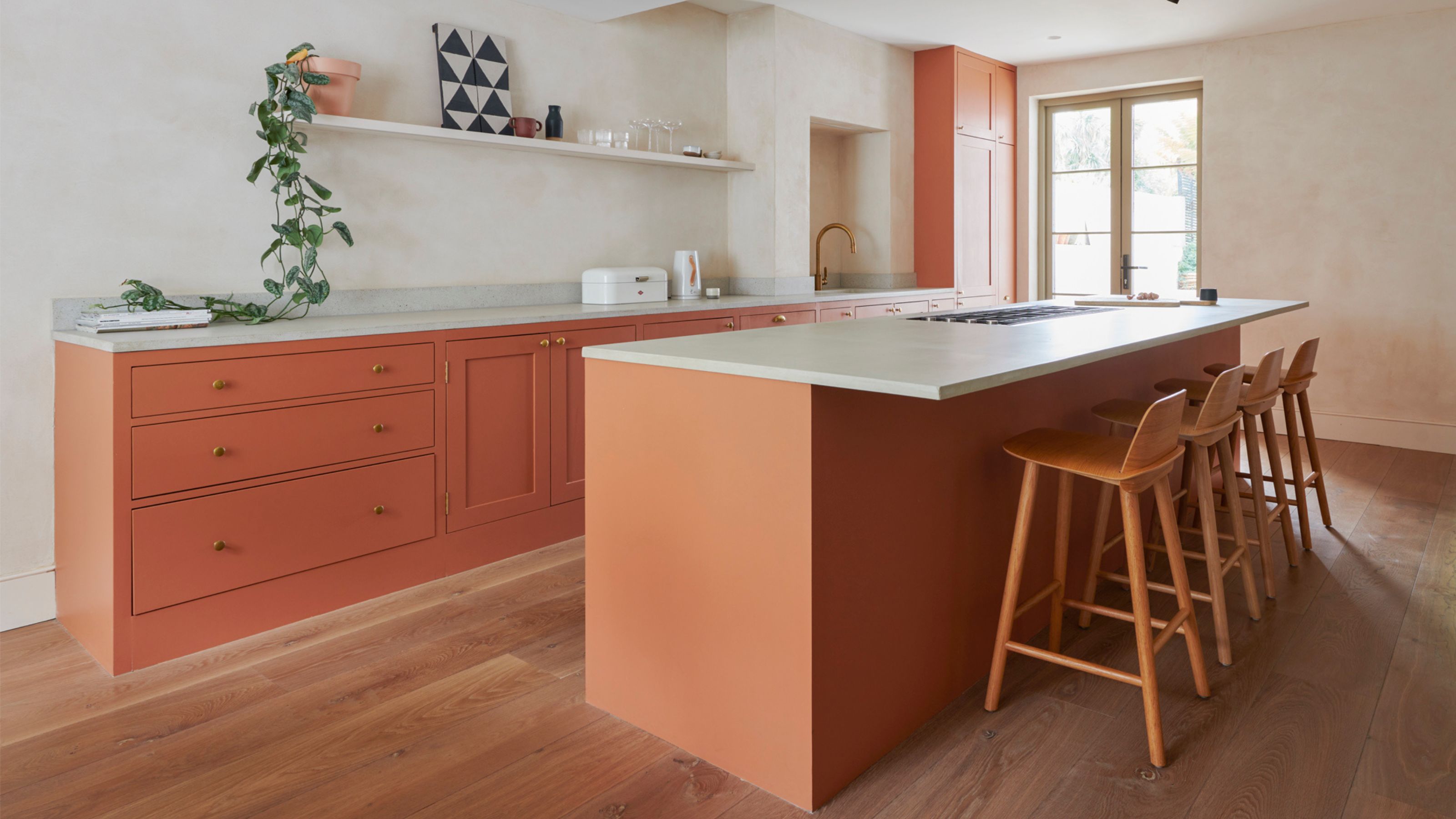
Everything You Need to Know About Concrete Worktops
An In-Depth Look at the Pros and Cons of Concrete Flooring

4 Kitchen Flooring Trends That Are on Their Way Out (and 3 Replacing Them)

8 concrete flooring ideas that will convince you this style can be surprisingly luxurious
Concrete Floors Are Trending—Here's Why You Should Consider This Affordable Alternative to Hardwood and Tile

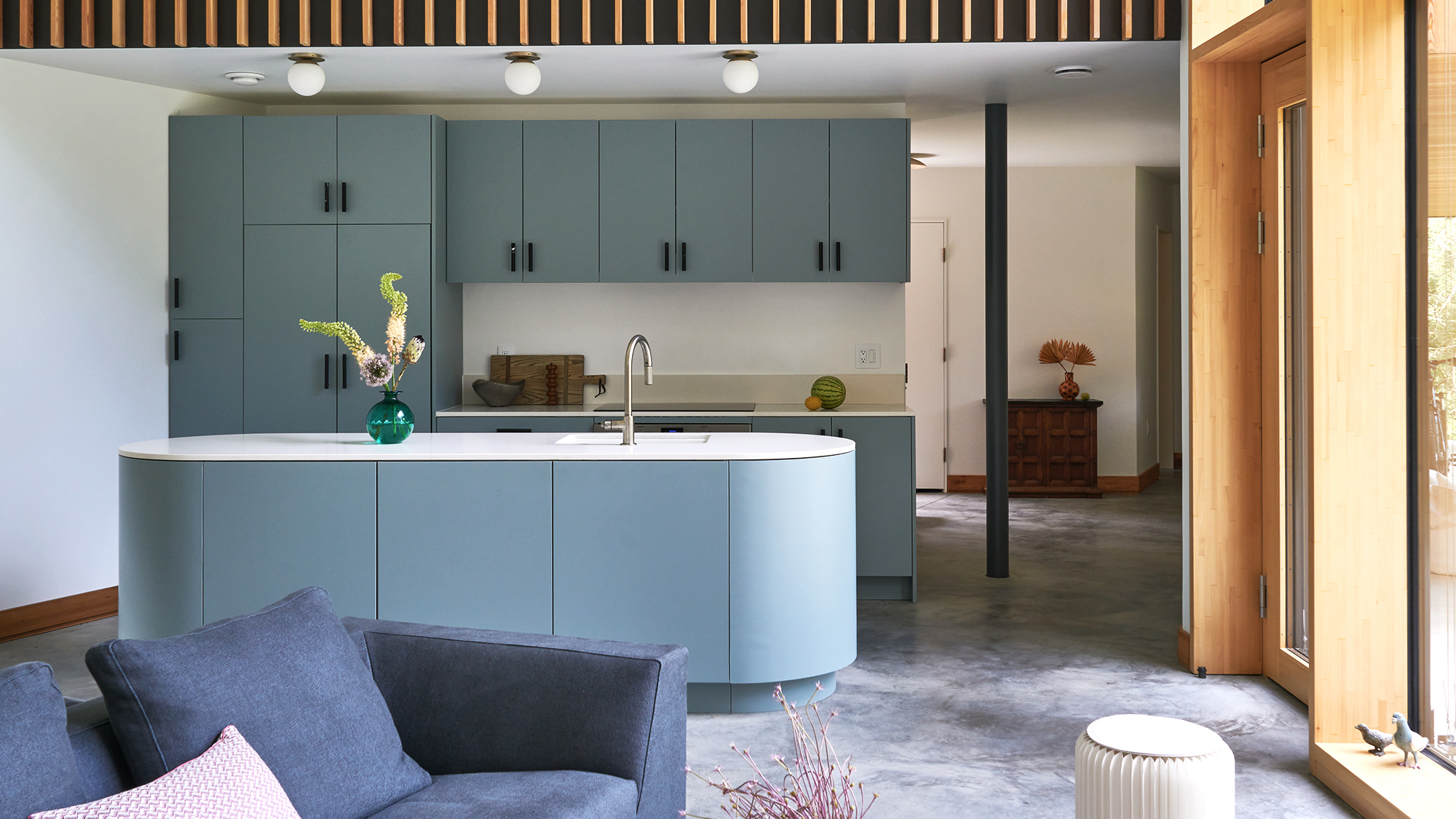
Which wall colors work best with concrete floors? Pairings to complement and elevate this industrial finish
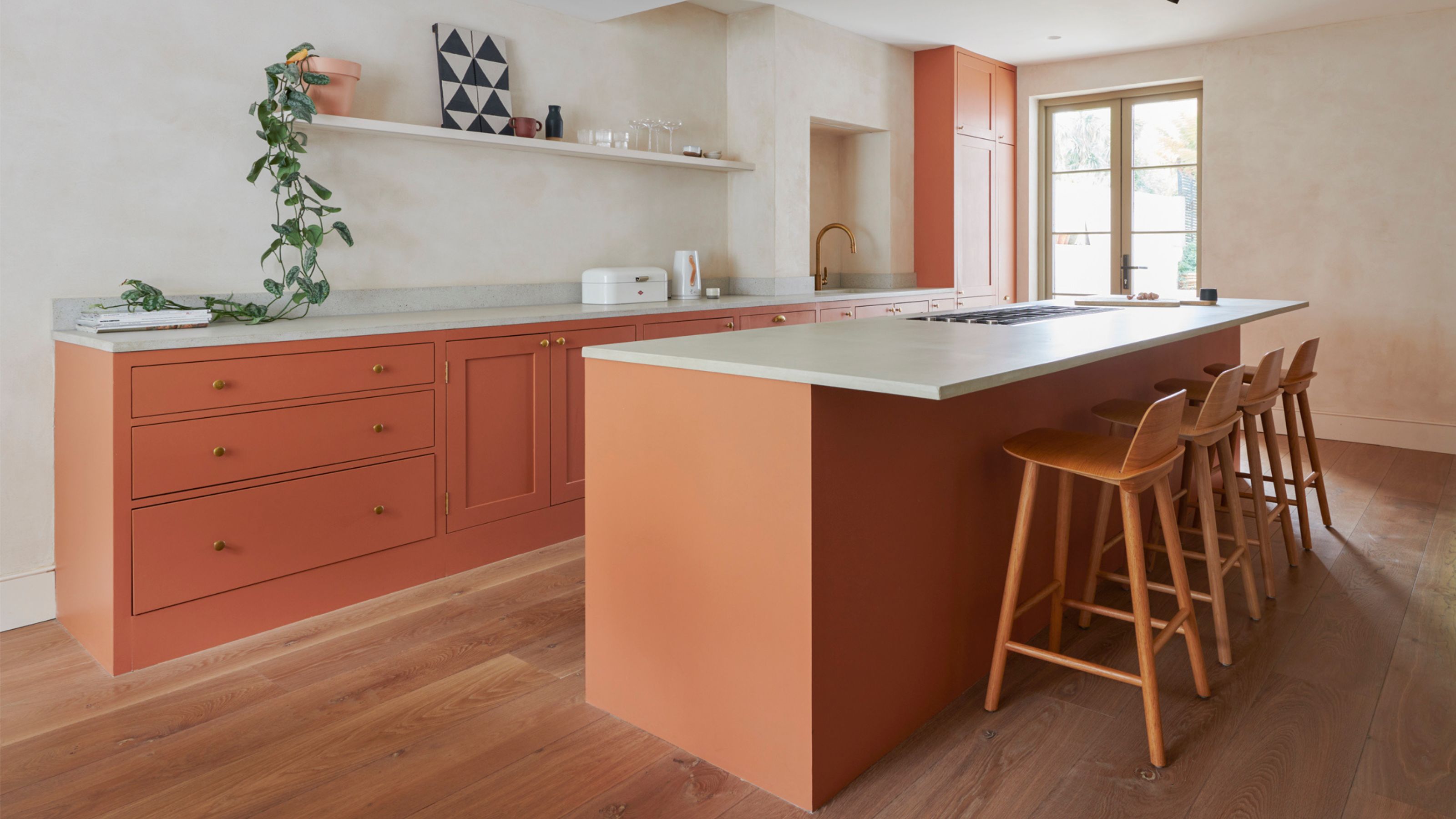
This Underutilized Countertop Looks Great, but "It's Not the Material for Everyone" — The Pros and Cons of Concrete, Explained by a Specialist
![The best polished concrete floors in Canberra [Updated for 2025]](https://gstatic.ideal.house/news/images/cc68ce535f984c3483ff7892f0659bf8.jpg)
The best polished concrete floors in Canberra [Updated for 2025]
Concrete design ideas: how to make them work in any home

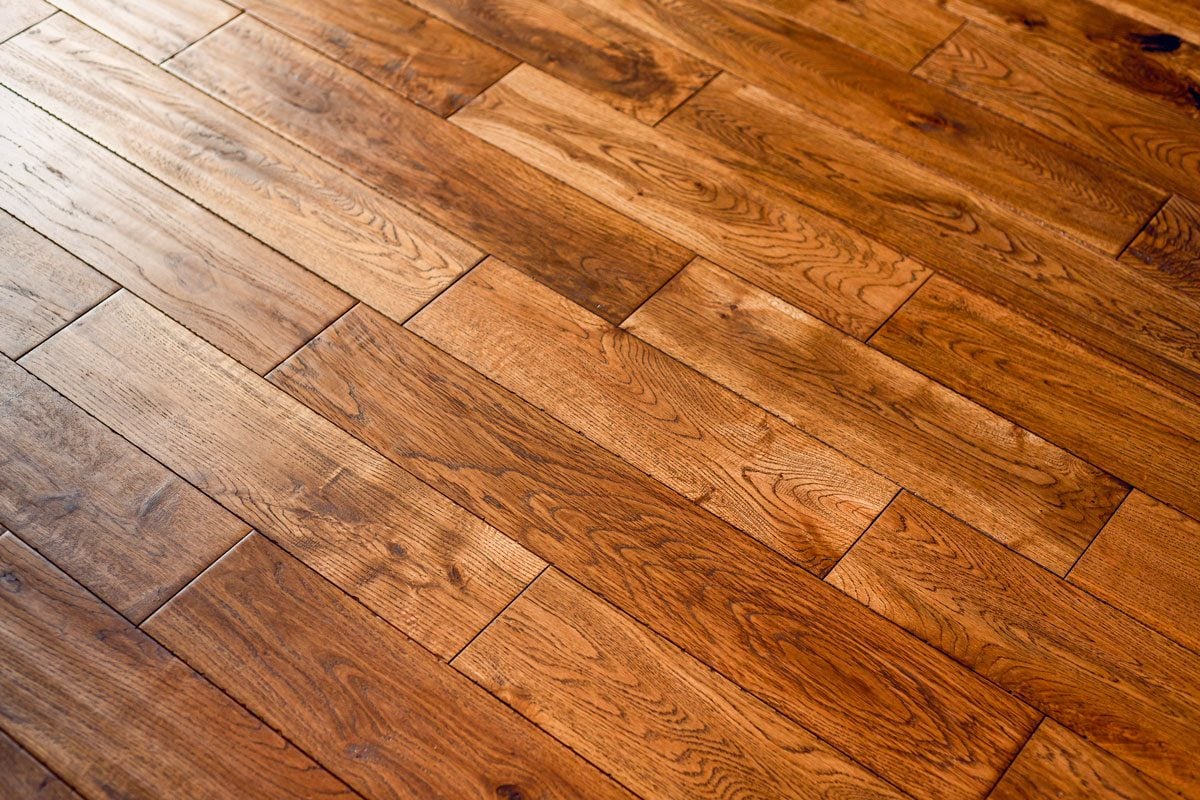
Future of Flooring: Home Pros Talk Through the Latest and Greatest Flooring Trends

Set the Stage With These Flooring Options

Concrete kitchen floor ideas – 17 ways to introduce this popular style
Walk on by: flooring focus
The Top 10 Flooring Trends for 2022
A Passion for Polished Concrete