




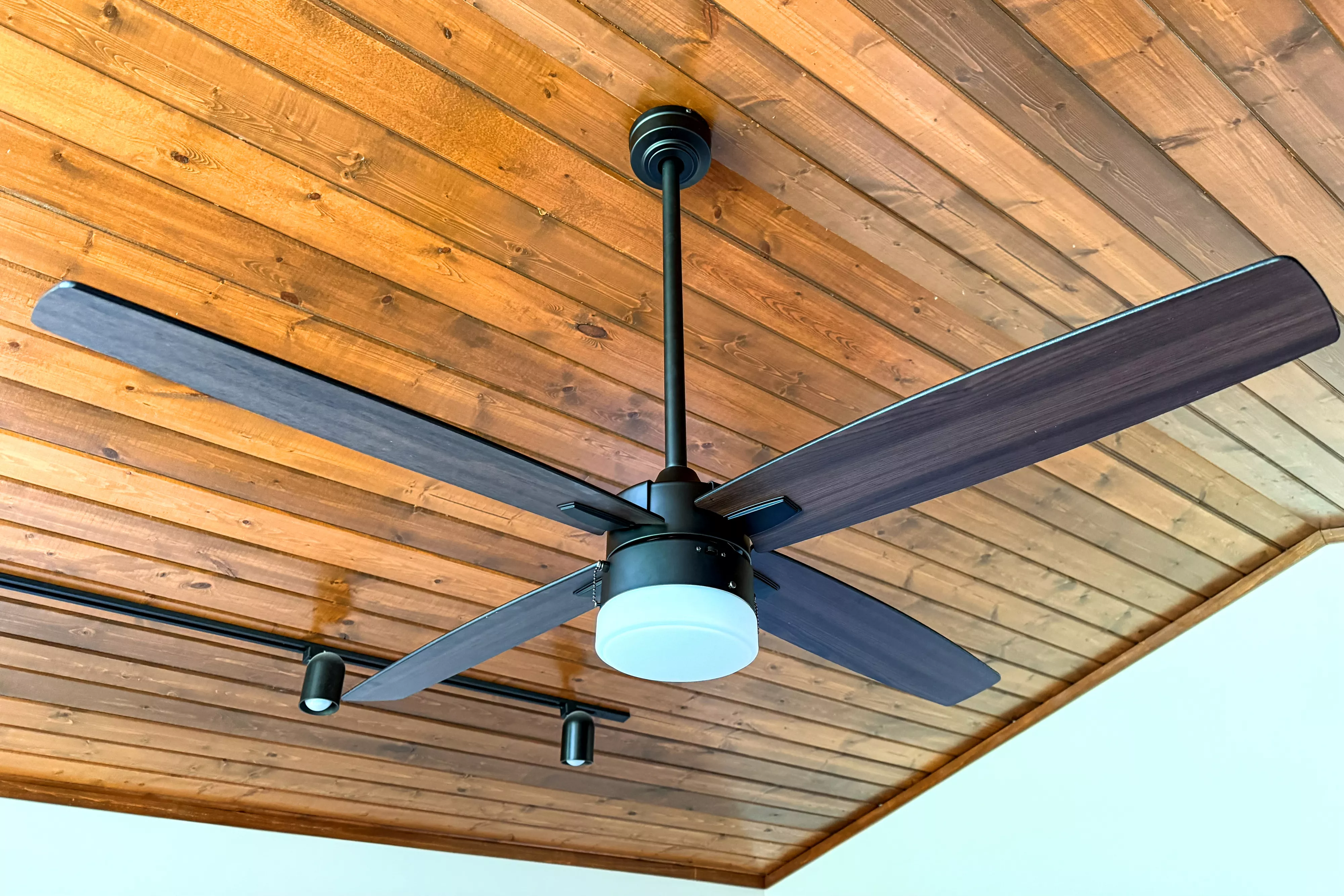
Keep Cool All Year Long With These 7 Ceilings Fans, Tested by BHG
Ceiling fans are a versatile home appliance that not only help regulate indoor temperatures but also contribute to a home's aesthetic and energy efficiency. They can lower electricity bills by reducing the reliance on air conditioning in warmer months and circulating warm air more effectively in colder months. To identify the best options on the market, extensive testing was conducted on various ceiling fans, evaluating their performance, design, ease of use, and additional features.
The testing process involved over 2,500 hours of real-world usage, where ceiling fans were installed in different home settings and assessed across several criteria. Key factors considered included setup time and complexity, overall design appeal, effectiveness in circulating air, product quality, and value for money. Each fan was operated for at least 20 minutes, three times a week, to evaluate its various speed settings, lighting functionalities, remote control capabilities, blade direction changes, and smart home integrations. Testers also paid attention to the noise levels and stability of the fans at different speeds. Input from experts like Stephen Borklund, owner of Magic City Pro Services, highlighted the importance of motor power (320 CFM or higher), blade degree, angle, and length in determining a fan's effectiveness. Industry professionals, including electrician Keith Pinkerton and interior designer Kathy Kuo, also provided insights into style, size, and installation considerations.
The top picks from the testing include the Honeywell Carmel Indoor Ceiling Fan as the best overall, praised for its efficient air circulation and silent operation, even on higher settings. The Better Homes & Gardens 44 Inch Indoor Ceiling Fan was recognized as the best budget option, offering a sophisticated look and quiet performance at an affordable price. For bedrooms, the Minka-Aire Light Wave Ceiling Fan was recommended for its powerful airflow capable of cooling multiple rooms and its sleek design. The Hunter Fan Company Kennicott Indoor/Outdoor Ceiling Fan stood out as the best outdoor fan due to its durability and ability to withstand extreme weather conditions. The Sofucor 52 Inch Modern Ceiling Fan with Lights was highlighted for its advanced customization options, including dimmable lights and multiple speed settings, making it a smart choice for various indoor or covered outdoor spaces. The Dreo Smart Ceiling Fan was identified as the best low-profile option, offering extensive customization through its remote, voice control, and app, along with powerful airflow. Lastly, the Better Homes & Gardens 52 Inch Black Modern Indoor/Outdoor Ceiling Fan with Light was selected as the best for large rooms, effectively cooling up to 400 square feet, even in spaces with tall or sloped ceilings.
Before purchasing a ceiling fan, consumers are advised to consider several factors. Style is paramount, with experts recommending matching the fan's color and aesthetic to existing decor elements to ensure seamless integration. Fan size and the number of blades are crucial for effective air circulation, with larger rooms requiring bigger fans and more blades. Blade pitch, which refers to the angle of the blades, also significantly impacts airflow. Mounting options include flush mount for lower ceilings and downrod mount for higher or vaulted ceilings, with specific clearance requirements from walls and the floor. Regular maintenance, such as cleaning blades and tightening screws, is necessary to ensure optimal performance and longevity. Understanding airflow, measured in cubic feet per minute (CFM), helps buyers gauge a fan's power. While ceiling fans do consume electricity, their energy usage is generally low, and they can indirectly reduce overall energy costs by minimizing air conditioner use. The price of a quality ceiling fan can vary significantly based on design complexity, added features like remote controls and dimmers, and custom elements. Curved blades are typically suited for strong air circulation in large spaces, while rectangular blades provide a smoother, gentler airflow. Ultimately, the choice of a ceiling fan depends on individual needs, room size, aesthetic preferences, and desired features.
#CeilingFans #HomeImprovement #ProductReview #EnergyEfficiency #HomeDecor #InteriorDesign #SmartHome #DIYHome #ApplianceTesting #CeilingFans #HomeImprovement #ProductReview #EnergyEfficiency #HomeDecor #InteriorDesign #SmartHome #DIYHome #ApplianceTesting
 暂无评论
暂无评论