Italian word of the day: 'Terrazza vs Terrazzo'
This article explores the nuanced differences between the Italian words 'terrazza' and 'terrazzo,' terms that both translate to 'terrace' in English but refer to distinct architectural features and even a type of flooring. The piece highlights that while both terms are used to describe outdoor spaces, their specific definitions in Italian set them apart. During Italy's warm months, people often seek comfort on a 'terrazza' or 'terrazzo,' yet many native speakers, and certainly non-native speakers, might use them interchangeably due to their similar sound and shared English translation.
The article clarifies that a 'terrazzo' refers to an open space that is flush with a building's facade, meaning it does not project outwards. This distinguishes it from a 'balcone' (balcony), which does extend from the building. An example sentence provided illustrates this usage: 'Puoi bagnare i fiori fuori sul terrazzo?' (Can you water the flowers out on the terrace?). This definition emphasizes the structural integration of the 'terrazzo' within the building's outline.
Conversely, a 'terrazza' is described as an open space typically located on the top floor of a building and is generally larger than a 'terrazzo.' These expansive rooftop areas are often utilized by establishments such as hotels as lounge bars, particularly when they offer scenic views of the surrounding landscape. The article provides an example: 'Andiamo in terrazza all'ultimo piano. C'è un sacco di spazio e aria fresca.' (Let’s go to the terrace on the top floor. There is a lot of room and fresh air.). Furthermore, the concept of a 'terrazza' is not exclusively confined to buildings; it can also refer to a structure built on an elevated point, such as the famous 'Terrazza del Pincio' on Rome's Pincian hill, which stands as a prominent example of a 'terrazza' not integrated into a building.
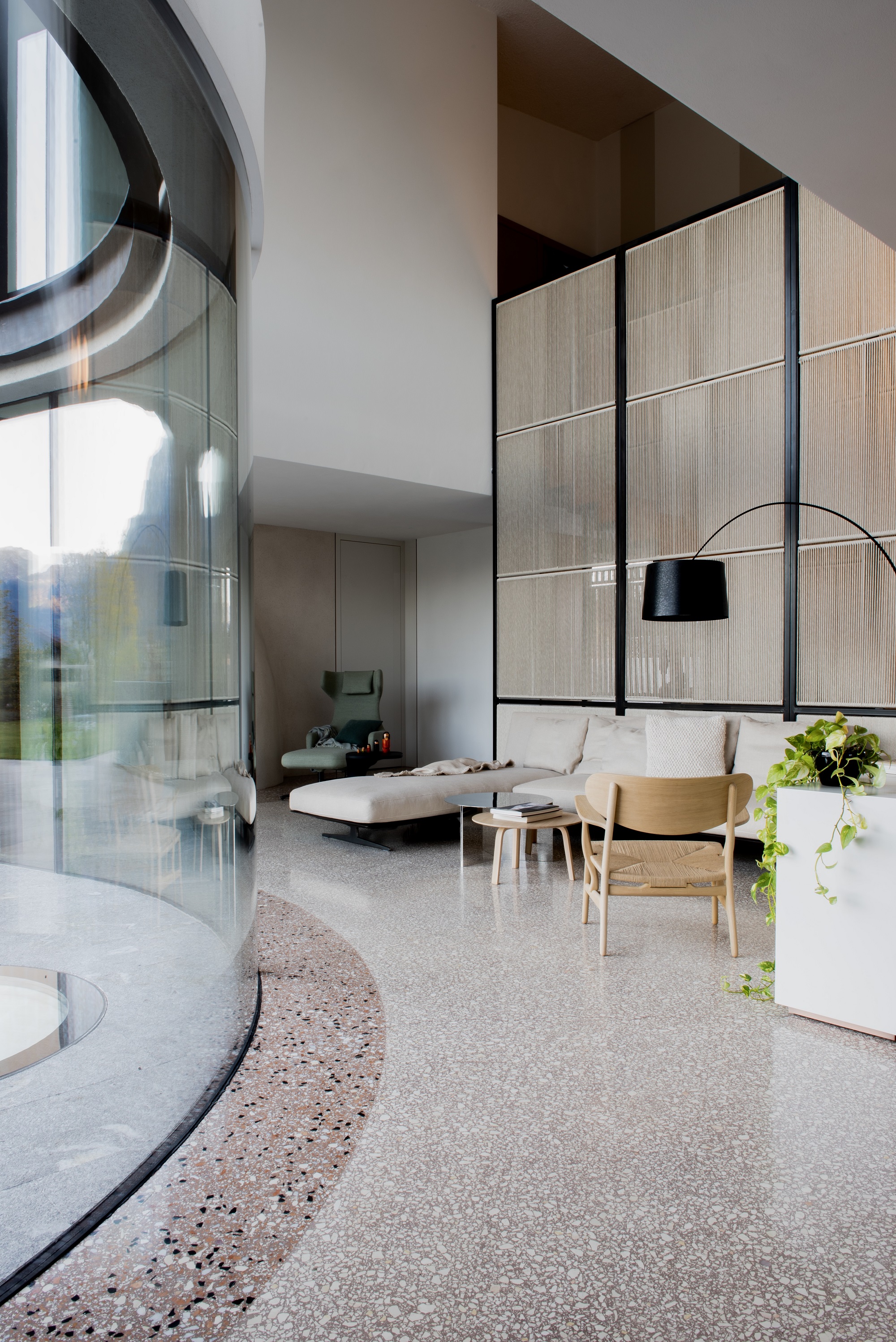
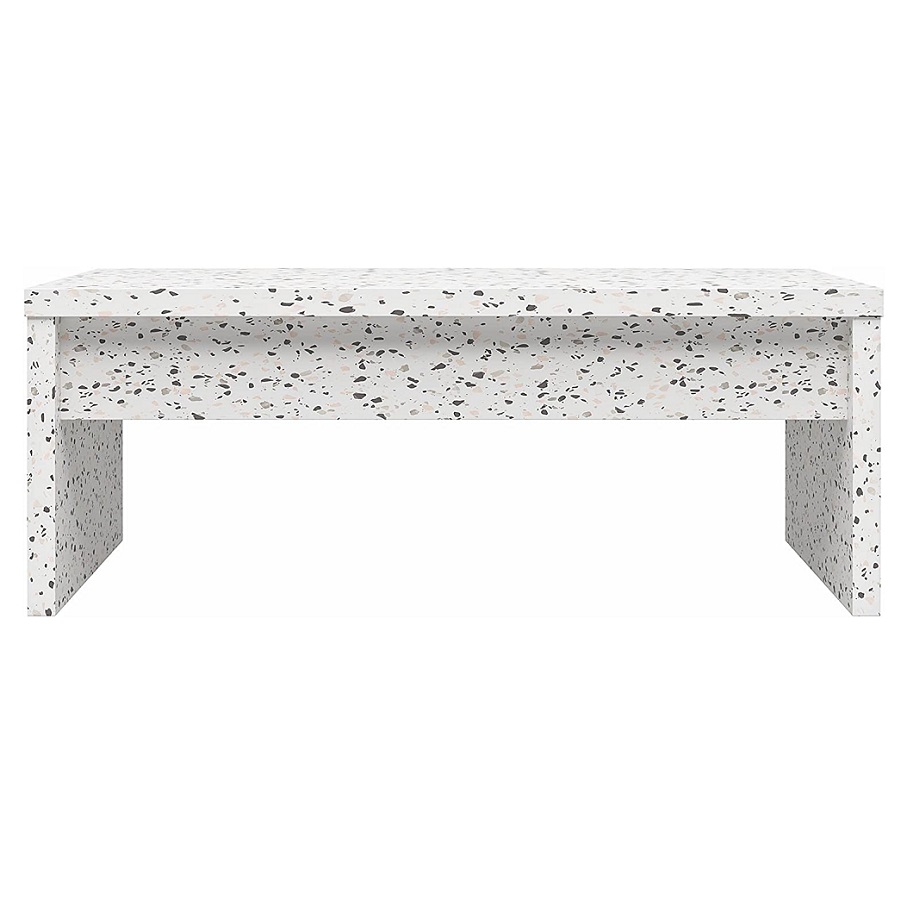
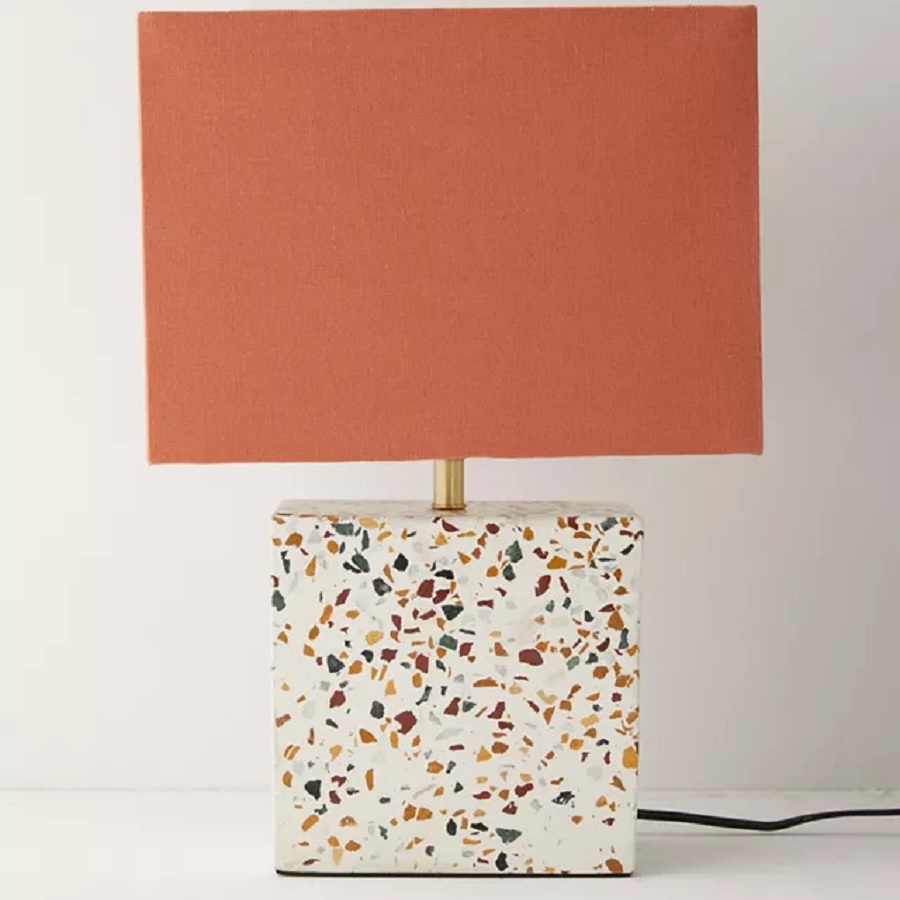
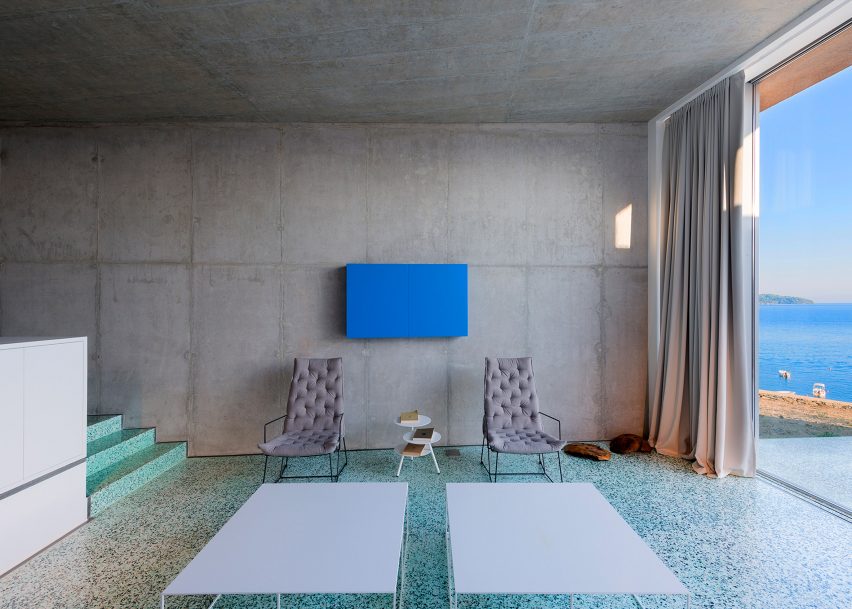
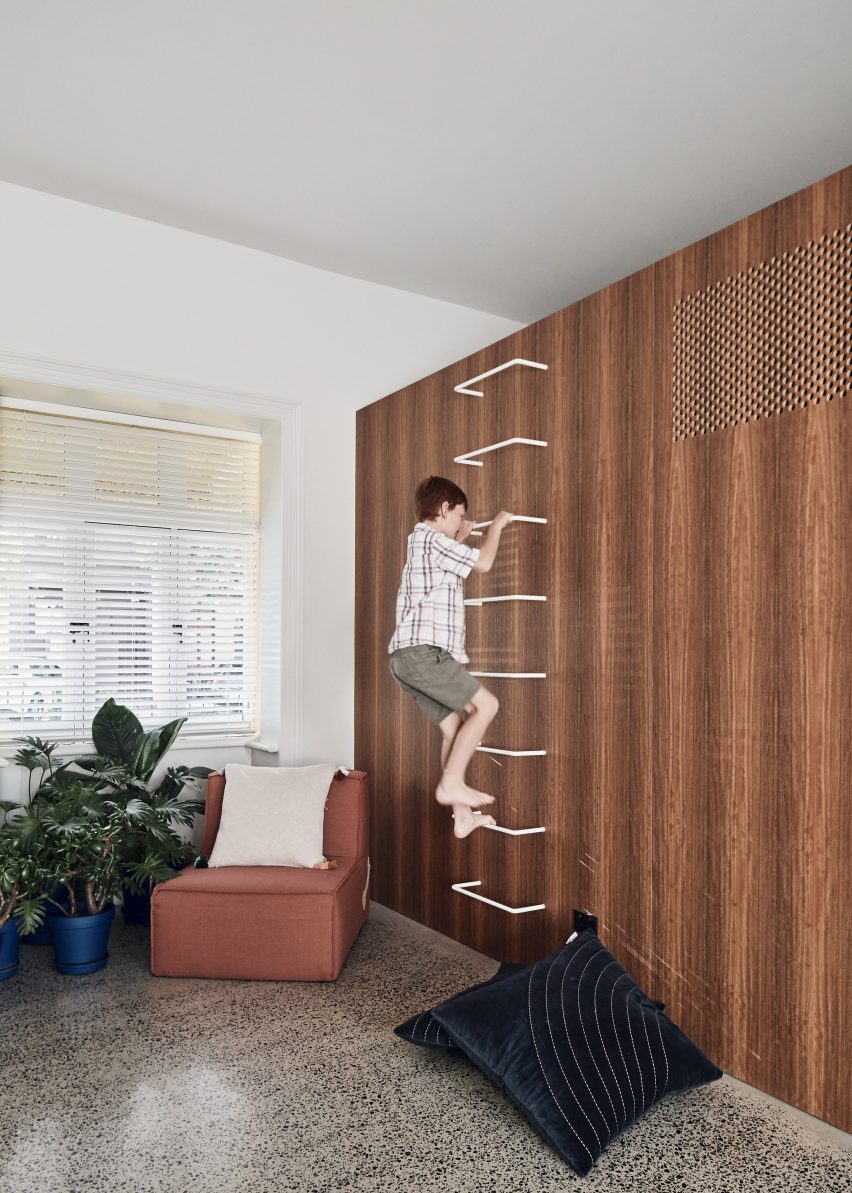
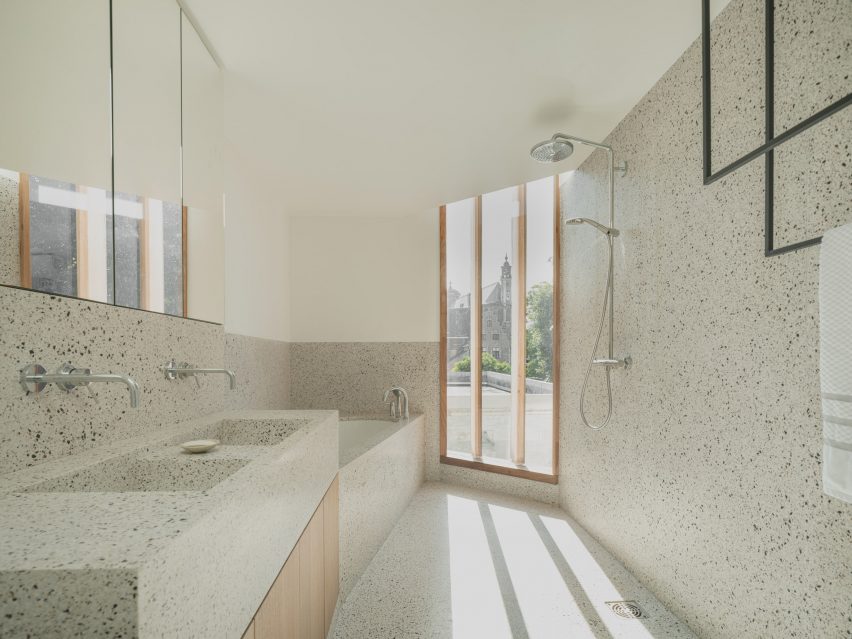
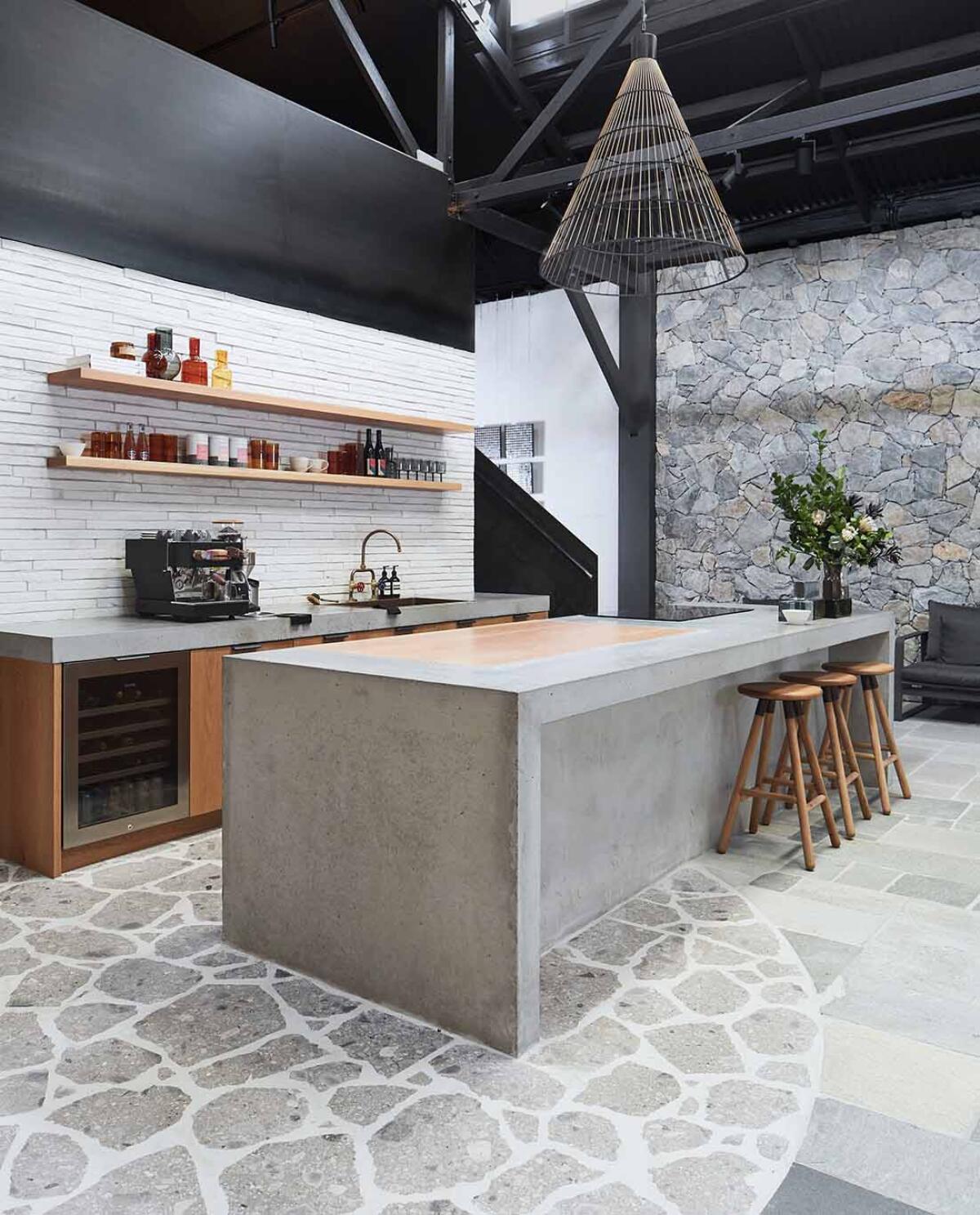
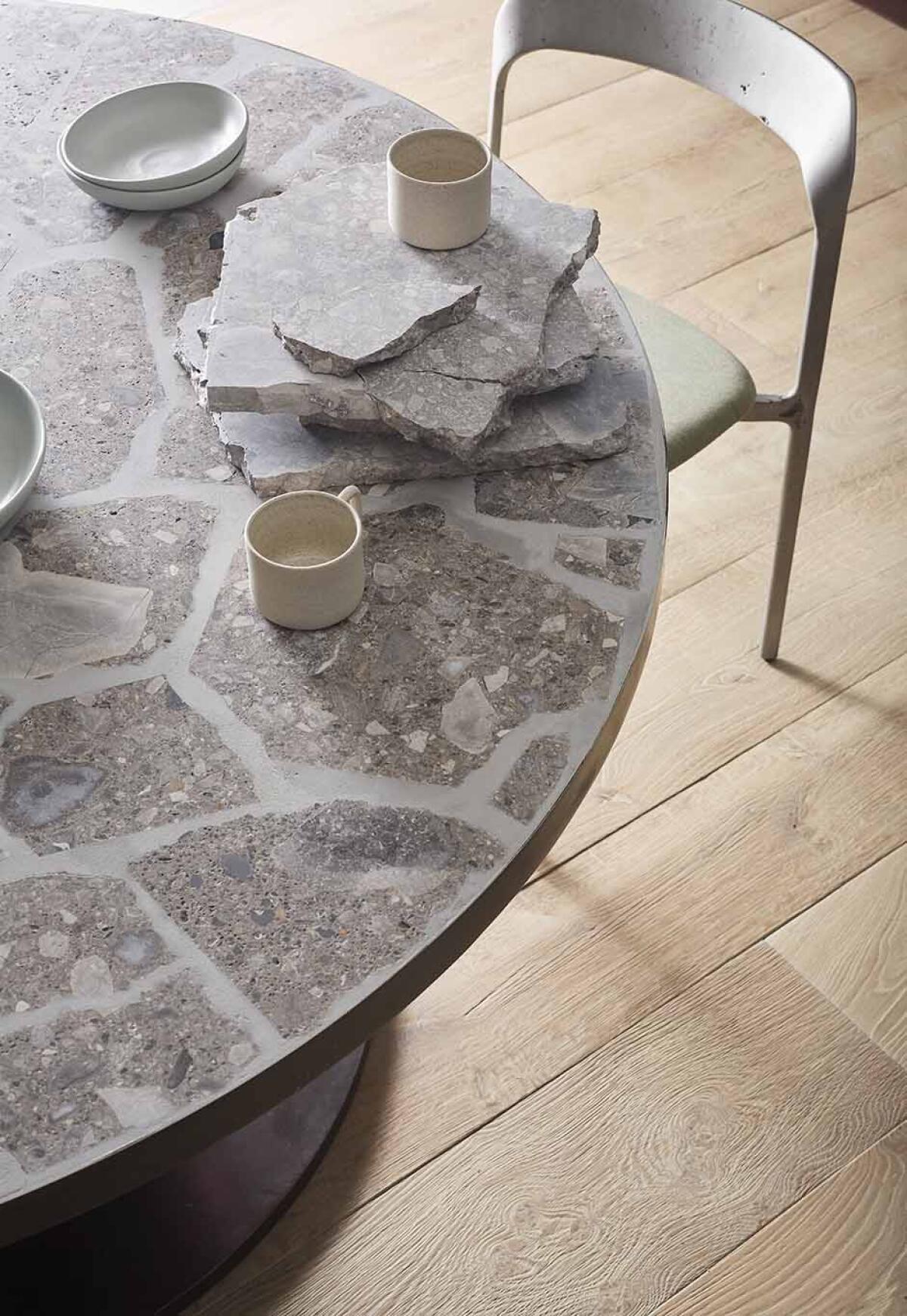
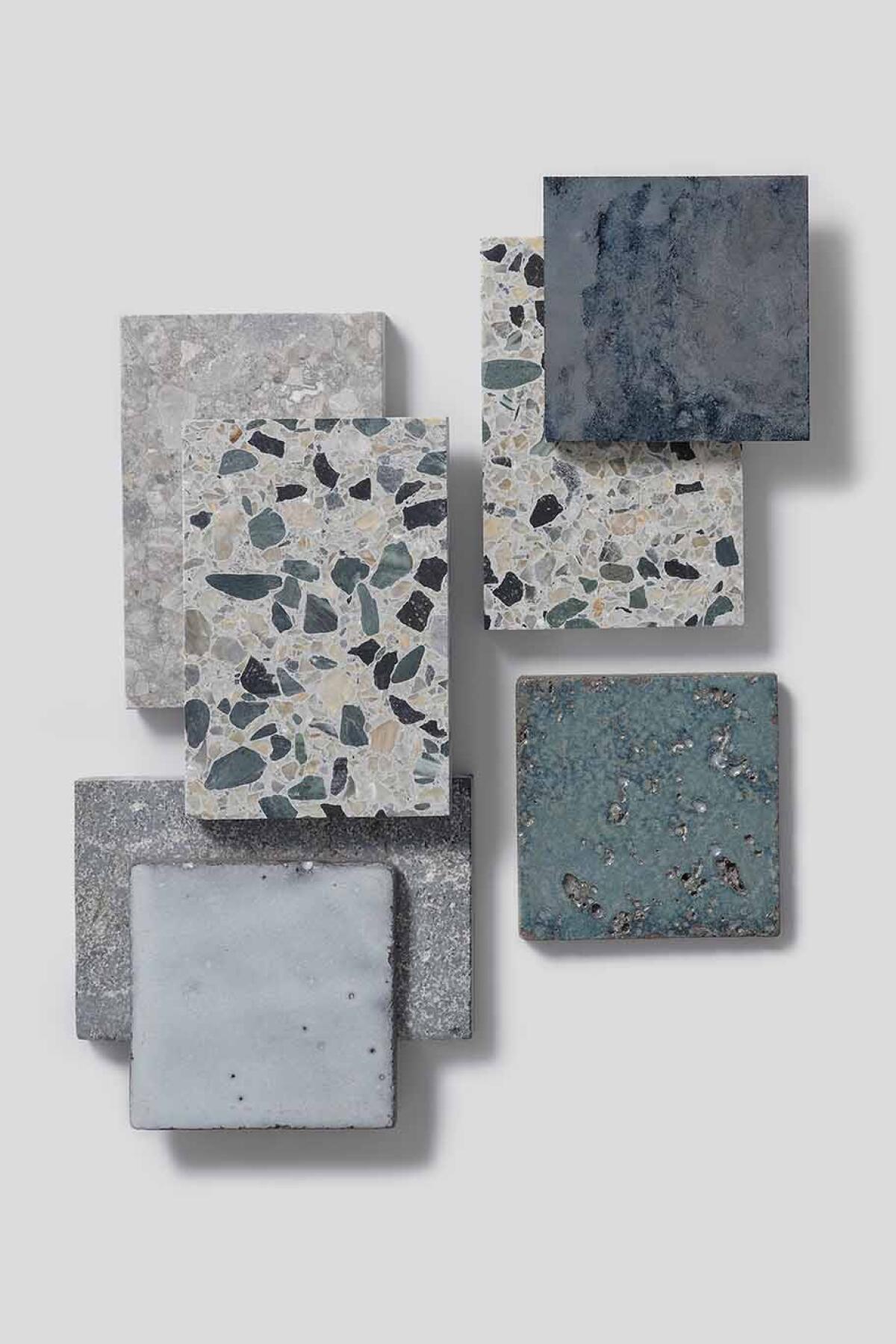
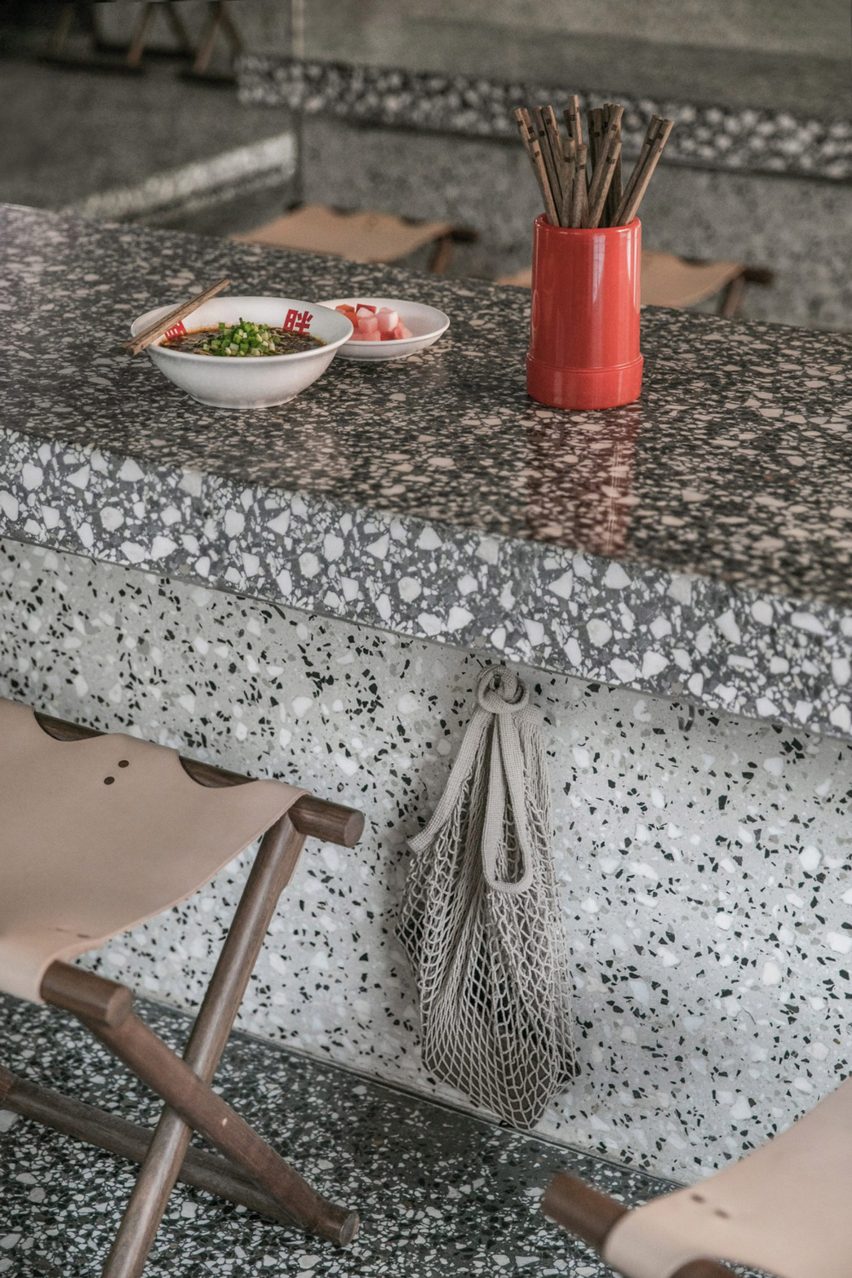
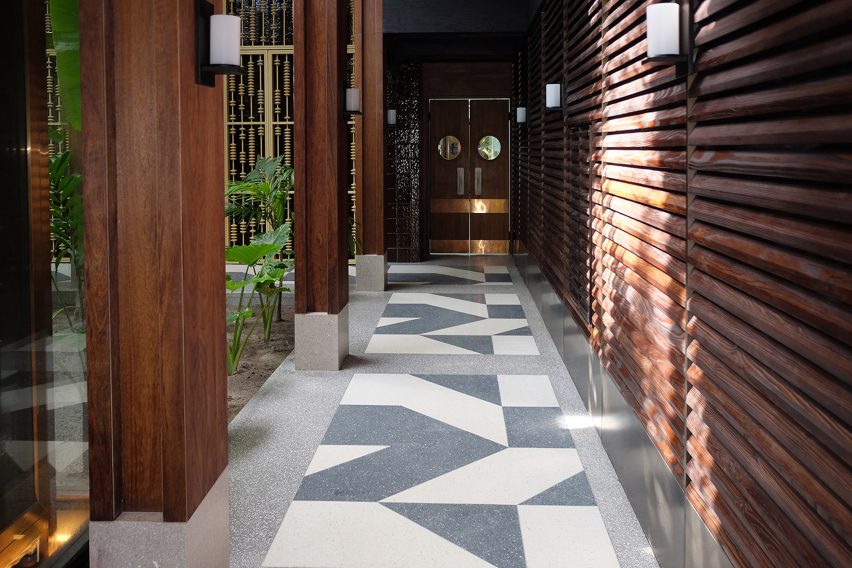
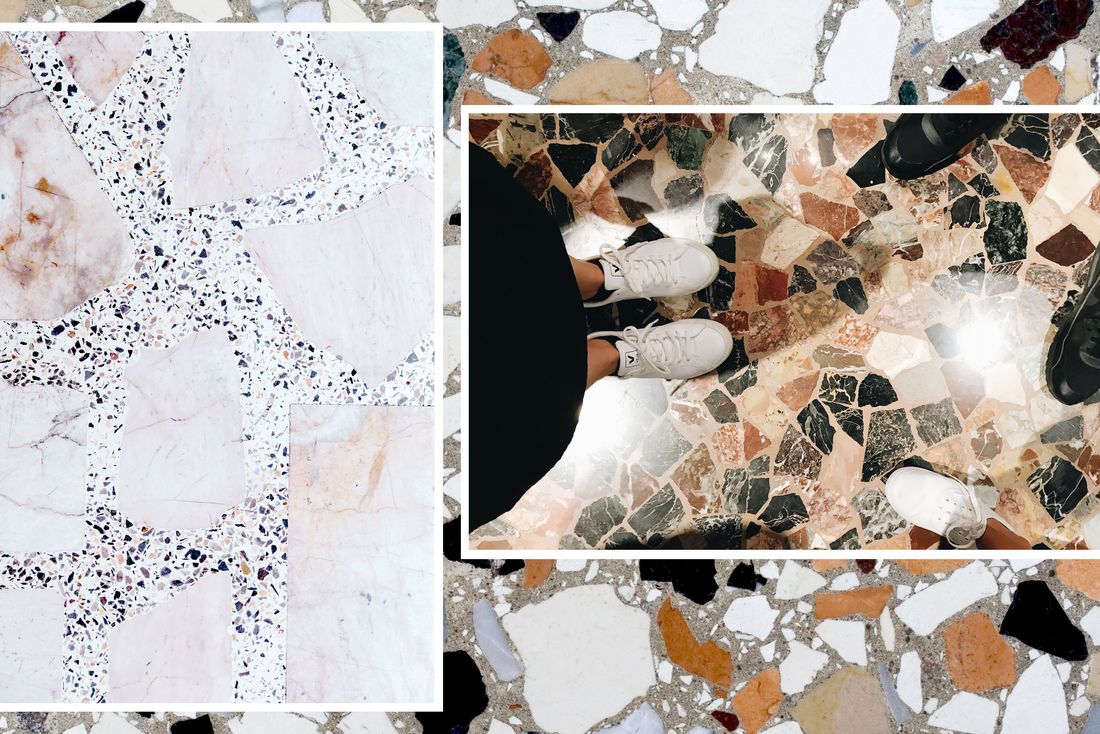
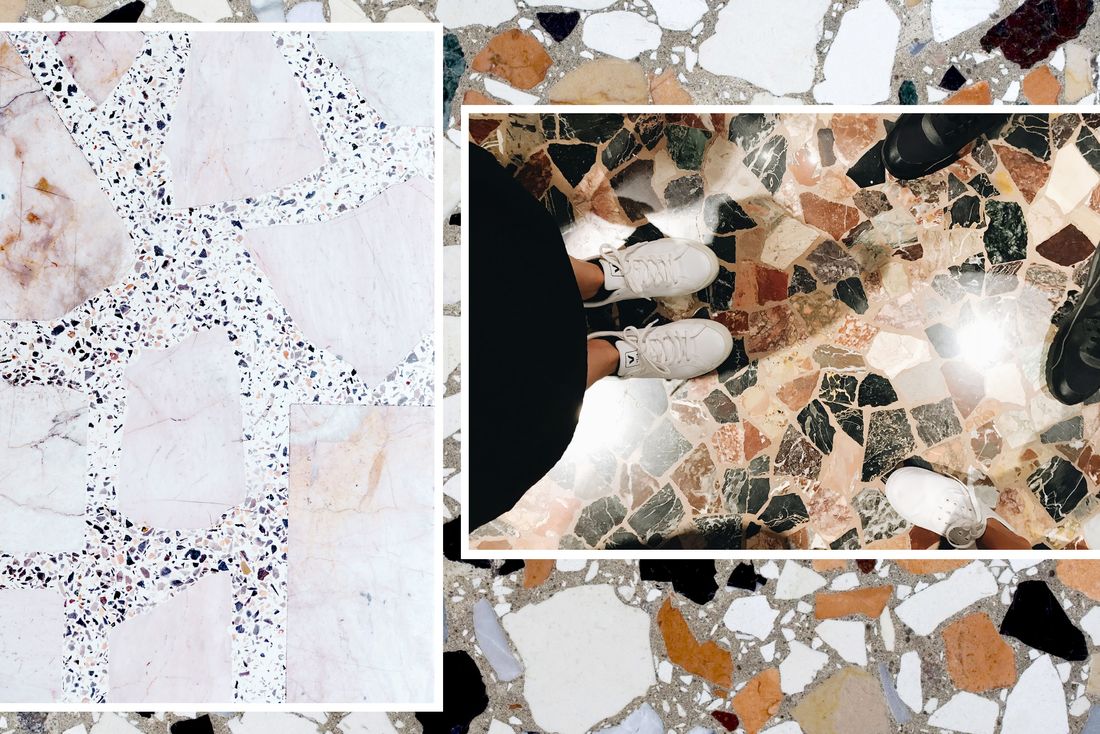
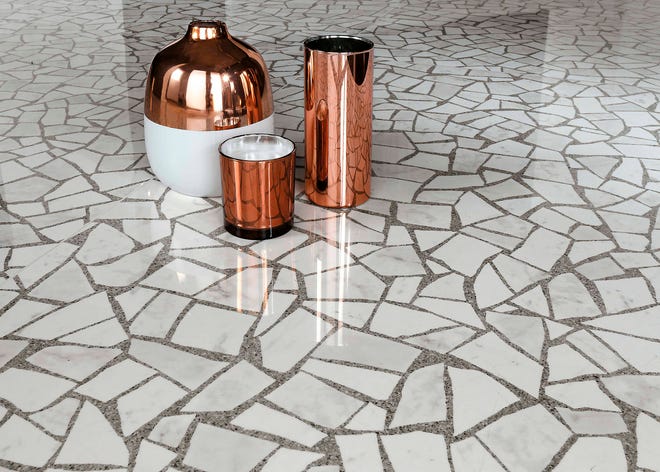
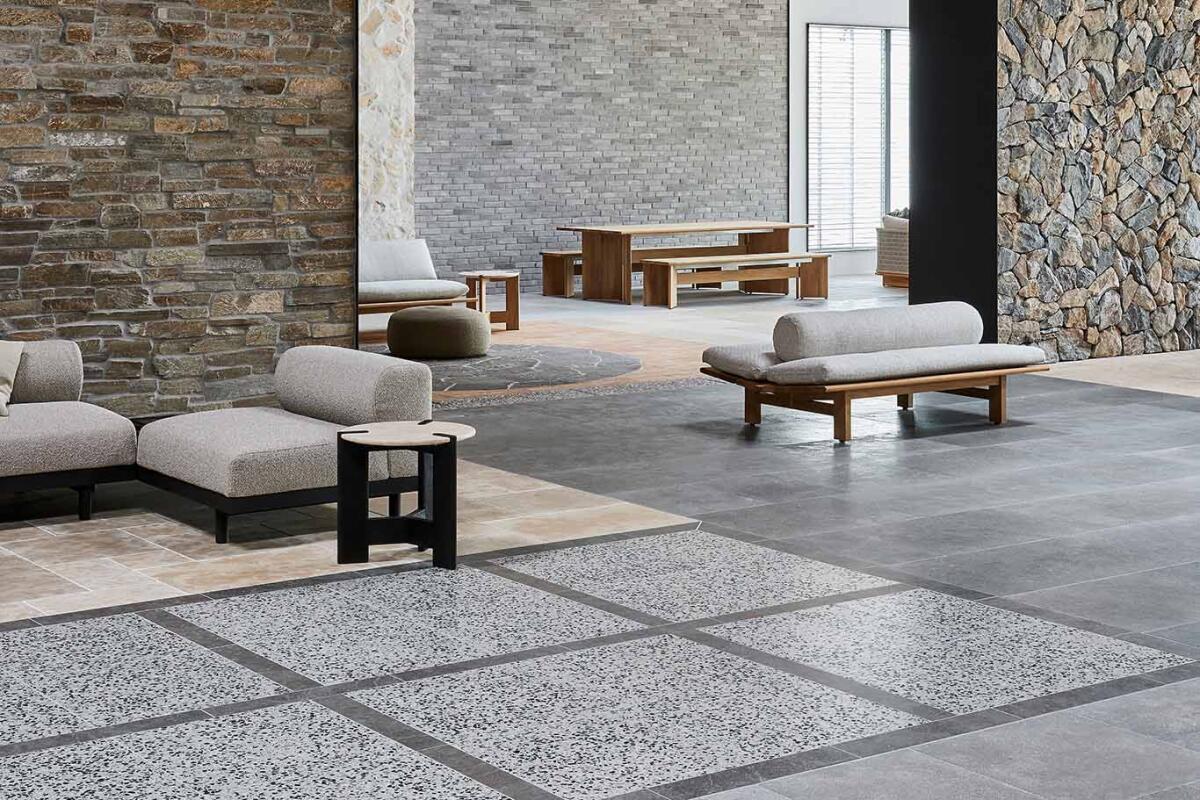
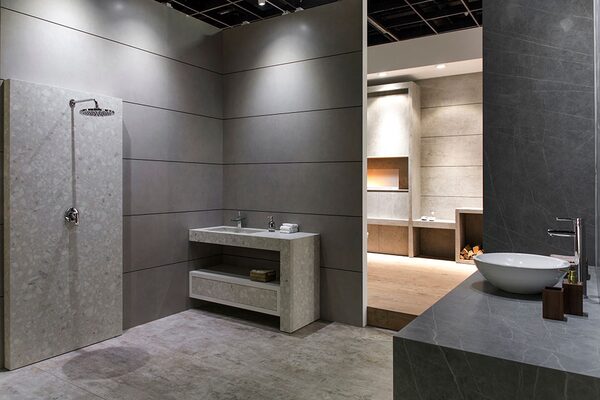
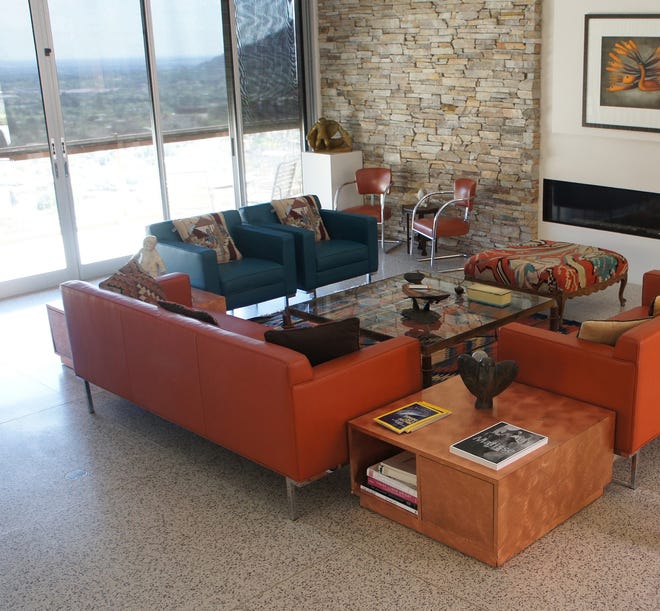
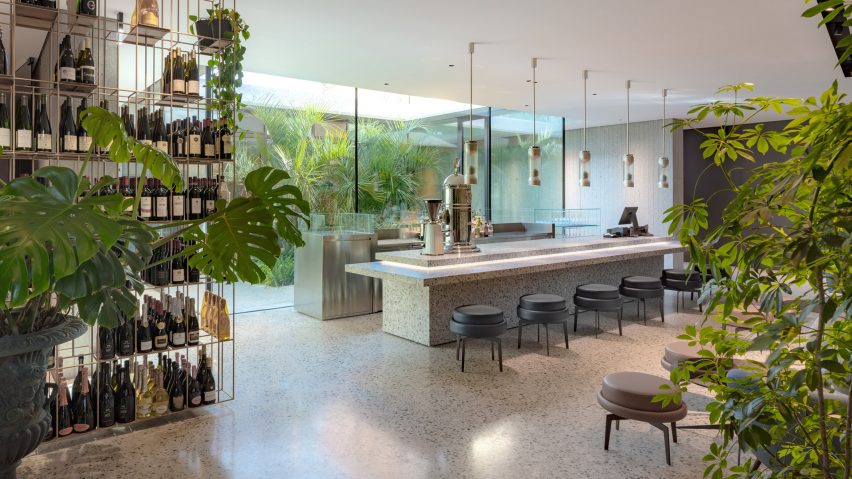
The word 'terrazzo' also carries additional meanings beyond an architectural space. In the context of mountaineering, it signifies a flat resting area on a rock face. More significantly, in interior design, 'terrazzo' refers to a specific type of composite flooring. This flooring is created by embedding chips of marble or granite into concrete and then polishing the surface to achieve a smooth finish. Interestingly, this specialized meaning of 'terrazzo' has been adopted directly into the English language, retaining its original definition. The article notes that this flooring style originated from 18th-century Venetian techniques, and there is even a small town named Terrazzo in the Veneto region, home to Venice, further linking the term to its historical and geographical roots.
The article concludes by acknowledging that even for Italians, the distinction between 'terrazzo' and 'terrazza' can be ambiguous, and casual use often sees the terms interchanged without criticism. It encourages readers to consider the specific context—whether they are on a 'terrazza' or a 'terrazzo'—when referring to these outdoor spaces in Italy. The piece serves as an informative guide for understanding these commonly confused Italian words.
#ItalianLanguage #ItalianCulture #WordOfTheDay #Architecture #InteriorDesign #ItalyTravel #LanguageLearning #HomeDesign #VenetianFlooring #ItalianLanguage #ItalianCulture #WordOfTheDay #Architecture #InteriorDesign #ItalyTravel #LanguageLearning #HomeDesign #VenetianFlooring
共0条评论
 暂无评论
暂无评论你可能还喜欢
I've never seen terrazzo flooring like this minimalist villa

How Terrazzo Made a Comeback
Ten home interiors with distinctive terrazzo floors
Terrazzo _ the stuff of old hallway flooring _ goes upscale
Terrazzo Flooring Guide: How to Master the Art of Sustainable, Circular Design


Amanda & Alan's Italian Job

Terrazzo is the new terrific
Terrazzo enjoying a resurgence
Lixio Plus flooring by Ideal Work