Is Leaded Glass Dangerous?
The presence of lead in household items, particularly leaded glass, can pose potential health concerns, prompting individuals to consider the safety of vintage crystal and stained-glass windows. While lead-based paints have been banned since the 1970s, lead can still be found in various products. When it comes to leaded stained glass, the primary health risk is to those involved in manufacturing or refurbishing the material due to exposure to lead fumes and dust generated during the soldering process. Homeowners with stained glass on display face minimal risk, provided proper precautions are taken during any handling or repair.
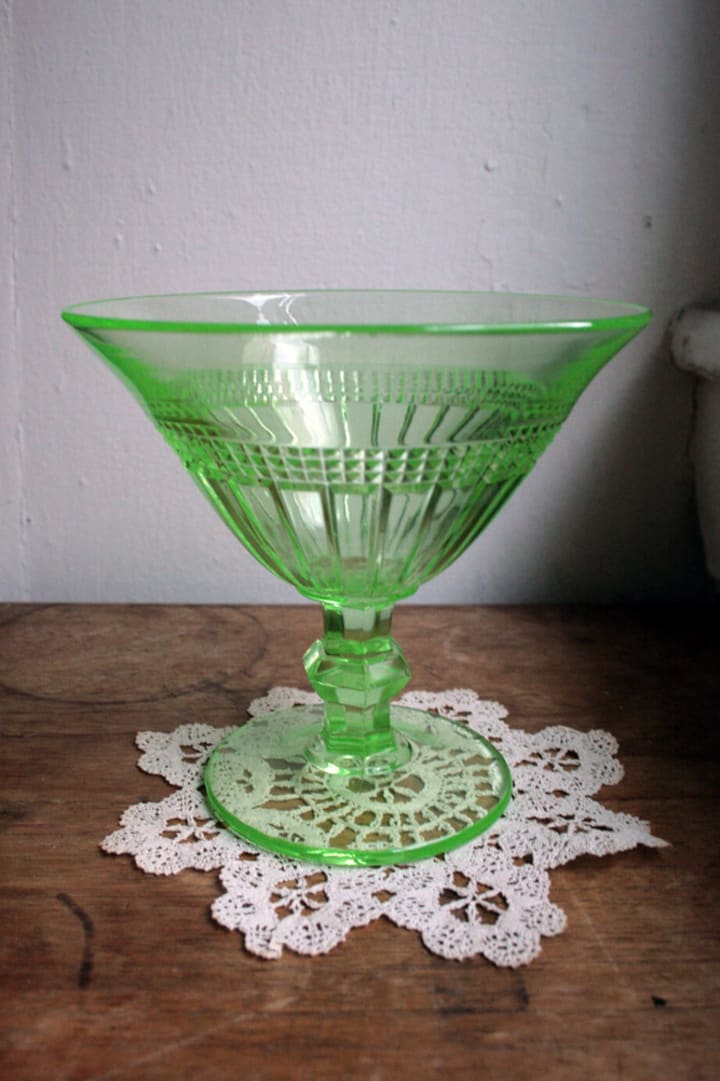
DIY expert Vicki Liston notes that leaded glass is also common in transom windows and other decorative glass items. Simply having these items in a home does not inherently create a health hazard. However, if direct handling or repair is necessary, it is crucial to work in well-ventilated areas and avoid inhaling noxious vapors from soldering. Lead can also be found in vintage decorative vases, bowls, and crystal glassware because it was a popular material to enhance the appearance and durability of glass in past decades. Glass expert Courtney Stables from Custom Neon explains that leaded glass incorporates lead instead of calcium, contributing to its aesthetic properties.
Over time, the popularity of leaded-glass products has declined due to increased awareness of lead leaching into food and beverages from crystal glassware and decanters. Additionally, environmental and health concerns associated with the manufacturing process of leaded glass have contributed to this shift. For individuals who possess leaded-glass items, especially in homes with small children or pets, it is advisable to keep these items out of reach to prevent accidental ingestion through licking or chewing. Furthermore, leaded-glass items should not be exposed to open flames or high heat, such as when used as candleholders, as heating leaded glass can melt the lead and release toxic fumes.
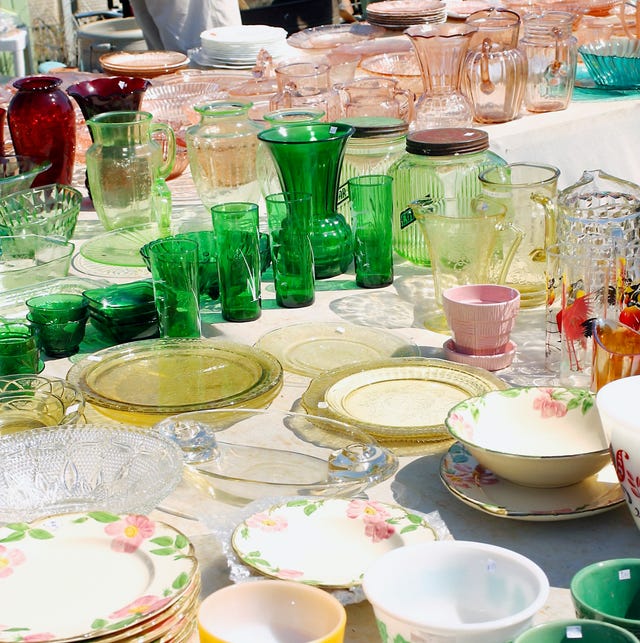
Regular cleaning and dusting of glass items are recommended to prevent lead accumulation in dust. If dust containing lead is disturbed and inhaled, it could lead to lead ingestion. Beyond glass, other household items may also contain lead. Research from Oregon State University over a decade ago identified high levels of surface lead in everyday secondhand items like wine glasses and casserole dishes. More recently, in 2017, a study by the University of Plymouth revealed that decorated drinking glasses often contain toxic levels of lead, frequently exceeding legal limits. The Mayo Clinic also warns that lead can be present in the glazes of some pottery pieces and porcelain, making it advisable to avoid storing food in containers made from these materials. Consequently, consumers, especially those who frequently purchase secondhand items, should exercise caution and be aware of potential lead sources to ensure their safety and well-being.
#LeadedGlass #HomeSafety #VintageDecor #LeadExposure #StainedGlass #CrystalGlassware #HouseholdHazards #HomeRenovation #HealthConcerns #LeadedGlass #HomeSafety #VintageDecor #LeadExposure #StainedGlass #CrystalGlassware #HouseholdHazards #HomeRenovation #HealthConcerns
 暂无评论
暂无评论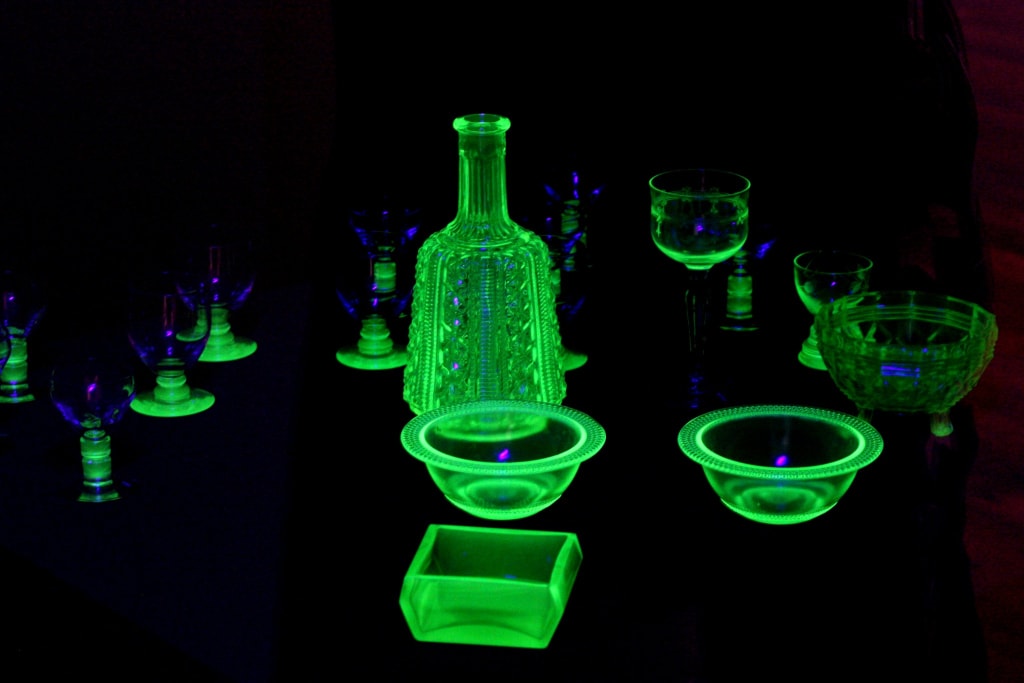
Did You Know Old Glass Is Radioactive?

Why glass tables are a serious Feng Shui red flag


Does Your Home Have 1 of the 3 Major Health Hazards?
Glass Exploding On Its Own: Singapore Girl Gets 100 Stitches After Sliding Door Shatters