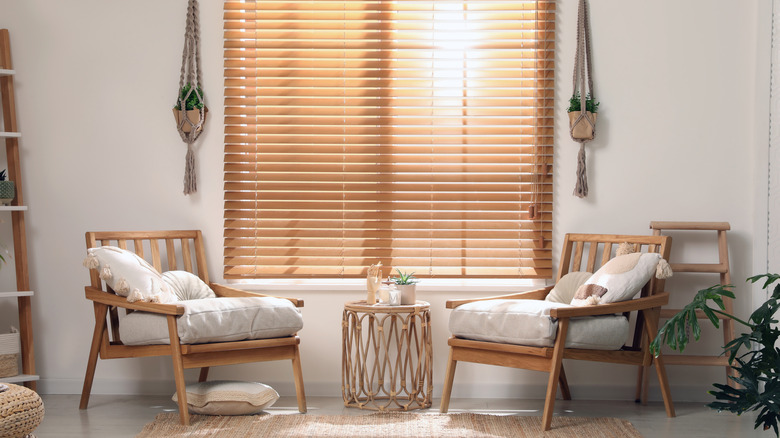
Blinds can help you keep out the Arizona sun in 2025
This article discusses various types of interior window coverings to help homeowners manage heating and cooling needs and protect interior finishes from sun damage, particularly in a sunny climate like Arizona. The information was provided by Rod DiGiovanni of New West Shutter and Blind, a Rosie Certified Partner. The primary goal of window coverings is to reduce energy consumption and preserve the longevity of home interiors.
The article categorizes interior window coverings by cost, from most expensive to least: shutters, cellular shades, roller shades, blinds/mini blinds, and vertical blinds. Each type offers distinct benefits and aesthetic qualities. Shutters, typically made from basswood, provide elegance and insulation through an air pocket created by their frame. A new feature, Clear View Tilt, allows louvers to be adjusted without a central rod, offering a modern look.
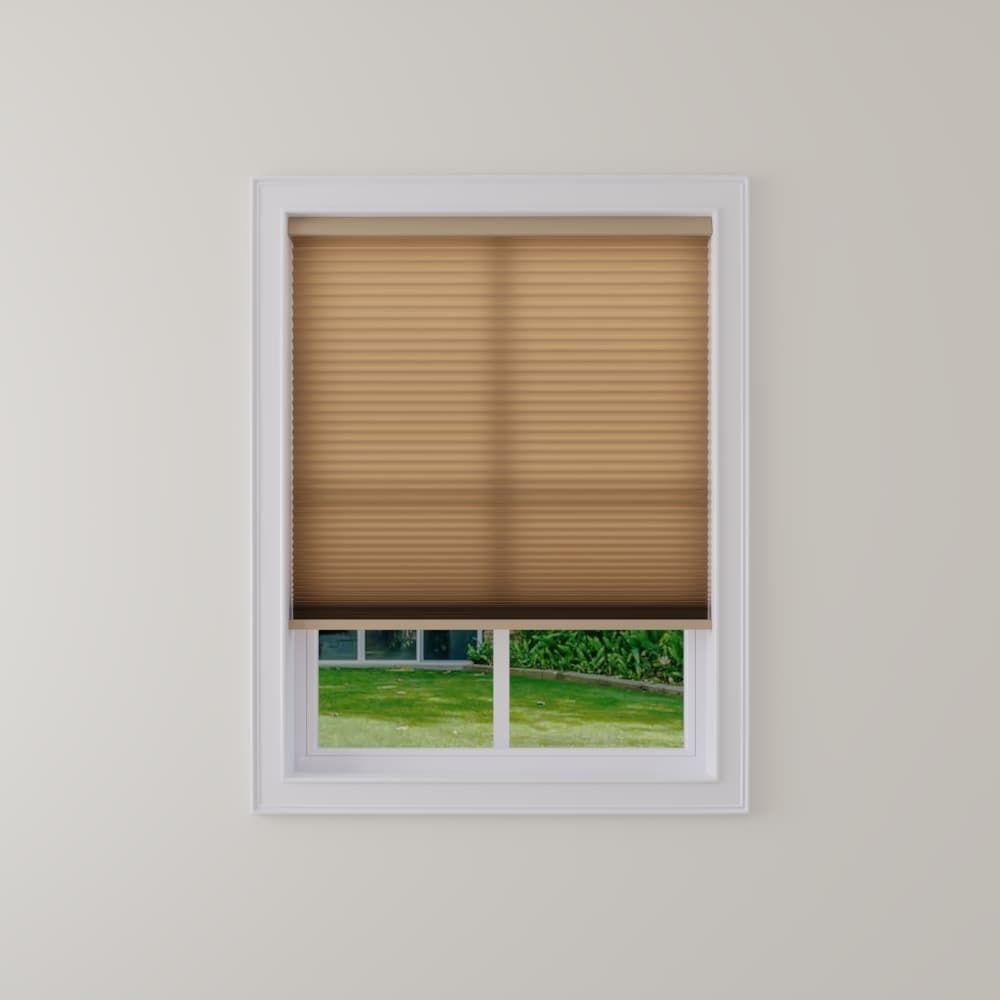
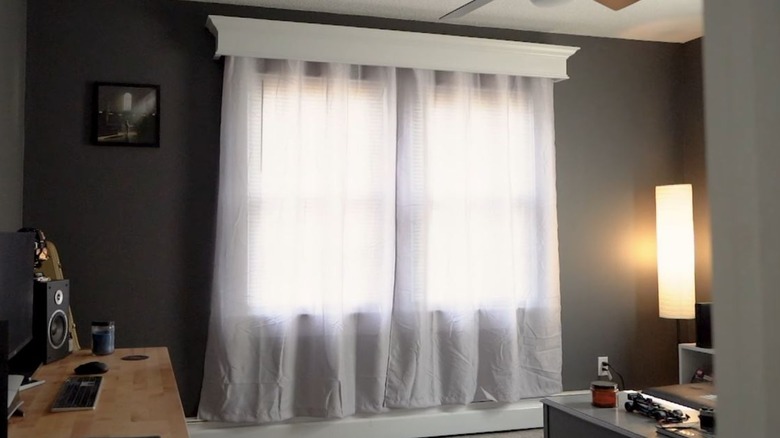
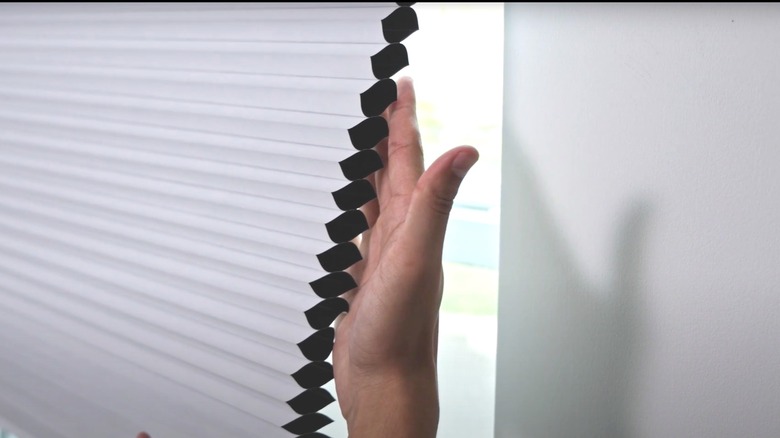
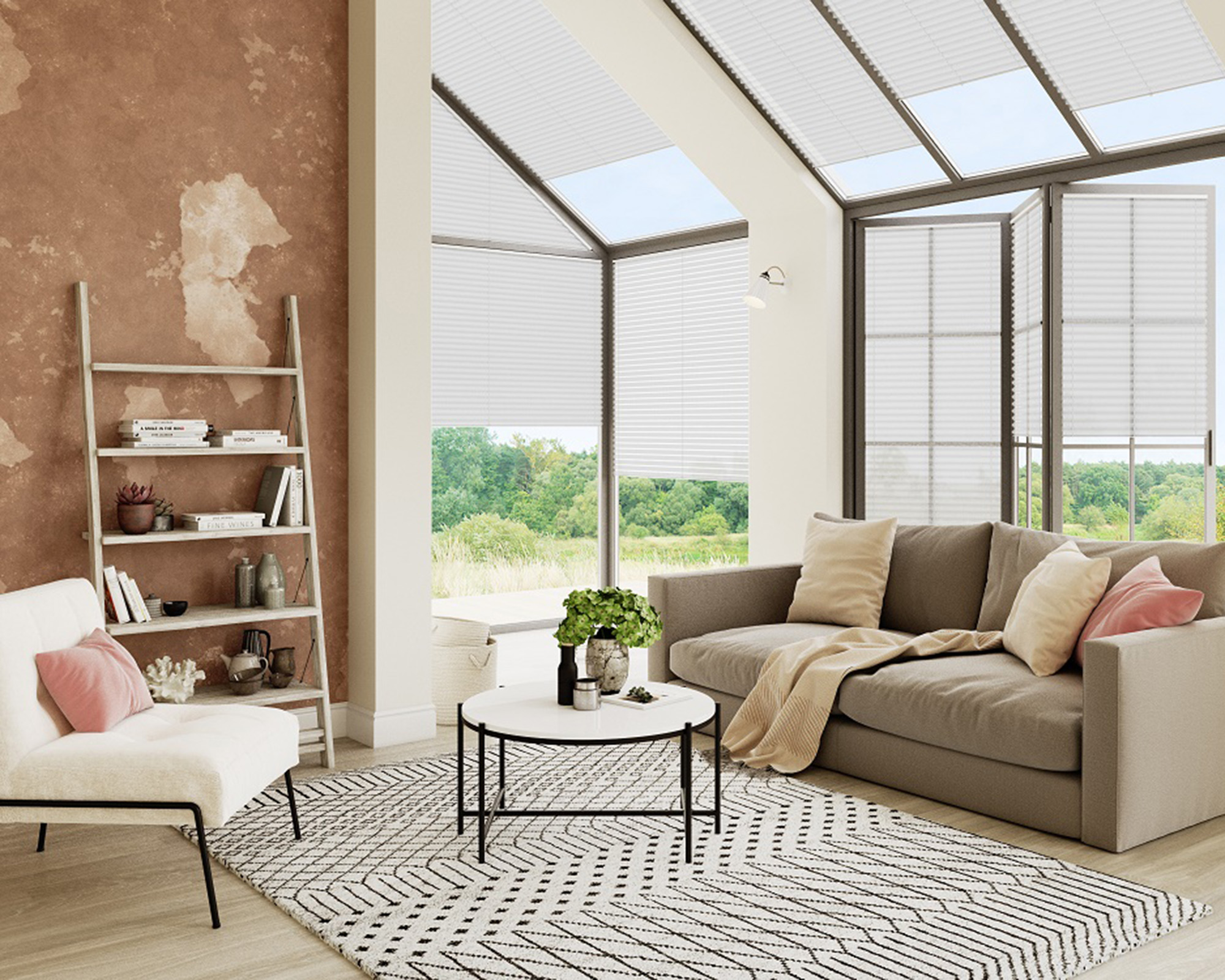
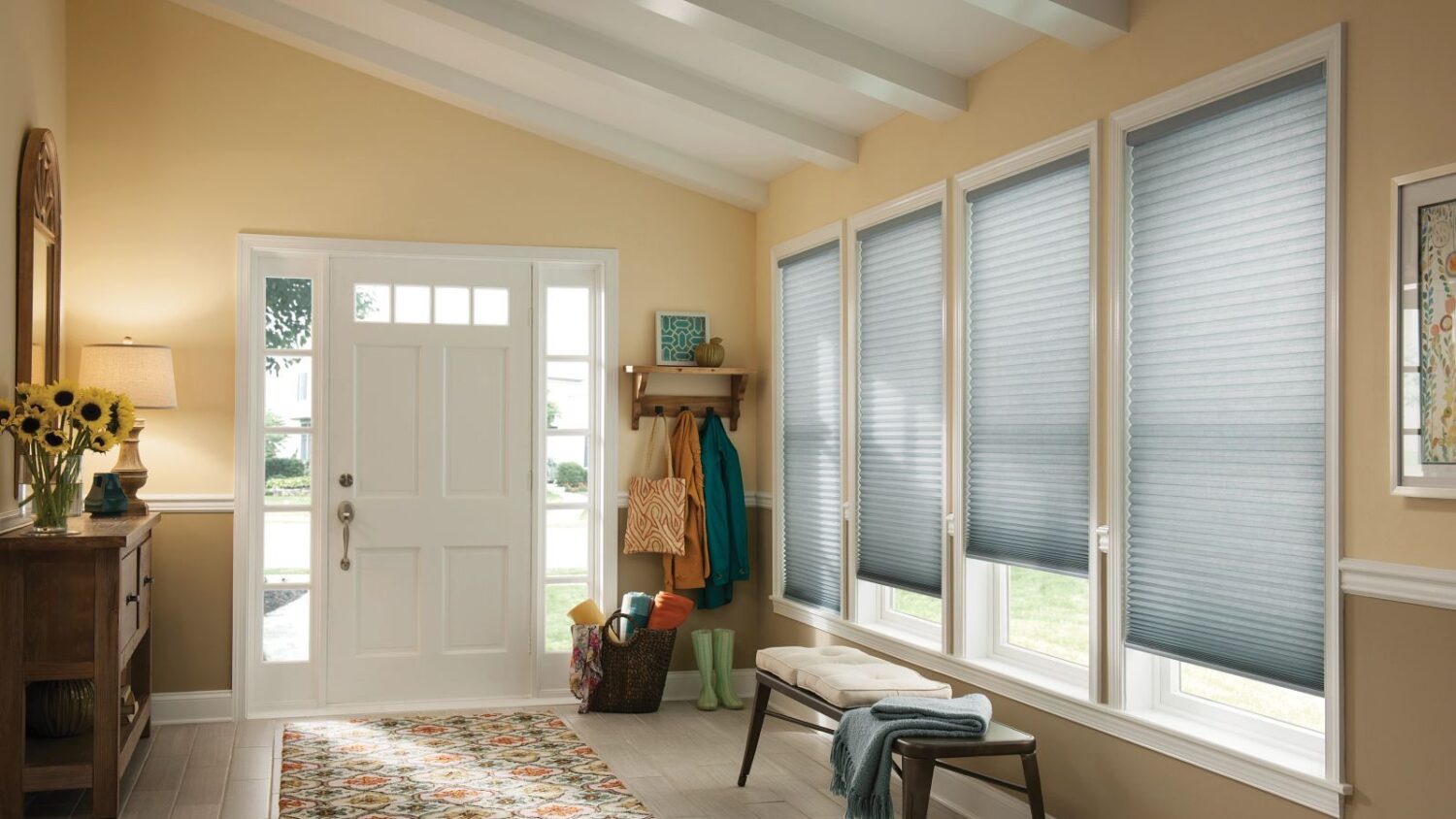
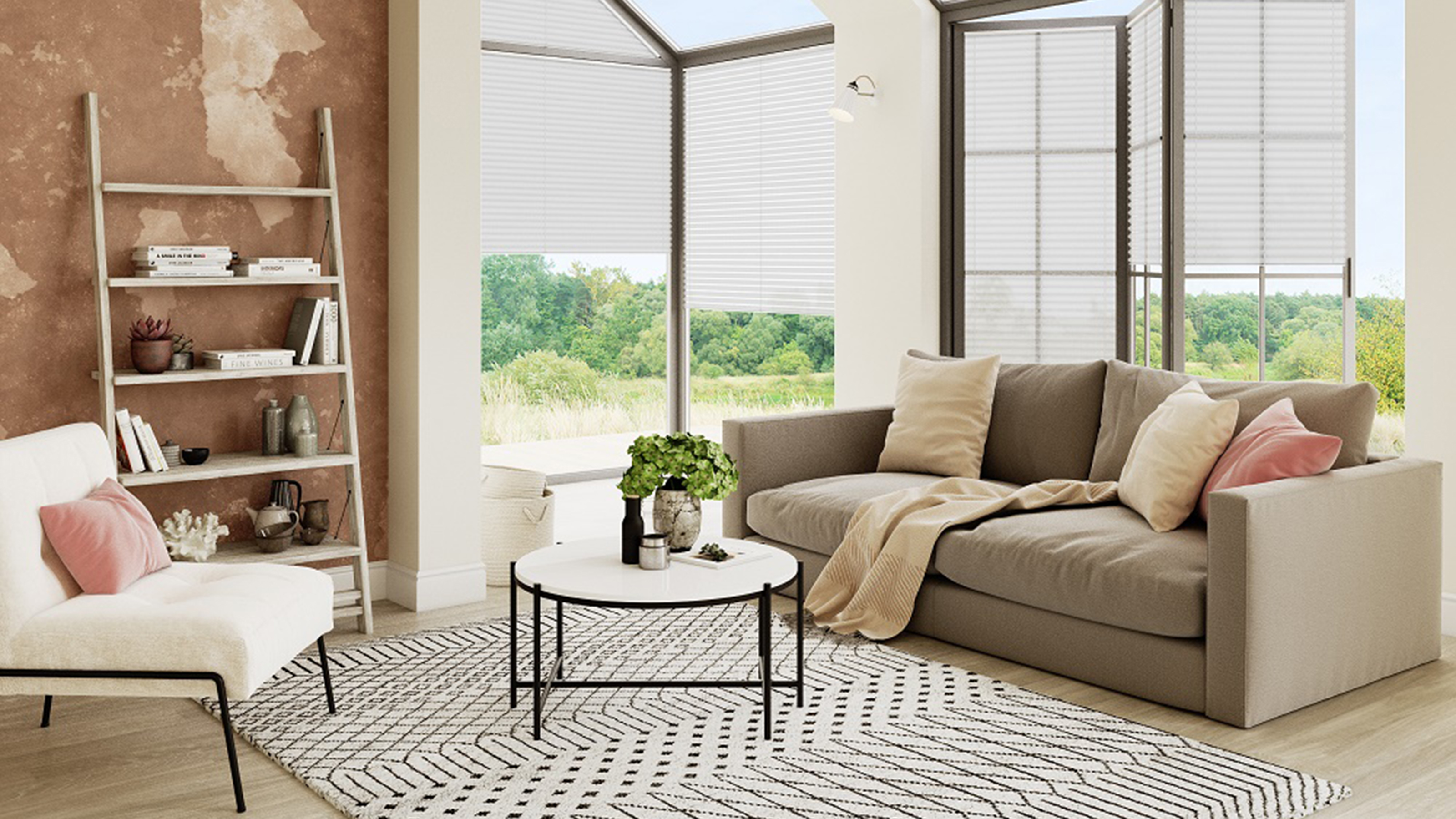
Cellular shades, characterized by their pleated design, fit tightly to the window frame and create two insulating air pockets—one within the shade itself and another between the shade and the window glazing. These shades also allow for different colors on the interior and exterior, with a reflective, light color suggested for the outside to enhance energy efficiency.
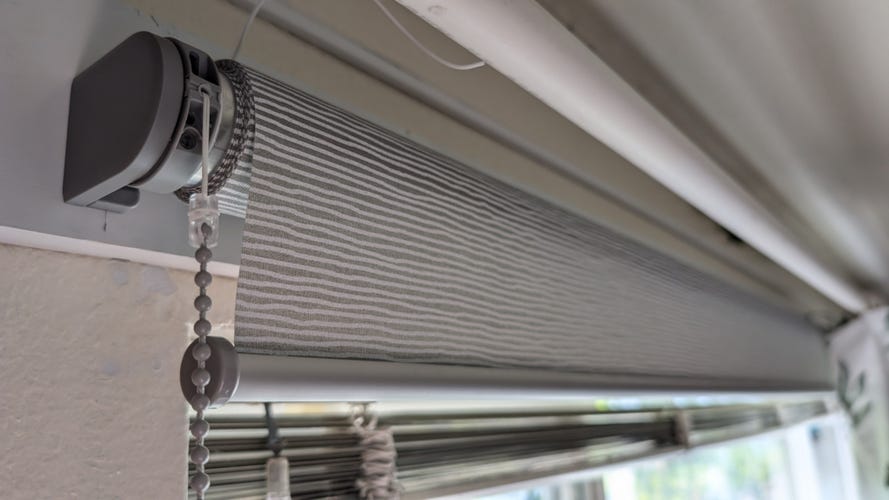
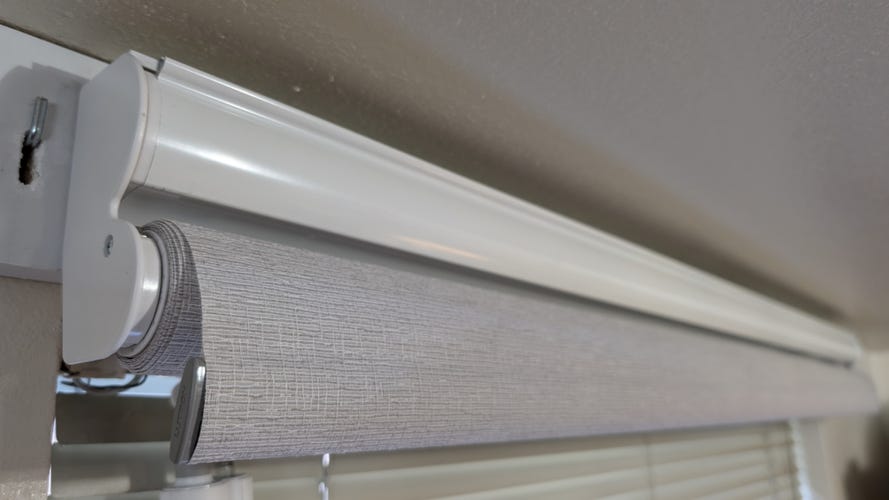
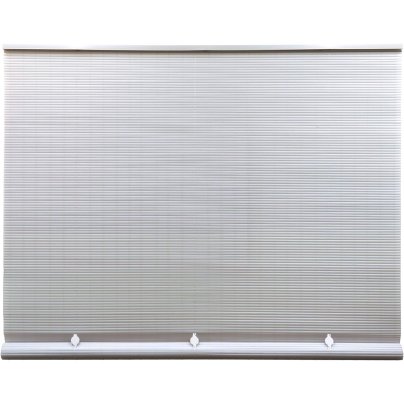
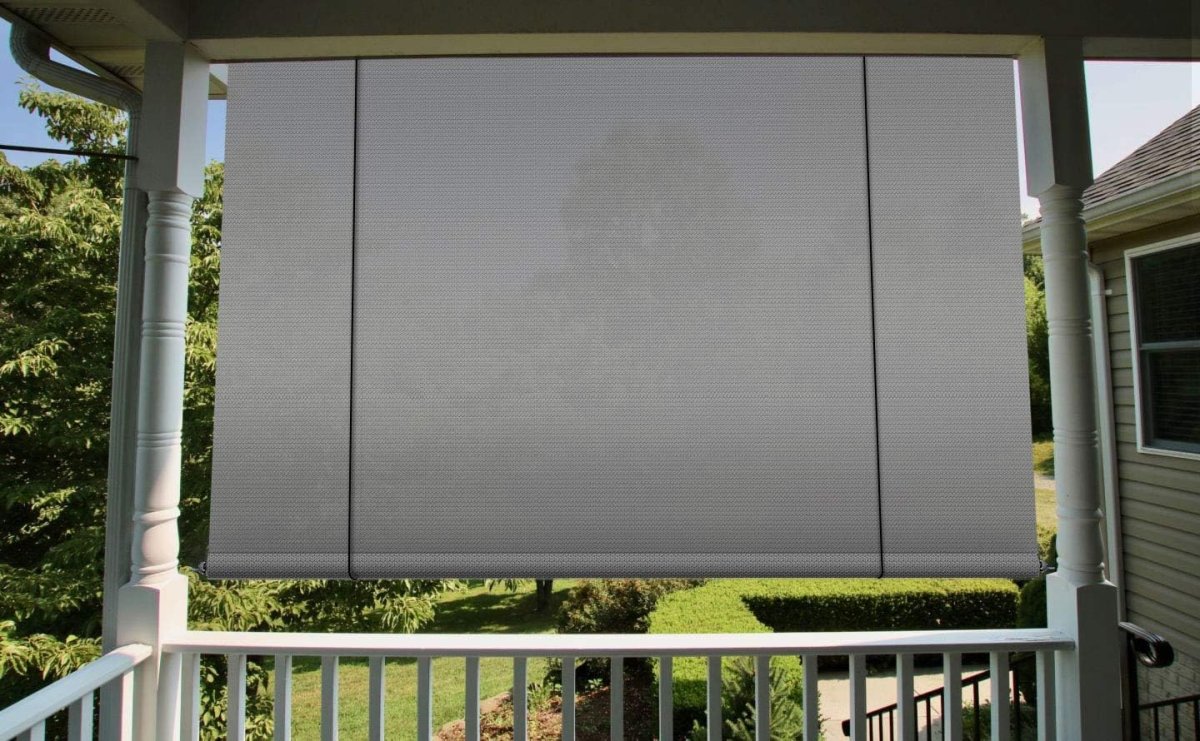
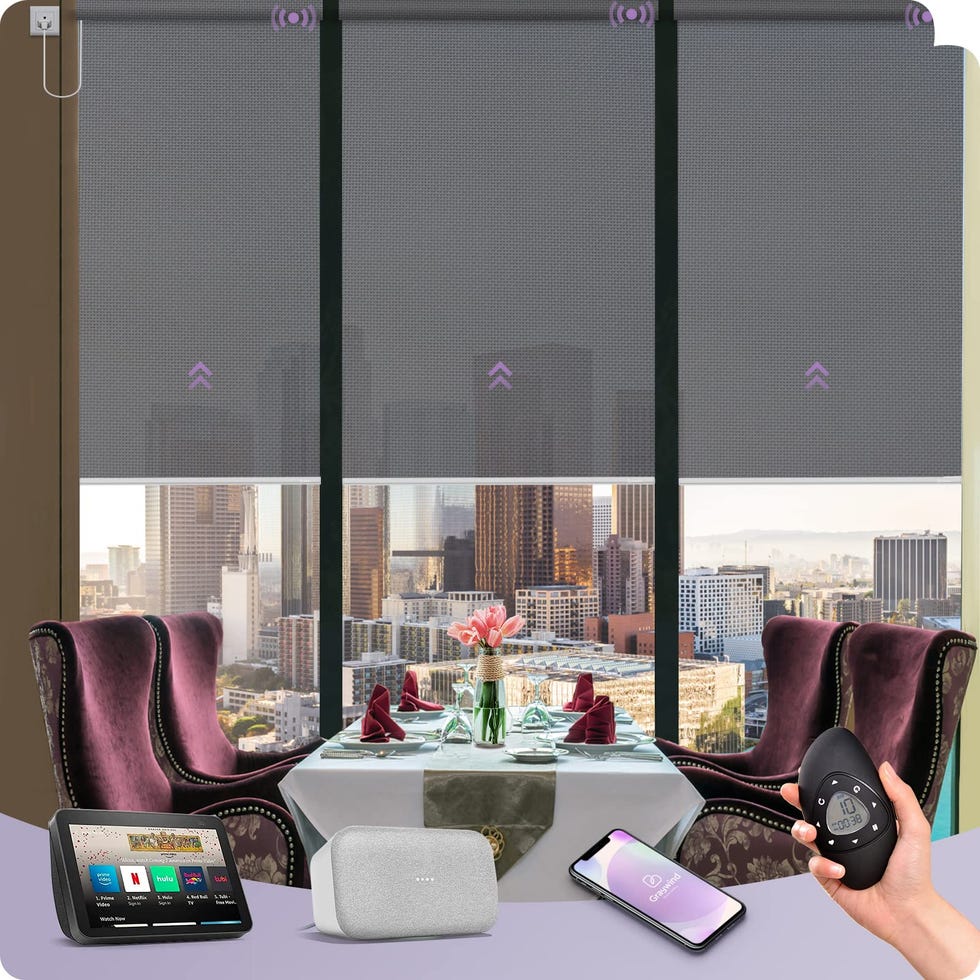
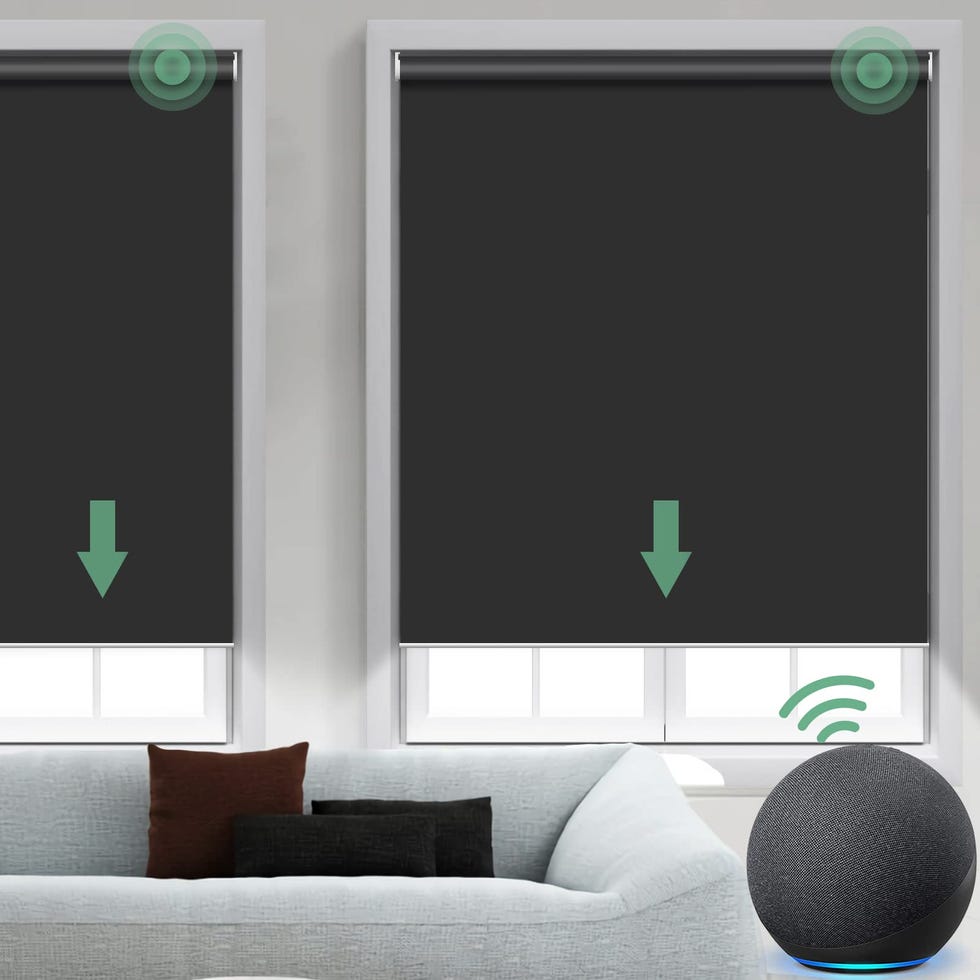
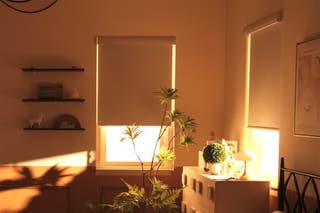
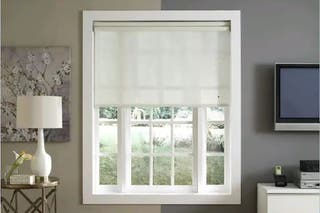
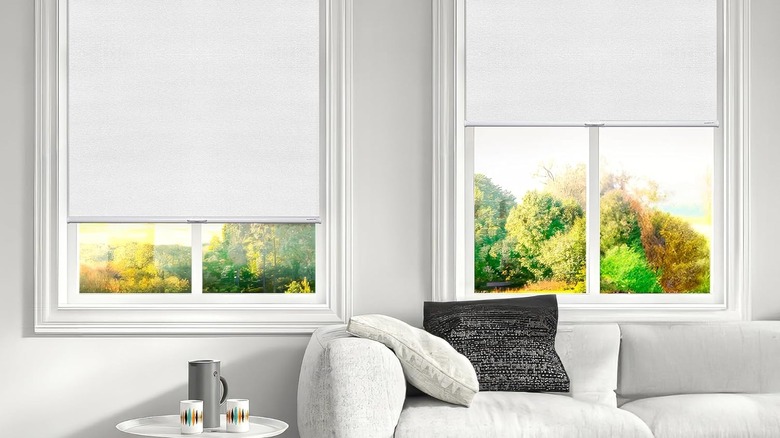
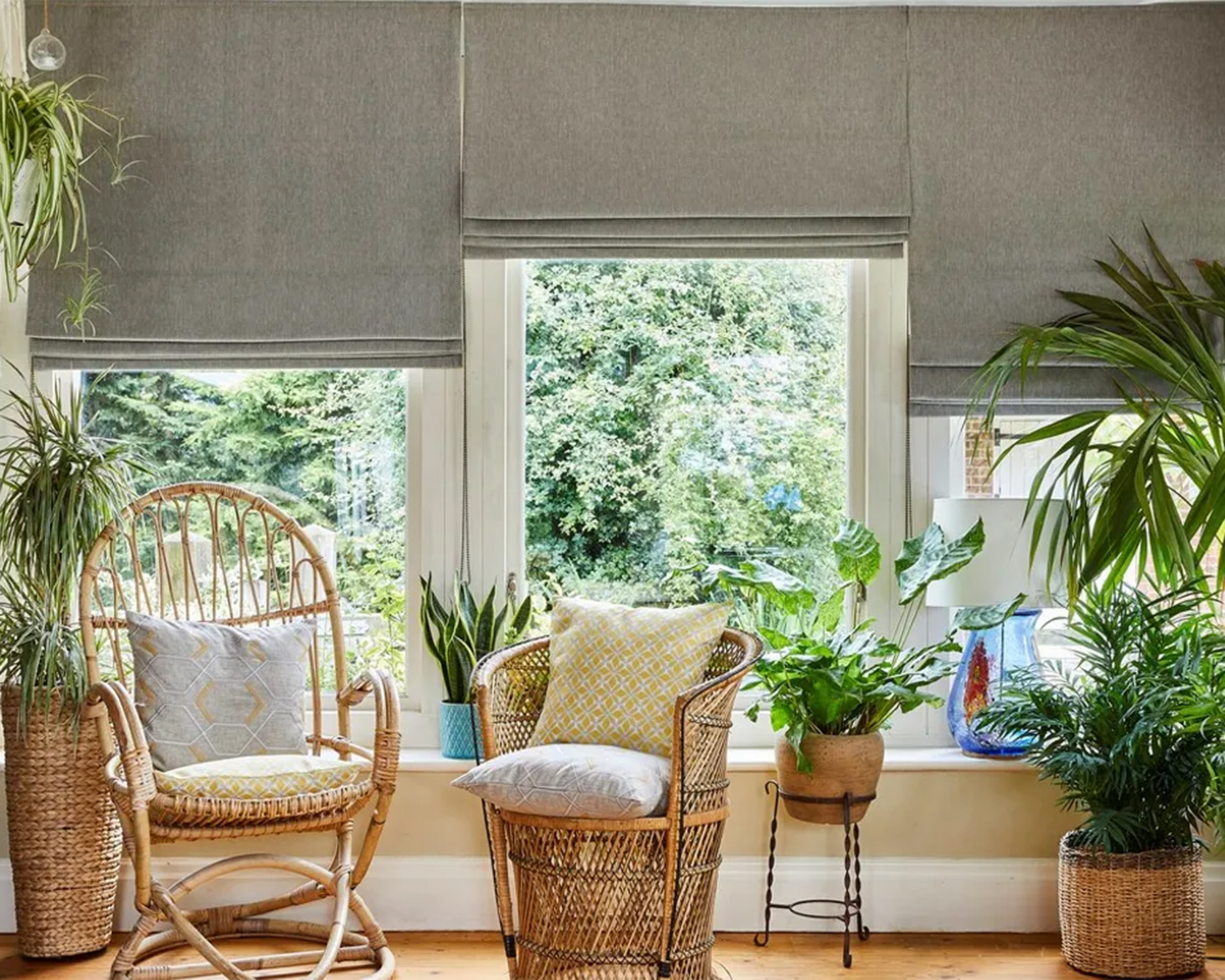
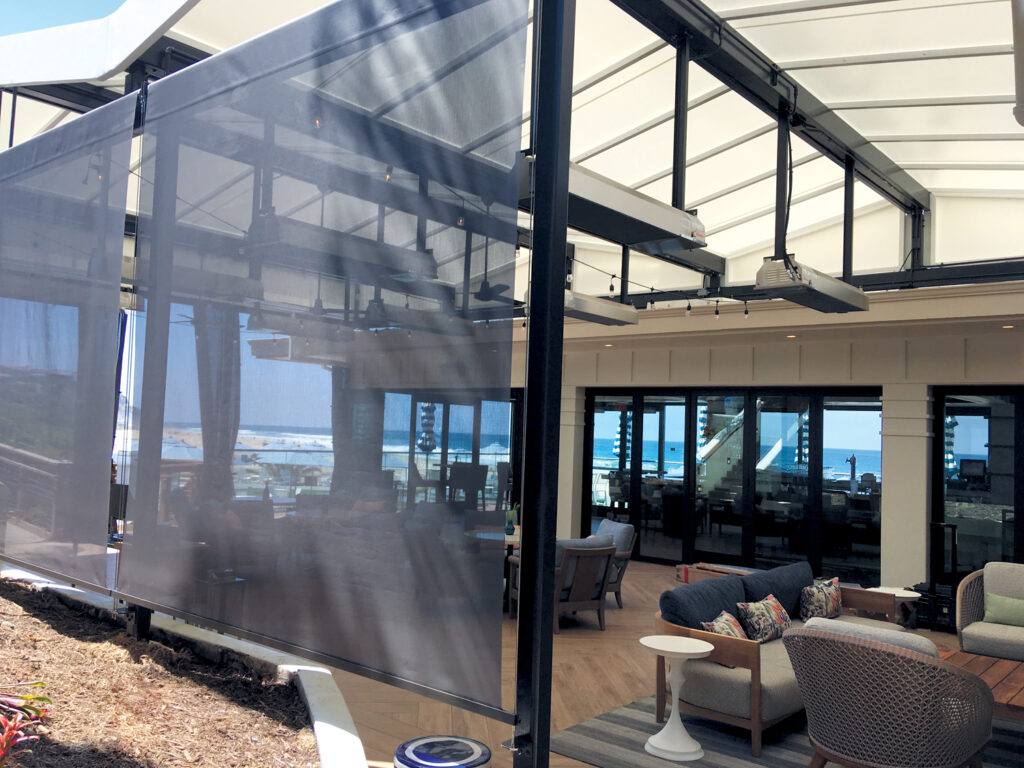
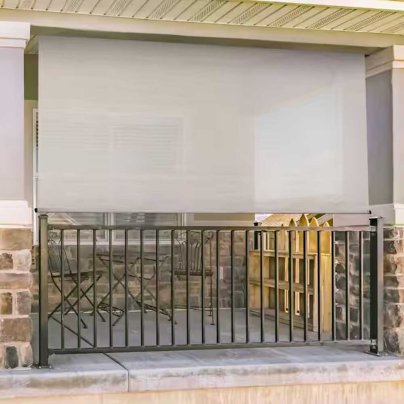
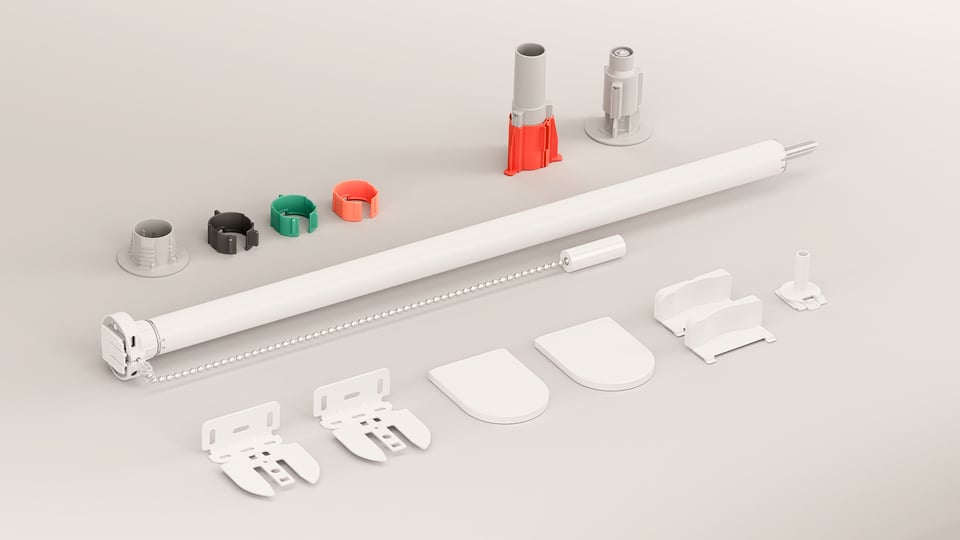
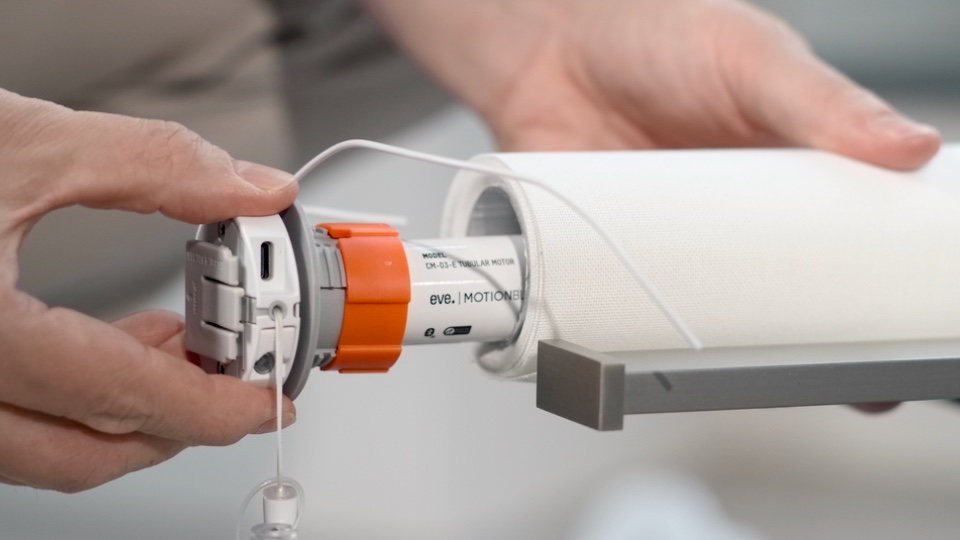
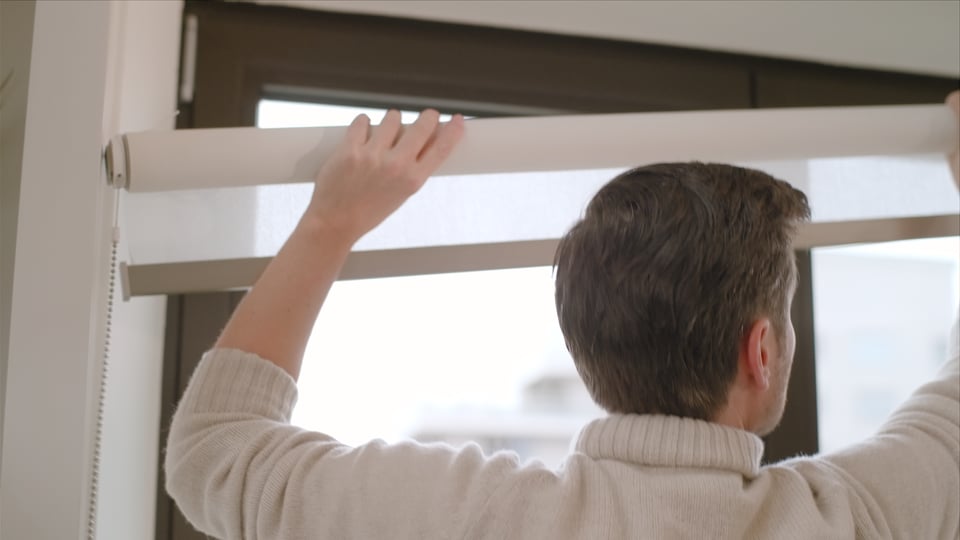
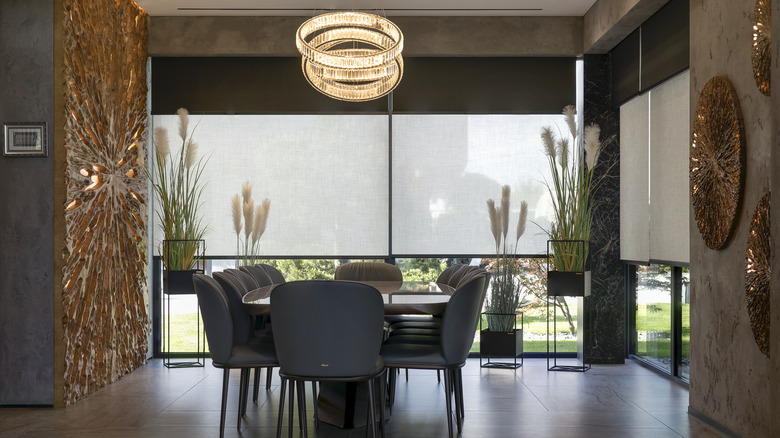
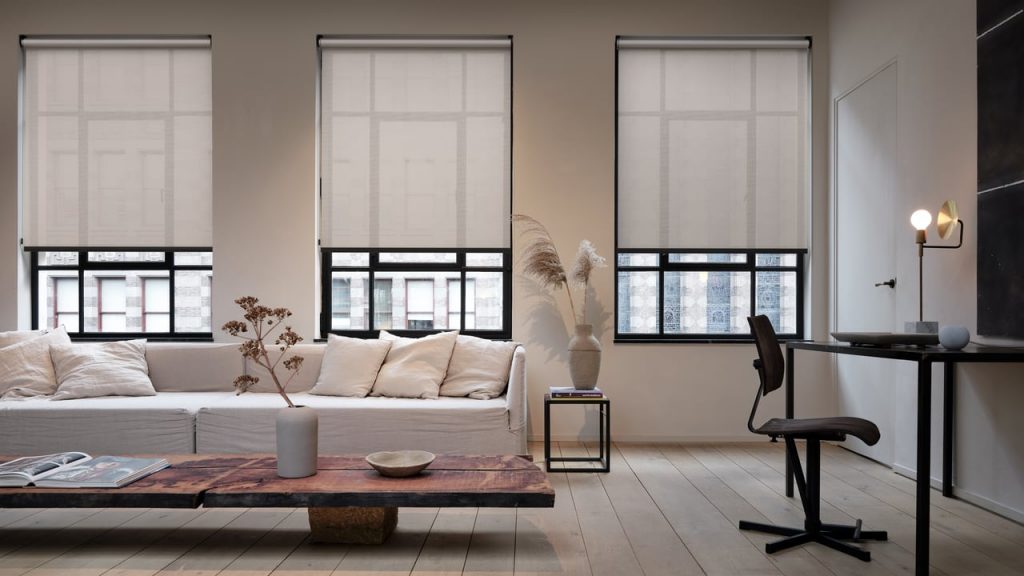
Roller shades consist of fabric that rolls up at the top of a window. They can be opaque or somewhat transparent (mesh) and are available in manual or motorized versions. Motorized shades are particularly useful for high or large windows, controlled by a handheld remote. The rolled-up fabric can be exposed or hidden within a housing unit, which can be painted to match room aesthetics. These shades offer a wide range of colors and designs for versatile home decoration.
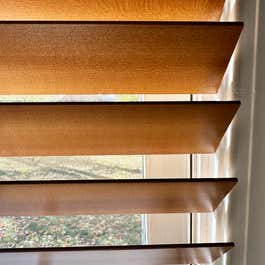
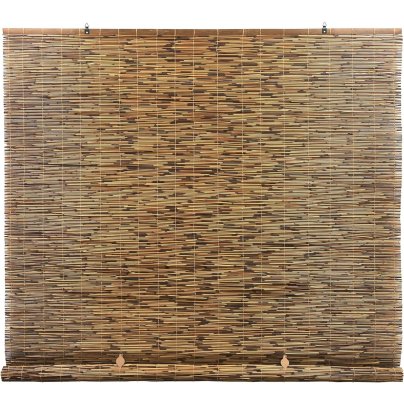
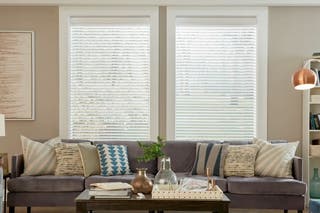
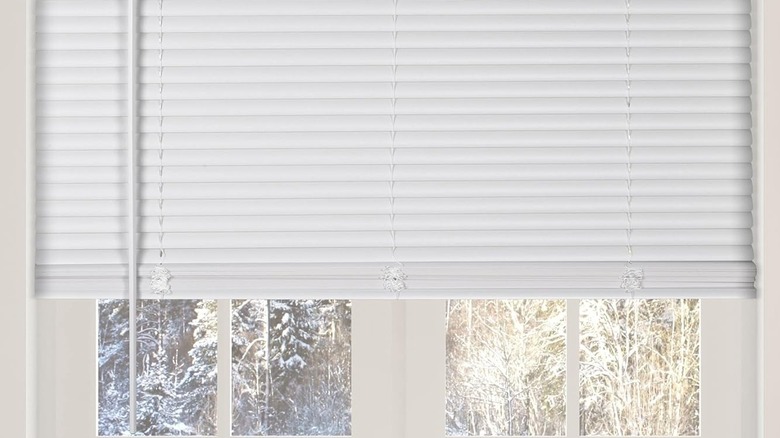
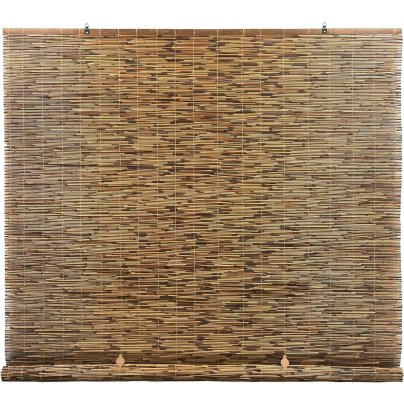
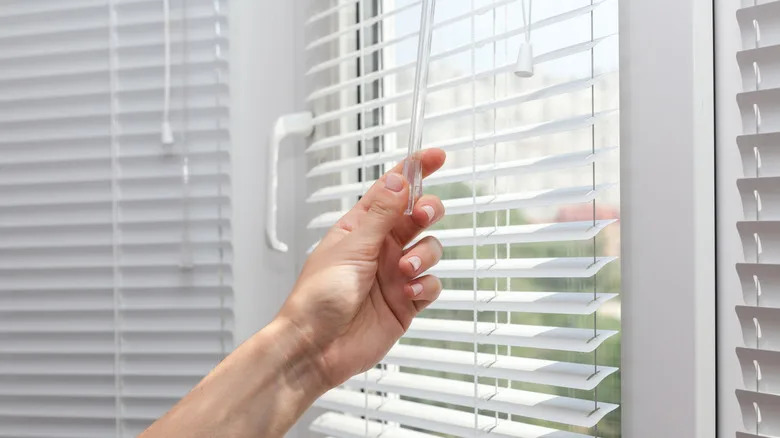
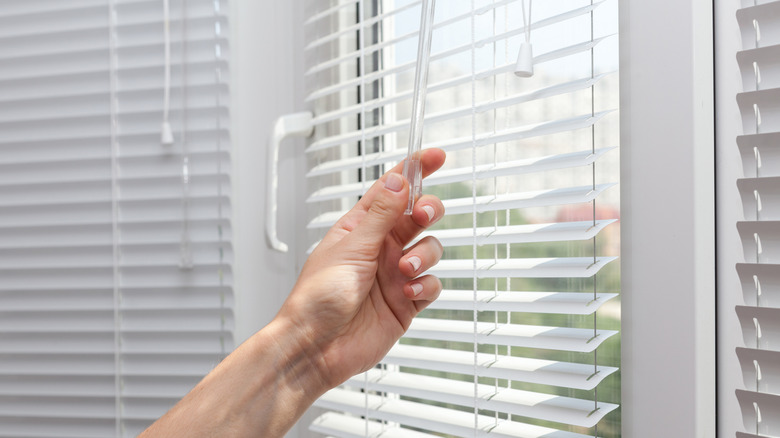
Blinds, including Venetian blinds (2-inch slats) and mini blinds (1-inch slats), feature horizontal slats that can be raised, lowered, and tilted to control light. When the slats are vertical, they can block most incoming light. Vertical blinds, with slats hanging vertically from a track, are suitable for windows, sliding doors, and large glass expanses. They are often made of durable vinyl and are long-lasting, providing significant light blockage when closed.
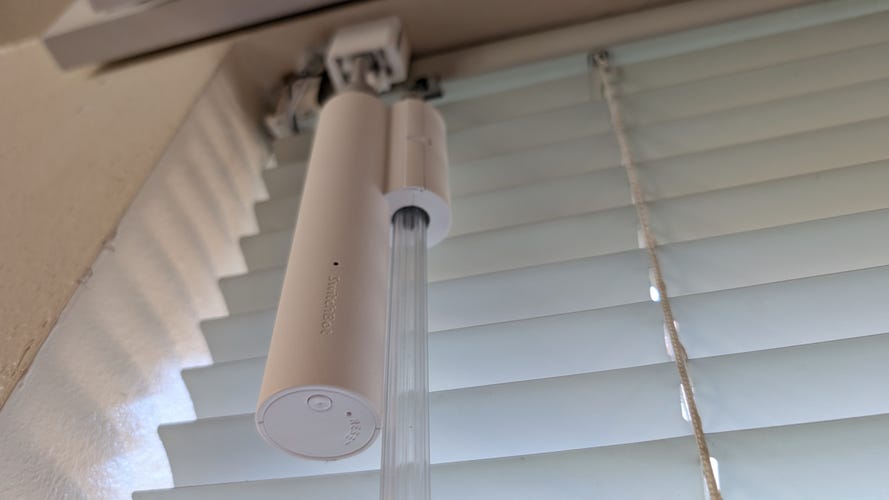
The mechanics of window coverings have evolved due to legislation, eliminating cords for safety. Shutters now use a tilt wand and cordless lift, cellular shades employ a cordless lift, roller shades feature a cordless loop attached to the wall, and vertical blinds operate with a wand. All types of window coverings can also be automated.
Pricing varies based on the type of covering, with shutters generally being the most expensive and vertical blinds the most economical. Window shape and size also influence the overall cost. For instance, a vertical blind can be about half the cost of a roller shade for the same opening. The article encourages homeowners to share unique window covering solutions they have implemented in their homes, emphasizing the diverse options available to meet various needs and design preferences.
#WindowCoverings #HomeImprovement #EnergyEfficiency #InteriorDesign #ArizonaSun #Shutters #CellularShades #RollerShades #Blinds #VerticalBlinds #WindowCoverings #HomeImprovement #EnergyEfficiency #InteriorDesign #ArizonaSun #Shutters #CellularShades #RollerShades #Blinds #VerticalBlinds
共0条评论
 暂无评论
暂无评论你可能还喜欢

These Smart Window Blinds Save My Eyes From the Sun’s Harsh Afternoon Rays | Reviews by Wirecutter
After Talking to an Expert, This is Our Favorite Outdoor Shade for Proper Protection

10 Affordable Blinds On Amazon That Are Actually Worth Buying

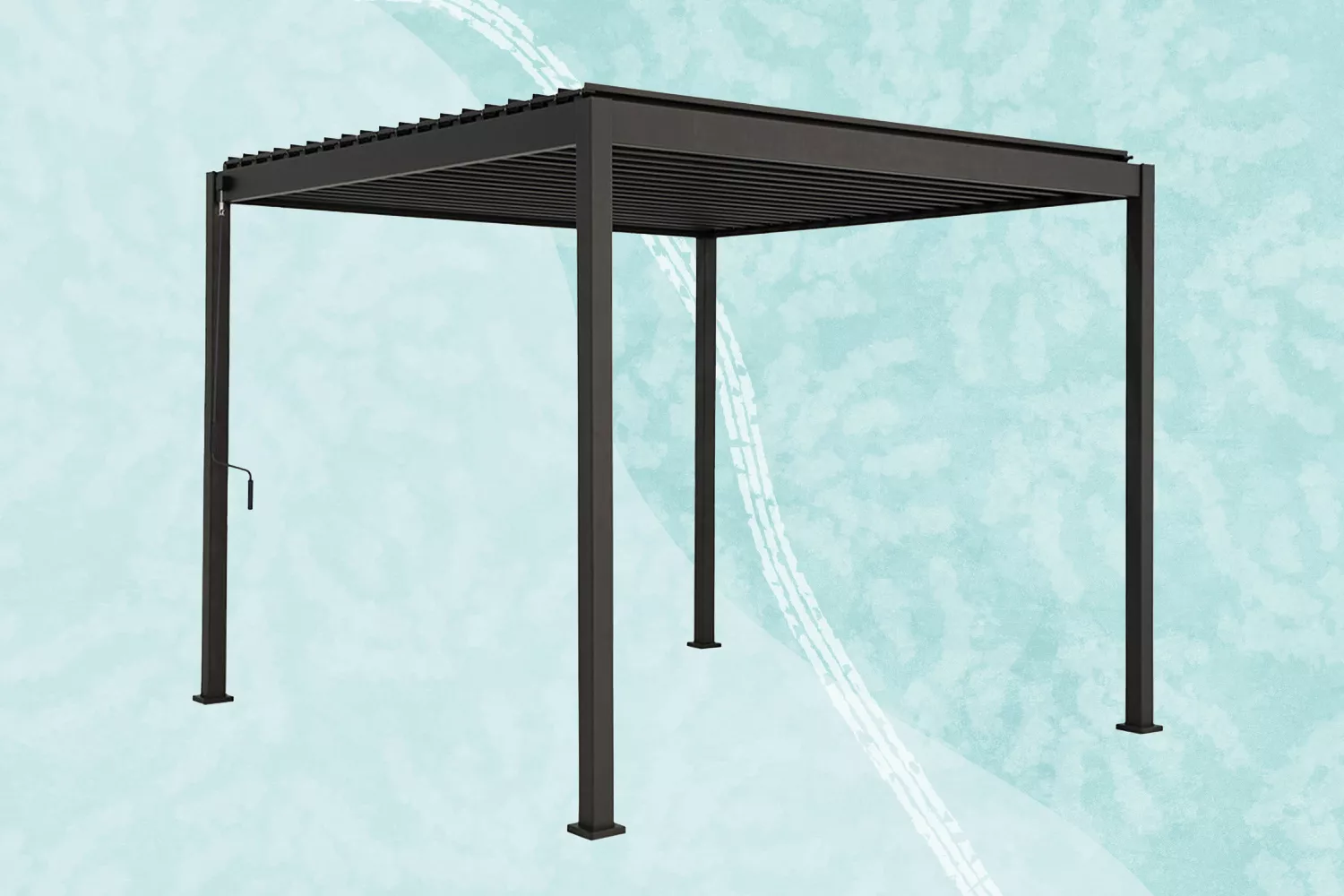
Don't Let Sunburn Stop You This Summer—These Pergola Kits Keep Things Made in the Shade

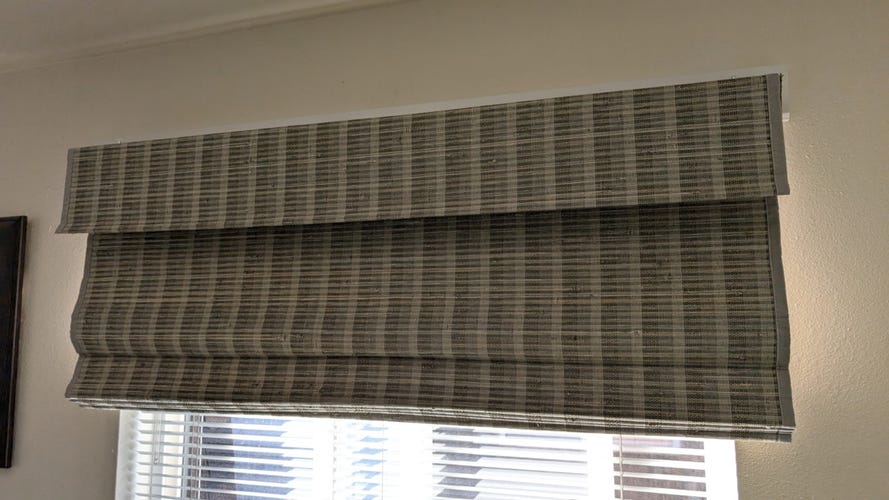
Best Smart Blinds for 2025, Tested and Reviewed

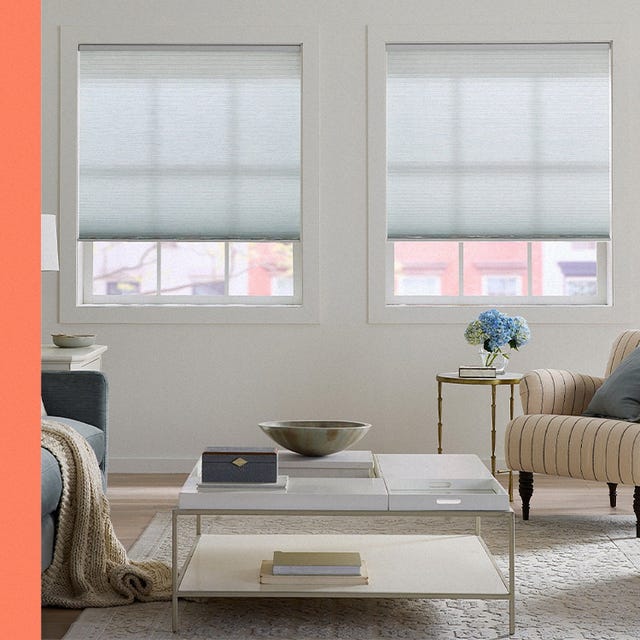
These Smart Blinds Are Great for Privacy—and for Your Energy Bill

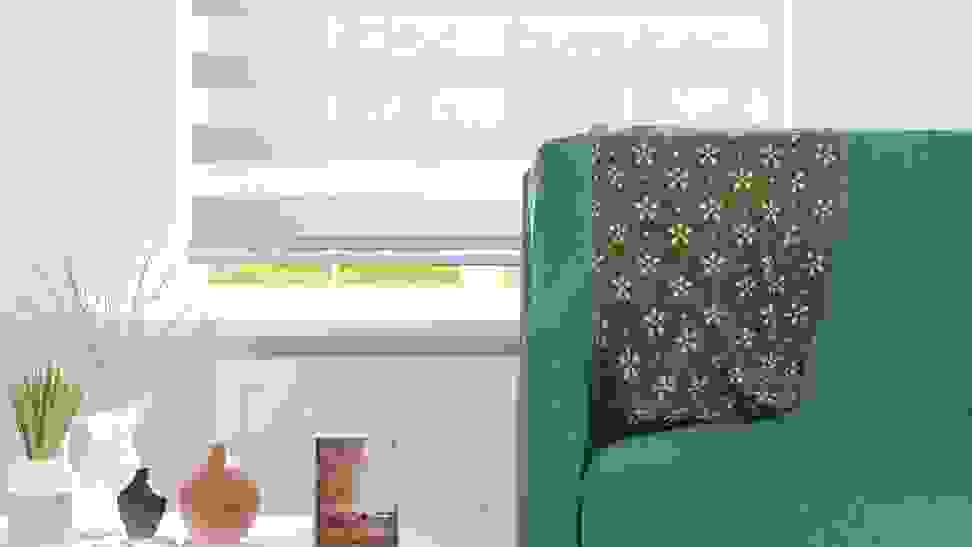
The Best Window Blinds of 2025


Best Solar Outdoor Lights of 2025
Best Solar Shingles for 2025
Swap Outdated Flimsy Blinds With One Of 2025's Biggest Window Treatment Trends


SilverScreen Roller Blind Fabrics
The Best Patio Shades for Protecting Your Outdoor Space from the Sun
Swap Outdated Flimsy Blinds With One Of 2025's Biggest Window Treatment Trends
Forget Basic Curtains: These Will Be The Biggest Window Treatment Trends Of 2026
Conservatory blind ideas: 16 designs to shade and bring privacy to windows

Smart Blinds: Window Covering in the Matter Standard
Contour Blinds
The 4 Best Smart Window Shades, Blinds, and Curtains of 2025 | Reviews by Wirecutter

Outdoor shade and screens ride the storms out

Let the Sun Rise Without You—These Tested Blackout Shades Keep the Light (and the Noise) Out