




1/5
Zapping electric myths
The transition to a fully electric household and transportation system is a significant undertaking, involving electrifying 121 million homes in the coming decades. This "when it dies, electrify" approach emphasizes replacing all expiring appliances and systems with electric alternatives. While challenges such as navigating incentives and potential installation issues exist, electrification is presented as the superior and inevitable path forward.
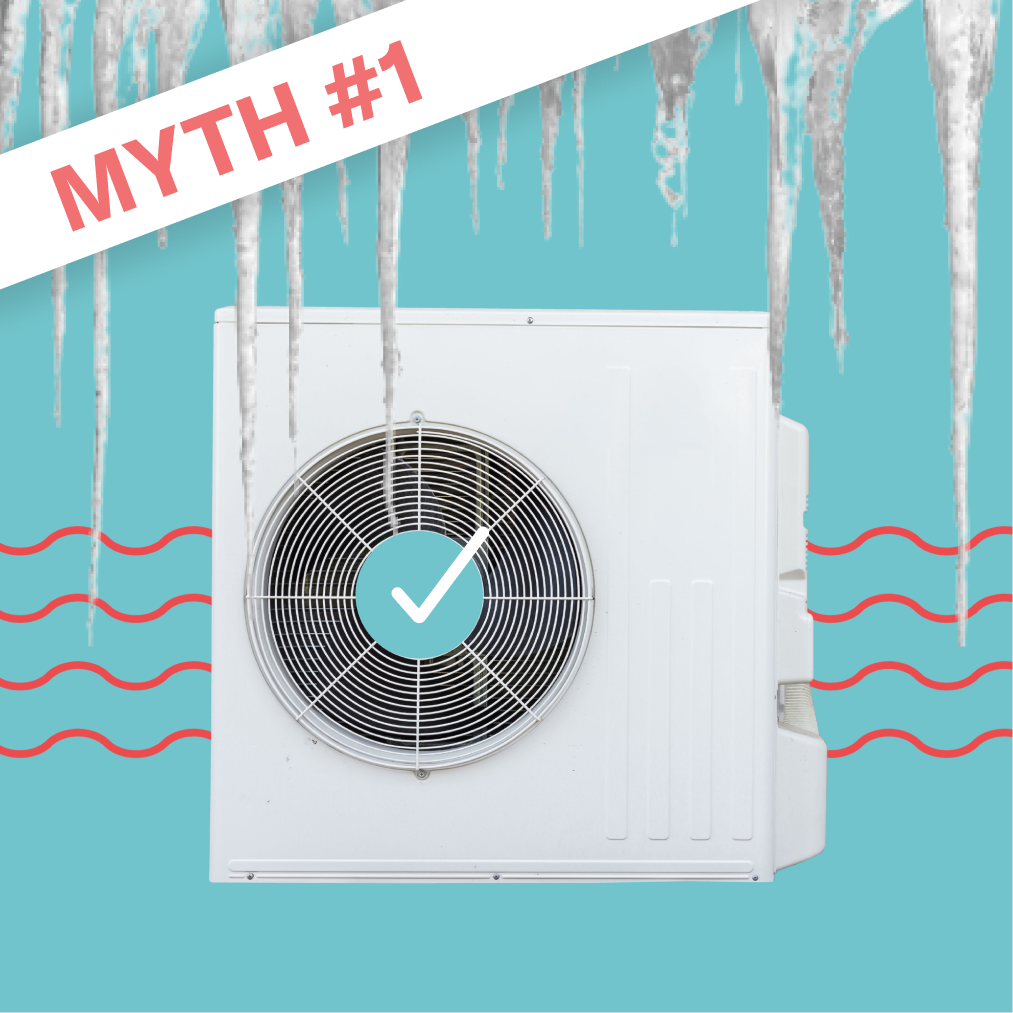
With the Inflation Reduction Act (IRA) providing incentives that make electrification more affordable, fossil fuel industries are escalating efforts to spread misinformation. This article addresses four common myths about electrification. The first myth is that heat pumps are ineffective in cold climates. This is debunked by pointing out their widespread use in consistently cold regions like Maine and parts of Europe, where IRA and robust state incentives are driving their adoption.
The second myth suggests that mass electrification will overwhelm and break the existing power grid. The article clarifies that while the grid will need to adapt and expand, the outcome will be a smarter, more efficient system. Historical data shows significant increases in electricity delivery between 1950 and 1970, indicating the grid's capacity for growth. Modern technologies, such as smart panel installations, are highlighted as solutions to manage electricity influx efficiently by matching energy needs with real-time demand.
The third myth claims that gas appliances are more reliable during power outages than electric ones. The article counters this by explaining that most fossil-fuel appliances still rely on some electricity to function, rendering them equally vulnerable during outages. Electrification is expected to enhance household energy reliability through emerging technologies designed to maintain machine operation even when the grid fails.
Finally, the fourth myth asserts that electrification is too expensive. The article argues that when considering the long-term energy picture, including both price and efficiency, electrical appliances offer greater savings. It notes that gas prices significantly outpaced electricity price increases in 2022, and electric appliances like heat pumps are three times more efficient than natural gas furnaces. This efficiency translates into long-term financial benefits for consumers.
The article also includes an additional myth debunked by "Mr. Heat Pump" concerning renewable natural gas (RNG). It argues that RNG is not a viable solution for meeting climate goals while retaining gas infrastructure. RNG is criticized for being dirty due to unavoidable leaks in its supply chain, resulting in emissions comparable to conventional natural gas. Furthermore, RNG is a limited resource, capable of supplying only a small fraction of current U.S. fossil gas consumption, and is considerably more expensive than fossil gas. The overall message is that electrification is a readily deployable, emissions-reducing, cost-saving, and health-protective solution, unlike RNG.
#Electrification #HeatPumps #EnergyEfficiency #SmartGrid #RenewableEnergy #IRAIncentives #HouseholdElectrification #FossilFuels #ClimateGoals #Electrification #HeatPumps #EnergyEfficiency #SmartGrid #RenewableEnergy #IRAIncentives #HouseholdElectrification #FossilFuels #ClimateGoals
 Henüz yorum yok