1/5
Why you should get rid of your knife block right now
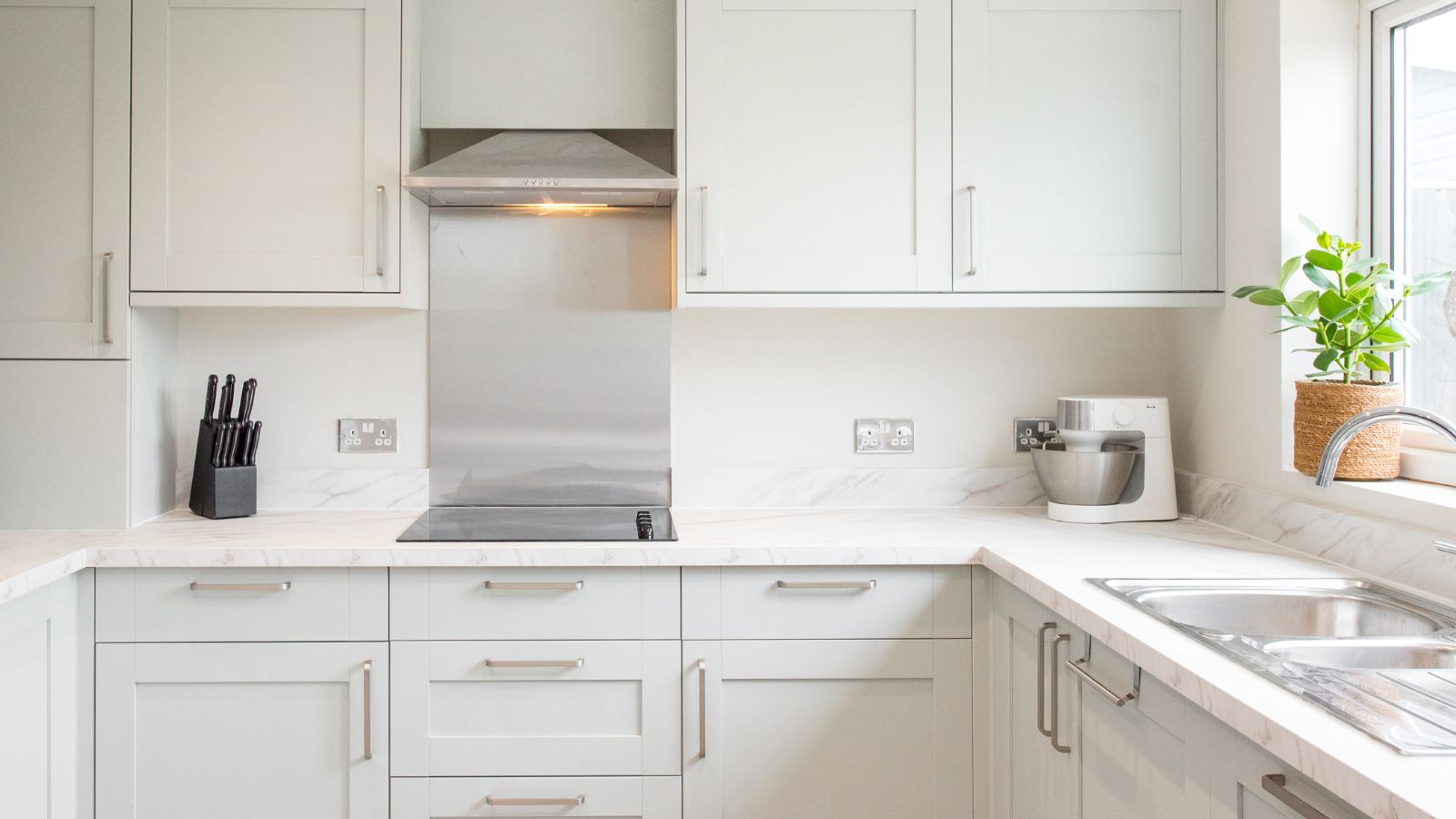
Knife blocks, commonly found in kitchens for storing knives, are identified by professional cleaners as a significant source of bacteria, posing health risks. Despite their convenience or aesthetic appeal, these blocks can harbor various pathogens, including yeast, mold, and bacteria, primarily due to their dark, moist environment. A study, 'Germiest Places in the Home,' ranked knife blocks as the seventh germiest item in the kitchen, highlighting the potential for foodborne illness if wet or dirty knives are inserted into them.
Microbiologist Lisa Yakas explains that microbes can thrive in these conditions, especially if knives are not thoroughly dried before storage. Cleaning expert Ken Doty further elaborates that knife blocks can also dull knives over time. The problem is exacerbated by the fact that these areas are often overlooked during routine kitchen cleaning. While it is possible to clean a knife block—by removing all knives, shaking out debris, using a pipe cleaner or skinny brush, washing with hot soapy water, wiping dry, and allowing it to air dry completely overnight—this process is labor-intensive and needs to be done regularly. Moreover, wooden knife blocks can potentially cause more harm than good if not properly maintained, making alternative storage solutions more appealing.
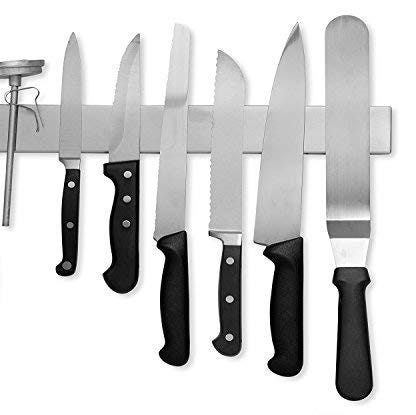
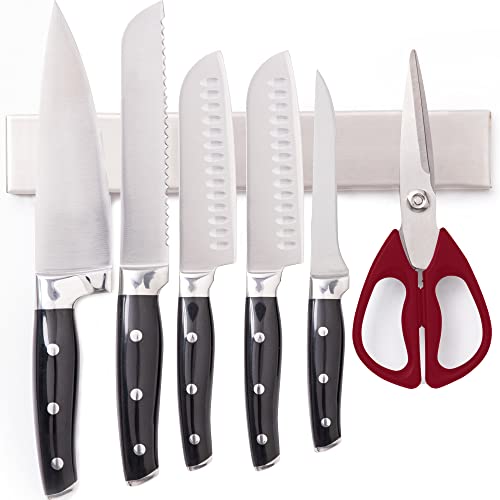
Professional cleaners advocate for magnetic knife racks as a superior alternative. These racks are lauded for their hygienic benefits and their ability to keep knives sharper for longer. Unlike traditional knife blocks, magnetic racks offer an open design that prevents grime and pathogens from accumulating, as all surfaces can be easily wiped down. This open-air storage also ensures better sanitation and provides convenient access to knives, which is a method favored by chefs for kitchen organization.
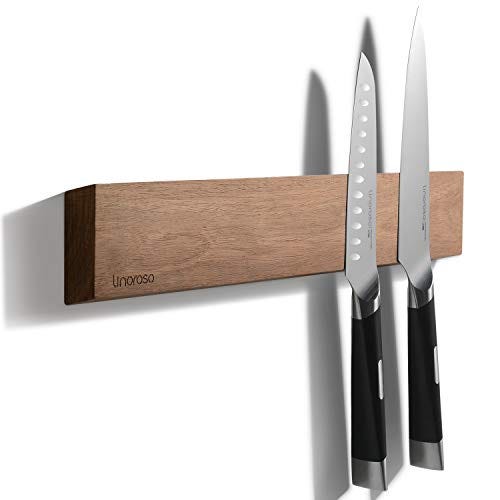
Magnetic knife racks are available in various styles, including sleek stainless steel options for a professional look, and wooden-covered designs for a more rustic aesthetic. For those unable to mount a rack on the wall, countertop magnetic knife stands offer a similar benefit by holding knives magnetically without enclosed slots, allowing for open-air storage. However, a crucial safety consideration with magnetic racks, particularly wall-mounted or counter-standing versions, is the increased accessibility of sharp tools to children, posing a potential hazard.
Regardless of the chosen storage method, maintaining good hygiene involves regularly sanitizing the knife storage solution and cutlery, ideally with a diluted bleach solution, at least once a week. Combining the use of a magnetic rack with proper knife sharpening techniques ensures both safety and functionality in the kitchen. This shift from traditional knife blocks to magnetic alternatives is presented as a practical step toward a more sanitary and efficient kitchen environment.
#KitchenHygiene #KnifeStorage #FoodSafety #HomeCleaning #MagneticKnifeRack #KitchenOrganization #BacterialContamination #Sanitation #KitchenHygiene #KnifeStorage #FoodSafety #HomeCleaning #MagneticKnifeRack #KitchenOrganization #BacterialContamination #Sanitation
 Henüz yorum yok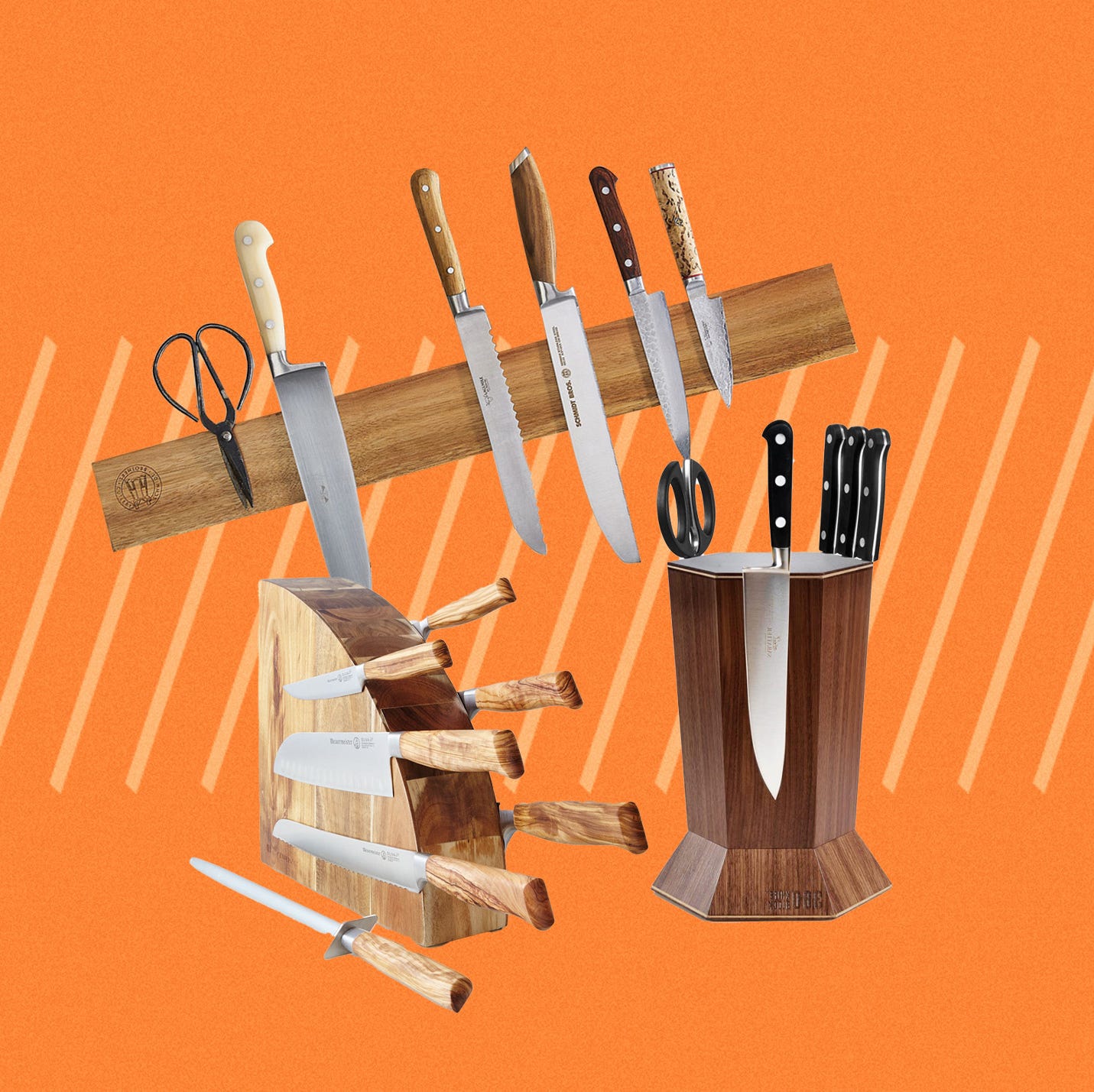
If You're Not Using A Magnetic Knife Holder For Your Sharp Tools, You're Doing It Wrong
Why It May Be Time to Ditch Your Black Plastic Kitchen Utensils


9 Things You Should Get Rid of in Your Kitchen Cabinets Right Now — An Expert Explains Why