1/3
What Is the Rule of Thirds? How to Use It in Interior Design
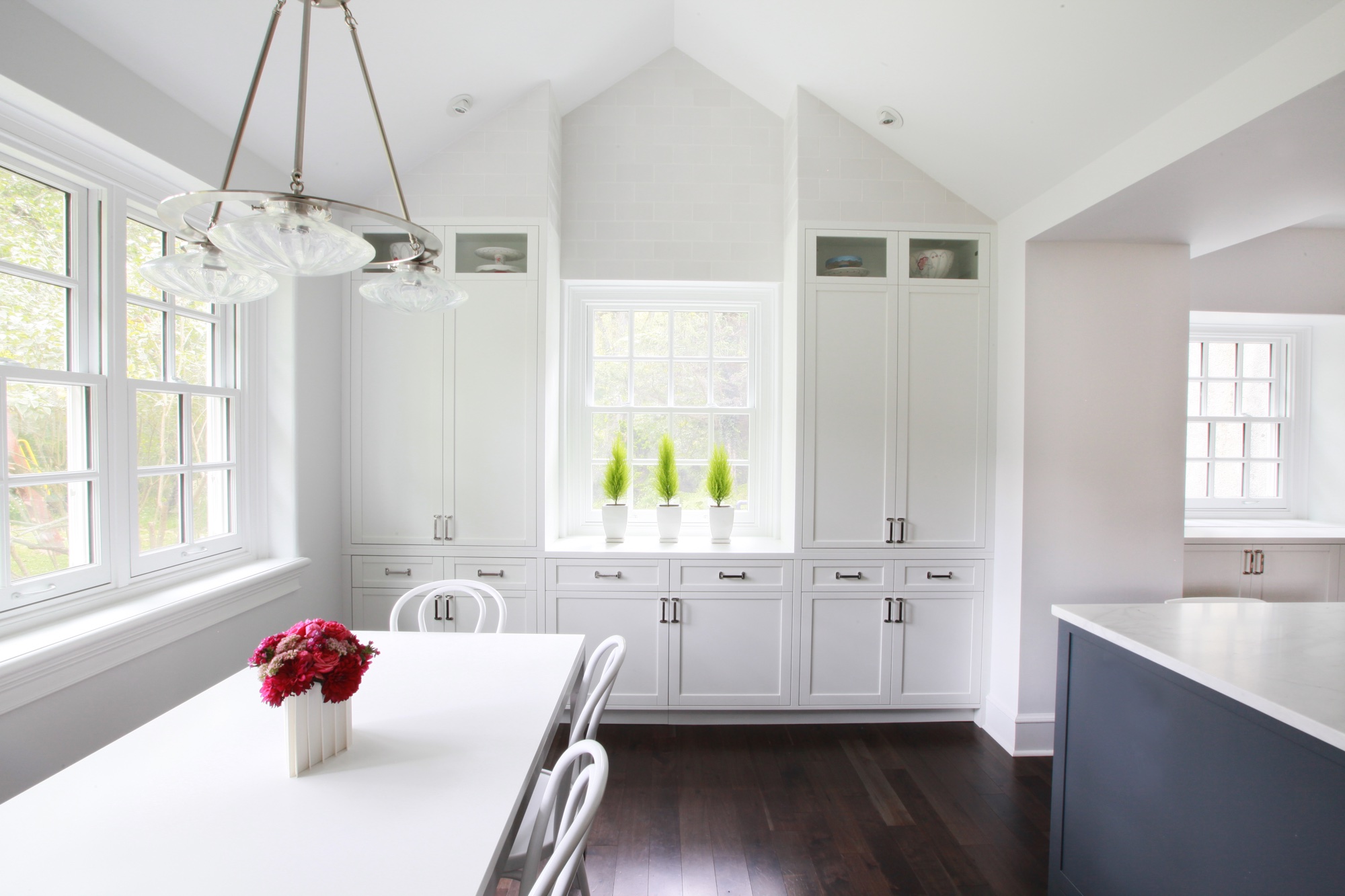
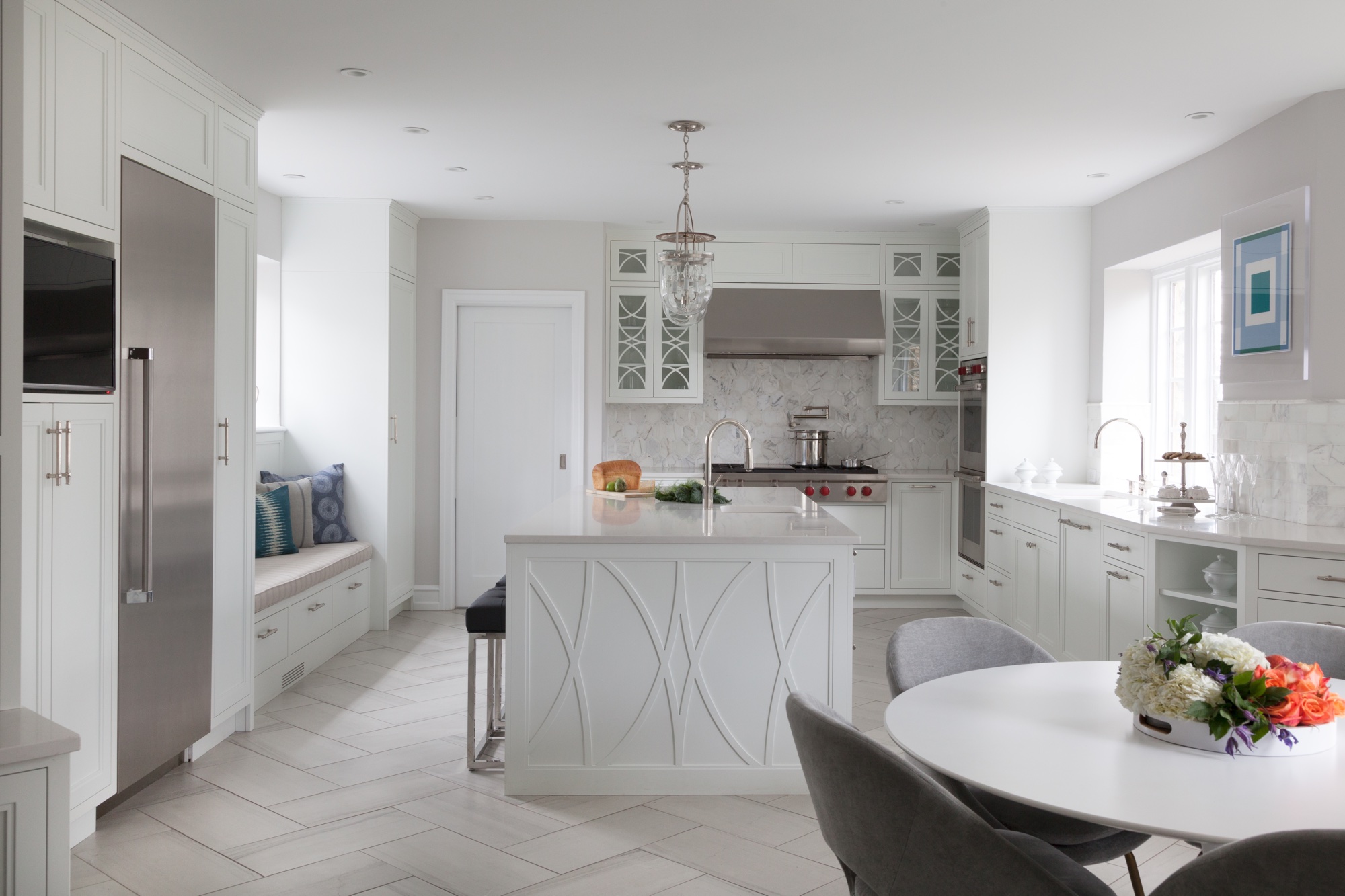
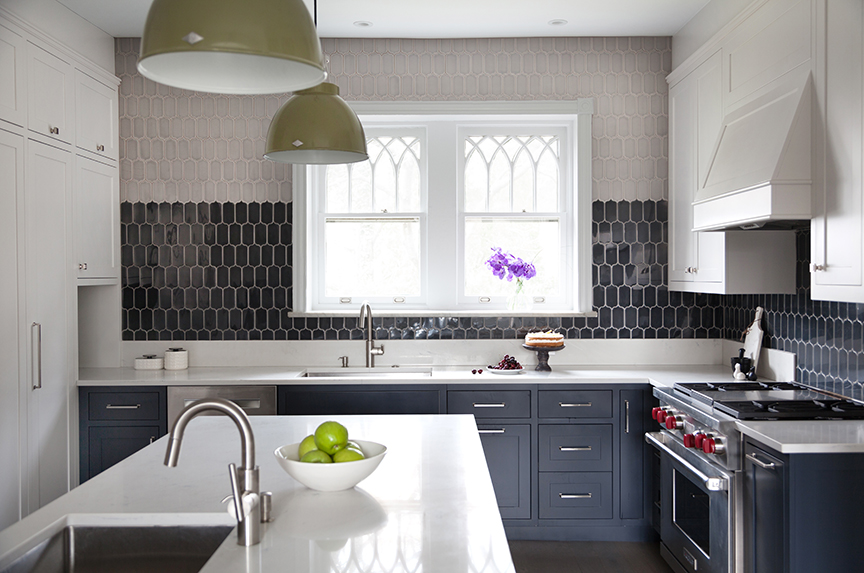
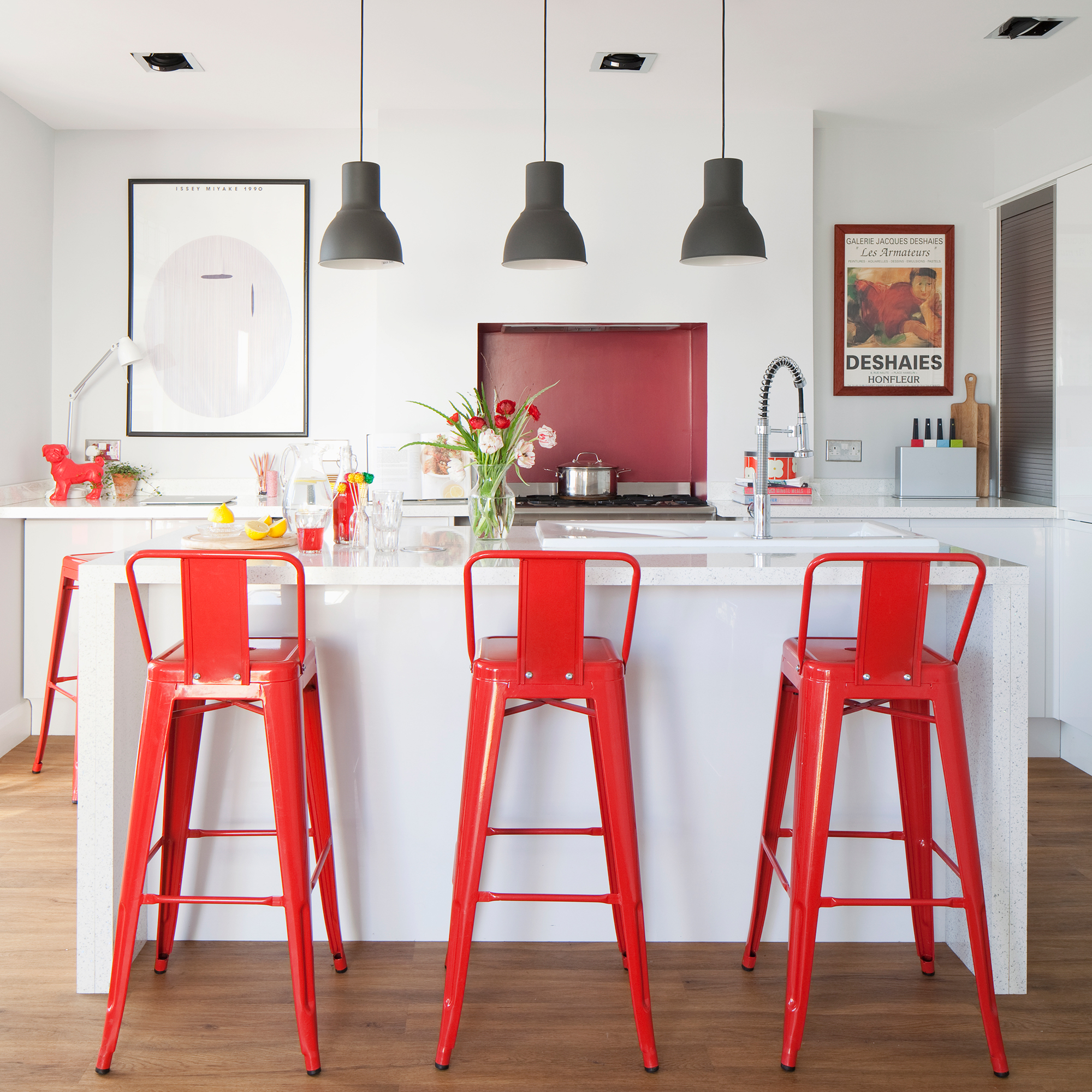
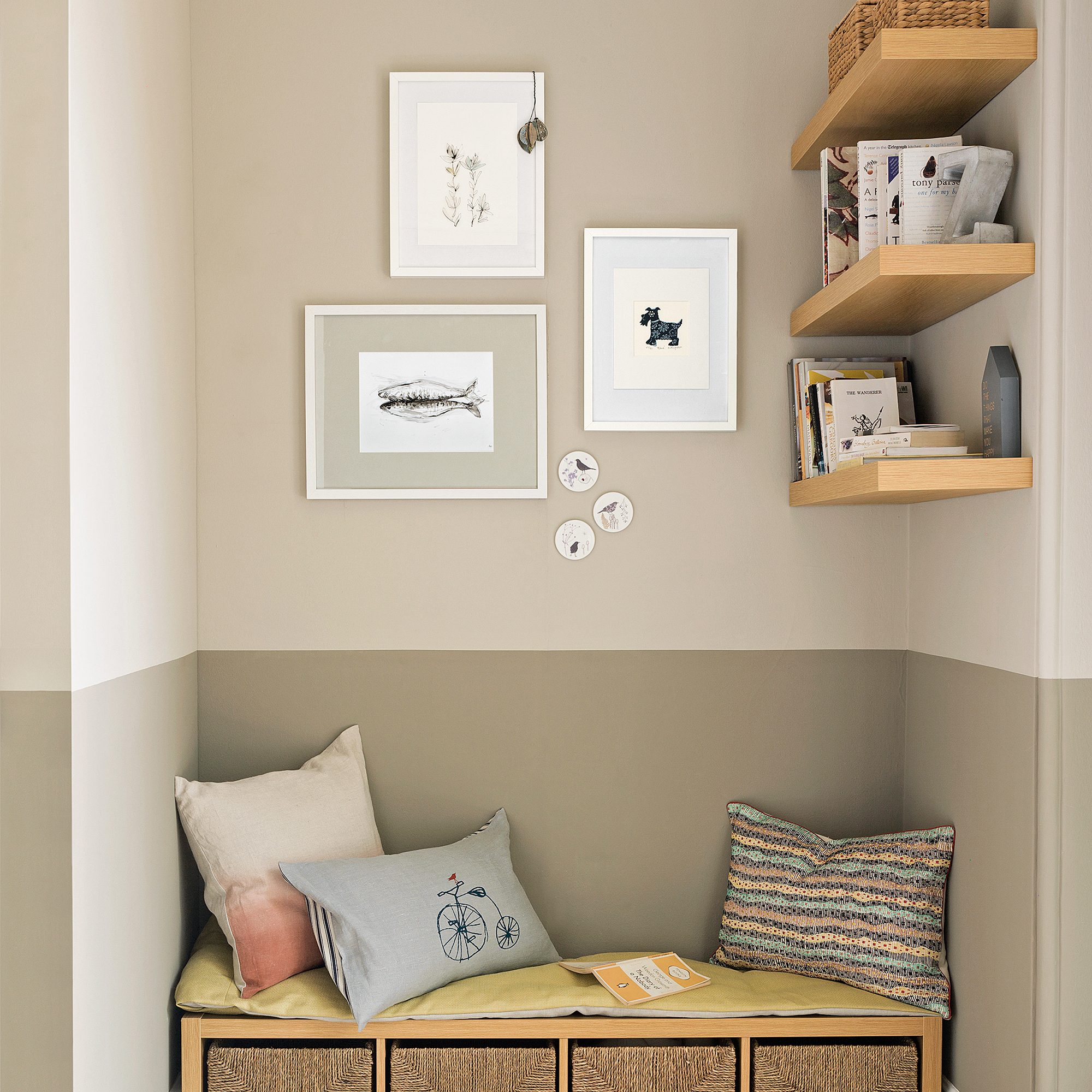
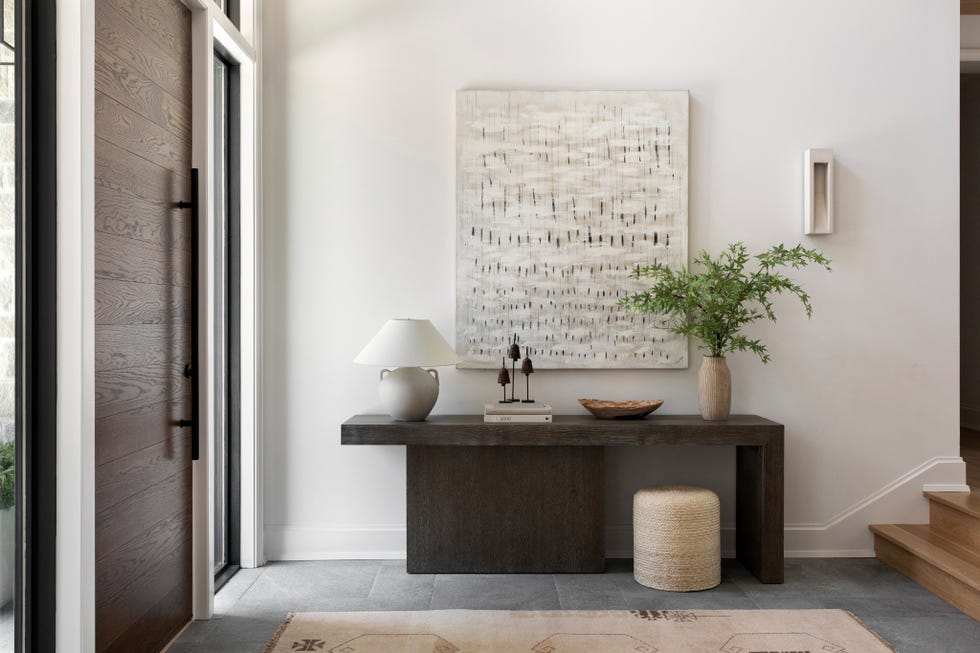
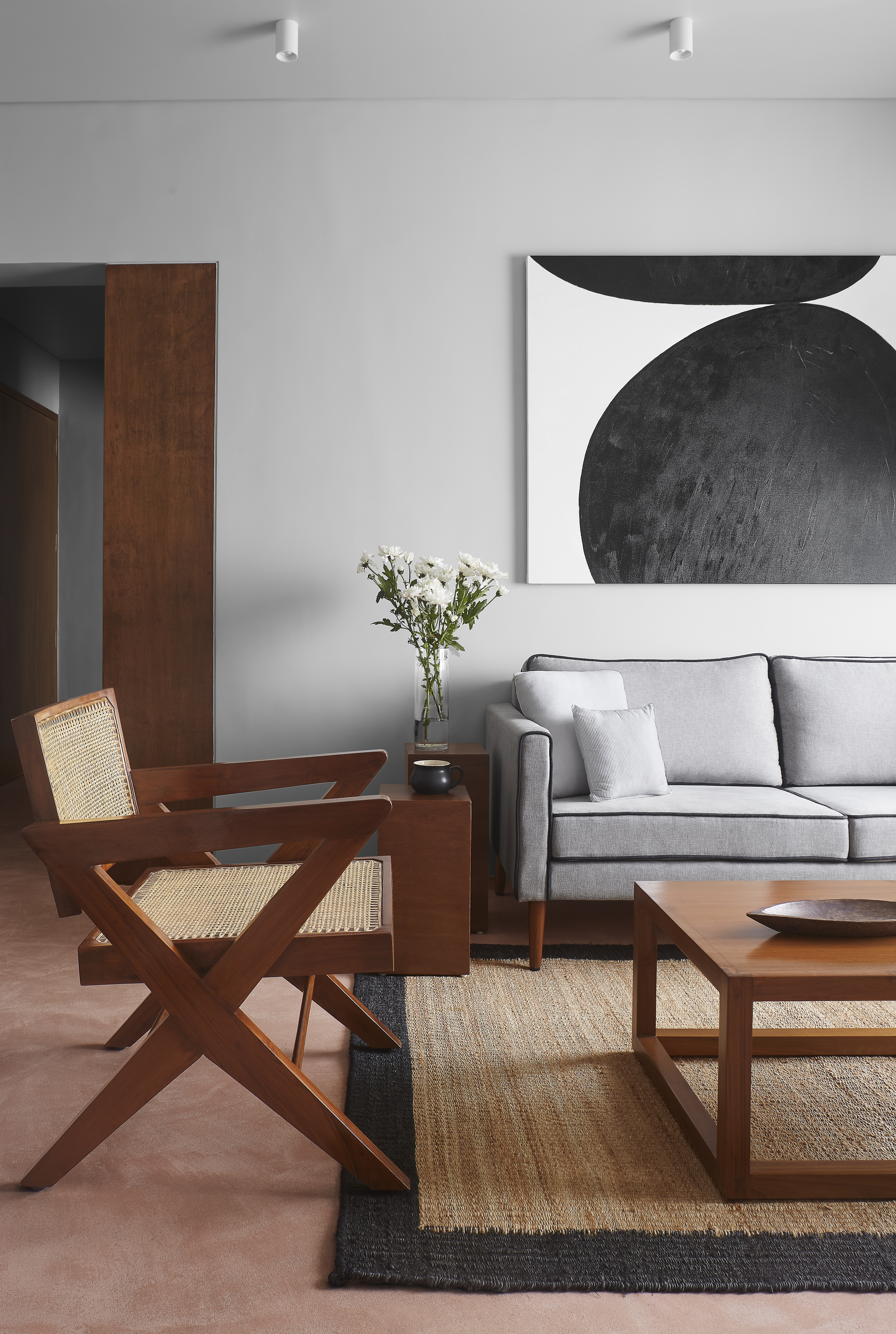
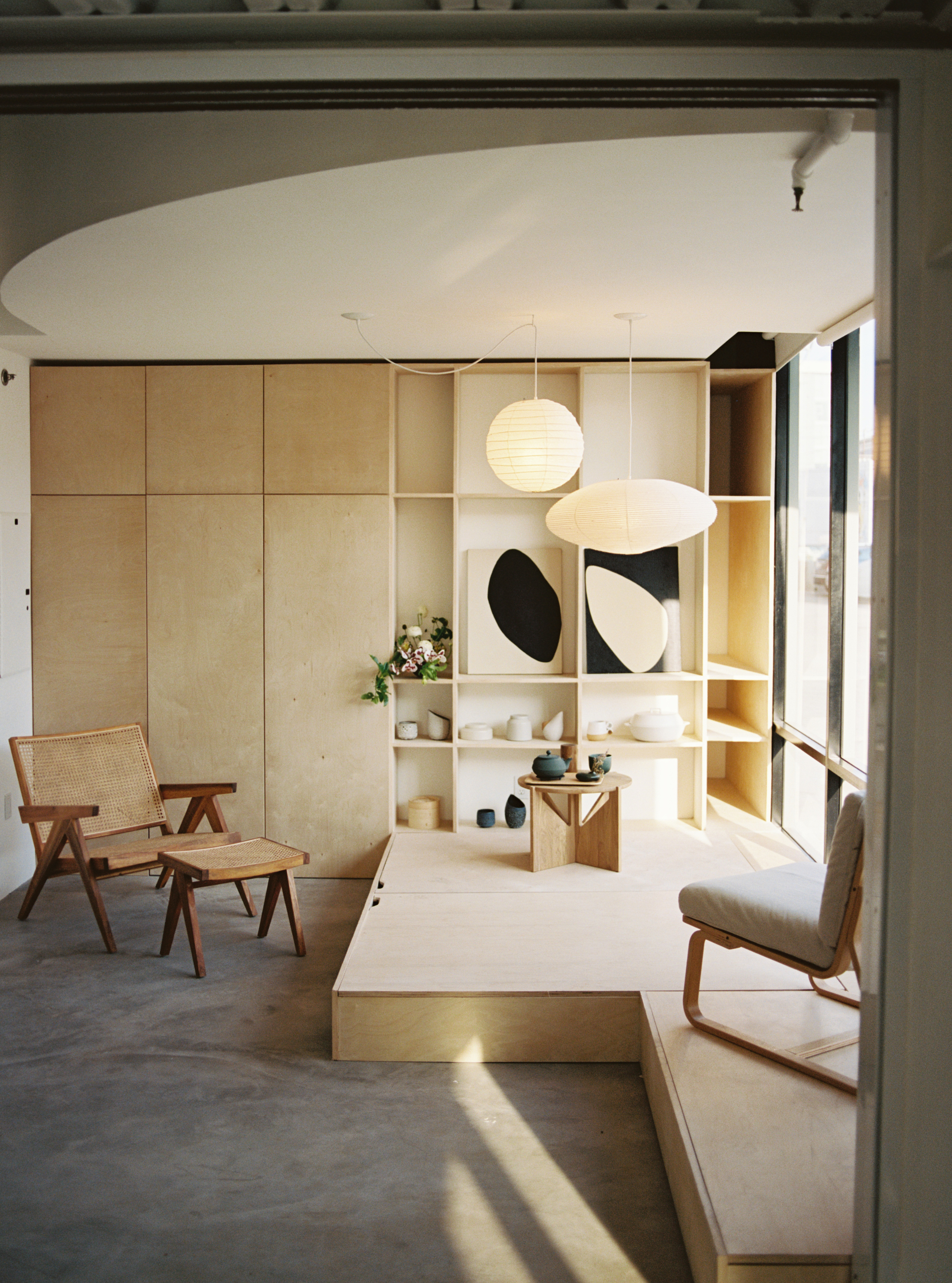
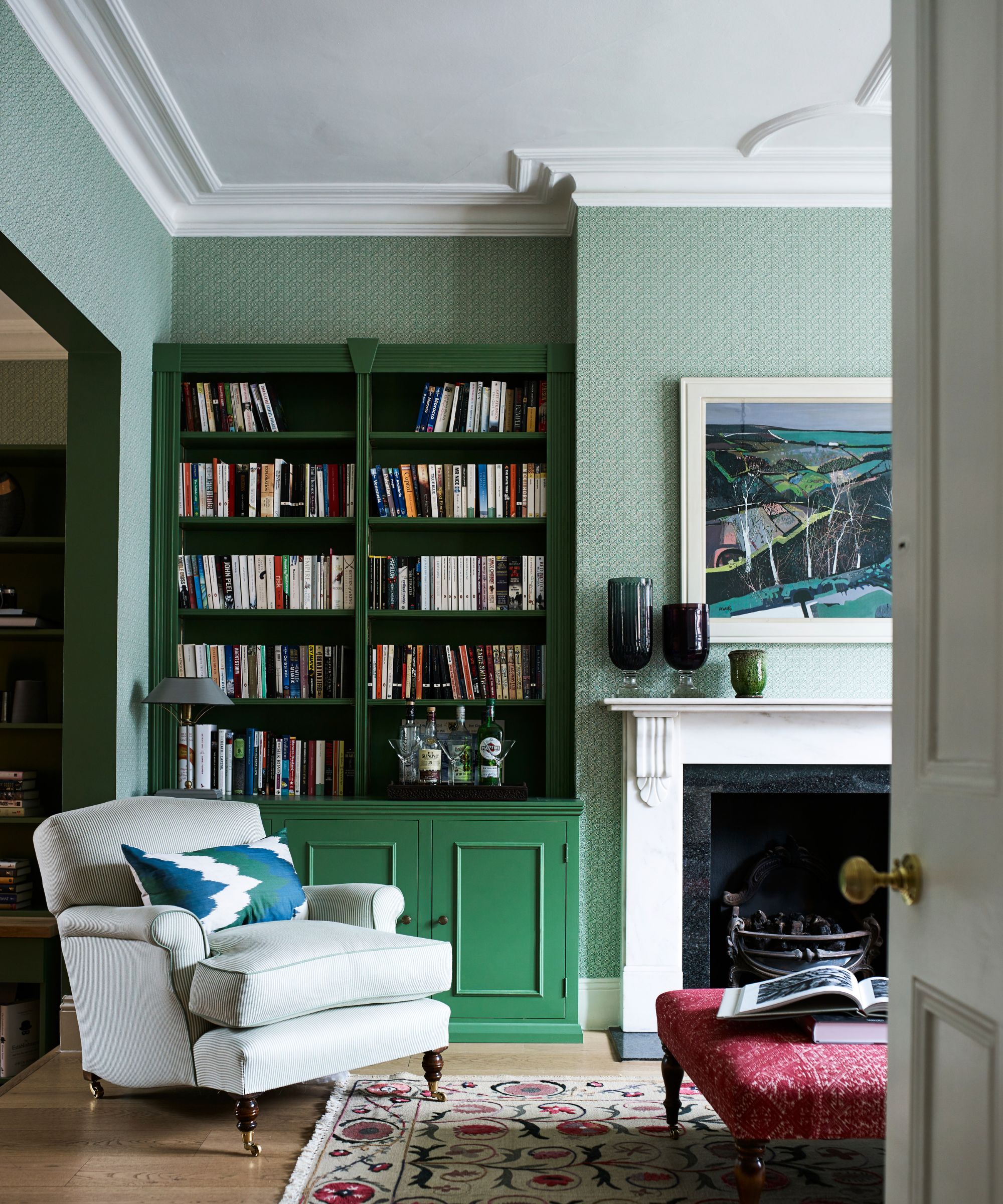
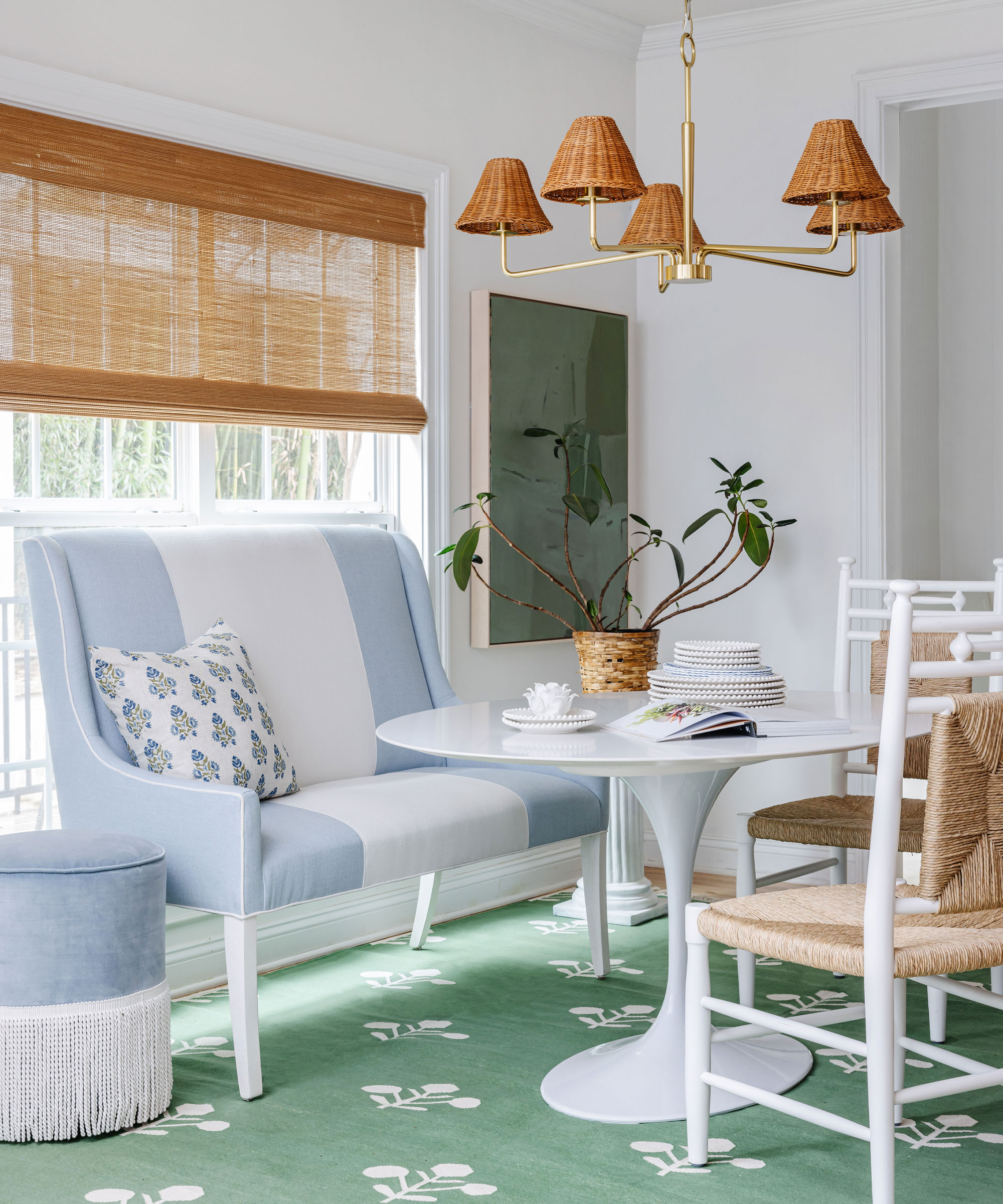
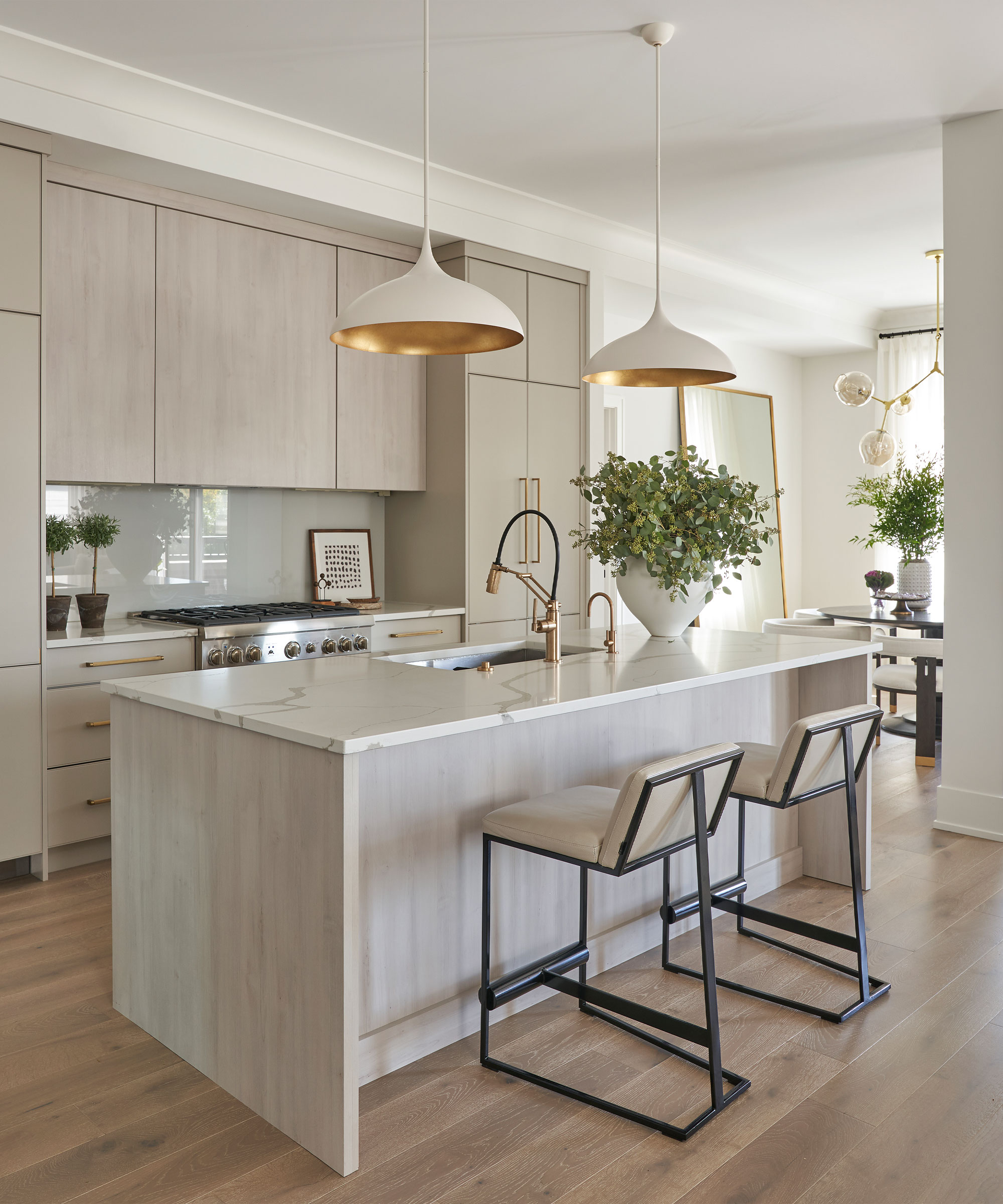
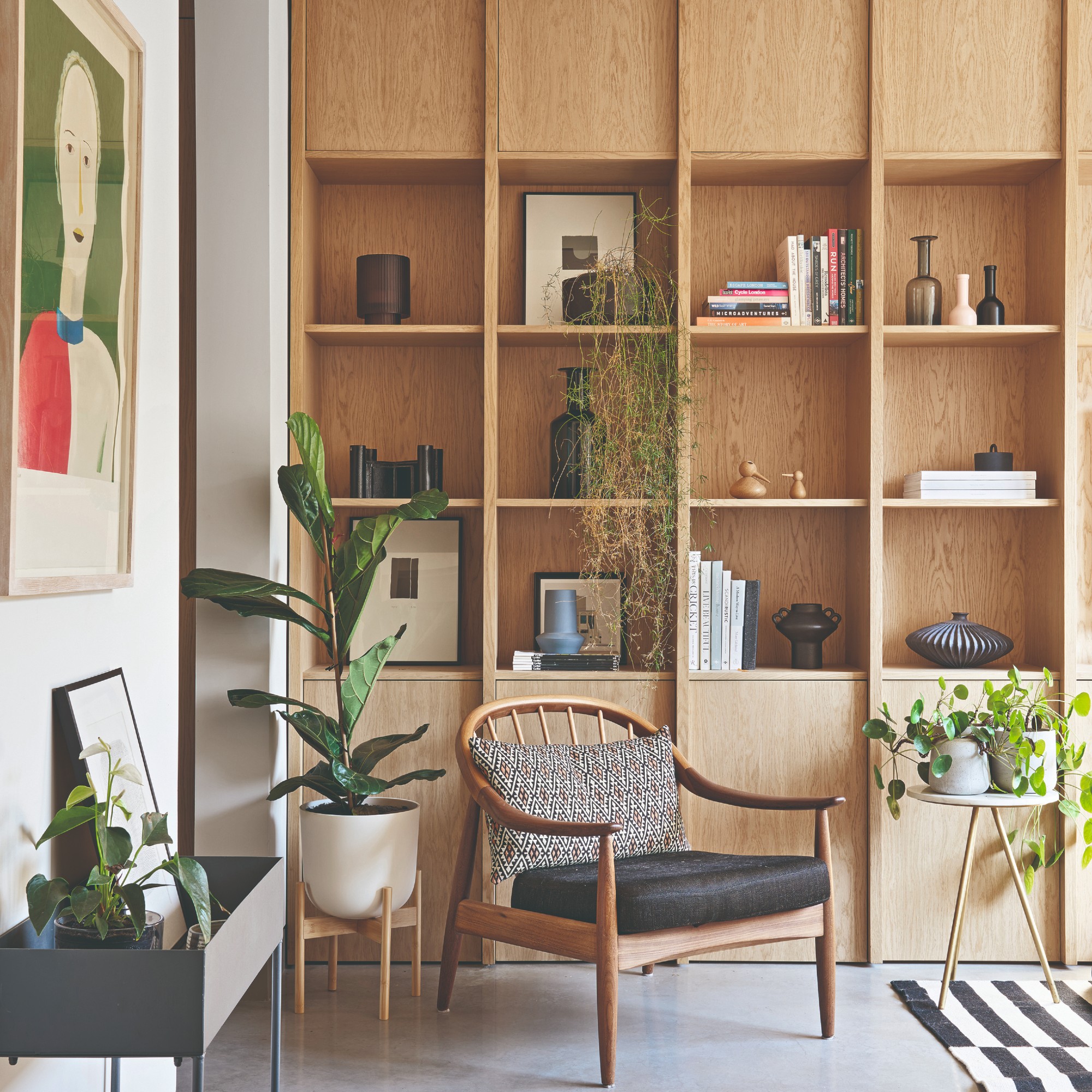
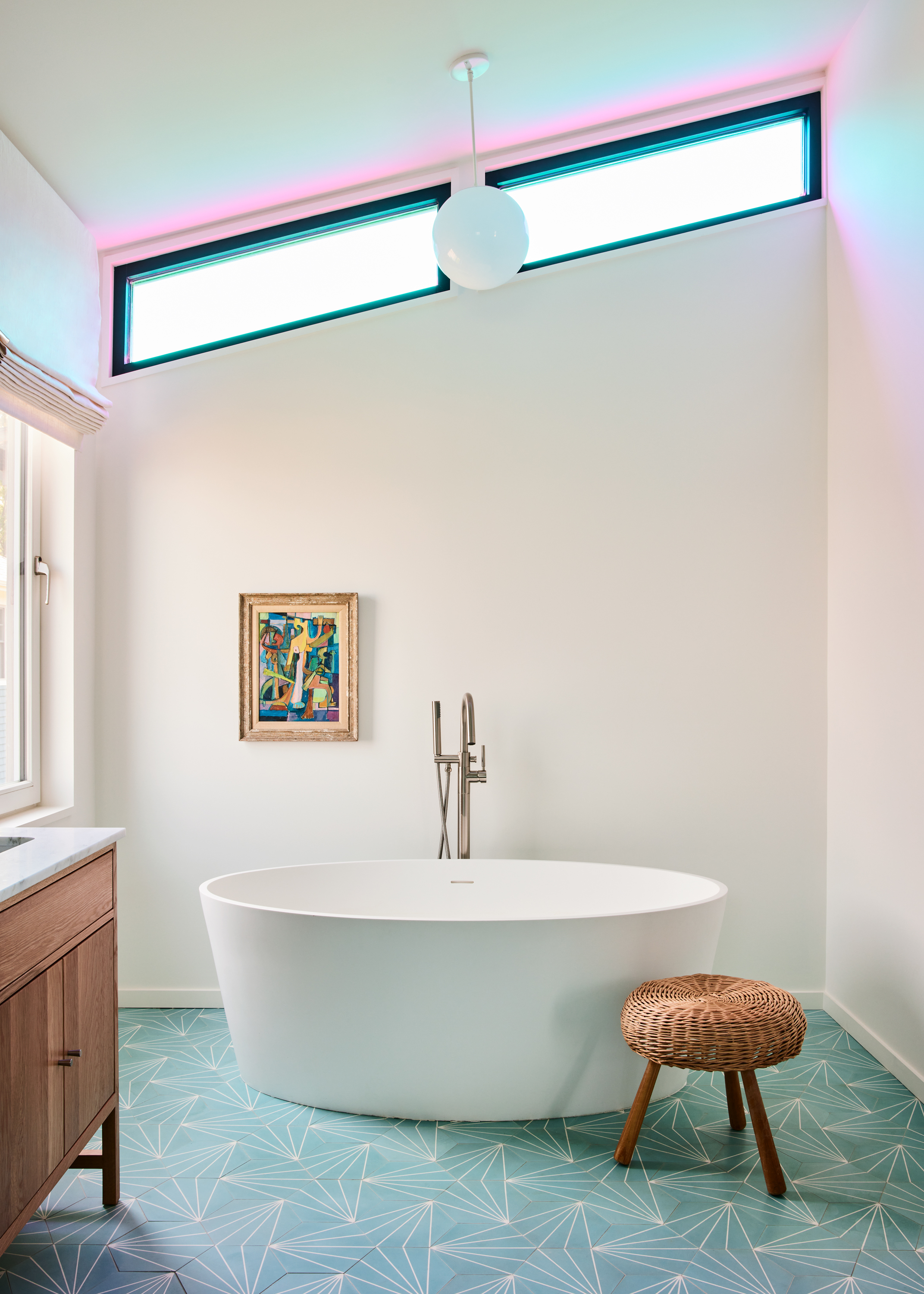
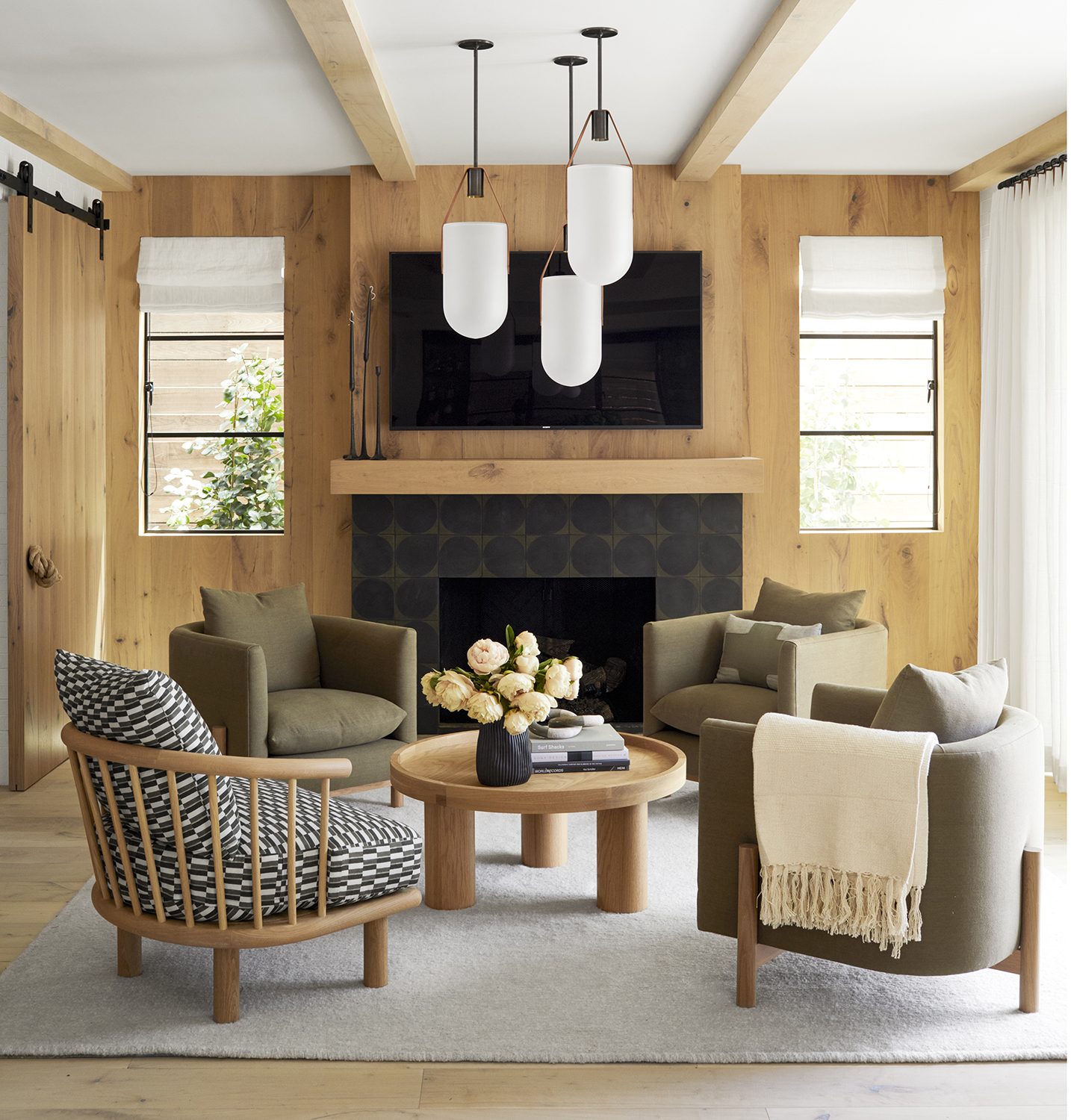
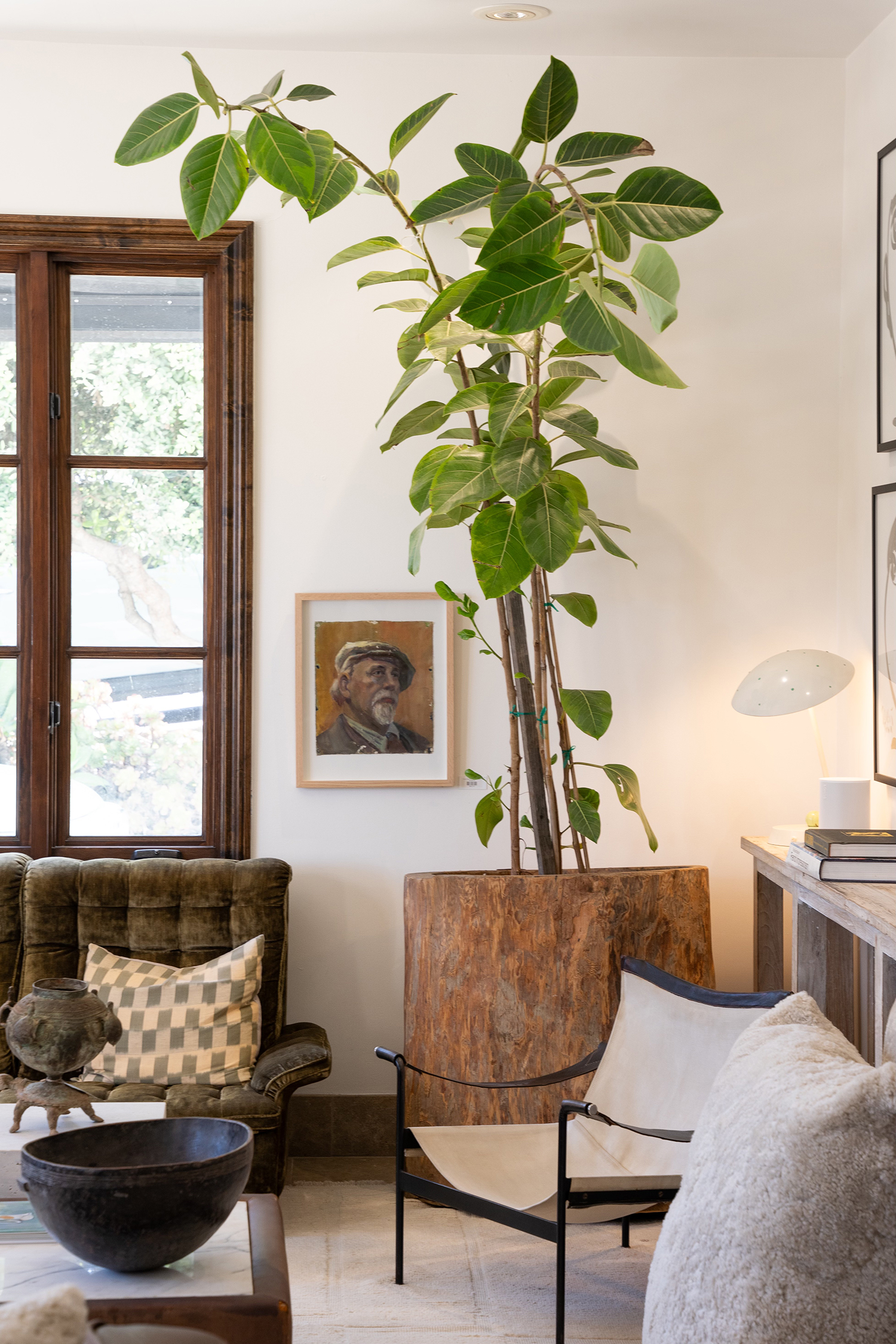
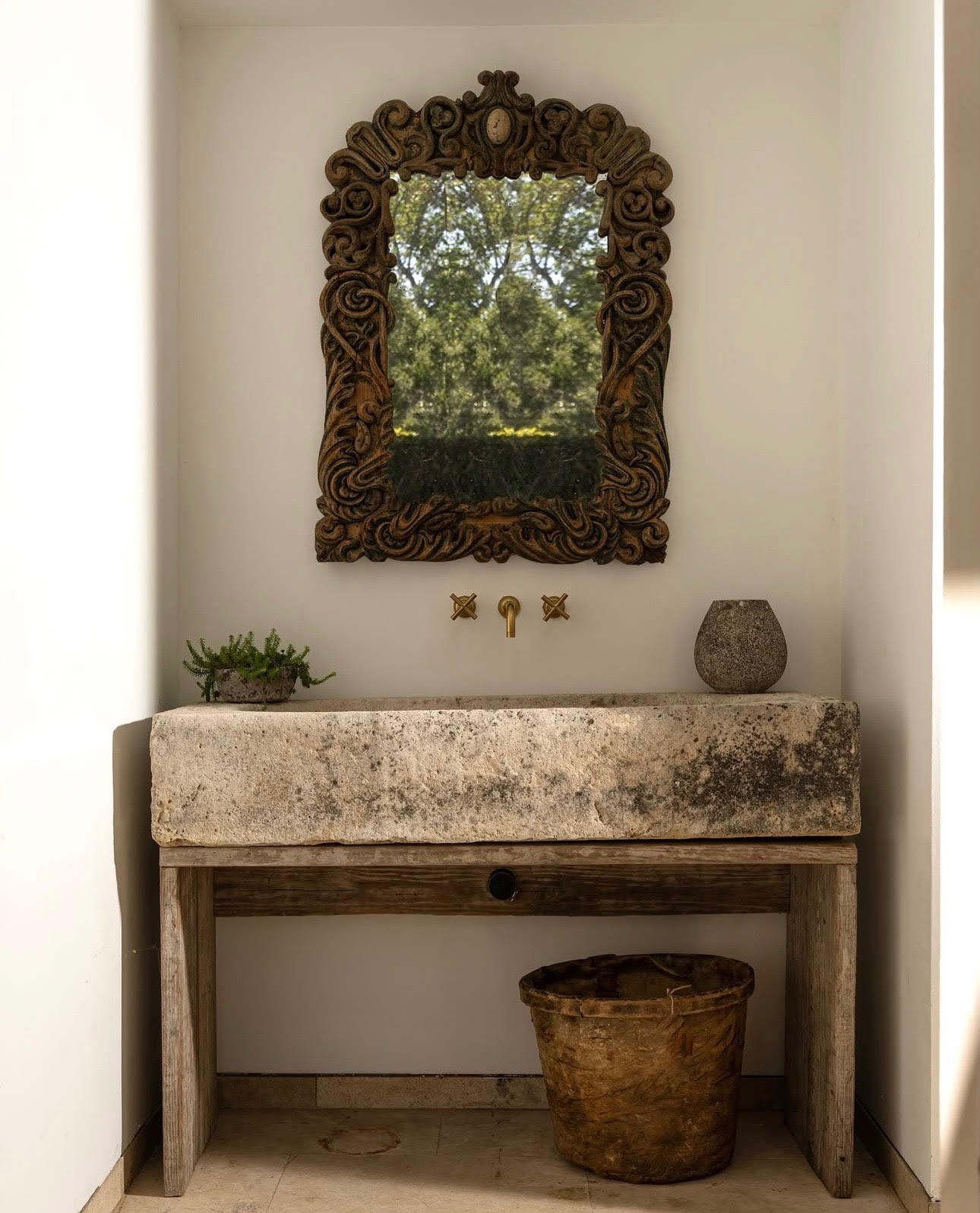
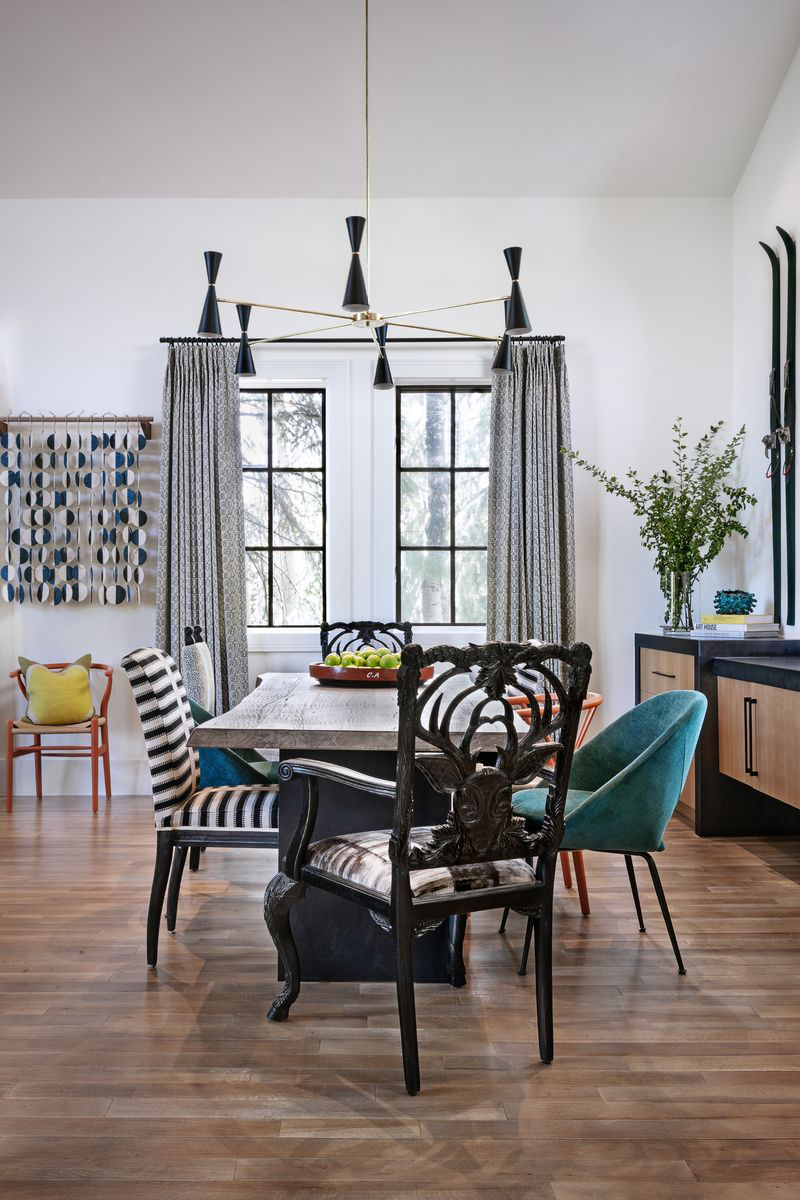
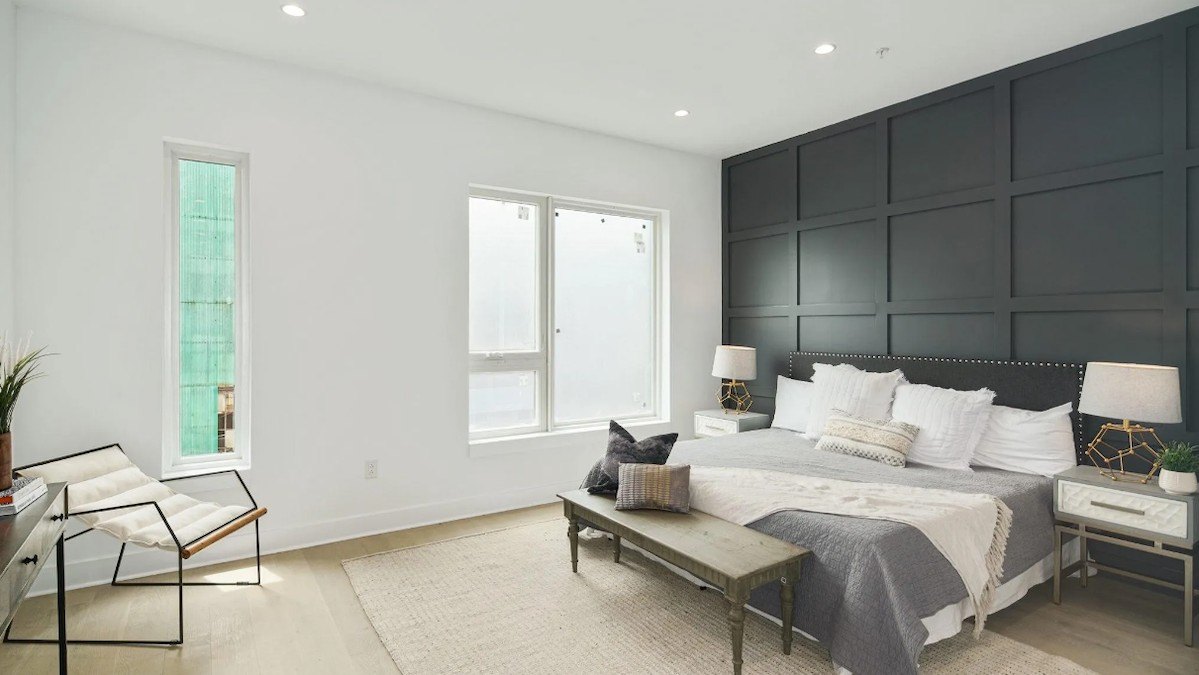

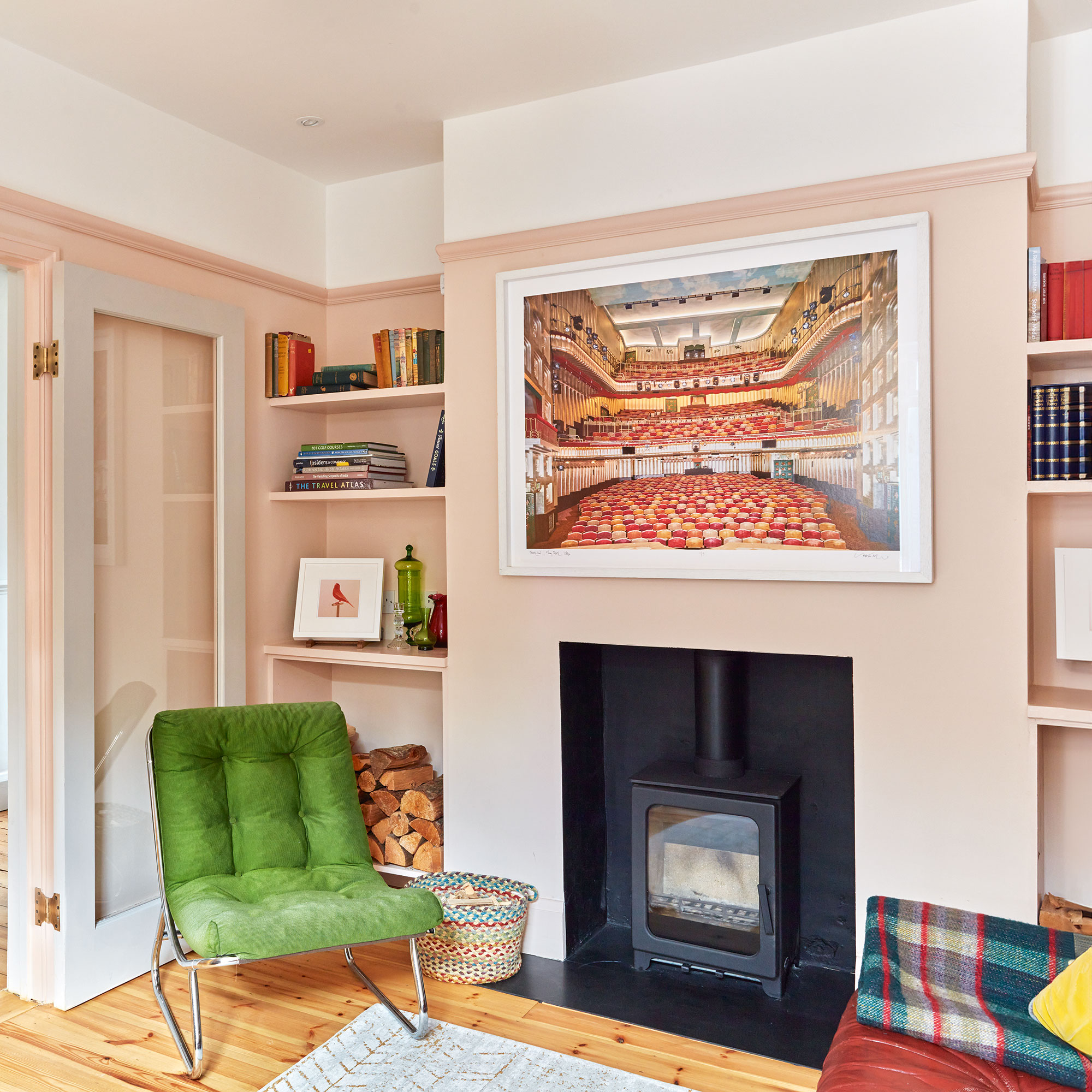
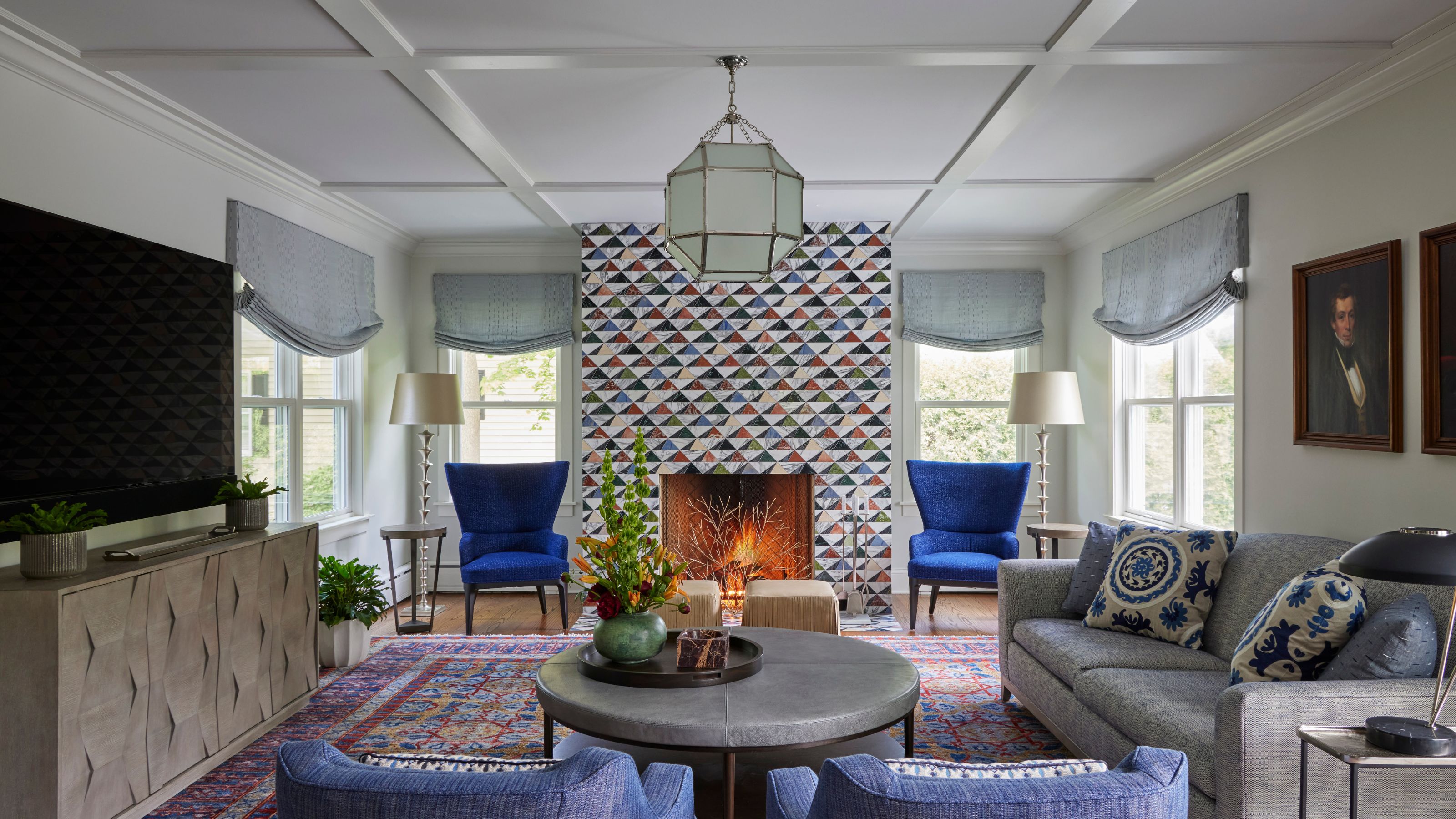
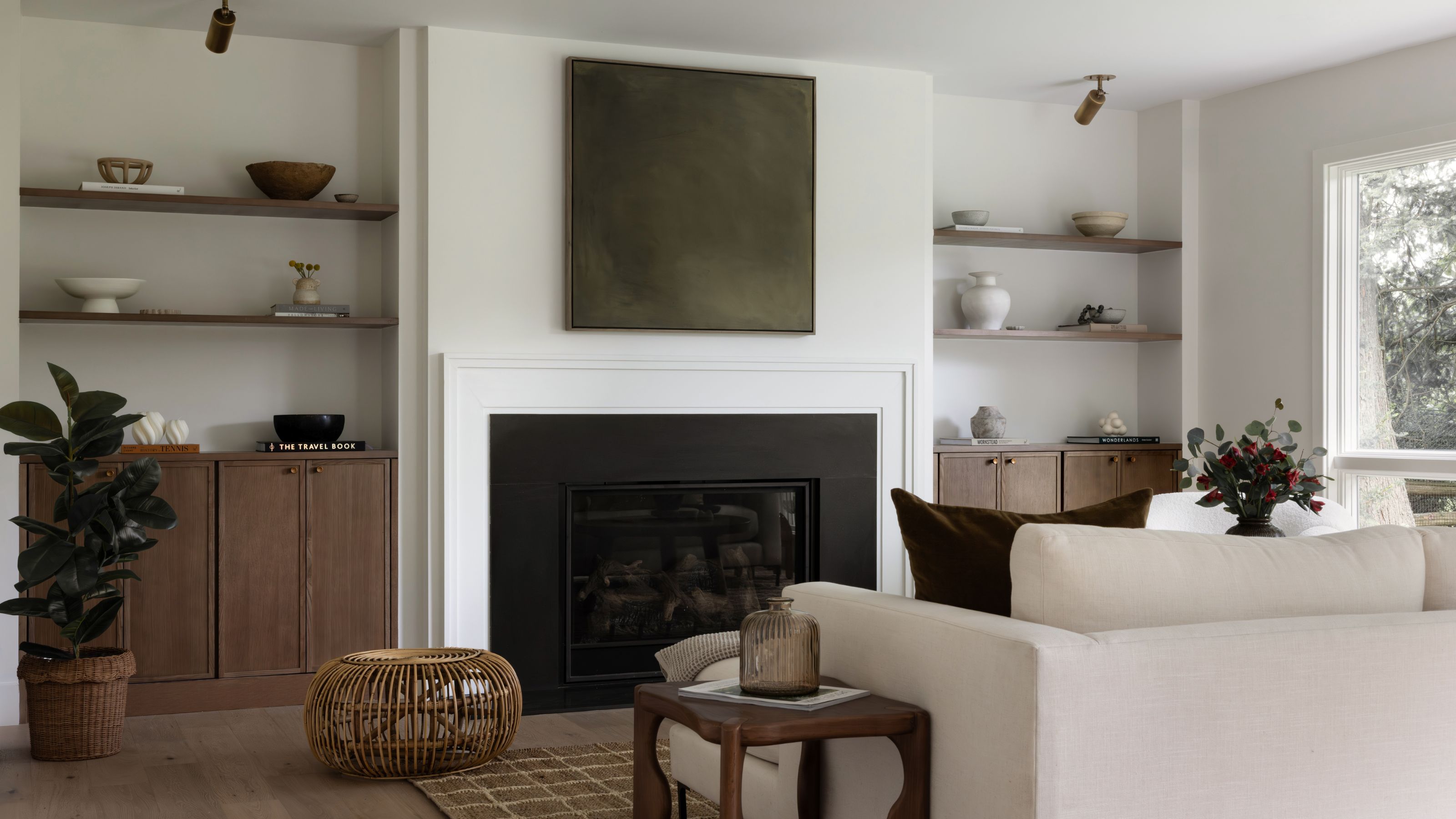
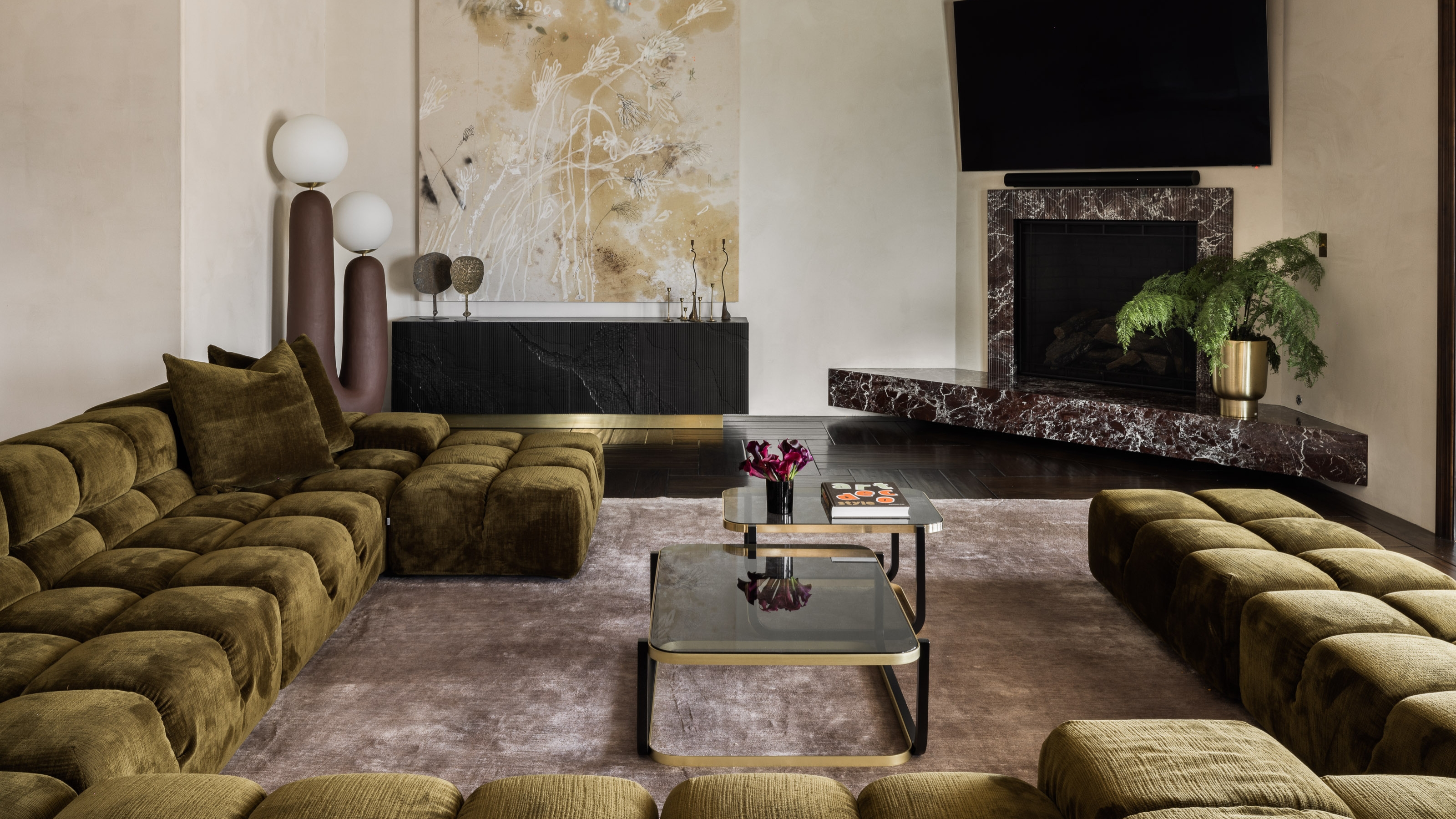
The rule of thirds is a fundamental design principle widely applied in interior design to achieve visual balance and harmony within a space. This technique, traditionally used in photography and art, involves mentally dividing a room or a specific area, such as a fireplace mantel or bookshelf, into a symmetrical grid of nine equal parts using two horizontal and two vertical lines. Interior designers Lindye Gallow and Elle Cantrell emphasize that this method is not a rigid rule but rather a flexible guideline to aid in arrangement and evaluation, preventing a space from feeling forced or overly symmetrical.
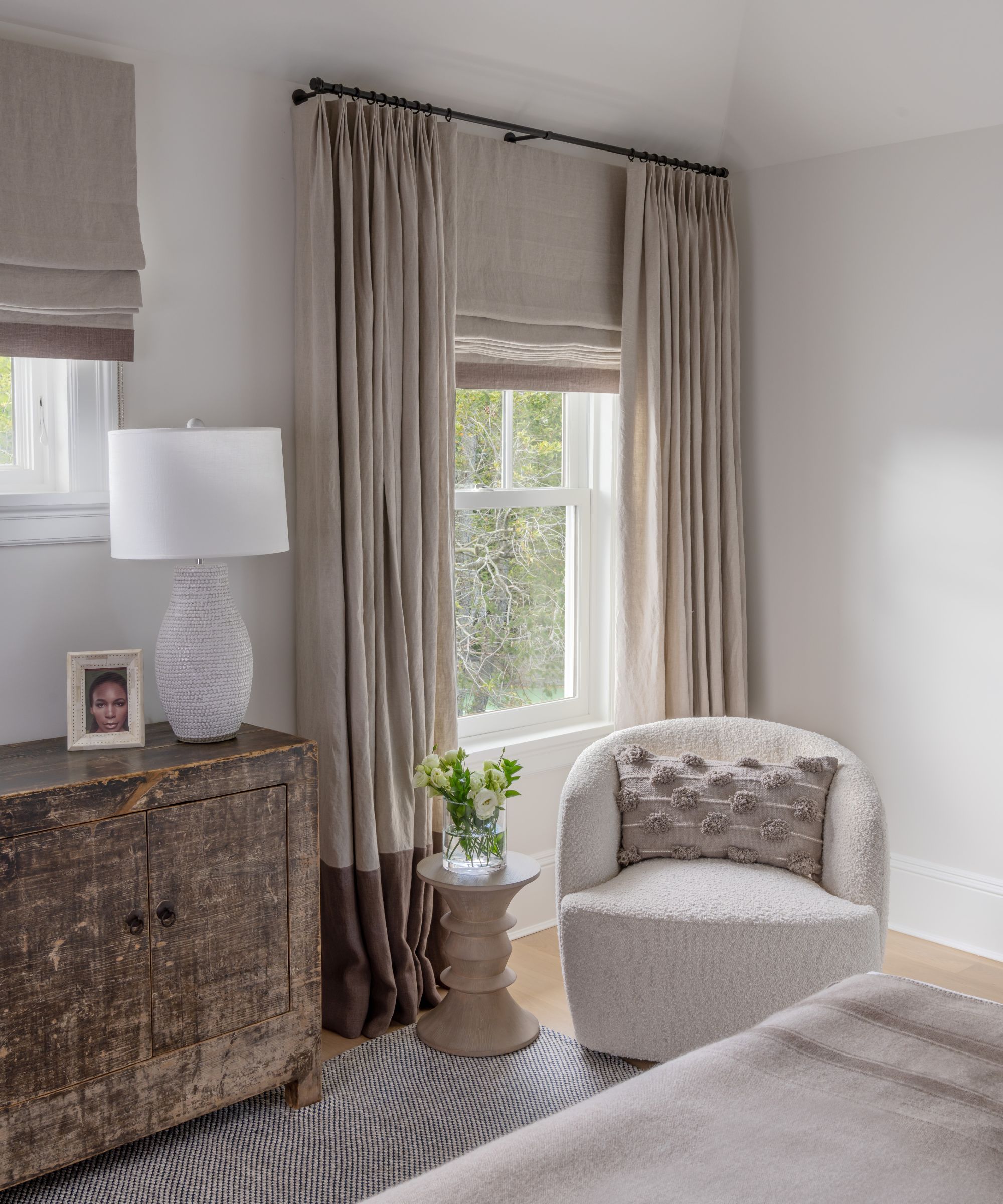
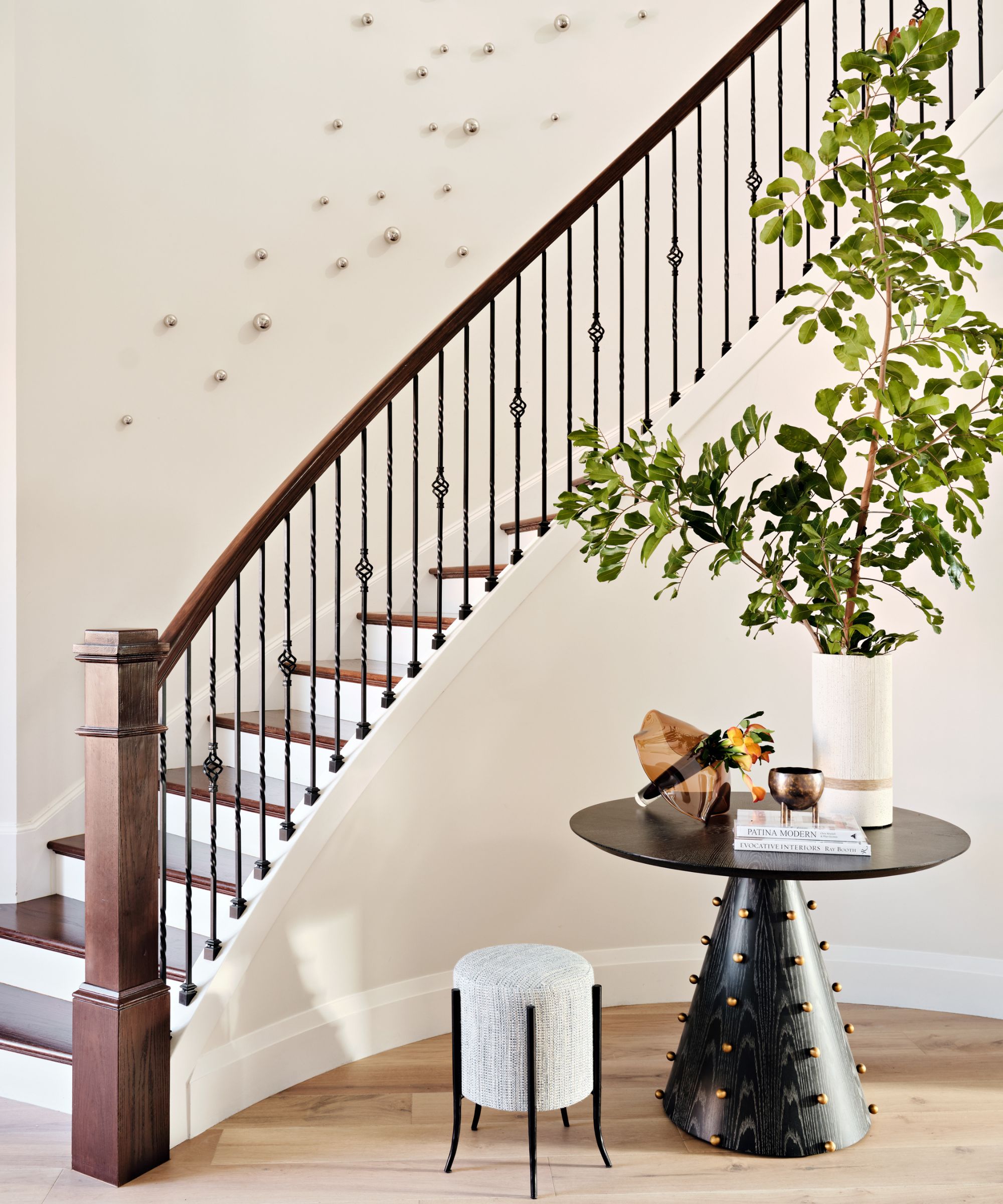
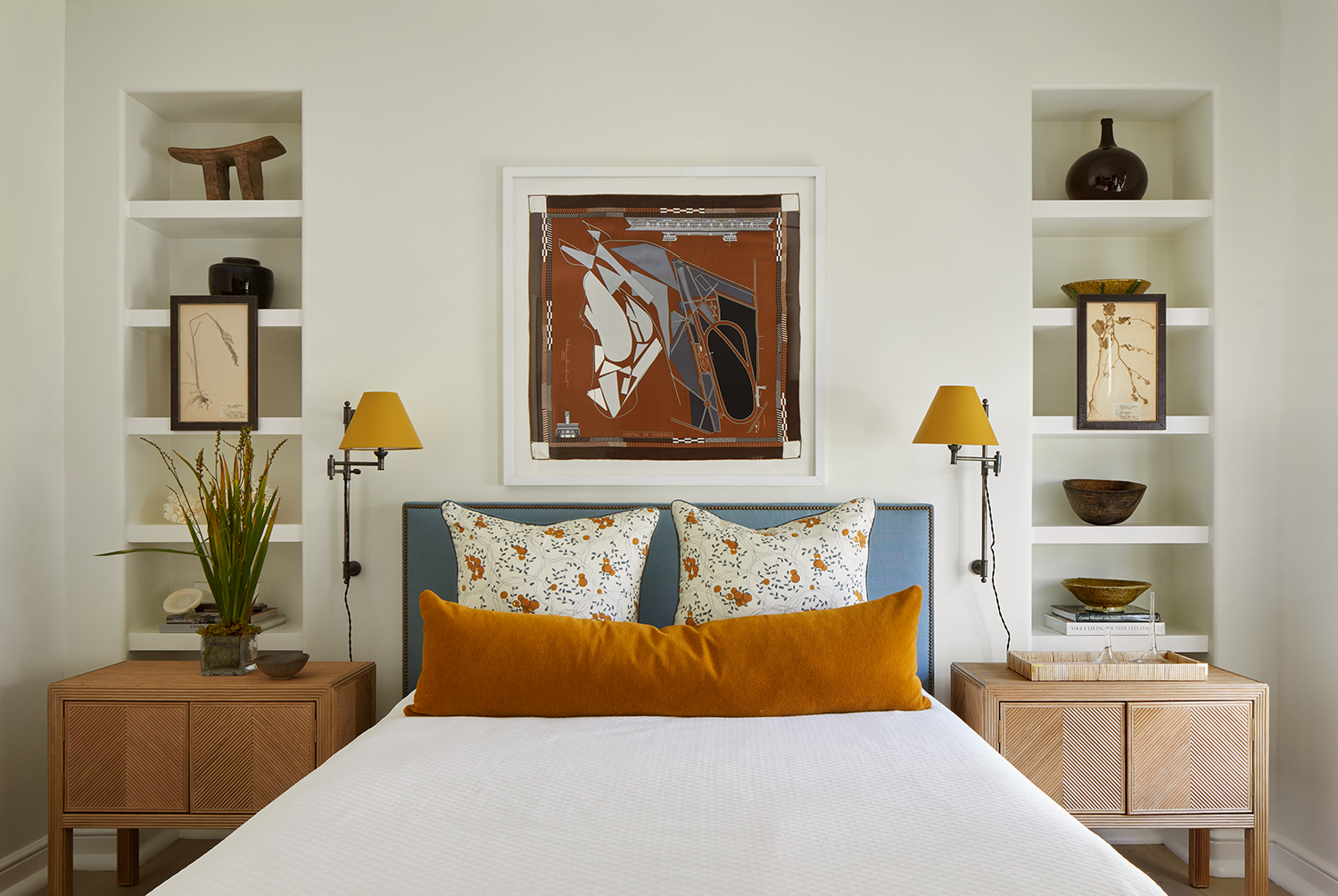
The core idea behind the rule of thirds is to guide the placement of furniture, decor, and other elements to create a pleasing composition. By looking at the room in thirds—upper, middle, lower, and left, center, right—designers can assess the visual weight of objects and ensure an even distribution. This mental grid helps in determining appropriate spacing and proportions. For instance, if a large piece of furniture occupies one-third of a wall, the remaining two-thirds can be balanced with other elements or left open to maintain equilibrium. The goal is to create a dynamic yet balanced look, rather than a perfectly mirrored or static arrangement.
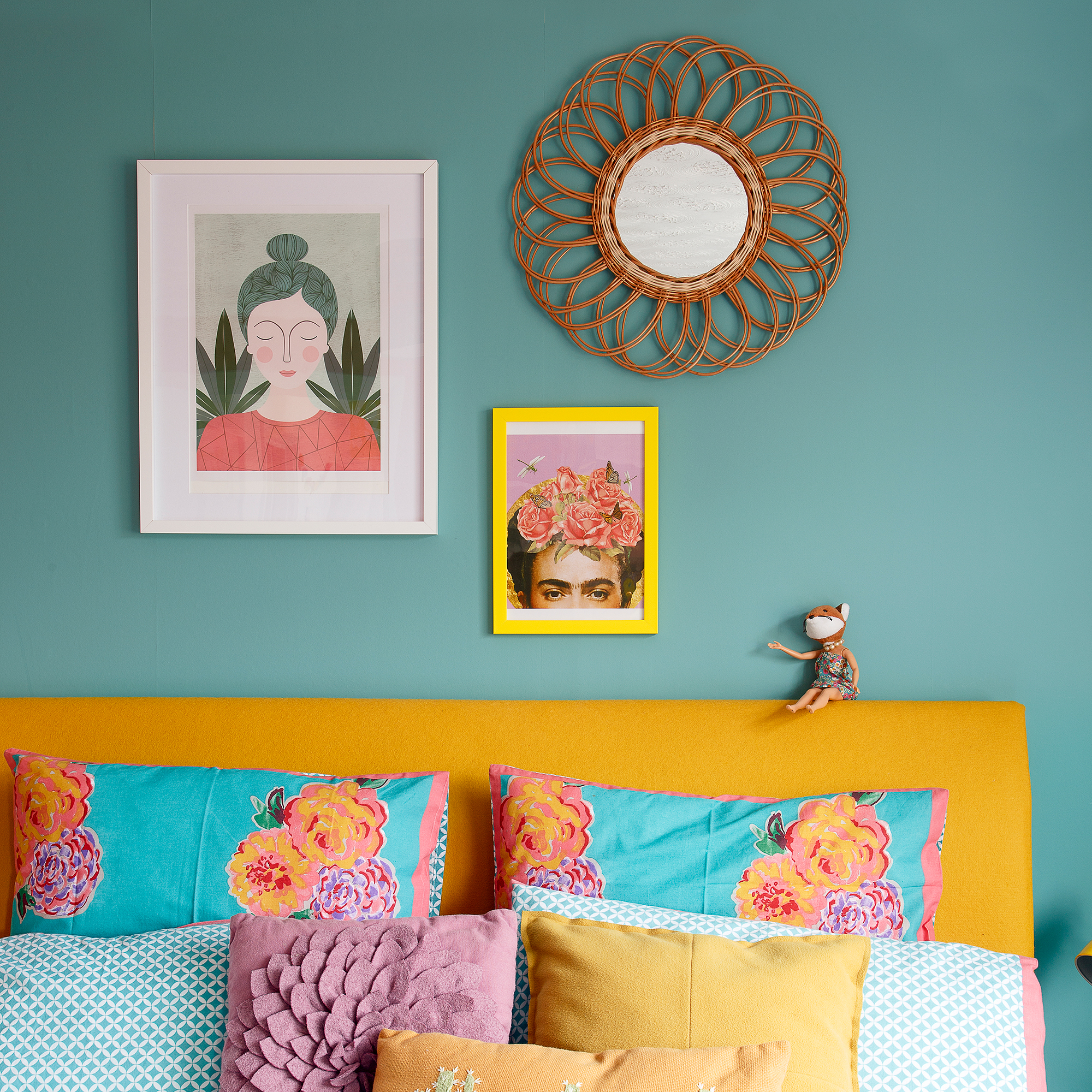
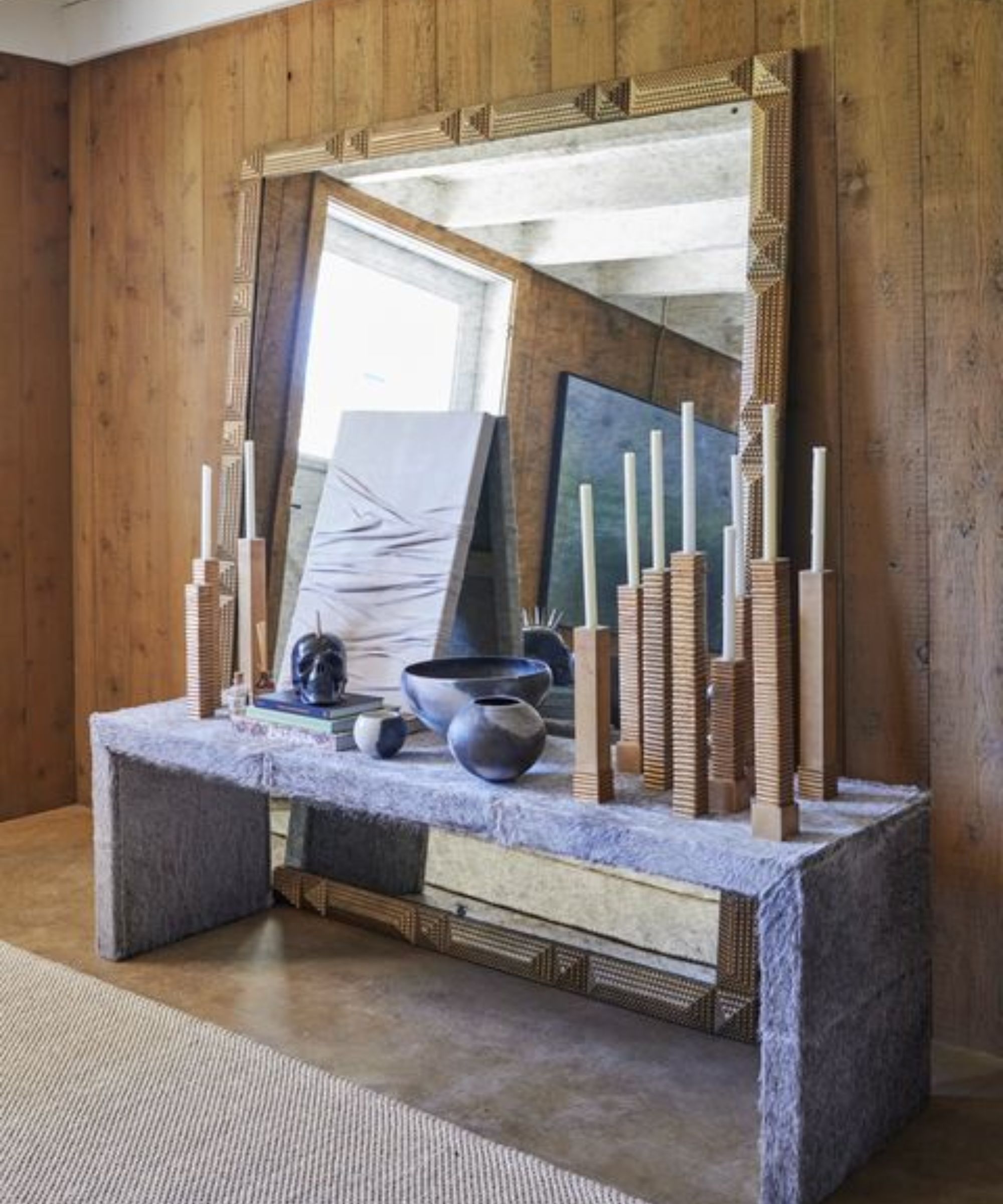
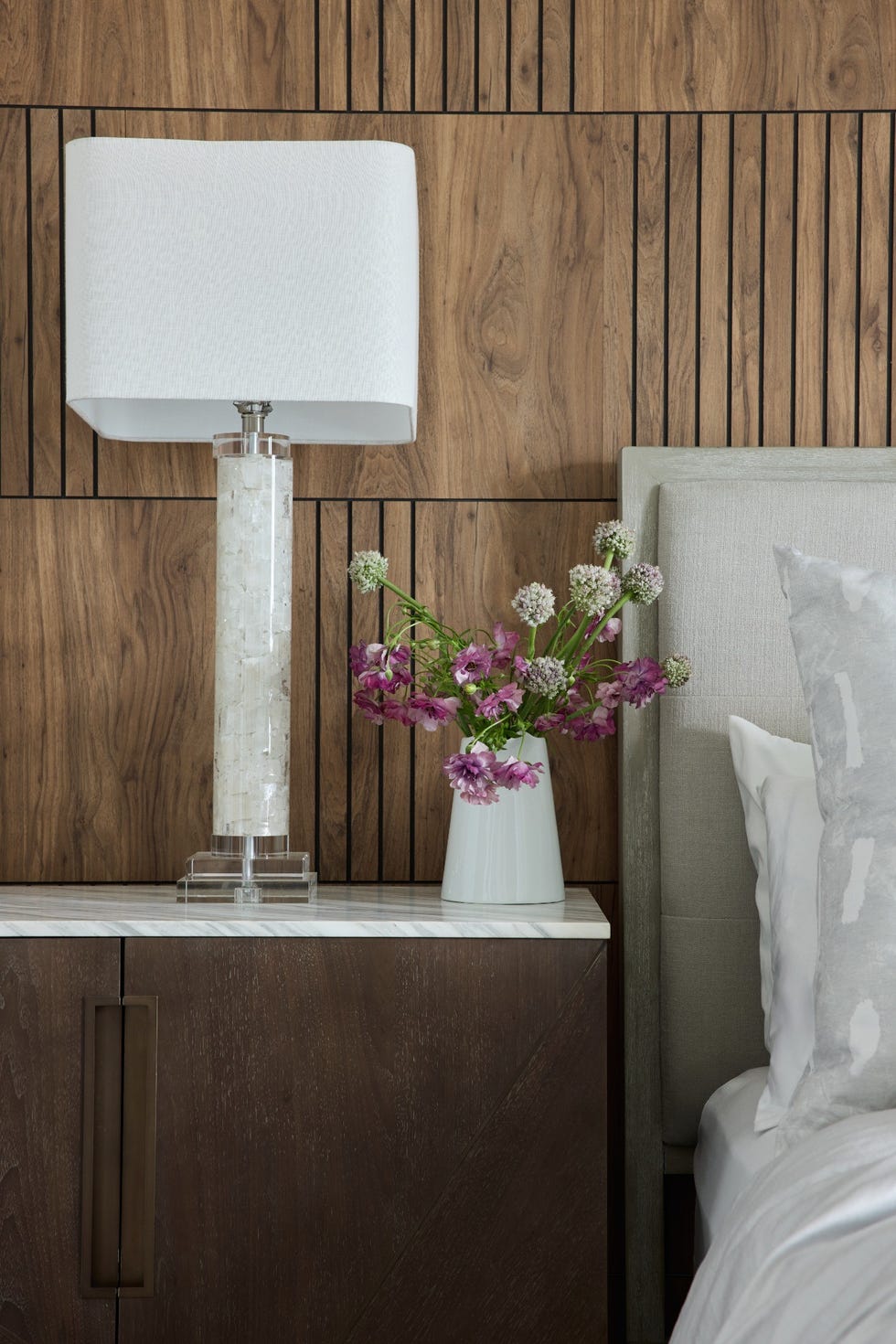
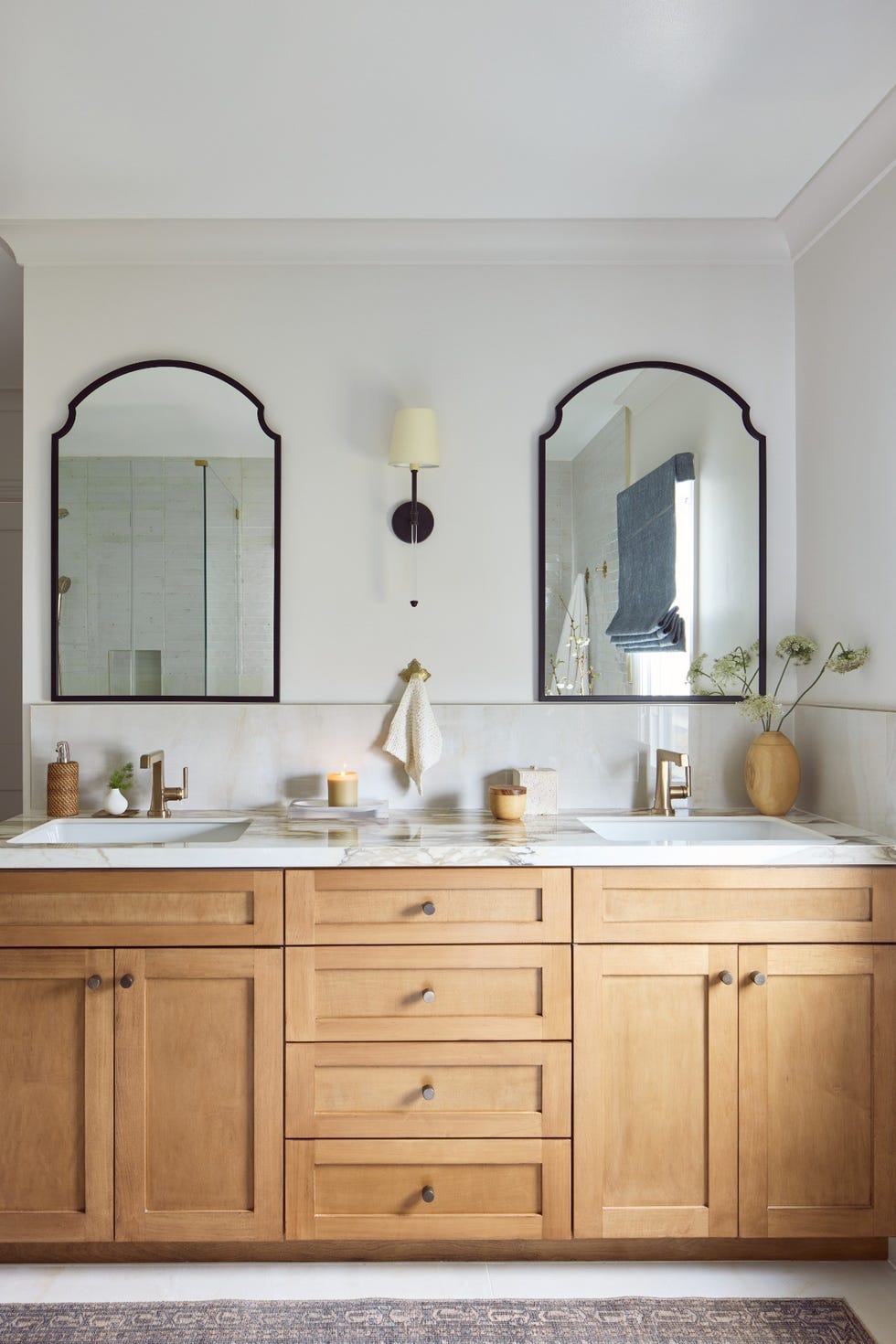
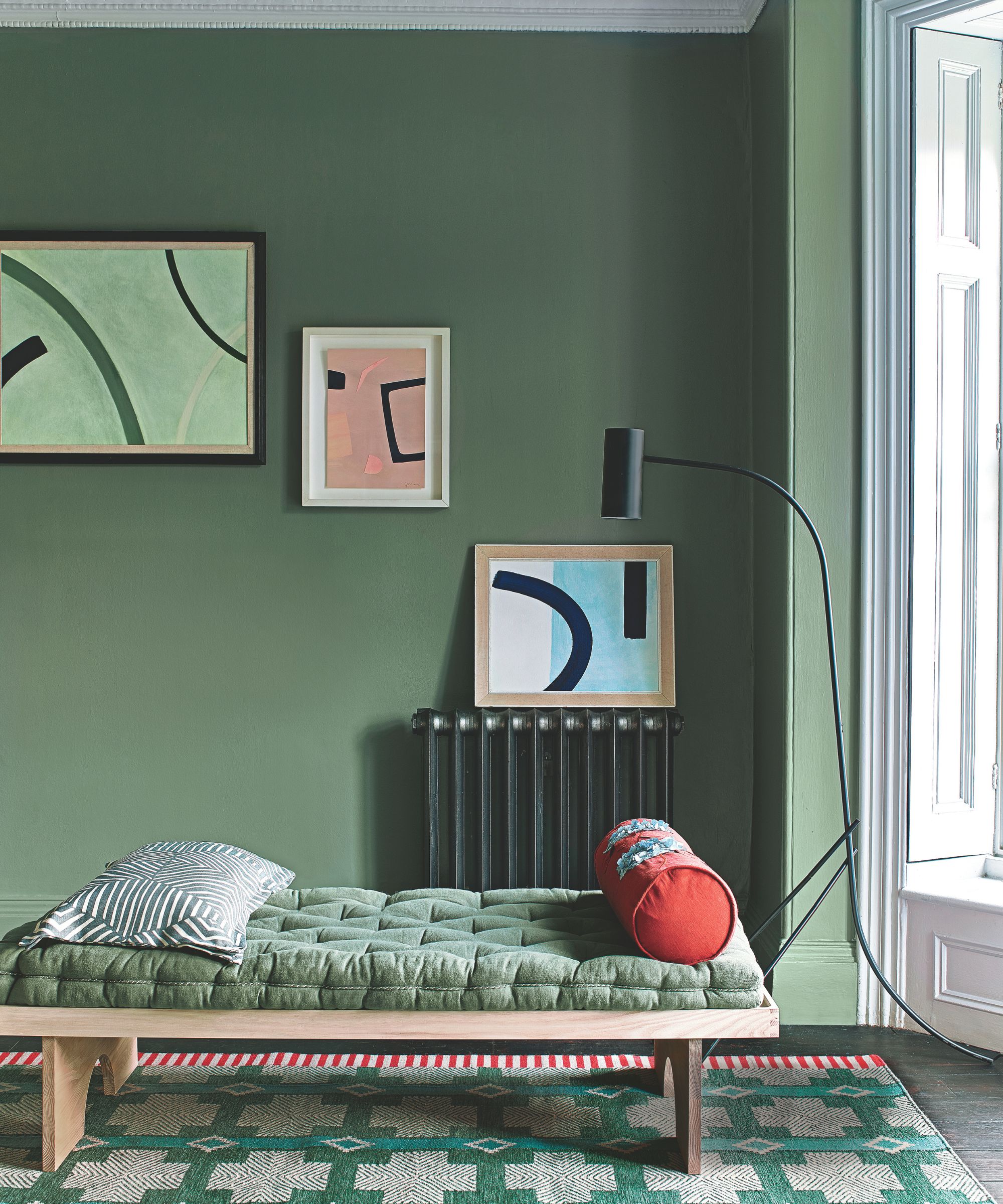
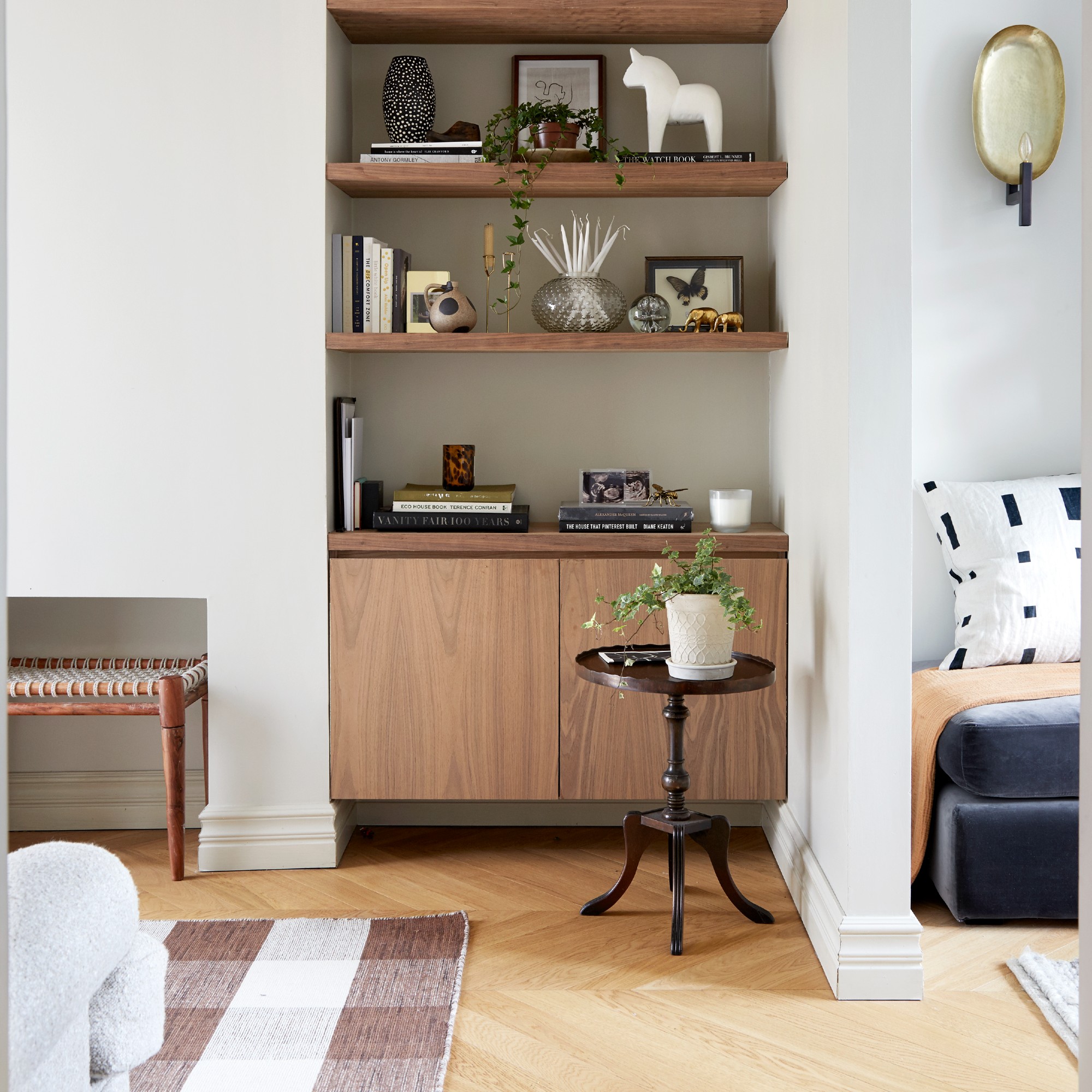
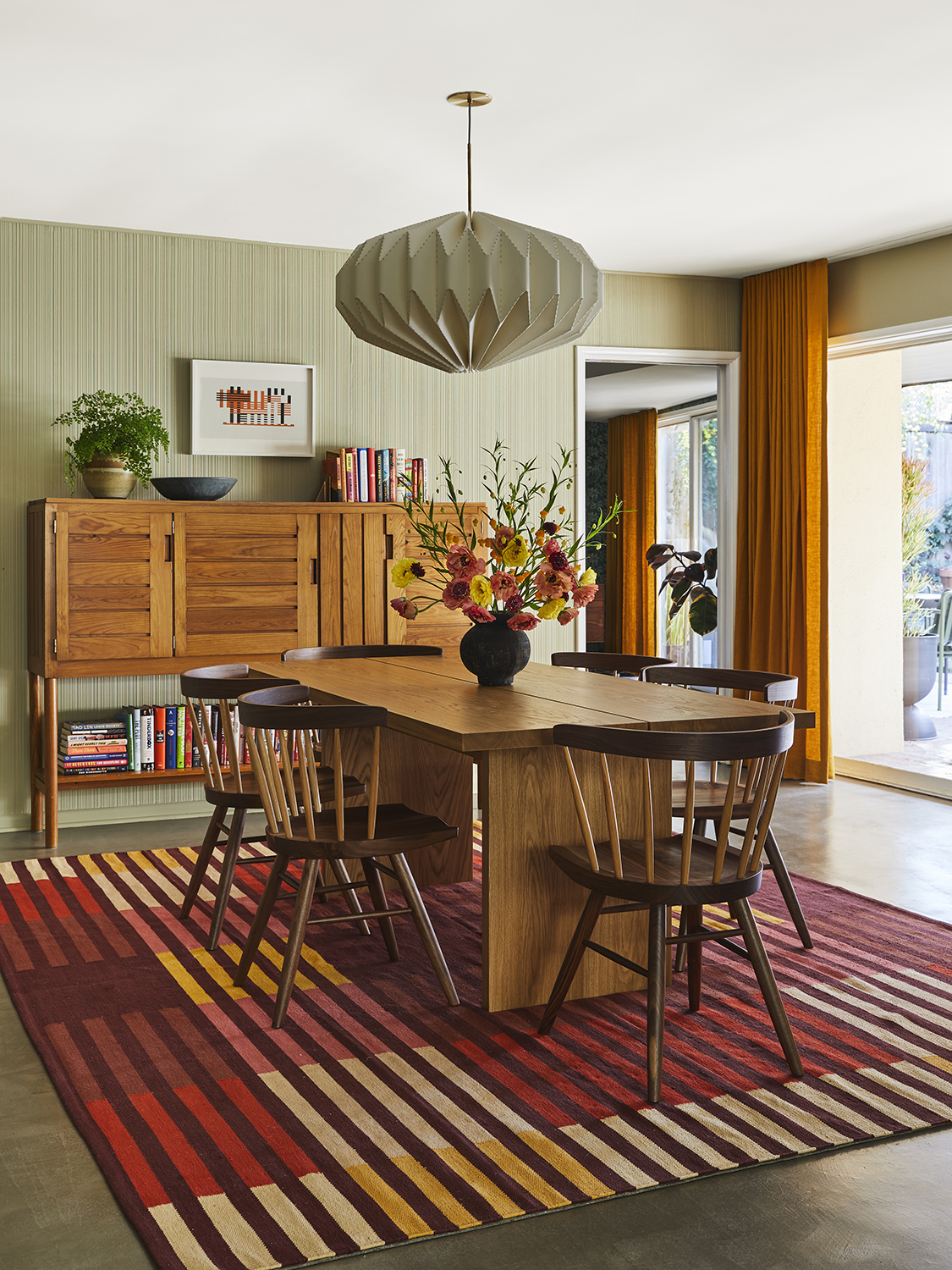
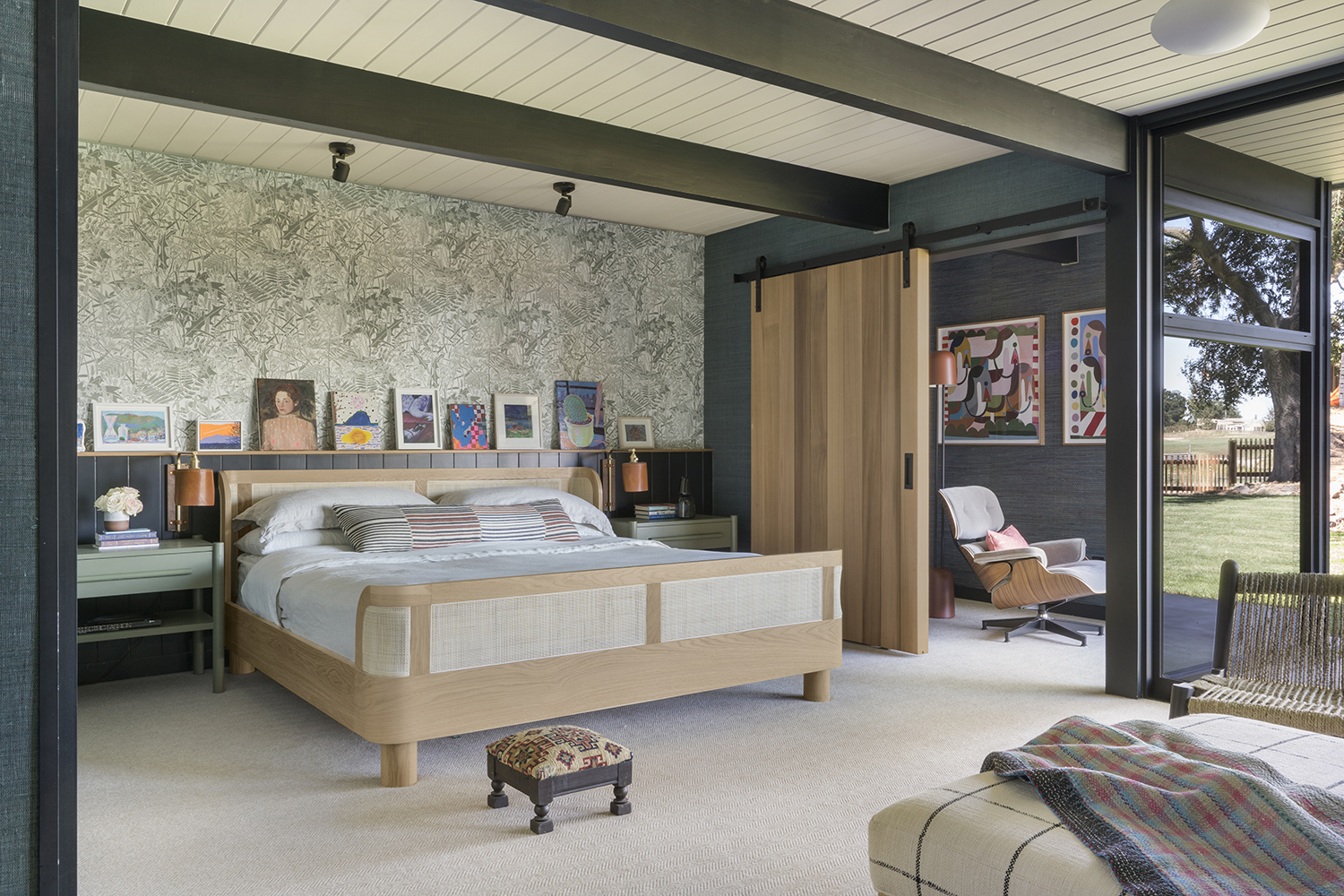
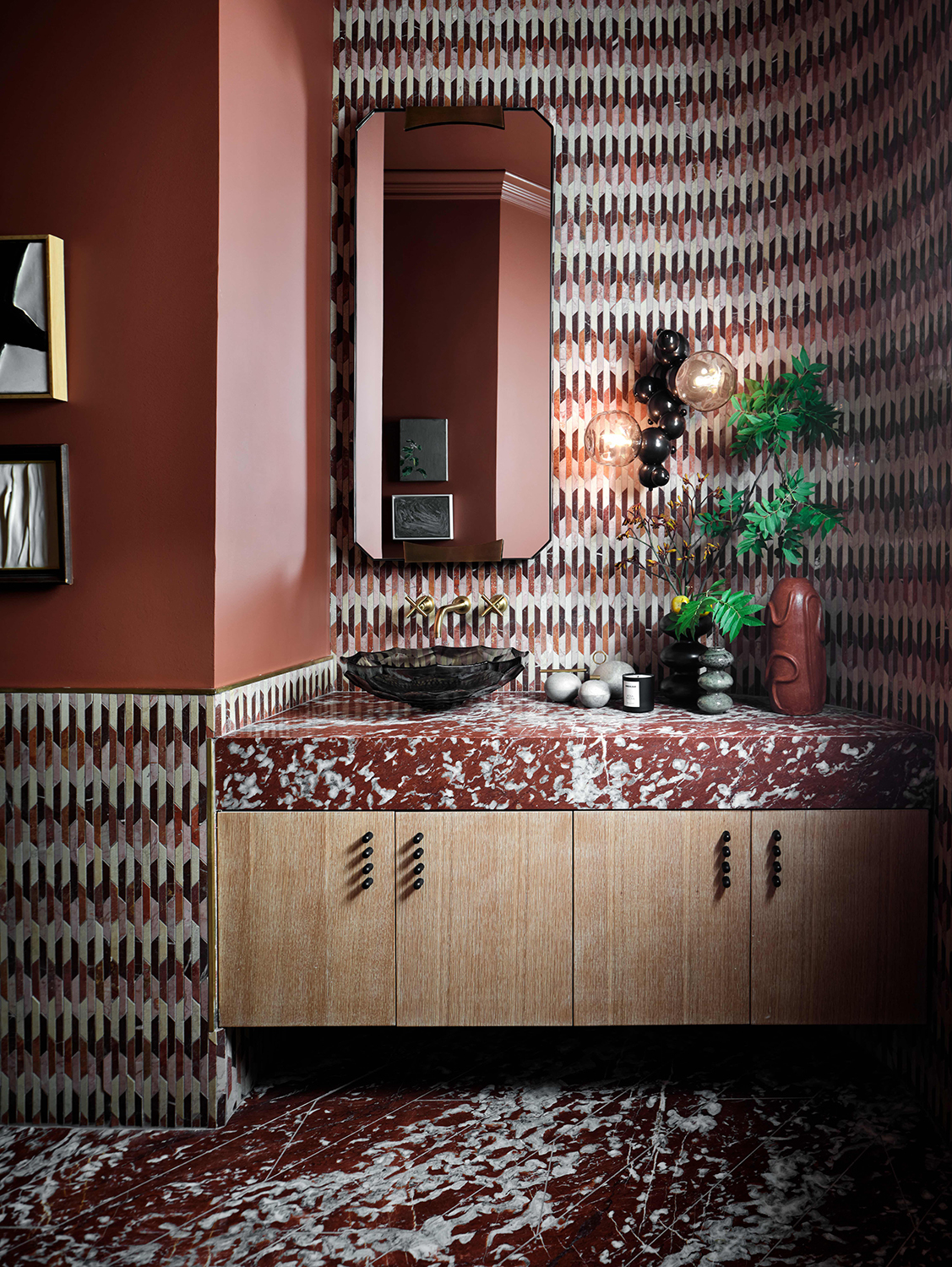
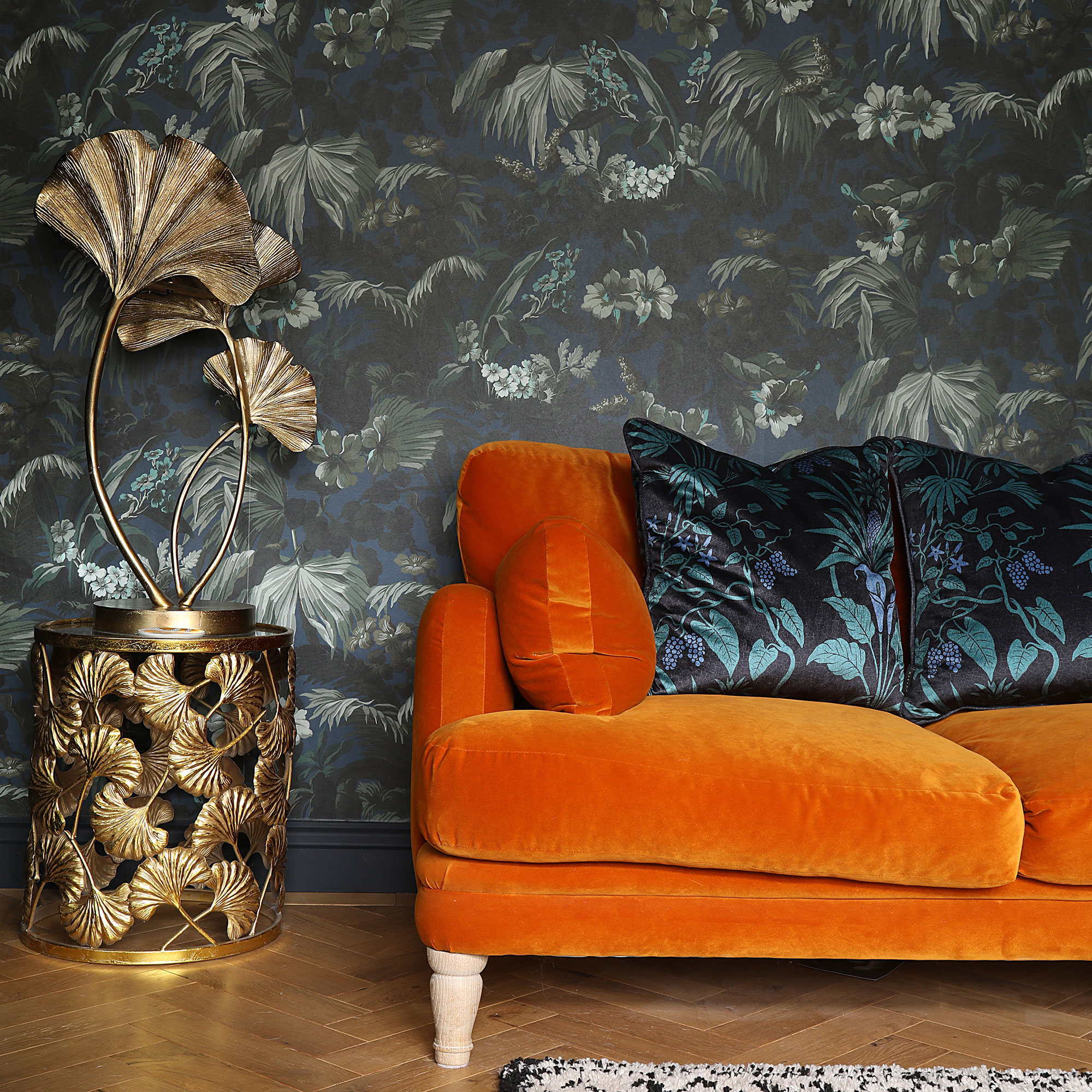

Applying the rule of thirds allows for a deliberate approach to design. When evaluating a space, designers consider how colors, textures, and values are distributed within each section of the grid. While the shapes and forms of objects can vary, the overall visual weight across the grid should appear balanced. For example, a bold, dark piece on one side can be balanced by a lighter, larger grouping on the opposite side, or by introducing complementary textures and materials elsewhere in the room. This analytical method ensures that no single section feels too heavy or too empty, guiding the eye smoothly across the composition.
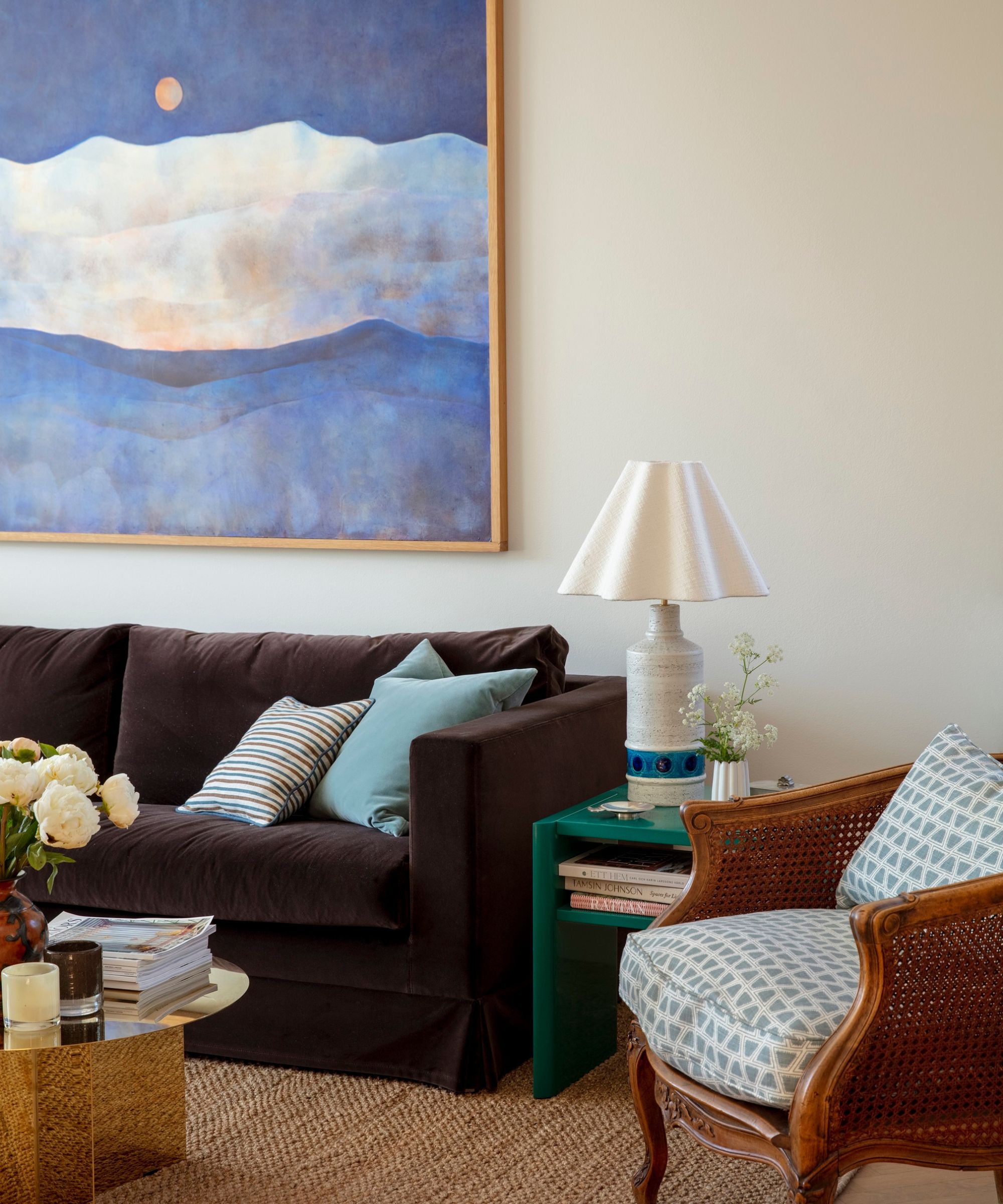
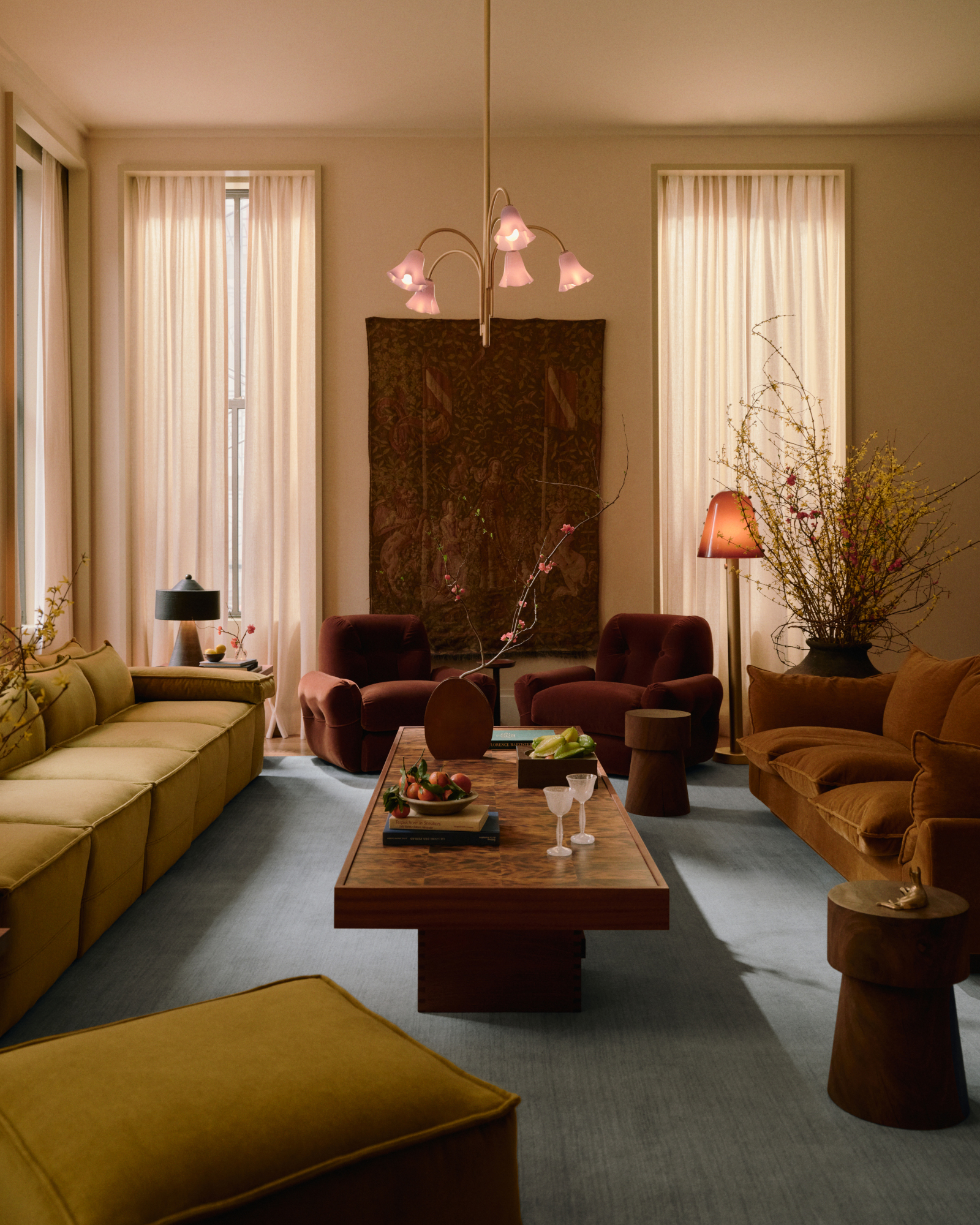
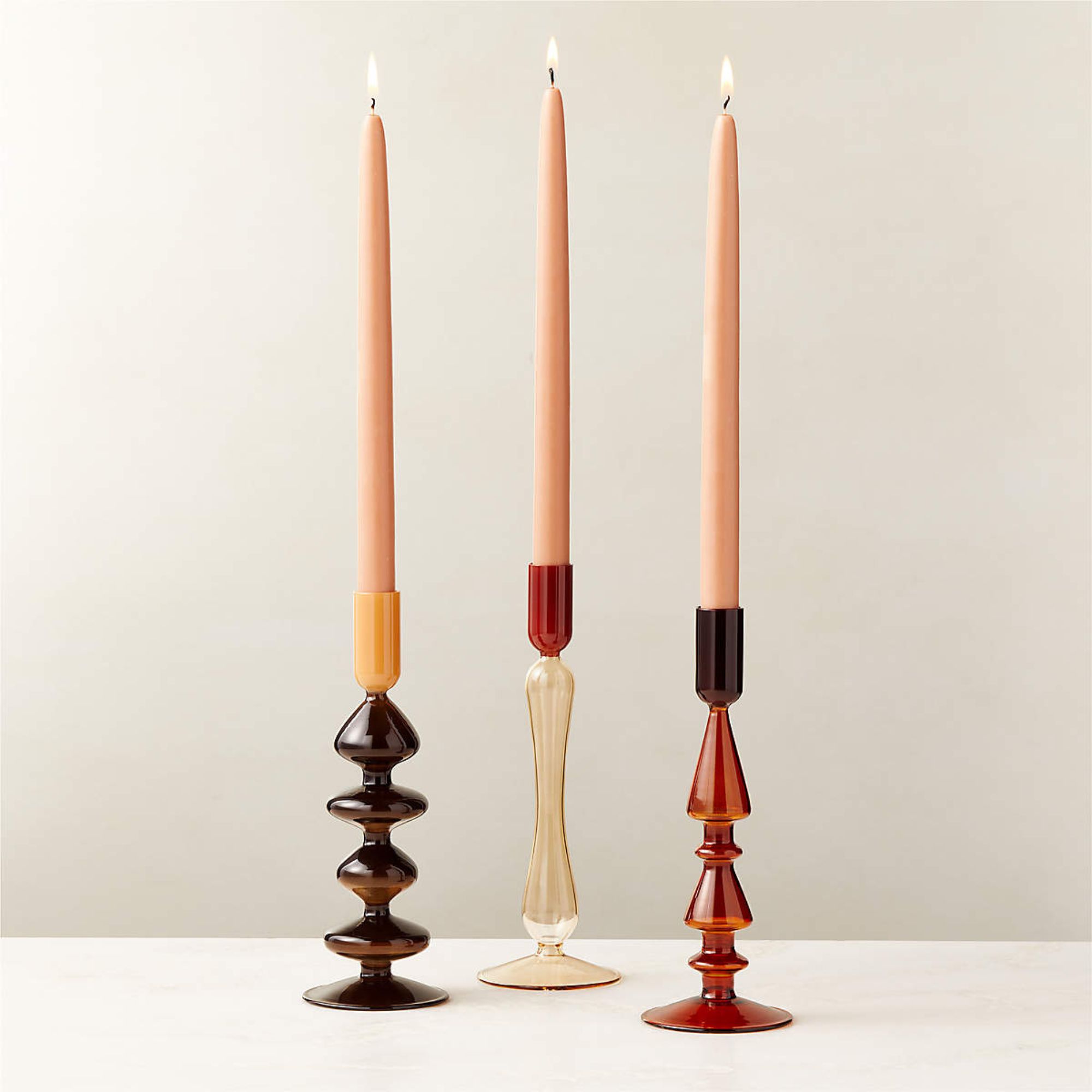
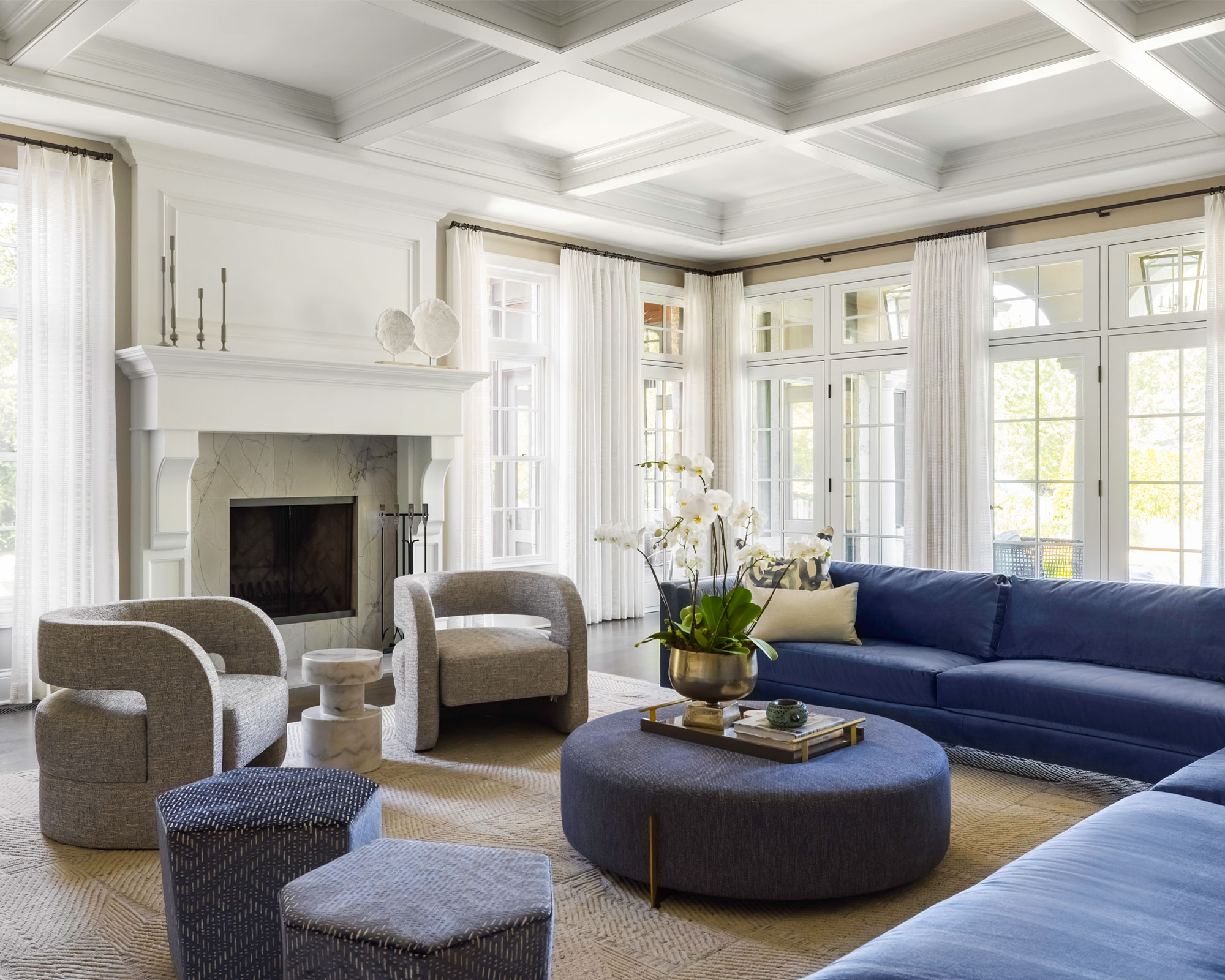
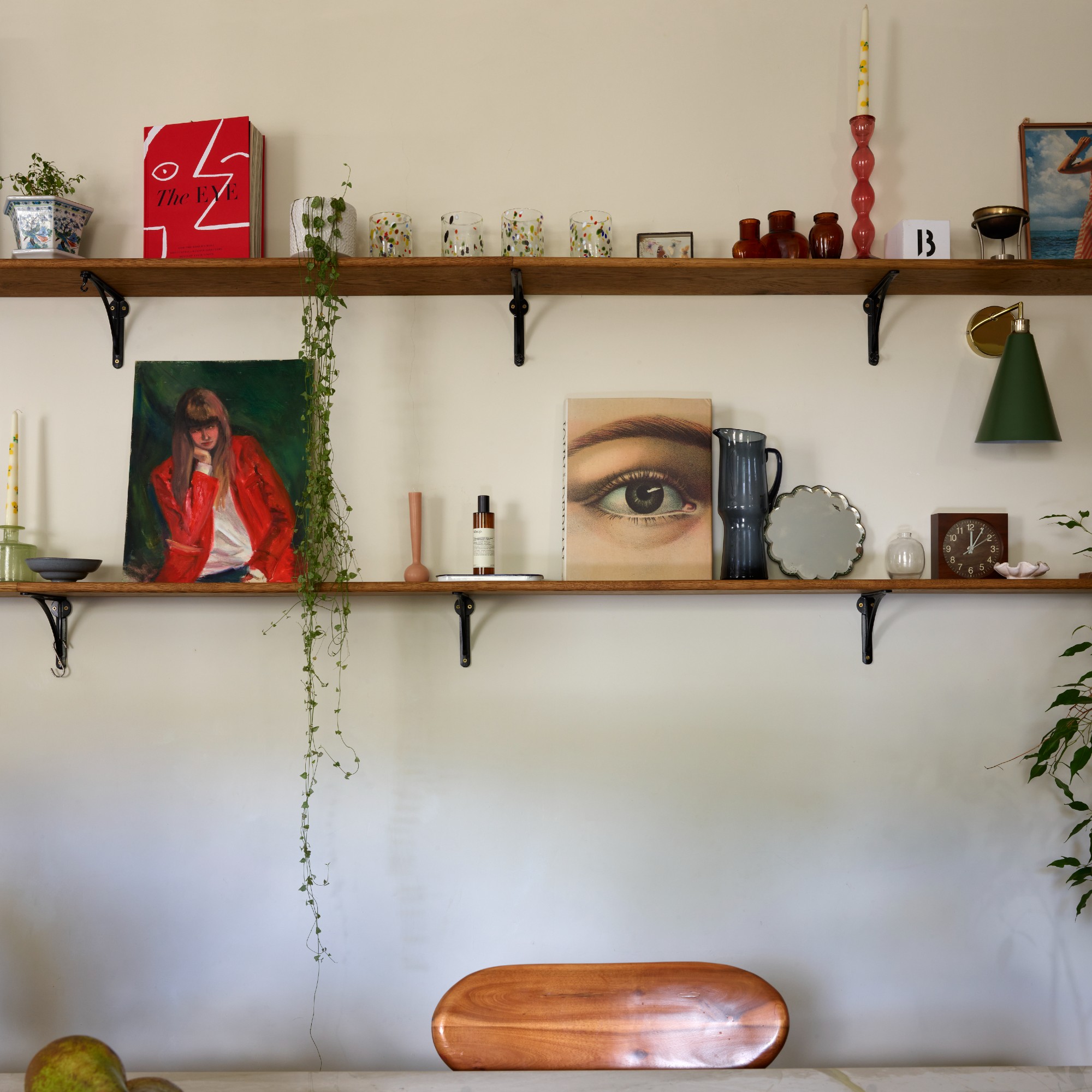
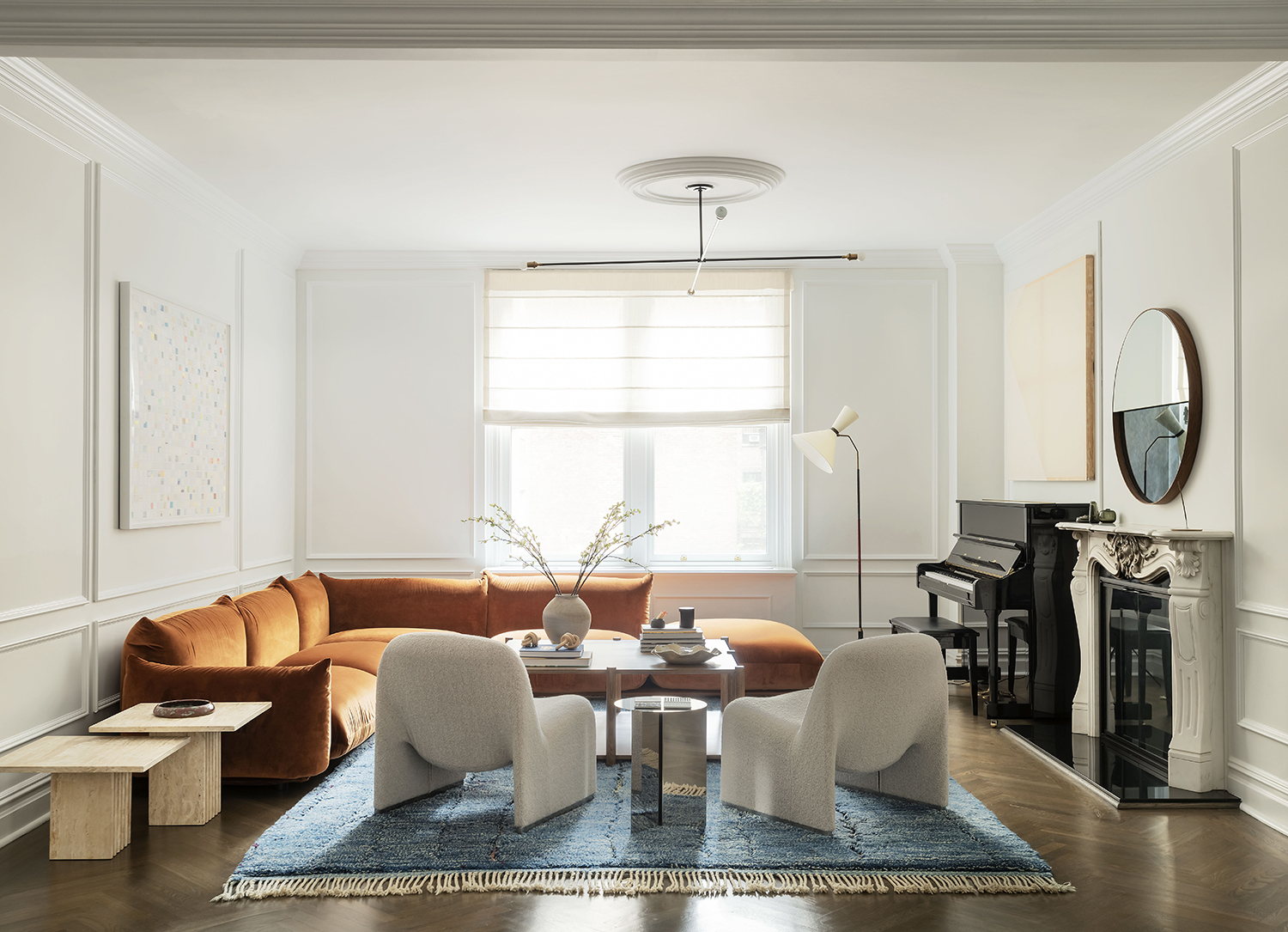
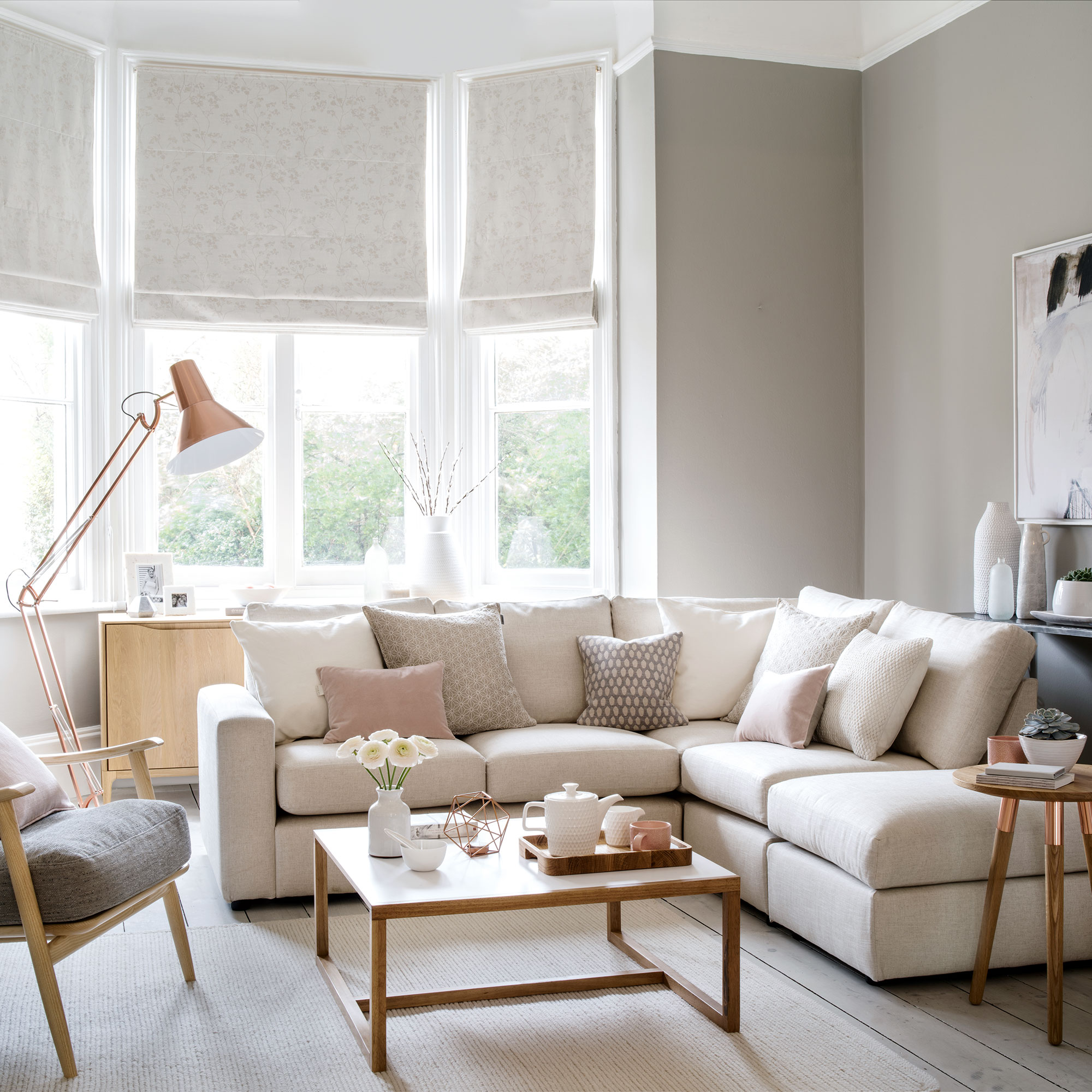
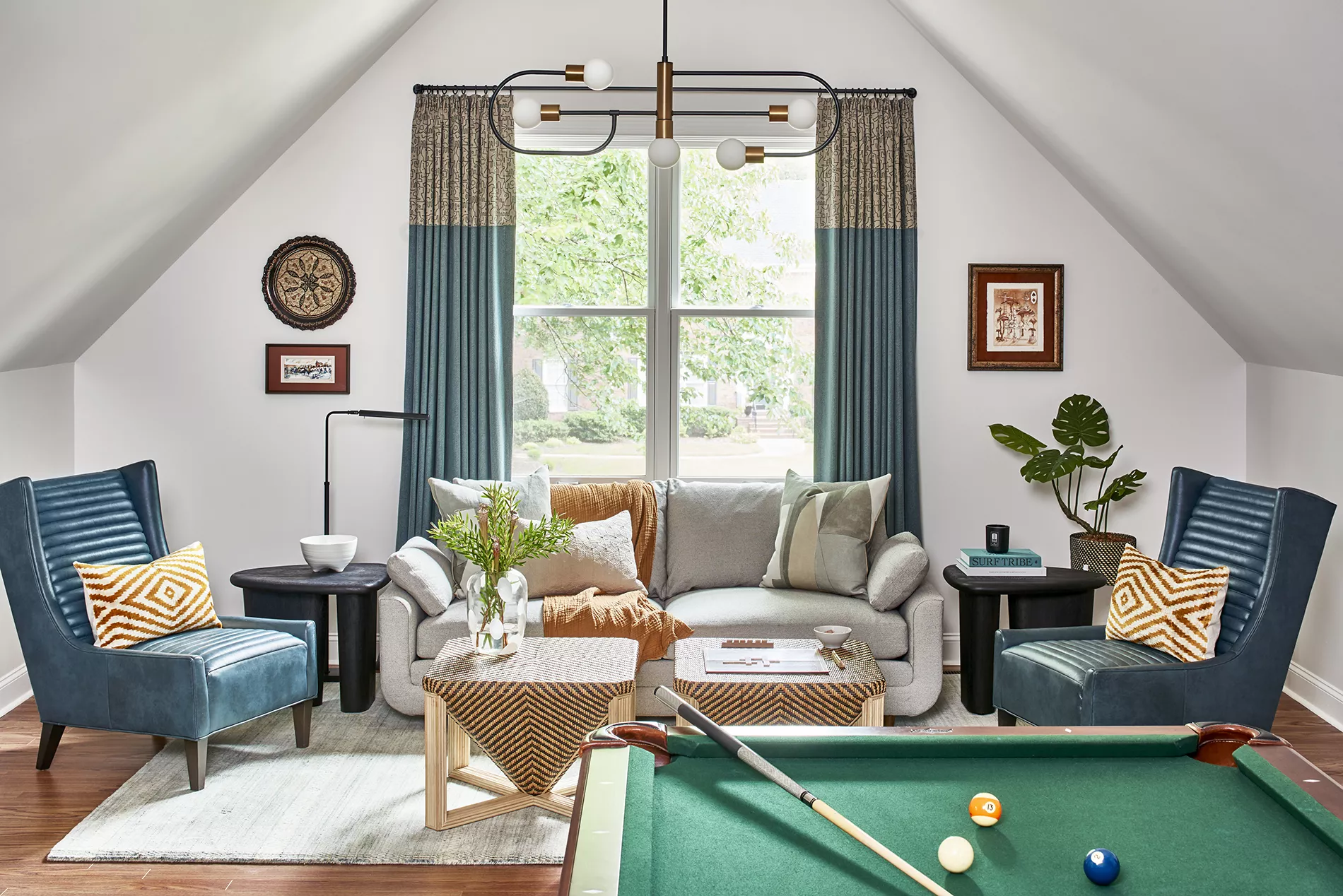
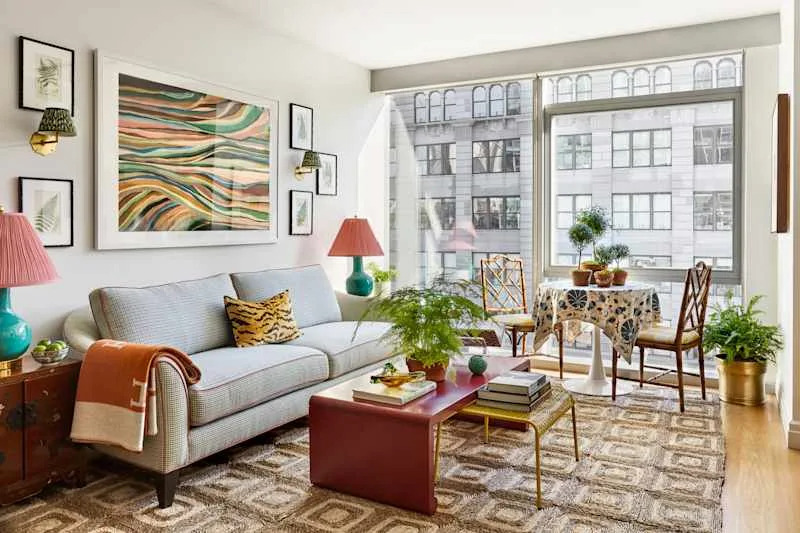
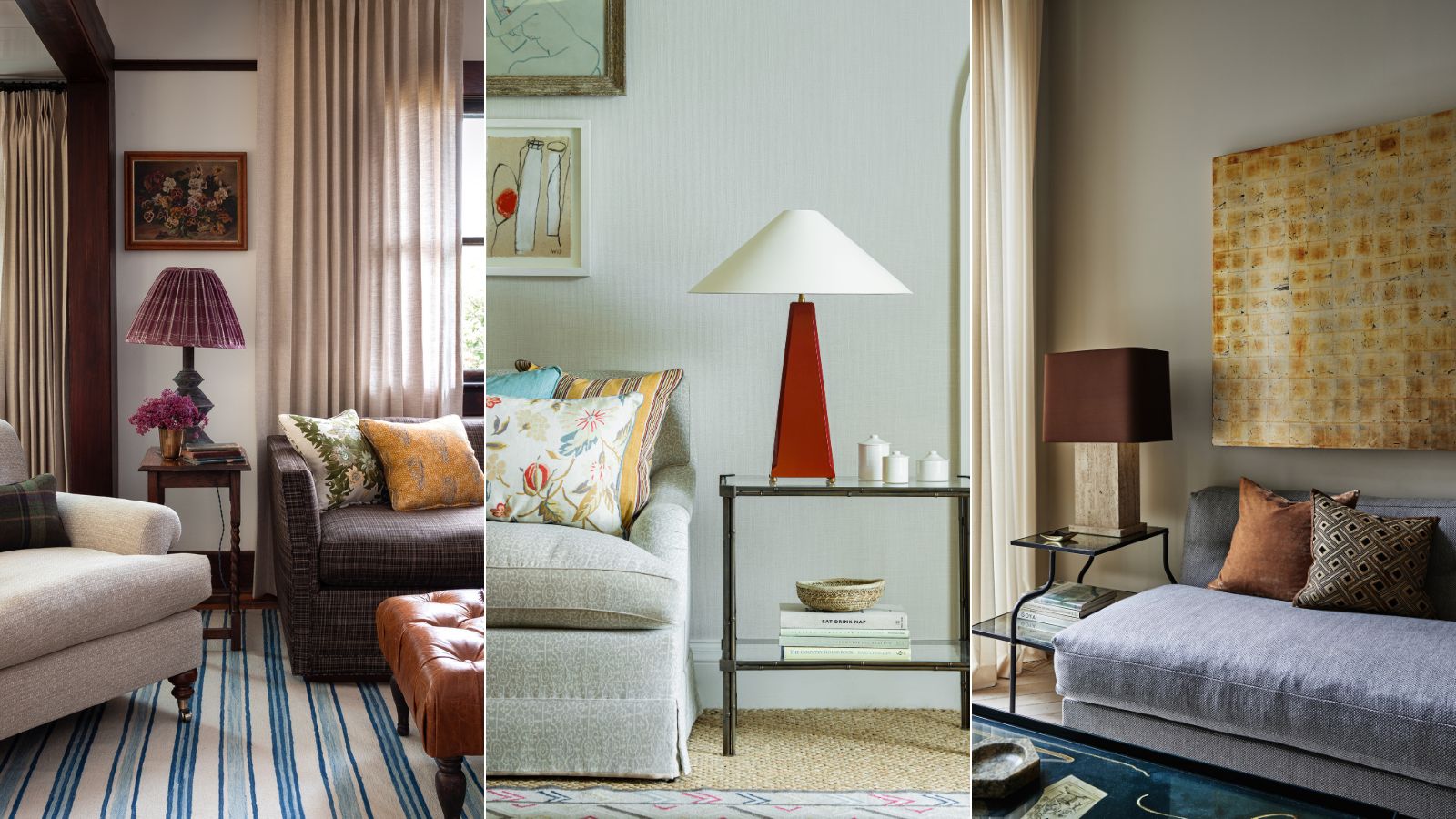
The technique is versatile and can be applied to various scales within interior design. For larger areas like a living room, it might involve positioning a sofa, an armchair, and an accent table within different sections of the grid, ensuring each element contributes to the overall balance. For smaller decor arrangements, such as styling a coffee table or bookshelves, the rule helps in grouping items effectively. An important distinction is made between the rule of thirds and the rule of three, which suggests grouping three items together for visual appeal. While both can be used concurrently, the rule of thirds focuses on overall compositional balance across a larger area, whereas the rule of three is about creating appealing small groupings.
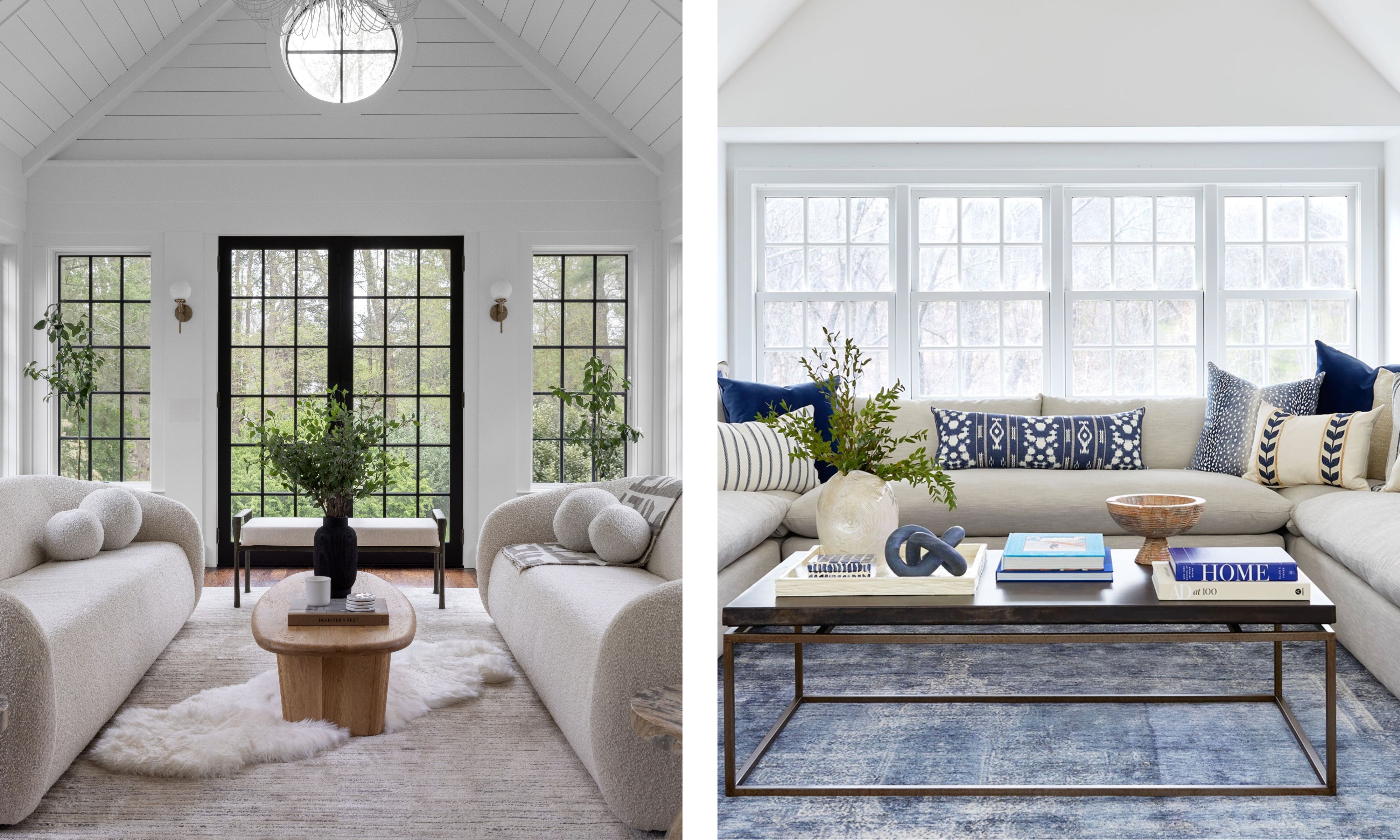
Practical application of the rule of thirds starts with smaller, less impactful decor elements, such as items on coffee tables or shelves, to build confidence before moving to larger furniture pieces. When arranging items, it's often beneficial to use odd numbers, as they tend to be more visually appealing and natural. Furthermore, floors should not be overlooked; rugs, for instance, play a crucial role in defining zones and contributing to the room’s balance. A centrally placed coffee table might be grounded by a rug that covers at least one-third of the area, ensuring proper symmetry and connection with other elements. By using this rule, designers can consciously create spaces that feel aesthetically pleasing, well-proportioned, and harmonious.
#InteriorDesign #DesignPrinciples #RuleOfThirds #HomeDecor #SpacePlanning #VisualBalance #DecoratingTips #RoomLayout #InteriorDesign #DesignPrinciples #RuleOfThirds #HomeDecor #SpacePlanning #VisualBalance #DecoratingTips #RoomLayout
Toplam 0 yorum
 Henüz yorum yok
Bu da beğenebilirsiniz
The rule of thirds – how experts use this design trick for successful schemes

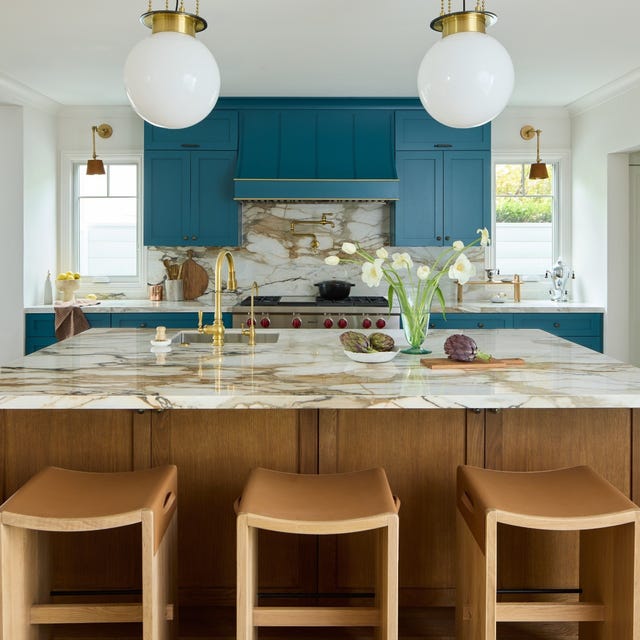
Designers Are Ditching the "Rule of Threes" for THESE Genius Styling Alternatives

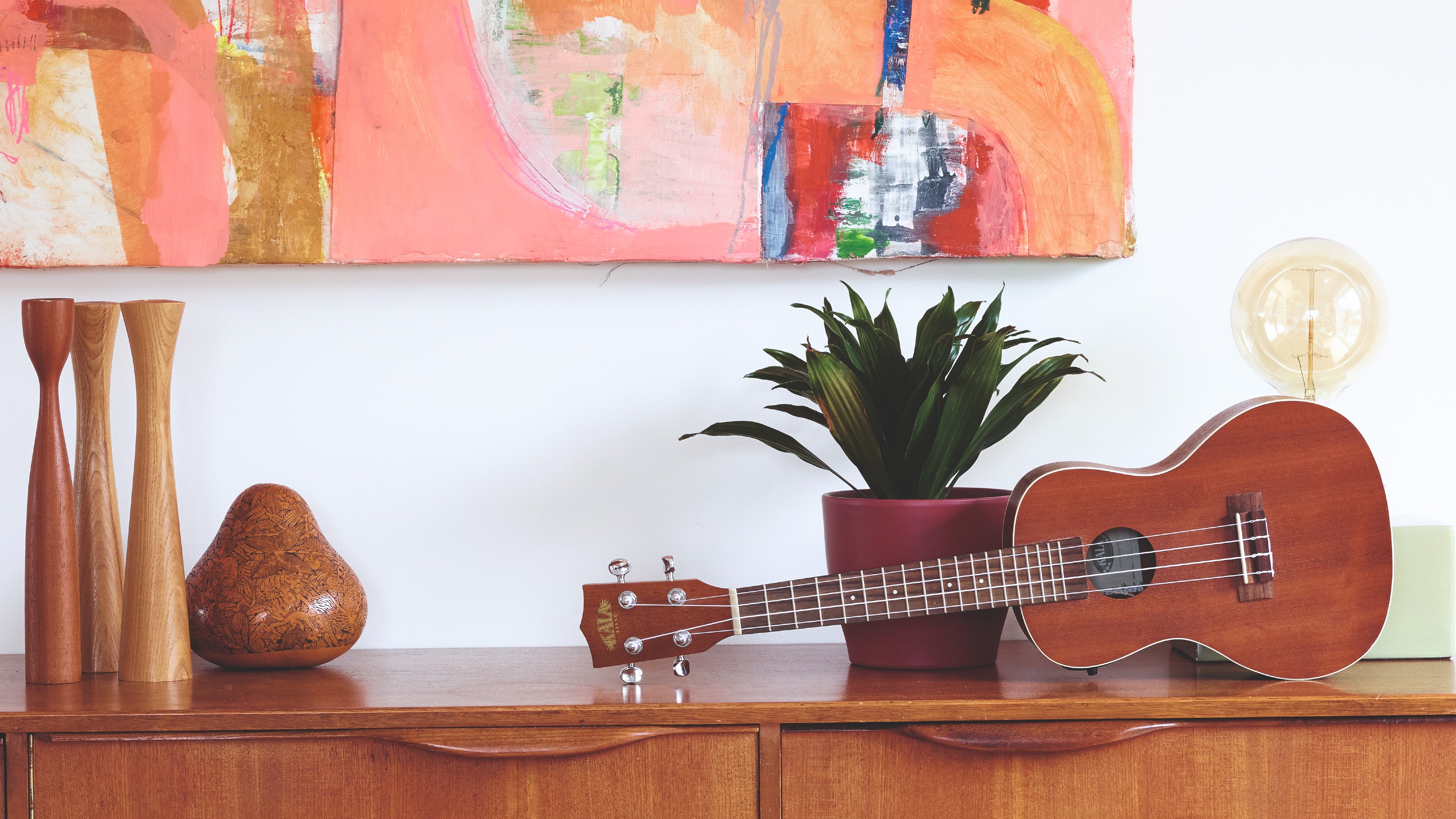
The 3-5-7 styling rule is how to make your shelves look good
The ‘Rule of Thirds’ for Making Your Home Look More Expensive for Less Money
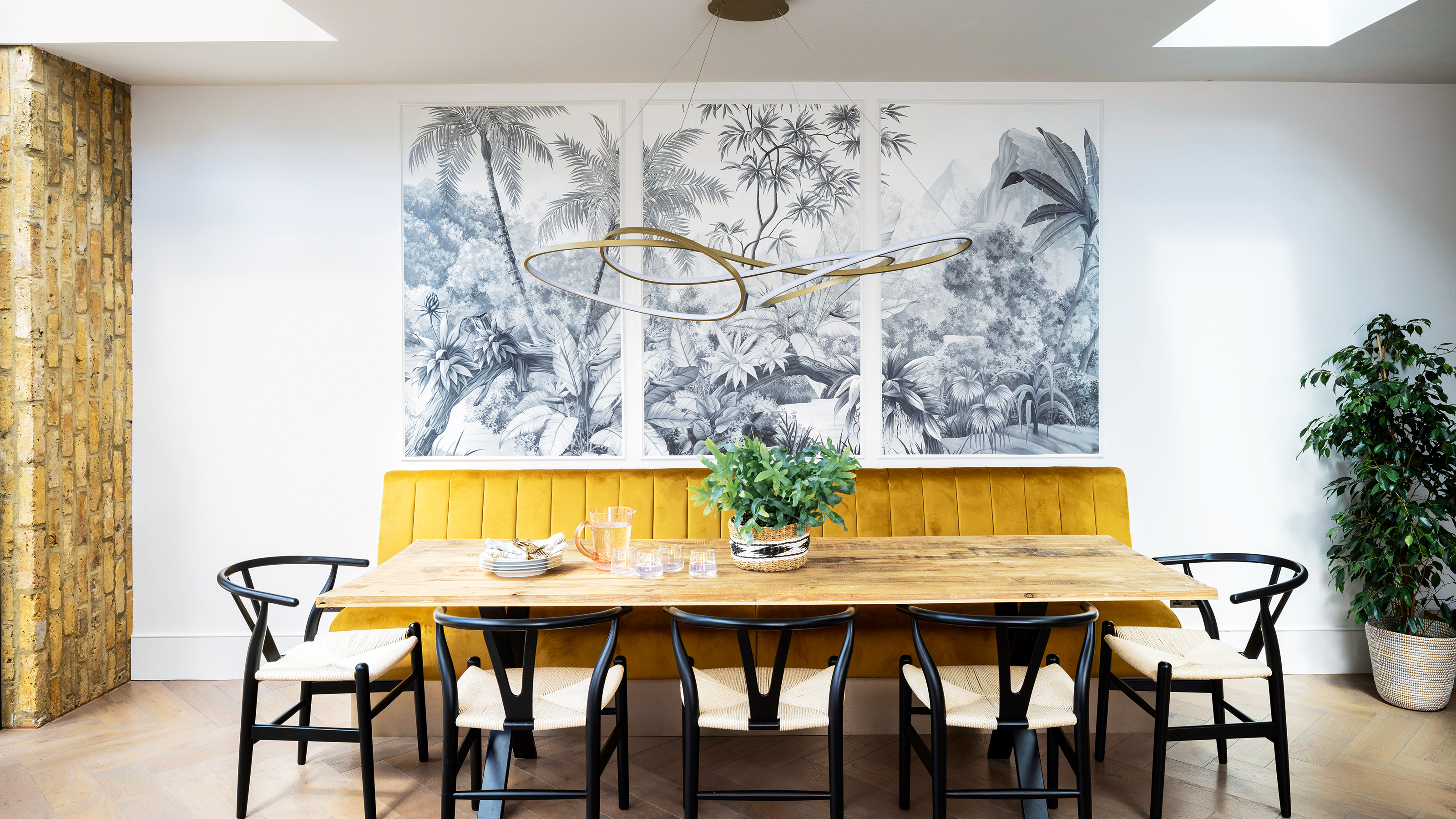
The rule of three is the secret behind every beautiful home - here's how it works

Oh, so It's This Nature-Inspired Color Rule That's the Reason Your Home's Scheme Doesn't Feel Like It's Working

My Designer Friends Swear By the "Two-Thirds Rule" for Living Room Sofas and More

13 ways repetition in interior design can be used to create calmingly sophisticated rooms
This interior-designer-approved vignette formula will transform under-used corners in an instant
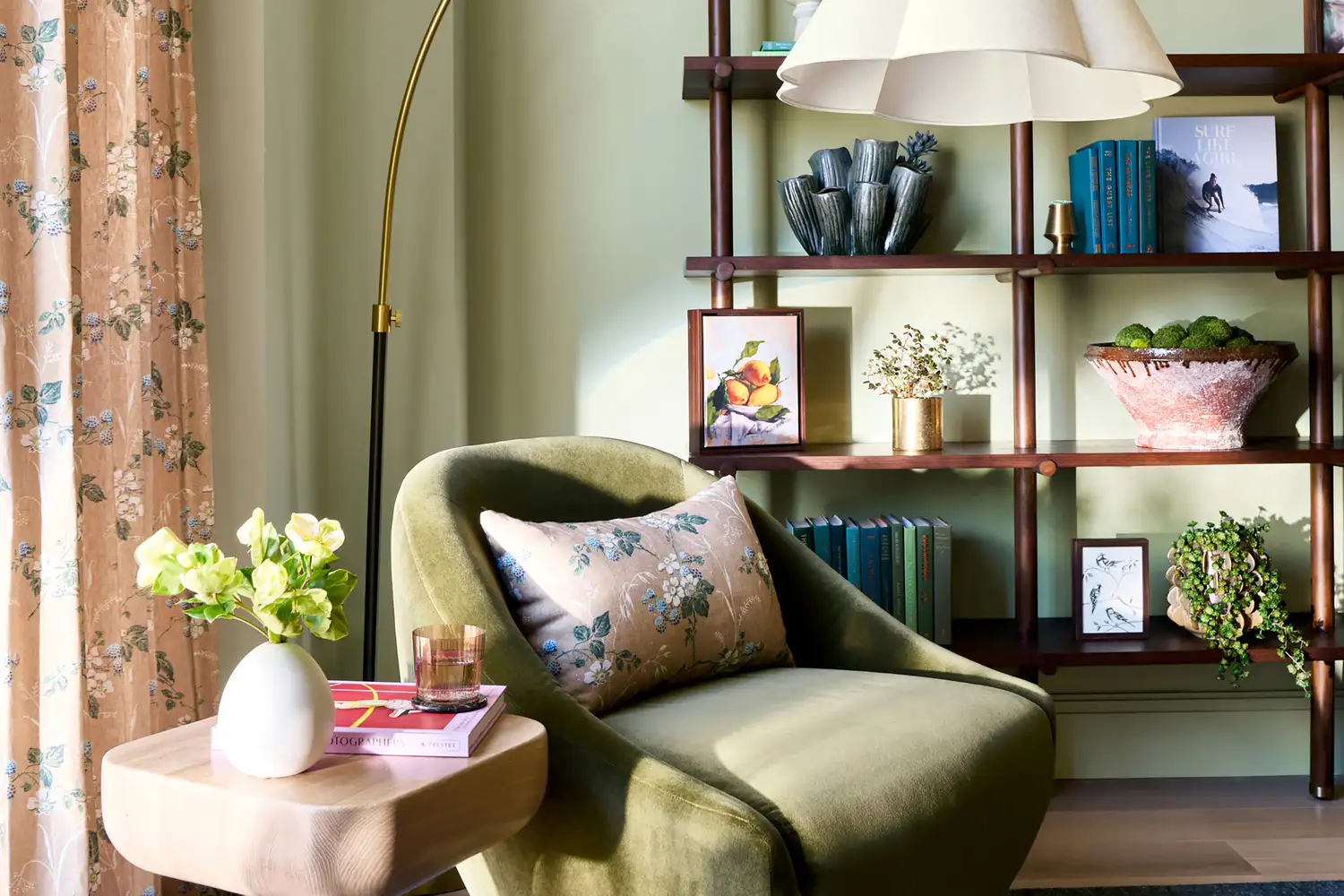
The 'Rule of 3' Is the Designer Trick for Styling Everything From Bookshelves to Coffee Tables—Here's How to Master It
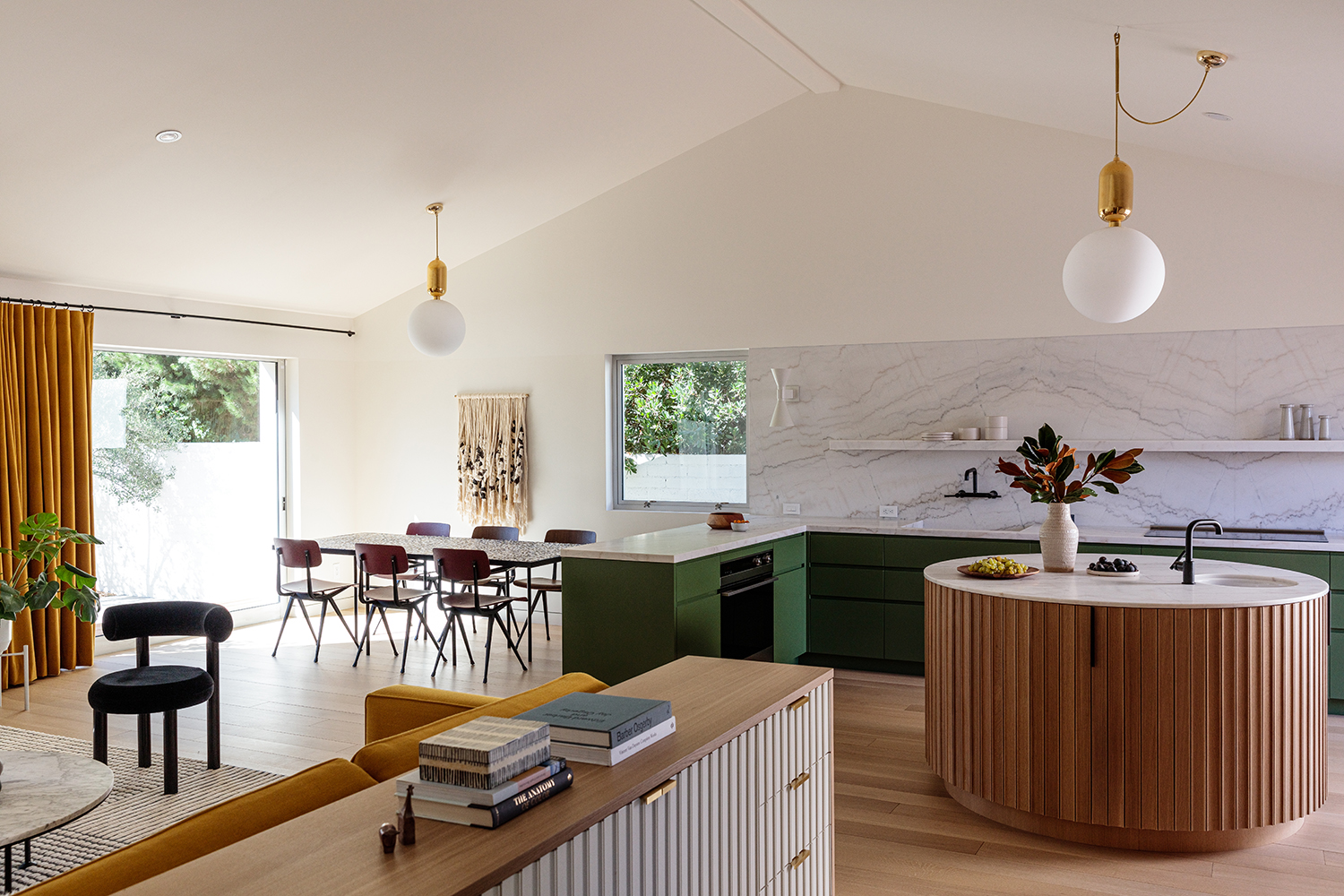
10 rules to achieve balance in interior design - the secret style sauce which brings schemes together
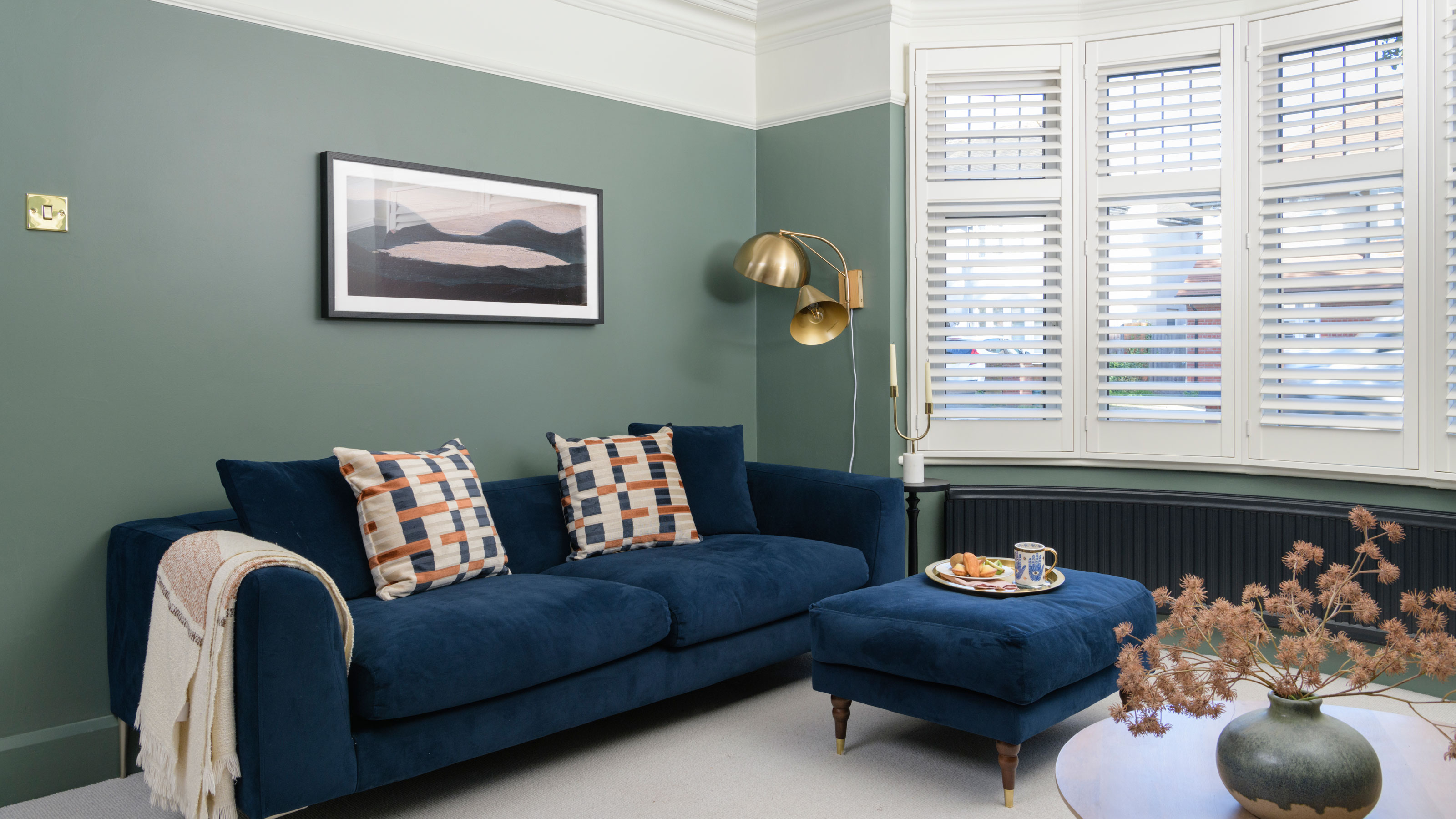
4 rules interior designers always use to plan the perfect living room layout - these tried-and-tested tricks work every time
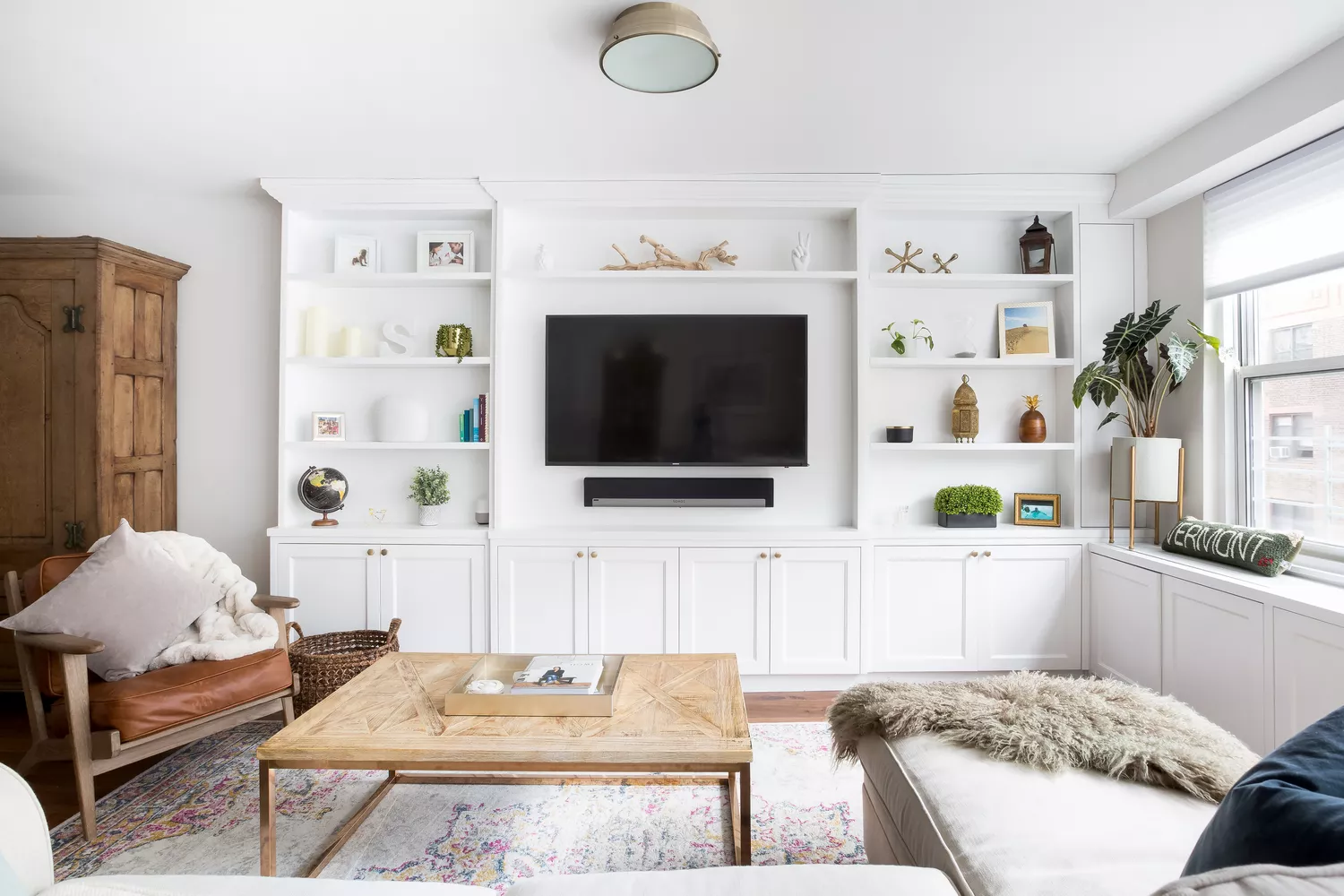
Why Designers Use the Rule of Thirds in Every Design Project

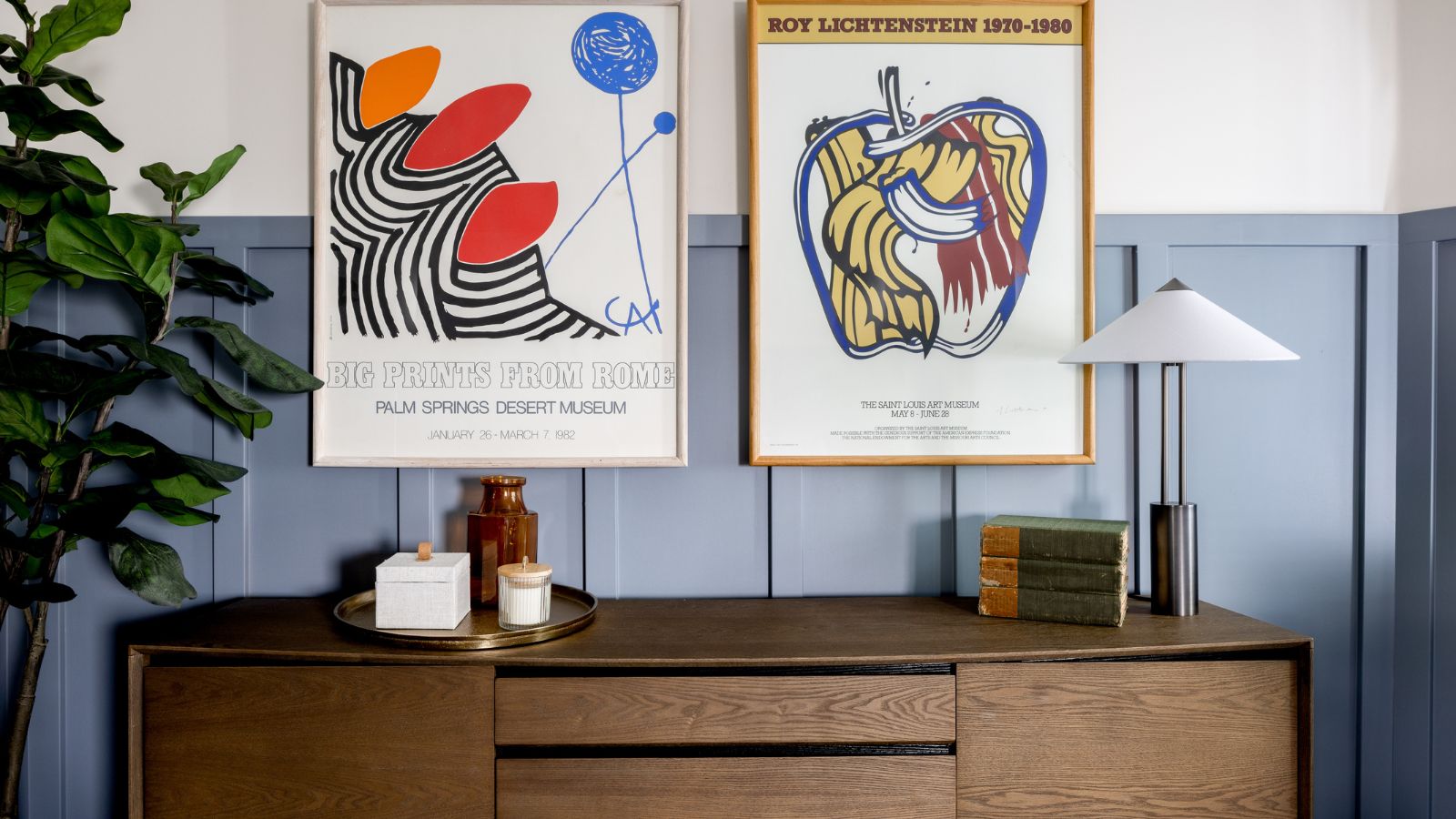
I tried the 3-5-7 styling rule – and it made my home feel more curated
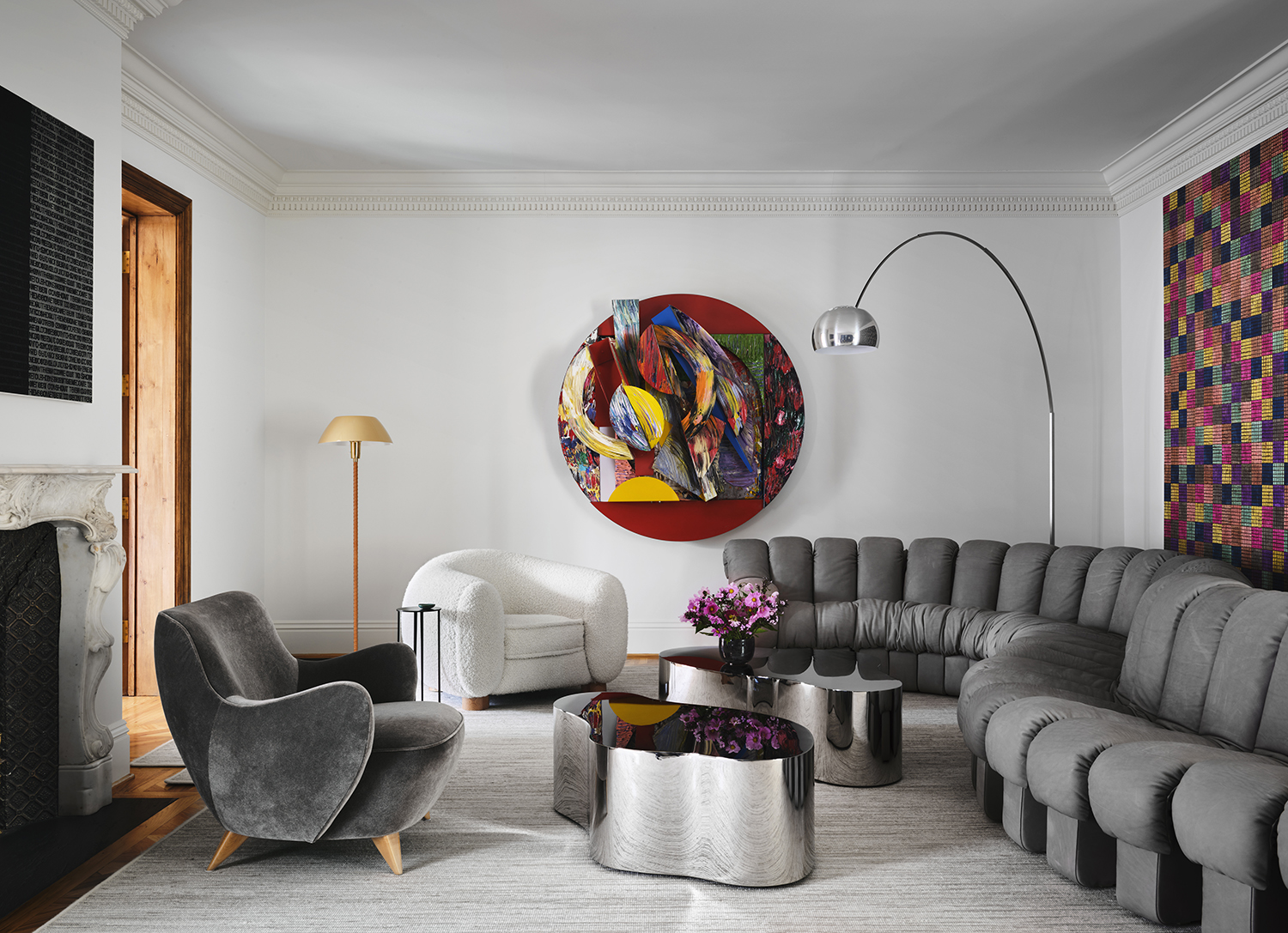
Rhythm in interior design - 11 ways to use this clever technique for rooms that look professionally done
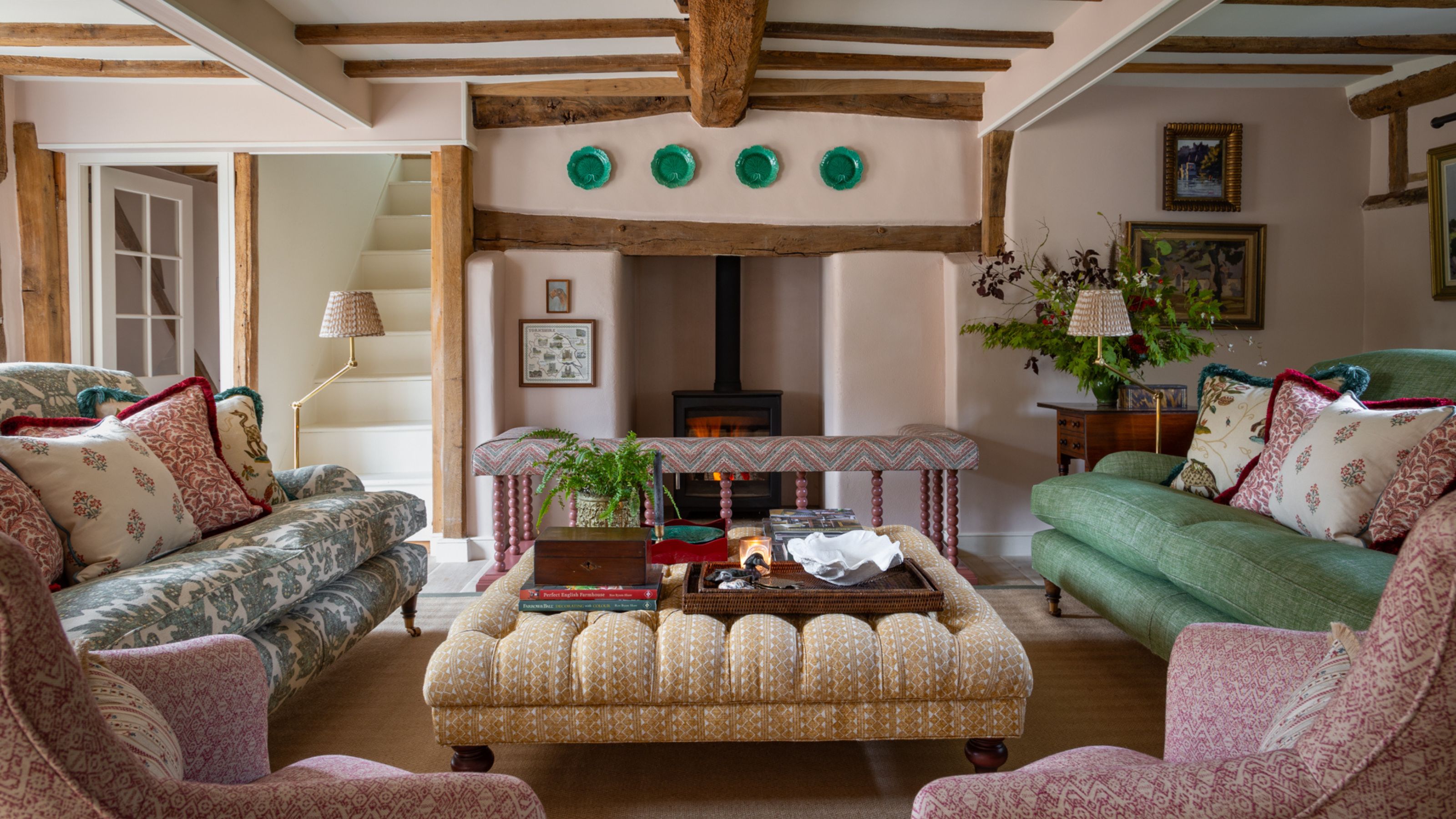
The Library: The Key Principles That Define a Well-Designed Home – And Why They Work
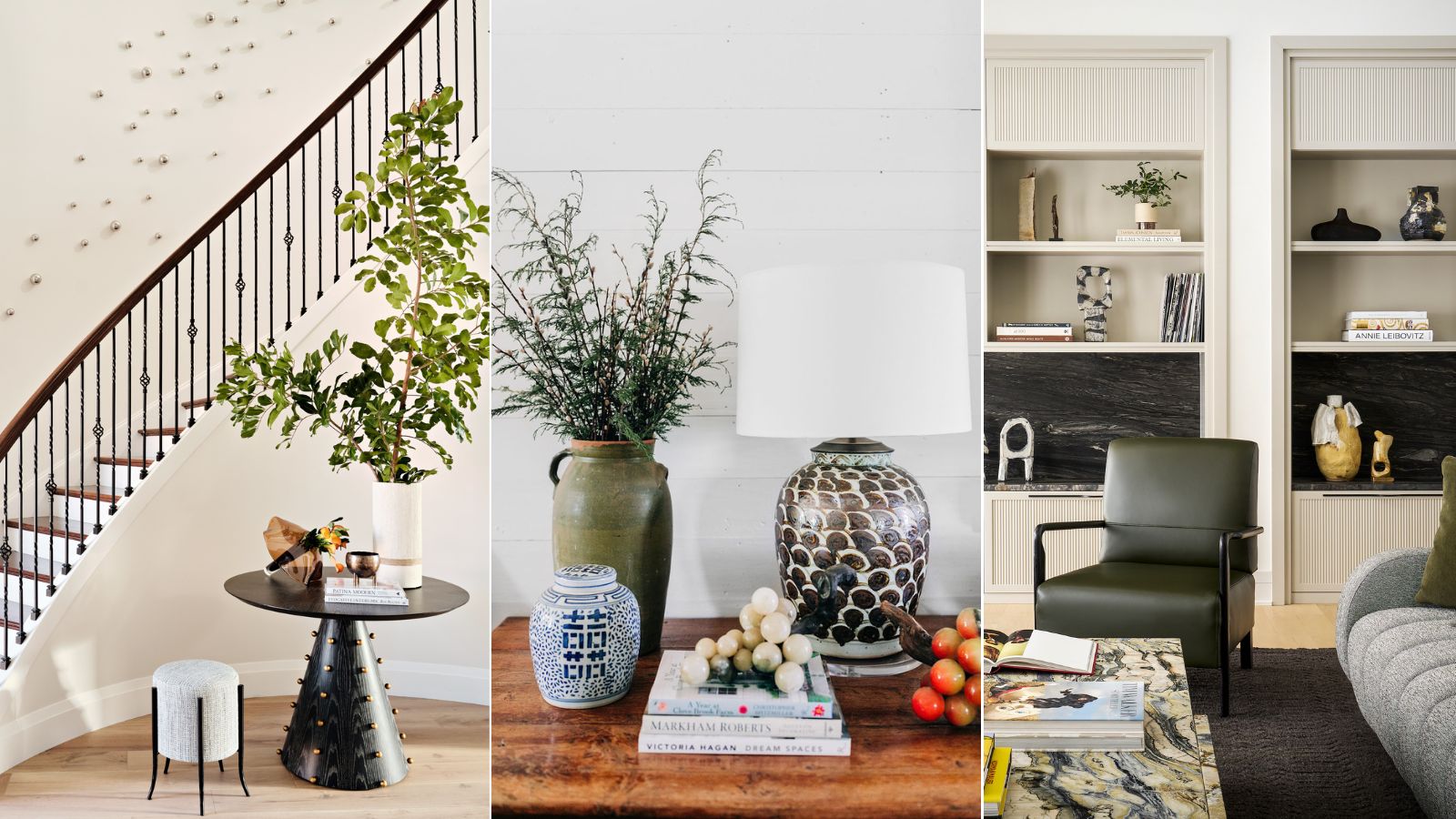
12 vignette ideas that make for a collected, curated arrangement
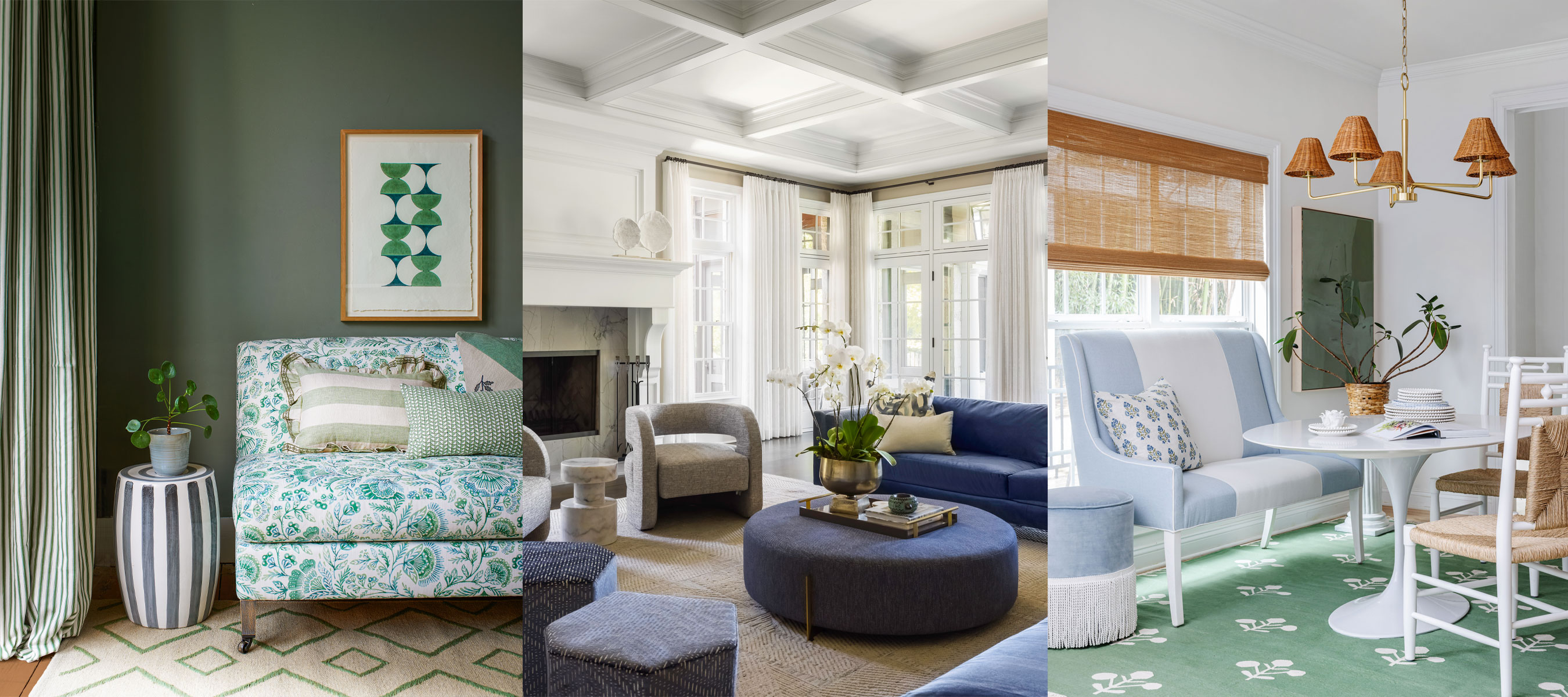
How to create repetition in interior design – 7 ideas for decorating success
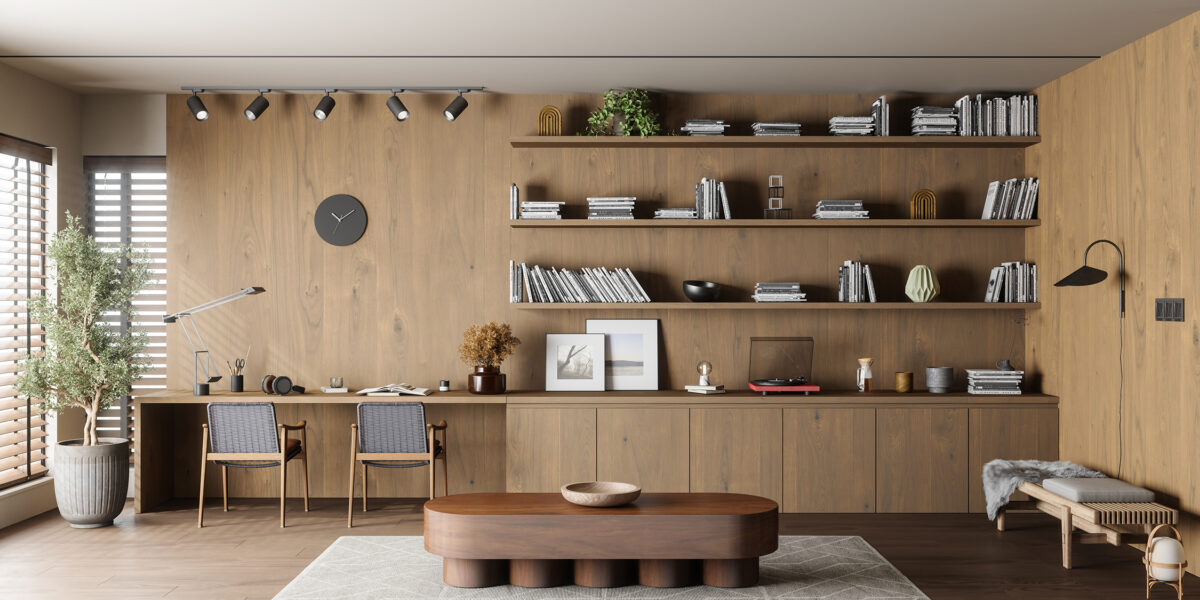
The 5 Design Rules That Are Meant to Be Broken—and What to Do Instead

Zendaya uses the 'rule of three' design principle to bring a rhythmic pattern to her coffee table