1/39
Small living room ideas – 38 clever ways to plan and decorate a compact space
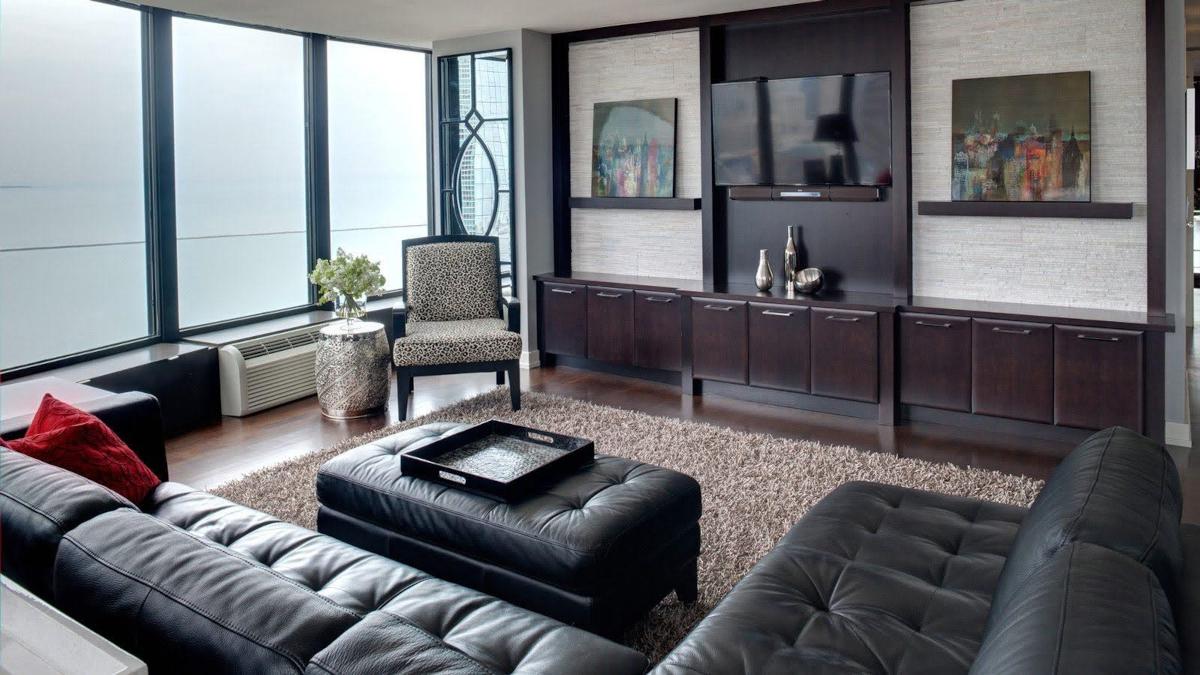
Small living rooms, despite their compact size, offer unique opportunities for stylish and functional design. While they may present challenges in terms of space, a thoughtfully executed design scheme can create a comfortable and inviting atmosphere, often with the added benefits of coziness and easy maintenance. The key to maximizing these spaces lies in strategic planning, decluttering, and intelligent use of color, lighting, and furniture.
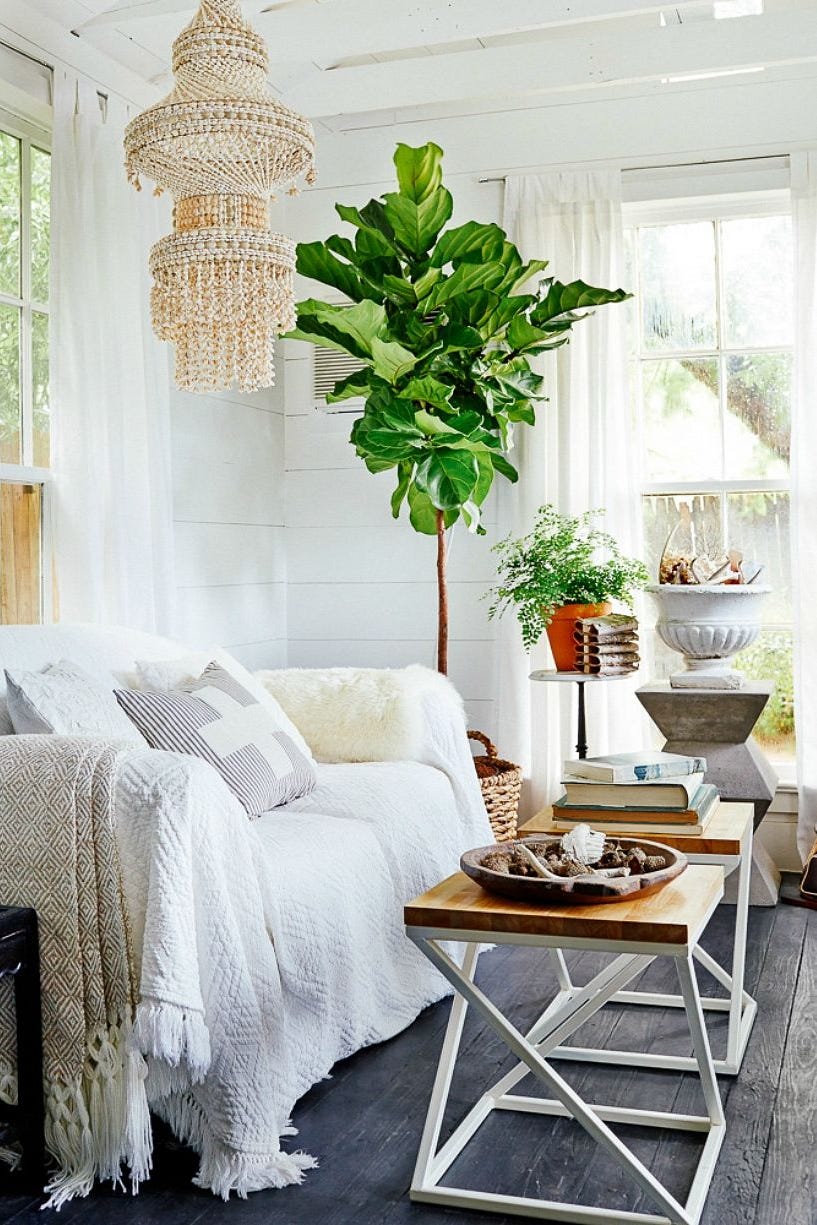
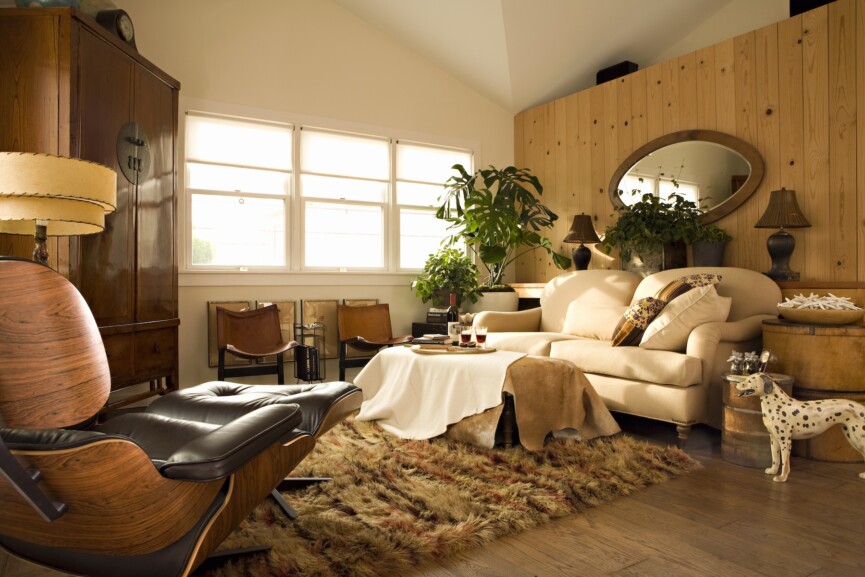
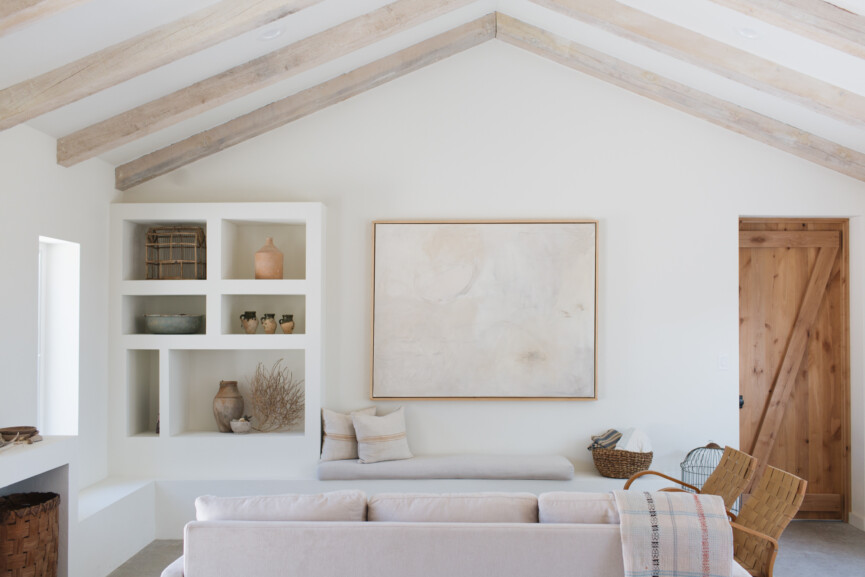
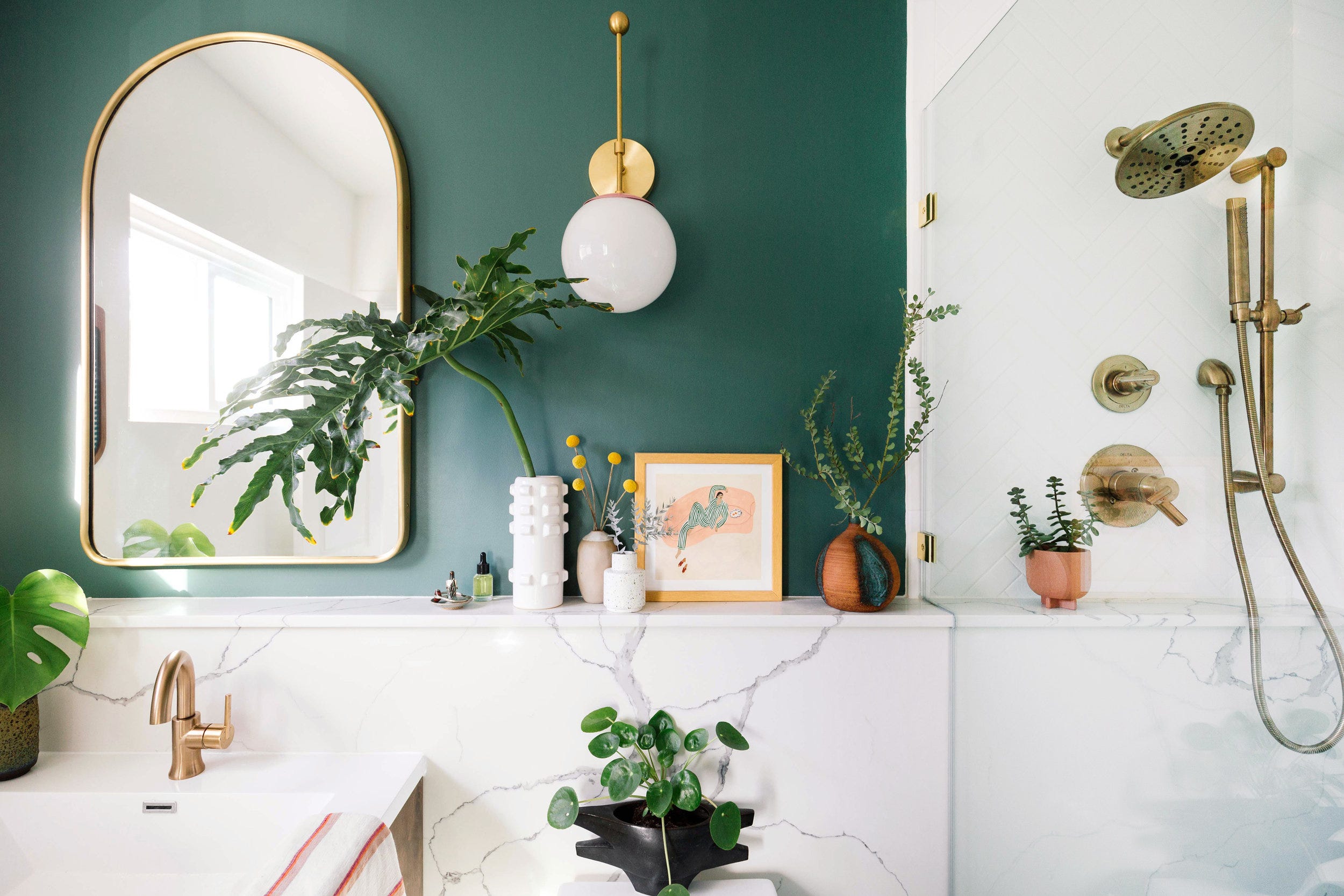
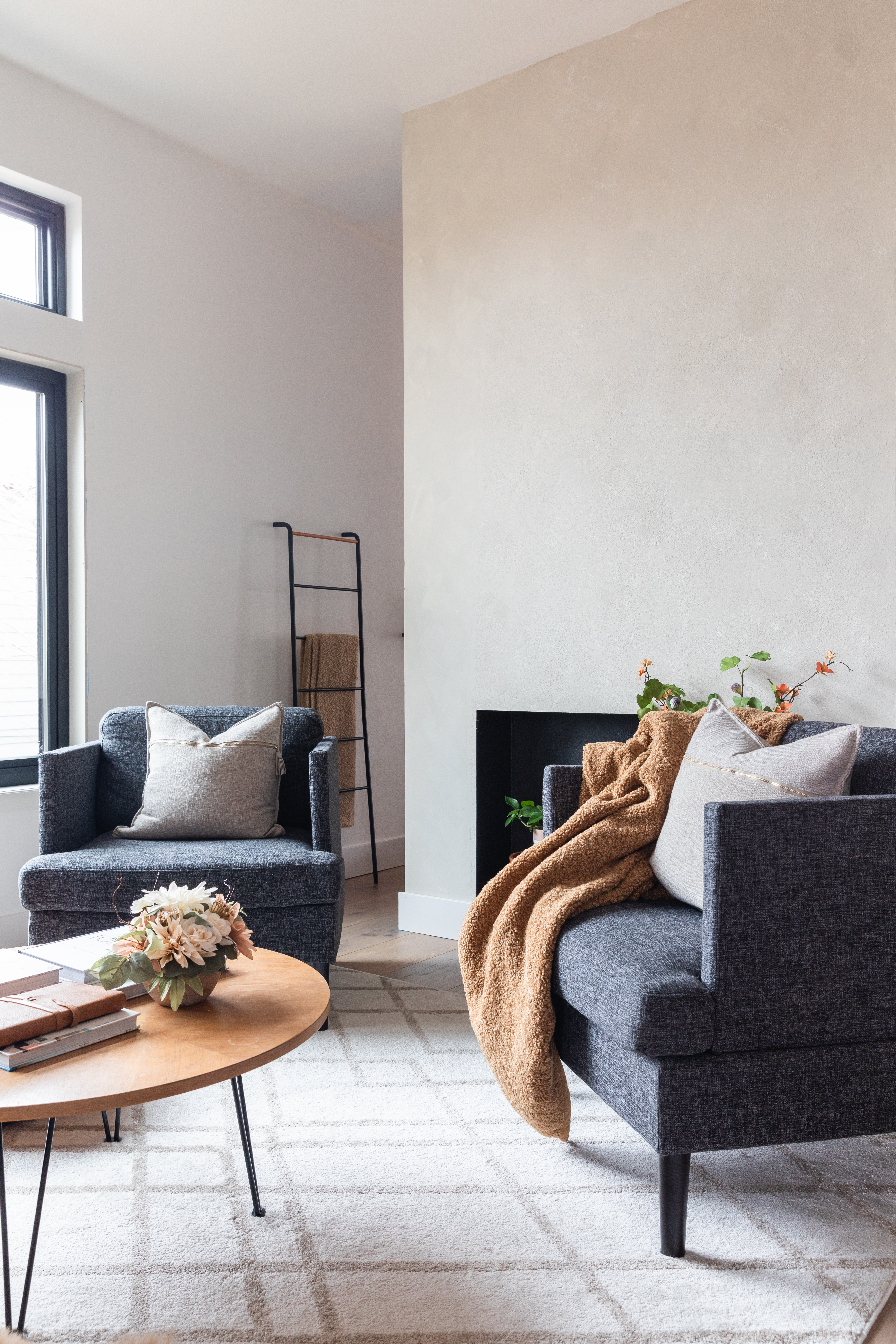
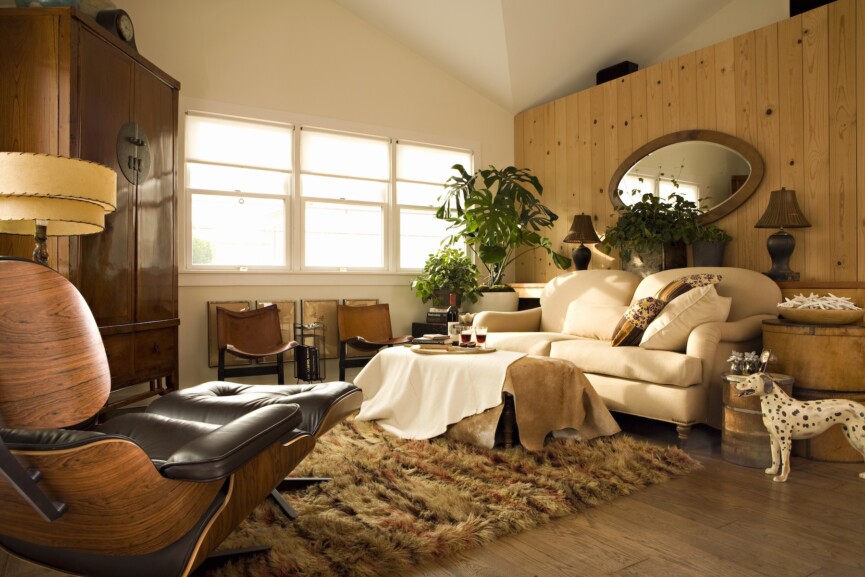
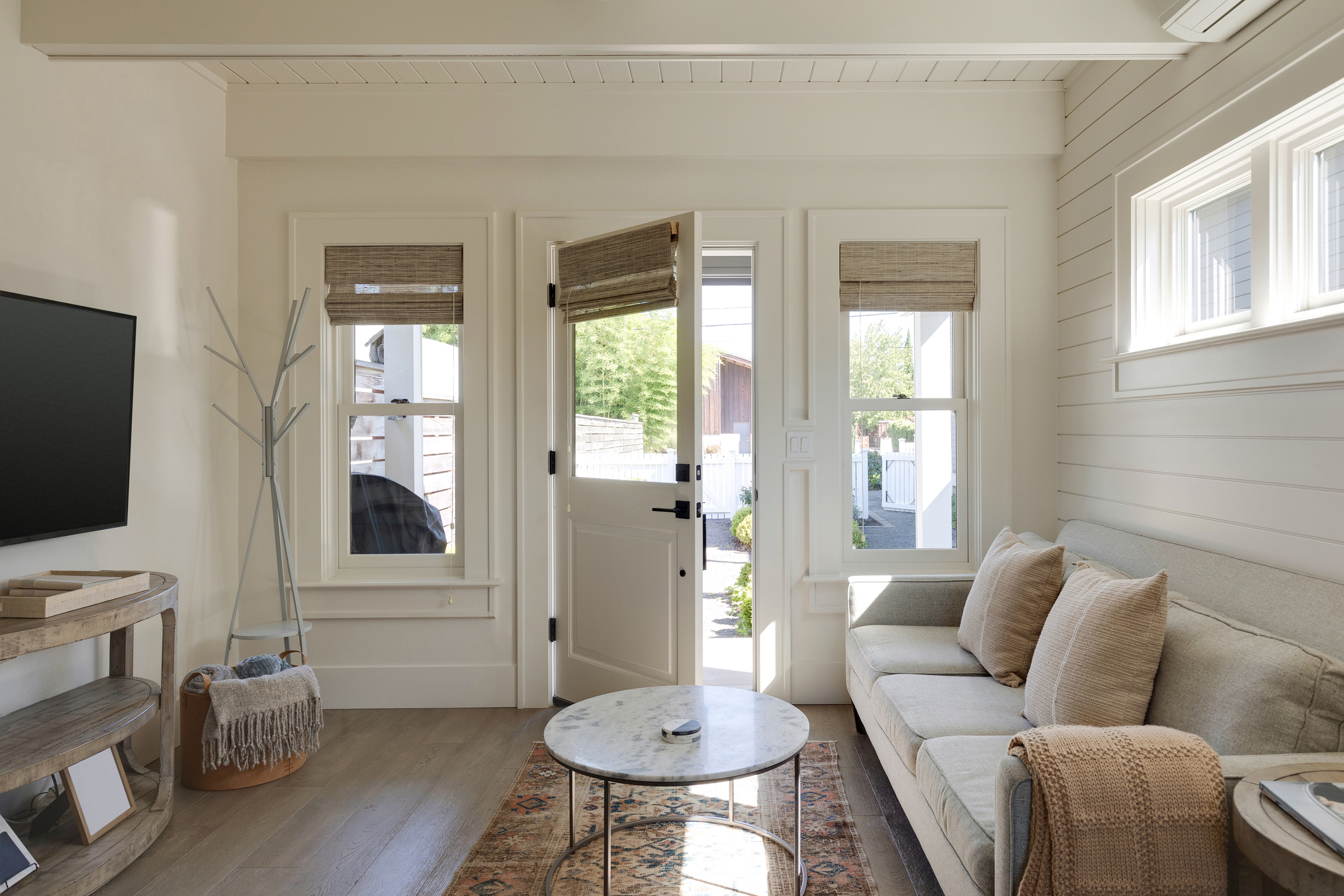
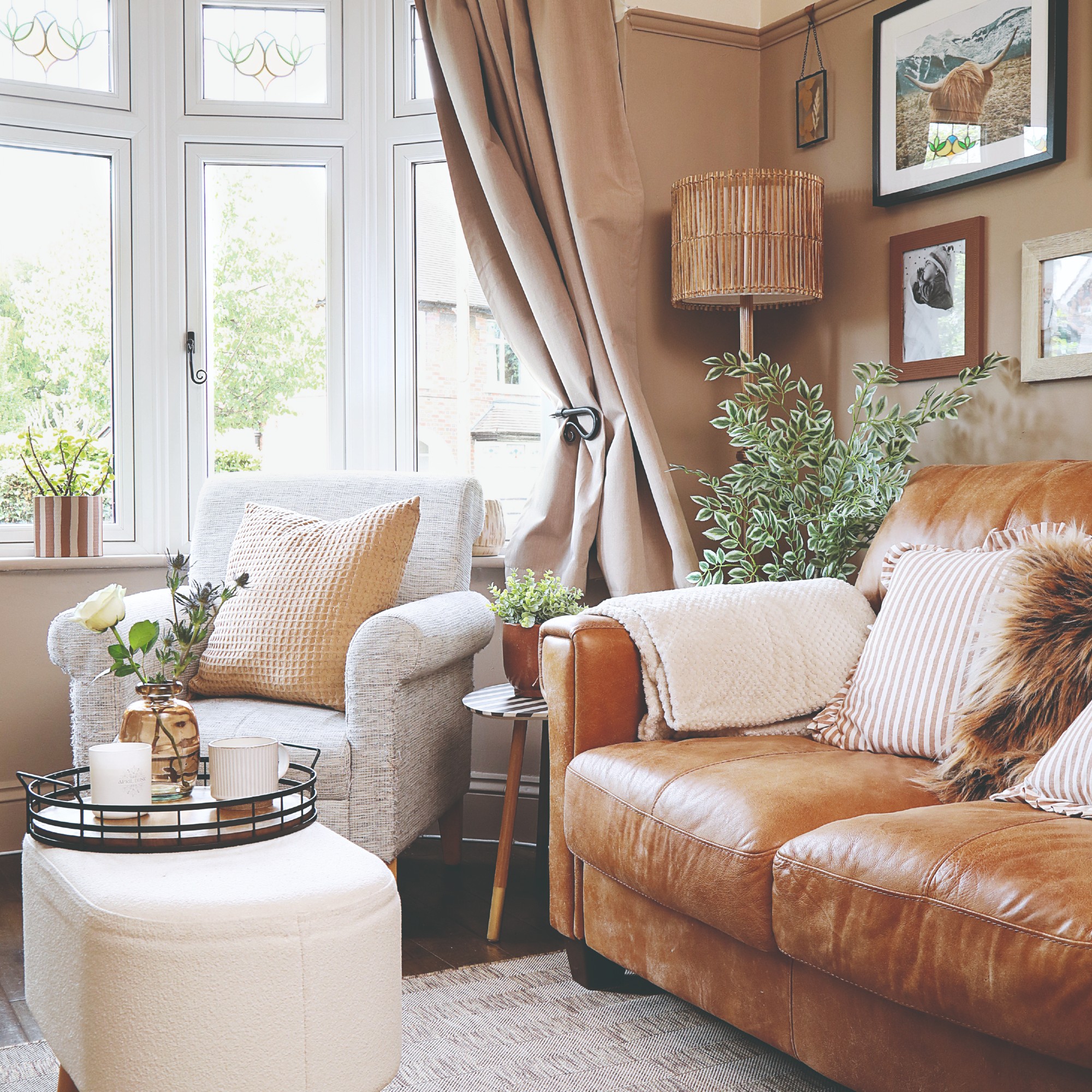
One effective strategy is to unify the color scheme across walls, woodwork, and even furniture. Using a single color throughout minimizes visual breaks, making the room feel more expansive as the eye isn't interrupted by contrasting hues. Incorporating natural elements, such as outdoor views reflected in mirrors or botanical fabrics, can further enhance the sense of openness. Light and airy color palettes, particularly with pale flooring, contribute to a brighter and larger appearance.
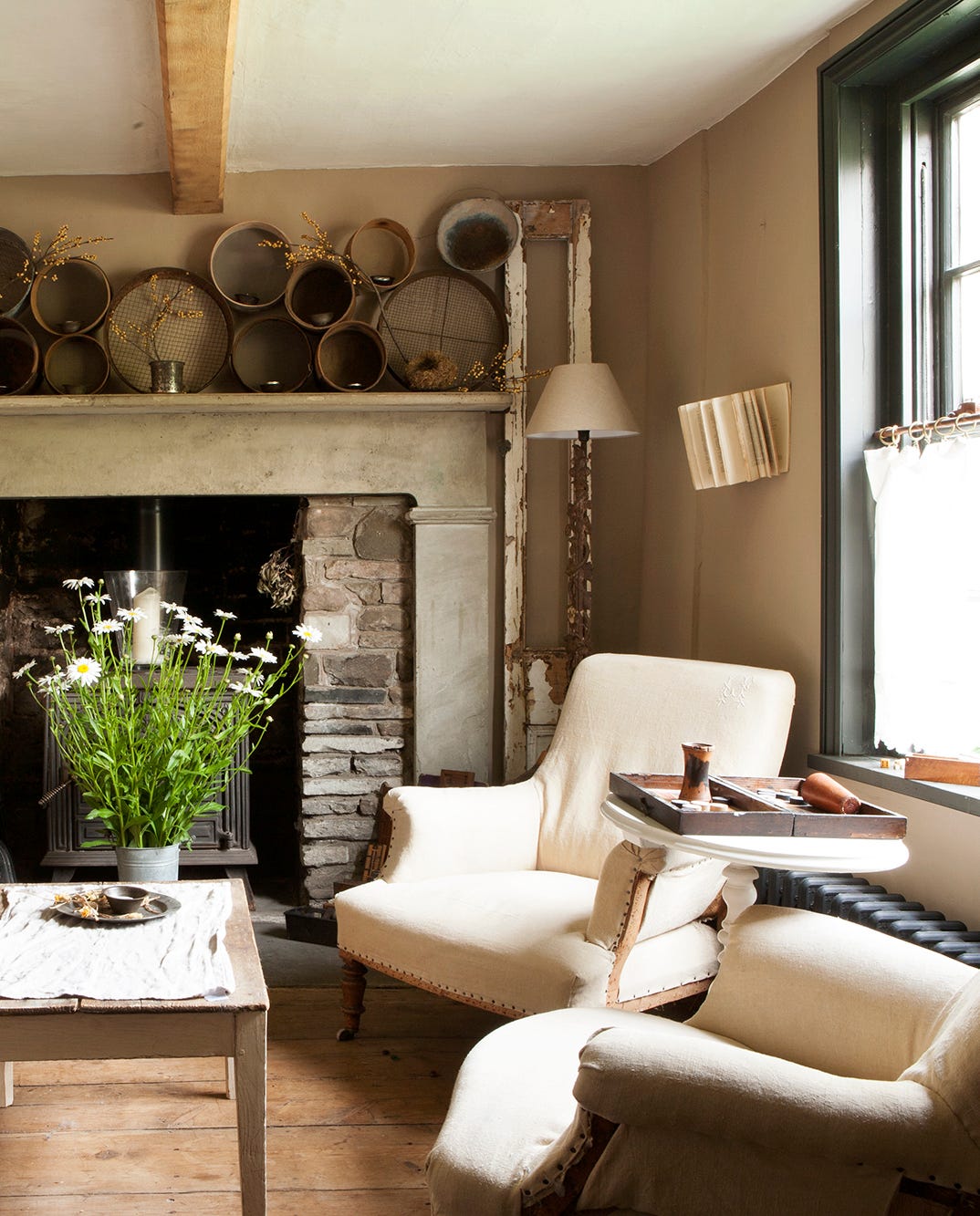
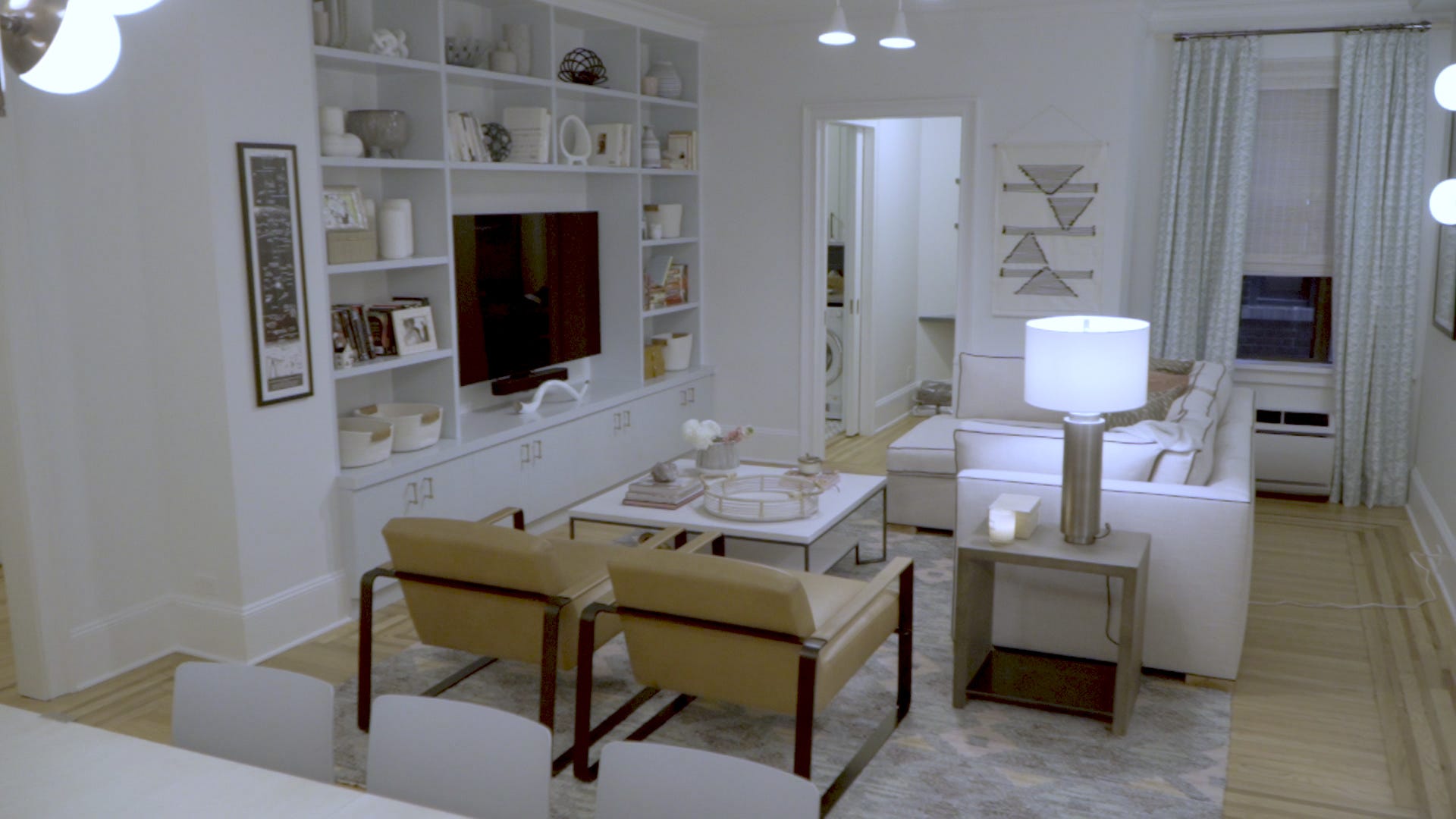
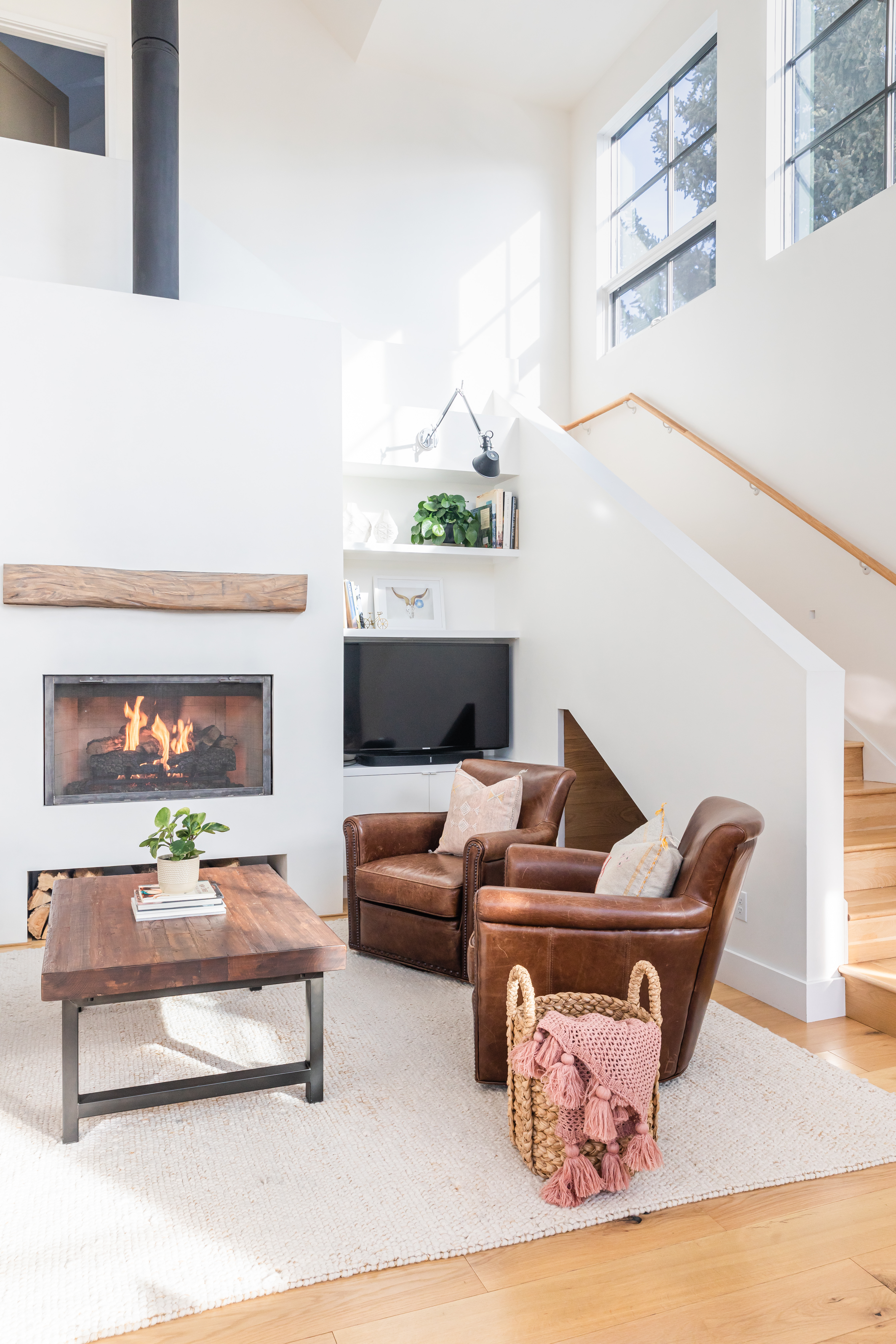
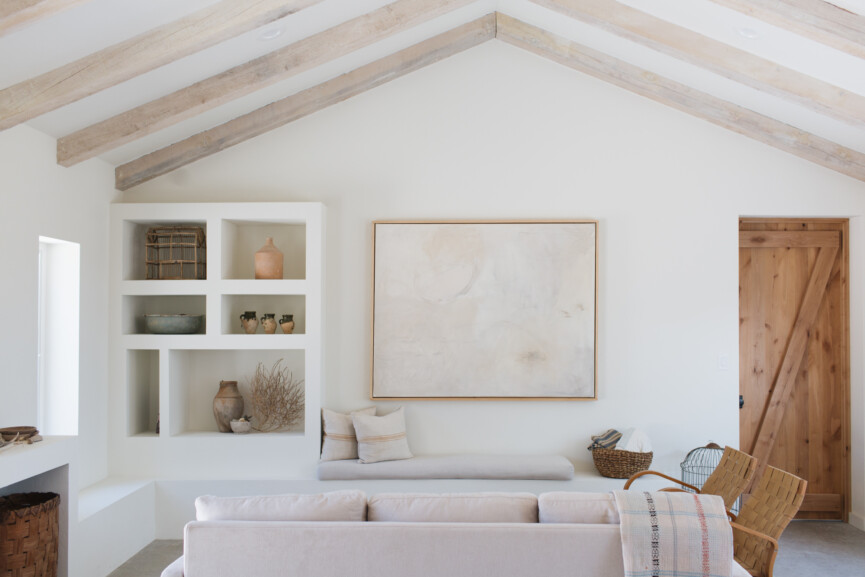
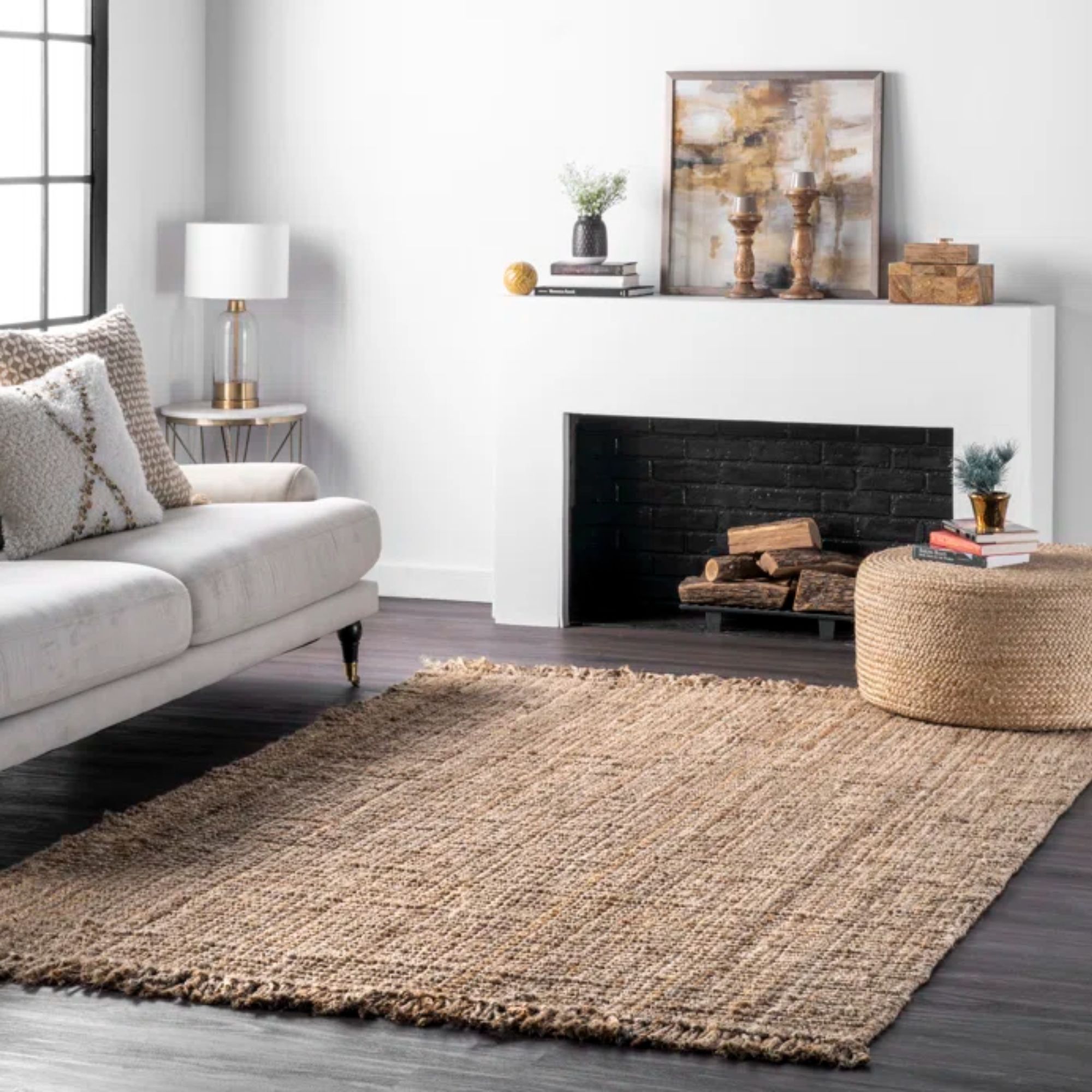
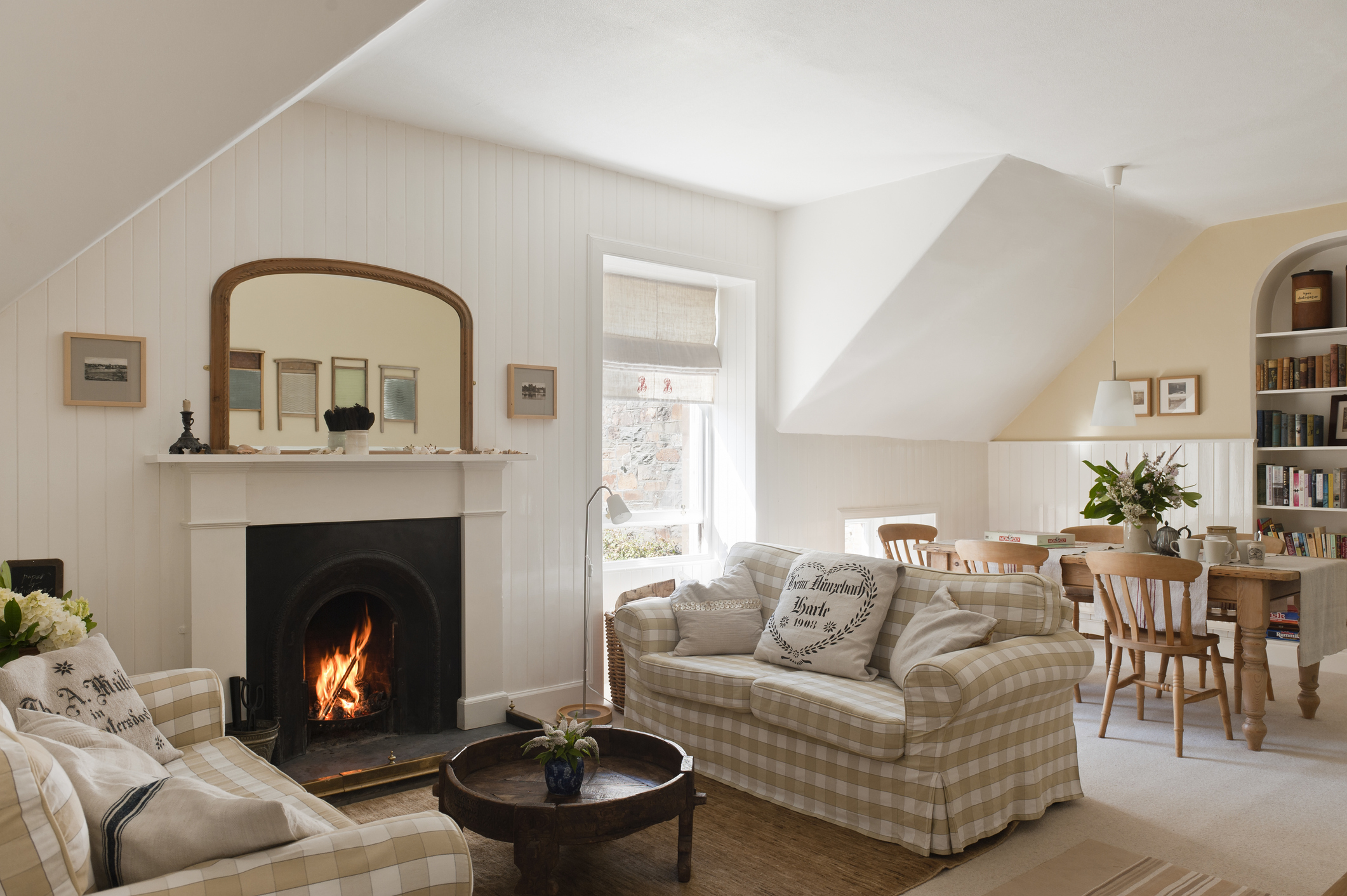
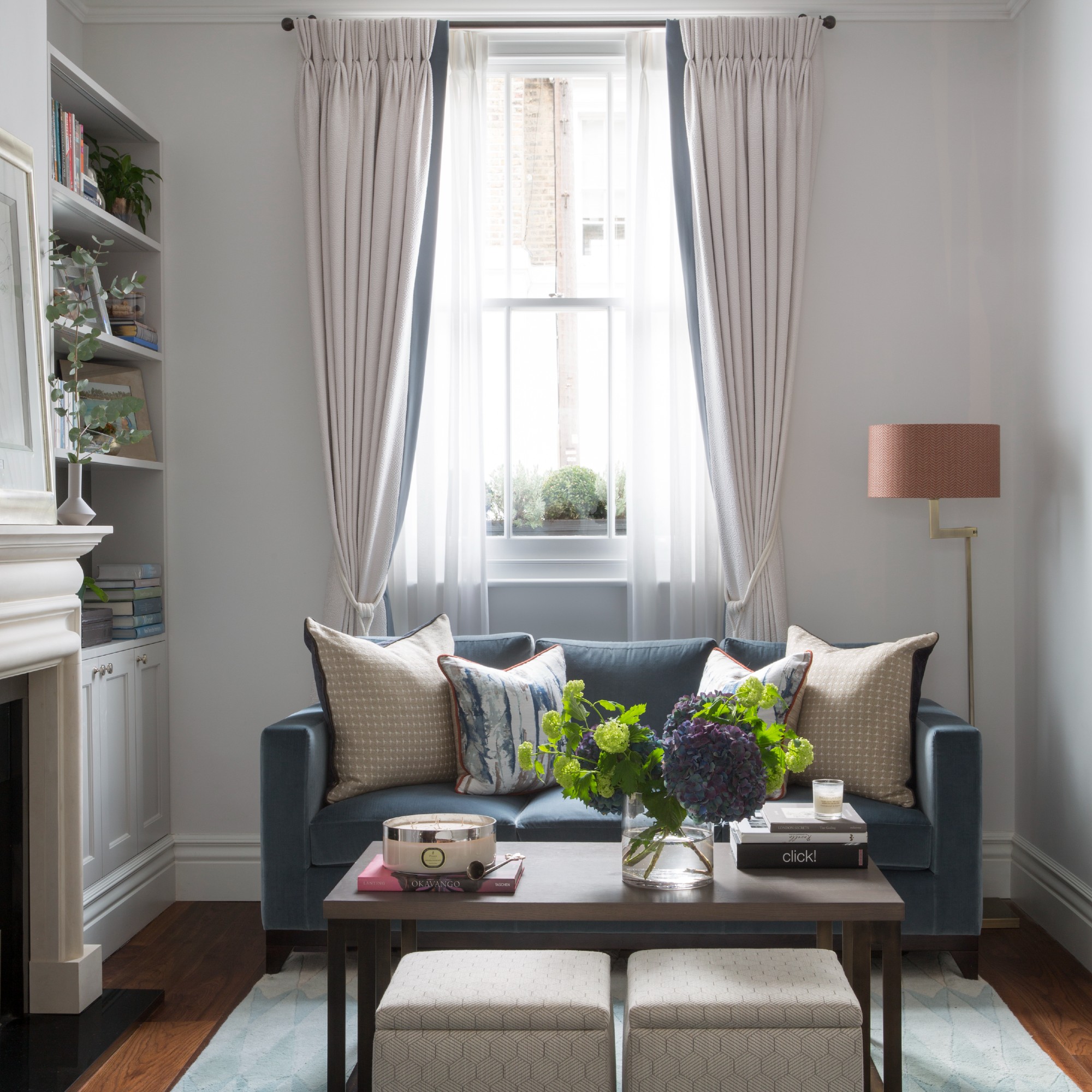
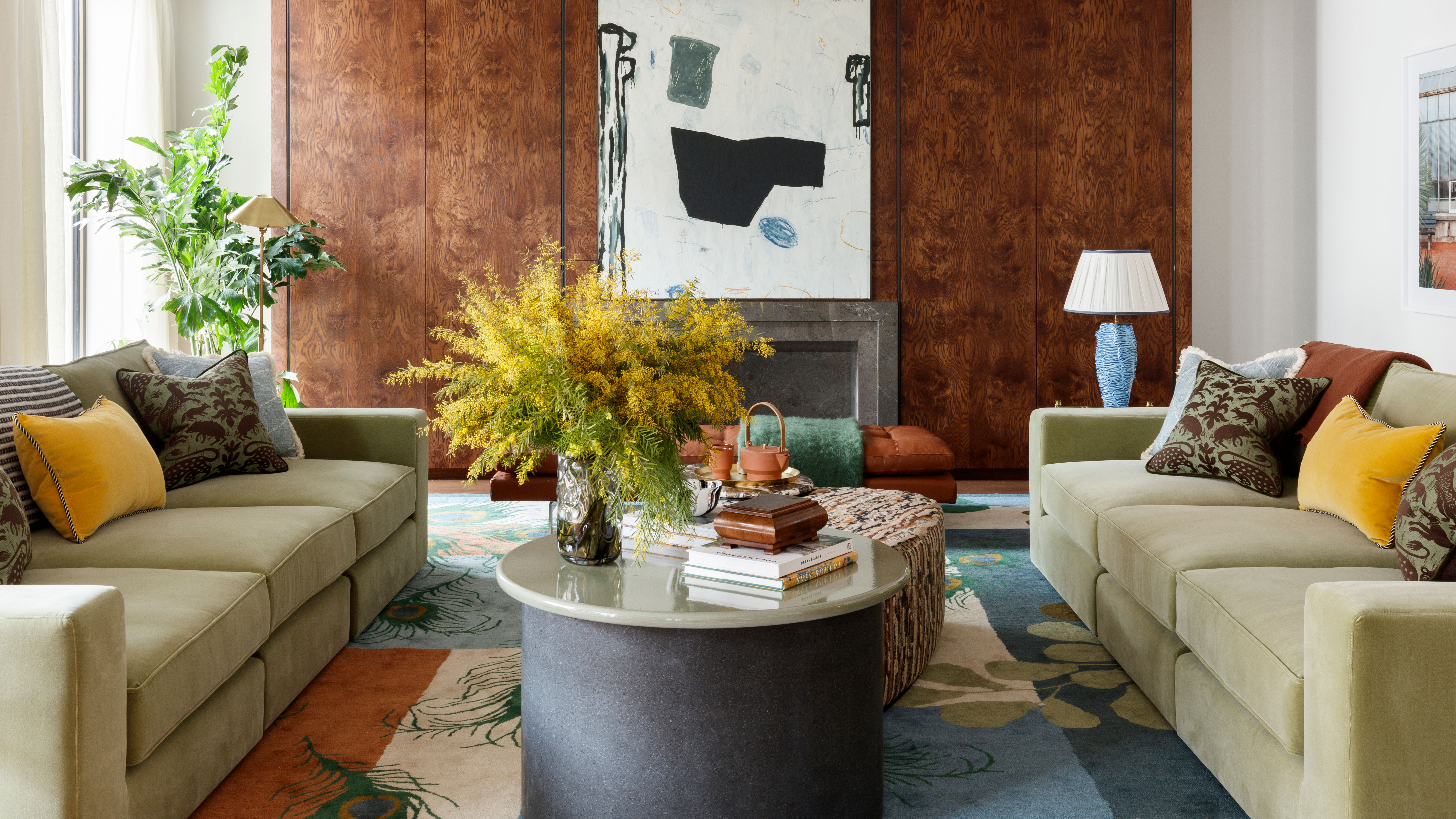
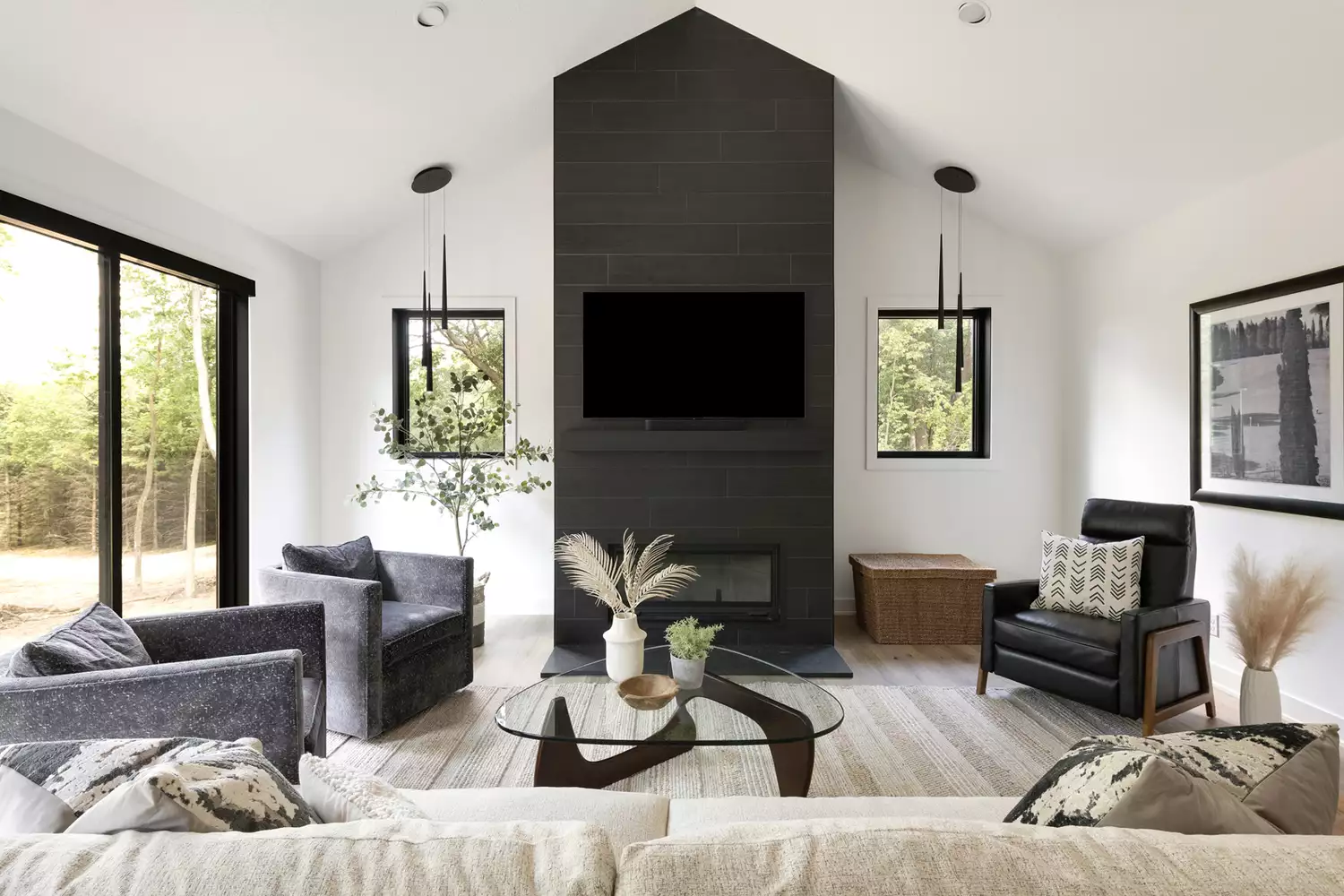
Symmetry plays a crucial role in creating balance and calm within a small living room. Arranging furniture symmetrically around a focal point, like a fireplace, provides a sense of order. When combined with neutral tones, this approach maximizes the feeling of serenity. Minimizing clutter is also paramount; removing unnecessary items and utilizing smart storage solutions ensures a tidy and spacious feel. Keeping floor areas as clear as possible by avoiding oversized rugs further aids in maintaining openness.
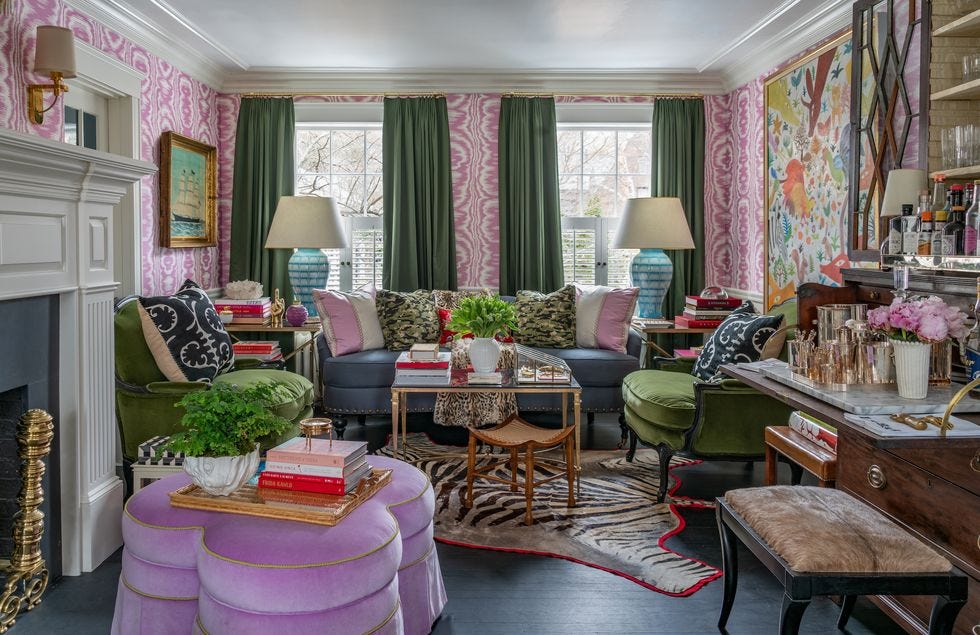
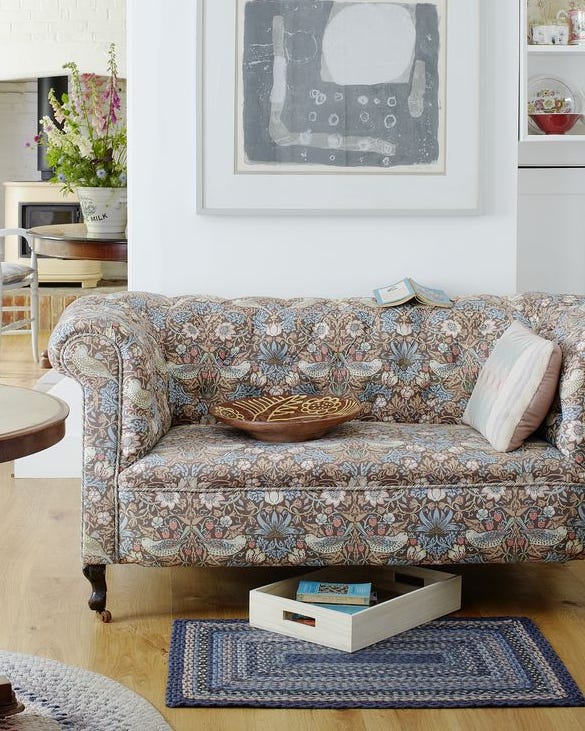
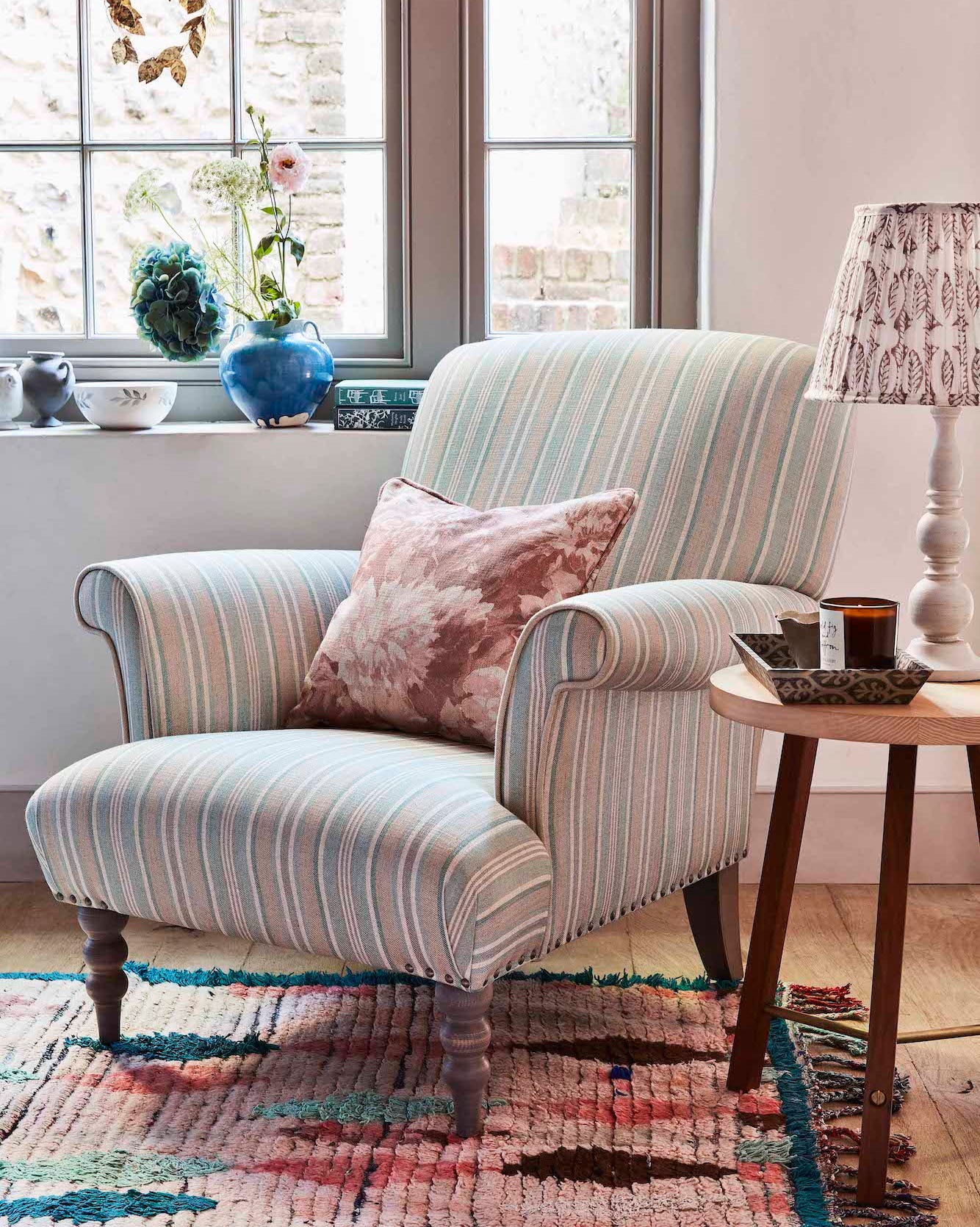
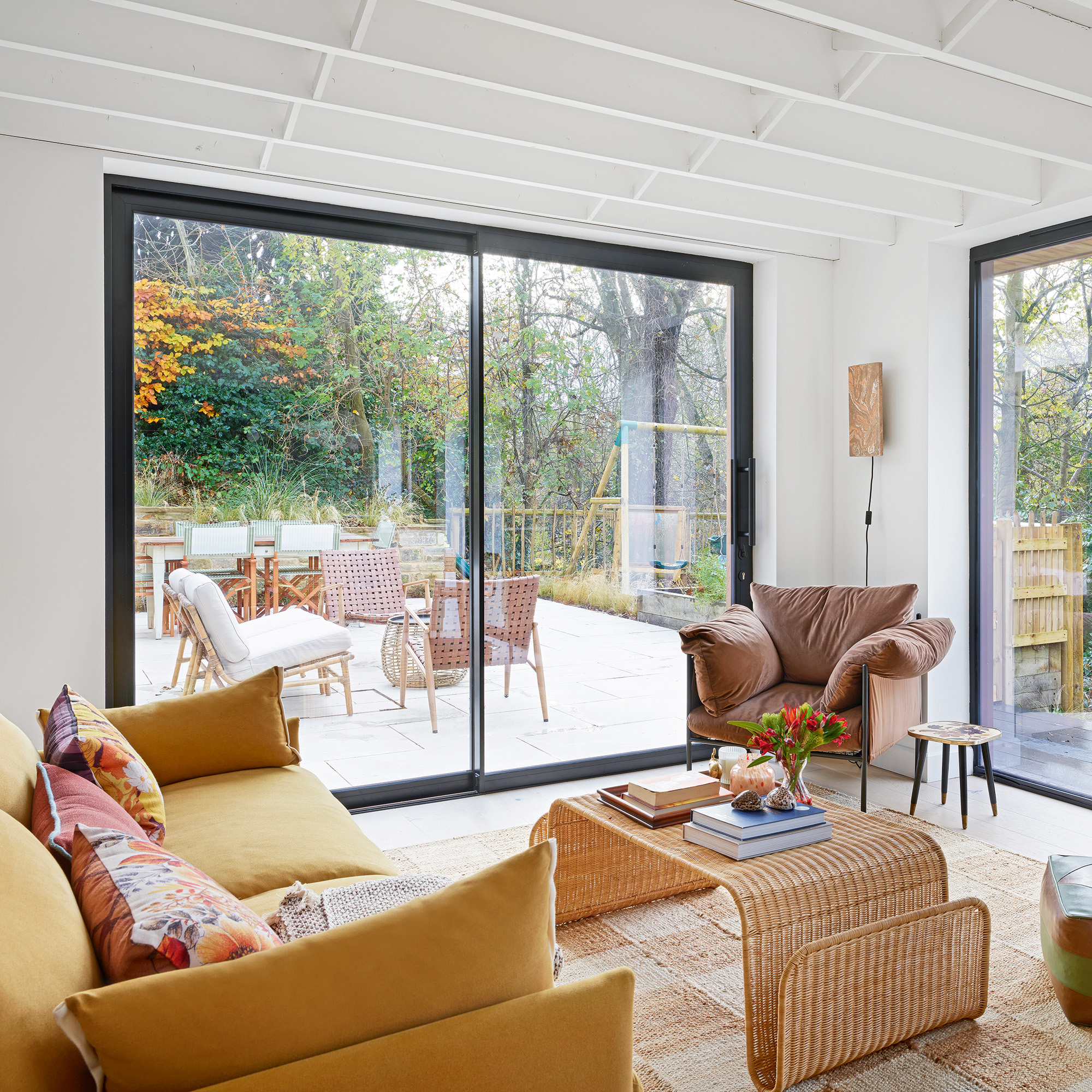
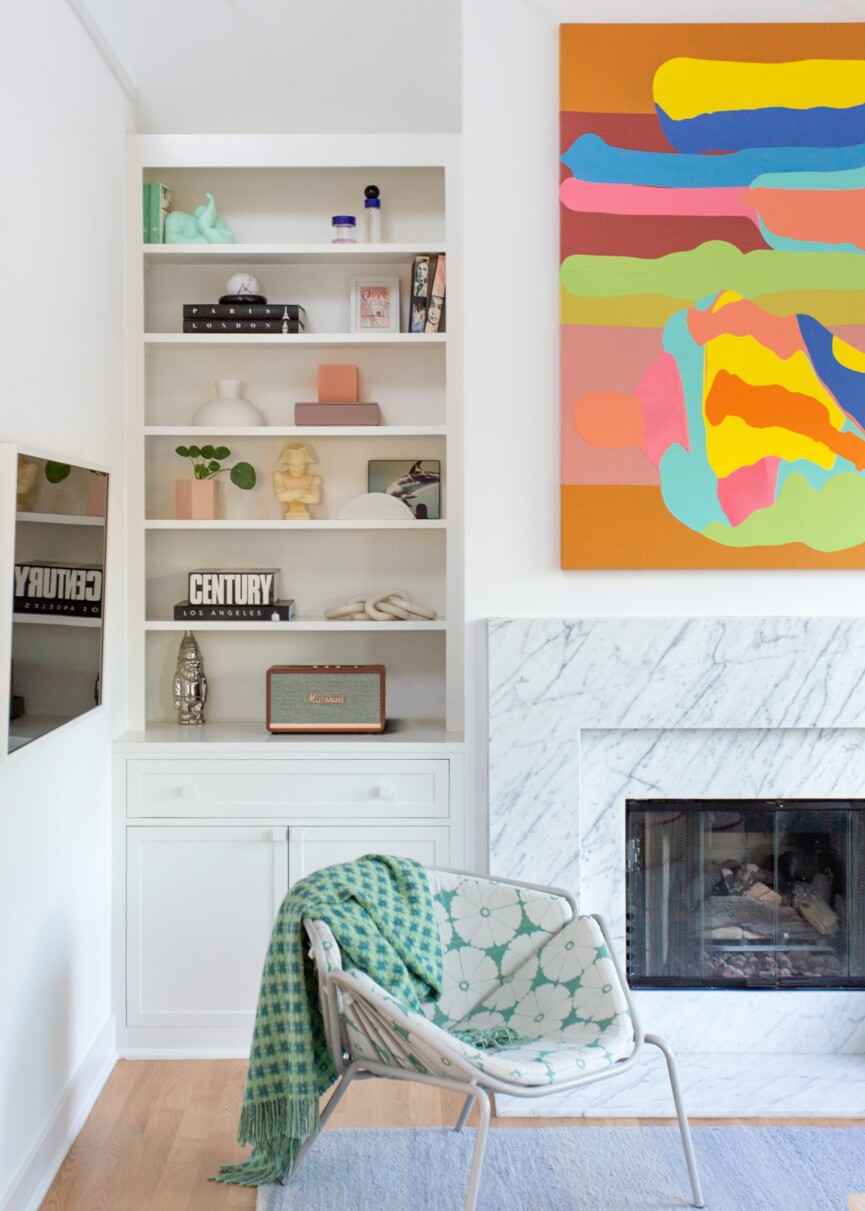
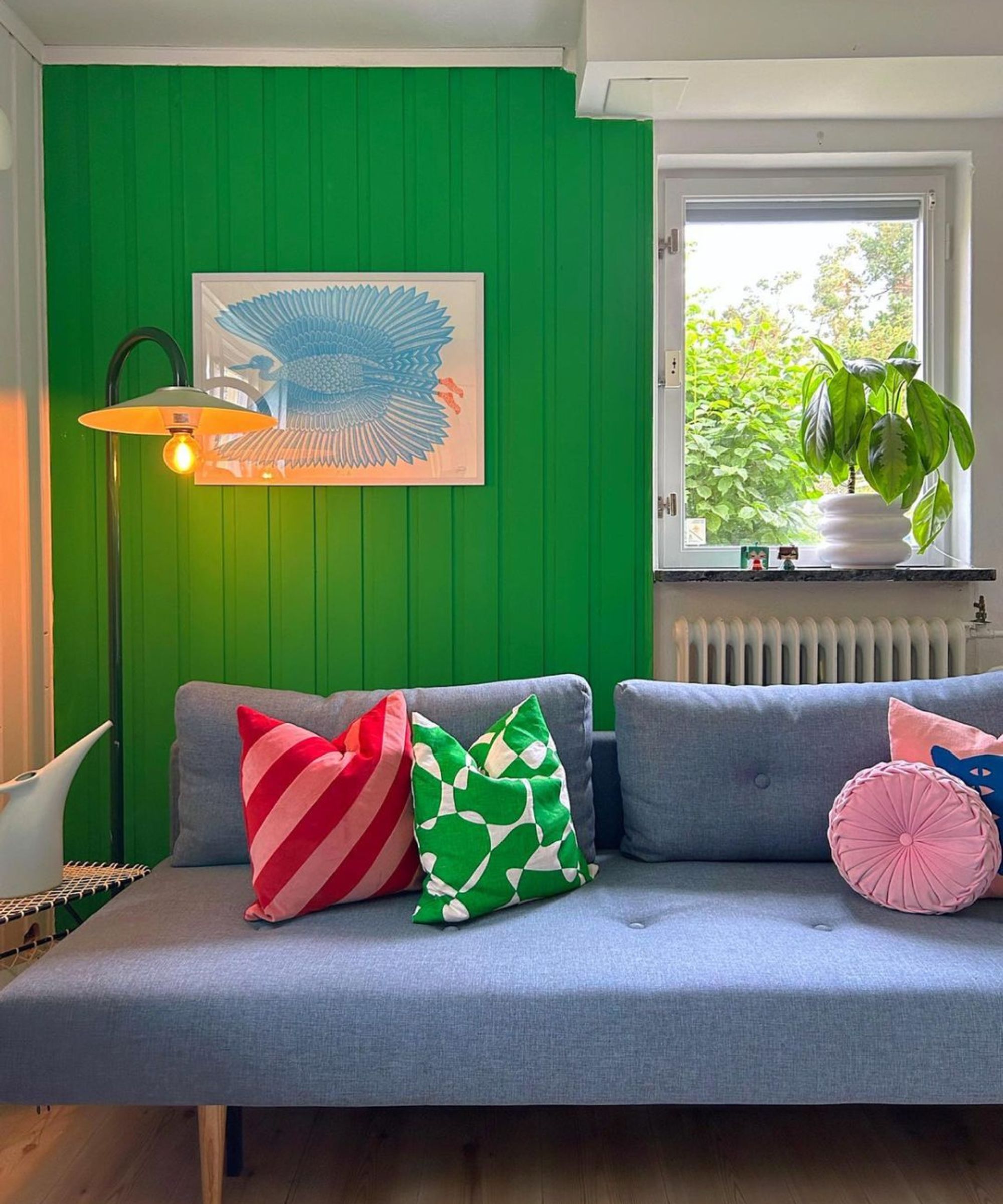
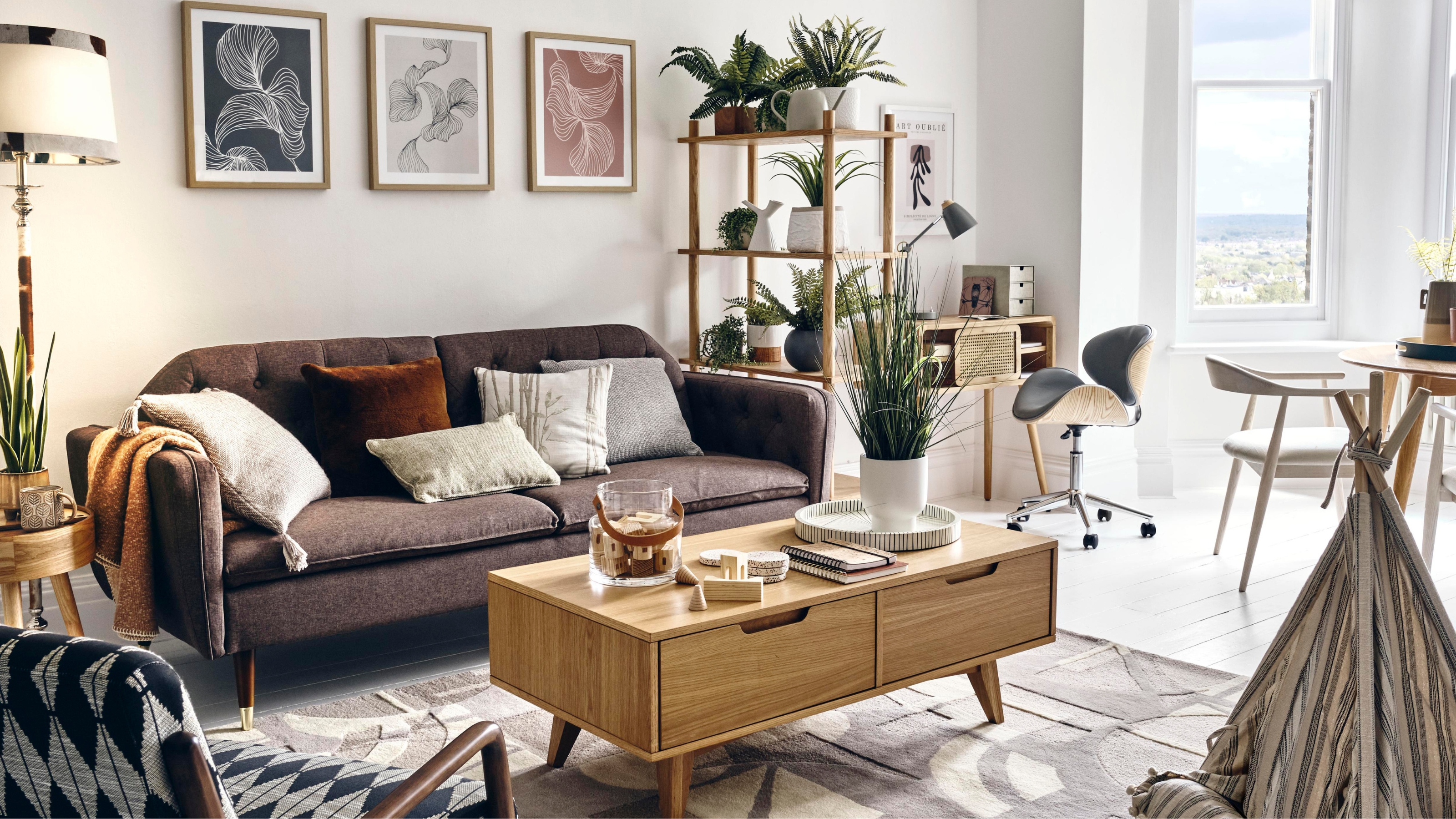
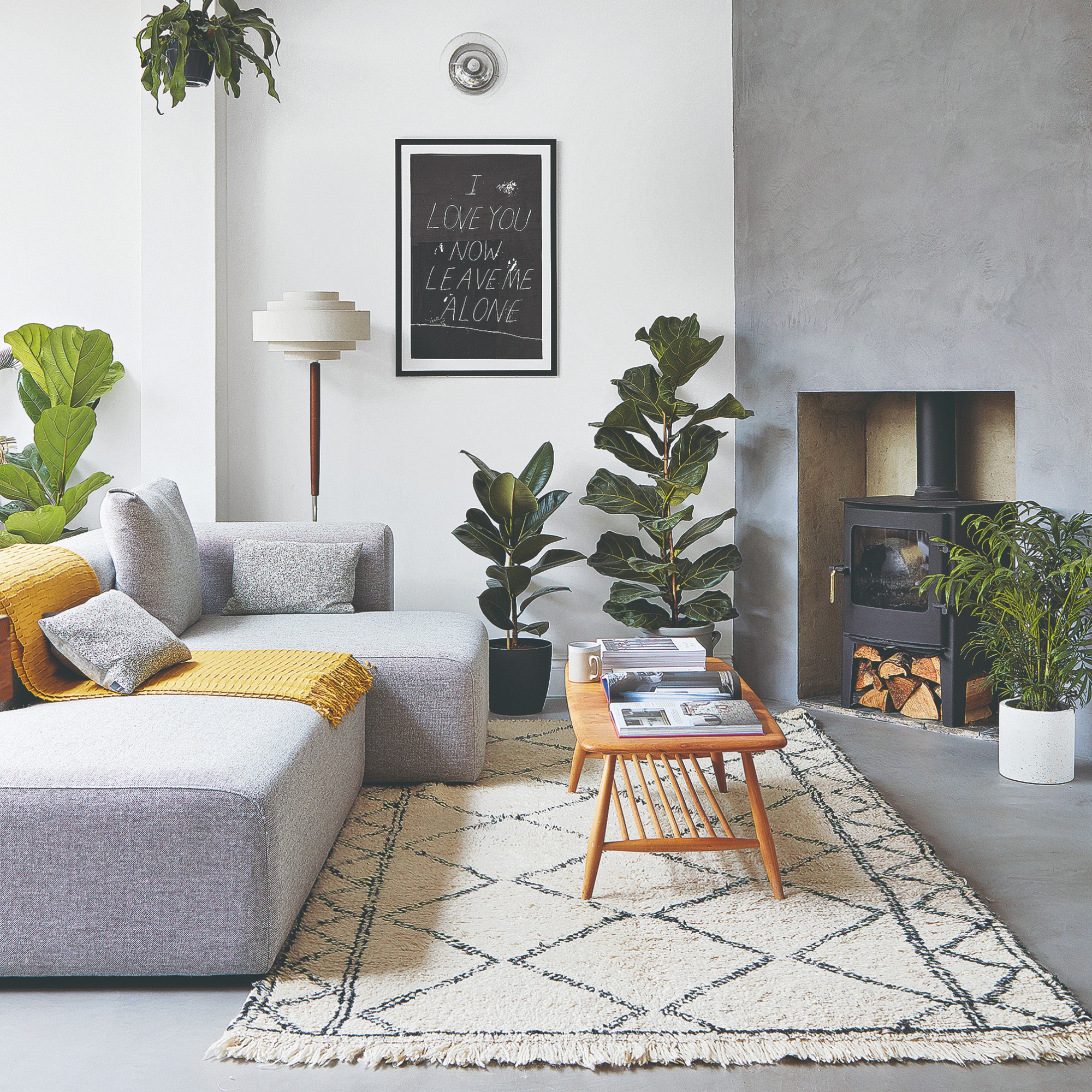
Pattern can be introduced as subtle accents to prevent plain schemes from becoming monotonous. While bold colors and patterns can be used, balance is essential. Carefully selected furniture, layered textures, and unique accessories can create inviting vignettes without overwhelming the space. Effective lighting design, incorporating multiple light sources at varying levels, not only brightens a room but also creates depth and mood. Maximizing natural light by removing heavy window coverings and using sheer treatments or blinds can significantly impact the perception of space. Strategically placed artificial lighting can illuminate dark corners, making the room appear larger.
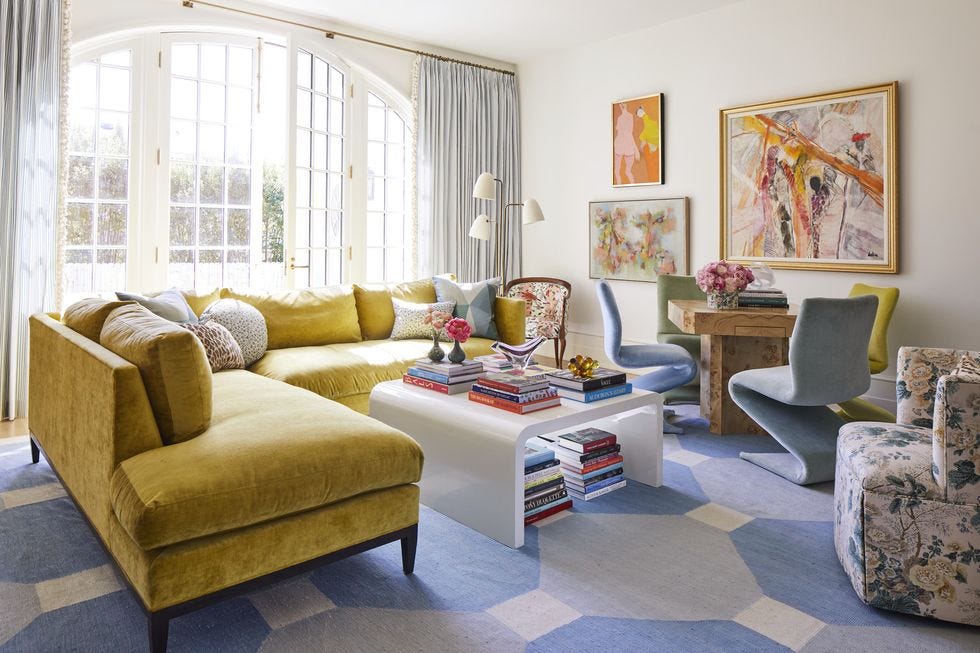
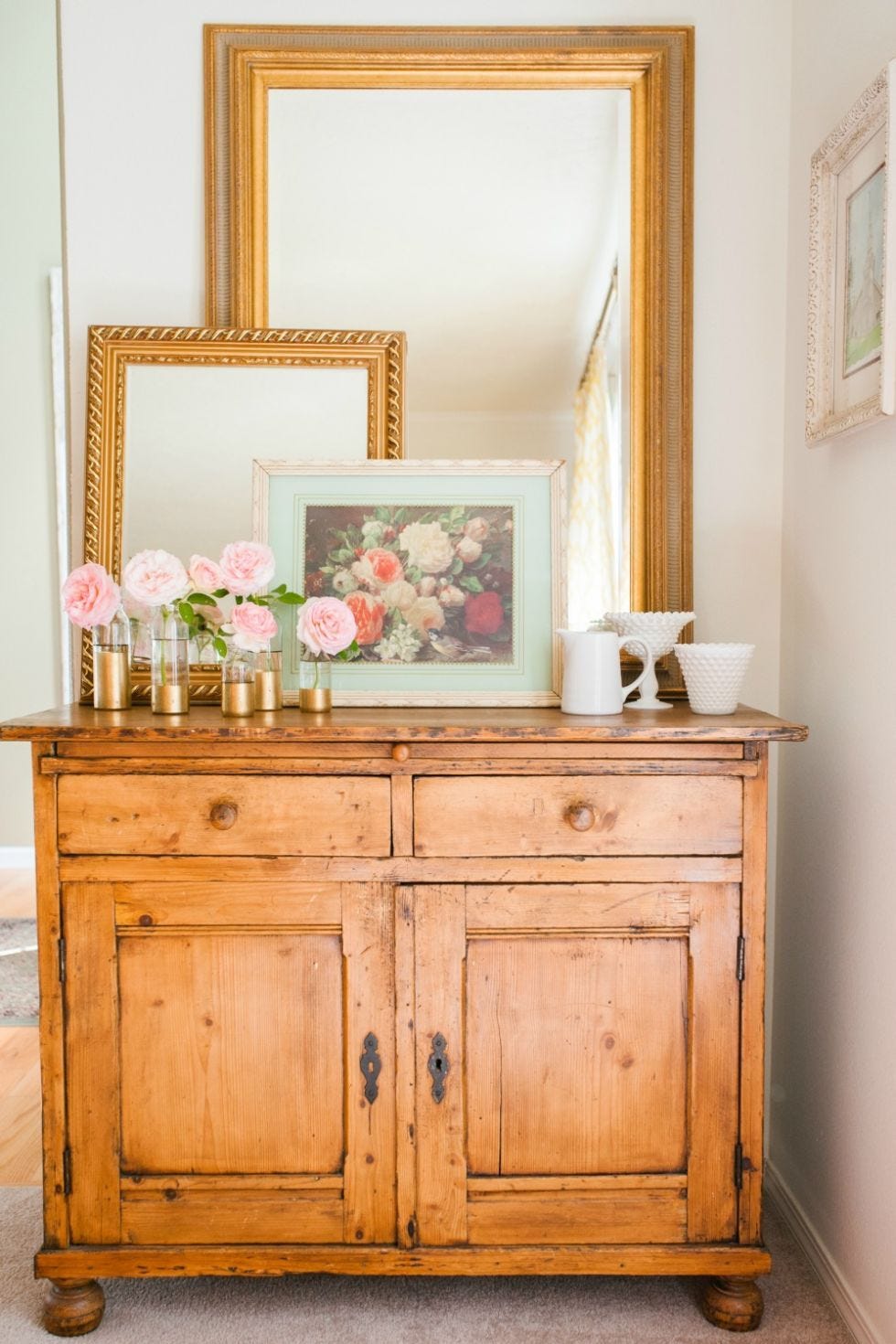
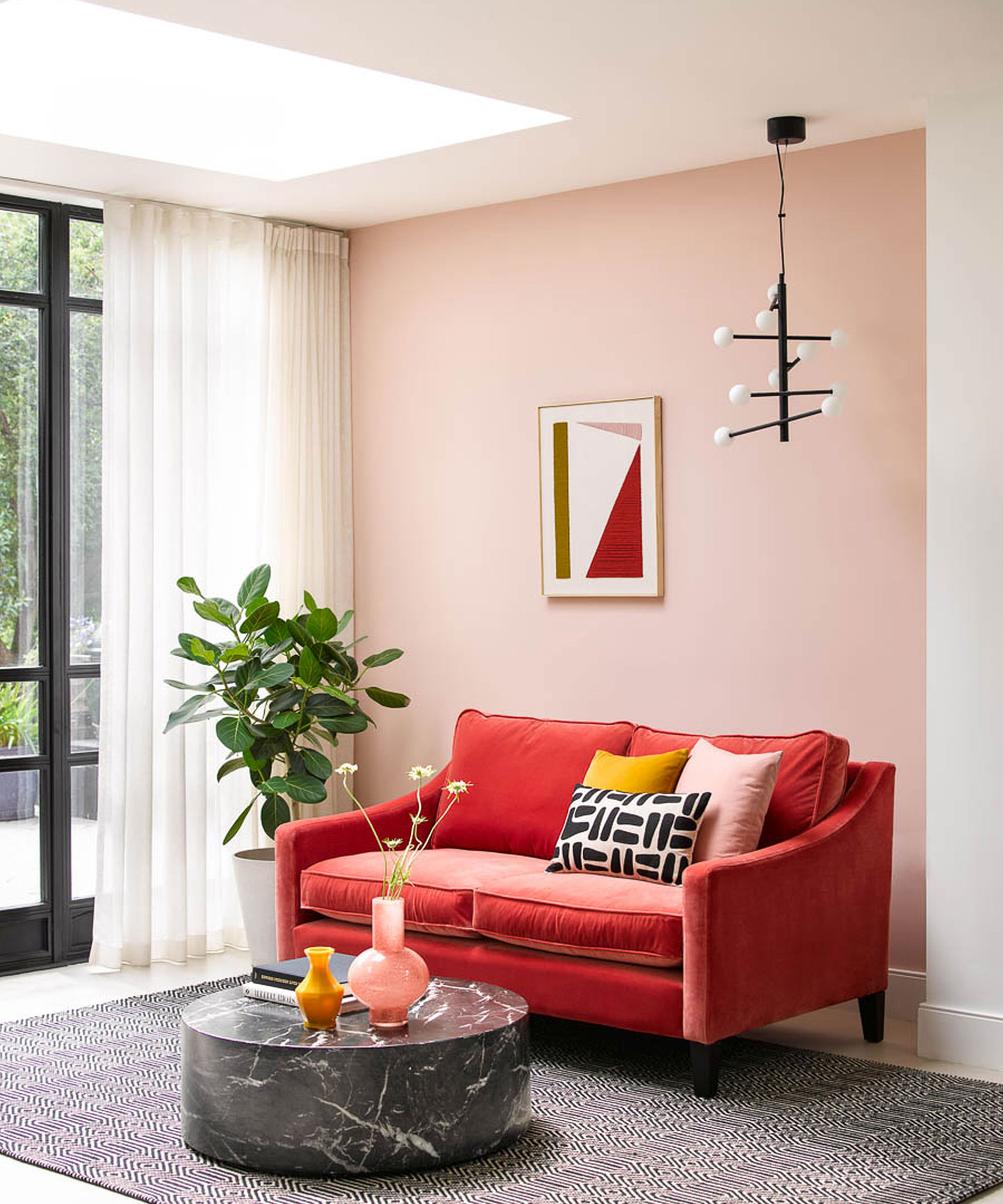
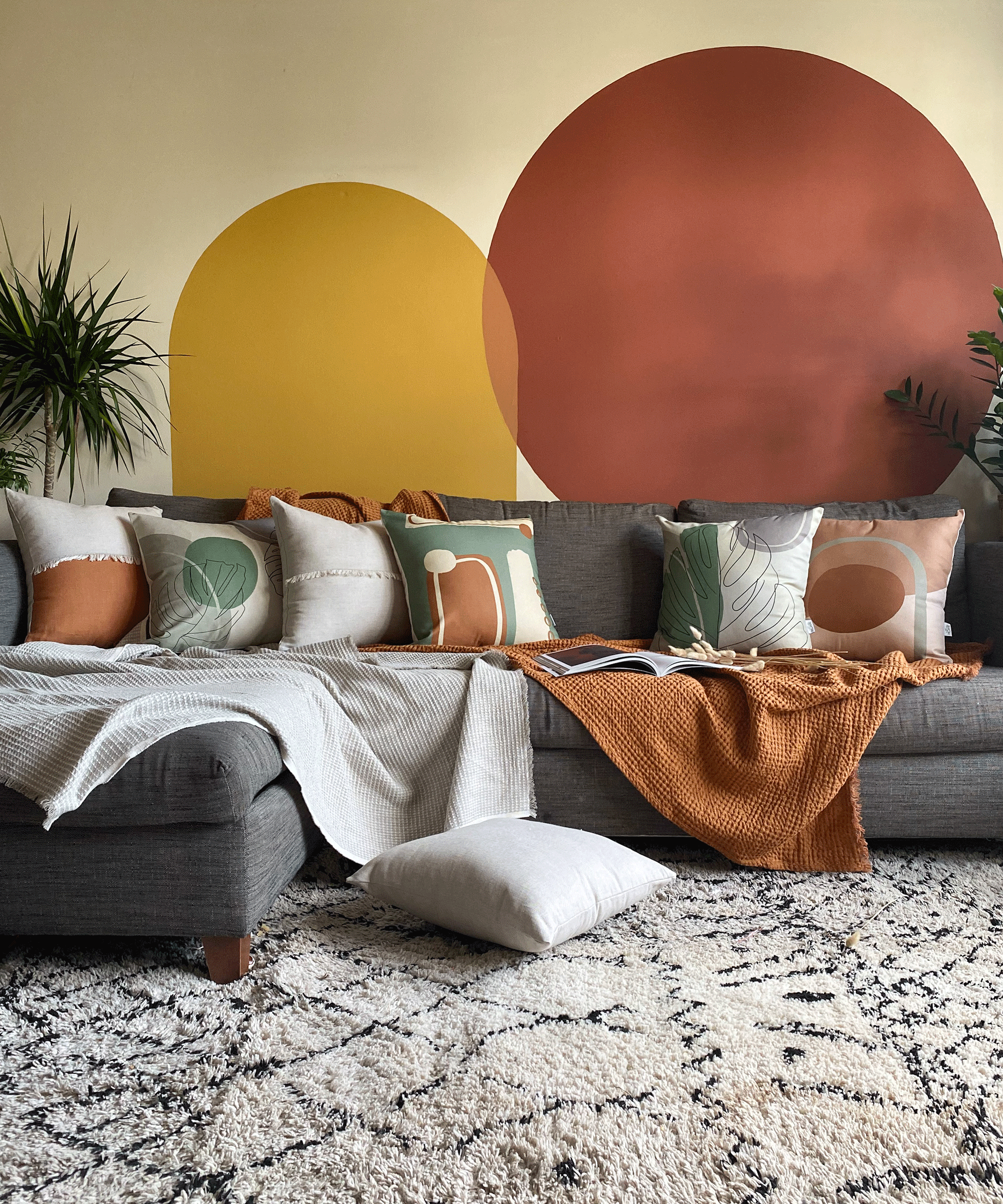
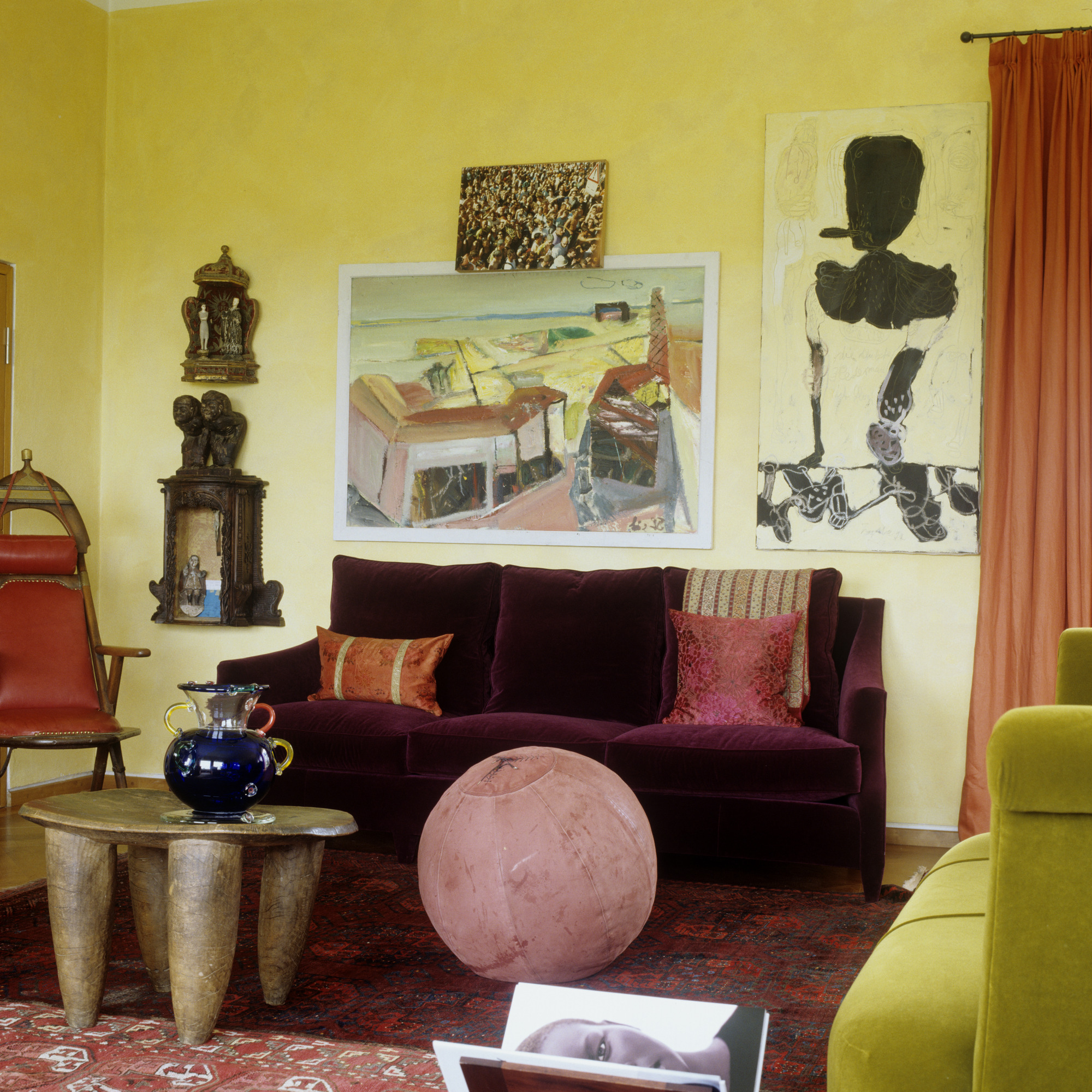
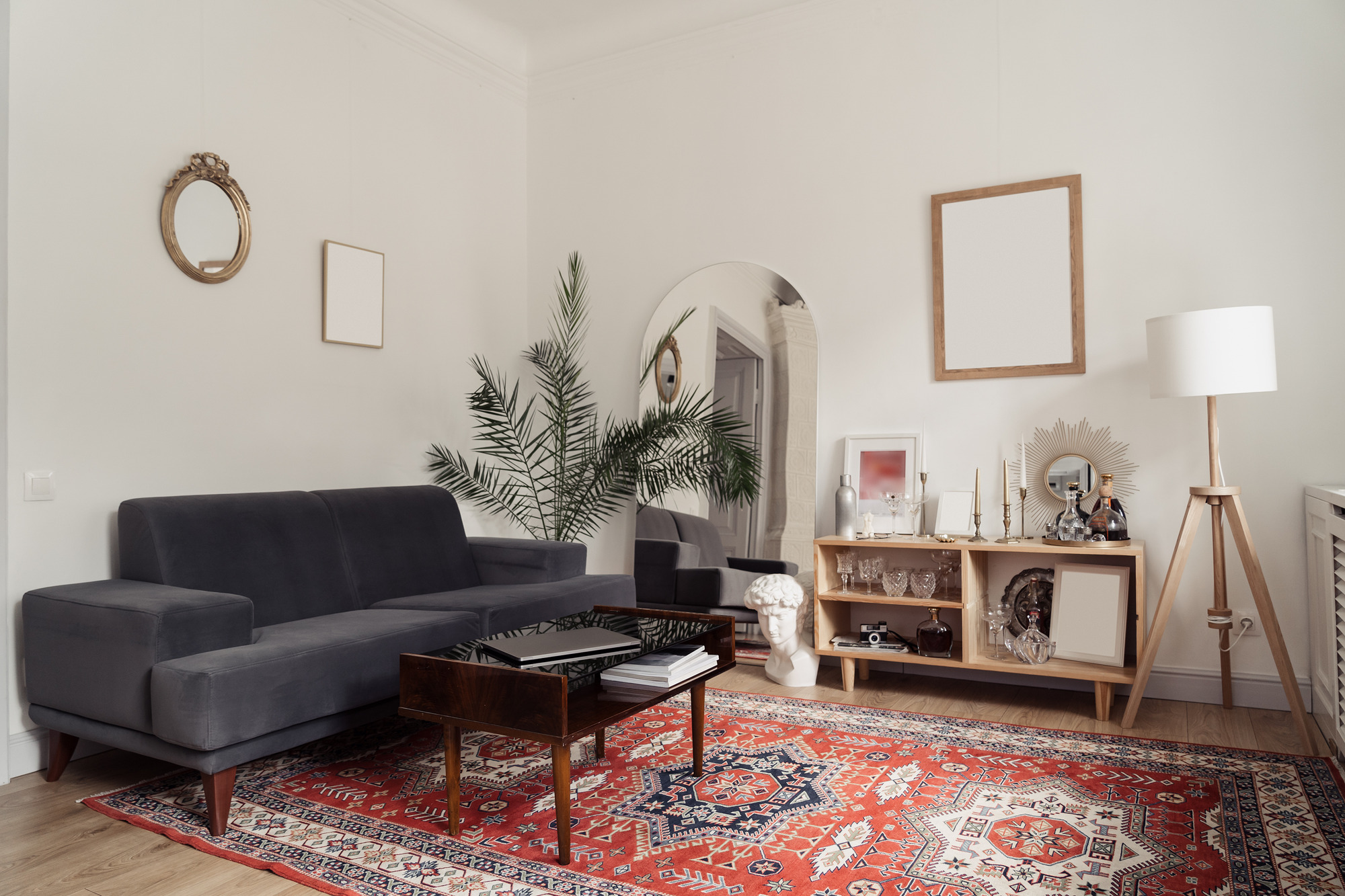
Color-blocking can be used to draw attention to a focal point, such as a boldly colored sofa, thereby diverting focus from the room's overall size. Selecting multi-functional furniture and arranging larger pieces against walls helps maintain an open central space. Mirrors are highly effective in expanding compact areas, especially when positioned to reflect windows or focal points, enhancing brightness and creating an illusion of depth. Matching the color of the floor to that of the furniture can create a seamless look, making the eye flow around the room more easily.
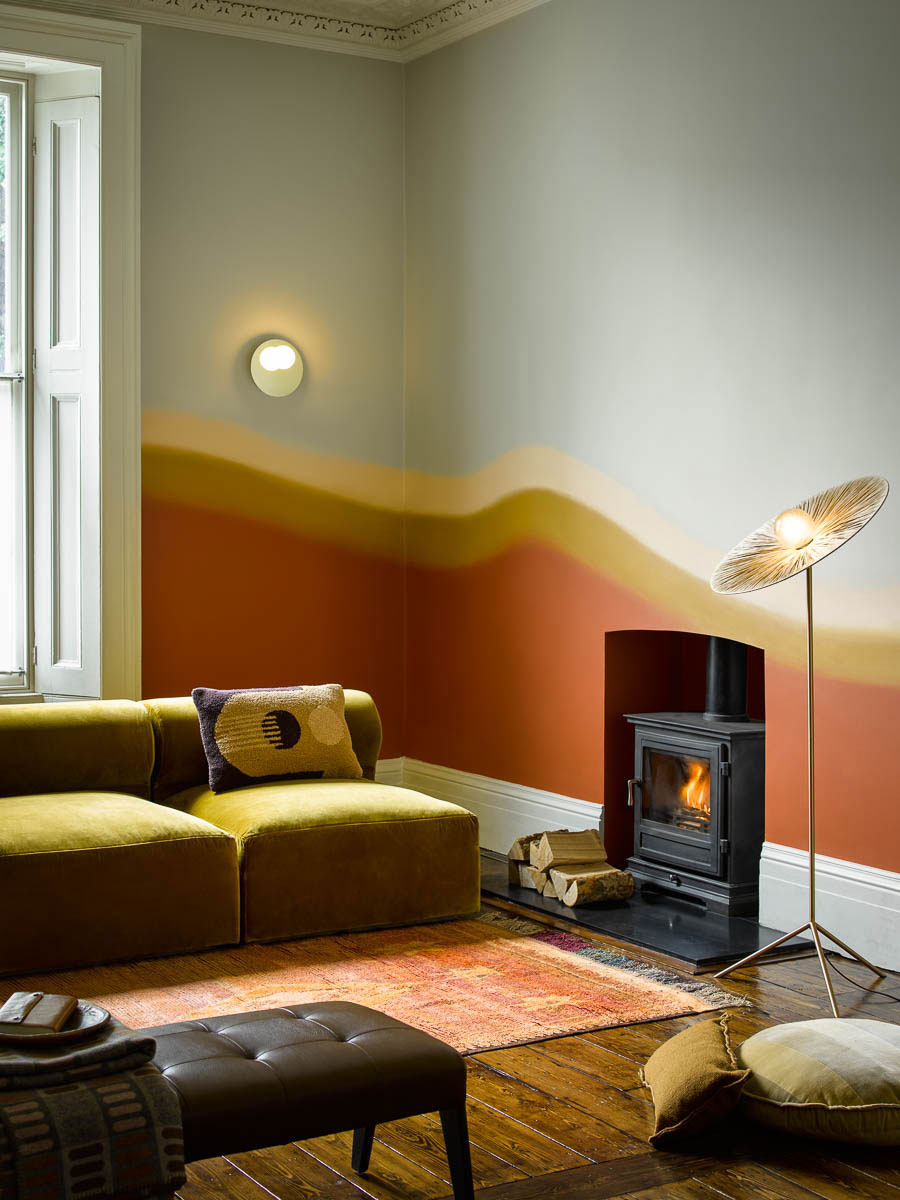
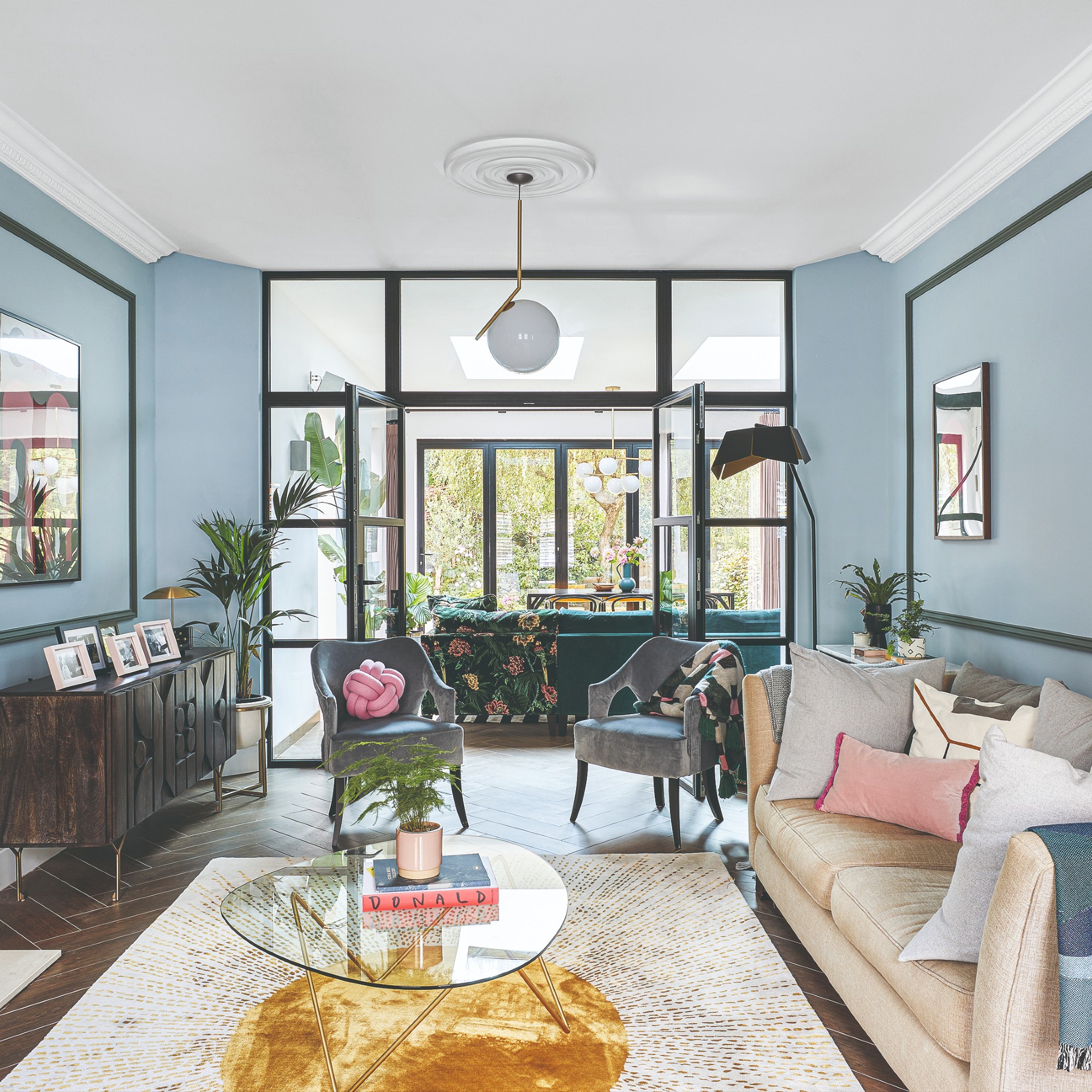
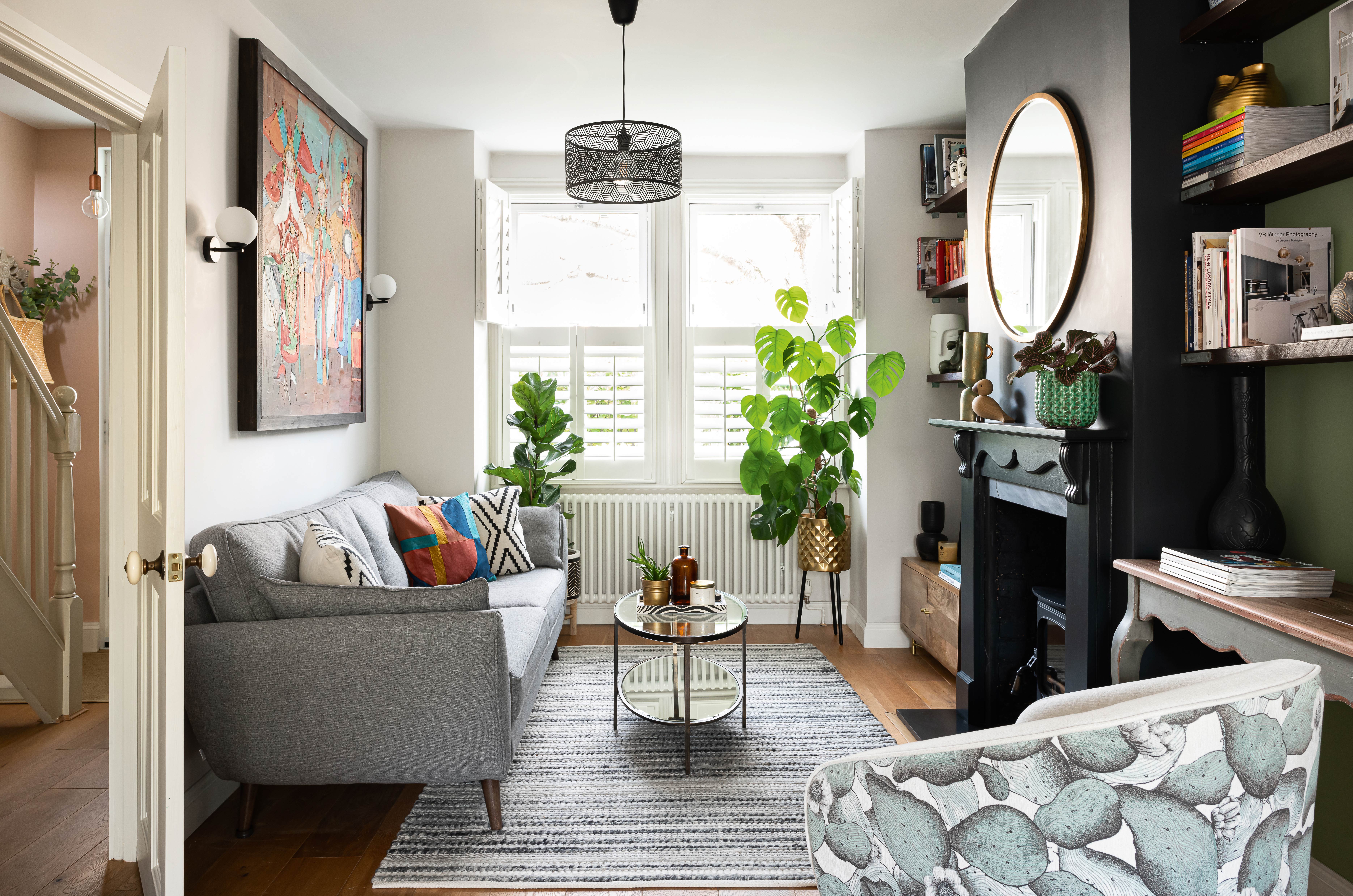
Creative paint techniques, such as painting end walls in darker shades or using horizontal stripes, can visually alter a room's proportions. Mimicking architectural symmetry in furniture arrangement reinforces order and balance. Repeating patterns, such as matching upholstery with window treatments, can enhance space when the background colors are light. Zoning long, narrow rooms with rugs and contrasting focal points can make them feel cozier and more defined.
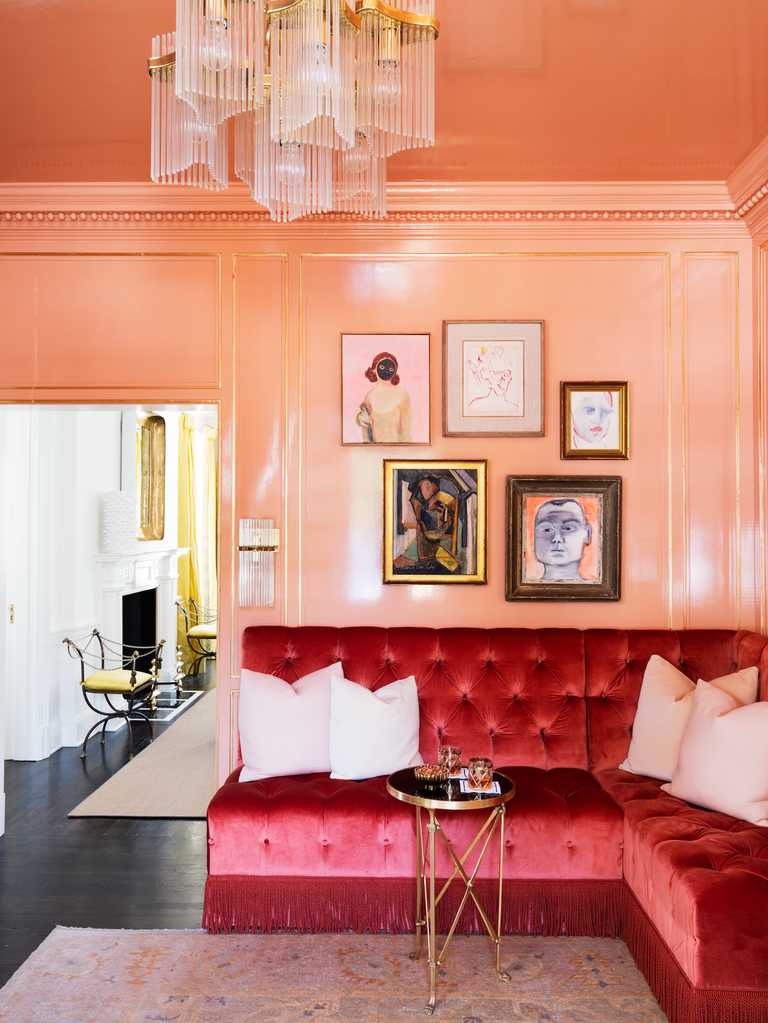
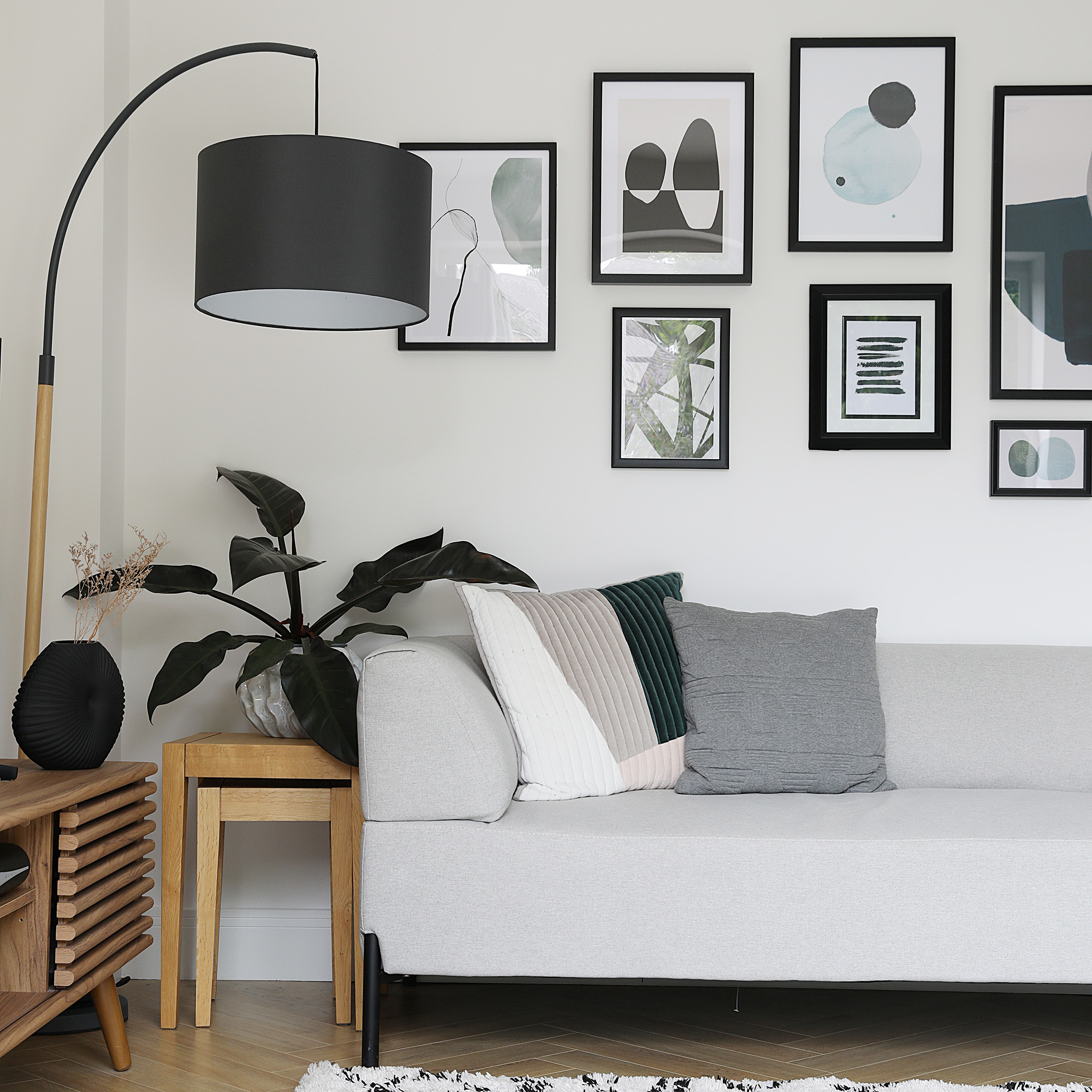
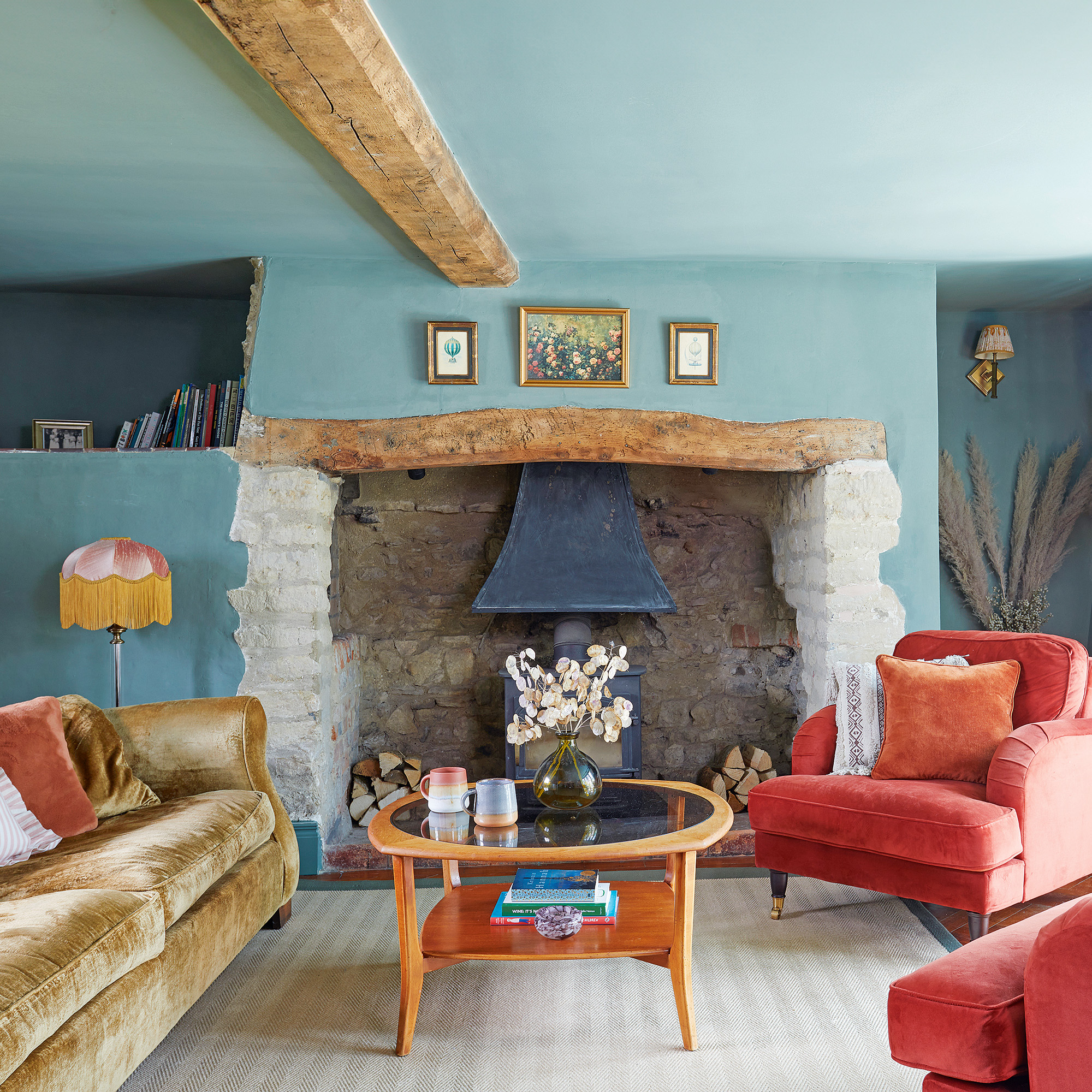
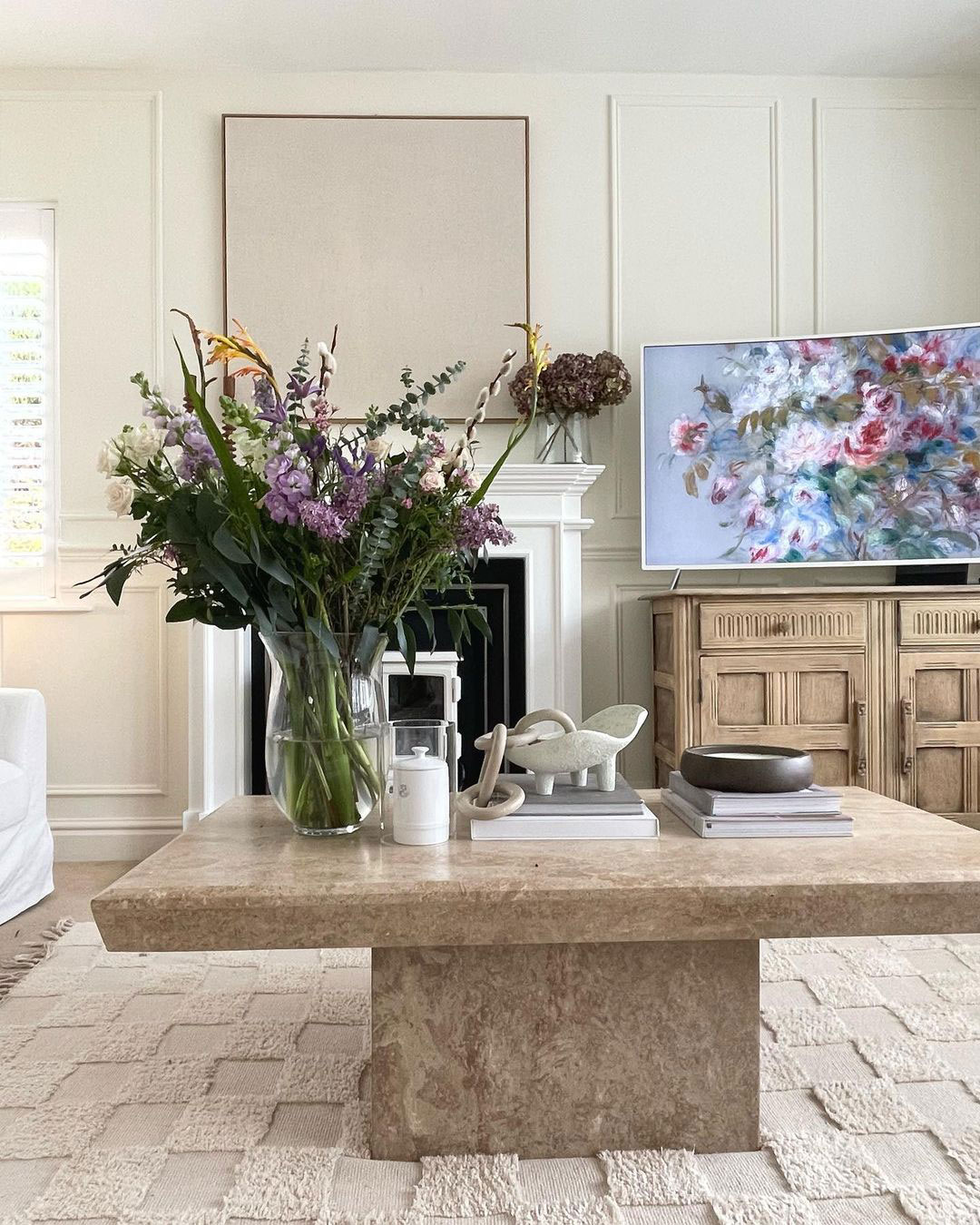
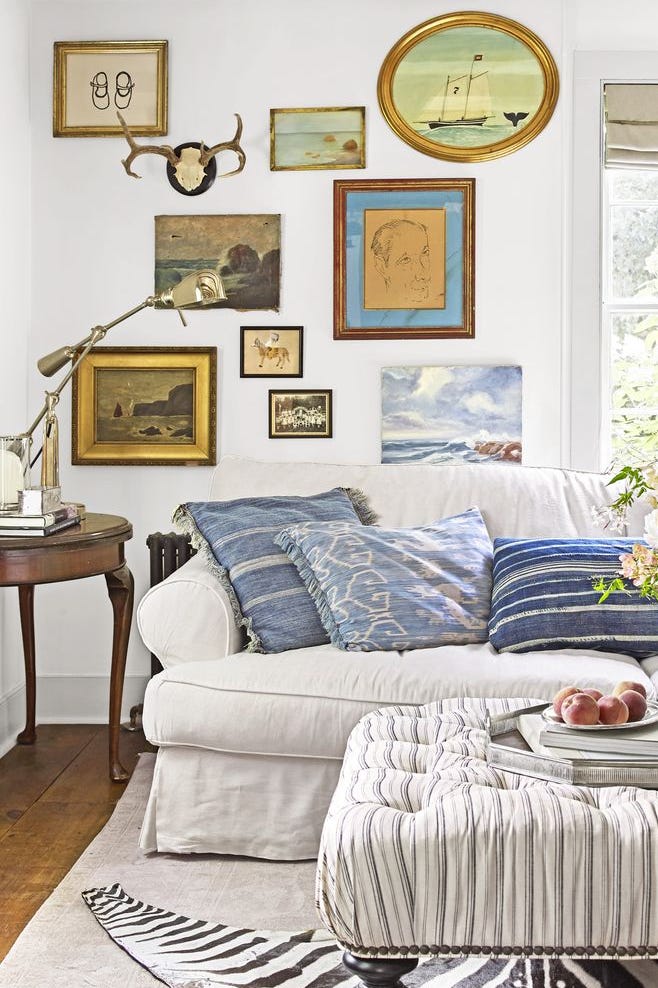
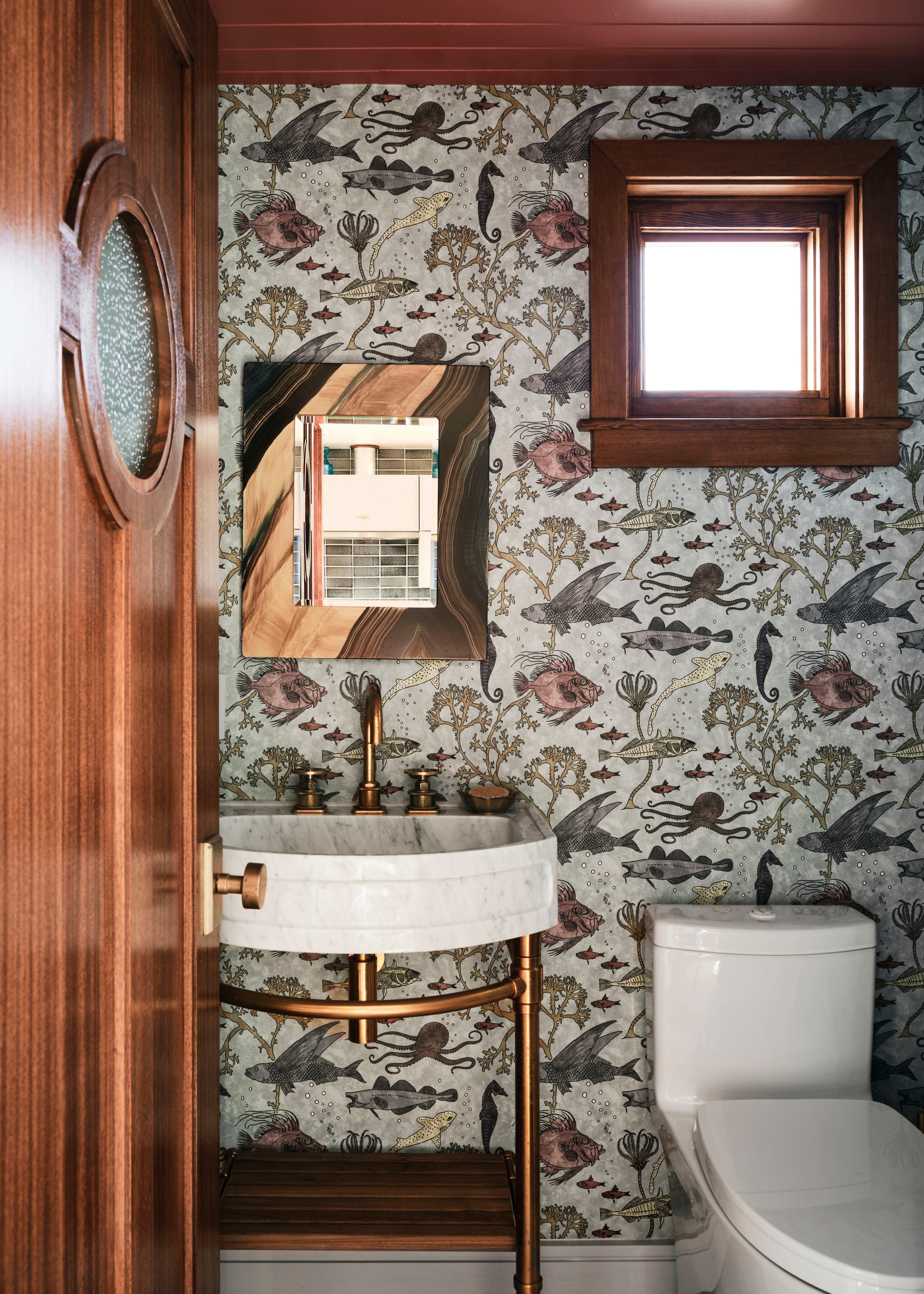
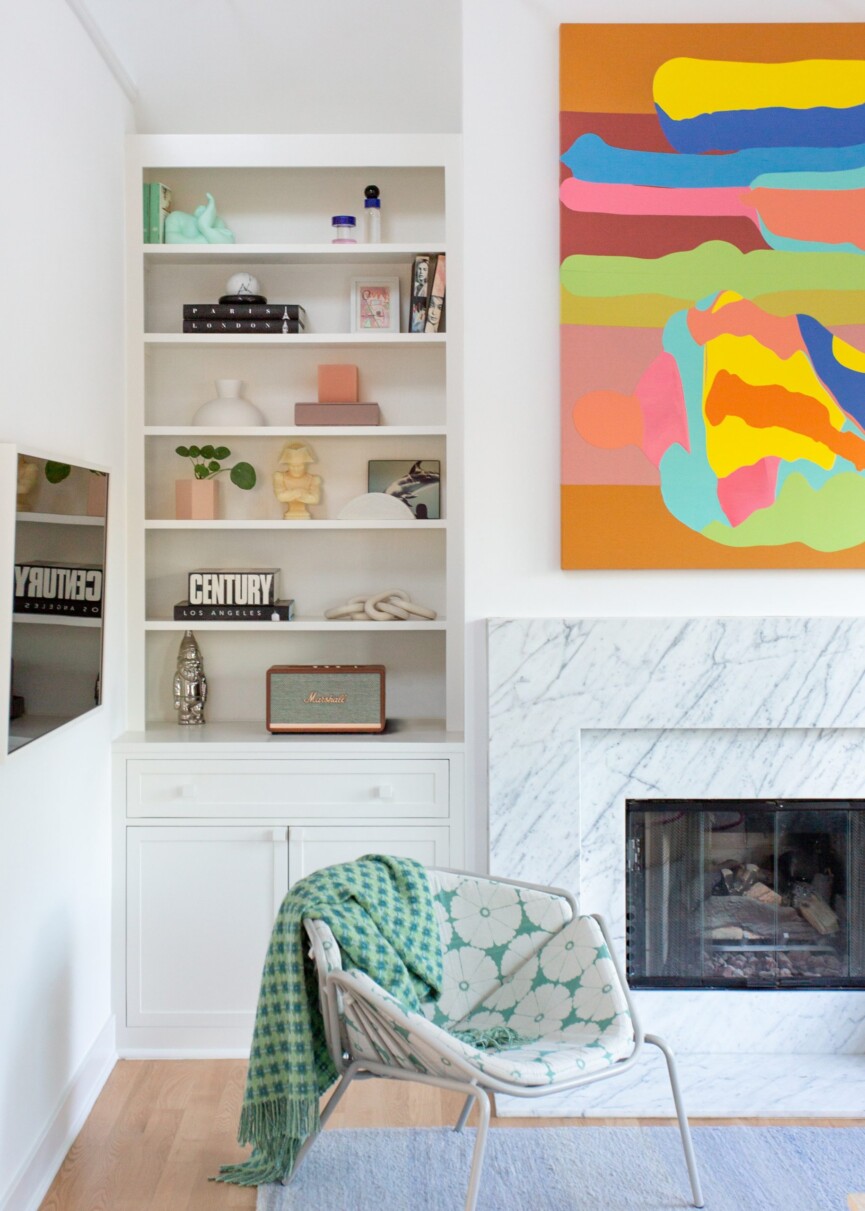
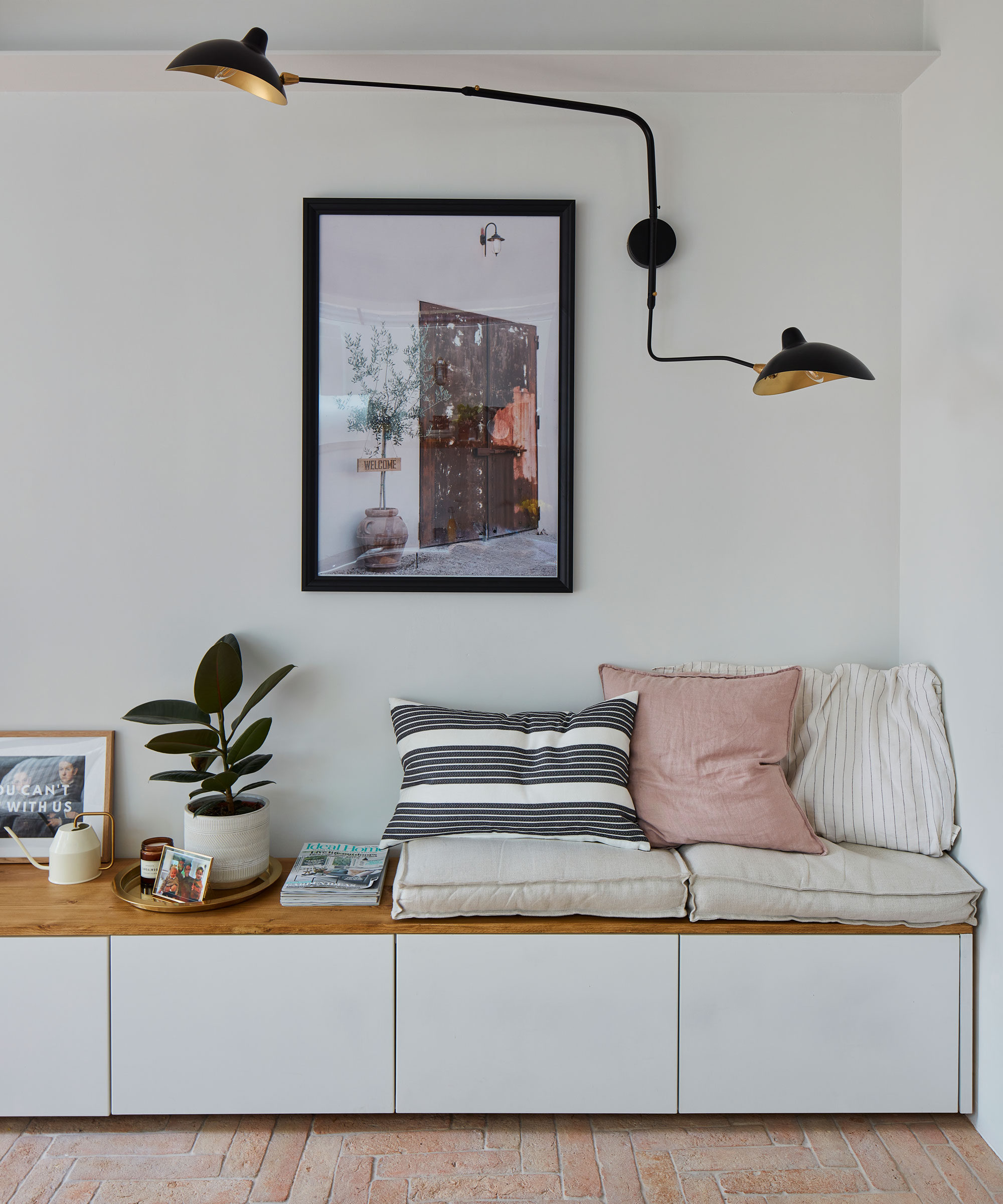
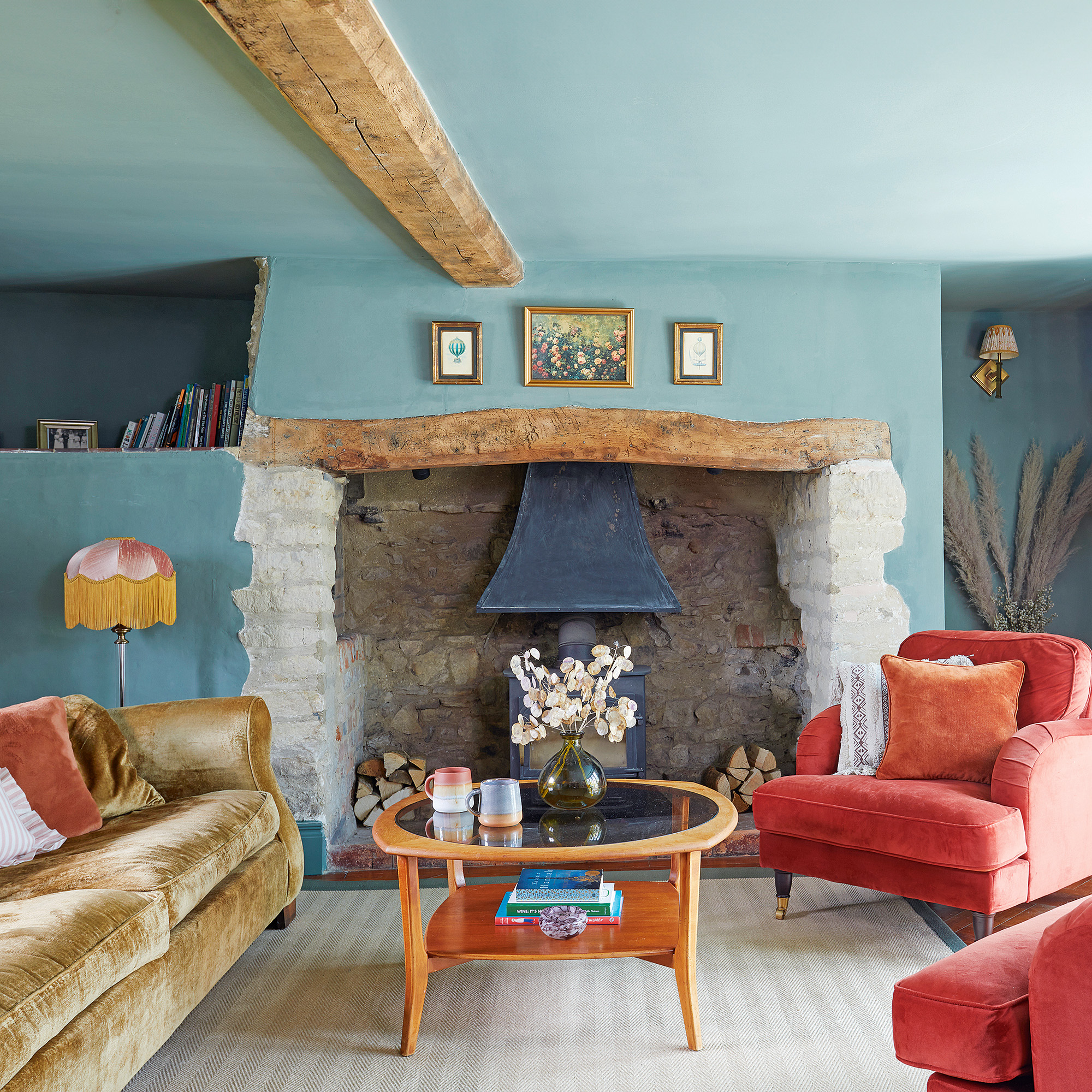
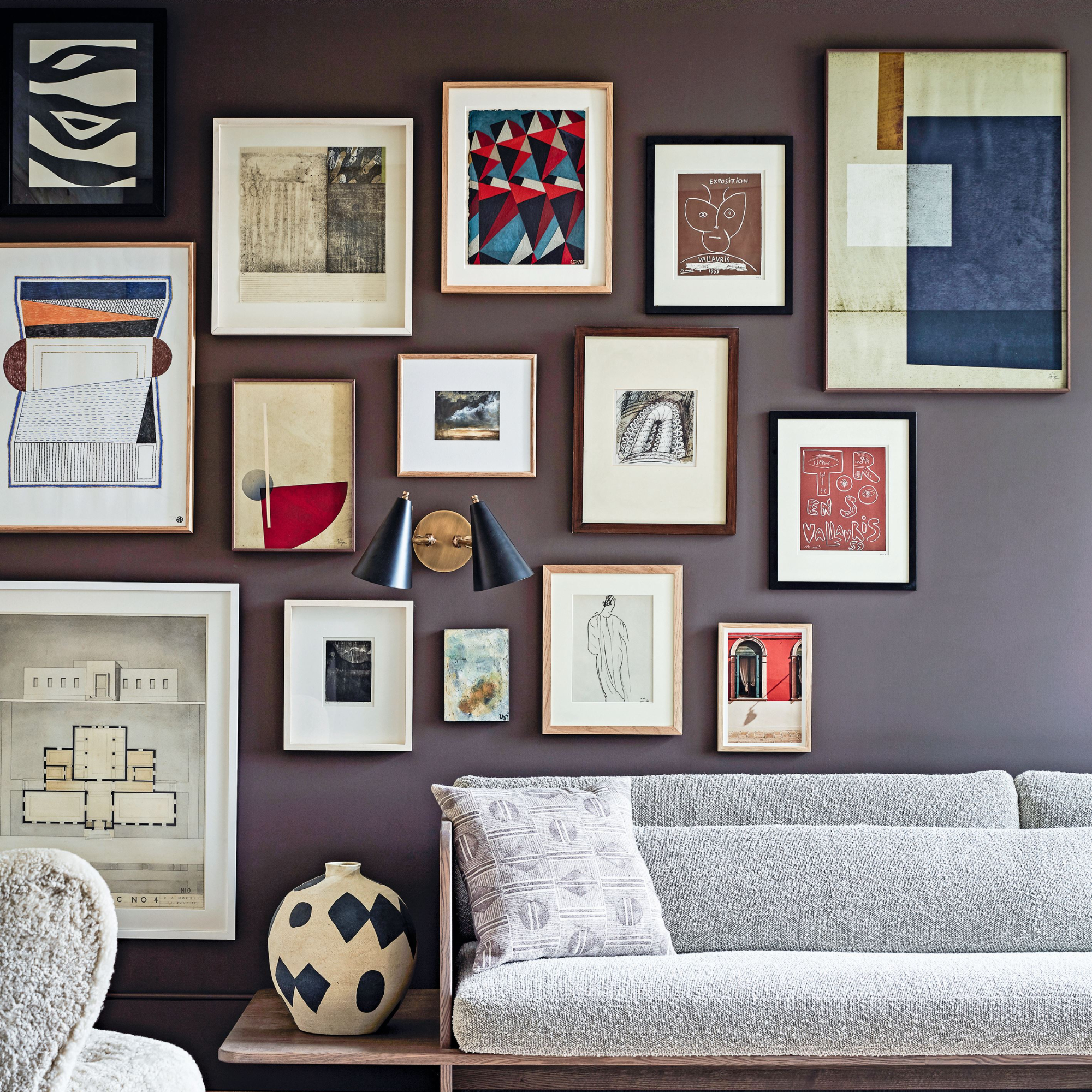
Even in small spaces, using a rich, warming color on the ceiling can add coziness, especially when extended to adjacent hallways to draw the eye through. Thoughtful art placement, opting for one or two large pieces rather than many small ones, can make walls feel wider. Furniture selection should prioritize scale and proportion; oversized pieces can overwhelm a small room, while furniture in similar tones to the walls can blend in, making the space appear wider. Creating a strong focal point, like a well-decorated coffee table, can draw attention and create interest. Uniting adjacent rooms through a consistent color palette can create a sense of cohesion and expanded space.
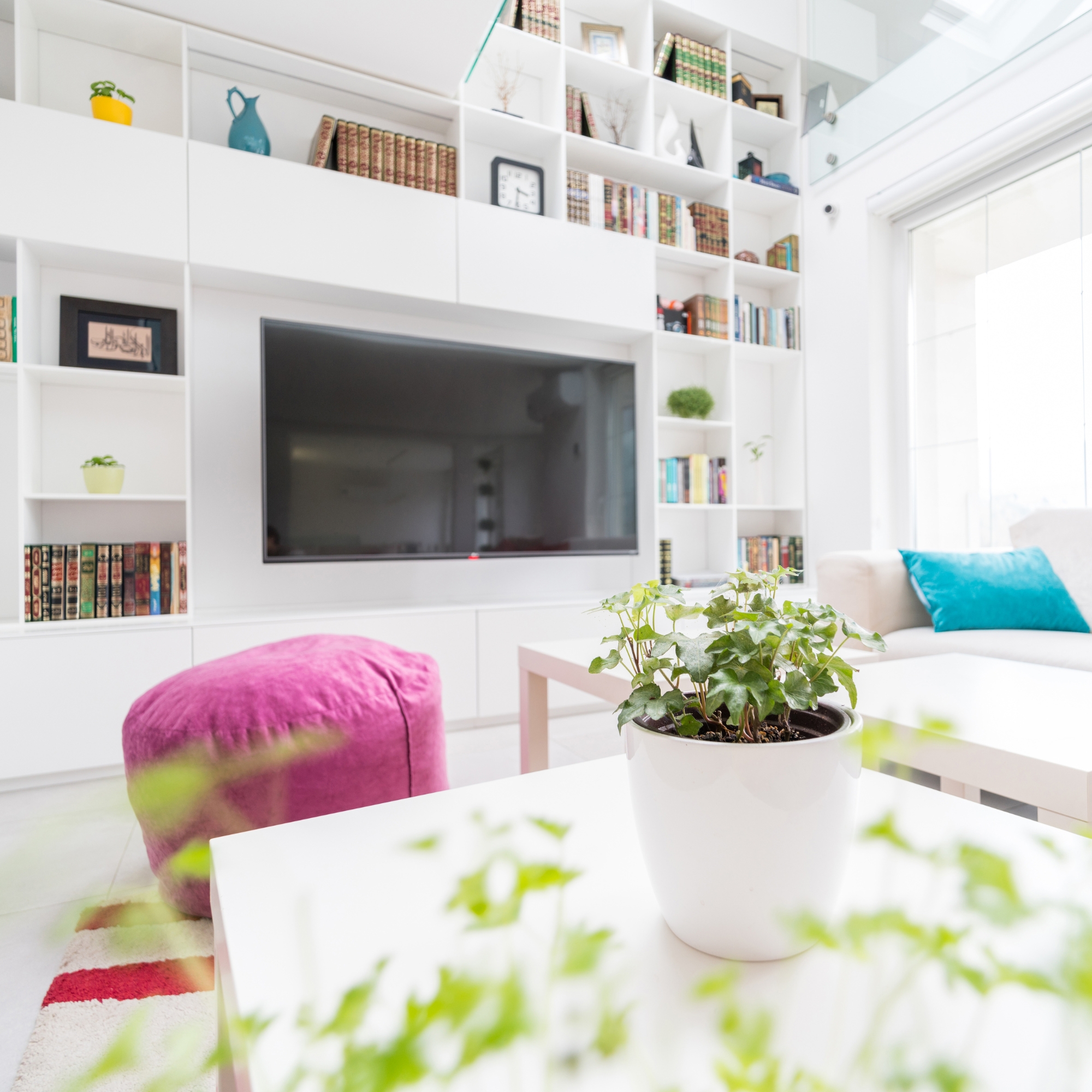
A light color palette, combining different materials and textures, can make a room feel larger, especially when incorporating multiple zones. Painting the ceiling a lighter color than the walls can make it appear higher. Maintaining organization through clever storage is crucial to prevent clutter. A monochromatic color scheme can make furniture recede, while playing with scale by introducing one large-scale piece can create impact. Swapping bulky curtains for blinds can make windows appear larger and brighter. Dark colors can be used in well-lit rooms, balanced with paler shades to maintain an inviting atmosphere. Emphasizing vertical lines with floor-to-ceiling curtains or elevated decor can exaggerate a room's height. Lastly, creating a sense of infinity by painting walls and ceilings the same light color, or using stripes to make rooms feel wider, are all effective methods for designing a small living room that feels spacious and stylish.
#SmallLivingRoom #InteriorDesign #CompactLiving #SpaceSaving #ColorSchemes #LightingDesign #FurnitureArrangement #Decluttering #Symmetry #SmallLivingRoom #InteriorDesign #CompactLiving #SpaceSaving #ColorSchemes #LightingDesign #FurnitureArrangement #Decluttering #Symmetry
Toplam 0 yorum
 Henüz yorum yok
Bu da beğenebilirsiniz
18 Small Living Room Design Ideas Worth Copying in Your Own Home

15 Small Living Room Decor Ideas That Won't Sacrifice Your Style

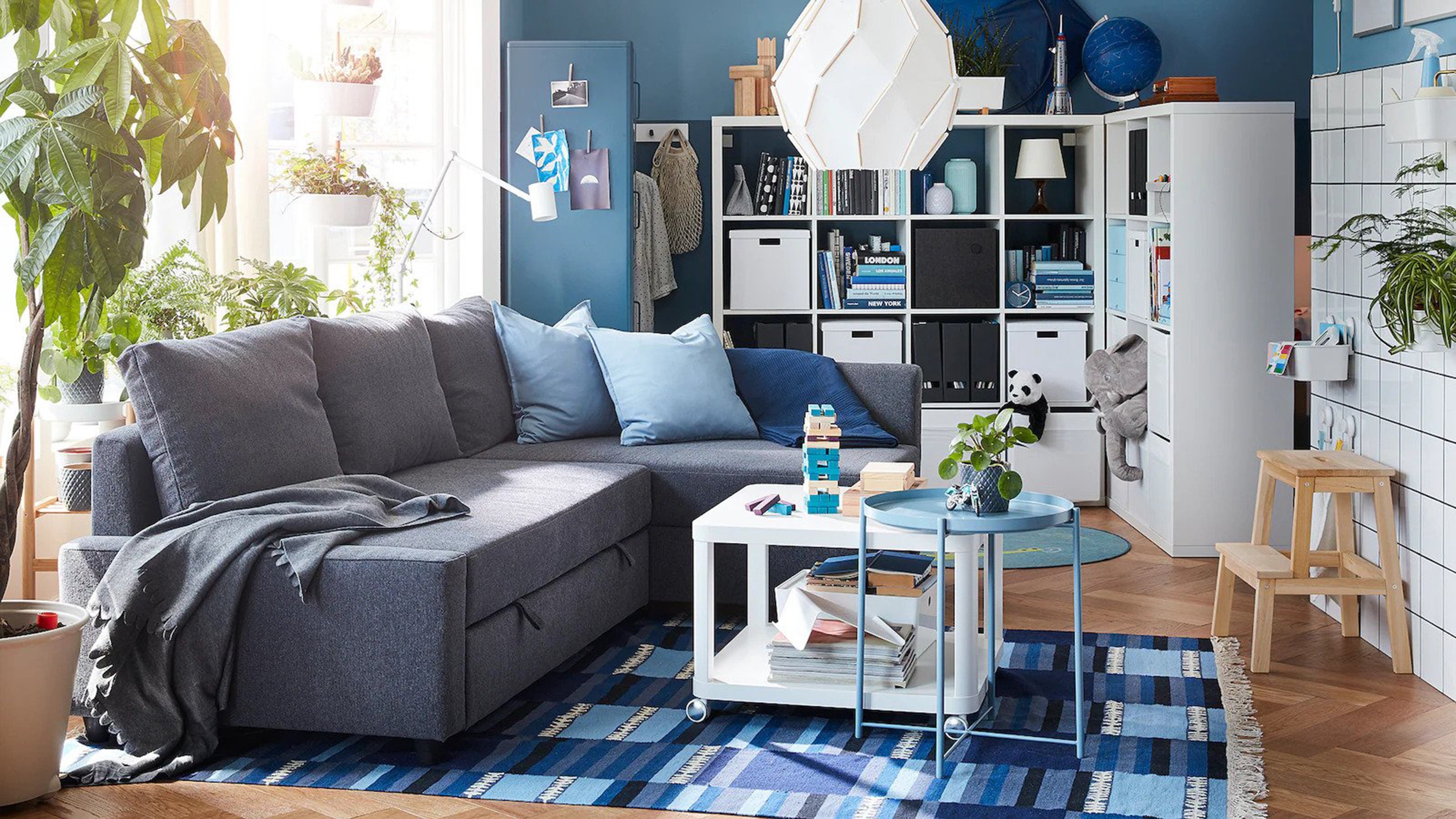
10 small living room layout ideas to make you rethink your set up

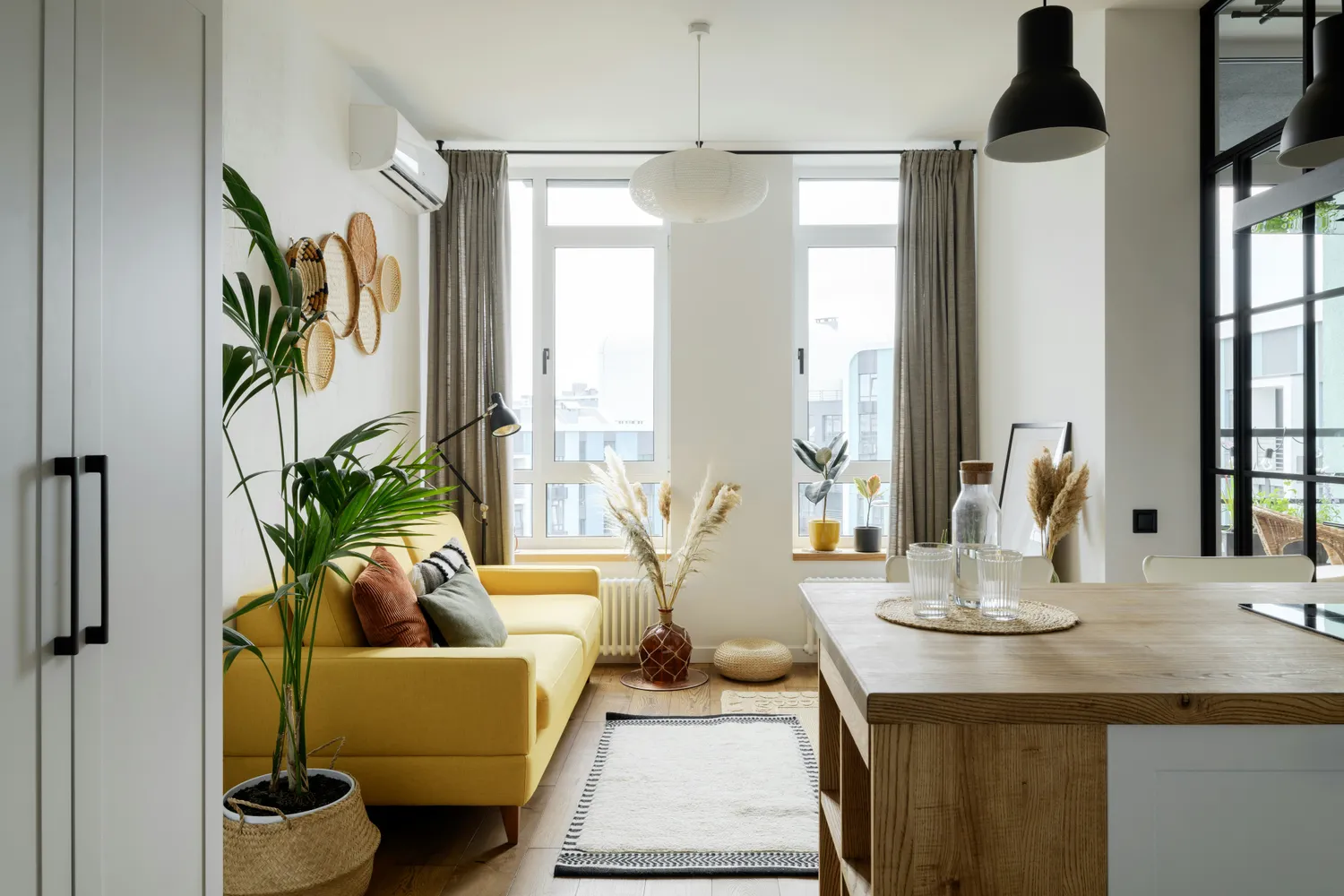
My Mom Made One Tiny Tweak to My Living Room and Made It Feel 10 Times Bigger

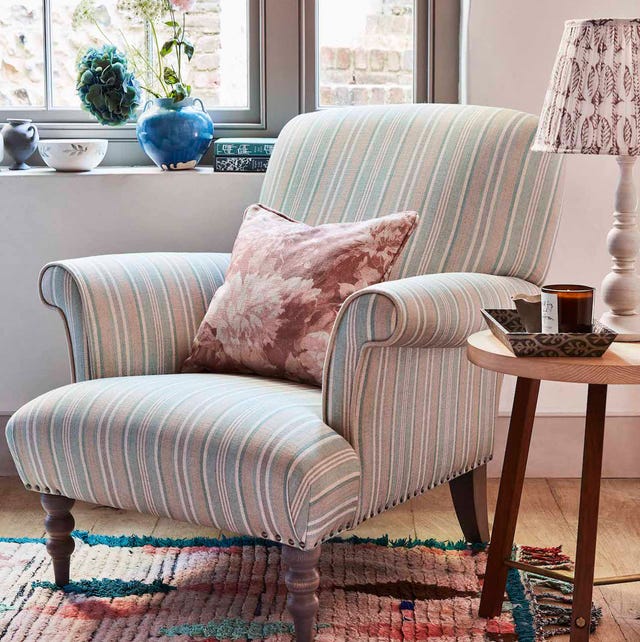
Design tips and tricks for decorating a small living room
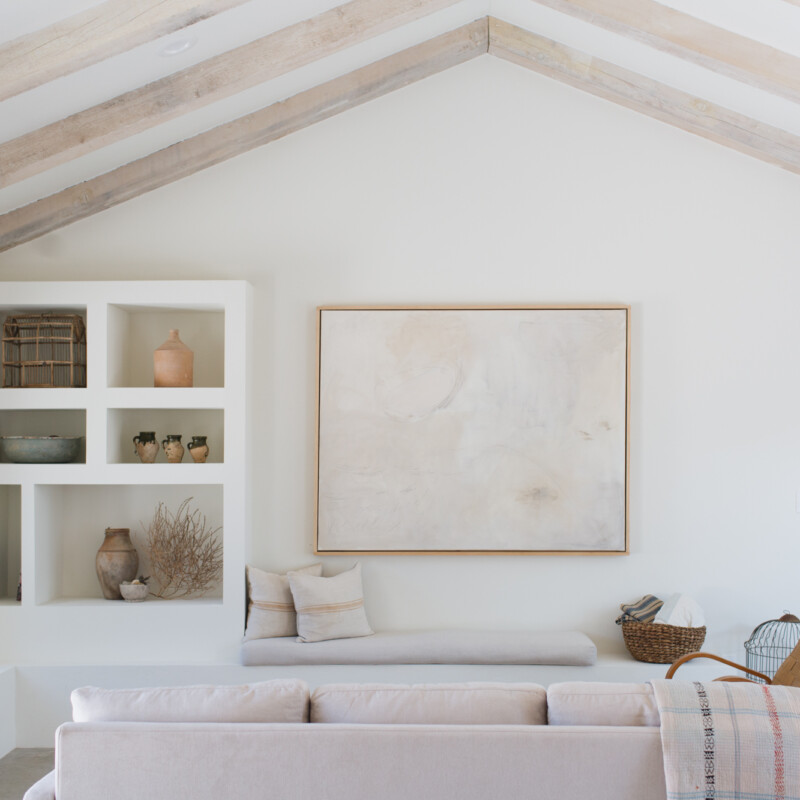
The Top 10 Small Living Room Ideas From Interior Designers

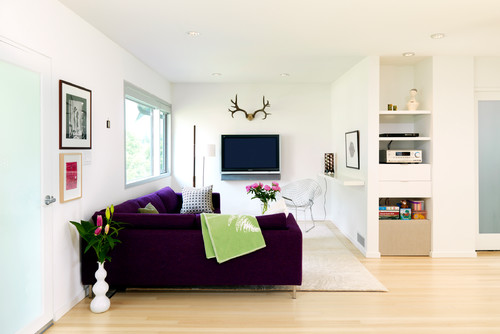
12 Furniture Combinations For Living Rooms With Limited Space

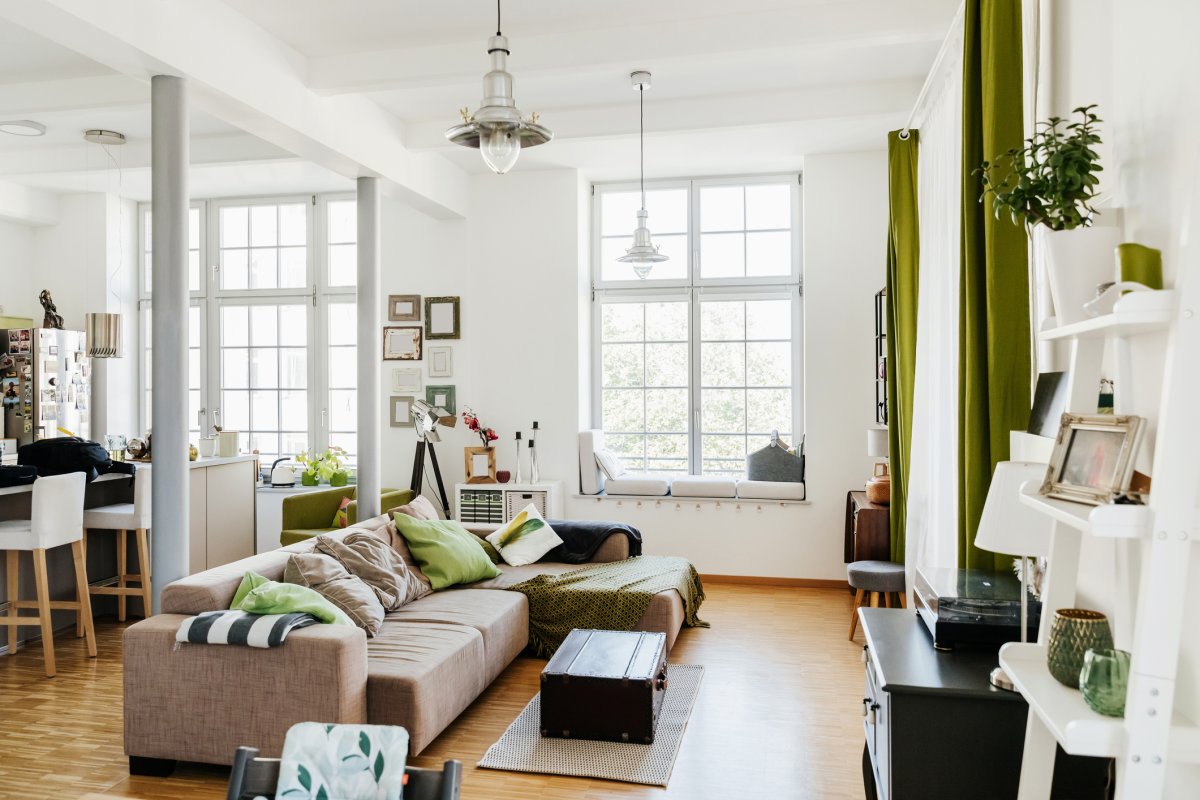
13 Welcoming Living Room Layout Ideas

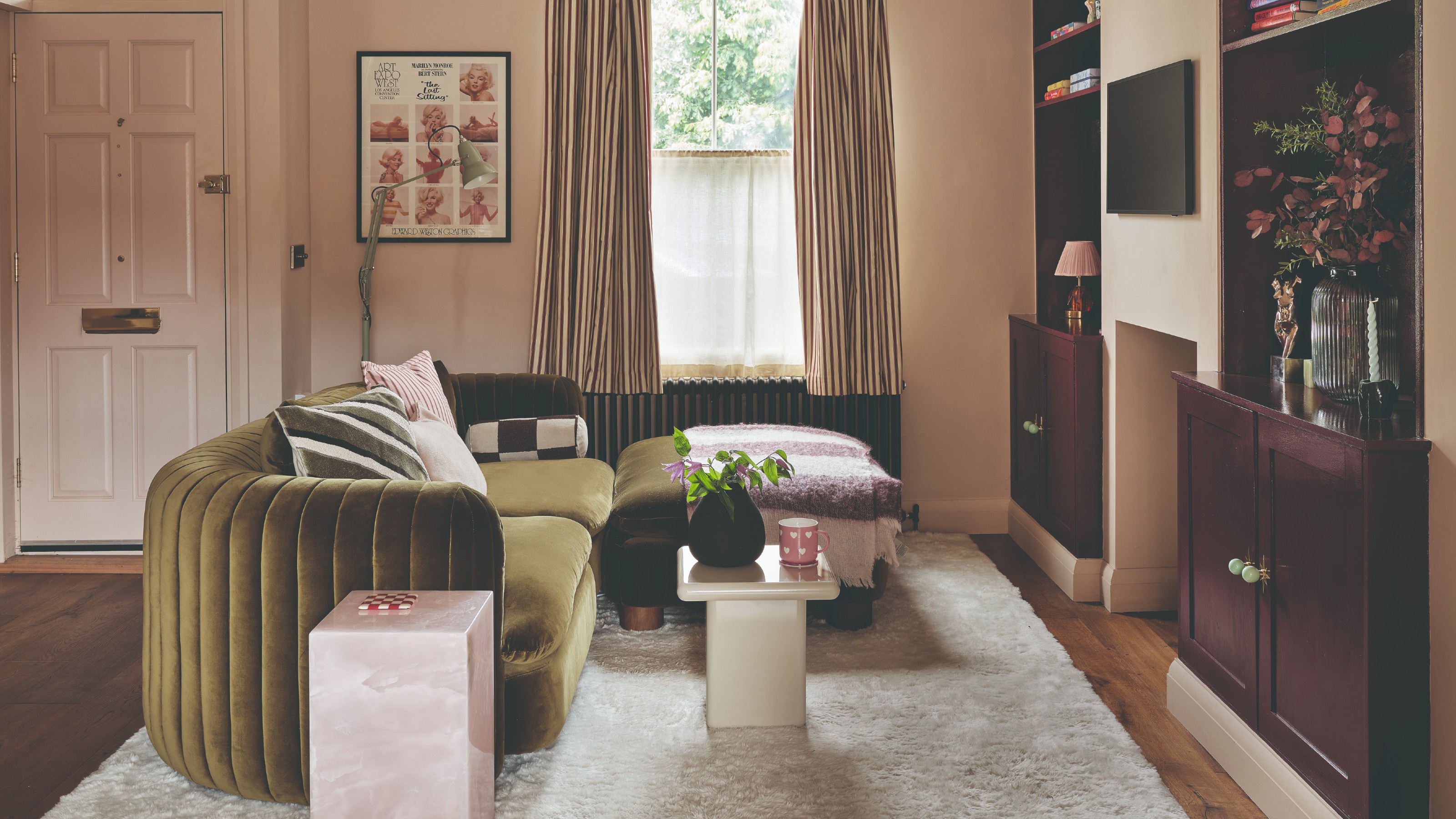
57 small living room ideas to make your petite living space look bigger and more stylish
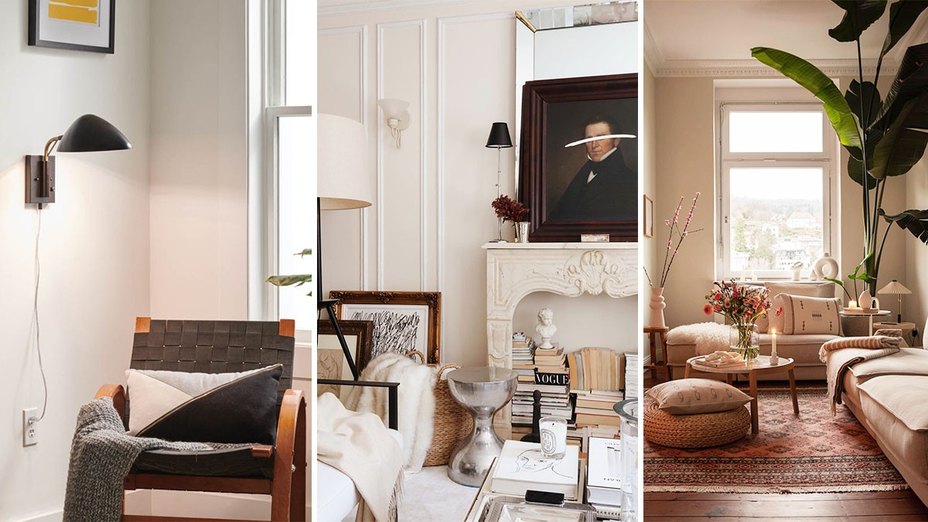
5 Stylish Space-Saving Solutions for Your Living Room We Found on Instagram
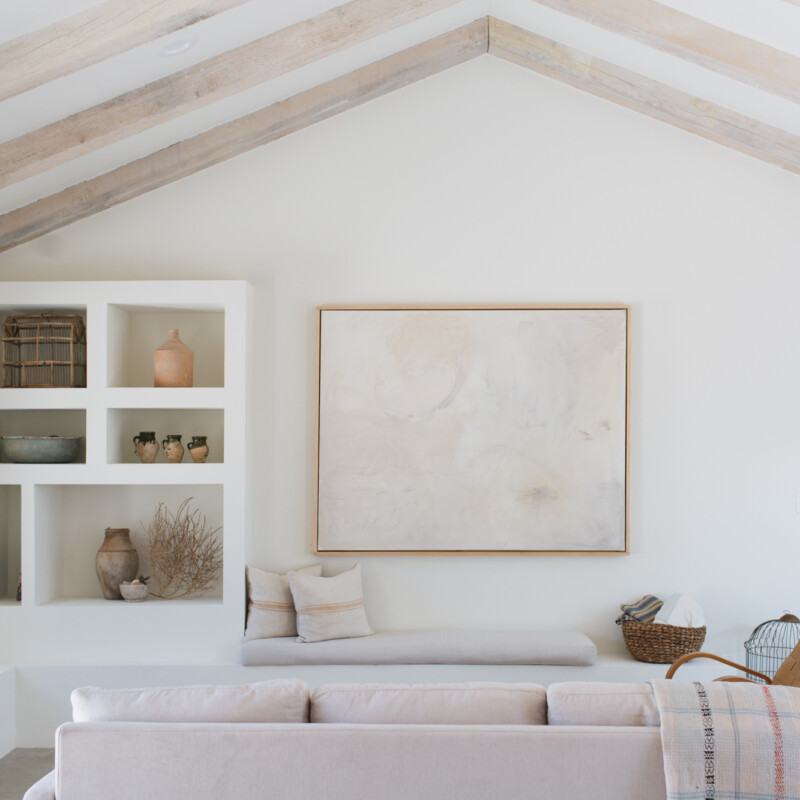
Tiny Living Room? These 10 Small-Space Solutions Will Transform Your Home
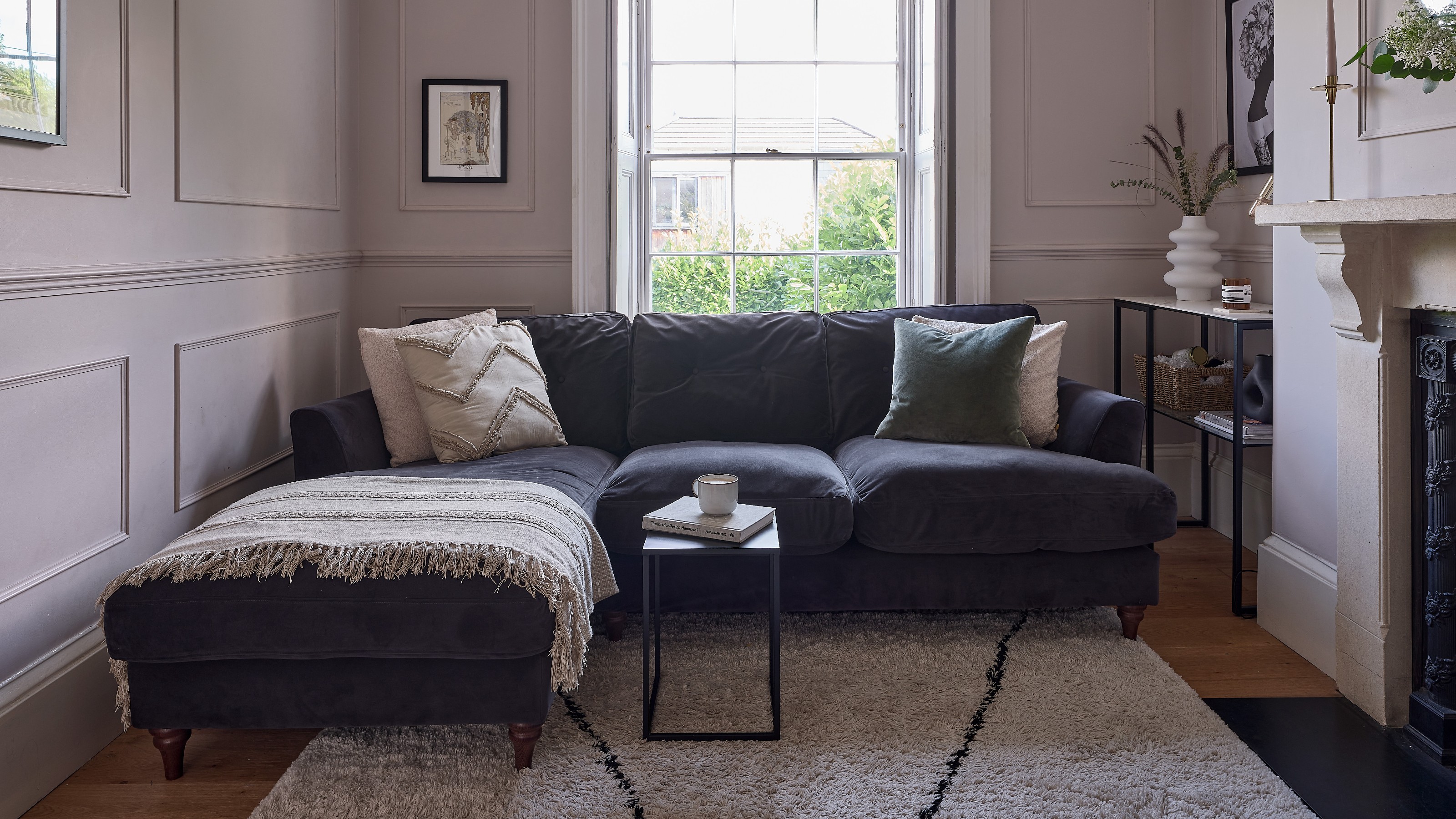
Narrow living room ideas – 12 ways to make your long and awkward lounge appear wider and more balanced
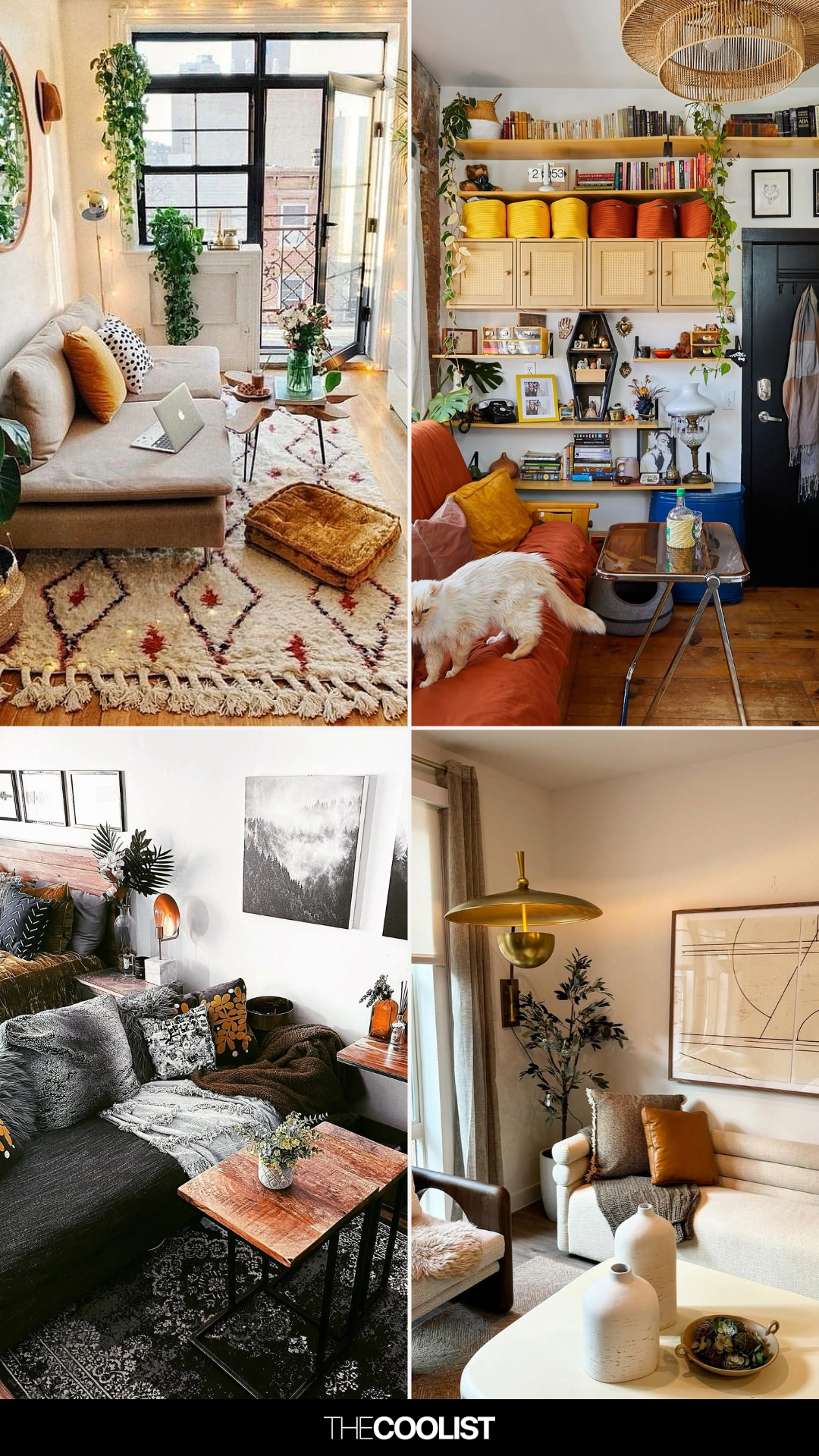
24 Genius Small Apartment Living Room Ideas That Instantly Make Your Space Feel Bigger
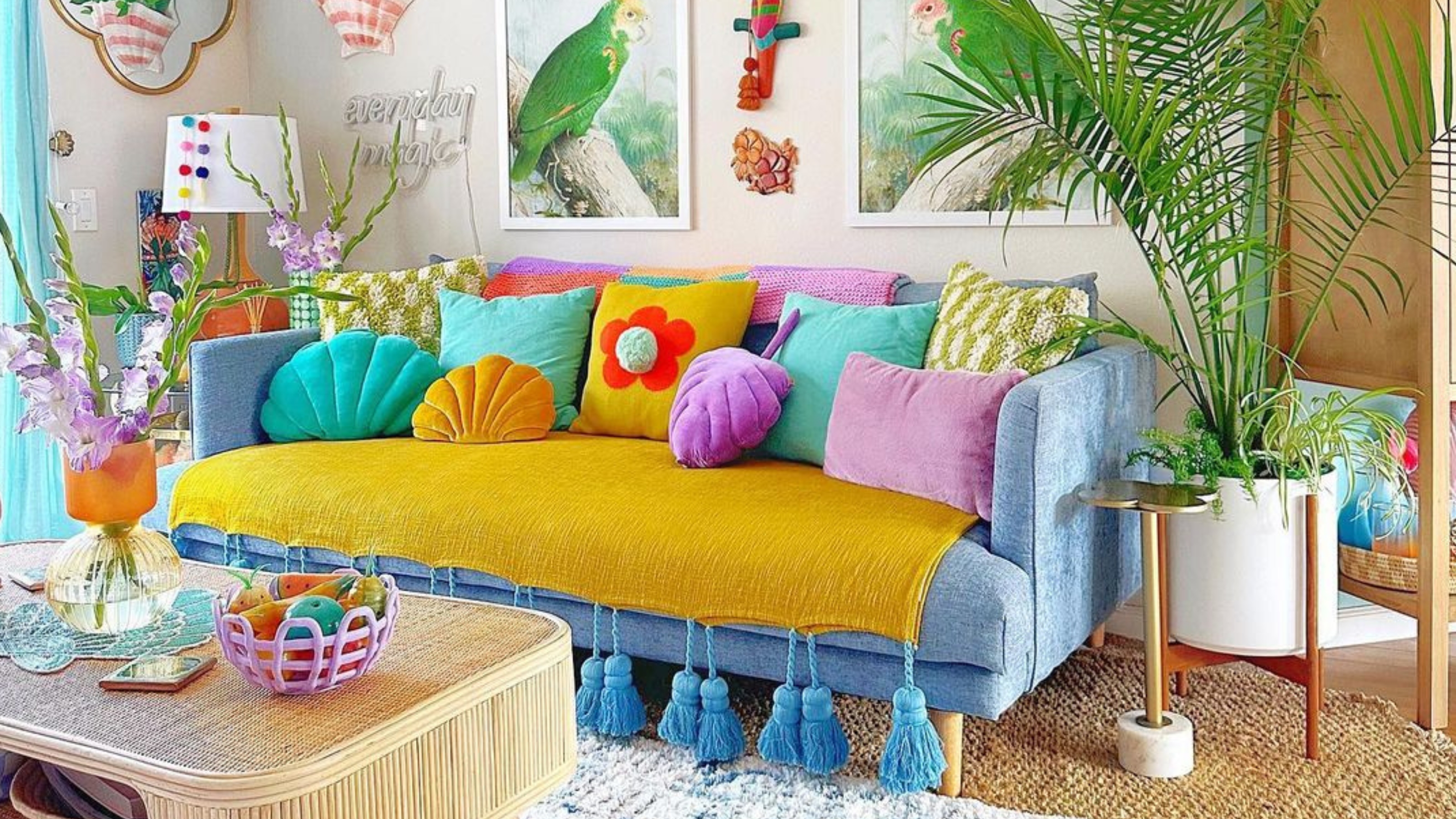
8 colorful small living room ideas that will brighten, not overwhelm your space

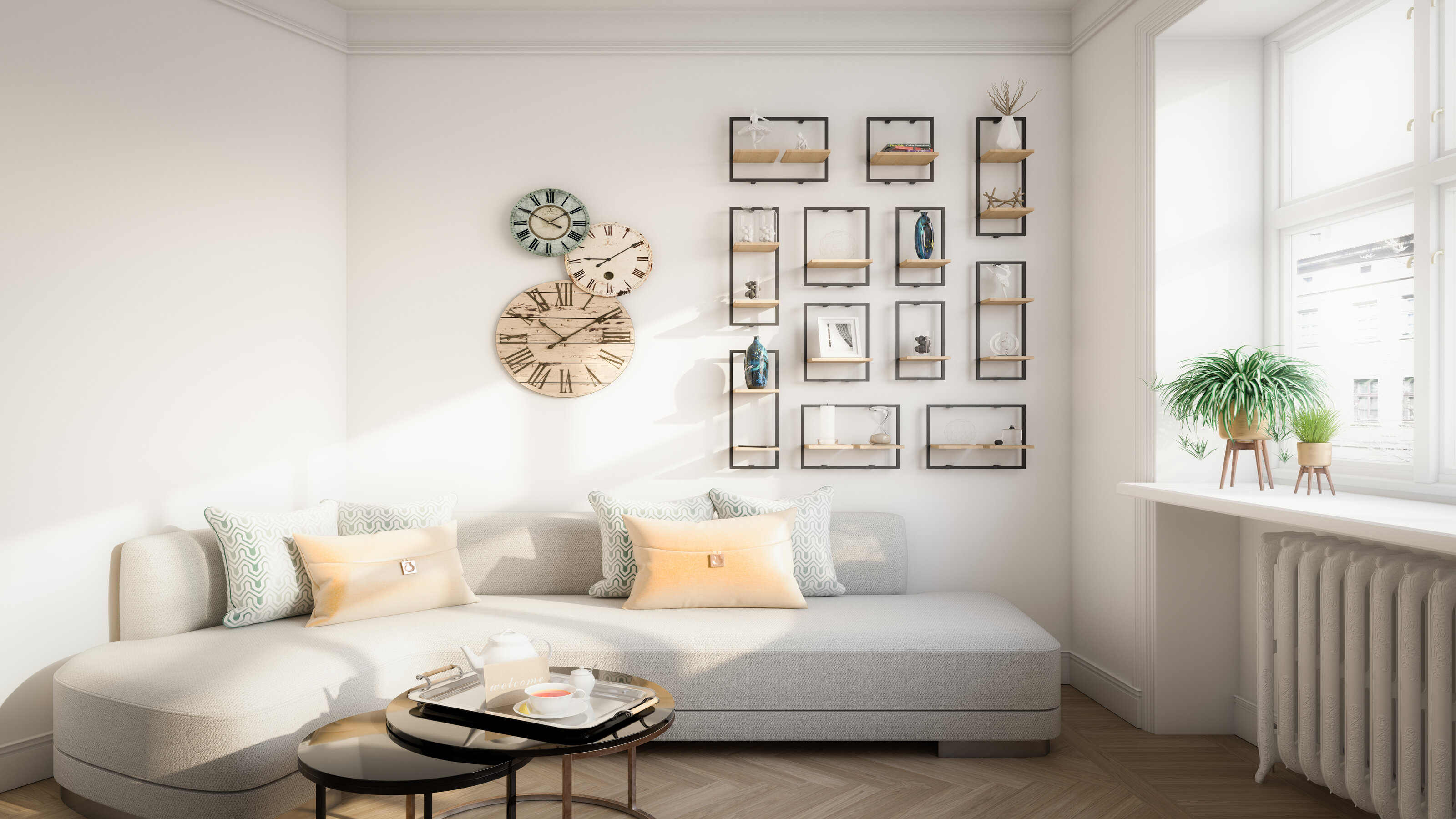
How to arrange furniture in a small living room — we love these 8 expert tips
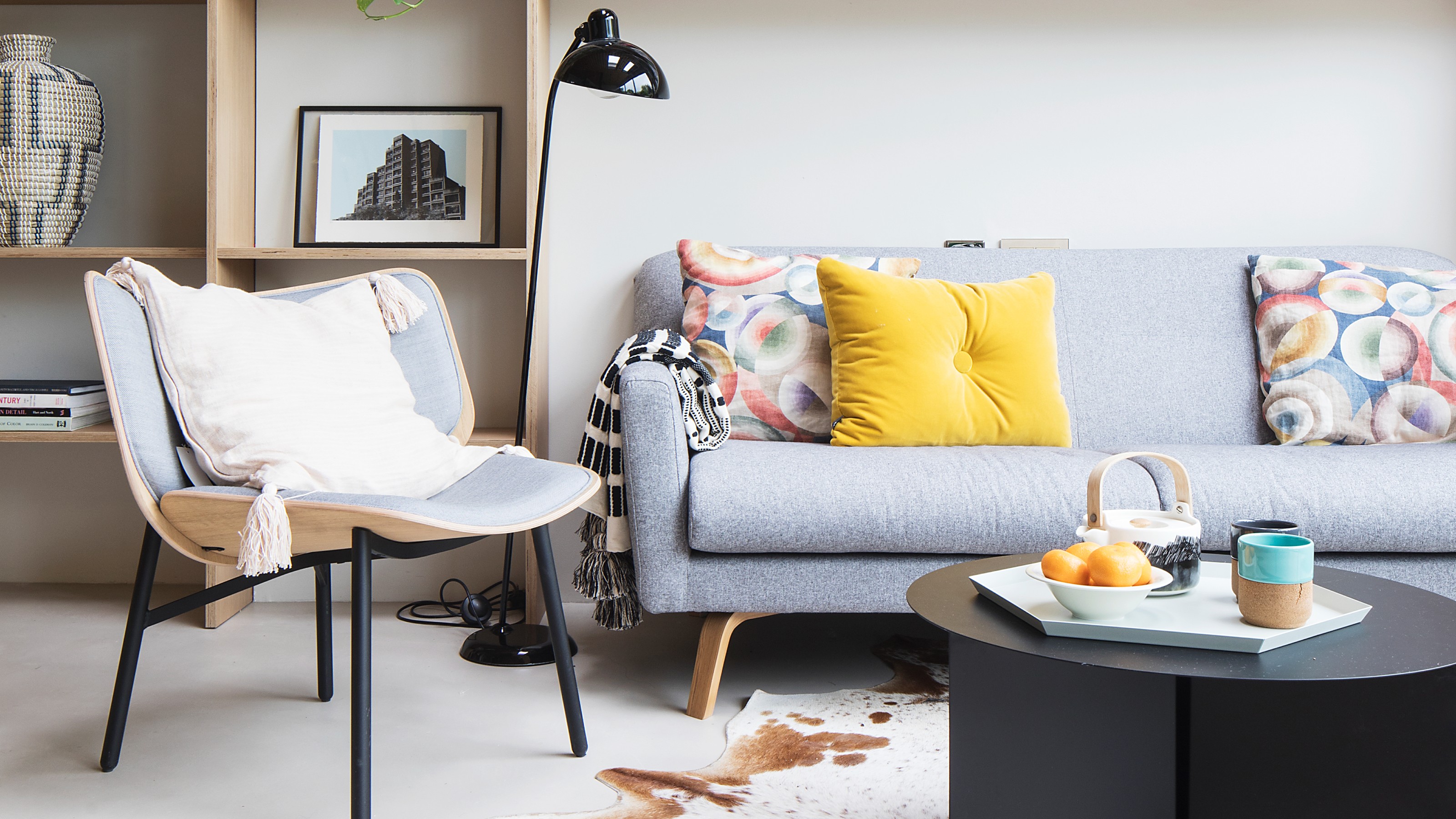
I asked 8 interior designers what you shouldn’t put in a small living room – these 3 things kept coming up
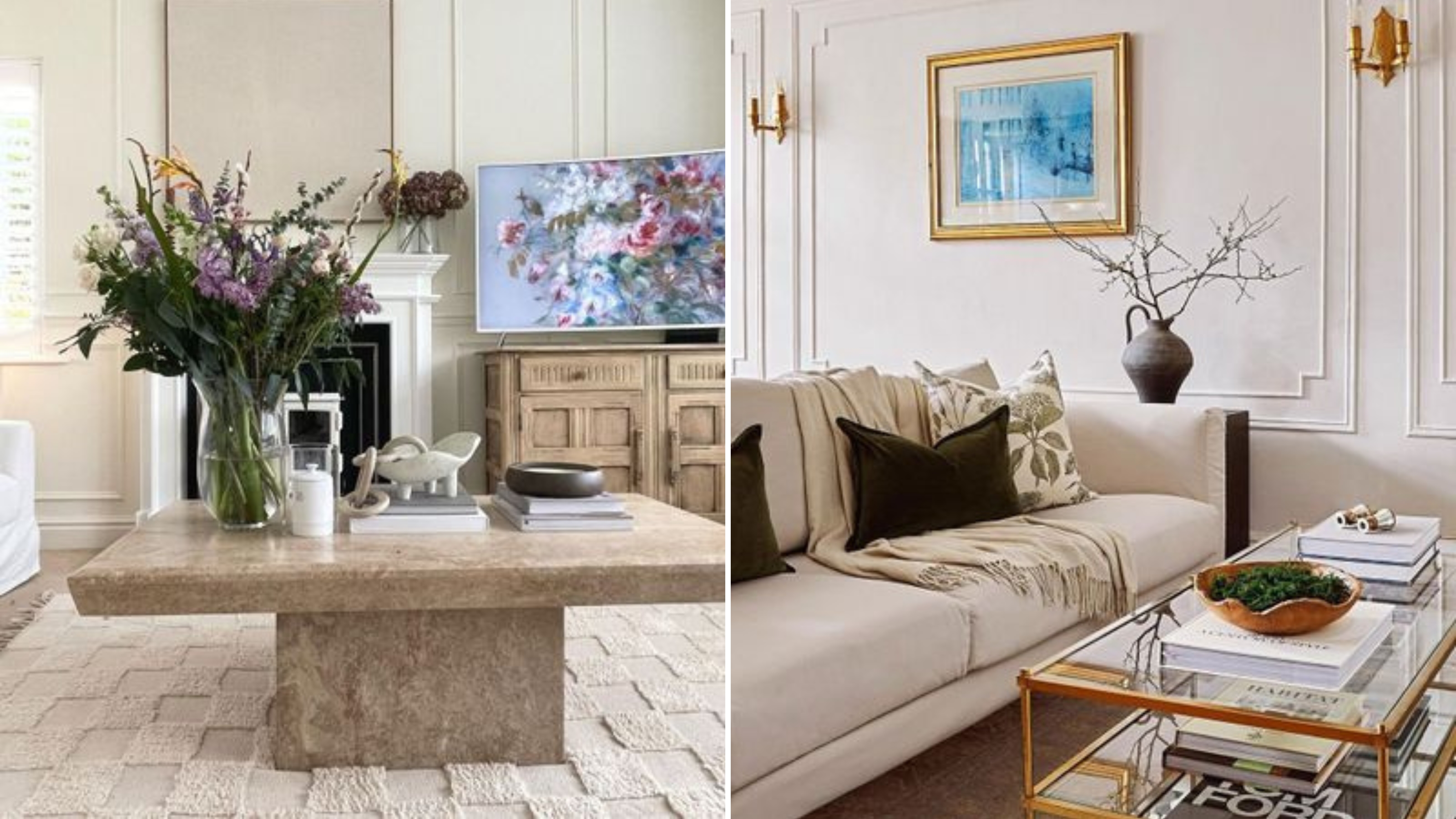
8 luxury small living room ideas that bring the right kind of drama
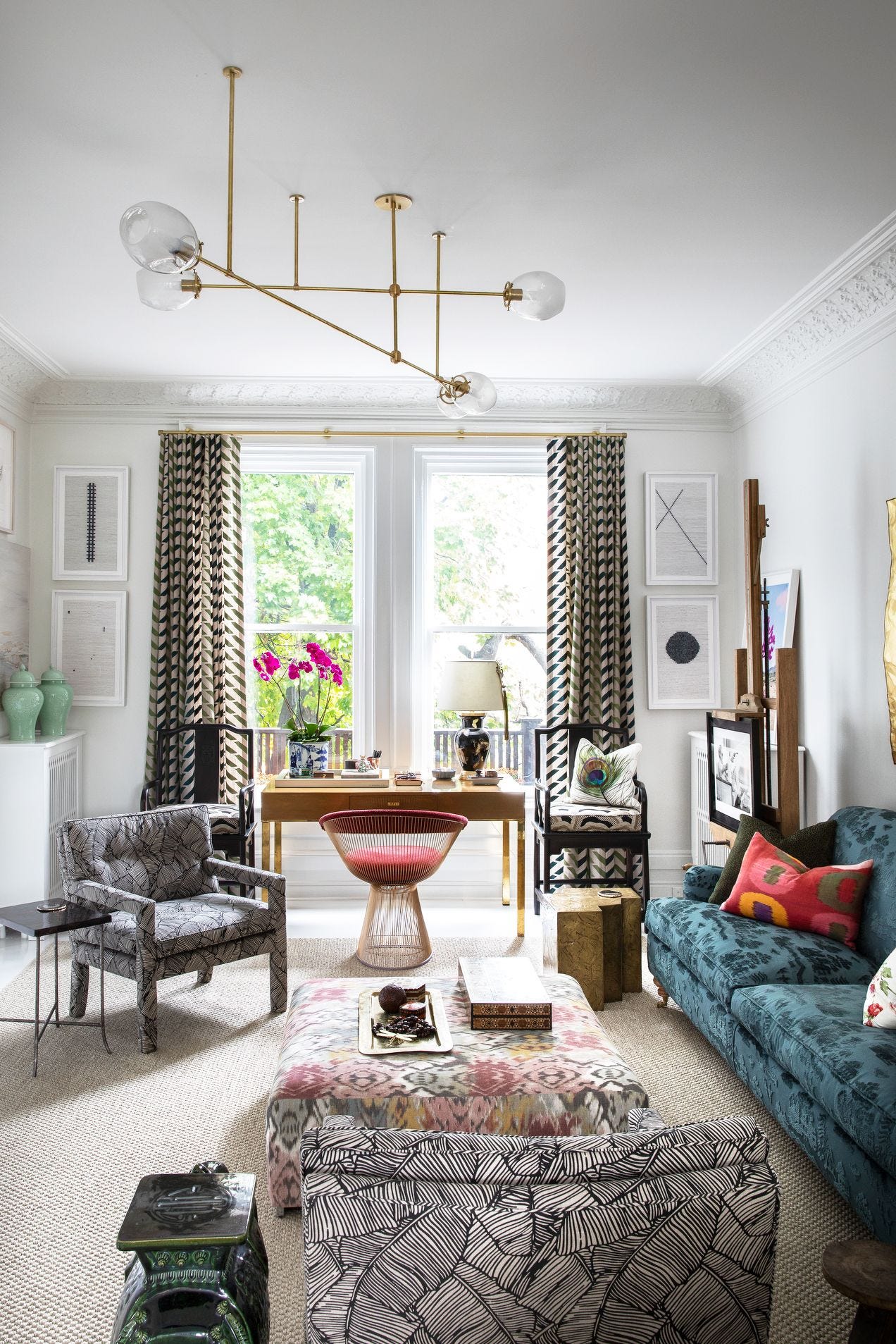
Small Room Ideas - Decorating Small Spaces

8 narrow living room ideas to make the most of an awkward space
7 Things That Always Make Your Living Room Feel Cramped, According to Designers