I'm an interior designer. I redid my bathroom for $13,000 — but I still have 4 major regrets.
An interior designer based in New York City shares insights from her personal bathroom renovation, highlighting four significant regrets despite the project costing $13,000. The experience underscores the importance of balancing aesthetic appeal with practical functionality in home design, even for professionals in the field. The author emphasizes that real-world use often reveals limitations not apparent during the planning stages.
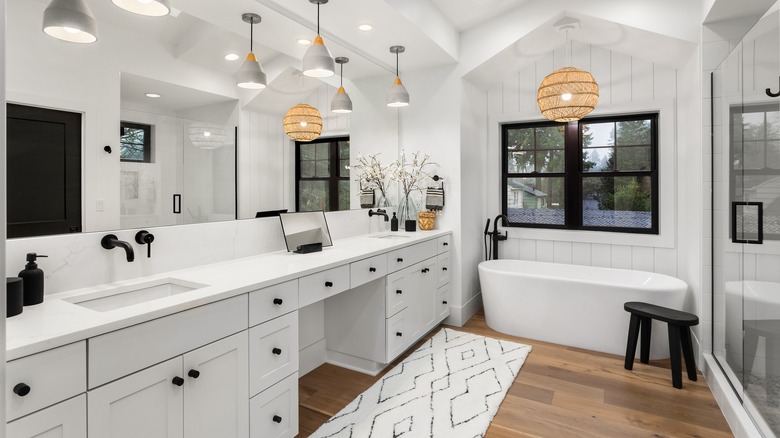
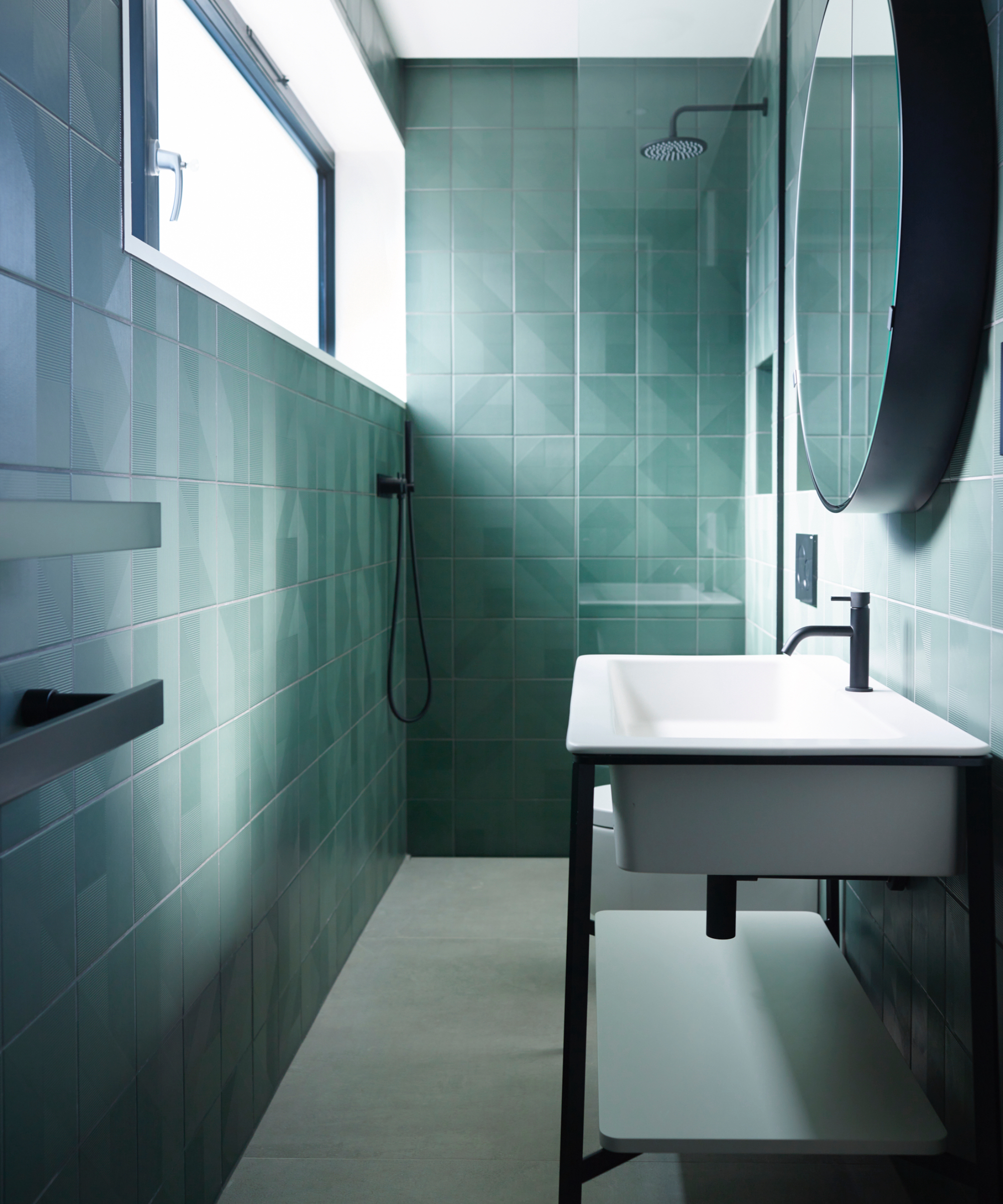
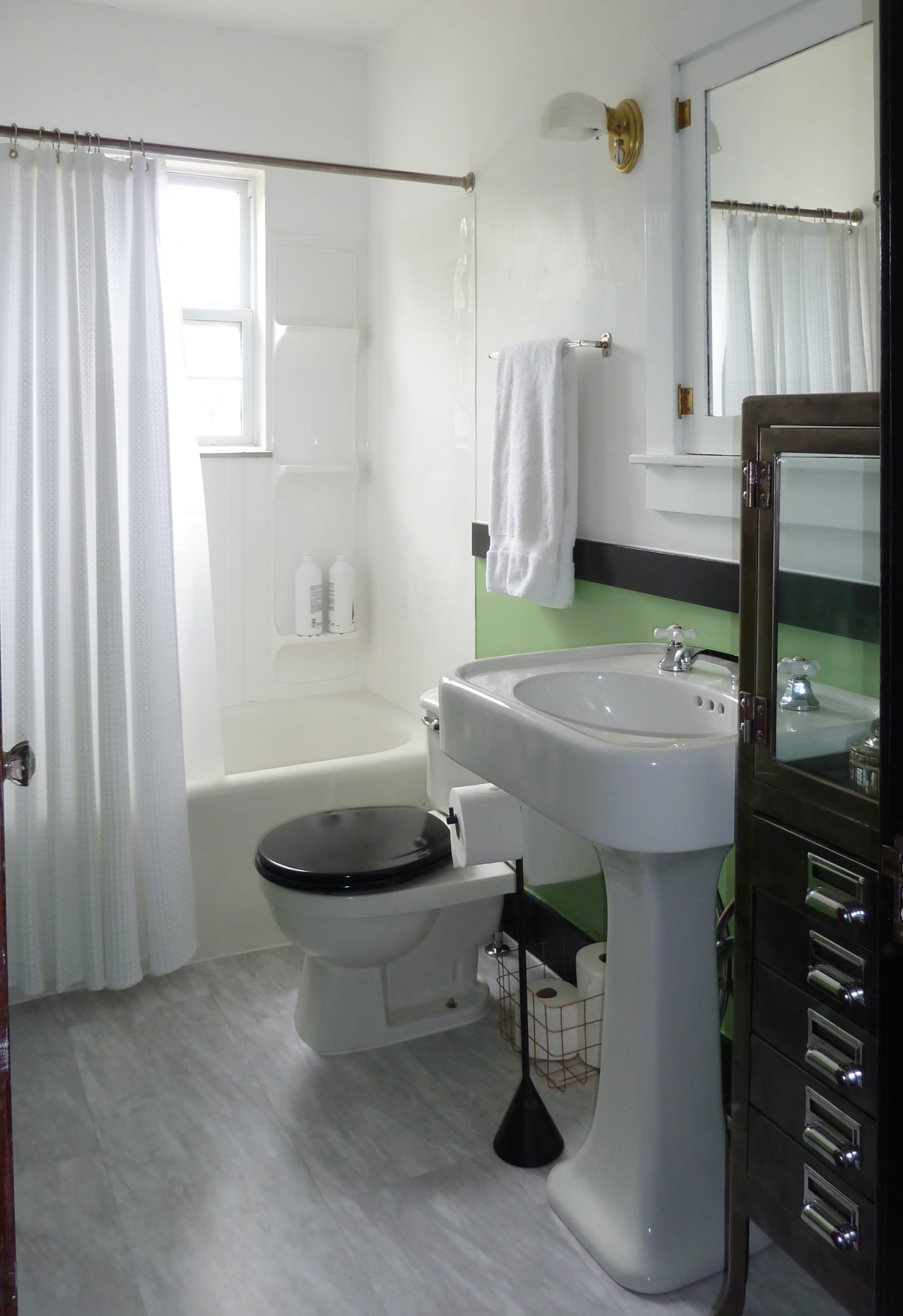
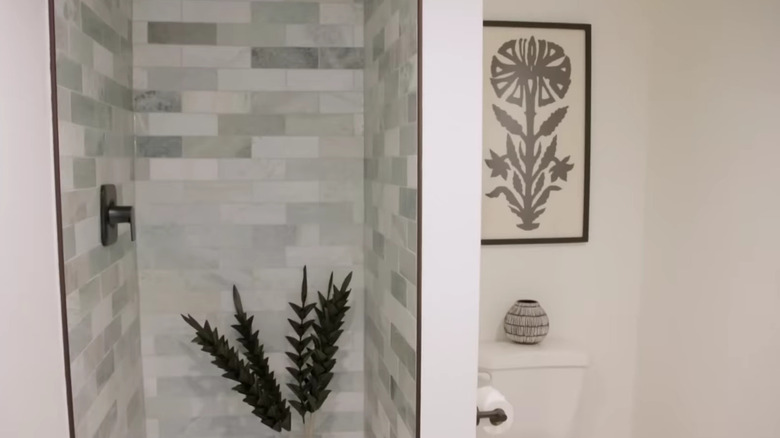
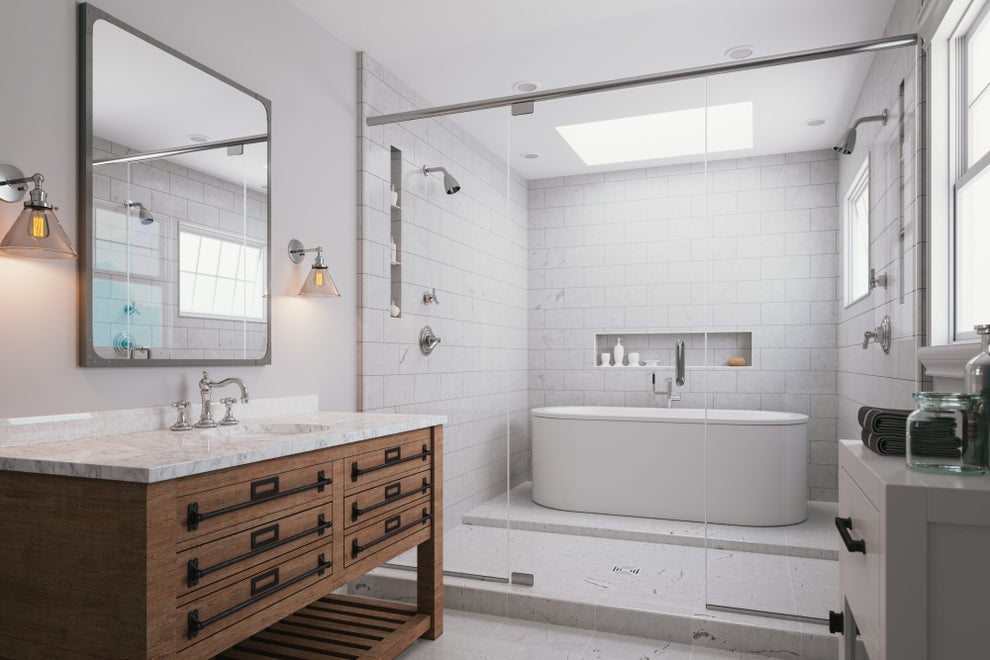
One major regret concerns the built-in shower niche. While chosen for its sleek, modern appearance, it proved to be insufficiently spacious for the designer's toiletries and shower essentials. The article notes that while such niches are often styled with minimalist refillable bottles in aspirational images, actual daily routines typically involve more products. Additionally, the niche requires regular cleaning to prevent mold buildup, adding an unexpected chore to the maintenance routine. This regret highlights a common pitfall where visual appeal overrides practical storage needs and ease of upkeep.
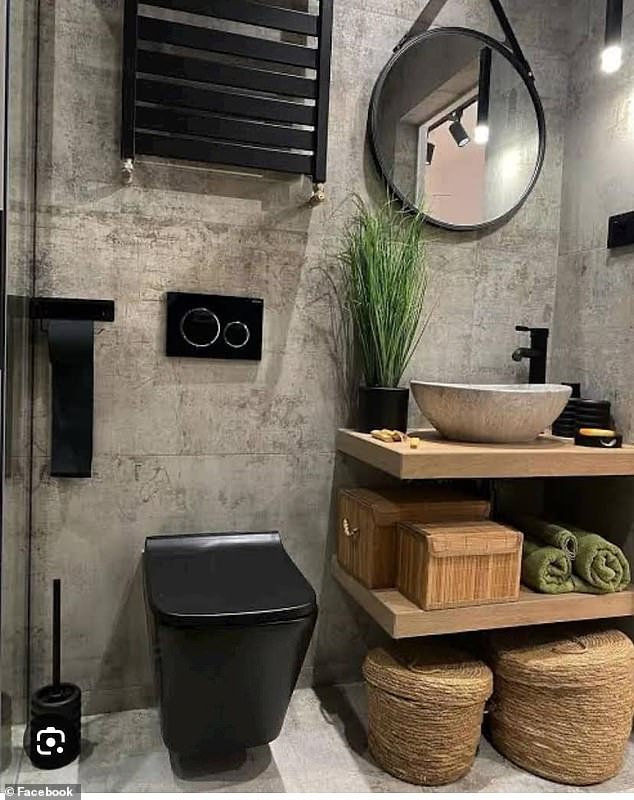
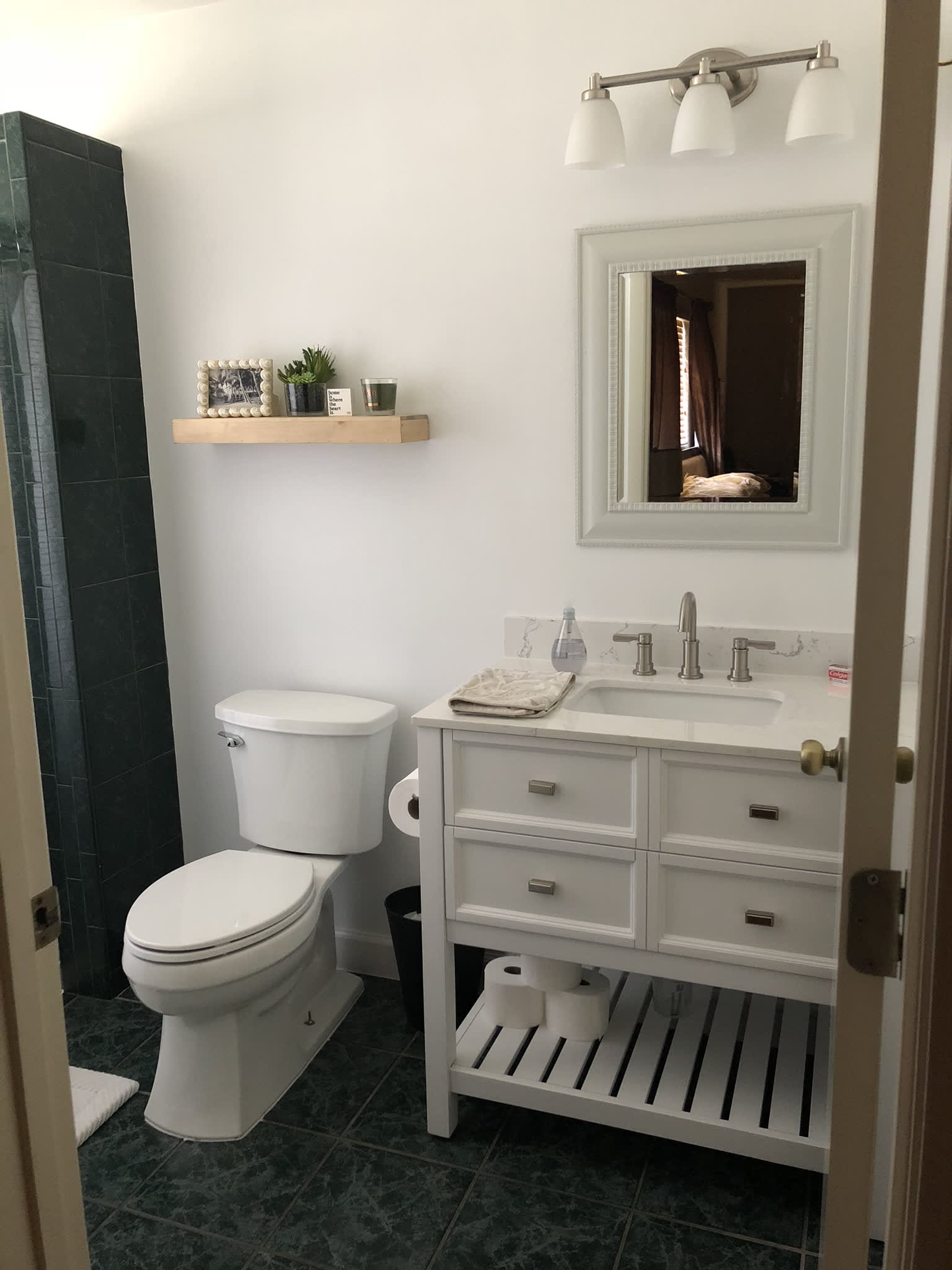
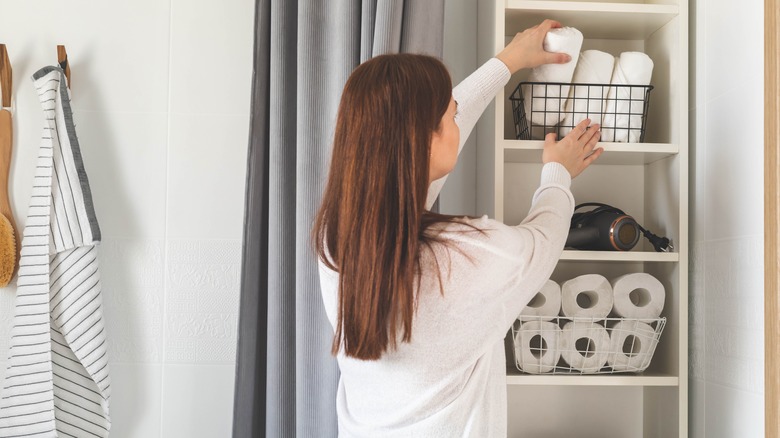
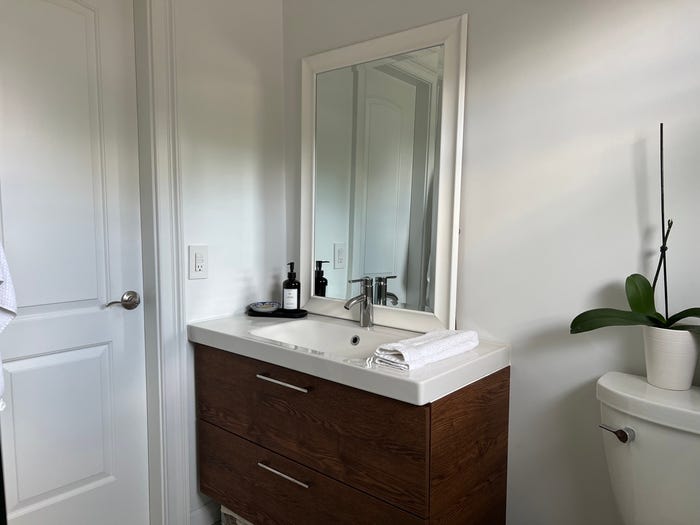
Another regret is the lack of storage above the toilet. The designer initially opted for an open, clutter-free wall in this area to maintain a clean aesthetic, relying solely on a two-drawer vanity for storage. However, this proved inadequate, leading to items being left out and contradicting the goal of a tidy, minimalist bathroom. The author suggests that installing shelves or cabinets above the toilet would have provided much-needed additional storage without significantly detracting from the overall design, demonstrating a missed opportunity for practical utility.
The single glass shower panel is identified as a third design flaw. While contributing to an open and sleek bathroom look, its functionality is compromised by the constant need for cleaning. The panel must be wiped down frequently to avoid water spots and soap scum, a process that often results in the user getting wet again after showering. The author reflects that a full enclosure or a double panel might have been a more practical solution, offering a better balance between form and daily usability.
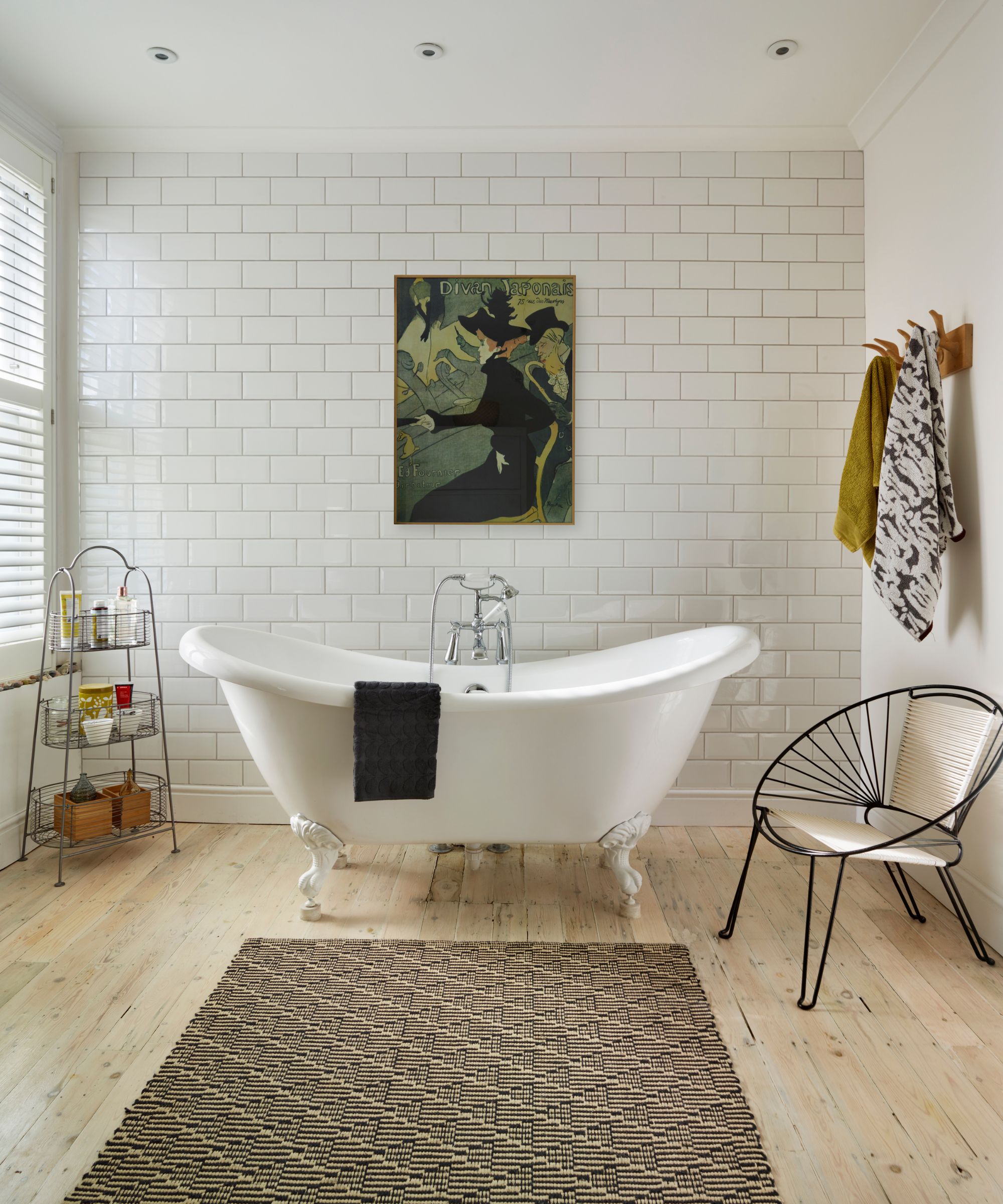
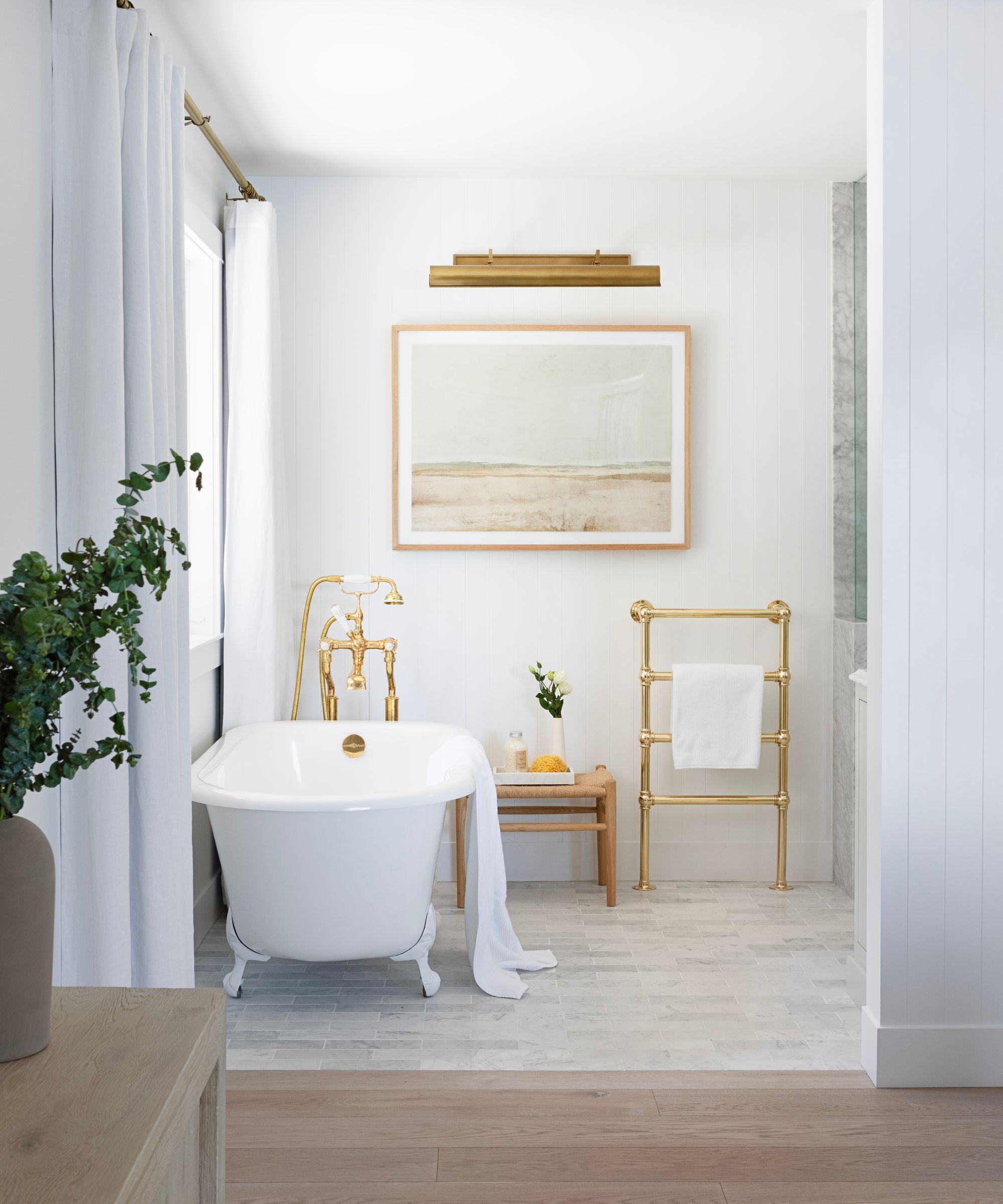
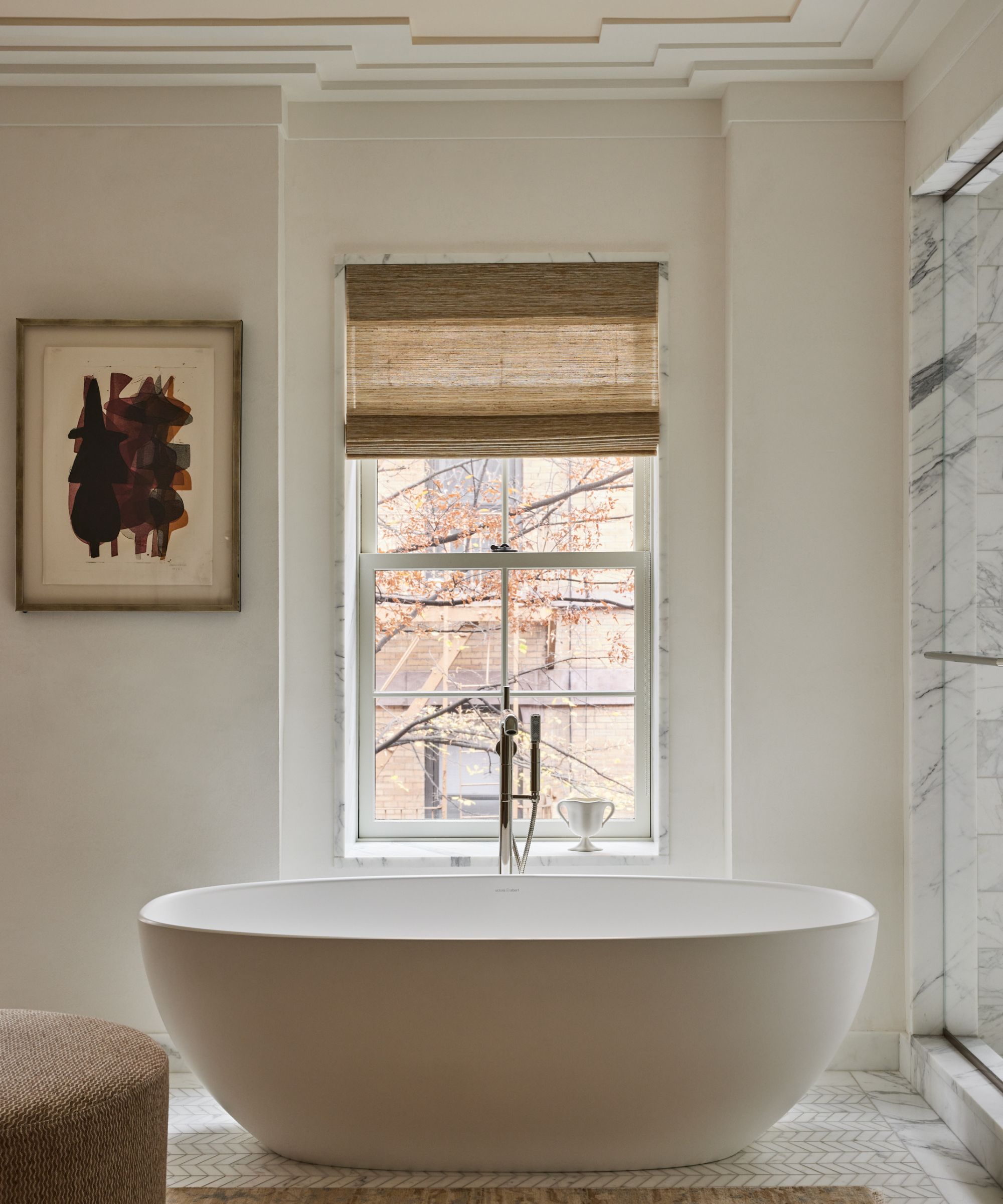
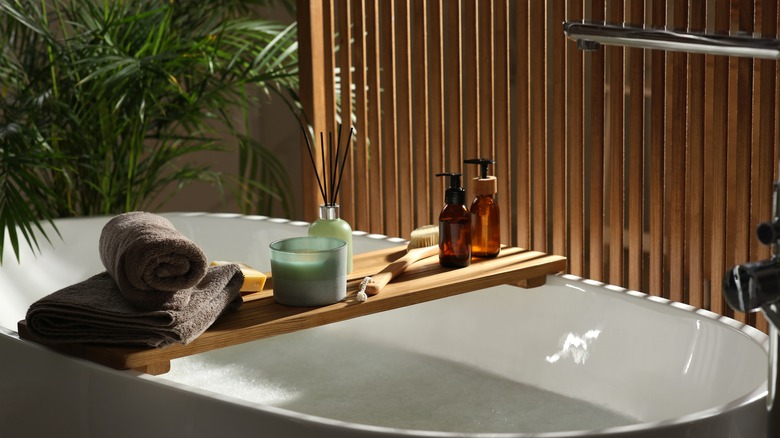
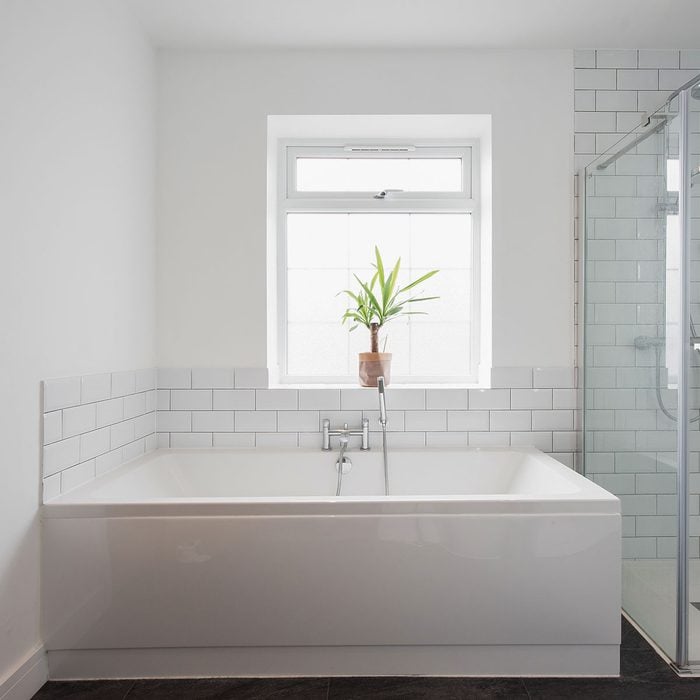
Finally, the shallow bathtub chosen for the renovation is a source of regret. Influenced by advice that a tub could add value to the home and her own desire for occasional bubble baths, the designer included one in the remodel. However, its shallow depth prevents a luxurious soaking experience. As someone who primarily showers, the tub is rarely used, and its inadequacy makes it feel like a suboptimal investment. A deeper tub would have provided a more satisfying experience and potentially greater long-term appeal. The article concludes by advising anyone planning a bathroom renovation to prioritize daily functionality alongside aesthetics to avoid similar pitfalls and create a space that is both beautiful and practical. #BathroomRenovation #InteriorDesign #HomeImprovement #DesignRegrets #FunctionalDesign #HomeRemodel #InteriorDesigner
Toplam 0 yorum
 Henüz yorum yok
Bu da beğenebilirsiniz
It's Been a Year Since my Bathroom Remodel — These Are the 5 Things I Wish I’d Done Differently

I've ripped out and redesigned 14 bathrooms – these are the 15 lessons I've learned


7 Mistakes to Avoid When Remodeling Your Bathroom

I Regret Having This Luxe Feature in My Bathroom

I Just Renovated my Small, 35-Square-Foot Kitchen — Here are 5 Regrets I Wish I Could Reverse
Bathroom Design Choices That Make It Harder To Sell A Home, According To Experts
We Asked a Designer Which Bathroom Features People Regret the Most, and Now We Can't Unsee It

The 14 Best Bathroom Renovation Tips We've Picked Up From Unsellable Houses

5 interior design regrets experts are always called in to fix

6 Things People Always Regret Skipping During A Renovation
These Bathroom Remodels All Cost Under $3,000
"Frankly, It's Tacky": People Are Revealing Common Home And Kitchen Design Trends They Can't Stand
The one massive décor mistake thousands are making in their bathroom: 'You'll regret it every day'
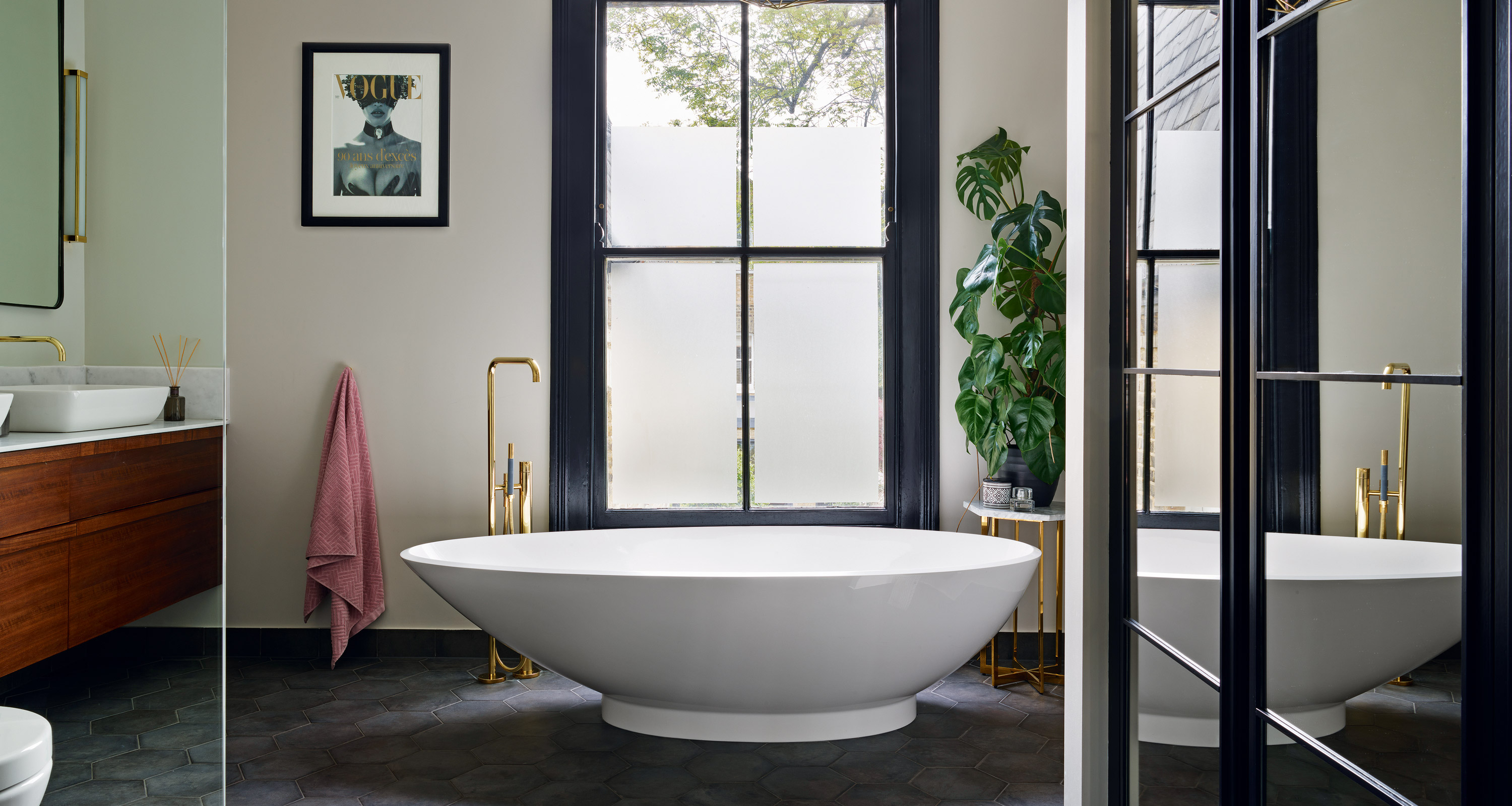
Bathroom remodel mistakes – and how to avoid them
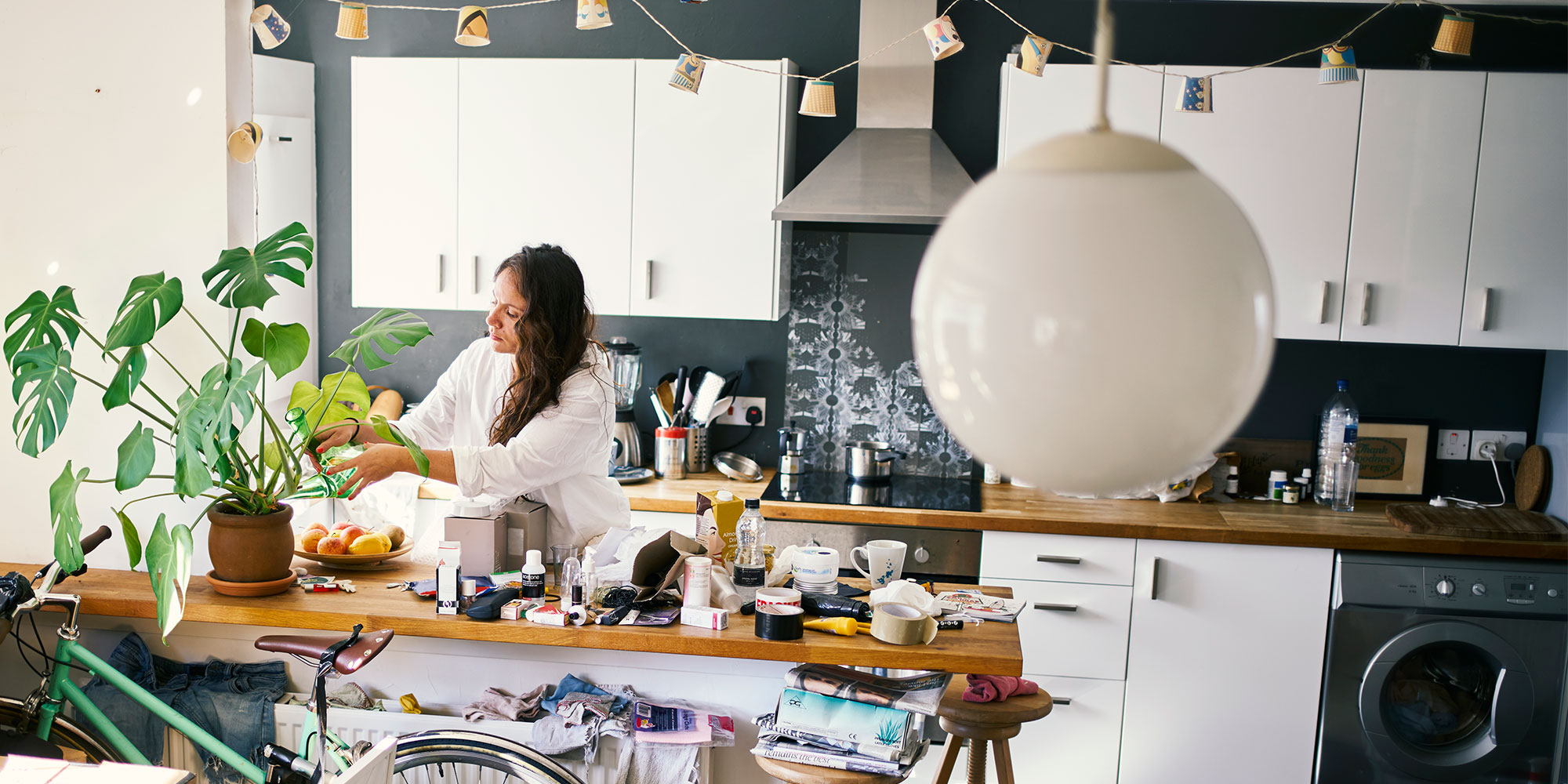
7 things people regret most about their kitchen design
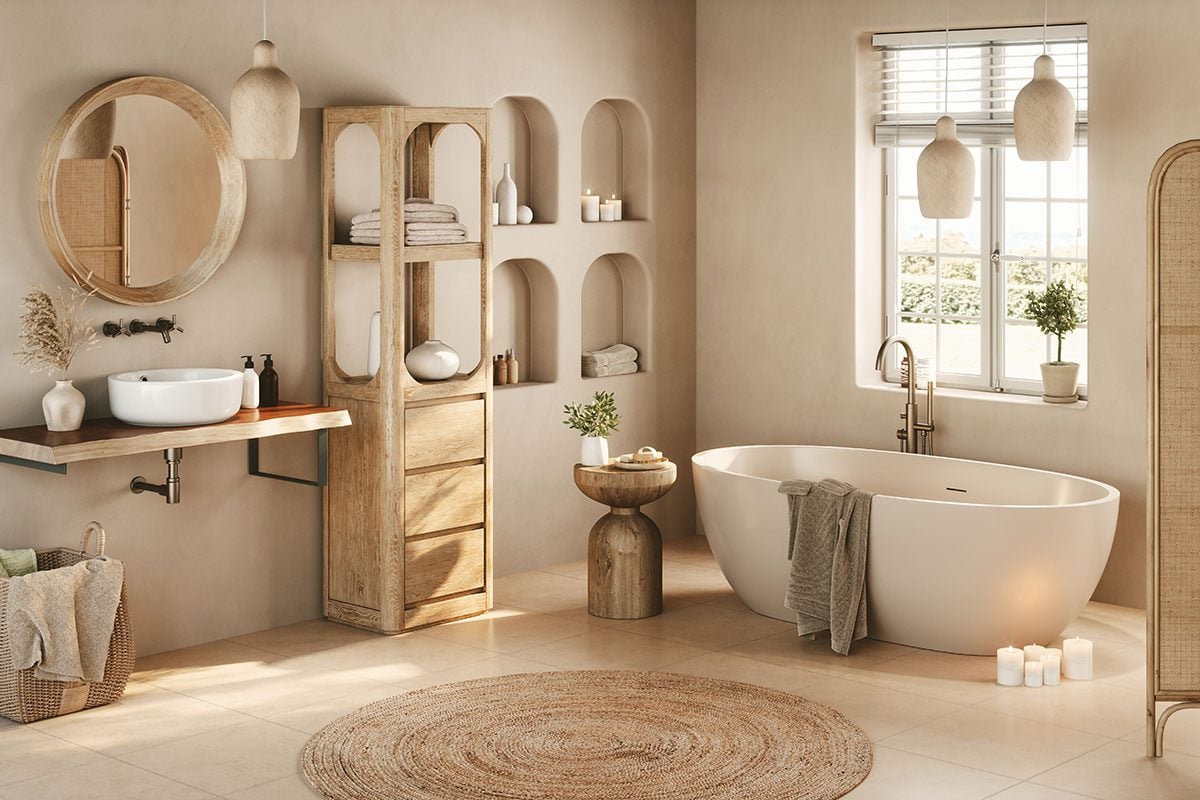
Bathroom Upgrades That Aren’t Worth the Hype, and What To Do Instead

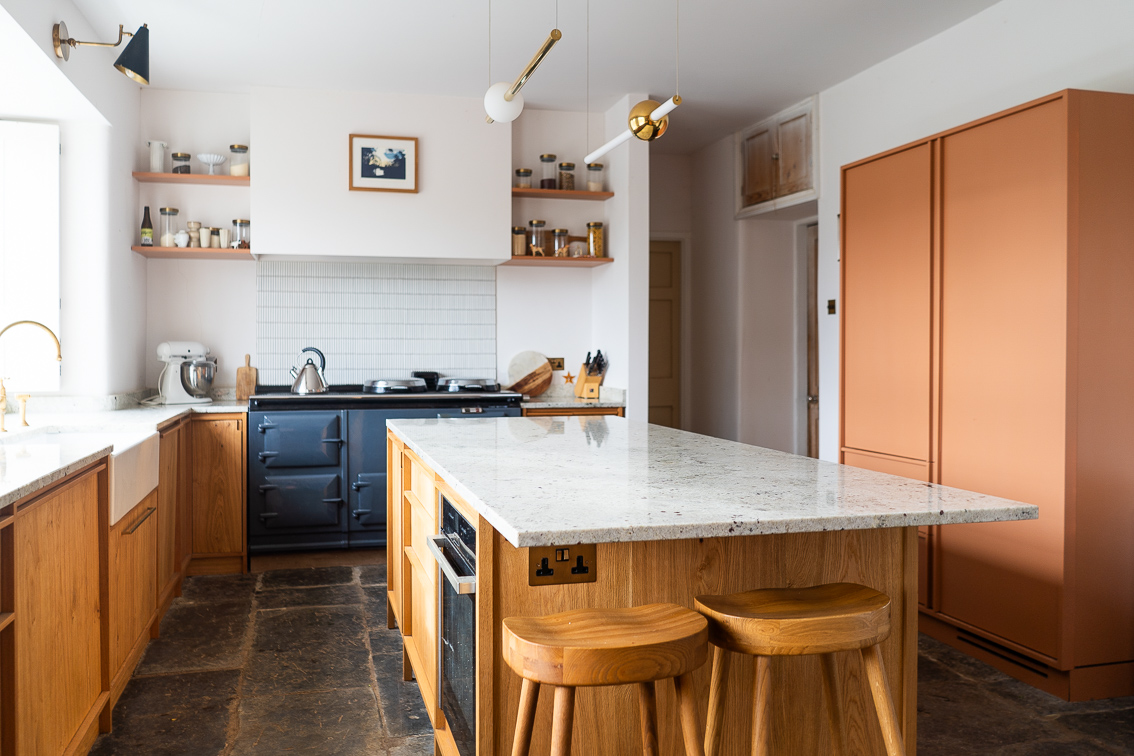
I remodeled my kitchen two years ago – this is what I regret and the design elements I am still loving
7 things construction pros spot in bad bathroom remodels
5 things in your bathroom that aren’t worth spending money on, according to interior designers
I spent $50,000 on my kitchen remodel. These 5 splurges were totally worth it — but I have one expensive regret.