Framed Wallpaper Panels Makes Any Room Look Luxe—7 Tips to Achieve the Look
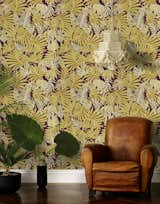
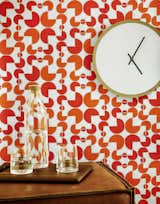
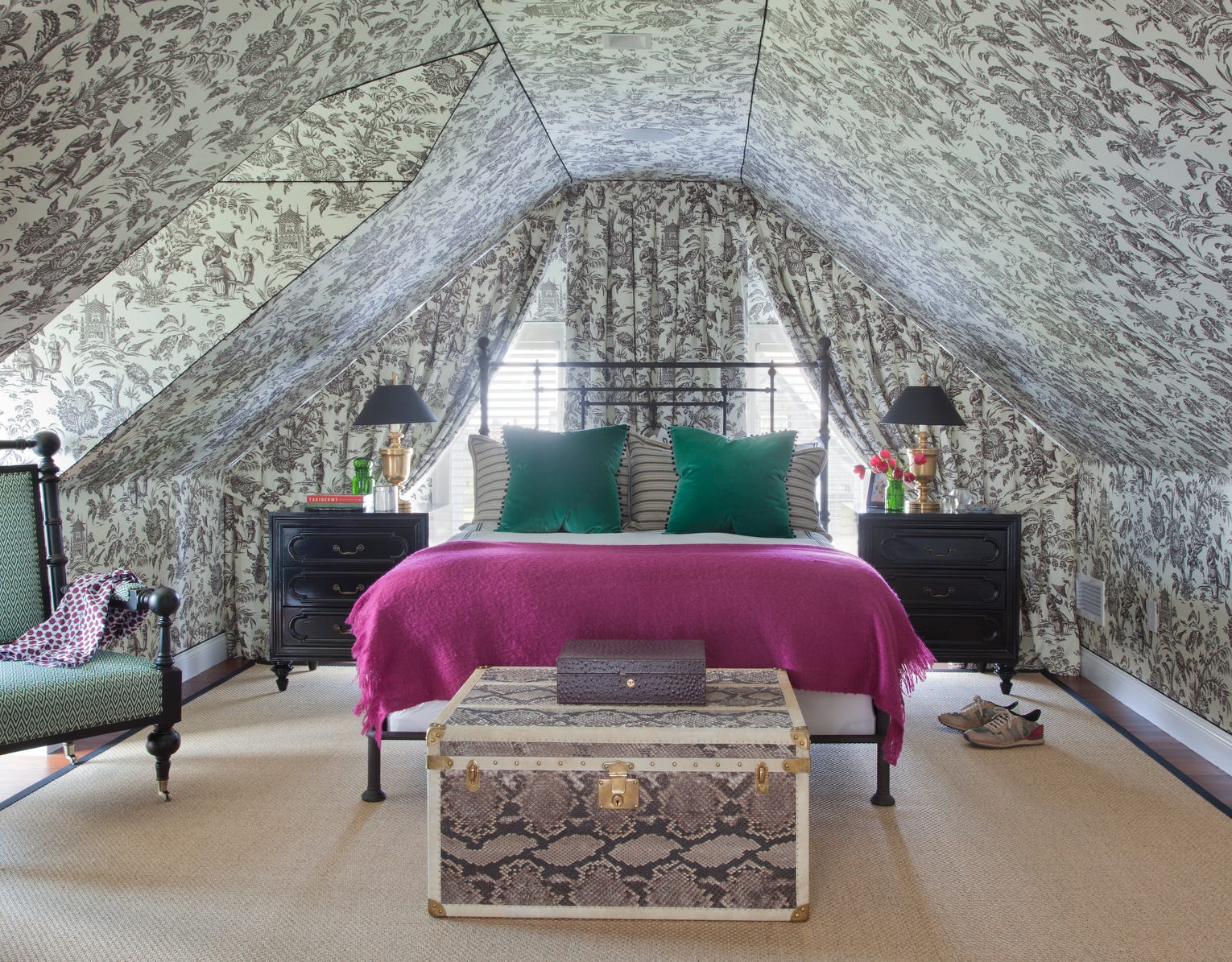
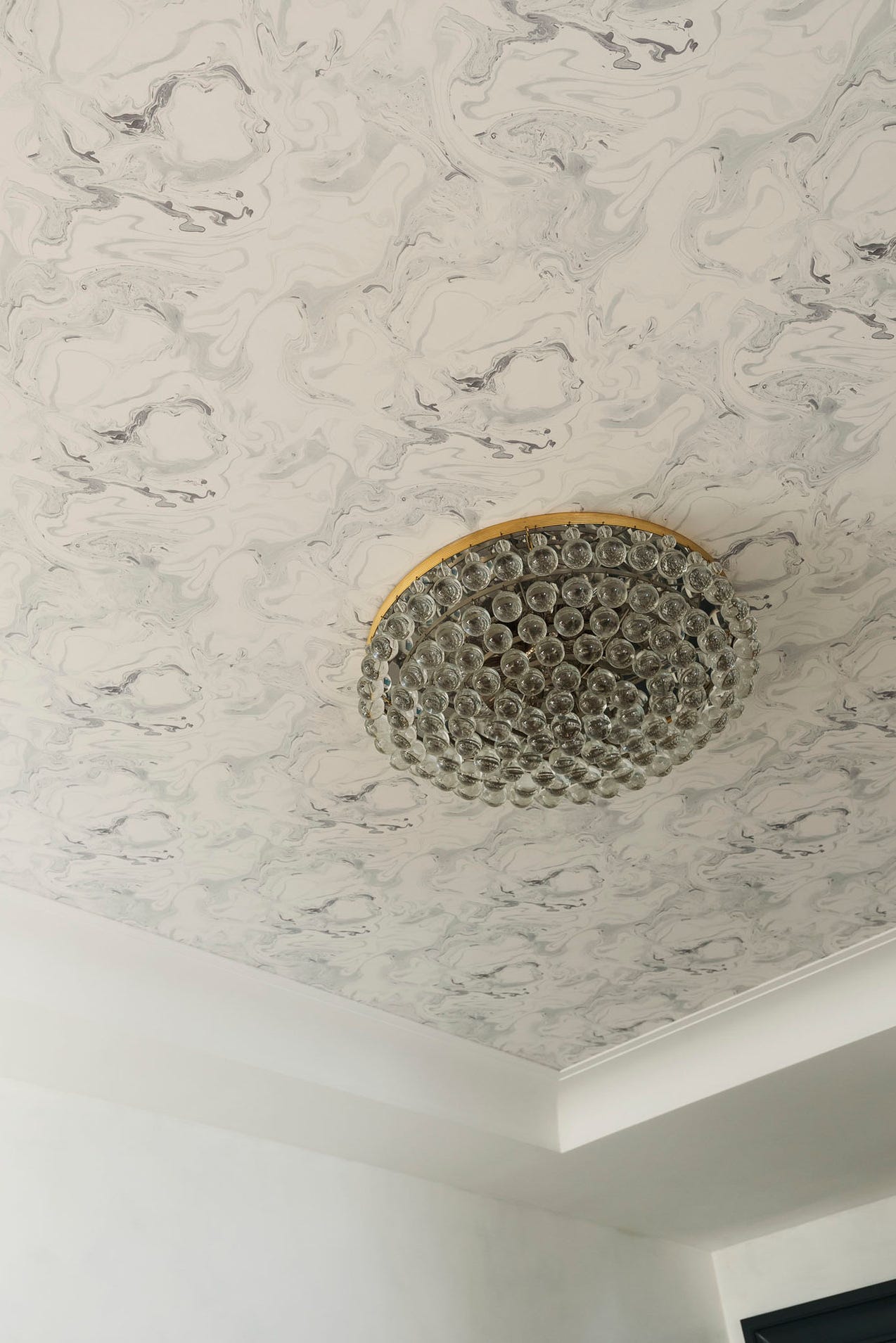
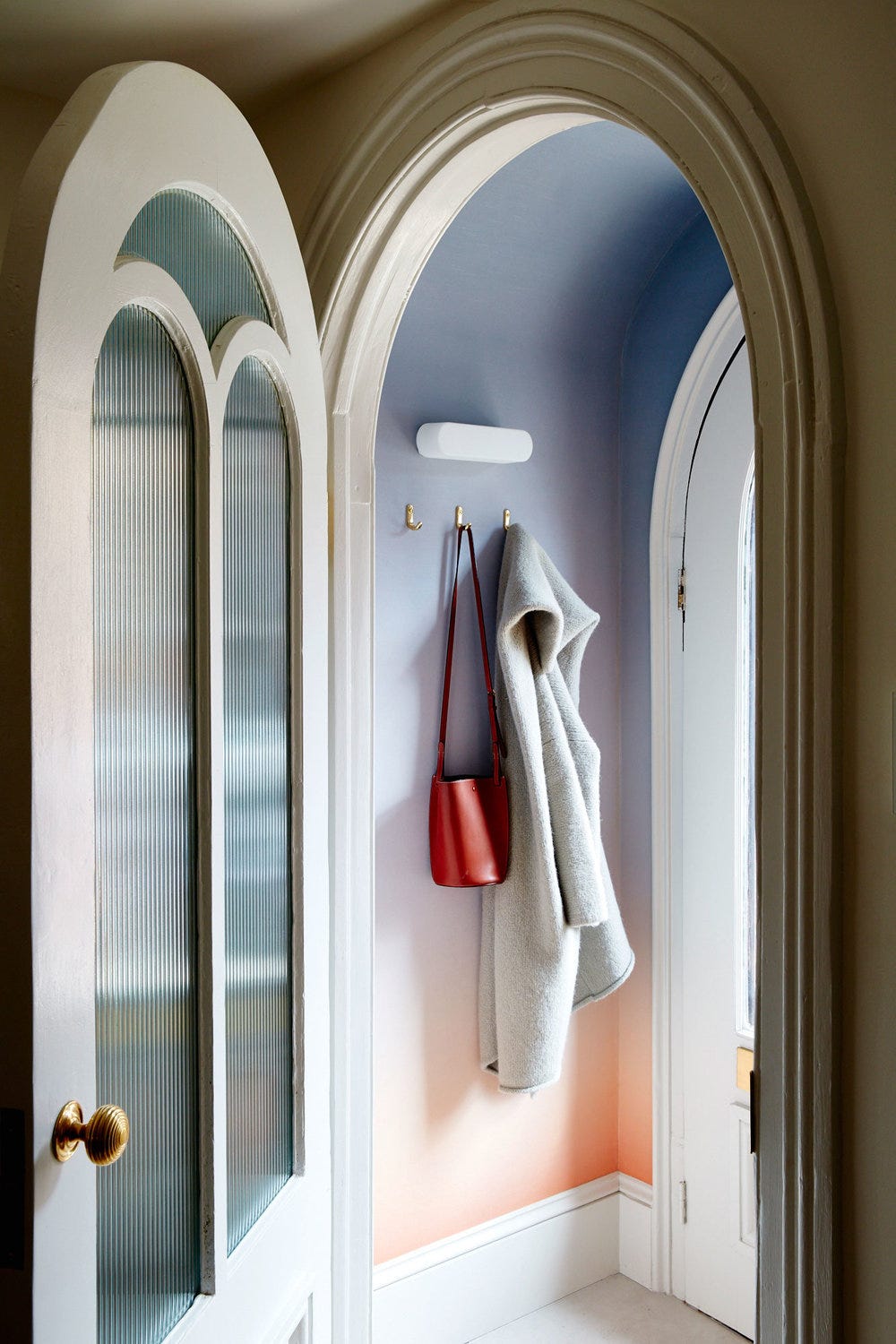
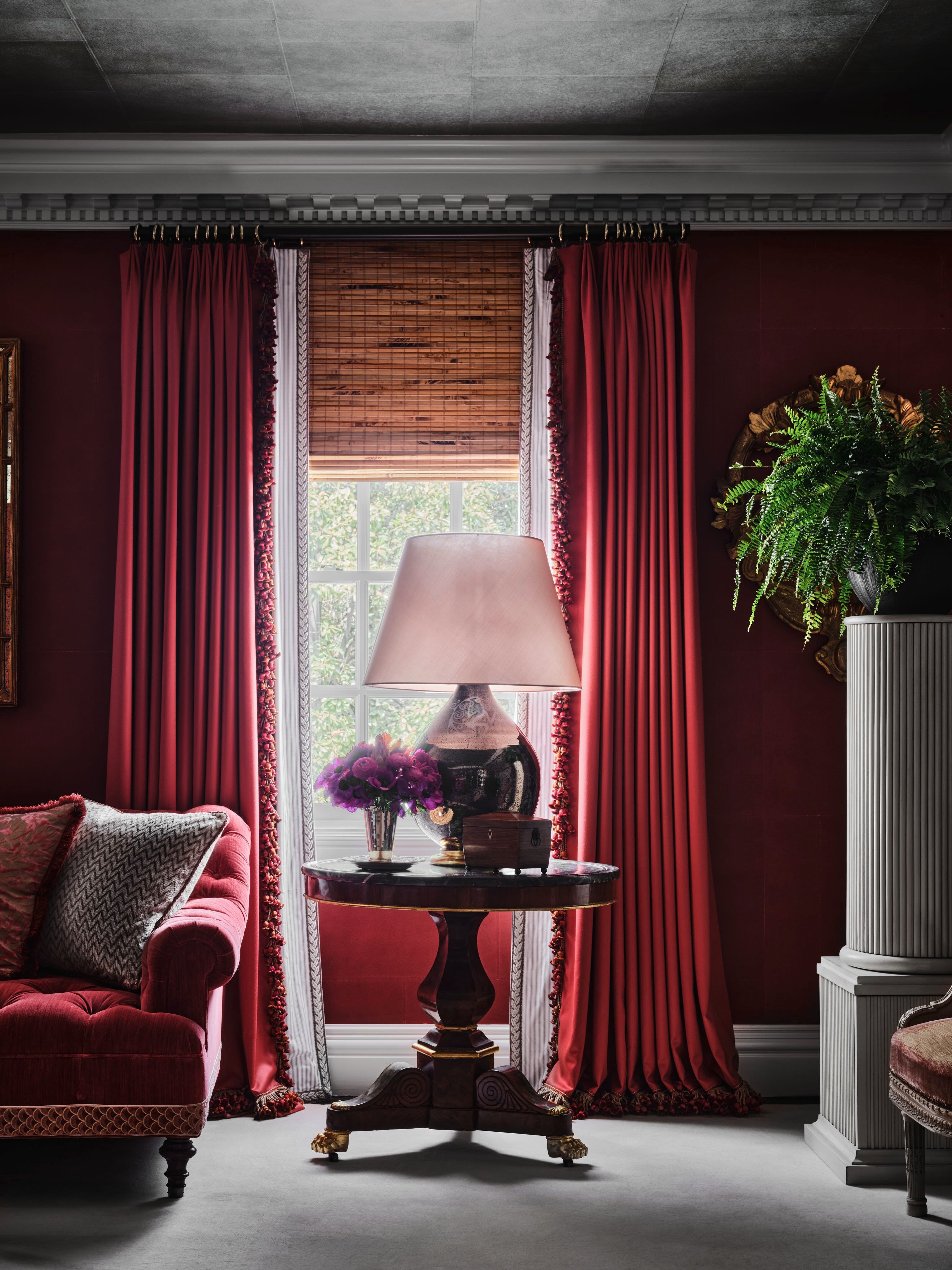
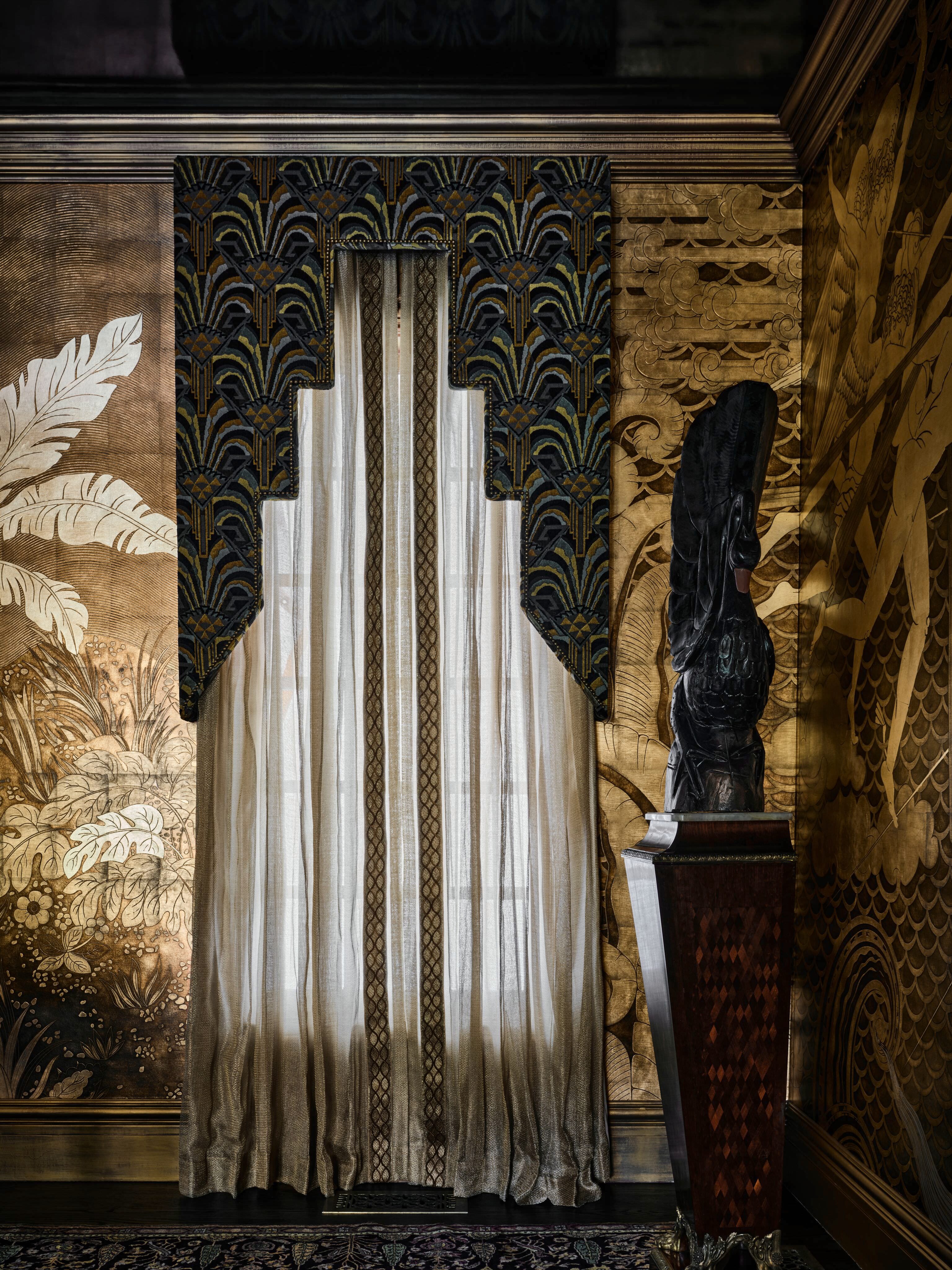
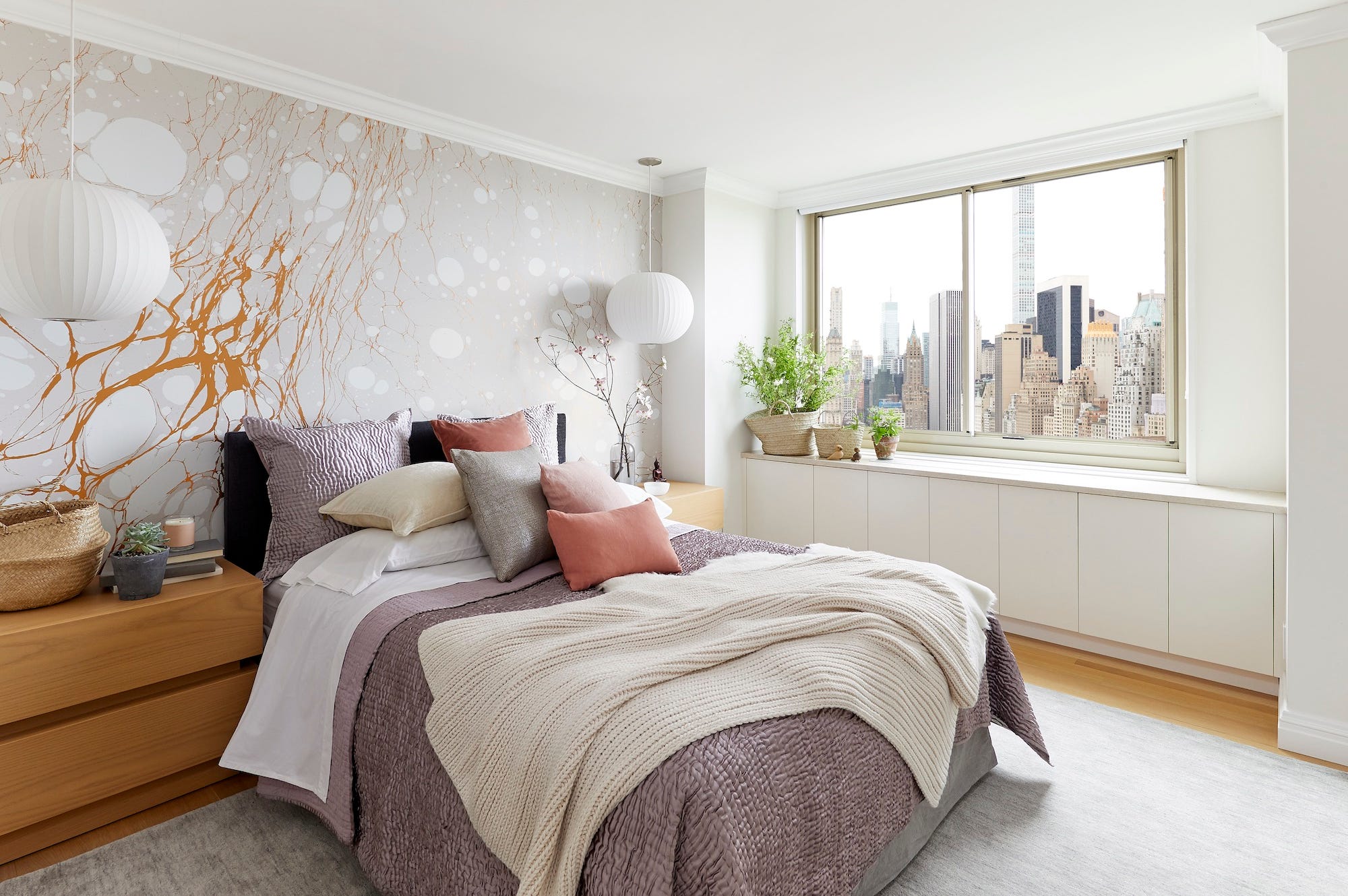
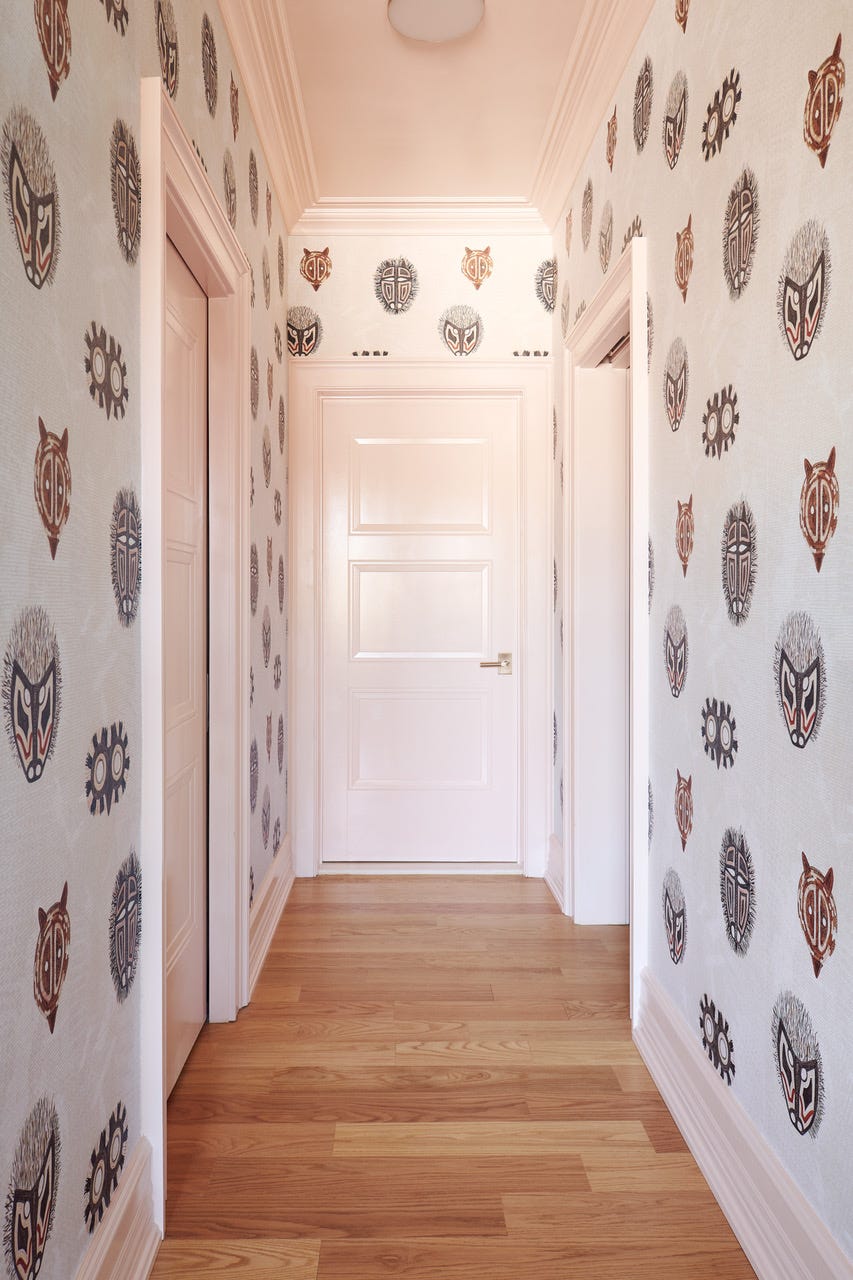
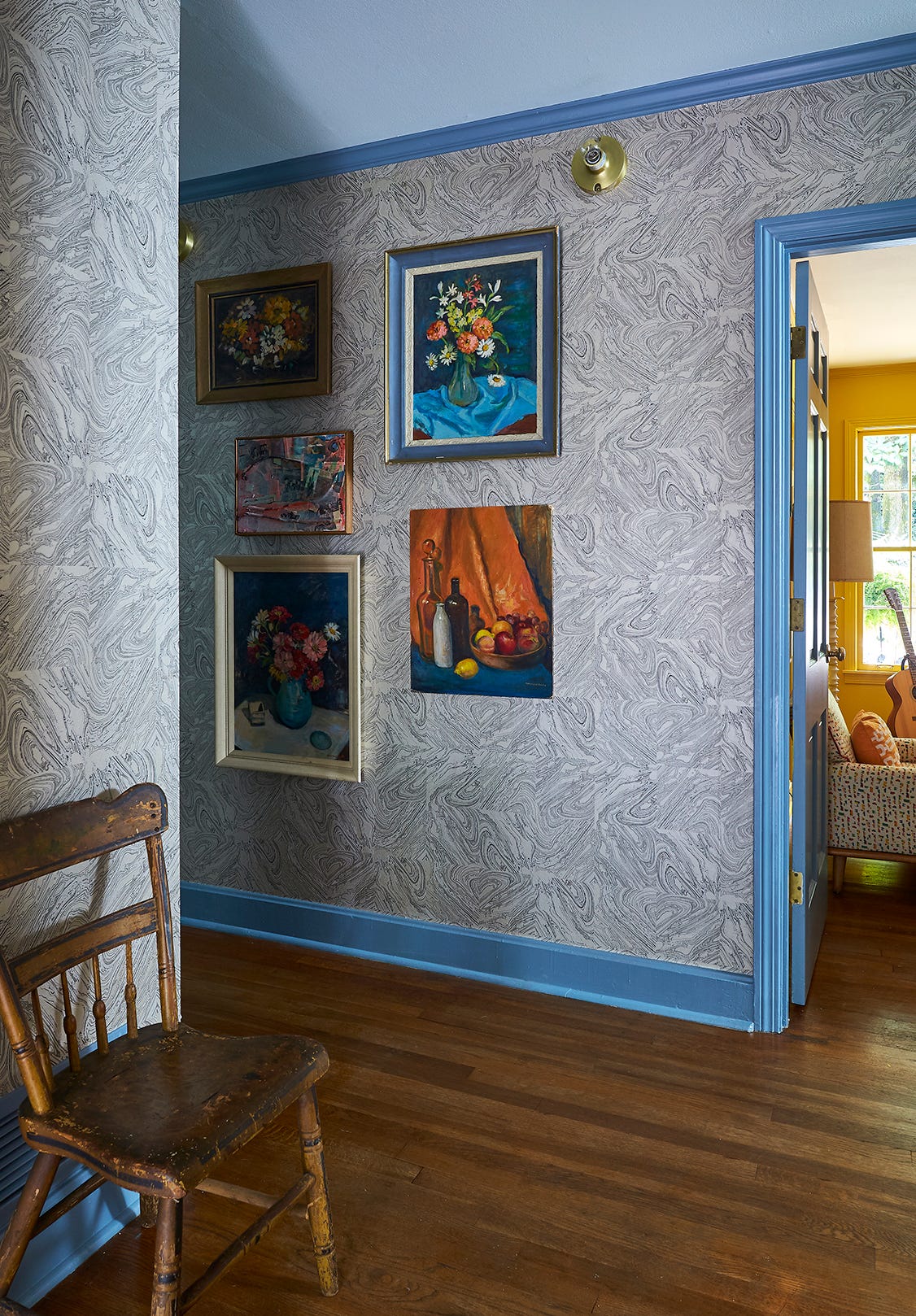
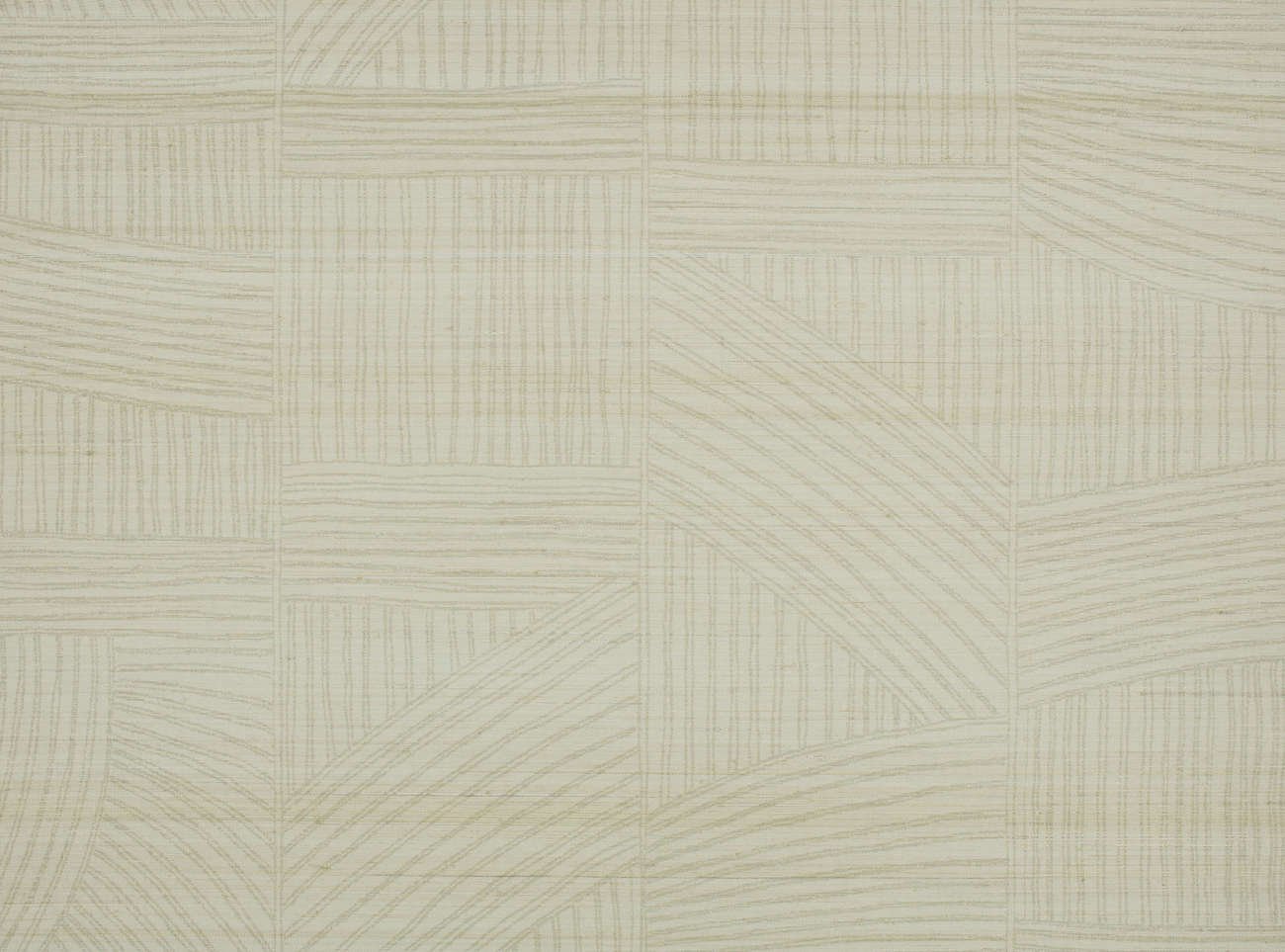
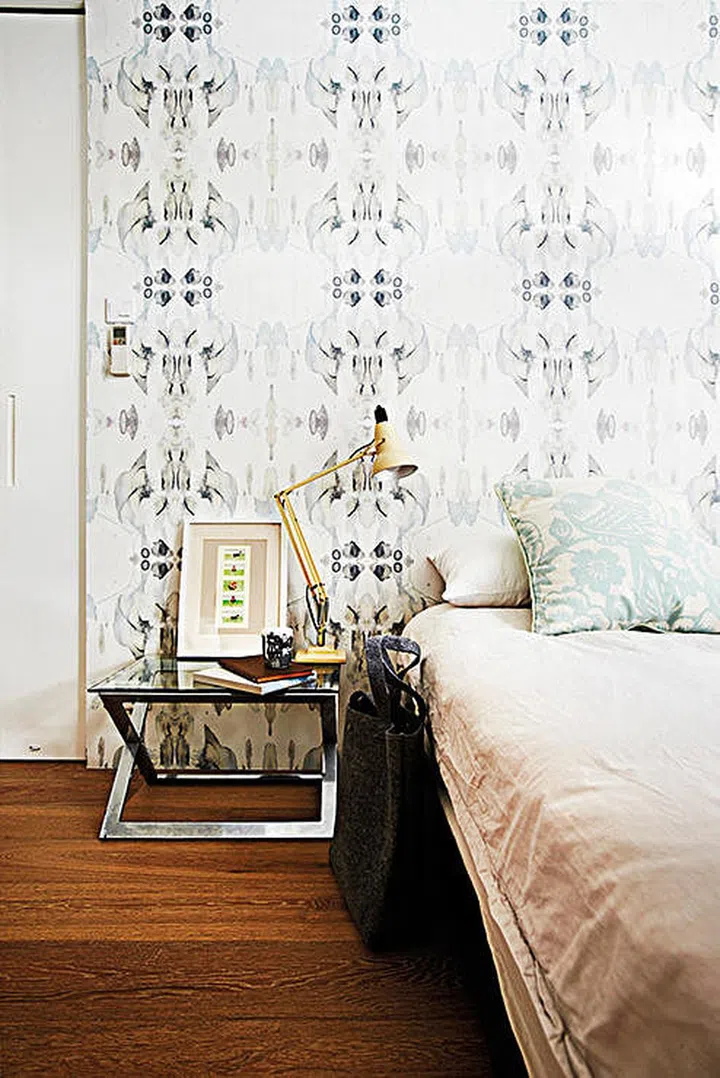
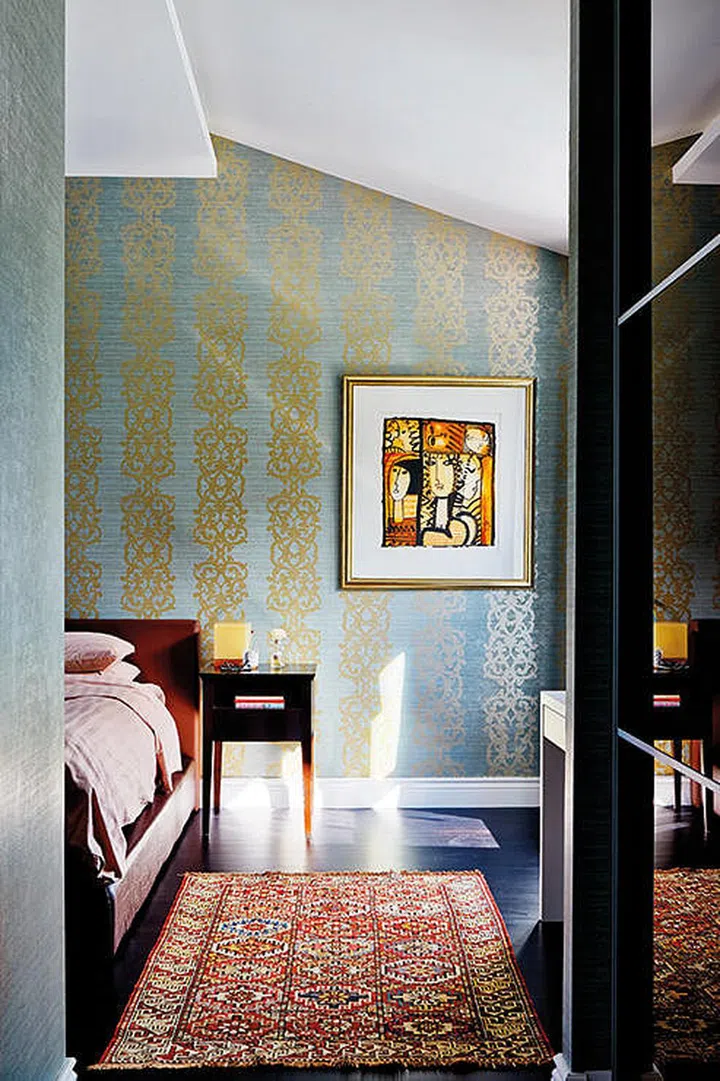
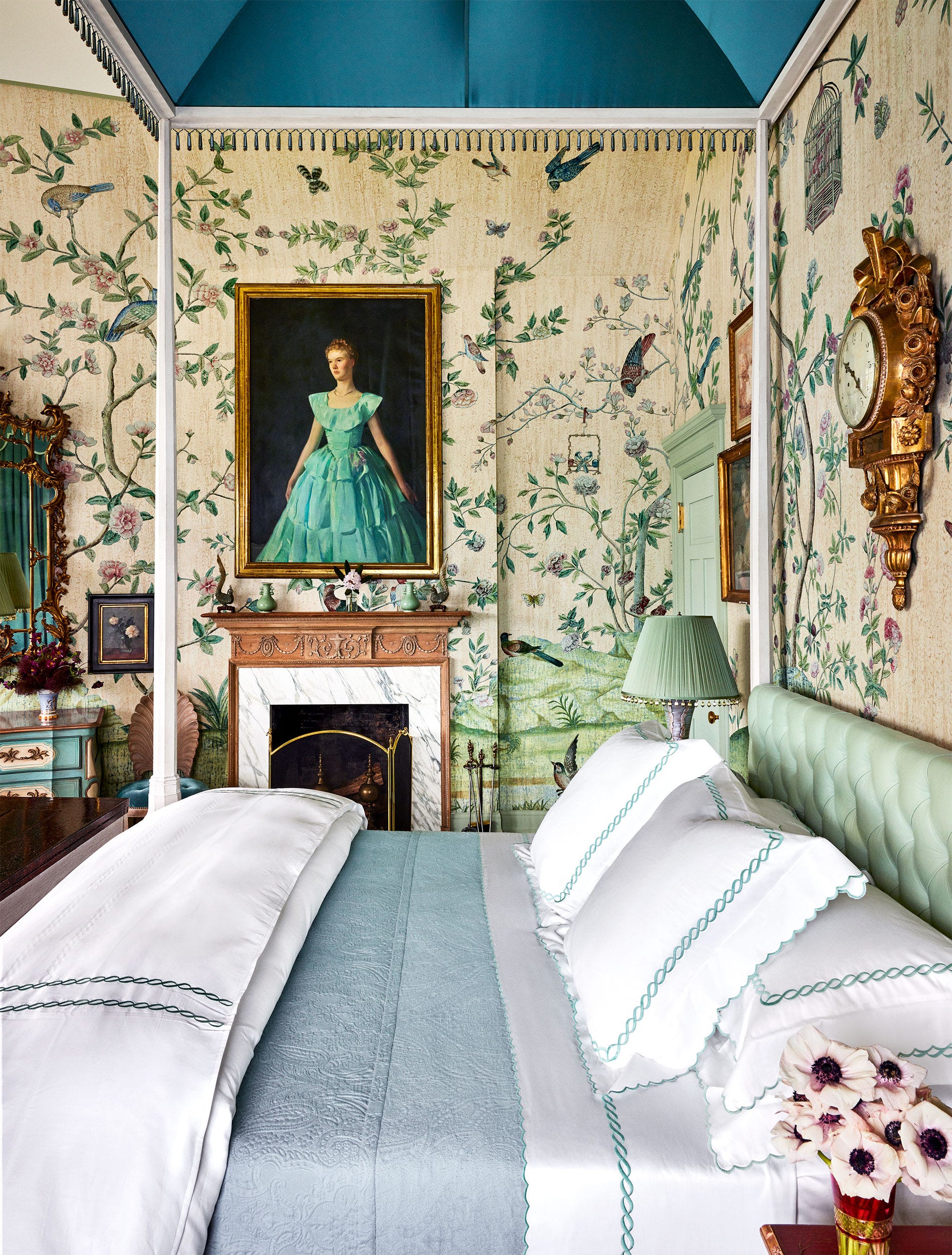
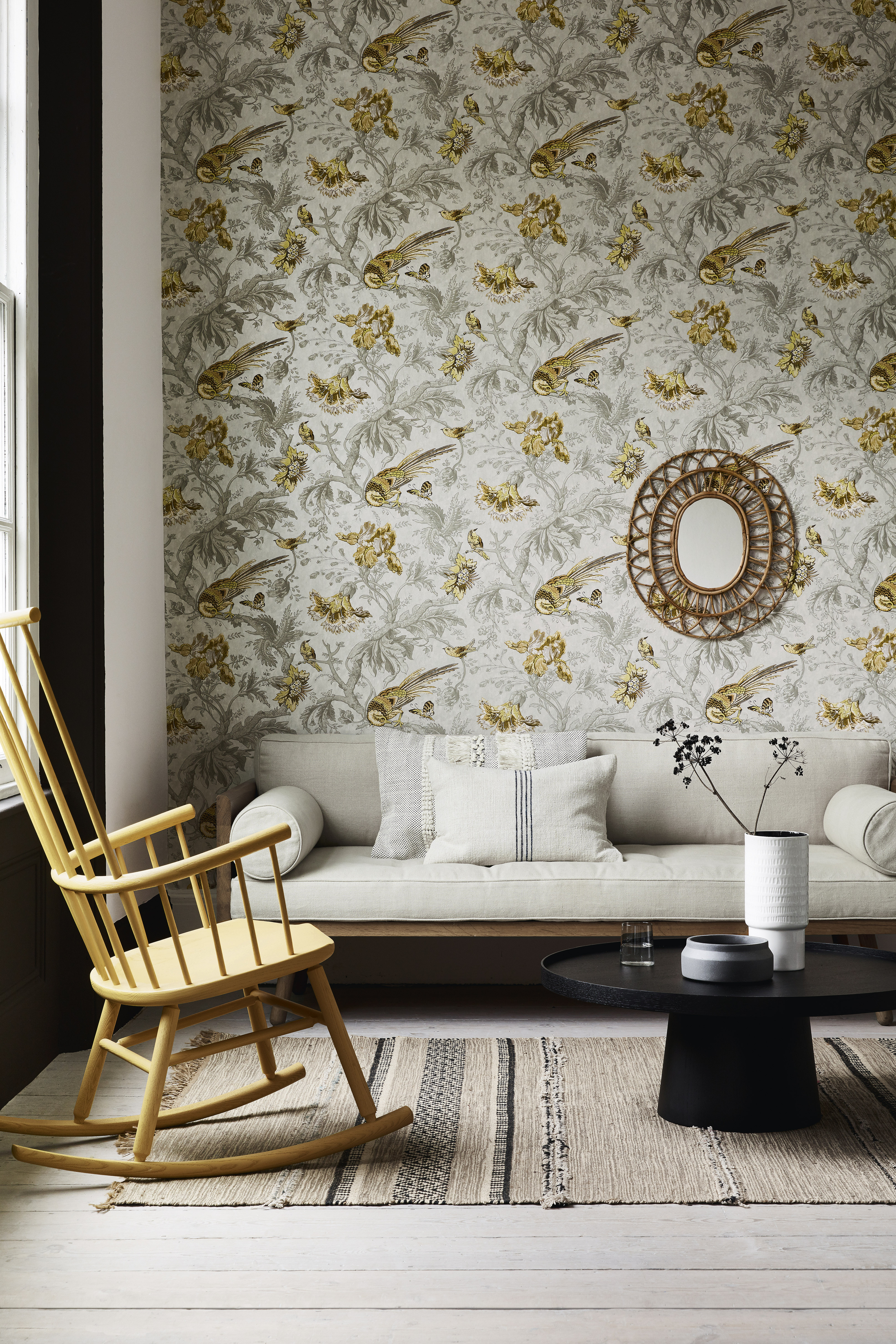
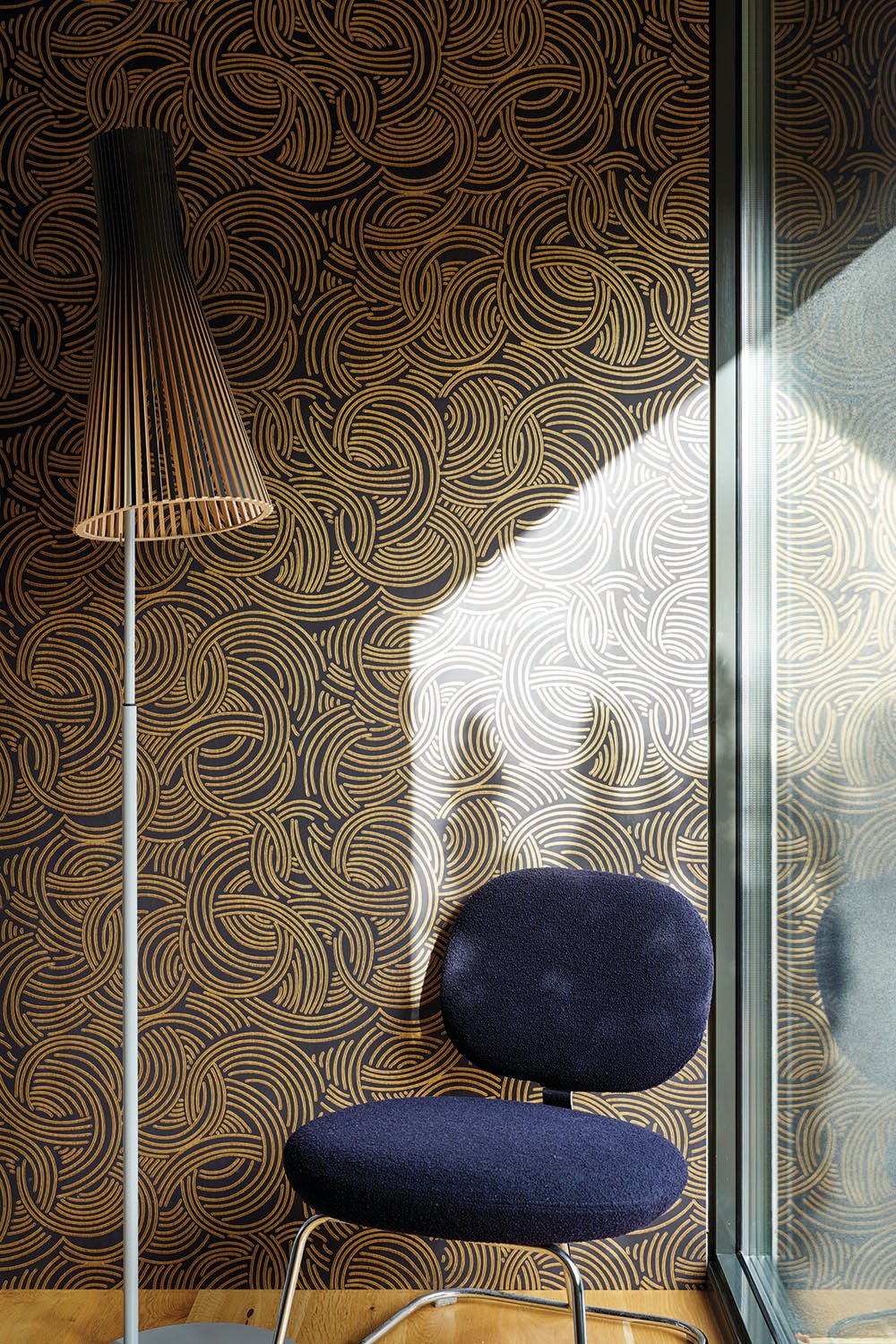
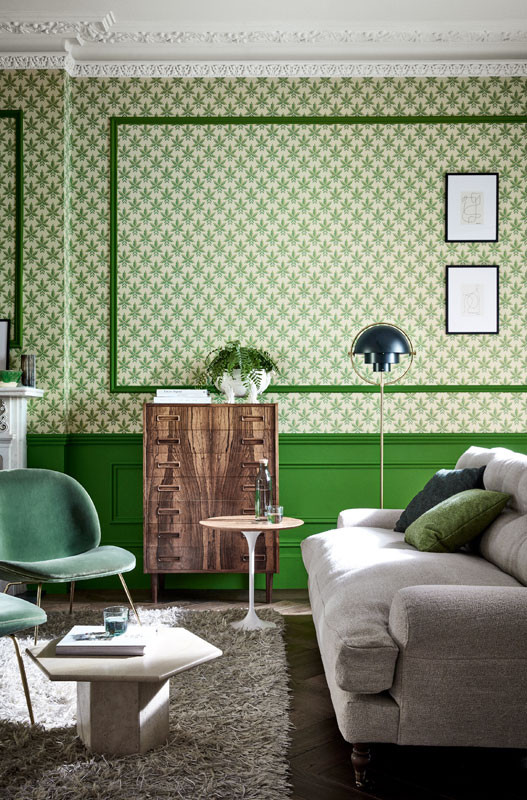
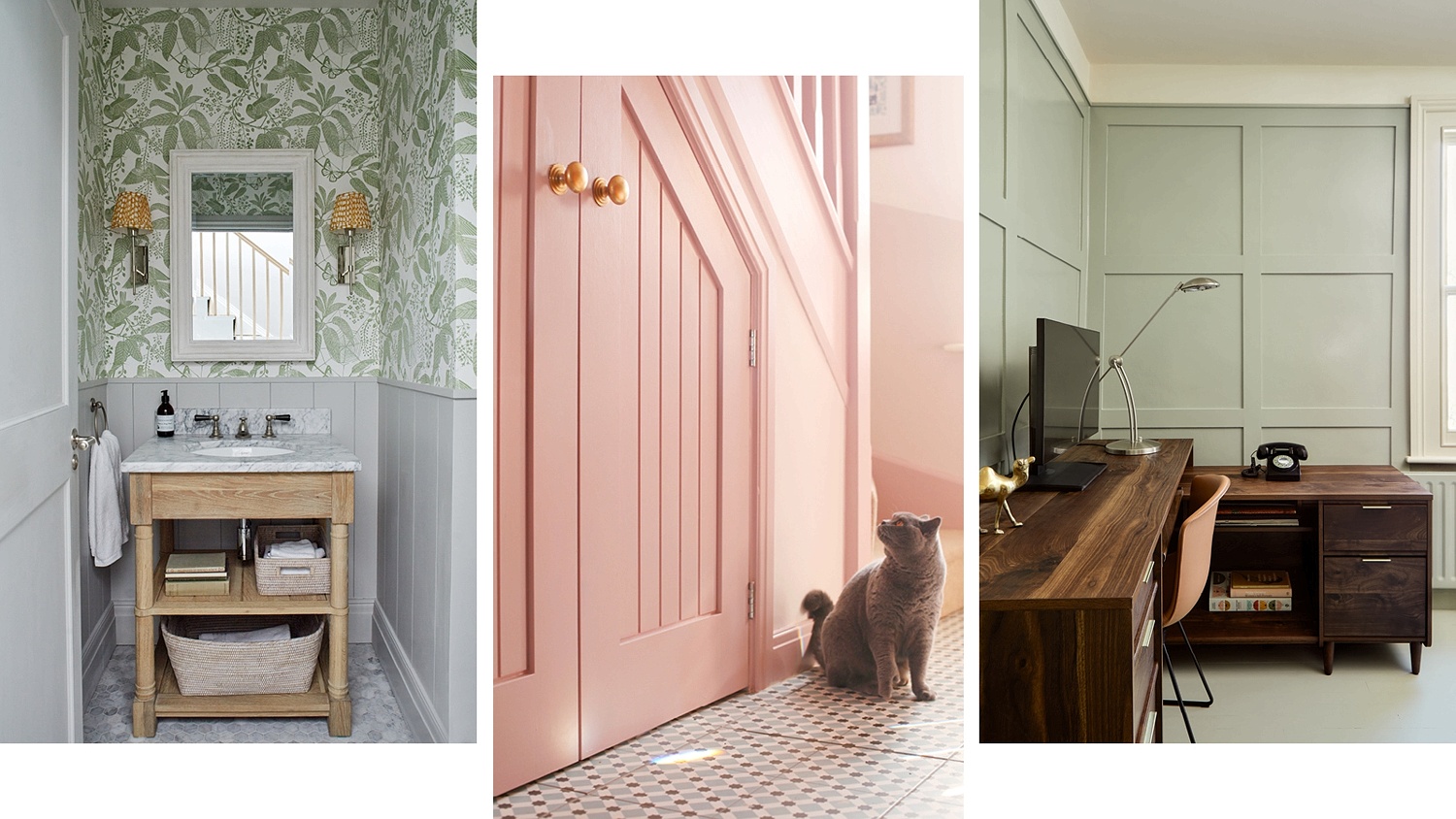
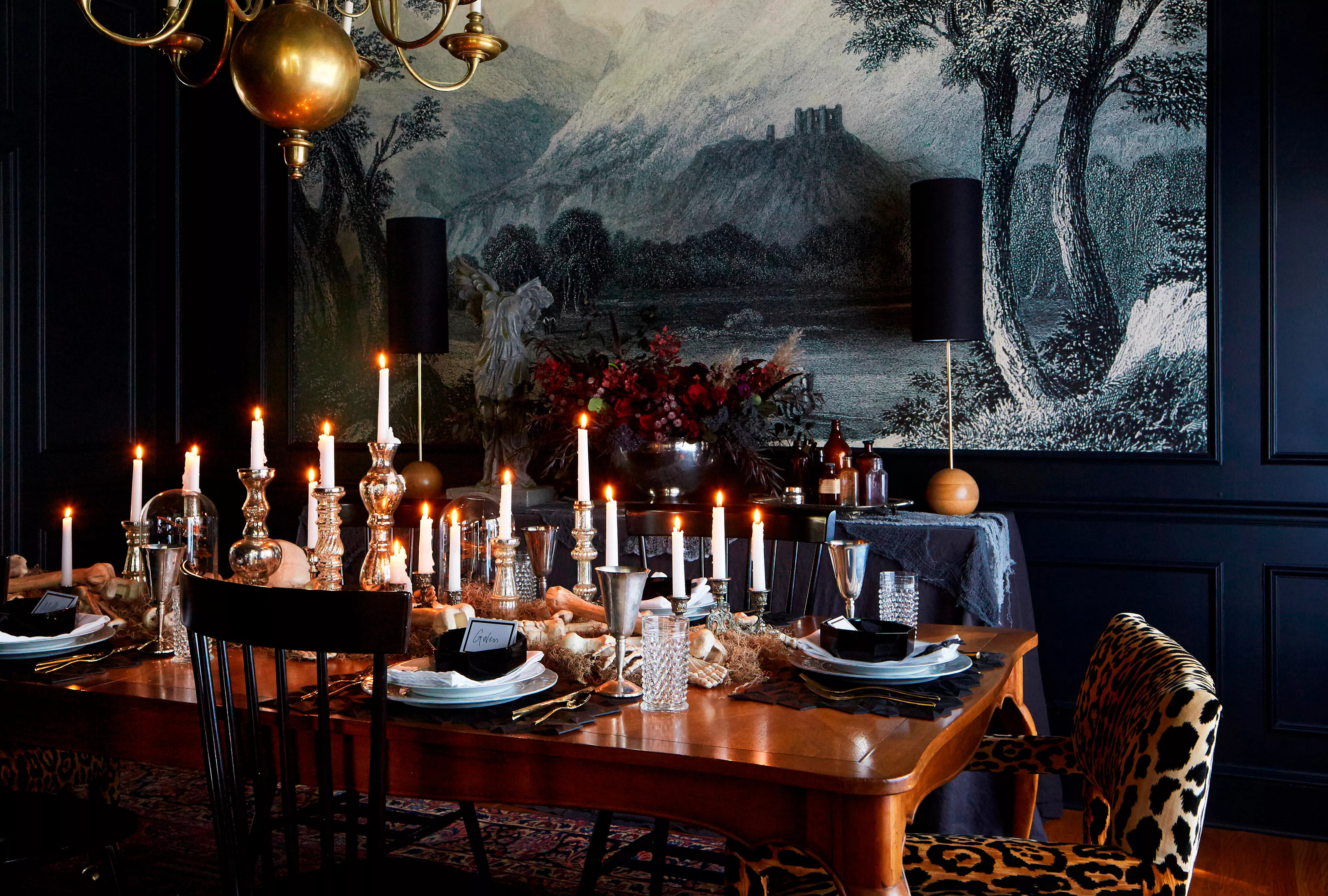
The use of framed wallpaper panels is emerging as a significant home decor trend in 2025, offering a sophisticated and customizable alternative to fully wallpapered rooms. This approach, which involves using wallpaper within decorative frames or paneling, creates intentional focal points and adds a sense of layering and refinement to a space. Designers note that this trend allows for bold expressions of color, pattern, and texture in manageable doses, making it suitable for those who desire decorative detailing without the intensity of an entire wallpapered room. This design technique draws inspiration from historical interiors, such as 18th-century homes and ancient Roman frescoes, where framed elements were used to create order, harmony, and direct the viewer's gaze.
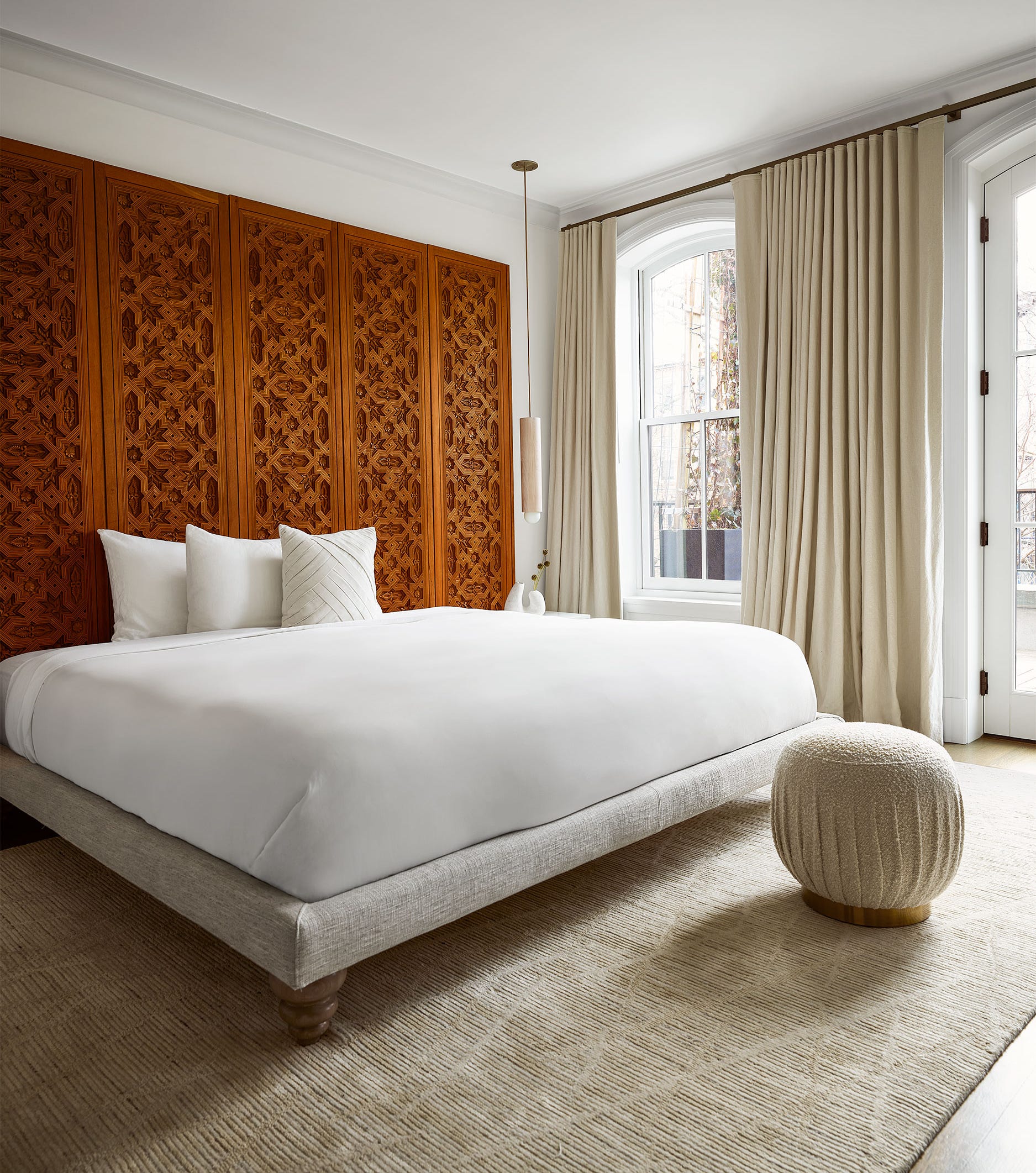
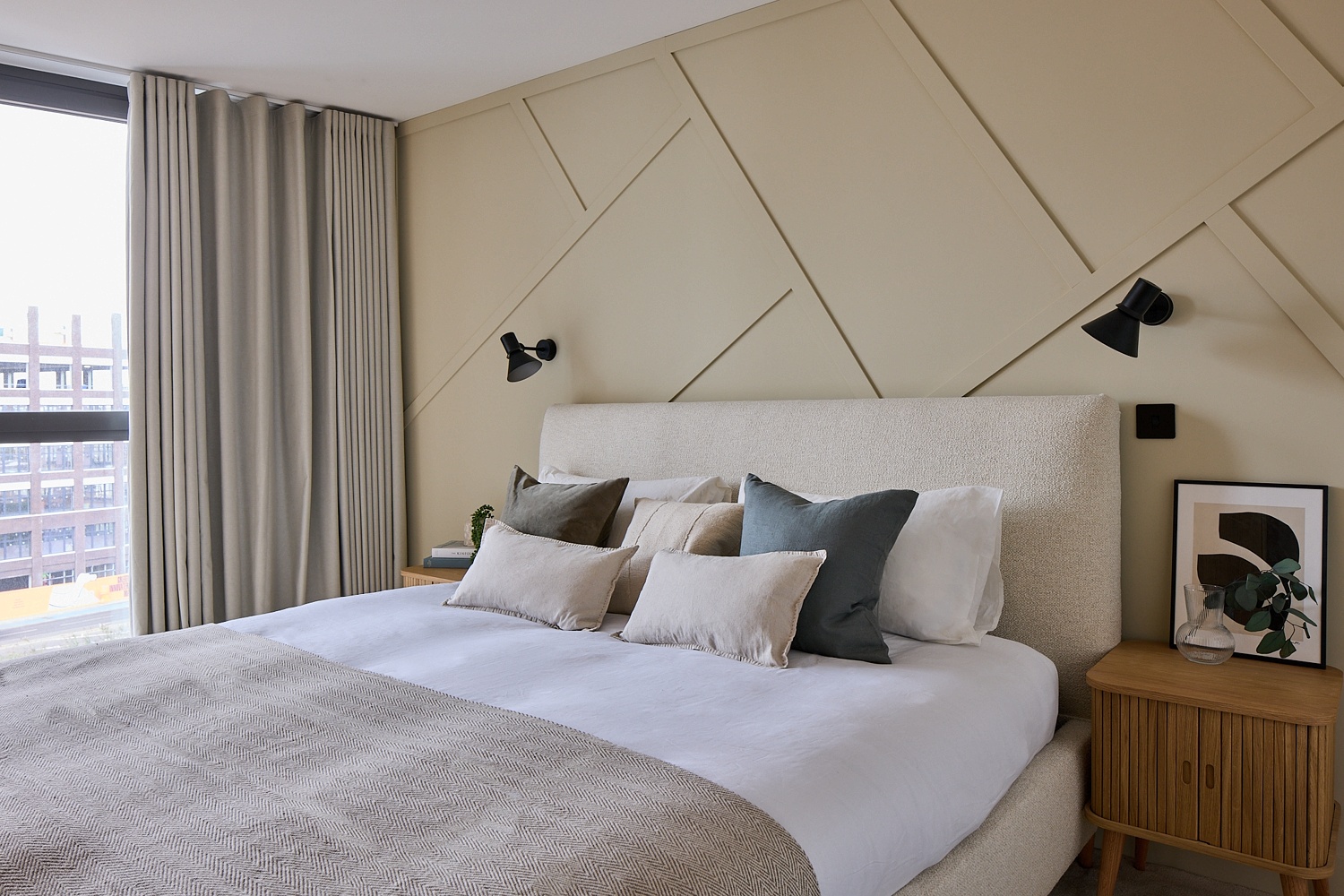
Successfully incorporating framed wallpaper panels requires careful planning and execution. The first tip emphasizes meticulous planning, including ensuring a smooth and primed wall surface to prevent issues like bubbling or peeling. For patterned or mural designs, it is crucial to plan the pattern repeat to ensure seamless flow and proper fit within the frames. Considering professional assistance for installation is also advised. Second, designers highlight the importance of focusing on proportions. The size and position of the panels should be in proportion to the room's dimensions to create an intentional and balanced look. Designers often recommend using an odd number of panels, typically starting with three, to create a central focal point. Adjusting the size of the central panel can further enhance its prominence, and vertical panels can add height, while landscape panels can elongate a room.
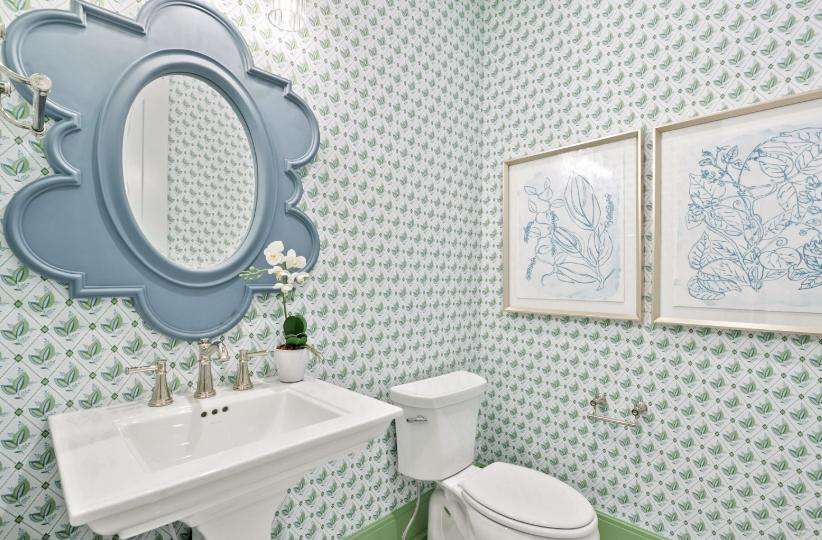
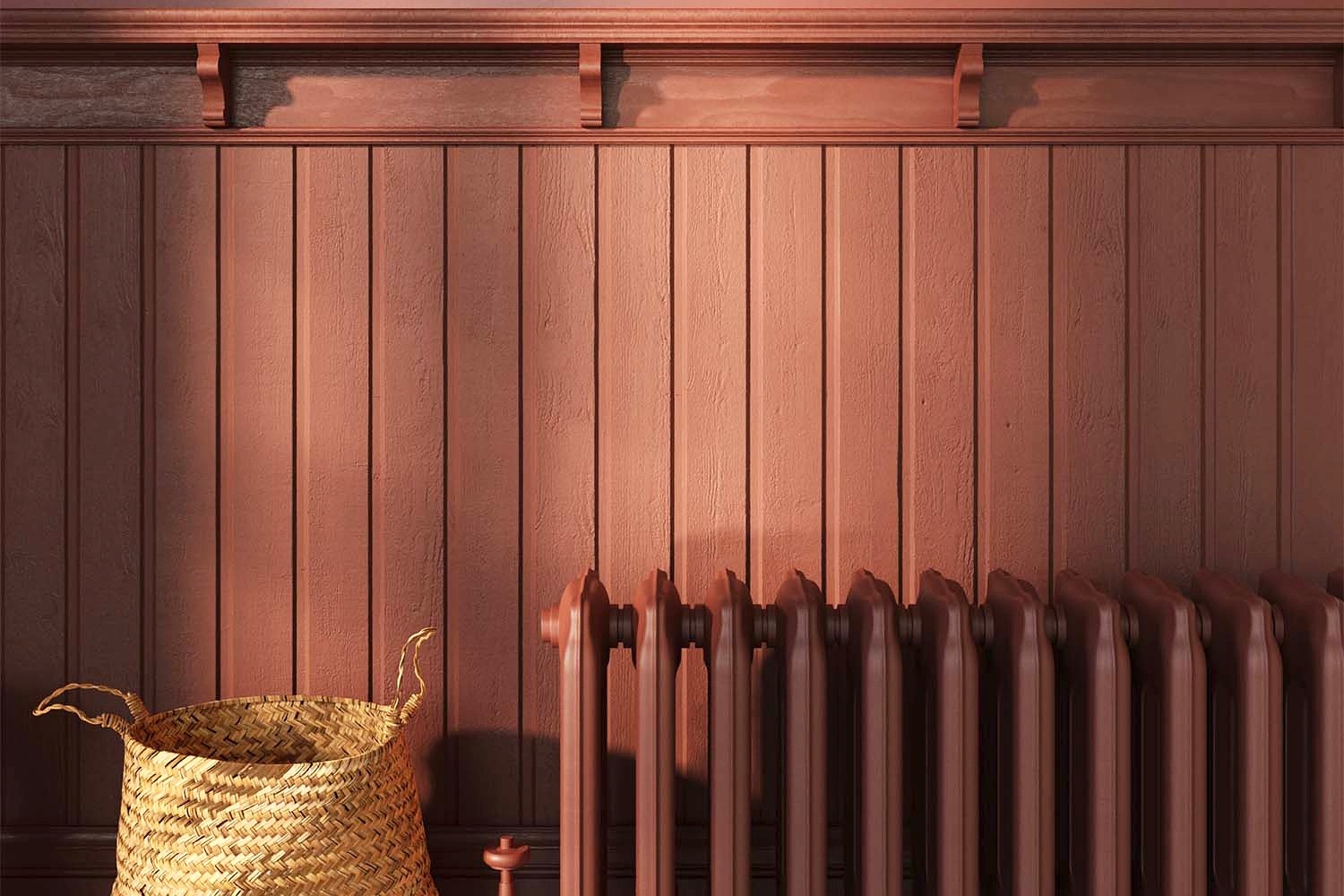
Third, scale matters significantly when selecting wallpaper patterns. Large-scale designs are best suited for larger rooms that can accommodate their visual impact, while smaller spaces benefit from more compact motifs. Framed panels offer a cost-effective way to use premium wallpaper, making them ideal for experimenting in smaller areas like powder rooms. Fourth, the frame itself is a critical component. Decorative moldings or trims help integrate the panels into the room, and their style should align with the building's existing architecture. For instance, ornate paneling might look out of place in a modern home, where clean-lined and contemporary options would be more suitable.
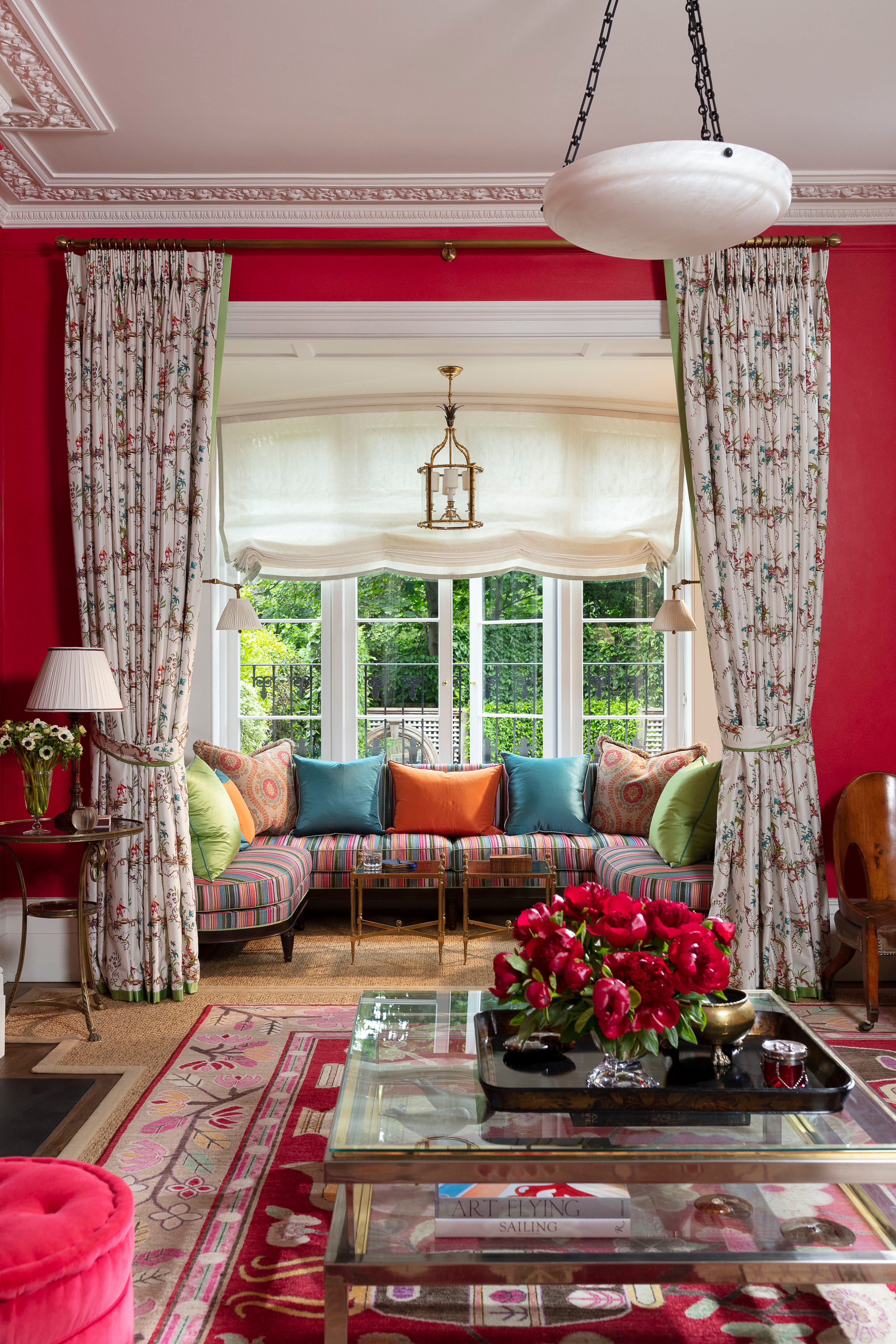
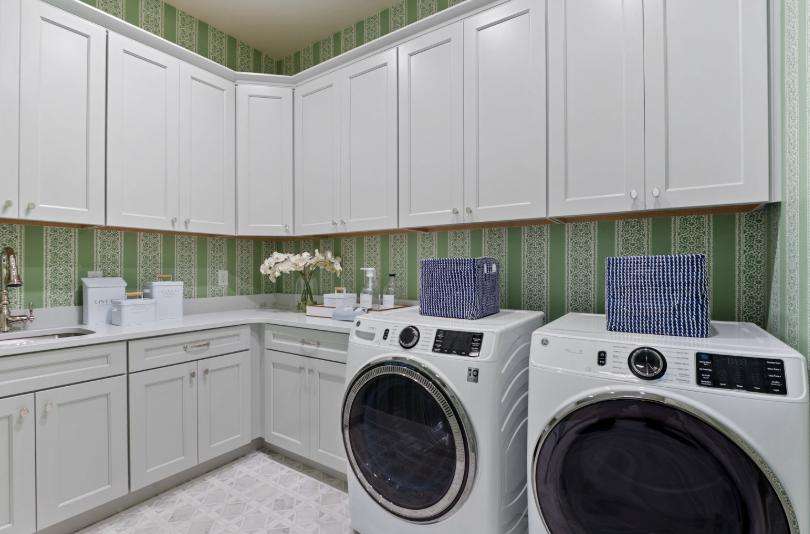
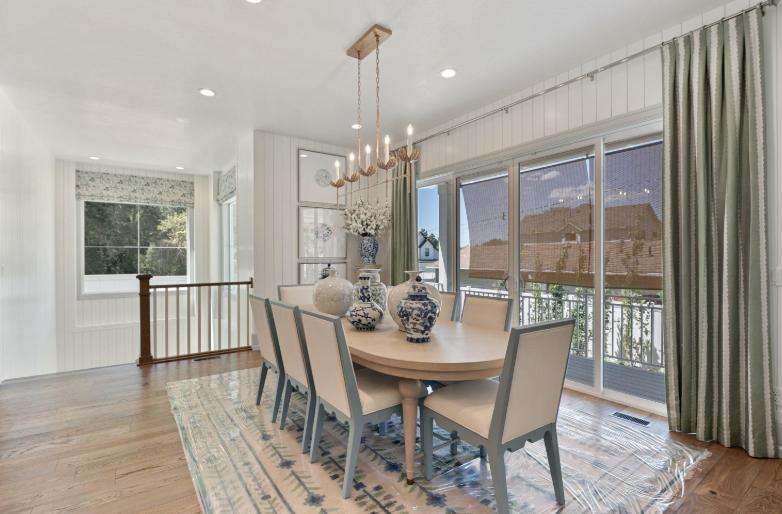
Fifth, maintaining a cohesive color palette is essential. Colors for the wallpaper should be drawn from existing elements within the room, such as upholstery or artwork. If starting from scratch, the wallpaper design can inform the overall color scheme. Contrasting hues and intricate patterns can create a bold statement, provided they fit within the overarching design scheme. Sixth, playing with pattern and style allows for creative contrasts. Mixing traditional paneling with contemporary prints or vice versa can add unexpected character. Balancing patterned wallpaper with plain furnishings, or using patterned fabrics with solid linens, velvets, or wools, can prevent a space from feeling too busy. For a maximalist look, designers recommend sticking to a consistent color palette, varying pattern scales, and incorporating solid elements to provide visual rest. Finally, making the design personal is crucial. Interiors should authentically reflect the inhabitants' preferences, encouraging individuals to choose colors, patterns, and textures that resonate with them rather than strictly adhering to trends. This personal connection ensures long-term enjoyment of the space.
#FramedWallpaper #WallpaperPanels #InteriorDesign #HomeDecorTrends #DecorativeMoldings #PatternMixing #ColorPalette #SpaceProportions #CustomInteriors #FramedWallpaper #WallpaperPanels #InteriorDesign #HomeDecorTrends #DecorativeMoldings #PatternMixing #ColorPalette #SpaceProportions #CustomInteriors
Toplam 0 yorum
 Henüz yorum yok
Bu da beğenebilirsiniz
Bedroom wall panel ideas – 7 easy ways to give your room an incredible architectural edge

Designer-Approved Ways to Add Wallpaper to Your Space
Bedroom design ideas: 5 bedrooms with wallpaper feature walls
Real Simple Editors' Favorite Wallpapers Right Now

7 Wallpaper Designs That Will Instantly Revamp Your Space

Wallpaper Ideas To Spruce Up Your Space

13 Wallpaper Ideas That Will Elevate Any Room in Your Home

23 Wallpaper Designs That’ll Rev Up Any Room
These Designer Rooms Will Convince You to Wallpaper Your Ceiling ASAP


7 Cool Ways to Use Wallpaper in Your Home
11 Clever Decor Ideas to Max Out That Above-Bed Space

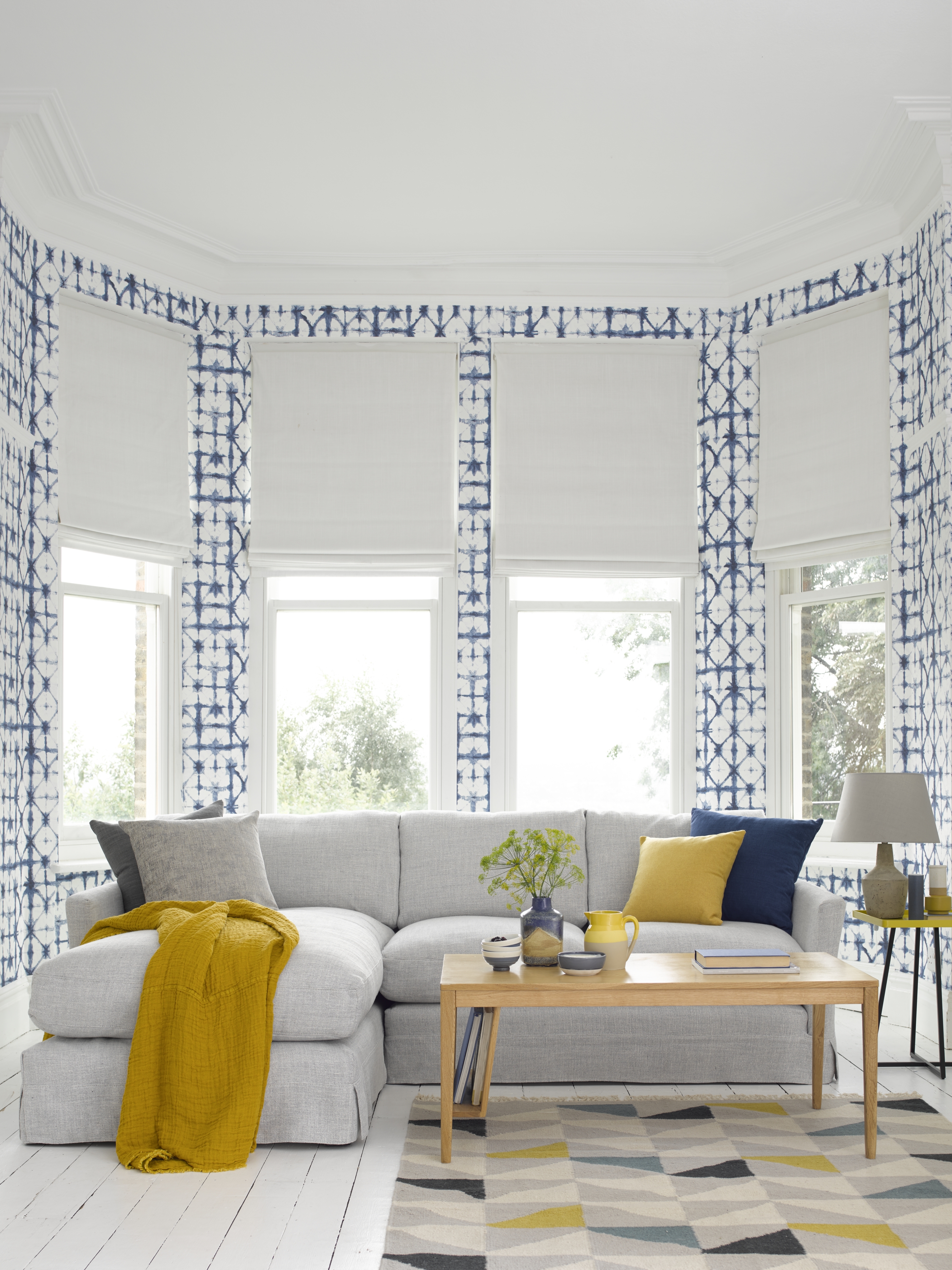
15 living room wallpaper ideas to elevate your interior design instantly

Interior Designer Reveals the No. 1 Thing Making Your House Look Cheap


Wallpaper Is Back. Here's How to Add this Bold Accent Into Your Home.

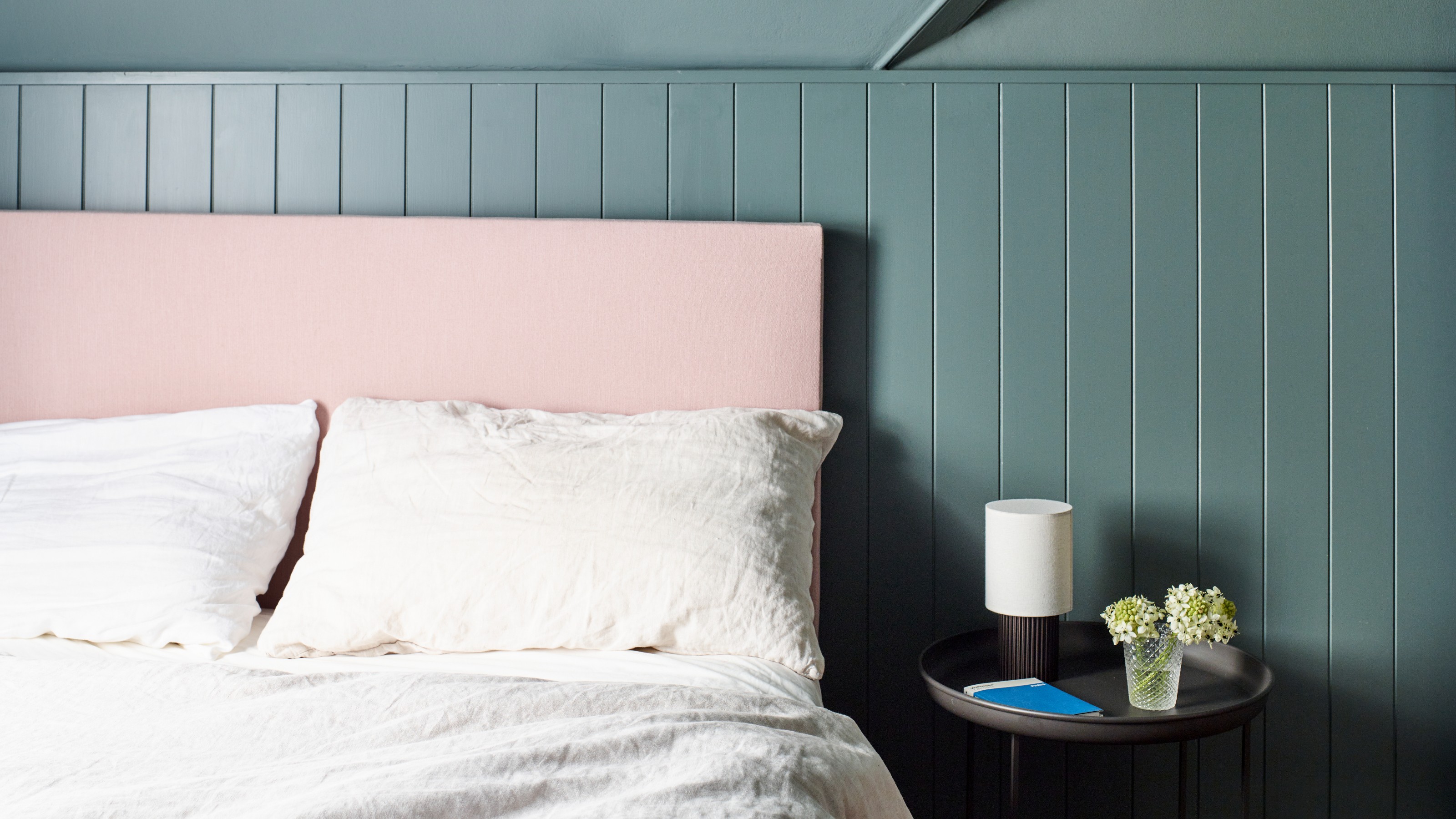
6 ways to fake wall panelling and create the sought-after look on a budget
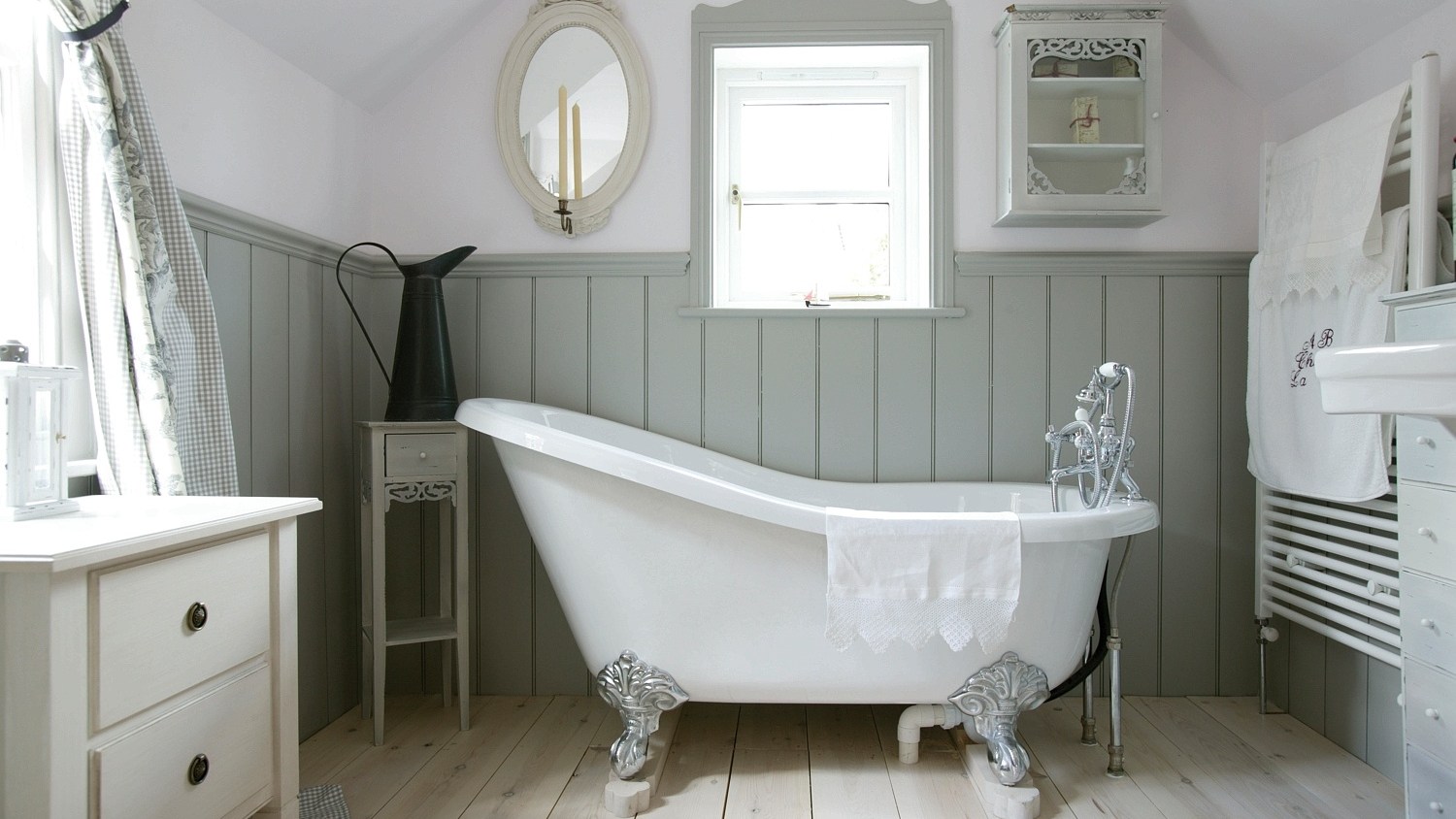
Practical ways to make panelling look good
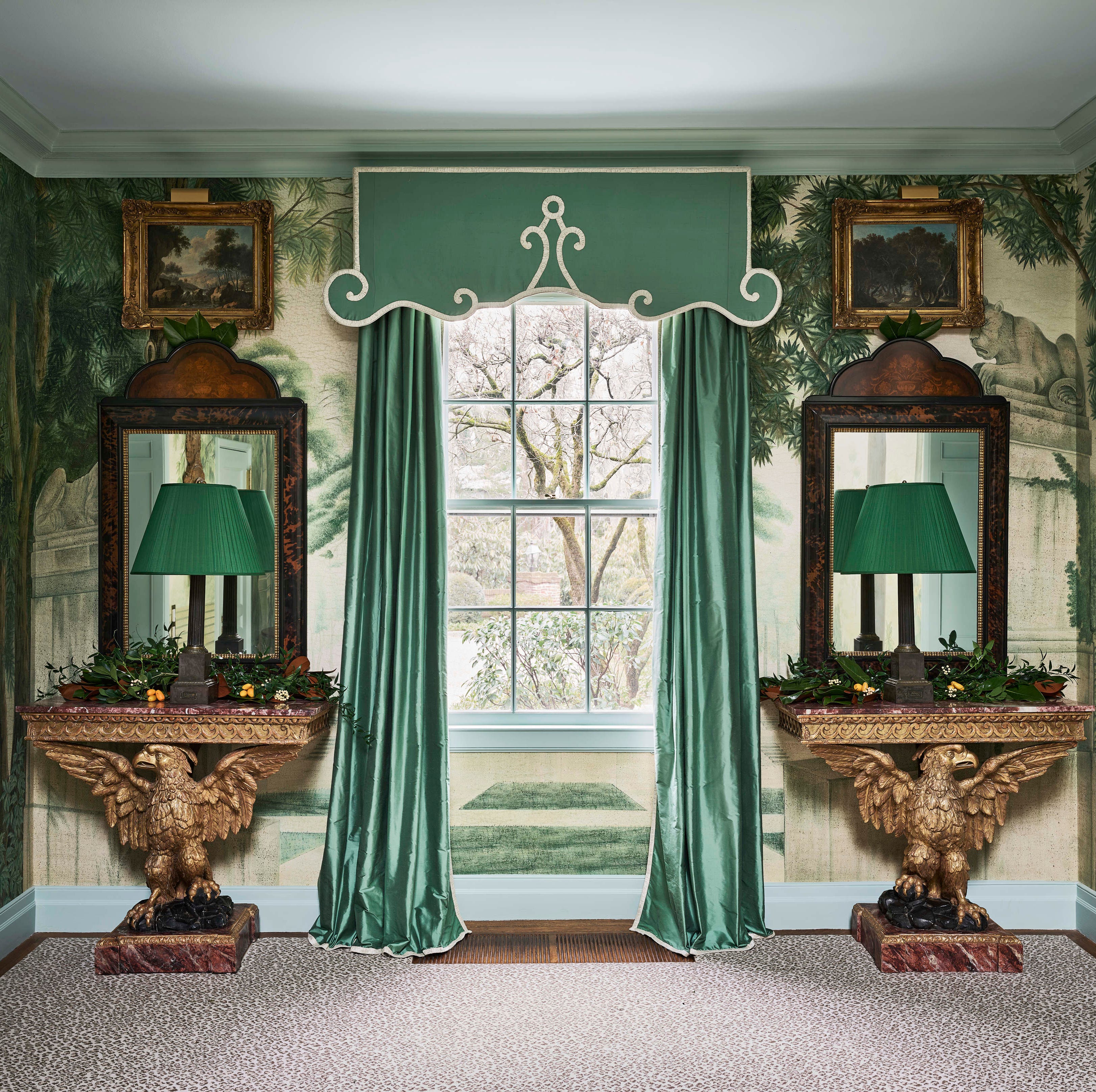
These Brilliant Window Treatment Ideas Will Infuse Luxe Style into Every Room
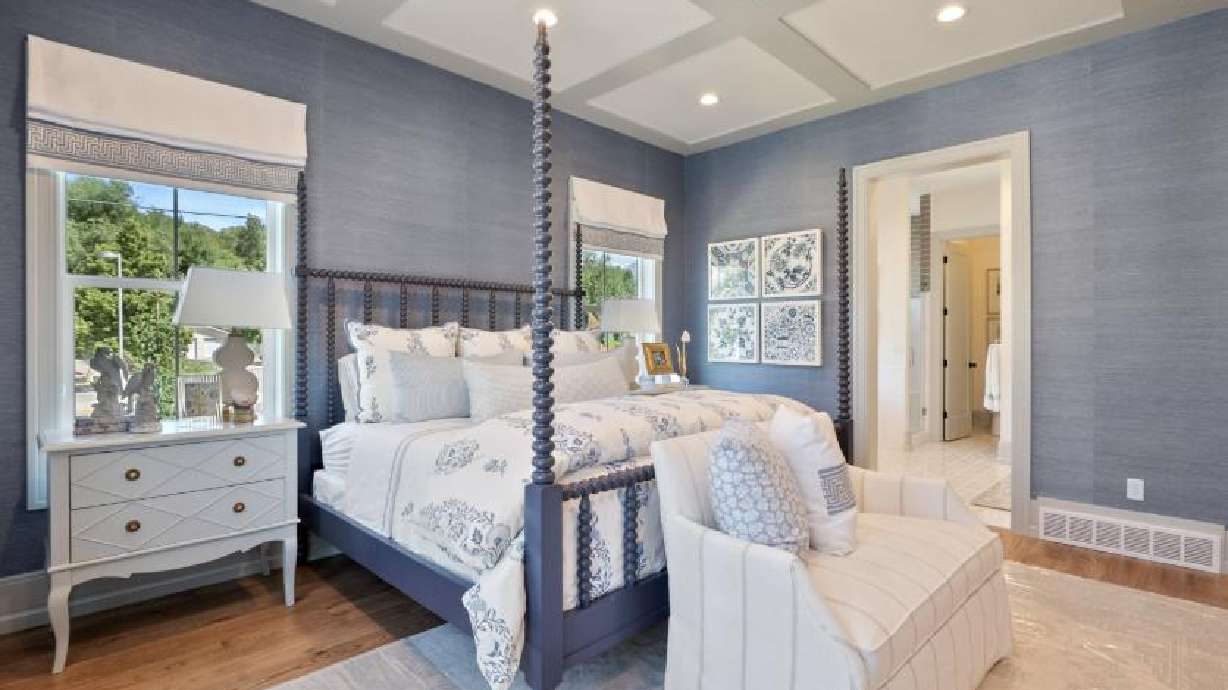
Patterned perfection: 7 wallpaper trends that are sure to impress

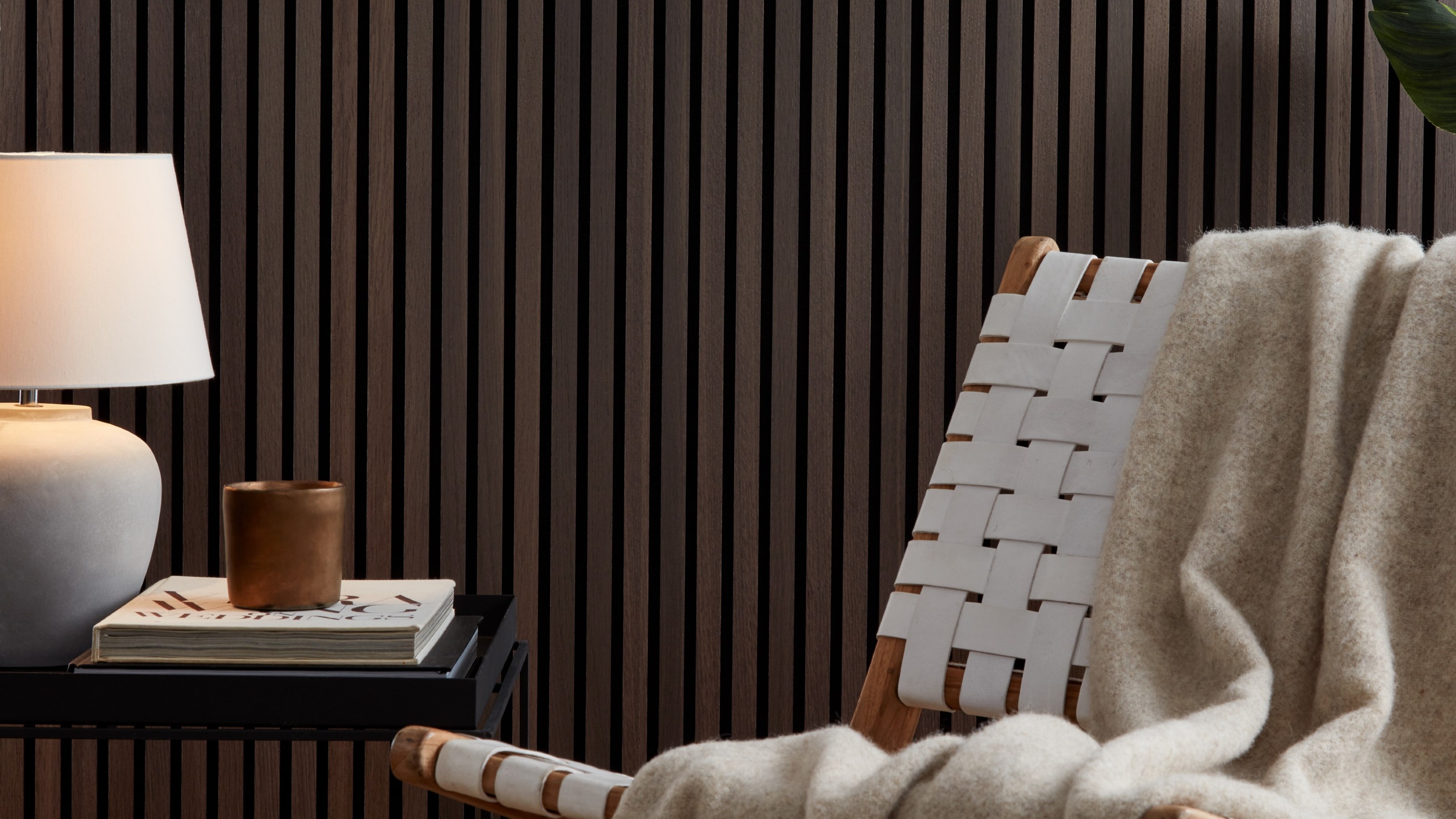
28 wall panelling ideas to add depth and character to any room in your home
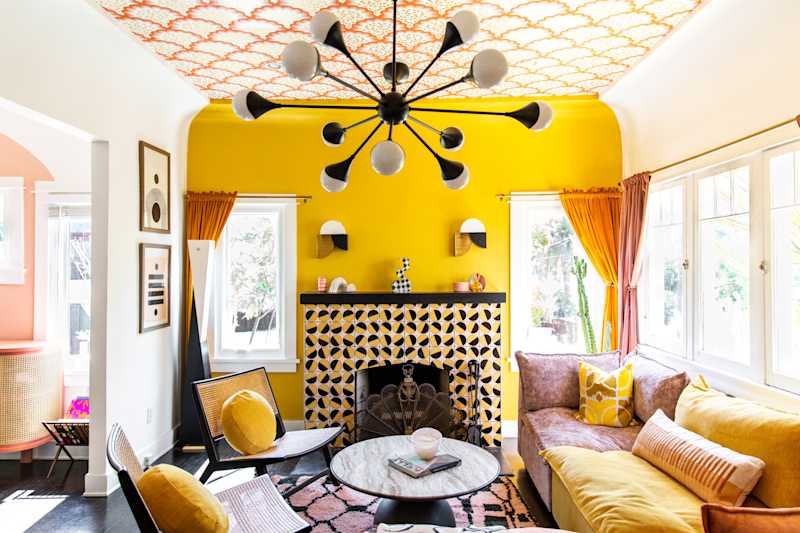
The Underrated 2026 Trend Interior Designers Swear By for Luxe Rooms