
Doorway to heaven
The article 'Doorway to heaven' by Aparna Karthikeyan explores the evolution of doors from mere functional elements to significant design statements in modern homes, particularly focusing on their role in home décor and aesthetic appeal. Traditionally, doors in South India were crafted from solid wood, often teak, featuring intricately carved panels with devotional or mythological themes placed above the frame, complemented by carved niches in the wall for oil lamps. This traditional approach prioritized cultural and religious symbolism alongside functionality.
With the advent of urban architecture and the rise of apartments, the perception and design of doors underwent a significant transformation. Doors evolved beyond simple entry points, becoming integral components that contribute to the overall impression and style of a home. For instance, an intricately carved door now suggests a home with strong Eastern influences, while a stark brown veneer might indicate a contemporary aesthetic. A kitschy door, adorned with ceramic tiles spelling out names, brass numerals, and wooden beading, subtly hints at an eclectic personal style.
Experts in the field, such as M. M. Philip, managing director of Barausse India, a high-end Italian door brand, affirm this shift, stating that doors are no longer just part of the civil structure but are viewed as pieces of décor. The contemporary market offers a diverse range of doors made from materials like glass, aluminum, wood veneer, or combinations thereof, often finished with high-gloss lacquers to suit modern homes. Beyond materials, the functionality of doors has also advanced, with hinged, folding, and sliding options becoming popular. These innovations not only free up valuable floor space but also maintain the privacy and sanctity of enclosed rooms, aligning well with minimalist home décor trends, especially those inspired by Scandinavian designs characterized by light wood, crisp lines, and clutter-free interiors.
A. Sampath, director at Artistick’s, an architecture gallery in Chennai, highlights the creative fusion of art and aesthetics in high-end doors, which now often incorporate metal inlays on wood. Contemporary designs might feature hand-beaten strips, squares, and rectangles of white metal embossed on wood, while classical designs might include brass or copper inlays with Victorian or decorative motifs. Traditional Indian wood-and-metal doors commonly showcase brass inlay work depicting gods and goddesses, frequently doubling as 'pooja' doors for spiritual spaces. The current trend leans towards contemporary designs, emphasizing solid colors and clean, straight lines to complement minimalist interiors.
Despite the popularity of modern designs, antique doors continue to hold a niche market. These heavy, intricately carved doors, often originating from the Chettinad region and made from Burma teak, are prized for their historical and aesthetic value. Companies like Indika Creations offer reproductions of antique doors using recycled wood for those who prefer the aesthetic without the perceived negative vibrations associated with genuine restored antiques. When restoring antique pieces, a common modification is raising the door's height, as older doors typically measured only about 5 feet. Hand-carved teakwood doors remain a timeless choice, serving as statement pieces that can be customized in various designs and finishes.
Maintenance for contemporary designs is generally straightforward, and modern techniques like polyurethane coating over melamine and sealant ensure that wood finishes remain fresh, unwarped, and moisture-resistant for extended periods, as noted by Prasad Nair of Arya Bhangy, a specialist in hand-carved doors. Carvings are no longer restricted to religious or floral motifs but now encompass patterns from diverse cultures, including Aryan, Mughal, Islamic, and Georgian. For those seeking unique designs, bespoke doors offer personalized artistic expression. An example cited is a customer desiring a Mediterranean feel, for whom Indika sourced local wood and incorporated ironwork to achieve the desired aesthetic. This evolution underscores that doors have transcended their basic function of providing shelter, now serving as significant elements that express personal style and, especially in the case of wooden doors, can be considered an investment.
#HomeDesign #DoorDesign #InteriorDecor #ArchitecturalElements #ContemporaryDesign #TraditionalCraftsmanship #MinimalistStyle #AntiqueDoors #Woodwork #HomeDesign #DoorDesign #InteriorDecor #ArchitecturalElements #ContemporaryDesign #TraditionalCraftsmanship #MinimalistStyle #AntiqueDoors #Woodwork
 Henüz yorum yok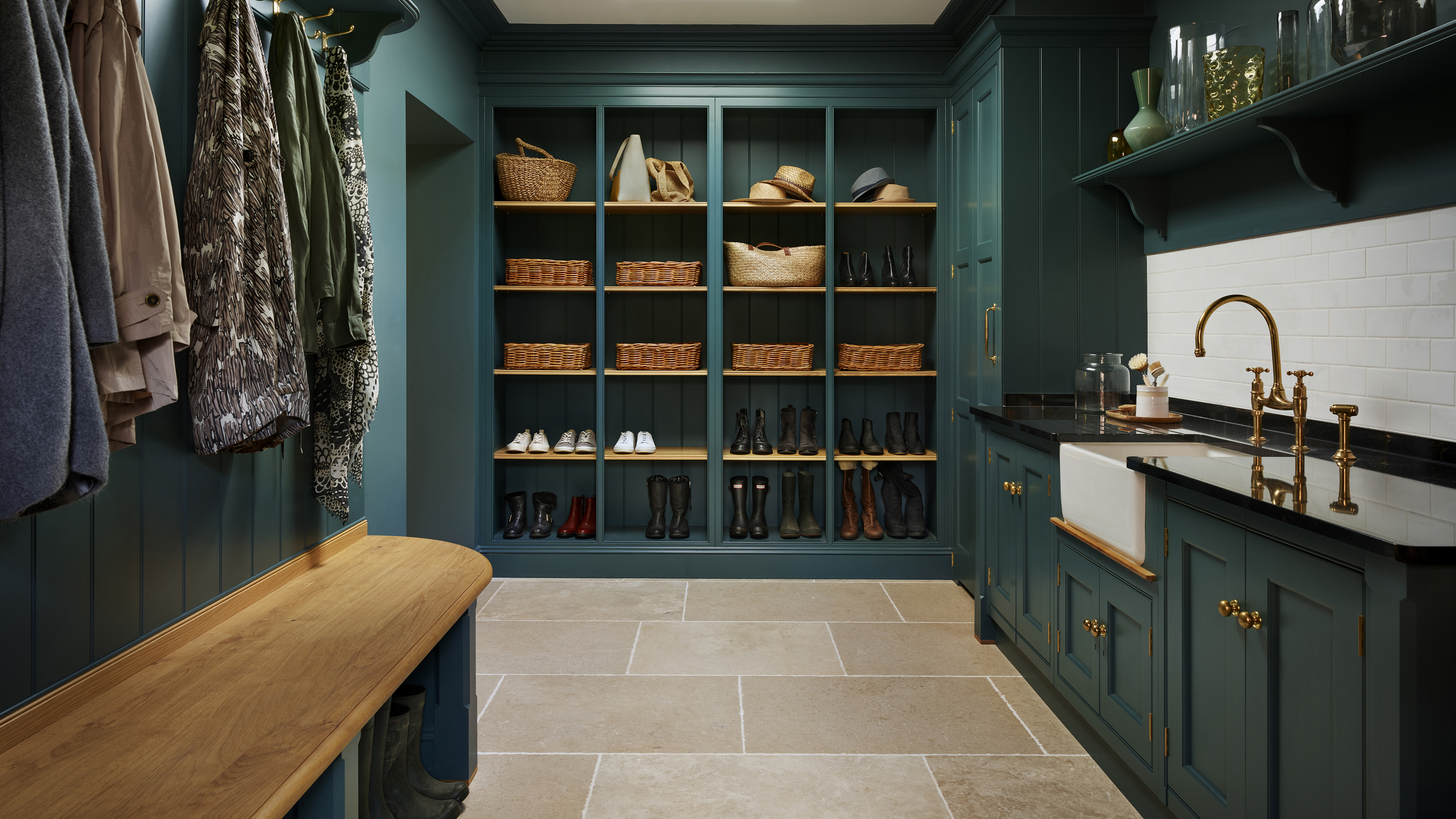
Organisational heaven is just a few steps away...

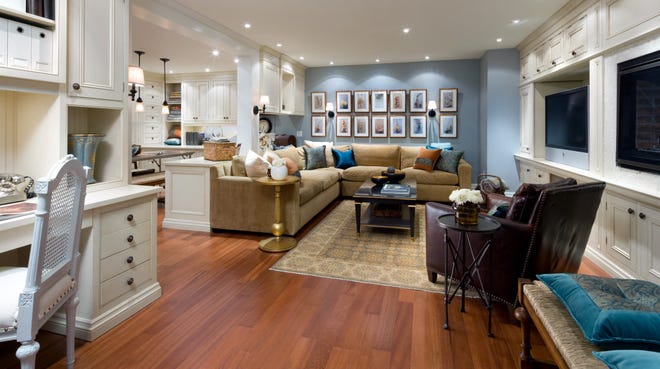
Divine Design: Basement crosses the finish line

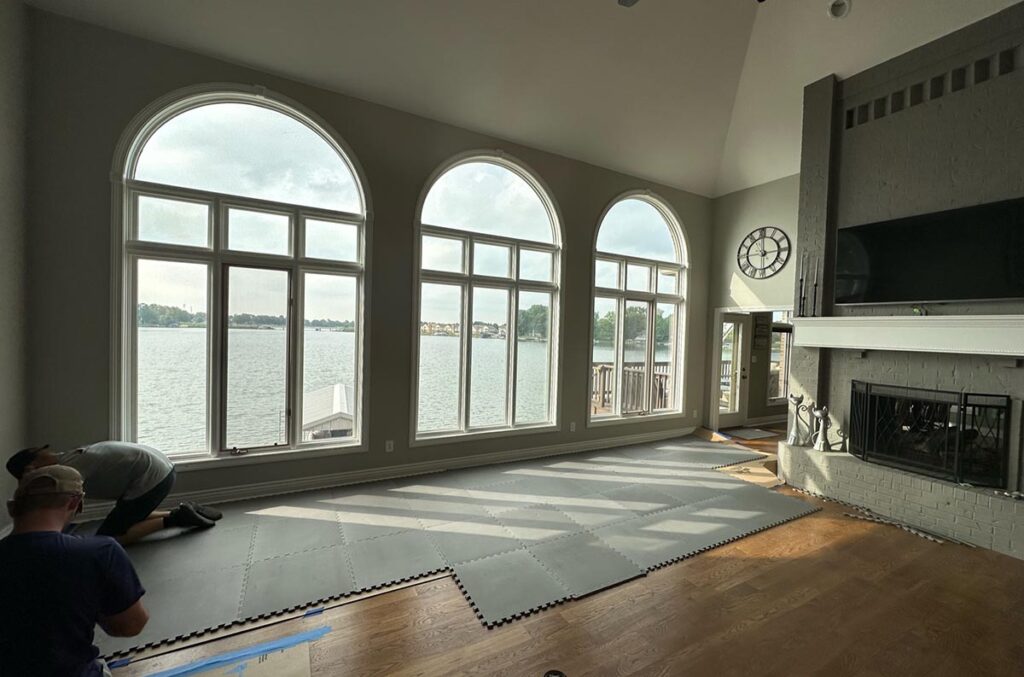
Opening the Door to Excellence – Hometown Window & Door