1/2
18 Low-Maintenance Flowers To Use Around Your Mailbox
This article provides a comprehensive guide to selecting low-maintenance flowers for mailbox gardens, emphasizing the importance of choosing hardy blooms that can thrive in various curbside conditions. The primary criteria for selection include minimal maintenance, resilience to harsh environmental factors such as rocky soil and high salt levels from roads, and strong curb appeal to enhance the aesthetic of the mailbox area. The guide offers 18 specific flower recommendations, detailing their botanical names, sun exposure preferences, soil type and pH requirements, growth habits, and unique characteristics.
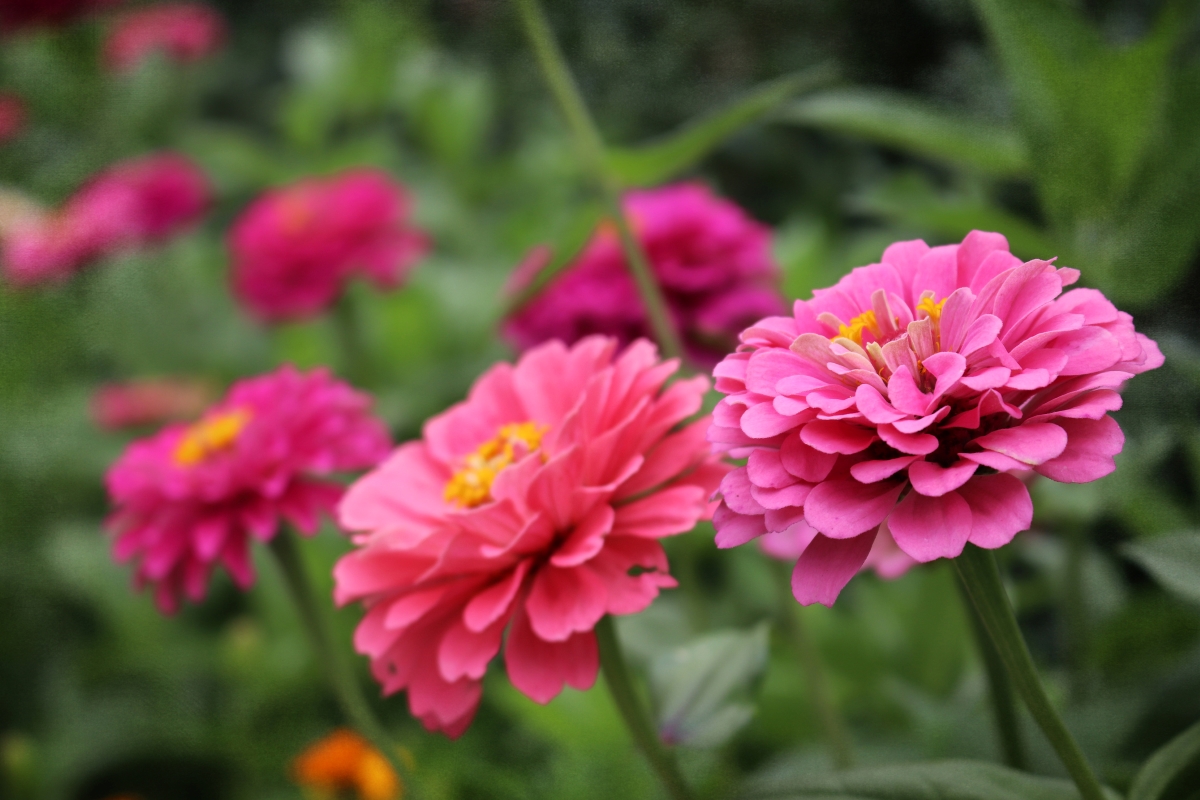
Among the recommended flowers, Clematis 'Jackmanii' is highlighted as a perennial vine suitable for adding natural beauty to a mailbox post. It blooms from mid-summer to early fall, grows 10-15 feet tall, and prefers full to partial sun with well-draining, moist, neutral soil. 'Autumn Joy' Sedum is presented as a low-maintenance, heat- and drought-tolerant perennial that attracts pollinators like bees and butterflies, blooming into the fall. Lavender, known for its ability to withstand harsh conditions and roadside salts, is an ideal curbside plant that is also edible and fragrant, attracting butterflies and bees with its summer purple blooms. Zinnias are noted for their wide variety of colors and sizes, ease of growth, and strong appeal to a range of pollinators including bees, birds, and butterflies, blooming from spring through fall.
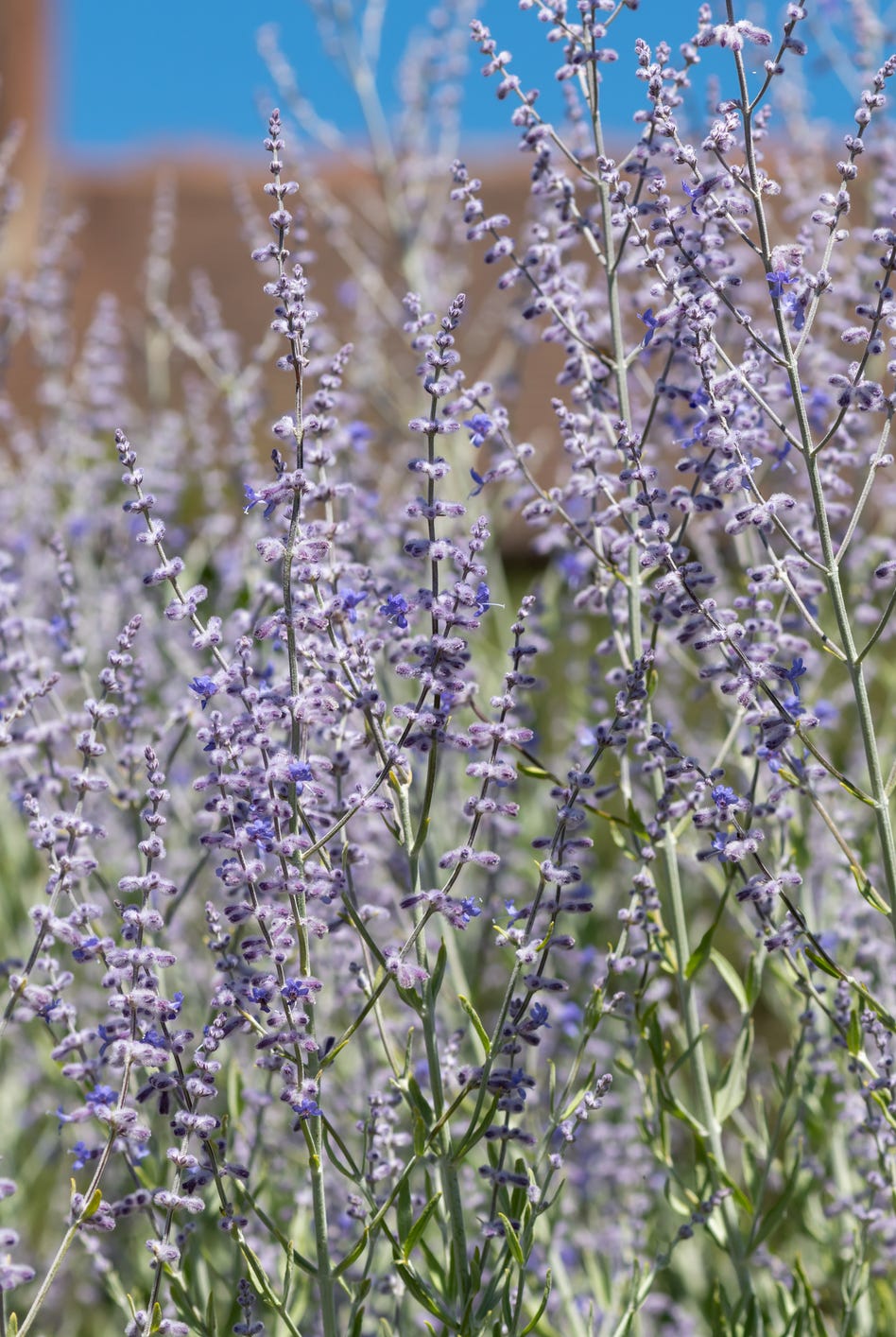
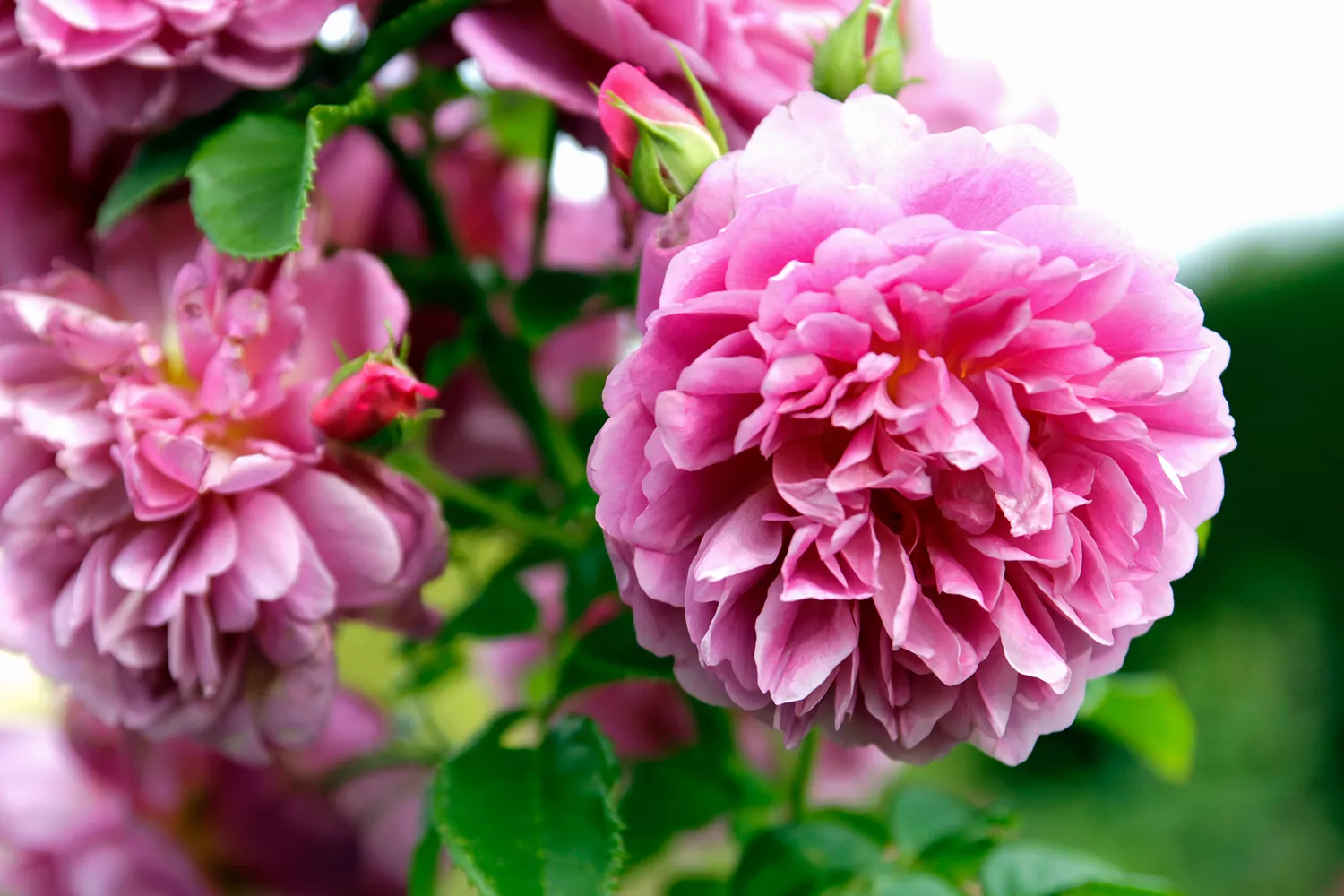
Dianthus, or "pinks," are described as adding a delicate, perfumed touch to the garden, growing in fall and spring and attracting pollinators. Russian Sage is suggested for filling large areas due to its full, lush growth, purple flowers, and attraction to bees, butterflies, and hummingbirds. Summer Phlox offers ground coverage and a full appearance with pink, purple, and white blooms throughout summer and fall. Rugosa Rose provides a polished look with minimal effort, blooming from May to late fall and producing bird-loving hips. Daylilies are recognized for their longevity and vibrant colors, working well as ground cover and attracting birds and butterflies.
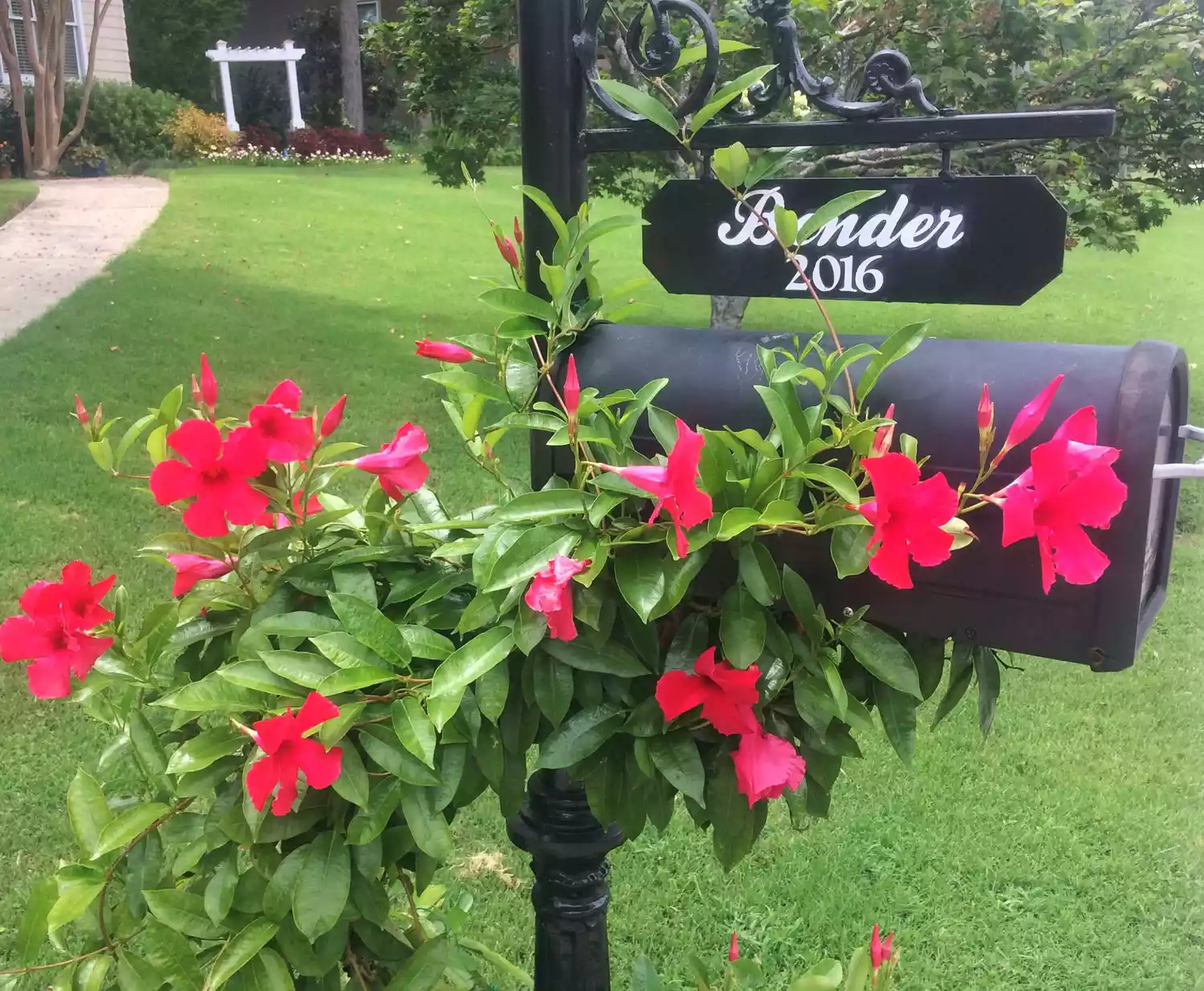
Columbine, with its magical appearance, is recommended for shaded curbsides due to its preference for shade and varied colors. Petunias are classic annuals known for their easy growth, sun-loving nature, and abundant, long-lasting blooms that attract hummingbirds and butterflies. Mandevilla is a tropical flowering vine that can create a serious curb appeal display by winding around a mailbox post. Lantana offers quick coverage and attracts birds and butterflies with its diverse color palette. Rosemary is an attractive, aromatic evergreen shrub that flowers in white, pink, purple, or blue, attracting pollinators.
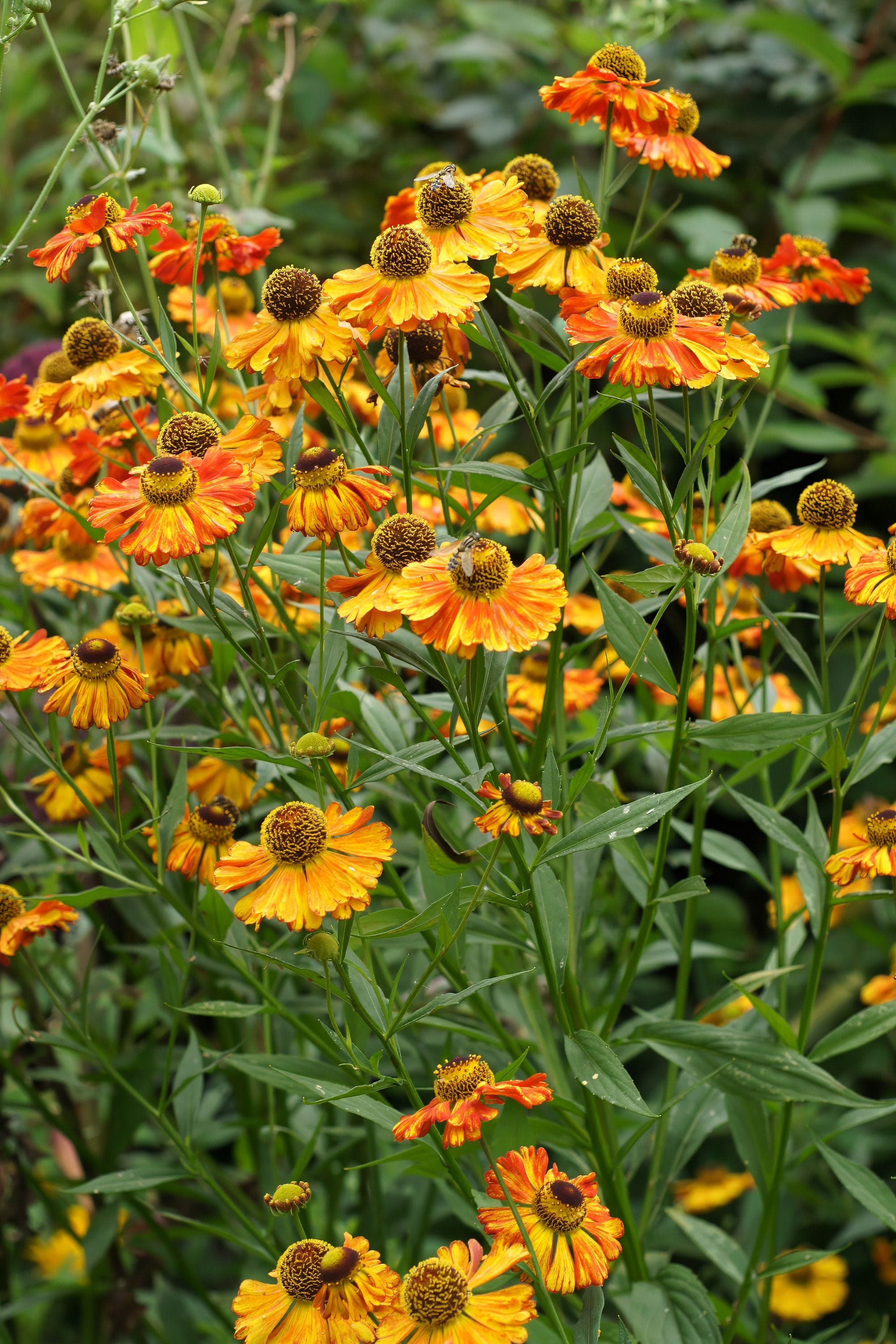
Coneflower is suitable for mailboxes due to its tolerance for poor soils and hot, humid, and dry conditions, with pink, purple, or white flowers that attract birds and pollinators. Black-Eyed Susan is a drought-tolerant native wildflower perfect for less-than-ideal curbside conditions, attracting pollinators and birds with its yellow, orange, and red blooms. Purslane, also known as moss rose, is a heat- and drought-tolerant succulent annual that provides ground cover and attracts butterflies. Lastly, Blanket Flower, a native perennial, is highlighted for its drought and salt tolerance, vibrant hot-colored blooms, and appeal to pollinators, making it an excellent border plant near streets.
#MailboxGardens #LowMaintenanceFlowers #CurbAppeal #GardeningTips #PerennialPlants #AnnualPlants #PollinatorFriendly #DroughtTolerant #ShadeLovingPlants #MailboxGardens #LowMaintenanceFlowers #CurbAppeal #GardeningTips #PerennialPlants #AnnualPlants #PollinatorFriendly #DroughtTolerant #ShadeLovingPlants
Toplam 0 yorum
 Henüz yorum yok
Bu da beğenebilirsiniz
11 best low-maintenance indoor plants

The Best Flower Delivery Services & Subscriptions For The Ones You Love
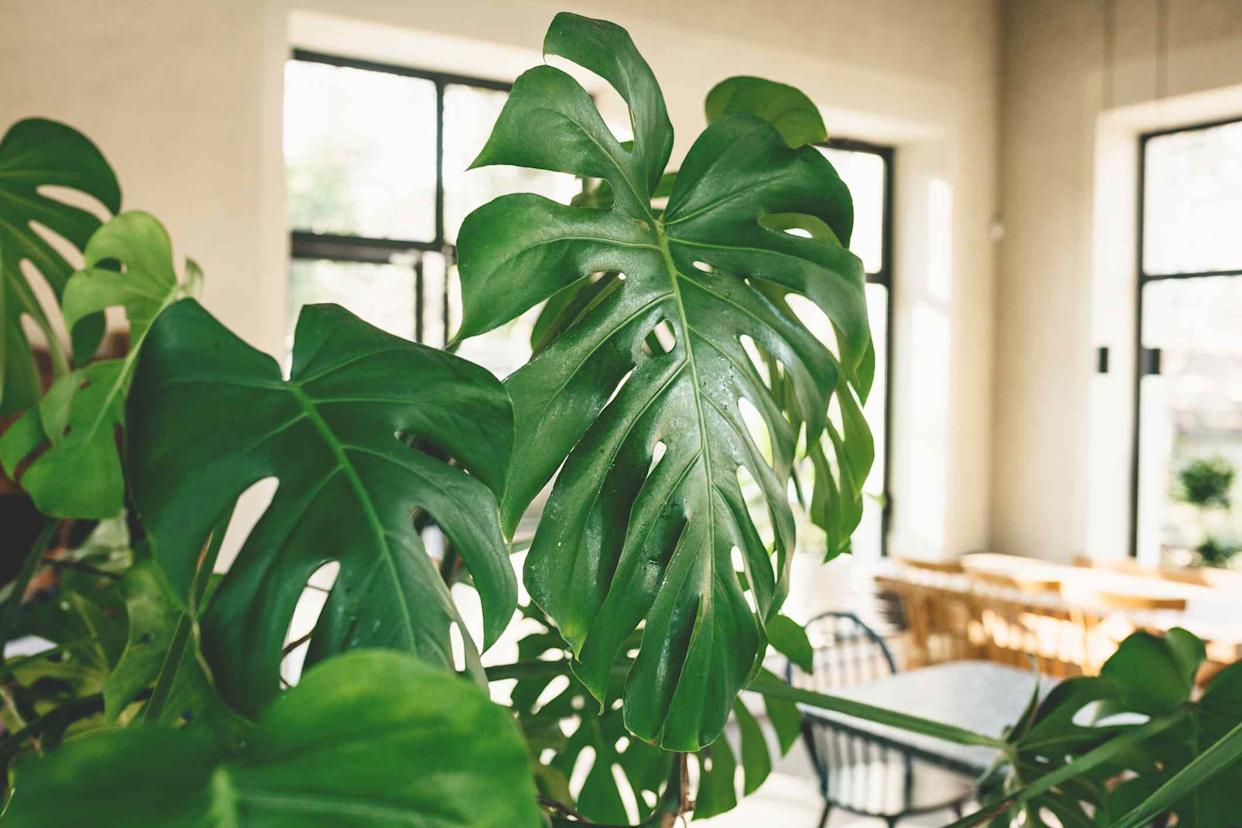
7 Houseplants Minimalists Never Grow—They Just Get Too Unruly, Pros Say

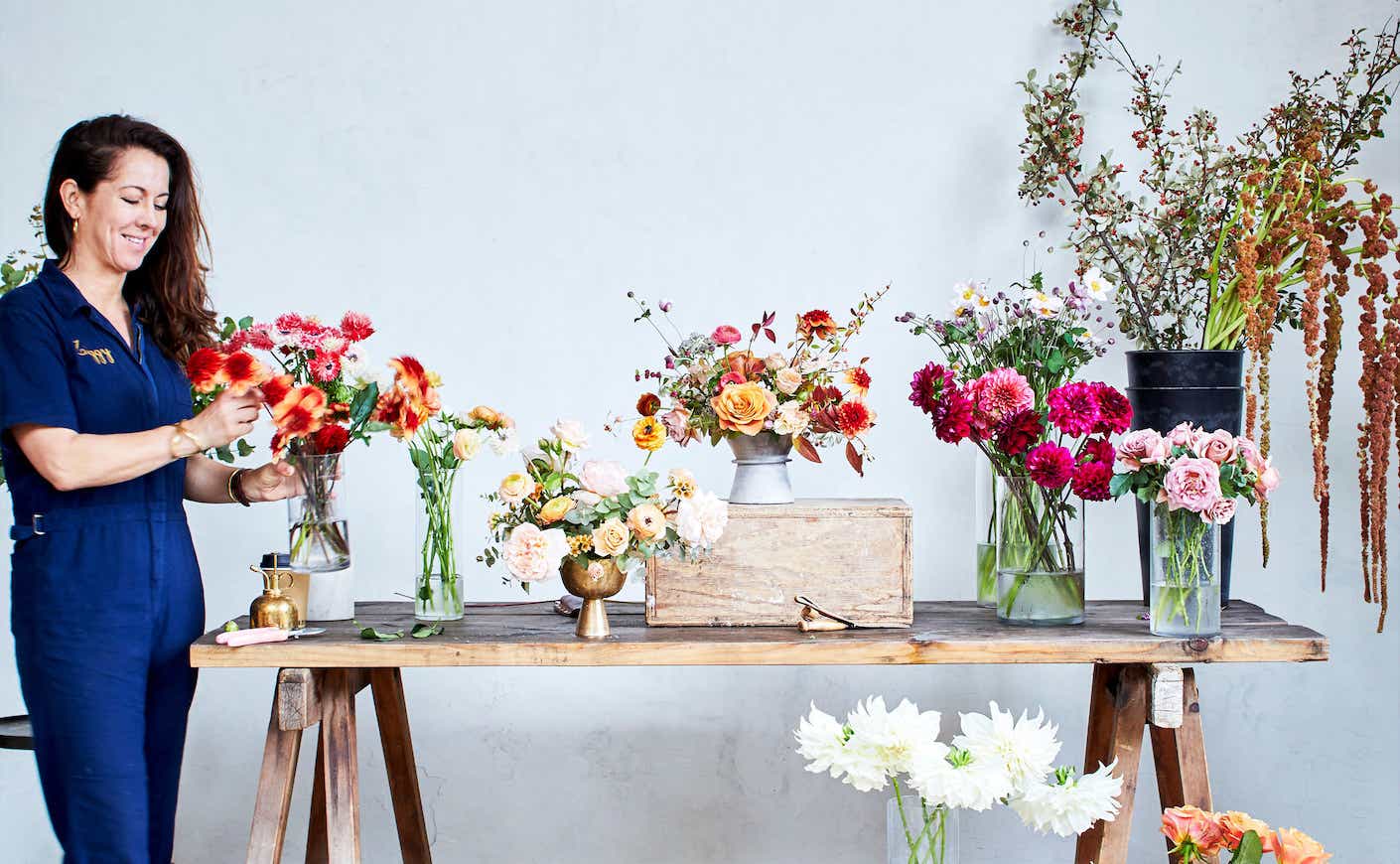
How to Make Eco-Friendly, Easy Flower Arrangements At Home

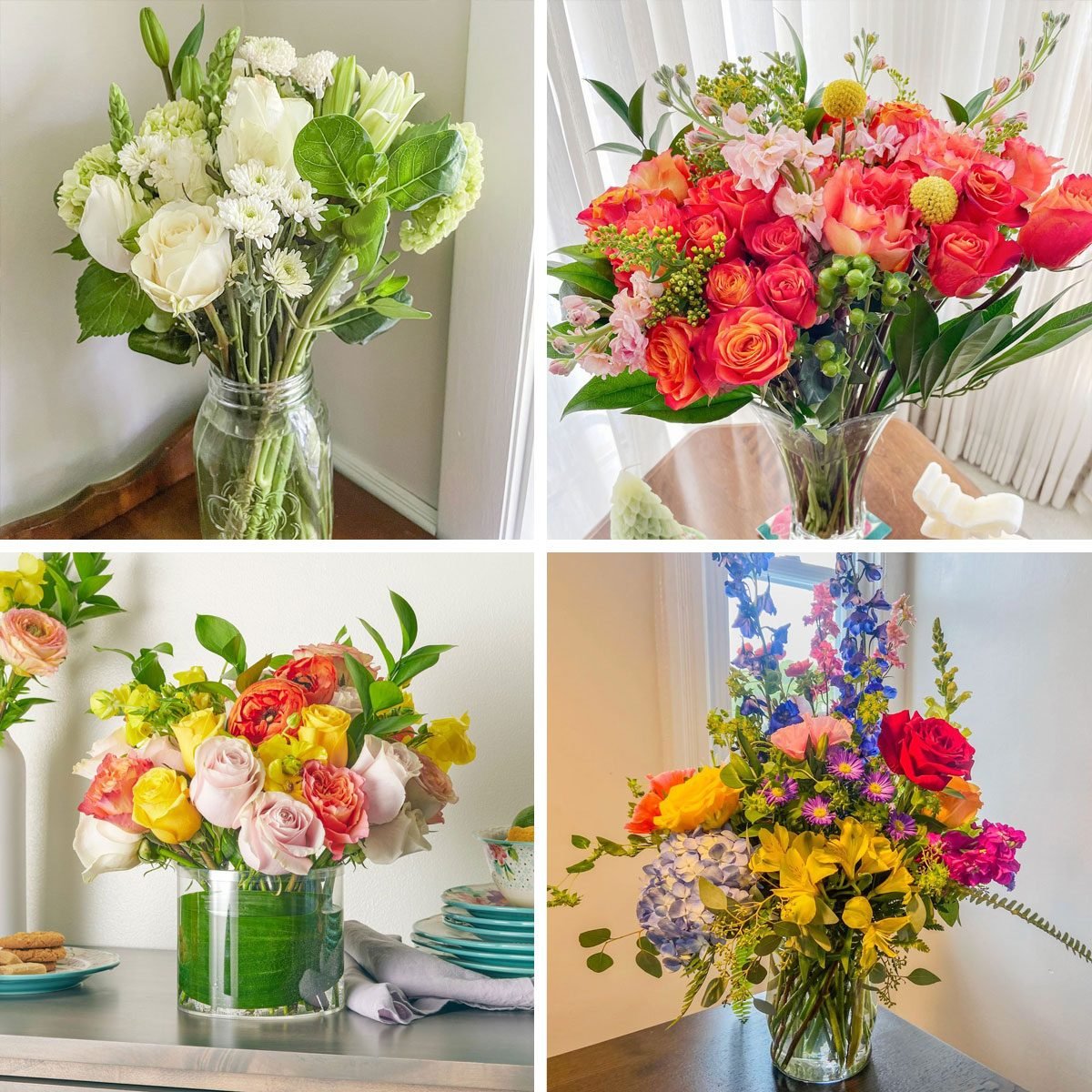
7 Flower Subscription Services Perfect for You (or Your Best Bud)

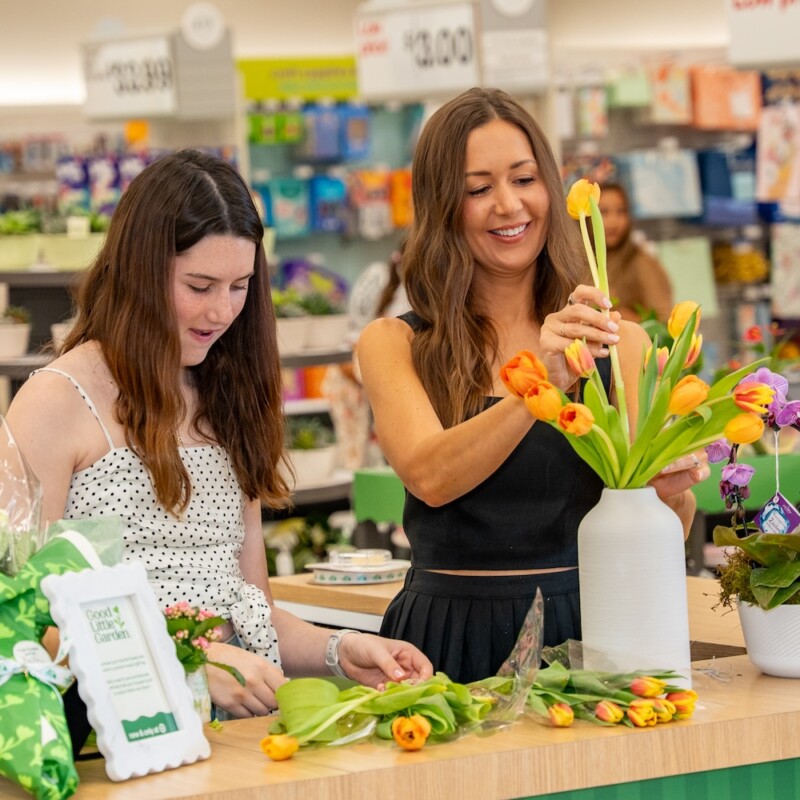
PSA: You Can Now Buy Fresh Flowers at Target (and They’re So Good)

11 Mailbox Designs That Add Charm to Your Home

Gardeners, These Low-Maintenance Perennial Flowers Bloom Every Season

7 Low-Maintenance Plants for Window Boxes That Are Big in Curb Appeal, Little in Effort

19 Colorful and Lush Plant Combinations for Your Window Boxes

5 Unexpected Ways to Display Flowers, No Vase Required

How to arrange flowers like a professional – these 7 rules are all you need according to floral experts

11 Flower Box Ideas That Will Add Charm to Your Windows and Patio
5 patio plants that thrive on neglect: easy-going flowers
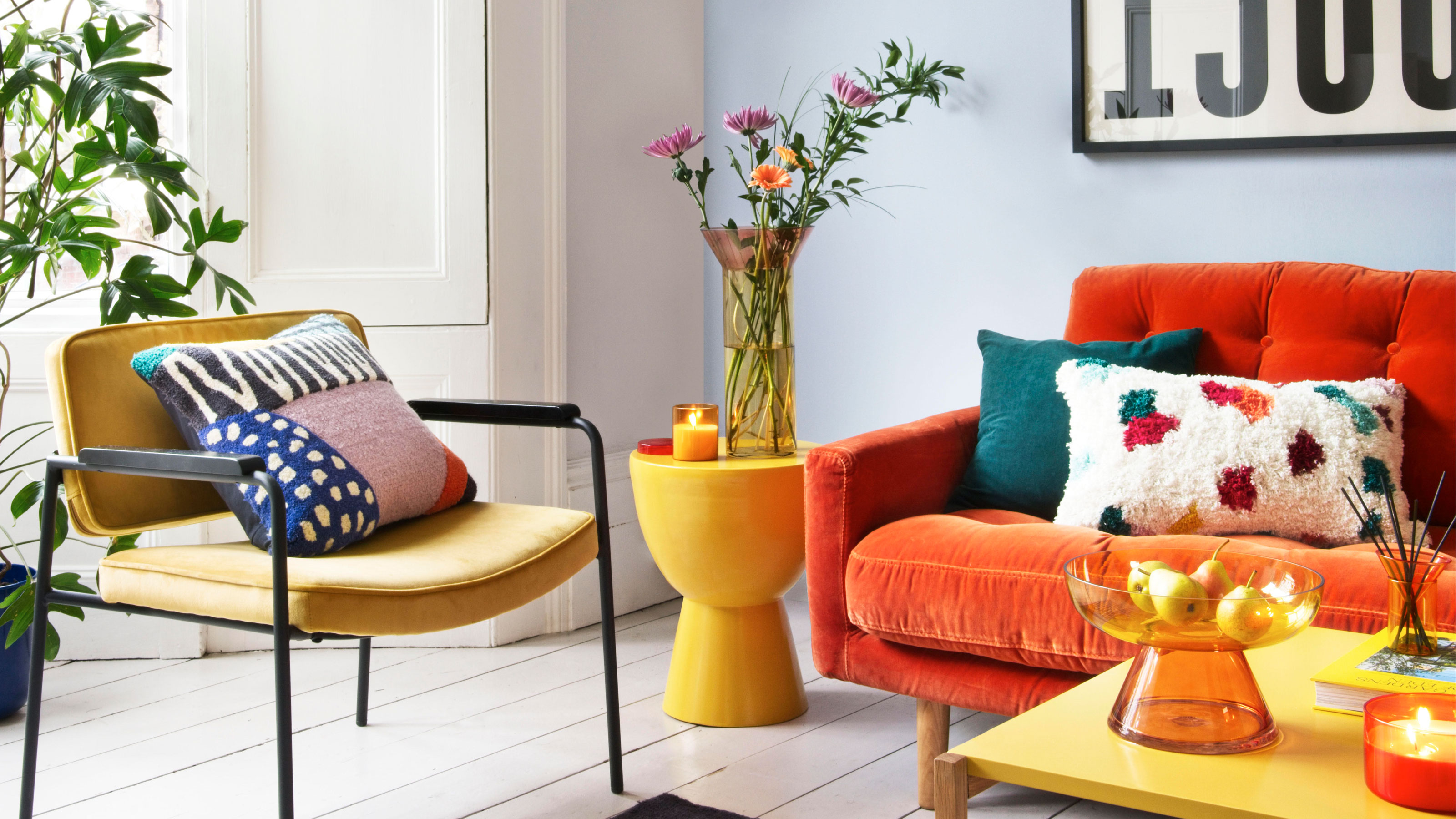
Flower home decor ideas – 12 blooming looks that'll add instant cheer to your home

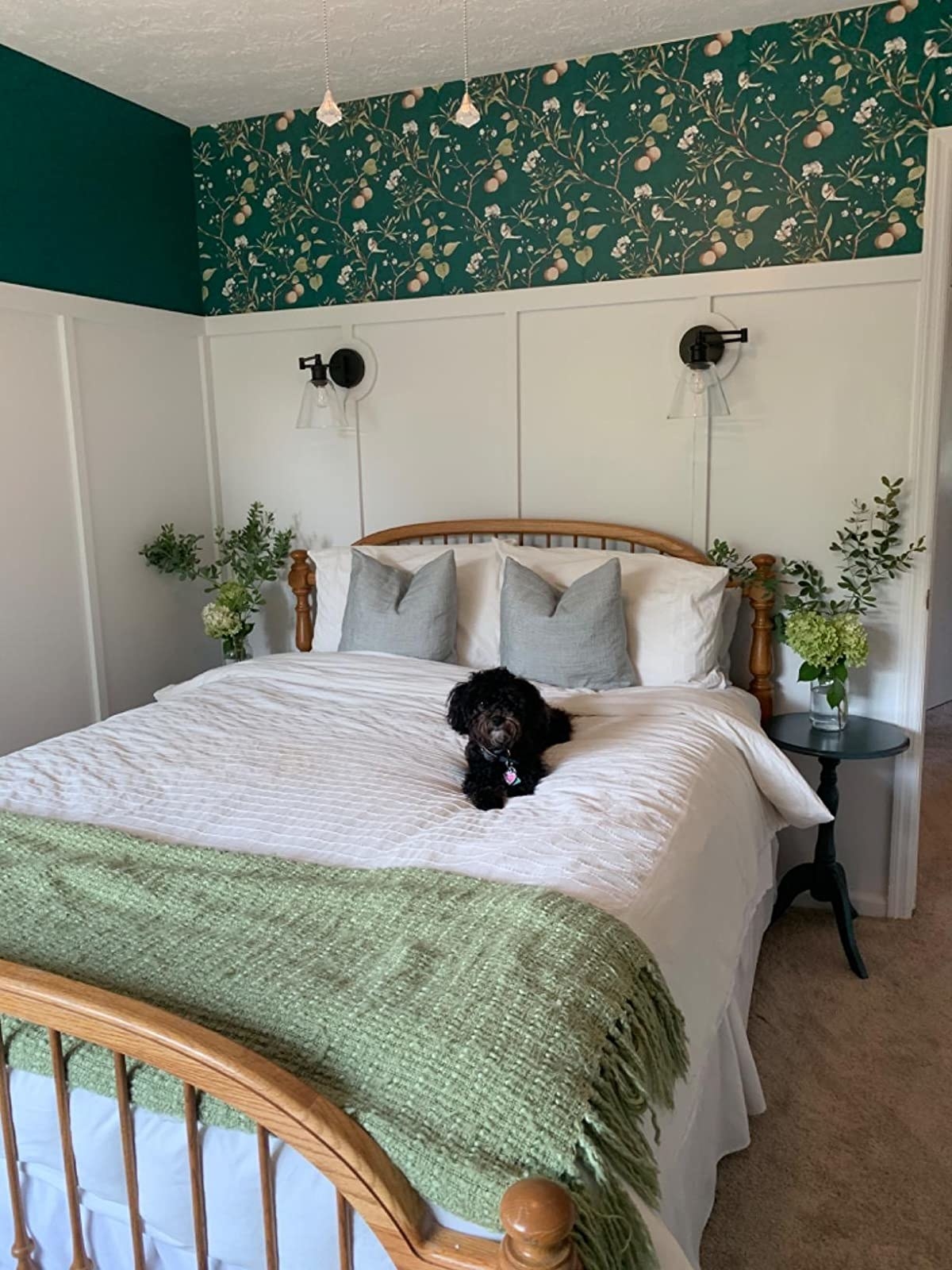
15 Floral Peel-And-Stick Wallpapers If Your Plant Collection Just Isn't Big Enough

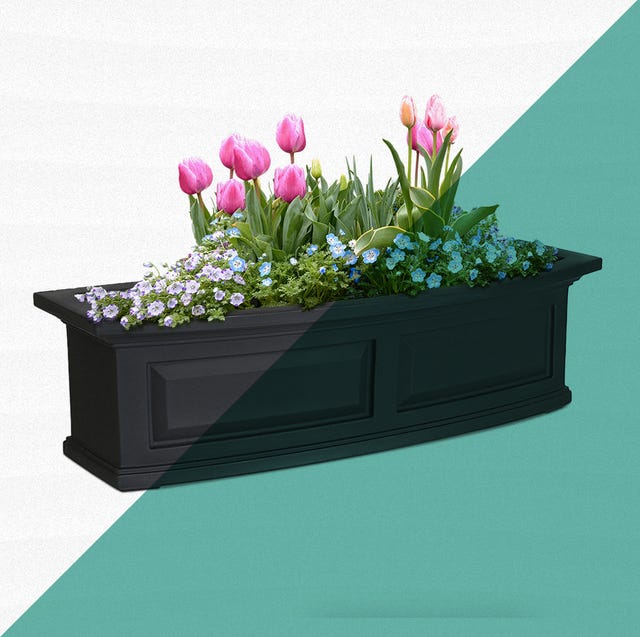
Grow Your Favorite Blooms in These Top-Rated Window Boxes

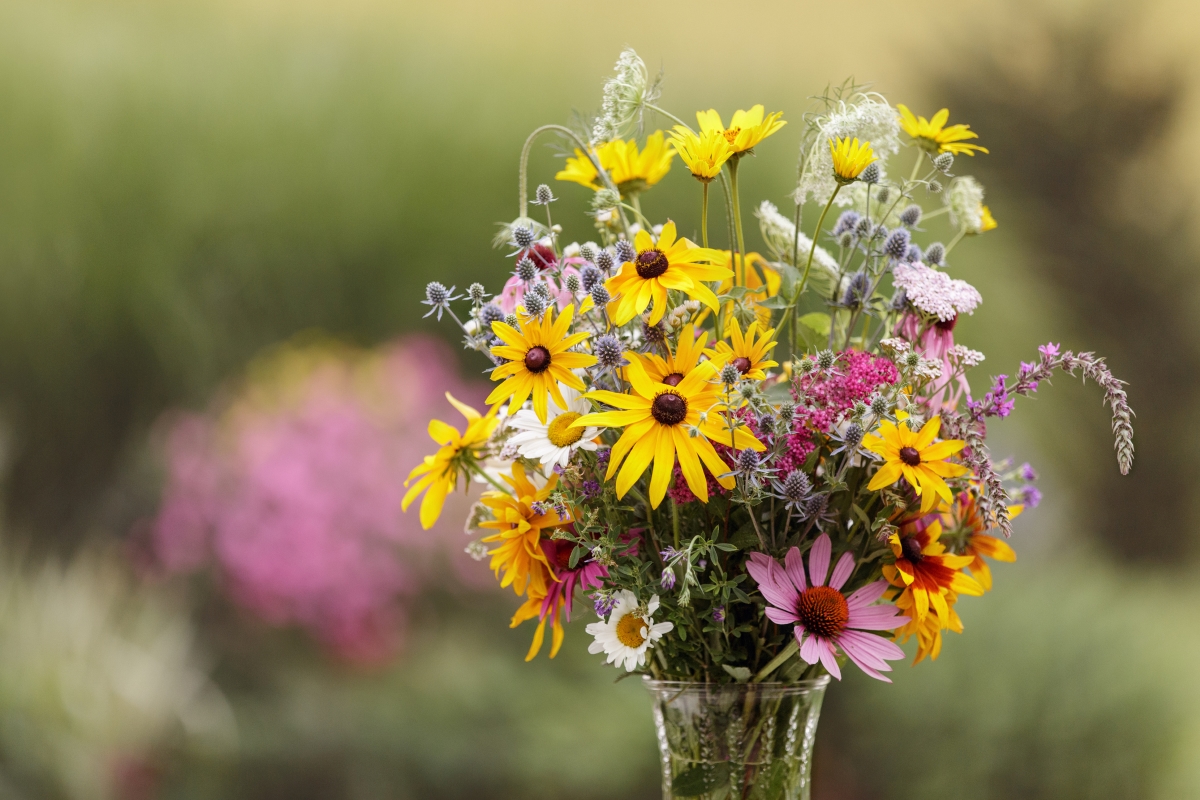
15 Cut Flowers to Grow for Stunning Homemade Bouquets


How to Elevate Your Farm Stand Flowers

19 Fragrant Flowers That Will Make Your Garden Smell–and Look—Amazing