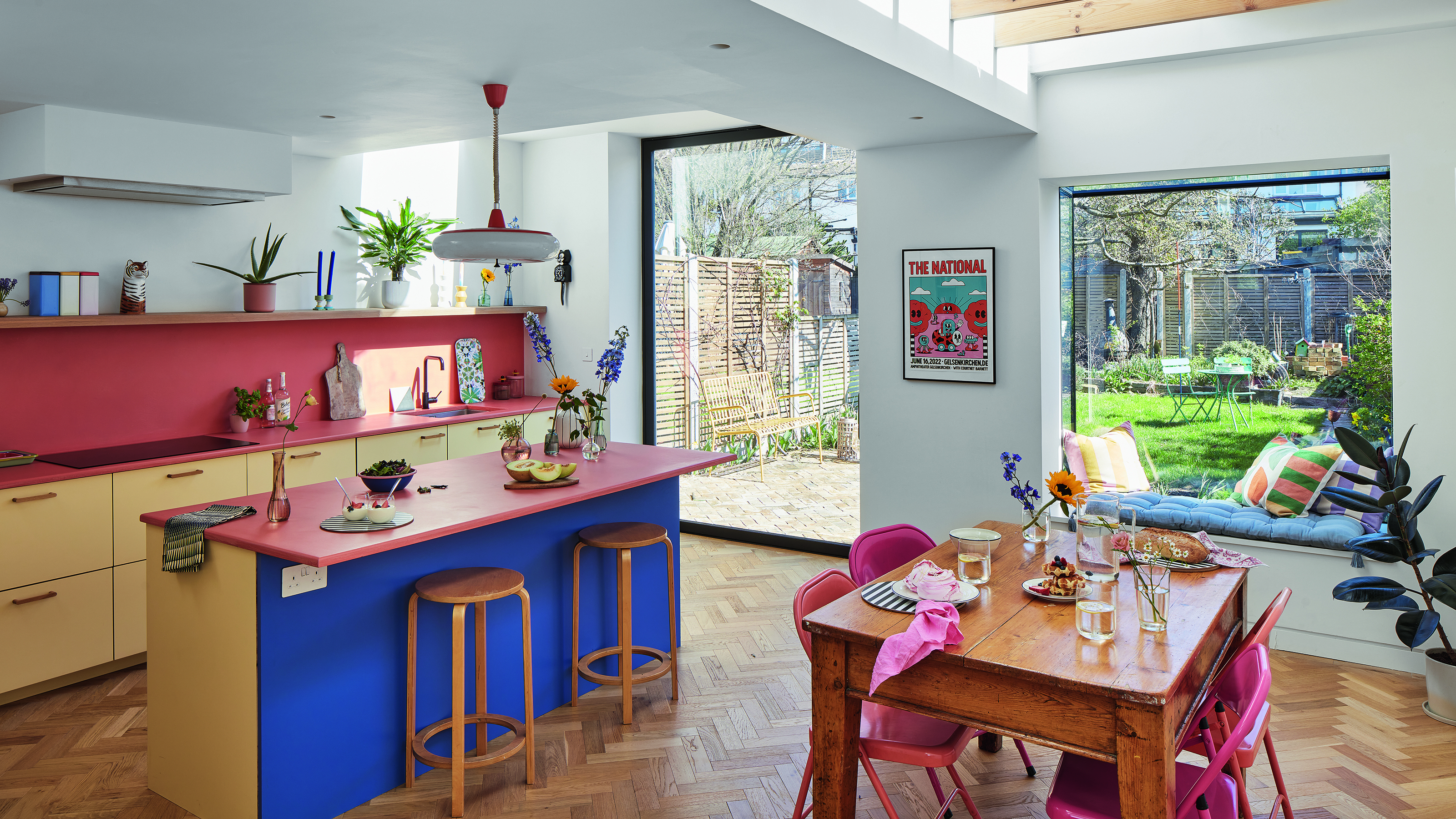
1/16
14 kitchen cabinet ideas to inspire an on-trend yet practical cooking space in 2025
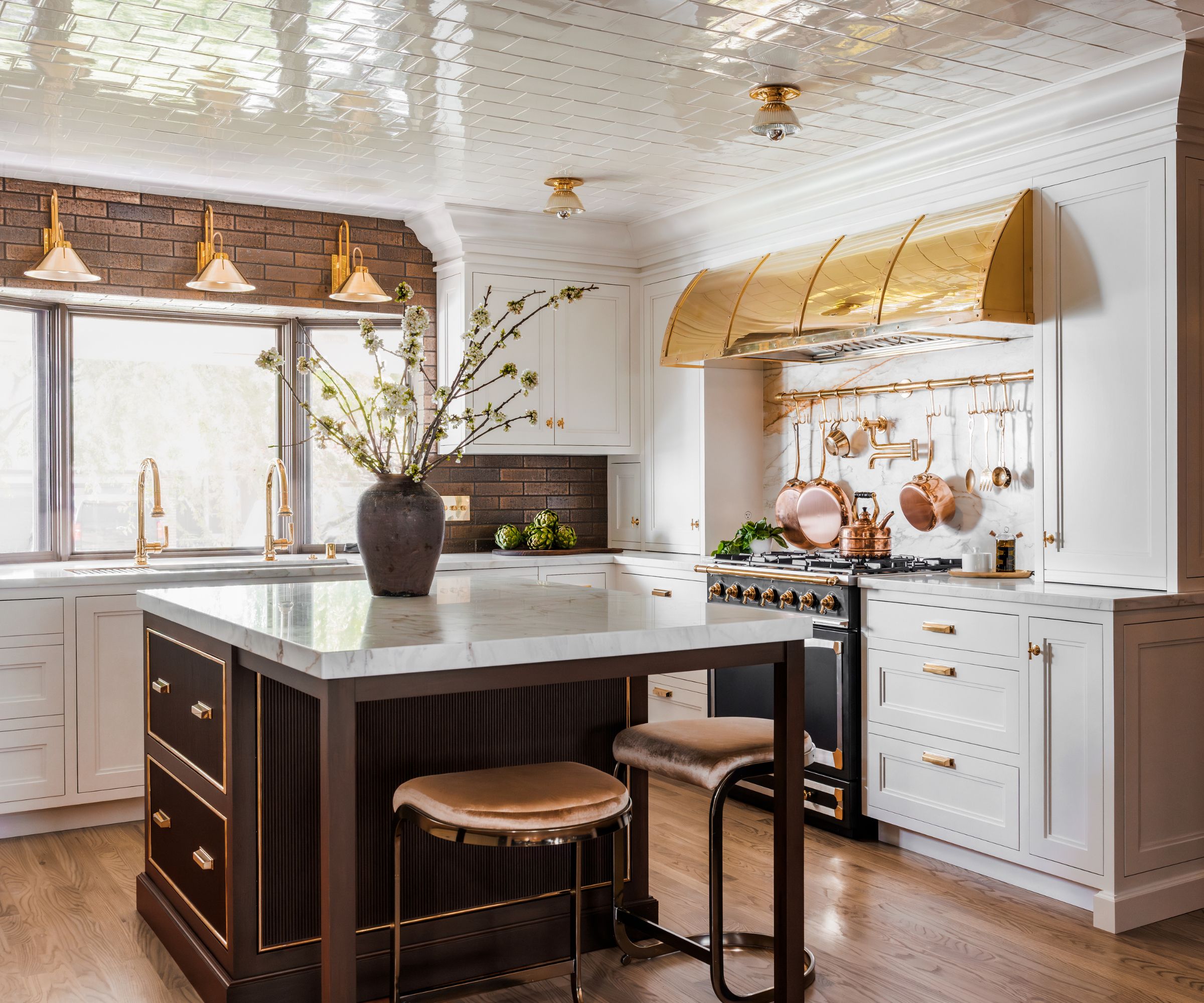
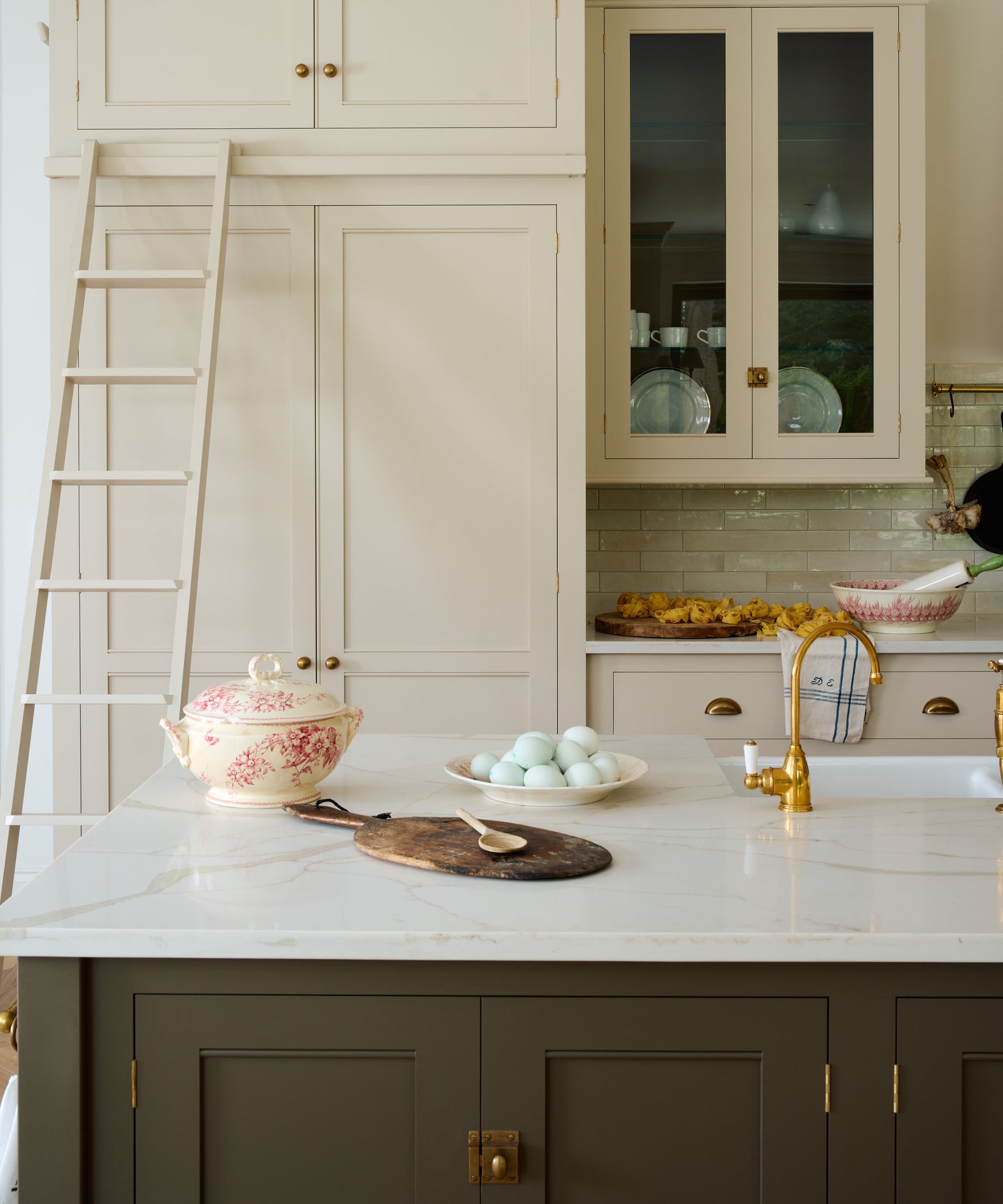
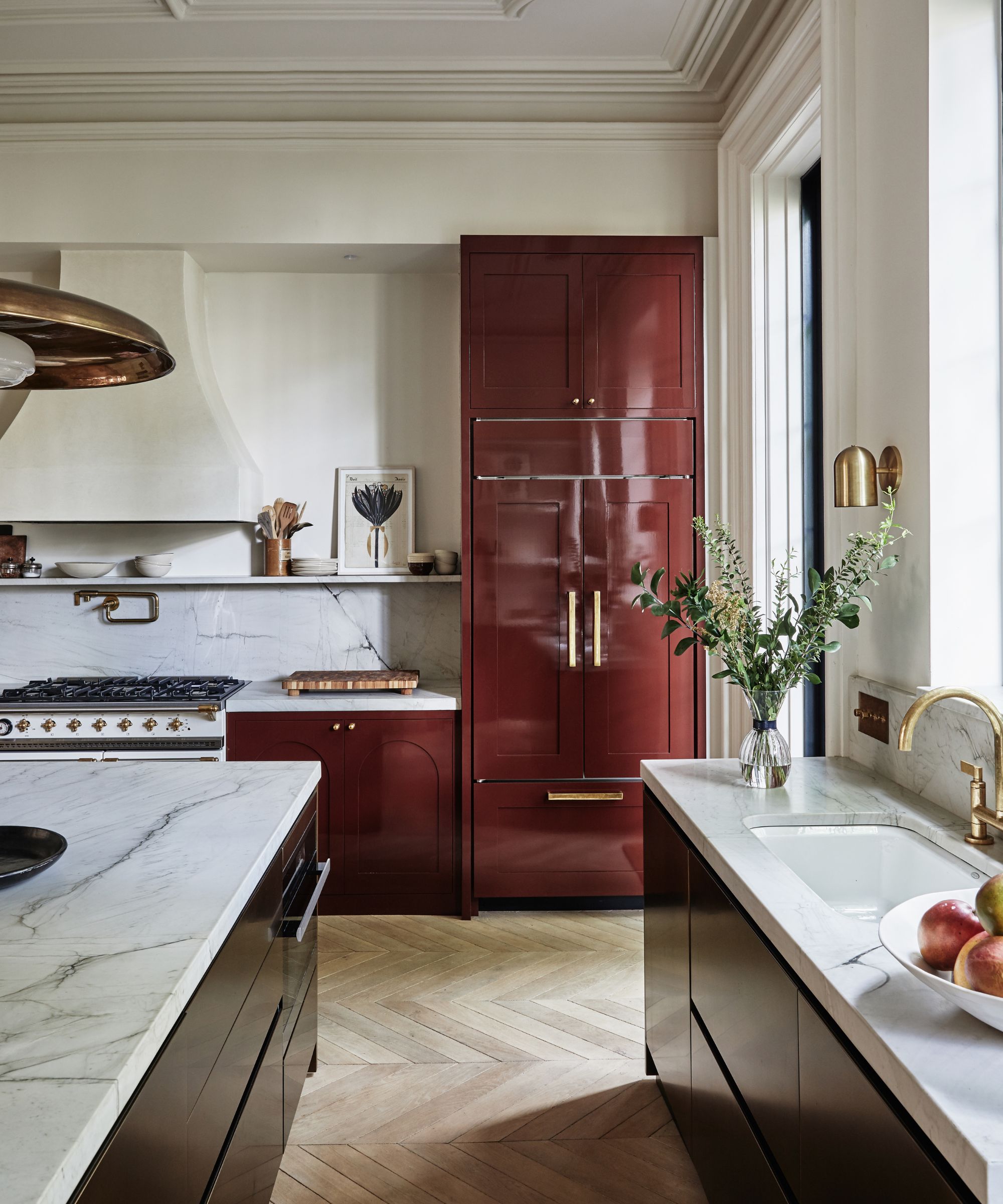
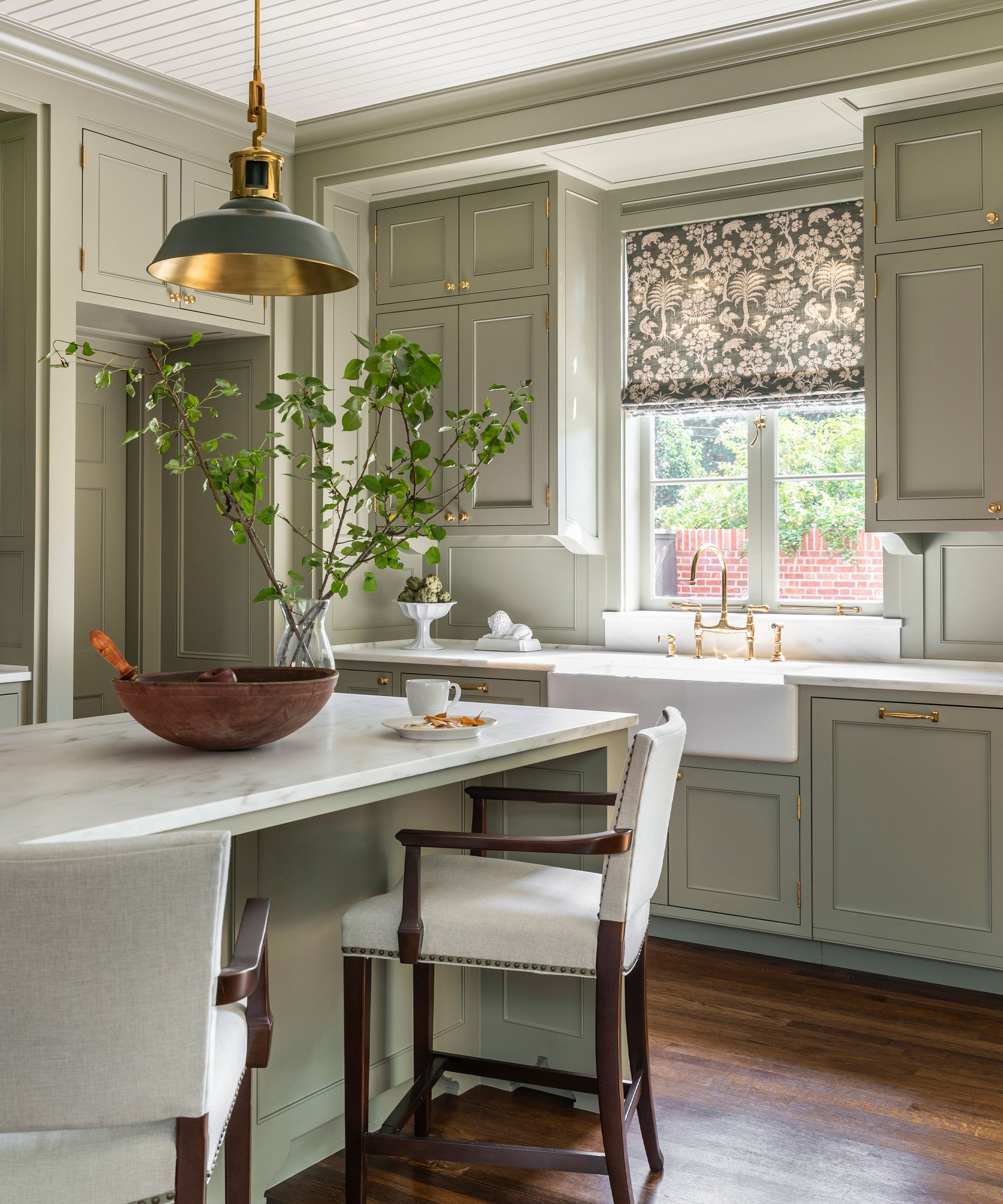
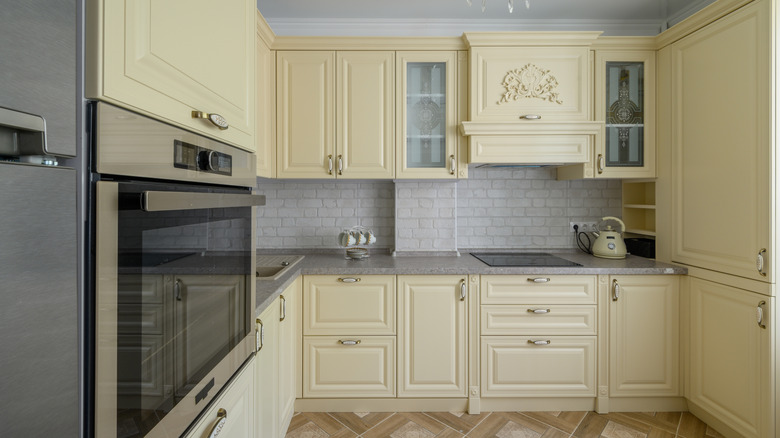
This article explores fourteen diverse and inspiring kitchen cabinet ideas to create both on-trend and practical cooking spaces in 2025. It begins by emphasizing that selecting kitchen cabinets involves more than just choosing a door design, though starting with preferences like Shaker, Georgian, beaded panel, cathedral arch, or plain slab fronts is crucial. The article also differentiates between modern lay-on doors, which are often more affordable and space-saving, and classical in-frame styles, which offer a more upscale ambiance.
Beyond basic aesthetics, the article encourages considering creative kitchen elements such as dynamic color combinations, unique finishes, and smart shelving. Interior designer Irene Gunter suggests layering interest by focusing on texture, shape, and scale to create a kitchen that reveals more details upon closer inspection.
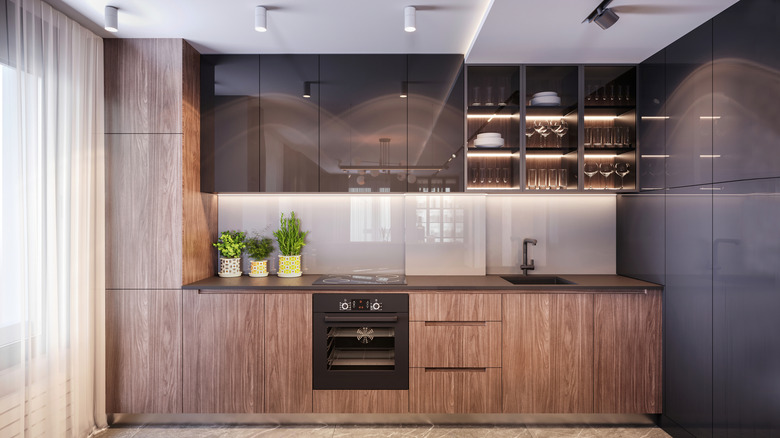
One featured idea is the use of plywood for cabinetry, praised for its durability, hardwearing nature, and sustainability. The article notes that plywood doors and panels can be an affordable option when fitted to existing carcases from brands like Ikea and Wickes. It highlights plywood's environmental benefits, being manufactured with fewer chemicals, and advises checking for FSC certification and formaldehyde-free lacquers. For quality and longevity, B/BB graded plywood is recommended, with George Glasier, co-founder of Pluck, emphasizing its natural warmth and durability despite being slightly more expensive than materials like MDF.
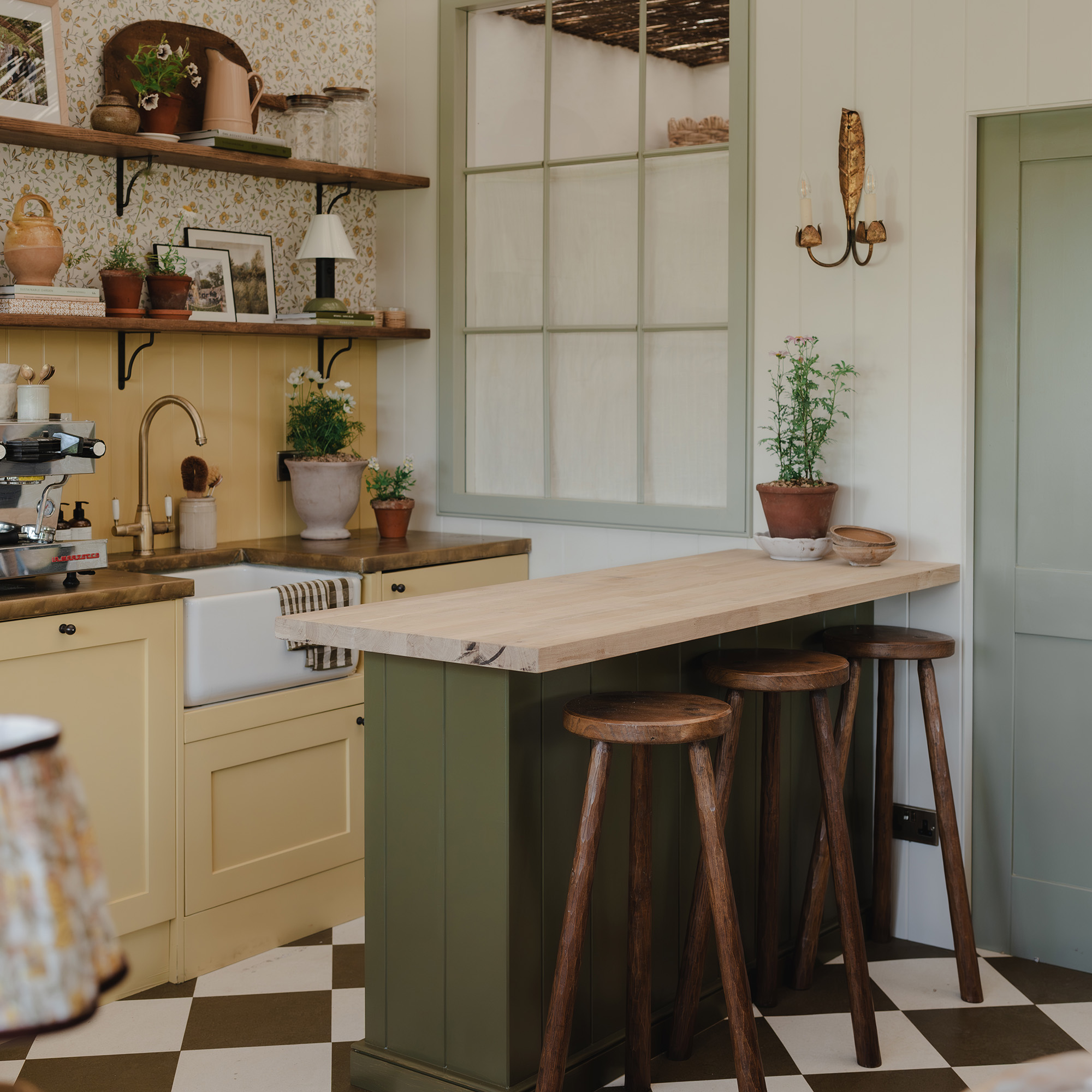
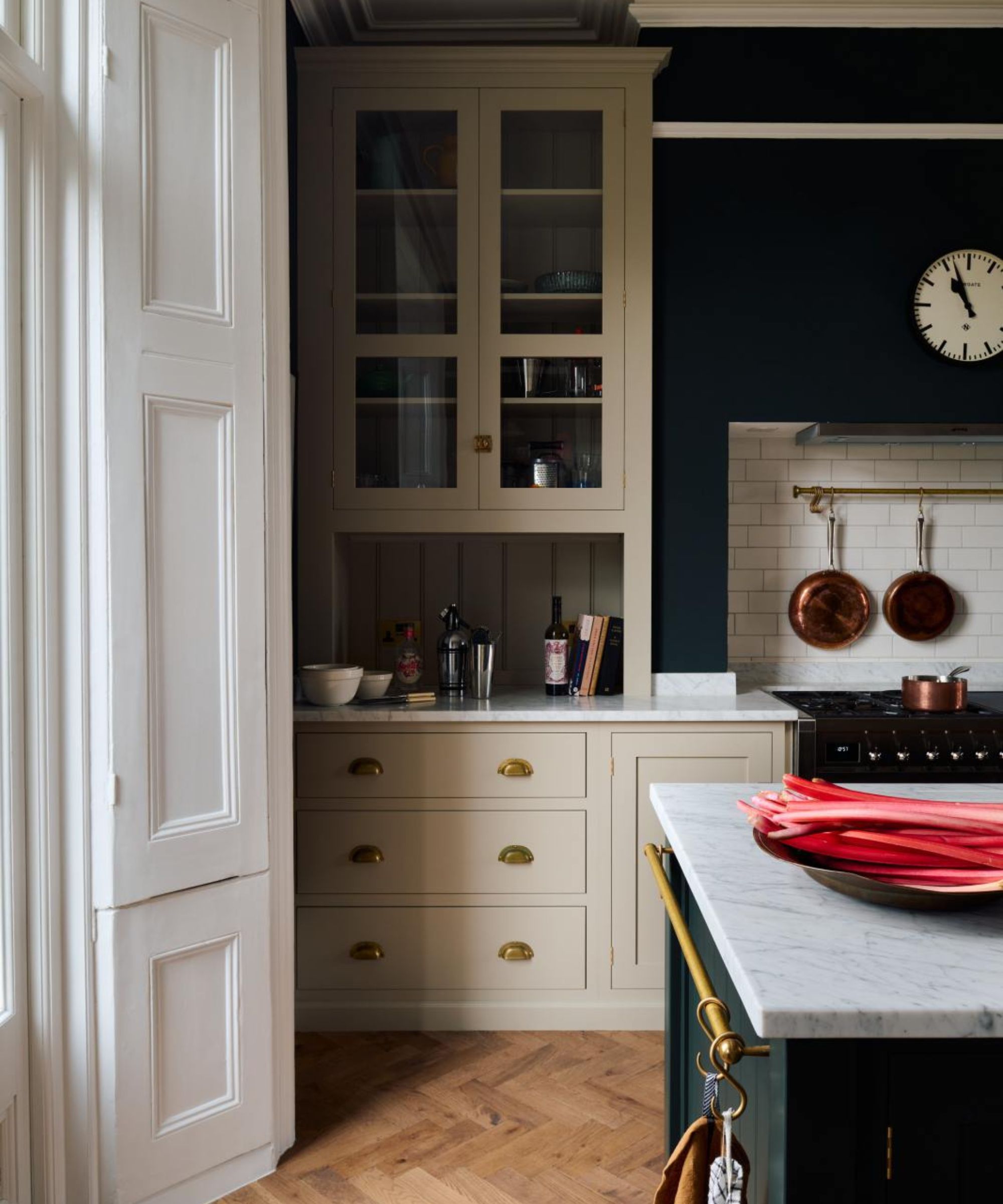
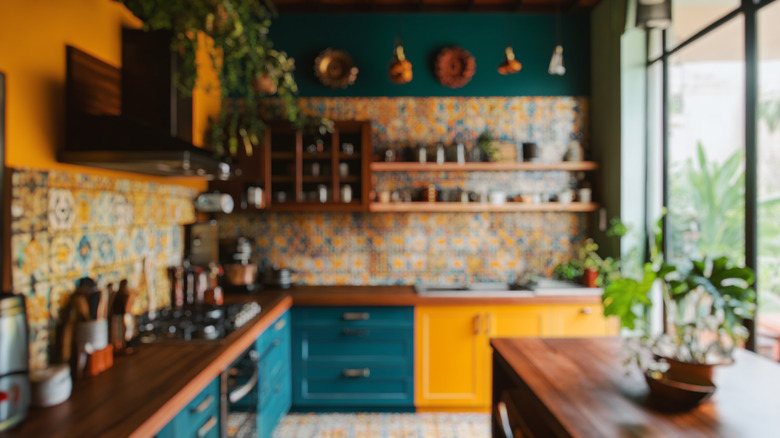
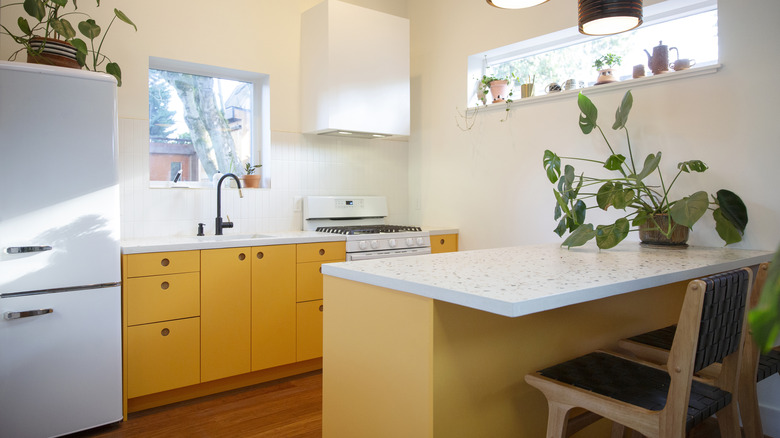
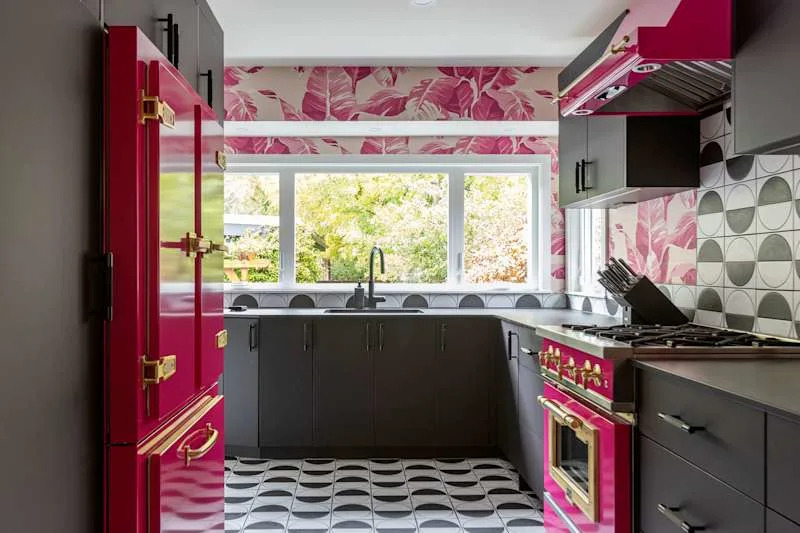
The article then delves into incorporating color, suggesting that even small doses can be effective for those hesitant about bold choices. Interior designer Kate Guinness recommends using a mustard yellow splashback to enliven dark-painted units, noting its ease of refreshment and how it can be combined with timeless marble worktops and timber flooring for a balanced, yet gutsy look. She stresses that pops of color can break monotony and uplift mood.
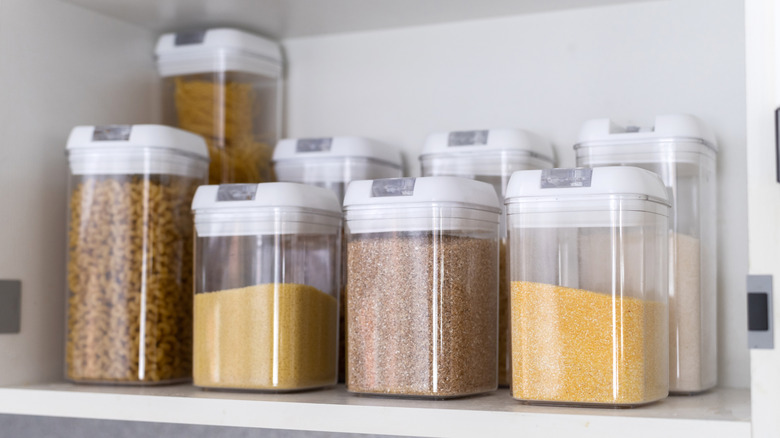
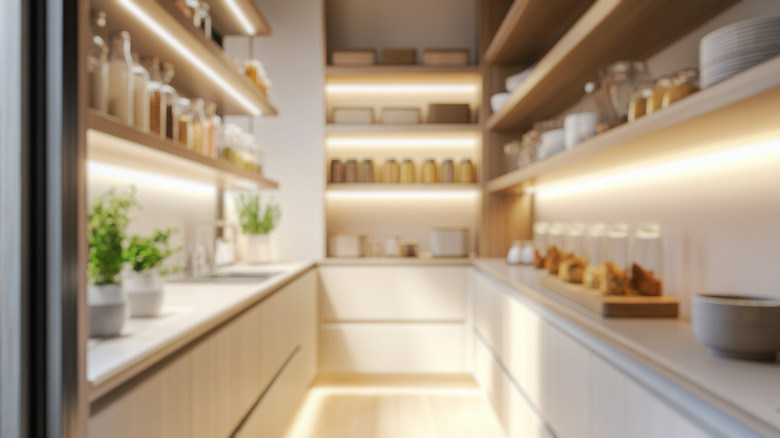
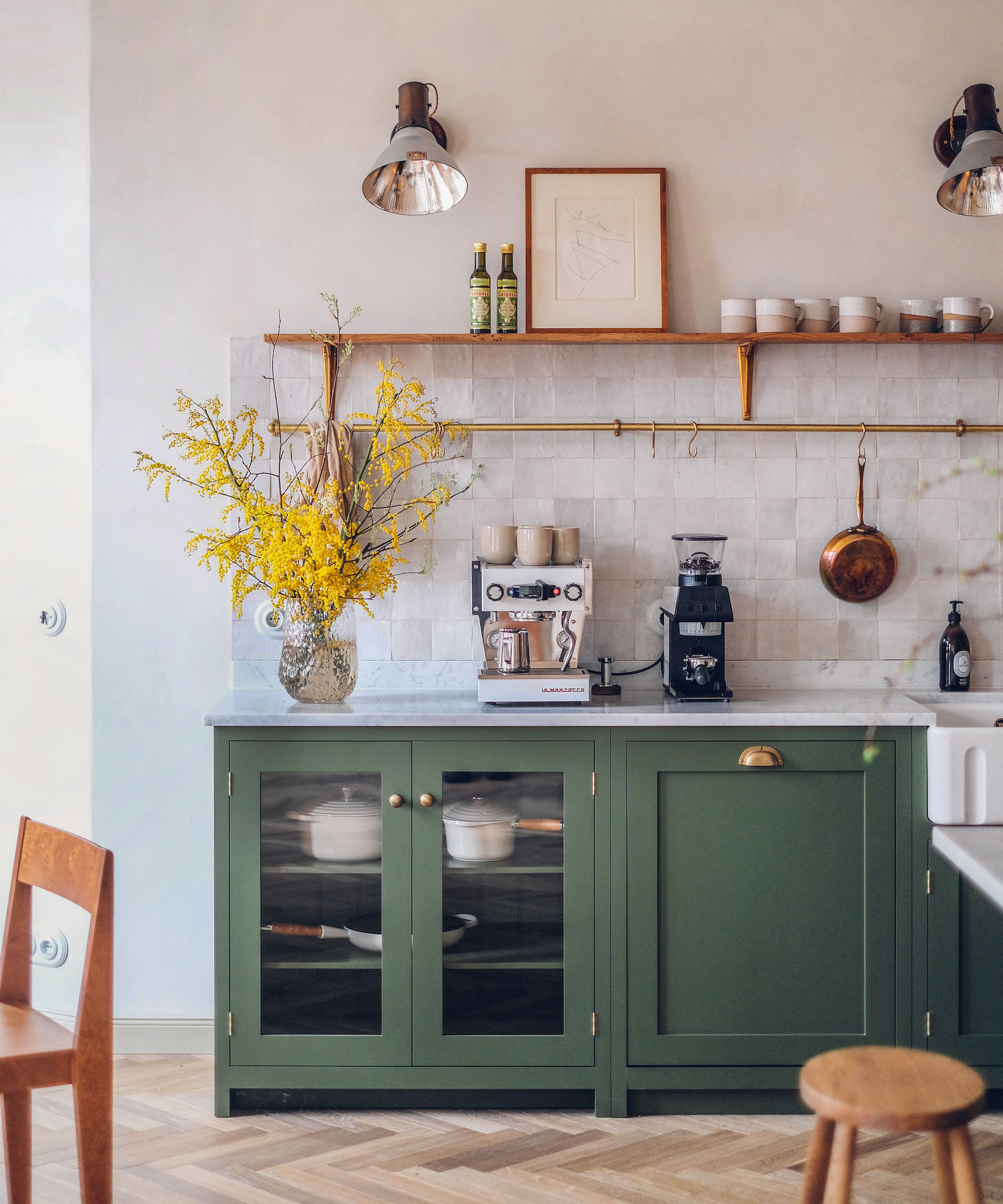
Another practical and aesthetic suggestion is the integration of good-looking shelves. While open shelves offer a relaxed look and instant access, they must also provide practical storage. The article uses a modular timber design as an example, where attractive shelving allows contents to be less than perfectly organized. Enass Mahmoud, an interior designer, advises placing everyday items on lower shelves and decorative displays on higher ones, and suggests decanting foods into stylish containers to maintain a neat appearance.
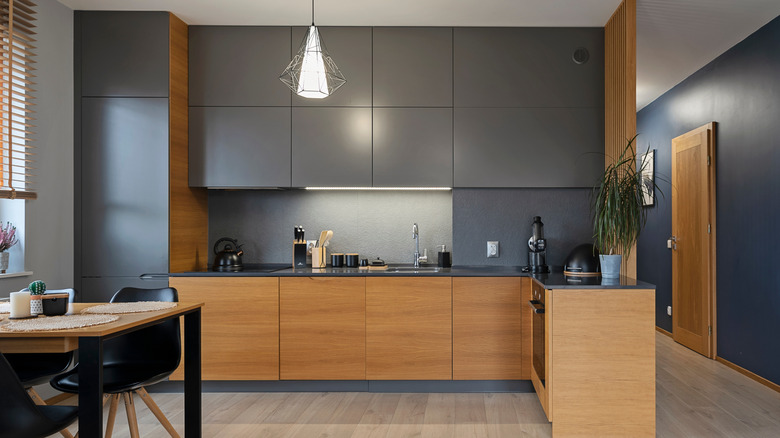
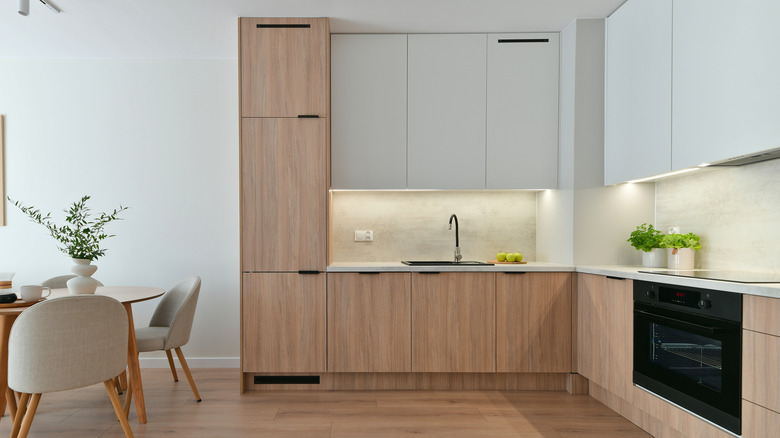
Handleless cabinets are presented as a sleek, uncluttered, and timeless option, offering a streamlined design that is also child-friendly by preventing bumps. Keith Atkins of DesignSpace London mentions recessed handles and push-opening systems as popular choices, and even remote-control door opening systems for gadget enthusiasts. However, he advises fitting handles for integrated appliances like fridge-freezers for better grip. The article also touches upon breaking up large expanses of cabinetry with baskets, particularly those made from rattan or wicker, to add rustic charm and aerated storage for items like vegetables and bread. Wirework trays are suggested for a more contemporary, industrial feel.
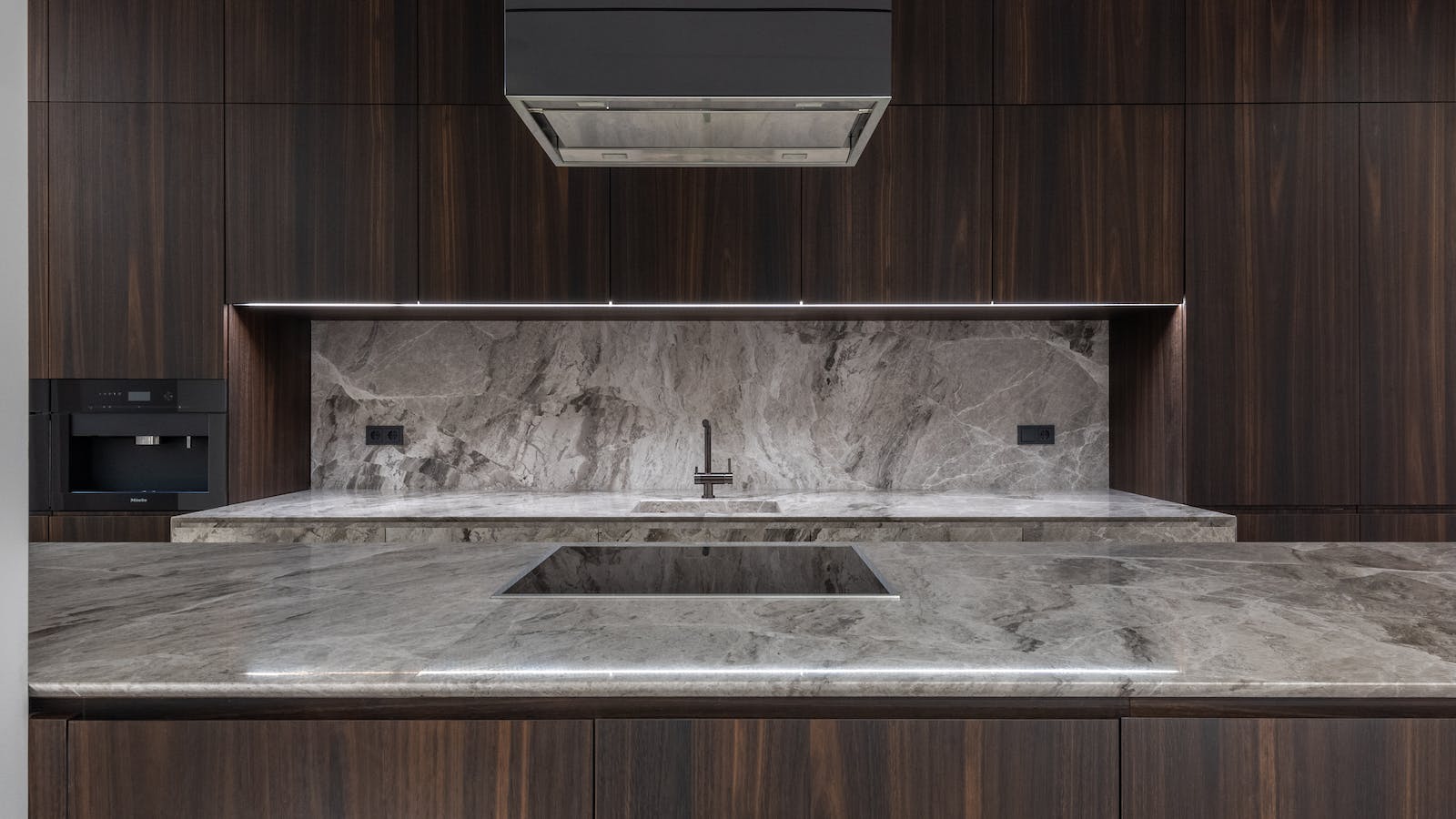
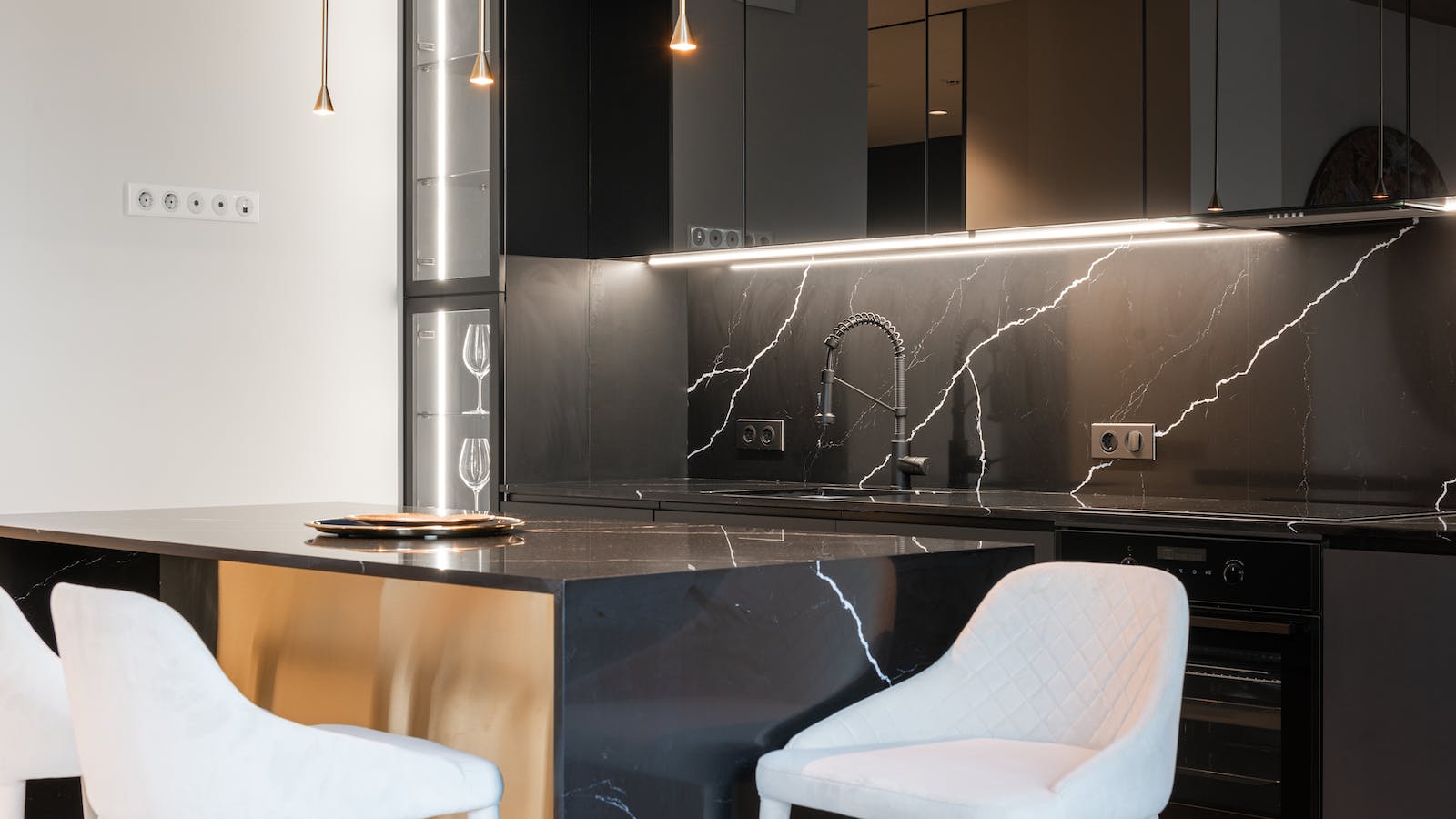
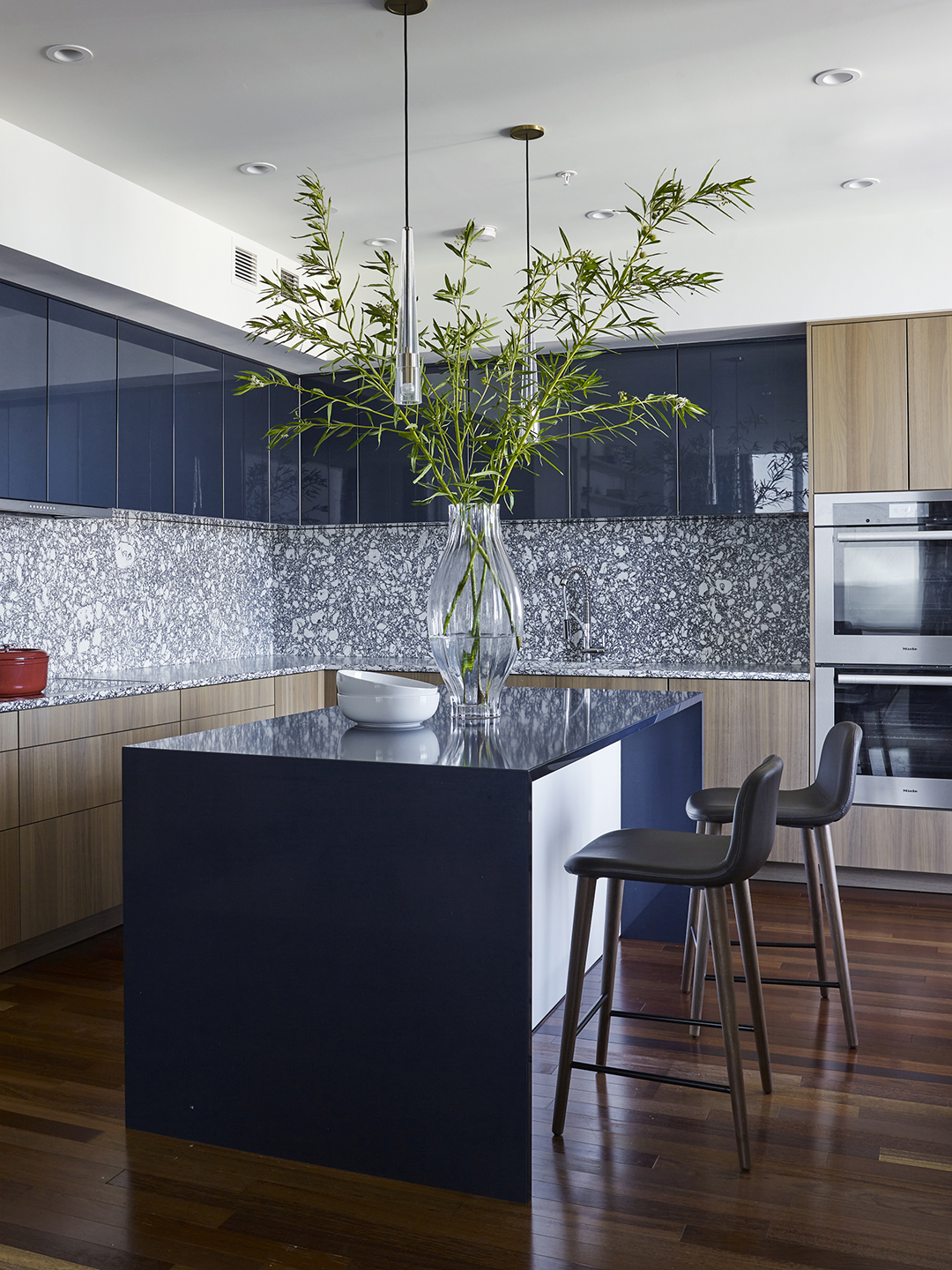
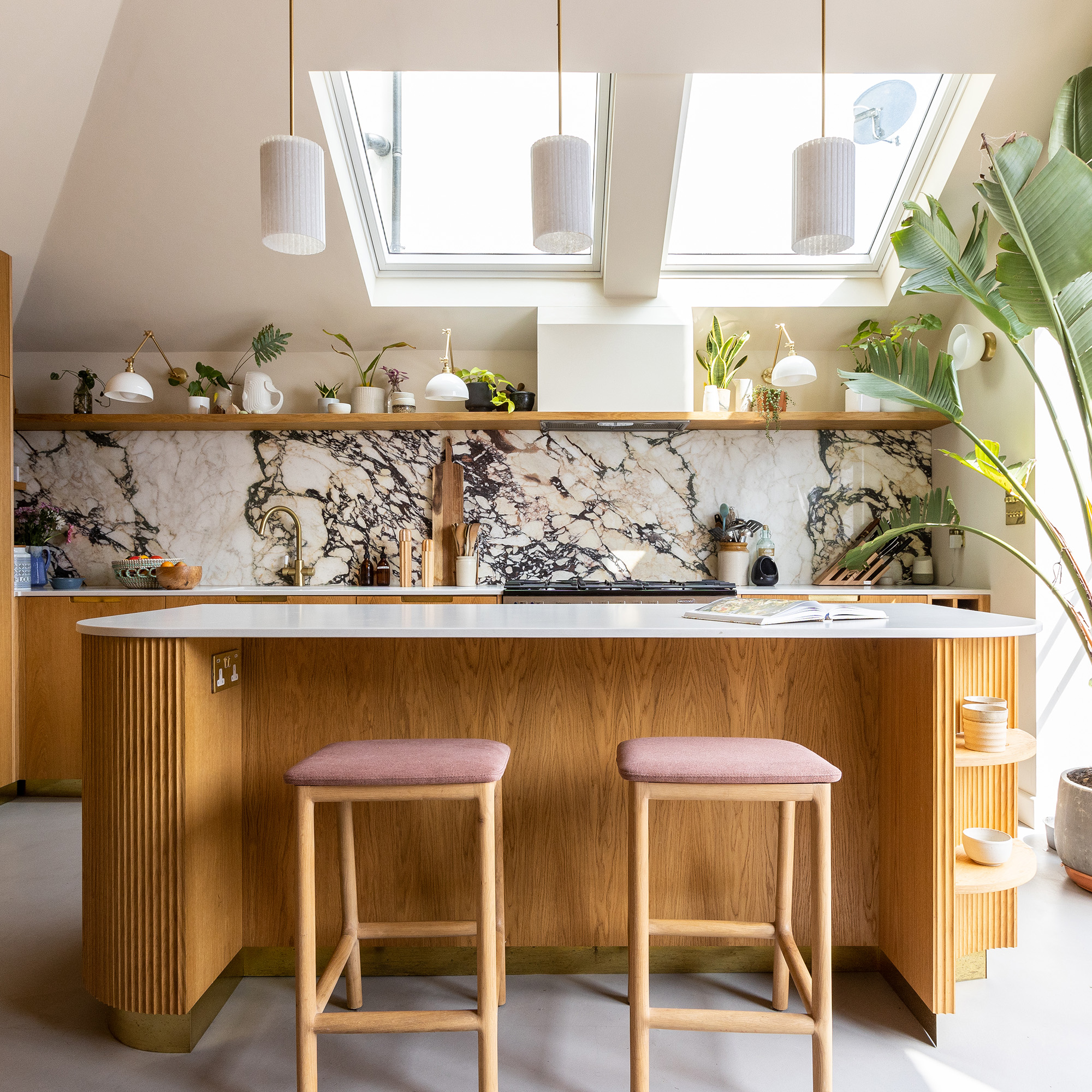
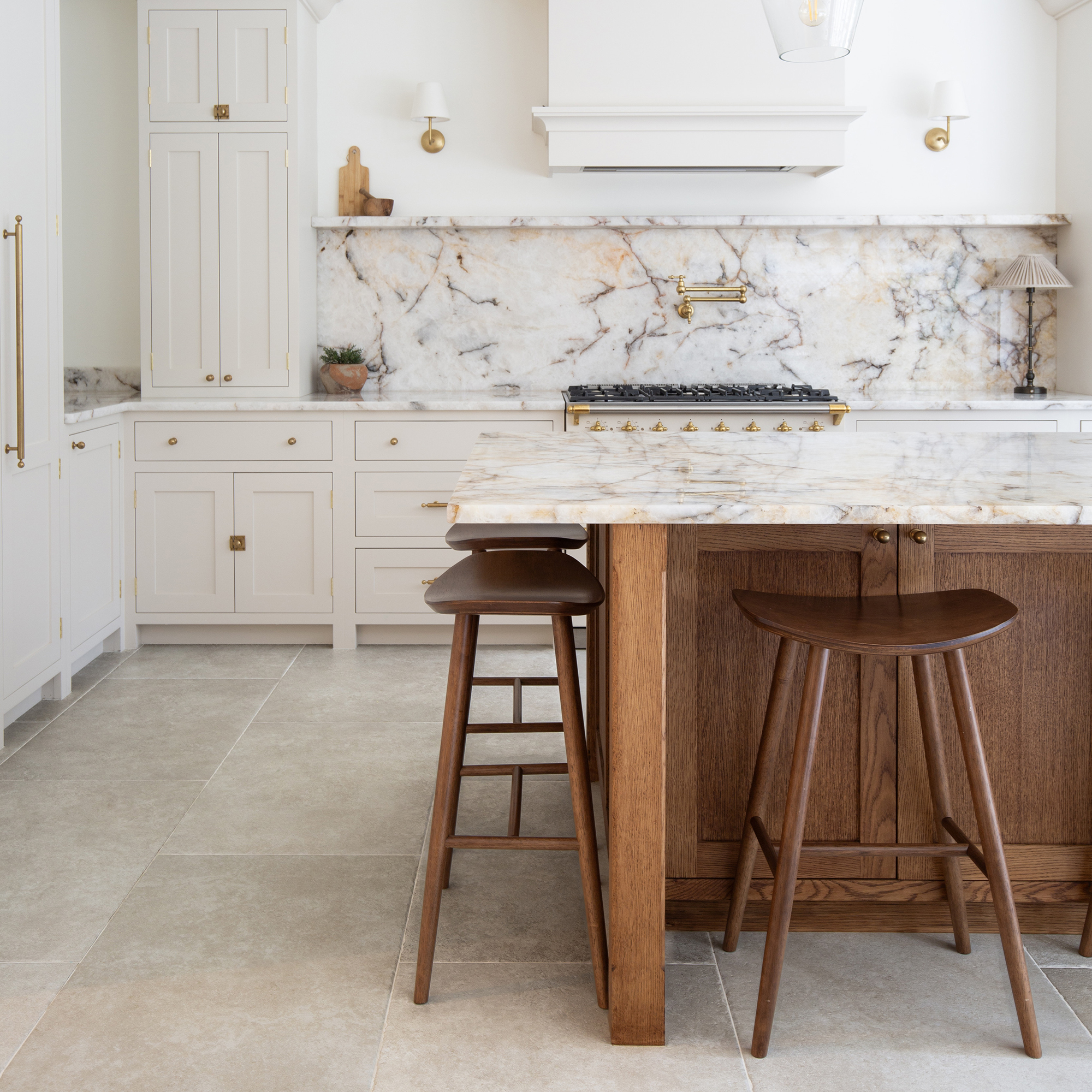
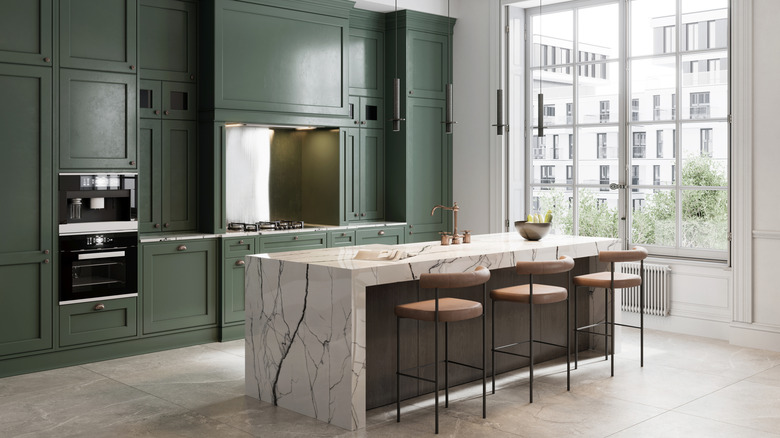
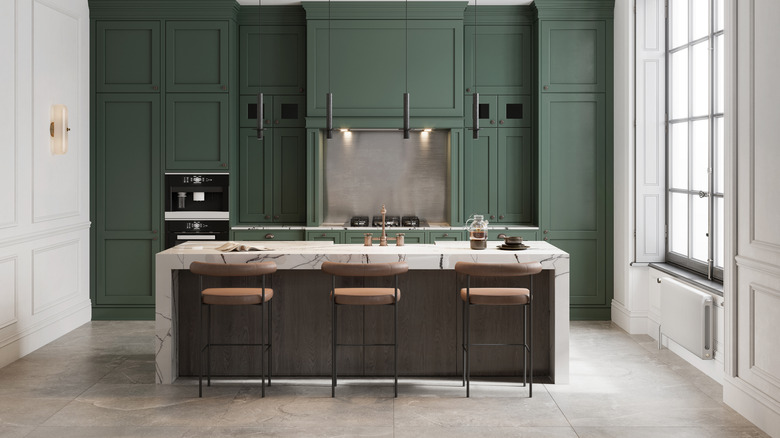
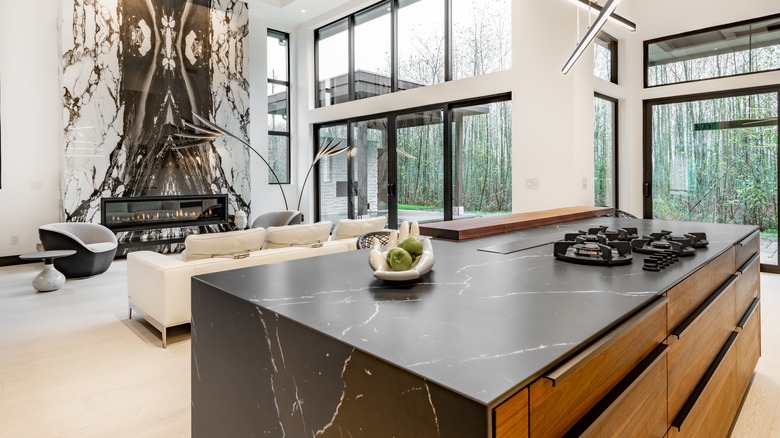
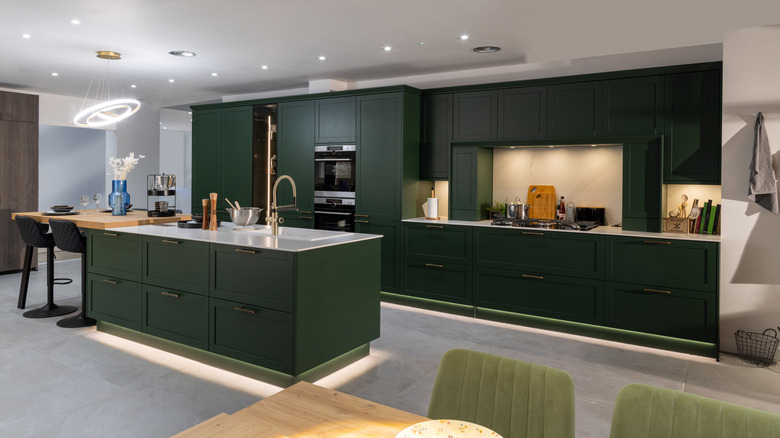
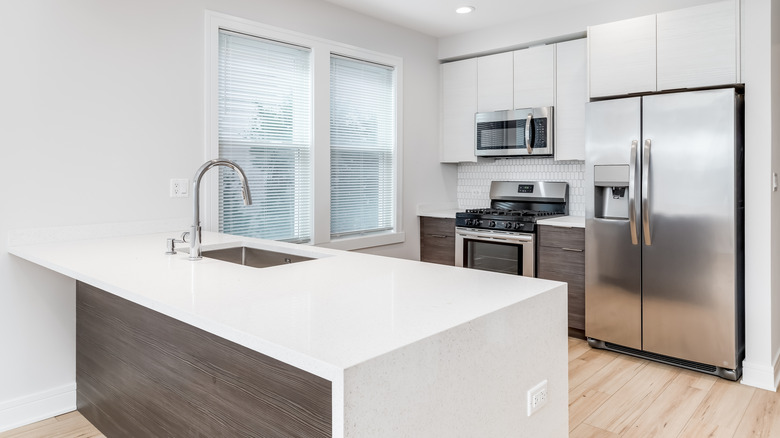
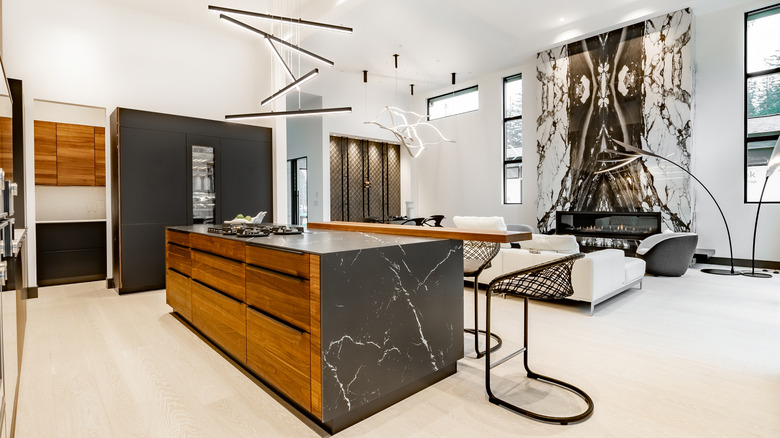
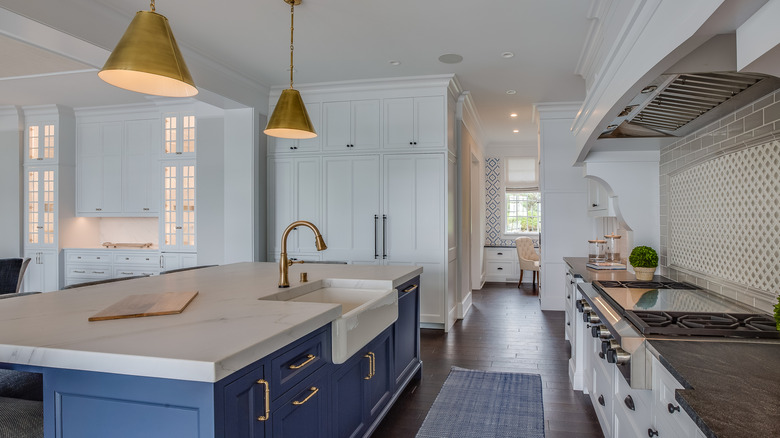
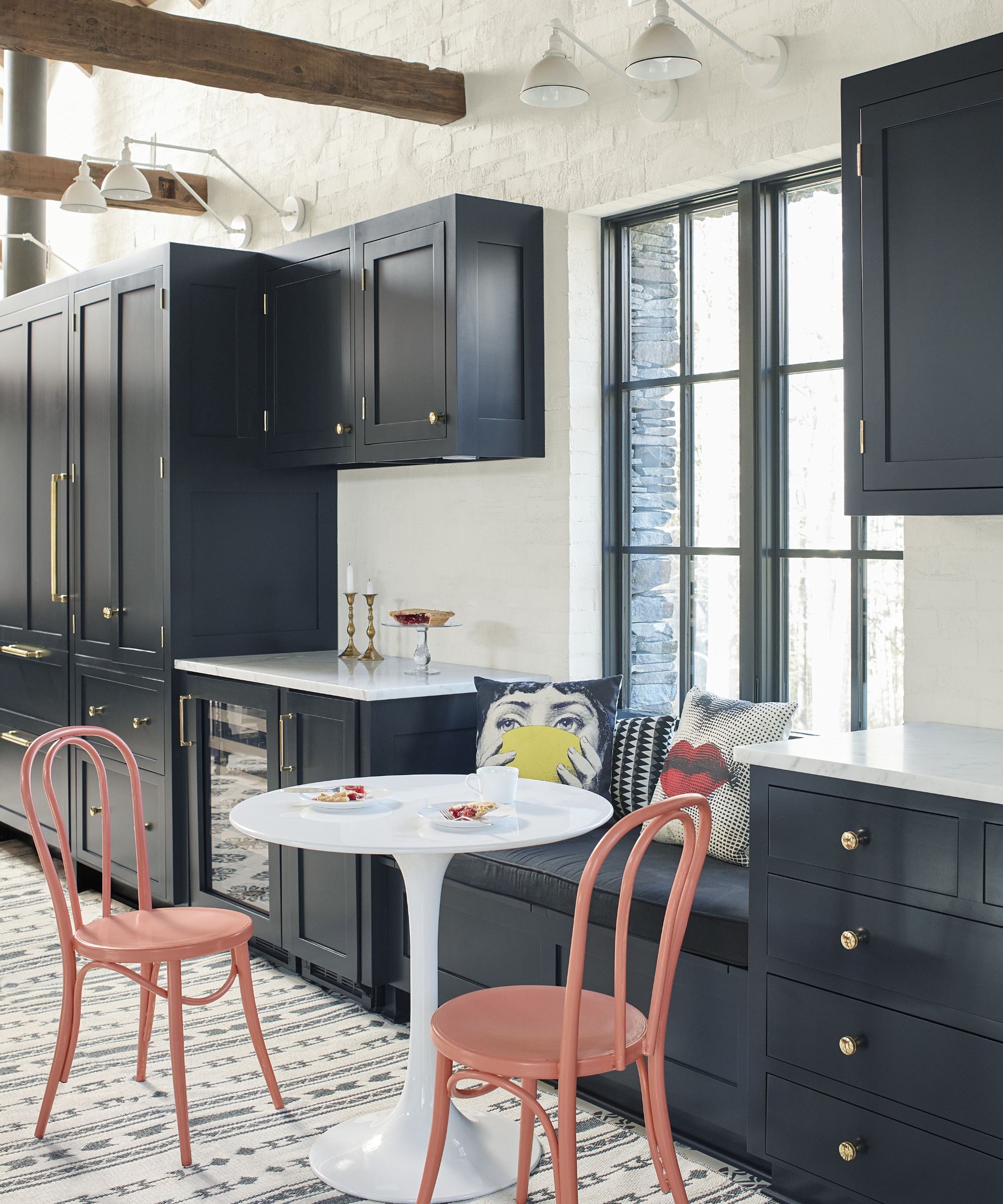
For a classic look with a modern twist, the article recommends dialling it dark with Shaker cabinets. Peter Humphrey of Humphrey Munson suggests muted blacks with grey or blue undertones for a cool, understated finish. Incorporating timber is another idea, focusing on combining sleek elements with natural, textured finishes. Andrew Hamilton Barr of Espresso Design suggests using timber below eye-level and lighter surfaces above to keep the look modern, and mentions the growing interest in dark, herringbone, or bi-directional wood veneers for warmth and textural contrast. The article also discusses 'waterfall edge' worktops, where the surface seamlessly extends to the floor, often seen on island units and particularly effective with deeply veined marbles.
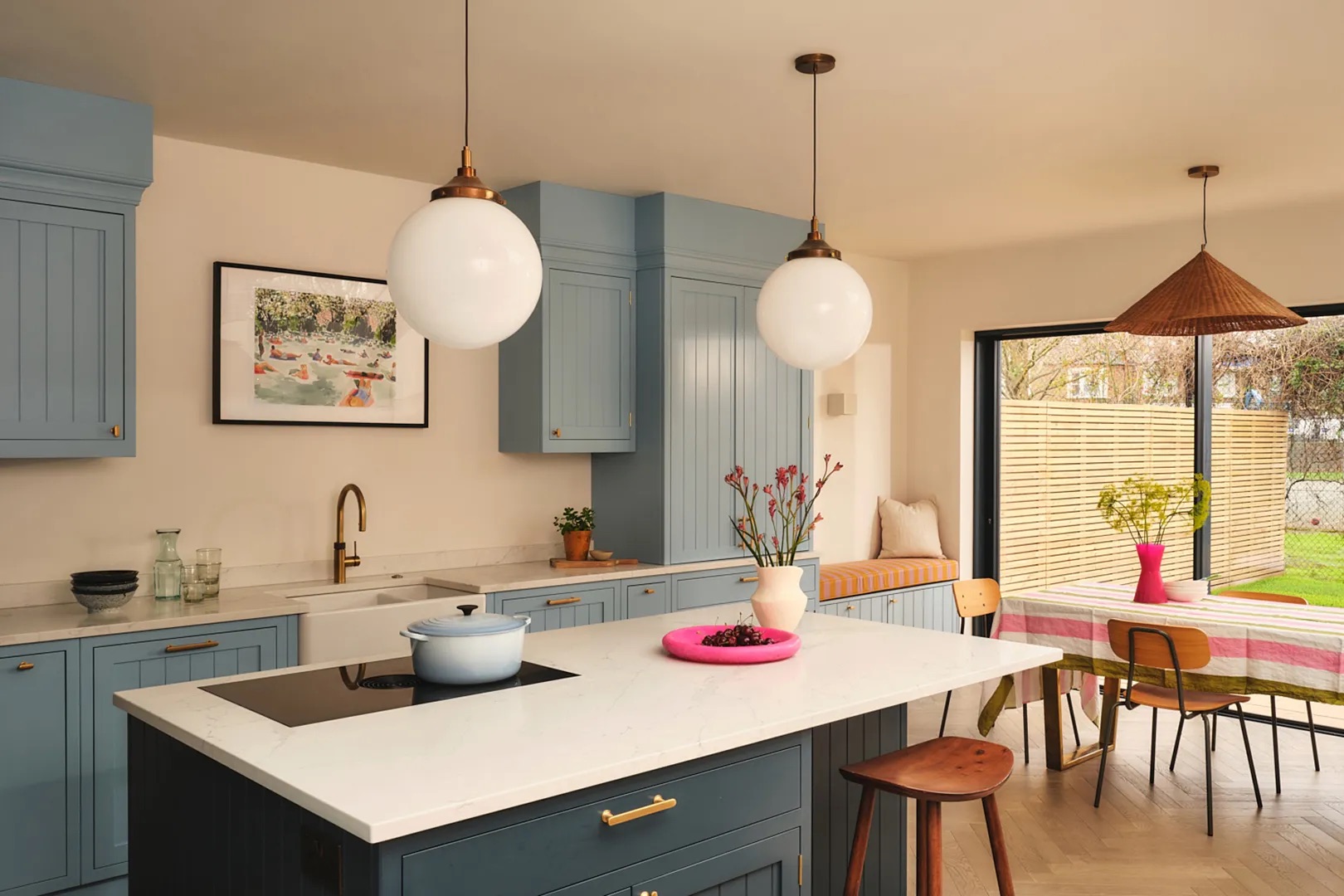
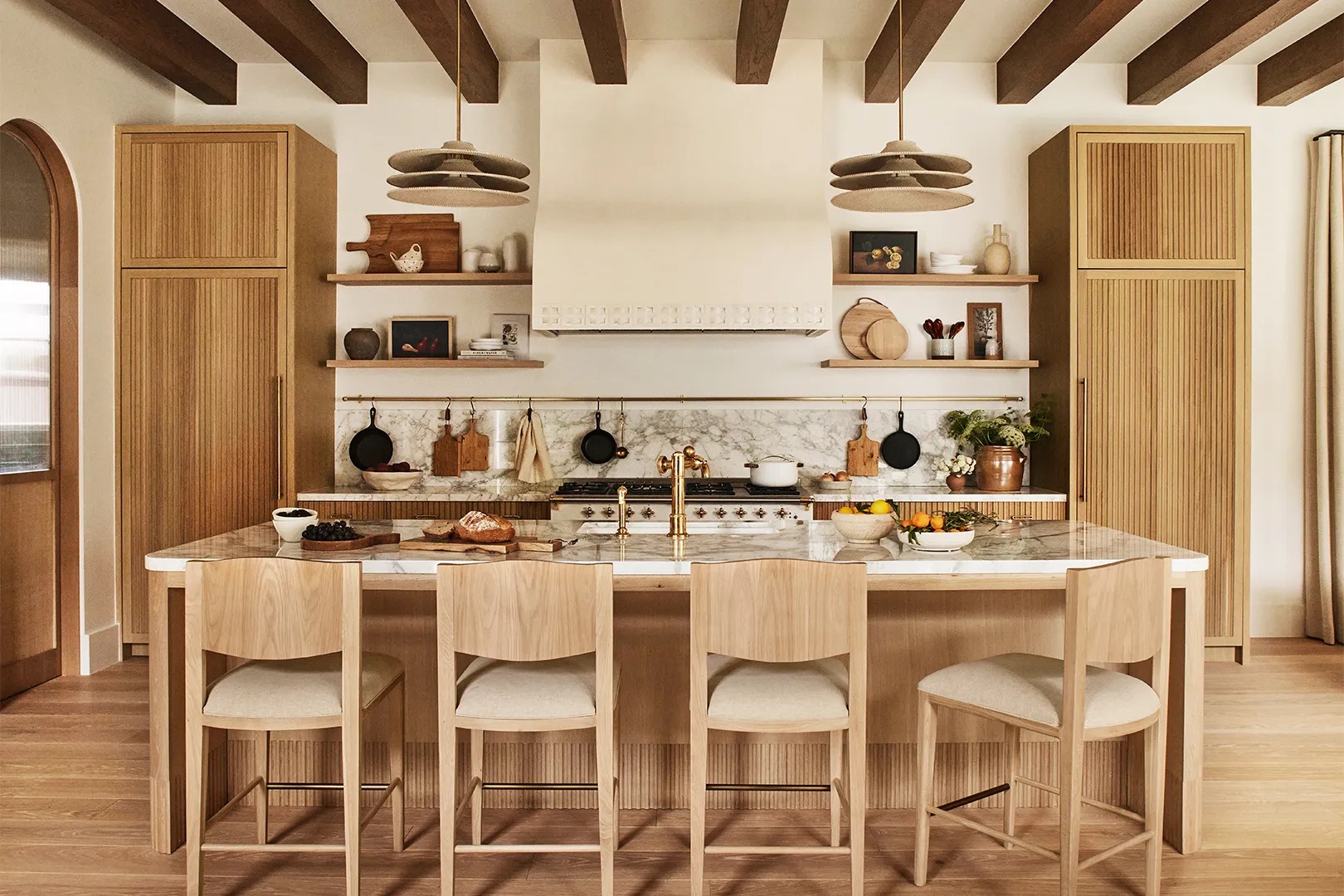
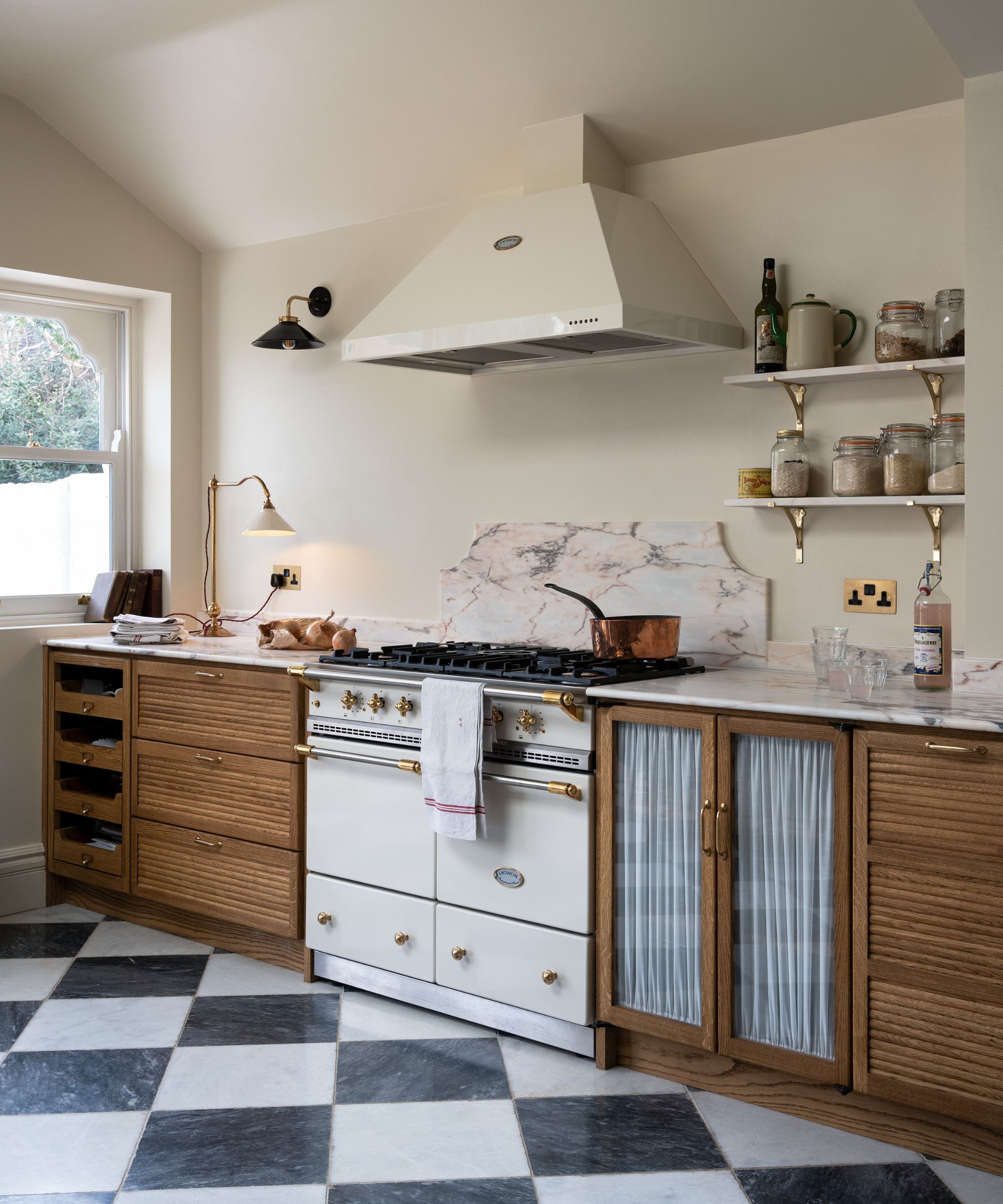
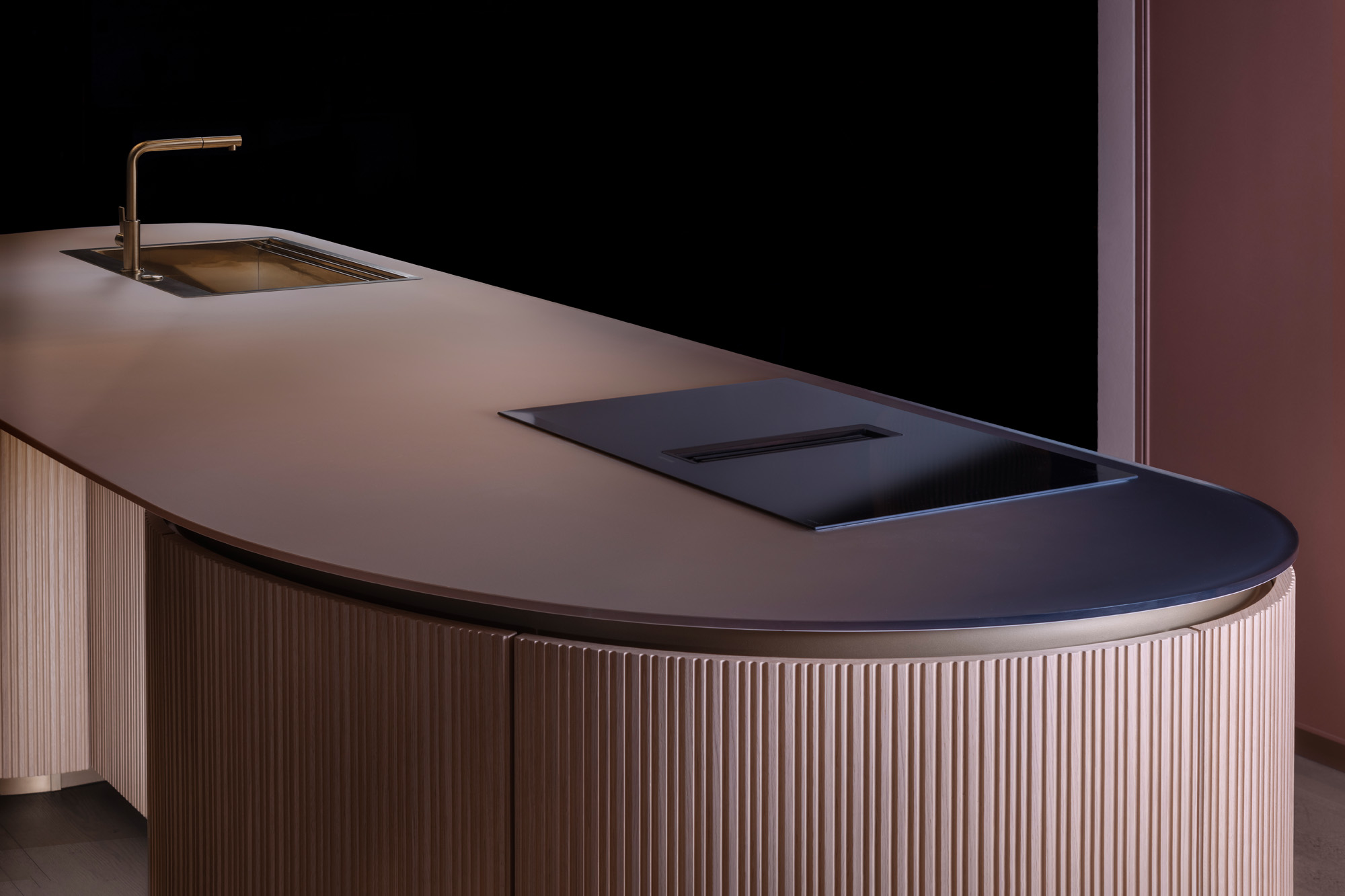
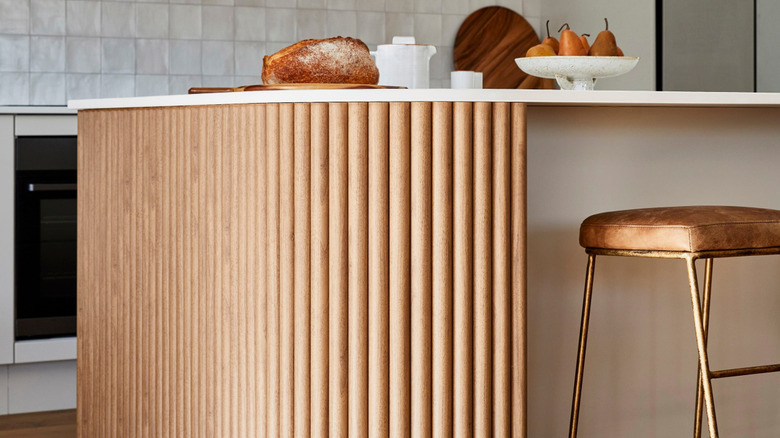
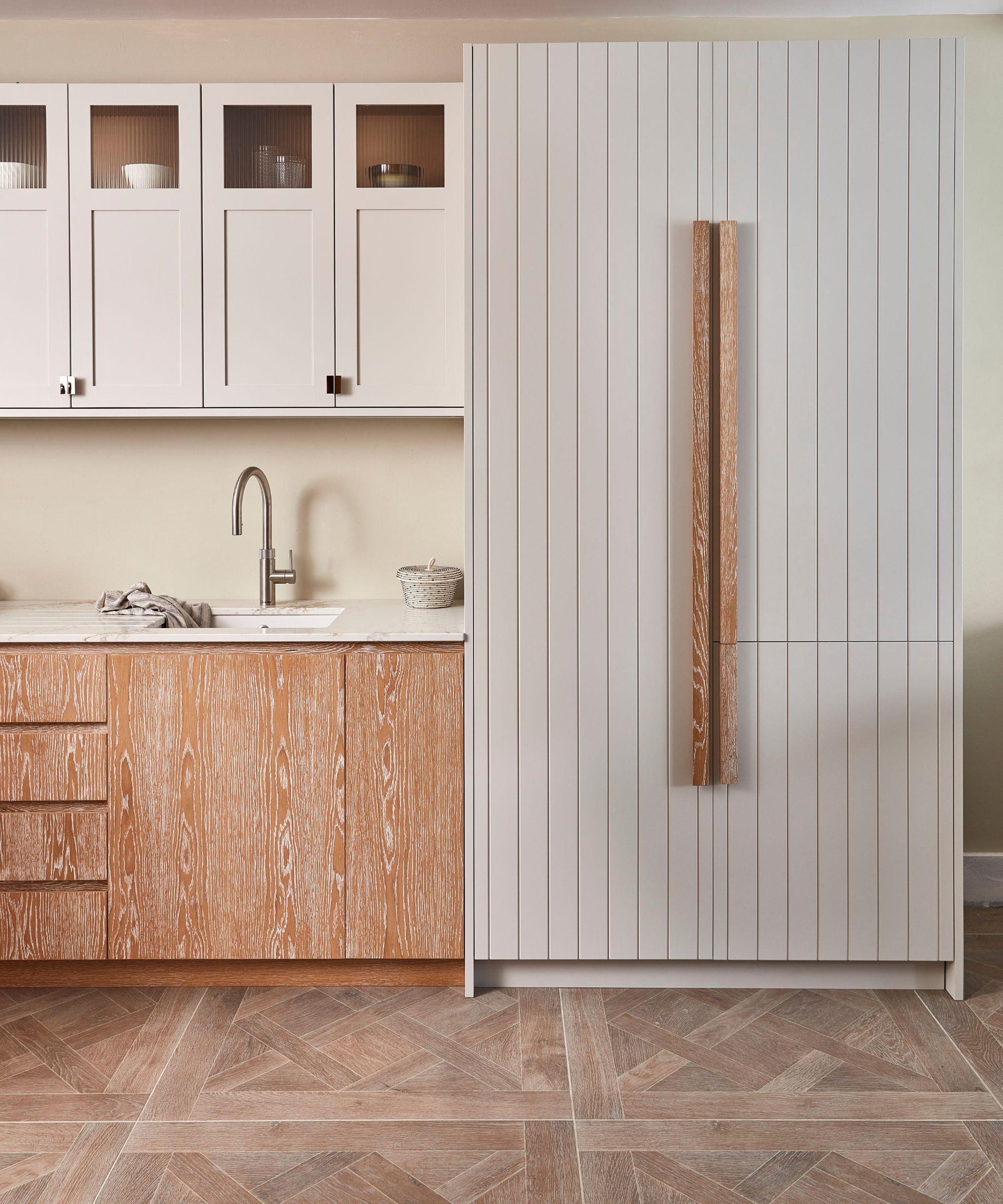
Fluted surfaces are introduced as a way to add three-dimensional interest, capturing light and creating movement. While visually appealing, the article notes that grooved surfaces require more effort to clean. Taking cabinets to the ceiling is suggested to add a sense of scale and proportion, especially in rooms with lower ceilings, and provides extra storage while preventing dust and grease accumulation. Two-tone cabinetry is also explored, particularly with painted kitchens, allowing for bolder color choices on specific units like islands, with Jasper Middleton of Middleton Bespoke suggesting lighter shades at eye-level for balance.
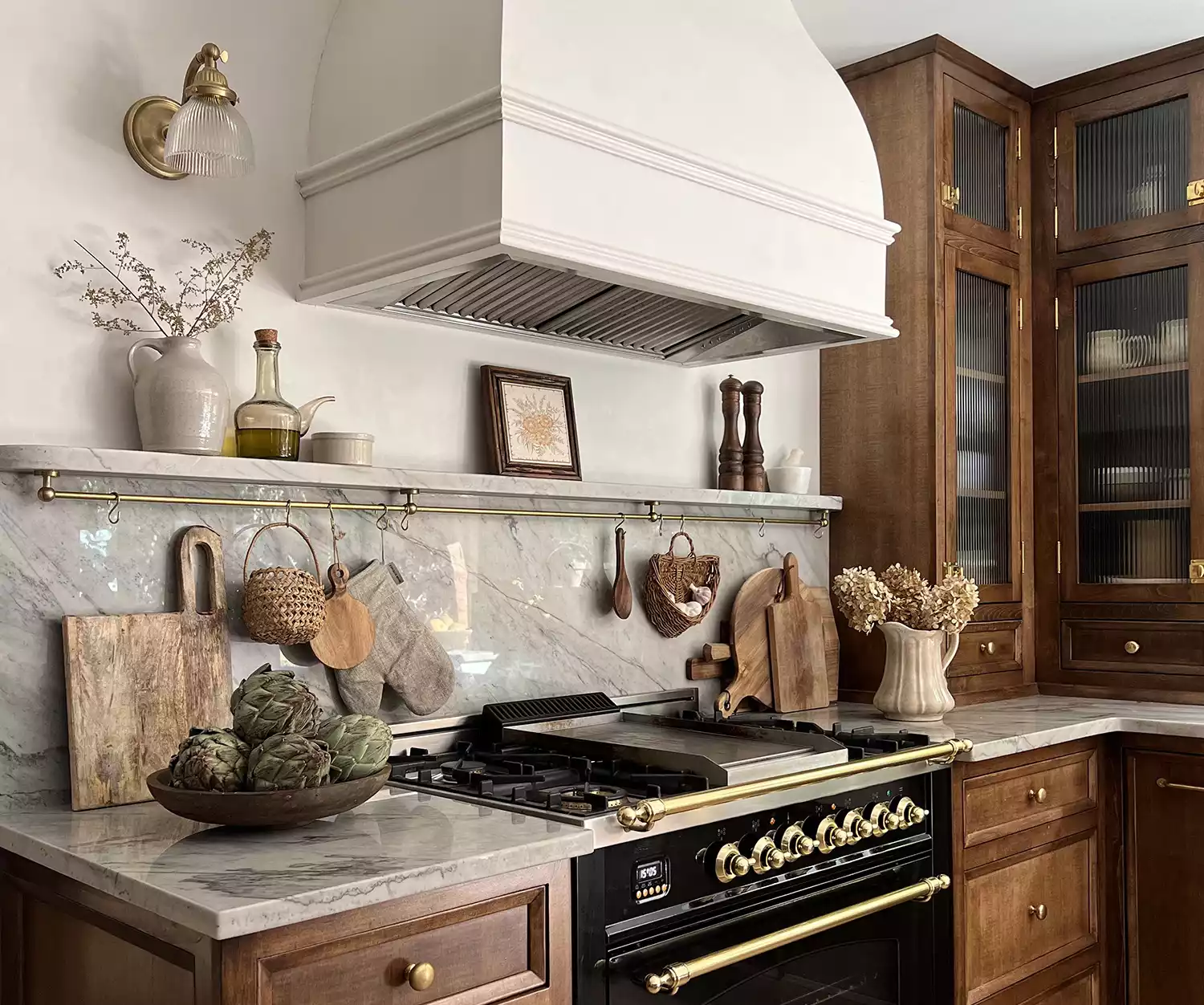
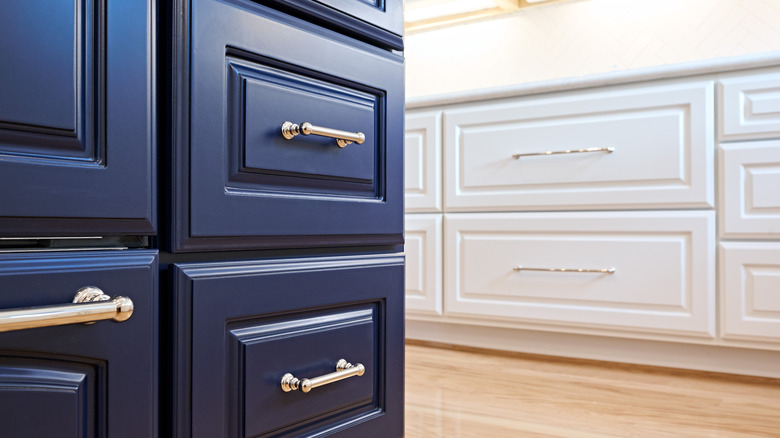
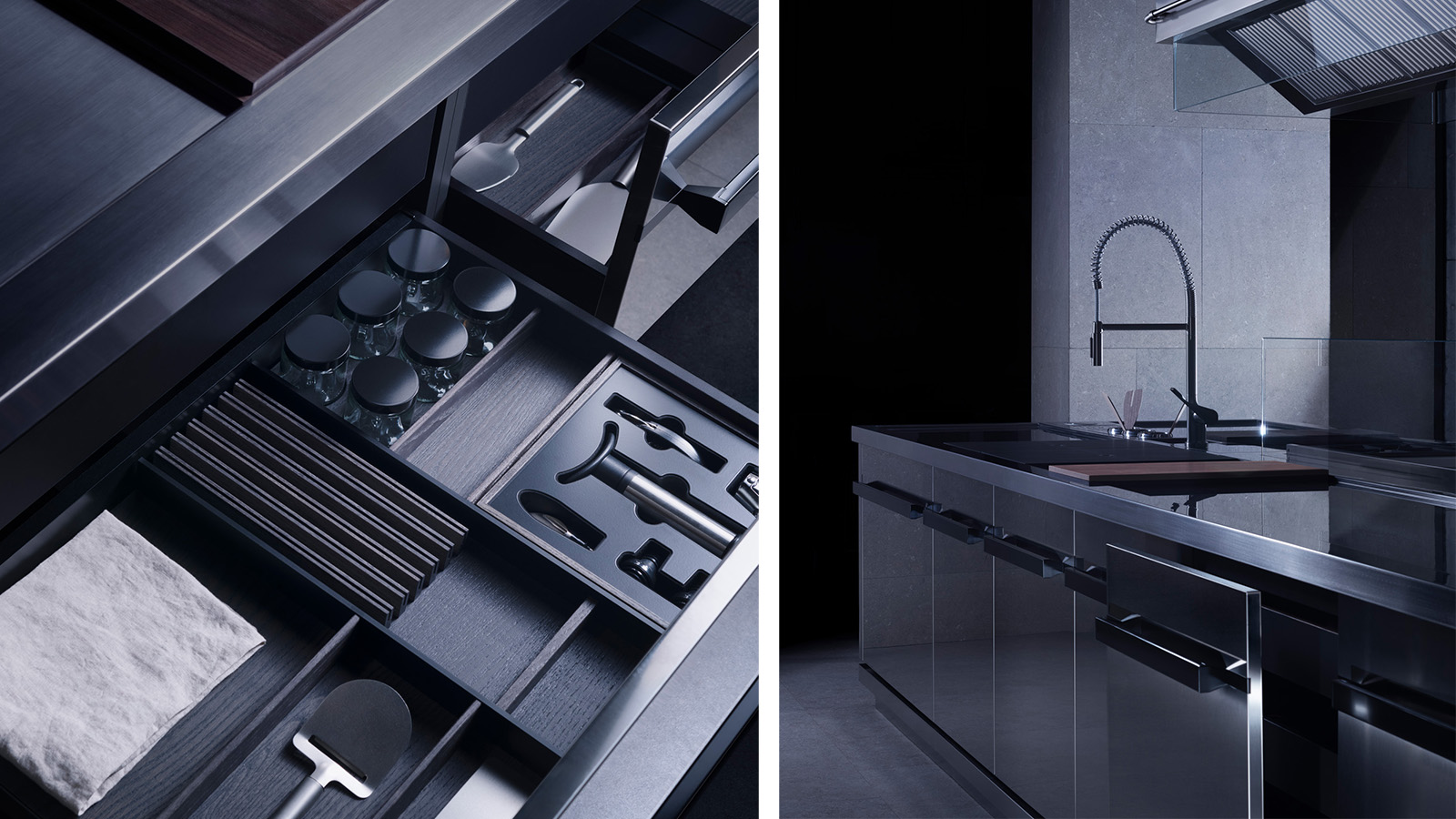
The importance of quality hinges and hardware is underscored, with advice to visit showrooms and test for durability, looking for reputable brands like Blum, Hettich, and Grass. Smart interior hardware, such as Le Mans units for corner cabinets and pull-out larder systems, are highlighted for maximizing storage. Ribbed glass is presented as a fashionable option that adds interest and a degree of concealment for cabinet contents. Finally, pocket doors are recommended for concealing the practical aspects of cooking, especially in open-plan layouts, allowing for a switch in materials inside and providing flexible use for areas like breakfast cupboards. The article concludes by emphasizing sustainability as a key consideration for modern kitchen cabinets, with a growing interest in materials like bamboo and recycled board, and the trend of buying second-hand cabinets to reduce environmental impact.
#KitchenCabinetIdeas #KitchenDesign #InteriorDesign #PlywoodCabinetry #SustainableKitchen #ColorInKitchens #OpenShelving #HandlelessKitchens #FlutedCabinets #TwoToneKitchens #KitchenCabinetIdeas #KitchenDesign #InteriorDesign #PlywoodCabinetry #SustainableKitchen #ColorInKitchens #OpenShelving #HandlelessKitchens #FlutedCabinets #TwoToneKitchens
Toplam 0 yorum
 Henüz yorum yok
Bu da beğenebilirsiniz
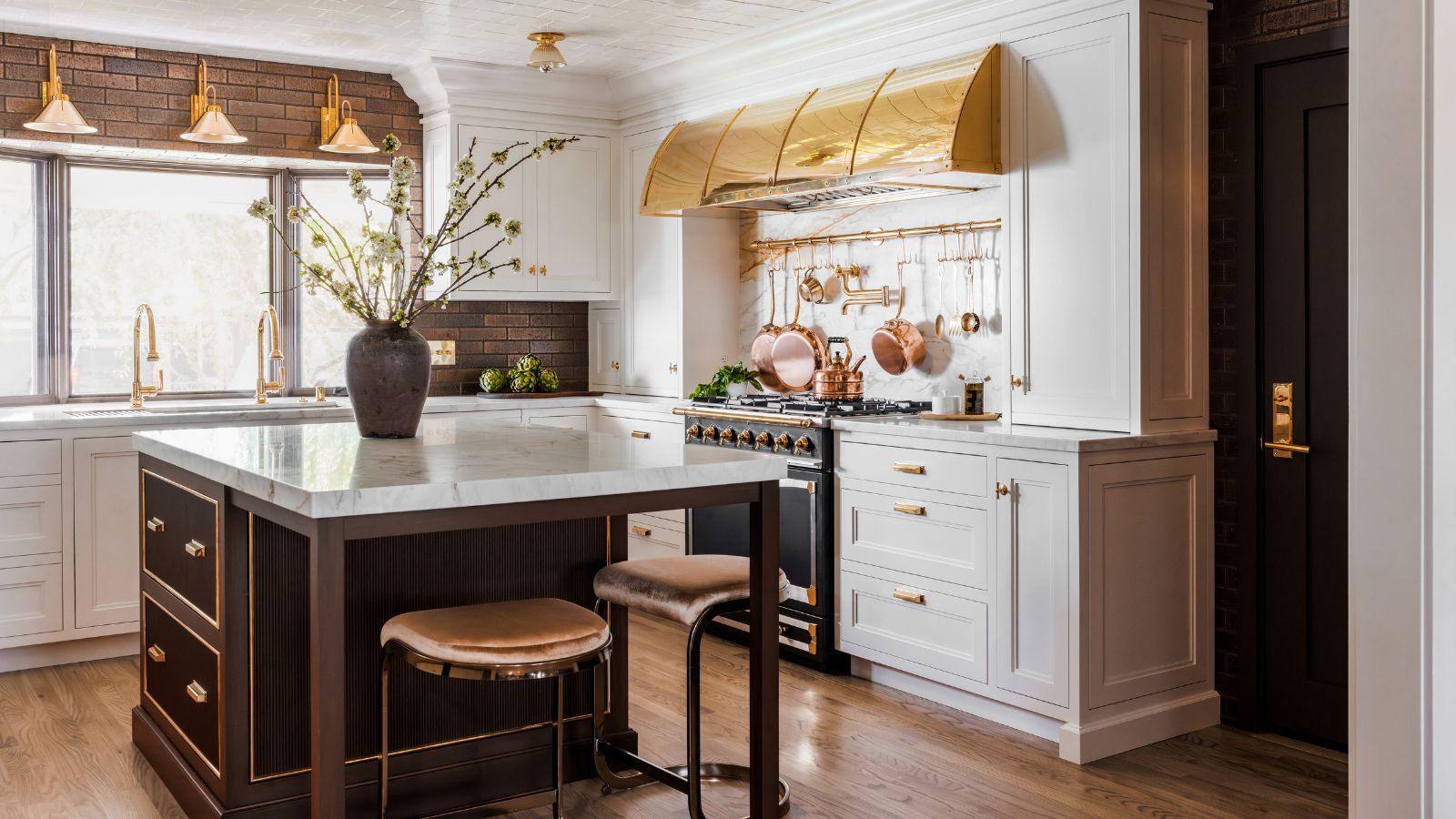
13 stylish kitchen cabinet trends to have on your radar in 2025

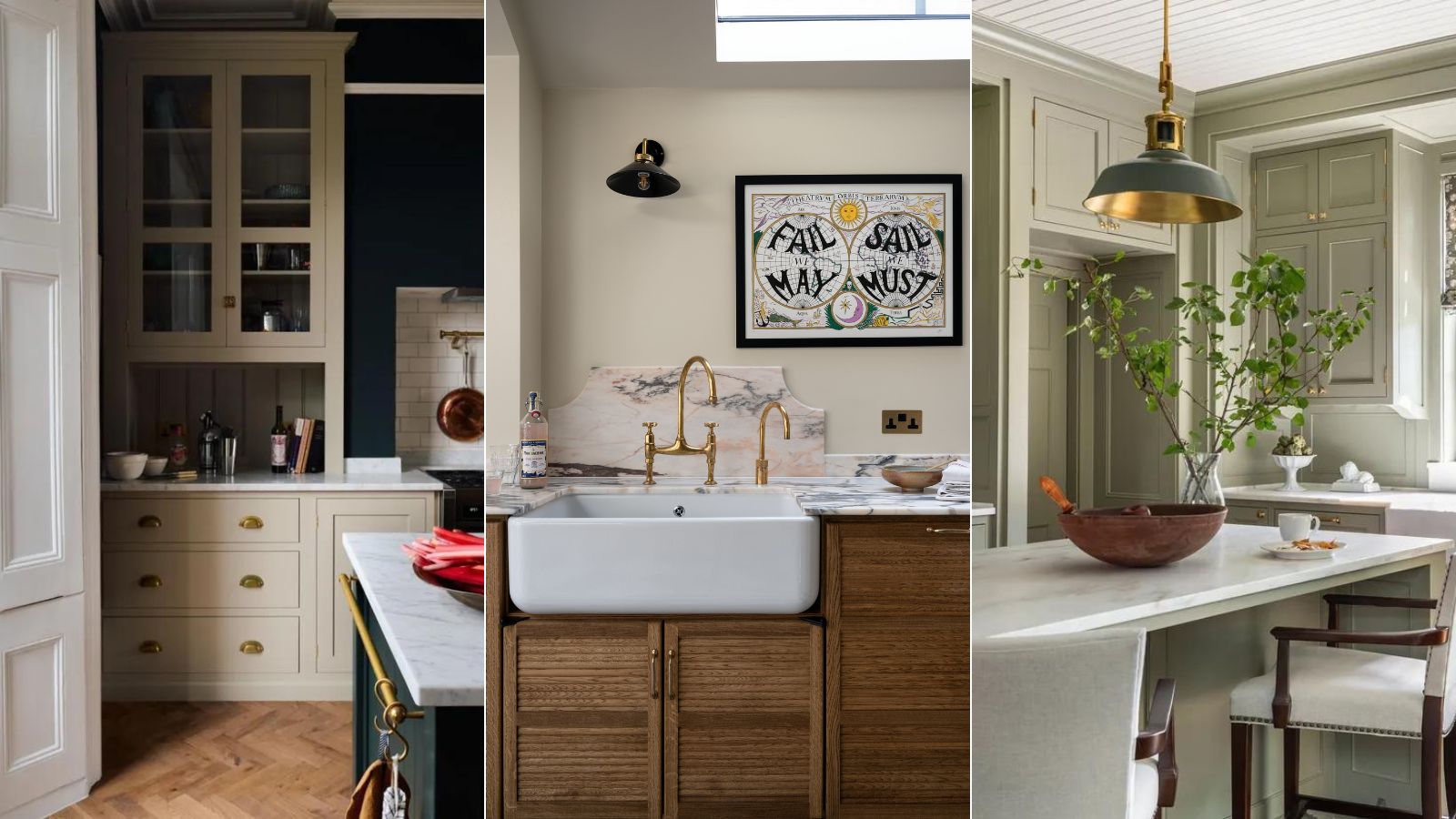
15 kitchen cabinet ideas to inspire every space and style
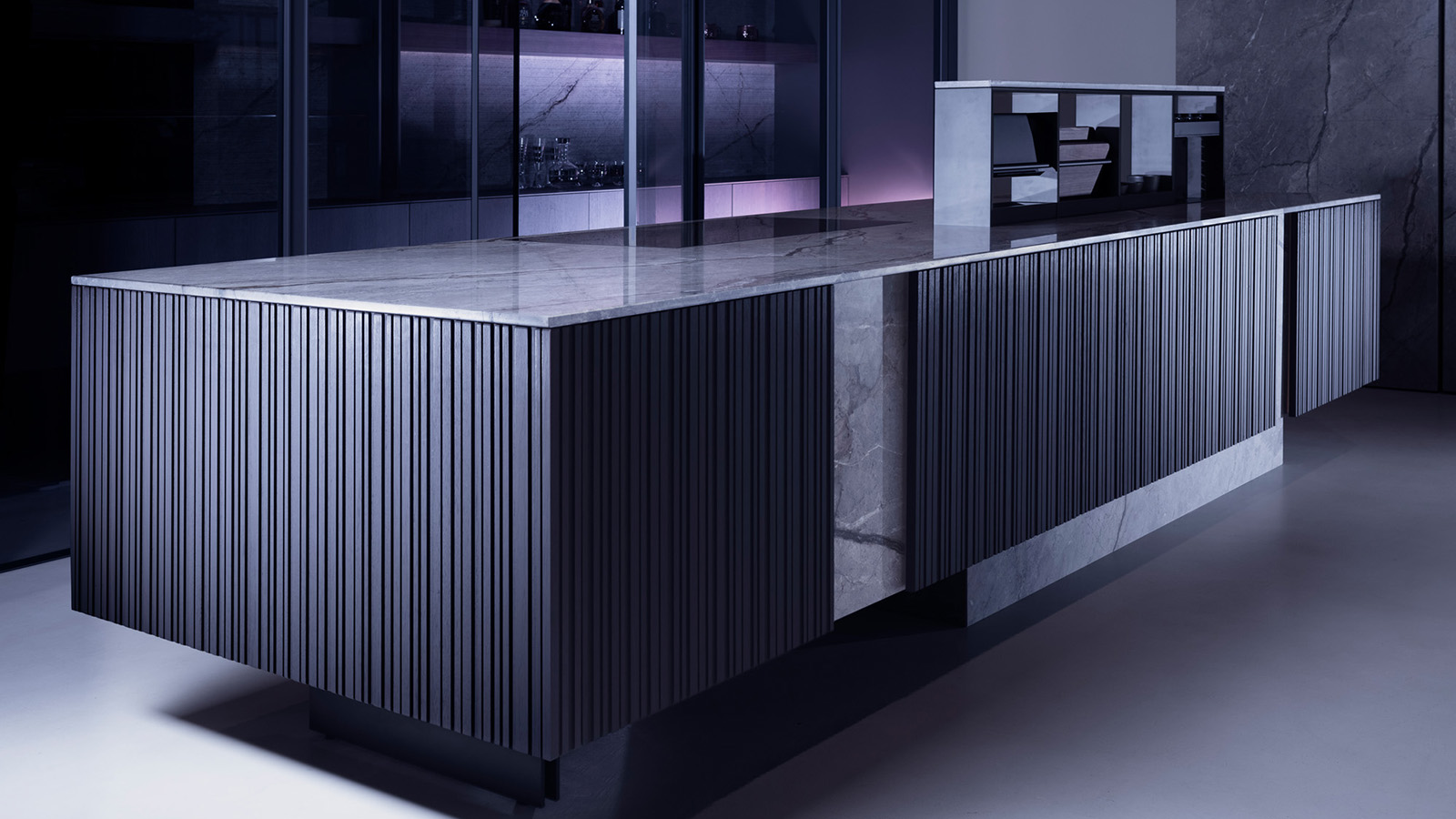
Kitchen Trends 2025: these design ideas merge sleek design and utilitarian attitude

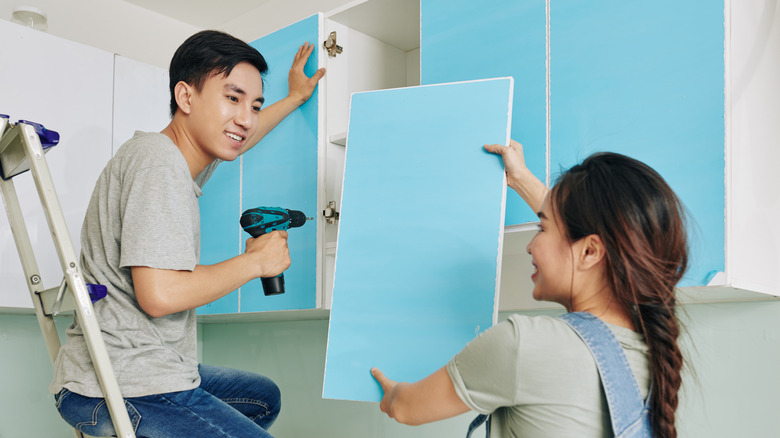
How To DIY One Of 2025's Biggest Kitchen Cabinet Trends
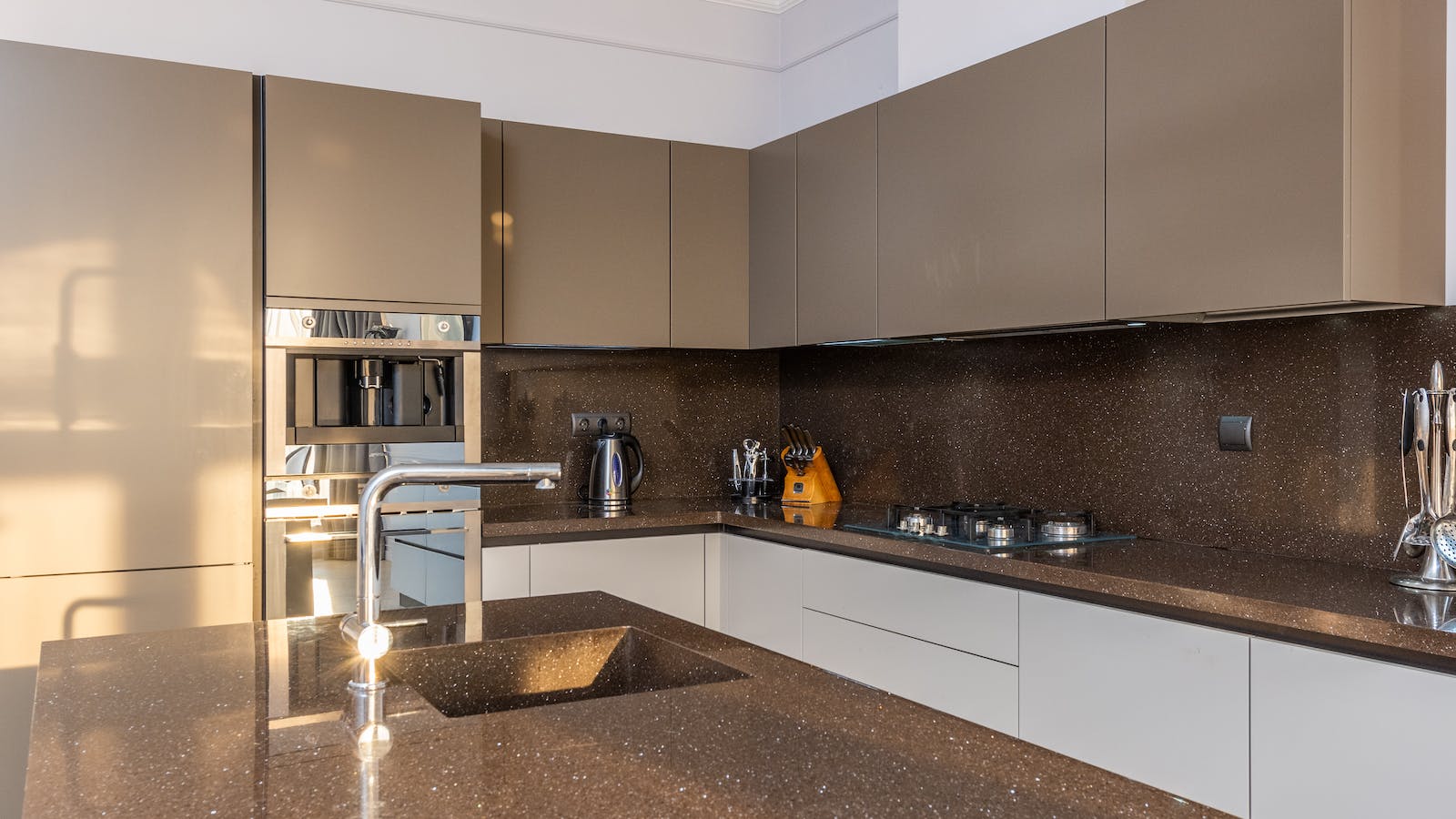
2025 Kitchen Cabinet Trends: Transform Your Space with These Top Styles
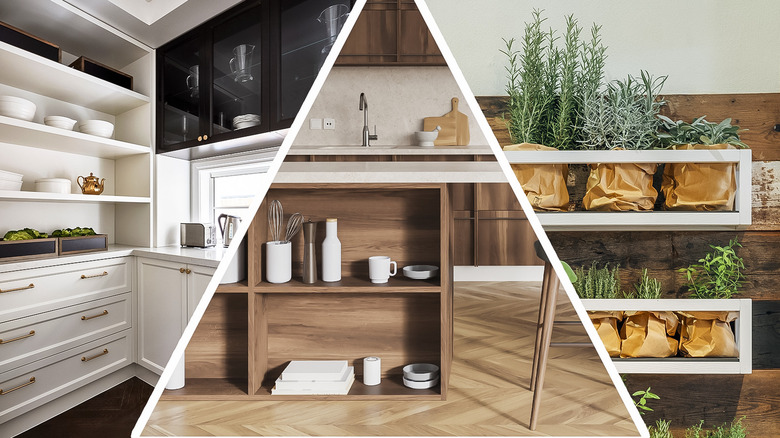
13 Kitchen Trends That We Are Following In 2025

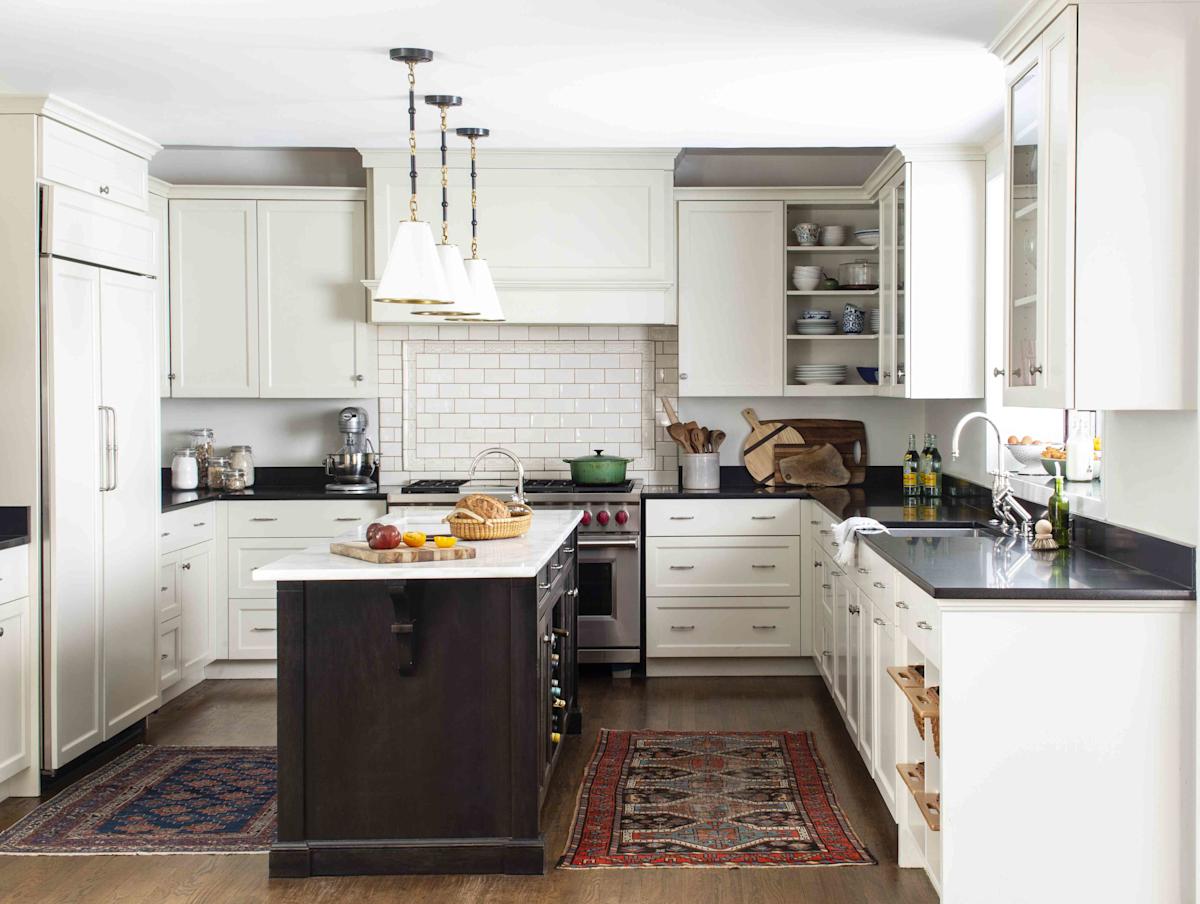
These Kitchen Cabinet Trends Will Revolutionize Your Storage Space in 2025

15 Gorgeous Modern Kitchen Ideas That’ll Never Go Out of Style

7 Kitchen Cabinet Styles Designers Are Digging for 2025

These Kitchen Cabinet Trends Will Revolutionize Your Storage Space in 2025
7 Gorgeous Cabinet Trends Set To Take Over Kitchens In 2026
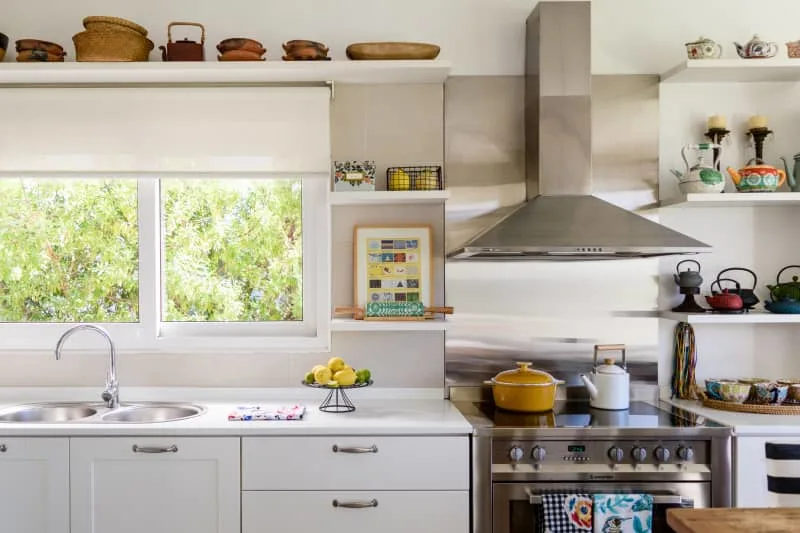
15 Gorgeous Modern Kitchen Ideas That’ll Never Go Out of Style
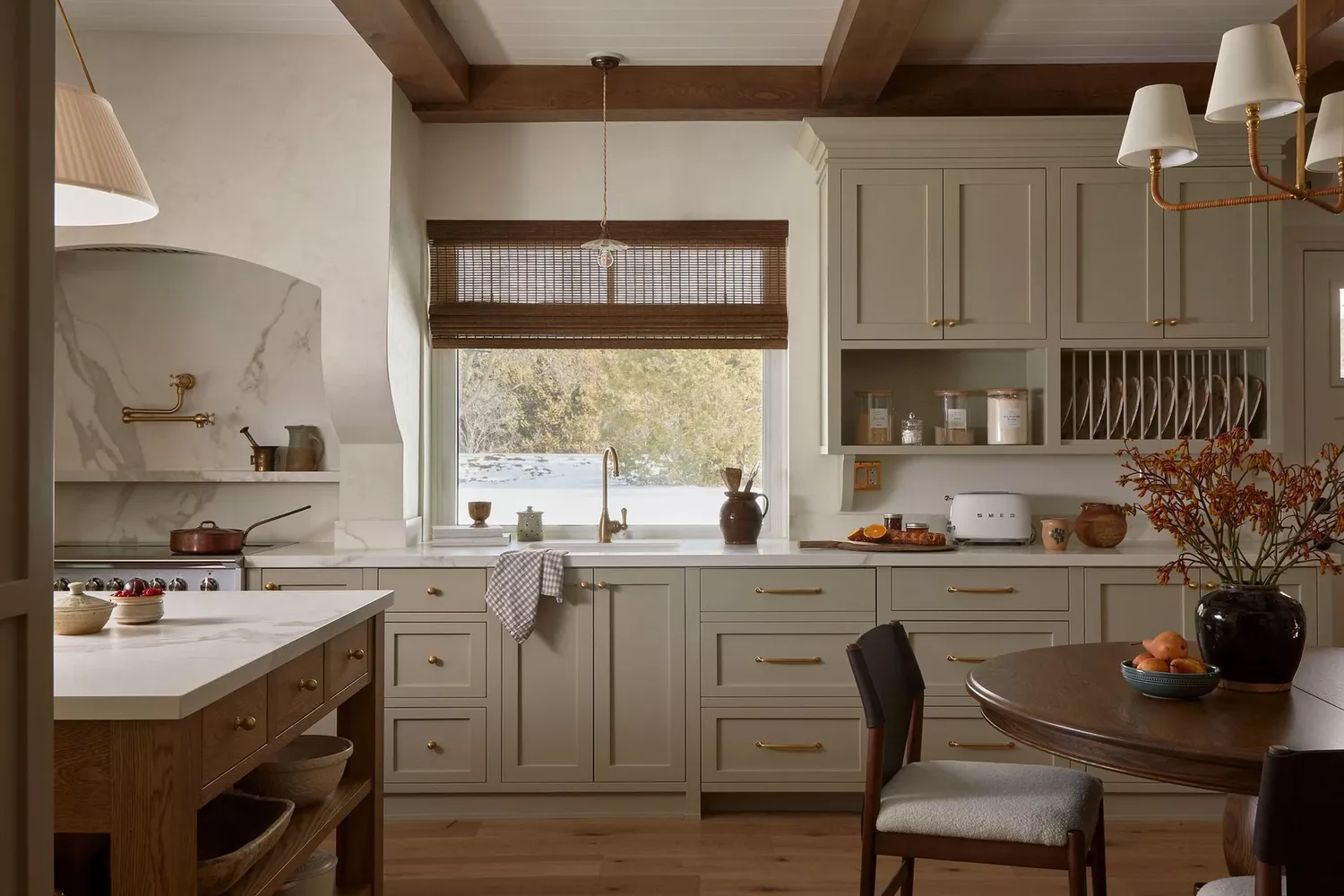
7 Designer-Approved Kitchen Cabinet Trends You'll See Everywhere in 2025

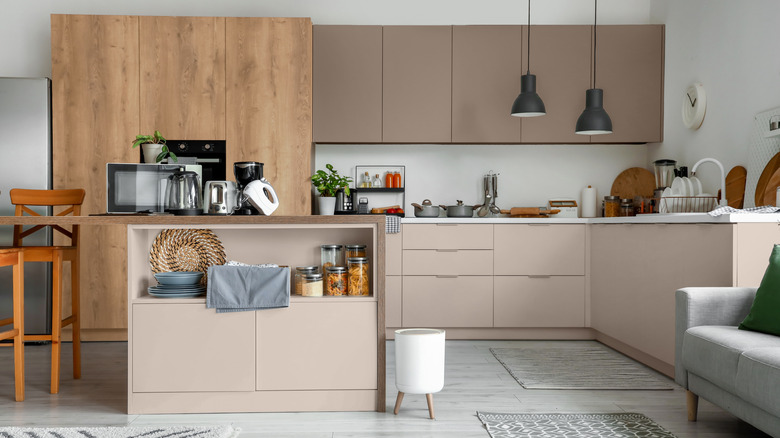
10 Trendy Kitchen Cabinet Colors You Should Try In 2025
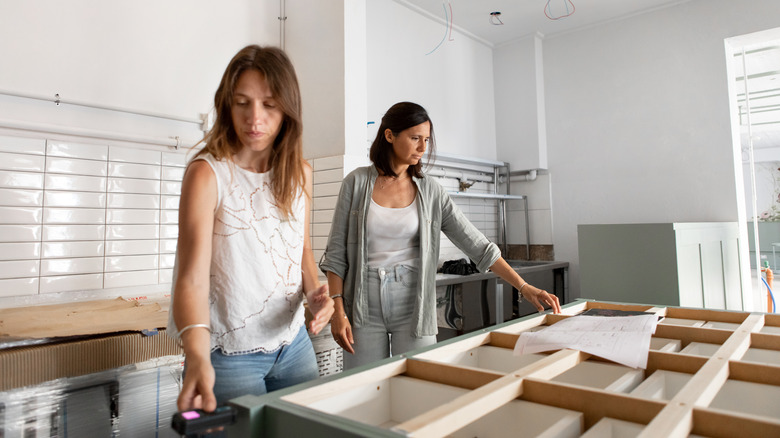
15 Stunning Kitchen Island Trends That Are Set To Dominate Throughout 2025
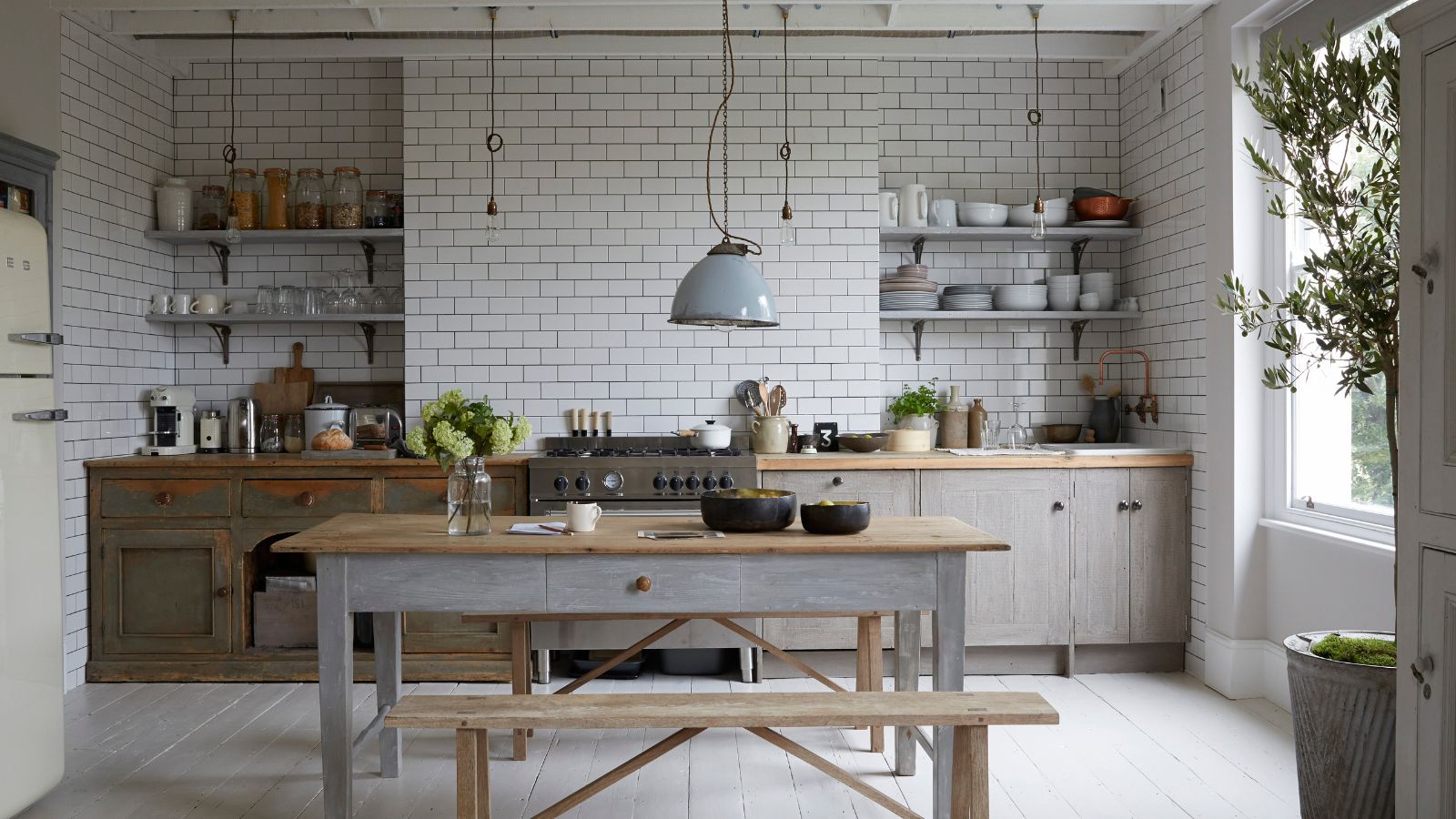
These are the outdated kitchen cabinet trends designers say you should ditch in 2025
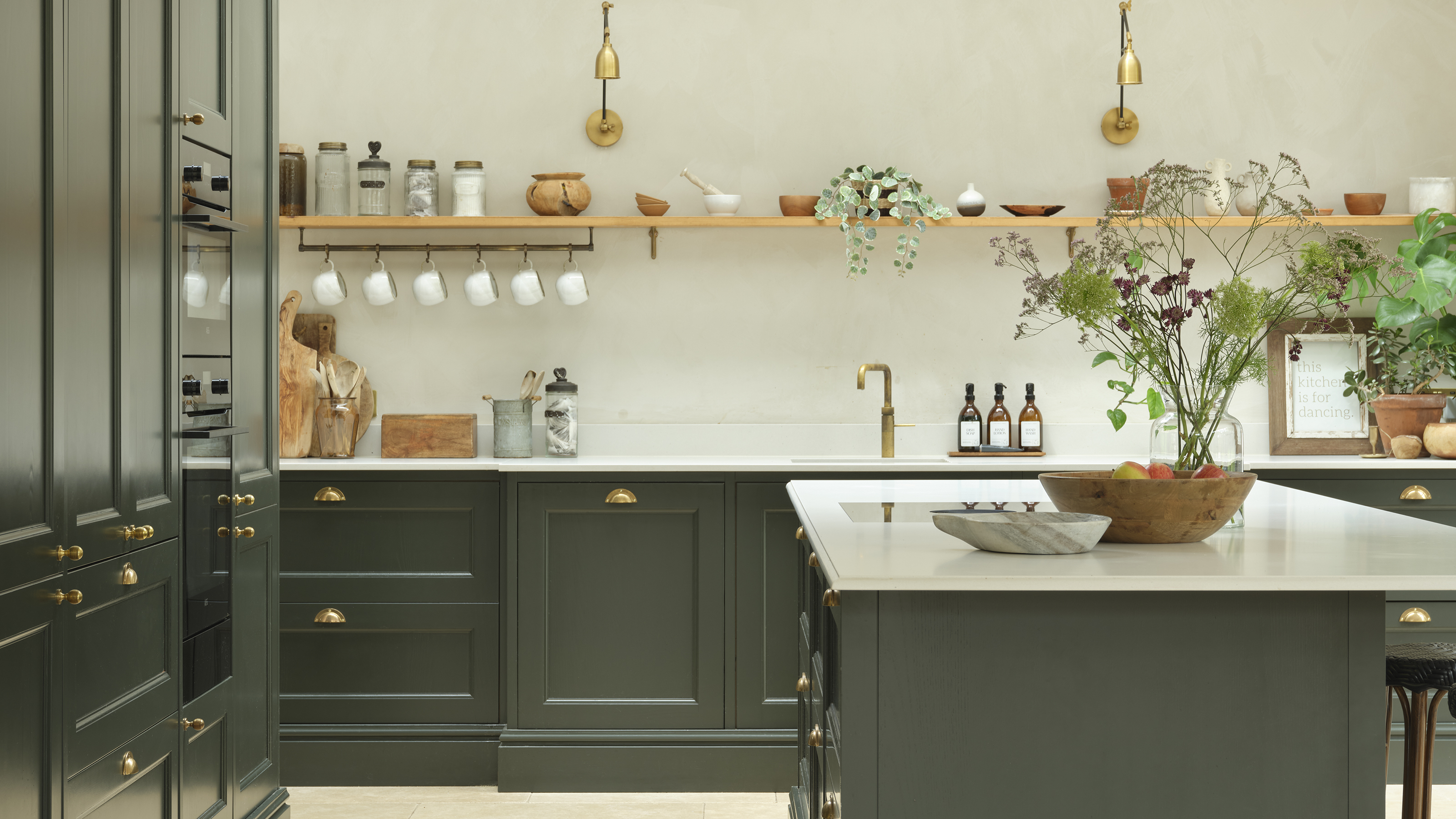
10 kitchen trends we're seeing everywhere in 2025 - create a stylish cooking space with the latest styles
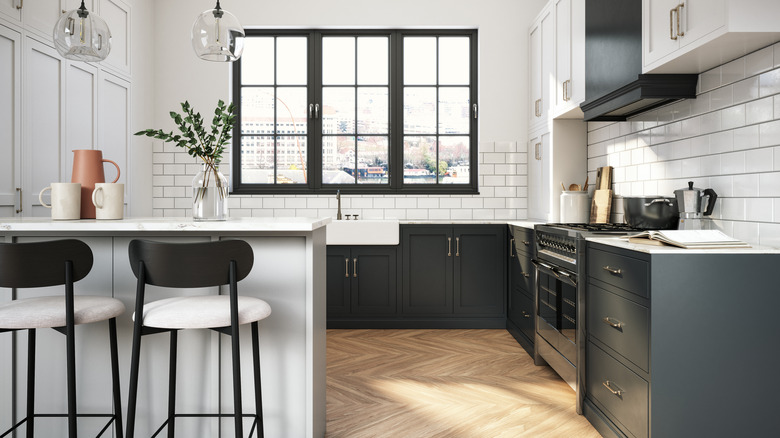
7 Kitchen Cabinet Trends That Are Predicted To Blow Up In 2025 (& 4 We'd Skip)

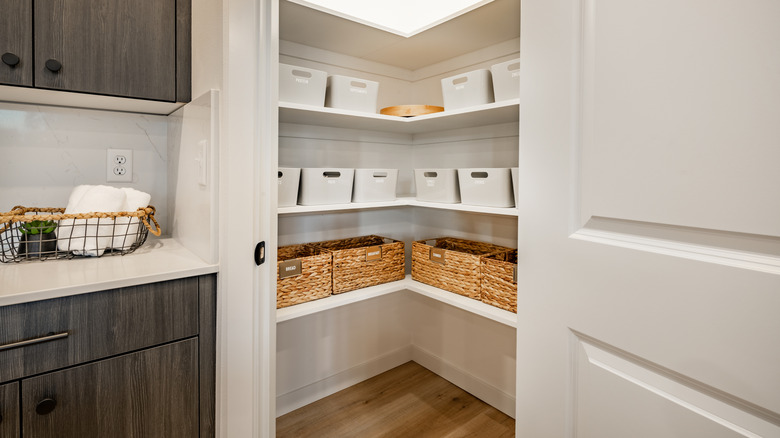
15 Practical And Stylish Kitchen Pantry Renovations To Try In 2025


The Trendy Kitchen Cabinet Style To Consider Trying In 2026