1/5
Where to put a mirror in a small bedroom, according to designers
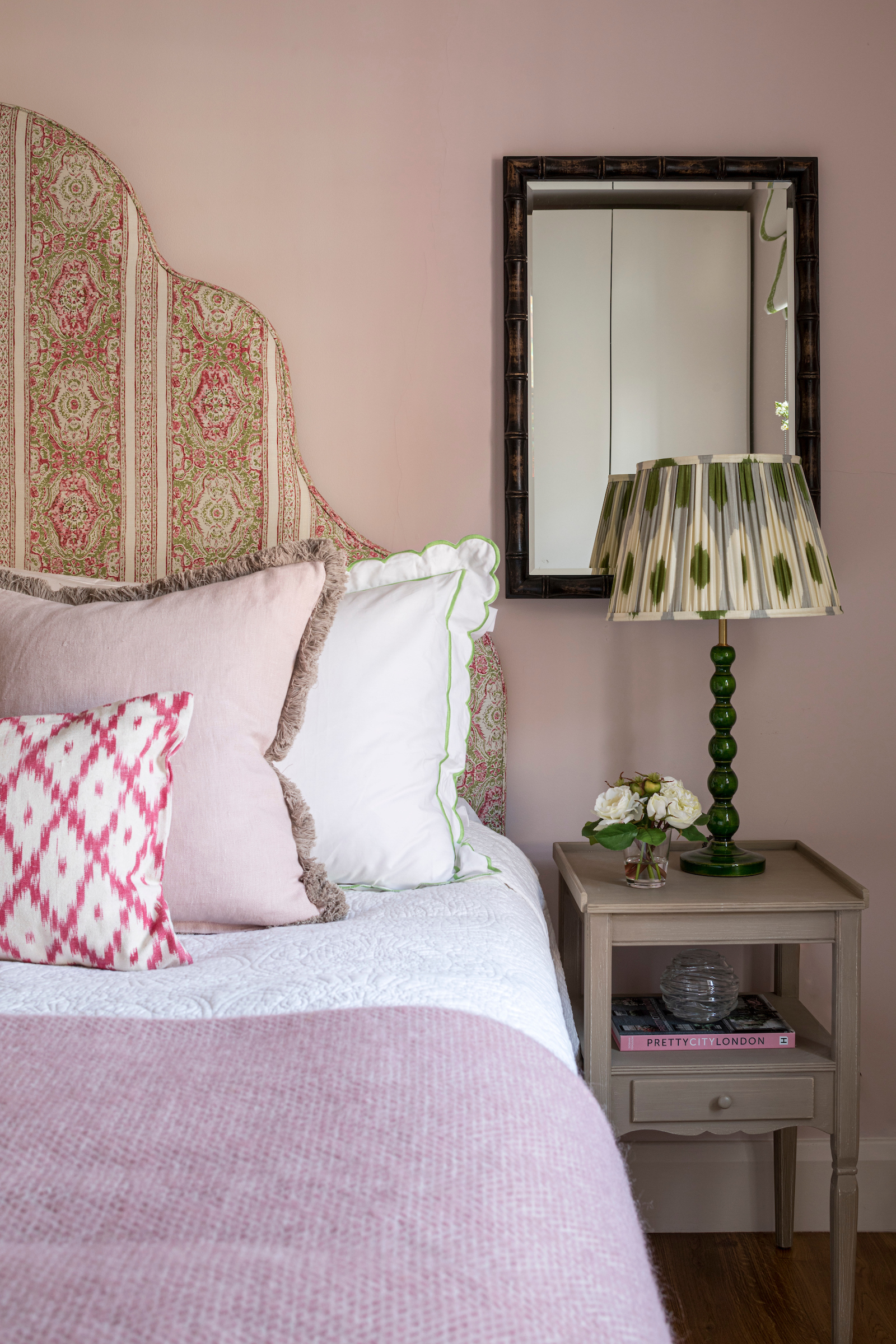
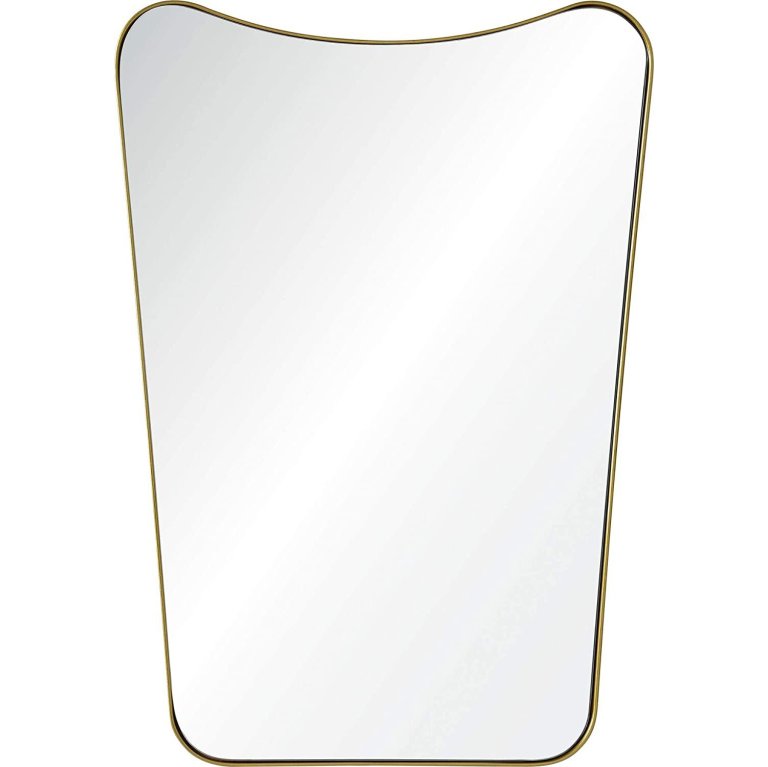
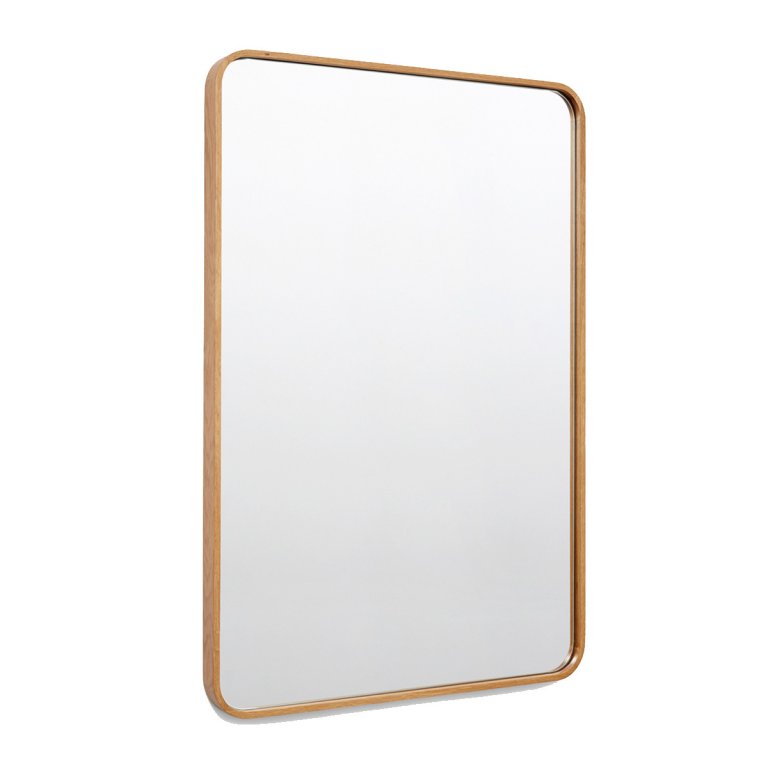
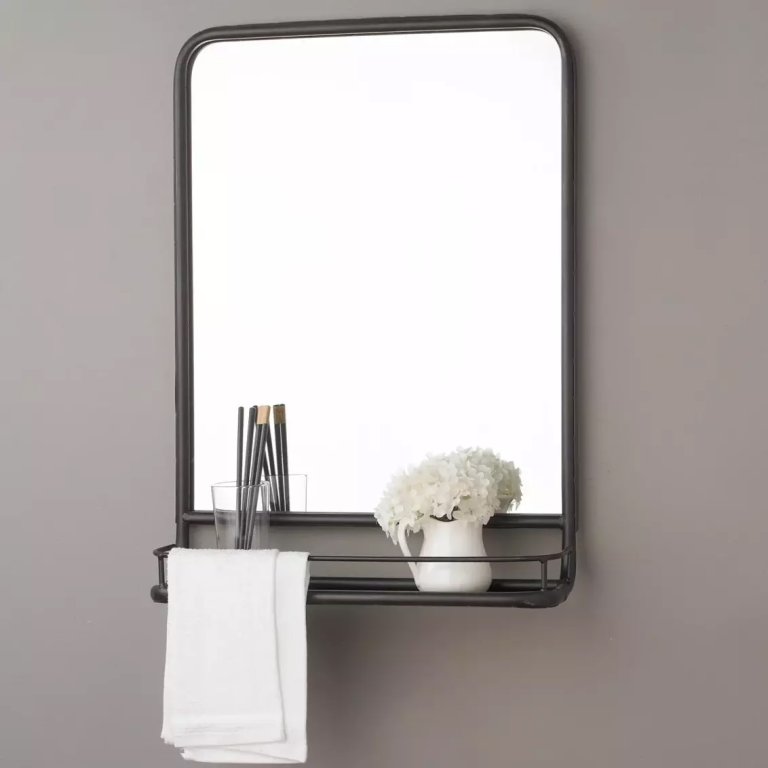
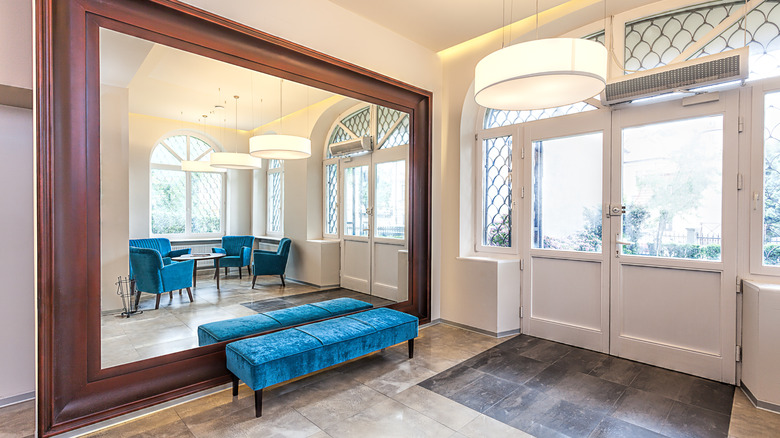
Strategic mirror placement can significantly enhance the perception of space and light in a small bedroom. Mirrors serve as versatile design elements, functioning not only to enlarge and brighten rooms but also as decorative pieces, especially when featuring unique shapes or ornate frames. The effectiveness of a mirror in a small bedroom largely depends on its positioning, making it crucial to understand optimal and suboptimal placements.
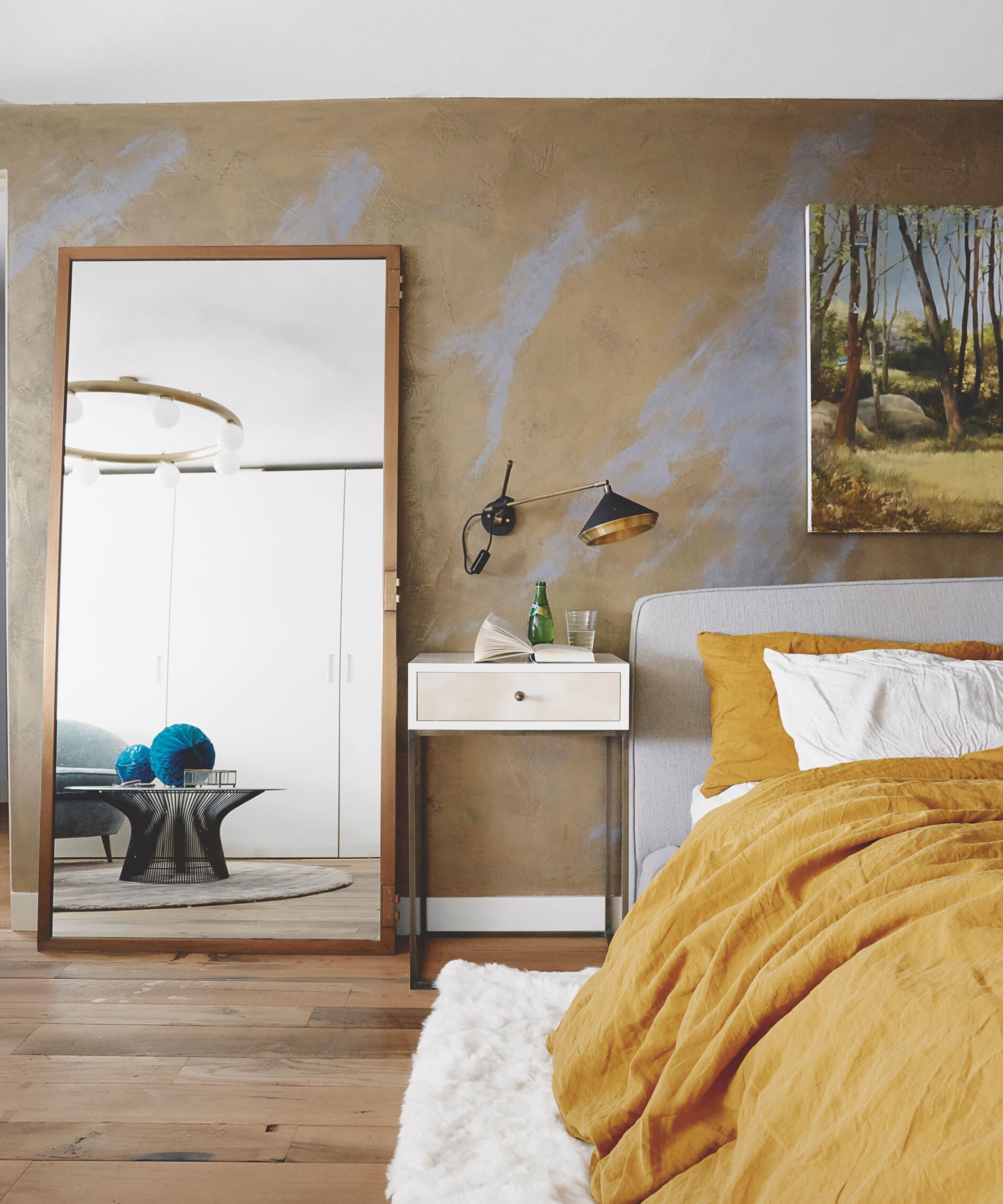
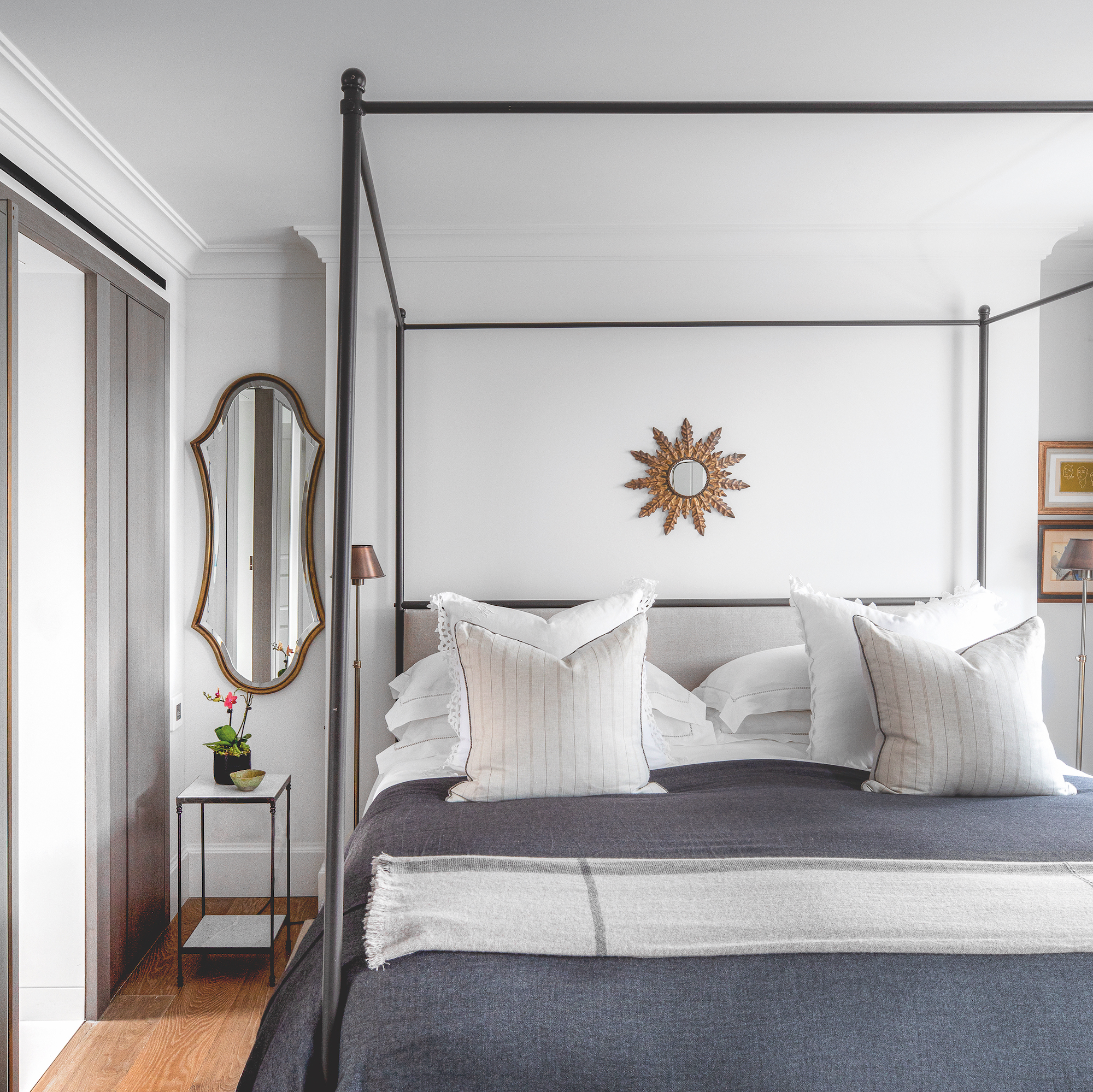
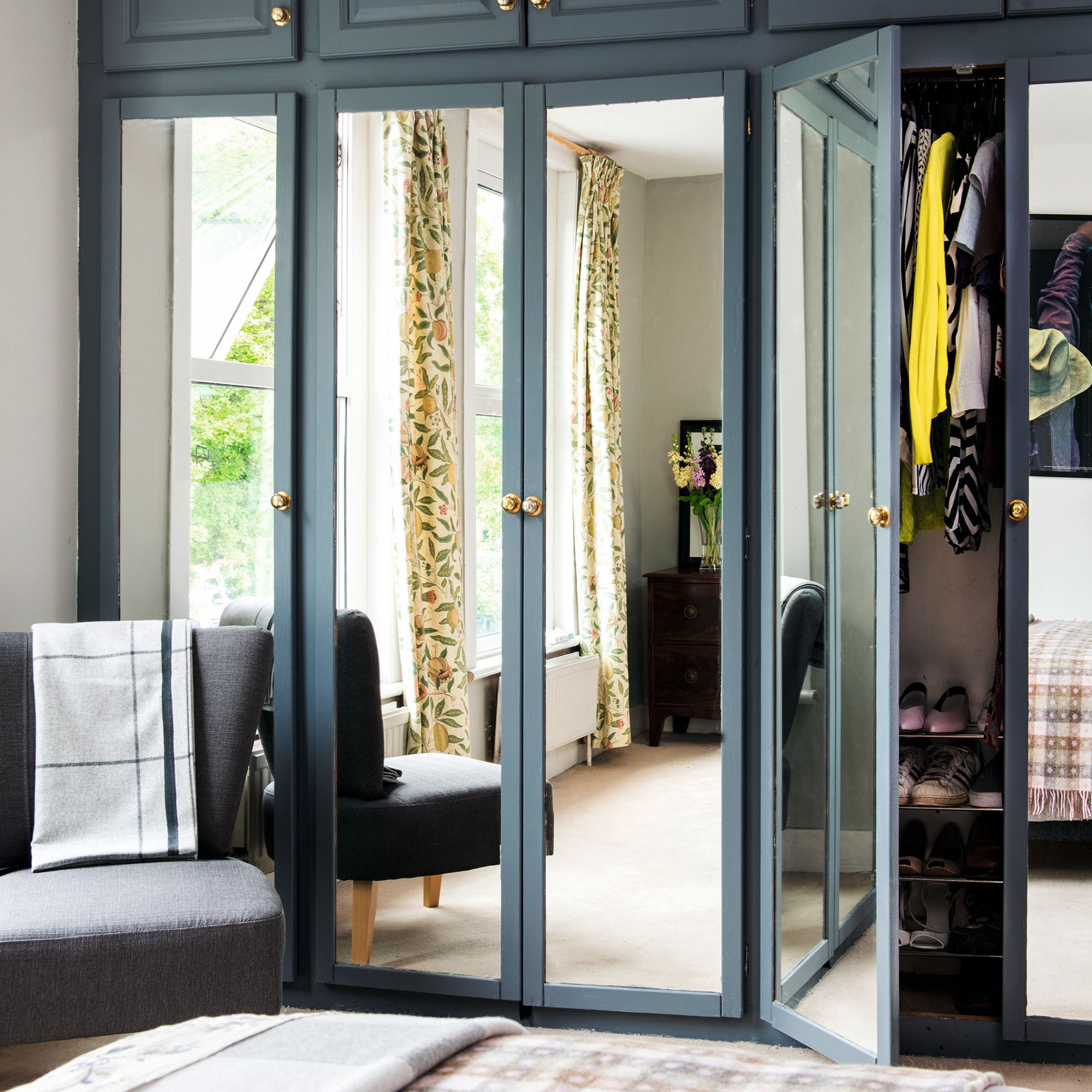
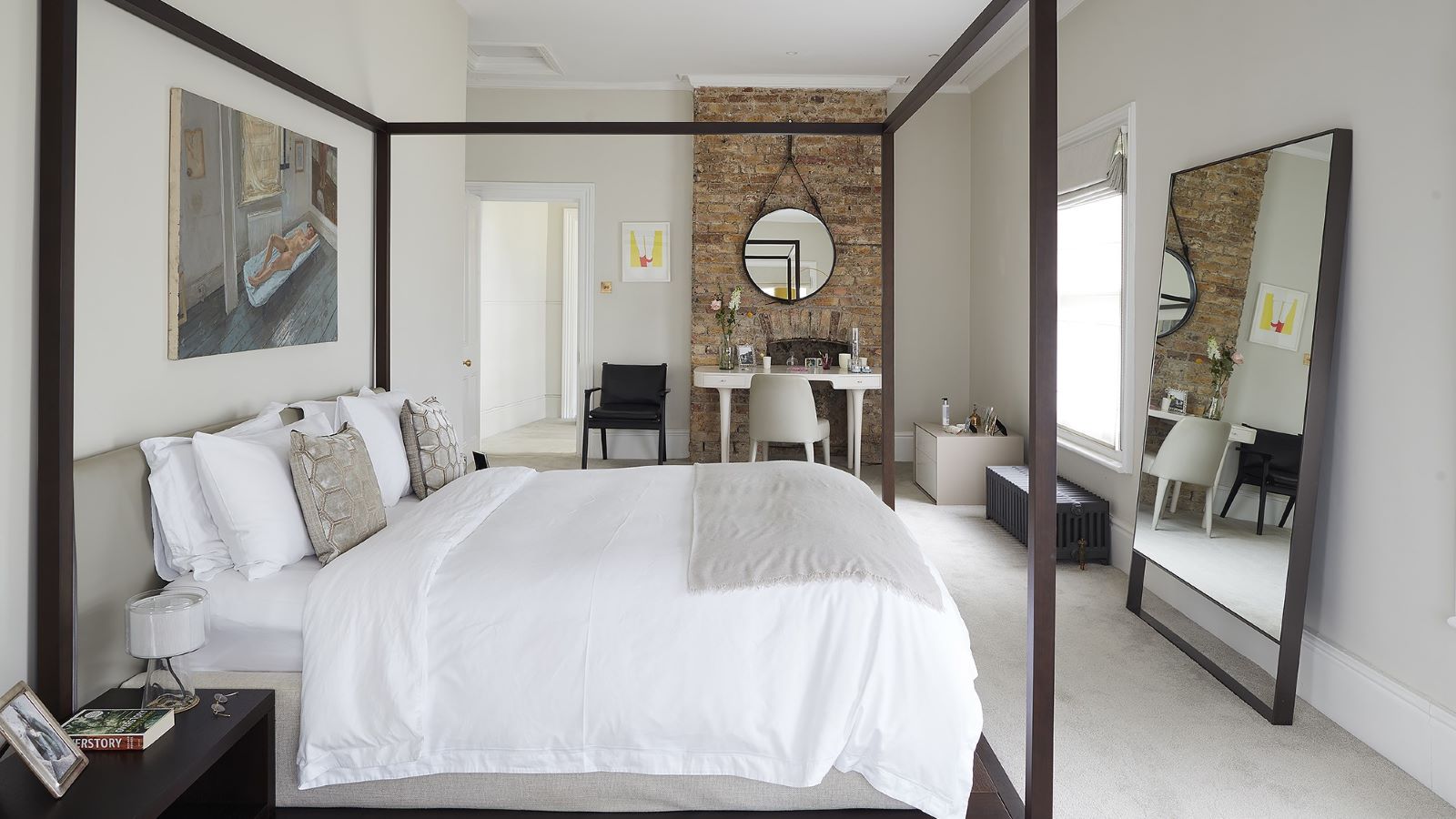
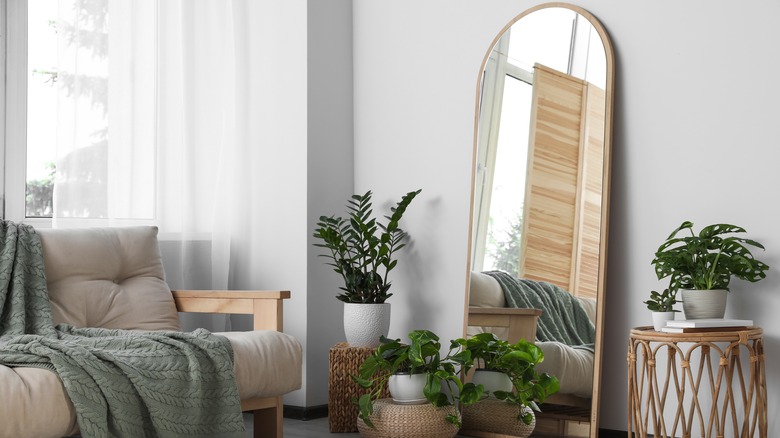
Interior designers offer several key recommendations for placing mirrors in space-constrained bedrooms. One effective strategy is to position a full-length mirror in an underutilized corner. This maximizes the mirror's ability to create depth and brightness, contributing to a more expansive feel, and also serves a practical purpose for getting dressed. Avoiding corners that are frequently trafficked prevents accidental collisions with the mirror.
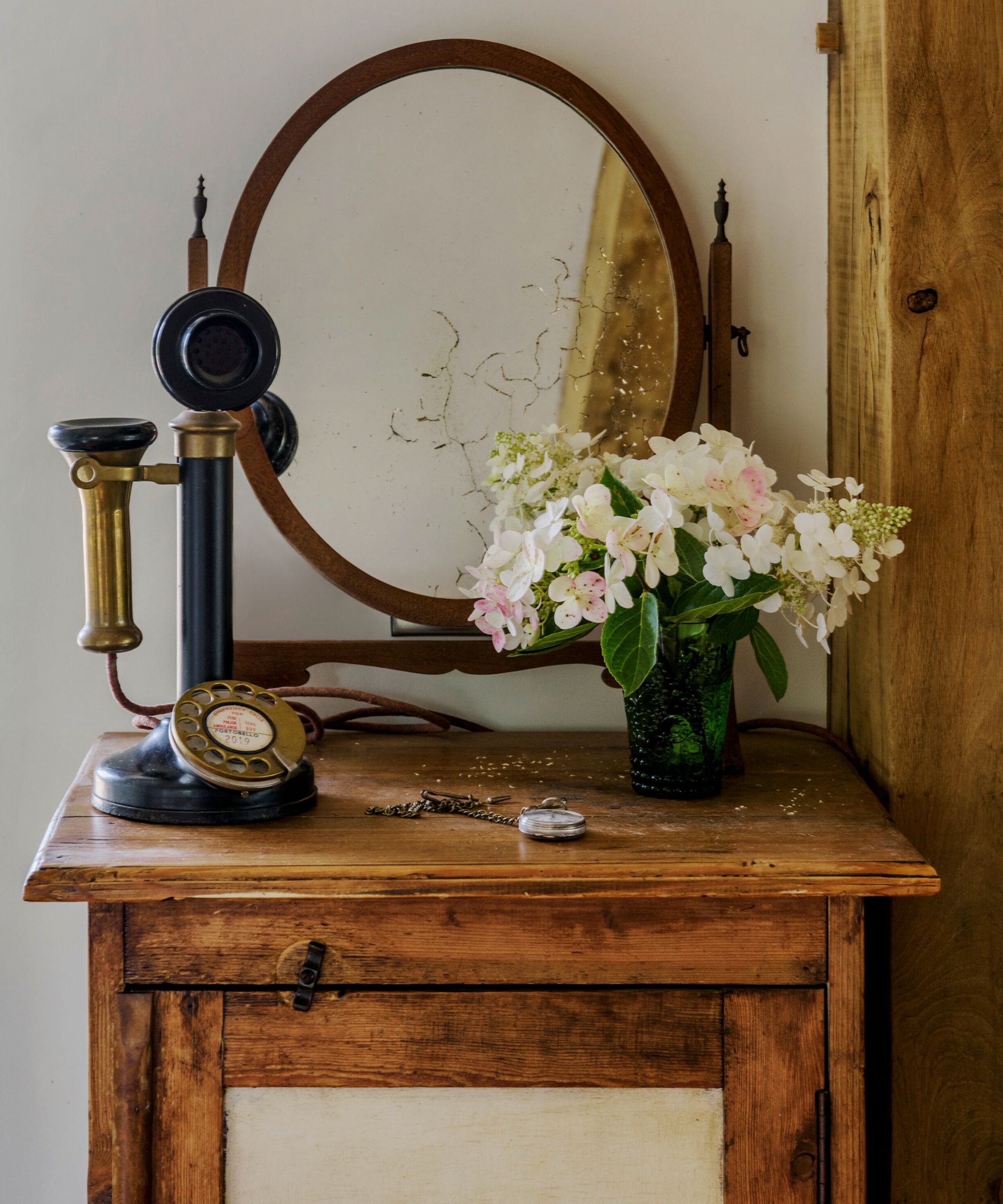
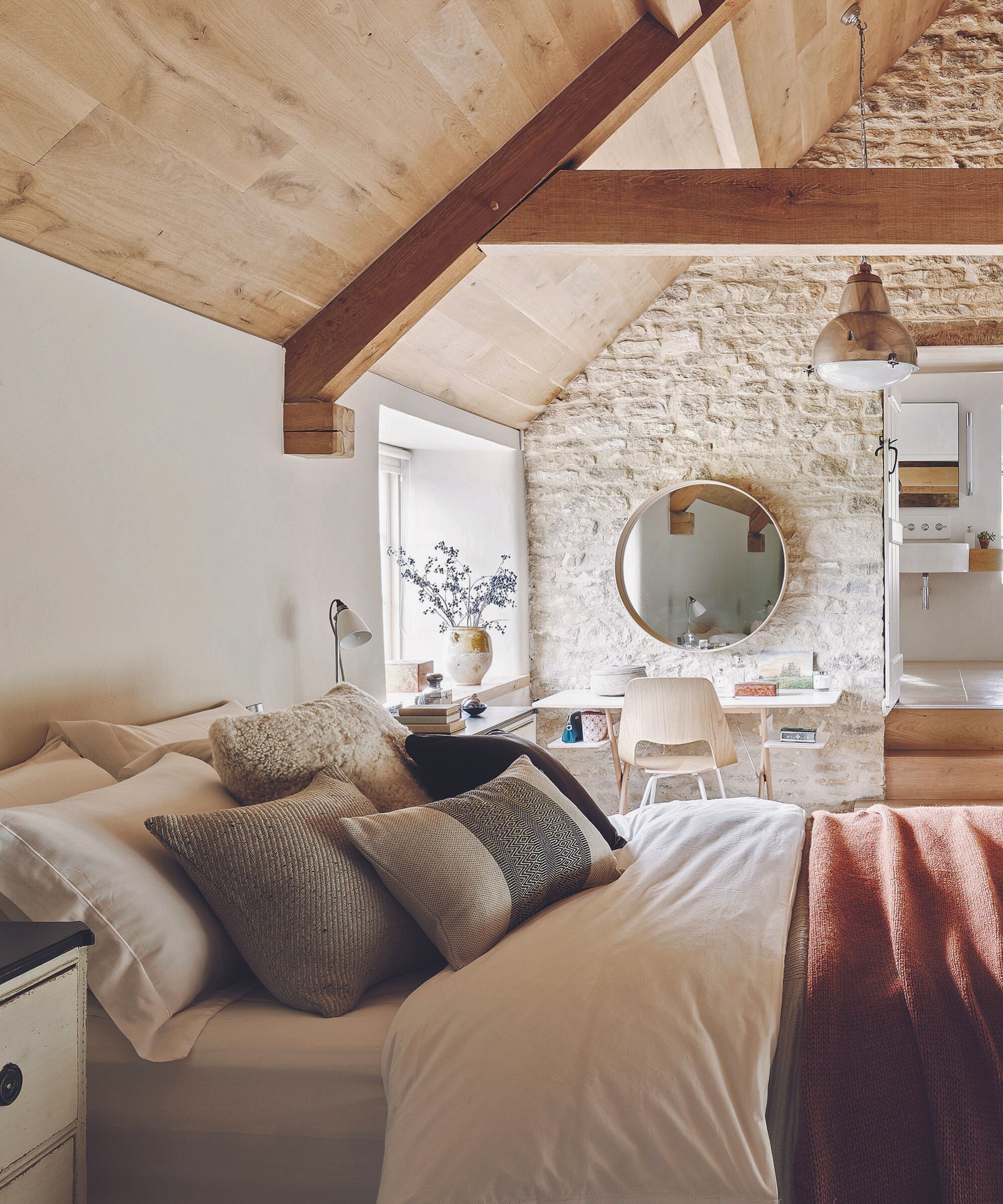
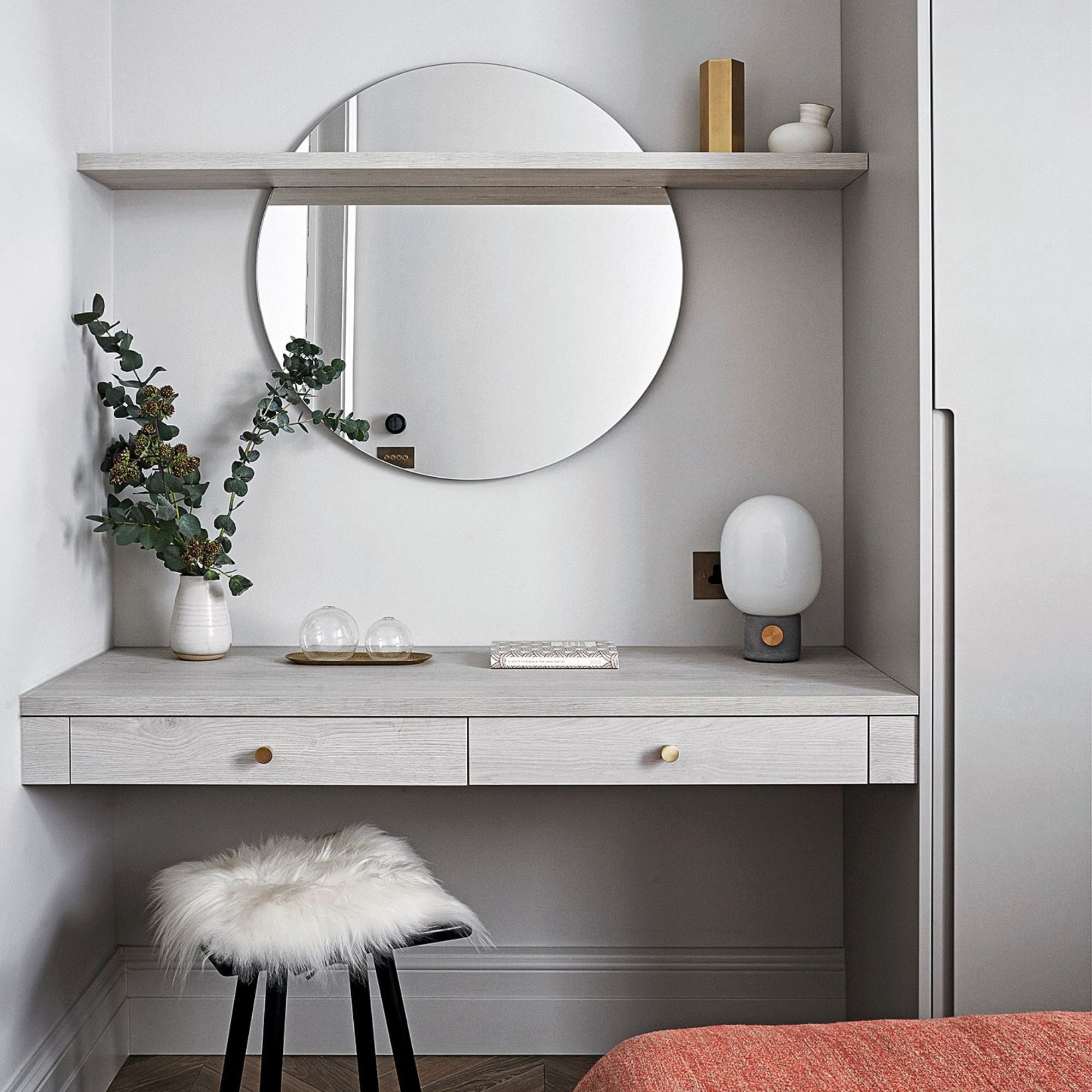
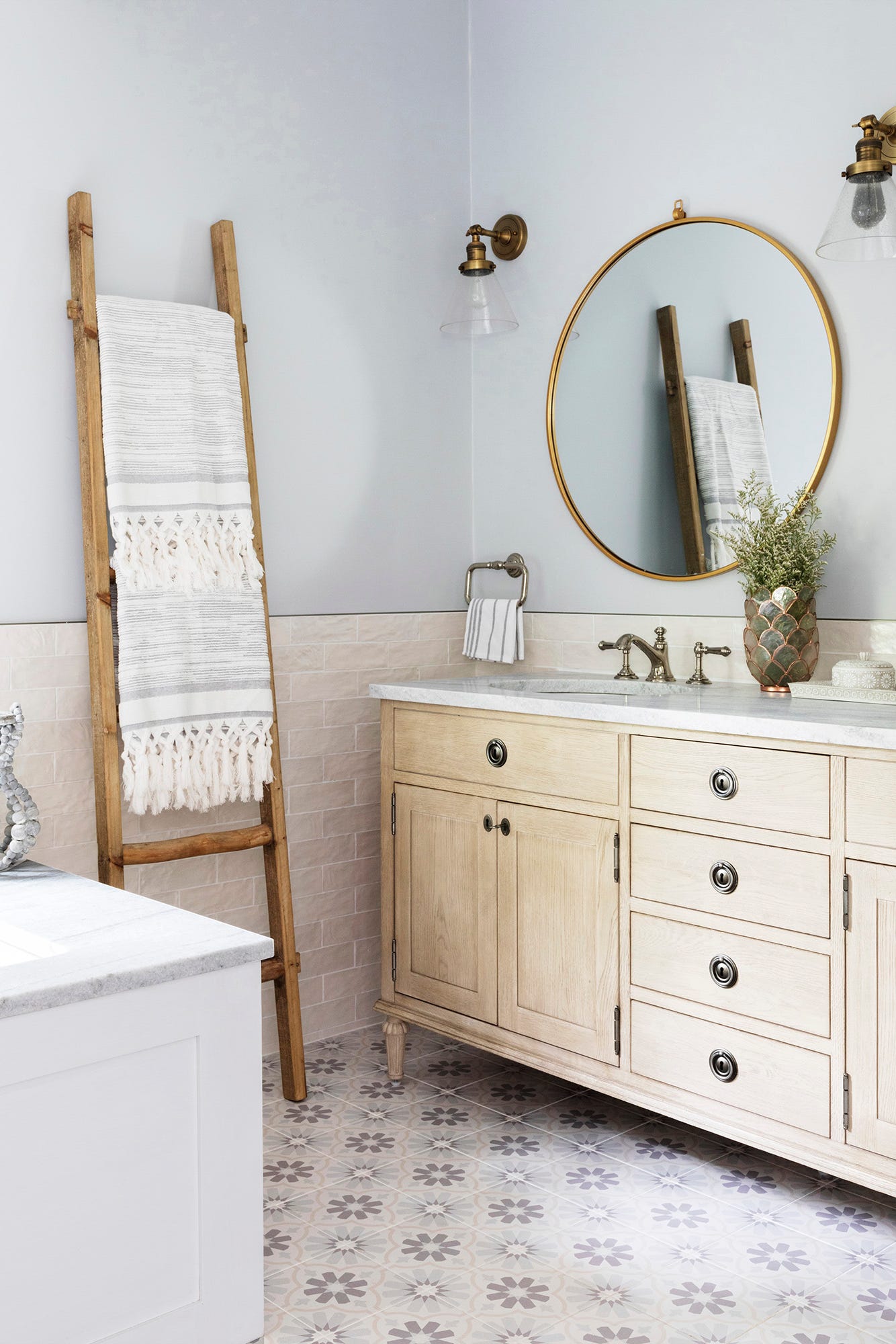
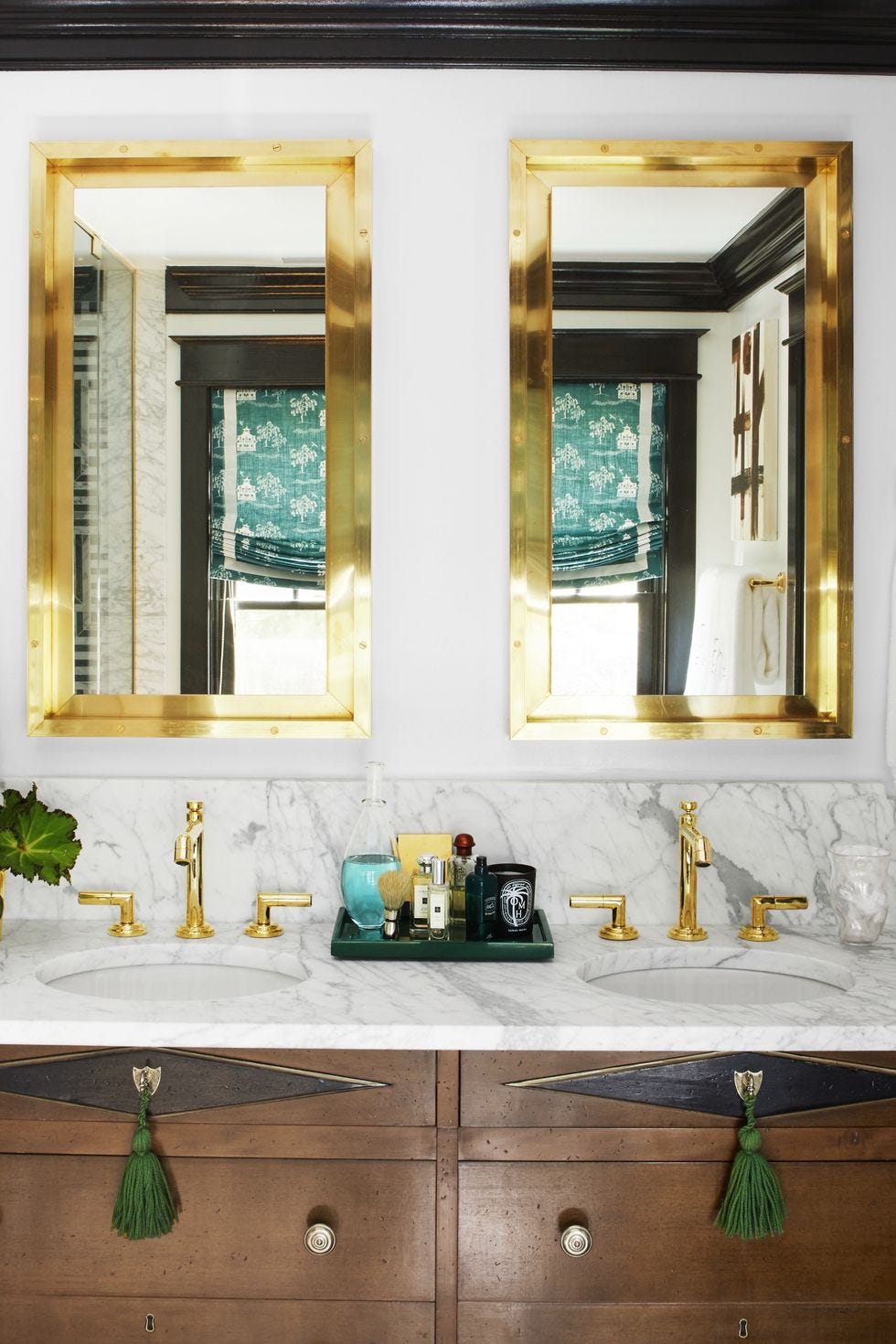
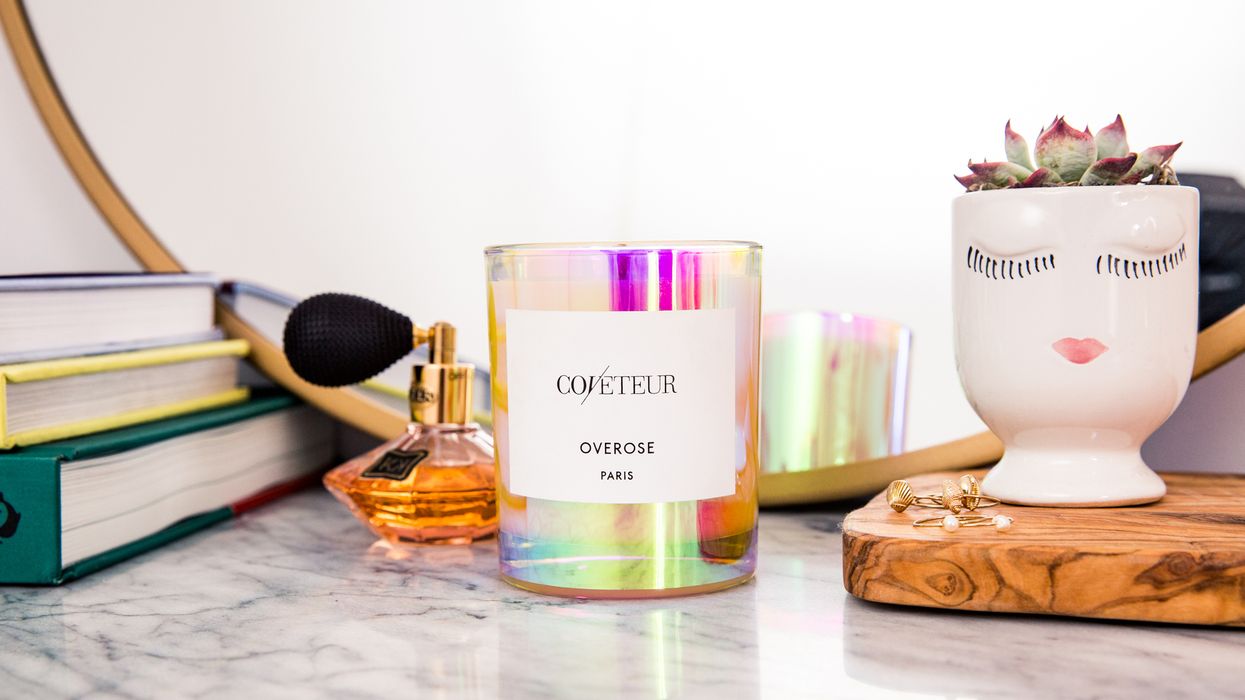
Another traditional yet highly effective placement is above a vanity. Freestanding vanity mirrors act as additional "windows," introducing depth and dimension by reflecting other design elements like wall art or wallpaper. They also facilitate morning routines by providing access to natural light. While some vanities come with integrated mirrors, selecting a separate, freestanding mirror allows for greater variety in shape, size, and potential for unique artistic expression, such as antique finds.
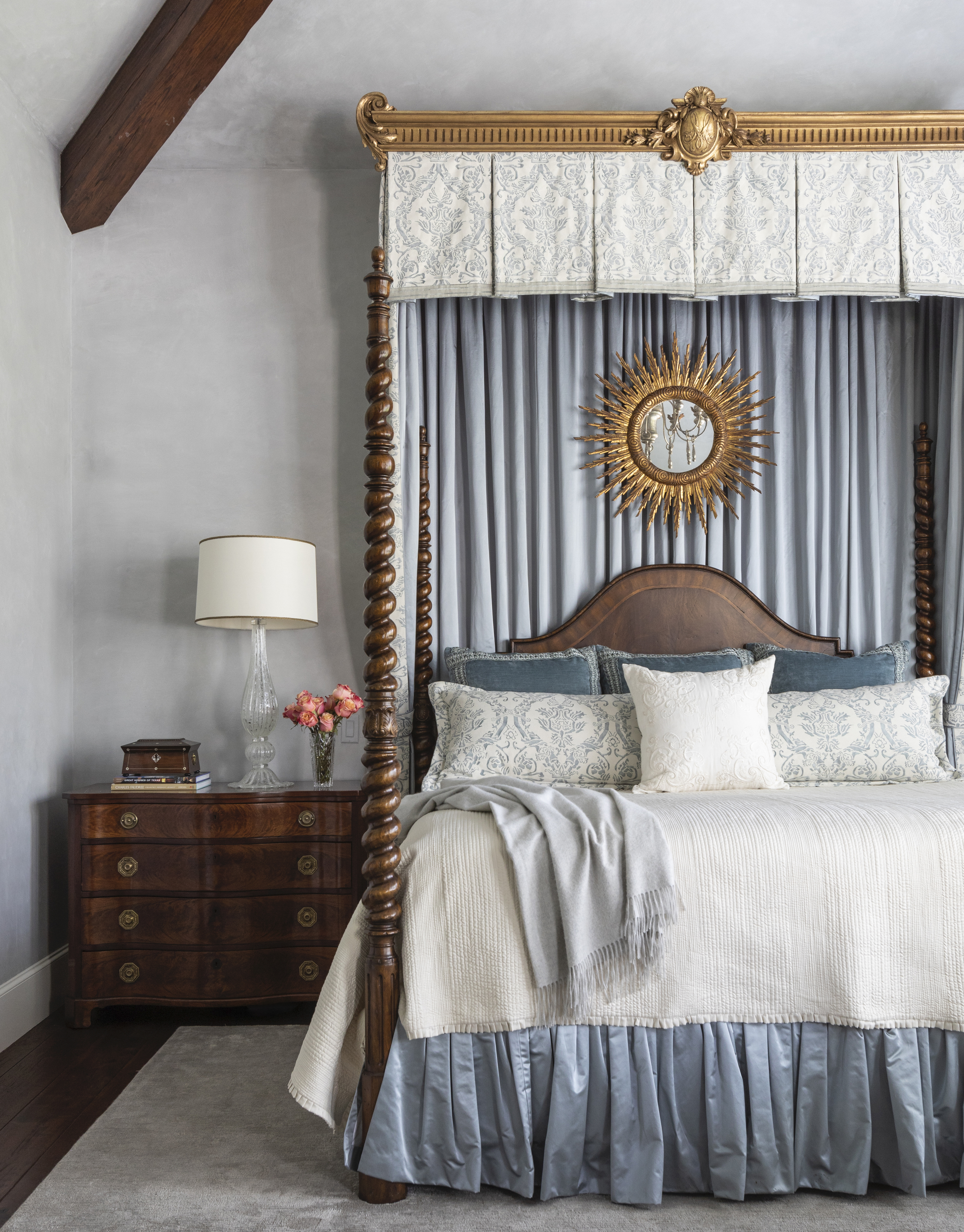
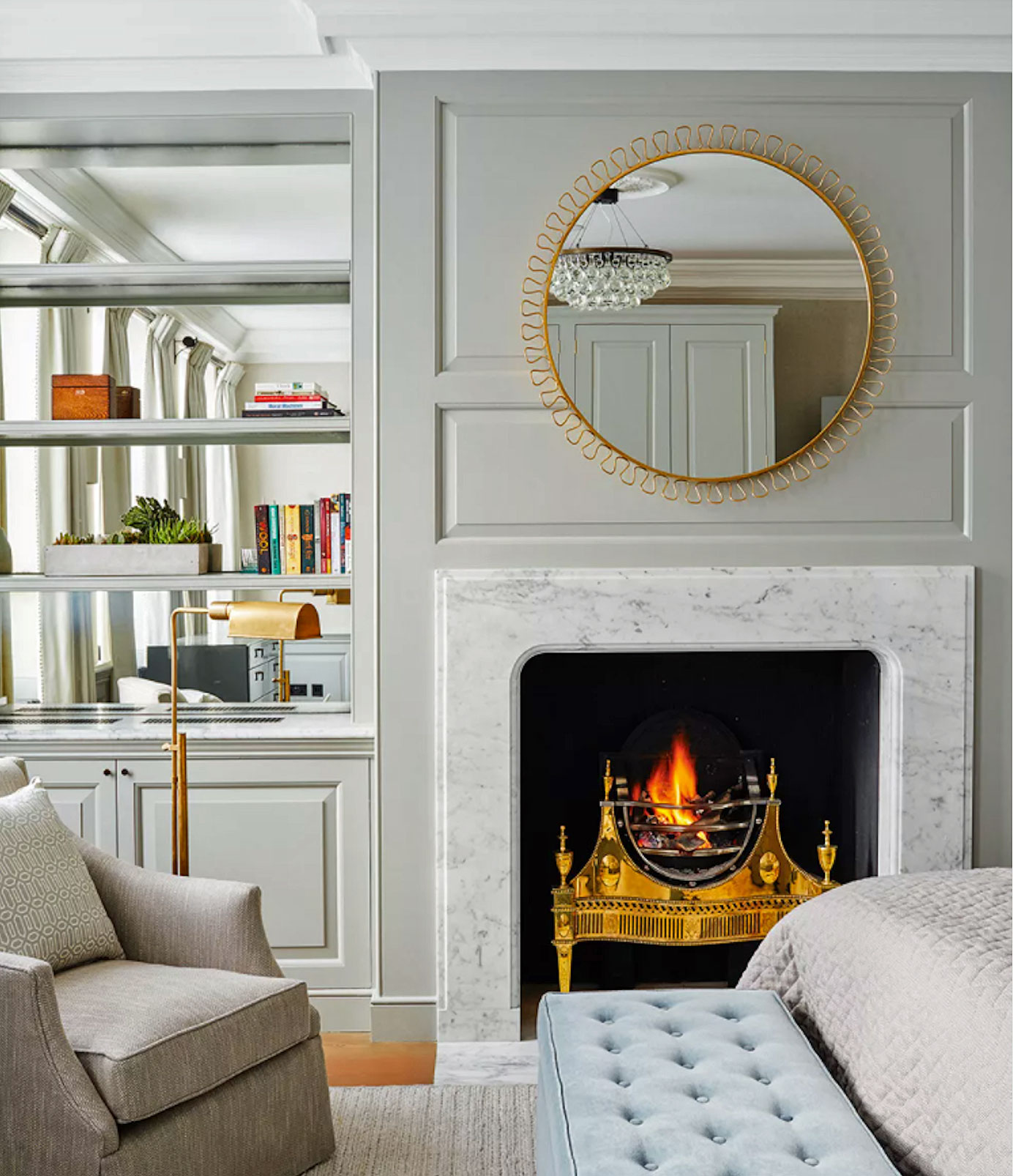
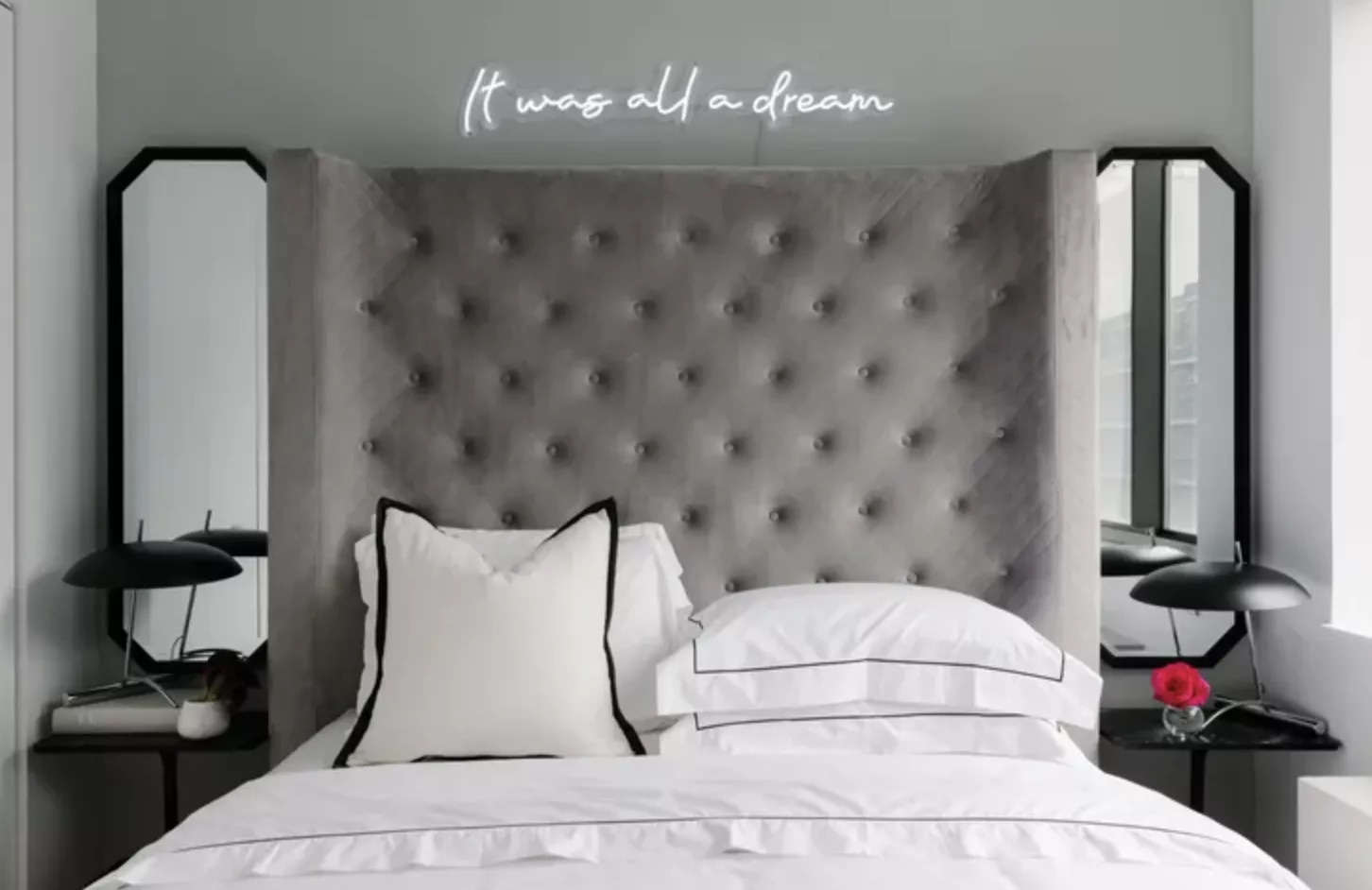
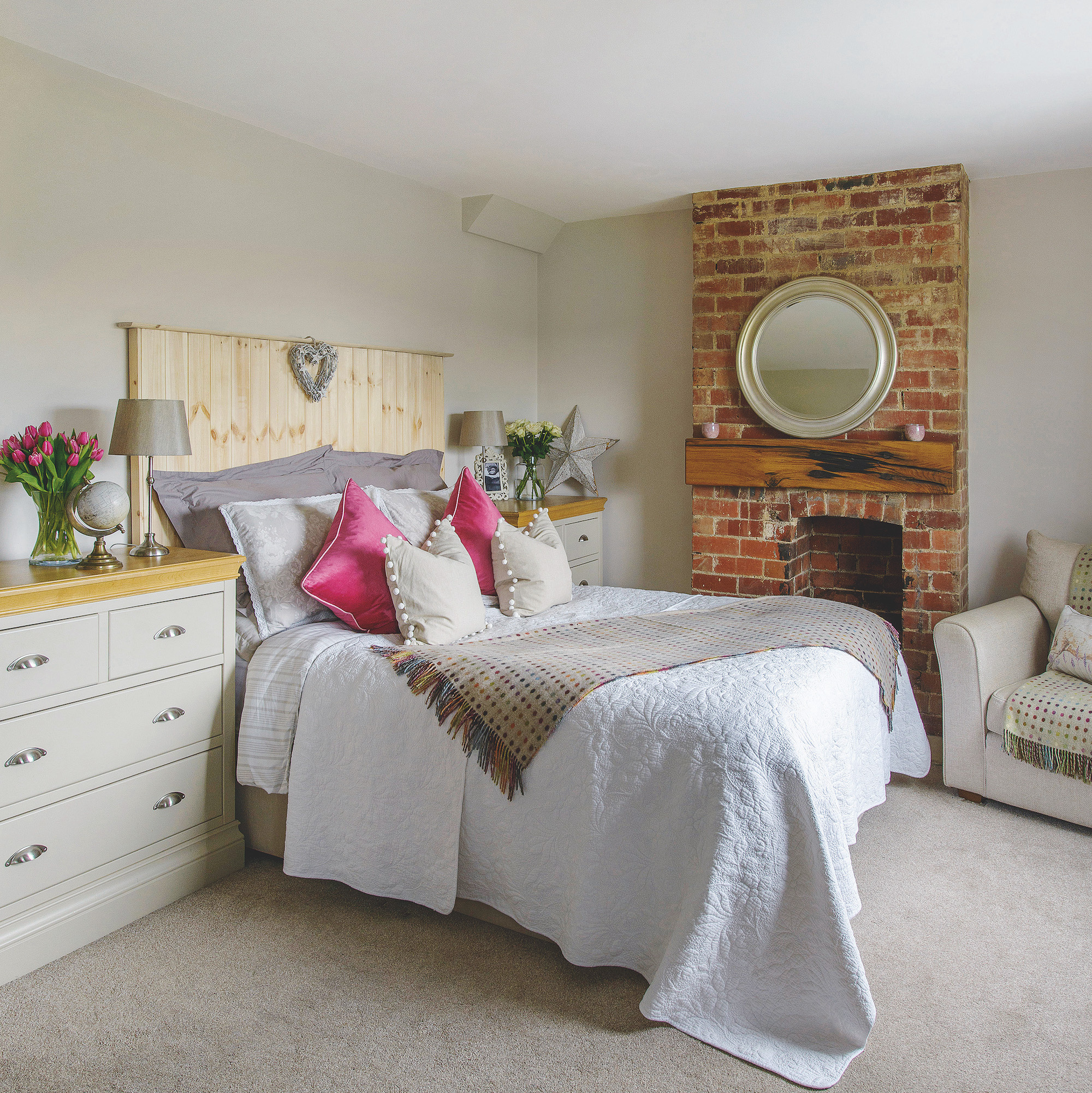
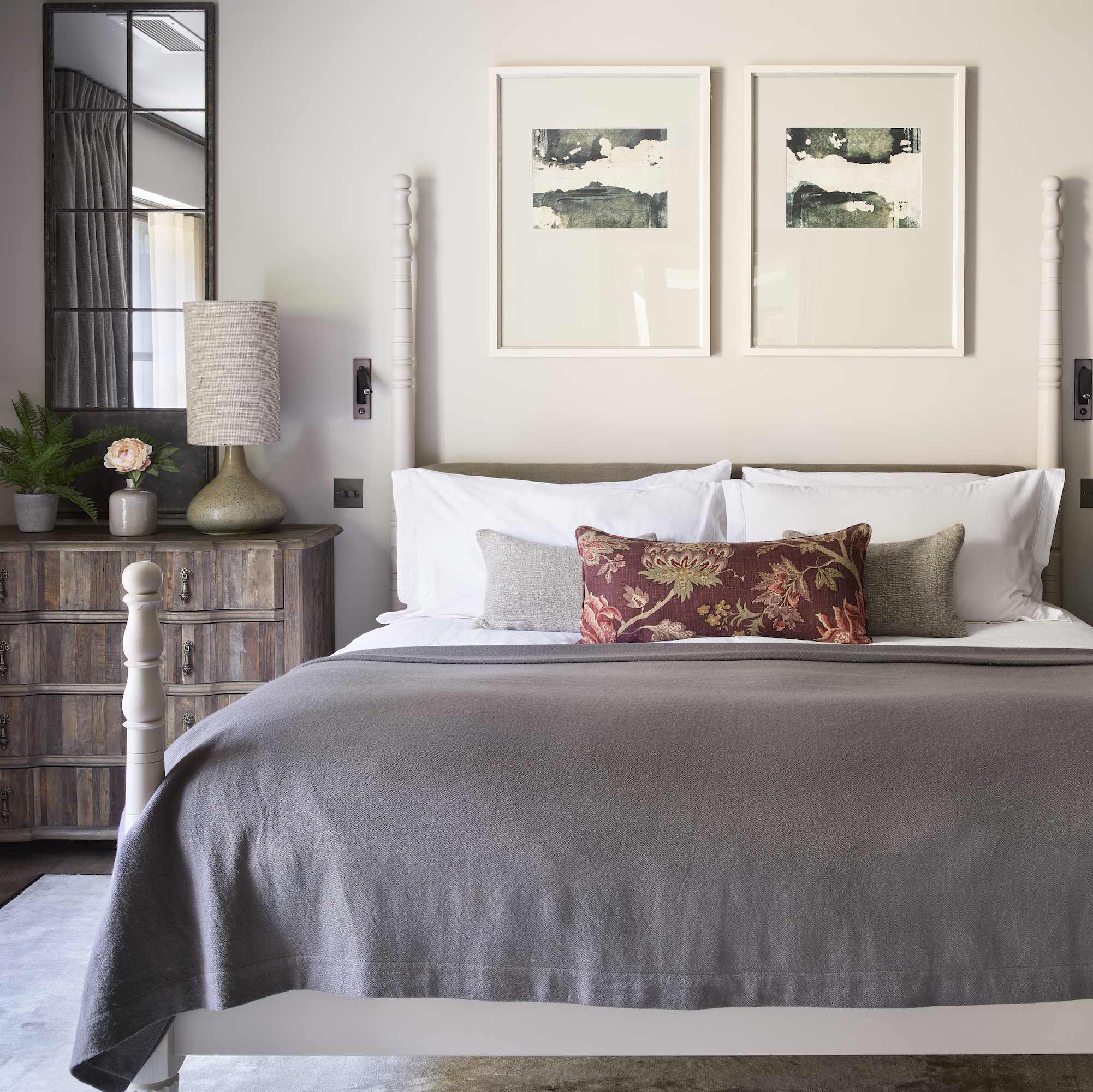
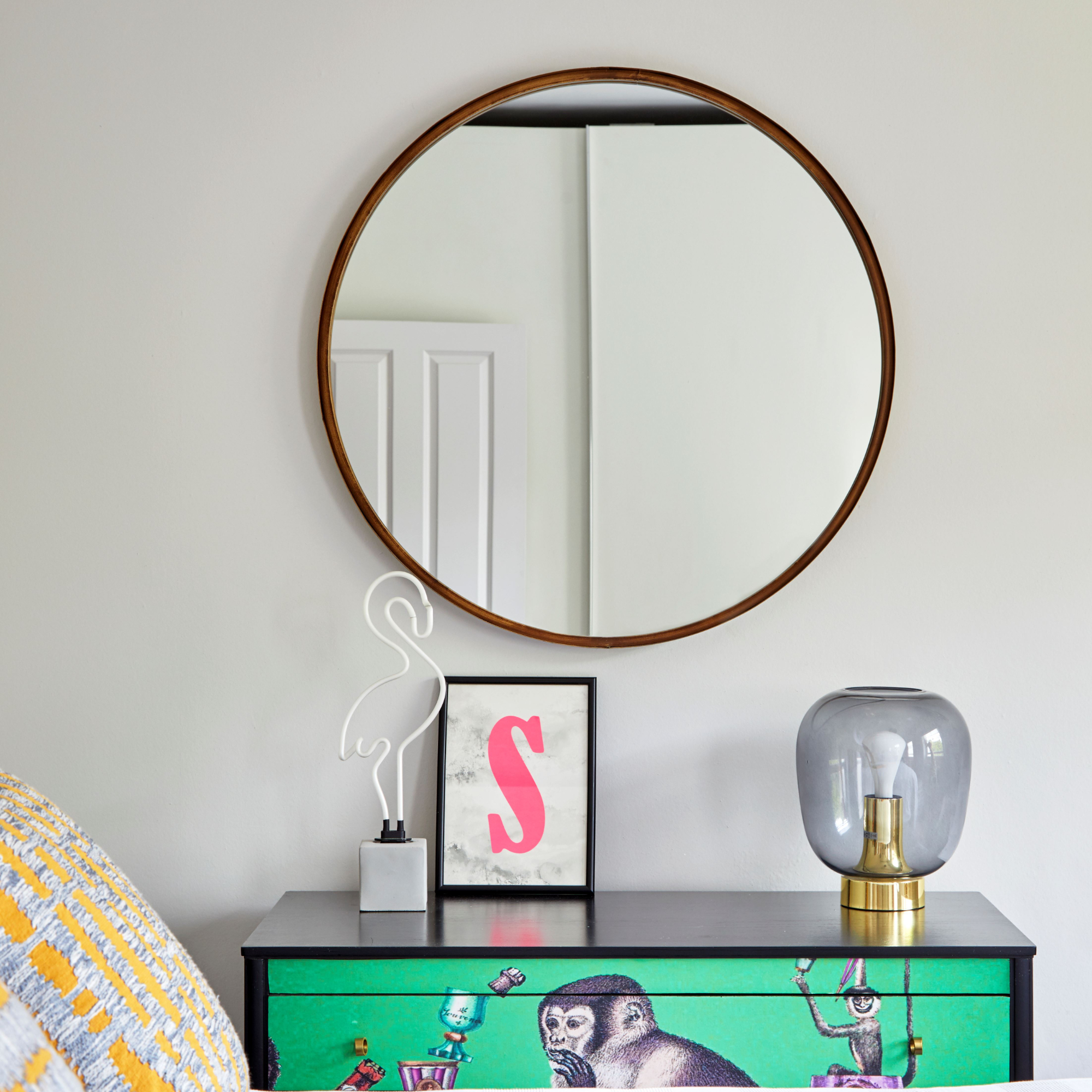
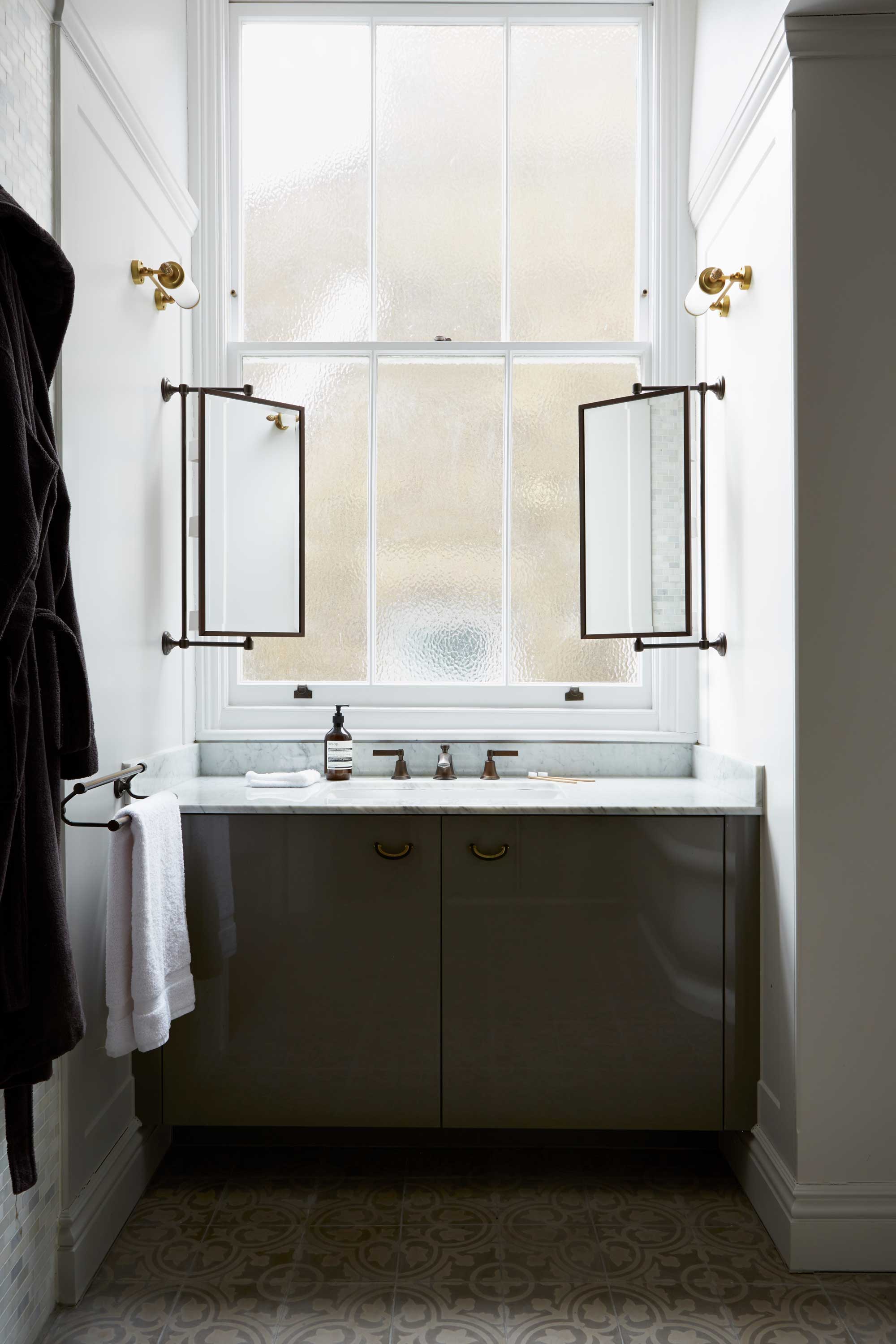
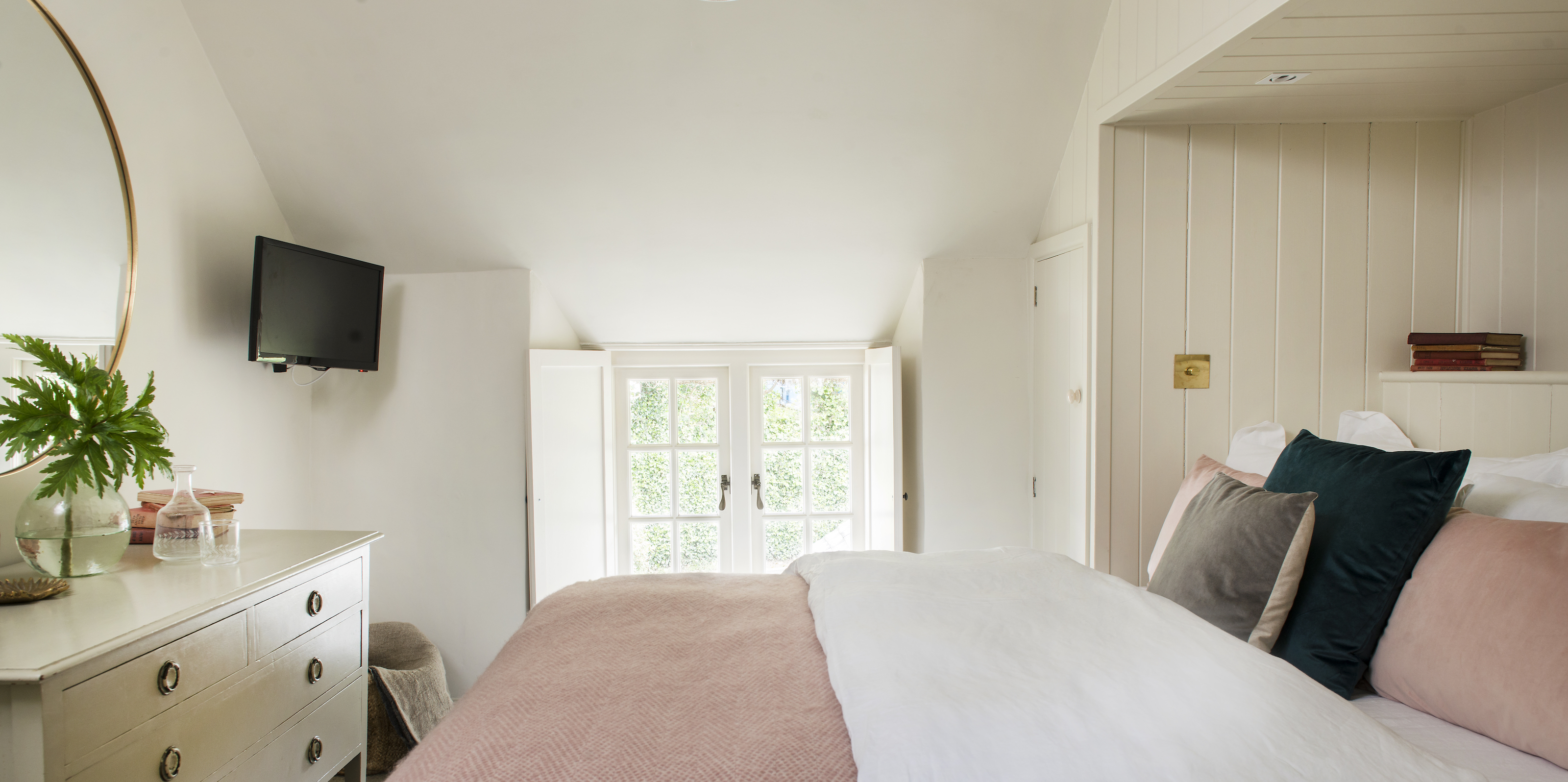
Similarly, placing a mirror above a dresser is a classic choice. This elevated position helps prevent staring directly into the mirror from the bed, which can be unsettling for some individuals. The higher placement still contributes to making the room feel larger. Additionally, positioning a mirror perpendicular to a bedroom window is highly recommended. This arrangement reflects natural light and outdoor views indoors, effectively borrowing scenery and adding interest without needing additional wall art. However, this strategy is contingent on having an appealing view from the window; an undesirable view would be continuously reflected.
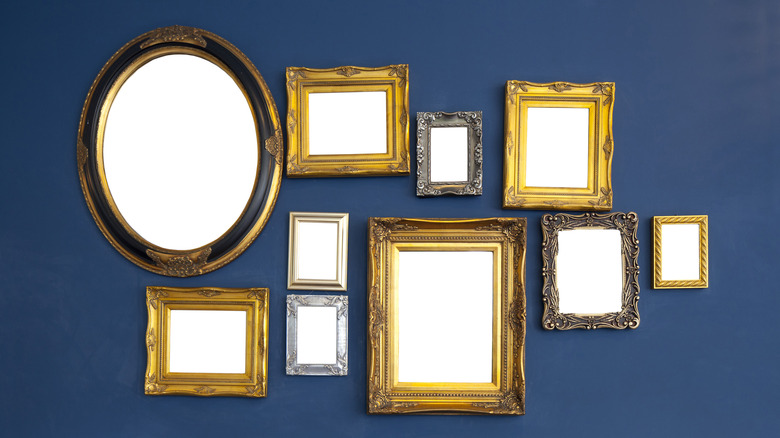
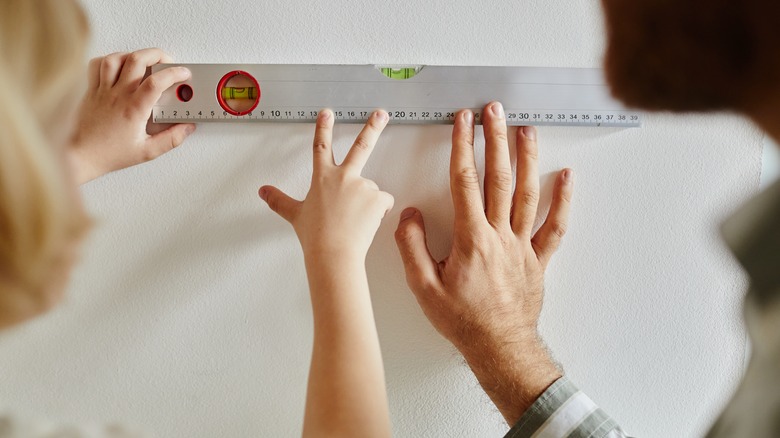
Ultimately, while expert advice provides valuable guidance, the ideal mirror placement often involves an element of trial and error, tailored to individual preferences and the specific characteristics of the room. It is advisable to experiment with different wall placements, considering how the mirror interacts with existing furniture, artwork, and plants, and how it reflects light. The size and shape of the mirror are also critical; it should be prominent enough to make an impact without overwhelming the room.
Conversely, there are placements to generally avoid. Both interior design experts consulted strongly advise against hanging mirrors directly above the bed due to safety concerns regarding the weight of the mirror and its potential to fall. From a design perspective, this position is also considered ineffective for creating depth and is not functional. Placing a mirror directly opposite the bed is another contentious point, often associated with creating a sense of unease or being against Feng Shui principles. Such a placement can also be impractical for getting ready, as it backlights the reflection, limiting visibility, particularly if the bedroom is used for tasks like applying makeup. Despite these general guidelines, the final decision on mirror placement should align with the homeowner's comfort and aesthetic preferences, prioritizing the creation of a functional and pleasing personal space.
#SmallBedroomDesign #MirrorPlacement #InteriorDesignTips #SpaceSavingIdeas #BedroomDecor #HomeDecor #DesignersAdvice #LightReflection #VanityMirror #DresserMirror #SmallBedroomDesign #MirrorPlacement #InteriorDesignTips #SpaceSavingIdeas #BedroomDecor #HomeDecor #DesignersAdvice #LightReflection #VanityMirror #DresserMirror
0 ความคิดเห็นรวม
 ยังไม่มีความคิดเห็น
คุณอาจจะชอบอีกด้วย
Where to put a mirror in a small bedroom — space-enhancing, designer-approved tips even if options are slim

The Best Bathroom Mirrors Have These 4 Qualities, Above All Else

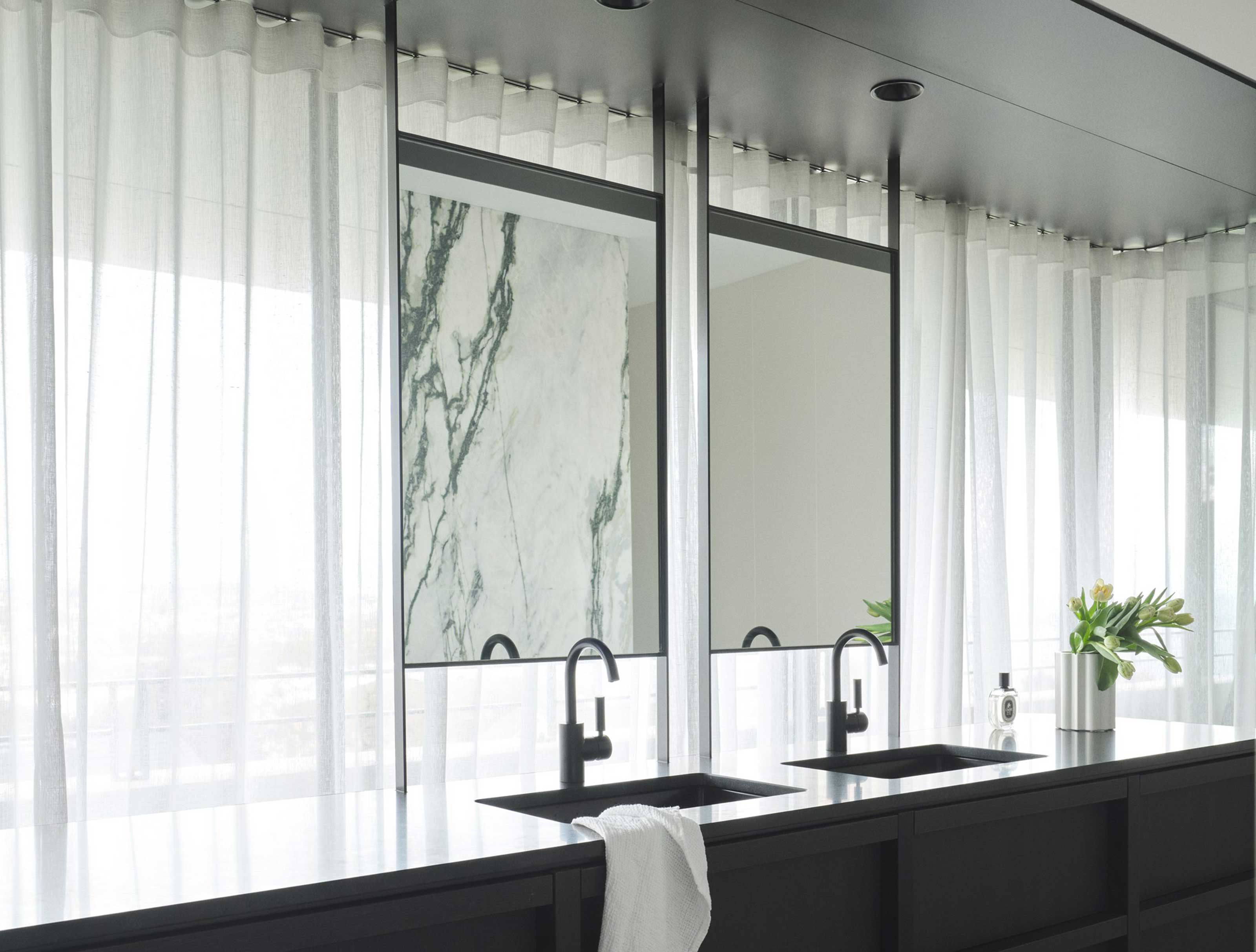
Should you put a mirror in front of a bathroom window? This trick can help you re-think a small bathroom layout

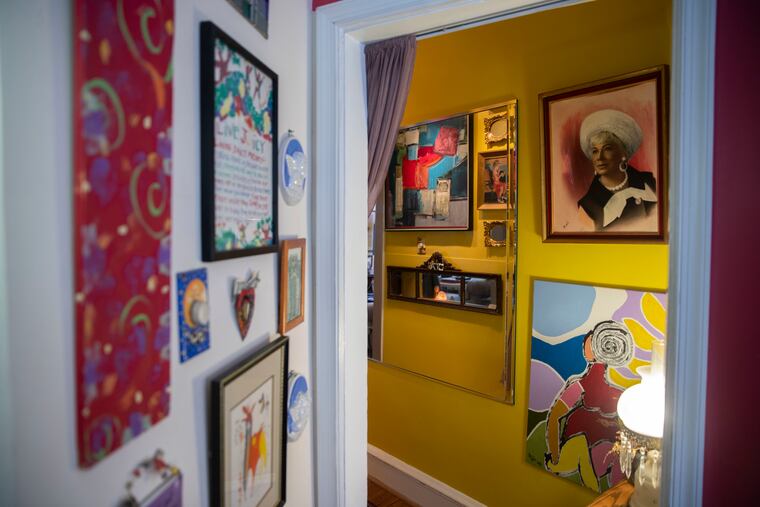
Decorate with mirrors to bring in light or make your home feel bigger
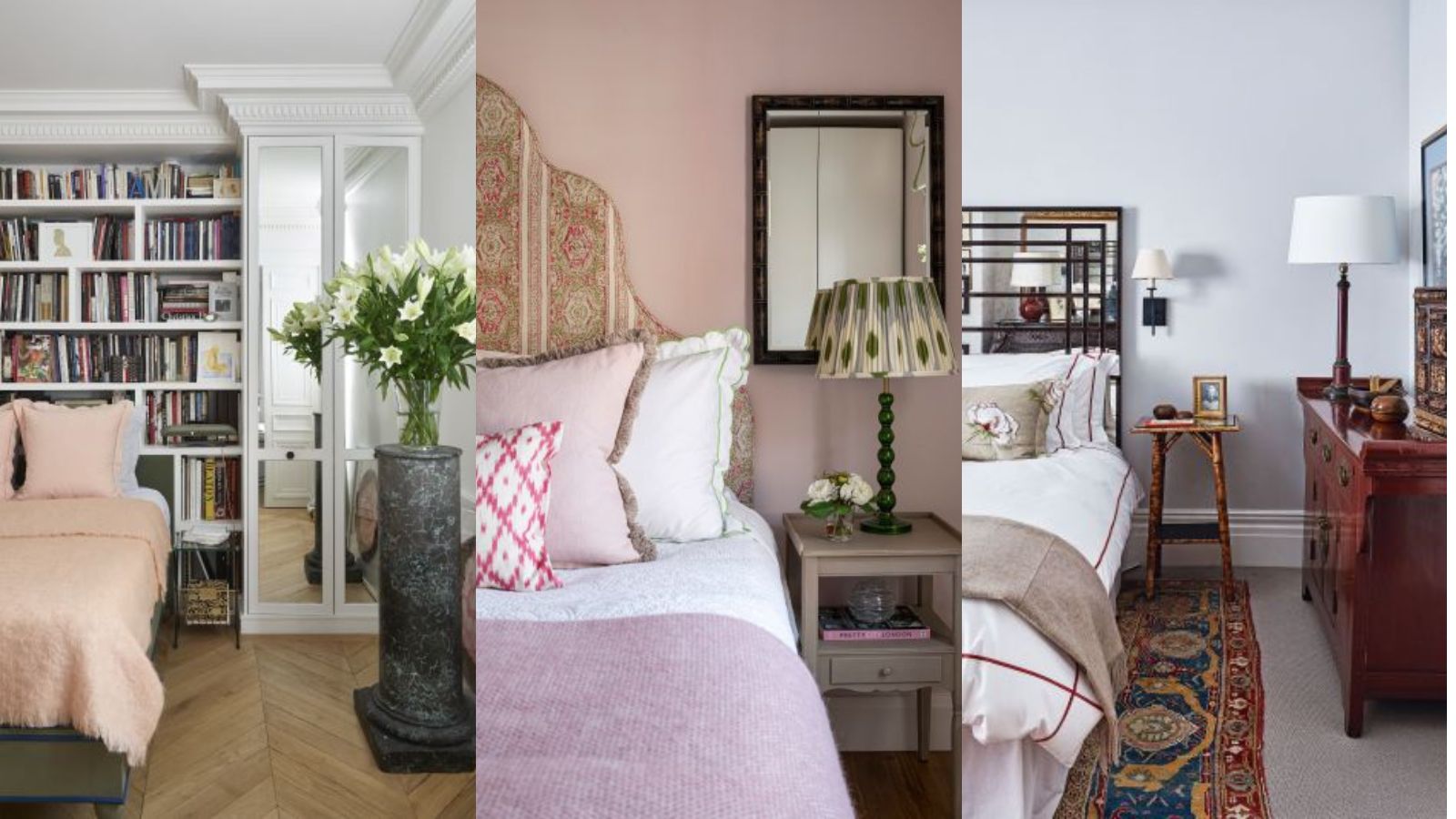
Small bedroom mirror ideas – 10 brightening, space-stretching solutions
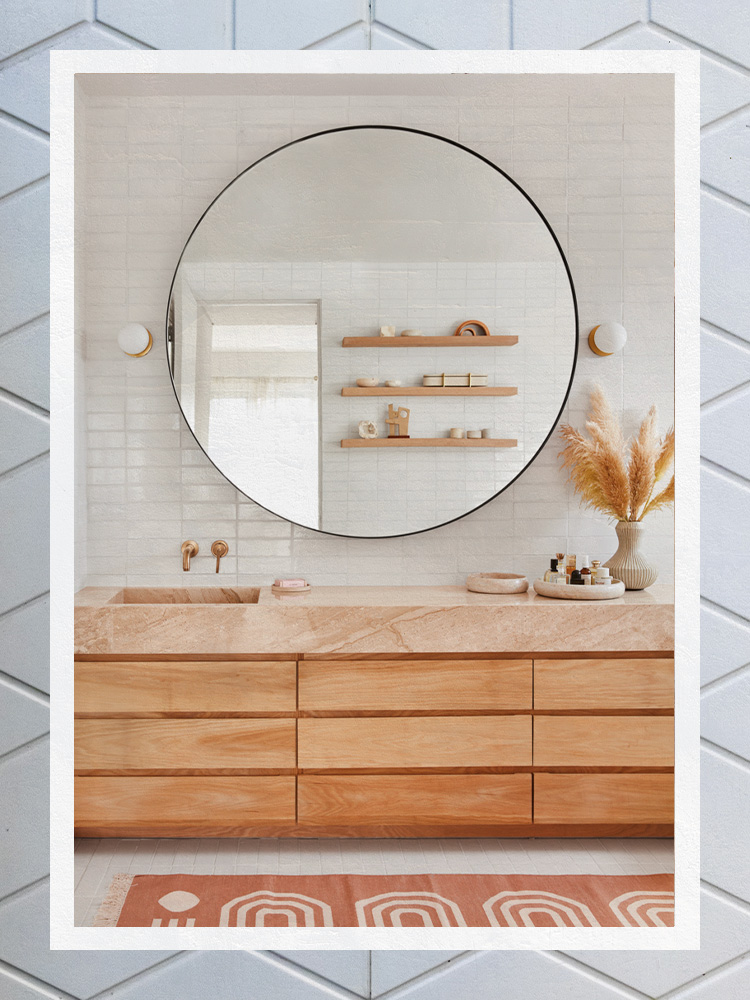
The Best Bathroom Mirrors Have These 4 Qualities, Above All Else


Where should you place a mirror in the house? Jai Madaan explains

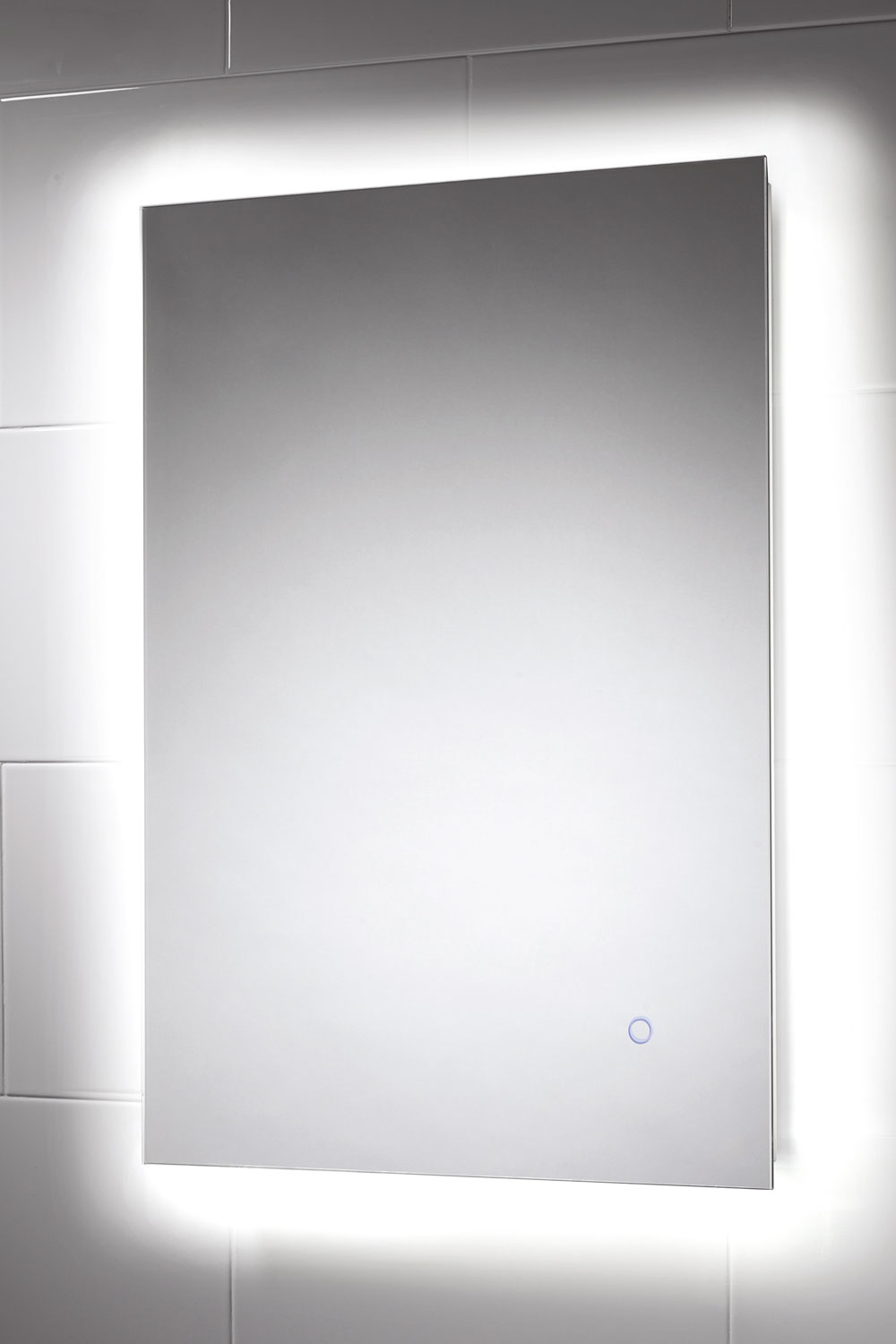
Shopping edit – best bathroom mirrors to enhance beauty, on every level

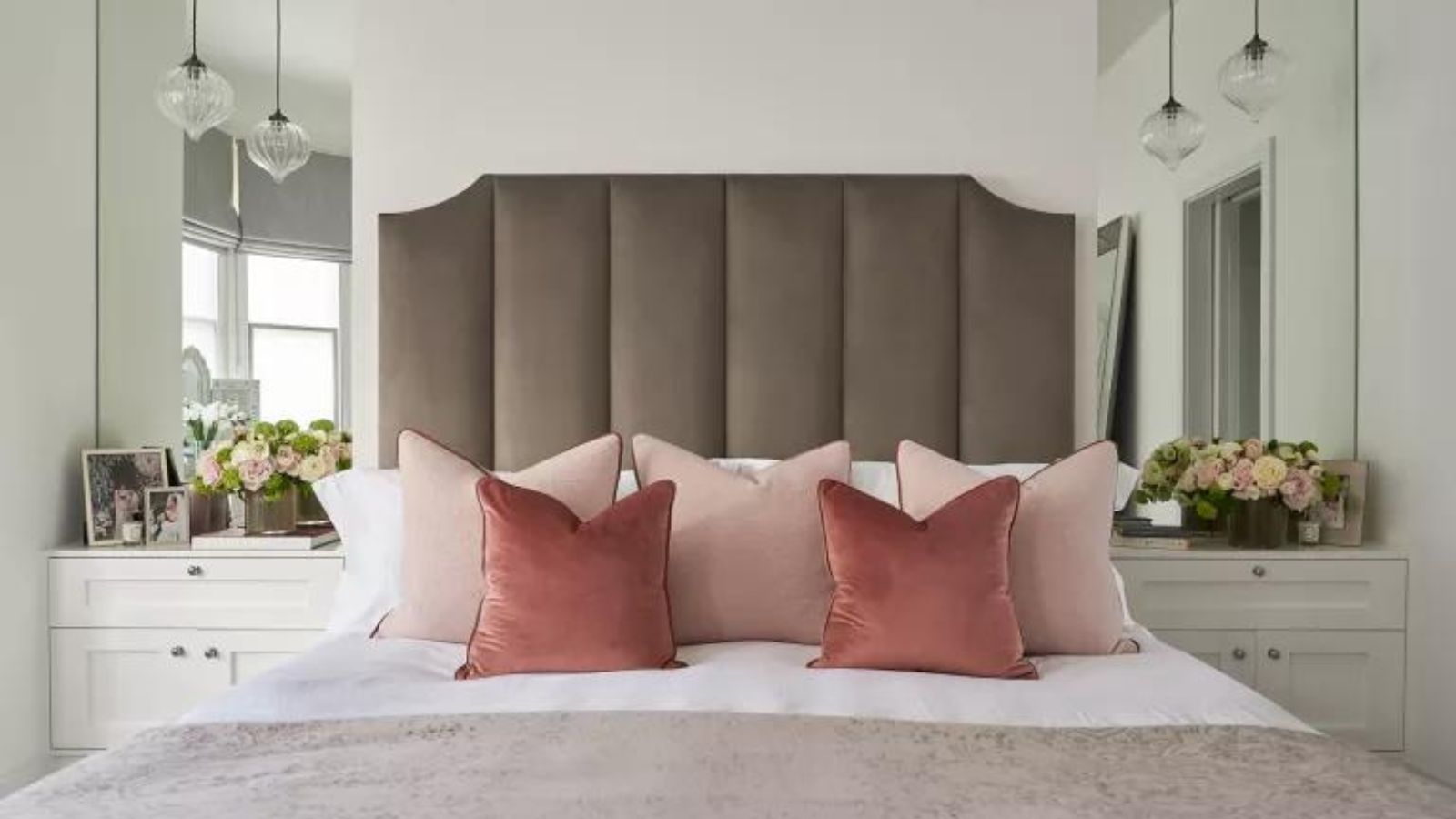
Where should mirrors be placed in a bedroom for Feng Shui? Experts offer their advice
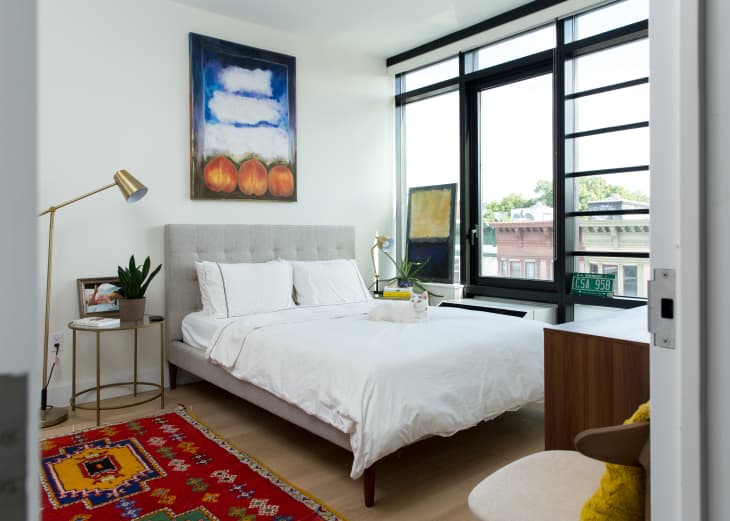
The Surprising Organizing Solution That Upped the Storage in My Bedroom
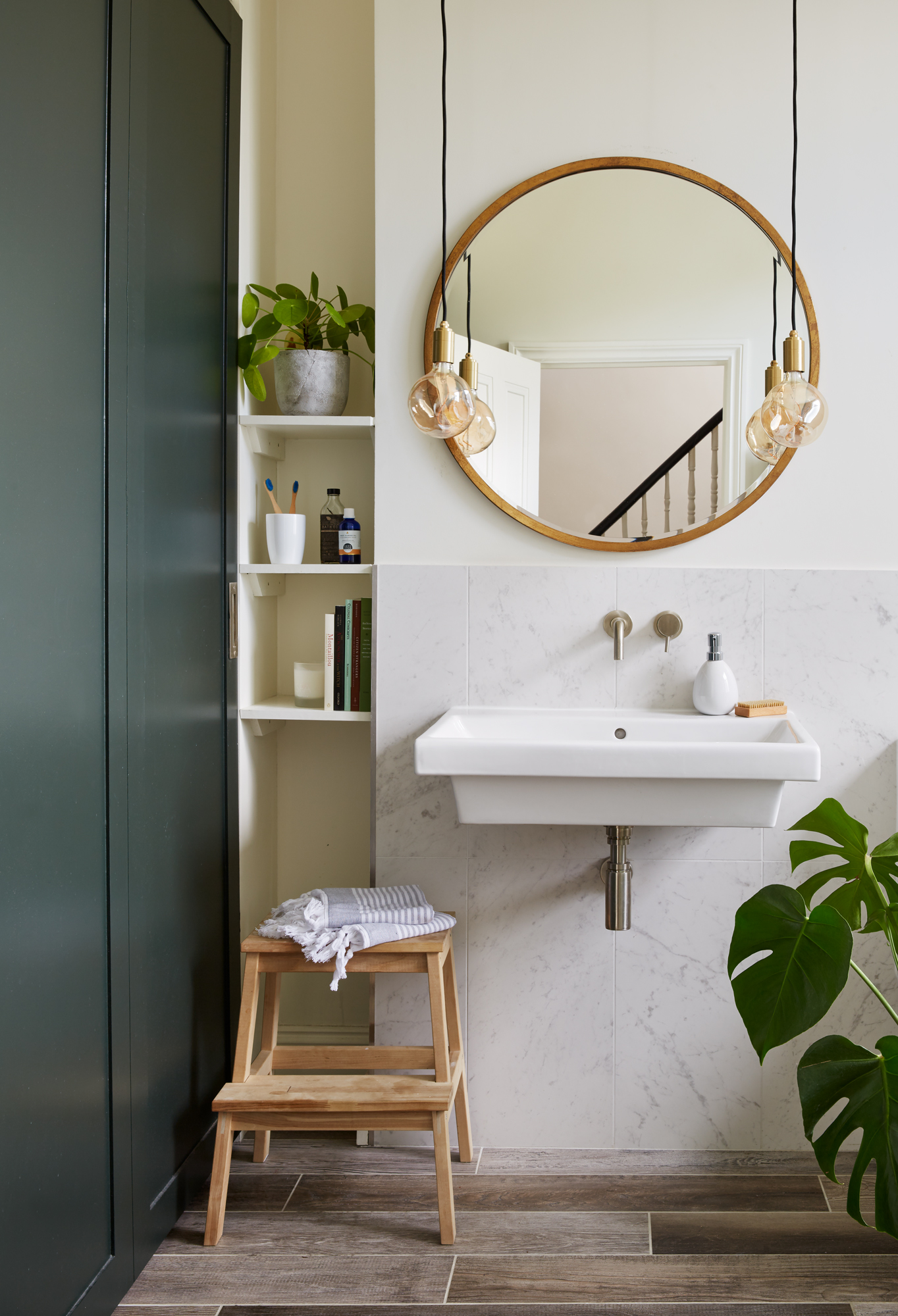
Best bathroom mirrors: 6 gorgeous picks to suit all styles
Small bathroom mirror ideas – 11 ways to enhance a small restroom

Mirrors Are the Secret to Making A Small Bedroom Feel Huge—15 Tips to Get the Look

4 places you shouldn't place a mirror in a bedroom, and the 1 place you should
20 Decorative Bathroom Mirror Ideas That'll Open Up Your Space, No Matter How Small


How to Feng Shui Your Vanity, for Beginners
Bedroom mirror ideas - 10 fun and functional ways with mirrors
How To Use Mirrors To Make Your Small Space Look Bigger, According To An Expert
The best mirrors for a bright and roomy home
You can hang with us - 31 Aug 2023 - ELLE Decoration - UK Magazine