Think About Safety When You Build Tiny Houses
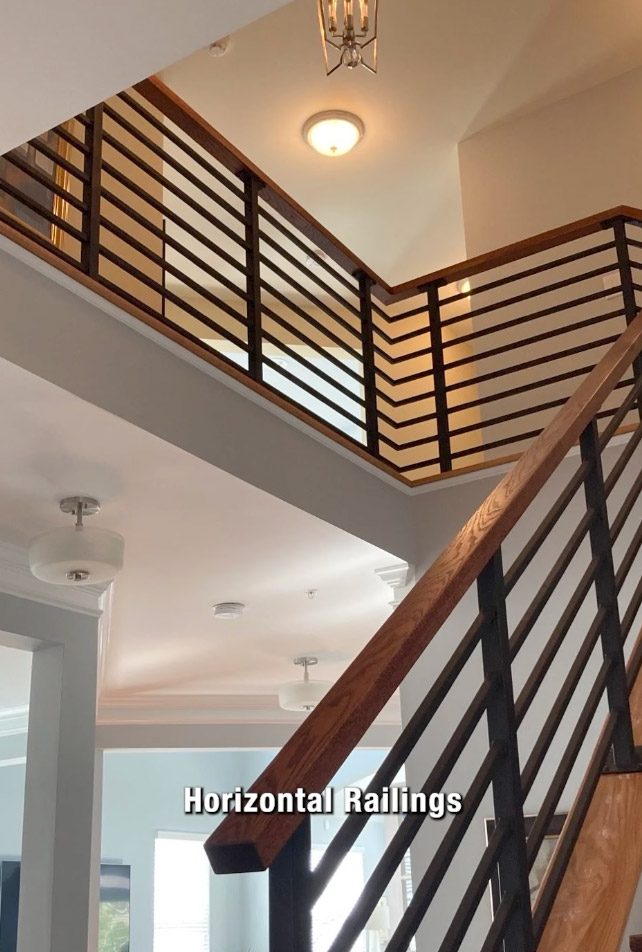
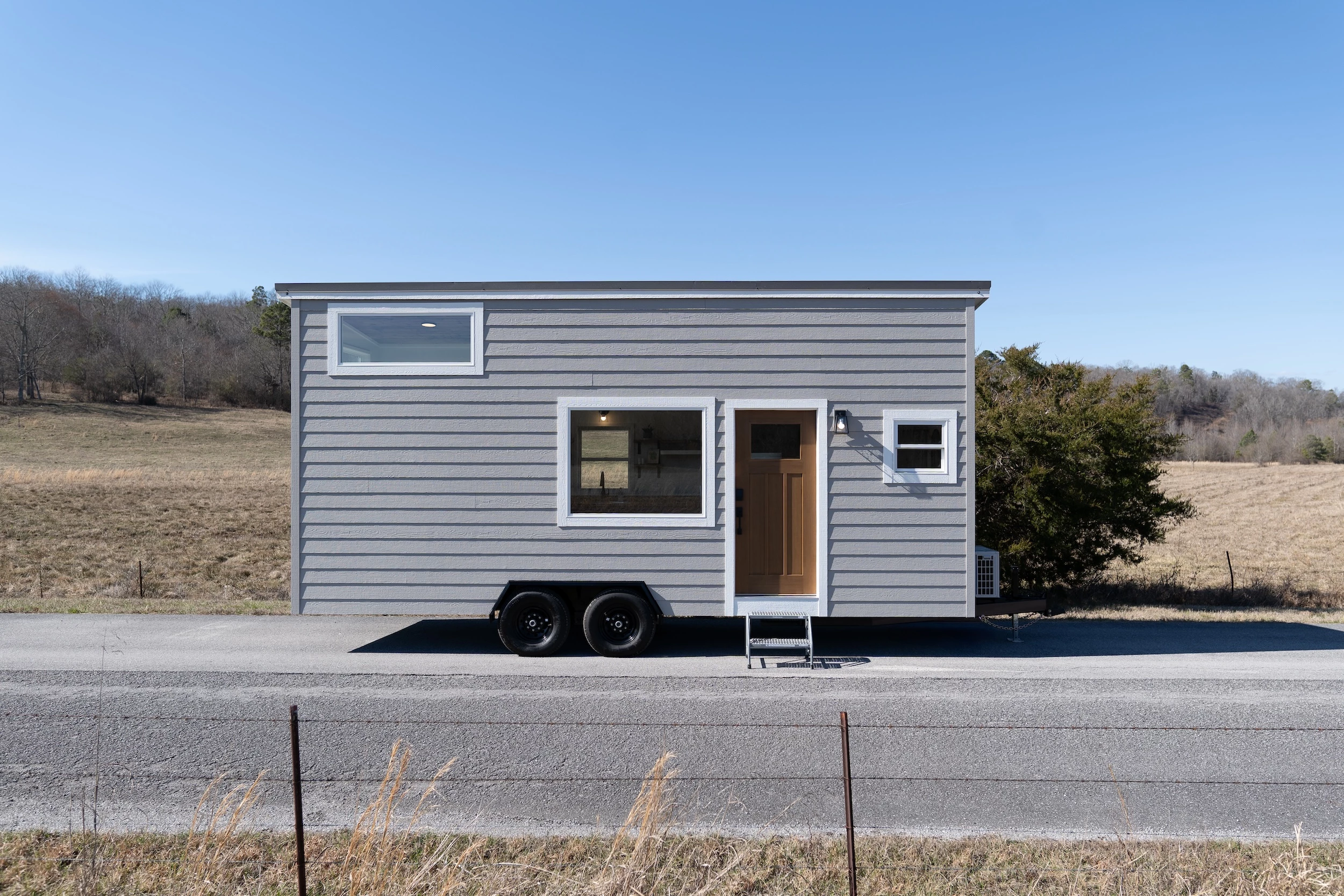
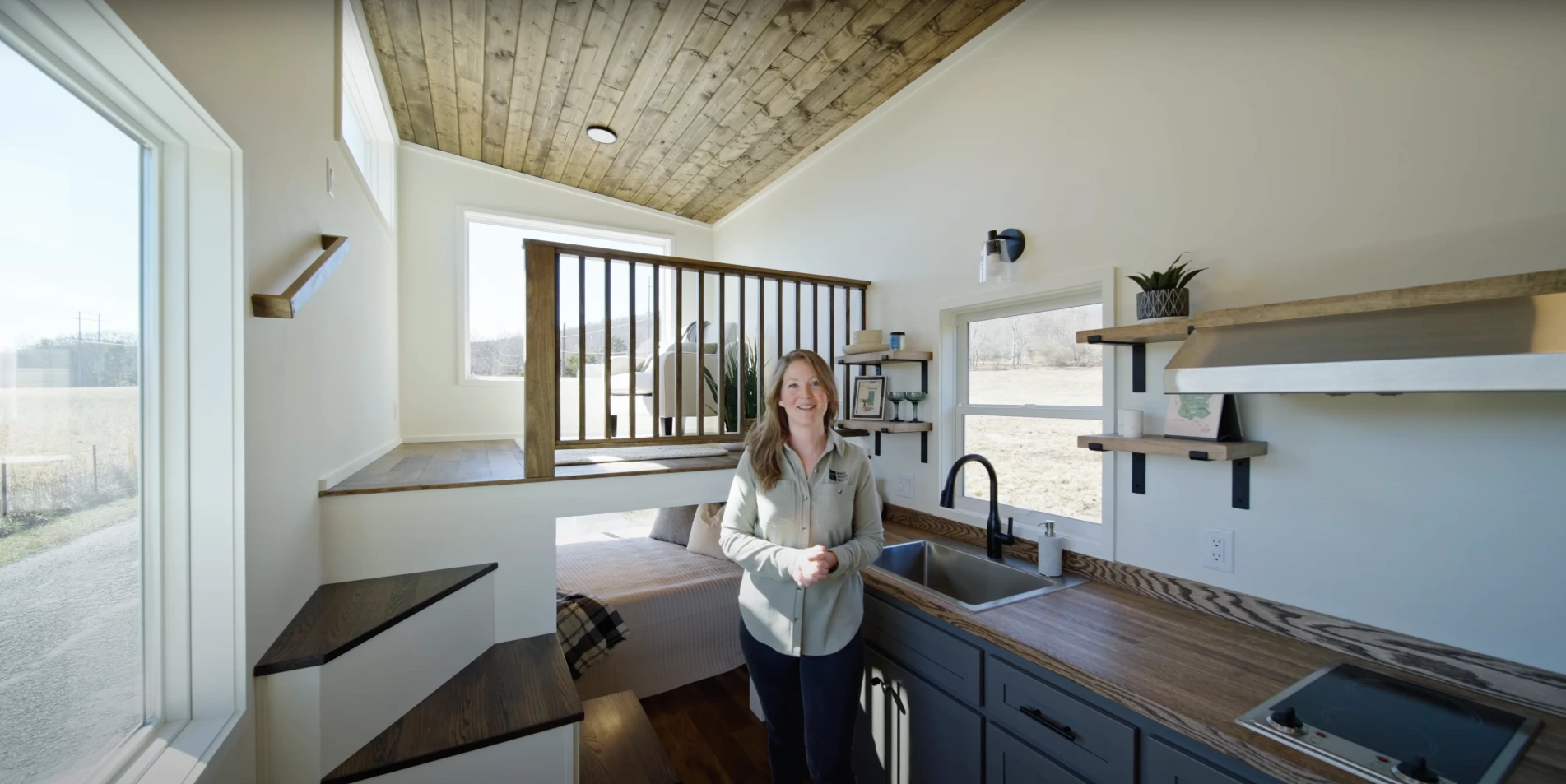
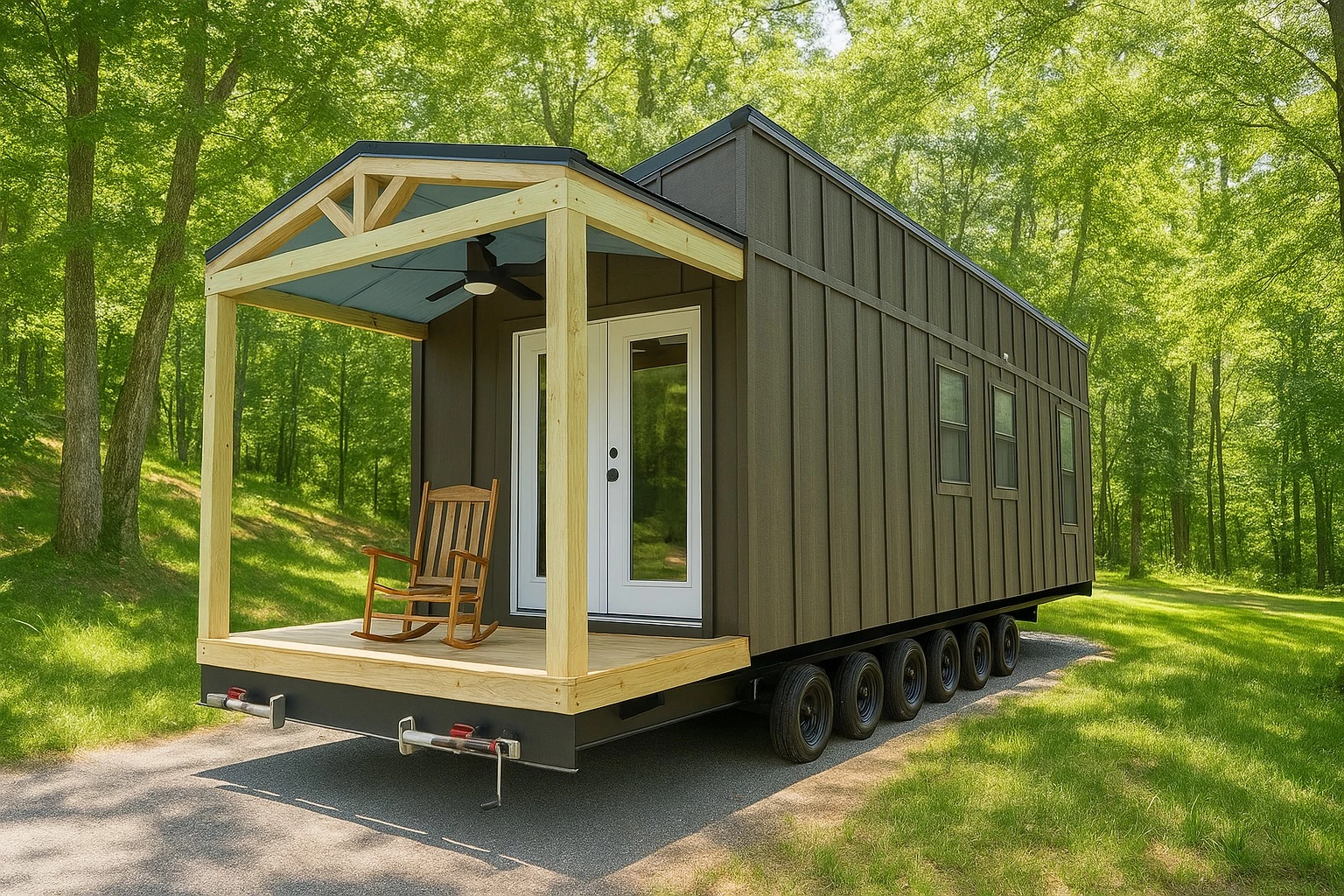
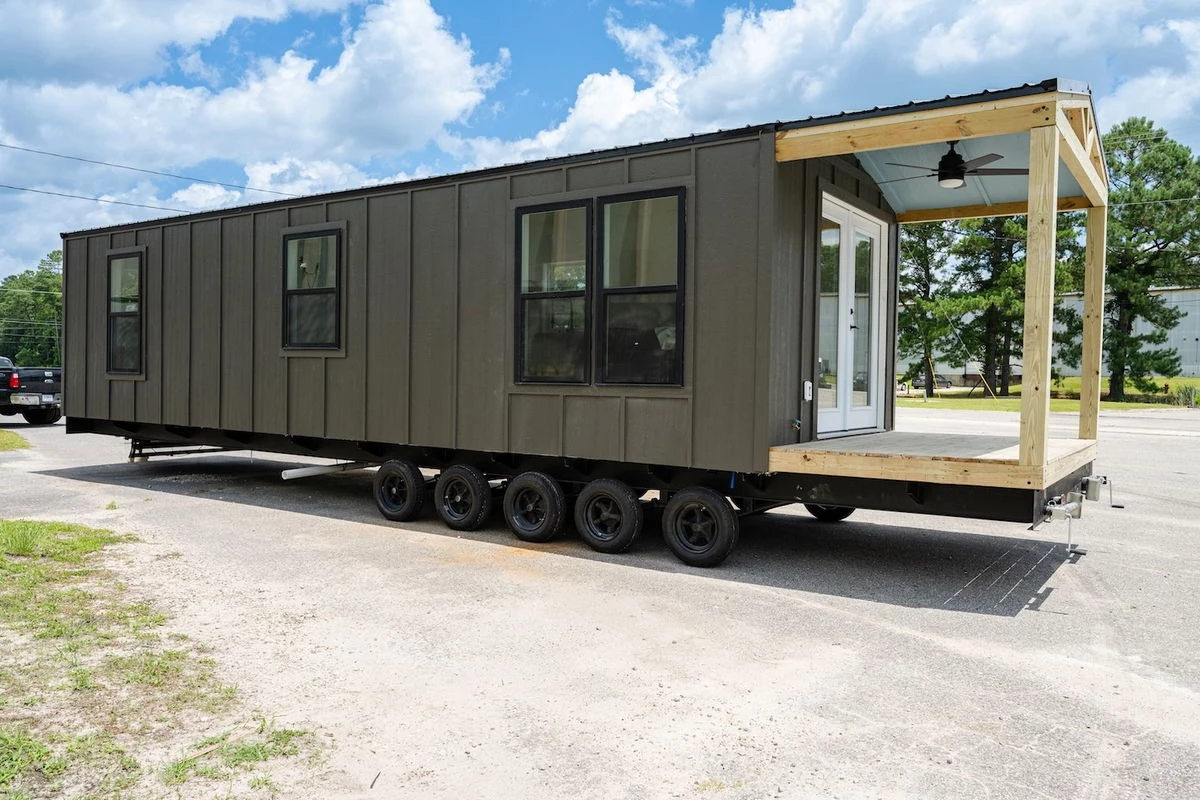
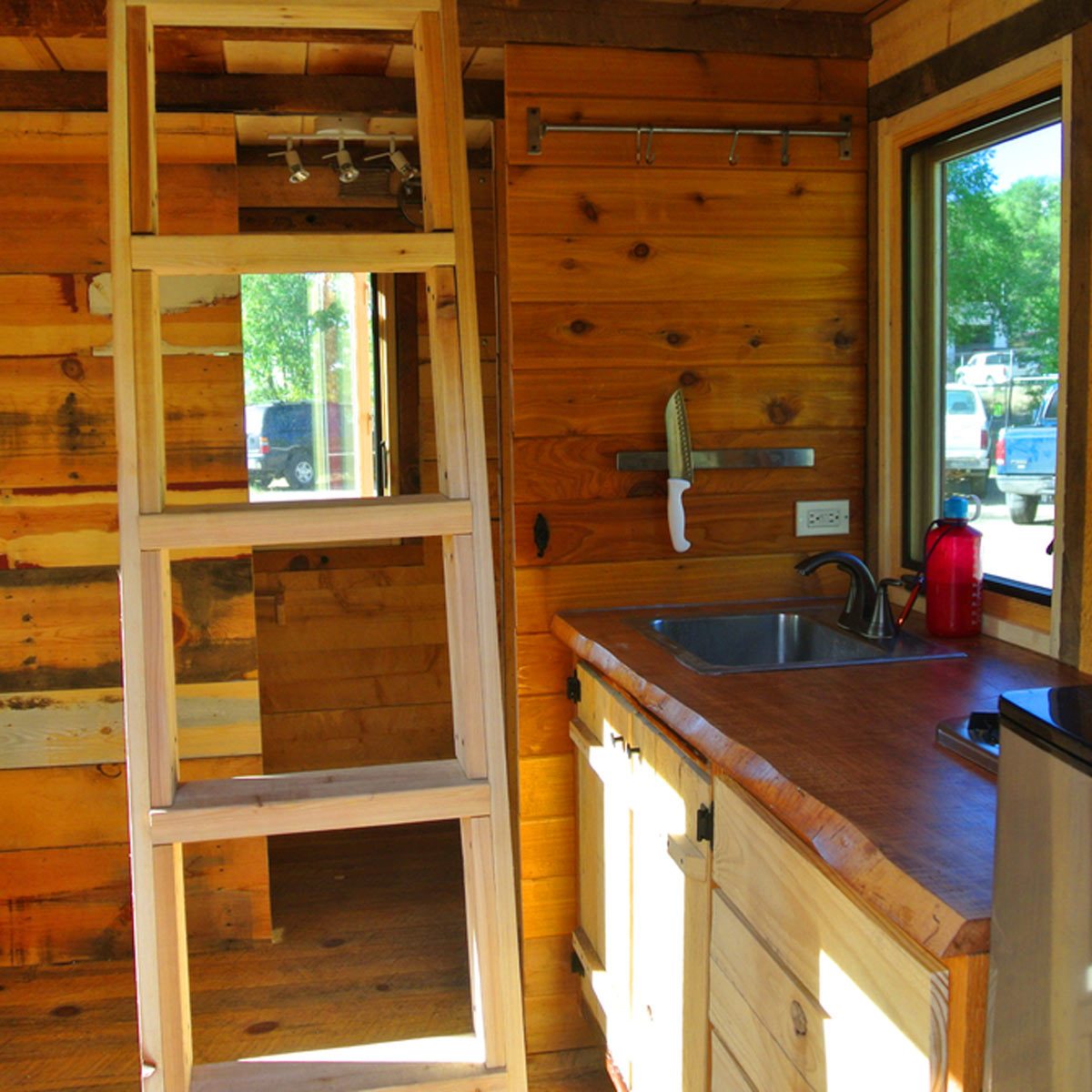
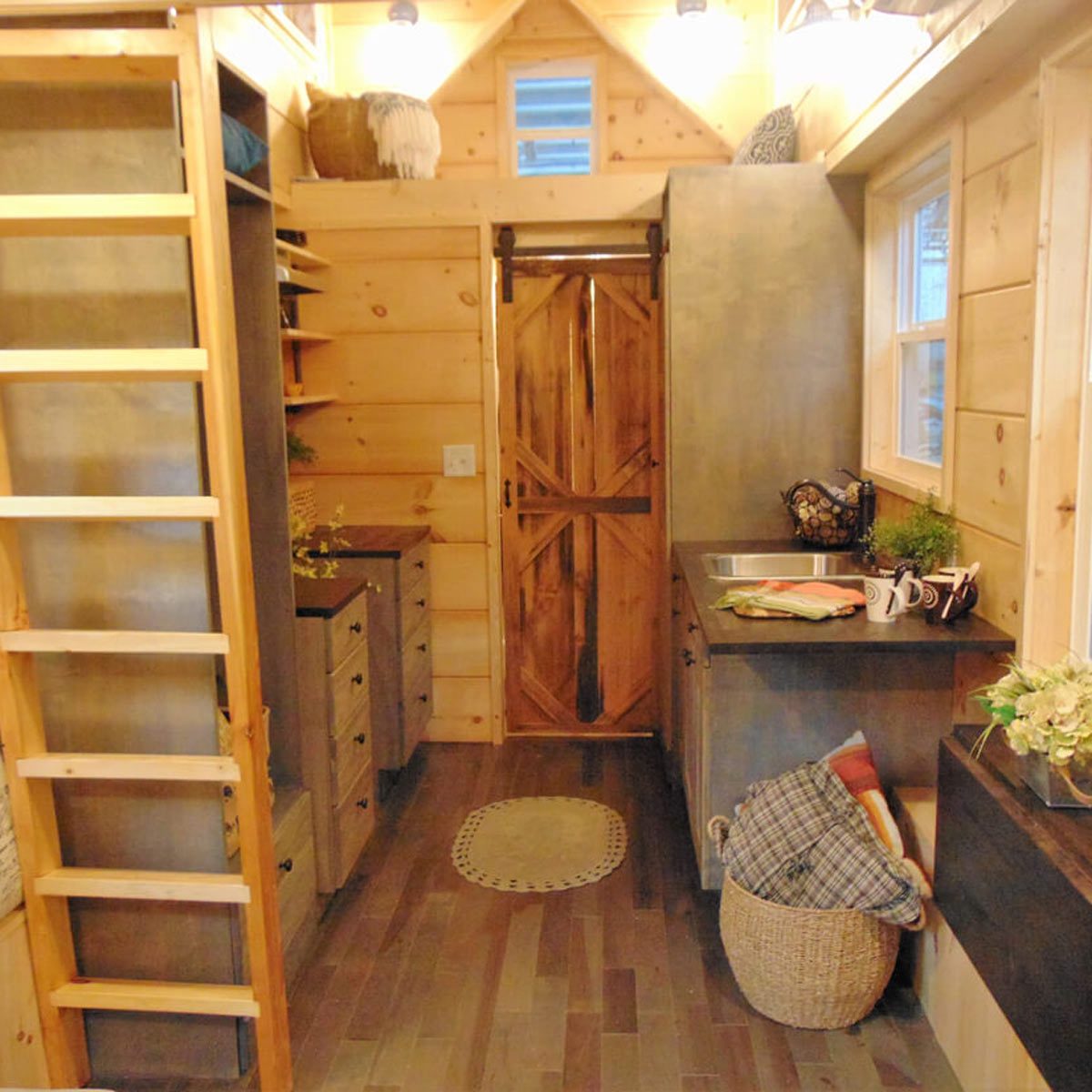
The growing popularity of tiny houses has led to an increase in businesses designing, building, and selling them. These structures are typically built on chassis and are less than 8 feet 6 inches wide, allowing them to be classified as recreational vehicles (RVs) rather than traditional buildings, thus exempting them from stringent building codes and zoning bylaws. While RVs have their own set of rules, enforcement appears to be limited, raising concerns about safety. Rich Daniels of Rich's Portable Cabins highlights several safety issues, particularly concerning loft beds and the stairs leading to them. Many designs lack adequate railings to prevent falls from lofts or stairs. Crucially, RV codes mandate proper egress from sleeping lofts, often requiring a window large enough for exit if the primary access is blocked.
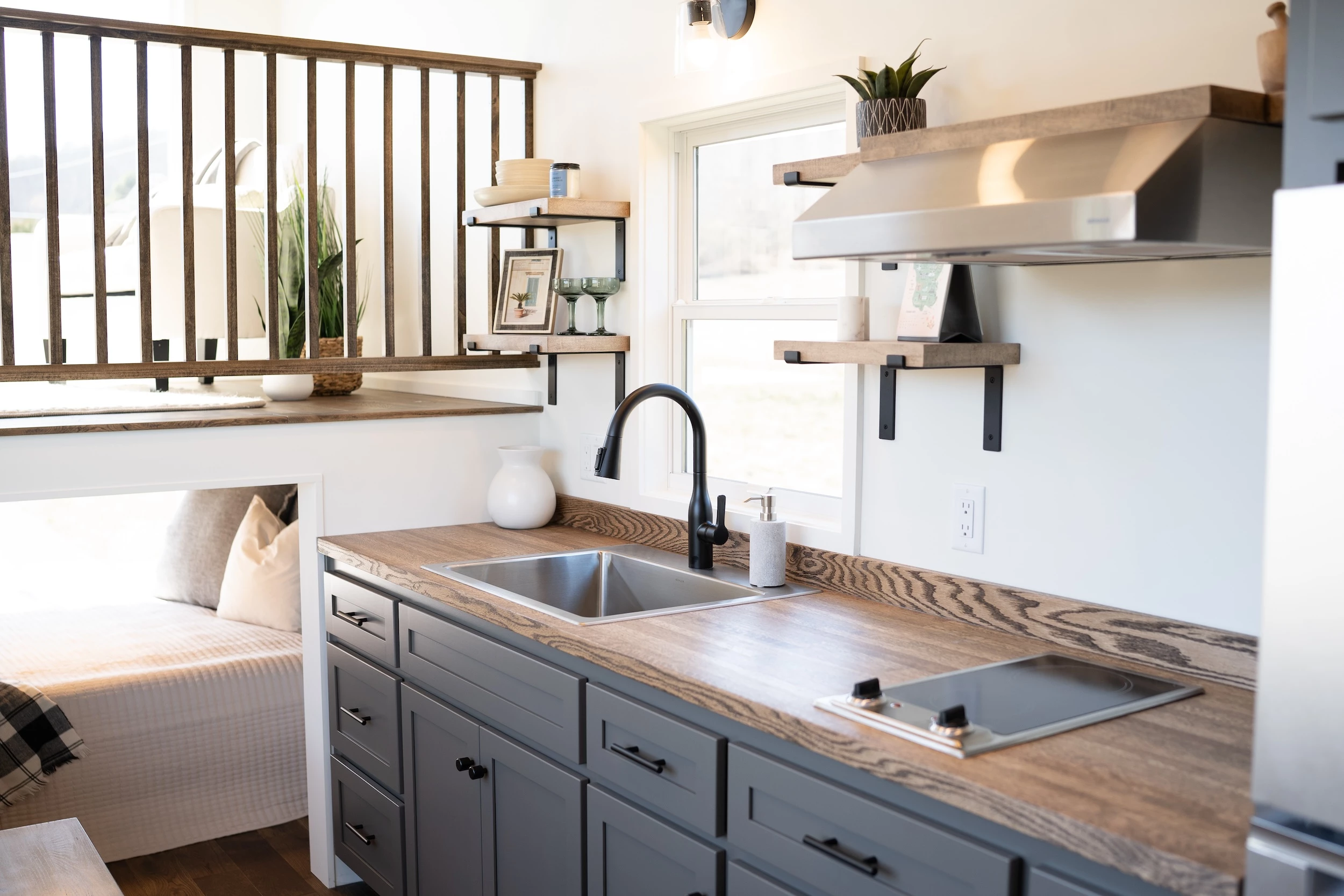
Beyond basic egress and handrails, tiny homes present other significant safety considerations. These compact spaces are often constructed with combustible materials, frequently featuring wall-mounted propane heaters and gas ranges. This setup raises questions about the provision of makeup air and controlled ventilation to ensure sufficient oxygen and mitigate risks associated with gas appliances. The article suggests that in such confined spaces, cooking and heating with gas might be hazardous, proposing that better insulation and an all-electric approach could be safer. Air quality, especially for year-round occupancy, is also a major concern due to the small volume of air within the structure.
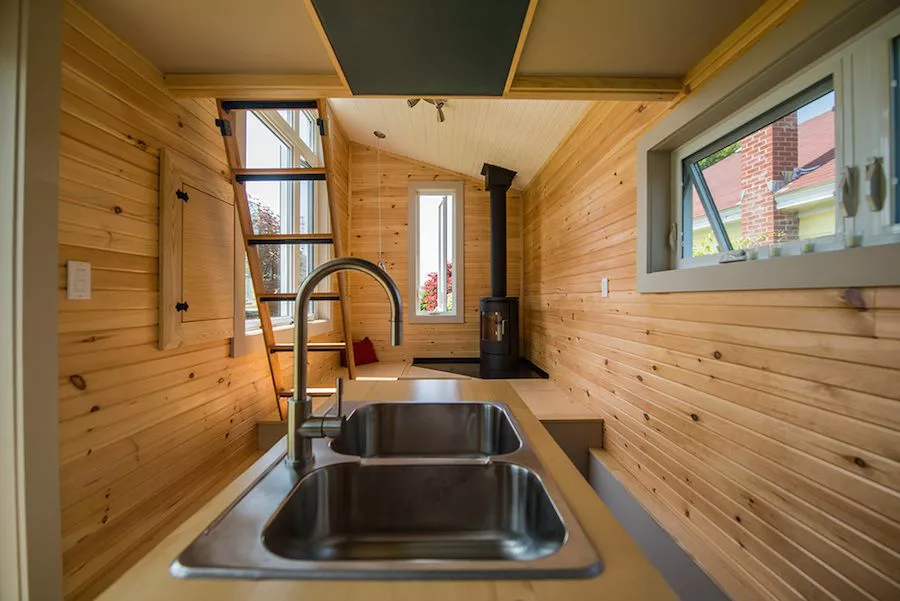
Material choices also contribute to safety issues. While the RV standard NFPA 1192 requires limitations on interior finish flame spread, many tiny homes feature knotty pine interiors, often with wood stoves placed directly in front of them, posing a fire risk. The standard further dictates that fuel-burning appliances must be listed for RV use and labeled by a nationally recognized testing agency to ensure suitability for their intended purpose. The lack of stringent regulation means that many tiny homes incorporate plumbing, wiring, cooking, and heating systems similar to those in larger houses but compressed into a very small footprint, without the oversight of building inspectors.
There is a prevailing sentiment among some tiny house enthusiasts that increased regulation would stifle the movement's core value of freedom and its creative design explosion. However, the article argues that for manufacturers selling these products, adherence to standards offers protection to both the builder and the buyer. The nascent nature of the tiny house industry suggests that without proper safety standards, incidents resulting in injury or death could lead to lawsuits and insurance complications, potentially jeopardizing the movement's future. The article concludes by implicitly advocating for a balance between maintaining the innovative spirit of tiny house design and implementing necessary safety regulations to protect occupants and ensure the long-term viability of the movement.
#TinyHouses #BuildingSafety #RVStandards #HomeDesign #SafetyRegulations #SmallSpaceLiving #Ventilation #FireSafety #LoftSafety #TinyHouses #BuildingSafety #RVStandards #HomeDesign #SafetyRegulations #SmallSpaceLiving #Ventilation #FireSafety #LoftSafety
0 ความคิดเห็นรวม
 ยังไม่มีความคิดเห็น
คุณอาจจะชอบอีกด้วย

Building a Fire-Resistant House


10 Small House Plans With Big Ideas

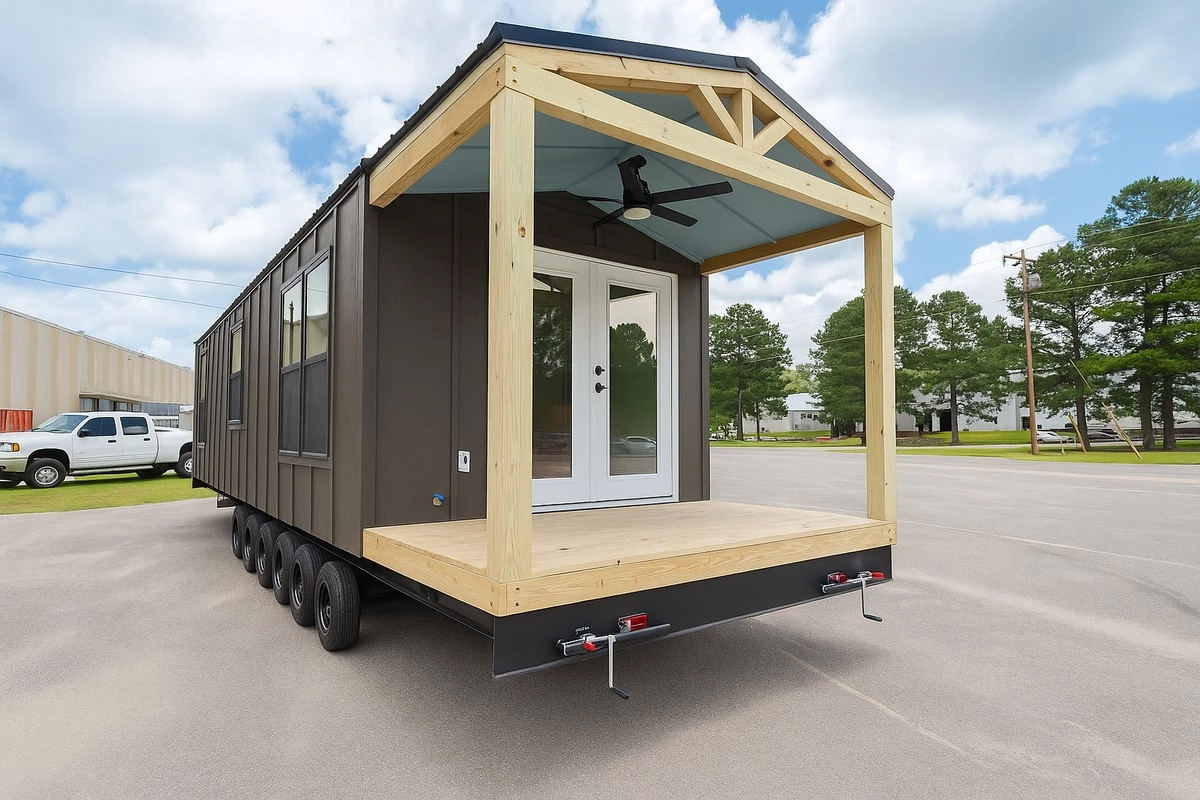
34-ft tiny house makes room for spacious semi-outdoor living
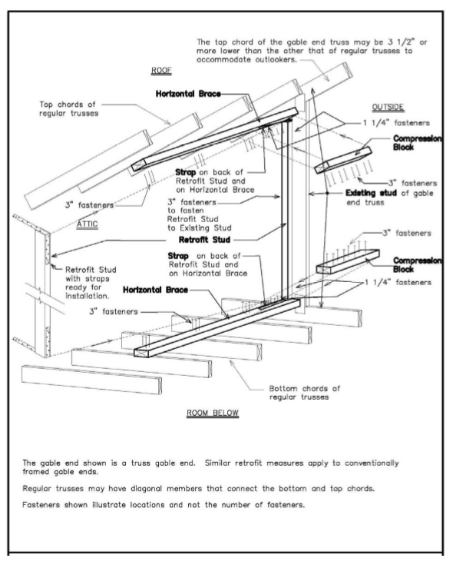
How Strong Gable Ends and Wall Bracing Can Protect Your Home in Natural Disasters

How to fit a safe


Hurricane-Proof Construction with the Fortified Home Standard

The Dangers of Home Renovation or Remodel: Keep Kids Safe During Repairs


MIMA Light: A sculptural house with a flexible floor plan

9 Shipping Container Home Floor Plans That Maximize Space


Building a Zen, minimalist family home ‘the best risk we’ve ever taken’

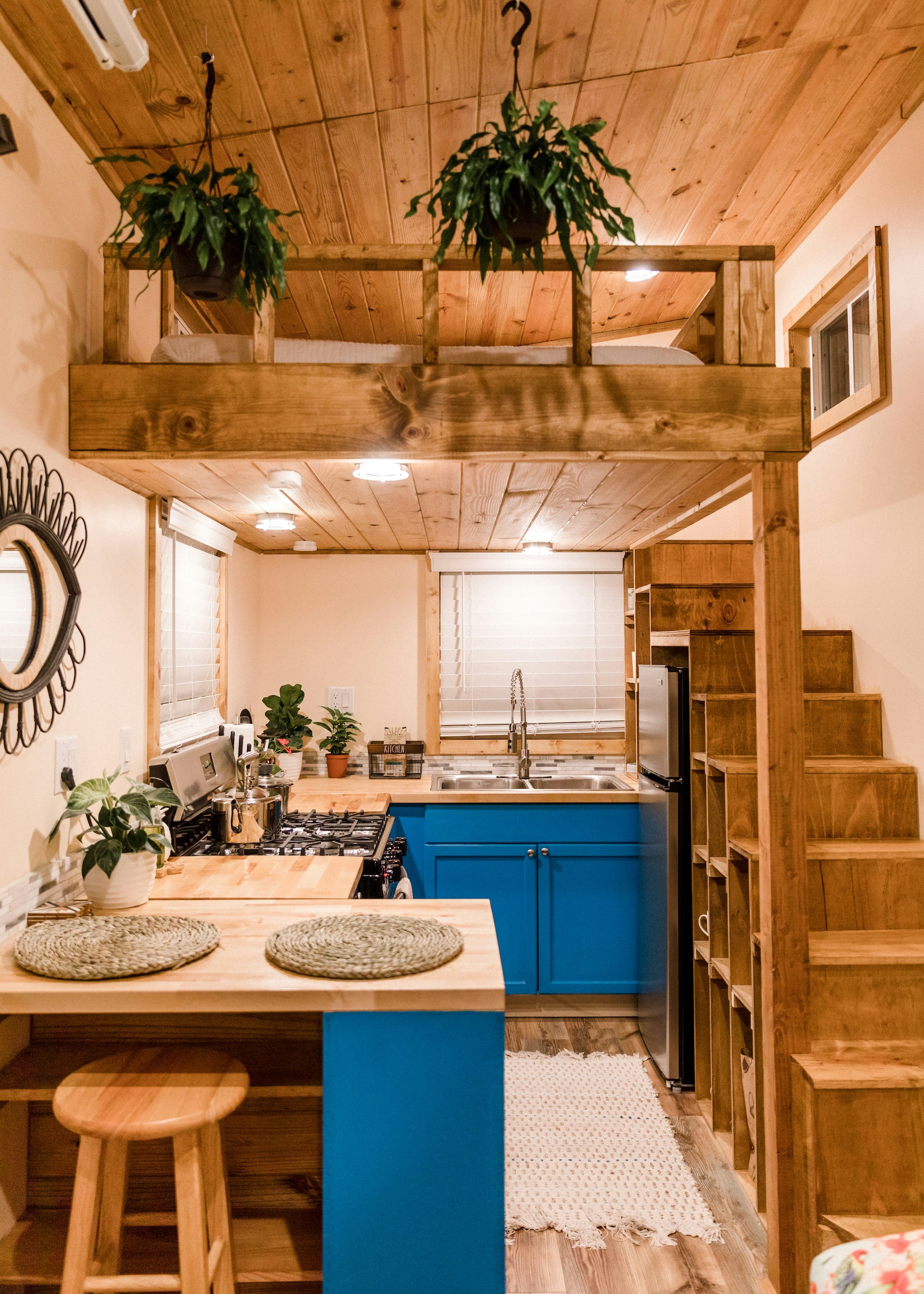
You Can Try Small-Space Living on for Size at This Tiny Home Village in Florida
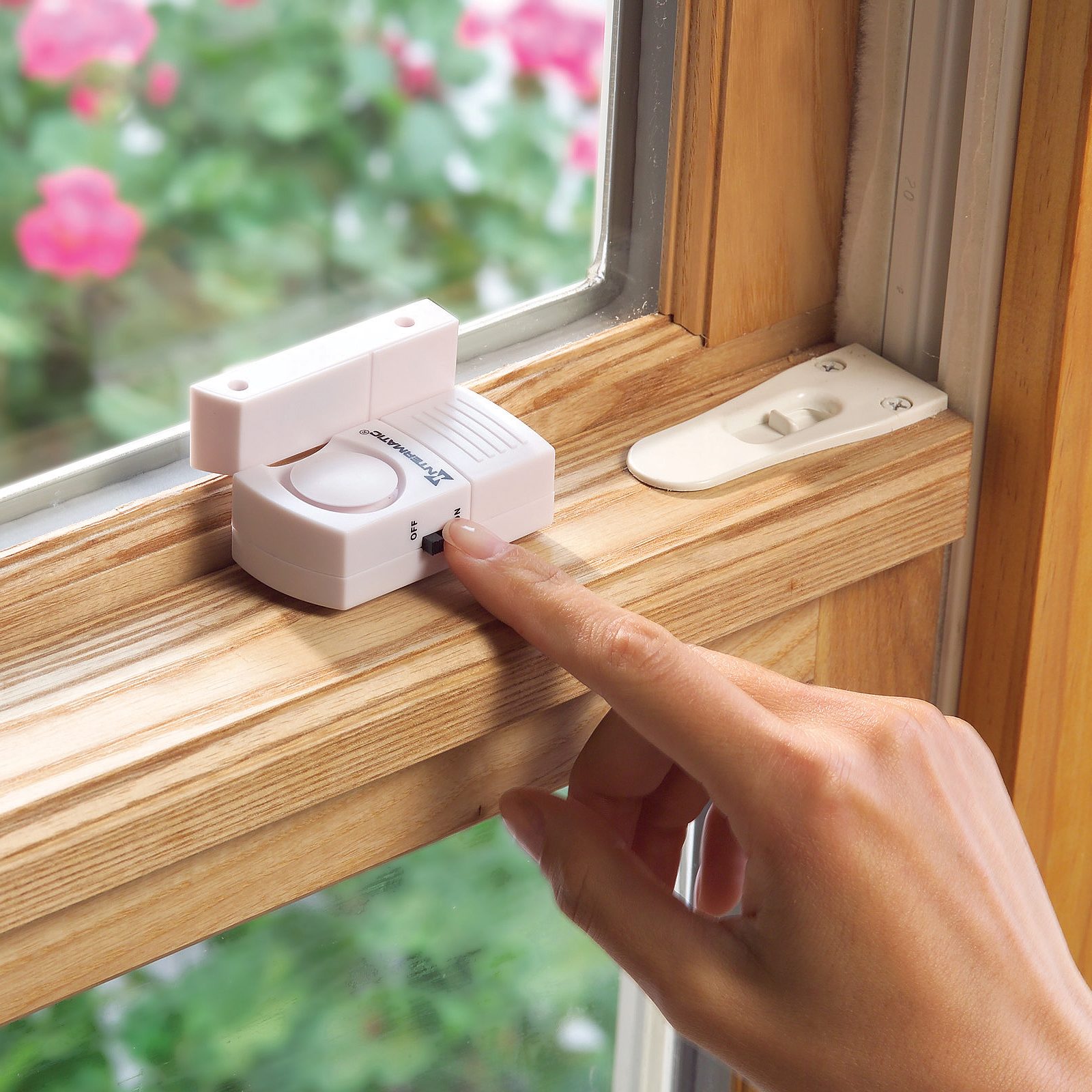
Keep Burglars at Bay with 17 DIY Hacks for a Theft-Proof Home

Slater Young’s home tip: No to horizontal railings


Nestron’s Plug-and-Play Prefabs Start at $40K and Don’t Require a Foundation

Our Favorite Baby-Proofing Tools | Reviews by Wirecutter

Detailed Assemblies for an Airtight Small Home
Video: Pint-sized Pingora turns tiny house design on its head

You Can Build This Tiny A-Frame Cabin With $3,000 and One Weekend
14 Incredible Tiny Homes You Can Buy Now

Home Renovations that Insurance Companies Love