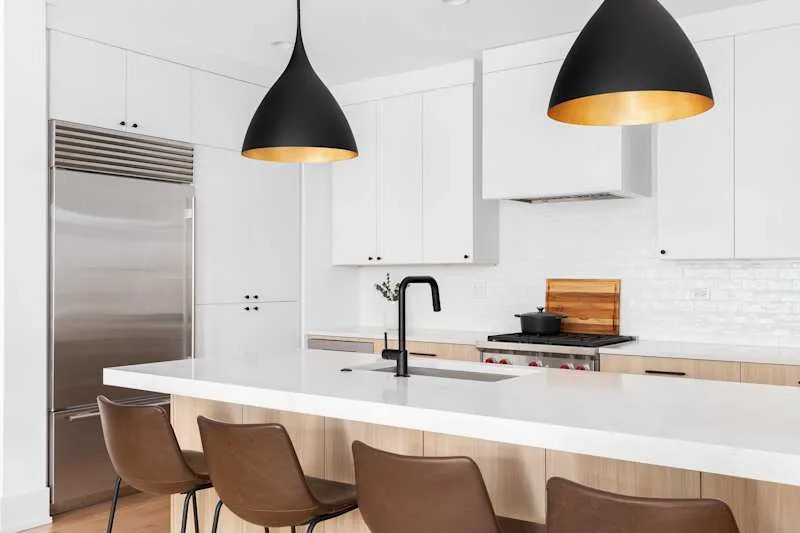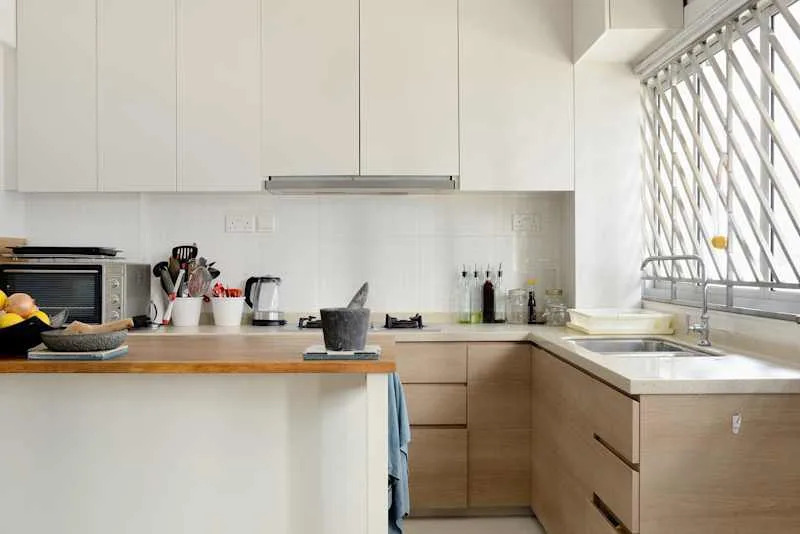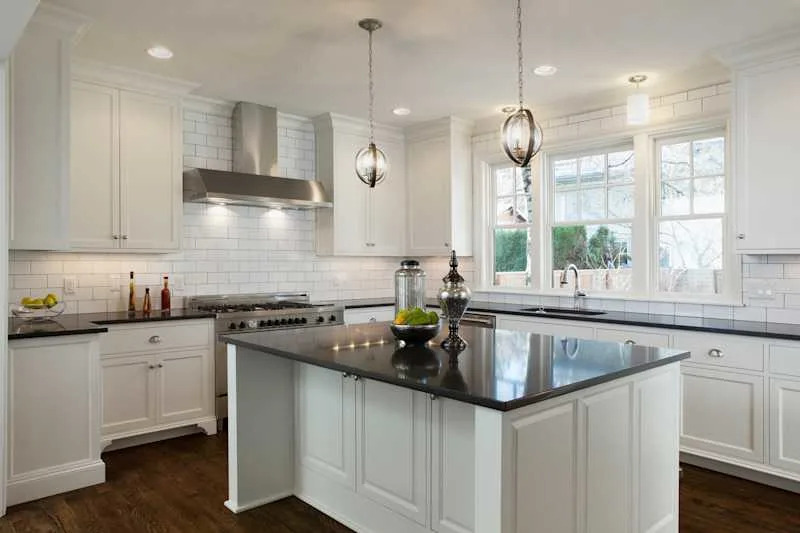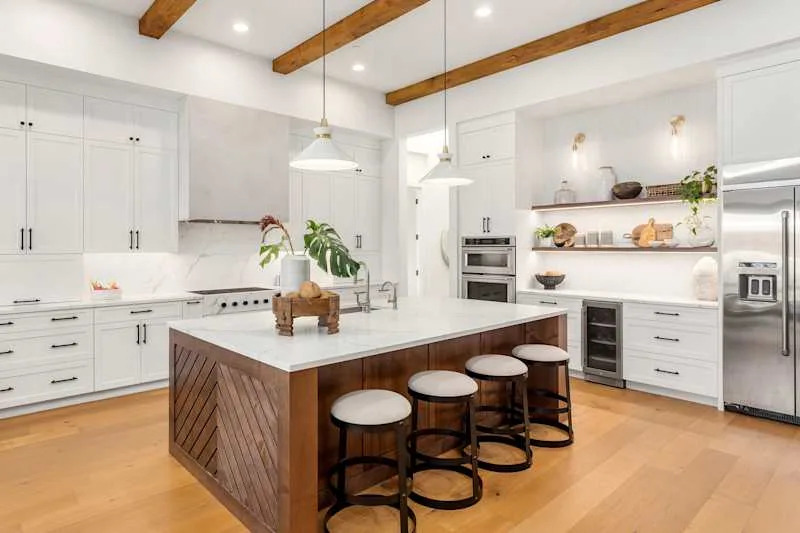
These 6 Kitchen Countertop Trends Are Fading Fast—and Designers Say It's Time to Move On
As the interior design landscape continuously evolves, certain kitchen countertop styles are becoming obsolete, with designers anticipating their complete phase-out by 2026. Experts in the field, including Meg Spellman, Georgia Zikas, and Rebecca Mahoney, highlight six specific countertop trends that are losing their appeal due to issues ranging from durability and maintenance to aesthetics and resale value.
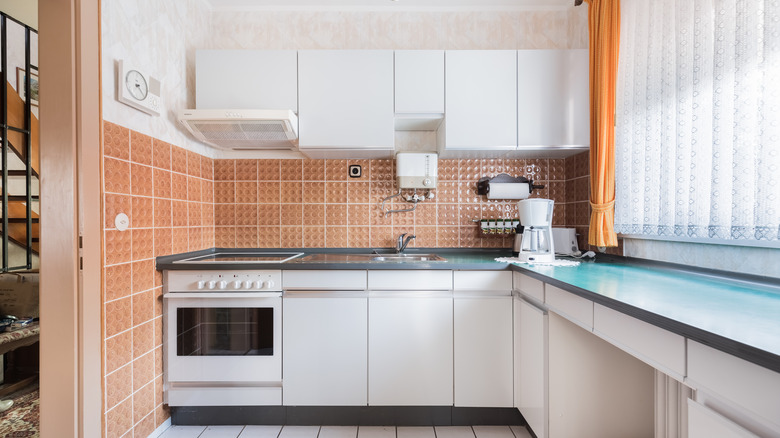
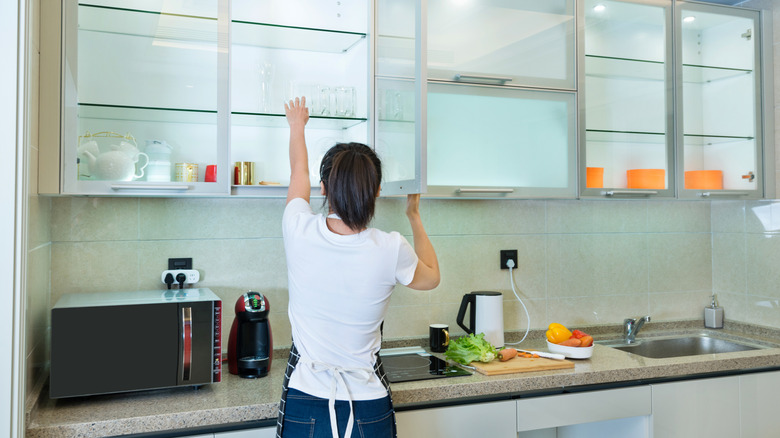
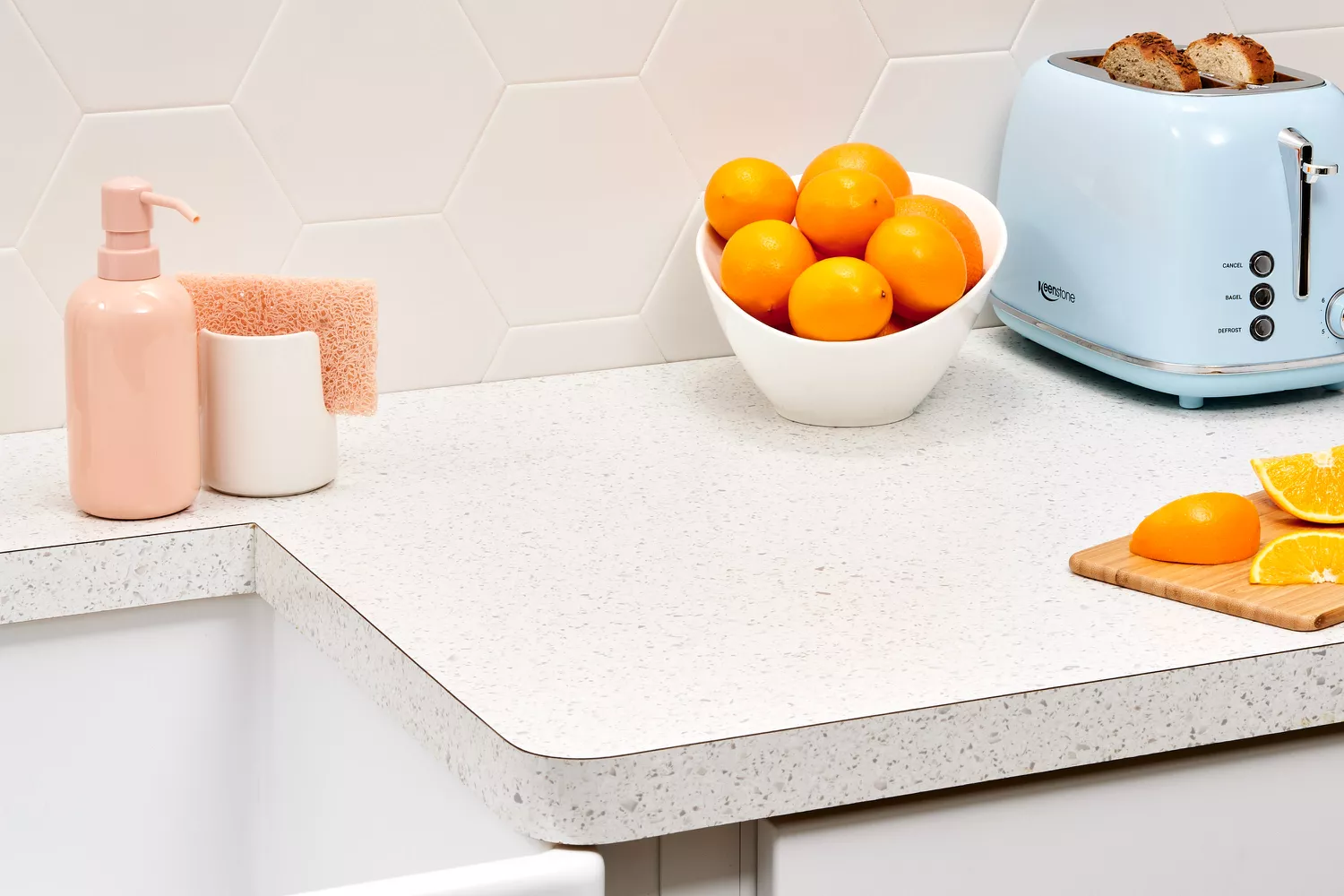
Laminate countertops, once a popular budget-friendly option, are now largely considered outdated. While they offered a cost-effective solution, their susceptibility to chipping, warping, and an artificial appearance diminishes both kitchen longevity and property resale value. Designers recommend moving away from this material due to its lack of lasting quality and visual authenticity.
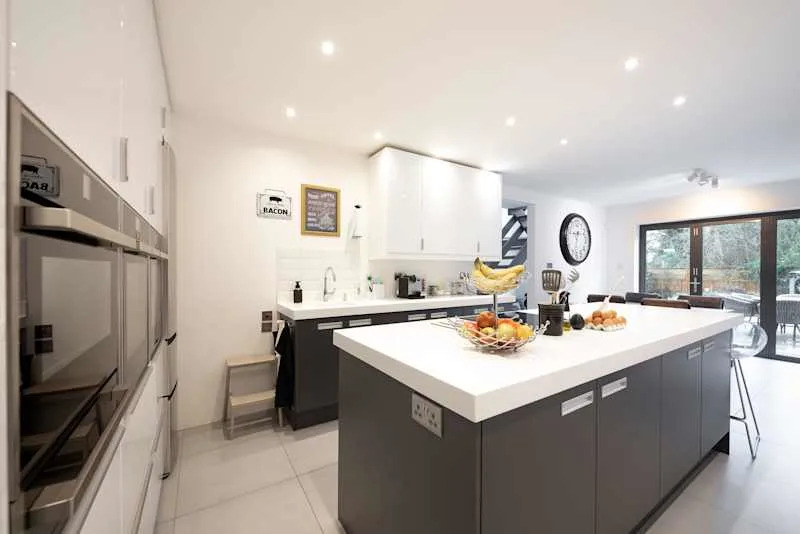
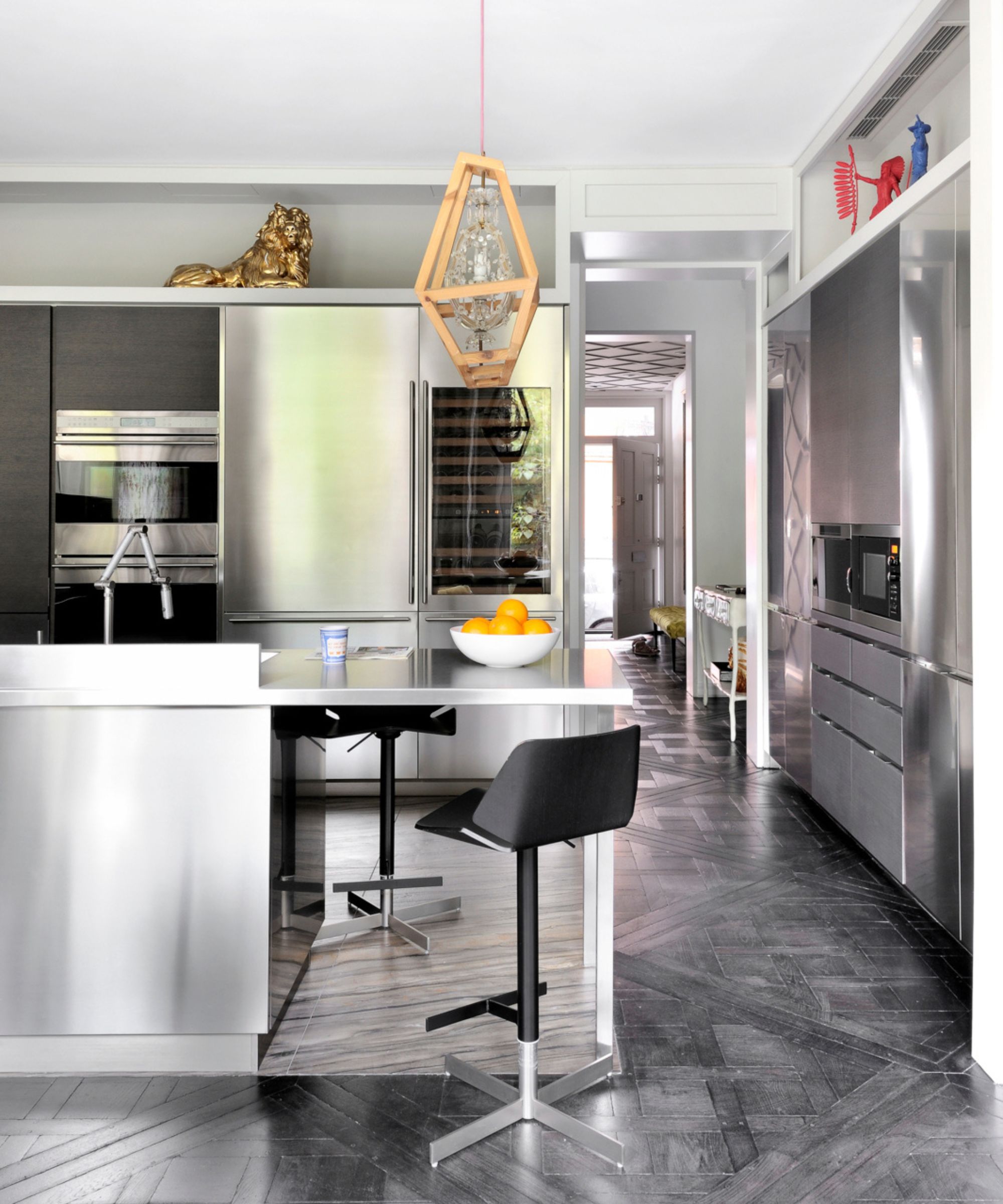
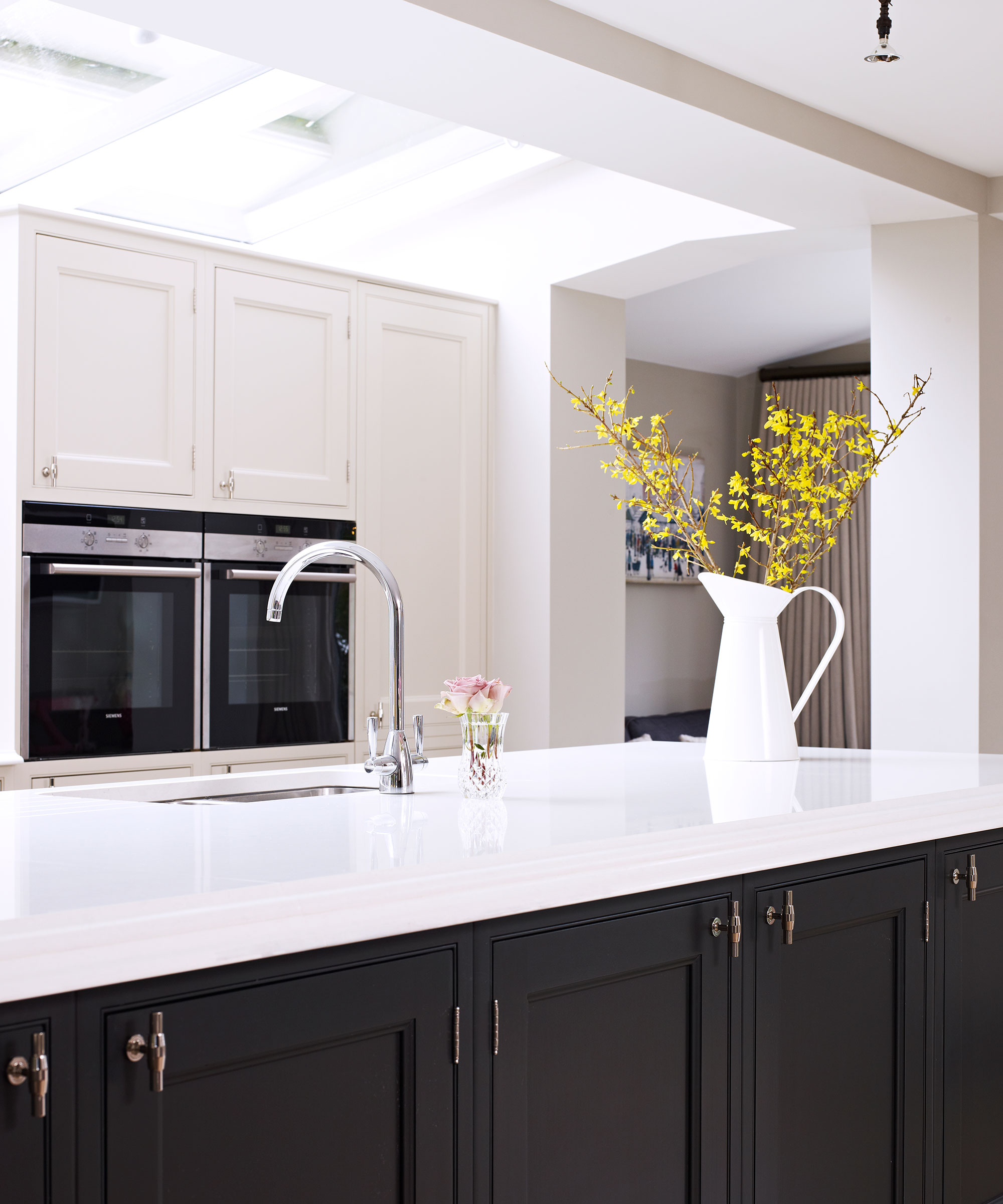
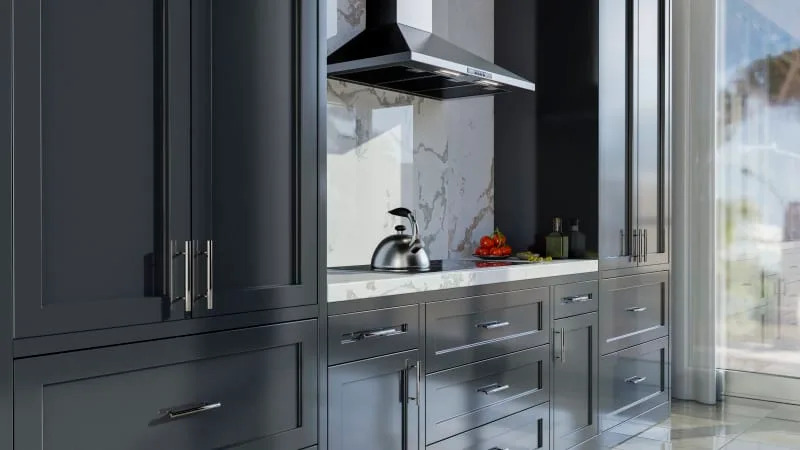
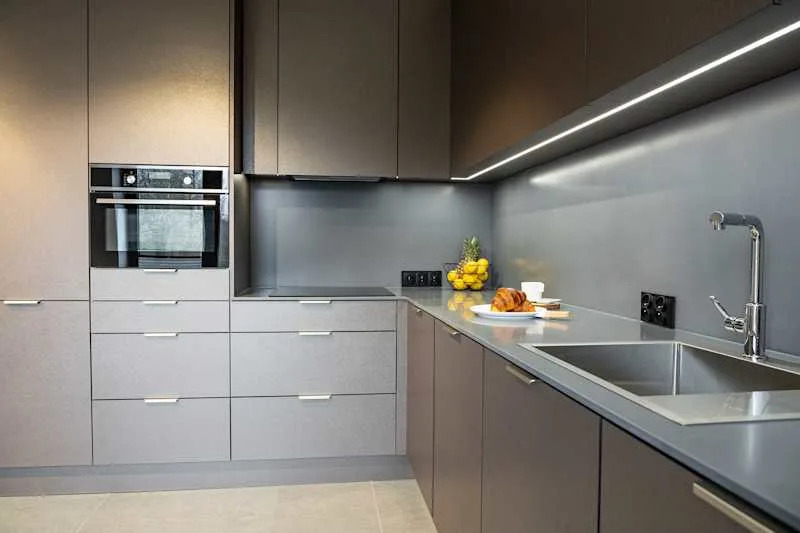
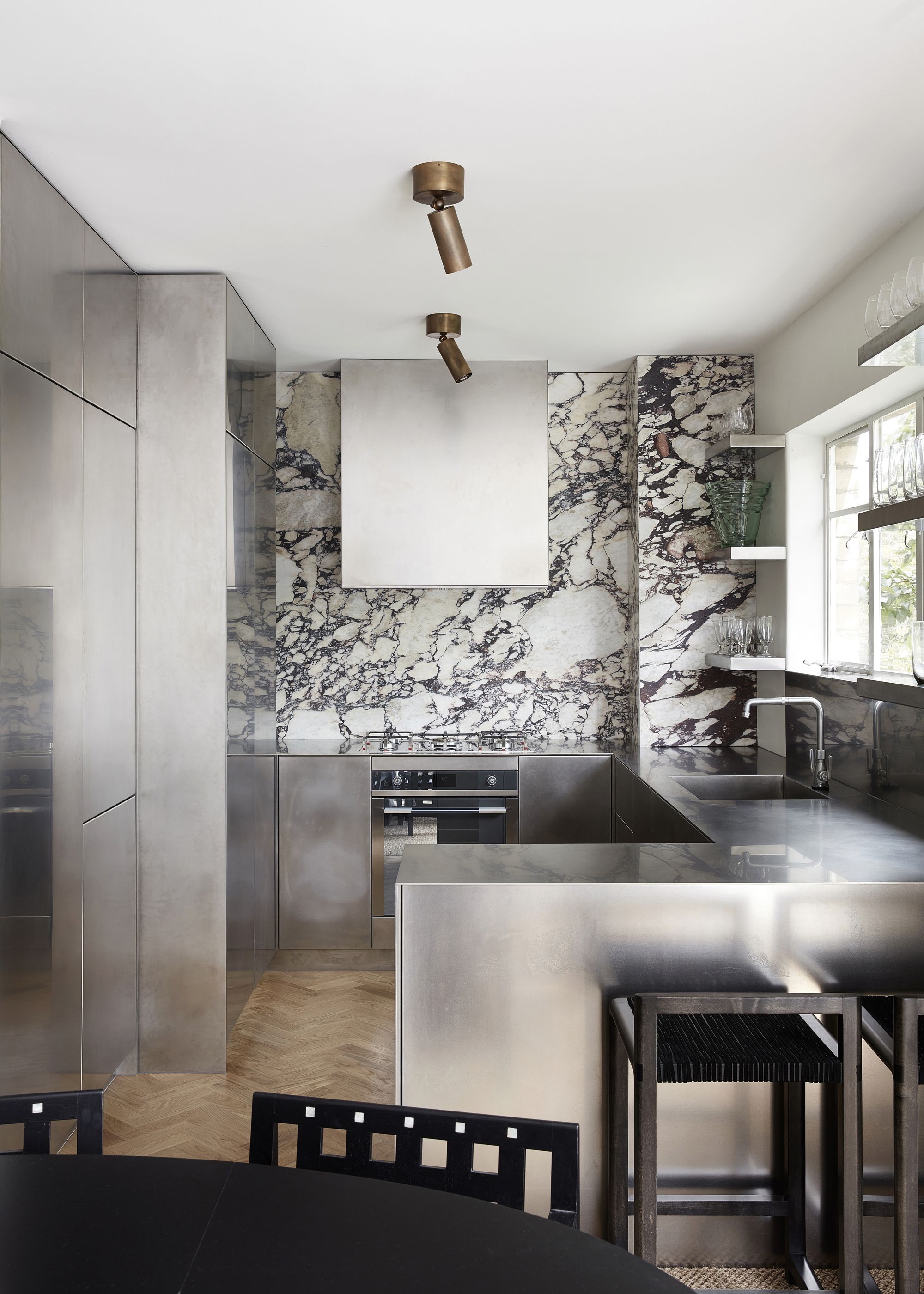
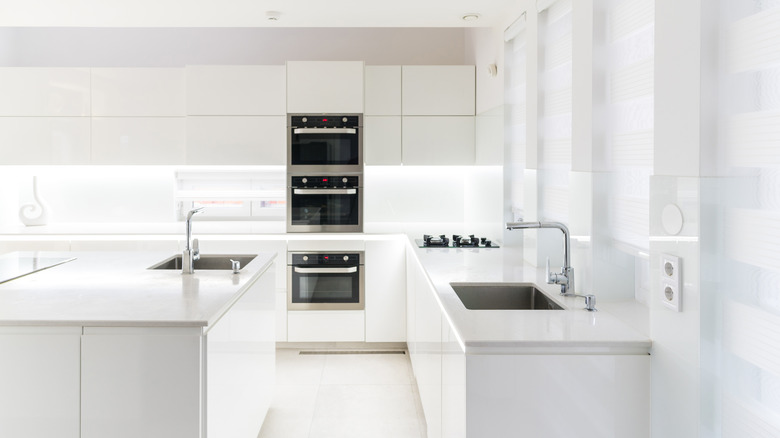
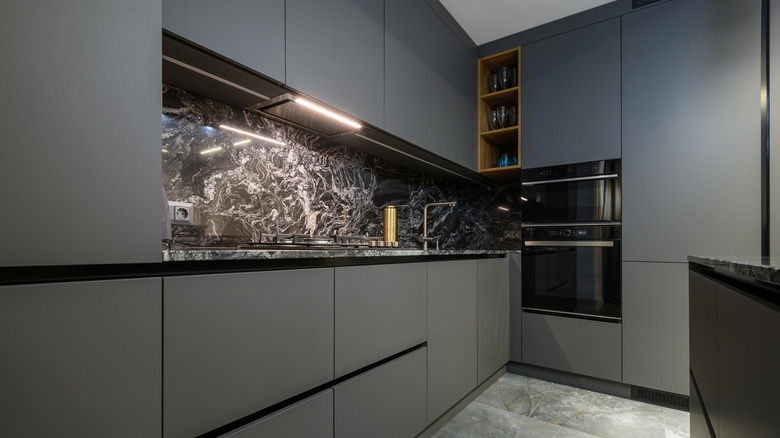
High-gloss countertops are another style that designers are eager to retire. While initially appearing sleek, their polished, mirror-like surfaces are highly impractical for active kitchens. They readily show fingerprints, smudges, and scratches, making them difficult to maintain a pristine look. Furthermore, these surfaces are seen as lacking the depth and character found in more textured finishes. A preference for honed finishes is emerging, as these are less prone to showing imperfections and offer a more timeless appeal.
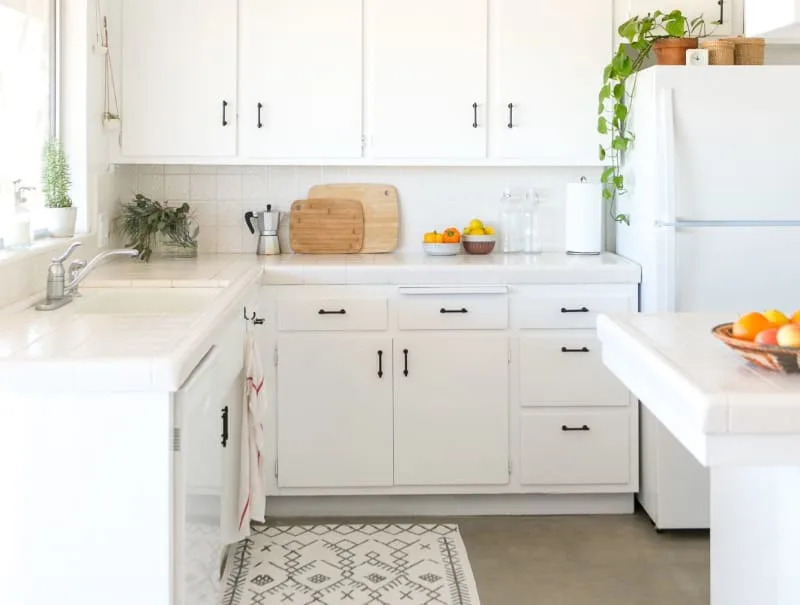
Tiled countertops, despite a brief resurgence in 2025 reminiscent of 1980s and 90s trends, are not expected to maintain their popularity. Their main drawbacks include significant cleaning challenges, particularly with grout lines, and a visually busy aesthetic. Designers view them as impractical and visually distracting, advocating for their permanent removal from contemporary kitchen designs.
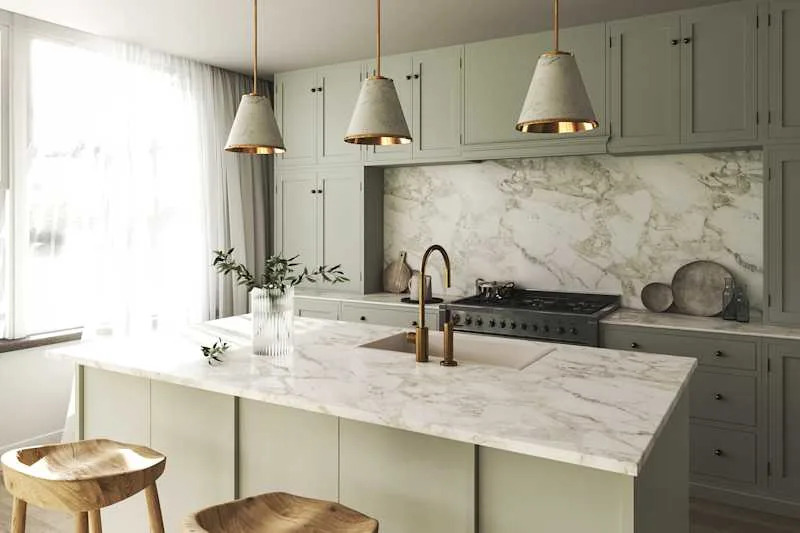
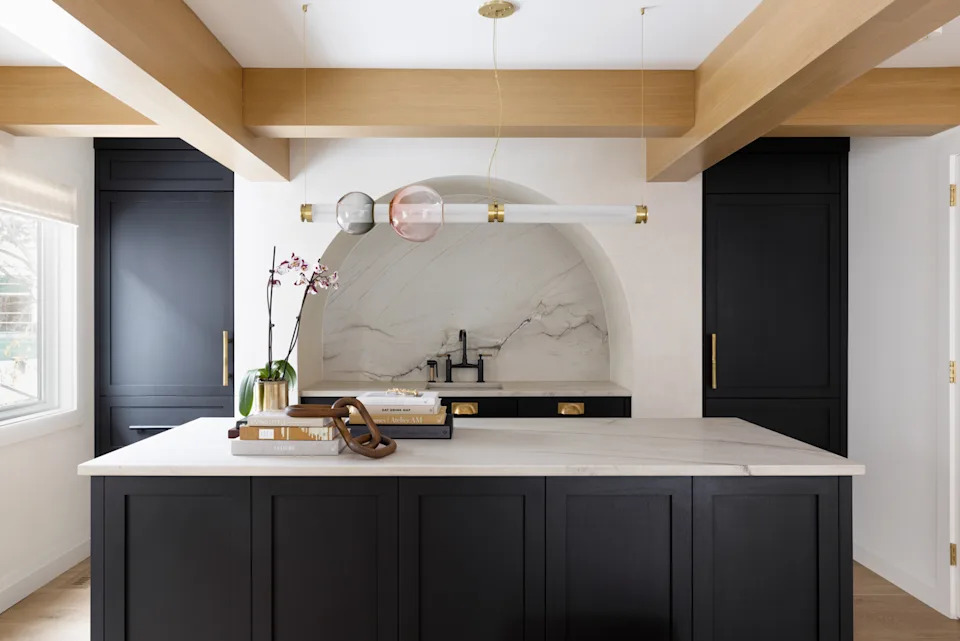
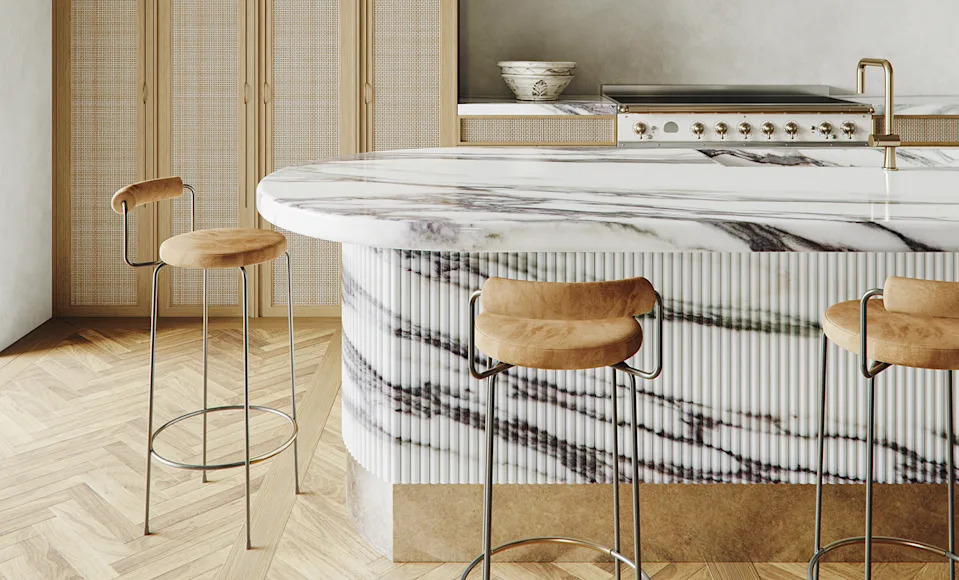
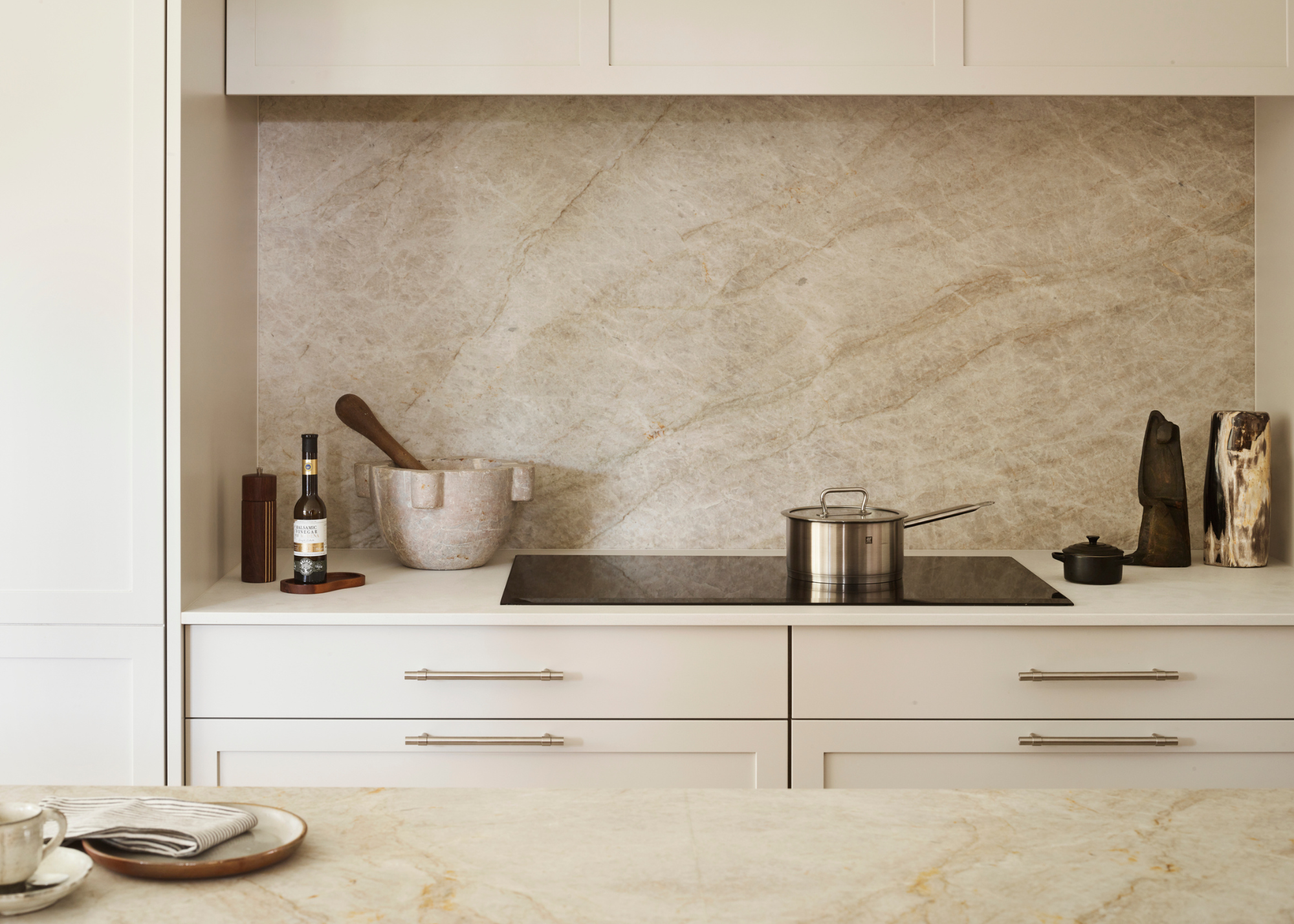
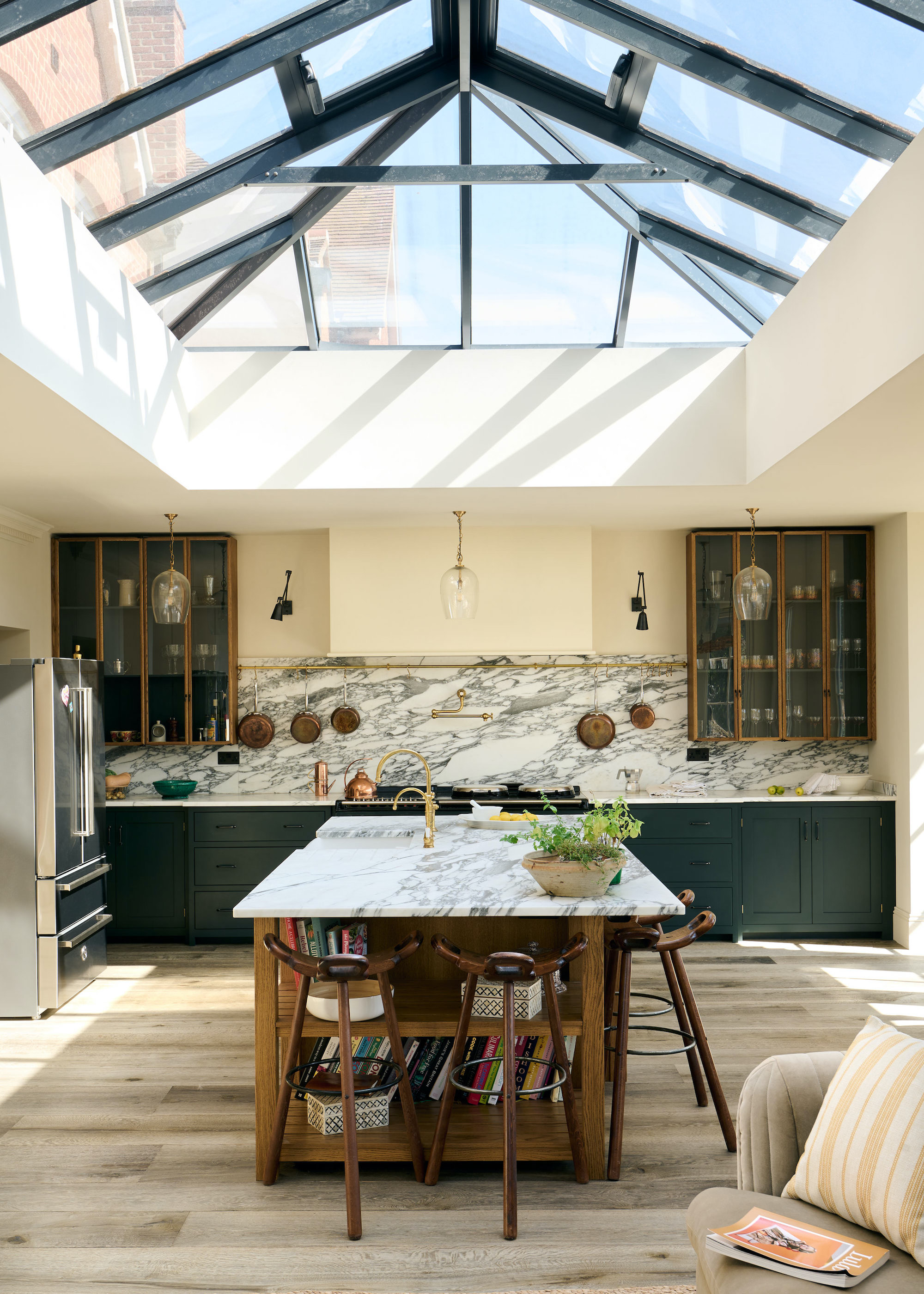
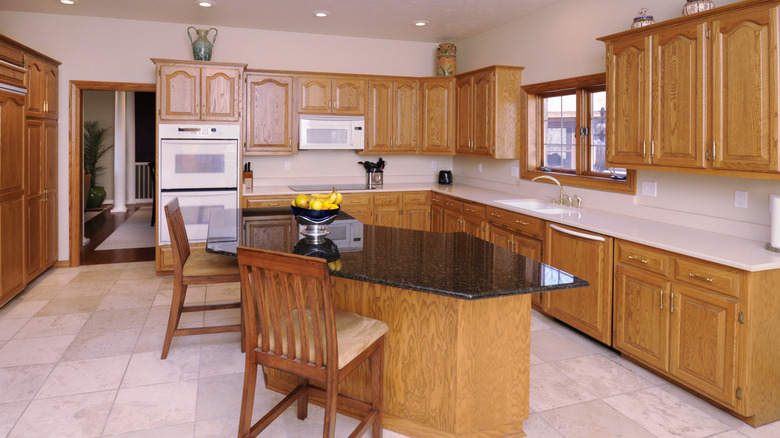
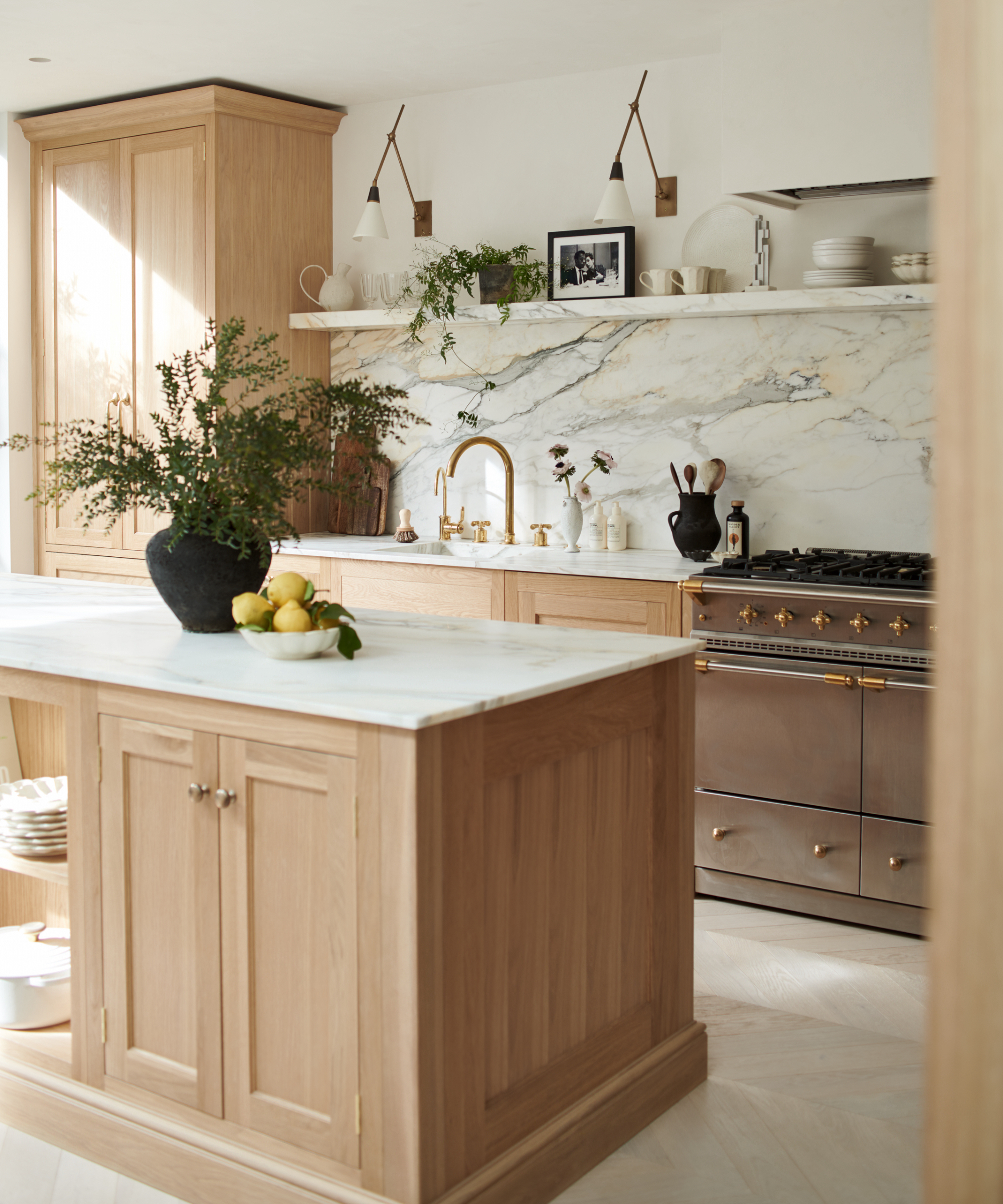
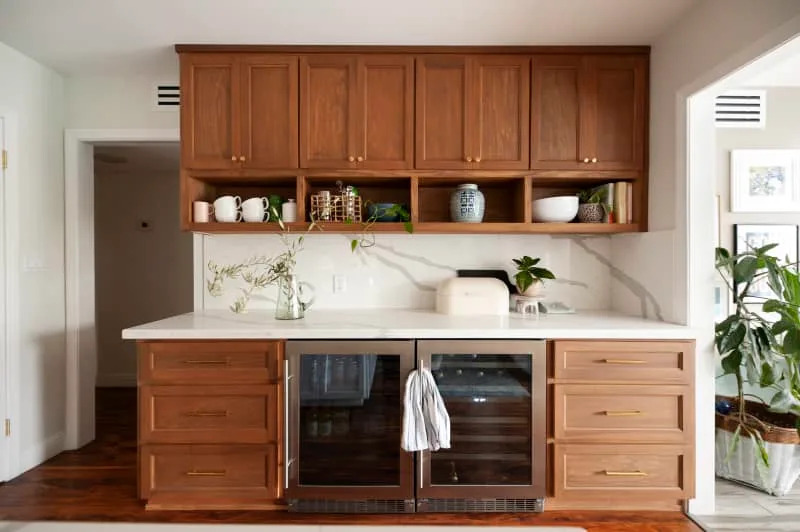
Engineered stone, while utilized in some designs, is also falling out of favor among traditionalist and naturalist designers. The preference is shifting back towards natural stone, which is celebrated for its inherent beauty, durability, and timeless appeal. Natural stone is seen as the superior choice, offering authenticity and a connection to nature that engineered alternatives cannot fully replicate.
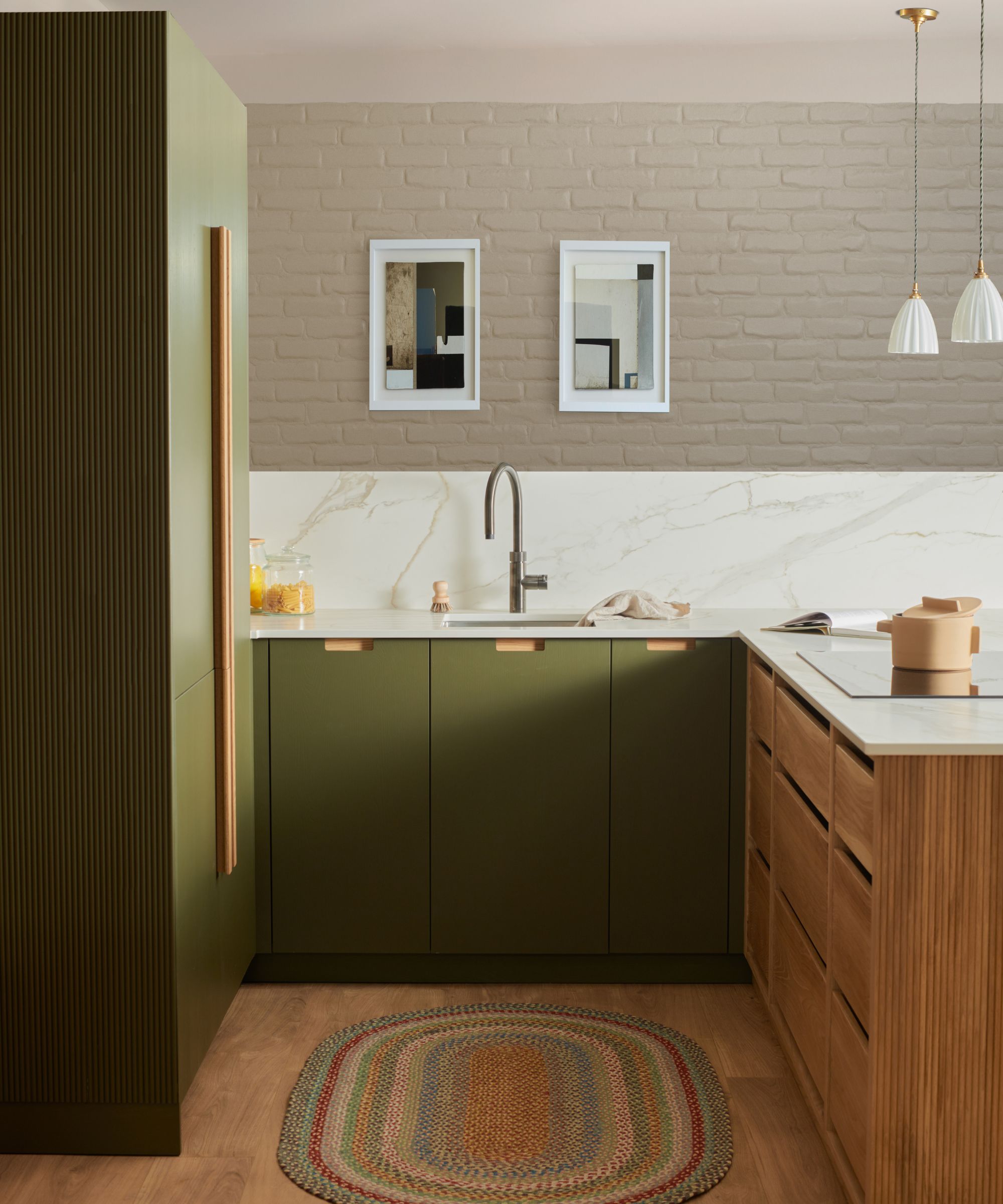
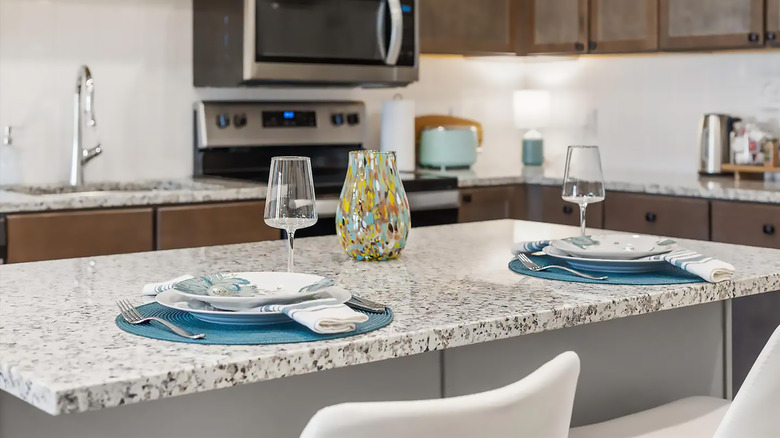
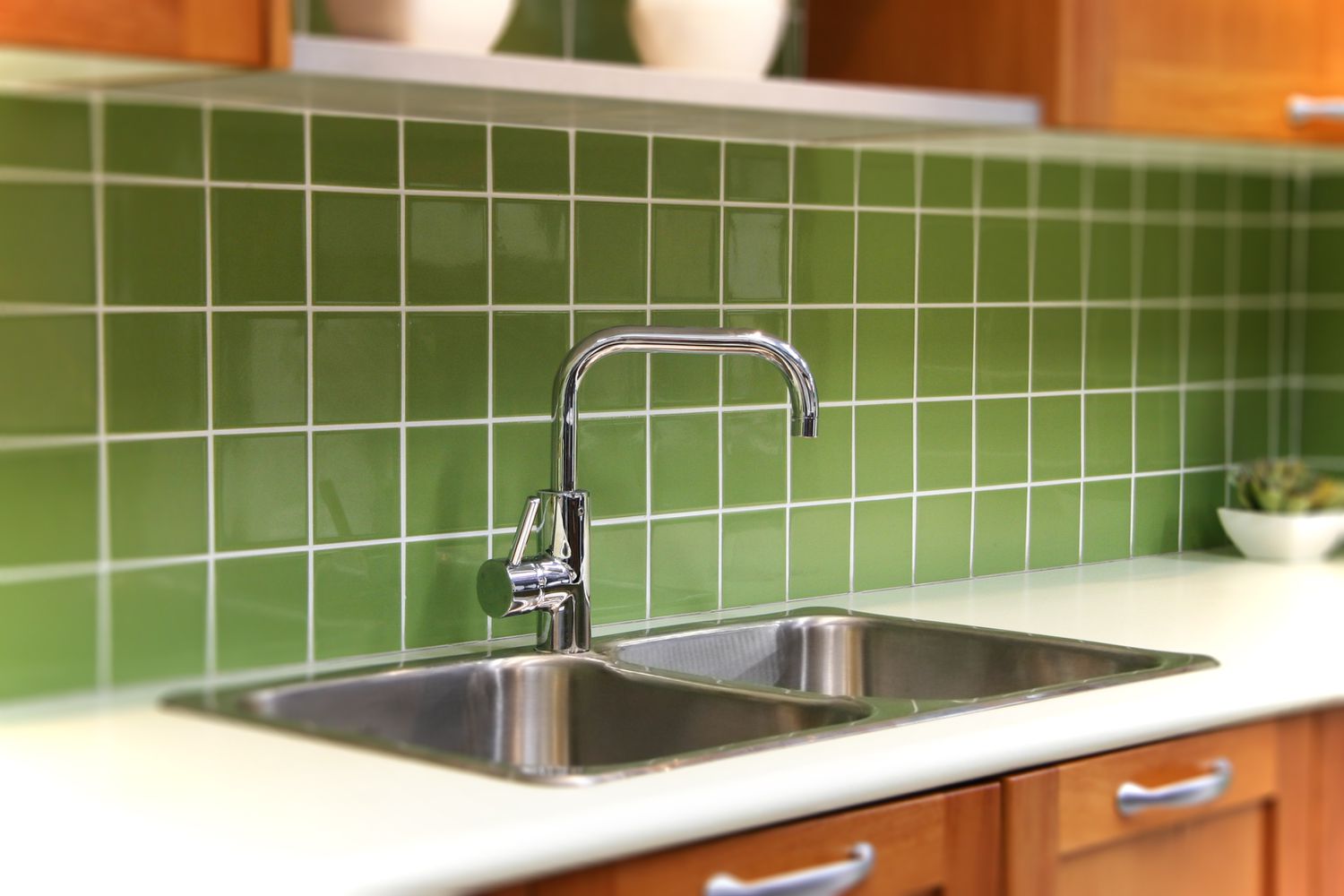
Brightly colored countertops, although expressive, are not projected to endure into 2026. Many homeowners seek a calm and relaxed environment, and vibrant countertops can create visual overload. Designers suggest incorporating color through more easily changeable elements like walls or cabinetry, rather than permanent fixtures. For visual interest, natural stone or quartz with intricate vein patterns are recommended as alternatives. Ultra-vibrant colors such as electric blues or neon greens are particularly seen as dated and limiting, with contemporary kitchens leaning towards more subdued, nature-inspired palettes like sandy taupe, warm greige, or soft bone.
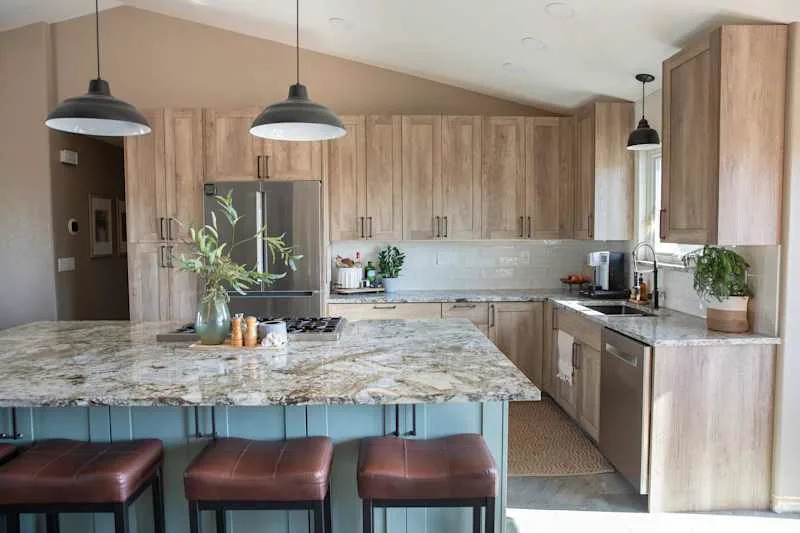
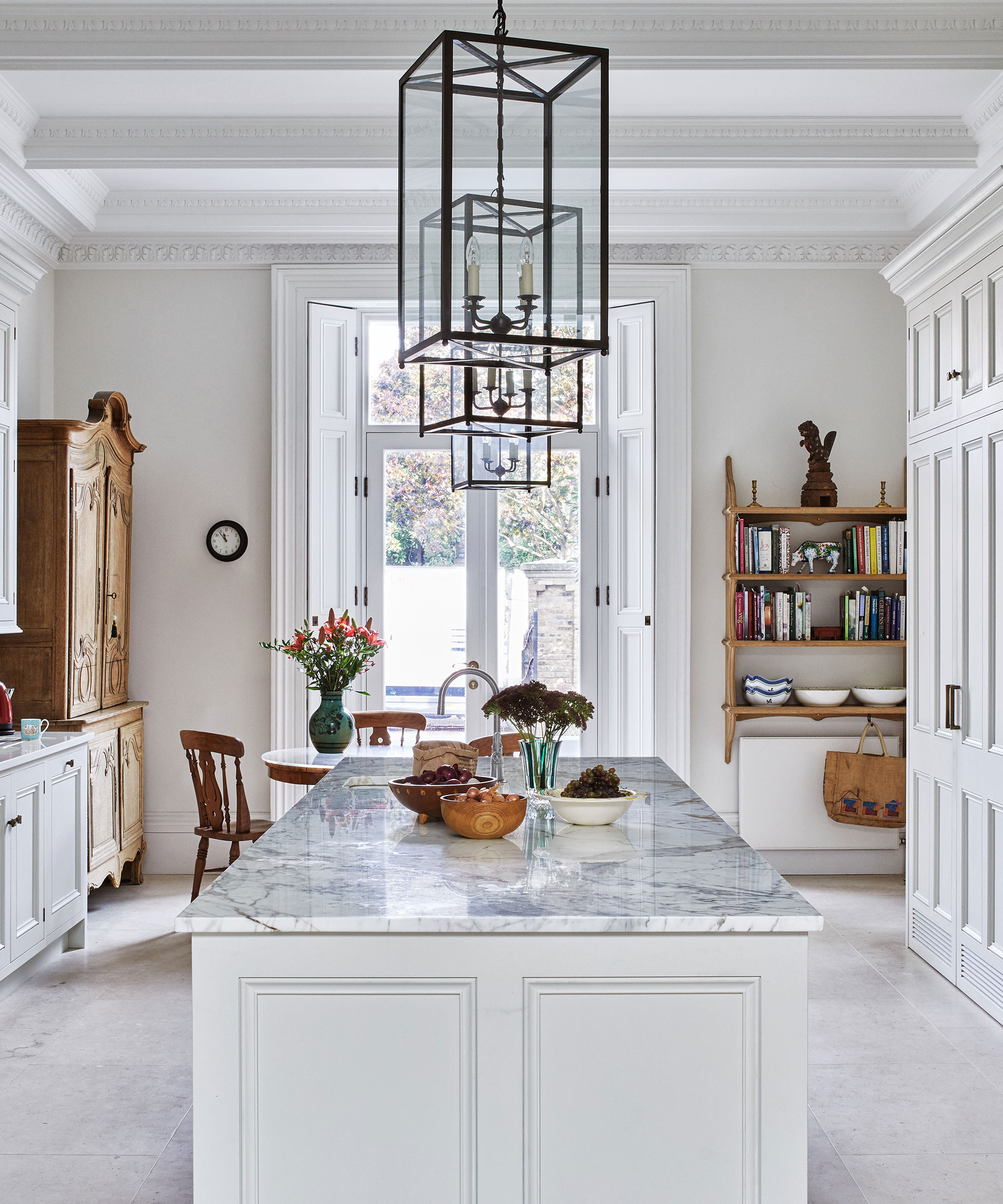
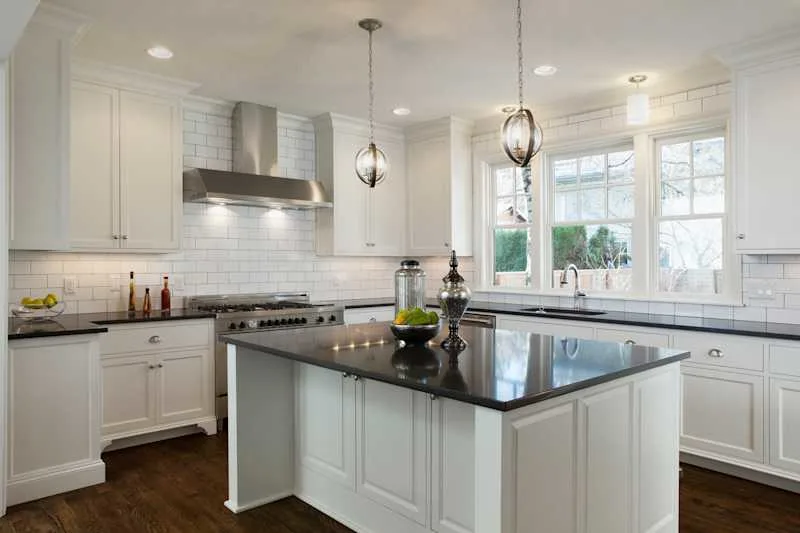
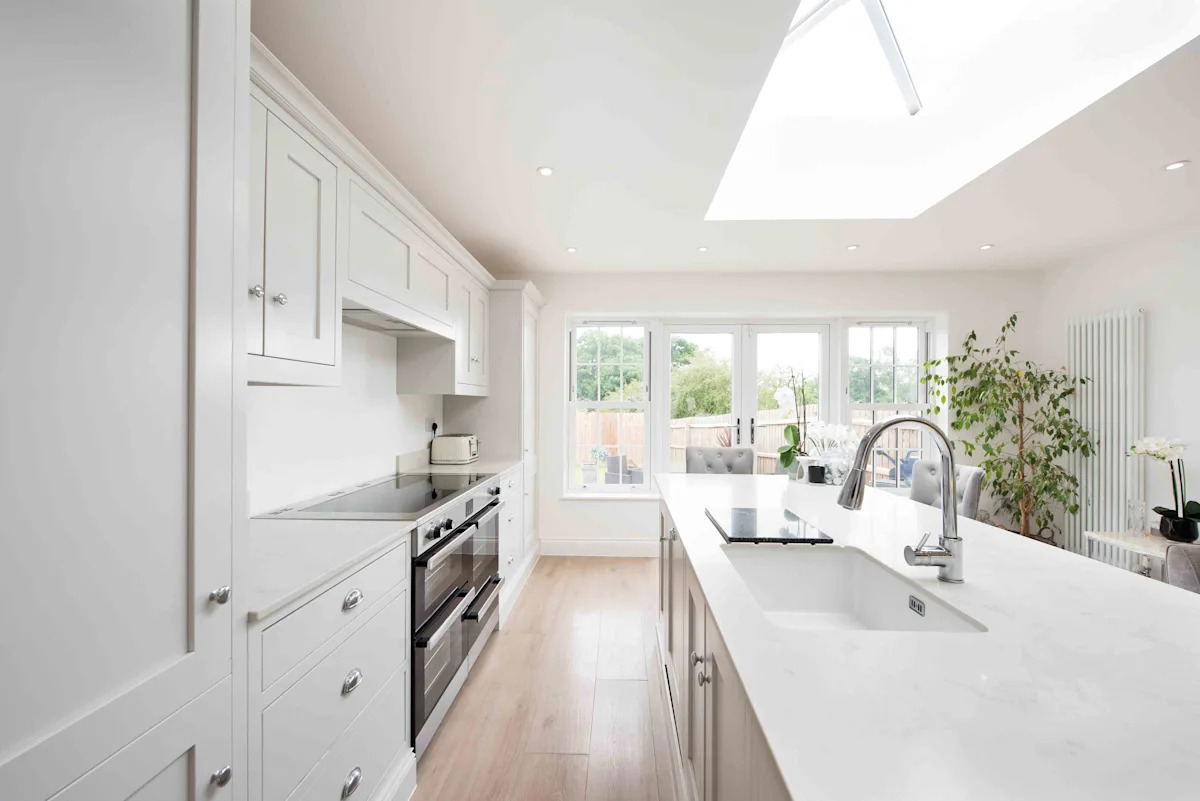
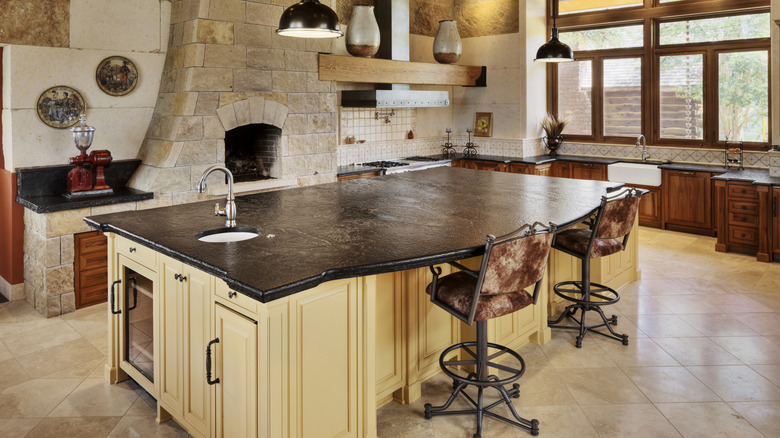
Finally, countertops with decorative edges, a hallmark of 1990s and 2000s designs, are considered a clear sign of an outdated kitchen. Current trends favor simple, streamlined profiles, with occasional built-up edges providing a modern touch without the fussiness of decorative elements. The emphasis is now on clean lines and understated elegance, moving away from overly ornate details that can detract from a modern aesthetic.
#KitchenDesign #CountertopTrends #InteriorDesign #HomeRenovation #DesignTrends2026 #KitchenRemodel #OutdatedDecor #NaturalStone #HomeDecorating #KitchenDesign #CountertopTrends #InteriorDesign #HomeRenovation #DesignTrends2026 #KitchenRemodel #OutdatedDecor #NaturalStone #HomeDecorating
0 ความคิดเห็นรวม
 ยังไม่มีความคิดเห็น
คุณอาจจะชอบอีกด้วย
6 Kitchen Countertop Trends That Are on Their Way Out This Year (and What to Do Instead)
6 Kitchen Trends on Their Way Out in 2025, According to Designers
5 Countertop Colors That Are Going Out of Style, and What You Should Choose Instead — According to Kitchen Designers

6 Countertop Trends Designers Are Ready To Say Goodbye To In 2026
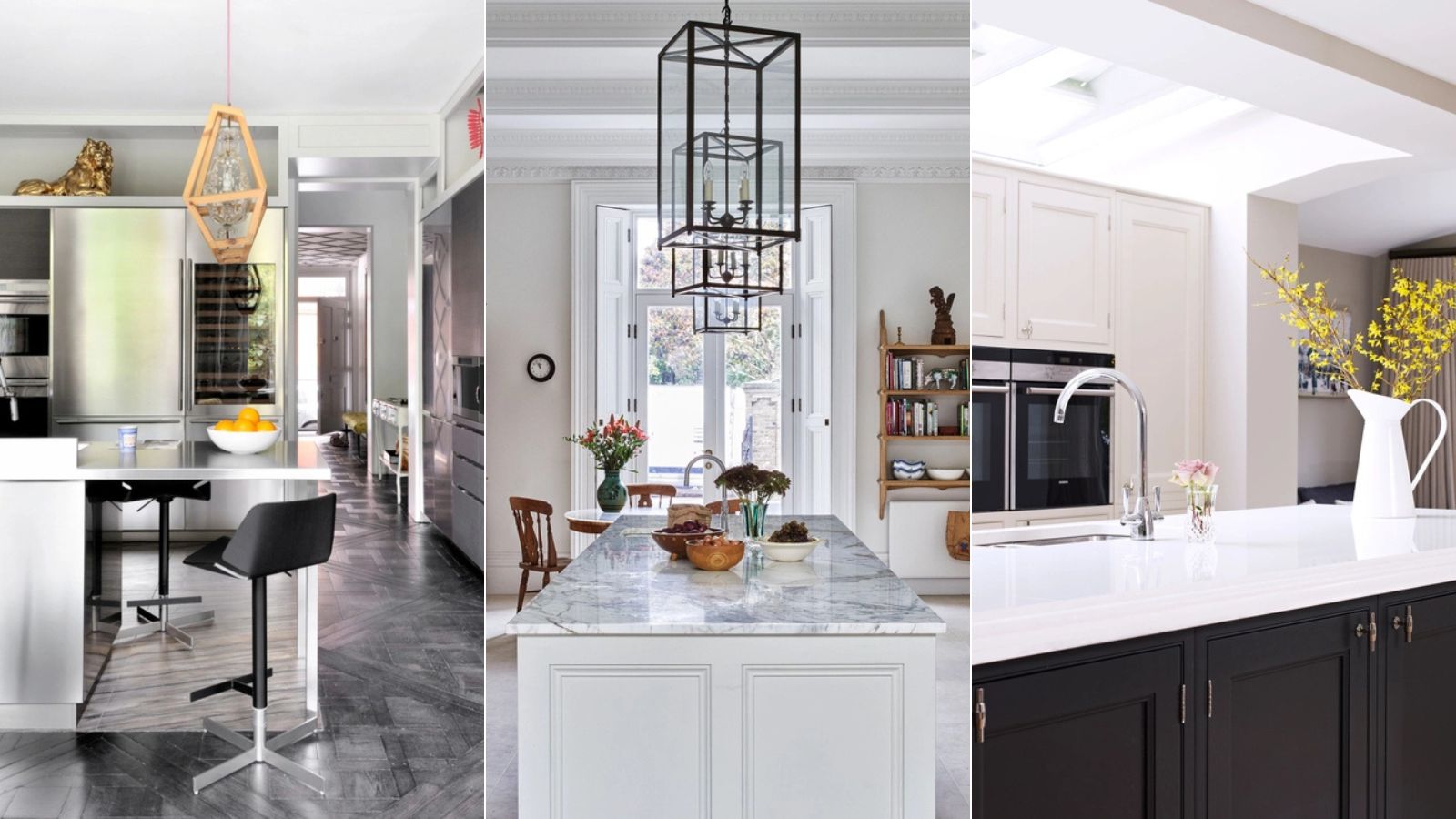
6 outdated kitchen countertop trends to leave behind in 2025
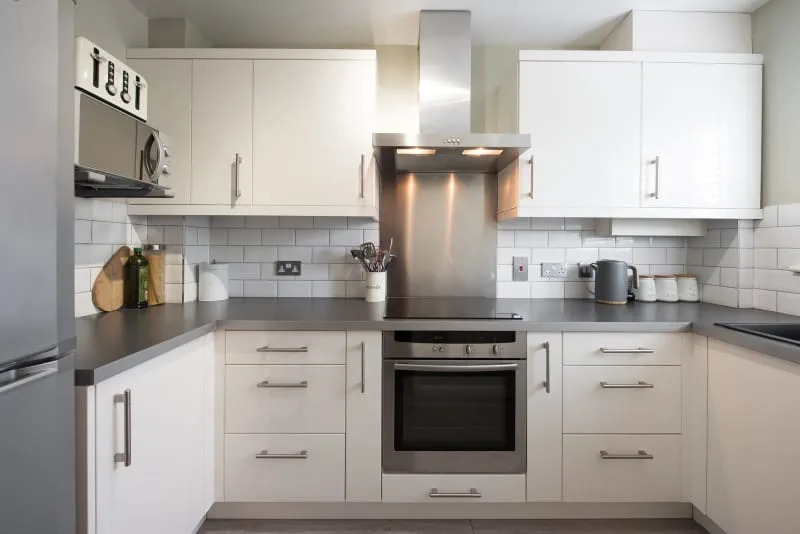
5 Kitchen Countertop Trends on Their Way Out in 2025 (and What’s Replacing Them)
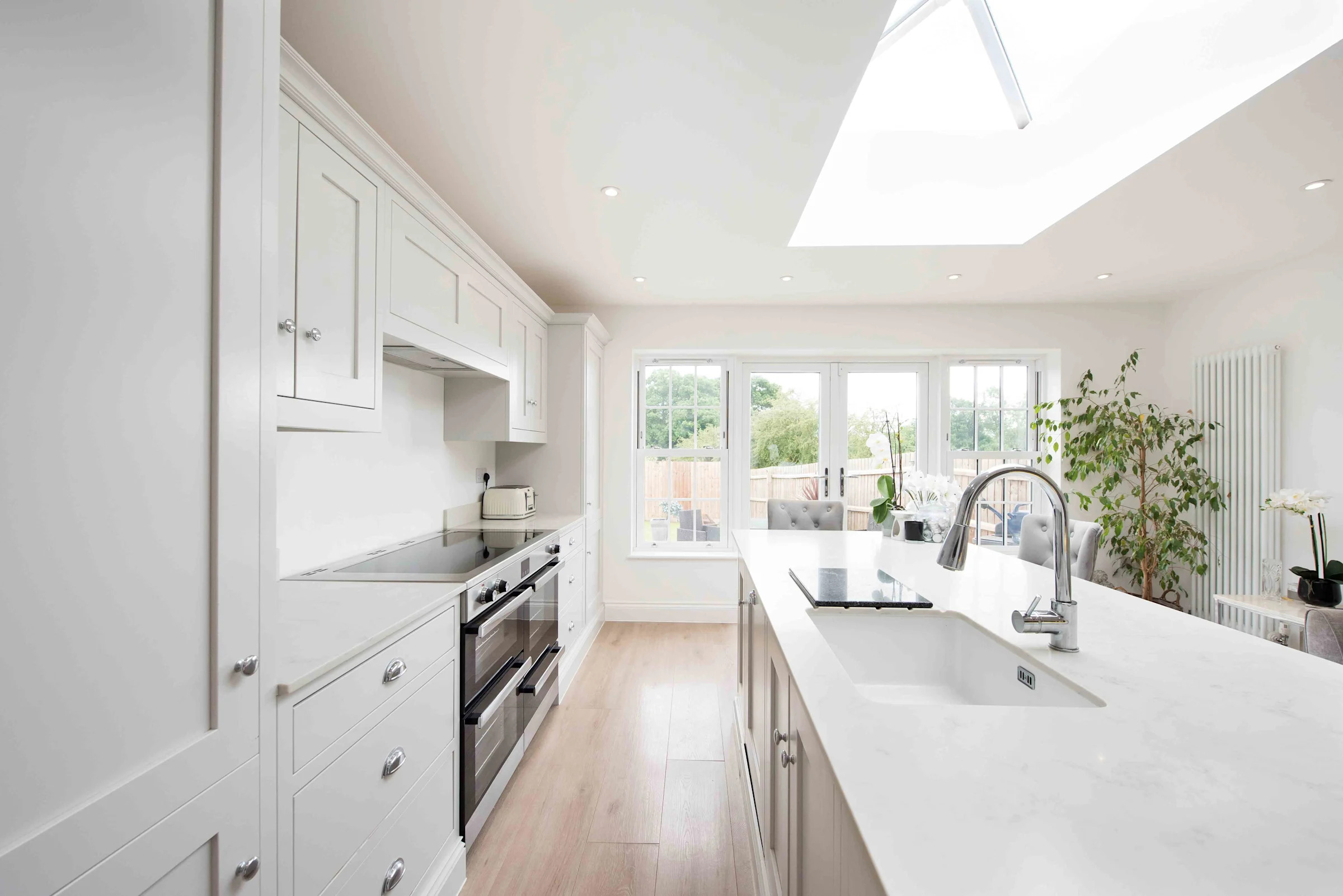
6 Kitchen Design Styles That Are No Longer Trendy, Designers Share

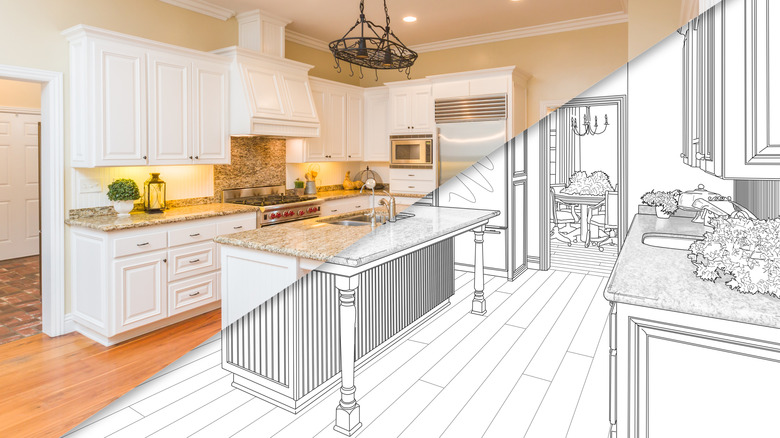
5 Kitchen Fads That Will Disappear In 2026

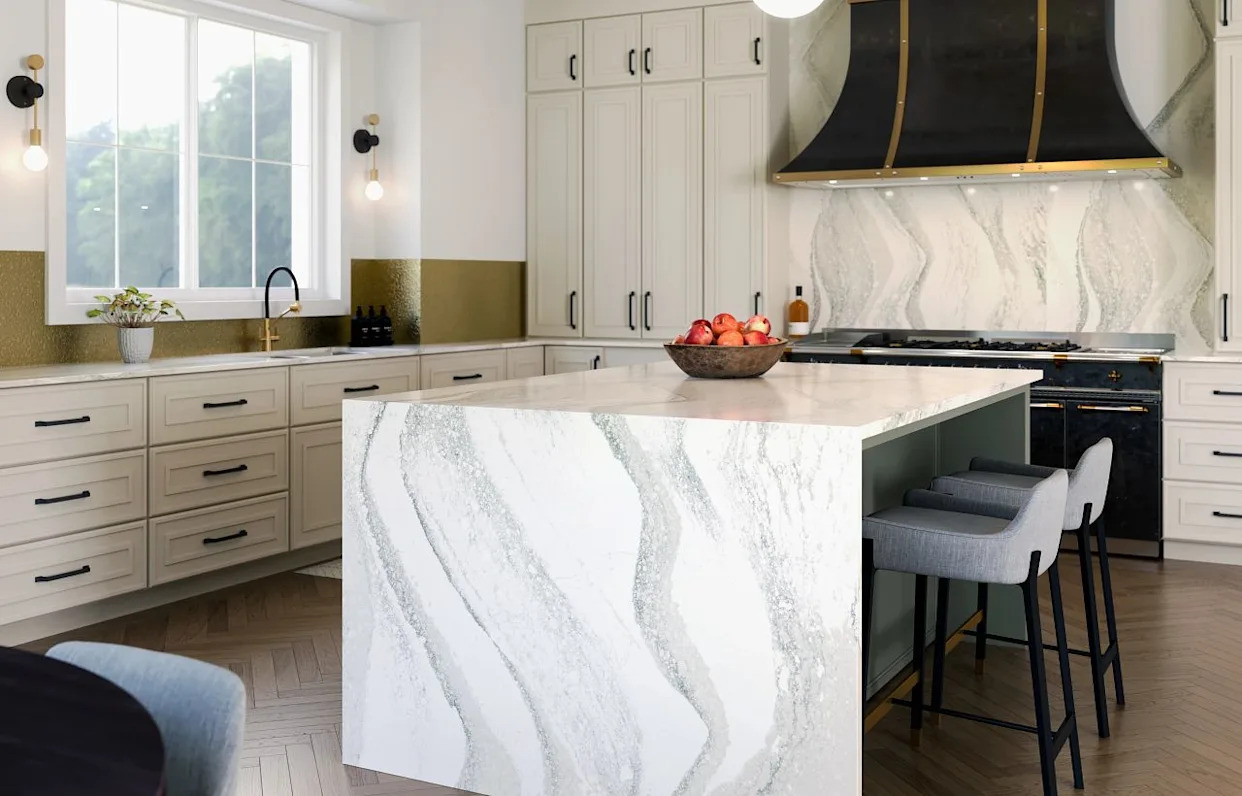
3 once-popular kitchen countertops that have fallen out of favor with designers, and what they're using now instead
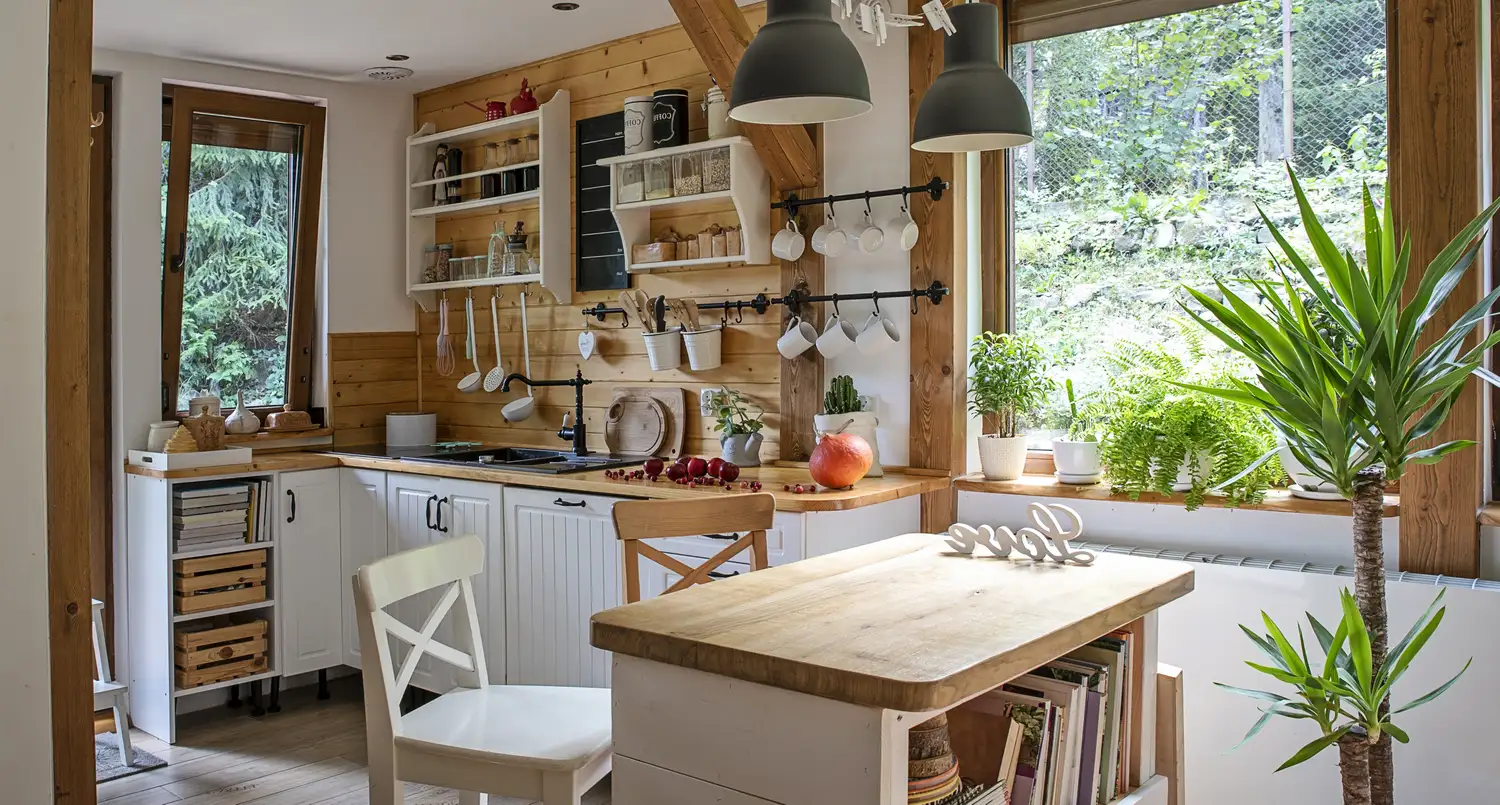
6 Kitchen Design Styles That Are No Longer Trendy, Designers Share

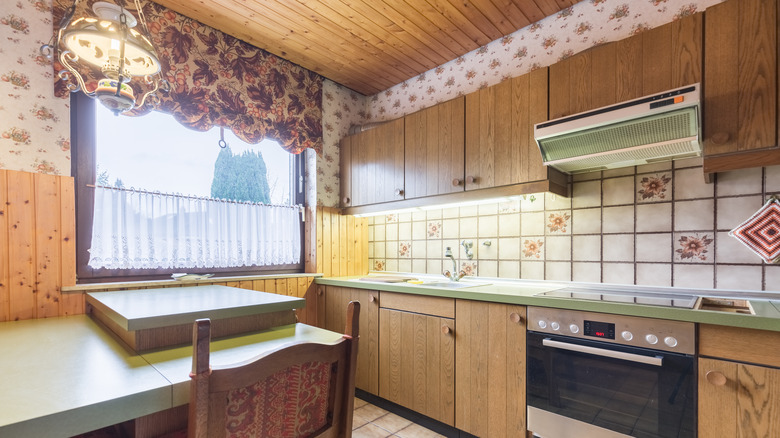
12 Once-Popular Kitchen Trends That Won't Be Coming Back Anytime Soon
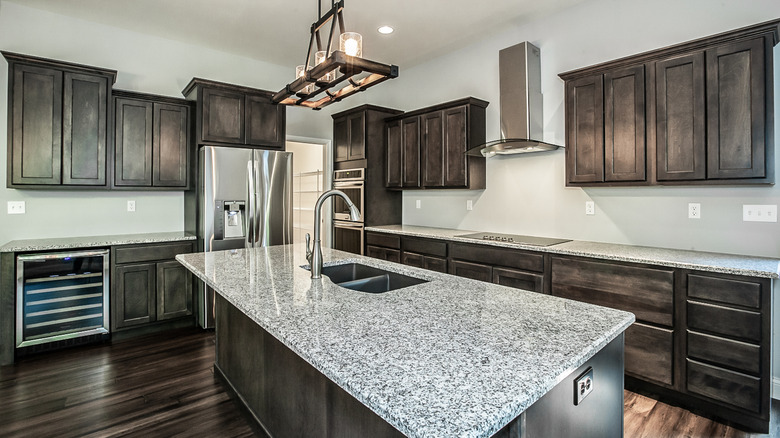
10 Kitchen Trends On The Way Out In 2026

6 Kitchen Countertop Trends That Are on Their Way Out This Year (and What to Do Instead)

5 Kitchen Countertop Trends on Their Way Out in 2025 (and What’s Replacing Them)
6 kitchen styles going out of fashion in 2024, according to experts who have seen it all

4 Kitchen Flooring Trends That Are on Their Way Out (and 3 Replacing Them)

5 Kitchen Design Trends Going Away In 2026

6 Outdated Kitchen Trends Designers Say You Need to Avoid in 2025 — And What to Do Instead
5 Kitchen Cabinet Trends on Their Way Out This Year (and 4 Replacing Them), According to Contractors
6 Kitchen Backsplash Colors That Are No Longer in Style, Designers Say