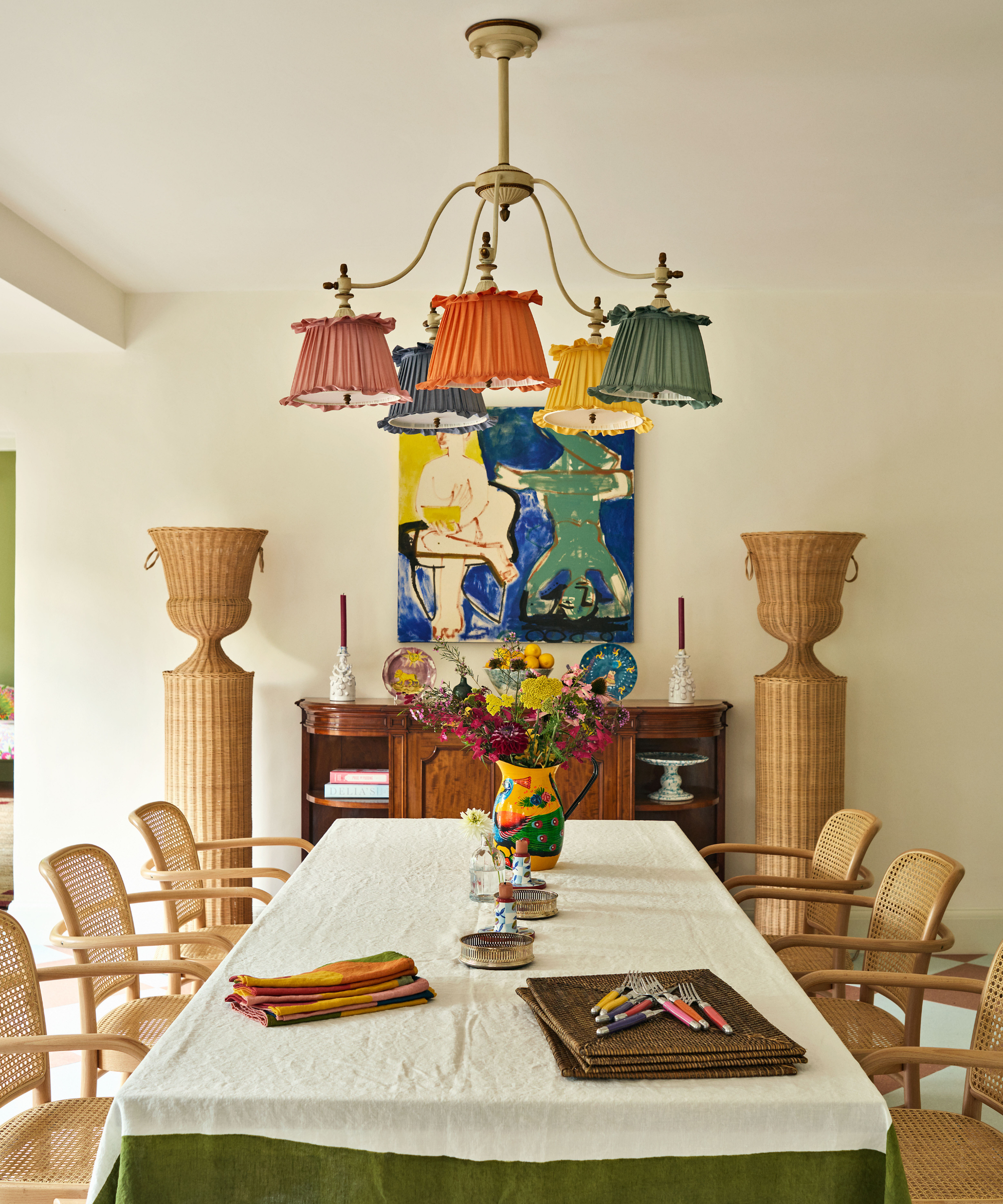
1/6
The South’s Historic Love Affair with the Laid-Back Glamour of Rattan
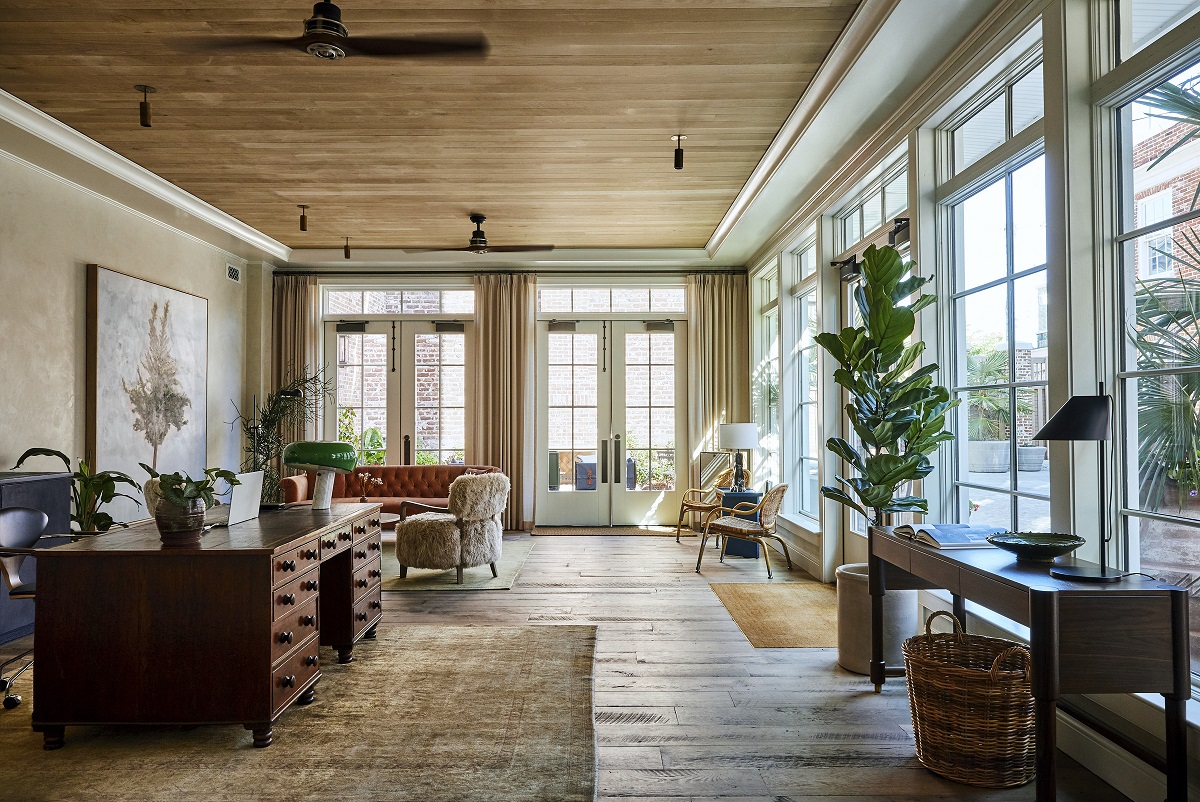
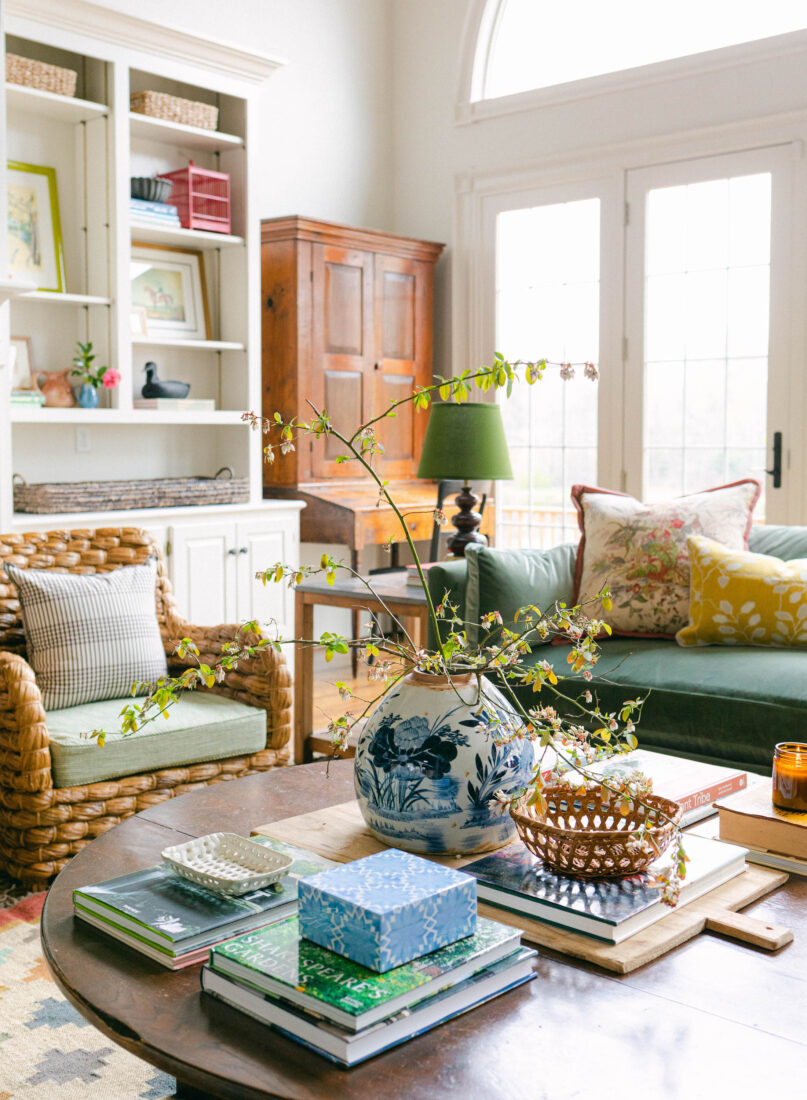
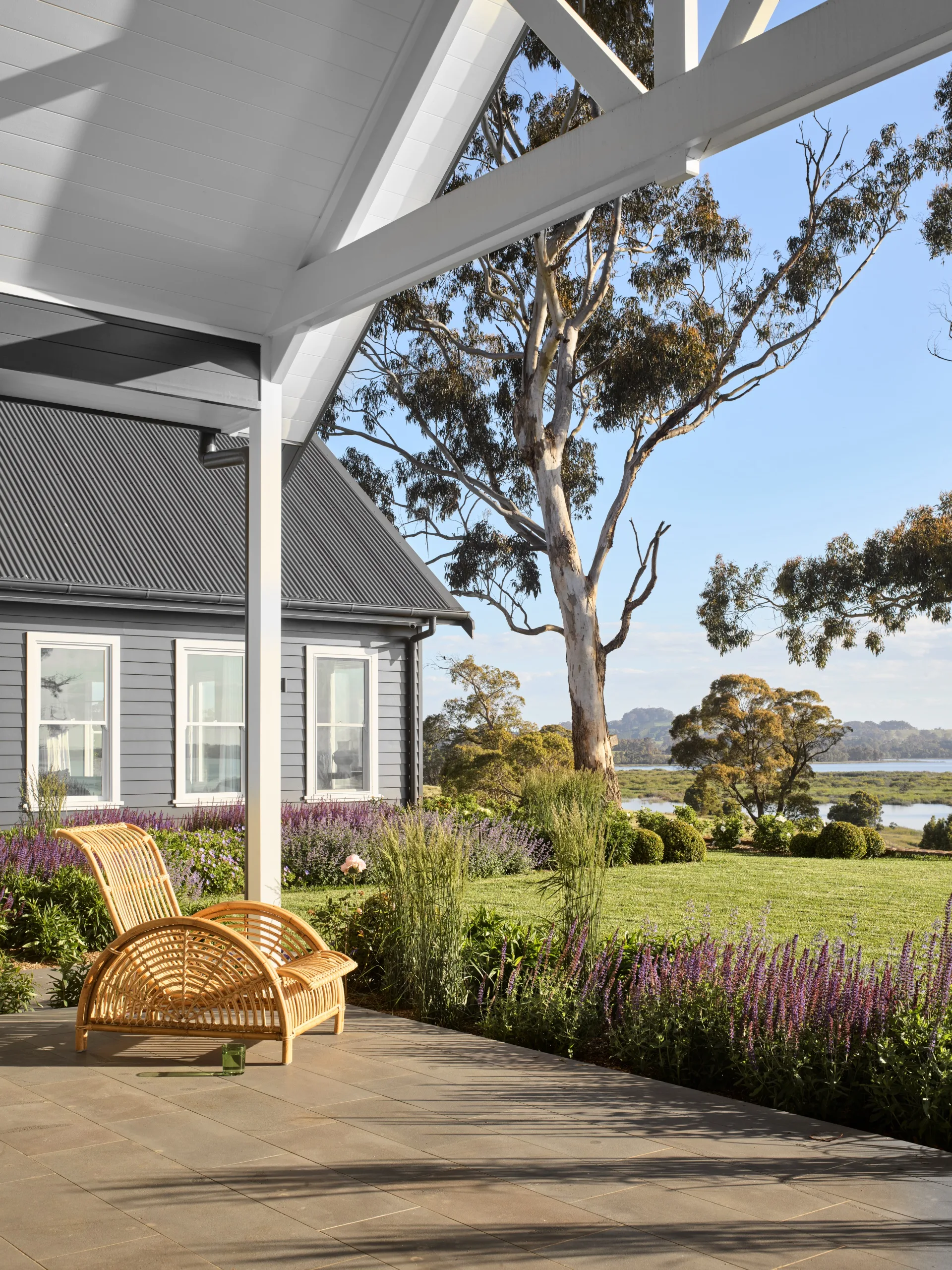
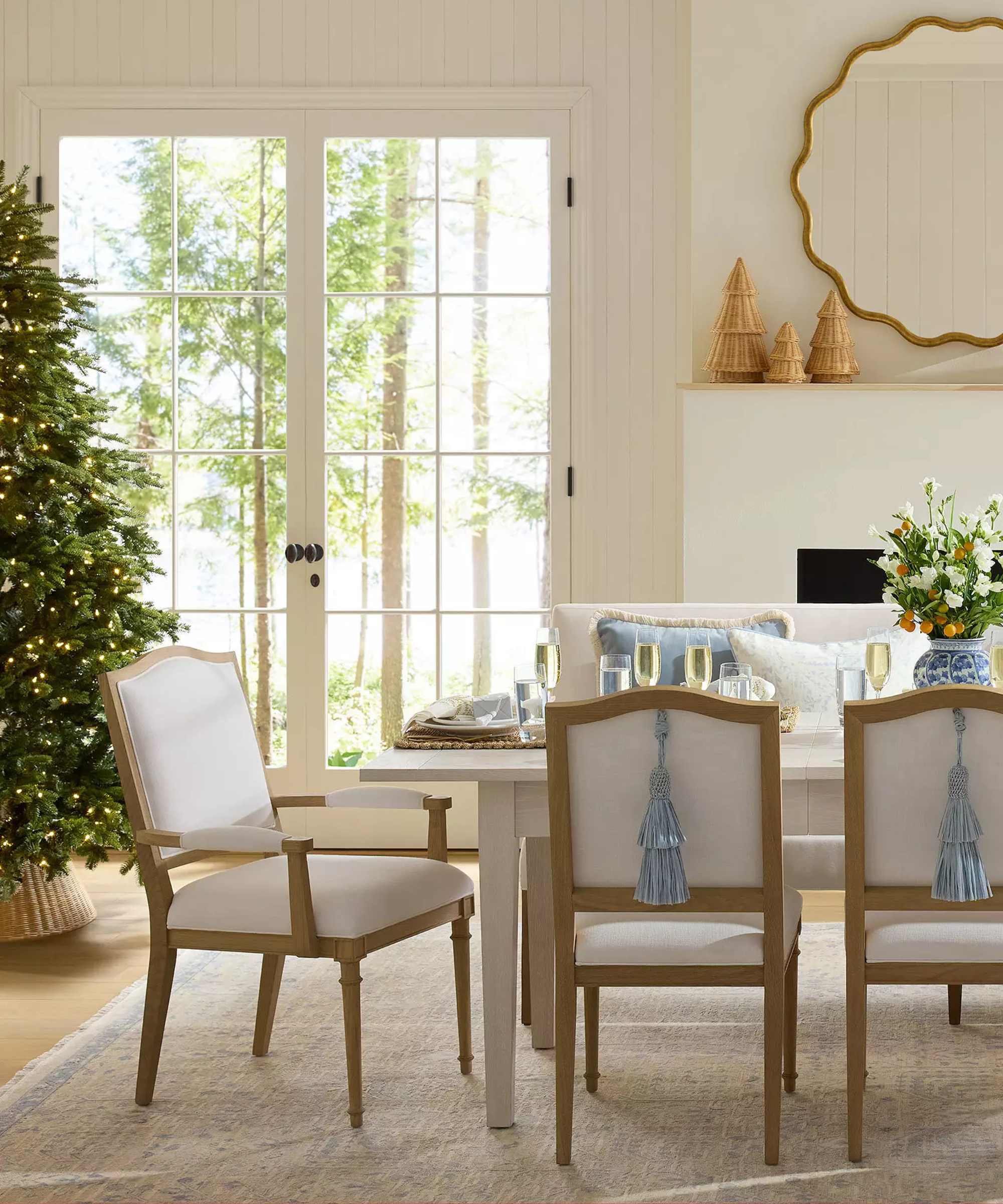
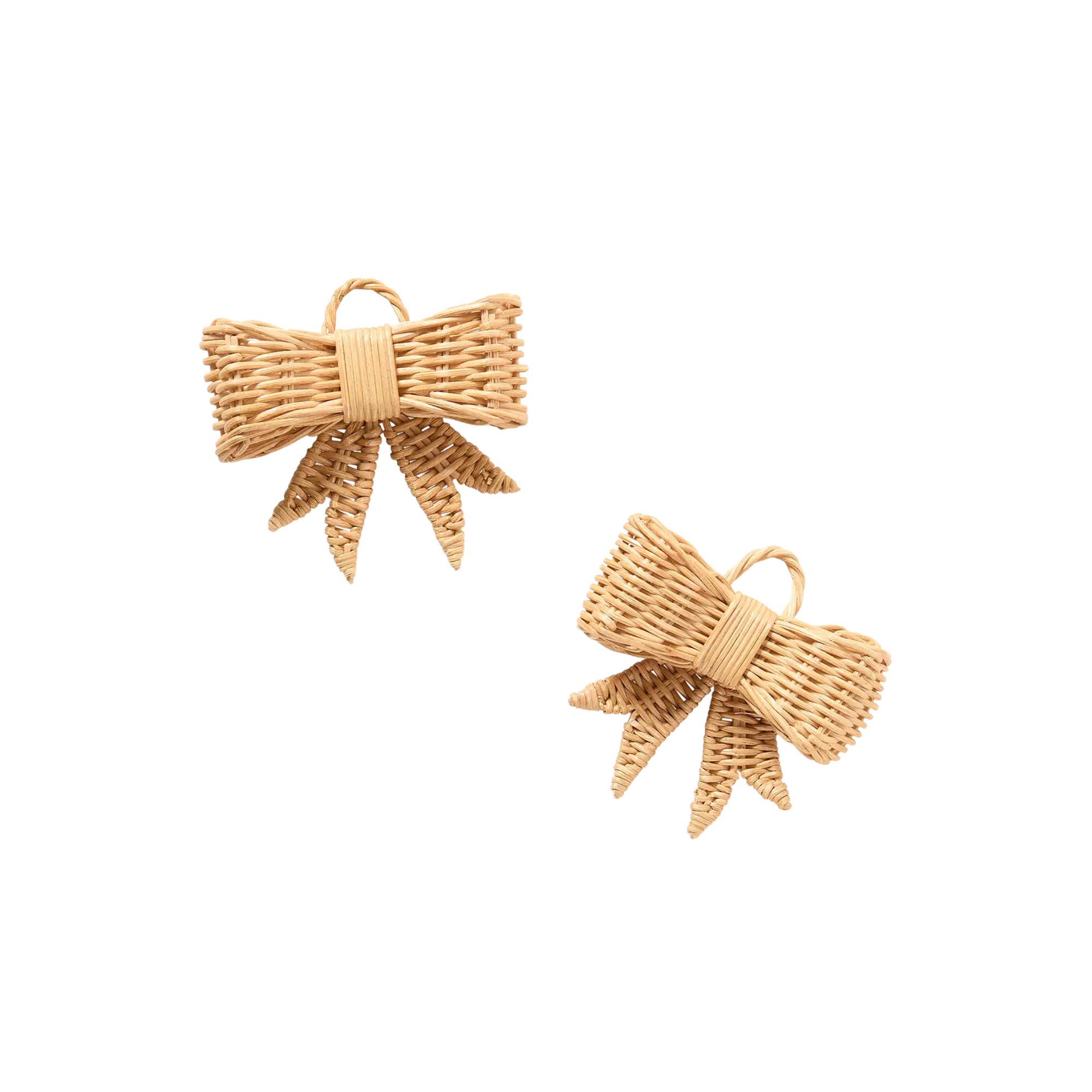
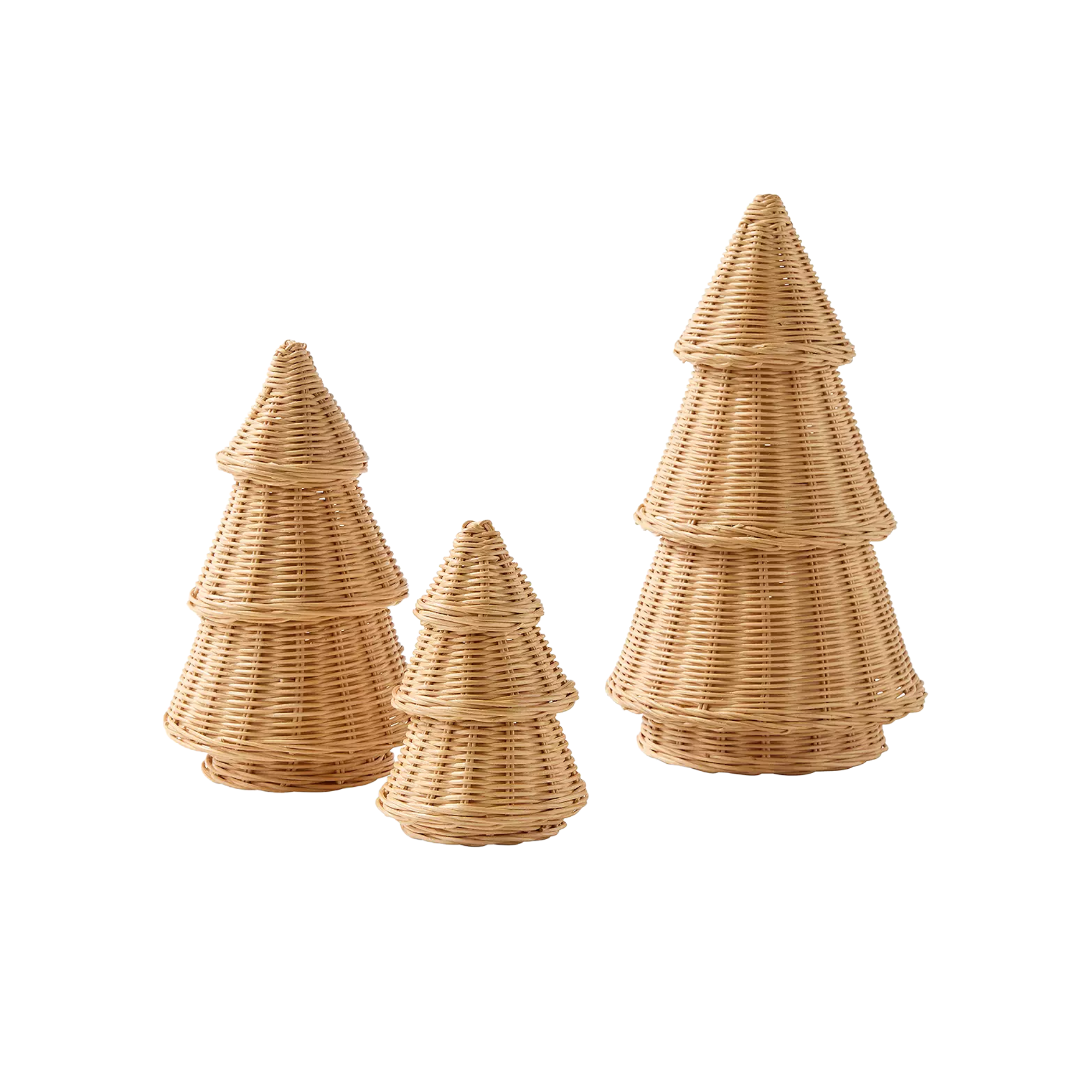
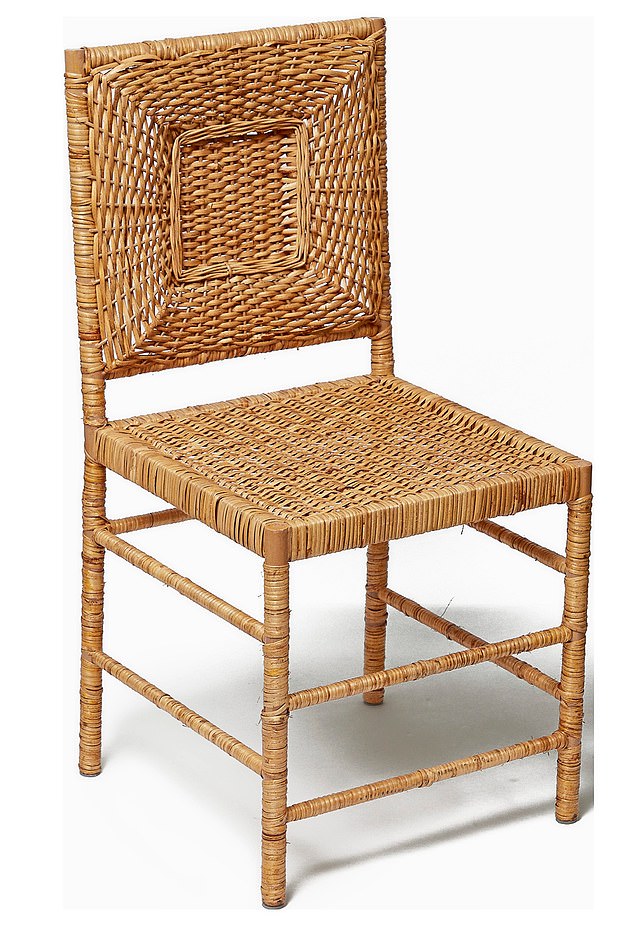
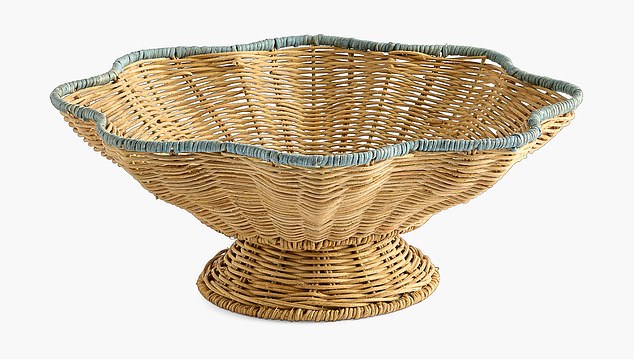
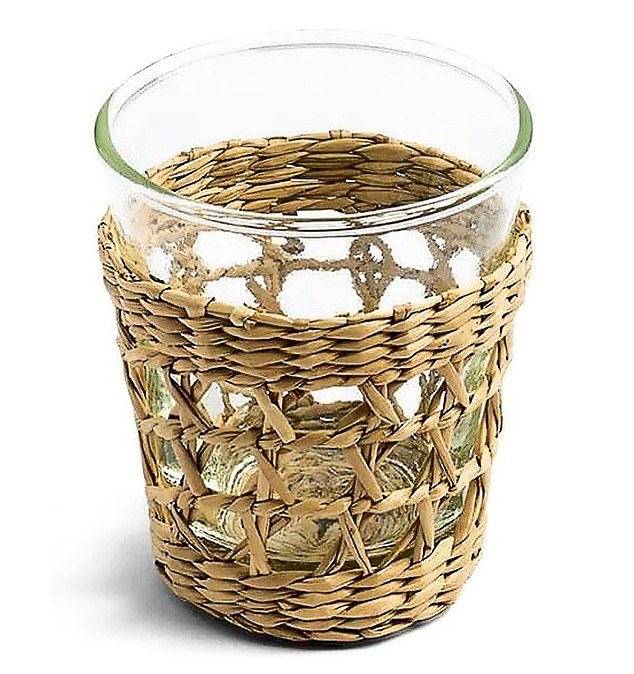
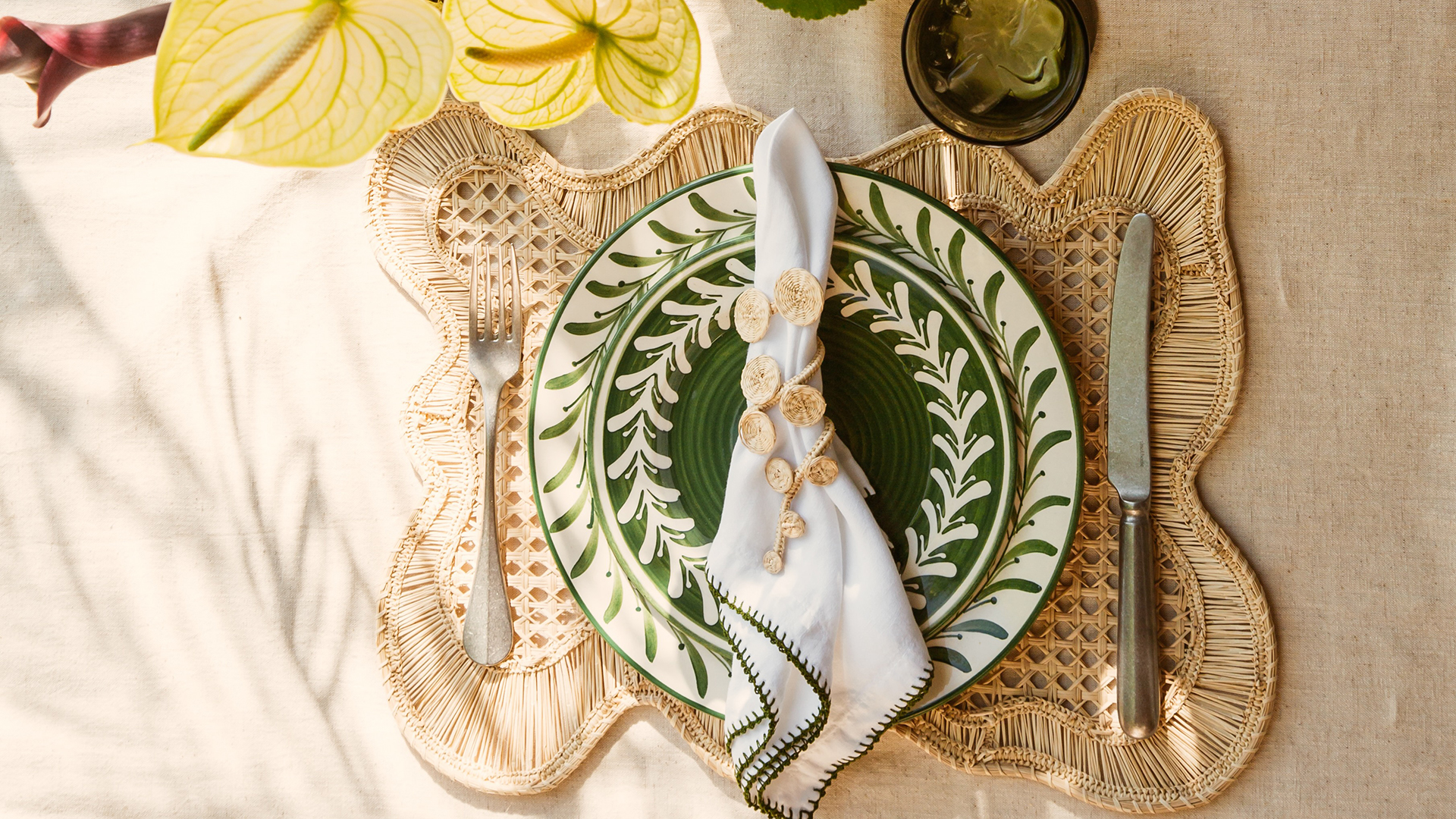
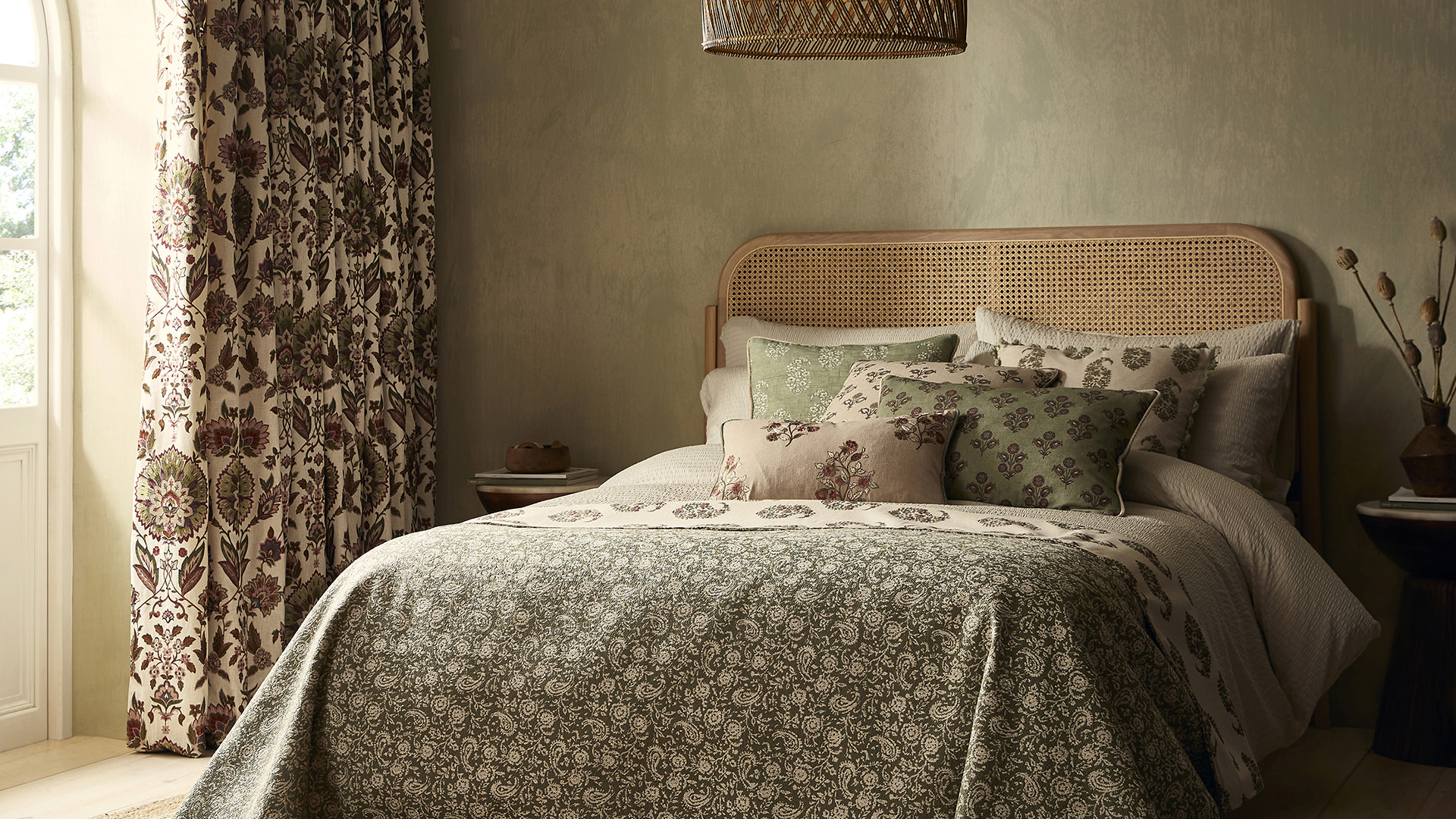
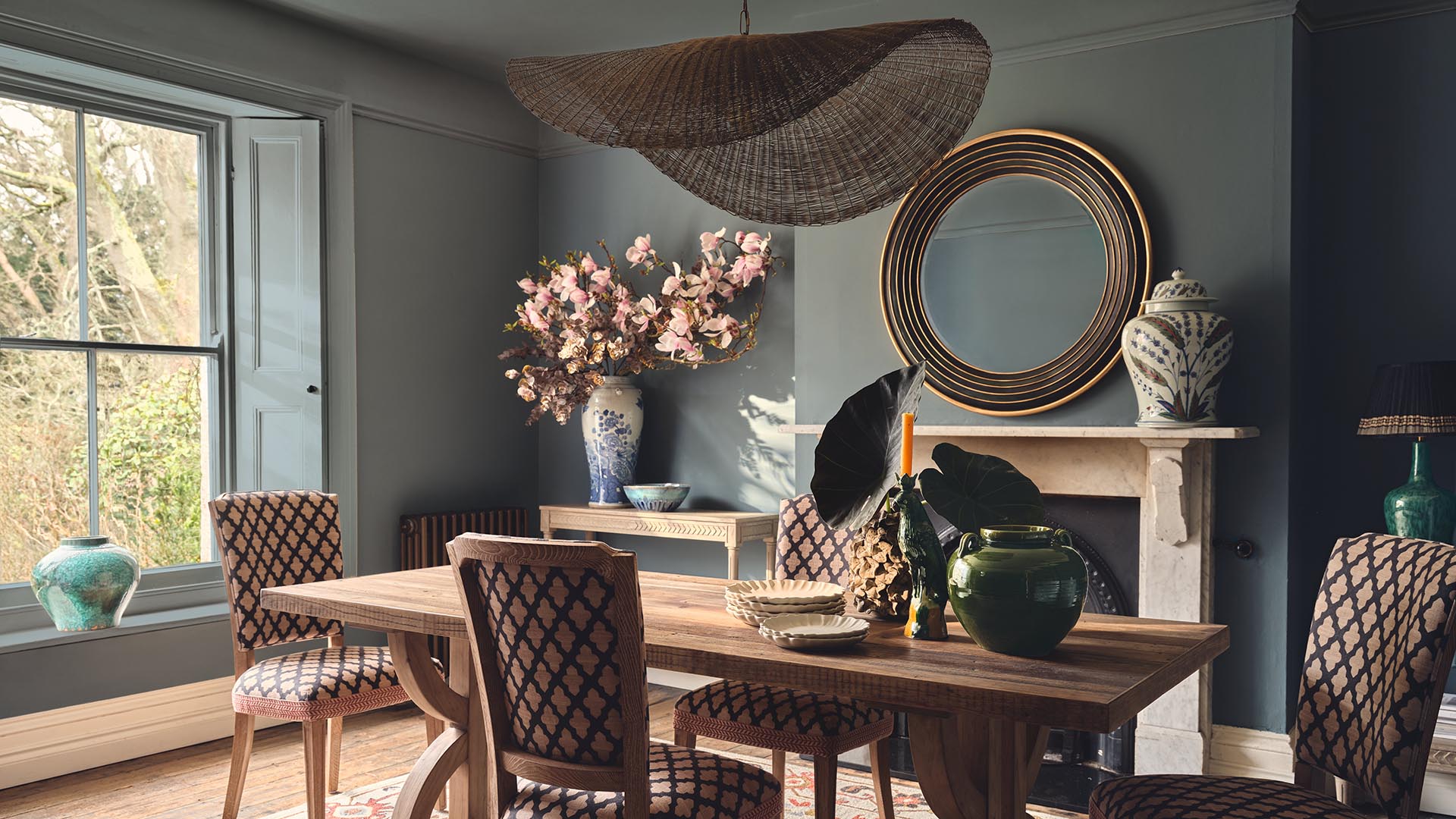
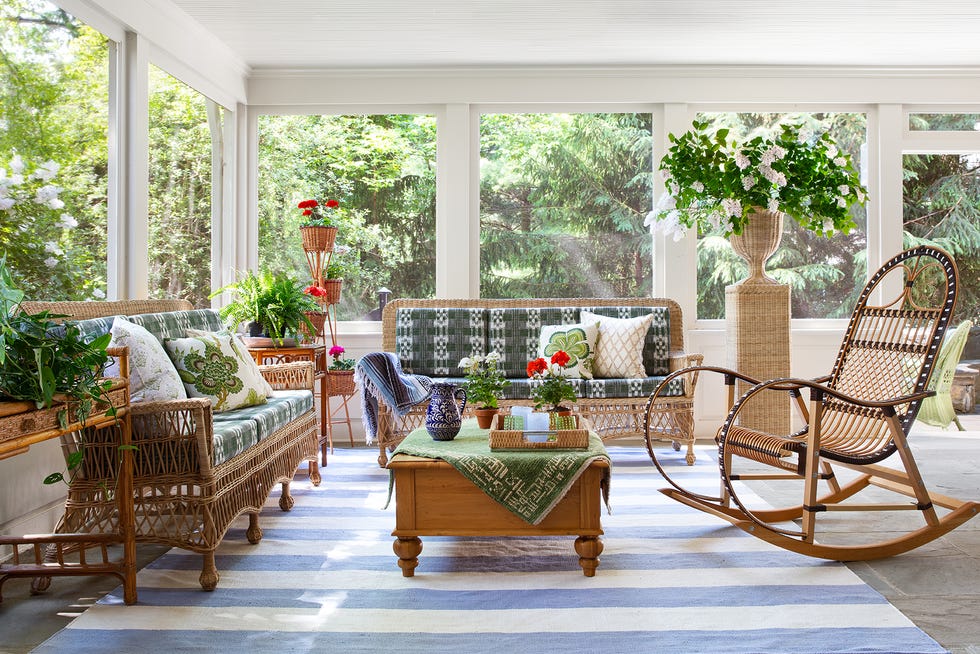
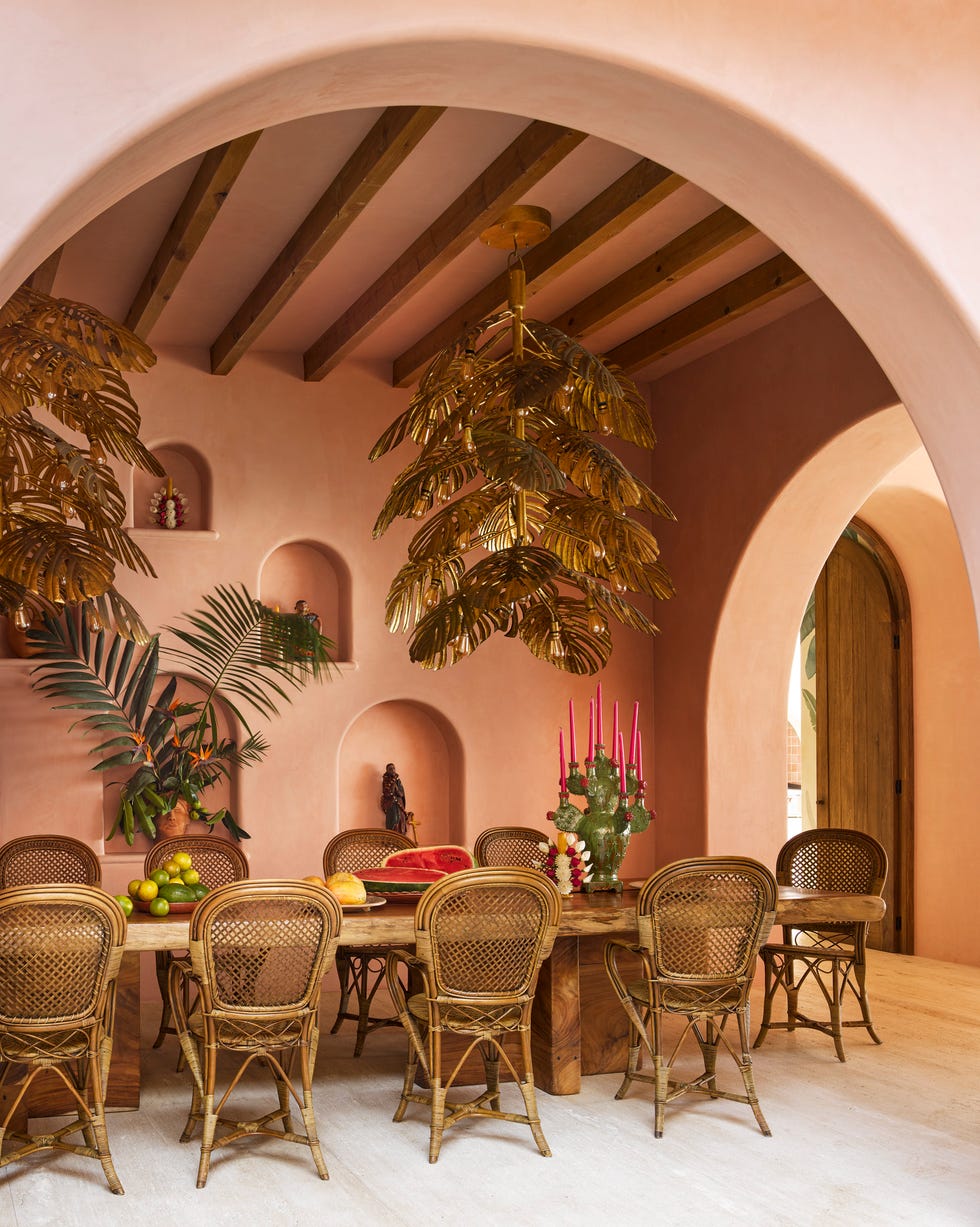
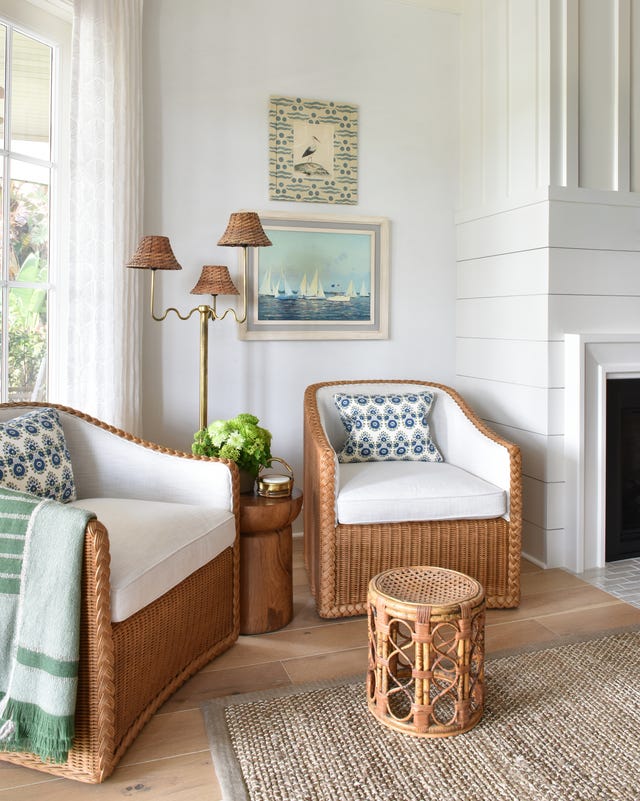
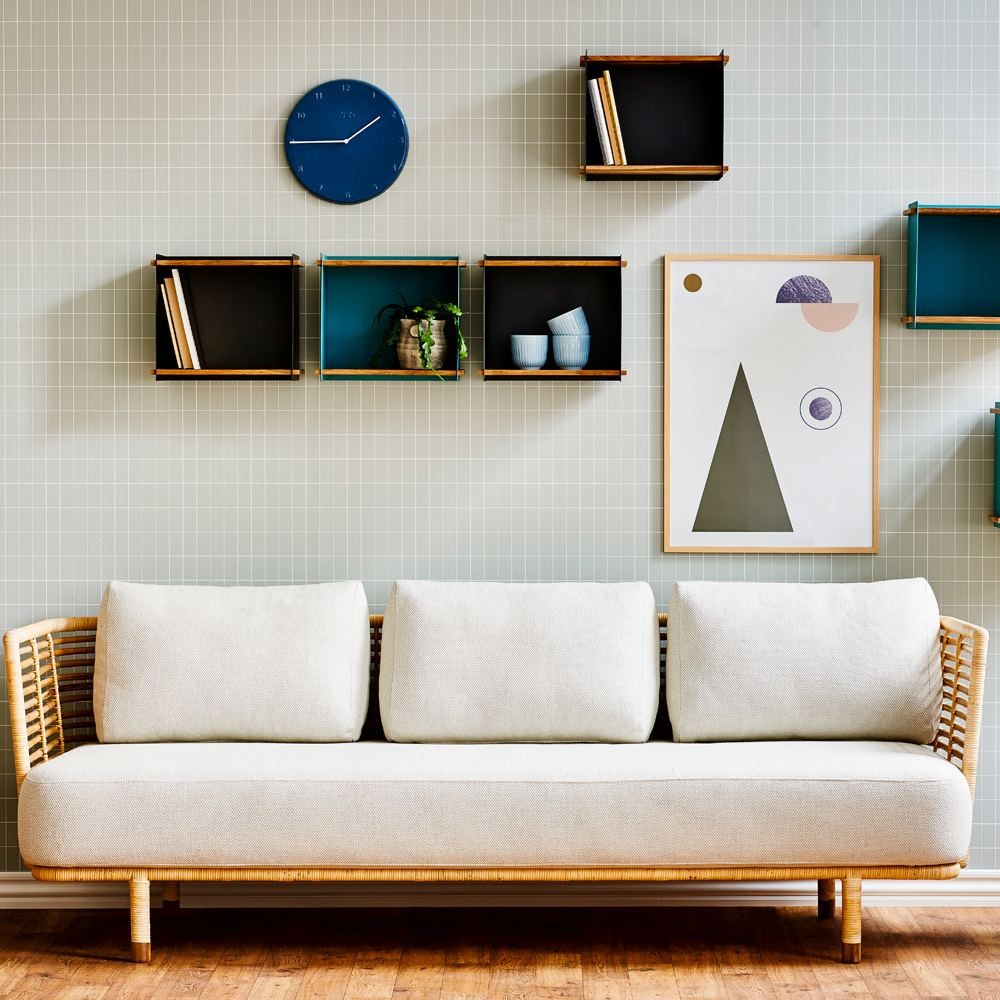
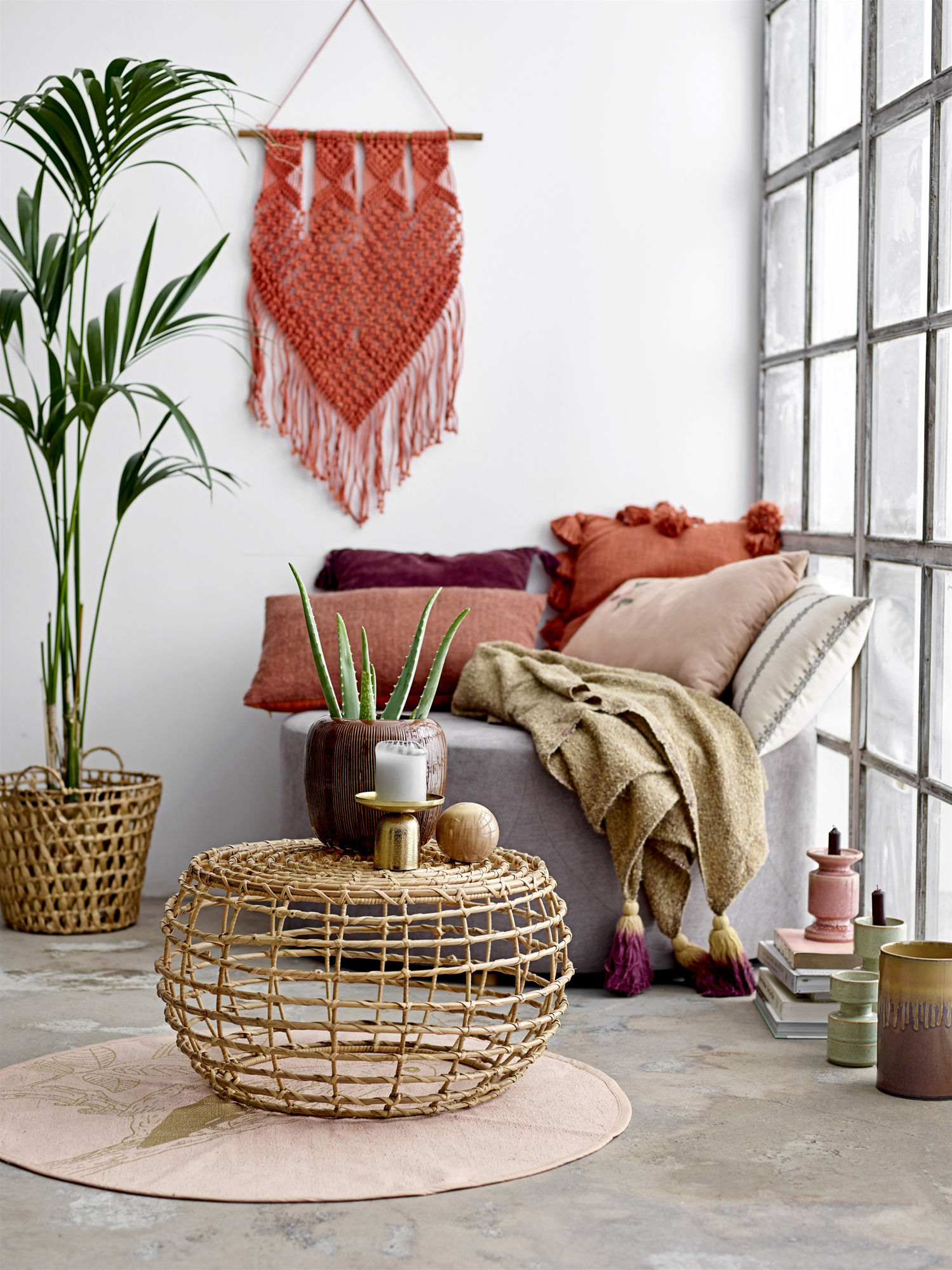
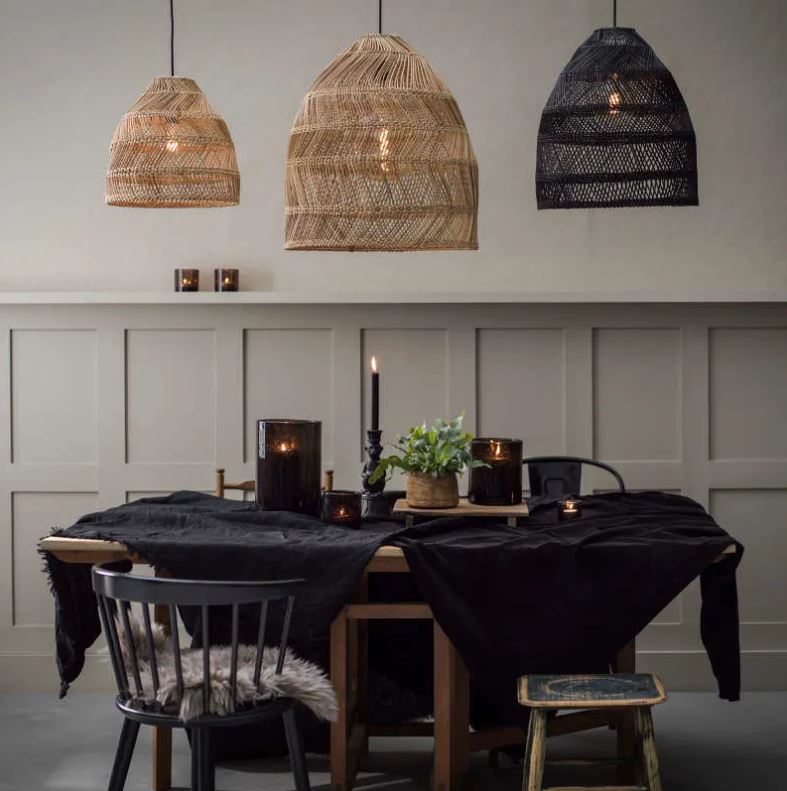
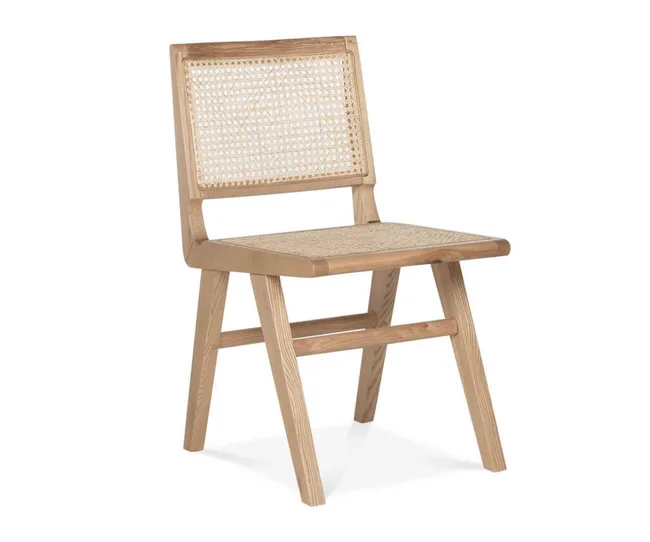
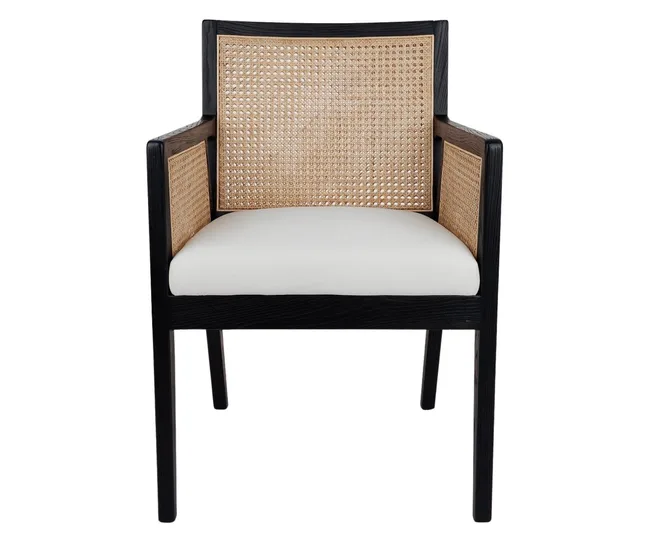
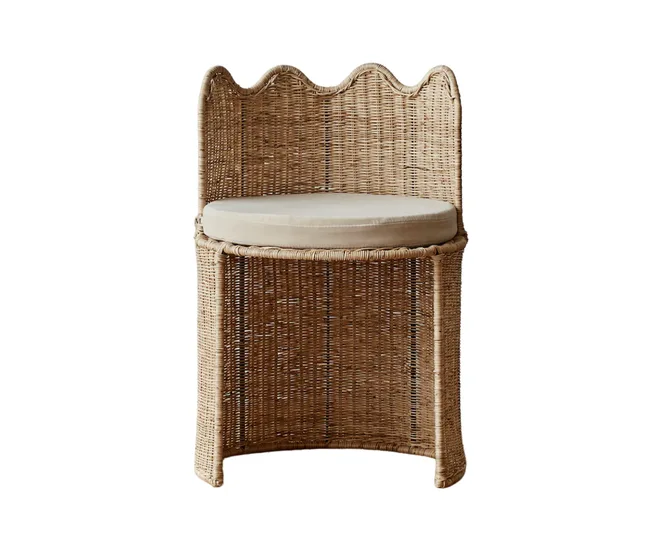
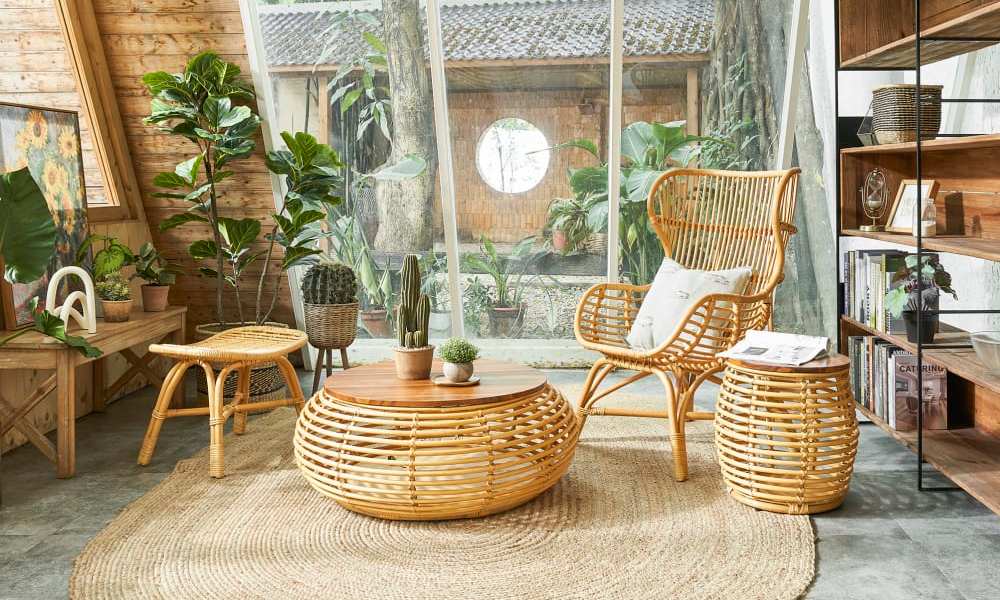
Rattan furniture, ubiquitous on Southern porches and sunrooms, is crafted from a vining Old World palm plant. When steamed or soaked, its dense canes are easily shaped into diverse furniture pieces, including tables, light fixtures, and peacock chairs. Lulu Lytle, who heads Soane Britain, a rattan and furniture company, and author of "Rattan: A World of Elegance and Charm," highlights the material's visually cooling and airy qualities, emphasizing its immediate evocation of relaxation and warmth. Rattan can transition seamlessly between indoor and outdoor spaces.
The history of rattan's use dates back to the seventeenth and eighteenth centuries, when rattan vines served as packing material in cargo ships. Early colonialists recognized its pest resistance and portability, leading to its transformation into furniture. A wicker cradle, for instance, arrived on the Mayflower in 1620. By the 1800s, the Heywood-Wakefield Company's wicker furniture catalog fueled a widespread demand, and industrialists played a role in popularizing this furniture in the South.
Henry Flagler's development of Palm Beach, Florida, in the late 19th and early 20th centuries, further cemented rattan's status. The elite who flocked to Palm Beach during the winter months frequently encountered rattan seating in sunrooms and around tea tables. Flagler's preference for non-motorized transport on the island meant guests often traveled in "Palm Beach Coaches," essentially rattan chairs attached to bicycles, underscoring the material's elegance and practicality.
Rattan's appeal also extended to public spaces, such as the Taboo nightclub on Worth Avenue in Palm Beach, where figures like John F. Kennedy and Frank Sinatra enjoyed its comfortable ambiance. Lytle observes that photographs of rattan interiors consistently depict people looking content, suggesting that rattan humanizes even the grandest settings, inviting relaxation.
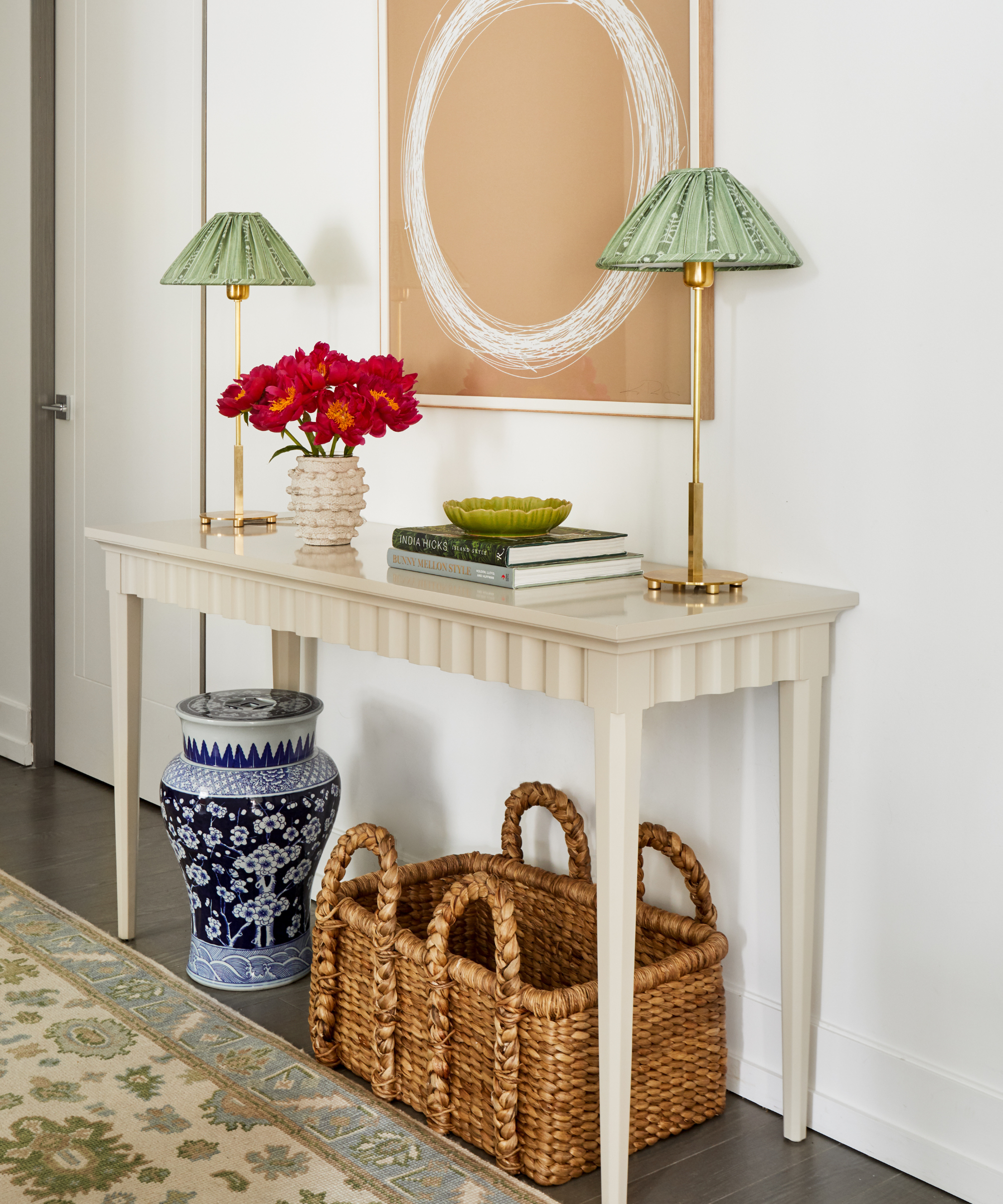
Rachel Lambert “Bunny” Mellon, a prominent Southern tastemaker, philanthropist, and art collector with an estate in Upperville, Virginia, was a notable proponent of rattan. Mellon, known for designing the White House Rose Garden, created homes and gardens that blended elegance with a laid-back feel, frequently incorporating woven furniture and wicker baskets. Her deep affection for garden containers led her to construct specific structures, like a Basket House, to store and maintain them. Mellon’s approach to interior design, characterized by the integration of fresh flowers, rattan furniture, and books, exemplified an understated yet supremely elegant Southern aesthetic. She skillfully combined woven furniture with fine art and antiques, demonstrating that comfort and elegance are not mutually exclusive.
Lytle notes a growing interest in rattan among a new generation, attracted not only by its aesthetic appeal and comfort but also by its environmental benefits, as rattan cultivation does not contribute to deforestation. Its connection to craftsmanship and its durability across generations also resonate with consumers. Southerners, in particular, appreciate the artisanal aspect of rattan furniture, confident that well-made pieces will endure for future generations to enjoy.
#RattanFurniture #SouthernDecor #HomeFurnishings #InteriorDesignHistory #PalmBeachStyle #BunnyMellon #SustainableMaterials #Wicker #RattanFurniture #SouthernDecor #HomeFurnishings #InteriorDesignHistory #PalmBeachStyle #BunnyMellon #SustainableMaterials #Wicker
0 ความคิดเห็นรวม
 ยังไม่มีความคิดเห็น
คุณอาจจะชอบอีกด้วย
A quintessentially southern story
Beautiful, Layered Maximalism: Why the Trend Is a Southern Tradition
Rattan for Christmas? Serena & Lily Has Given Summer’s Favorite Material a Holiday Twist

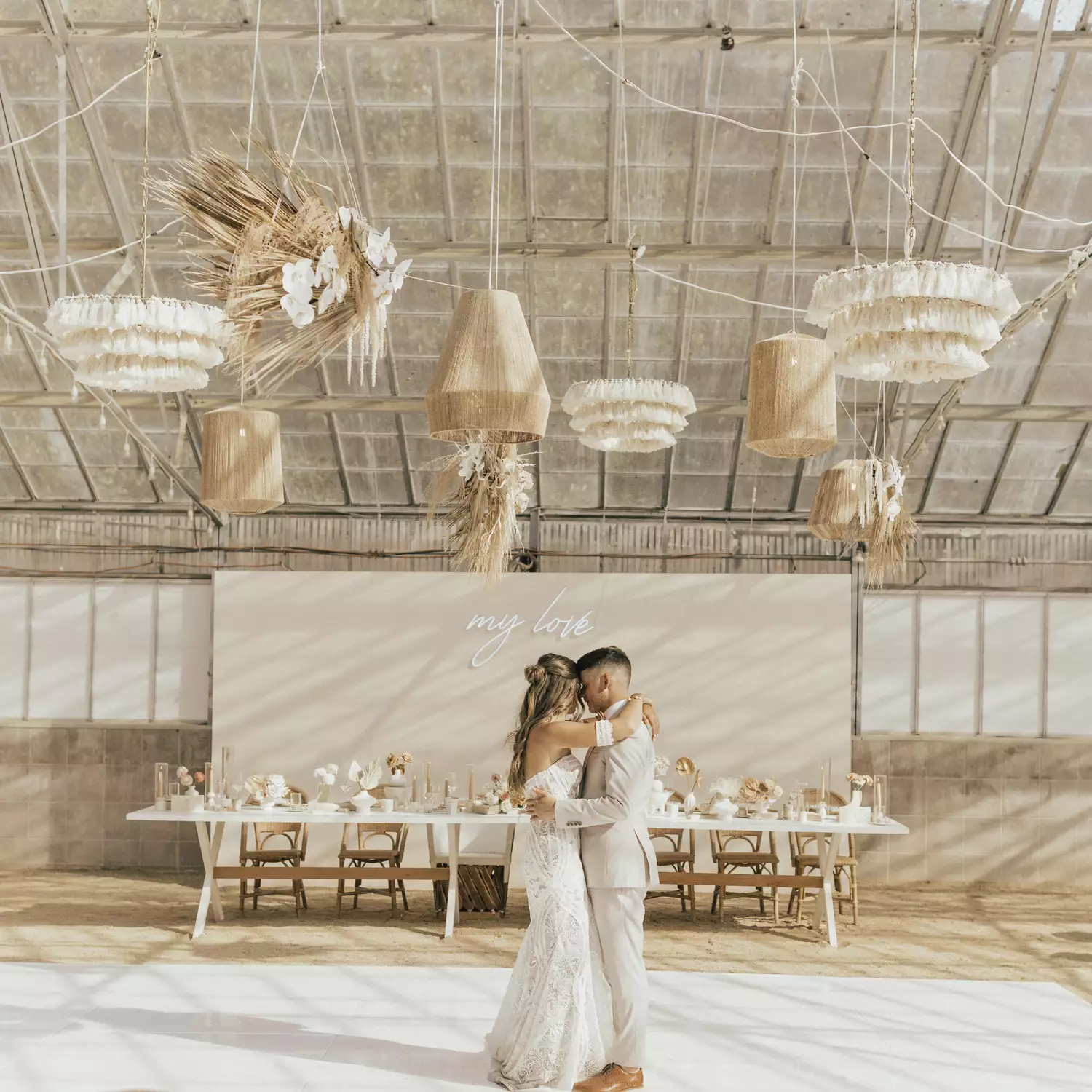
20 Rattan Wedding Décor Ideas We’re Loving Right Now
Rustic Charm

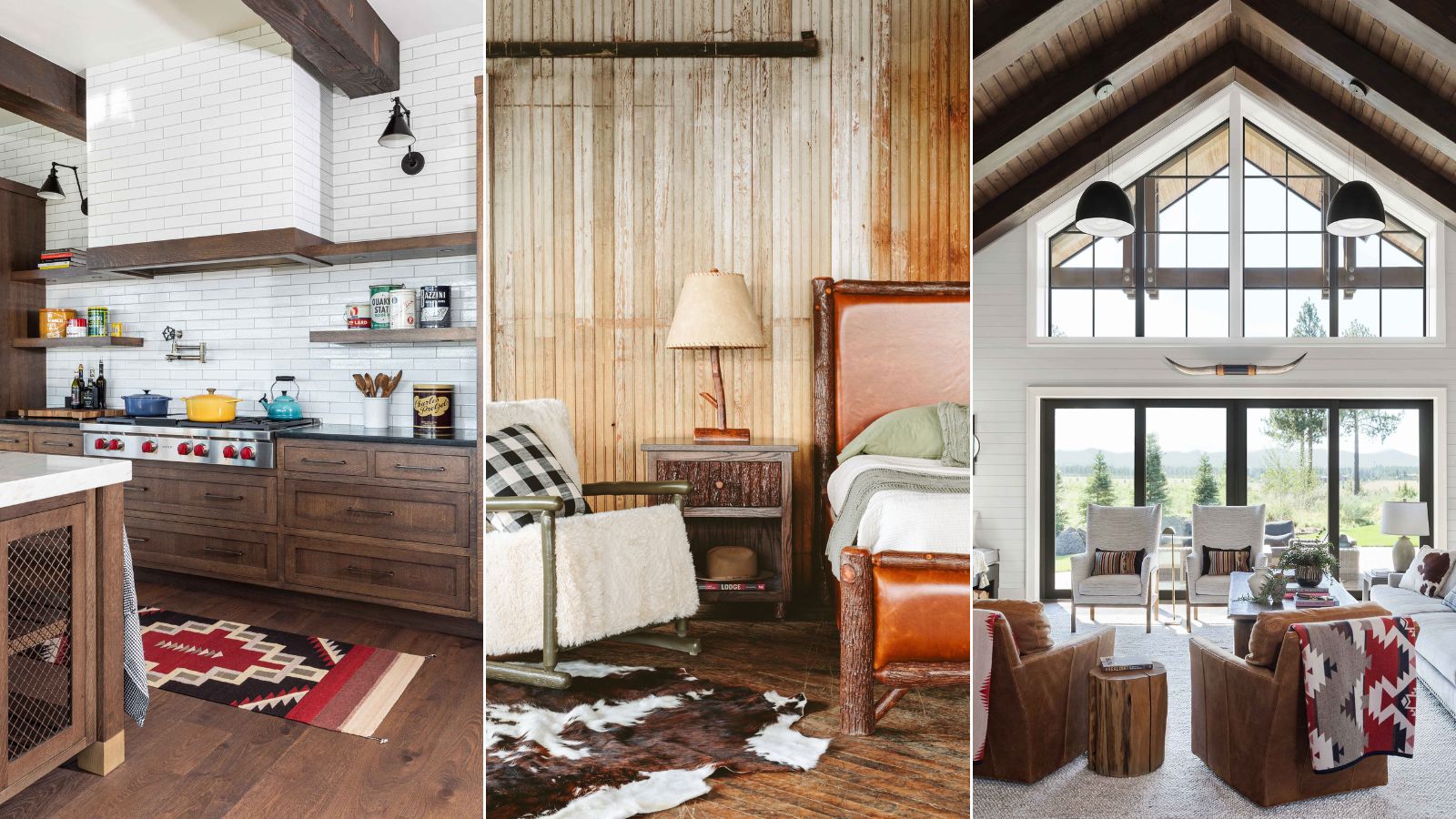
Rich Ranch is the latest take on Western style – here's how to get the rugged-meets-upscale look
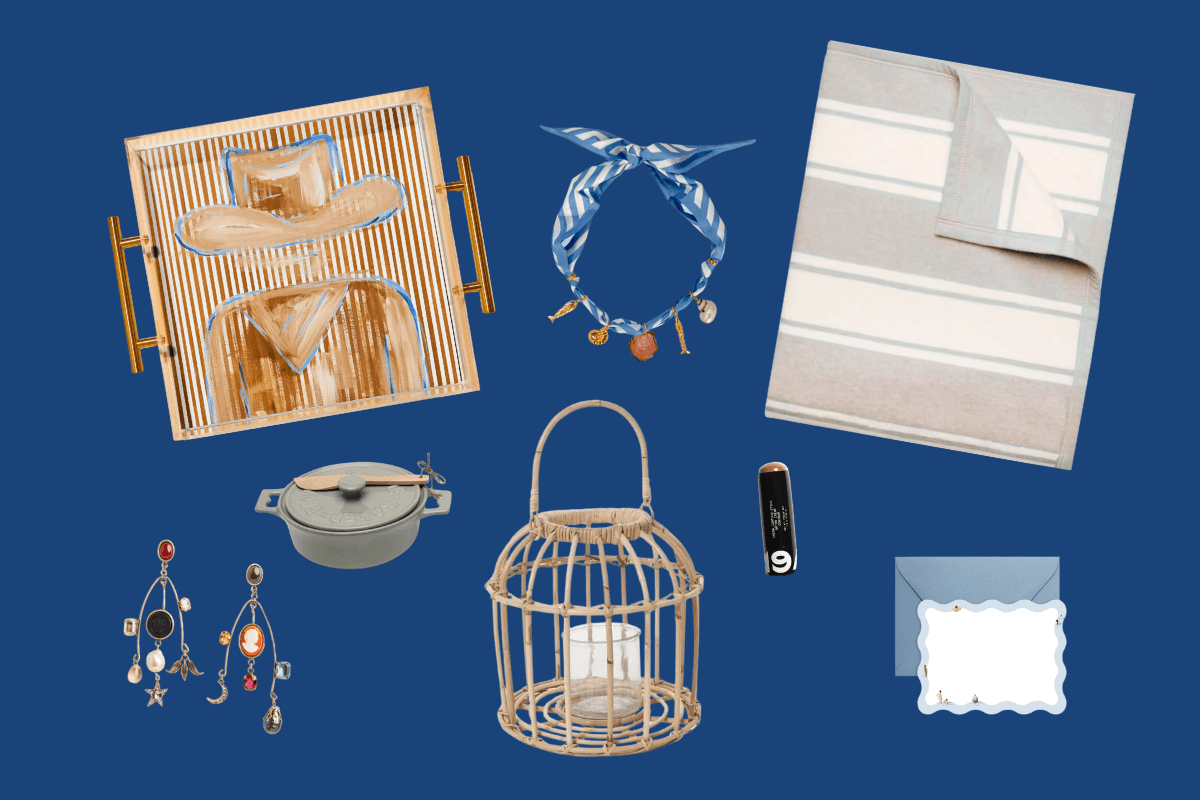
14 Southern FINDS We Love for Late Summer
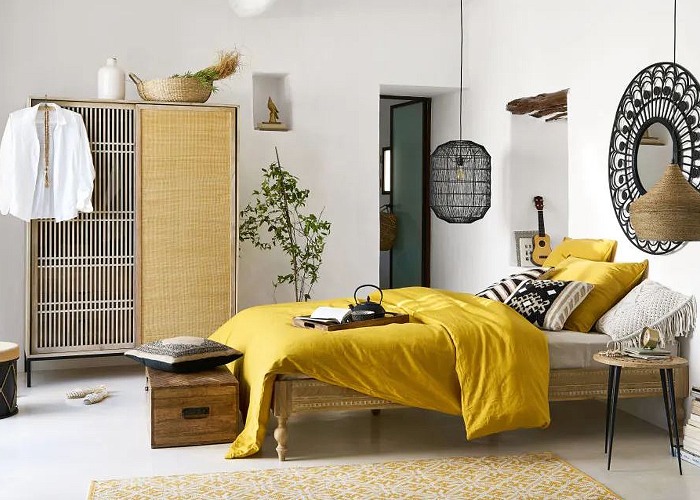
Rattan furniture: the 1970s throwback that's the hottest trend this year

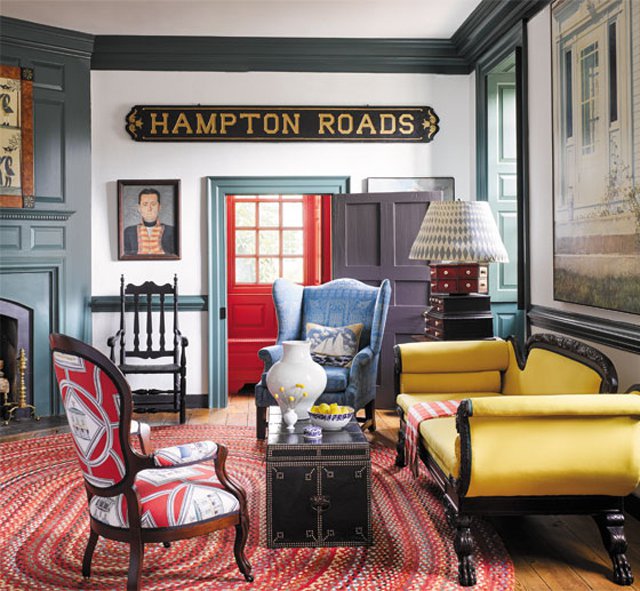
Tradition Meets Trend
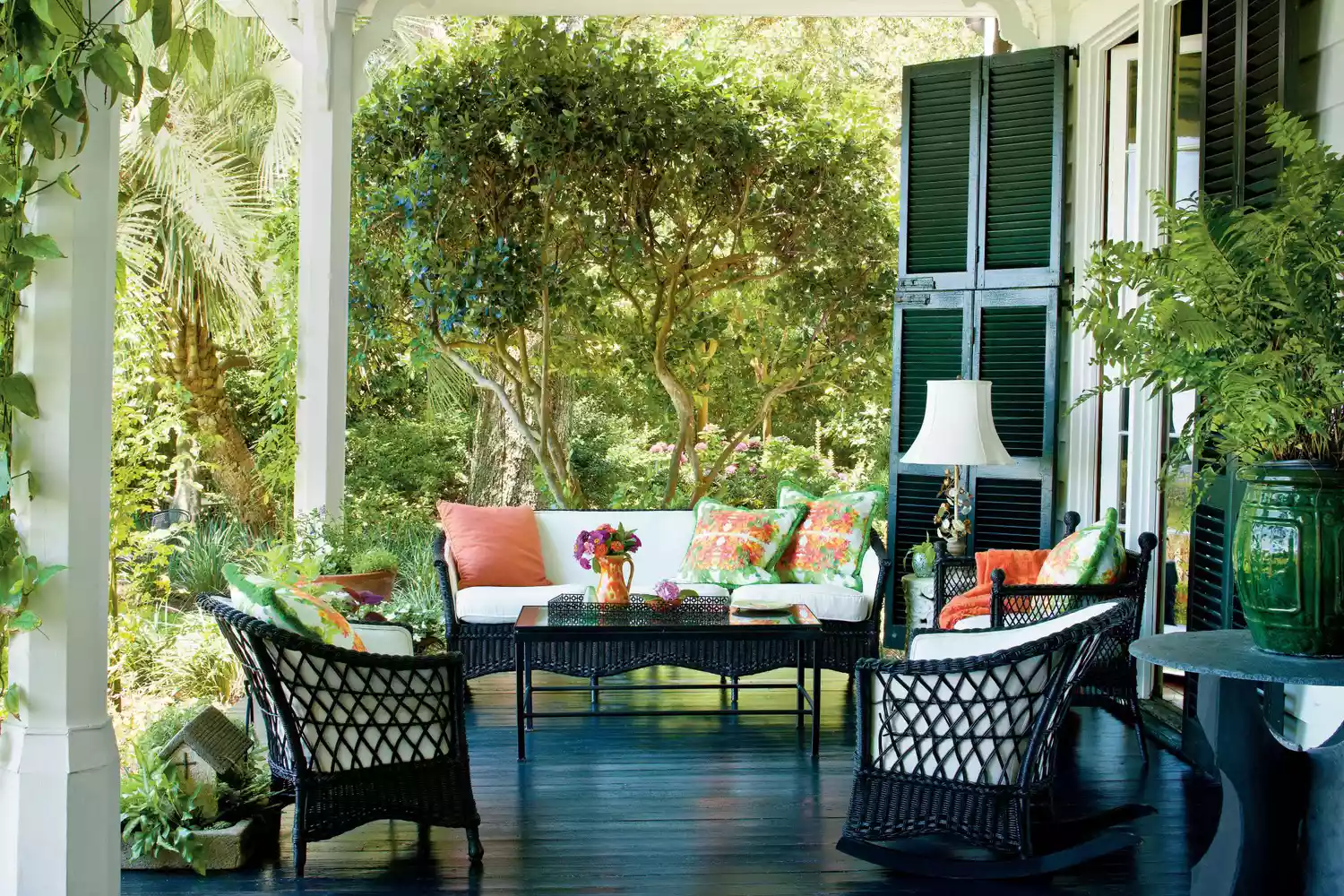
Grandma's Wicker Is Back In Style—But Southerners Know It Never Left
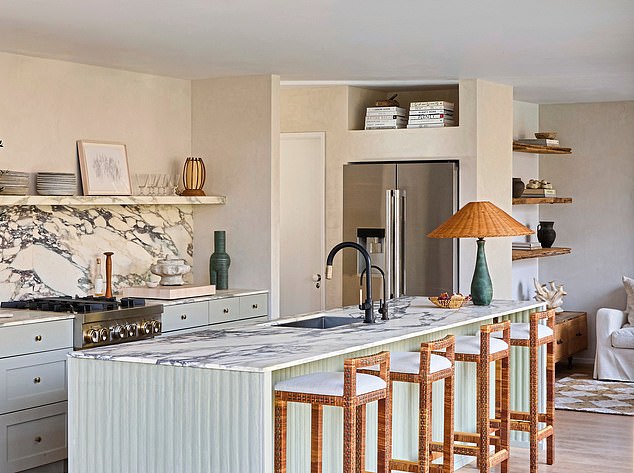
22 rattan buys to upgrade your home, starting at just £8
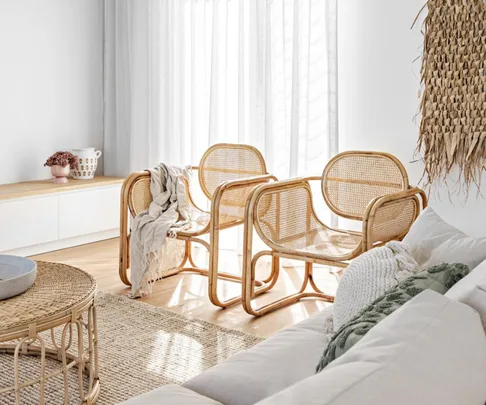
8 totally versatile rattan and cane chairs we’re adding to our homes

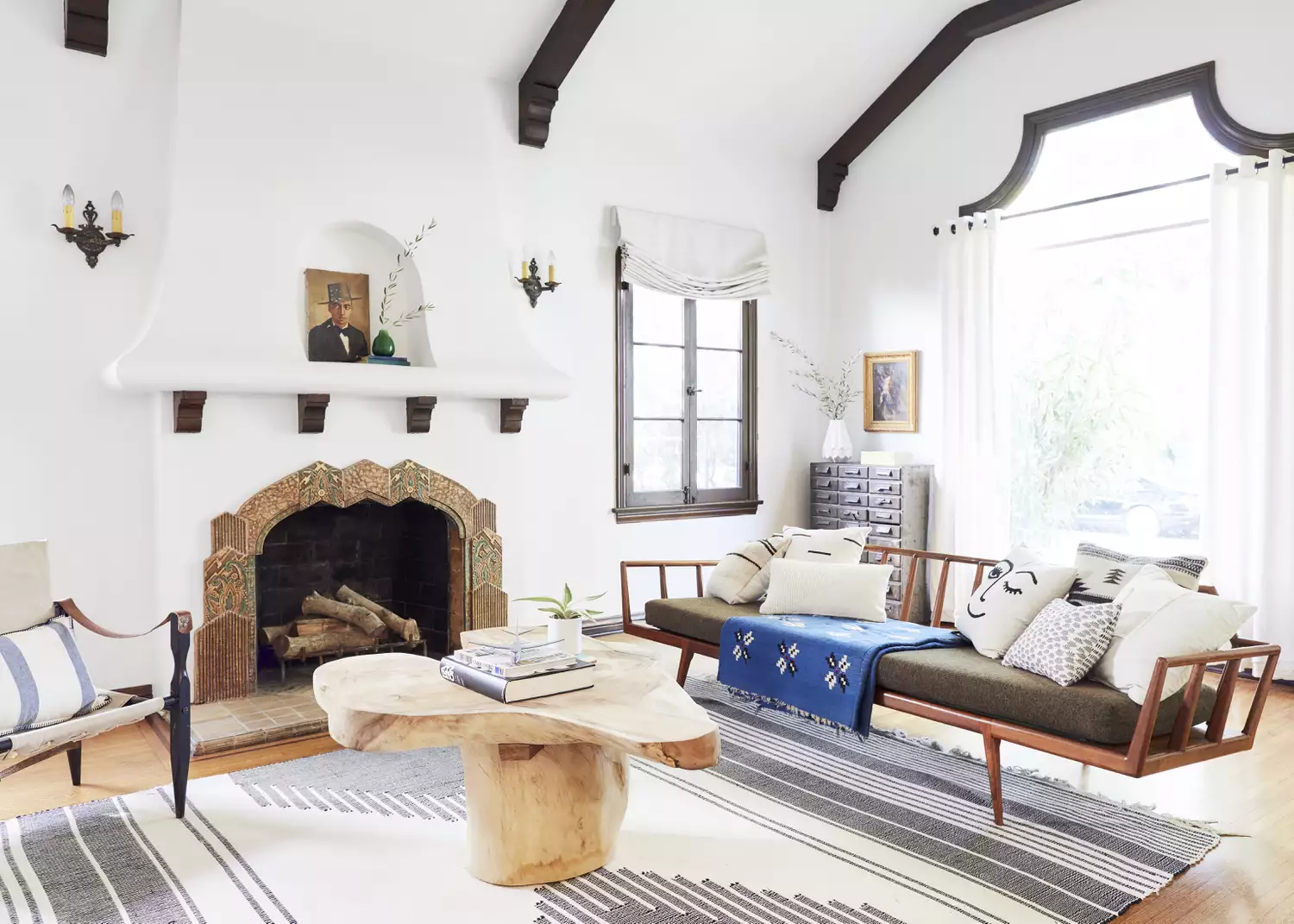
The Western Décor Trend Is All About Rustic Touches and Earth Tones—Here's How to Get the Look in Your Home
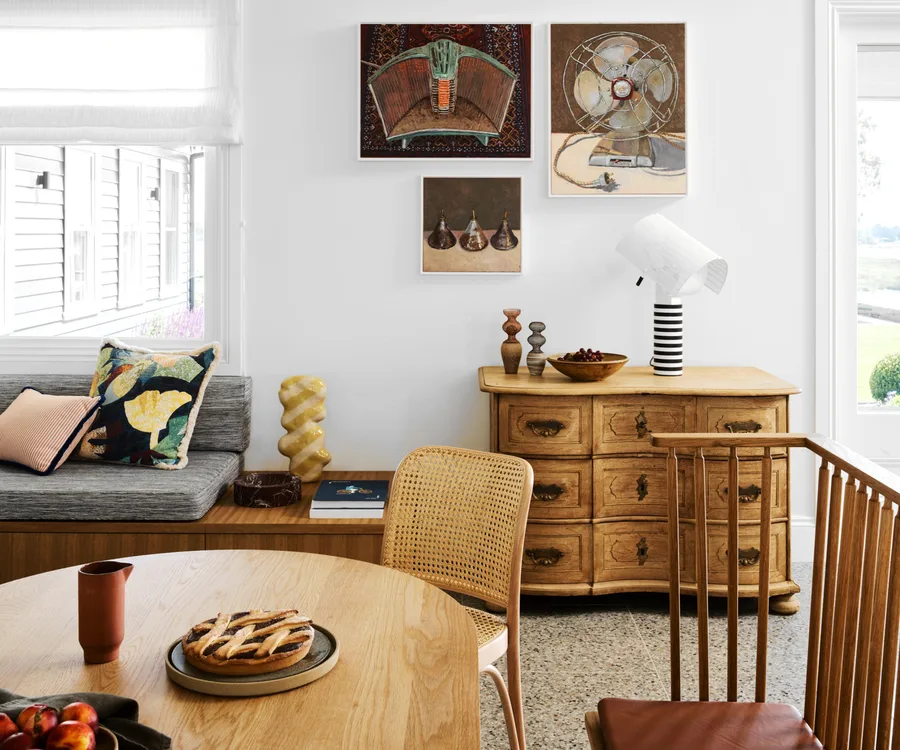
This modern homestead puts a playful spin on country tropes like tartan
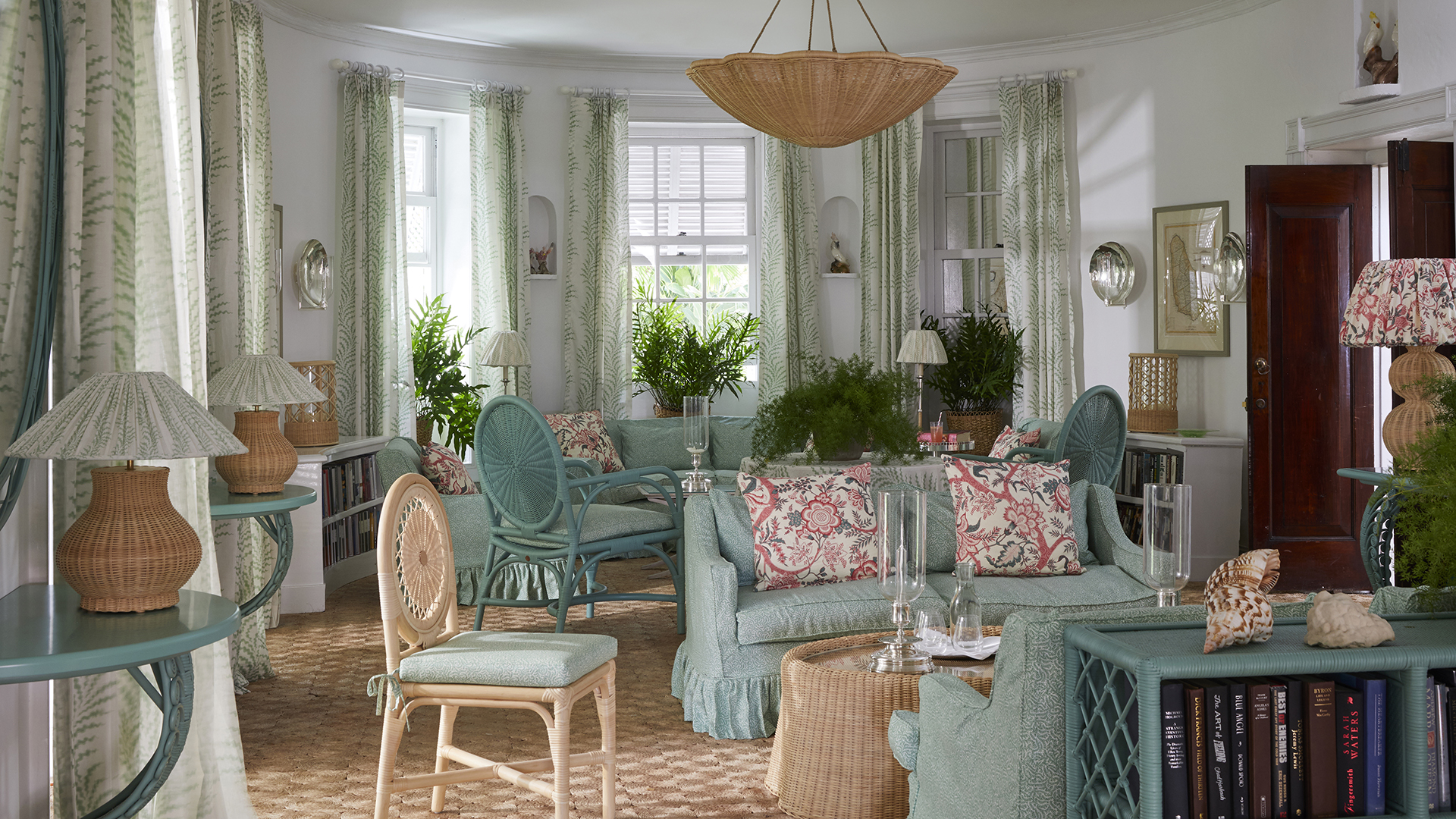
Tasteful rattan interiors that are inspiring the revival of the timeless material

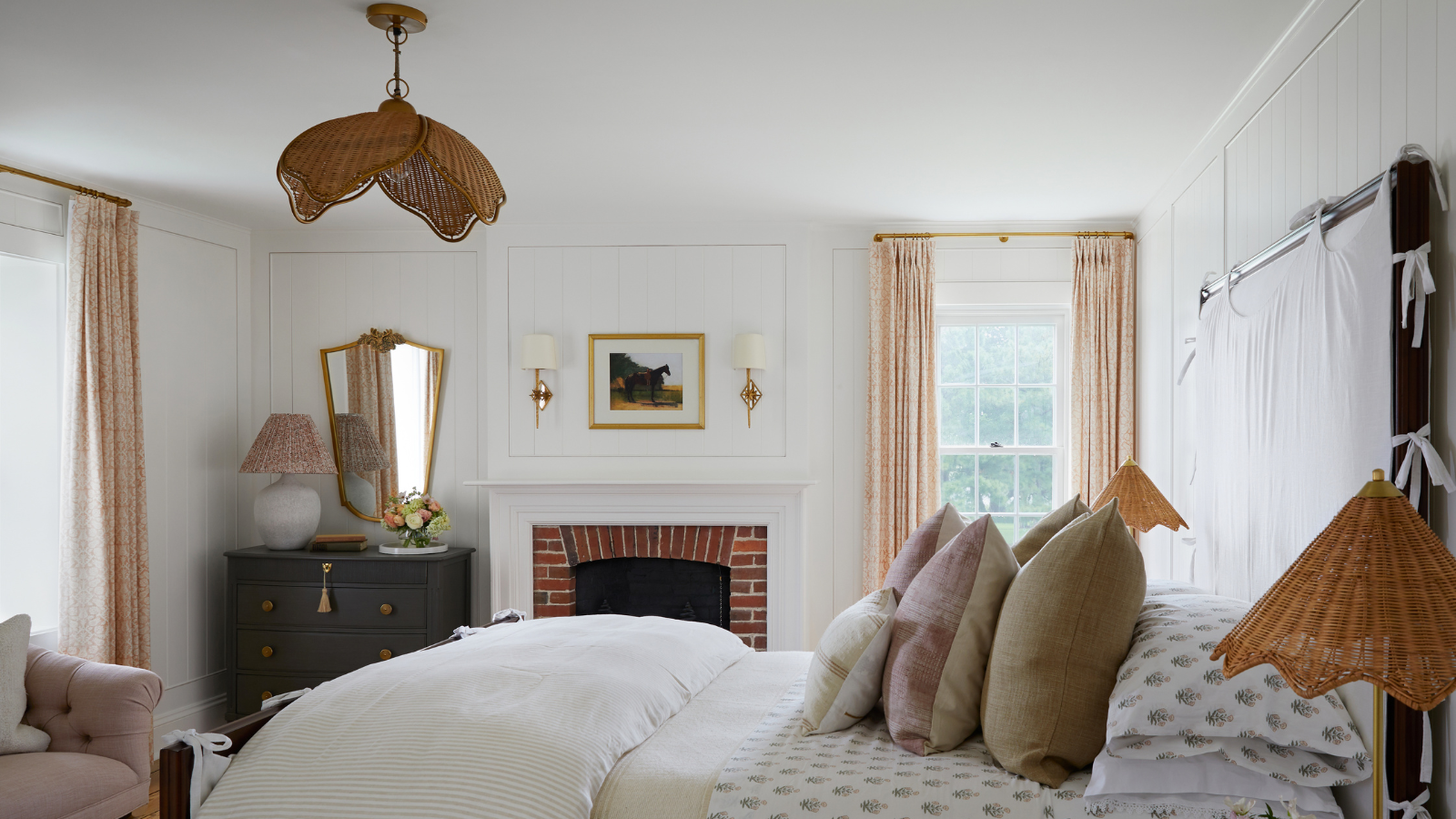
Rattan might be one of the most versatile materials to work with – and these 10 rattan decorating ideas prove it
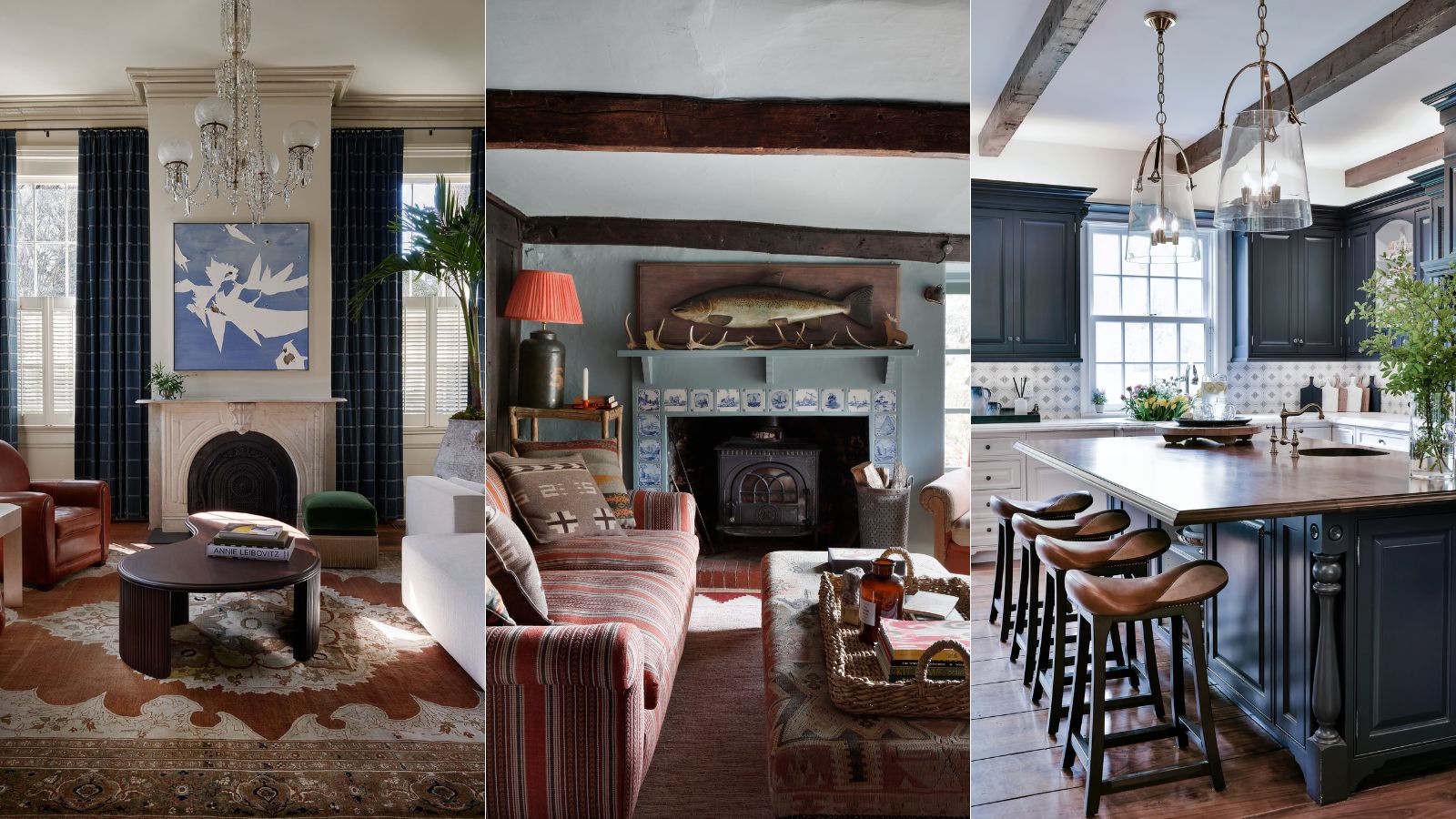
What is the Ralph Lauren aesthetic?
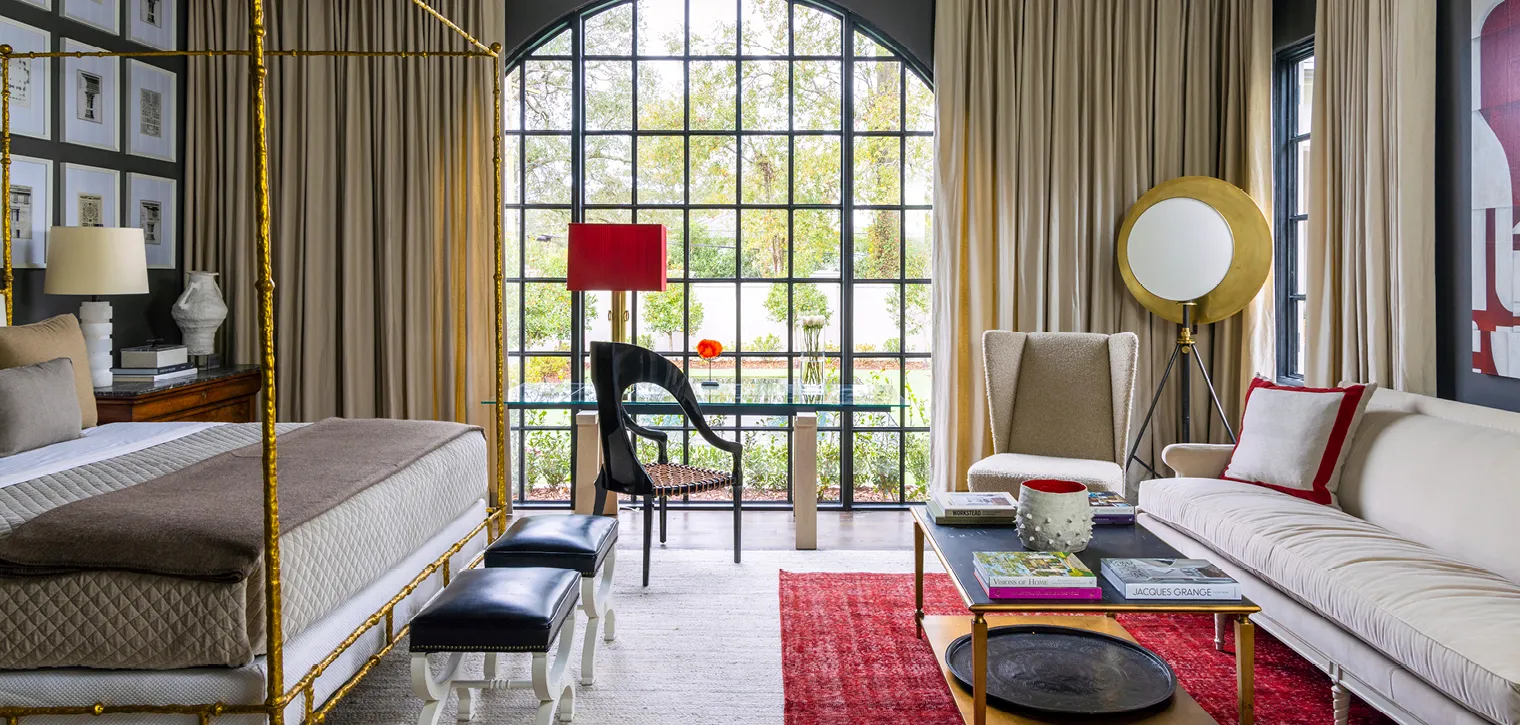
Inside the private spaces of the Ivy House Designer Showhome
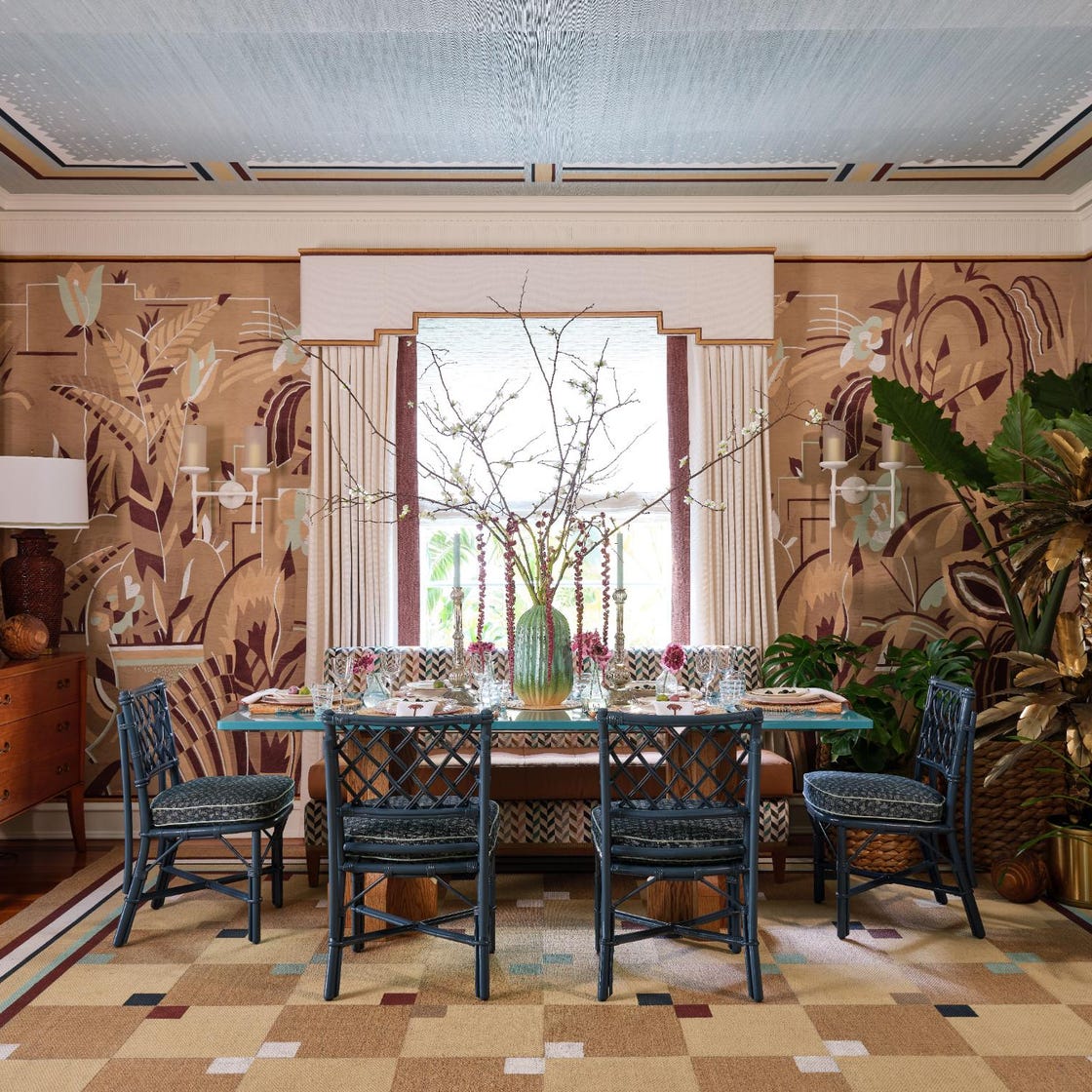
Rattan Is Trending Right Now—But Interior Designers Say It's as 'Timeless as a White Button-Down Shirt'

Rattan Is Here to Stay. Here’s How to Bring It into Your Home