1/6
The Science of Sitting: 6 Rules for Choosing a Comfortable Sofa
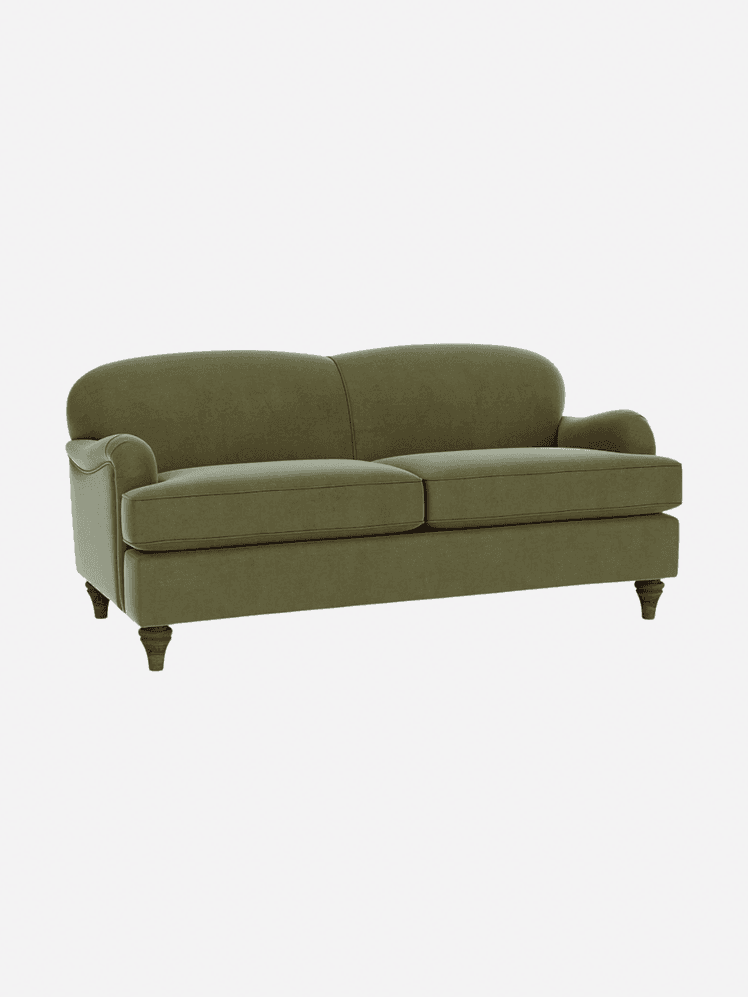
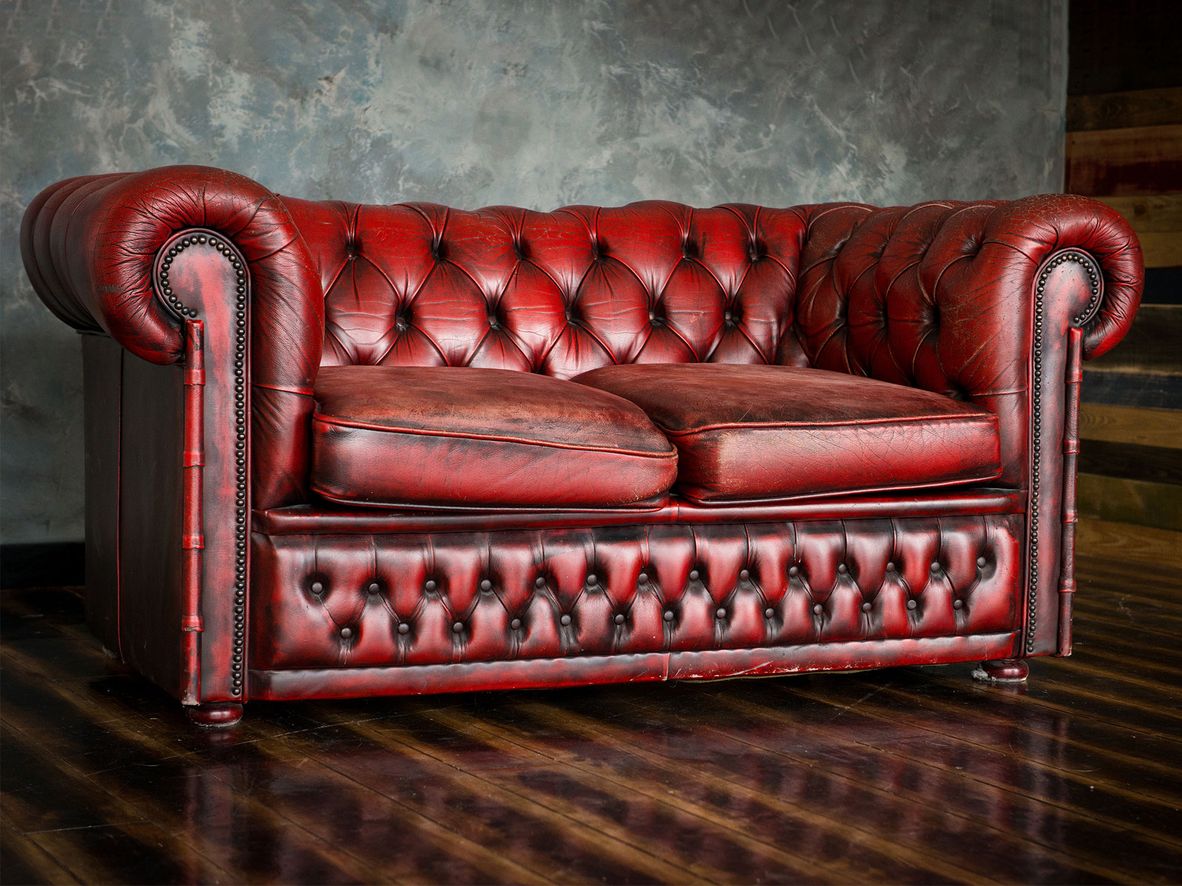
Choosing a comfortable sofa involves more than just aesthetic appeal; it requires understanding key ergonomic and design principles to ensure long-term comfort and compatibility within a living space. A sofa’s design, often perceived as a singular aesthetic choice, significantly impacts its functionality and the user’s physical well-being. This article outlines six essential rules to guide the selection process, moving beyond superficial attractions to practical considerations.
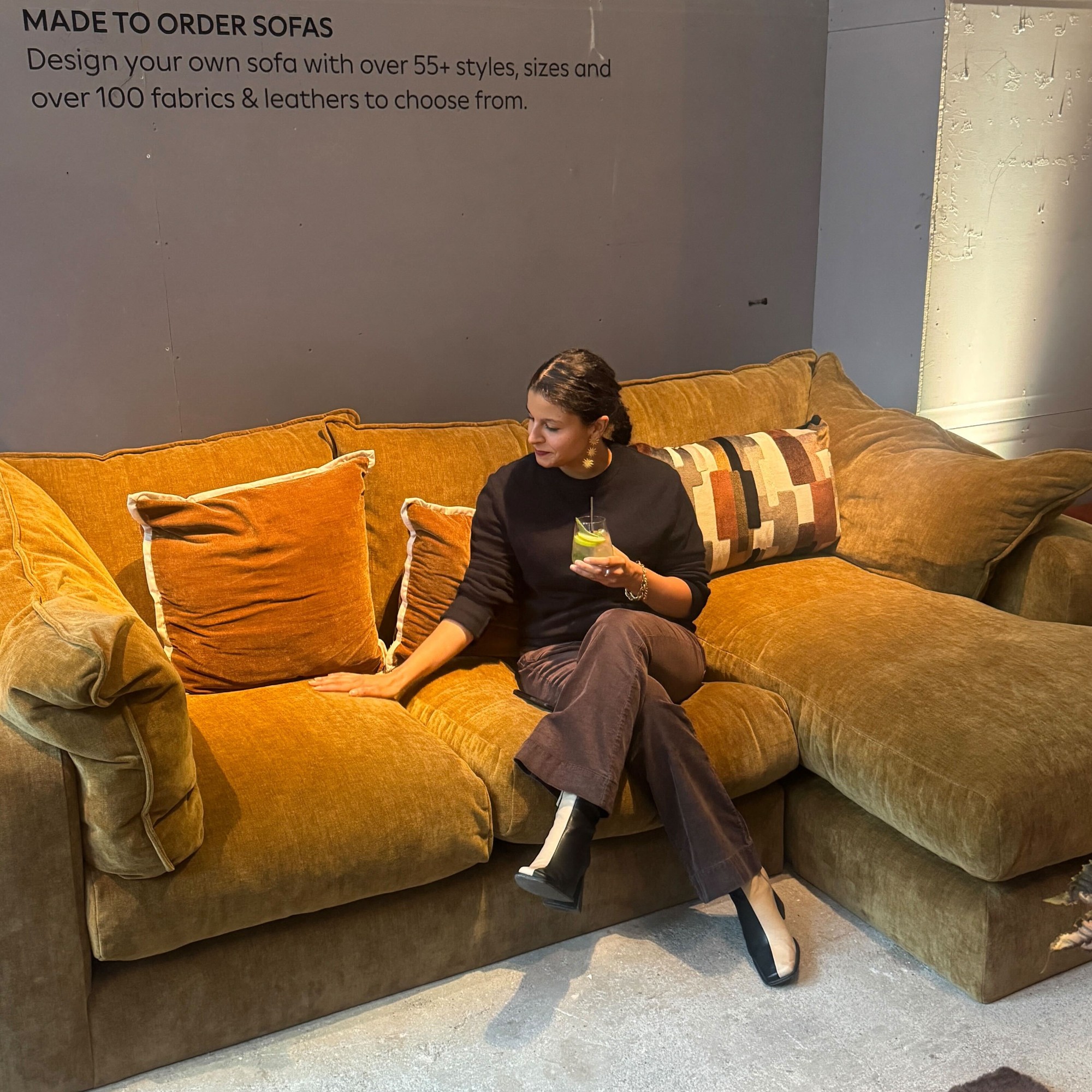
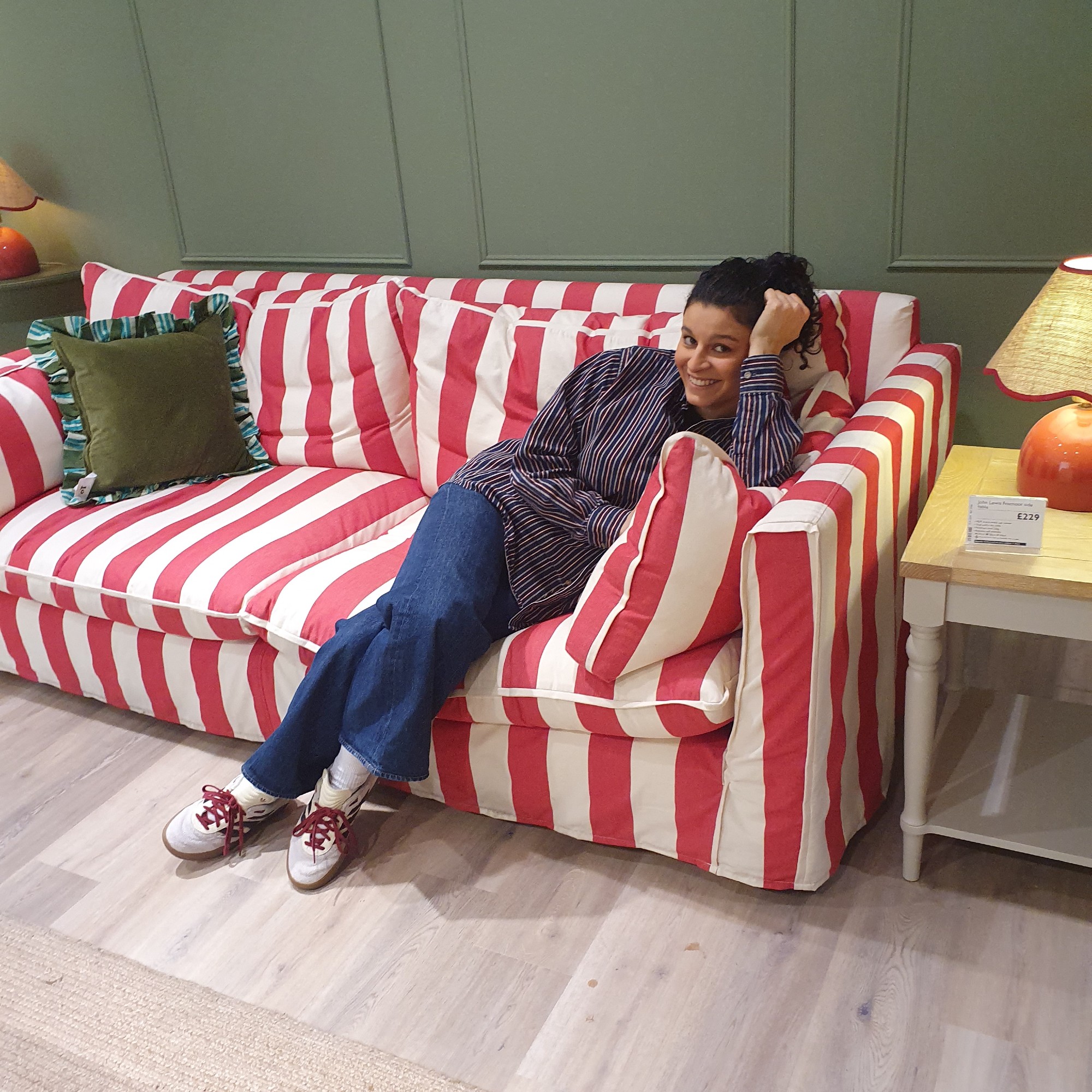
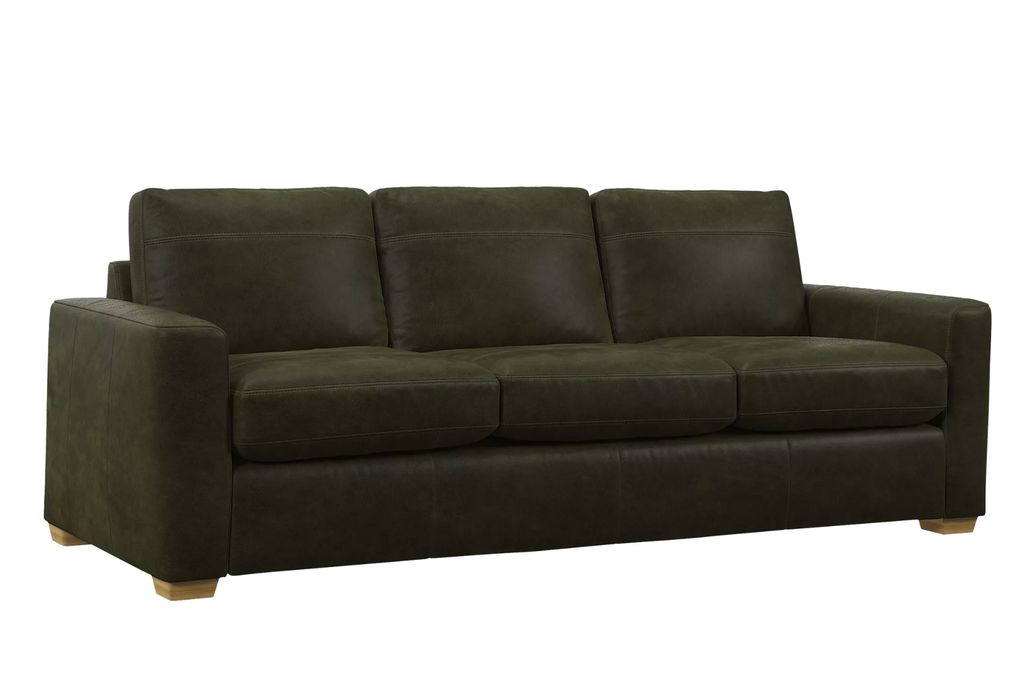
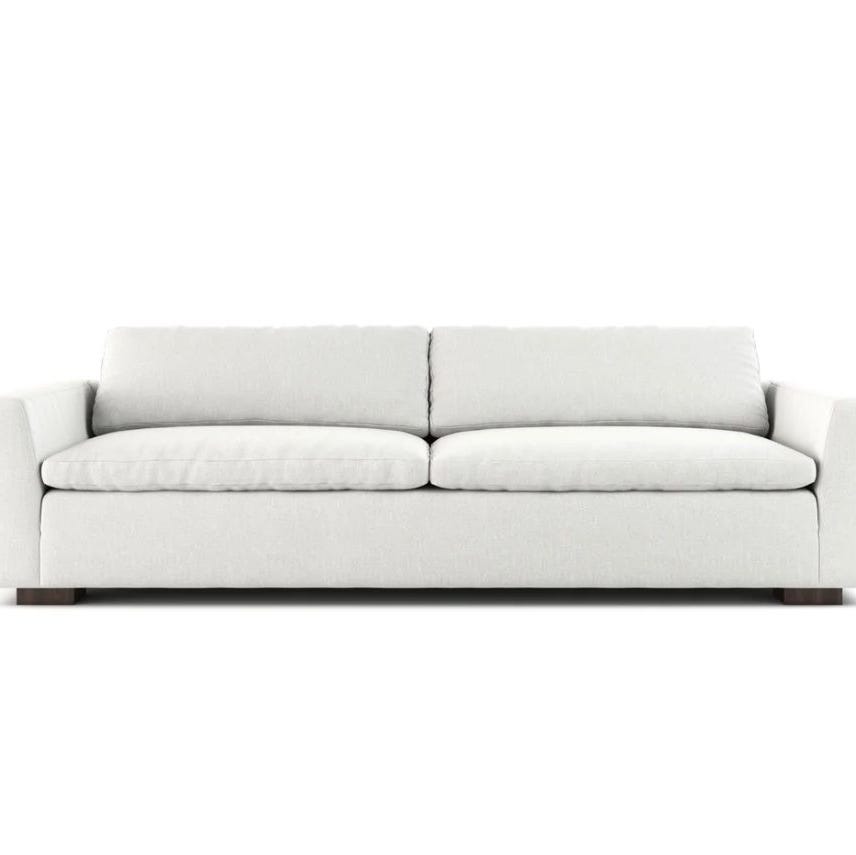
The first rule emphasizes the importance of seat depth and height. An ideal seat depth allows an individual to sit with their back against the cushions while their feet are flat on the floor, avoiding pressure on the back of the knees. The average comfortable seat depth ranges between 21 and 24 inches. Seat height should also accommodate varying body types, ensuring that knees are bent at a 90-degree angle. Sofas with deeper seats might be suitable for taller individuals or those who prefer to recline, while shallower seats are better for shorter individuals or more upright sitting.
Secondly, the backrest and its angle play a crucial role in supporting the spine. A good backrest should support the natural curve of the lower back. The angle should not be too upright, which can be rigid, nor too reclined, which can strain the neck and shoulders. A slight recline, often between 100 to 110 degrees, can provide optimal lumbar support and overall comfort. Different backrest designs, such as high-back or low-back, cater to various preferences for head and neck support.
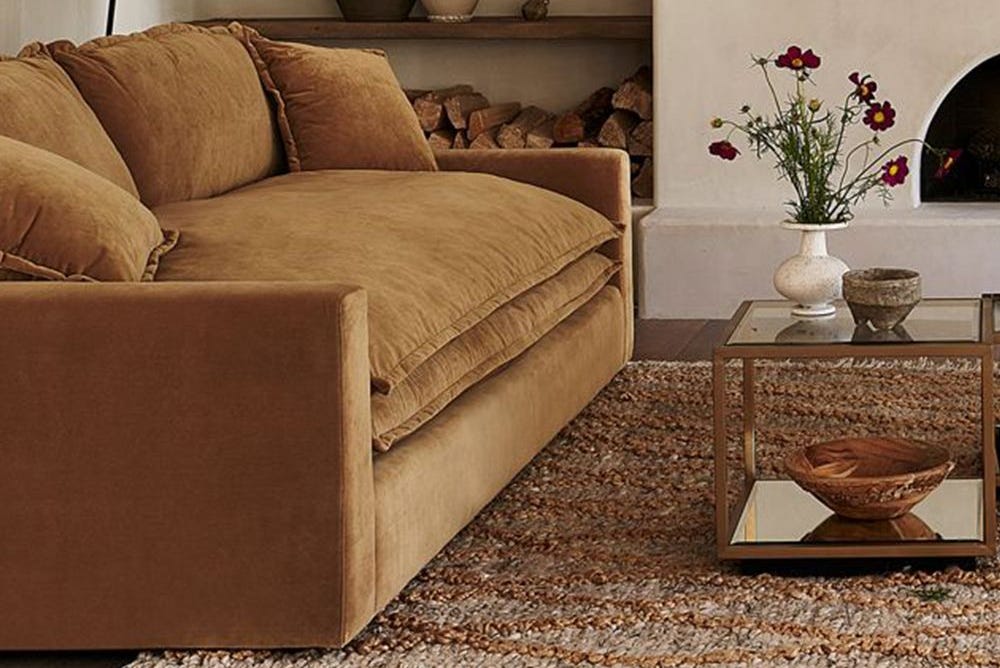
Thirdly, cushion quality and density are paramount for both comfort and durability. Cushions made from high-resilience foam or a combination of foam and feathers offer a balance of support and softness. While soft cushions initially feel inviting, they can sag over time and provide inadequate support, leading to discomfort. Firmer cushions maintain their shape and support longer, though they may require a break-in period. The density of the foam, typically measured in pounds per cubic foot, indicates its durability and ability to resist compression.
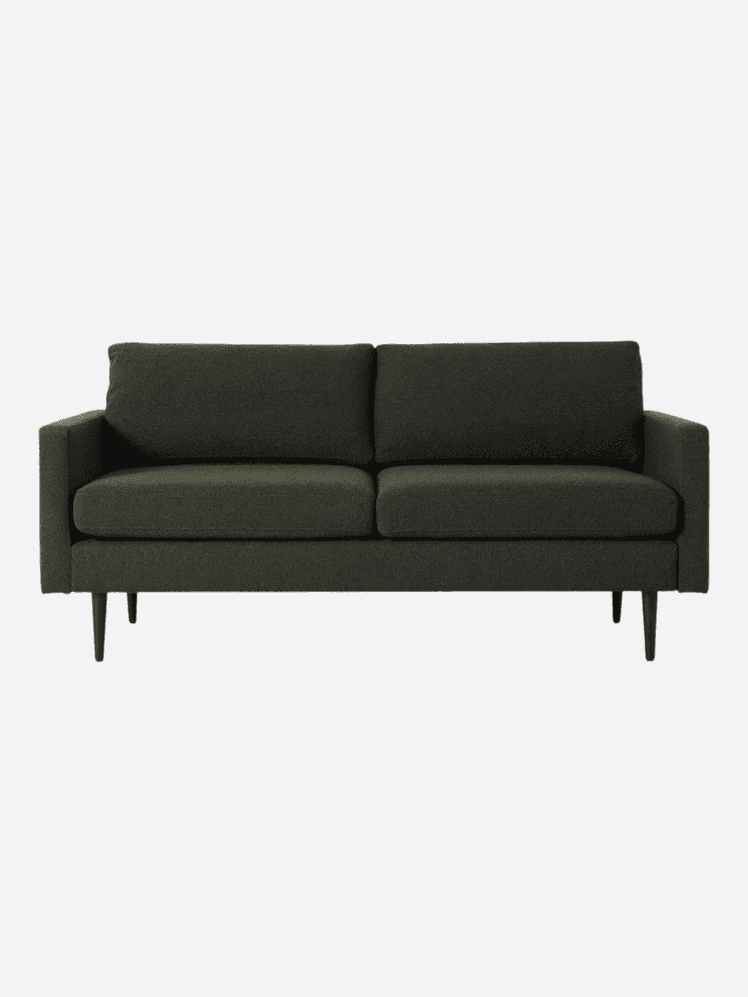
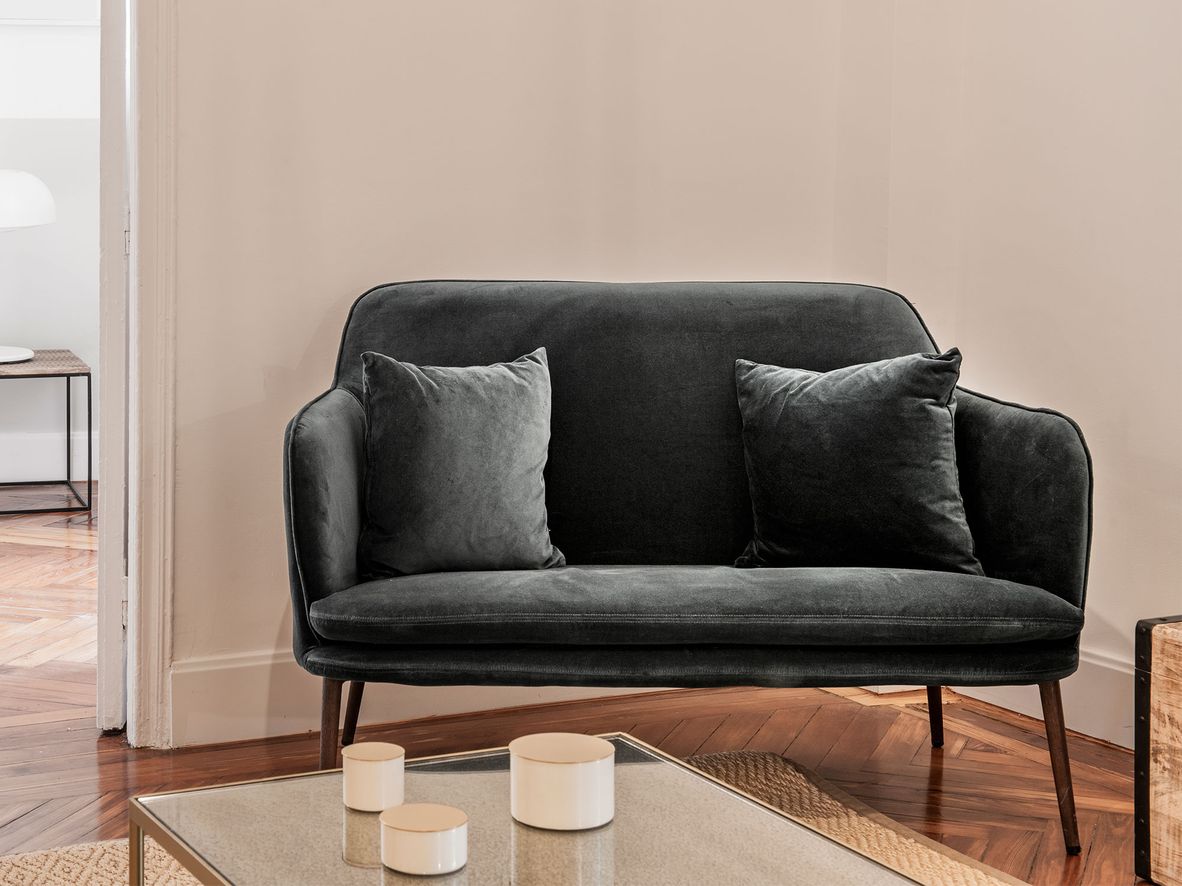
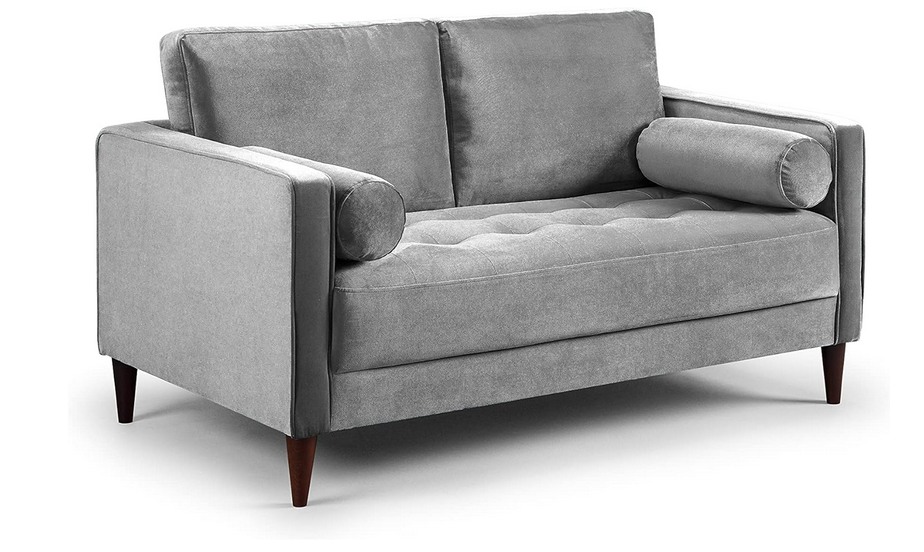
The fourth rule focuses on the armrests, which contribute to relaxation and ease of getting up from the sofa. Armrest height should be comfortable for resting elbows without hunching shoulders. They should also be sturdy enough to provide leverage when rising. Armrests can vary in design, from wide and padded for lounging to narrow and firm for a more formal look. Some designs even integrate side tables or storage, enhancing functionality.
Fifth, the sofa’s frame construction is a critical factor for longevity. A robust frame, preferably made from kiln-dried hardwood, ensures the sofa’s stability and structural integrity. Frames made from particleboard or softwoods are less durable and prone to warping or breaking over time. Joinery methods, such as dowels, screws, and corner blocks, are indicative of quality craftsmanship, offering a stronger and more stable foundation than staples or glue alone.
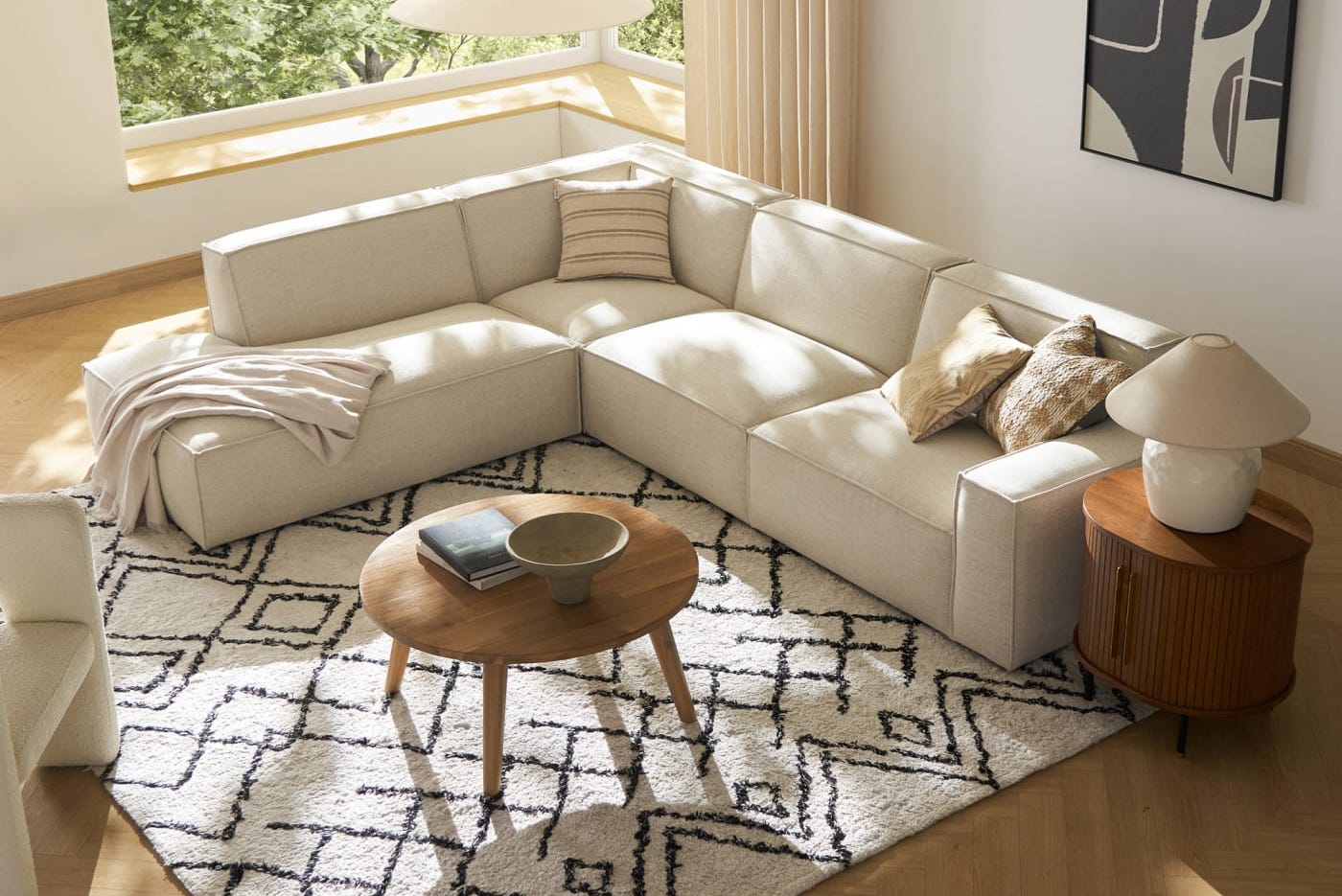
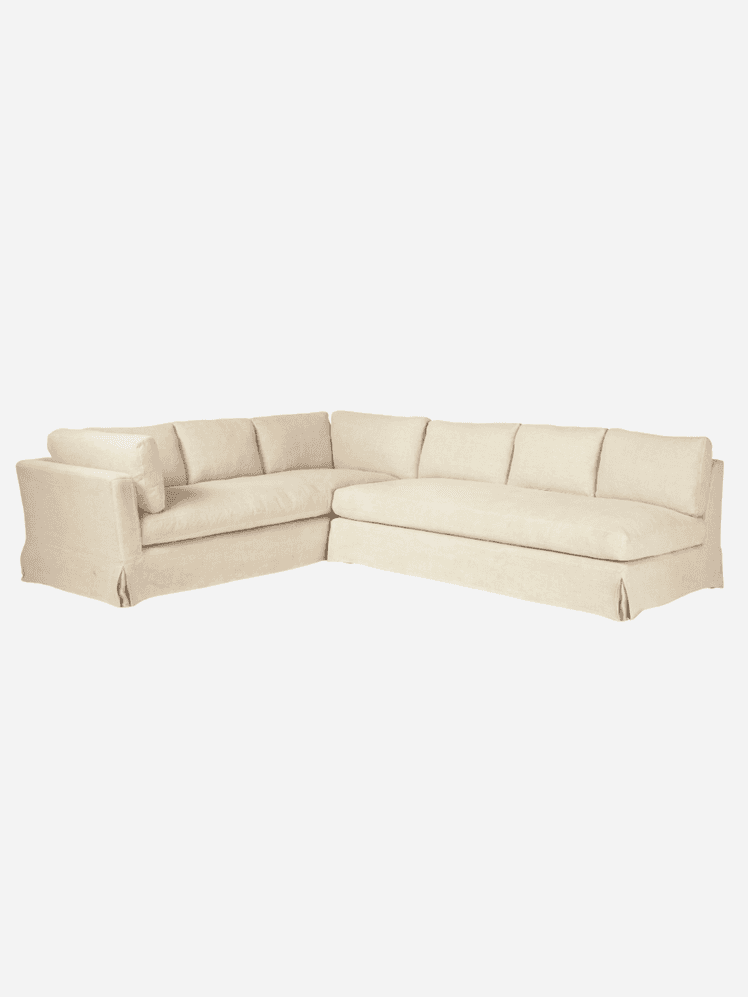
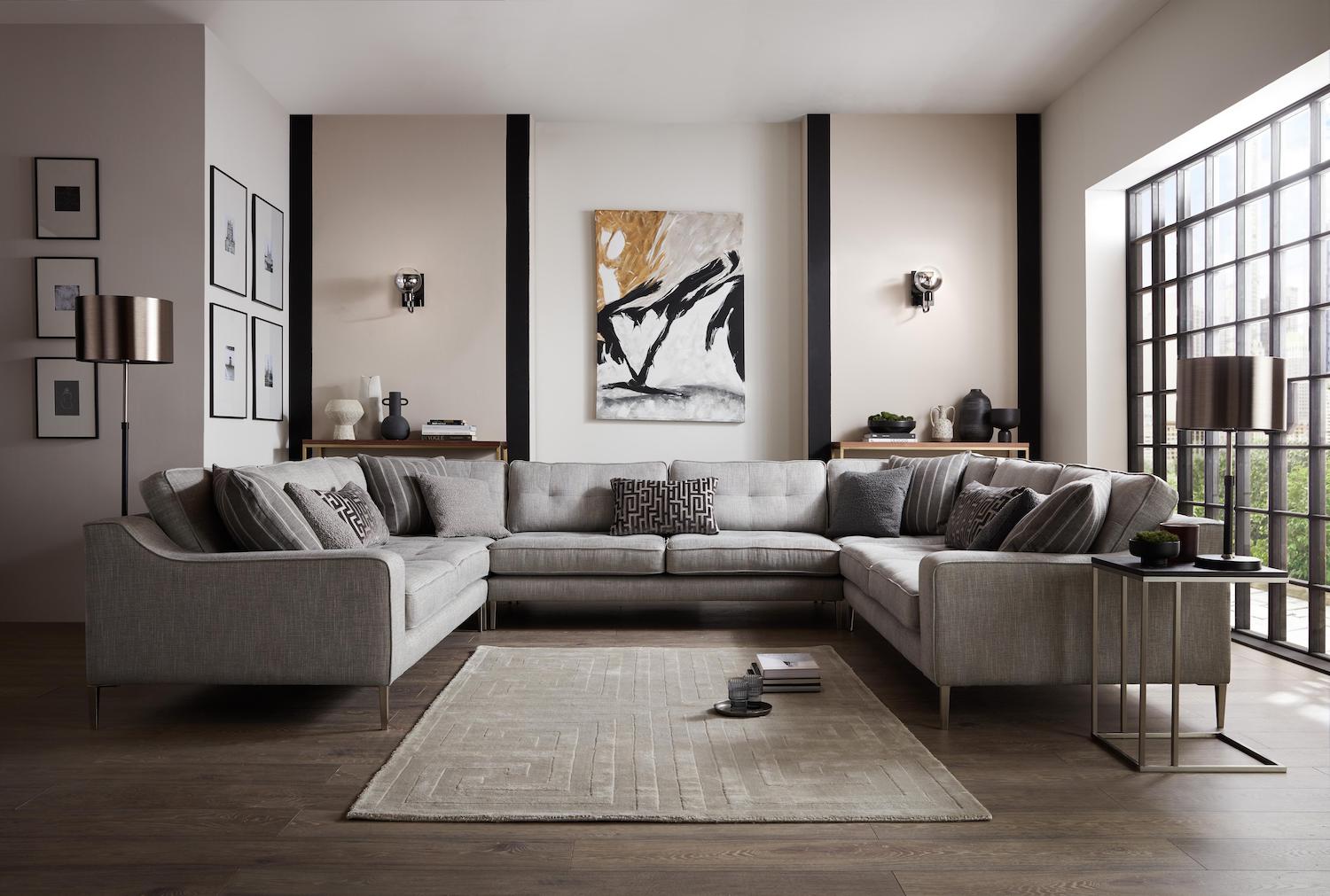
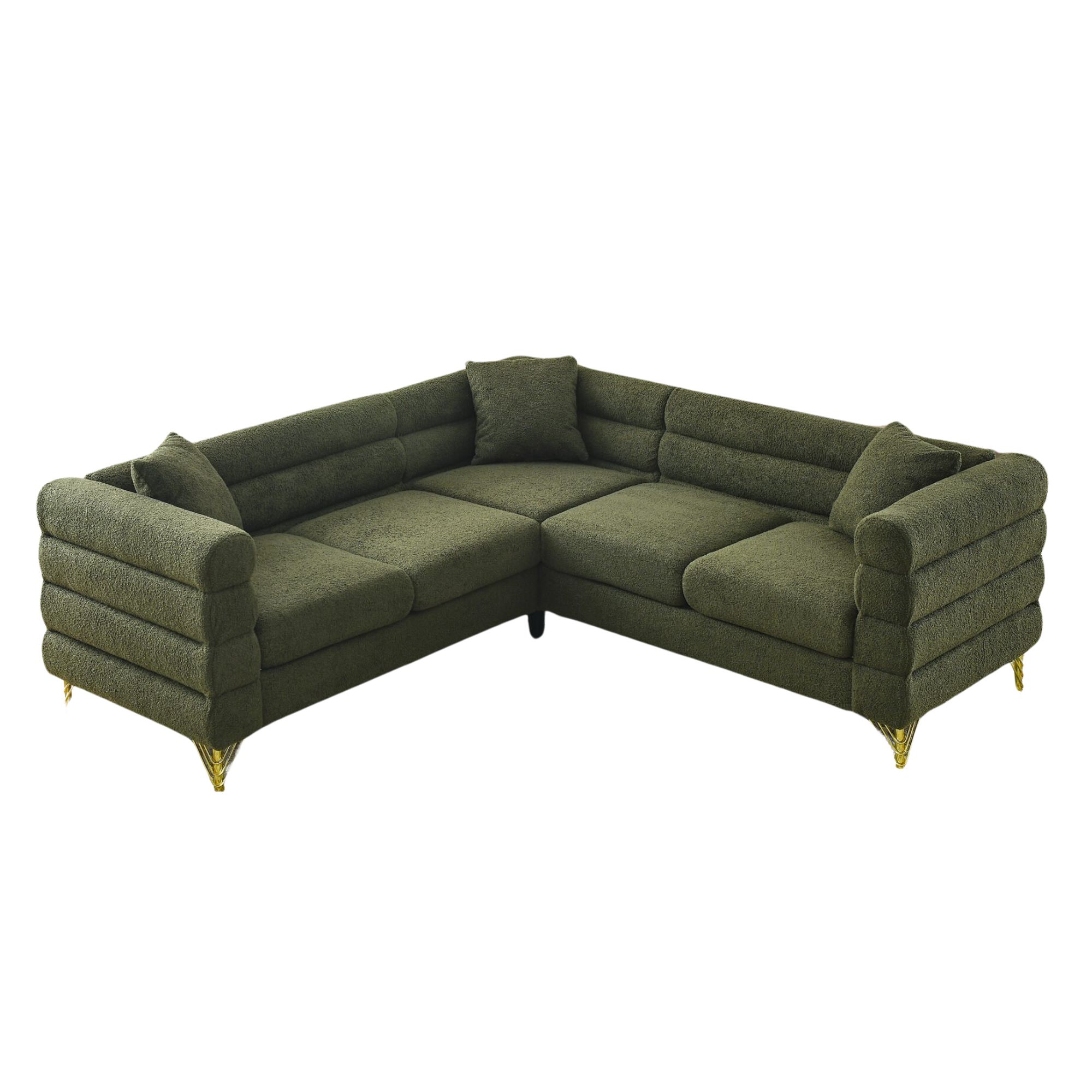
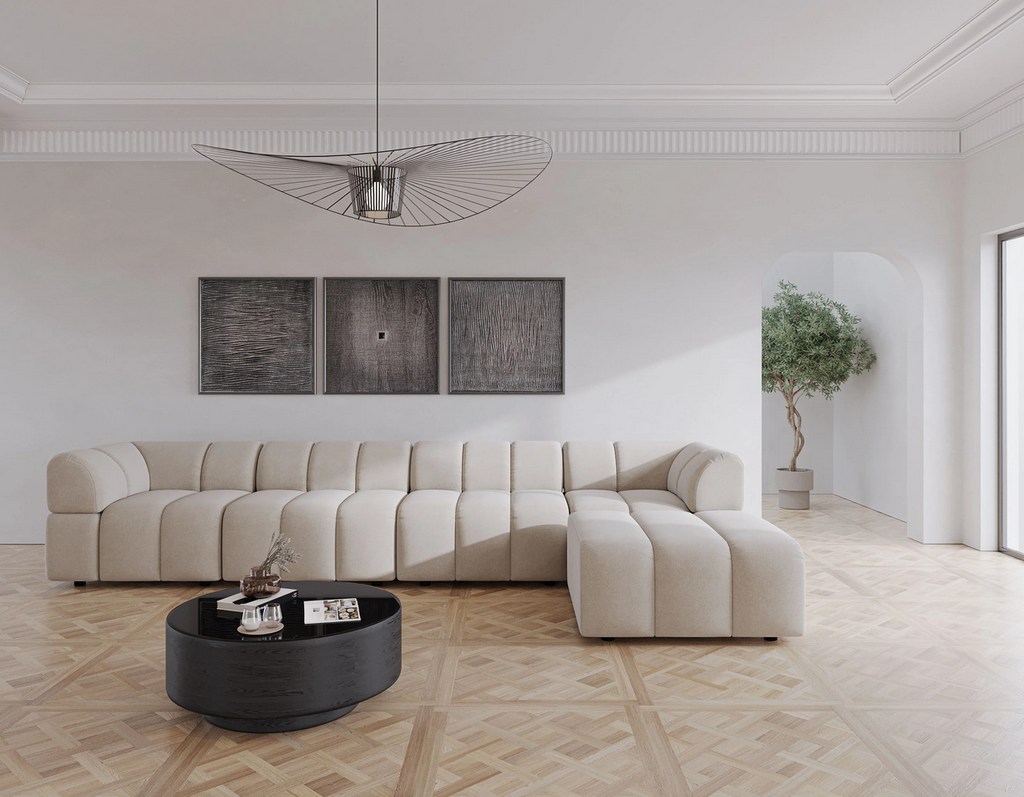
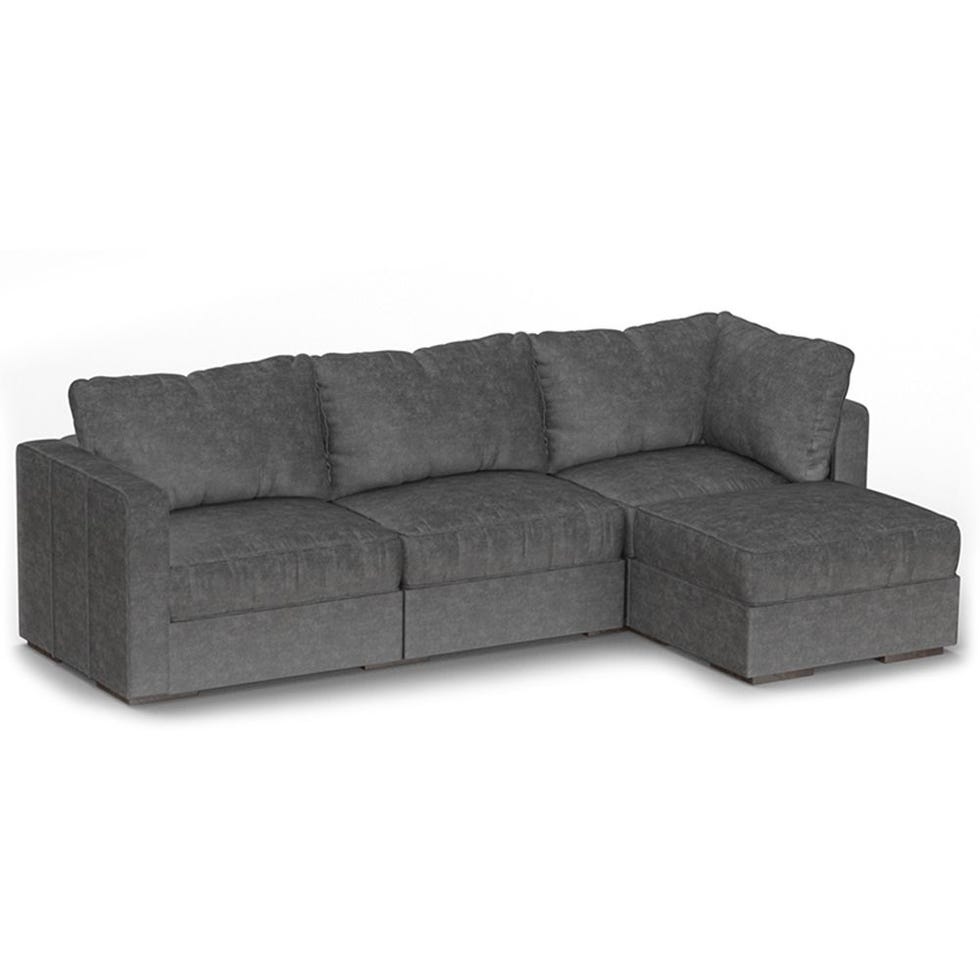
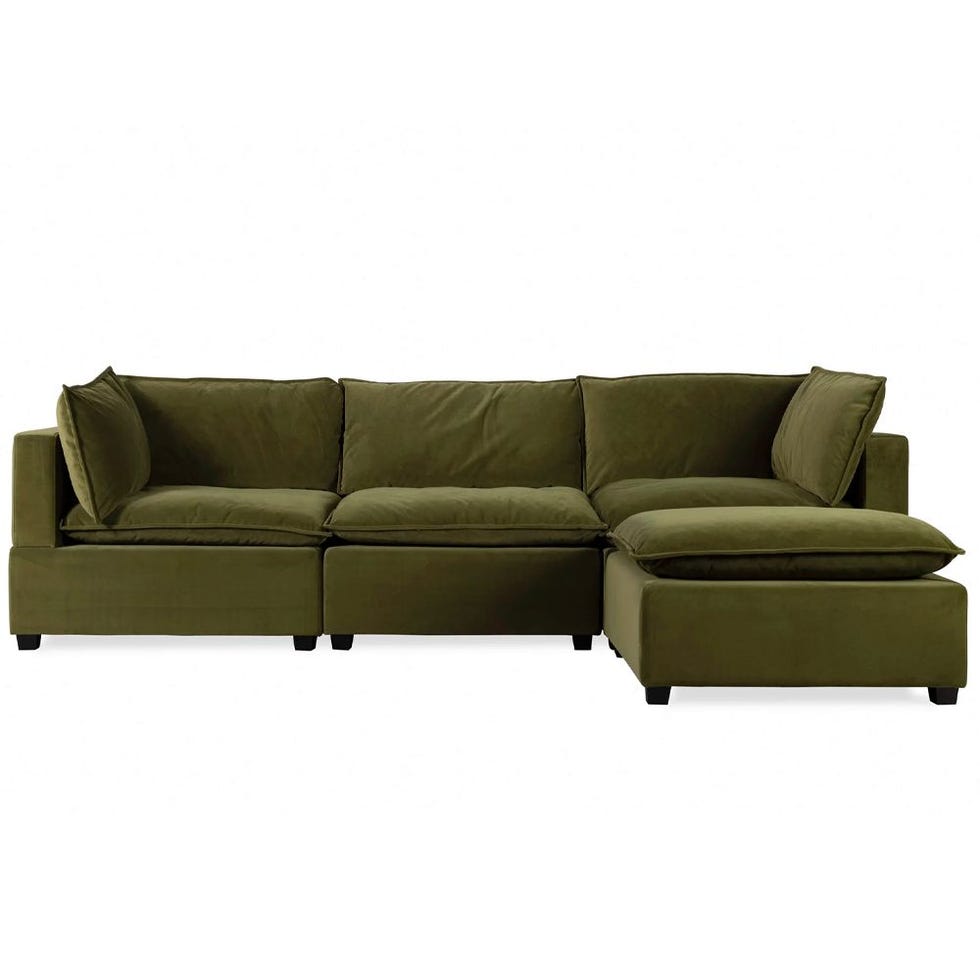
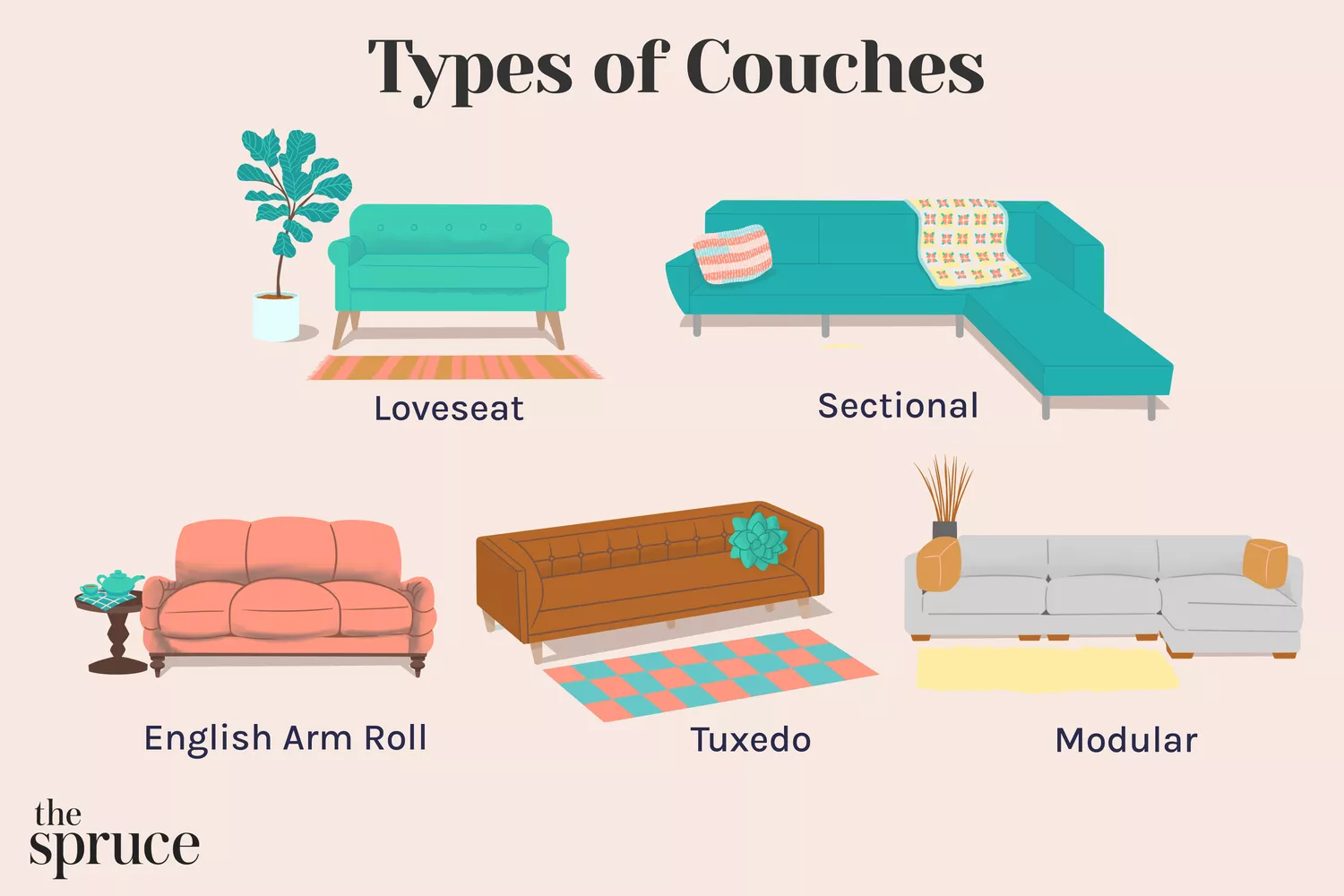
Finally, considering the sofa’s overall dimensions in relation to the room size and intended use is essential. A sofa should not overwhelm the space but rather complement it, allowing for adequate circulation. Modular sofas offer flexibility in configuration, adapting to different room layouts and seating needs. Measuring doorways and hallways is also important to ensure the sofa can be delivered and assembled without issues. By adhering to these six rules, consumers can make informed decisions, selecting a sofa that combines aesthetic appeal with ergonomic design for lasting comfort and functionality.
#InteriorDesign #FurnitureSelection #Ergonomics #HomeFurnishings #SofaBuyingGuide #Comfort #DesignTips #InteriorDesign #FurnitureSelection #Ergonomics #HomeFurnishings #SofaBuyingGuide #Comfort #DesignTips
0 ความคิดเห็นรวม
 ยังไม่มีความคิดเห็น
คุณอาจจะชอบอีกด้วย
Sofa buying guide: expert advice on how to buy a sofa

How Much Should You Spend on a Living Room Sofa?

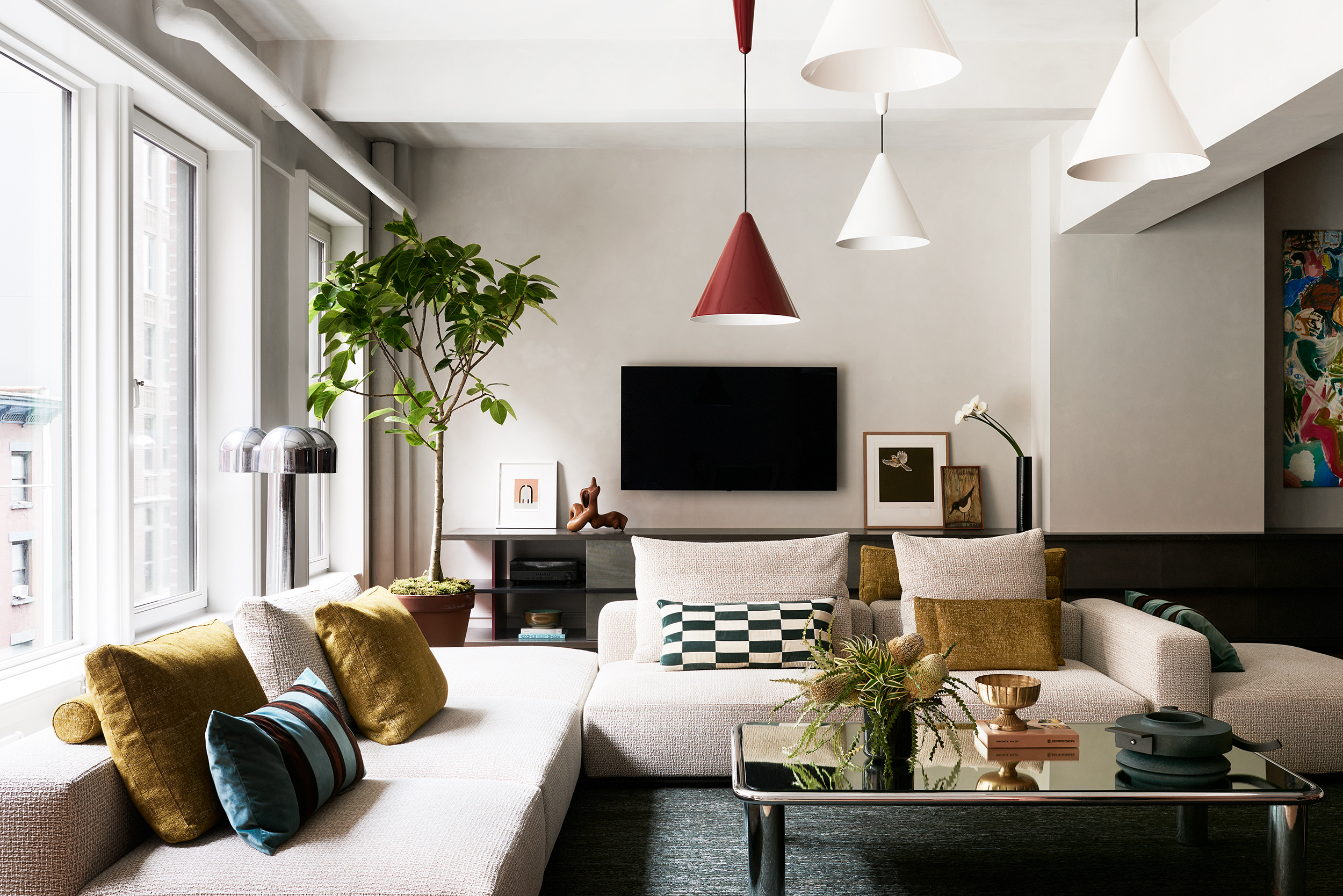
Curved, L-Shape, Low-Slung — How and Why You Should Match Your Sofa to the Shape of Your Room

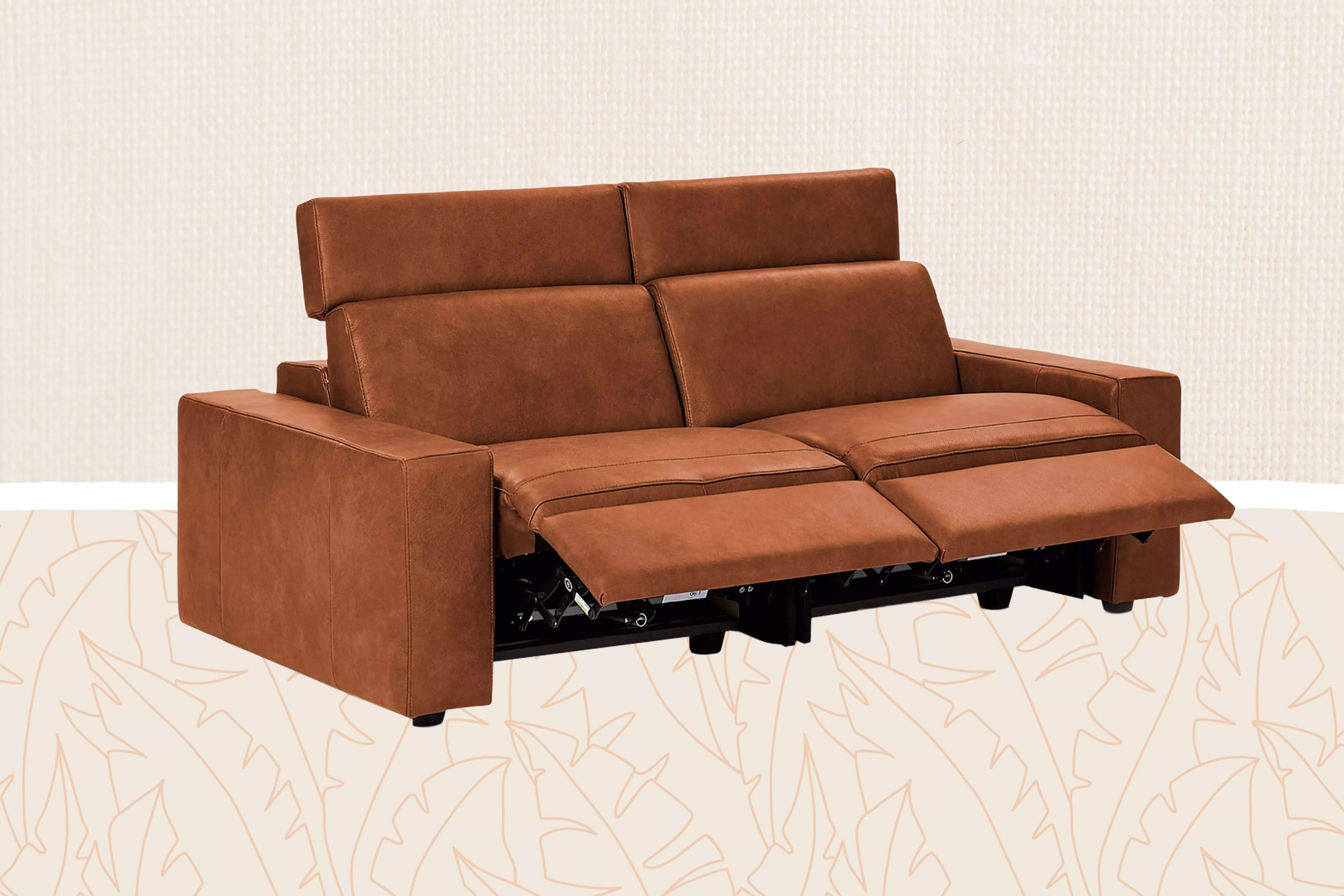
Kick Back and Relax with One of The 6 Best Reclining Sofas on the Market

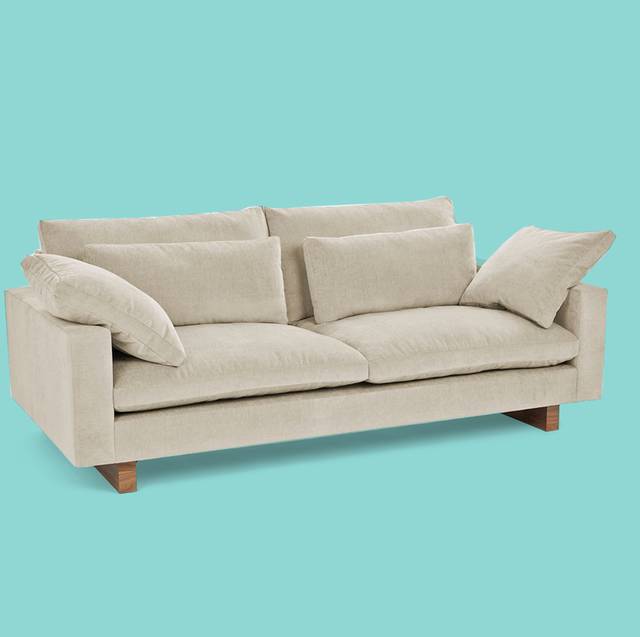
14 Most Comfortable Couches for Lounging

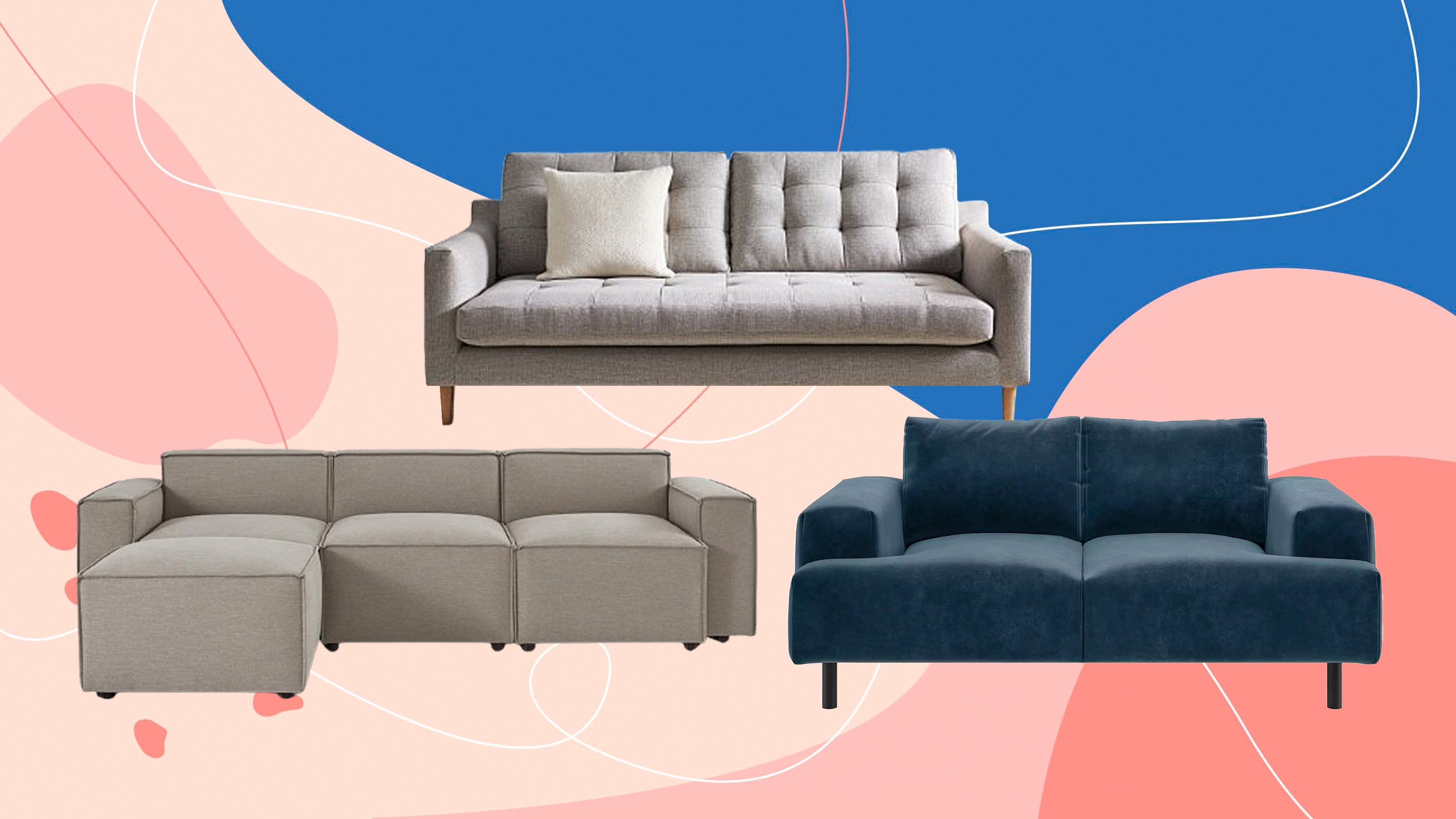
14 best sofas I've tried for all styles and budgets
Read This Before You Buy Your Next Couch

Where to buy a sofa – I've spent over 25 hours testing sofas and these are the 10 brands I'd recommend
Experts Claim This is the "Safest" Sofa Seat Depth — Here’s What You Need to Know
How to Select the Right Sofa for You, According to Designers

Upgrade Any Living Room With the Best Couches
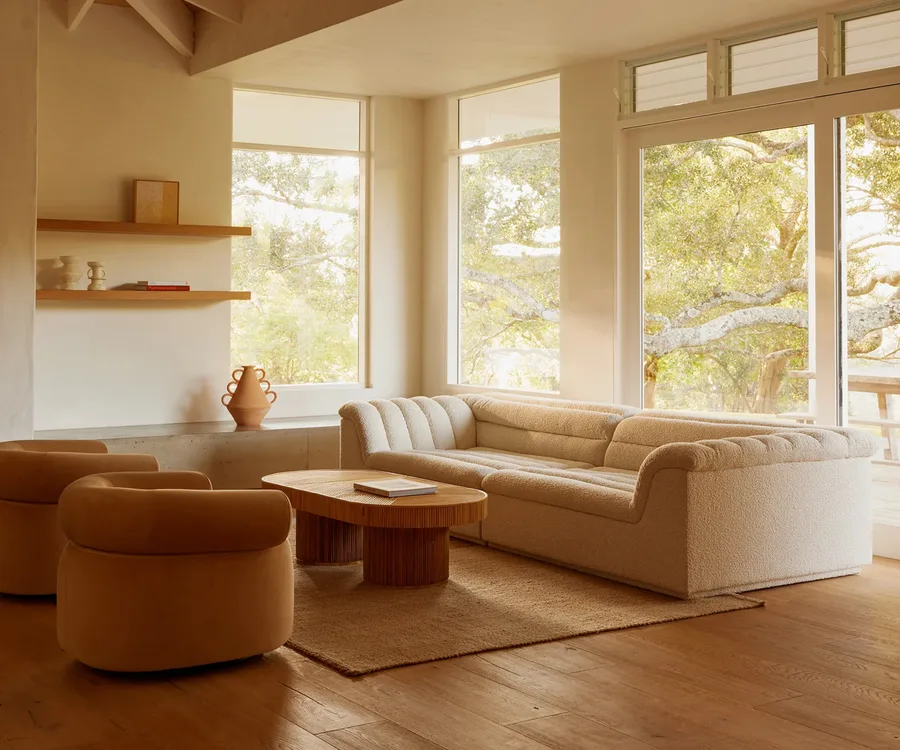
Buyer's guide: 21 of the best sofas for your living room

Sit back and relax: sofa buying tips


25 best sofas for 2026, according to House & Garden editors
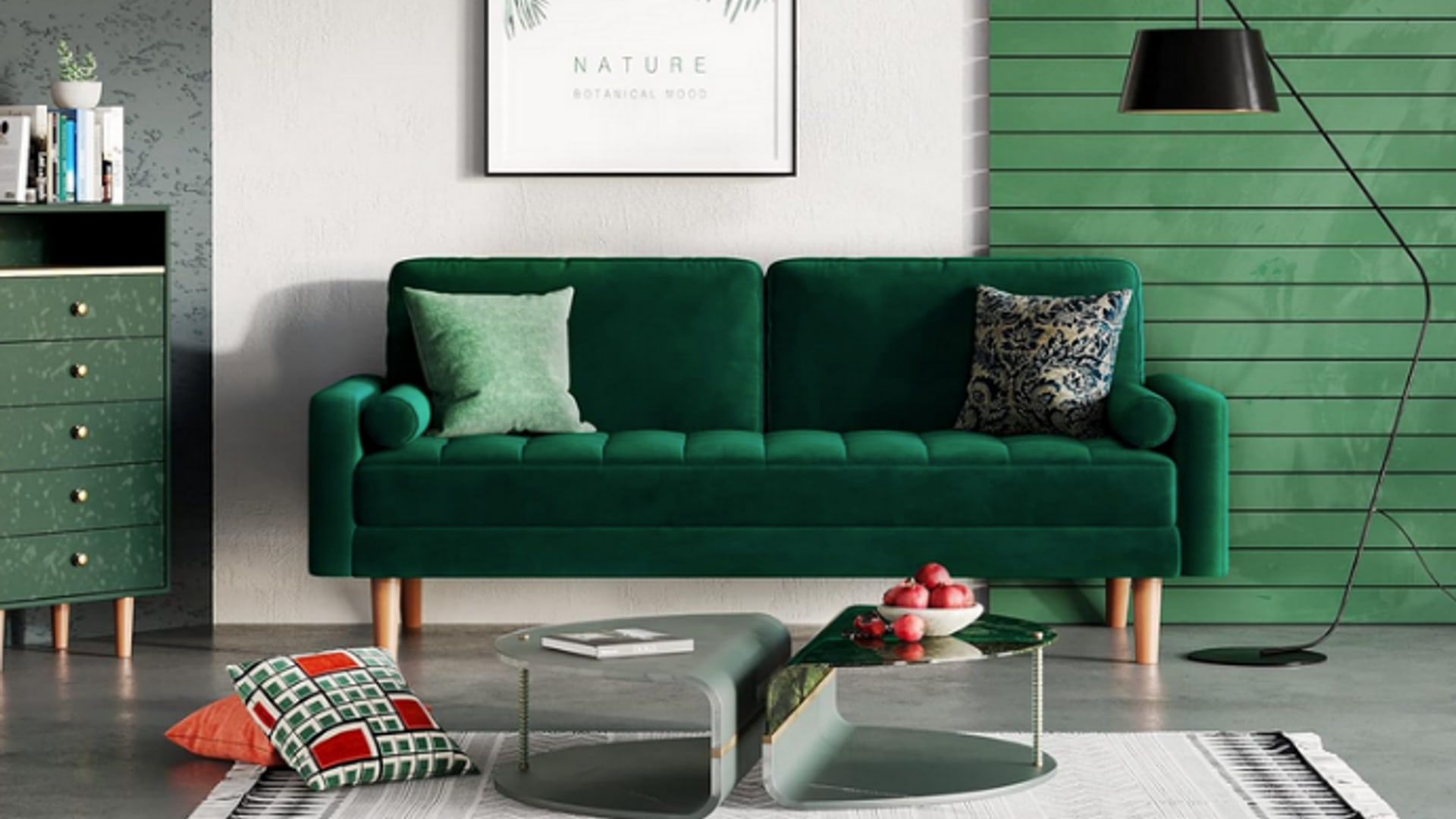
The ultimate best sofas guide: Our favourite top trends and sofa brands for 2025


The Best Sofas For Every Style

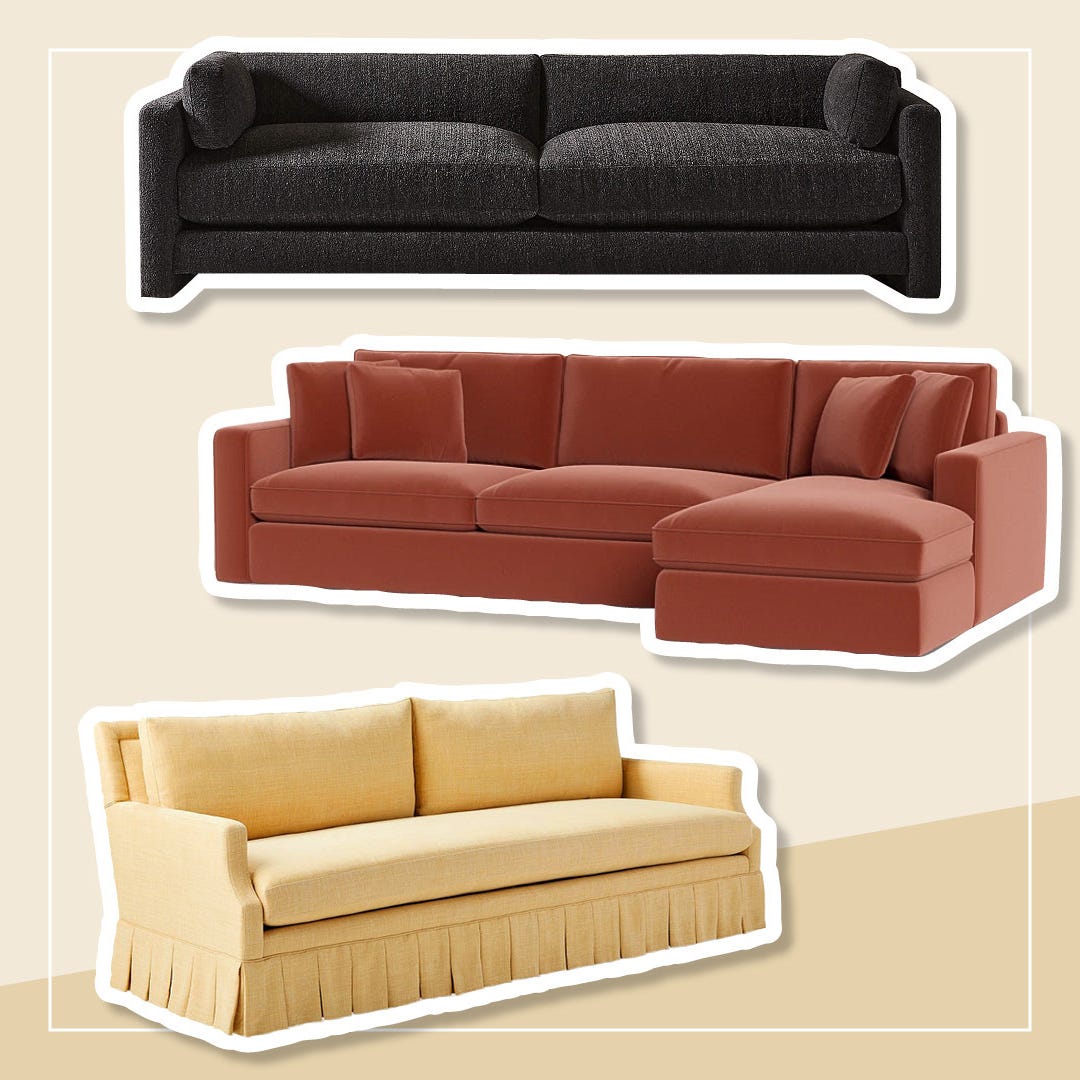
The 13 Most Comfortable Couches in 2024, According to Designers

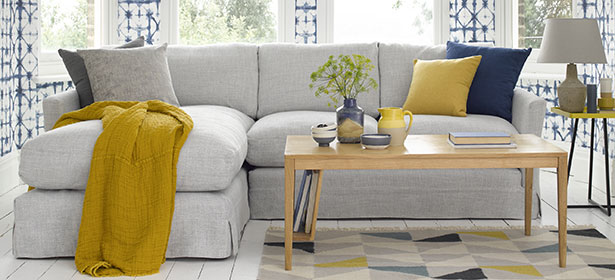
Sofa buying guide: how to buy a sofa UK 2025
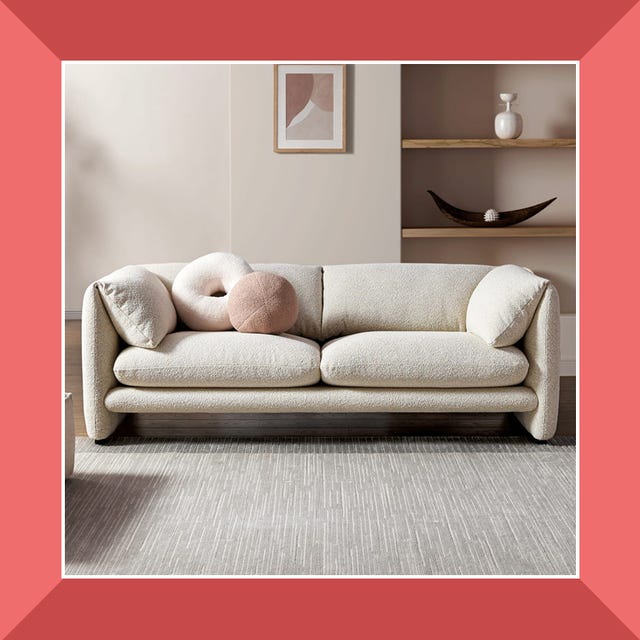
These Super Comfy Couches Are Roomy, Stylish, and Marshmallow Soft
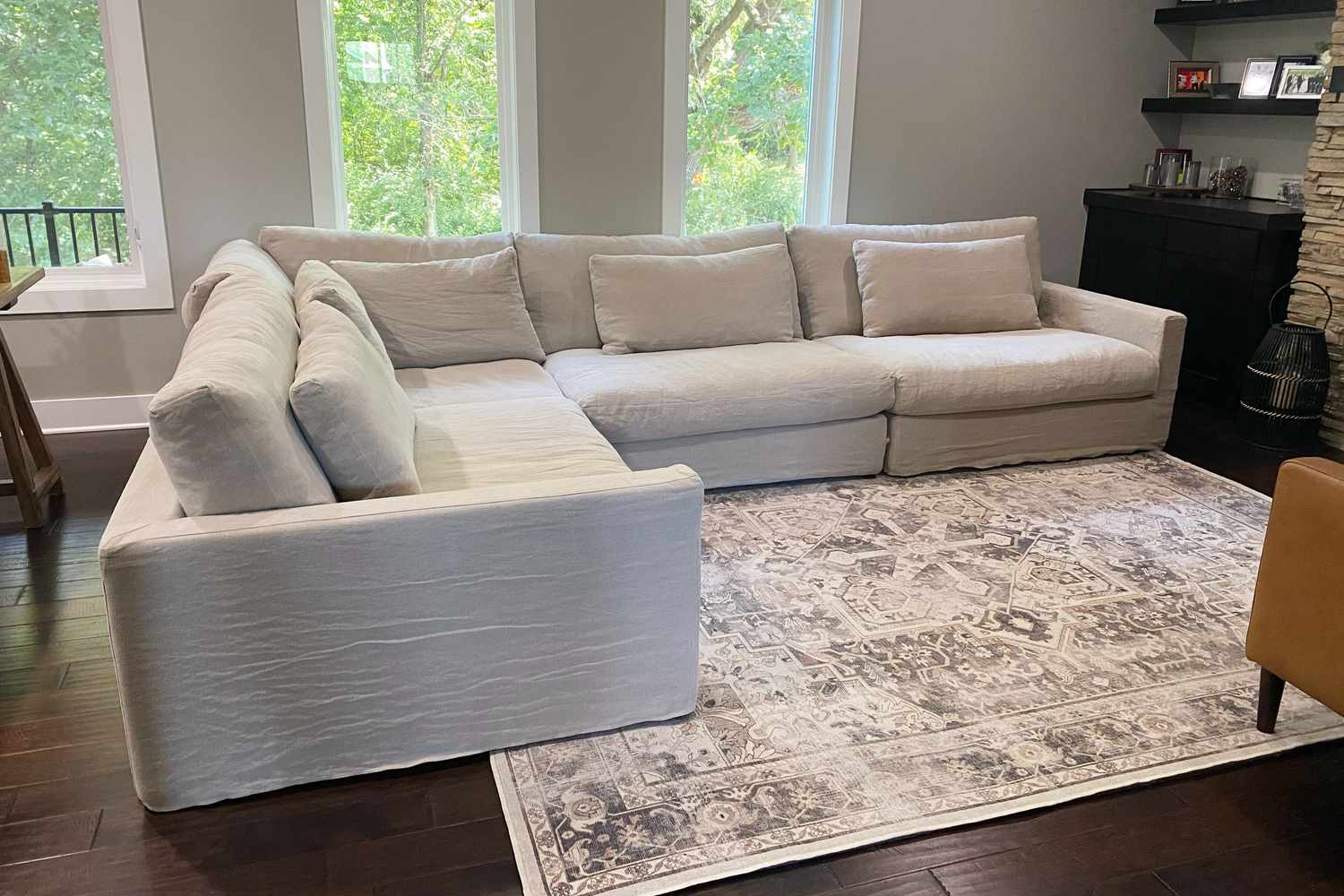
We Tested Couches for a Year: Here Are the Best Picks for Every Living Room Style and Budget