The 5 Best Deck Stains to Protect and Revive Your Deck
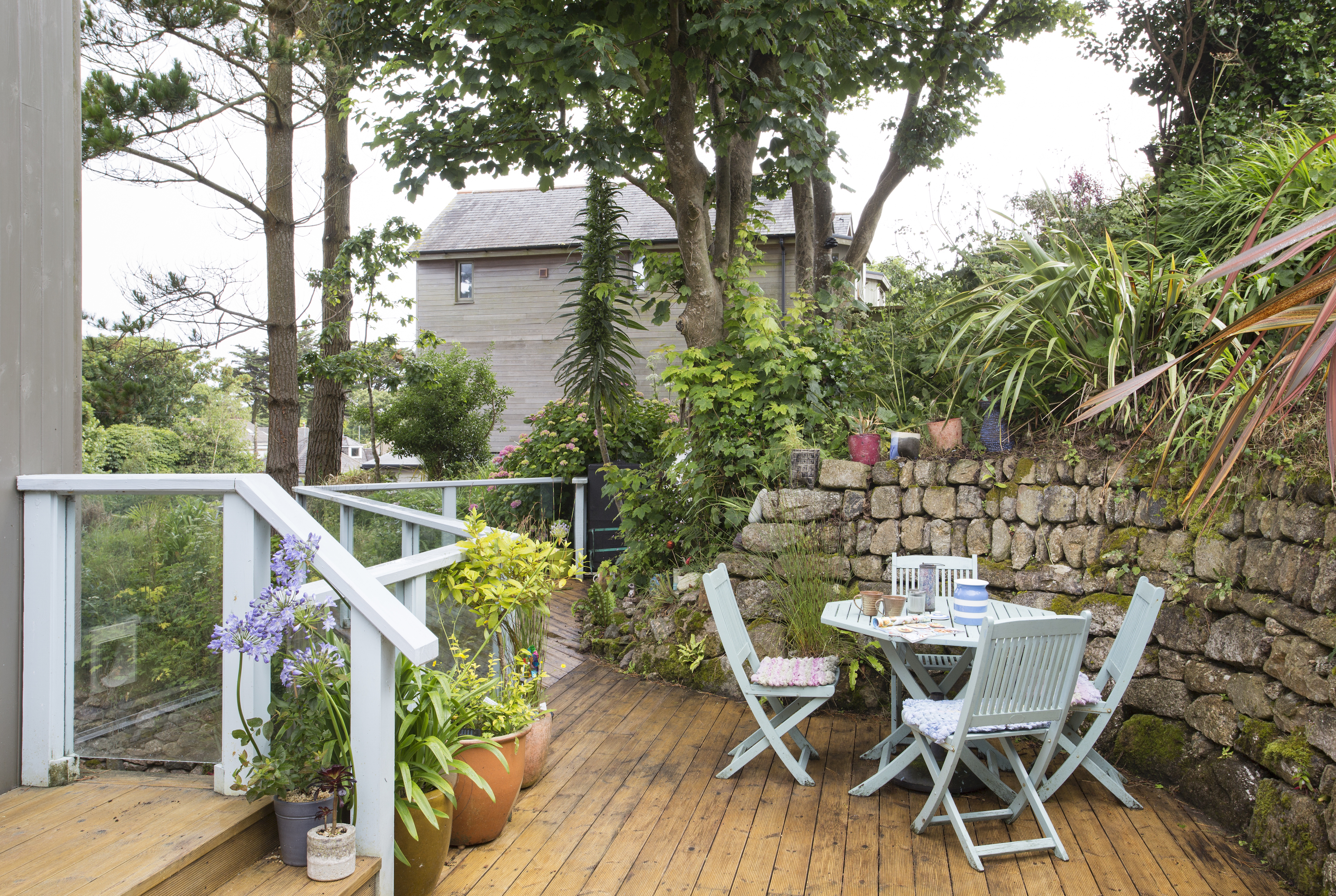
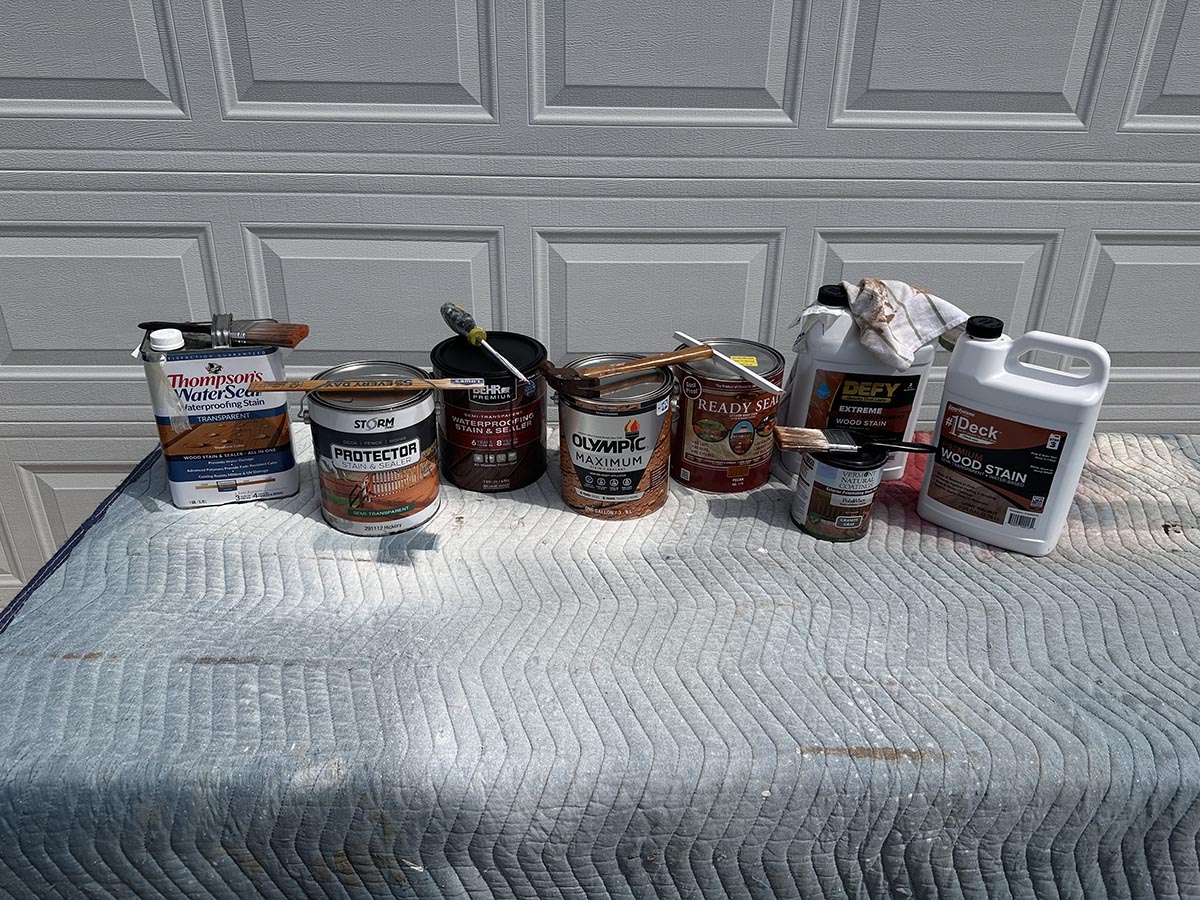
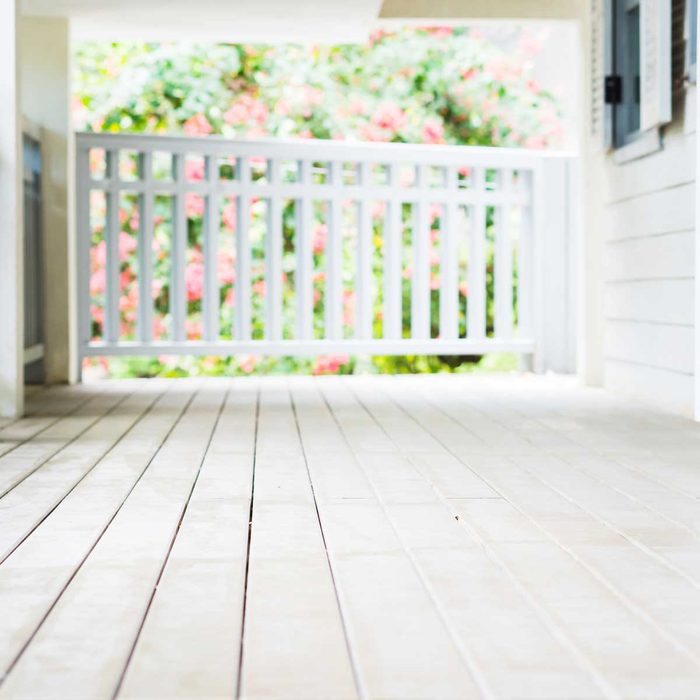
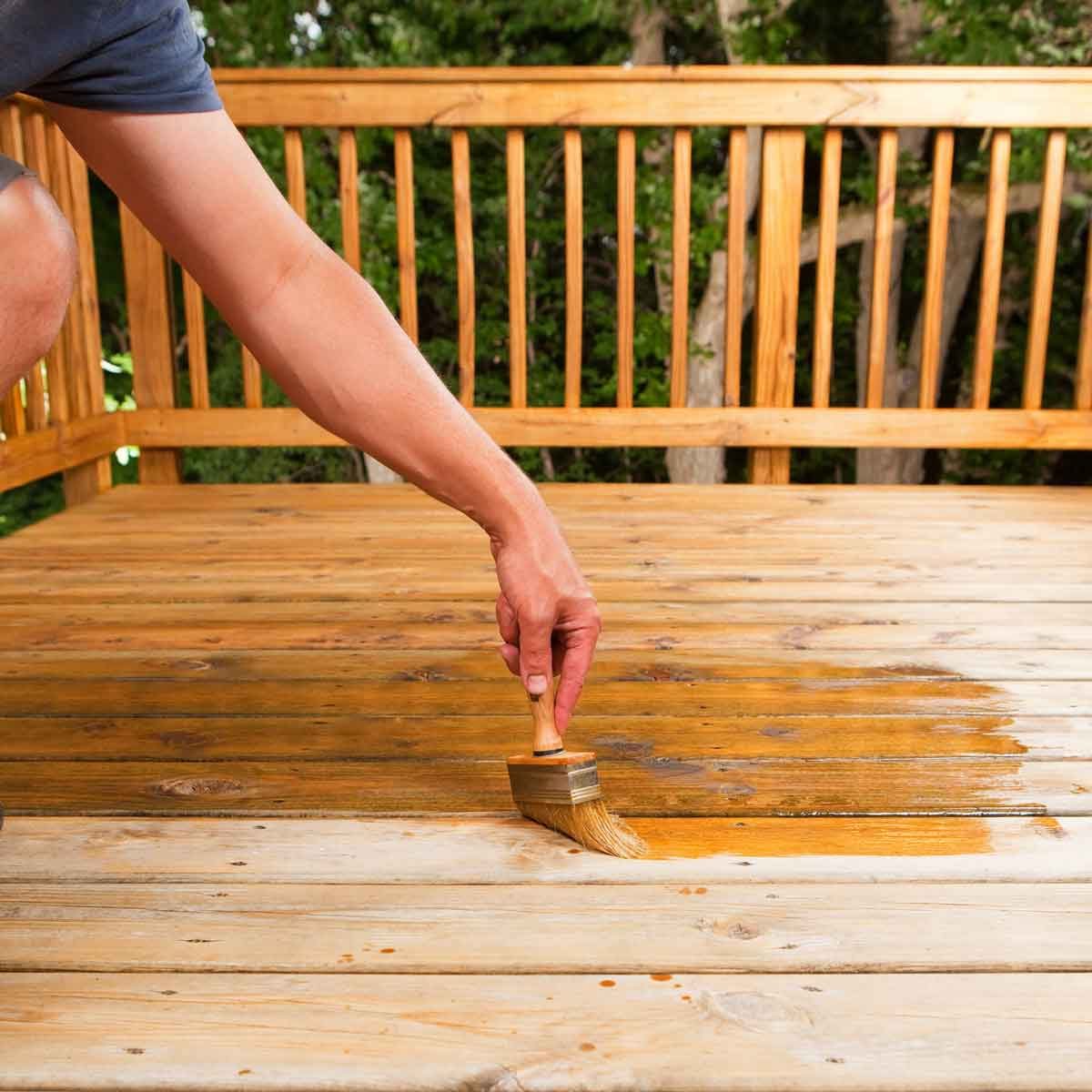
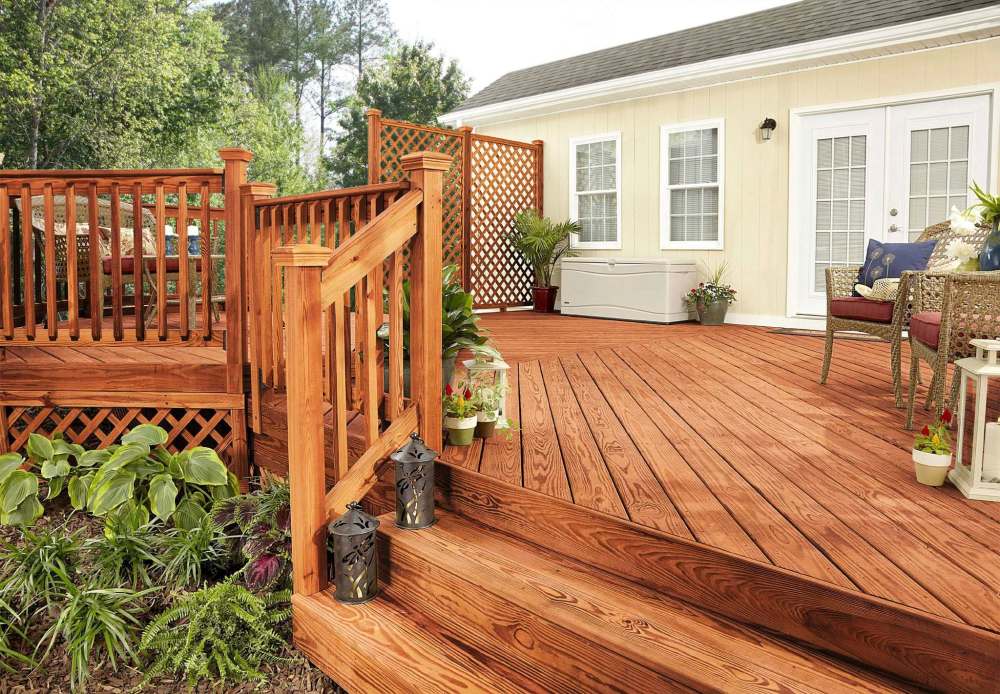
Protecting a wooden deck from environmental elements and wear and tear from furniture and foot traffic is crucial for its longevity. Unlike paint, deck stains penetrate the wood's pores, rendering it water-resistant. The choice of stain type significantly impacts the deck's appearance and maintenance requirements. According to house painter and restoration expert Austin Strawn, transparent stains are recommended for new decks because they fade rather than peel, simplifying recoating. In contrast, solid-hide or semi-transparent stains, while offering more coverage, are more labor-intensive to recoat if they peel.
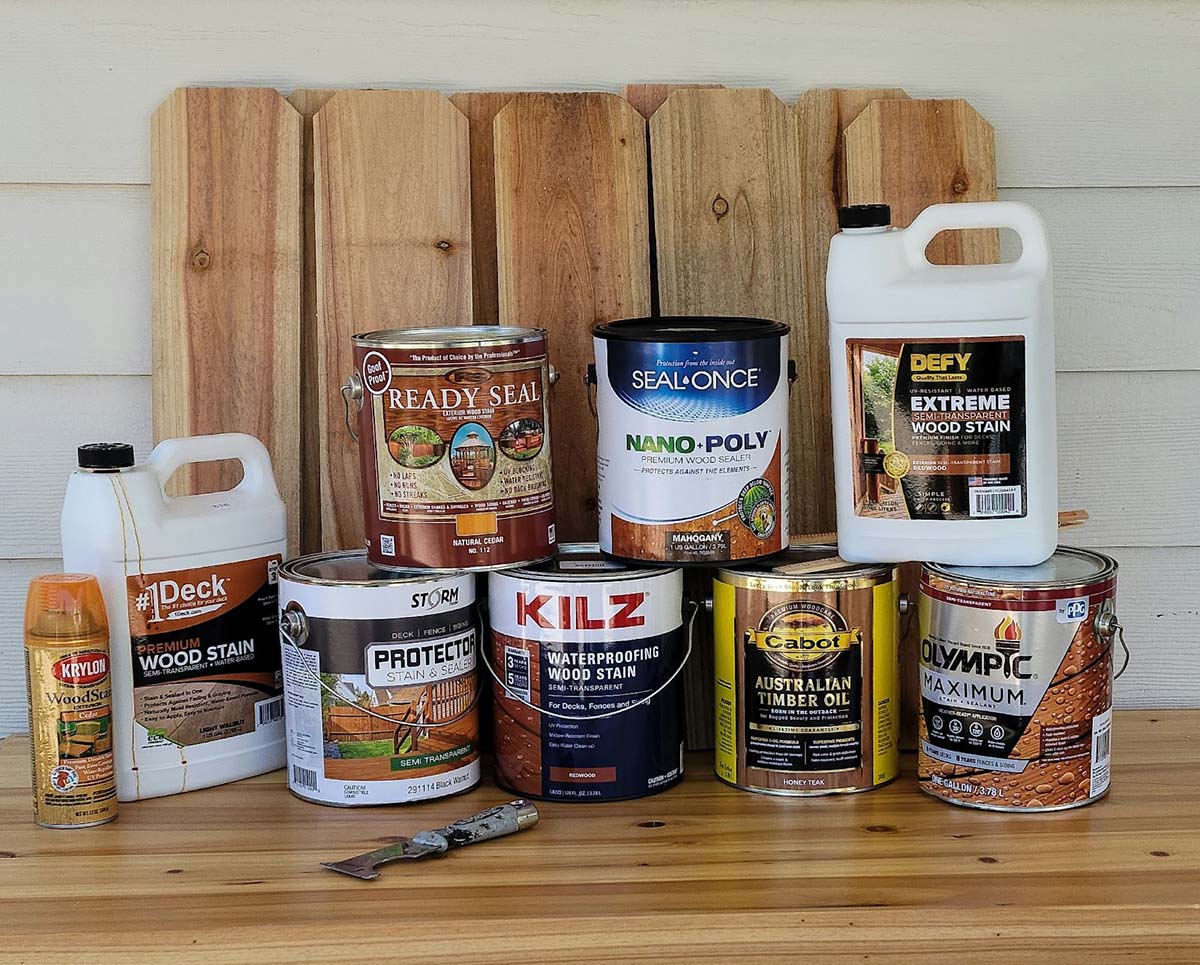
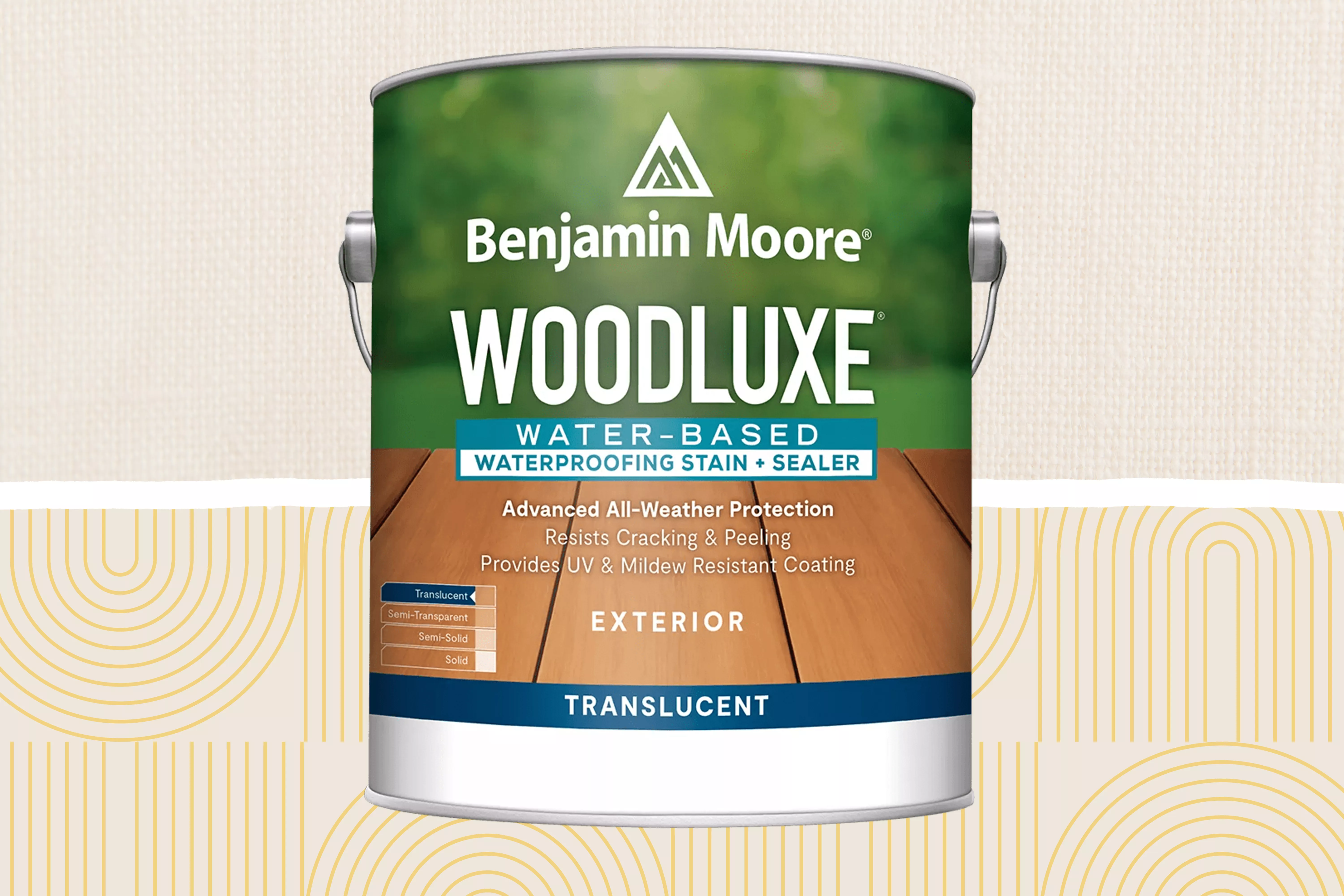
This guide identifies top deck stains, categorizing them by transparency (transparent, semi-solid, and solid) and base (oil and latex), incorporating insights from Strawn and Brad Henderson, director of product management at Benjamin Moore, regarding stain types and application. The best clear stain is the Benjamin Moore Woodluxe Waterproofing Exterior Stain + Sealer, a water-based transparent option that allows the wood's natural grain to show through while providing UV and mildew resistance. It dries in one hour and cures in 14 days, suitable for various wood types like cedar and mahogany. Its main advantage is ease of reapplication, as it fades rather than chips, requiring only cleaning before reapplication, though it generally needs reapplication annually.
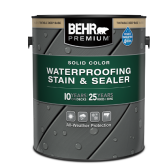
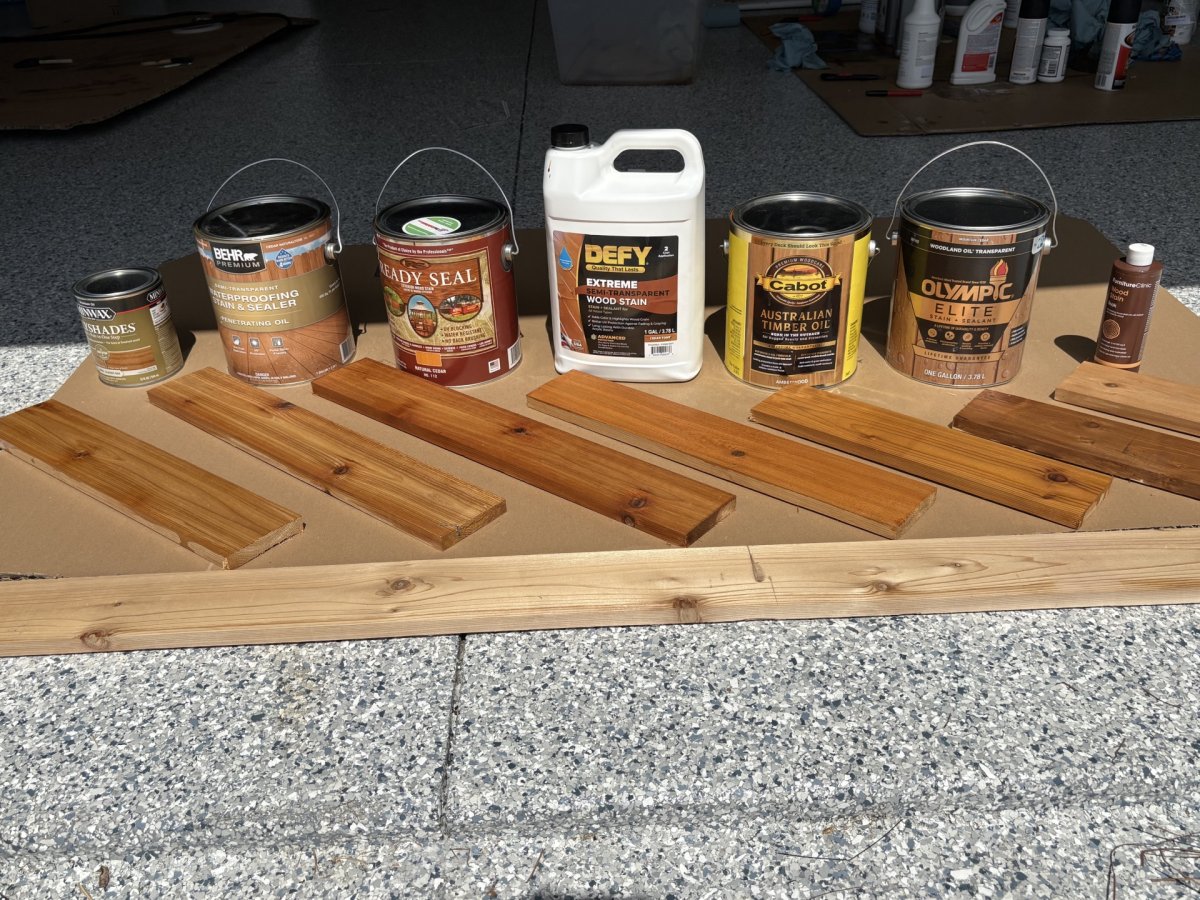
For solid coverage, the BEHR DECKplus Waterproofing Wood Stain is recommended. This acrylic-based stain offers robust protection, covering existing faded coats without sealing components, which reduces separation. It promises up to five years of protection for horizontal surfaces and 15 years for vertical ones, though actual results vary with wear. While available in numerous colors, solid stains are harder to recoat due to their thick seal, often necessitating sanding and extensive prep work. The Cabot Wood Stain and Sealer in One is the top semi-solid choice, an oil-based product that penetrates and seals wood, providing strong protection and rich colors while still allowing some wood texture to be visible. It requires a single coat, dries within 24 to 48 hours, and comes in several shades. Users should be aware of fumes during application and handle rags used with the product carefully due to spontaneous combustion risks.
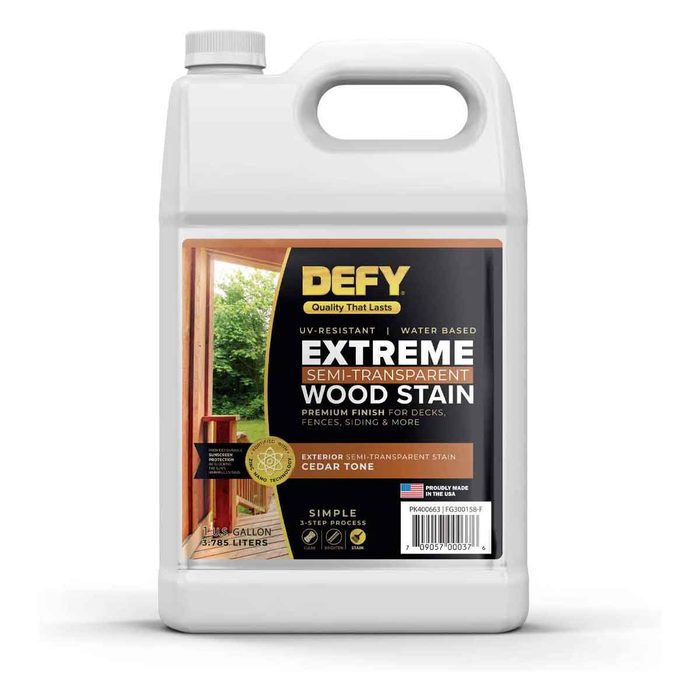
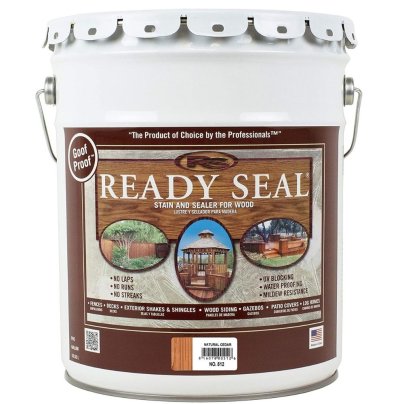
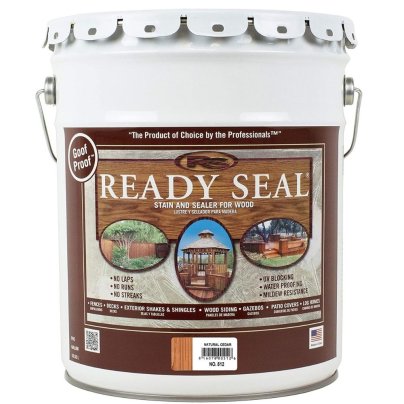
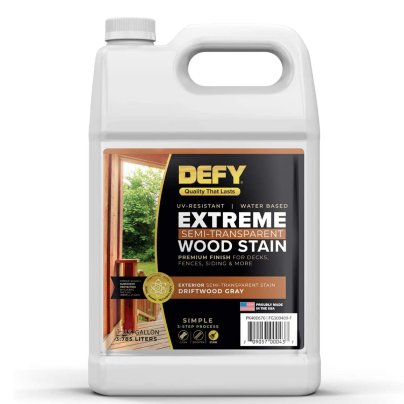
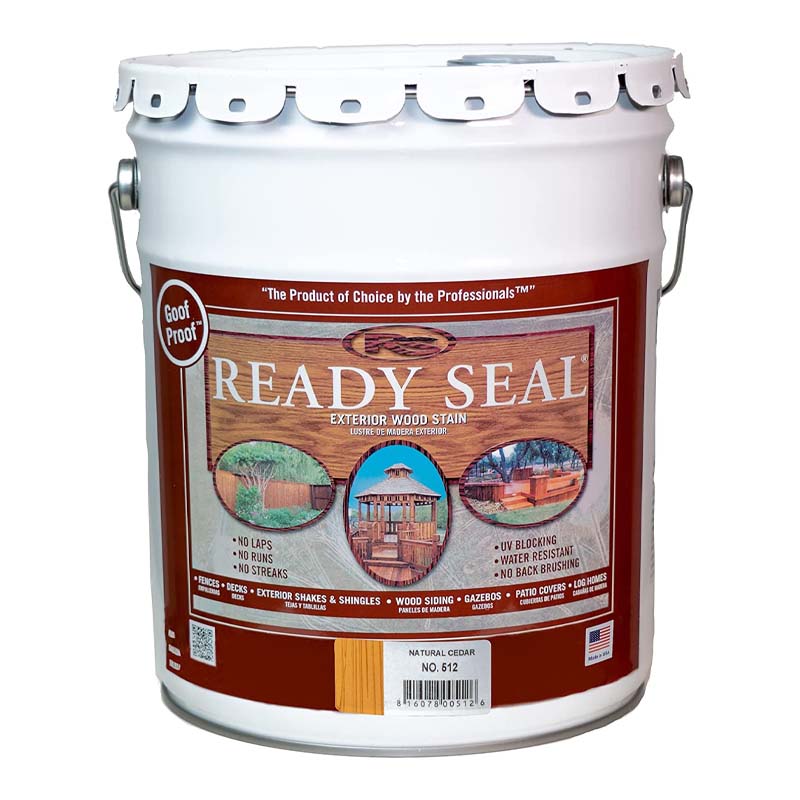
The Ready Seal Exterior Stain and Sealer is highlighted as the best semi-transparent option, popular for its all-in-one oil-based formula that deeply penetrates wood and creates a water-resistant seal. It self-levels, minimizing the need for back brushing, and is ideal for older decks previously treated with oil stains. However, it has fewer color options and emits strong fumes. The DEFY Exterior Wood Stain is the best water-based choice, an environmentally friendly, low-VOC product with a zinc-based formula that protects against UV damage. It creates a matte finish that highlights natural wood grain, though it requires stripping any existing stain before application and offers less coverage per gallon than oil-based alternatives. Reapplication is recommended after cleaning with a wood brightener.
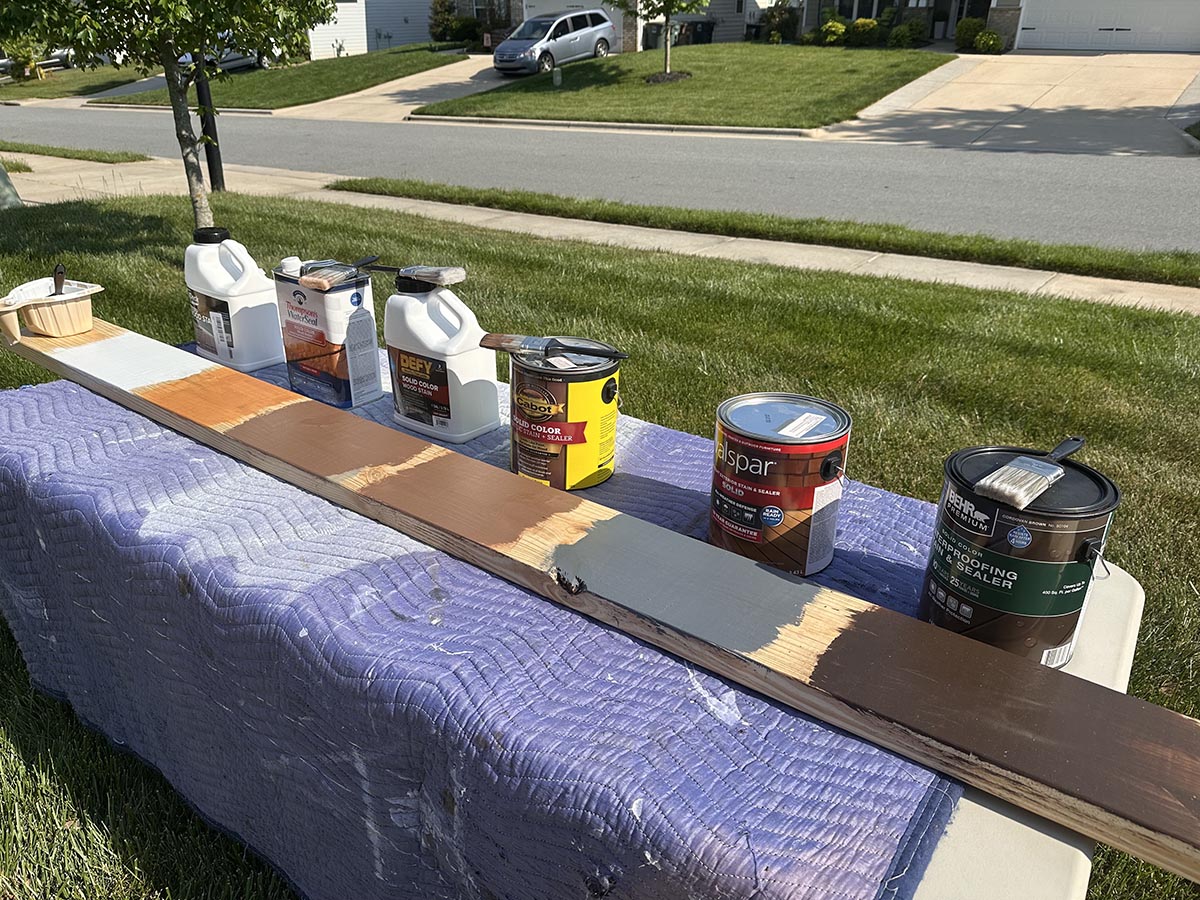
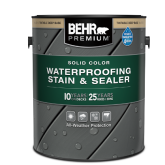
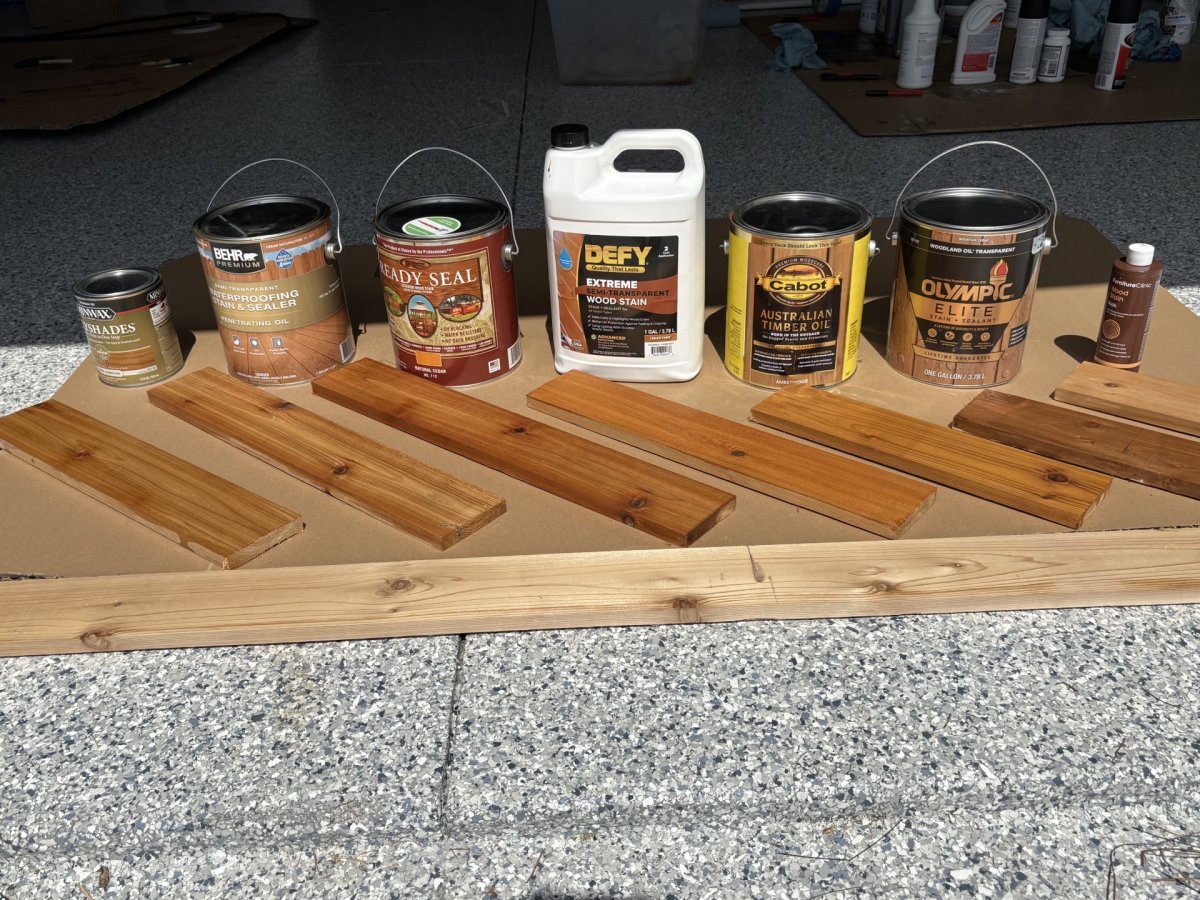
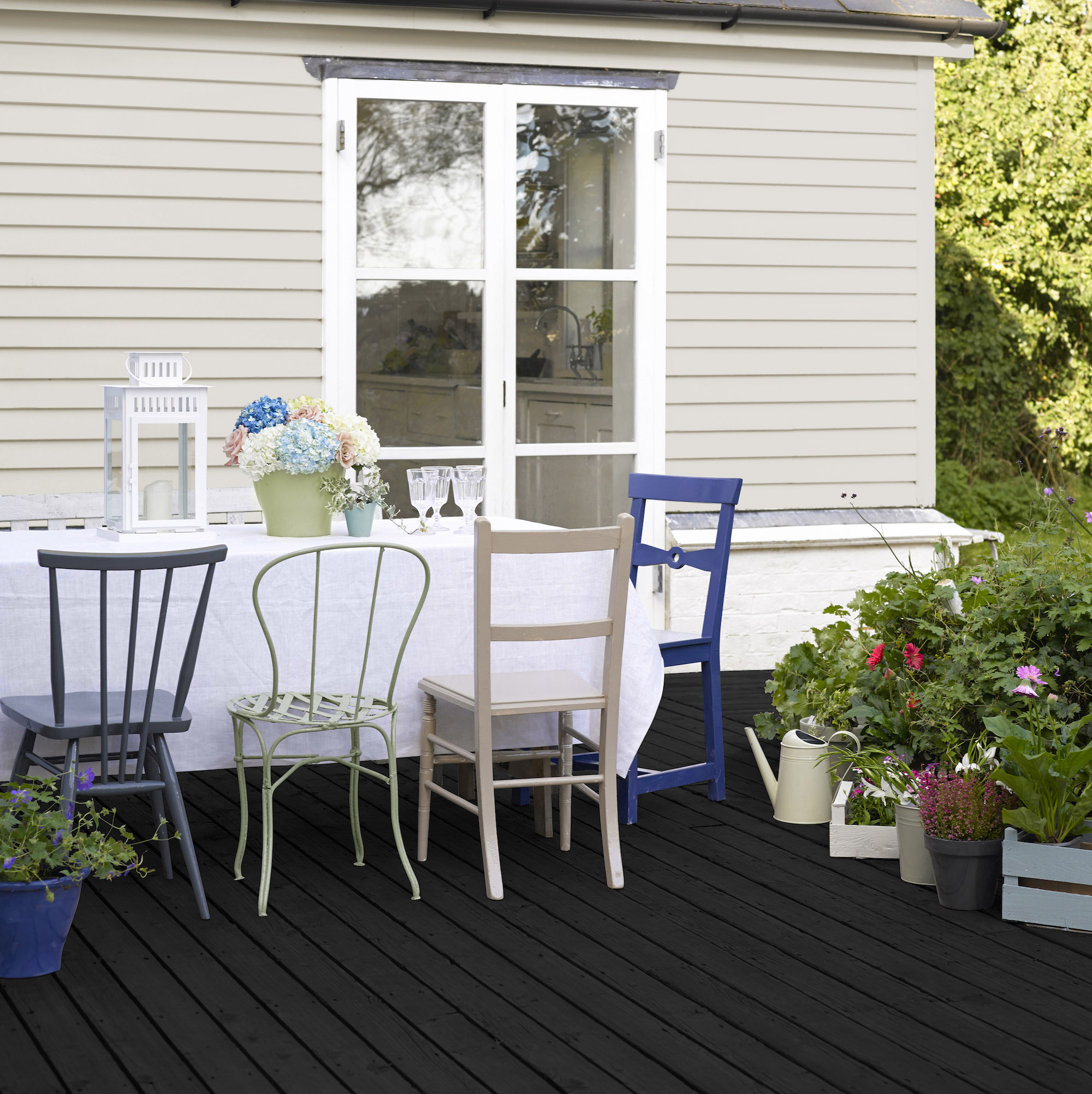
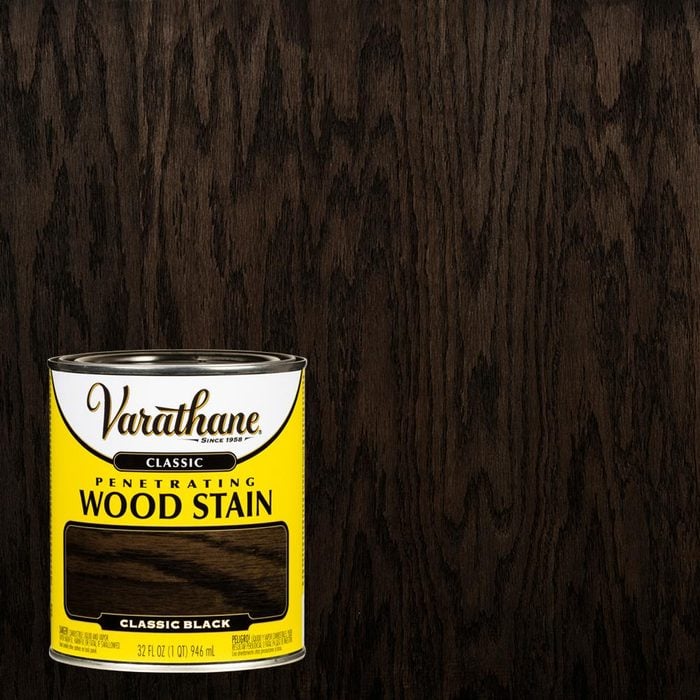
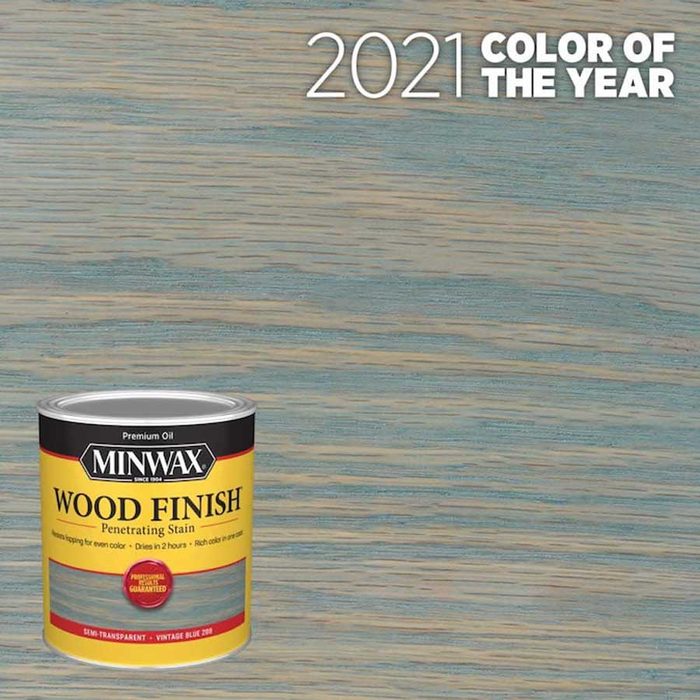
For significantly aged wood, Behr's Deckover is suggested for its thick, solid coat that rejuvenates cracked surfaces, extending the deck's life. Proper application involves thorough cleaning, sanding, and liberal application to cracks and nail holes, allowing drying time before subsequent coats. Key considerations for choosing a deck stain include stain type (transparency levels range from clear to solid, affecting longevity and reapplication effort), wood type (denser woods prefer clear/transparent stains), color matching (testing on a scrap piece is advised), dry time (oil stains generally dry slower than latex), and climate suitability (extreme temperatures and humidity can degrade stains faster). Calculating the required amount of stain involves determining the deck's square footage and accounting for railings and multiple coats, with rounding up for extra product recommended. While staining the underside of a deck is generally not necessary unless visible or exposed to high moisture, it can offer maximum protection. Acrylic-based solid stains typically last longer than oil-based stains, but overall longevity depends on various factors. Essential tools for deck staining include a 5-in-1 tool, rag, brush, roller, roller frame, and a pole. The optimal time for application is during moderate, cloudy weather in spring or fall, ensuring the deck is dry before and after application to allow for proper curing.
#DeckStain #WoodProtection #HomeImprovement #ExteriorMaintenance #DIYProjects #DeckCare #StainTypes #OutdoorLiving #BenjaminMoore #DeckStain #WoodProtection #HomeImprovement #ExteriorMaintenance #DIYProjects #DeckCare #StainTypes #OutdoorLiving #BenjaminMoore
0 ความคิดเห็นรวม
 ยังไม่มีความคิดเห็น
คุณอาจจะชอบอีกด้วย
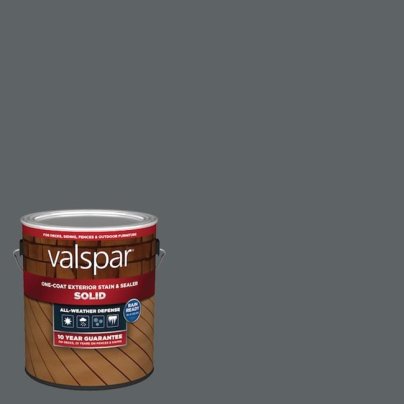
The Best Solid Deck Stains to Protect and Revitalize, Tested

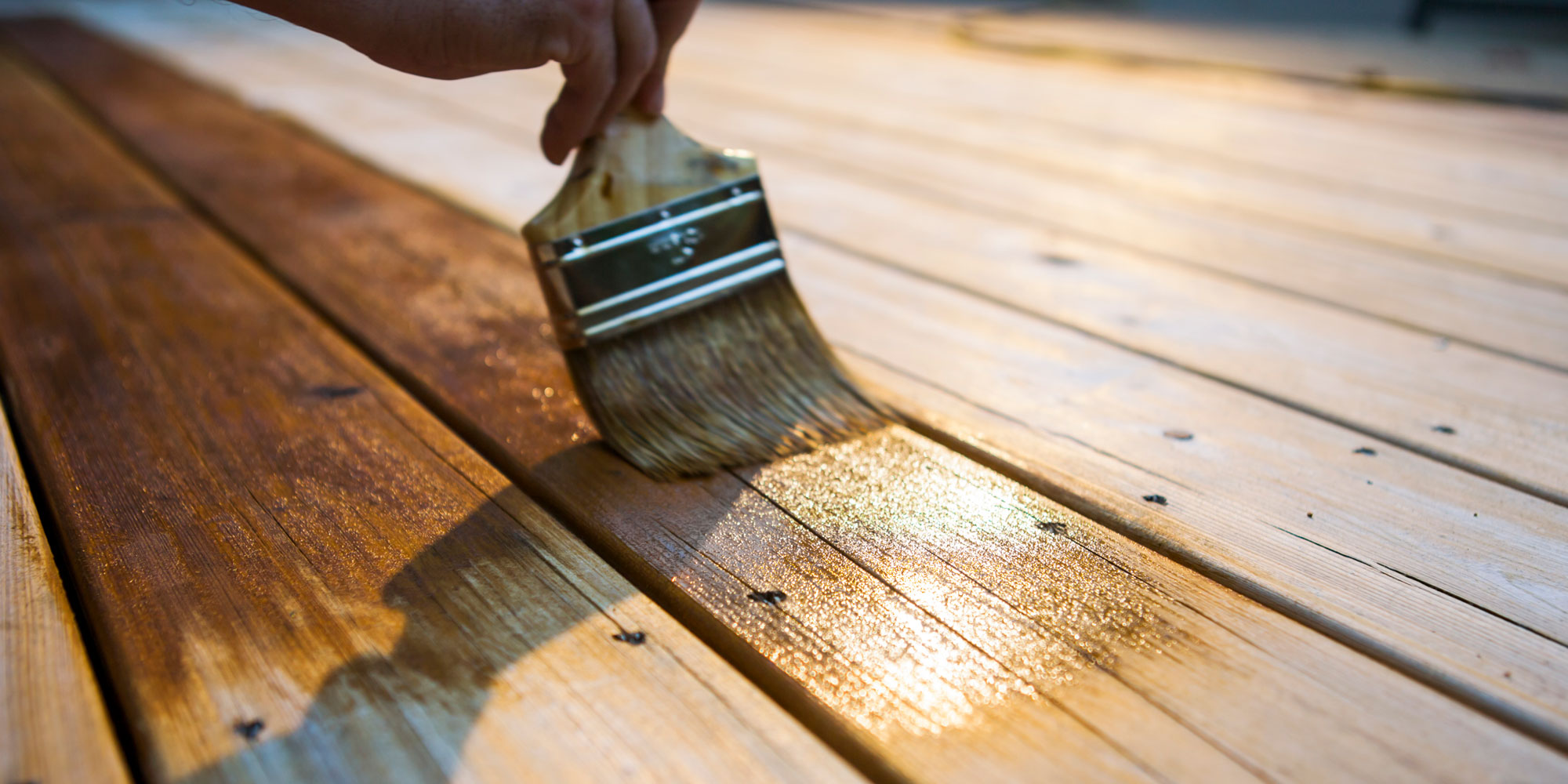
Best decking paint and decking stain
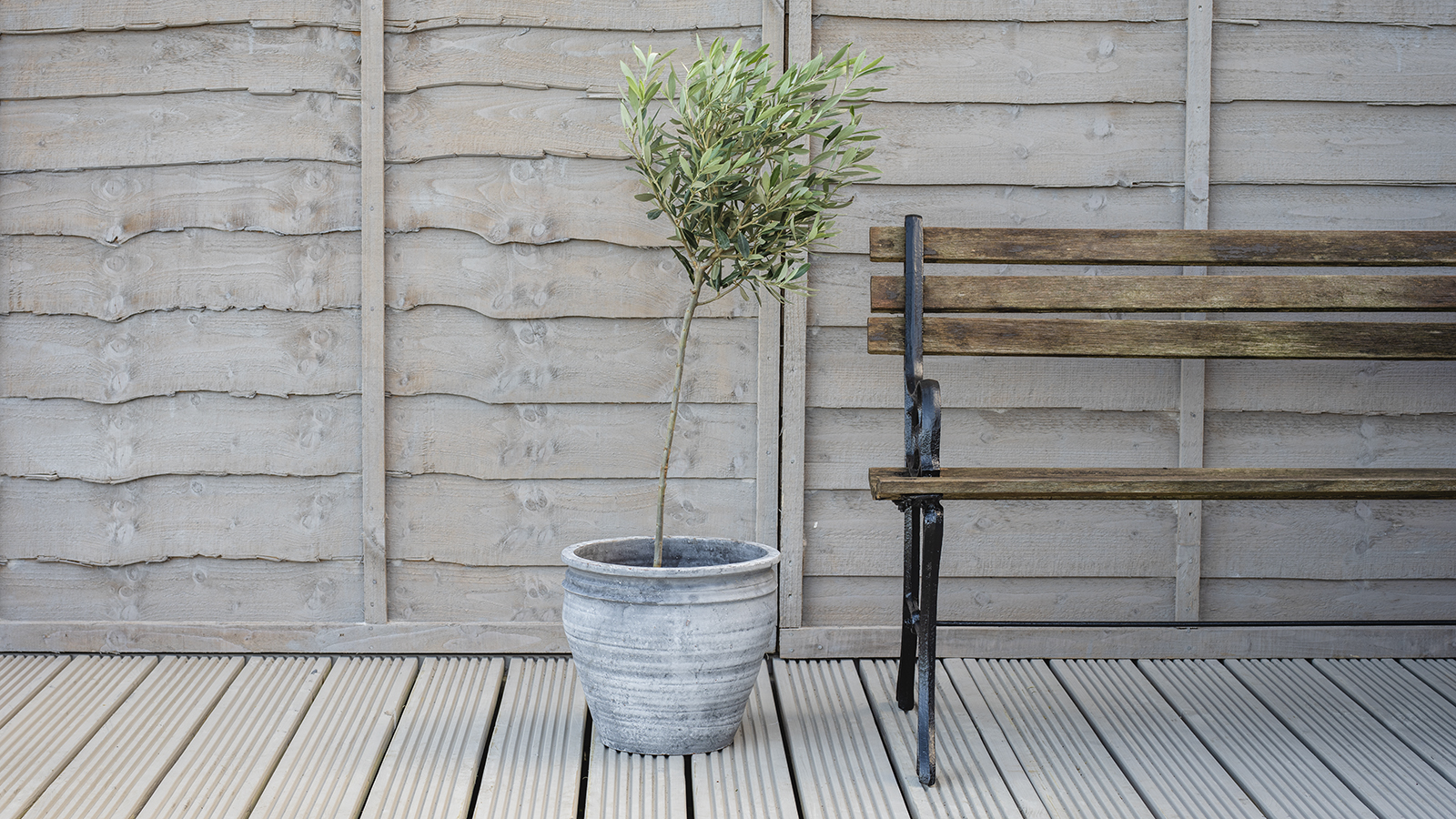
Smart decking colour ideas - from pale patinas to dark and daring shades

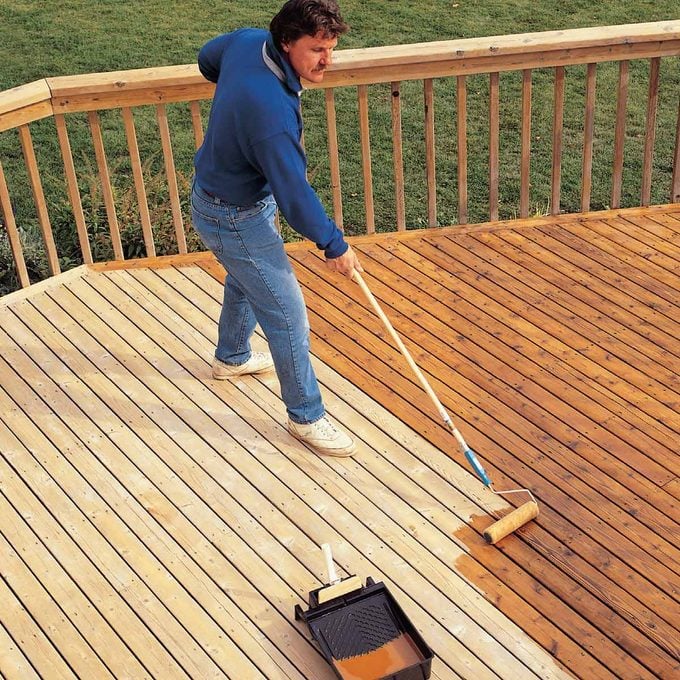
How to Choose the Best Deck Finish

The Best Deck Stains of 2025

The Best Stains for Cedar Decks, Siding, Fences, and More
The Hottest Stain Colors for Your Deck in 2023
Make Cedar Shine: Our Favorite Wood Stains
The Best Deck Stains of 2026
How to Stain a Wood Deck: Instructions and Materials List
We Put the Best Exterior Wood Stains Through 40 Hours of Testing to Find the Top Picks
Best Wood Stain Colors For Interior And Exterior Surfaces
How to stain a deck – 3 easy steps to a fresh new look

Deck color ideas – how to choose the color to stain or paint your deck
The 7 Best Deck Paints You Can Get, Tested and Reviewed
Best decking oils 2020

Best Deck Paints and Stains for 2025
We Spent 20+ Hours Testing the Best Fence Stains. Our Top Choice Will Make Your Fence Look Like New
Giving Your Deck a New Life Doesn’t Have to be a Chore Thanks to This Product
Oct 2018: Refinishing pressure-treated wood a losing battle