1/8
If you want to bring on-trend texture to bathroom walls, these 6 ideas are your best options say interior designers
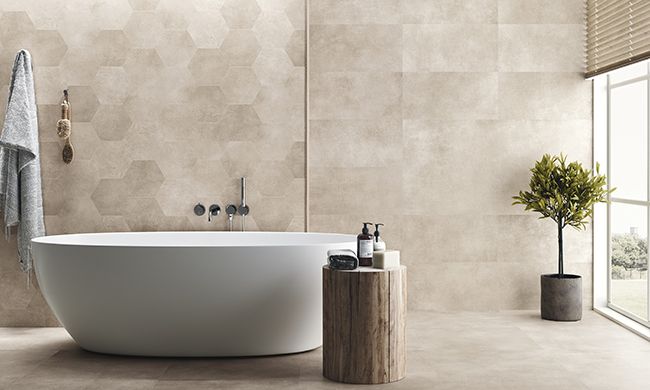
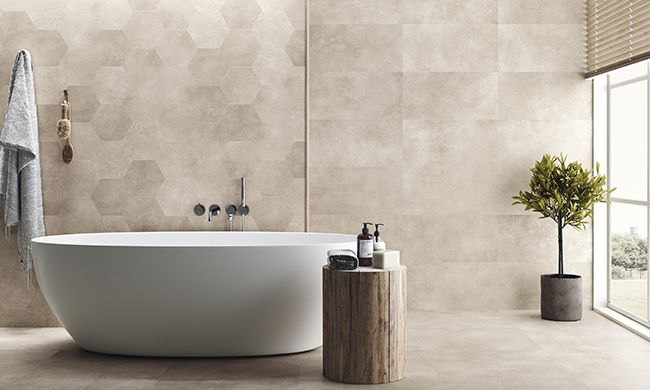
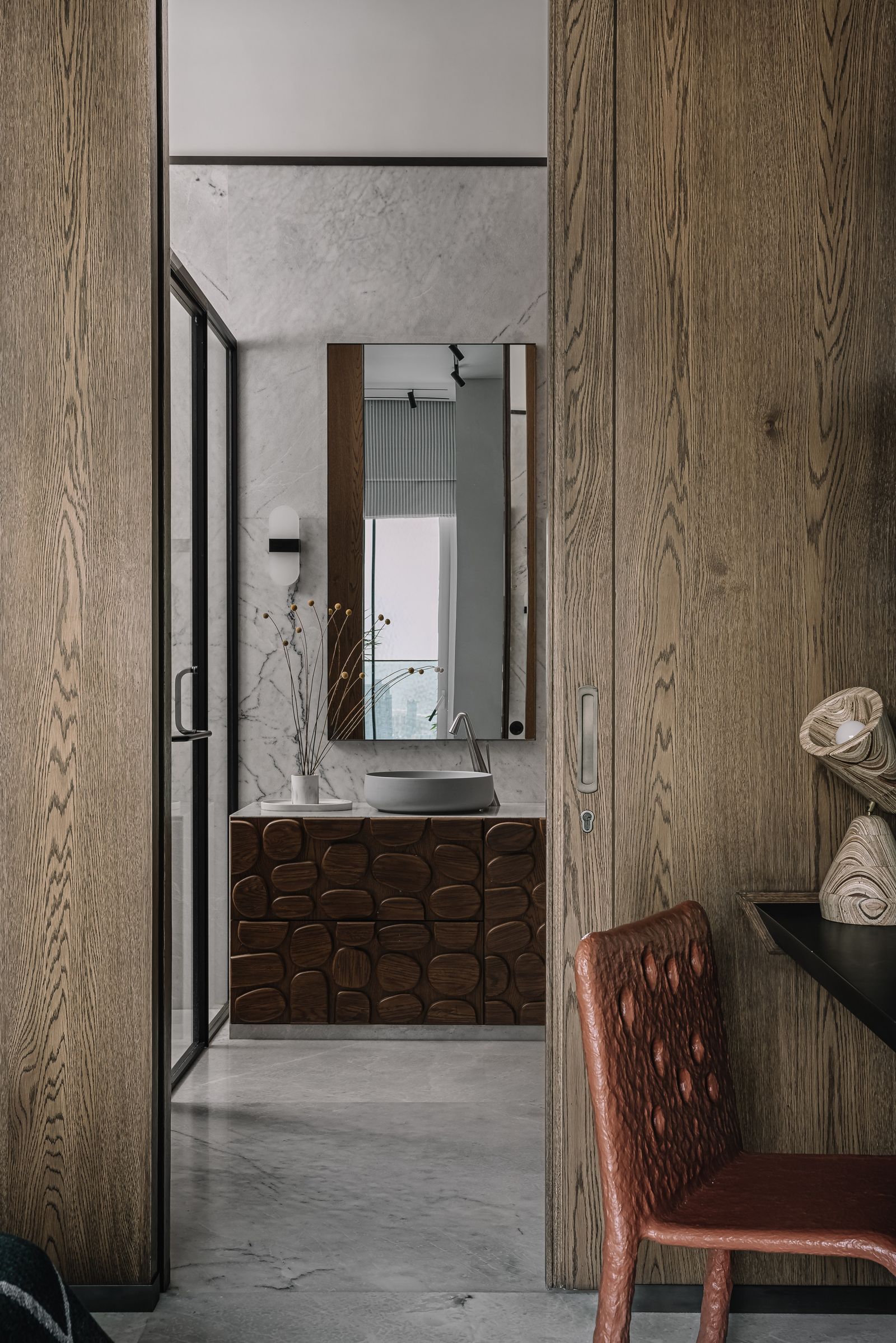
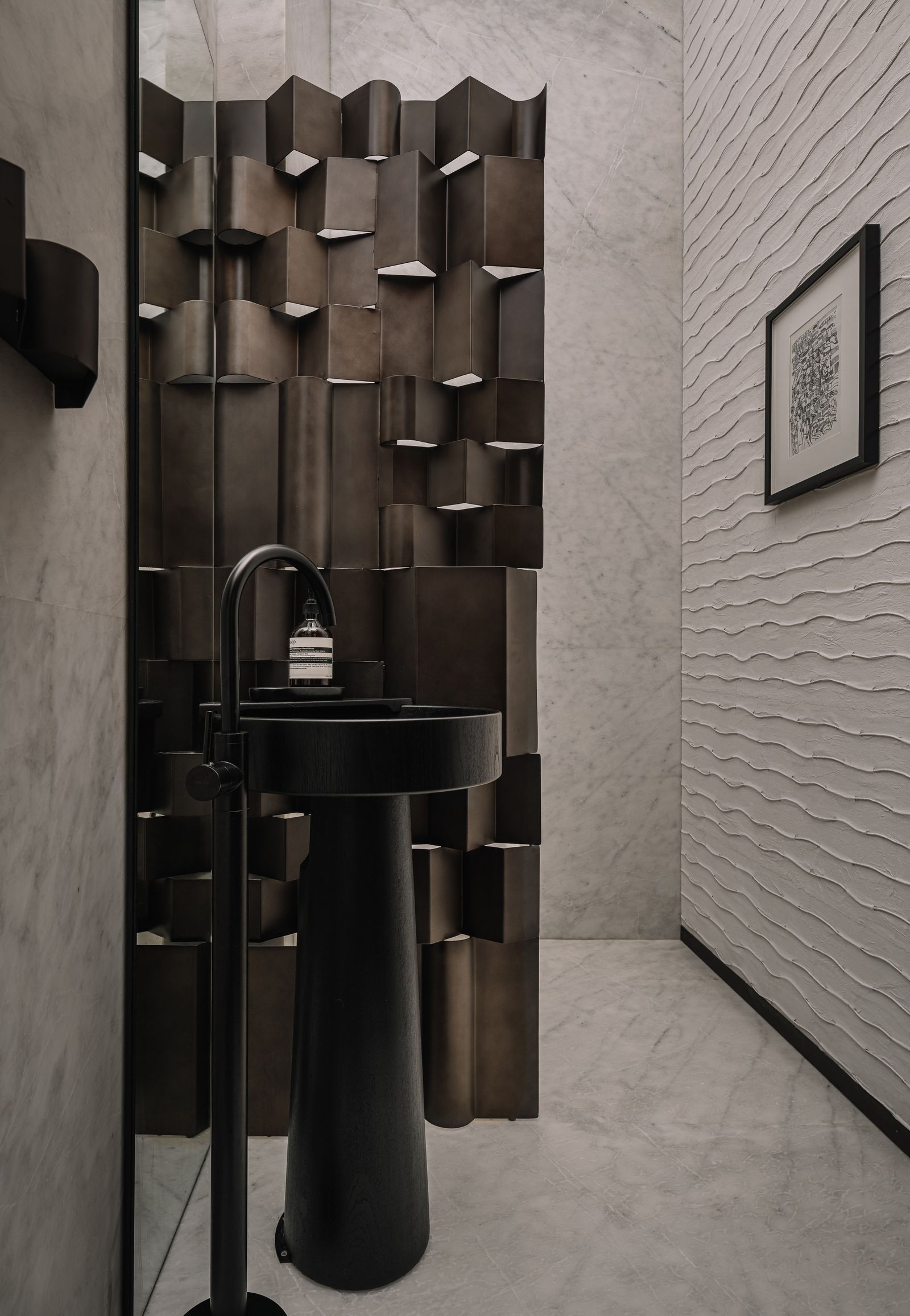
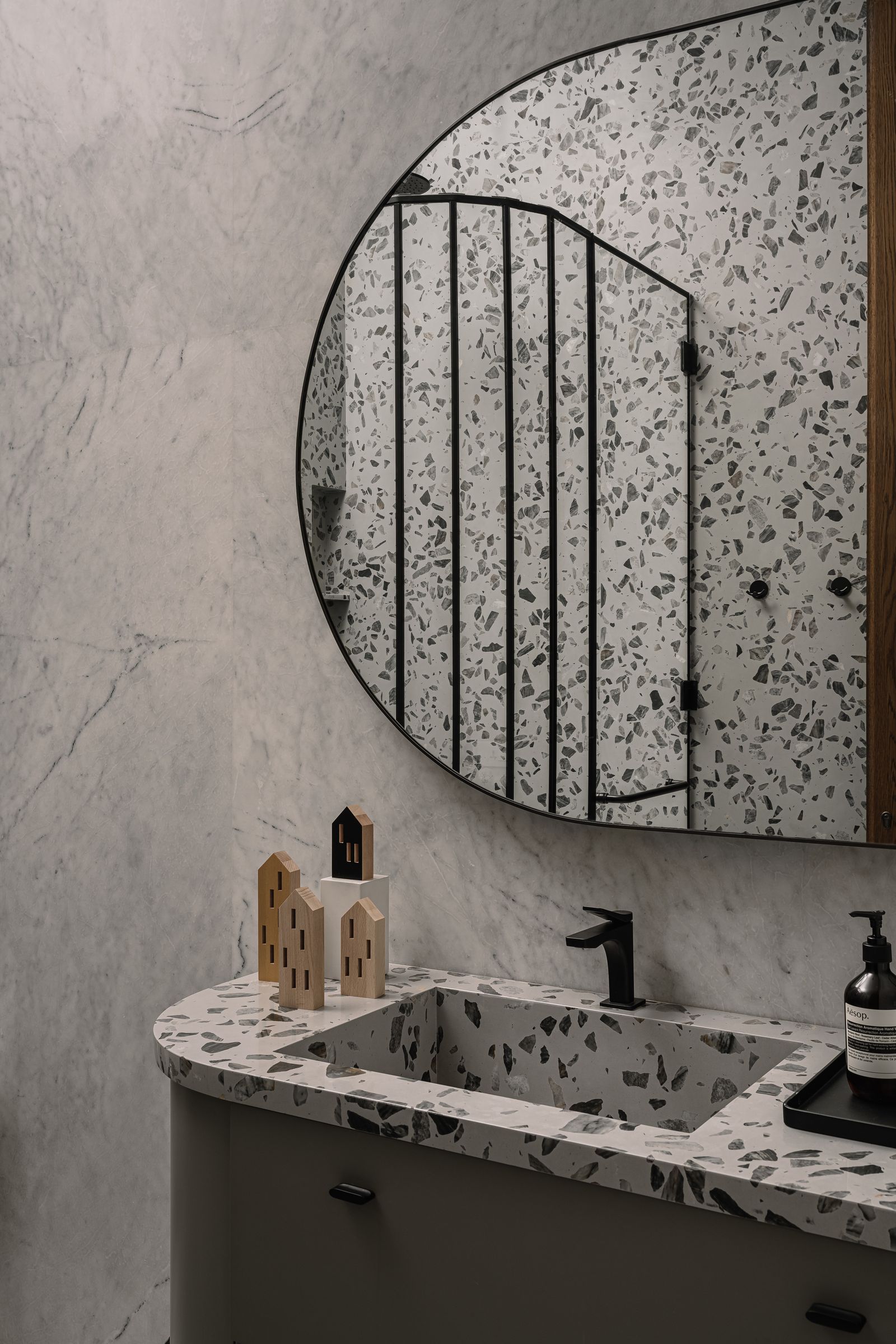
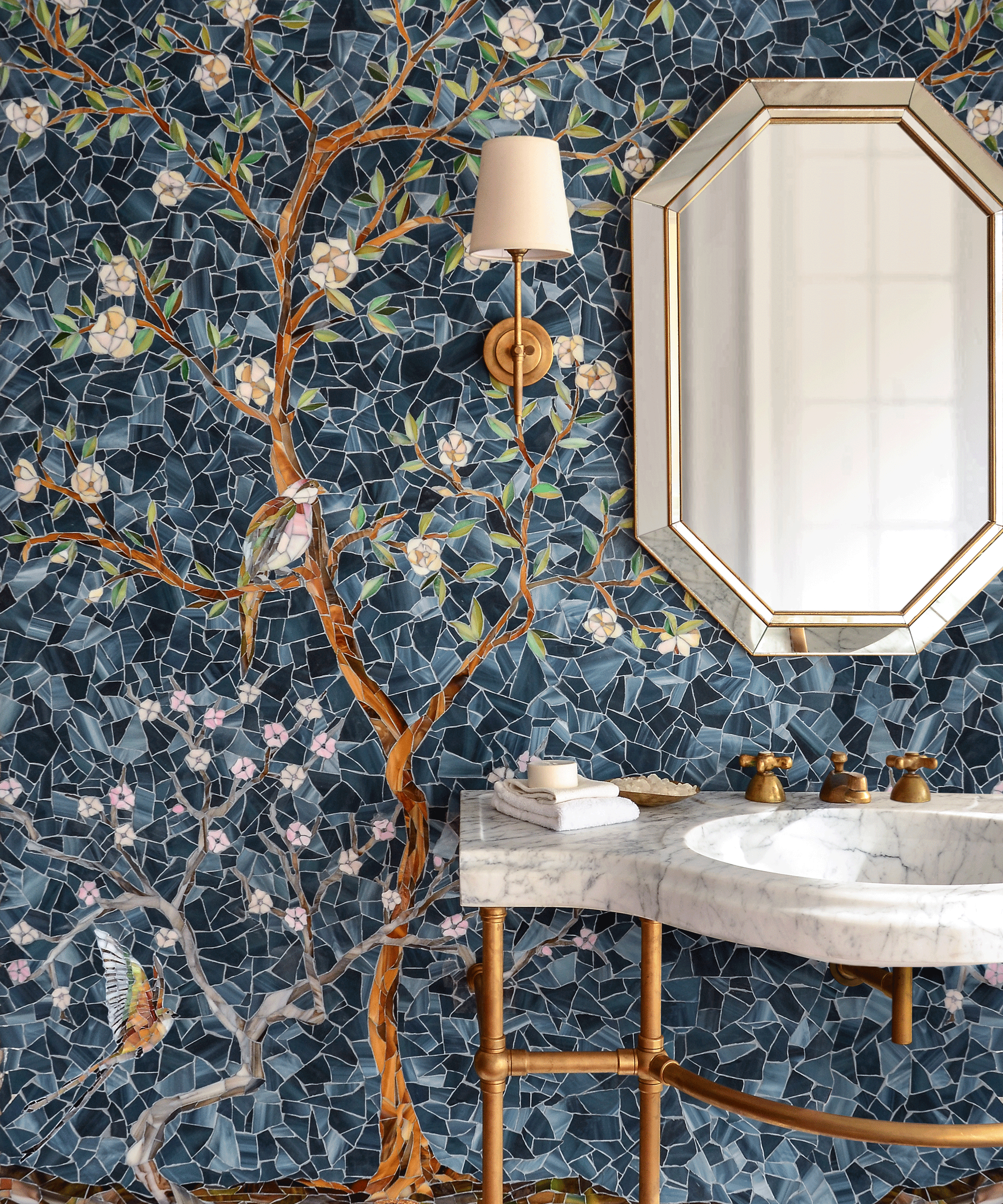
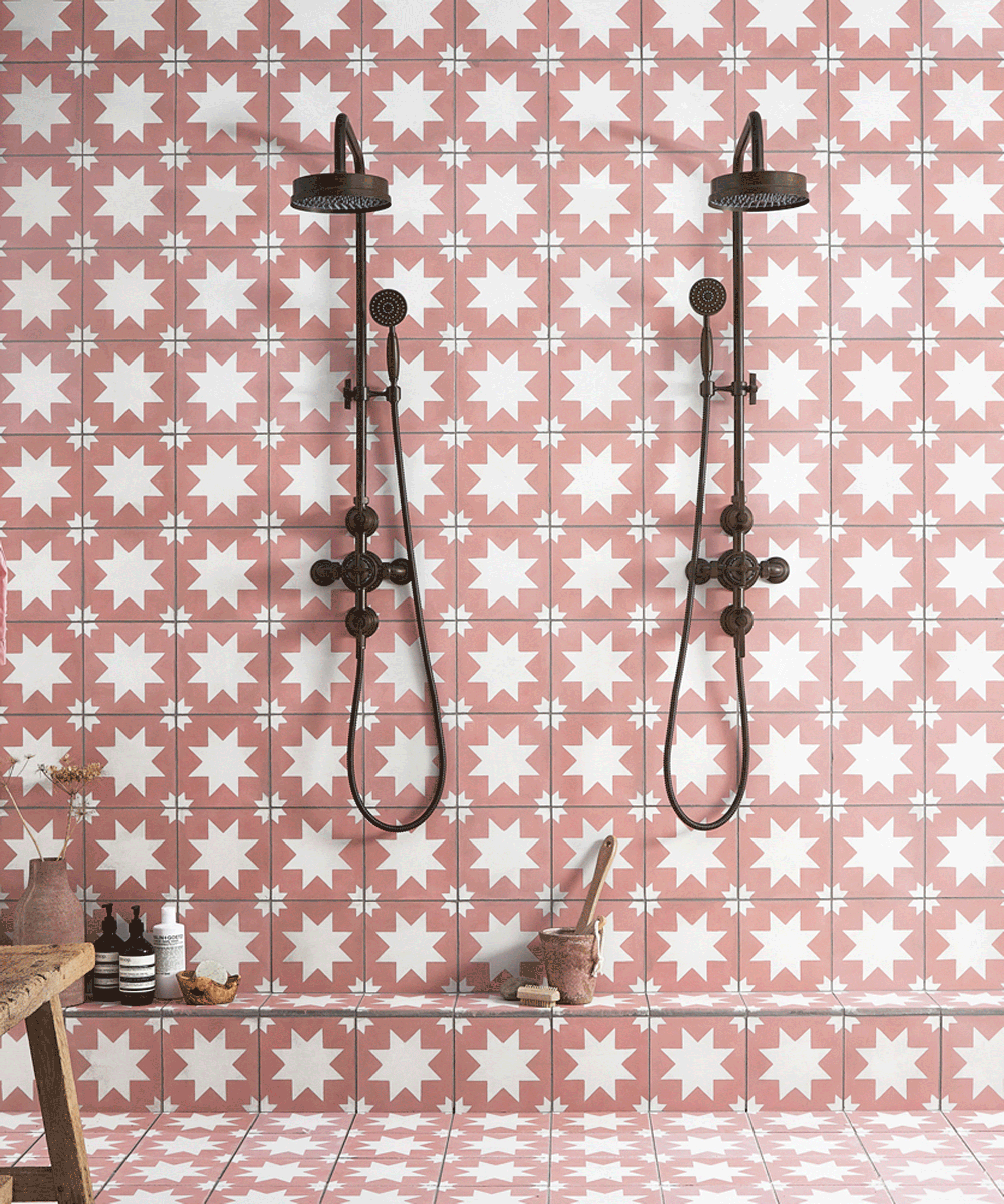
Adding texture to bathroom walls introduces visual interest, depth, and a tactile feel to a space often left underexplored. Homeowners frequently default to matte paint and minimal tiling due to concerns about maintaining textured surfaces in steamy conditions. However, designers are increasingly embracing textured walls to create focal points and spa-like havens. Natural materials such as concrete, plaster, and handcrafted tiles are being utilized to achieve varying effects, from shimmering light reflection to earthy warmth.
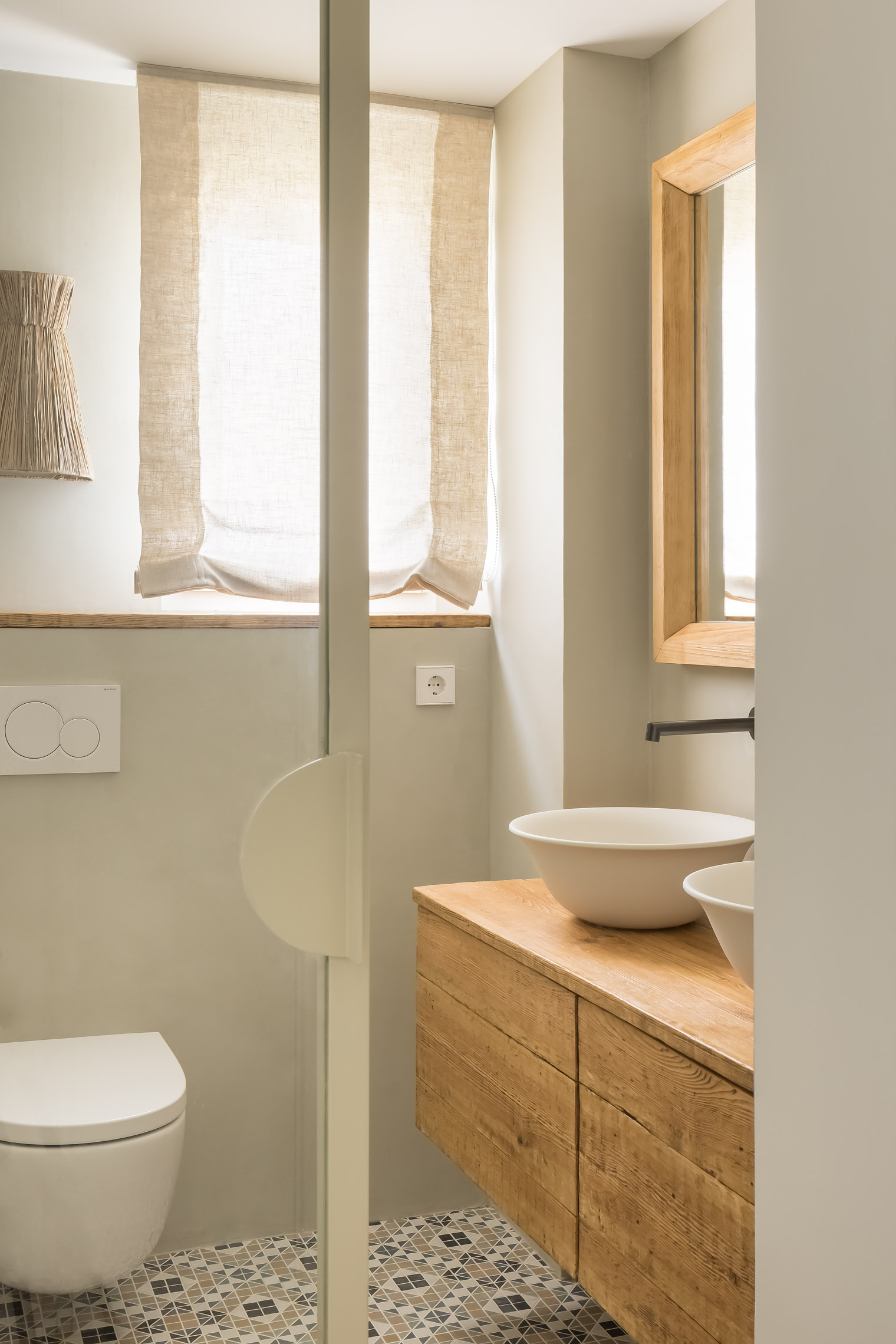
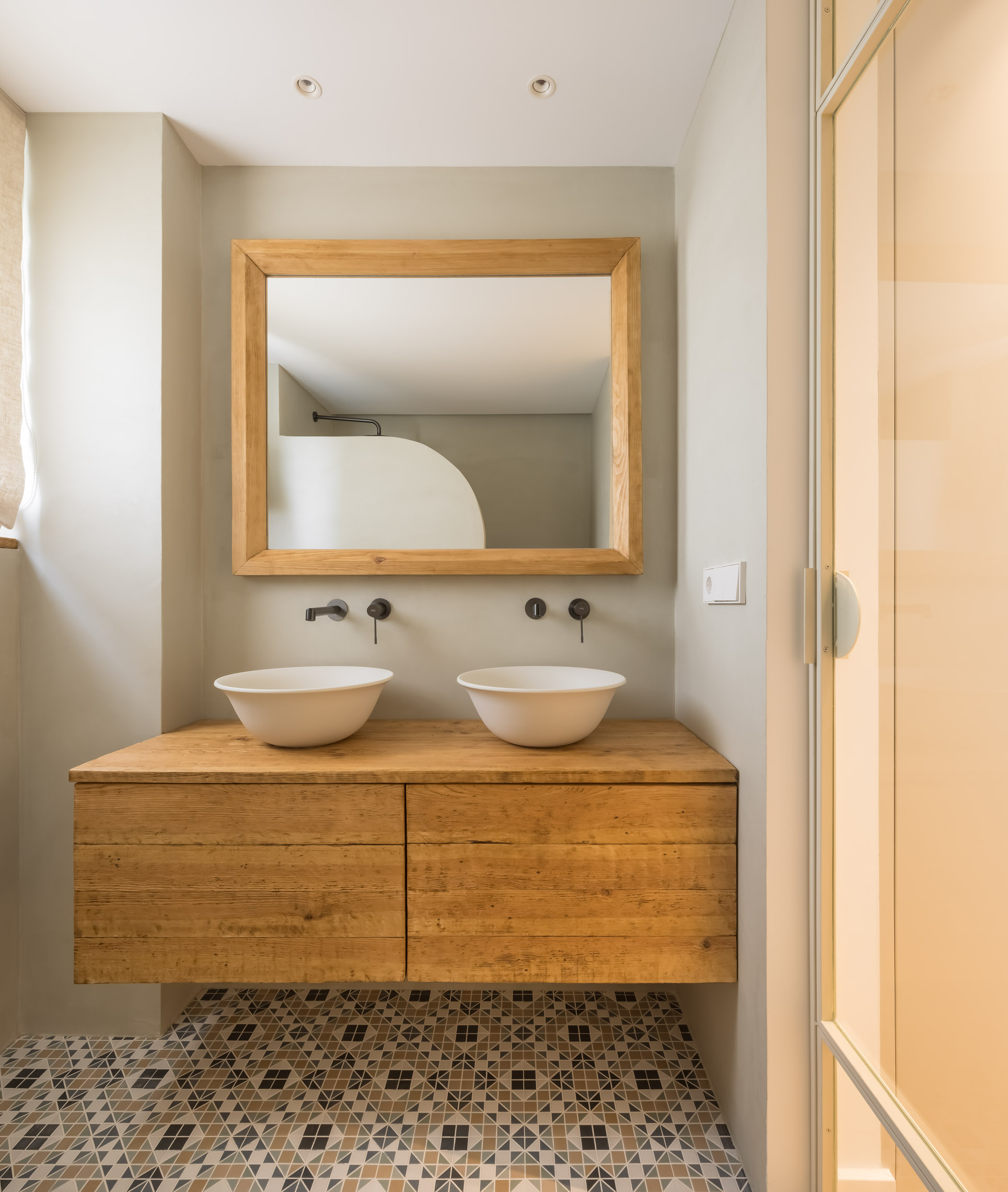
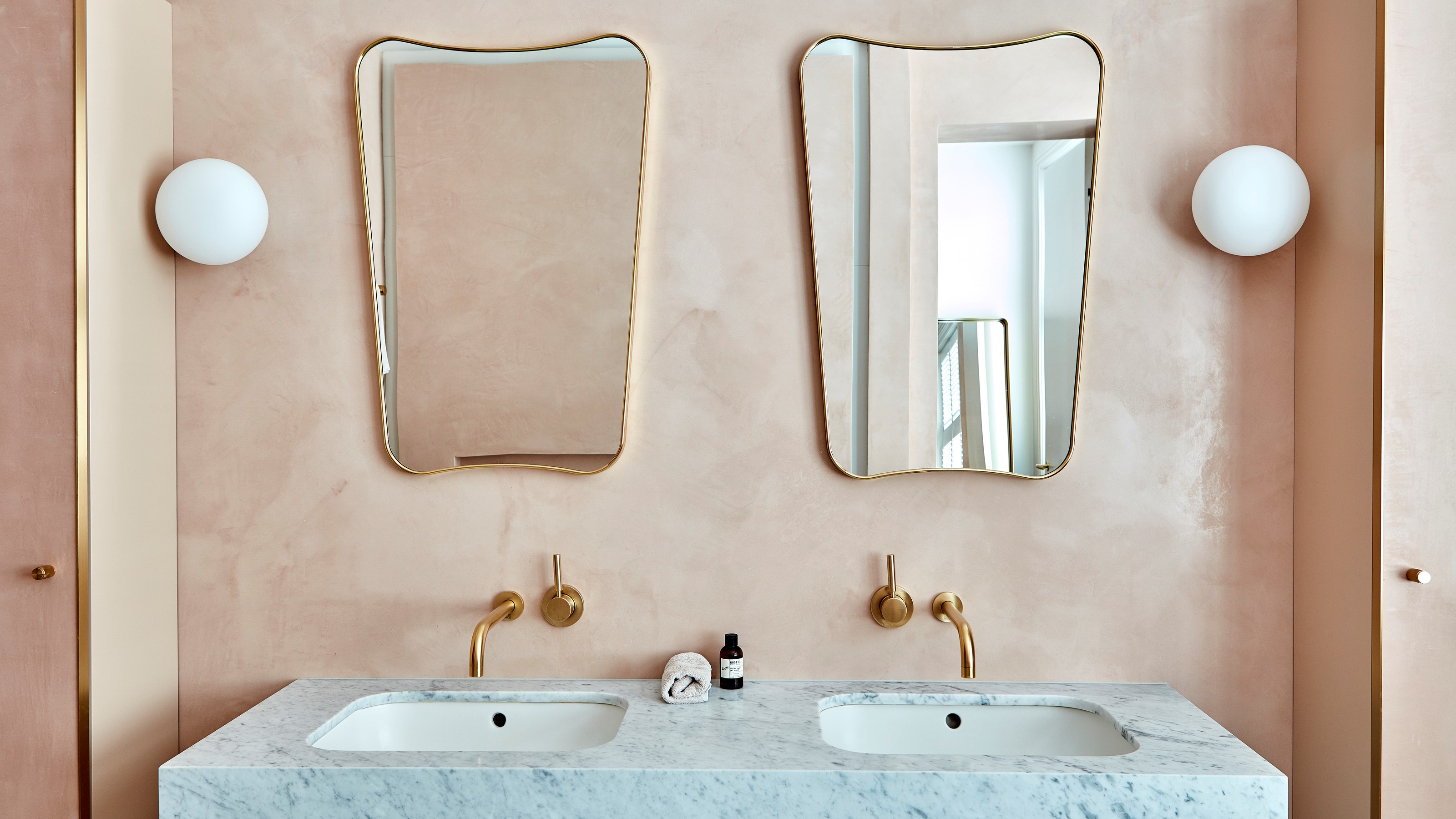
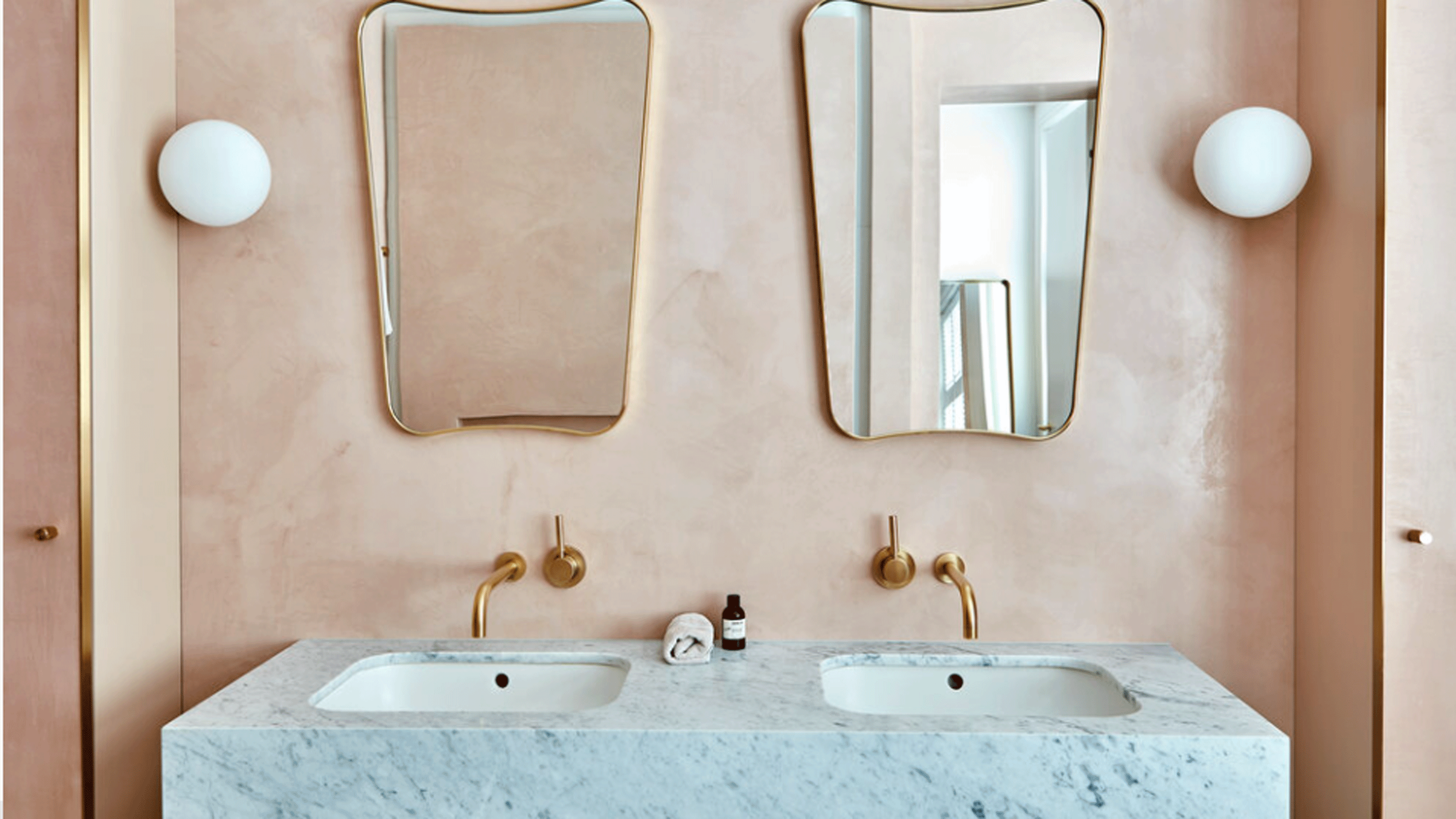
One prominent option is Tadelakt, an ancient Moroccan art form that offers the visual appeal of plaster or concrete. This material is waterproof, water-repellent, and mildew-resistant, making it ideal for bathrooms. Its soft, raw, and earthy aesthetic provides texture and warmth, while the absence of grout lines ensures a seamless finish. Hugh Leader-Williams of Blakes London notes that Tadelakt creates significant movement, interest, and depth. It is also chemical-free, making it an environmentally friendly choice. The application process is extensive, requiring around six coats and an oil-based soap rub-down, and improper application can be costly to rectify. However, once installed, Tadelakt is easy to maintain, requiring only a wipe-down with water and no cleaning products.
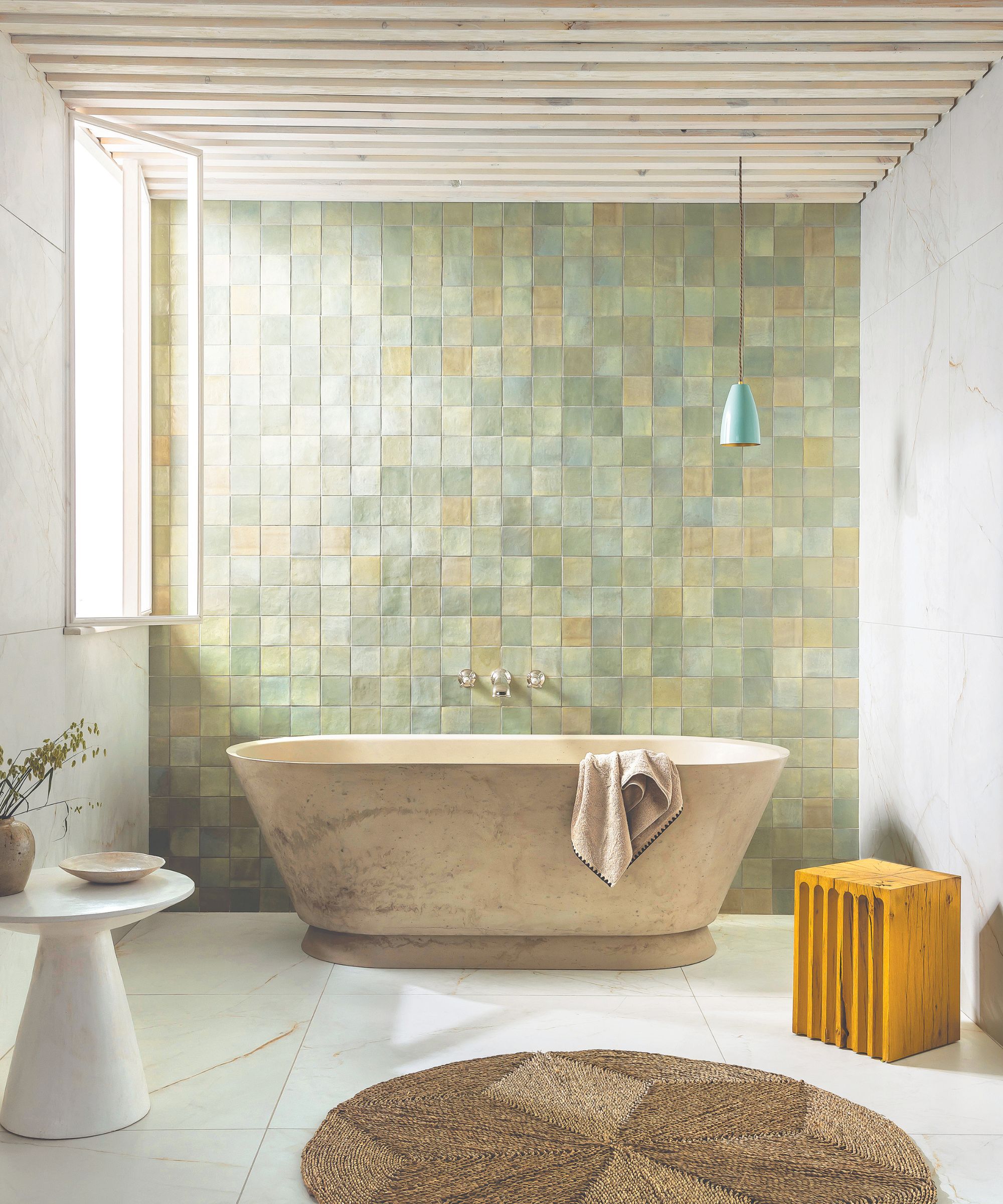
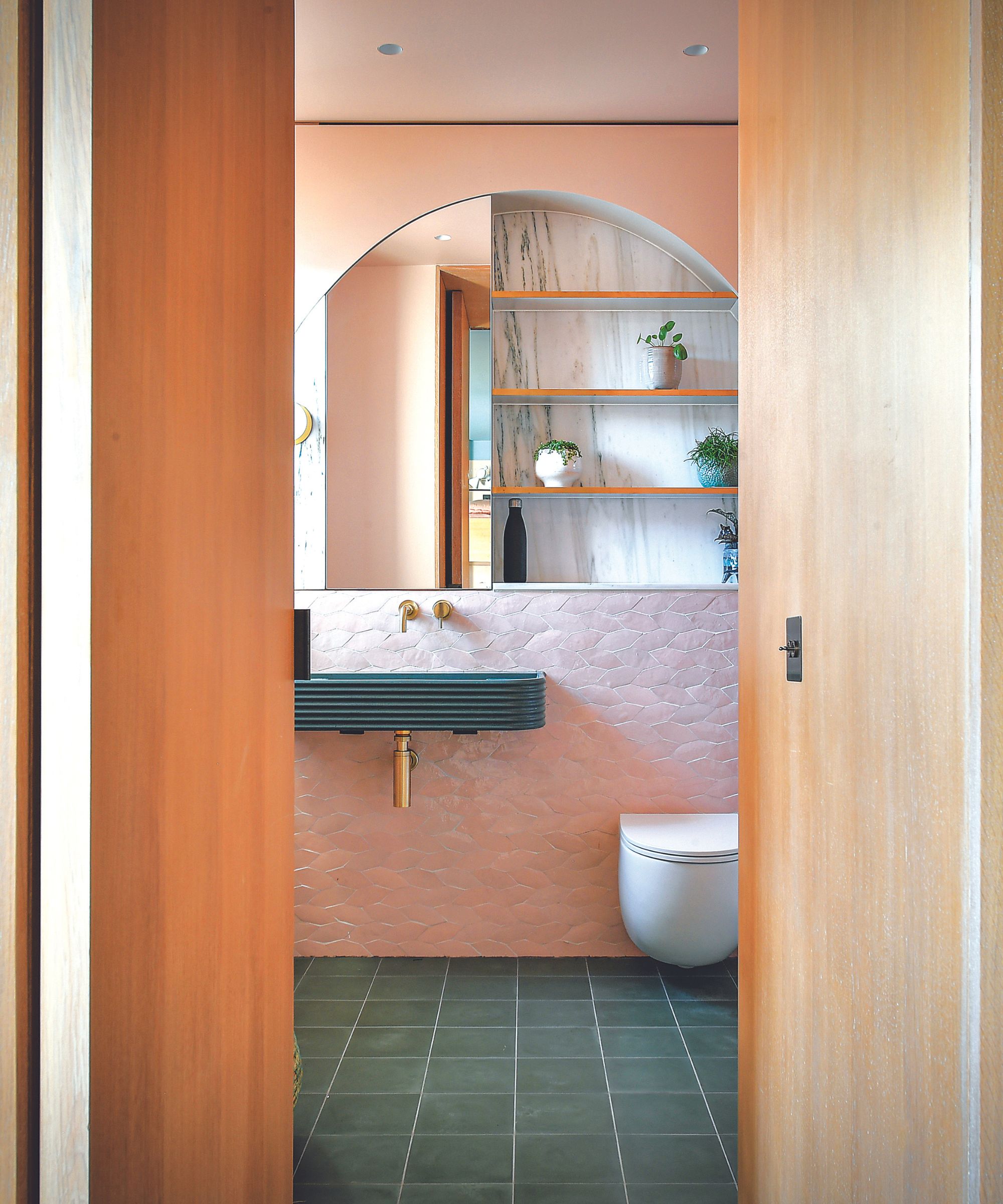
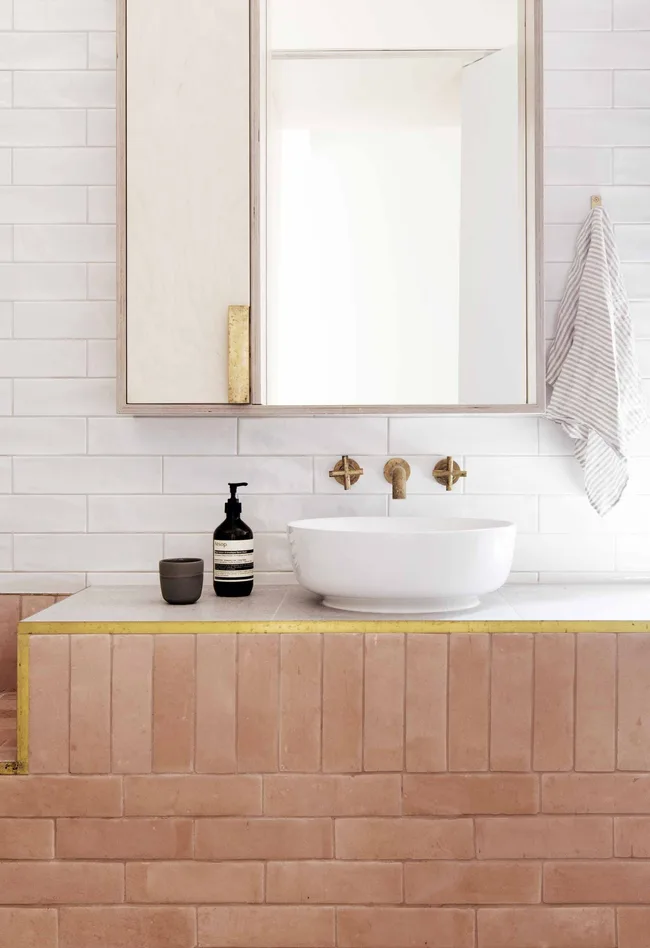
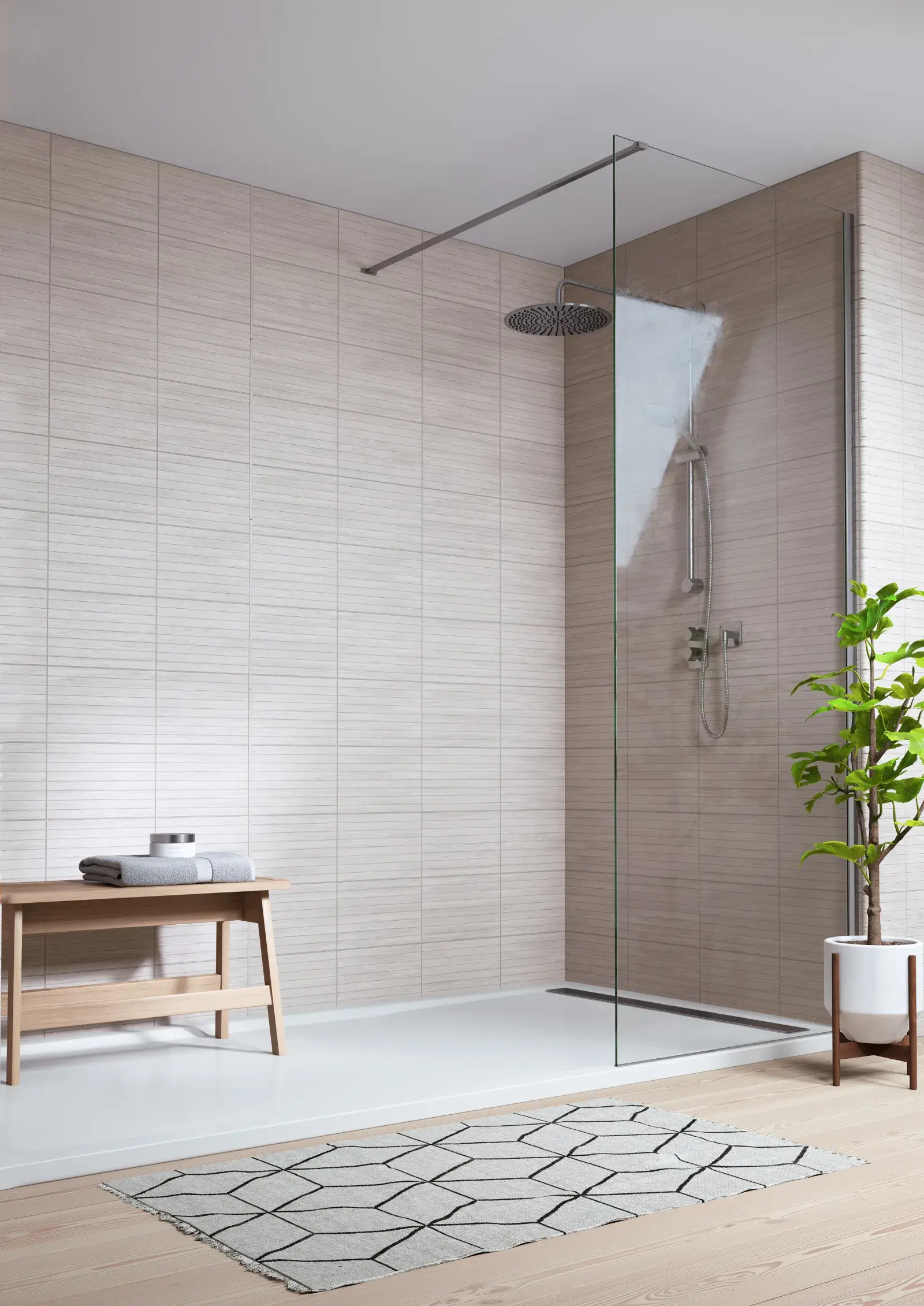
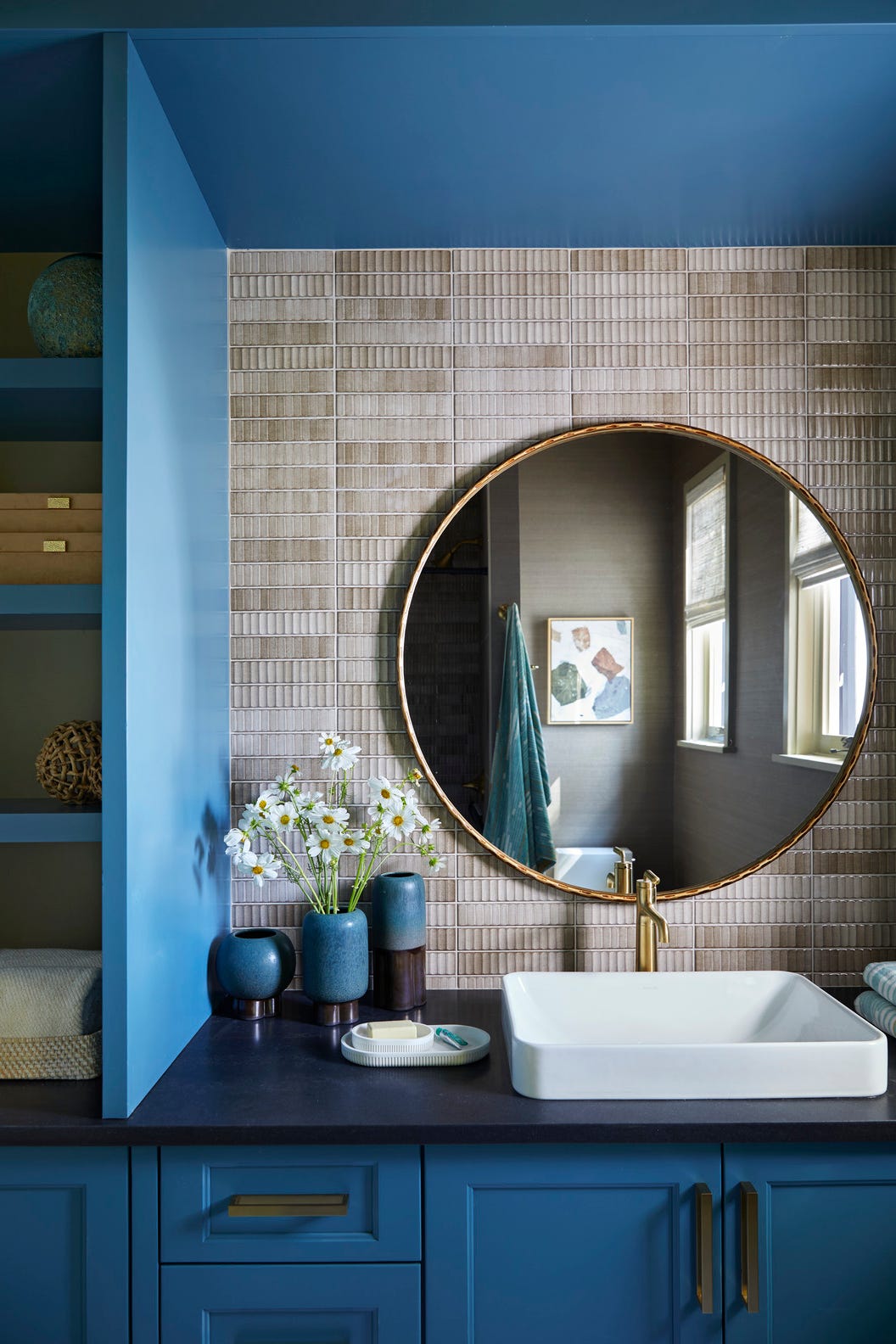
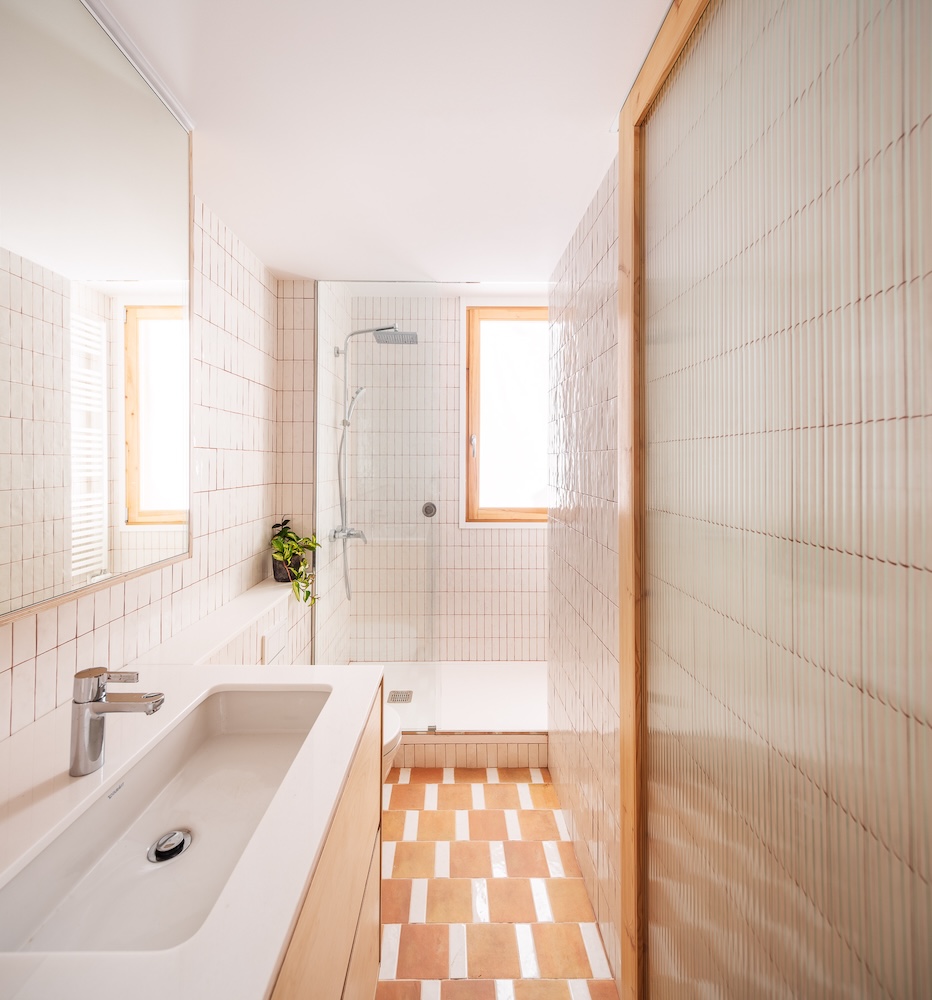
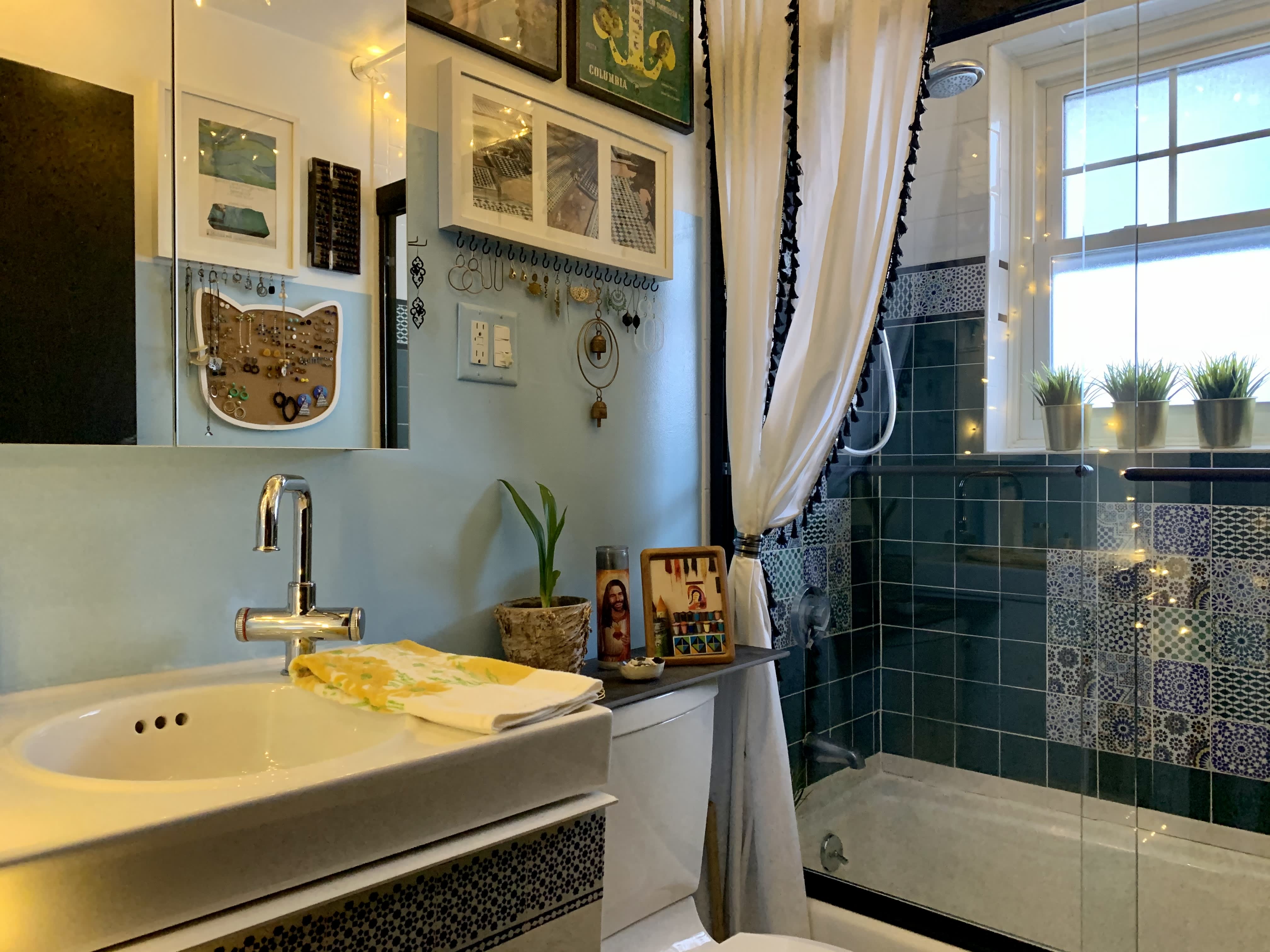
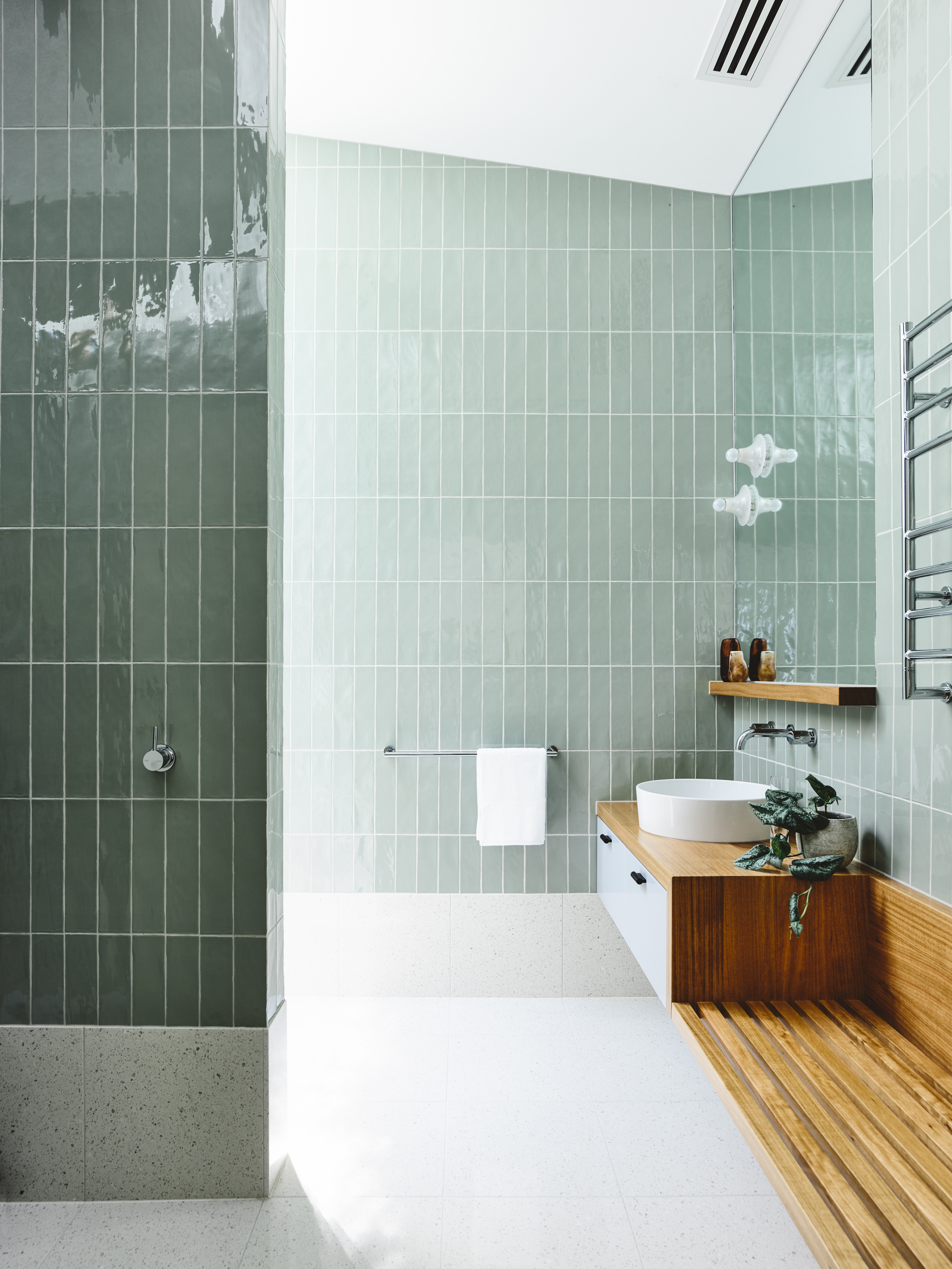
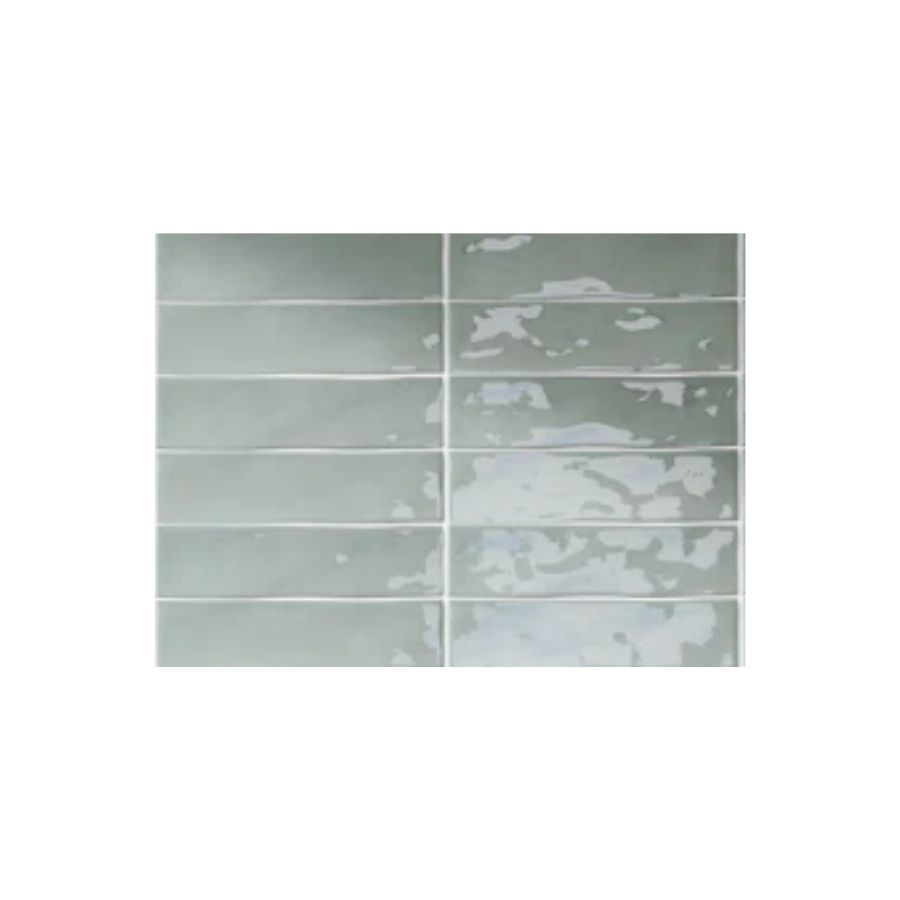
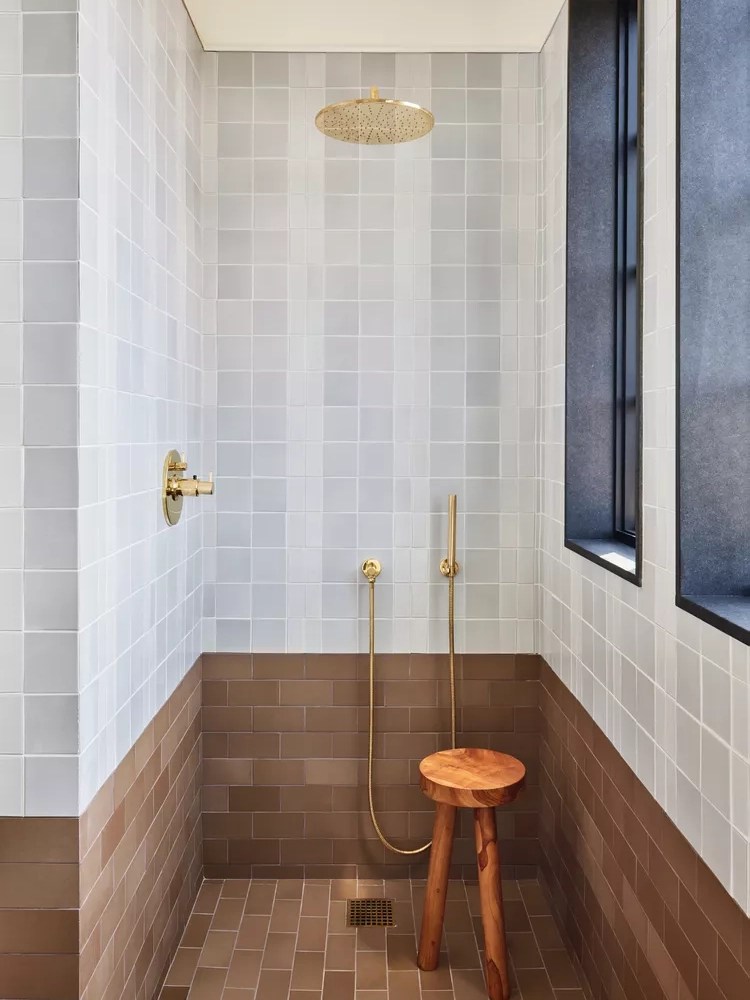
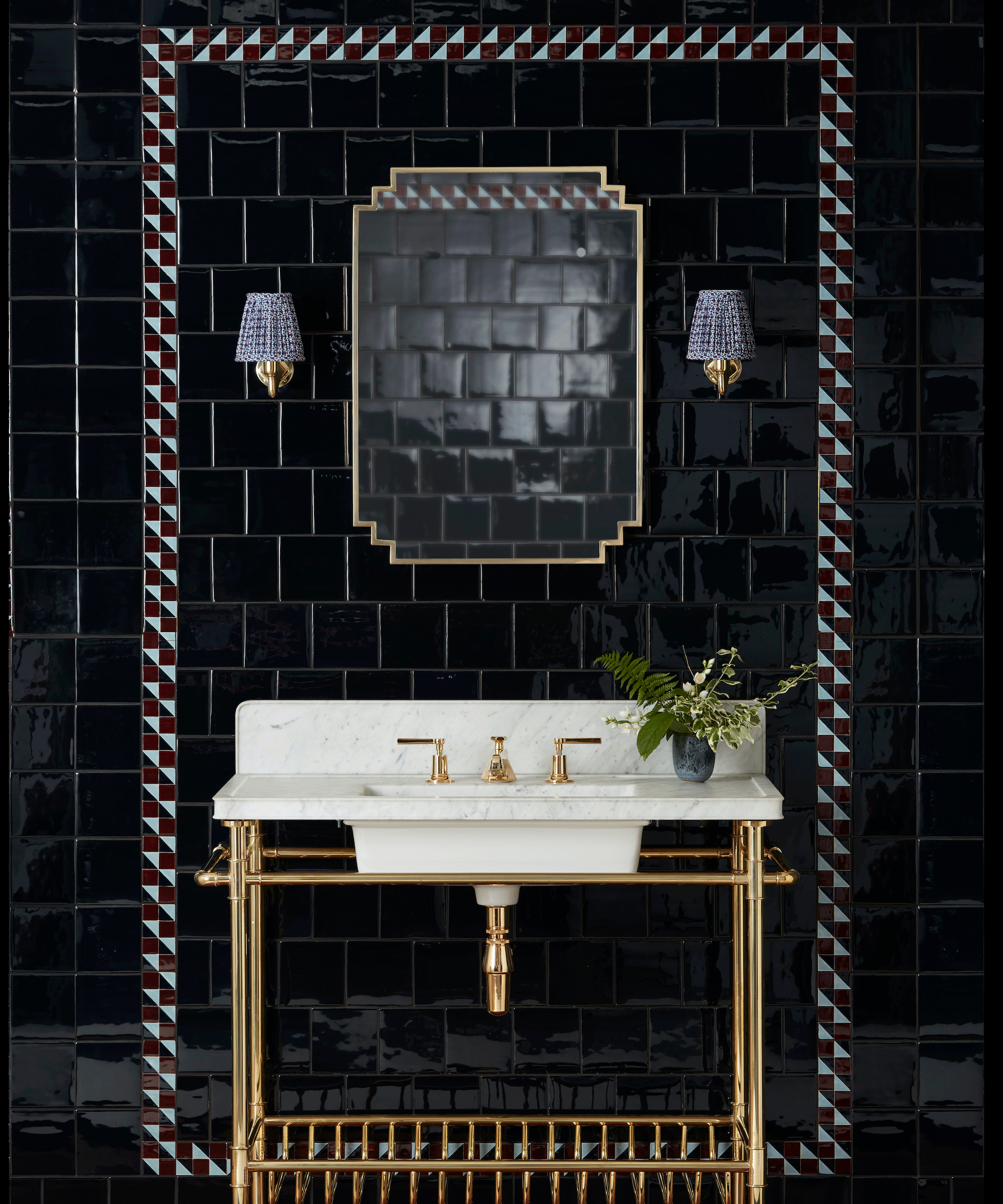
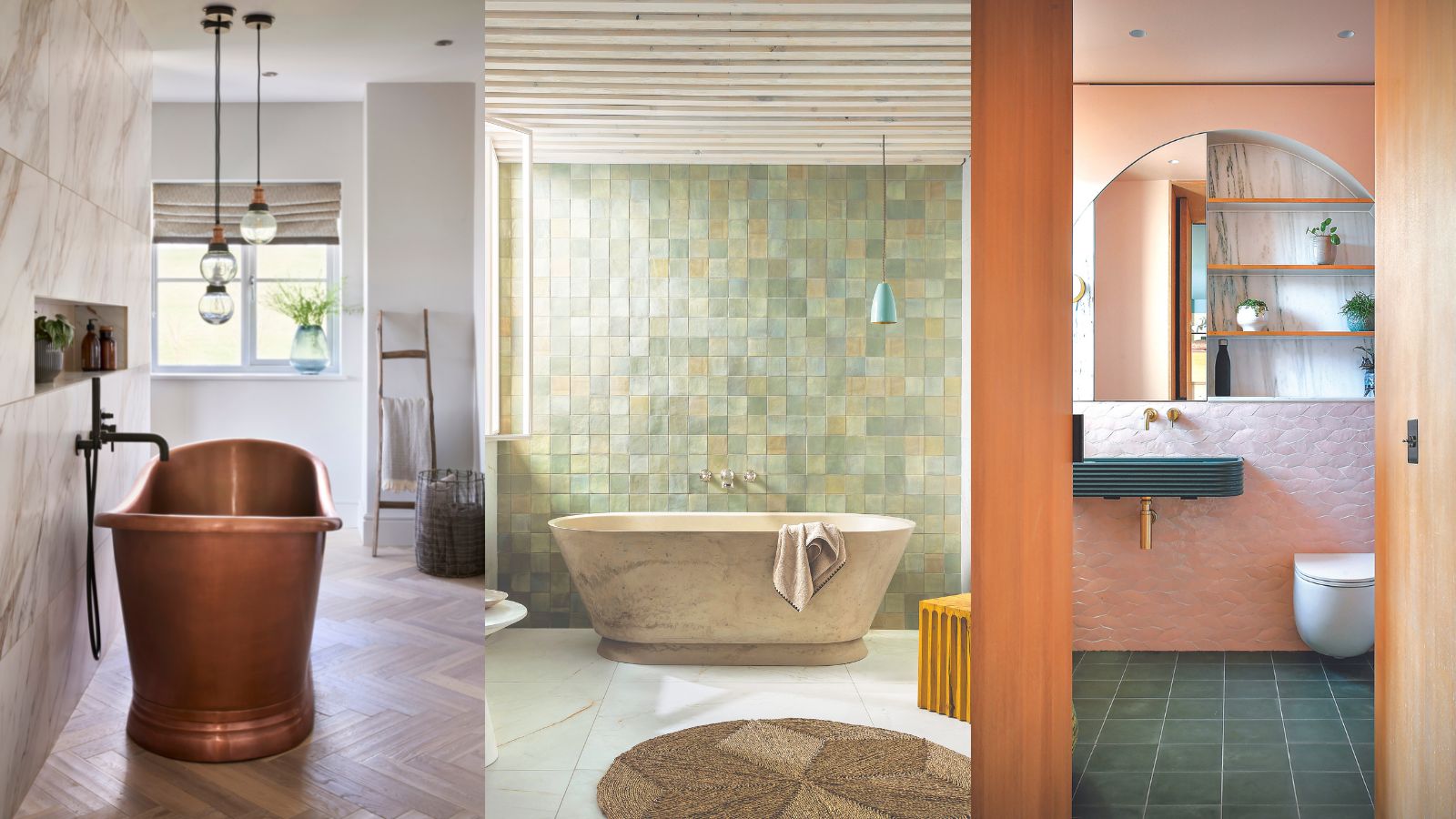
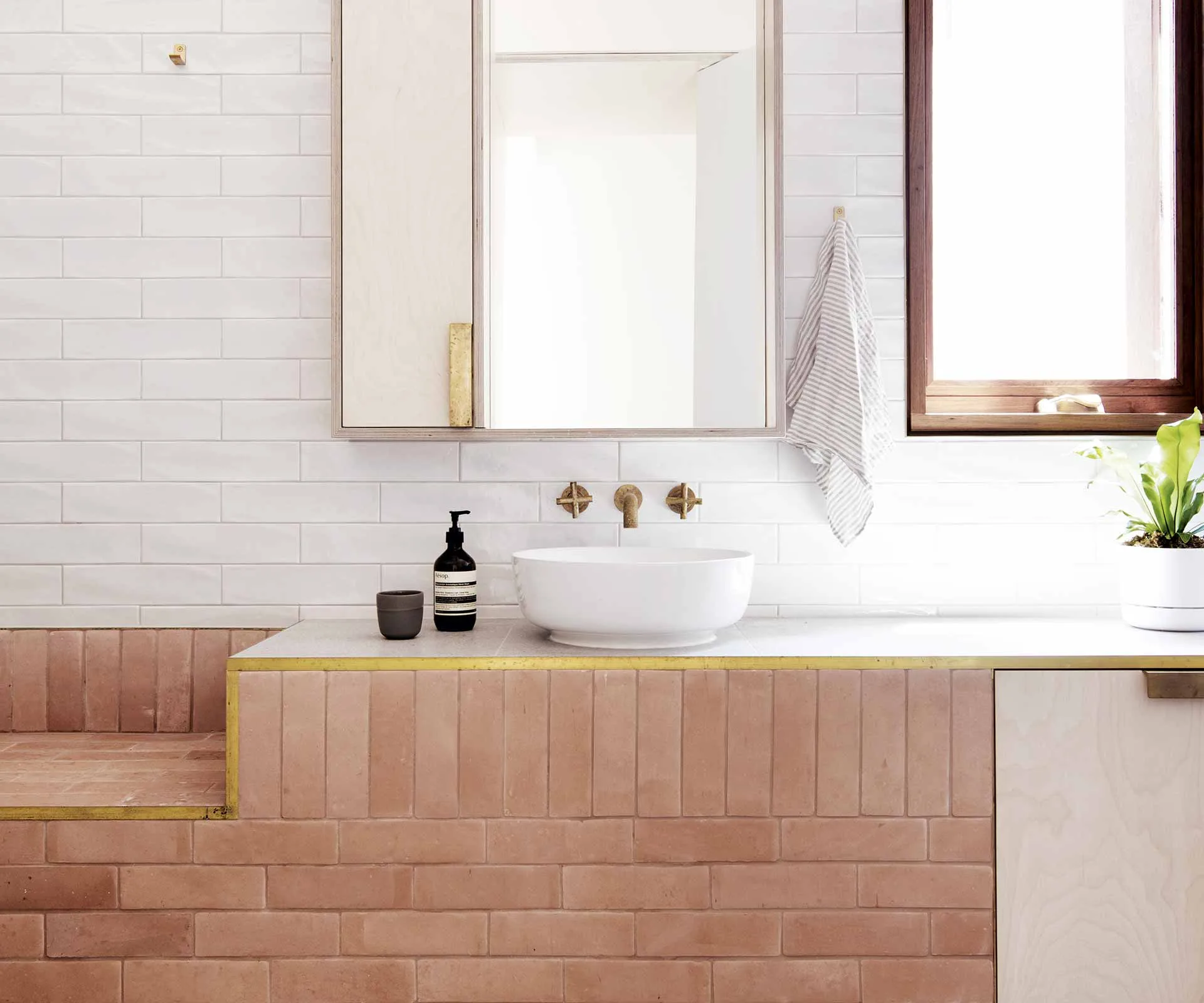
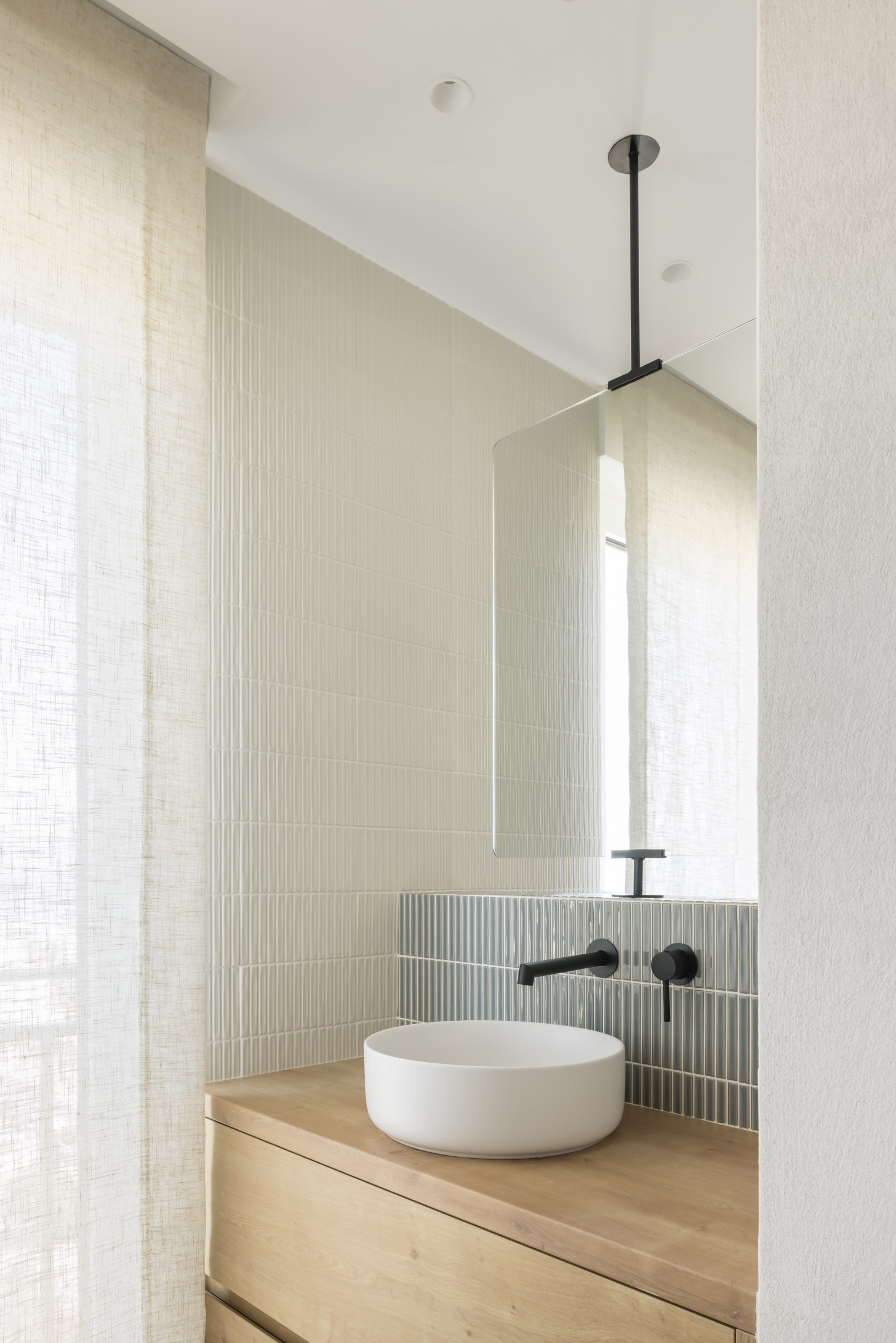
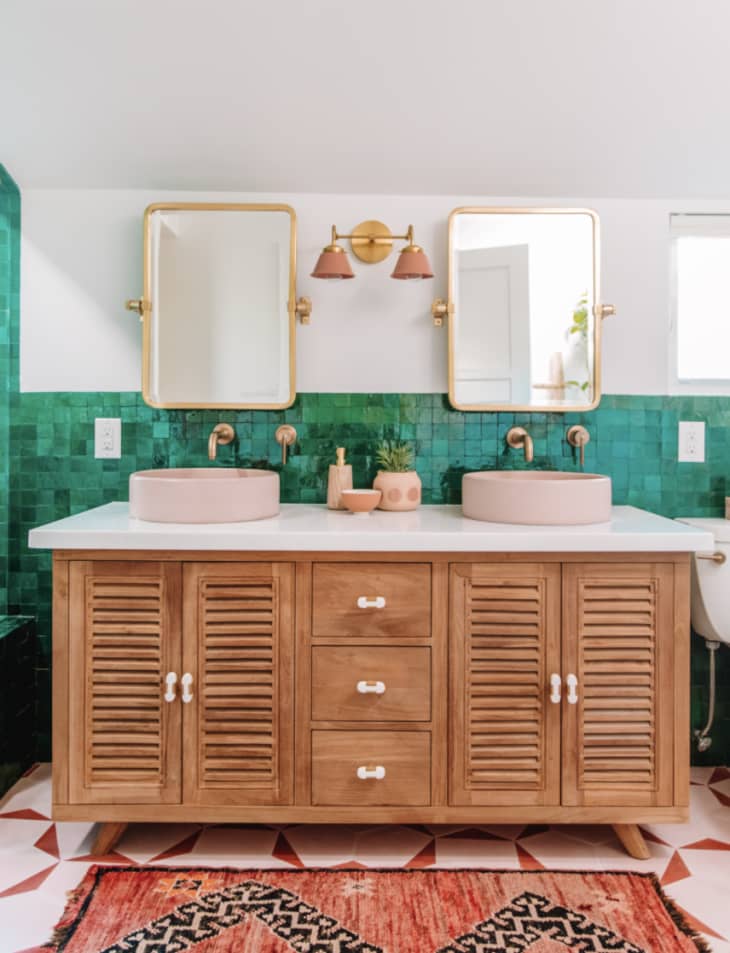
Another option is Zellige tiles, which offer a pearlescent effect with a gentle sheen and glow, perfect for creating a serene and relaxing bathroom atmosphere. These imperfect, handcrafted tiles pair well with materials like concrete or wood. Pauline Dellemotte of Atelier Ochre highlights their beauty when combined with natural terracotta tiles and used in contemporary graphic patterns, reflecting light and adding dynamism. Strategic placement near windows or with appropriate bathroom lighting maximizes their visual impact.
Limewash paint provides a soft, chalky texture and depth. Made from crushed limestone, water, and pigments, it offers environmental benefits and a gentle, 'broken' color effect that builds up in layers. Jamie Davis of Portola Paints describes limewash as a natural, brush-applied coating that creates a weathered patina with subtle movement and unique color variations. While not fully waterproof, a lime sealant can enhance its water resistance. Emily Brown of Emily Lewis Interiors suggests a water-resistant sealant for limewash in bathrooms, cautioning against its use in showers or steam areas, where Tadelakt is a more suitable waterproof alternative.
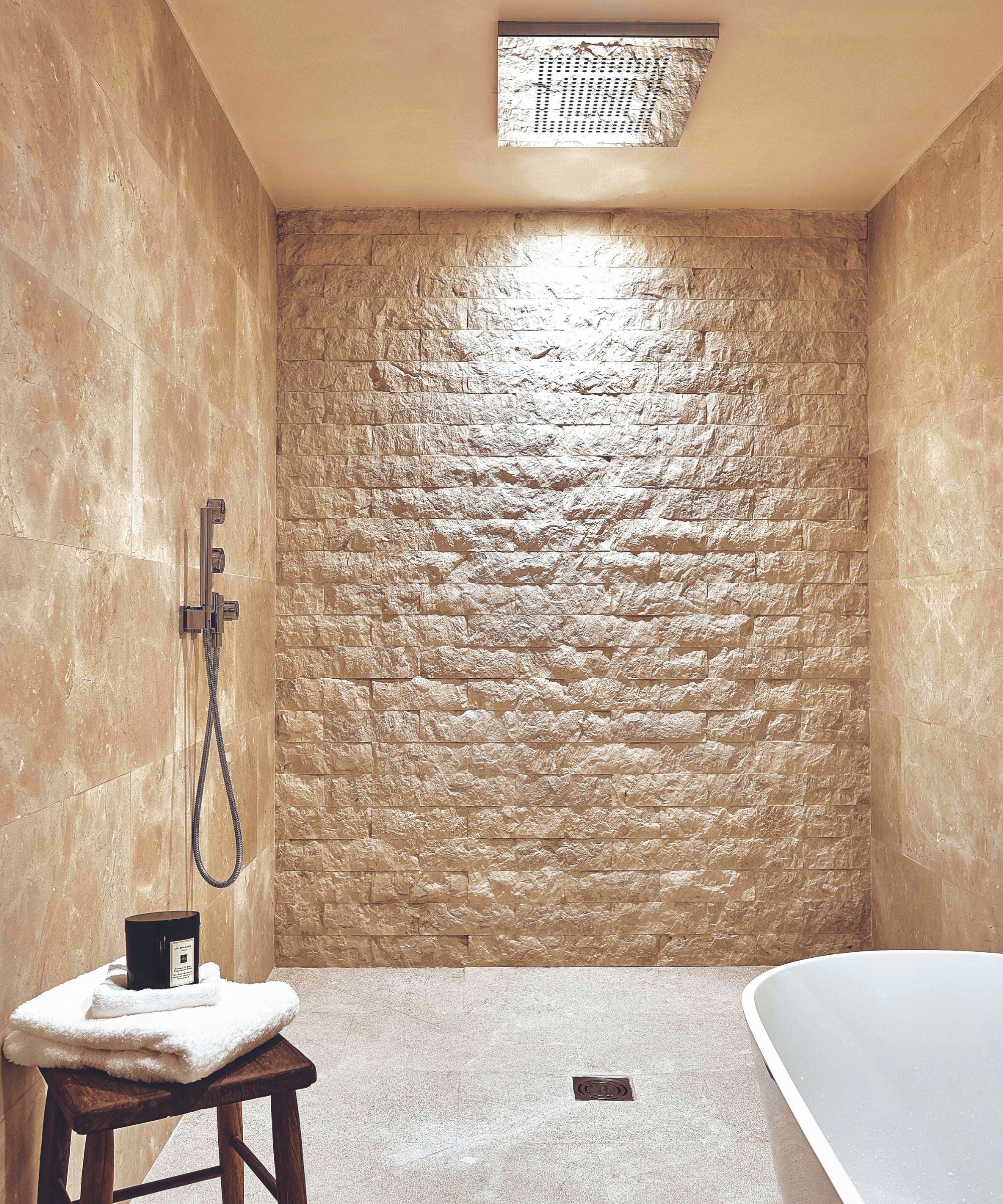
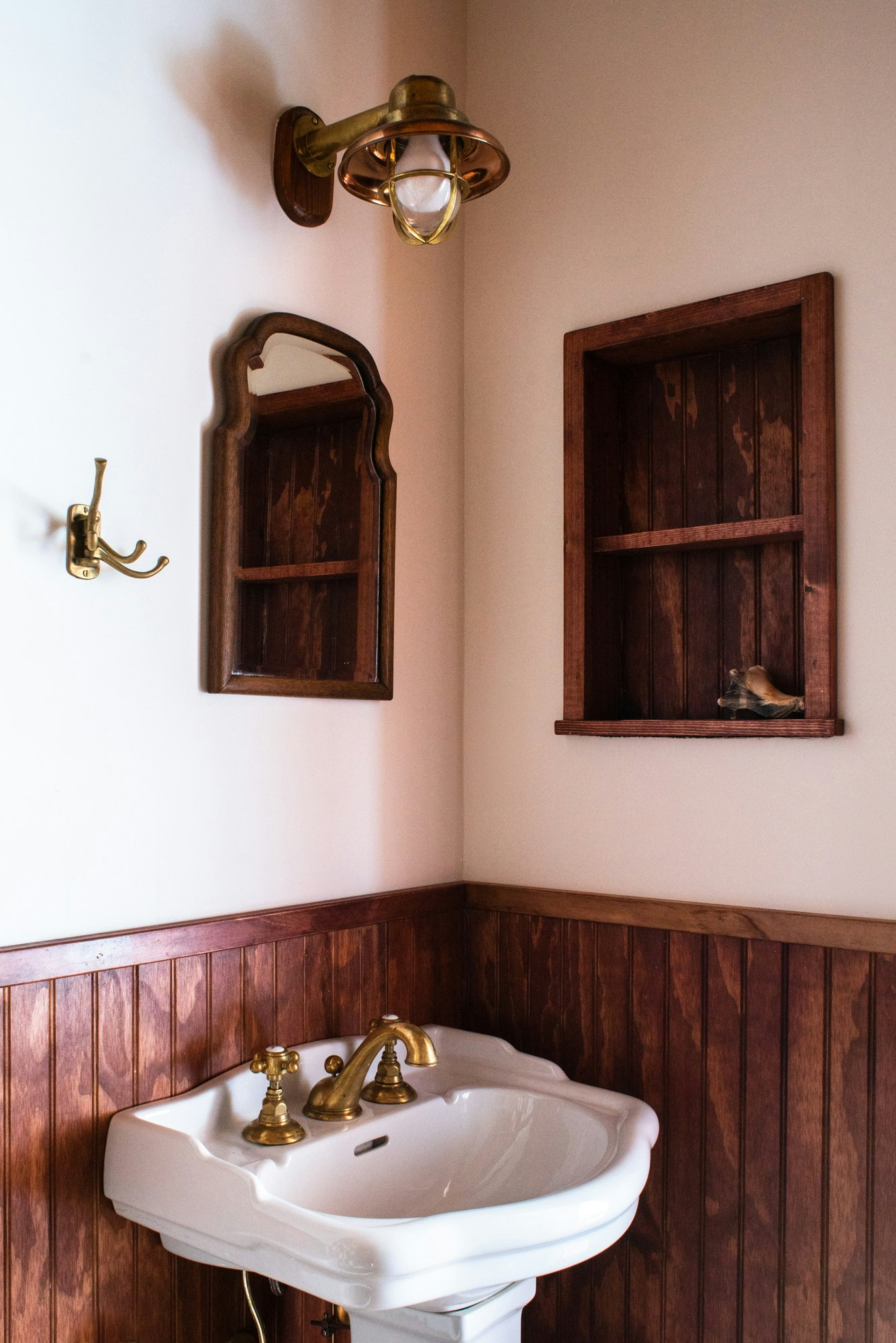
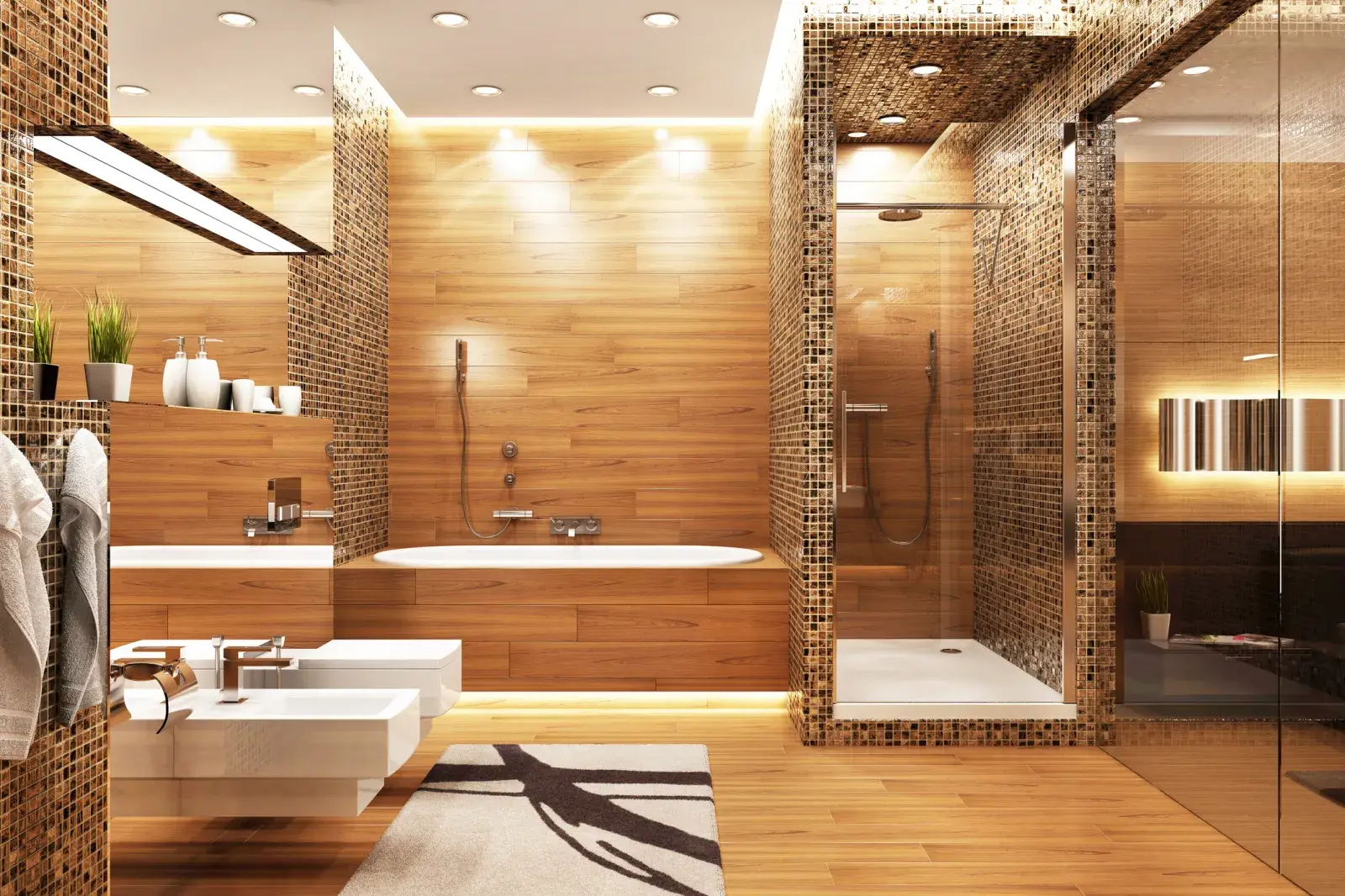
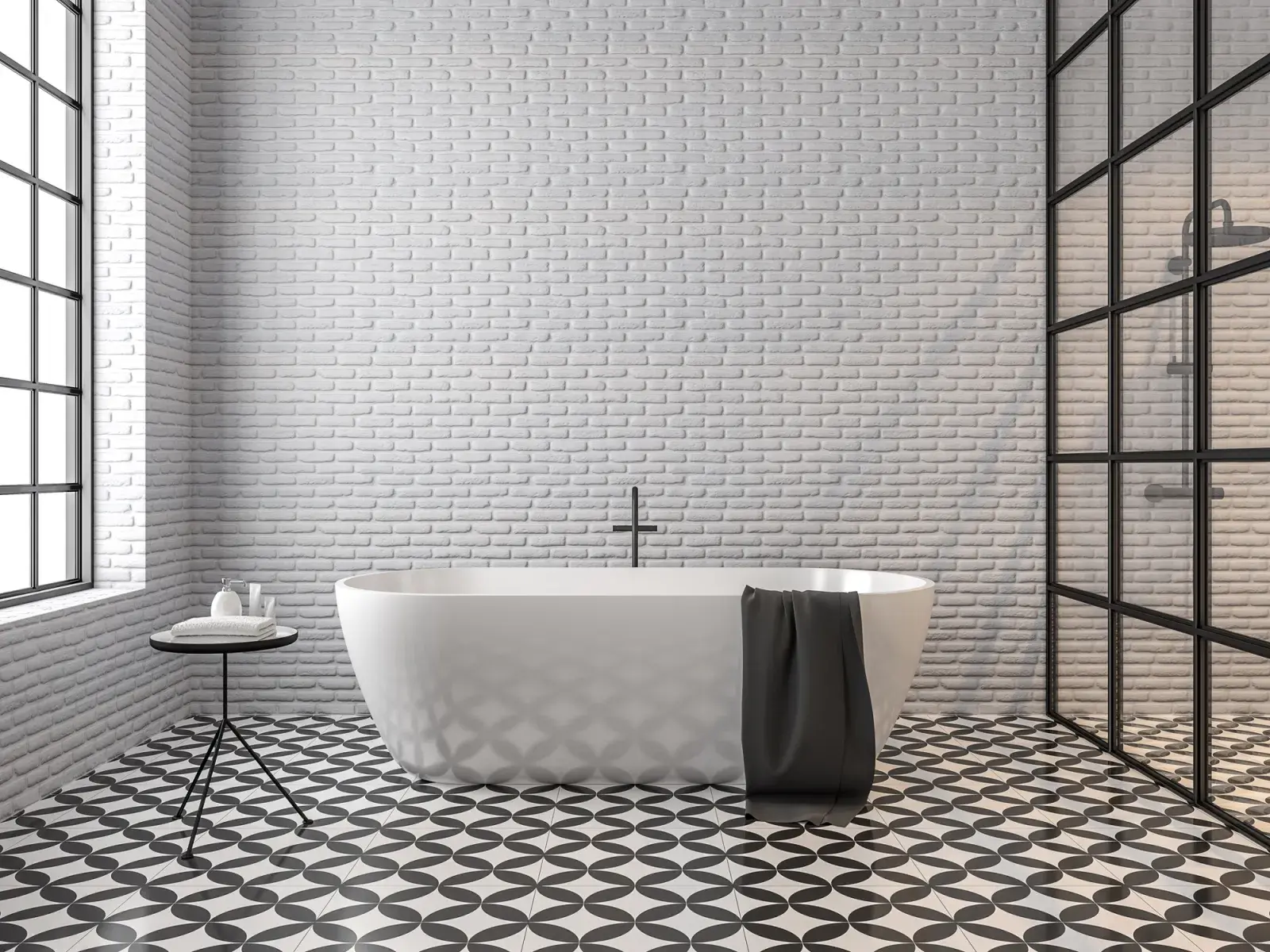
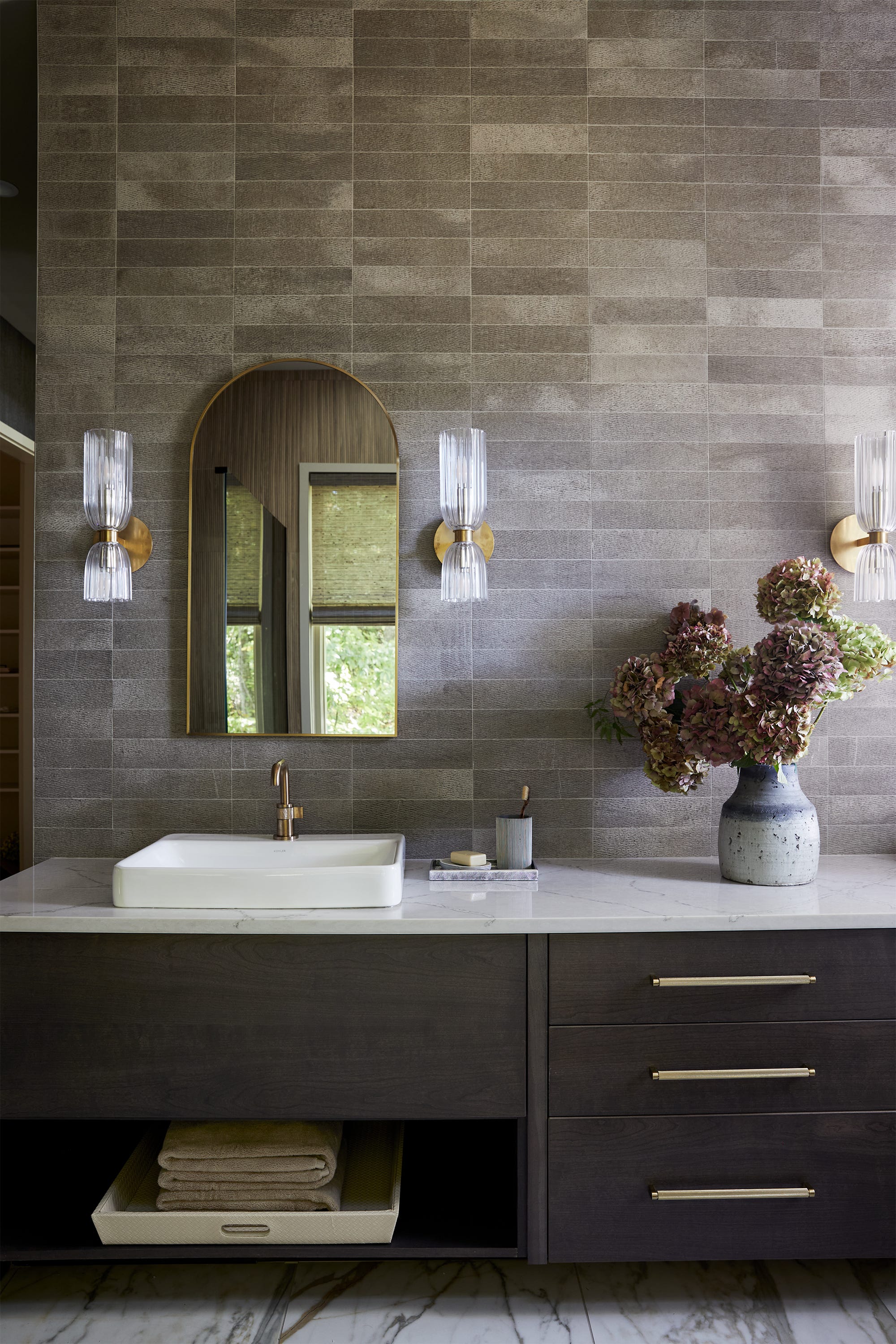
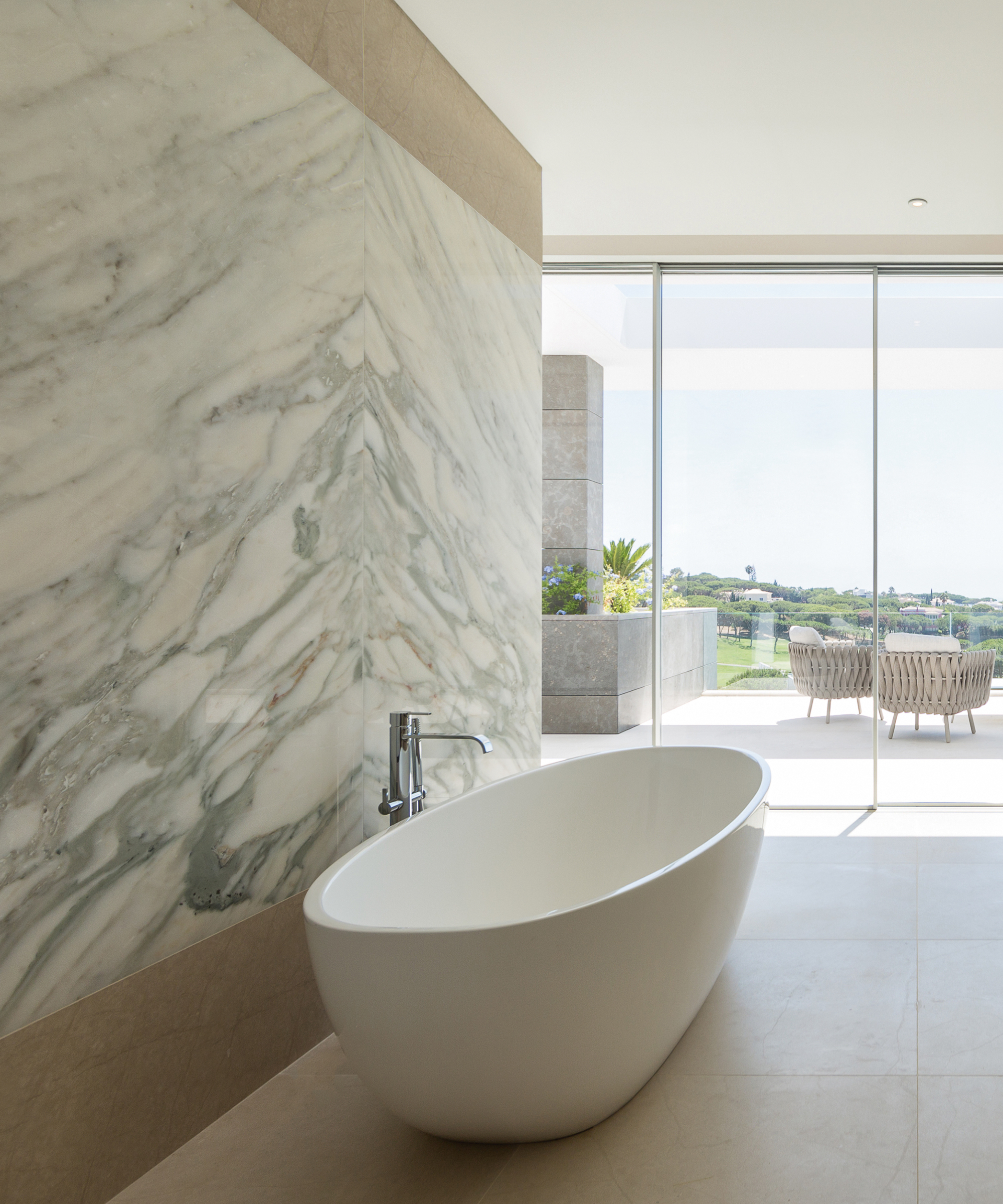
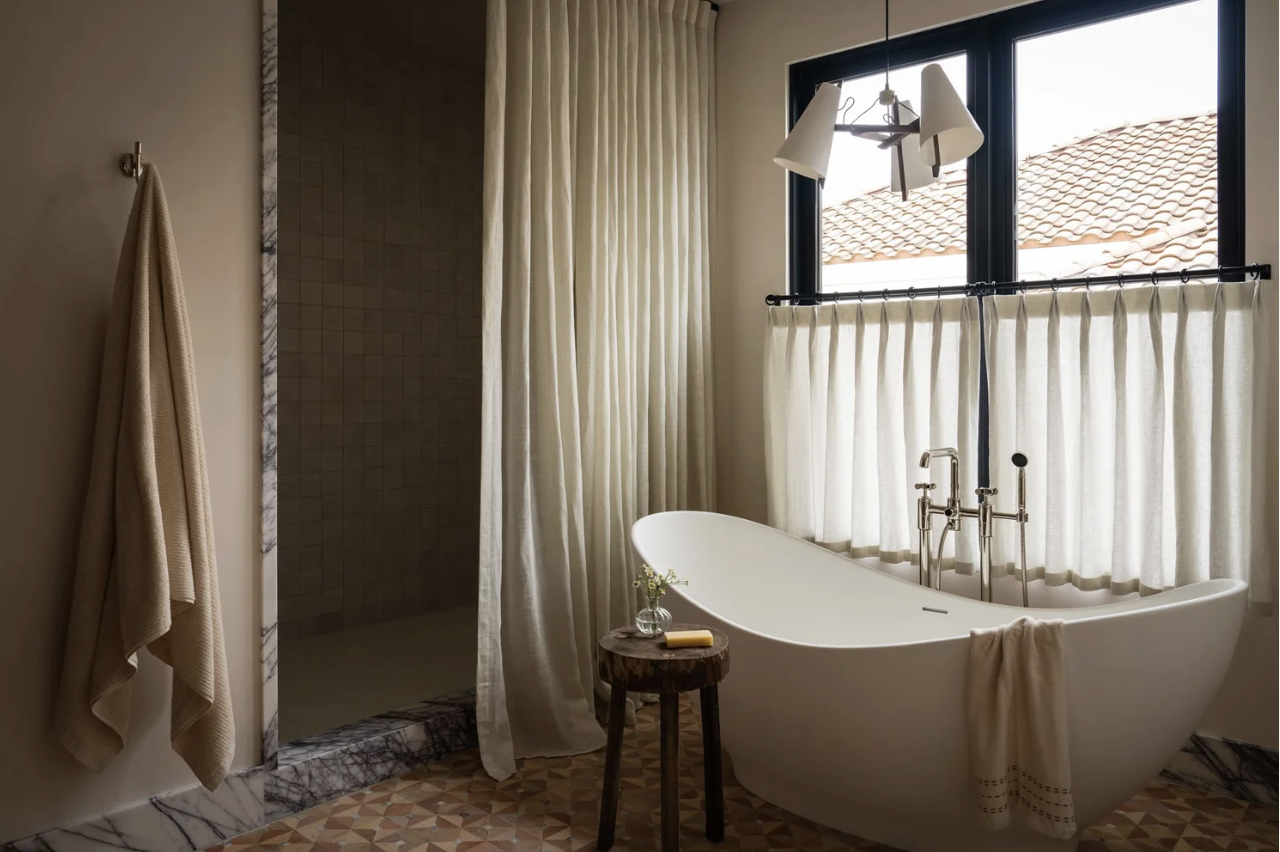
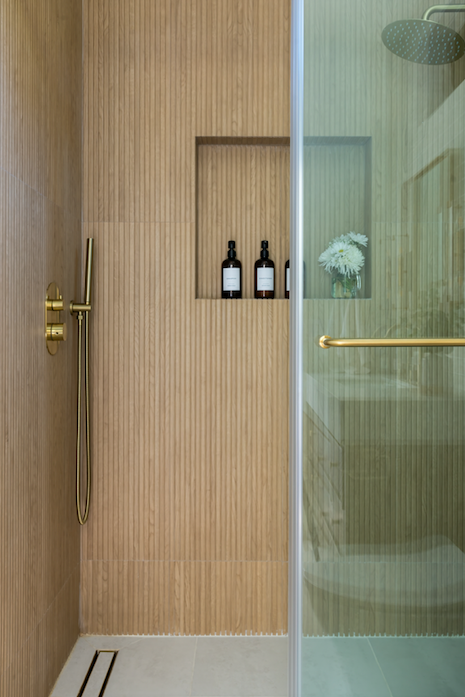
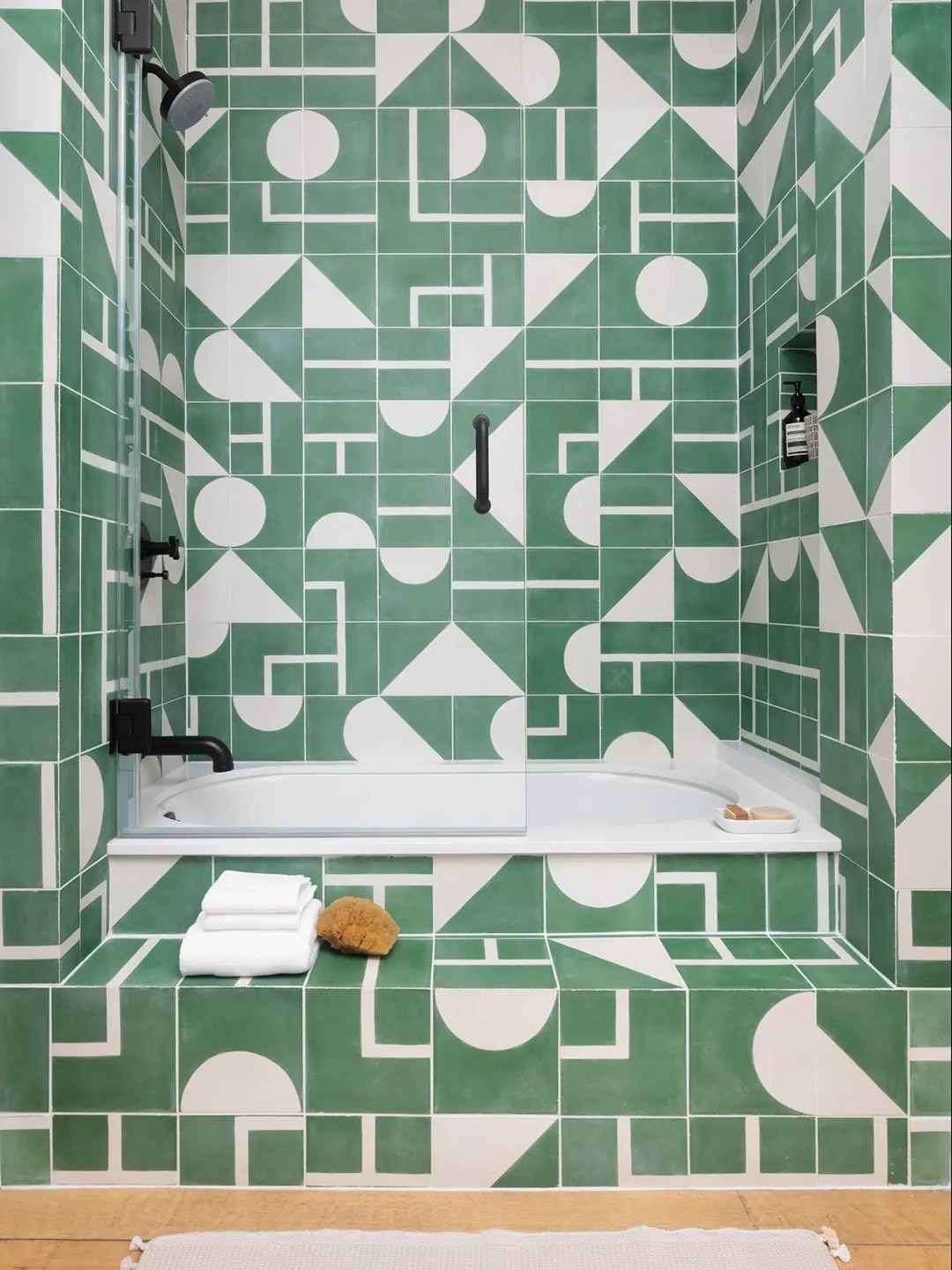
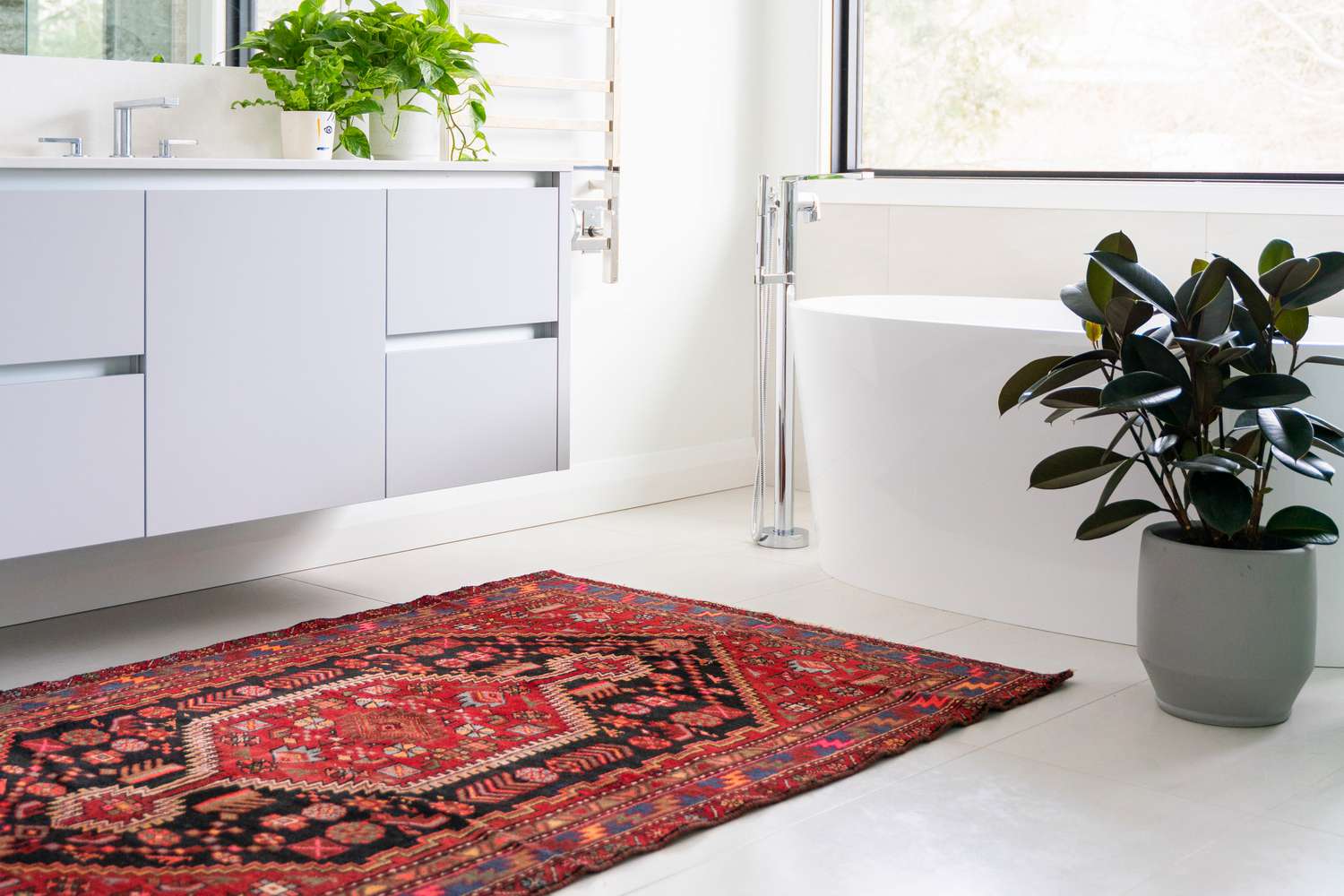
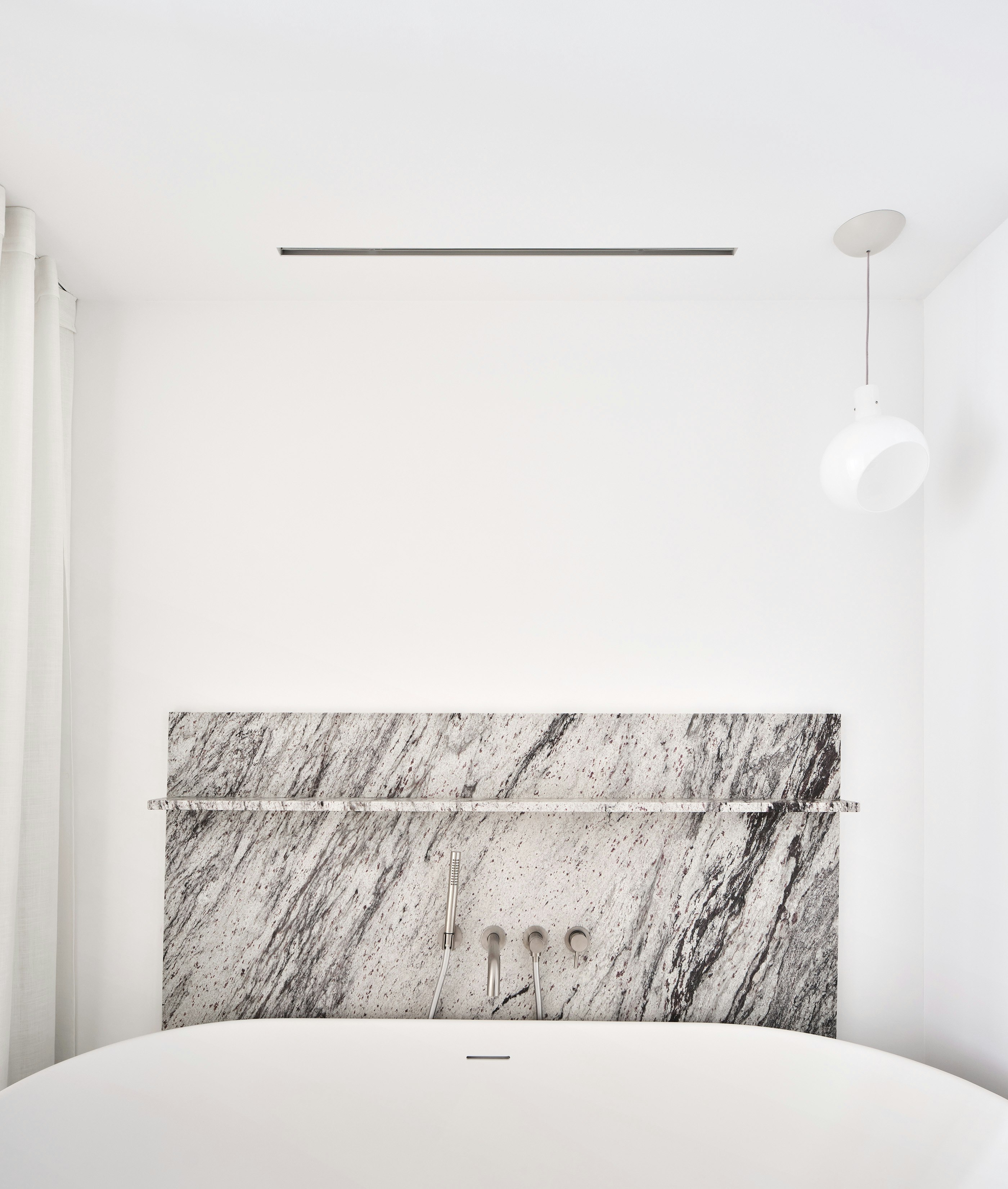
Paneled wood, particularly slatted cladding or shiplap, can introduce warmth and a modern sauna aesthetic to bathrooms. Proper sealing is crucial due to wood's sensitivity to moisture. Natural stone, such as limestone, provides a durable, spa-like, cave-like feel. It is resistant to bacteria and mold, though regular resealing is necessary. Concrete offers a sleek, modern finish with a matte texture, creating a seamless and easy-to-clean surface. Studio Ben Allen demonstrates its versatility by mixing concrete with green pigment for a striking effect, noting that pre-cast concrete allows for faster installation with careful planning. Finally, designers can combine various textures, such as Zellige tiling with stone flooring and smooth walls, along with fabric rugs, to create a multi-layered, luxurious, and relaxing bathroom environment, as exemplified by designer Camilla Guinness.
#TexturedBathroomWalls #InteriorDesign #BathroomIdeas #Tadelakt #ZelligeTiles #LimewashPaint #WoodenPanelling #NaturalStone #ConcreteFinishes #HomeRenovation #TexturedBathroomWalls #InteriorDesign #BathroomIdeas #Tadelakt #ZelligeTiles #LimewashPaint #WoodenPanelling #NaturalStone #ConcreteFinishes #HomeRenovation
0 ความคิดเห็นรวม
 ยังไม่มีความคิดเห็น
คุณอาจจะชอบอีกด้วย
Textured bathroom wall ideas – 10 ways to create interest with imaginative treatments
Bathroom Wall Decor Ideas to Transform Your Home

16 bathroom tile ideas to transform your space

21 Beautiful Ways to Decorate Your Bathroom Walls, From Vintage Art to Statement Mirrors
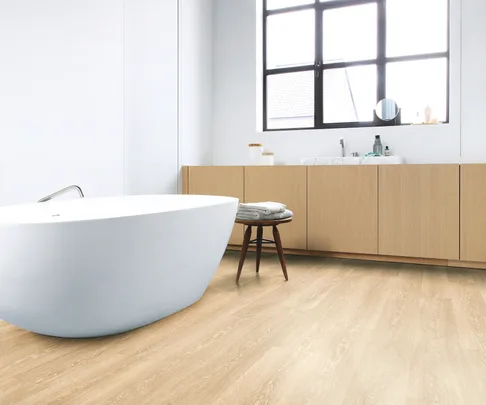
6 of the latest bathroom flooring options

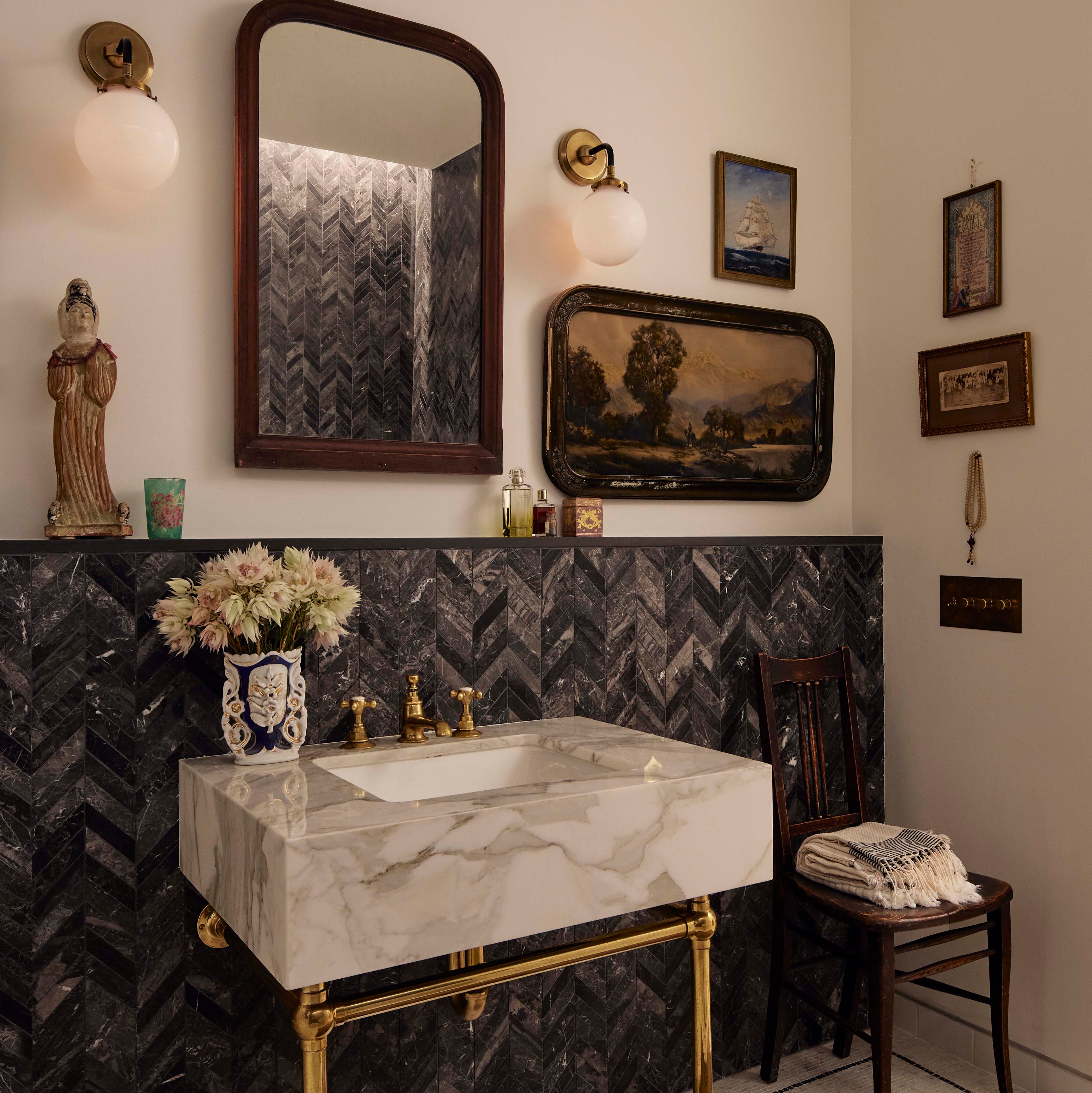
Refreshing THIS Design Feature Can Completely Transform Your Bathroom

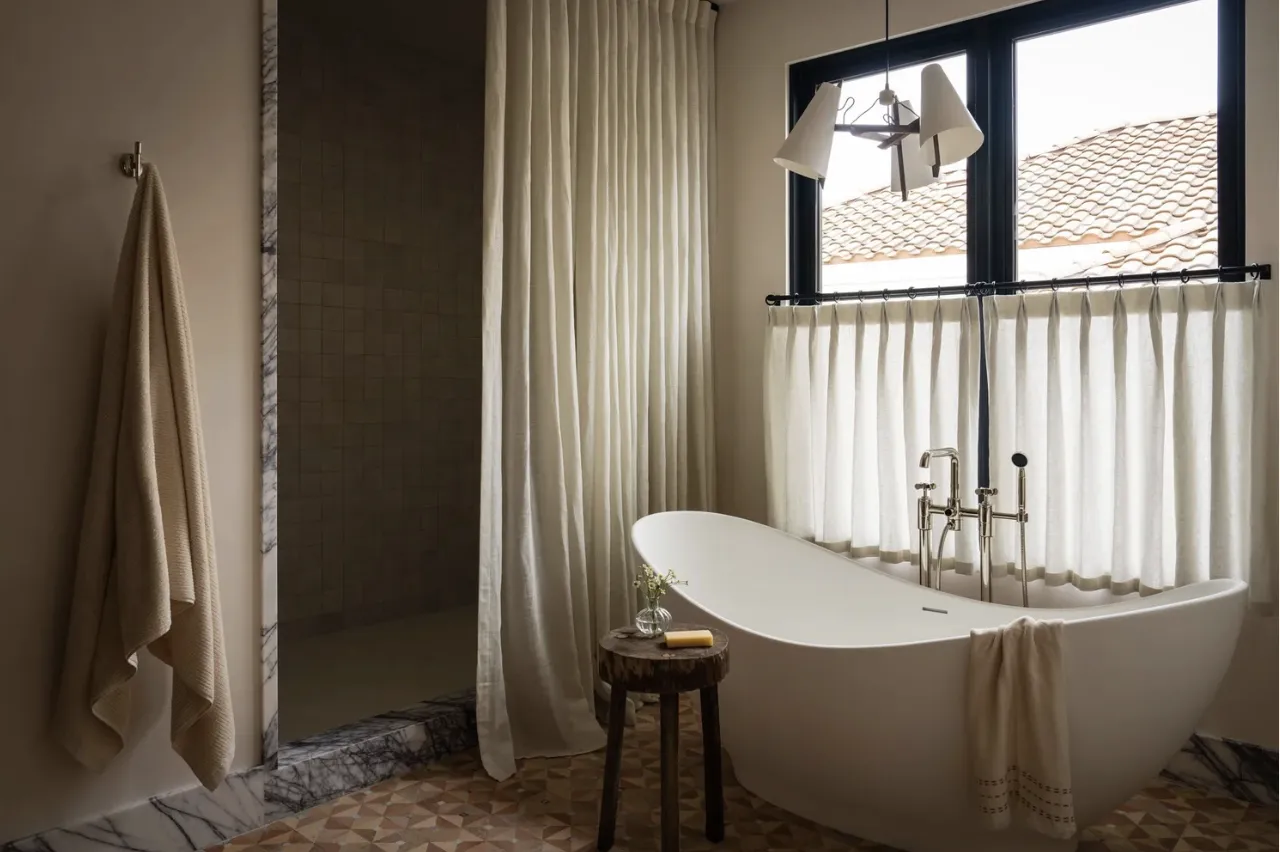
6 Bathroom Trends Designers Are Loving for 2026 (And You Will Too)

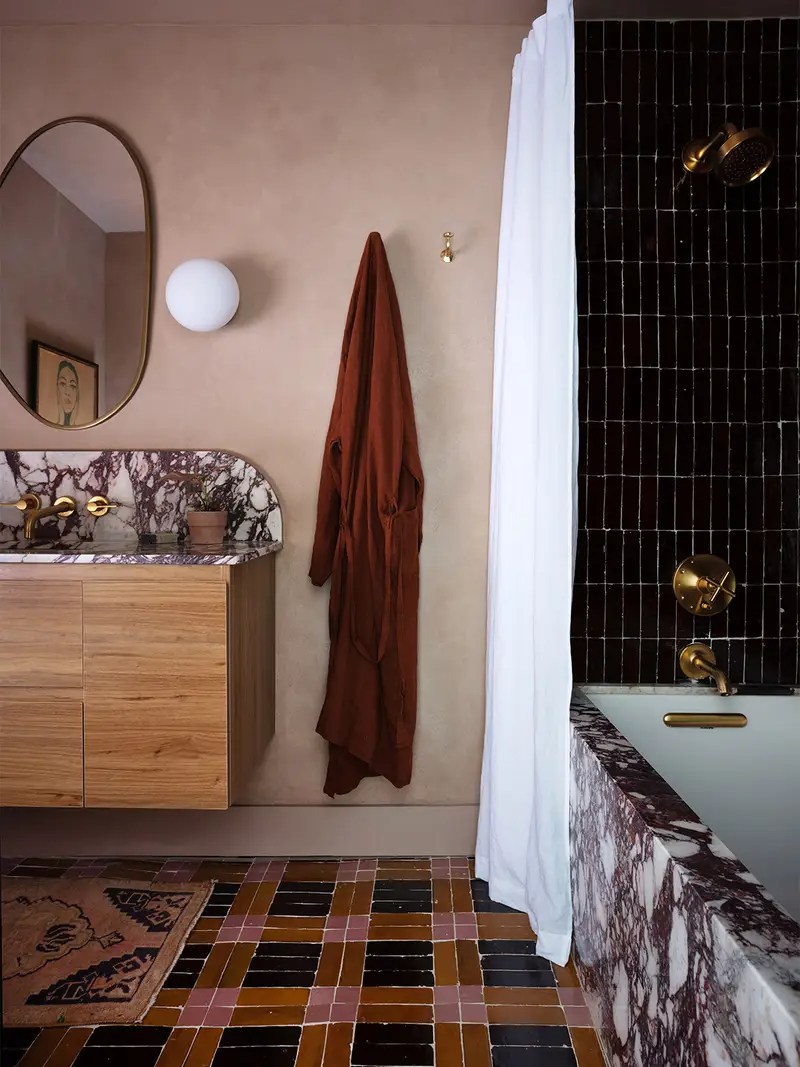
Treat Your Shower Wall as a Mural, and 14 More Bathroom Tile Ideas That Make a Splash
6 bathroom decor ideas that will inspire a cosmetic makeover
These Are the 5 Best Bathroom Wall Options
16 bathroom tile ideas to transform your space

6 captivating bathroom designs that spotlight earthy materials

Marble, Mosaics, and More: Trending Wallpaper for Bathrooms

5 Trendy Ways to Add More Color to the Bathroom
A Bathroom Is the Perfect Place for Color, and These 20 Spaces Are Proof
Bathroom wall ideas – 10 fresh ways to breathe life into your bathroom walls

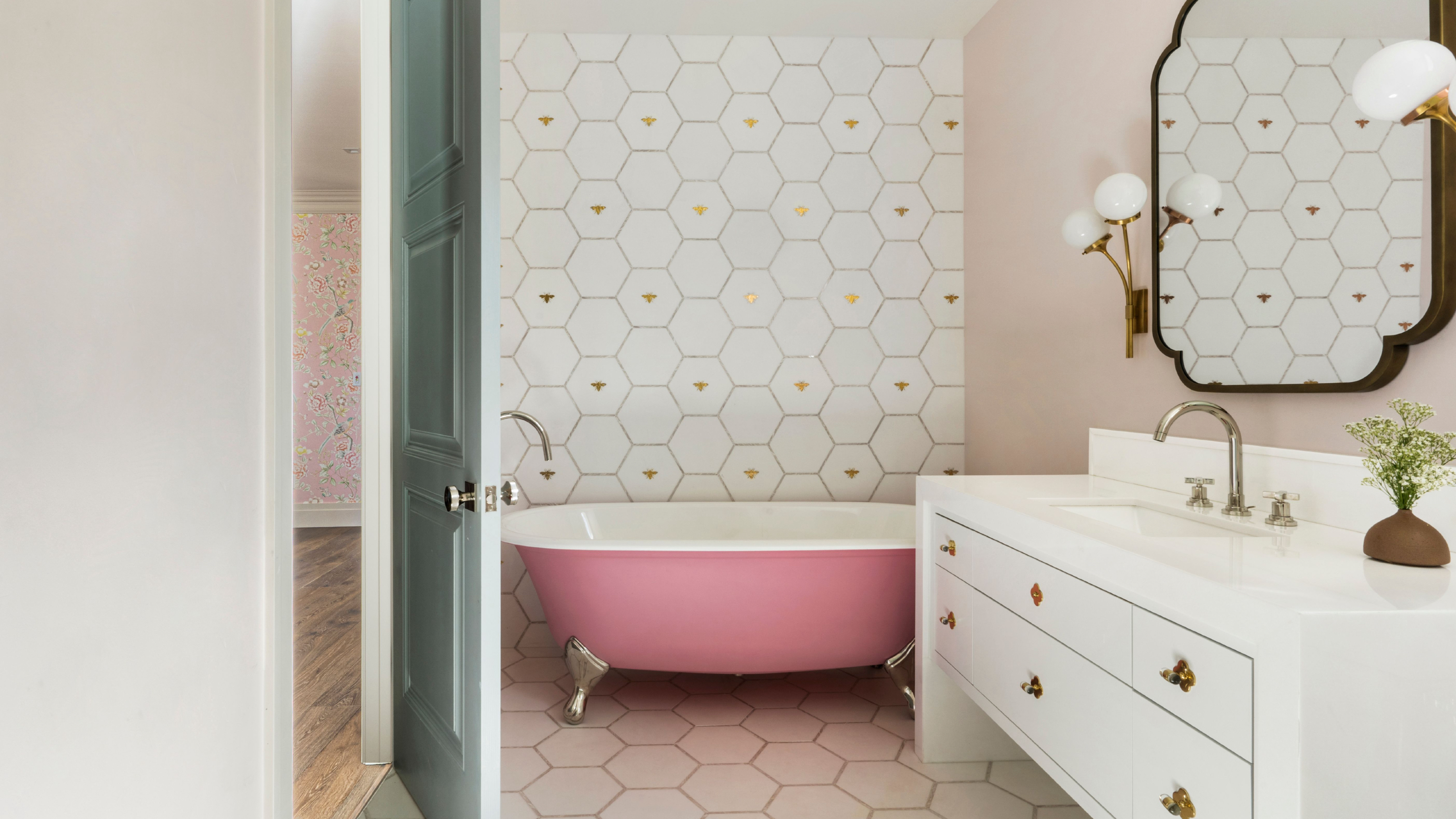
17 Modern Bathroom Wall Ideas

10 bathroom accent wall ideas – perk yours up with paint, tiles or wallpaper


Bathroom Tile Trends 2025 — What All the Best Dressed Bathroom Walls Are Wearing
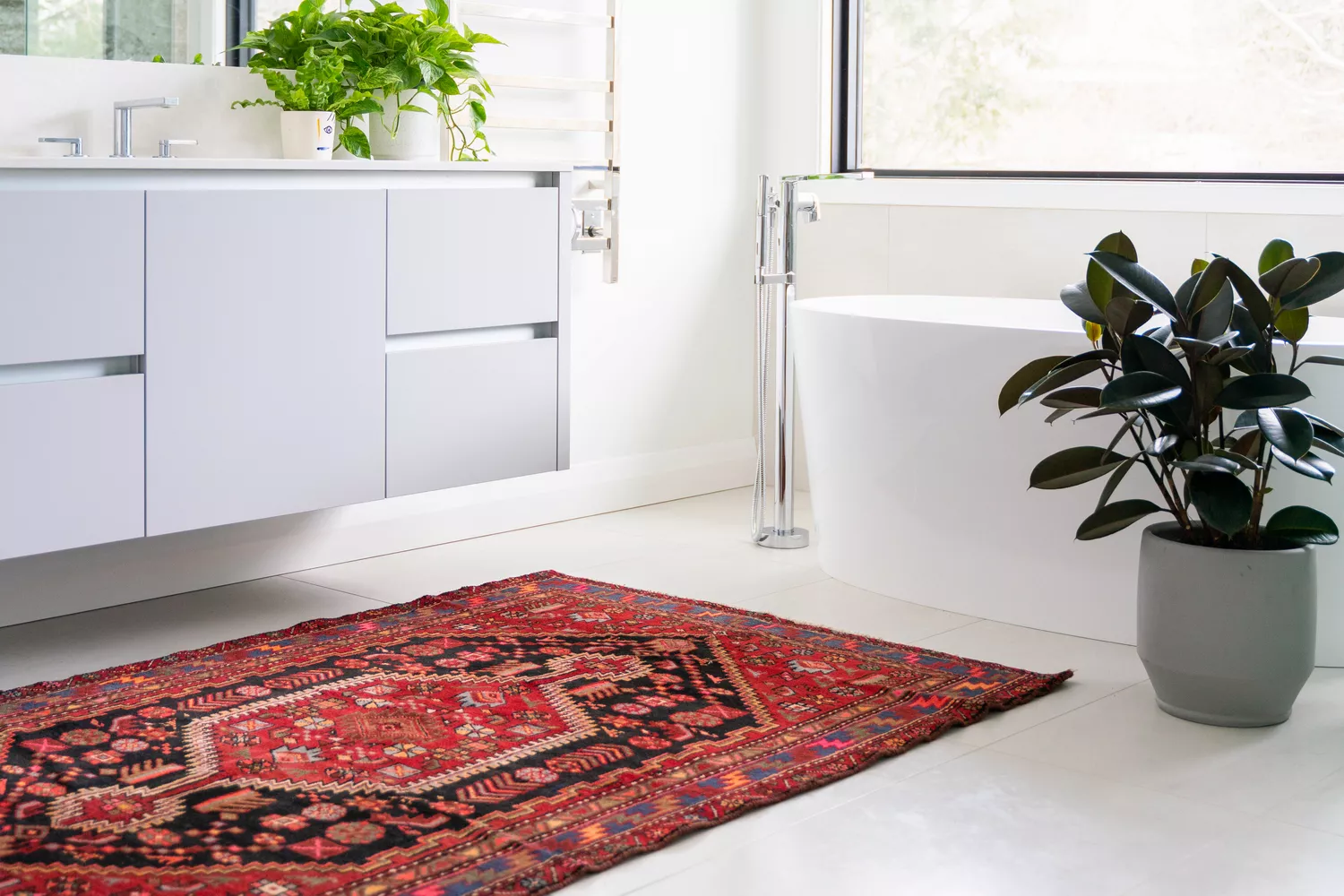
23 Bathroom Rug Ideas to Add Some Texture to Your Space