1/8
How to hide an ugly extractor fan for a sleek and stylish kitchen
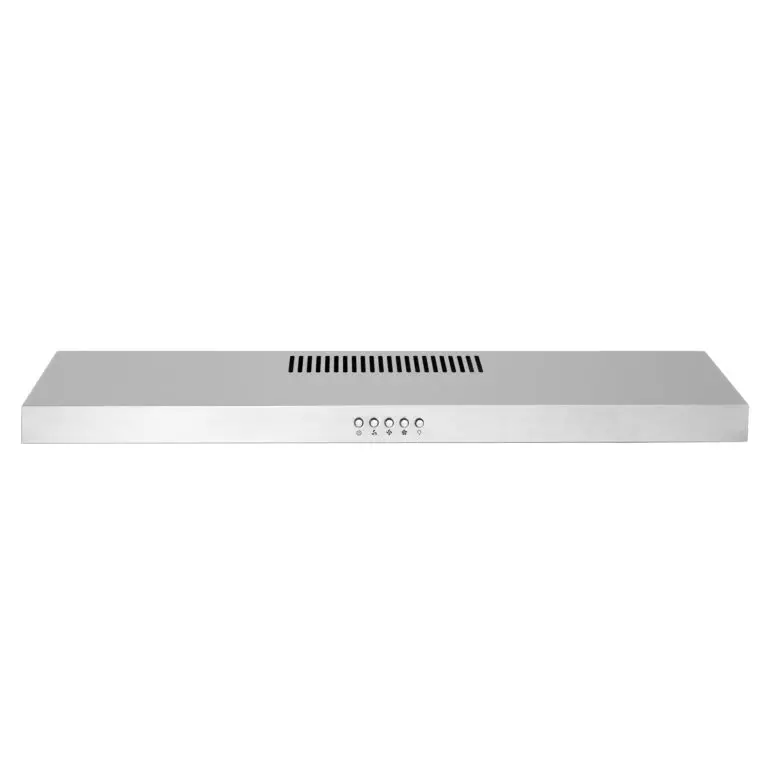
The increasing popularity of open-plan living has led to a desire for kitchens that function as comfortable living spaces, rather than purely utilitarian areas. This shift has amplified the challenge of integrating essential but often visually unappealing appliances, particularly extractor fans. Traditionally, extractor fans have been bulky and can obstruct views, making them an eyesore in modern kitchen designs. However, advanced technology now offers various discreet and aesthetically pleasing solutions for kitchen ventilation.
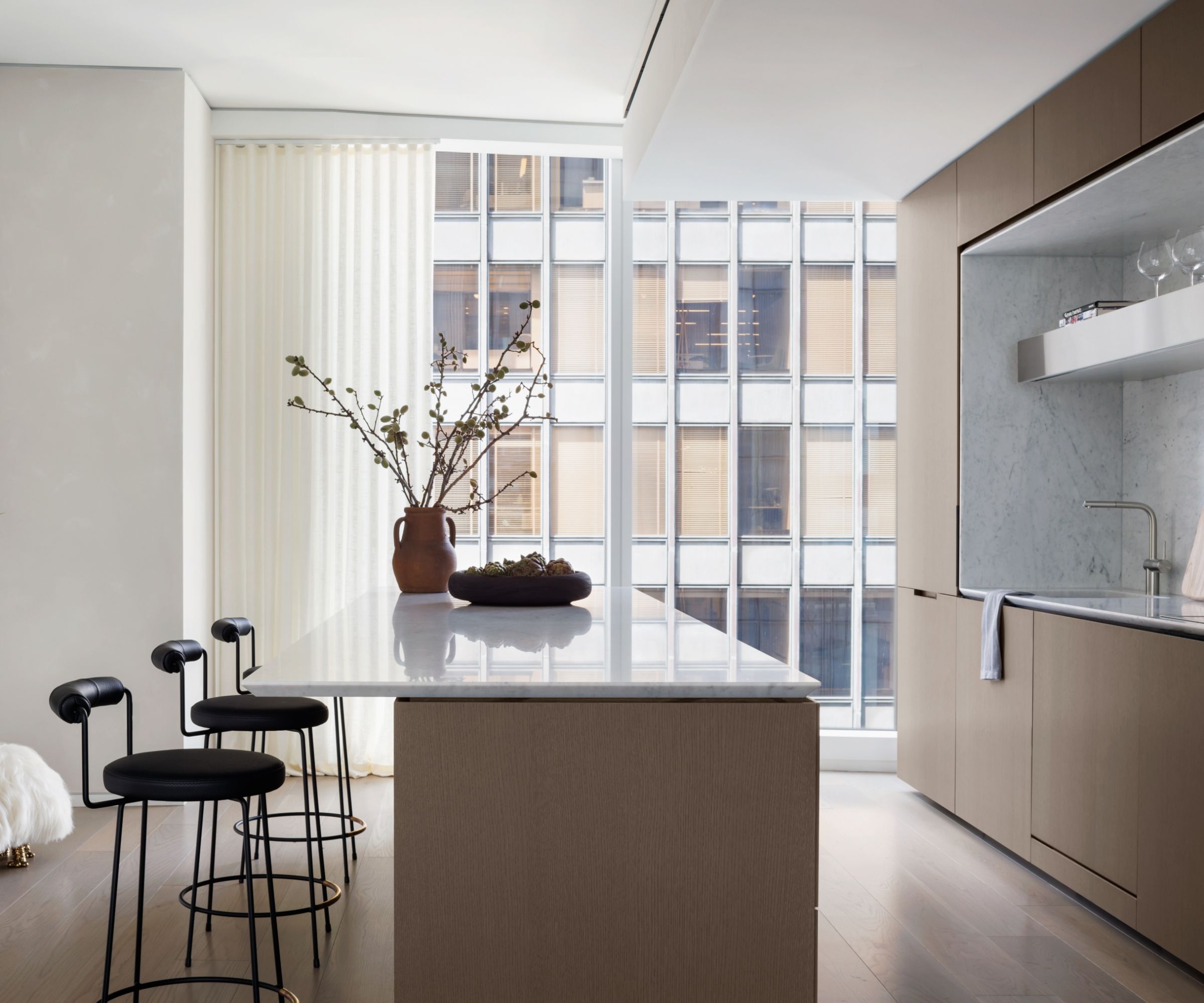
One effective method is to install a downdraft extractor, which rises from the worktop only when in use and retracts out of sight when not needed. These are particularly suitable for kitchen islands in open-plan layouts, as they maintain clear sightlines. While steam naturally rises, modern downdraft extractors are highly efficient, making them a practical choice for most households. Clear glass designs further minimize their visual impact, even when raised.
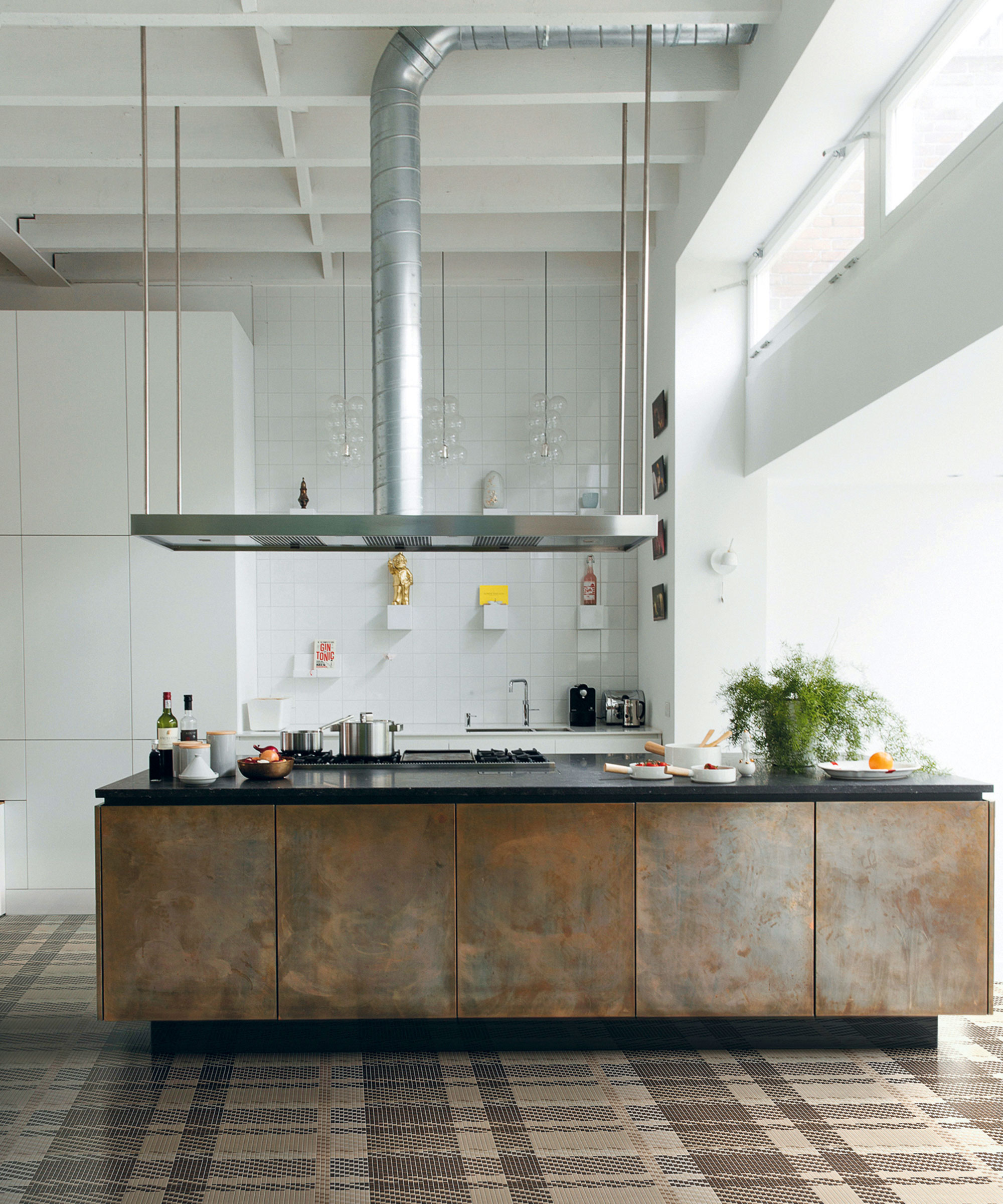
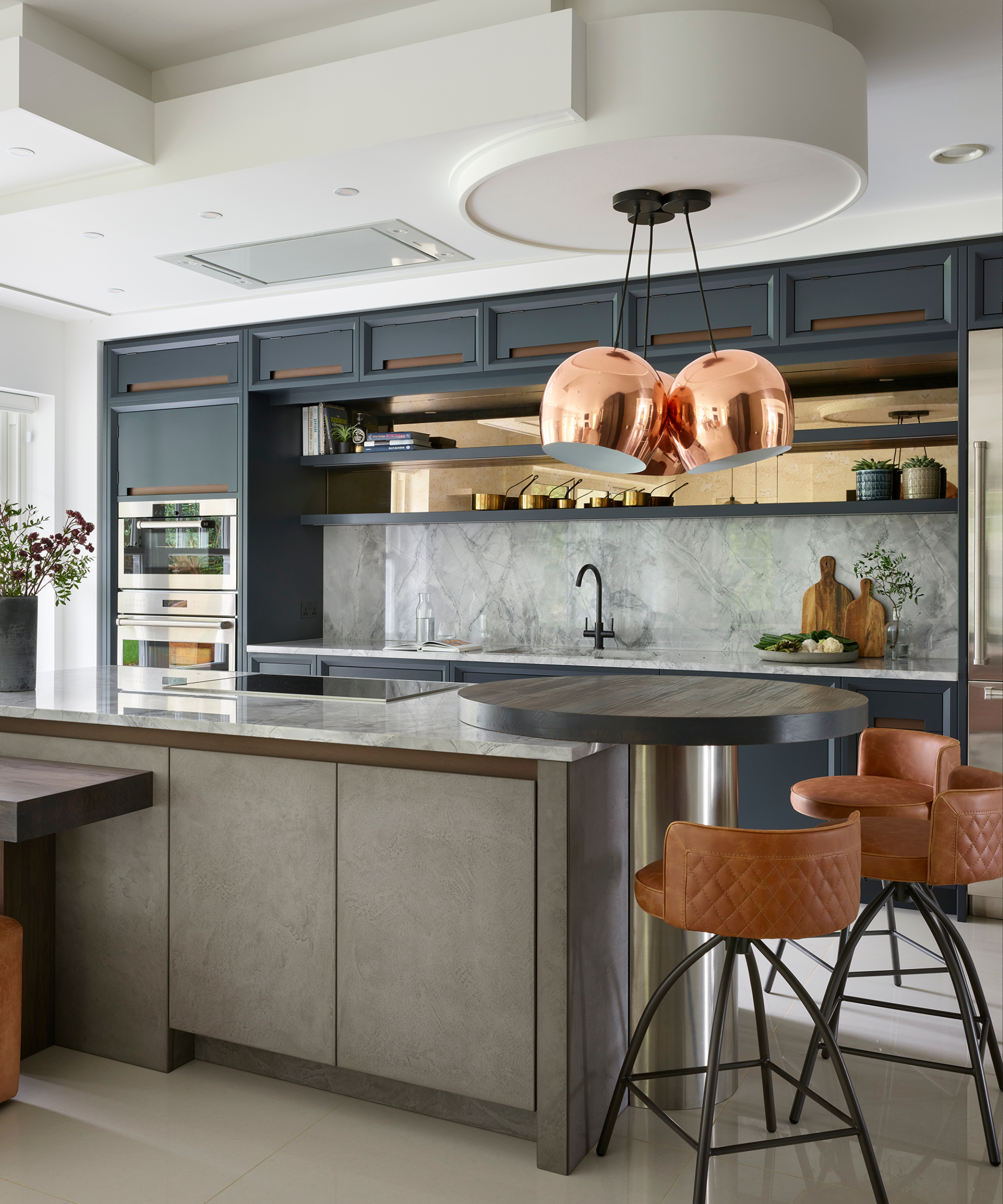
Another option involves ceiling extractors that sit flush with the ceiling, eliminating any dangling obstructions. This design is ideal for kitchen islands, preventing visual divisions in the room. In some cases, a dropped ceiling can be installed above the island to house the extractor, bringing it closer to the hob for improved performance, especially in rooms with high ceilings. Ceiling extractors often include integrated task and ambient lighting, providing essential illumination while cooking. These minimalist designs can also be a cost-effective solution, especially when color-matched to the ceiling for maximum camouflage.
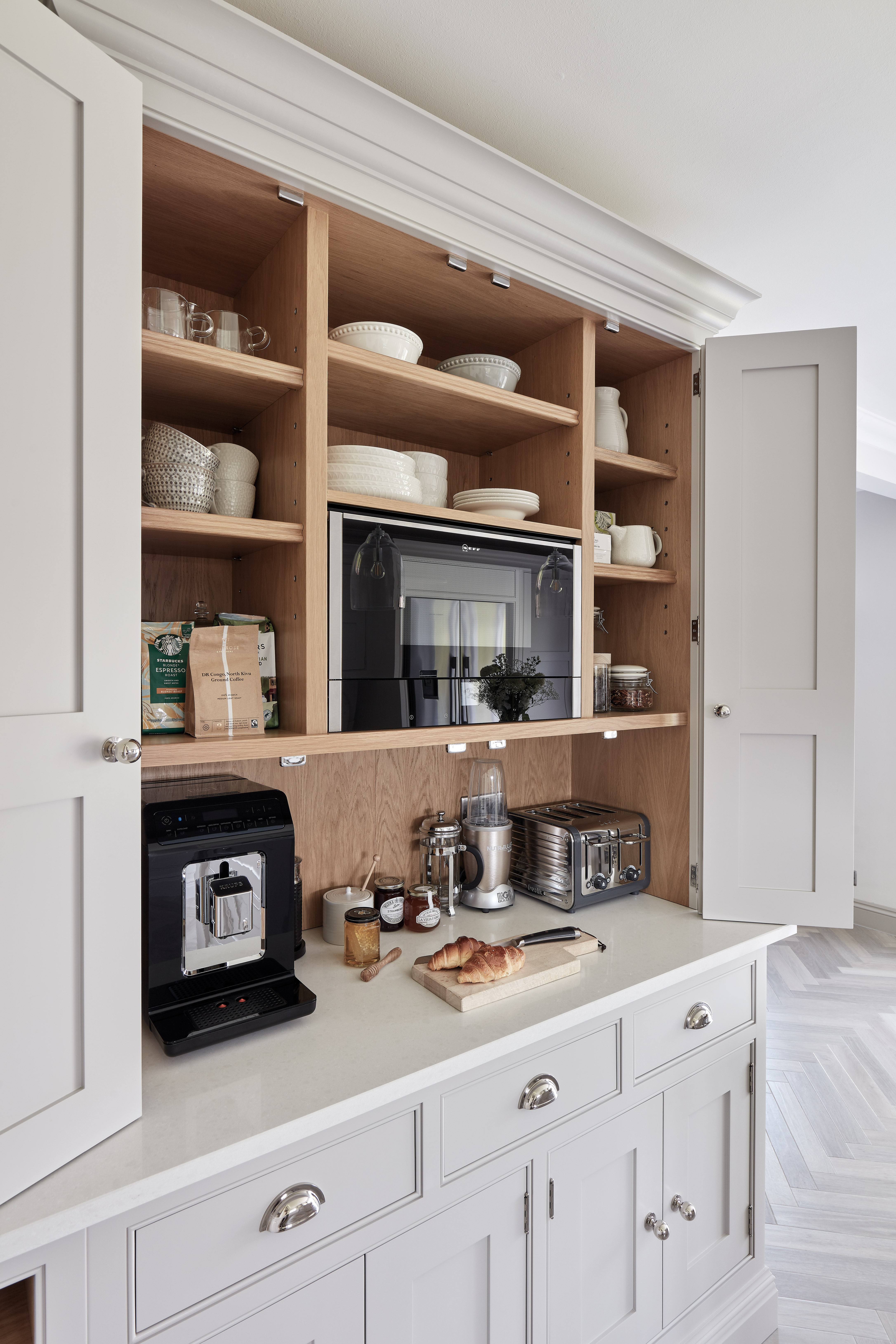
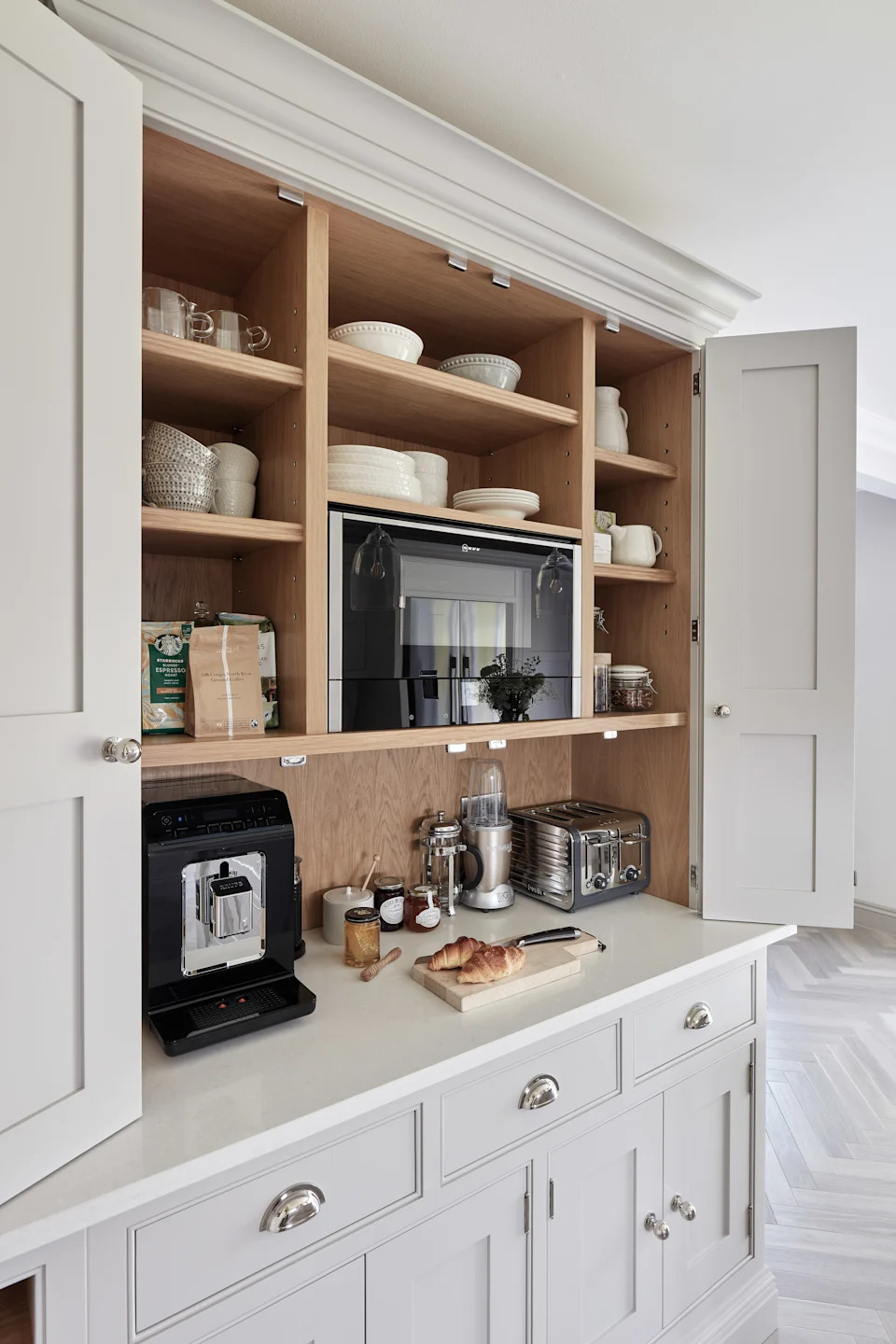
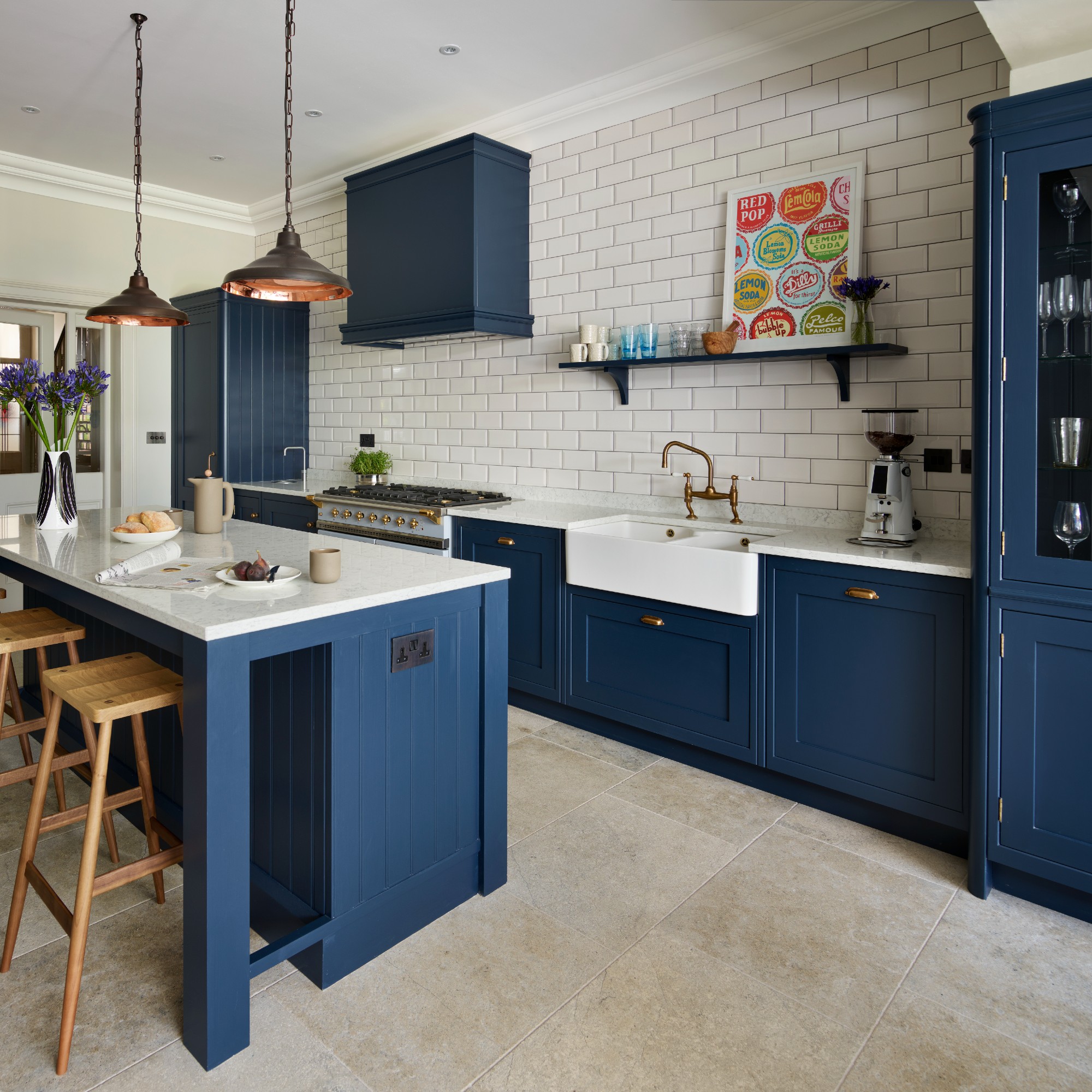
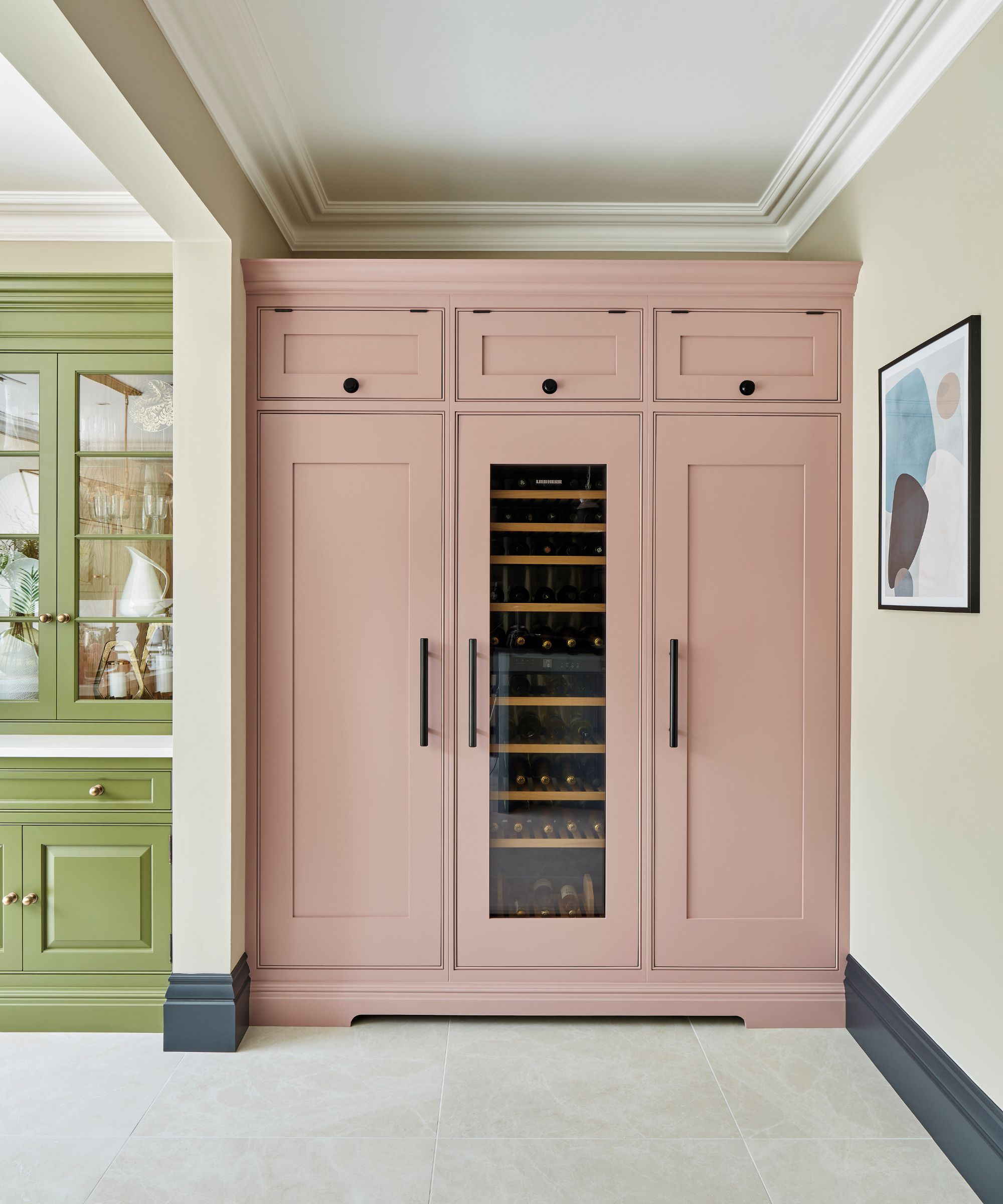
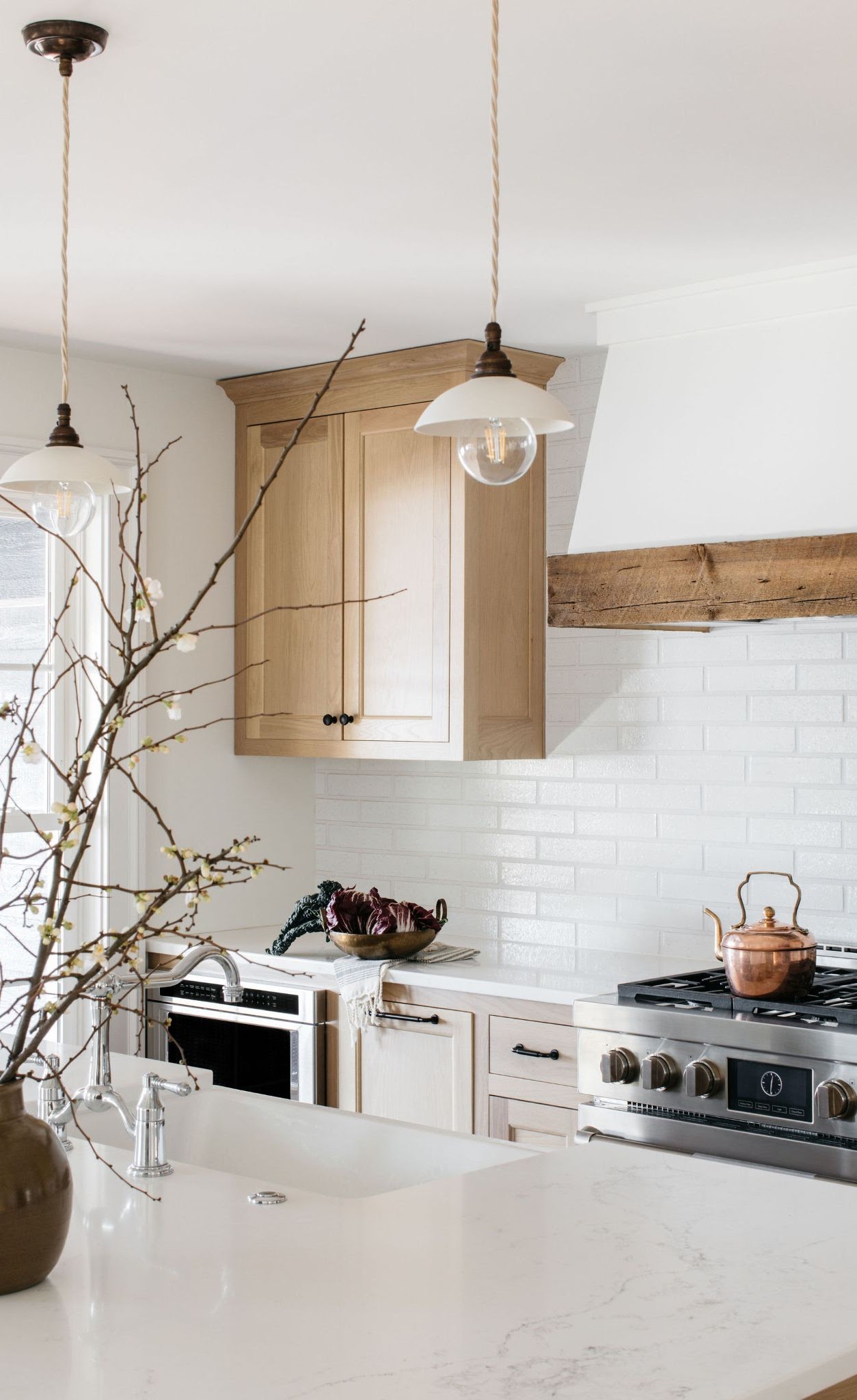
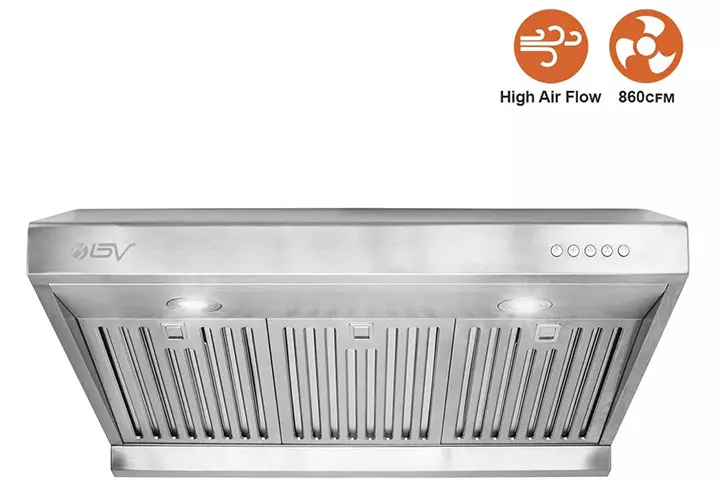
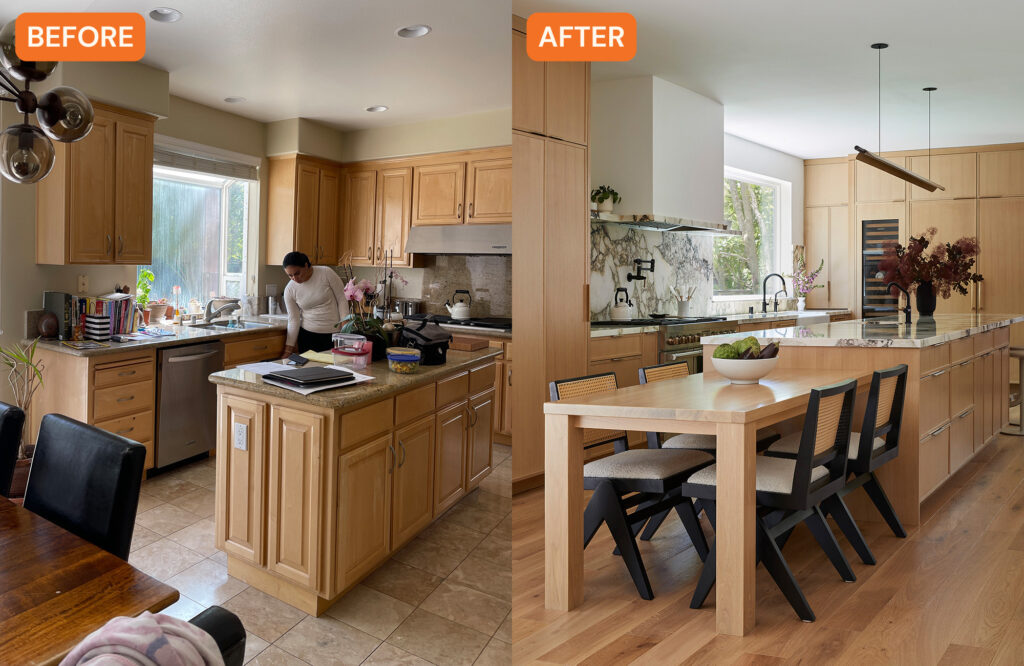
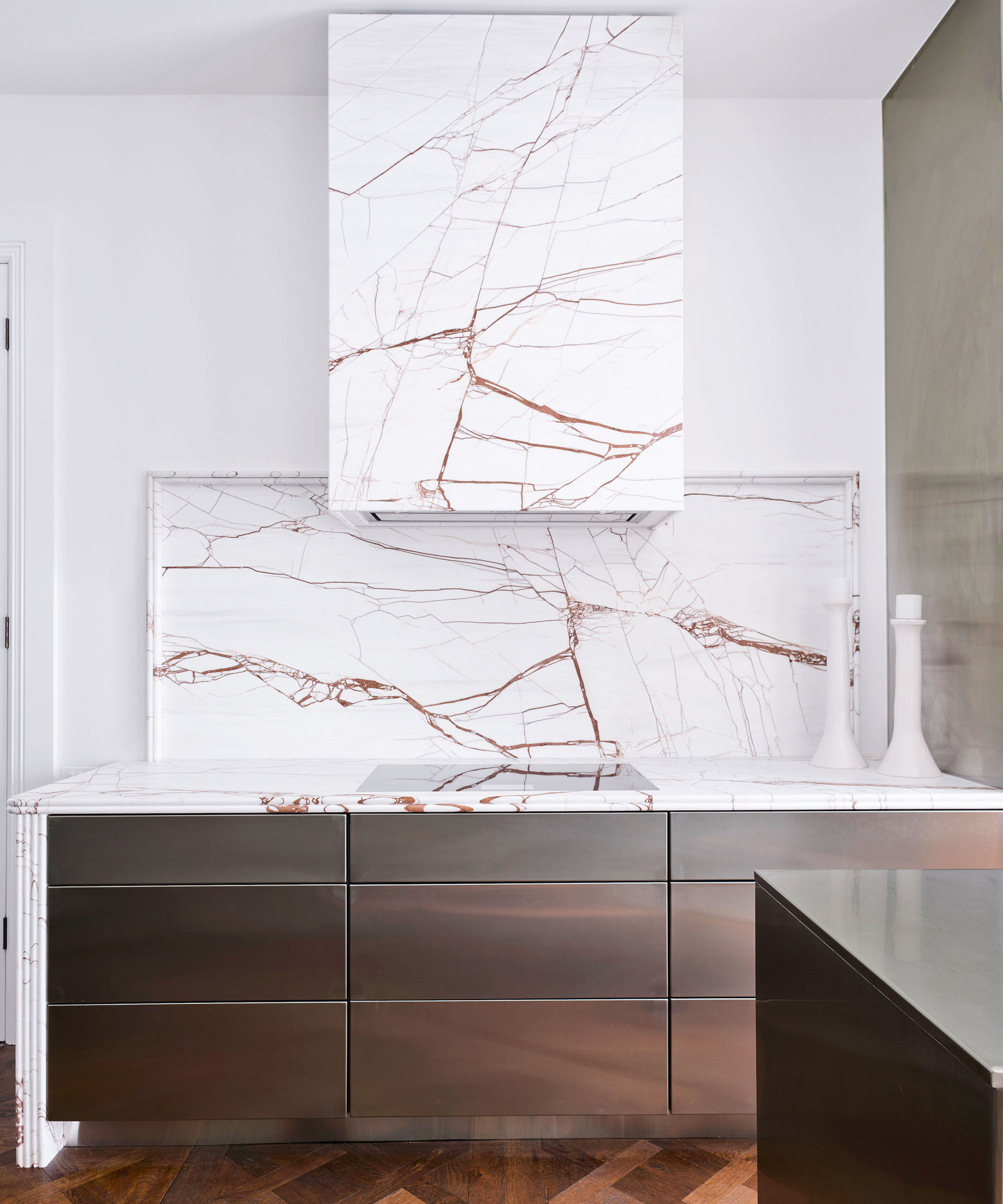
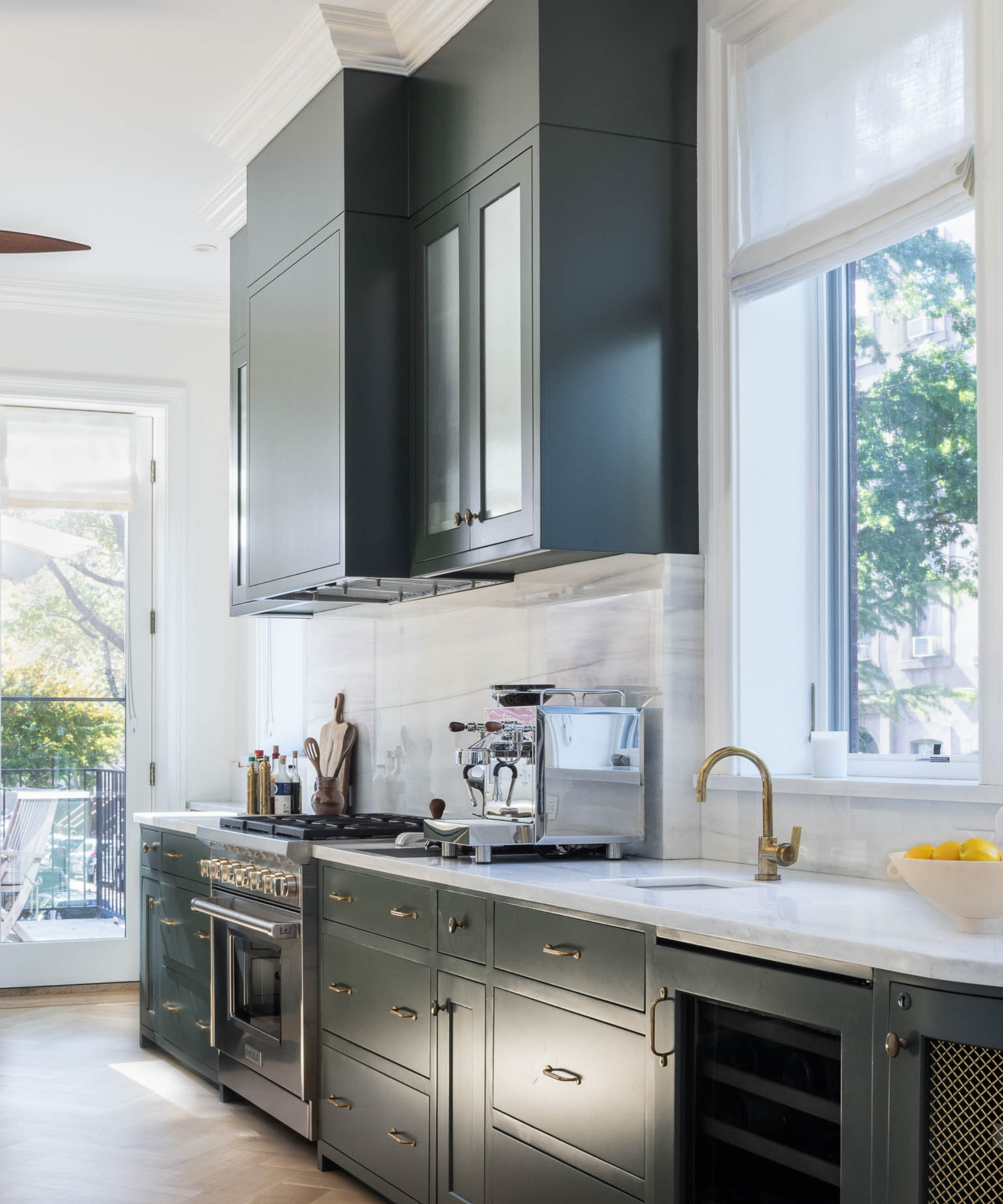
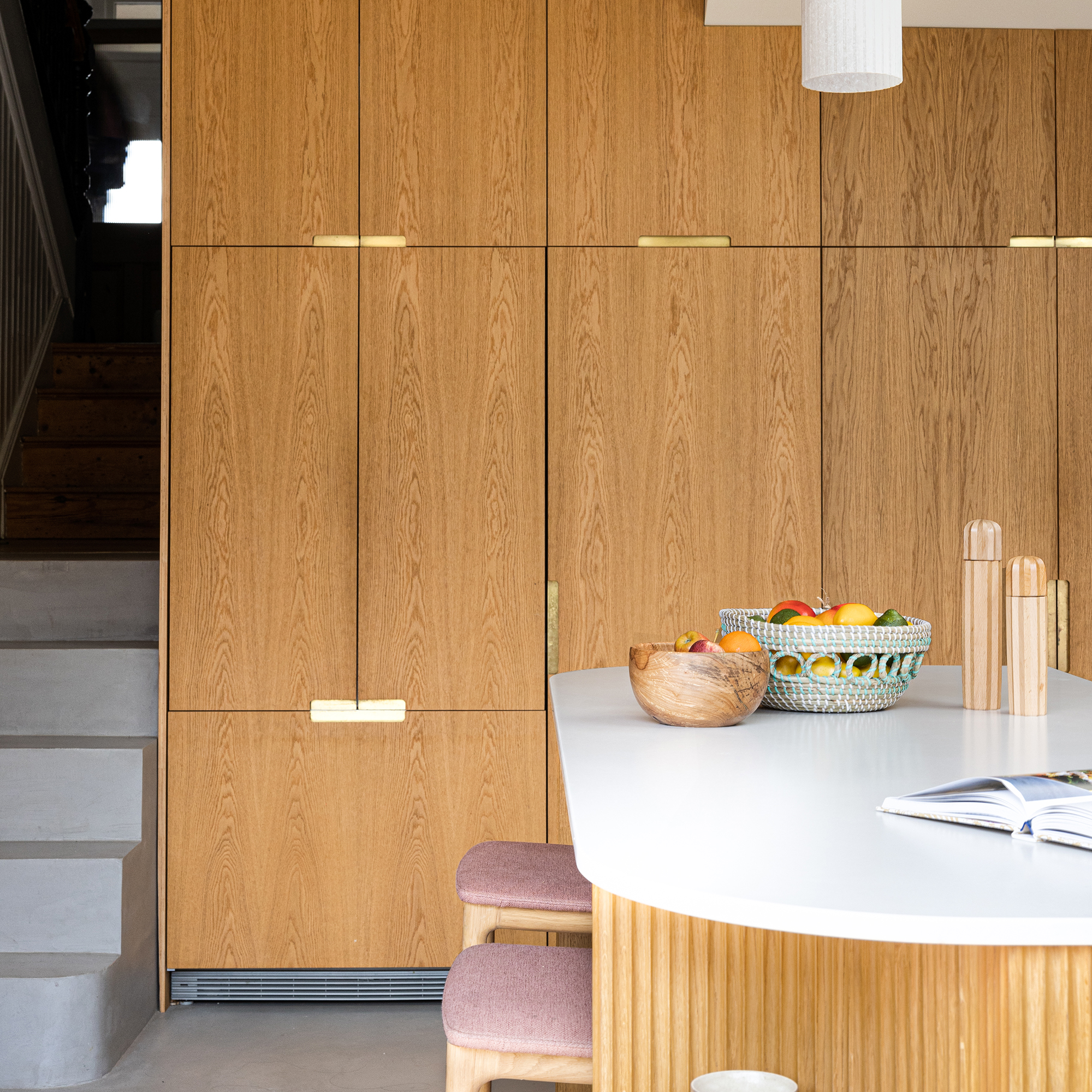
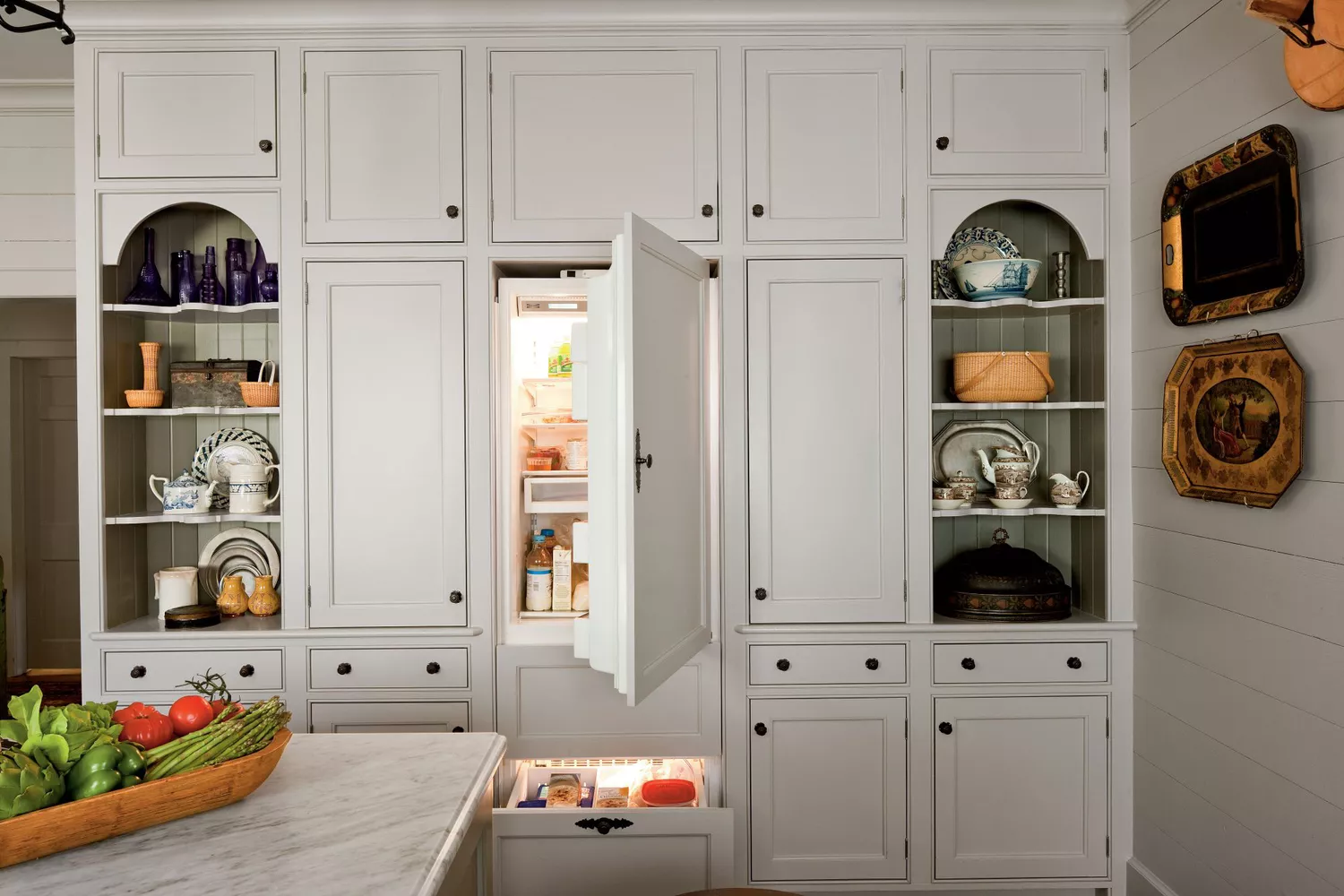
For a seamless look, extractor fans can be embedded within cabinetry. This approach allows the extractor to blend in with surrounding wall units, creating the illusion of continuous storage. Canopy hoods, with their boxy shape, are well-suited for this integration within cabinets or chimney breasts. Painting the faux cabinet to match existing units ensures a cohesive and understated appearance, while also potentially maximizing storage space.
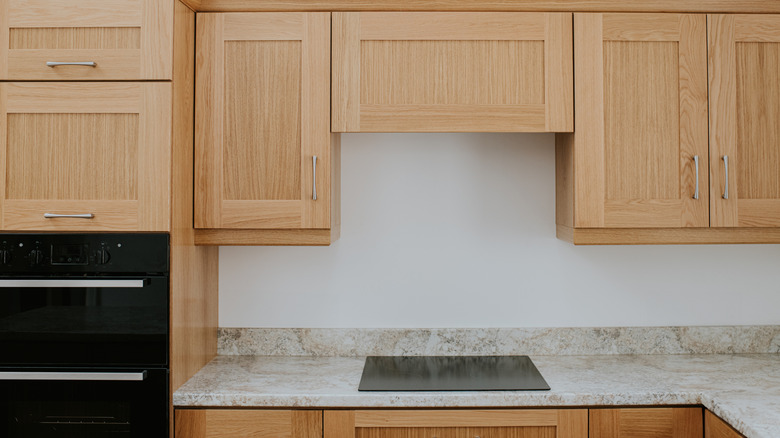
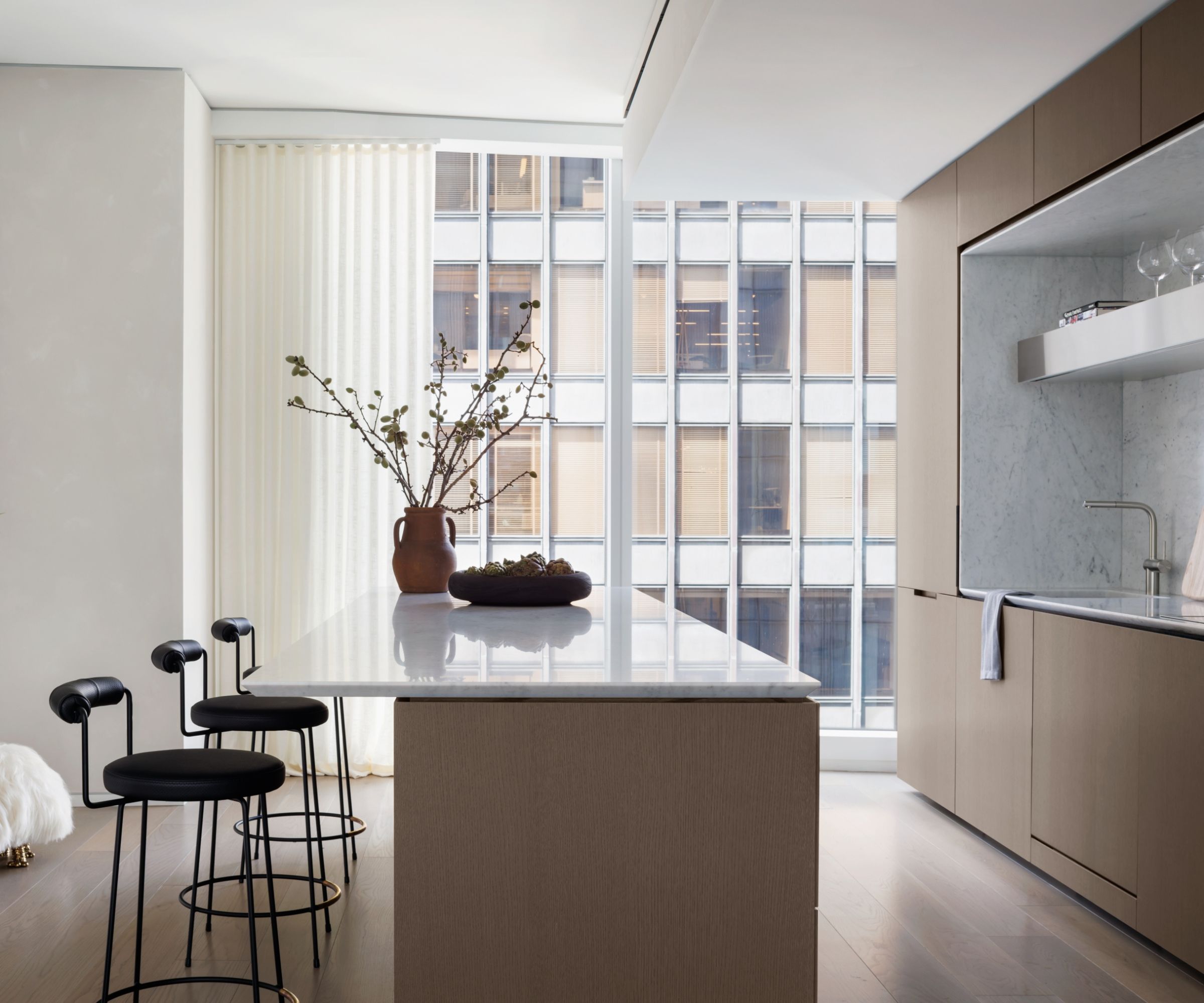
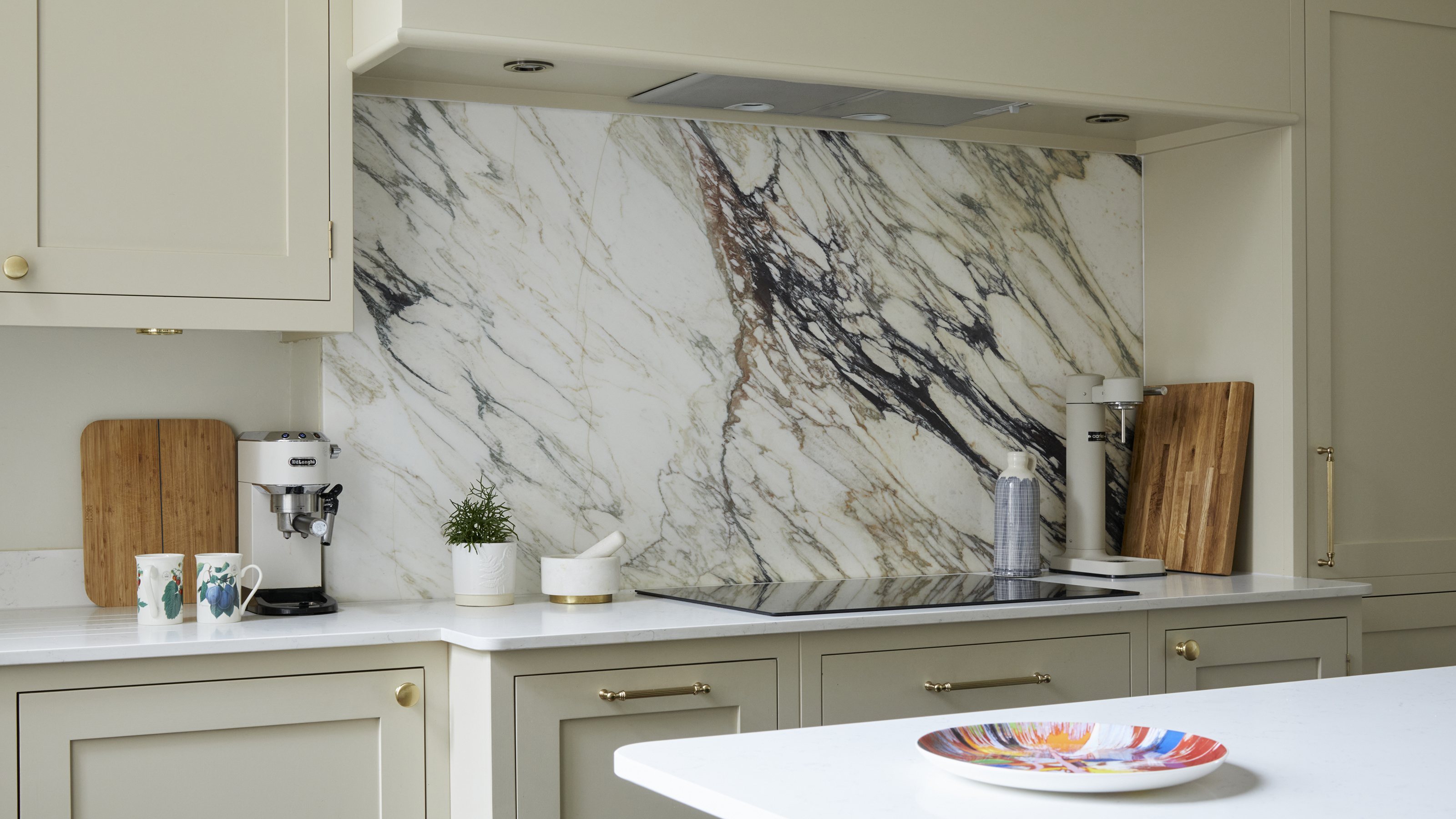
The ultimate hidden solution is to choose a hob with built-in extraction. These integrated systems combine cooking and ventilation into one sleek appliance, eliminating the need for a separate hood. Available in both vented and re-circulatory modes, hob extractors offer flexibility in kitchen design, fitting easily into single worktop runs or expansive island units. They are increasingly accessible and come in various widths to accommodate different cabinet sizes, providing a streamlined aesthetic for both electric and some gas hobs.
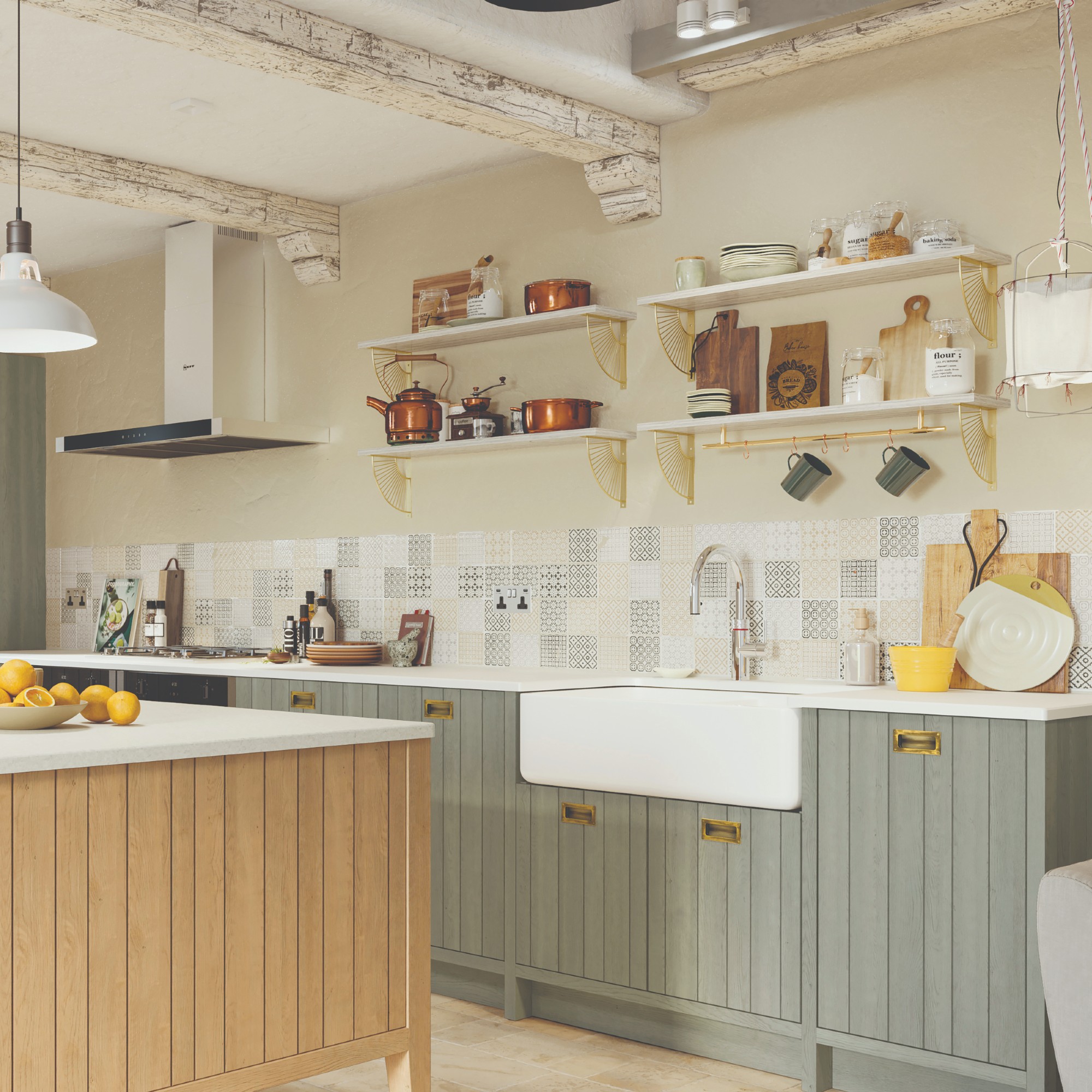
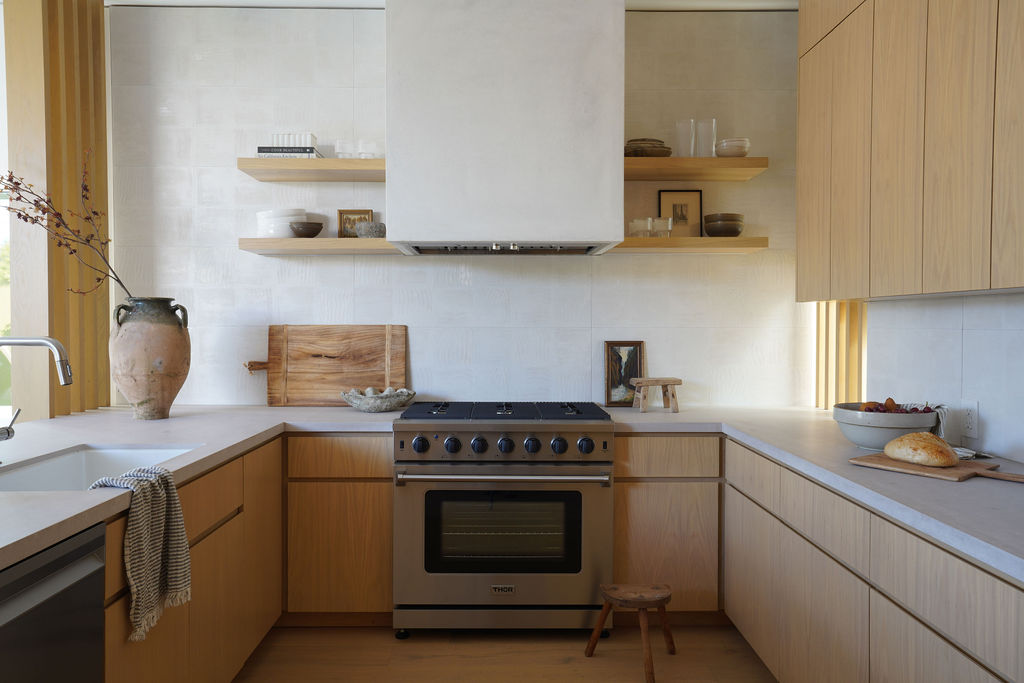
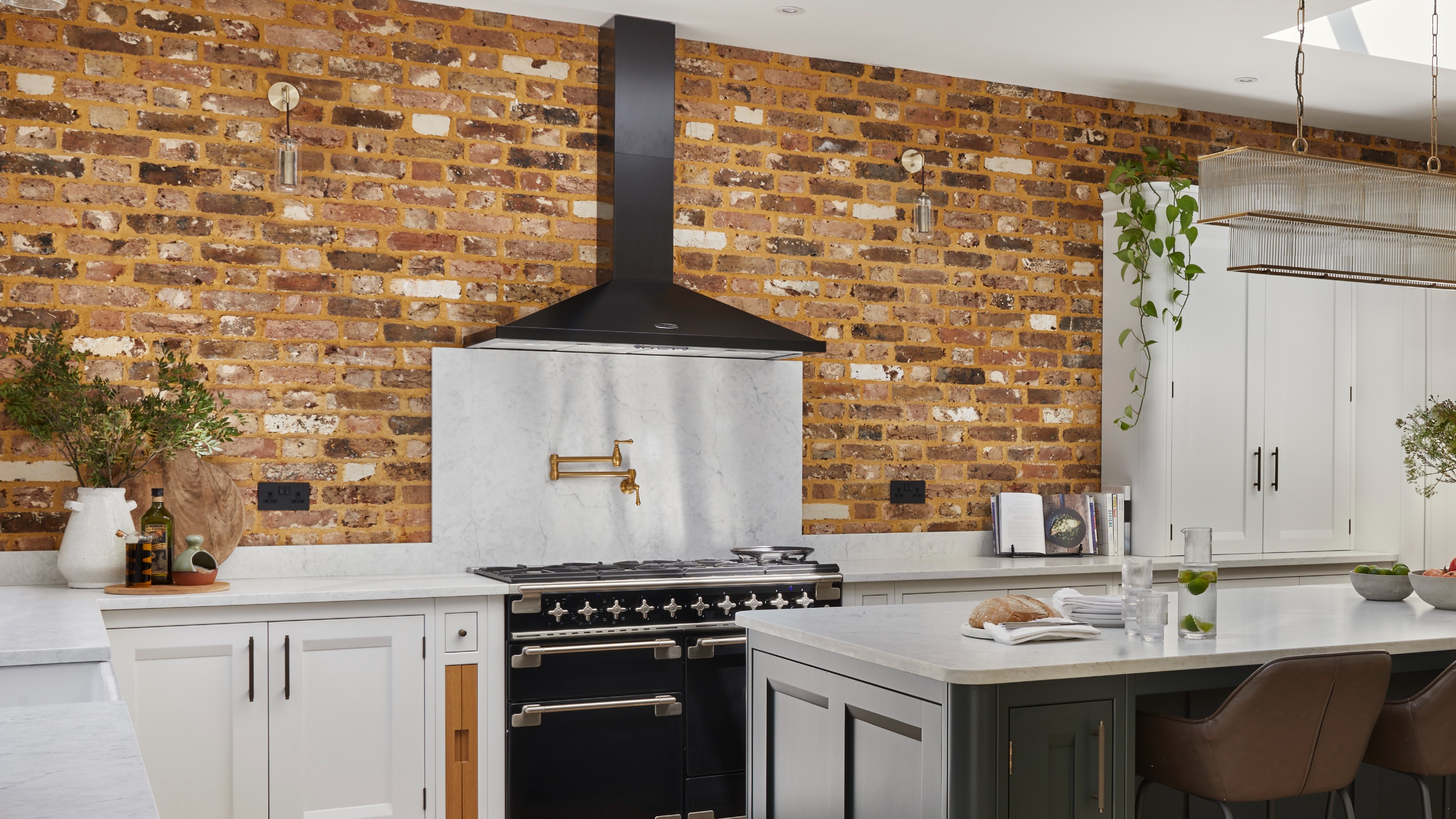
If complete concealment isn't feasible, an extractor fan can be chosen that doubles as a functional design element. For example, some modern designs are integrated into suspended shelves above kitchen islands. These units hide the extraction mechanism and can incorporate additional lighting, serving as a stylish centerpiece for displaying decorative items or plants. Often finished in matte black, they contribute to a sleek and sophisticated kitchen scheme.
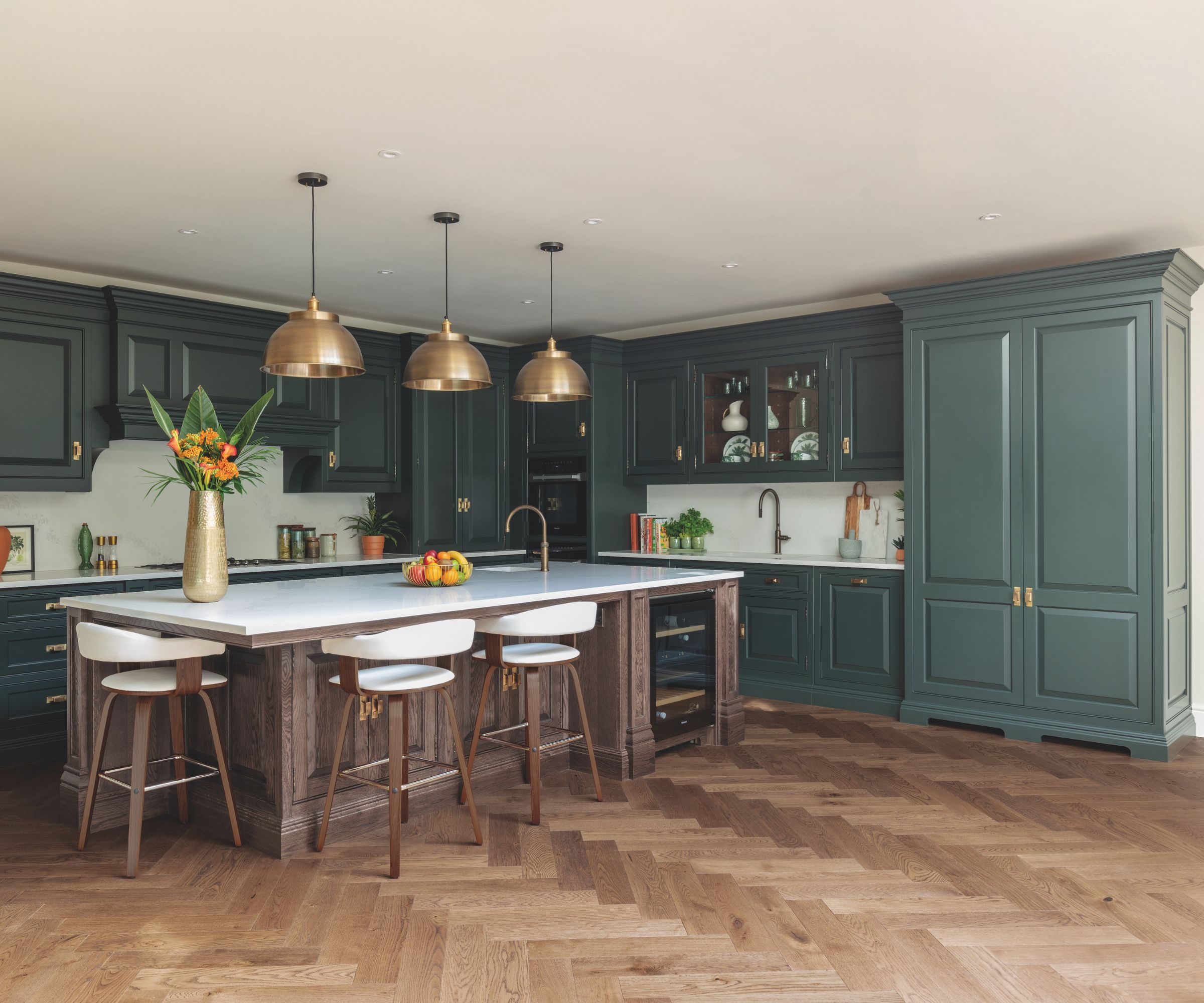
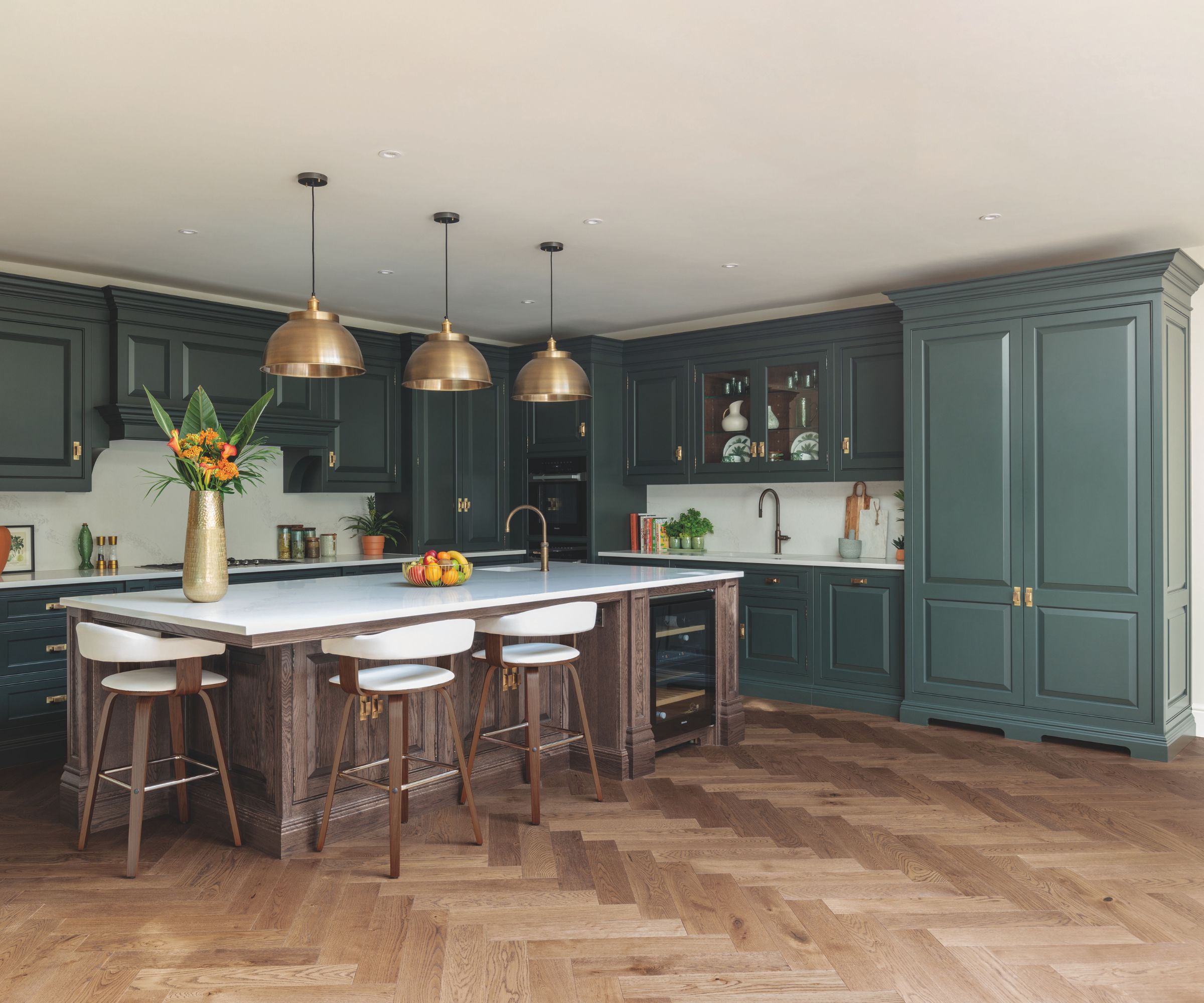
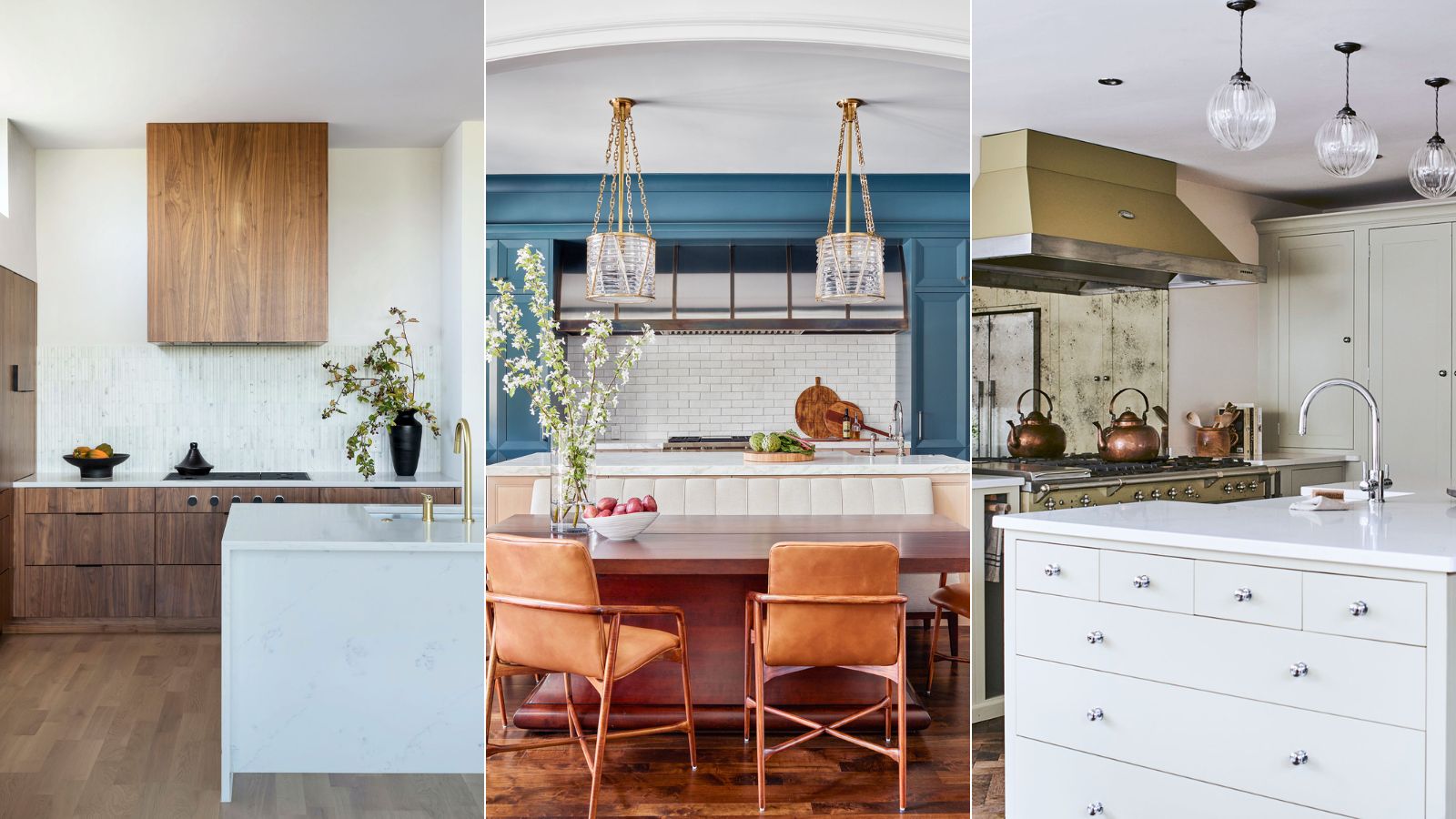
Furthermore, color matching the extractor fan to the surrounding cabinetry or walls helps it blend into the background. Using appropriate heat-resistant appliance paint for the hood or wooden kitchen paint for cabinetry ensures durability and a cohesive look. Lastly, innovative designs that mimic pendant lights offer a unique solution. These contemporary extractors provide effective ventilation while appearing as stylish light fixtures, ideal for kitchen islands where they can serve as a statement piece and often include integrated lighting. While a more premium option, they add a luxurious touch to modern interiors.
The choice of extractor fan also depends on the kitchen's layout and cooking habits. Two main types exist: ducted and re-circulating. Ducted hoods vent air directly outside, generally offering higher efficiency, while re-circulating hoods filter and return air to the kitchen. Modern re-circulation systems have significantly improved, bridging the performance gap. The decision between the two often comes down to installation feasibility and the intensity of cooking activity; avid cooks might prefer ducted systems, while re-circulating models are easier to install in existing spaces.
#KitchenDesign #ExtractorFans #KitchenVentilation #HomeRenovation #InteriorDesign #ModernKitchen #SpaceSavingSolutions #KitchenAppliances #DesignTrends #KitchenDesign #ExtractorFans #KitchenVentilation #HomeRenovation #InteriorDesign #ModernKitchen #SpaceSavingSolutions #KitchenAppliances #DesignTrends
0 ความคิดเห็นรวม
 ยังไม่มีความคิดเห็น
คุณอาจจะชอบอีกด้วย
How to Hide an Air Fryer in a Kitchen — 6 Practical Solutions to Conceal Bulky Appliances From Sight

How to conceal an air fryer in a kitchen – 7 practical solutions

13 Tasteful Ways To Hide Your Microwave In Your Kitchen

5 Kitchen Cabinet Details to Avoid If You Don't Want Your Space to Look Old-Fashioned

How to Hide an Air Fryer in a Kitchen — 6 Practical Solutions to Conceal Bulky Appliances From Sight
11 Incredible Extractor Hood Ideas That Will Elevate Your Kitchen Design

Why “Invisible Kitchens” Are the Sleekest New Trend Designers Can’t Stop Using


To Avoid a Kitchen Reno, This Designer Cleverly Covered Up Her Boring Cabinets

5 ways to hide plug sockets in your kitchen for a seamless and uncluttered look
Designers Have Spoken: This Kitchen Feature Is Always an Eyesore—But There's an Easy Fix
Extractor hood ideas – 9 statement designs that beautifully blend form and function

Stylish Ways To Hide Your Ugly Radiator And Other Common Household Eyesores

4 Clever Ways Designers Keep Kitchen Appliances Out Of Sight
15 Best Kitchen Exhaust Fans In 2025
How to hide a kitchen fridge – experts share their top tips

Invisible kitchen ideas - 7 ways to create a sleek and subtle cooking space
How do you hide a kitchen fridge so it looks chic but is still functional? This is the tried-and-tested method designers swear by

This Bright and Open Kitchen Cleverly Conceals Its Appliances
How can you hide a range hood? 6 innovative and chic ideas from kitchen design experts

Stressed About Kitchen Pollution? A Window Fan Is a Cheap Fix.