
1/7
Home Decor Ecommerce: Proven Trends, Strategies and Examples (2026)
The home decor industry, valued at over $33 billion, is projected to grow with a compound annual growth rate (CAGR) of 2.11% through 2030. Key product categories include furniture, textiles, wall art, lighting, and accents, with business models spanning DTC brands, marketplaces, and curated retailers. Online home decor sales rely heavily on digital visuals and descriptions, differentiating them from general home goods retail, and necessitate robust shipping and returns management. Current consumer trends influencing this market include the rise of remote work, increased discretionary spending on decorative accessories by Gen Z and millennials, a growing demand for sustainable materials, and the integration of smart home devices.
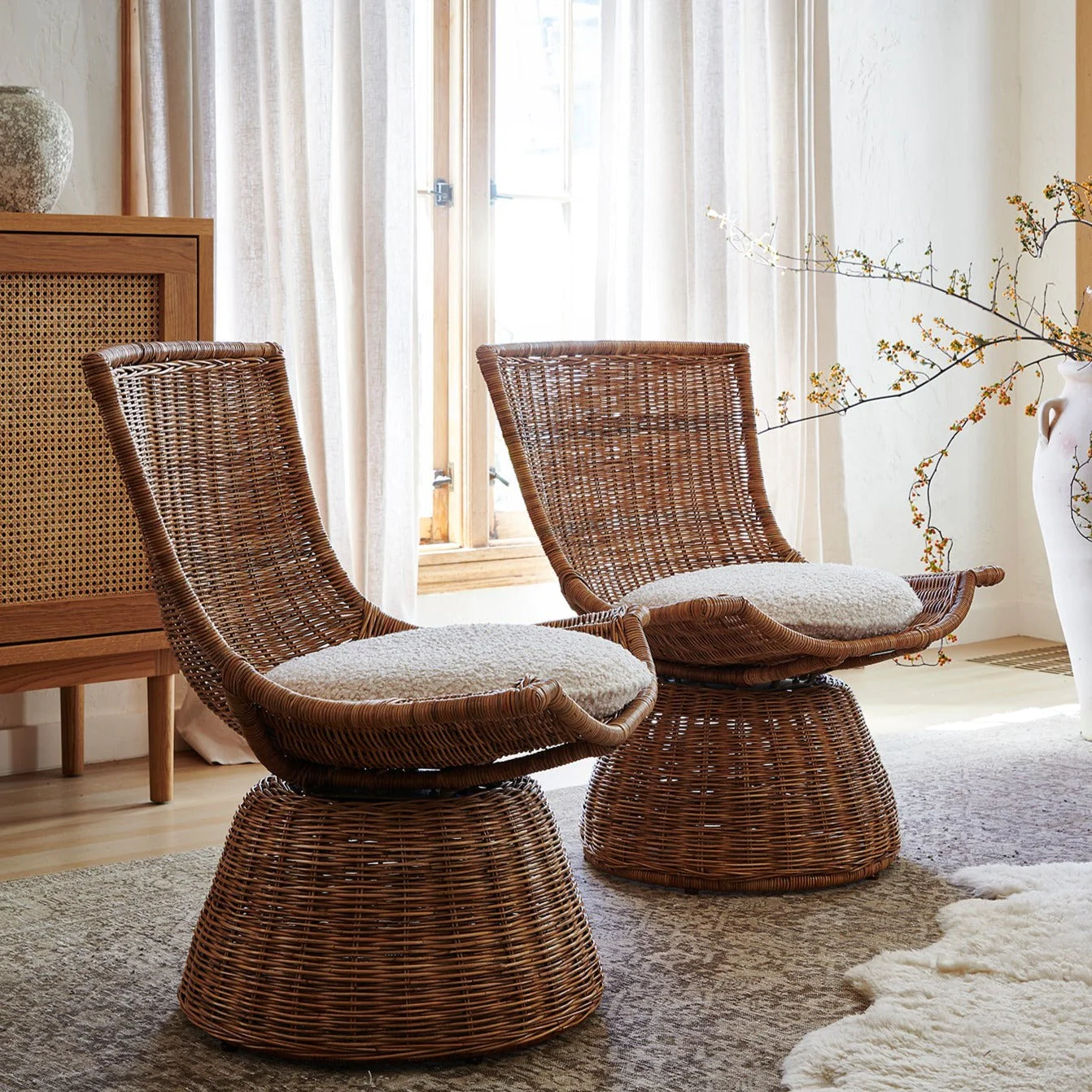
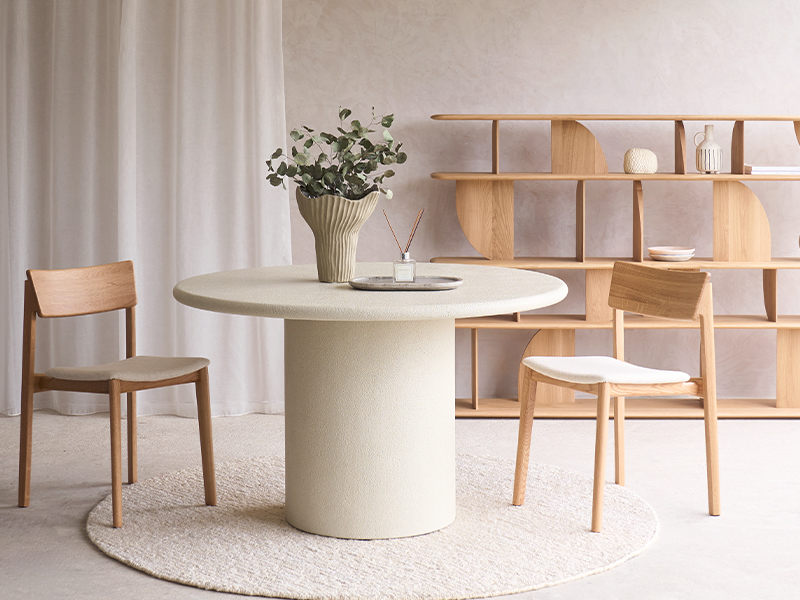
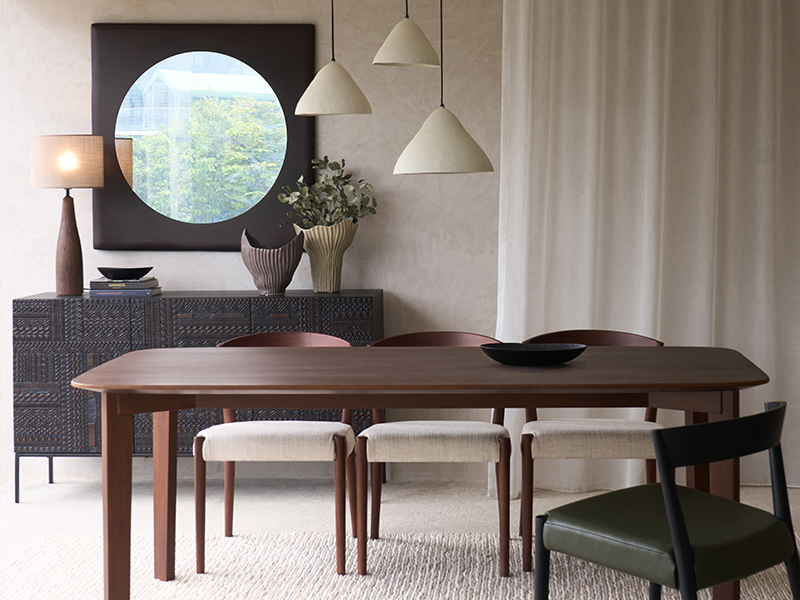
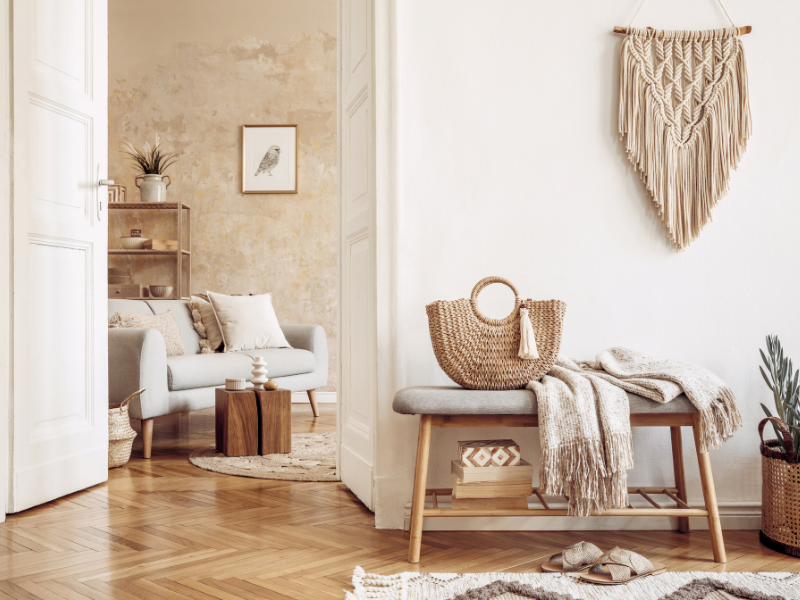
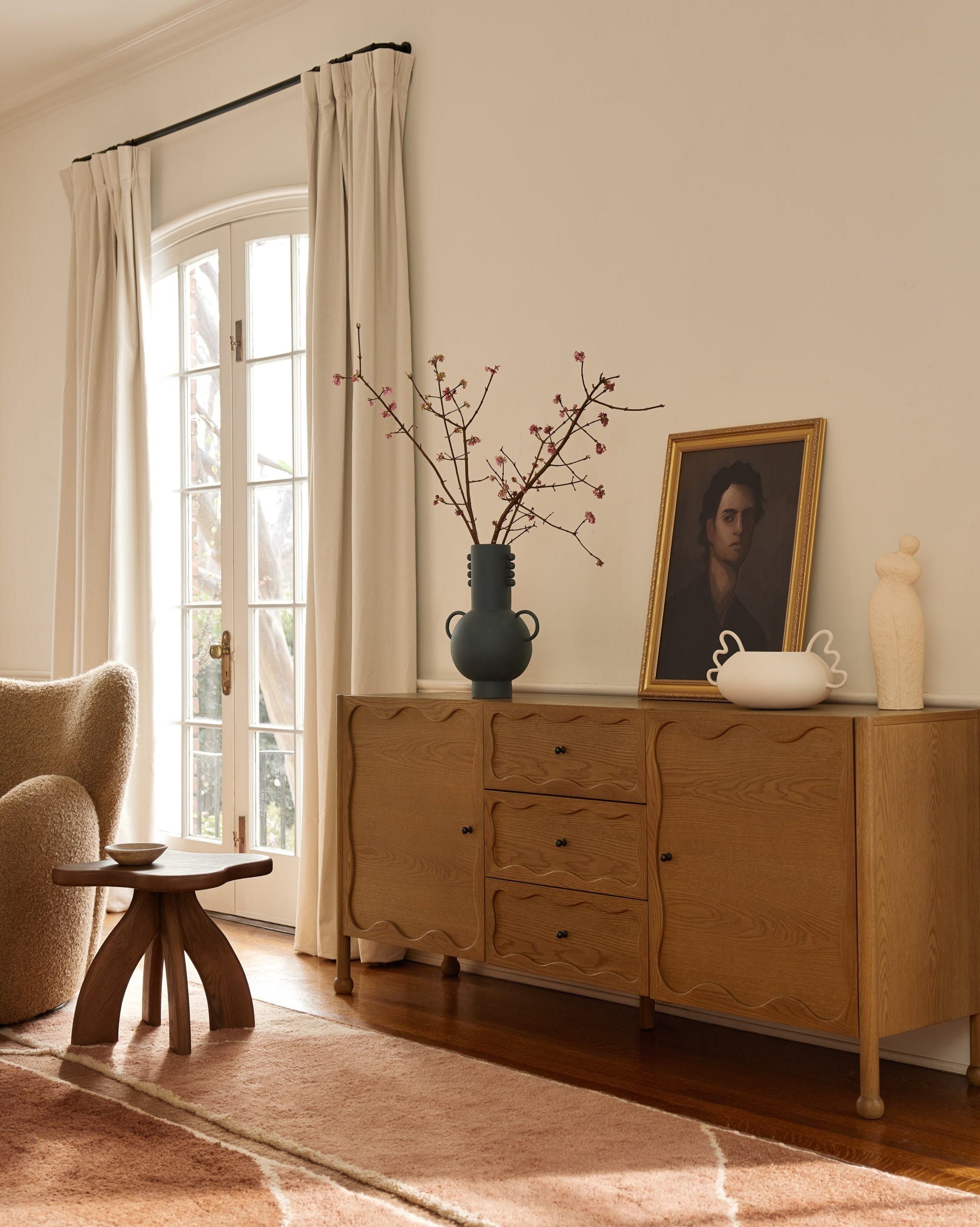
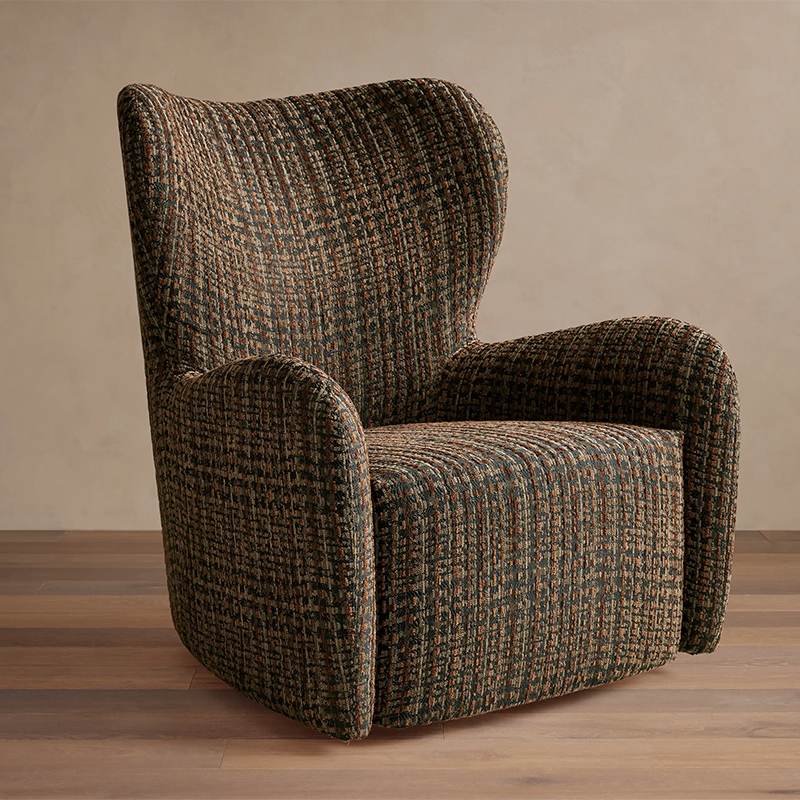
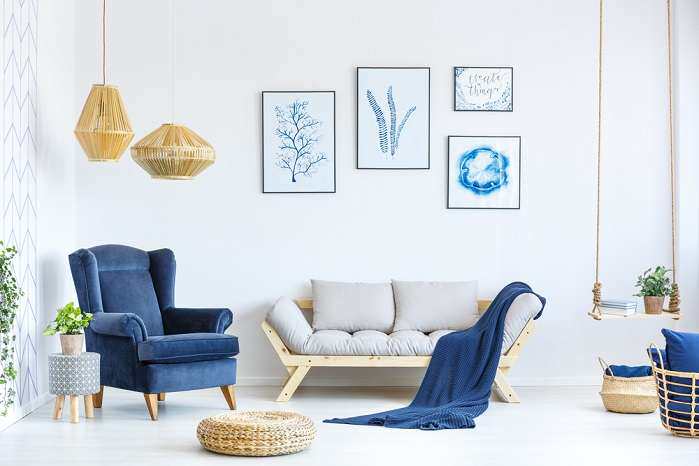
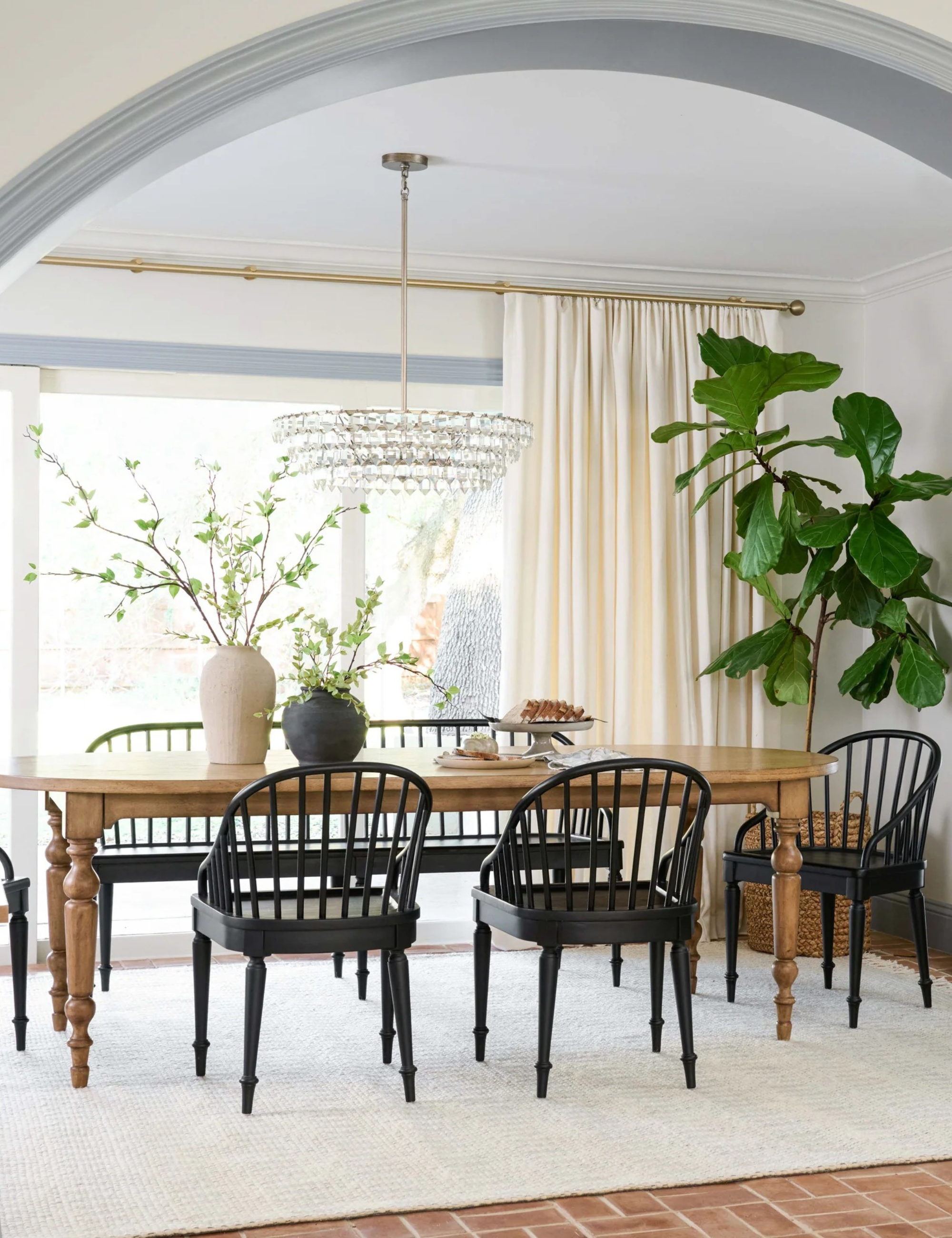
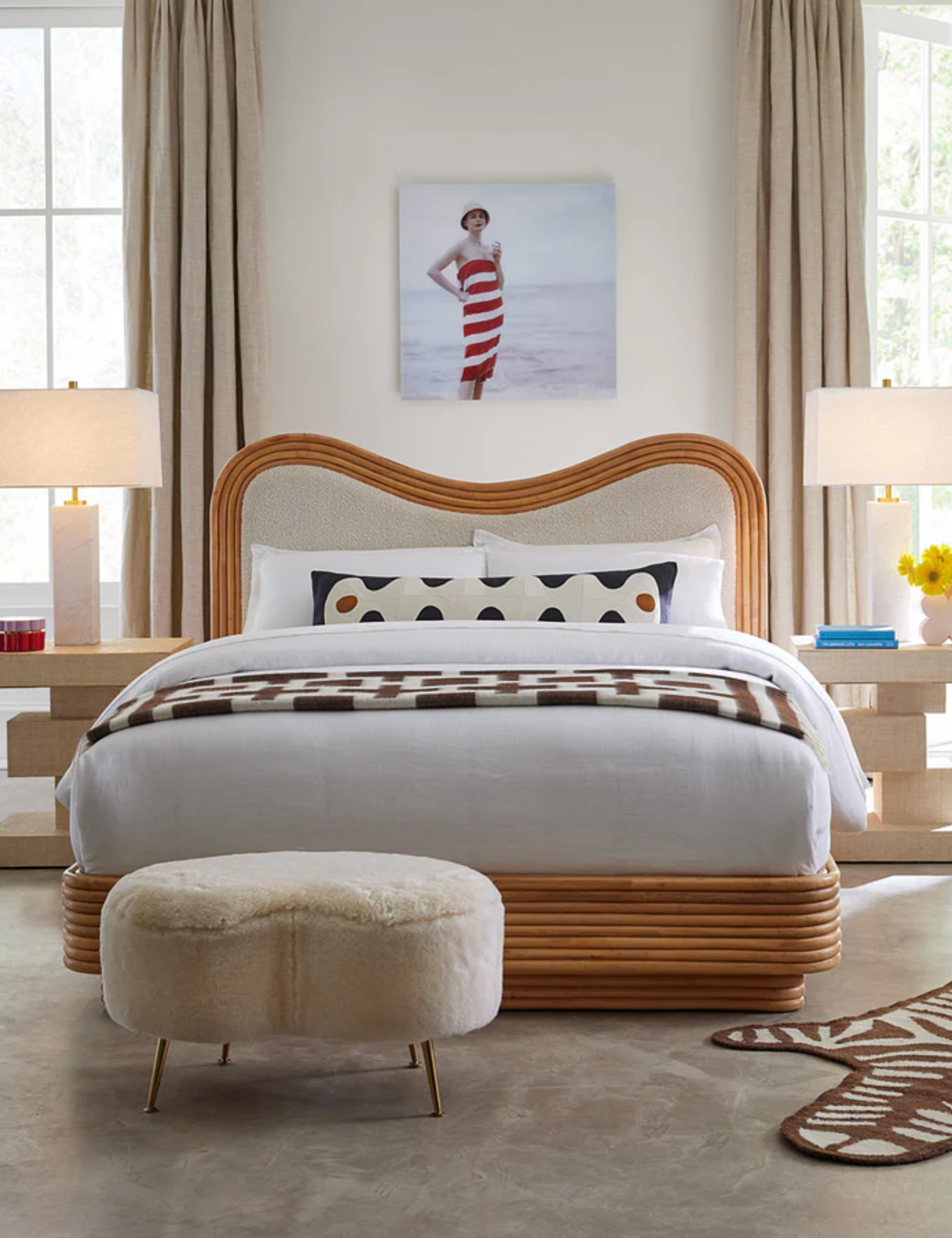
Essential features for successful home decor e-commerce stores prioritize visual commerce. High-quality image galleries, including lifestyle photography, with zoom functionality are crucial. Room-visualization tools, such as augmented reality, allow customers to envision products in their homes. Detailed product specifications, including dimensions, weight, materials, finish, assembly requirements, care instructions, and safety information, address customer concerns, especially for high-consideration purchases. Offering free fabric swatches, as exemplified by Arhaus, further enhances the buying experience and aids in customer data collection. Mobile commerce is vital, with mobile devices accounting for 63% of global retail sales. E-commerce sites must be optimized for mobile, featuring fast page-load speeds, finger-friendly buttons, advanced search and filtering, large zoomable images, and guest checkout options. Integrating B2B storefronts can also open new revenue streams through bulk orders and high customer retention rates, as demonstrated by Brooklinen's hybrid DTC and wholesale model managed through Shopify.
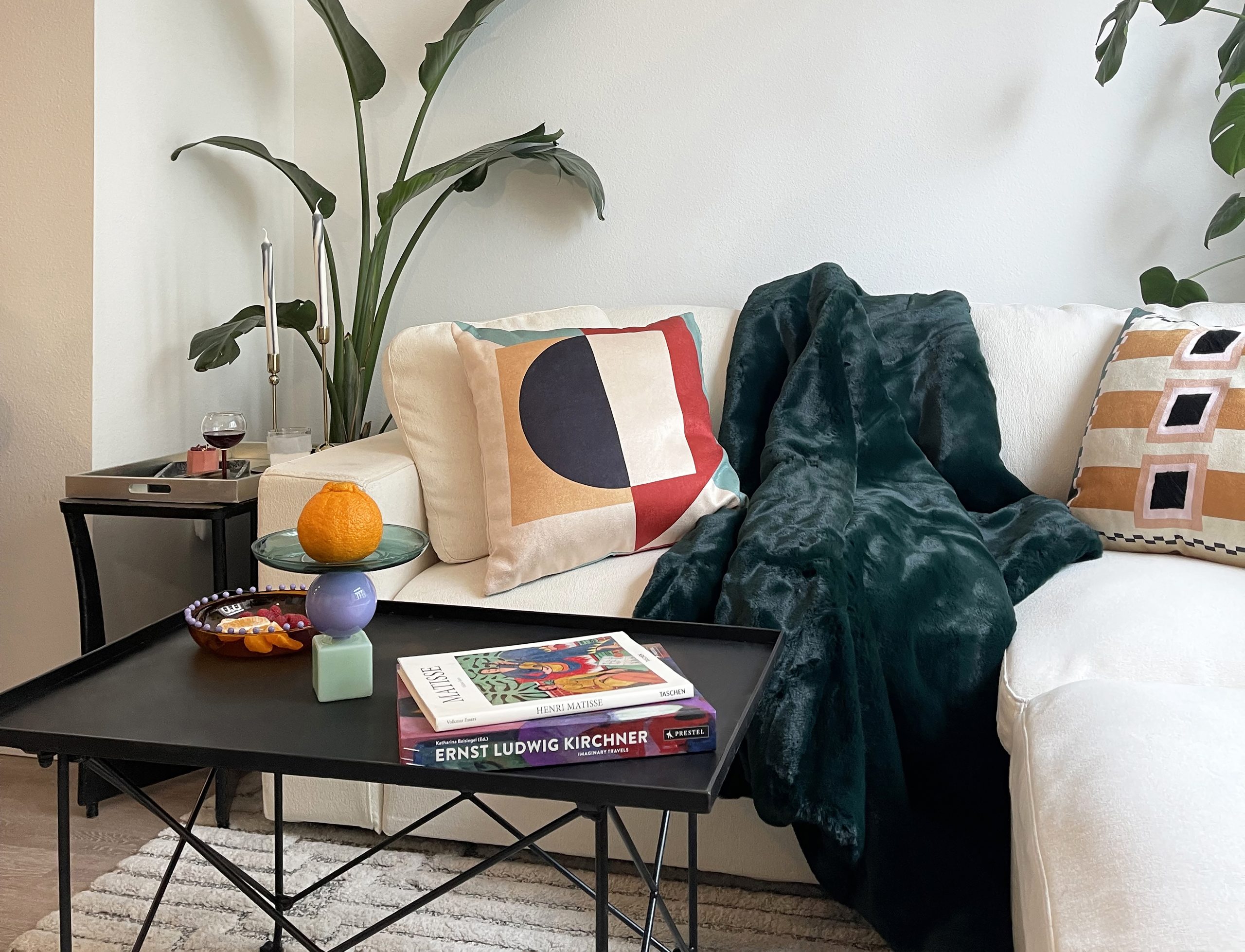
Effective marketing strategies for home decor e-commerce involve content marketing and inspiration galleries, which help customers visualize products in their spaces. These galleries can be leveraged across the marketing funnel, from Pinterest boards for awareness to shoppable landing pages for middle-of-funnel engagement and user-generated content for product pages. Visual social platforms like Instagram, TikTok, and Pinterest are ideal for showcasing home decor, with shopping capabilities to streamline the customer journey. Influencer and designer partnerships are also valuable, as consumers trust recommendations from influential shoppers. Brands can collaborate with influencers, offering incentives like exclusive discount codes and considering affiliate programs for broader reach. Retail activations, such as pop-up showrooms, provide physical experiences for customers to interact with products, enabling the collection of first-party data for personalized retargeting.
Operational considerations for home decor businesses include inventory planning for seasonal demand. AI-powered demand-forecasting tools, integrating historical sales data with external factors like weather and consumer behavior, help manage stock. Utilizing platforms like Shopify Collective allows brands to widen product assortments without the logistical complexities of traditional wholesale. Shipping and fulfillment for fragile products require careful attention to packaging, protective materials, and white-glove delivery services for high-value or delicate items. Flexible fulfillment options, such as combining in-house fulfillment with third-party logistics and buy online, pick up in-store (BOPIS), are also important. Transparency regarding lead times for custom orders, as seen with Lulu and Georgia, manages customer expectations. Returns and damage management are critical due to the cost implications of large or fragile items. Implementing self-serve returns portals, requiring photo verification upon delivery, and incorporating return surveys can help streamline the process, reduce fraud, and provide valuable feedback for quality control.
Technology and apps play a significant role in powering home decor e-commerce. A unified commerce platform, such as Shopify, integrates inventory, order, and customer data across all sales channels, reducing total cost of ownership and boosting omnichannel growth. Augmented reality tools allow customers to virtually place products in their homes, increasing purchase confidence and reducing returns. Product customization apps enable shoppers to personalize items, potentially increasing average order value. Bundle builders facilitate the creation of curated product sets, and subscription tools support recurring purchases of consumable home decor items. Examples of successful home decor e-commerce stores include Ruggable, which leveraged Shopify's checkout extensibility and international expansion features, and Parachute, which utilized Shopify's unified commerce platform to simplify its tech stack, reduce operational costs, and offer seamless omnichannel experiences.
#HomeDecorEcommerce #EcommerceTrends #VisualCommerce #MobileCommerce #B2BEcommerce #ContentMarketing #InfluencerMarketing #SupplyChainManagement #CustomerExperience #HomeDecorEcommerce #EcommerceTrends #VisualCommerce #MobileCommerce #B2BEcommerce #ContentMarketing #InfluencerMarketing #SupplyChainManagement #CustomerExperience
0 ความคิดเห็นรวม
 ยังไม่มีความคิดเห็น
คุณอาจจะชอบอีกด้วย
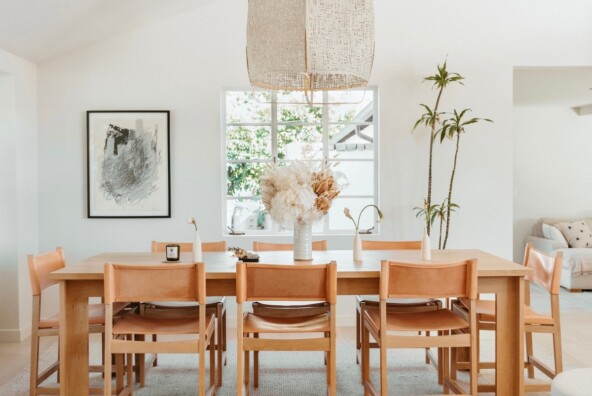
We’re Calling It: These Are the Best Online Home Decor Brands Around


Upgrade Your Space With These Chic Online Decor Shops
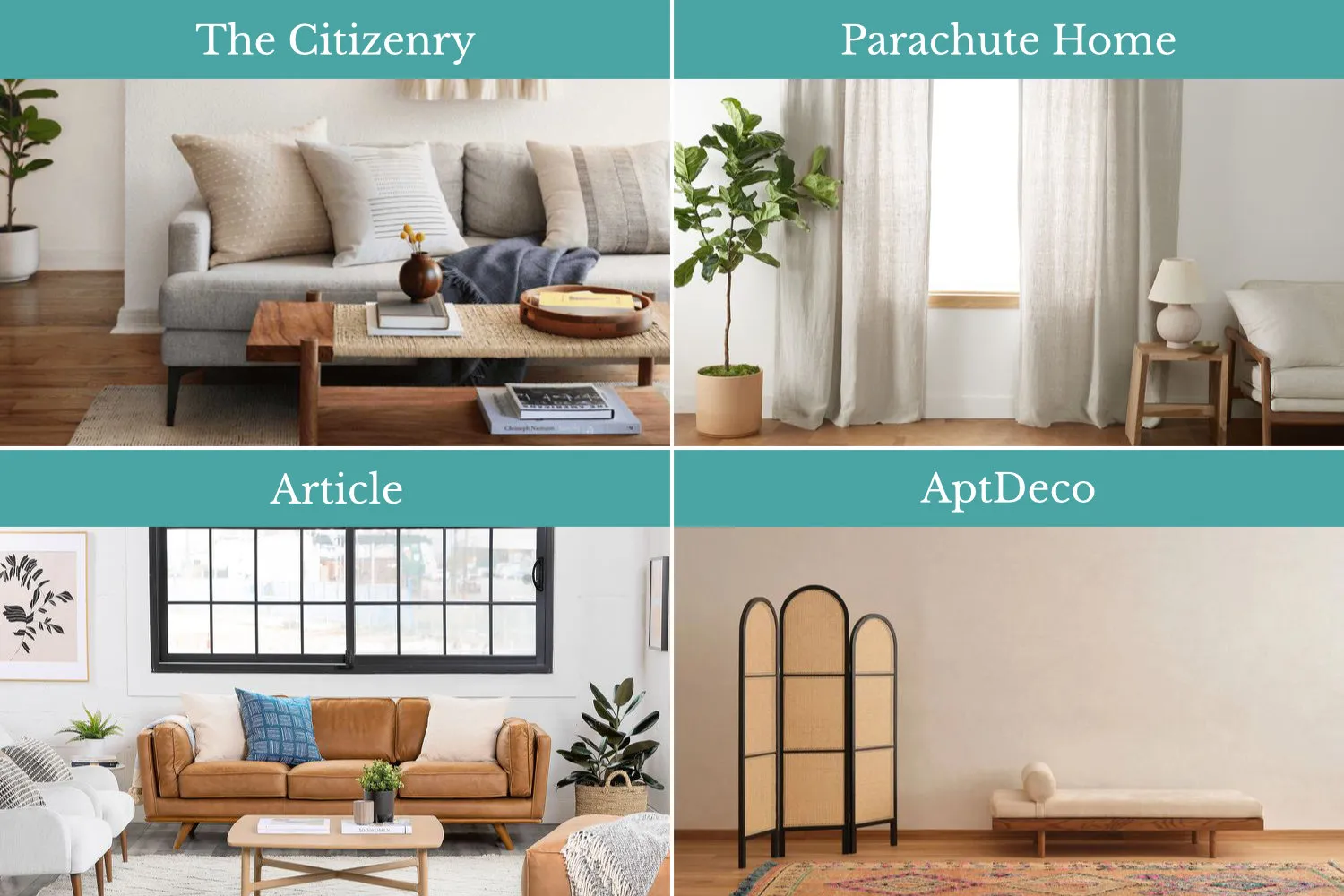
21 Trusted Retailers to Shop When You’re Decorating Your Dream Home

A Guide To The Most Popular Home Decor Styles In 2023

The Best Places to Shop for Home Decor

50 of the best online homeware and furniture stores

15 Latest Search Trends for Home Products


10 Horrifying Home Design Trends: 2023 Edition

10 great home décor and furniture stores to check out


Top current home decor and design trends in the luxury market


Everybody’s Buying These 4 Home Decor Trends Right Now, According To Etsy

Where to buy cheap home decor? We reveal our fave homeware shops – and our top buys

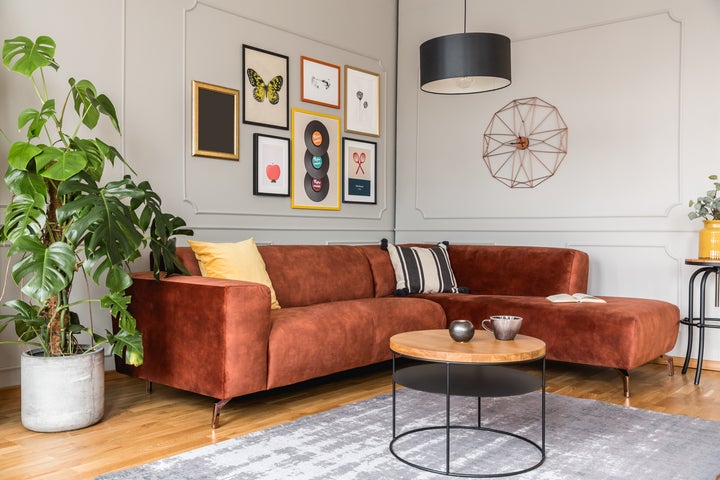
The 42 Best Websites For Furniture And Decor That Make Decorating Easy

20 Stores Like Pottery Barn That You Should Definitely Have on Your Radar

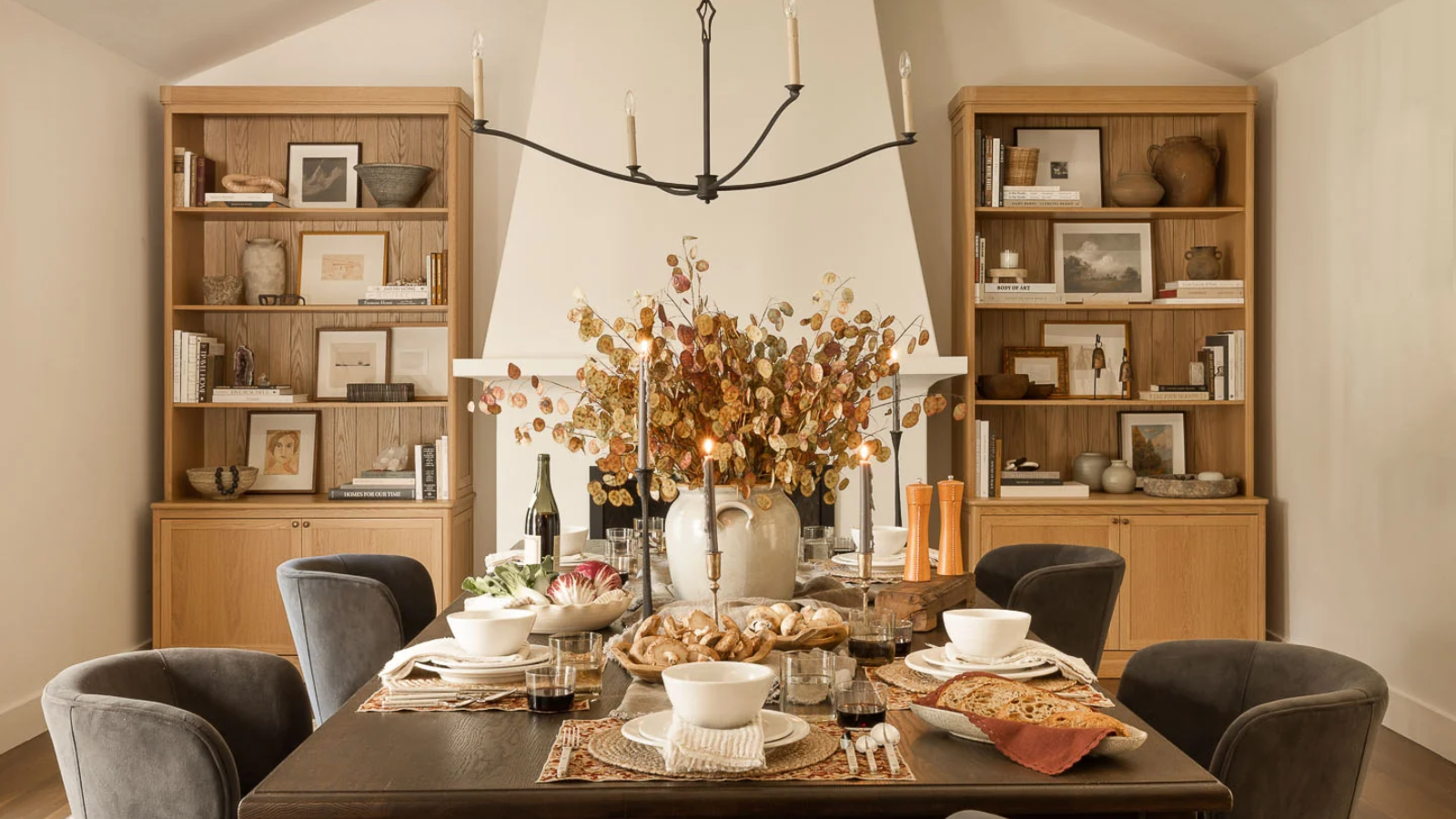
5 designer-owned home decor stores to have on your radar
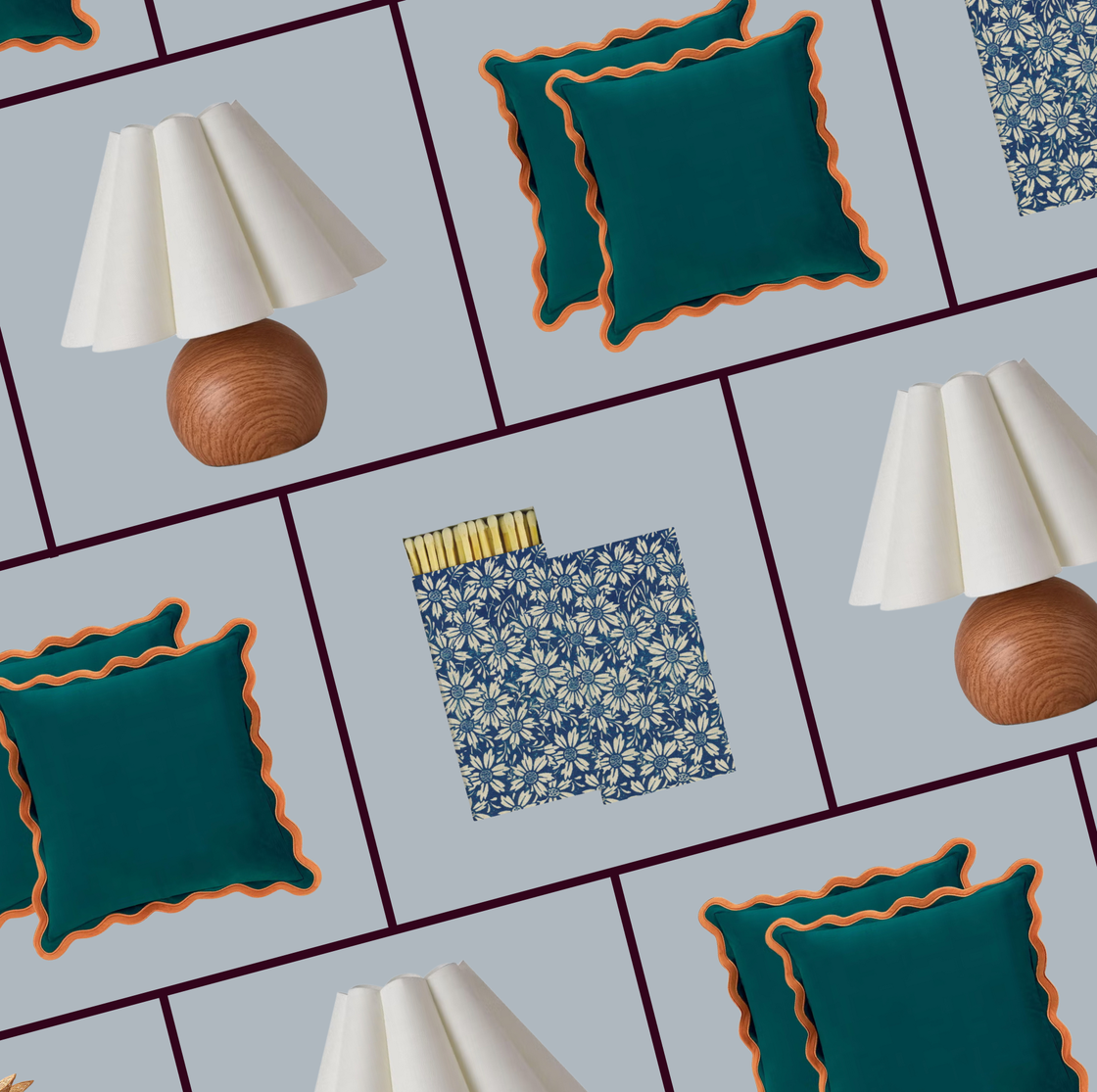
The 23 Best Home Decor Picks from Amazon to Add to Your Cart


12 Wholesale Home Decor Suppliers

Where to Shop Sustainable Home Decor Online

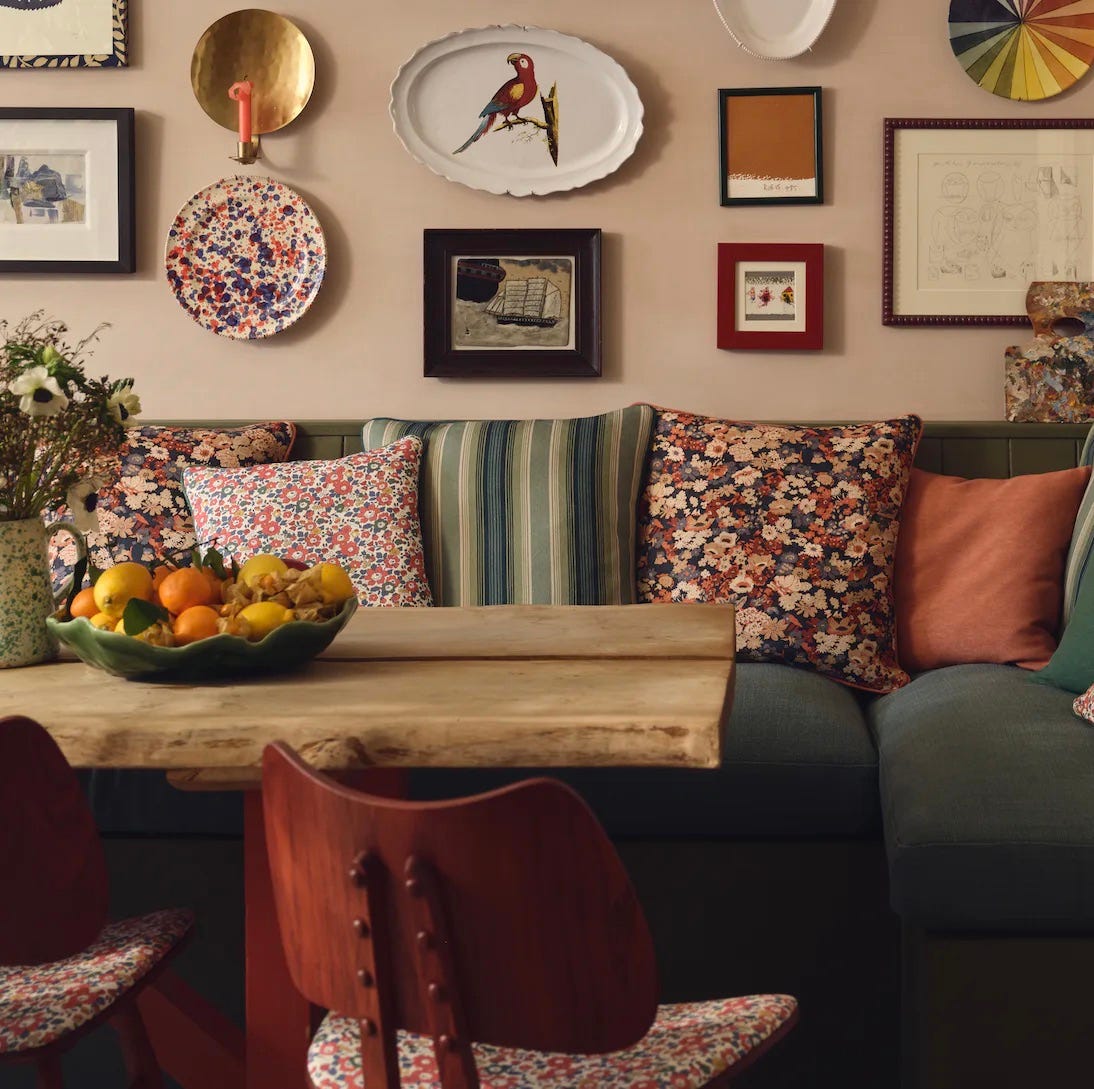
60 online homeware & furniture stores we love to browse


Home Textile Industry News: Growth and Challenges in 2025