1/4
Follow These DIY Steps to Remove and Refresh Your Kitchen Cabinets
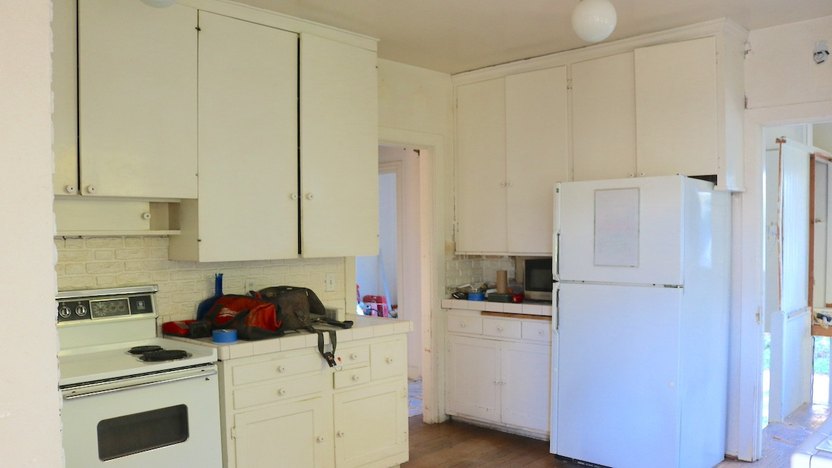
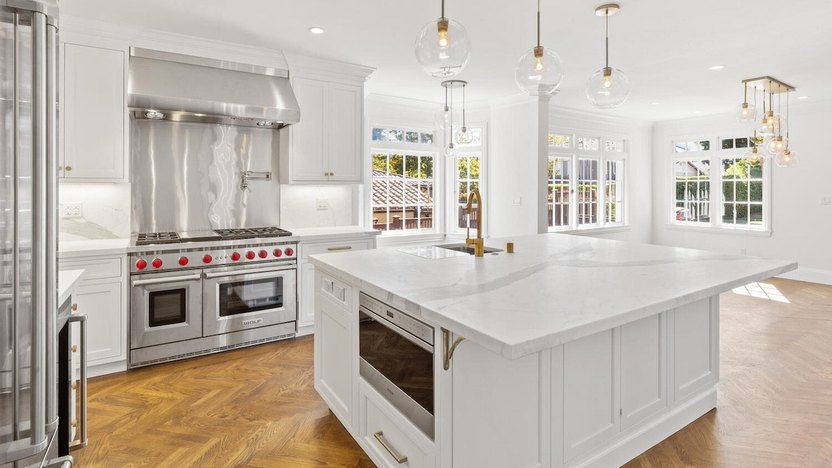
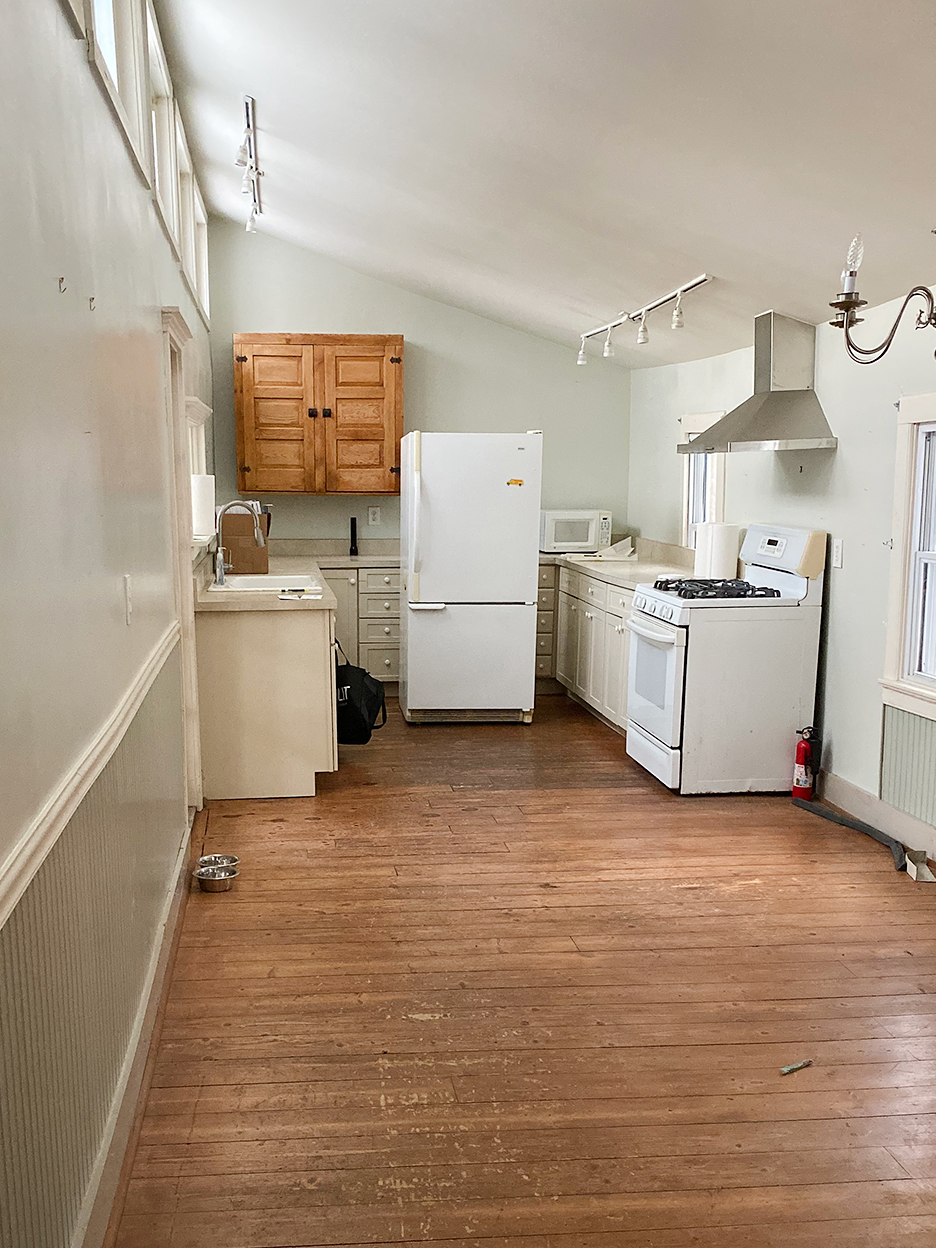
This article details a DIY guide on how to remove and refresh kitchen cabinets, inspired by a renovation featured on 'George to the Rescue.' The renovation specifically benefited Marine veteran Kyle Chappell, whose culinary passion was hindered by a severe motorcycle crash in 2015 that led to a leg amputation and ongoing recovery challenges. George Oliphant and his team, in collaboration with Butter & Velvet Home & Design and Mika Construction, transformed Chappell's kitchen to enhance his comfort and culinary experience. The guide emphasizes that renovating cabinets can significantly alter a kitchen's appearance.
Before beginning any cabinet removal, crucial preparatory steps are outlined. These include emptying all contents from cabinets and drawers, turning off the water supply to the kitchen sink, and turning off the gas supply to the oven or stove. If the gas valve is inaccessible or difficult to operate, contacting the gas company is advised. Following these safety measures, all kitchen appliances should be removed from the area to facilitate the demolition or removal process.
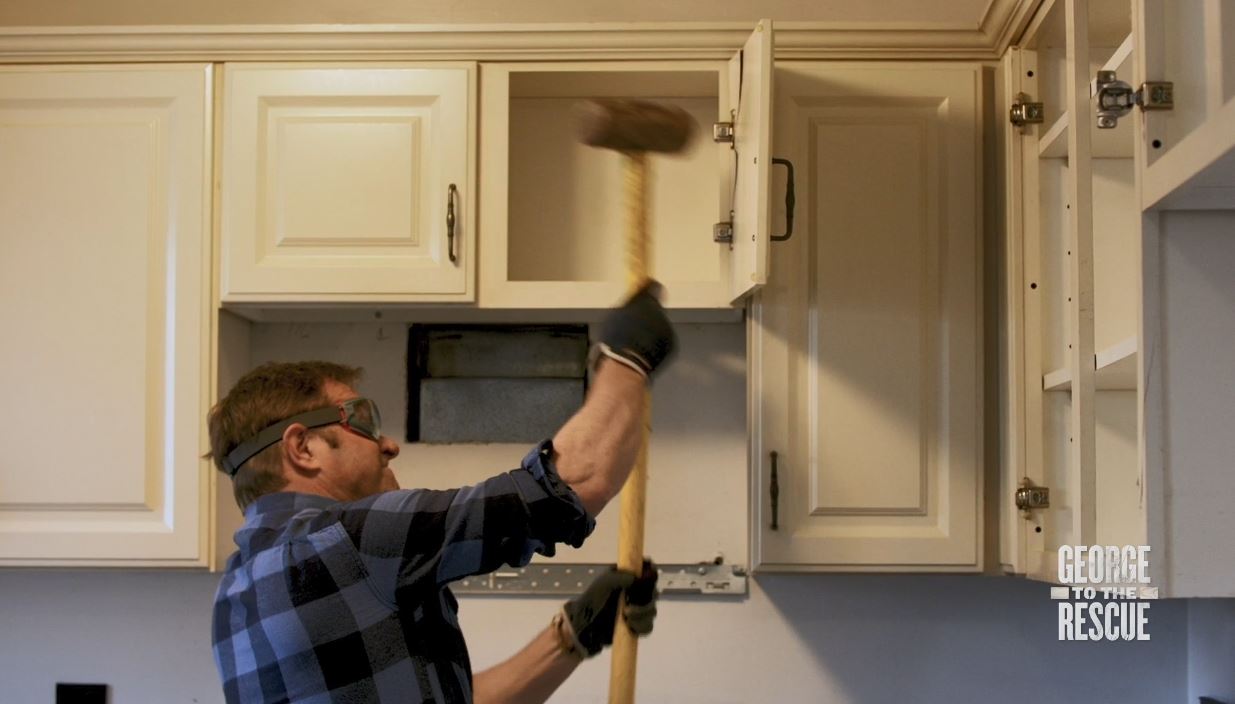
For removing kitchen wall cabinets, the guide stresses the importance of wearing safety goggles, gloves, and a mask. It differentiates between cabinets installed with glue and nails versus screws, noting that the former might require demolition due to potential damage during removal. For screw-installed cabinets, the process involves unscrewing cabinet doors at their hinges, removing internal shelves, and checking for and removing screws connecting cabinet sections. Subsequently, all screws attaching the cabinet to the wall, typically drywall screws along the back and a row of screws inside at the top and bottom, must be removed. The guide recommends having someone hold the cabinet while screws are being removed to prevent it from falling. Finally, a pry bar or crowbar can be used to gently detach the cabinet from the wall.
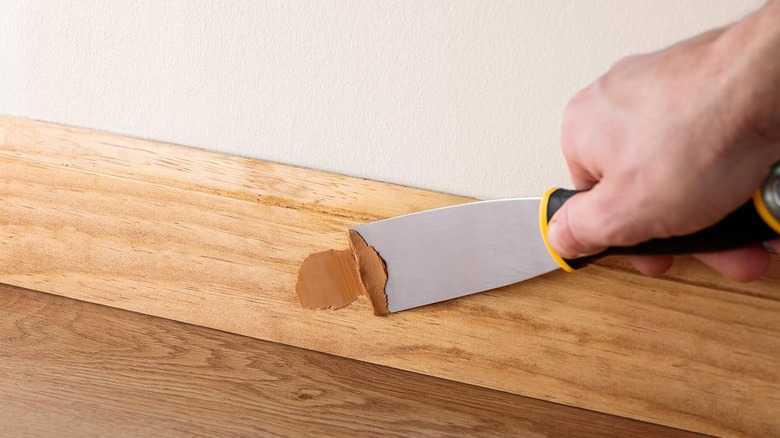
Removing kitchen base cabinets requires additional steps because they are usually connected to the countertop. This necessitates removing the countertop first, which in turn requires pulling out the sink after ensuring the water supply is off. Once the sink and countertop are clear, drawers need to be removed. Different types of drawers have specific removal methods: free-rolling drawers can be pulled out and lifted, while others may have brackets that require unscrewing. Any trim along the bottom or sides of the base cabinets should be removed using a putty knife. The remaining base cabinet removal then follows the same procedure as for wall cabinets, emphasizing patience and continued use of safety gear.
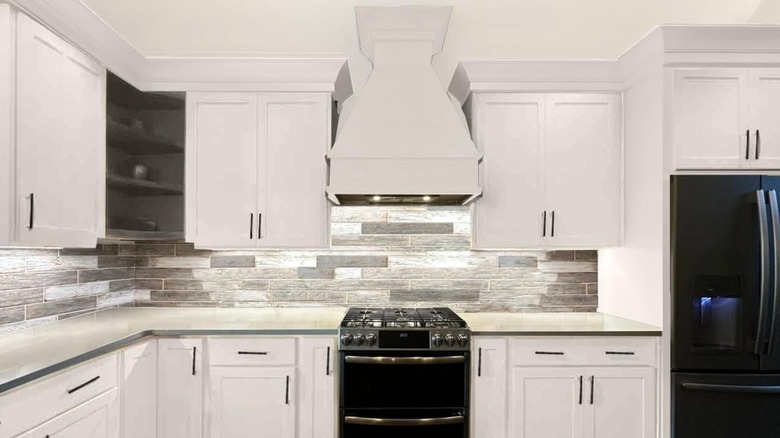
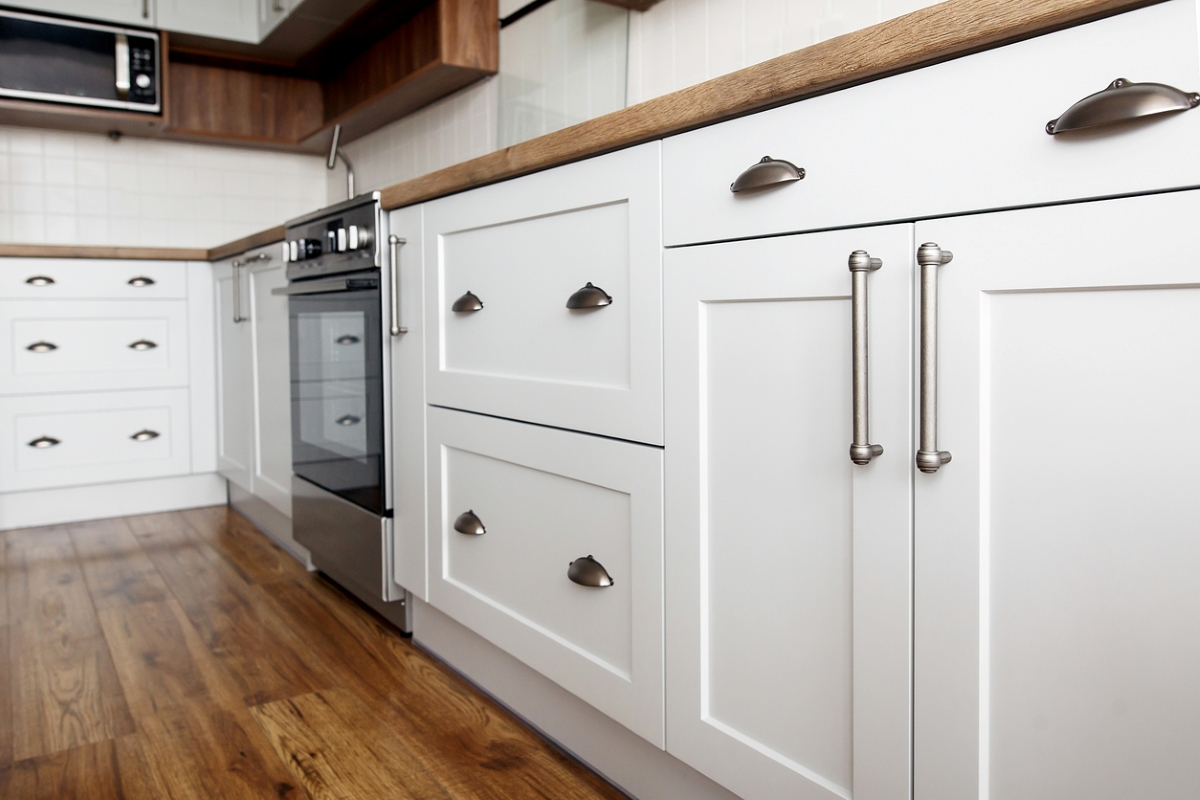
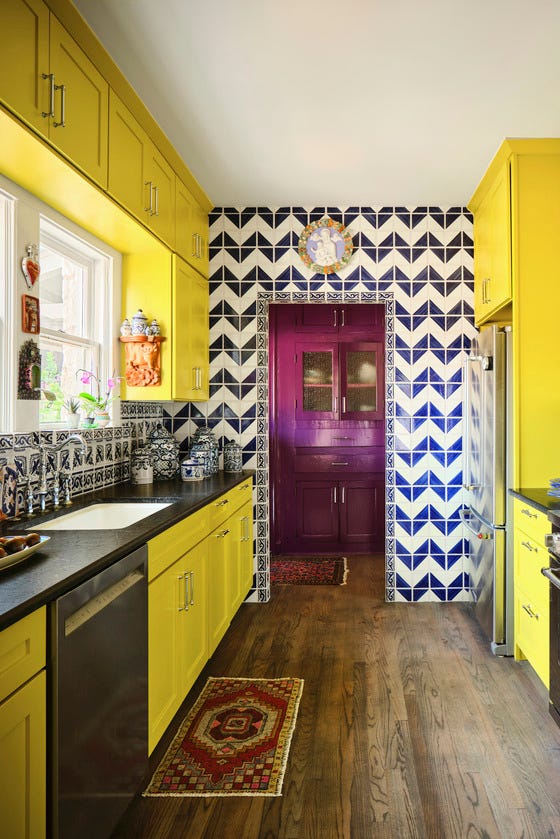
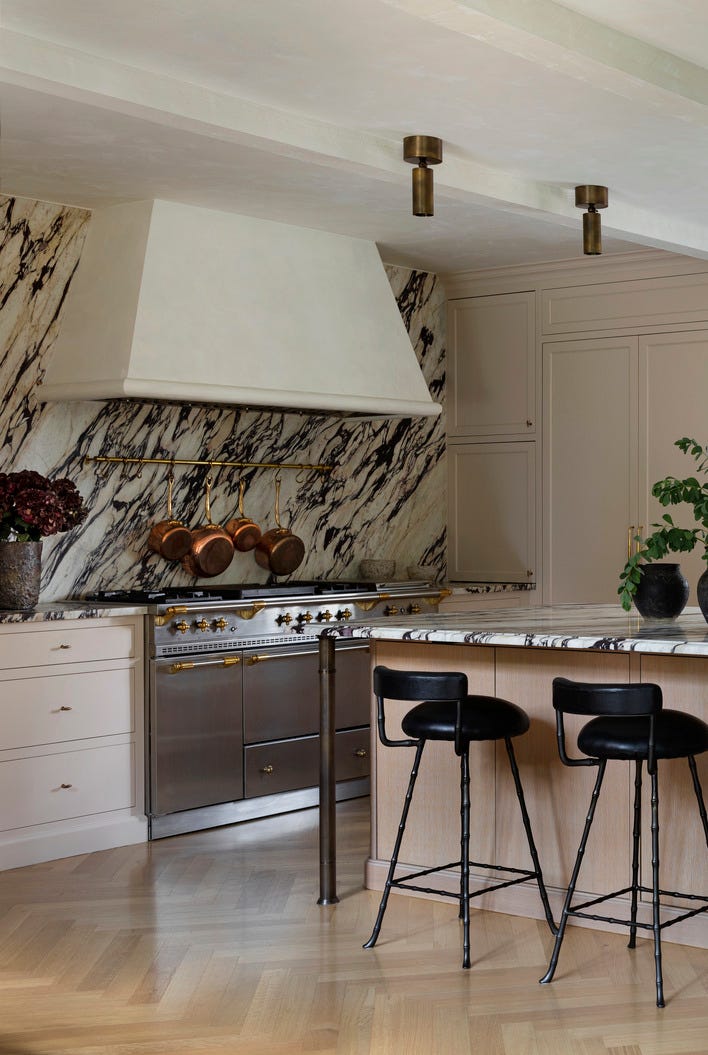
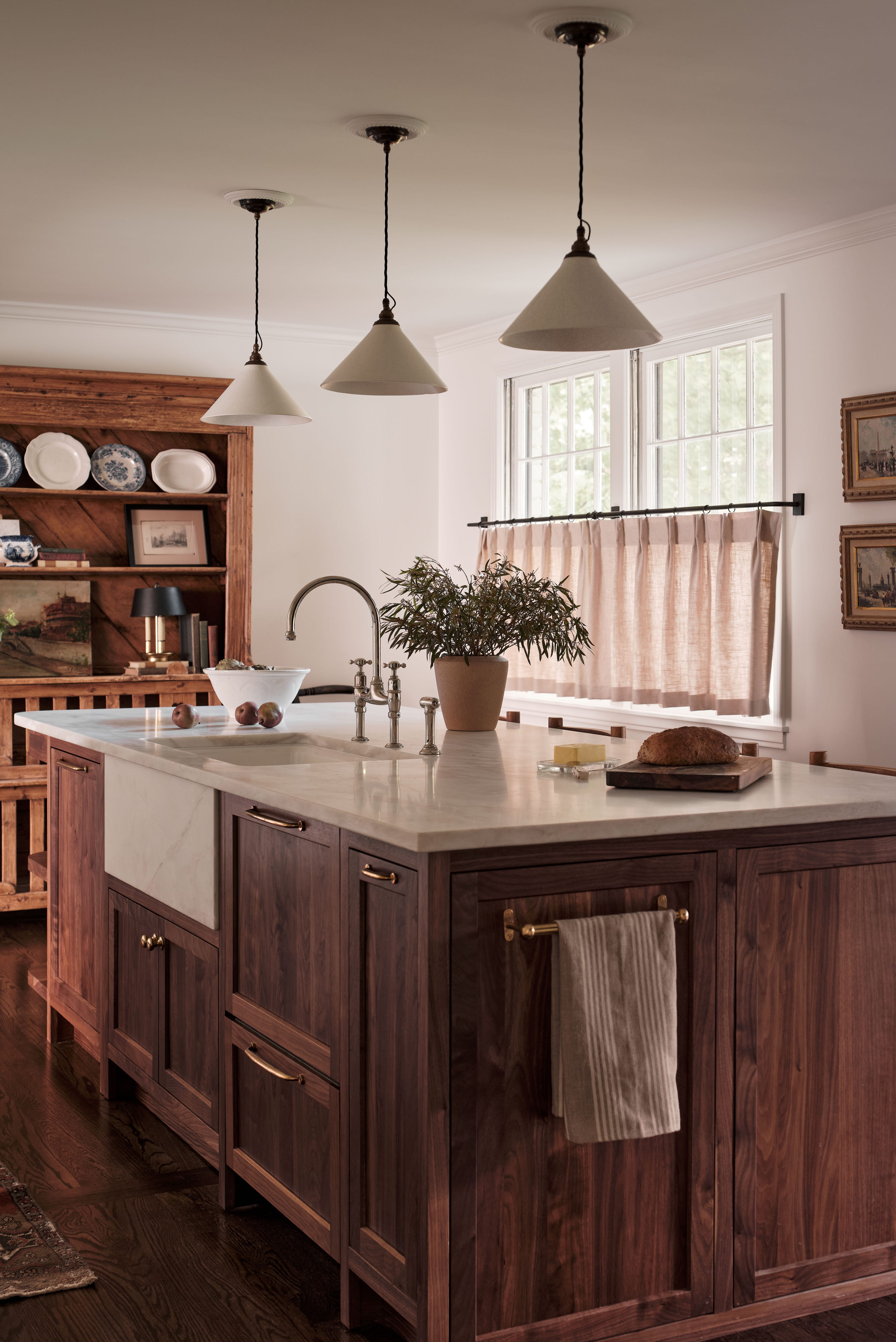
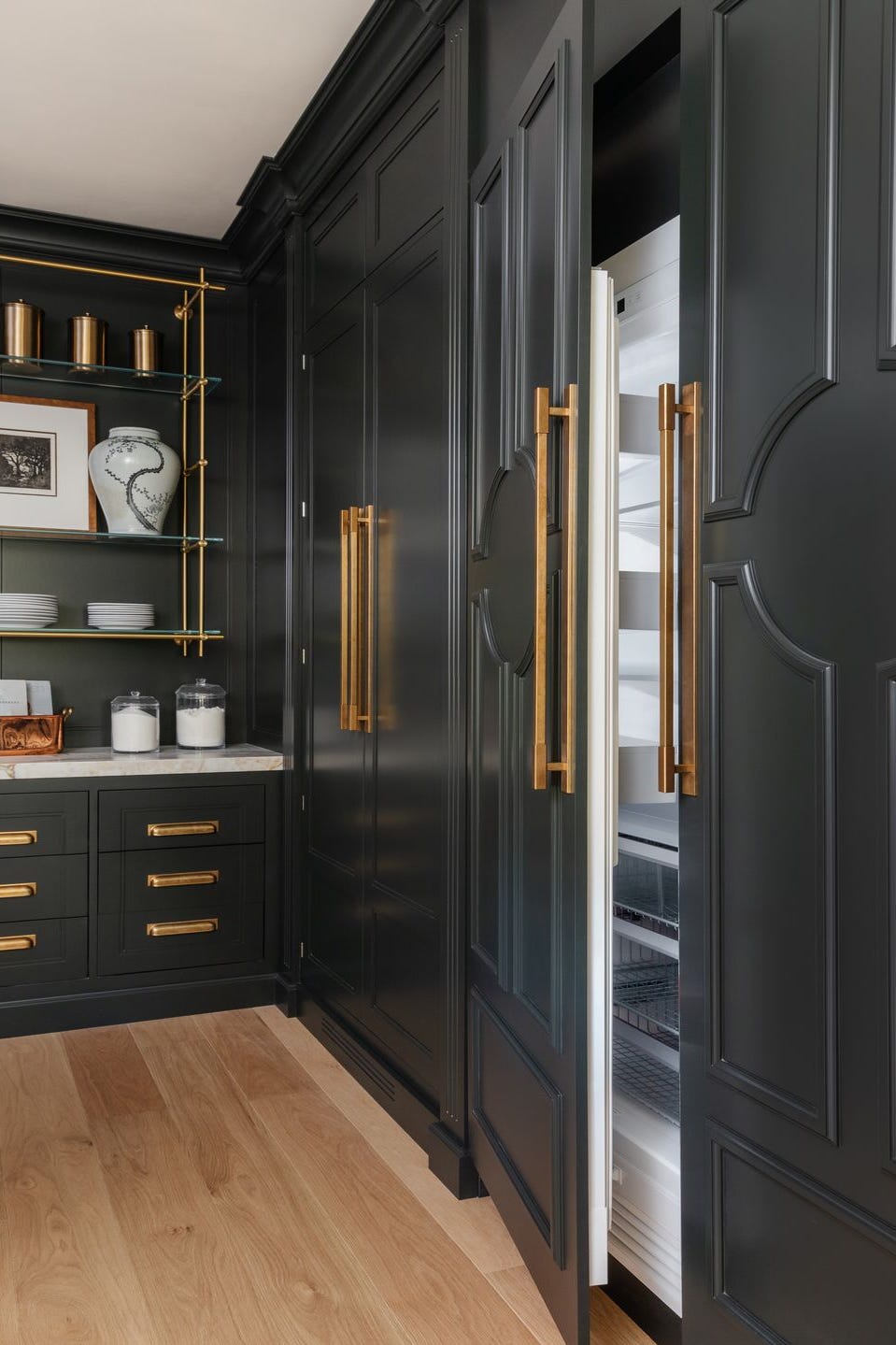
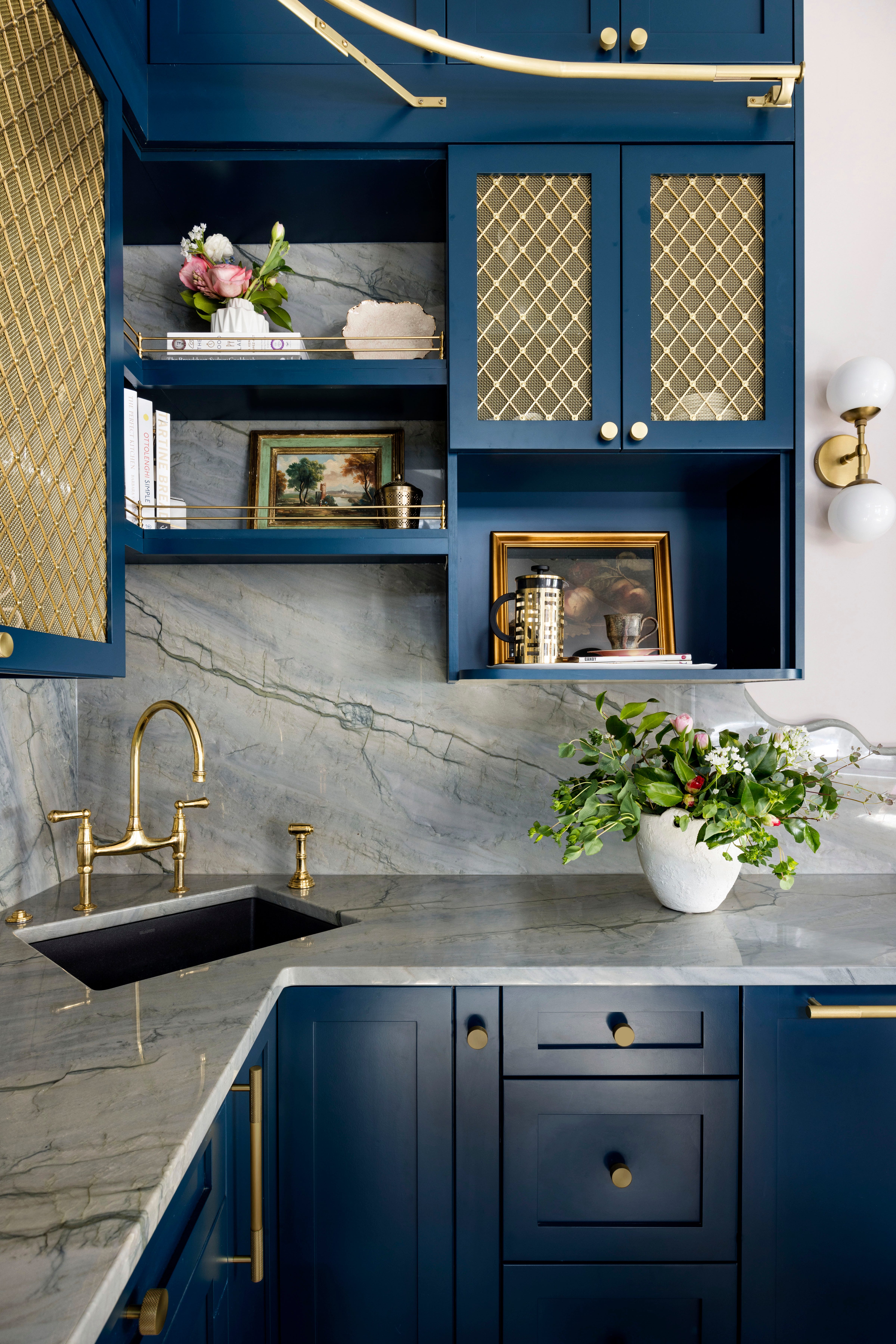
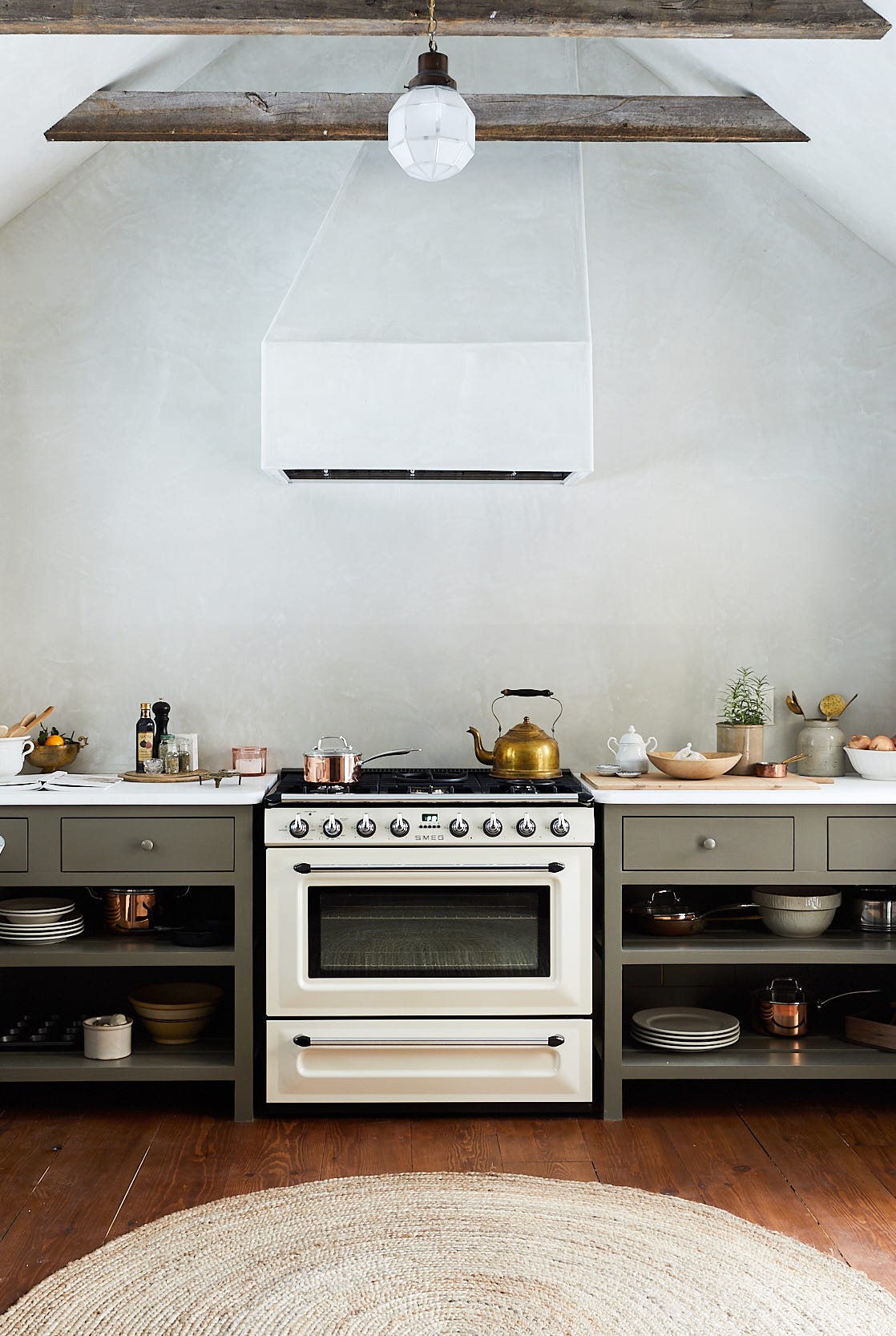
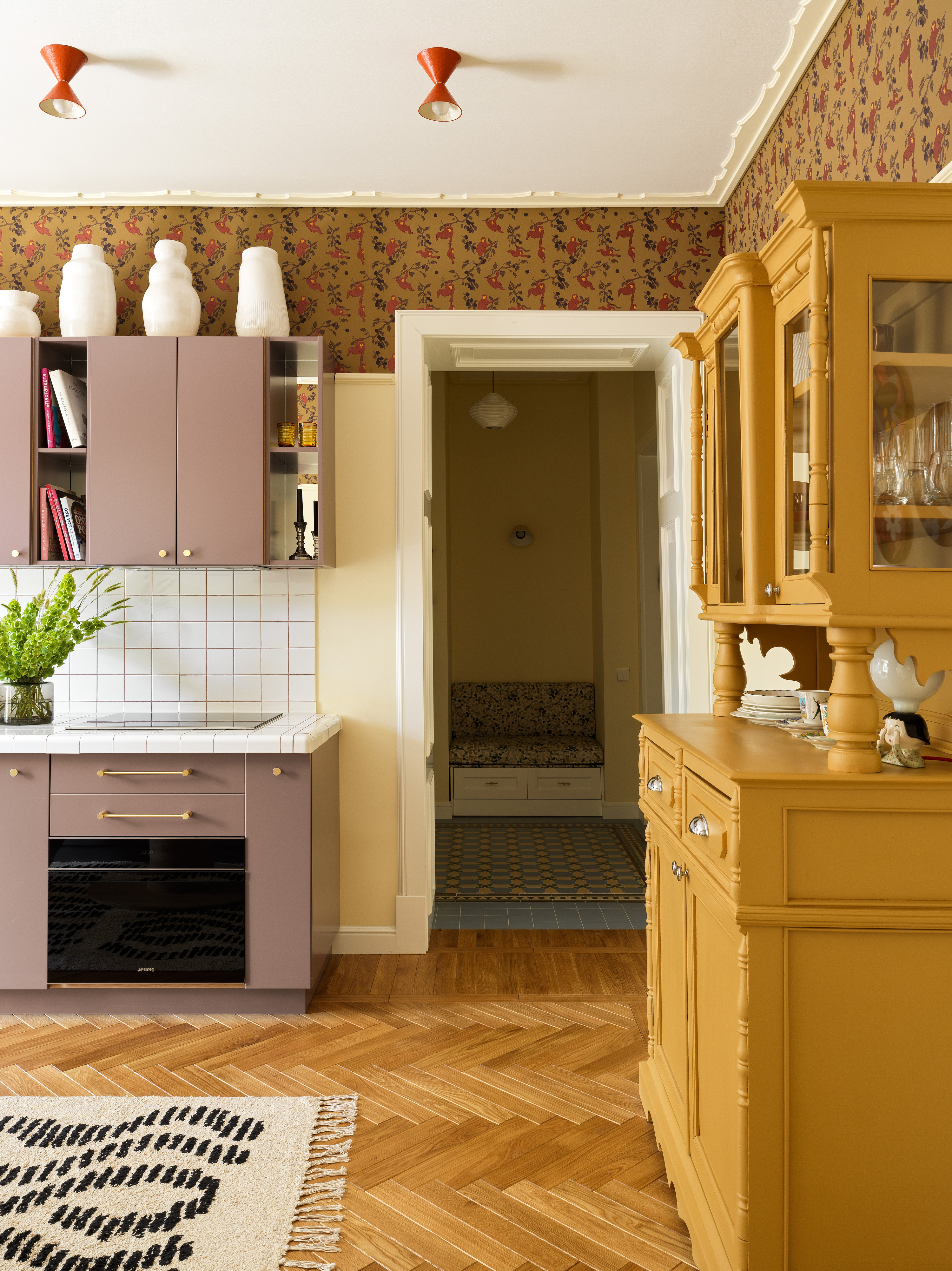
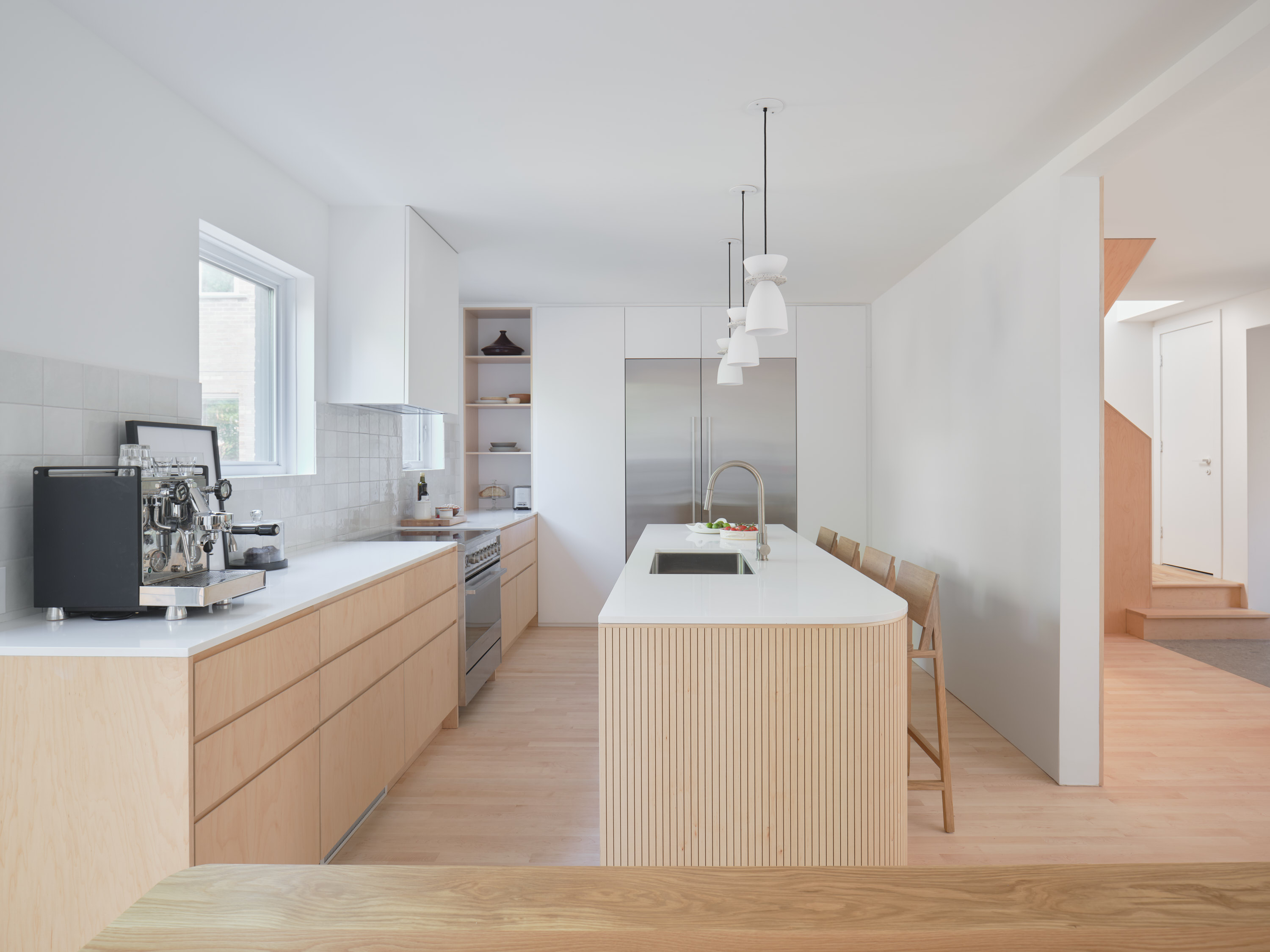
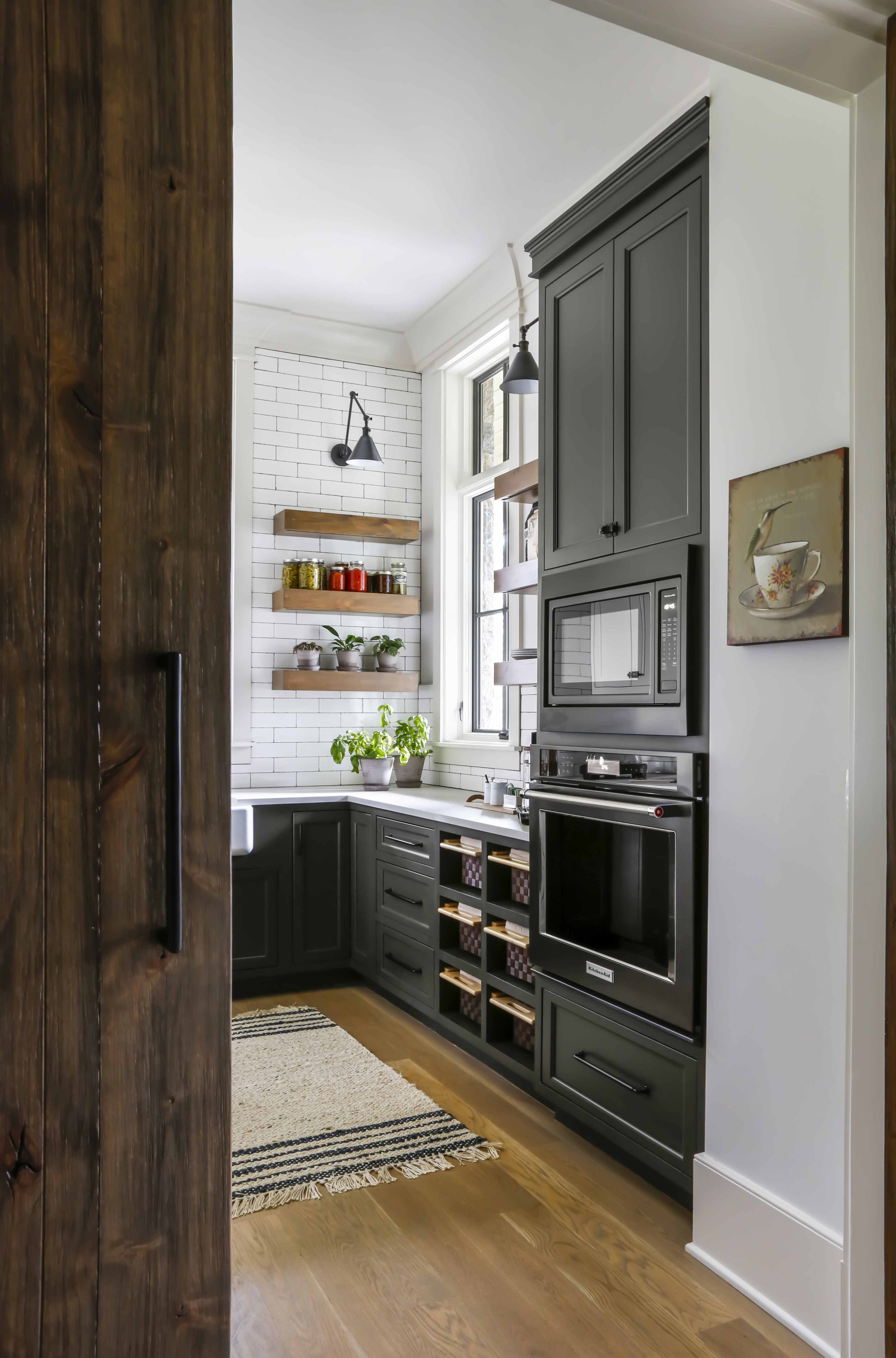
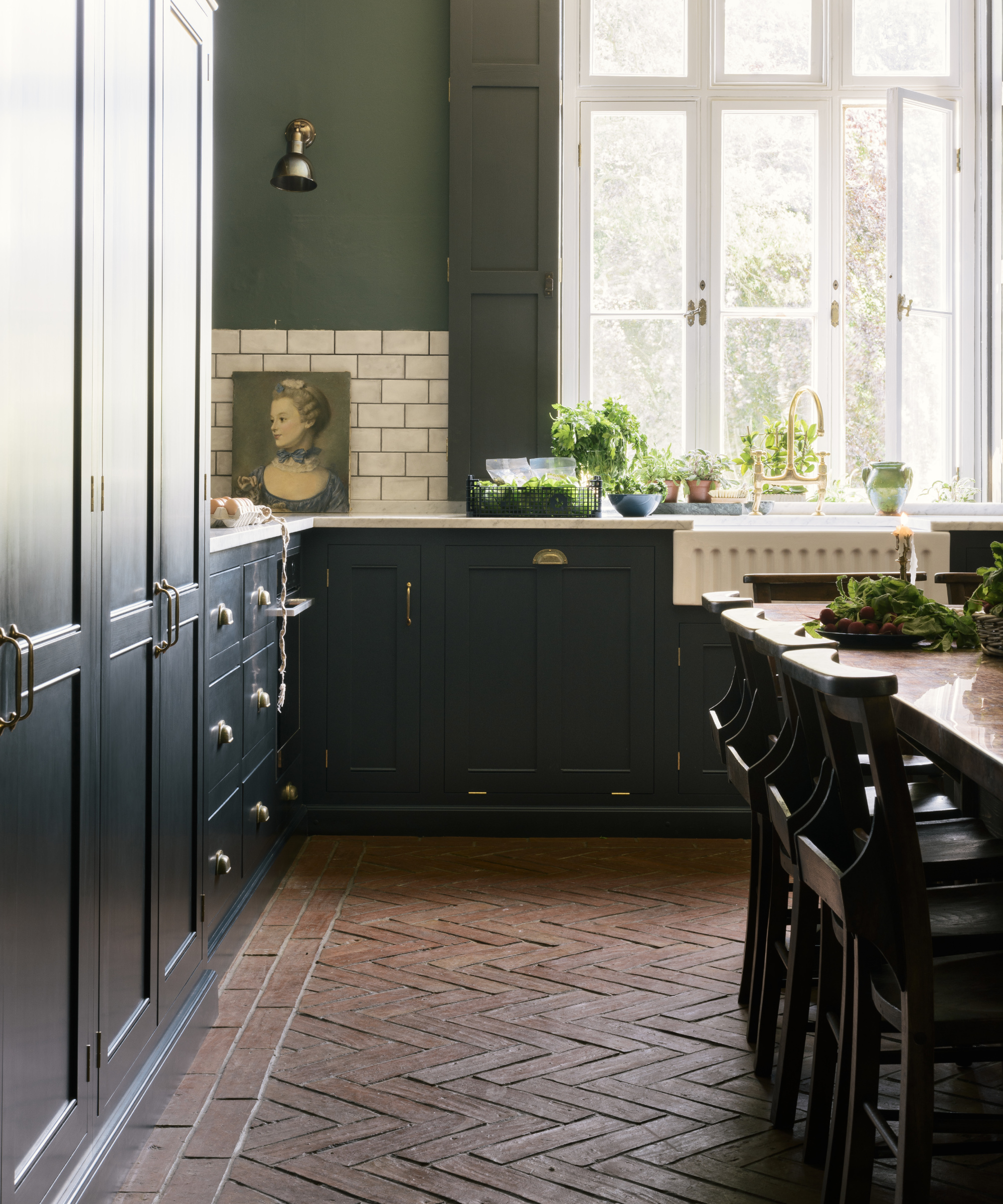
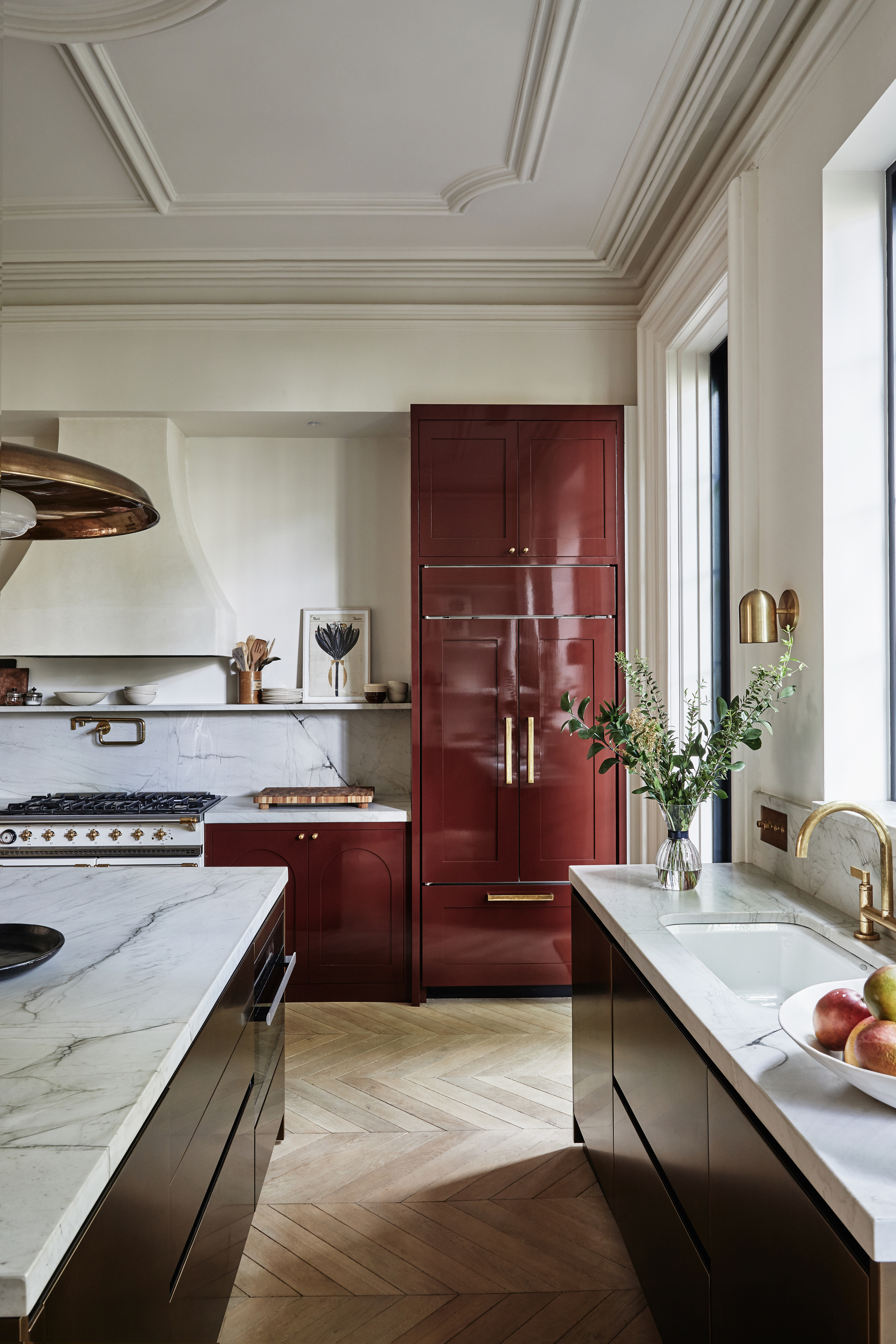
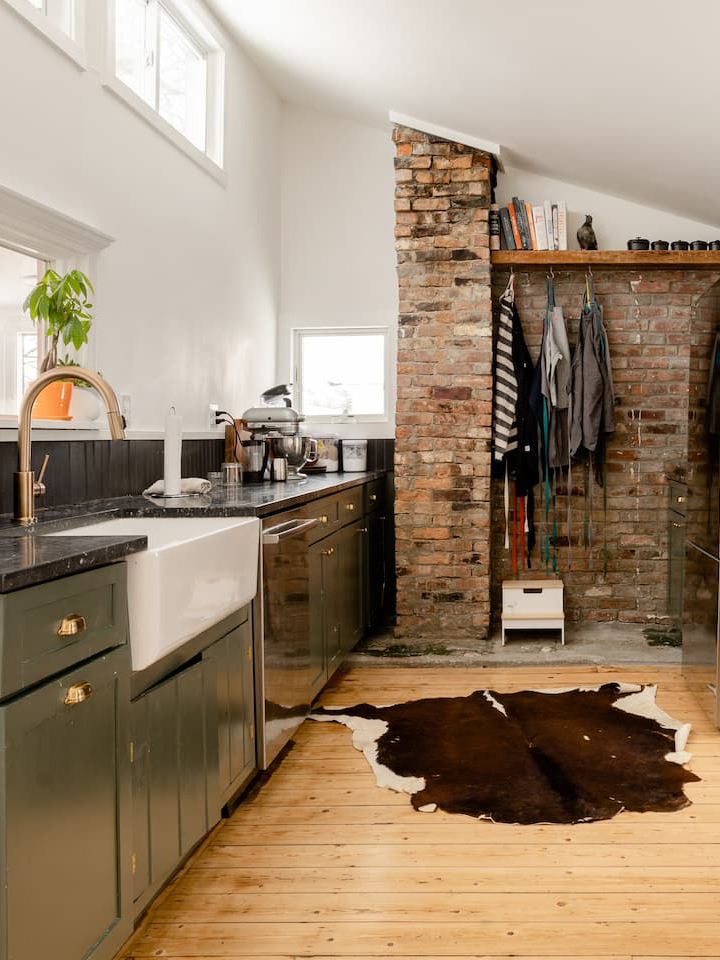
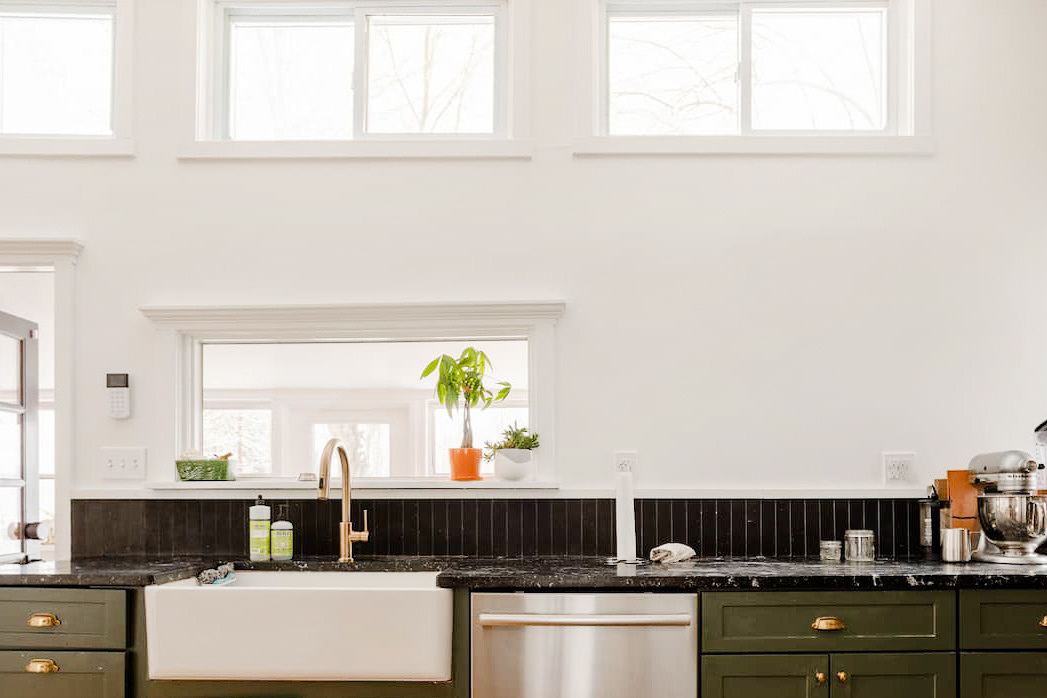
The article also provides guidance on choosing kitchen cabinet colors to refresh their appearance. It notes a trend away from solely wood-colored cabinets towards incorporating pops of color. When selecting a color, homeowners should consider their kitchen's overall design style: modern designs might suit taupe, gray, or emerald green, while traditional styles could benefit from antique white tones. The size of the kitchen is also a factor; lighter hues can make smaller spaces feel larger, whereas dark colors like black or dark gray might be better suited for larger areas or specific design elements. The chosen cabinet color should complement existing countertops, backsplashes, and walls to ensure a cohesive look. For Kyle Chappell's kitchen, muted gray was selected for the upper and lower cabinets, with a soft black chosen for the kitchen island cabinets, demonstrating a balanced approach to color selection.
#KitchenRenovation #DIYHomeImprovement #CabinetRemoval #CabinetPainting #HomeDesign #KitchenRemodel #GeorgeToTheRescue #InteriorDesign #HomeRenovation #KitchenRenovation #DIYHomeImprovement #CabinetRemoval #CabinetPainting #HomeDesign #KitchenRemodel #GeorgeToTheRescue #InteriorDesign #HomeRenovation
0 ความคิดเห็นรวม
 ยังไม่มีความคิดเห็น
คุณอาจจะชอบอีกด้วย
The 11 Best Affordable Products For Refreshing Dated Wood Cabinets
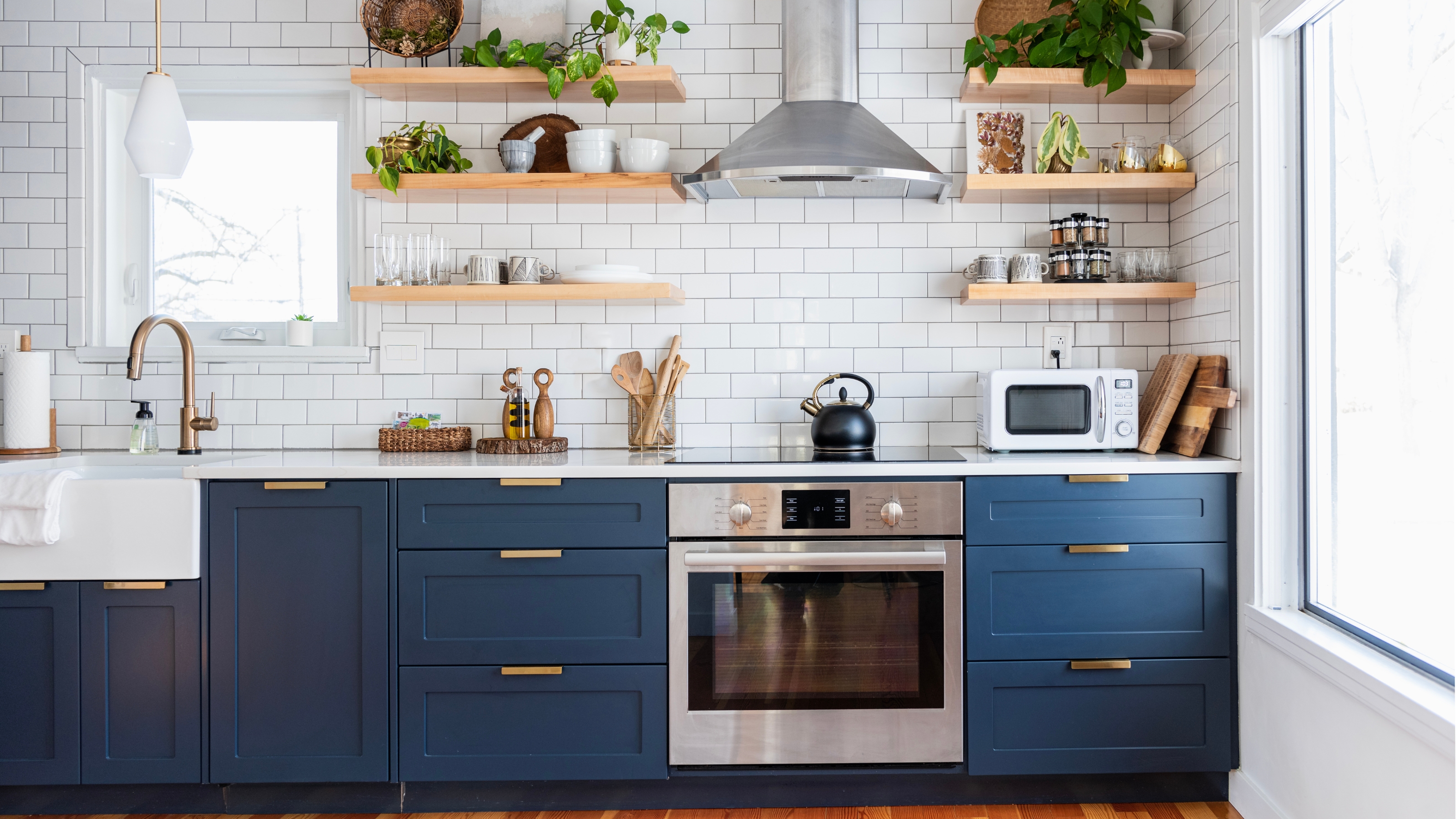
4 things to get rid of in your kitchen cabinets — experts say ditch these items right now

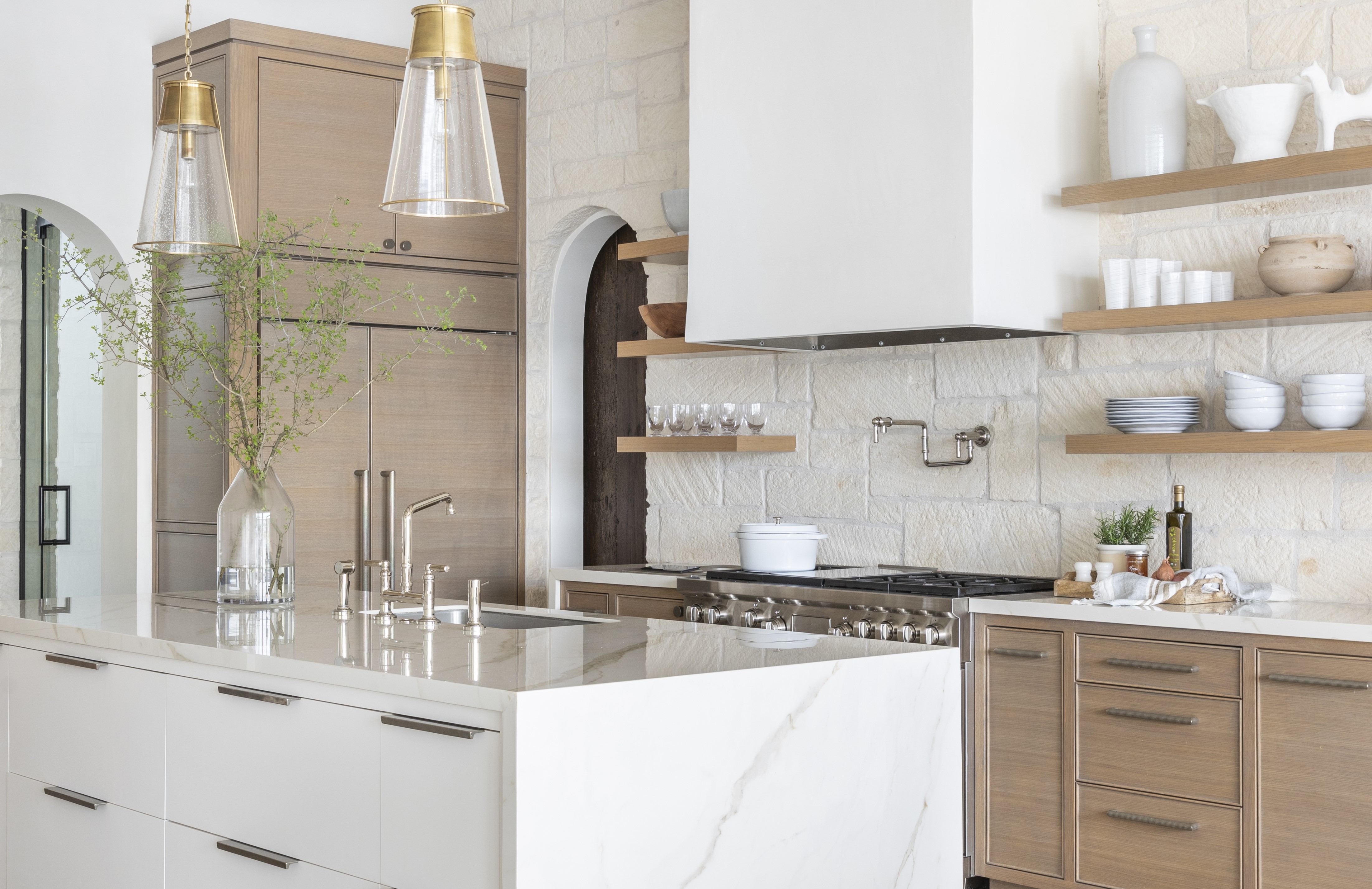
Kitchen Storage Ideas — 16 Clever Ways to Find Space for Everything

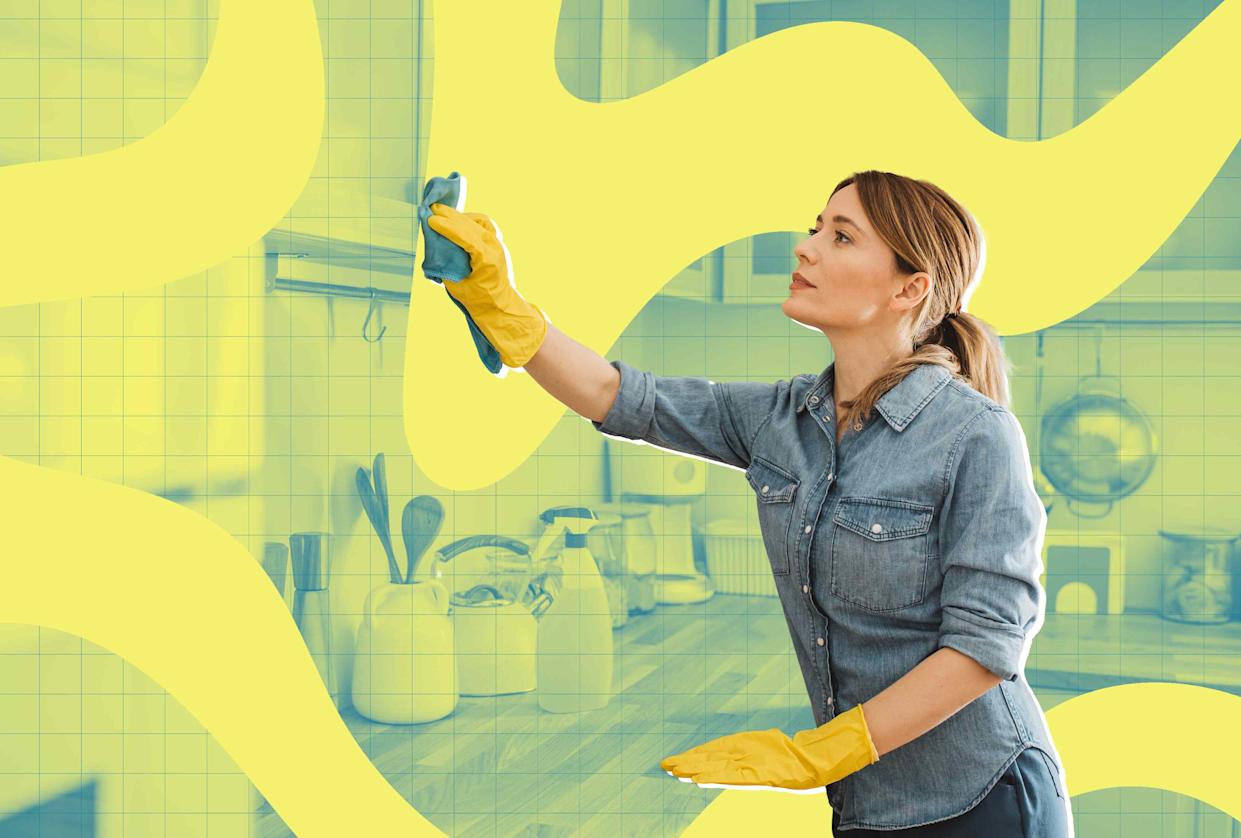
Your Kitchen Cabinets Deserve Better—Here’s How to Clean Them the Right Way

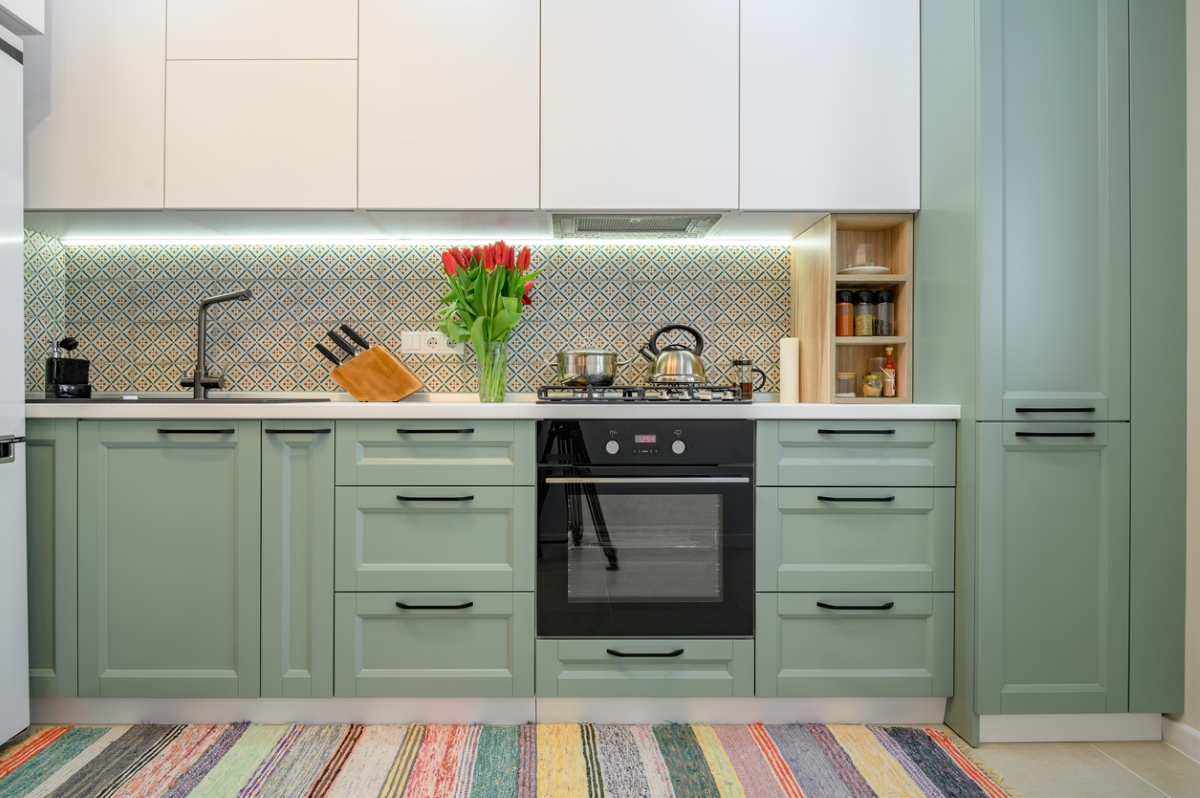
11 DIY Projects to Update Your Kitchen Cabinets

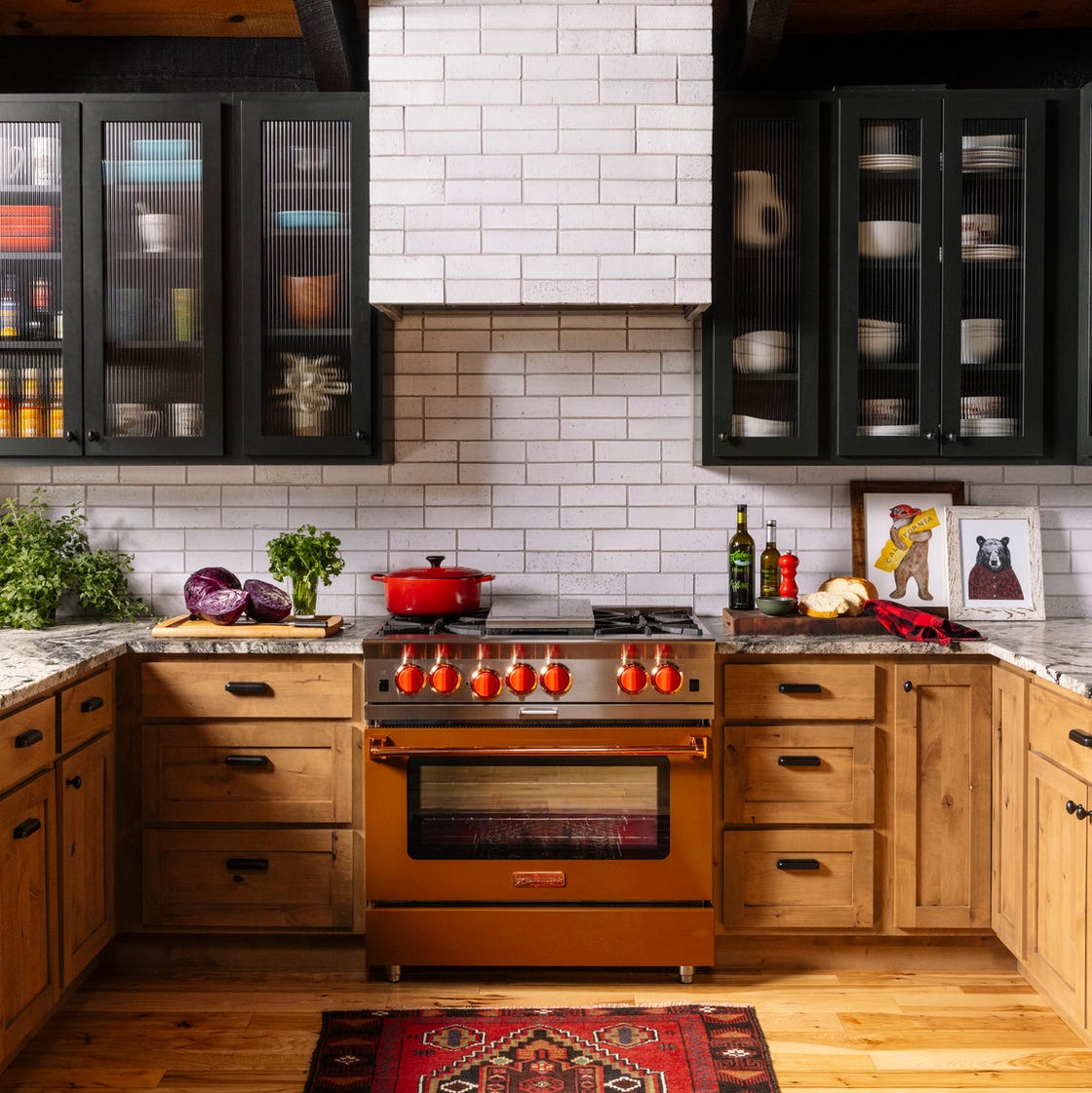
10 Modern Cabinet Ideas That'll Freshen Up Your Kitchen

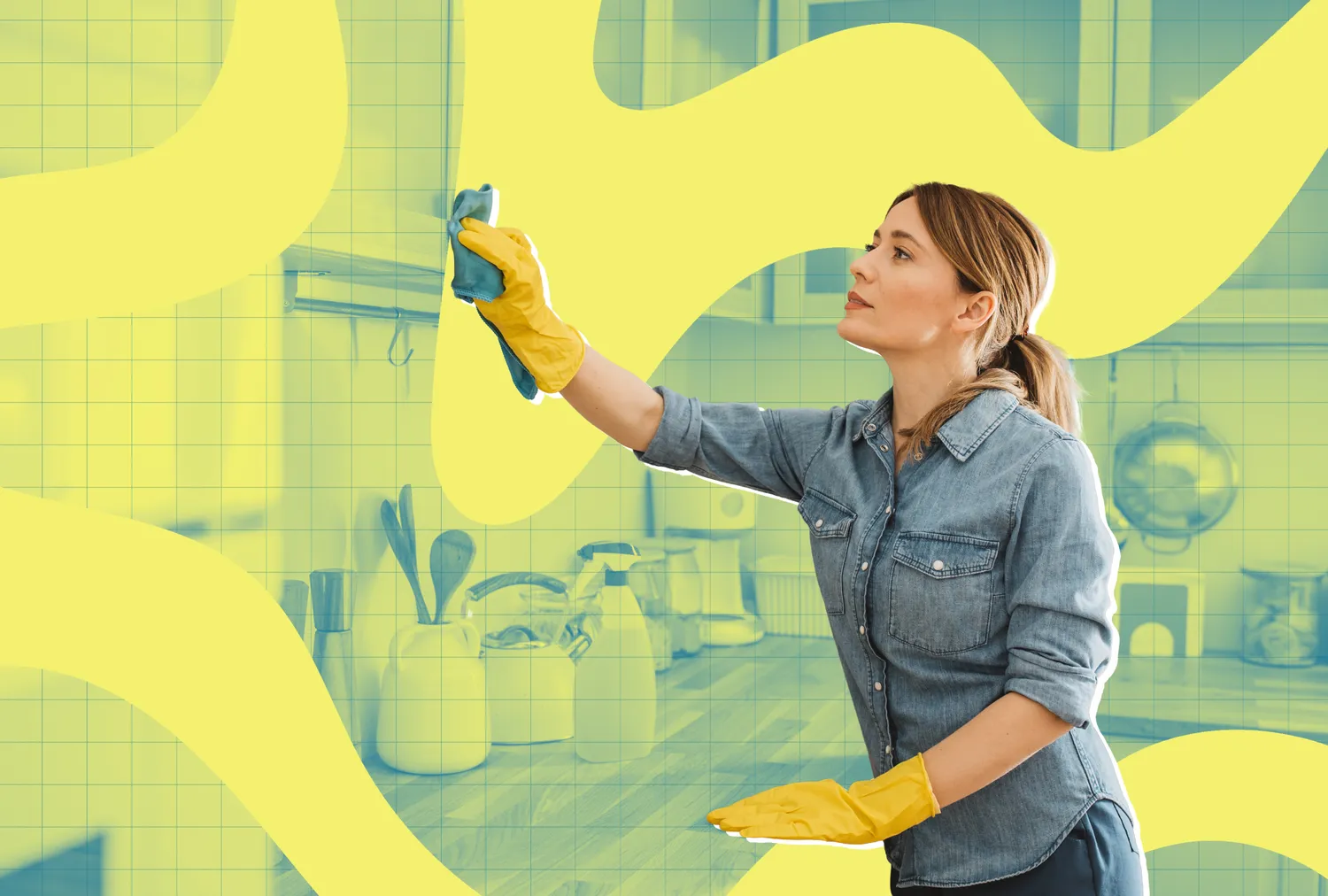
Your Kitchen Cabinets Deserve Better—Here’s How to Clean Them the Right Way
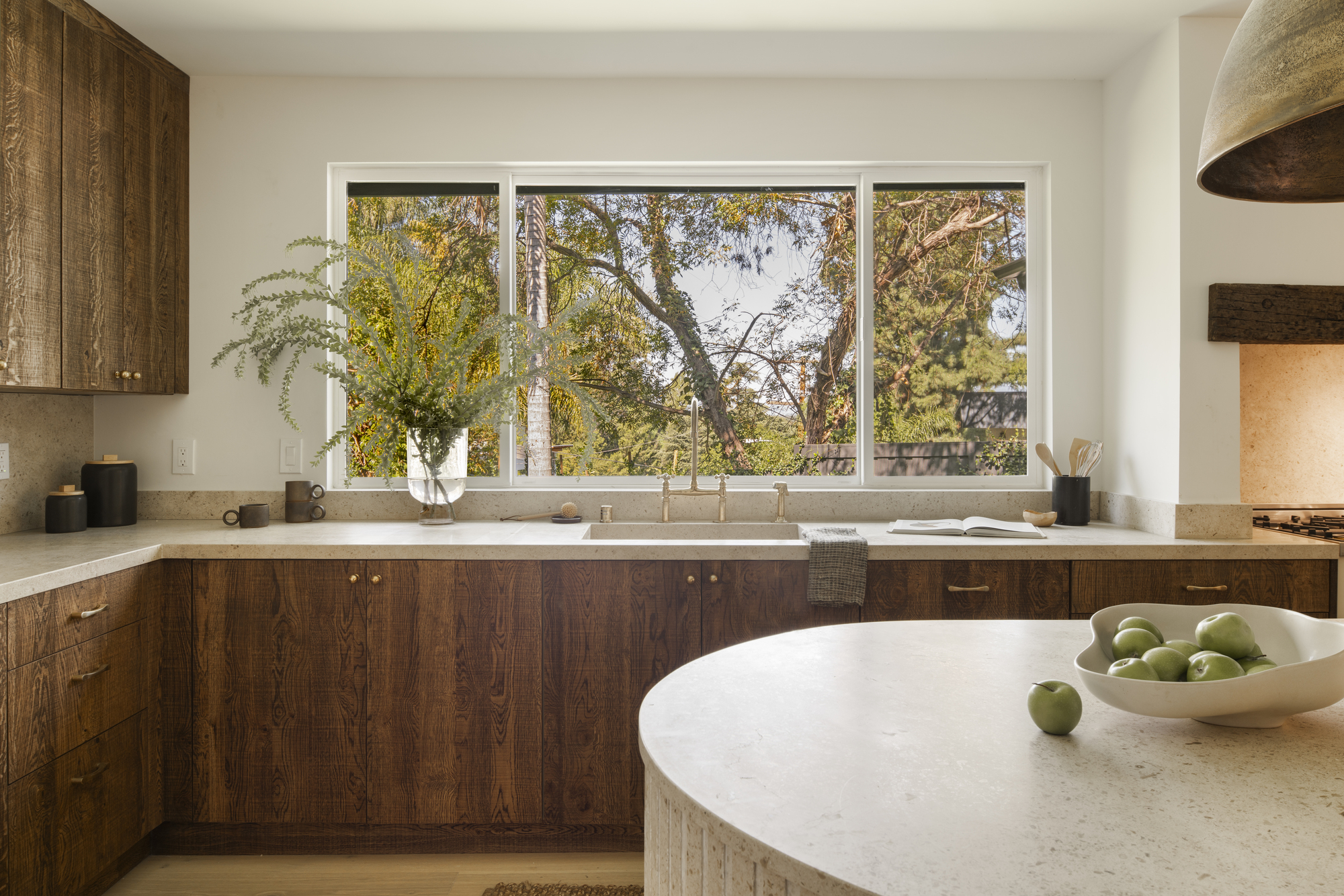
"I Restored My Scratched Wooden Kitchen Cabinets In 20 Minutes In Time for Hosting Thanksgiving — Thanks to This $13 Wonder Product"
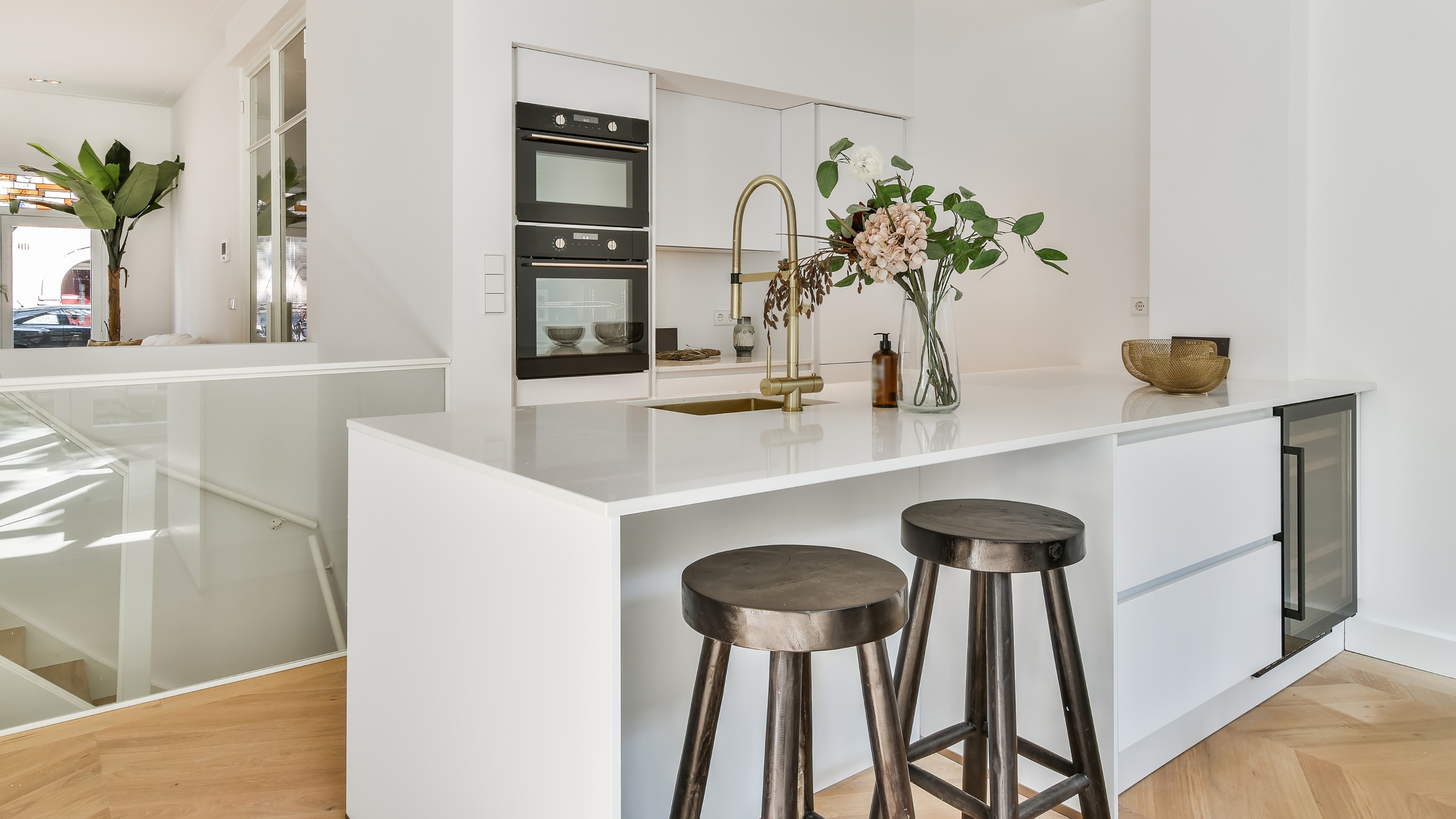
10 ways to declutter a small kitchen

How to refinish kitchen cabinets – for a fresh new look

Decluttering Experts Share Their Best Kitchen Cabinet Organization Ideas

What are the most low-maintenance kitchen cabinets? Experts say these styles will look better for longer
How to Clean Kitchen Cabinets Inside and Out

10 Gorgeous Pulls to Revitalize Your Kitchen Cabinets
Joanna Gaines, Christina Haack, and More TV Expert Advice I Followed to Renovate and Decorate My Home
Refreshing Our Old Kitchen Cabinets Cost Only $100
These are the 7 things to get rid of first in your kitchen cabinets, according to cleaning pros
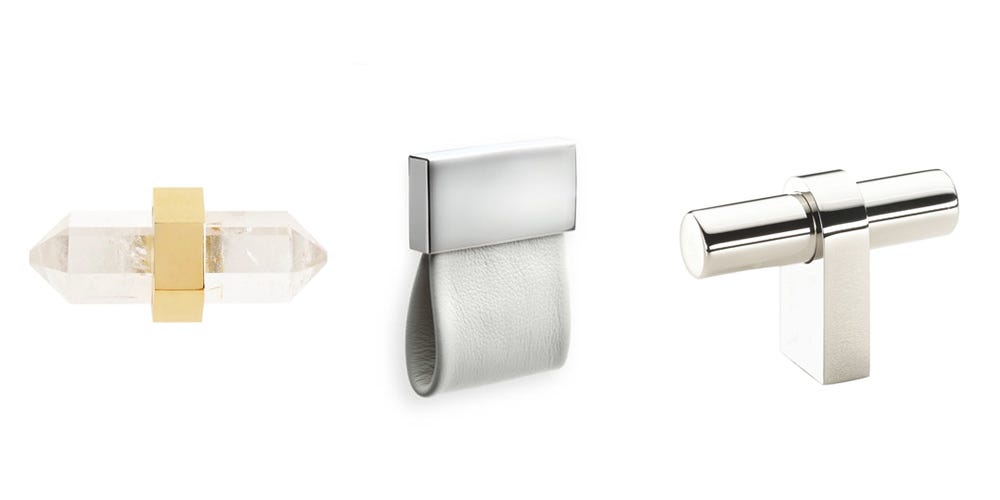
34 Chic Ways To Upgrade Your Kitchen And Bathroom Cabinets

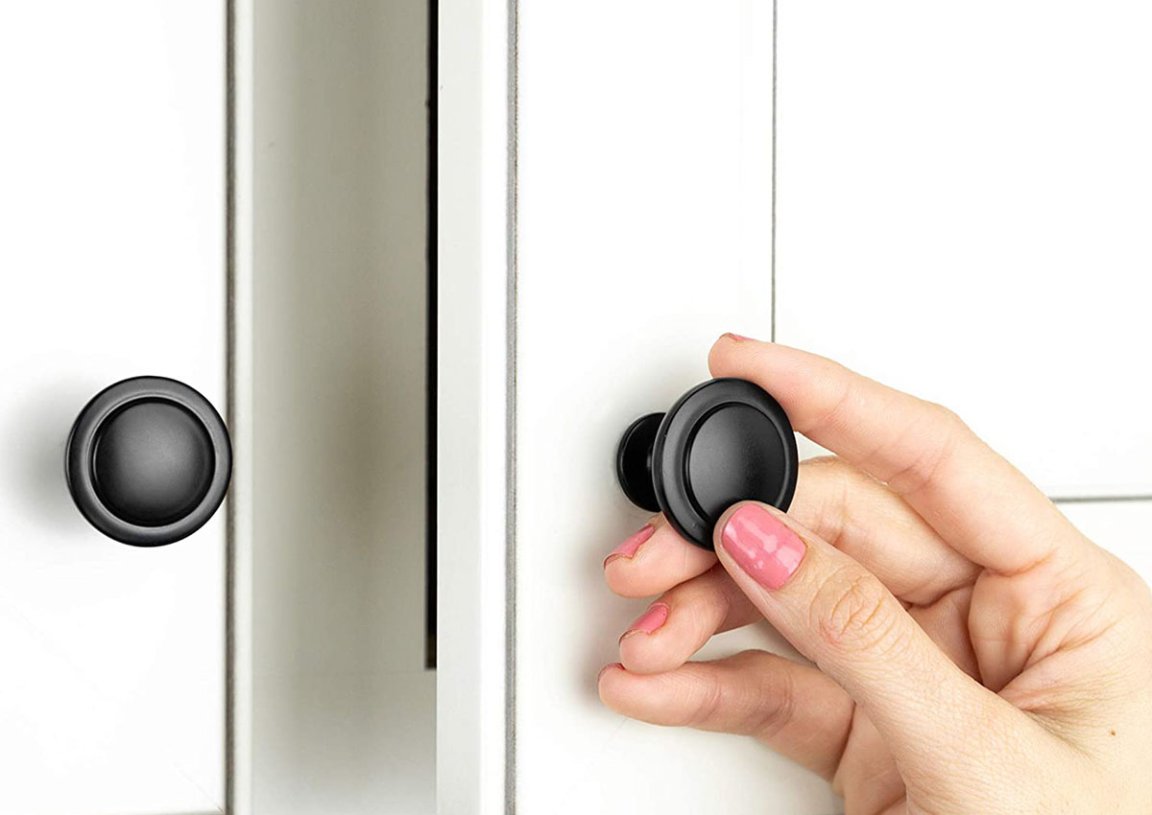
Transform Your Kitchen with the Best Cabinet Hardware

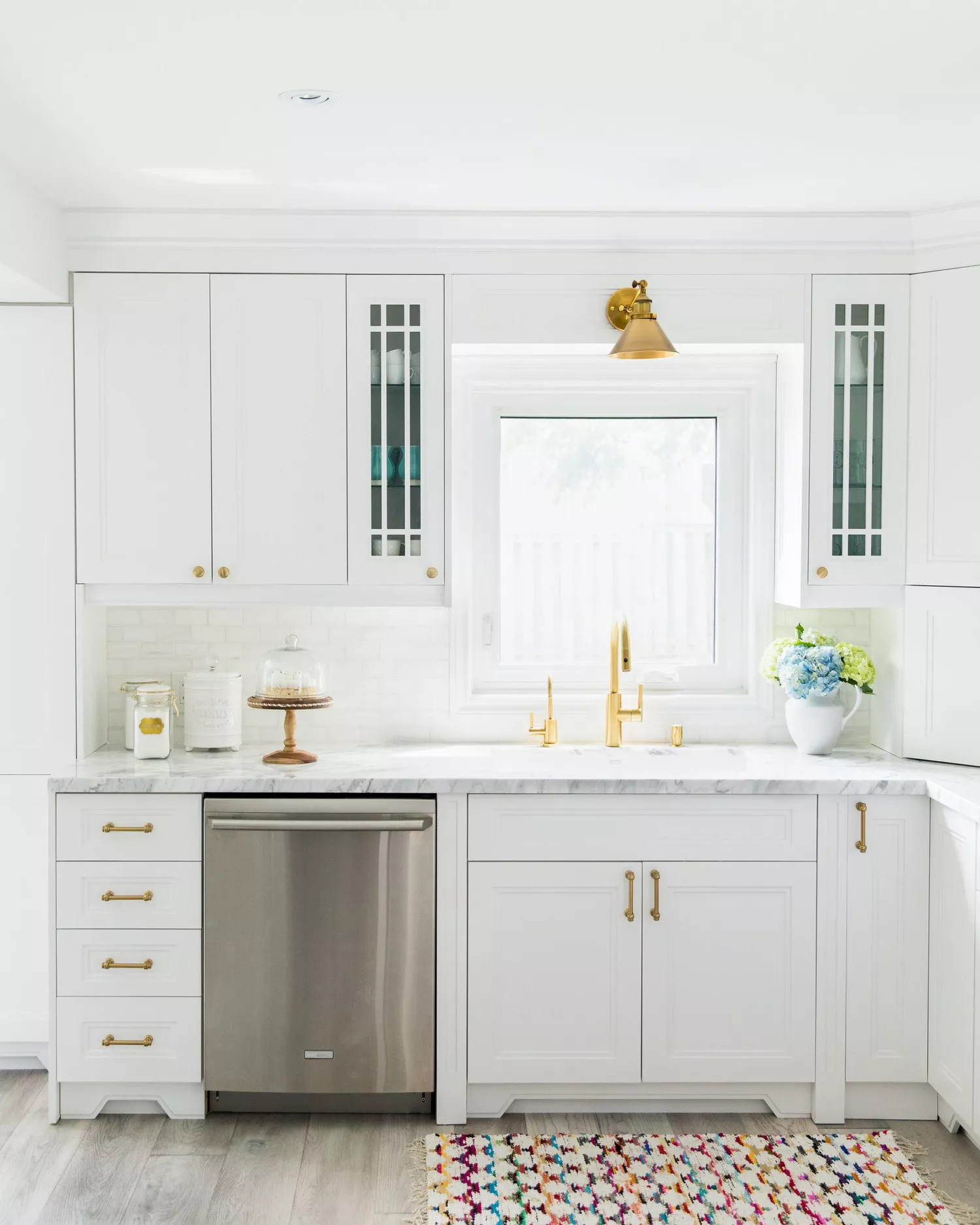
The Best Way to Clean the Cabinet Knobs and Pulls in Your Kitchen