Five fresh interior design trends using wood
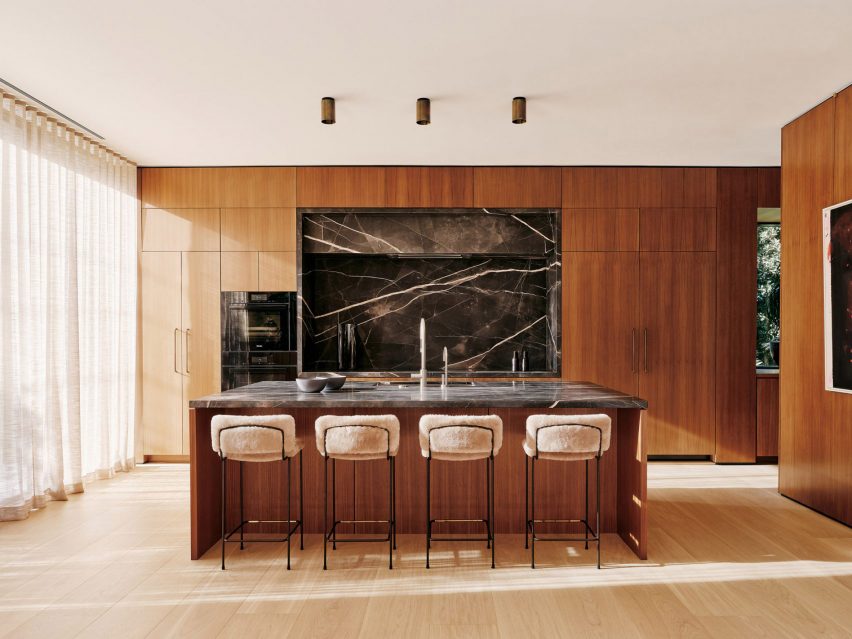
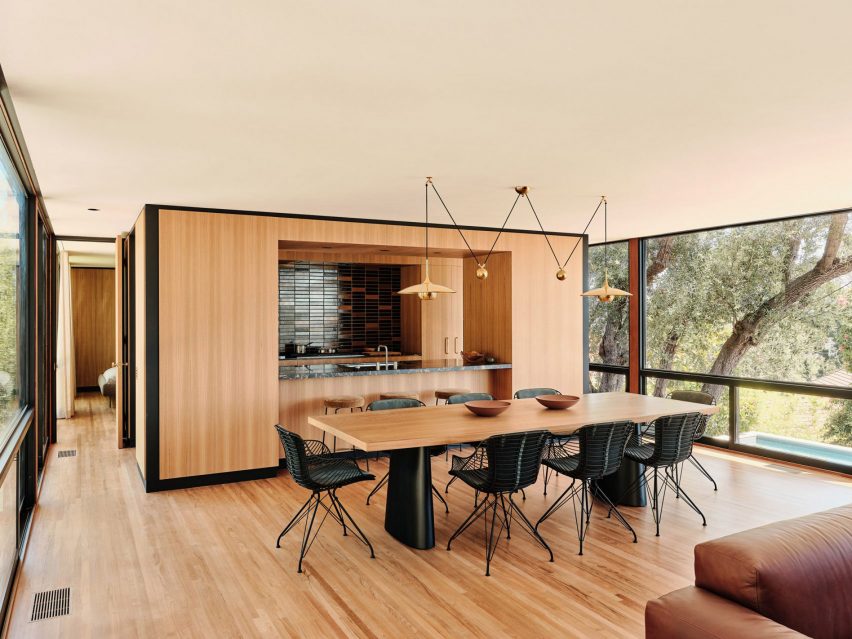
This article discusses five current interior design trends that showcase the versatility and timeless appeal of wood in American homes. Designers, homeowners, and DIY enthusiasts are re-discovering creative ways to incorporate wood, moving beyond traditional applications. Interior designer Brian Patrick Flynn emphasizes wood's natural beauty and design versatility, noting how it enhances modern spaces by adding a rustic touch. The article outlines key trends identified by Flynn and other leading designers for the "Wood, Naturally" campaign.
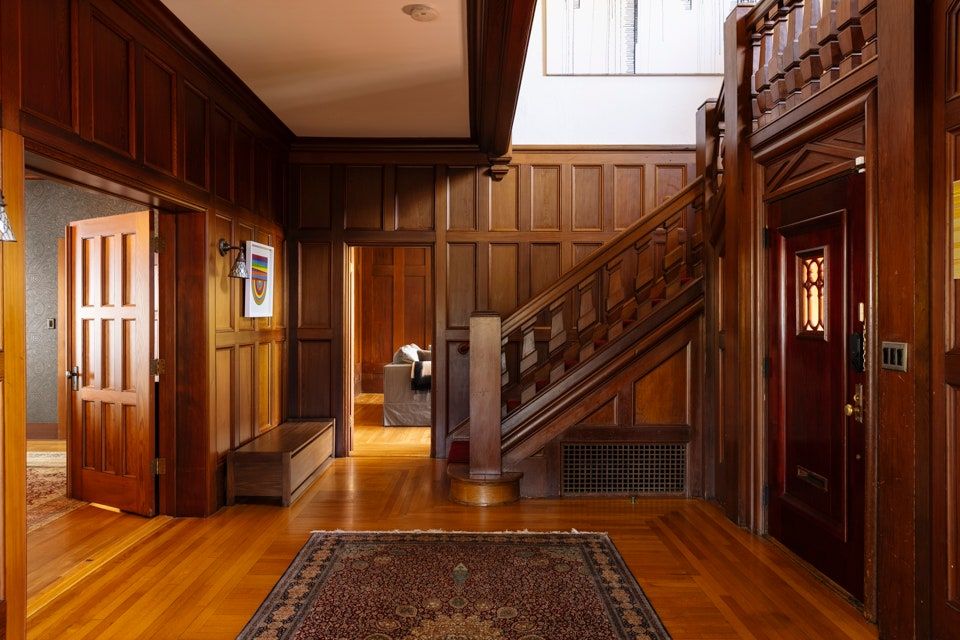
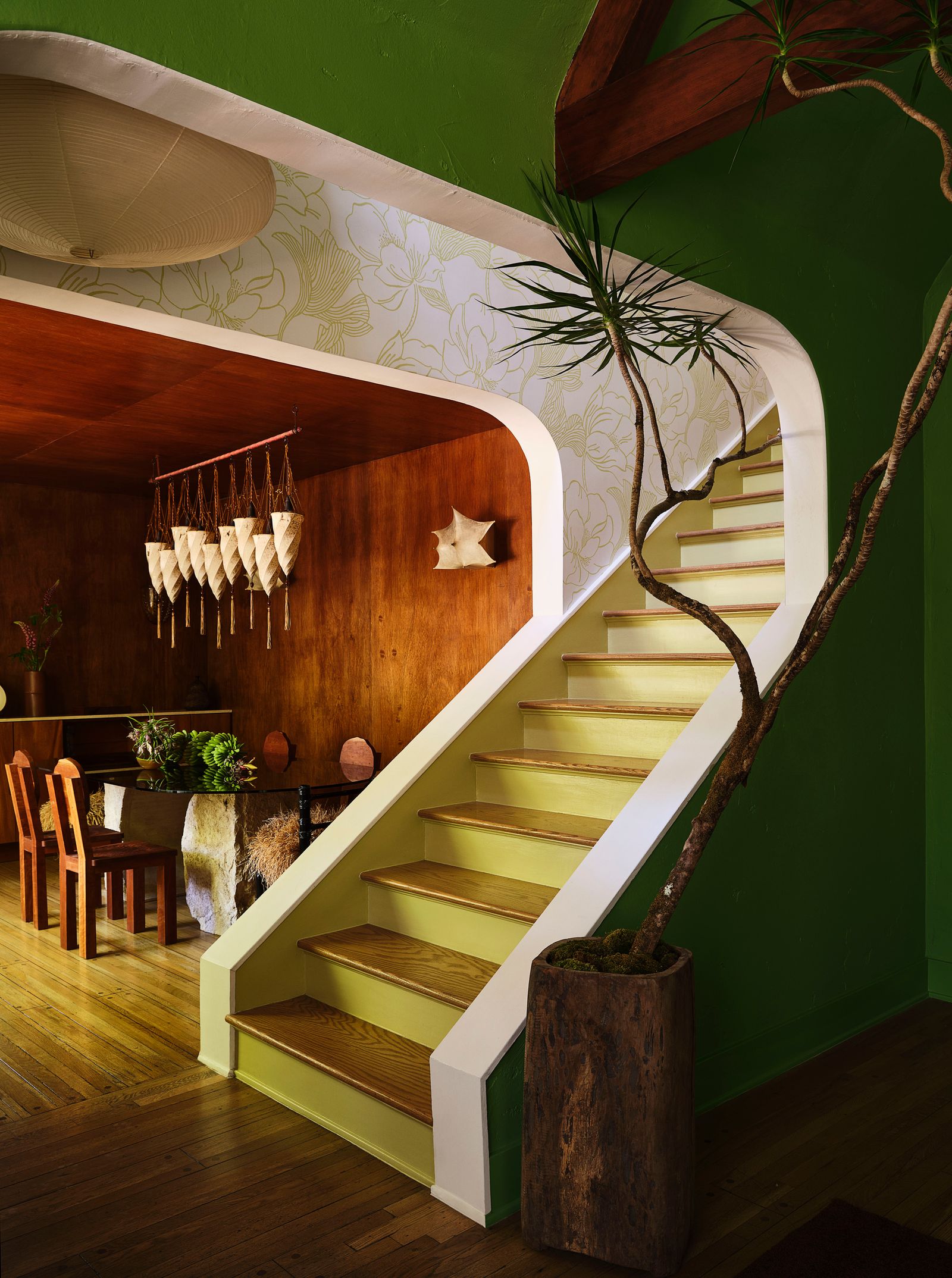
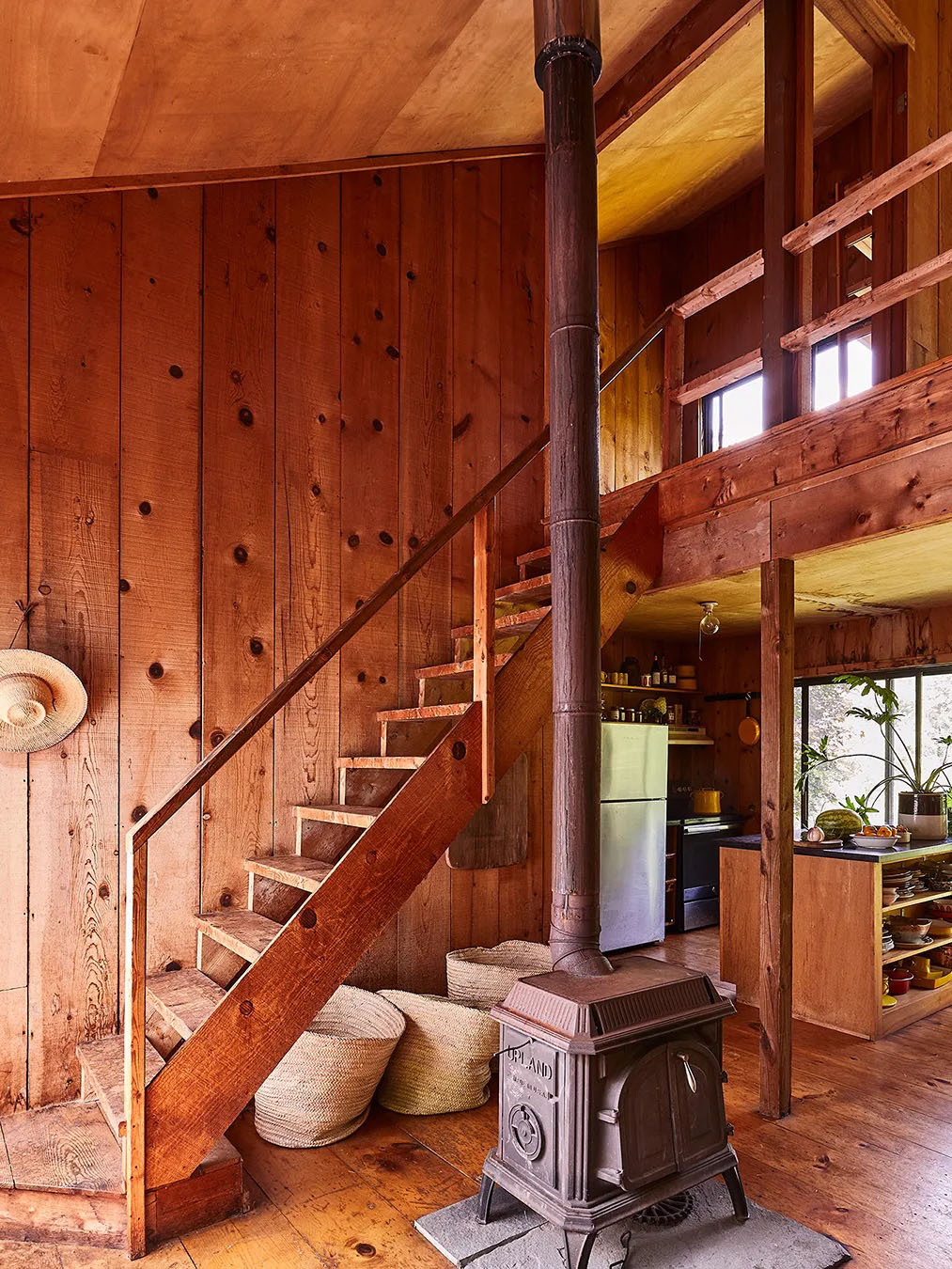
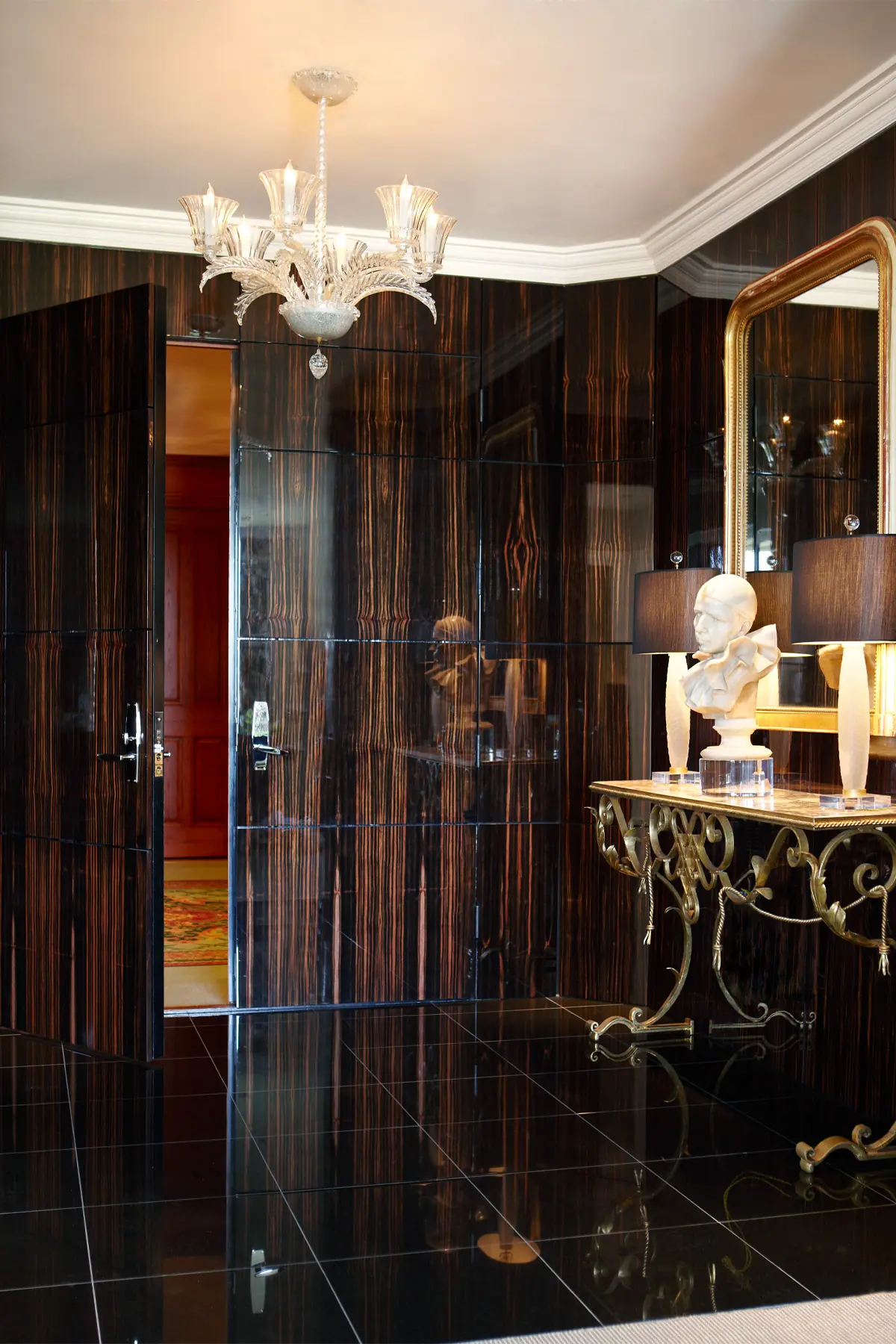
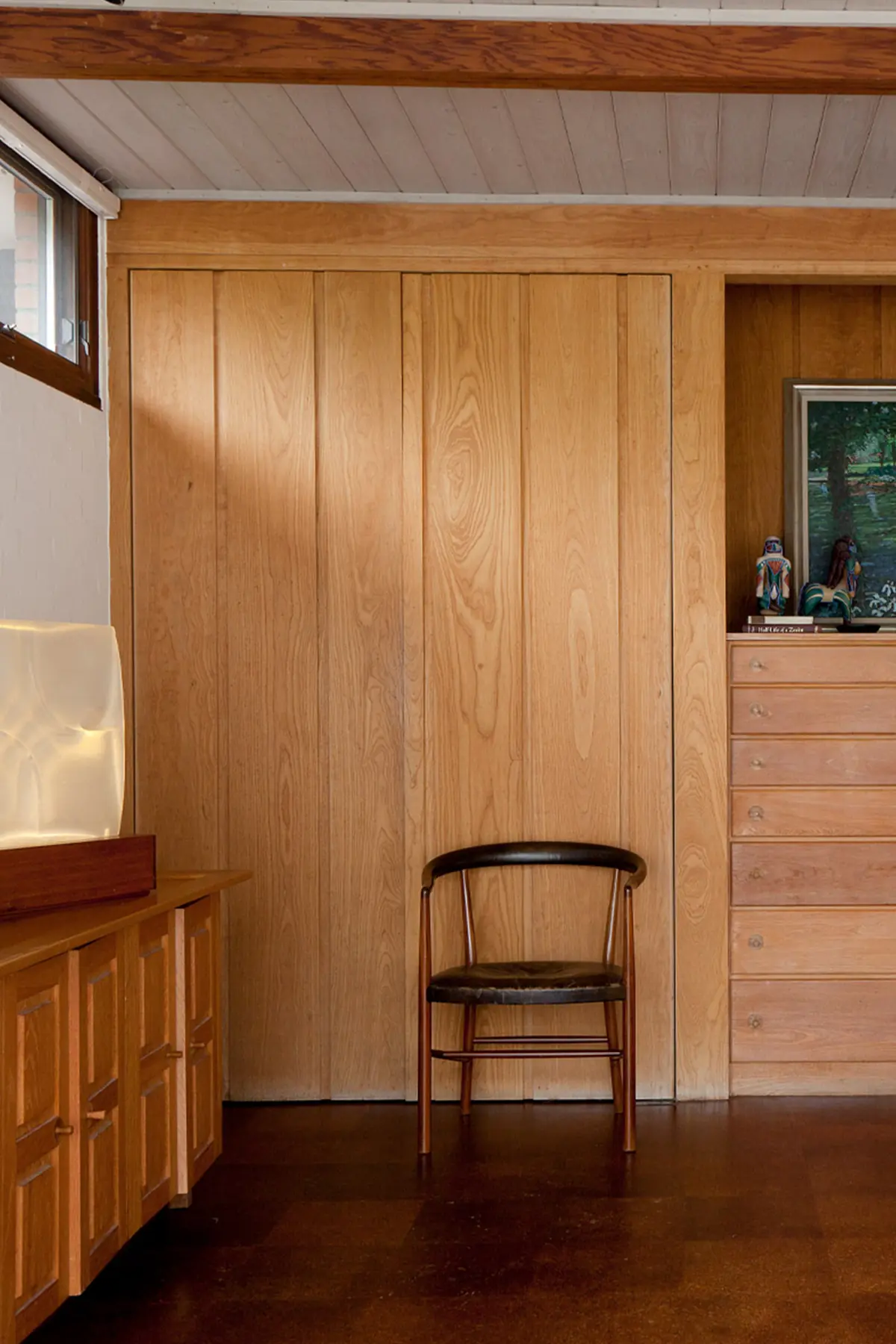
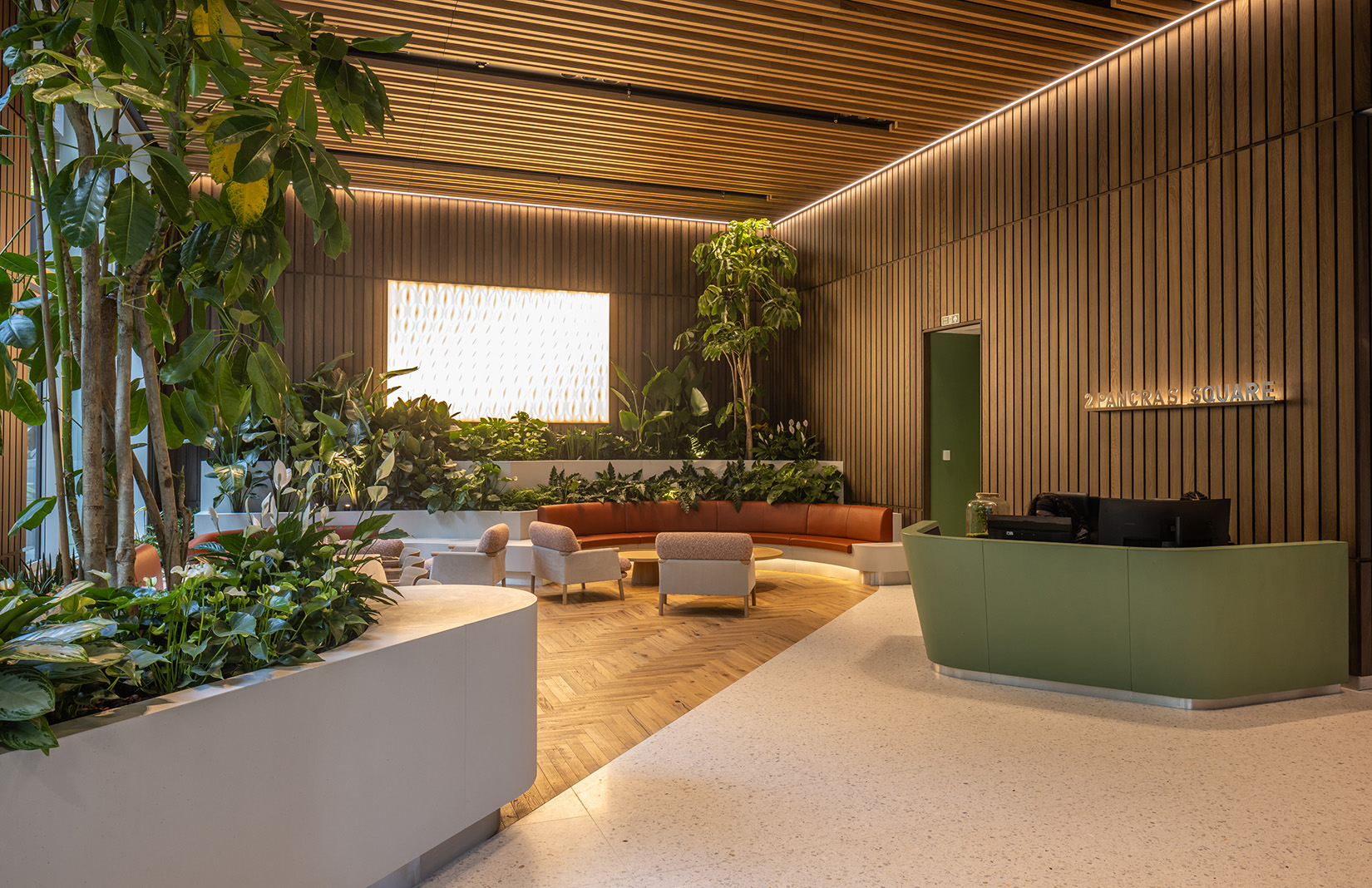
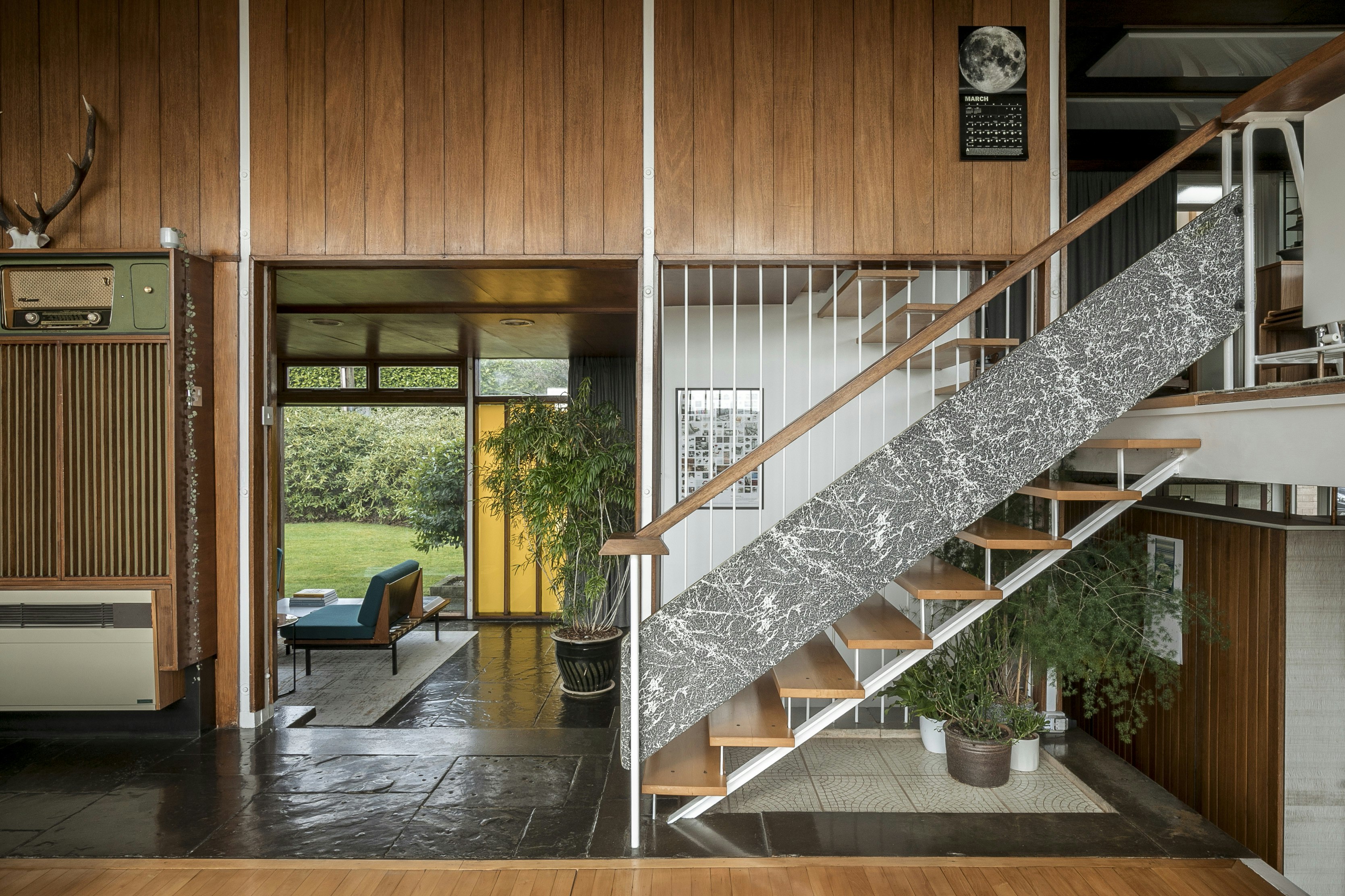
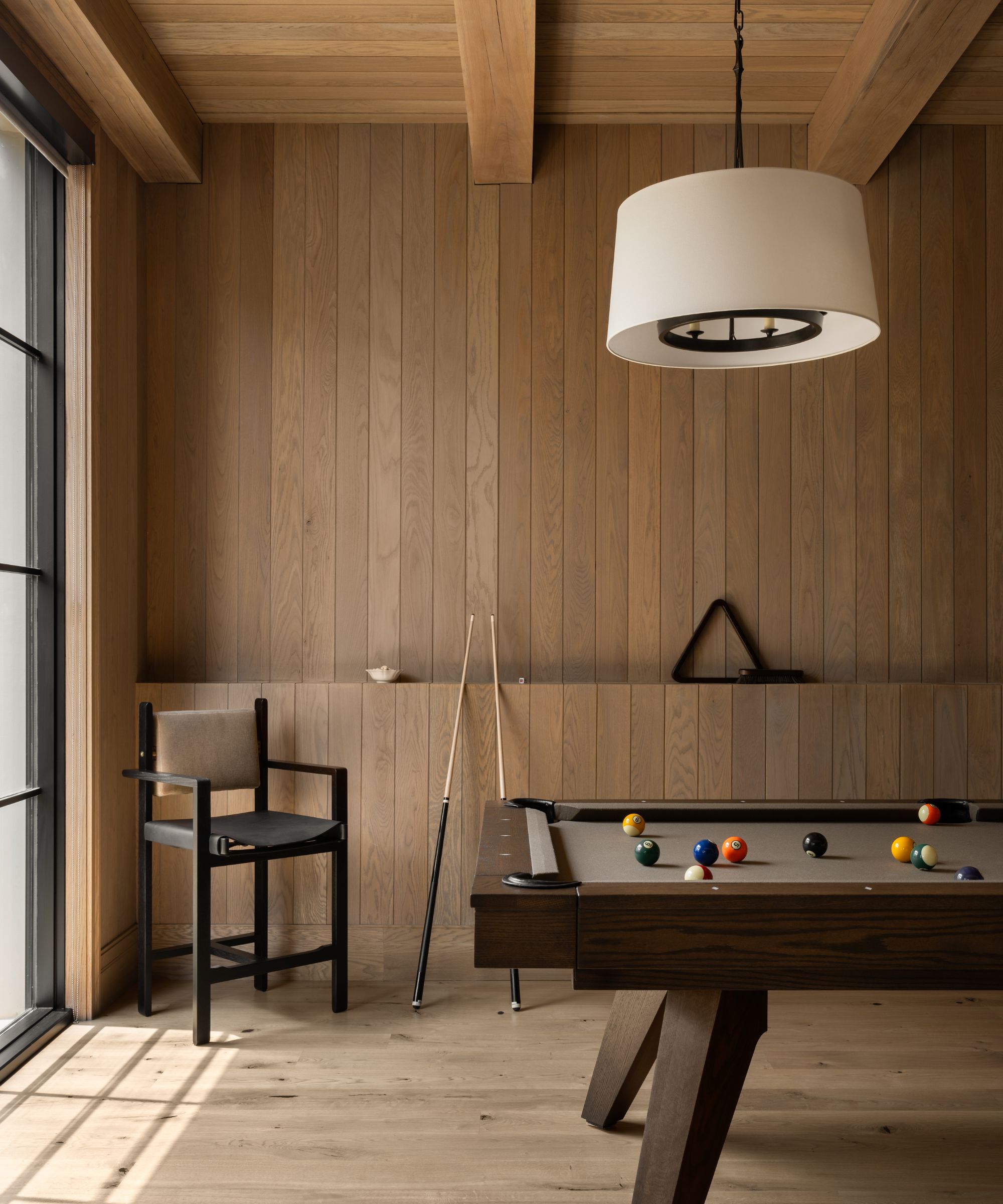
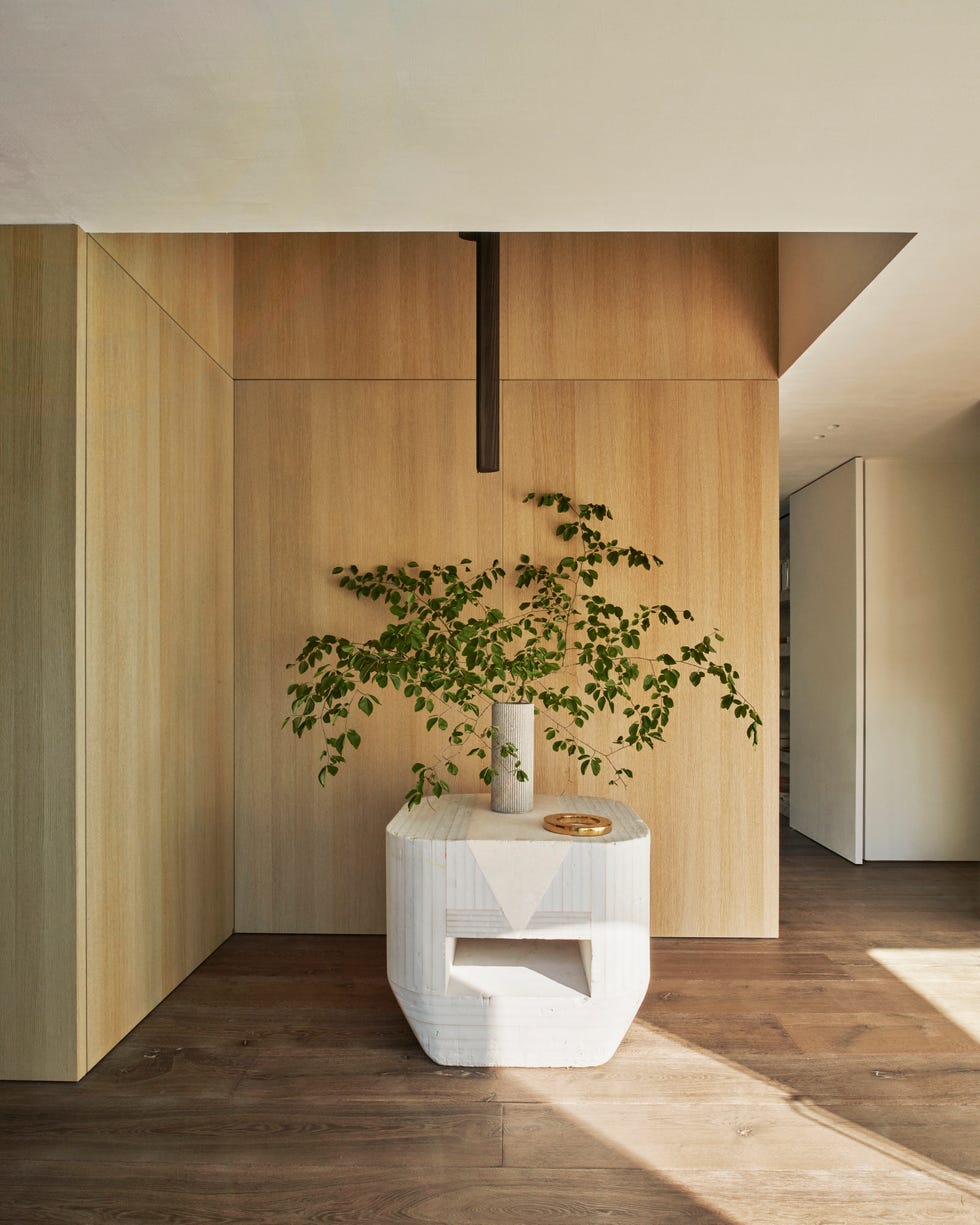
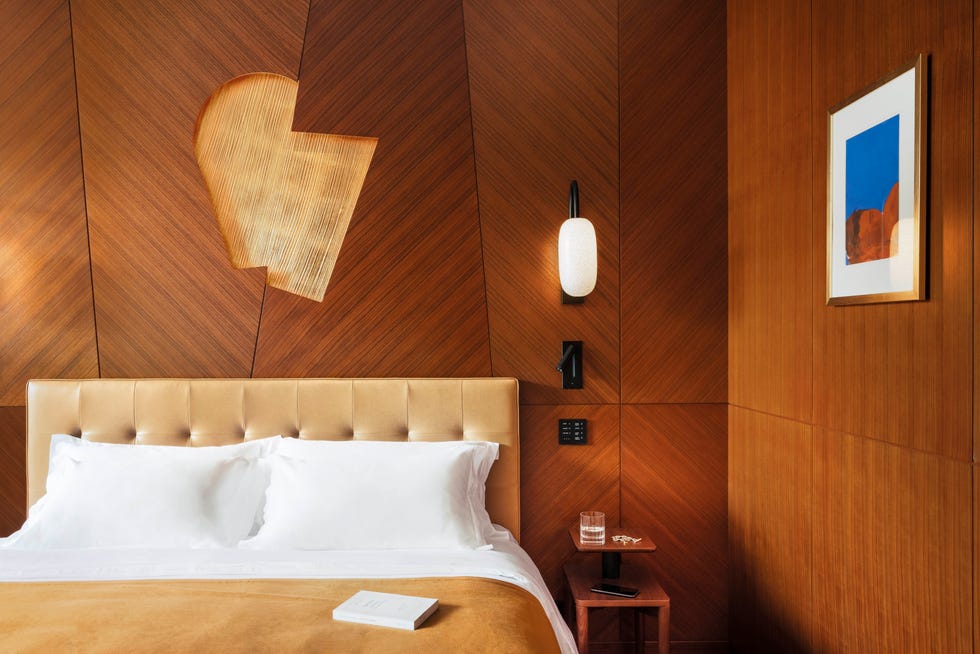
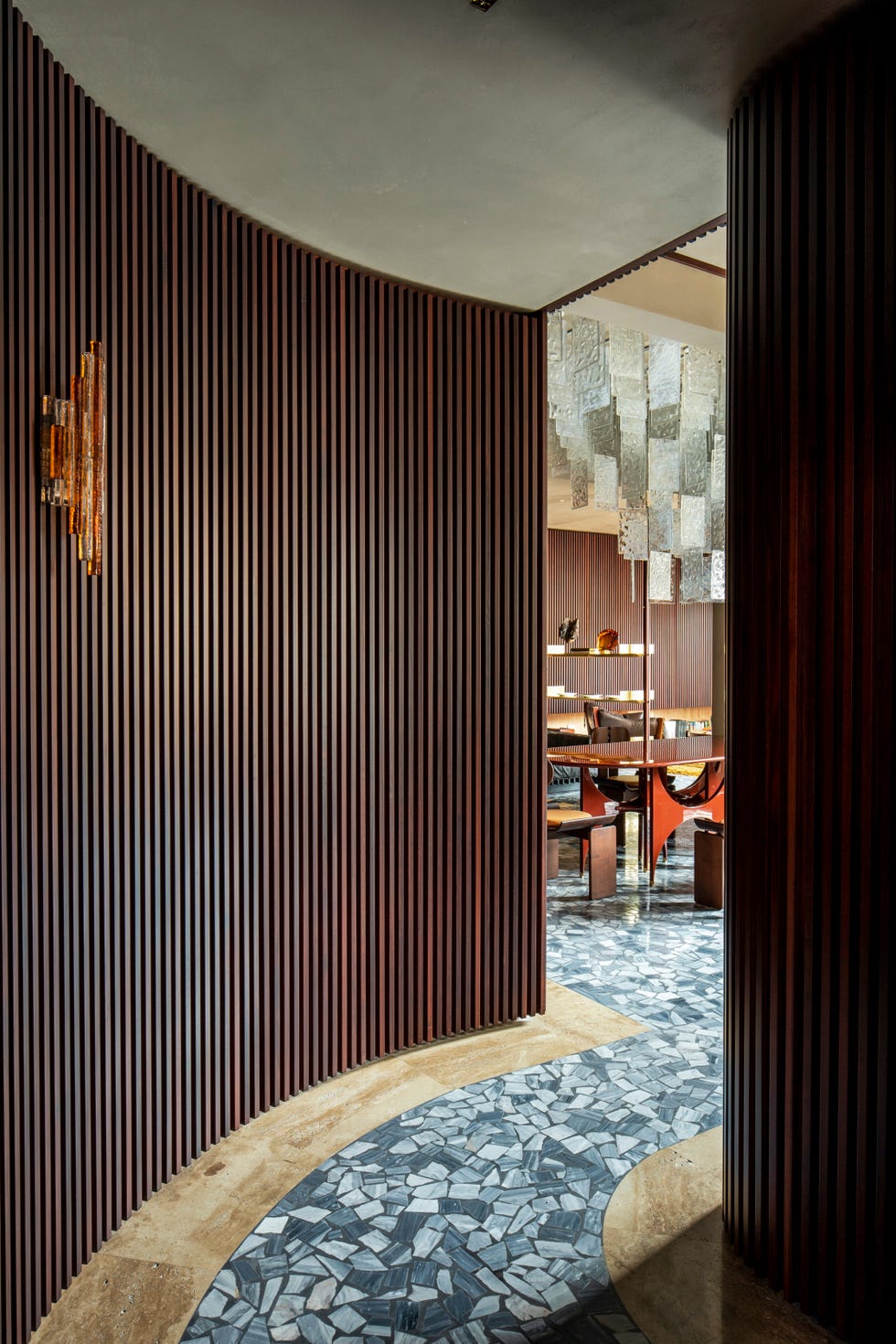
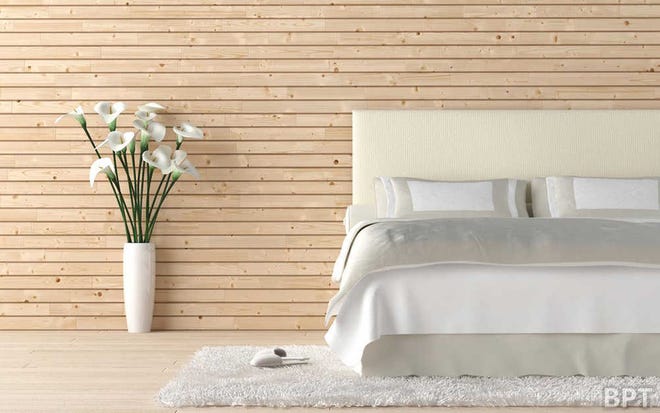
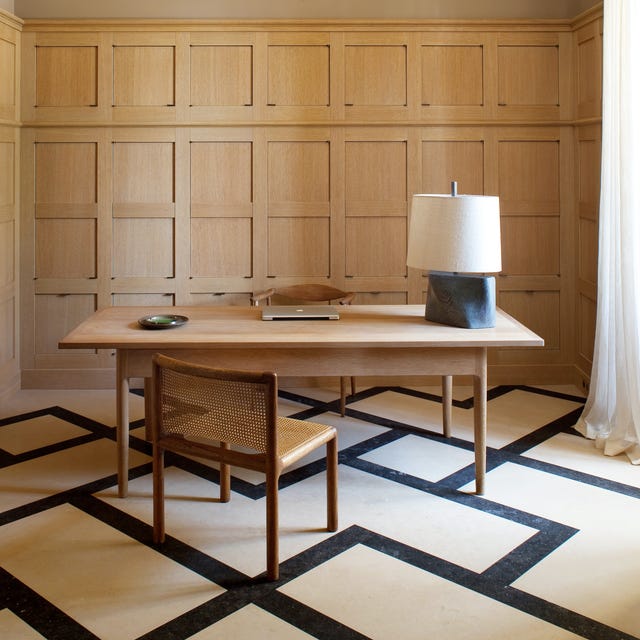
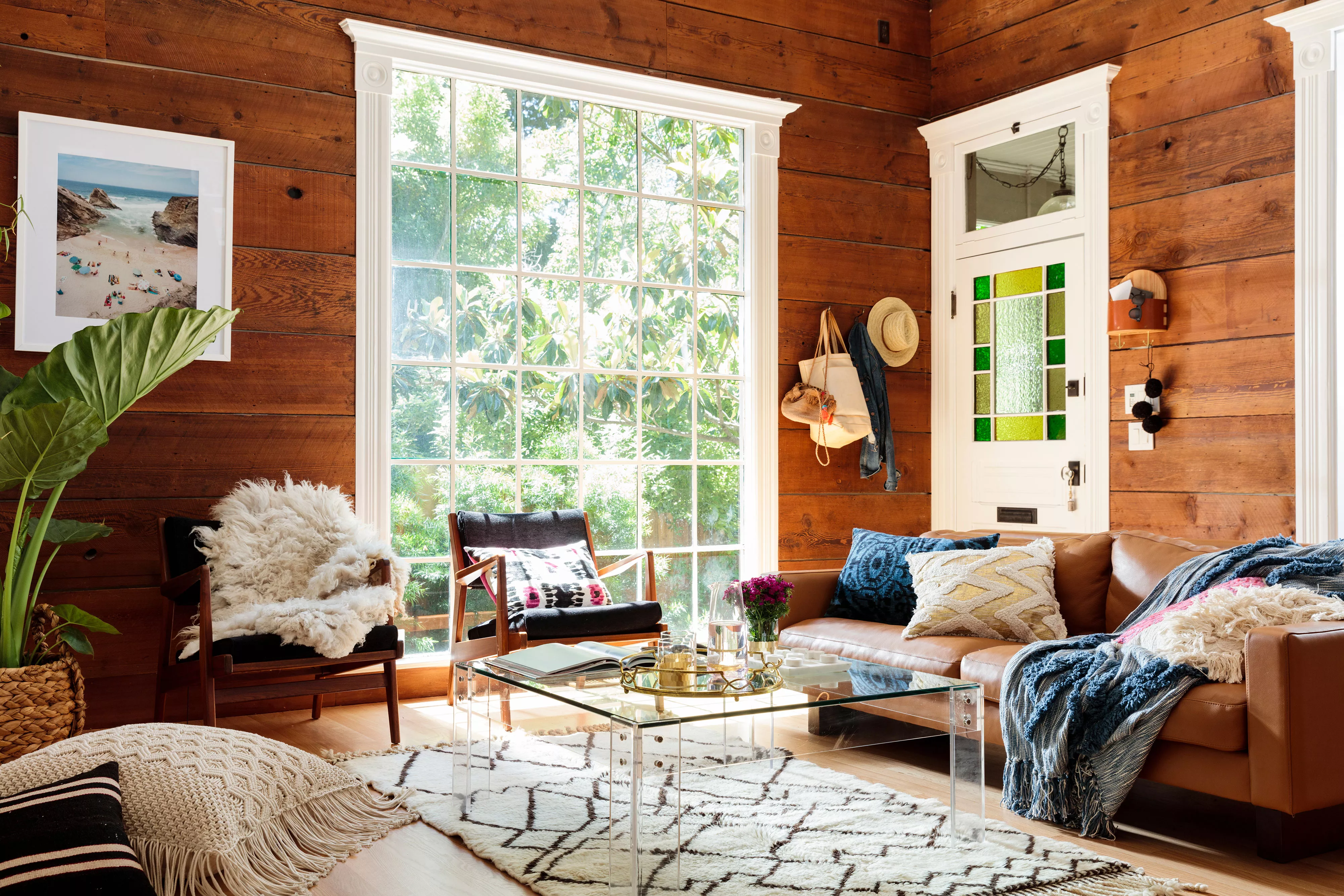
The first trend, statement walls, features paneling and wainscoting as prominent elements. According to designer Sandra Powell of SawdustGirl.com, these walls, whether stained or natural, introduce beauty, character, and personality to a room. Different wood finishes can evoke various styles, such as an unfinished look for a coastal or rustic ambiance. Designers also experiment with mixing different woods and finishes to create visual depth, demonstrating that wood is no longer confined to "cabin" aesthetics and can complement modern materials like glass and metal.
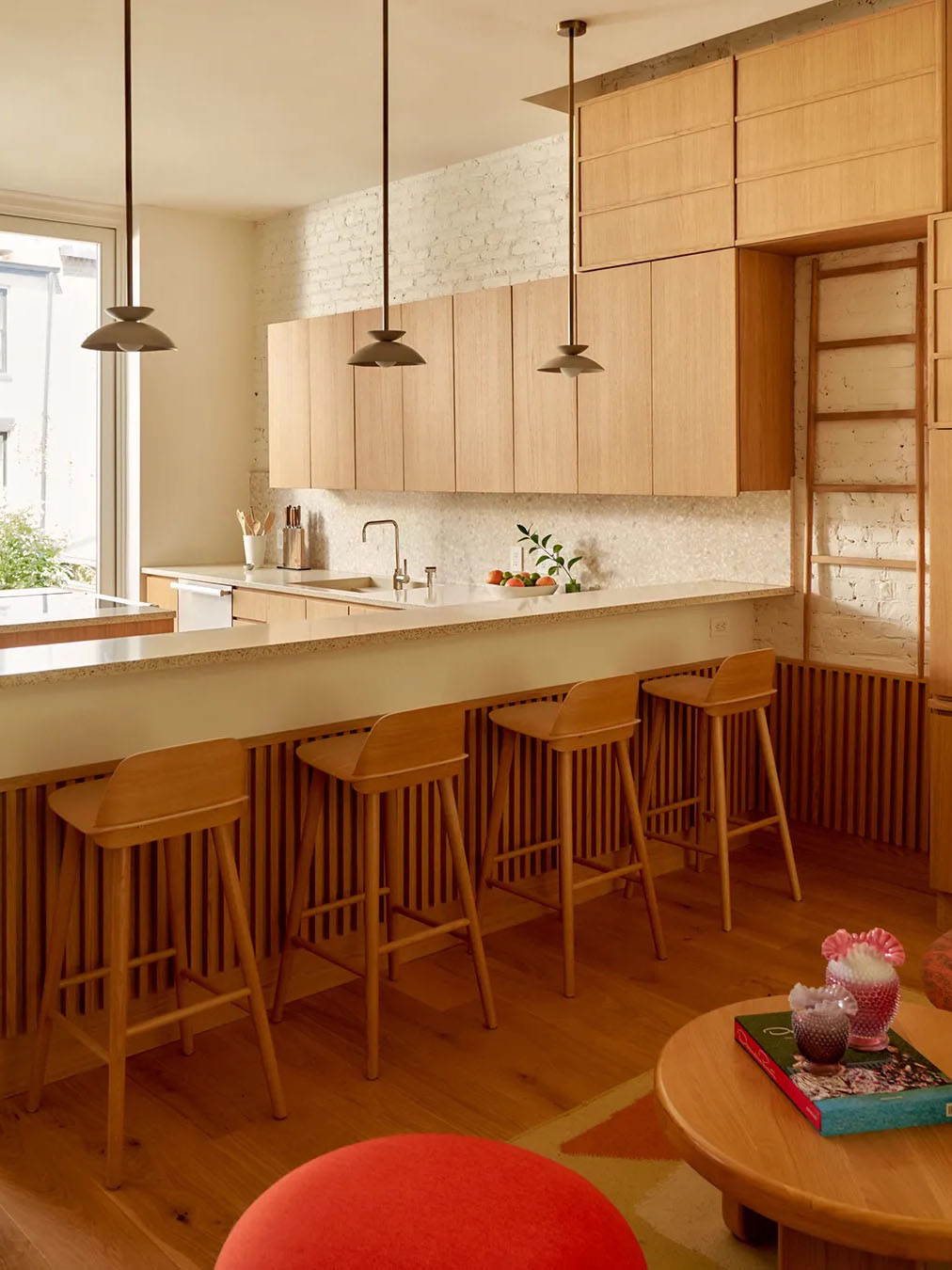
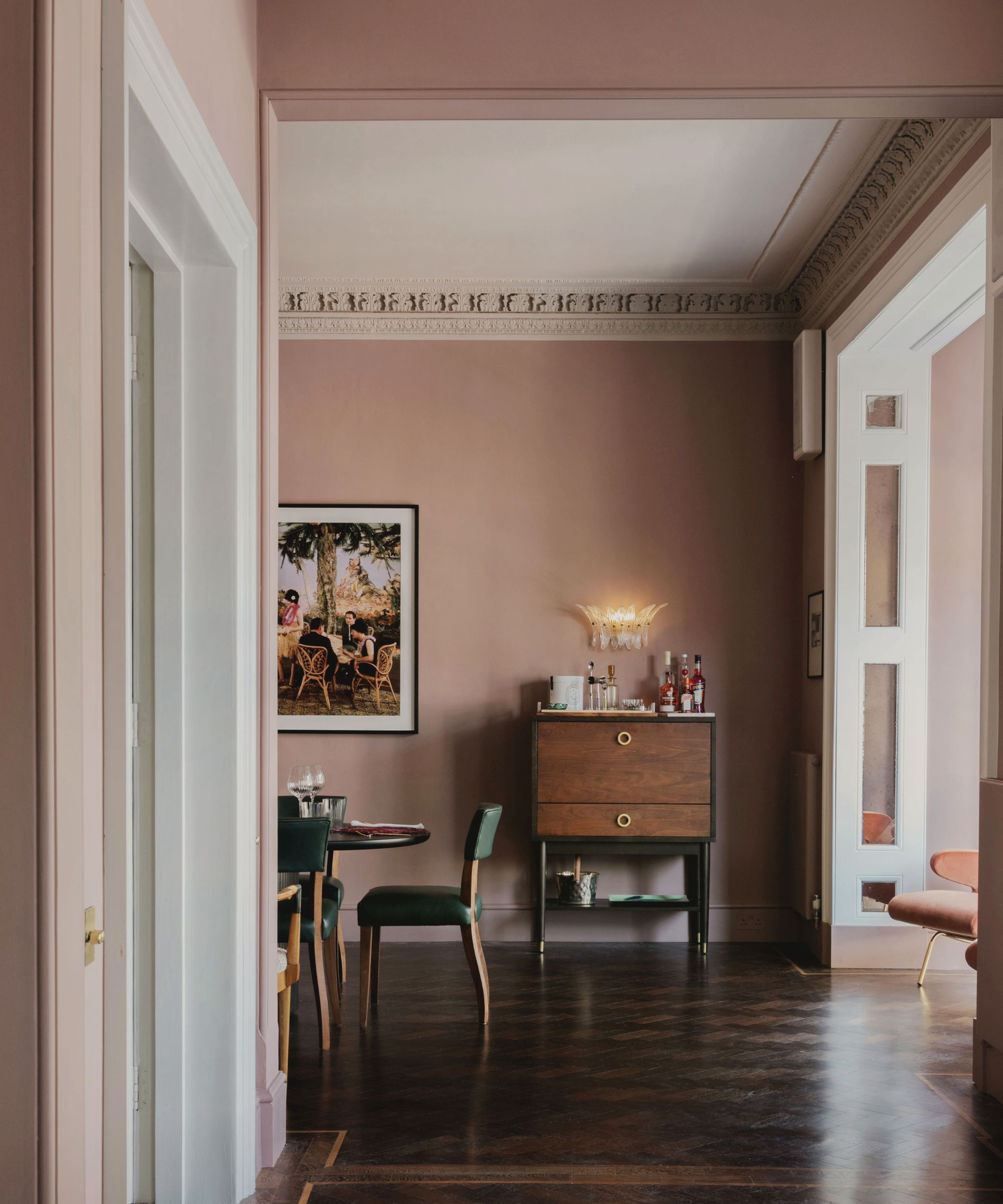
The second trend involves playing with scale, particularly in molding and wainscoting. While traditionally associated with classic styles, designers are now using wood trim in fresh, modern ways across diverse living spaces, including houses, lofts, and apartments. Wainscoting is employed to make smaller rooms appear taller and more dimensional. Crown molding serves as a prominent architectural accent, bridging walls and ceilings. A contemporary approach involves using larger molding sizes relative to the room's scale, such as a larger baseboard to ground rooms with high ceilings, thereby defining spaces while maintaining flow in open floor plans.
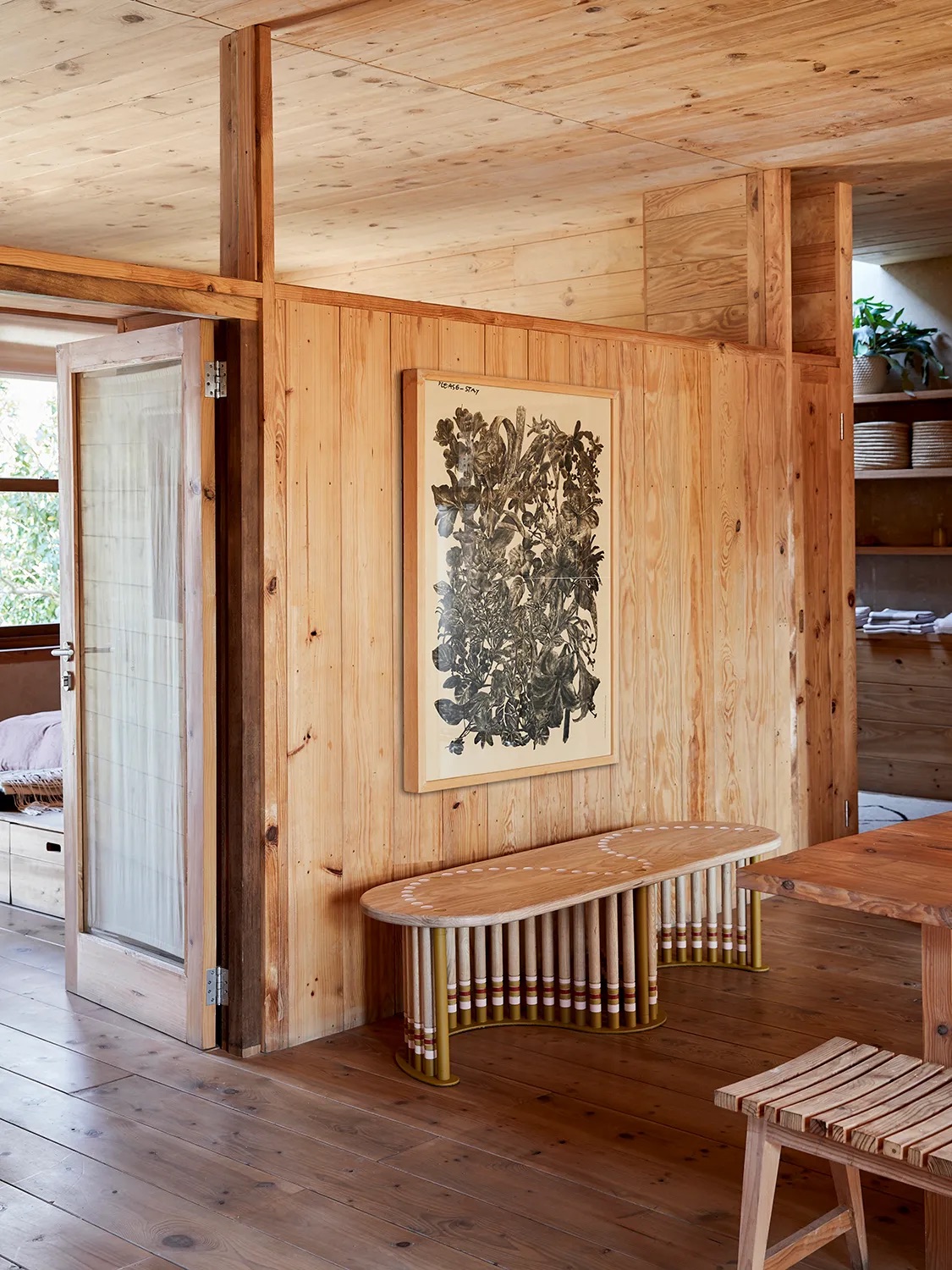
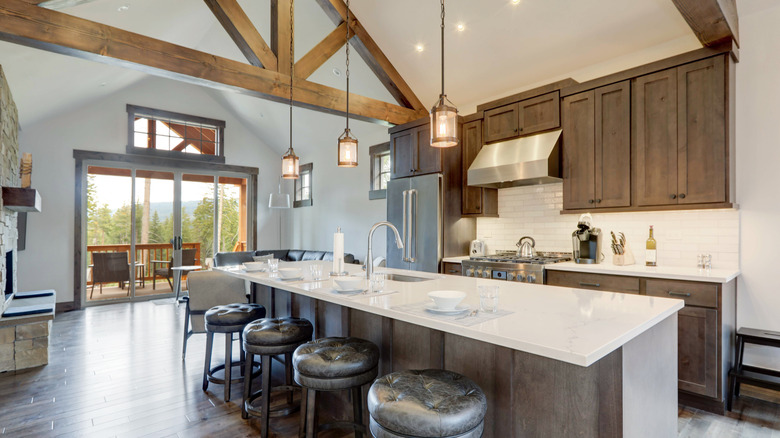
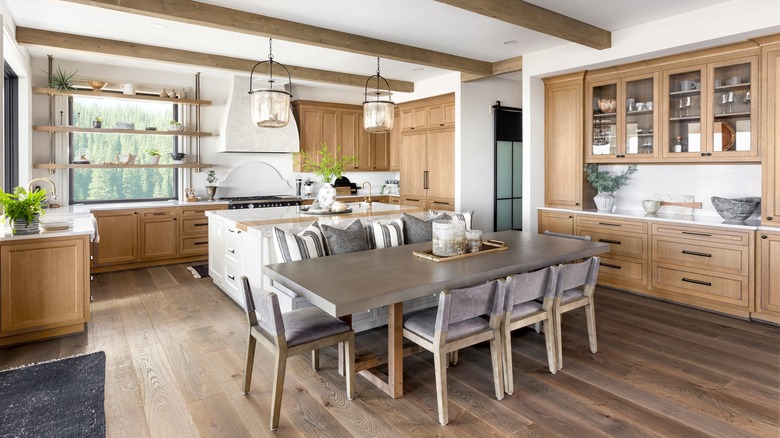
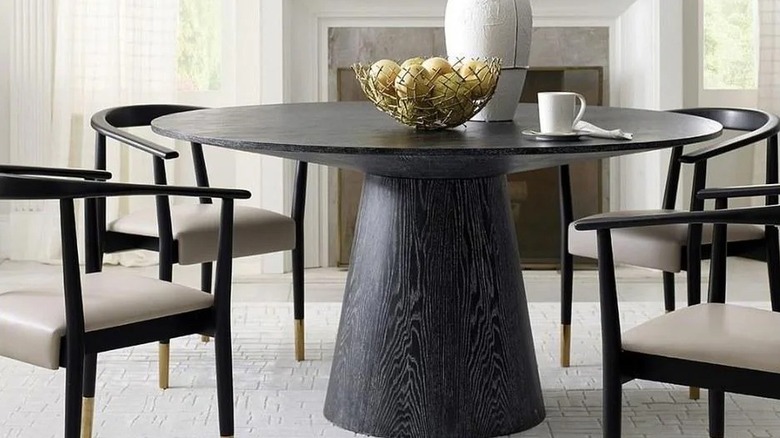
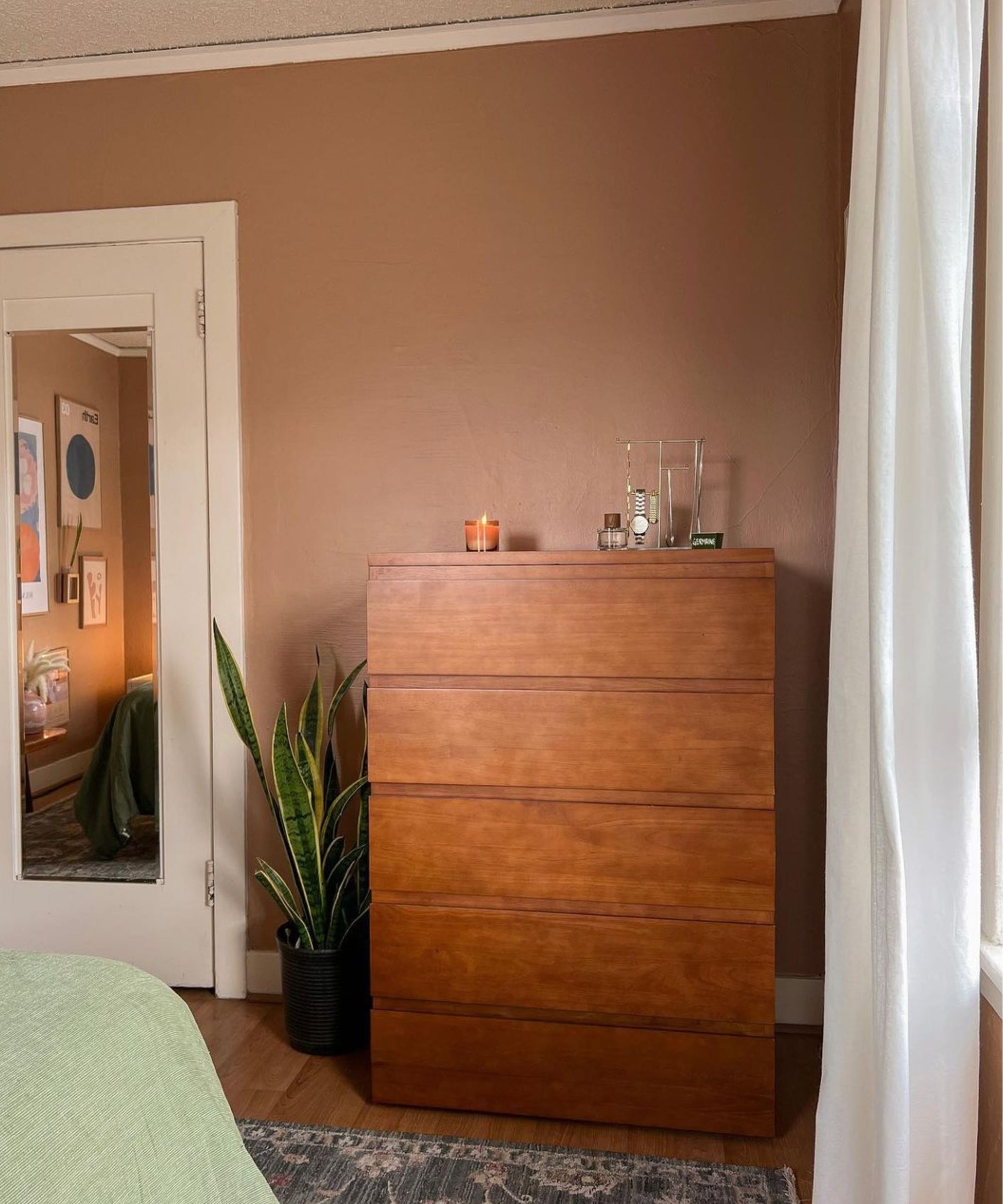
The third trend highlights natural color and texture. Ronique Gibson, an associate architect and founder of Stagetecture.com, explains that each softwood species possesses unique natural color and grain patterns that set the tone for a room. Lighter woods create an open and airy feel, while darker woods convey formality, suitable for masculine or glamorous aesthetics. The distinct grain patterns further enhance various interior styles; for instance, the linear pattern of fir suits contemporary designs, while the pronounced grain of pine offers a more traditional and rustic atmosphere.
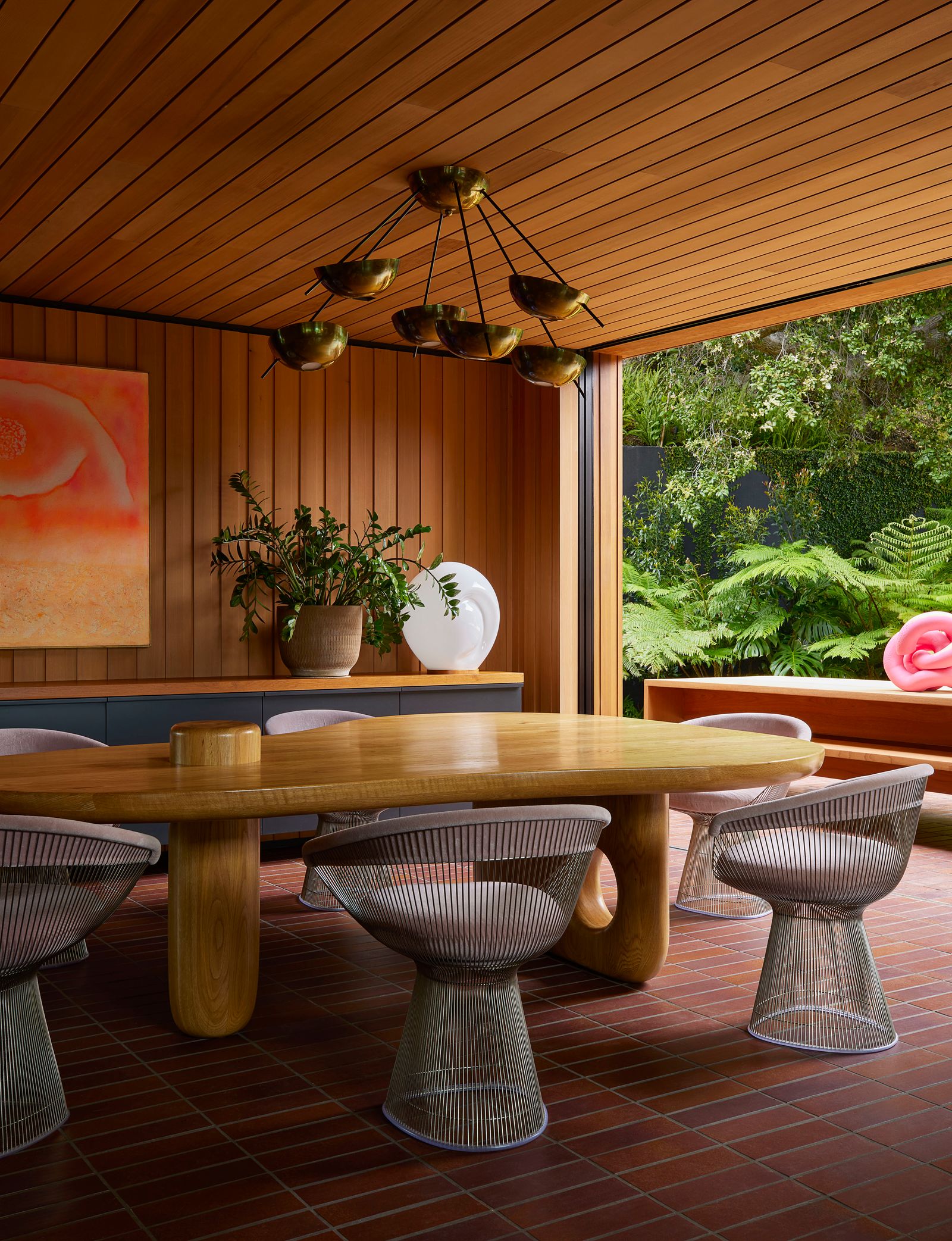
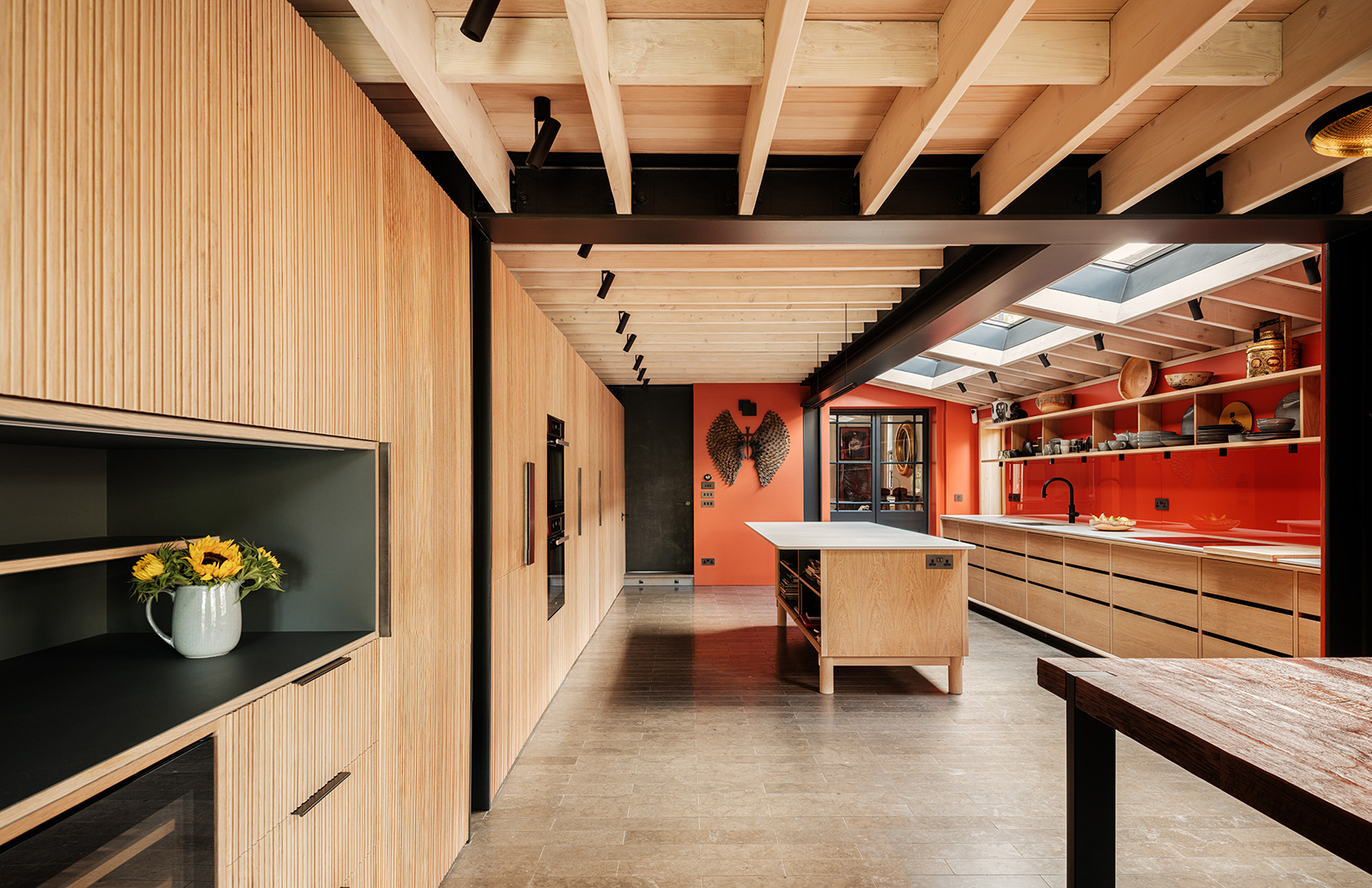
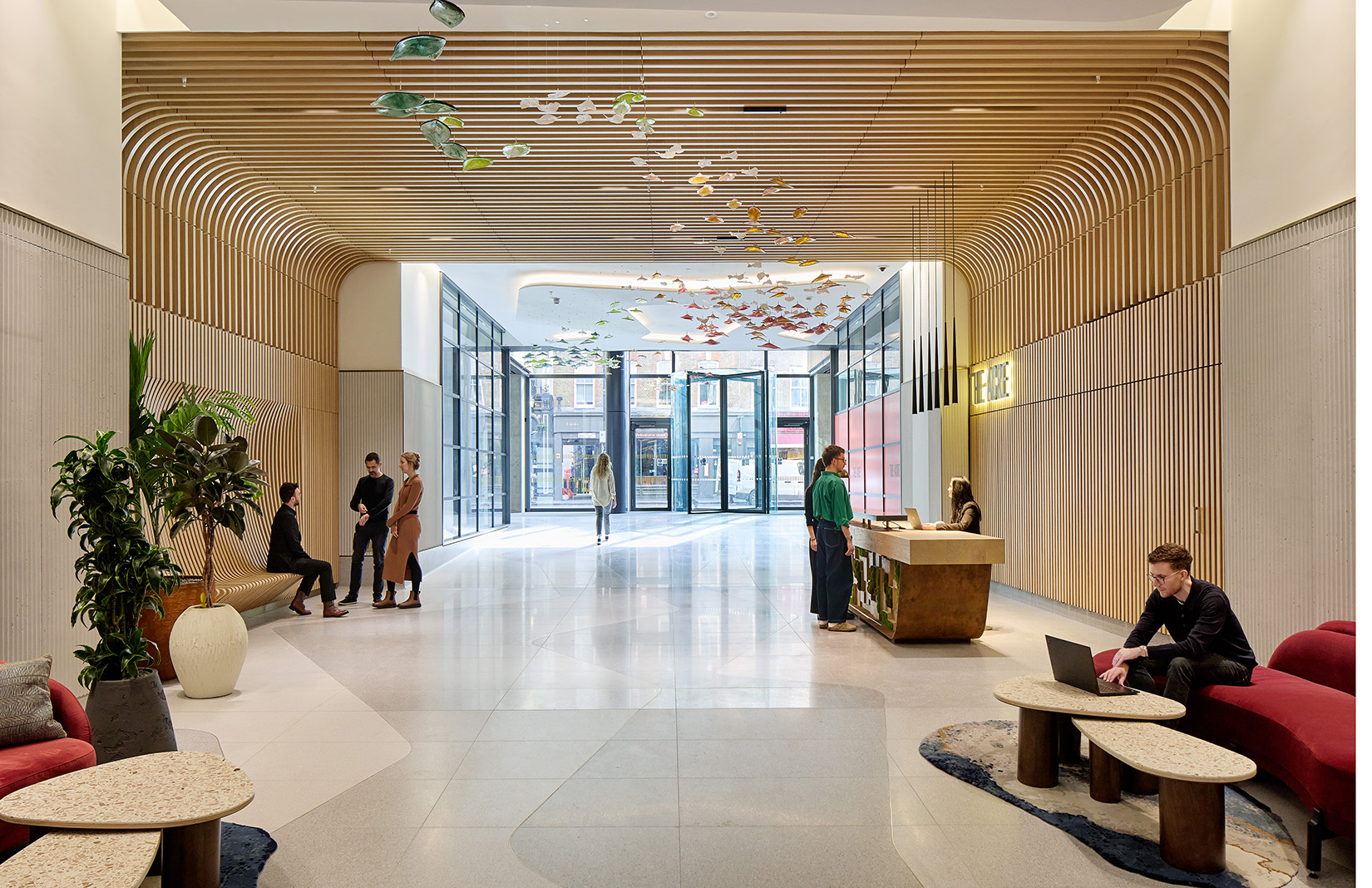
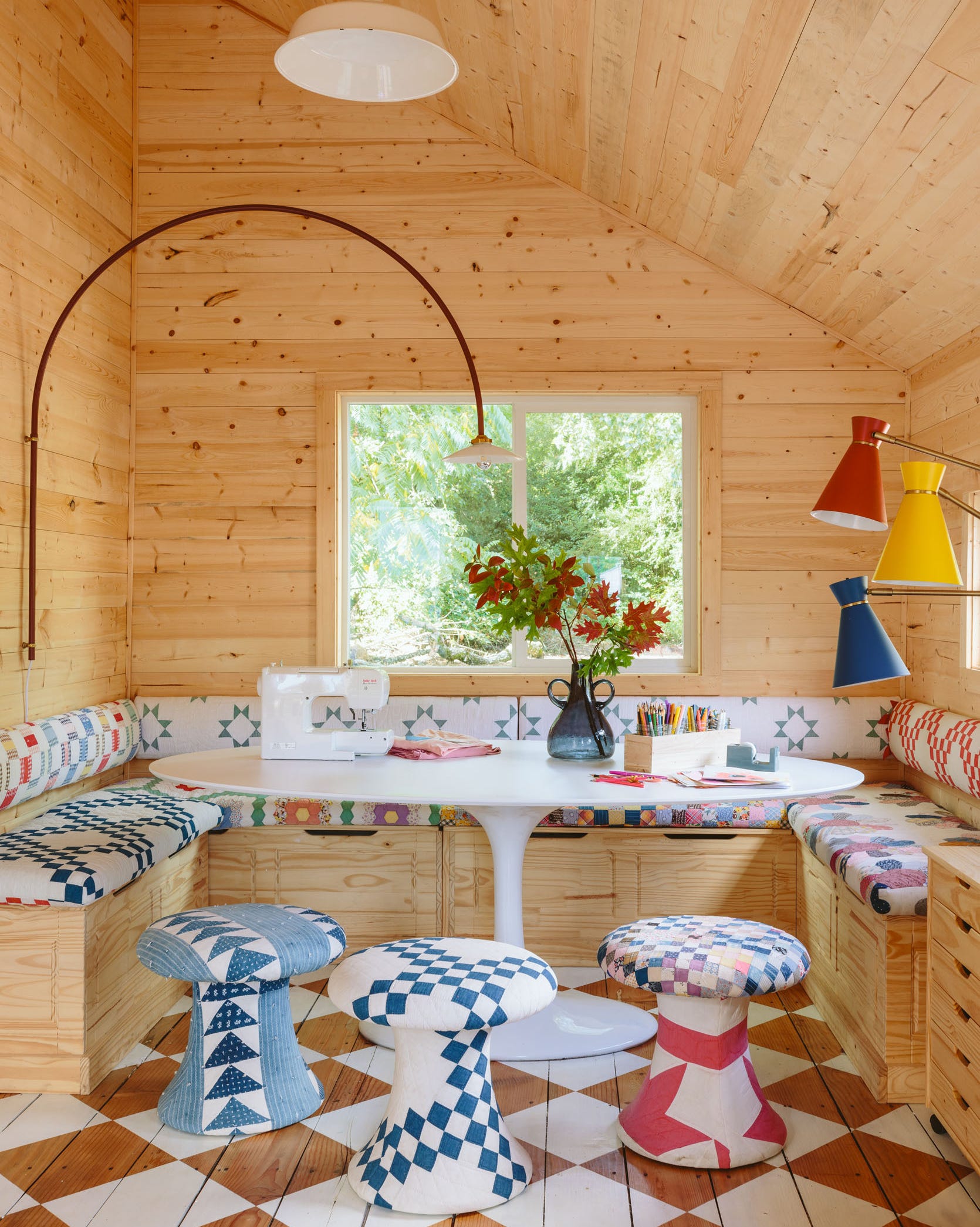
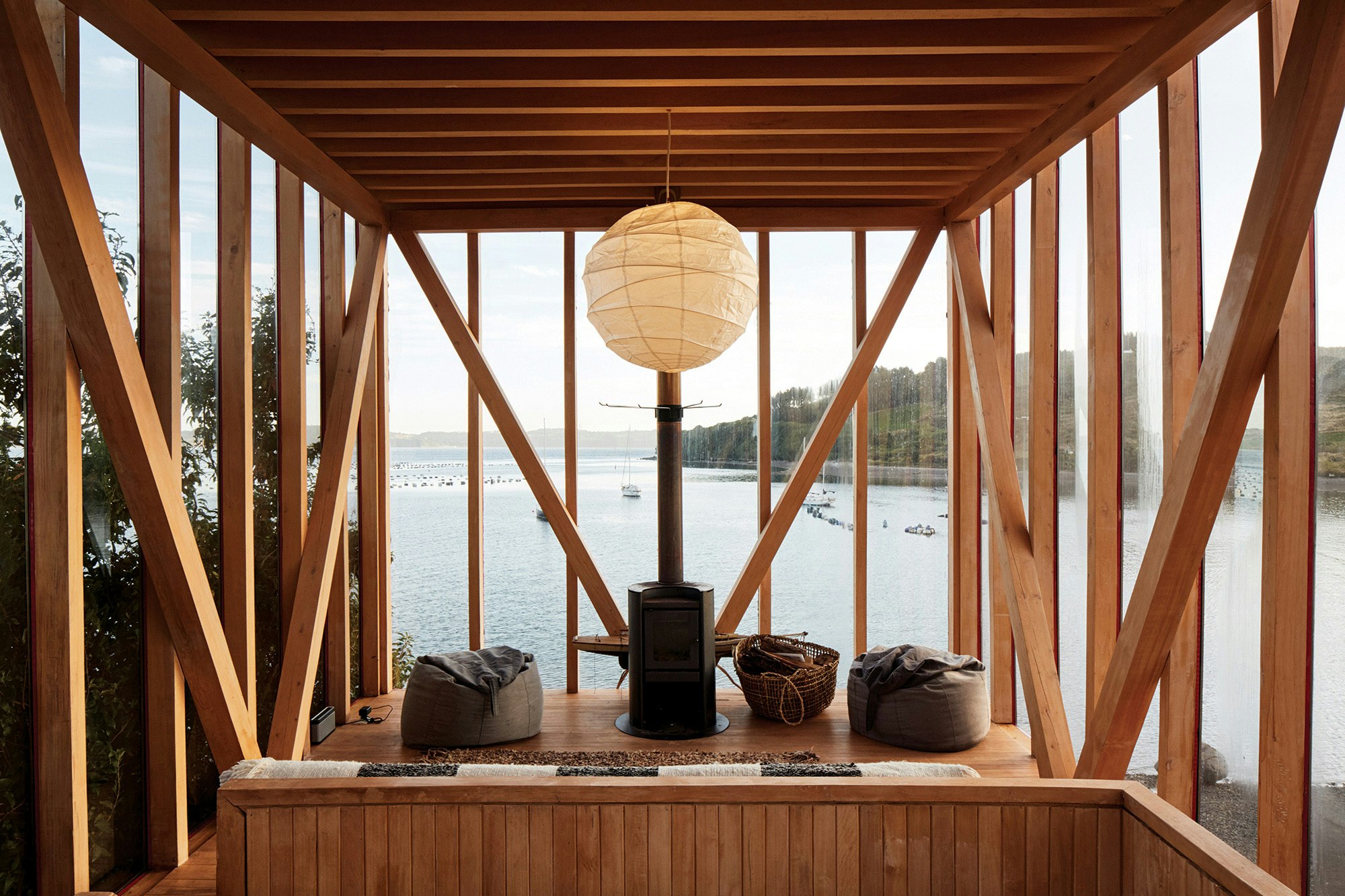
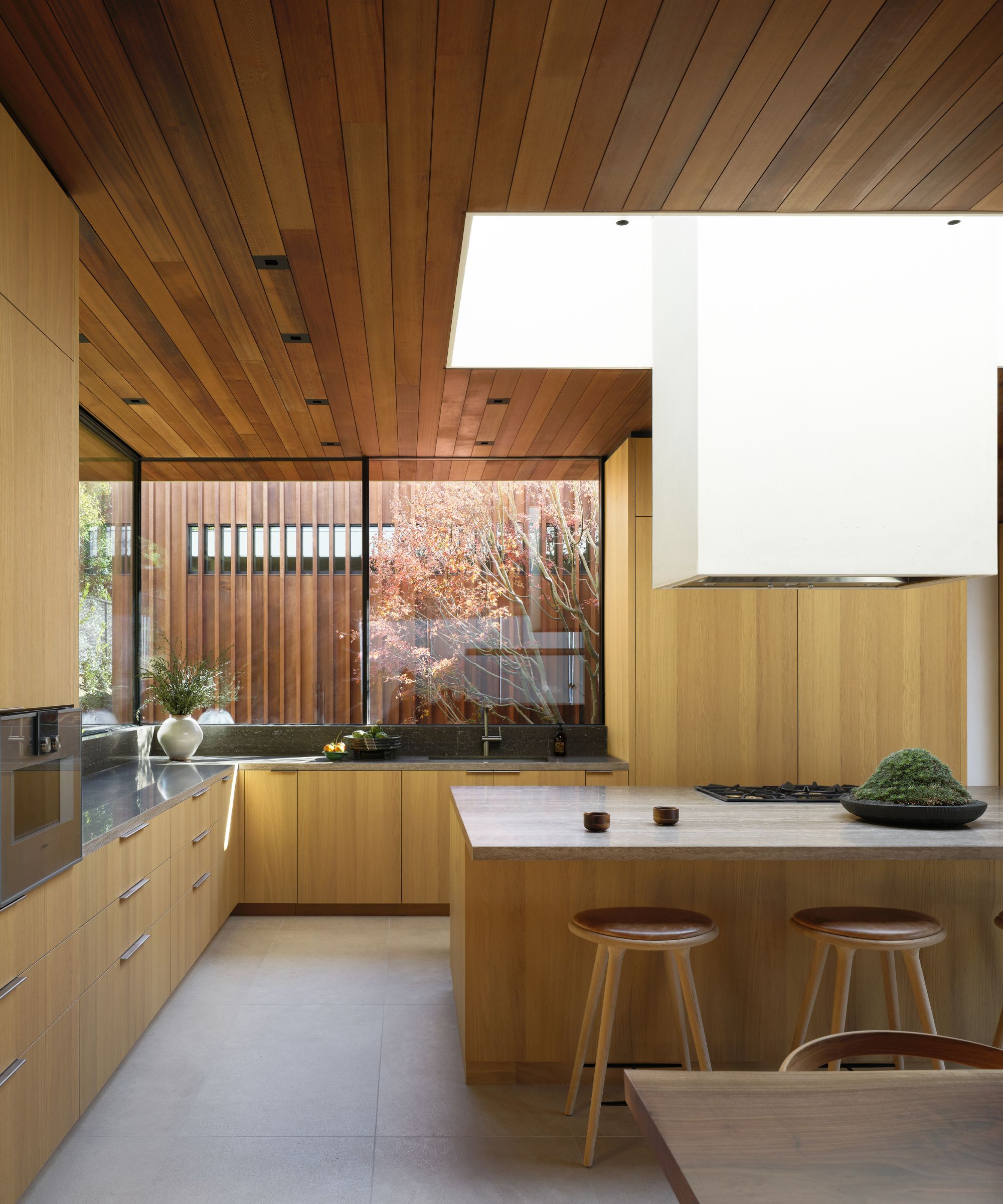
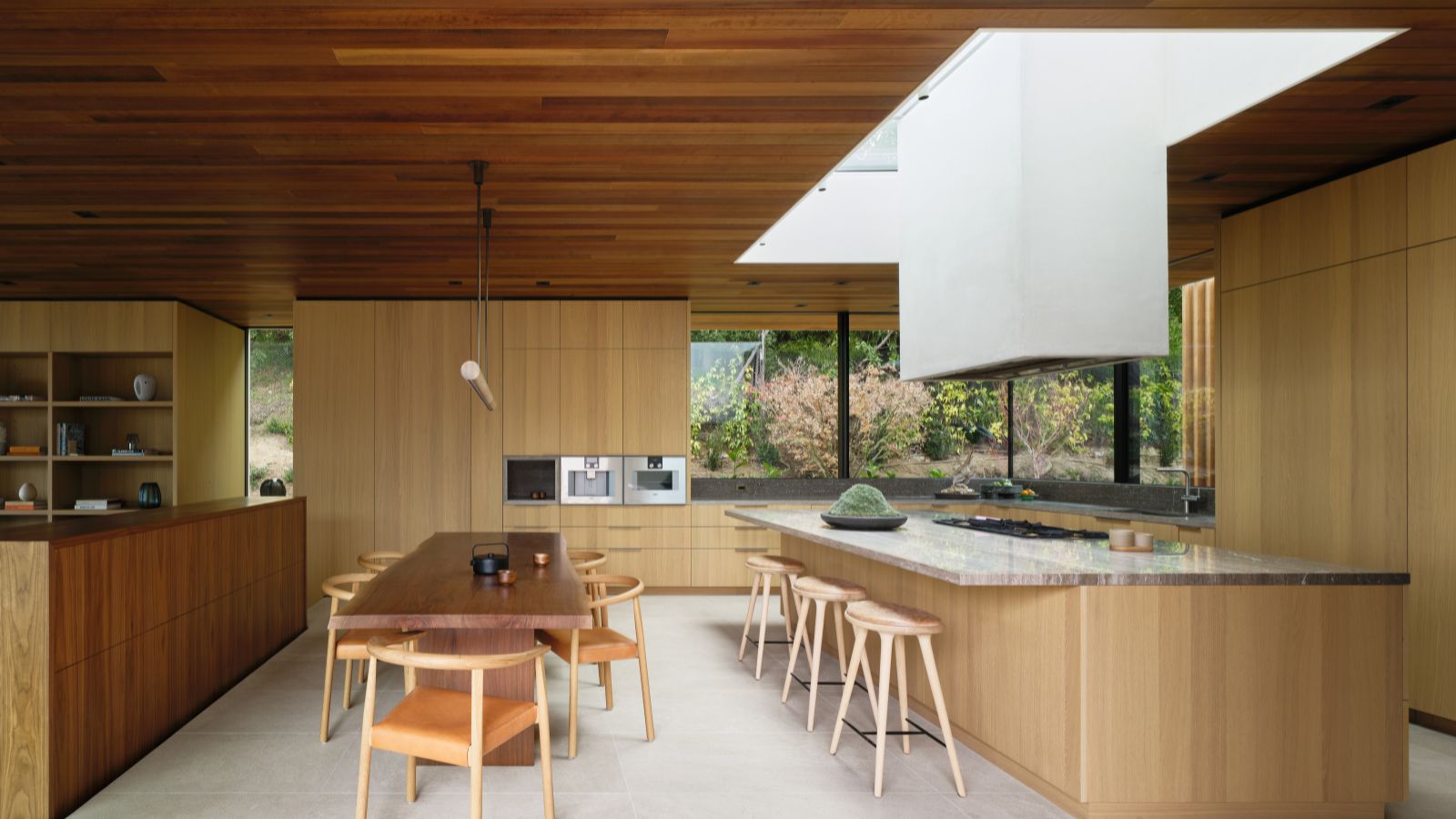
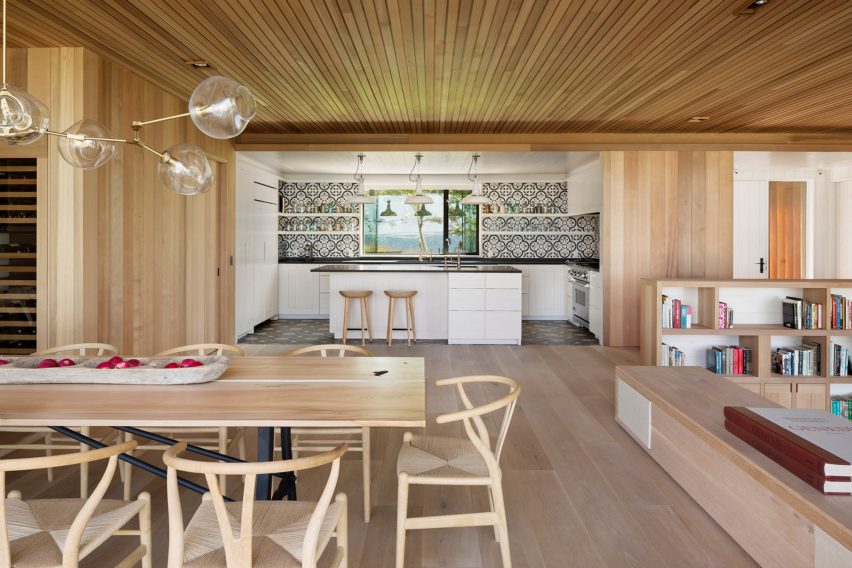
The fourth trend focuses on finished ceilings. Often overlooked, ceilings can become architectural focal points when adorned with wood. Flynn suggests using wood trim, plank, decking, or even siding on ceilings to elevate decorative elements. This approach draws the eye upward, encouraging appreciation of the "fifth wall" and adding a distinctive style to the room.
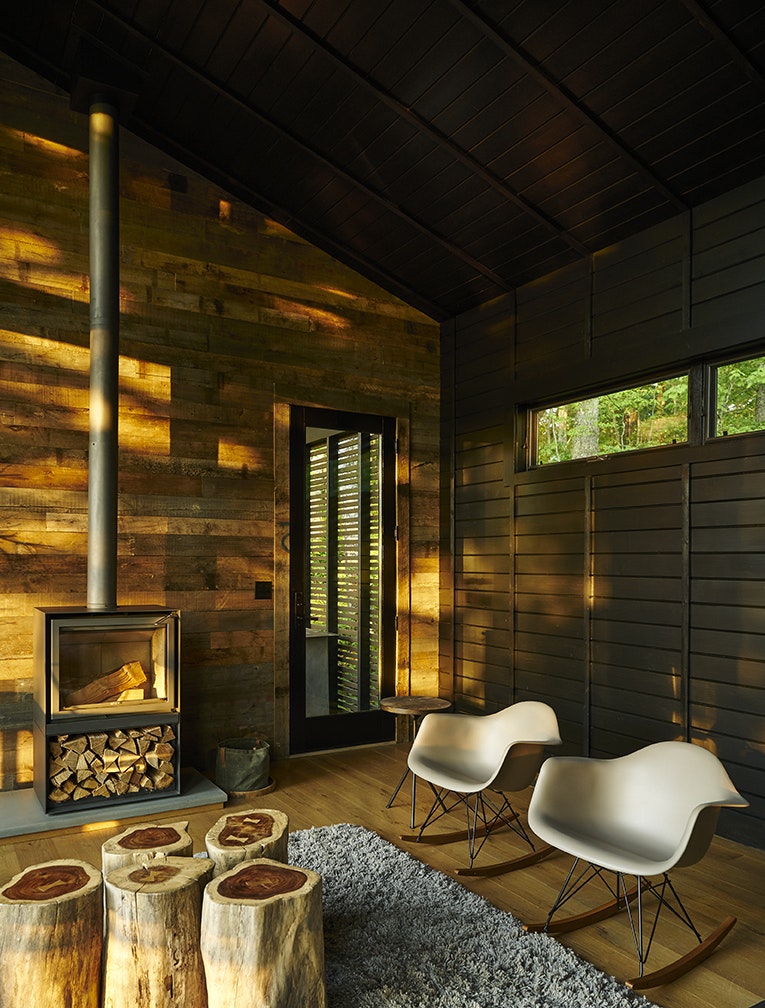
Finally, the fifth trend embraces reclaimed wood, promoting upcycling materials from old barns and buildings. This trend allows homeowners to infuse new life into beautifully aged wood. Gibson suggests repurposing barn doors as headboards or crafting tables from old planks. Sliding doors made from reclaimed wood are also popular in spaces where hinged doors are impractical. Weathered wood brings a unique character to a space, whether left in its natural state or refinished for a polished look. These five trends provide diverse options for integrating wood into home interiors, offering both style and functionality.
#InteriorDesign #WoodTrends #HomeDecor #StatementWalls #Wainscoting #Molding #NaturalWood #ReclaimedWood #CeilingDesign #InteriorDesign #WoodTrends #HomeDecor #StatementWalls #Wainscoting #Molding #NaturalWood #ReclaimedWood #CeilingDesign
0 ความคิดเห็นรวม
 ยังไม่มีความคิดเห็น
คุณอาจจะชอบอีกด้วย
Allover Wood Interiors Are Having a Moment

Wood Furniture Is Cool Again, Thanks to This Upcoming Group of Designers
11 Wood-Wrapped Interiors That Radiate Warmth

Five Interior Design Trends for 2025
80% of Design Pros Agree This Pared-Back Material Will Rule Construction in 2025

Wood slats are everywhere. Why are designers such fans?
The Gentle Wood Trend That Will Dominate Dining Rooms In 2026

Top interior design trends 2020

The 4 Rules of Designing with Wood in 2025
7 Wood Finishes That Are Making Your House Look Dated, According to Designers

What's the most on trend wood to use in 2025? Designers reveal their top choices

The 8 Renovation Trends Designers Say Will Shape Homes in 2025 and Beyond

5 design trends for wood floors
The Kitchen Cabinet Trend That Will Be Hot In 2023, According To A Design Expert
Ten projects that seamlessly integrate wood into the design
Flip the script on classic interiors – how the twisted wood trend brings a welcome whimsy into our homes
Wood as a Home Design Trend: Through the Archives to Today
Wood Paneling and 11 More Vintage Decor Trends Making Huge Comebacks
Wood panelling: an essential guide to the big decorating trend

If You Love a Warm, Earthy Space, You Have to Try Wood Drenching