1/11
Curved, L-Shape, Low-Slung — How and Why You Should Match Your Sofa to the Shape of Your Room
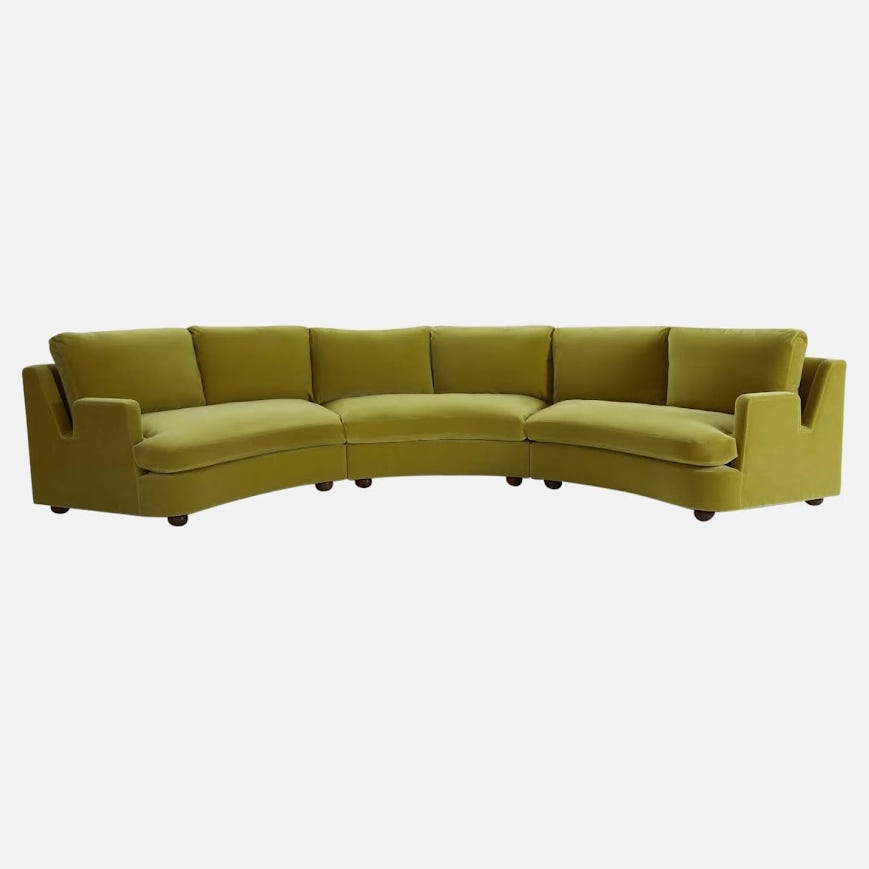
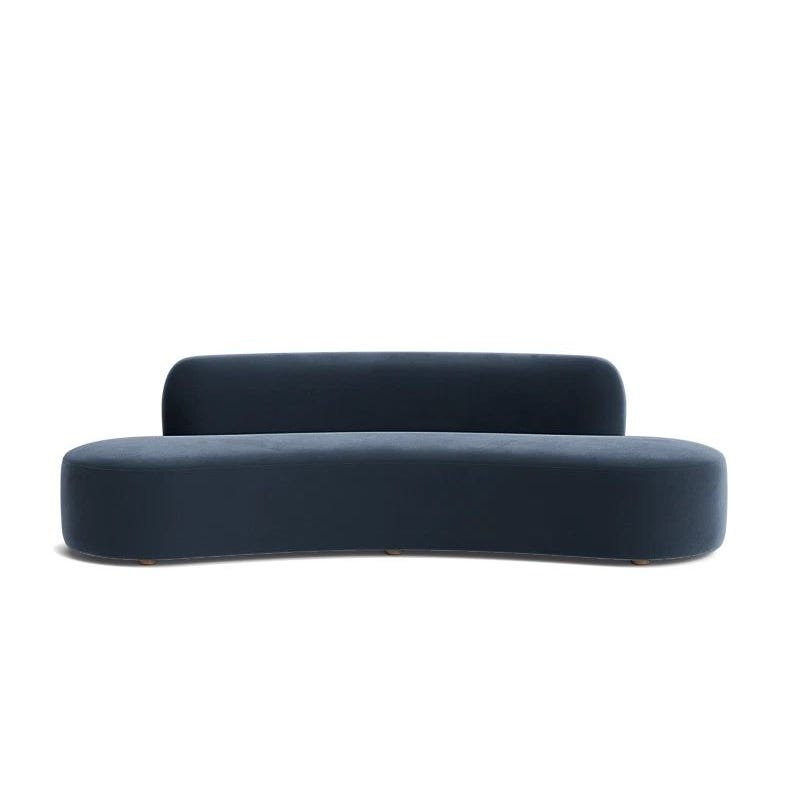
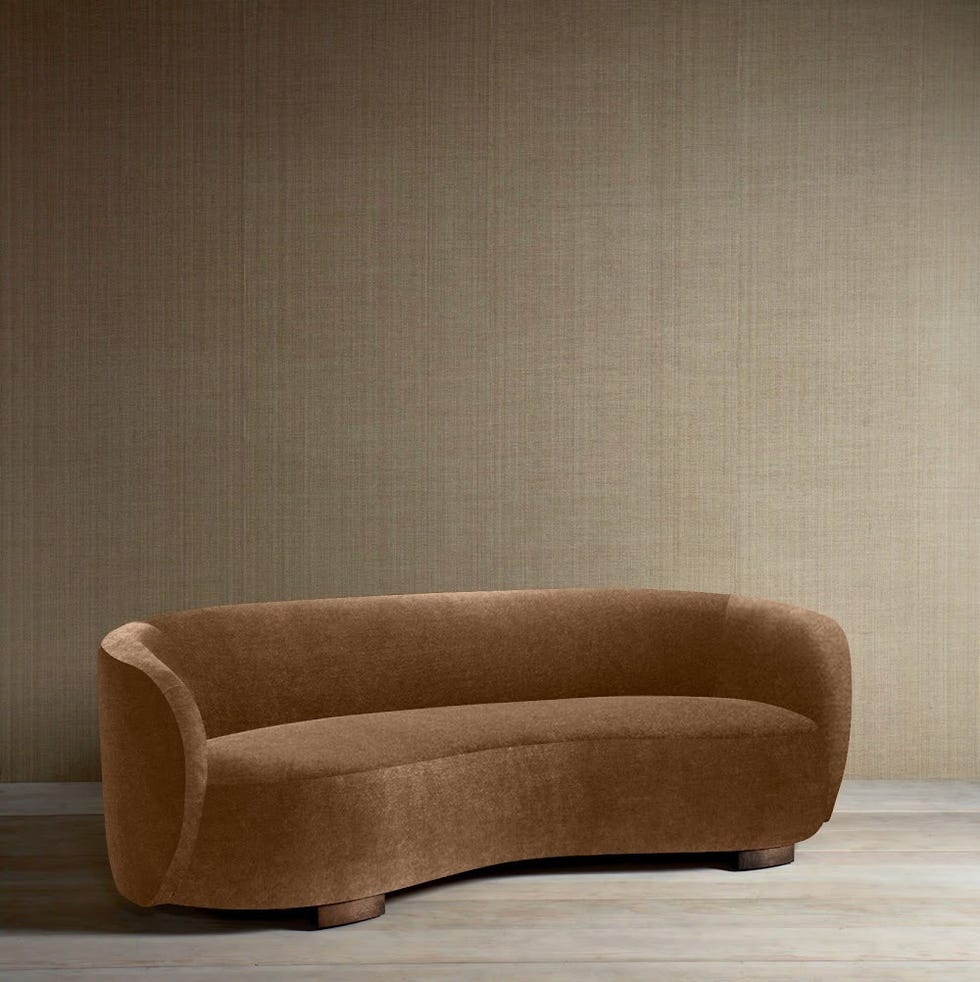
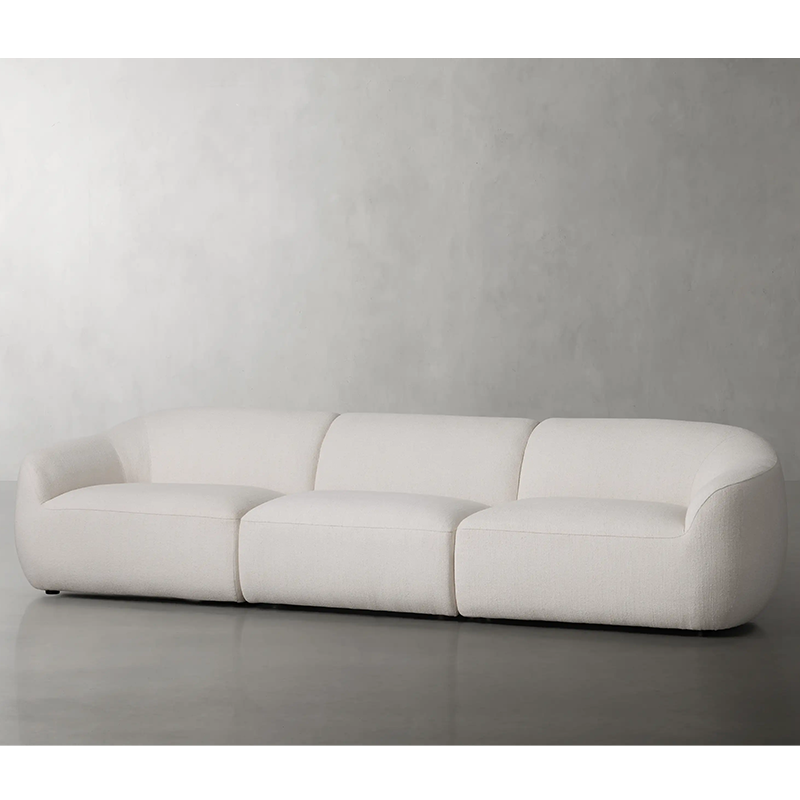
Selecting the appropriate sofa for a room involves more than just choosing the right size; it requires matching the sofa's style and shape to the room's characteristics. There is a wide variety of sofa types available, including curved, straight, U-shaped, and L-shaped designs, as well as those with high arms and backs or low-slung profiles. However, not all sofa types are suitable for every room. It is crucial to consider how to match a sofa to the shape of a room to prevent compromising the layout, impeding circulation, blocking doors or windows, or overwhelming the space. Interior designers consistently prioritize this consideration when furnishing a room.
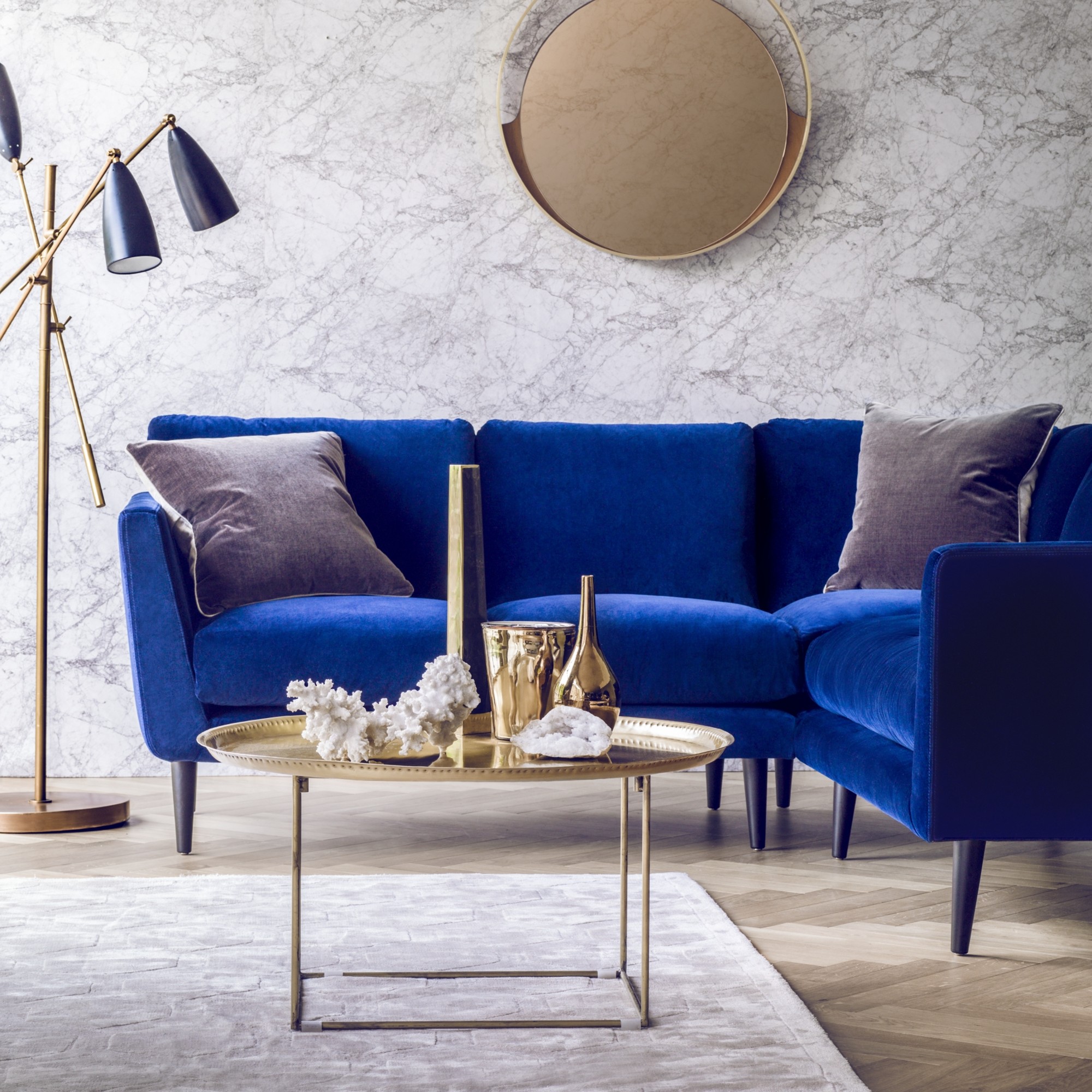
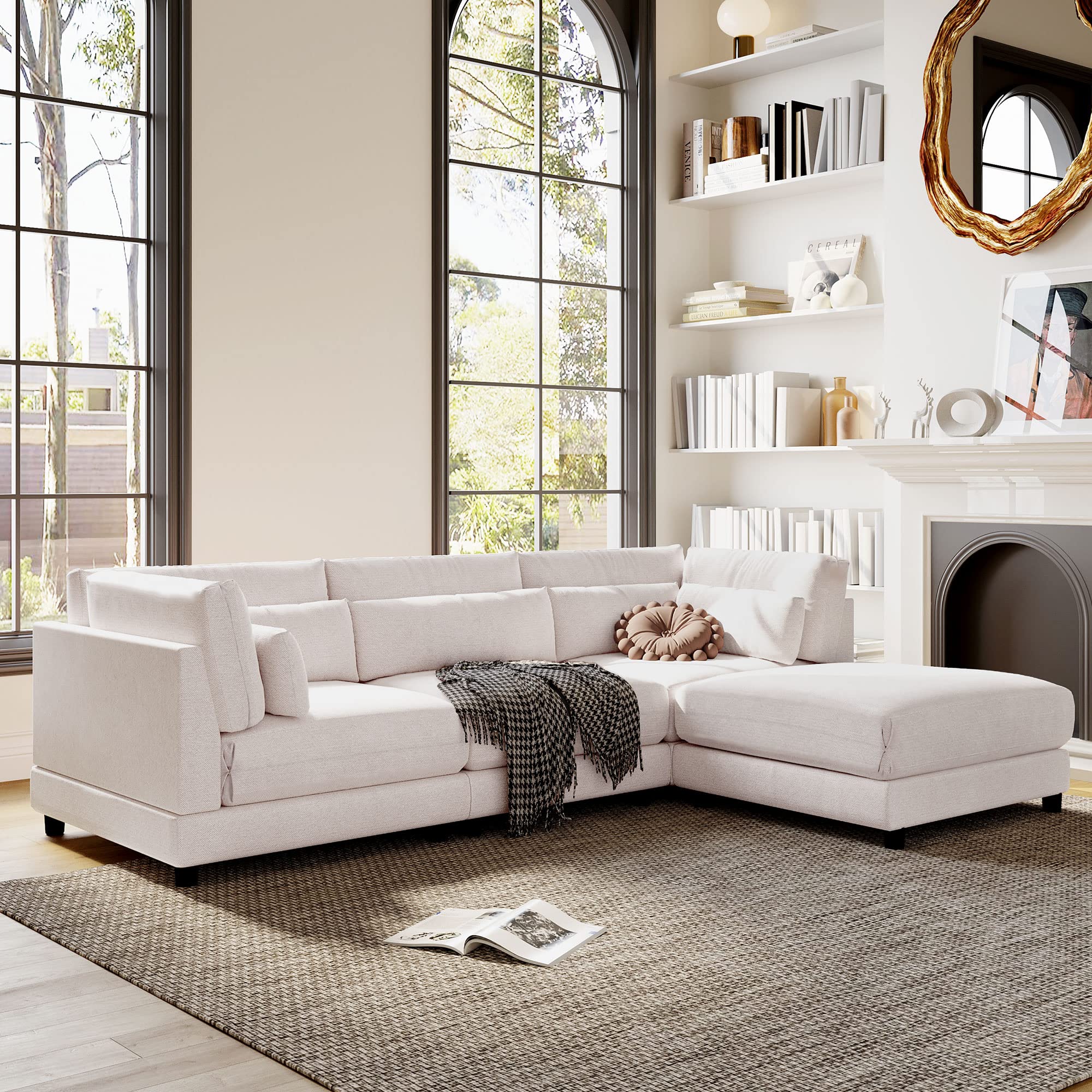
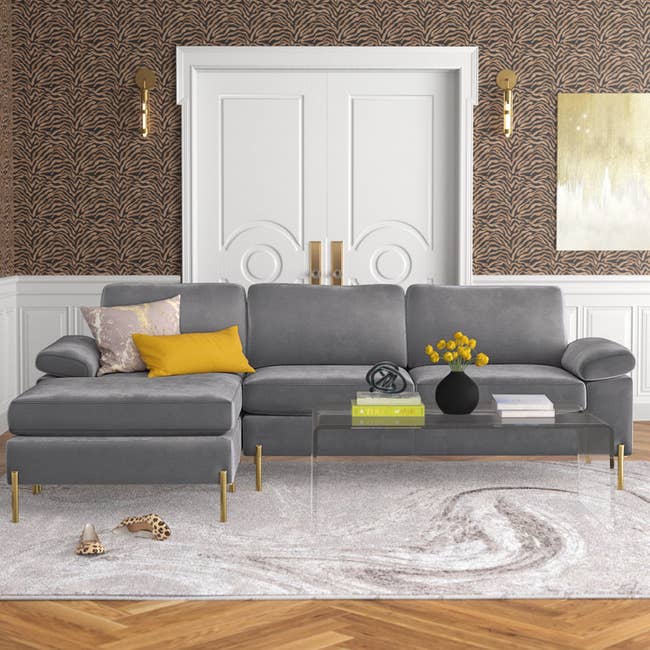
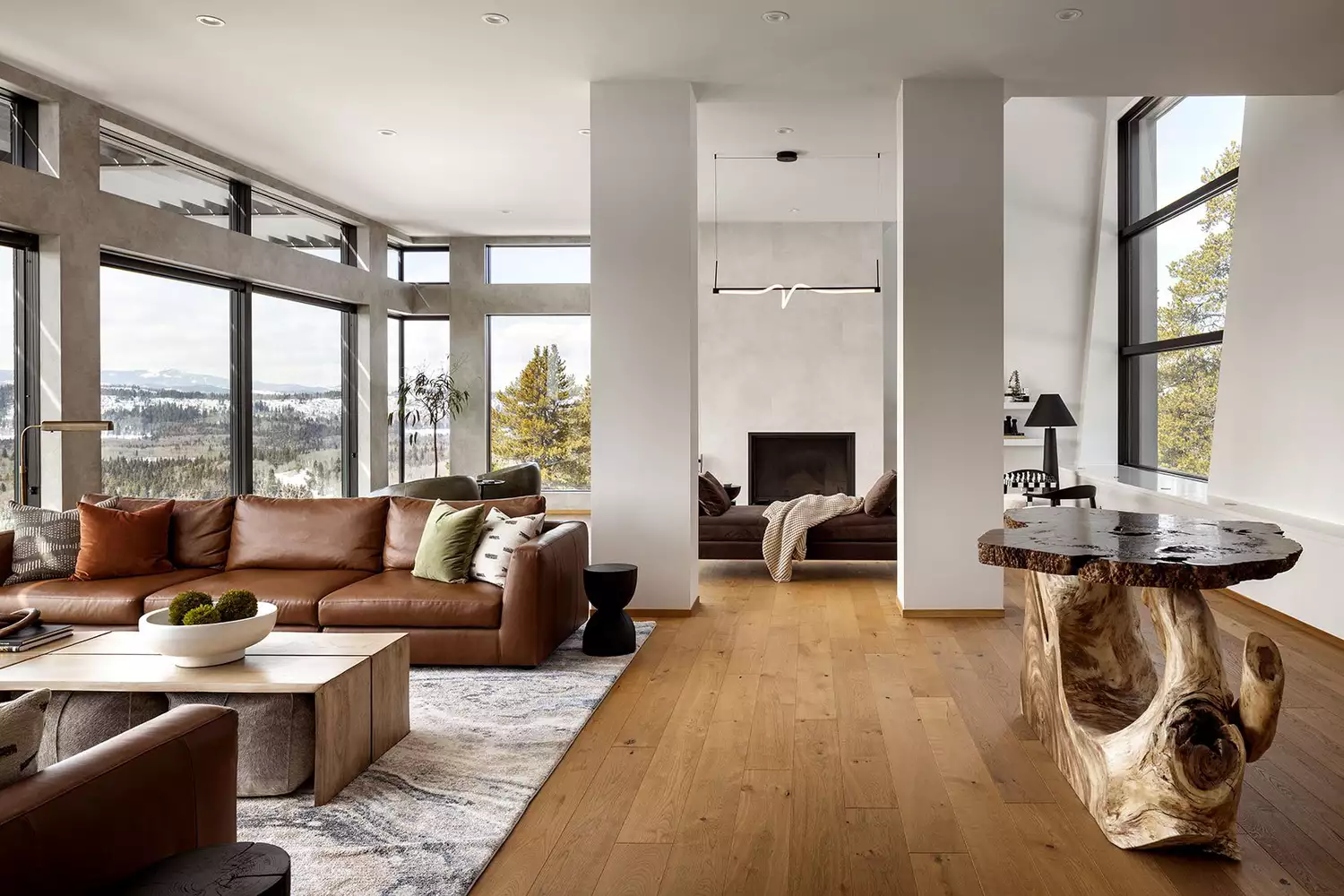
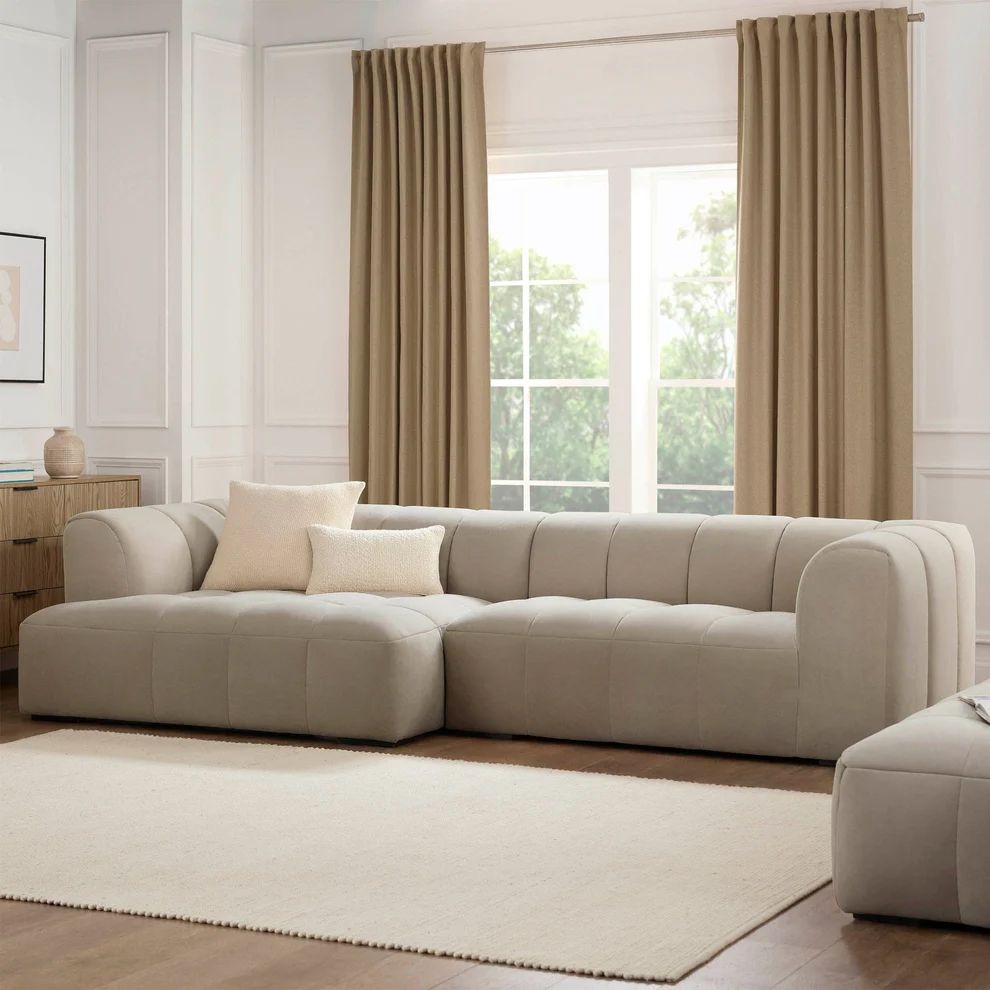
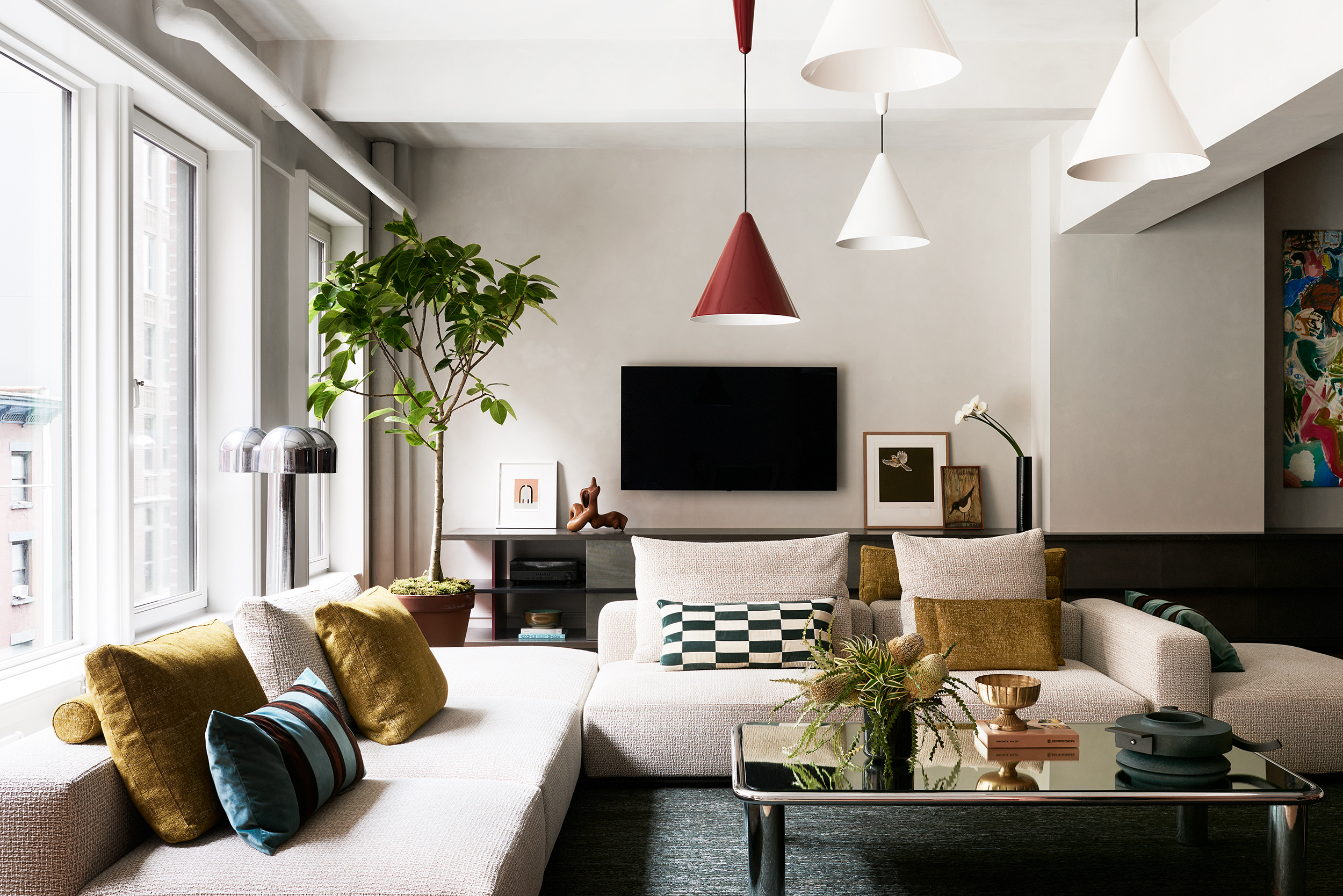
The process of selecting a sofa involves considering several key factors, such as the room's utilization, the placement of windows and doors, and the overall traffic flow. For instance, a narrow room benefits from a streamlined, low-profile sofa to maximize space without cluttering the area, while an open-plan layout offers greater flexibility. Different sofa shapes are best suited for particular room types. Sectional sofas, for example, are ideal for generously proportioned rooms or open floor plans, as they help define the space. Even smaller living areas can accommodate a sectional if configured thoughtfully, especially modular sectionals with removable pieces that offer flexibility in rearrangement. However, it is essential to ensure adequate movement space and avoid blocking pathways.
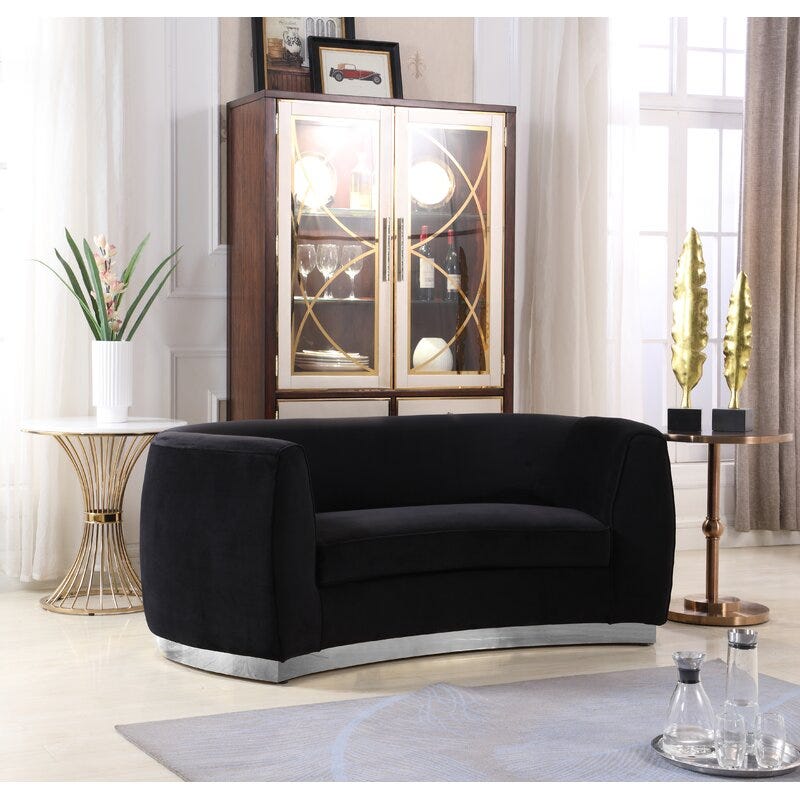
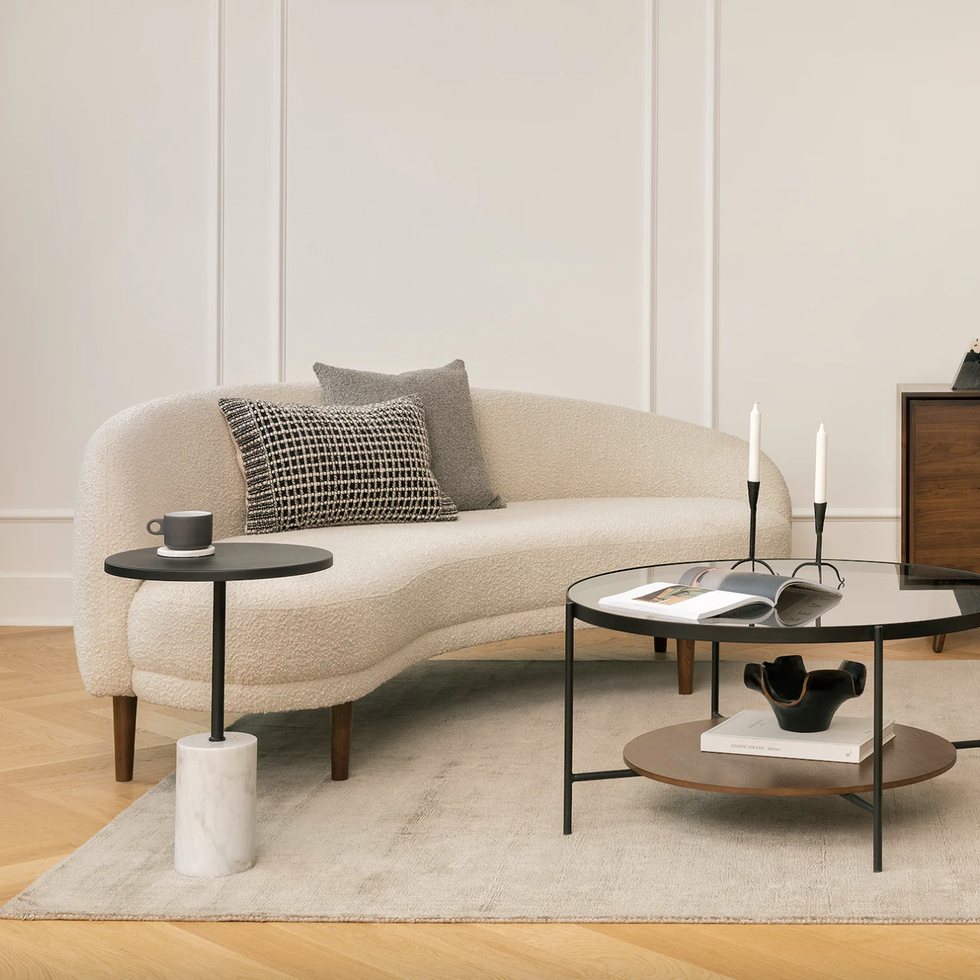
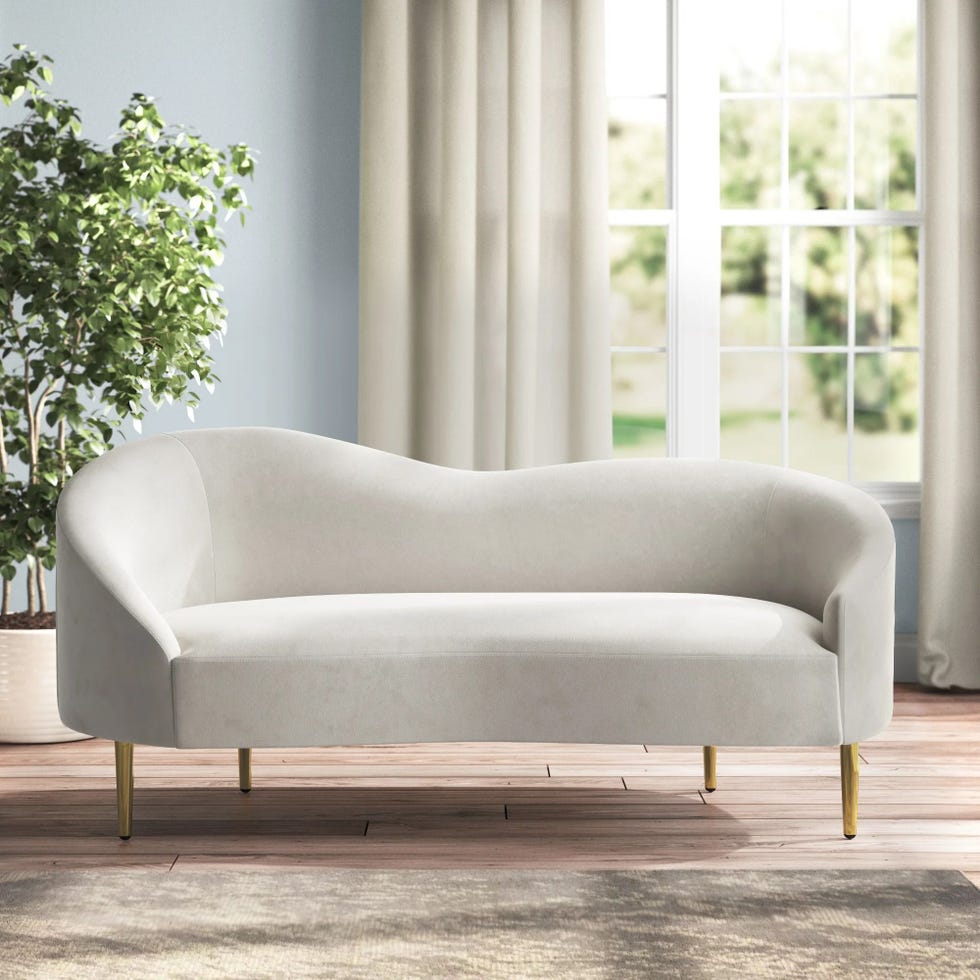
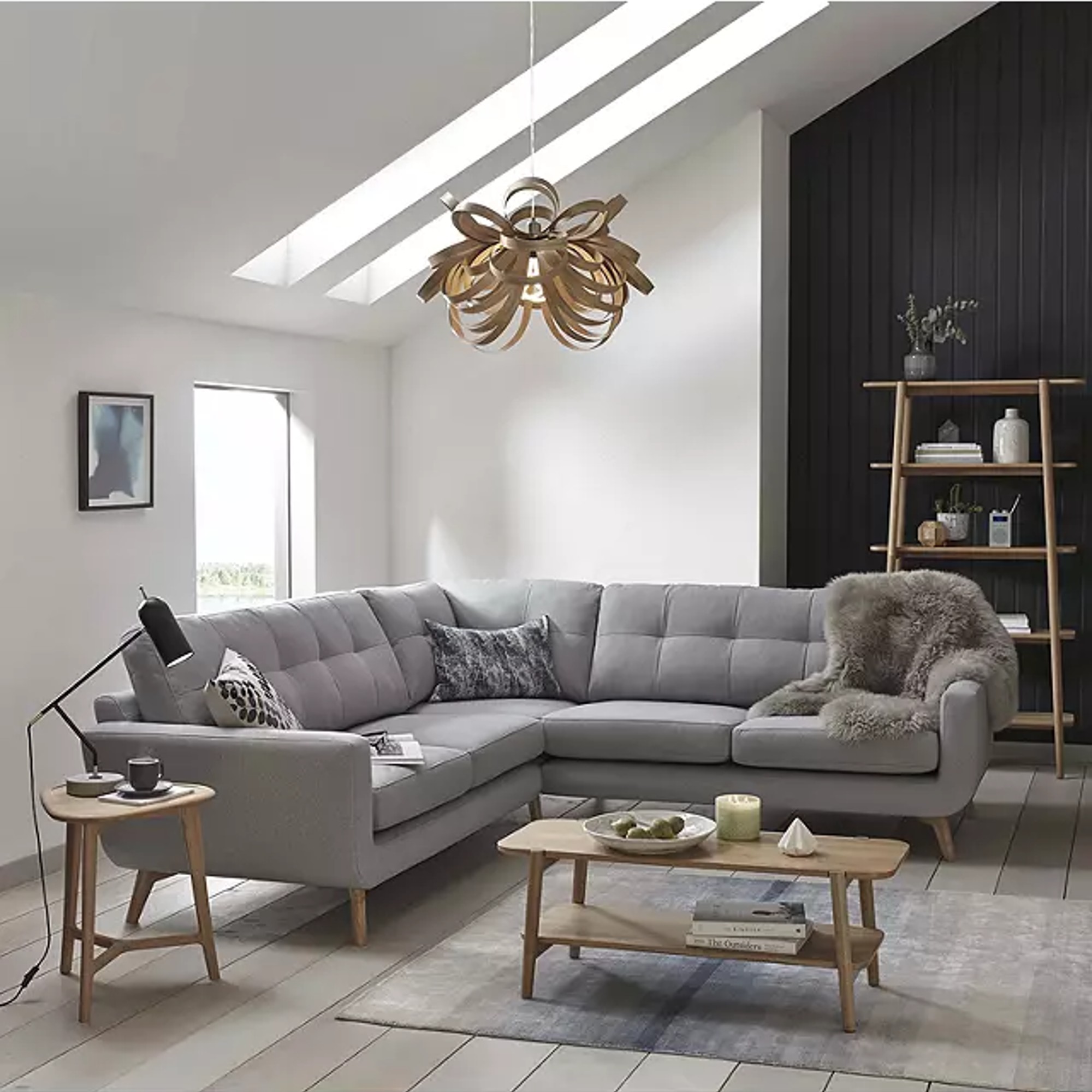
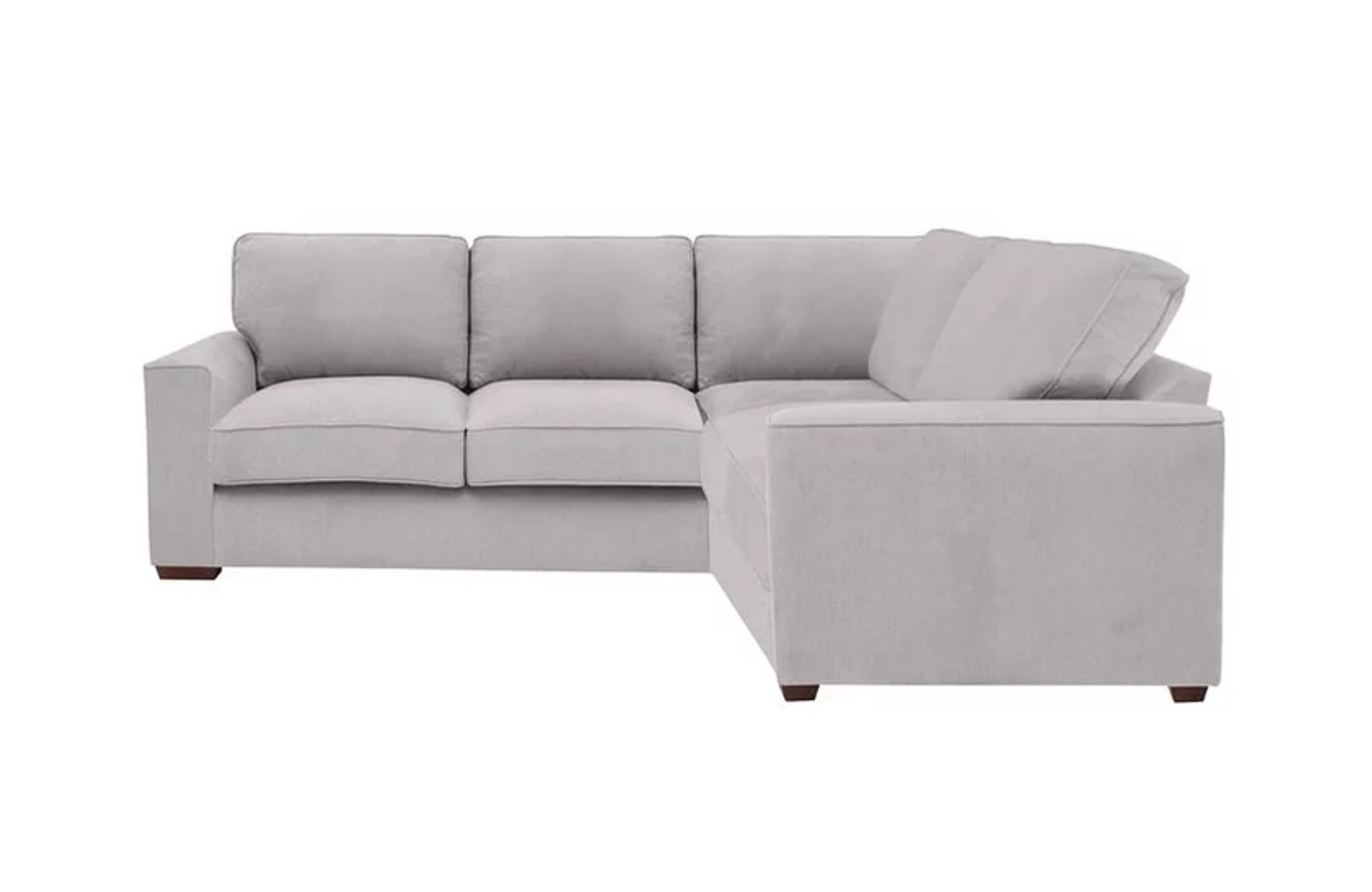
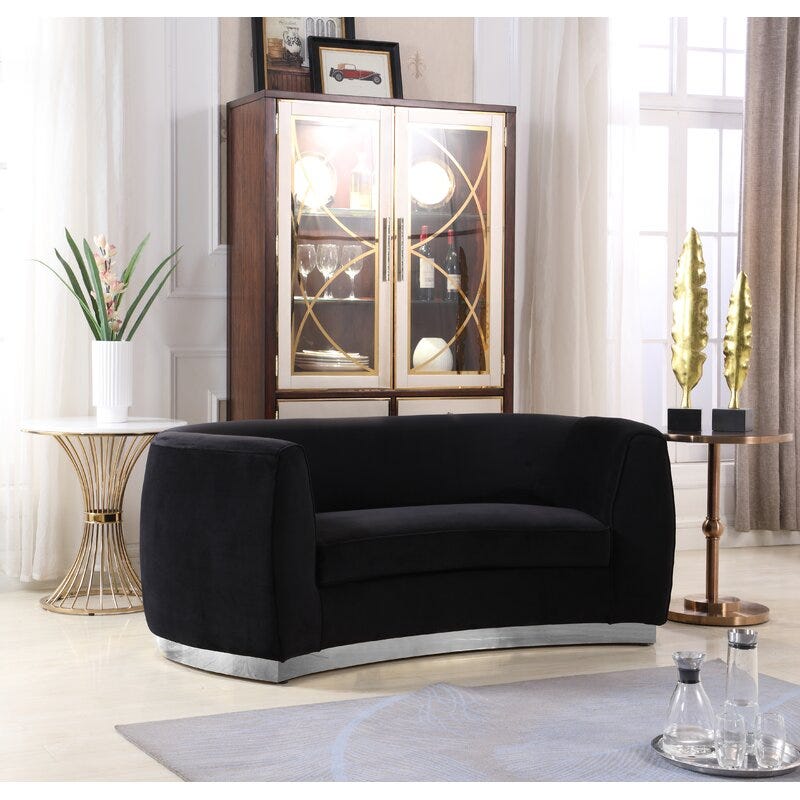
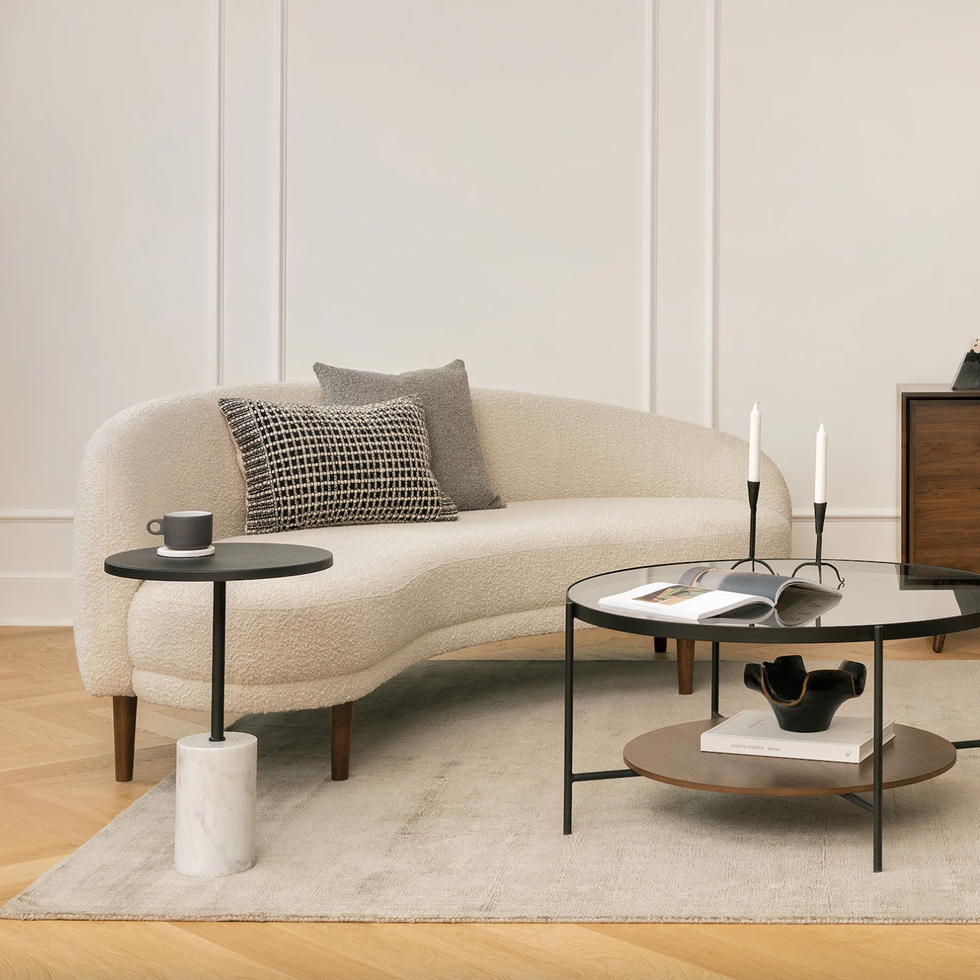
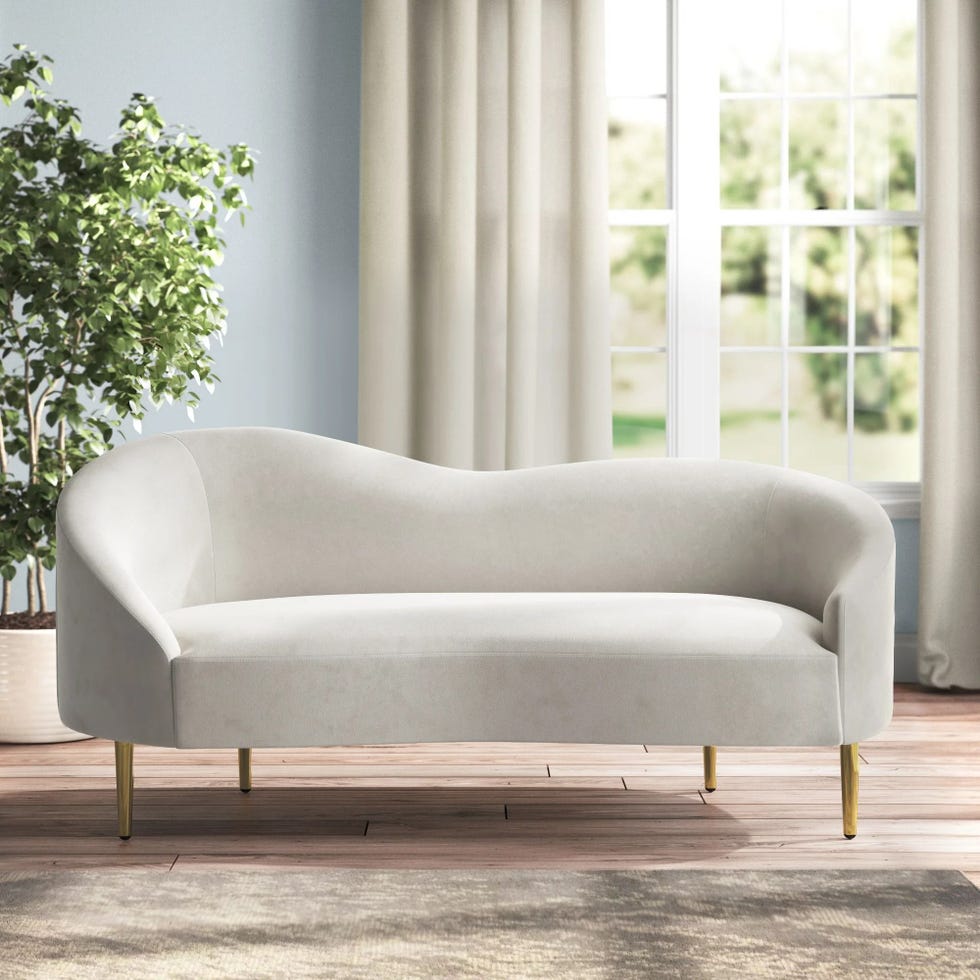
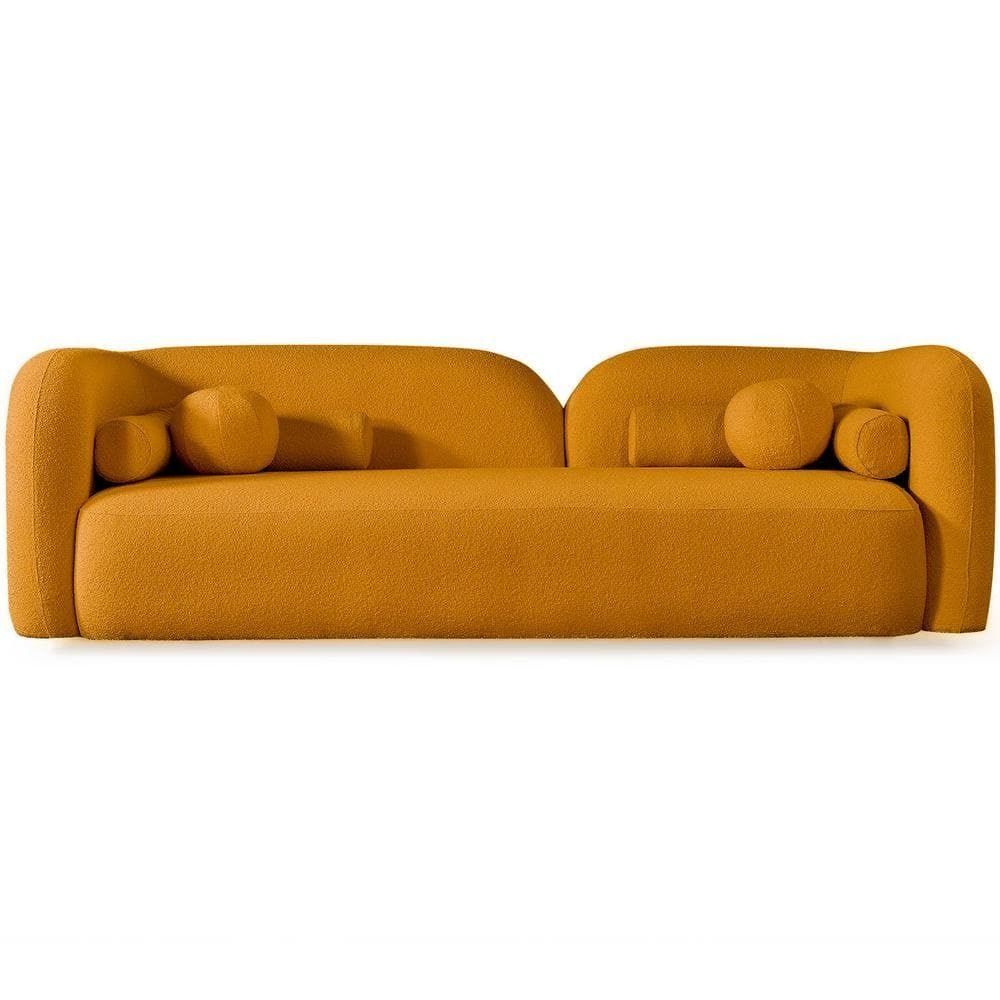
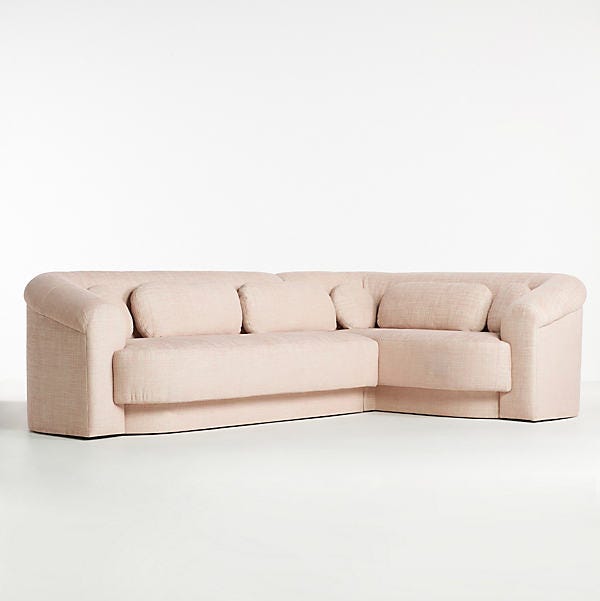
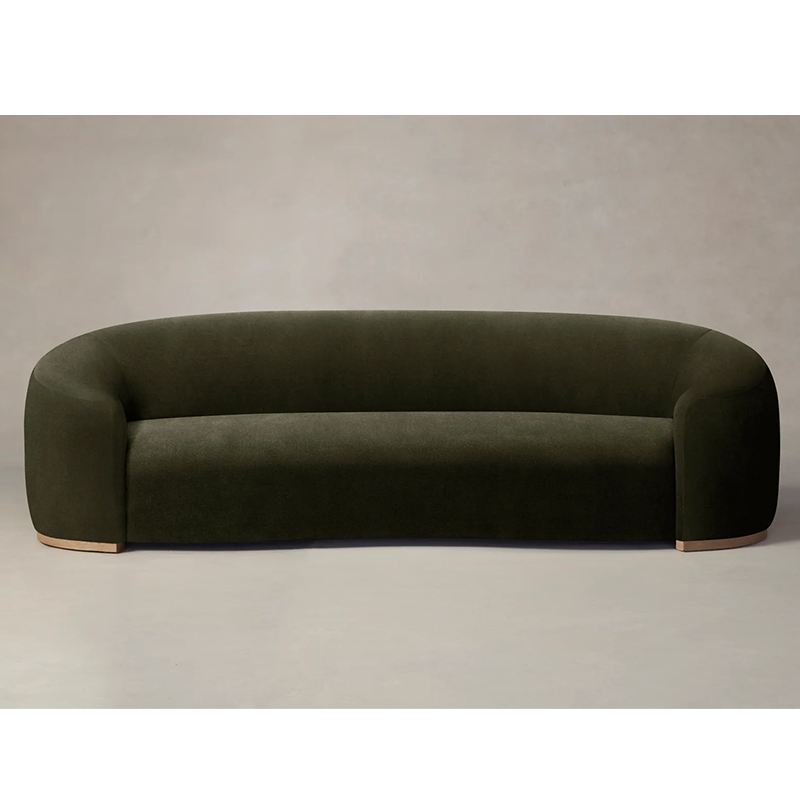
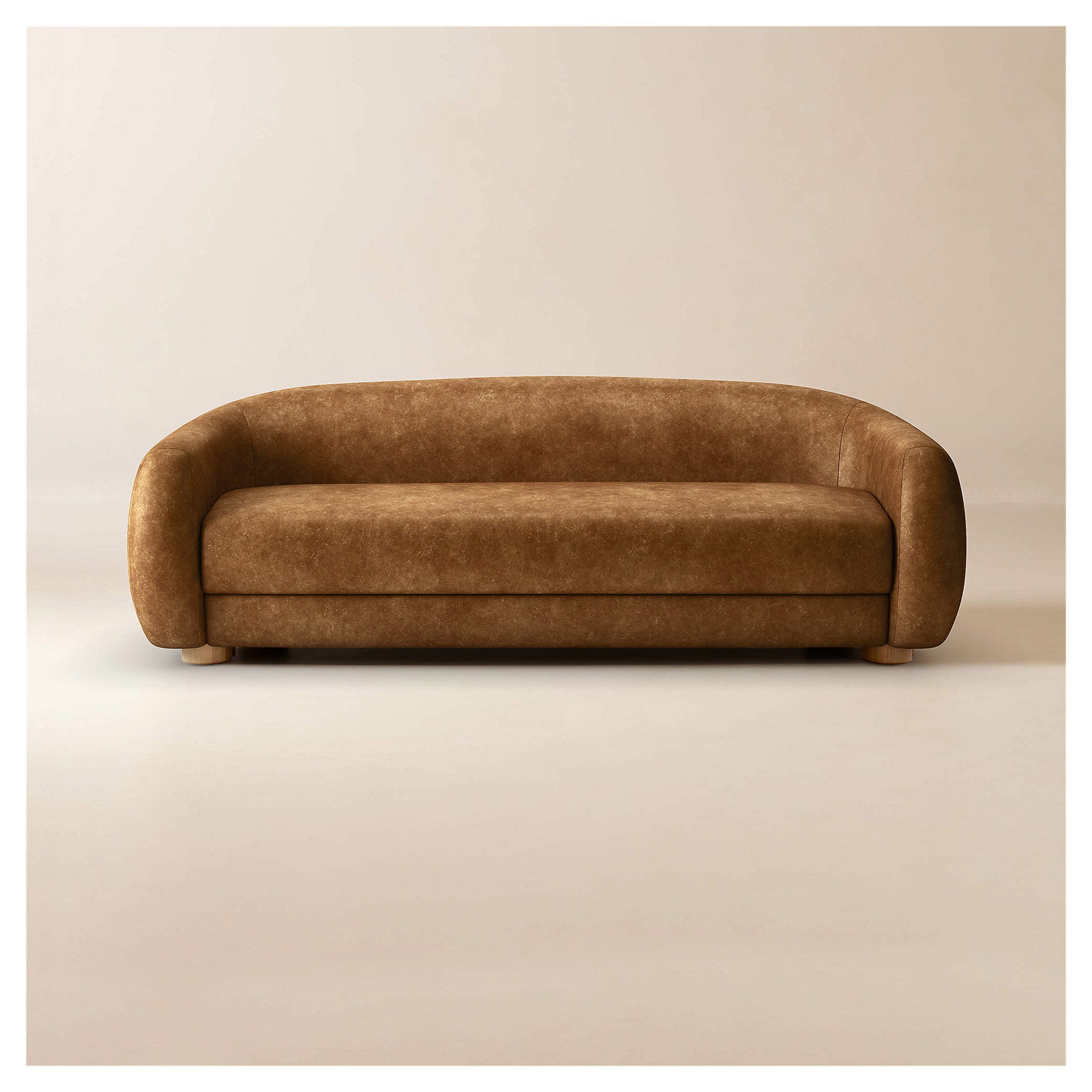
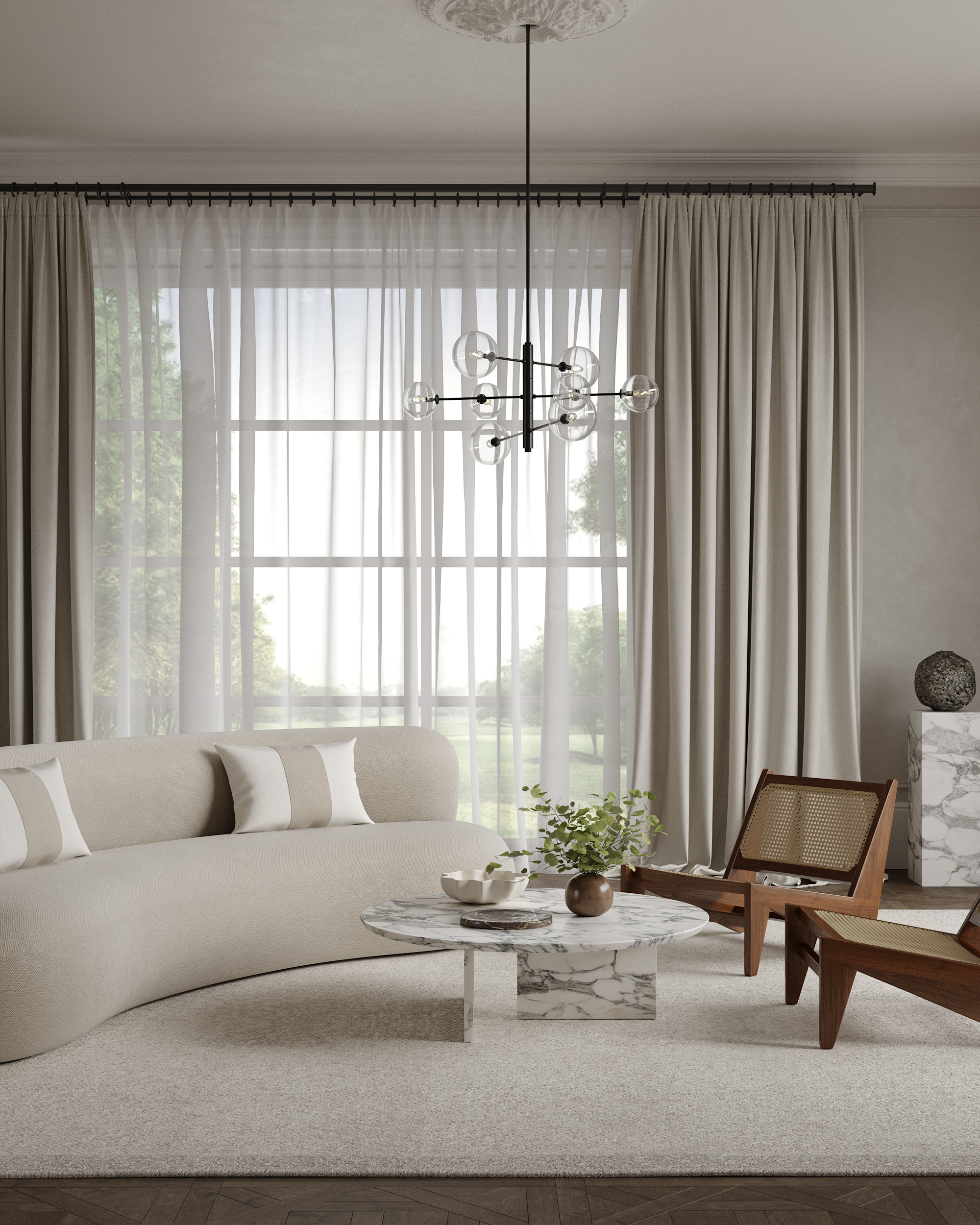
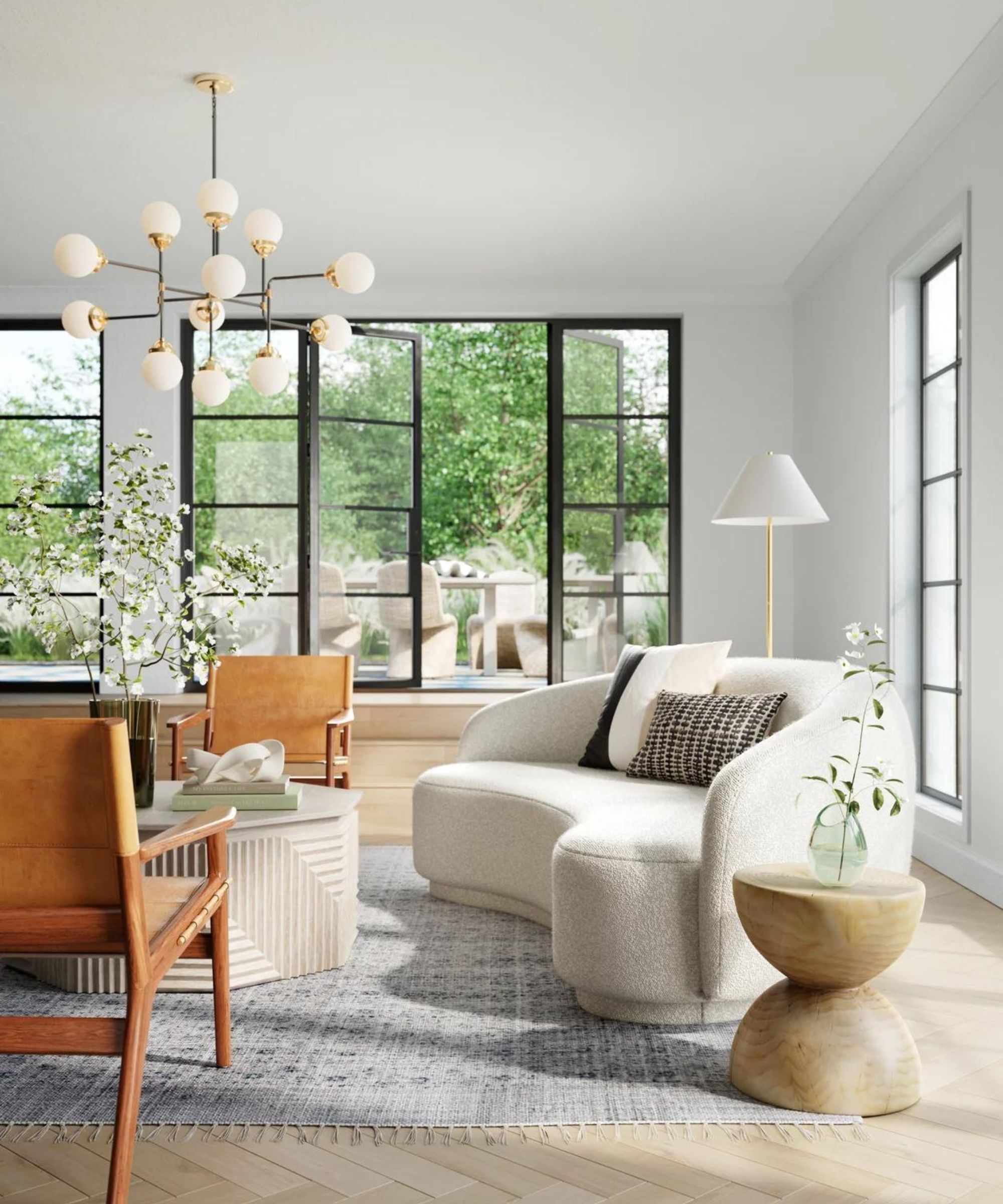
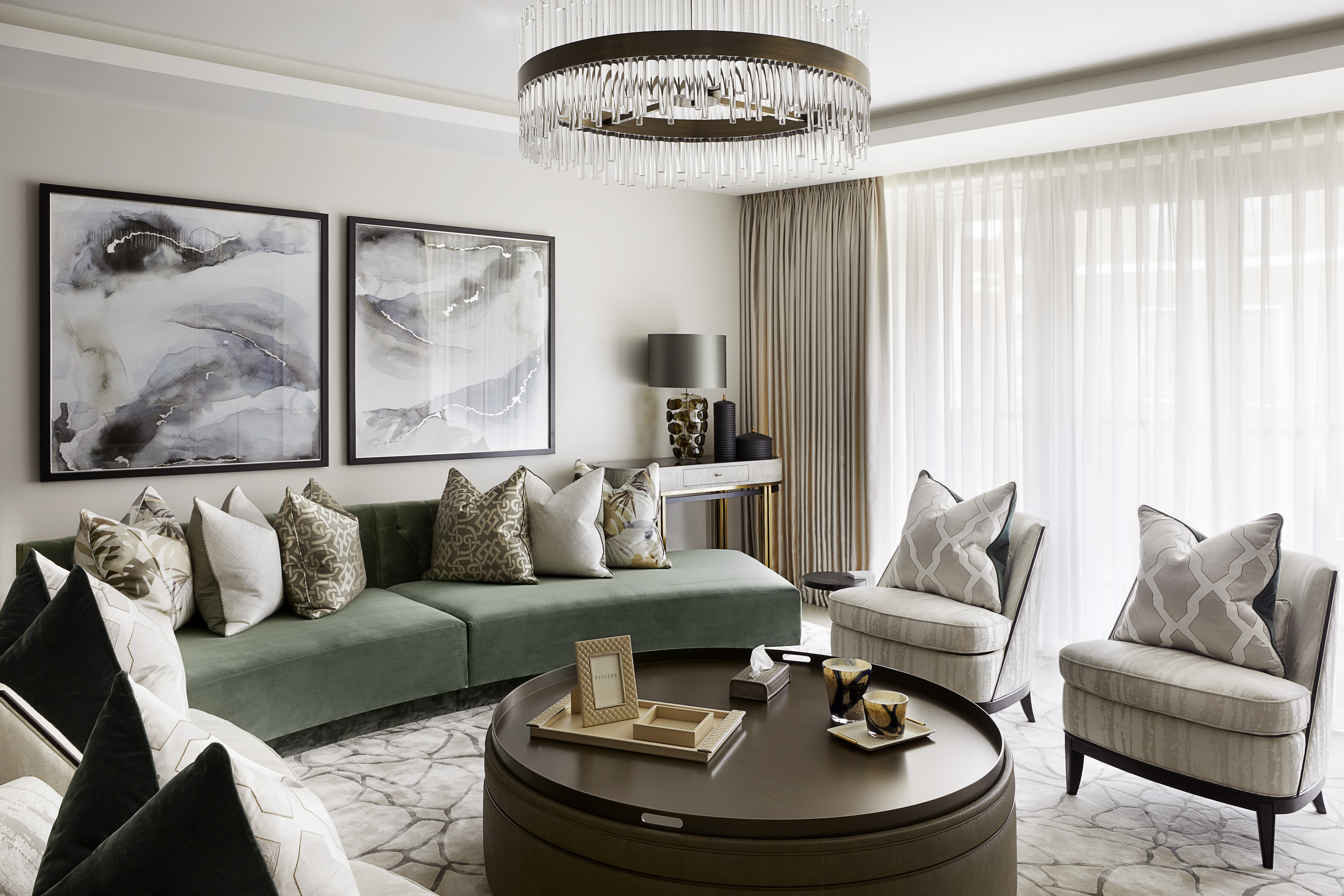
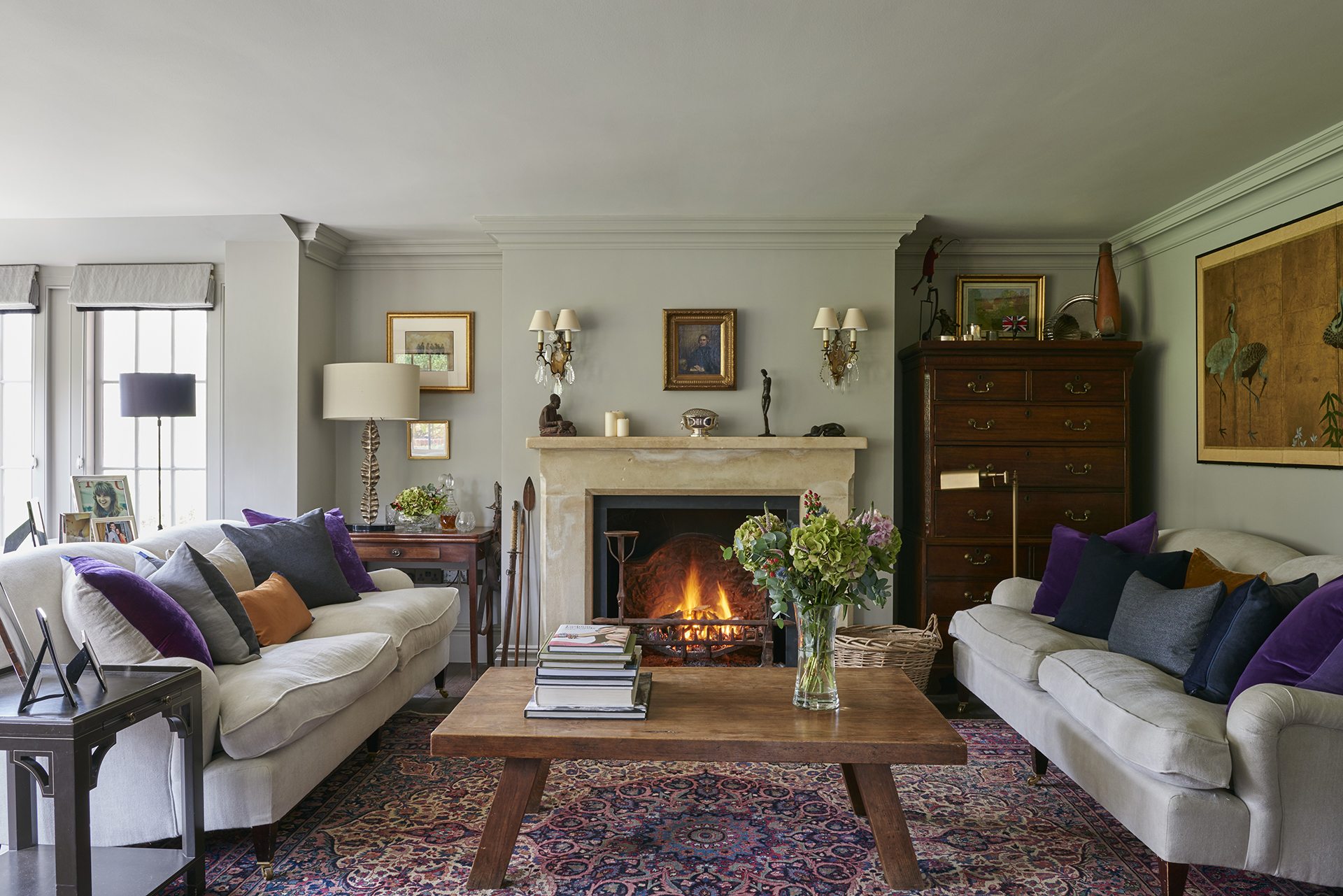
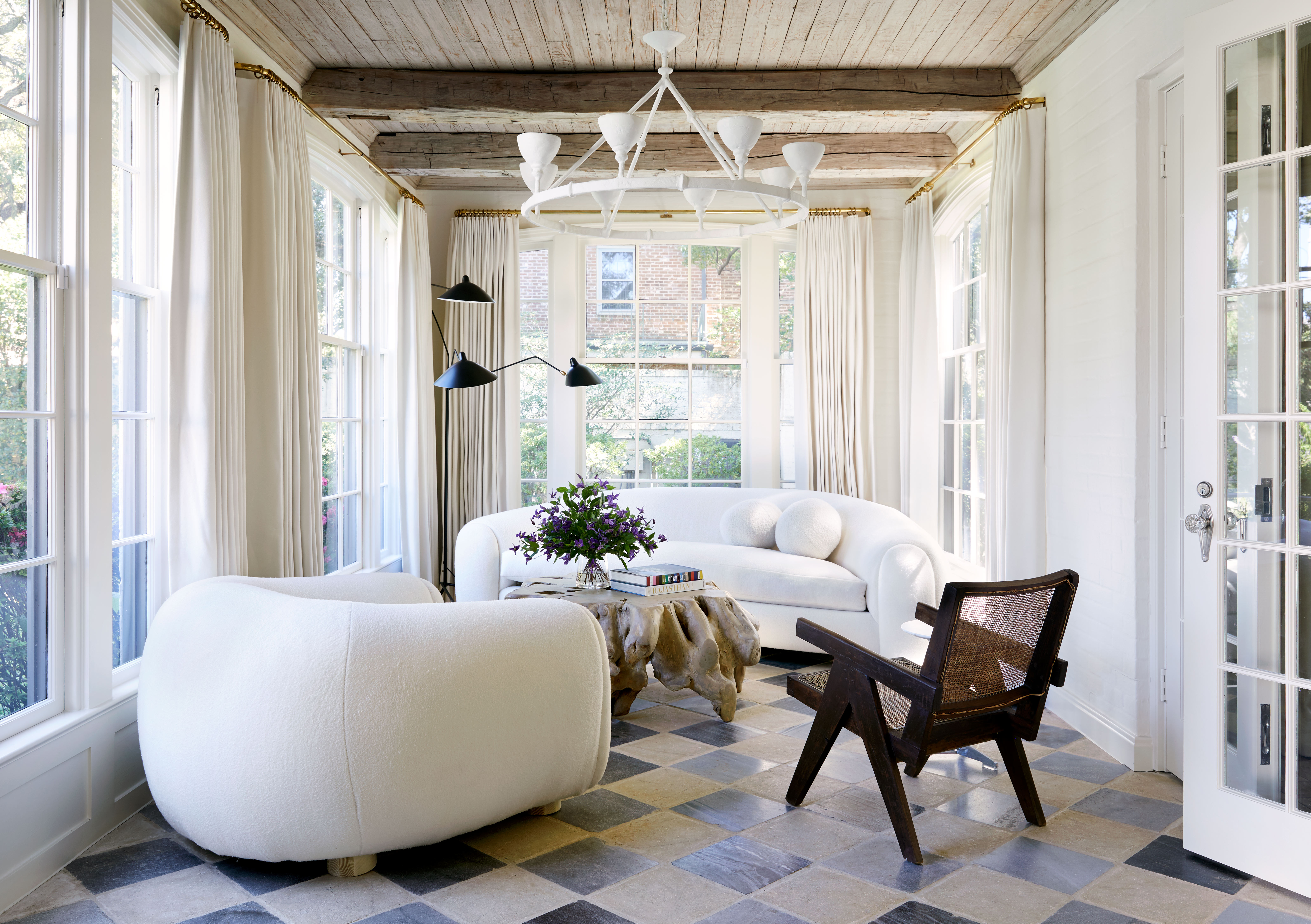
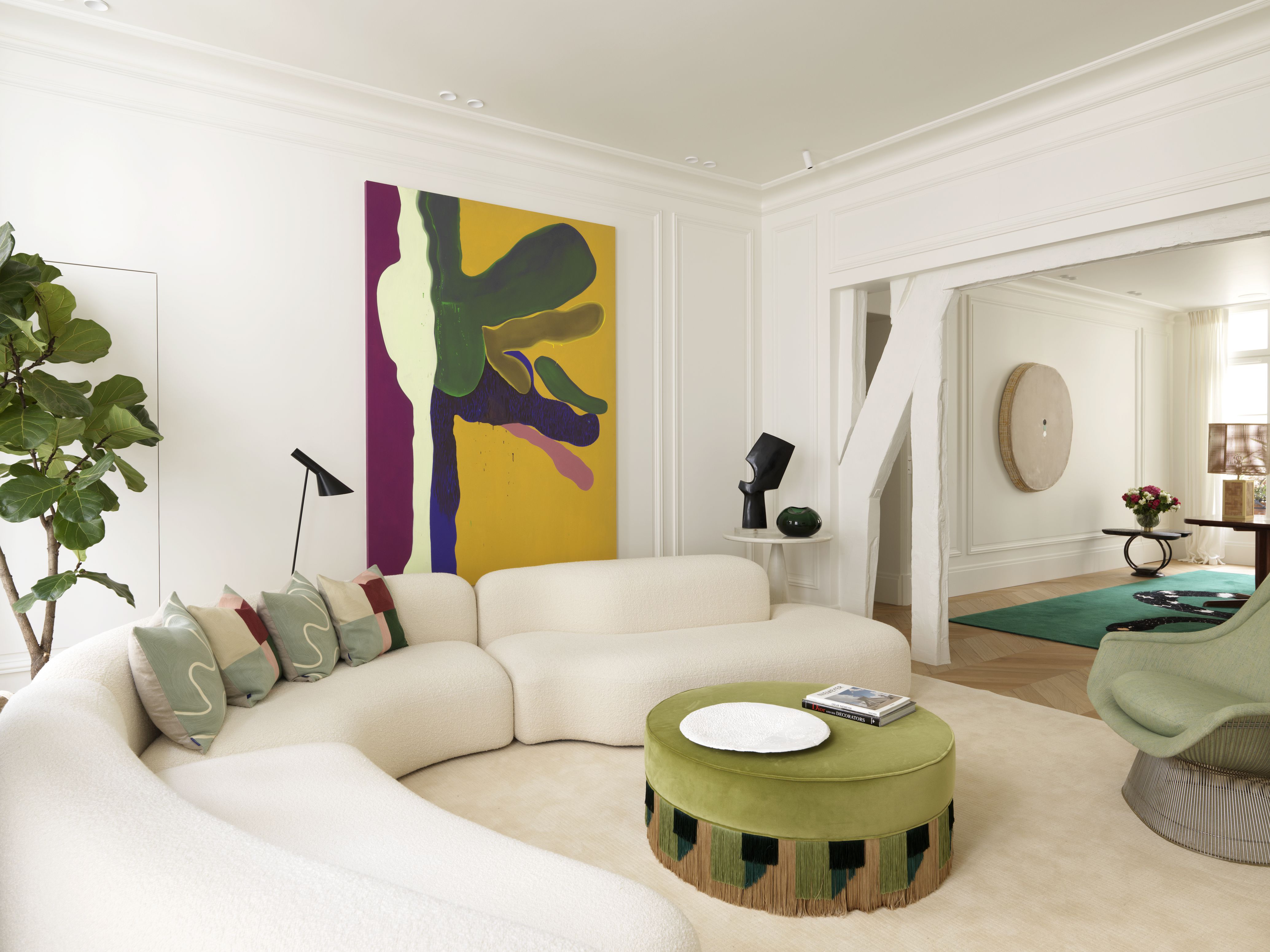
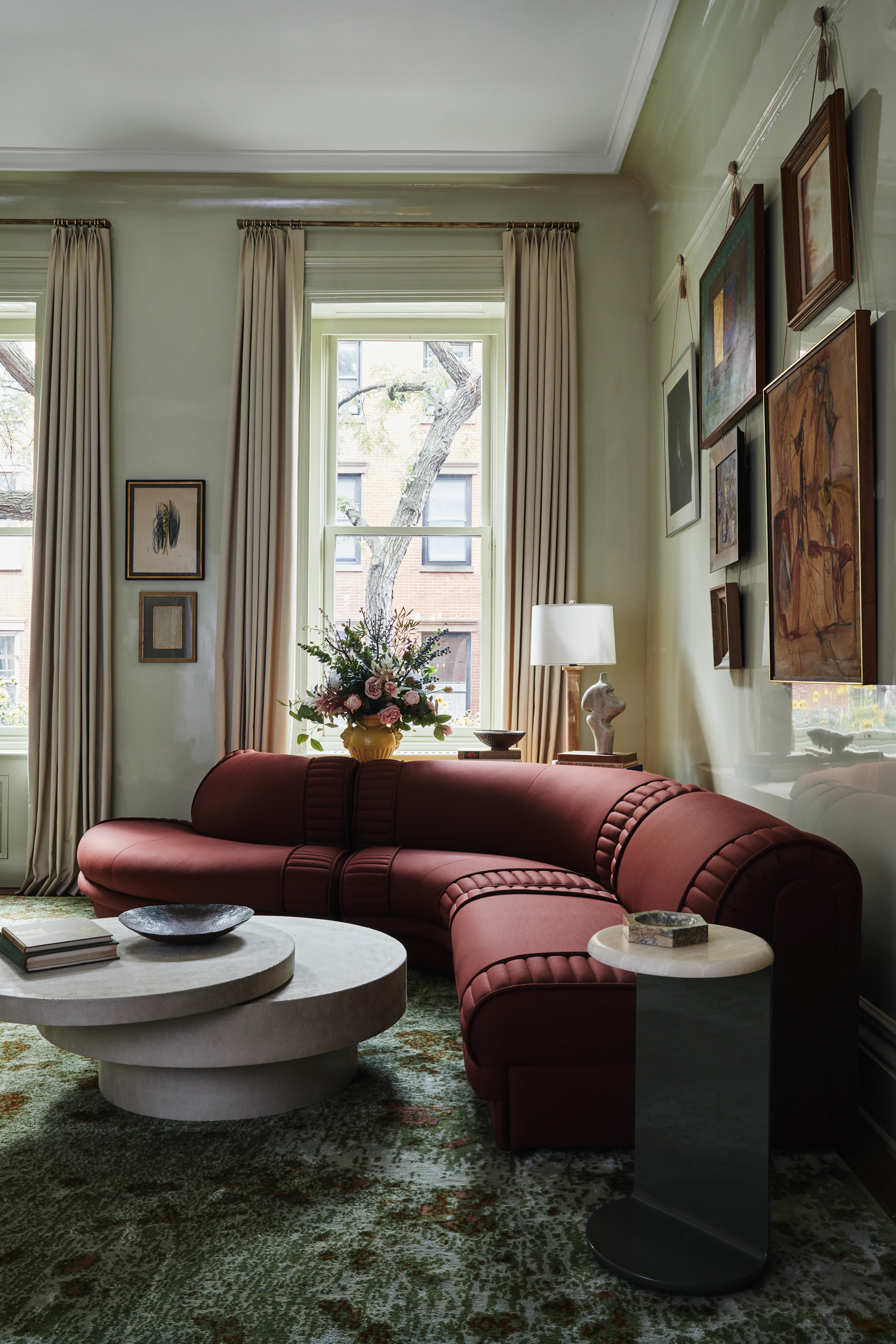
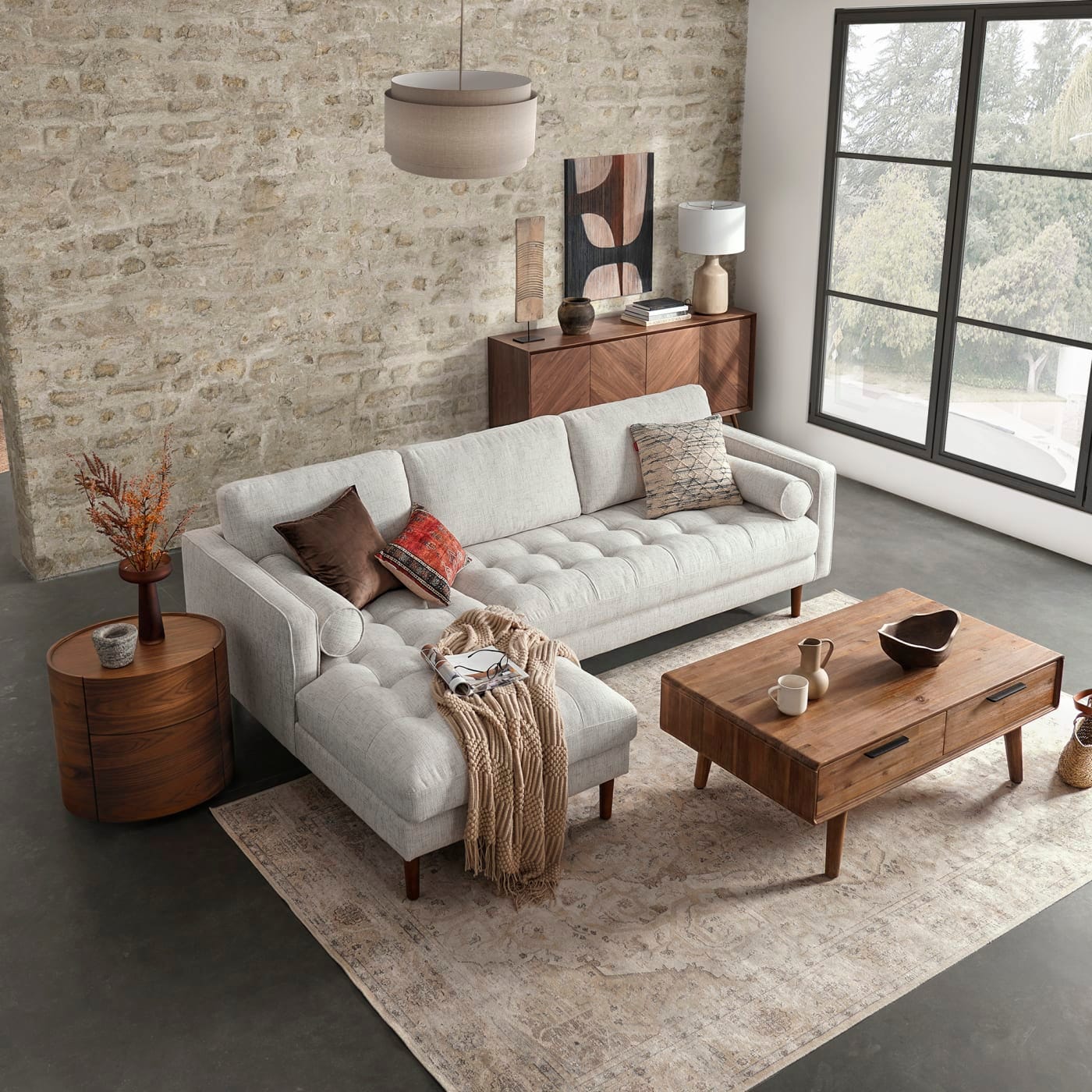
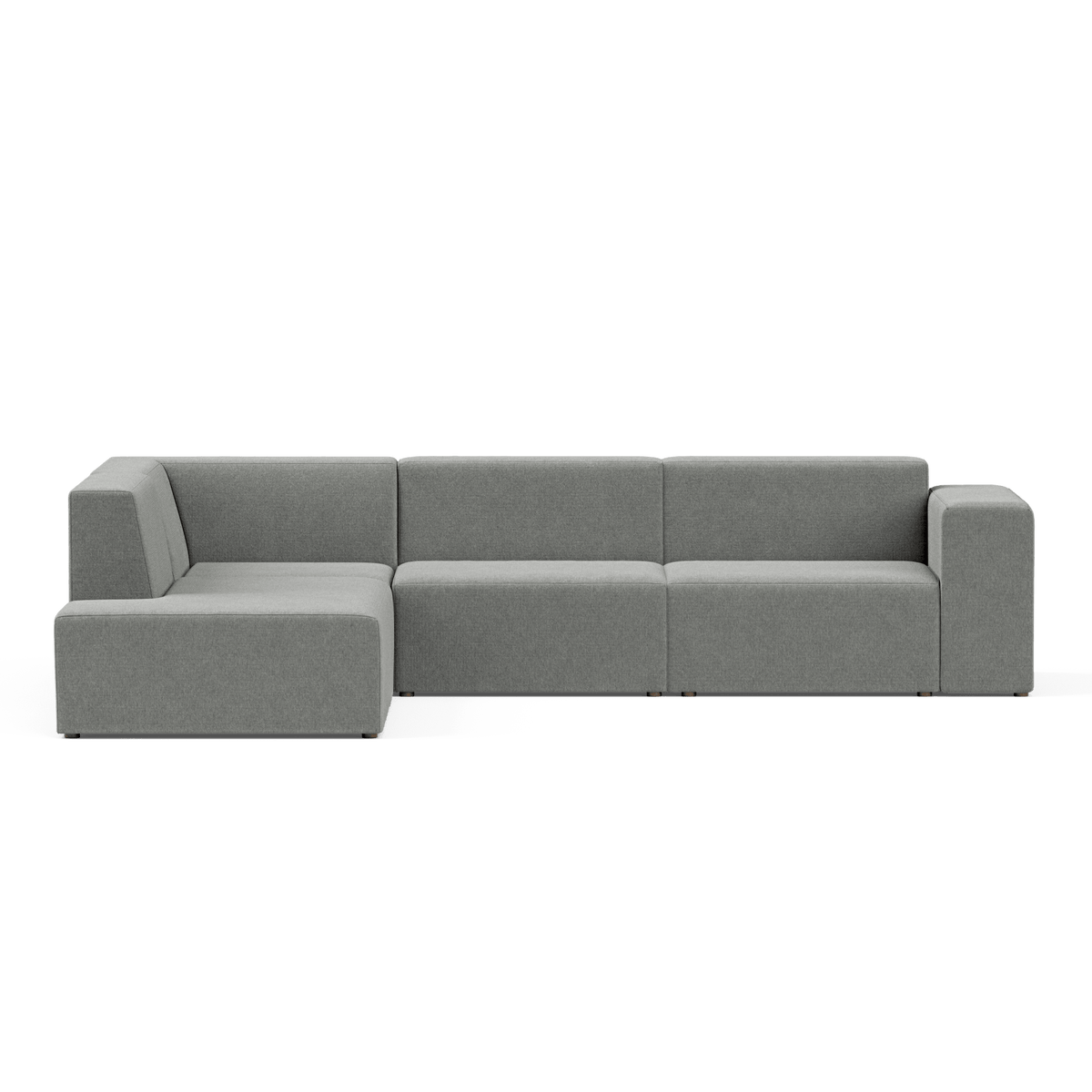
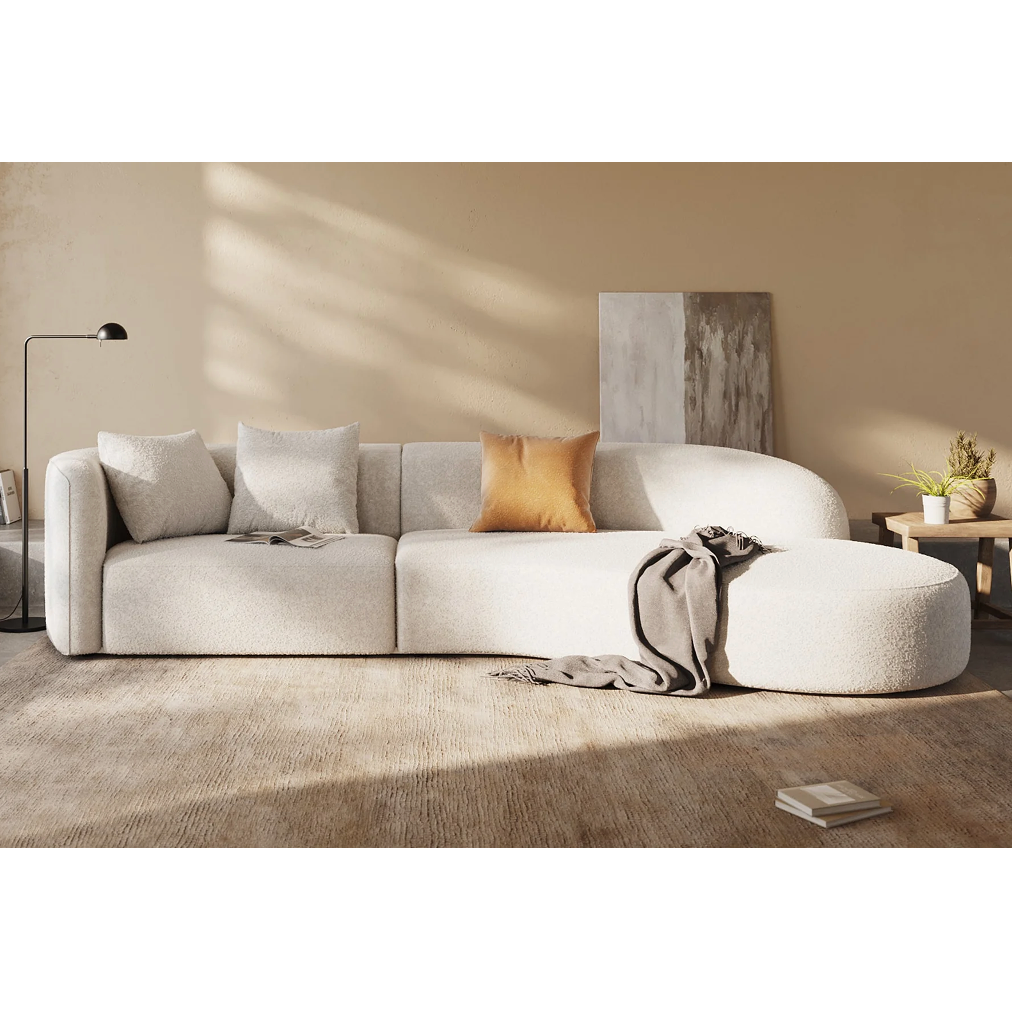
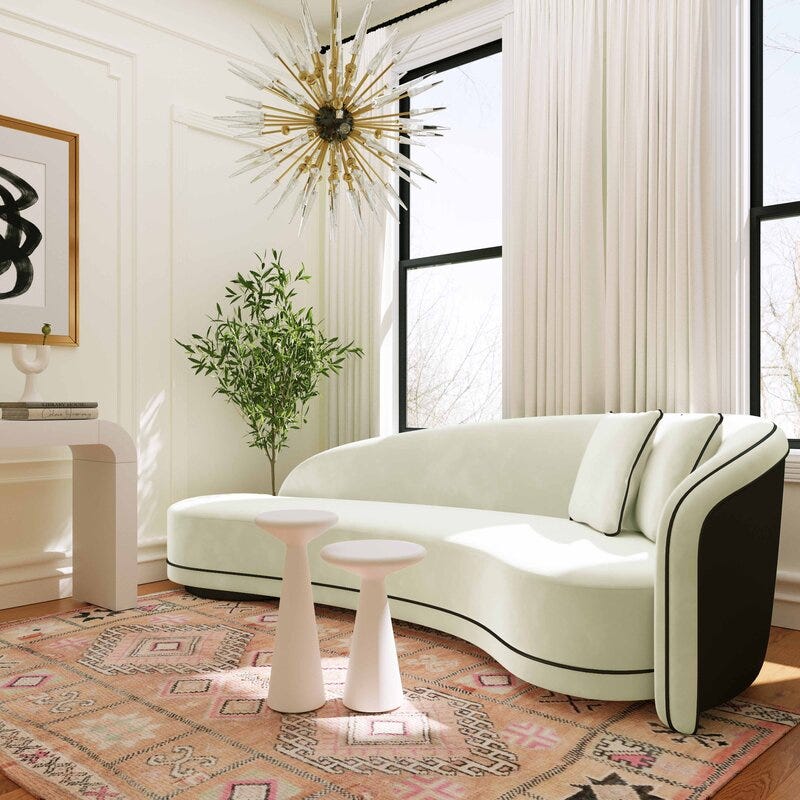
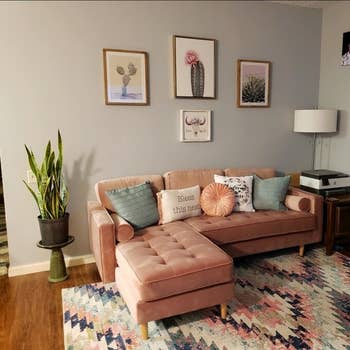
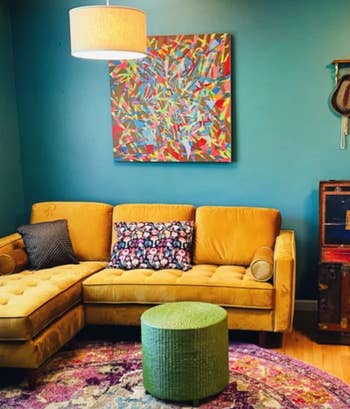
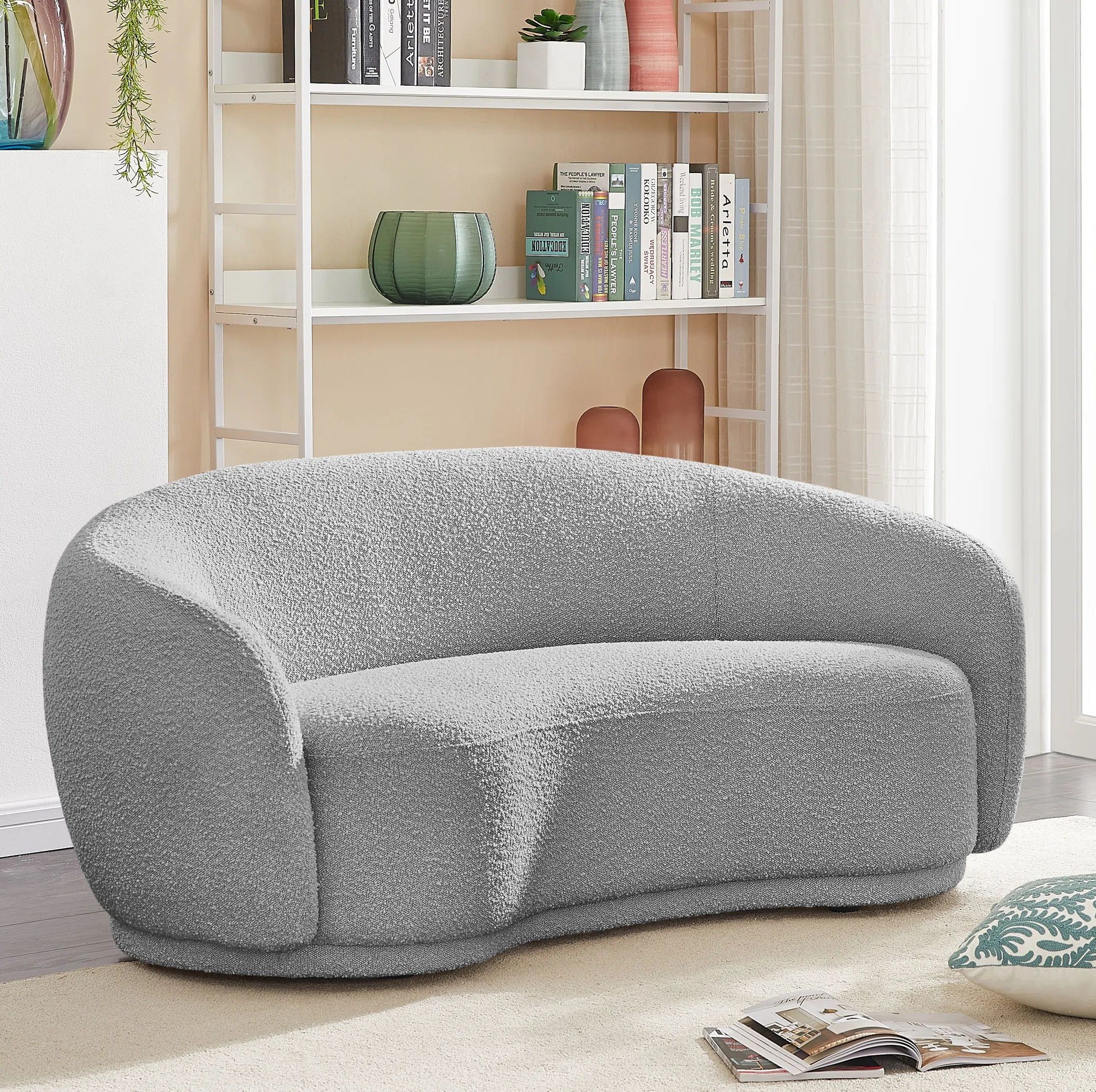
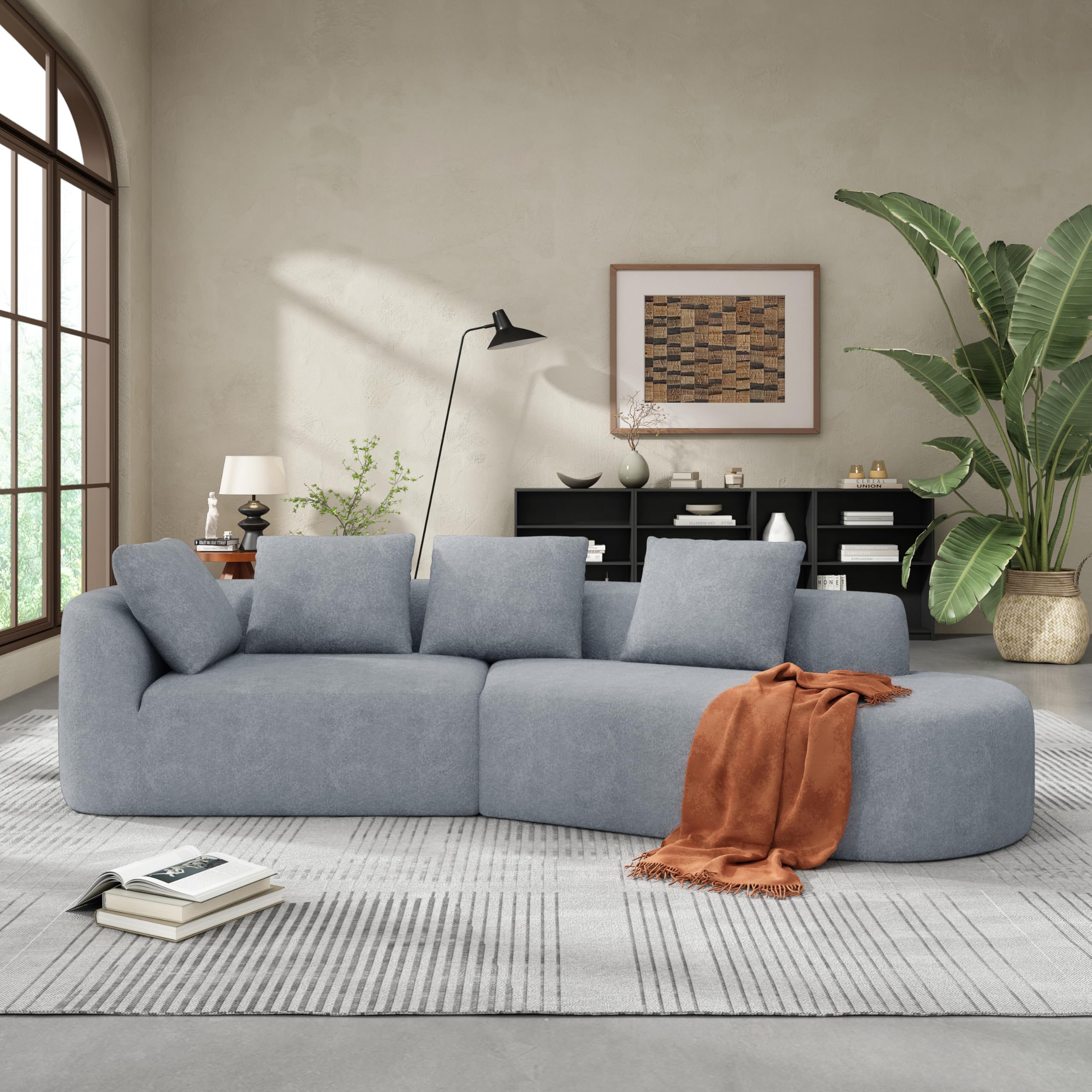
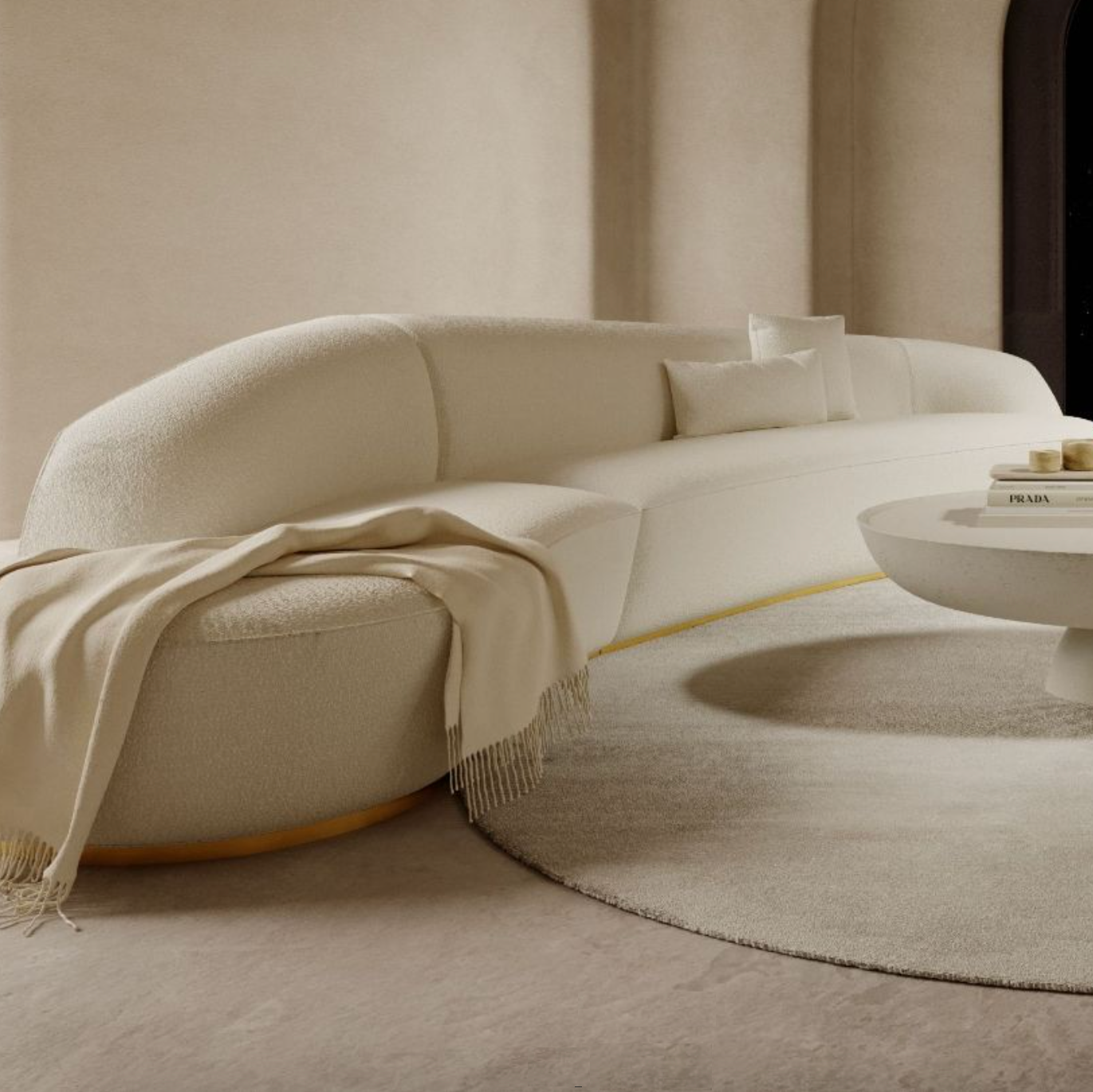
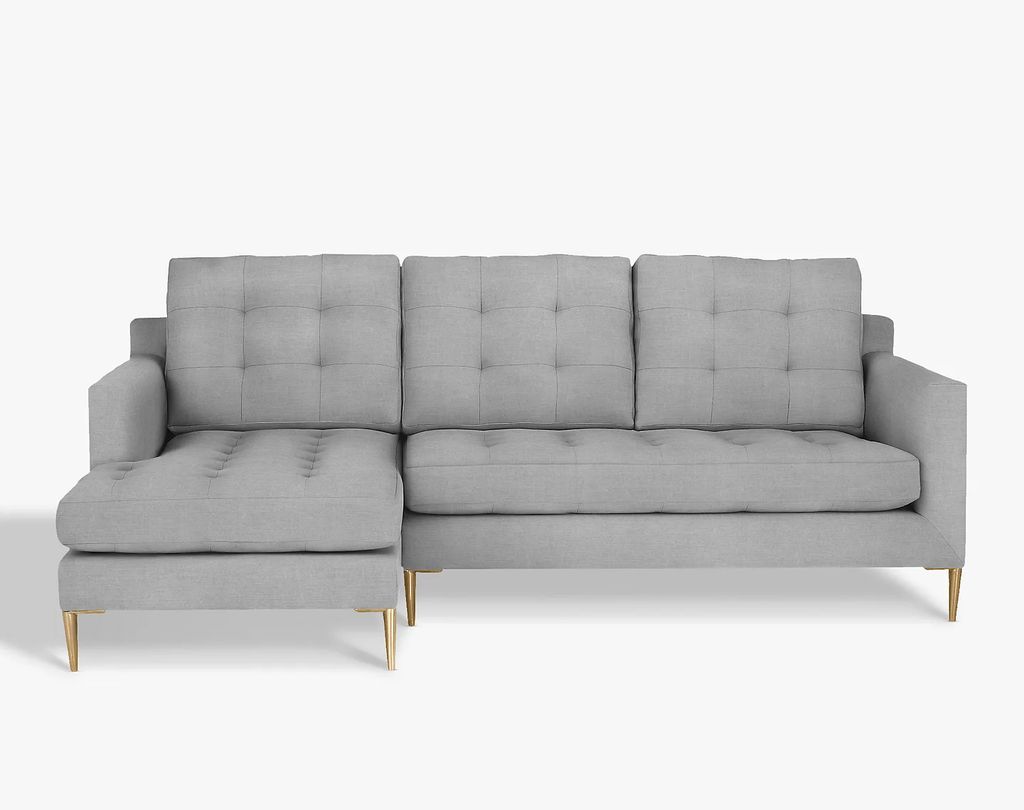
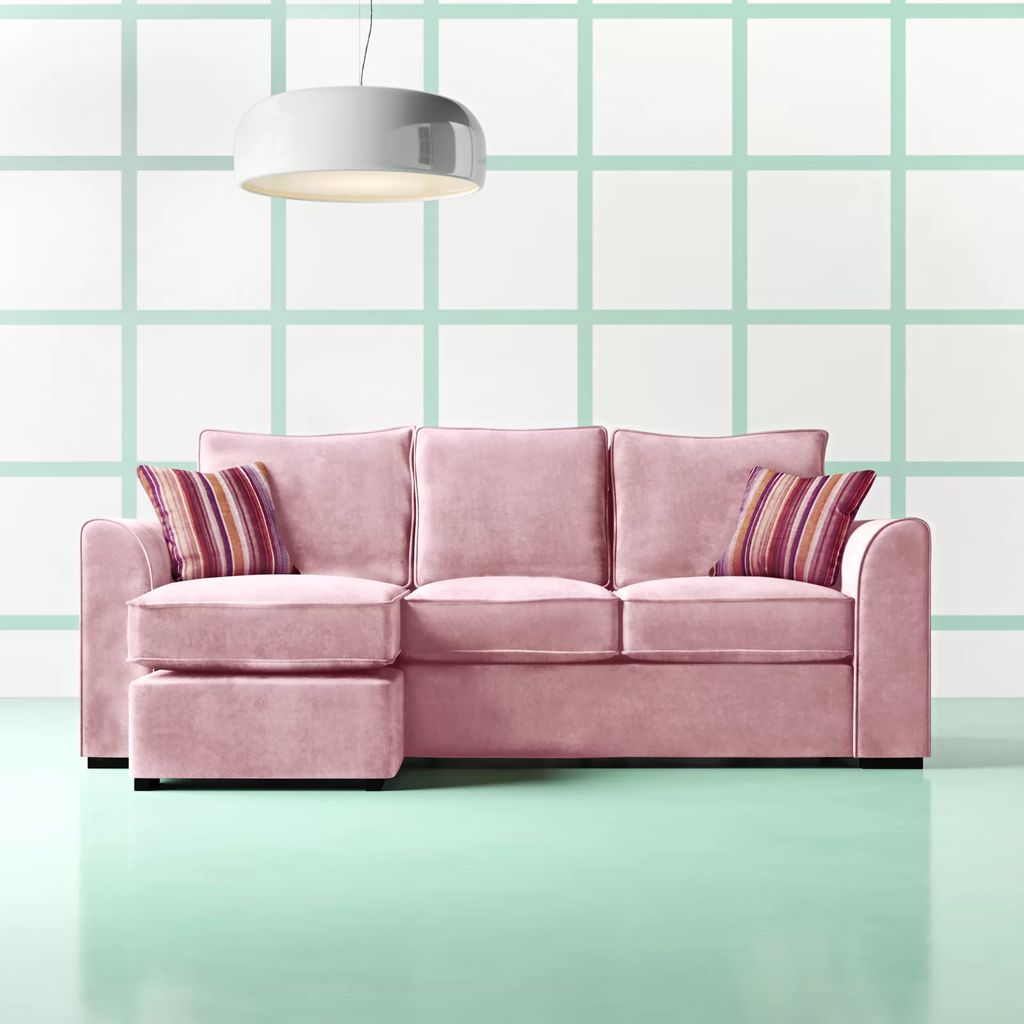
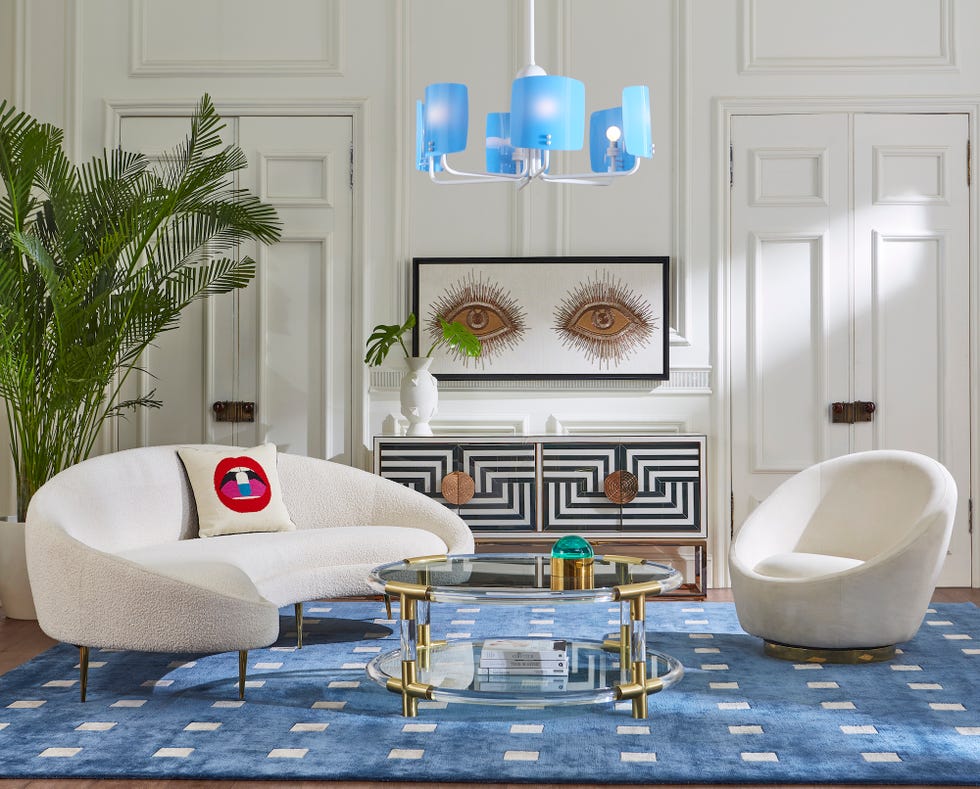
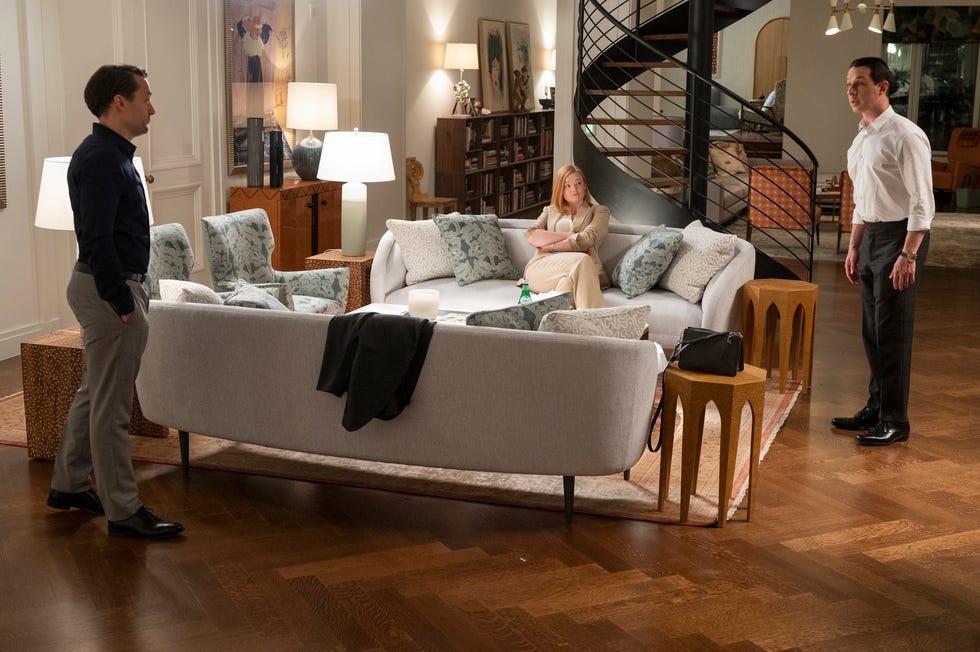
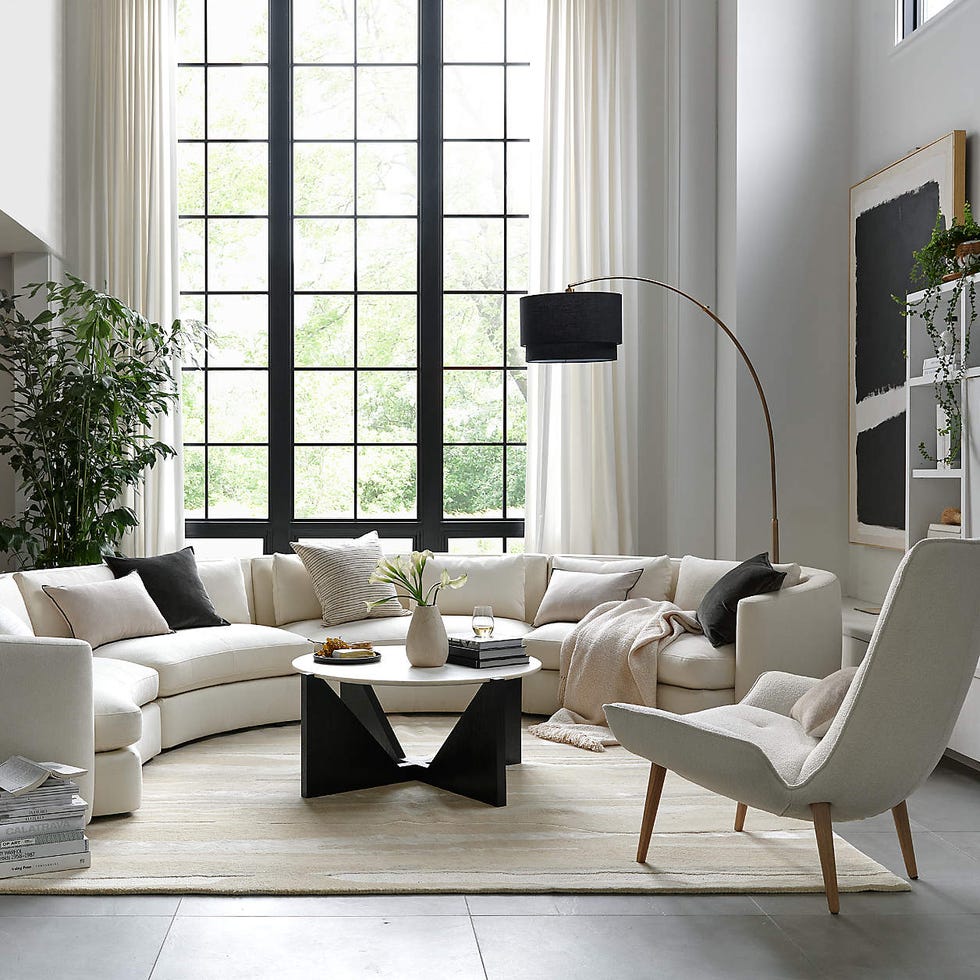
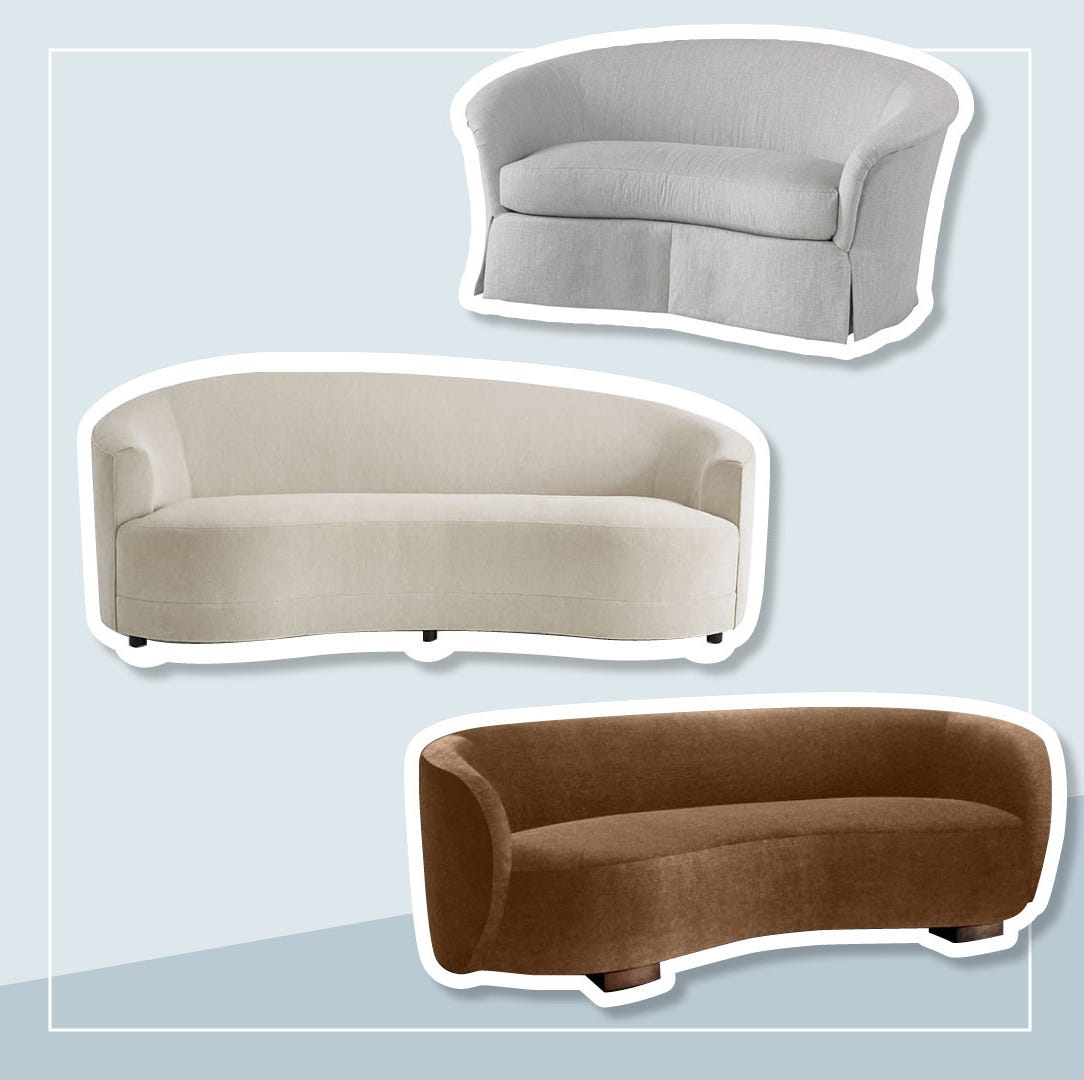
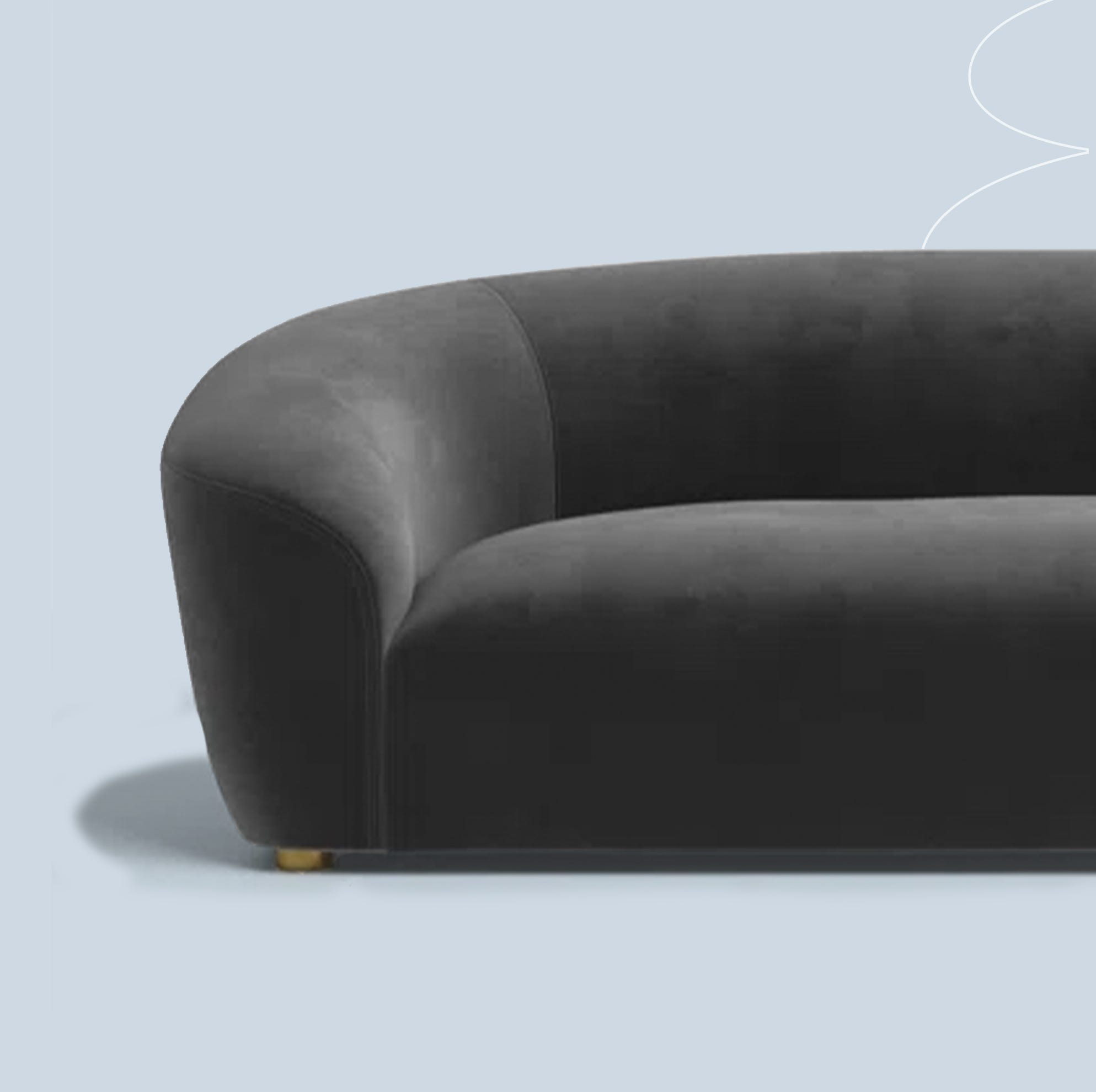
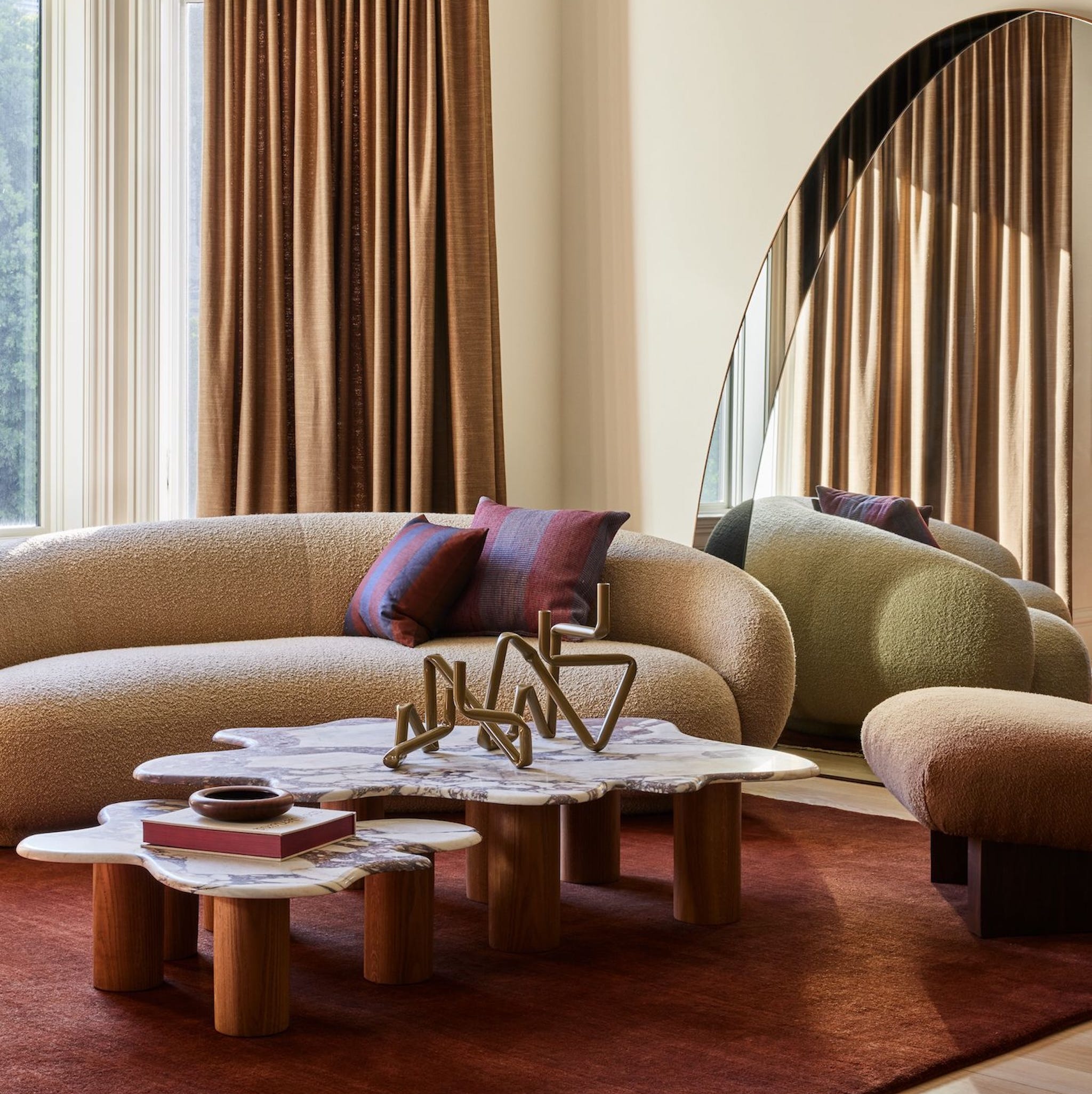
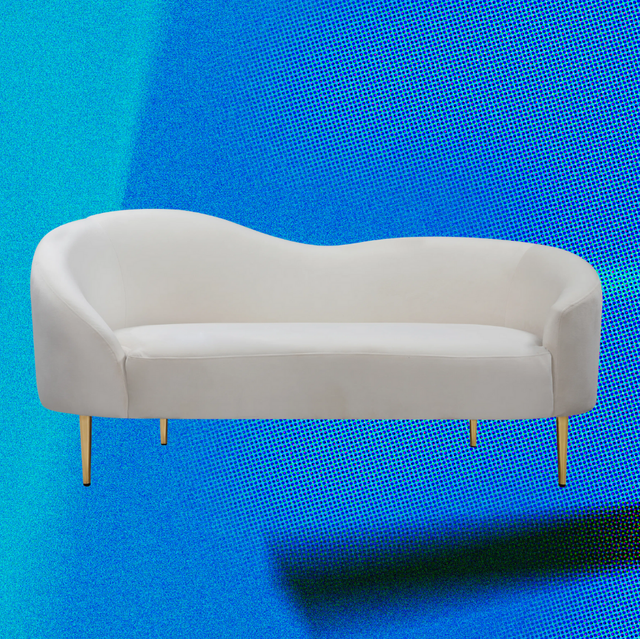
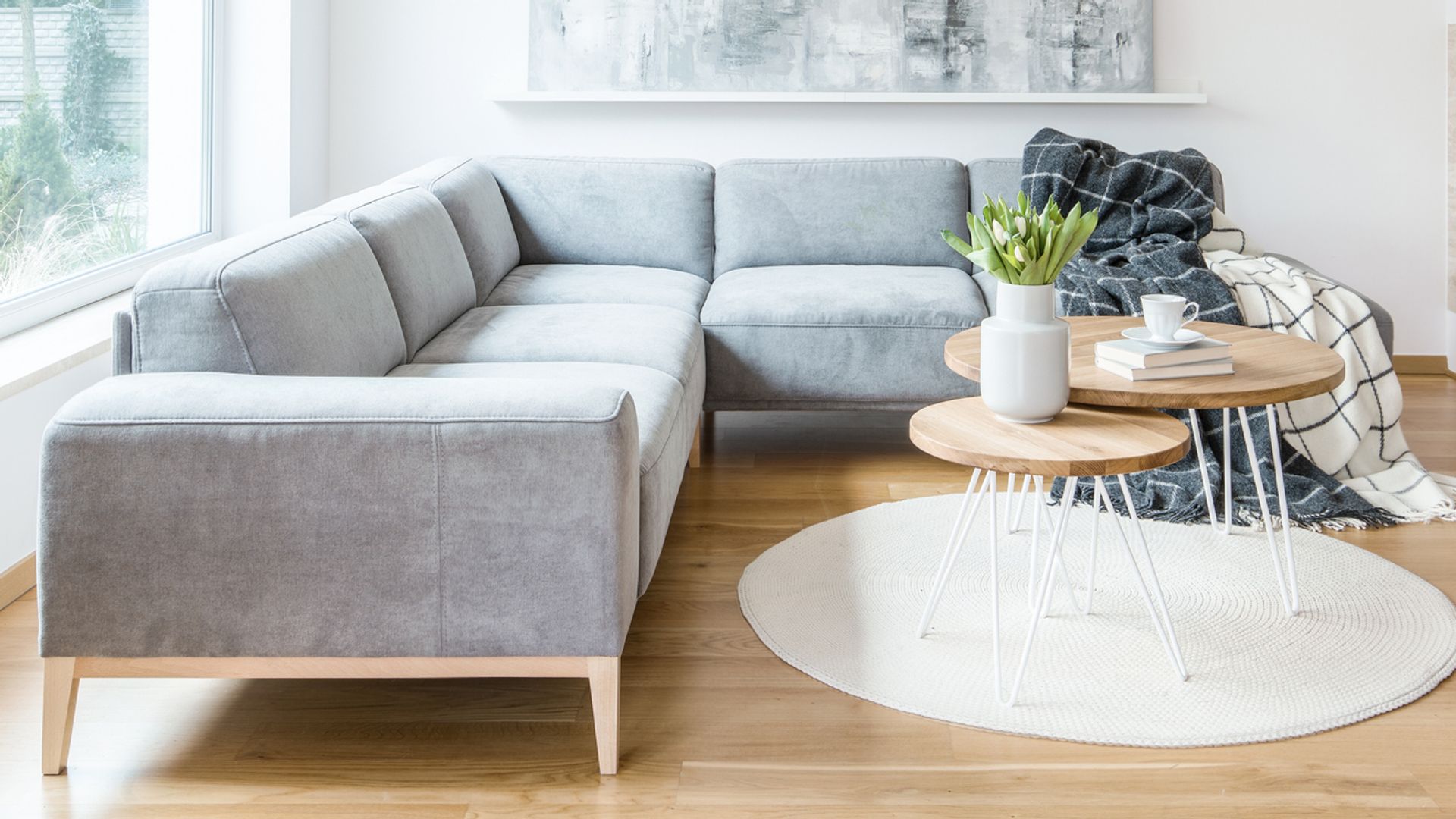
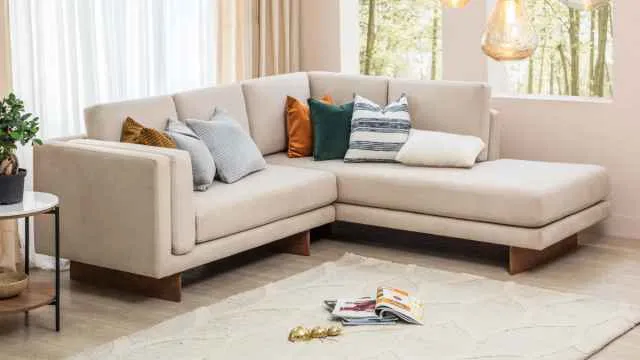
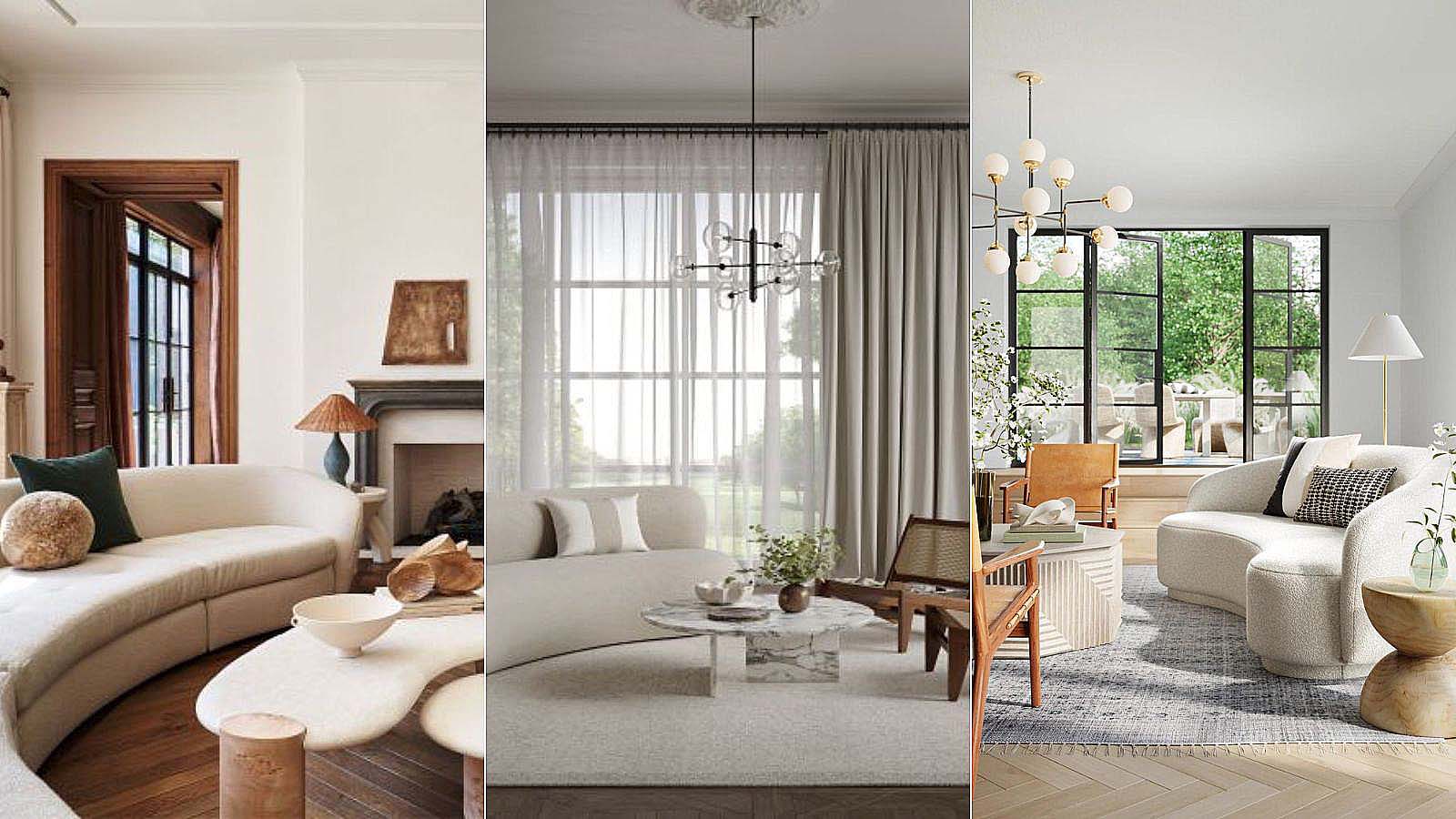
Corner sofas, also known as L-shaped sofas, are excellent for compact spaces or rooms with awkward angles, efficiently utilizing corner space without obstructing doorways or windows. For rectangular rooms, curved sofas are recommended to soften the edges and introduce a more fluid aesthetic. Larger spaces are preferable for curved sofas, allowing their shape to be fully appreciated in central or focal arrangements, particularly in rooms with large windows or panoramic views. However, curved sofas require ample space and should be avoided in overly compact areas where their form might feel restricted. A traditional three-seater sofa is a reliable choice for rooms of more generous dimensions, irrespective of their shape, especially for family spaces or larger living areas that accommodate multiple users. For narrow rooms, a modern three-seater with clean lines and slim upright arms can prevent bulkiness.
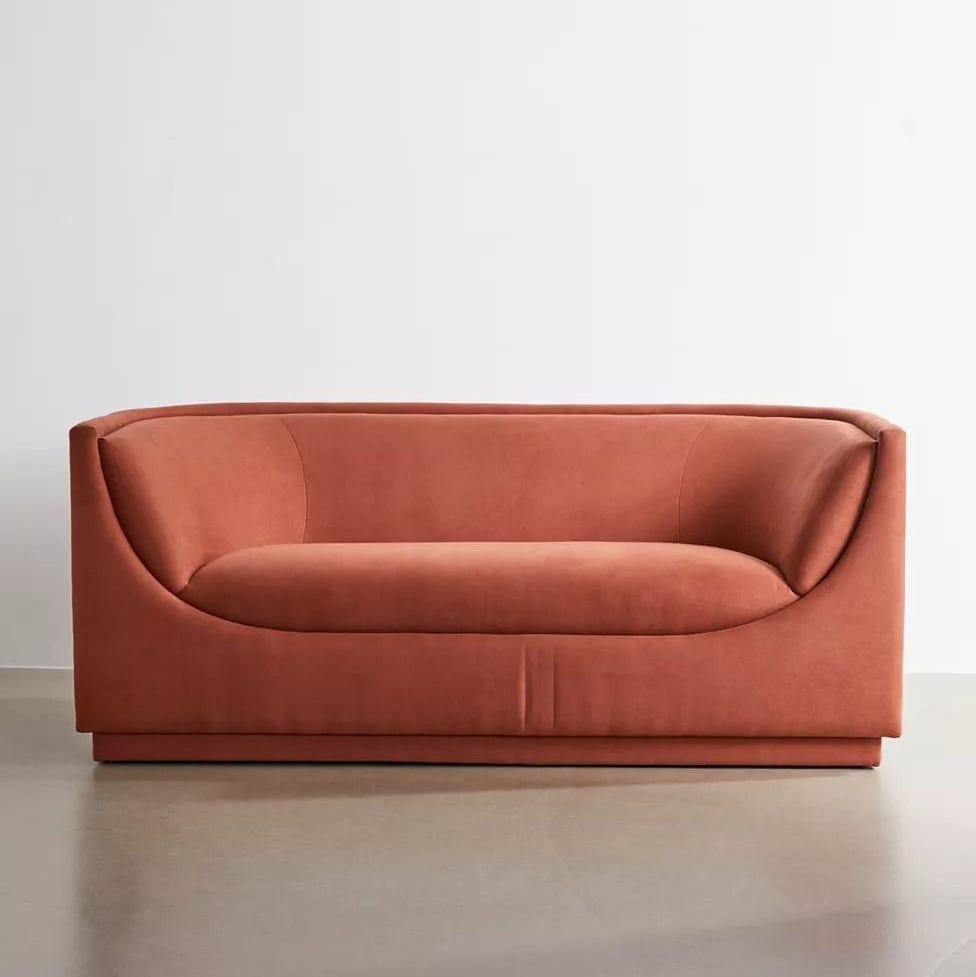
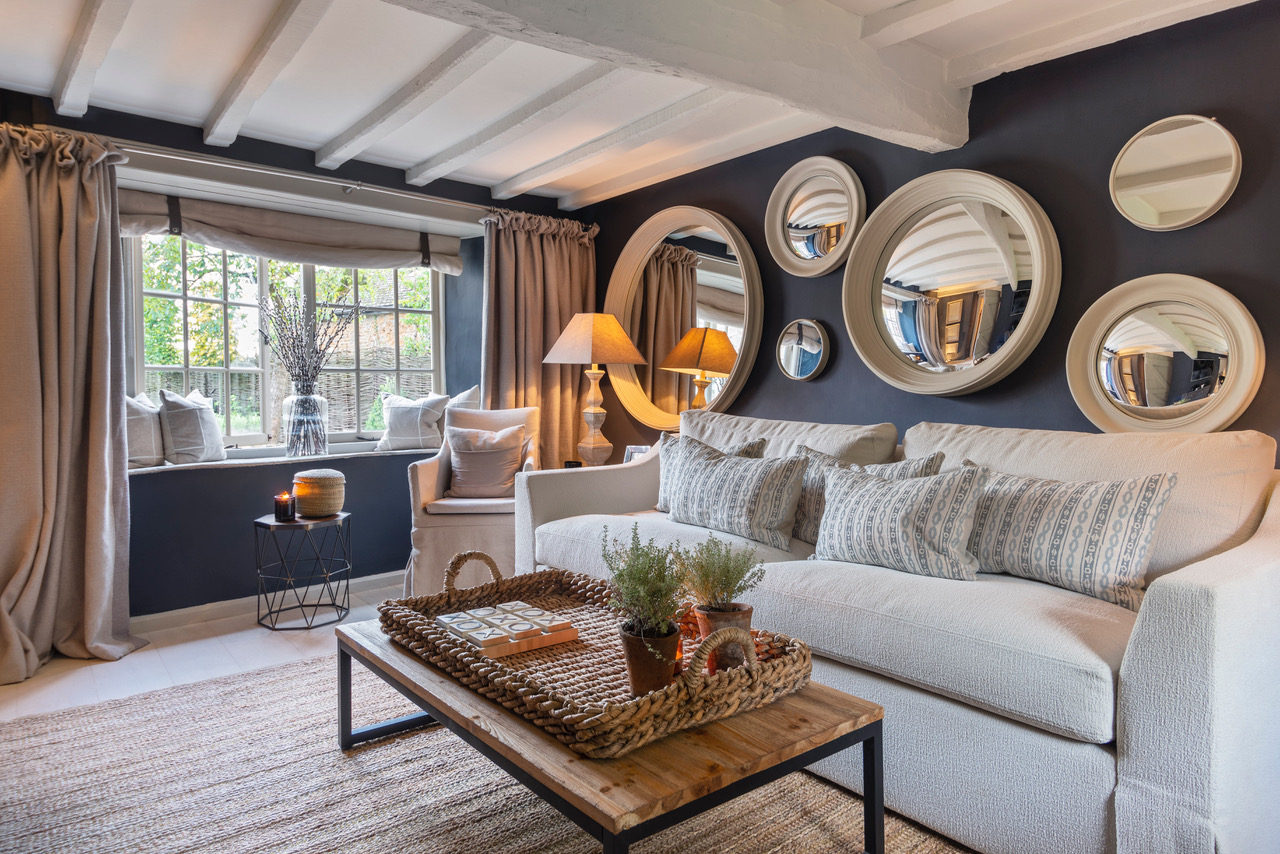
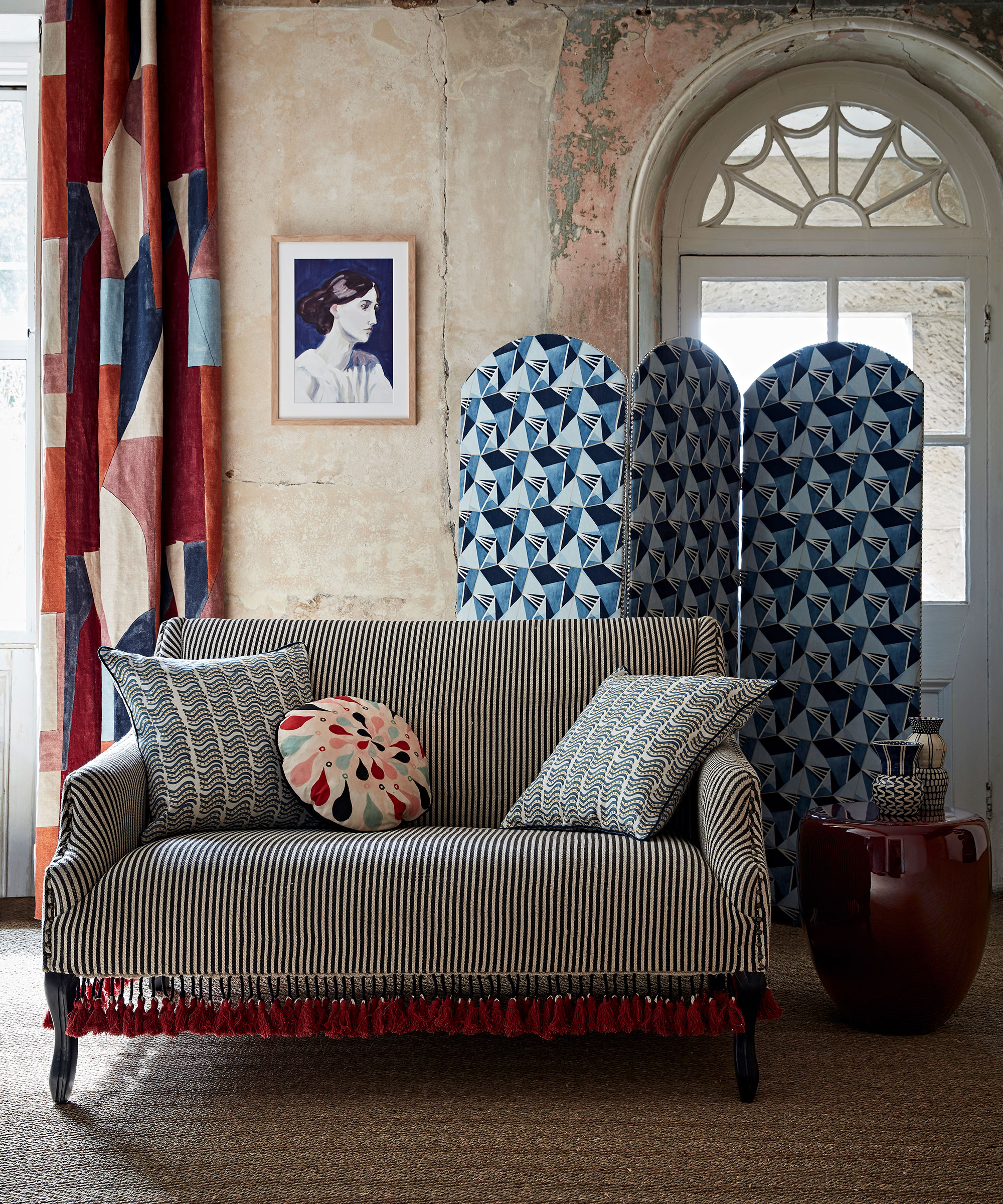
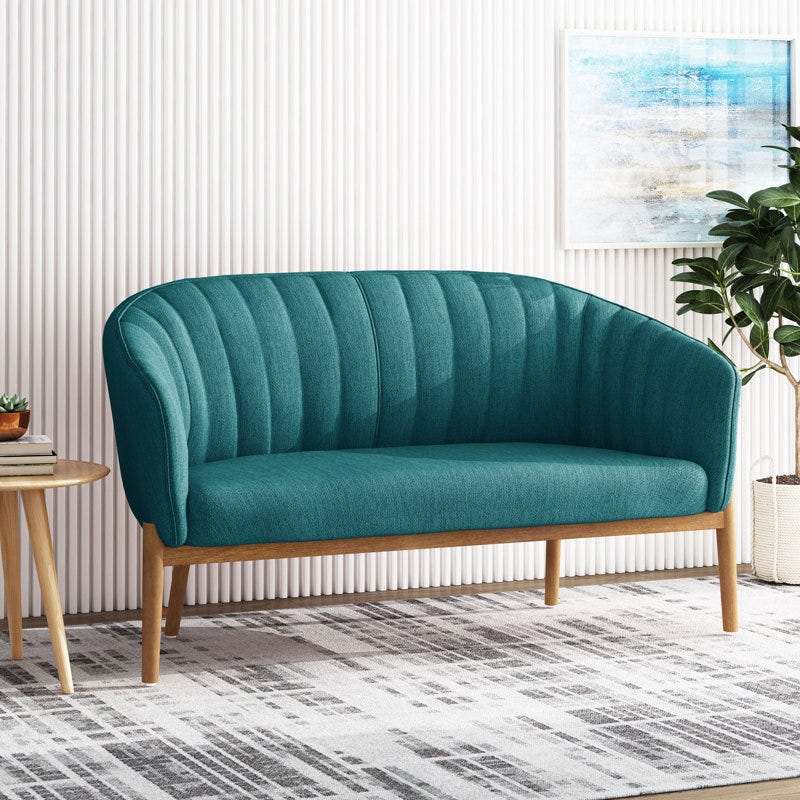
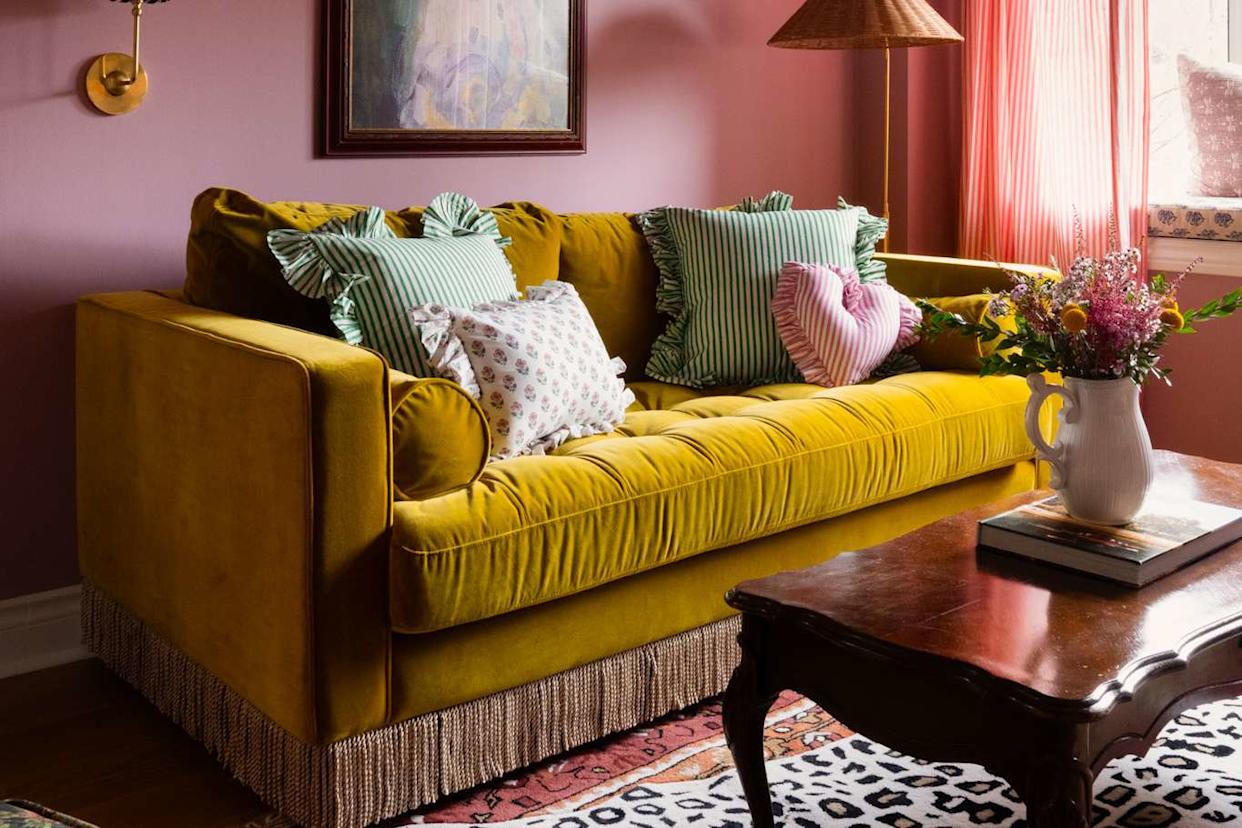
Loveseats, being smaller than three-seater sofas, are suitable for compact square or rectangular spaces, such as small sitting areas or sunrooms. They can also be integrated into larger rooms, paired with a sofa and armchairs, to create cozy nooks and add visual interest. Chesterfield sofas, known for their high rolled arms and vertical backs, are best suited for larger, grander rooms. Their substantial frame and deep-buttoned design exude tradition and sophistication, making them ideal for spaces with high ceilings or significant architectural features where they can command attention and ground the room. Finally, low-backed sofas, a recent trend, complement casual spaces with lower ceilings and open-concept layouts. They are suitable for modern, minimalistic living rooms where the furniture should blend with the architecture rather than dominate it, preserving open sightlines and views.
#SofaSelection #RoomLayout #InteriorDesign #FurniturePlacement #SpacePlanning #HomeDecor #LivingRoomDesign #SofaStyles #SofaSelection #RoomLayout #InteriorDesign #FurniturePlacement #SpacePlanning #HomeDecor #LivingRoomDesign #SofaStyles
0 ความคิดเห็นรวม
 ยังไม่มีความคิดเห็น
คุณอาจจะชอบอีกด้วย
Our Home Editors Weigh In on the Best Curved Sofas (And Why They’re Trending)

Want to Make a Major Statement? Add a Curved Sofa to Your Living Space

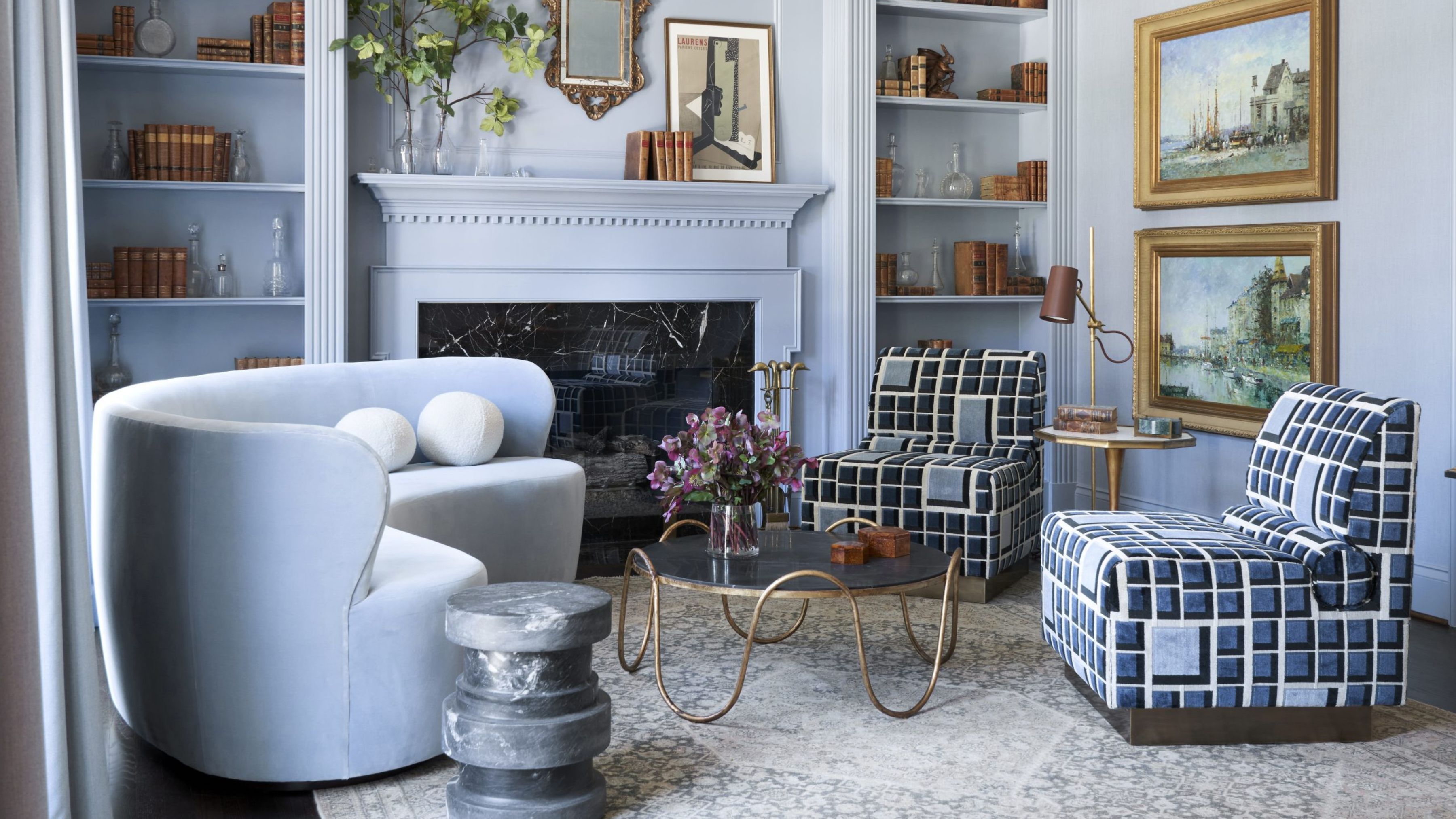
12 Curved Sofa Living Room Ideas That Prove This Style is Absolutely Staying Put for 2025
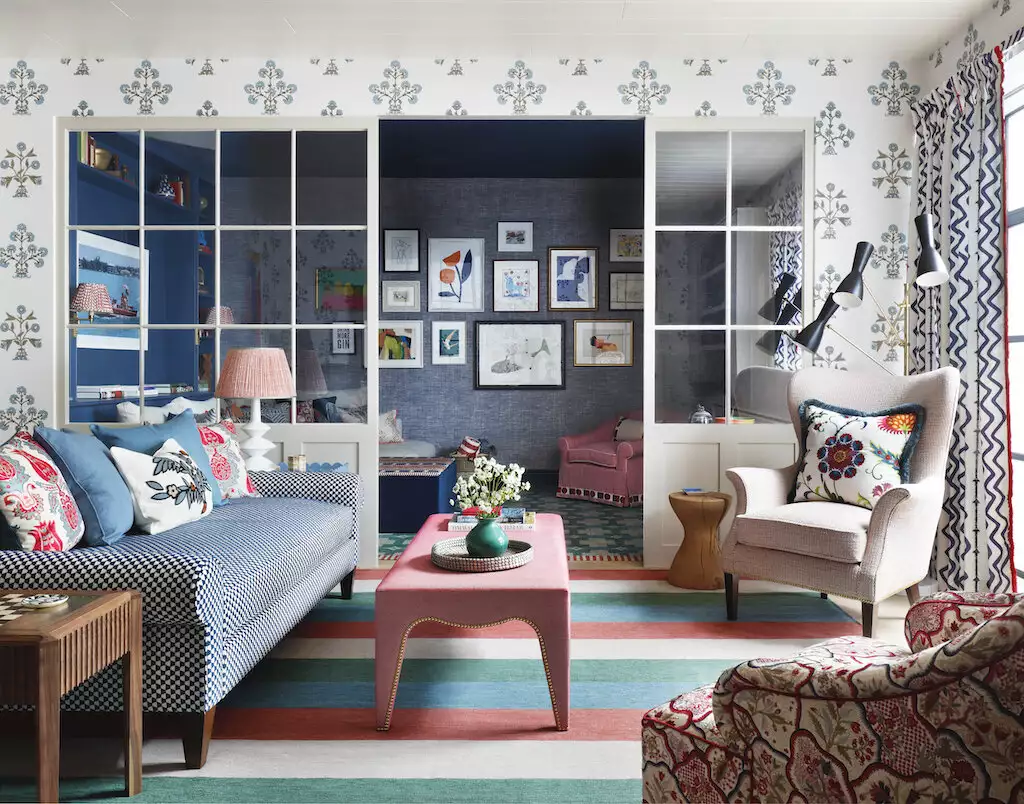
38 Living Room Couch Ideas Perfect for Every Design Style

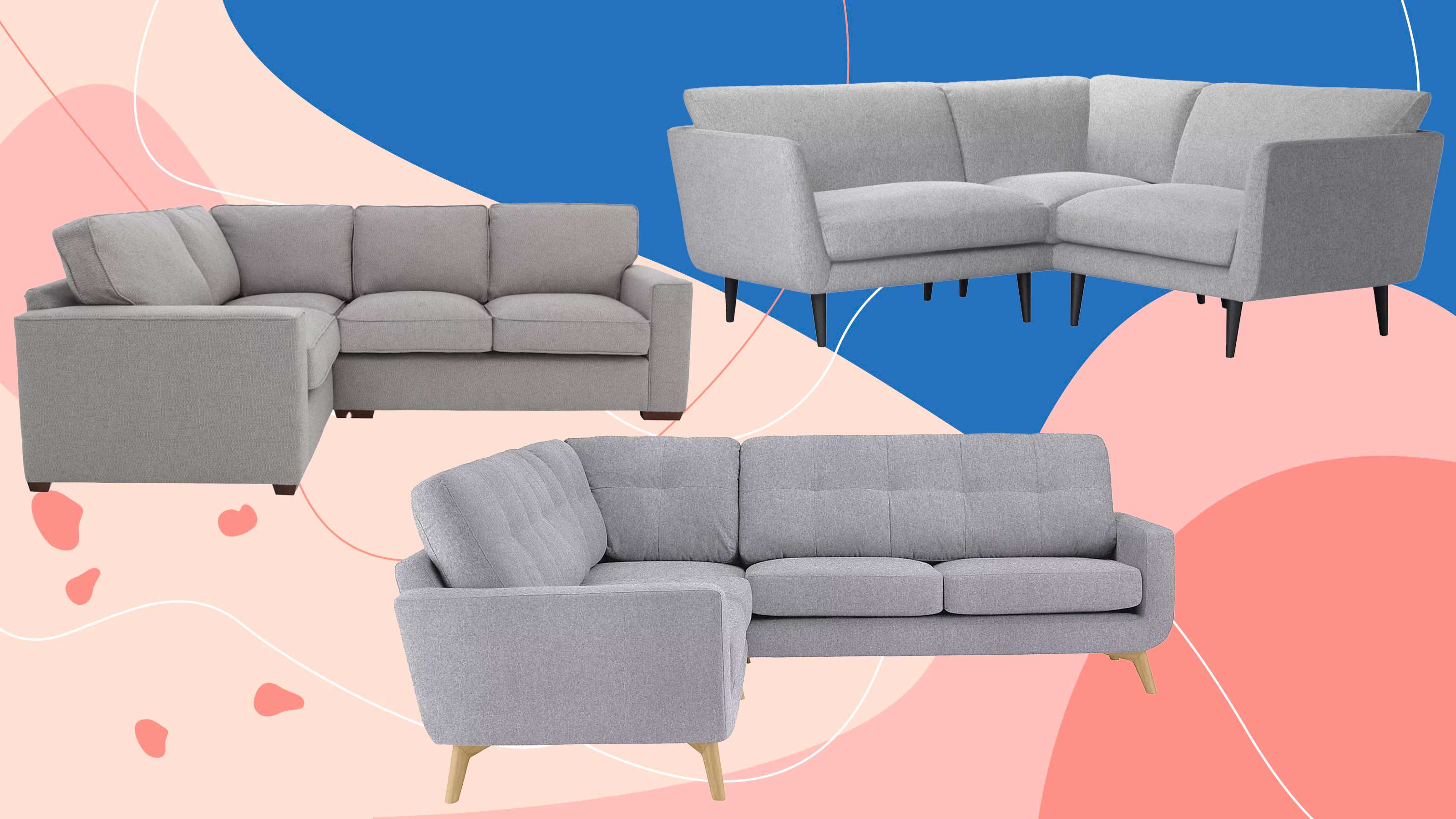
Best corner sofas and L-shaped sofas – our top picks

13 Curved Couches That'll Liven Up Your Living Room
How to Select the Right Sofa for You, According to Designers

Designers Say THIS Sofa From the 1950s Is Back in a Big Way

14 Best Curved Sofas for a Chic Living Room Design
Why you should fill your rooms with rounded, curvy furniture

15 L-Shape Sofas That Prove Comfort is King
9 best corner sofas for your home in 2025 - they're expert approved

Top L-Shaped Sofas to Buy in November 2025 for Compact to Mid-Sized Living Rooms
The curvy sofa is 2023's big story – what designers say and why we're over straight-backed sofas

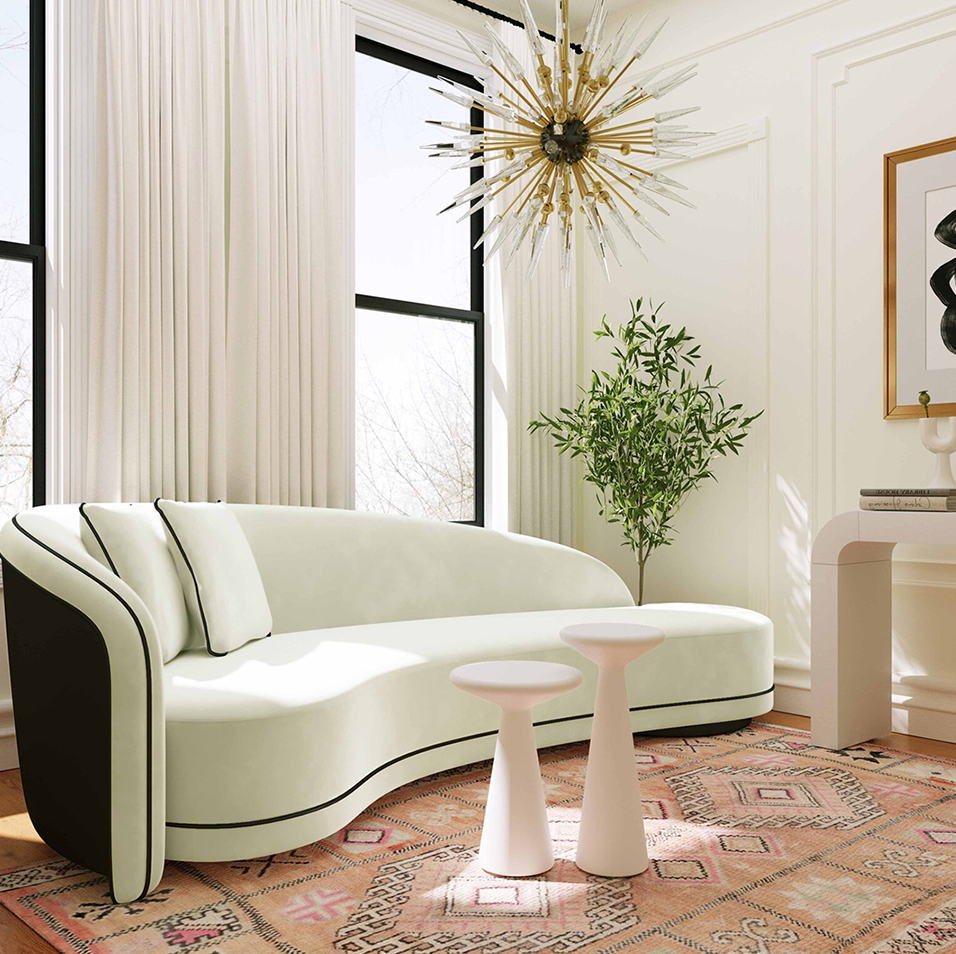
Sorry, but Your Apartment Won’t Be Complete Without One of These Chic Curved Sofas
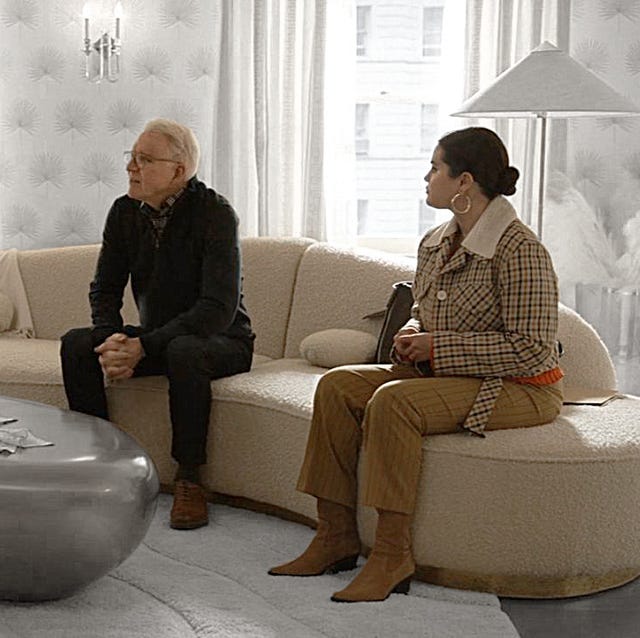
Welcome to the Age of the Curved White Sofa
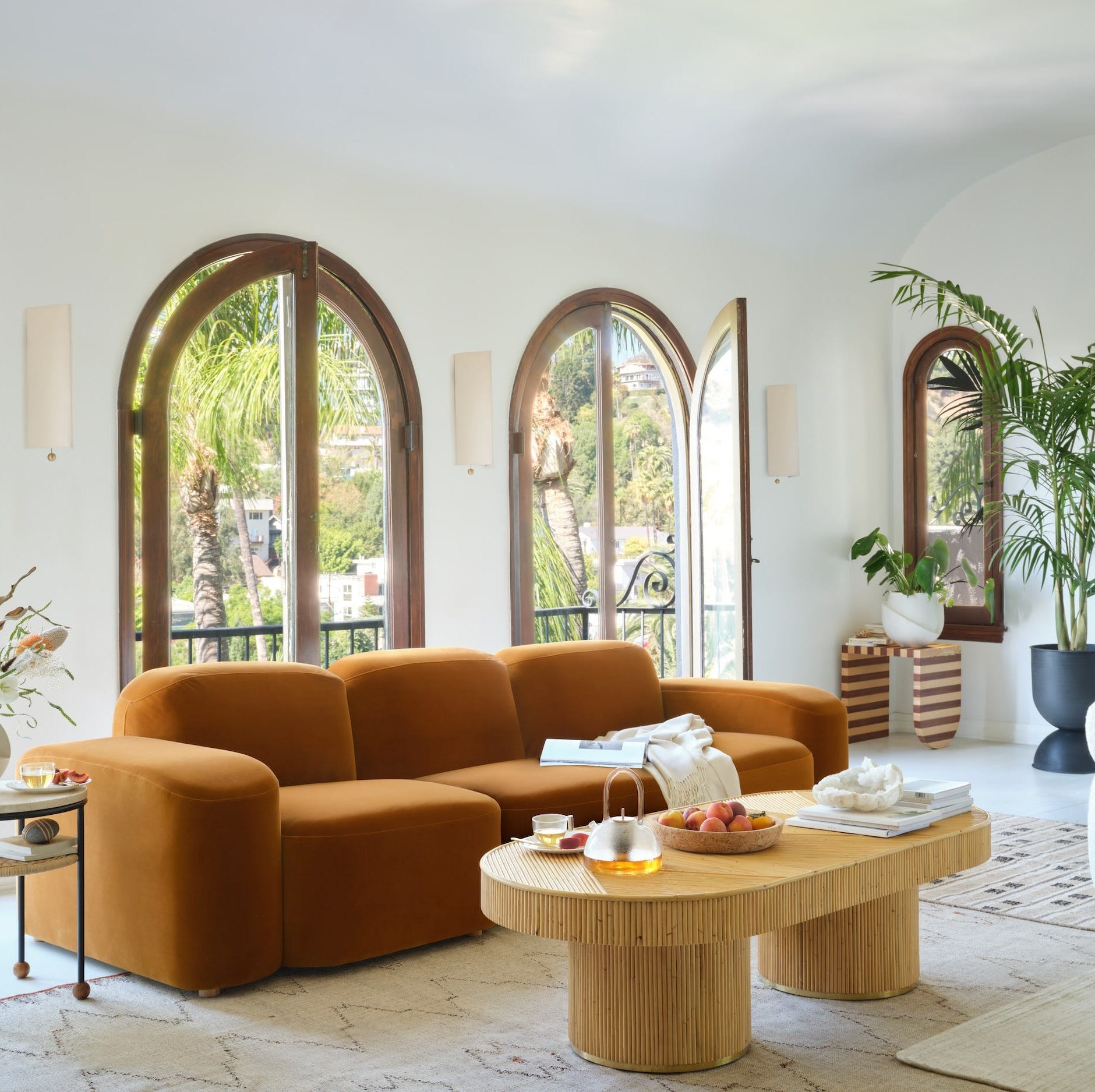
This ’70s-Inspired Sofa Trend Is Everywhere Right Now
7 sofa scaling secrets design experts want you to know – to get your sofa choice right first time
40 L-Shaped Couches That'll Be A Complete “W” Addition To Your Home
Read This Before You Buy Your Next Couch