1/3
'Bookshelf Wealth' Is the New Trend Exploding on TikTok
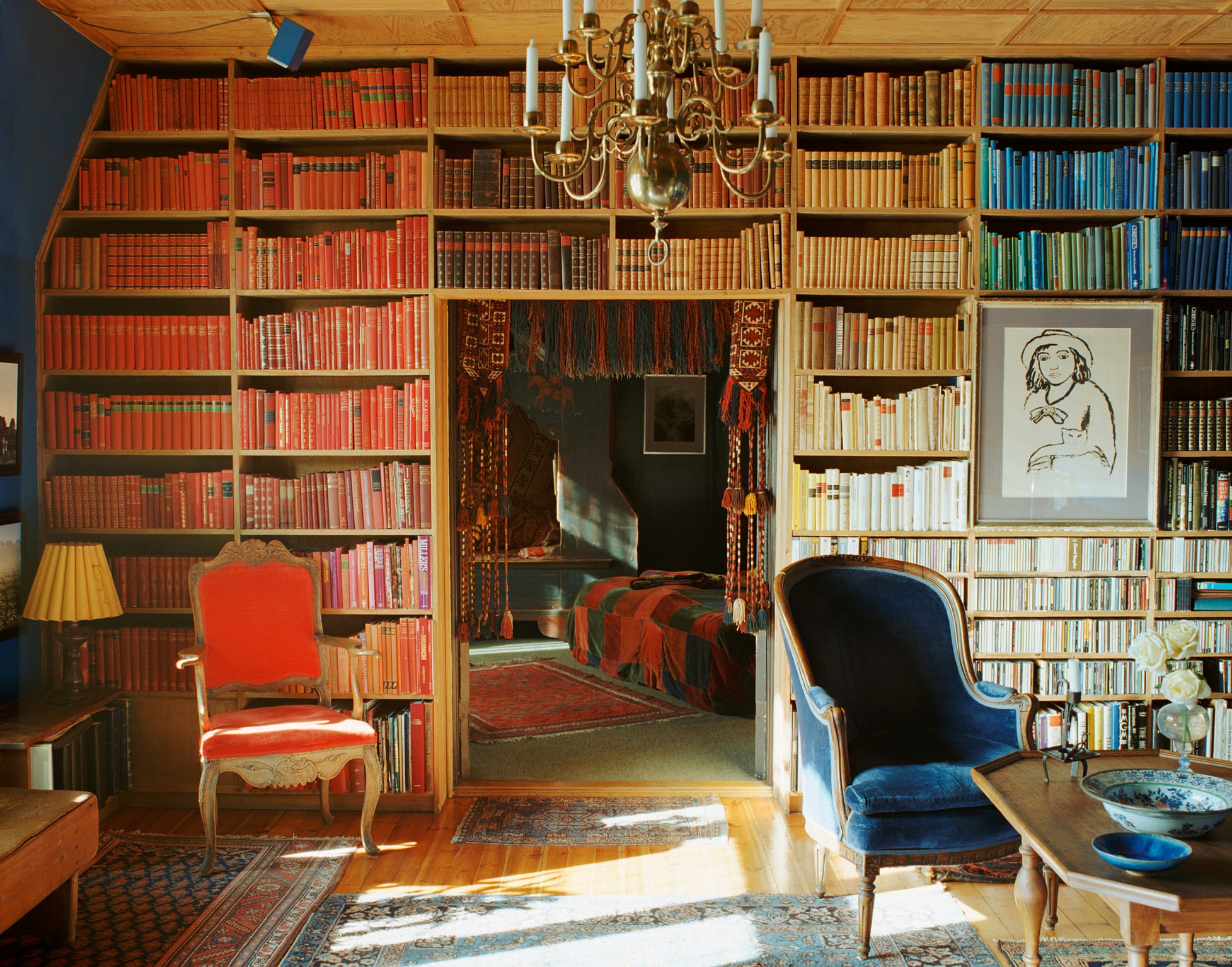
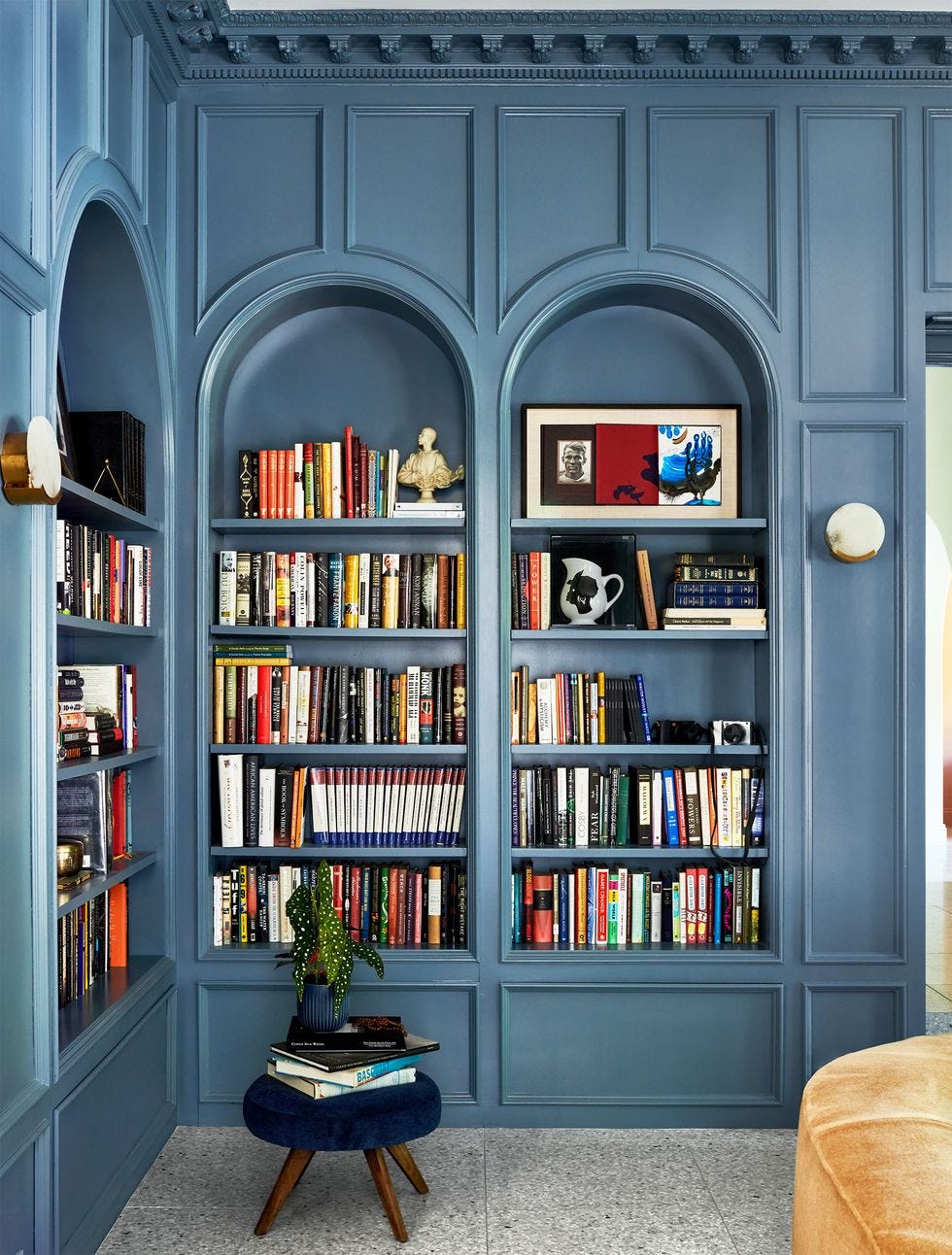
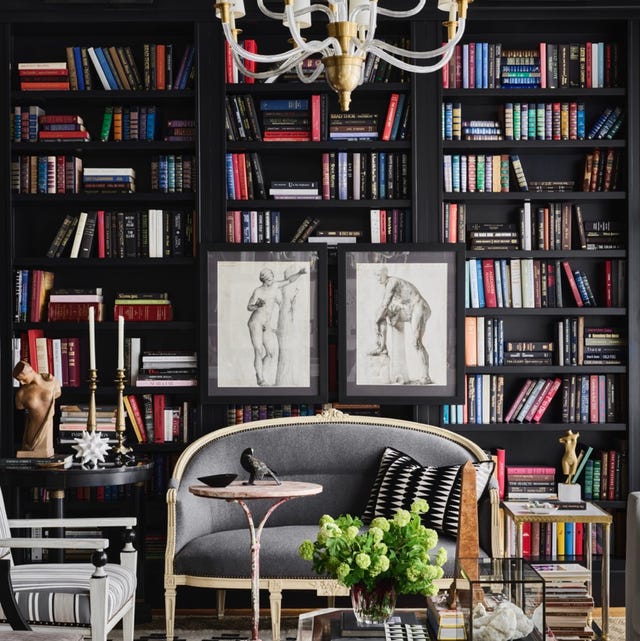
The article introduces "bookshelf wealth," a new interior design aesthetic that is gaining popularity on social media platforms like TikTok, challenging previous trends such as cottagecore and grandmillennial. Interior designers Kailee Blalock of House of Hive Design Co. and Louis Duncan-He of Louis Duncan-He Designs suggest that while the term is new, the style itself is not, and it represents a departure from the minimalist, clean-cut home aesthetics that have dominated in recent years. Instead of focusing on accumulation or regional blends like Japandi, bookshelf wealth emphasizes a lived-in, acquired style rooted in personal experiences and meaningful objects.
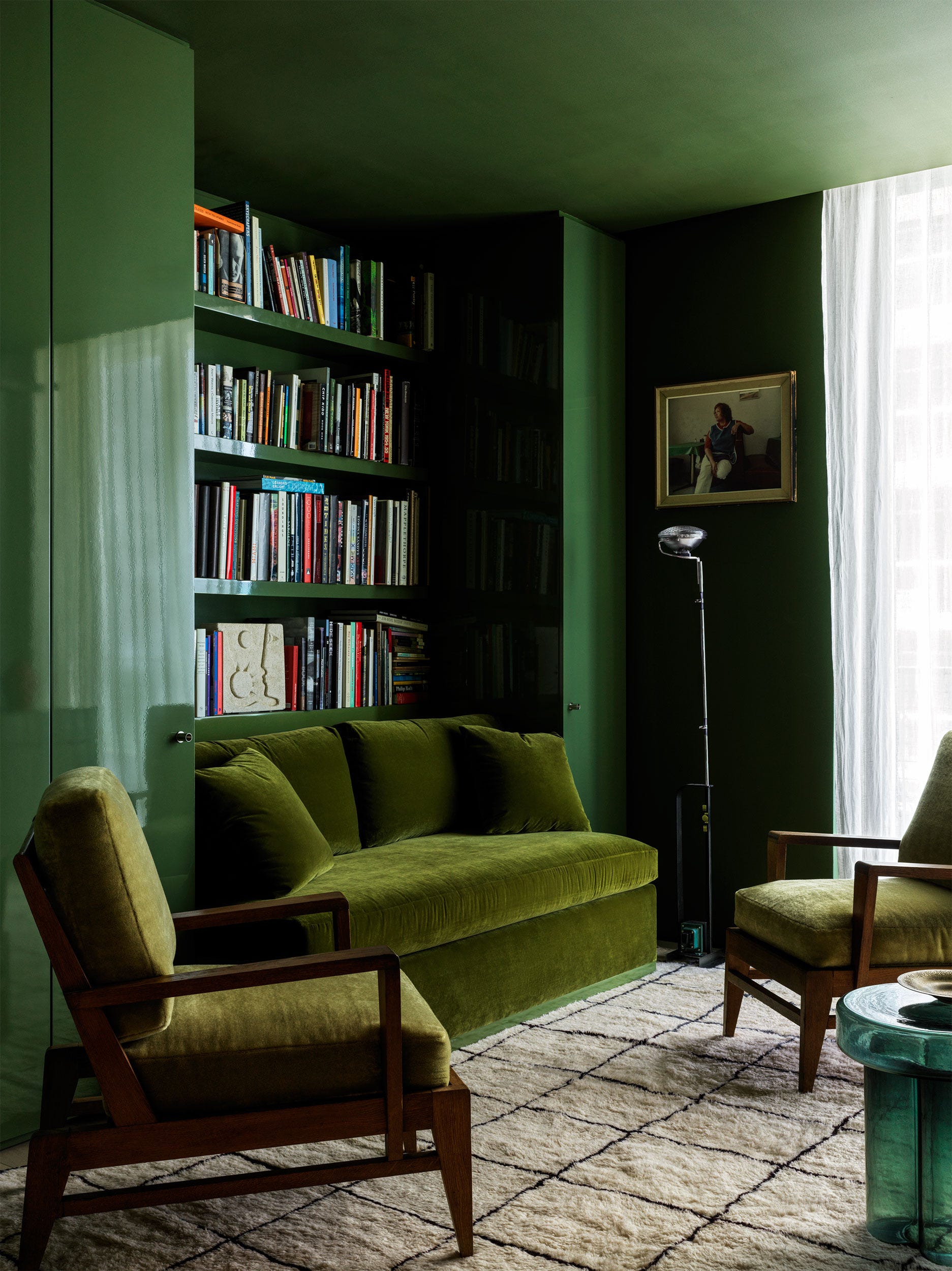
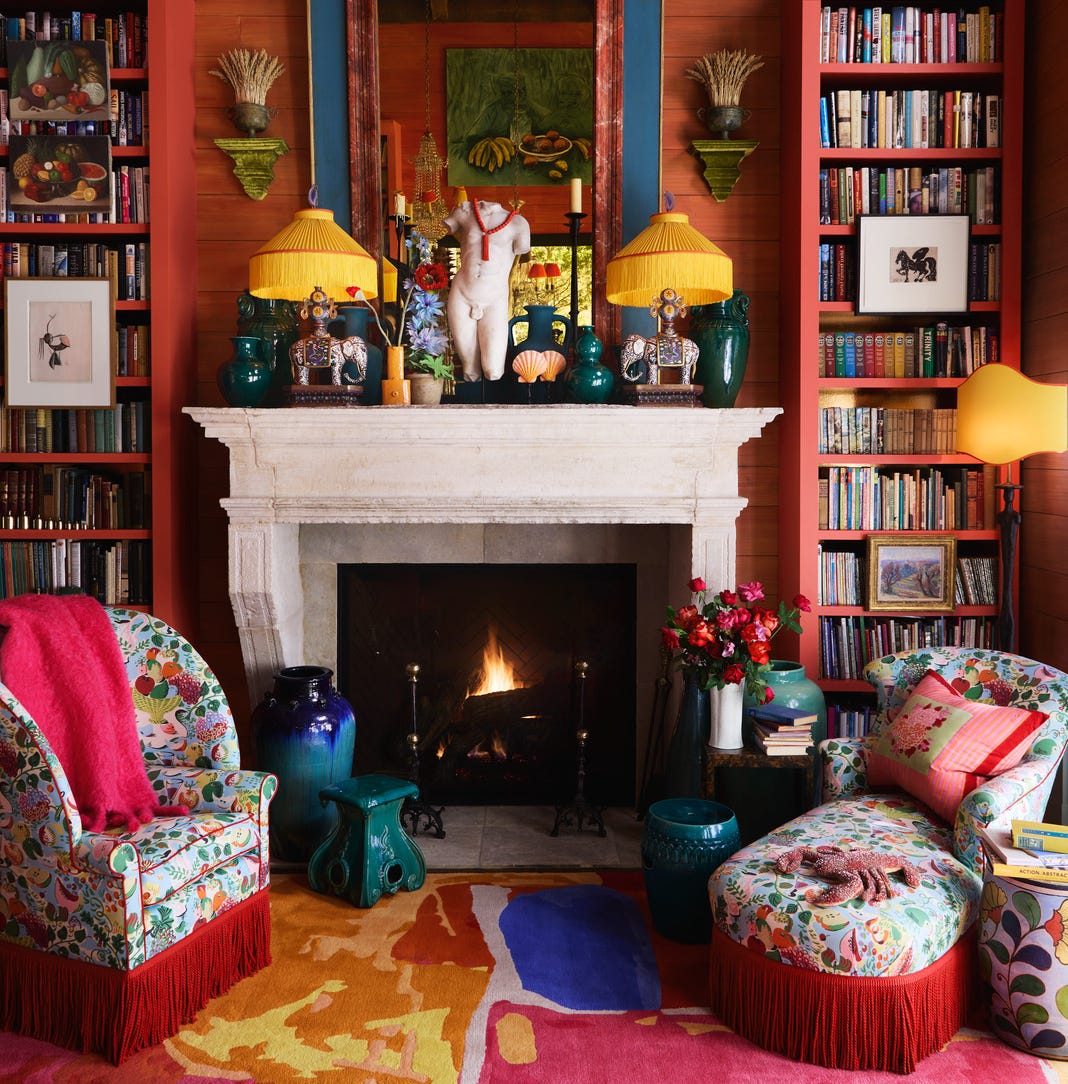
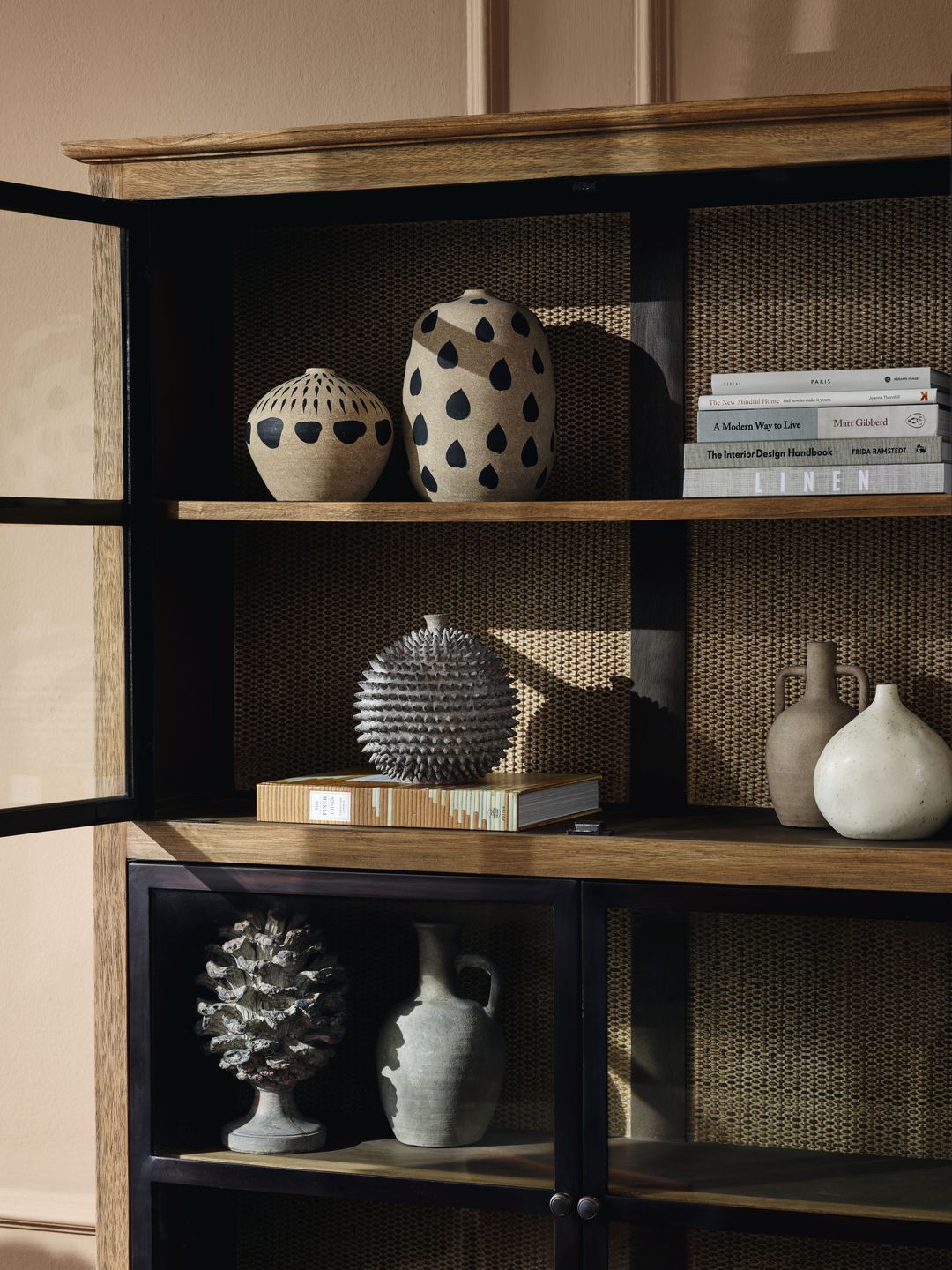
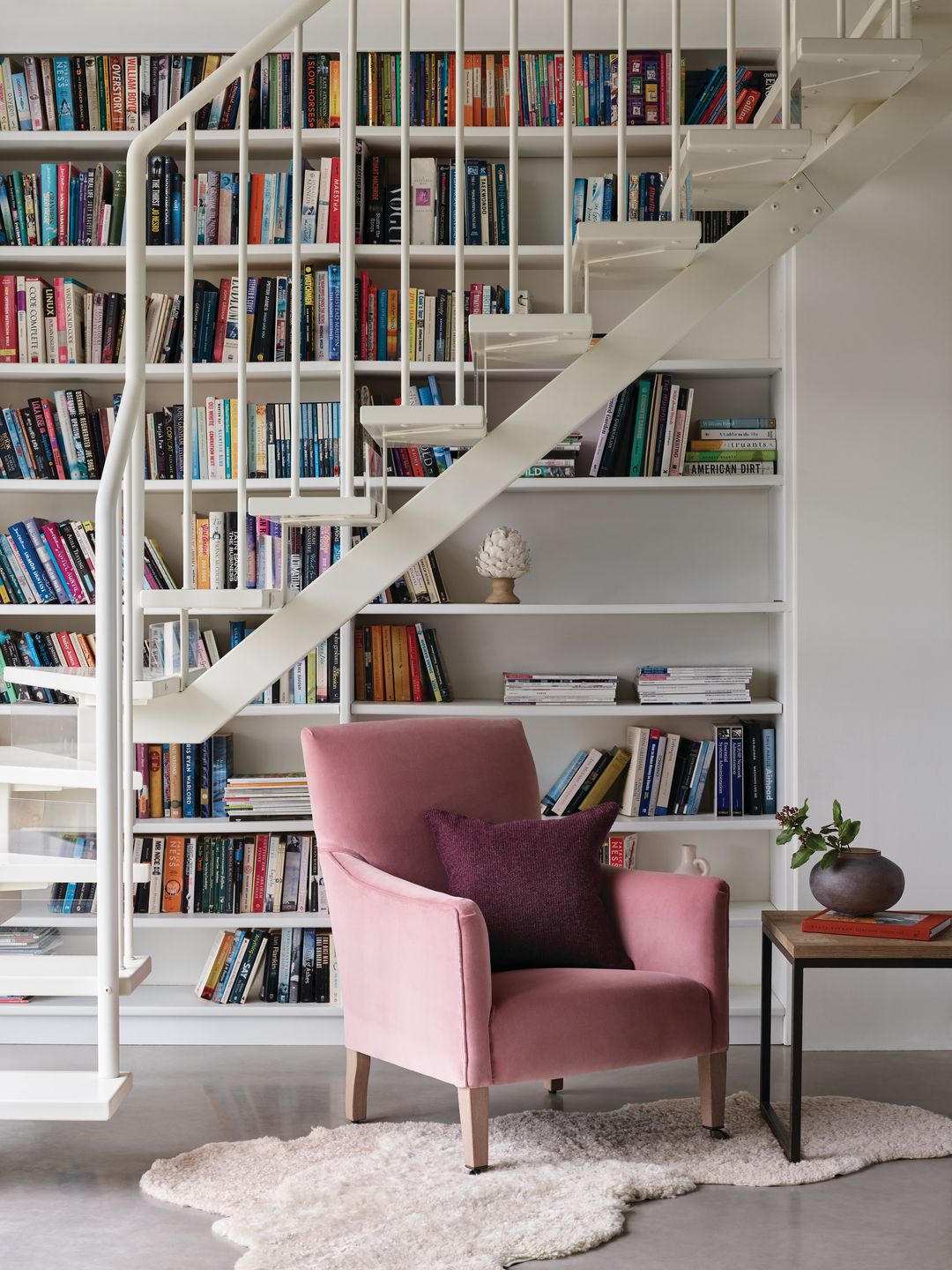
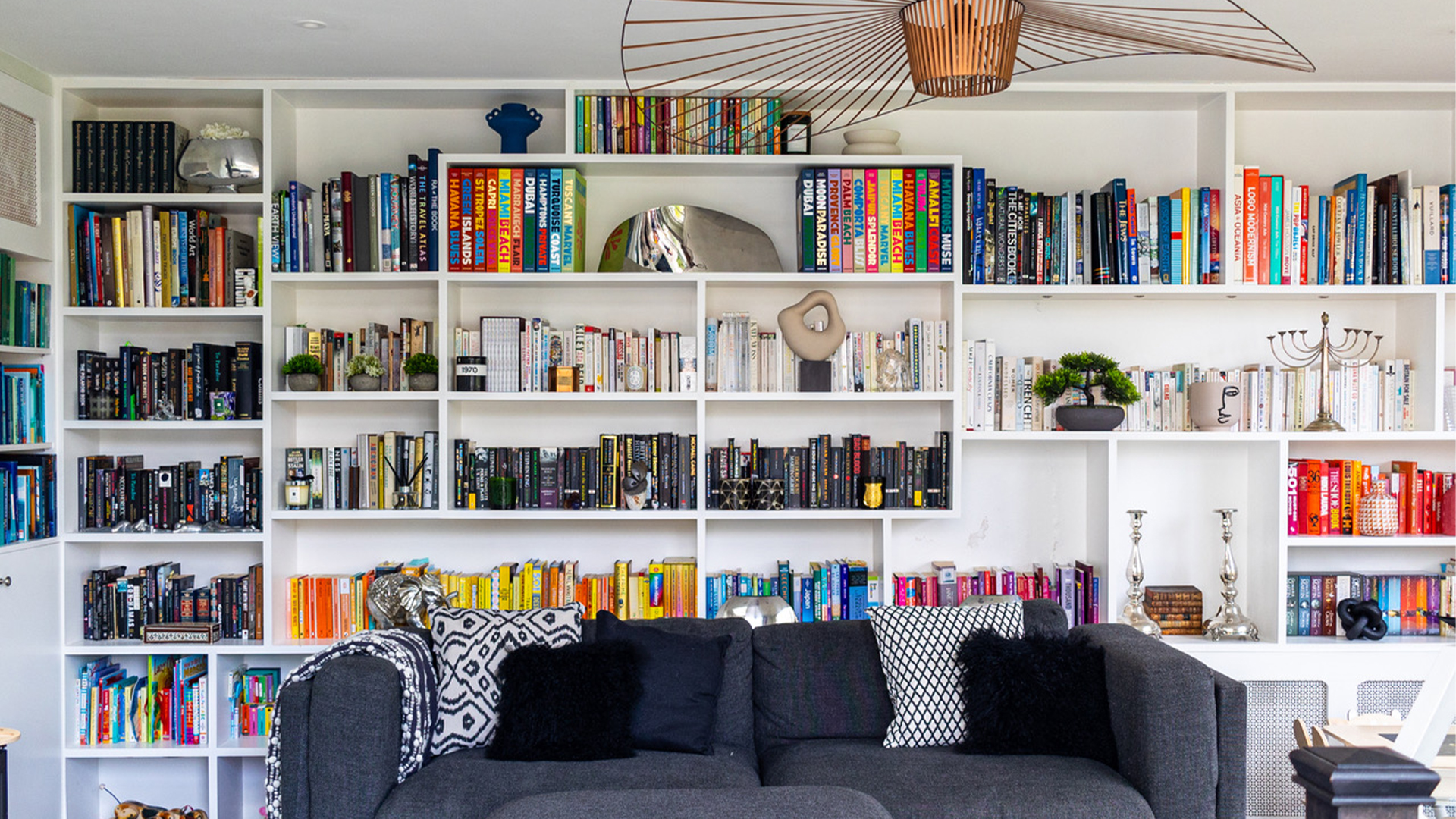
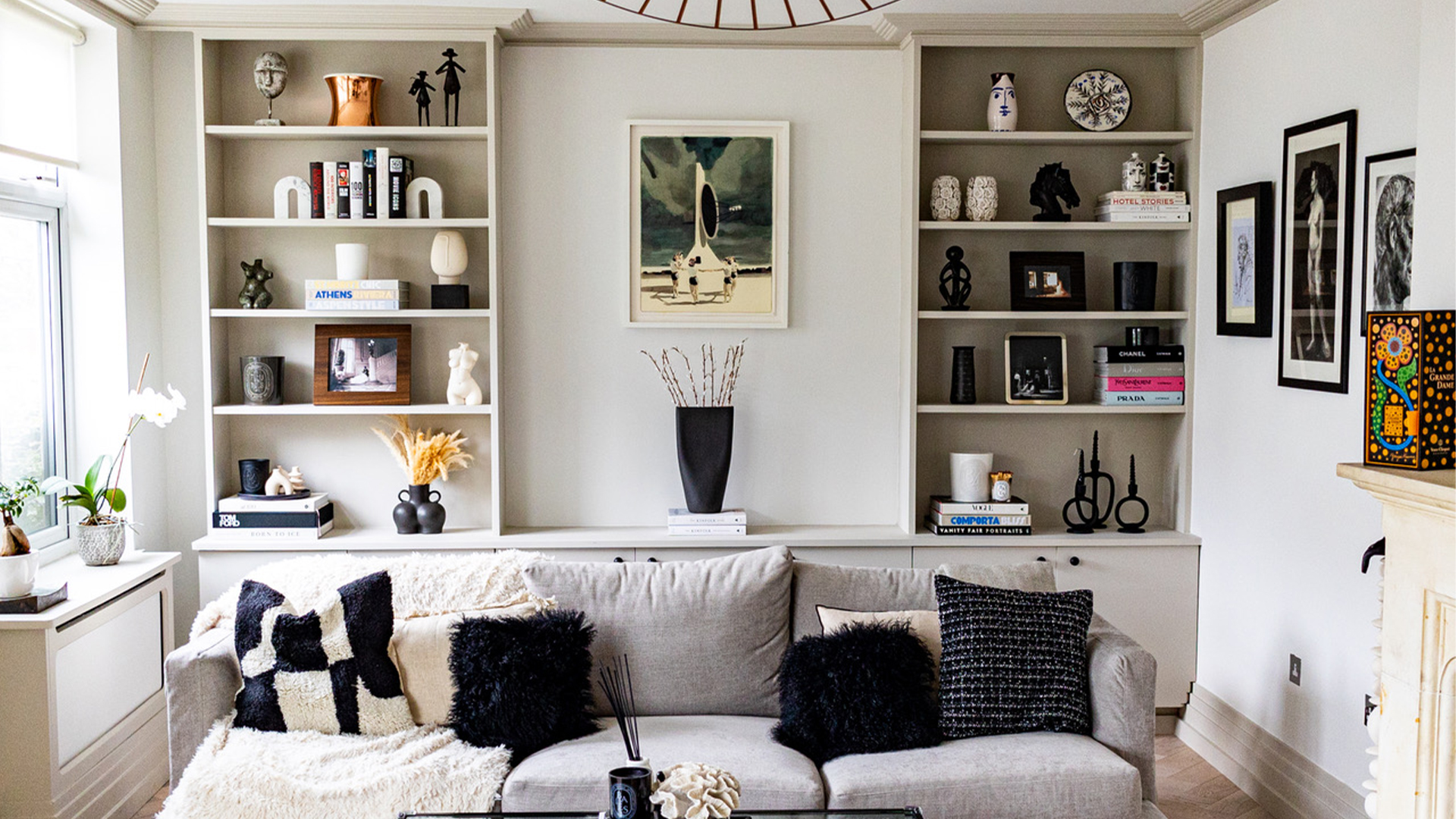
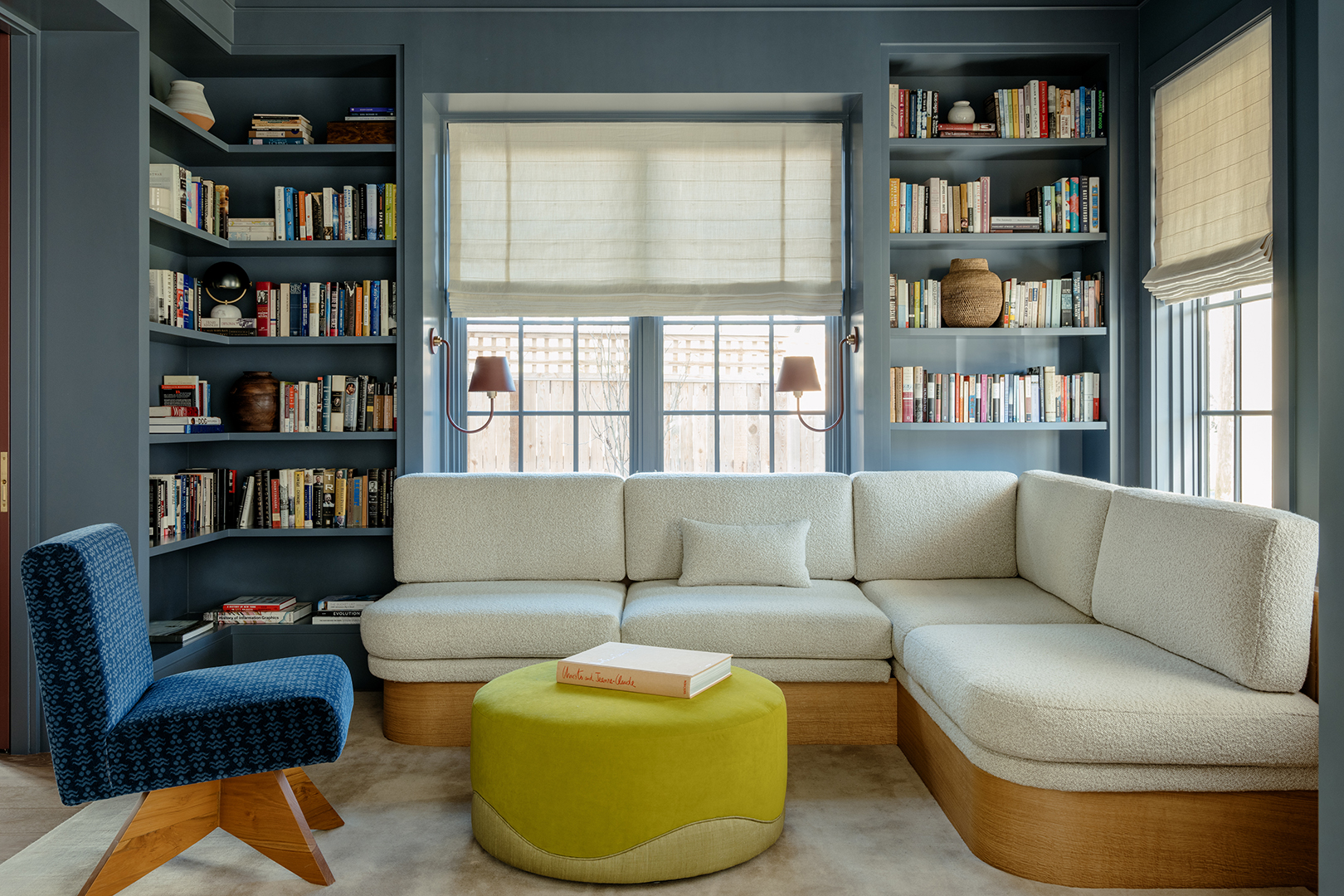
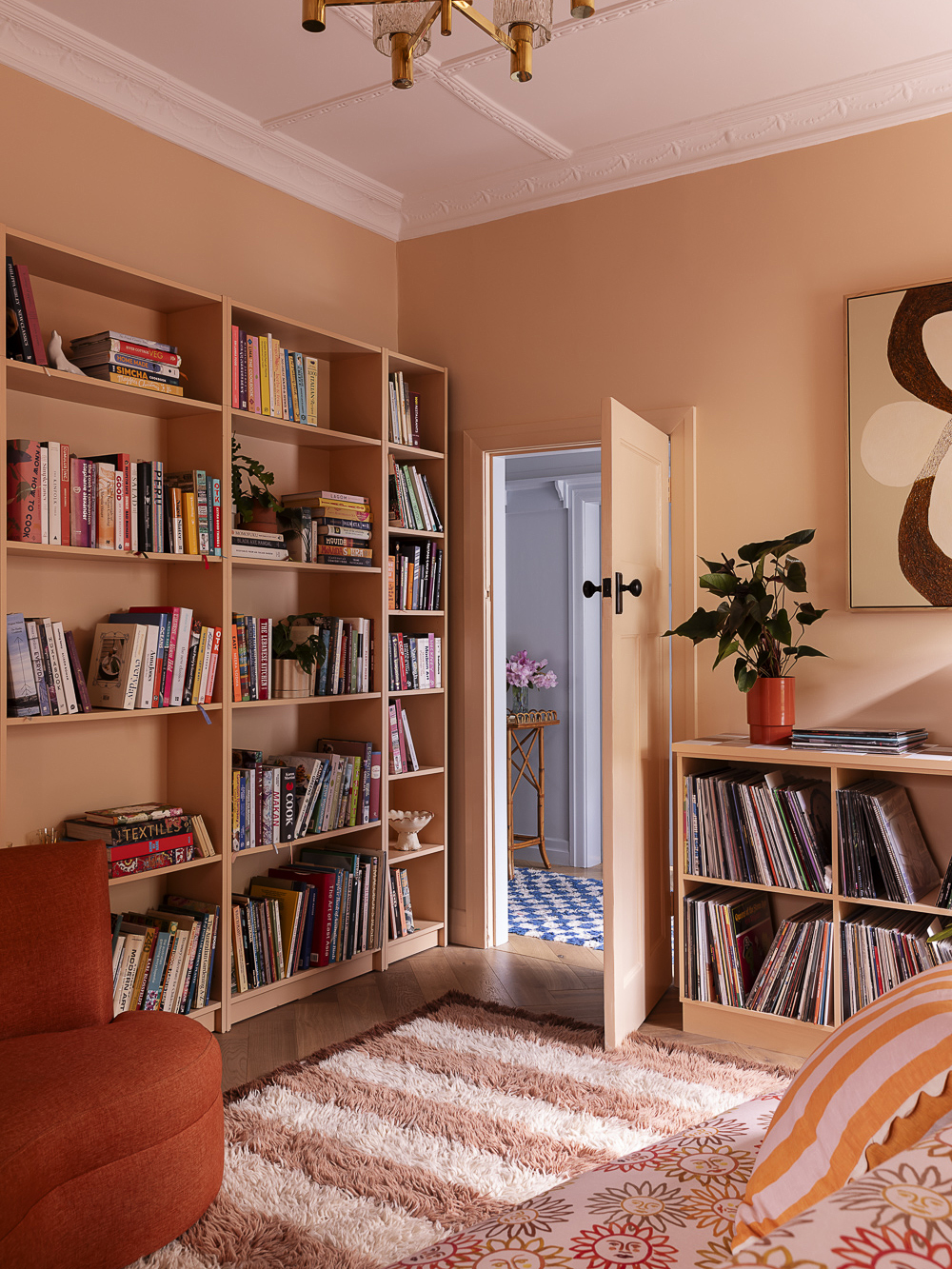
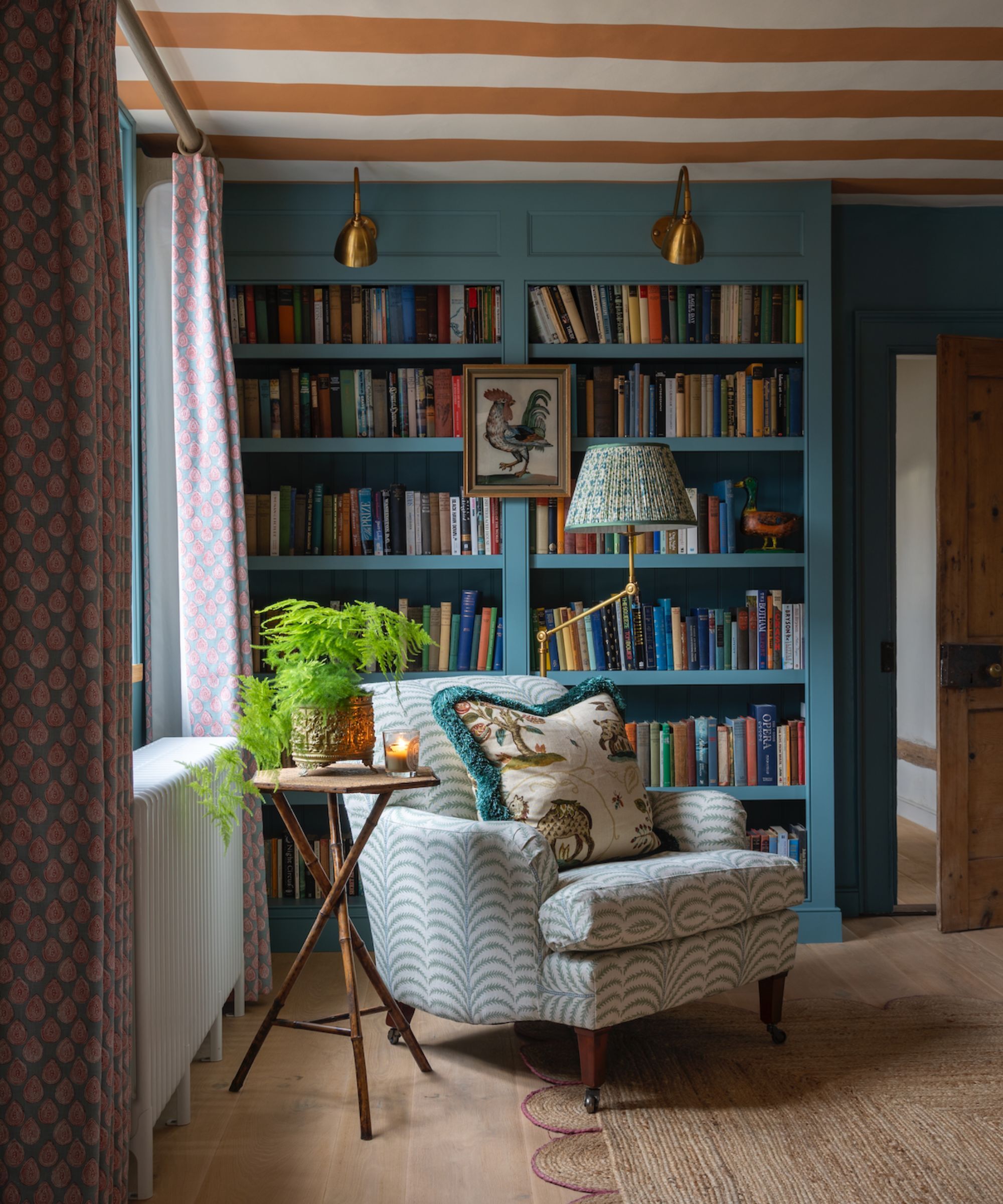
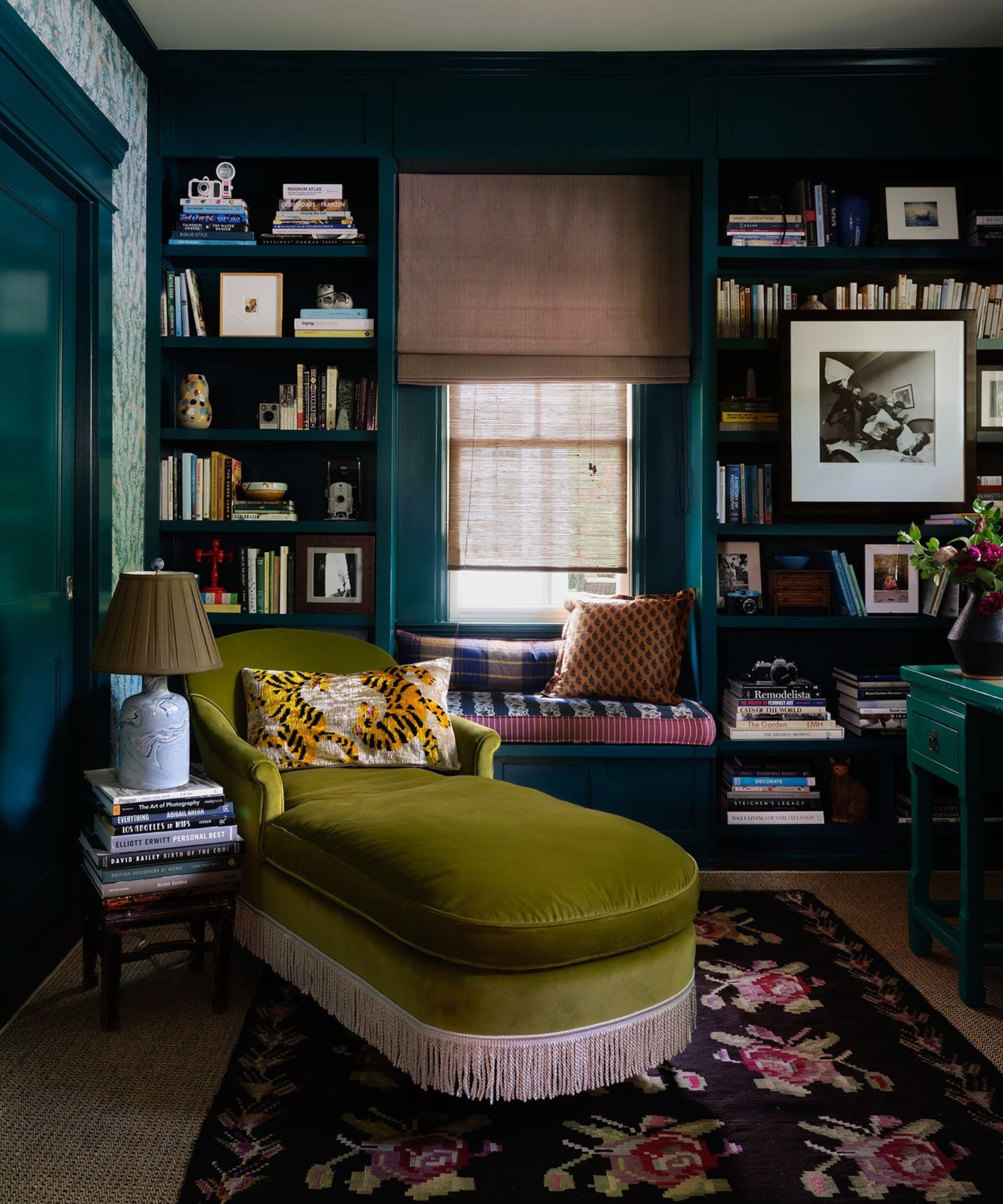
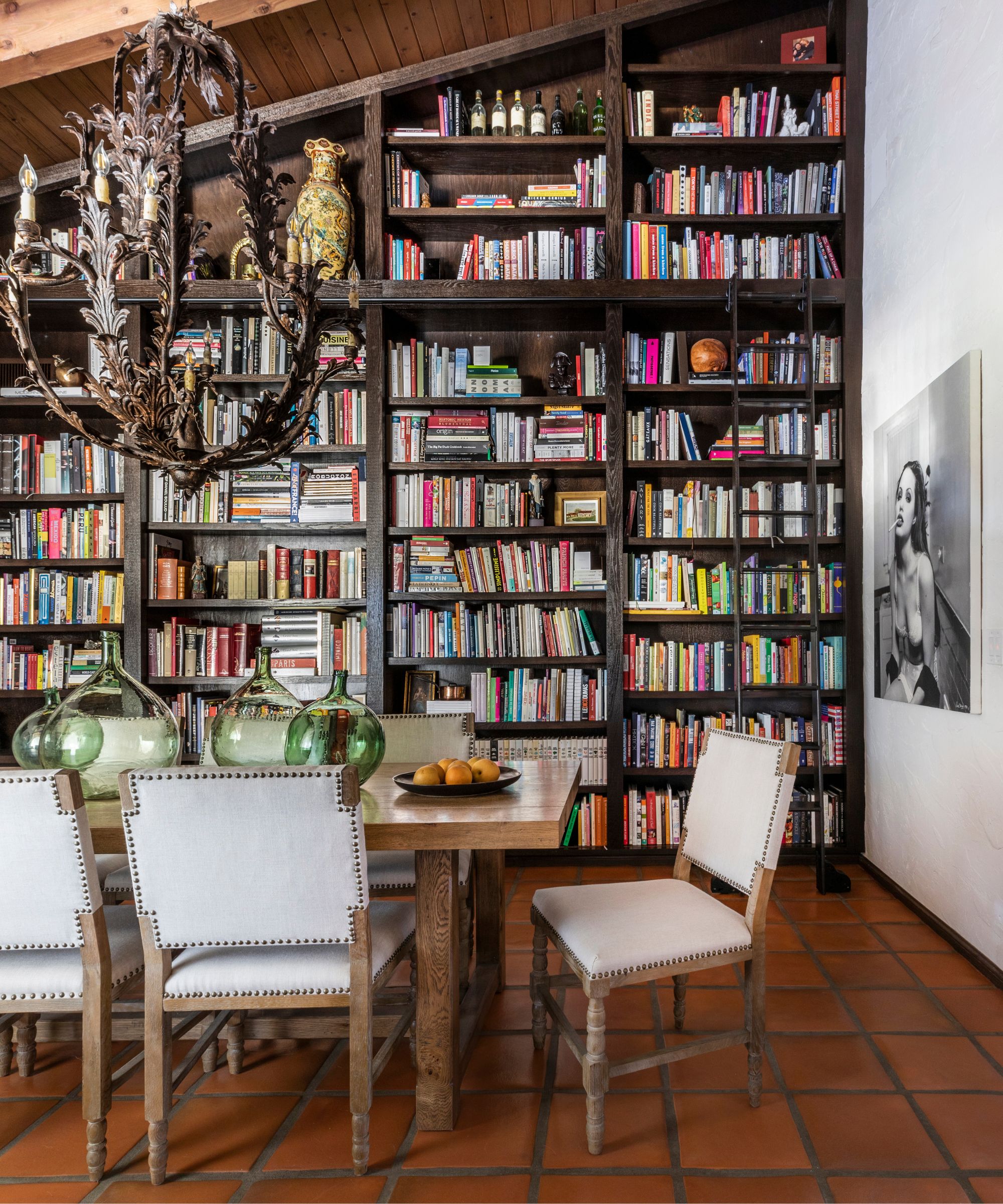
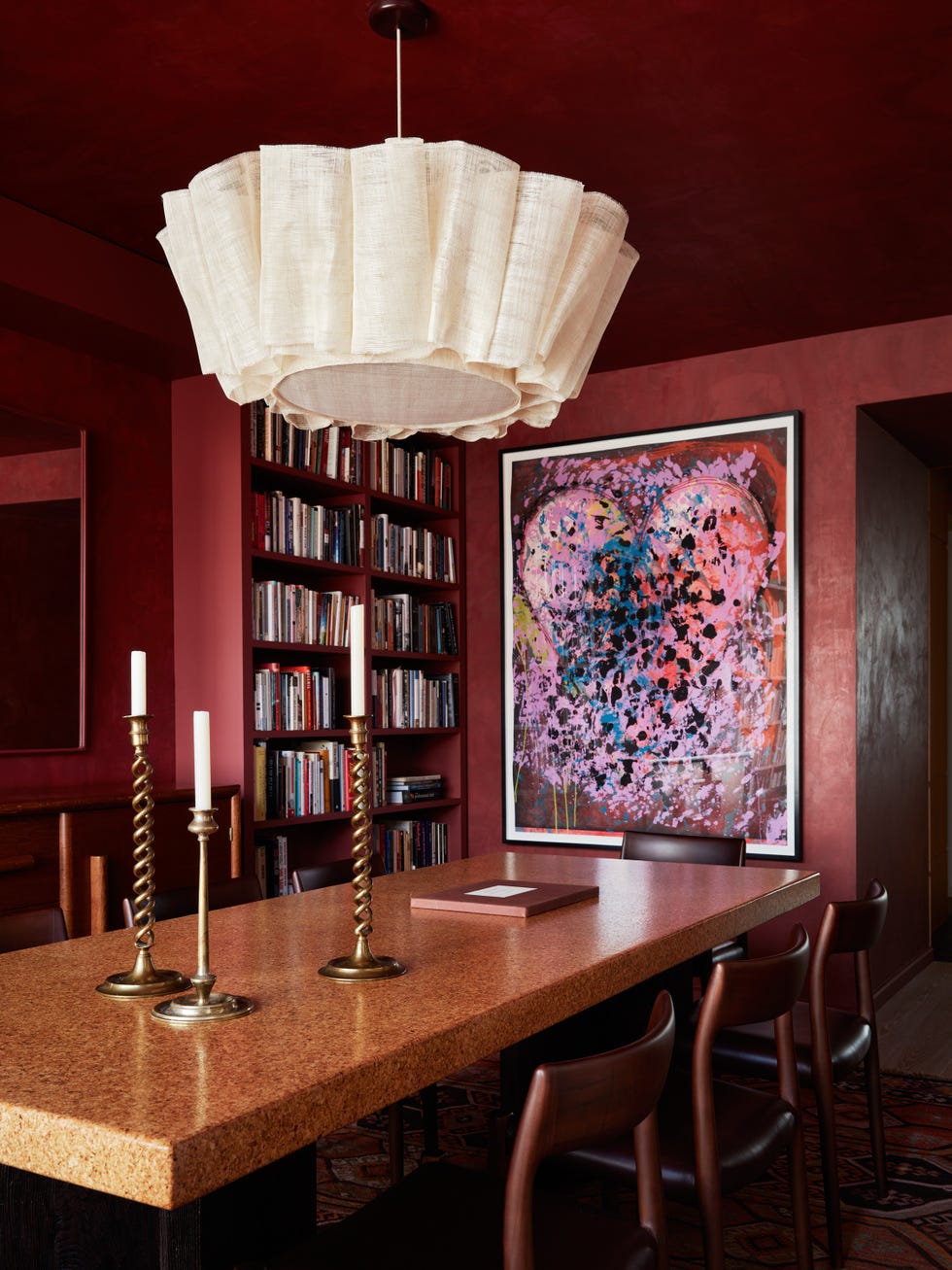
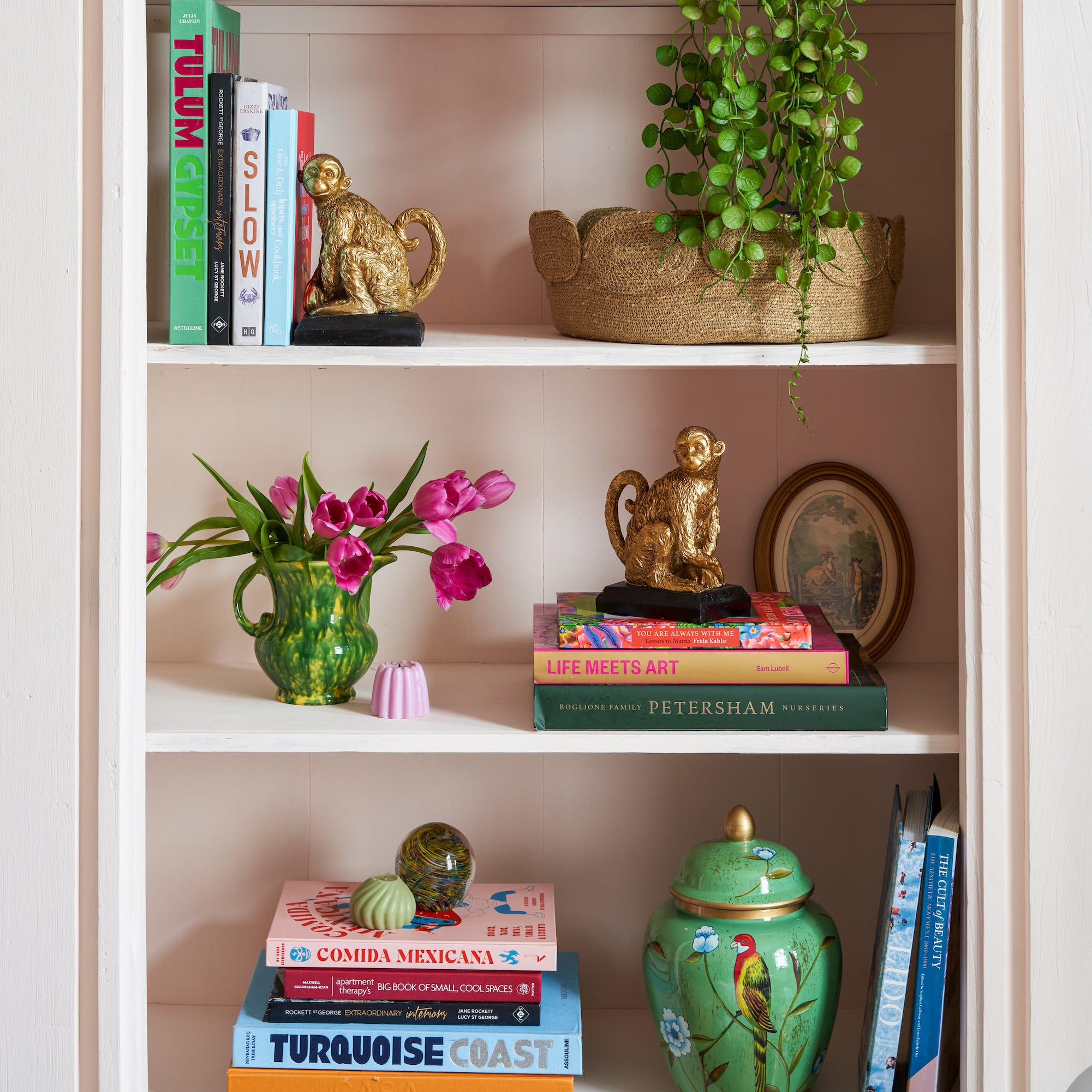
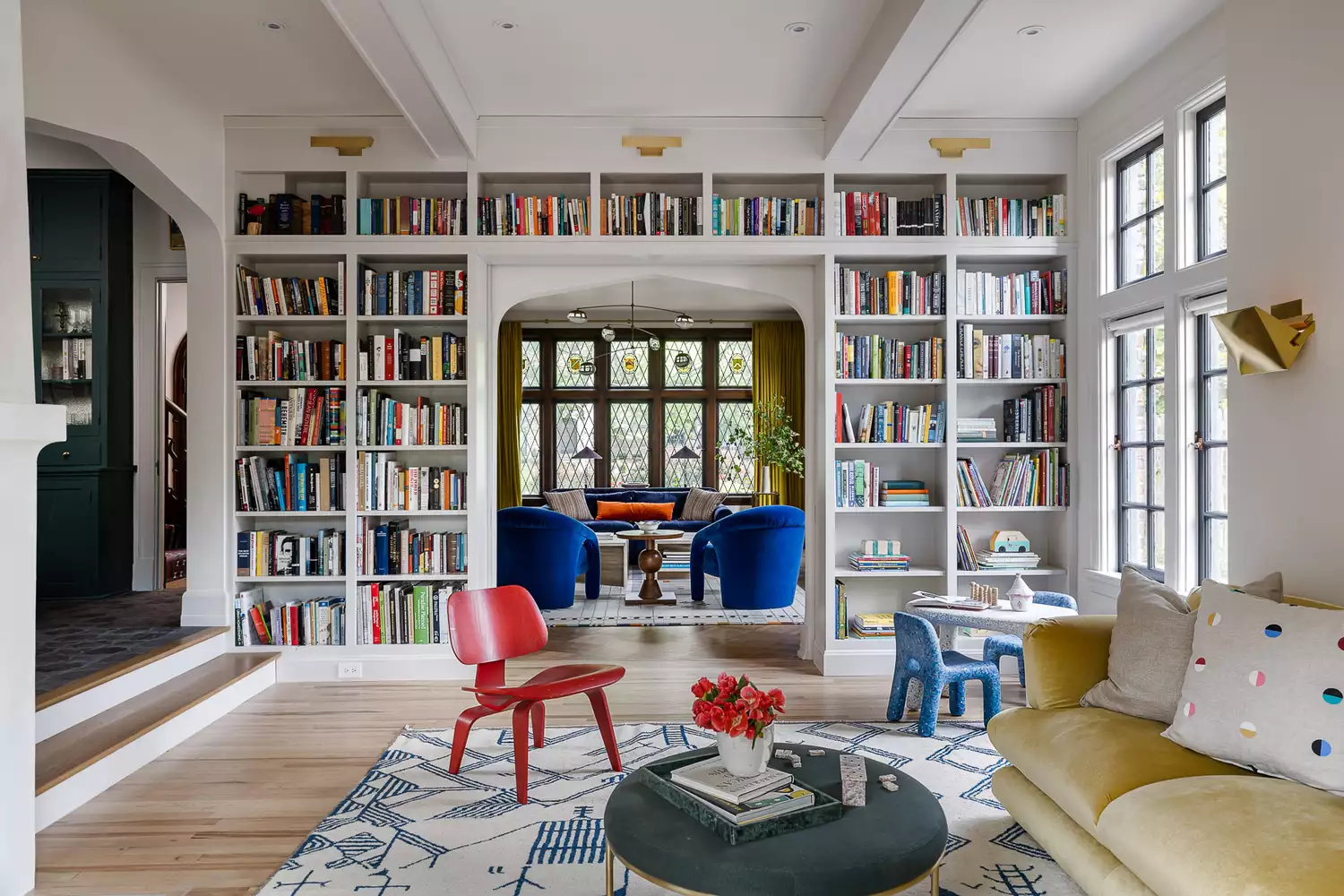
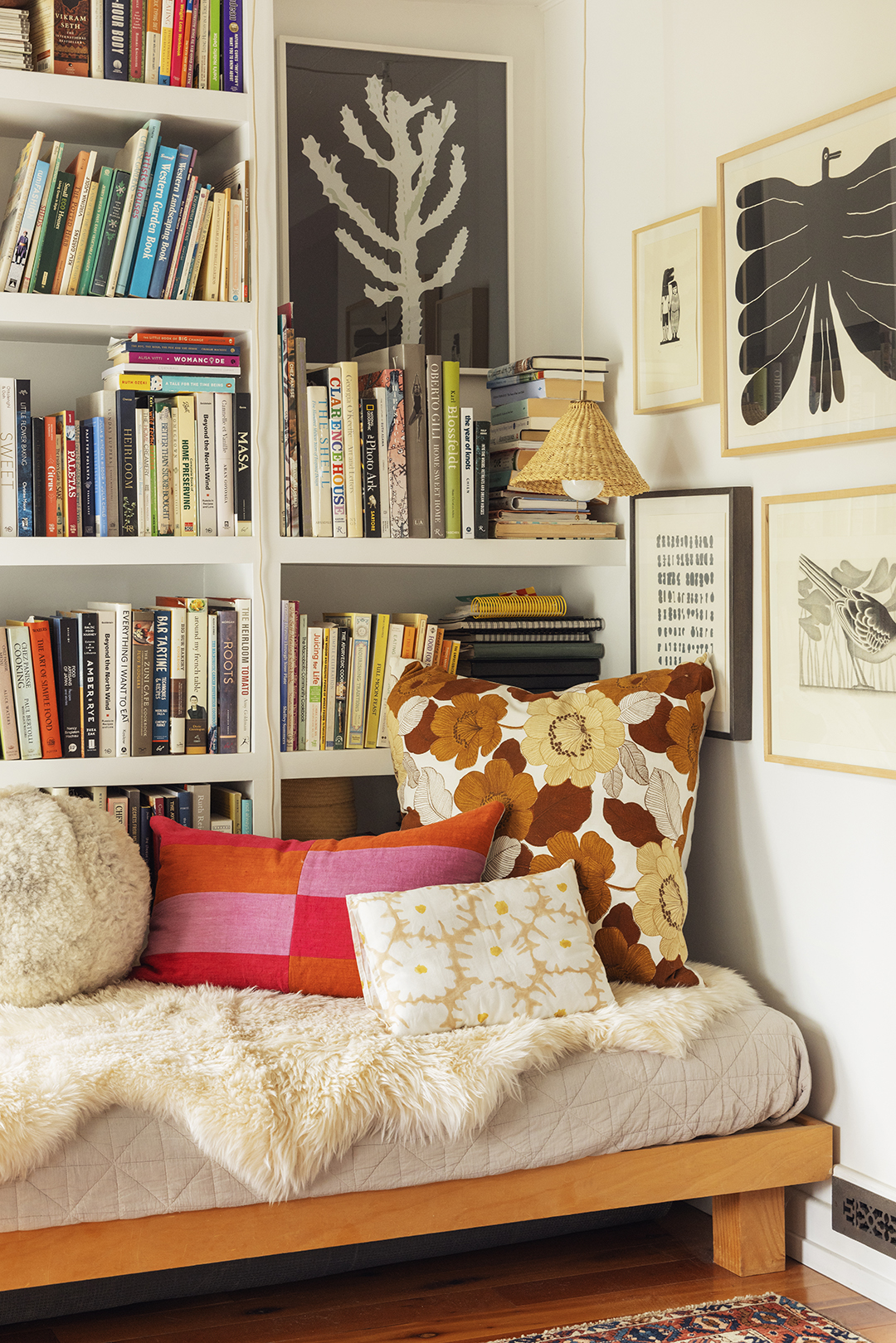
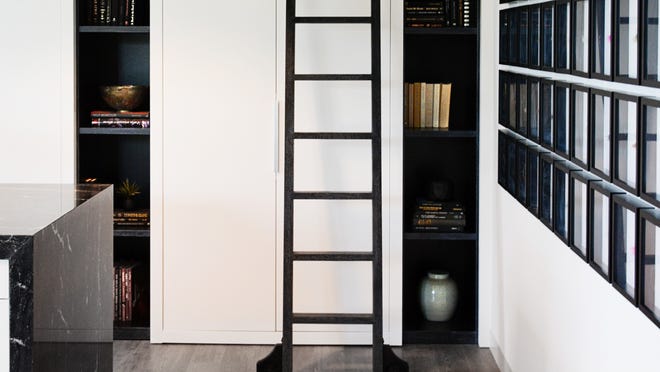
The core of the bookshelf wealth aesthetic revolves around displaying a curated, yet not overly manicured, collection of items that hold personal significance, particularly books that have actually been read, rather than serving as mere decorative props. These books are not arranged by color or size, but rather appear casually and somewhat haphazardly placed, suggesting frequent use and personal connection. This approach extends beyond just books to include art hung in unconventional ways, often overlapping bookshelves, and a blend of patterns that evoke a more traditional rather than maximalist feel. The style also highlights historical architectural features such as built-in bookcases, wood molding and paneling, and stained glass windows, though designers emphasize that these are not strictly necessary.
Authenticity is a key principle of bookshelf wealth. Designers Melinda James of Melinda James Interiors and Louis Duncan-He stress that the aesthetic is not about acquiring specific decor items but about surrounding oneself with objects that are personally cherished and bring joy. James advises clients to buy what they love, regardless of perceived monetary or artistic value, as long as it makes them smile. Duncan-He draws parallels to filmmaker Nancy Meyers's set designs, which consistently feature homes that appear lived-in, beautiful, and curated without being overly tidy. He notes that the style can sometimes lean towards eclectic or maximalist, but its essence lies in telling the homeowner's story through their space.
For those looking to adopt the bookshelf wealth aesthetic, designers offer practical advice. James highlights the importance of balance to prevent spaces from appearing cluttered, especially when arranging art. She suggests varying shapes and sizes of art pieces and creating visual movement rather than a static display, aiming for a look of "happenstance." Duncan-He addresses the common misconception that built-in bookcases are essential, explaining that existing architectural elements like molding or wall textures can be leveraged to achieve the desired warmth and familiar accessibility. The focus should be on treating these elements as integral parts of the visual interest rather than trying to perfectly align objects within them, which can make a space feel overly calculated. Ultimately, both designers agree that the personal items collected over time, which might not fit into other design styles, are precisely what make the bookshelf wealth aesthetic rich, authentic, and uniquely accessible to anyone. These pieces, imbued with personal stories, are the foundation of this inviting and distinctive design trend.
#BookshelfWealth #InteriorDesign #HomeDecor #DesignTrends #AuthenticLiving #PersonalStyle #SocialMediaTrends #HomeStyling #BookshelfWealth #InteriorDesign #HomeDecor #DesignTrends #AuthenticLiving #PersonalStyle #SocialMediaTrends #HomeStyling
0 ความคิดเห็นรวม
 ยังไม่มีความคิดเห็น
คุณอาจจะชอบอีกด้วย
“Bookshelf Wealth” Is the New (Viral!) Way to Style Your Old Books & Trinkets
Bookshelf Wealth: The chic interior design trend everyone can try at home

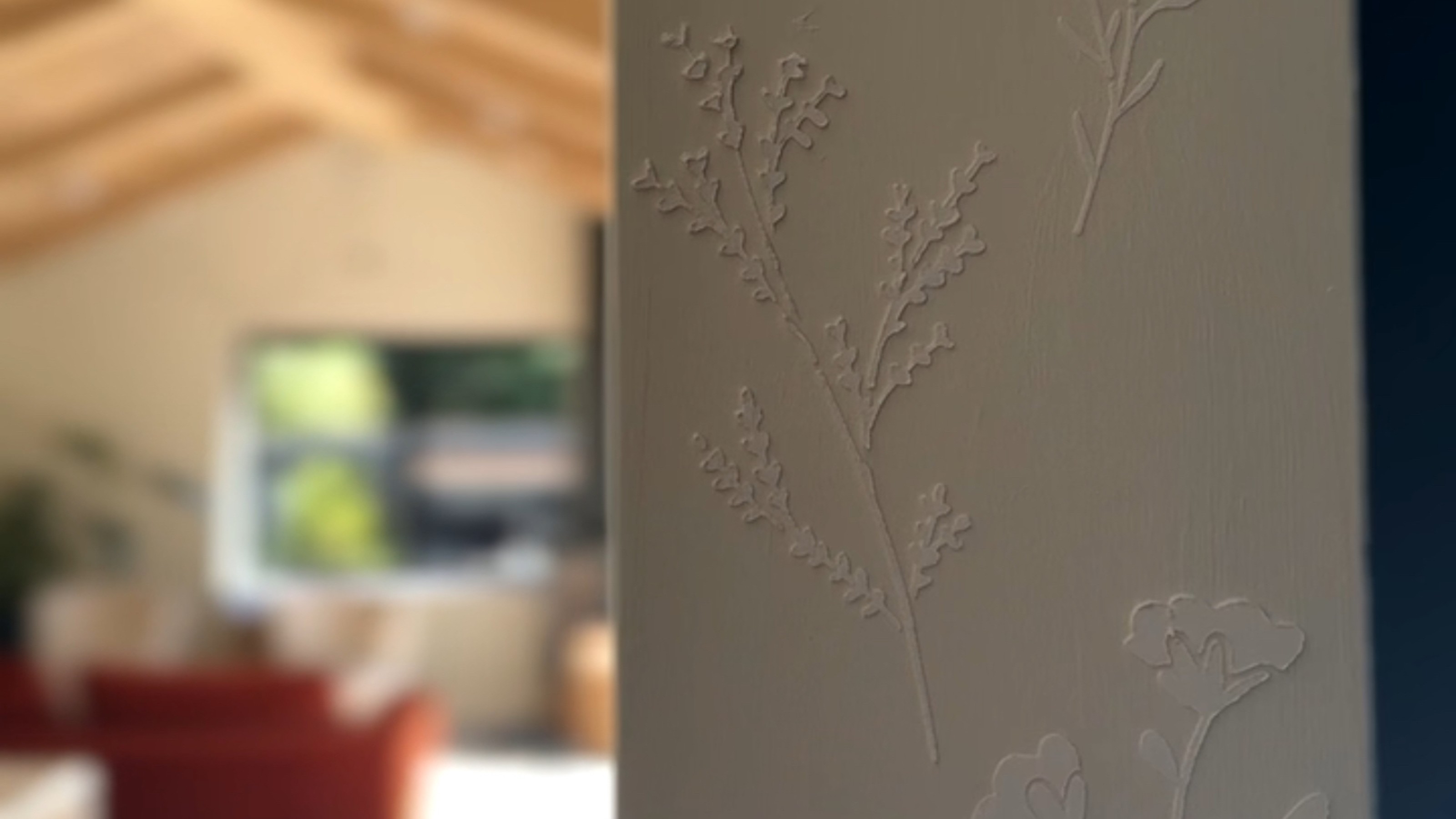
3D stencilling is trending on TikTok and Instagram

Inside the Picture Perfect—and Highly Lucrative—Business of Book Styling

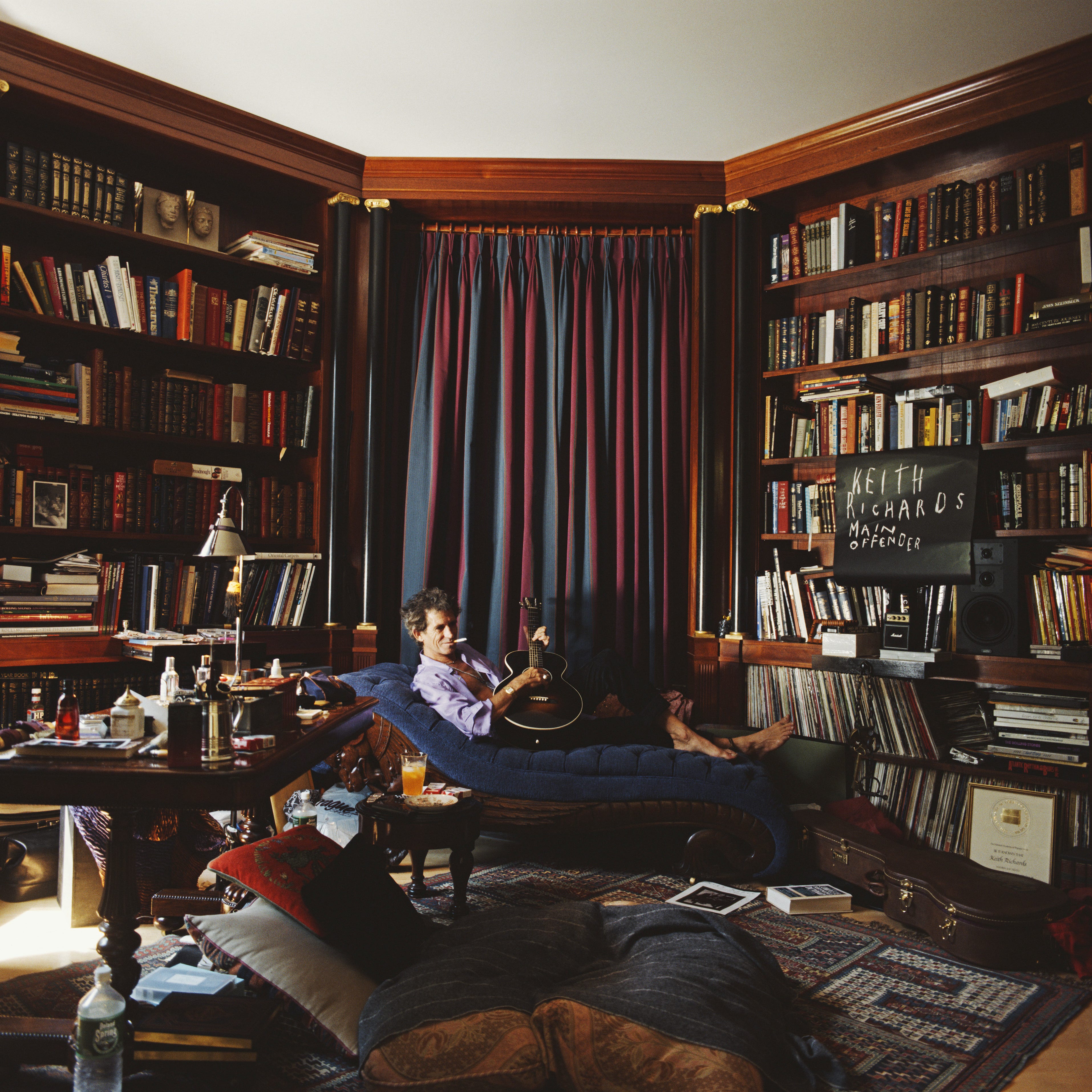
How Bookshelf Wealth Became the Ultimate Status Symbol
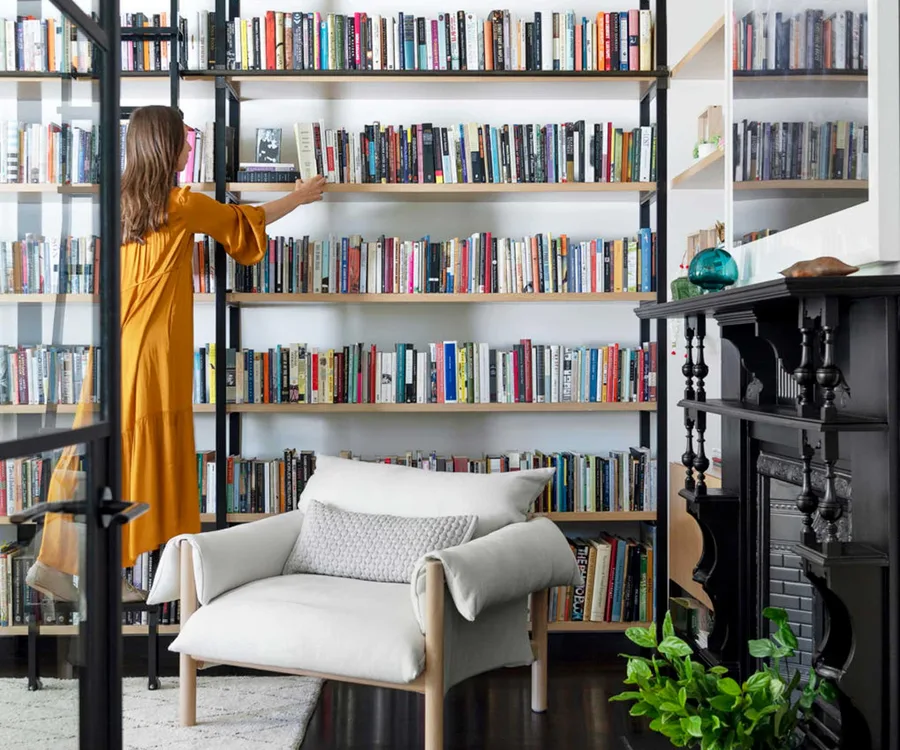
'Bookshelf wealth' is all the rage, so this is how you can tap into this design trend for your home

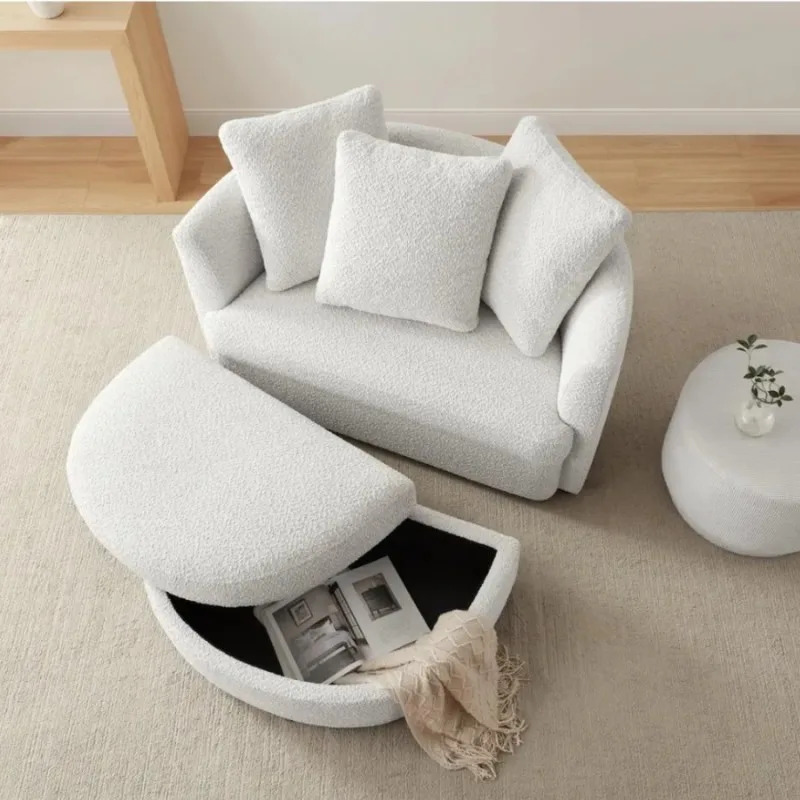
TikTok Is Going Crazy for This $370 Giant 'Reading Chair' From Costco
Why Is Everyone Obsessed With Food-Themed Aesthetics Right Now?

Bookshelf wealth: how to make the new shelfie trend work for you
Bookshelf Wealth Is the Ultimate Design Trend for Readers

Searches for Reading Rooms Are Spiking—These Are the Best Ones We’ve Seen


Olivia Rodrigo's living room embraces 'bookshelf wealth,' 2024's most eclectic design trend


“Bookshelf Wealth” Isn’t New. So Why Is It Taking Off?


Realtor Walks Across ‘Patio’ in Backyard—Then Realizes What It Really Is

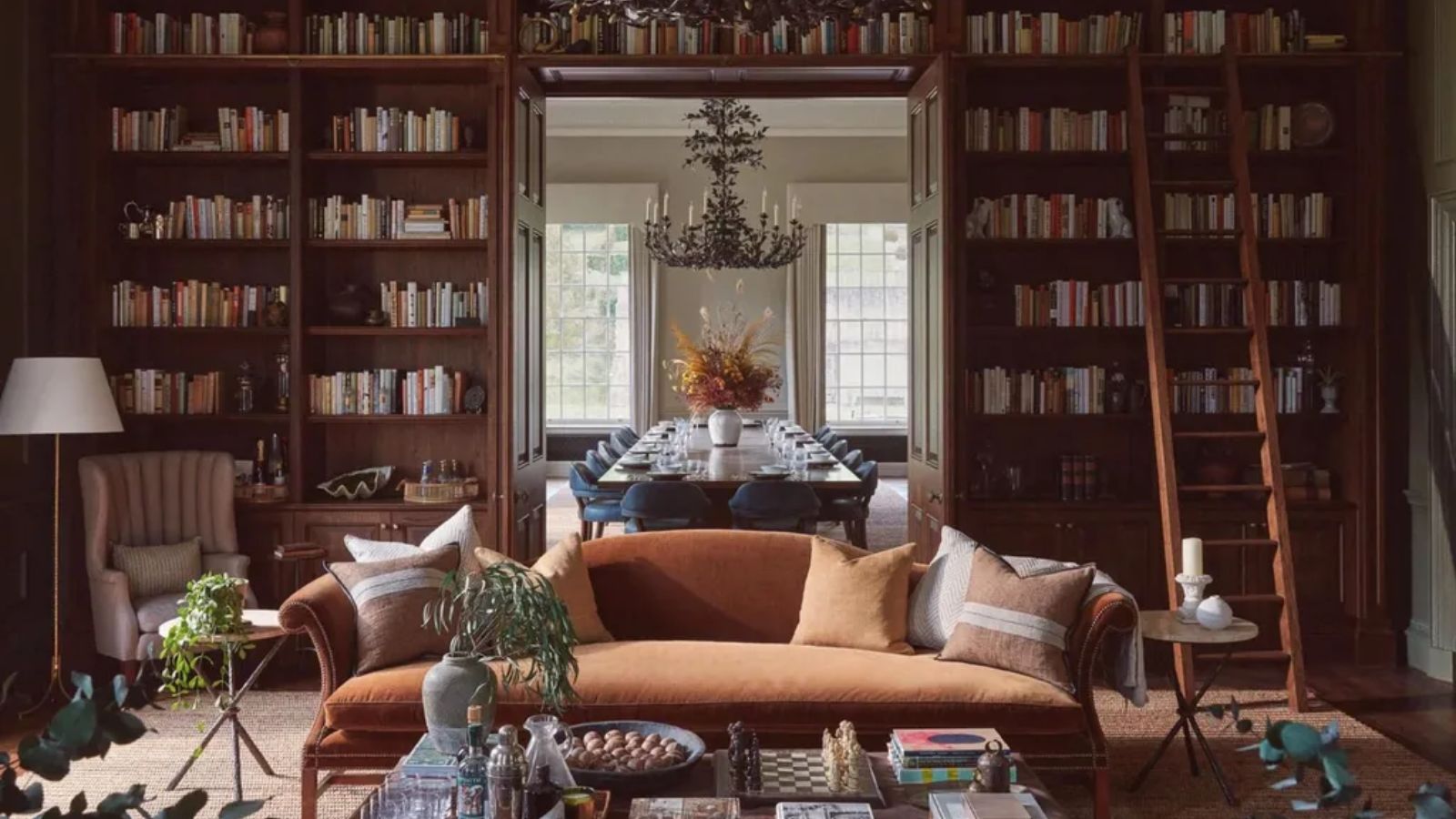
'Bookshelf Wealth' has changed the way I style my home – here's everything you need to know about this designer-approved trend
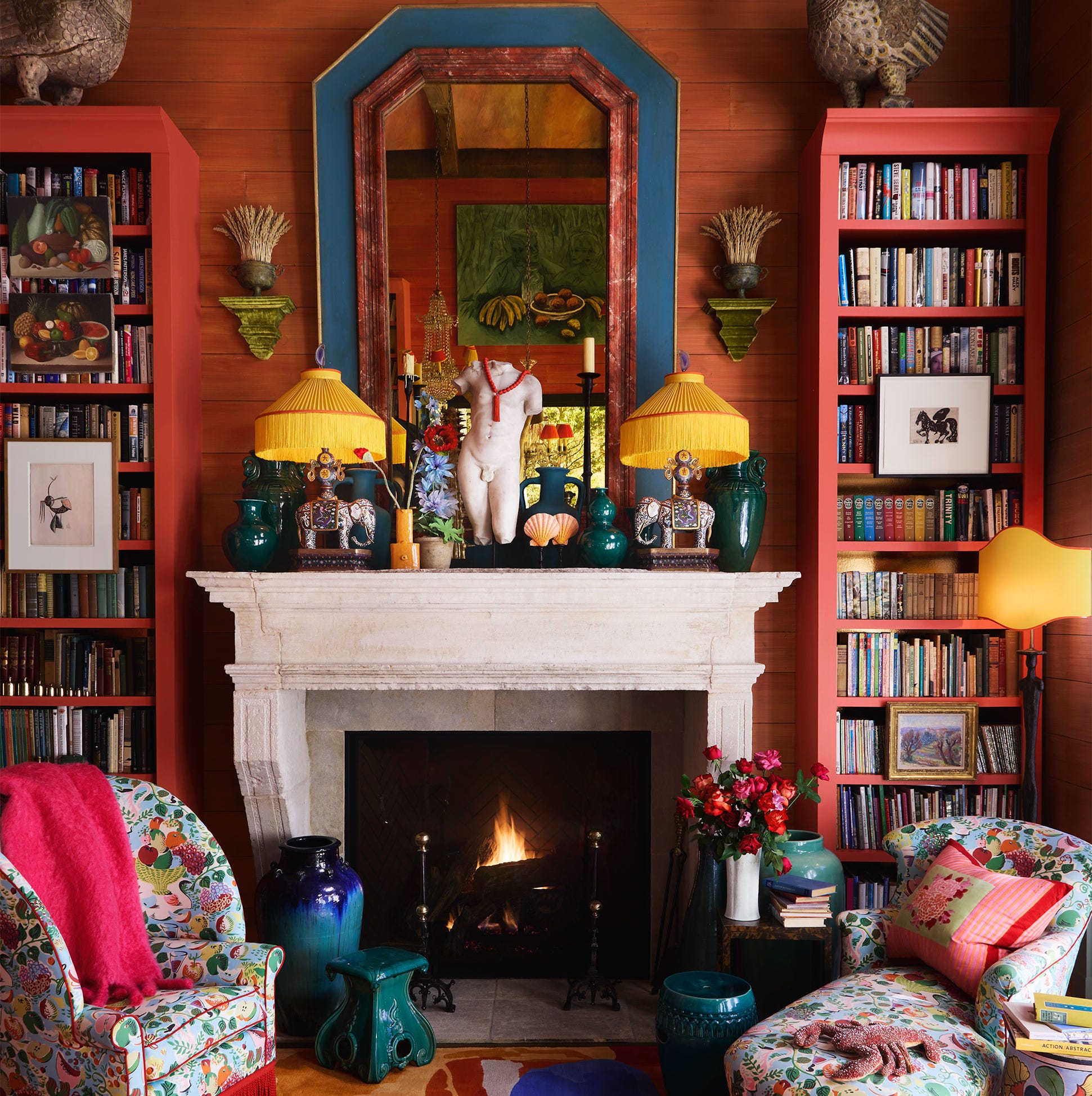
15 Bookshelves That Are Bookshelf Wealth on Steroids
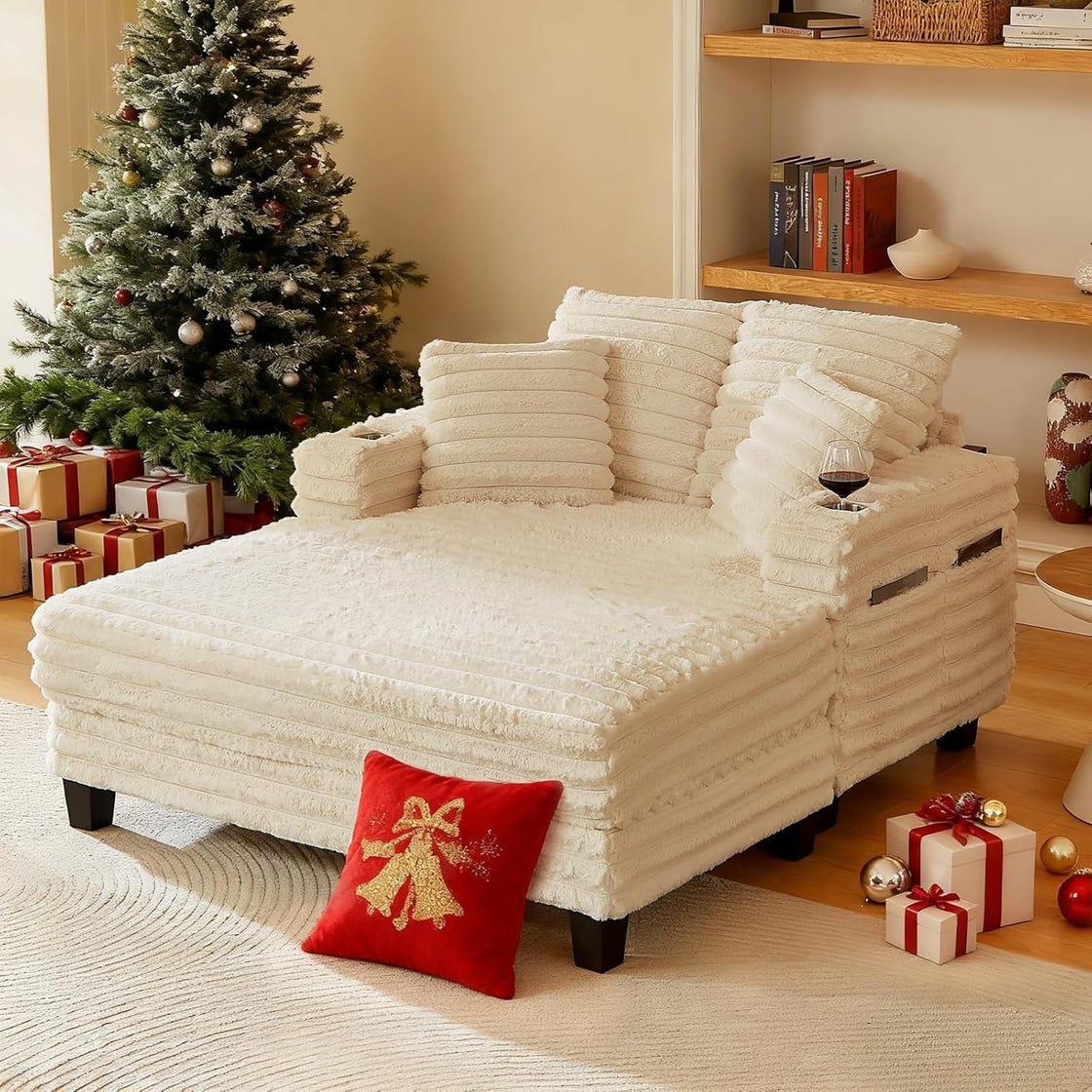
BookTok’s Plush Reading Chair Took Over the Internet—and Now It's Over $100 Off
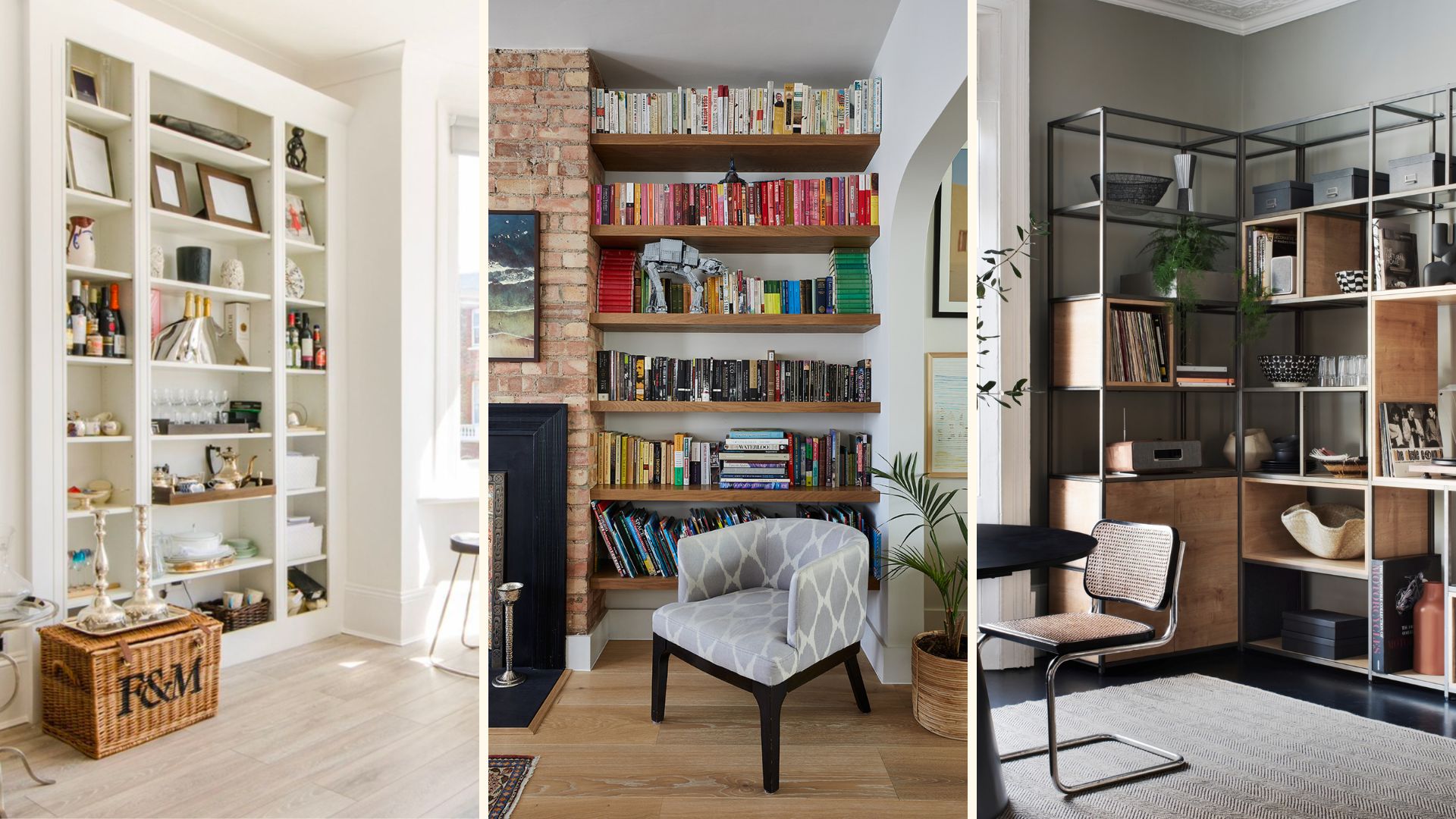
What is ‘Bookshelf Wealth’ and why is it becoming the stand-out design trend of 2024?

Why this Oregon designer is talking about financial literacy on Instagram

Displaying books around the home is 'a reflection of you,' say local book lovers