1/10
Biophilic Decluttering — What to Take Out of Your Home (and What to Put in) for a More Natural Home
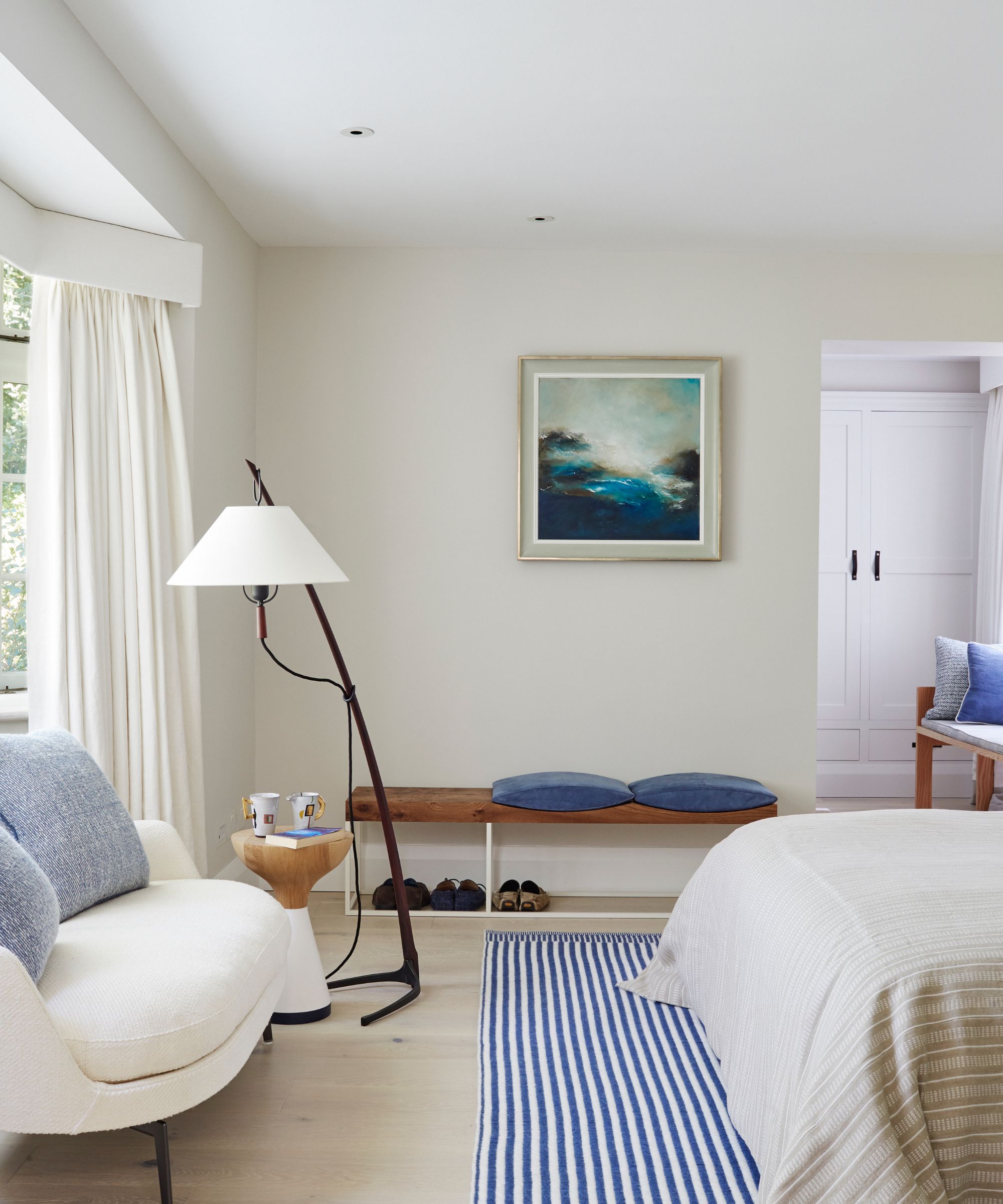
Biophilic decluttering is an emerging trend that merges the principles of biophilic design with decluttering, focusing on creating a serene and grounded living space by reducing clutter and incorporating natural elements. This concept aligns with the growing emphasis on sustainability and the desire to connect interiors with the outdoors, especially as spring cleaning activities encourage homeowners to re-evaluate their living environments. The approach moves beyond simple tidying, aiming to foster a deeper connection to nature within the home.
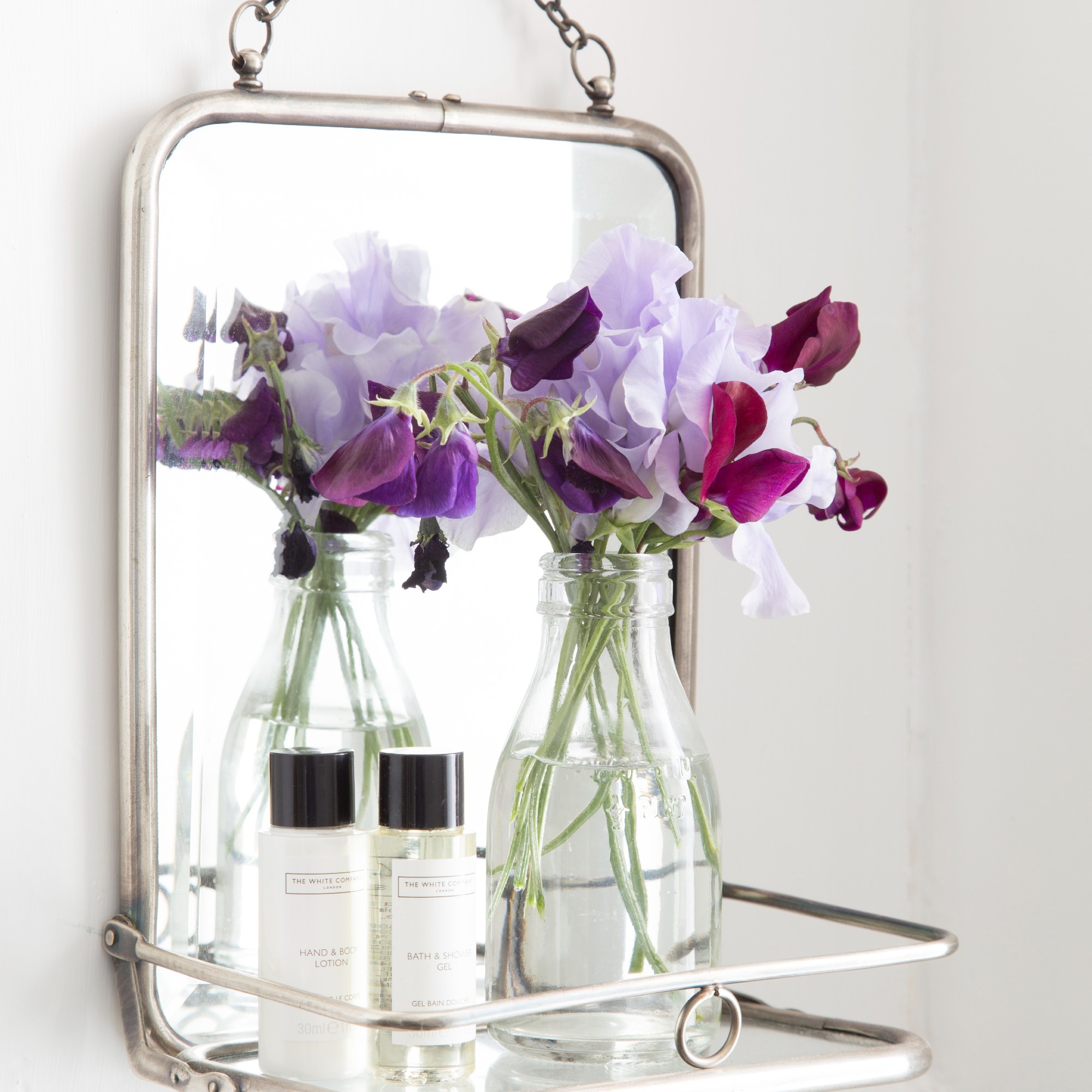
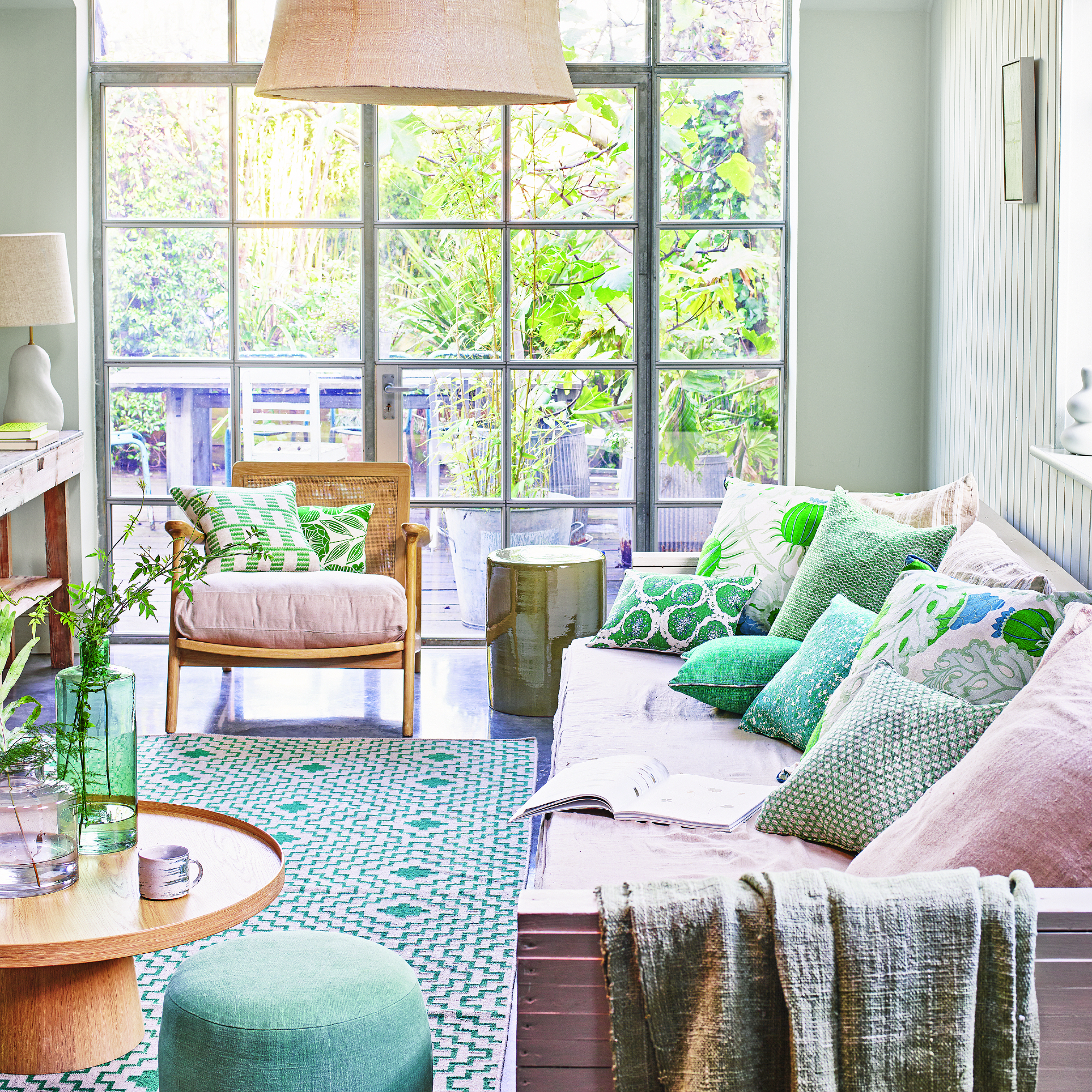
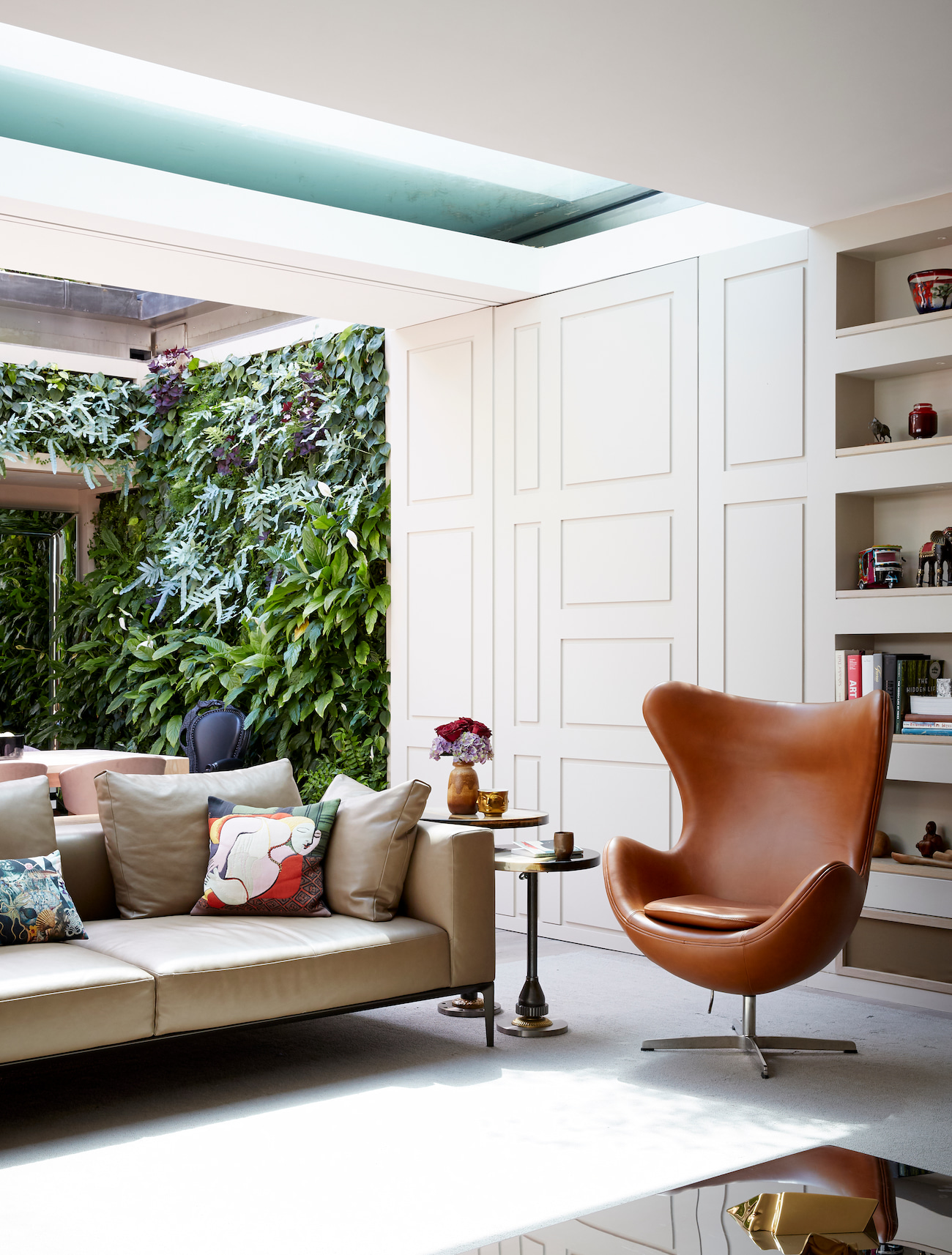
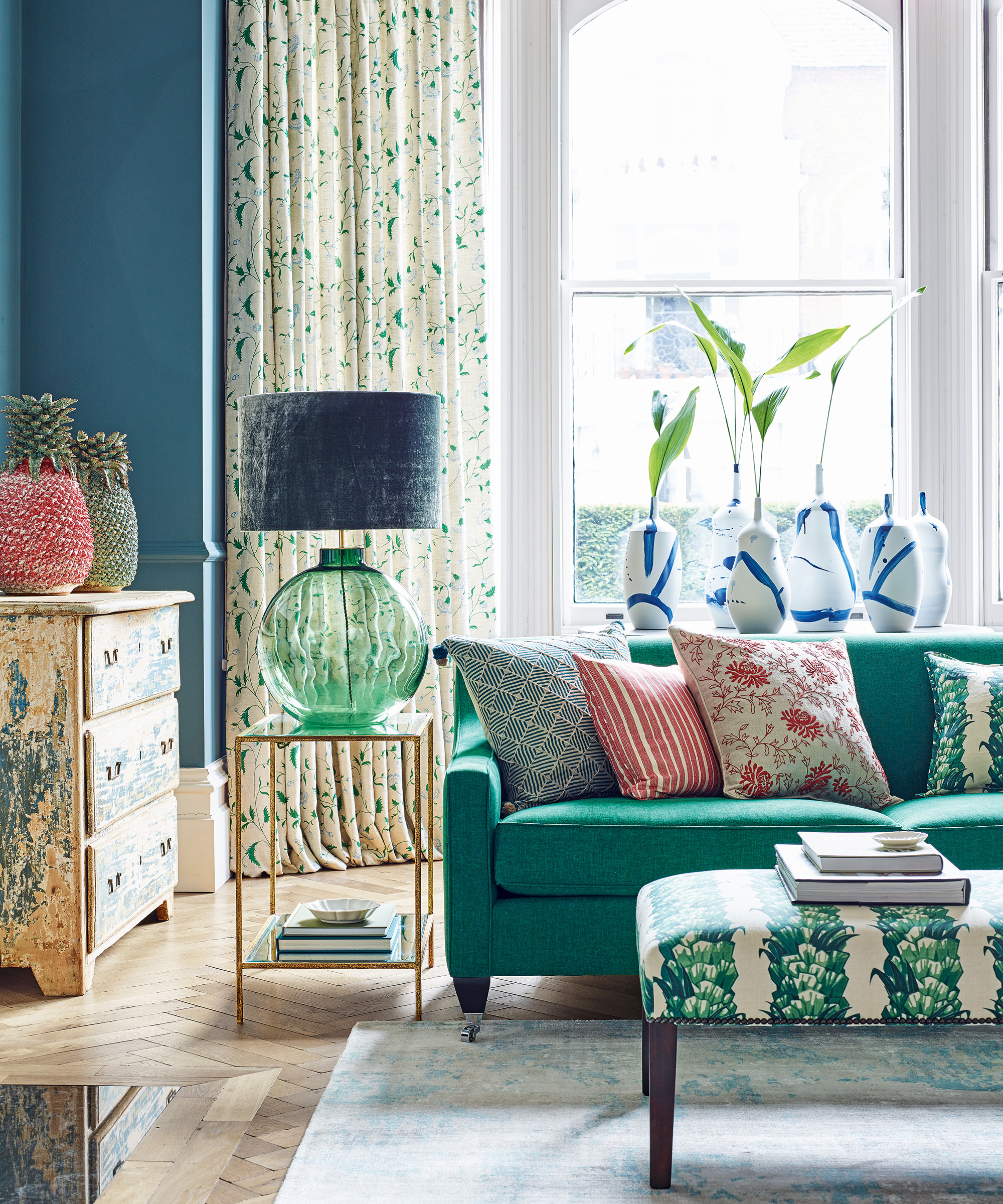
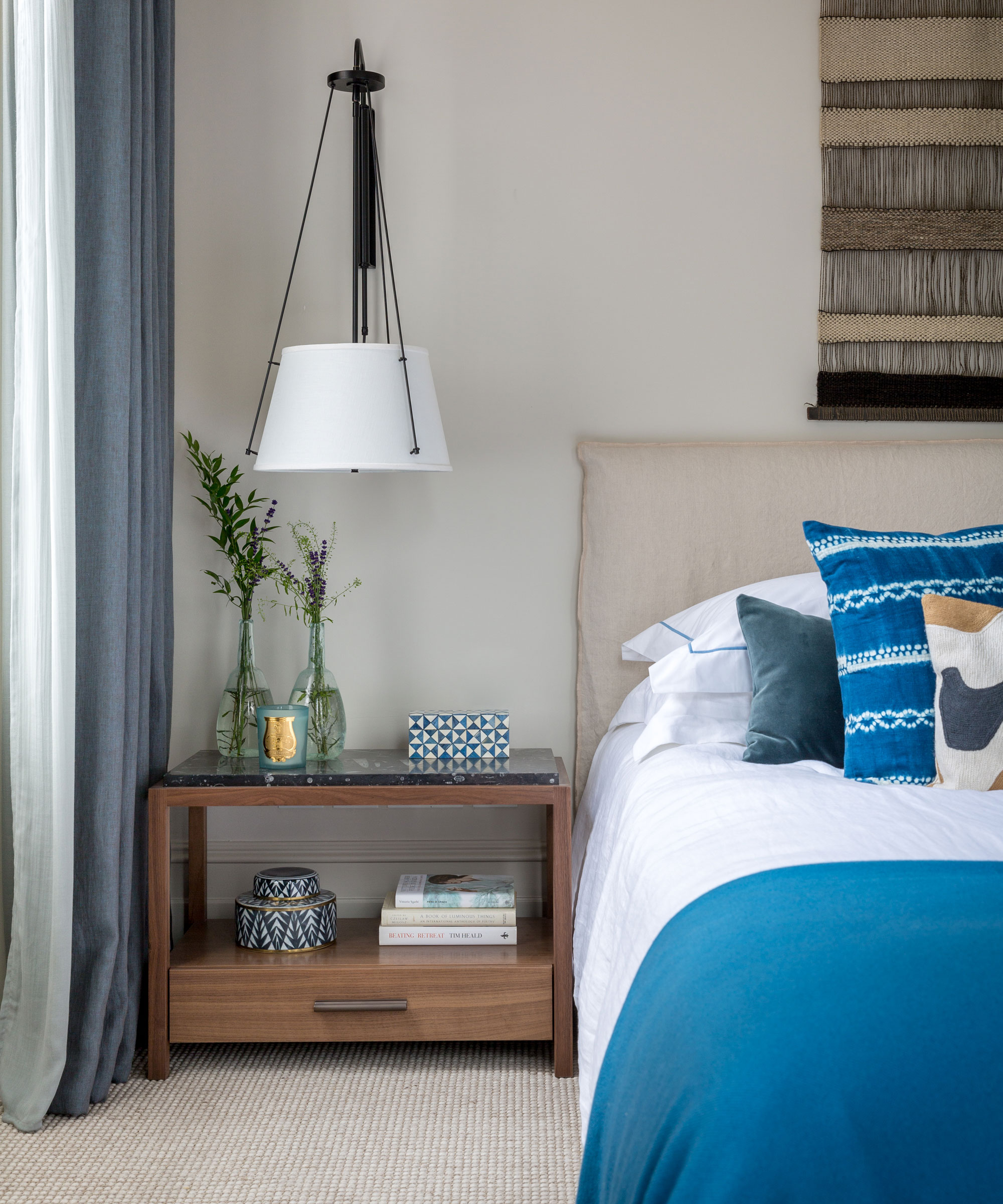
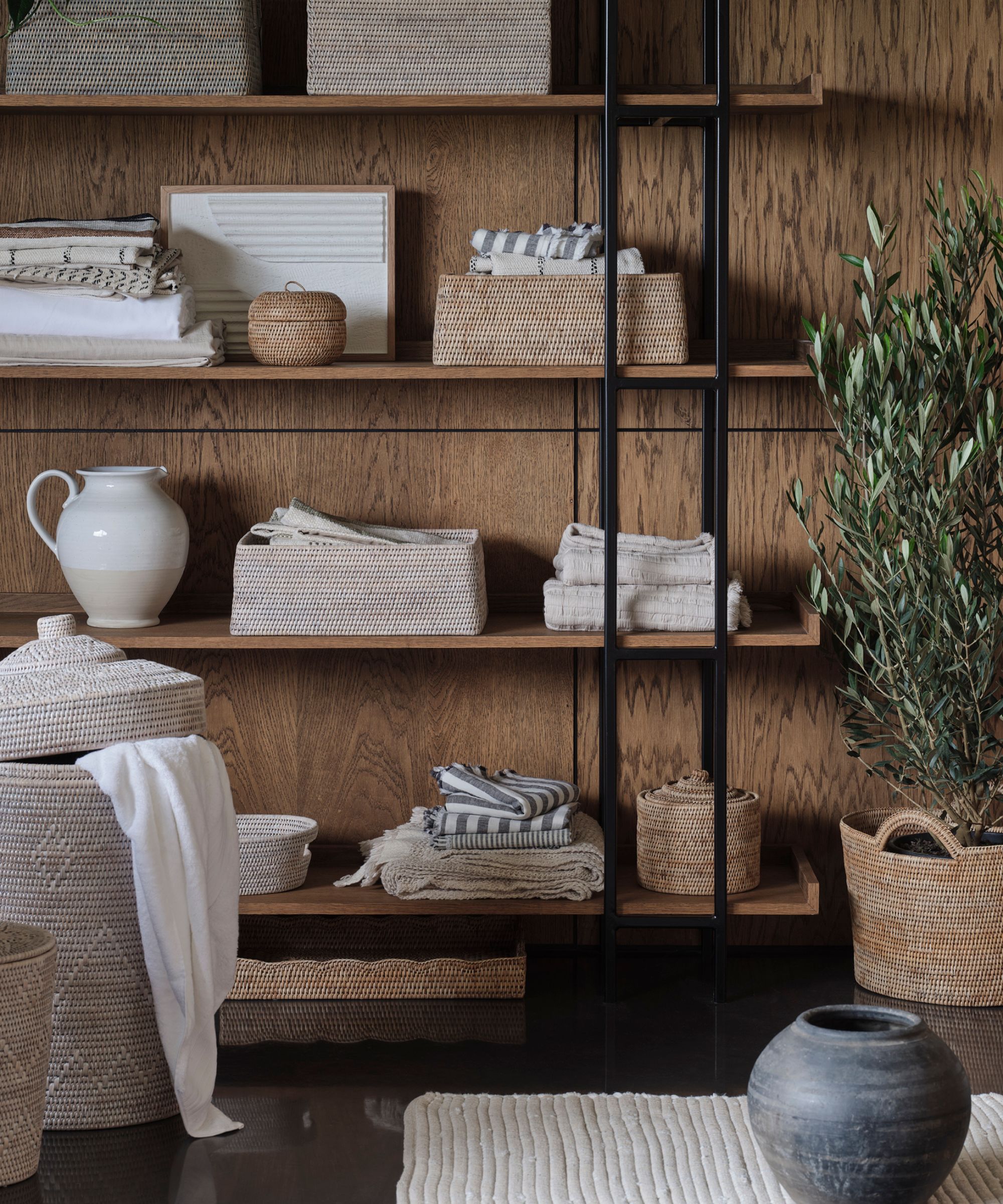
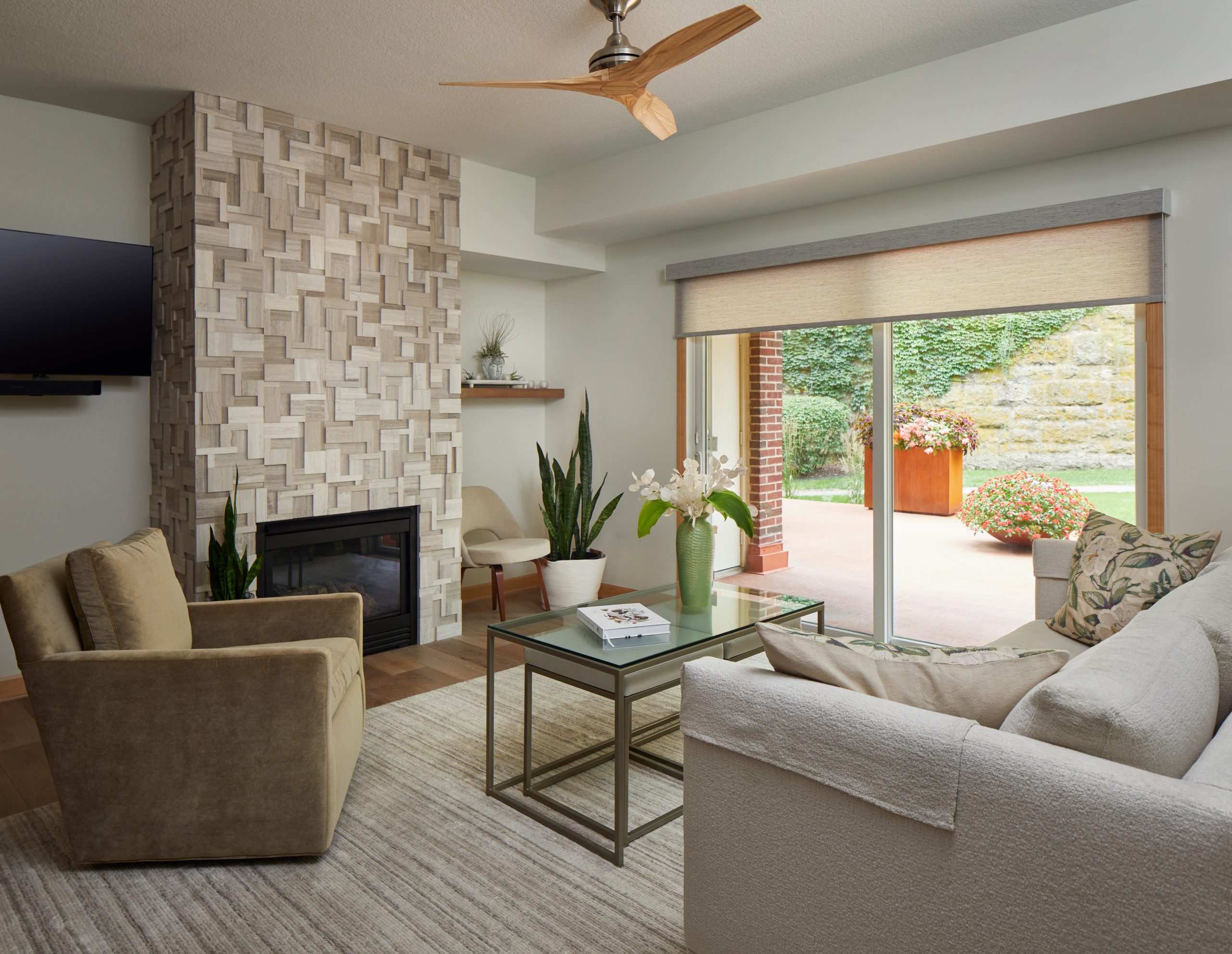
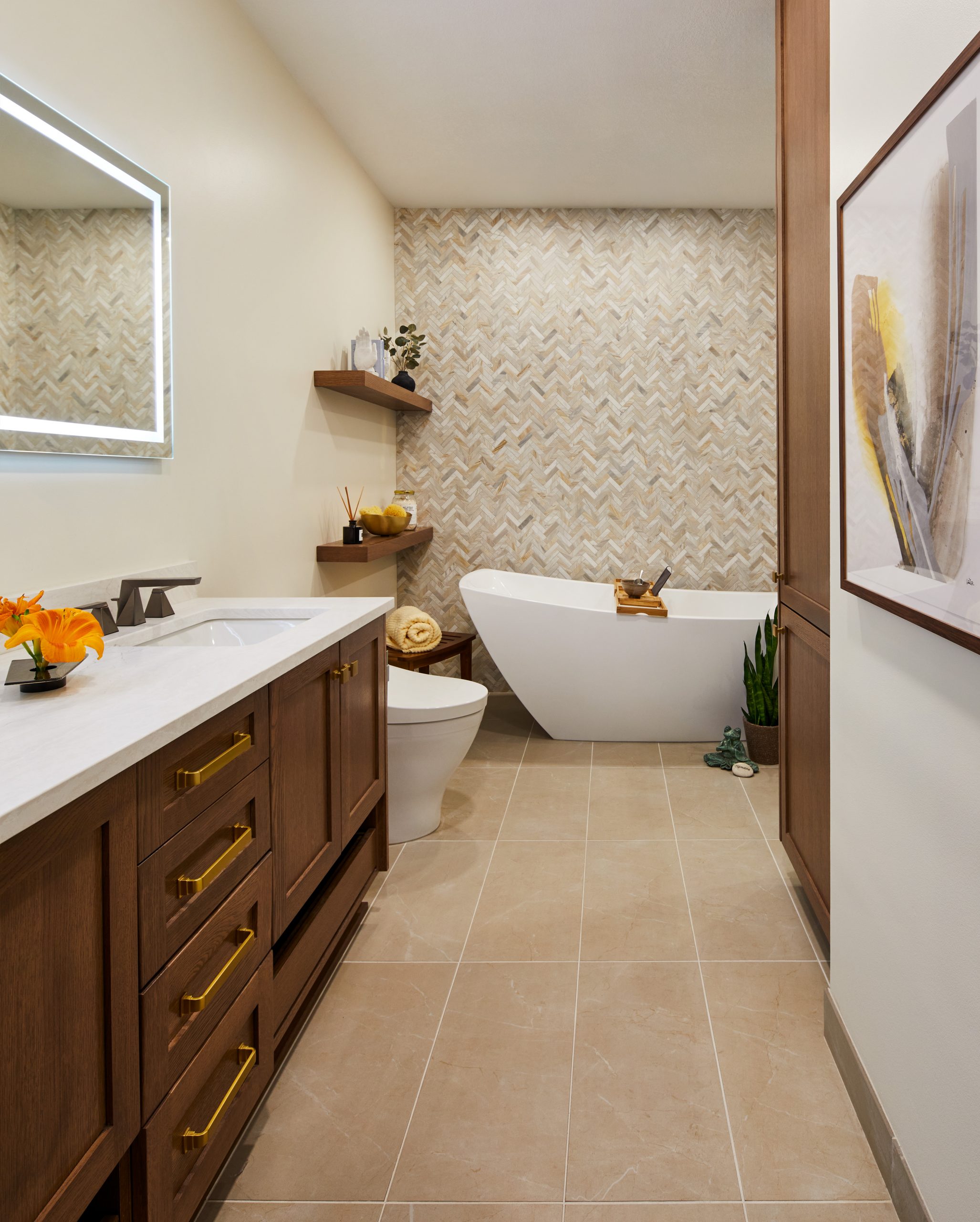
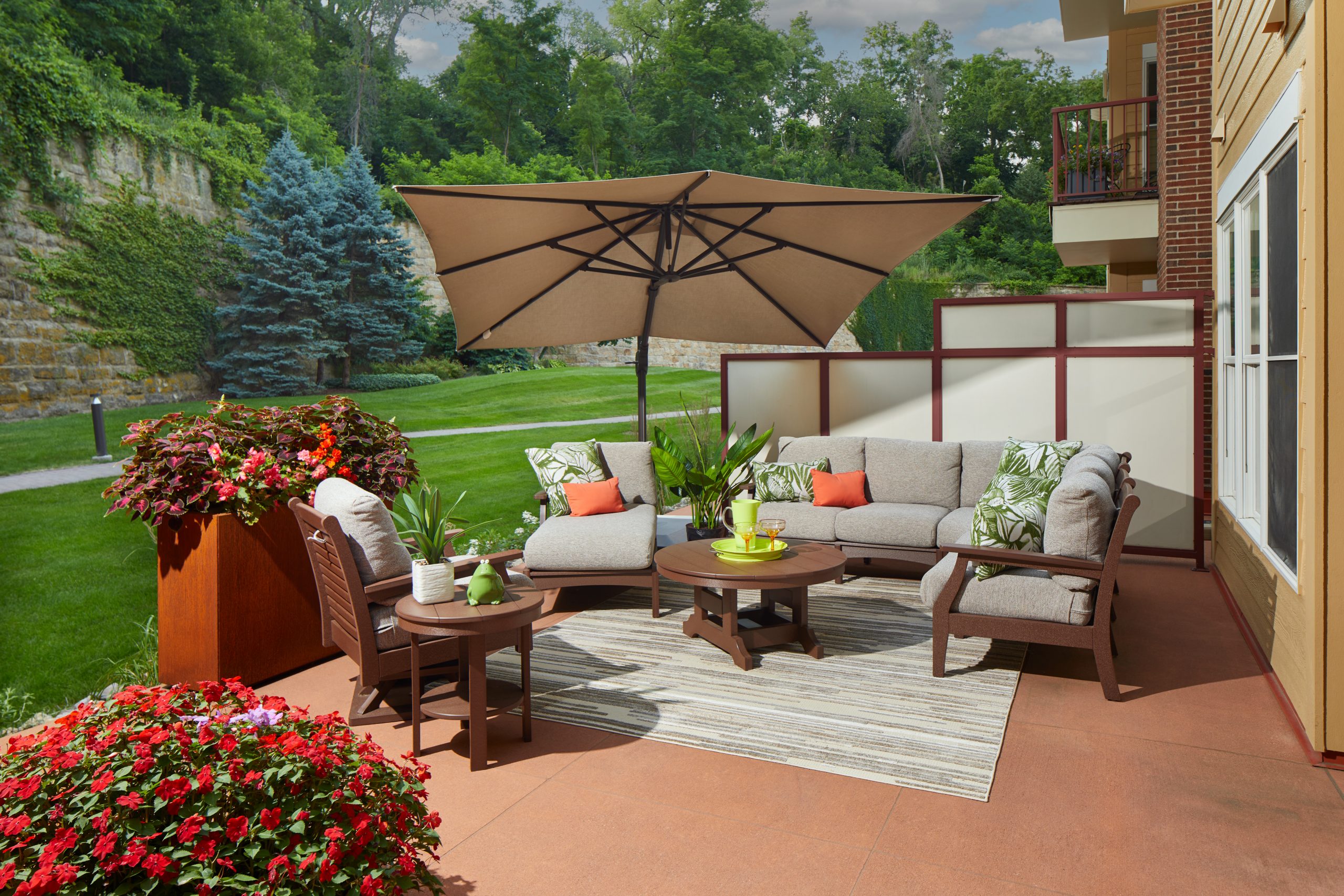
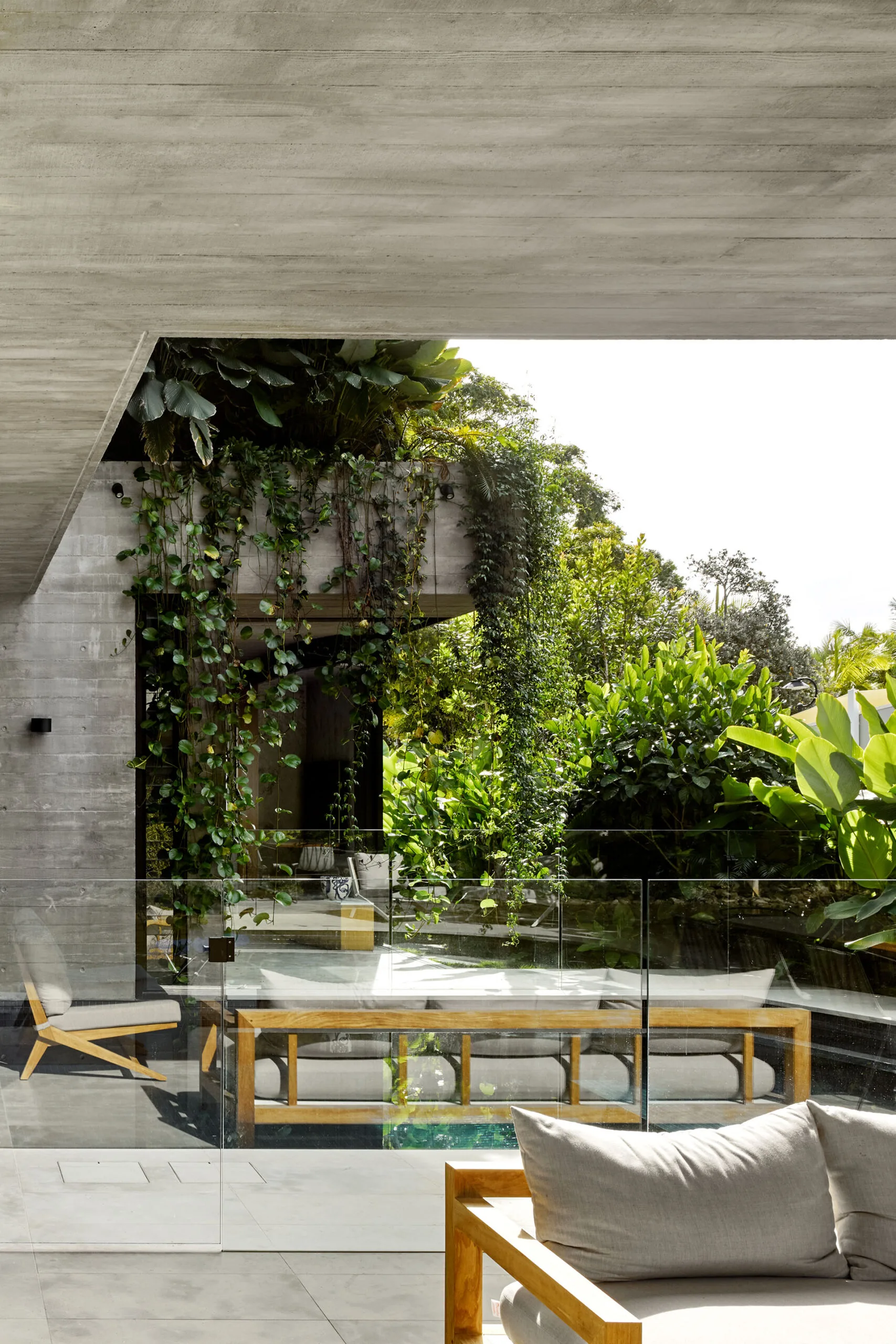
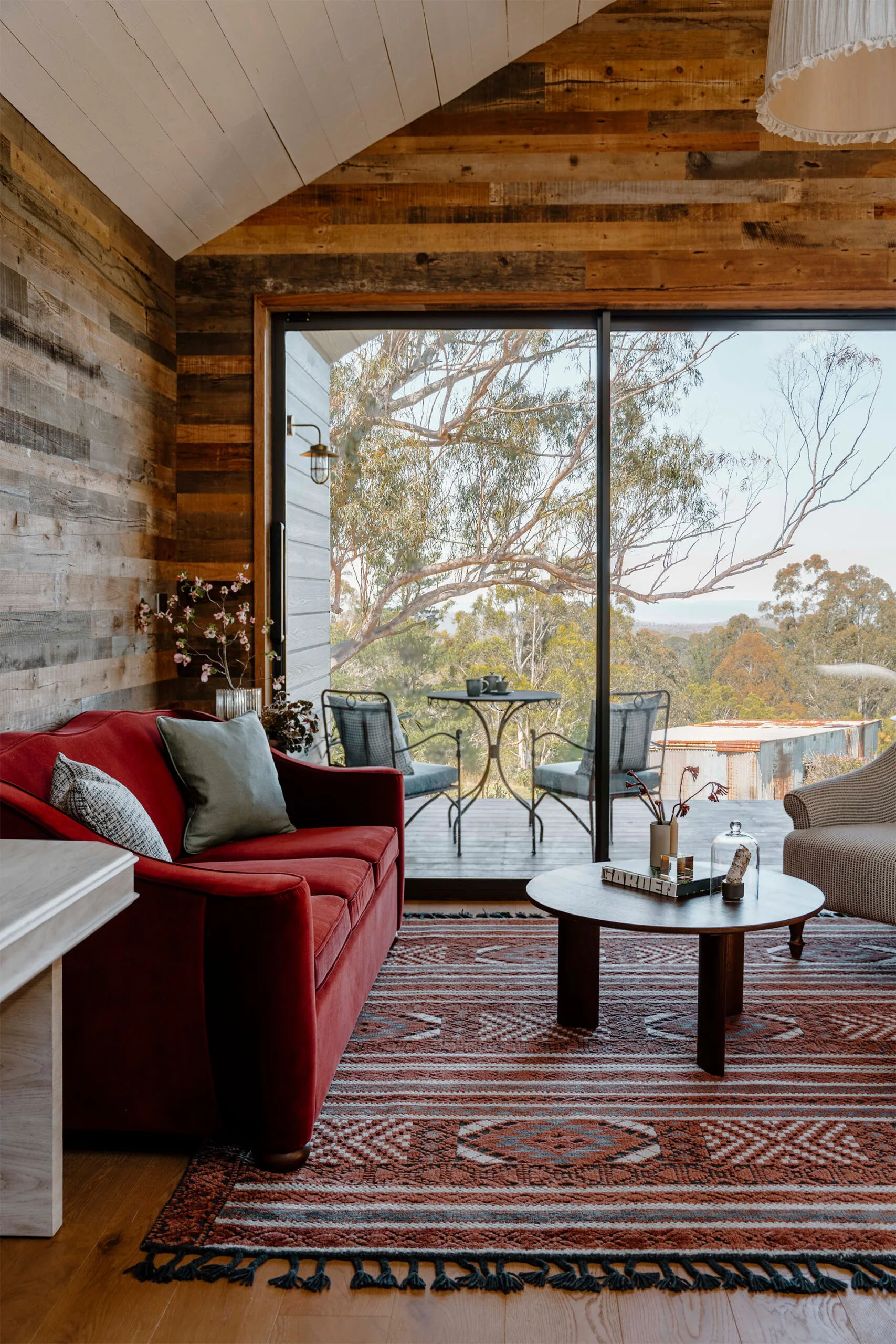
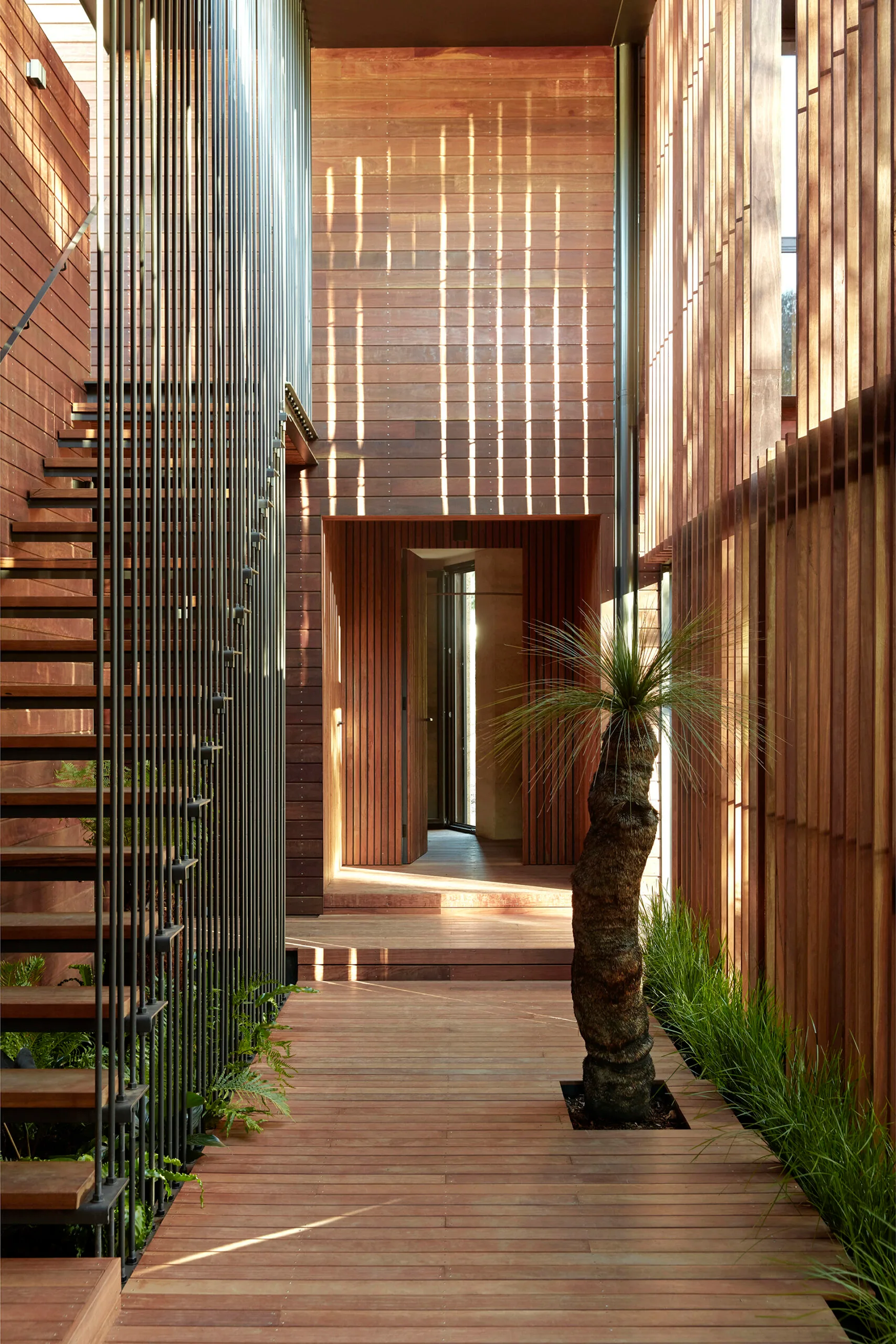
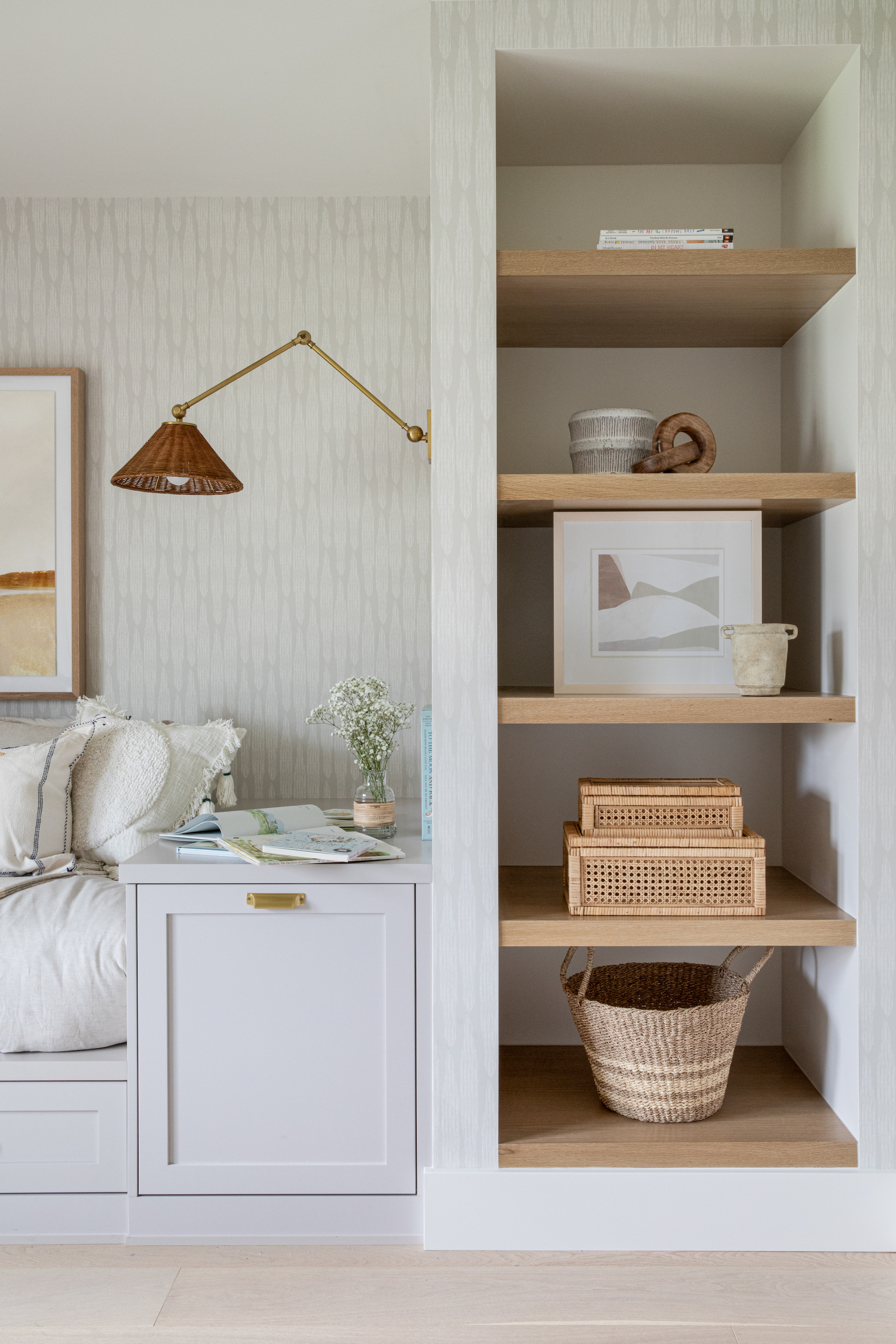
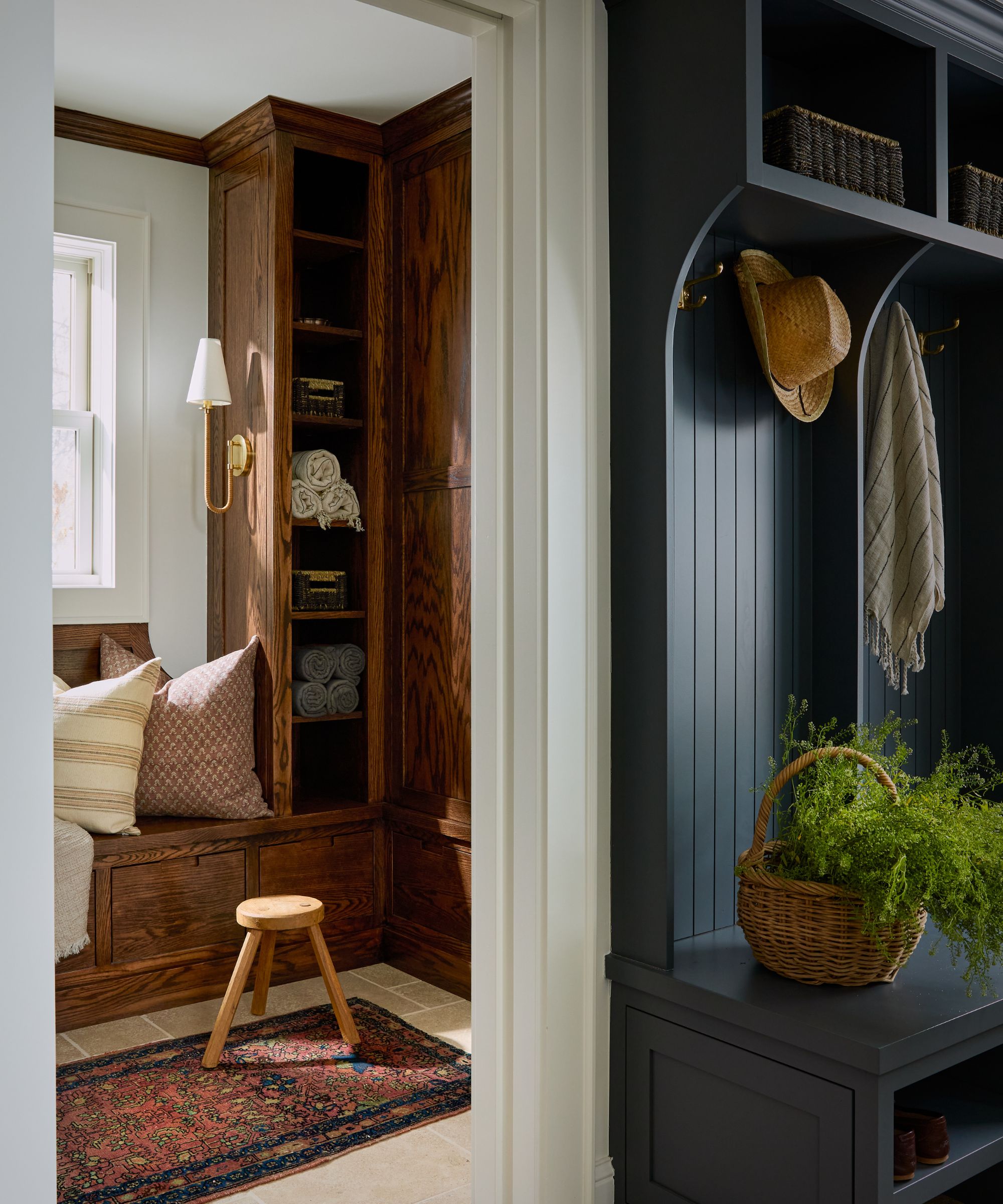
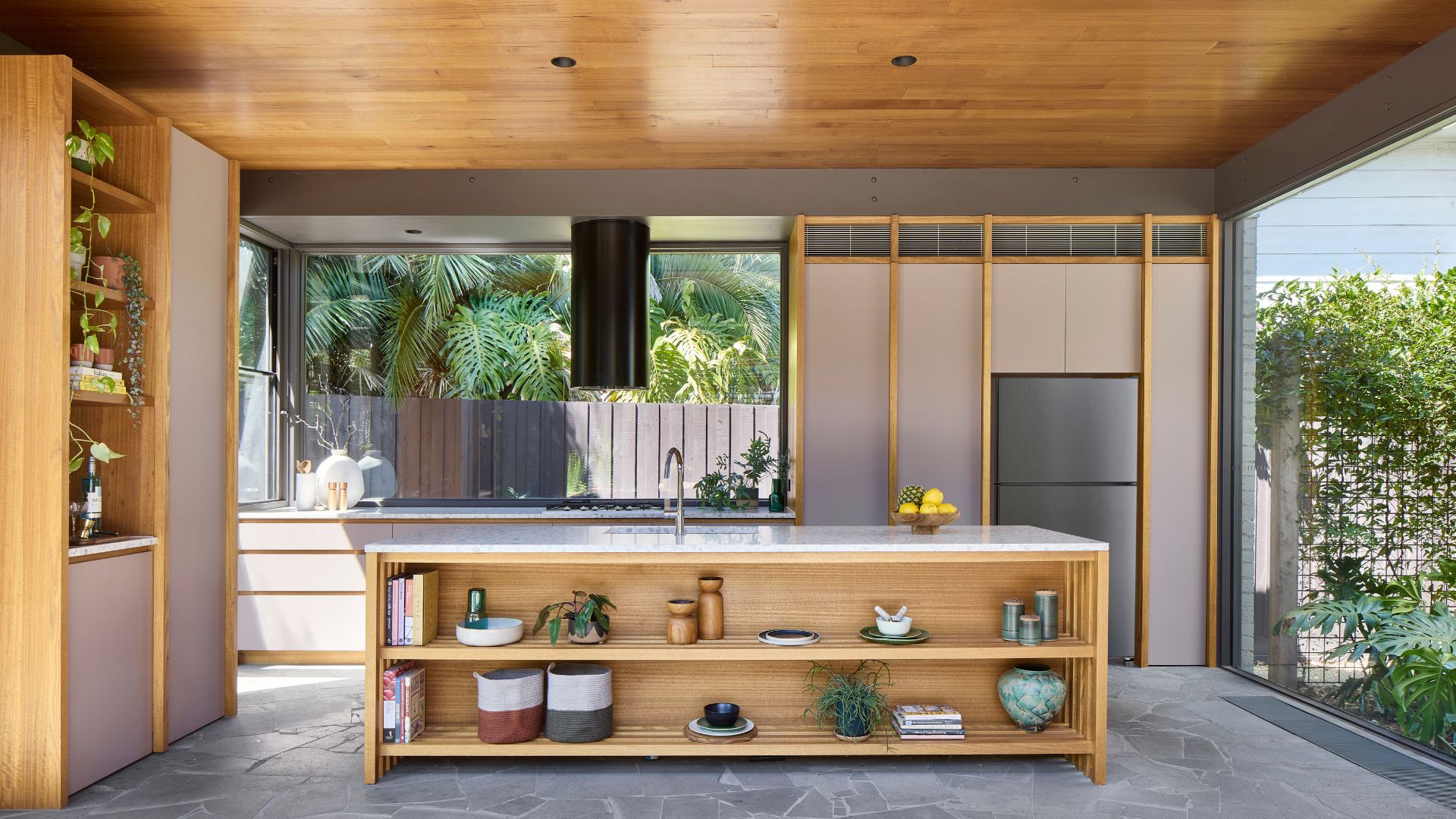
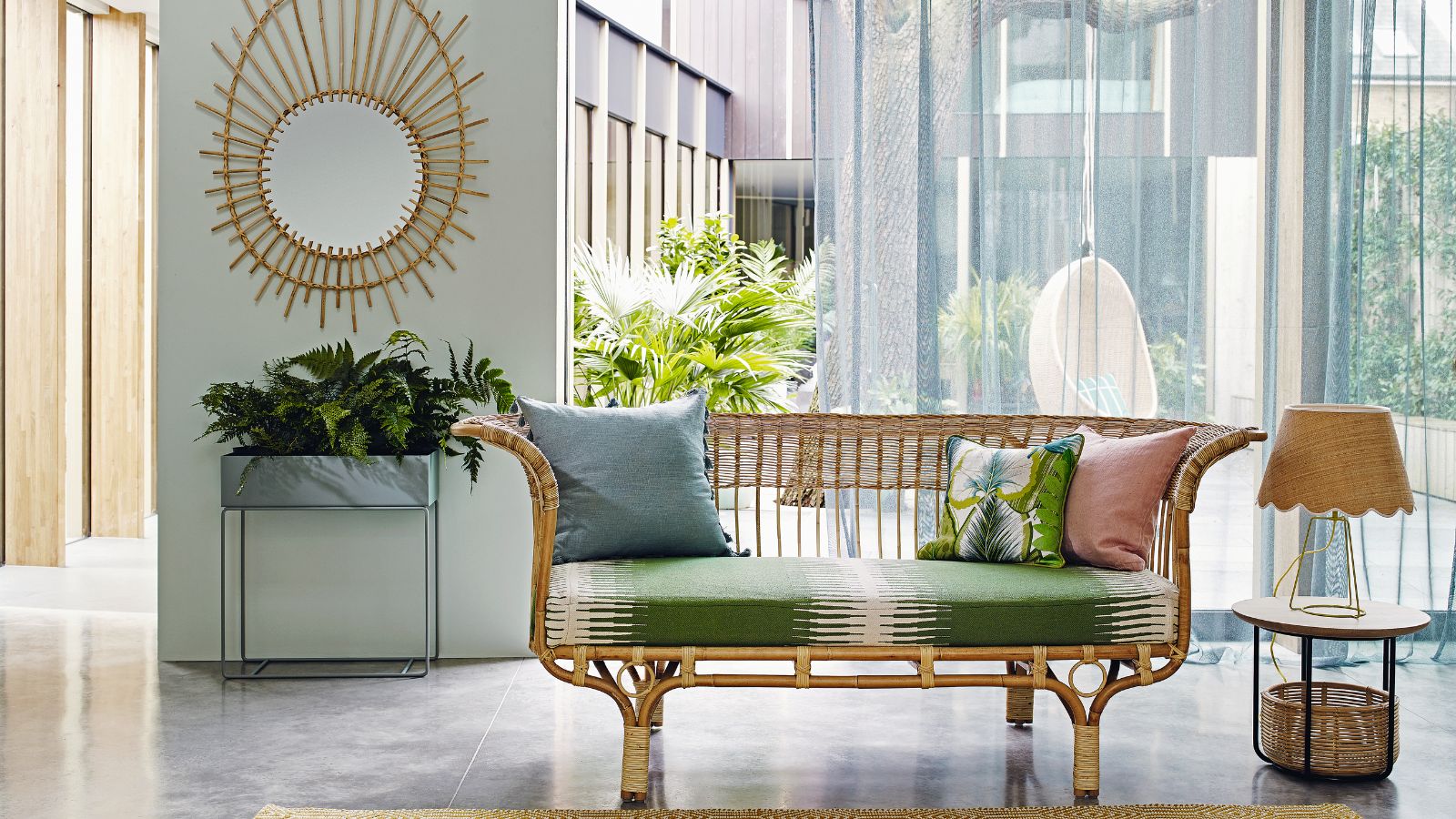
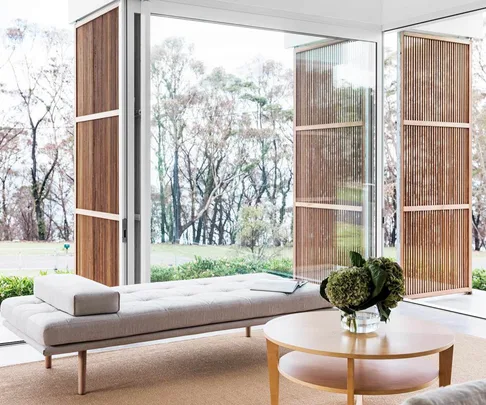
Professional organizer Meaghan Kessman defines biophilic decluttering as simplifying a space while introducing natural elements to promote calmness and grounding. This involves minimizing visual clutter and integrating decorative accents made from natural materials like wood, along with lush houseplants and abundant natural light. The biophilic design philosophy, which has seen a surge in popularity, is now extending into home organization, emphasizing the importance of natural aesthetics and sustainability in interior spaces.
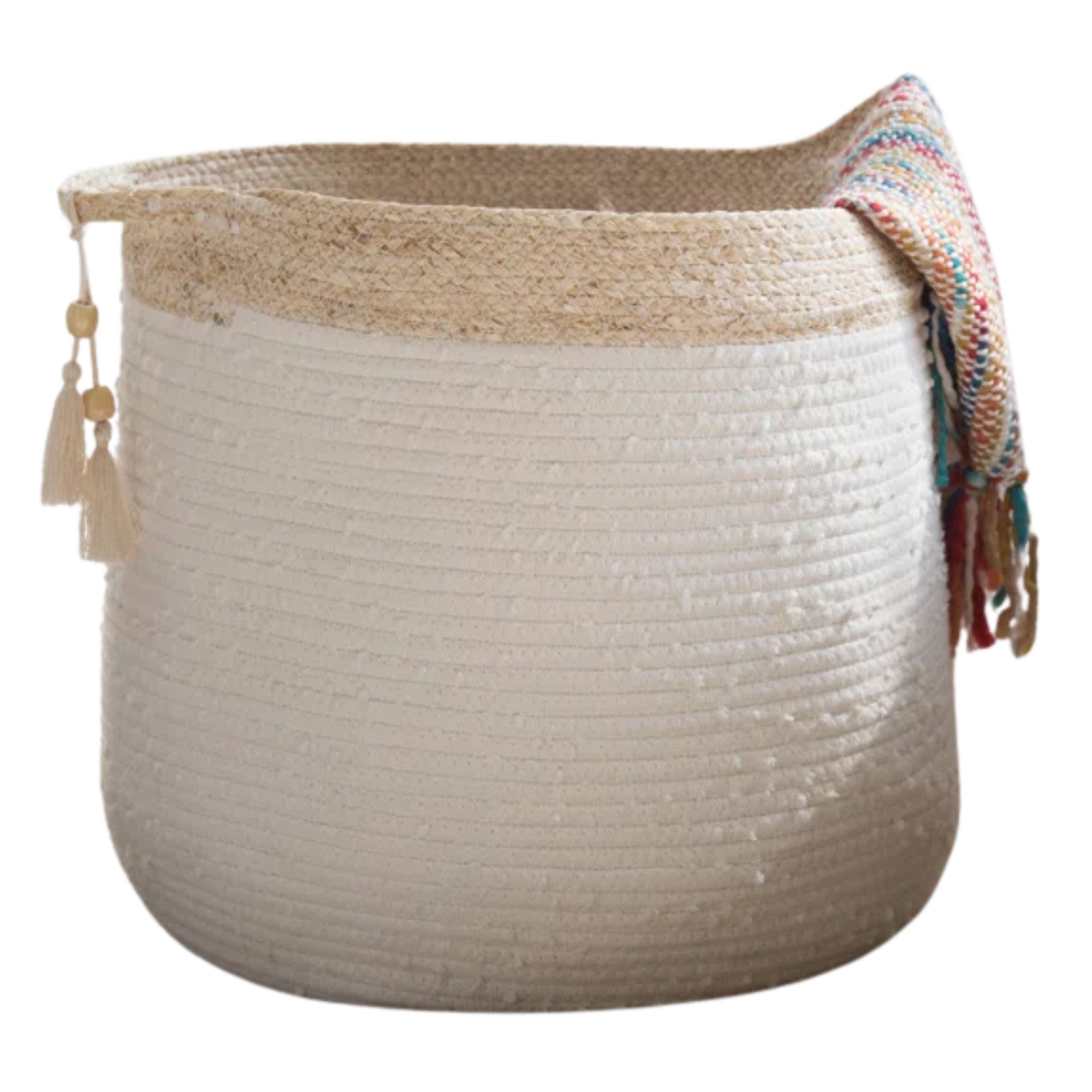
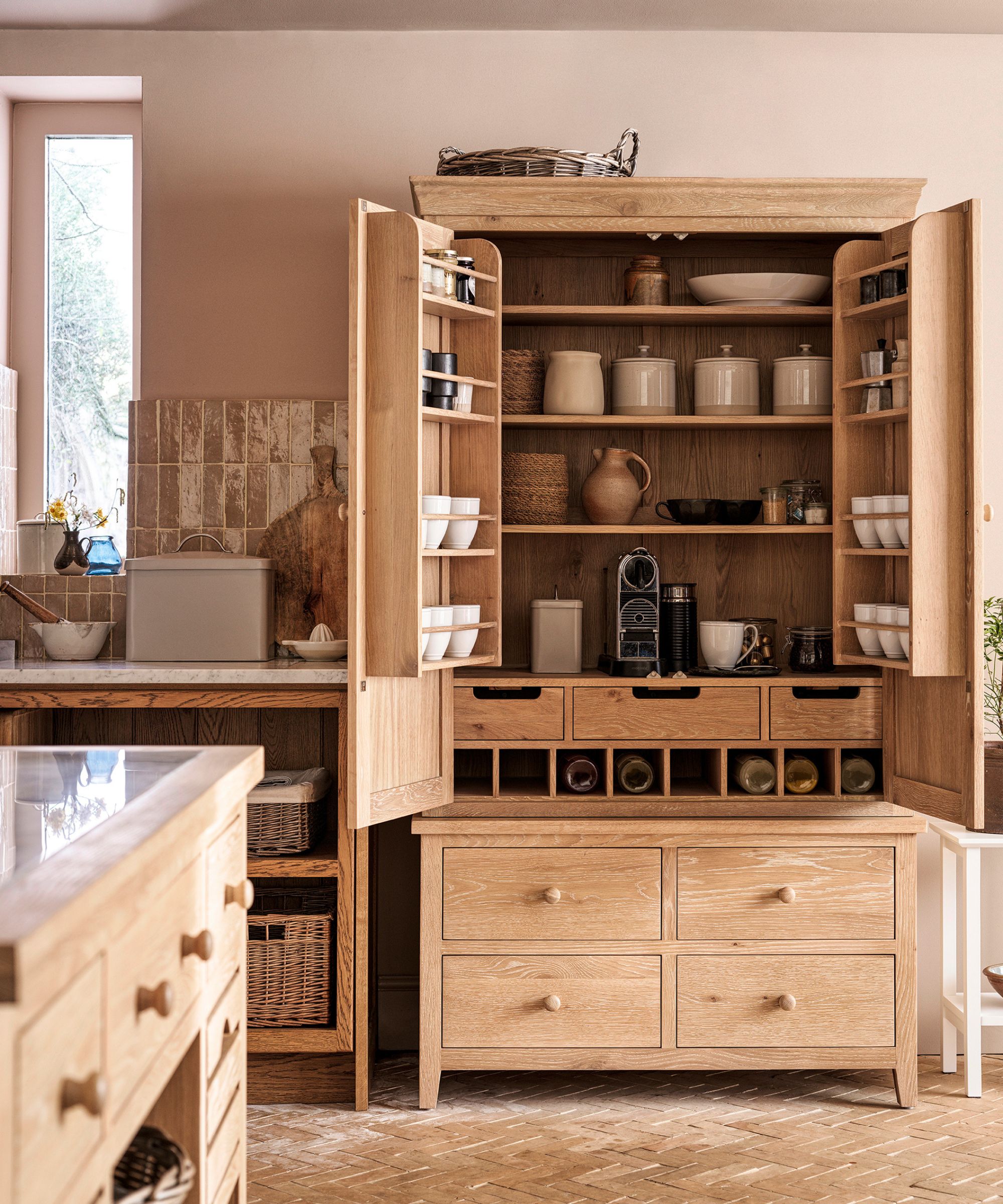
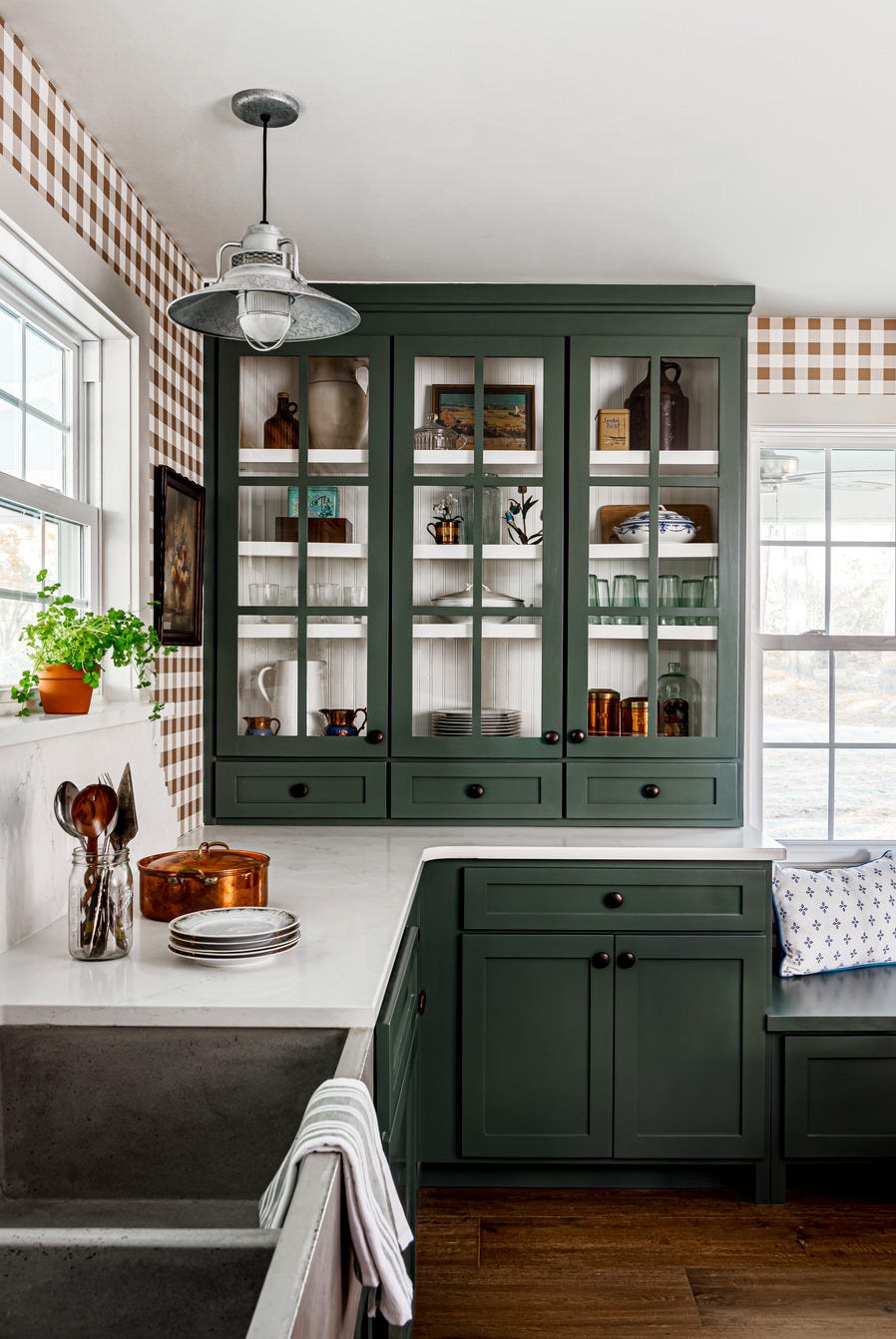
Andrea Lewis, founder of The Organised Curator, further elaborates on biophilic decluttering, highlighting the process of bringing the outdoors in through natural color palettes, plants, and storage solutions crafted from natural materials. She notes that in a society increasingly encouraged to spend time outdoors for mental well-being, it is natural for individuals to invest in their homes using nature-inspired materials. This trend offers an alternative to traditional decluttering and minimalism, which can sometimes feel overly restrictive, by allowing for the reintroduction of decorative elements that add character and charm to a space.
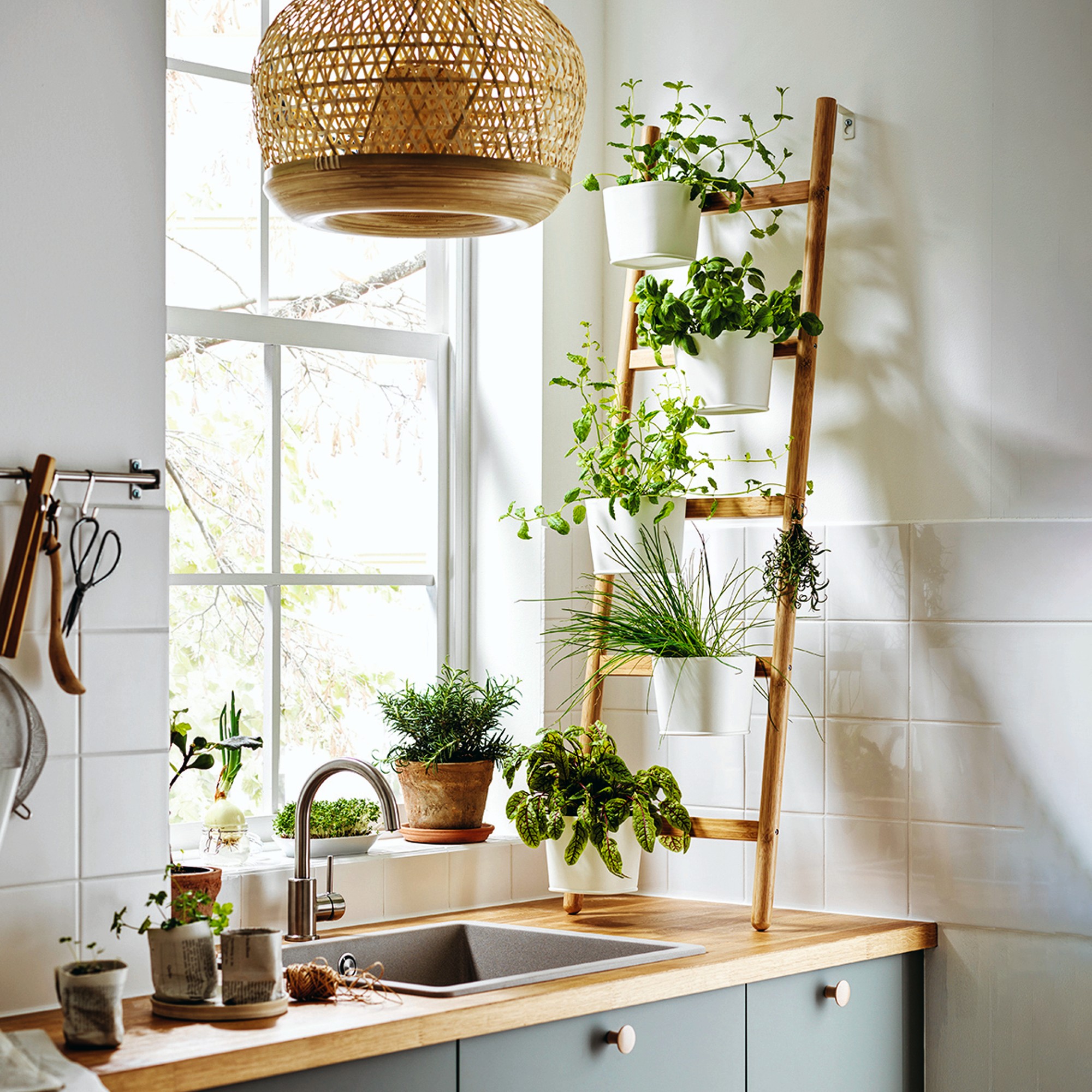
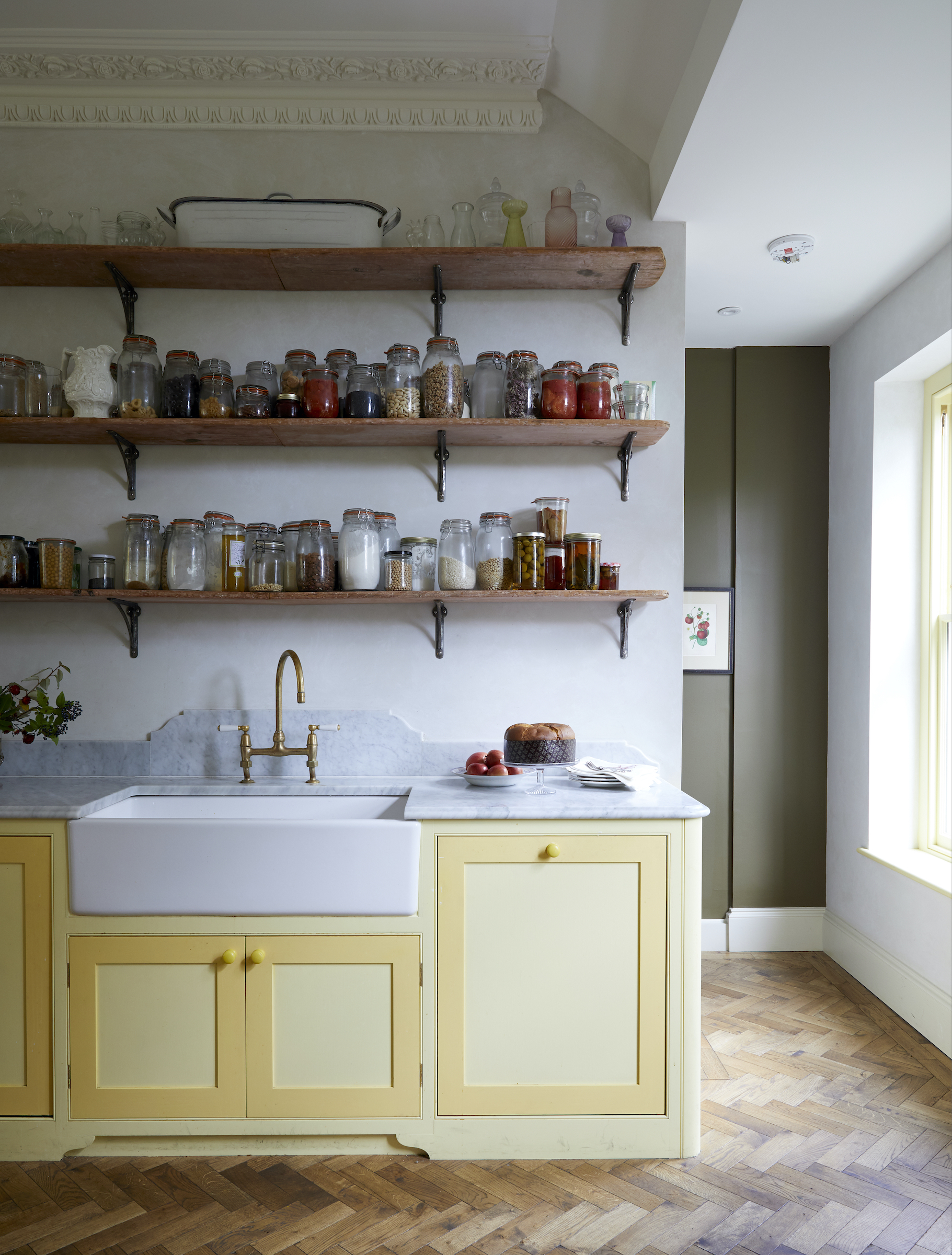
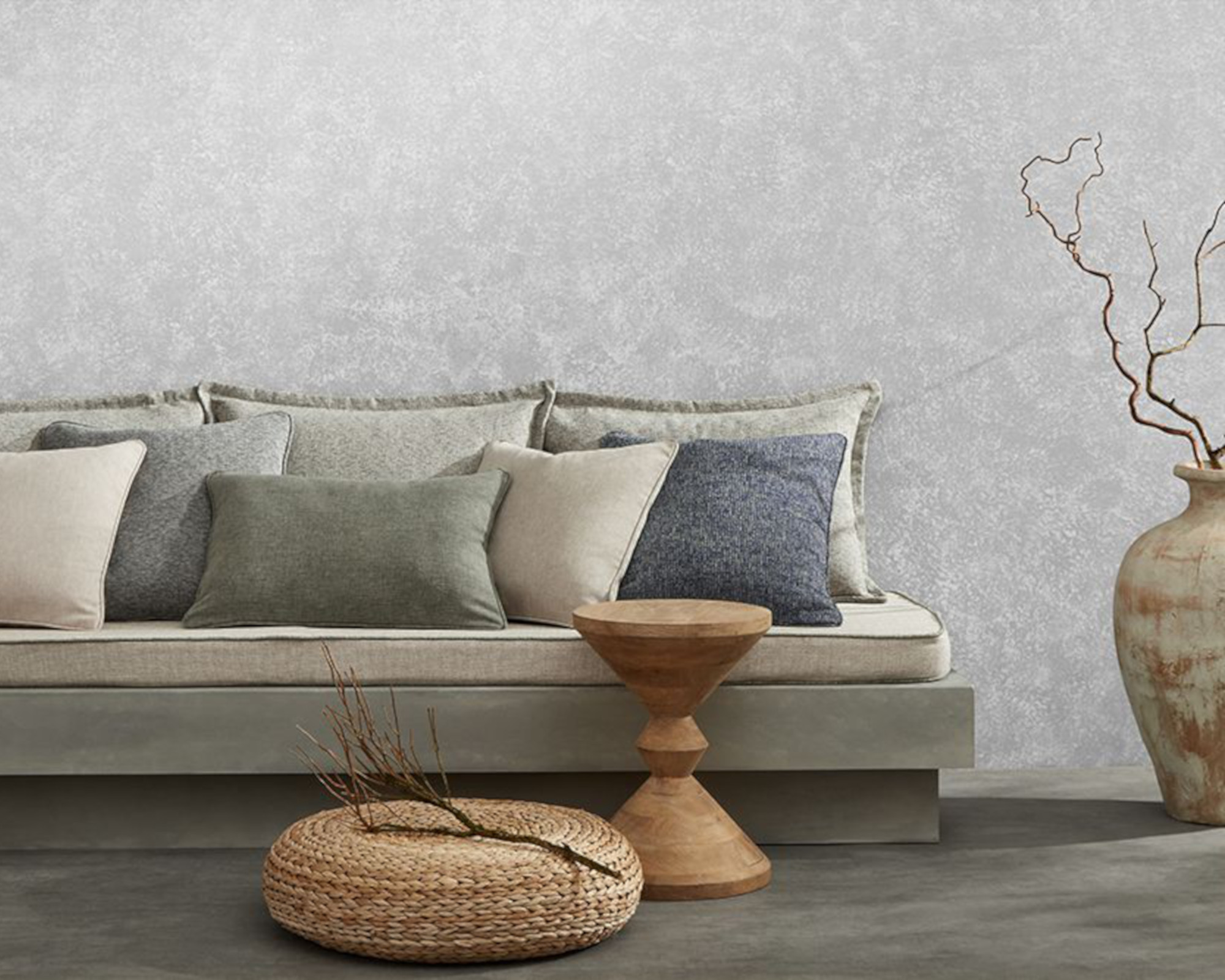
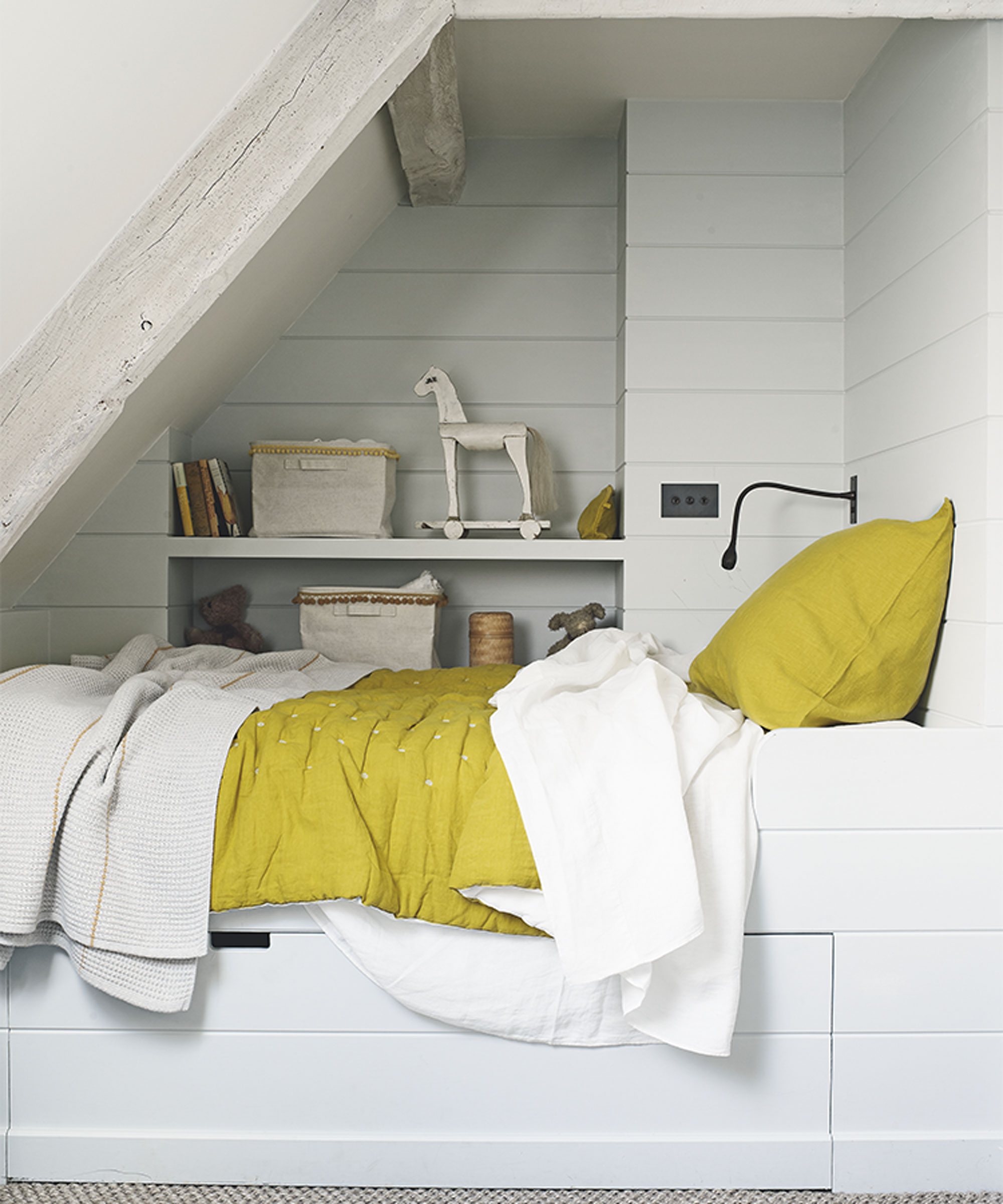
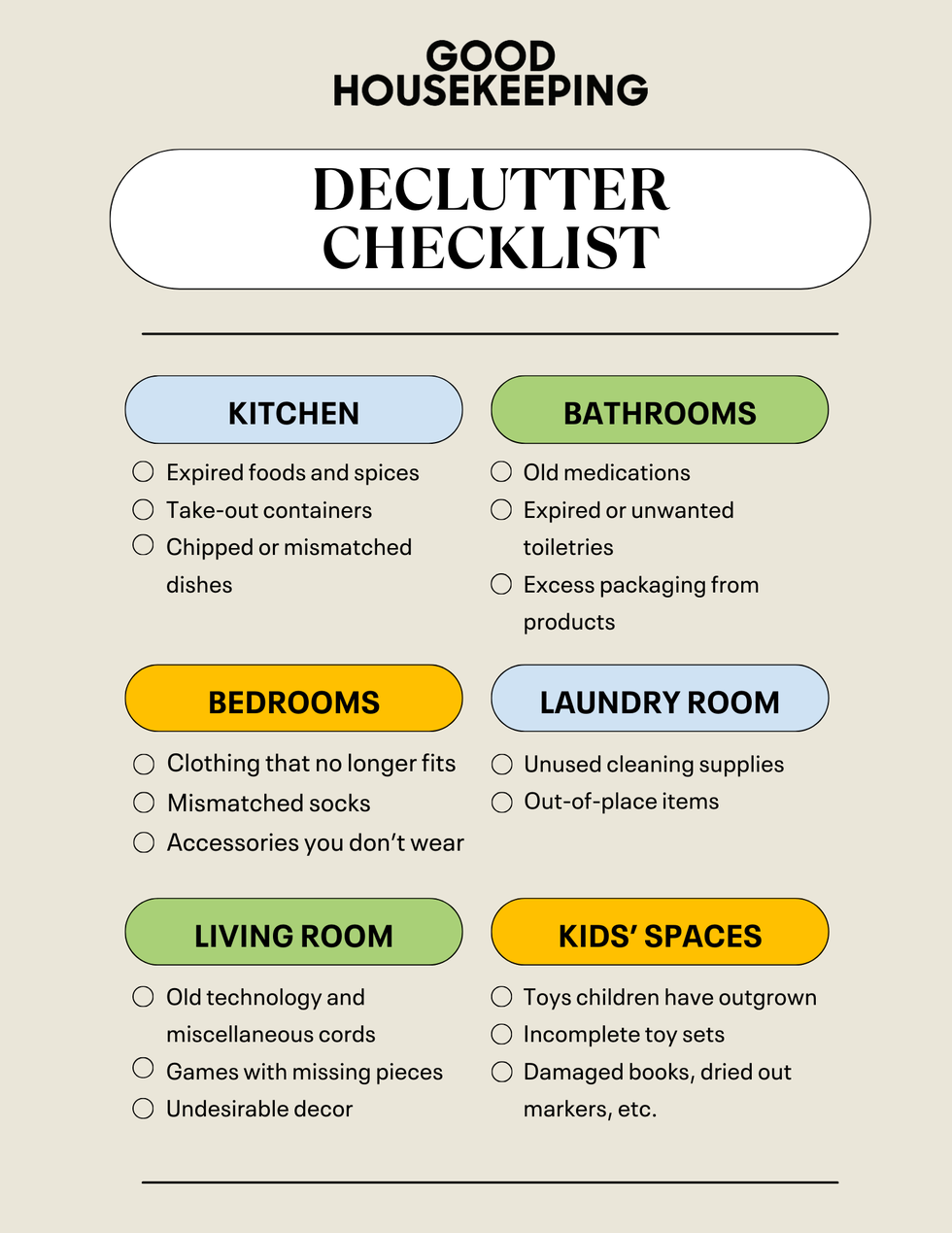
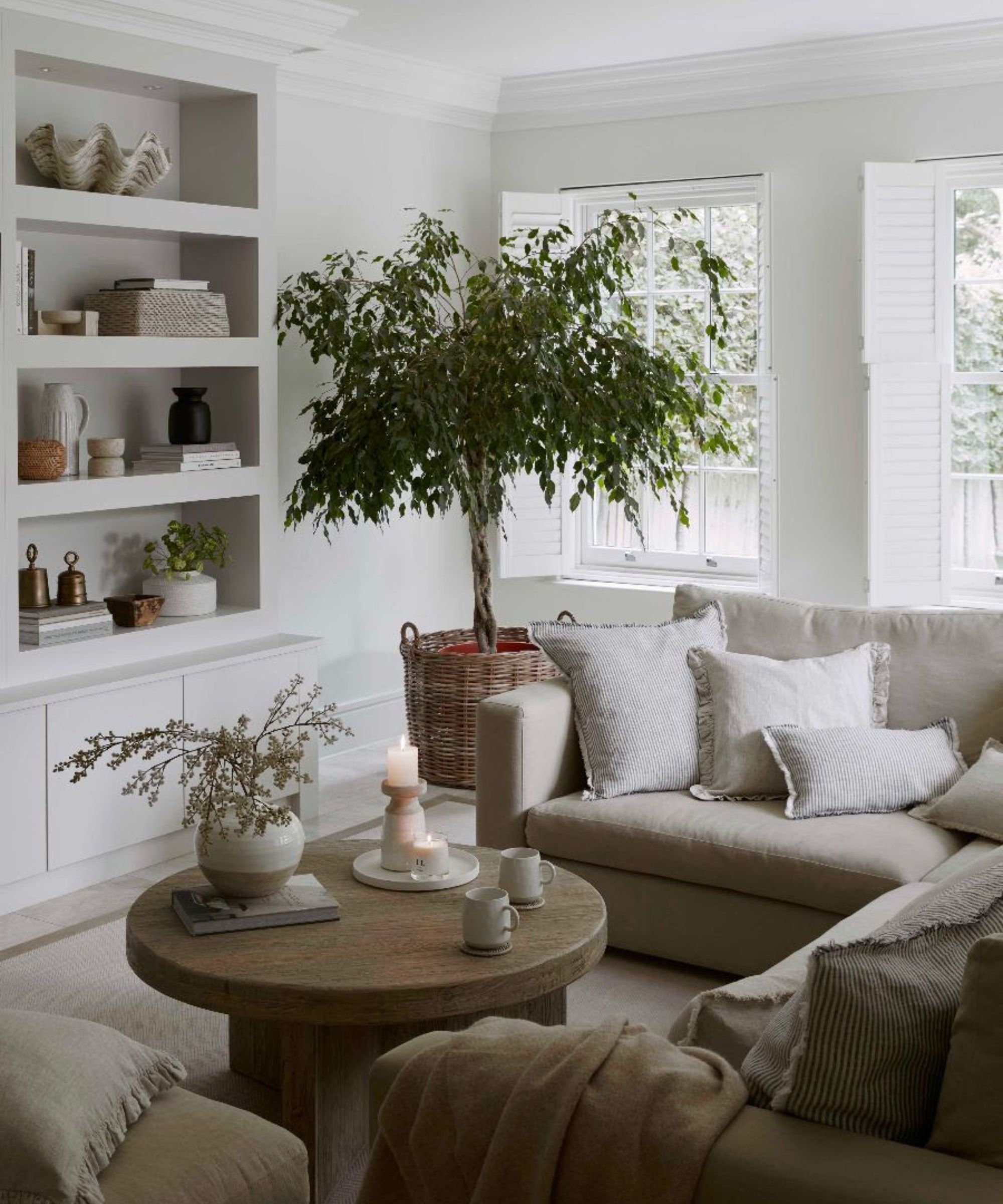
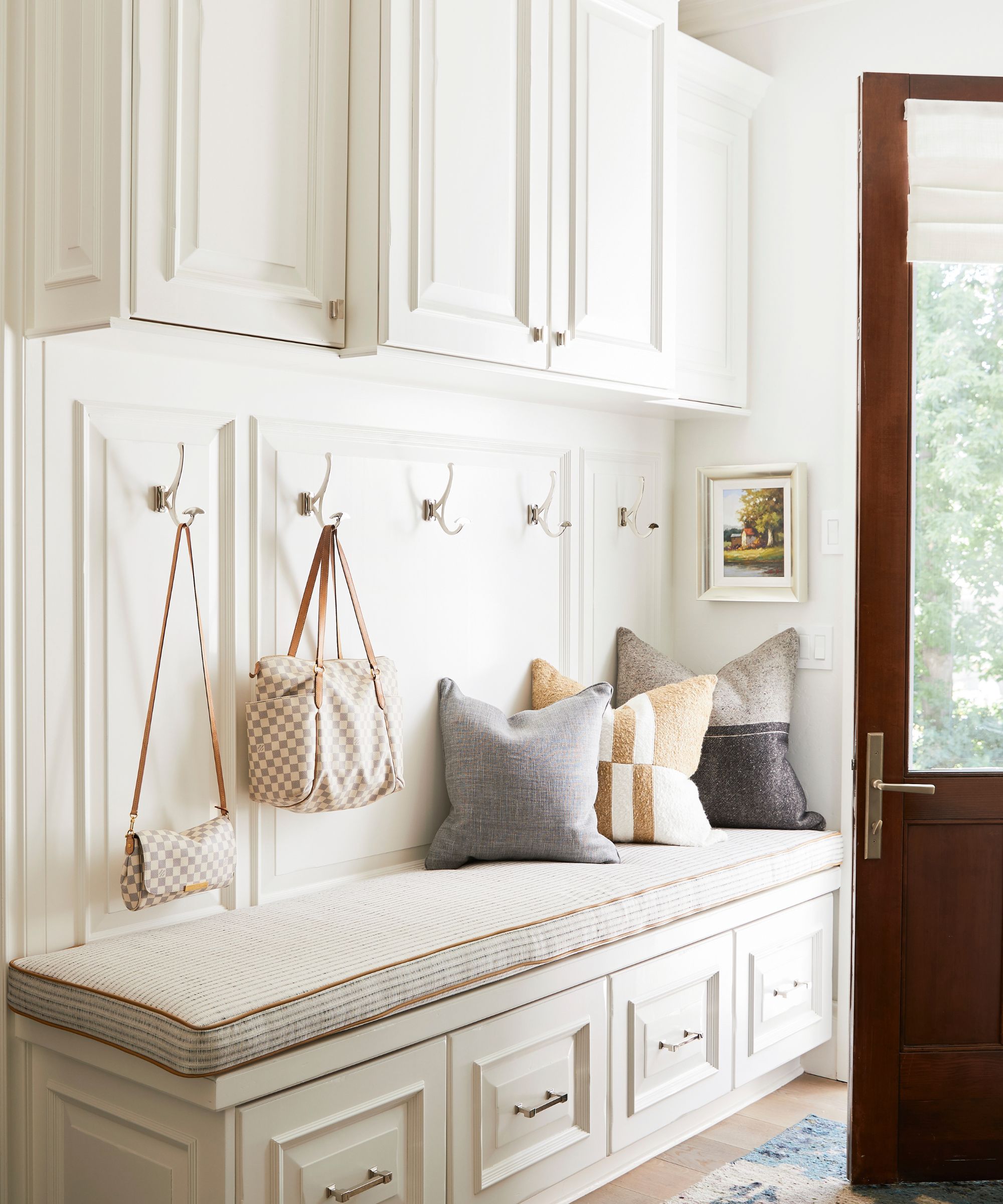
Practicing biophilic decluttering at home is described as both easy and highly rewarding. The process begins with clearing surfaces, paring down possessions, and being deliberate about what items are kept on display. Following this reduction of clutter, natural textures such as wooden bowls, various plants, and soft linen textiles are introduced. The goal is to create visual and mental space, promoting a sense of calm and openness within the home environment. This technique is beneficial for individuals seeking decluttering products to enhance storage or decorative ornaments to fill newly created empty spaces.
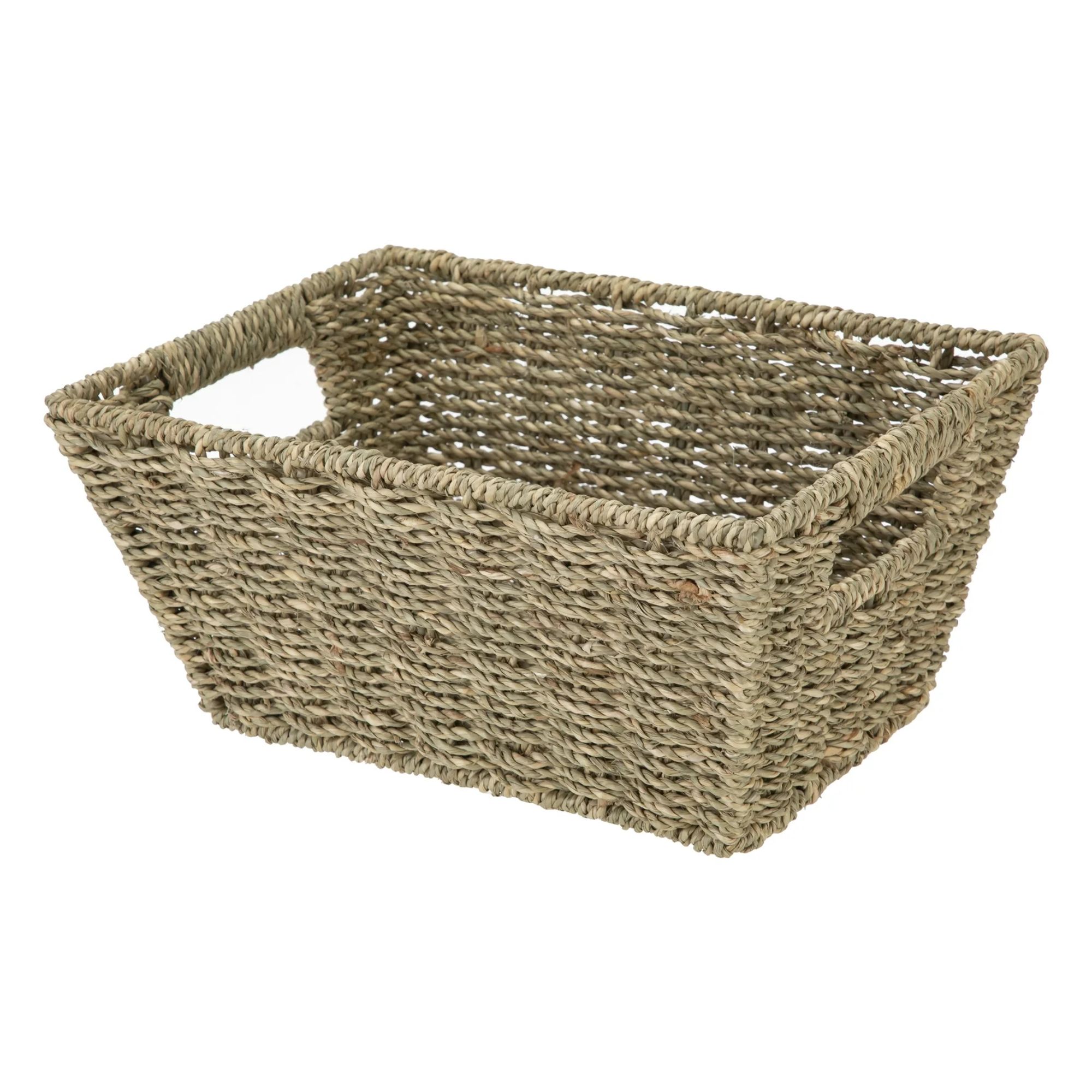
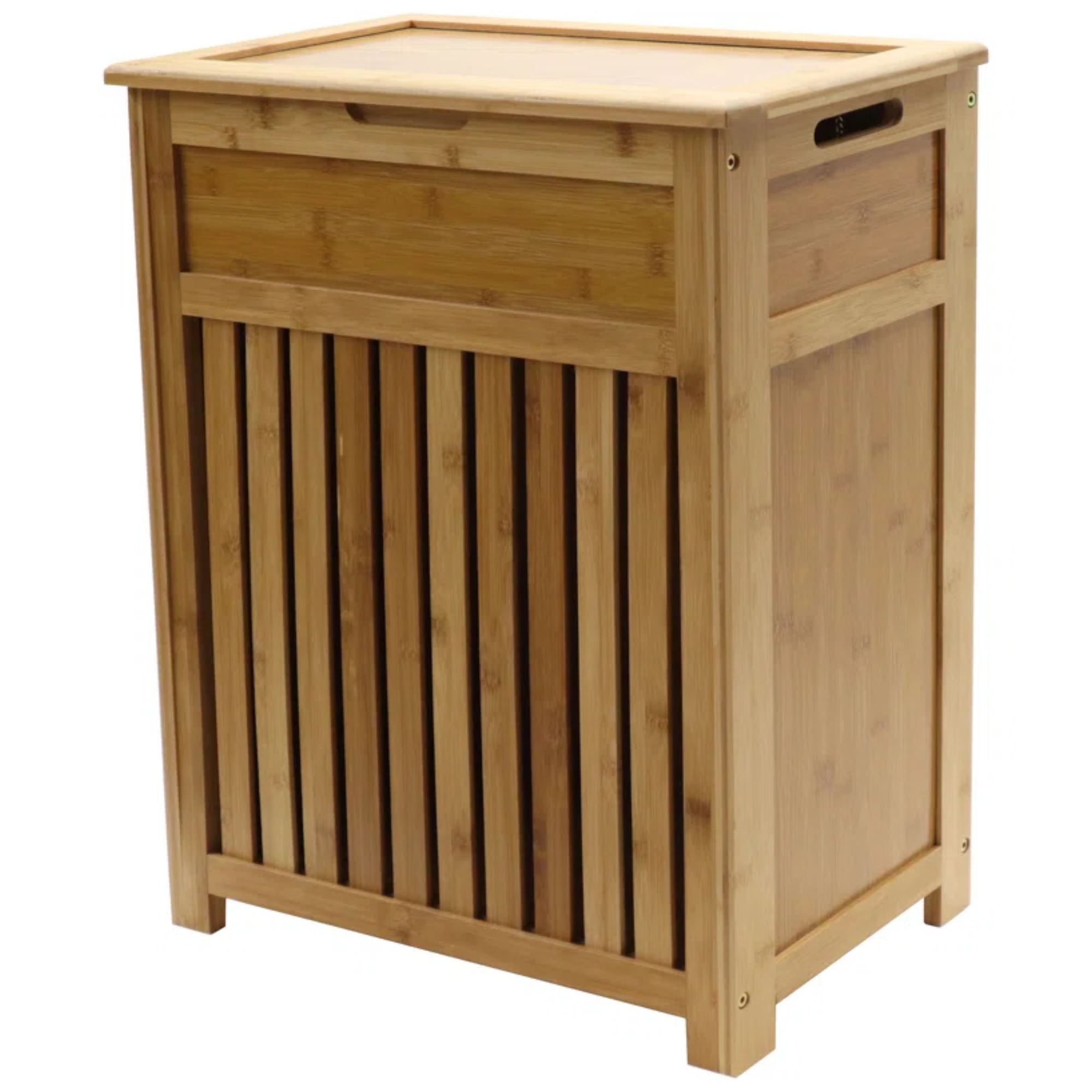
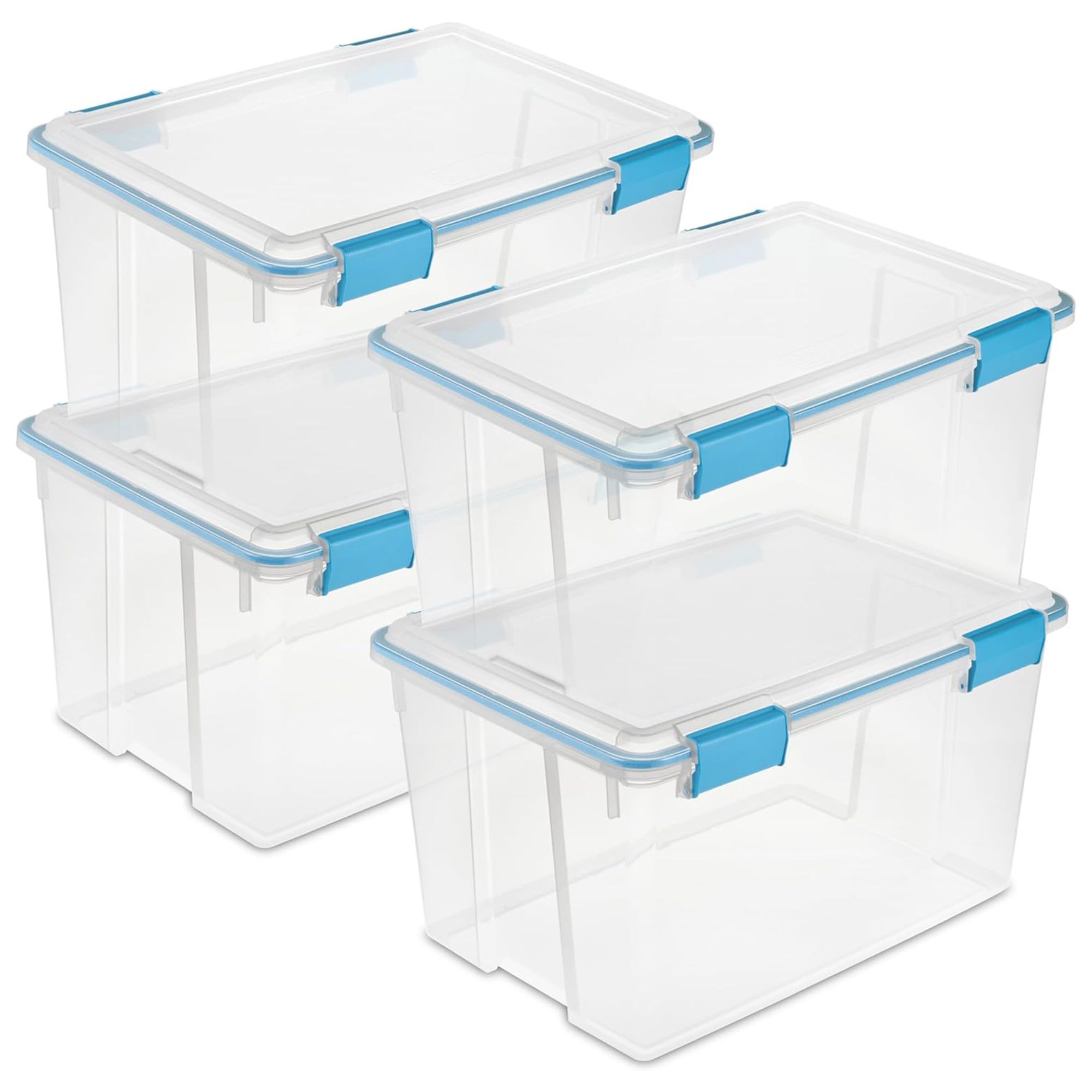
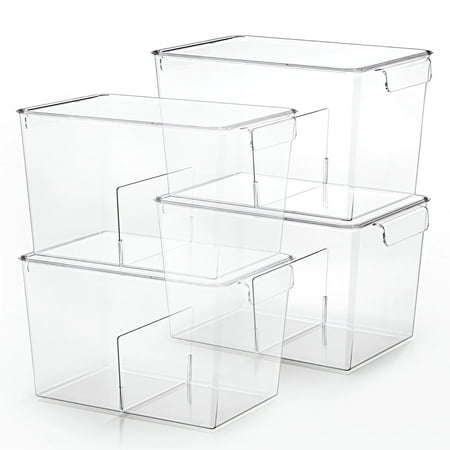
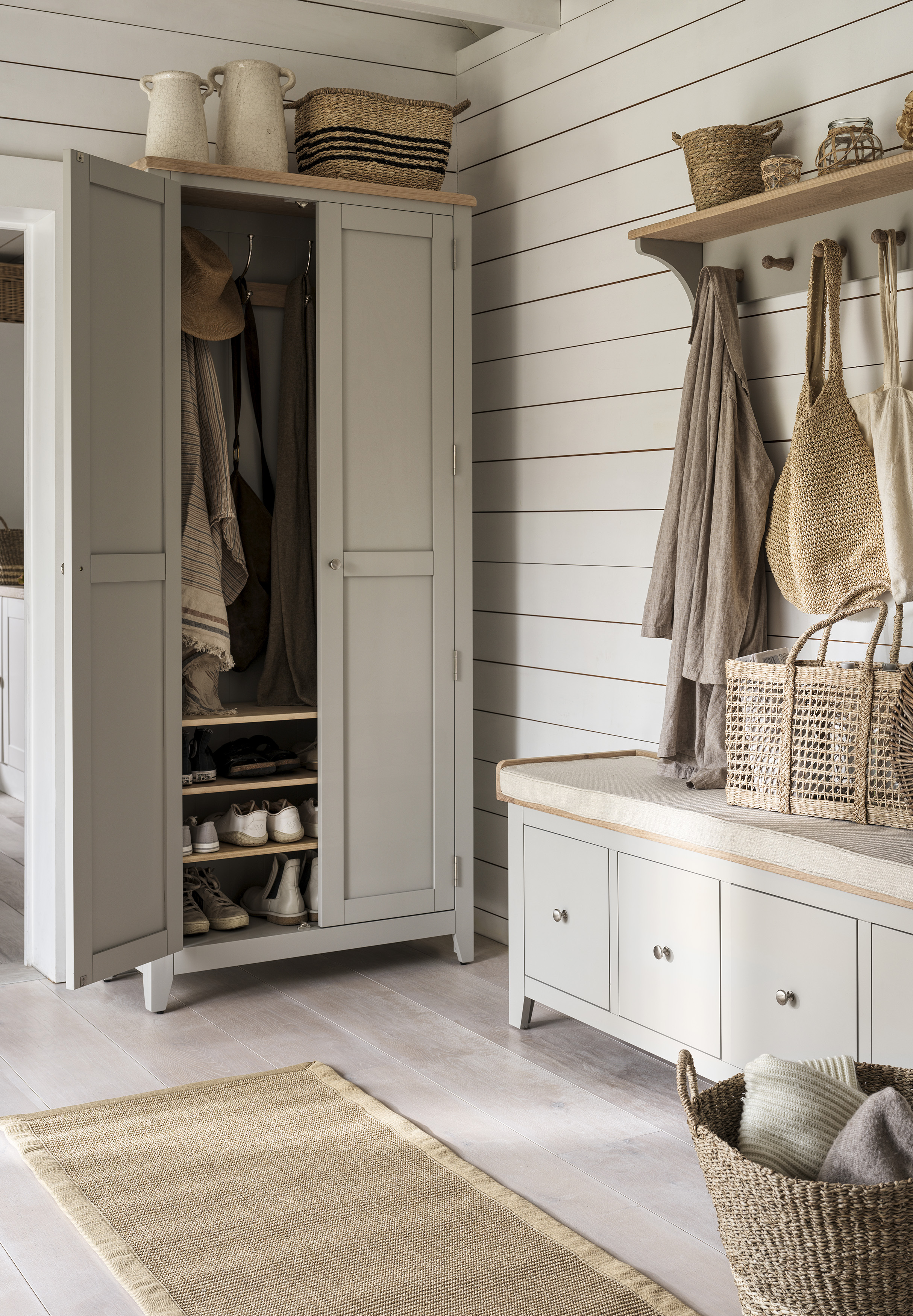
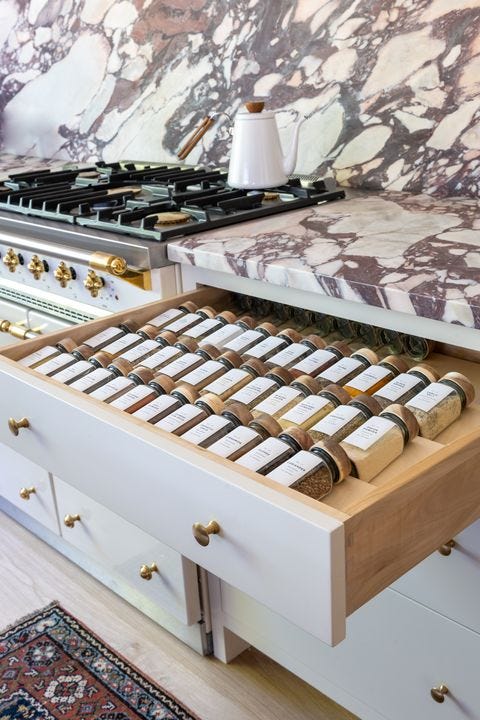
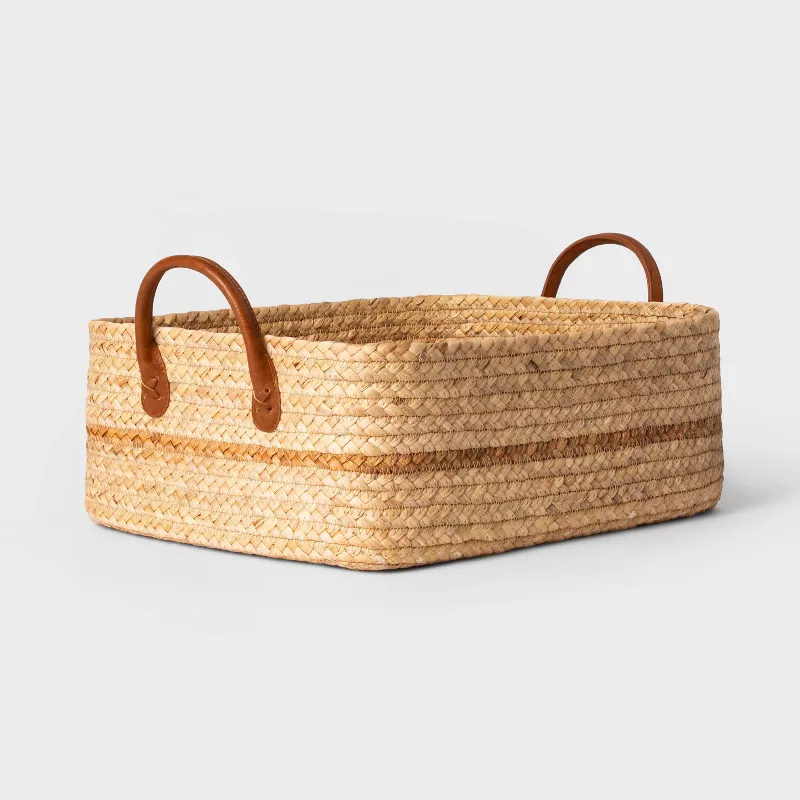
Lewis also points out the availability of numerous beautiful storage alternatives made from natural materials, such as straw, bamboo, and seagrass, which can replace plastic boxes. Biophilic decluttering encourages this swap to strengthen the connection with nature. By prioritizing natural materials and neutral color palettes, the practice encourages individuals to release unnecessary items that no longer serve a purpose, contributing to a more tranquil and purposeful home. This trend is not considered a fleeting fad due to its multi-faceted benefits: reducing clutter, fostering a cozy and rooted interior, and promoting a more sustainable lifestyle.
#BiophilicDecluttering #HomeOrganization #NaturalElements #SustainableLiving #InteriorDesign #DeclutteringTips #HomeWellness #EcoFriendlyHome #BiophilicDecluttering #HomeOrganization #NaturalElements #SustainableLiving #InteriorDesign #DeclutteringTips #HomeWellness #EcoFriendlyHome
0 ความคิดเห็นรวม
 ยังไม่มีความคิดเห็น
คุณอาจจะชอบอีกด้วย
What is biophilic decluttering? This 'return to nature mandate' will transform chaos to calm at home

7 DIY projects that will elevate your home
5 things people with clean home storage always do to protect belongings, curb hidden mold, and prevent pests
12 things to get rid of in your home, from an interior designer

NASA Is Sending Tide Detergent to Space—Here’s How It’s Going to Make Laundry Better for the Earth

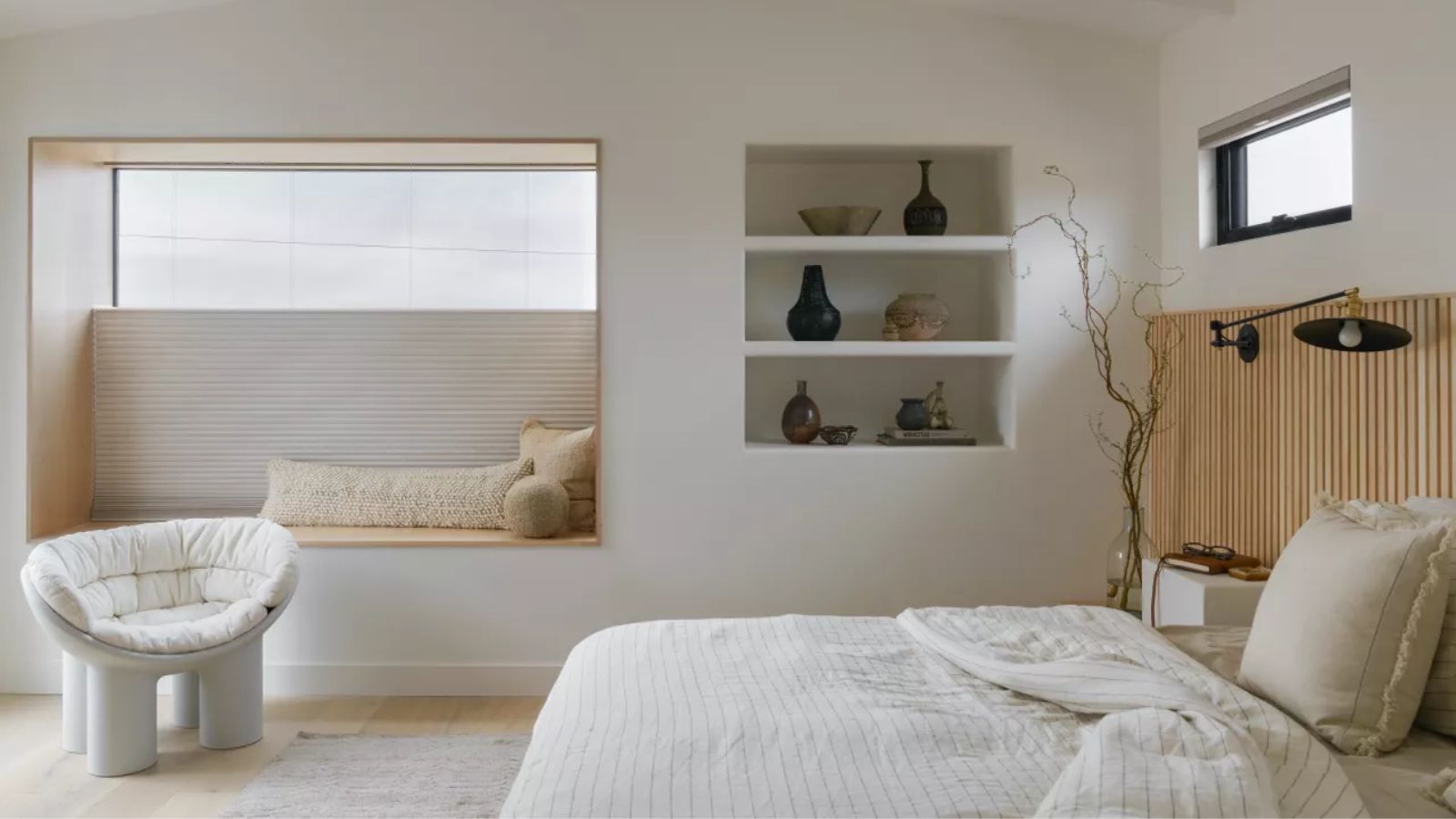
5 surprising storage essentials minimalists avoid – and what they use instead
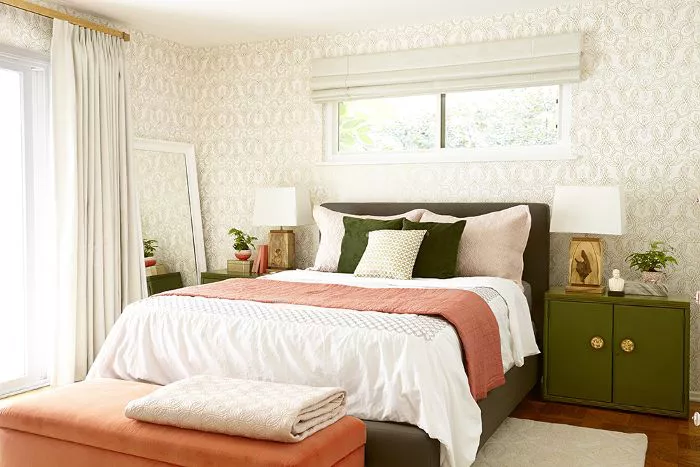
Decluttering Your Bedroom? Don’t Throw Out These 6 Surprising Things, Pros Say

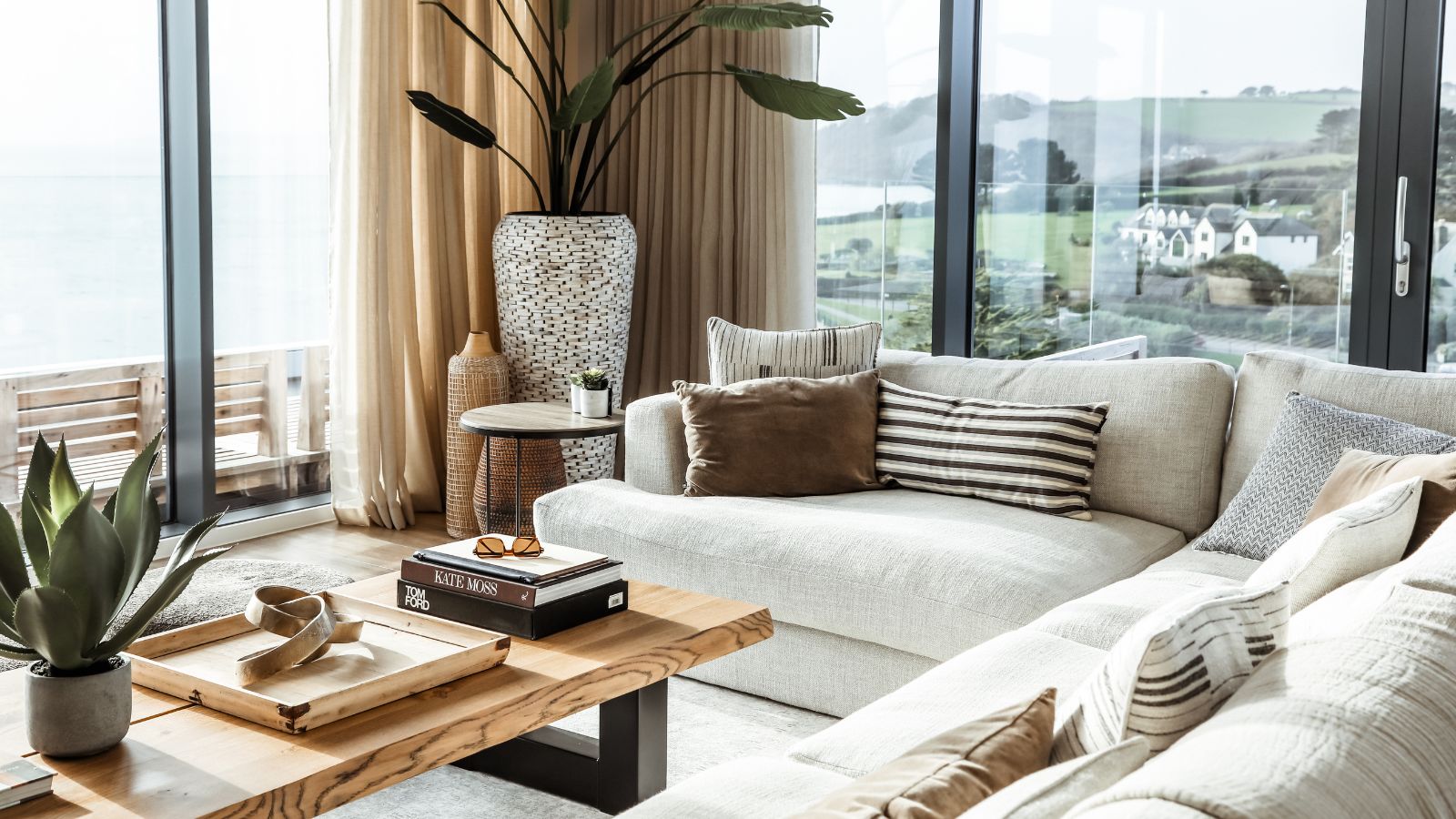
Items to get rid of in your living room – 10 things decluttering experts want to clear out
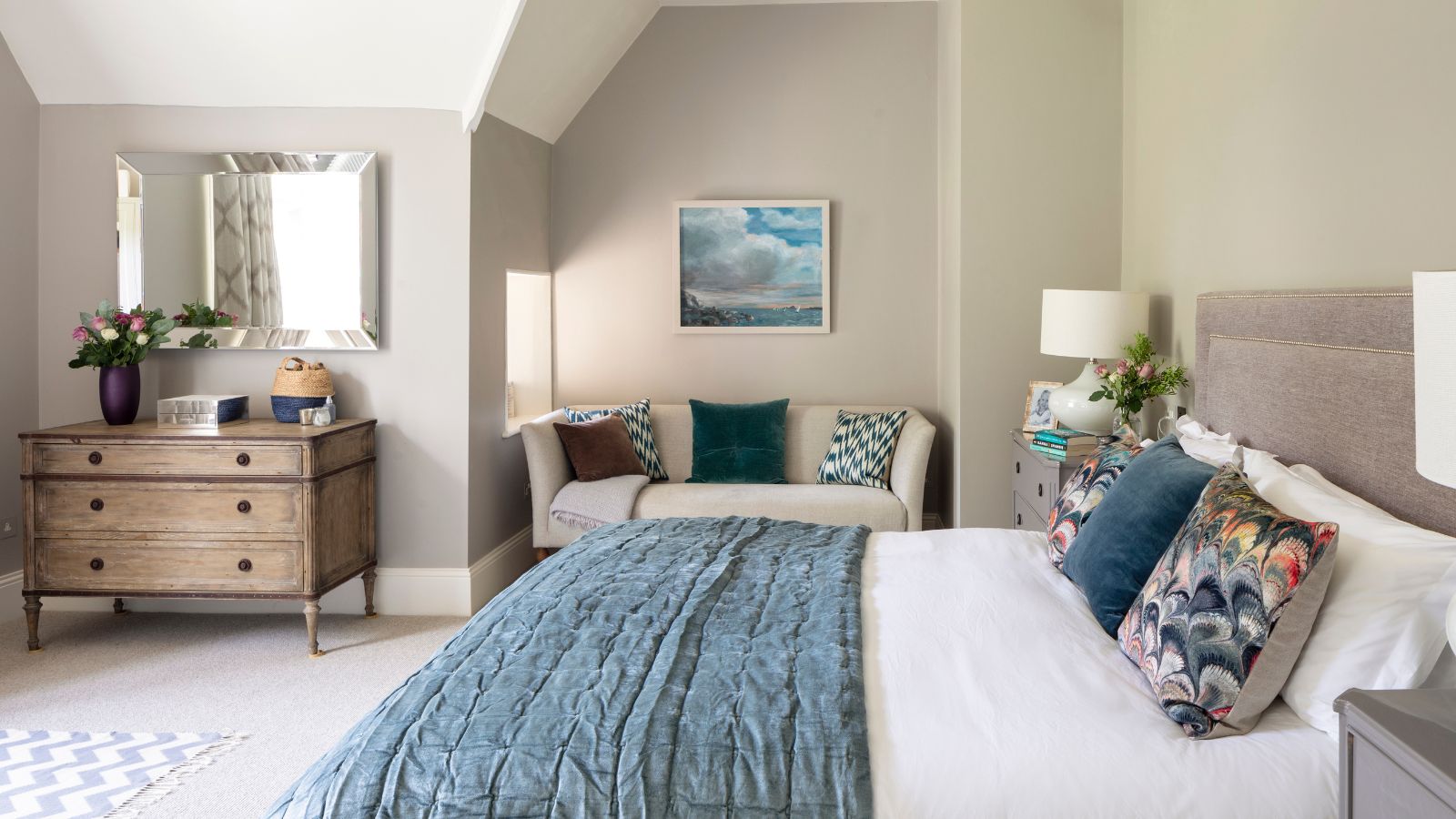
I tried the ‘Would you buy it again’ test in my bedroom
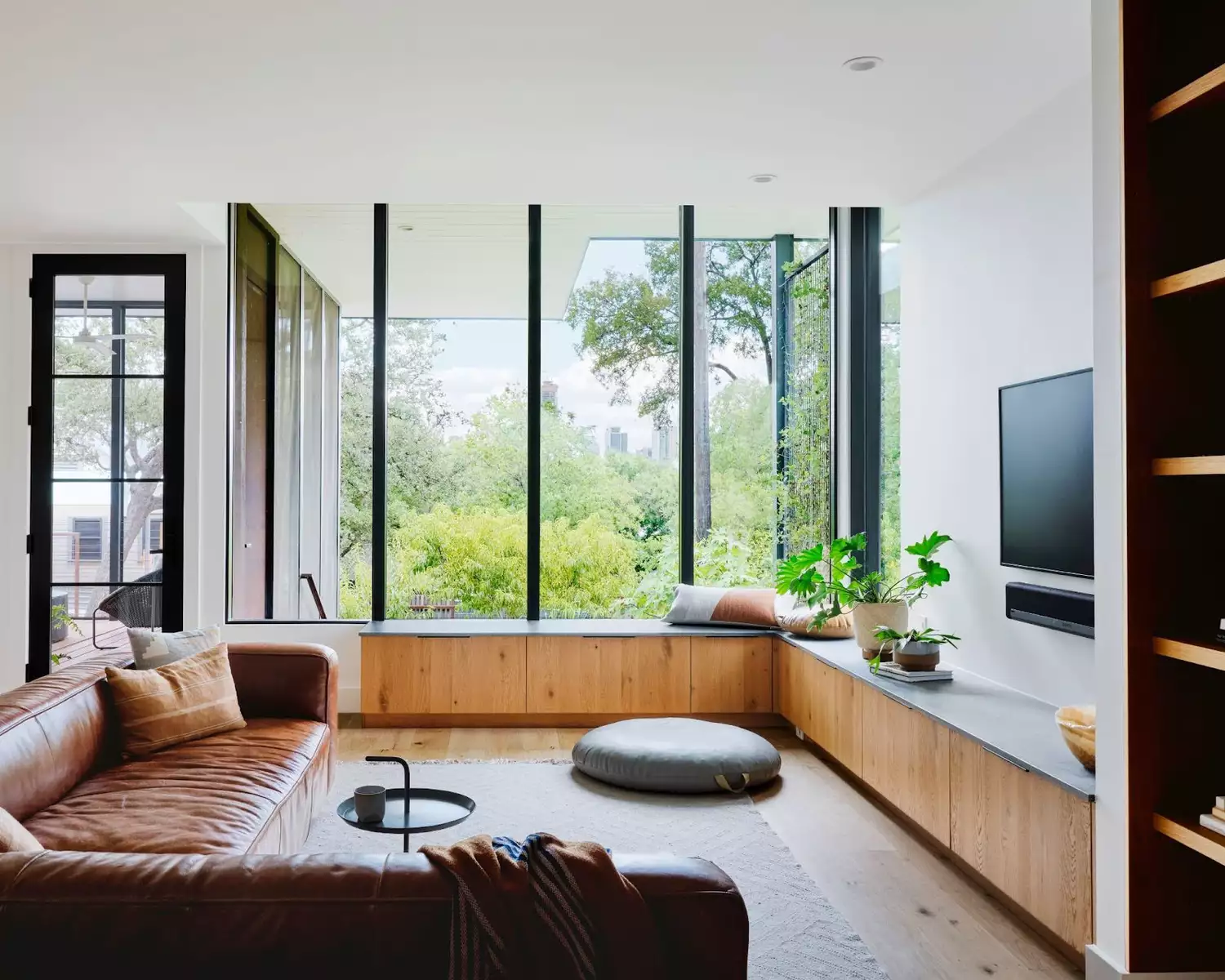
These 10 Biophilic Design Ideas Will Transform Your Home Into a Natural Oasis
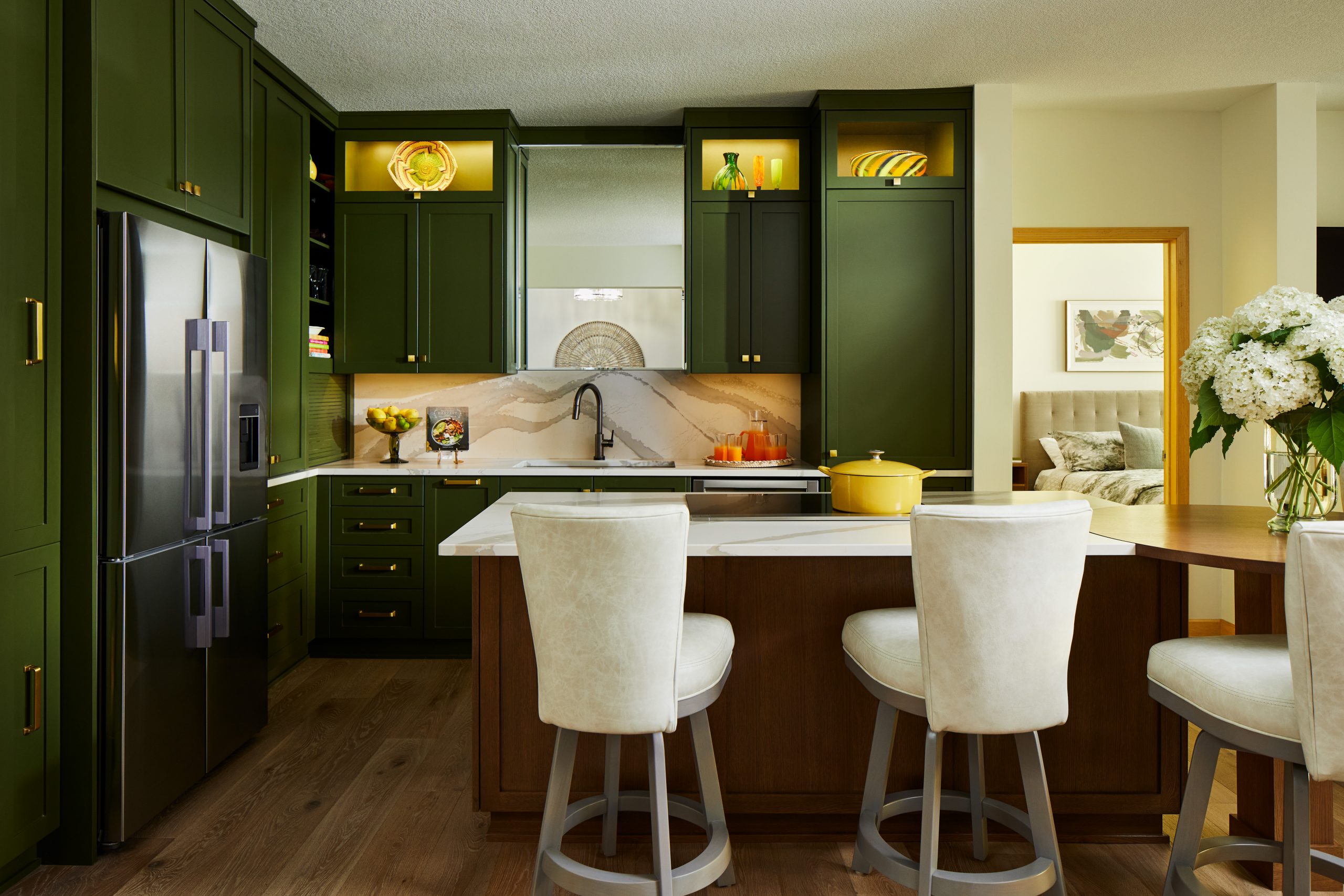
The Best of Biophilic Design: Bringing Nature Indoors

If You're Trying To Hide All Your Junk In Plain Sight, Try These 24 Organization Products
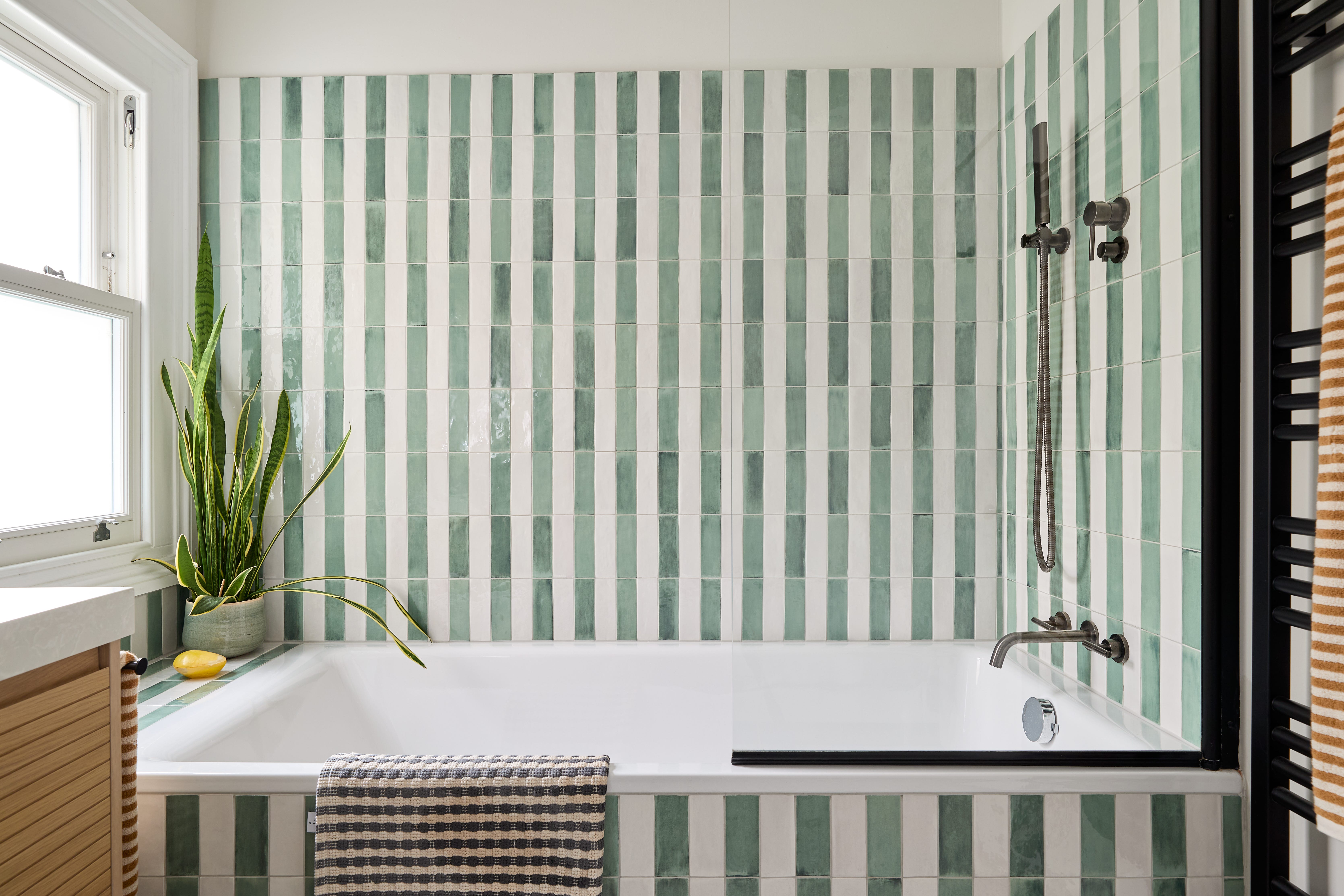
8 ways to freshen up your home through natural biophilic design
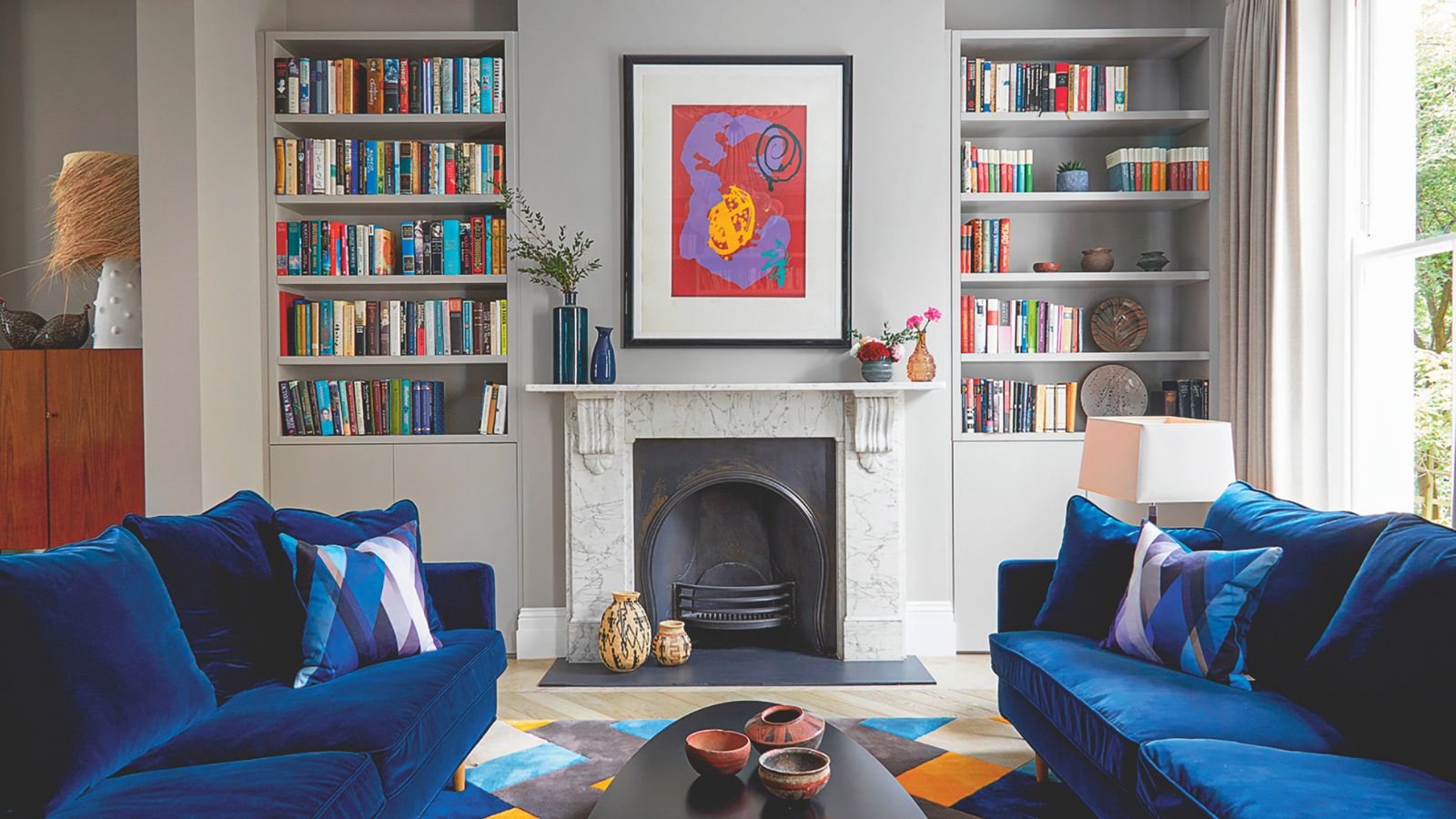
Eco-friendly organizing tips for a more sustainable home

This Is How to Declutter Your Home Without Getting Overwhelmed

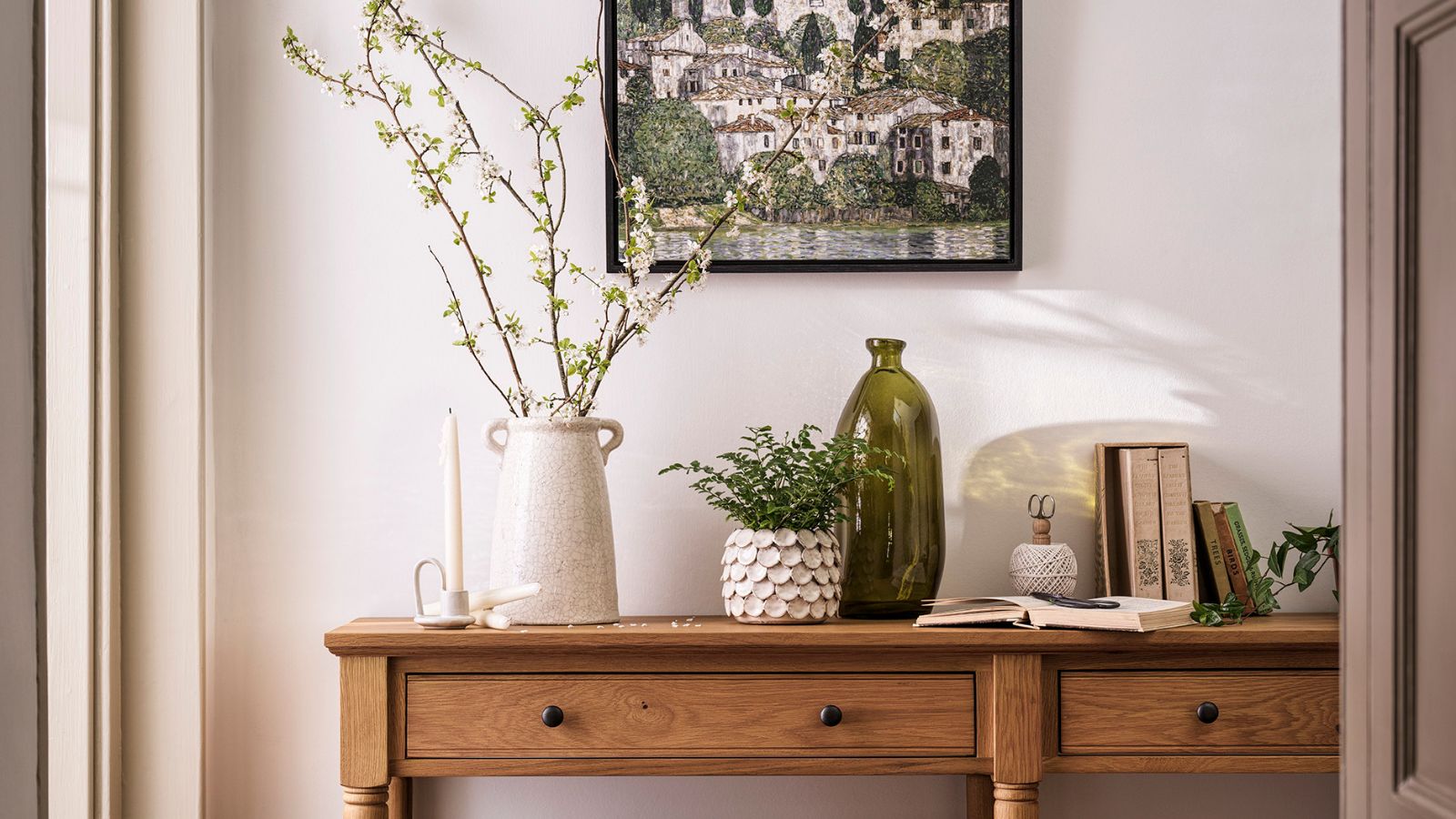
Your house will be less messy, clutter won't spread, and you'll feel less stressed if you tidy 1 vital but tiny area daily – it's why pro organizers prioritize it
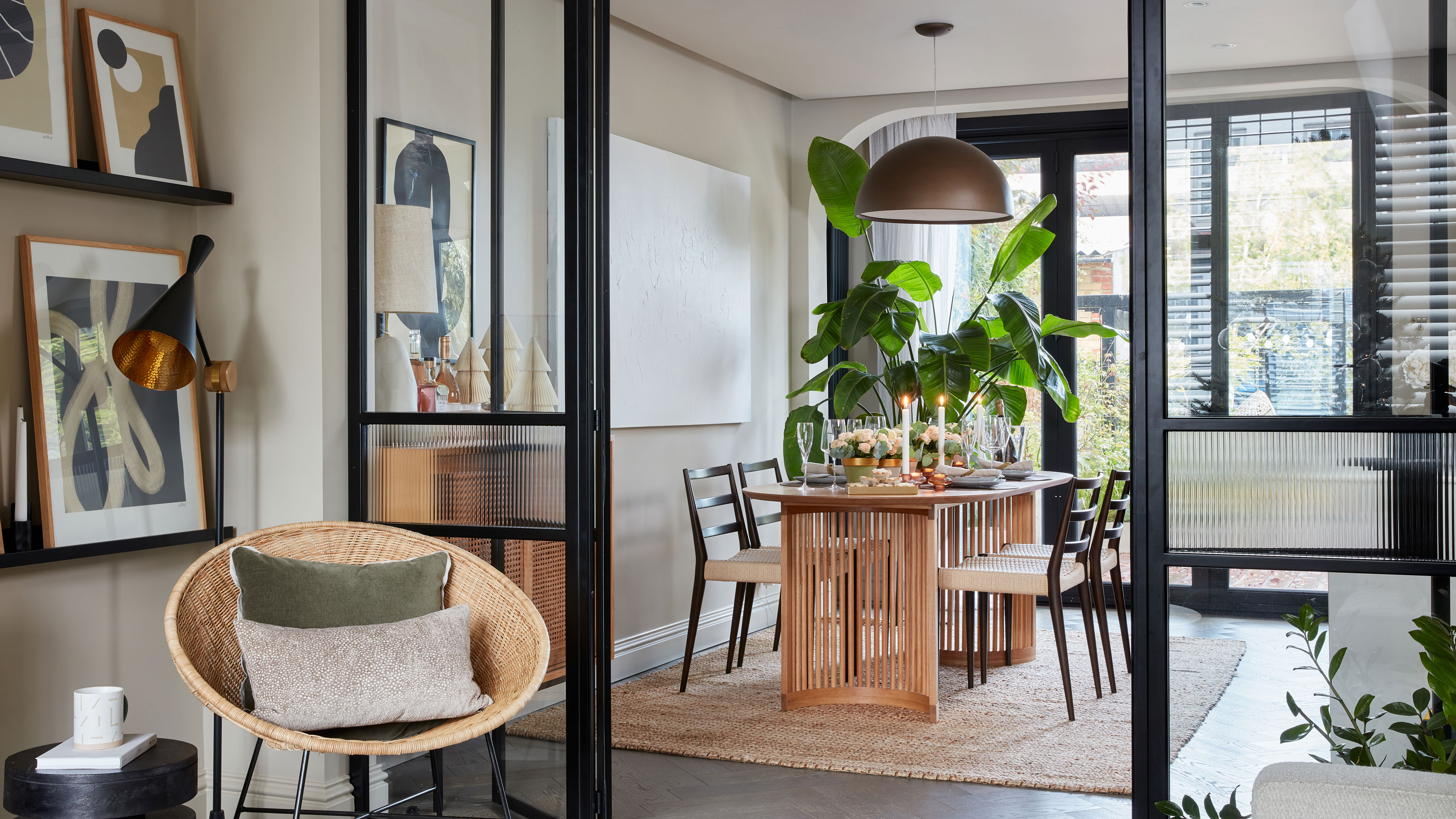
Biophilic design ideas - clever ways to bring nature into your home for a calming space
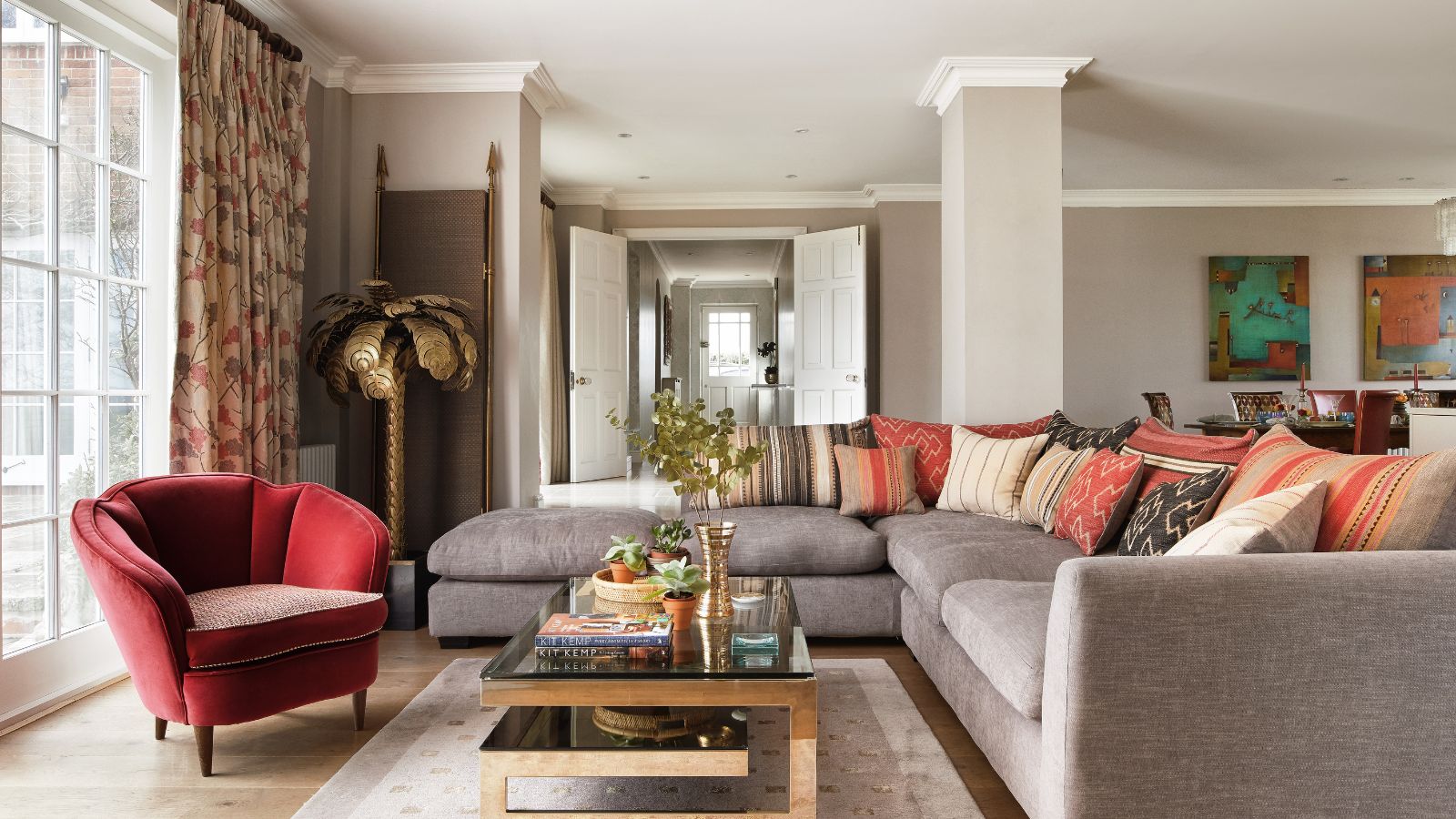
The Floor Decluttering Method is so easy and works
What the heck is biophilic design?

The Art of Letting Go and Keeping Only What You Love