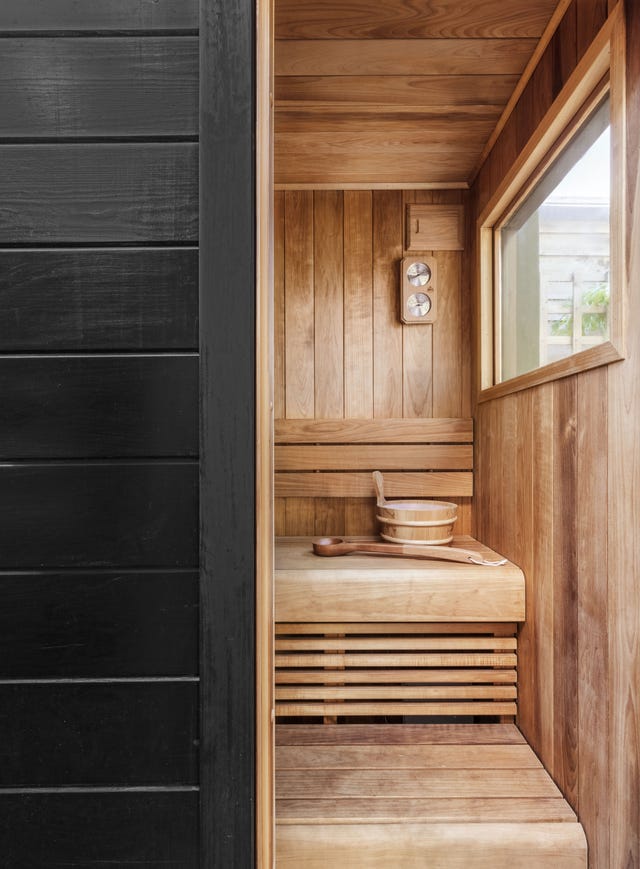
1/10
Are Home Saunas Worth the Investment?
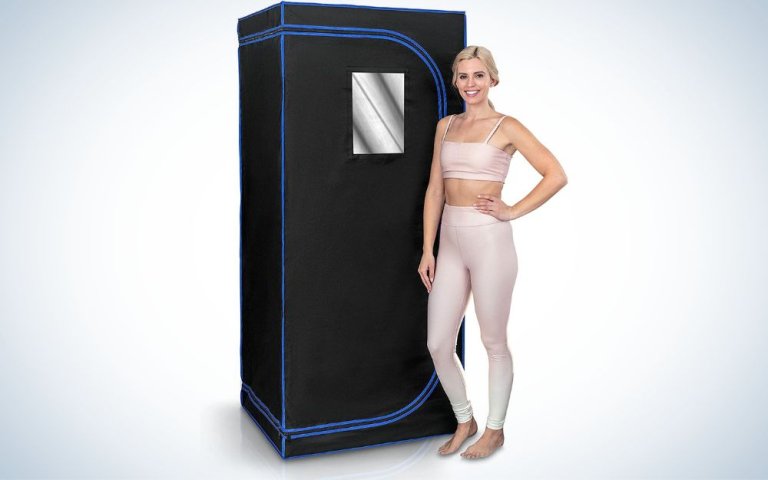
The article explores the increasing popularity and benefits of home saunas, tracing their origins back to the Finns approximately 2,000 years ago. Initially used for bathing and warmth during harsh winters, saunas have evolved with technology and become a significant aspect of modern wellness trends. Today's saunas are characterized as high-heat, vented rooms designed for relaxation and perspiration. The integration of saunas into home design has grown, not merely for the experience of sweating, but also due to recognized health benefits. A 2018 study published by the Mayo Clinic indicated that sauna bathing elicits physiological responses similar to moderate exercise, contributing to reduced hypertension risk, decreased stress levels, and the alleviation of various chronic illnesses.
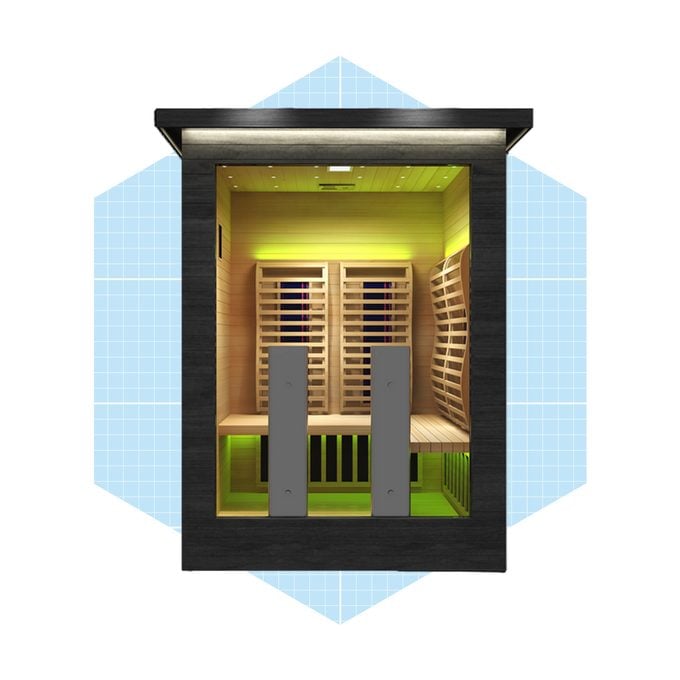
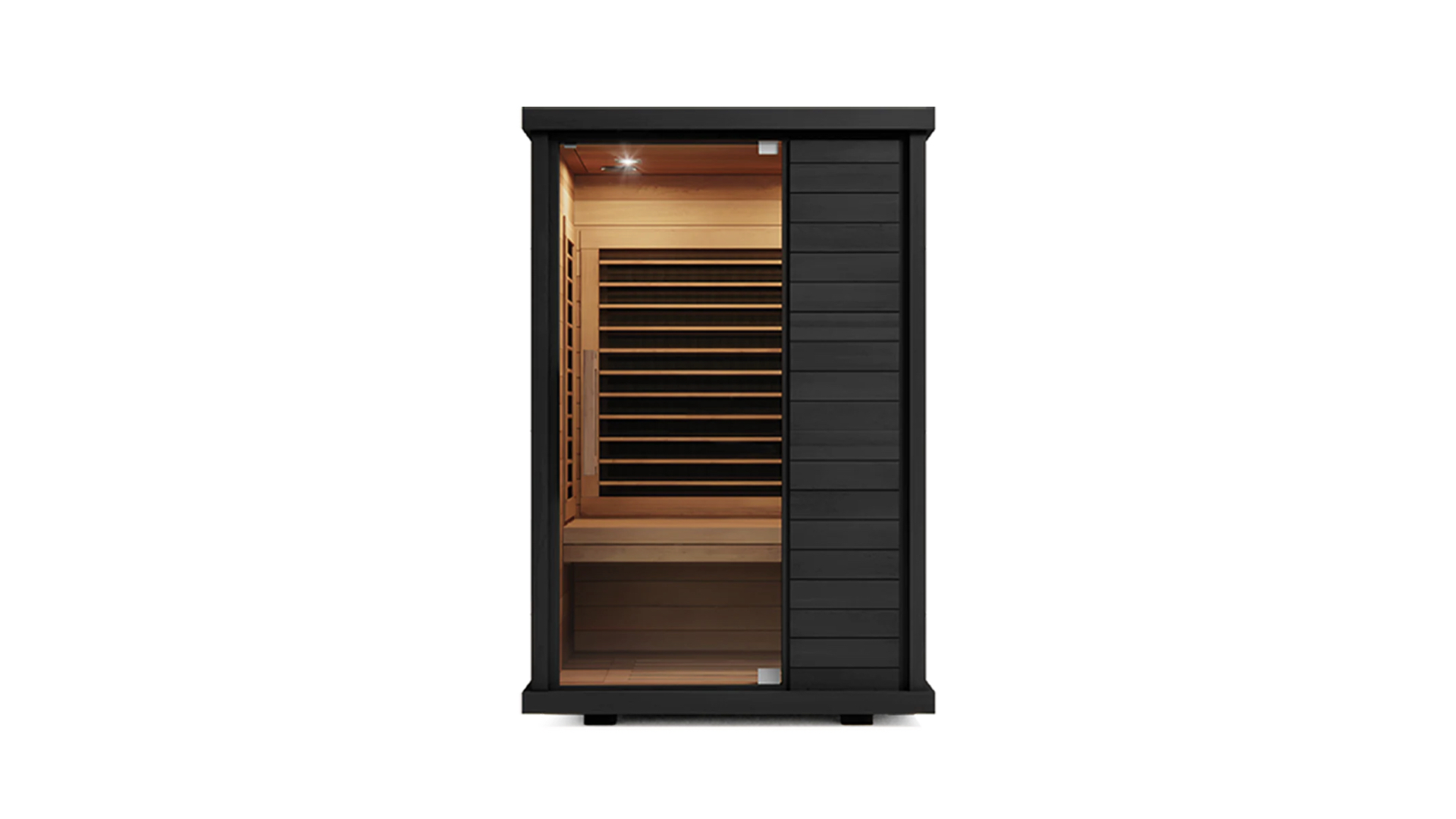
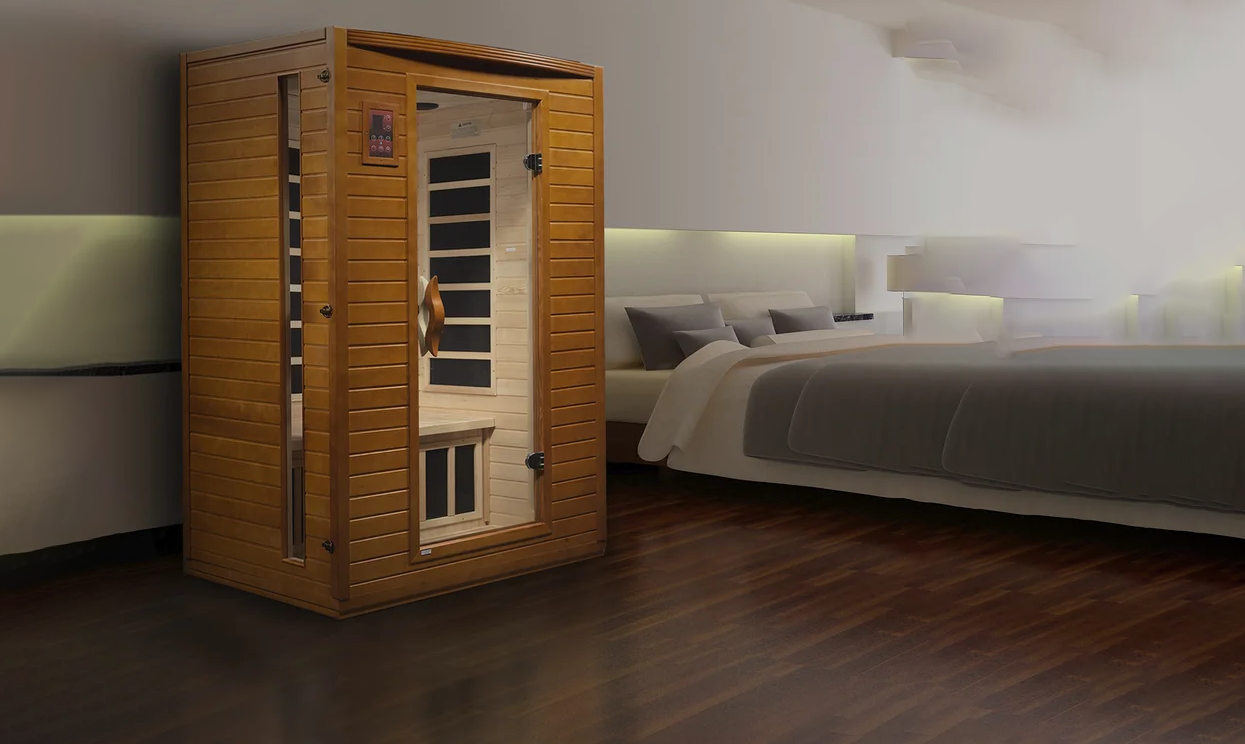
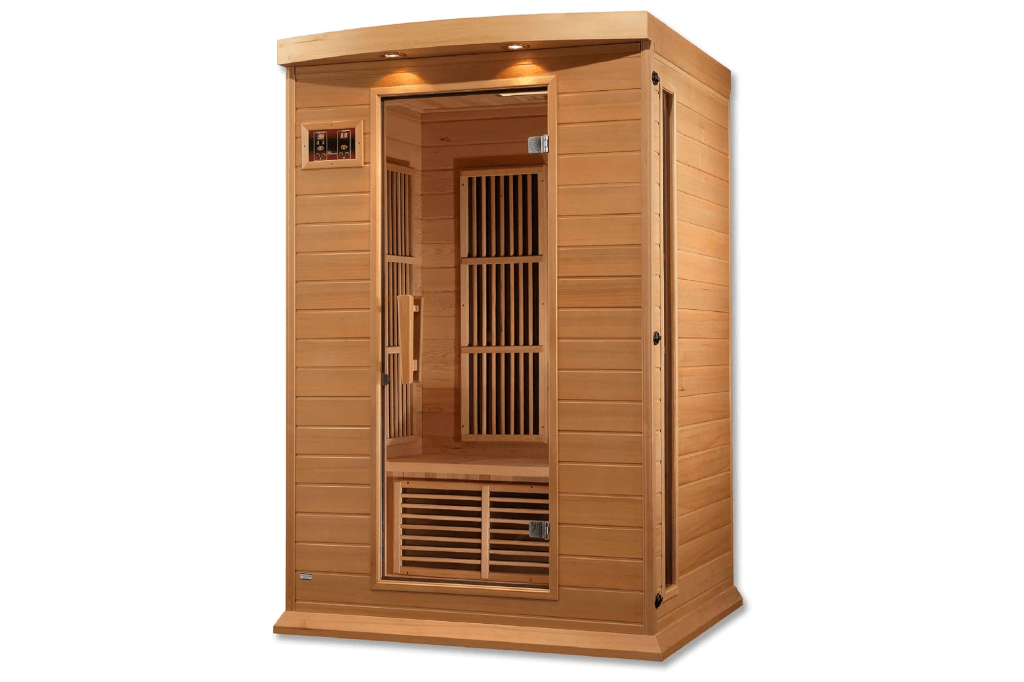
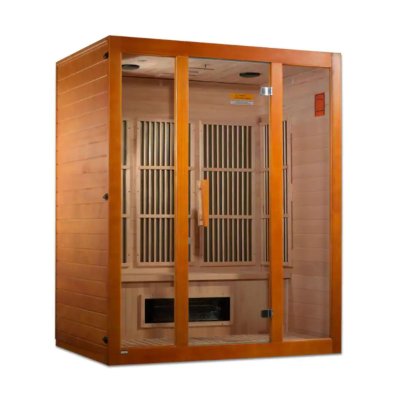
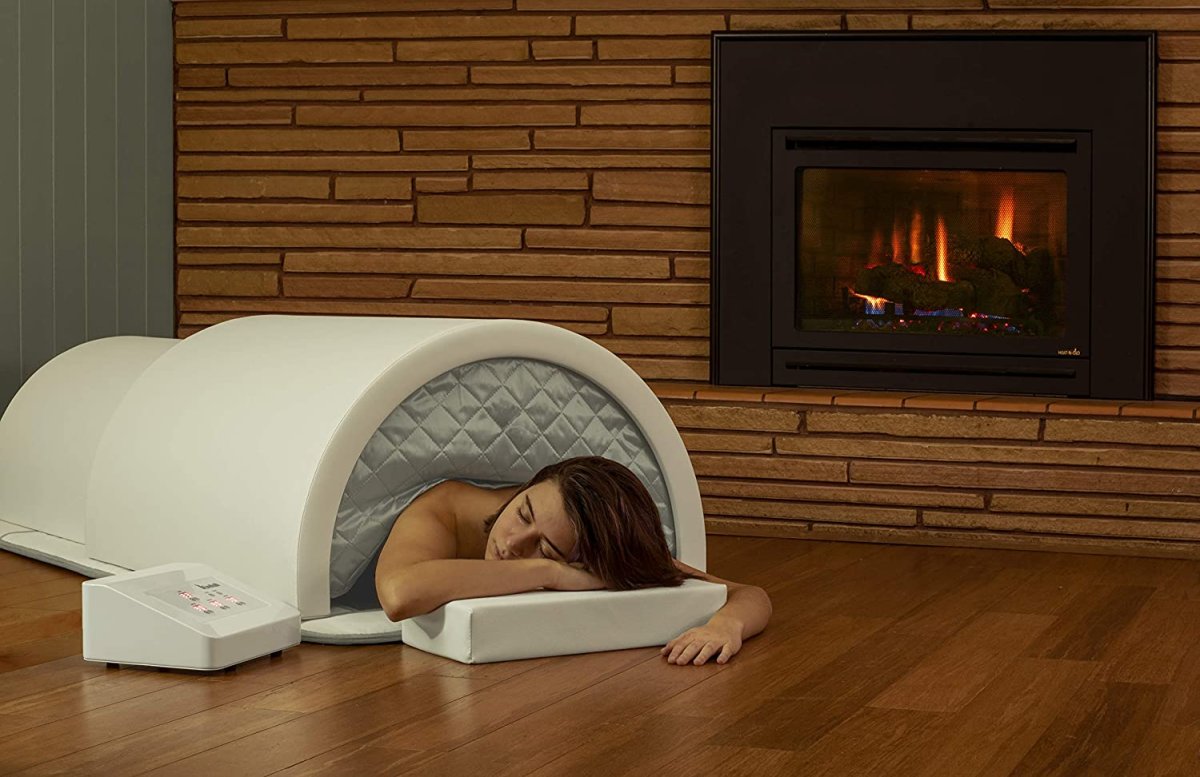
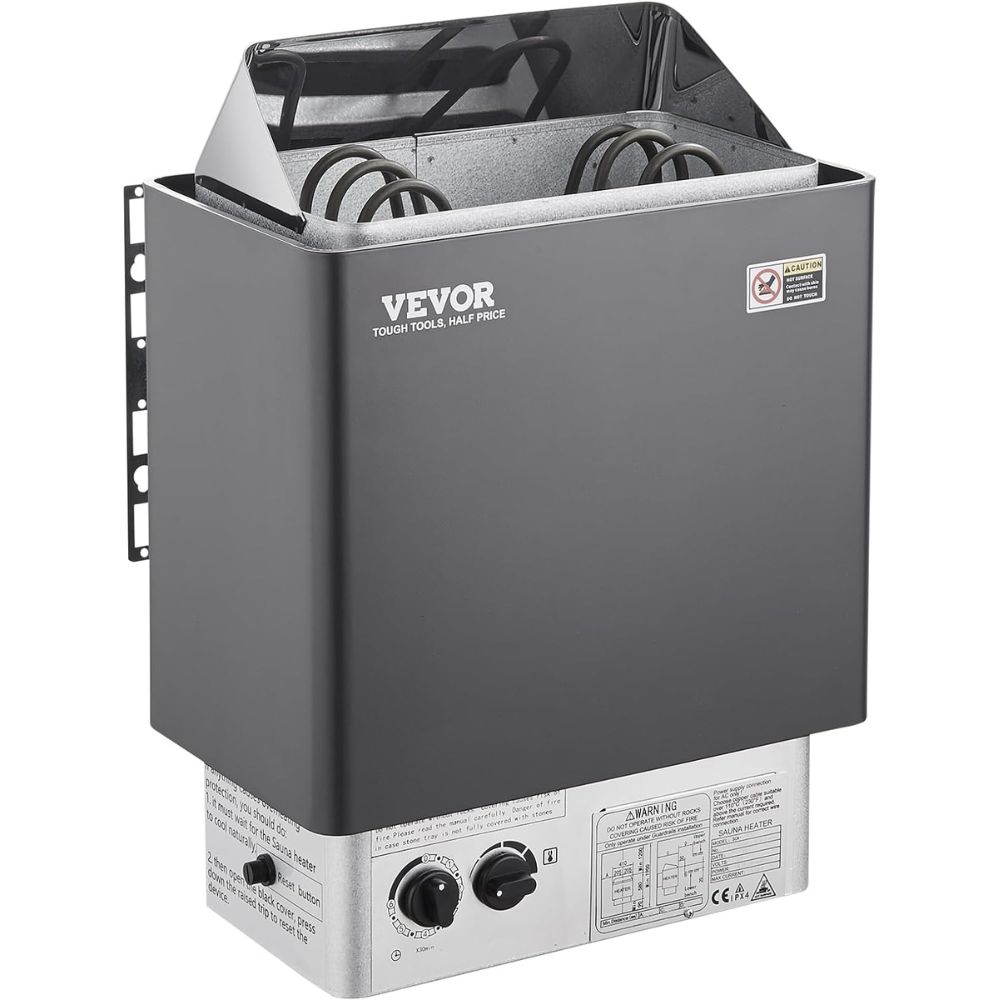
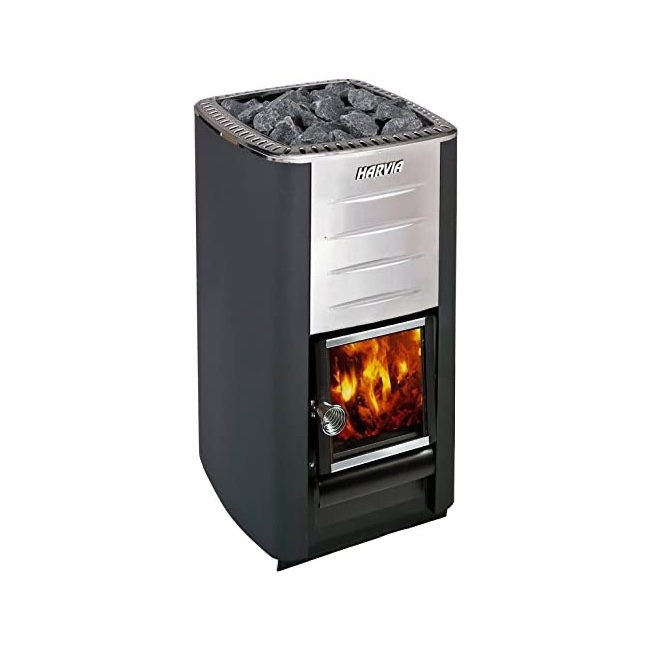
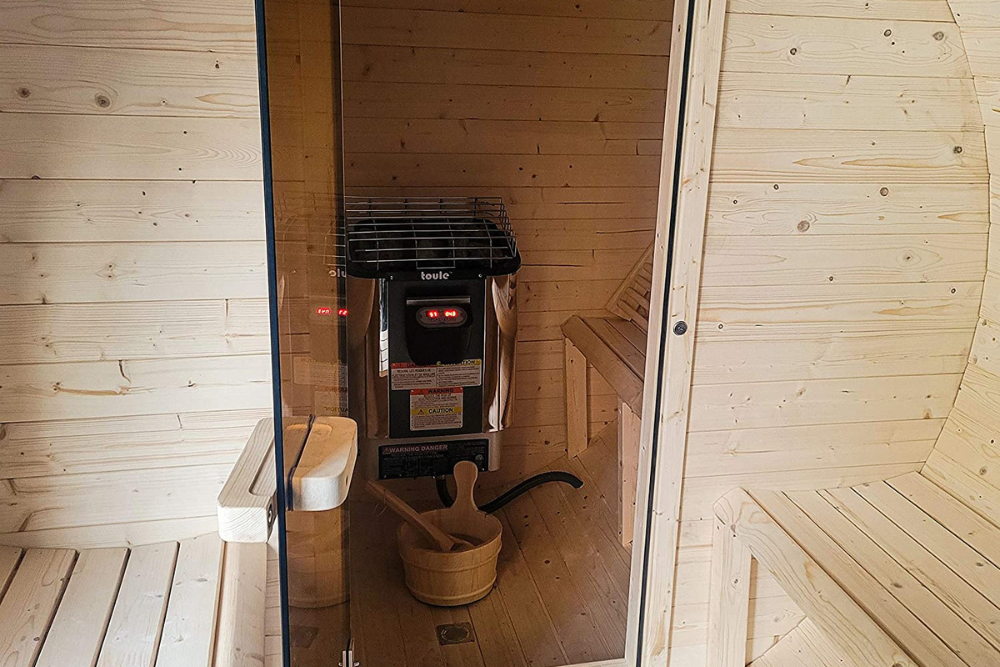
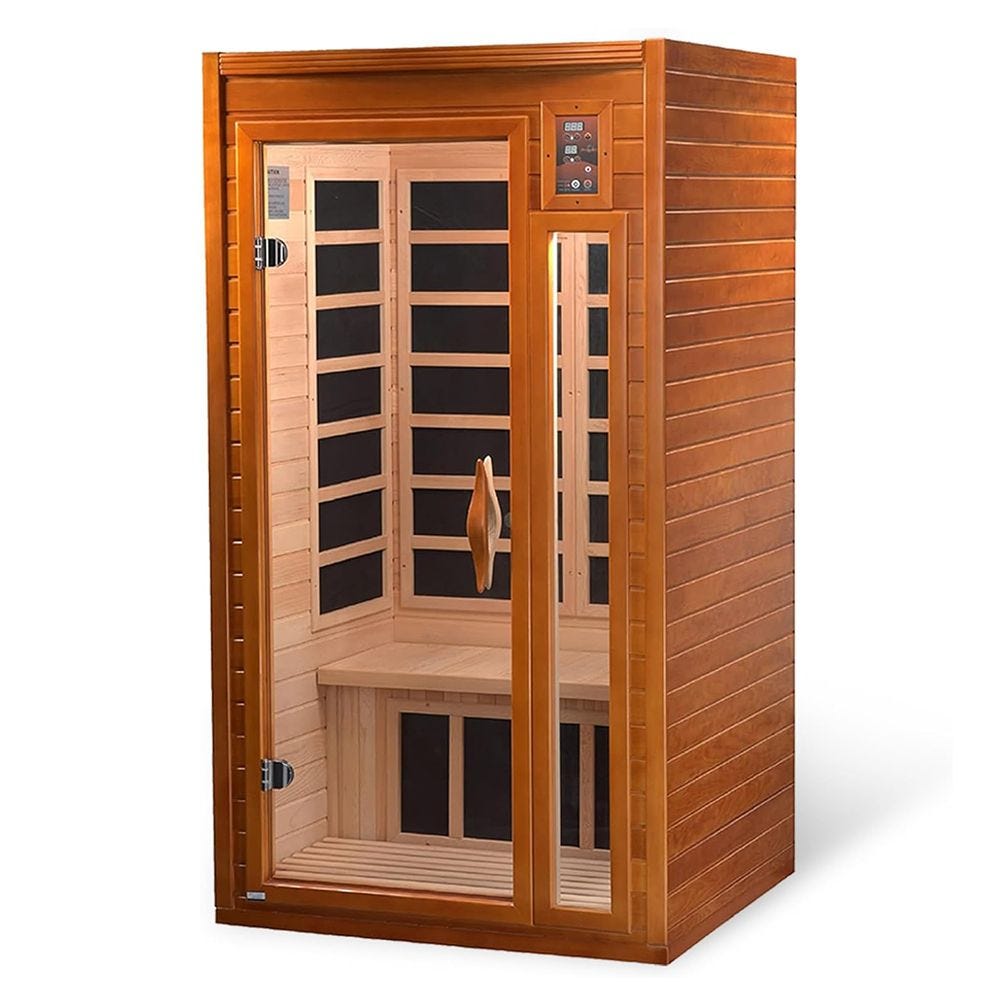
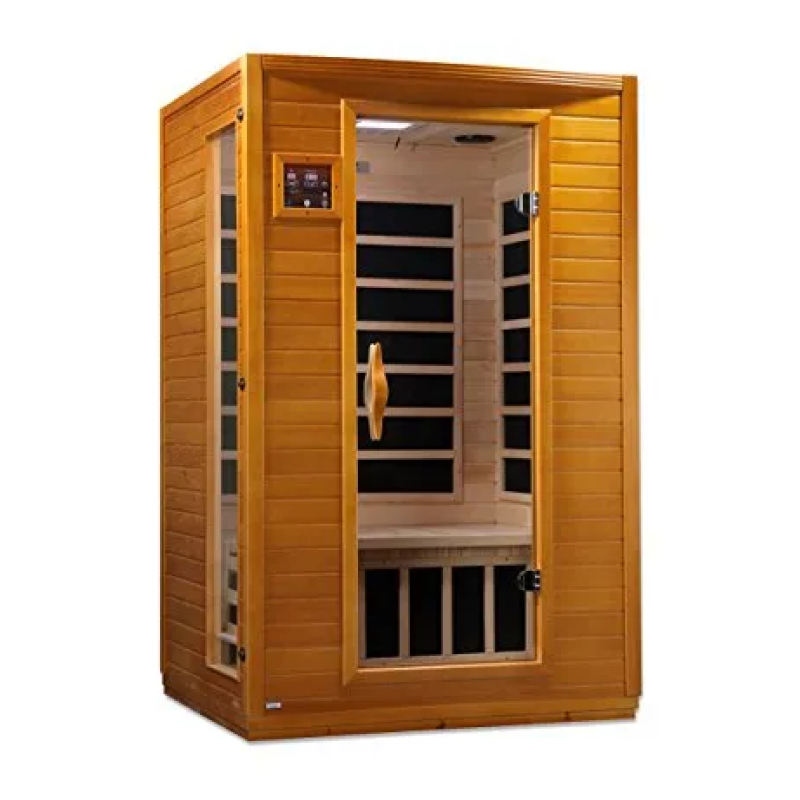
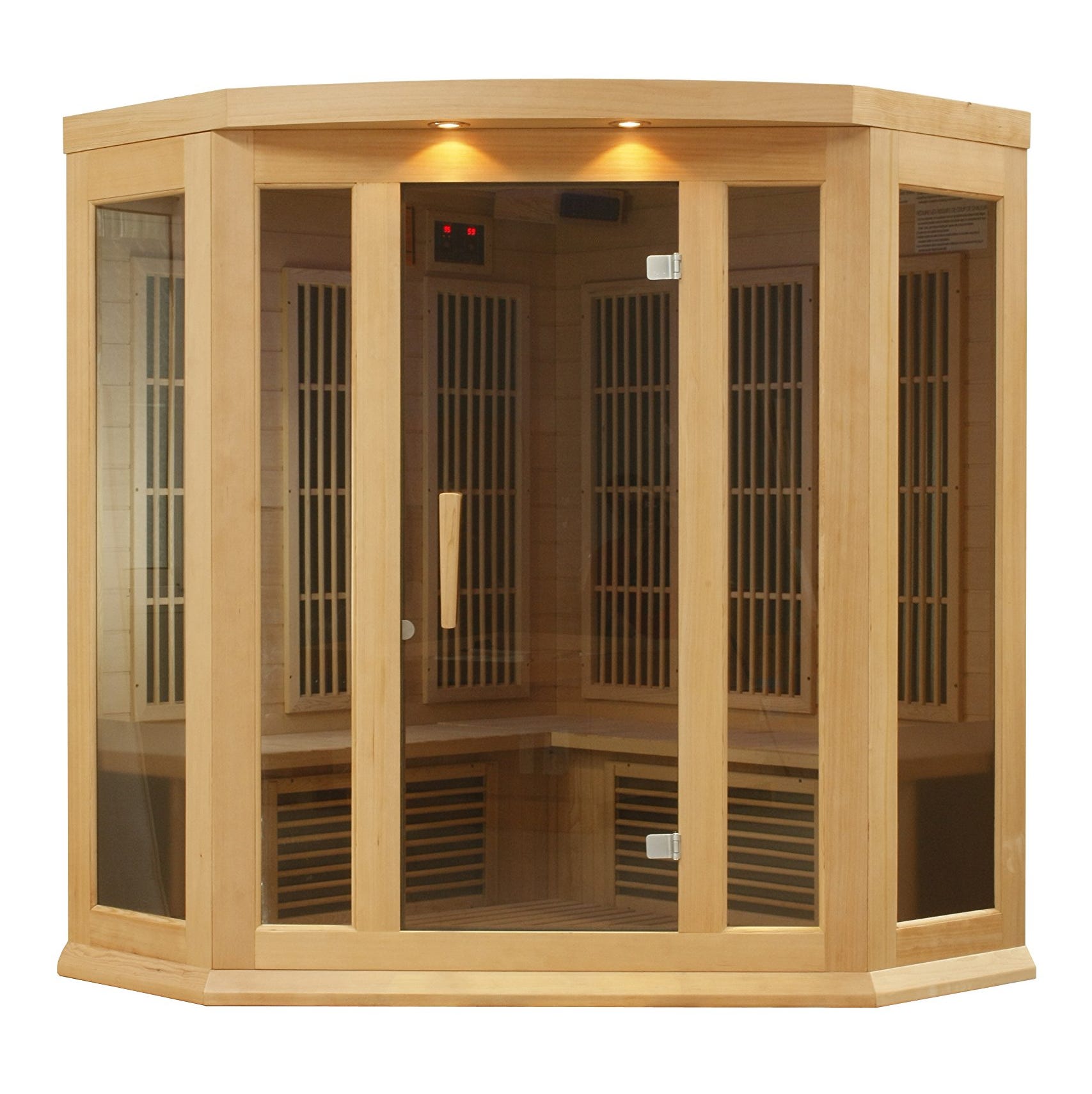
The article emphasizes the accessibility of installing a home sauna, noting that it is simpler than adding a new shower as plumbing is not required, only a heater. This makes the prospect of owning a personal sauna more feasible for homeowners. Before proceeding with installation, three critical factors should be considered: location, heating, and materials. For location, a sauna does not require extensive space; a 5' x 5' walk-in closet can suffice. Interior spaces are viable options, provided ventilation can be adequately managed through walls. The installation of an exhaust fan is recommended to prevent mold, and a carbon monoxide detector is crucial for safety. Heating options include traditional stone-and-coal heaters, gas or electric units common in the U.S., and infrared heat, which is typically the most expensive but directly heats the body rather than the entire room. The recommended temperature range for health benefits is between 150°F and 195°F. Regarding materials, wood is the traditional choice for saunas because it does not retain heat like tile, ensuring comfort. Cedar is a popular option, but hemlock, pine, and eucalyptus are also suggested. For individuals with respiratory issues, incorporating saltstone into the walls can offer additional benefits.
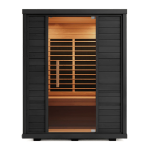
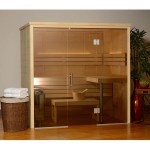
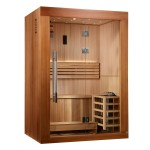
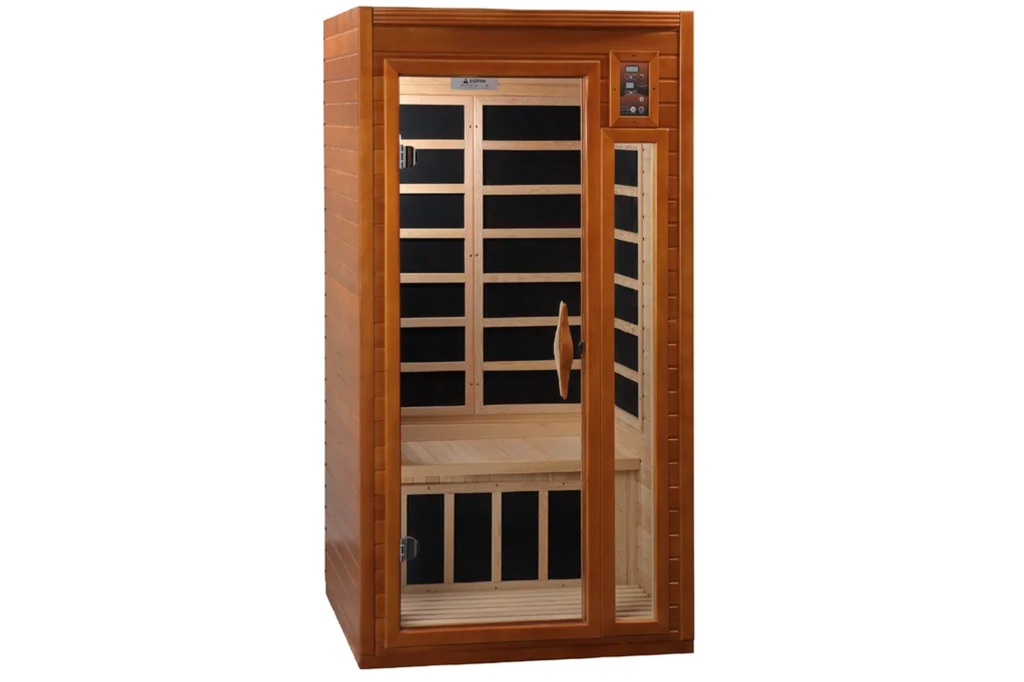
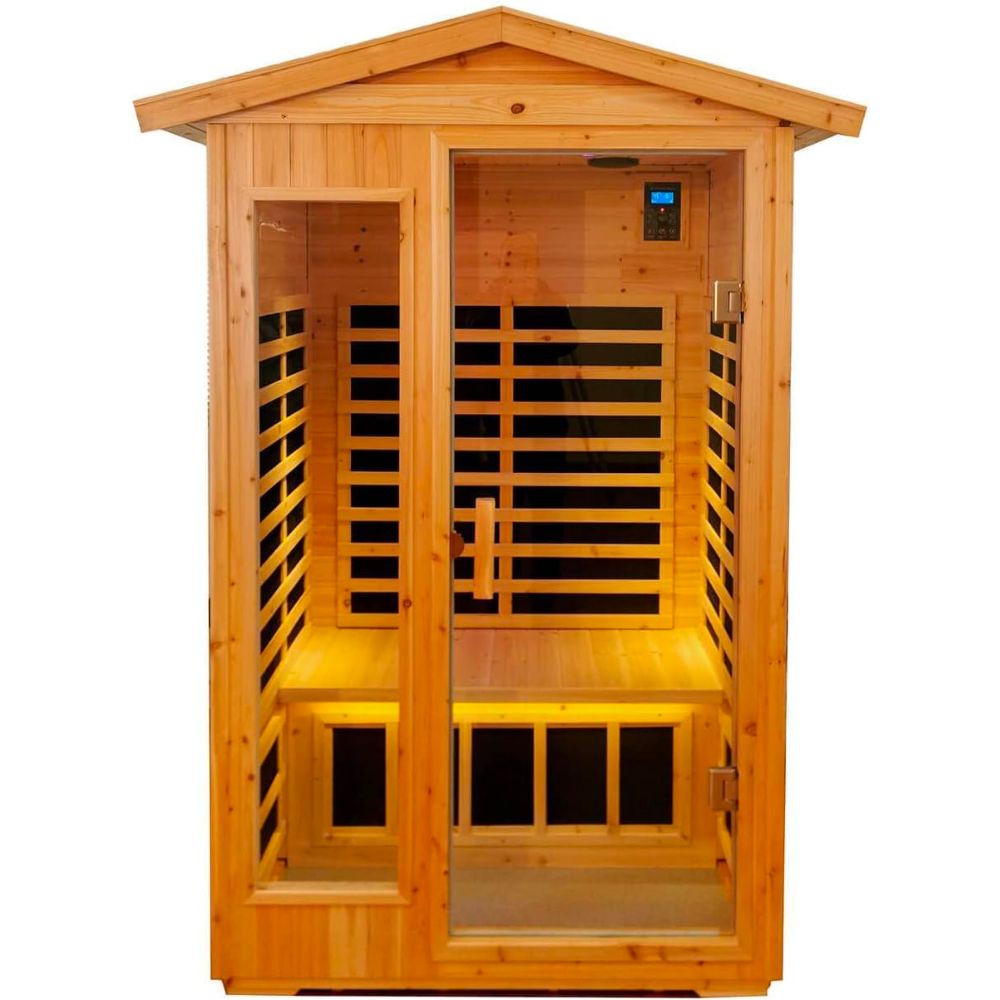
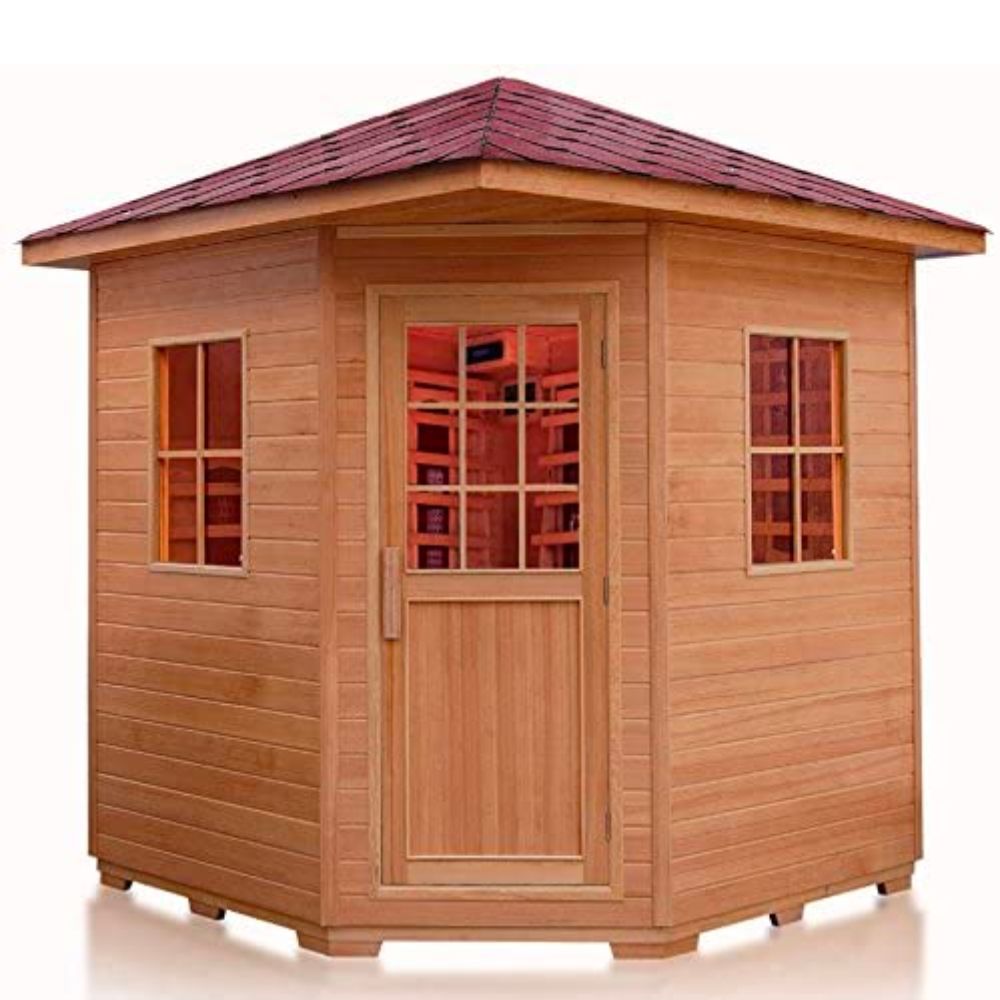
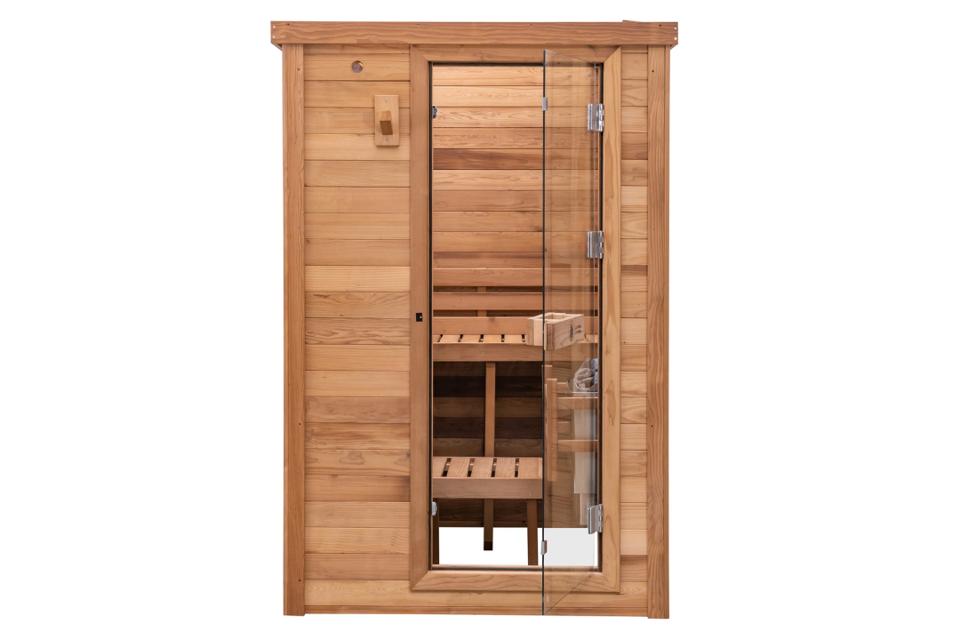
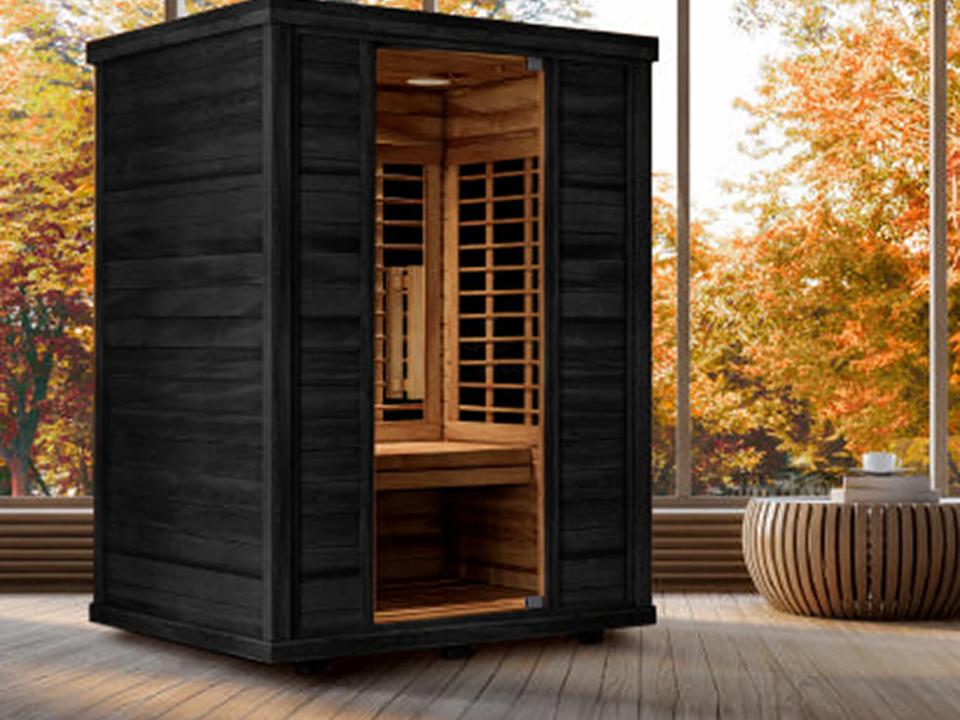
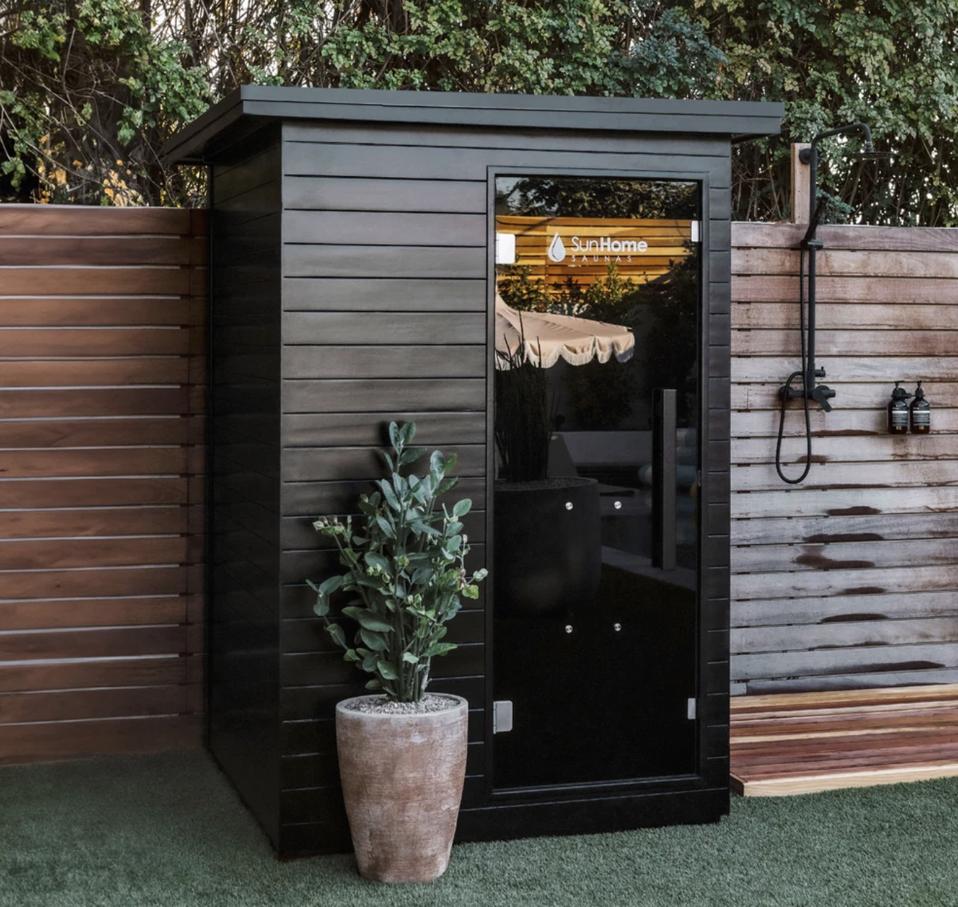
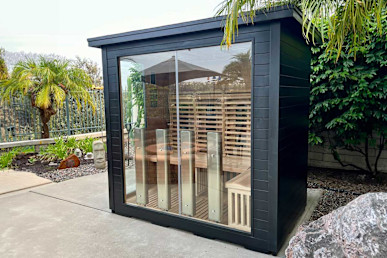
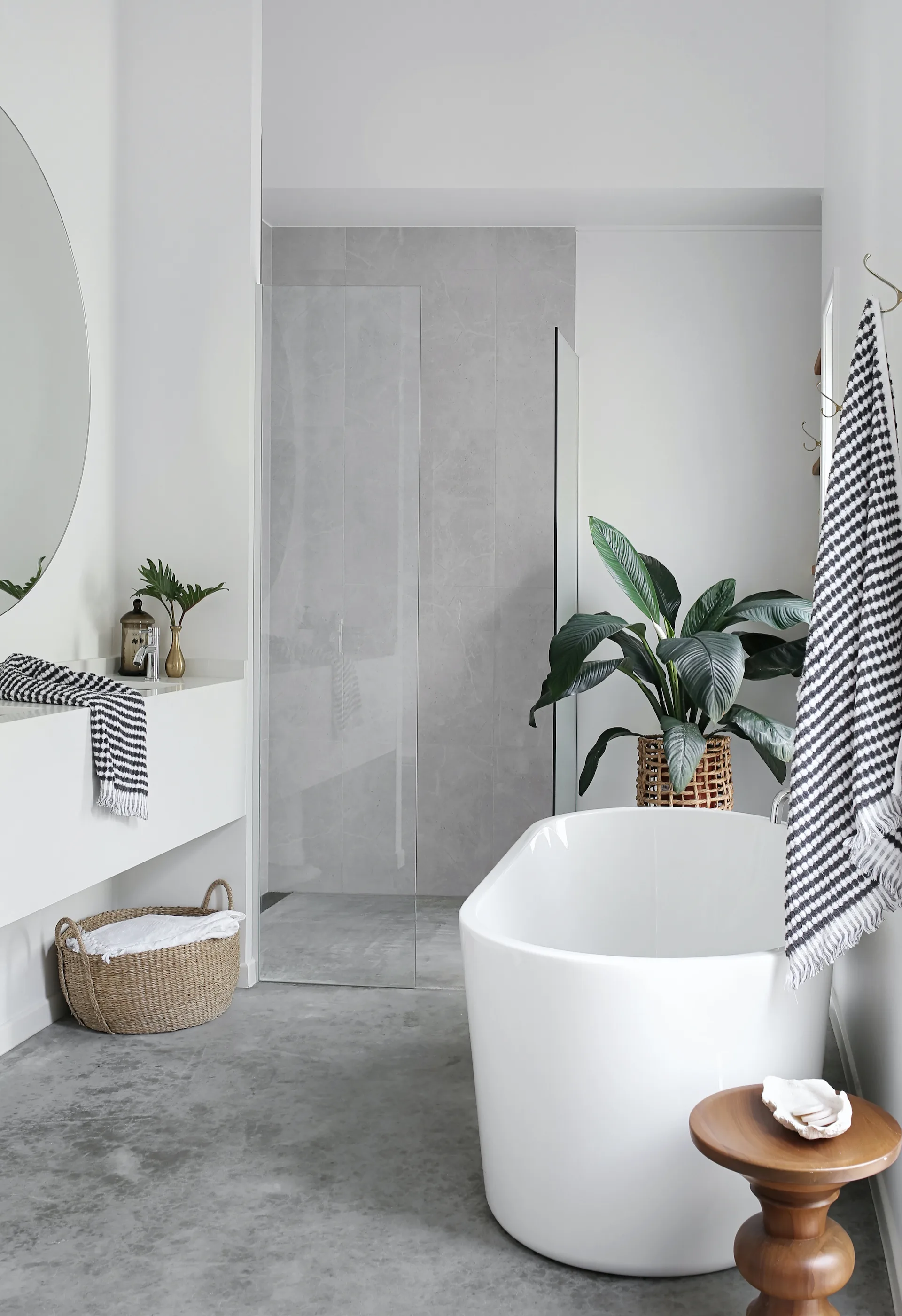
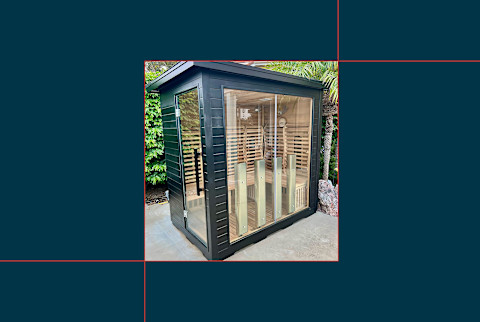
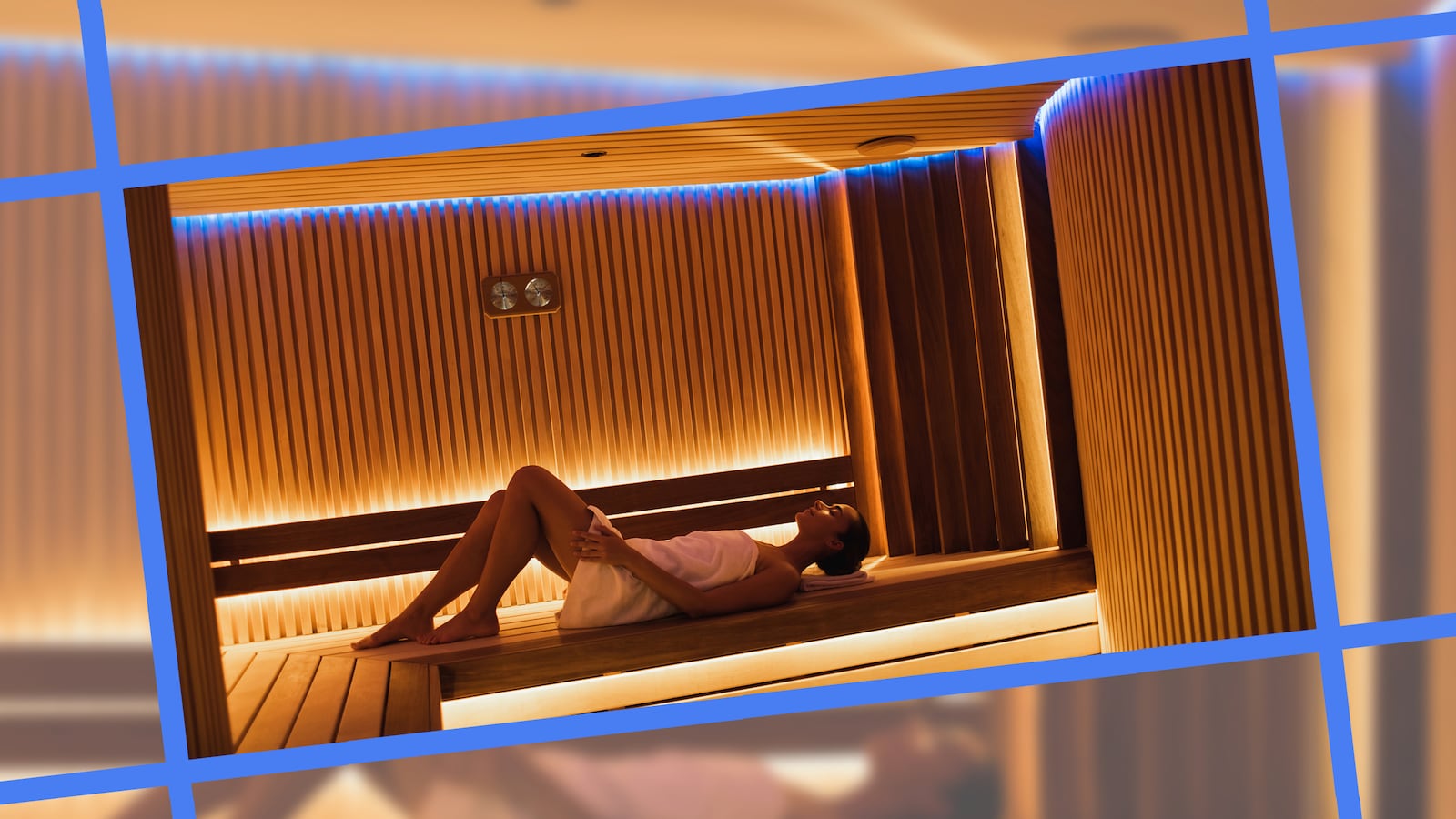
To provide practical inspiration, the article presents six stylish home sauna ideas. These ideas showcase diverse design approaches, such as creating a moody atmosphere with dark-stained, back-lit wooden paneling that transitions seamlessly with adjacent concrete materials. Another approach highlights a lighter aesthetic using blonde wood for a sleek yet laidback feel in modestly sized saunas. The option of an outdoor, freestanding sauna is also discussed for those preferring external ventilation, either by purchasing a prefabricated unit or designing a unique architectural structure that complements the garden. Furthermore, the article suggests establishing a cool-down lounge area adjacent to an outdoor sauna, akin to a pool house, for post-sauna relaxation. Integrating a sauna near a shower is advised for convenience, allowing easy rinsing after a session, with examples of saunas blending harmoniously with consistent bathroom tiling. Lastly, the article mentions the possibility of adding a steam room alongside a sauna, often separated by glass doors, to offer a broader range of wellness benefits and enhance the overall experience.
#HomeSauna #WellnessTrends #HomeDesign #SaunaBenefits #InteriorDesign #HealthAndWellness #HomeImprovement #Relaxation #HomeSauna #WellnessTrends #HomeDesign #SaunaBenefits #InteriorDesign #HealthAndWellness #HomeImprovement #Relaxation
0 ความคิดเห็นรวม
 ยังไม่มีความคิดเห็น
คุณอาจจะชอบอีกด้วย
Is the Home Sauna the Latest Luxury Must-Have?

7 top home saunas to heat up 2025, plus expert tips and our review
The 10 Best Home Saunas (Updated 2025)

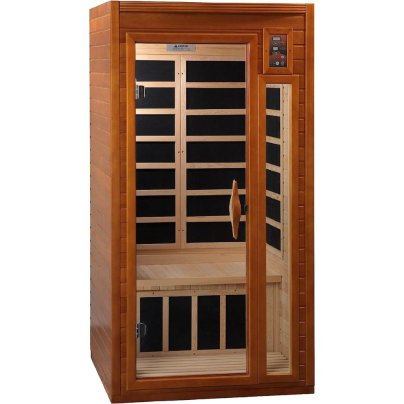
Top 9 Best Budget-Friendly Infrared Saunas Without Compromising Quality

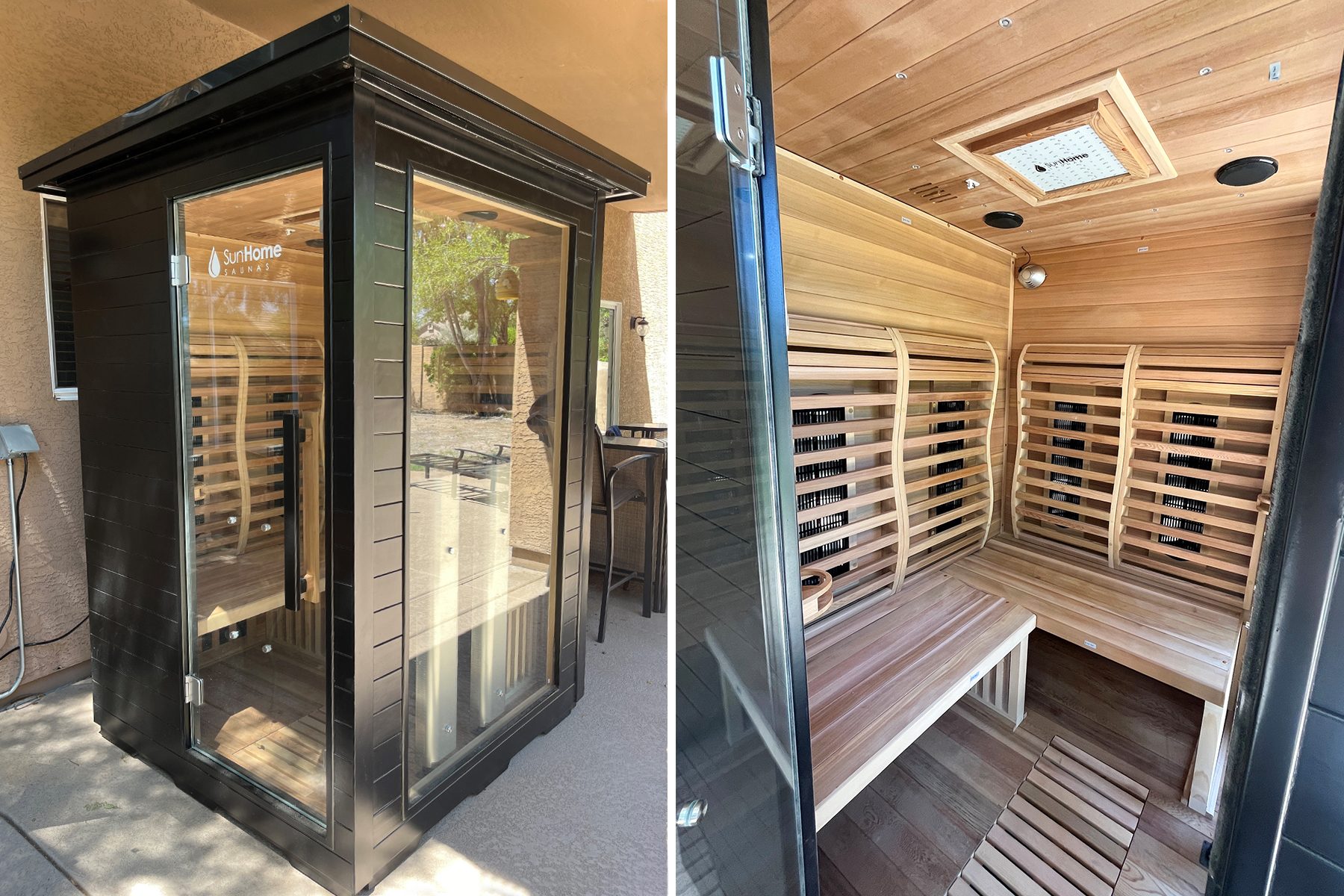
Sun Home Saunas Full-Spectrum Infrared Luminar Review: Is It Worth the Splurge?

9 of the Best Home Saunas You Can Get, Vetted

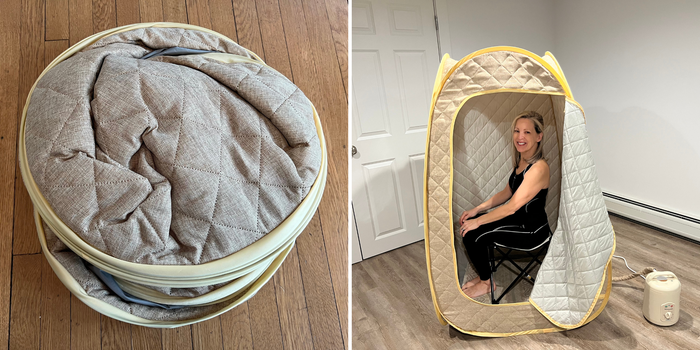
I recreated my favorite spa feature in the privacy of my own home with this $250 portable steam sauna
I've Had Shoulder Pain For Years & This Science-Backed Routine Relieves It In Minutes
Skip the Monthly Spa Fees and Invest in a Home Sauna Instead

Yes, You Can Build a Sauna at Home—Here's How to Do It Affordably
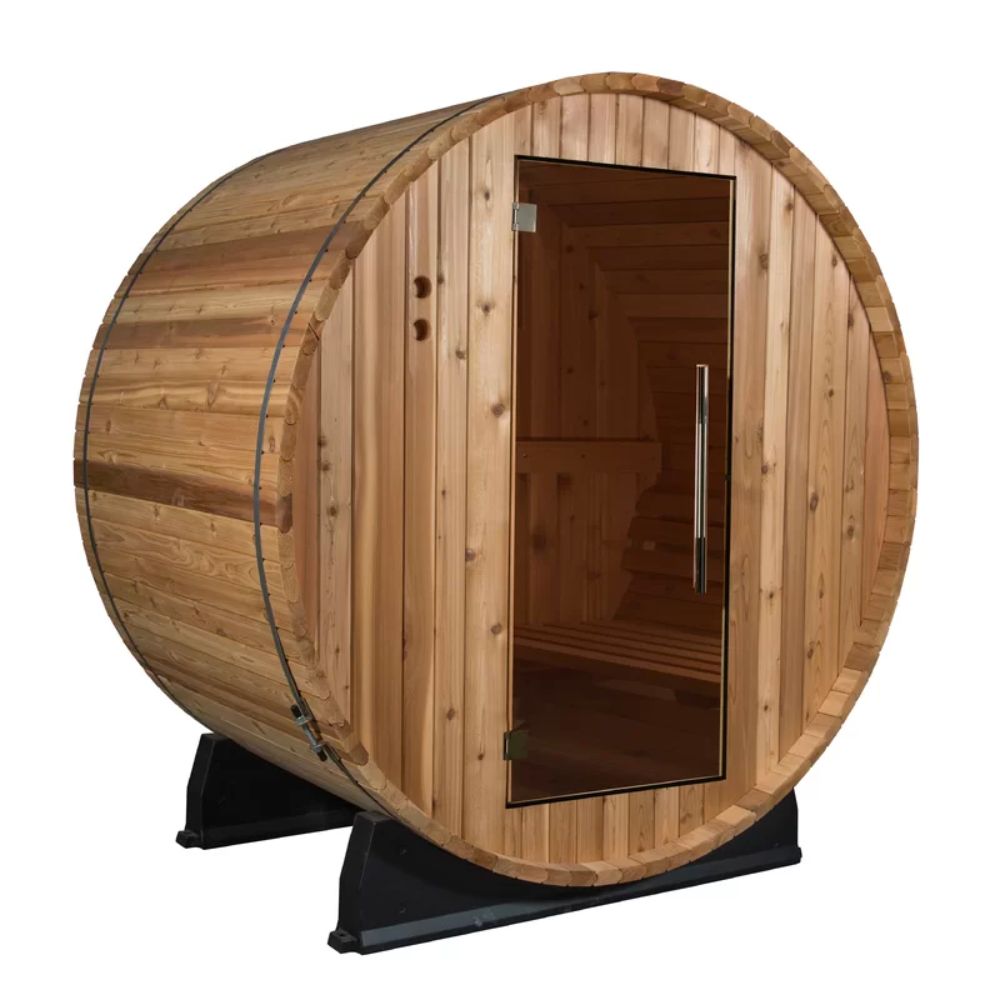
Our Favorite Outdoor Sauna Is Cheaper Than Top Picks

Are spa baths making a comeback?


This at-Home Sauna Is the Smartest Wellness Investment of 2025

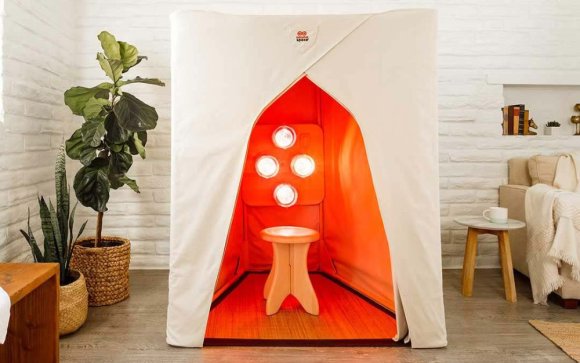
The best portable saunas for 2025

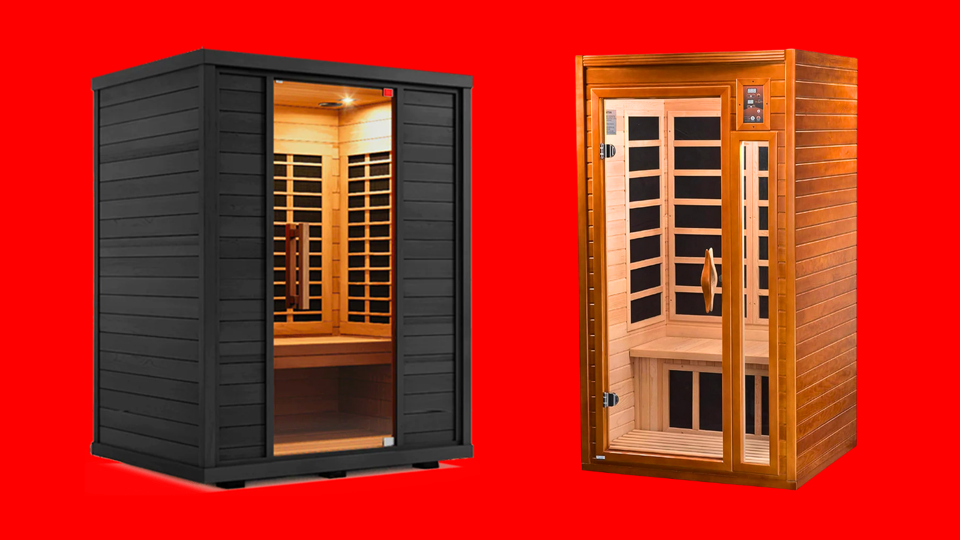
Best Home Saunas Of 2025: 8 Traditional And Infrared Models, Backed By Experts


Costco's Viral "Detox Sauna" Is Finally Back in Stock—and It's on Sale From Amazon


The 6 Best Splurge-Worthy At-Home Saunas That’ll Bring the Spa to You

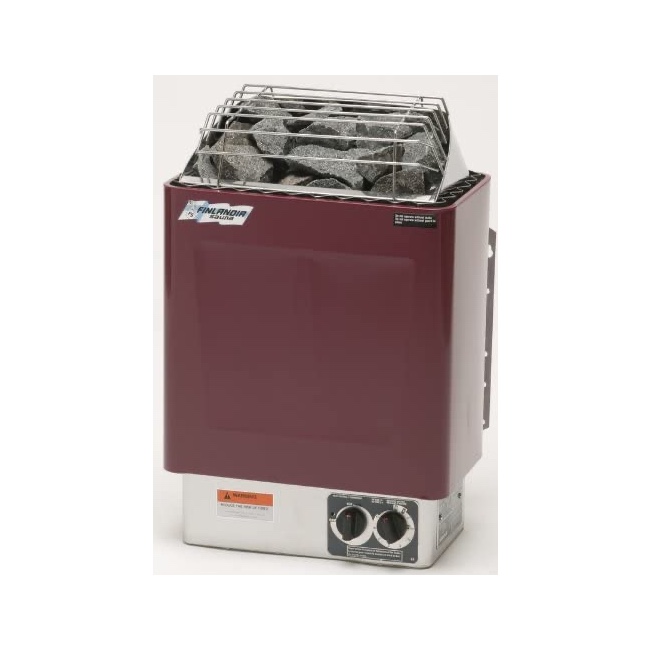
These Are The Best Sauna Heaters for the Most Comfortable Home Spa Experience

Transform your backyard into a retreat: How Rolling Saunas levels up your home, health
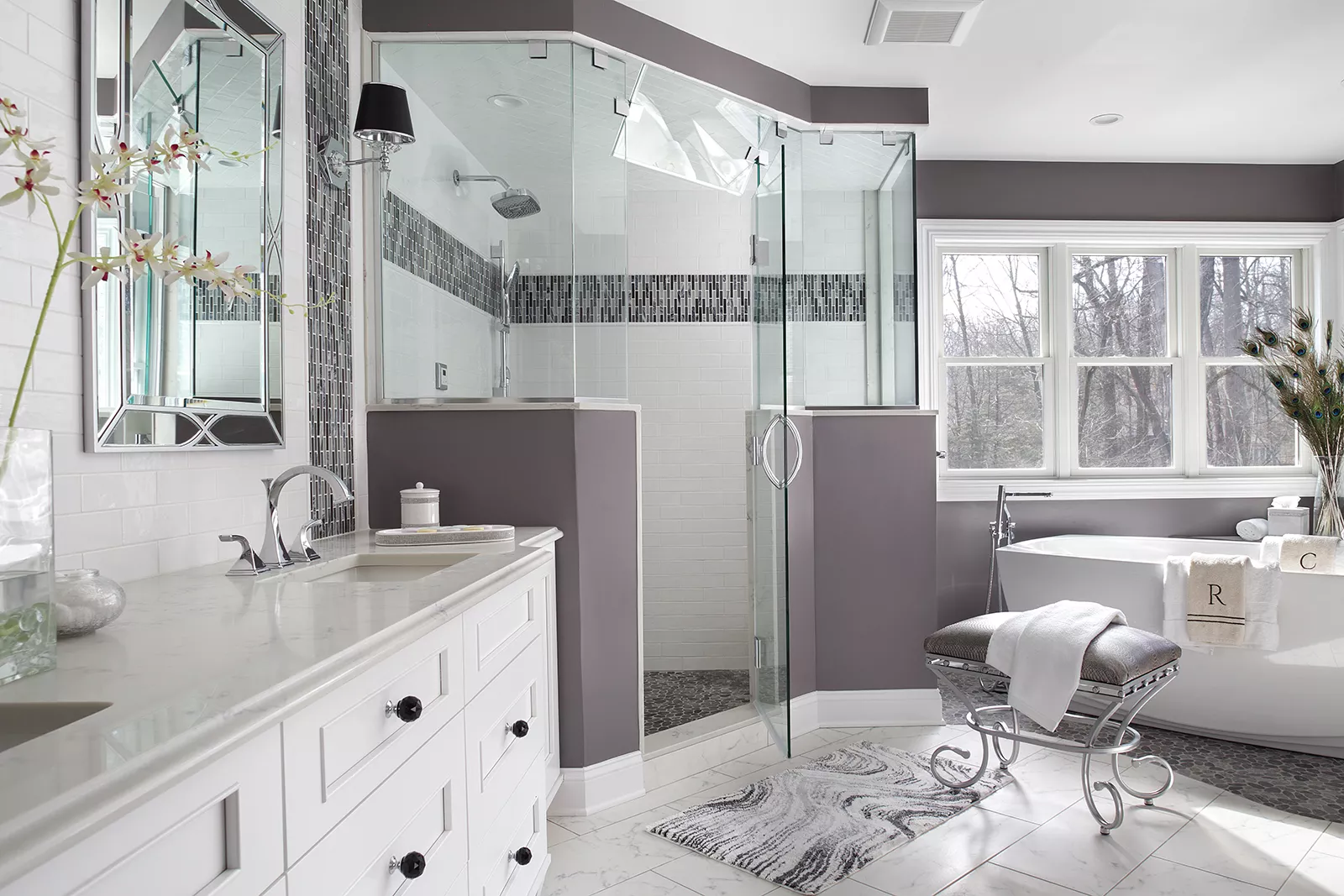
What Is a Steam Shower? A Guide to the Popular Bathroom Upgrade