1/2
AD helps you design your home library
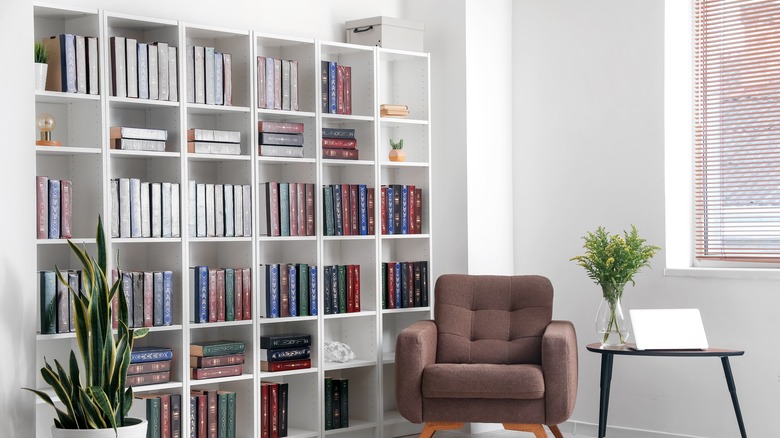
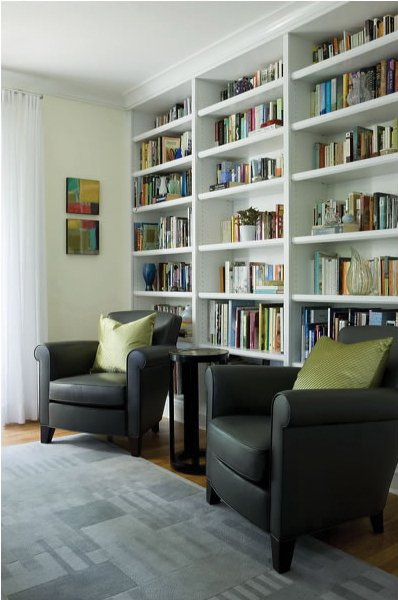
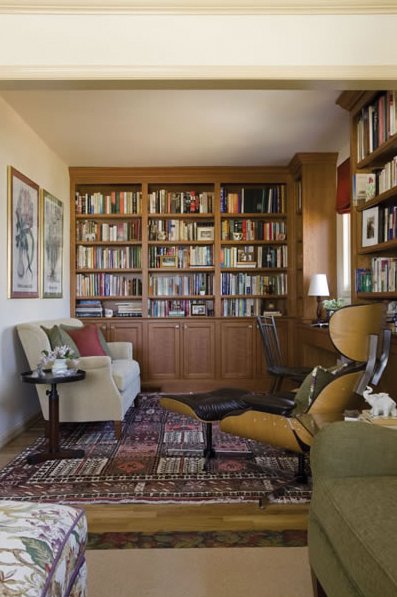
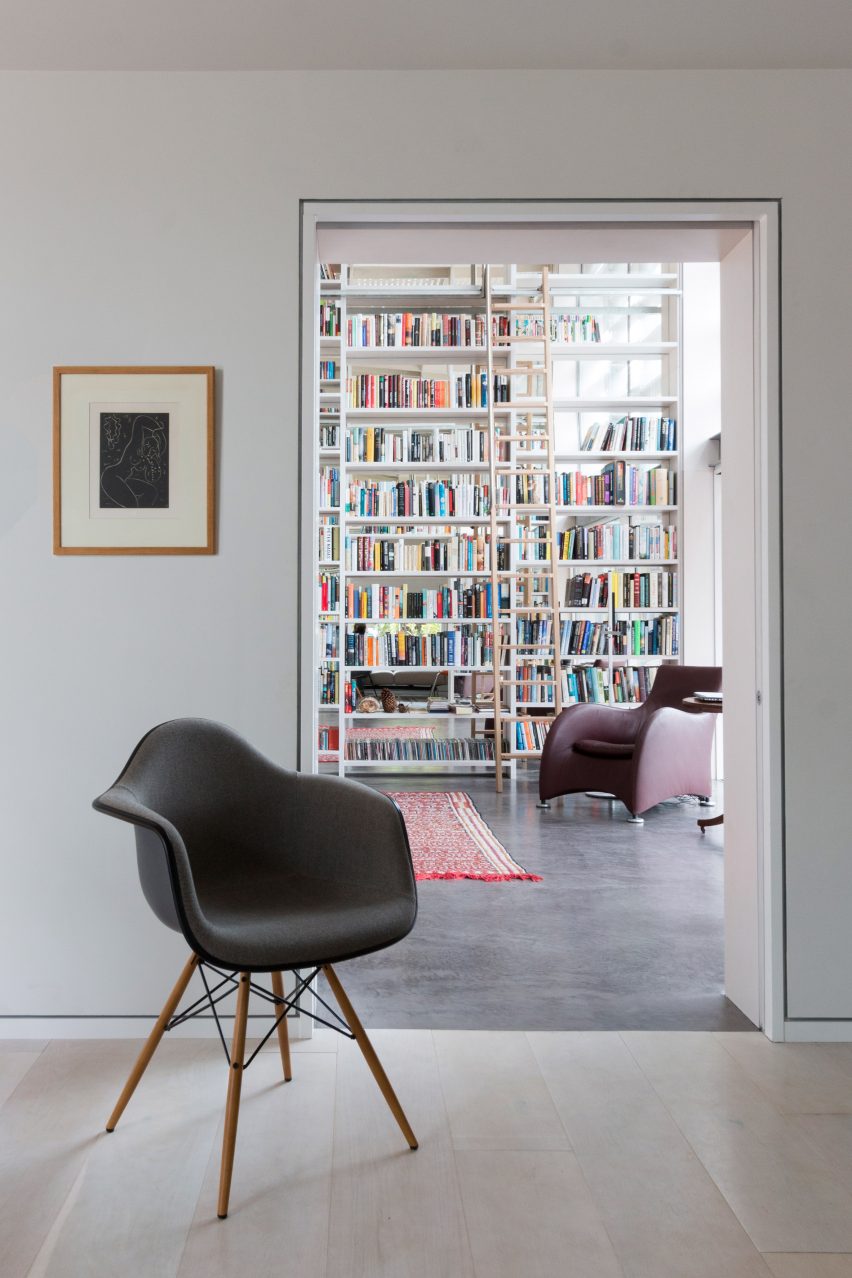
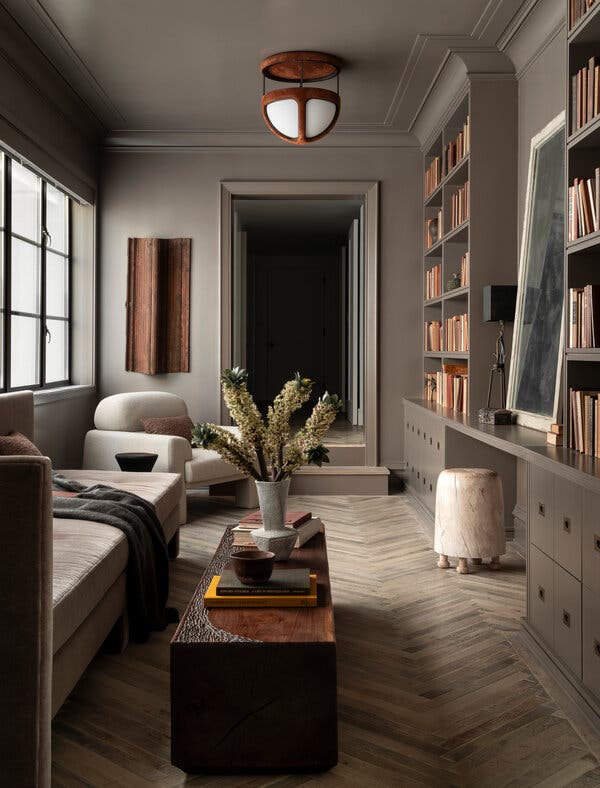
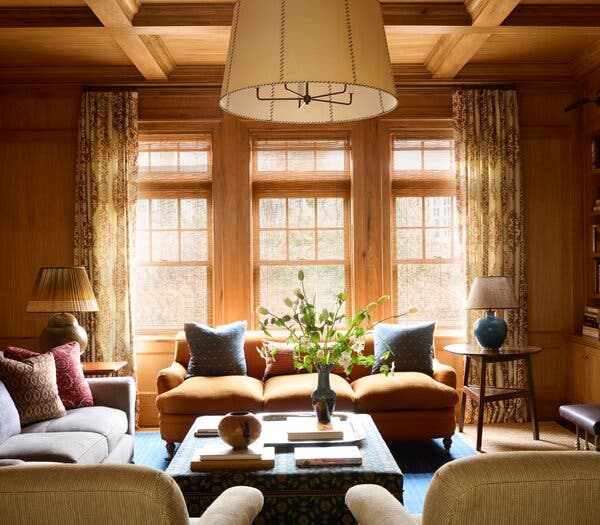
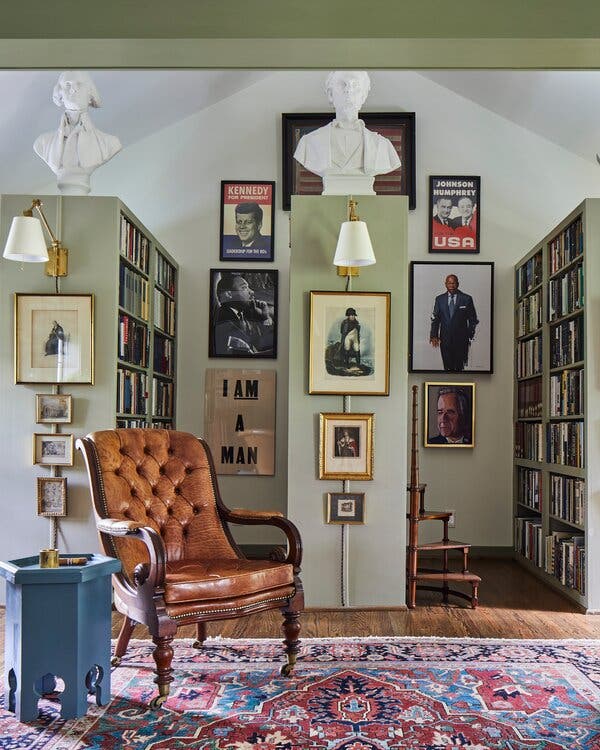
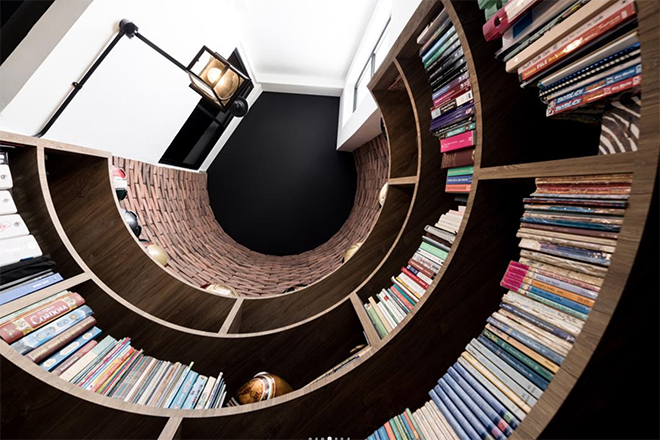
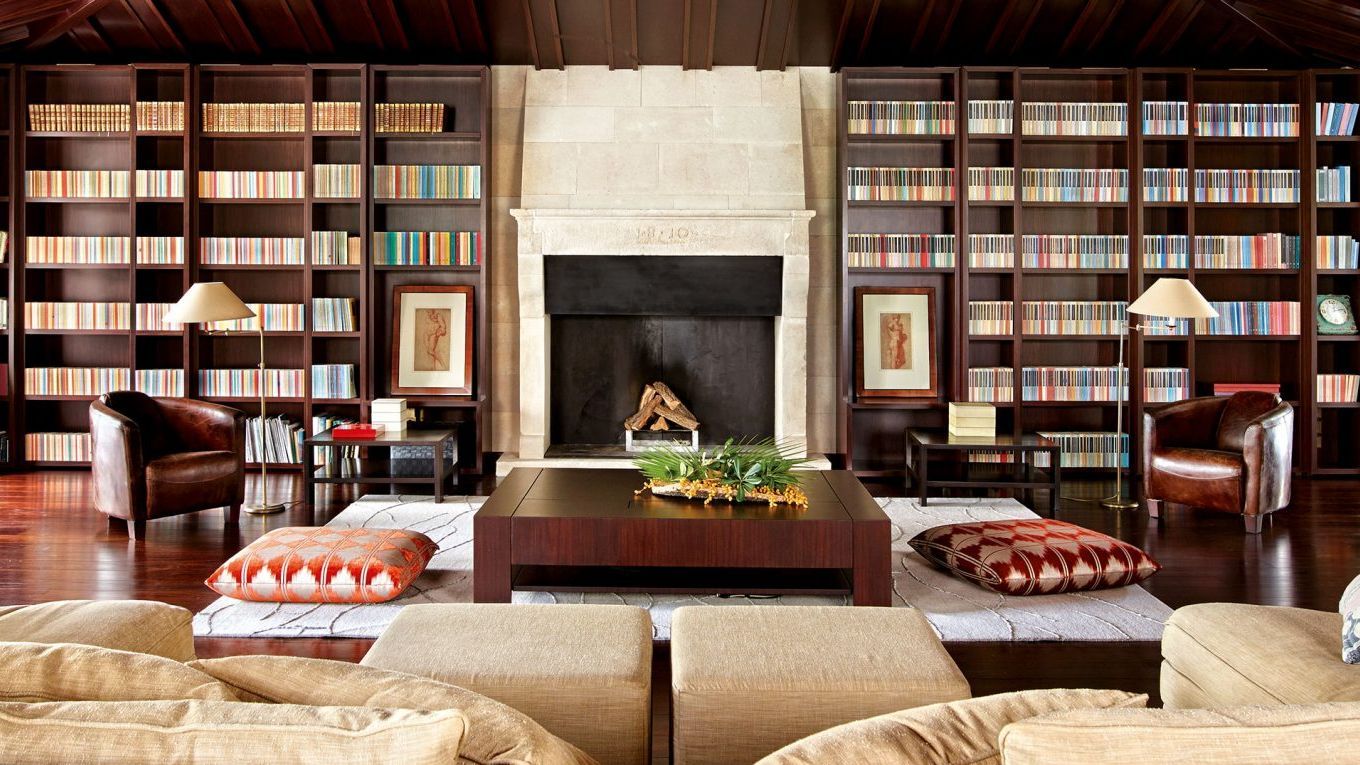
The allure of a personal library, with its aesthetic appeal and intellectual bounty, is a significant draw in home design. Architects Joel Barkley and Thomas A. Kligerman emphasize that a library reflects the inhabitant's personality, and its design can either blend seamlessly or stand out as a central feature. They offer insights into creating an ideal reading sanctuary, regardless of the available space or existing style.
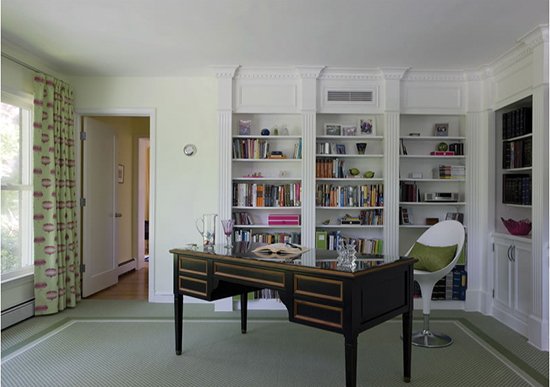
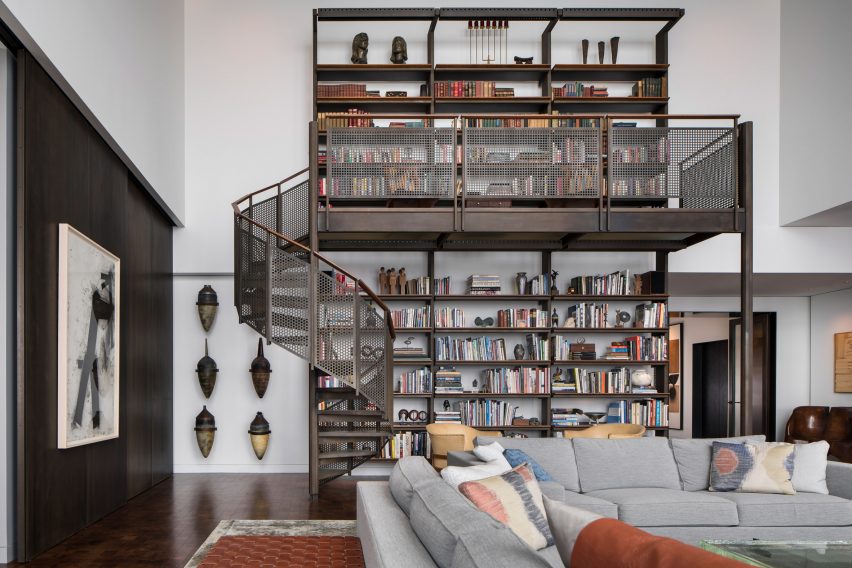
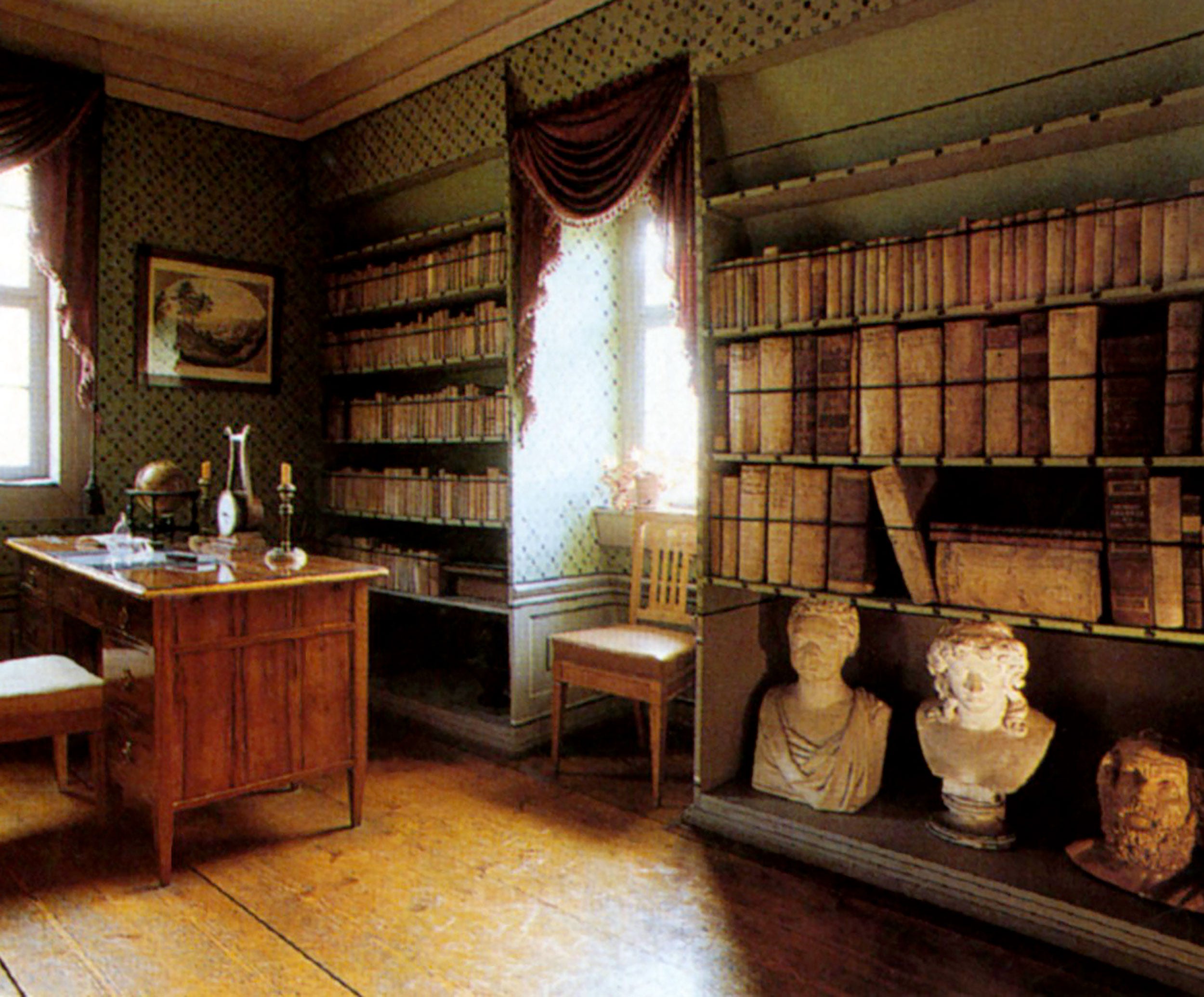
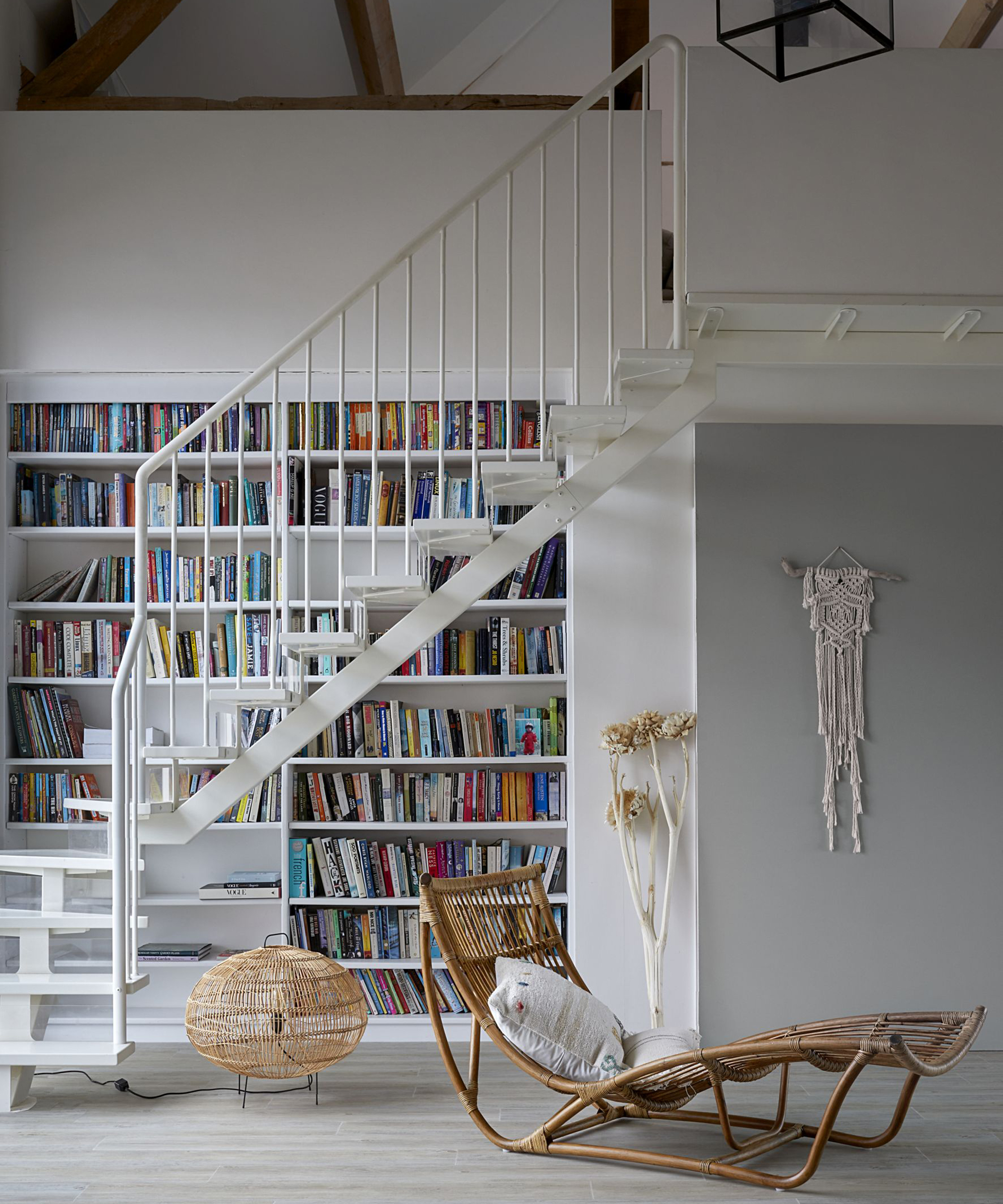
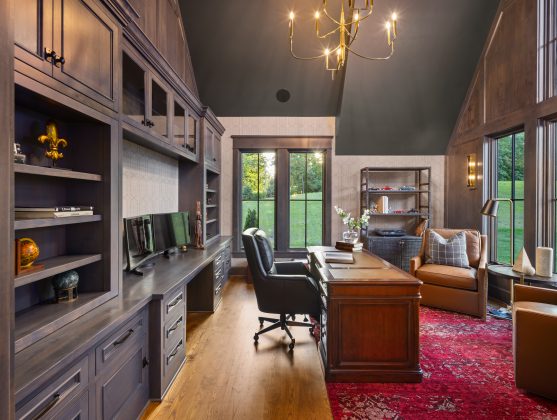
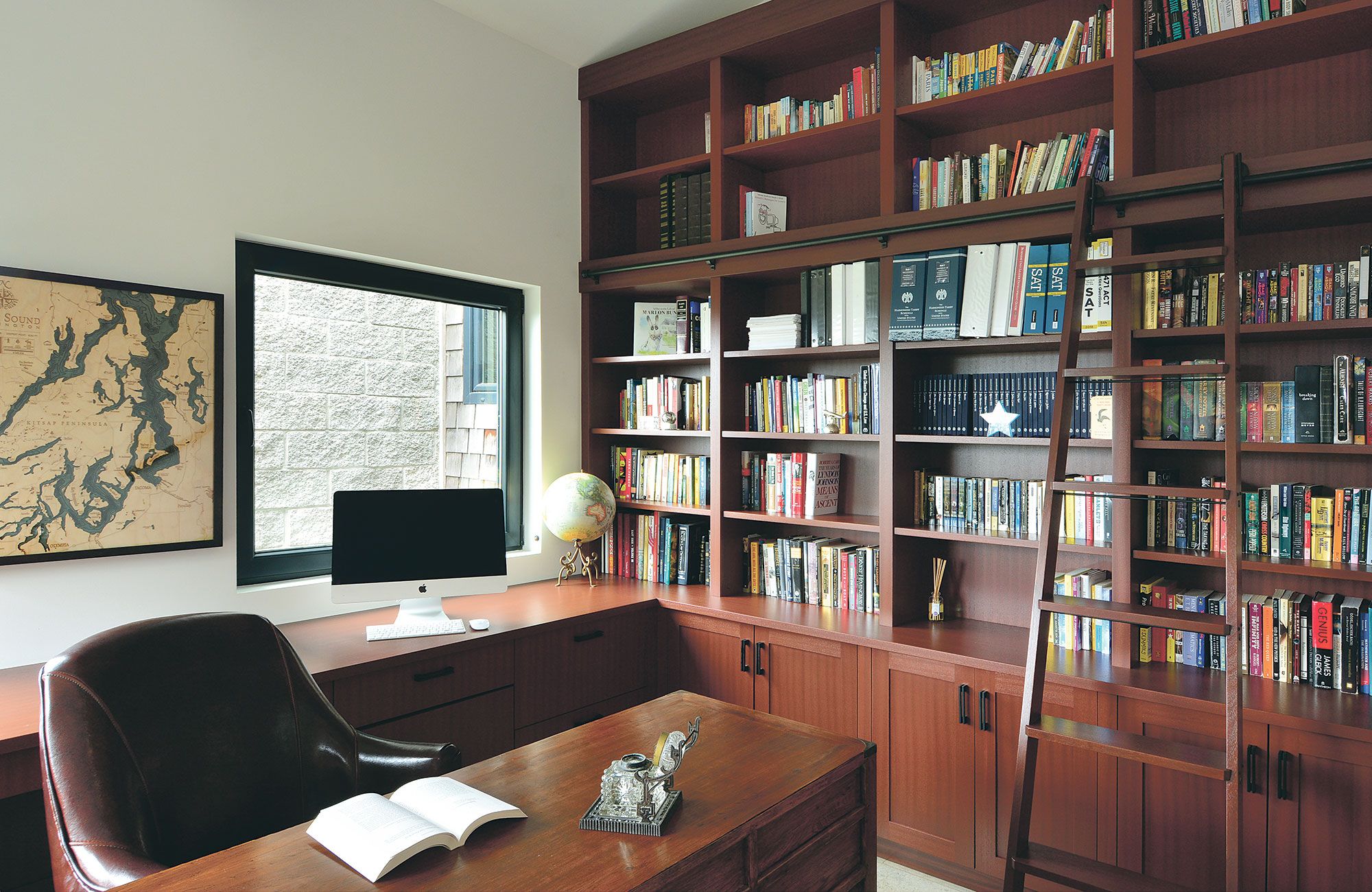
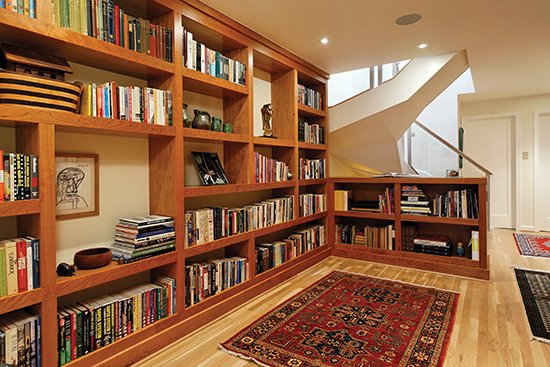
Key to designing a home library is considering its context within the broader aesthetic of the space. Material selection plays a crucial role; for instance, oiled-steel shelving units complement timber-framed barns with glass walls, offering a bold display for collections while ensuring durability with features like eased corners to protect book bindings. Conversely, in a Soho loft, zinc-wrapped horizontal surfaces cantilevered off a painted brick wall present a contemporary look. For a more traditional or historic ambiance, rich woods like fumed white oak or Claro walnut are preferred, with Kligerman drawing inspiration from classic architectural elements such as the horizontal rustic boards resembling a cornice in Carl Linnaeus's Swedish house.
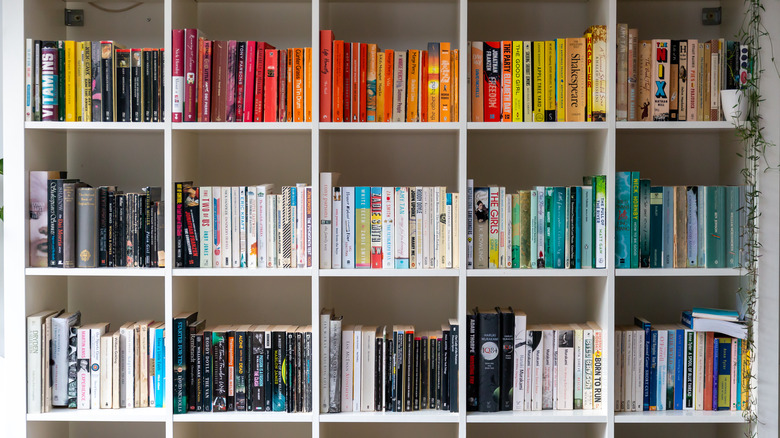
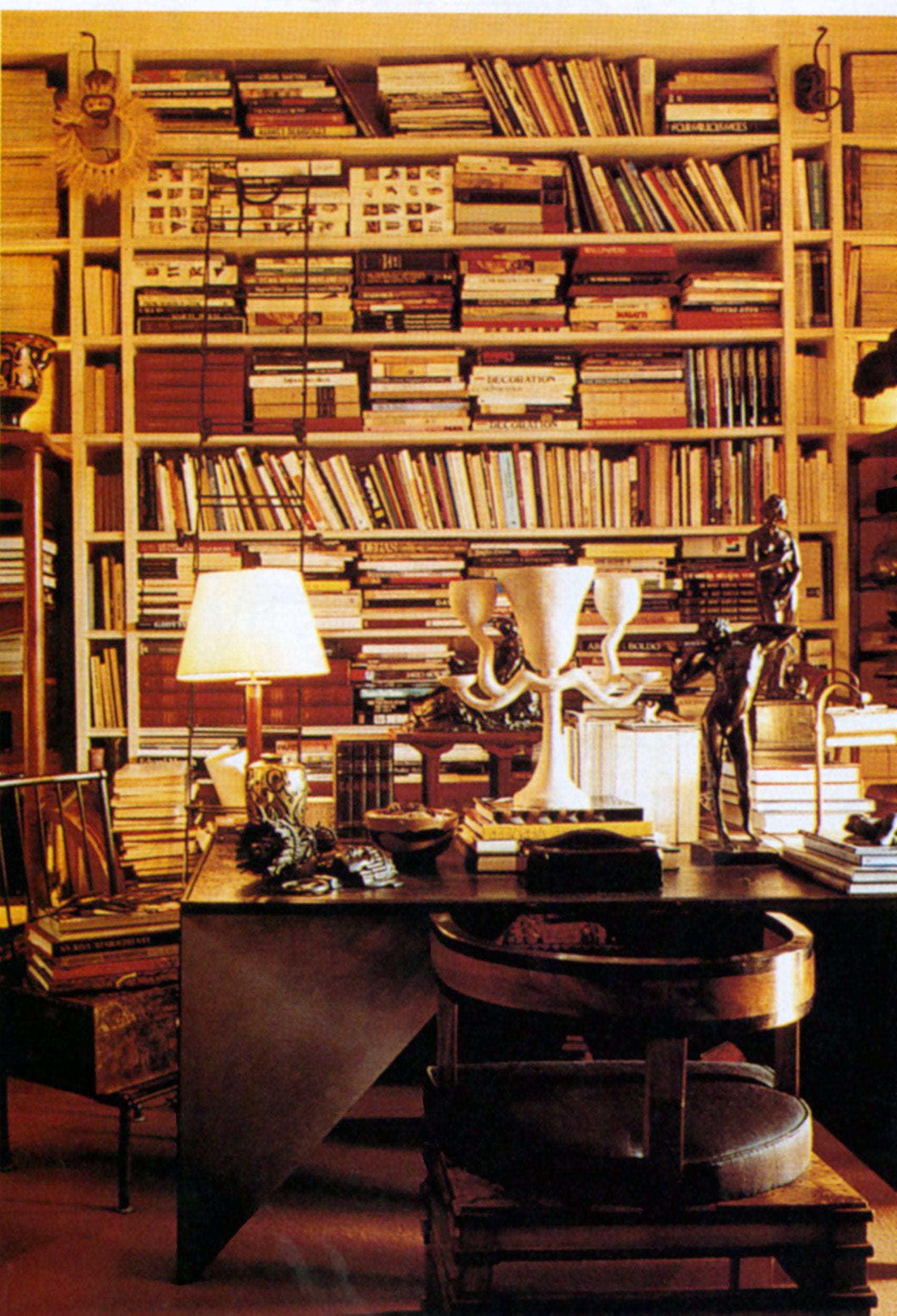
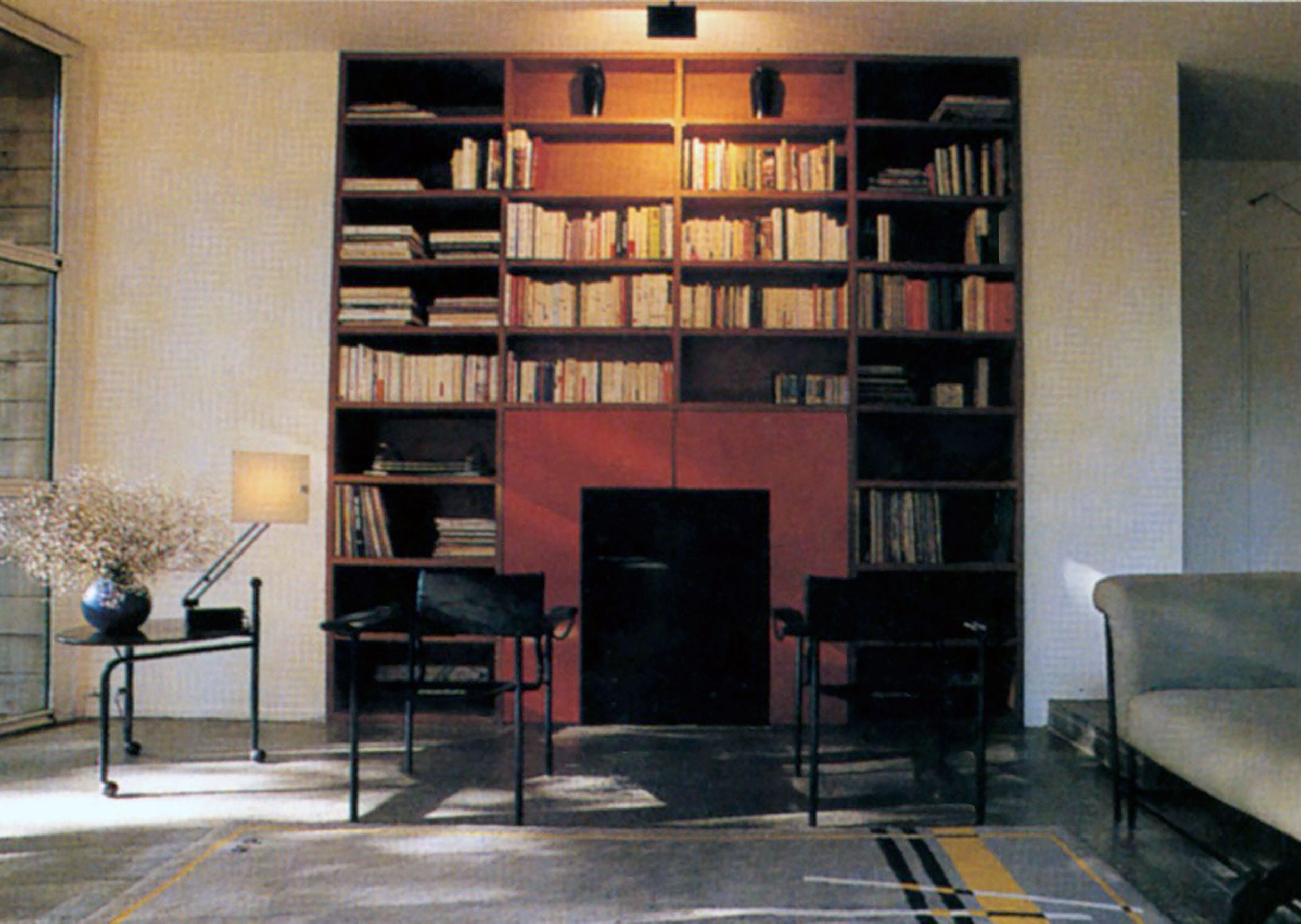
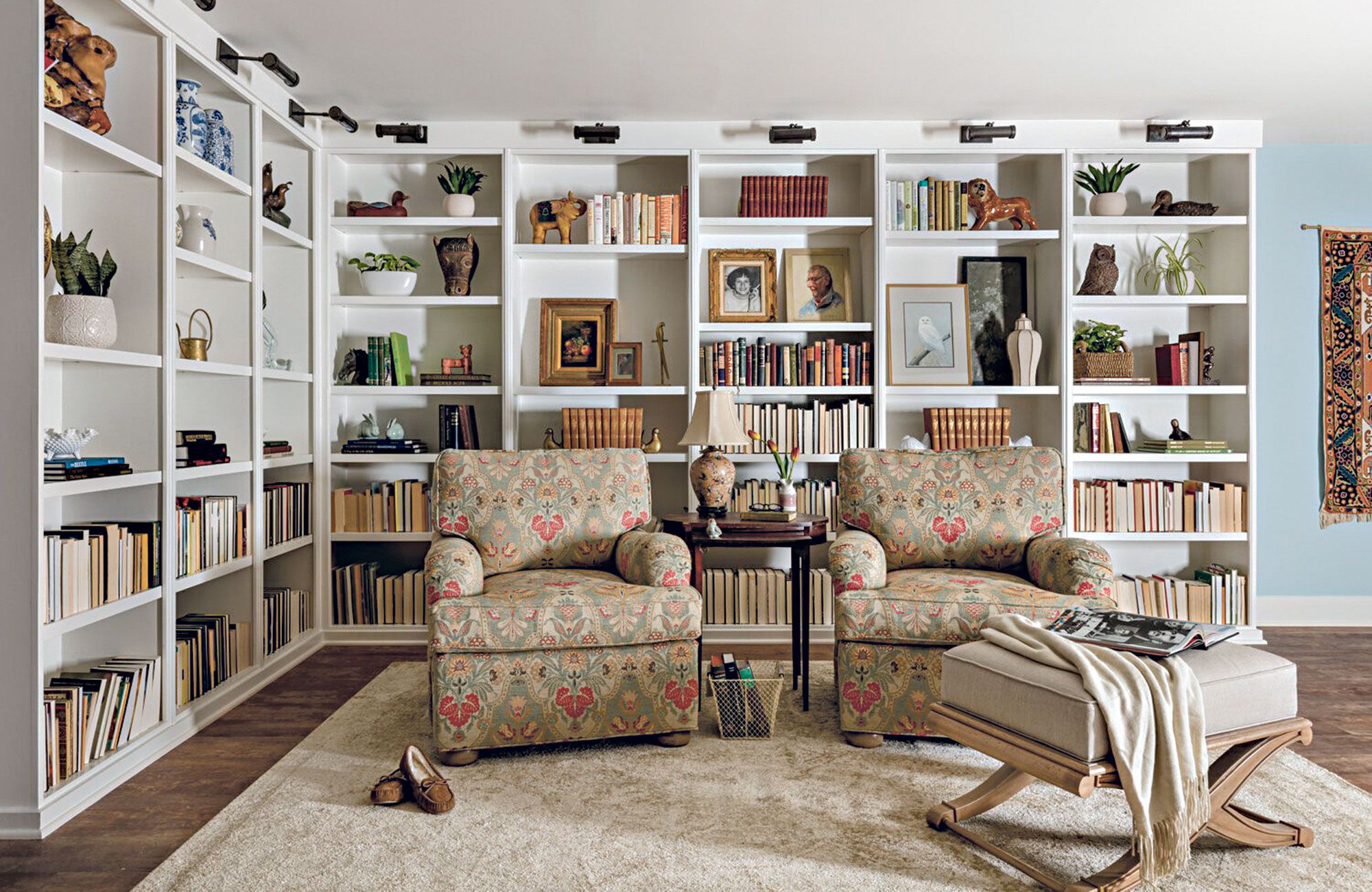
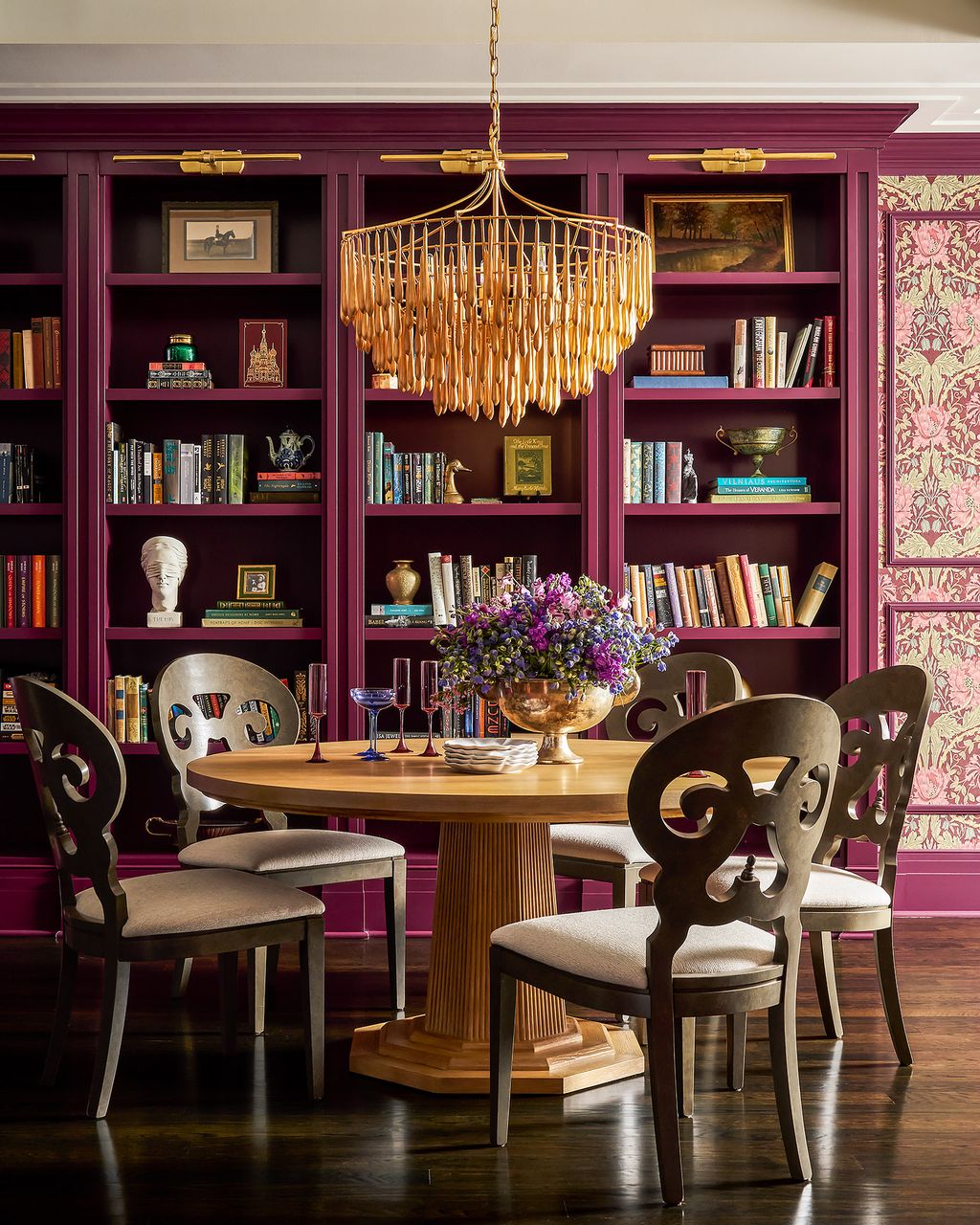
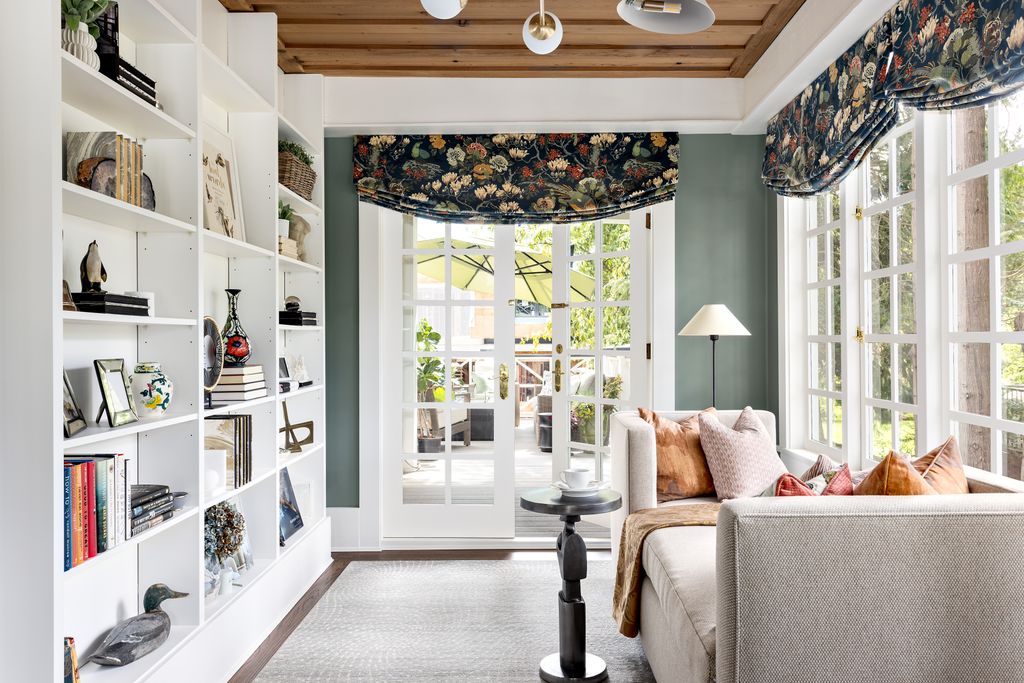
Another essential aspect is determining the style of the library. In streamlined modern interiors, books themselves become a dynamic, colorful plane, taking center stage. In traditional homes, vintage publications are integrated as vital supporting elements, complementing architectural features or strategically placed to highlight a fireplace or window. This approach allows the books to contribute to the overall design narrative.
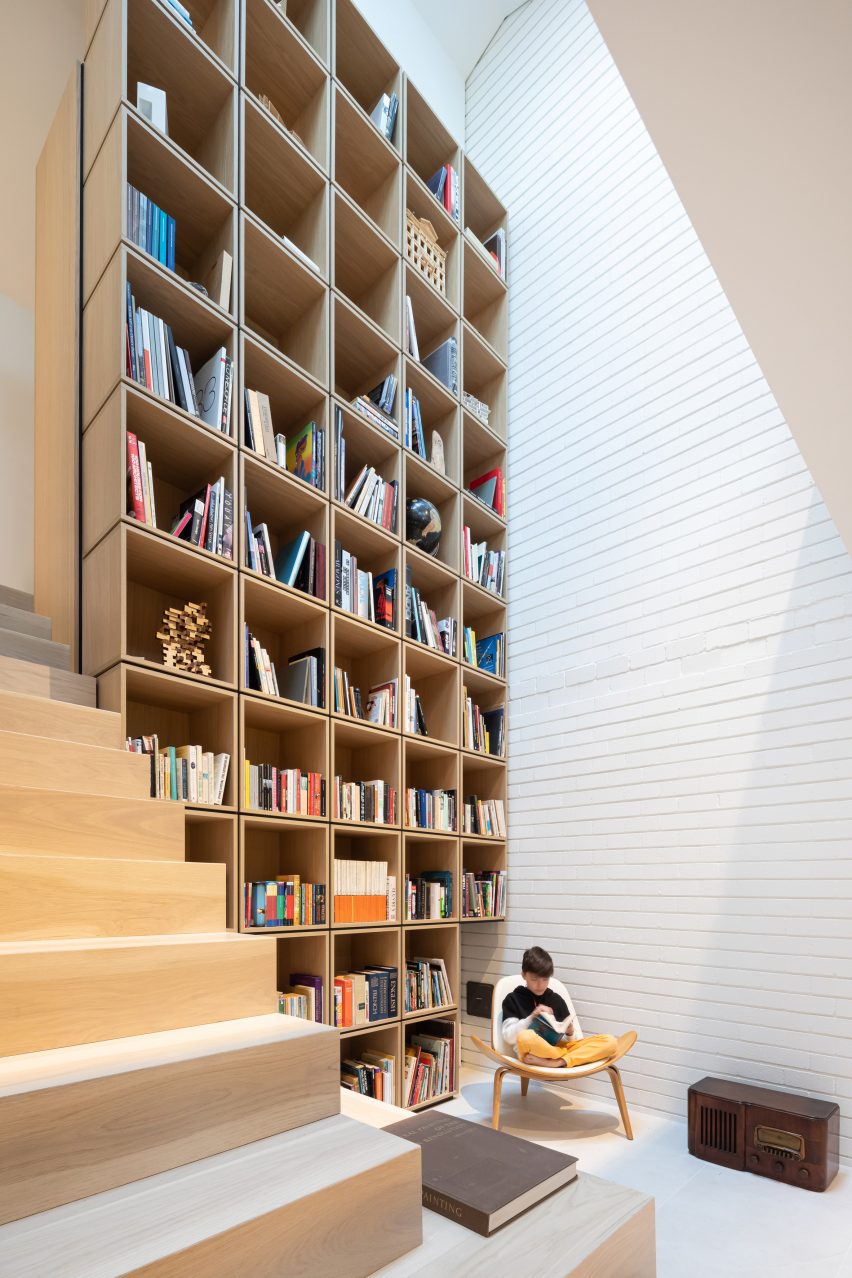
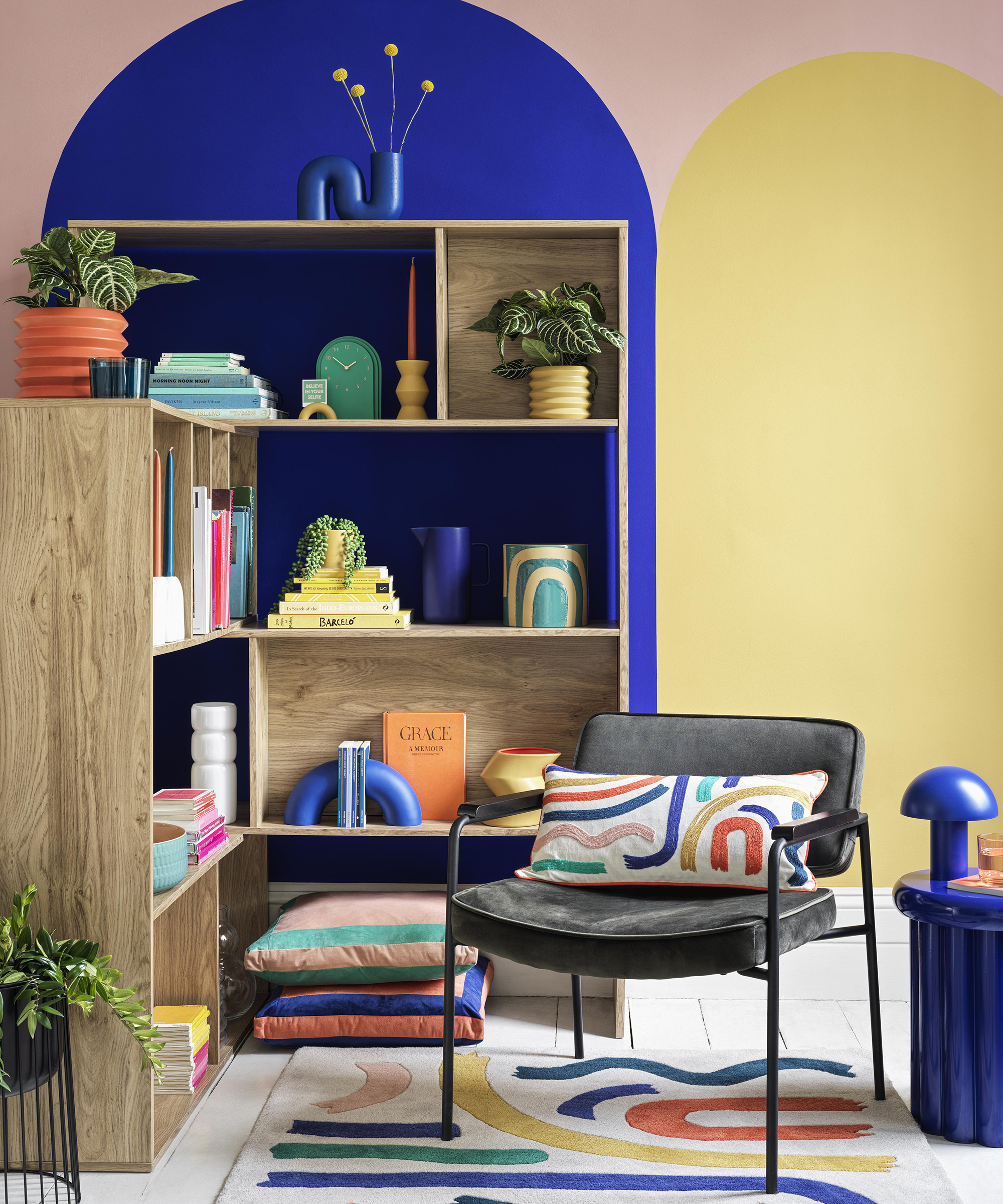
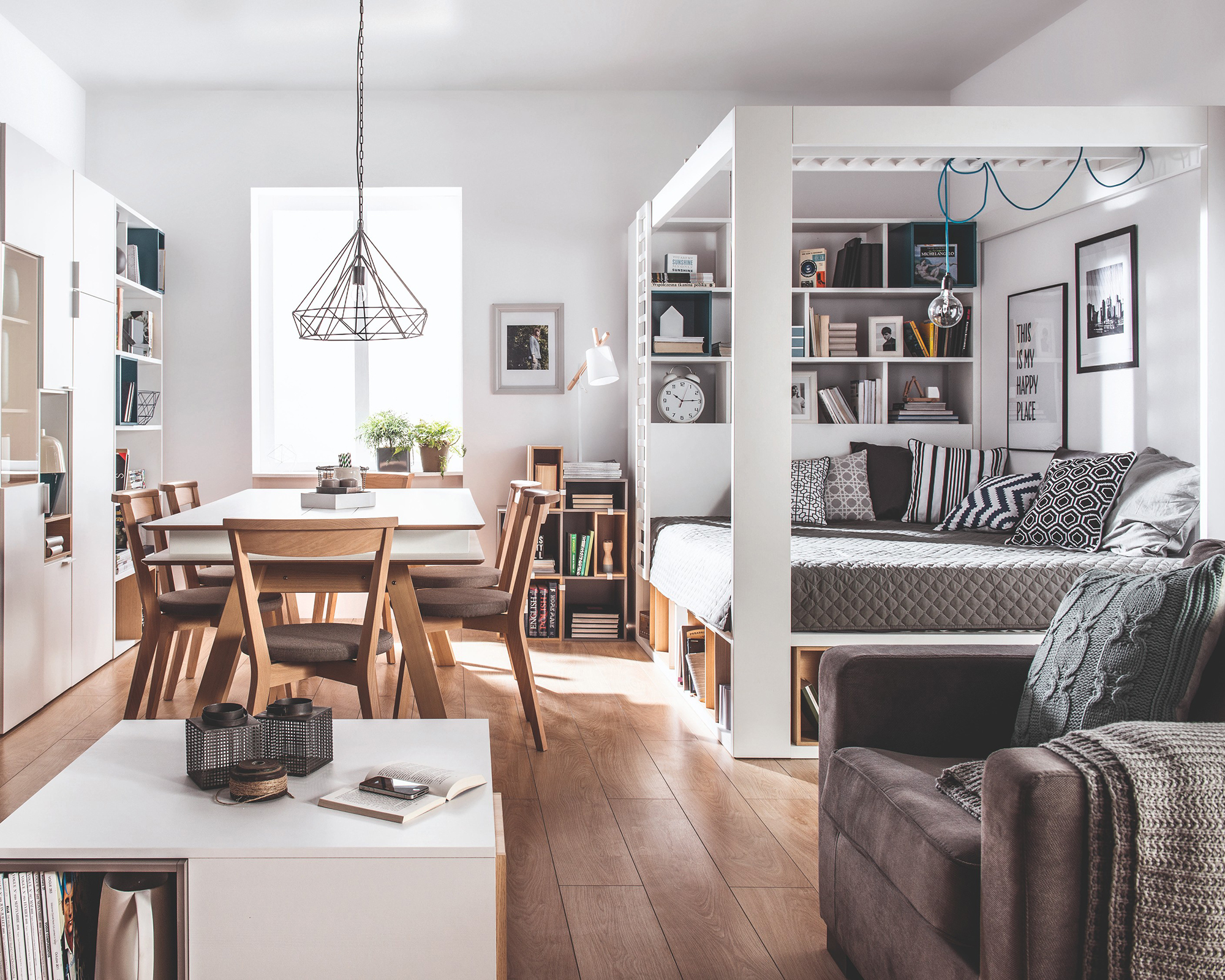
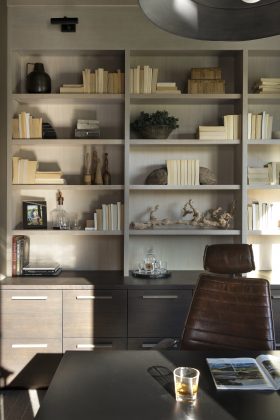
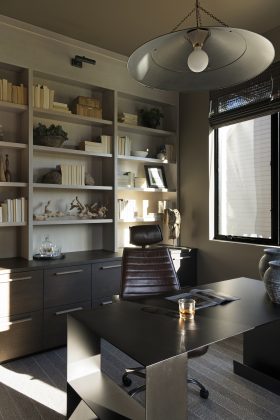
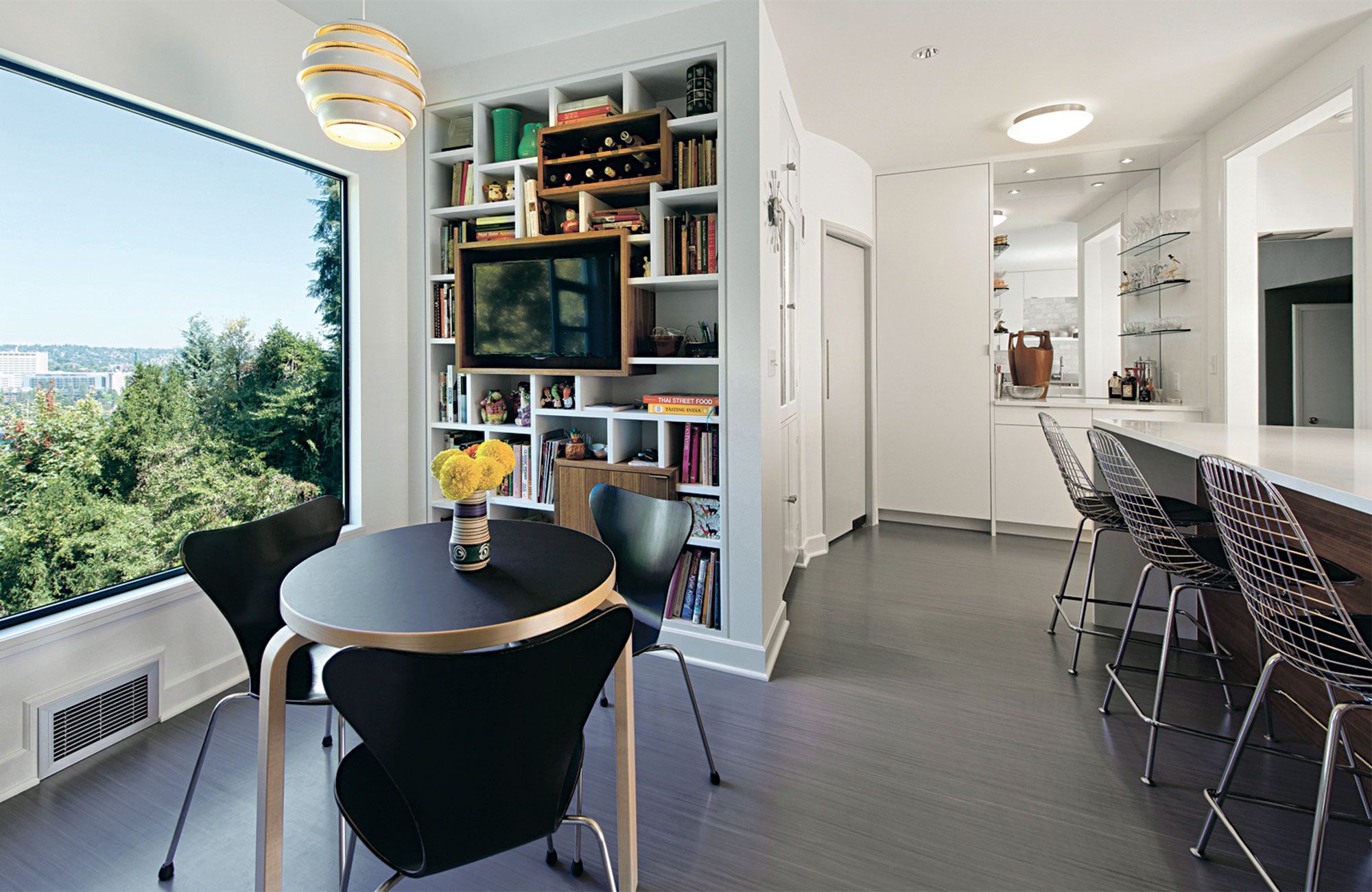
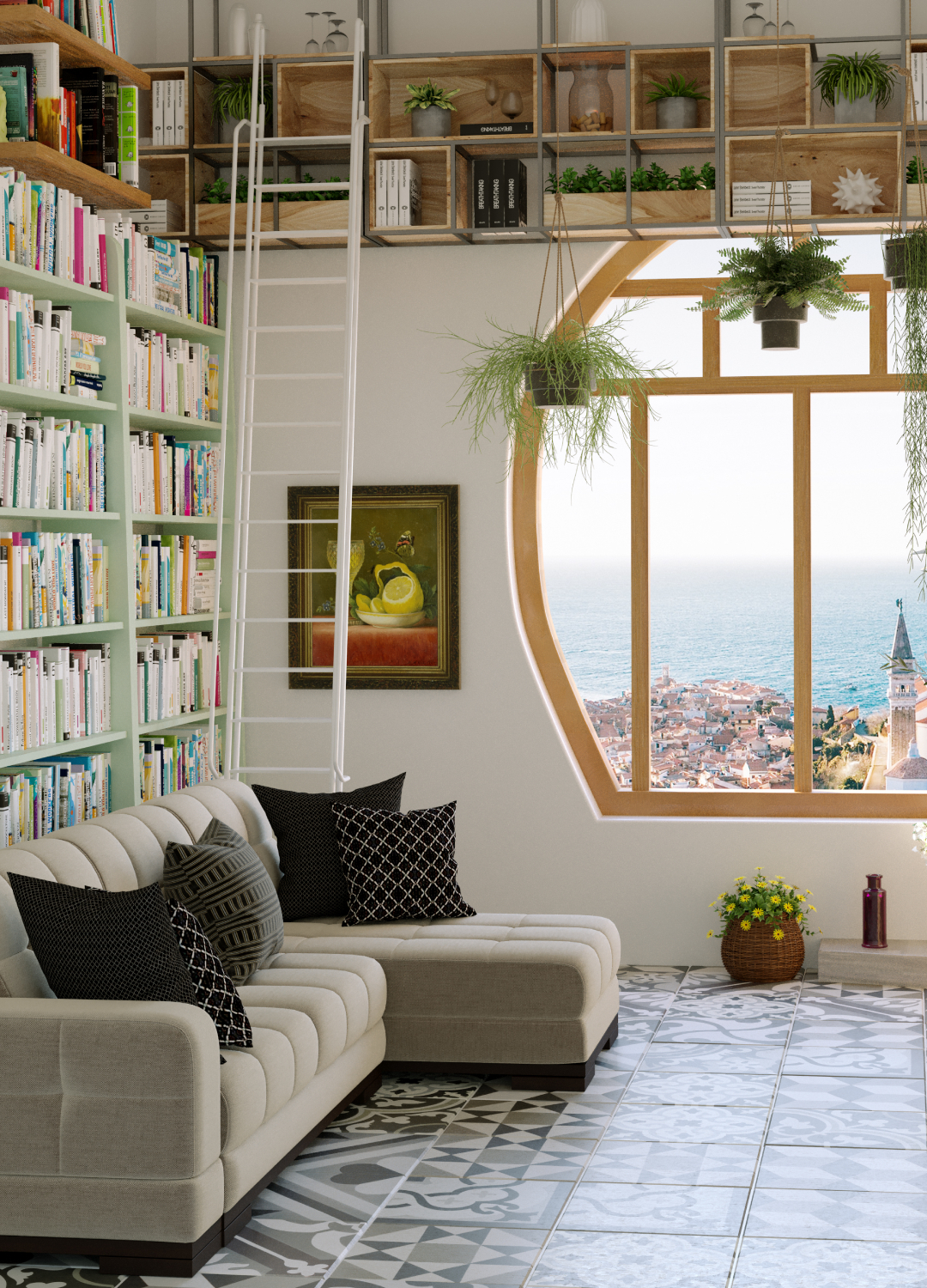
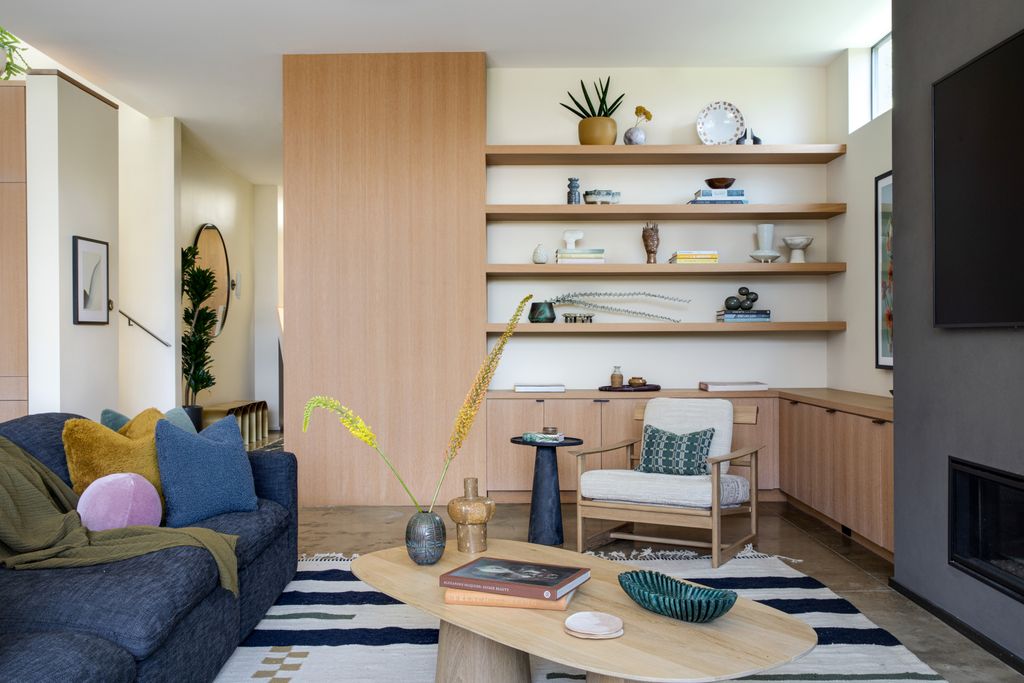
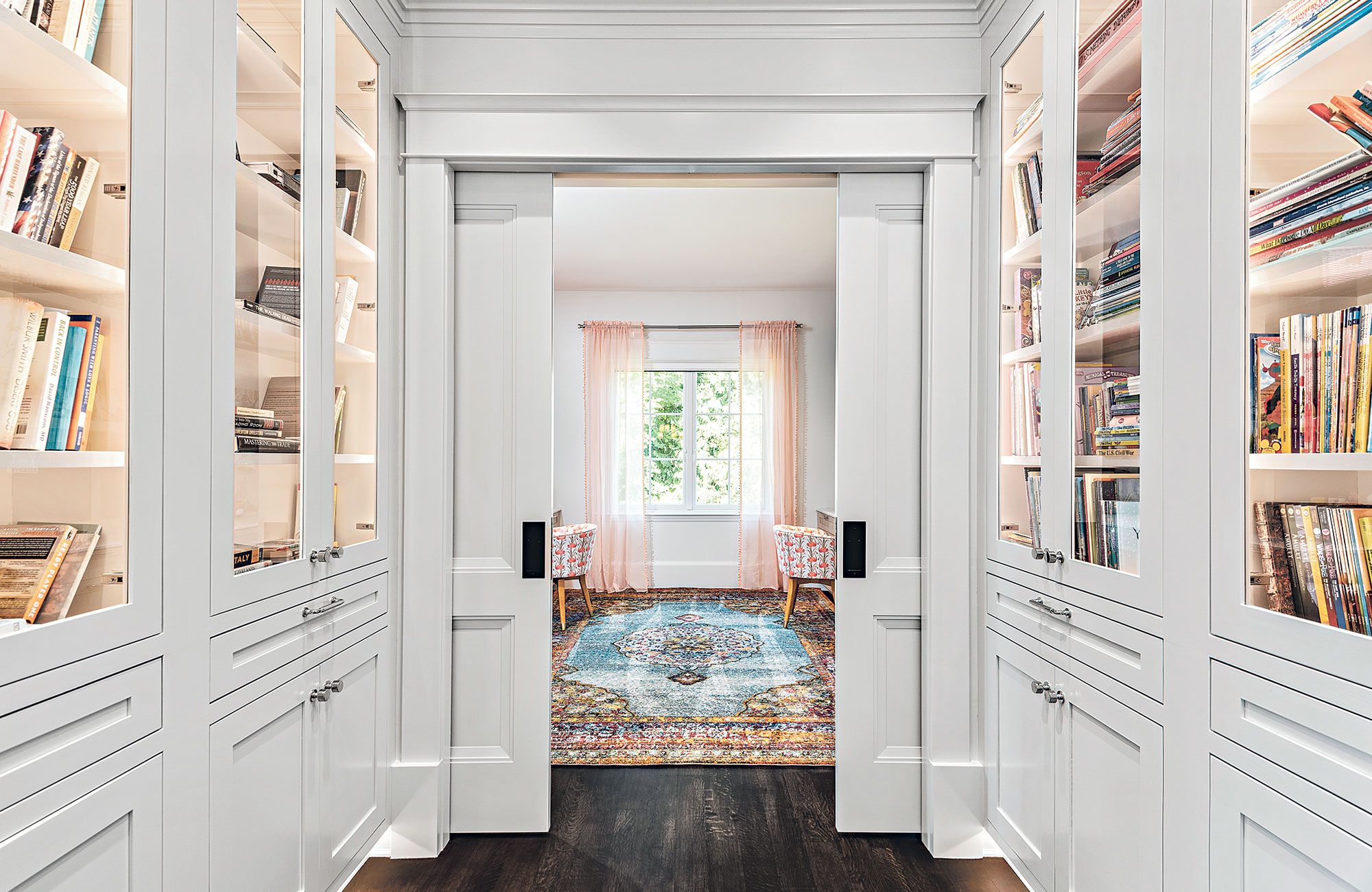
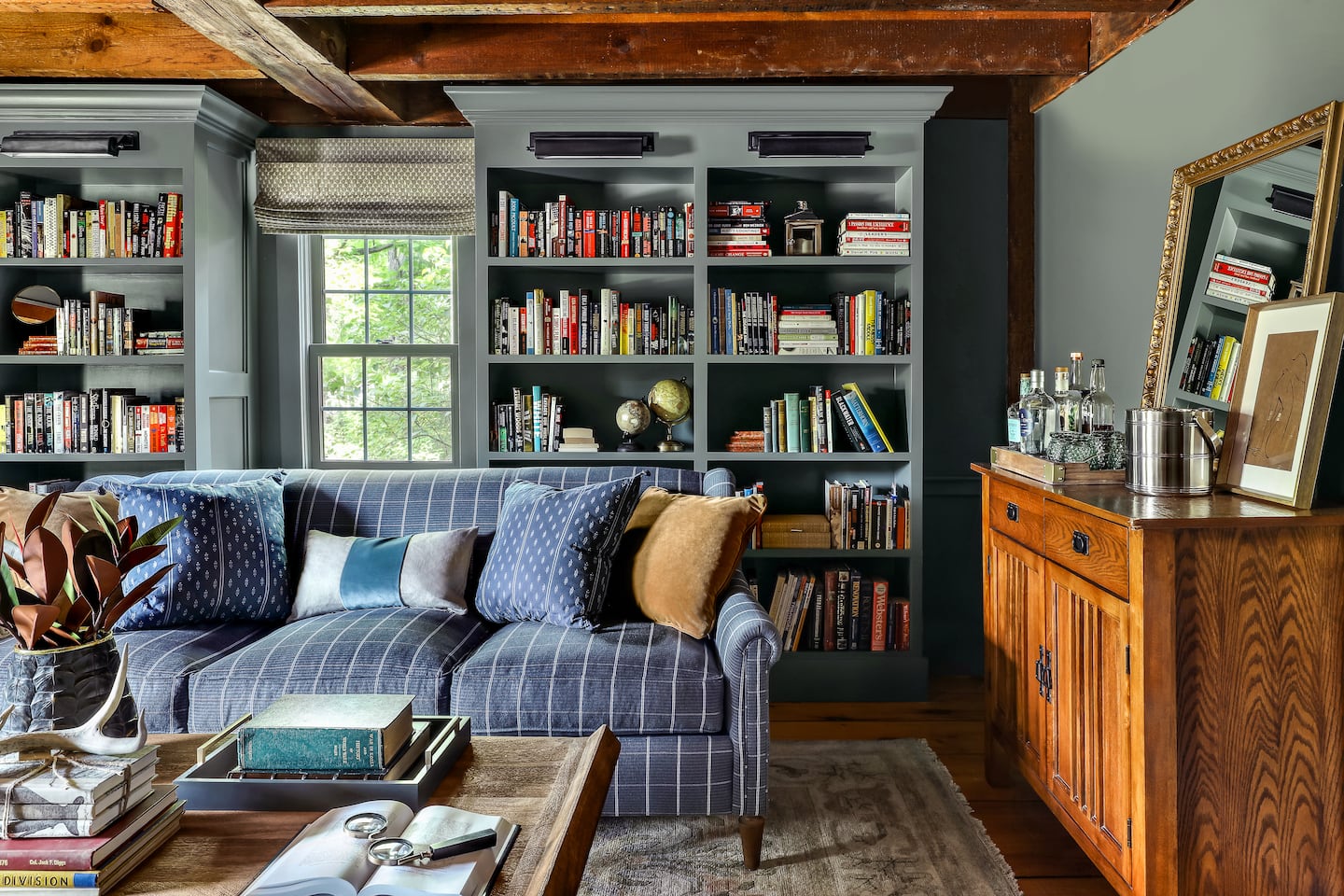
The choice between built-in shelving and standalone furniture also impacts the library's design. Kligerman advocates for horizontal planes of wood or metal in modern domestic architecture, suggesting they eliminate the need for vertical supports and offer an uninterrupted display. While clean lines are a common preference for many architects, Barkley points out the unique personality a vintage piece of furniture, like a hutch, can bring, adding layers and character from its past life. Portable units offer flexibility, allowing any corner or niche to be transformed into an impromptu library.
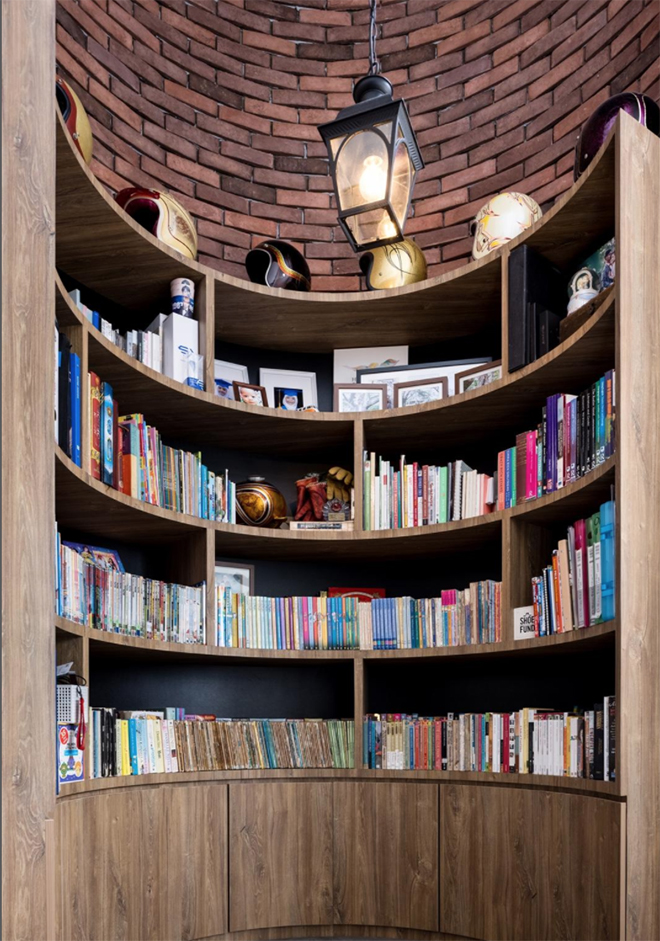
Finally, organization is paramount for both aesthetic appeal and functionality. Barkley often designs adjustable shelves to accommodate books of varying weights, ensuring visual balance by placing heavier volumes at the bottom and lighter ones at the top. Kligerman shares an organizational tip from his firm's offices: arranging periodicals in a geographically-inspired layout for a large architecture library, mirroring the map of the U.S.A. to logically categorize books by region. These considerations contribute to creating a functional, beautiful, and personalized home library.
#HomeLibraryDesign #InteriorDesign #BookcaseIdeas #ArchitecturalElements #ReadingNook #HomeDecor #StorageSolutions #CustomShelving #SpacePlanning #HomeLibraryDesign #InteriorDesign #BookcaseIdeas #ArchitecturalElements #ReadingNook #HomeDecor #StorageSolutions #CustomShelving #SpacePlanning
0 ความคิดเห็นรวม
 ยังไม่มีความคิดเห็น
คุณอาจจะชอบอีกด้วย
A Design Expert Tells Us How To Create The Perfect Home Library
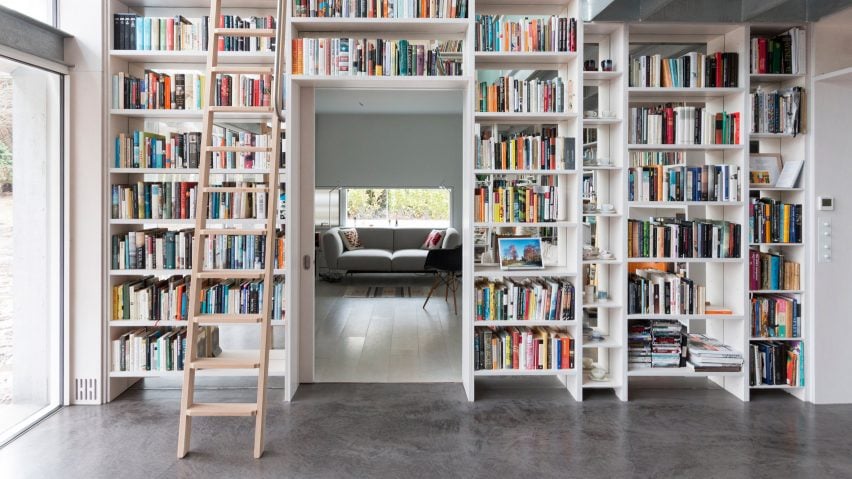
Ten practical home libraries that showcase their owners' book collections
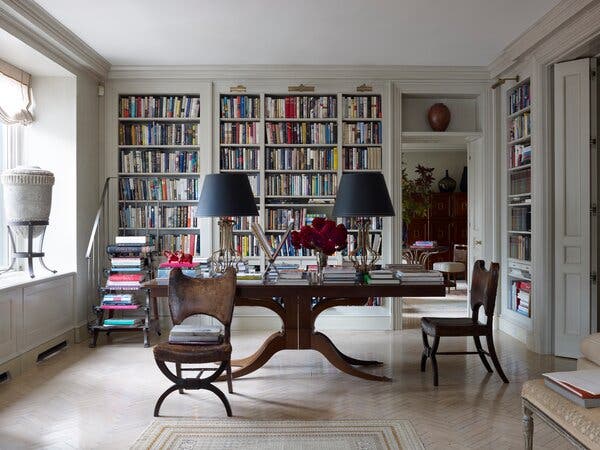
A Home Library Can Tell Your Life Story (Published 2024)
Matt Armato and Beau Ciolino talk interior design and DIY tips


10 of the most incredible home libraries around the world
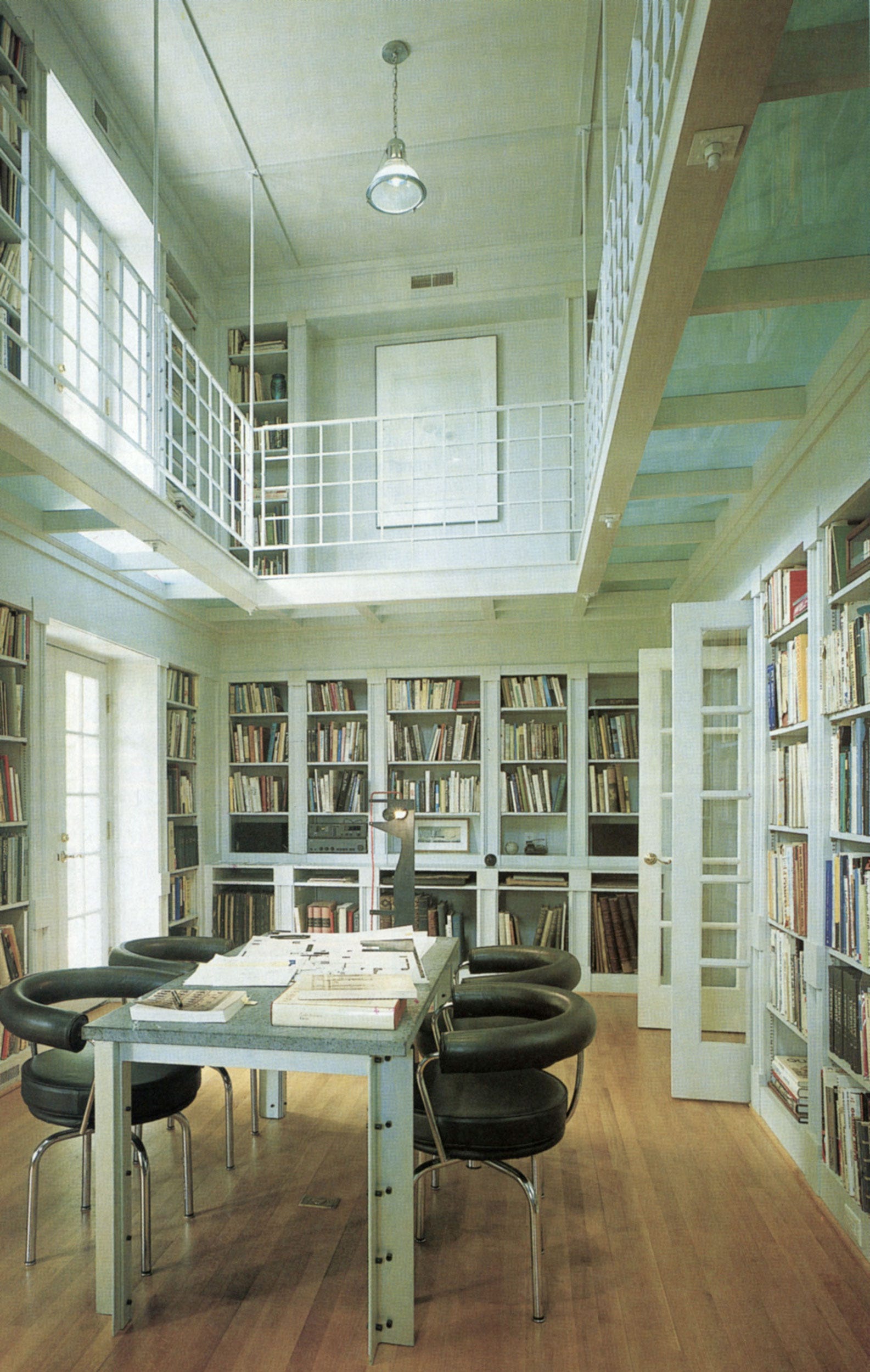
From the Archive: A Tour of Some of the World’s Most Elegant Home Libraries

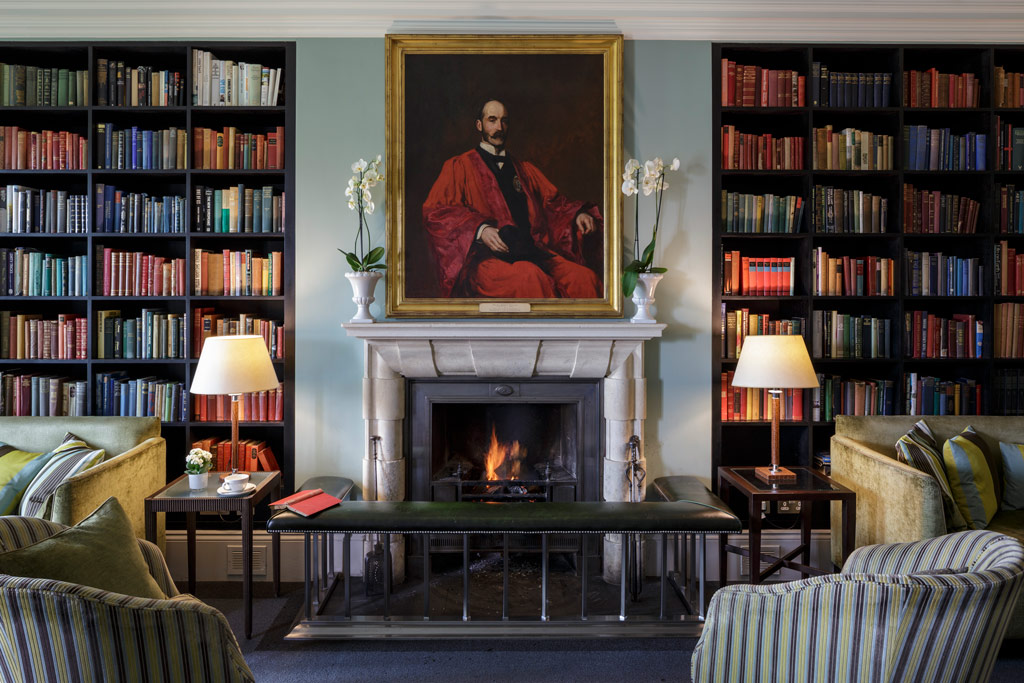
Home Libraries: Interiors Inspiration
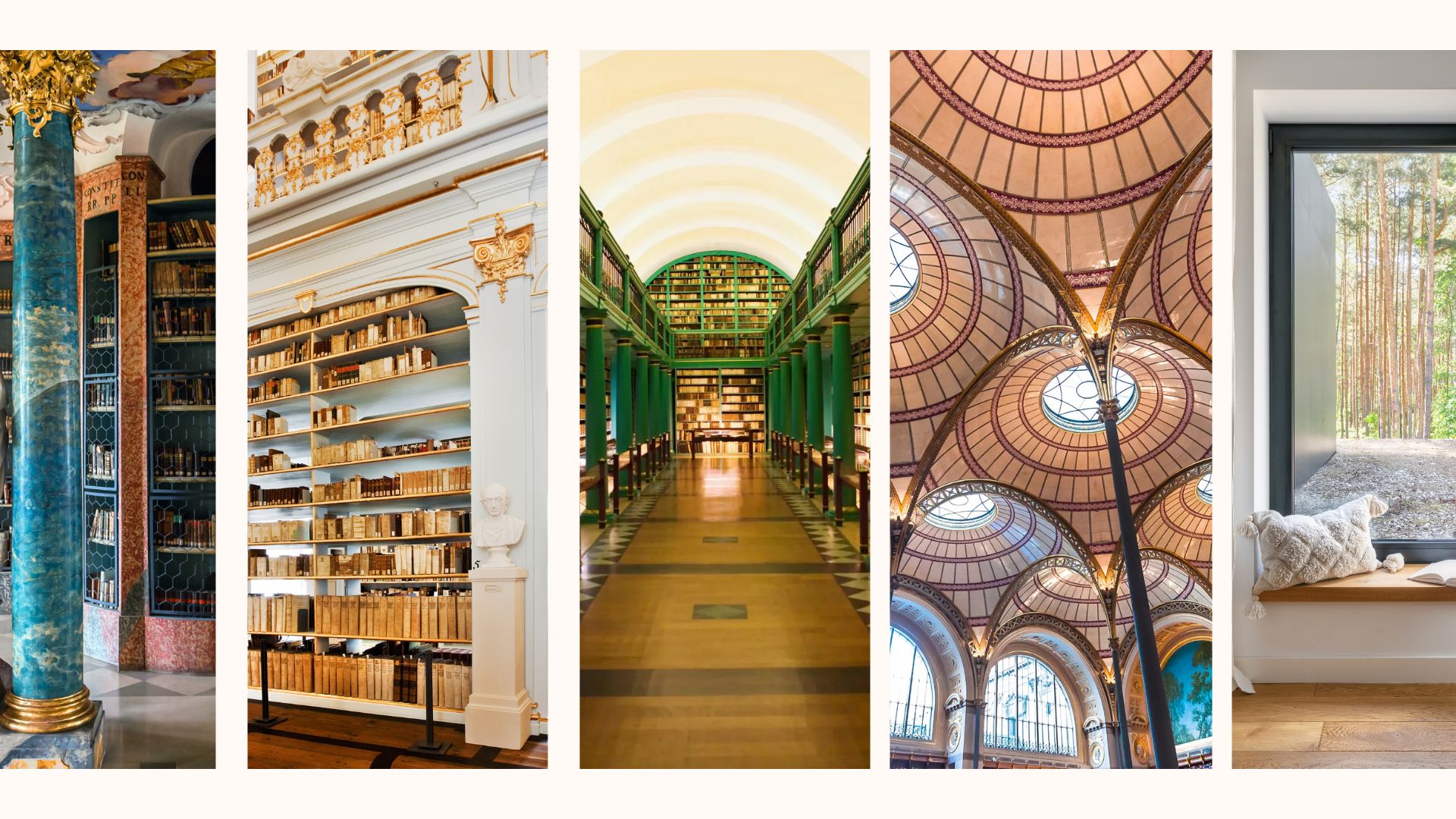
The world's most beautiful libraries that will enchant book lovers and inspire your home decor dreams


Home library space: a bibliophile’s dream

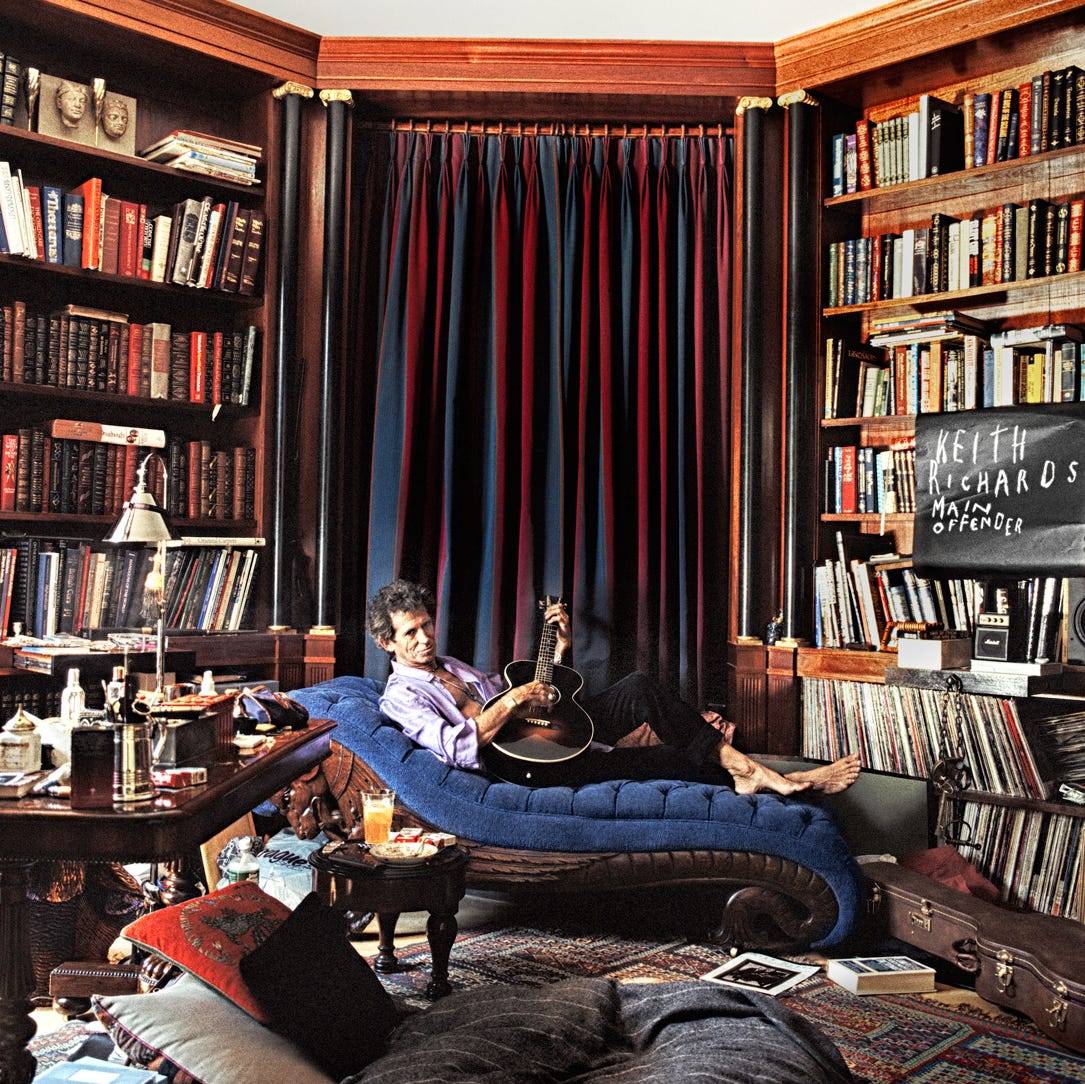
Home Libraries Are All Over Cable News. Here’s Why They’ve Never Been Hotter
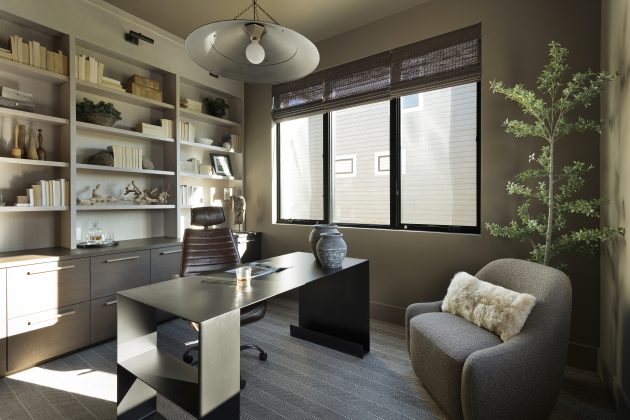
5 Libraries, Studies & Offices to Inspire Your Workspace

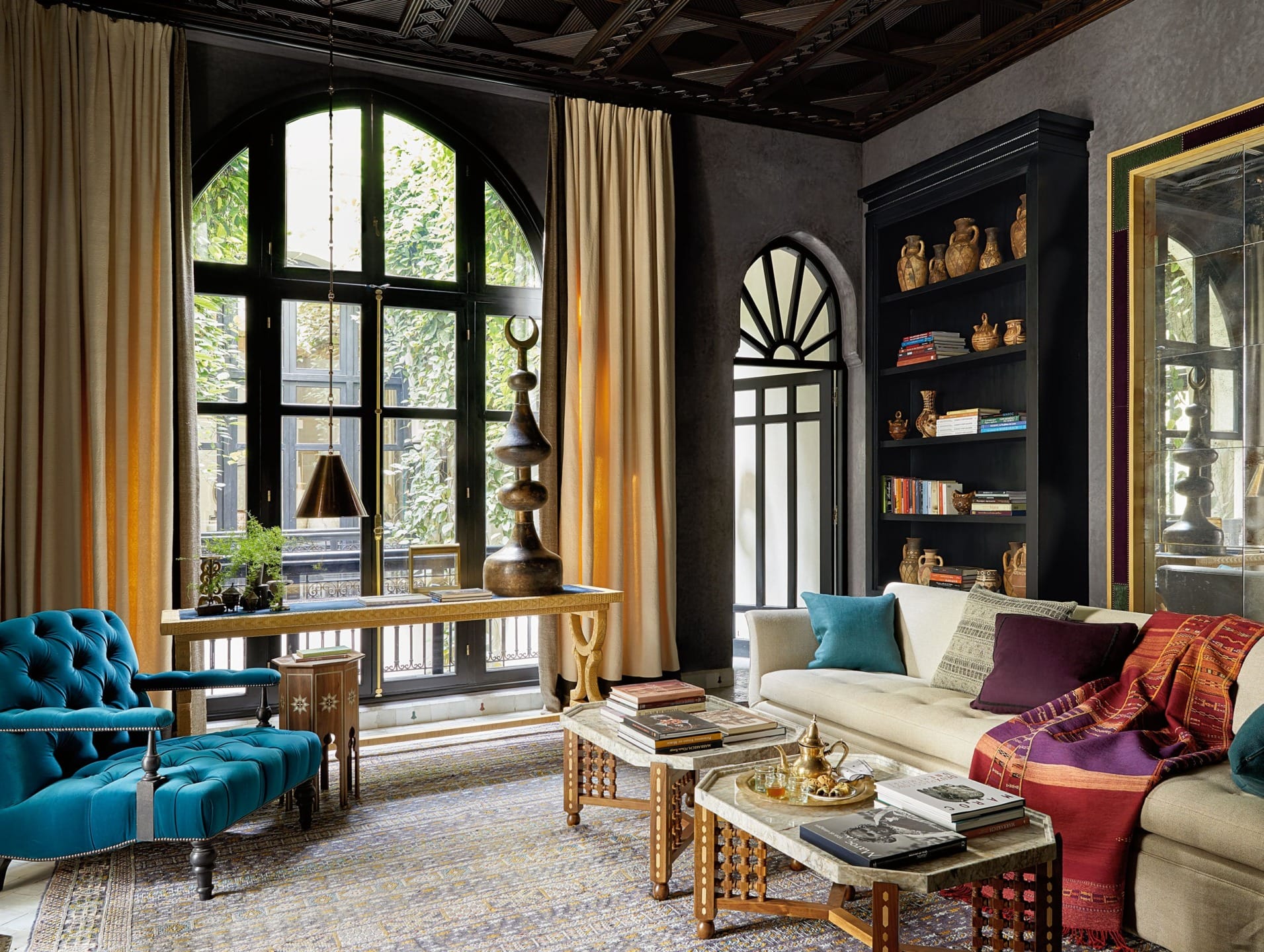
38 Built-In Bookshelf Ideas That Turn Any Room Into a Bona Fide Library

11 Chic Home Libraries Designed by Axel Vervoordt, Markham Roberts, Gil Schafer, and More

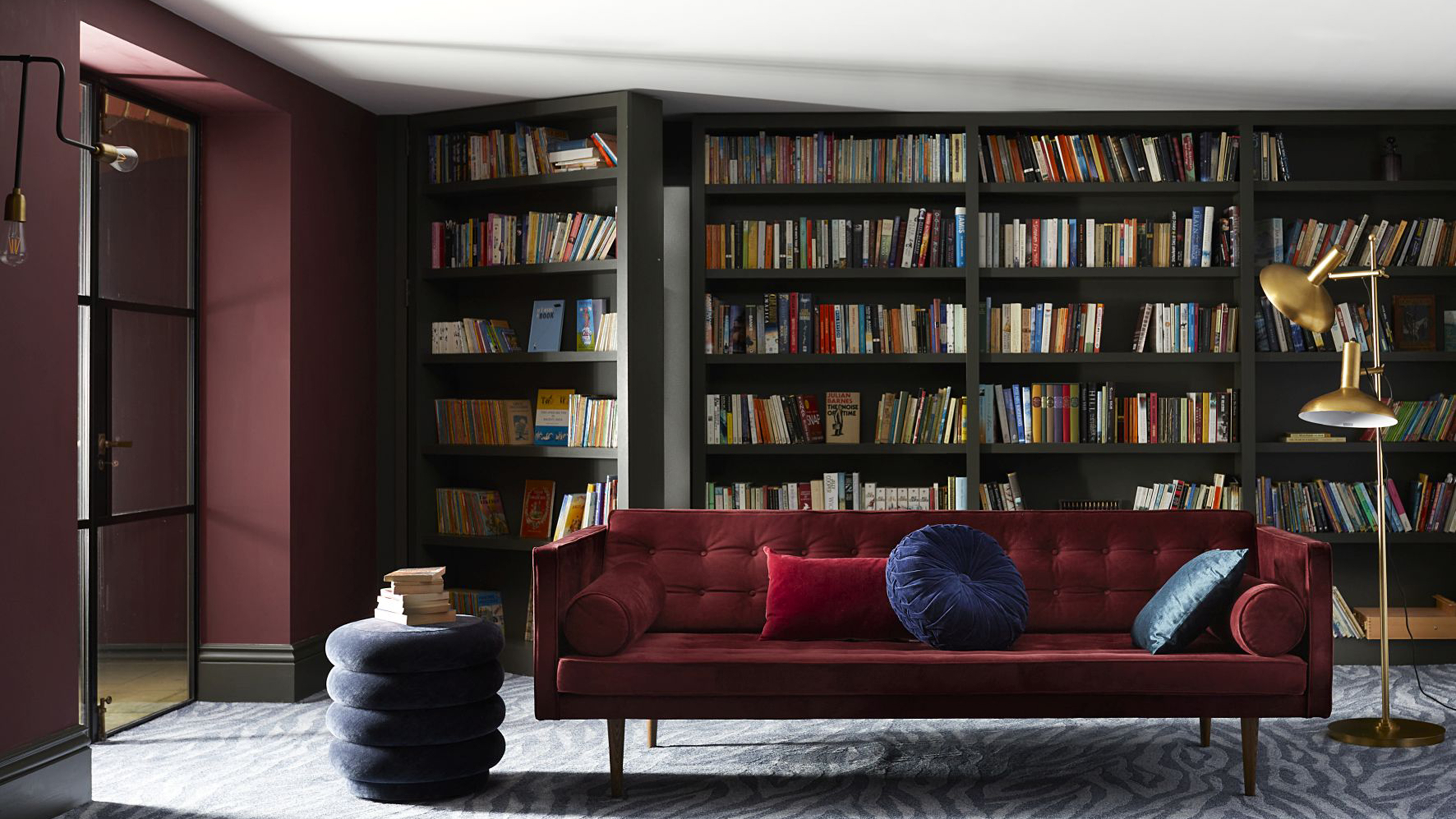
Home library ideas: 15 beautiful designs for bibliophiles and bookworms


Design A Library To Discover The First Book That Belongs On Your Shelves

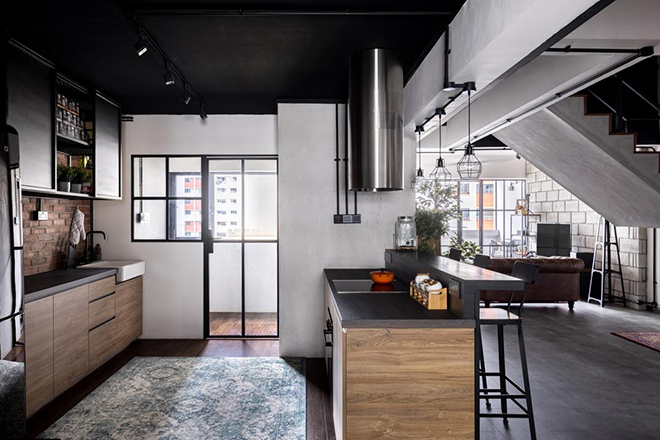
5.5M Tall, Curved HDB Home Library!

Check out the decor of these home libraries

How to Help Librarians and Archivists From Your Living Room
Fully booked: Tips for organizing your home library

Design inspiration: Thumbed-through paperbacks make for a nice home library