1/9
8 Bedroom Design Trends That Will Be Out Of Style In 2023
The year 2023 is expected to bring significant shifts in bedroom design trends, moving away from several popular styles seen in previous years. Interior designers and experts highlight eight specific trends that will likely become outdated, replaced by new aesthetics focusing on comfort, personality, and wellness.
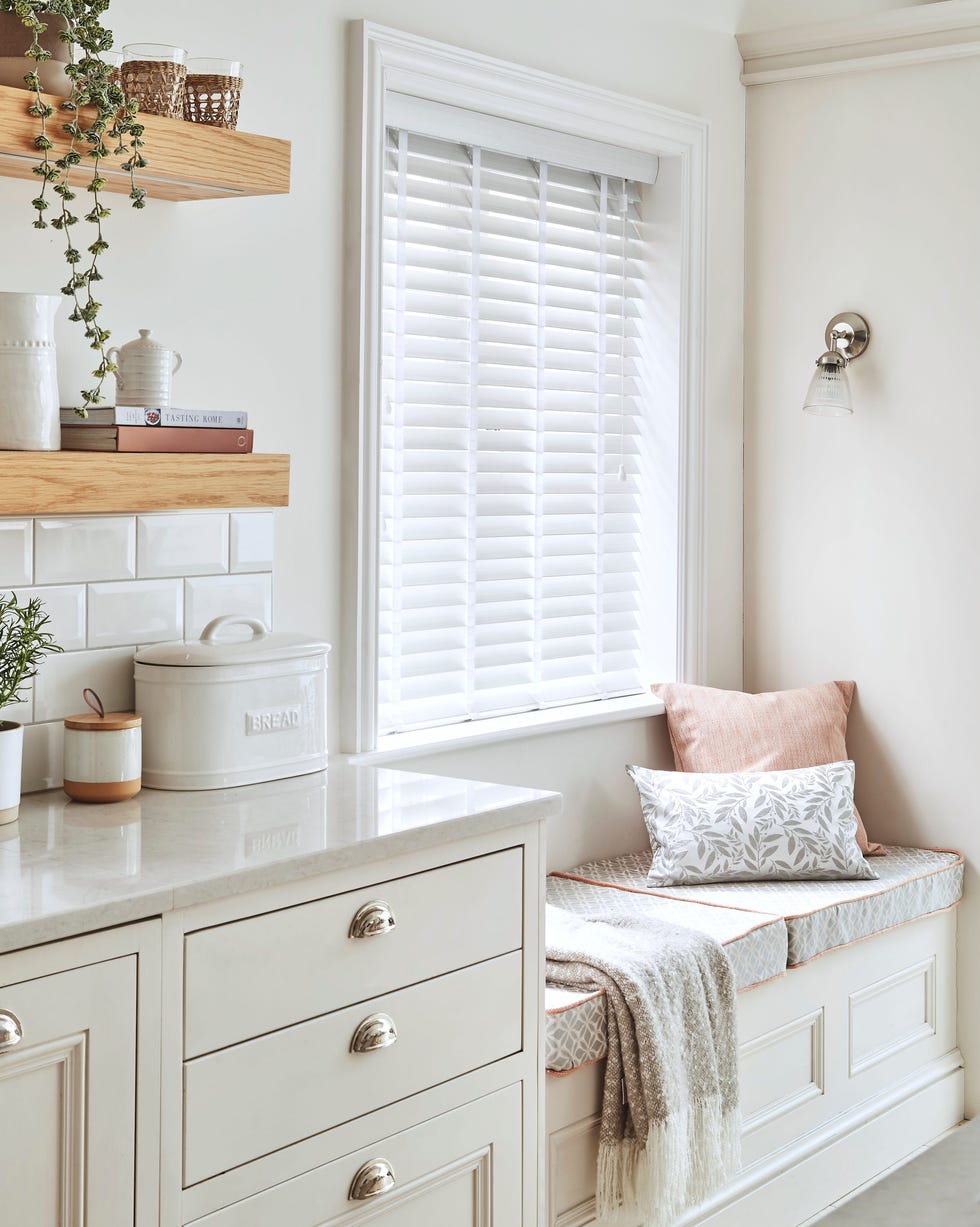
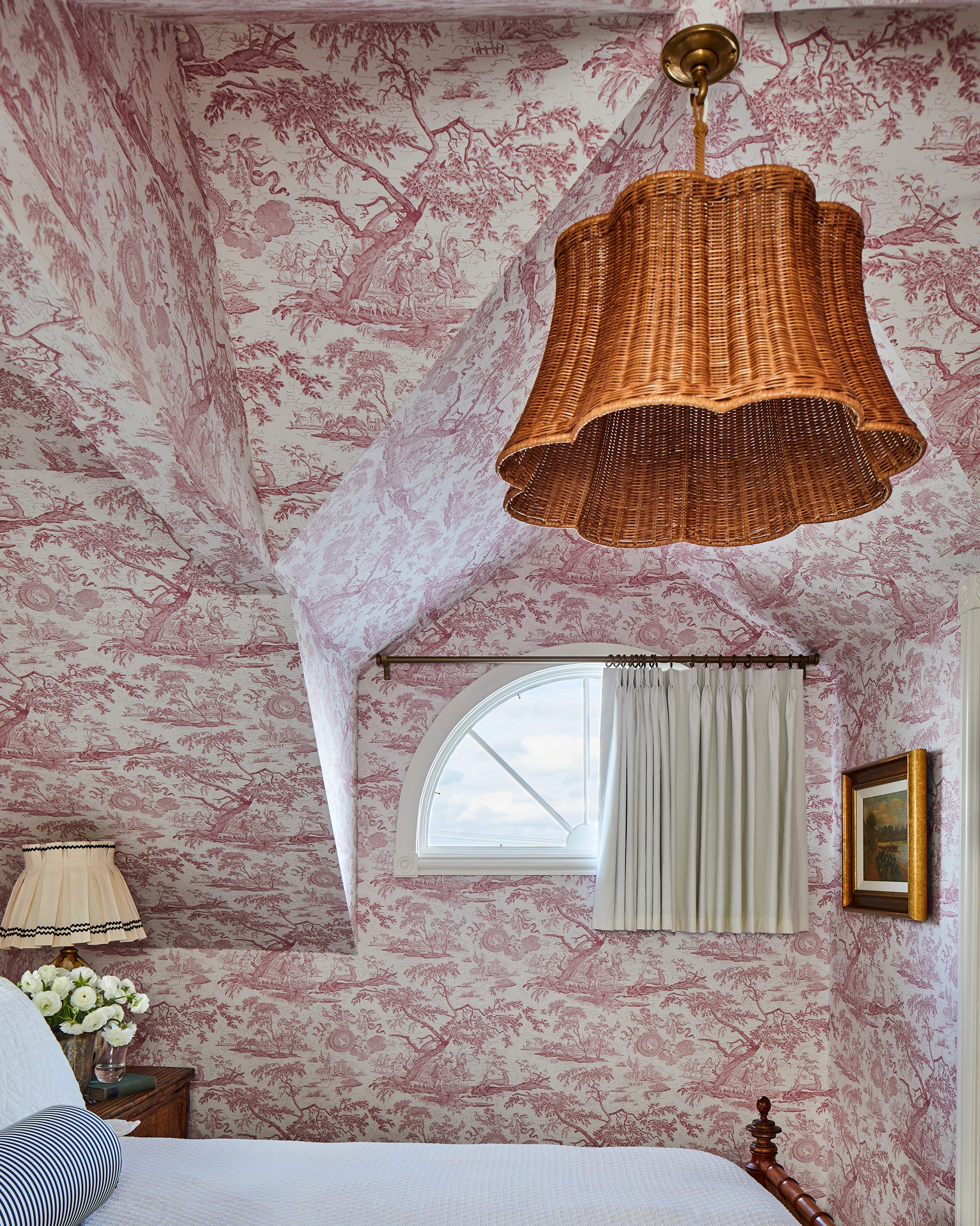
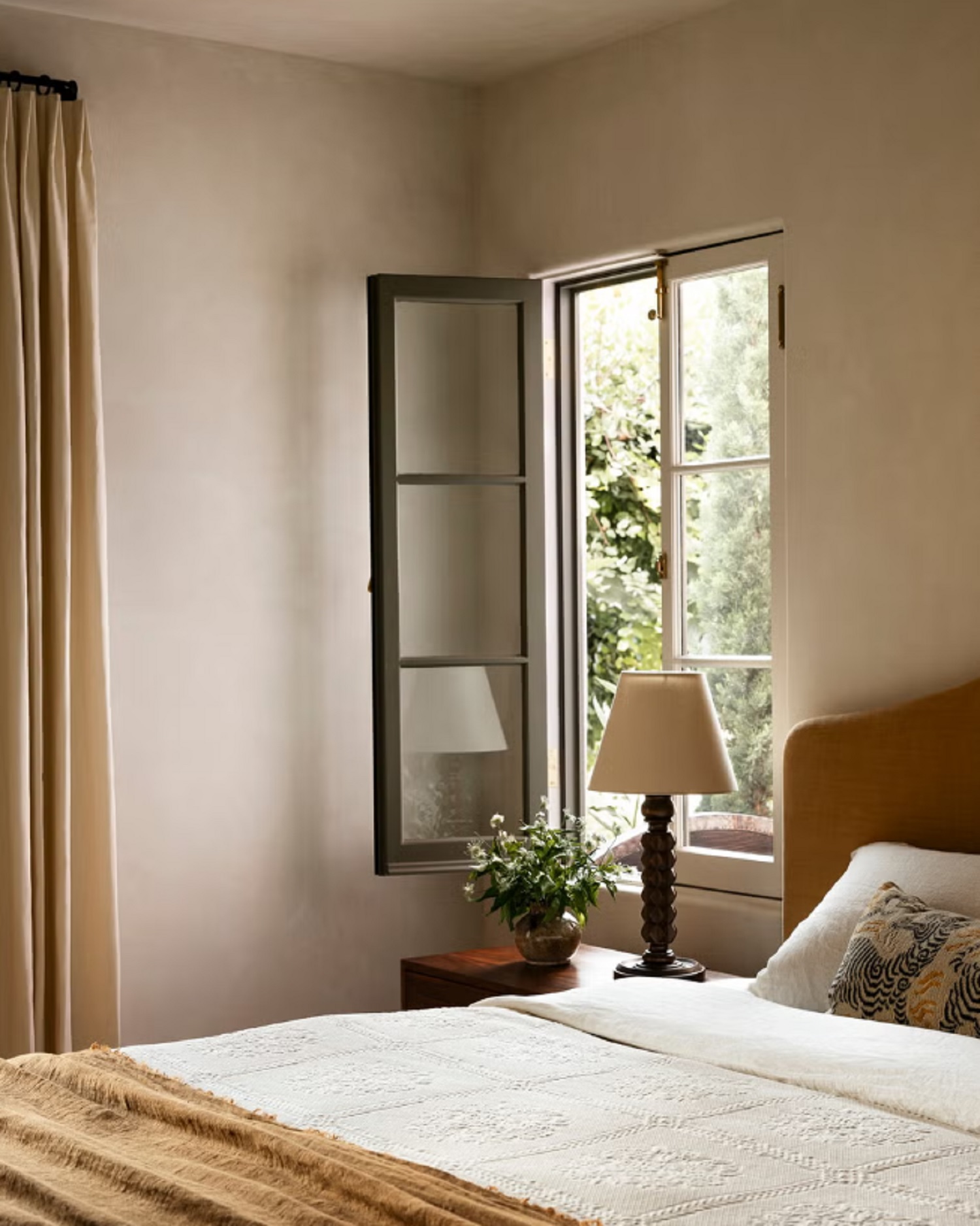
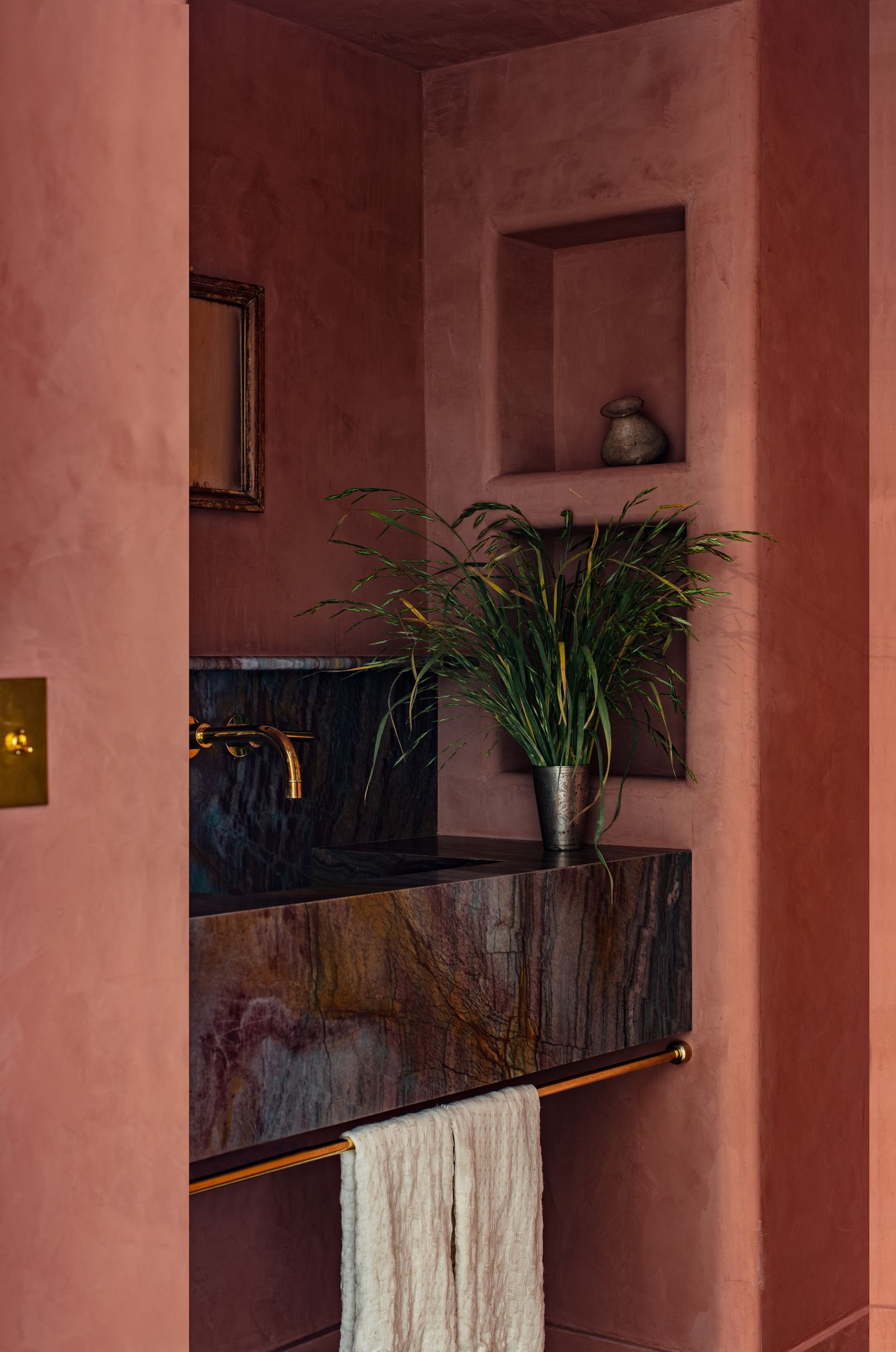
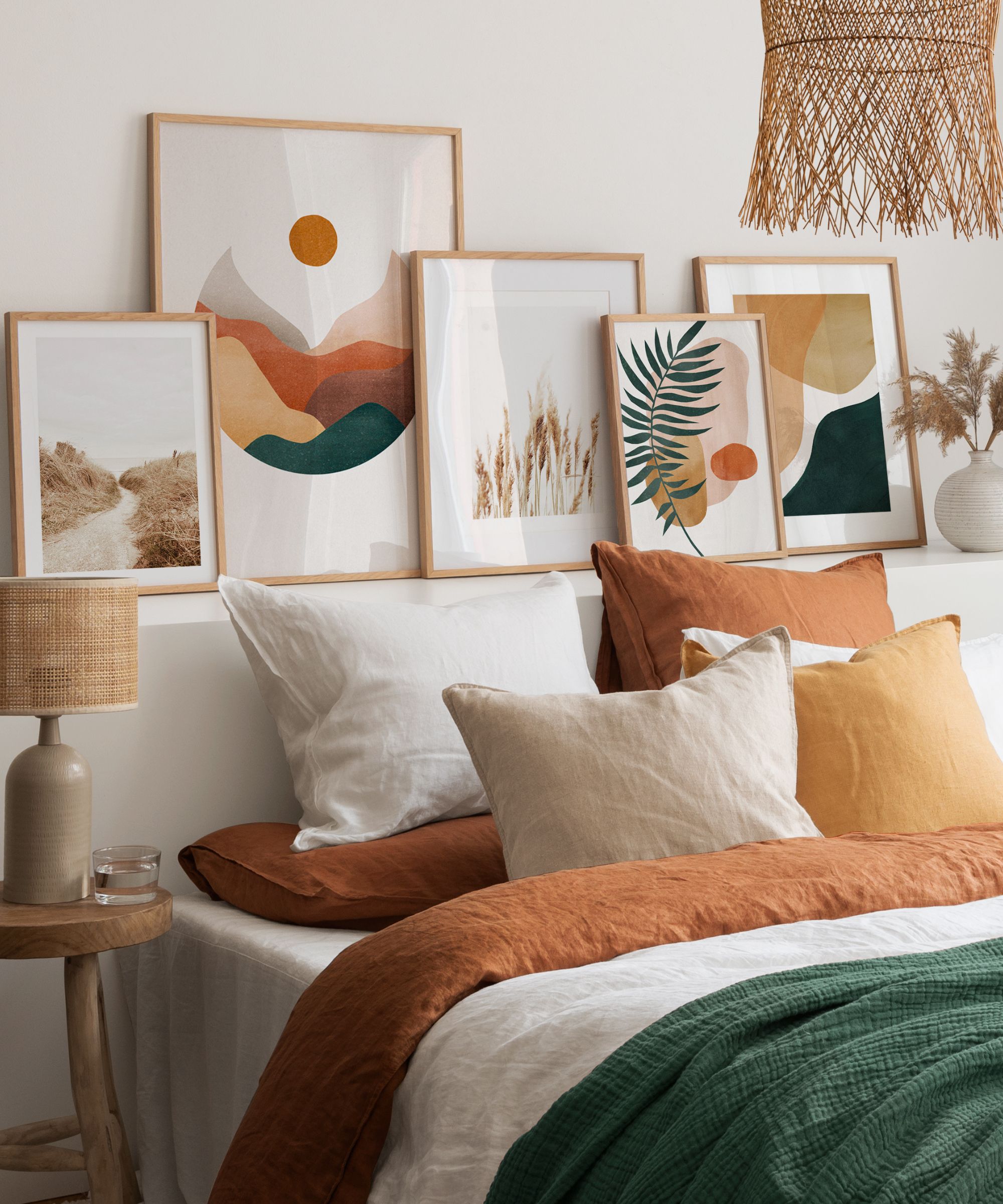
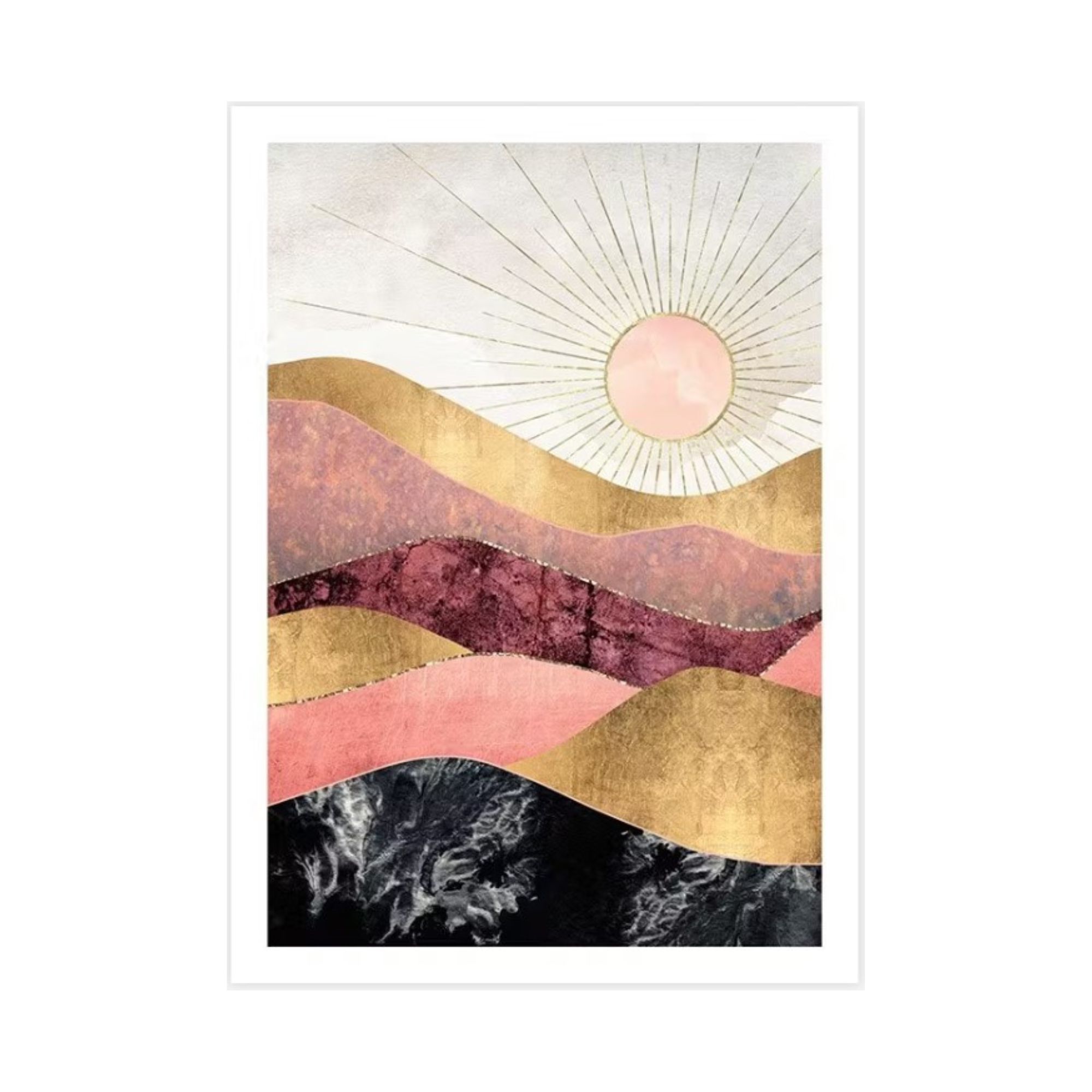
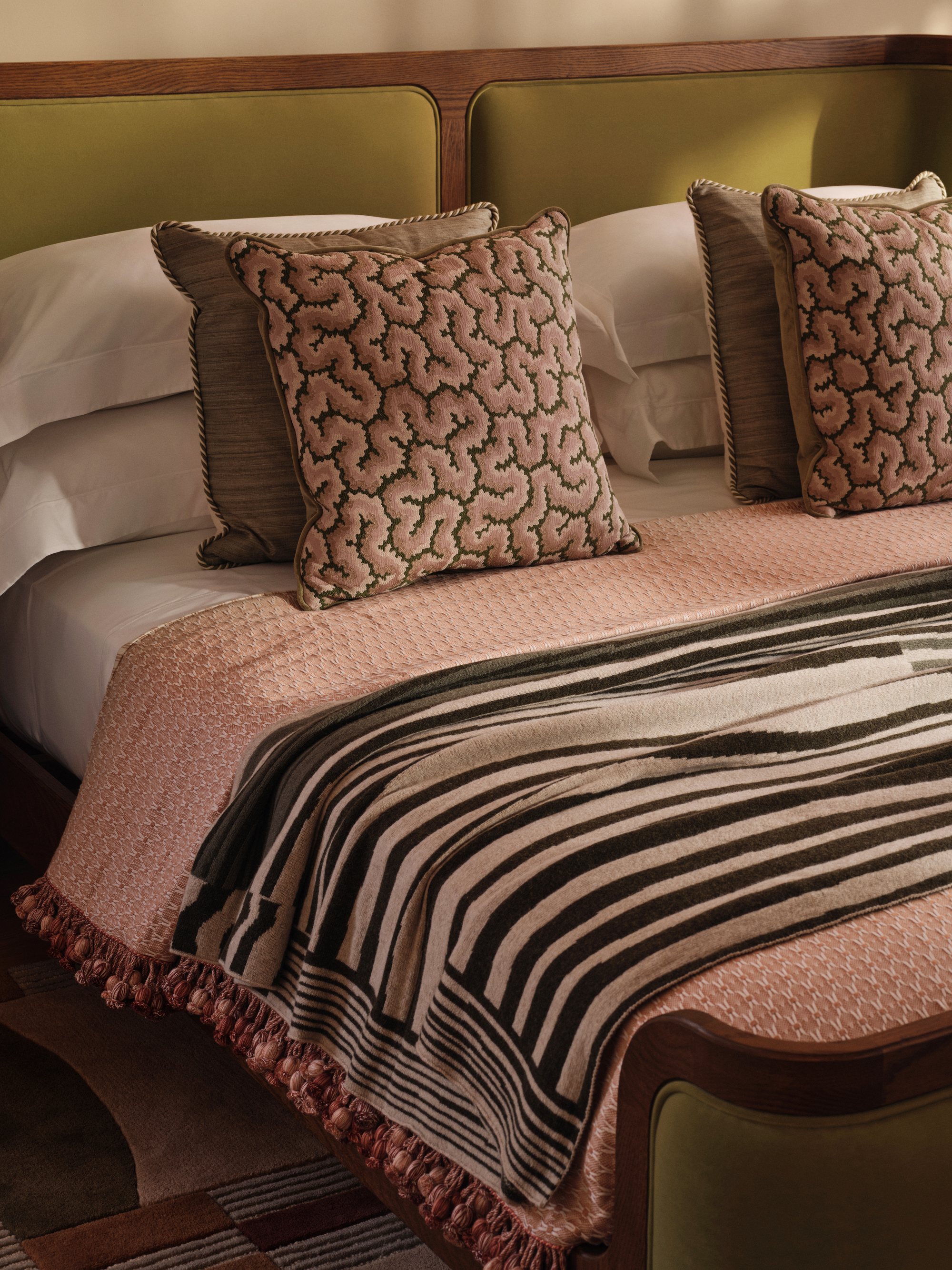
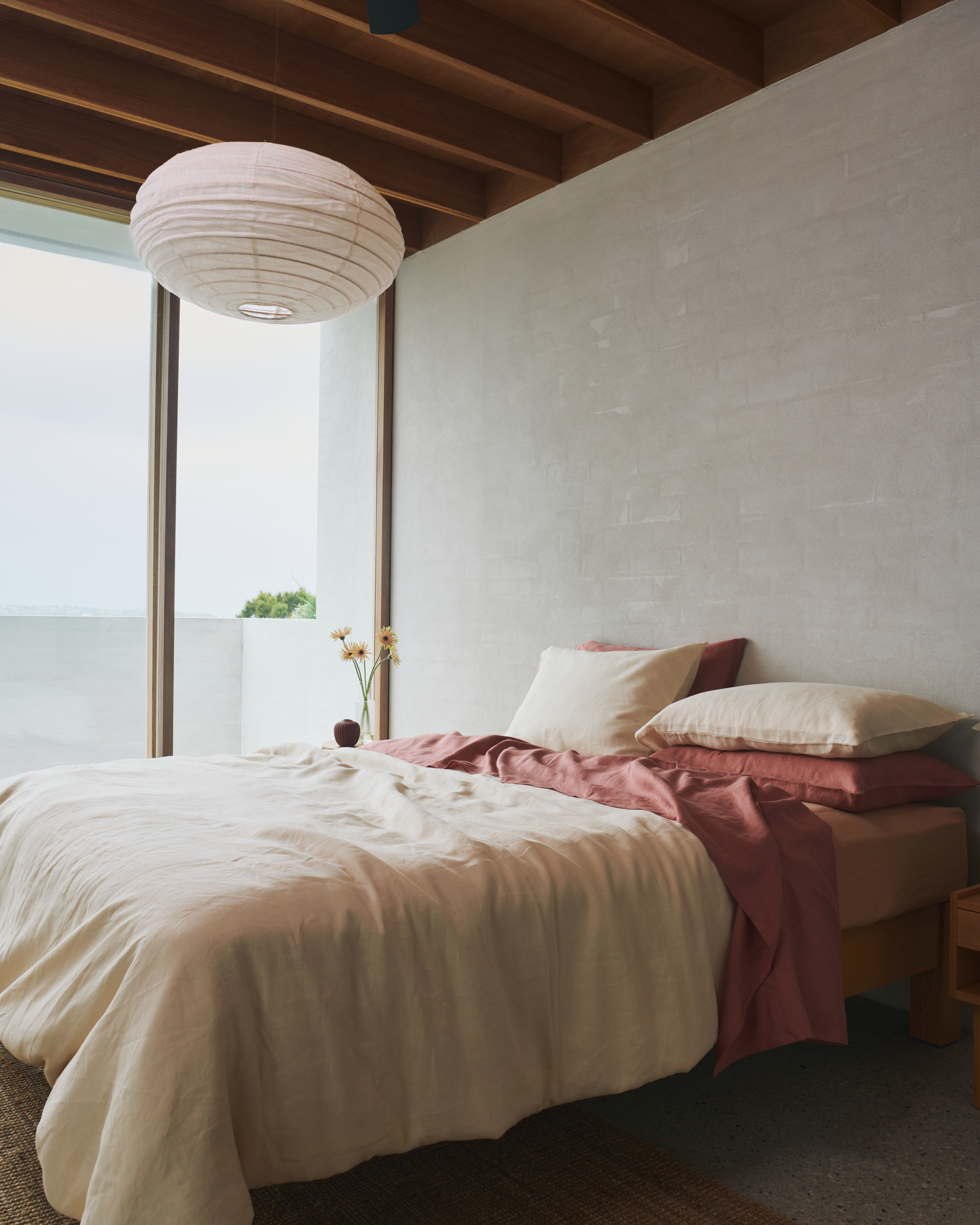
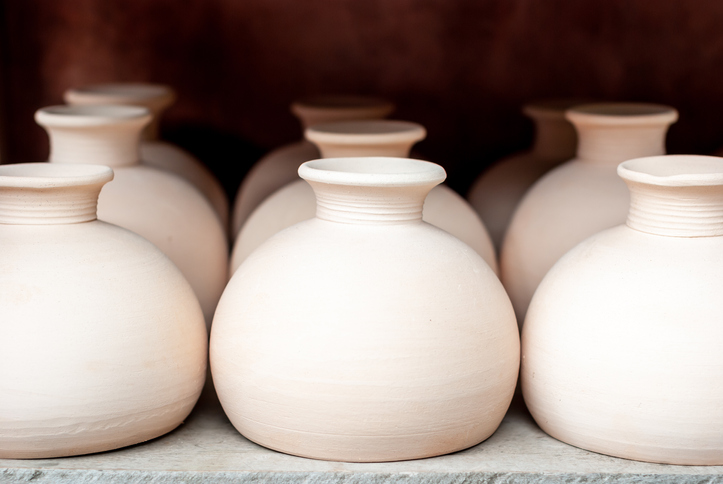
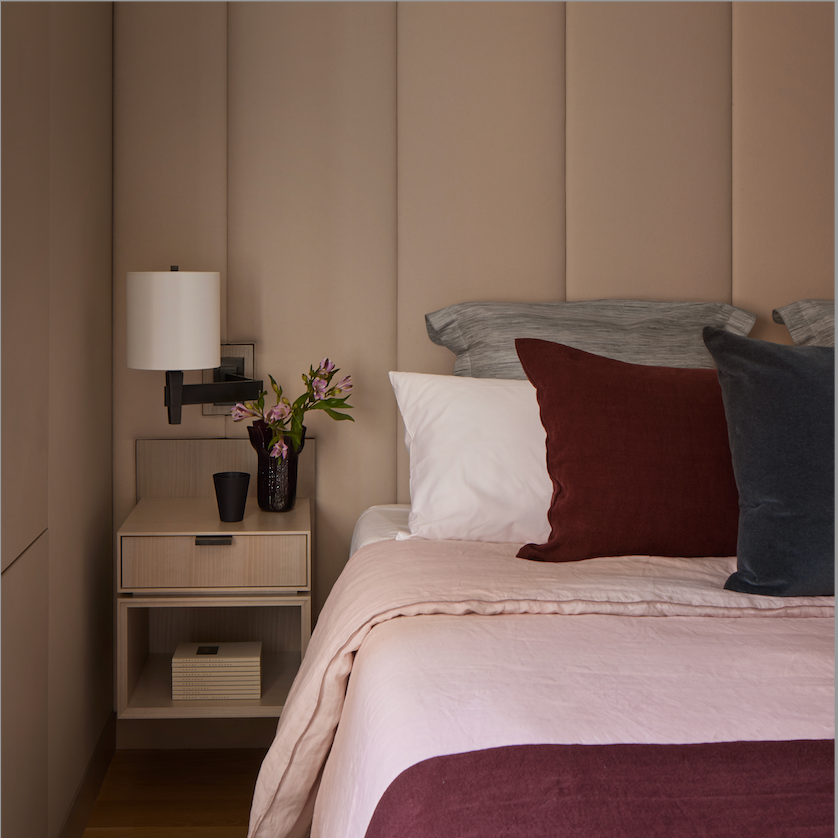
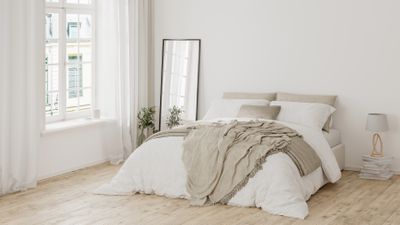
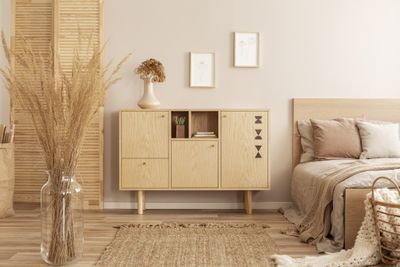
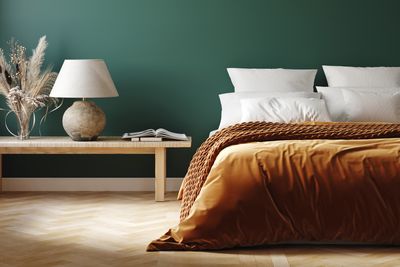
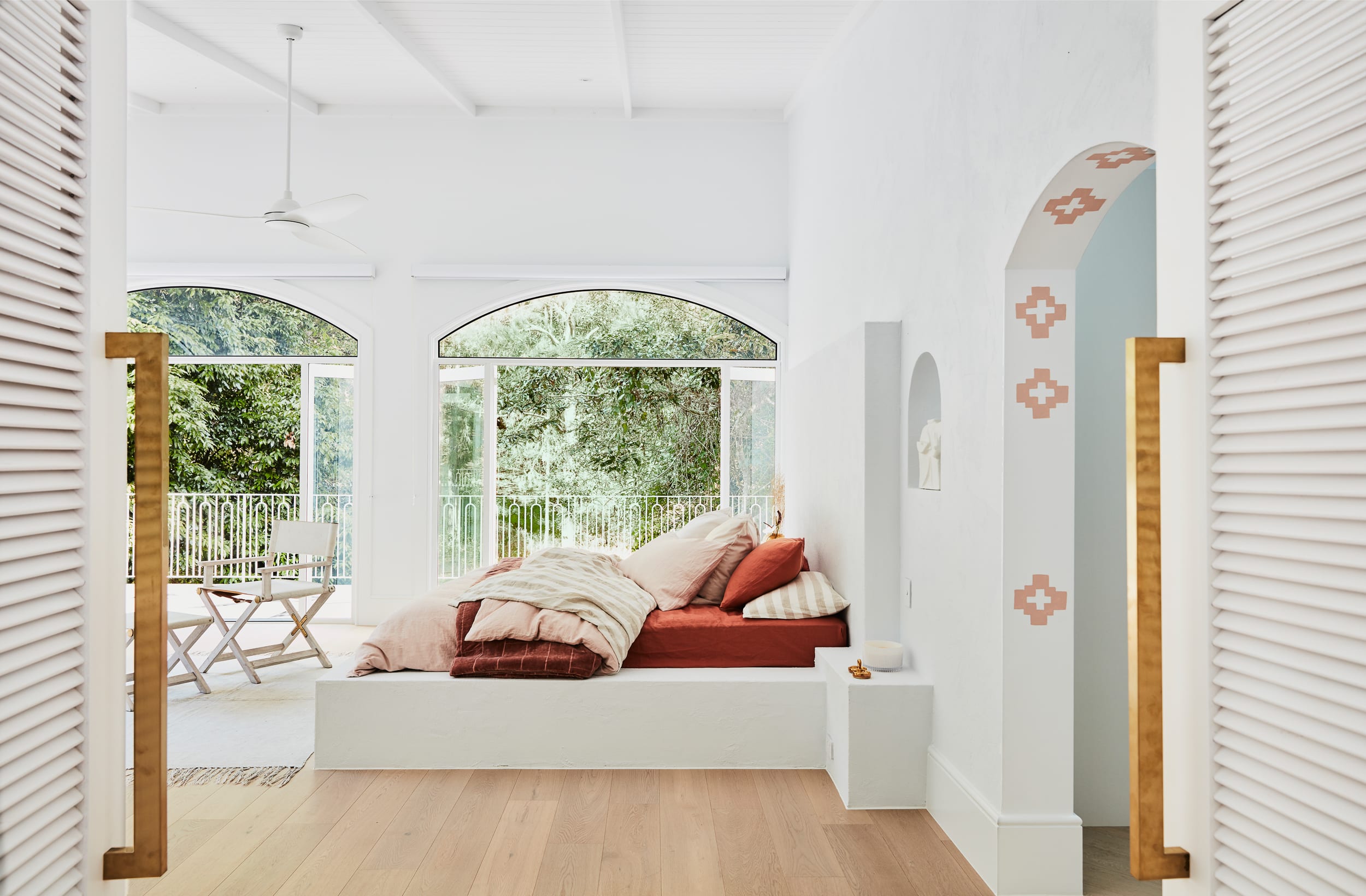
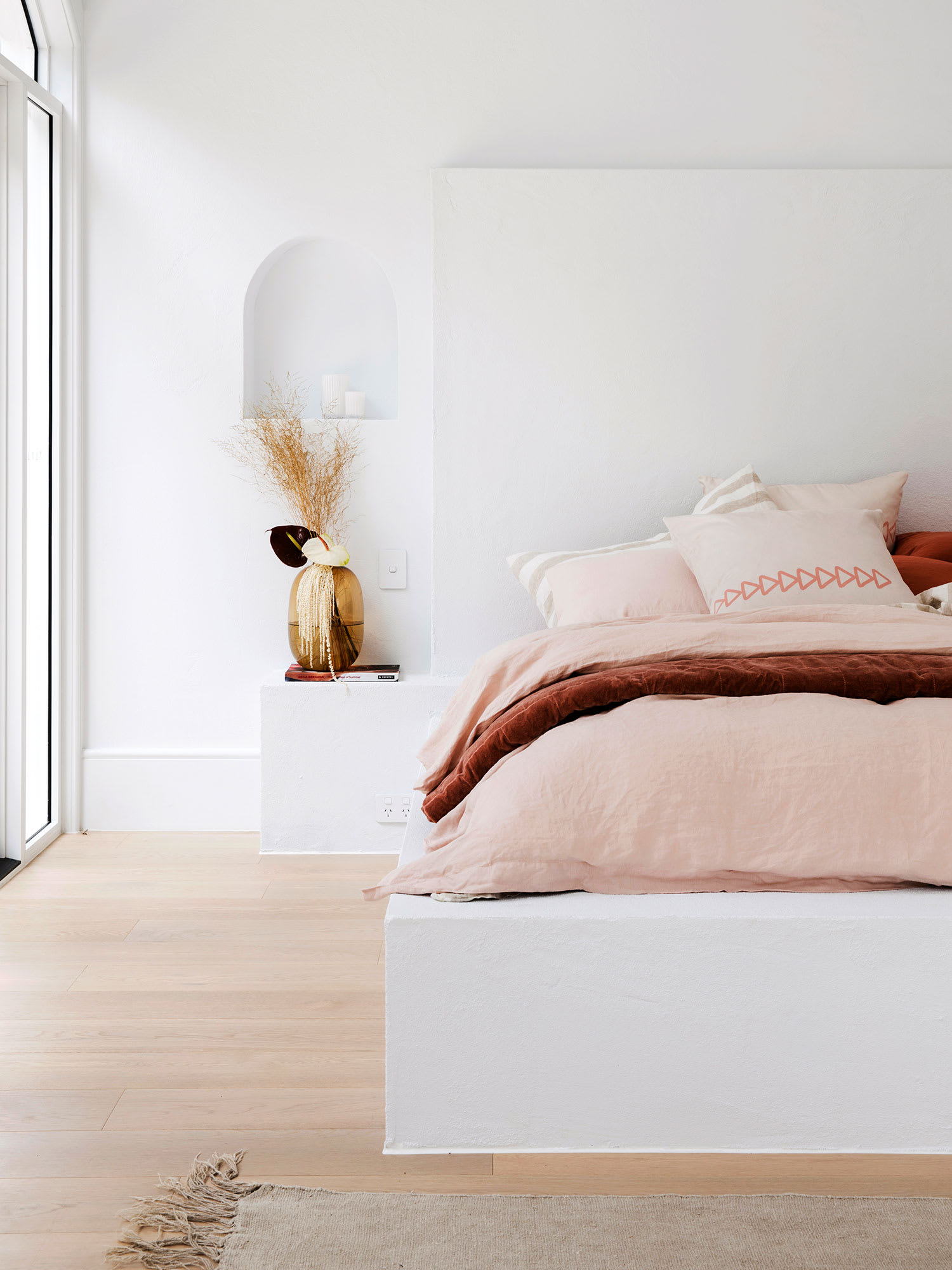
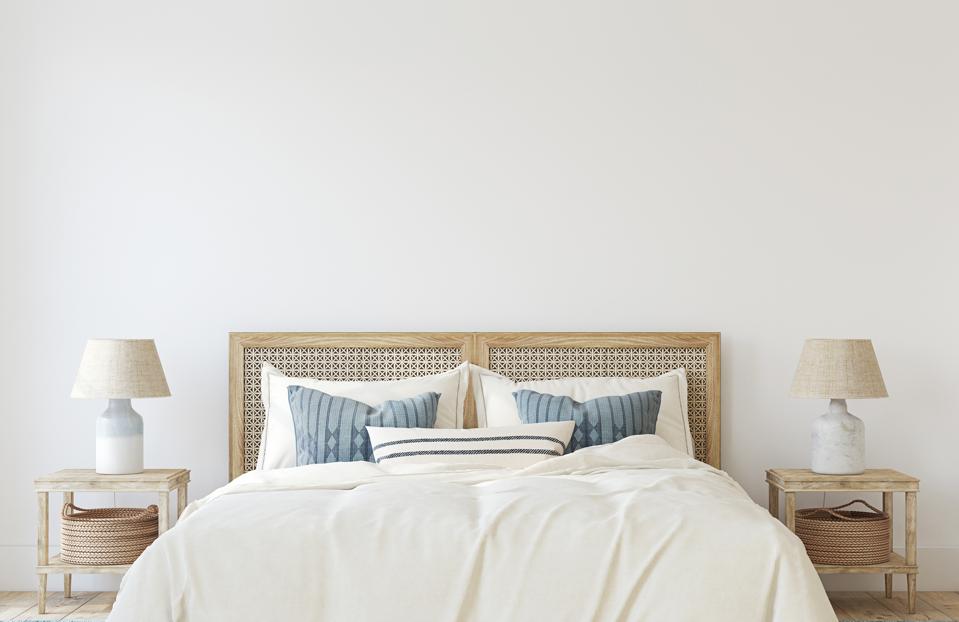
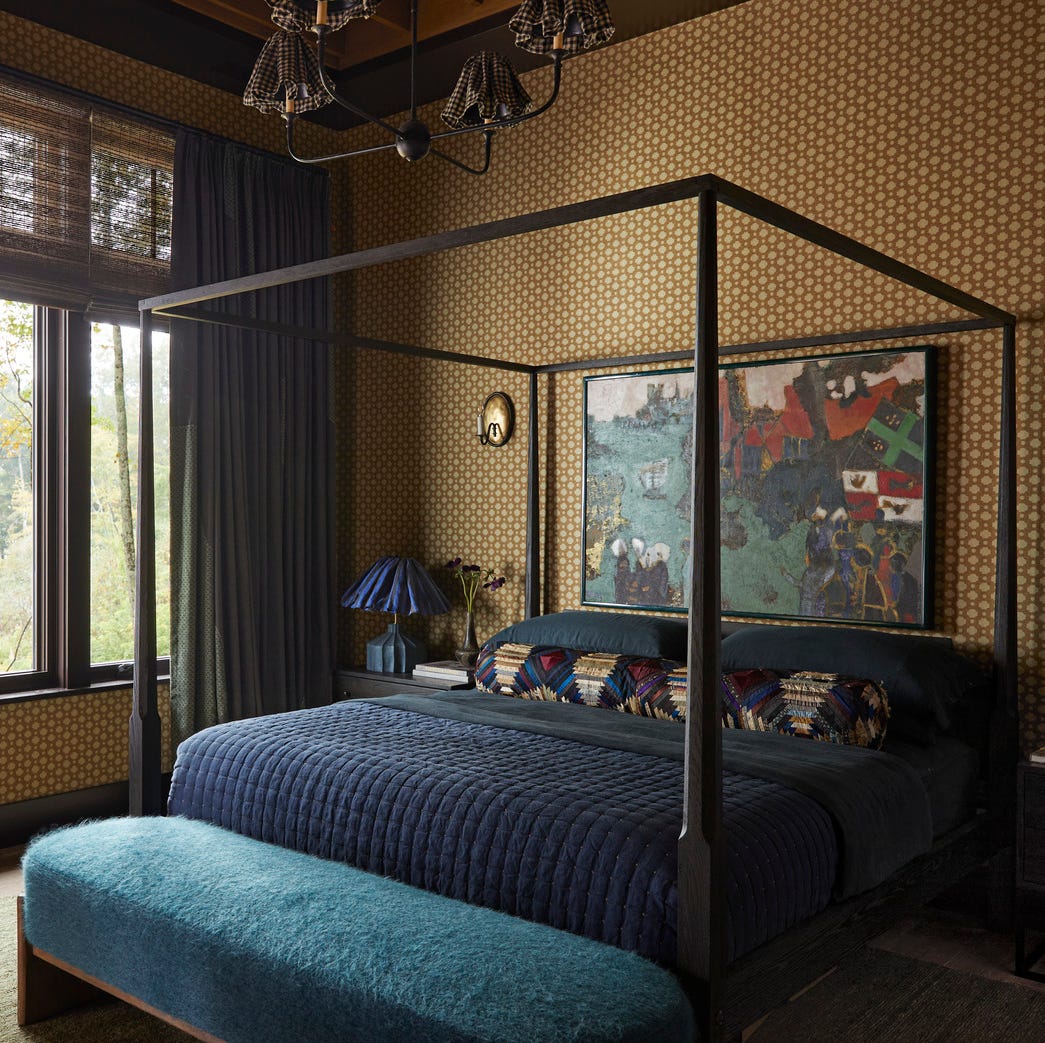
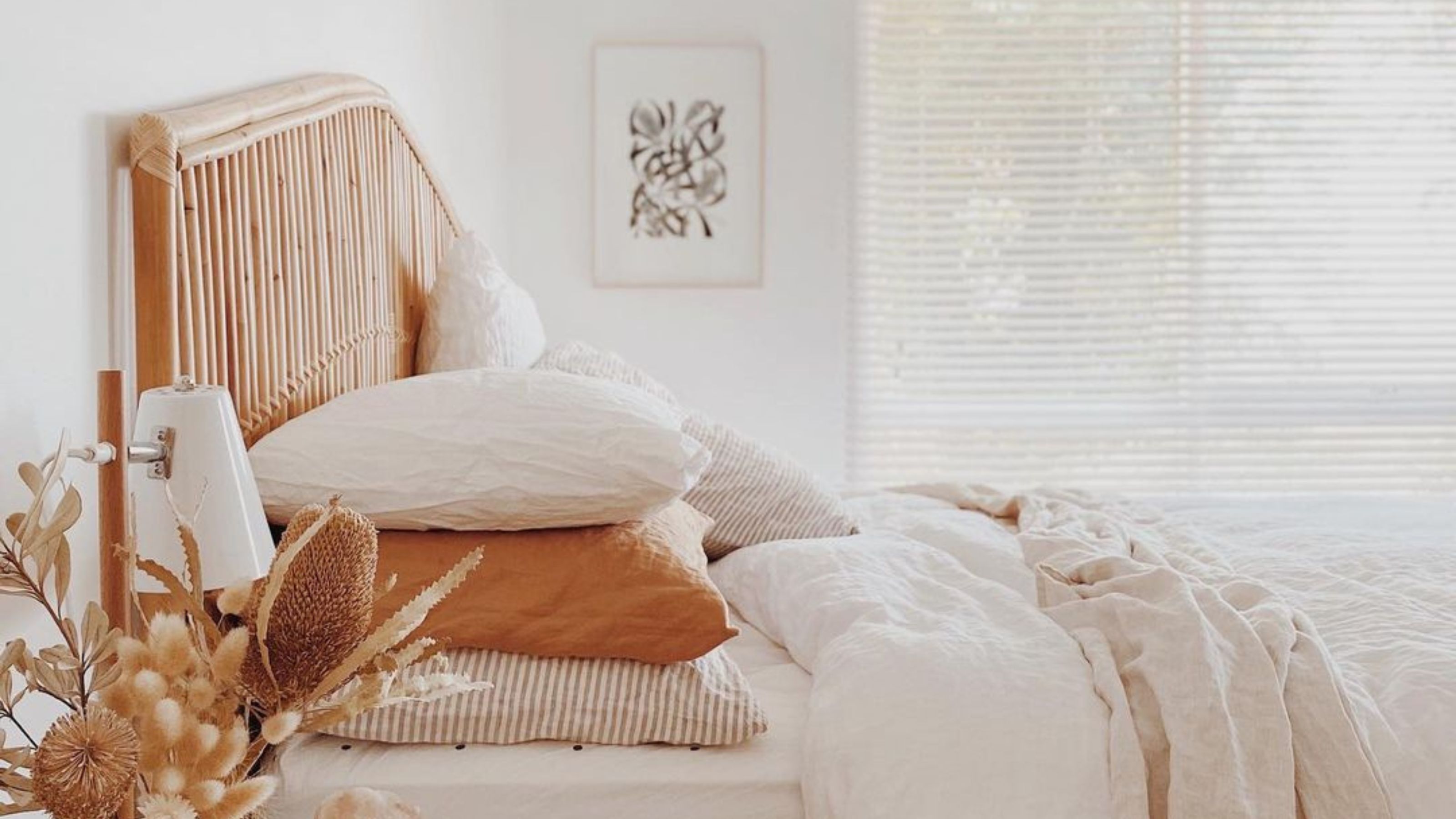
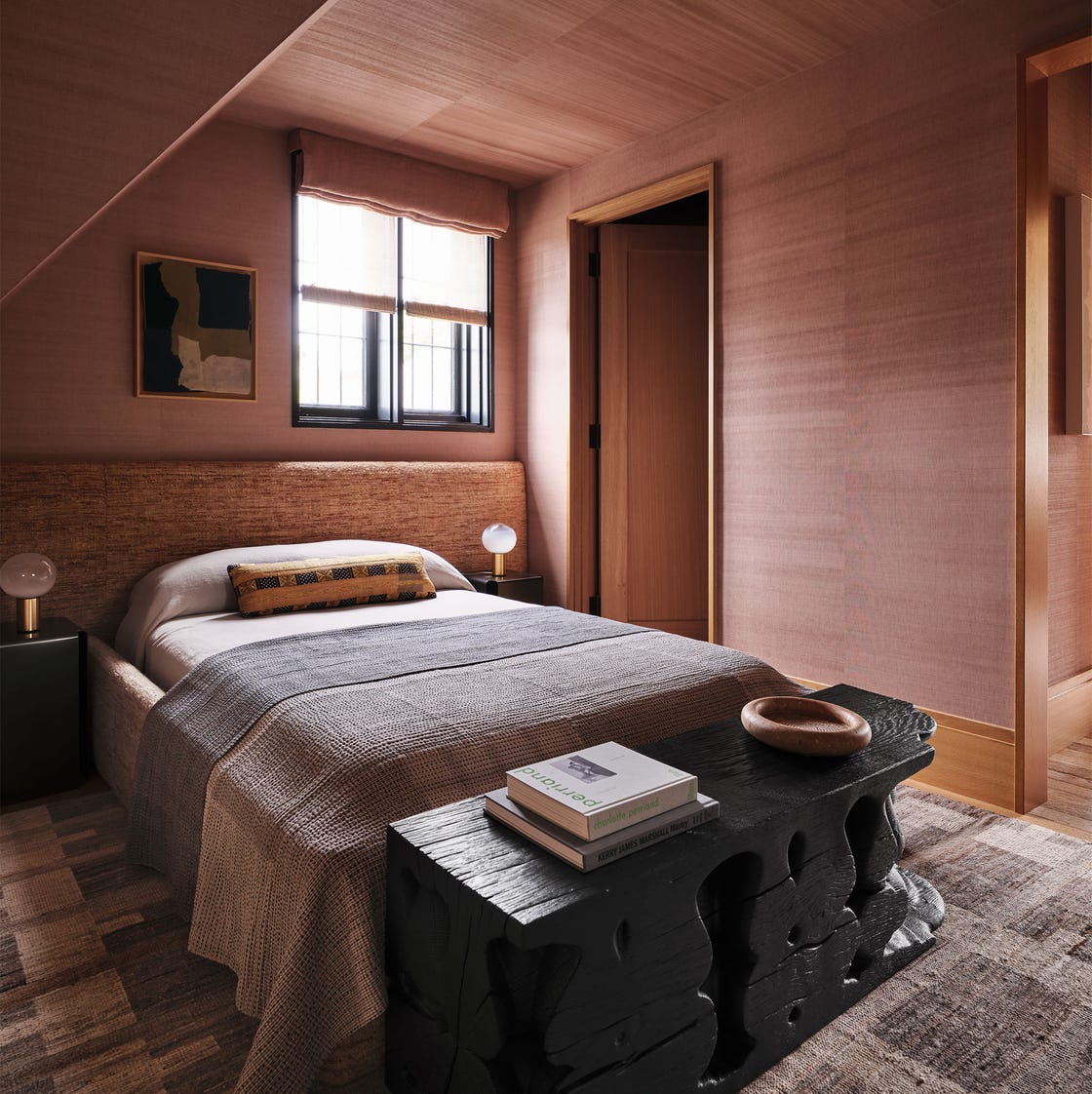
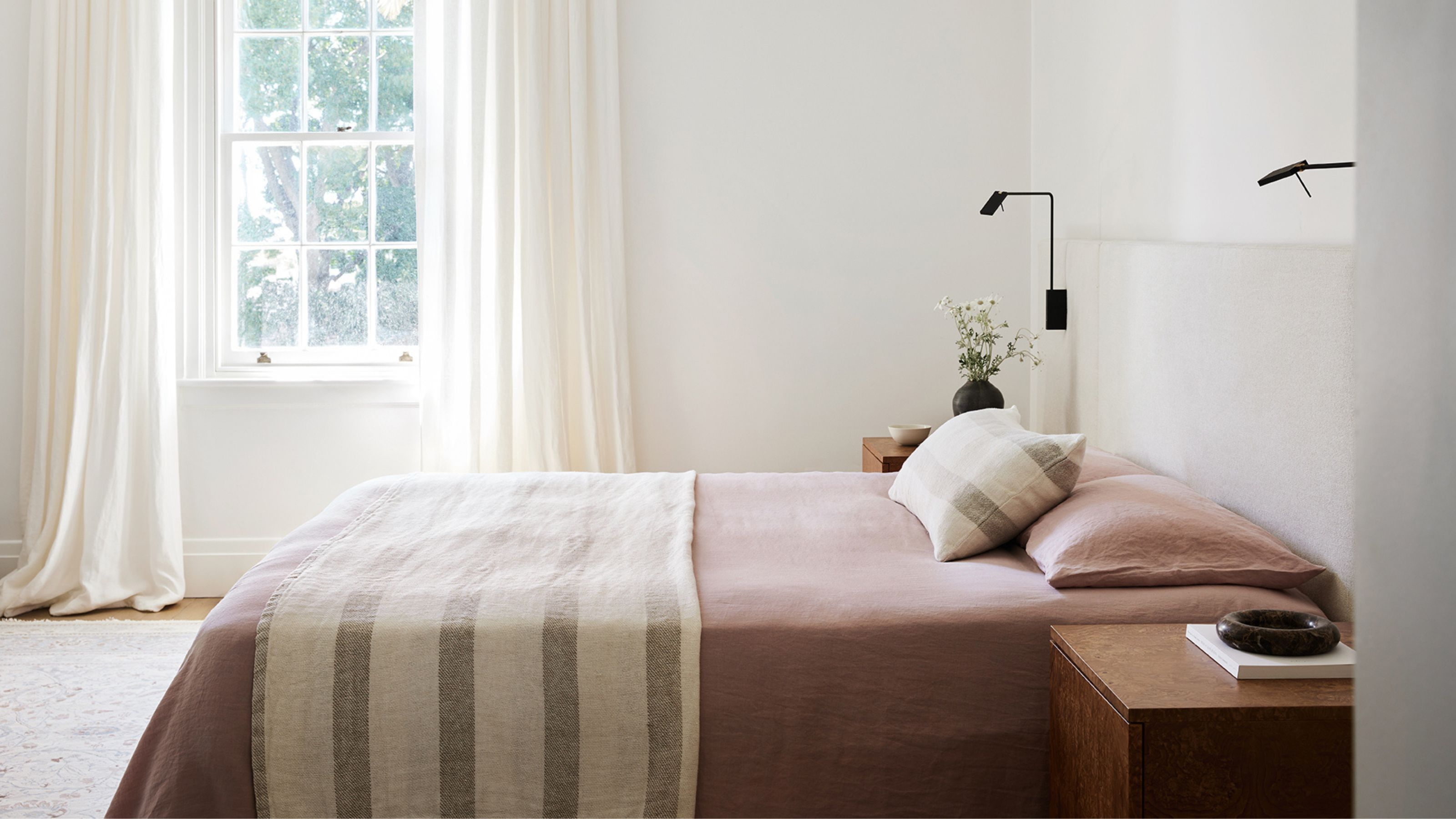
One major trend on its way out is the use of muted colors and neutrals. For a long time, all-white and light-colored bedrooms were favored for their spa-like, calming atmosphere. However, experts like Philip Thomas Vanderford of Studio Thomas James suggest that this minimalist approach is becoming obsolete. Instead, richer, saturated colors such as reds, pinks, and mauves are gaining popularity. These hues are being incorporated through bold printed pillows, ceramic vases, and captivating art, allowing for pops of color without overwhelming the space. For those willing to embrace more dramatic changes, options like velvet sofas or a mix of upholstered chairs and carved wooden tables are recommended to add a unique touch.
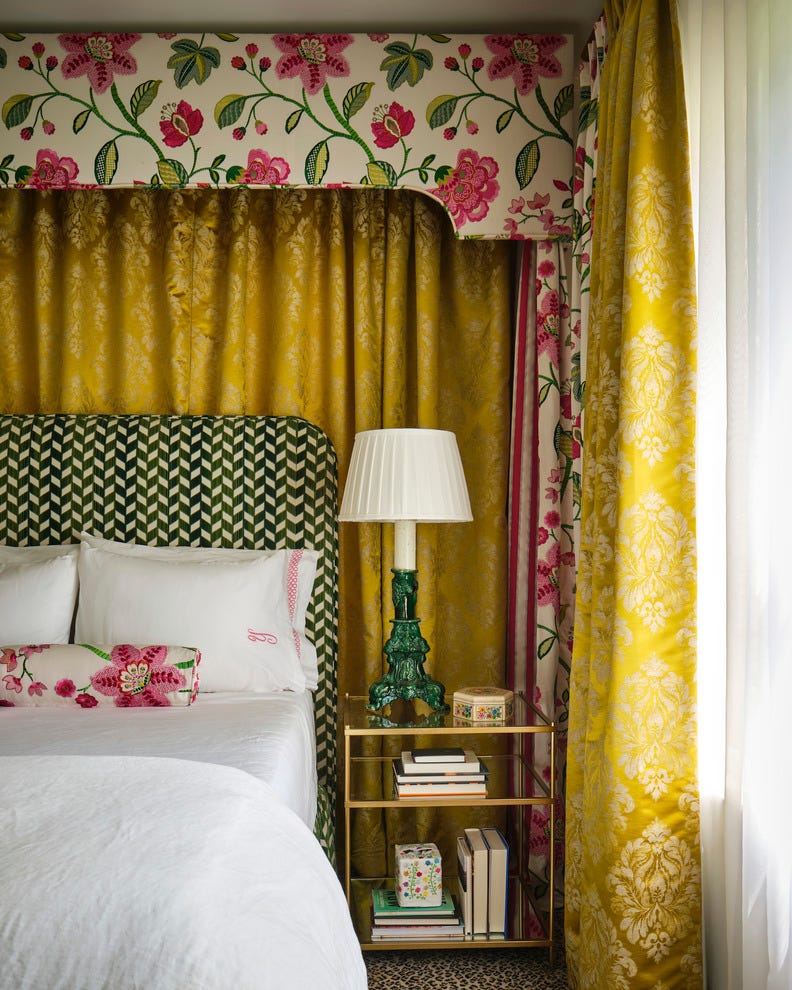
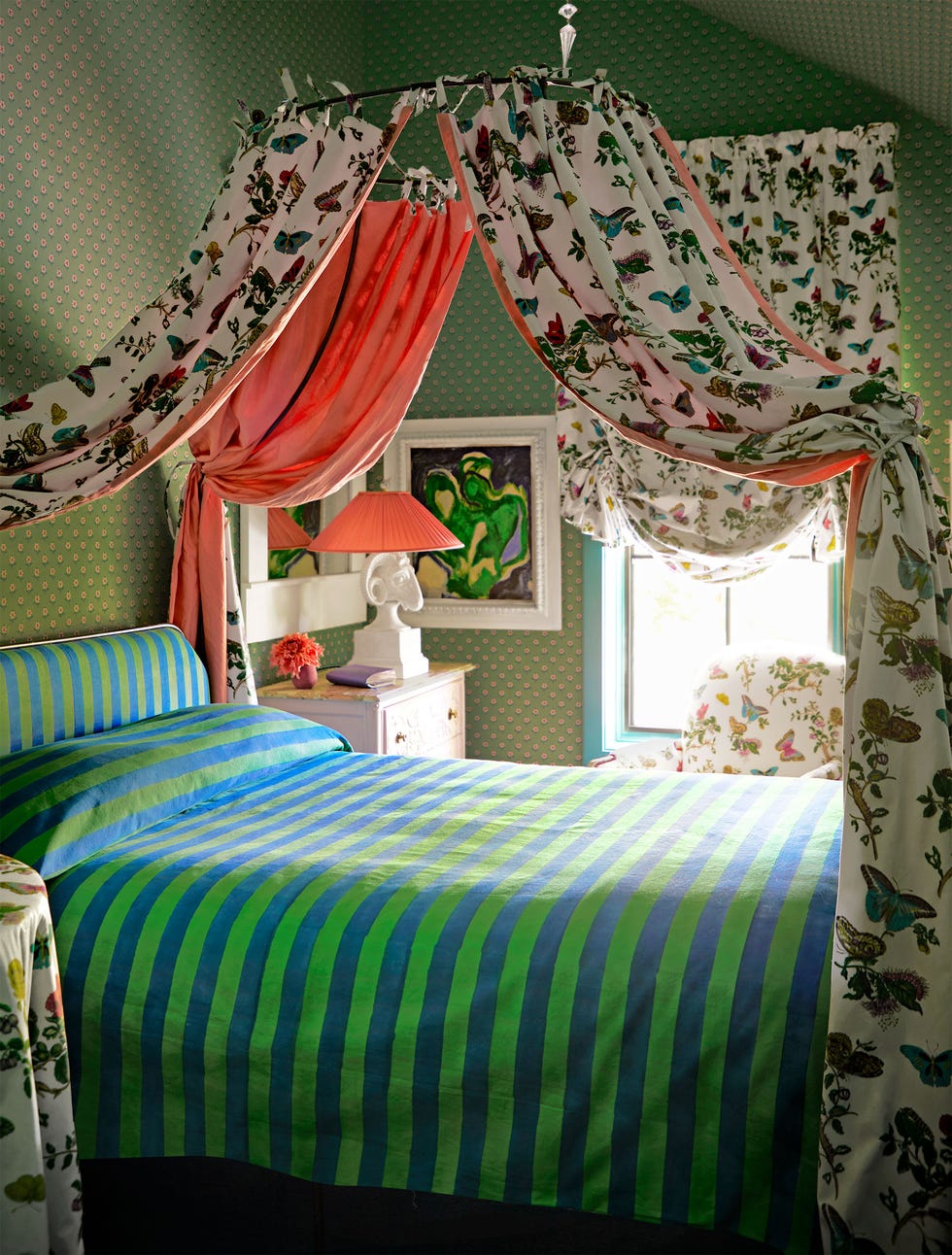
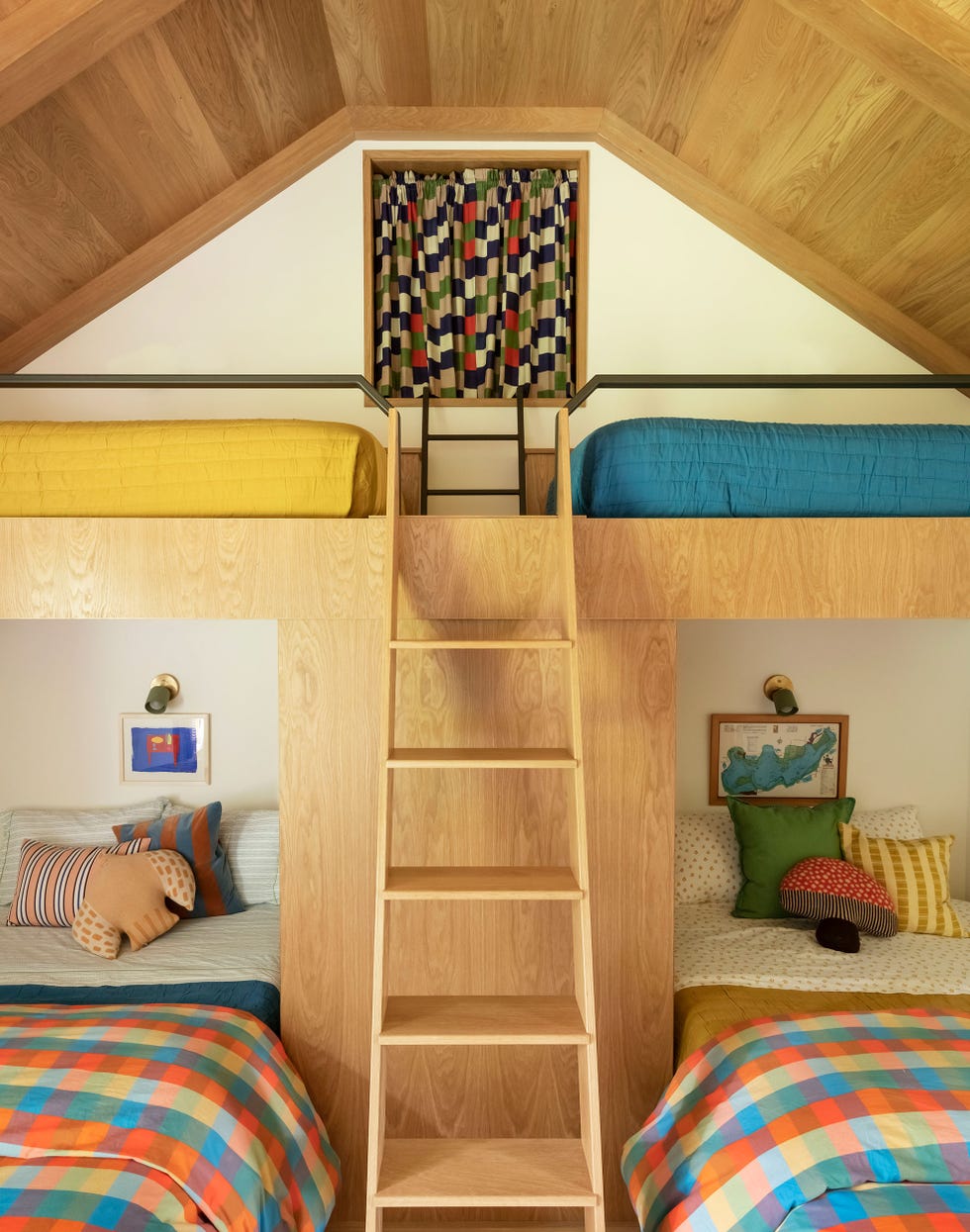
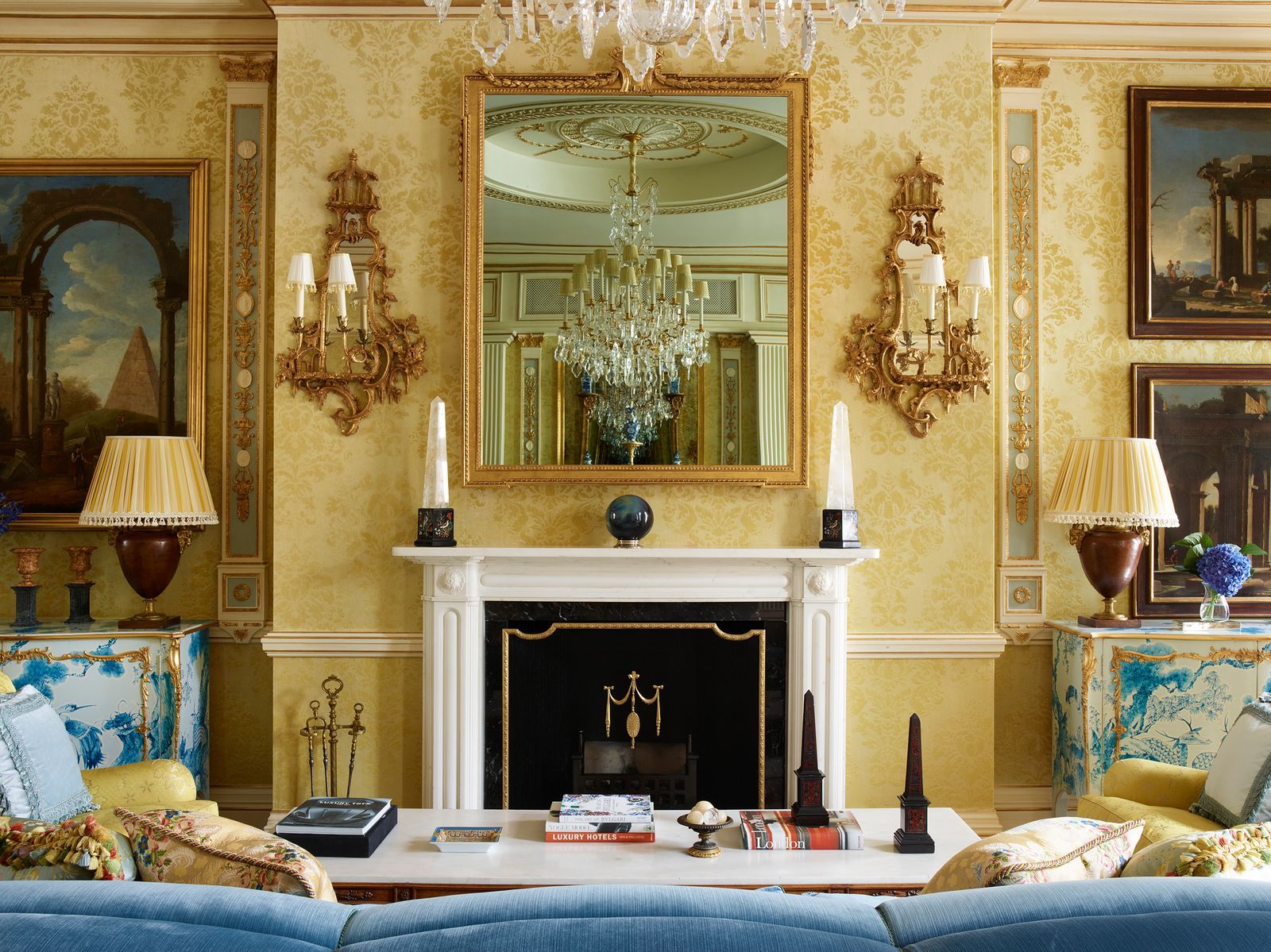
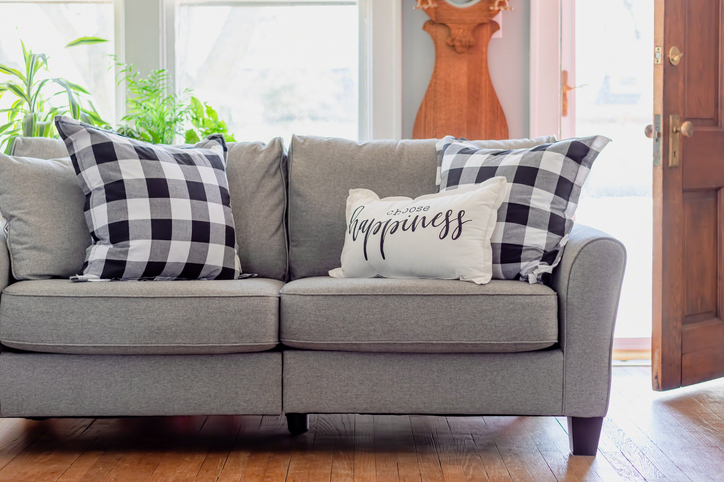
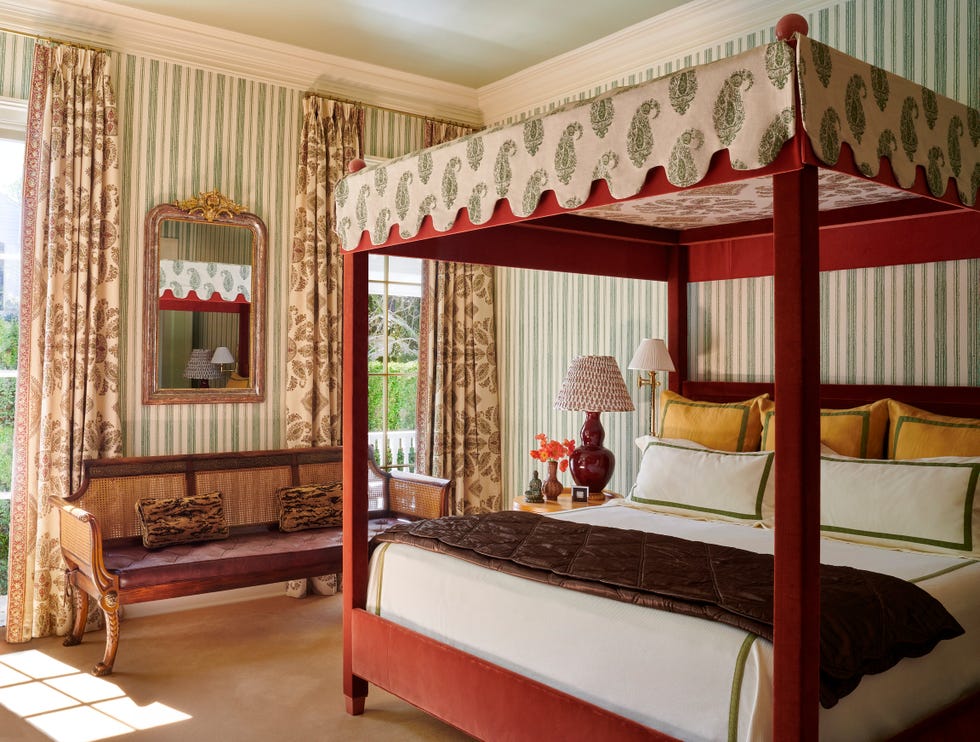
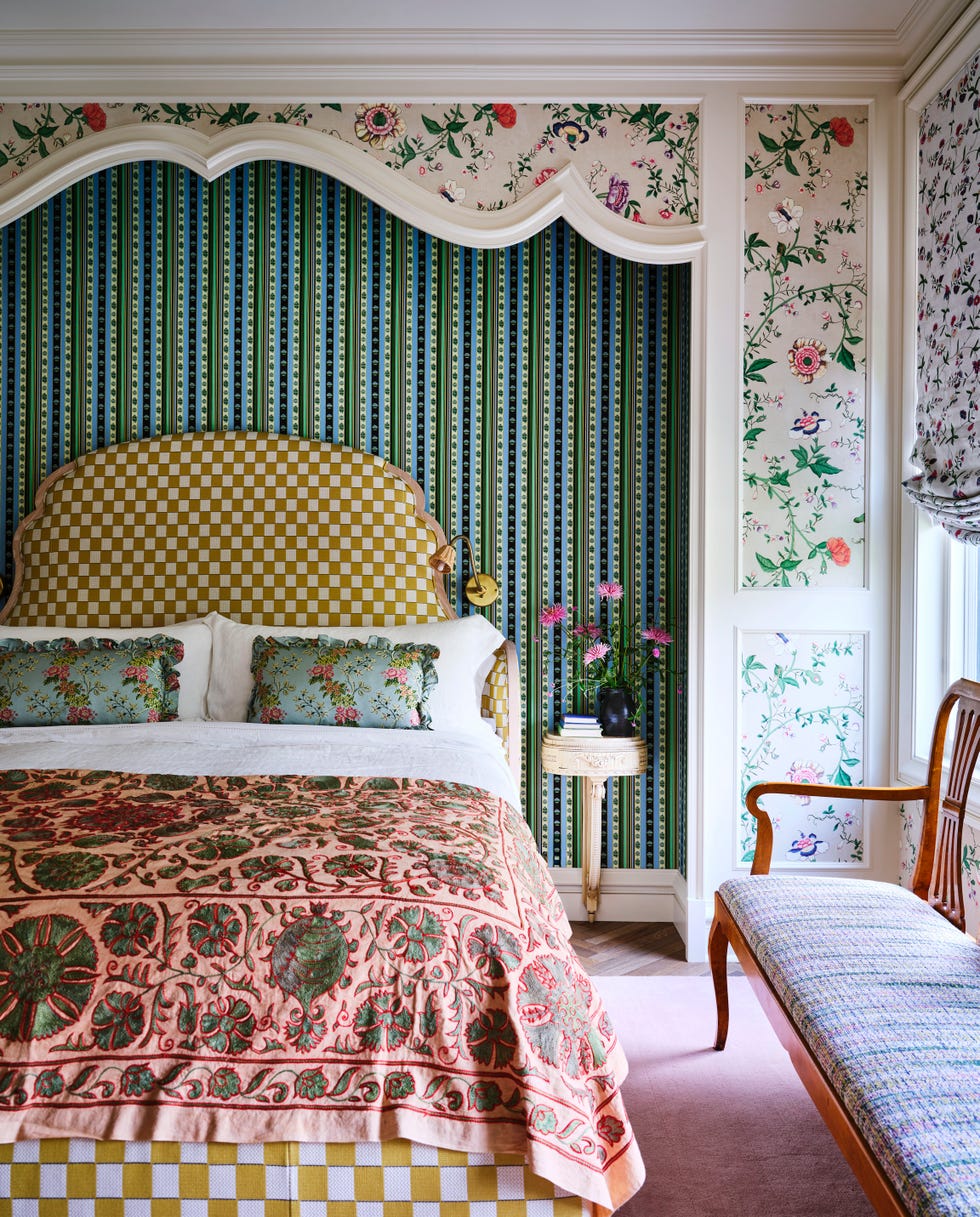
Maximalism, which emphasizes a blend of various patterns, textures, and colors, is also receding from bedroom design in 2023. While visually appealing in design magazines, this style is deemed too stimulating for a room intended for rest and relaxation by Kristi Nelson of KMNelson Design. The focus is shifting towards a more curated "mix-master" approach rather than an excessive maximalist one.
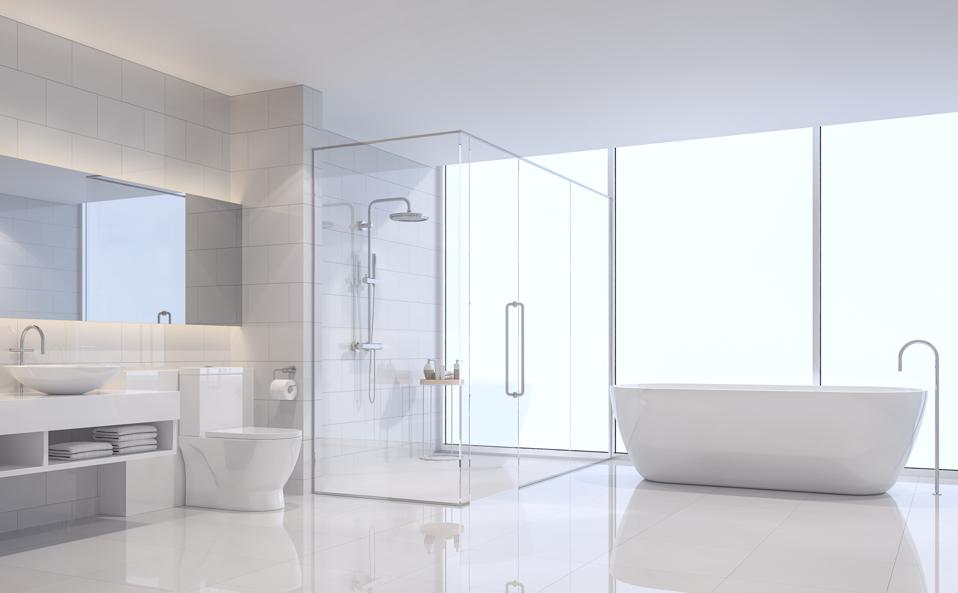
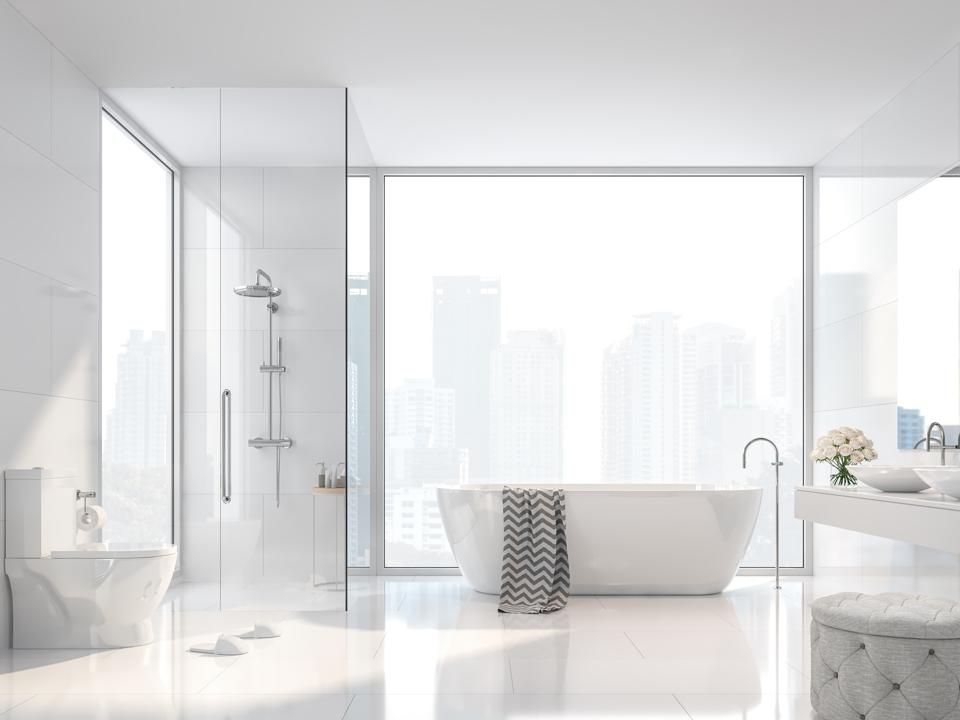
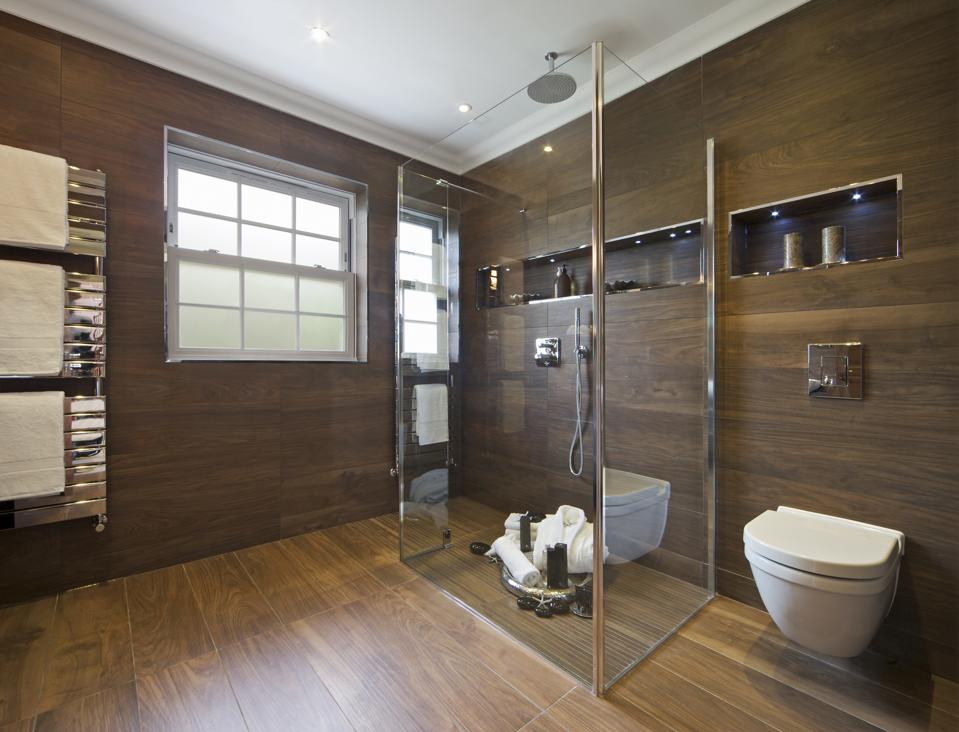
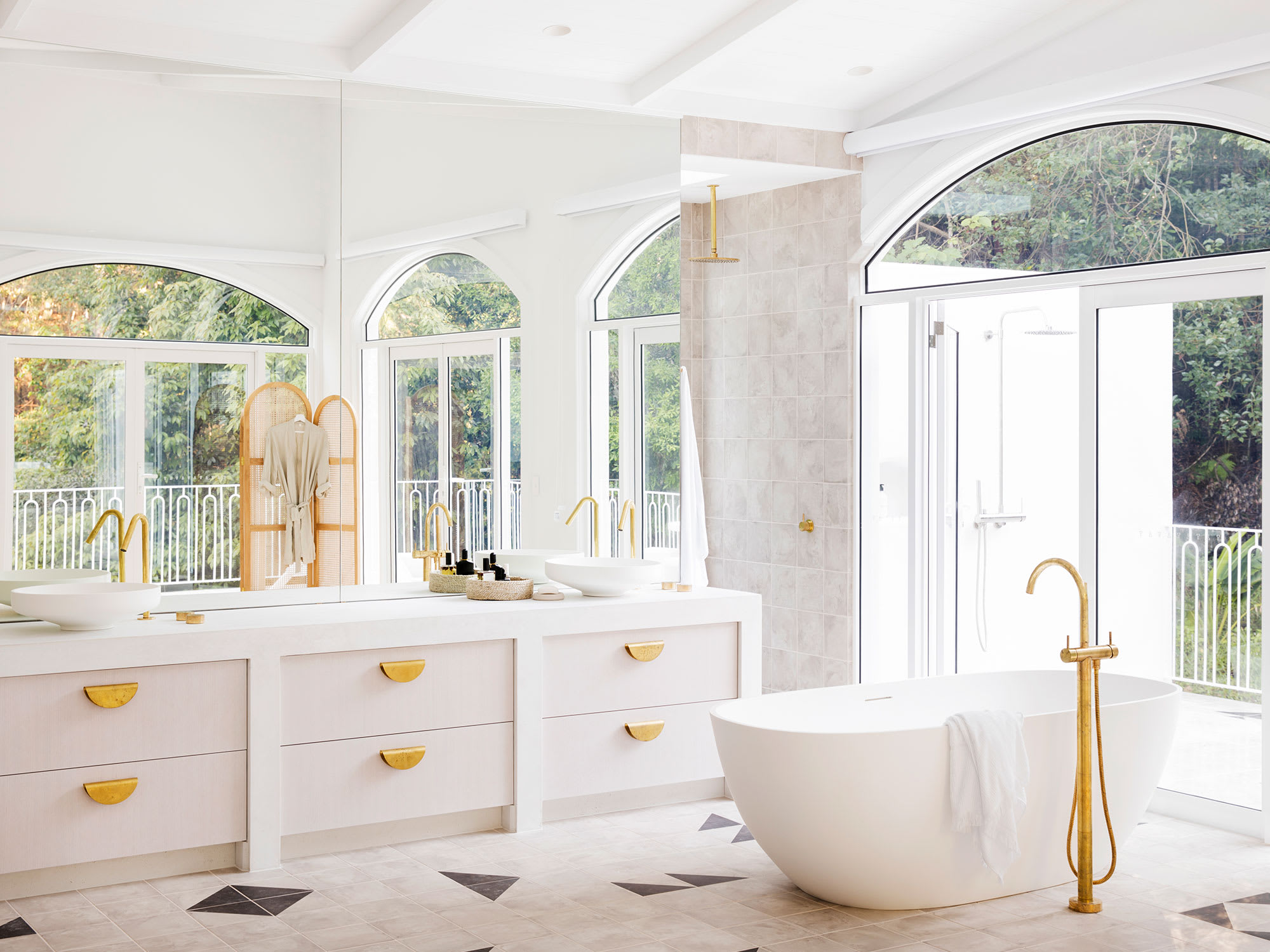
Oversized bedrooms, particularly expansive master suites that once rivaled the size of small apartments, are another trend losing favor. Holly Freres of JHL Design notes a movement toward smaller, more intimate bedroom spaces, with some designs even integrating bathrooms directly into the sleeping area, excluding the lavatory, to maximize efficiency. Clients are now prioritizing larger common areas like living rooms over oversized private spaces.
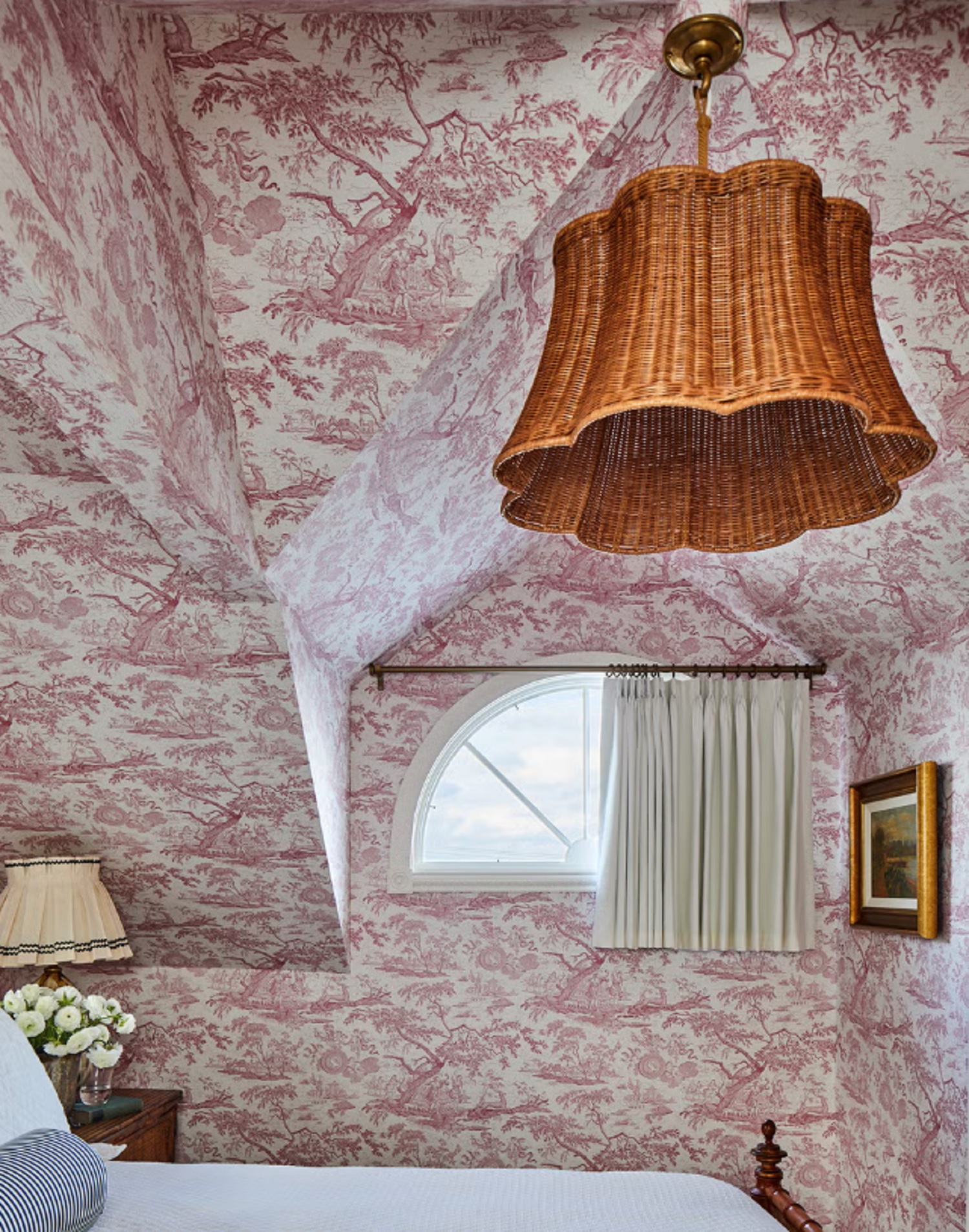
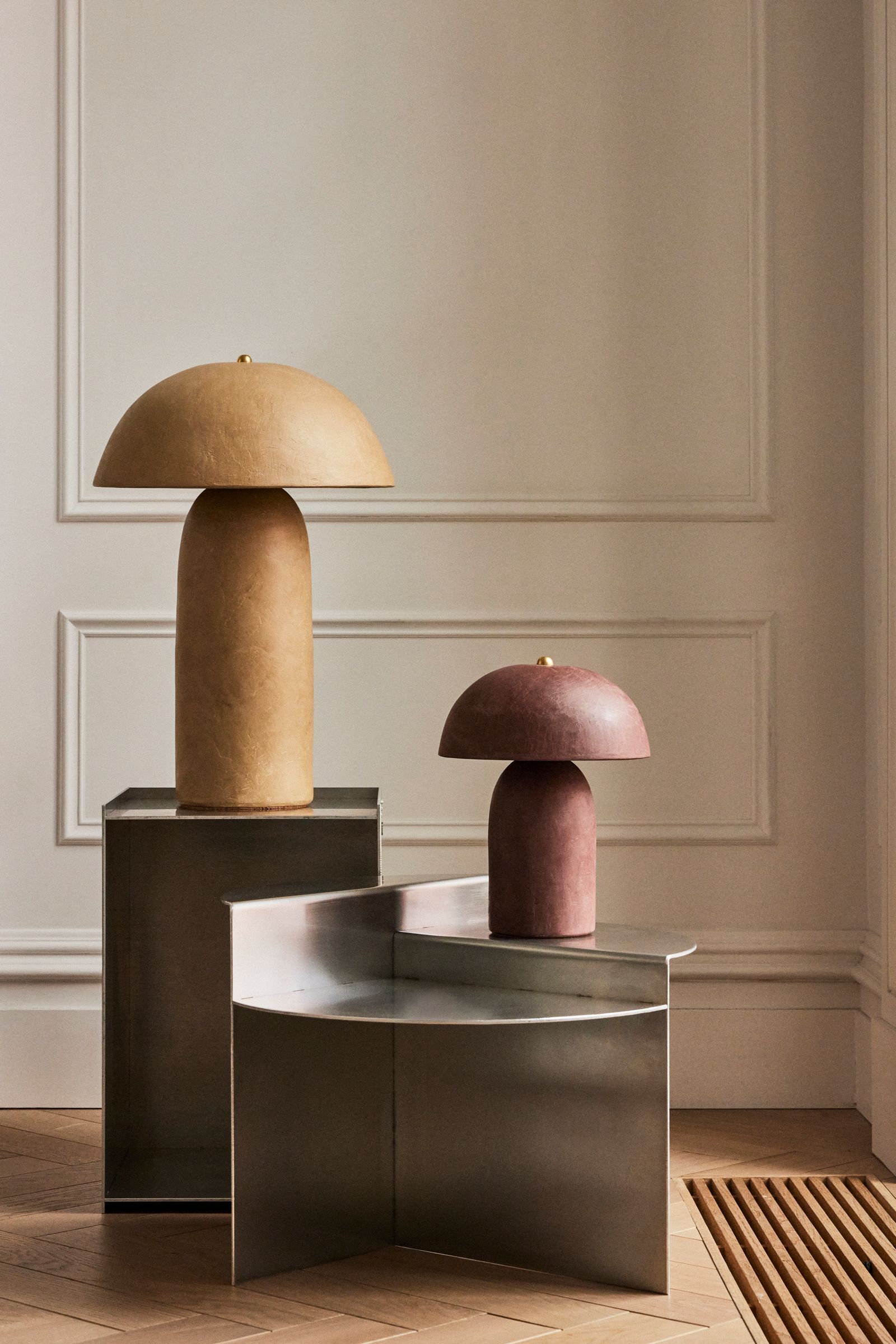
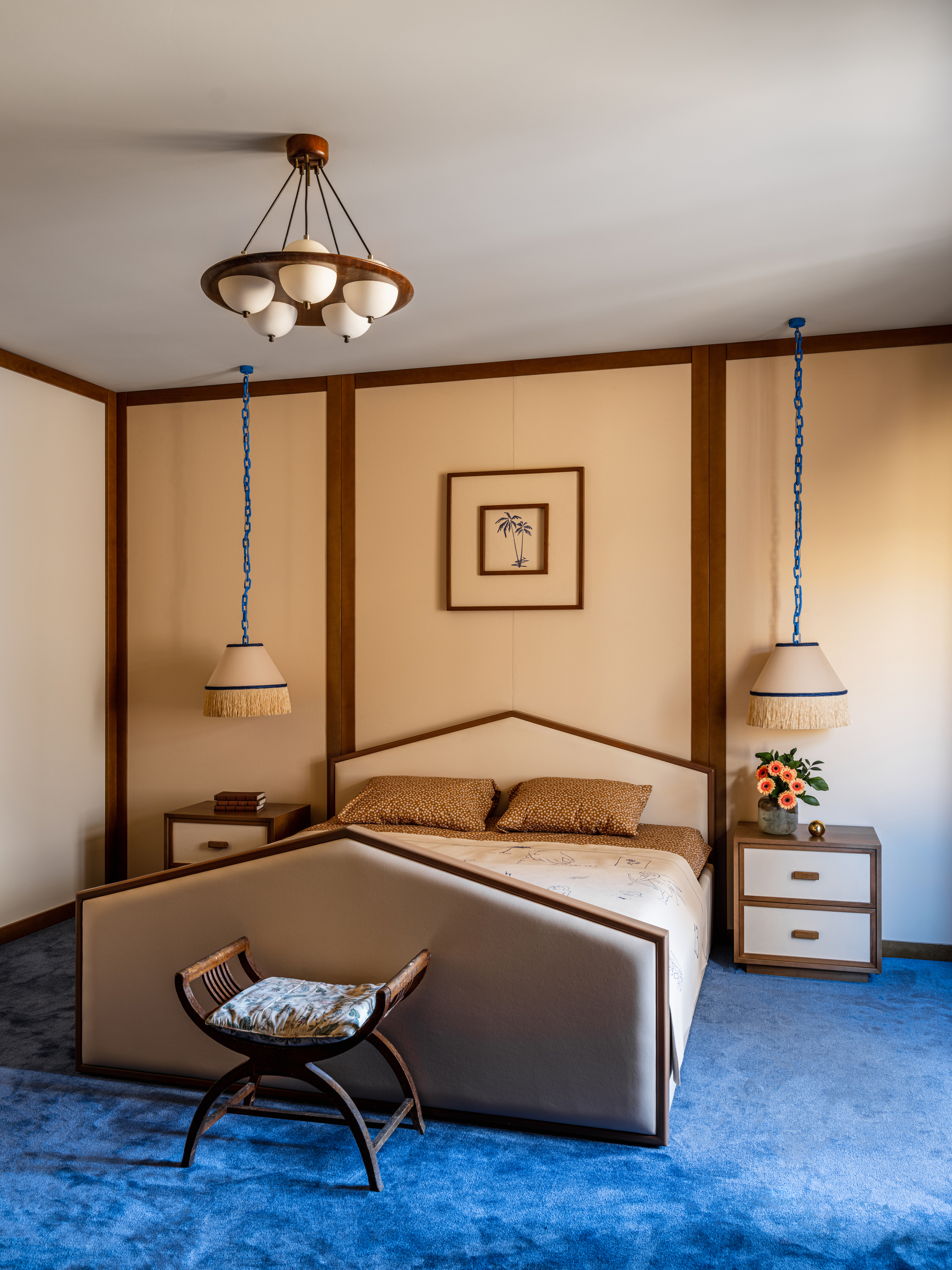
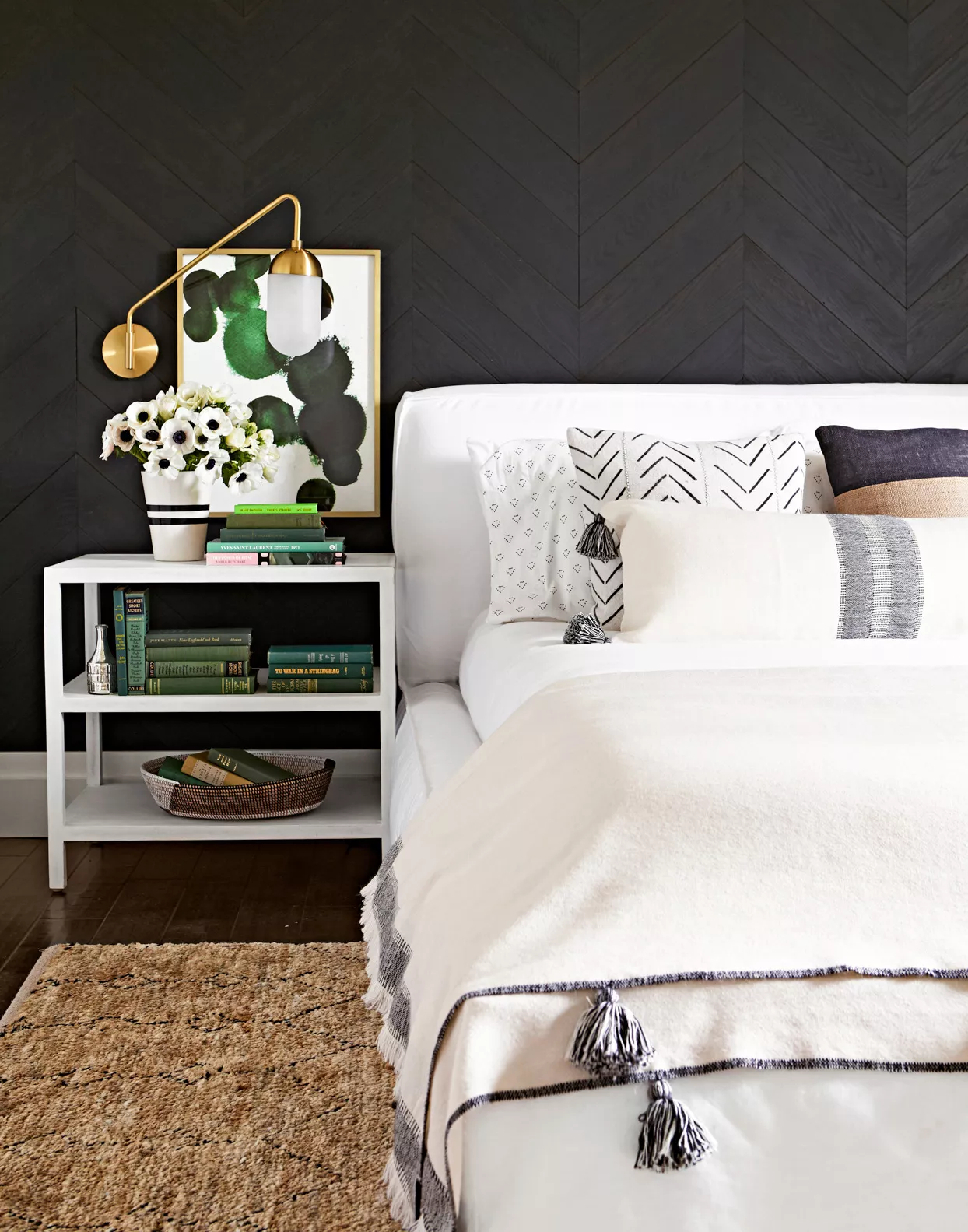
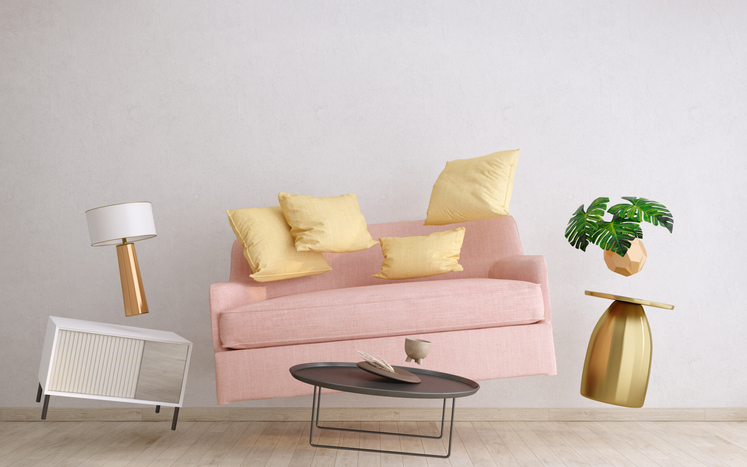
Matching bedroom furniture sets, a convenient choice for many years, are also becoming completely outdated. Designers advocate for a more eclectic approach, mixing different styles, colors, and textures to create a personalized and less "showroom-like" feel. For instance, pairing a brushed gold nightstand with a handcrafted Indonesian wooden table, or combining mismatched nightstands with unique patterns against a wallpaper backdrop, is encouraged to add flair and individuality to the bedroom.
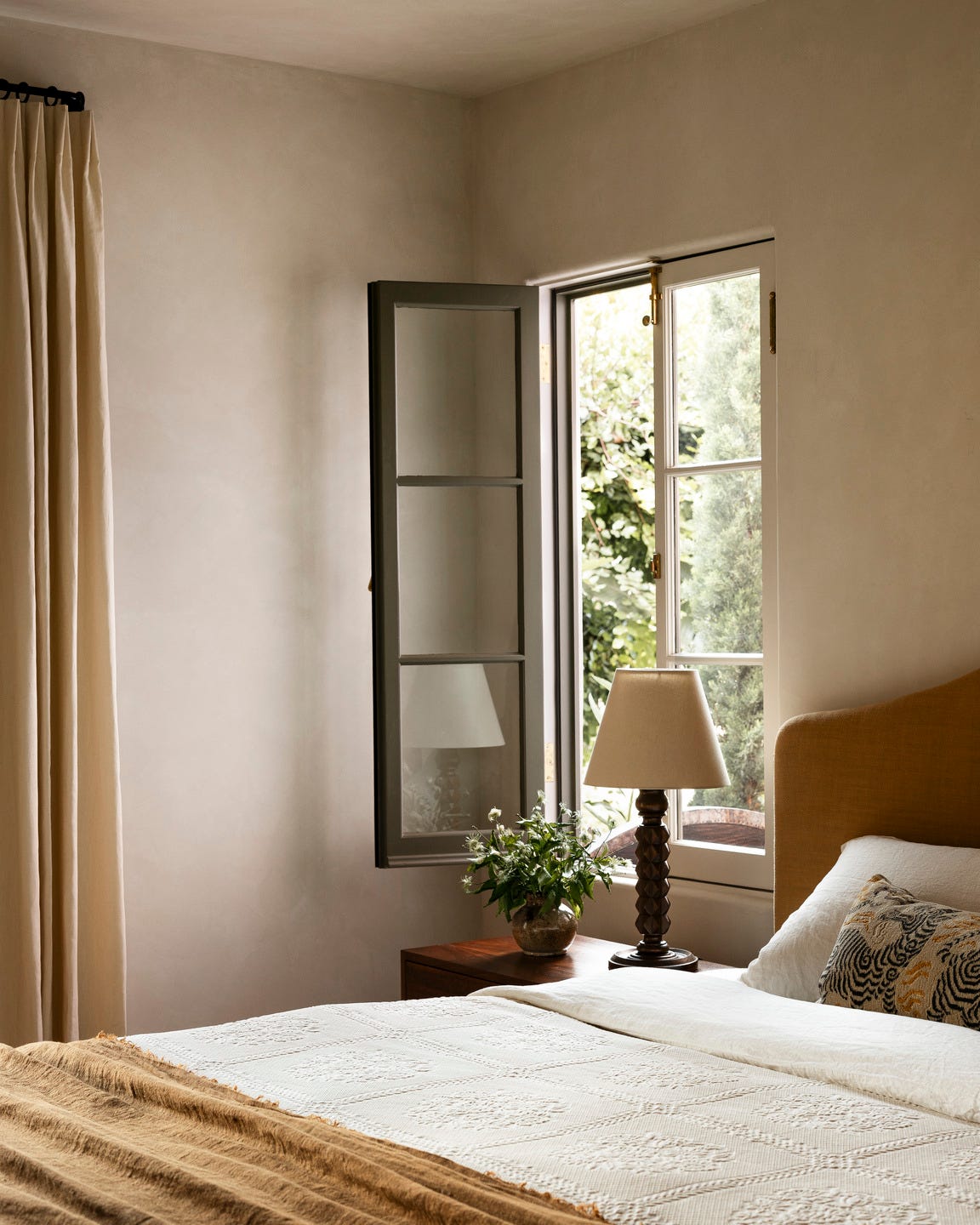
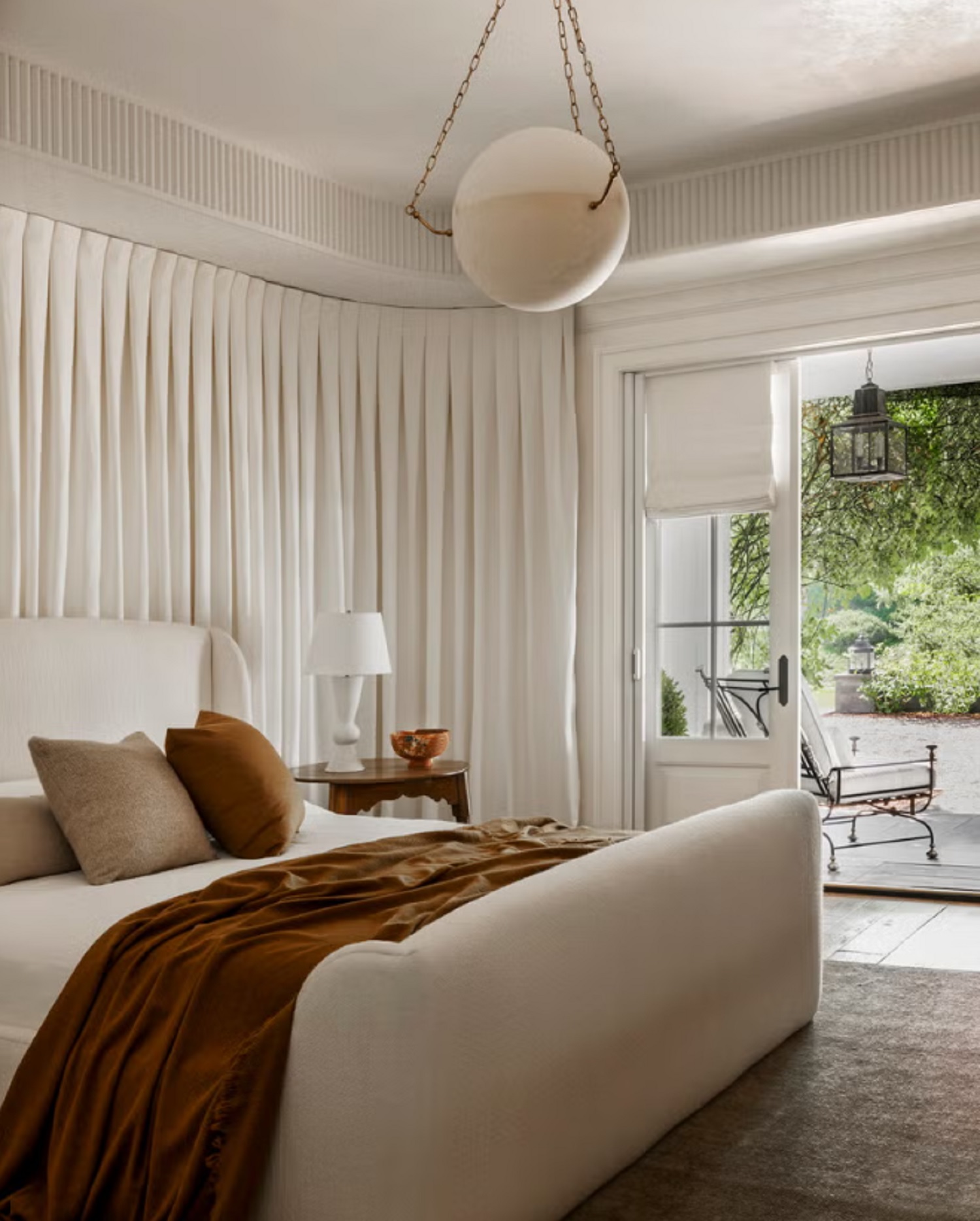
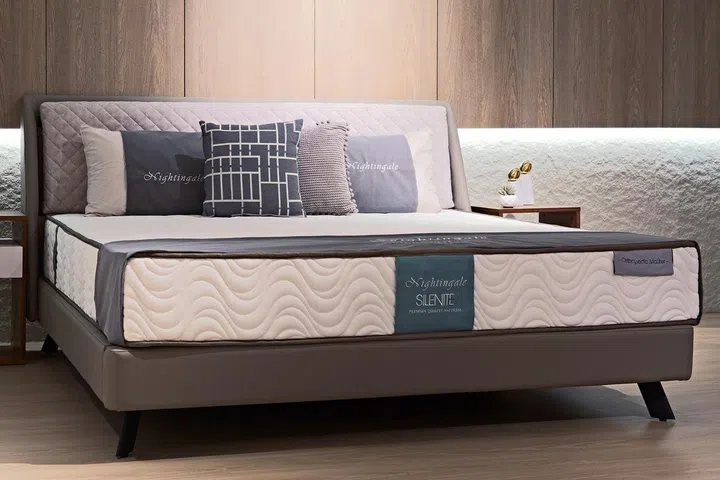
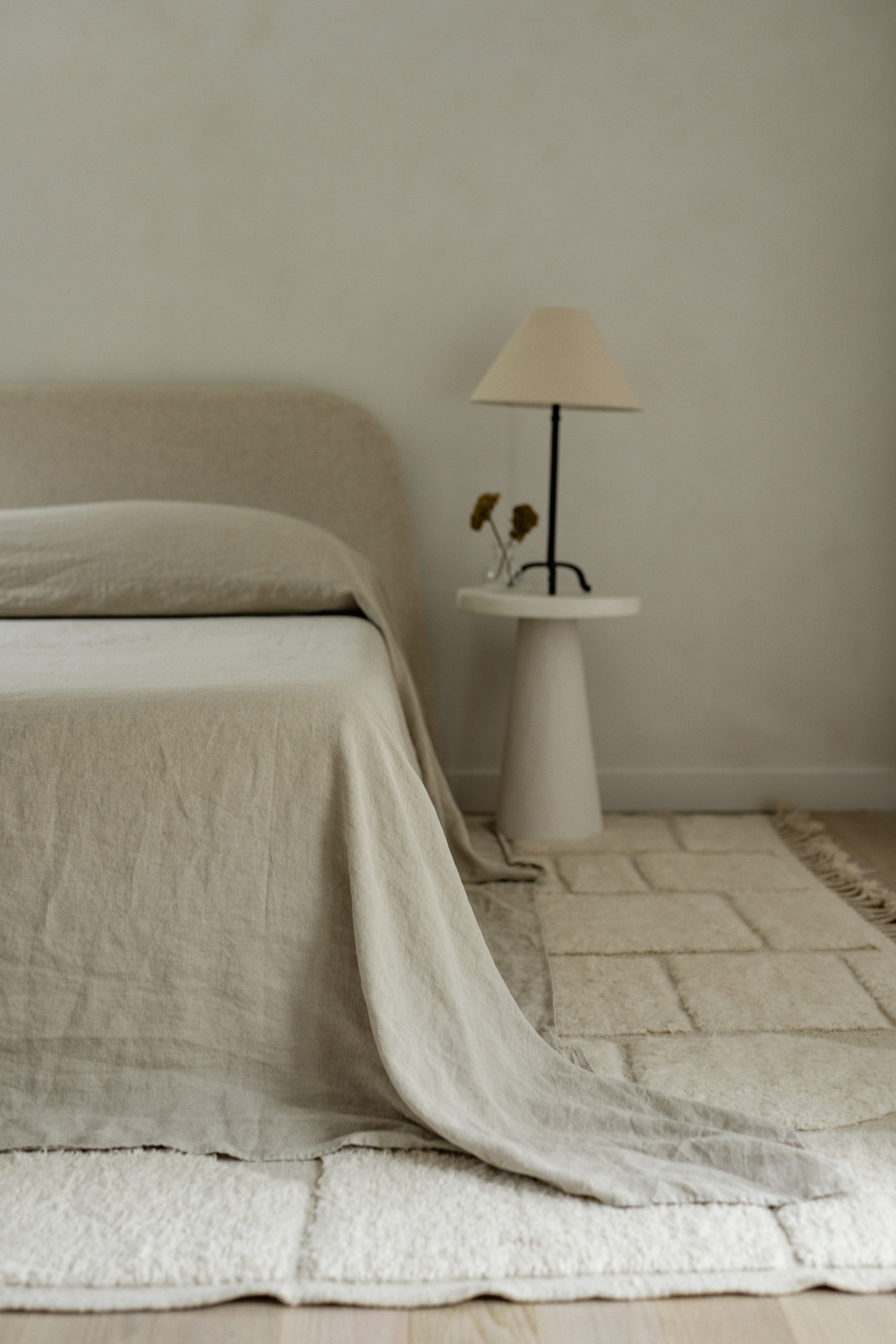
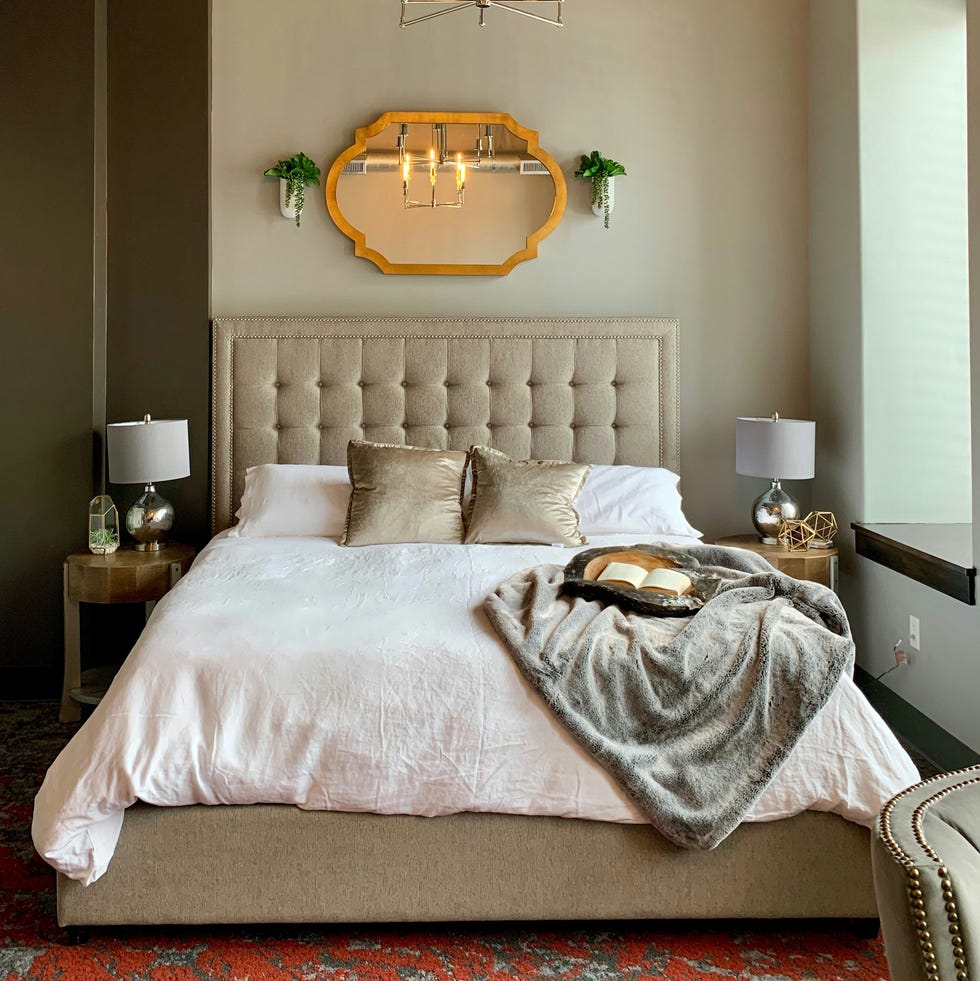
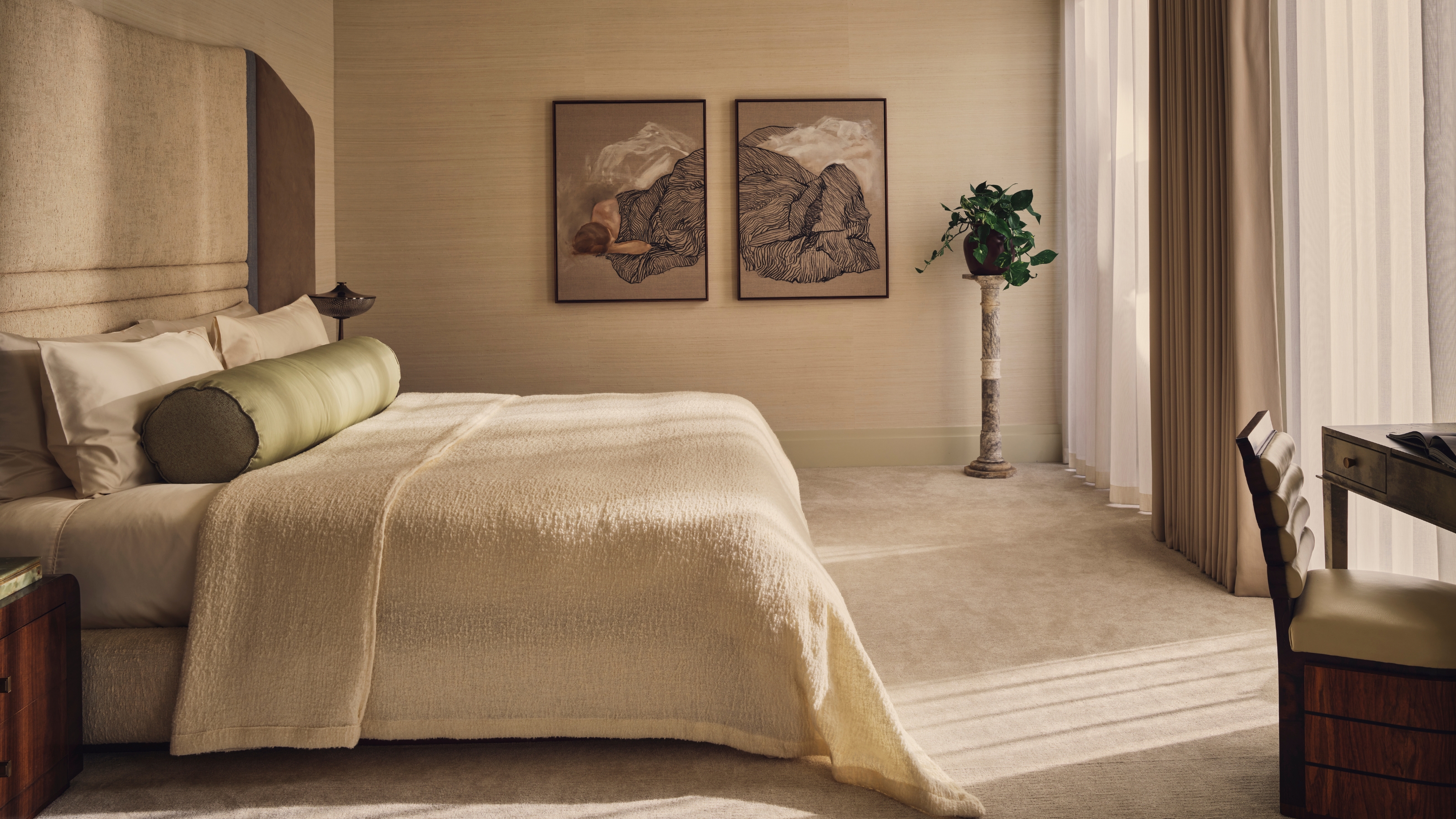
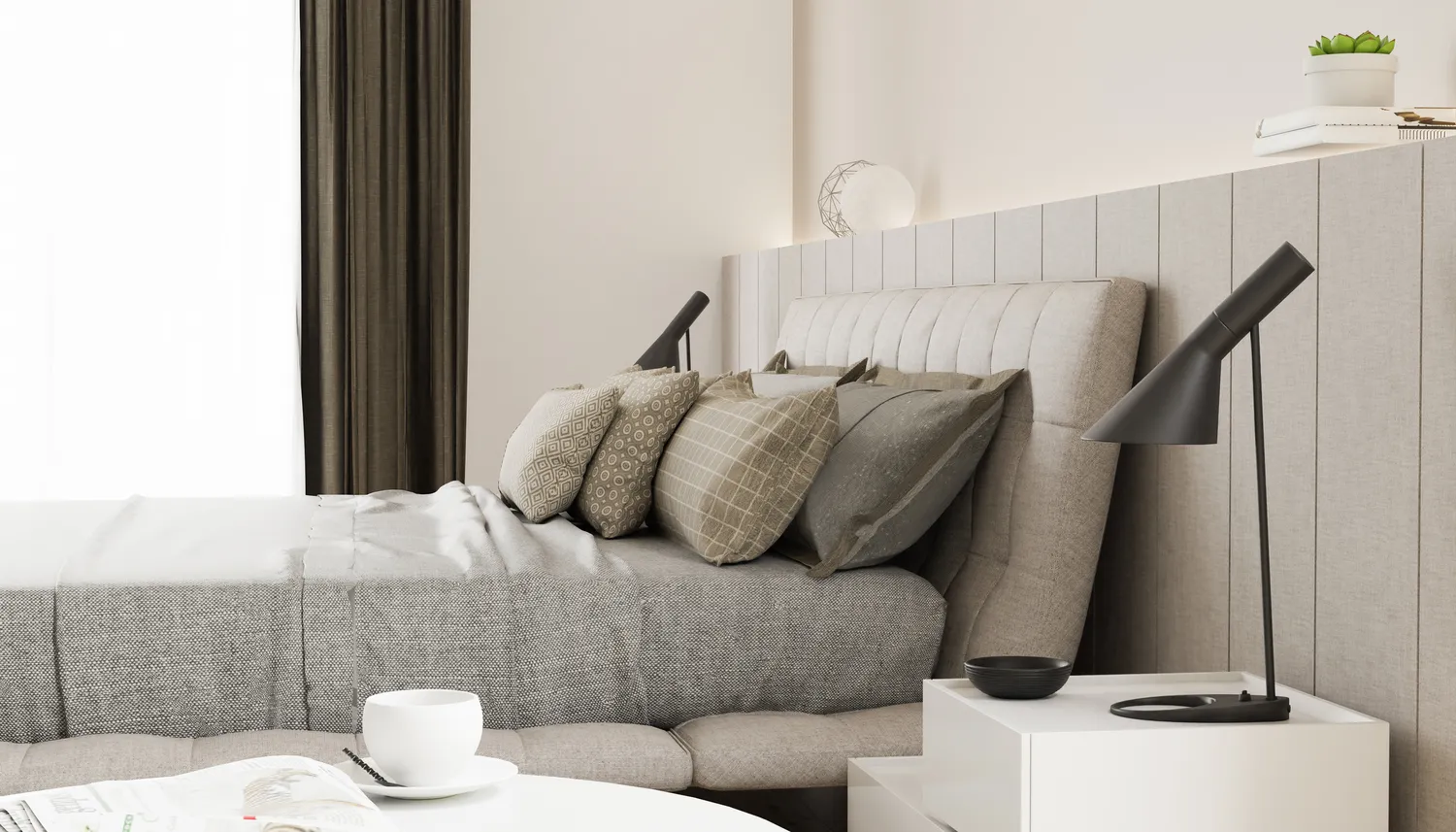
Uncomfortable bedrooms are definitively out. The emphasis is now on creating plush and inviting spaces. Coley Hull, founder of Coley Home, observes a shift from stark minimalism to cozy, comfortable environments, fueled by the accessibility of affordable luxury through direct-to-consumer brands. Trends include curvier bedroom seating and headboards, with materials like bouclé maintaining their popularity, as people spend more time at home and prioritize visual and physical comfort.
The presence of televisions in bedrooms is also on the decline. Real estate agents Steve Gottlieb of Coldwell Banker Warburg and Lori Levine Harris of Brock and Lori report that clients are increasingly removing televisions from their bedrooms to foster a more serene and sleep-conducive environment. While tablets and phones remain common bedside, the main television is often relegated to living rooms or dens.
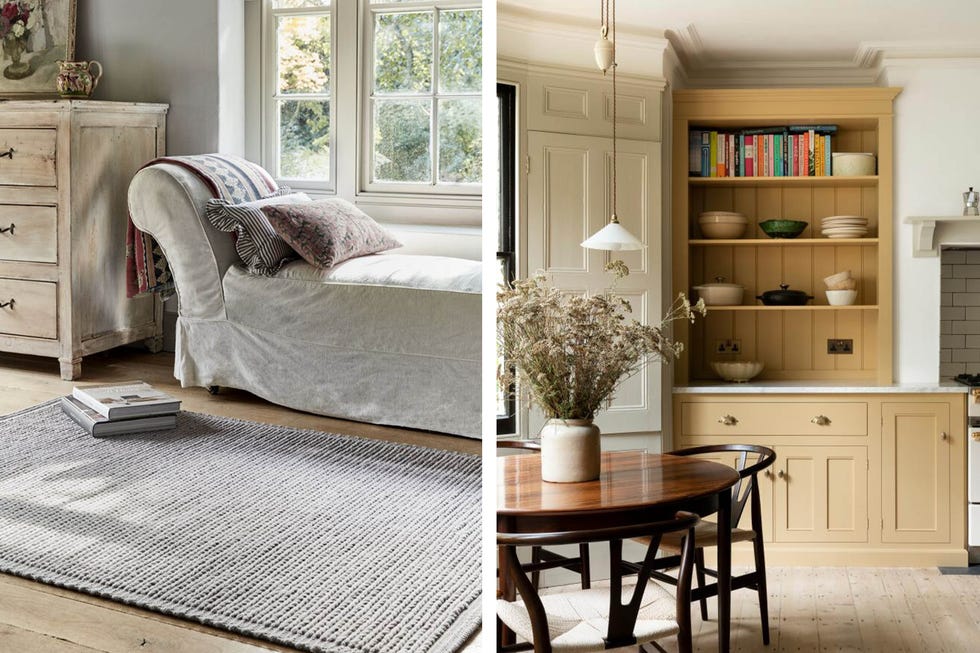
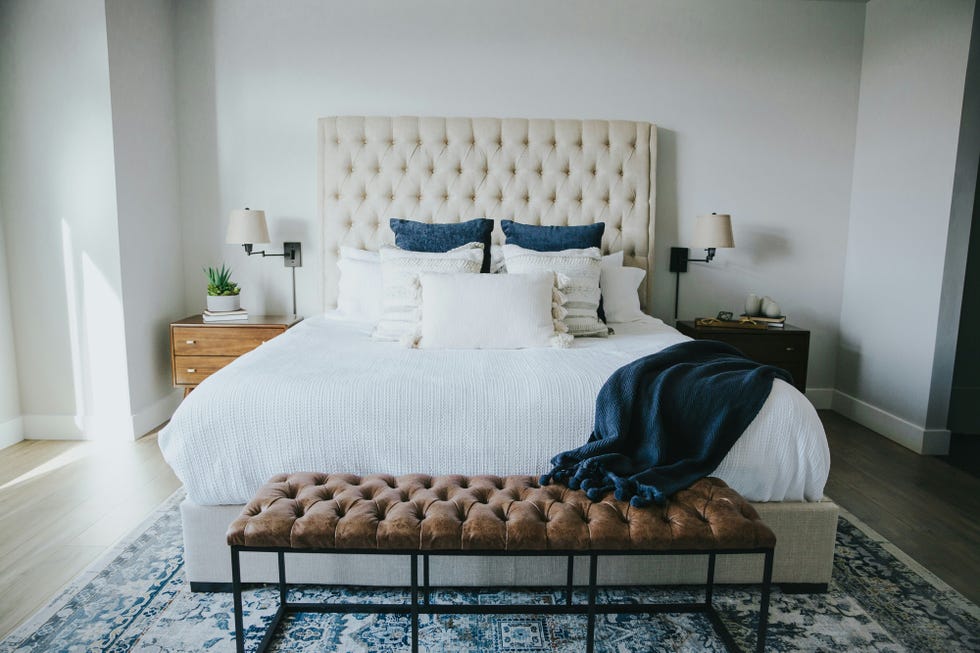
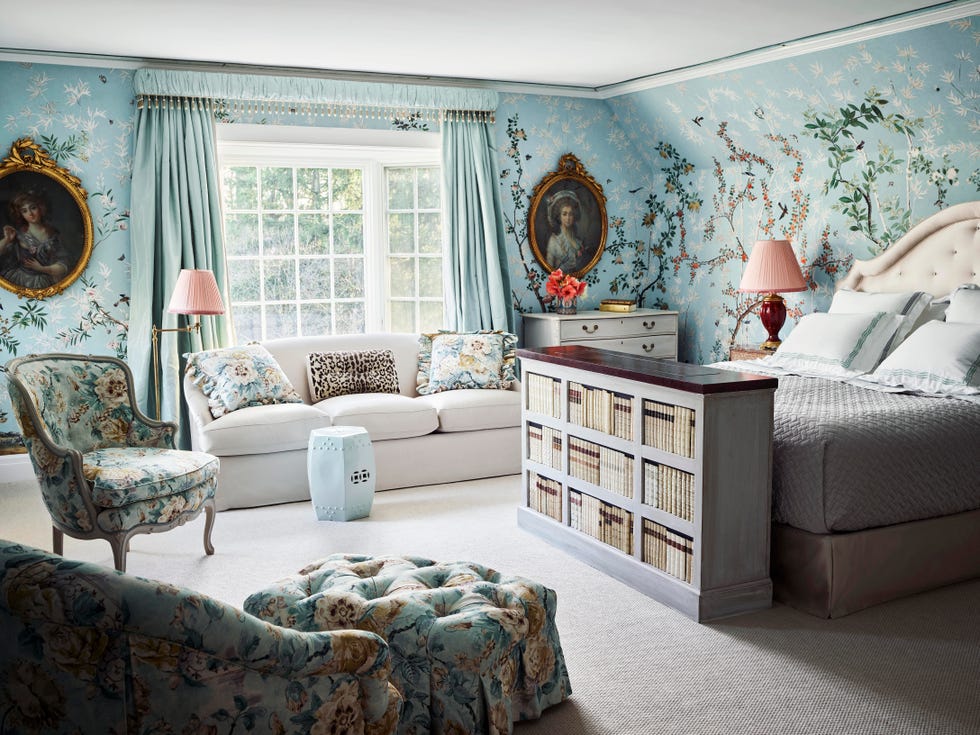
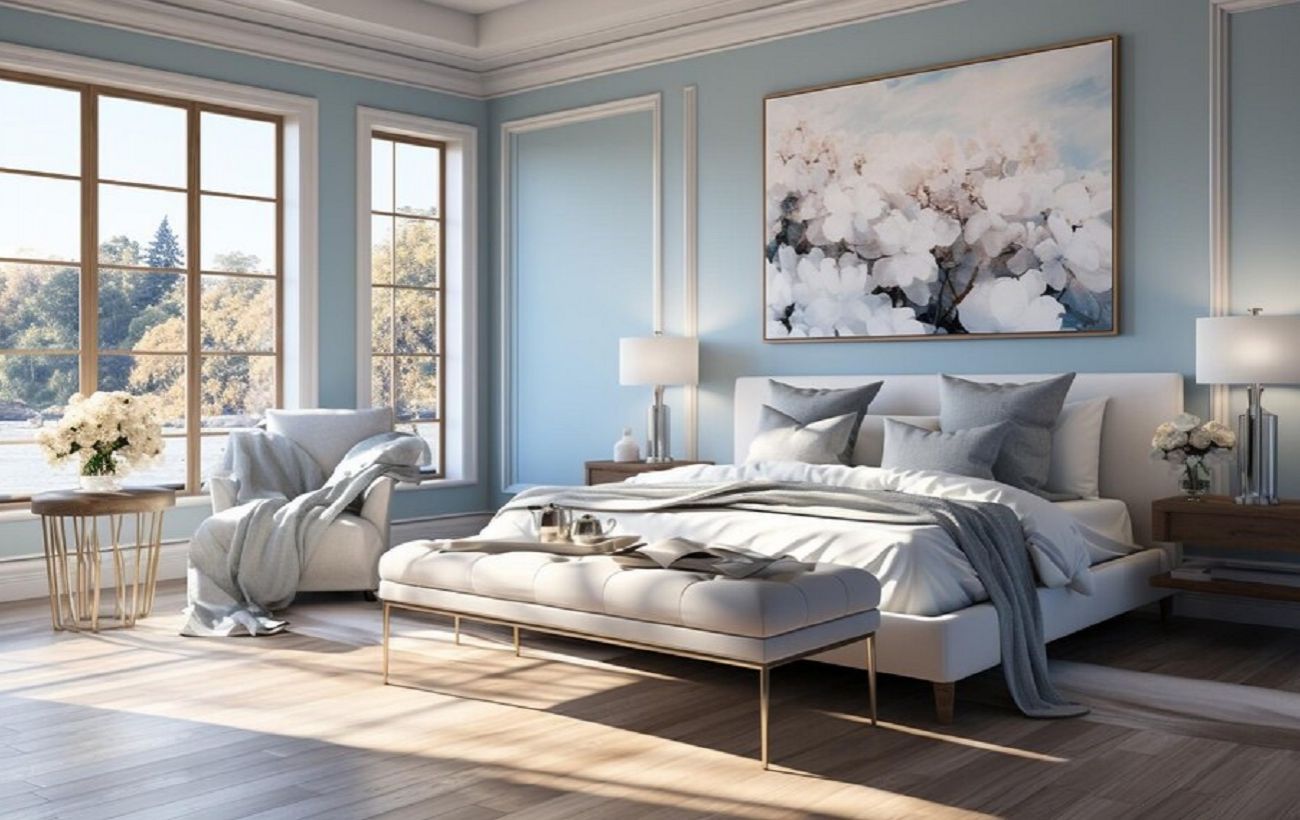
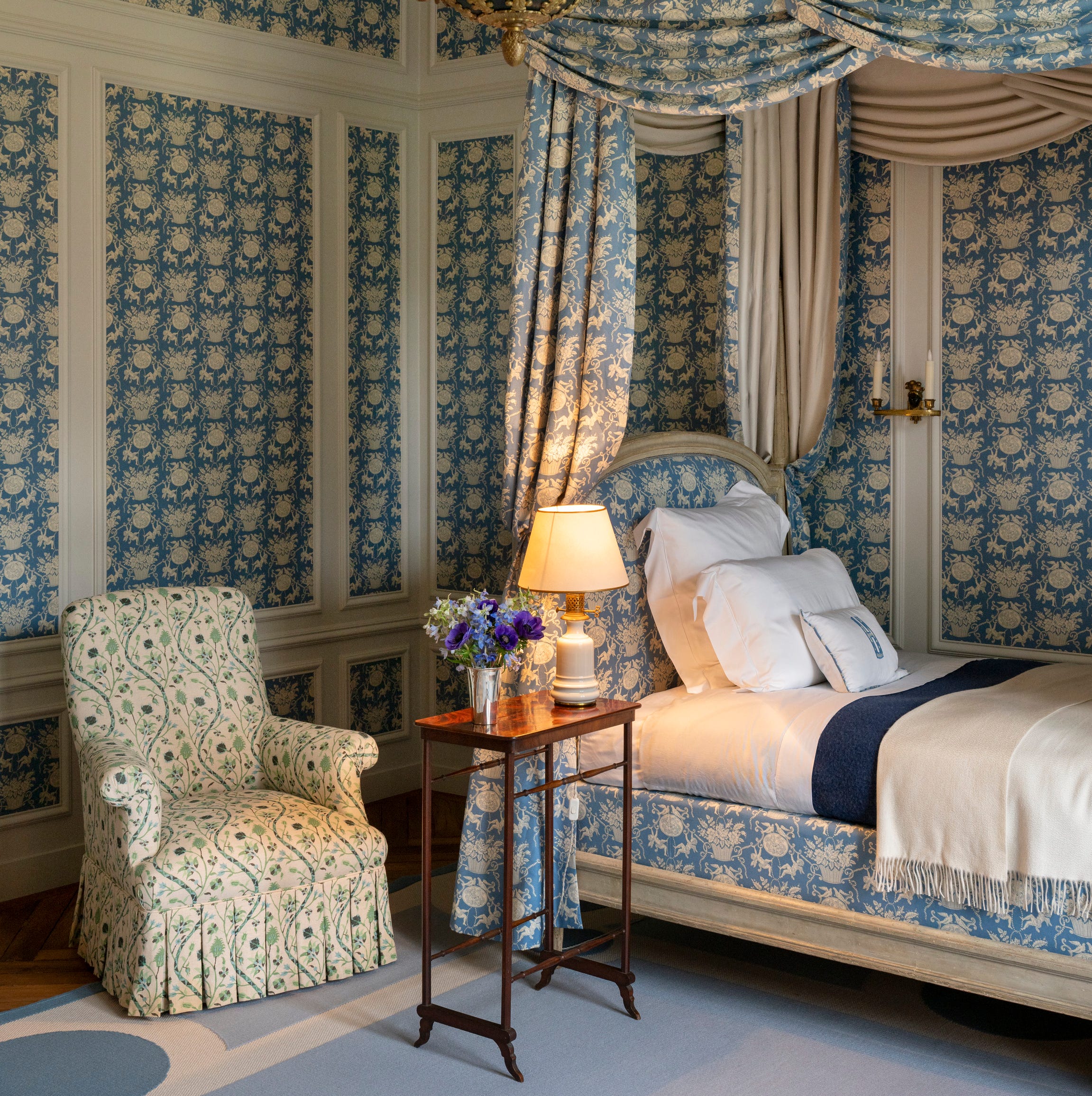
Lastly, the “coastal grandmother” aesthetic is set to evolve. Jenny Reimold, HomeGoods Style Expert, predicts that while blue will remain a dominant color, its application will shift from shabby chic to a cleaner, modern coastal look. This involves fewer floral fabrics and nautical motifs, replaced by muted pinstripes, driftwood, and mixed neutrals with brass accents. Subtle incorporation of this refreshed style is recommended through layered, neutral bedding and textured rugs.
The article concludes by highlighting a growing concern for wellness and sustainability, leading consumers to make more informed choices regarding furnishings. Steve Pallrand of CarbonShack Design advises using low or no-VOC paints to reduce off-gassing, especially in bedrooms. He also recommends opting for furniture made from natural materials like solid wood, clay, and fabrics such as hemp, avoiding composite boards that emit harmful chemicals, thereby promoting healthier living spaces. #BedroomDesign #InteriorTrends #HomeDecor #Minimalism #Maximalism #SustainableLiving #WellnessDesign #HomeRenovation
0 ความคิดเห็นรวม
 ยังไม่มีความคิดเห็น
คุณอาจจะชอบอีกด้วย
8 interior trends predicted to be huge in 2023, according to designers
Interior Design Trends to Know in 2023—And What’s on Its Way Out
Bedding Trends for 2025 That Will Make Your Bed More Modern

9 Bedroom Trends That Will Dominate 2026, According to Interior Designers
These Are the Top Bedroom Trends for 2025, According to Designers

5 outdated bedroom trends design experts say are snooze-worthy in 2024 and what to try instead

The Top Bedroom Decor Trends of 2024

The top bedroom design trends of 2025 to inspire a dreamy makeover of your most important space

5 Bedroom Design Trends to Spice Things Up in 2024

6 Bedroom Trends Designers Say You Won't See Again in 2026

Bye 2022: Home Design Trends to Ditch in 2023

8 of the Latest Wild Trends in Bedroom Design
I'm an interior designer. Here are 8 trends that missed the mark this year and hopefully disappear in 2023.
9 Bedroom Trends for 2025
Home Gurus Are Saying These Will be the Hottest Bedroom Trends of 2024
7 Bathroom Design Trends Going Away In 2023
Bedroom design trends of 2025 - What designers choose
Forget "Overstyled" Beds — The Big Bedding Trends to Embrace Instead in 2024 Have One Thing in Common
Interior Designers Predict These 7 Bedroom Trends Will Be Everywhere in 2026

9 Bedroom Trends That Will Dominate 2026, According to Interior Designers