Water-Vapor Control and the IRC
The management of water vapor in buildings has evolved significantly over time, particularly as insulation and air-sealing practices have become more prevalent. Historically, older, less insulated, and leakier homes inherently managed water vapor by allowing heat to pass through assemblies, keeping surfaces above the dewpoint and preventing condensation and subsequent rot. However, with the advent of insulation and tighter building envelopes, water vapor control transformed into a complex challenge, leading to the development of various strategies within building codes.
Early attempts at water vapor control, dating back to 1927, focused on ventilation in crawlspaces to dilute humid air with drier outside air, though this approach was later found to be flawed due to variable outdoor humidity and temperature. Concurrently, vapor barriers, such as 50-lb. rolled roofing, were introduced for crawlspace floors to limit vapor intrusion, a method that persists today using polyethylene vapor retarders. As attic insulation gained popularity in the 1950s, similar ventilation and barrier principles were applied to attics, albeit inverted, to address condensation on cooler roof sheathing and rafters.
The widespread adoption of the International Residential Code (IRC) in the early 21st century introduced wall and attic insulation alongside poly vapor retarders on the interior side of walls in cold climates. This approach proved problematic in mixed climates, leading to significant issues with wet and decayed walls due to internal air leakage and condensation, highlighting the critical role of air barriers. The understanding shifted to recognize that air leakage into wall cavities was a primary cause of increased humidity within hidden building spaces.
Responding to these challenges, the IRC began to incorporate more sophisticated, science-based solutions. The early 2000s saw the recognition of conditioning crawlspaces by integrating them into the home's thermal envelope. This involved robust vapor retarders on floors, insulated walls, and the circulation of conditioned air to maintain temperatures above the dewpoint and dilute humidity, a practice that became standard in cold climates.
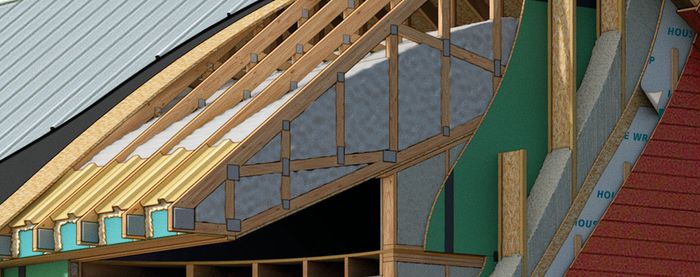
The 2009 IRC further refined vapor control by classifying vapor retarders based on perm ratings and extending the "unvented" concept to attics. Unvented attics require a condensing surface that also acts as a vapor and air barrier beneath the roof deck, with sufficient insulation above it to maintain warmth and prevent condensation. This can be achieved using closed-cell spray-foam insulation below the sheathing or continuous panel insulation above it, primarily in cold climates. For hot/humid climates, the 2018 IRC introduced vapor-diffusion ports, which allow vapor to escape while maintaining airtightness, typically through a highly vapor-permeable membrane at the ridge. The 2021 IRC further refined this by allowing exceptions where conditioned air supply to the attic is not mandatory, enabling complete air-sealing from the living space, similar to encapsulated crawlspaces with dehumidification.
Furthermore, the 2009 IRC addressed previous issues with Class I vapor retarders in cold climate walls. It introduced provisions for Class III retarders, which allow for inward drying if moisture infiltrates the assembly. Two methods were established for cold climates: using ventilated cladding with vapor-permeable wall sheathing to allow drying in both directions, and employing continuous exterior wall insulation to keep framing and sheathing above the dewpoint. The latter requires careful balancing of cavity and exterior insulation to ensure adequate heat transfer to exterior surfaces.
These code provisions demonstrate a progressive understanding of building science, offering a range of choices for managing water vapor in residential construction. While some code elements represent minimum standards, many provide detailed design methodologies for specific materials and assemblies, allowing builders to select the most appropriate strategy for their climate and building type to prevent moisture-related issues.
#WaterVaporControl #BuildingCodes #InternationalResidentialCode #Insulation #VaporRetarders #CrawlspaceVenting #AtticVentilation #CondensationPrevention #BuildingScience #WaterVaporControl #BuildingCodes #InternationalResidentialCode #Insulation #VaporRetarders #CrawlspaceVenting #AtticVentilation #CondensationPrevention #BuildingScience
 ยังไม่มีความคิดเห็น
Good Plumbing Performs High-Efficiency Boiler Replacement for Catholic Church
Air-to-Water Heat Pump Experience
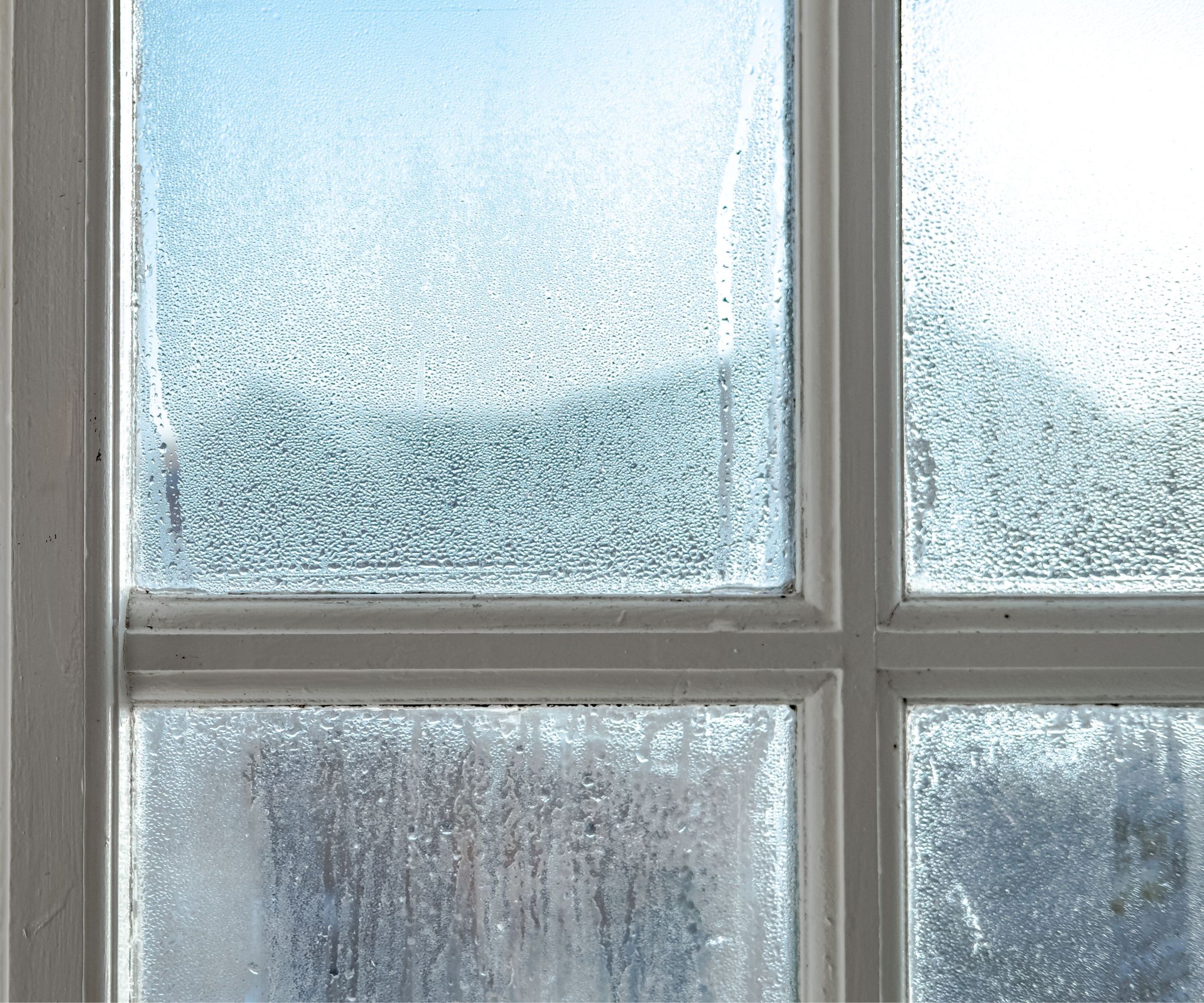
5 telltale signs your home needs a vapor barrier this winter and beyond


Cooling AI Infrastructure: What Mechanical Contractors Should Know


Best plants for condensation and damp – 7 moisture-absorbing plants that control humidity
Using large diameter ceiling fans to improve indoor comfort
Indoor Hot Tub Installations, In Detail