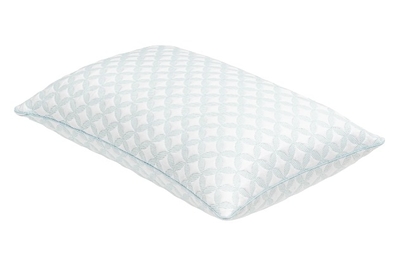
1/8
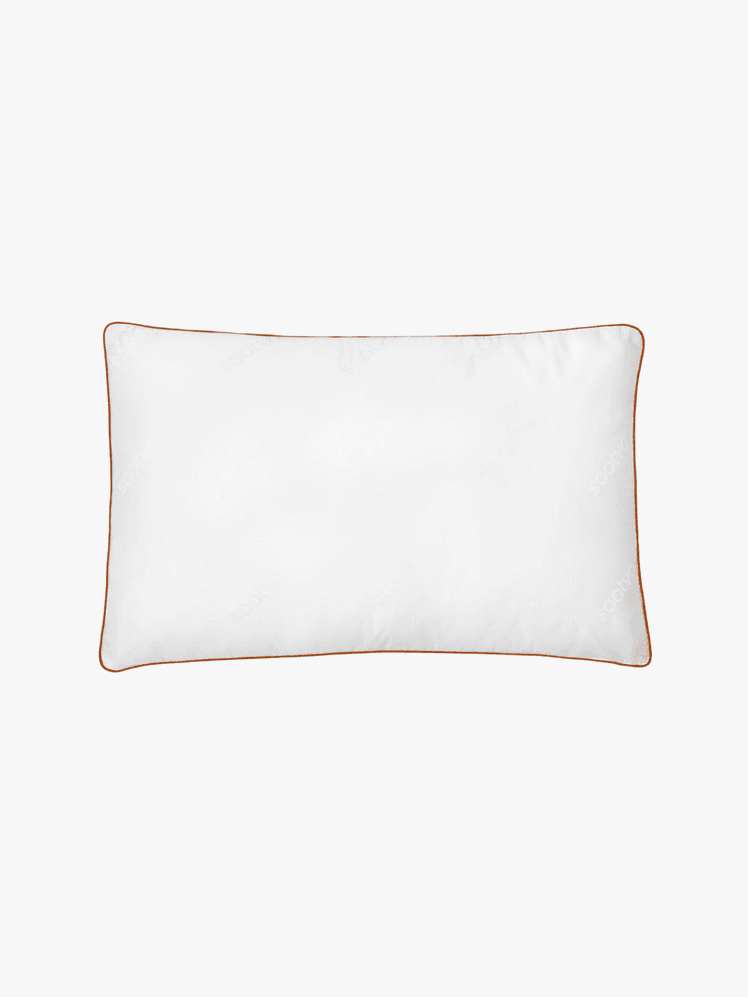
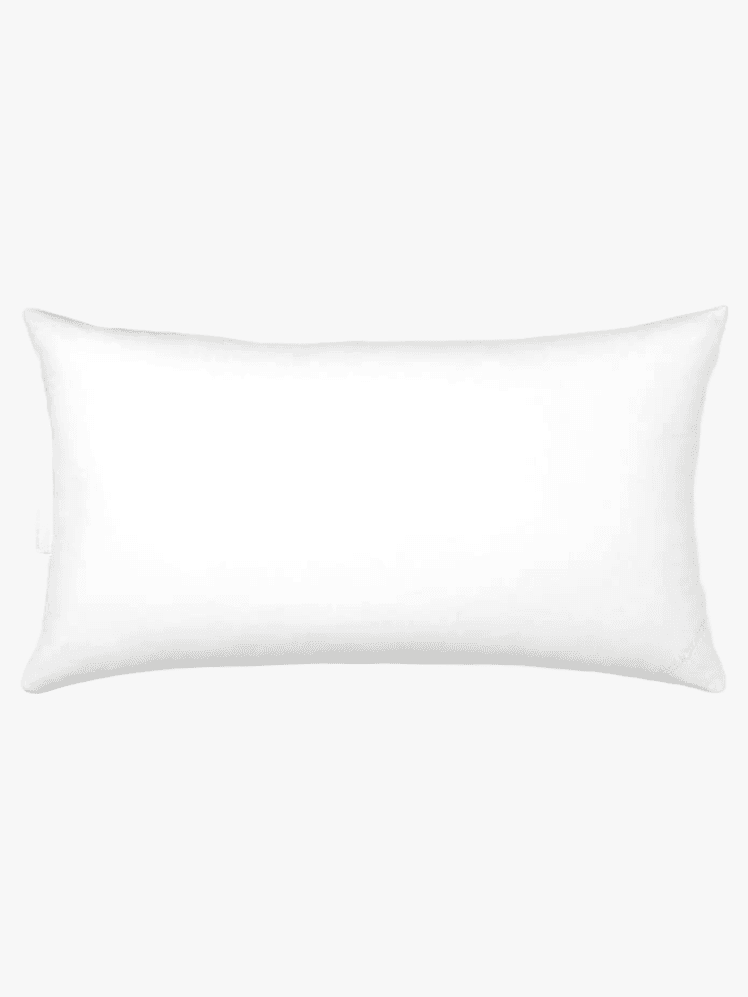
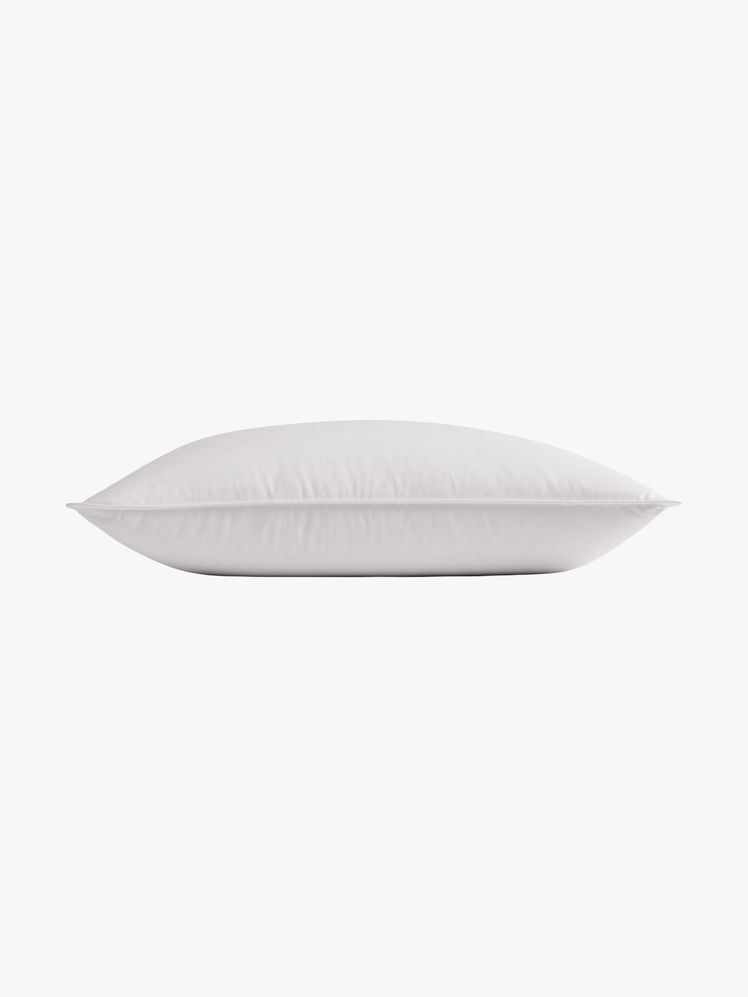
The best filling for a pillow revealed – and there's something for every sleeper at all budgets
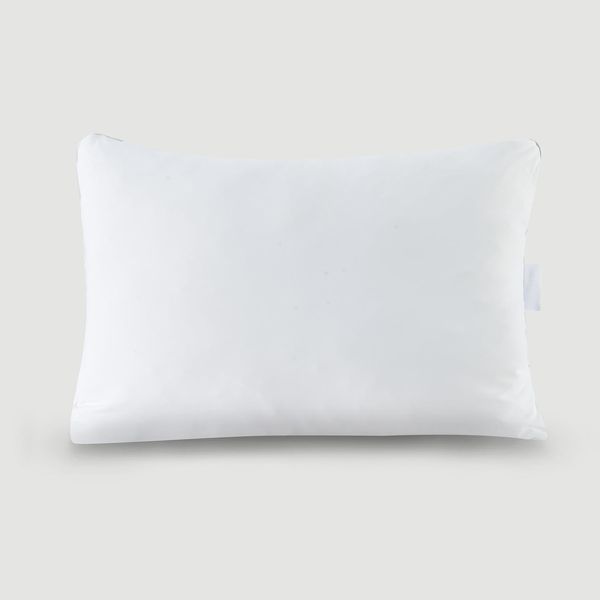
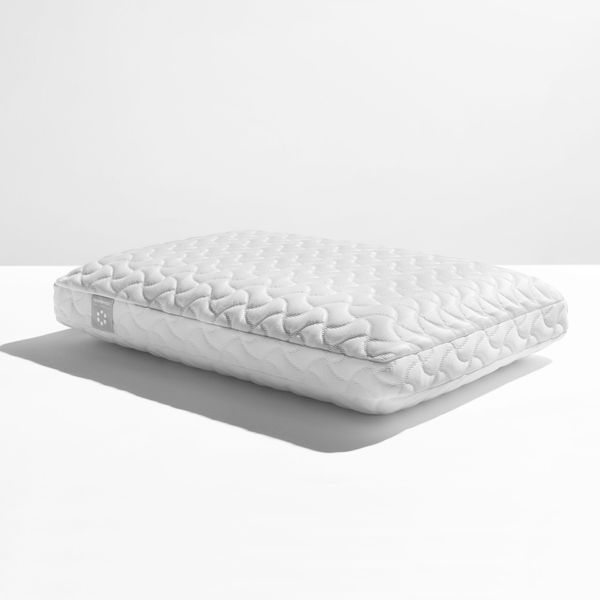
This article provides a comprehensive guide to selecting the optimal pillow filling, addressing various needs and preferences, and emphasizing the importance of upgrading one's pillow for improved sleep quality. It delves into the characteristics of different pillow filling types, categorized into natural and synthetic options, and discusses their respective advantages and disadvantages.
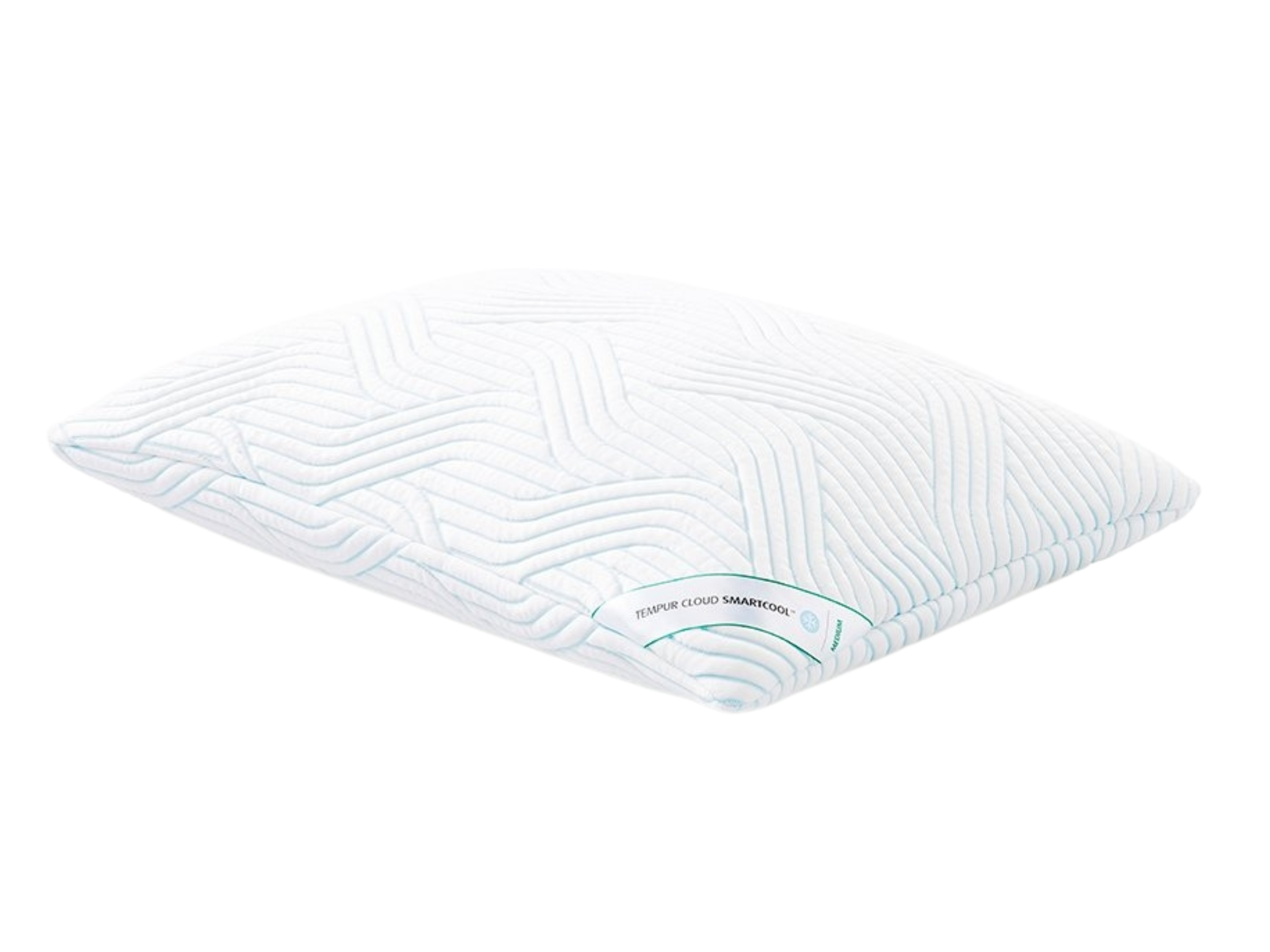
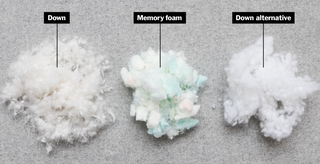
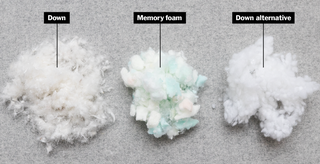
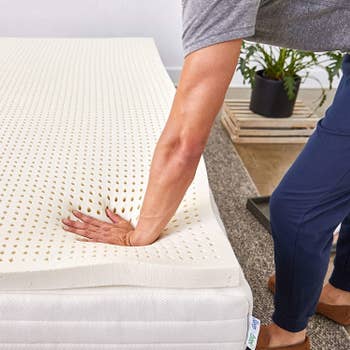
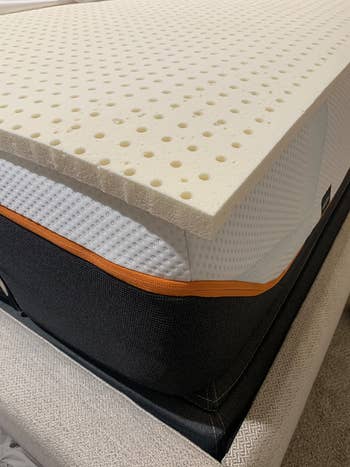
Natural fillings explored include down and feathers, wool, and latex. Down and feather pillows, often considered premium, offer excellent insulation and contouring support, making them comfortable for most sleepers. However, they can trap moisture, potentially exacerbating allergies, and are not suitable for vegans due to animal welfare concerns. Wool pillows are highlighted for their temperature regulation, moisture-wicking properties, and natural hypoallergenic, antimicrobial, and fire-retardant qualities. Despite these benefits, they are firmer, require occasional fluffing, and are also not vegan-friendly. Latex pillows are presented as a sustainable, durable, naturally cooling, and hypoallergenic option, particularly beneficial for specialized support. Nevertheless, their firmness and higher cost may not appeal to everyone, and they are unsuitable for individuals with latex allergies.
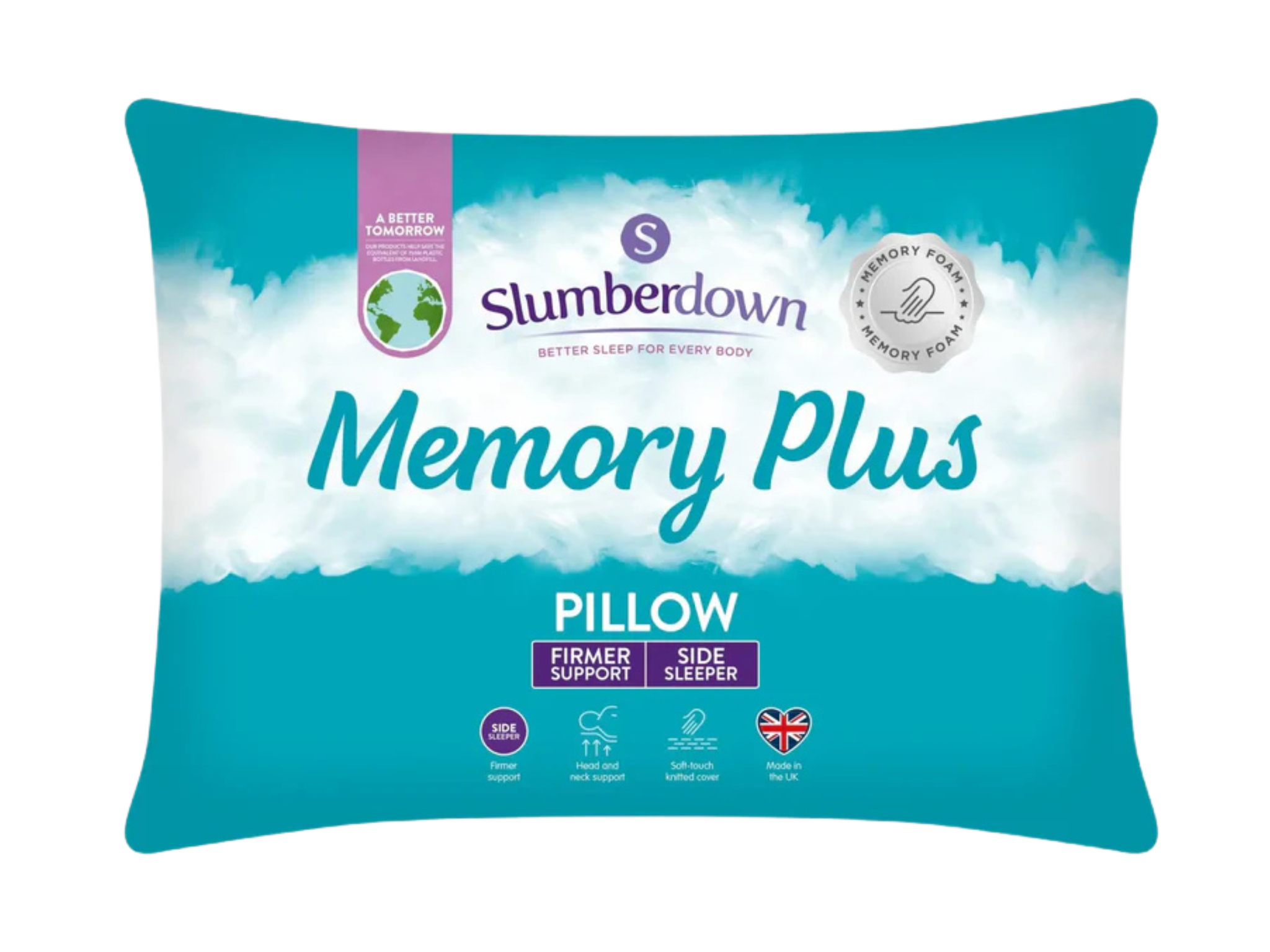
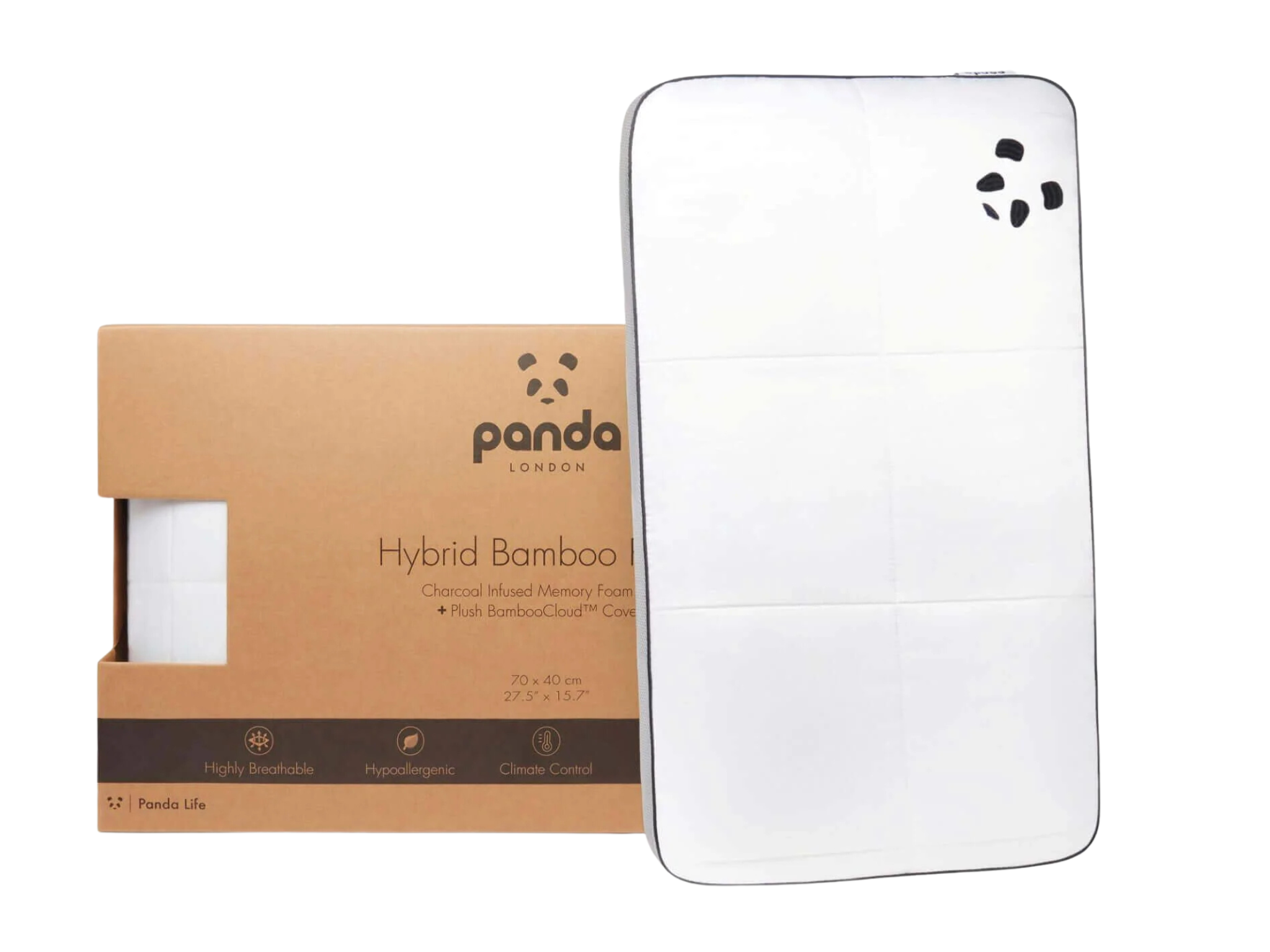
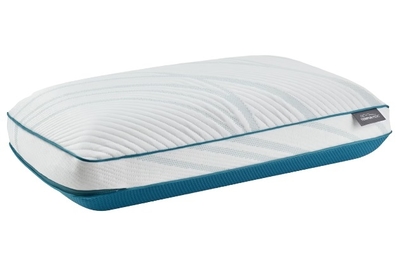
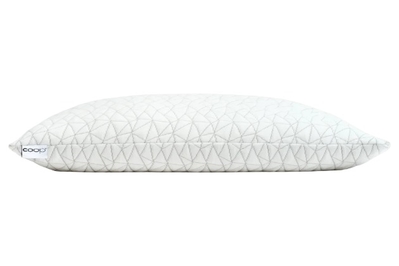
Among synthetic options, polyester is discussed as a durable and affordable choice, often hypoallergenic and machine washable, which helps in eliminating dust mites—a common allergen. However, polyester pillows can lead to overheating due to poor breathability and may clump after washing. Memory foam pillows are recognized for their exceptional support, molding to the body in response to heat and pressure, making them ideal for individuals with neck and back pain. Their density also makes them excellent for allergy sufferers as dust mites struggle to penetrate. The article acknowledges that some may find them too dense or prone to initial overheating, although modern versions have mitigated this issue. Hybrid pillows, combining natural and synthetic fibers, aim to offer the breathability of natural materials with the support of memory foam, though they tend to be firmer and less fluffy.
The guide also provides advice on choosing the best pillow filling based on individual sleeping positions, with recommendations for side, front, and back sleepers. For allergy sufferers, hypoallergenic options like synthetic, wool, and latex pillows are suggested. Ethical considerations, such as vegan-friendly and sustainably sourced products, are also mentioned. The article specifically addresses concerns for hot sleepers, recommending breathable and temperature-regulating options, including natural fillings and advanced synthetic pillows designed for moisture management. For easy care, synthetic polyester pillows are recommended due to their washability, quick drying, and durability. The article emphasizes that microfiber-filled pillows are particularly convenient for regular machine washing, contributing to freshness and longevity.
#PillowFillings #SleepComfort #BedroomEssentials #HomeDecor #AllergyFriendly #PillowTypes #MattressGuide #HomeTextiles #SleepHealth #PillowFillings #SleepComfort #BedroomEssentials #HomeDecor #AllergyFriendly #PillowTypes #MattressGuide #HomeTextiles #SleepHealth
0 ความคิดเห็นรวม
 ยังไม่มีความคิดเห็น
คุณอาจจะชอบอีกด้วย
Best pillows for every kind of sleeper in 2025, tried and tested
The 8 Best Pillows AD Editors Are Always Dreaming About

Throw Pillows So Cozy You Won’t Want To Push Them Off The Couch

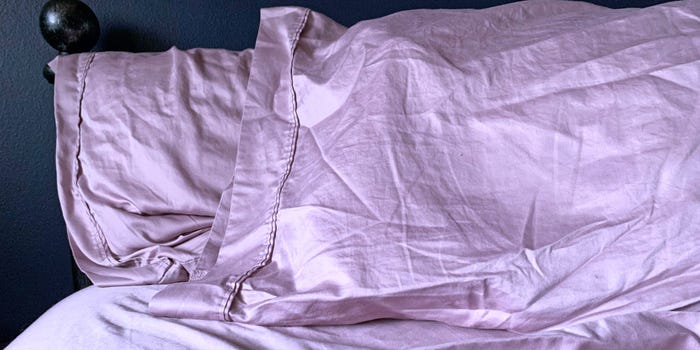
The 7 Best Pillowcases That We Tested, Including Silk, Sateen, and Cotton
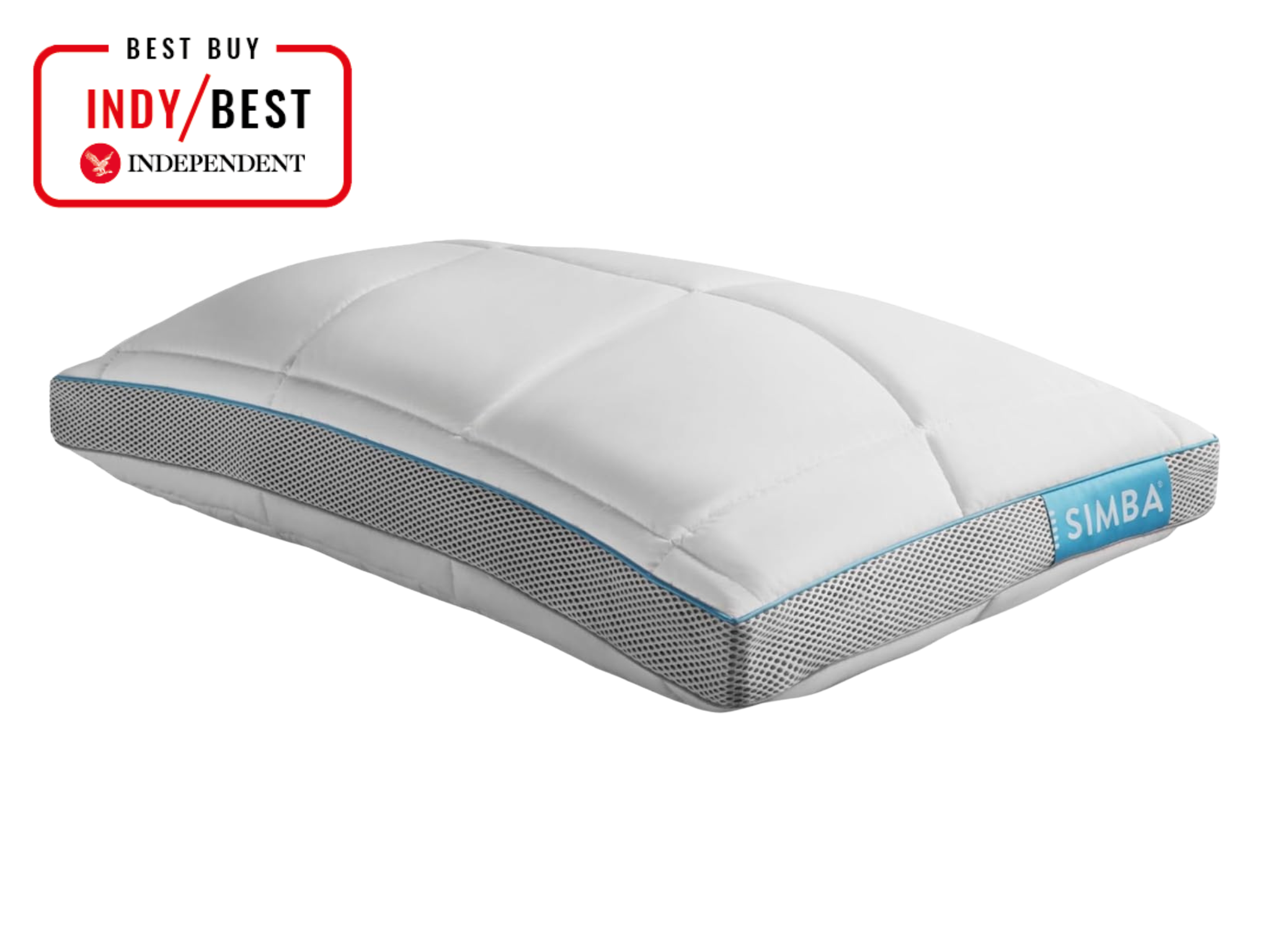
Best pillows in 2025 for every kind of sleeper, tried and tested

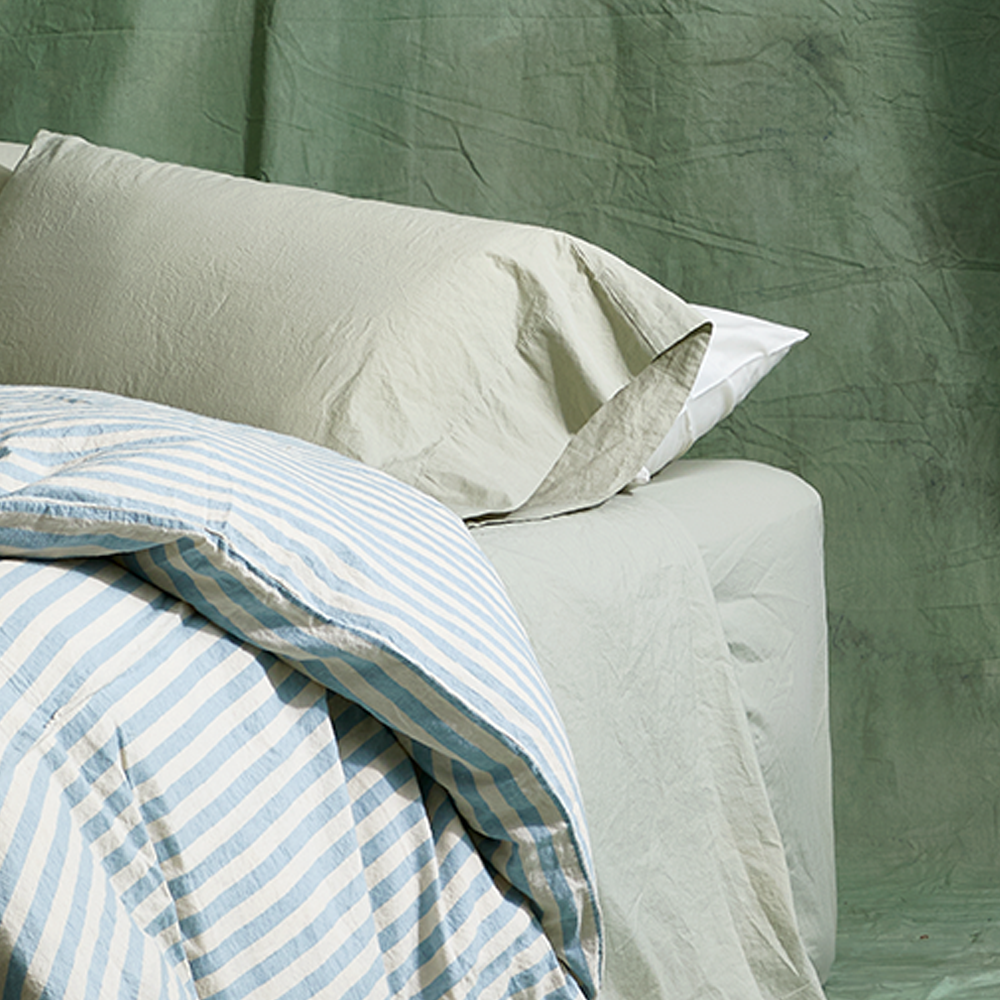
Top-Tested Bedding for Your Most Comfortable Sleep Ever

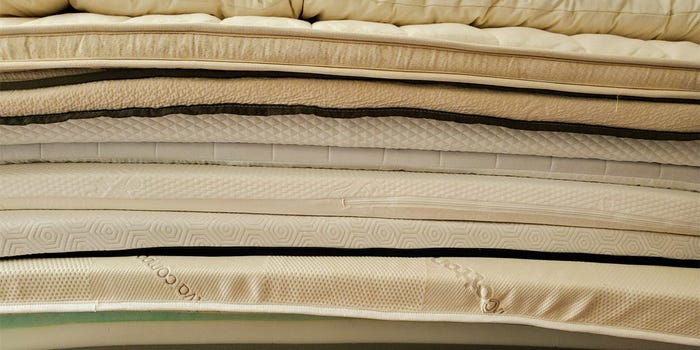
After 100+ hours of testing, we found the best mattress toppers to make any bed comfortable

10 best bedding sets for the perfect night’s sleep


The 5 Best Bed Pillows of 2026 | Reviews by Wirecutter

7 Pillow Inserts to Adorn Your Couch or Bed

The Best Bedding to Improve Your Sleep

The 11 Very Best Mattress Toppers
9 Editor-Tested Pillows That Made Us Ditch Our Old Ones for Good
The Most Luxurious Bedding for the Best Night's Rest

The 8 Very Best Pillows for Back Sleepers
We Tested Dozens of Memory Foam Pillows. These Are the Best.

The 5 Best Bed Pillows of 2025 | Reviews by Wirecutter
I spent hundreds of hours testing the best pillows — these are my top picks
28 Of The Best Firm Mattress Toppers So You Can Get Yourself A Good Night’s Sleep
As a certified sleep coach who tested 17 body pillows, I can say they're the most underrated sleep upgrade