What Is Water Hammer, and How Do You Fix It?
Water hammer, also known as hydraulic shock, is a common plumbing problem characterized by banging and vibrating pipes due to the sudden stoppage of water flow. This phenomenon occurs when water, moving at a certain velocity, is abruptly halted, causing a surge in pressure that makes pipes strike against the home's infrastructure. While it can be alarming, it's crucial to address water hammer promptly to prevent significant damage to the plumbing system and the home itself.
The primary cause of water hammer is the rapid closure of water supply, often exacerbated by blocked or non-functioning air chambers in the plumbing system. These air chambers are designed to act as cushions, absorbing the shock of sudden water stops and protecting the pipework from excessive pressure. Appliances like washing machines and dishwashers are frequent culprits, as their solenoid valves can close water flow almost instantaneously, much faster than manual faucets. Even plastic pipes, though less audibly affected, can experience detrimental flexing and movement from water hammer.
Failing to address water hammer can lead to a cascade of problems. The immense force can rupture pipes, cause plumbing joints to fail, and damage pumps and valves within the system. Beyond the immediate plumbing components, water leaks resulting from these damages can lead to water-damaged ceilings, walls, and floors, foster mold growth, and compromise the structural integrity of the house through rot. Therefore, fixing water hammer is not just about silencing a nuisance but preventing costly and extensive home repairs.
Several methods can be employed to fix water hammer, some of which can be undertaken by homeowners. One effective solution involves clearing and recharging air chambers. This process requires turning off the home's main water supply, then opening the highest and lowest faucets to drain all water from the system. This action clears any accumulated water from the air chambers, allowing them to refill with air and resume their cushioning function. If air chambers are absent, professional installation is recommended.
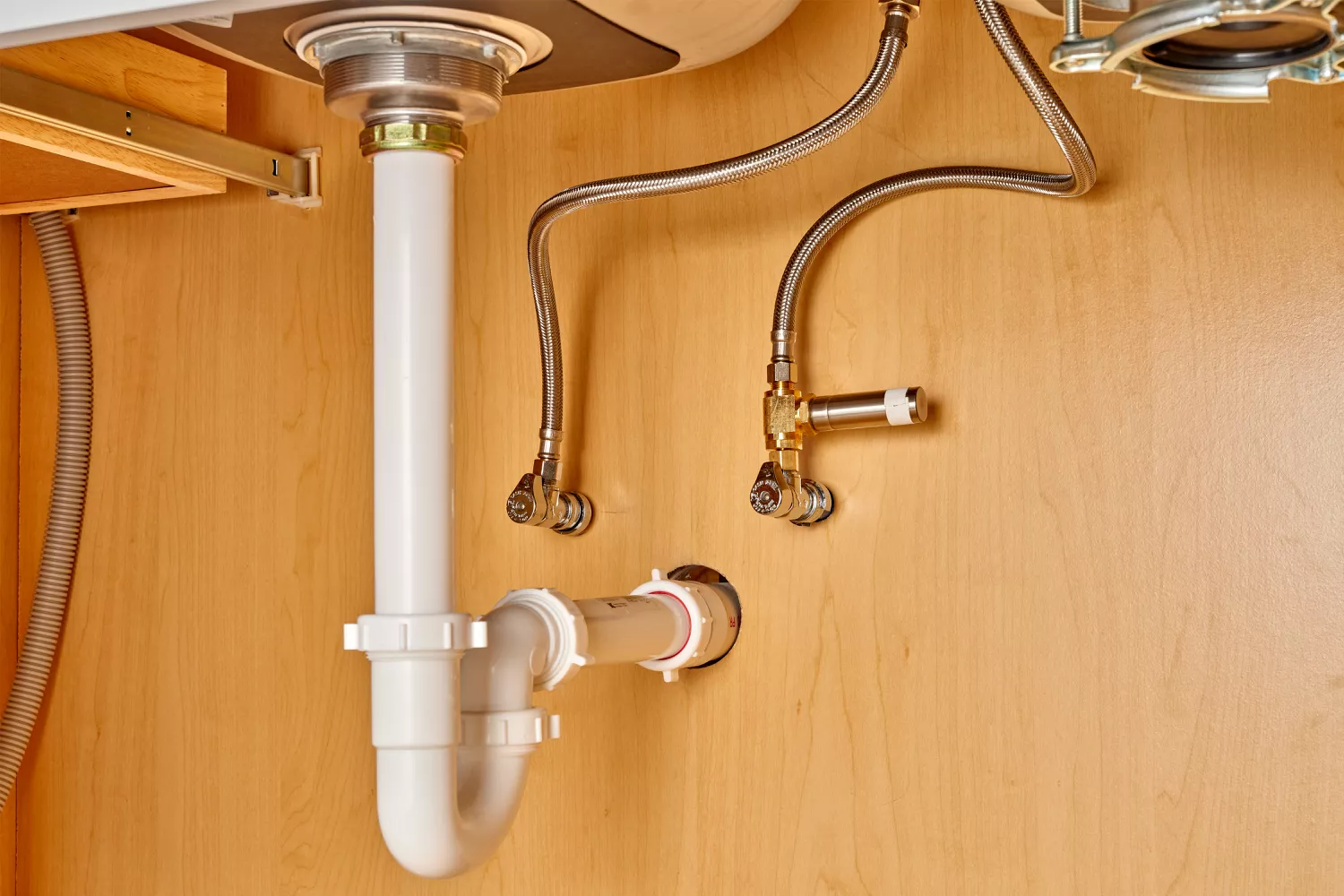
Another highly effective solution is the installation of water hammer arresters. These devices contain a diaphragm that absorbs the shock wave from suddenly stopping water. Arresters come in various types—threaded, compression, and push-fit—all designed for relatively simple installation without soldering. The installation typically involves shutting off the water supply to the affected appliance or area, detaching the existing hose fittings, installing the arrester, and reattaching the water supply. Using Teflon tape for threaded arresters can ensure a tighter seal. It's important to note that washing machines usually require two arresters (for hot and cold water lines), while dishwashers typically need one (for the hot water line).
Adjusting the home's water pressure can also mitigate water hammer. A safe household water pressure typically ranges between 40 and 60 psi, with pressures above 80 psi potentially damaging appliances and contributing to water hammer. Homeowners can test their water pressure using a gauge attached to a hose faucet or washing machine line. If the pressure is too high, it can be lowered via the adjustment screw on a water pressure regulator. If a home lacks a regulator, professional installation is advised to maintain consistent and safe water pressure throughout the plumbing system. Installing a water pressure regulator where the main water supply enters the home ensures that municipal water pressure is safely managed, thereby extending the lifespan of appliances and pipes and preventing water hammer.
#WaterHammer #PlumbingProblems #HomeMaintenance #PipeDamage #WaterPressure #AirChambers #WaterHammerArrester #HomeImprovement #PlumbingRepair #WaterHammer #PlumbingProblems #HomeMaintenance #PipeDamage #WaterPressure #AirChambers #WaterHammerArrester #HomeImprovement #PlumbingRepair
 ยังไม่มีความคิดเห็น
I Tried a Bunch of Filtered Showerheads to See What the Deal Is
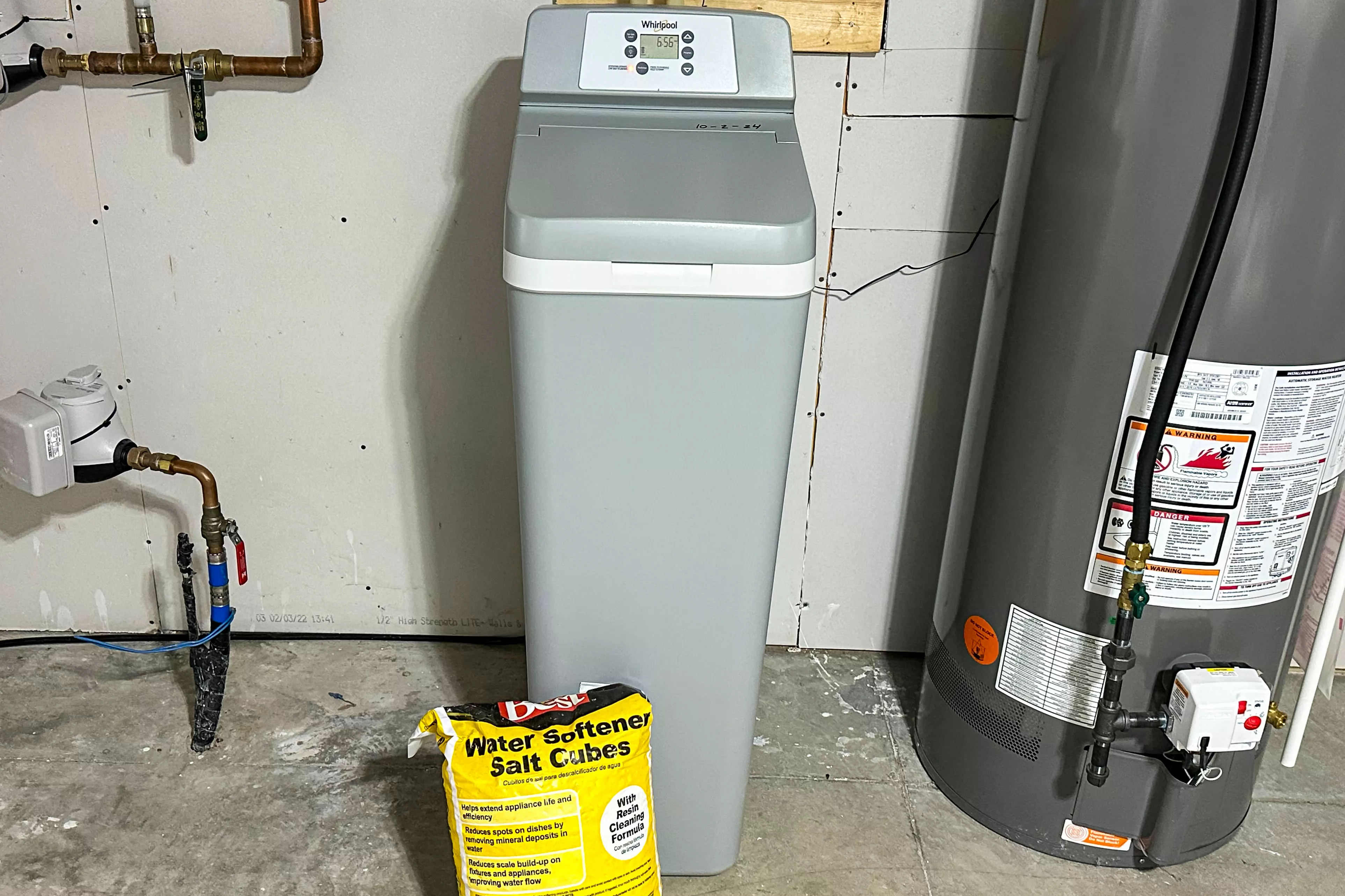
Prevent Hard Water Stains and Buildup with the Best Water Softeners We Tested