5 different paint finishes, from flat to high-gloss, and when to use them
Choosing the right paint finish is as crucial as selecting the perfect color for any painting project. The sheen of the paint significantly influences its appearance, durability, and ease of maintenance. This guide explores five common paint finishes—flat, eggshell, satin, semi-gloss, and high-gloss—detailing their characteristics, ideal applications, and limitations. Expert insights from Krystal Mindeck, Senior Product Manager at HGTV Home by Sherwin-Williams, and Hannah Yeo, Color Marketing and Development Manager at Benjamin Moore, provide a comprehensive understanding of each finish.
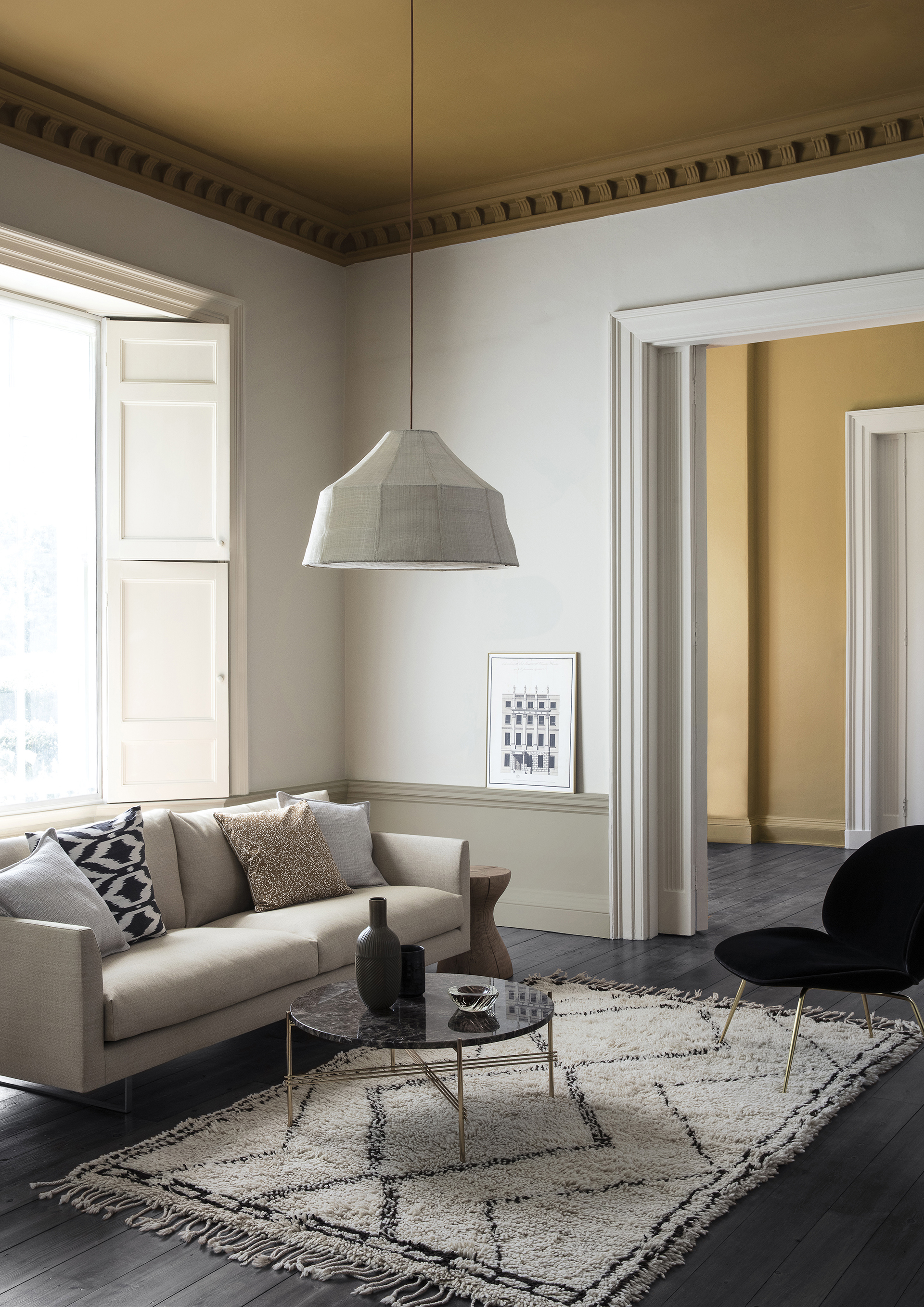
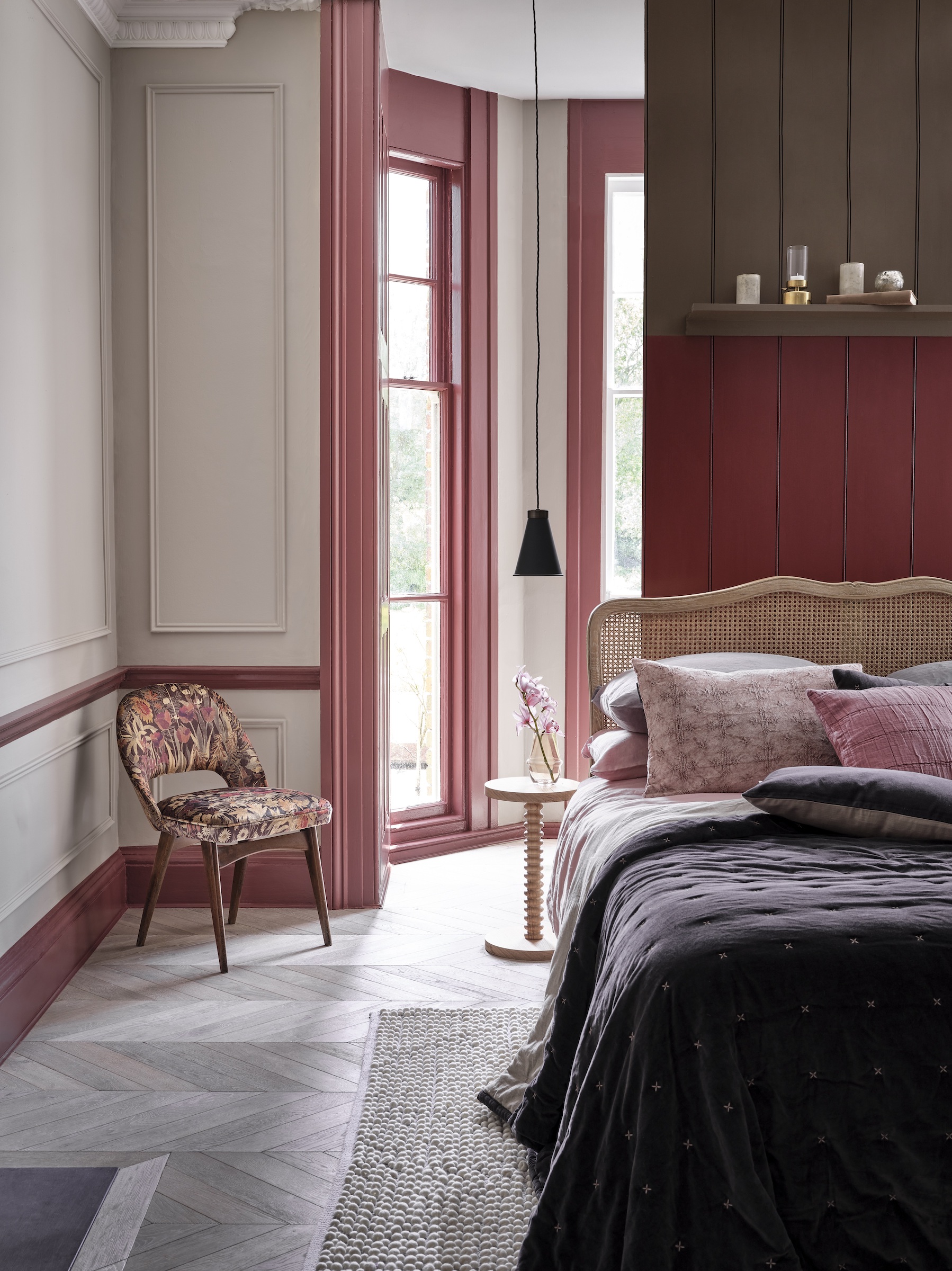
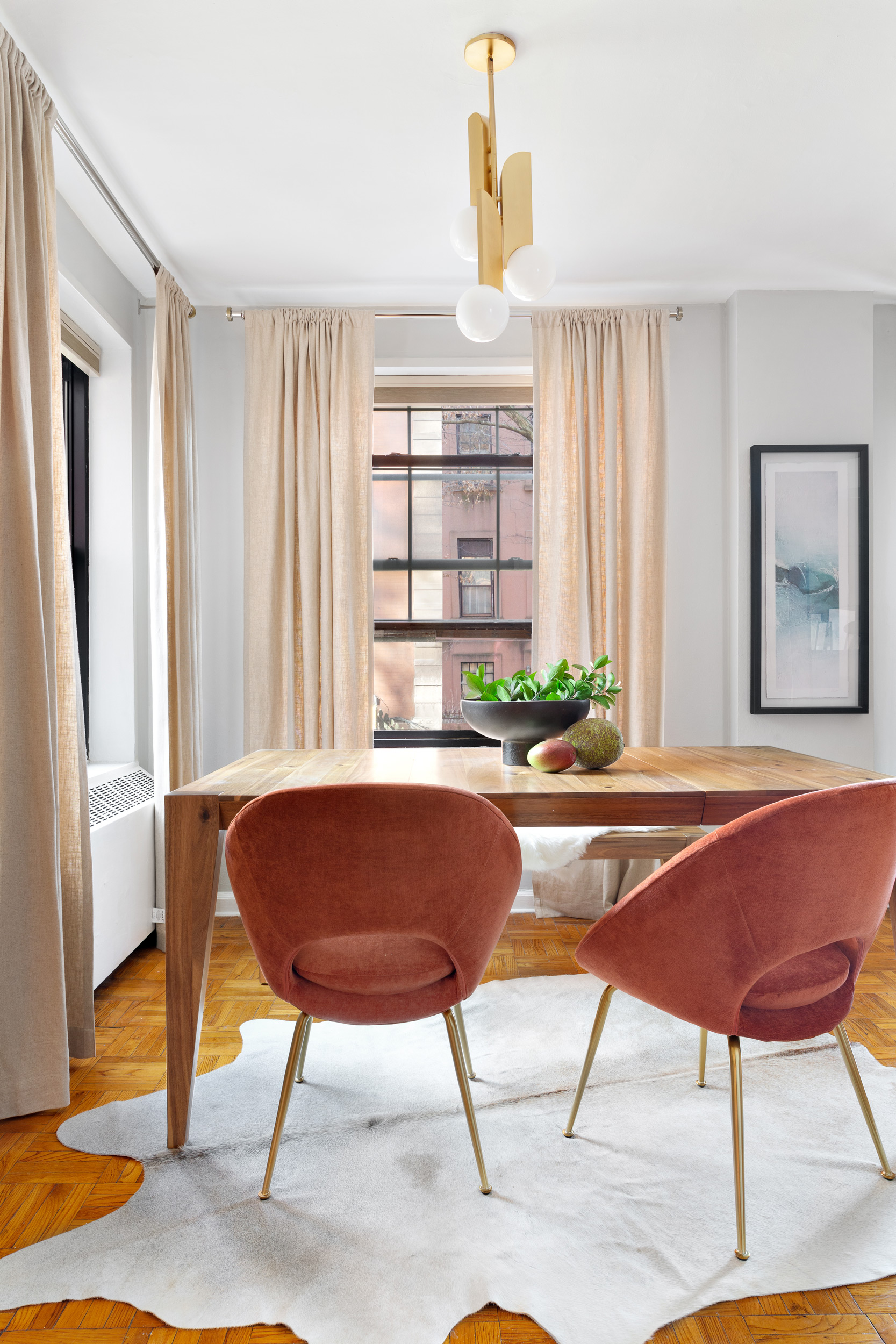
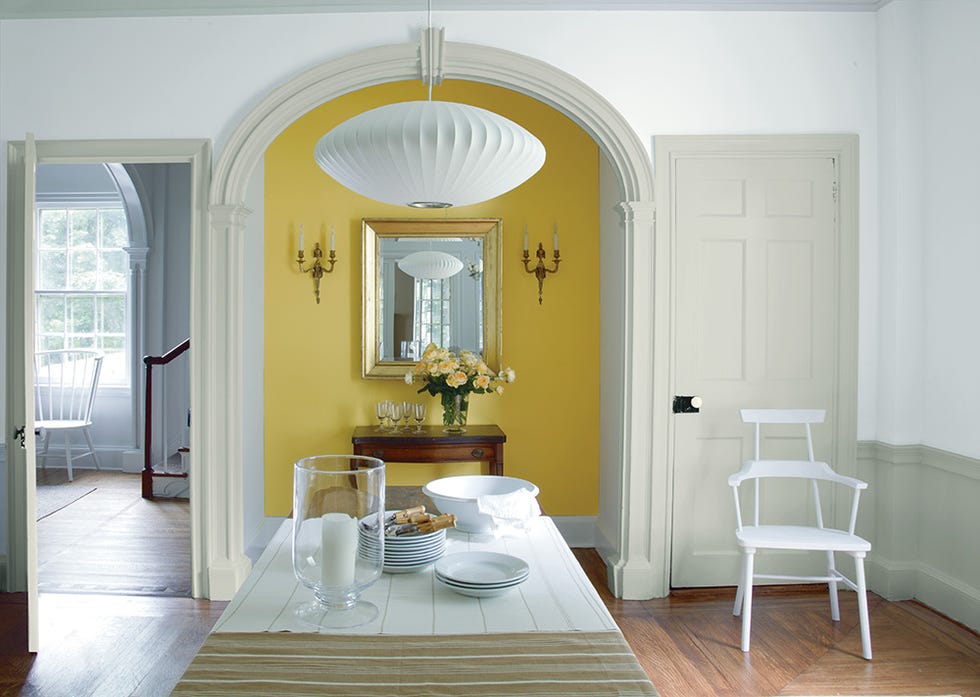
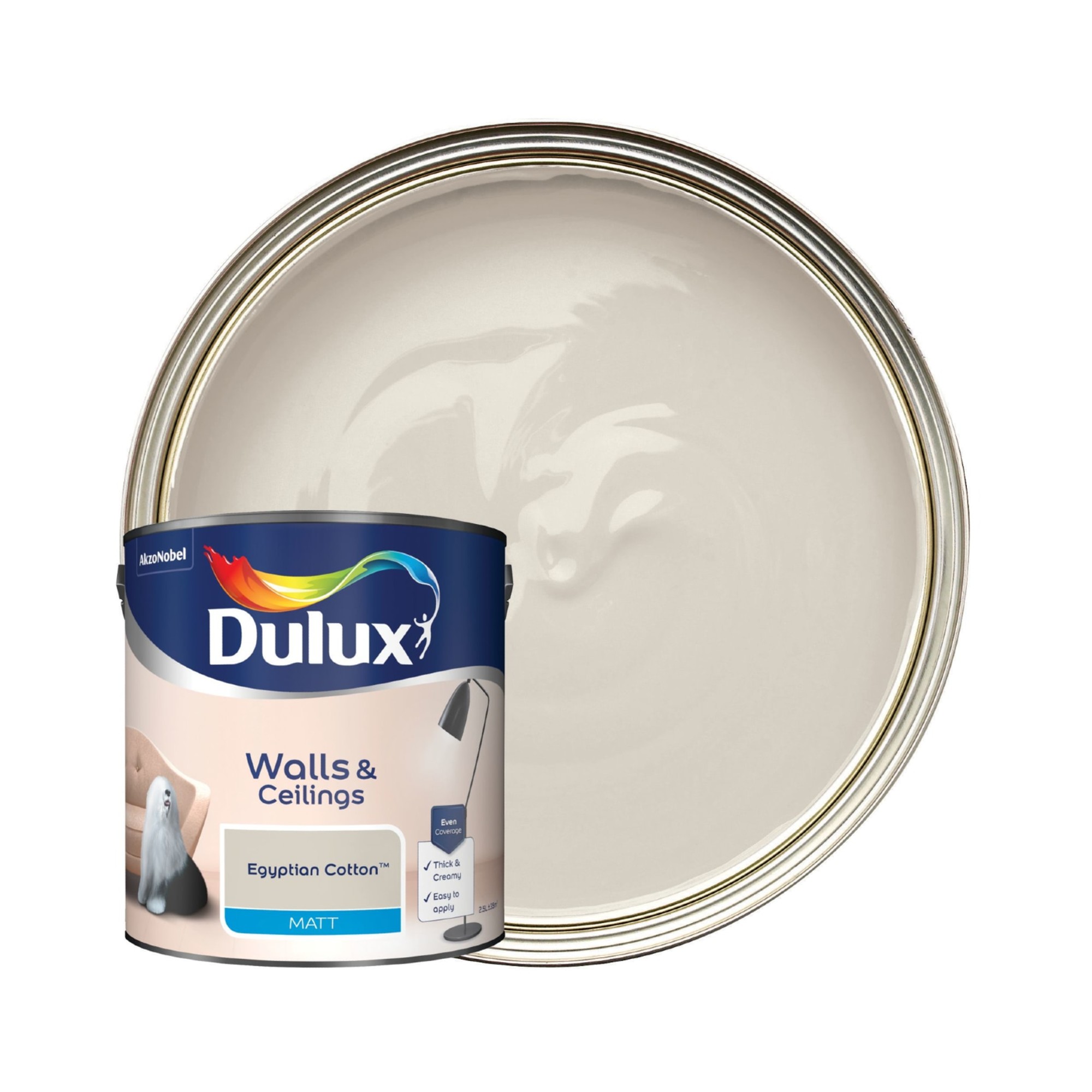
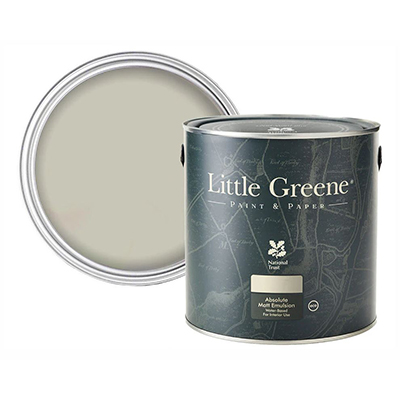
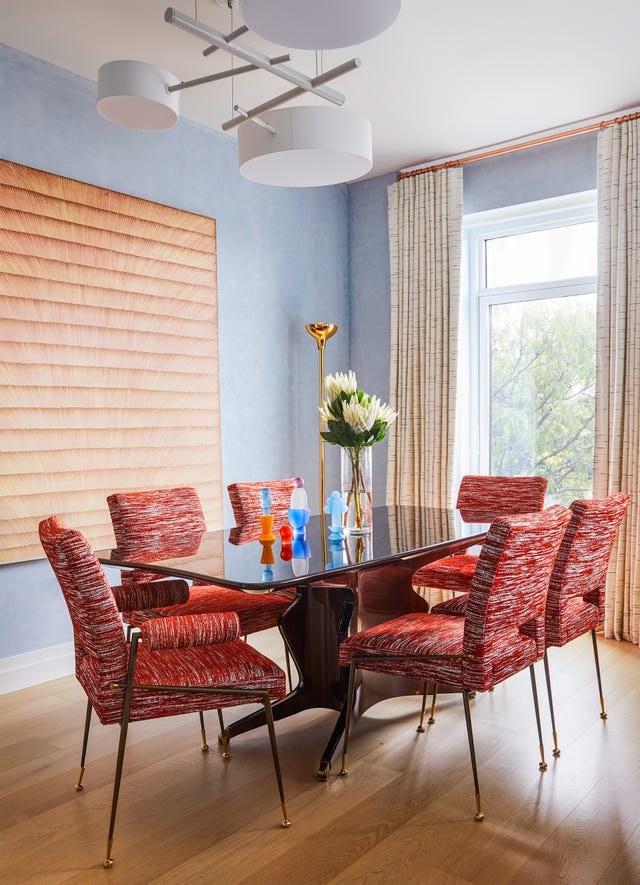
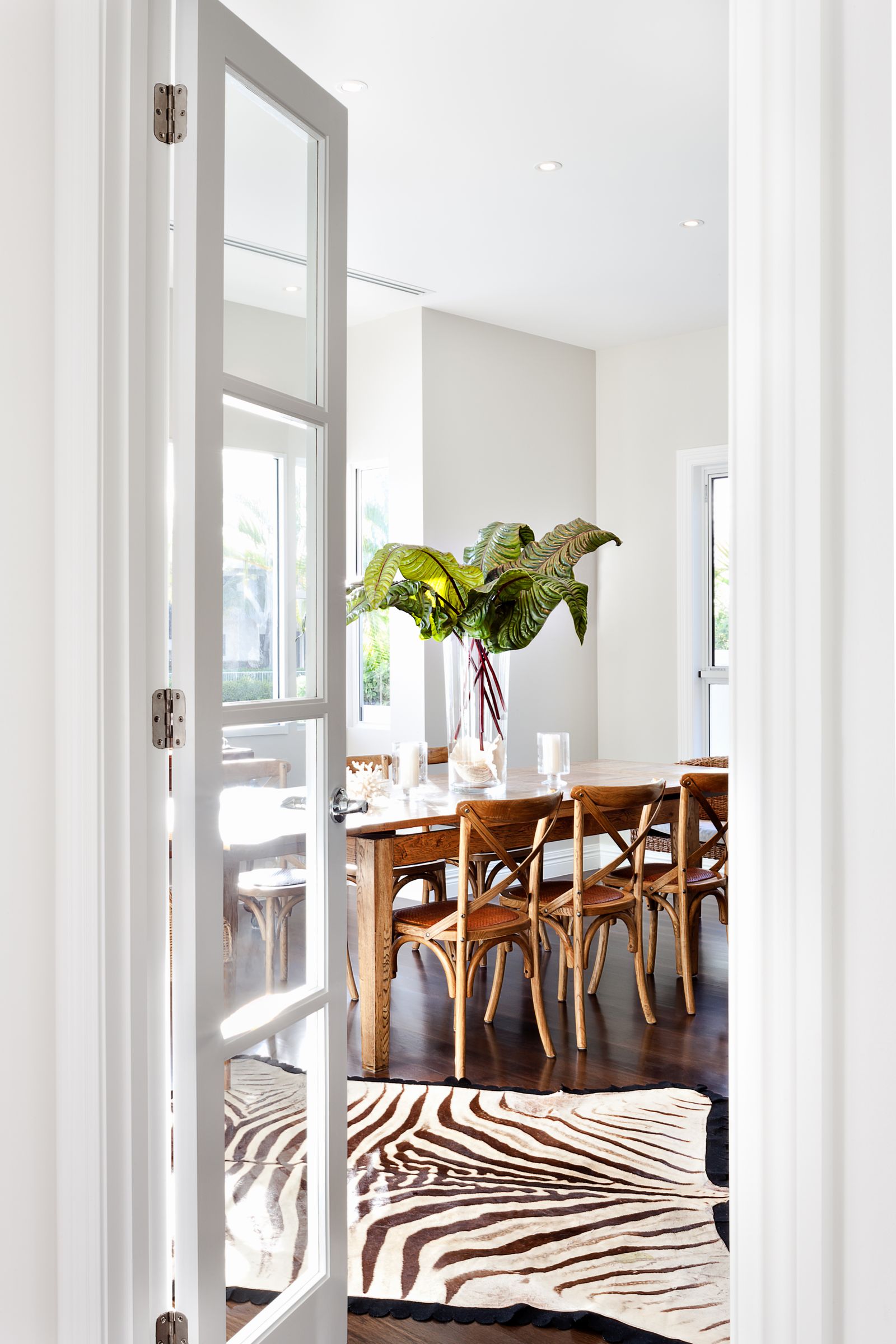
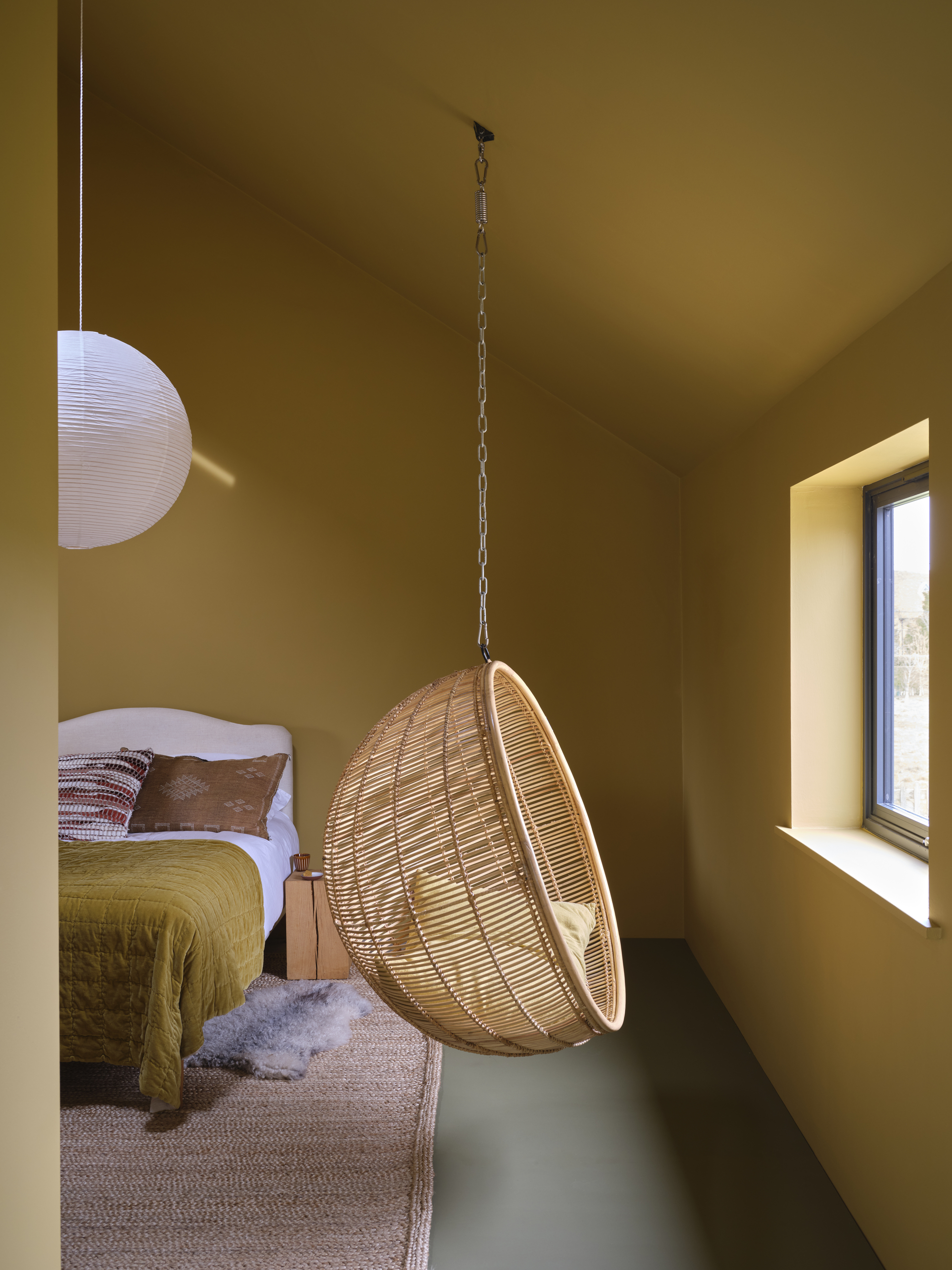
Flat paint, also known as matte paint, has virtually no gloss and excels at concealing surface imperfections like cracks and nail holes. It also effectively tones down bold colors, making them feel more subdued in low-light environments. However, its porous texture makes it difficult to clean and less durable, as scrubbing can damage the finish. Consequently, flat paint is best suited for low-traffic areas such as ceilings, dining rooms, and bedrooms, where its ability to hide flaws is prioritized over washability.
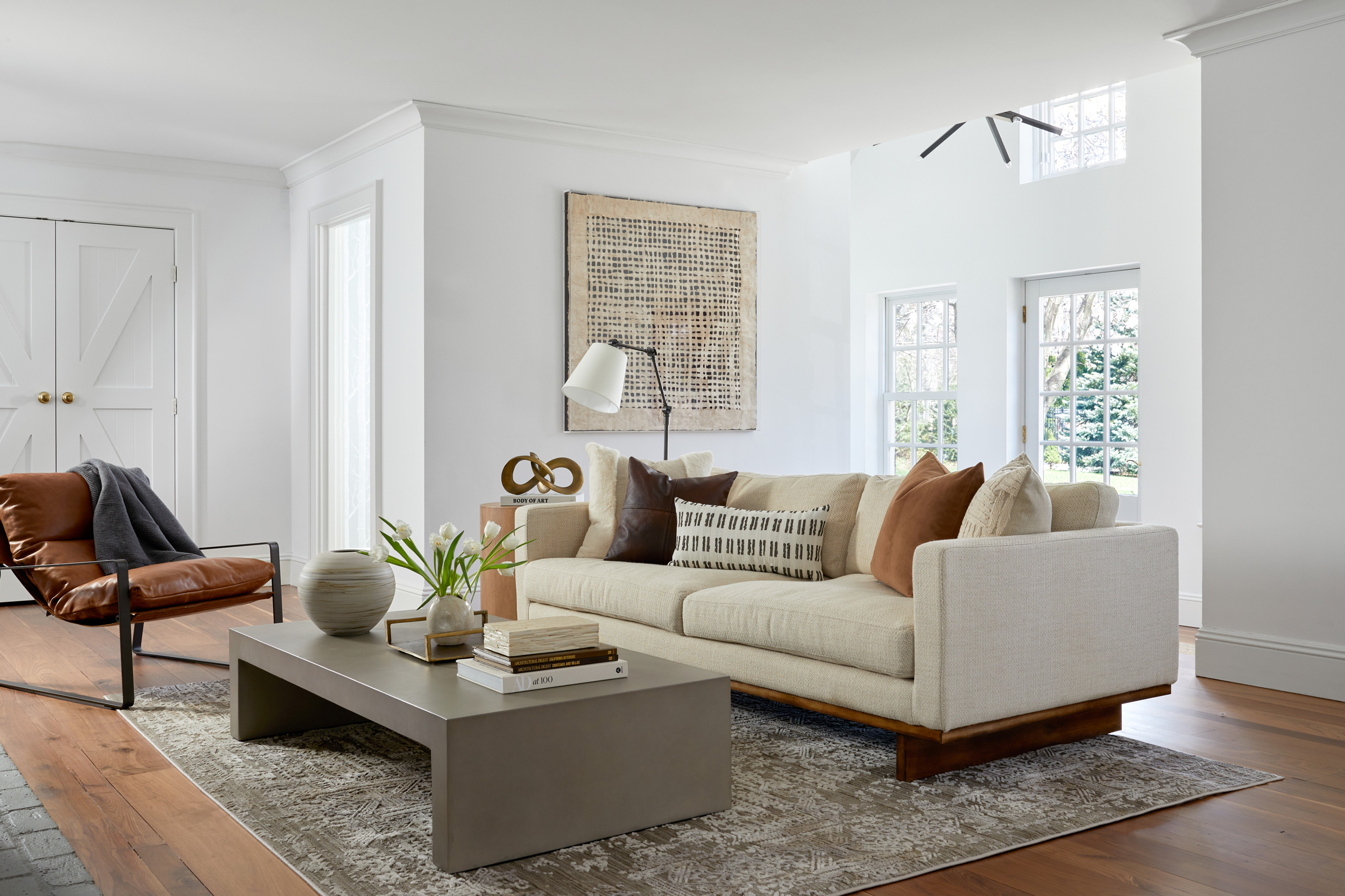
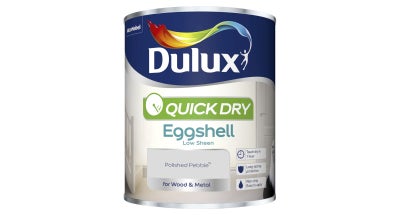
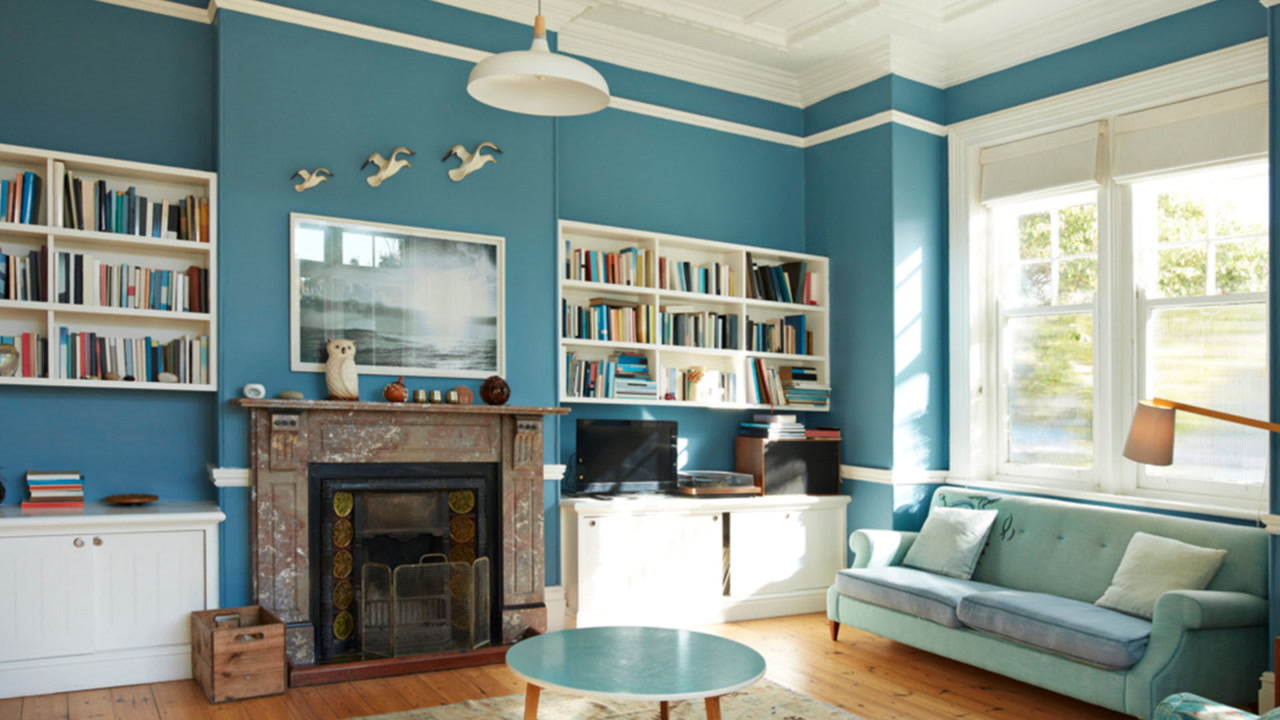
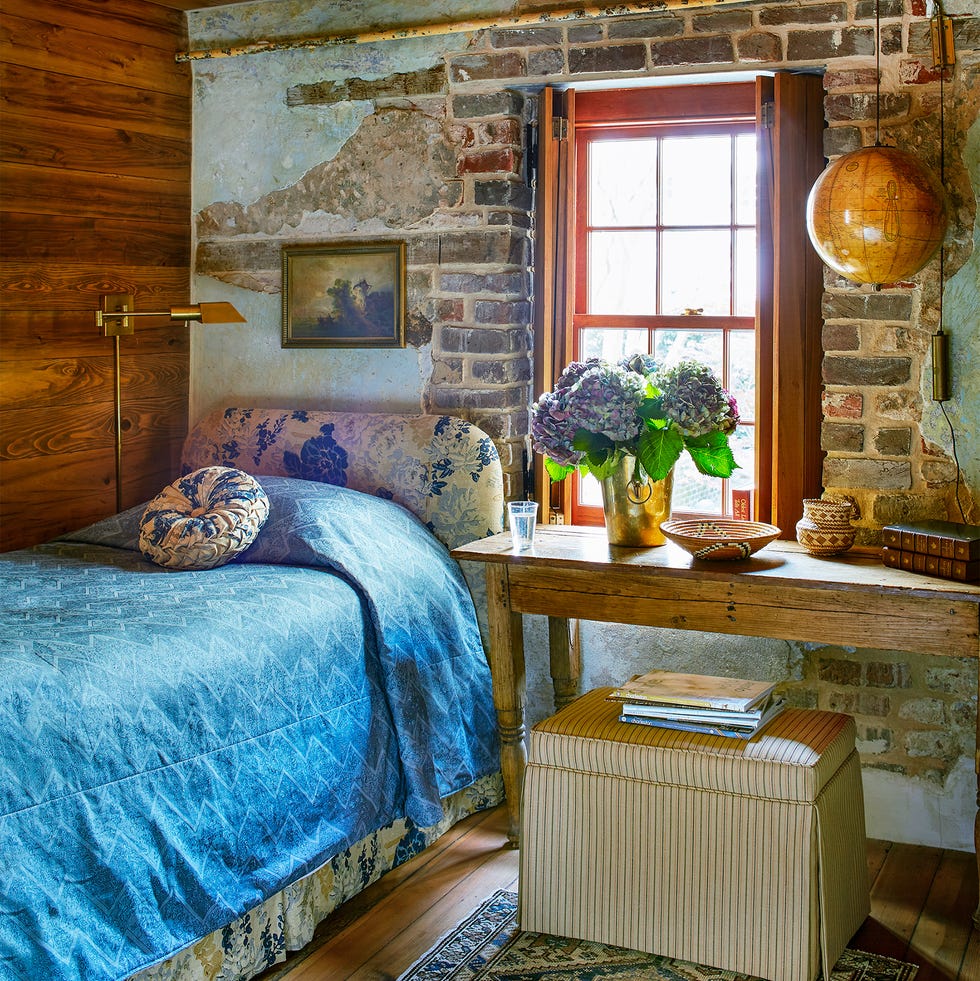
Eggshell paint offers a subtle sheen, resembling an egg's shell, marking a slight increase in gloss from flat paint. This finish is more washable and durable than flat paint, striking a balance between low-luster appearance and practical resilience. It resists stains better than flat paint, making it a versatile option for medium-traffic areas like hallways, kids' bedrooms, living rooms, and laundry rooms. When uncertainty arises about the appropriate finish, eggshell is often recommended due to its all-around subtle shine and enhanced durability, though it is not as effortlessly cleanable as glossier options.
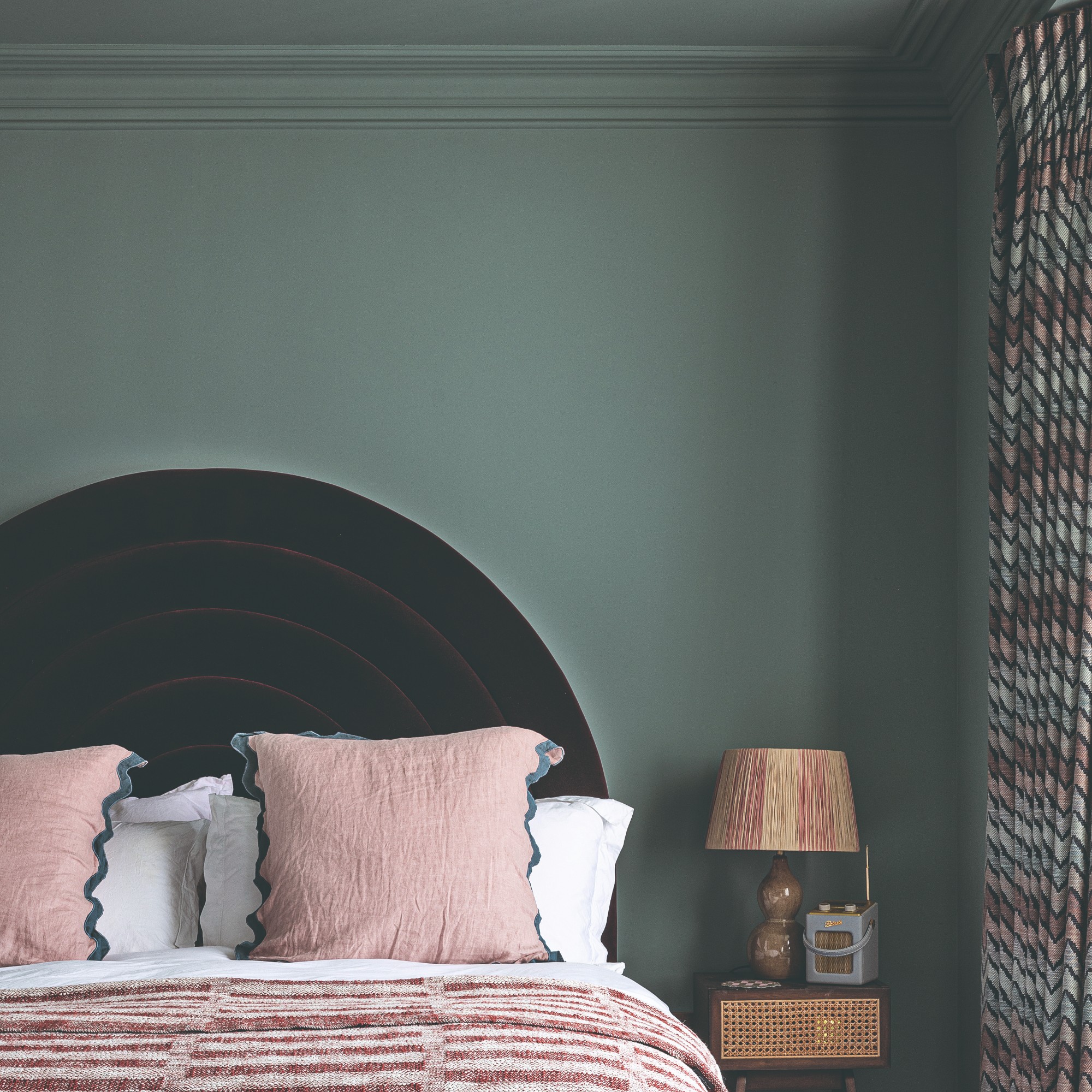
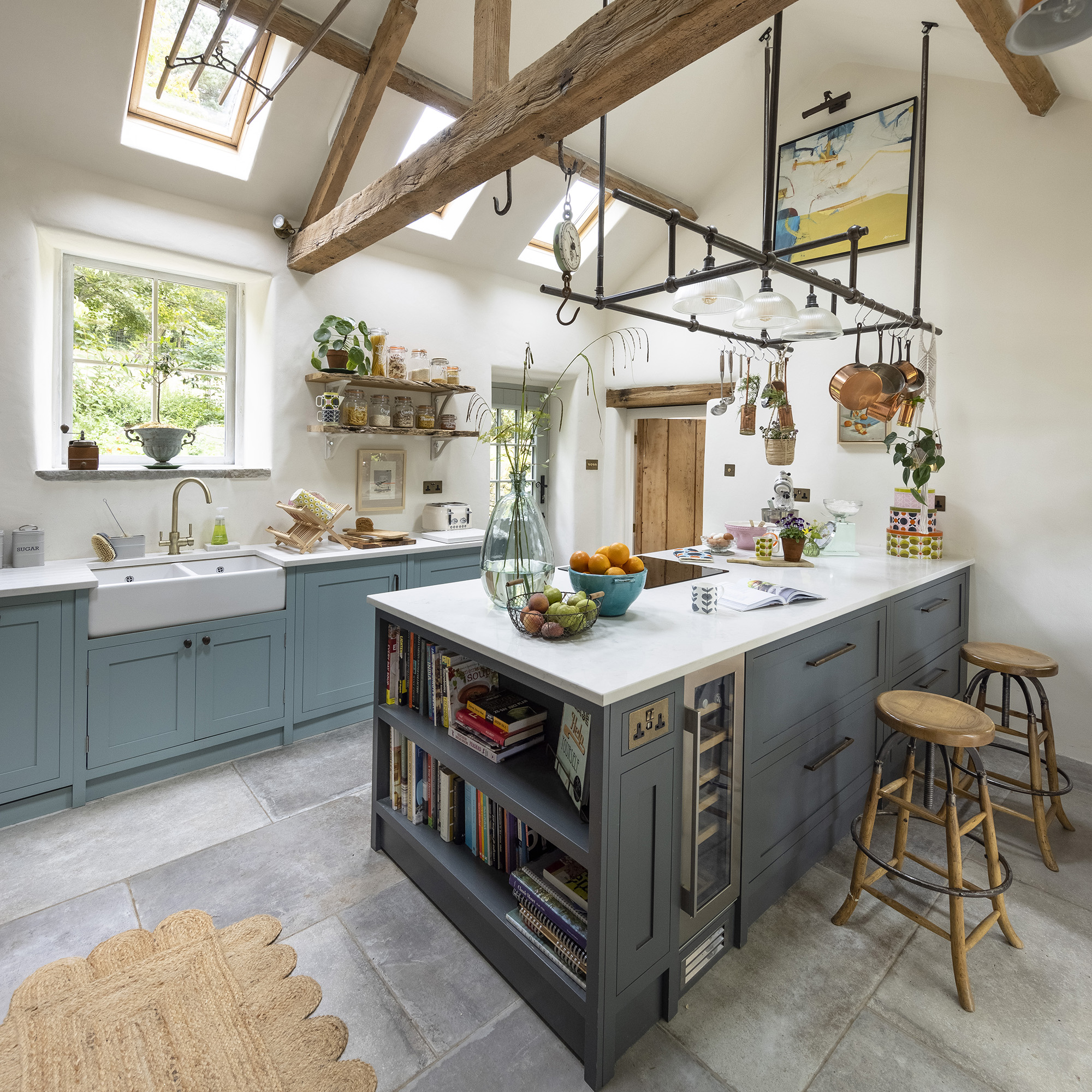
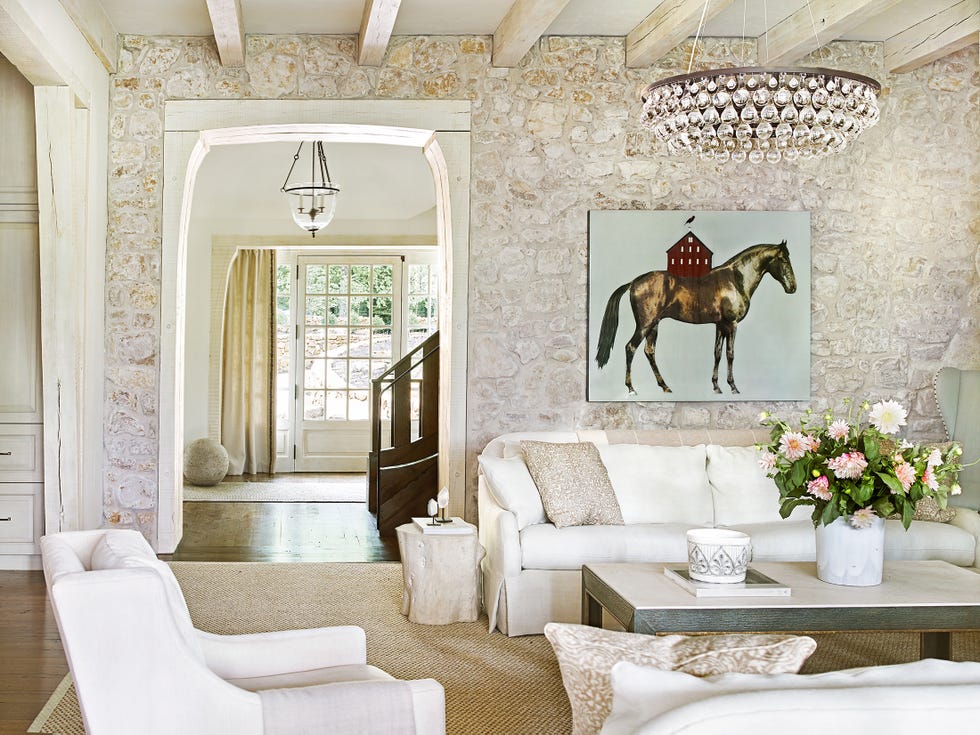
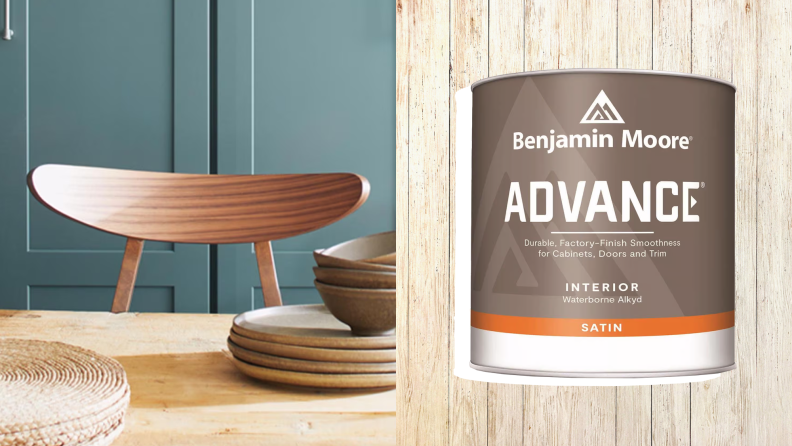
Satin paint sits in the middle of the shine spectrum, offering a noticeable gloss. It is highly washable, scrub-resistant, and durable, surpassing eggshell in these attributes. This makes satin an excellent choice for busier areas in the home, including kitchens, bathrooms, laundry rooms, living rooms, and hallways. While easy to clean, its subtle gloss means it will not hide surface imperfections as effectively as flat or eggshell paints, and any flaws may become more apparent.
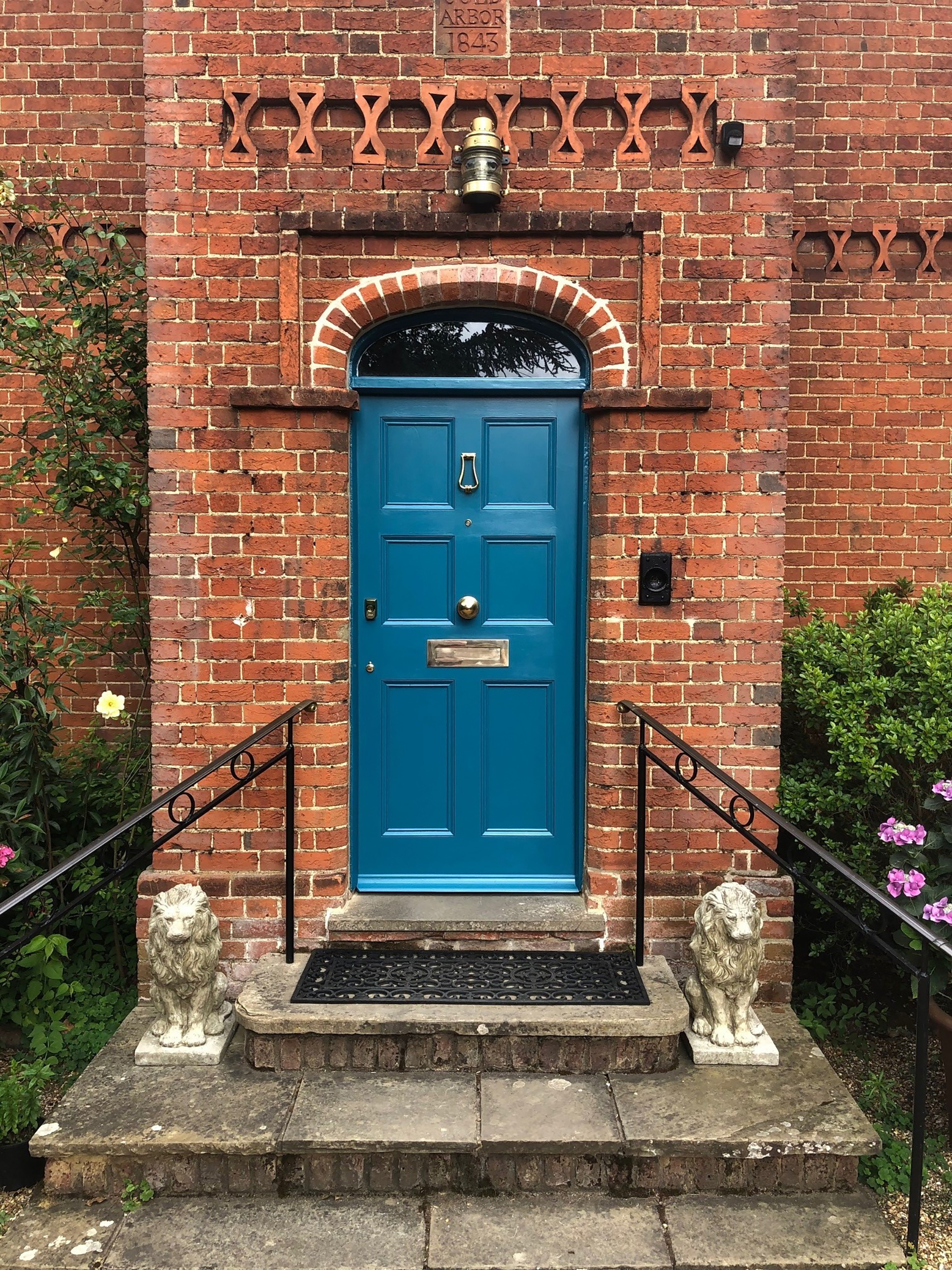
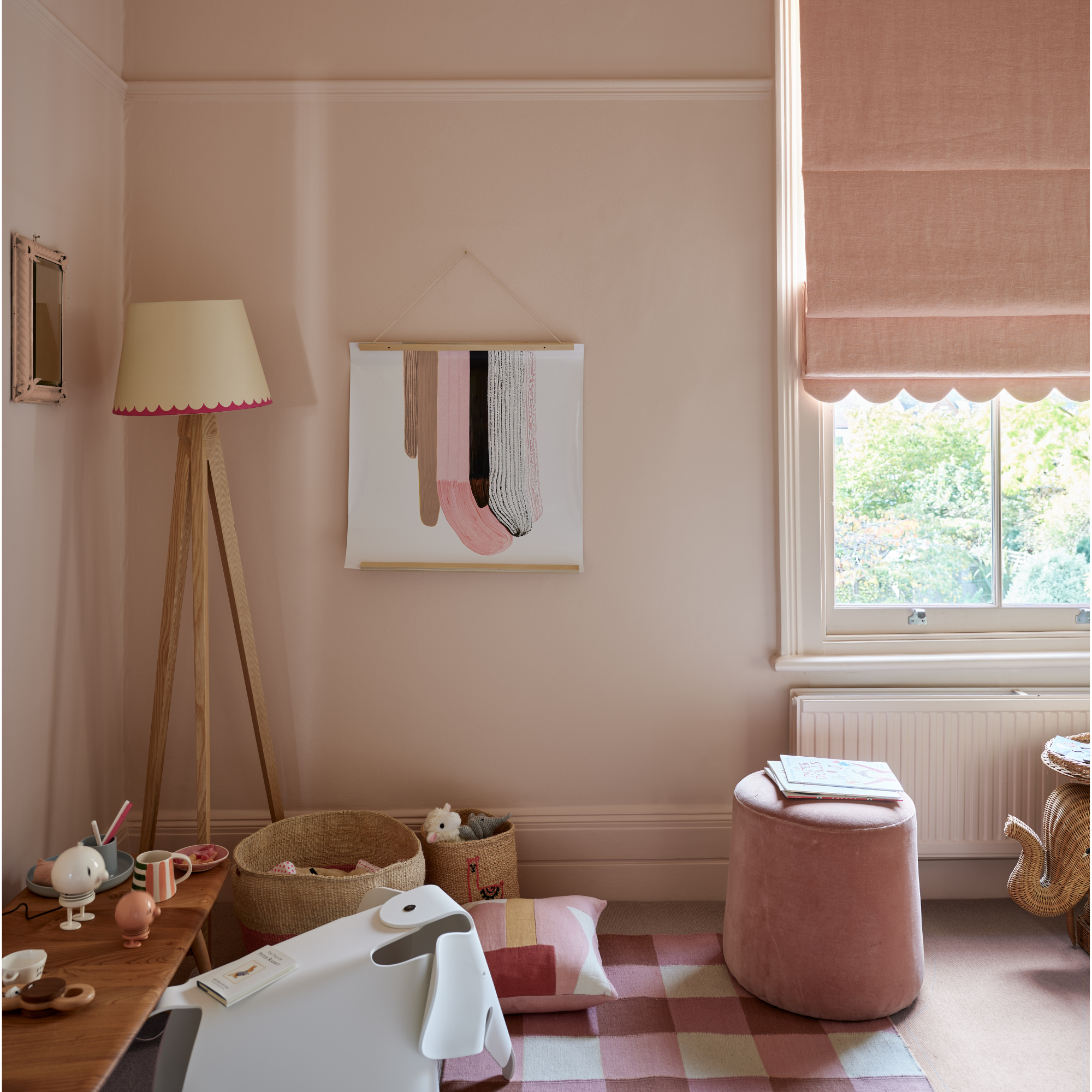
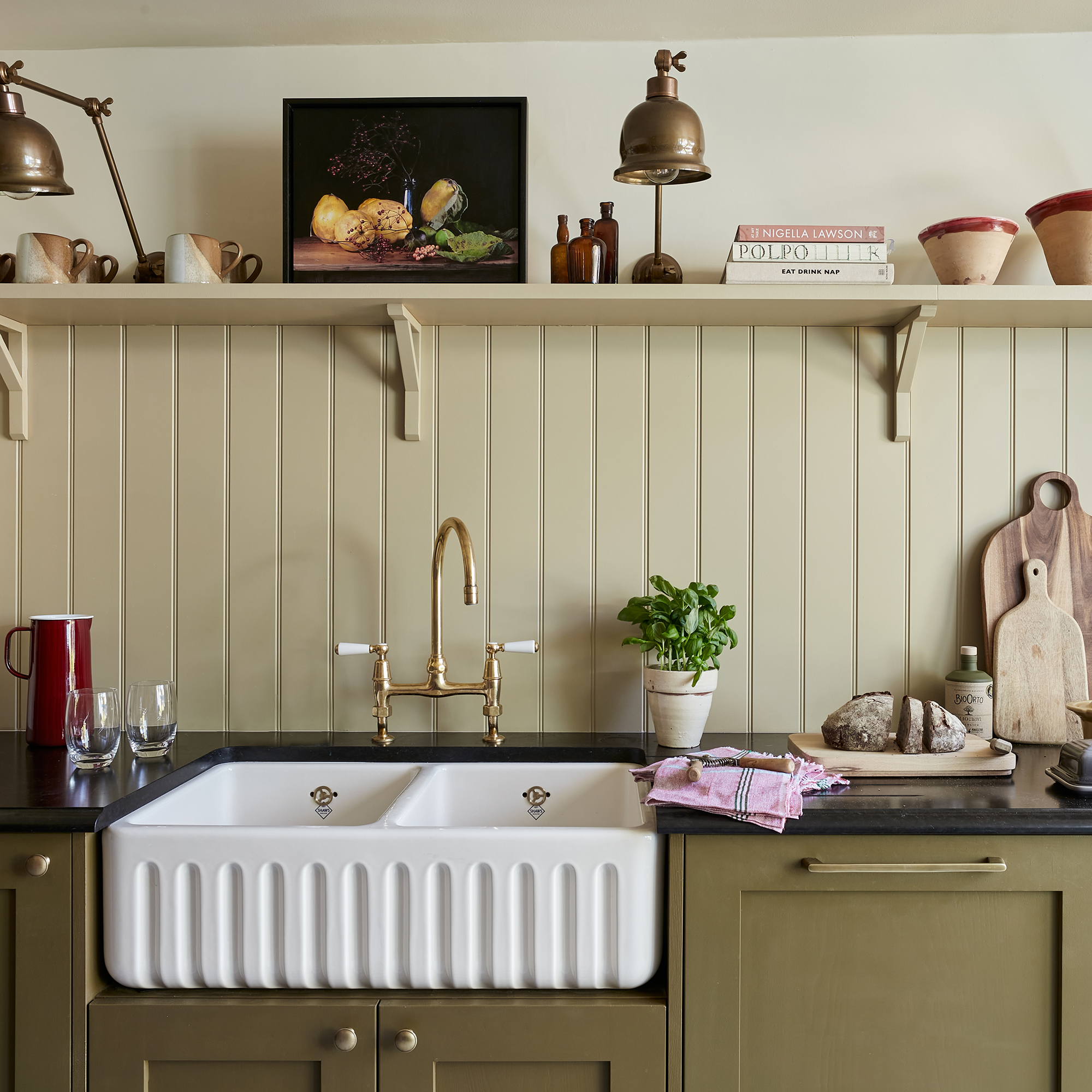
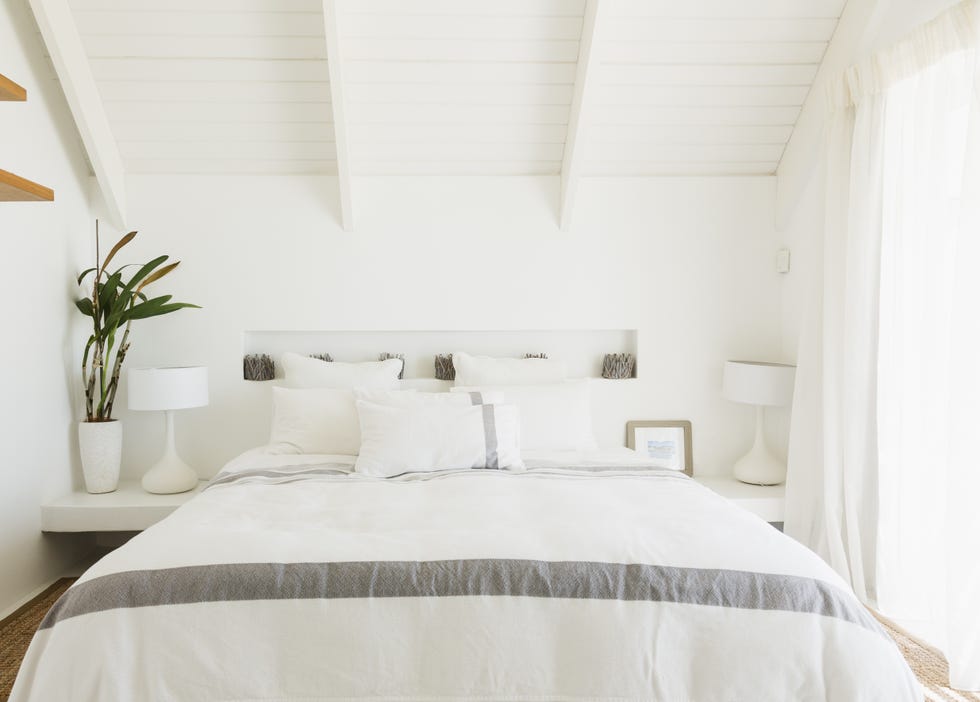
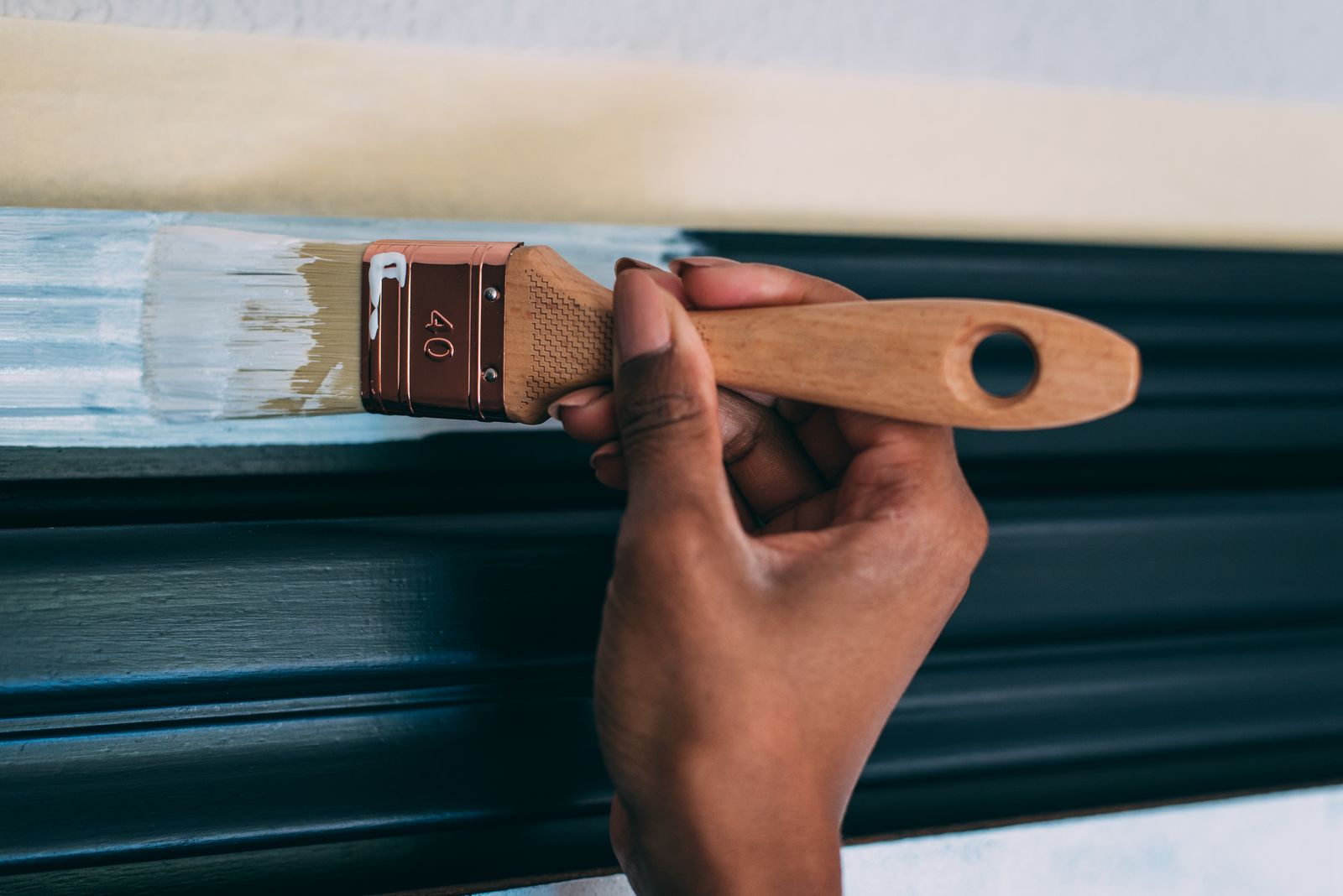
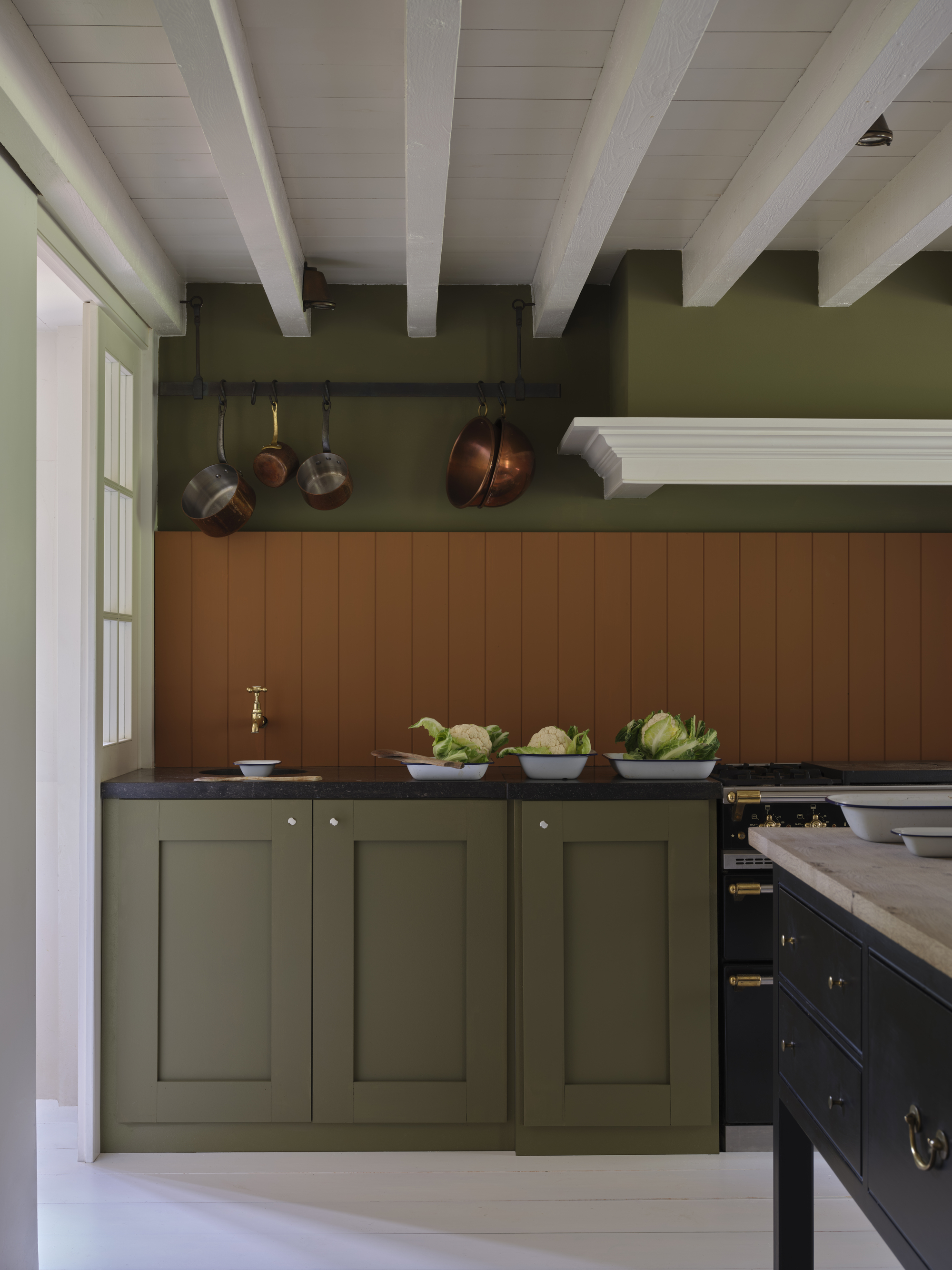
Semi-gloss paint provides a high-sheen finish that cures to a smooth, furniture-like surface. Its luminous quality accentuates architectural details and adds dimension to a space. However, its high light reflectance means it will highlight any surface imperfections, making it unsuitable for uneven surfaces. Semi-gloss is commonly used for trim, doors, millwork, cabinets, and furniture, prized for its durability and aesthetic appeal in high-traffic areas where a sleek, polished look is desired.
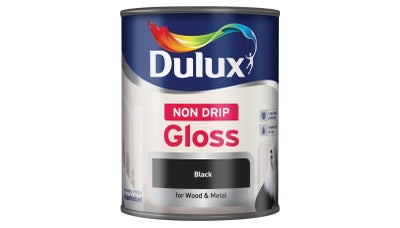
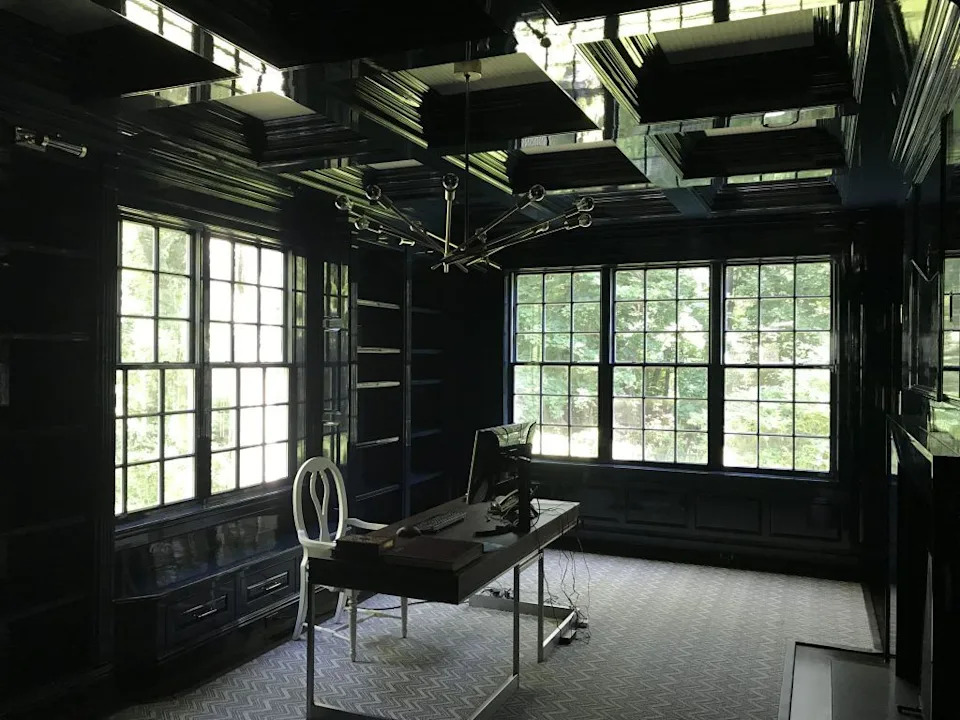
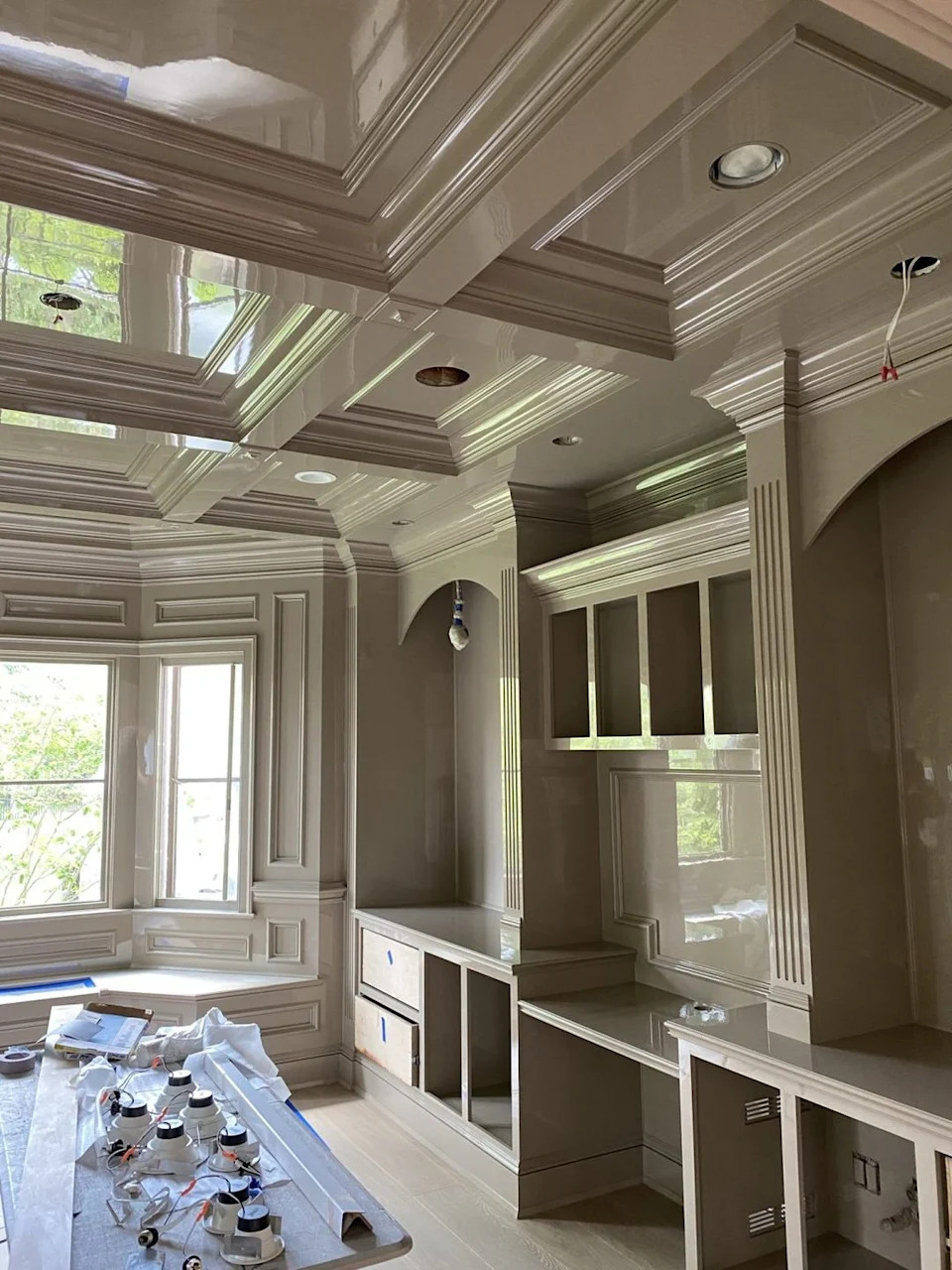
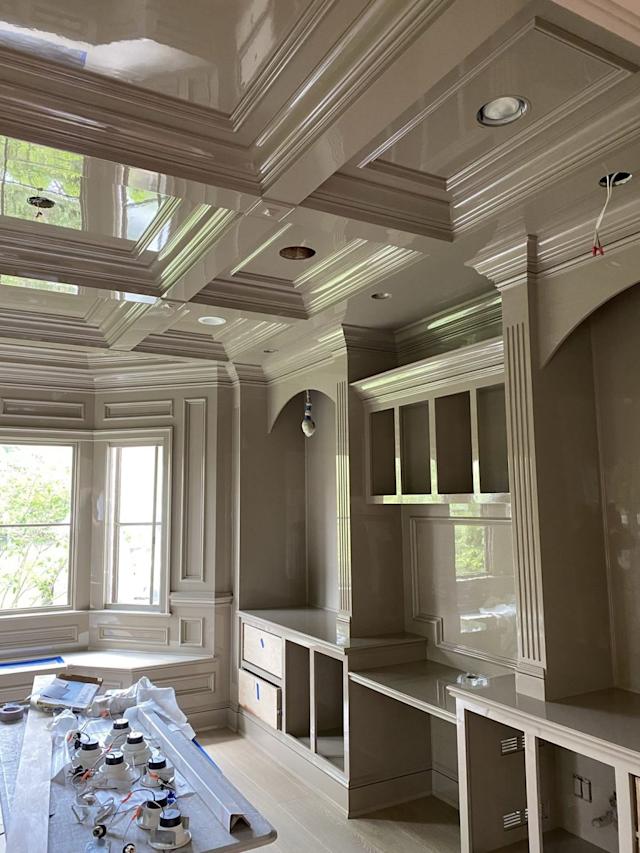
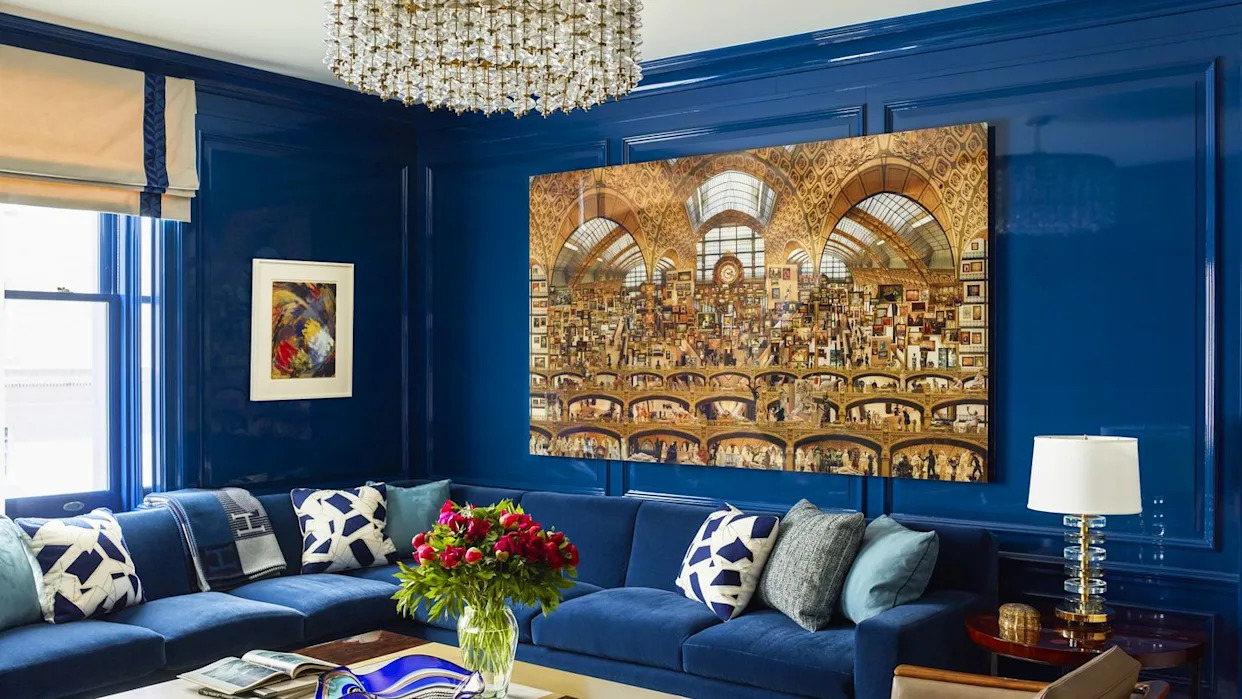
High-gloss paint boasts the most shine among all finishes, reflecting the most light and creating a mirror-like appearance with a stunning, elegant sheen. It is exceptionally durable and the easiest to clean, making it ideal for the most high-traffic areas such as trim, doors, millwork, cabinets, furniture, and wainscoting. Designers often leverage high-gloss paint to feature a wall, create a unique atmosphere, or add a luxurious accent, such as applying a higher sheen of the same wall color to the ceiling. It is also used to achieve a lacquer-like finish on accent furniture or kitchen cabinets. Similar to semi-gloss, high-gloss paint should only be applied to perfectly smooth surfaces, as its intense reflectivity will magnify any flaws.
#PaintFinishes #HomeImprovement #InteriorDesign #PaintingTips #DecoratingGuide #DIYHome #SheenTypes #SurfacePreparation #PaintDurability #PaintFinishes #HomeImprovement #InteriorDesign #PaintingTips #DecoratingGuide #DIYHome #SheenTypes #SurfacePreparation #PaintDurability
0 ความคิดเห็นรวม
 ยังไม่มีความคิดเห็น
คุณอาจจะชอบอีกด้วย
Paint finishes – a guide for every room

Should ceilings be glossy or flat? A paint expert lifts the lid on getting this vital touch just right

High-Gloss Paint May Be a High-Maintenance Finish—But It's Worth It

How to Choose the Best Paint Finish for Every Area of Your Home, From Kitchen Cabinets to Bathroom Walls
Designers Share Their Tried-and-True Shades From the Best Interior Paint Brands

5 Ways To Pull Off The Matte Paint Trend


The Right Paint Finish Can Actually Help Your Home Look Cleaner—Here's How


Interior Paint: A Guide to Buying the Best Paints for Your Home

Understanding paint finishes

Types of Paint: A Guide to Paint Finishes and Surfaces

What paint finish should your kitchen walls be? Expert decorators give their tips for the perfect finish
The Best Furniture Paint of 2026

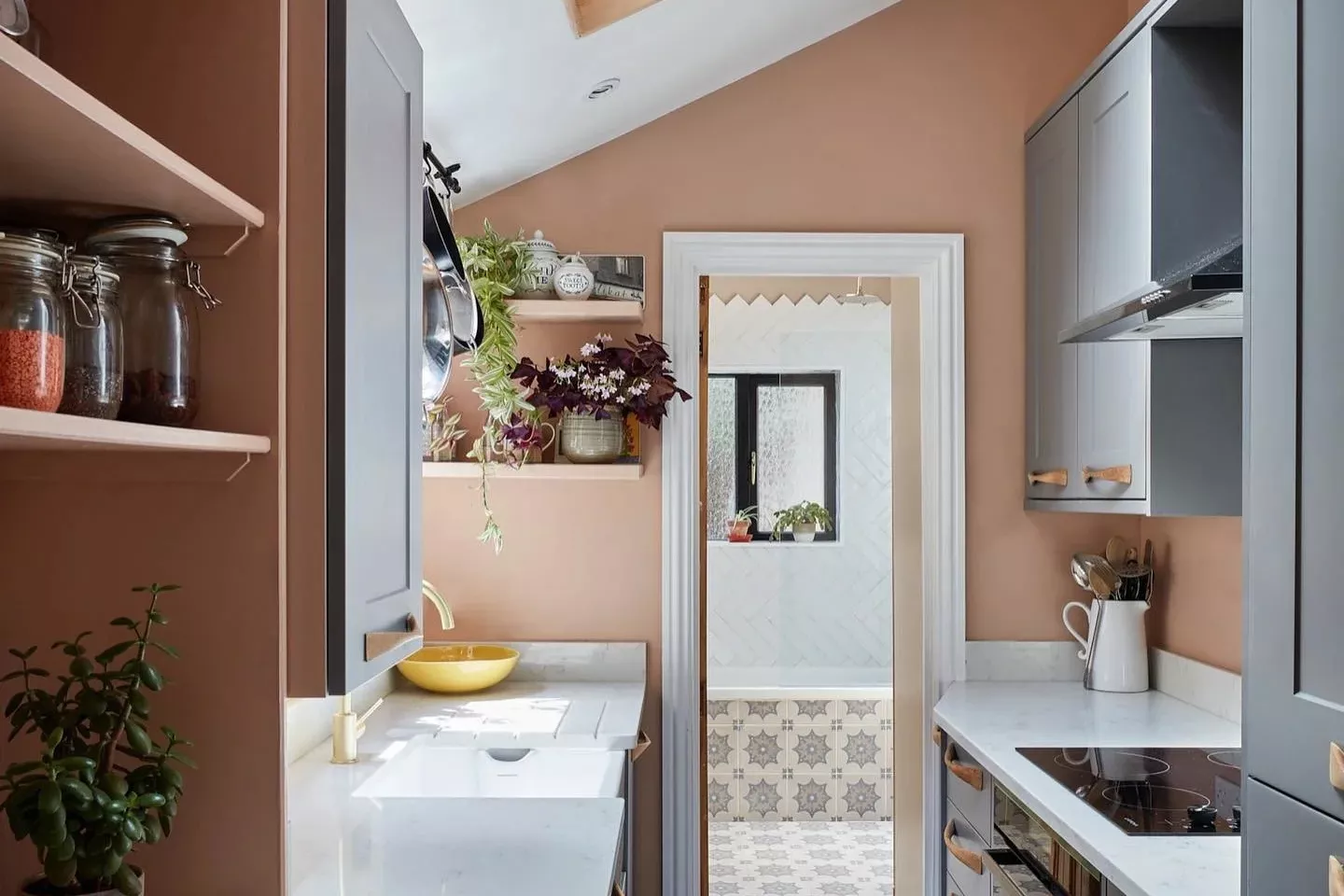
11 Types of Paint Finishes—and Where to Use Each, According to Experts
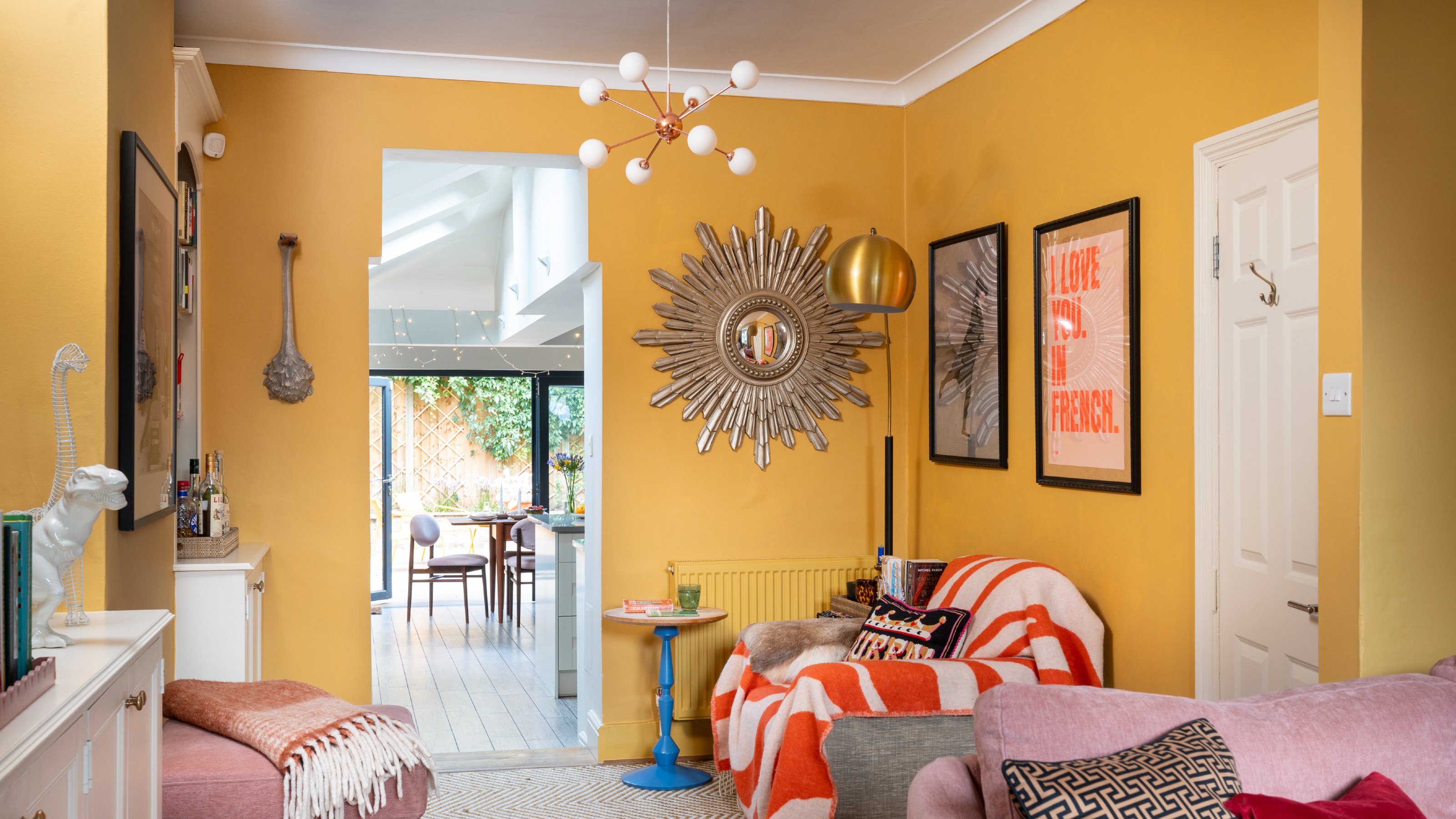
What paint finish is best for walls and ceilings?
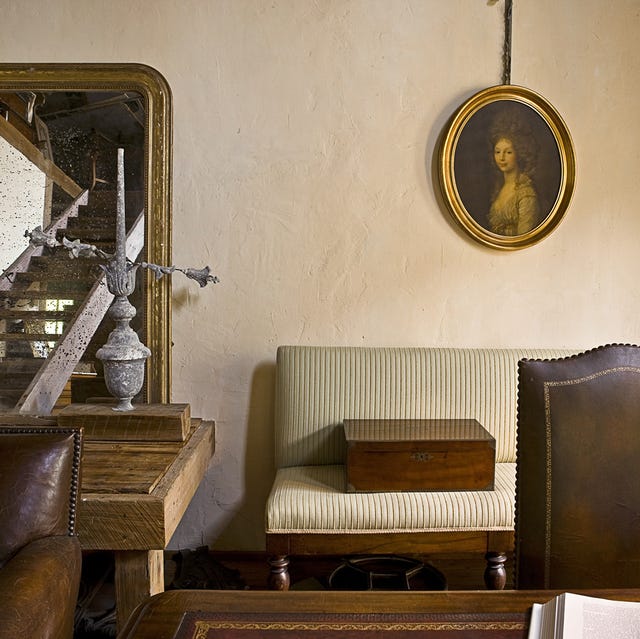
This Texture-Rich Finish Is Designers' Go-To for Instant Patina

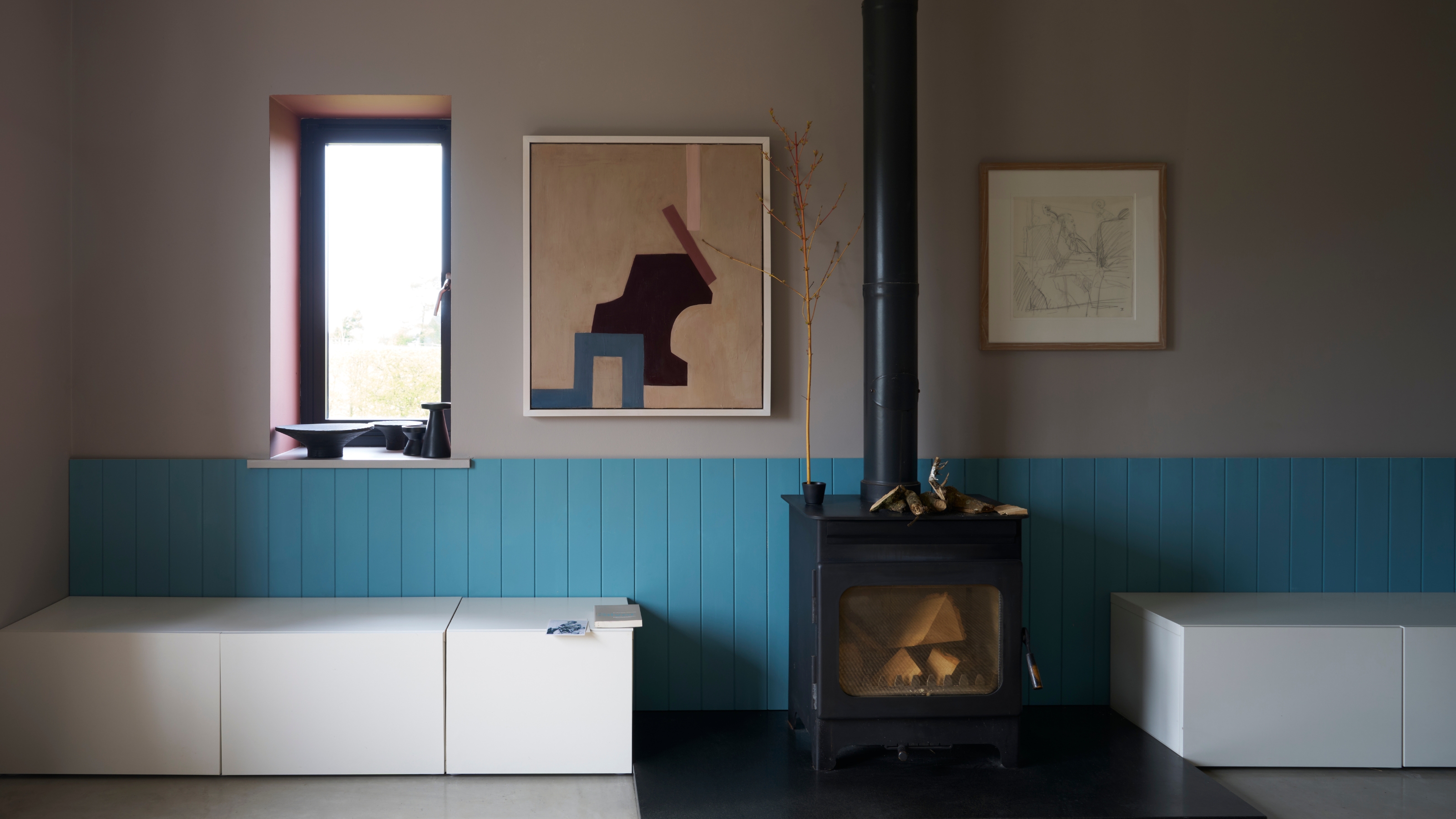
Farrow & Ball's New Perfectly In-Between Flat Eggshell Finish |
Paint finishes explained – an expert guide to choosing the perfect type of paint for your projects
High-Gloss Paint May Be a High-Maintenance Finish—But It's Worth It
These Master Tips Will Help You Avoid Choosing The Wrong Type Of Paint
How To: Choose a Paint Finish