




We Asked Designers to Share Their Top Design Secrets, and We're Spilling Them All
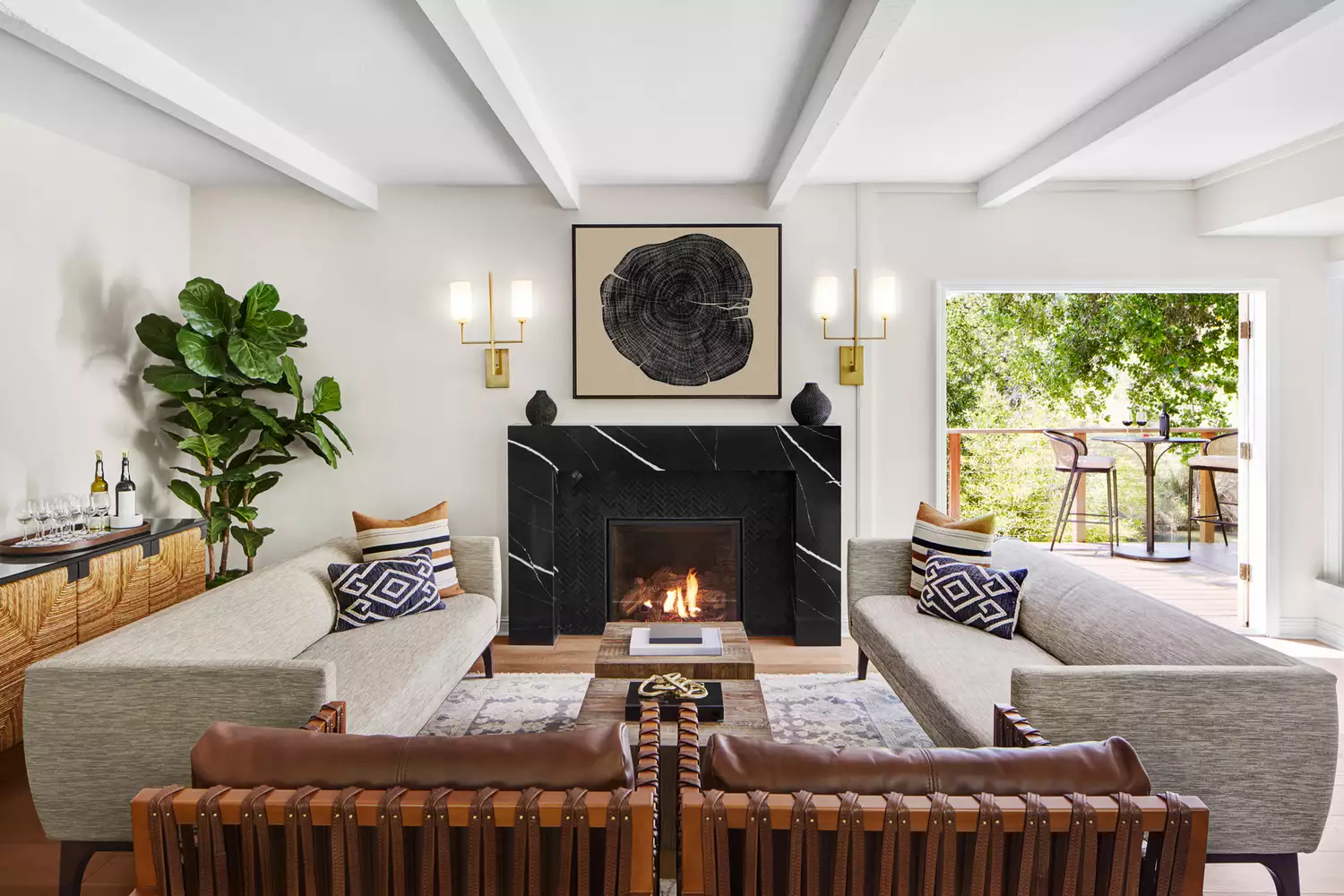
This article explores various interior design styles and offers practical advice from professional designers on how to decorate a home effectively. It begins by highlighting the importance of identifying a personal design style, suggesting resources like magazines, Pinterest, and Houzz for inspiration. Several prominent design styles are then detailed. The modern design style emphasizes simplicity, clean lines, natural materials, neutral color schemes, and minimal accessories to create a calming environment. Minimalism, similar to modern design, focuses on keeping spaces bright, fresh, and minimally decorated, prioritizing functional decor over numerous decorative items, and often featuring open floor plans and monochromatic palettes. The farmhouse style is characterized by rustic charm, wooden textures, light neutral shades, and warm distressed wood accents. Traditional design is described as a more detailed style, incorporating layered textiles, decorative accessories, millwork, symmetry, and classic elements like chandeliers and fireplaces to achieve a timeless aesthetic. Finally, transitional design is presented as a blend of modern and traditional elements, offering a harmonious combination for those who appreciate both styles.
The article then shifts to practical steps for decorating, starting with the functionality of each room. Experts emphasize that a room's purpose and daily use should always guide design choices, influencing furniture selection and material durability, especially in high-traffic areas or homes with children and pets. Regarding space, a common misconception that small rooms require small furniture is addressed; larger pieces can sometimes create a more balanced feel. For open spaces, designers suggest creating zones with furniture to enhance cohesion. Specific guidelines for maintaining clearance around furniture, such as a 3-foot clearance for movement and 18 inches between seating and coffee tables, are also provided.
When it comes to furniture, the advice is to invest in quality, well-built pieces for larger items like sofas and chairs, rather than rushing to fill the space with trendy but less durable options. Furniture selection should align with the chosen design aesthetic, such as light neutrals and wood for farmhouse or clean lines and geometric shapes for modern styles. Lighting is presented as an opportunity to add character. Beyond decorative fixtures, the type of light emitted is crucial; warm light bulbs (2700K-3000K) are recommended for a cozy atmosphere. A combination of lighting solutions, including recessed lighting, overhead fixtures, and accent lamps, is suggested for versatility.
For decor, the article advises treating it as the 'frosting' that ties a room together. Intentional selection of pieces is key, with a recommendation to invest in substantial, timeless items for the foundation and save on less expensive decorative items that can be easily updated. Local shops and thrift stores are suggested as sources for unique and cost-effective decor. The article concludes with quick tips for success, including ensuring artwork is proportionate, utilizing window treatments, creating mood boards for planning, drawing inspiration from magazines, and prioritizing personal happiness in design choices. Common design misconceptions are also debunked, such as the idea that styles cannot be blended (encouraging mixing complementary styles), the fear of making mistakes (emphasizing that decorating is not permanent), and the belief that cost is an insurmountable barrier (suggesting starting small and experimenting). The 7 principles of interior design—balance, harmony, rhythm, proportion/scale, emphasis, contrast, and details—are also mentioned as fundamental guidelines.
#InteriorDesign #HomeDecor #DesignStyles #DecoratingTips #RoomDesign #FurnitureSelection #LightingDesign #SpacePlanning #ModernDesign #Minimalism #FarmhouseStyle #TraditionalDesign #TransitionalDesign #InteriorDesign #HomeDecor #DesignStyles #DecoratingTips #RoomDesign #FurnitureSelection #LightingDesign #SpacePlanning #ModernDesign #Minimalism #FarmhouseStyle #TraditionalDesign #TransitionalDesign
 Ainda não há comentários