1/3
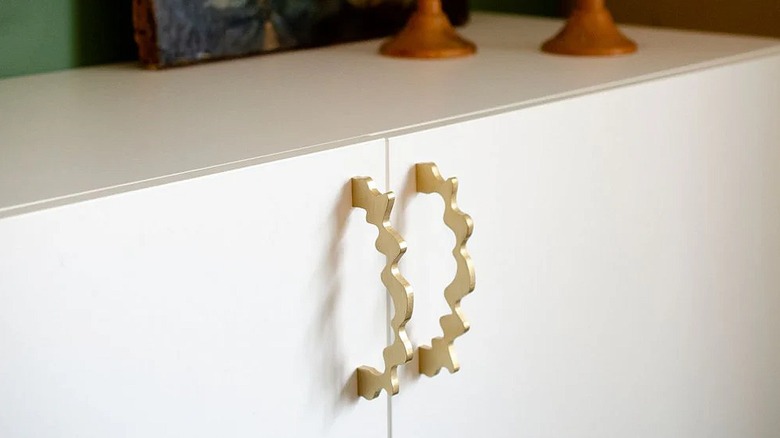
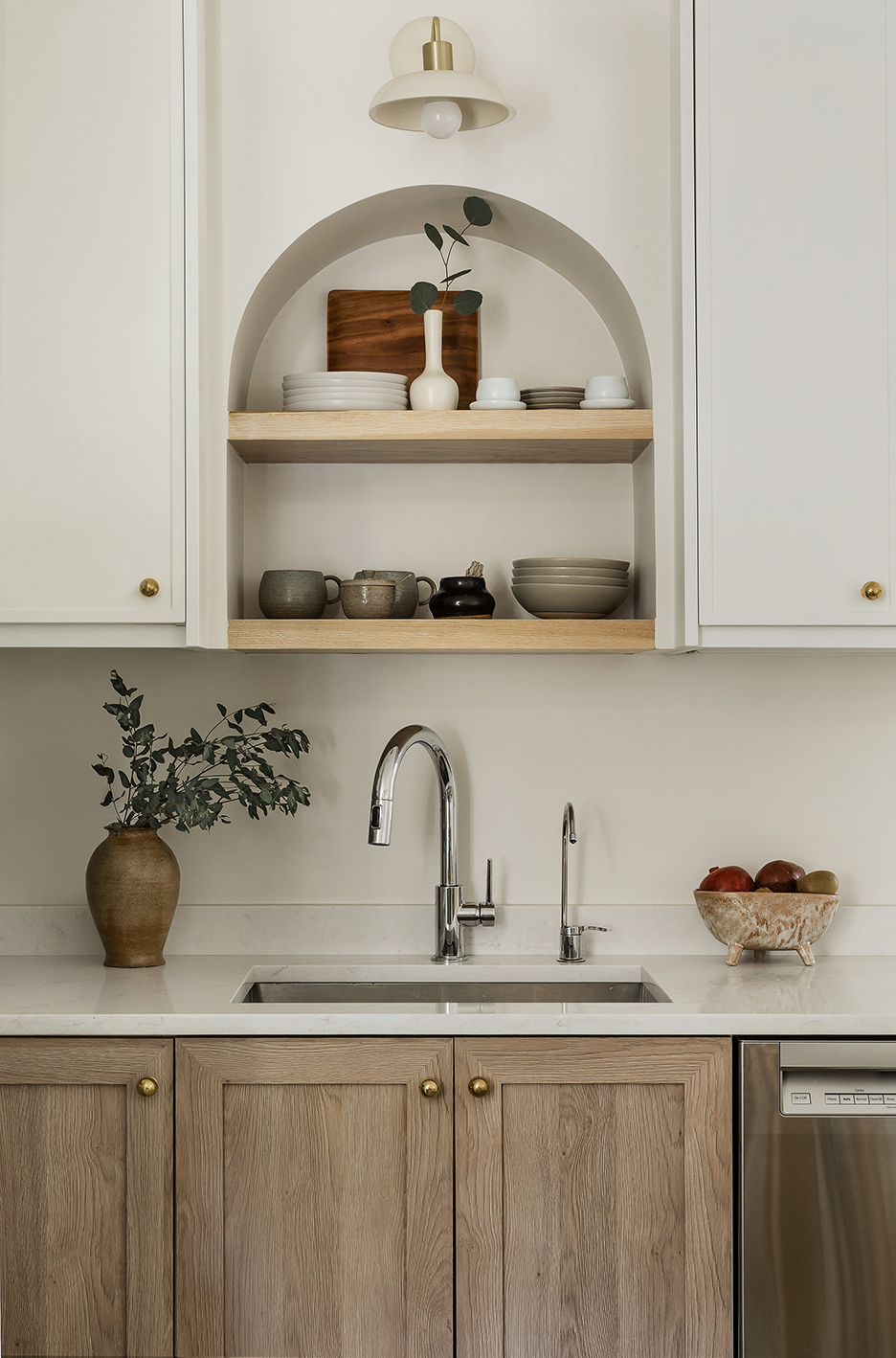
The Genius Reason One Designer Added A Quartz Countertop To This Vintage Dresser
Choosing the right countertop material is a significant decision when designing or remodeling a kitchen, with quartz and quartzite emerging as two prominent choices. Despite their similar-sounding names, these materials possess distinct characteristics in terms of composition, appearance, design possibilities, durability, maintenance, cost, and lifespan. This article delves into these differences, drawing insights from industry experts Dilmohan Chadha of Integrated Resources Group, Munir Turunc of Marble Systems, and Lori Shapiro of Caesarstone, to help homeowners make an informed decision.
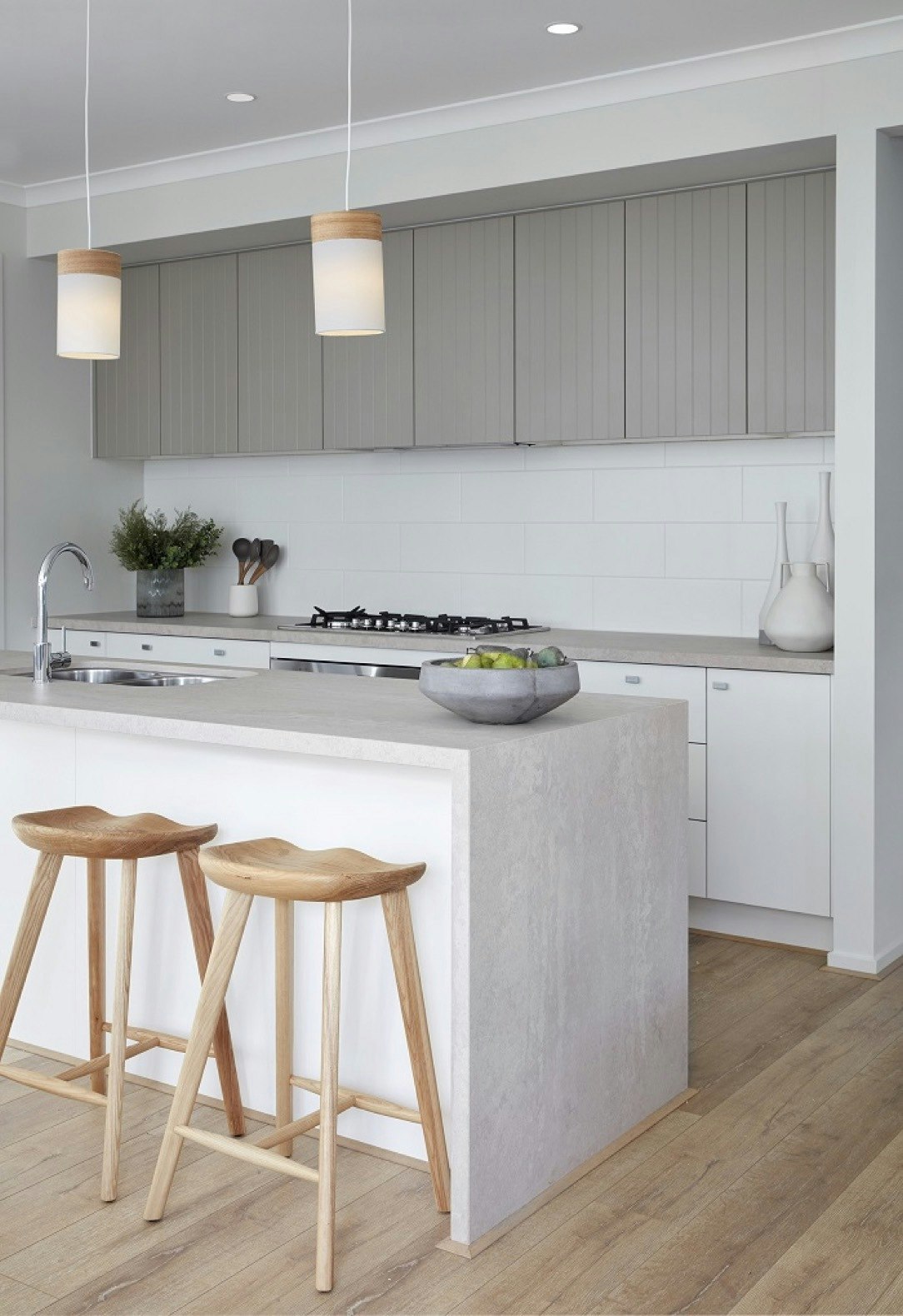
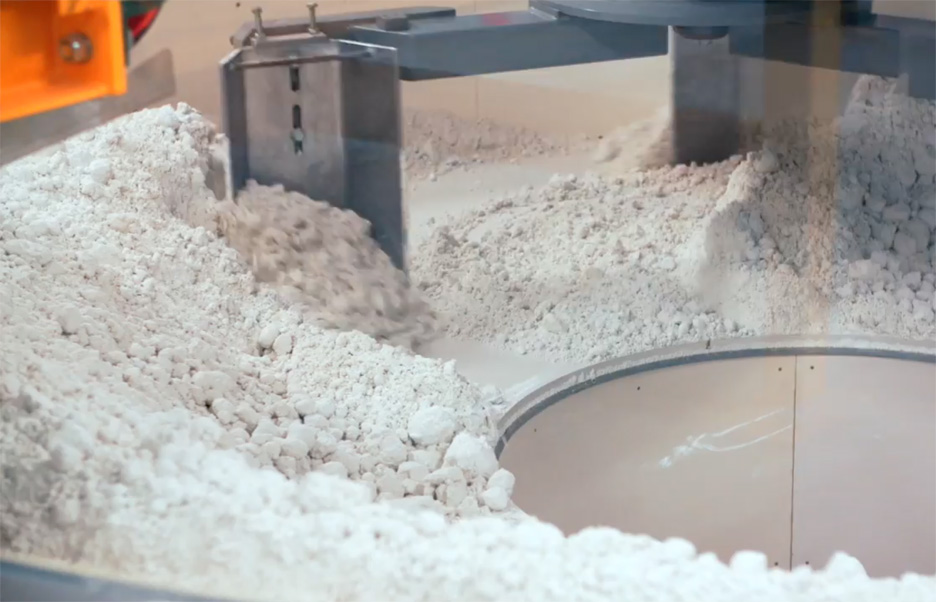
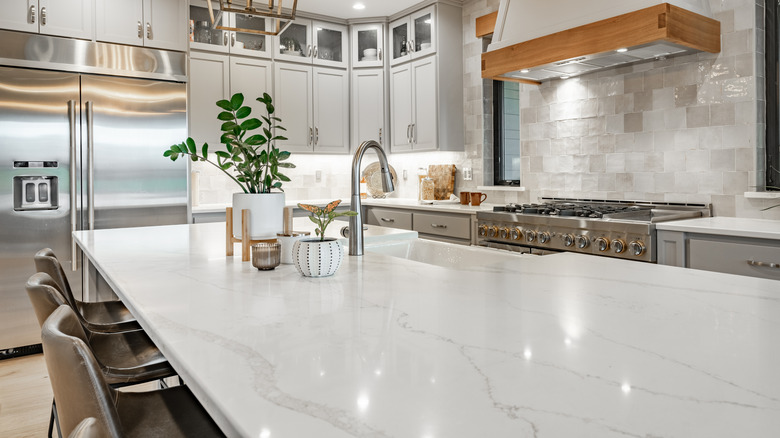
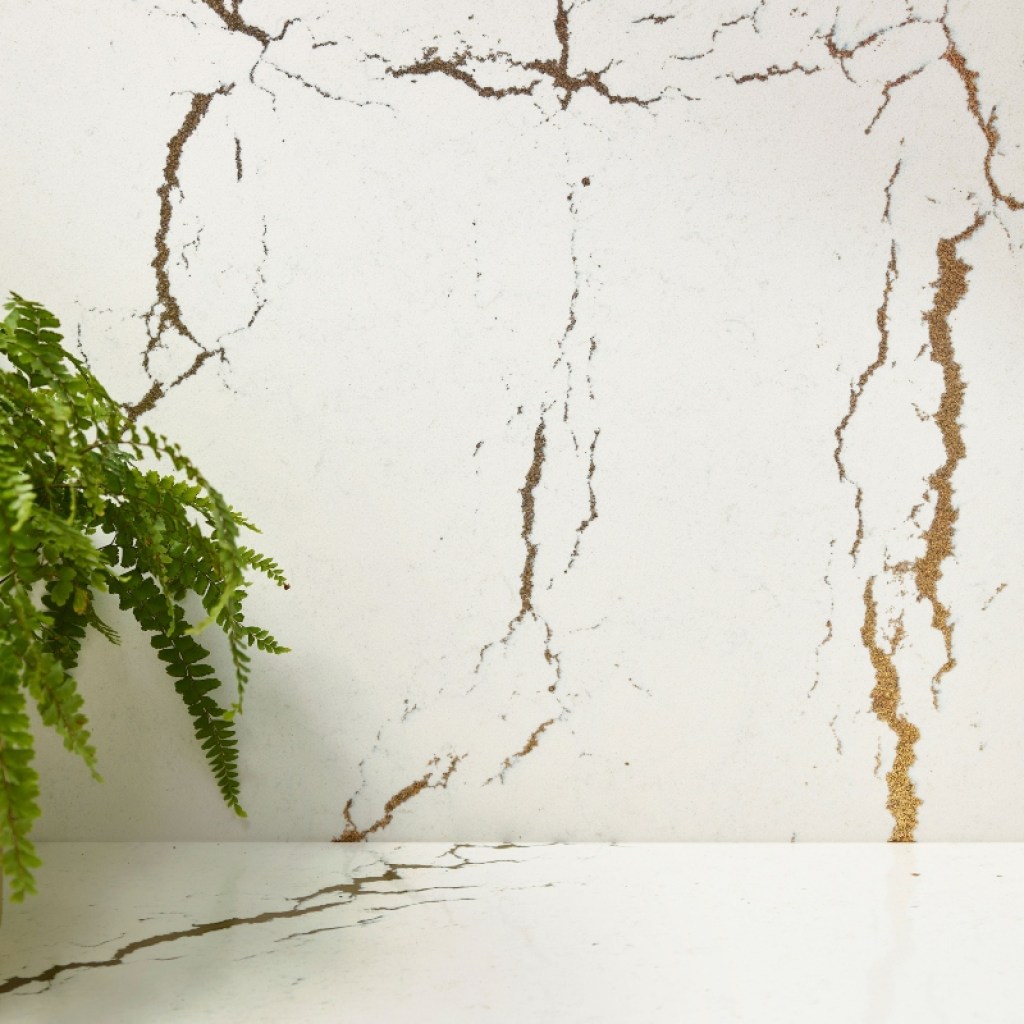
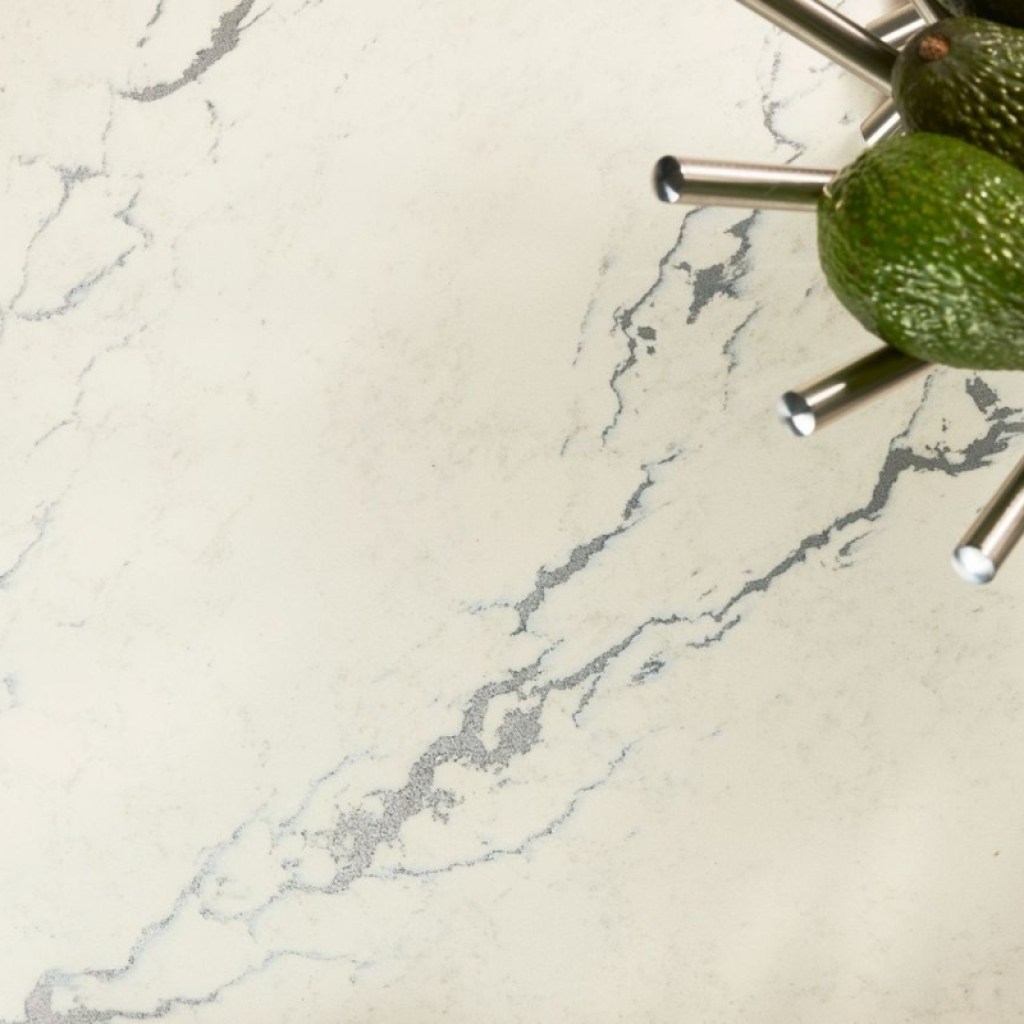
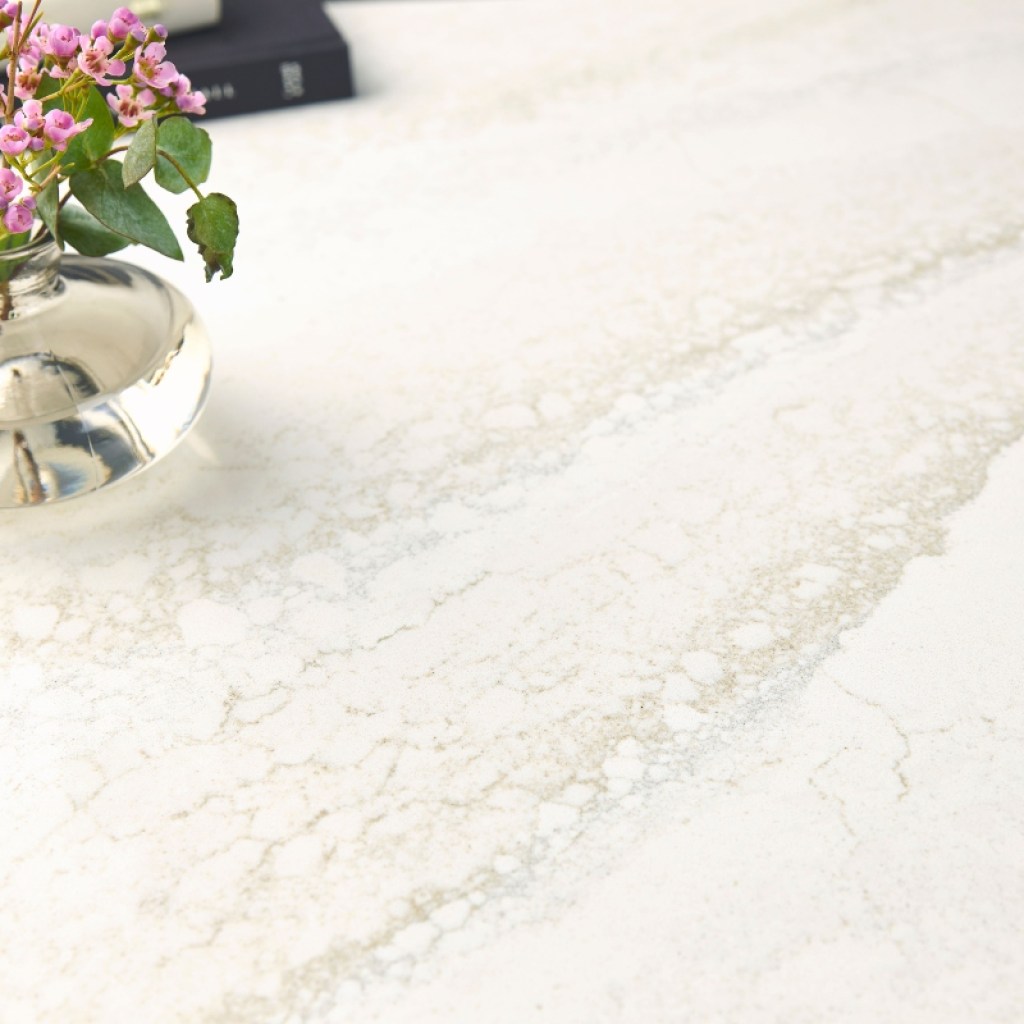
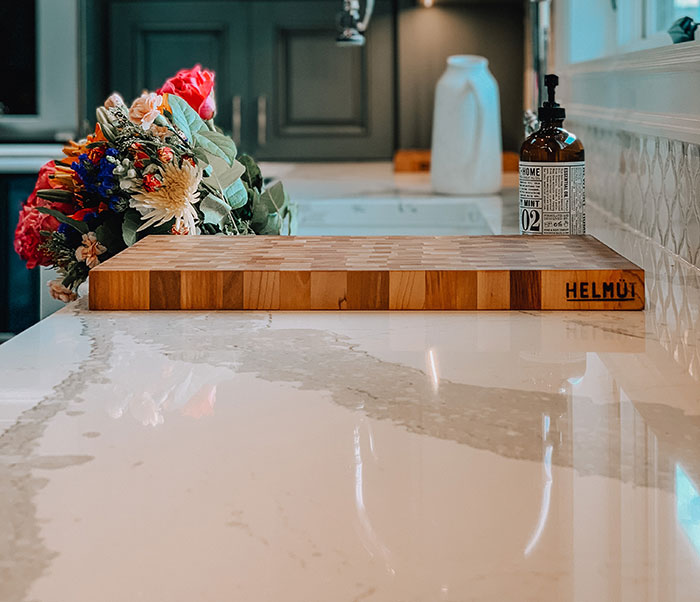
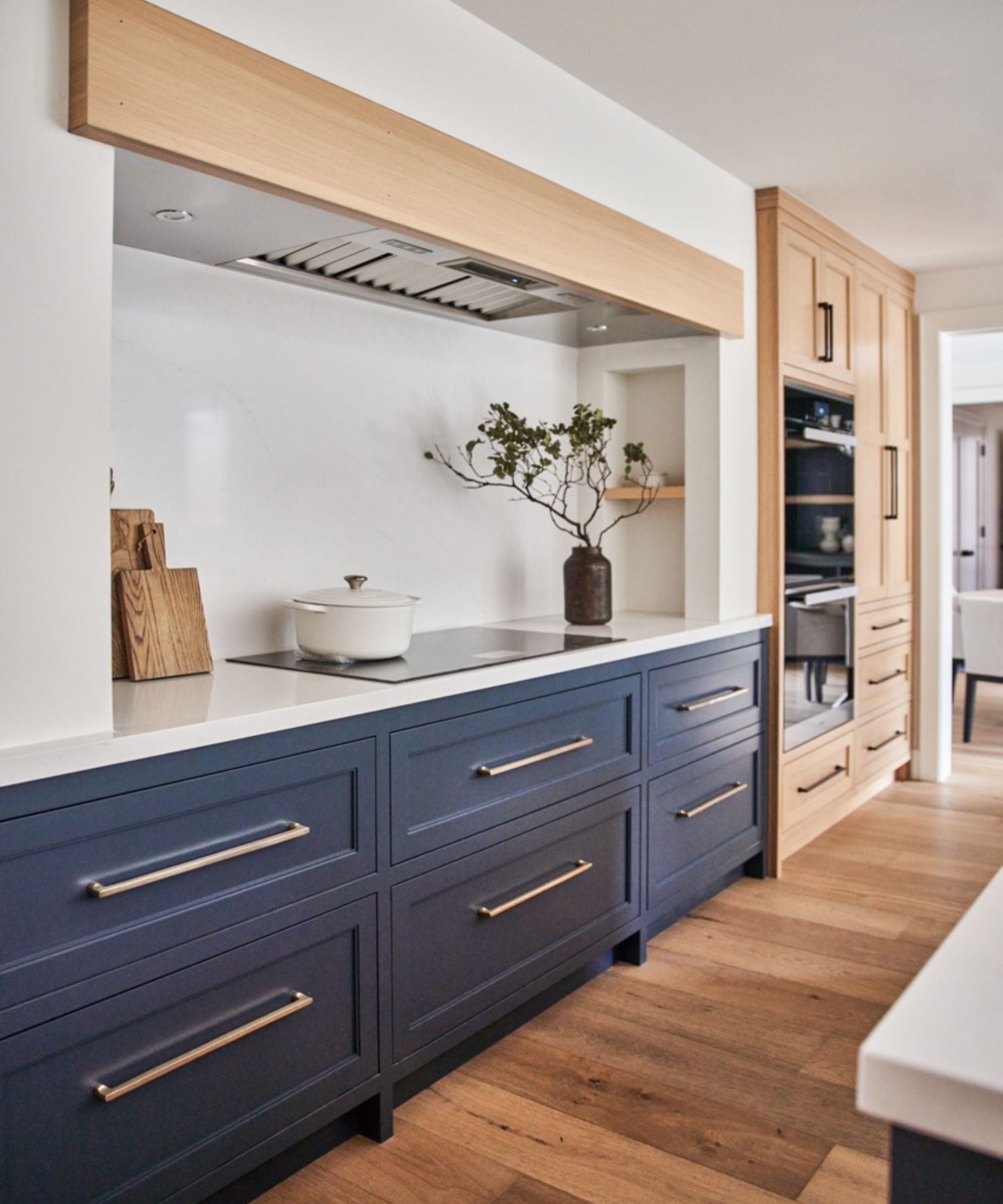
Quartz countertops are engineered stones, typically comprising about 90 percent crushed natural quartz mixed with resins, polymers, and pigments. This manufacturing process allows for a consistent and uniform appearance, offering a wide array of colors, patterns, and veining that can mimic other natural stones like marble and granite. This engineered nature also means that if a homeowner needs additional slabs at a later date, they can expect a high degree of consistency in pattern and color, with variations rarely exceeding one percent. This consistency provides extensive design flexibility, allowing manufacturers to create specific looks that might not be found in natural stone.
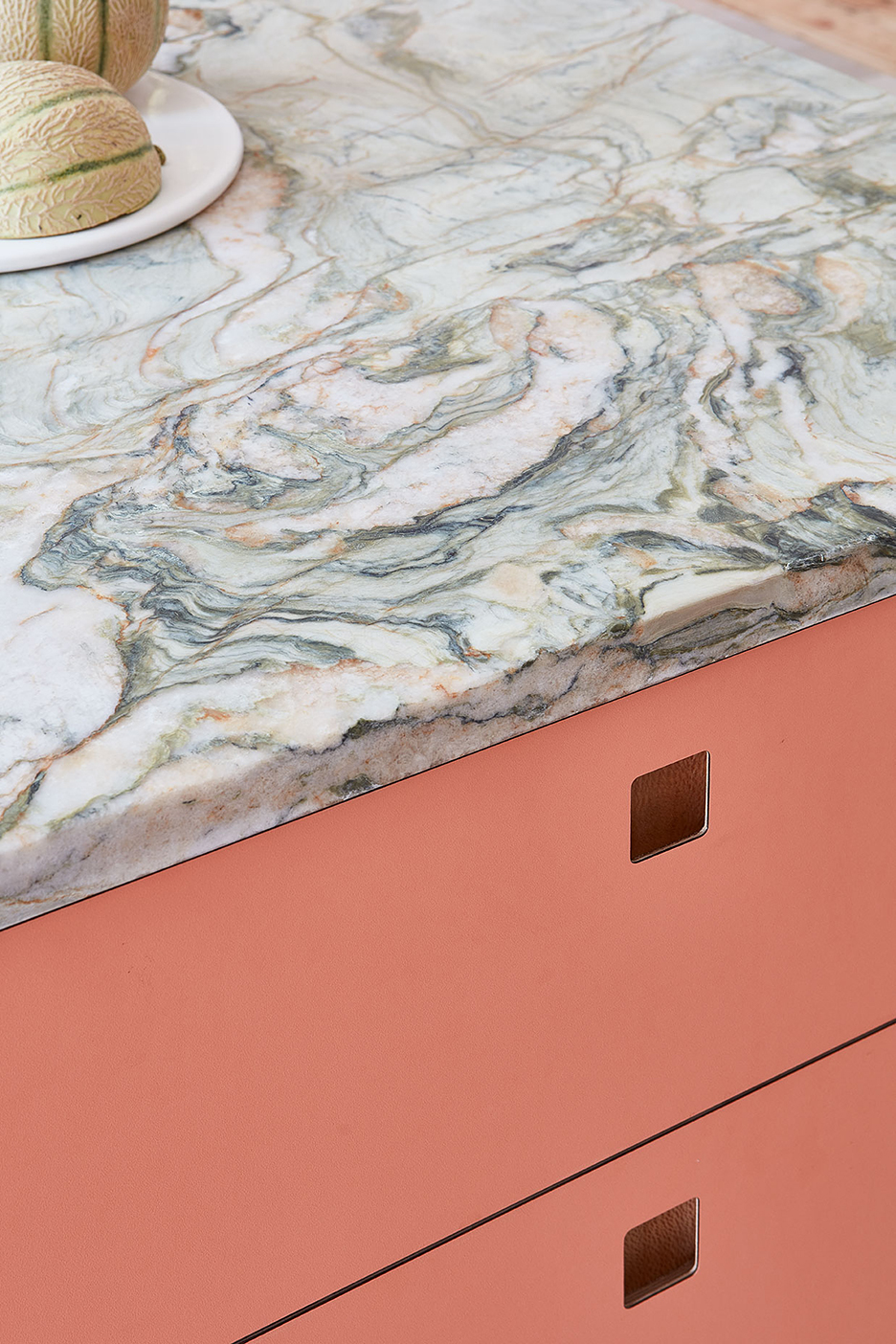
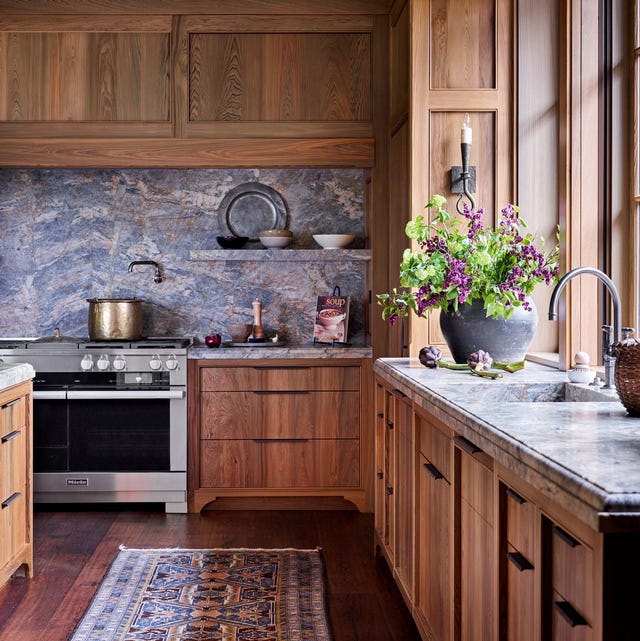
In contrast, quartzite is a 100-percent natural metamorphic rock formed from sandstone under intense heat and pressure deep within the Earth. Its natural origin means each slab is unique, featuring patterns such as stripes, swirls, or mineral brushes that are nature's own artwork. The colors of quartzite can vary widely, from whites, grays, and tans to greens, pinks, and blues, often influenced by additional minerals present during its formation. Due to this natural variation, it is advisable for homeowners to purchase all necessary quartzite slabs at once to ensure a cohesive look. Visiting a distribution center in person is recommended to appreciate the unique characteristics of each slab, regardless of the desired color.
Regarding durability, both materials are highly scratch-resistant, though quartz holds a slight advantage. Quartz countertops are generally more stain-resistant than quartzite because their engineered composition makes them less porous. Natural quartzite, being more porous, is susceptible to staining from acidic substances like coffee, wine, or tomato sauce and requires annual resealing for protection. However, quartz has a lower heat resistance, tolerating temperatures up to 250 degrees Fahrenheit, beyond which it can burn irrevocably. Quartzite, formed under extreme heat, is exceptionally heat-resistant and can withstand much higher temperatures without damage. For maintenance, quartz requires minimal effort, needing no sealants or annual treatments. Quartzite, being a natural stone, demands more regular upkeep, including annual resealing to mitigate its porosity and prevent staining. Both materials should be cleaned with mild soap and water, avoiding abrasive cleaners that could damage sealants or surfaces. Additionally, excess hard water left on quartzite can lead to etching.
Cost is another differentiating factor. Quartz is typically the more affordable option, ranging from $55 to $90 per square foot, largely due to its man-made nature and ready availability. Quartzite, with its natural beauty and the complexities of quarrying, is more expensive, generally costing between $90 and $150 per square foot. The lowest grades of quartzite can be comparable in price to luxury quartz. In terms of lifespan, both materials offer long-term solutions. However, natural quartzite has a slight edge in repairability; minor damage can often be fixed with epoxy to look as good as new. Repairing quartz can be more challenging, as matching colors might be difficult due to resin discoloration over time, and repair epoxy may not adhere as effectively. Ultimately, the choice between quartz and quartzite depends on a homeowner's budget, aesthetic preferences for natural variation versus consistent patterns, and willingness to commit to specific maintenance routines.
#QuartzCountertops #QuartziteCountertops #KitchenRemodel #HomeImprovement #MaterialComparison #InteriorDesign #NaturalStone #EngineeredStone #QuartzCountertops #QuartziteCountertops #KitchenRemodel #HomeImprovement #MaterialComparison #InteriorDesign #NaturalStone #EngineeredStone
Há 0 comentários no total
 Ainda não há comentários
Você também pode gostar
How an Instagram-Worthy Kitchen Renovation Comes Alive With the Right Surfaces

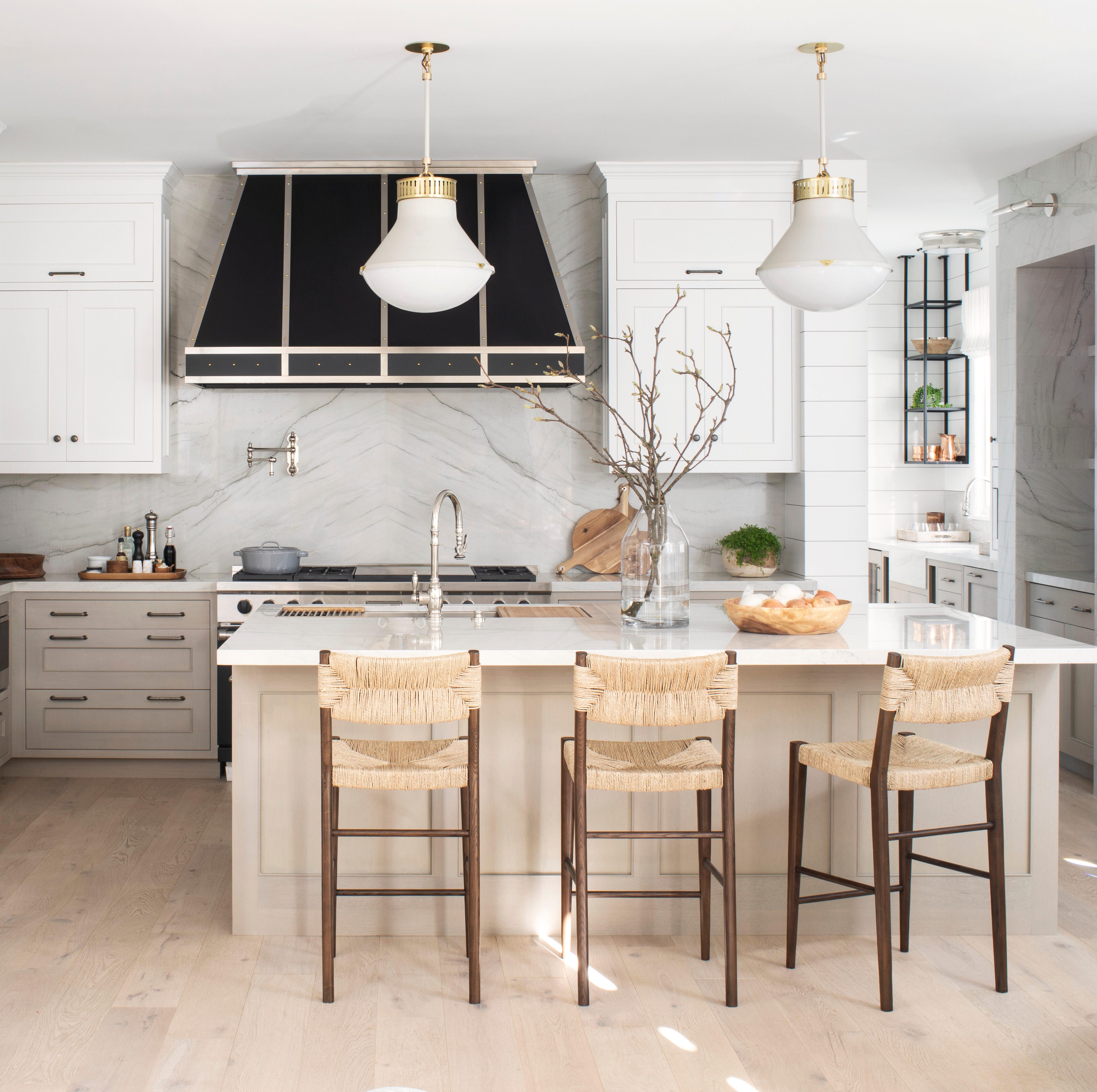
Why This Designer Added Glass-Front Pantry Cabinets to a Coastal Kitchen

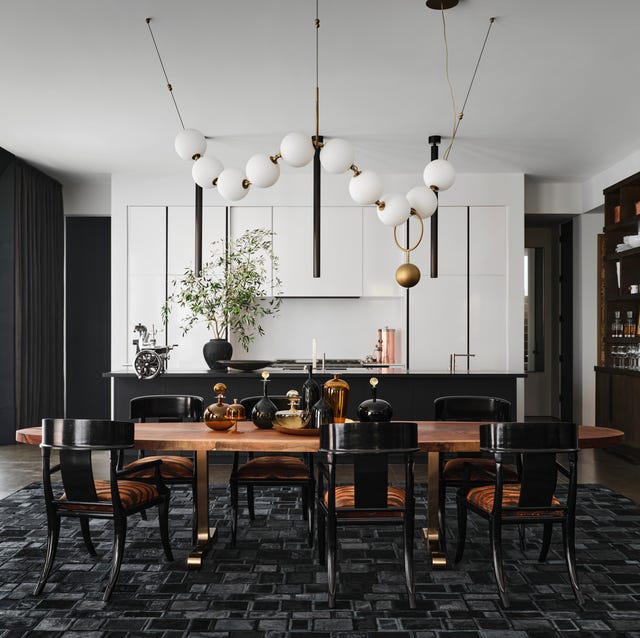
This Waterfall Kitchen Island Is Renovation Goals
This elegant quartzite kitchen island shines at the heart of the home, thanks to Karr Bick
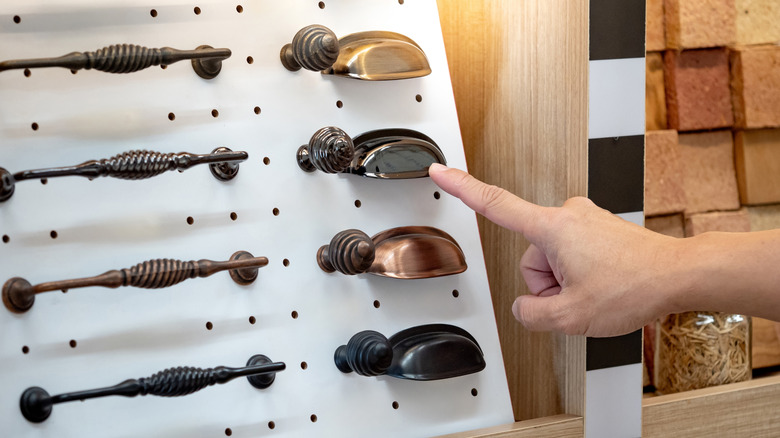
13 Unique Cabinet Hardware Options You May Not Know About
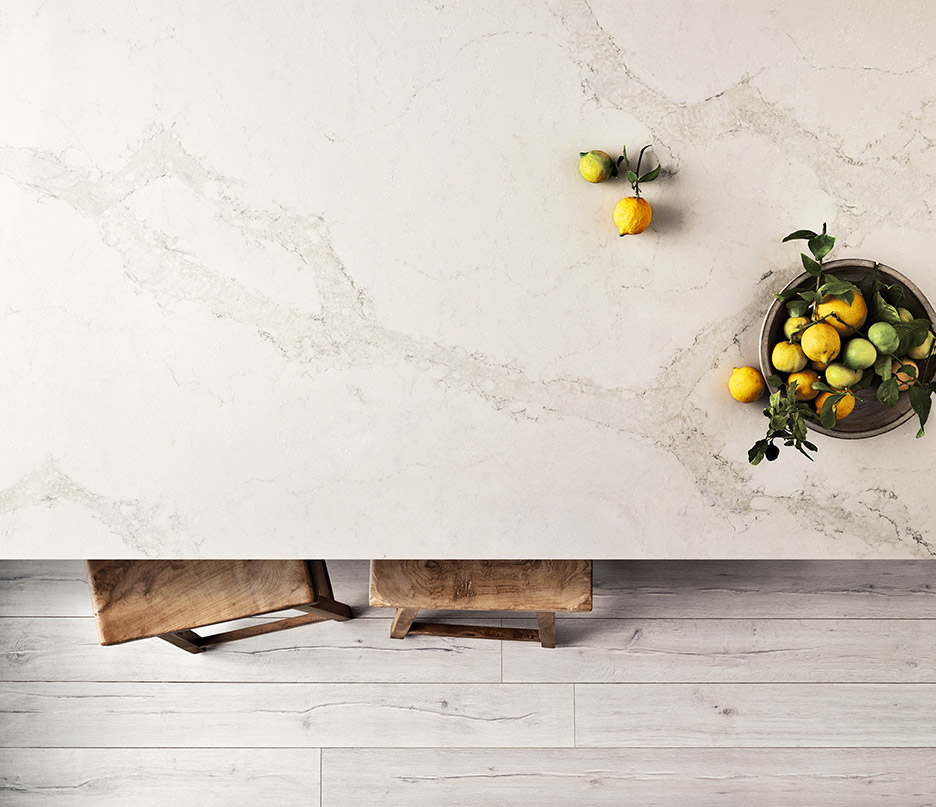
The most important tool in the kitchen is the countertop says Caesarstone CEO
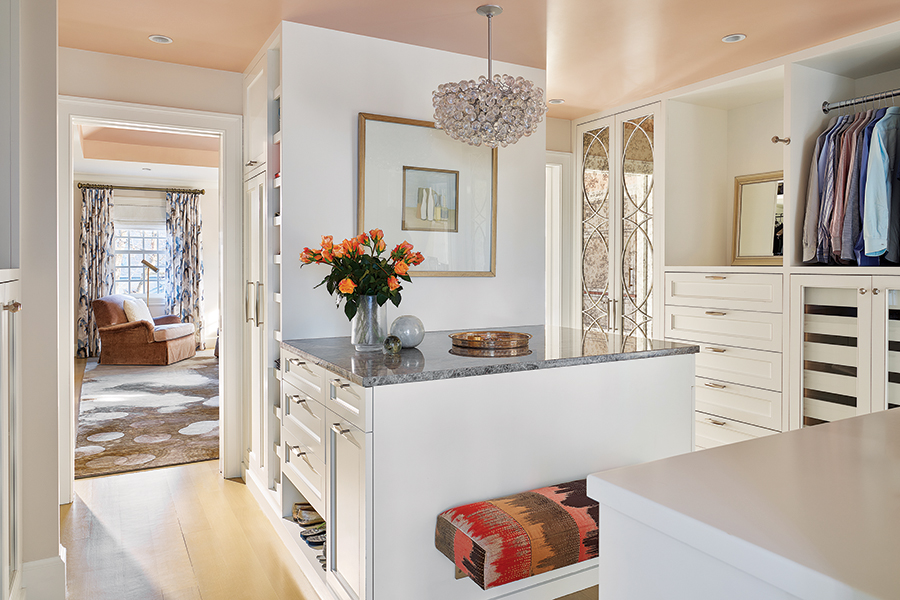
Designer Andrea Birkerts Turned This Drab Walk-in into an Elegant Closet
Quartz countertops get a metallic facelift with Cambria’s striking new designs
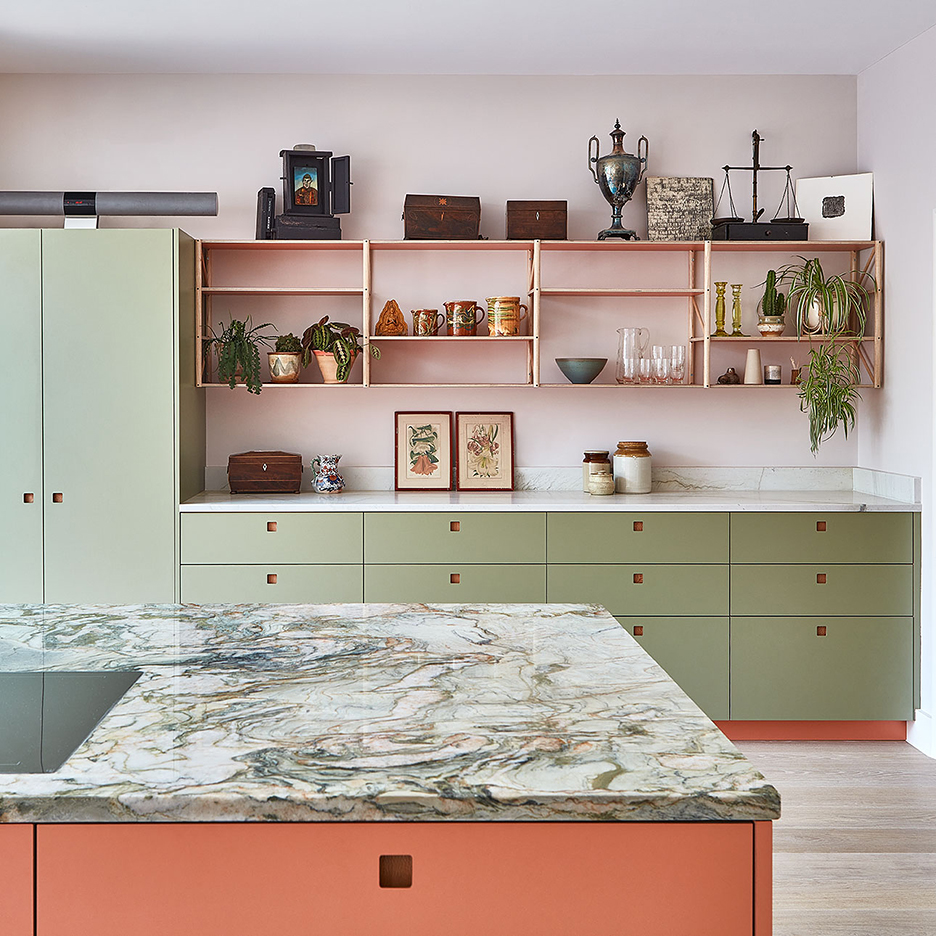
A Coral and Sage London Kitchen Featuring “Anti-Floating” Shelves


The Risky Countertops The Property Brothers' Drew Scott Avoids In Kitchen Makeovers
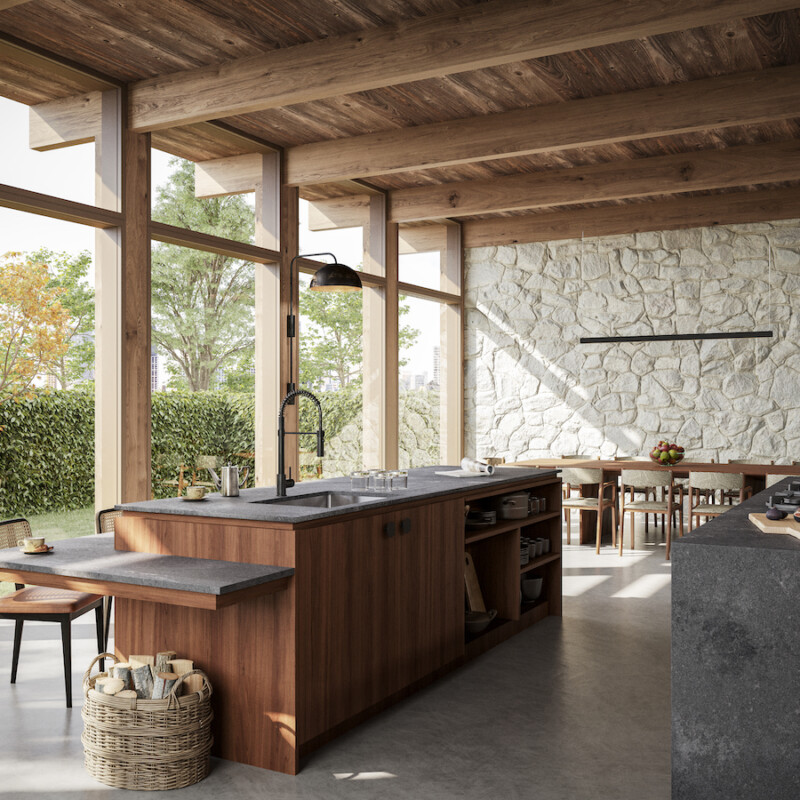
Countertops Can Set the Tone for Your Whole Kitchen—Here’s How to Choose the Right One

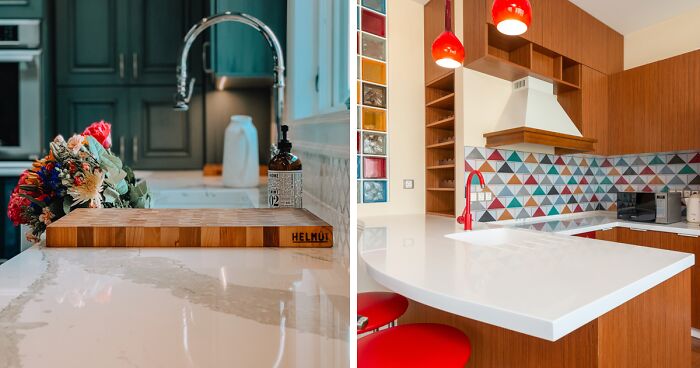
Quartz Countertops Guide: Maintenance Tips & 15 Chic Decor Ideas

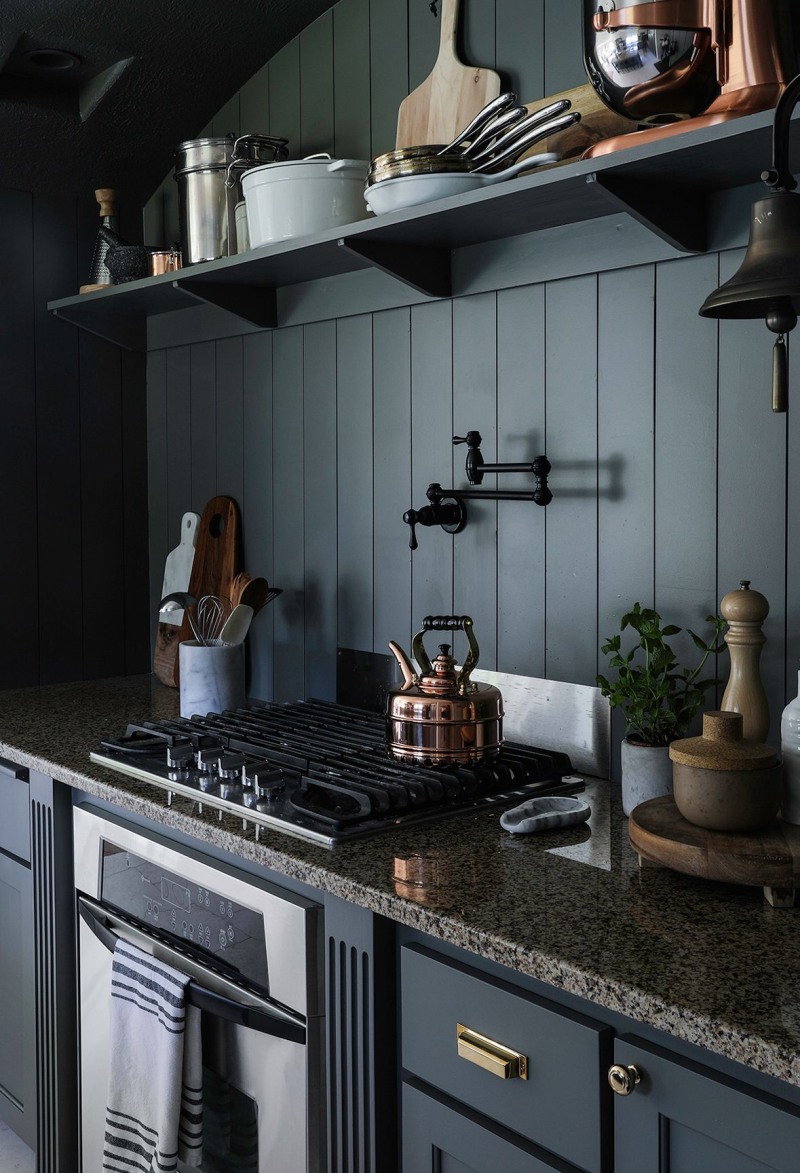
Homeowners Agree: This Dated Countertop Material One-Ups Trendy Quartz
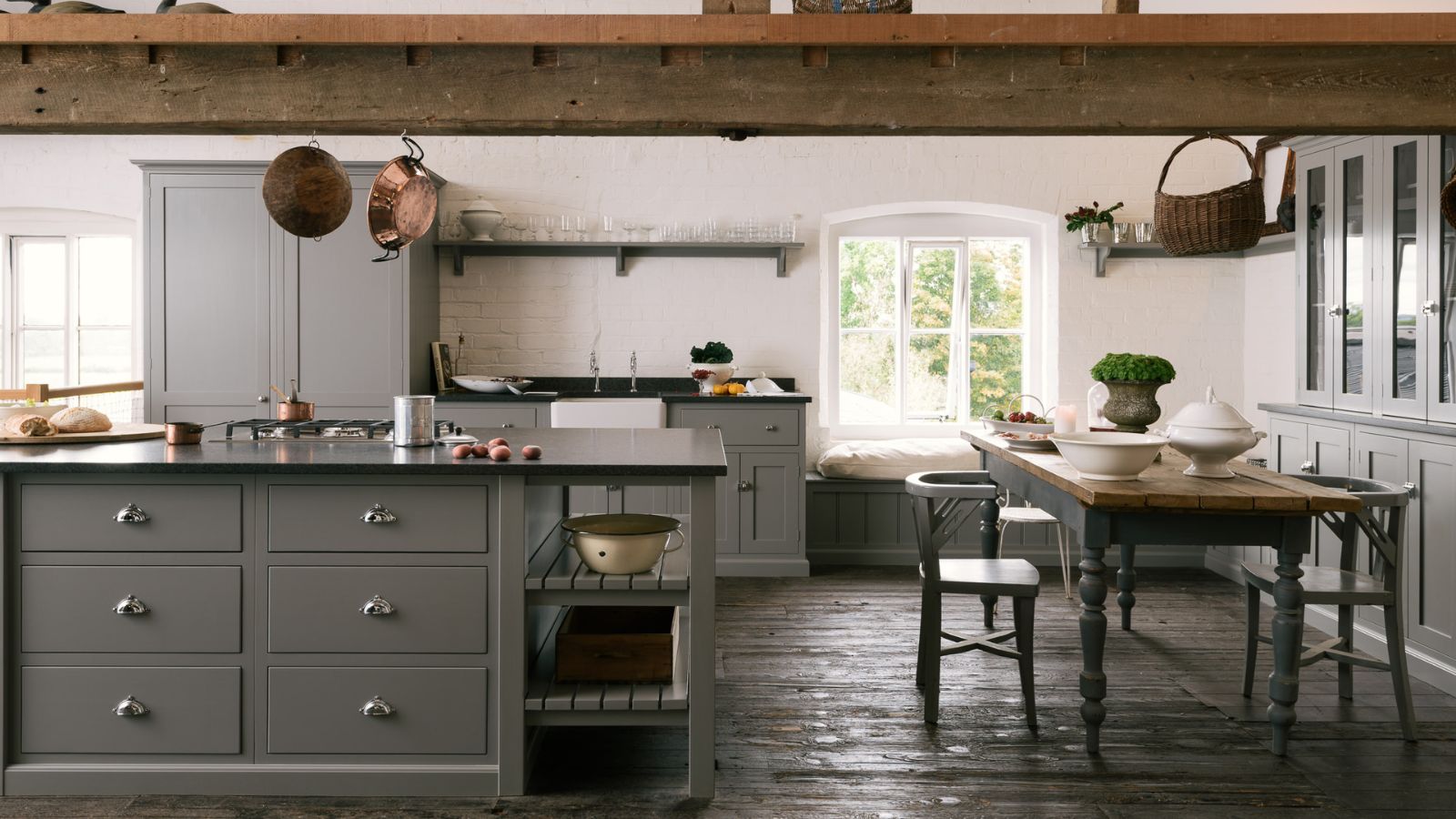
Designers say this 1 unassuming and affordable feature will make your home look more expensive

5 kitchen hardware mistakes interior designers say homeowners always make, and how to fix them
Decorators address book: 14 interior designers on the best places to shop kitchen hardware
23 Designer Kitchens We Can’t Stop Looking At
'Get This Element Right, and Add The Perfect Finish to Your Kitchen,' Say Designers

The Secret to a Comfortable Kitchen: The Right Countertop Height

These 5 Hardware Finishes Are So Outdated, Designers Say