




1/6
Small bedroom window ideas that will completely change the feel of your space, according to designers
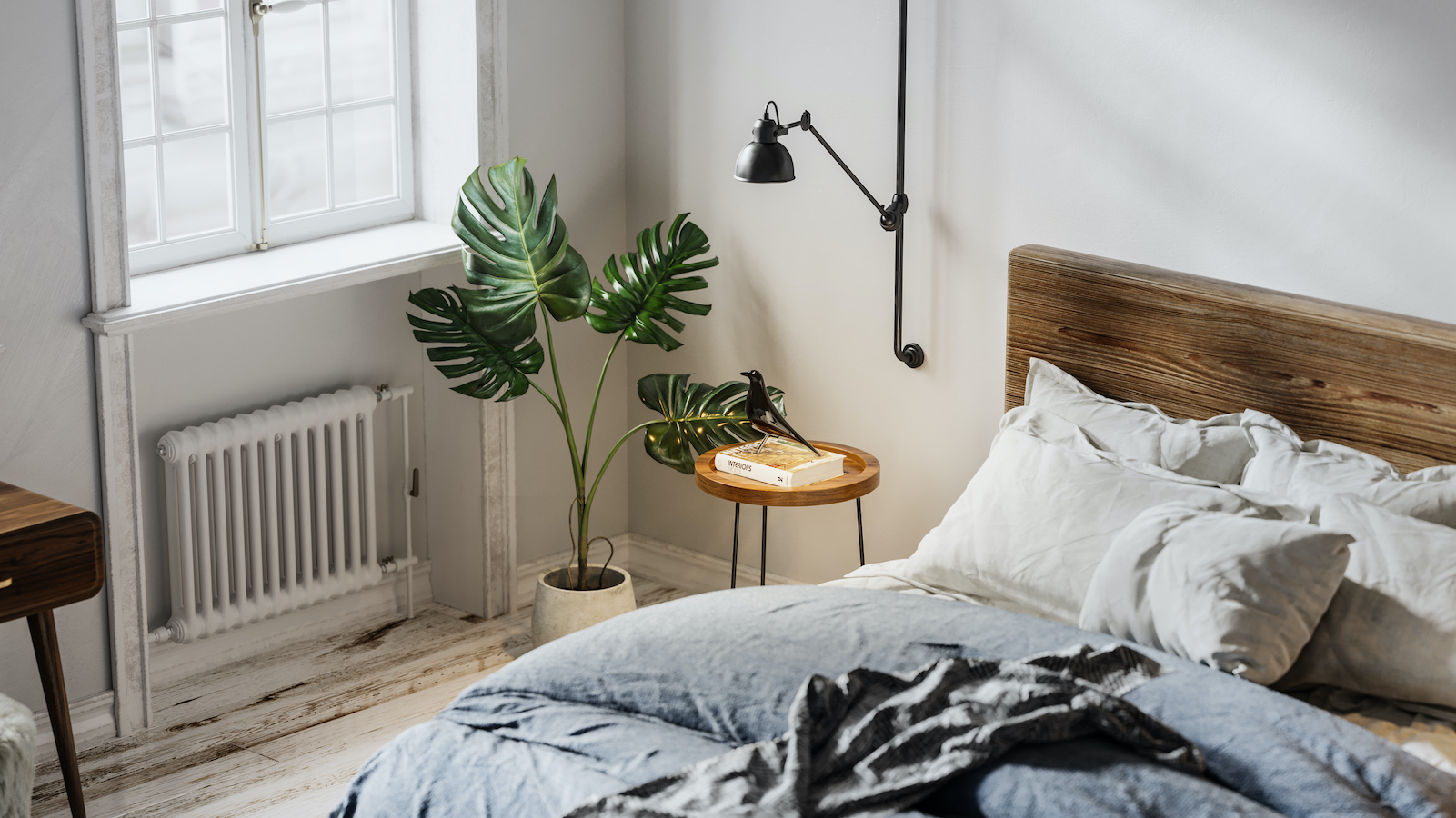
Small bedrooms can present unique challenges when it comes to design, especially concerning windows. The strategic styling of windows in these compact spaces can significantly impact the room's ambiance, making it appear larger, brighter, and more inviting. This article compiles expert advice from interior designers and sleep science coaches, offering five key strategies to optimize small bedroom windows for both aesthetics and functionality. By implementing these tips, individuals can transform their sleep sanctuaries into cozy and aesthetically pleasing havens.
The first suggestion emphasizes the importance of hanging curtain rods high, ideally where the wall meets the ceiling. This technique creates an illusion of greater ceiling height, preventing the room from feeling truncated. Alex Bass, an interior designer and art curator, highlights that long drapery resulting from high-hung rods also contributes an ethereal aesthetic, enhancing the room's cozy appeal. This approach maximizes the vertical space, drawing the eye upwards and making the room feel more expansive.
The second piece of advice focuses on selecting appropriate curtain materials and colors. Dark, heavy fabrics or elaborate patterns can overwhelm a small room, making it feel cramped. Instead, the article recommends light and airy curtains in neutral or pale colors. Interior stylist Vivianne Chow suggests light-colored curtains to create an airy feel, while Marzia Dainelli, CEO and interior designer at Dainelli Studio, advises against overly complex patterns that can dominate a small space. Simple, straightforward designs that complement the room's overall aesthetic are preferred, promoting a sense of calm and openness.
Alternatively, opting for blinds is presented as a modern and space-saving solution. Carlie Gasia, a certified sleep science coach at Sleepopolis, notes that blinds offer a clean and minimalistic look, which is well-suited for smaller rooms. While blinds might require more maintenance, readily available tools can simplify the cleaning process. Carol Wilson, a home decor writer at YouComfort, suggests layering with light-filtering roller blinds for privacy, ensuring that window treatments remain simple and streamlined to avoid overwhelming the space. This minimalist approach maintains an uncluttered appearance while providing necessary light control and privacy.
Another clever strategy involves the strategic placement of mirrors. Mirrors are powerful tools for creating the illusion of space and amplifying natural light. By positioning a mirror opposite or adjacent to a window, individuals can reflect light throughout the room, making it appear larger and brighter. This design hack effectively doubles the perceived light source and extends the visual boundaries of the bedroom, offering a cost-effective way to enhance the sense of spaciousness.
Finally, the article stresses the importance of keeping the window area simple and uncluttered. While personalizing a space is essential, excessive decoration around a small window can be counterproductive. Alexandra Cooper, an architect and interior designer, advises against heavy or overly ornamented curtains and encourages using the windowsill for functional, yet non-cluttered, decorative accents like plants. The key is to maintain an organized and understated look, allowing the natural light to flow freely and contribute to an inviting and serene atmosphere. This minimalist approach ensures that the window remains a focal point without creating visual noise, enhancing the overall tranquility of the bedroom.
#SmallBedroomDesign #WindowTreatments #InteriorDesign #HomeDecor #SpaceMaximization #CurtainIdeas #Blinds #MirrorPlacement #BedroomAesthetics #SmallBedroomDesign #WindowTreatments #InteriorDesign #HomeDecor #SpaceMaximization #CurtainIdeas #Blinds #MirrorPlacement #BedroomAesthetics
 Ainda não há comentários