




1/2
Should You Install Peel and Stick Floor Tile? An Interior Designer Shares Some Pros and Cons
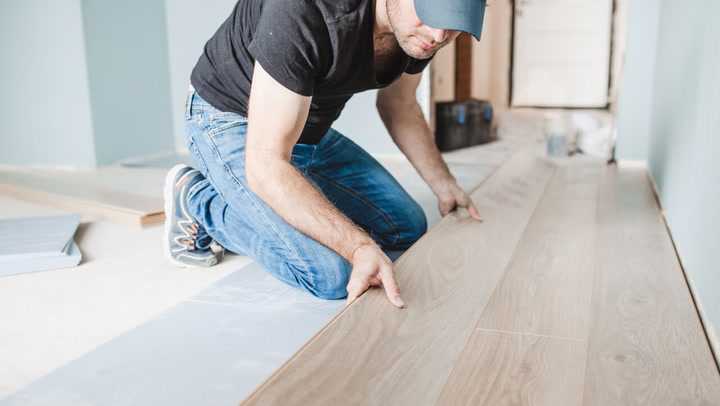
Peel and stick floor tiles offer a cost-effective and relatively simple solution for updating flooring, serving as an alternative to traditional, more involved flooring installations. These tiles are made from a vinyl material, typically ranging from 0.3 to 0.5 millimeters in thickness, and are also known as vinyl plank flooring or vinyl tiles. Their primary appeal lies in their ease of installation, as they do not require an underlayment; users simply peel off the backing and adhere them directly to the existing subfloor. This DIY-friendly characteristic significantly reduces labor costs and the need for professional assistance.
The application process is straightforward, with the tiles capable of adhering to various common subfloor materials, including concrete, plywood, tile, and most vinyl surfaces. However, it is crucial for consumers to check product descriptions as not all peel and stick tiles are suitable for every subfloor, especially linoleum. A notable advancement in peel and stick flooring is the wide array of styles and patterns available today. Unlike older laminate or sheet vinyl options, modern peel and stick tiles can mimic the appearance of wood planks or stone, catering to diverse design preferences and offering an affordable aesthetic upgrade.
In terms of cost, peel and stick flooring is highly economical, with prices typically ranging from $1 to $5 per square foot. This translates to a total cost of $200 to $1000 for a 200-square-foot room, a fraction of the expense associated with traditional flooring materials and professional installation. The longevity of these floors varies, generally between five and 25 years, depending on the quality of installation, the amount of foot traffic, and exposure to moisture. Proper installation on a clean, even subfloor is vital for maximizing their lifespan. High-traffic areas may see a shorter lifespan, while less-used spaces can benefit from extended durability.
Removal of peel and stick flooring is also designed to be simple, requiring minimal tools or special solvents, and typically leaving behind little adhesive residue. This ease of removal makes them an attractive option for temporary updates or for spaces that may undergo future renovations. Despite these advantages, peel and stick flooring has its limitations. It is often considered a short-term solution rather than a permanent investment, particularly in high-traffic zones like living rooms or entryways, where the adhesive may degrade over time, leading to shifting or curling tiles. Large spaces may also present challenges due to potential issues with adhesion over expansive areas, which could result in gaps or uneven surfaces and create tripping hazards.
Furthermore, peel and stick floors are not ideal for damp environments such as bathrooms and kitchens, or other areas prone to high humidity or frequent spills. They can trap moisture beneath the surface, fostering mold growth and potentially damaging the subfloor. Therefore, it is recommended to avoid major “splash zones” and promptly clean any spills to prevent water from seeping into the seams. Cleaning peel and stick flooring is simple, involving sweeping or vacuuming, followed by mopping with a damp cloth and mild detergent, and then drying thoroughly to prevent mold.
#PeelAndStickFlooring #HomeImprovement #DIYFlooring #VinylFlooring #HomeDecor #CostEffective #InteriorDesign #HomeRenovation #PeelAndStickFlooring #HomeImprovement #DIYFlooring #VinylFlooring #HomeDecor #CostEffective #InteriorDesign #HomeRenovation
 Ainda não há comentários