Murals Have Moved In
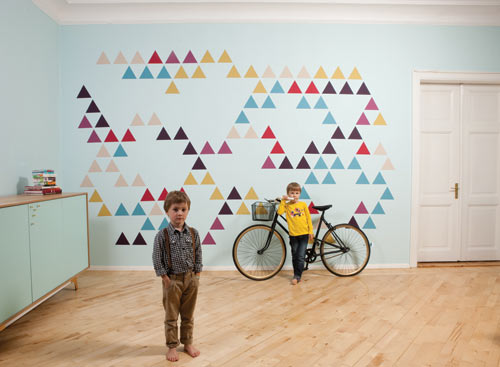
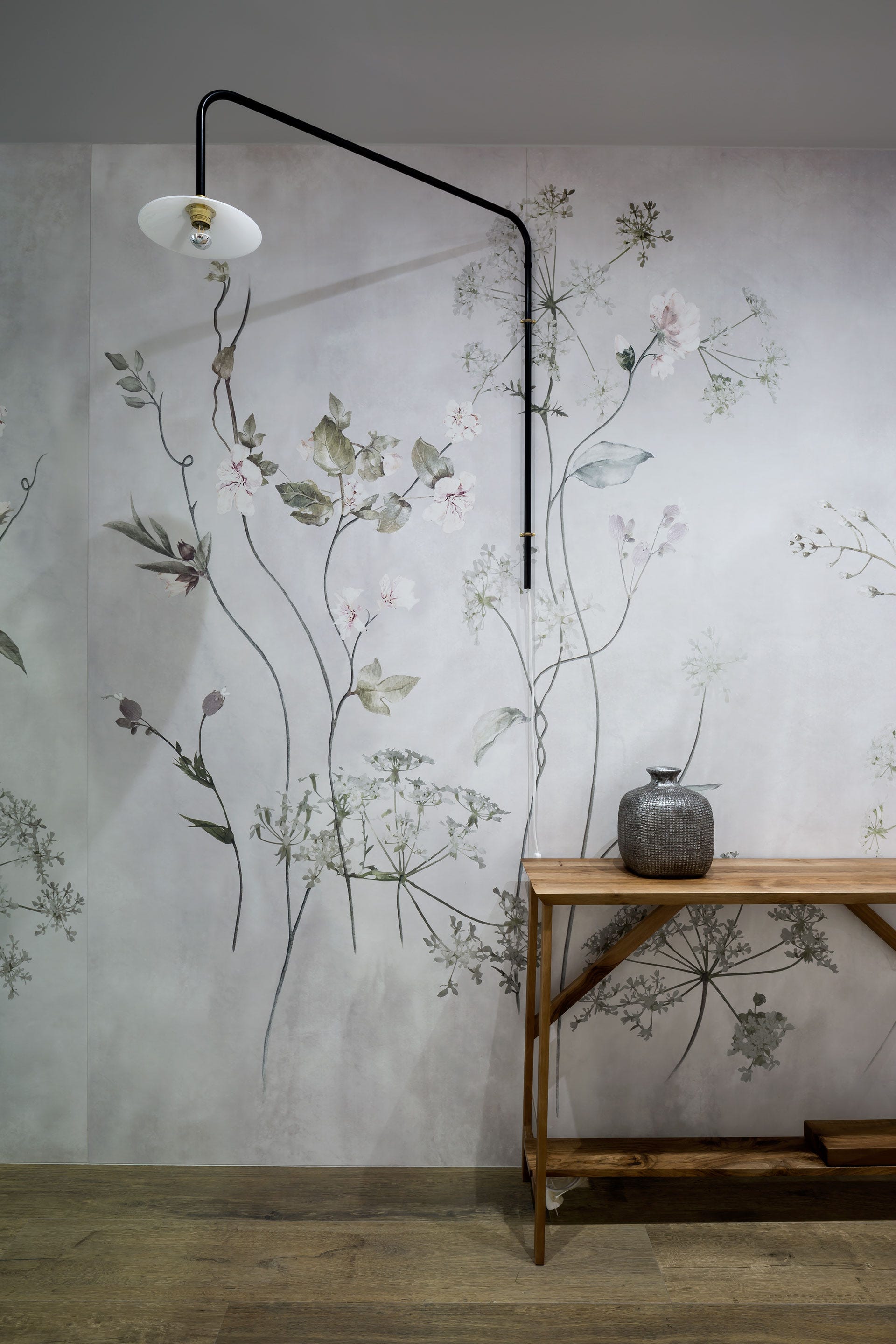
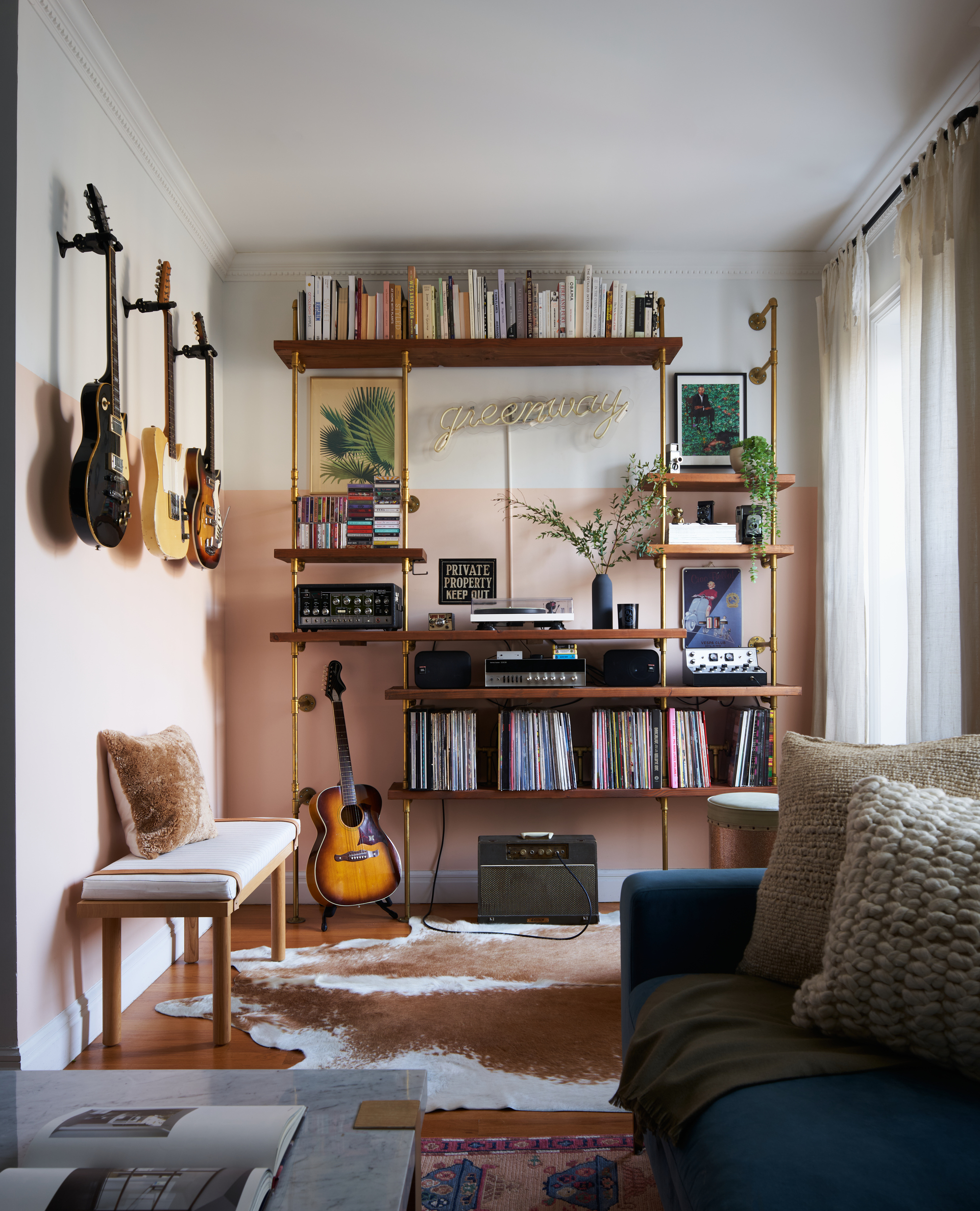
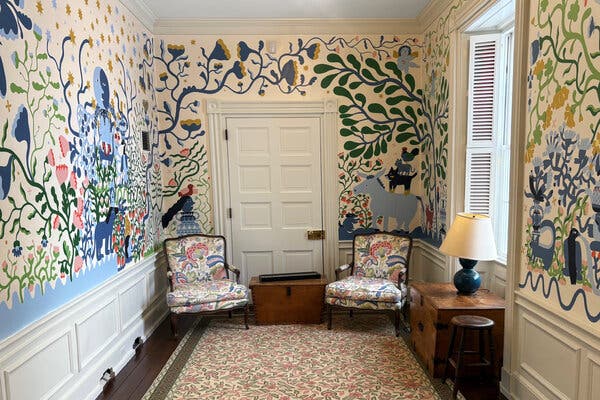
Once confined to children's bedrooms, home murals are making a significant comeback, evolving from whimsical themes to sophisticated artistic statements that transform both indoor and outdoor spaces. This resurgence reflects a broader cultural shift, moving expansive wall art from public streetscapes back into private residences, echoing its ancient origins in cave dwellings. The trend is driven by a desire for personalized decor, artistic expression, and the transformative power of visual storytelling within one's living environment.
The historical trajectory of murals reveals their enduring appeal as a form of visual communication, dating back tens of thousands of years to prehistoric cave paintings in places like Lascaux and Patagonia. Throughout history, murals have served diverse purposes, from religious narratives in the Renaissance to political commentary by artists like Diego Rivera and the contemporary street art of Banksy. In recent decades, cities have embraced murals to revitalize urban landscapes and create attractions, such as Richmond's RVA Street Art Festival and Miami's Wynwood Walls.
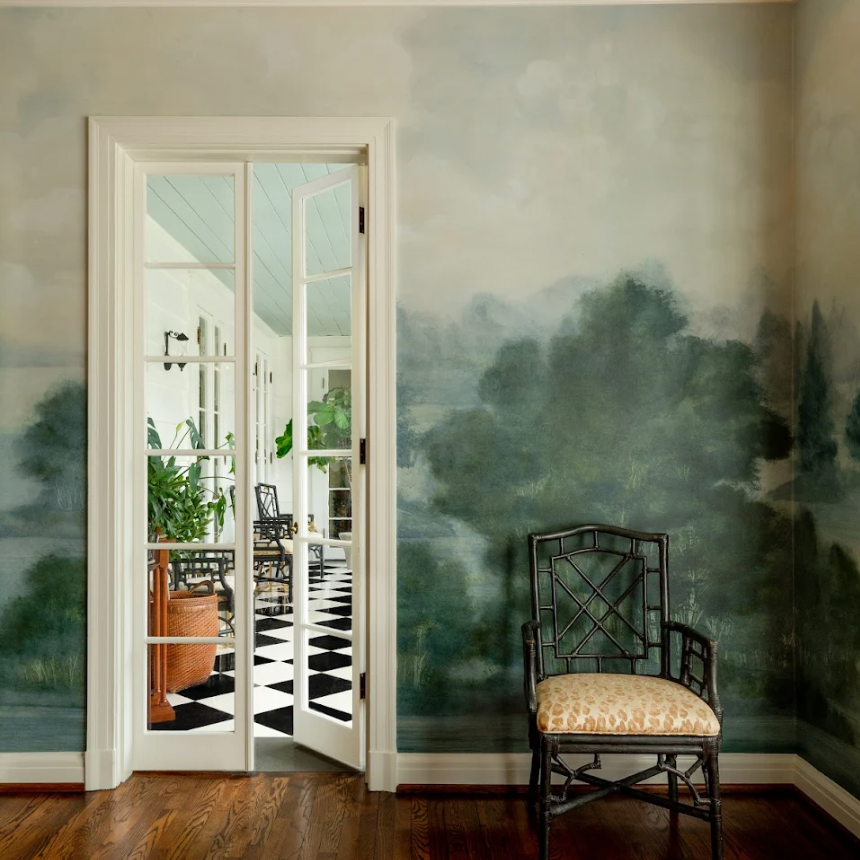
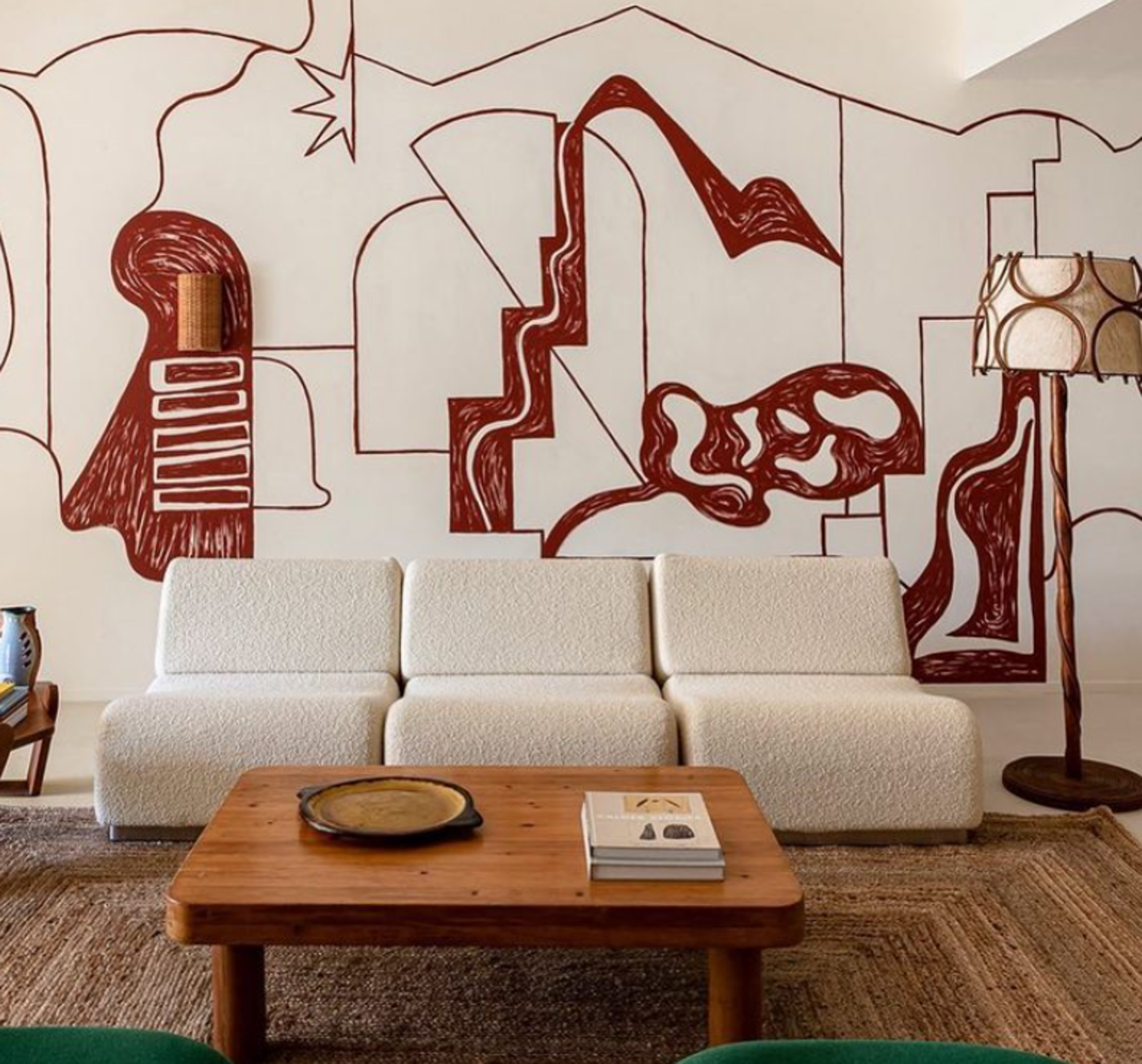
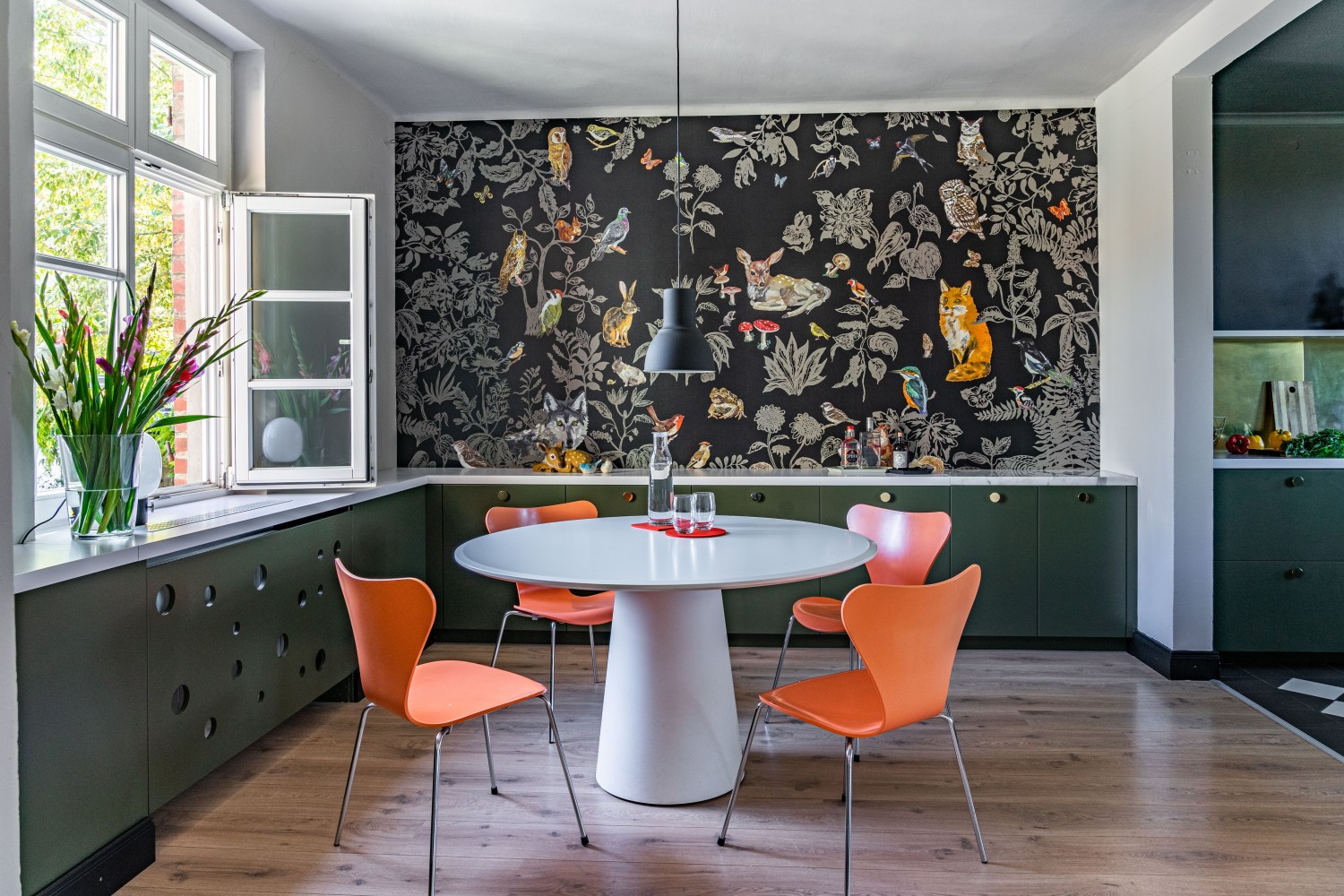
The current wave of home murals is significantly influenced by social media platforms, particularly Instagram, which have popularized and recontextualized murals as aspirational, contemporary art forms. Interior designers are increasingly integrating these site-specific works to introduce unique narratives and spatial complexity into homes, seeing them as true representations of the homeowner's individuality. The versatility of murals allows them to be incorporated into virtually any room, offering a level of customization that mass-produced decor cannot match.
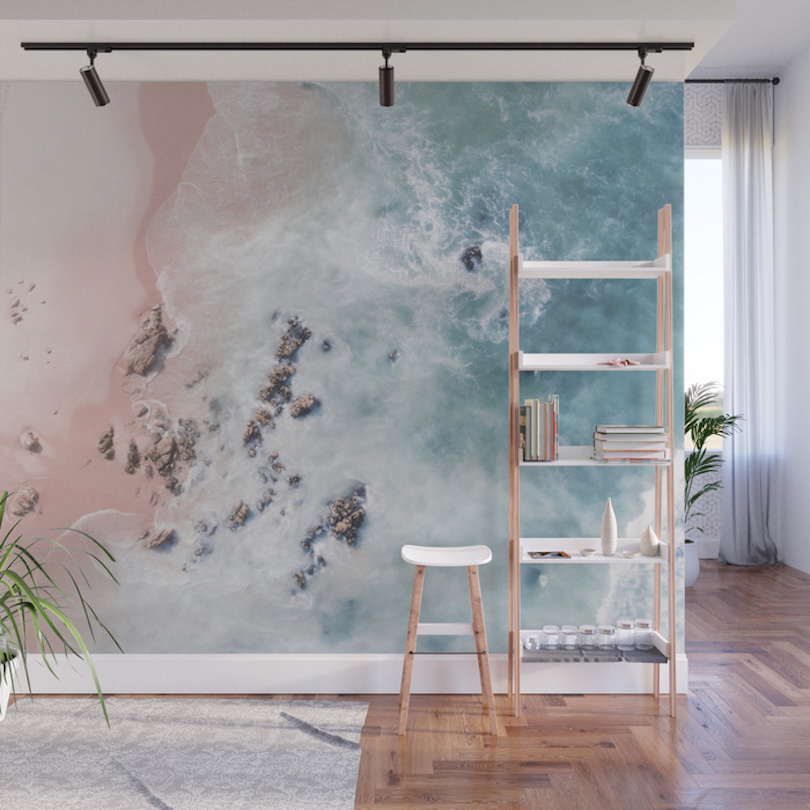
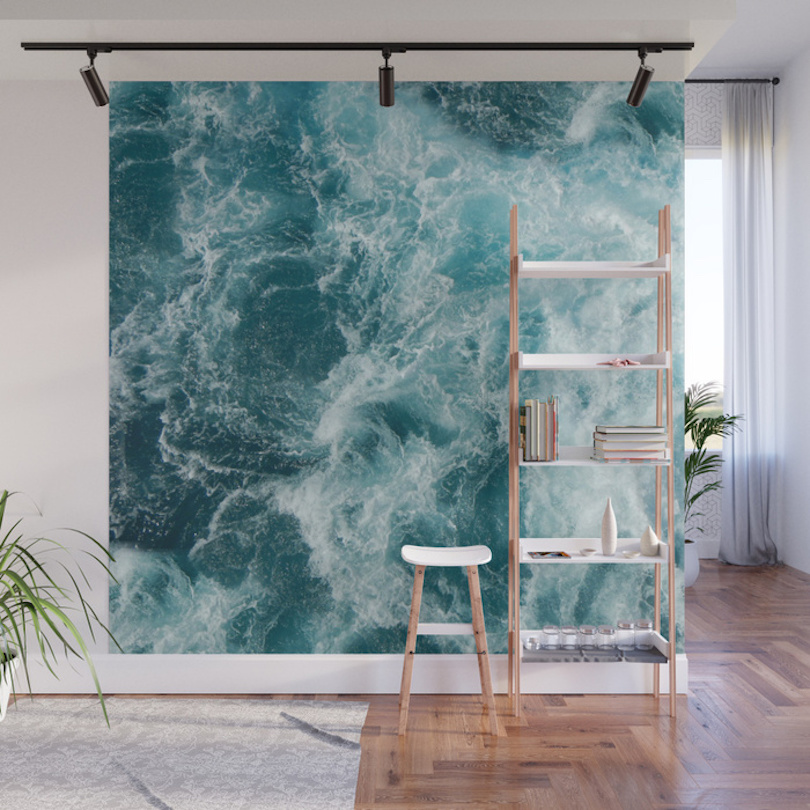
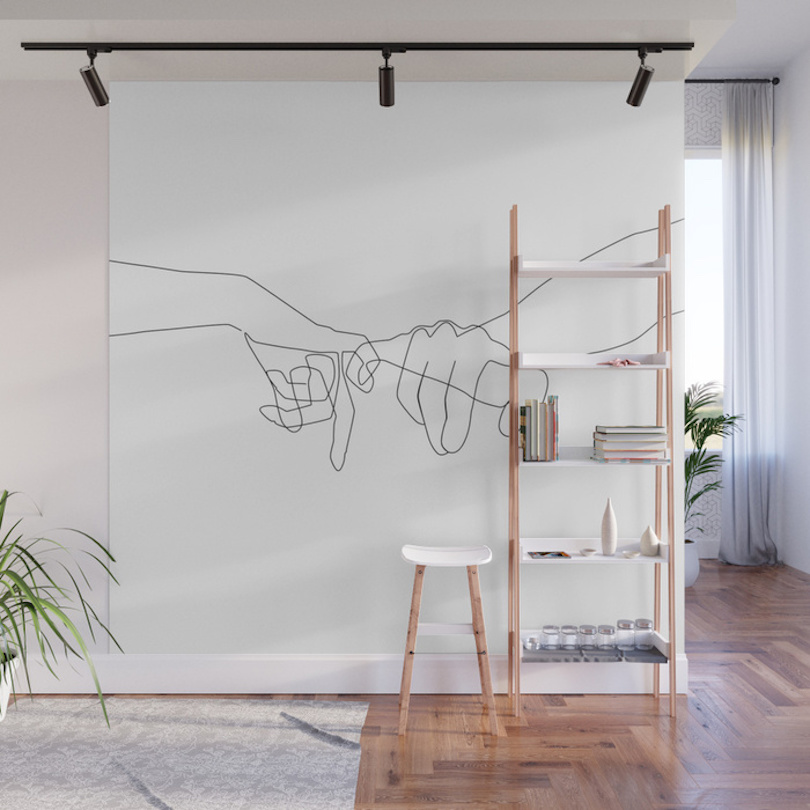
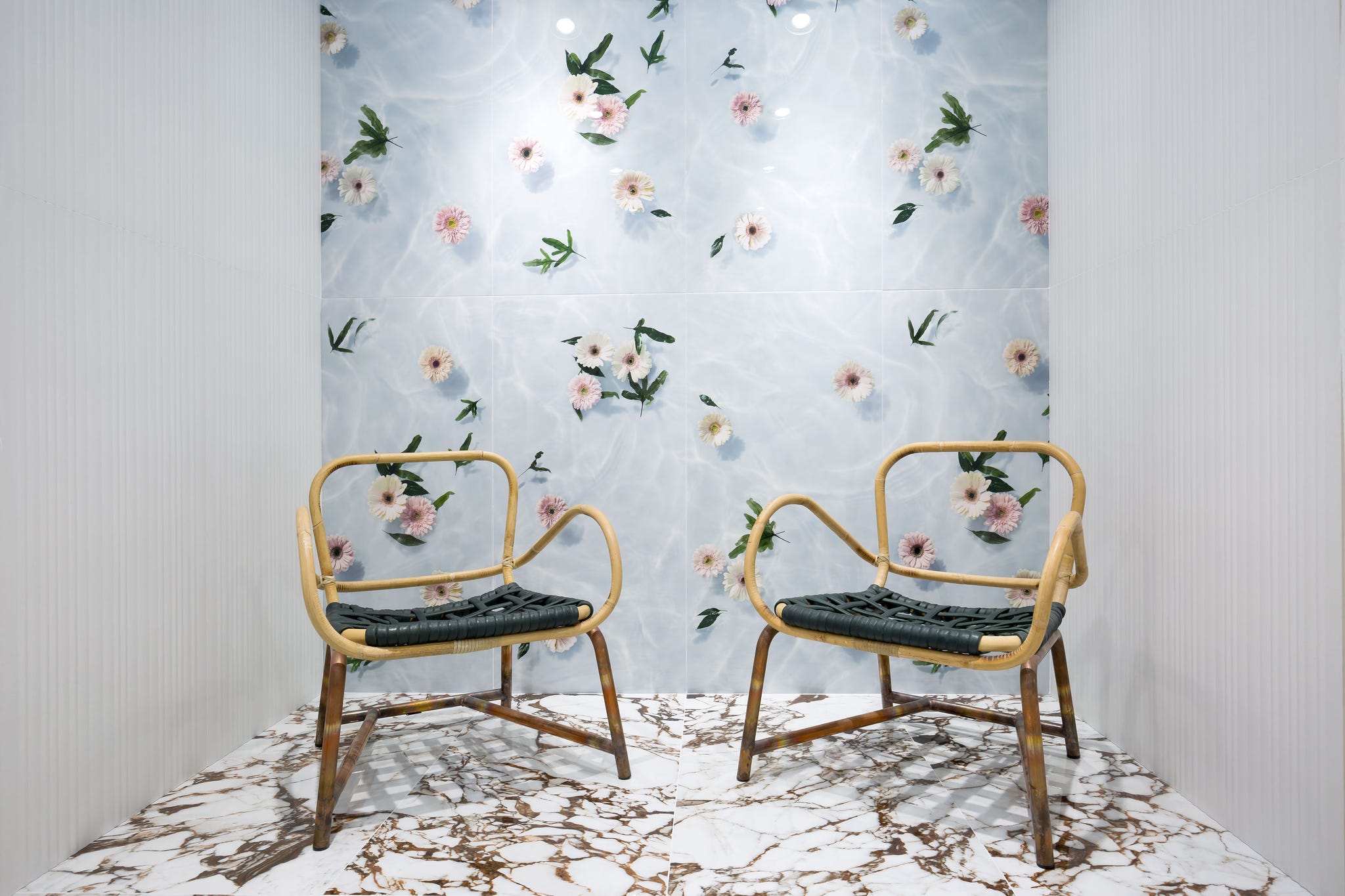
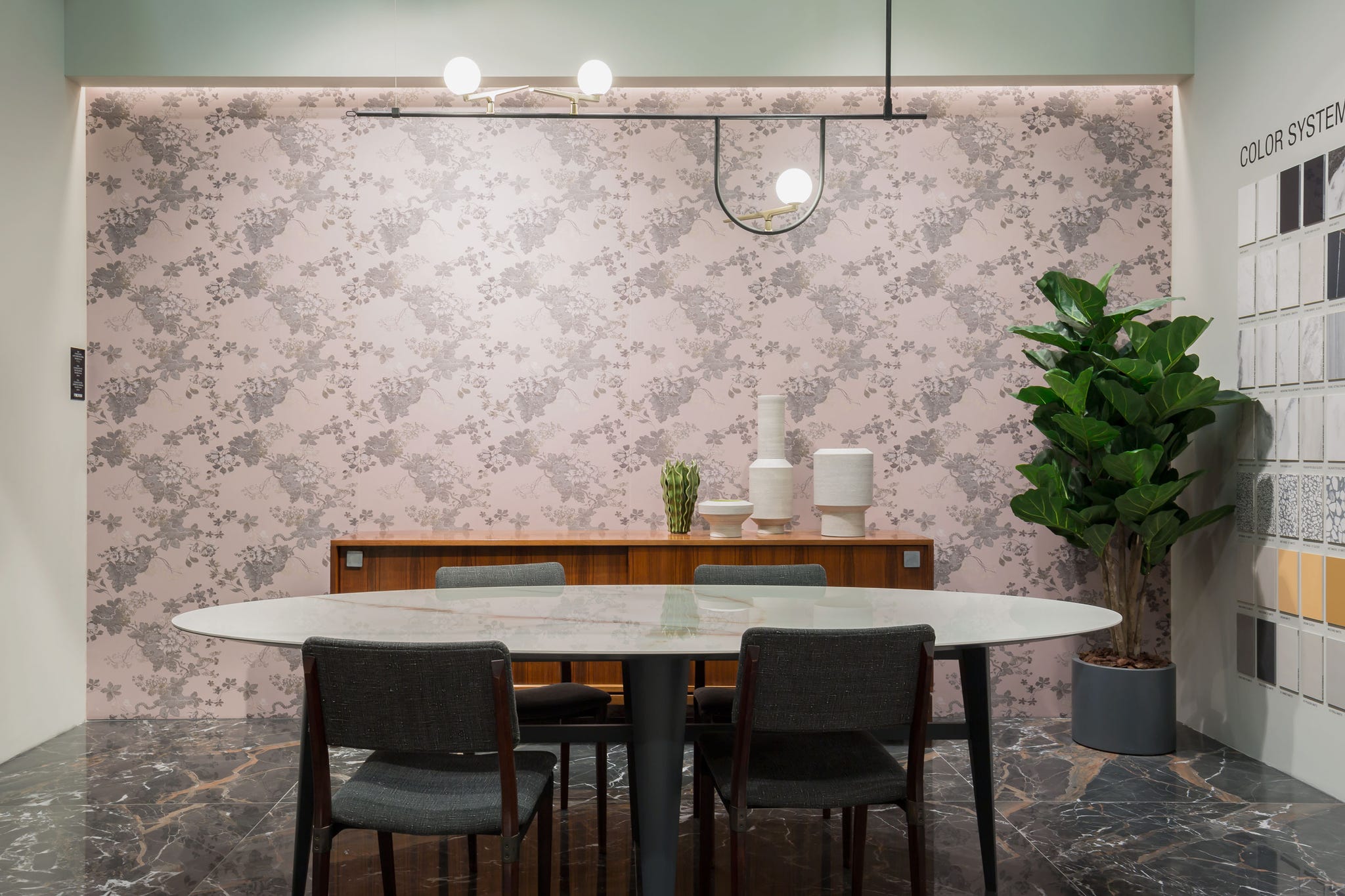
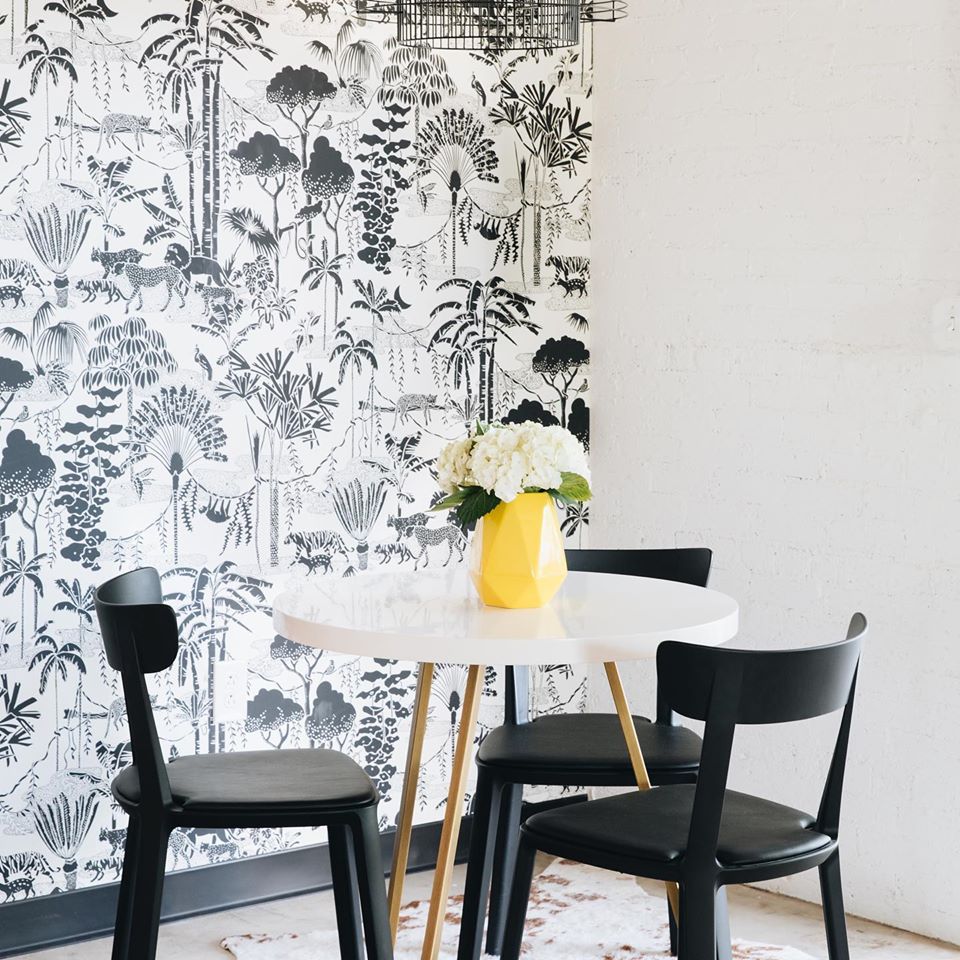
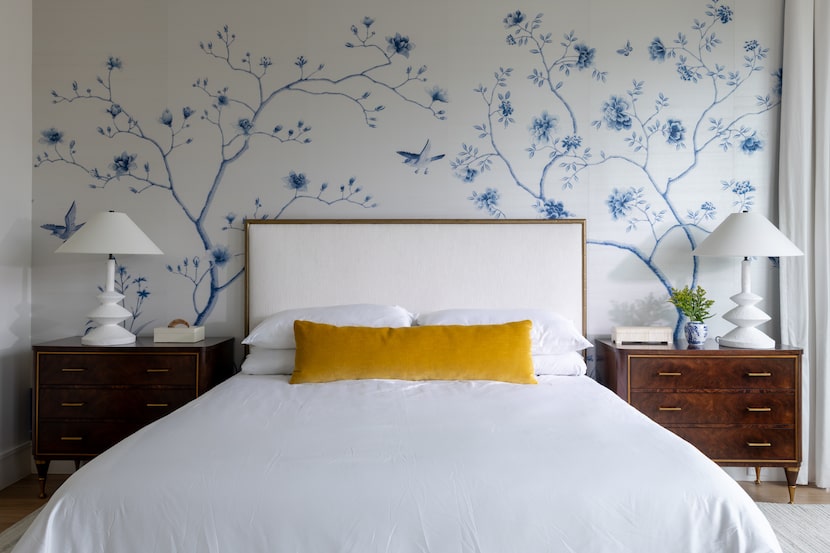
Beyond traditional hand-painted murals, advancements in digital printing have led to high-quality digital mural wall coverings from companies like Phillip Jeffries. These options provide customization opportunities, allowing homeowners to select and adapt designs, such as blending motifs or adjusting scale, to perfectly suit their aesthetic preferences and existing decor. When incorporating murals, designers advise integrating colors from the surrounding environment to ensure a cohesive and harmonious space, avoiding designs that feel out of place.
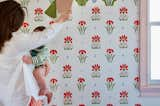
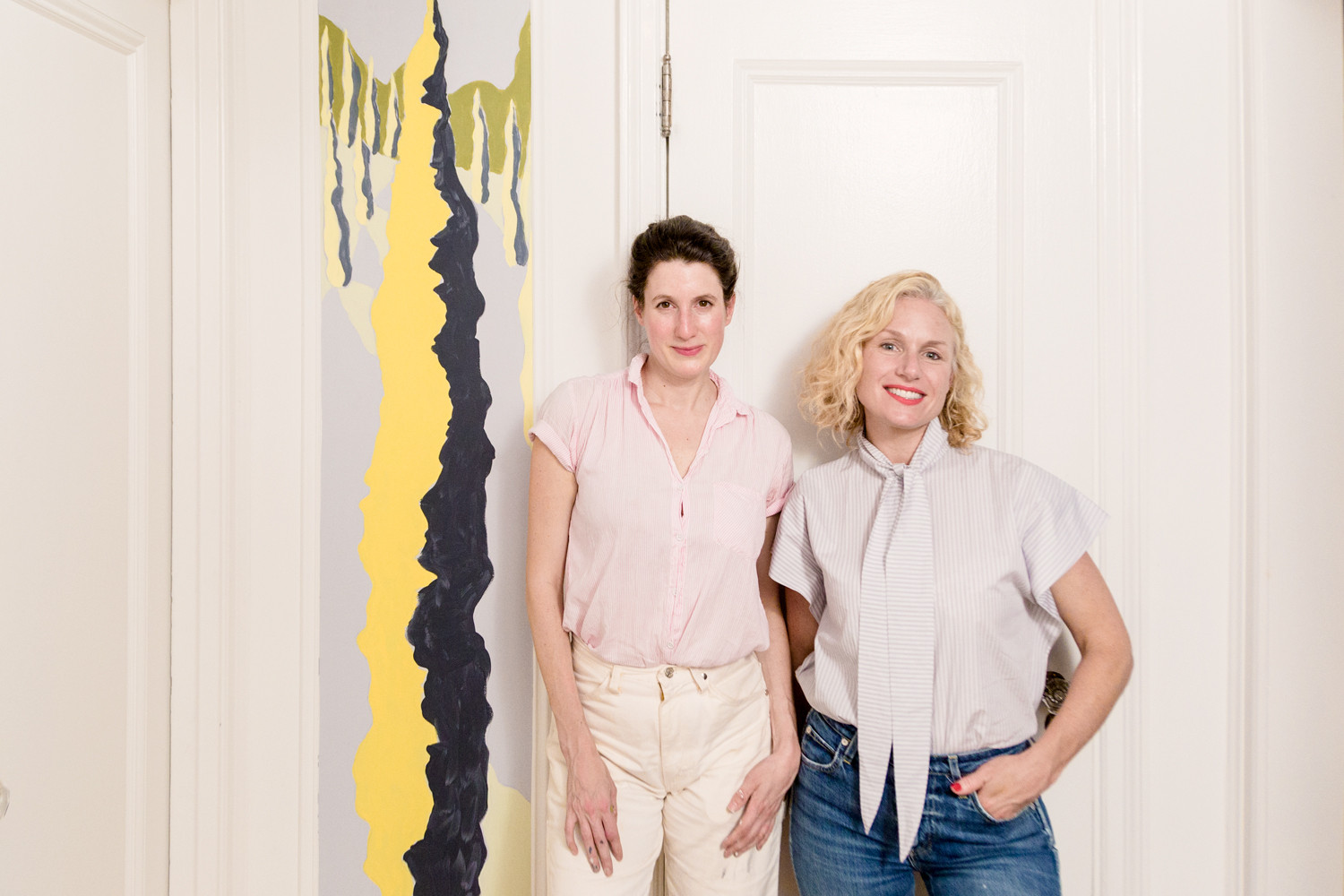
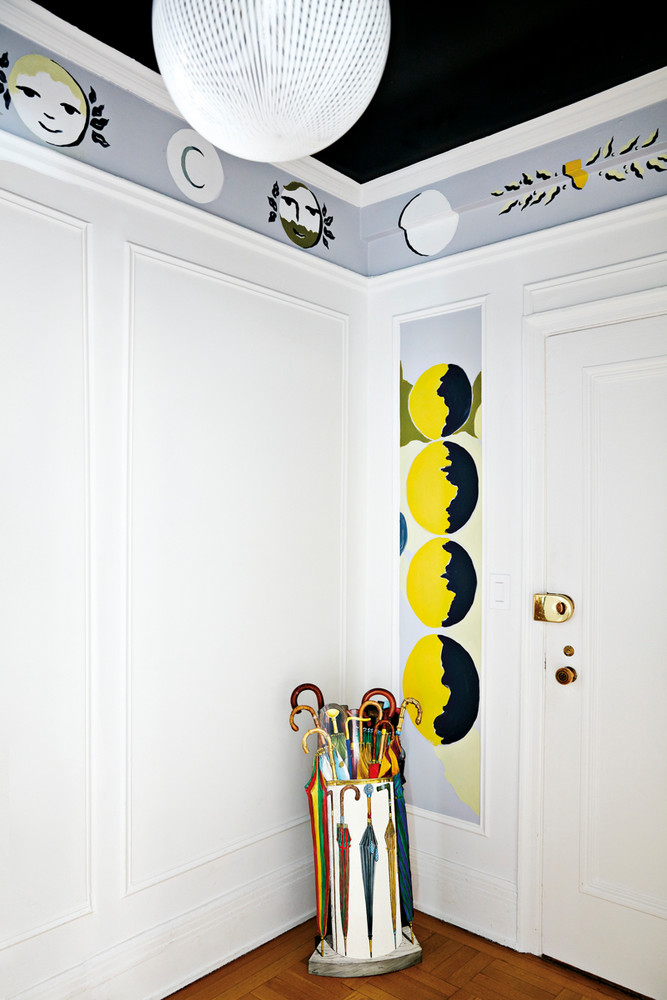
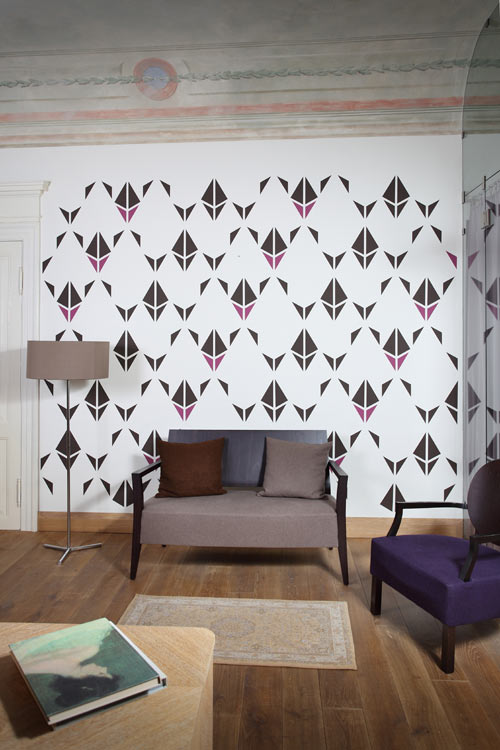
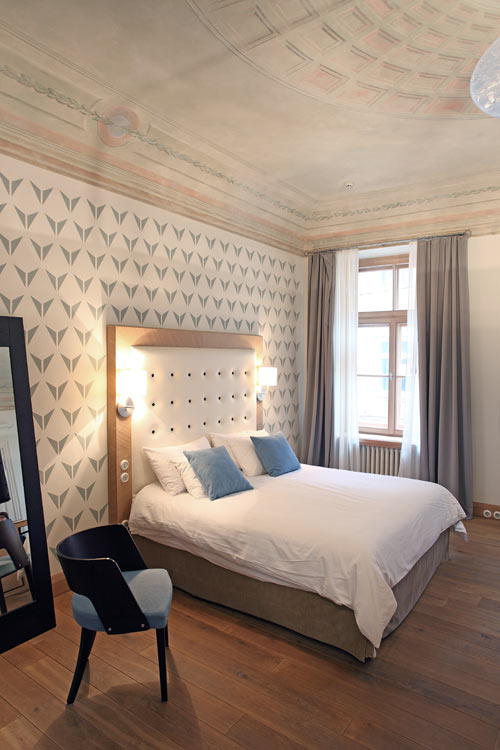
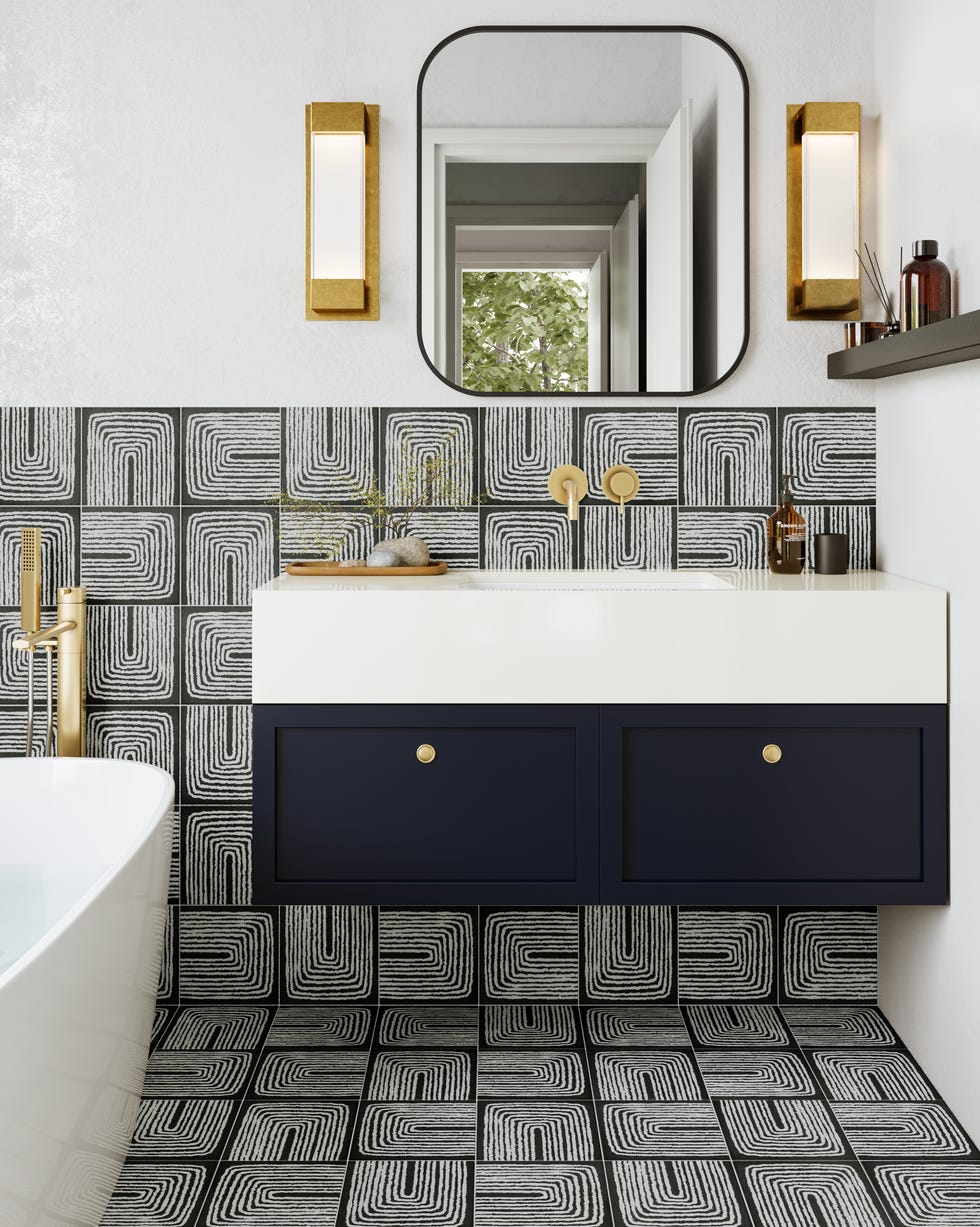
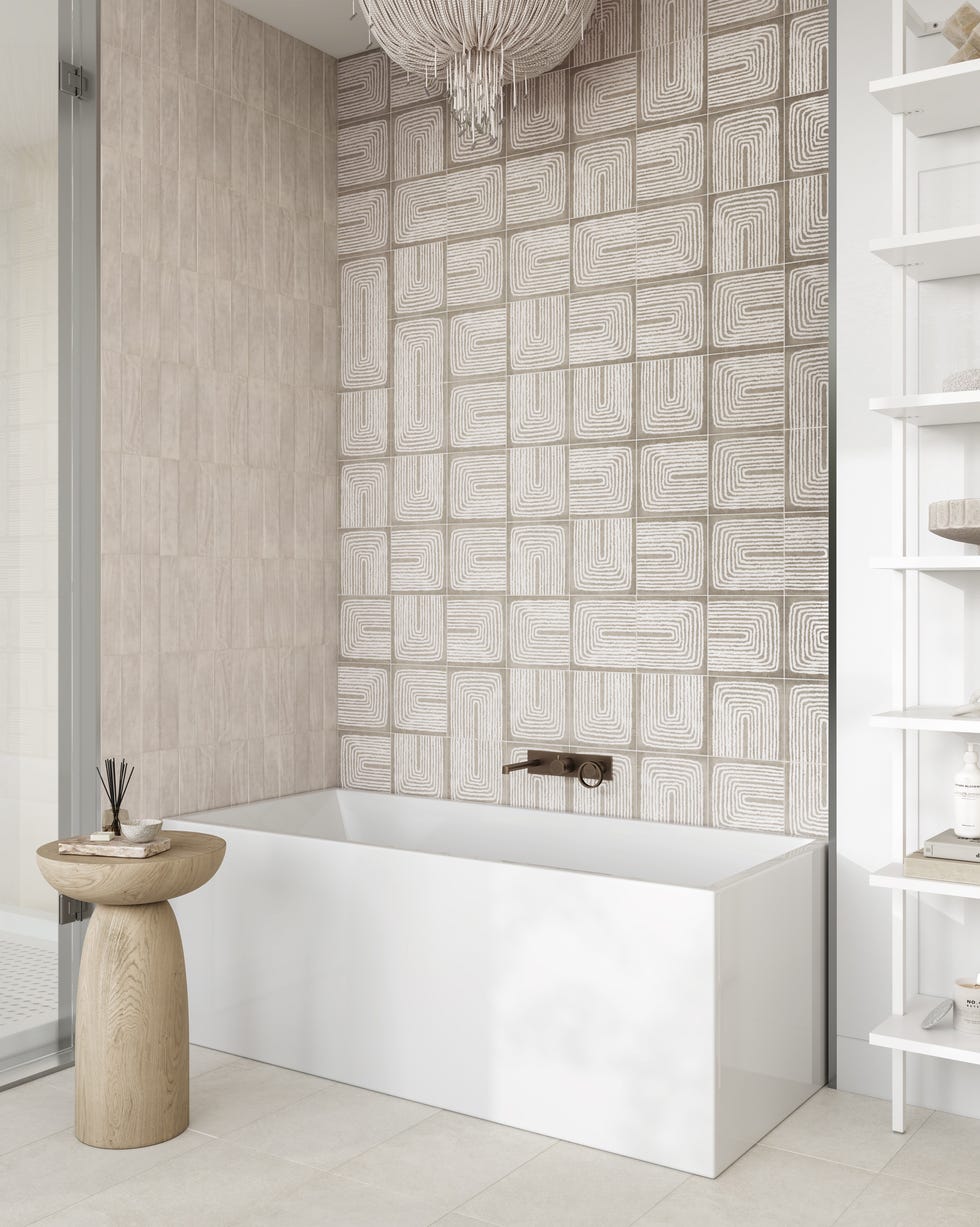
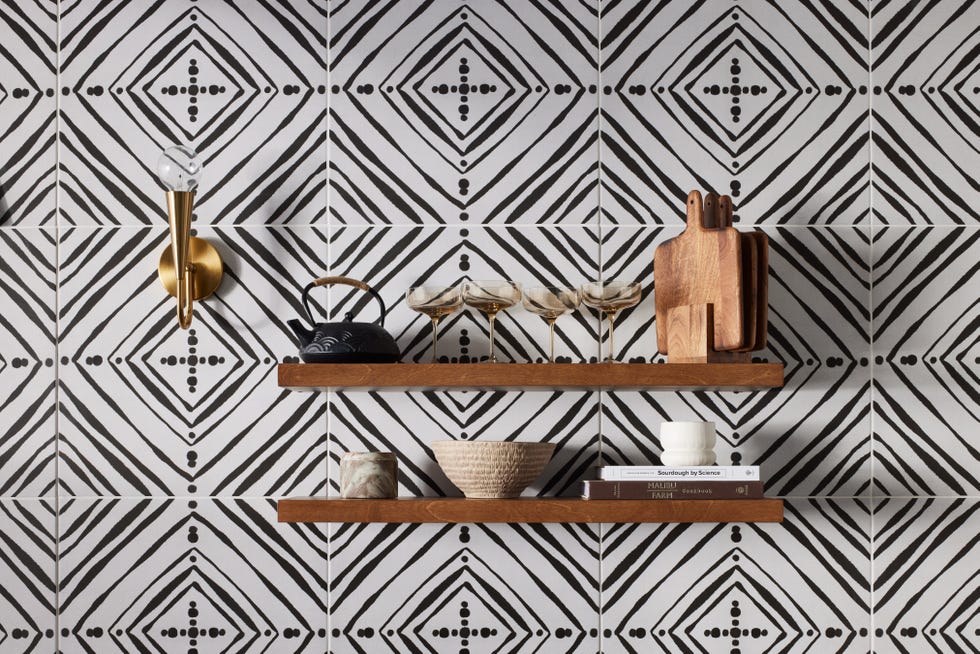
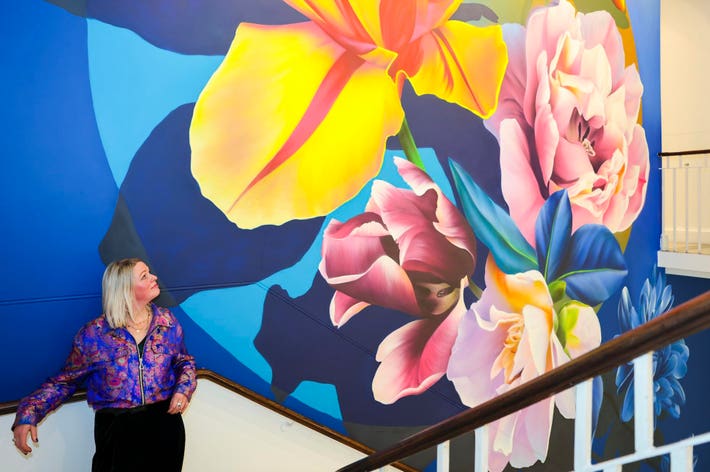
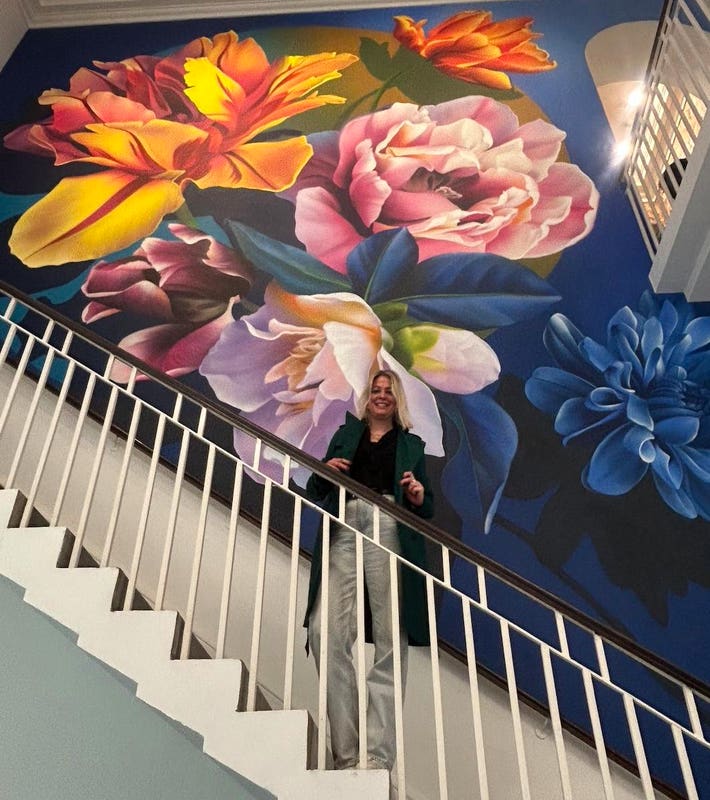
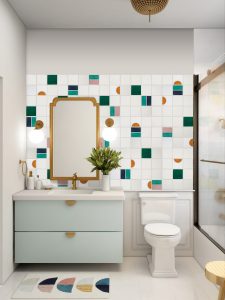
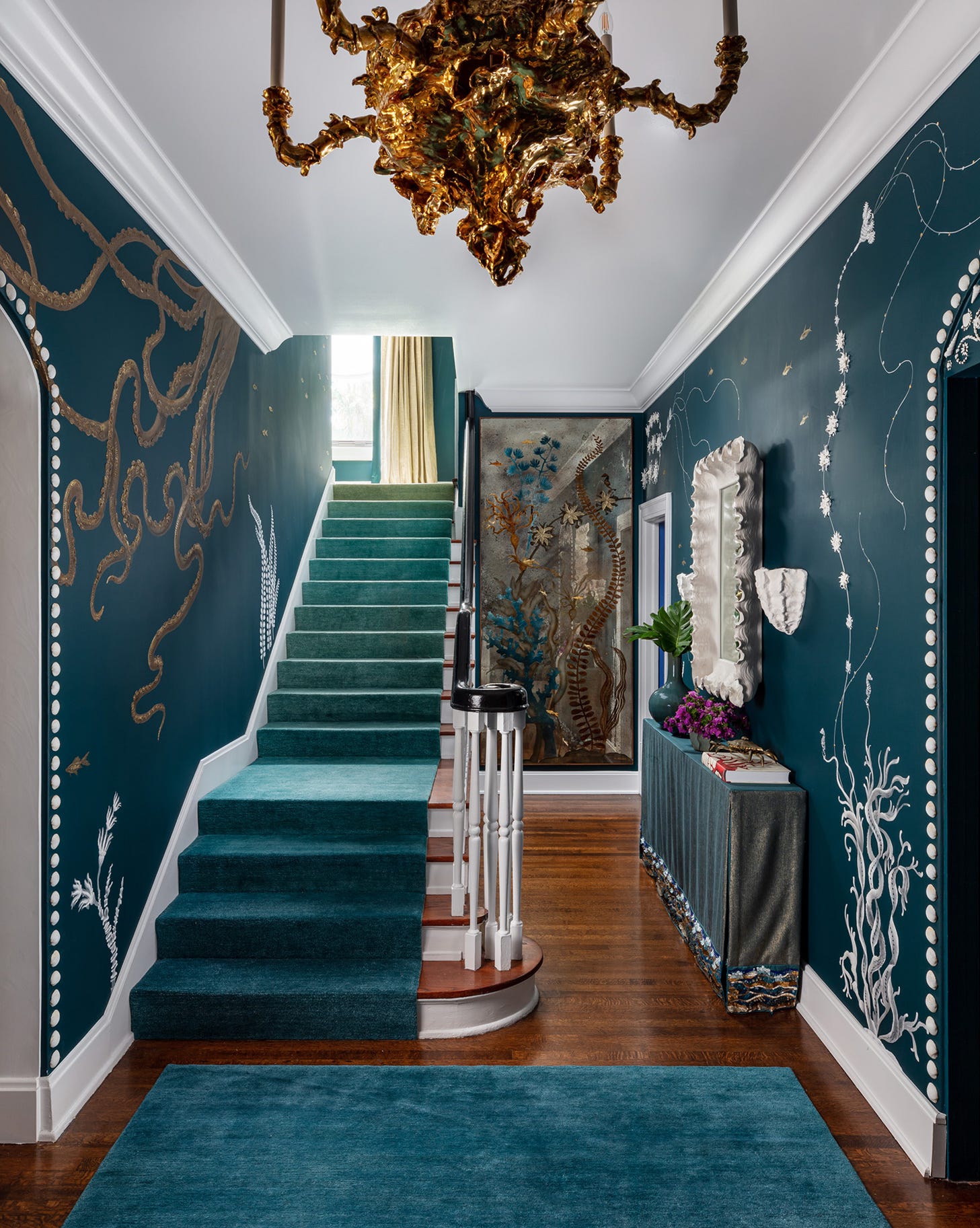
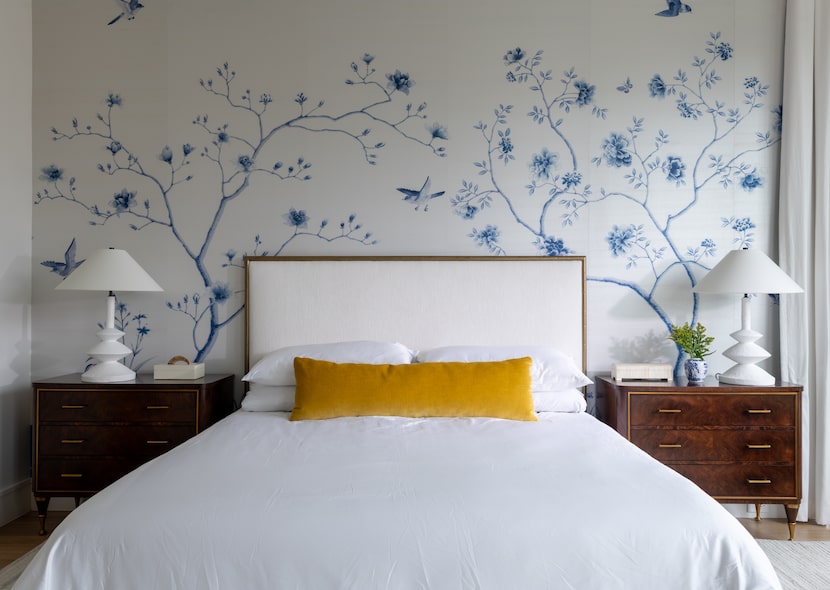
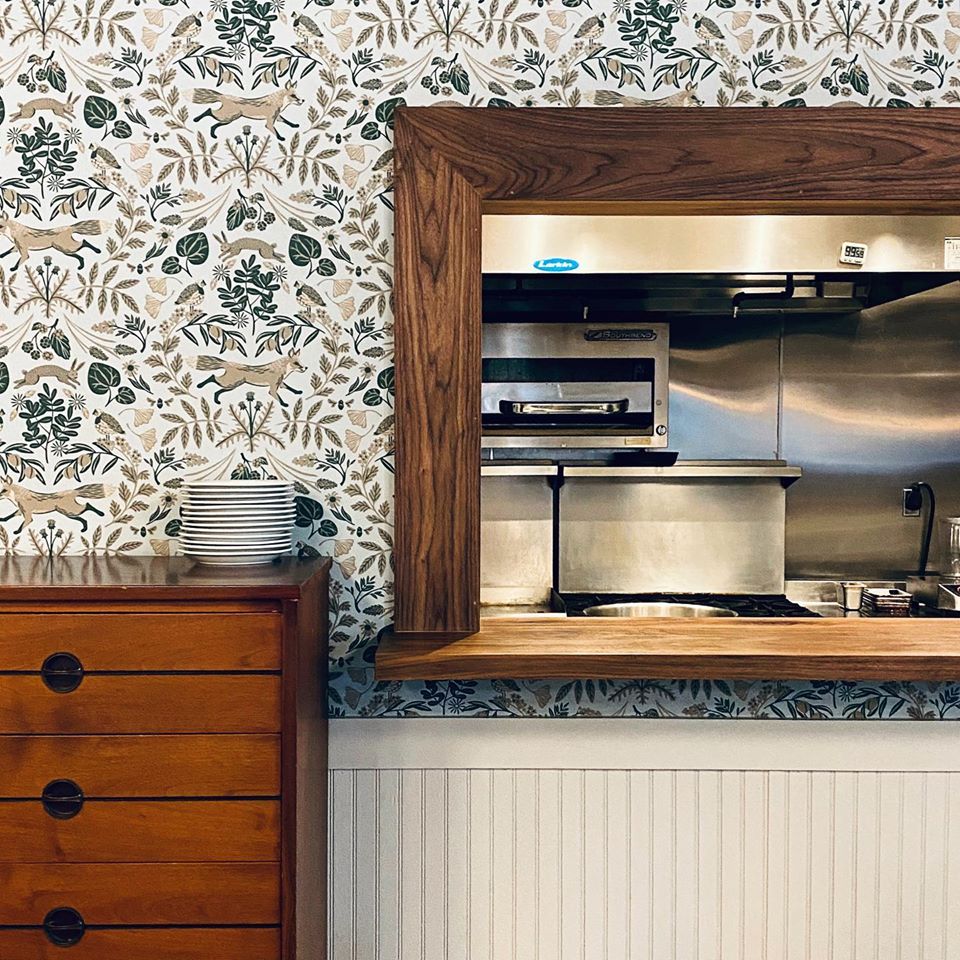
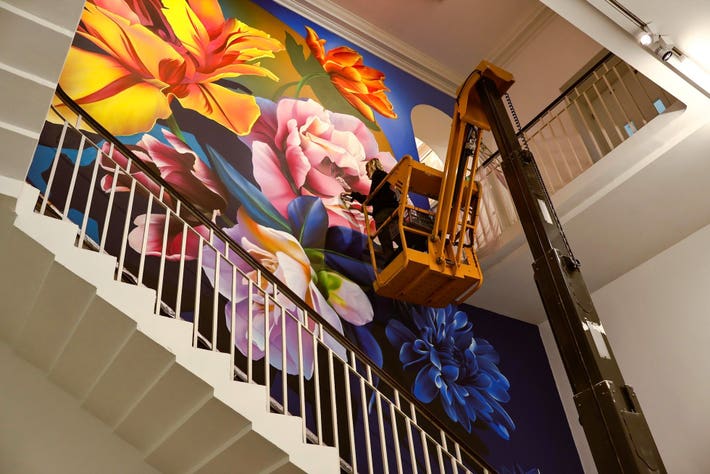
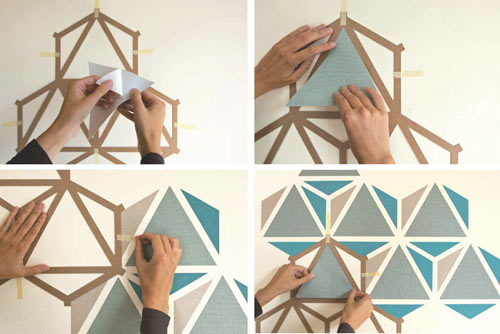
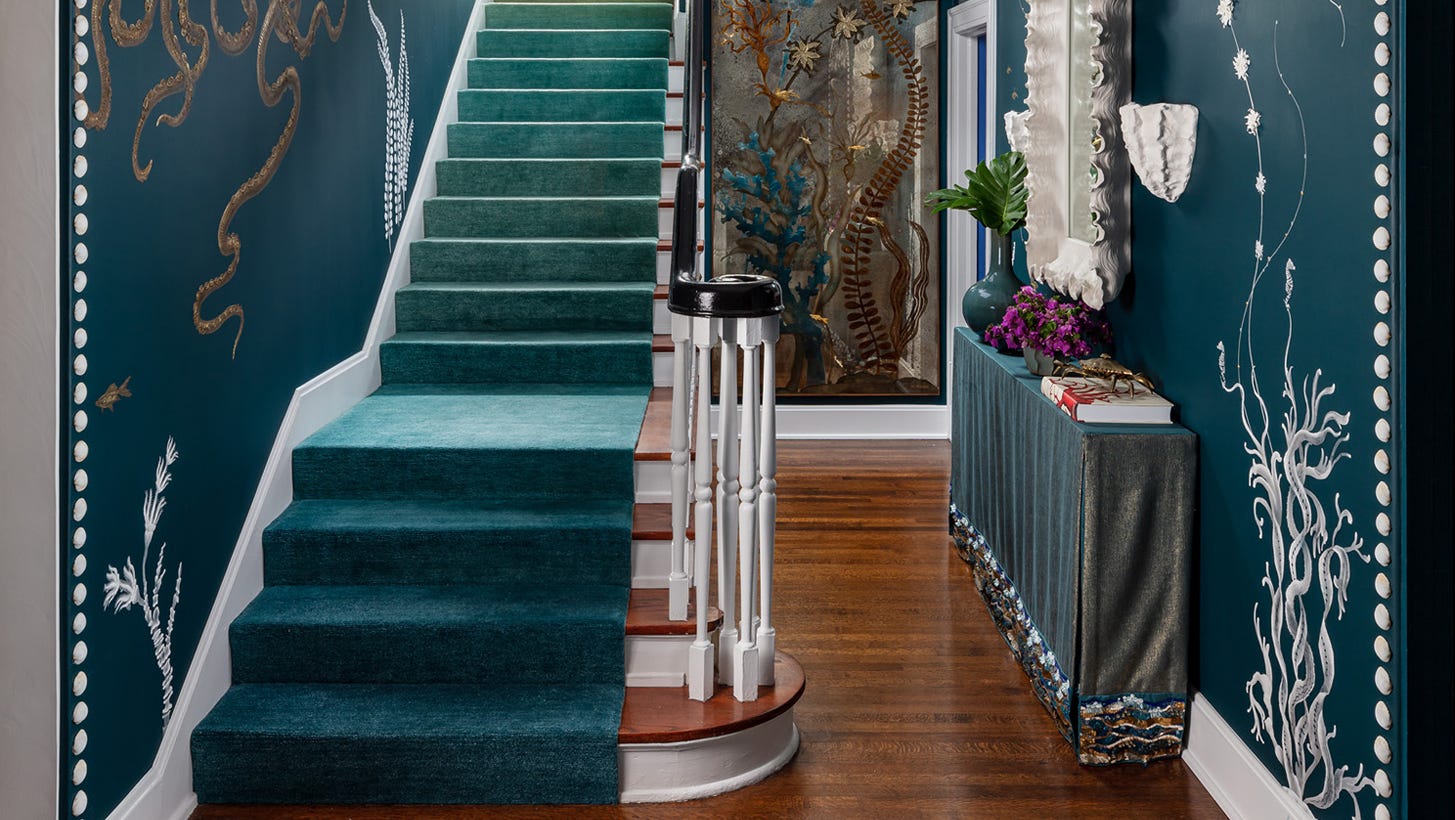
Many homeowners view hand-painted murals as a distinctive alternative to wallpaper, which can be more challenging to install and less unique. Some muralists even specialize in designs that mimic wallpaper, featuring retro hues, geometric patterns, or terrazzo-inspired motifs. Murals are not limited to prominent walls; artists are also transforming overlooked areas like stairwells into whimsical and engaging spaces. The trend extends beyond flat surfaces, with some artists creating hybrid installations that combine mural painting with canvases, offering homeowners the flexibility to take their art with them if they move.
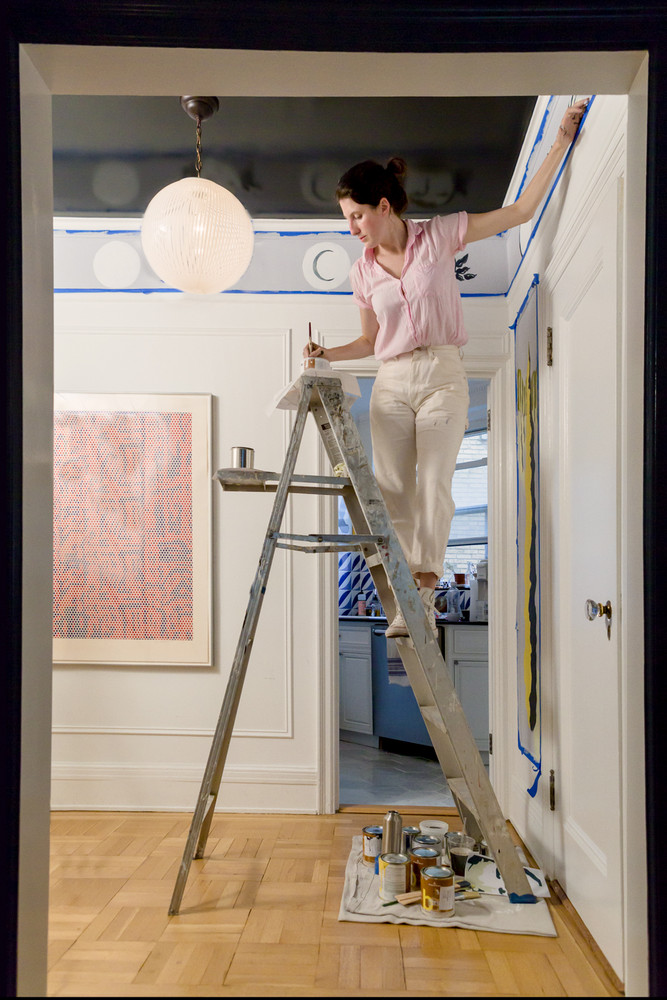
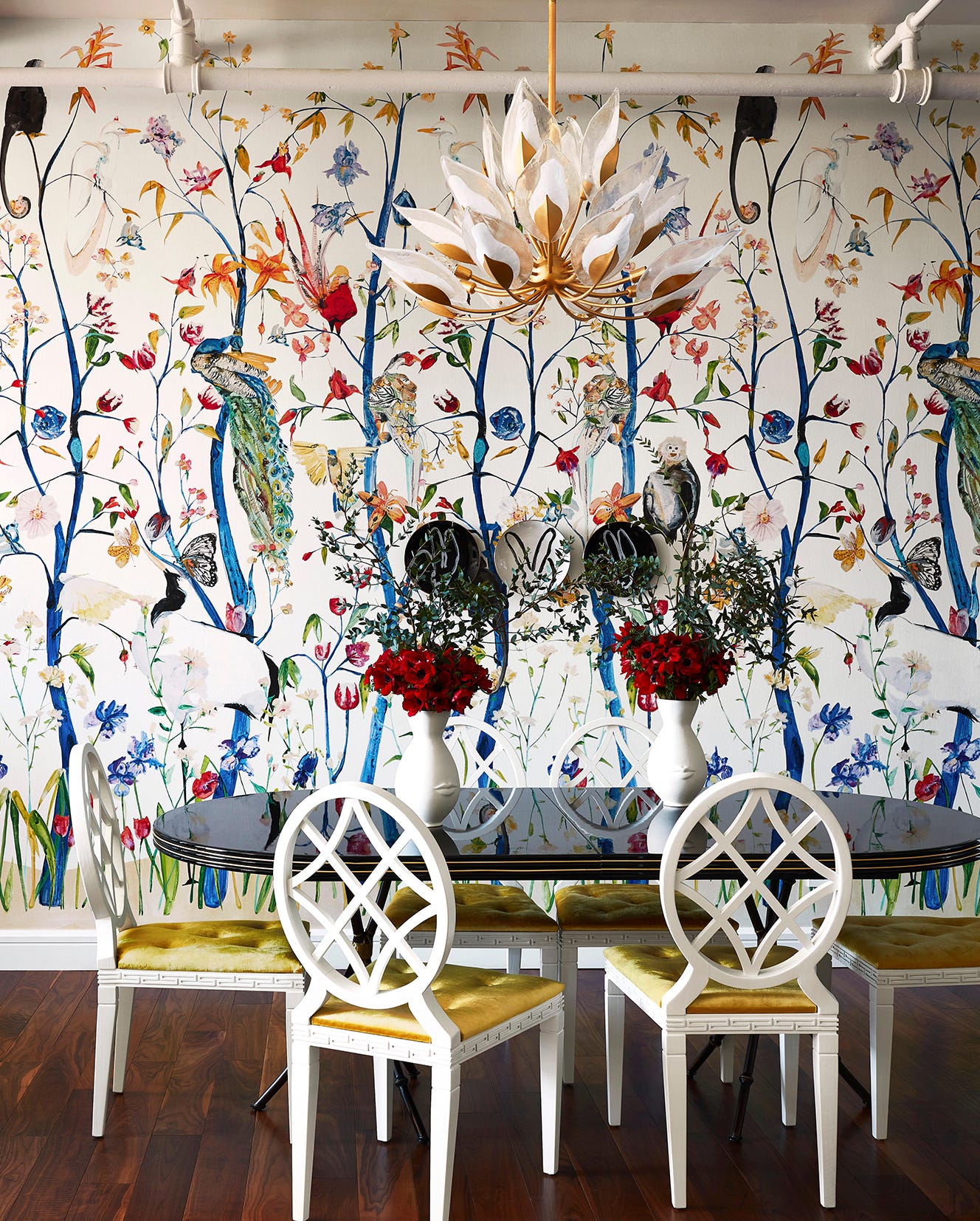
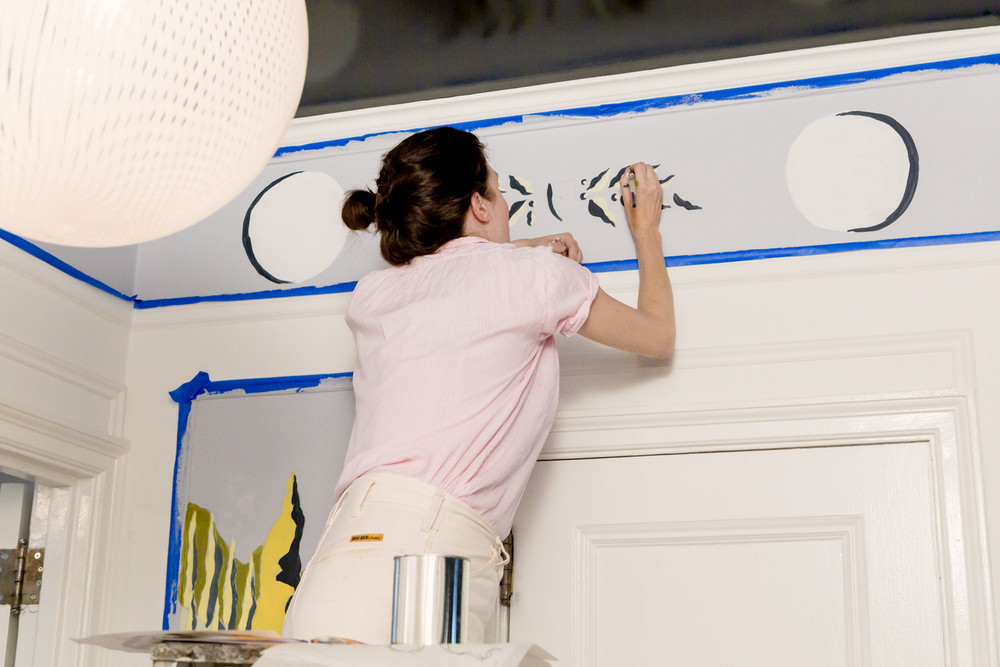
Modern murals continue to tell stories, often personal ones. Artists are incorporating intimate details into their work, such as silhouettes of homeowners' children within elaborate floral designs on dining room ceilings, transforming everyday spaces into deeply meaningful environments. This personalized approach ensures that murals are not just decorative elements but integral parts of a home's identity, reflecting the lives and stories of its inhabitants.
#HomeMurals #InteriorDesign #WallArt #HomeDecor #ArtHistory #CustomDesign #ResidentialArt #ArtisticExpression #HomePersonalization #HomeMurals #InteriorDesign #WallArt #HomeDecor #ArtHistory #CustomDesign #ResidentialArt #ArtisticExpression #HomePersonalization
Há 0 comentários no total
 Ainda não há comentários
Você também pode gostar
4 DIY Muralists on How They Turned Bare Walls Into an Artistic Moment

This New Collection Puts a Graphic Spin on Tile

Forget Single Painted Accent Walls: This Stunning Trend Is Taking Over

3D Wall Art Literally Adds Dimension to Your Space
5 Artists Creating Murals And Wall-Based Art Inspired By Nature

10 Designer-Approved Wall Art Trends of 2024

5 things interior designers say are must-haves on your entryway walls – I've got 3, how many do you have?

A Playful, Personalized Mural Charms an Upper East Side Entryway
Wake Up Your Walls With Mercury Mosaics

Decorative Tiles Are Back, Bigger and Better Than Ever
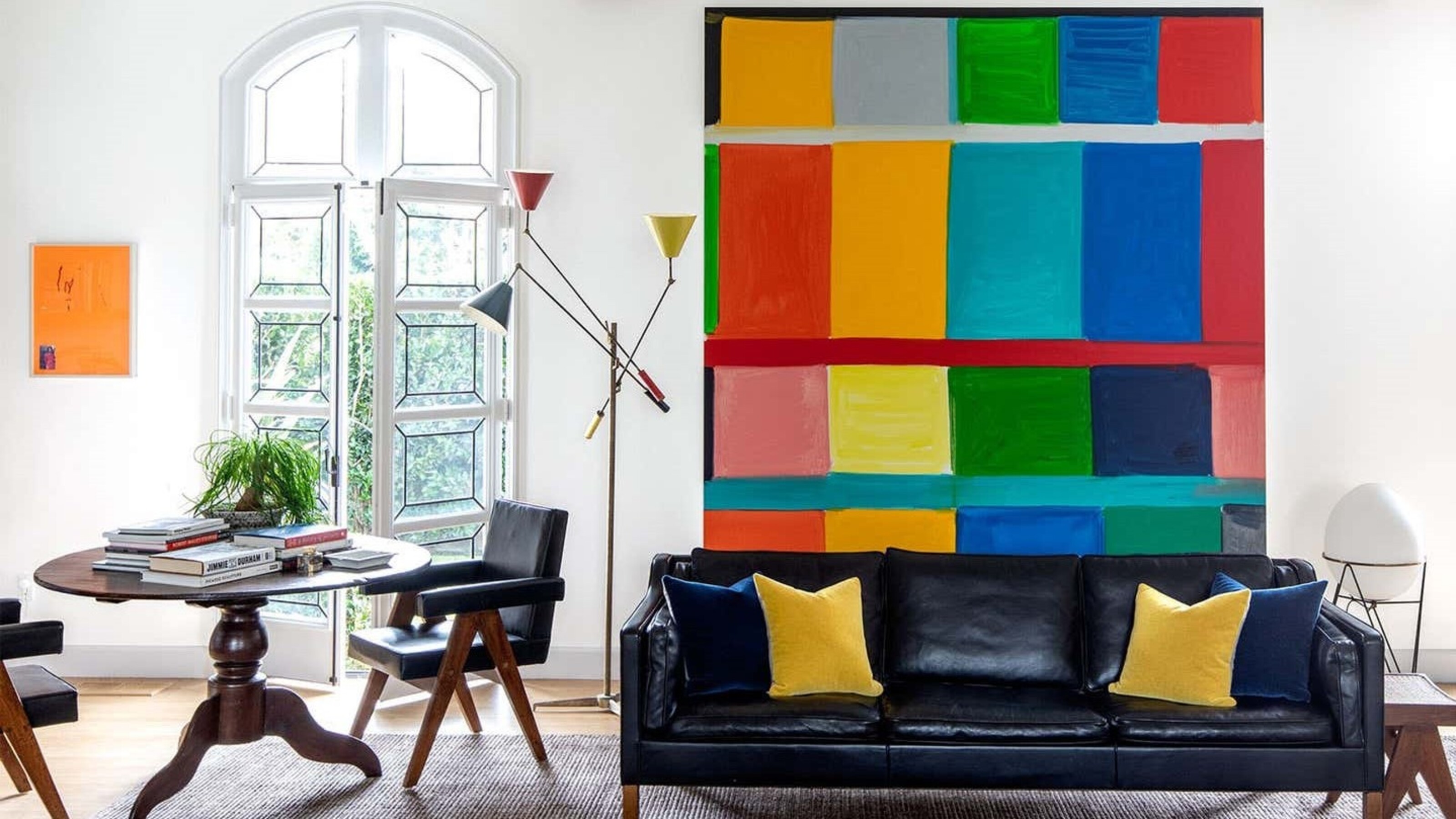
Wall art trends – interior designers on the new ideas to watch for in 2023 and beyond
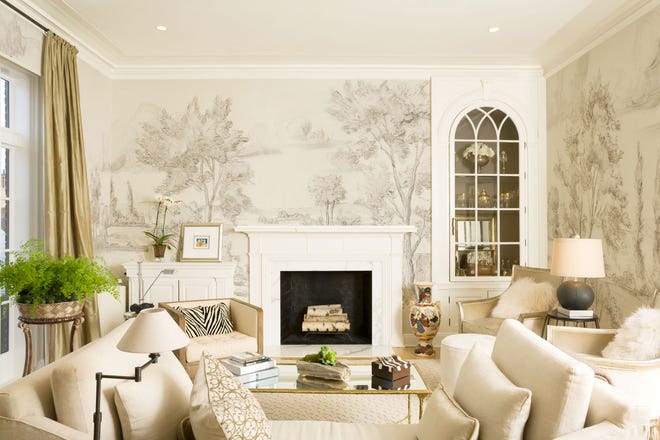
Scenic wallpaper murals are now more accessible than ever
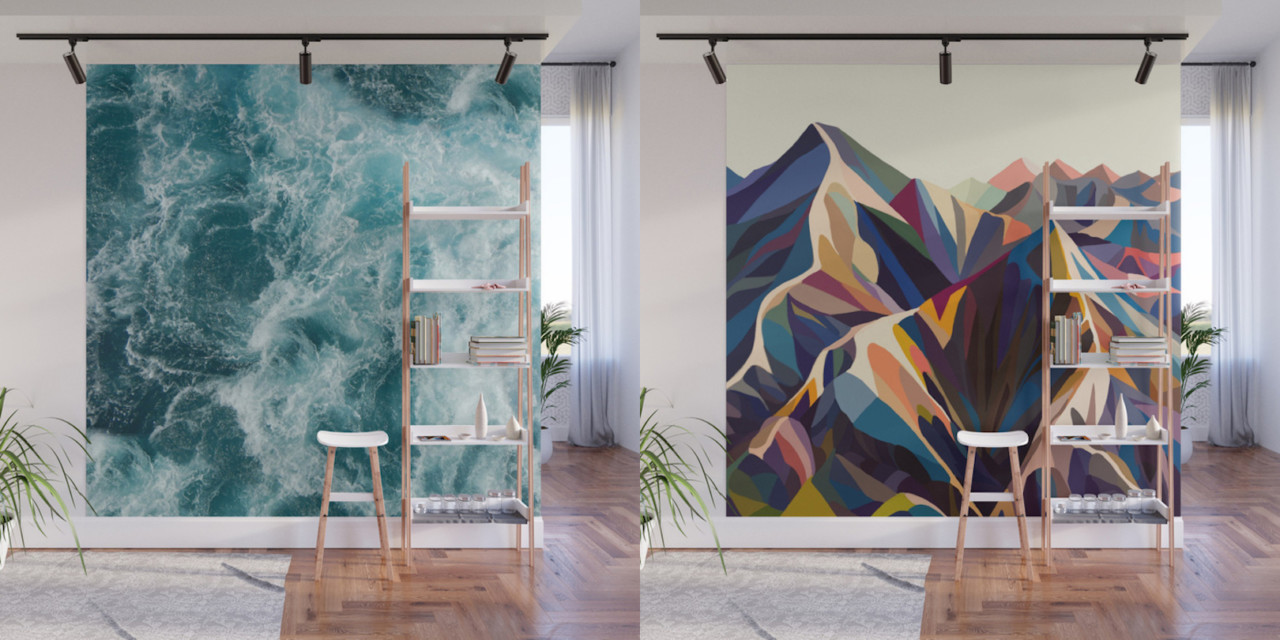
Give Your Home a Bold Accent Wall with Society6’s New Peel + Stick Wall Murals
Wonder Walls
The writing is on the wall(paper) for this rising interior design trend
ZNAK Mosaic Wall
Are Wall Murals the New Wallpaper?

The new accent wall: A bold statement that goes beyond a coat of paint
Hanging A Stunning Gallery Wall, Demystified