1/4
Interior Designers Say the 1990s Are Back—Here’s How to Capture the Look
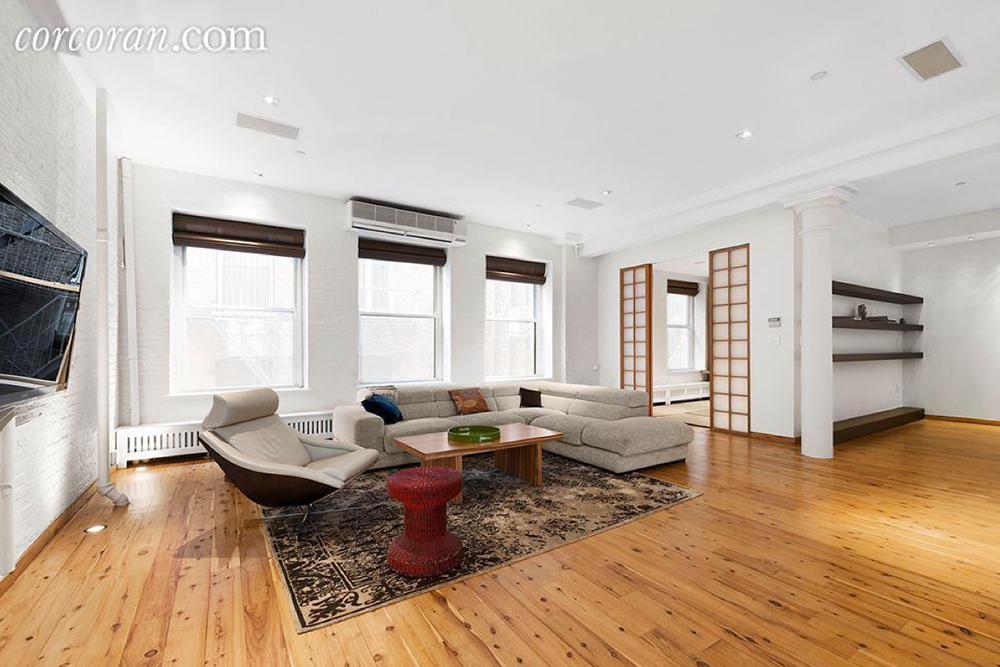
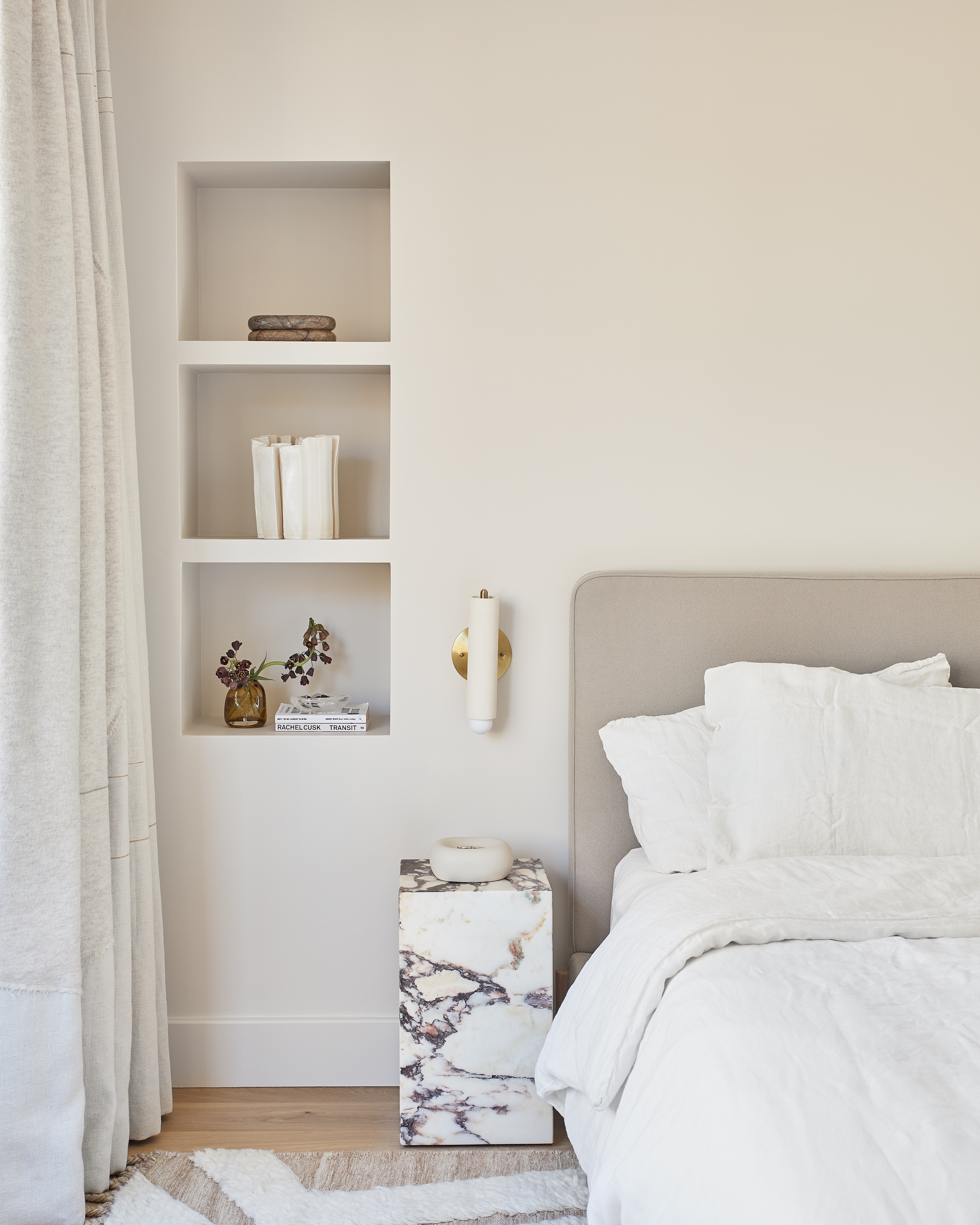
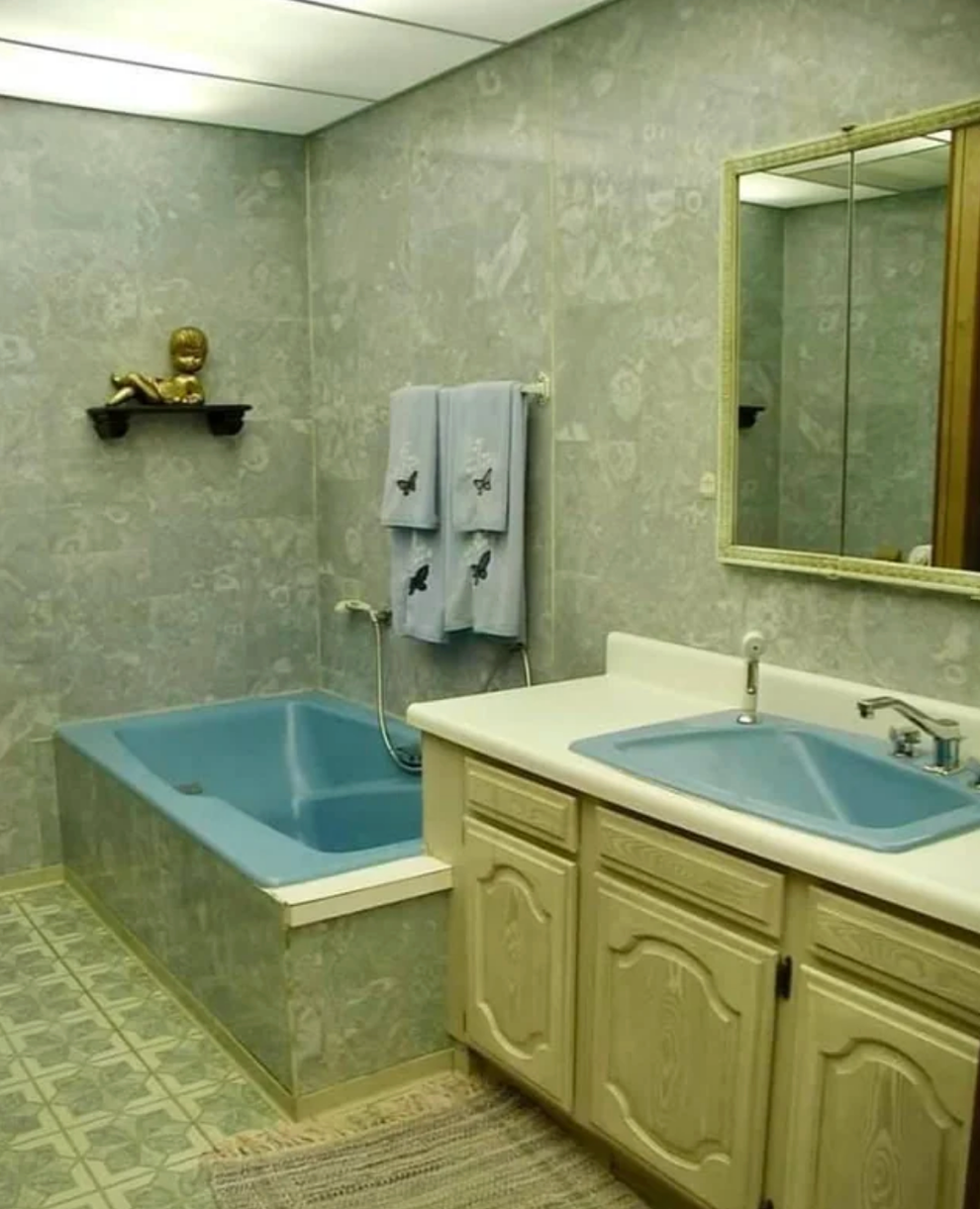
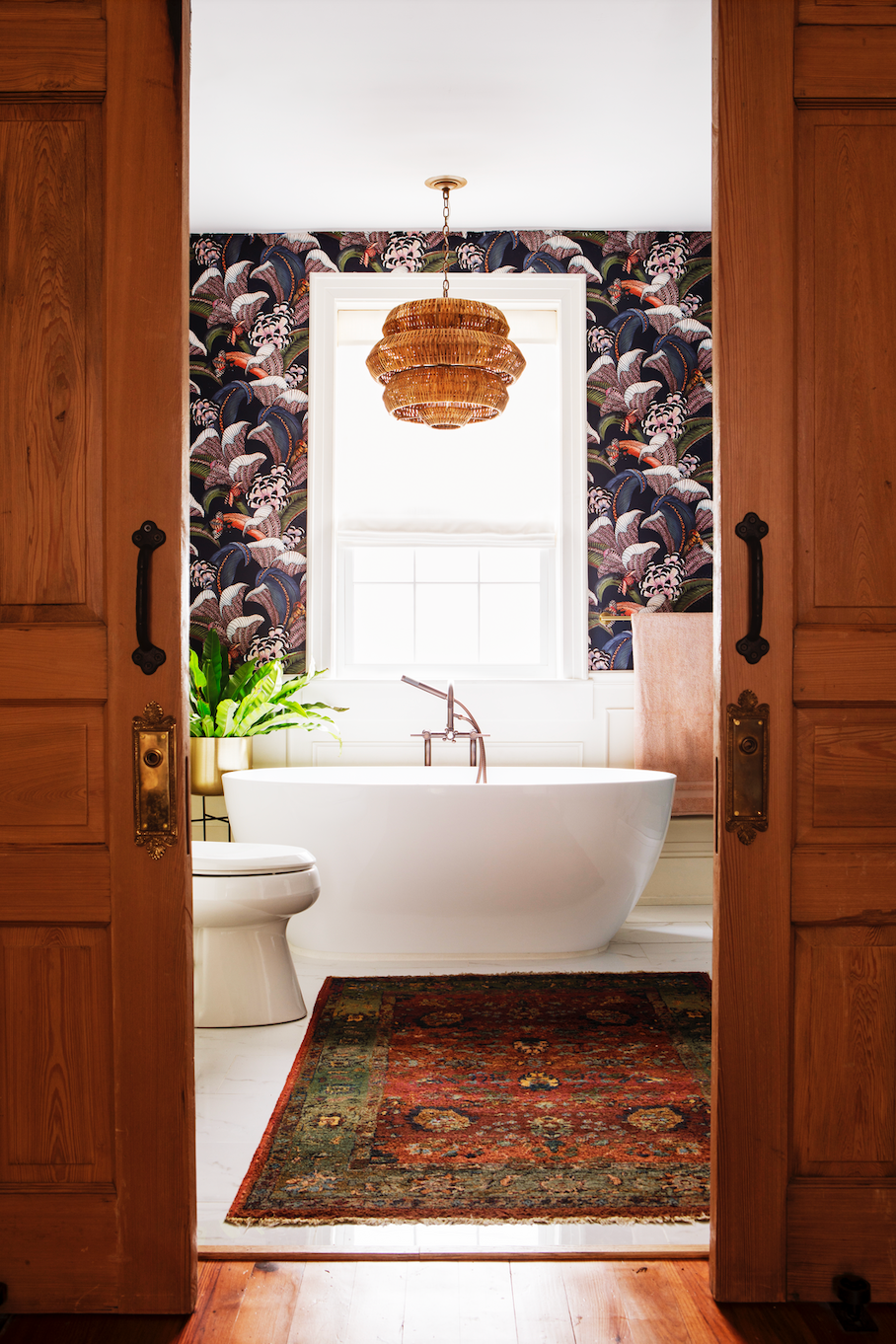
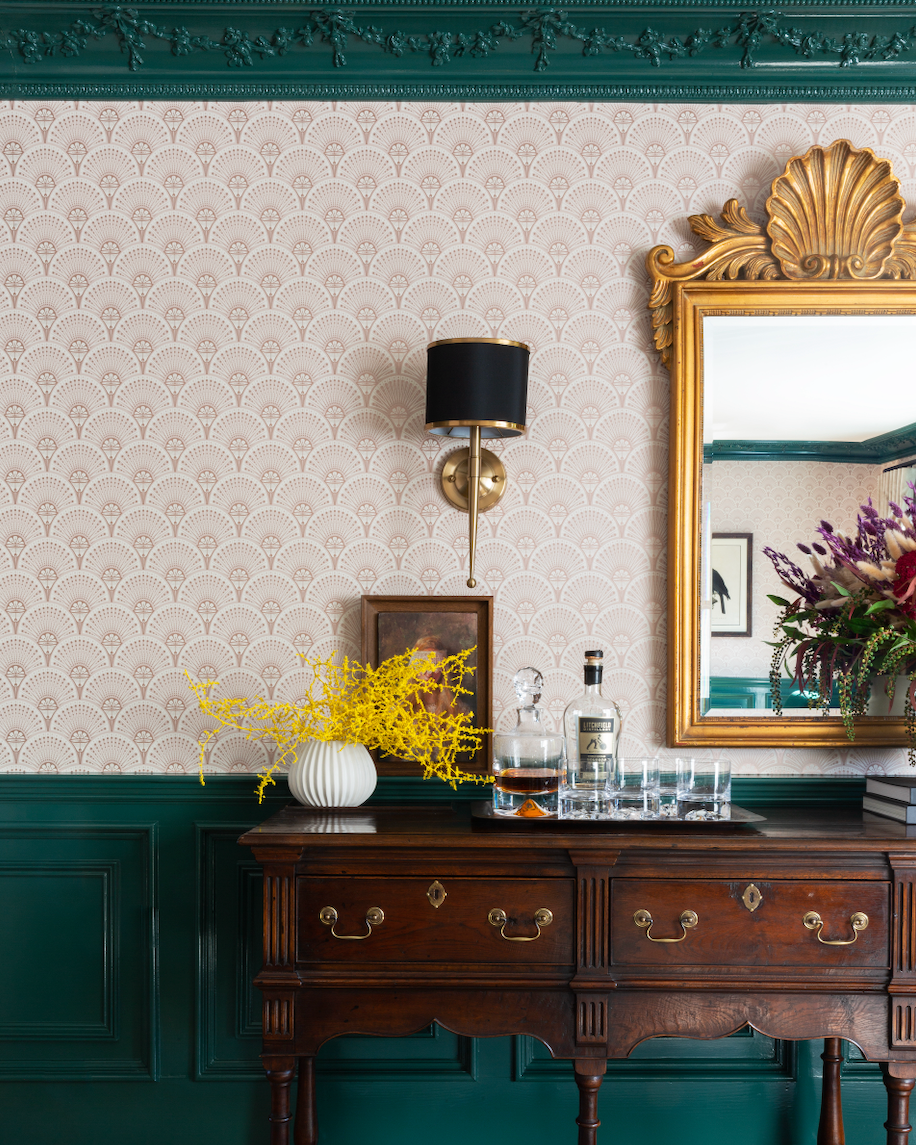
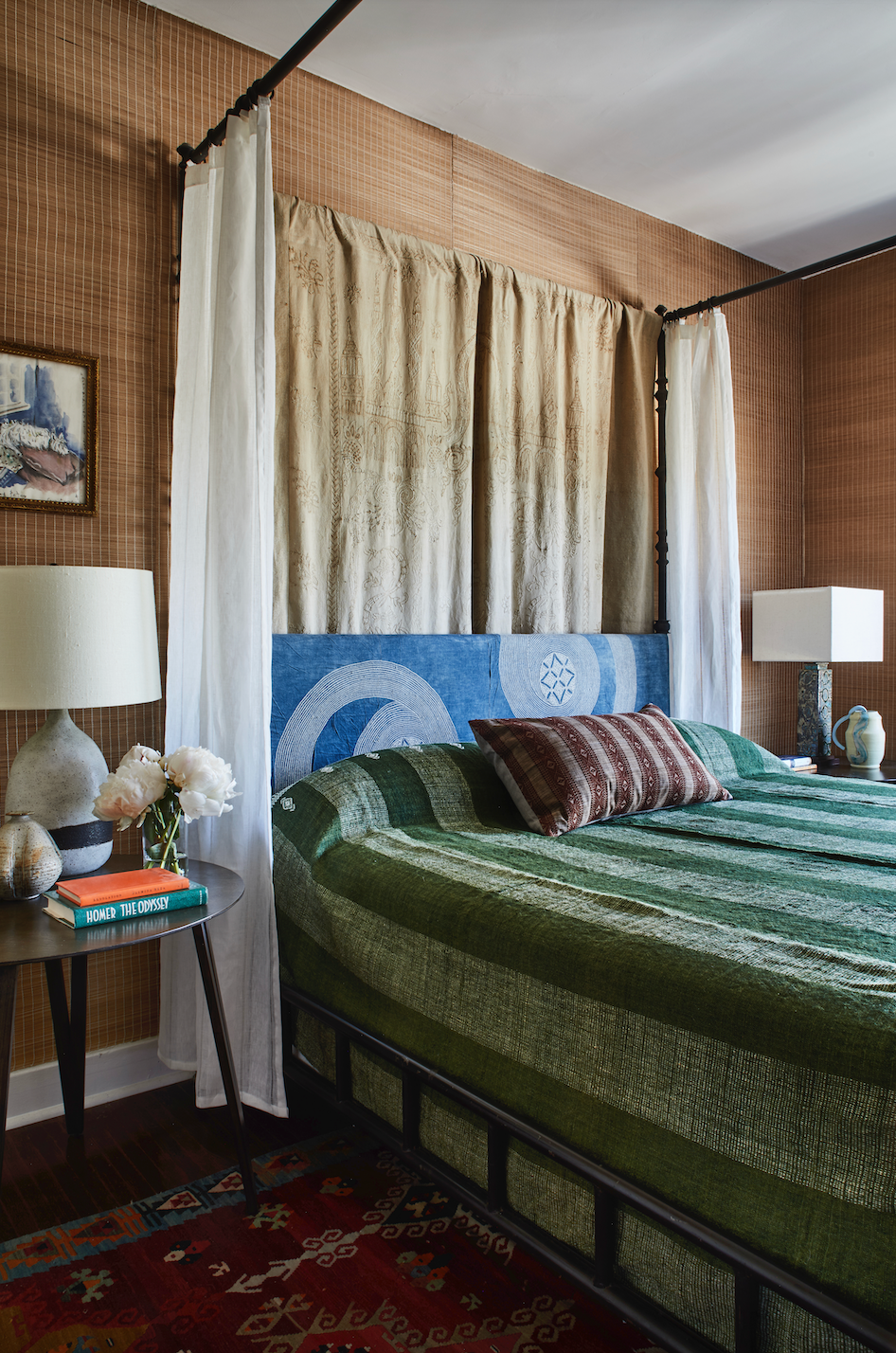
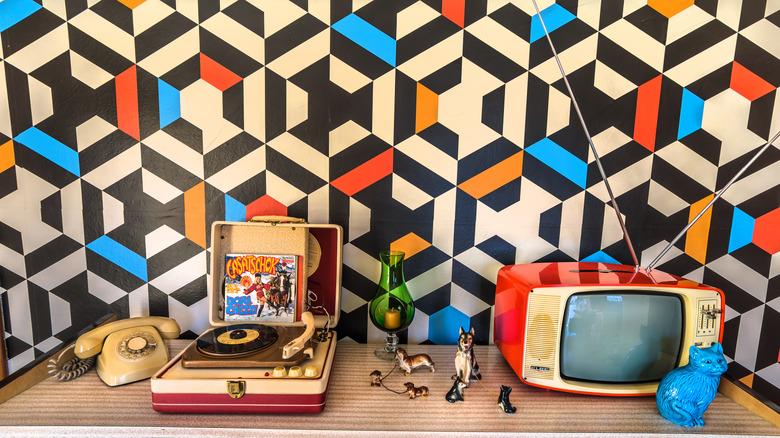
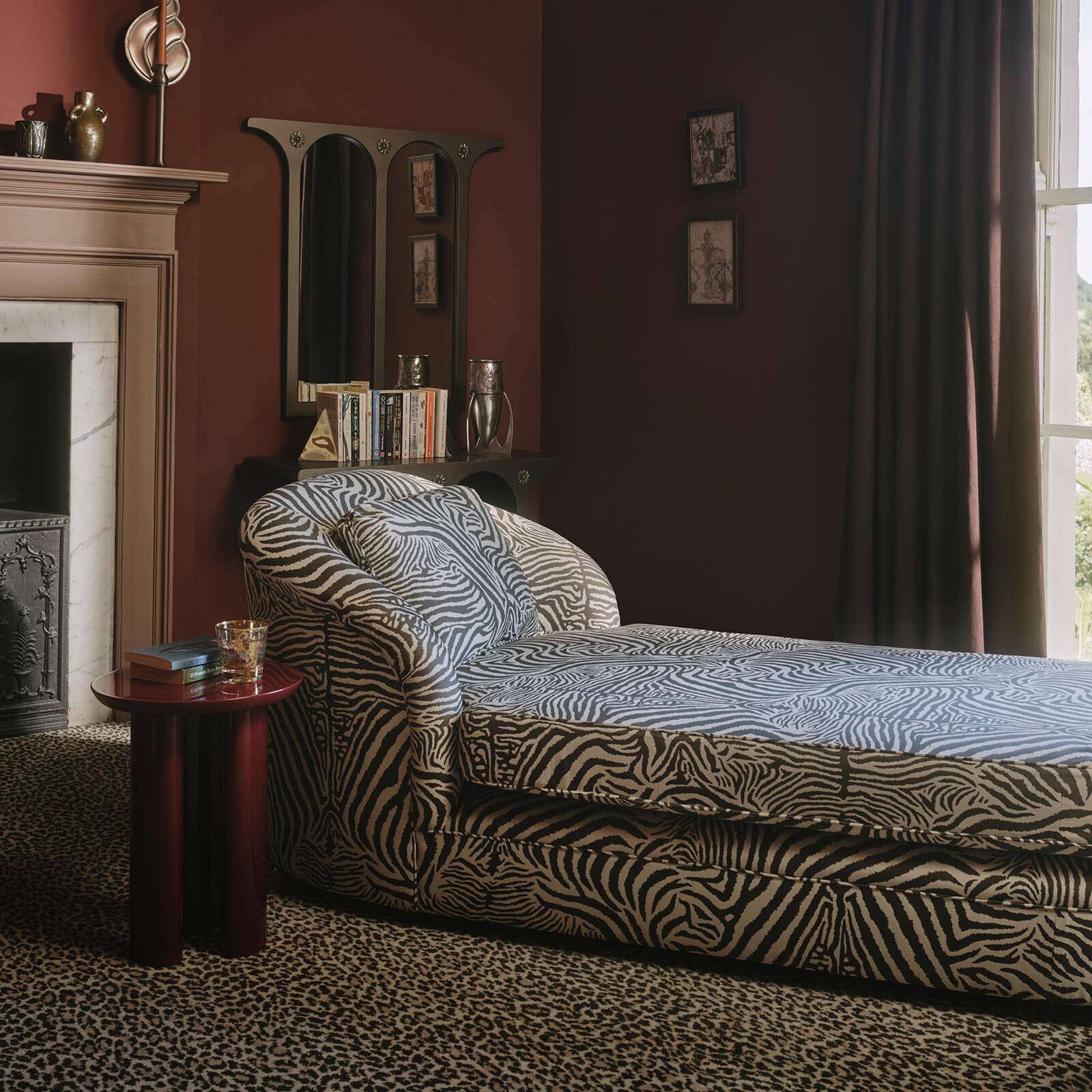
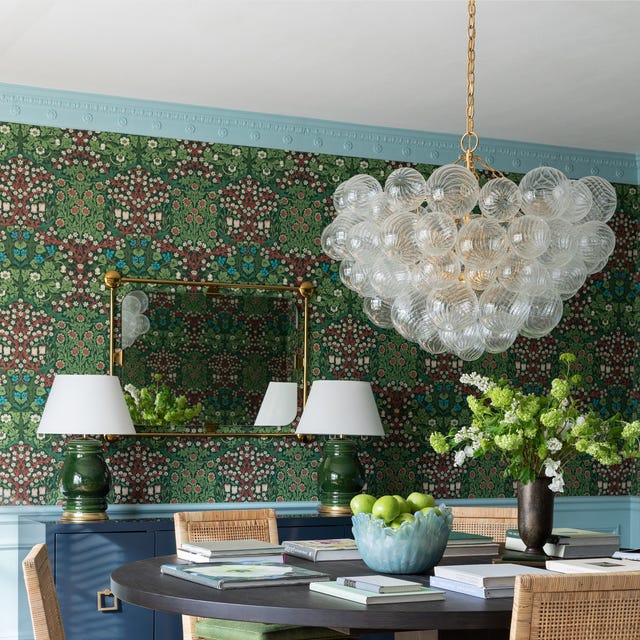
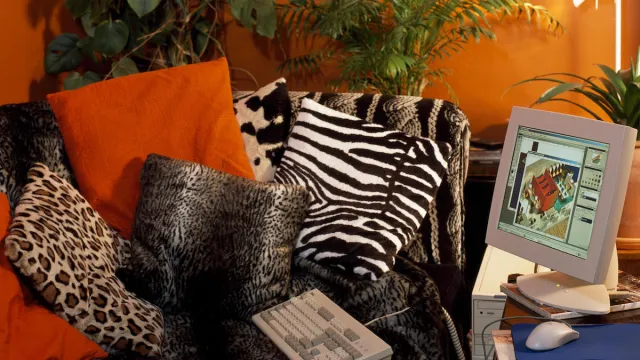
The 1990s interior design trends, characterized by earthy neutrals, soft pastels, overstuffed furniture, and floral fabrics, are making a significant comeback in contemporary spaces. While some aspects of 90s decor were once considered polarizing, interior designers are now embracing a more refined and modern interpretation of these elements. Lindsie Davis, founder of Blueberry Jones Design, emphasizes that this revival is not about recreating a time capsule but rather about reinterpreting the era's warmth, comfort, and unpretentious charm through a modern lens. The resurgence of 90s design is attributed to a 30-year trend cycle, similar to fashion, and the nostalgic appeal for Millennials who grew up in 90s homes and are now updating these styles for their adult living spaces. Social media platforms further fuel this trend, with users actively sharing their 90s vintage finds and reimagining childhood decor.
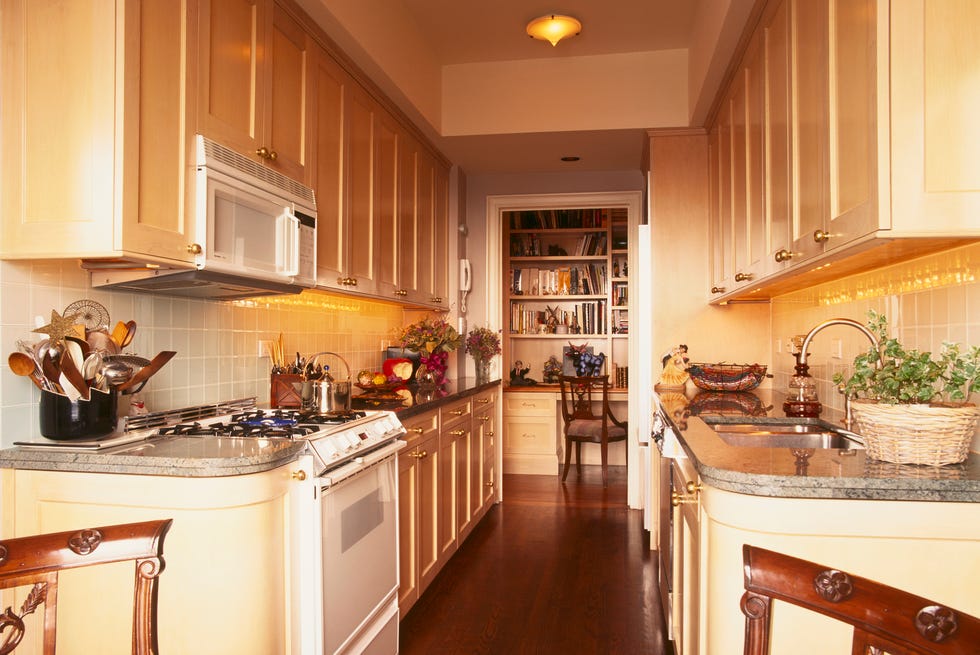
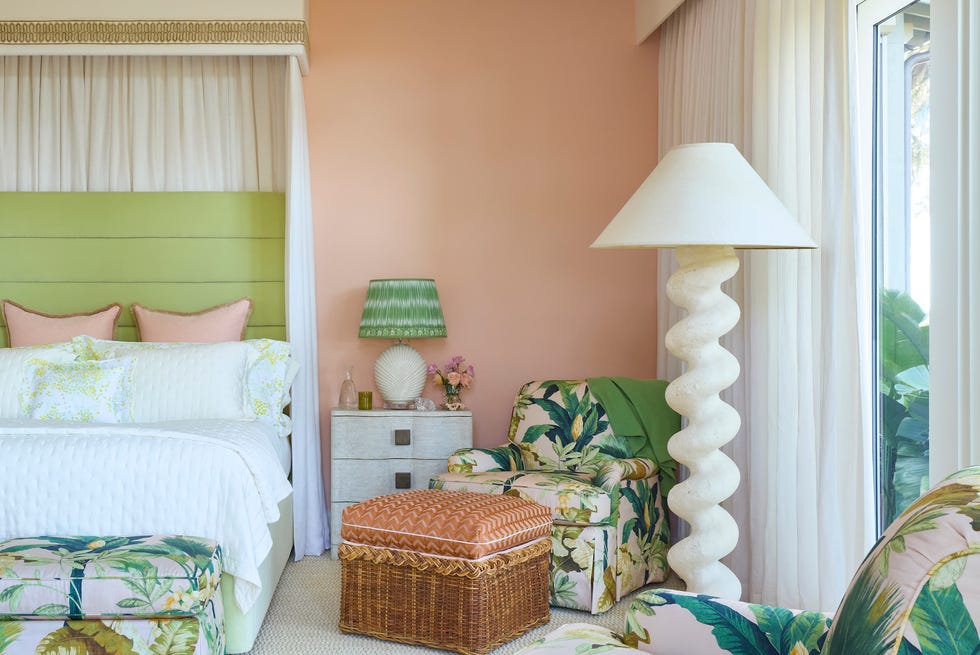
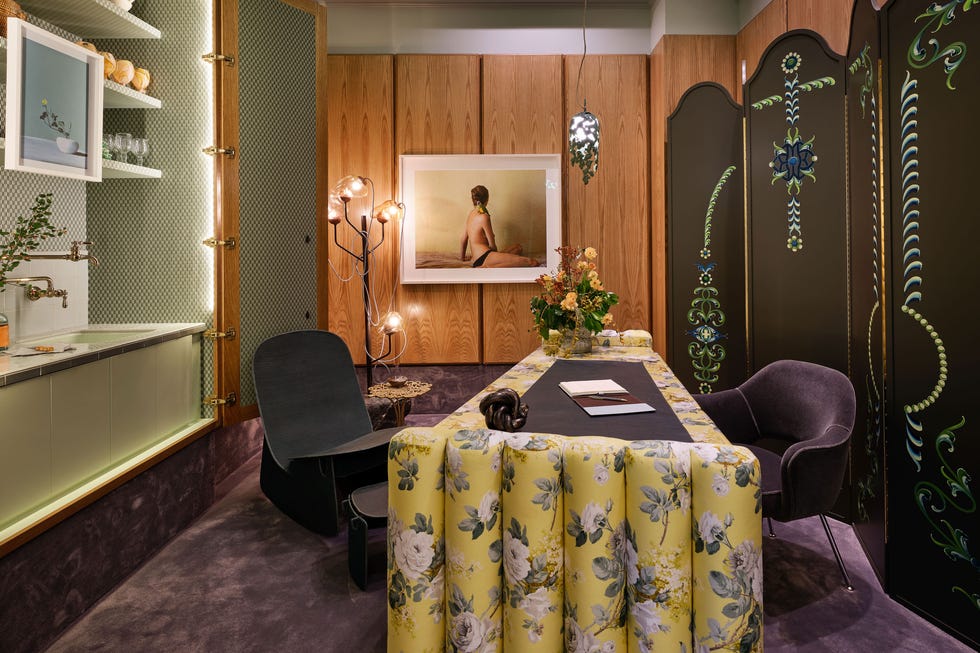
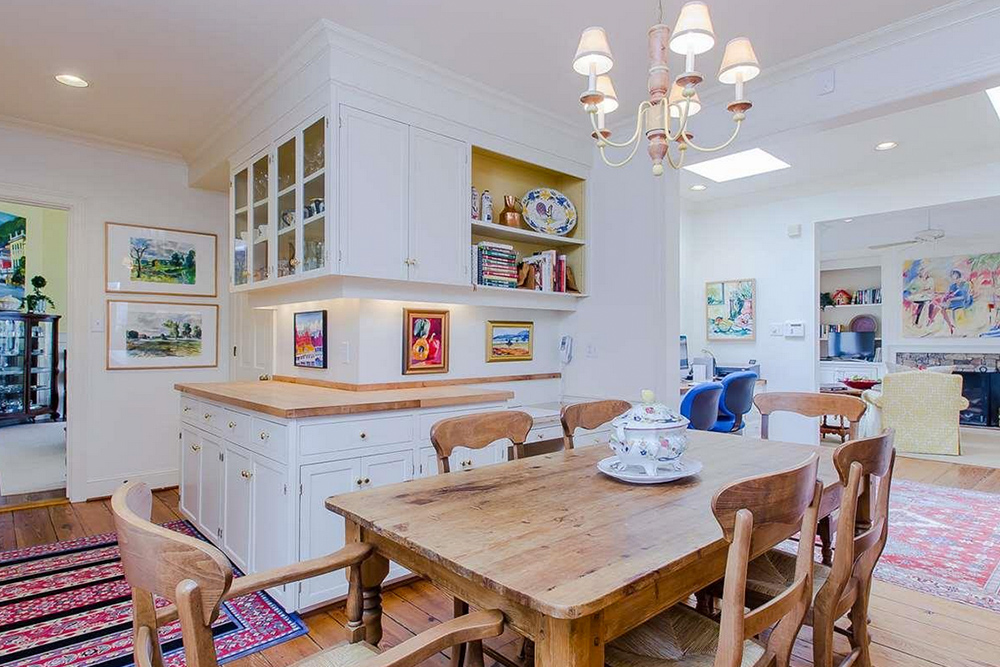
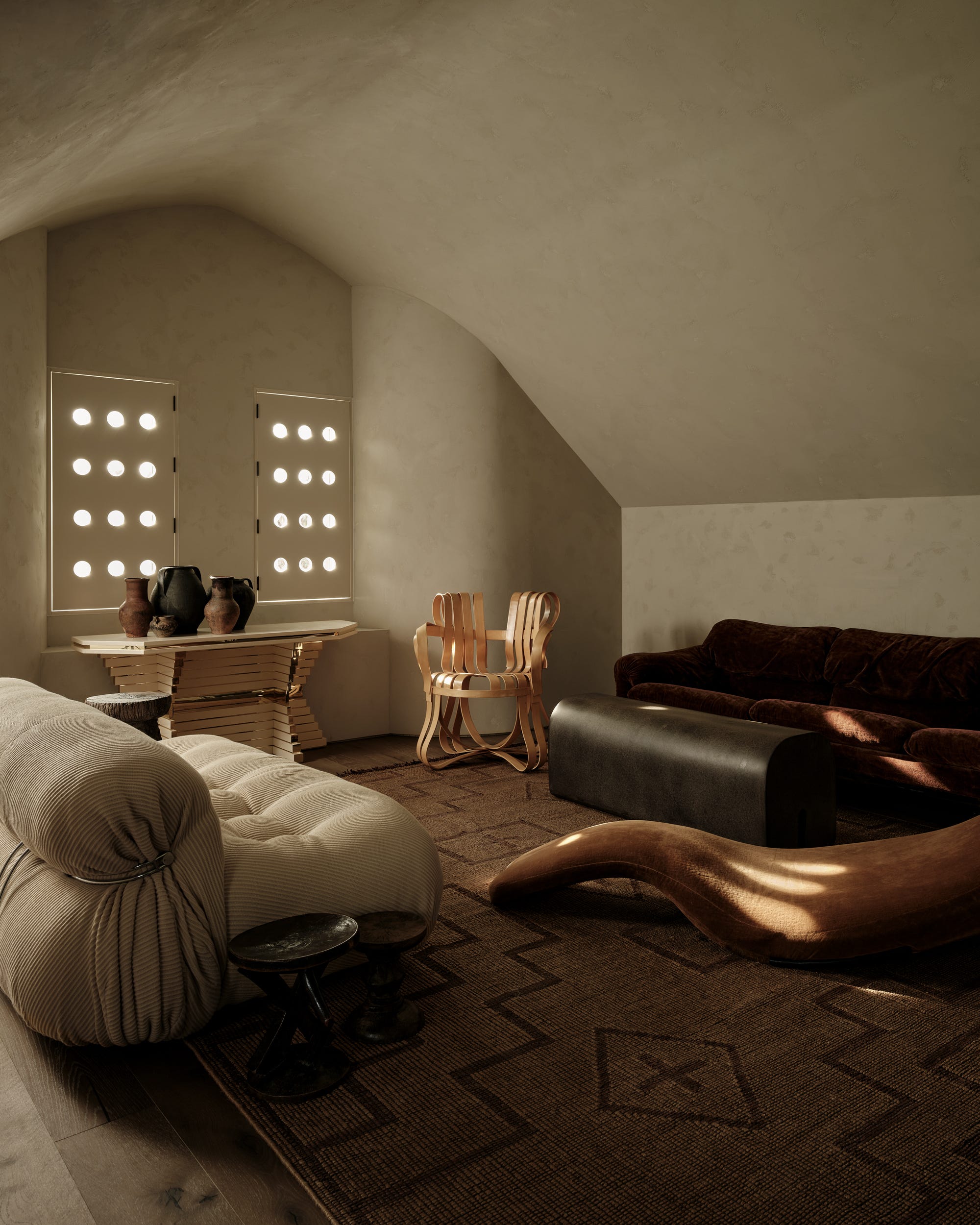
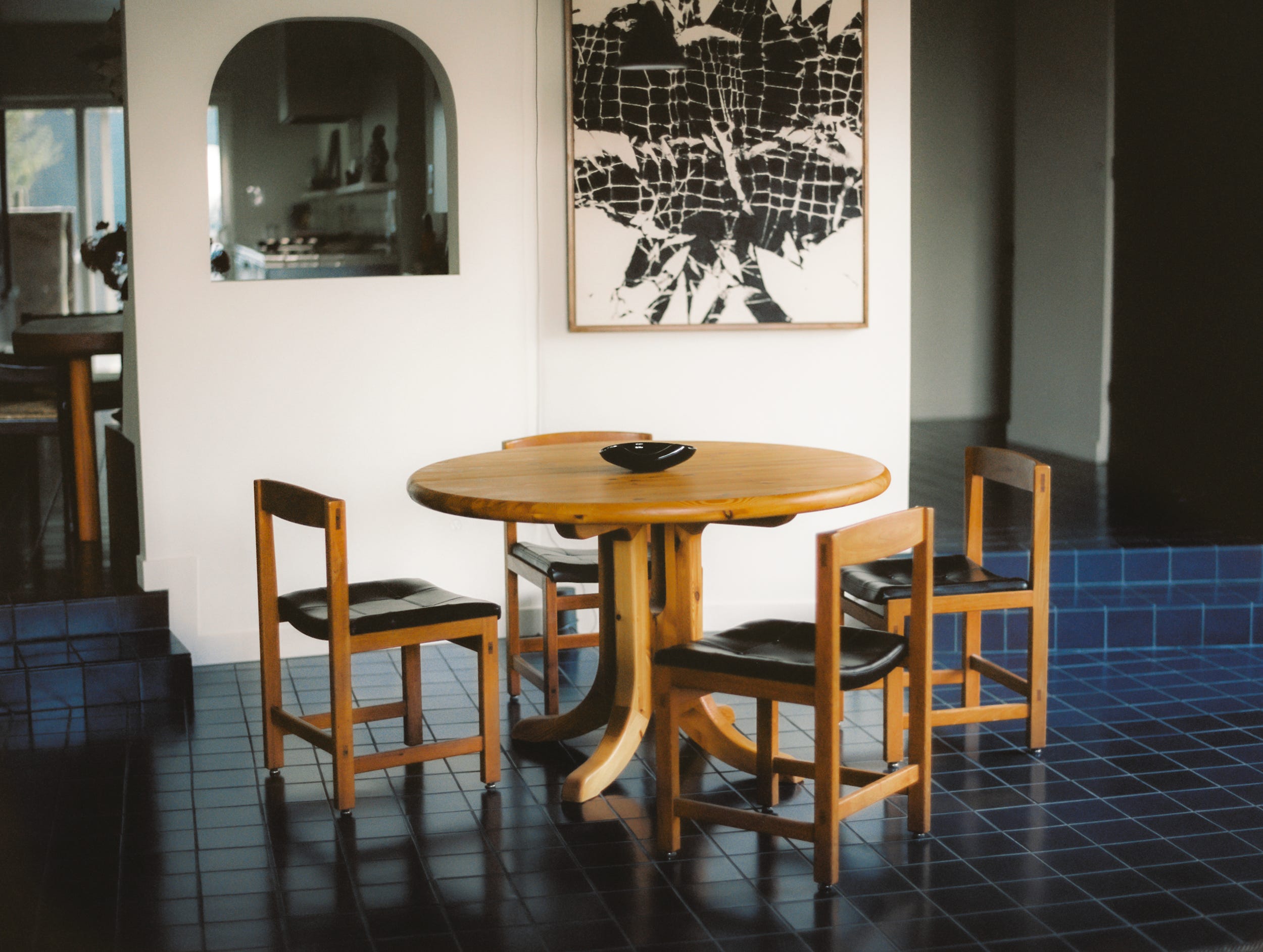
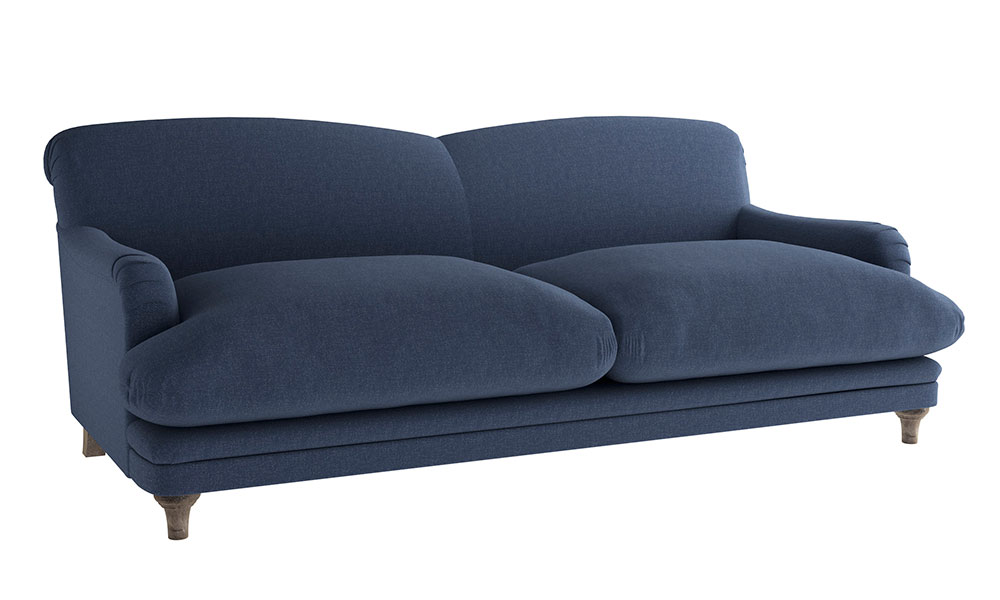
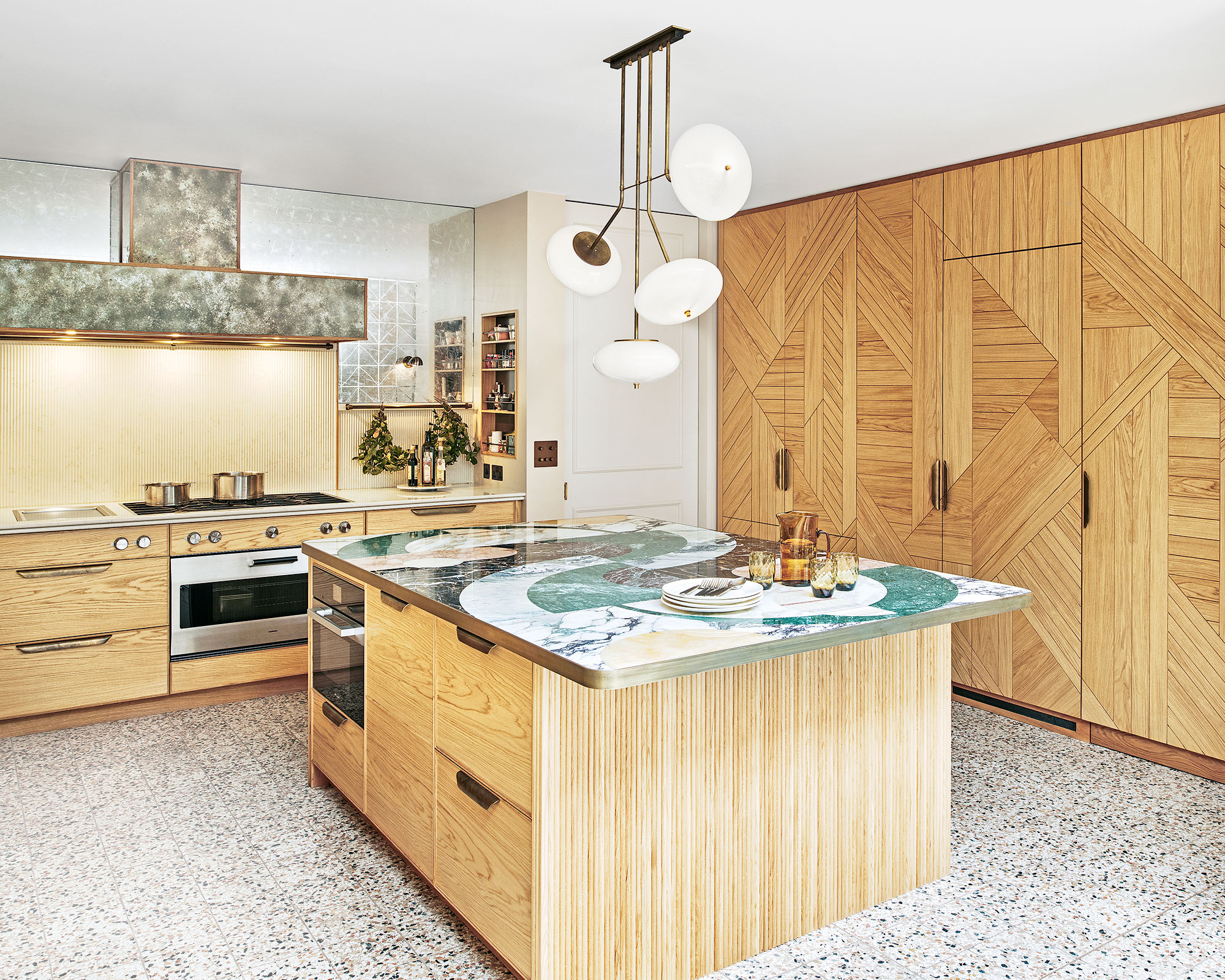
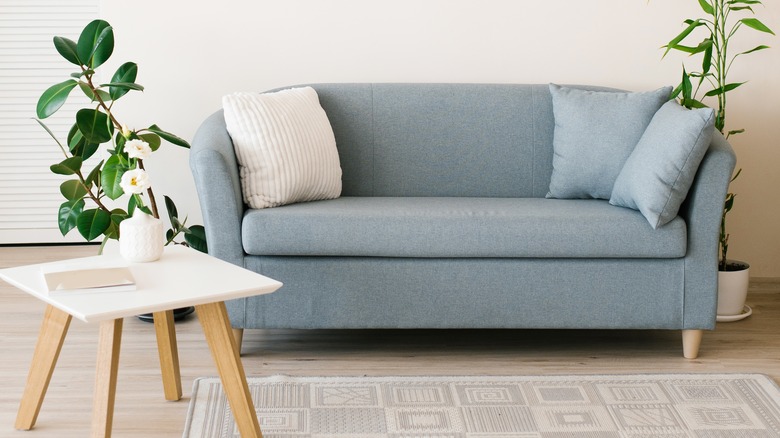
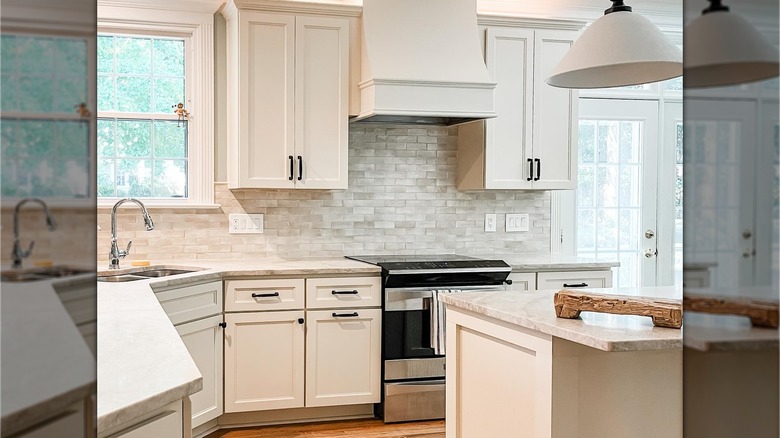
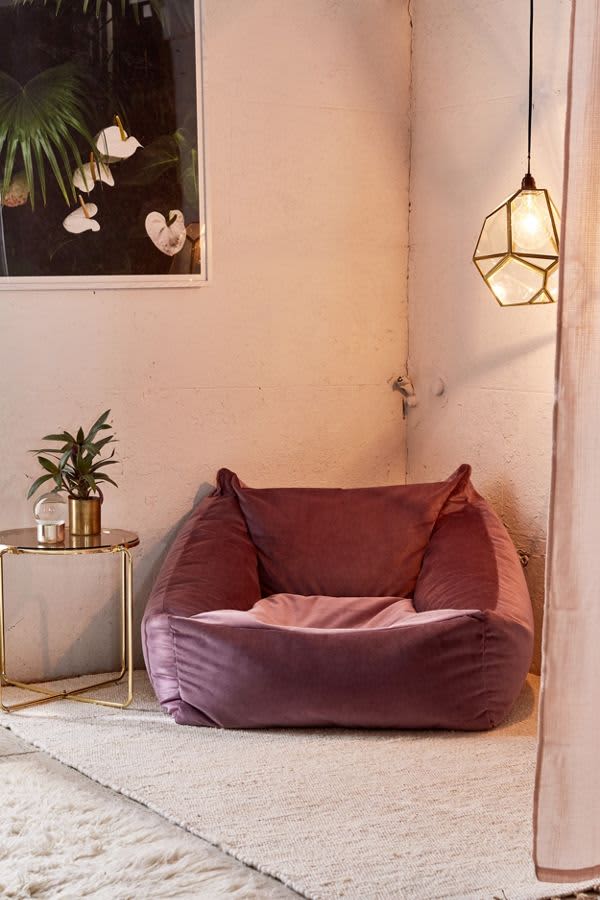
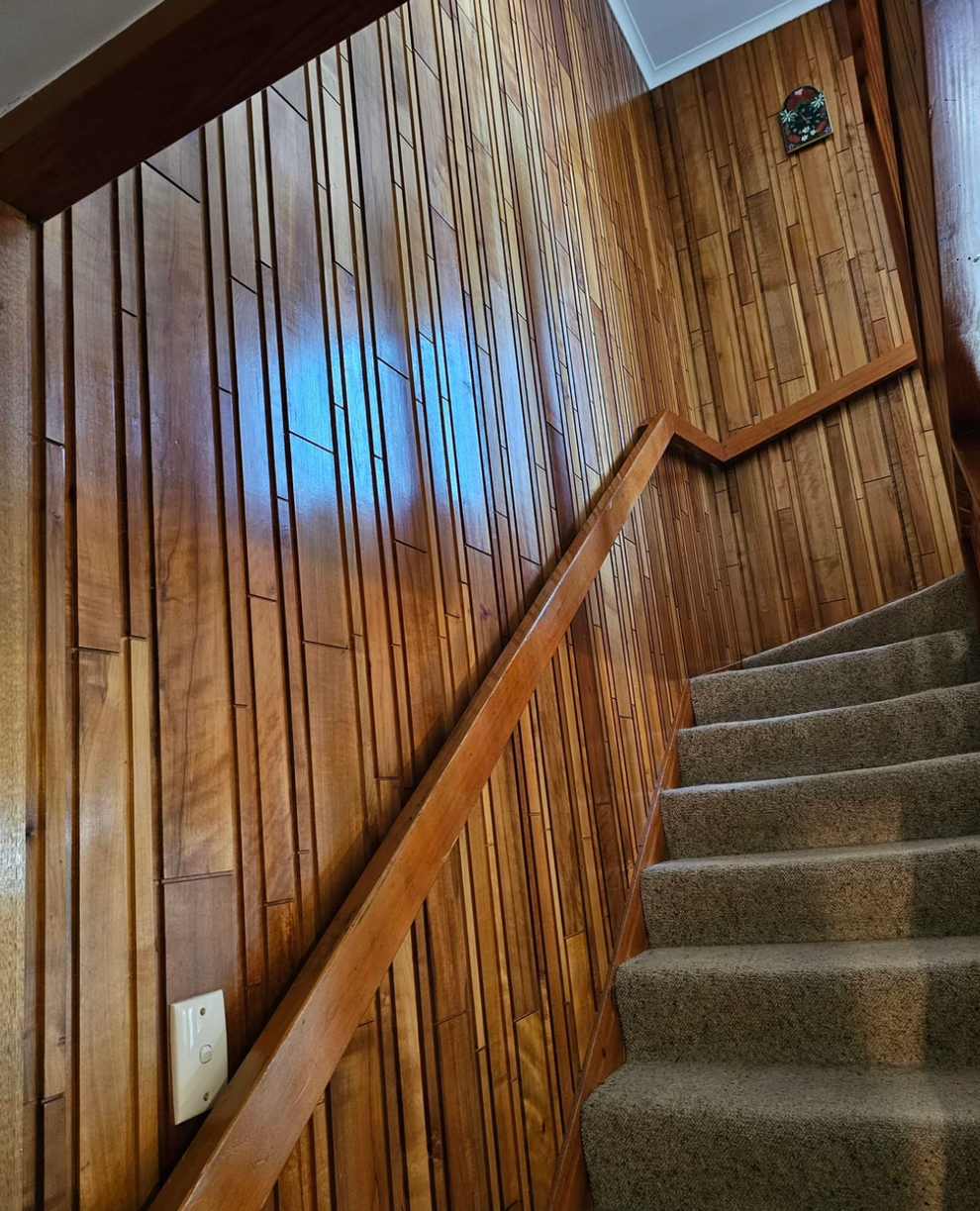
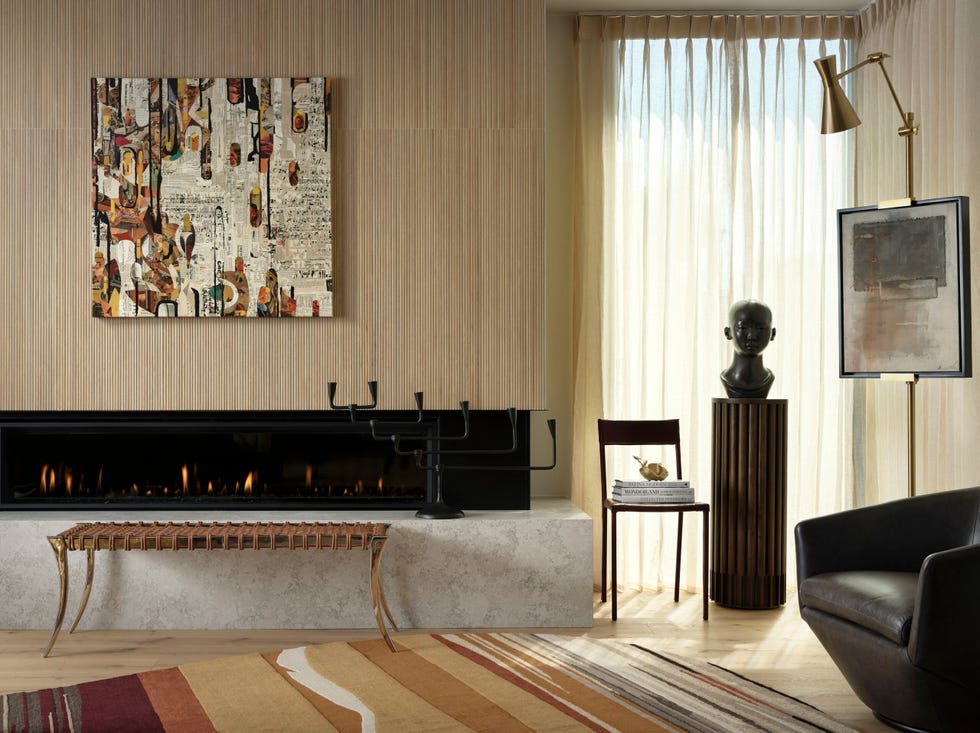
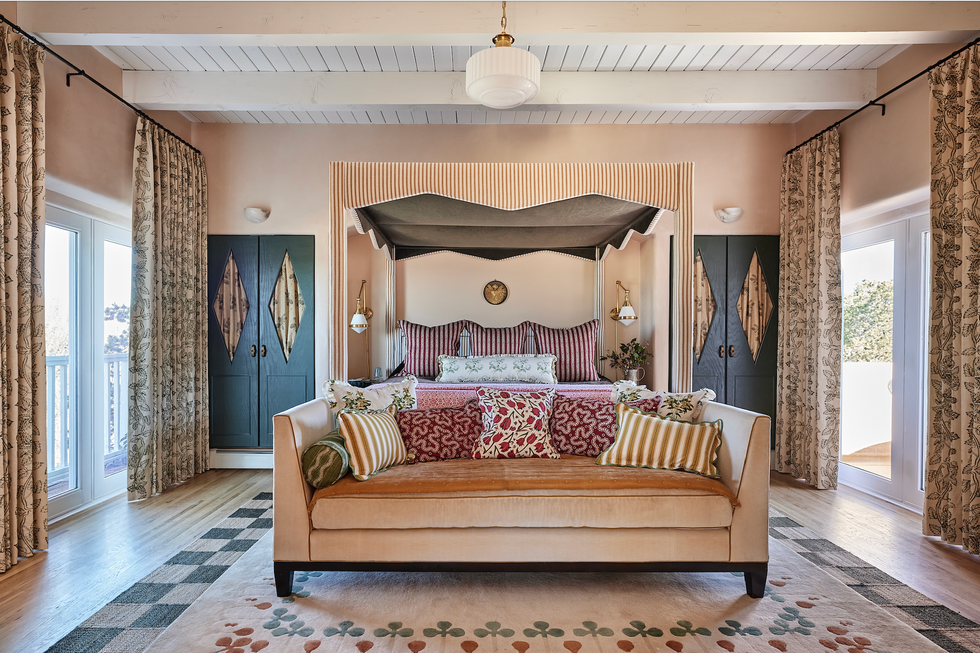
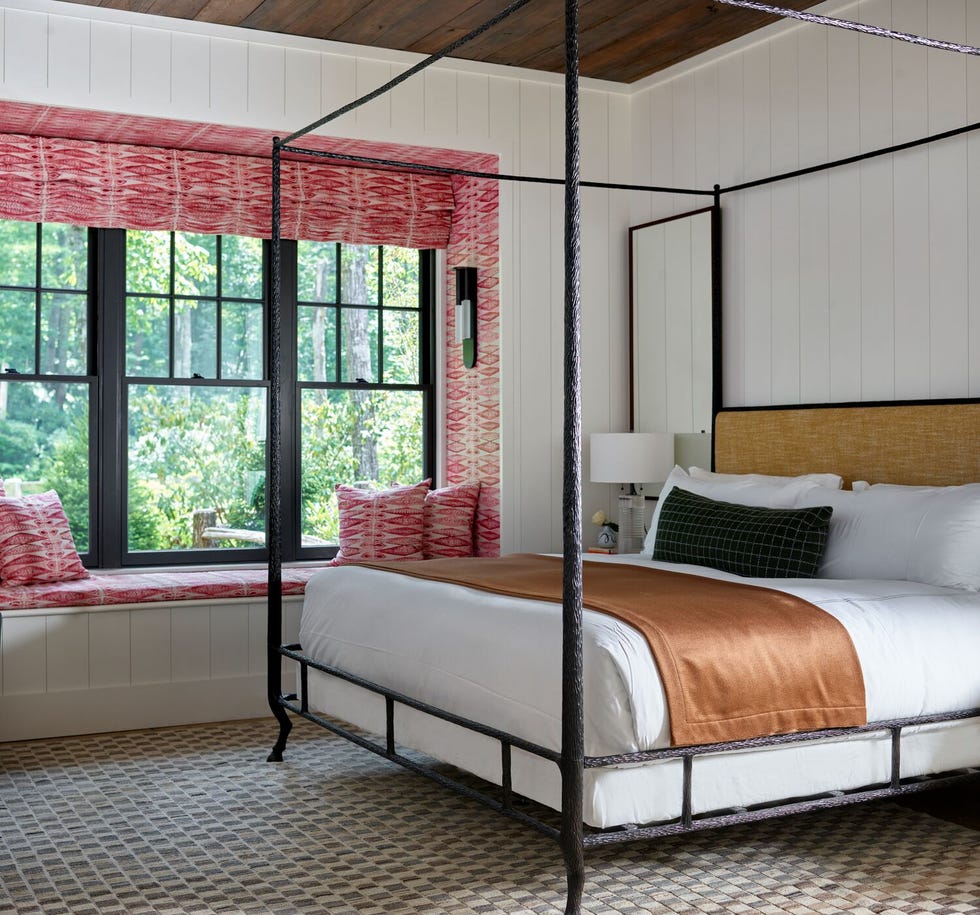
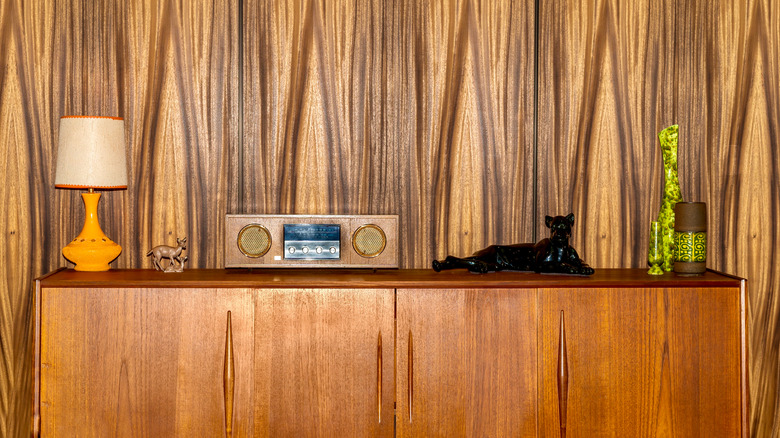
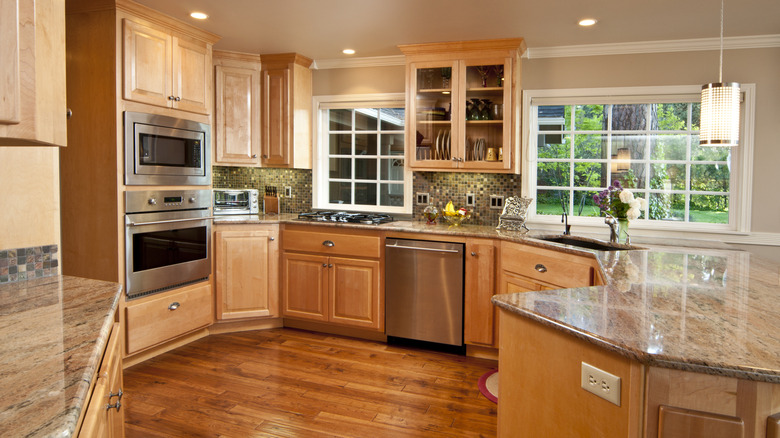
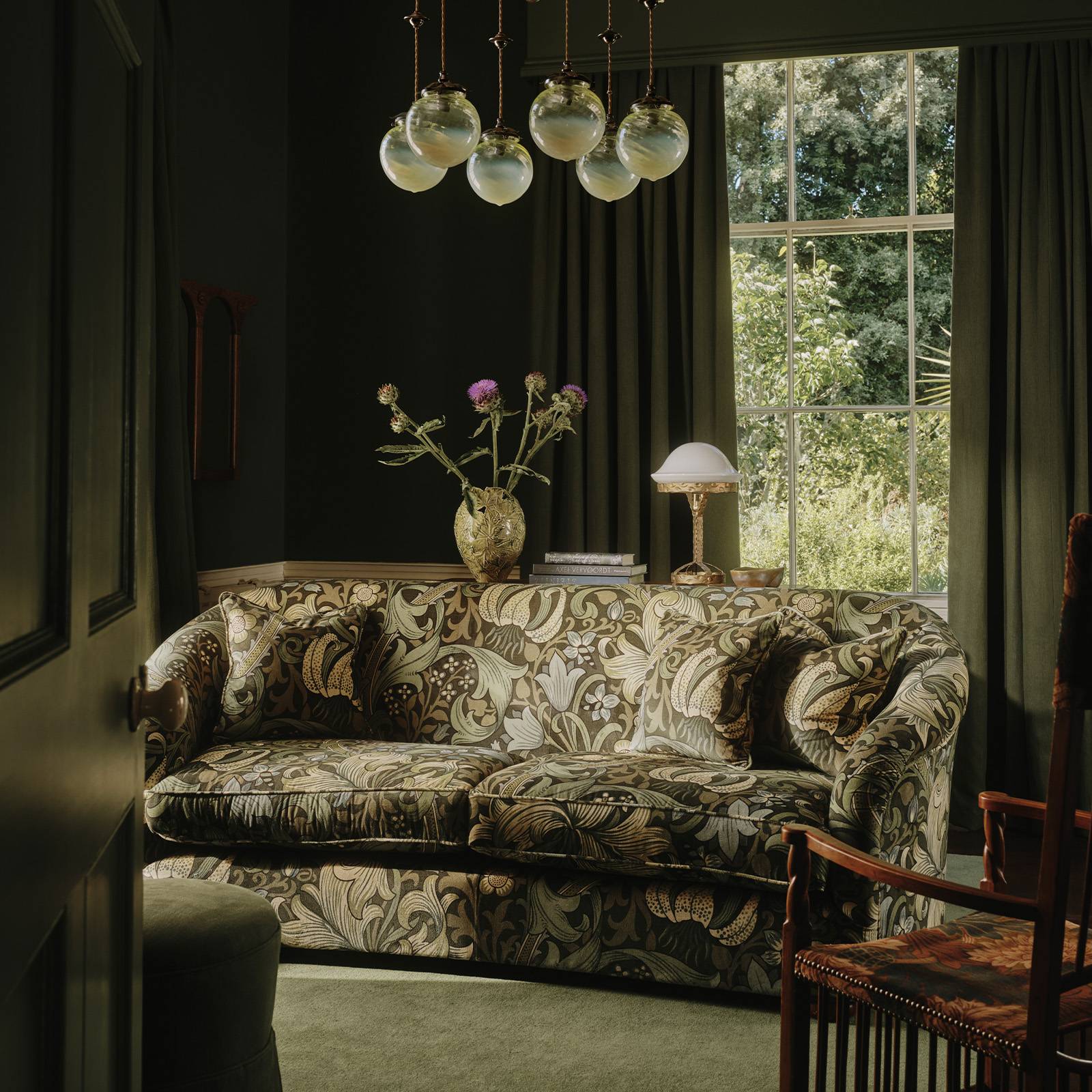
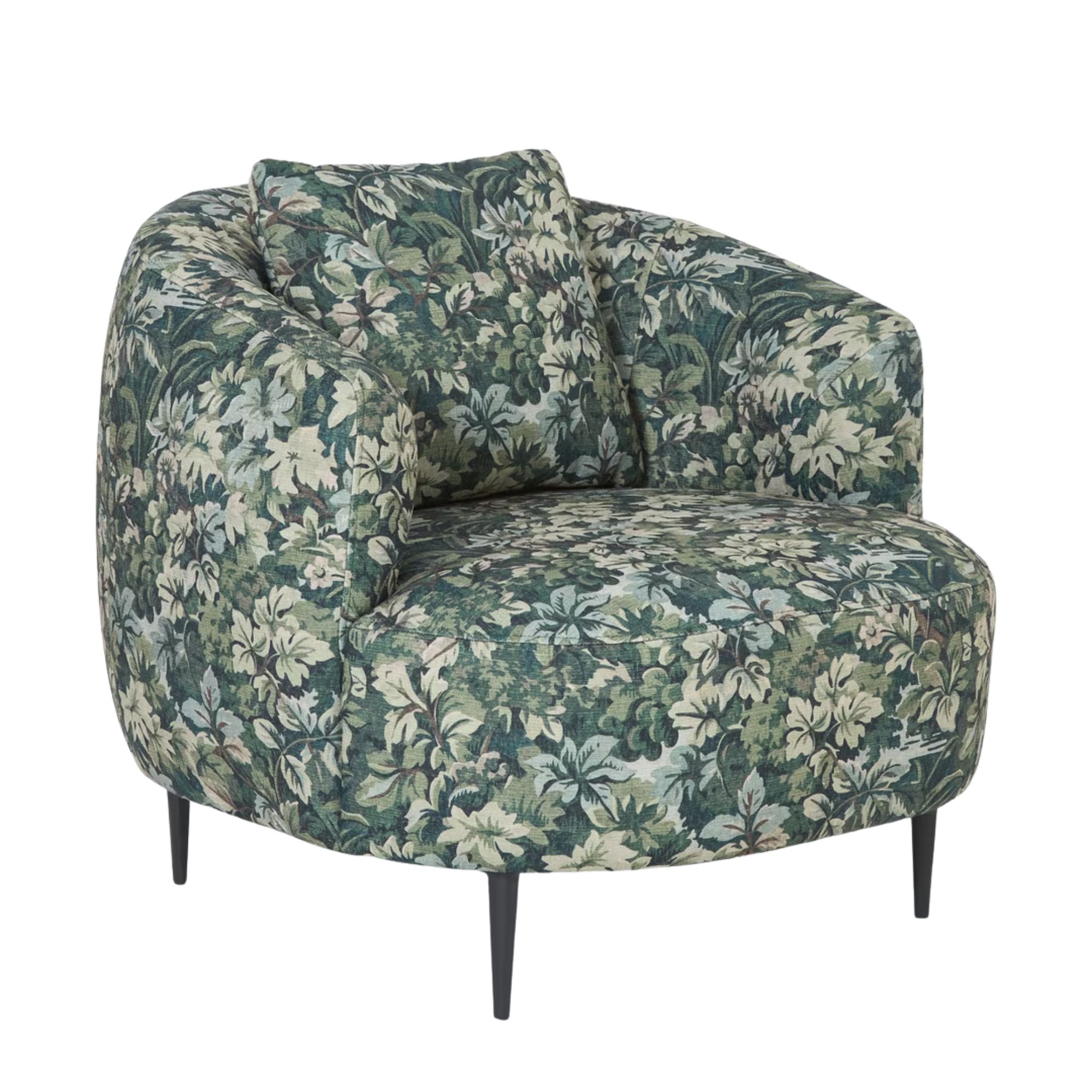
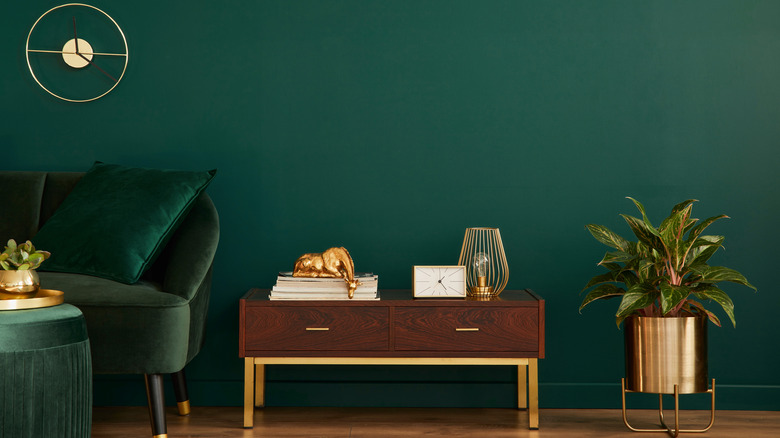
Key hallmarks of 90s design that are re-emerging include rounded, overstuffed furniture. This once meant puffy roll-arm sofas and oversized sectionals, but today it translates to low-slung curved sofas in velvet or performance linen, modular sectionals with generous cushions, and sculptural barrel chairs in luxurious fabrics or bold patterns. Chintz, another defining feature, is also returning, though with a crispness that contrasts with its often tea-stained or overly fussy applications from the 90s. Modern chintz is now often paired with items from other eras or used against creamy textiles for a more sophisticated look. Honey wood tones, famously seen in honey oak kitchen cabinets, are being reinvented through European oak flooring, fluted bathroom vanities, and cane-front credenzas. Contemporary designs pair these woods with matte surfaces, blackened hardware, and modern silhouettes to strip away any dated feel and highlight their natural beauty.
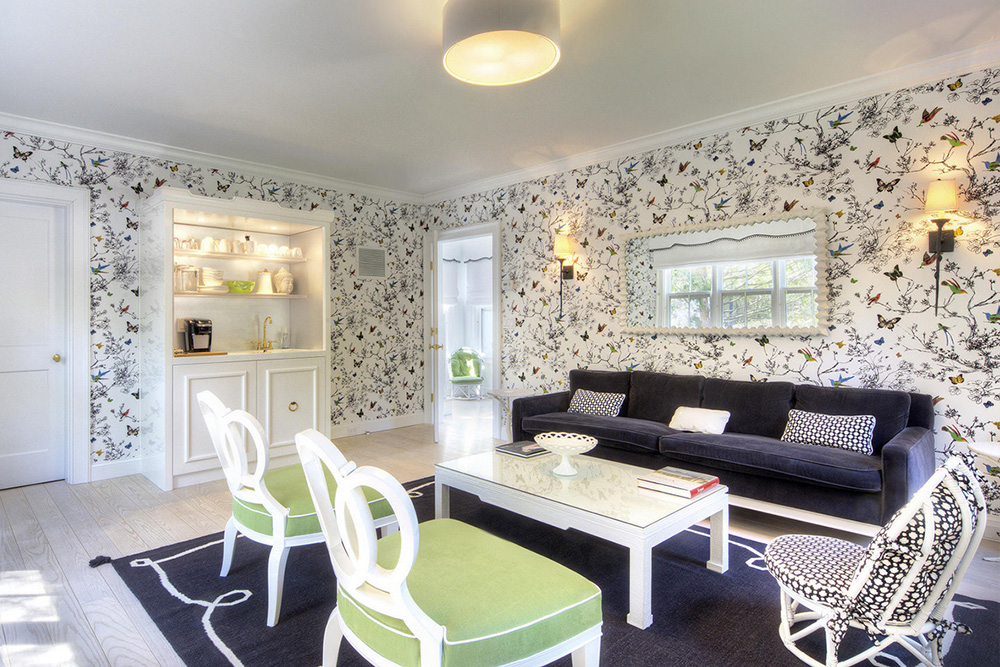
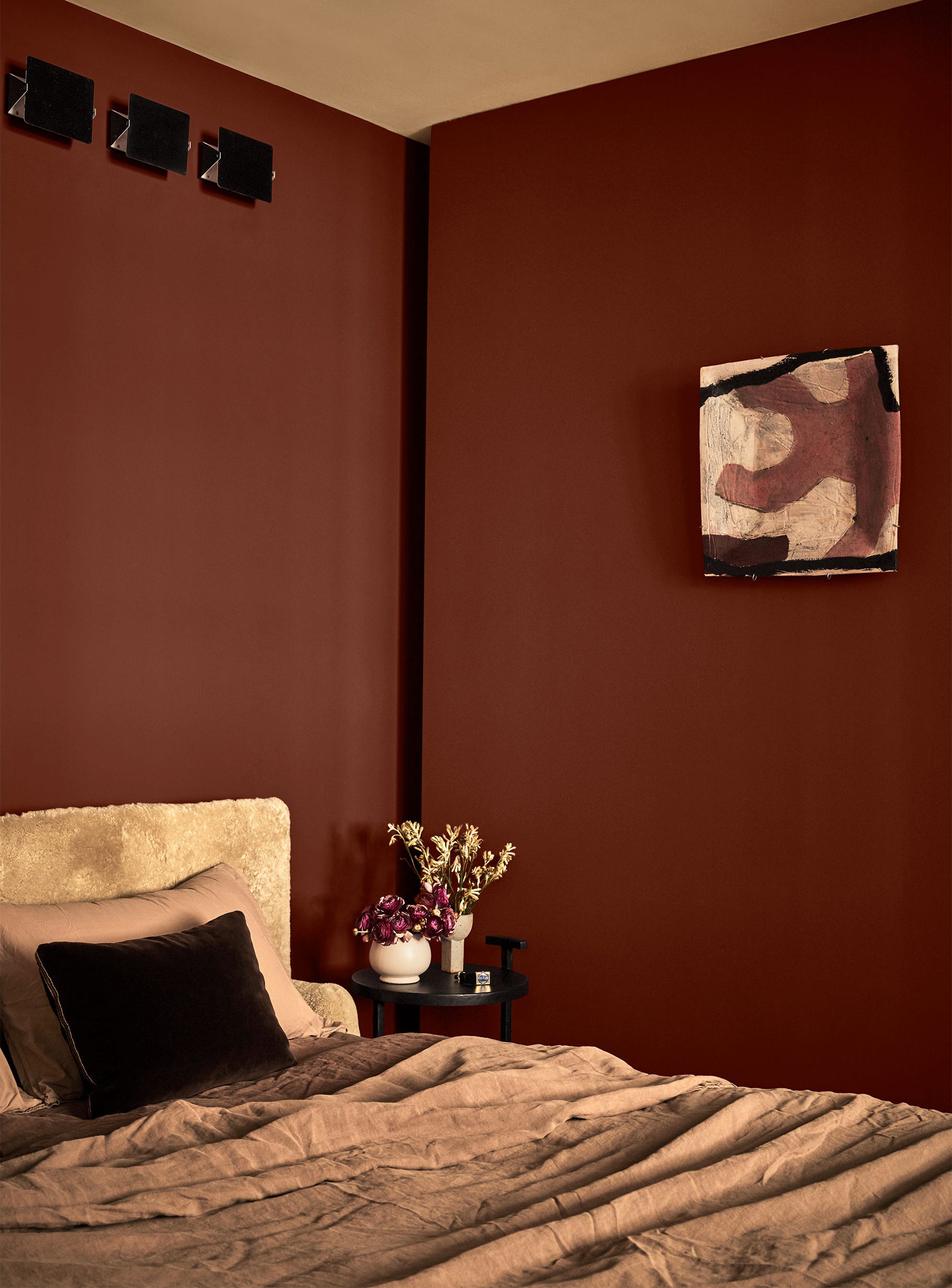
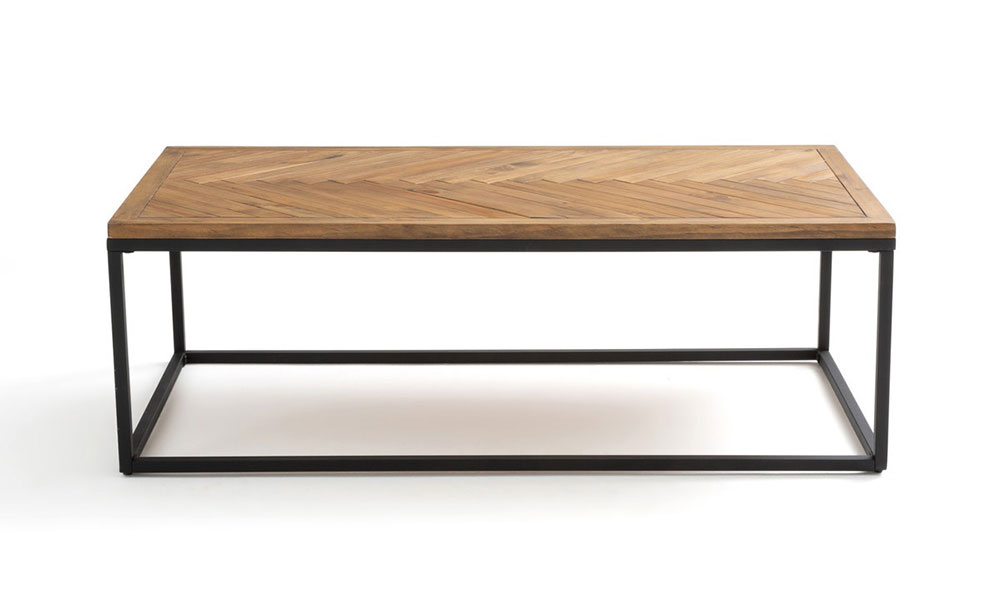
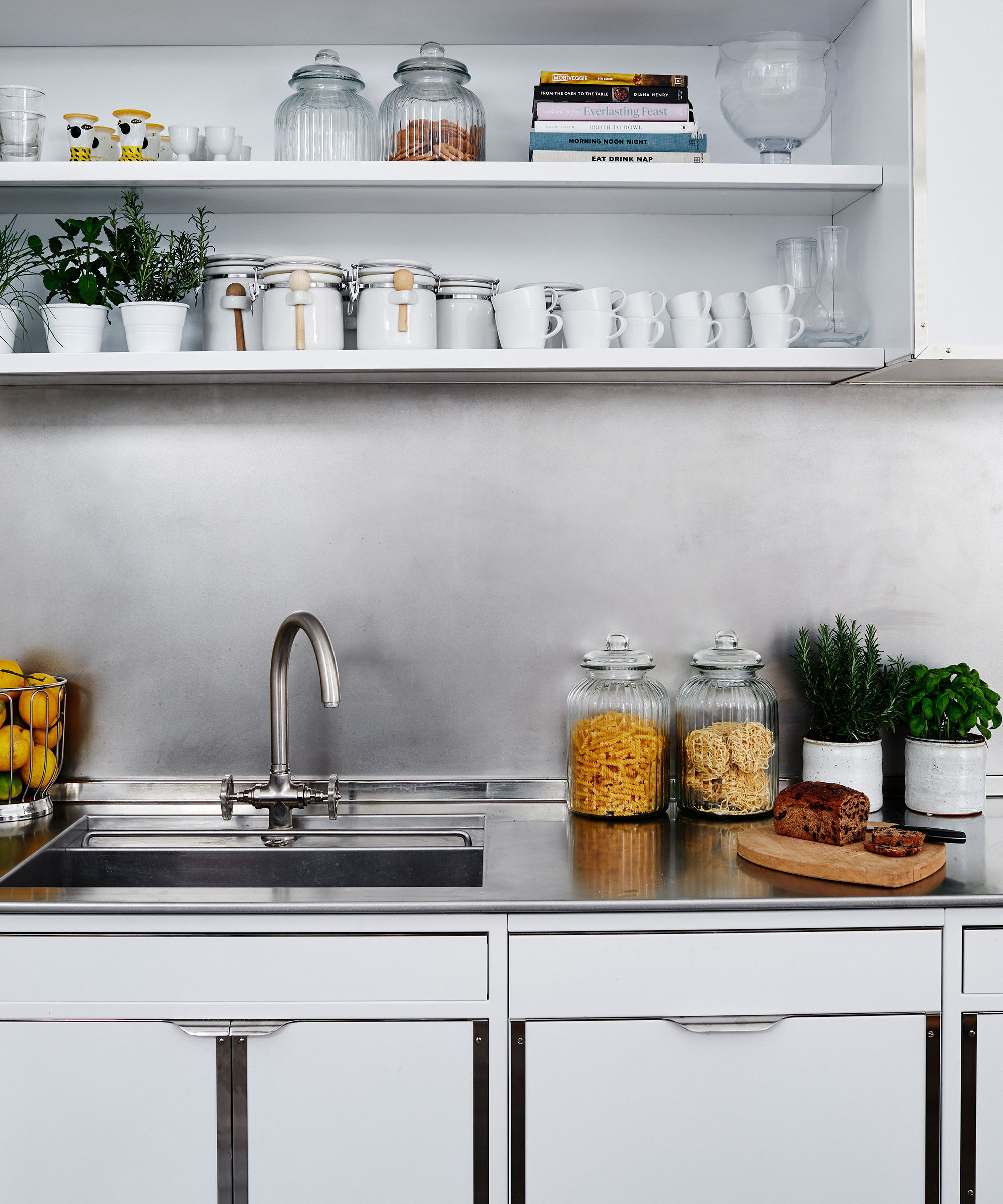
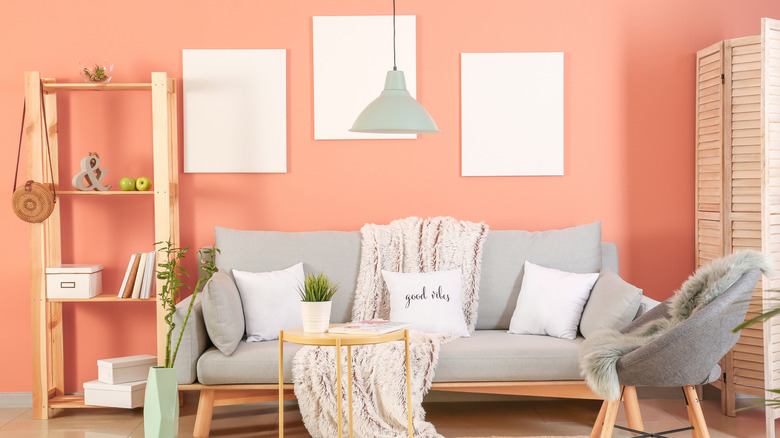
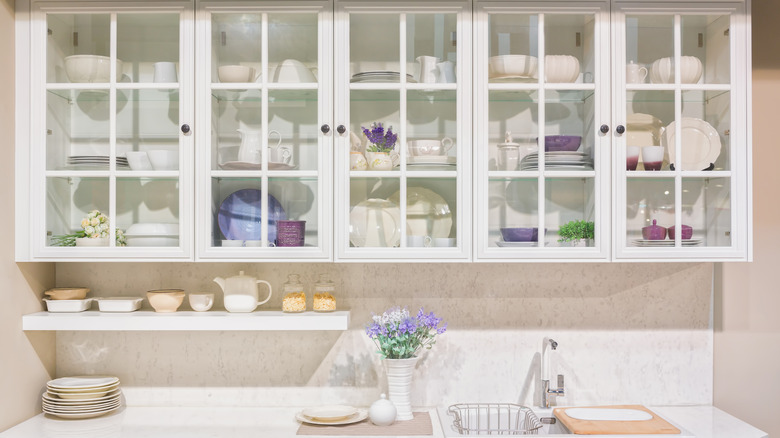
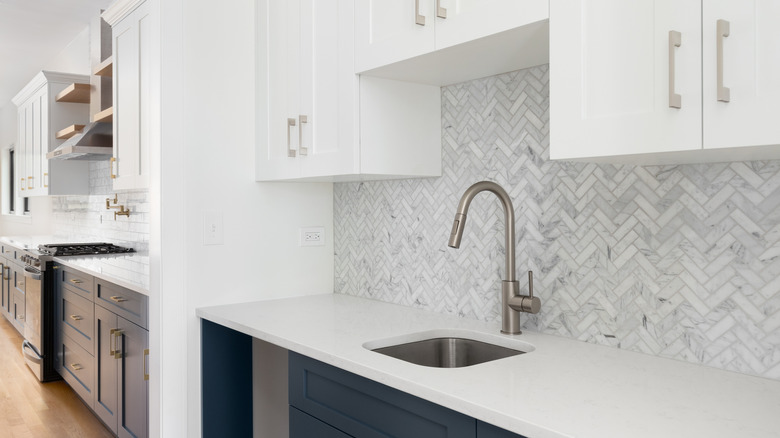
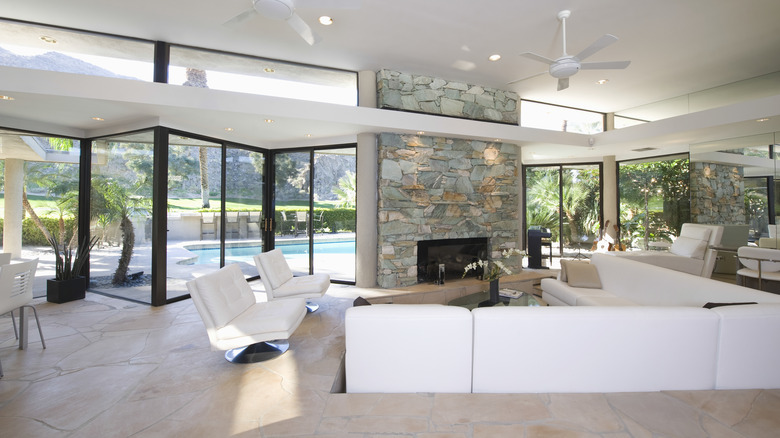
Glass and chrome accents, once a staple of 90s decor, have evolved into more sculptural and design-conscious pieces. This includes glass tabletops on statement bases made of brass or blackened steel, airy glass pendant lights over kitchen islands, and streamlined shelving units that maintain open sightlines. To successfully incorporate 90s design trends without making a home look like a retro museum, designers recommend several strategies. The first is to layer eras, thoughtfully curating 90s accents with items from other periods. This could involve pairing a rounded 90s sofa, updated with fresh fabric, with contemporary lighting or sculptural side tables for visual contrast. Emphasizing quality over quantity is also crucial; opting for high-quality vintage items ensures timeless appeal rather than a fleeting trend. Playing with color by integrating one or two 90s-inspired hues, such as sage green kitchen cabinets or a dusty rose accent chair, can add a subtle nod to the decade. Finally, sticking with classics from the era, rather than chasing overtly trendy items, ensures longevity and sophistication, drawing inspiration from interiors that have aged well without appearing dated.
#InteriorDesign #1990sTrends #HomeDecor #VintageRevival #FurnitureDesign #ColorPalettes #ArchitecturalElements #InteriorDesign #1990sTrends #HomeDecor #VintageRevival #FurnitureDesign #ColorPalettes #ArchitecturalElements
Há 0 comentários no total
 Ainda não há comentários
Você também pode gostar
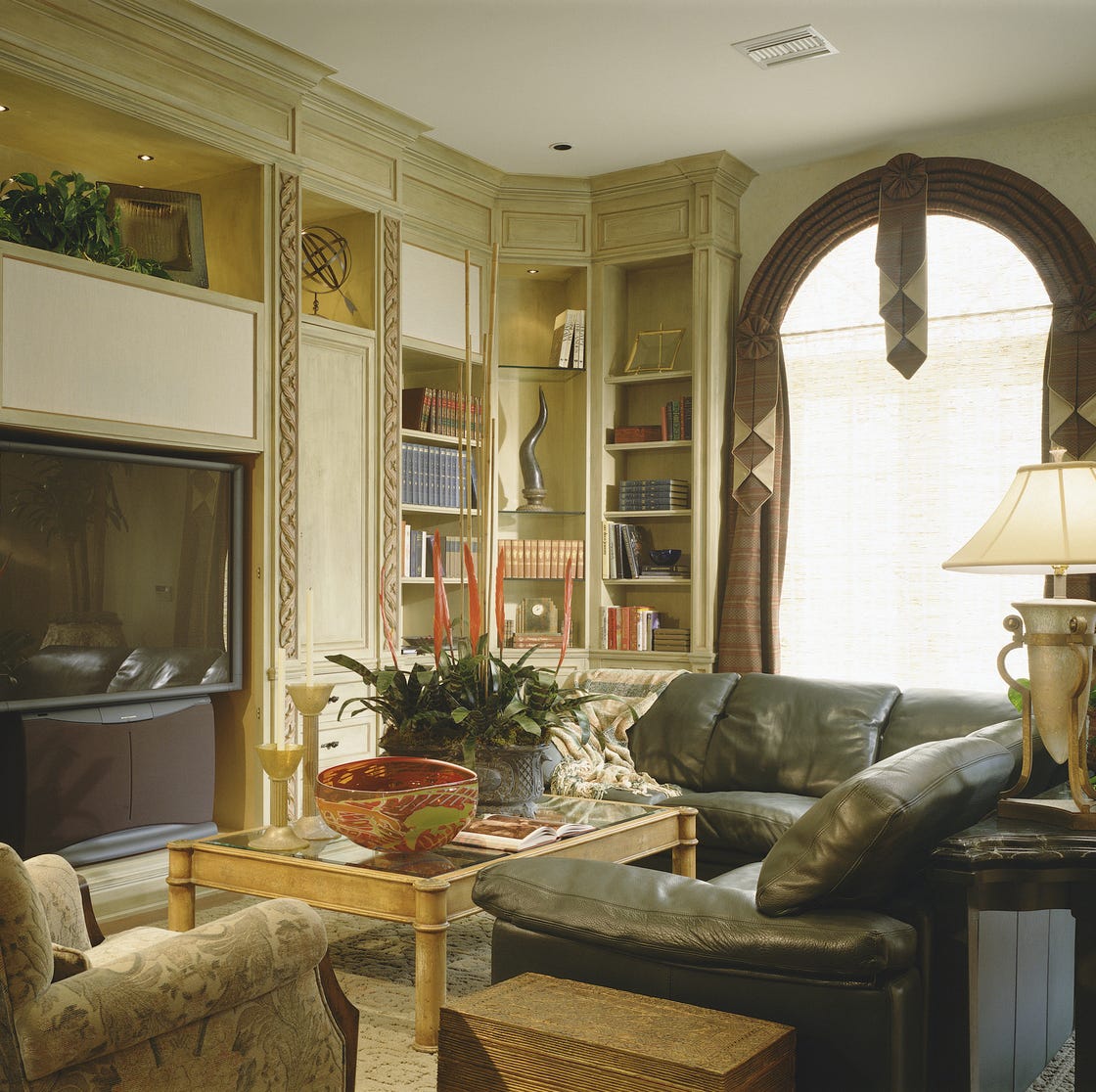
’90s Fashion is Back—But What About ’90s Interiors? Here’s What Designers Say

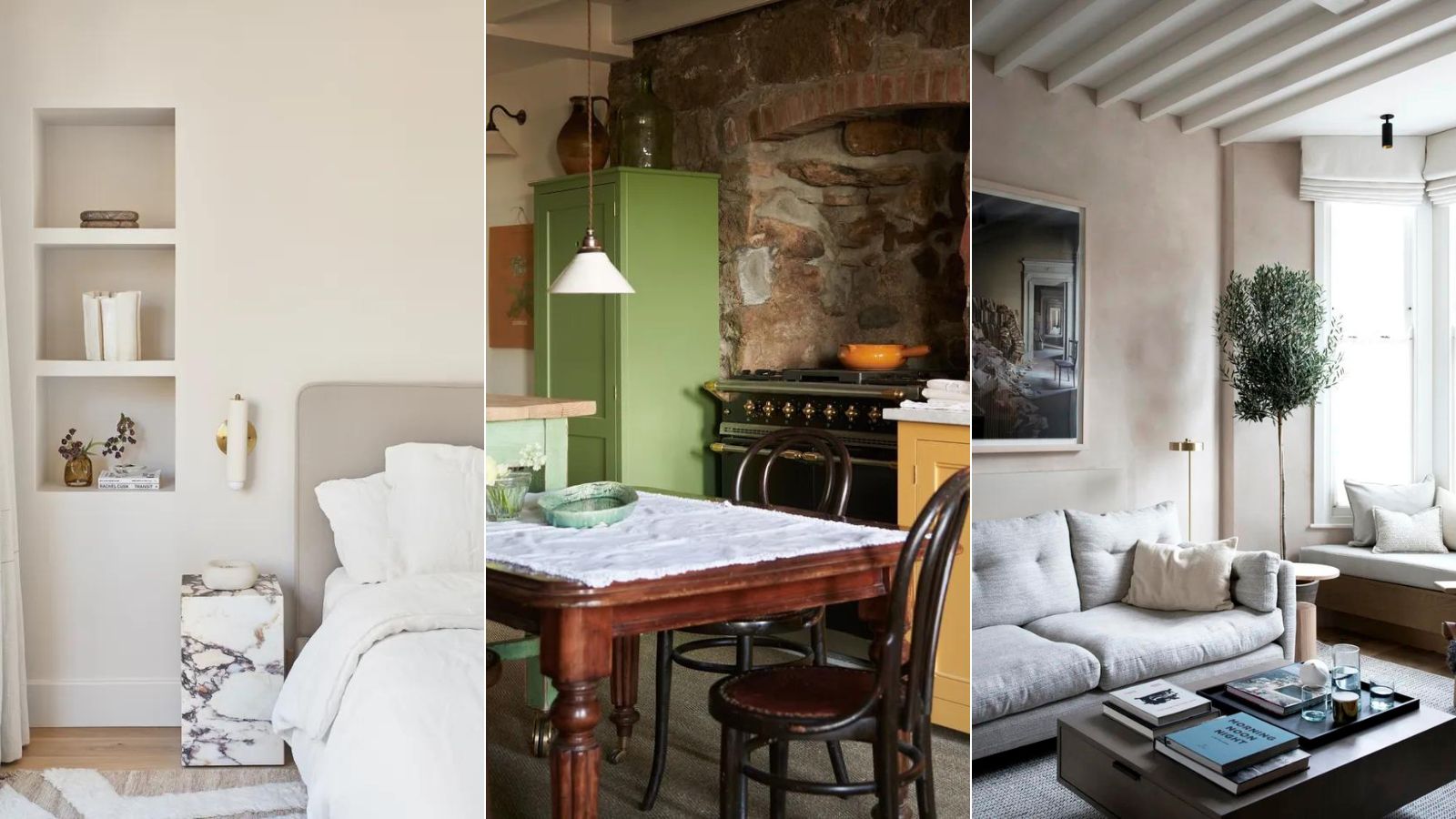
5 outdated '90s interior design trends that everyone will be decorating with again in 2024, and experts agree

People Are Revealing The "Outdated" Home Design Trends From The '80s That Need To Come Back

This '90s Home Trend Is Back With A Vengeance
Surprise: 1990s Design Trends Are Coming Back
15 Colors To Decorate With For A '90s Aesthetic
'90s Decorating Trends We're Still Obsessed With

9 Kitchen Trends From The '90s That Are Making A Comeback

Are the '90s the Next Big Thing in Interior Design?

'90s Decor Trends Are So Back in Style—6 Trends to Try This Season

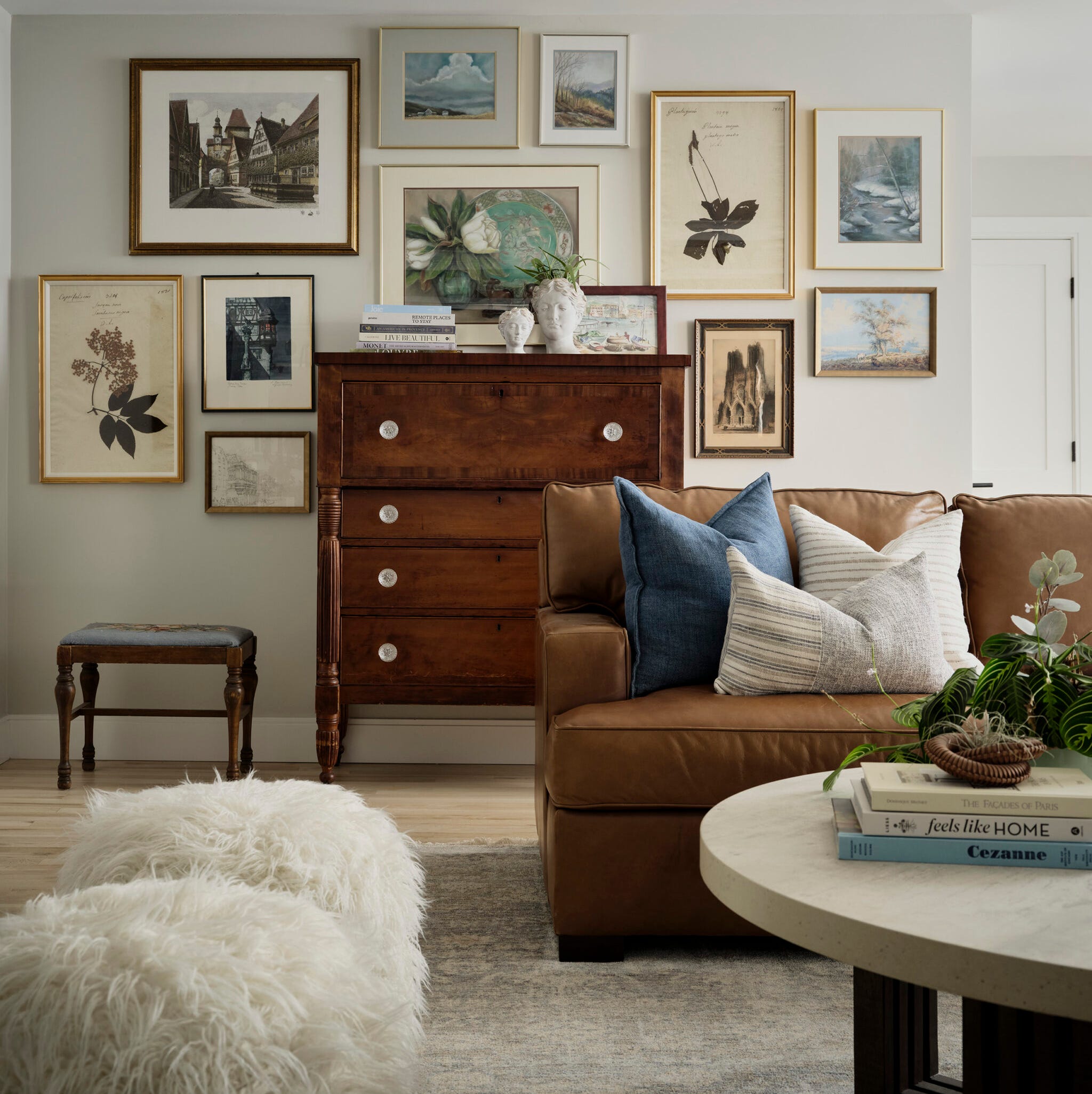
7 Retro Design Trends Making a Comeback, According to Interior Designers
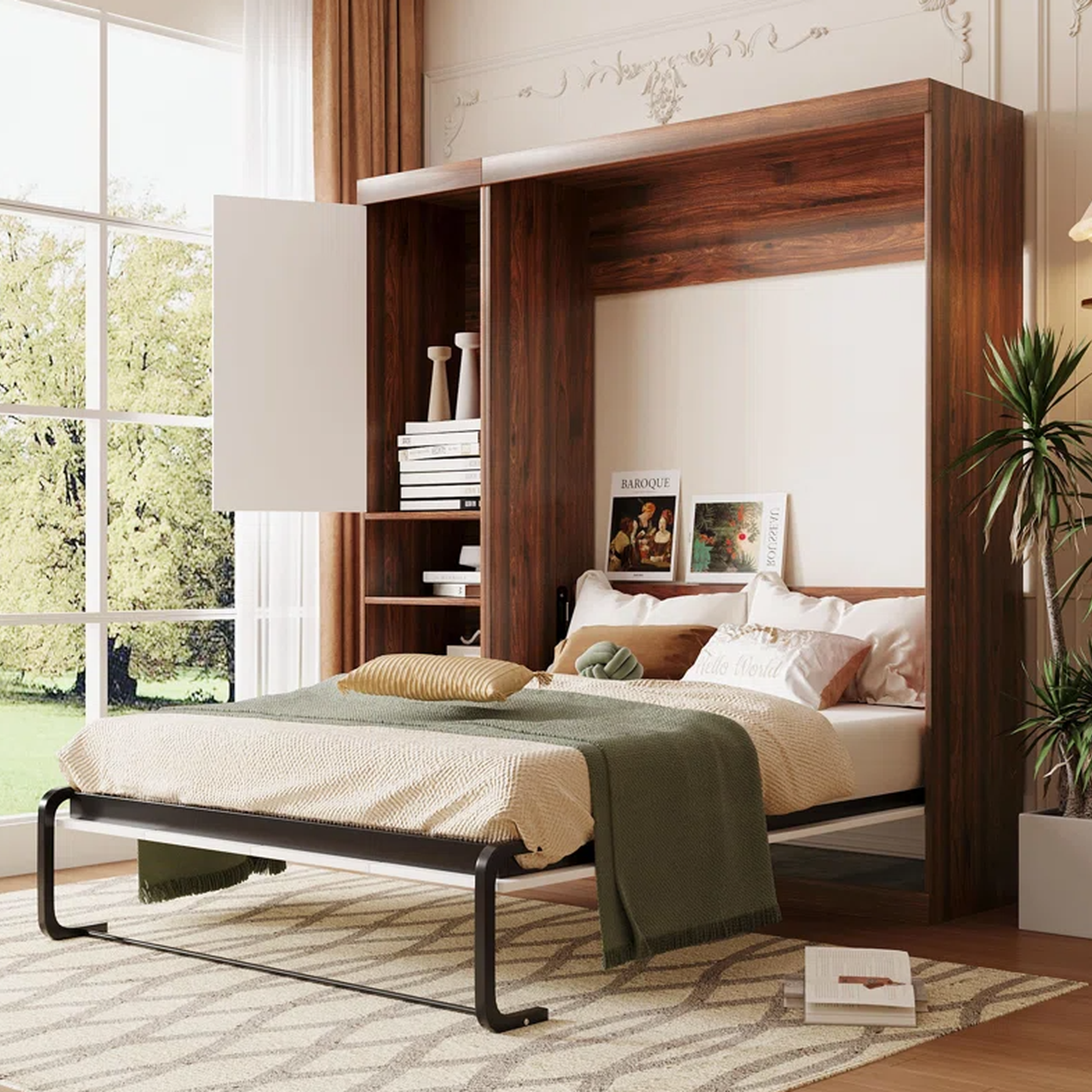
This Furniture Trend From the 1920s Is Officially Back
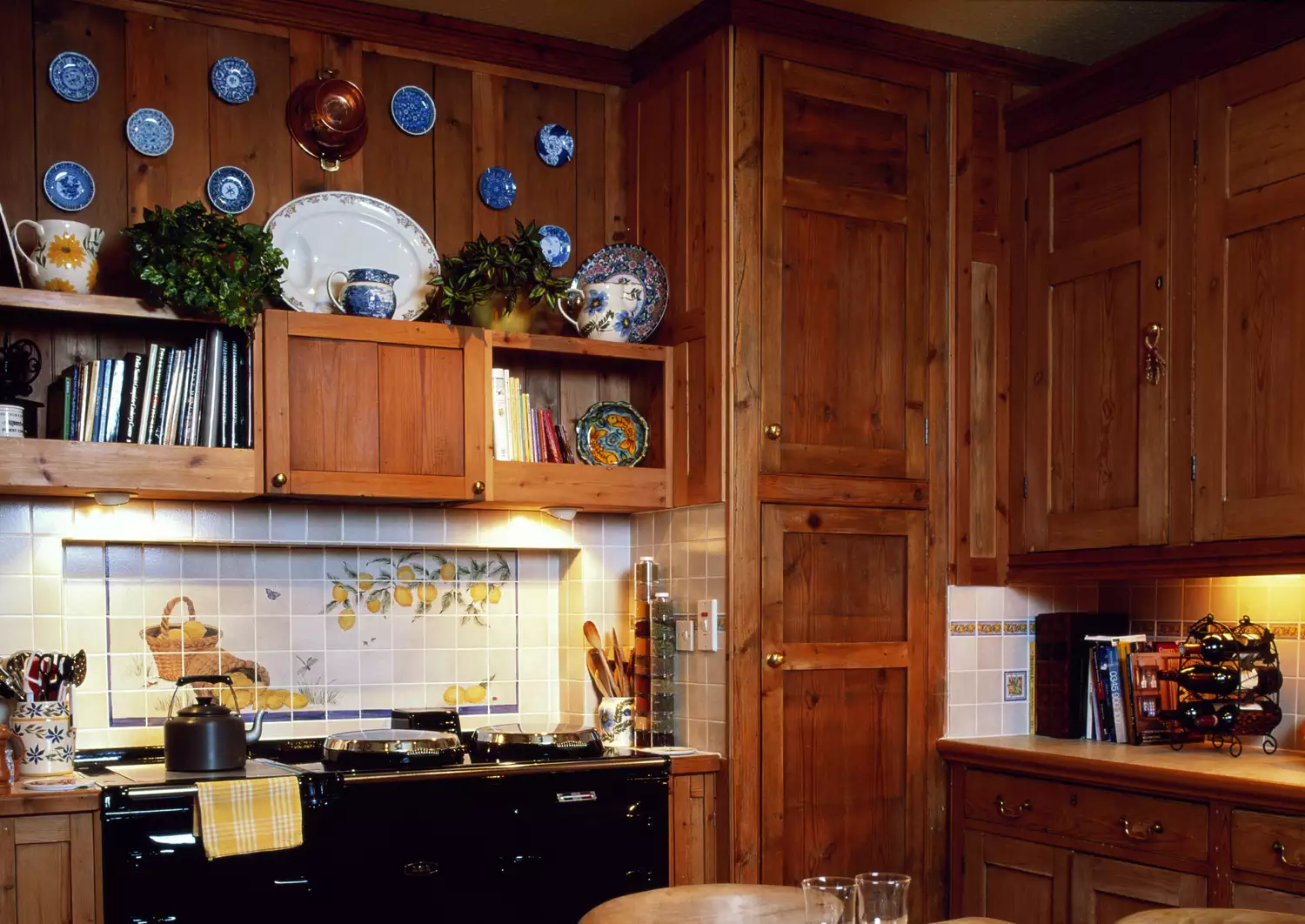
Like it or Not, 90s Décor Is Back and in Homes Everywhere, According to Interior Designers
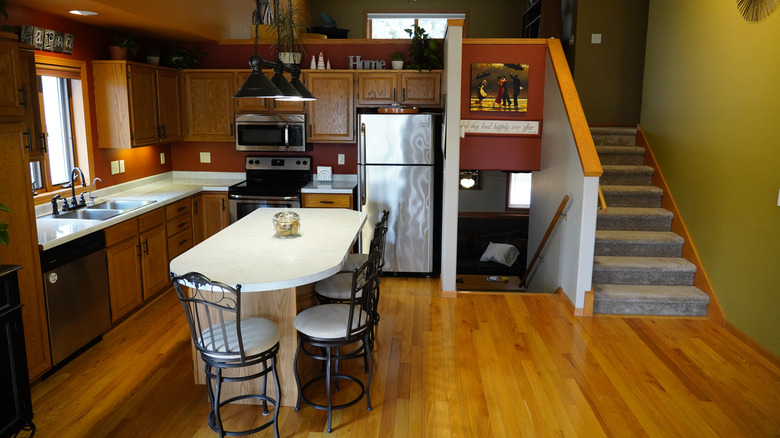
10 '90s Kitchen Design Trends We Think Need A Comeback

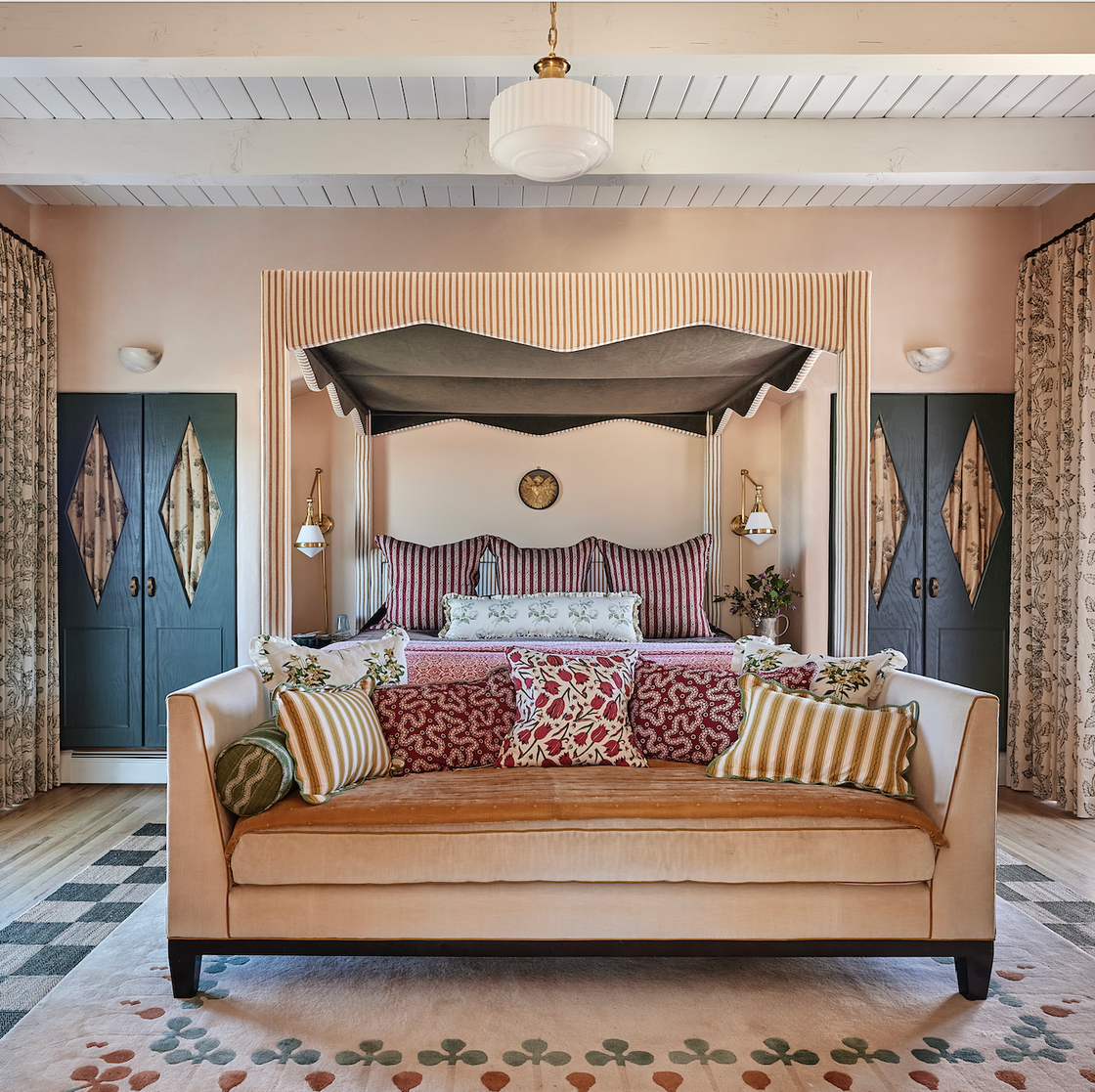
This Bedroom Trend From Your '90s Childhood Dreams Is BACK and More Stylish Than Ever
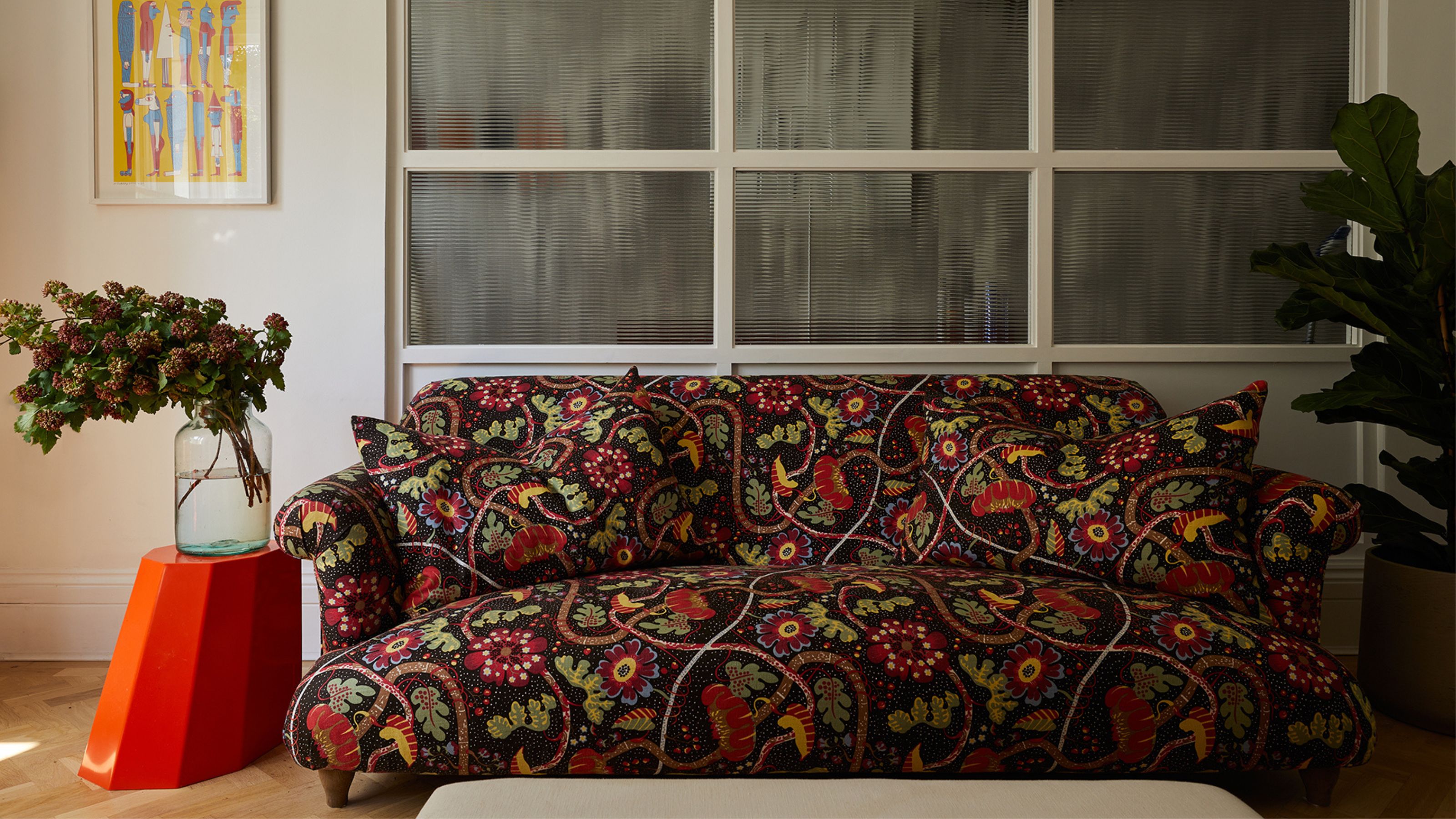
The 90s Design Revival Has Brought Back the Nostalgic 'Big Pattern' Sofa — But in a Way that Works Much Better this Time Around

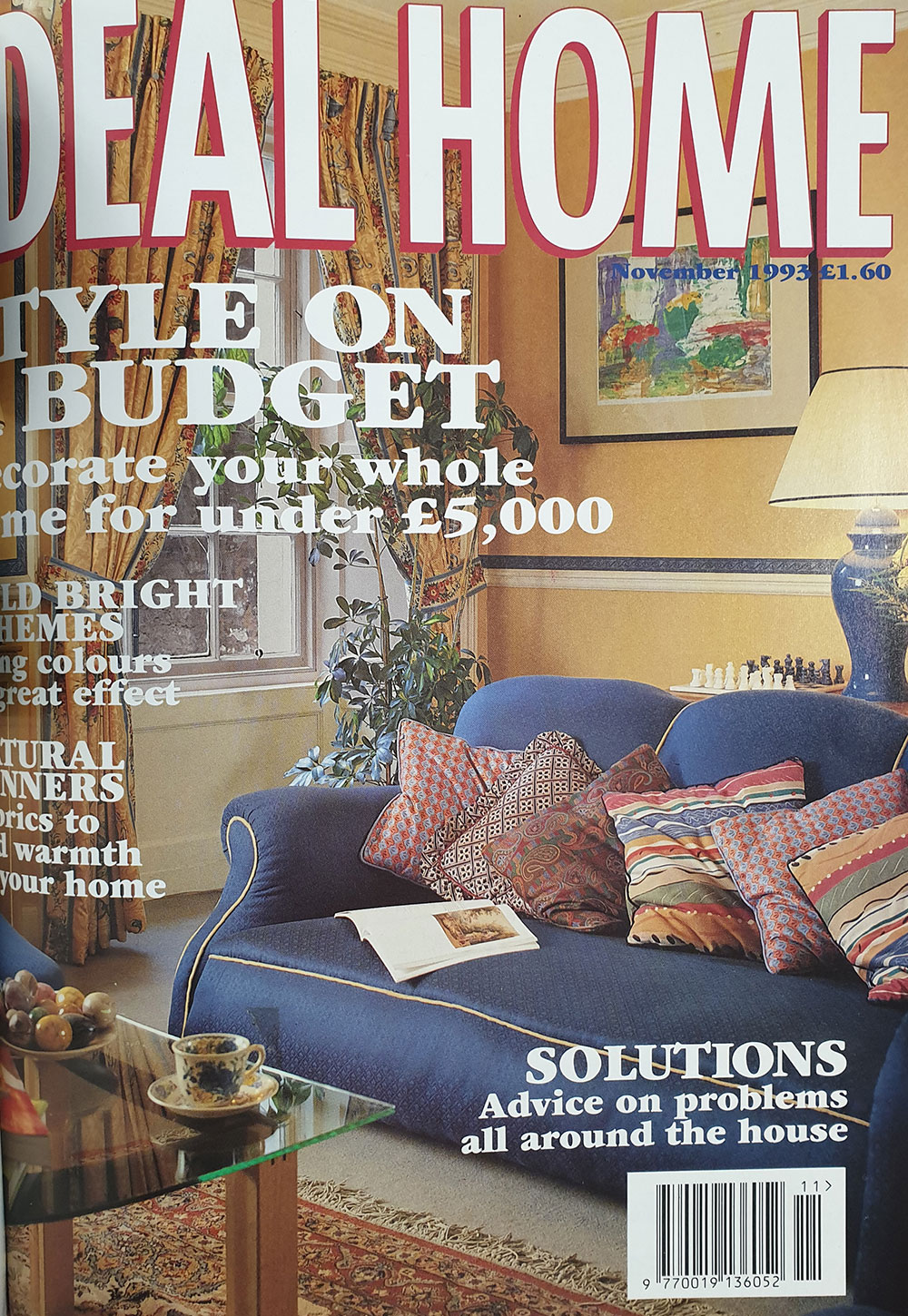
Home decor in the 1990s – recreate a classic living room from then, updated for now
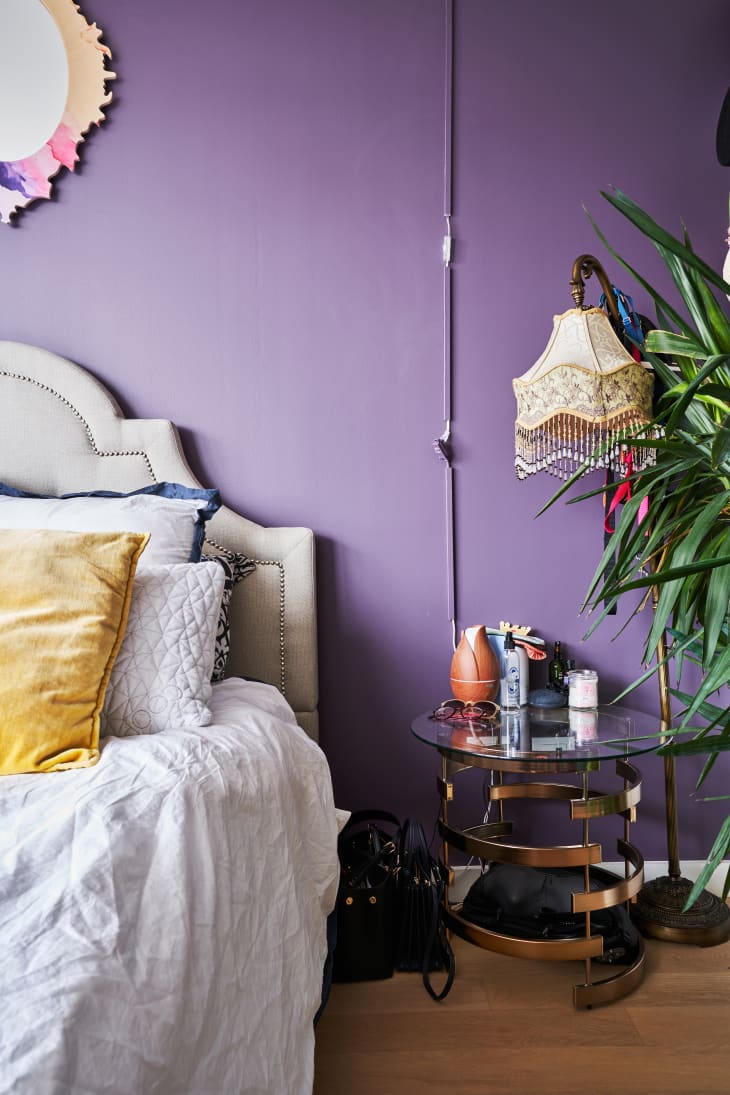
8 Bedroom Decor Icons From the ’90s That Are Cool Again
Vintage Home Design Trends That Are Making Huge Comebacks

20 Photos of 1990s Home Décor to Overwhelm You With Nostalgia