In Praise of Nesting Tables (Published 2017)
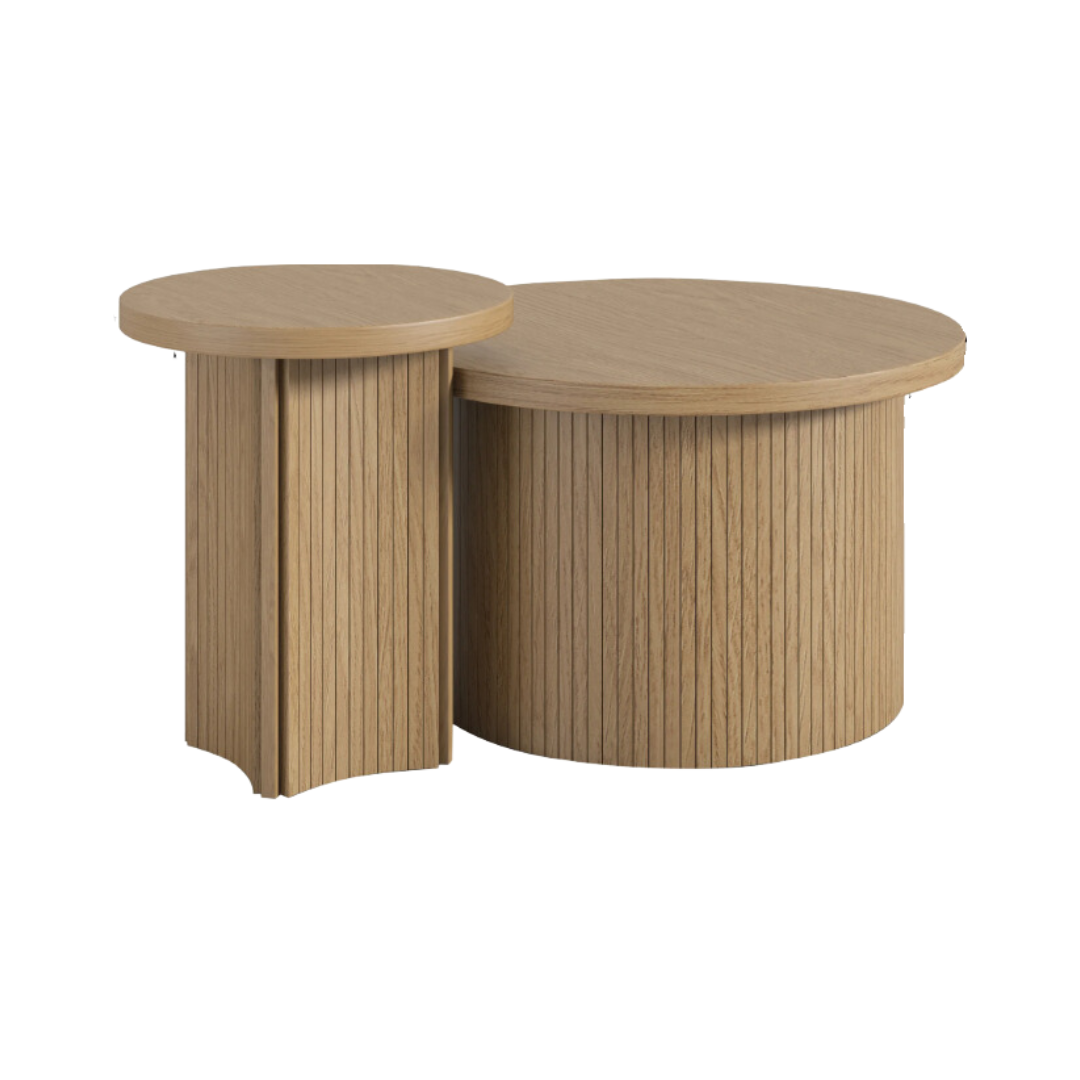
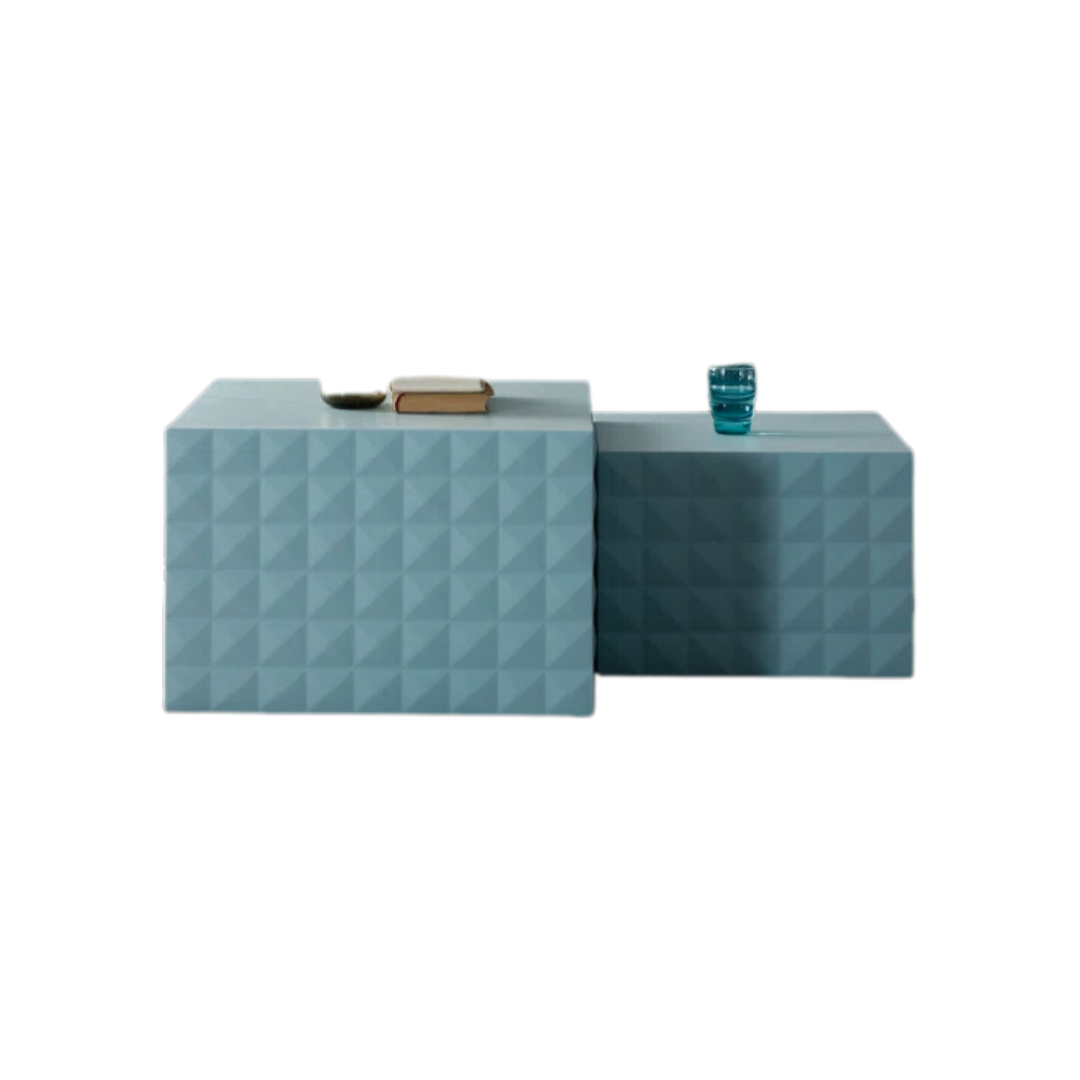
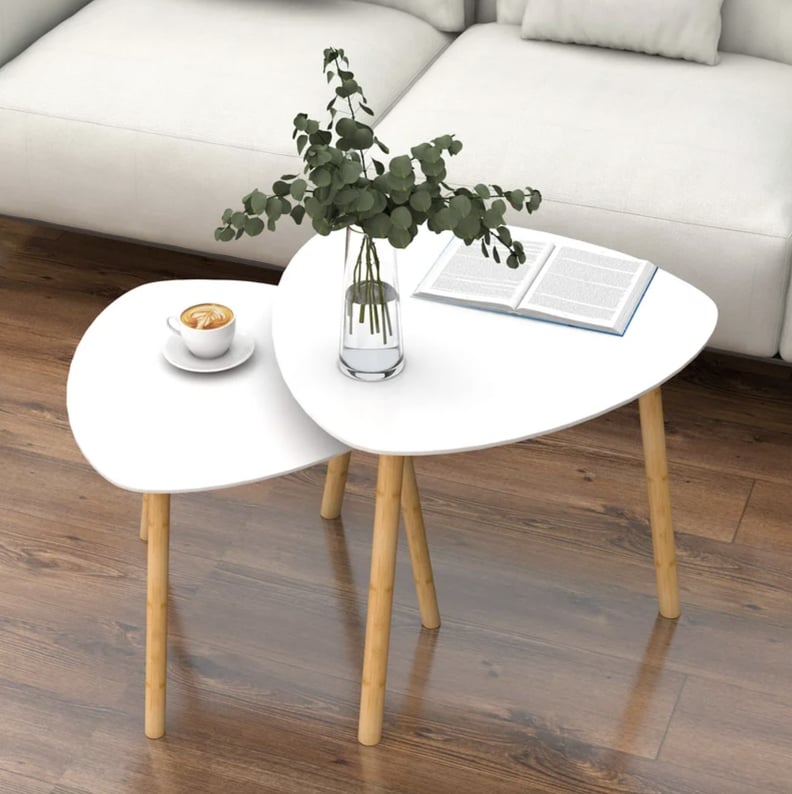
The author expresses appreciation for various household items that contribute to convenience and comfort, highlighting nesting tables as a prime example of functional and versatile furniture. Unlike many space-saving solutions that involve compromises in comfort or aesthetics, nesting tables are celebrated for fulfilling their promises of compactness, unobtrusiveness, and adaptability. They offer flexibility in modern living, accommodating diverse activities such as entertaining guests, casual dining, and supporting various personal and work-related needs without occupying permanent floor space. This adaptability is particularly valuable in contemporary homes where maximizing utility and maintaining an uncluttered environment are often priorities.
The historical origins of nesting tables are explored, attributing the first documented designs to the British cabinetmaker Thomas Sheraton in his 1803 book, "The Cabinet Dictionary." However, curator Sarah Coffin suggests that the concept may predate Sheraton, arising from 18th-century practices of rearranging furniture for specific activities like tea drinking or needlework, with furniture typically moved back against walls to maintain a neat appearance. The shift from curved to straight or tapering legs, occurring around the 1740s, was crucial for the development of stackable designs, as flat outer sides were necessary for tables to nest efficiently.
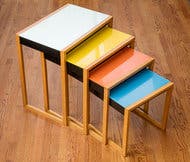
The article then delves into a specific example: nesting tables designed by the German artist Josef Albers during his tenure at the Bauhaus in the late 1920s. These tables, characterized by their shiny, colorful rectangular tops and thin oak legs, exemplify the Bauhaus ethos of combining art with practical design for everyday living. Albers's contemporary and fellow instructor, Marcel Breuer, also created a similar set in tubular steel, reflecting a shared design philosophy. This period saw a societal need for furniture that supported smaller living spaces, a trend that continued to grow, especially after World War II with the proliferation of modest ranch houses featuring open floor plans.
Albers's design was later brought into production by the German furniture company Vitra in 2004, using tinted fiberglass tops. The author acquired a set of these tables, noting their not-quite-primary color scheme, which is admired by Eames Demetrios, grandson of designer Charles Eames. Demetrios connects the tables' color choices to Albers's renowned "Homage to the Square" series, emphasizing the artistic thoughtfulness behind their construction. Lucy Swift Weber, from the Albers Foundation, resists requests to sell the tables individually, citing Albers's philosophy, as articulated in his book "Interaction of Color," where he describes colors in a set as 'actors' forming a 'cast'—a holistic unit not meant to be separated.
#NestingTables #FurnitureDesign #SpaceSavingFurniture #HomeDecor #JosefAlbers #Bauhaus #InteriorDesign #ThomasSheraton #ModernLiving #NestingTables #FurnitureDesign #SpaceSavingFurniture #HomeDecor #JosefAlbers #Bauhaus #InteriorDesign #ThomasSheraton #ModernLiving
Há 0 comentários no total
 Ainda não há comentários
Você também pode gostar
It's My Job to Find Stylish Furniture — These 12 Nesting Coffee Tables Not Only Look Good, But Will Save You Space

The Very Best Folding Tables
Skirted Tables Usually Make Me Cringe, but This Interior Designer Found a Way That Looks Cool (and Hides Clutter)

15 Space-Completing Side Tables
Ideas For Business – Call #1: Meet the three winning projects

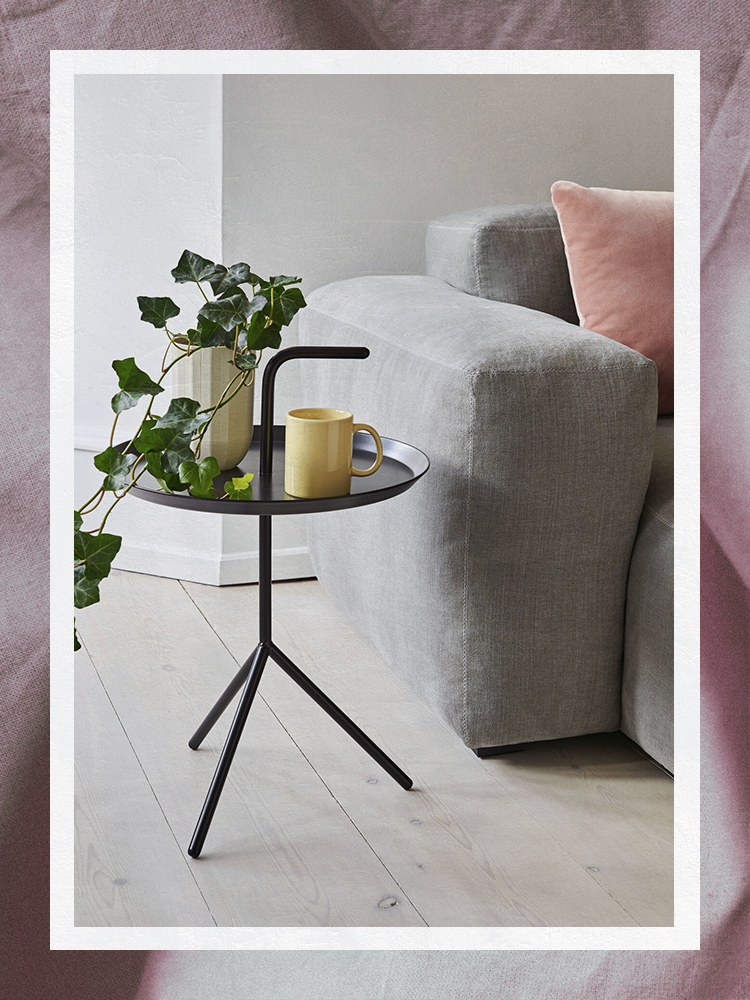
Sculptural and Statement Making, the Best Side Tables Are More Than Just a Surface

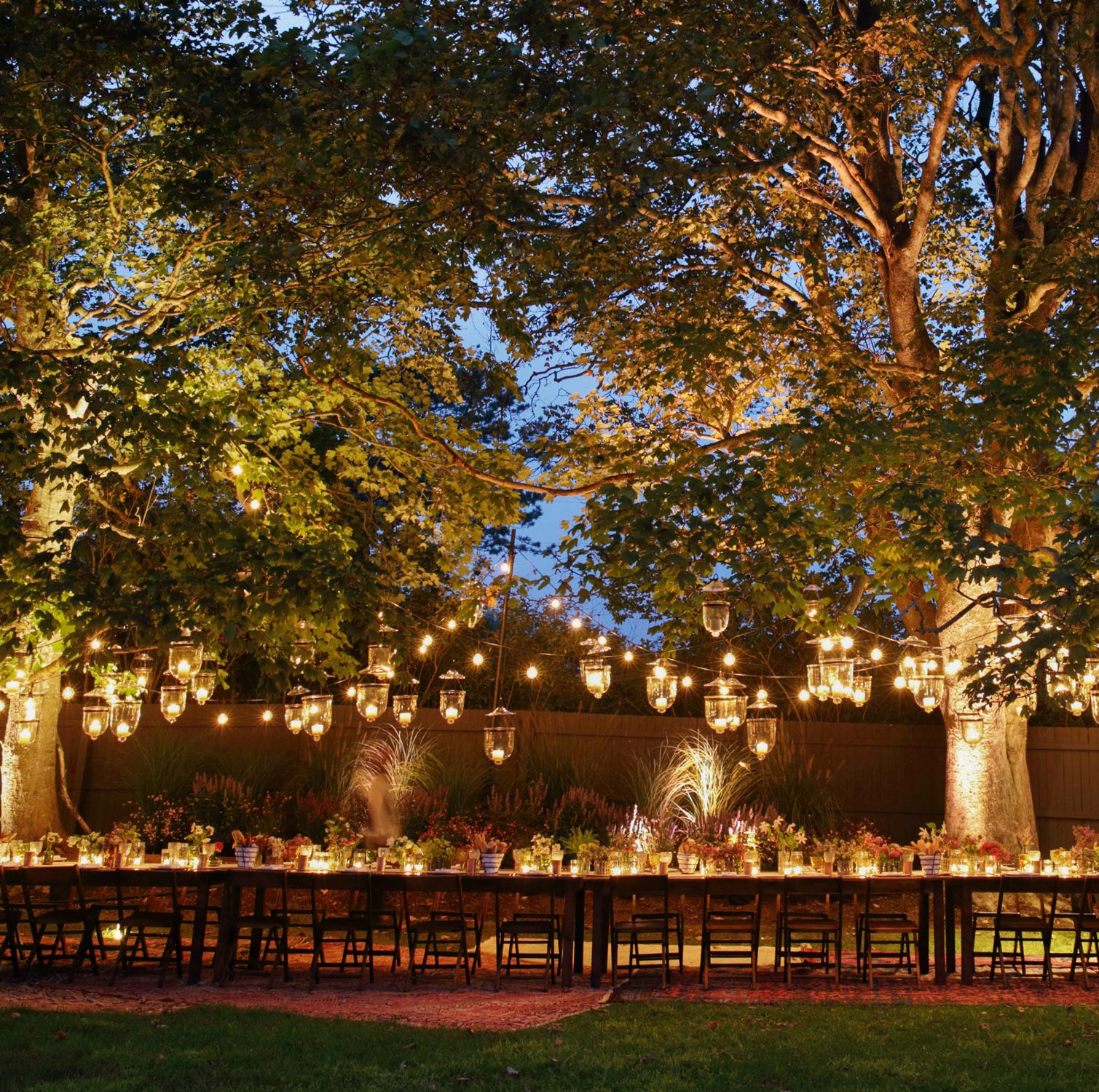
Did Instagram Kill Round Tables at Dinner Parties?

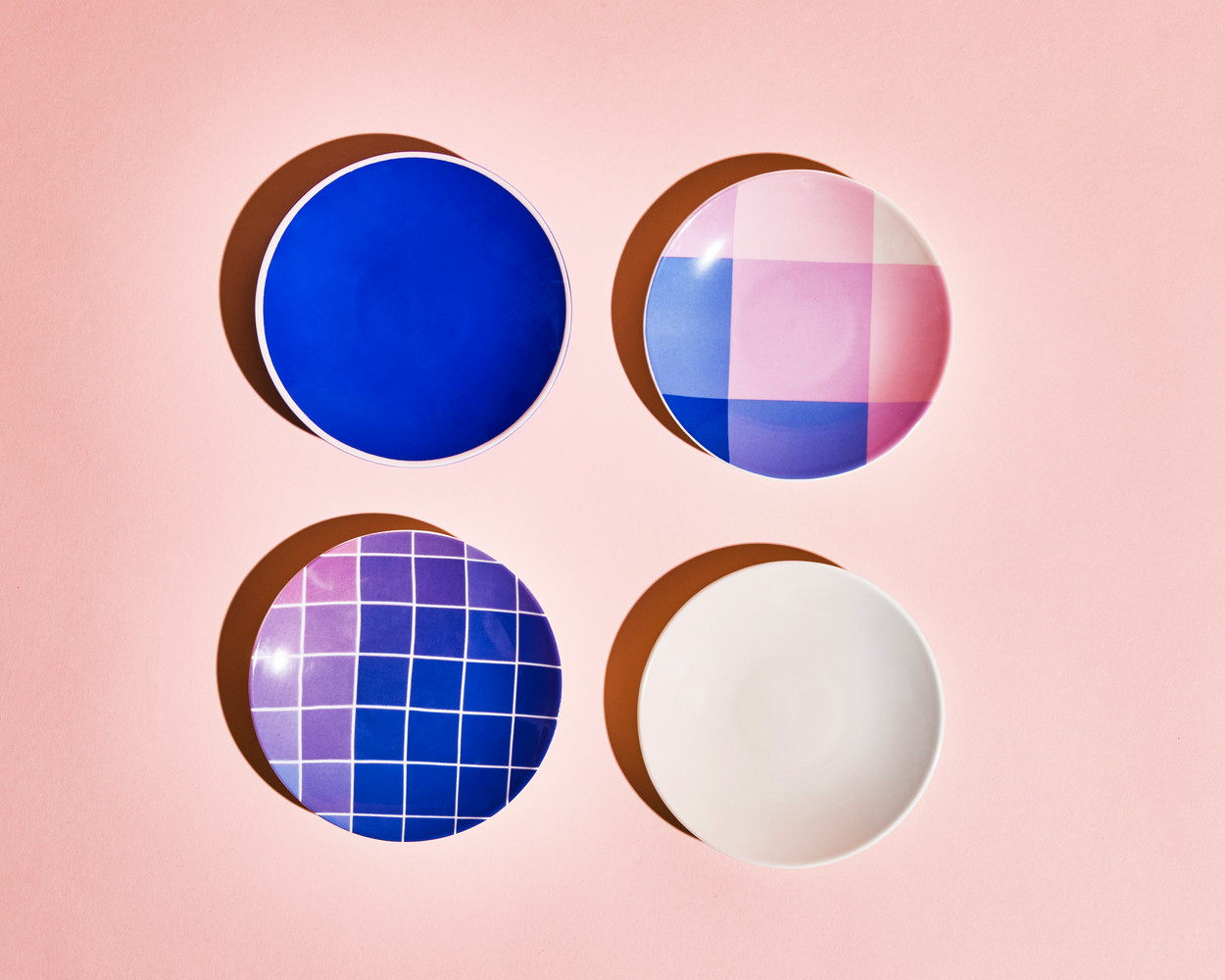
Our New Collaboration Will Make Your Tabletop #SODomino

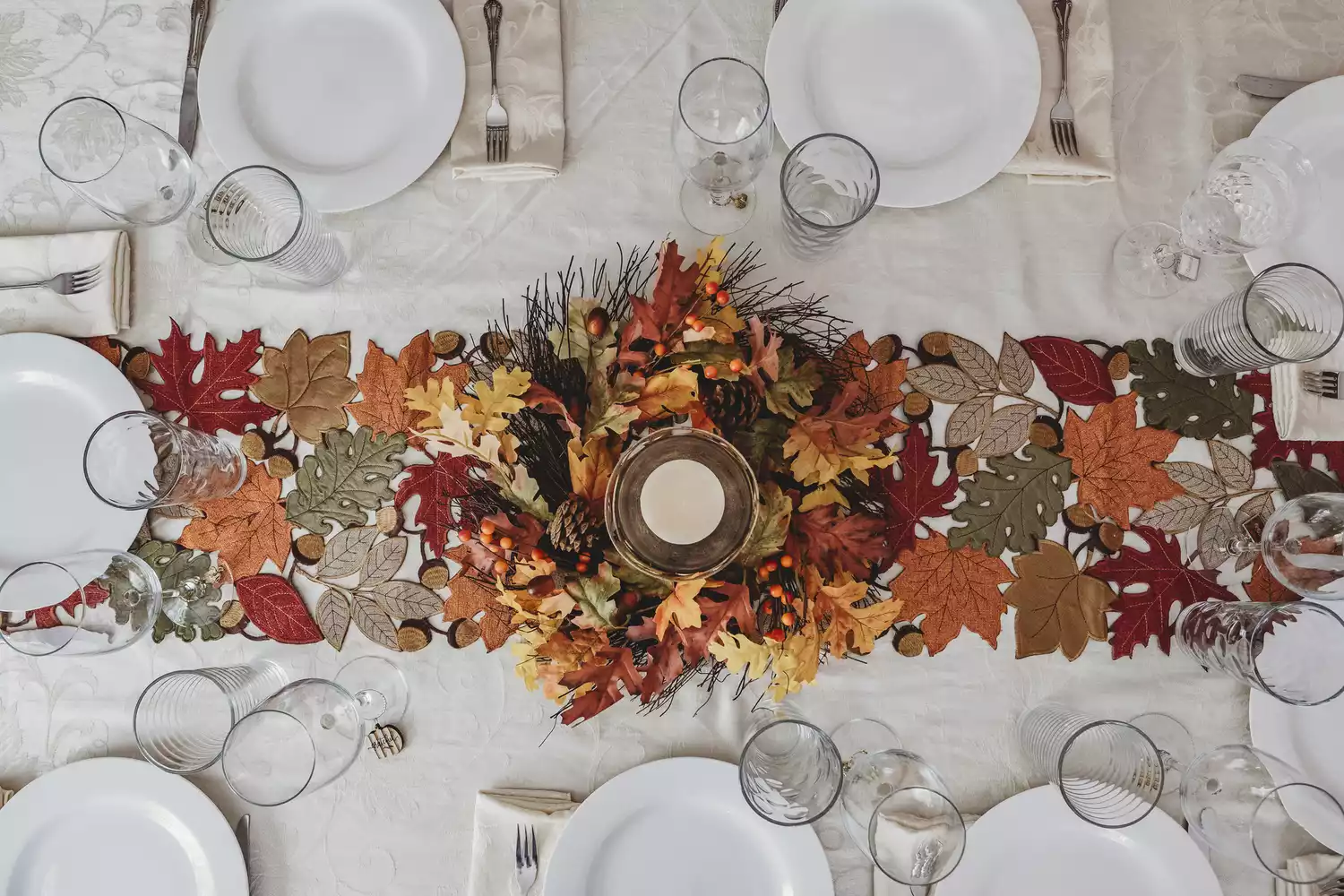
We Asked Etiquette Pros to Tell Us How to Set a Table Properly and We're Taking Notes

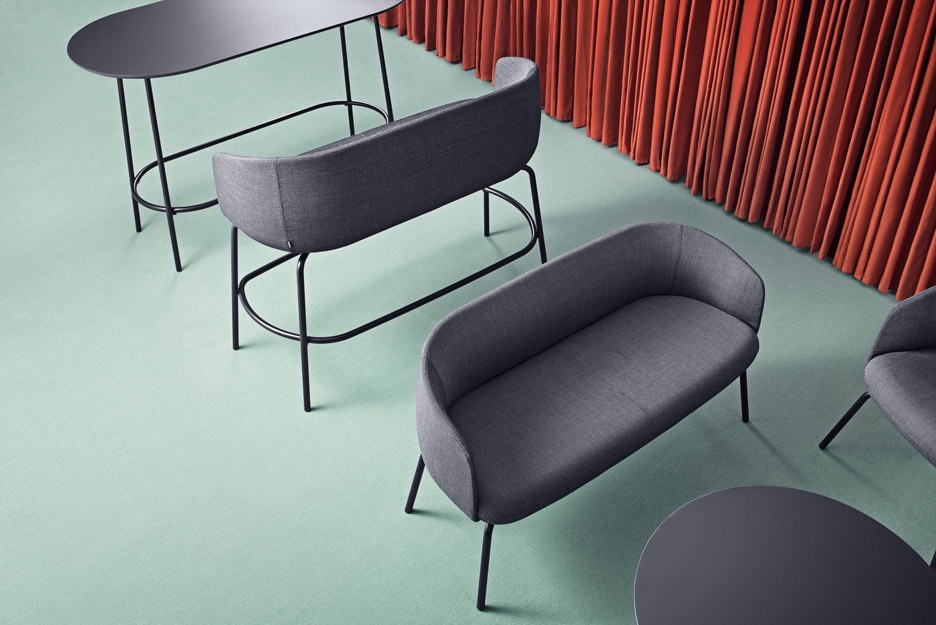
Form Us With Love elevates Nest furniture on slim metal legs
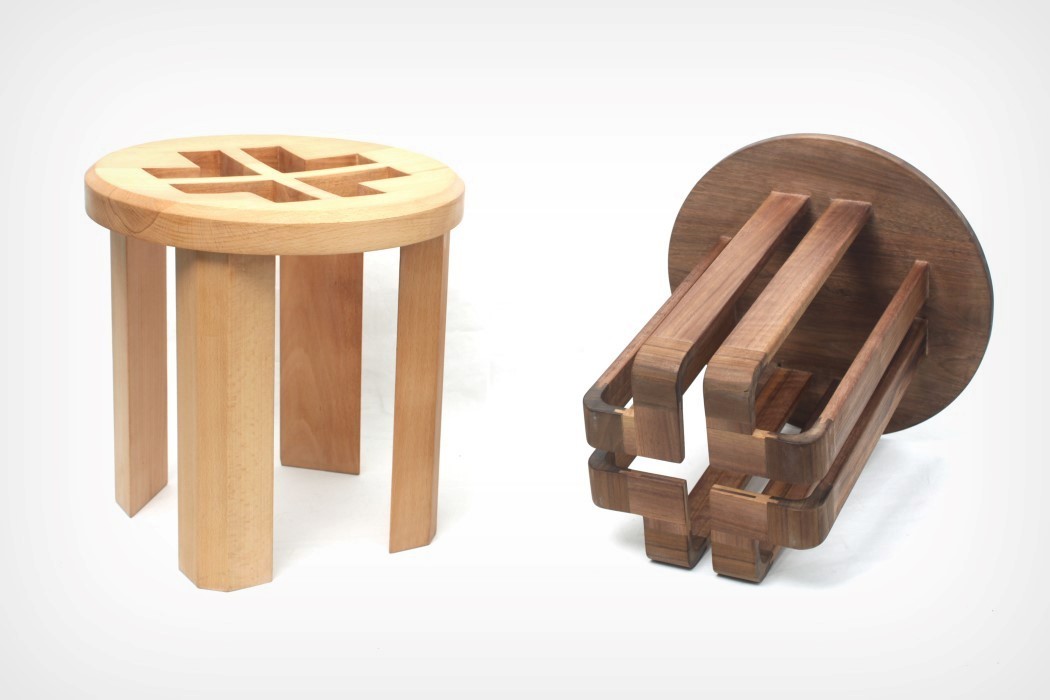
Nesting stools that also transform into the occasional side table

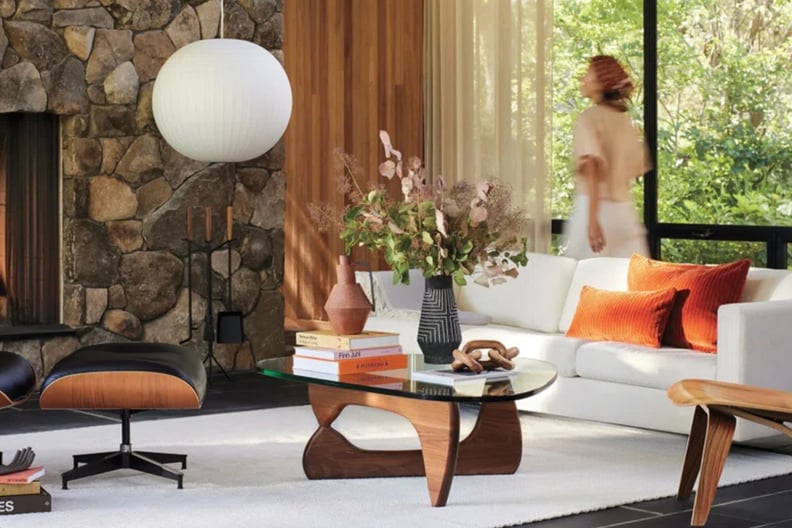
The Best Coffee Tables From Wayfair — Including Black Friday Sale Items