I Curated A Low-Cortisol Home — Here's How I Did It
The concept of a “low-cortisol home aesthetic” has emerged as a response to the pervasive presence of stress in modern life, aiming to transform living spaces into calming sanctuaries. This approach acknowledges that the home environment plays a critical role in regulating stress hormones like cortisol, often elevated by fast-paced, tech-driven lifestyles. The article outlines a personal journey toward creating such a space, inspired by a desire for a more peaceful existence after years of urban living and personal transitions. Rather than relying on external wellness products, the focus shifts inward, emphasizing the deliberate design of one’s immediate surroundings to foster a serene nervous system and enhance overall well-being. The objective is to balance a demanding lifestyle with a soothing home, ensuring that the individual can operate at their best, whether professionally or personally.
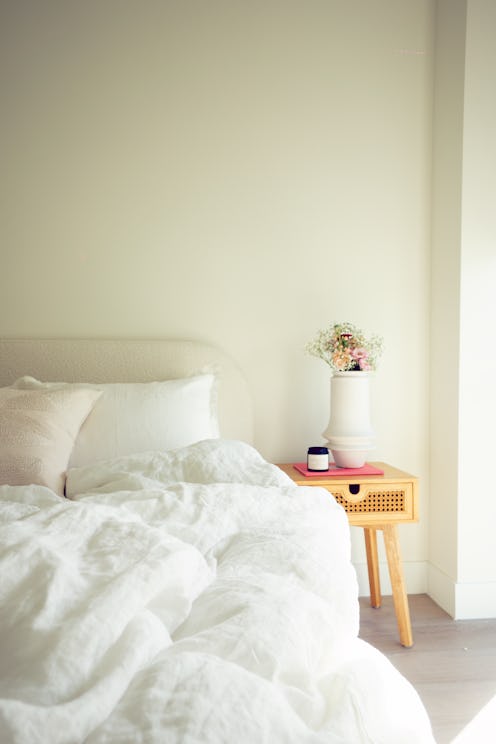
Key to this low-cortisol aesthetic is the strategic selection of colors, shapes, and textures. Drawing inspiration from the "Vanilla Girl era" on TikTok, the design incorporates a neutral color palette of whites, creams, and natural wood tones. These cool, neutral shades are known for their ability to reduce distraction and promote relaxation. An ivory wool boucle sofa, for instance, serves as a central element, providing a soft, tactile experience. The choice of boucle, a fabric reminiscent of childhood comfort, engages the sense of touch, which psychologists suggest is an accessible way to engage in distress tolerance and self-soothing. This sensory engagement helps calm the brain, drawing on positive associations. The inclusion of plant life further enhances this ethereal and calming aesthetic, offering anti-anxiety benefits through their visual presence and natural connection.
Beyond visual and tactile elements, the design philosophy emphasizes the equal importance of function and comfort. The creation of a “lived-in luxury” feel is achieved by combining bold silhouettes with artisanal textures, adding depth and warmth to a space. For example, a kitchen nook features dining chairs with juxtaposed textures and a white plaster pedestal bistro table, which serves both aesthetic and functional purposes. This dual functionality is particularly beneficial for those who use their home for both work and leisure, providing a beautiful backdrop for daily activities while also being a relaxing center for elements like floral arrangements, which are another means of stress reduction.
Environmental consciousness is also integral to the low-cortisol home. The article highlights the importance of minimizing toxic loads within the home by incorporating live plants instead of artificial decor and choosing organic, chemical-free materials. This includes selecting lush organic linens and formaldehyde-free mattresses, underscoring the belief that sustainability and a low-cortisol lifestyle are interconnected. This approach not only supports physical health but also contributes to a cleaner, more natural sensory environment that aids in nervous system regulation.
Ultimately, the experts consulted for this endeavor stress that “energy is everything.” The core principle is to consciously create an energy within the home that signals peace. This involves intentionally separating “stress-related items” from “non-stress-related spaces” to prevent stress-related cross-contamination. By adhering to these expert-inspired tips, which encompass soothing colors, comforting textures, and environmentally conscious design choices, the aim is to restore a profound sense of peace within the home, transforming it into a true refuge from the stresses of the outside world. This holistic approach ensures that every aspect of the home contributes to a harmonious and stress-reducing environment.
#HomeAesthetic #LowCortisolDesign #InteriorDesign #WellnessHome #StressReduction #MindfulLiving #NeutralPalette #SustainableDesign #SensoryExperience #HomeAesthetic #LowCortisolDesign #InteriorDesign #WellnessHome #StressReduction #MindfulLiving #NeutralPalette #SustainableDesign #SensoryExperience
 Ainda não há comentários
I Gave My Home a Seasonal Refresh — Here's How

How a 15-Minute Cleaning Routine Transformed My Entire Home