1/9
Can you leave outdoor furniture in the rain? Experts reveal which can withstand the elements, and types to keep dry
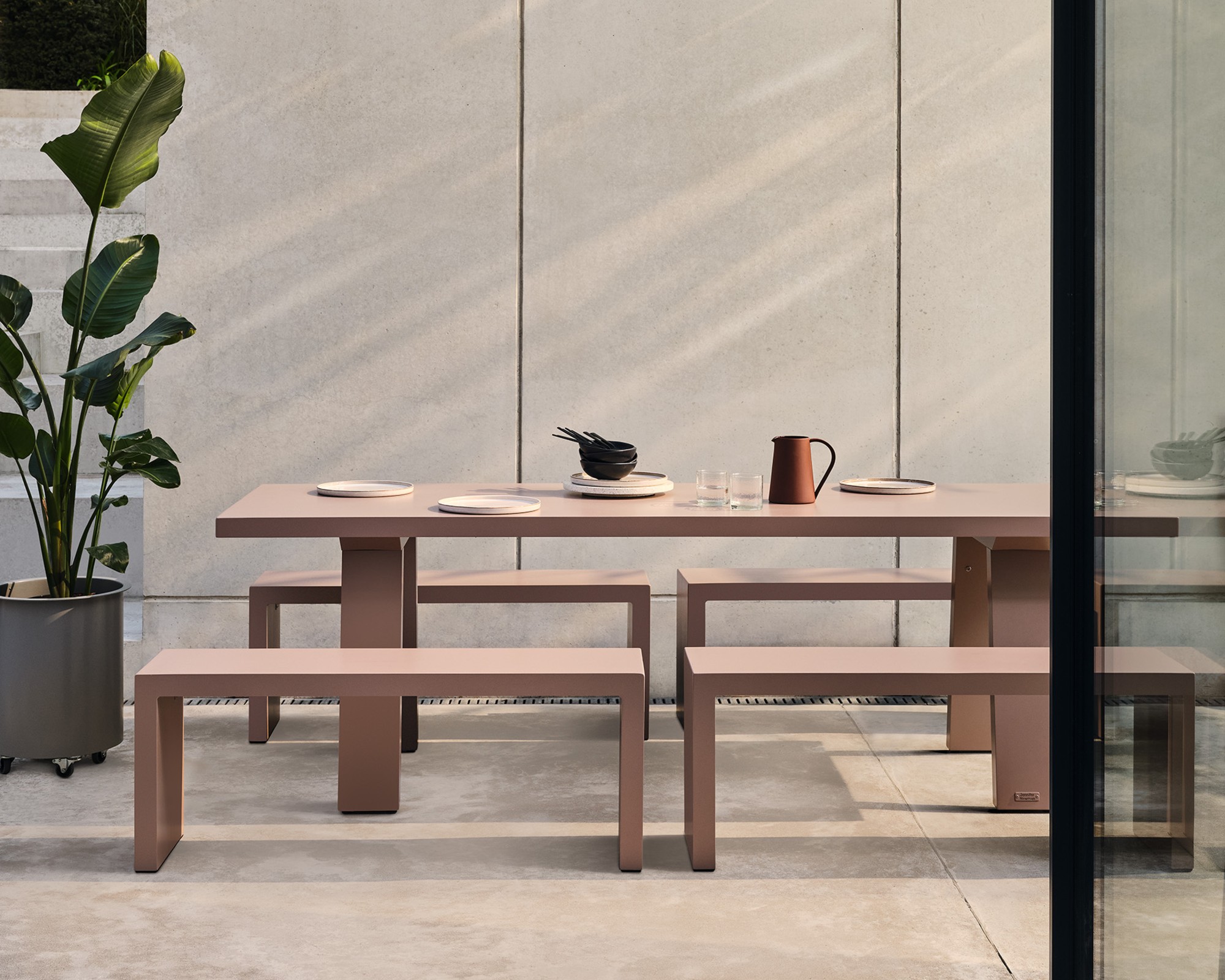
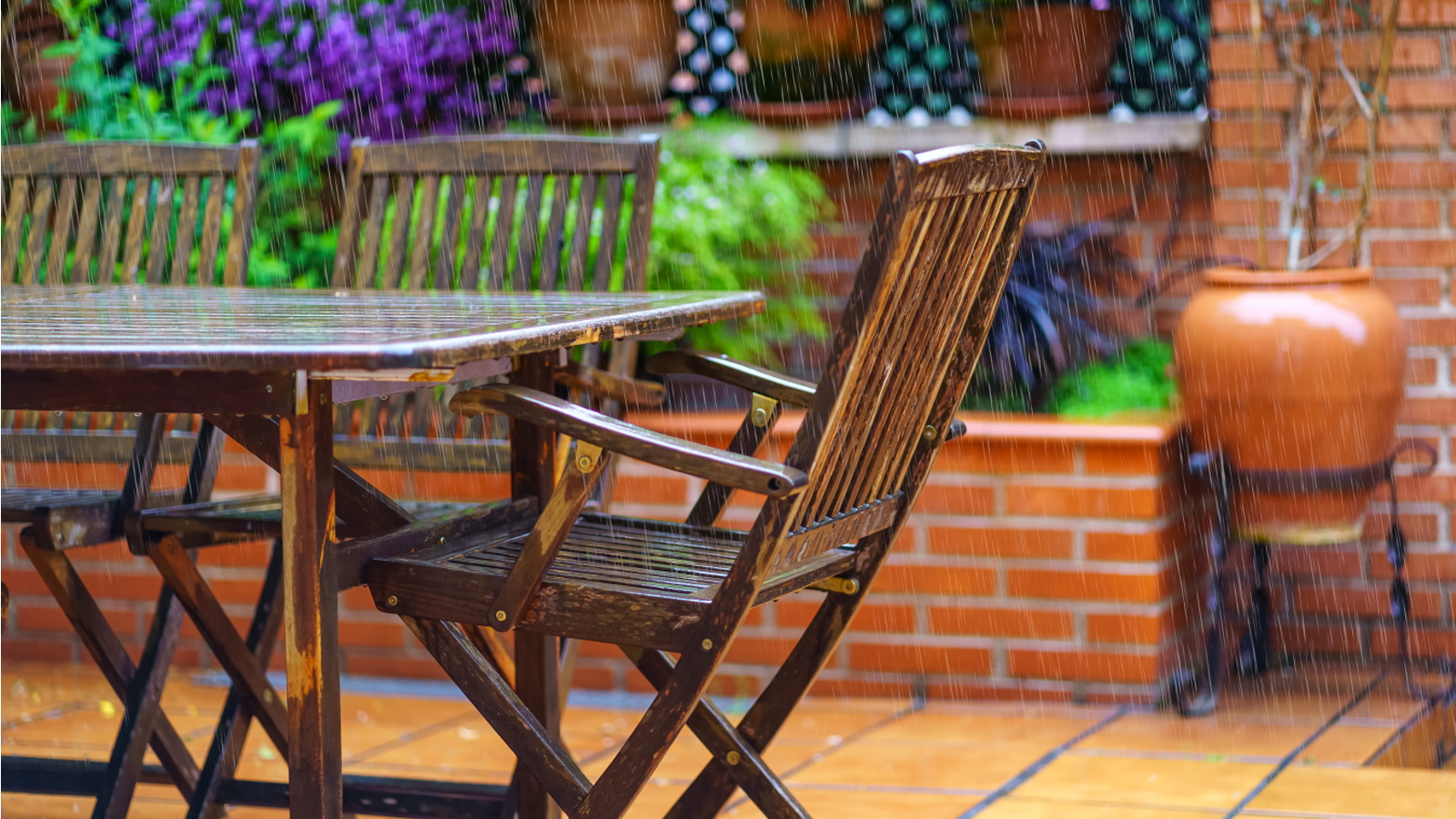
The decision to leave outdoor furniture exposed to rain depends largely on the materials used in its construction, as not all furniture is designed to withstand the elements without damage. Failure to consider material properties can lead to issues such as rotting, rusting, and mold. For instance, untreated metal is susceptible to rust, while natural wood can warp or rot when exposed to excessive moisture.
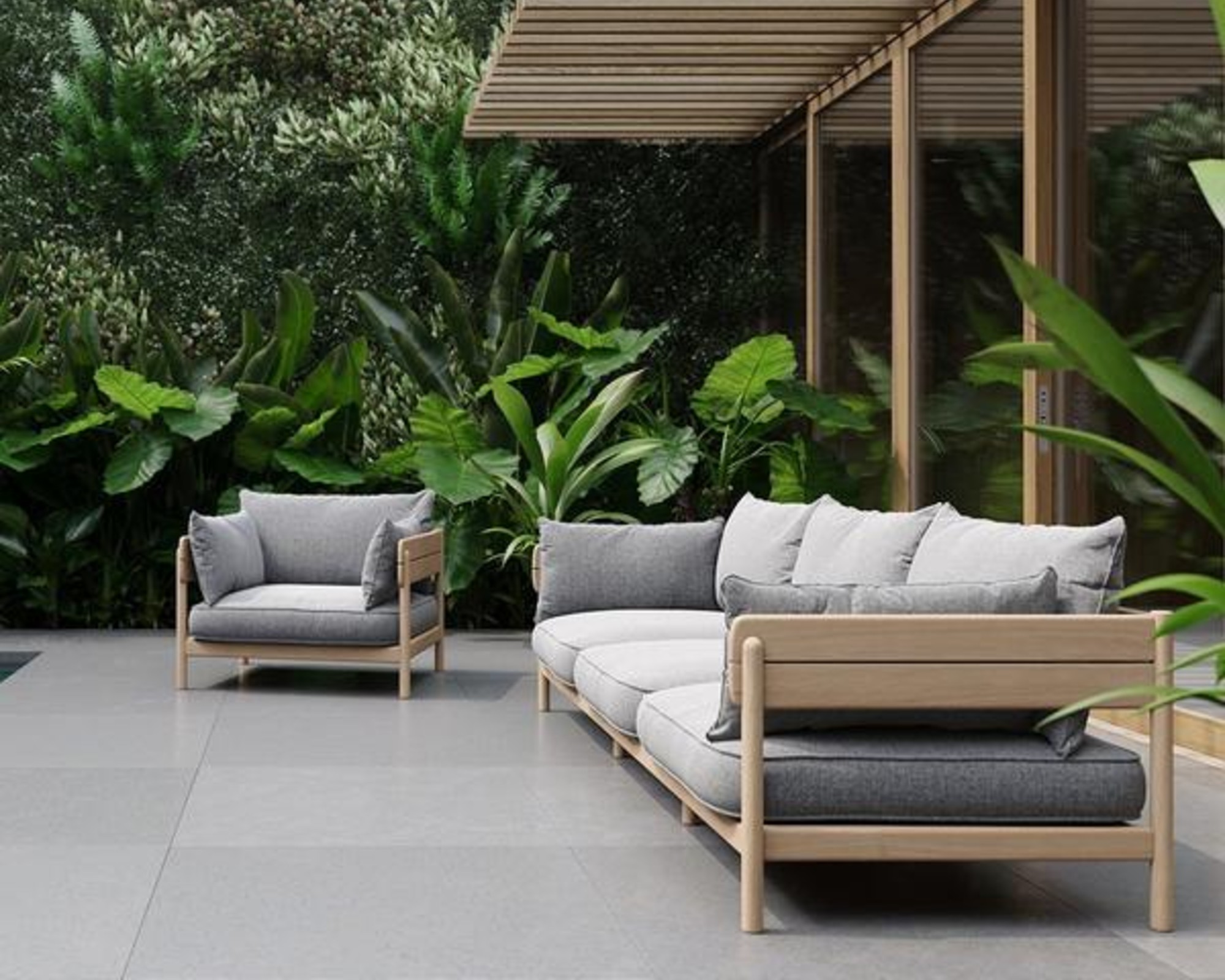
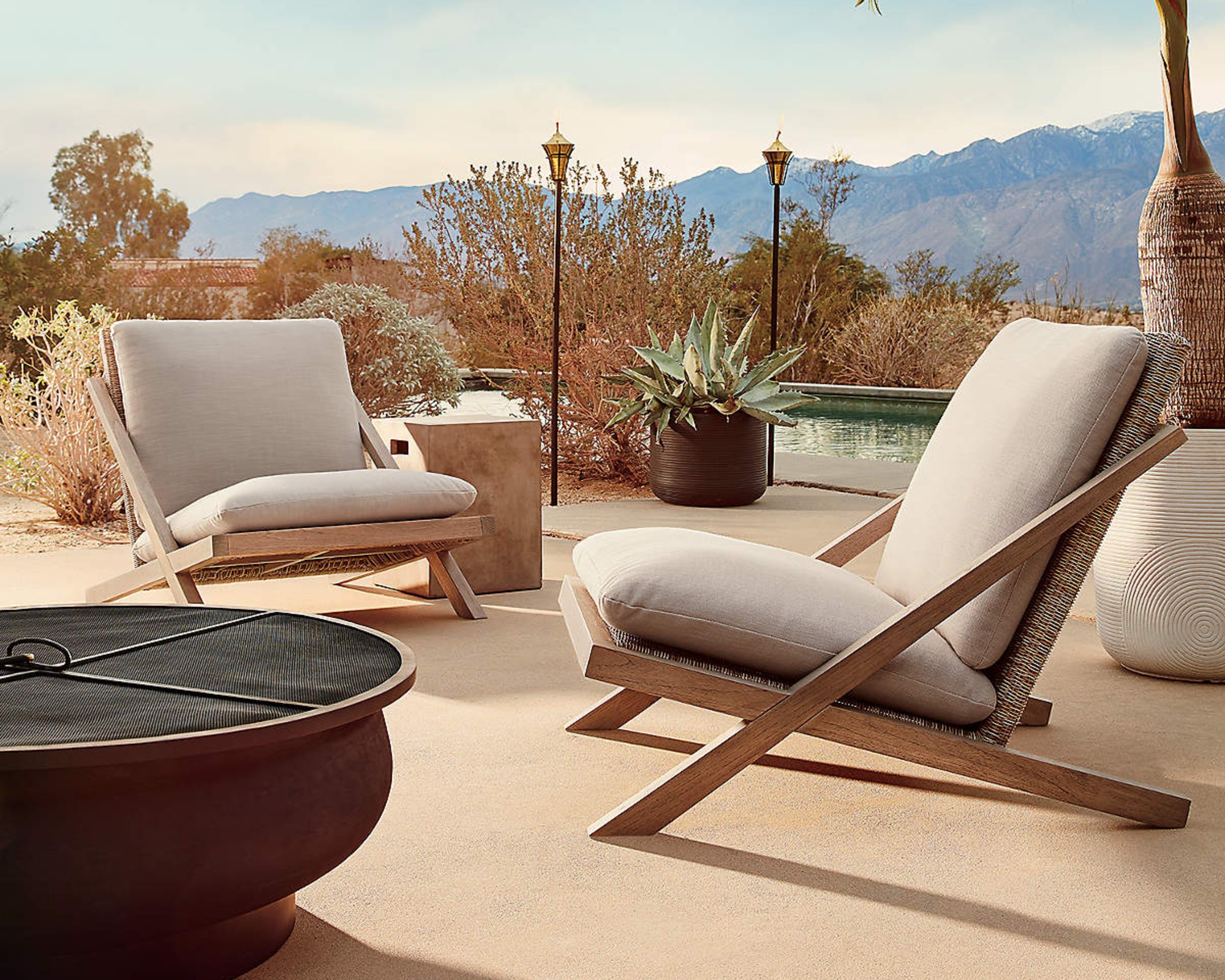
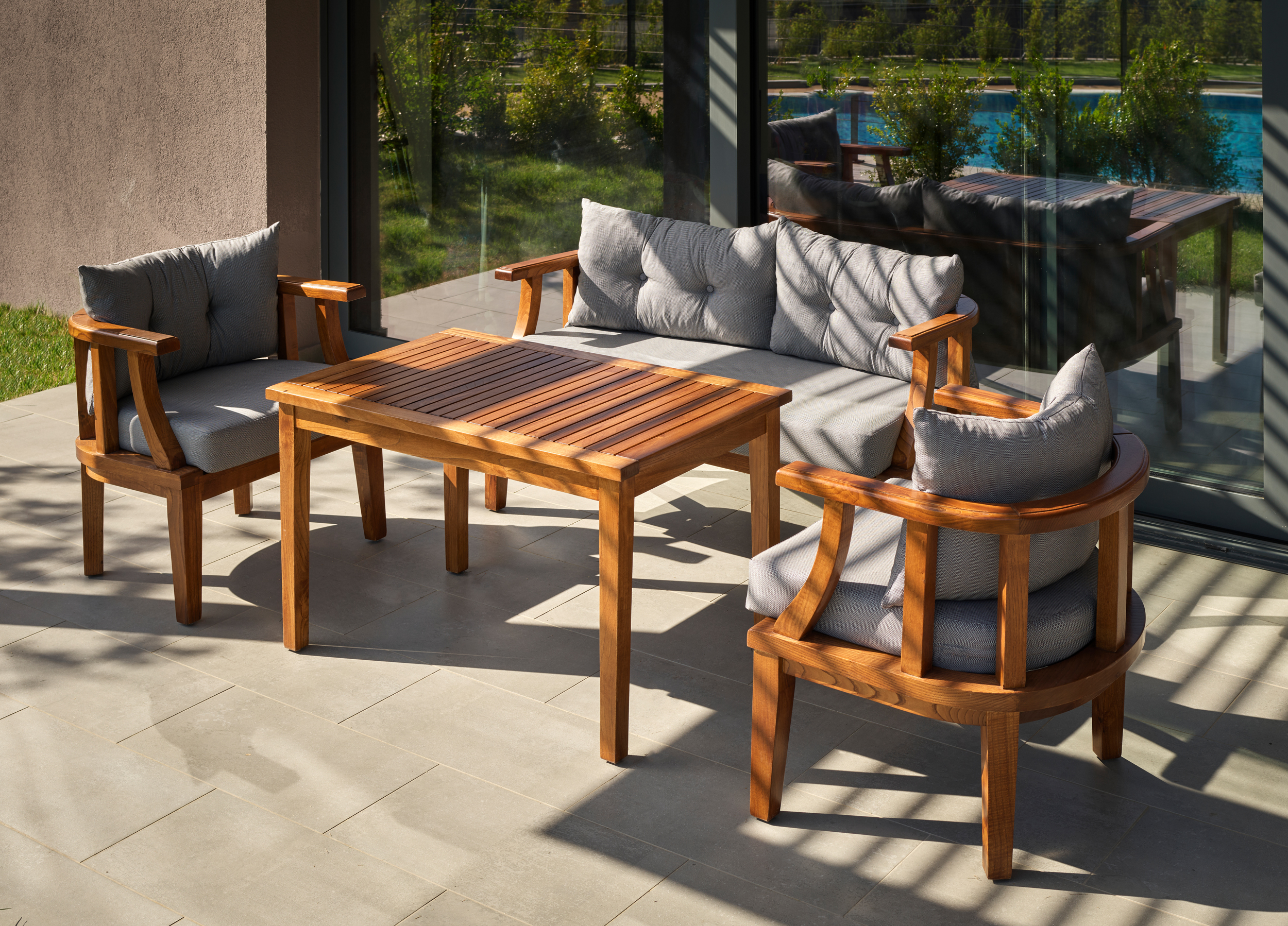
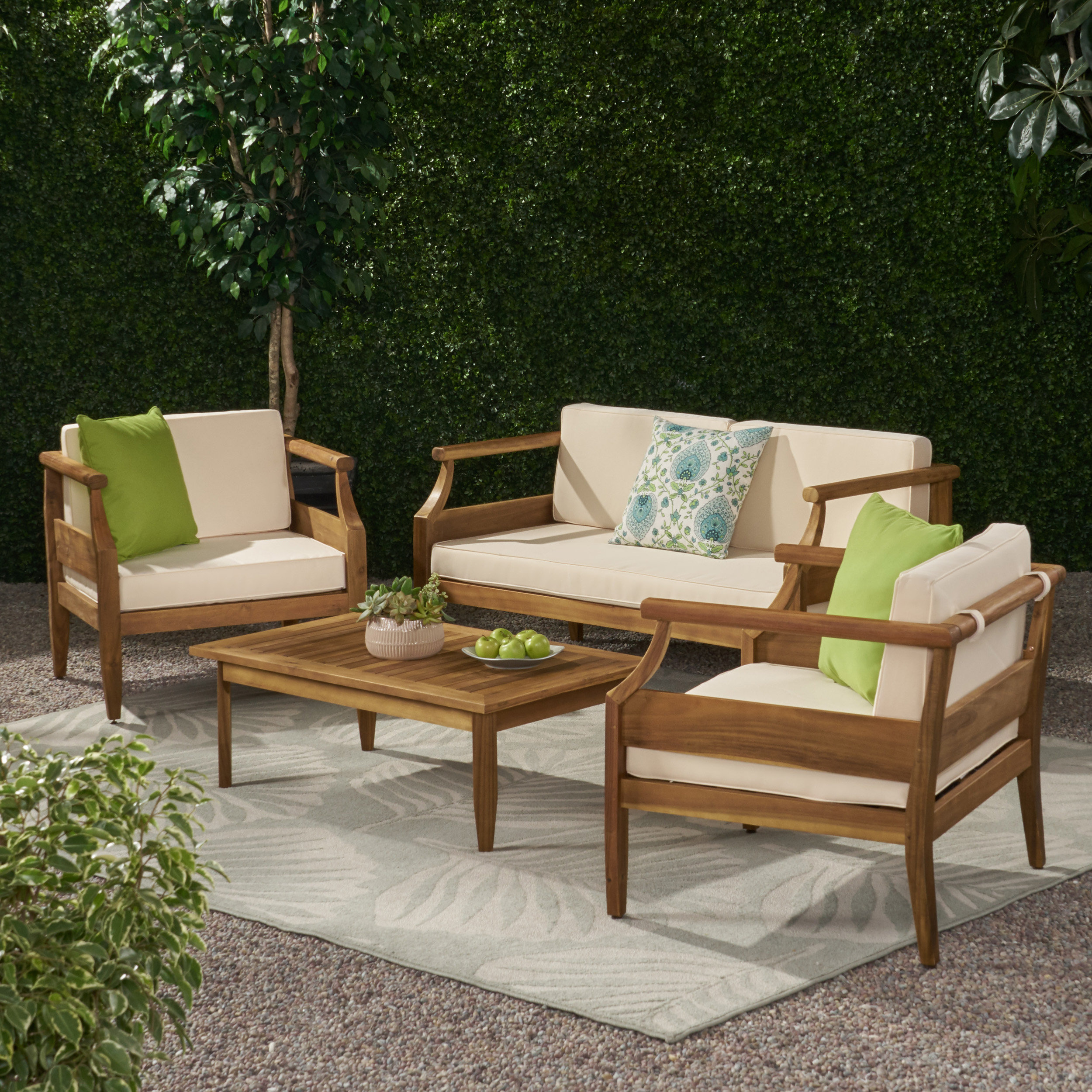
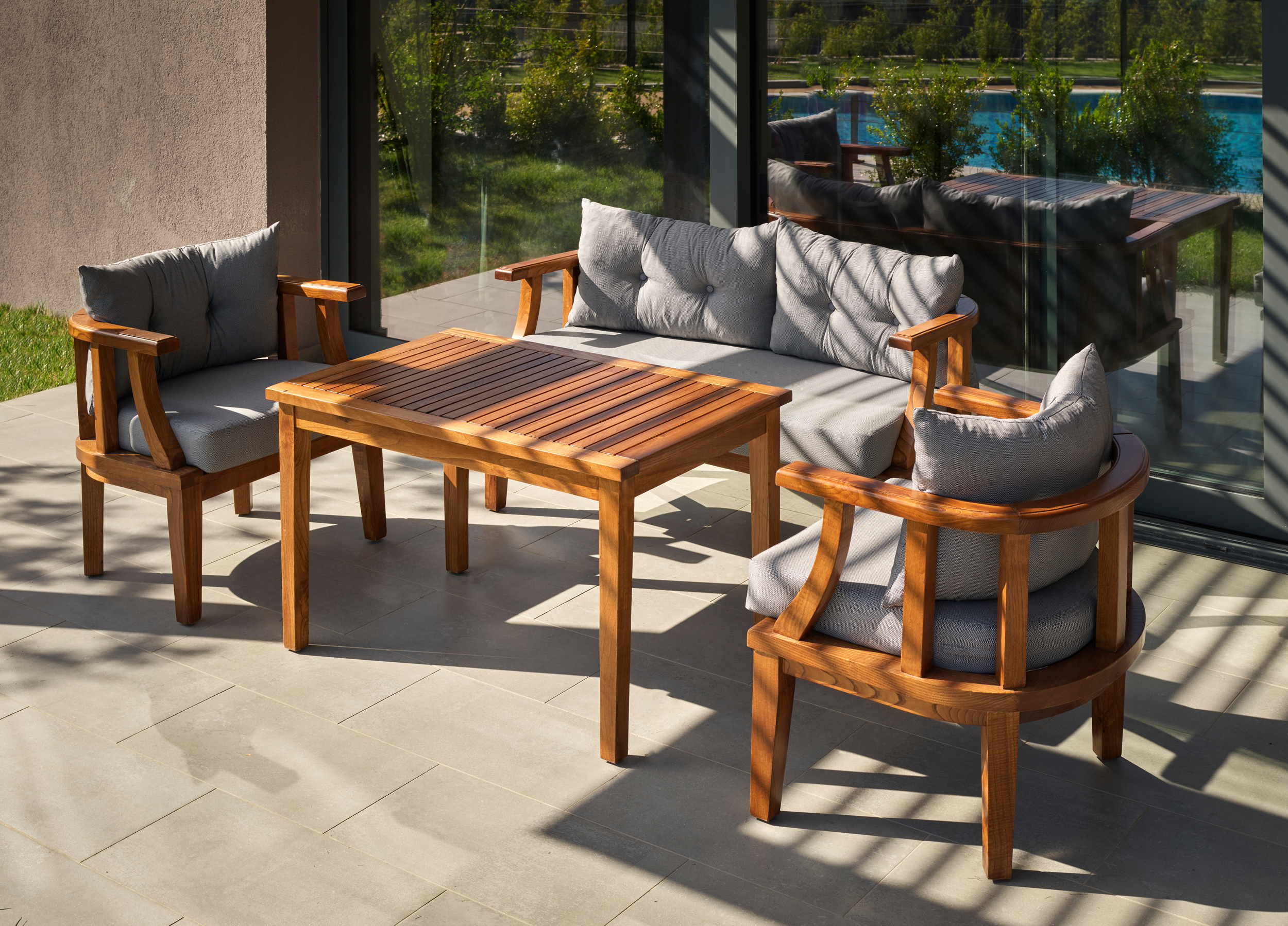
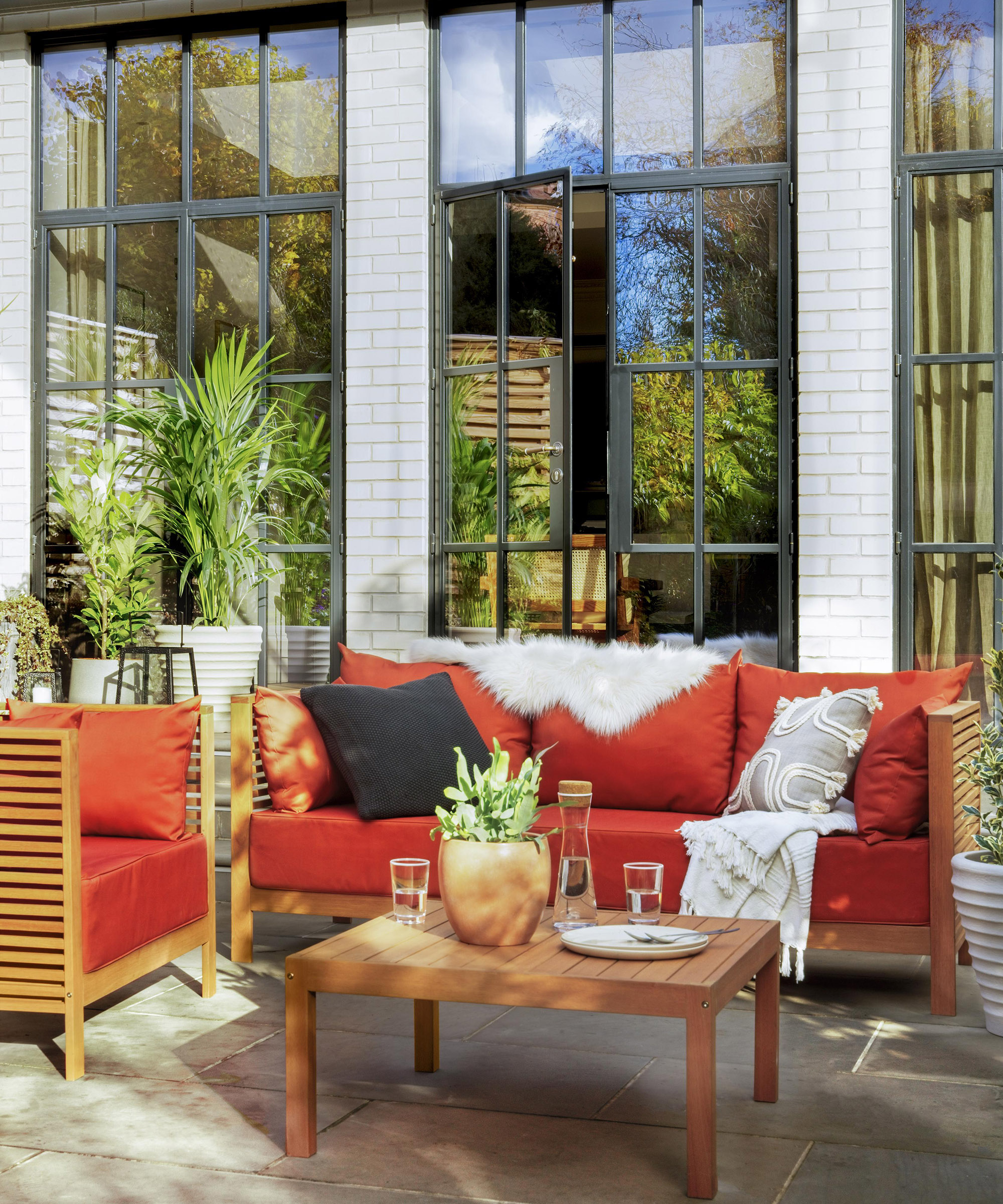
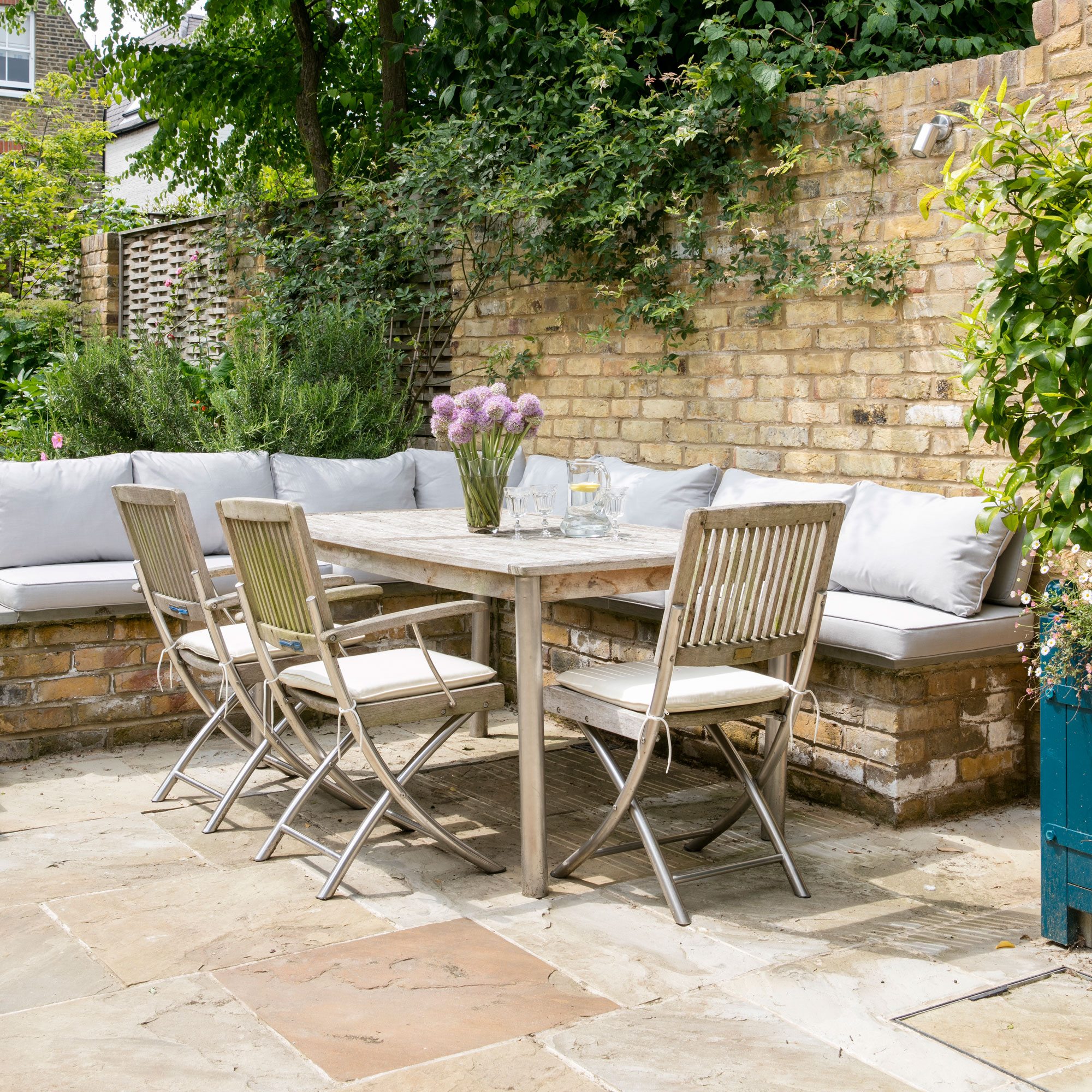
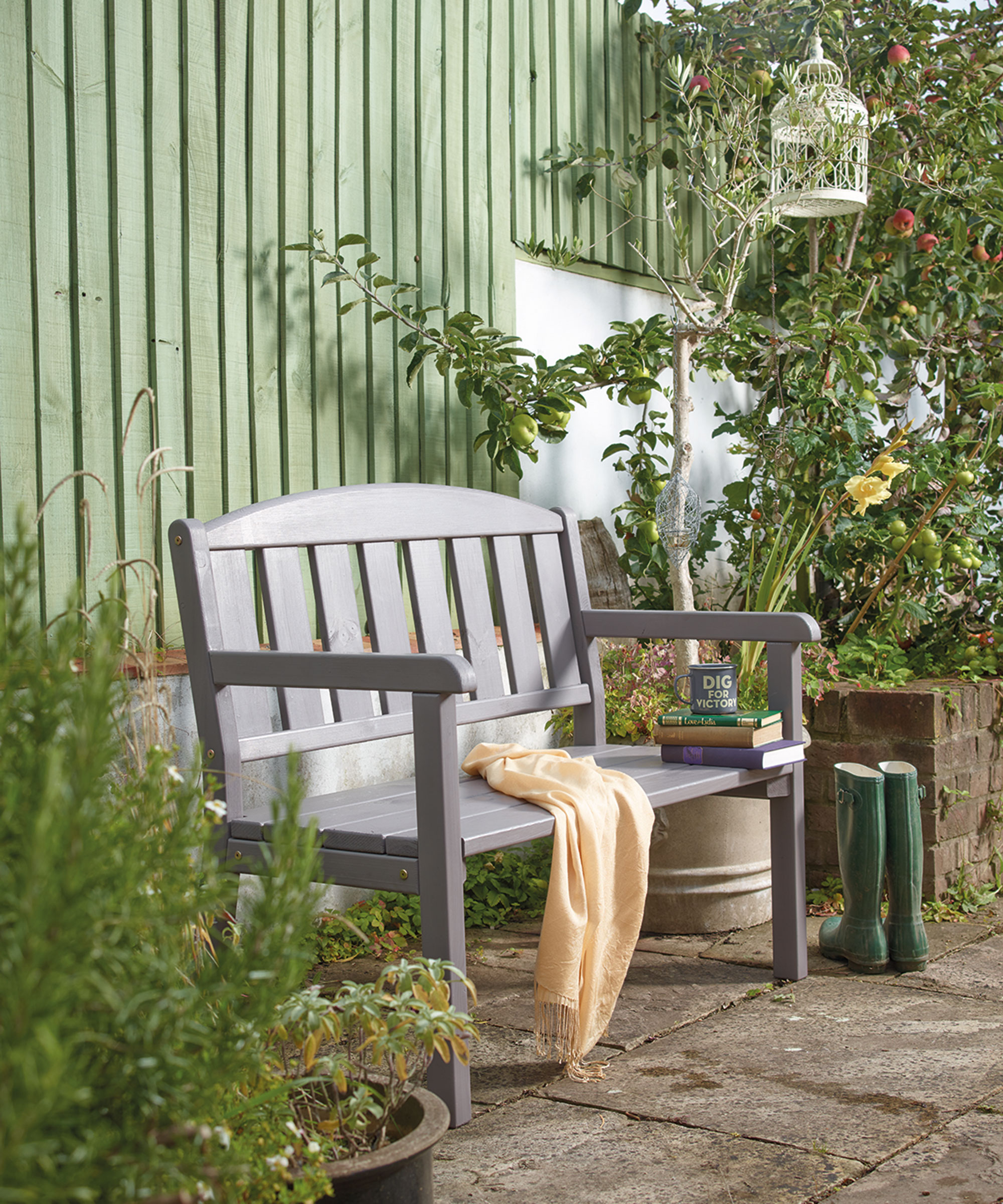
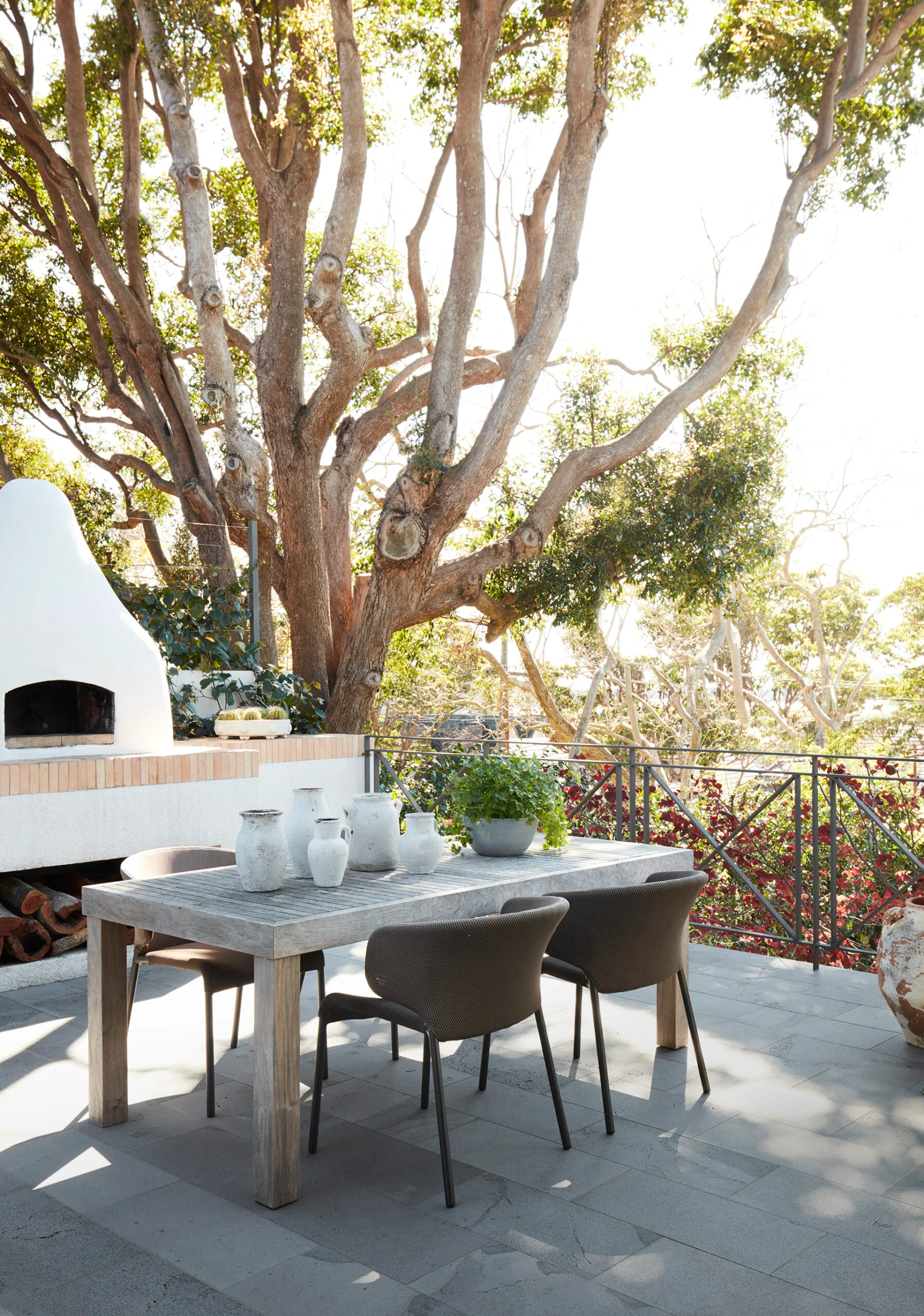
Wooden outdoor furniture is a popular choice due to its durability, often found in dining sets and coffee tables. Among various wood types, teak is highly recommended for outdoor use due to its inherent durability and weather resistance. Teak wood contains a high oil and rubber content, acting as a natural water repellent that makes it almost immune to rotting. Other suitable woods for rain exposure include cedar and ipe. However, even durable woods like teak may require protection from direct sunlight to prevent bleaching.
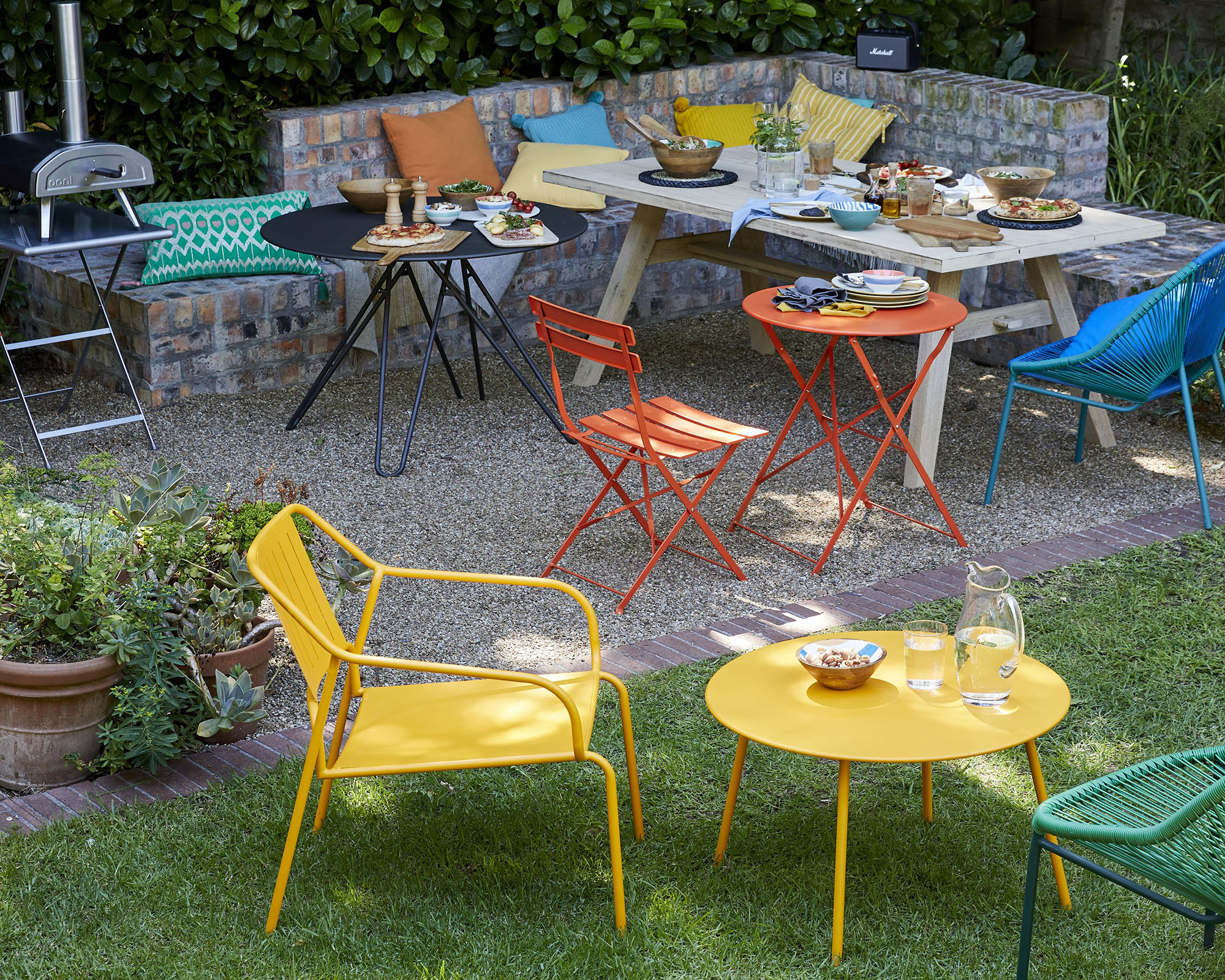
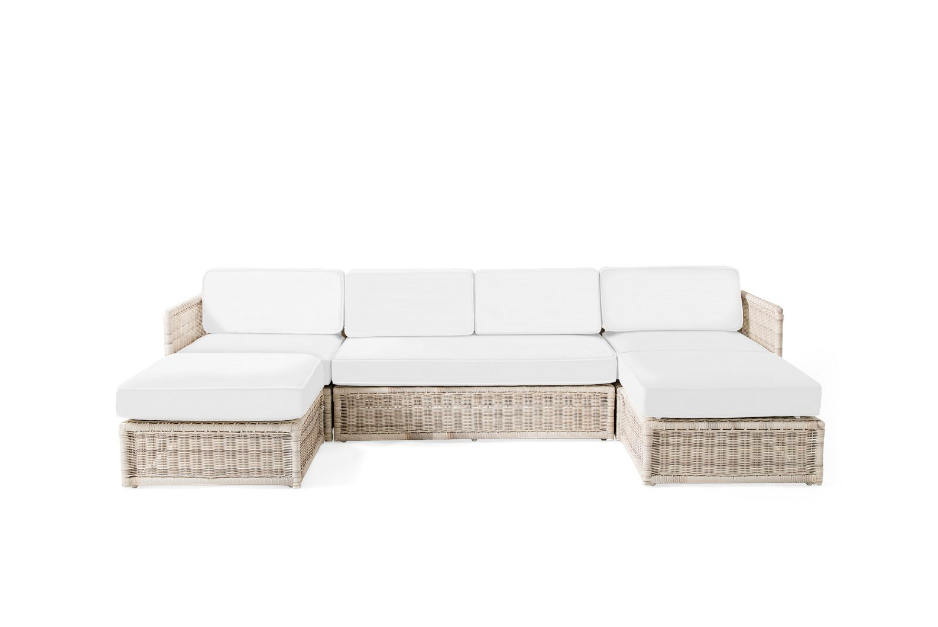
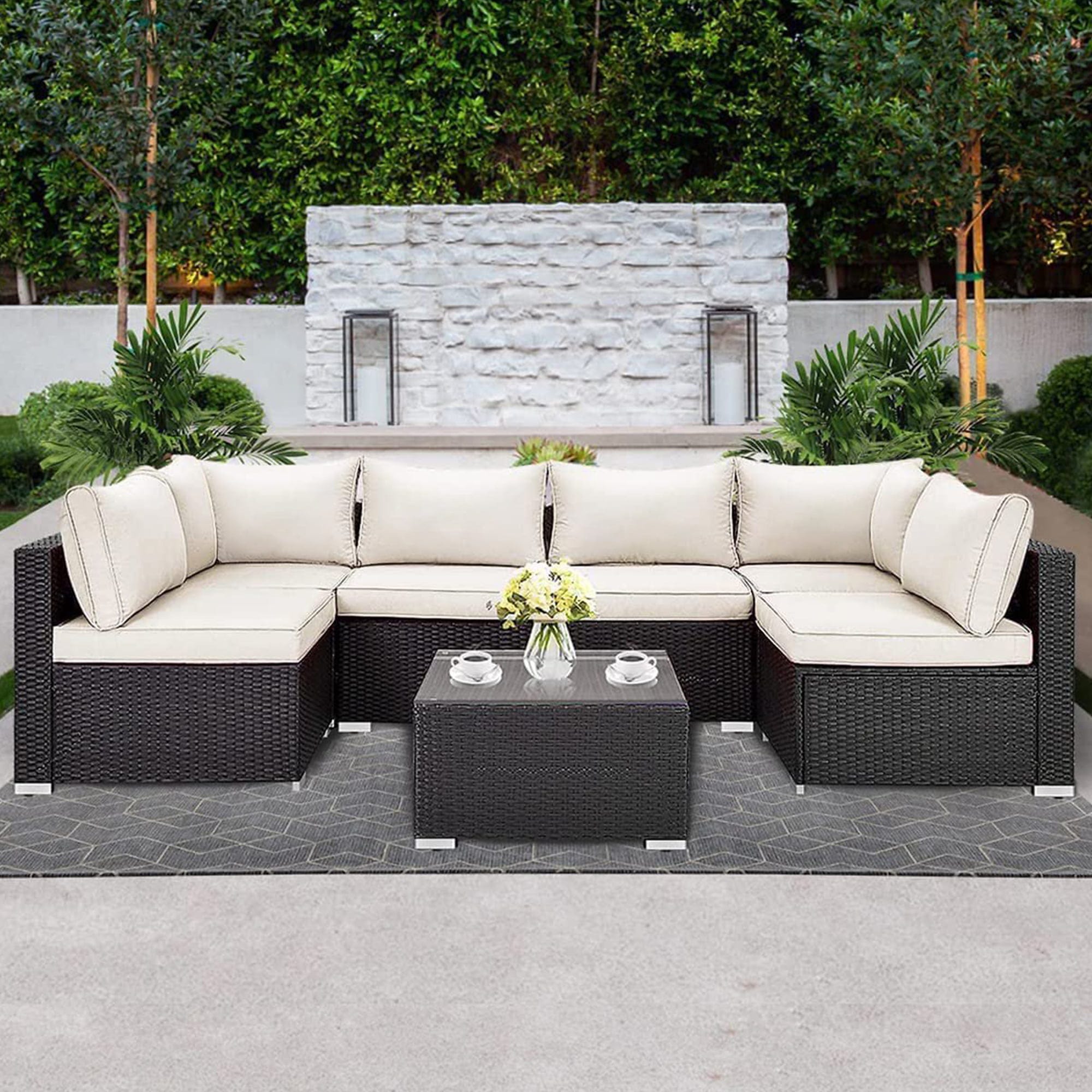
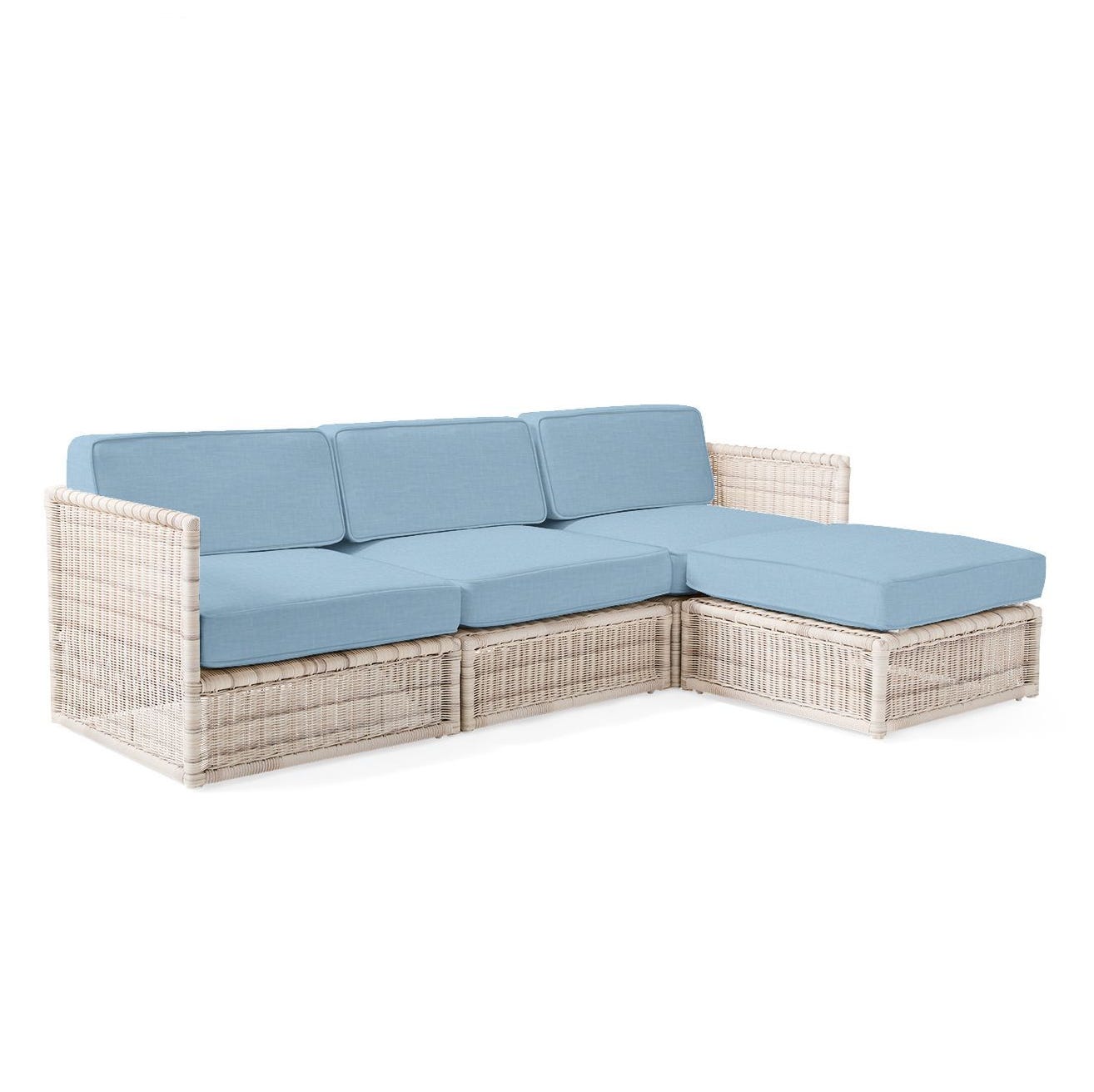
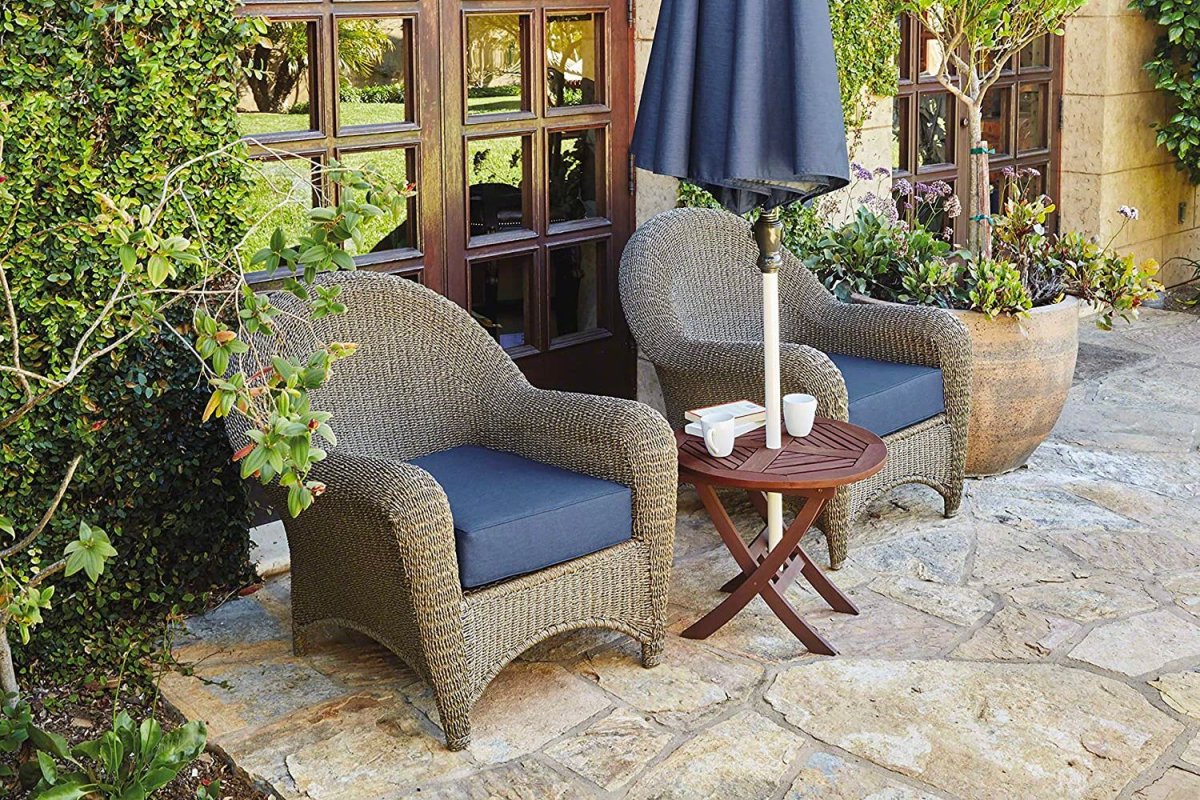
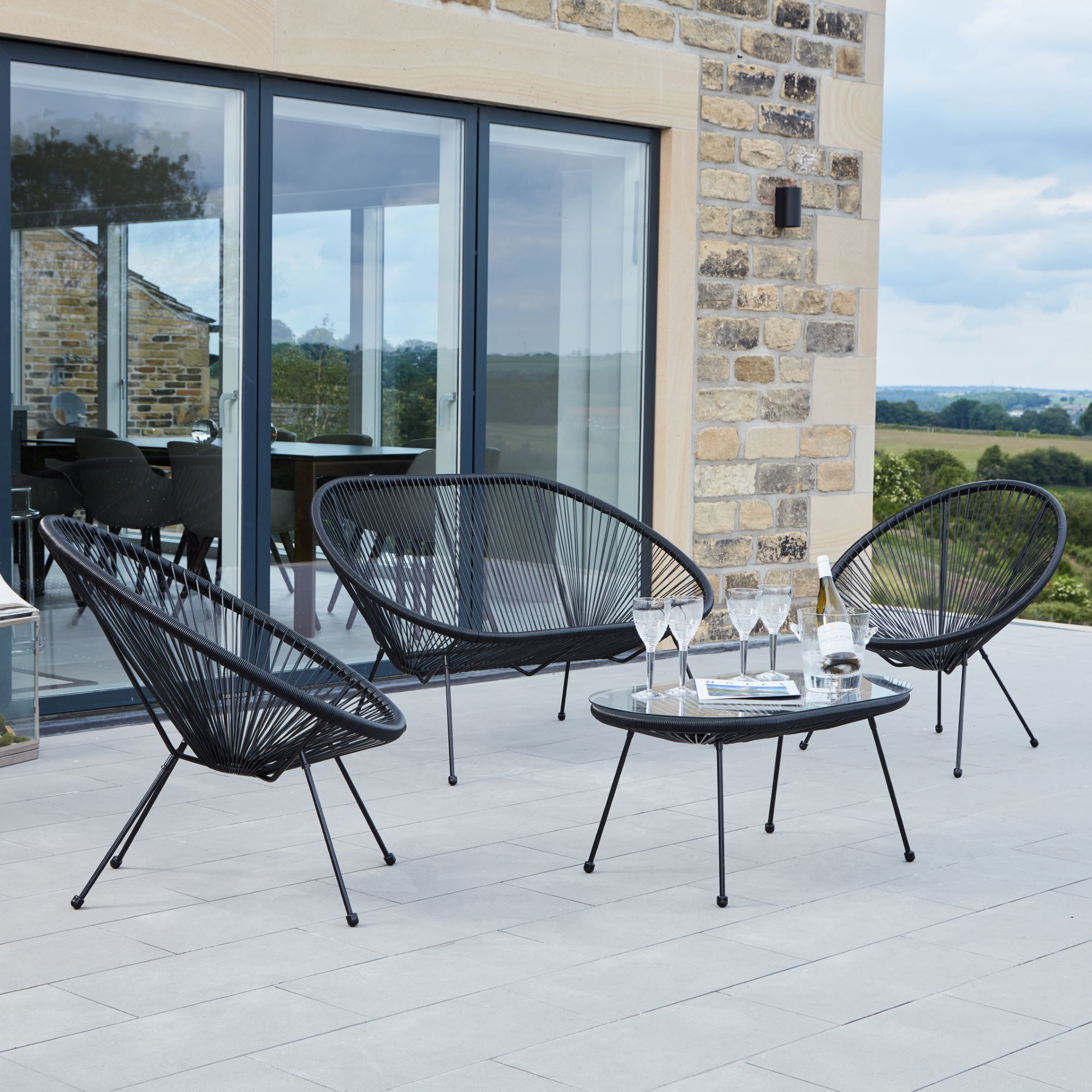
Plastic furniture, particularly those made from all-weather wicker and High-Density Polyethylene (HDPE), is highly resistant to rain. HDPE is a robust plastic that can endure most weather conditions without damage. Polyrattan, a type of synthetic rattan made from durable plastic, and Polyvinyl Chloride (PVC) wicker are also good choices for rain resistance, though PVC wicker might be more prone to scratches and dents compared to HDPE.
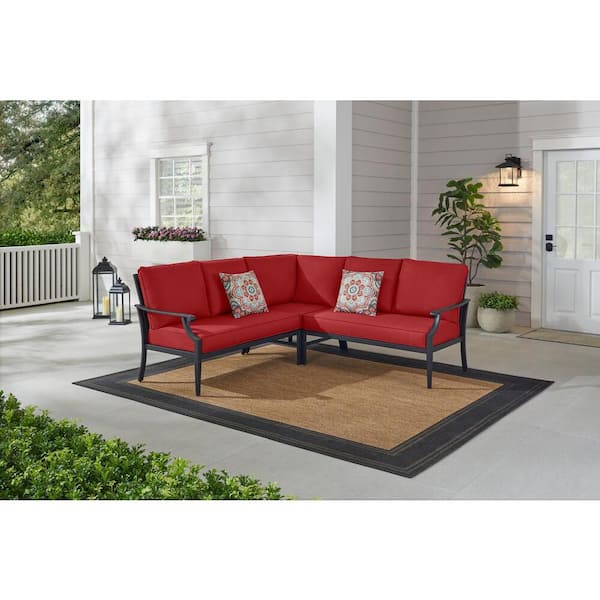
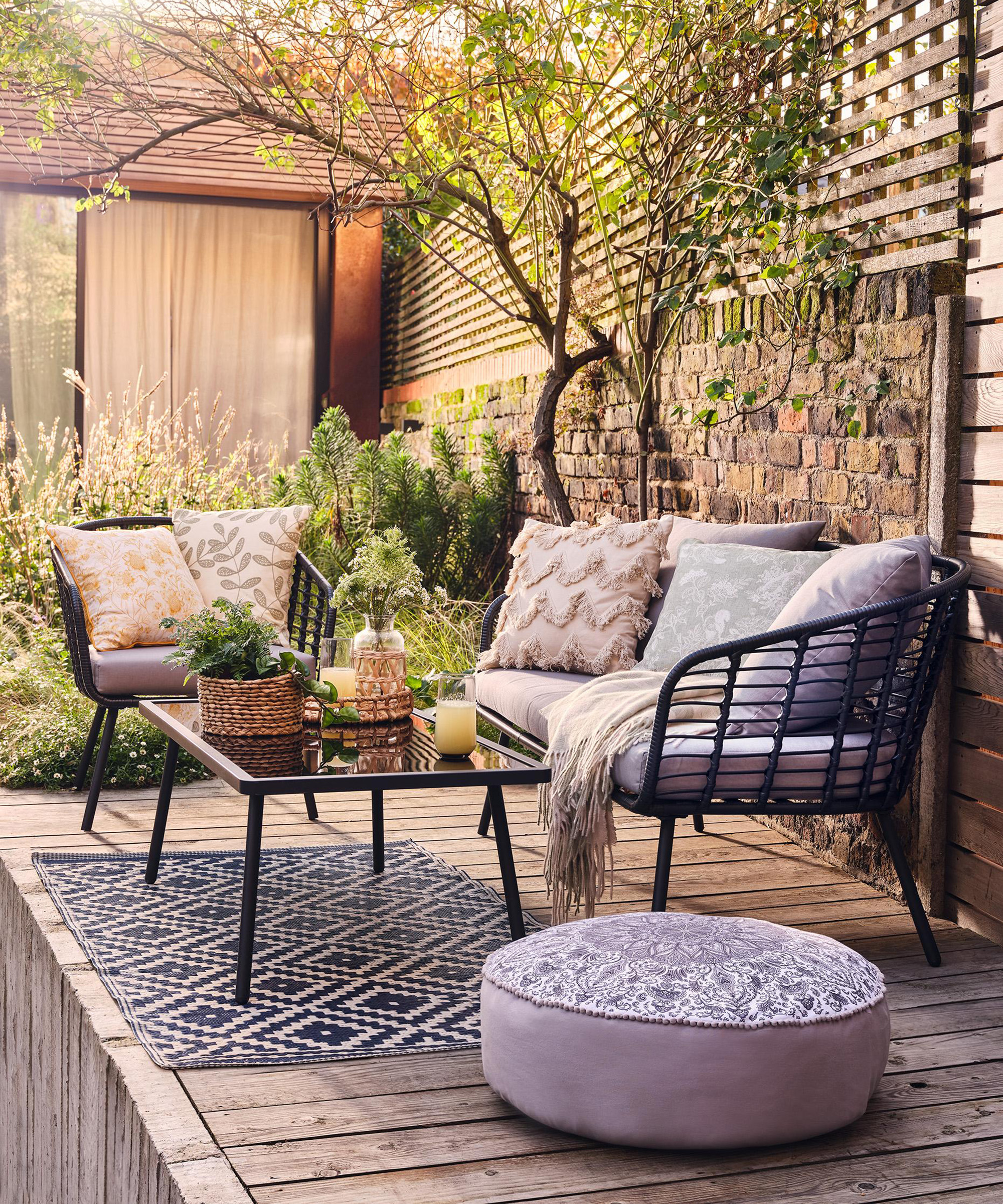
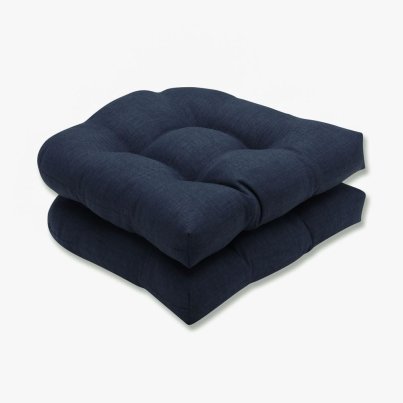
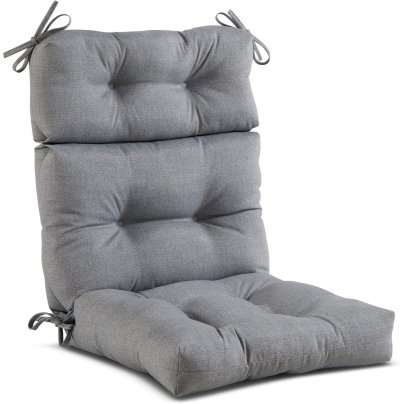
Soft furnishings, such as throw pillows and outdoor rugs, generally require more care. While some waterproof options exist, it is often advisable to bring non-specifically designed outdoor fabrics indoors during rain to extend their lifespan. If waterproof cushions are left outside, standing them upright can help water drain and prevent saturation. Regular cleaning of outdoor cushions and rugs is also important to maintain their appearance and longevity, especially if they are frequently exposed to the elements. Cloth-based rugs, like those made from cotton or linen, should be moved indoors during rain to prevent mold growth.
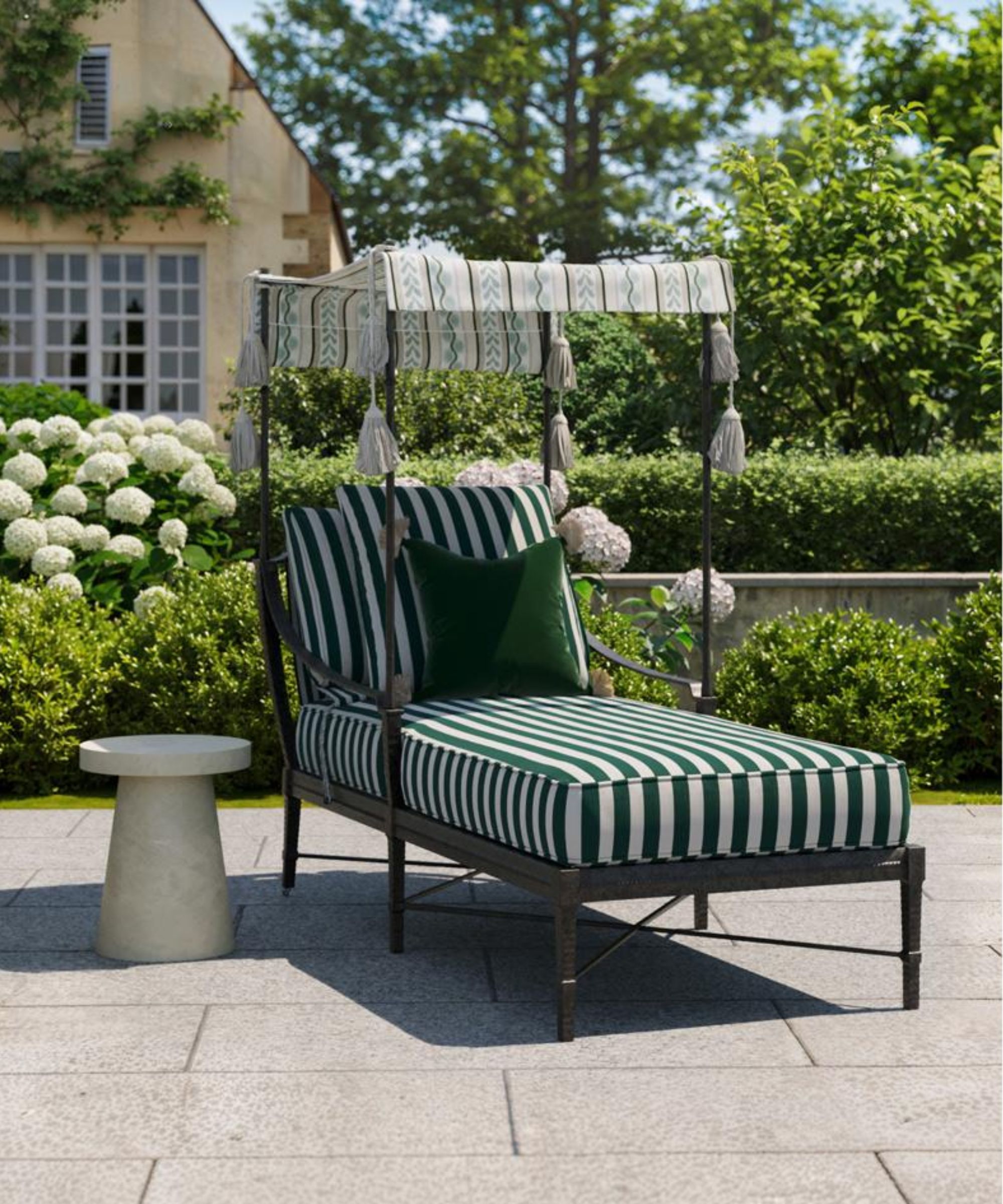
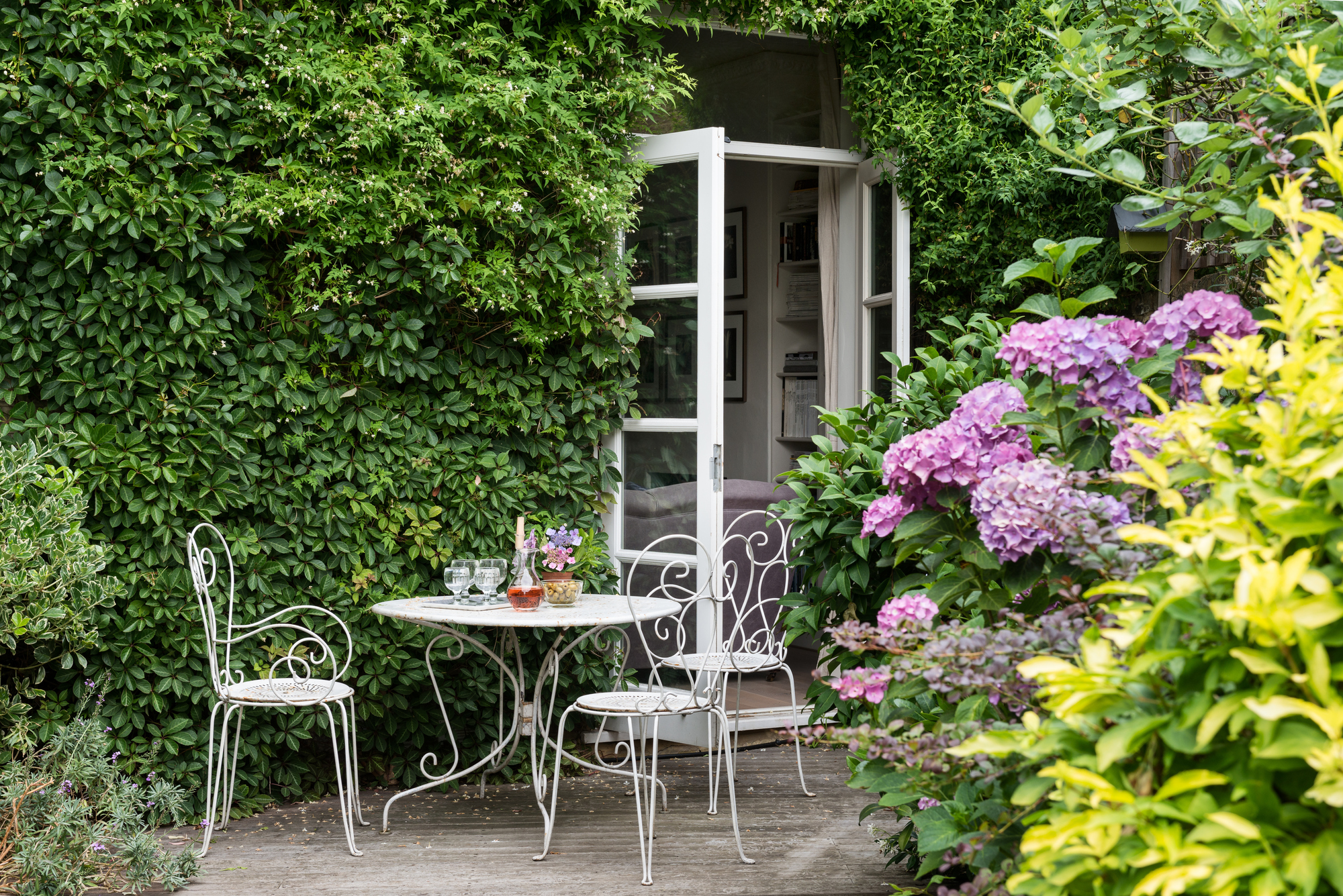
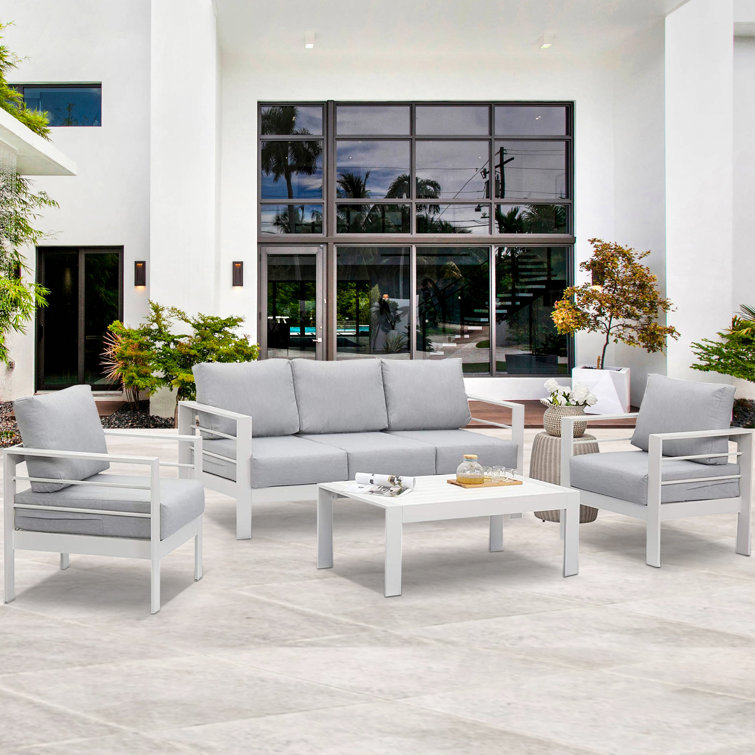
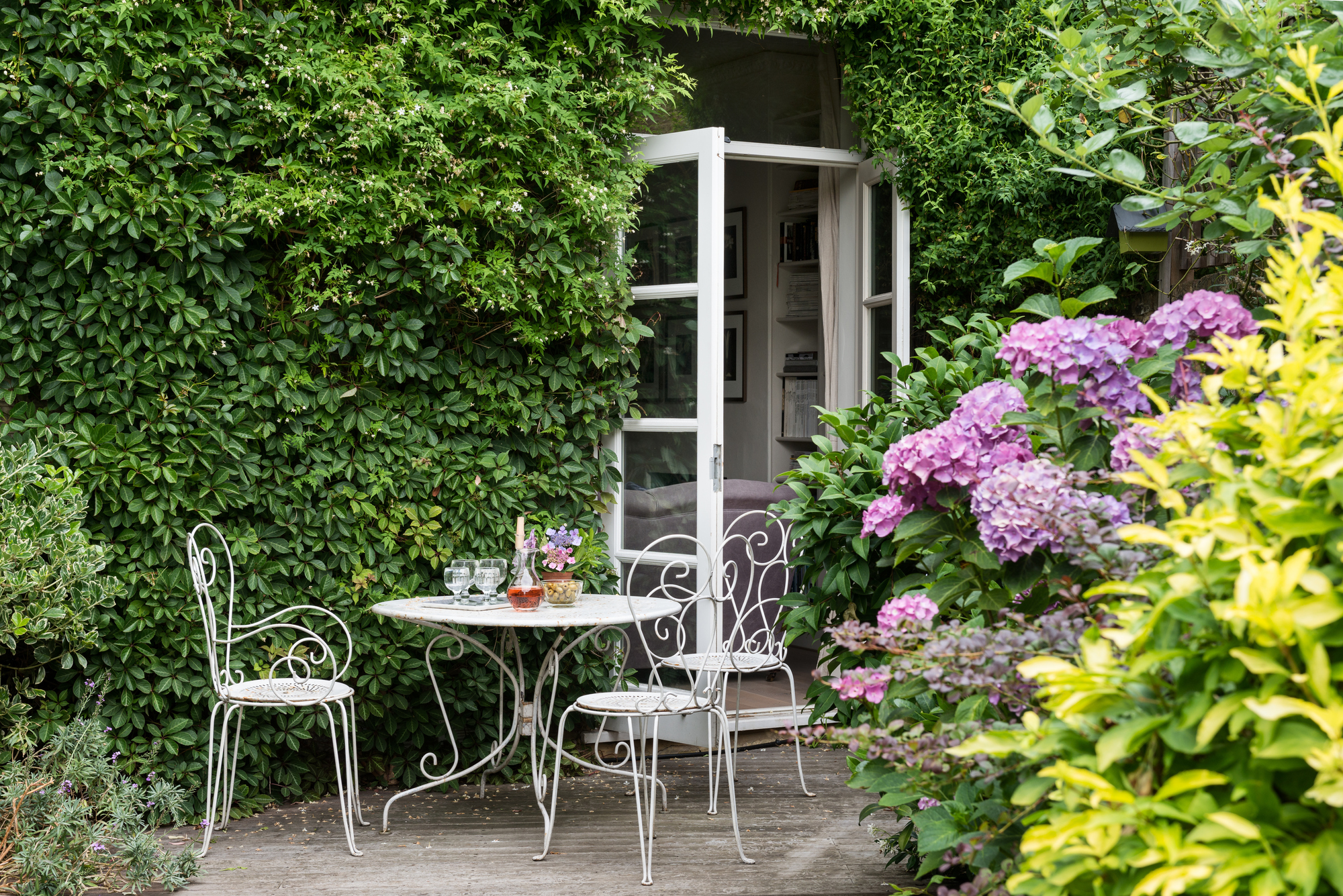
Metal furniture is another common option for outdoor spaces, known for its sleek appearance and ease of cleaning. However, the susceptibility to rust varies significantly among different metals. Stainless steel and aluminum are excellent choices for outdoor furniture as they are less prone to rust. Other metals, such as iron or copper, are more susceptible to rust and corrosion when exposed to rain, benefiting from shelter or protective covers.
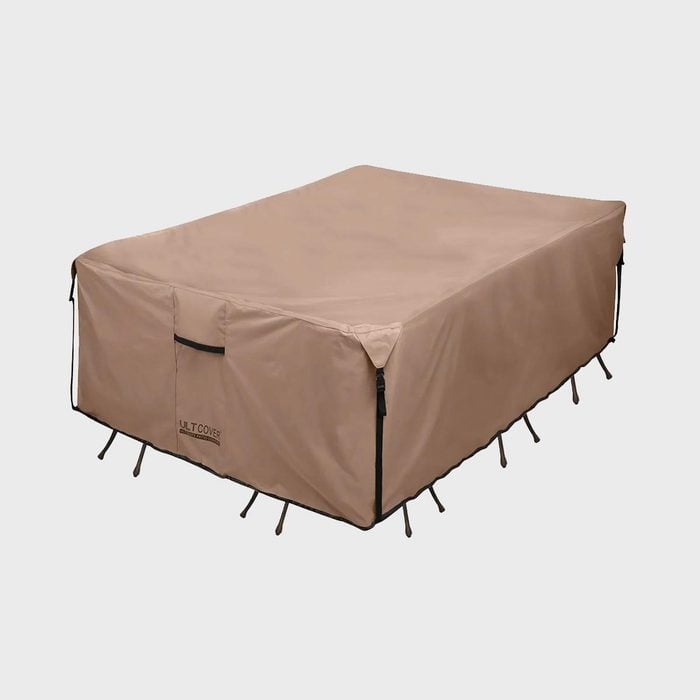
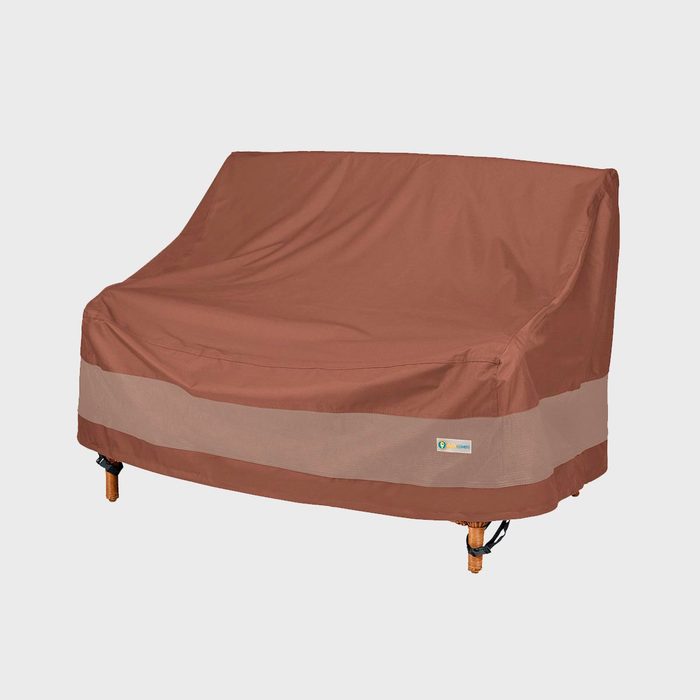
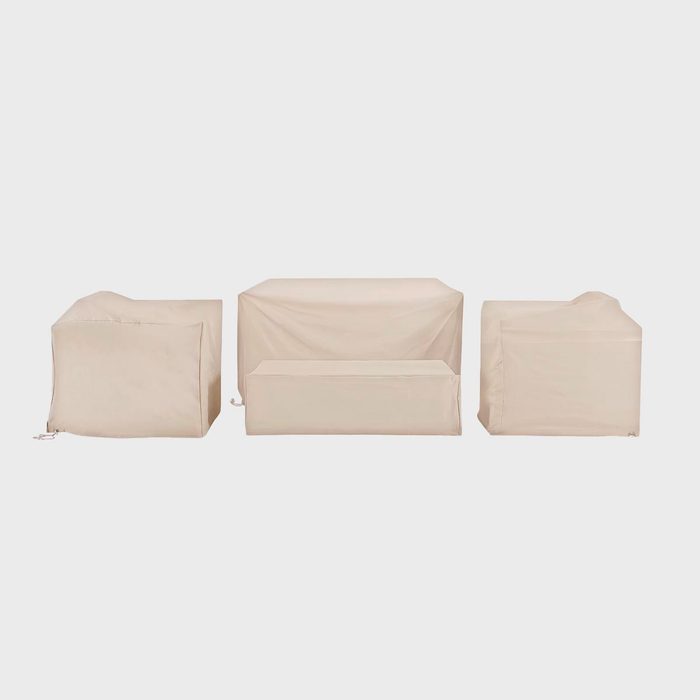
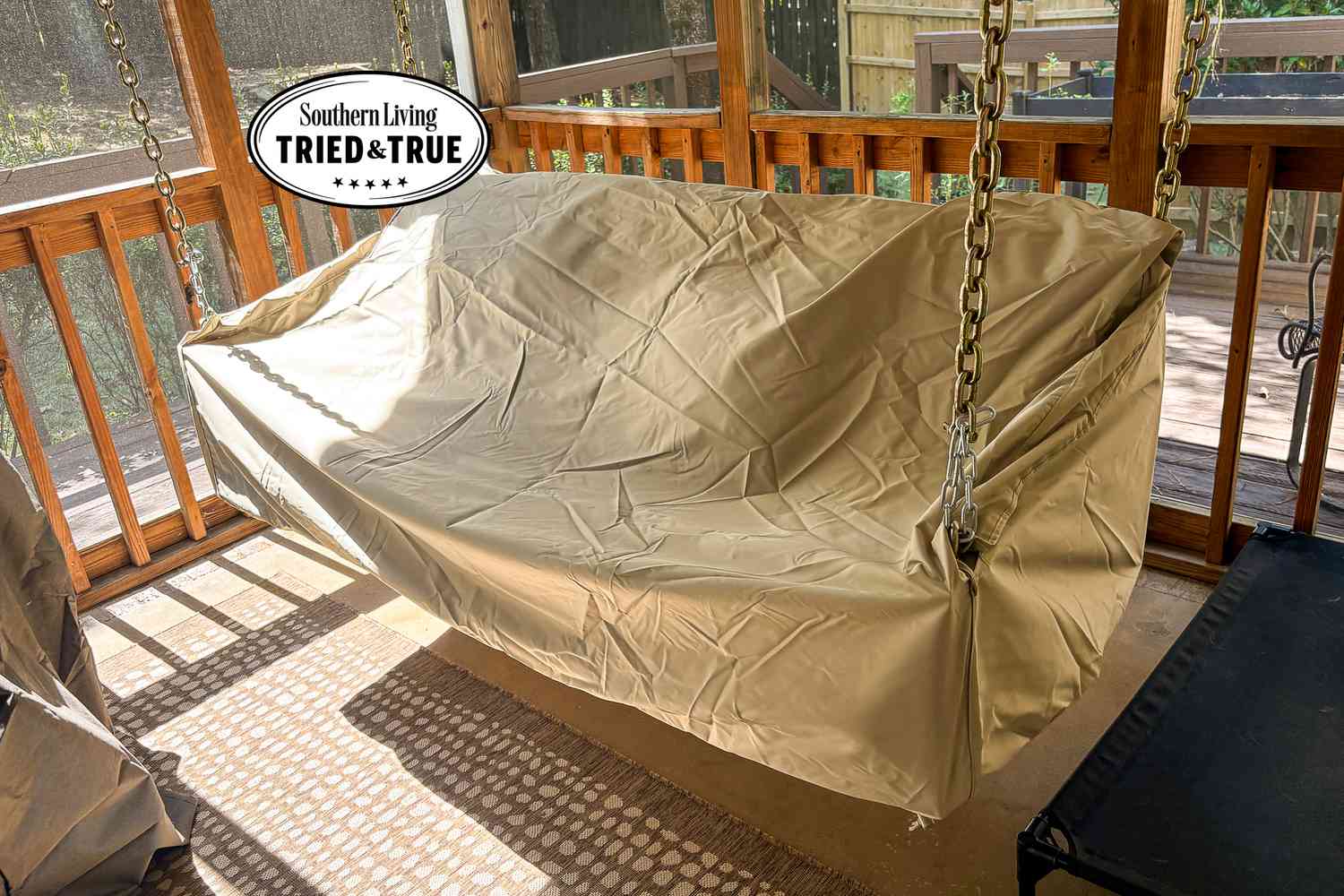
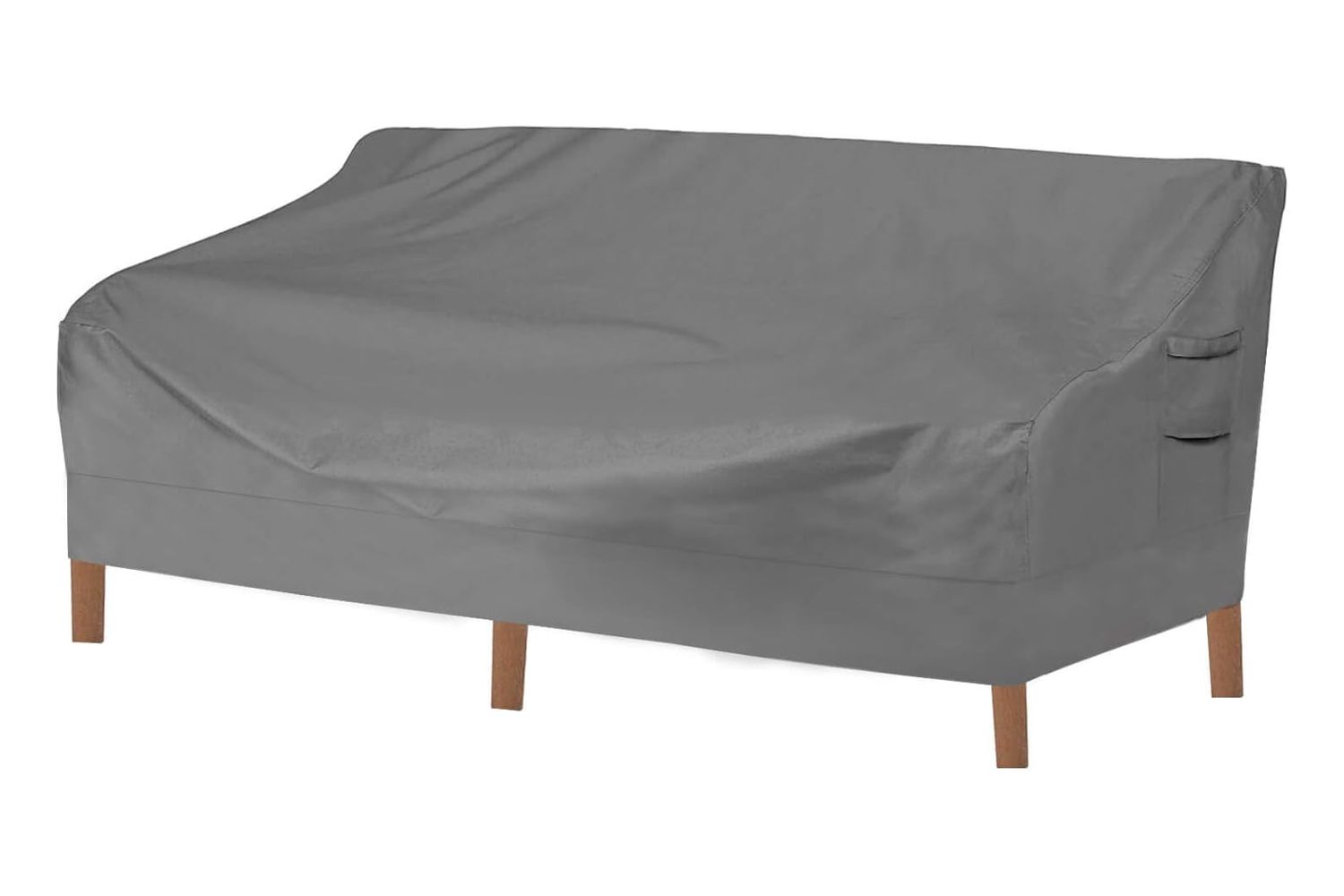
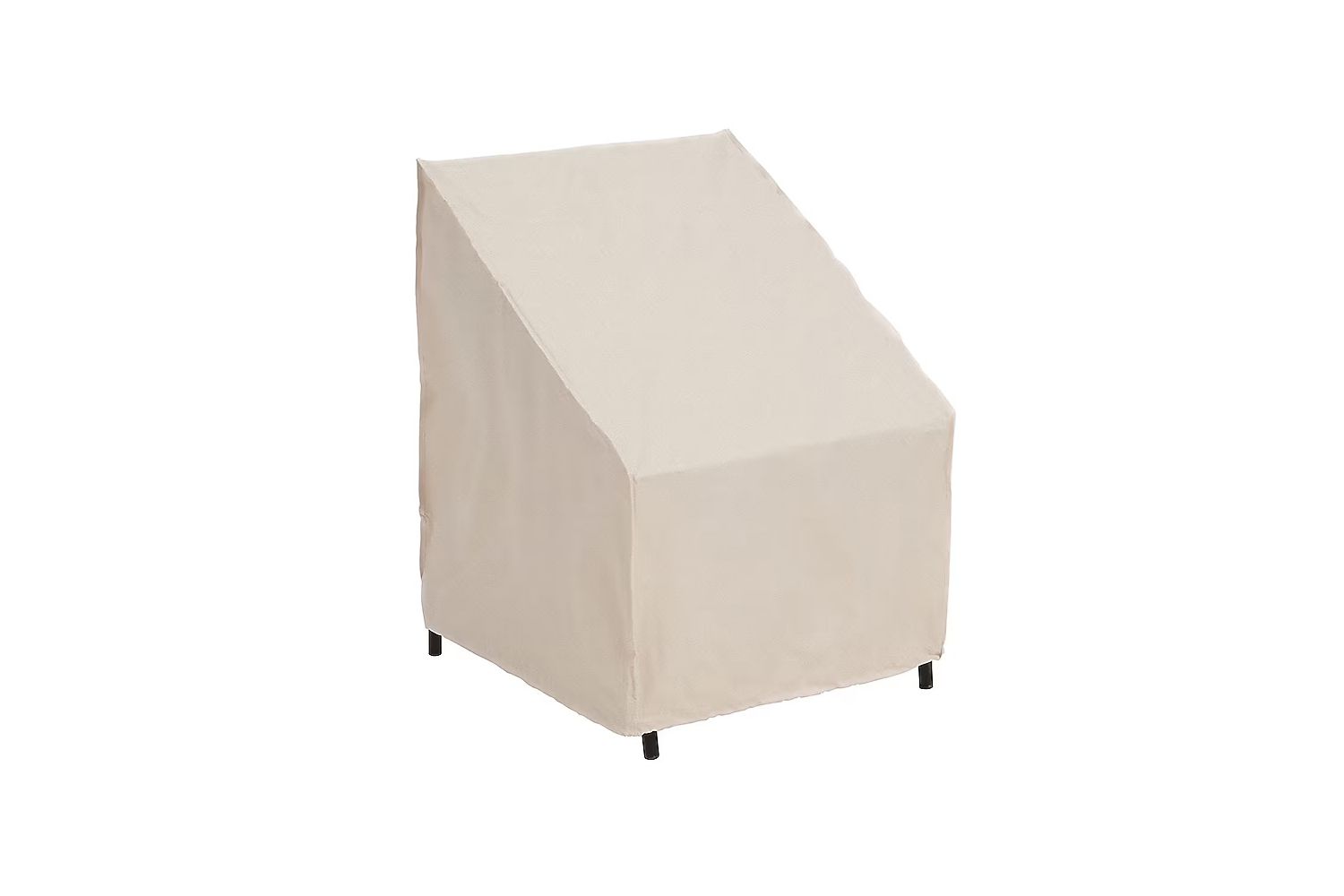
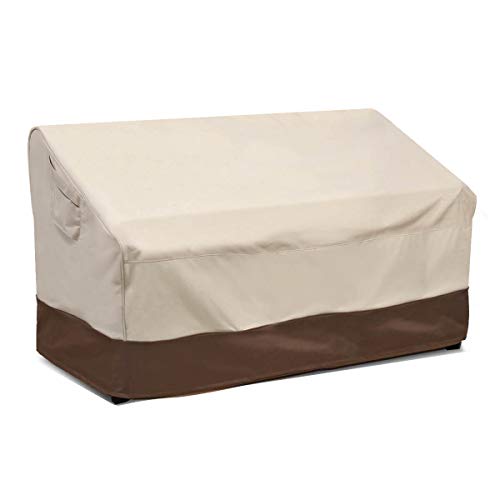
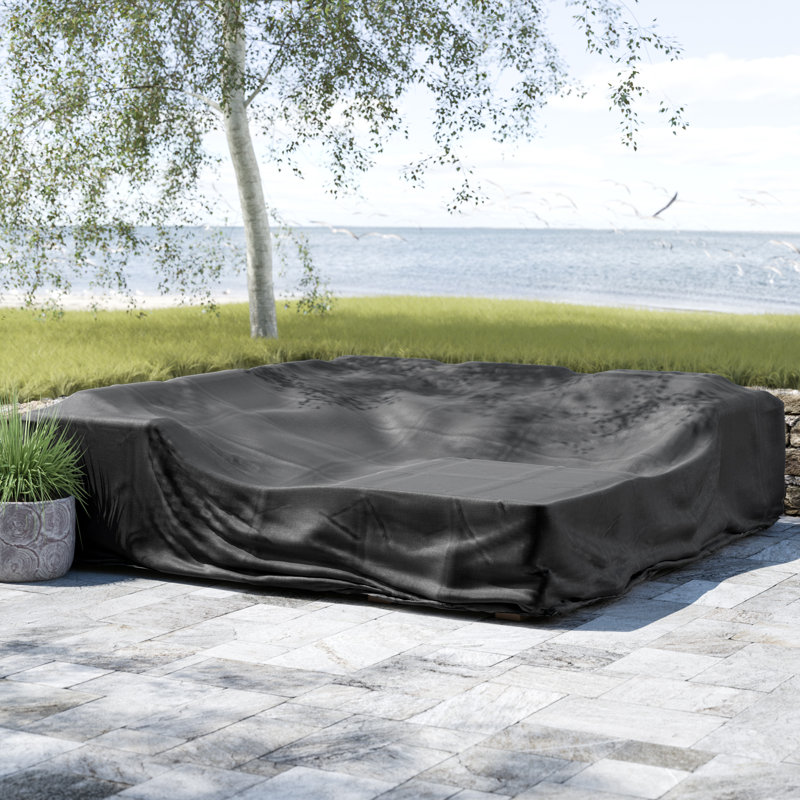
To proactively protect outdoor furniture, several methods can be employed. Applying sealants to wood, using rust-proof coatings for metal, and utilizing protective covers are effective strategies for rainproofing. In cases of rain damage, repair strategies depend on the material and severity. For synthetic materials, cleaning and minor repairs may suffice. Aluminum furniture can often be retouched with paint. However, severe damage might necessitate professional refurbishment or complete replacement. Understanding the properties of different materials and implementing appropriate protective measures can significantly extend the life and appearance of outdoor furniture, avoiding common mistakes that lead to deterioration.
#OutdoorFurniture #RainProofing #FurnitureCare #TeakWood #PlasticFurniture #MetalFurniture #HomeGardens #WeatherResistance #MaterialDurability #OutdoorFurniture #RainProofing #FurnitureCare #TeakWood #PlasticFurniture #MetalFurniture #HomeGardens #WeatherResistance #MaterialDurability
Há 0 comentários no total
 Ainda não há comentários
Você também pode gostar
Is outdoor furniture weatherproof? We ask the experts

What outdoor furniture lasts the longest? Every landscape designer we asked picked one of these 5 durable options
How to clean outdoor furniture – 3 simple steps for wood, metal, resin and rattan

We Put 15 Outdoor Furniture Covers to the Test — These Are the 5 That Kept Our Tables and Chairs Looking Great

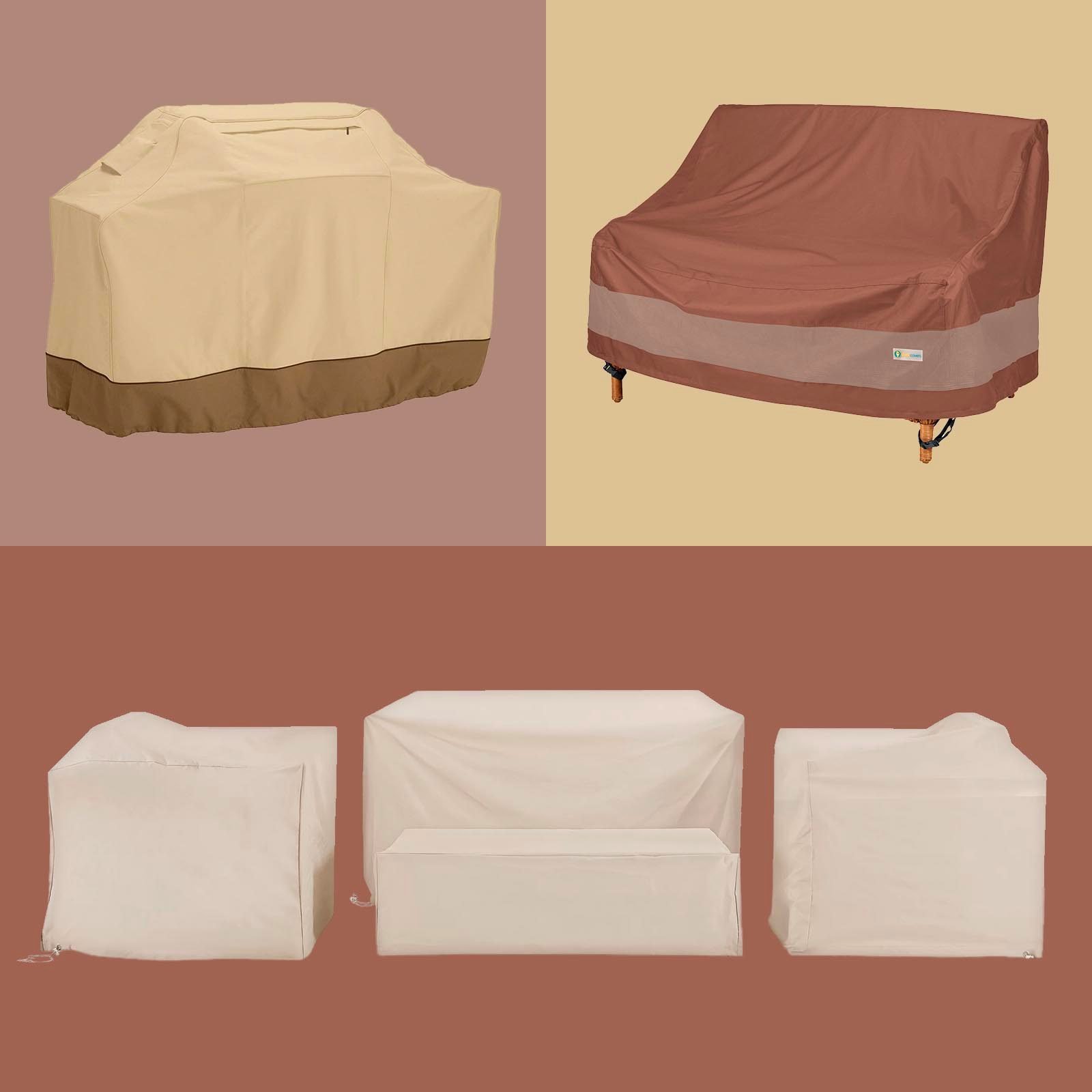
8 Best Outdoor Furniture Covers For All-Weather Protection

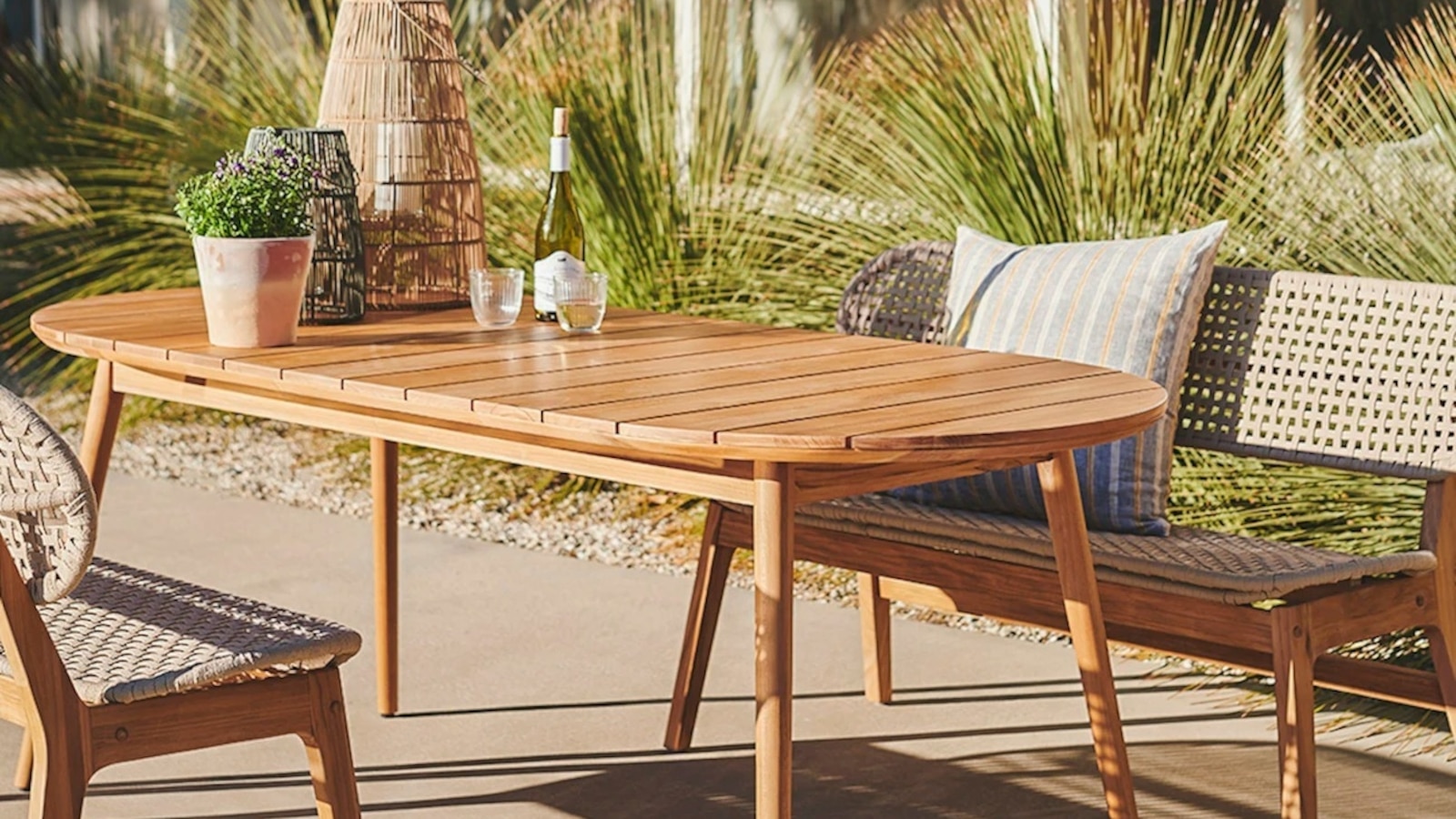
Everything you need to upgrade your patio for summer and how to protect it
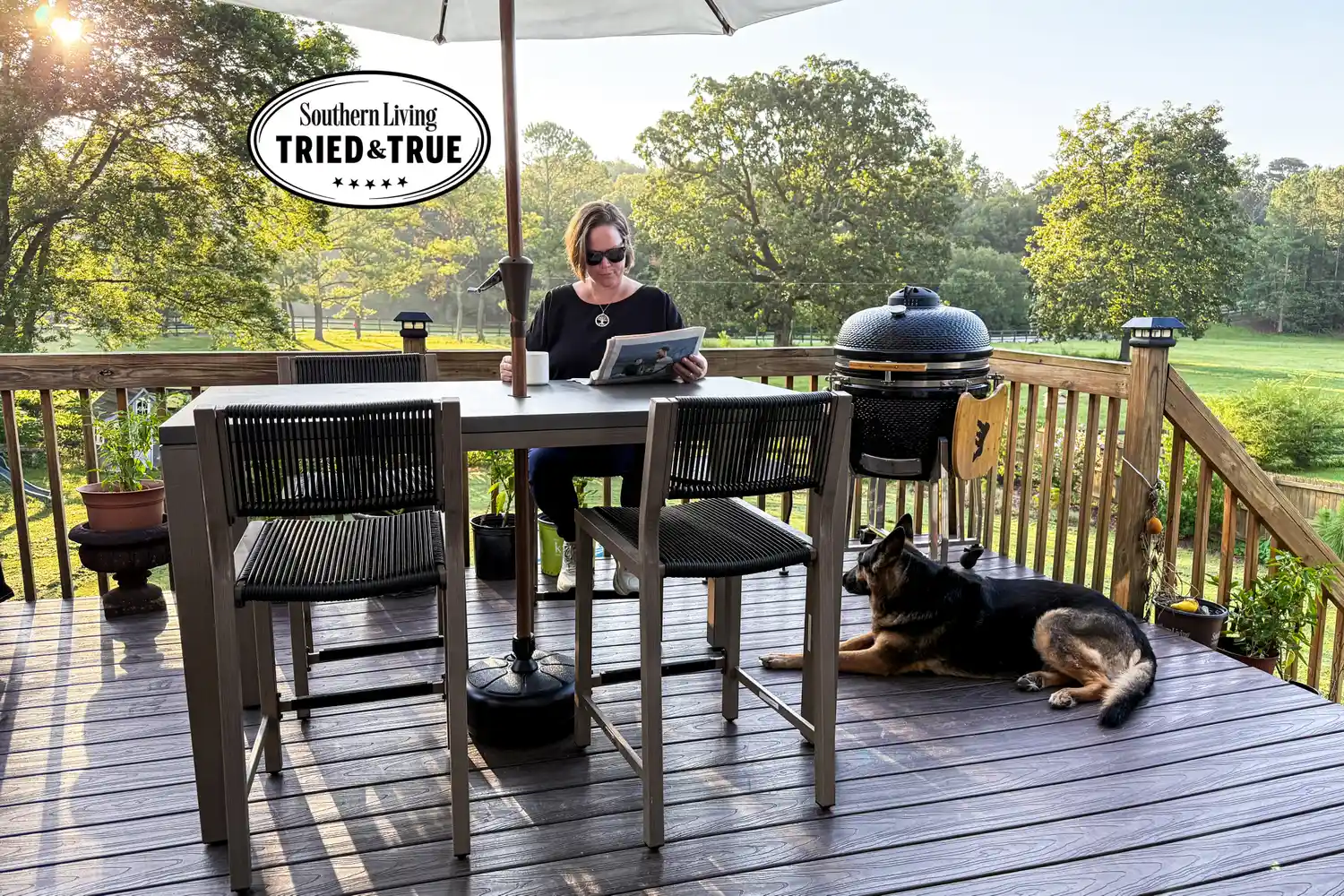
The Weather's Finally Right—These Are The Outdoor Furniture Pieces Worth Putting Out Now
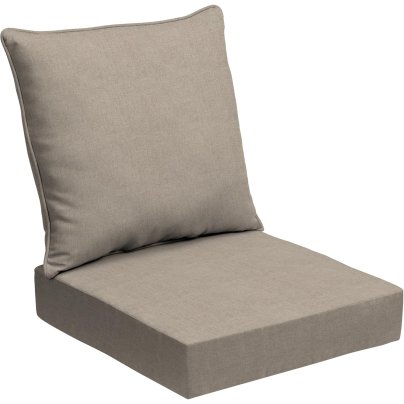
Our Favorite Outdoor Cushions Are Made From an Unusual Material to Prevent Fading

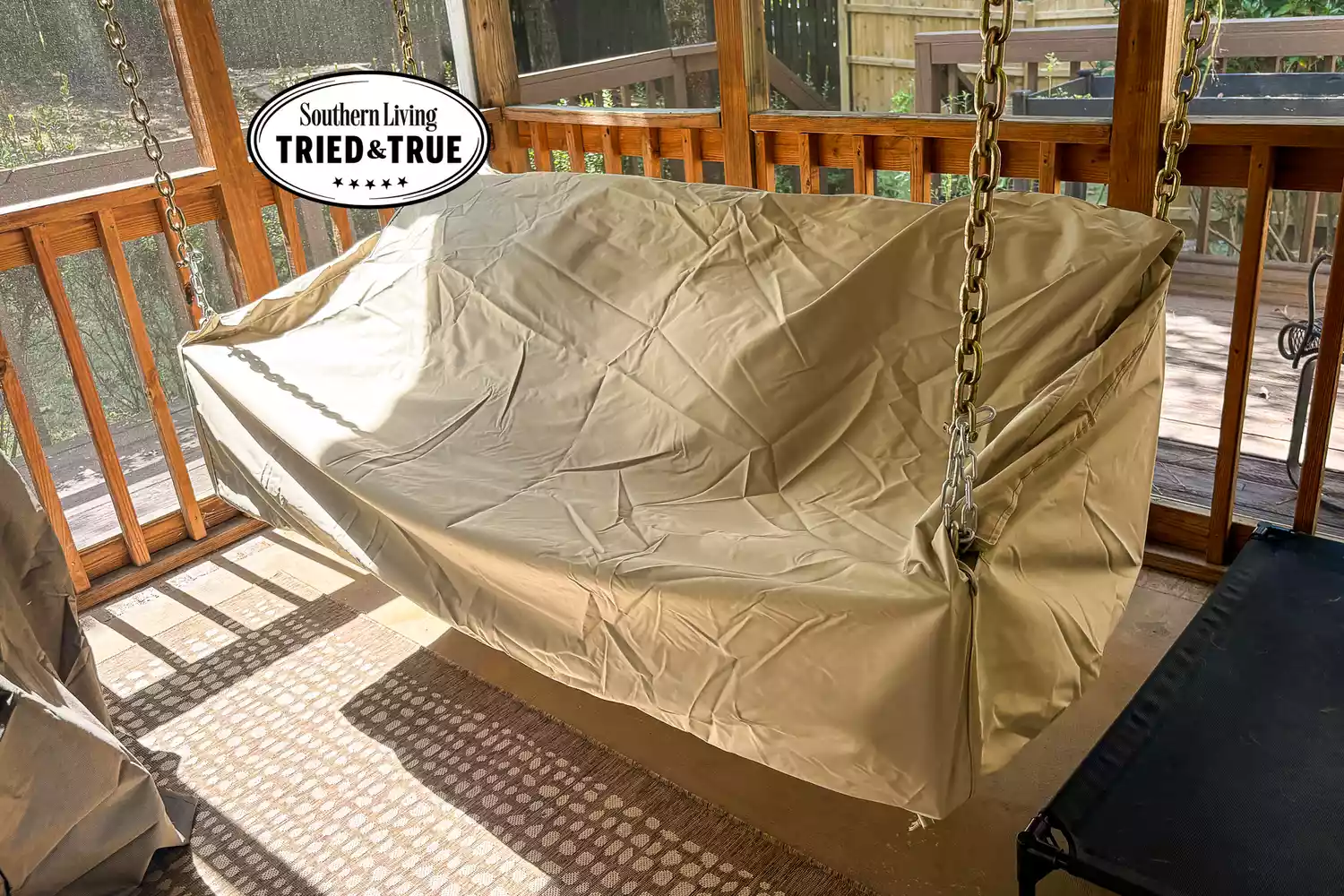
We Tested 20 Outdoor Furniture Covers—These 5 Held Up Best
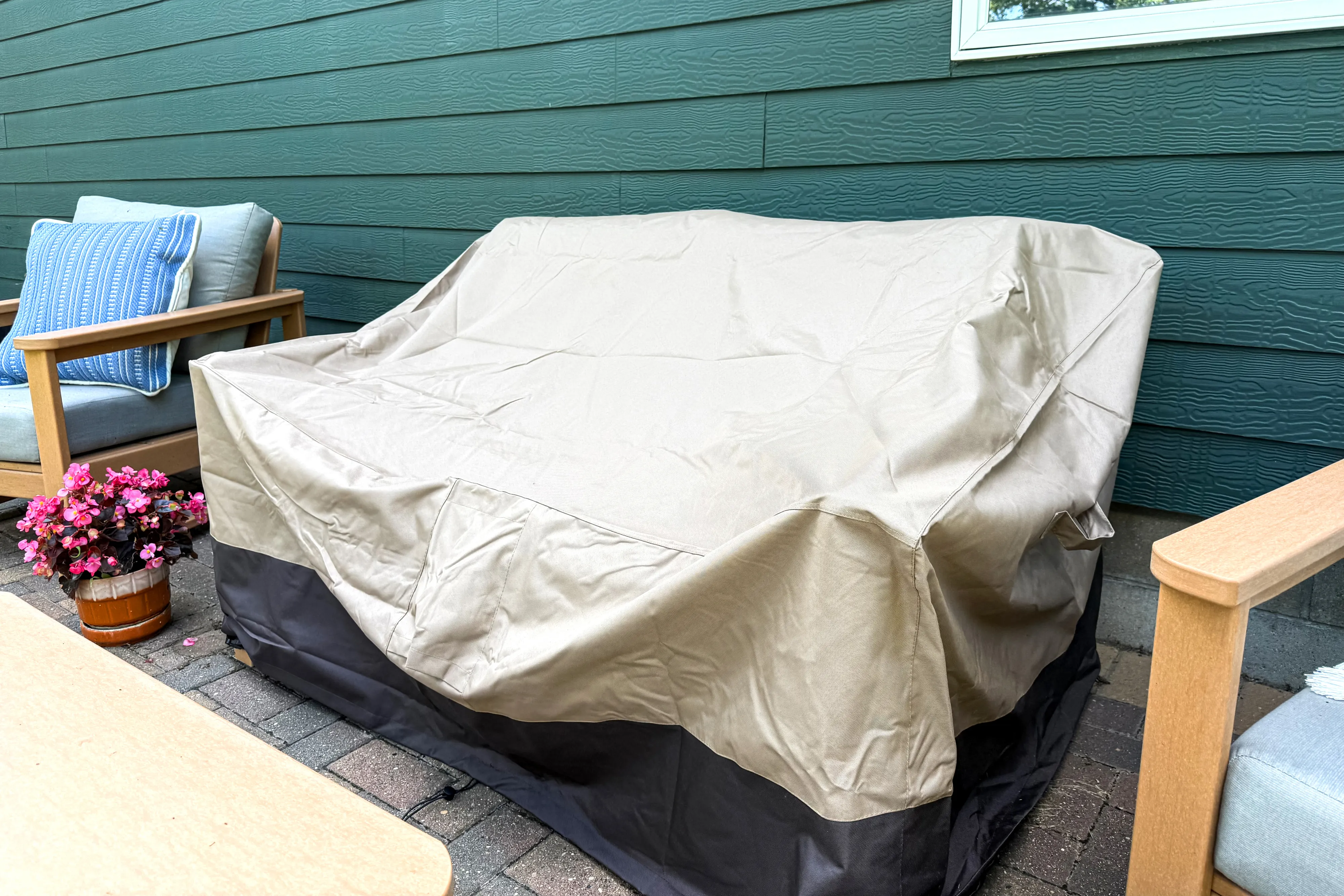
The 5 Best Outdoor Furniture Covers We Tested to Keep Your Patio Furniture Protected, No Matter the Weather

The 12 Best Outdoor Sectionals to Shop Now, According to Designers

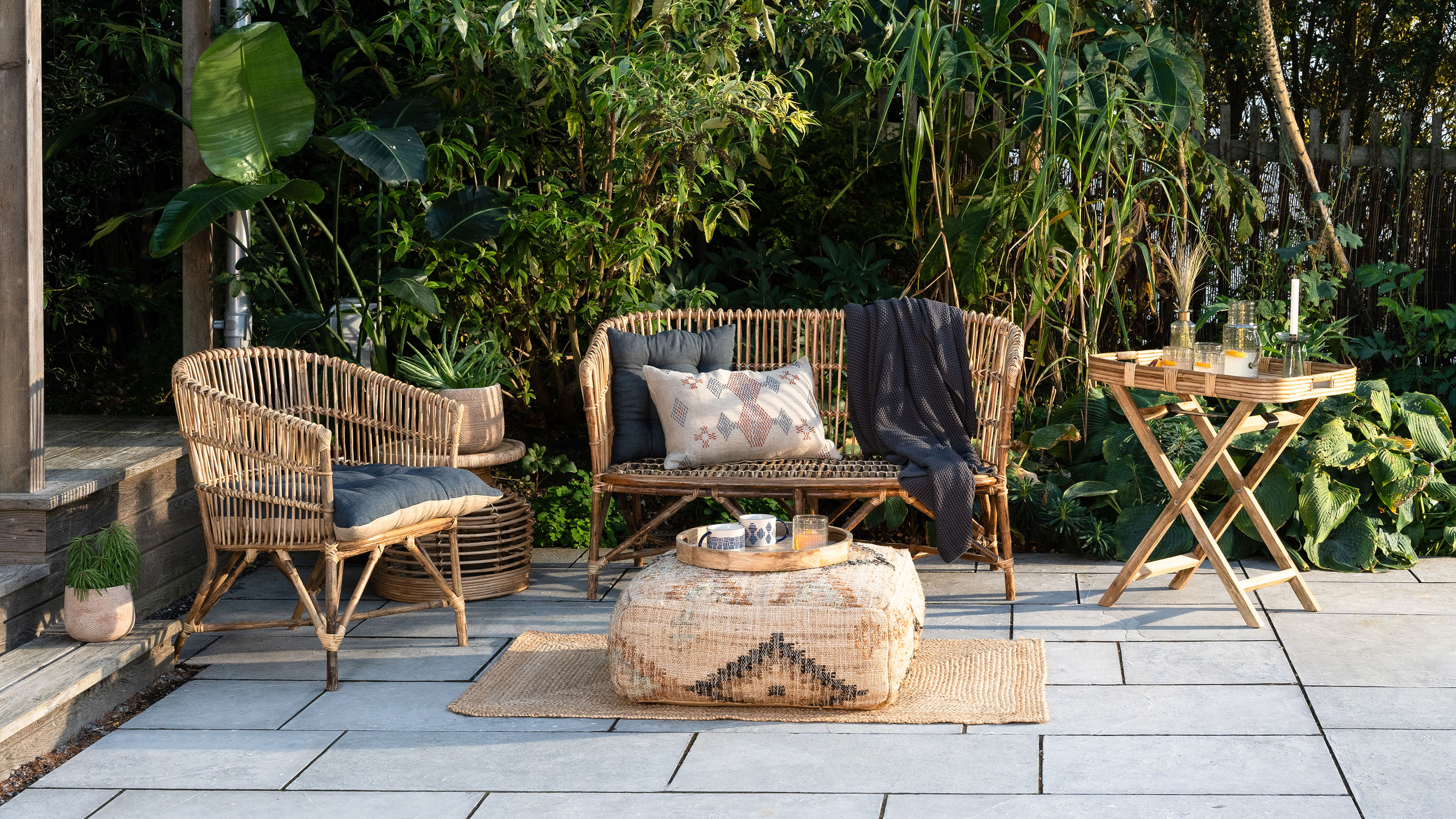
How to clean garden furniture to keep your pieces looking brand-spanking new
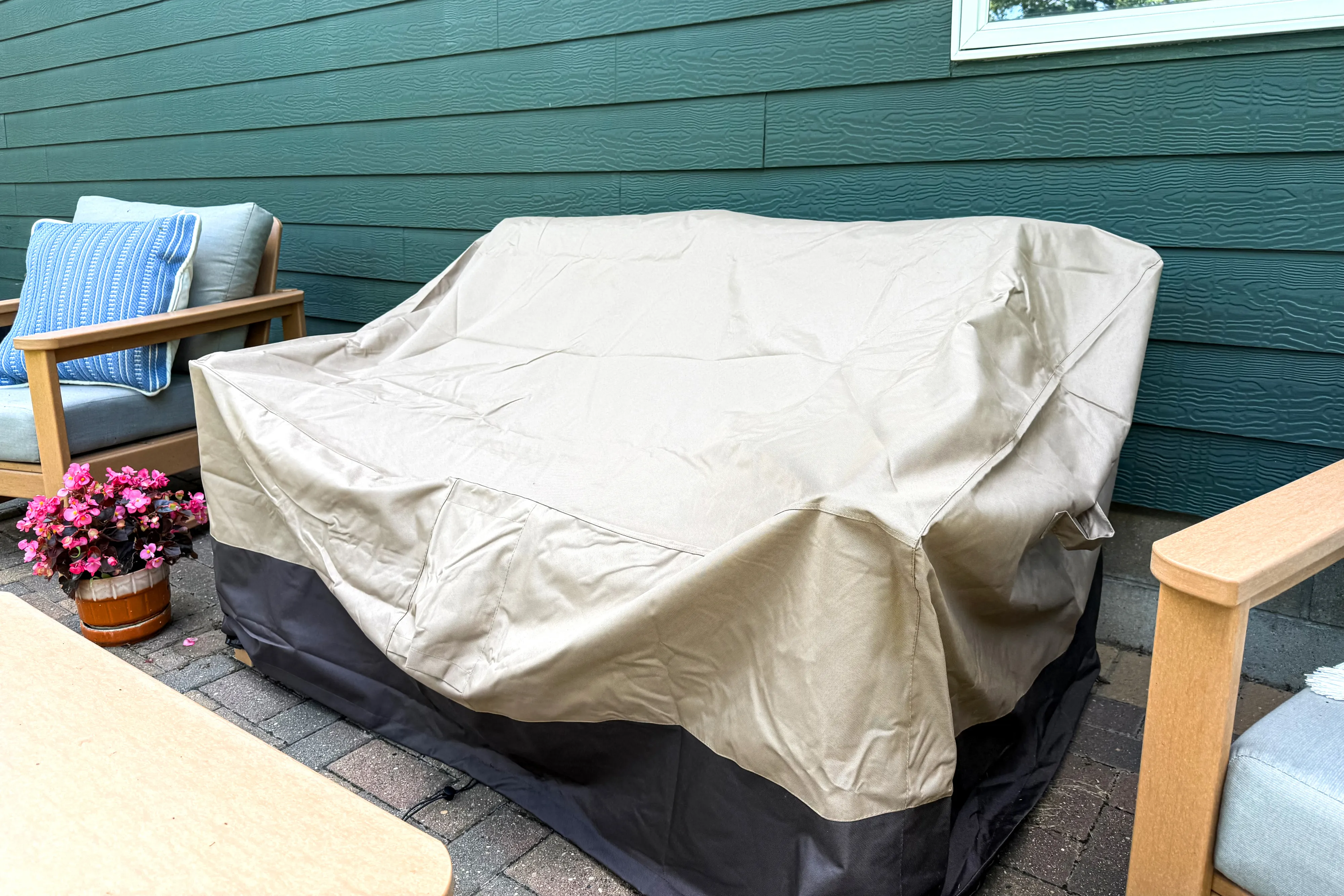
The Best Outdoor Furniture Covers We Tested for All-Weather Protection
The 16 retailers we're shopping at to upgrade our outdoor furniture before summer ends
Your Outdoor Space DESERVES One of These Super-Cozy Sectionals

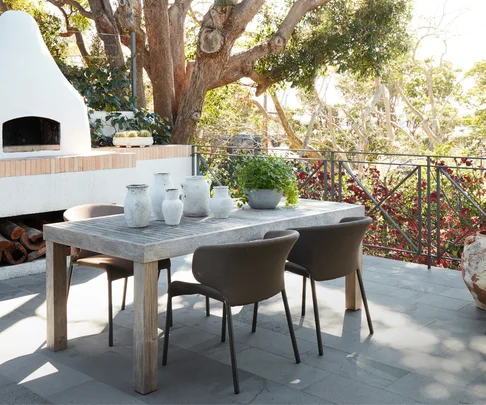
Outdoor patio furniture and styling tips

This is the one mistake that could make your patio furniture wear out twice as fast

What outdoor furniture lasts the longest? Every landscape designer we asked picked one of these 5 durable options

8 best garden tables and chair sets for dining alfresco

Monsoon-proof your home: Smart furniture care tips for the rainy season